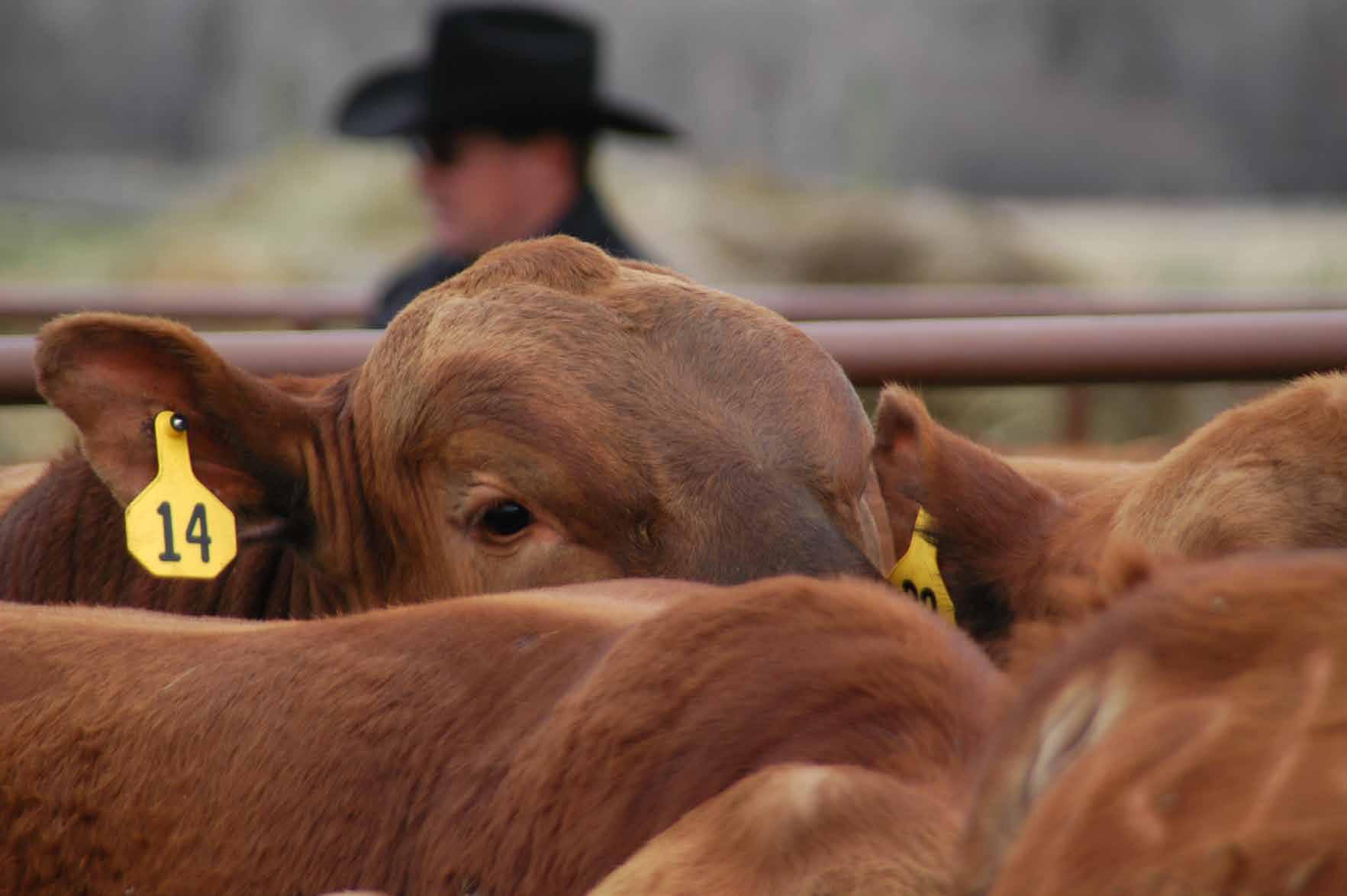
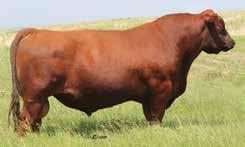
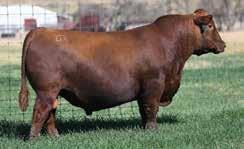
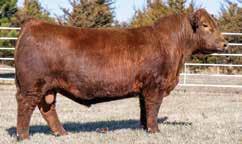
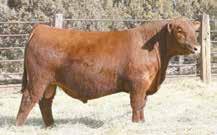
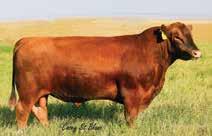
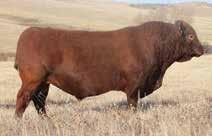
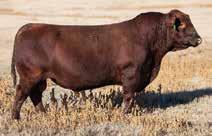
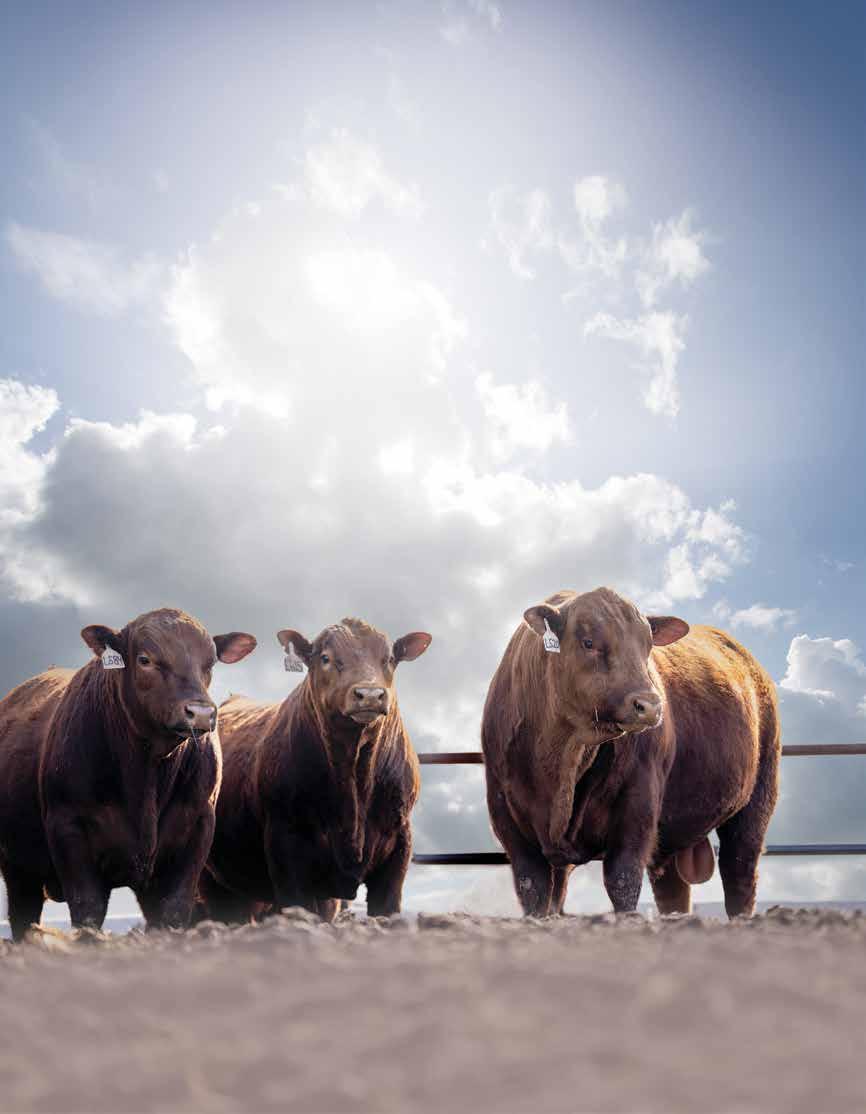
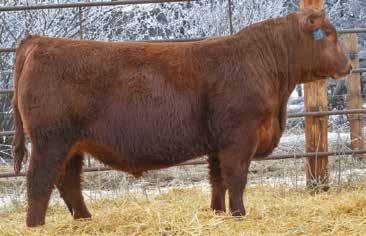
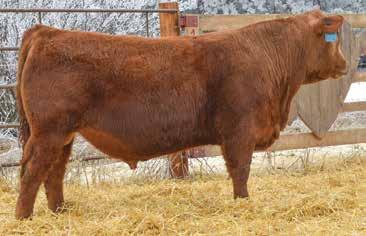
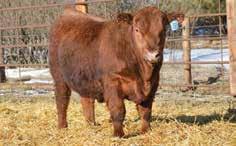
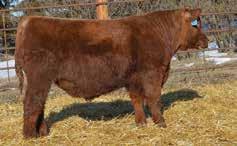
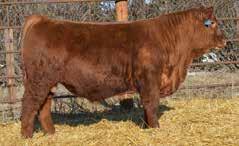
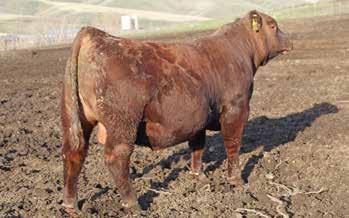
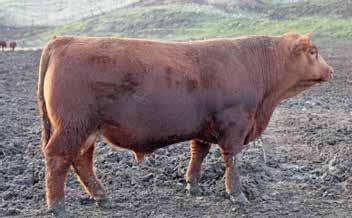
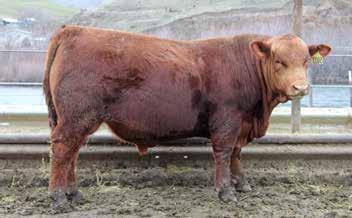
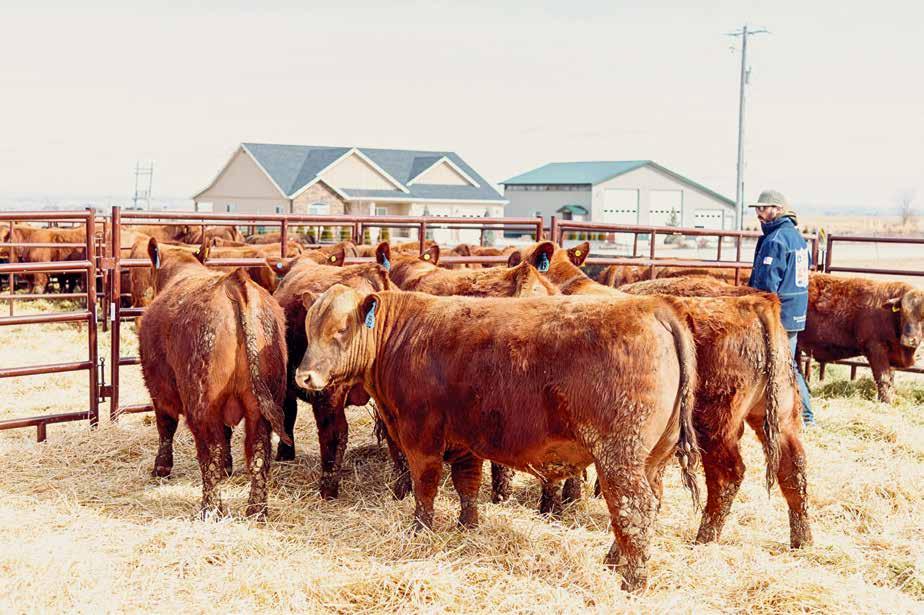
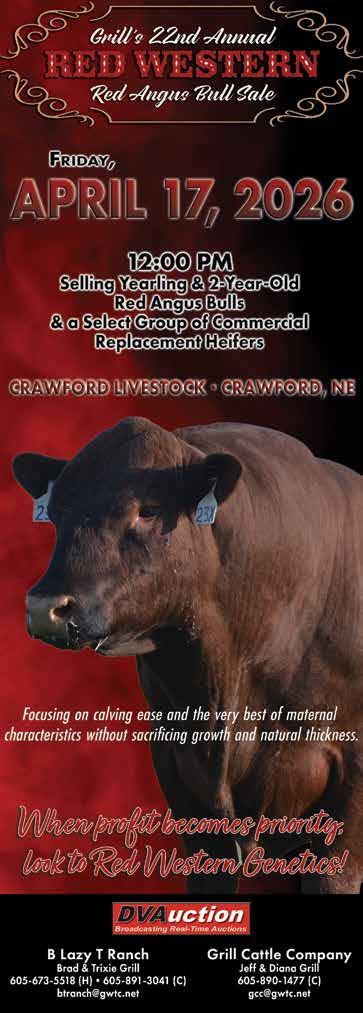
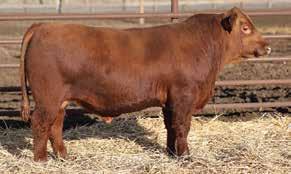
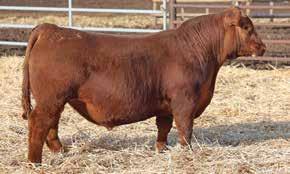
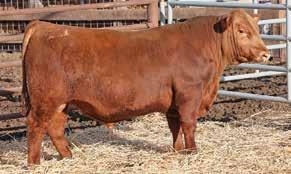
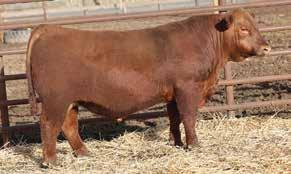
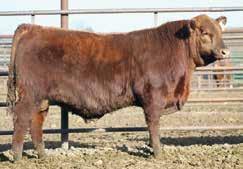
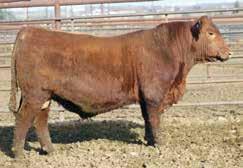
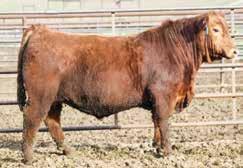
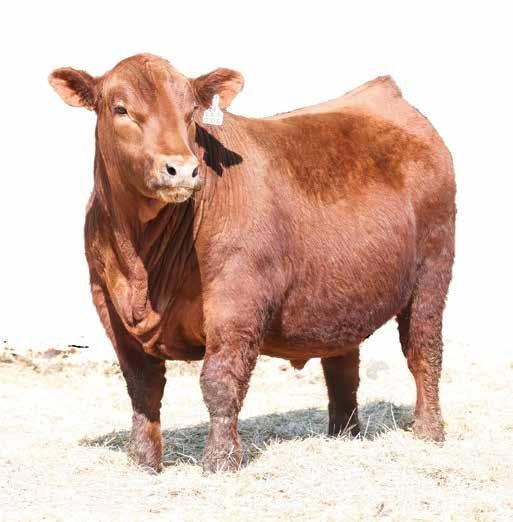
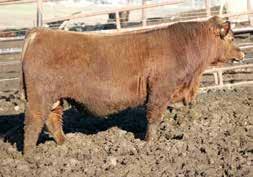
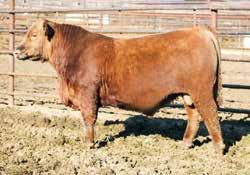
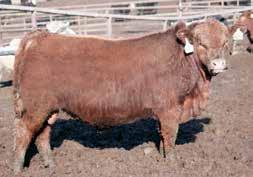
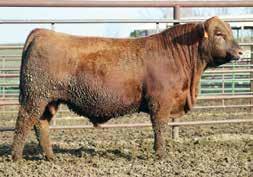
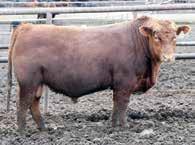
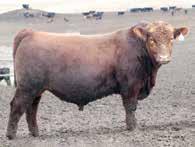
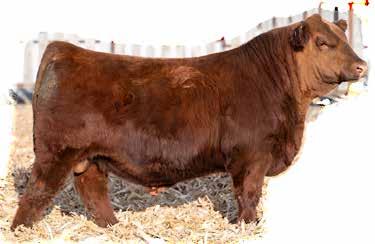
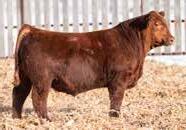
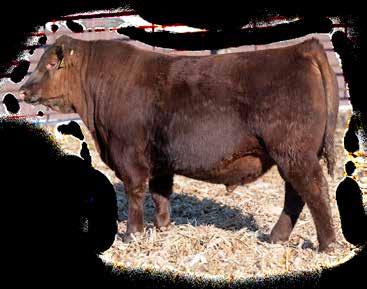
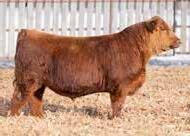
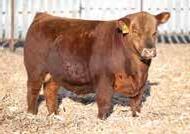
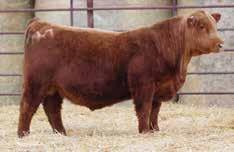
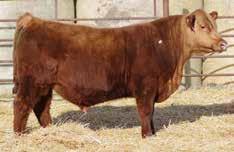
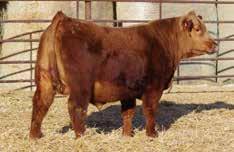
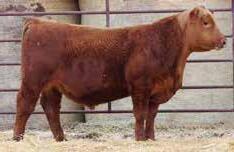
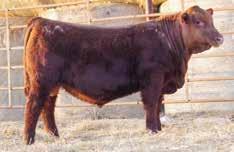
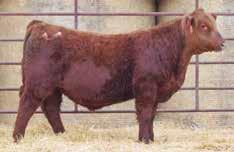
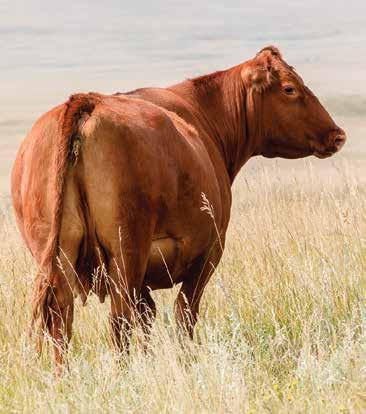
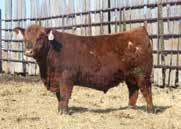
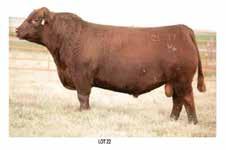
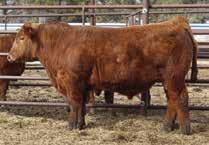
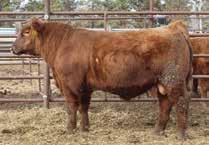
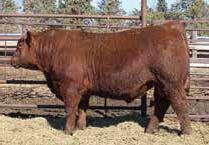
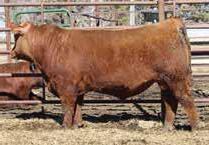
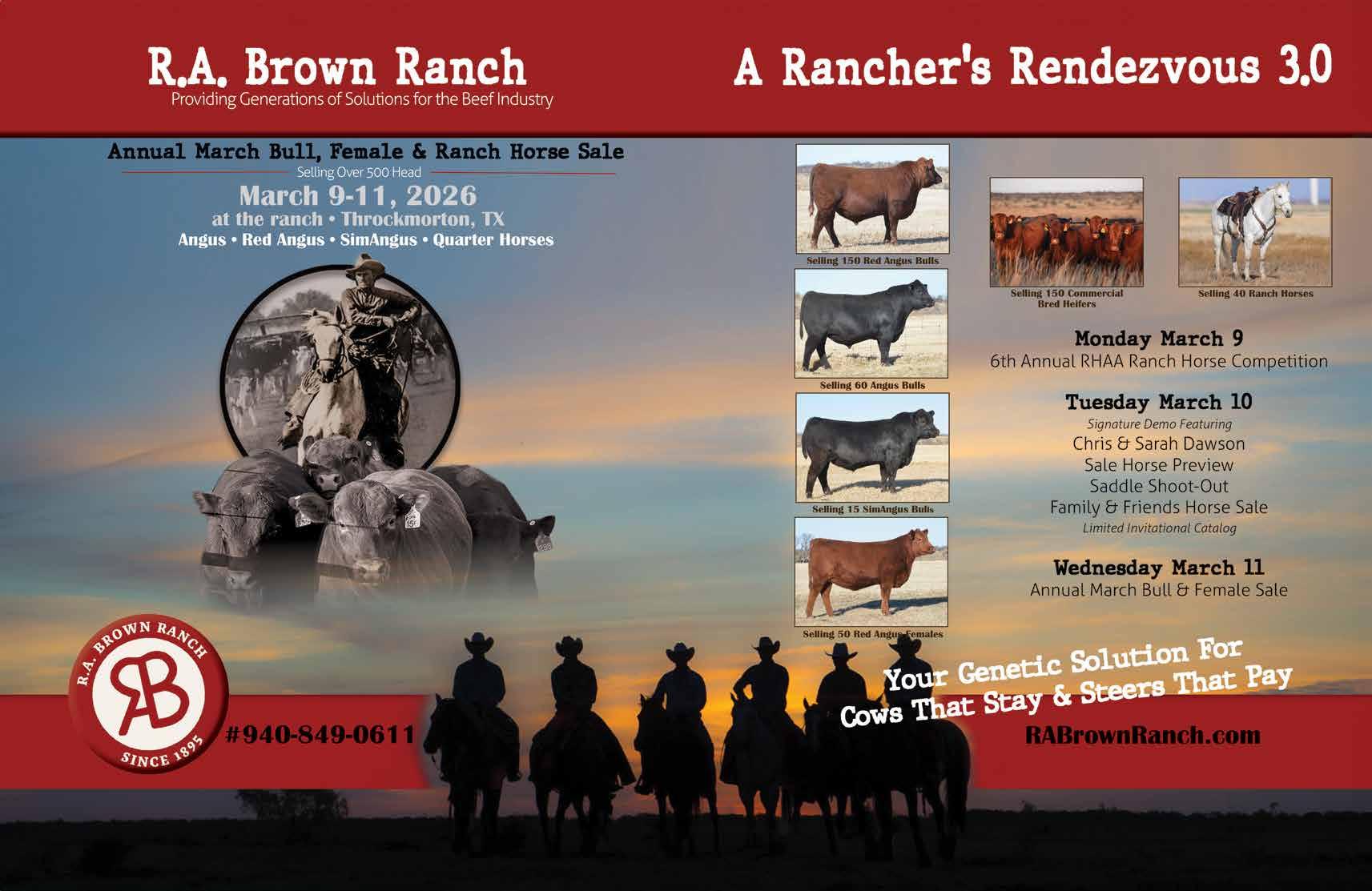
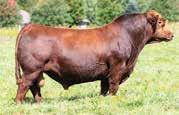
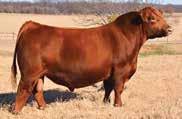
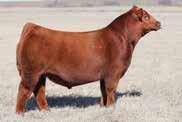
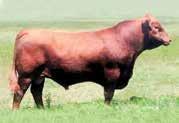
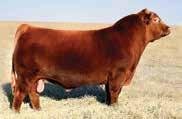
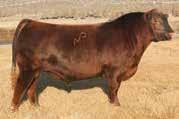
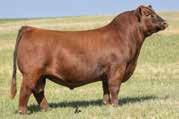
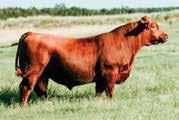
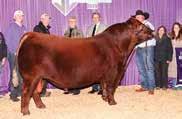
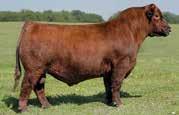
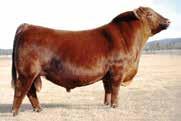
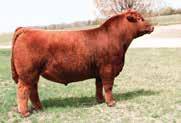
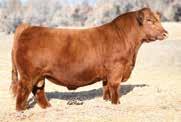
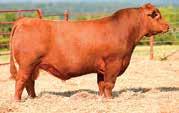
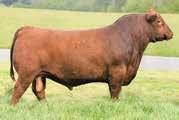
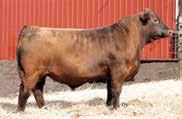
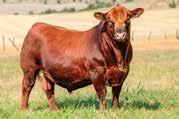
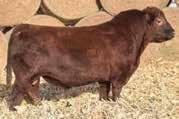
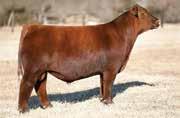
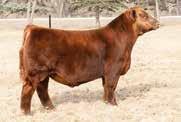
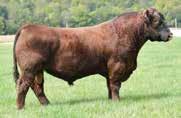
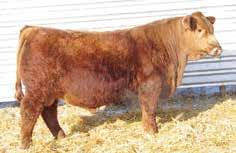
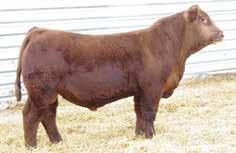
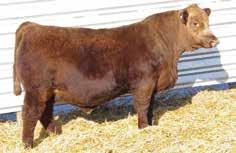
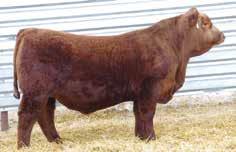
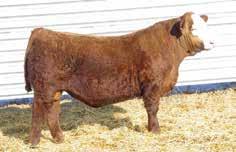
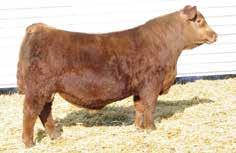
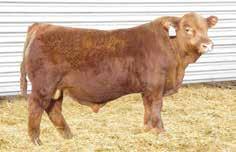
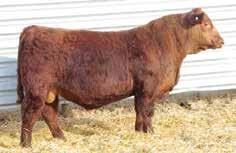
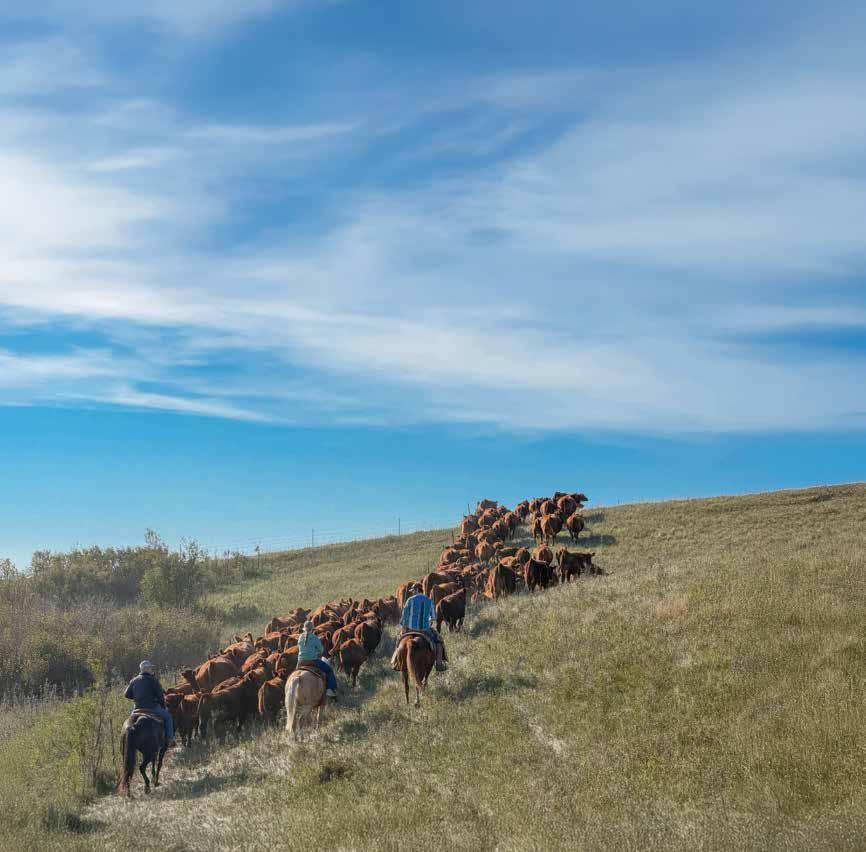
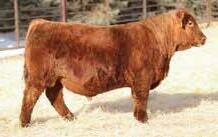
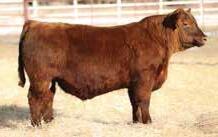
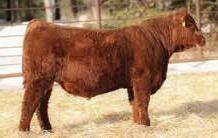
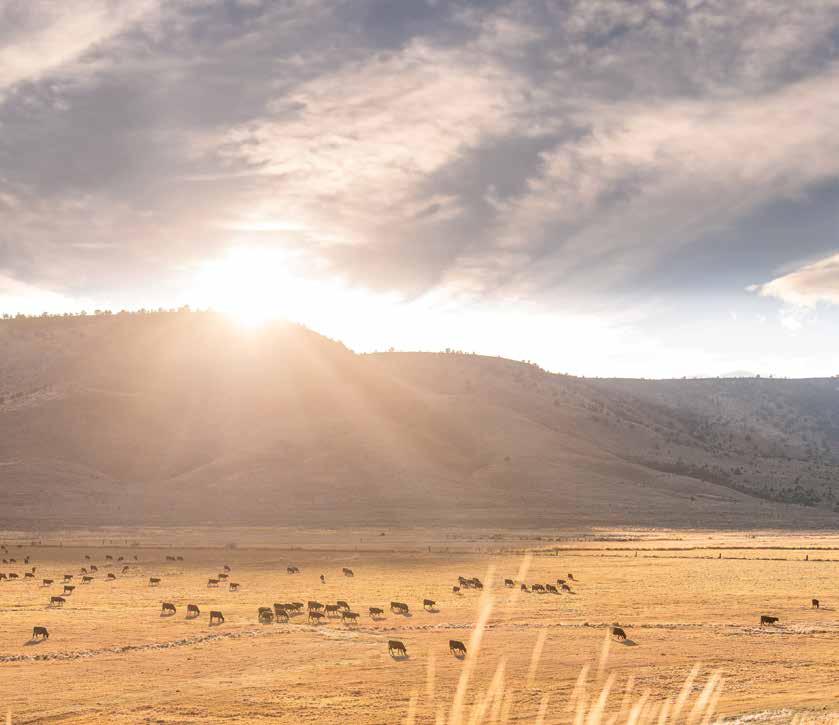
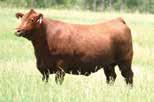
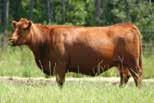
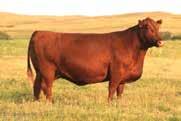
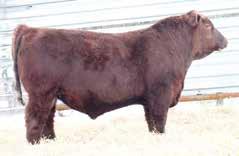
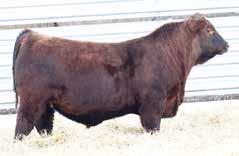
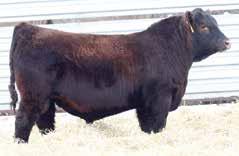
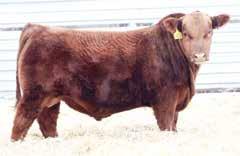
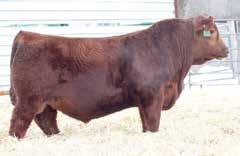
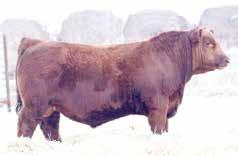
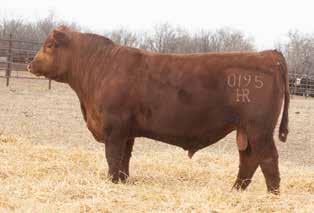
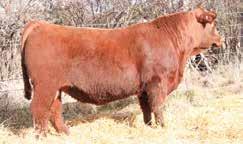
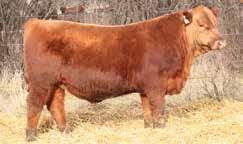
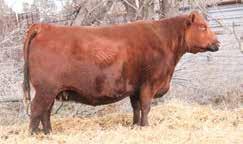
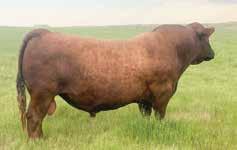
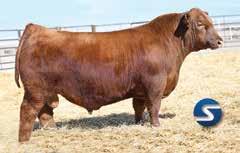
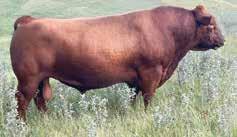
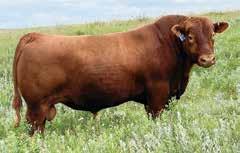
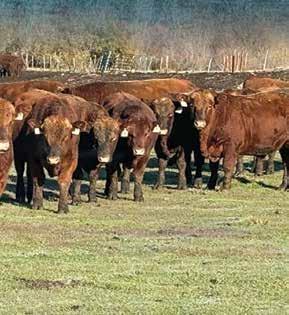
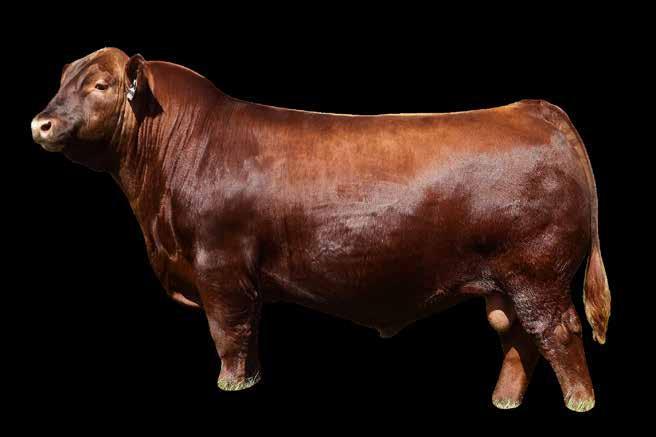
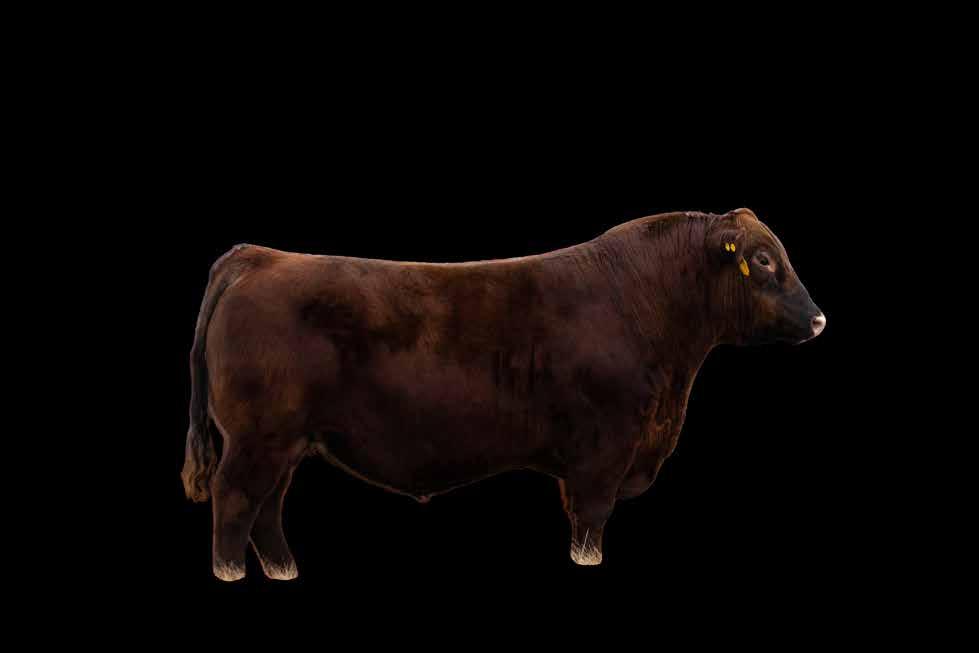
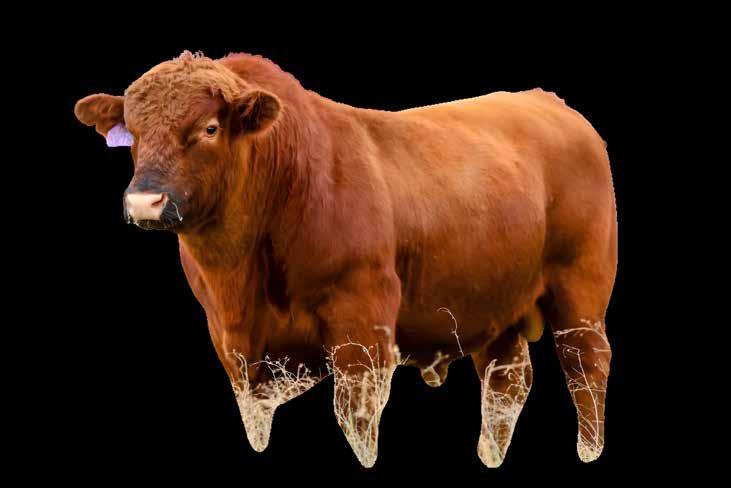
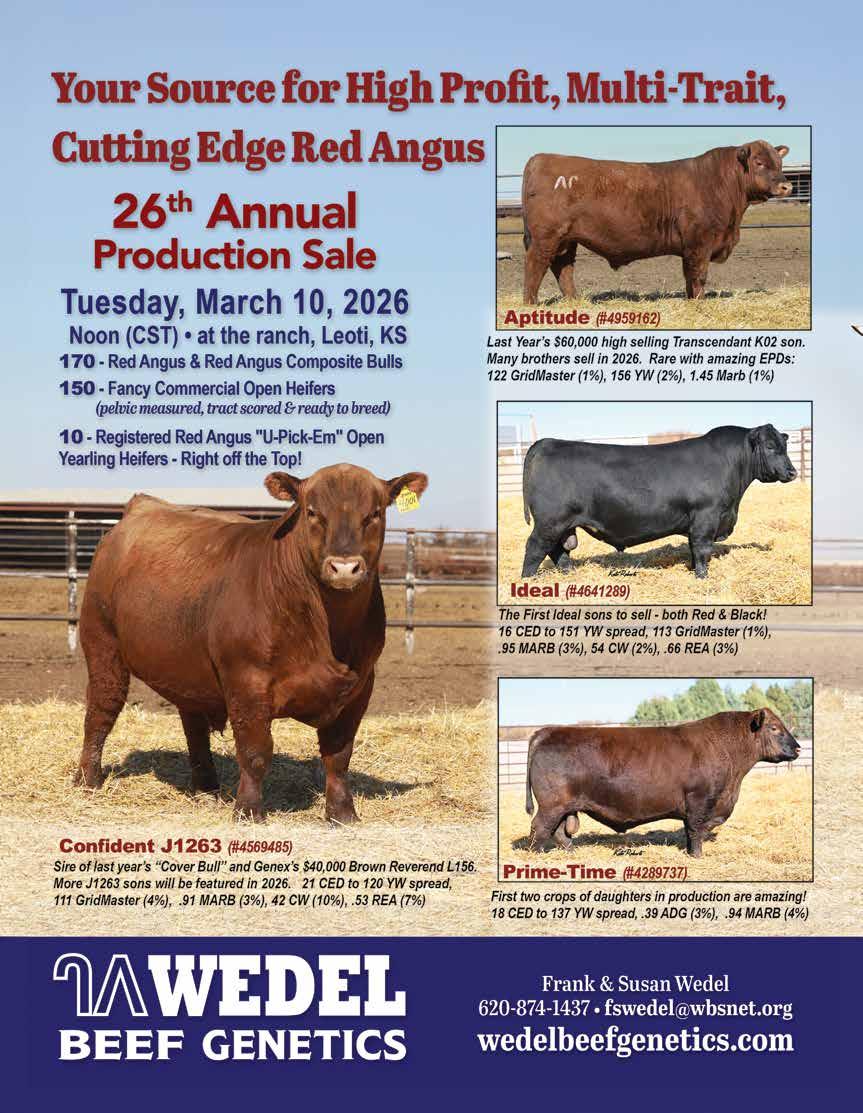
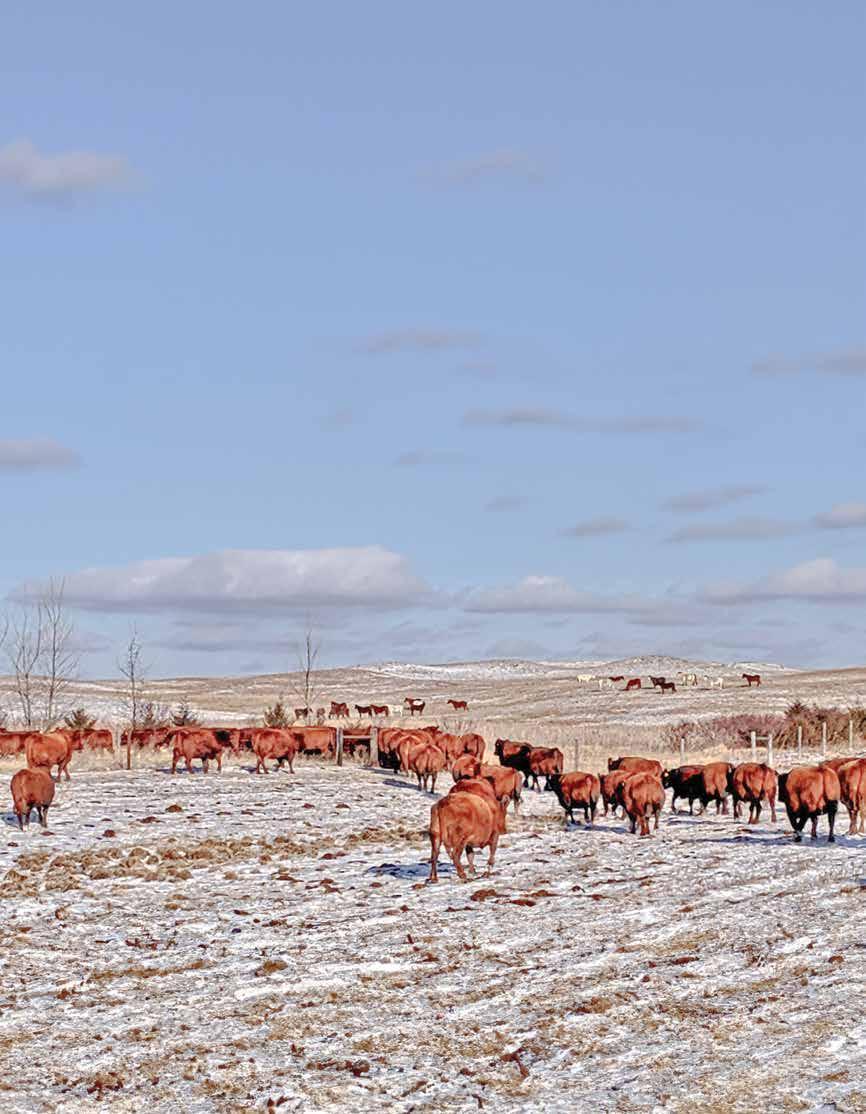
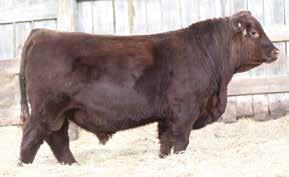
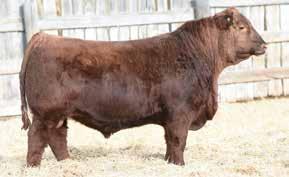
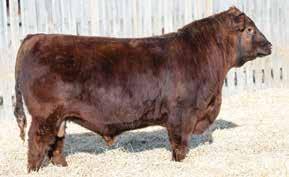
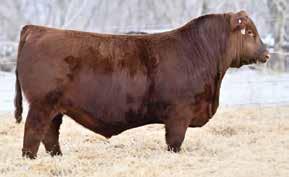
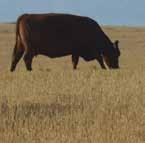
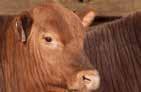
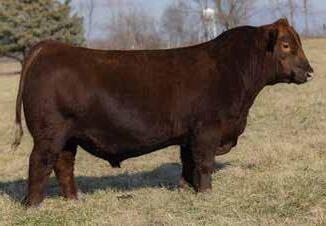
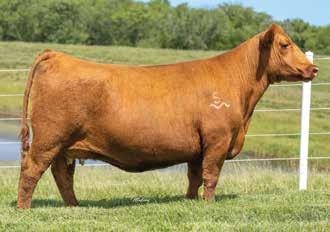
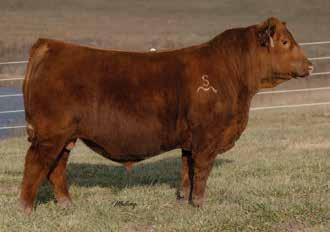
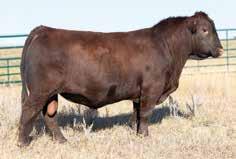
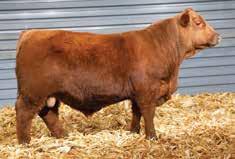
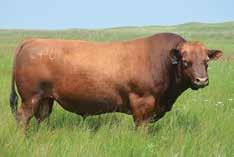
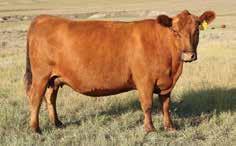
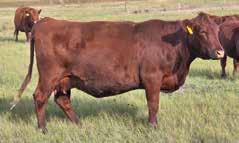
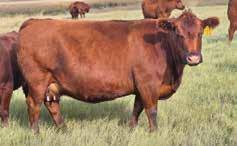
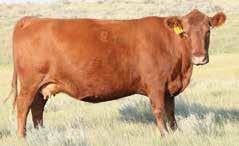
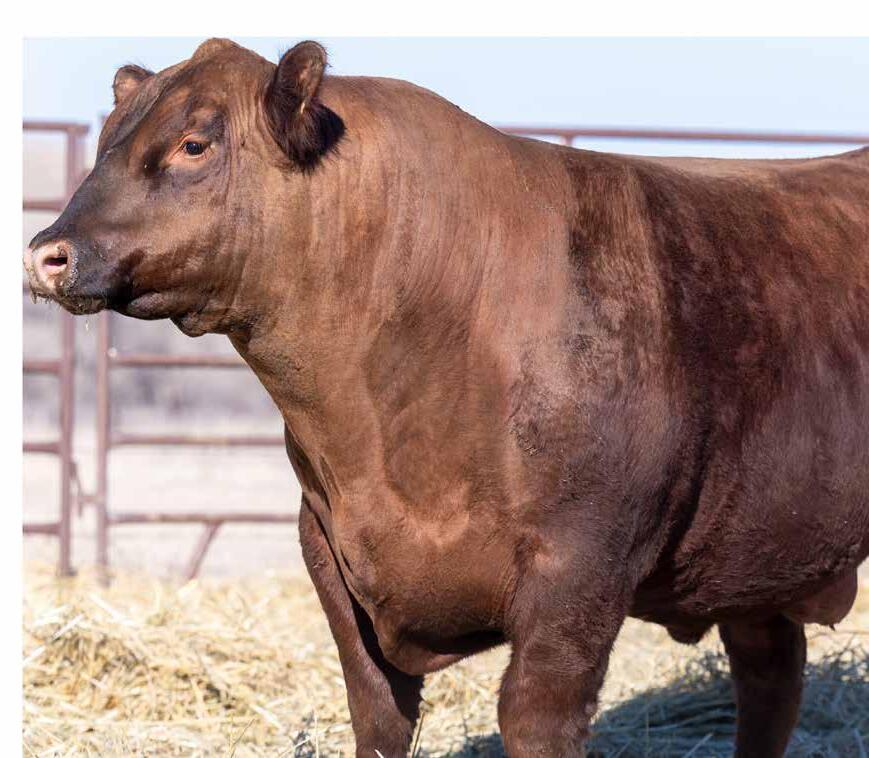
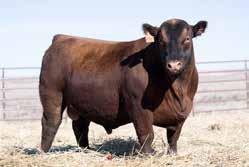
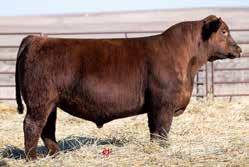
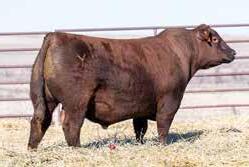
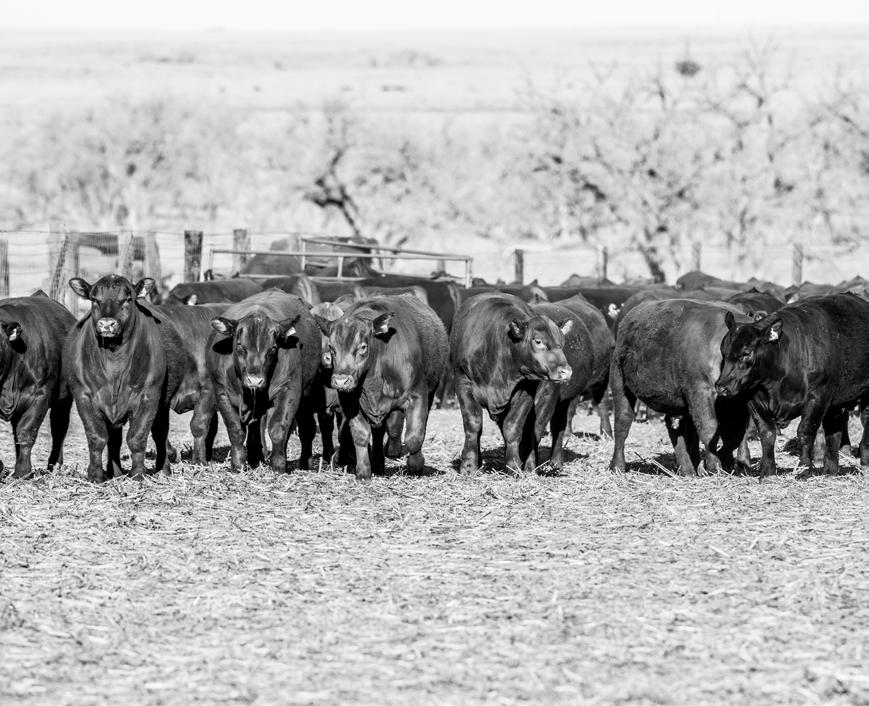
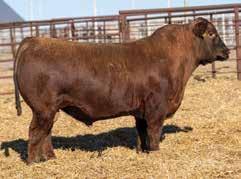
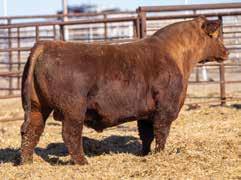
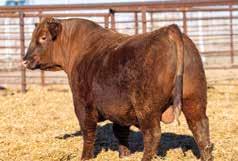
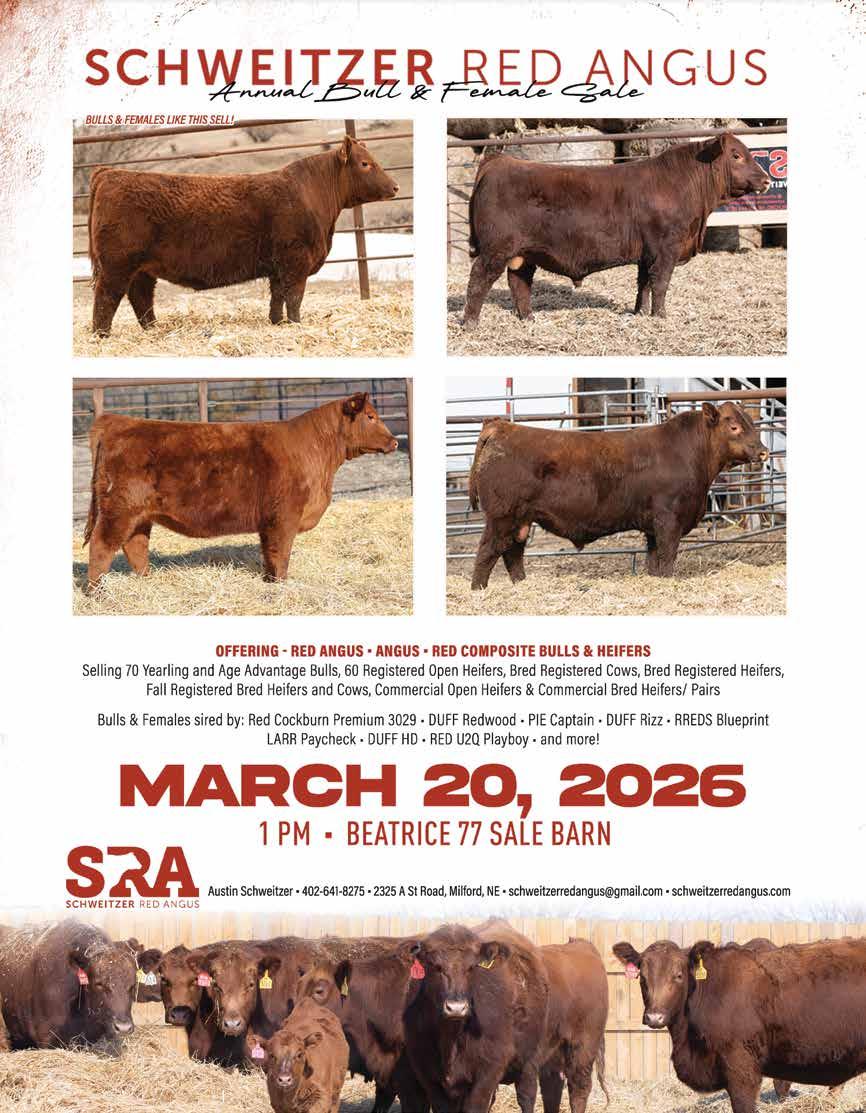
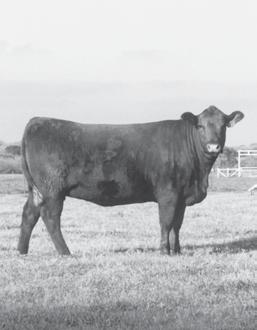
Beckton's 81st Anniversary Bull and Heifer Production Sale
Tuesday, April 14, 2026
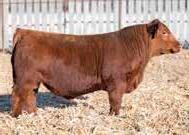
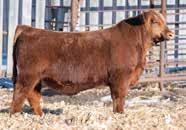
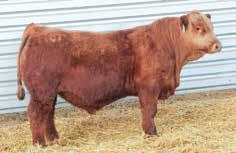
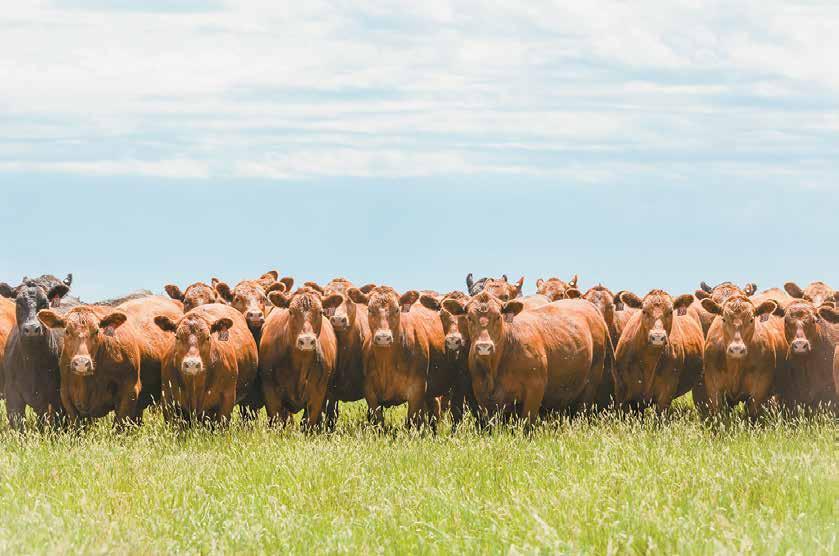
Selling 240 Red Angus
200 Bulls and 40 Heifers
1:00 pm at our ranch 10 miles west of Sheridan
Online bidding will be available on DV Auction and Superior Livestock
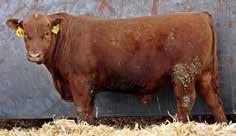
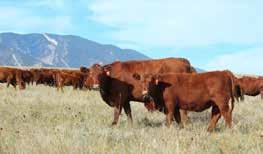
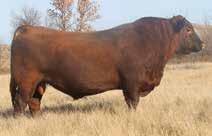
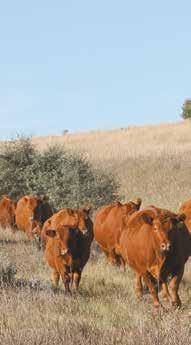
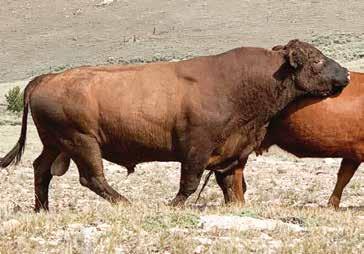
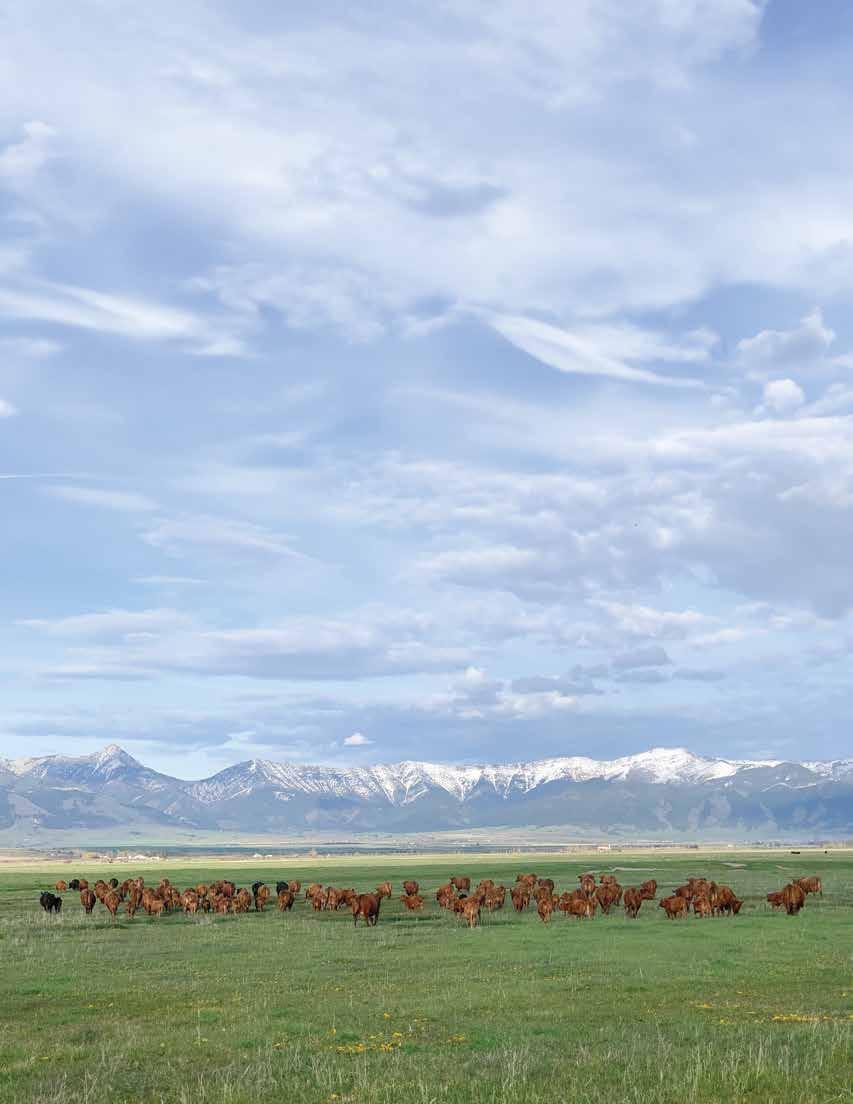
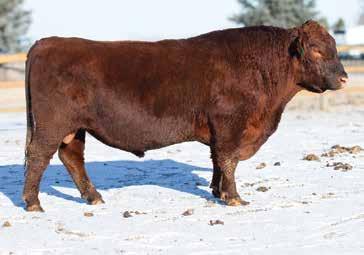
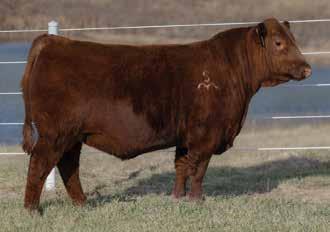
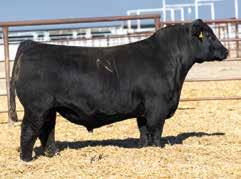
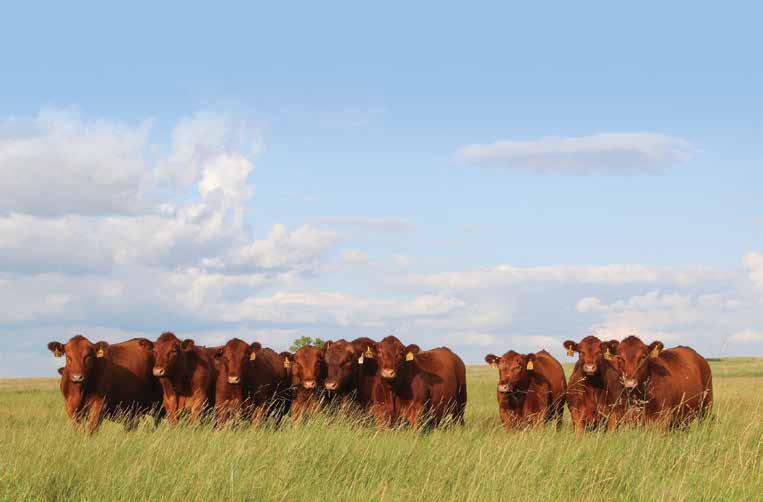
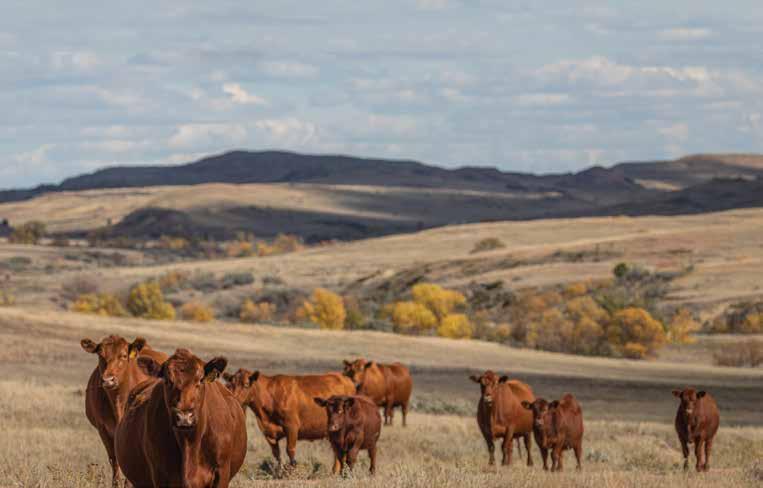
Beckton is the Foundation Herd of the Red Angus breed 80 years of performance evaluation and genetic selection brings you industry leading genetics for Total Efficiency
Calving Ease and Calving Percentage Efficiency More total live calves per cow in the herd - 16 of the top 20 sires in the entire Red Angus breed for Calving Ease EPD are Beckton sires or descended from Beckton sires.
Cow Herd Efficiency Moderate sized cows have lower feed maintenance requirements. More cows per acre means more calves per acre. The average size of our mature cow age 5 and older is 1100-1150 pounds. We list the actual weight of each dam for every bull in our sale catalog.
Growth and Feed Conversion Efficiency Rapid and cost efficient gain to market weight - 14 of the top 20 sires in the entire Red Angus breed for Dry Matter Intake EPD are Beckton sires or descended from Beckton sires.
Overall Profitability 14 of the top 20 sires in the Red Angus breed for HerdBuilder Index are Beckton sires or desccended from Beckton sires.
Additional Facts:
All 20 of the top 20 sires in the breed for low Birth Weight EPD are Beckton sires or descended from Beckton sires. 15 of the top 20 sires in the breed for Heifer Pregnancy EPD are Beckton sires or descended from Beckton sires 11 of the top 20 sires in the breed for Stayability EPD are Beckton sires or descended from Beckton sires
Finally: On the consumer's dinner plate - Beckton's many generations of DNA selection for beef tenderness make our cattle very popular for specialty beef marketing programs
Magazine
Official Publication of the Red Angus Association of America Volume 62, Number 2
18335 E 103rd Avenue, Suite 202 Commerce City, CO 80022
940-387-3502 • Fax 888-829-6069 RedAngus.org
Publisher/Advertising Director Tracey Koester 701-391-5440 • tracey@redangus.org
Affiliated with National Cattlemen’s Beef Association Beef Improvement Federation U.S. Beef Breed’s Council National Pedigreed Livestock Council
GENERAL INFORMATION
Published 10 times annually by the Red Angus Association of America at the national headquarters (18335 E. 103rd Ave., Suite 202, Commerce City, CO 80022). A non-political magazine dedicated to the promotion and improvement of breeding, feeding and marketing Red Angus cattle. Subscription rate: U.S., 1 year - $30; 2 years - $55. Canada and Mexico, 1 year - $44, 2 years - $82 (Payable in U.S. Funds Only). International Air Mail, 1 year - $55; 2 years - $100 (Payable in U.S. Funds Only). These rates are based on Third Class Bulk mailed from Jefferson City, Missouri. Add $20 per year for First Class.
EDITORIAL AND ADVERTISING POLICY
Advertising and editorial content are not limited to any particular class of product or subject matter. However, we reserve the right to refuse publication of any material not within the bounds of high agricultural ethics. While we devote the utmost care to the preparation of each advertisement, we cannot be held responsible for ads received after the ad deadline. Furthermore, the accuracy and content of copy received over the telephone is entirely the responsibility of the advertiser. No adjustment for incorrect ad copy will be considered for ads that are received after the ad deadline or that are placed over the telephone.
All unused reserved advertising space that is not canceled by the advertising deadline will be billed to the advertiser.
ADVERTISING
RAAA Board of Directors
PRESIDENT
Jeff Pettit | Sebree, Kentucky jeff@diamondpcattle.com
FIRST VICE PRESIDENT
AREA 4 DIRECTOR - SOUTHWEST
Tony Ballinger | Morgan Mill, Texas anthony.ballinger@adm.com
SECOND VICE PRESIDENT
AREA 6 DIRECTOR - GREAT PLAINS
Jason Anderson | Oberlin, Kansas jasonea9@hotmail.com
AREA 3 DIRECTOR - ROCKY MOUNTAIN Ron Christensen | Sterling, Utah hotshoeredangus@gmail.com
AREA 7 DIRECTOR - NORTHEAST
Rob Hess | Hershey, Pennsylvania hessfarm@verizon.net
AREA 8 DIRECTOR - SOUTHEAST
Michael Watkins | Harrison, Arkansas watkinscattleco@windstream.net
AREA 9 DIRECTOR - MIDWEST
Will Andras | Manchester, Illinois andras@irtc.net
Let’s be objective,
Board Commentary
Turning Strategy into Action
by Robb Hess, Area 7-Northeast Director
RAAA members and commercial cattle producers often have differing perspectives on the cattle and beef industries. We all bring unique ideas shaped by our experiences and roles. For example, I’m a small beef purveyor in Hershey, Pennsylvania, who also raises Red Angus cattle. About two-thirds of my time is spent selling, marketing and distributing beef, along with managing a beef business. My world is quite different from many other producers.
But diverse backgrounds and opinions benefit us when we are united behind a common goal. For readers of this magazine, that goal should be the long-term success and sustainability of Red Angus cattle, RAAA members and commercial producers using Red Angus genetics.
A few years ago, a former board member shared with me how crucial it is to use the strategic plan as a roadmap for decisions and leadership. Those words stuck with me, and I’ve taken that advice seriously. I refer to the strategic plan when making decisions. I was fortunate to join the board during the development of the 2021-26 Strategic Plan. I witnessed the dedication and hard work of a committed committee in crafting it. I want the plan to succeed and exceed the goals it sets forth.
Every part of the strategic plan matters, but over the past year, I’ve given a lot of thought to Core Policy No. 4. RAAA is committed to objectively describing and recording cattle, using economically sound scientific principles with the fewest prediction values. RAAA also encourages good stockmanship and sound visual appraisal in seedstock selection. Objective verification has been at the core of RAAA since its inception. But at the time, I doubt anyone considered how important objective verification would become for beef product label claims.
Because I spend a significant amount of time thinking about and communicating about beef, food marketing terms and labeling practices are often on my mind. Core Policy No. 4 has reinforced the importance of Angus Access. Our current strategic plan calls us to “shift the industry standard of value assessment from visual to objective verification and access industry-leading premiums for verified Red Angus-influenced cattle.” Right now, the best tool we have to verify Red Angus-influenced cattle and help shift industry standards is Angus Access.
We’re fortunate that 31 years ago, pioneering leaders in Red Angus created the USDA’s first Process Verified Beef Program. They understood that objectively verifying cattle through the beef supply chain would one day be essential. That day is here. Technology at the processor is now in place so verified cattle can be seamlessly identified at the plant level.
Now we have the exciting task of creating even more demand for cattle enrolled in Angus Access. I’m feeling positive that in 2026, RAAA will make meaningful strides by using Angus Access to move industry assessment toward verified genetics. That will be a major step forward in achieving the objectives of our strategic plan – and making history. //
BB PROPULSION 9096 (#4169122)
Powered by Genetics ...
Koester Red Angus combines over 20 years of genomic DNA testing with practical, hands-on selection to deliver bulls that perform both on paper and in the pasture. While advanced data drives our decisions, we never compromise structure, muscle and phenotype. Our bulls are built to produce efficient, high-performing cattle and long-lasting females – ensuring commercial cattlemen get results that are as reliable as they are profitable.
Proven Genetics. Reliable, Profitable Results.
Propulsion offspring have been very popular and for good reason. He sires attractive, long-sided, deep, well-muscled cattle. His high-growth and high-marbling progeny are structurally correct with great foot structure.
HRP ENGINEER 3059L (#4813161)
Engineer is new to our lineup and has the look and data to sire high-performing cattle. He is a long-sided, deep-made bull with exceptional muscle dimension. He has excellent foot structure as well. Owned with Genex.
Selling 60 age-advantaged bulls in conjunction with
Leland Red Angus Friday, March 13, 2026
1 p.m. MT • At the Ranch • Sidney, MT 185 Bulls • 65 Comm. Yearling Heifers
LORENZEN CHARTER 0906 (#4259349)
Charter is our go-to calving-ease sire with more muscle and shape than any sure-shot calvingease bull we have ever used. His progeny are long, deep sided and attractive with added extra marbling and great index rankings.
LORENZEN INSIGHT 9917 (#4114758)
Insight ranks in the top of the breed in ProS, GM and Marbling. He is a testament to balanced traits and maintains impressive growth, carcass merit and maternal strength as a calving-ease sire with outcross genetics.
New Sire!
BROWN REVEREND L156 (#4878346)
Reverend commands respect! He ranks at the very top for ProS, GM, CED and Marb – calving ease, growth and carcass. He’s one impressive dude for muscling and phenotype, and offers an outcross to our herd. Owned with Genex.
Request a catalog:
New Sire!
PIE HONKY TONK 4280 (#5027481)
Honky Tonk commands the dance floor with extreme performance and carcass numbers that add value at every level of production. Plus, he’s spot on for phenotype, foot structure and disposition. Owned with Leland Red Angus.
Taylor Dorsey 970-397-0356 | taylordorsey@redangus.org
RECEPTIONIST
Tabitha Romero Ext. 3 | receptionist@redangus.org
Association Commentary
Join Us on the Trail in 2026
by Halla Ramsey, Executive Director of Operations
A new year brings exciting opportunities to connect, learn and grow together.
From industry events and youth programs to member-driven initiatives, 2026 is shaping up to be a year full of meaningful experiences. We invite you to explore what’s ahead and join us as we continue advancing the Red Angus breed.
NCBA Convention
Join us in Nashville at NCBA at booth No. 2542, where several members of the Red Angus team will be on hand to visit, reconnect with longtime partners and meet new industry contacts.
Member-Driven Committees
Our committees will be hard at work throughout 2026, continuing to shape programs, policies and opportunities that move RAAA forward. We encourage members to stay engaged and provide feedback. Your voice matters.
Angus Access, Allied Access and Other Value-Added Programs
With cattle markets running strong in 2025, we know many operations are navigating exciting changes. Our team is here to assist you every step of the way. If you participate in one of our Value-Added Programs, you can expect a visit from one of our commercial marketing specialists.
We want to better understand your operation, how you market your cattle and how we can help you make meaningful connections. Our goal is simple: to be your biggest cheerleader and trusted partner. Don’t forget to enroll your calves for the 2026 season.
“Your participation helps strengthen the breed for generations to come.”
Red Angus Stakeholders Foundation
RASF continues to grow its efforts to educate, support and invest in the future of the Red Angus breed, our junior members and the beef industry as a whole.
Throughout the year, members will see increased RASF engagement, and we encourage you to reach out, ask questions and get involved. Your participation helps strengthen the breed for generations to come.
Third Annual Red Angus Youth Expo
Mark your calendars for the third annual RAYE in Madison, Wisconsin, June 21-26. This event is more than a cattle show – it’s an experience. It’s a place for junior members to learn, sharpen skills, build leadership and form lifelong friendships.
Commercial Marketing Team and Value-Added Programs staff is on page 22
Most importantly, it’s an opportunity to give back and invest time in the future of the breed. Madison is sure to deliver an unforgettable experience.
Join Us on the Trail in 2026
Visit www.redangusyouthexpo.com for details, including the schedule, premium book, hotels, contests and more.
For questions, reach out to any of our Junior Board of Directors or Junior Programs Coordinator, Taylor Dorsey, or Show Coordinator, Erin Dorsey.
Beef Improvement Federation
The BIF annual convention remains one of the most impactful industry events for challenging perspectives and advancing genetic improvement. The 2026 BIF convention will be hosted in Boise, Idaho, June 1-4.
BIF’s mission is to bring science, technology and industry together to improve beef cattle genetics for the benefit of producers and the entire beef supply chain. We strongly encourage members to attend and engage in these meaningful conversations. To learn more, visit the BIF website at www.beefimprovement.org.
2026 National Red Angus Convention in Hershey, Pennsylvania
Join us Sept. 15-18, 2026, in Hershey, Pennsylvania, for what promises to be a truly unique convention experience.
From the moment you step into the Hershey Resort, where the scent of chocolate fills the air, and sweet surprises await you’ll know this National, Red Angus Convention will be unlike any other.
Beyond the fun, Hershey and the surrounding areas offer rich American
history and a welcoming setting for meaningful connections.
The 2026 convention agenda is being thoughtfully revamped with increased member input, ensuring valuable education, collaboration and forward-looking discussion.
We look forward to connecting and walking alongside you in 2026, as we learn, grow and strengthen the Red Angus breed through shared leadership, collaboration and meaningful engagement. //
PROFIT-FOCUSED RANCH-READY
GENETICS DEVELOPED FOR PRACTICAL APPLICATION
BUILT ON PROFIT DRIVEN TRAITS
EFFICIENCY - FERTILITY - LONGEVITY - DOCILITY
Over half of the bull offering ranks in the Top 5% for $Ranch and Top 10% for $Profit 75+ calving ease specialists with a CED of 16 or higher
JOIN US FOR OUR ANNUAL SPRING SALE FRIDAY, MARCH 20, 2026 At the Ranch near Elmdale, KS
150 18-month-old feed efficiency tested bulls - our largest offering of age advantaged bulls ever! 150 Commercial Red Angus bred fall calving heifers.
10 U’Pick’em Registered Open Heifers - right from the heart of our replacements. Visit our website for catalog, videos and more!
The first and anticipatedhighlycalves
... to sell out of the high-selling heifer from Berwalds in 2024.
BERWALD BONNE BEL 3115 “SWANK” – (#4873550)
CENTERFIRE 2064 (#4702331)
HOLLYWOOD 222 (#4702973)
Bulls that not only “talk the talk” but “walk the walk!”
BHR SAUNTER 531 (#5111099)
PIE CENTERFIRE 2064 X BERWALD BONNE BEL 3115
ProS
Broken Heart Ranch
BHR STRUT 567 (#5111095)
PIE HOLLYWOOD 222 X BERWALD BONNE BEL 3115
... is a proven, four-generation Red Angus legacy. Built on sound-made, high-performance, profitable cattle. Backed by our integrity and hand shake for over 60 years.
PIE
PIE
FEDDES EASTWOOD 3284 Reg. #4787522
TAC DRIFTER H10 x BIEBER MAKE MIMI 7249
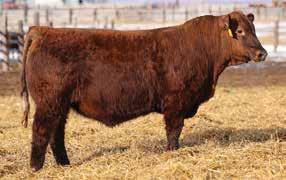
Eastwood was the high-selling bull in the 2024 sale. He has a great mixture of maternal, growth and carcass. His dam boasts a 104 MPPA on 6 calves. He has an outcross pedigree with an outstanding phenotype. His first calves are at the top of their class in the bull pen with more growth and phenotype than originally thought. His daughters made their debut at the NILE and Reno sales and they were some of the most sought-after in those sales. Reports from across the country are outstanding. We look to Eastwood to add growth, phenotype and maternal traits to his offspring. Eastwood could easily become known as one of the great female producers of our time.
C-T REPUTATION 0094 Reg. #4296453
C-T RED ROCK 5033 x PIE ONE OF A KIND 352
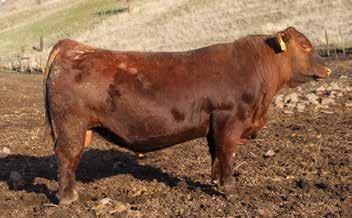
Reputation comes with calving ease, performance and carcass all in one package. His calf crops have been very consistent with his sons having plenty of rib shape and muscle. His first daughters in production are looking to make excellent cows! Owned with Overmiller Red Angus, Kansas, and leased to Beef 360!
FEDDES
FCC SOLID STATE 3602 Reg. #4728149
BIEBER HARD DRIVE Y120 x BASIN HOBO 0545
Solid State’s calves and EPD profile continue to get better and better. His daughters in NILE and Reno were some of the most talked about at both events. He boasts 15 traits in the top 35% of the breed. He is one of the top sires in the breed to combine extra growth, maternal, carcass and muscle definition. His first sons are in the feedlot and will be for sale in March at our annual production sale. They are at the very top of all of the bulls for phenotype and performance. We have been through bull pens at several breeders who purchased semen on him and the reports are the same. Exceptional consistency throughout his calf crop with bulls and heifers at the top of their class all over the country.
Chuck & Carol Feddes • 406-581-8826
TAC DRIFTER H10 x C-T GRAND STATEMENT 1025
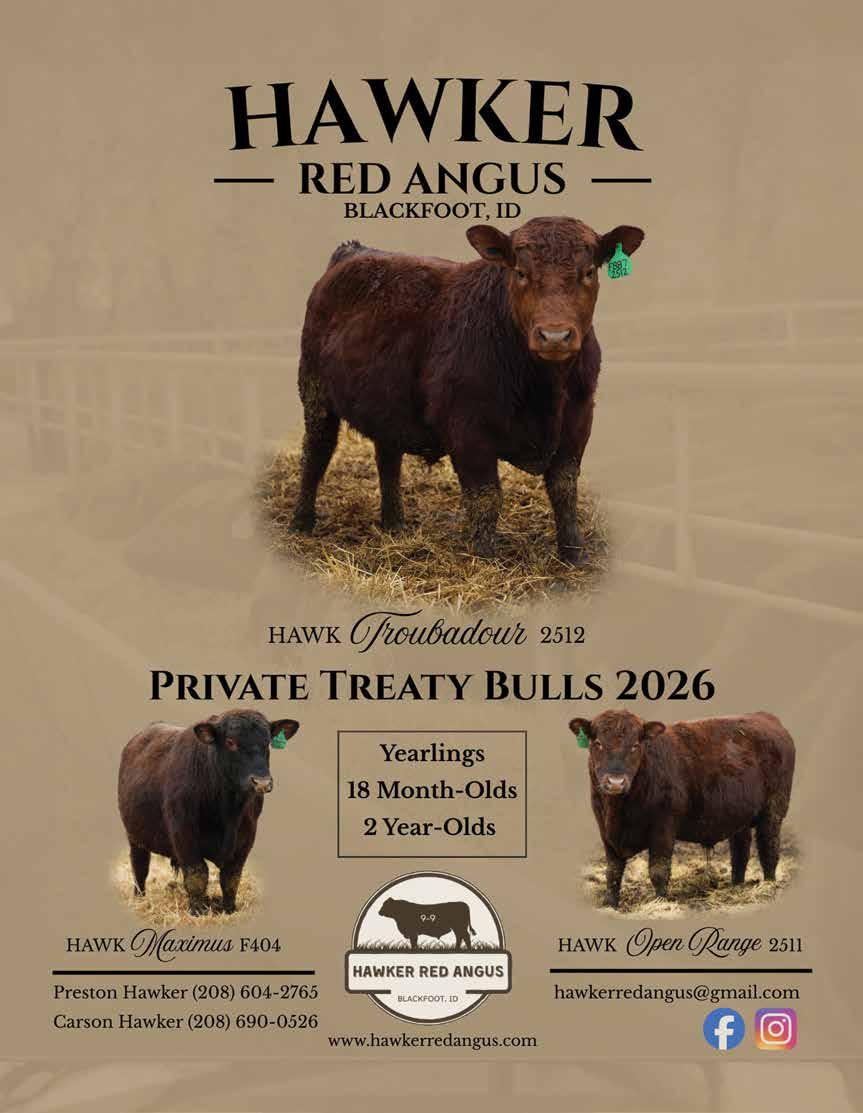
Open Range is a powerful cherry-red Drifter son with a herd bull look! Balanced EPD package with eight traits in the top 14%. His dam is an 11-year-old C-T Grand Statement daughter who looks like a 6-year-old with a great foot and udder structure. Open Range was one of the high sellers in the 2024 Feddes/C-T Red Angus Bull Sale to Hawker Red Angus, Idaho. Watch for his calves in the future! (Leased to Beef 360.)
Big Sky Country Red Angus ... Where Performance Meets Maternal! Annual Production Sale Monday, March 9, 2026 1 p.m. • At
ENROLL IN VALUE-ADDED PROGRAMS AND ORDER TAGS: tags@redangus.org 940-477-4593
Weekly Email Marketing Service of Feeder and Finished Cattle
The Red Angus show list informs feedyard managers, order buyers and other interested parties of Red Angus-influenced cattle. Producers can market feeder or finished cattle through this free service when selling through a sale barn, video auction or private treaty. The weekly show list is emailed to potential buyers through the Red Angus FeederFax email service. To upload information about cattle or to view cattle available, visit RedAngus.org/showlist.
To receive the weekly FeederFax marketing service that will highlight that week’s show list, please visit bit.ly/RAAAFeederFax.
Marketing Update
2025 Was a Defining Year for the Cattle Industry
by Elizabeth Caskey, Commercial Marketing Specialist
2025 was one of the most challenging years the cattle industry has experienced in decades. Tight cattle supplies, record-setting prices and strong beef demand created opportunity but also emphasized the volatility producers must navigate moving forward.
In January 2025, the U.S. cattle inventory totaled approximately 86.7 million head, the smallest herd since the early 1950s. In July 2025, the U.S. cattle inventory had stabilized to total approximately 94.2 million head. Cattle on feed hovered near 11.7 million head. Despite fewer cattle overall, heavier carcass weights helped sustain beef production. Steer dressed weights averaged close to 950 lbs., up 3.4% from the previous year.
Markets responded accordingly. Feeder cattle prices reached historic highs, with 700800 lbs. calves bringing over $400 per cwt. Fed cattle prices followed suit, averaging around $215 per cwt. And at the wholesale level, Choice boxed beef cutout values climbed above $340 per cwt., reflecting strong demand for high-quality beef.
2025 was, by nearly every metric, a record-breaking year.
Beyond the numbers, 2025 also served as a year of reflection. In times of profitability and volatility alike, producers must ask the hard questions. Have you positioned your operation for long-term stability? Have you reduced debt where possible? Have you reinvested in genetics and management practices that will carry your program through the next market cycle?
With bull sale season in full swing, take a deeper look at your cow herd. Understanding strengths and weaknesses can guide early culling decisions and lead to more intentional bull purchases. Genetics remain one of the most impactful investments a producer can make, especially in a market that rewards consistency and quality.
A new year brings goal-setting opportunities, and one of the most important goals is to increase knowledge. RAAA offers commercial producers access to a growing suite of tools designed to create consistency, add value and improve decision making:
1. The American Red and Premium Red Baldy programs provide commercial producers source source-verified marketing avenues that increase buyer confidence and expand market access.
2. Angus Access and Allied Access connect producers to digital resources, marketing opportunities and value-added programs that increase visibility for Red Angus-influenced cattle.
3. Igenity genomic testing adds another layer of predictability by identifying genetic potential for economically relevant traits.
These tools are not a “one size fits all.” Whether your operation focuses on developing replacement females, producing terminal feeder calves or balancing both maternal and carcass goals, there are resources available to define and execute a clear strategy.
The commercial marketing team is committed to serving Red Angus producers at every level. As we set goals for the year ahead, whether centered on replacements, bulls, feeders or beef, we share a common objective: ensuring Red Angus genetics continue to lead the industry. //
DO IT ALL
SLEEP ALL NIGHTERS
FEMALE MAKERS
POWER AND CARCASS SPECIALISTS
CURVE BENDERS
DNA Reminders
• There is no rush service that can be offered for processing samples. Please make sure to send your samples in early to allow plenty of time for processing.
• Standard processing time for the spring can extend up to seven weeks. Please make sure to plan accordingly.
Registration
• Spring 2026 Cow Herd Inventory is due March 4th. Submit any necessary disposals on cows no longer in the herd to avoid being billed.
Membership
• The second installment of Fall 2025 THR was billed Jan. 9th and due Feb. 25th
• The third installment of Fall 2025 THR will be billed Feb. 13th and due March 25th
Sign up for THR
Text Message
Reminders: https://bit.ly/RedAngusReminders
Your First Year as a Red Angus Member: A Quick Start Guide
by Jaeden Schneider, Membership & Accounts Receivable
Joining RAAA is an exciting step. Whether you’re building a seedstock herd, expanding a commercial program, or simply bringing the red-hided cattle you enjoy into a national registry, your first year can feel busy.
This guide is designed to help new members feel confident as they explore the RAAA, use the database and begin managing herd information.
Start with Your Member Login
Once your membership is active, the most important step is logging in to REDSPro. This system is “home base” for herd records, registrations, transfers and genetic information.
Make sure your login works correctly, and your member profile lists the correct contact information and ranch name. An accurate profile helps ensure staff can contact you easily and that certificates and invoices reach you without delay.
If you need help navigating the database, visit redangus.org/redspro and click on Herd Management. There you’ll find step-by-step tutorials that walk you through each part of the system.
Review Herd Inventory
Your herd inventory is the foundation of your data. It should include the females currently active in your program. During your first year, set aside time to go through your inventory carefully. Remove females that have been sold or culled, and confirm everything remaining in your herd is listed correctly.
Download the Go RedAngus App
Schedule a meeting by scanning the QR code or visiting: RedAngus.org > Herd Management > Red Angus Alley Apple Store Google Play
Need a little one-on-one help?
Strong inventory accuracy leads to stronger breed-wide data and improves the quality of your own genetic records. It also ensures your annual billing is correct based on the cows still in your herd.
Submitting Calf Records
One of the first major tasks for a new member is submitting a calf crop. The process becomes much easier if you gather information before sitting down at the computer.
Make sure you have birth dates, sex, dam and sire information, calving ease scores and any notes that might be helpful later.
Once you begin entering calves, take your time and double-check each screen. You can always call the office staff if something does not look familiar. Clean, complete calf data benefits your herd and contributes to the accuracy of breed evaluations.
Understanding Transfers and Registrations
New members often work with transfers and registrations early in their first year. A simple way to avoid delays is to complete transfers as soon as a sale occurs.
Prompt transfers help buyers receive their certificates quickly and prevent endof-season backlogs. For registrations, confirm any parentage verification requirements before submitting.
Your First Year as a Red Angus Member: A Quick Start Guide
All sires and donor dams are required to have DNA on file. A few minutes of preparation can save you from having to correct paperwork later.
Ask Questions and Connect with Members
Do not underestimate the value of the Red Angus community. RAAA’s office is always ready to help, and fellow breeders are eager to share advice. Whether you meet people at sales, field days, junior events or National Red Angus Convention, these connections make your first year easier and more enjoyable.
Your first year as an RAAA member lays the groundwork for long-term success. Stay organized, ask questions and take advantage of the supportive community that surrounds you. RAAA is happy to have you! //
The Red Resource is an online guide that helps both new and seasoned members navigate RAAA processes and resources.
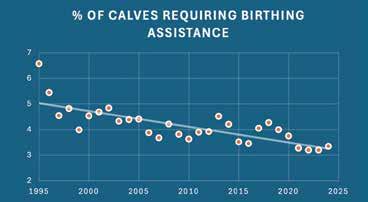
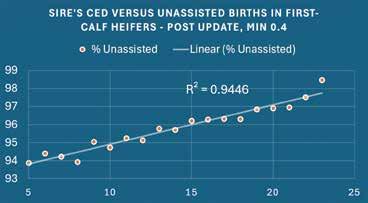
With its strong relationship to calf survival, Calving Ease is often one of the most heavily scrutinized EPDs when considering a herd sire today. Buyers and sellers alike know that if the Calving Ease EPD is off, the whole calving season could be in jeopardy, making CED critical to the profitability of every operation.
Since the implementation of Total Herd Reporting in 1995, Red Angus producers have placed significant selection pressure on increasing calving ease among their herds. This effort has been a major success, with Red Angus known industry-wide for their calving ease.
The numbers don’t lie either, showing that since 1995, rates of dystocia have been cut nearly in half, from a peak of 6.6% in 1995 to their lowest levels today at just under 3.25%.
While that is all positive news for Red Angus producers, it means that our EPDs start to lose accuracy. When every animal appears phenotypically the same, or in this case every herd has little to no calving difficulty, it causes small variations in calving difficulty to appear outsized, causing EPDs to move more than what we may have expected. In other words, a single calving ease score of 3 or 4 in a contemporary group could tank an animal’s EPD.
To combat this, Ryan Boldt, Ph.D., and the International Genetic Solutions team dug in to find a new set of genetic markers that would give us more information on an animal’s genetic potential for this critical trait. Once those markers were identified, the model was adjusted to place more emphasis on an animal’s genotype, increasing the relationship between an animal’s EPD and the resulting progeny’s phenotype.
To see what the outcome is before and after the update, I took a look at the sires with a minimum of 0.4 accuracy under the old model, and compared their EPD to the phenotypes expressed in their progeny.
As shown, the results indicate we have increased the relationship between the EPD and progeny phenotypes by about 5%, even in moderately accurate sires.
While there was some reranking of animals following this change, the EPDs of these sires correlate to one another at just under 90%, indicating that the traits are highly similar to one another.
Mature Weight
While Boldt certainly had his hands full with those Calving Ease updates, he still managed to find time to develop and release the new, genomically-enhanced Mature Weight (MW) EPD.
This EPD will replace the older, non-genomically enhanced Maintenance Energy EPD, but still drives the same economically-relevant trait: cow maintenance costs.
MW will be expressed as the difference in pounds of mature cow body weight at 6 years old at a BCS 5. MW’s value can be used as an indicator of cow size at maturity, with higher values indicating heavier daughters at maturity. The opposite is also true, with lower MW EPDs indicating lower mature weights.
In this scenario, we can expect that bull B’s daughters will be about 40 lbs. heavier at maturity than bull A’s daughters.
Members are encouraged to collect and submit mature weights on their entire cowherd and to weigh each animal every year from ages of 2 to 12.
Our bulls and heifers are backed by a maternally oriented cow herd that is run like area commercial cattle. The sale cattle will be in “working” condition, not over fat. The dams are udder scored, the calves are
Duff Red Boxer 21217
Axtell Widescreen 2032
LMG Gills Jumpstart 9696
LMG Gills Amazing 8798
LMG Gills Jumpstart 4001
LMG Gills Asset 187C
Gill Energize 3059
Gill Energize 3055
Bulls Like These Sell!
41ST ANNUAL “CARRYING ON” THE EXPLOSIVE DIFFERENCE SALE
Friday, FEBRUARY 13, 2026
1 p.m. CST • At the ERBELE RANCH, Lehr, ND Your COMMERCIAL BULL HEADQUARTERS, along with BREED-LEADING HERDSIRES! ey are THICK and DEEP – All backed by the TNT 100% GUARANTEE!
• Volume discounts!
• Performance data and genomic-enhanced EPDs!
• No creep feed!
• Majority homozygous polled!
• All reds are non-diluters!
• All blacks will be homozygousor heterozygous-black verified!
Front Runner K609 x GW Hilger One 454H Lot 109 – N520
Crusader L506 x TNT Defender F405
TNT Dozer F439 x Leachman Cadillac L025A
Lot 114 – N616
CDI Elevation 302K x LMG Gills Indeed 4736 Lot 106 – N638
Sutphins Out In Front 6699 x Schuler Rebel
Otis Creek Ranch: Where Faith and Red Angus Endure
by Maclaine Shults-Mauney, Red Angus Magazine editor
The first hint of morning over Drewsey, Oregon, was a narrow band of pink wedged between dark peaks and low clouds as the road turned toward Otis Creek Ranch. It was quiet in that way only the West can be – peaceful, but with an edge.
By the time the car eased into the driveway below the ranch house on the hill, that same steadiness was evident in the family gathered there. Weathered barns and newer outbuildings sheltered equipment that had earned its keep, and pens stood ready for horses and cattle. The house, ringed by a neat yard, crested the hill with a panoramic view of the valley. Jeff and Sherri Hussey, along with their son, Tyler Harris, and his wife, Kandice, stepped out to greet us.
Below the house, Red Angus heifers grazed in a pasture that dropped toward the valley. Before anyone swung into a saddle, I hiked down on foot, camera in hand. The heifers watched, ears forward, then drifted closer – calm, curious and unbothered.
With Tyler as our tour guide, we climbed back into the car and dropped off the hill, crossed the valley and headed for what the family calls the Lake Ranch, a place they recently acquired from neighbors. It’s a sweep of grass, hay ground and creek bottom. As we eased past more Red Angus cattle, Tyler described how the family had tried different breeds over the years. Brangus were too wild and too prone to injury in the rugged country. Herefords had their strengths but still didn’t fit. Red Angus, he said, offered the temperament, resilience and uniformity to stay, and stay they did.
The cows in the valley pasture were contented and unconcerned by us. When a drone lifted into the gray sky, they watched, some trotting after it, as if it were just one more thing to sort out in a life of wind and weather.
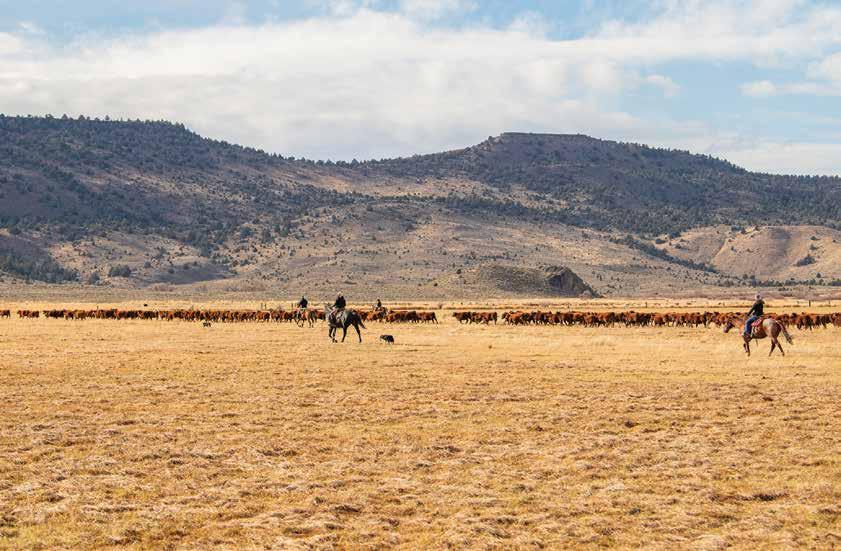
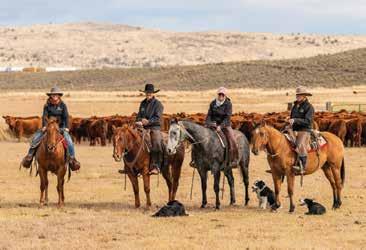
Back up the hill, saddles thumped onto horses as the clouds finally broke and the sun cut through. Jeff and Sherri, Tyler and Kandice swung into their saddles and descended into the yearling heifers’ pasture, three border collies trotting ahead. The heifers flowed around them, deep red against golden, dormant grass and sage brush at the base of blue mountains – the kind of scene that looks almost too perfect until you remember how much work it actually takes to look that way.
It was an ordinary day at Otis Creek Ranch. It was also a window into what it looks like when a family holds fast to faith, legacy and land in a time when agriculture is often misunderstood, and sometimes outright opposed, by the very society it feeds.
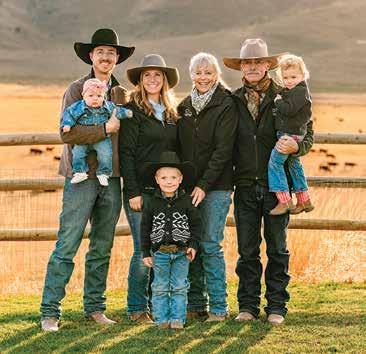
Jeff and Sherri Hussey, with their son, Tyler Harris, his wife, Kandice, and their children – Noah, Reina and Lela – represent three generations carrying the Otis Creek Ranch legacy forward.
Otis Creek Ranch: Where Faith and Red Angus Endure
The Mercantile that Started it All
The story of Otis Creek Ranch begins long before Red Angus cows dotted the draws.
“My family came to this area through my great-granddad, Lewis Sitz,” Sherri said. “He and his brother were in the mercantile business in Drewsey and Lawen. He started ranching when a store debt was paid with land instead of cash.”
Her grandfather later sold the family store to pay off a ranch in the nearby hills. “The year I was born, he and his wife and my dad purchased Otis Creek Ranch,” Sherri said.
Jeff’s roots reach back to 1845, when his family came west and eventually settled near Juntura, just east of Otis Valley.
“I married the farmer’s daughter,” he said with a grin, “and that’s when Otis Creek Ranch really began.”
Today, those threads converge on the high-desert valley. Jeff and Sherri ranch alongside Tyler and Kandice and their three young children – Noah, Reina and Lela.
“Otis Creek Ranch is a multigenerational family operation,” Tyler and Kandice said. “We build on the work of those before us. Our family is rooted in faith, hard work and responsible stewardship of the land and livestock.”
Shaped by Rugged Country Ranching in Otis Valley is not gentle work. Elevation, rock and weather leave no room for fragile cattle or fragile people.
“There are both advantages and difficulties in raising cattle in Otis Valley,” Jeff said. “We see it all – severe weather, drought and flood. It creates resilience and fortitude in both man and cattle.”
Rocky ridges and long sidehills force cattle to travel. The family expects their cows to cover country, raise a calf and breed back without pampering.
“This region is tough, which actually makes it ideal for raising cattle that are hardy and adaptable,” Tyler said. “If our cattle can endure this environment, buyers know they can perform almost anywhere.”
Those conditions shape management. The family thinks constantly about water, grass and how to stretch both through years that rarely look the same twice.
“Our approach is to maintain and enhance the land, making sure the cattle do well and always asking how we can take the operation a step further,” Tyler said. “That mindset of continuous improvement, with God’s direction, guides our management.”
Drought, deep snow, predators and an ever-changing maze of policy and regulation are constant pressures. Policy shifts and grazing restrictions often come from far-flung offices where the landscape is something to be imagined, not lived.
Rocky ridges, timbered draws and long sidehills in the high-desert country, shape both the management and the mindset at Otis Creek Ranch in eastern Oregon’s Otis Valley.
Otis Creek Ranch: Where Faith and Red Angus Endure
“It’s hard to explain ranching to the general public because of the misconceptions,” Jeff said. “People think all ranchers are rich and don’t understand that the spread between gross income and net is huge. Inflation, overhead, insurance, politics, disease and workload push net down.”
Yet the family has chosen to meet pressure with engagement rather than isolation.
“With an open mind, shaped by our faith, we’re able to work with people and even learn from them,” Jeff said. “It doesn’t do any good to just fight. You accomplish more with collaboration.”
Foundational Faith
If the landscape is the stage for Otis Creek Ranch, faith is the script that runs underneath every scene.
“Our values and principles come from our faith in God – doing what’s right and persevering through trials and tragedies,” Sherri said. “You teach your kids to work for what they have, and never forget to bring God with you in all things.”
“When we face factors beyond our control – policy shifts, weather, working cattle in all conditions – we pray as a family and trust that God is directing us,” Jeff said. Their daily routine reflects that posture.
“A unique aspect of our ranch is stopping together midday for a shared meal,” Tyler said. “We give thanks, ask for direction and go back to work with a clear focus.”
Faith, family and Red Angus cattle anchor life at Otis Creek Ranch, where generations continue working together to steward a multigenerational operation.
Otis Creek Ranch: Where Faith and Red Angus Endure
On the day we visited, Sherri and Kandice set out a pot roast from one of their own Red Angus steers with all the fixings. Every day, family and employees crowd around the table, passing plates and trading stories before heading back to work.
That rhythm – work, pause, prayer, work again – has shaped not only their cattle and land, but also the next generation.
“Ranching builds character, resilience and a strong work ethic,” Kandice said. “It teaches respect for the land and animals and emphasizes faith and family collaboration.”
Trading Surfboards for Saddles
Jeff and Sherri’s story is one of long roots in one place, but Tyler and Kandice’s path is proof that new branches can grow from far beyond the high desert.
“When I met Tyler, I was in the middle of firefighter and paramedic training,” Kandice said. “I loved the idea of a career that kept me active, constantly learning and helping people.”
She first crossed paths with Tyler while serving at an Oregon Cattlemen’s event. Later that night, she ran into him again at a line-dancing bar, recognized him and asked him to dance. The rest, as they say, is history.
Kandice had almost no background in cattle ranching.
“When I asked Tyler what he did, he started explaining what makes a good cow and a bad cow,” she said. “To help me understand, he said, very seriously, ‘Well … you would be a bad cow.’ Initially, I was offended. He had to explain in ranching terms, a ‘bad cow’ is thin and athletic – great for a person, not for a cow. It’s a running joke now.”
Docile, resilient Red Angus females work efficiently at Otis Creek, reflecting the family’s focus on disposition, fertility and adaptability.
Otis Creek Ranch: Where Faith and Red Angus Endure
Kandice grew up near the ocean, chasing waves and traveling.“When I came here, I realized God had a different plan for my life,” she said. “Ranching felt purposeful, challenging and surprisingly natural. Out here you become your own mechanic, operator, cattle handler, horseman, dog trainer –you name it.”
“I traded in my surfboard for a saddle,” she laughed. The trade, though, represents more than a lifestyle shift. It’s a bridge between a world far removed from agriculture and the one that feeds it.
“I’m not chasing waves anymore – I’m chasing the dream of being a cattle rancher and raising little rancherettes,” she said. “I’m learning from Jeff, Sherri, Tyler and this land every single day.”
Red Angus in the High Desert
The cattle moving through Otis Creek’s pastures are not just any red cows. The family has been tied to Red Angus for decades, ever since Jeff’s dad used the breed in a small seedstock operation and as an AI technician.
After trying and being disappointed with other breeds, the family made a deliberate shift towards Red Angus.
“We feel we can adapt to any situation we’re confronted
February 21, 2026 at the Ranch north of Smith Center, KS
“Red Angus traits make it easier to meet market expectations and ensure buyer confidence.”
with,” Jeff said. “If any trait needs adjusting, we can do it from within the breed. We don’t chase traits; we try to stay fairly even across the board.”
For Tyler and Kandice, who see the cows every day in some of the West’s hardest conditions, the results are clear.
“Red Angus are resilient, able to handle hot summers and harsh winters,” they said. “They can travel across our rocky, hilly terrain, which is essential for covering large areas to feed the herd.”
The combination of fertility, docility, maternal strength, efficiency and adaptability has allowed the herd to thrive in what the family calls “the land of extremes.” Uniformity has followed.
“We cull aggressively to maintain consistent quality,” Tyler said. “Red Angus traits make it easier to meet market expectations and ensure buyer confidence.”
OVERMILLER
Selling:
50 ~ Red Angus Bulls
40 ~ Gelbvieh/Balancer Bulls
50 ~ Commercial open hfrs
35 ~ Commercial bred hfrs 90%
AI Bred to C-T Reputation
Bulls were developed on grass and are still running on 50 acres. They are 18-22 mo old.
All bulls are genomic tested and sire verified.
Otis Creek Ranch: Where Faith and Red Angus Endure
Because they were already managing cattle with documentation and consistency in mind, enrolling in Angus Access was a natural step.
“The program lets us show buyers that our cattle are raised and managed responsibly,” Tyler said. “It supports our marketing strategy by giving buyers confidence in our practices, without adding extra work for the ranch.”
Empowering the Next Generation
Through the decades, Otis Creek Ranch has grown and the family is now exploring a veterans and pastoral retreat on the property. The goal is to share in the beauty and blessing of the land with others. They have also worked with legal advisors to put a succession plan in place, intent on keeping the ranch in the family.
“Our faith is central to our motivation, along with a desire to instill strong values, work ethic and respect for the land in our children,” Kandice said.
Jeff and Sherri frame their hope in simple, concrete terms.
“My prayer, goal and hope is my grandkids, and their kids, will be holding rodear workups [low-stress gatherings where cattle are worked in a loose circle] in the same corner of the
Red Angus cattle cover vast country at Otis Creek Ranch, where the Hussey-Harris family aggressively selects for cattle that can thrive in “the land of extremes.”
same pasture where Sherri and our kids and I are today,” Jeff said.
Watching red cattle flow around four riders and three dogs, it was easy to believe it. Otis Creek Ranch stands as a quiet standard – where faith, stewardship and good cattle still hold the line. //
HARMS PLAINVIEW RANCH
Calving season is here, which means selecting your next herdsire is on the horizon. Make your choice at HPR… where the dams, granddams and great-granddams of every bull we offer are raised and maintained on our ranch. We combine the latest science and technology available with real-world, hands-on stockmanship and experience… progressive and practical. Purchase your bulls where the females and our customers always come first.
RED ANGUS SIRES
LONE TREE HOLLYWOOD N124 PIE
#5165499
LONE TREE HOLLYWOOD N118
#5165529 – SIMANGUS™
Selling:
Bulls Red Angus, Black Angus & SimAngus™ 20 Bred Females Red Angus & Black Angus
#3751161 – BRED COW
LONE TREE VALENKA E106
• Free keep until midApril with free delivery to surrounding states. OR free keep until June 1 if picked up from the ranch!
• We produce athletes! Bulls are developed in a 25-acre pasture that allows for plenty of exercise and muscle development.
• Bulls are backed by a two-year breeding guarantee!
PIE ABSOLUTE 2415 #4704275
KJL/CLZB COMPLETE 7000E x PIE ONE OF A KIND 352
LEM INVASION 2016 ET #4653529
PELTON WIDELOAD 78B x PIE ONE OF A KIND 352
START-UP 1294 #4520443
U2 DOMINION x RED U-2 STRIKE FORCE 24Y
PIE MIDAS 154 #4543927 PIE QUARTERBACK 789 x PELTON WIDELOAD 78B
First-come, first-served access to superior genetics at competitive prices. Visit www.dhRedAngus.com for more information or contact us to schedule an appointment or ask for individual bull photos.
• AGE-ADVANTAGED BULLS
Coming 2-year-olds and yearlings, ready to breed more cows with a higher reproductive capacity.
• TOP 30% EPDS
Bulls with EPDs ranking in the top 30% across multiple traits for comprehensive herd improvement.
• BALANCED GENETICS
Emphasis on multi-trait excellence, enhancing your herd in various areas simultaneously.
• EASTERN OREGON RAISED
Bulls acclimated to the Pacific Northwest altitude and environment for adaptability and resilience. Darrel Holliday & Family 541.820.3697
541.805.5672 (cell) 65126 Highway 26 John Day, OR 97845 www.dhRedAngus.com
dhollidayranch@gmail.com
Spring Pasture Prep Starts Now
by Jessica Wesson for the Red Angus Magazine
By late winter, it’s tempting to let spring turnout “happen when it happens.” But the producers who stretch grazing days and protect stand longevity usually start planning earlier – by assessing what’s actually in the pasture, checking fertility with intention and making a realistic grazing plan that prevents the single biggest mistake: overgrazing.
“Know what’s growing in your pasture and also know what you want growing out there,” said Jason Cavadini, grazing outreach specialist with the University of Wisconsin Division of Extension. “If those two things aren’t the same, come up with a plan for what kind of renovation is needed.”
In the West, Hayes Goosey, Ph.D., assistant professor and Extension forage specialist with Montana State University, points producers to a foundational habit that often gets skipped when things get busy: soil sampling.
“A fall soil sample is better than no soil sample,” Goosey said, “but the most accurate soil sample is right when the plants start to green up or just slightly before.”
From Montana’s dryland forage systems to the Upper Midwest’s cool-season rotational grazing, the theme is consistent: spring success is often determined by decisions made before turnout day.
Step No. 1:
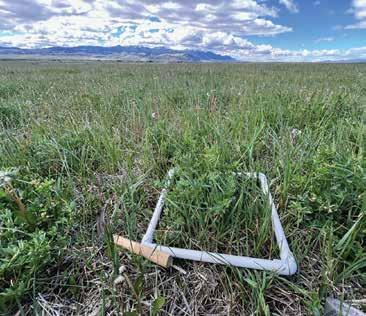
Start with an honest assessment before you change anything Spring prep begins with observation: pasture composition, ground cover and whether last year’s management left the stand healthy enough to rebound.
Cavadini recommends beginning with a clear-eyed review of pasture species and goals.
“Pasture composition is really going to vary depending on where you are in the United States and what the climate is,” he said.
In areas that freeze, he noted, February is often when producers consider frost seeding to maintain legumes as a nitrogen source and a protein boost in forage.
Goosey encouraged producers to look at the previous fall, because spring conditions are shaped by how the pasture was left going into winter.
“Setting that field up for spring success is giving the plants time to build reserves in the fall,” he said.
When plants aren’t given that recovery window, they can’t store carbohydrates, which is their “wintering food,” in their roots, and spring green-up can be weaker.
What do producers need to watch for in the winter?
Both specialists point to similar red flags:
• Bare ground/open soil
Goosey calls out the amount of bare ground in a field, noting it can often be traced back to fall management and winter hardiness. Cavadini puts it plainly: “If you walk through your pasture during the grazing season and you look down and see open ground, then you know you’re not getting the production you could be getting.”
Healthy spring grazing begins before turnout, with soil testing, pasture assessment and timing that protect plant reserves, extend grazing days and build long-term pasture productivity.
Hayes Goosey, Ph.D., Jason Cavadini
Good Things Are Hard to Find – except
51st Annual Bull Sale
Monday, March 2, 2026
Selling
1 p.m. MST • At the Ranch
100 Registered Yearling Bulls
Select Registered Heifers
50 Home-Raised, Fancy
Commercial Red Angus Bred Heifers
Generations of ranch-tested cow families backed by a program that pays on shipping day.
Only the top bulls make the Campbell Red Angus sale – the kind proven through generations of natural selection and cattlemen’s logic. Backed by ratios, real data and DNA-profiled cow families, these bulls rise to the top through performance and purpose. Their steer mates prove it every January when they top the scale on shipping day.
This year’s offering also includes 50 home-raised, fancy commercial bred heifers – bred to trusted sires with generations of proven fertility and longevity behind them.
Hardy, adaptable and verified through Red Cow Rally DNA evaluation, these bulls and heifers are built to thrive in all types of environments.
With the national cow herd just starting to rebuild, Campbell Red Angus delivers the kind that add value now and keep earning it year after year.
Campbell Red Angus ... Where legacy meets longevity –and both keep paying dividends.
Request a catalog through our website or Facebook page ... or give us a call!
Spring Pasture Prep Starts Now
• Thin stands and slow green-up
Goosey said spring green-up is one of the first clues to how well a pasture made it through winter. He suggests watching for thin or patchy areas, more bare ground than normal, and leaves that look “off” in color – early signs the stand may be stressed or short on nutrients.
• Legumes disappearing over time
In long-term pastures, Cavadini said, “species may thin out over time, especially legumes, which can reduce crude protein and remove a key on-farm nitrogen source.”
• Weed pressure as a symptom
Goosey noted that when desirable forages come out of winter weak, “that’s where we start to see an increase in bare ground and a lot of weeds come into these pastures.”
Step No. 2:
Soil testing – timing matters more than most think Soil testing is often discussed as a checkbox. Both sources argue it should be treated as a strategy, especially in perennial grazing systems where nutrient cycling is dynamic.
Goosey prefers sampling close to spring green-up for accuracy. Nutrient availability can shift based on organic matter mineralization, moisture and seasonal movement.
“A fall soil sample won’t reflect levels of mineralization that happened later in the fall or earlier in the spring,” he said.
Cavadini adds that grazing systems may behave differently than row-crop assumptions built into many testing recommendations.
“In Wisconsin, we’re working to refine guidance because soil tests tend to jump around a lot, depending on when you sample it,” he said. “Wait until your pasture is greened up and growing before you soil test it because you want to capture accurate results.”
Both recommend identifying key nutrients and understanding why pasture composition can change the answer.
Goosey breaks it down by plant type:
• For grass-dominant stands, the most limiting nutrient is always nitrogen, though phosphorus, potassium and sulfur still matter.
• For legumes, the most limiting nutrients are often phosphorus and potassium.
That’s why he urges producers to consider the stand mix: “Is it a 50/50 mix? Is it 75% grass and 25% legumes? The nutritional and fertility needs are different,” he said.
Cavadini emphasized a similar economic principle in the Upper Midwest: protect legumes rather than replacing their benefits with purchased nitrogen.
Spring Pasture Prep Starts Now
“Rather than spending a lot of money on nitrogen, put your money toward keeping legumes in your pasture. Then make sure your potassium is sufficient because that plays a critical role in the persistence of legumes,” he said.
Step No. 3: Renovation and reseeding –decide what problem you’re solving
Renovation is often framed as better seed equals better pasture. Both sources caution that renovation works best when it’s tied to a specific limiting factor – like open ground, weed takeover or declining productivity.
Goosey said weed pressure is the first sign producers notice.
“If you look out at a pasture field and it turns yellow from dandelions, that’s a pretty good sign you need to renovate that field,” he said.
Cavadini returns to the “open ground” test as both problem and opportunity. Open ground means lost production, but it also means sunlight can reach the soil – critical for seedling establishment. In contrast, thick, sod-forming grasses may resist renovation because there’s just not enough sunlight or open space.
Overseeding and interseeding are useful tools, but not a guarantee.
Renovation decisions work best when they solve a specific problem –whether that’s open ground, declining yield or weed takeover.
Goosey calls interseeding “pretty tough” because established plants don’t like sharing space with seedlings. Success depends on:
• Open space/bare ground (more space improves odds)
• Existing species (bunchgrasses are often easier than aggressive, rhizomatous grasses)
• Legume complications such as alfalfa autotoxicity, if seeding alfalfa into a mature alfalfa stand
He also noted some producers use spring annuals – like barley or triticale – to buy time on a marginal pasture.
Spring Pasture Prep Starts Now
Those large seeds establish more aggressively than many perennials, potentially extending productivity before a full renovation.
Cavadini distinguished broadcasting from no-till drilling. “Broadcasting is pretty tough with grasses,” he said. “If it works, it’s often something in the ryegrass family.”
Legumes are typically better broadcast candidates because of harder seed coats and persistence in the seedbank –sometimes appearing the following spring, even if they seem absent right after seeding.
Step No. 4:
Weed control – the “best herbicide” is a healthy stand Weed issues are real, but both sources stress that prevention through grazing management often beats chemical control, especially in mixed grass-legume pastures where herbicide options can be limited.
Goosey noted that many weeds green up earlier than desirable forages, giving them the first access to available nutrients and moisture. In Montana, he commonly sees dandelions, cheatgrass/downy brome and annual weeds like kochia and Russian thistle, depending on the site.
Cavadini focuses on management first.
“Overgrazing is going to be the No. 1 way to introduce weeds into your stand because you open the canopy enough that it gives those weeds a competitive edge,” he said.
He also warned about spring wet periods: keeping animals concentrated in small areas during precipitation can create disturbance that weeds exploit.
When is intervention warranted? Cavadini said chemical control may make sense when a weed is toxic or at a high enough density to threaten livestock performance. Otherwise, he encourages trying multiple management steps first – especially clipping.
“Clipping off your pastures at 6 to 8 inches of height is going to be enough to set back those weeds and let the grass get back ahead of it,” he said.
Step No. 5: Grazing readiness –protect the stand by waiting for the plant, not the calendar Few spring decisions have a bigger ripple effect than turnout timing. Both sources describe the same risk: starting too early creates overgrazing pressure at the exact moment plants are most vulnerable.
Goosey explained why: early spring plants are running on stored energy.
Spring Pasture Prep Starts Now
“Early in the year, the plants are using more carbohydrates than they’re generating,” he said.
In cool-season grasses, he notes the “three leaf or three tiller stage” is when the energy balance flips positive. Waiting until the four- to five-leaf stage (or more, depending on species) reduces the risk of damaging recovery and limiting the entire season’s yield.
Cavadini offers a producer-friendly rule of thumb for rotational systems.
“Don’t start until you’re confident you have 10–20 days of forage available, because spring growth is rapid. The point is to avoid grazing a paddock and being forced back onto it too soon,” he said.
He typically recommends a nearly 30-day rest before returning to a paddock in spring rotation, while recognizing you don’t need 30 days’ worth of standing forage to begin.
He also shared a stark reminder from measured data.
“One overgrazing event during a grazing season can offset yield by over 25% the entire next grazing season,” he said.
Producers also need to plan for weather whiplash.
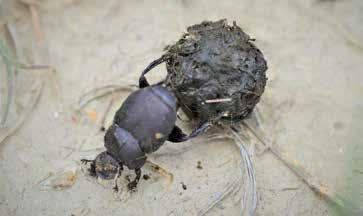
Soil biology matters: insects like dung beetles break down manure and return nutrients to the pasture.
Spring doesn’t follow a calendar and grazing plans shouldn’t either. Cavadini warns against rigid start dates. His recommendation is simple but practical: build flexibility with hay inventory and the willingness to wait a day – or even pull cattle off temporarily – if growth slows or wet conditions threaten soil structure and plant crowns.
Step No. 6:
The hidden driver of spring success – carrying capacity Before turnout, Goosey and Cavadini want producers to think about what the pasture can realistically support.
Spring Pasture Prep Starts Now
Cavadini’s advice starts with math and honesty.
“Take time to sit down and figure out what your carrying capacity is based on your soil type, your forage production, your size of animals and whatever your goal is,” he said.
He notes that many producers discover they’re stocked slightly heavier than the land can support for the full season – often leading to running out of pasture before the high-value grazing months.
In his region, those months are clear.
“The absolute best grazing months are September and October,” he said, pointing out that many farms miss them be cause they’re “out of pasture by then.” For some operations, the most economical fertility and renovation plan may be a stocking adjustment that extends grazing deeper into fall.
Step No. 7: “Know the plants.”
If spring pasture prep had one unifying message, it’s that management is most effective when it’s grounded in the biology of the plant and the reality of the operation.
Goosey summed it up simply: “Know the plants and know their grazing and developmental potentials and then turn livestock onto those fields when it’s the right time.”
Commercial
Commercial
Camille, Shelby
Record Prices Raise the Stakes on Genetics
Record cattle prices are forcing producers to rethink how they value bulls and replacement heifers, shifting the focus from what they cost today to what they will return over time. by Laura
Handke for the Red Angus Magazine
What is the right number to write on the check that pays for a bull or replacement heifer in today’s market?
It isn’t what feels comfortable, because, let’s face it, if you’re the one writing the check, the numbers haven’t felt comfortable for the past year.
It isn’t what your neighbor paid, and it isn’t what you paid last year.
The right number is determined by the contribution a breeding animal makes in protecting your operation’s bottom line when interest is high, and cwt is higher.
A rule of thumb, one heard frequently during bull sale season, is that producers should expect to pay the value of five weaned calves or roughly three finished animals for a bull.
It’s far from precise, a gut-check for buyers to assess before raising a hand, and according to University of Nebraska –Lincoln professor of agricultural economics, Matt Stockton, Ph.D., a valuation that leaves too much money on the table in these record-breaking markets.
“That traditional shortcut doesn’t capture what a bull is worth in terms of long-term return,” he explained. “Producers need to think beyond a bull’s sale price to consider two things: how much he will actually return over time based on the quality of his calves and his service life and how many cows he can be used on. If you have $10,000 tied up in a bull and you’re getting 25 calves a year from him, which is pretty standard, that’s a lot of money per calf if he doesn’t stay in the herd.”
Making the Valuation
For Stockton and his UNL Extension colleagues, Shannon Sand and Randy Saner, who work on the Nebraska cow herd breakeven report each year, there is no shortage of questions in determining the big one: What is the animal worth?
To better understand the opportunities before the Nebraska cattle producers they serve, and to aid in compiling the annual report, the UNL Extension team reviews and uses information from the University of Missouri Food and Agriculture Policy Research Institute, which utilizes multiple econometric models to forecast prices for the next decade.
The tool helps producers and industry professionals understand the future value of an animal. And future value, according to Stockton, is where today’s value should be assessed.
Long-term production, reproductive performance, culling rates, death loss and cost structures across a range of different scenarios all factor into how the UNL team values an animal.
Shannon Sand
Matt Stockton, Ph.D. Randy Saner
Record Prices Raise the Stakes on Genetics
Red Angus Association of America Commercial Marketing Director Kelly Smith has watched those different scenarios play out on ranches across the country for the entirety of his career in the cattle business. From his perspective, both as a cattleman and breed representative, the bull market is still undervalued. He’s quick to point out that strong bull prices demand proof through genomically-enhanced EPDs and, at the very least, EPDs.
Justifying cost through measurable return is simply what the market demands today.
“We’re still underpriced on bulls, quite honestly, when you compare them to the value of calves today. But if you’re a breeder and going to sell bulls for more money, you’ve got to bring it,” he said. “You can’t sit on your hands and say this is the way we’ve always done it. If you want people to pay more, you’ve got to give them more. Maybe it’s through better data, better predictability or tools like GE-EPDs that help buyers understand what those bulls are actually going to do for them.”
Bulls that are backed by performance data, genomic information, and are a clear fit for the cows you run in the environment you run them in – those bulls are in a better position to earn their keep and help their calves deliver more value at every link of the value chain.
“Feeders and packers aren’t guessing anymore. They’ve got years of data. They know exactly which kinds of cattle work for them and which cattle don’t work for them. Bulls with GE-EPDs and documented performance give buyers a clearer picture of how a calf will perform,” Smith added.
Bulls without proven performance are priced like commodities, and, oftentimes, perform at the discount they were purchased at. However, that doesn’t mean that the highest-priced bull will deliver profitability, either.
There is some comfort in believing that the highest-selling bull at the sale will automatically improve cowherd performance. After all, more genetic progress and a bigger investment on your end should equal more profit, right? Saner says the answer is, more times than not, no.
For the producers he works with, research and a middle-ofthe-road approach has proven to be the most profitable. It’s guidance he shares when producers ask him how much they should pay for a bull.
“Instincts can get you in trouble if they aren’t grounded in economics,” he explained. “We run the numbers every year and what we find is that true profitability typically lies in the middle of the sale price spread. That middle-of-the-road bull will usually make you the most money, but every operation is different and must find what works for them.”
Buying Herd Builders
Bulls get more coverage than replacement heifers, but they shouldn’t. A bull’s job is complete in 45 days, it’s up to the heifer that hopefully becomes a herd cow to settle, grow, carry, calve and produce the milk and mothering that will allow that calf to meet its genetic potential. It isn’t a small job and selecting a replacement heifer to cycle into the herd shouldn’t be either.
Across the country, replacement heifer values are forcing tough decisions.
Stockton points out that retaining a heifer carries an opportunity cost that is often overlooked: “If I keep the heifer, I could have sold her. That’s money that you could have had in your hand. The real question is, can you buy animals cheaper than you can raise animals, and what happens if the market turns?”
Stockton says that a mistake he sees in heifer purchases, much like the bull discussion, is a disconnect between what she costs today and her realistic return over time.
“To understand what your heifer is worth, you have to have a realistic idea of how long she will stay in the herd. You need to know what your culling percentage is and what the average age of a cow in your herd is. You also need to be realistic about the criteria you have and stick to it when making culling decisions. A cow needs to have a calf every year to be profitable,” Stockton said. “You have to know how many calves it’s going to take to break even, whether you’re buying or retaining. A replacement heifer has a cost. When costs are high, you have to spread them over more calves to make it pencil out.”
The value of a heifer lives and dies with longevity. A heifer that delivers a live calf, breeds back, raises that calf through weaning and does it year after year shouldn’t be a novelty.
With record cattle prices, buyers study bulls closely before sale day, focusing on genetics, longevity and performance to protect long-term herd profitability.
Record Prices Raise the Stakes on Genetics
She is a necessity.
Both Stockton and Saner are quick to point out that longevity only matters if a heifer fits how a producer run cows. A replacement heifer that needs more feed, more management or more help than a system can give her is going to struggle to ever pay her way.
Before making a purchase, Stockton and Saner encourage producers to understand how the source cow herd is managed.
“The most profitable heifer isn’t always the most expensive or the one that looks best on paper. She’s the one who meets your goals and your management style and doesn’t back you into a corner when the cycle eventually turns,” Saner said.
Both Saner and Stockton agree, the cost of keeping a herd current or entertaining the idea of expansion warrants research.
“Know who you are buying from. Find a herd that is managed similarly to yours and buy those heifers – they are more than likely going to fit and stay in your herd,” Stockton advised. “I think that is the most important piece of guidance any producer can hear right now – know the cattle and know the producer.”
“The future will belong to the producers who make the investment in the tools needed to secure that predictability and accuracy.”
Investing in the Long-Term
When the ink is dry on the check, the bull and heifer purchases made today must continue to work for your operation, long after we see the market reach the backside of the bell curve we’re currently experiencing.
Herd rebuild profitability will belong to producers who understand that predictability and accuracy will carry value forward. The future will belong to the producers who make the investment in the tools needed to secure that predictability and accuracy, while understanding those tools aren’t about chasing perfection or guaranteed outcomes, but rather about hedging risks that allow for realistic expectations for a mating and its offspring.
“It’s about more information,” Smith said. “The more tools you’re using, the more information you can pass on to whoever is buying your cattle, the more money you can get for them. It’s an investment from the cow-calf perspective, but it’s the future.” //
Annual Producti Sale
Wednesday, March 11, 2026
Selling: O dedicati to producing quality p f mance ca le is a c tinuing c mitment to r cust s.
The Feedlot • Belfield, ND
Lunch: 11:30 a.m. MT
Sale: 1 p.m. MT
60 Red Angus Yearling Bulls
30 Open Heifers
10 Bred Heifers (Guest Consigner) Including a good selection of heifer-bull prospects.
Red Angus Heifers and Semen Available by Private Treaty
Buy with c fidence –
Our bulls are genomic tested, parent verified, carcass ultrasounded and fertility tested.
We practice selection and culling for traits that support efficiency and longevity within our environmental constraints of the Badlands in North Dakota. Cattle that excel in this setting can flourish just about anywhere else! S iving f mod ate, easy-fleshing ca le.
RIDGE RAD 9075 #4132976
RED HILL B571 JULIAN 84S #1147702
HRR COPENHAGEN 2265 #4637197
Bulls can be viewed at Eric Bowman’s feedlot, 1 mile south of Rhame, ND, until three days prior to the sale.
Progeny by:
RED U2 MONEY TALKS 530F RIDGE SUMO 2104
5L LIFE IS GOOD 1201-52H
MLK CRK FUSION 5202
MLK CRK ADVOCATE 0401 RIDGE ADMIRAL 3411
5L JELLY BELLY 434-162K
MLK CRK FUSION 2220
SENN MONEY TALKS 129
5L FOREMAN 2174-370E
RED FLYING K JULIAN 22A
MLK CRK SPOKESMAN 2341
MLK CRK FIVE STAR 2232
MLK CRK COPENHAGEN 2223
TJS TERRITORY J033
MUSHRUSH APOLLO J836
MLK CRK OMEGA 7132 (#3791413)
MLK CRK SHEBA 2105 (#4630557)
MLK CRK EMUMAR 795 (#3756179)
MLK CRK EMUMAR 9132 (#4144000)
MLK CRK SHEBA 947 (#4143978)
MLK CRK LAKOTA 669X (#3544436)
Kelly Younkin
Cody Younkin
Randy Younkin
Reducing Cardiac Losses from Ranch to Feedlot
by Brandi Buzzard, for the Red Angus Magazine
On a snowy December day, when his original plans to attend a cattle sale were foiled by the weather, Tim Holt, DVM, gripped his steering wheel on snow-packed roads during the long drive to southern Colorado. He was braving the elements to assist a rancher with PAP testing 400 heifers and subsequently provide insight into culling decisions. A high PAP score meant she’d be culled and a low PAP score meant she’d stay in the breeding herd, all based on one measurement.
A pulmonary arterial pressure test –more commonly known as a PAP test – is the primary tool used to assess the risk for high-altitude disease. Often called “brisket disease” in cattle country, this complicated disease results in death due to congestive right heart failure secondary to an increase in blood flow resistance in the lungs. The resistance is a result of pulmonary vasoconstriction (narrowing of the pulmonary arterioles) secondary to chronic low-oxygen tension experienced at high altitude, which causes hypoxia.
Outwardly, the disease often presents with swelling in the brisket, under the jaw and belly. Additionally, affected animals are lethargic and weak, with labored breathing. Unfortunately, symptoms are not always visible, and feedlot riders will find a deceased brisket disease victim without warning.
A PAP test is a means to measure pulmonary hypertension or blood flow resistance, making it possible to predict an animal’s welfare at high altitude. The PAP test uses a carefully placed catheter to measure blood pressure in the pulmonary artery to identify heart stress from hypoxia and is measured in millimeters mercury (mmHg). Cattle with scores below 41 mmHg are considered low risk to develop brisket disease while cattle with scores greater than 50 mmHg are considered highrisk and can also be potential genetic carriers.
Tim Holt, DVM Tom Williams Holt, professor of livestock services at the Colorado State University Veterinary Teaching Hospital and clinician in livestock medicine and surgery, has had a long career of working to identify, mitigate and reduce the occurrence of brisket disease in cattle.
Additionally, he has dedicated countless hours collaborating with producers and stakeholders to develop better tools for detecting and culling high-risk cattle, including PAP testing nearly 500,000 head of cattle throughout his career.
The Lewises run their commercial Red Angus cows at greater than 9,200 feet above sea level and utilize PAP testing to identify and cull any animals that are at risk for developing brisket disease.
Reducing Cardiac Losses from Ranch to Feedlot
“PAP is the only means we have now of predicting the heritability of this disease and the survivability of it. So, we’re trying to eliminate those that are potential concerns for hypertension heritability,” Holt explained.
Holt emphasized elevation at the time of testing is highly critical, as the stress of low oxygen is needed to trigger the biological problems associated with brisket disease, and those stresses are not present until approximately 5,000 feet above sea level. Thus, it’s difficult to accurately PAP test an animal below 5,000 feet.
Furthermore, ideally, an animal will be tested twice. The first test at less than 12 months old and then again after aging up to a yearling, as the first PAP score can be used as a culling opportunity. By culling high-test animals at a young age, producers can sell those animals instead of pouring money or effort into a calf with a high score at a young age. The second test, after 12 months of age, is to determine if the animal’s score has increased over time and if it would be suitable and safe for a breeding program.
While PAP testing is one tool producers can use to make culling decisions in their herds when it comes to weeding out high-risk cattle, there is strong evidence that the proneness of cattle to brisket disease is inherited. Hence, many producers have also turned to recently developed EPDs to aid them in their bull-buying decisions.
Brisket disease causes swelling, lethargy and labored breathing; PAP testing helps identify high-risk cattle early, guiding culling and genetic selection to reduce cardiac losses.
Colorado State University, the American Angus Association and Angus Genetics, Inc., released the first EPD for PAP scores in 2019, shortly followed by the release of a multi-breed EPD by International Genetic Solutions and CSU in 2020.
The EPDs are used to determine an animal’s survivability in high-altitude environments. A lower EPD is favorable and should specify that a bull would sire offspring with a lower PAP score and be at a lower risk for brisket disease.
Holt clarified it’s a polygenic trait which means it has millions of genes contributing to it.
“To identify one gene or a sequence of genes is very difficult, but the science is getting better. If the EPD says the bull may be a carrier, I’m not going to use that bull. But the cold hard truth is we need a PAP test for two reasons: To confirm and help with the identification of genetic markers being studied, and they can have a negative EPD and have a high PAP score, which will cause them to die.
“That high PAP can be due to environmental problems such as pneumonia, viral issues, etc. and if the PAP score is high, that animal may still die in high elevation, even if it’s not genetic.”
Reducing Cardiac Losses from Ranch to Feedlot
Holt explained the perfect bull is one with a negative PAP EPD, low genetic marker score, as well as a low PAP score.
“That’s your perfect candidate. Finding one with those criteria that is also good on calving ease, growth and everything else – not easy to do,” he laughed.
Observational evidence is building, which indicates cattle that are genetically more likely to develop brisket disease may also be at higher risk for heart failure in feedlots due to other biological issues.
Tom Williams, co-owner of Chappell Feedlot in Chappell, Nebraska, who has been observing the development and industry management of brisket disease for more than 20 years, agreed with this sentiment.
“We see respiratory issues, but we also see digestive complications, like when the disease hasn’t gotten bad enough to kill them, but it affects their appetite, their eating patterns, etc. It goes beyond pure necropsied heart failures, it affects performance.”
Williams has seen brisket disease firsthand more times than he’d have liked
“Genetically, we may have pushed them to outperform their organs.”
and while he said it’s getting better, he admitted it’s difficult to eliminate due to its complexity.
He added he believes the beef industry’s impetus to increase carcass size and quality over the past several decades has had unintended consequences on feedlot cattle’s circulatory and respiratory systems. Most notably, heart and lung size.
“We’ve put so much fast growth and performance in these cattle that they appear to outgrow their heart and lungs. Cattle have, compared to many other four-legged animals, smaller lung capacity.
“On top of that, we’ve selected very hard for early calving, and some people think maybe those lungs and heart haven’t developed fully by calving. Genetically, we may have pushed them to outperform their organs.”
Williams also explained that slowing the growth rate down for at-risk cattle and letting them mature more before
being pushed during finishing can help mitigate the occurrence as well.
Holt agreed – based on his observations – there may be a tie between overweight cattle, or those with excess fat, and the presence of a hypoxic situation occurring in the feedlot.
“If you’re obese and you have circulating fat, which is highly inflammatory, it makes the situation worse,” he said, while stressing the theory hasn’t been fully proven yet.
Brice Lewis, owner of Lewis Ranch and a brand inspector from Salida, Colorado, has been PAP testing since the early 1990s and has learned much about the disease and how to lower its prevalence in his herd, some of it learned the hard way.
“I raised a group of 40 Red Angus commercial heifers which were sired by a bull with a 60 mmHg PAP score – which was way too high, but I had already used him to breed – and within four or five years, I only had two of
Heavy steers require careful management, as rapid growth and body condition can increase cardiovascular and respiratory stress.
Reducing Cardiac Losses from Ranch to Feedlot
them left. The others I culled because they were producing calves that developed brisket disease. It was a pretty good eye-opener.”
While no one breed is resistant to the effects of the disease or exhibits it at a greater incidence, crossbreeding substantially reduces the risk, both Lewis and Williams agreed.
Testing heifers, comparing EPDs and making hard selection decisions is time-consuming, and in an industry where time is a precious asset, it can be easier to let these practices slip down the to-do list. However, Lewis said changing the industry’s brisket disease presence requires facing reality and making hard decisions.
“It’s one thing to be educated about it, but you must be willing to act on it. I’ve seen too many people who want to test their cattle and get advice, but they won’t turn around and act on
it and actually cull the cows. They’ll blame it on something else, but you have to be really hard on things and be very frank about it,” he stressed.
It’s worth noting that much of the discussion around brisket disease is focused on bull selection, risk identification and early prevention via culling, while very little has been centered on treatment. The reason why is simple but sobering. There is no fast, proven cure for brisket disease.
A multitude of treatments exist but none of them are instant or permanent cures. Lasix can be administered to bring down the swelling and antibiotic therapy can also be used, while bearing in mind that all organs are affected in brisket disease, as well as the immune system, so antibiotics should be used to minimize any infections.
The most effective treatment is to move animals to a lower elevation or a
hyperbaric chamber as quickly as possible. Some ranchers have constructed their own chambers to quickly take the animal to simulated sea level to avoid congestive failure, however, once recovered the animal still needs to be taken to lower sea level permanently to prevent a recurrence of brisket disease. It’s both frustrating and saddening for feedlot owners to manage these occurrences.
Not unnoticed is the substantial emotional component to caring for cattle afflicted with brisket disease.
“We spot a sick one and you can administer Lasix sometimes to delay the inevitable, but it’s a hard thing to see. The more this research and work get out there, the better for the whole industry,” explained Williams.
“If you’re a pen rider and there’s an animal you can’t help, it’s emotionally tough.” //
BAR S CAPTAIN 4442 • RAAA: 5007927
SIRE: PIE CAPTAIN 057 • MGS: 9 MILE FRANCHIS 6309 A ROYAL RED ANGUS PEDIGREE. IMAGINE THE BUCKSKIN FEMALE HE WILL RAISE!
BAR S CAPTAIN 4469 • RAAA: 5007925
SIRE: PIE CAPTAIN 057 • MGS: 9 MILE FRANCHISE 6309
4469 IS A CURVE-BENDING RED ANGUS SIRE THAT IS BACKED BY TRUE MATERNAL EXCELLENCE!
BAR S COMPLETELY 4412 • RAAA: 5007957 SIRE: BERWALD COMPLETELY 2056 • MGS: RAVISHING LEGACY 1701 4412 OFFERS BREEDING LEADING PERFORMANCE, CARCASS MERIT, AND MATERNAL STRENGTH!
BAR S LEAD TIME 4919 • AICA: M1016280 SIRE: OW LEAD TIME 6294 PLD • MGS: EB CALIFORNIA 1041 A REAL POWER BULL THAT IS BUILT TO ADD POUNDS AND SUBSTANCE TO THE NEXT GENERATION!
BAR S FINISHED PRODUCT 4578 • RAAA: 5003433 SIRE: NSFR FINISHED PRODUCT H228 • MGS: NSFR CALIBER C84 FROM THE RENOWNED /S DIXIE LADY OSCAR 3142A COW FAMILY, A FOUNDATION AT BAR S RANCH.
BAR S DYNAMIC 4247 • AAA: 21258741
SIRE: B A R DYNAMIC • MGS: LD CAPITALIST 316 A TREMENDOUS SET OF B A R DYNAMIC SONS WILL HIGHLIGHT THIS YEAR’S SALE OFFERING! 100+ 2-YEAR-OLD BULLS, 15 FALL BULLS, 10 REGISTERED OPEN HEIFERS, 15 REGISTERED BRED HEIFERS, & 125 OPEN AND BRED COMMERCIAL HEIFERS
The region’s standard for a large offering of multi-breed bulls that all sell AGE ADVANTAGED 18-month & 2-year-olds! ANGUS, RED ANGUS, & CHAROLAIS REPRESENTED
•
•
•
•
•
•
Create Your Profitable Future with Montana Red Angus Genetics!
2026 Production Sales
Feb. 6
Feb. 10-15 ..............................
Feb. 13
Feb. 25 ...................................
March 3 ..................................
March 6
March 7 ..................................
March 9
March 10 ................................
March 11
March 12 ................................
March 13 ................................
March 14
March 17 ................................
March 18
March 19 ................................
March 21
March 25 ................................
TJS Red Angus, Buffalo, WY
Forster Red Angus – Online Only DVAuction, Richardton, ND
Hance Red Angus, Glendive, MT
Murdock Cattle Co, Stanfield, OR
Sandhill Red Angus, Sidney, MT
Sutherlin Farms & 3C Red Angus, Stevensville, MT
Redland Red Angus, Hysham, MT
Feddes Red Angus & C-T Red Angus, Manhattan, MT
Loosli Red Angus , Ashton, ID
Heart River Red Angus, Belfield, ND
Fritz Red Angus, Brady, MT
Leland Red Angus, Sidney, MT
Lucht Red Angus, Bozeman, MT
Green Mountain Red Angus, Logan, MT
Klompien Red Angus & CK Red Angus, Manhattan, MT
Martin Red Angus, Glasgow, MT
Milk Creek Reds, Plevna, MT
Westphal Red Angus, Grass Range, MT
March 28 ................................ Fischer Red Angus, Harlowton, MT
March 26
April 2 ....................................
May 7
Gibbs Red Angus, Glasgow, MT
Northern Lites Red Angus, Glasgow, MT
Koenig Red Angus, Glasgow, MT
redalliance.biz
Thursday, March 12, 2026
Sale starts at 11:00 a.m. (Note new start time!)
Groesbeck Auction & Livestock · Groesbeck, Texas
Conveniently located 25 miles west of Buffalo, Texas, and I-45
Featuring Bulls & Females 35 Stout, Registered Red Angus Bulls
Offering a select group of coming yearling and bred heifers.
15 registered Red Angus bred heifers and 10 yearling open heifers – excellent herd-building quality!
Cattle developed in grass pastures –the same way you raise 'em!
More than two decades and 35 sales of experience in developing highperformance Red Angus bulls and females.
Our program is built for commercial producers but powerful enough for seedstock breeders.
Pedigrees from some of the best cattle in the Red Angus breed, with EPDs that work in our Deep South environment.
An
Scan the QR code to view our catalog!
AUCTIONEER:
Gilchrist 641-919-1077
These two herd sires represent the quality offered by their progeny in this sale. Sired by two of the most well-known and used sires in the breed, 3SCC Domain A163 and Mann Red Box 55C, over the past 5 years. Heavily used for good reason. Their dams are equally renowned. For a catalog or more information, contact: Brian Whisnand: 214-762-8541 • Randy Wickman: 972-658-6523 Brady Allen: 254-433-6900
Zerr Joker J112 ET: A Mann Red Box son out of an Andras Fusion dam – power, growth and style – that he passes on to his progeny.
KJL Domain 0102H:
outstanding herd sire that has served the Red Alliance team very well. His bulls pass along power and growth.
LiDAR & Livestock? How the New USDA Pilot Could Advance the Industry
by Nate Smith, General Manager, Top Dollar Angus
In October, the USDA announced a LiDAR/AI Feeder Assessment Pilot Project – a trial that will place LiDAR sensors and machine-vision systems at select sale barns to generate more objective, standardized evaluations (grading) of feeder cattle. These systems will work alongside human graders to capture more precise phenotypic assessment at the point of sale.
When I first read the announcement, I’ll admit it took me a minute to wrap my head around the goal. After going down the rabbit hole, the logic became clearer to me and I decided it was worth explaining. This article is my attempt to break down what the pilot is, how the tech works, and where genetics may eventually fit into the picture.
What it is and How it Works
LiDAR is essentially a laser-based tape measure that builds a 3D map of whatever it scans. Radar is the tool we rely on to watch storms on weather apps; LiDAR is its laser-powered cousin. Faster, more detailed and capable of producing highly precise 3D images.
Despite sounding a bit sci-fi, LiDAR isn’t new to agriculture. One of the most visible examples is in John Deere’s See & Spray Technology. Mounted systems use LiDAR to identify plants by height, distance and plant shape, spraying herbicide only where it’s needed.
LiDAR is also heavily used in drainage and land-forming applications. Mapping fields planning where to put tile and designing terraces.
It Creates a 3D Map. Where’s the Value?
Today’s feeder-cattle grades rely on human interpretation. The system works but it’s inherently subjective. Here’s a quick recap of the major factors:
1. Thriftiness
Animals are classified as “thrifty”
(expected to perform normally) or “unthrifty/inferior.” Everything else in the described grading system assumes the calf is thrifty.
2. Frame Size
Large (L), Medium (M), or Small (S), based on height and length relative to age. This gives feeders a rough idea of when cattle will likely reach Choice.
3. Muscle Thickness
Scored from 1 to 4, with 1 being the thickest and 4 the thinnest, these are used as a proxy for yield potential rather than just finish weight.
All of these are judged by the human eye. Even highly experienced graders have variation in how they interpret muscle, frame, thriftiness and traits. It’s not much different than watching different referees call the same football game slightly differently. That’s where LiDAR could matter.
What Does This Mean for Your Operation?
Short term? Not much. This pilot won’t change how cattle sell tomorrow. Long term? It has the potential to reward consistency like never before.
If LiDAR can standardize subjective grades with unbiased measurement, producers who consistently raise uniform, genetically sound calves may be better positioned to capture premiums.
There’s some debate on whether feeders will adopt machine-derived scores, but here’s what I know from talking with them:
• When cattle cost this much, most feeders trust hard numbers over gut feel. If the machine is accurate and repeatable, it will influence buying decisions.
For commercial cattle, pairing verified genetics and health programs with LiDAR-confirmed phenotype creates a powerful value proposition. It could also allow us to measure genetic trend in commercial calves more directly validating whether the phenotype matches what the DNA predicts.
For seedstock cattle, LiDAR may eventually help identify structural issues earlier in life, improving the accuracy of scores tied to, feet and leg structure, longevity indicators and traits like Stayability.
Imagine a world where thousands of 3D scans help refine EPDs with real-world nonbiased structural data, not just subjective scoring.
A Realistic, Grounded View
This project may be a bust. It could hit technical or logistical hurdles. But the broader trend is hard to ignore: Technologies widely used in other parts of agriculture are finding their way into beef production.
Frankly, we’re still playing catch-up as an industry. Every step toward objective measurement, repeatability and data-driven decisions nudges us closer to the efficiency other sectors already have.
That’s why this pilot is worth paying attention to in my opinion, and why producers should see it as an opportunity rather than a threat. //
CallingAllPhotographers!
The Red Angus Association of America is soliciting entries for the RAAA Photo Contest. The contest will run from Jan. 1 through March 31. Photos must be submitted to bit.ly/PhotoContest2026 and fit one of these categories:
March 31 5 p.m. CDT Submit online at bit.ly/PhotoContest2026 Questions?
ContestRules:
• Entries from non-members and members alike are welcome.
• There is no limit to the number of photos per person.
• All entries become property of RAAA and may be used in any capacity (magazine, social media, print ads, etc.) without advance notice.
PhotoSpecs:
• RAAA staff will select category finalists. The finalists will then be voted on by Red Angus enthusiasts on the RAAA Facebook page to select category winners.
• Cash prizes - $100 per category and $500 Grand Prize.
• Any contestant winning more than $600 will need to fill out a W9.
• Photos under 1 MB in size will not be accepted.
• Images should be in mega-pixel digital format.
• All entries must include a minimum of one Red Angus animal.
• Entries MUST include category name and contestant name in file name (Example: Winter_Doe_John_1.jpg).
• Photos that do not meet the above requirements will not be eligible for prizes!
RED ANGUS MARKETING PROGRAMS
How to Enroll in Angus Access & Allied Access
1. Contact the Red Angus valueadded department at 940-477-4593 and complete a short supplier enrollment questionnaire over the phone. RAAA staff will ask general management, animal identification and breeding questions. If needed, the producer may be asked to supply additional documentation on breeding such as semen receipt, lease agreements or information on purchased females.
2. After all documentation is recorded, staff will ship the tags directly to the producer who must tag the calves before they leave the ranch of origin – birth, branding, preconditioning, weaning or before loading on the semi.
3. The producer will receive a customer enrollment agreement to fill out and return to RAAA with a copy of their calving records.
4. Staff will issue the USDAapproved Certificate of Compliance upon receiving the customer enrollment agreement and calving record.
EID Tags are required for program identification. Outside-purchased EIDs can be brought in for $1 per tag.
• Traceability to at least 50% registered Angus bloodlines
• Source verified to ranch of origin
• Group age verified
processverified.usda.gov
Angus Access is the first step in differentiating your cattle to buyers, feedlots and packers. Experience industry-leading return on investment for just the cost of an EID tag when purchased through RAAA. Dangle tags are optional but may be purchased for management purposes.
GENETICS
• Source verified to ranch of origin
• Group age verified
processverified.usda.gov
The Red Angus Association of America marketing team offers assistance to Red Angus bull customers at no charge.
Visit RedAngus.org for contact information.
Red Angus Marketing Assistance
• Angus Access
• Allied Access
• Premium Red Baldy
• American Red
• Feeder/Fat Cattle Show List
• Stockyard
• Calendar of Events
• Red Angus FeederFax
• Red Angus FeM@il
Stewardship Starts with Land and Extends to Livestock and Legacy
by Shelby Shank for the Red Angus Magazine
Stewardship has always been part of cattle producers’ identity. It’s woven into early mornings checking cows, hard decisions made during drought and the commitment to leave the land better for the next generation.
For ranchers, stewardship isn’t a trend or a talking point. It’s a responsibility.
“If we take the best care of the resources in our hands, they’ll take care of us,” said Reba Colin, associate director of sustainability projects for the National Cattlemen’s Beef Association. “Animal health improves when healthy forages are available and healthy forages come from healthy soil.”
That relationship between soil, forage and cattle forms the foundation of a good steward. While the term is often tied to land management, its impact reaches beyond the pasture.
“Stewardship goes much deeper than just caring for the land,” said Jeff Goodwin, Ph.D., director of the Center for Grazing Lands and Ranch Management at Texas A&M University. “It can be viewed as a way to improve productivity, but also a way for ranchers to mitigate risk on their operations.”
Breaking Down Stewardship
Stewardship is often discussed as a single concept, but in practice it has several connected components: land, livestock, finances and people. The pieces work together, and when one is ignored, the whole operation feels it.
“It’s about making management decisions with a long-term vision and recognizing the connection between water, soil, forage and how they can support productive livestock while keeping the land available for years to come,” said Katie Mason, Ph.D., assistant professor and Extension beef specialist at the University of Tennessee.
Land stewardship is the most visible piece, including soil health, water management, pasture condition and plant diversity. But it’s only part of the picture.
“There’s also animal stewardship, or how we take care of livestock. Then there’s financial stewardship, which is how we manage our enterprises to achieve a positive return on investment and build a successful business,” Goodwin said. “Then there’s social stewardship, which looks at how the operation aligns with family dynamics and whether resources are being managed in a way that supports a high quality of life.”
At its core, stewardship is caring for what’s been entrusted so it can be passed on.
“Many producers think about stewardship as leaving the land and the resources better than they found them,” Colin said. “It’s also viewing natural resources and the ranch as a whole system, understanding how everything interacts and making sure it’s all cared for in the best way possible.”
“You’re only as good as your weakest link,” Goodwin said. “All of those pieces have to work together to provide a return on investment, and that return isn’t always just financial. Sometimes it’s time with family or peace of mind.”
Stewardship begins with healthy land and thoughtful management, supporting productive cows, resilient calves and a legacy built on care, balance and long-term responsibility.
Jeff Goodwin, Ph.D.
Reba Colin Katie Mason, Ph.D.
Stewardship Starts with Land and Extends to Livestock and Legacy
Where to Begin
Stewardship can feel overwhelming, but getting started doesn’t require major investments or big changes.
“The first step is taking inventory of what you already have, and that starts with evaluating records,” Mason said.
Basic records – calving windows, average cow weights, conception rates or typical forage quality – help producers understand how resources are being used. Without them, it’s difficult to identify opportunities for improvement or track progress.
“Without a written plan and consistent records, it’s difficult to know what’s working and where improvements are needed,” Colin said.
That baseline also helps producers decide which changes will have the biggest payoff before investing time or money. Ranchers do not have to chase the newest technology just because it is available. Clear records and a written plan keep decisions practical and grounded.
“Before adopting new technology, producers need good data and records are the foundation that make those tools useful,” Colin said.
Once the foundation is in place, producers can begin making targeted management changes that fit their operation.
“Those decisions might be rotational grazing, selecting the right genetics or simply keeping better records,” Mason said.
Stewardship and profitability are sometimes viewed as competing priorities, but the two often align.
“When we get back to the basics of good management, stewardship and profitability naturally work together,” Mason said.
From the Ground Up
Once producers understand their records and establish a baseline for their operation, the next step is to look beneath the surface.
“Land stewardship literally starts from the ground up,” Goodwin said. “That means starting with the soil.”
Soil testing provides a clearer picture of the ground that supports every part of their operation. Healthy soils drive forage production, water infiltration and nutrient cycling, which directly affect cattle performance and long-term carrying capacity of the land.
“Soil tests establish a baseline that helps guide decisions not just for fertility, but for grazing management, forage selection and overall resource use,” Colin said.
Without that information, producers are often forced to rely on assumptions or tradition, which can lead to unnecessary inputs, declining forage productivity or missed opportunities.
Soil testing also supports the idea that stewardship is intentional management, not quick fixes. Rather than applying fertilizer or amendments out of habit, producers can tailor inputs to actual needs and save money while protecting their soil and water resources.
“A grazing management plan is one of the most effective ways producers can improve soil health, forage productivity,
Stewardship Starts with Land and Extends to Livestock and Legacy
cattle performance and wildlife habitat at the same time,” Colin said. “Good grazing management isn’t static, but it’s adaptive and changing with conditions while still keeping long-term stewardship goals in focus.”
Matching Genetics to the Land Genetics also influence how efficiently an operation uses its resources and how well cattle fit the environment.
“Cattle need to be genetically matched to the environment and the market a producer chooses to participate in,” Goodwin said. “Cattle that can be efficient on the forage resources available.”
That process starts with the same inventory mindset. Forage types, climate conditions and management constraints help guide selection toward cattle that perform without requiring more inputs.
“If you’ve got cattle that match your environment, the next questions is how efficiently they’re utilizing those resources,” Goodwin said.
When cattle fit their environment, producers often see improvements in reproduction, body condition and longevity, while reducing the need for supplemental feed or intensive management.
Programs that support record-keeping can also reinforce stewardship goals. Red Angus’ Allied Access program provides source and age verification without strict genetic-percentage thresholds, allowing producers in crossbreeding systems or diverse genetic programs to participate.
By verifying calves to the ranch of origin, the program supports transparency, accountability and traceability, qualities increasingly valued by buyers and consumers.
For many ranches, it is another way to document management, prove origin and add credibility without forcing a one-size-fits-all genetic model.
Not One-Size-Fits-All
One of the most important lessons in stewardship is that there is no single formula.
“There isn’t a one-size-fits-all method for stewardship,” Mason said. “The goal is the same, but the method is different.”
Soils range from sandy to heavy clay. Forage, rainfall and growing seasons vary across regions. Labor availability, financial resources and family dynamics also shape what practices are realistic.
“Every ranch has different soils and produces different kinds of grasses and amounts of grasses,” Goodwin said. “It’s
Hands-on animal stewardship relies on daily observation and timely decisions to protect cattle health, welfare and long-term productivity.
about fine-tuning strategy or finding a grazing management plan that fits an environment best.”
Stewardship is less about copying a neighbor’s system and more about applying principles to the land and people managing it.
“It’s not the cow, it’s the how,” Goodwin said. “It’s how you’re balancing the timing, intensity, frequency and duration of your grazing.”
Tracking Progress Over Time
Because stewardship looks different for every operation, measuring it means tracking whether management decisions are moving a ranch closer toward its goals over time.
“If we had to look at one metric, it’s probably profitability, but that doesn’t tell the whole story,” Mason said. “There are a lot of ranches that are profitable this year and not the next year, and that can sometimes point to challenges on the land or livestock side.”
From the land perspective, improvements in soil cover, forage production and water infiltration are often some of the first signs that stewardship-focused management is working. As soil and forage health improve, carrying capacity can increase, allowing producers to support more cattle without degrading the resources.
“One more cow doesn’t always mean one more dollar,” she said.
One of the simplest tools for monitoring change is also one of the most underused: photos.
Stewardship Starts with Land and Extends to Livestock and Legacy
“You’re really going to know the ecological condition of your ranch by monitoring it over time,” Mason said. “This can be done by taking pictures over a progression of time to go back and look at.”
Establishing permanent photo points and documenting changes over time provides a clear, visual record of progress and or early warning signs that adjustments are needed. Photos can reveal shifts in ground cover, plant diversity and forage density that might not show up in a spreadsheet until later.
“Pictures are one of the greatest and most underutilized ways to measure change,” Mason said. “Take a picture when you start a new practice and continue taking pictures over time. You’re either going to see positive change and know it’s working, or you’ll identify negative change and be able to adjust before it gets out of hand.”
Telling the Story
Measuring progress is only part of stewardship. Sharing those efforts matters, too.
“Cattle producers have to be willing to tell their story,” Goodwin said. “Cattlemen are historically humble individuals and don’t want to brag on themselves, but if they don’t tell their story, somebody else is going to tell it for them.”
“Social media is an easy place to jump in for ranchers to showcase their stewardship efforts and tell their stories,” Mason said. “But not everyone is on social media and that’s okay. Local engagement can be just as effective. Participating in cattlemen’s association meetings, Extension programs or on-farm demonstrations allows producers to show stewardship in action.”
Sharing stewardship efforts also builds trust with consumers and helps them understand the practices that are being implemented.
“Consumers care deeply about animal welfare and natural resources, and sharing the stewardship story helps them understand how those priorities are addressed on cattle operations,” Colin said. “Farmers and ranchers remain one of the most trusted sources of information, and storytelling helps pull back the curtain on the work they do every day.”
The word stewardship itself can be a powerful way to connect with consumers. While terms like “regenerative” and “sustainable” are common in agricultural discussions, they don’t always resonate clearly outside the industry.
“Even though we don’t want stewardship to become a buzzword, it’s a term that resonates with far more people than ‘regenerative’ or even ‘sustainable,’” Goodwin said. “In the beef industry, sustainability has become the agreed-upon standard. But from a landowner’s perspective, the goal isn’t just to stay the same. They want to improve and get better over time.”
Stewardship often communicates that idea more clearly, that producers are actively working to improve land and resources, not simply maintain them.
“I think we all want to be good stewards of the land, and that sense of duty and pride is deeply ingrained in the cattle industry,” Mason said. “But if stewardship isn’t measurable or quantifiable, it risks becoming just another buzzword.”
That’s why real practices and results matter. Sharing grazing-management changes, soil health gains, herd performance records and monitoring photos shows stewardship isn’t just something producers talk about – it’s something they put into practice.
“That’s how we show consumers that stewardship is real, measurable and backed by action,” Mason said. “Not just something we say, but something we live out every day on our operations.” //
Stewardship ensures land, livestock and people remain productive and resilient, protecting resources and legacy for generations to come.
Tips to be a Successful Junior Breeder
by Taryn Cox, JRA Board
Success as a junior breeder doesn’t happen overnight. It’s shaped through everyday decisions, a willingness to learn and a commitment to the breed. Whether you’re just getting started or taking the next step, success goes far beyond owning cattle – it’s about building knowledge, relationships and habits that will carry you forward.
Let’s start with four basic tips that can help junior members set themselves up for long-term success, both within JRA and in their future roles as producers and industry leaders.
1. Understand the Basics and Various Methods of Cattle Breeding
There are various ways in which producers can get their cows bred – natural service, AI or IVF. Each avenue is beneficial in different ways and producers choose what fits their individual situation.
Juniors should research what each method of breeding entails and analyze their own operations to see which will be most cost-effective and achievable. Choosing a calving window and subsequent breeding window are also important decisions for a junior producer.
Engage with JRA!
Gracie Rogers, President - jragracie1@gmail.com
Understanding the reproductive cycle and management practices that encourage cattle fertility are very important. Understanding hormonal cycles will help you choose what breeding method to use. Additionally, researching the factors that impact fertility informs important management decisions, such as when to breed, calve, what to feed and where and when to move cattle.
2. Start with Quality Foundation Stock
It’s simple – good cattle make good cattle. Starting in the cattle business or trying to grow your herd as a junior is tough and expensive. However, it’s important to invest in quality stock. If the goal is to make high-quality cattle, buying low-quality cattle because they’re cheaper or more accessible is not the way to achieve it.
3. Understand and Practice Nutritio and Feed Management
Knowing good quality feed and keeping your cattle on it is important to cattle health and performance.
This includes understanding what grasses to grow, when to rotate pastures, what hay to feed in the winter, when/if
Peyton Andras, Vice President - peyton.s.andras@gmail.com
Addison Green Russell, Communication Chair - agreenrussell@gmail.com
Zane Downey, Director - zane.t.downey@outlook.com
Claire McIntyre, Director - clairemcintyre090706@gmail.com
James Miller, Director - jdmiller306@gmail.com
Taylor Dorsey, Junior Program Coordinator taylordorsey@redangus.org
there is a need to apply fertilizer to your pastures, what minerals to feed and so much more.
When cattle have all the correct nutrients and access to high-quality feed, they breed up, calve more easily, stay healthier and perform at a higher level, making a more profitable breeder.
4. Implement Proper Health Protocols
Maintaining healthy cattle is the foundation of being a successful breeder. Juniors should research and understand what vaccines are given to cattle, when they should be doctored and what medicines to use and have on hand.
When treating sick cattle, it’s important to pay attention to withdrawal times (the amount of time between when a medicine is administered and when it leaves the bloodstream), especially if the animal is for slaughter.
5. Keep Detailed Records
Keeping detailed records on your cattle operation can be tedious and time-consuming, but it’s important to an operation’s success. Taking good notes and paying attention to detail helps in
various ways – being able to look back and see when cattle were bred, when you moved to different pastures, what animals were sick and when, etc. Part of being a good stockman is being diligent and aware – detailed notes help.
A way to streamline and organize the record-keeping process is to use an online platform or app. There are many choices out there – do some research and find out which one would be best.
6. Understand EPDs
In simple terms, Expected Progeny Differences are numbers that help producers compare animals within a breed to estimate their genetic merit for specific traits like growth rate, milking ability and carcass quality. Understanding what an EPD is and how to use it is key to producing high-quality cattle.
It’s also important to understand how genomic data is expressed in the phenotype, or physical look and performance,
of an animal. If you breed a cow that’s in the top 1% of birth weight to a bull that’s also very high in the BW category, you’ll most likely get a small calf. If you breed a first-calf heifer to a bull that’s in the bottom percentiles of birthweight, you might run into calving problems because the calf is too big.
There is always give and take when looking at EPDs and making breeding and purchasing decisions. Personally, I think it’s best to find the balance between genotype and phenotype. As a junior, you should try to increase your knowledge and understanding of what EPDs are important to your operation, and how to select seedstock based on the genetic traits you would like to breed for.
RAAA has a guide to EPDs and indexes available on their website with descriptions of each EPD – take a look at it!
7. Find a Mentor (or 10)
Networking and strong relationships
are foundational to the cattle industry. Whether you’re just getting started or have been in the business for generations, the people you choose to surround yourself with are crucial.
As a junior, finding a mentor (or multiple mentors) can be an invaluable part of your life. Finding adults or other juniors you admire, own successful operations or are just downright good people, will help you succeed not only in your cattle ventures but also in forming your character.
My mentors have supported me throughout the years, offering guidance on everything from purchasing cattle and developing skills to navigating relationships, college and even running for the JRA Board. The community I’ve found and helped foster has truly shaped who I am today. I cannot stress enough the importance of junior members finding mentors and building strong support networks of their own. //
BRIAN MCKINNEY 11817 N NOPONE VALLEY RD DECATUR, TN 37322
Area 9 – Midwest
Director – Will Andras 5 C RANCH
MICHAEL CHRISTENSEN 2103 HWY 71 AUDUBON, IA 50025
BOYD LEROY SCHROEDER
BOYD SCHROEDER 711 ROSE AVE CLARENCE, IA 52216
RYLIN CATTLE CO.
RYAN CUNNINGHAM 307 BIRD AVE LAWRENCEVILLE, IL 62439
BREANNA TAYLOR 4708 HITT RD MILLEDGEVILLE, IL 61051
International 98 RANCH INC
ROSS MACDONALD PO BOX 59 LAKE ALMA, SK S0C1M0 //
including the Western National Red Angus Show in Reno.
www.dhRedAngus.com dhollidayranch@gmail.com
Sonstegard Cattle Co., L.L.C. 29th Annual Female Sale Montevideo, Minnesota
Dec. 6, 2025
79 Purebred Red Angus Heifers 4,843
16 Purebred Red Angus Bred Cows $4,794
82 Commercial Red Angus Bred Heifers .......... $4,206
7 Purebred Red Angus Open Heifers $3,471
4 Purebred Red Angus Elite Open Heifers
$5,512
The high-selling bred heifer was Lot 3, 2RJL Callie M355, a daughter of Bieber Jumpstart J137, bred to 3SCC Prop M08. She sold to Kevin Fox in Minnesota for $7,500. Lot 63, 3SCC Cherabel M539, a daughter of 1KNUT Mechanic 0722, bred to RREDS Renovation H037, sold to Double RL Red Angus of Minnesota for $6,750.
The high-selling open heifer was Lot 22, 3SCC Ramlin N17, a daughter of C-T Reputation 0094, sold to Jack Welle of Iowa for $6,000. Another open heifer also sold as Lot 2A, 3SCC Acceligen N26, a daughter of Berwald Confident 2044, sold to Koedam Red Angus in Minnesota for $6,000.
The high-selling bred cow was Lot 26, 3SCC Sun Gal E558, a 3SCC Helix B64 daughter, bred to Connealy Craftsman, selling to Dan Wakefield of Wakefield Red Angus in Minnesota for $6,750.
Lot I, M and D were the high-selling sets of commercial Red Angus heifers bred to Sonstegard calving ease bulls, sold to Mark Roth of South Dakota, Mike Croat of Minnesota, and Brad Meyer of South Dakota for $4,500 per head. Cattle were sold into seven different states.
Cross Diamond Cattle Co. 20th Annual Production Sale Bertrand, Nebraska Dec. 8, 2025
239 Red Angus Bulls ........................................
Bidders and buyers from 21 states attended online and in-person, with cattle selling to 18 states. Lot 1, Crs Diamnd Bond 475, an April 17, 2024, son of HXC Bond 8840F x Crs Diamnd Synergy 394 cow, sold to Rough Diamond Ranch, of Elwood, Nebraska, for $55,000.
Lot 150, Pope Blue Chip M366, a May 27, 2024, son of Bieber Blue Chip H302 x Prestigious B5153, sold to Right On Cattle Co., of Bertrand, Nebraska, for $40,000. Lot 7, Crs Diamnd Security, an April 4, 2024, son of BB Security 1263 x Feddes Packer Z127, sold to Right On Cattle Co., of Bertrand, Nebraska, for $30,000.
Lot 146, Pope Blue Chip M250, a May 6, 2024, son of
Bieber Blue Chip H302 x Finished Product, sold to Duff Cattle, of Hobart, Oklahoma, for $30,000.
Lot 46, Crs Diamnd Triumph 436, an April 14, 2024 son of Crs Diamnd Jubilee 1241 x RED SSS Big Shot 703G, sold to Rough Diamond Ranch, of Elwood, Nebraska, for $29,500.
Lot 2, Crs Diamnd Native Bourn 4353, an April 30, 2024, son of Crs Diamnd Rebourne 769 x 101C, and Lot 3, Crs Diamnd Native Bourn 4133, an April 20, 2024, son of Crs Diamnd Rebourne 769 x Crs Diamnd Twix 1152, both sold to Gilroy Land and Cattle, of Dalton and Alliance, Nebraska, for $22,000 each.
Lot 5, CAB Native Bourn 4283, an April 27, 2024, son of Crs Diamnd Rebourne 769 x 5L Bourne 11748A, sold to Gilroy Land and Cattle, of Dalton and Alliance, Nebraska, for $22,000.
Volume buyers were: Beth Briscoe, of Needville, Texas, with nine head; Ted Swanson, of Wellington, Colorado, with nine head; Paxton Ranch, of Stapleton, Nebraska, with seven head; and Robert Eubanks, of Teague, Texas, with seven head.
Mike Bolinger, of Akron, Colorado, purchased Lot 21, to benefit the All-American Beef Battalion. John Warren, of Stapleton, Nebraska, was the winner of the Henry Gun Drawing. Clara Narjes, of Sidney, Nebraska, won the commercial bred heifer. //
Registered Red Angus Cattle since 1978
32237 Hwy 58 • Ten Mile, TN 37880 Sales: Steve Burnette – 865 804-8156 mercerfarms@gmail.com
OFFICERS
Andy Camp - President 770-601-3308 • redangus@bellsouth.net
Josh Pierce - Vice President 601-385-7575 • jbarsredangus@gmail.com
Jim & Jessica Yance • (334) 726-7342 1092 Davis St • Columbia, AL 36319 jim@jyjredangus.com jessica@jyjredangus.com jyjredangus.com
Prescott, Mgr. • (864) 981-2080 Visit our website at bullhillredangusranch.com
Where Quality Cattle are the Rule, Not the Exception!
Kansas Red Angus Breeders
TANNER RED ANGUS
In the Flint Hills of Kansas
“Functional Cattle from the Heartland” 3627 NW 94th Rd Topeka, KS 66618 rtannerdvm@sbcglobal.net
Rick Tanner Family 785-640-2941
Bulls and heifers for sale by private treaty.
Leoti, KS • 620-874-1437 • fswedel@wbsnet.org WedelRedAngus.com • WedelBeefGenetics.com Annual Bull & Comm. Sale – 2nd Tues. of March
Pelton
Simmental • SimAngus
Red Angus Private Treaty Bulls
Dustin Pelton 620-285-5465
Lynn Pelton 620-285-9934 Burdett, KS
2346B N Road • Strong City, KS 66869 Joe Mushrush (620) 340-7461 • Daniel Mushrush (620) 340-9774
Annual Sale Third Friday in March
Tim Flaming Ryan Flaming 620-382-4894 620-382-5107
FLC
FLAMING LIVESTOCK CO.
REGISTERED RED ANGUS
465 170th • Hillsboro, KS 67063 620-367-8350 hm
HARMS PLAINVIEW RANCH
Mark and Kim Harms
2528 250th St. • Lincolnville, KS 66858 (620) 924-5544 • hprbulls@tctelco.net Red Angus - Angus - Charolais
“Your Partner in Progress” Bulls, Females and Embryos by Private Treaty
KEVIN & MARY ANN KNIEBEL
428 S. 2600 Road • White City, KS 66872 (785) 349-2821 • Fax (785) 349-2822 Email: kniebel@tctelco.net www.Kcattle.com
HOFT RED ANGUS
18 mo.& 2 yr. old Registered Bulls No feed ration, range tested, hard ‘n ready Commercial Bred Heifers in the fall
Rick Pflughoeft • Ellsworth, KS 785-472-3734 • 785-472-1033
Ramsdale Reds
“Red Angus since 1964” John & Dan Ramsdale 780 S.E. 130 Ave. • Murdock, KS 67111 (316) 542-3297 • (620) 532-6060
Calendar of Events
Olson’s Red Power Performance Bull & Female Sale, Argusville, ND
Wasem Red Angus, Richardton, ND 21 The Right Choice – Schnabel Ranch, Lazy J Bar Ranch, Aberdeen, SD
Nordlund Stock Farm, Clearbrook, MN 21 Overmiller Red Angus & Gelbvieh, Smith Center, KS 21-22 Turtle River Cattle Co. Online Bull Sale, DVAuction.com 22 Namken Red Angus, Lake Norden, SD
Lone Tree Red Angus, Meadow, SD 24 L83 Ranch, Mandan, ND
25 Murdock-Price Sale, Stanfield, OR 25 Niobrara Red Angus, Niobrara, NE 26 McCann Red Angus, Billings, MT 27 Brenner Angus, Kist Livestock, Mandan, ND 28 Larson’s Lost River, Clearbrook, MN
JL Morris Farm, Douglas, GA, Online Only at DVAuction.com
Water Red Angus Gang, Broken Bow, NE
Holton Cattle Co., Cisco, TX
Weber Land & Cattle, Lake Benton, MN
Green Mountain Red Angus, Logan, MT 18 Klompien & CK Red Angus, Manhattan, MT
Jacobson Red Angus, Hitterdal, MN 19 Martin Red Angus, Glasgow, MT 19 Sandridge Land & Cattle, Perkins, OK 20 Laubach Red Angus Production Sale, Big Timber, MT
20 Mushrush Ranches, Strong City, KS
Schweitzer Red Angus, Beatrice, NE
Scott Stock Farm, Crossfield, Alberta, Canada
A&R Red Angus, Holdingford, MN, Online Sale, DVAuction.com
Iron Lorenzen Cattle Co., Madras, OR
Milk Creek Reds, Plevna, MT
Red Hill Farms More Than a Bull Sale, Lafayette, TN
Red Reckoning, Douds, IA
Dahlke Red Angus, Bagley, MN
Diamond H Red Angus, Victoria, KS
Kirwan Red Angus, Bassett, NE
Westphal Red Angus, Grass Range, MT 26 Gibbs Red Angus, Glasgow, MT
PVF Red Angus Bull & Female Sale, Somers, CT 26 Schuler Red Angus, Bridgeport, NE 28 Fischer Red Angus, Harlowton, MT 28 Hoffer Red Angus Reds in the Rockies, Bosler, WY 28 Rogers & Lile Red Angus, Strafford, MO
Axtell Cattle Co., Sterling, CO
McEntire Red Angus, Sweetwater, OK
Red Angus Photography Contest
& Celia Miller Rt. 1 Box 9 • Abernathy, TX 79311 (806) 328-5210 • Email: mfmrraider@aol.com “Your source of foundation pure Chiefline Genetics”
Co. Rd. 200 Burnet, TX 78611
Advertiser Index
3K Land & Cattle Co. 143
4B Red Angus LLC 143
5L Red Angus 137
Aberdeen Angus World 140
Adams, Arnold & Alicia 143
Andras Stock Farm 144
Angelo Cattle Co. 136
Anthony Red Angus 74
Axtell Cattle Co. 42, 138
Bar S Ranch 105
Barenthsen-Bullinger Red Angus 51, 138
Beckton Red Angus IFC, 1, 136
Beitia Livestock 133
Berwald Red Angus 24, 25
Bieber Red Angus 5
BIM Red Angus 139
Bola Red Angus 131, 143
Bow Creek Farm & Cattle 139
Bowles J5 Reds 137
Brickhouse Farms 132
Bull Hill Ranch 135
Bullis Creek Ranch 131, 134
C & J Red Angus Ranch 135
C-T Red Angus 19, 137
Calvo Family Red Angus 13
Campbell Red Angus 69, 138
Cattle Visions 46
Cedar Hill Farm 139
Chappell Red Angus .................... 34, 35, 139