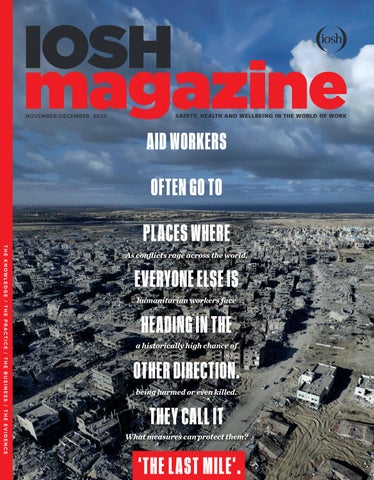
AID WORKERS
OFTEN GO TO PLACES WHERE
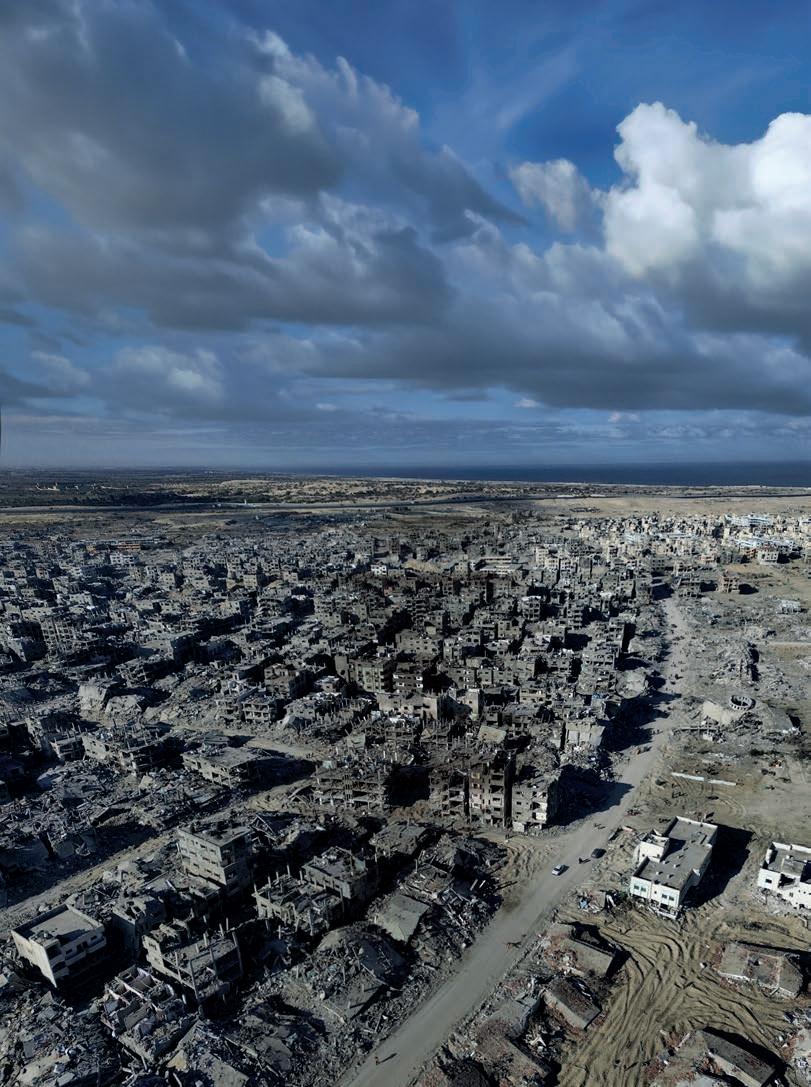
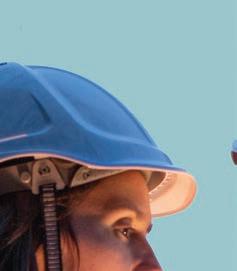
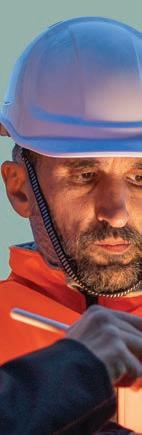
As conflicts rage across the world, humanitarian workers face a historically high chance of being harmed or even killed. What measures can protect them?



EVERYONE ELSE IS HEADING IN THE OTHER DIRECTION.

‘THE LAST MILE’.
•100% Online
•Immediate Start
•Study Anywhere
% Onli S y
•24/7 Access
• 24/7
• Self-Paced
•Self-Paced Content
•Tutor Support
• T tent or Support
•Free Dashboard
•5 Star Reviews

IOSH, ISEP, RoSPA, IATP, IoH & CPD approved / assured courses | 100% online
IOSH-approved courses
•Environment for Business
•Managing Occupational Health & Wellbeing
•Managing Safely
•Managing Sustainably
•Safety for Executives & Directors
•Safety Health & Environment for Construction Site Managers
•Safety Health & Environment for Construction Workers
•Working Safely
ISEP-approved courses
• •Environmental Sustainability Skills for Managers
•Environmental Sustainability Skills for the Workforce
•Pathways to Net Zero



OFFICIAL MAGAZINE OF
The Institution of Occupational Safety and Health (IOSH) is the world’s leading professional body for people responsible for safety and health in the workplace.
Shining a light
Published by Redactive Publishing Ltd
9 Dallington Street, London, EC1V 0LN
EDITOR
Joanne Perry
joanne.perry@ioshmagazine.com
GROUP CONTENT SUB-EDITOR
James Hundleby
DIGITAL EDITOR
Kellie Williams kellie.williams@ioshmagazine.com
DESIGNERS
Craig Bowyer, Seija Tikkis, Tom Shone
PICTURE RESEARCHER
Akin Falope
ADVERTISING
Display sales +44 (0) 20 7880 7613 ioshdisplay@redactive.co.uk
Recruitment sales +44 (0) 20 7880 7662 ioshjobs@redactive.co.uk
PRODUCTION
Rachel Young +44 (0) 20 7880 6209 rachel.young@redactive.co.uk
PUBLISHINGDIRECTOR
Aaron Nicholls
Redactive aims to provide authoritative and accurate information at all times. Its publications are, however, for guidance only and are not an official information source.
The inclusion of advertisements and inserts within IOSH magazine and ioshmagazine.com does not constitute an endorsement of the organisation or its products/ services by IOSH or Redactive. All advertisements must adhere to the British Code of Advertising Practice.
All rights reserved. No part of this publication may be reproduced, stored in a retrieval system or transmitted in any form or by any means, electronic, mechanical or otherwise, without the prior written consent of the publisher and editor.
For changes to your address, please contact IOSH membership team on membership@iosh.com or 0116 257 3198.
ISSN 2396-7447 © IOSH 2025
IOSH magazine is printed by ISO 14001 certified printers.
Printed by Warners Midlands plc, The Maltings, Manor Lane, Bourne, PE10 9PH
When I wrote the welcome note for the January/ February issue of IOSH magazine, back in the early days of my presidency, I opened up by saying: ‘Our experiences have a huge impact on shaping who we are.’ As I reflect back on the past year, I’ve had some memorable experiences representing IOSH – far too many to include on this page – and these will certainly have a lasting impact on me.
One of my priorities as president was to shine a light on how we as OSH professionals cope with the demands of our jobs. We all experience different challenges carrying out our roles. Some of these can be harrowing, especially when it involves a fatality, so I wanted to raise the issue of wellbeing among ourselves.
The ‘fireside chat’ on post-traumatic stress disorder I had with presidentelect Richard Bate and vice-president Gary Latta at the Health & Safety Event in Birmingham earlier this year was a powerful moment. It has led to so many conversations around mental health, where people have been willing to talk about their own experiences and how it has impacted on them.
To me, this has been hugely significant. As a profession, we spend our time looking after others. It’s what we do, and we do it because we care. But I’ve always wondered about how much we care for ourselves, so being able to start these conversations has been really important. After all, if we are struggling to cope
IF WE ARE STRUGGLING TO COPE OURSELVES, THEN IT’S BOUND TO HAVE AN IMPACT ON HOW WE LOOK AFTER OTHERS



ourselves, then it’s bound to have an impact on how we look after others.
I’ve also been able to present our Don’t Fall Silent campaign on working at height, another of my priorities. Although last year saw a reduction in fatalities involving falls from height at work in the UK – from 50 to 35 – this is still a huge issue that needs attention. It’s clear that shortcuts are still being taken; people are willing to risk it all just to get the job done. This is something we need to stop. I hope our campaign will continue to resonate with audiences and ensure that working at height is managed well.
Another key moment for me was doing the Ask Me Anything podcast series with the magazine team. Members were invited to send me questions on any subject at all, and you certainly did so, including some about IOSH itself. It was important to me that I answered those questions as frankly as they were asked, and I would like to thank every one of you who took the opportunity to participate. We had around 20,000 views and listens for the series in total, so it was certainly a worthwhile project.
There have been so many memorable occasions, which I will carry with me well after I’ve handed over the presidential baton to Richard. The past year has been a fantastic journey, one which will shape me in the years to come.
Kelly Nicoll CFIOSH
PRESIDENT, IOSH

THE KNOWLEDGE
6THINGS YOU NEED TO KNOW
Stats, facts, news and views
10INSIDE THE REPORTS
Care workers and cancer risks; innovation and models for improvement in the gig economy
12INTERVIEW
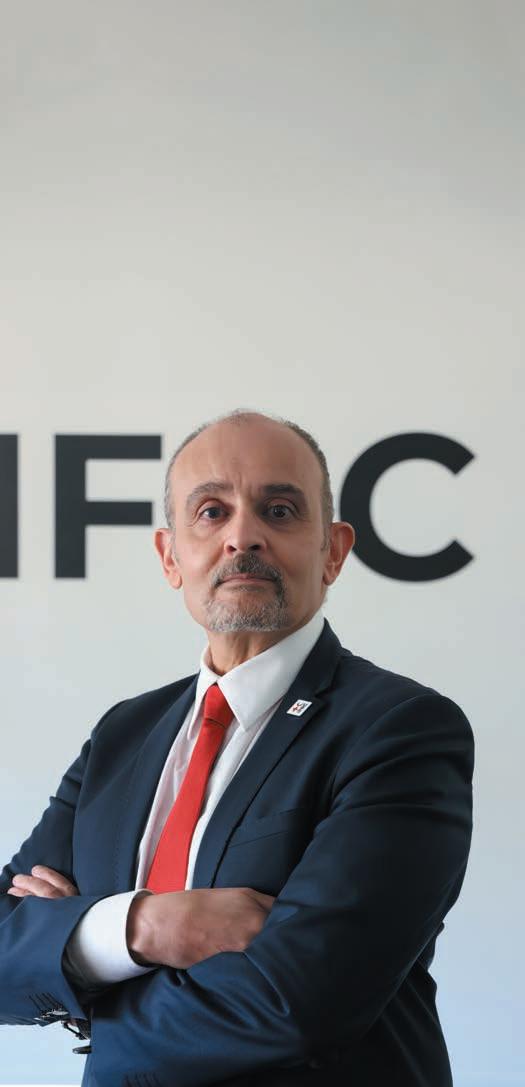
Dr Hossam Elsharkawi of the International Federation of Red Cross and Cresecent Societies discusses keeping aid workers safe
14PROSECUTIONS
Recent court cases
18 THE WIDER VIEW
What’s new online: our latest webinars, videos and podcasts
20 PODCAST INTERVIEW
Dr Chris Davis distils the key points from recent Global Initiative for Safety, Health and Wellbeing discussions
24OPINION
Time to smash the safety pyramid myth, writes Caterina Iannazzo
26GISHW
Duncan Spencer CFIOSH on the themes discussed in Osaka, Japan, and what they mean for members
28BUSINESS LEADER FORUM
The future of EdTech in OSH training and learning

SURVIVING THE LAST MILE
Hot topics
The latest research and reports
72DEEP DIVE
Research: in depth
A closer look at a new study
Angela
Maintenance contractors may bring different safety behaviours, training and even languages on-site. So how to handle this complexity?

MILESTONES
Liability for trespassers
Duncan Spencer takes a practitioner’s view of civil law milestones
KNOWLEDGE
THINGS YOU NEED TO KNOW THIS ISSUE
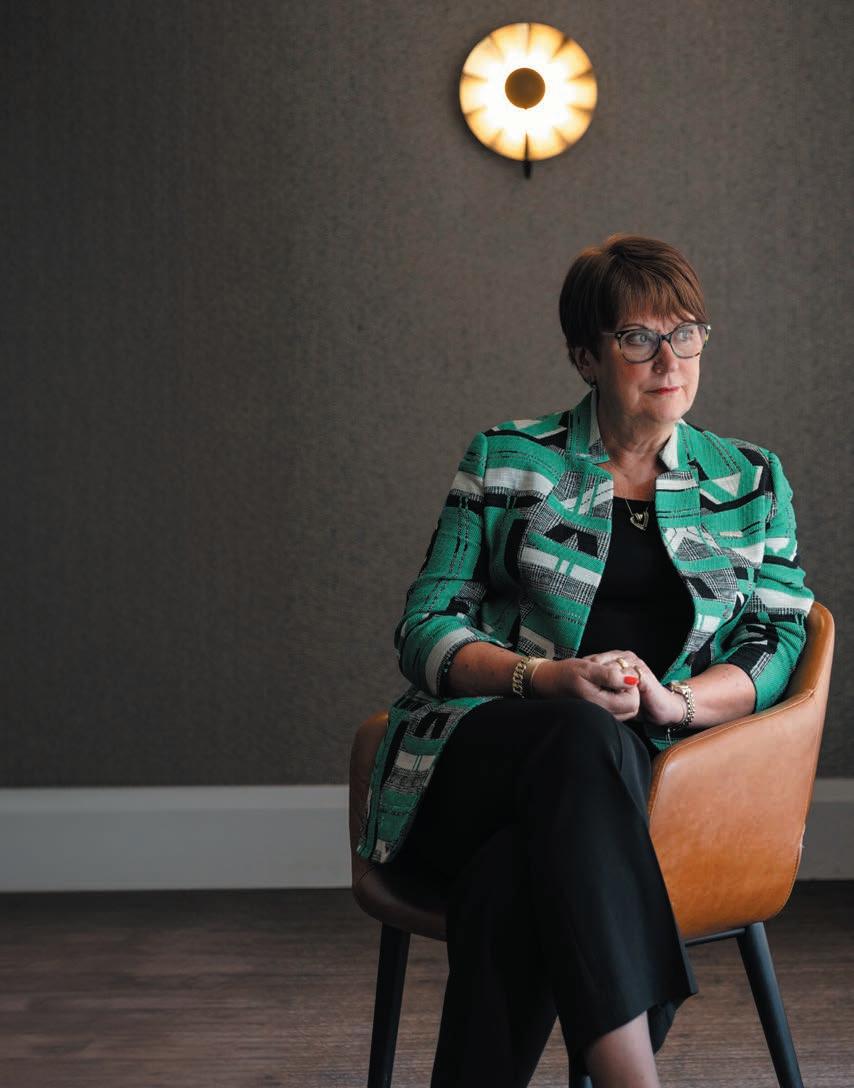
‘Delivering safe outcomes requires competence, collaboration and a shared sense of purpose – not a tick-box approach’
DAME JUDITH HACKITT, ENGINEER, CIVIL SERVANT AND FORMER CHAIR OF THE GB HEALTH AND SAFETY EXECUTIVE
1. CONSTRUCTION
Safer buildings: Hackitt calls for ‘shared
sense of purpose’
Dame Judith Hackitt has warned that the construction industry must embrace cultural change, competence and collaboration if the UK is to deliver safe, fit-for-purpose buildings under the reformed regulatory regime.
In an interview with The Planner, the engineer and former chair of the GB Health and Safety Executive reflected on progress since her landmark Building a safer future review.
A central pillar of the new framework is the gateway system, designed to ensure that risks such as fire safety are addressed from the planning stage.
‘Gateway 1 is profoundly important,’ Hackitt said. ‘Concerns raised by regulators and fire safety experts at this stage cannot simply be ignored – developers will find themselves blocked at later gateways if they do.’
She acknowledged that while some organisations have moved quickly to adopt higher standards, a large part of the industry remains reluctant.
‘Too many are still saying: “Just tell me what to do.” That’s not consistent with the culture change we need,’ she said. ‘Delivering safe outcomes requires competence, collaboration, and a shared sense of purpose – not a tick-box approach.’
OSH professionals, she suggested, have a crucial role to play in embedding this culture shift across projects and organisations.
‘Change is challenging, but we will get there,’ Dame Hackitt said. ‘The frictions and delays we’re experiencing now are all part of learning to work in new ways.’

Read more at: ioshmagazine.com/ Hackitt-BSR
2. REGULATION
Form OH branch within HSE, report recommends
A new report calls on the UK Government to create an occupational health (OH) authority within the GB Health and Safety Executive (HSE) alongside the introduction of a growth, skills and health levy to incentivise and support employers to invest in OH.
The ambitious OH blueprint, published by the Fabian Society in September, proposes a model for a more progressive national OH service to help employers, workers and the state meet a growing crisis around work-related illness.
The HSE says there were 1.7m cases in Britain of work-related illness in 2023-24, a 44% increase since 2010-11.
Nye’s lost legacy: towards a national occupational health service to keep people well in work explains the need to shift to a universal, integrated, preventive and supportive system. Read
3. STANDARDS
PPE standard addresses poor design
The British Standards Institution (BSI) has published a new standard to help employers ensure that PPE fits all workers, addressing longstanding safety, health and retention risks linked to poorly designed kit.
The new guidance, BS 30417 Provision of inclusive personal protective equipment (PPE), is freely available to employers and provides practical recommendations for selecting and providing PPE that caters for gender, ethnicity, body shape, age and disability.

The move comes amid growing evidence of poor fit across UK workplaces. Research shows that 46% of British women supplied with PPE or uniforms say they don’t fit properly. A recent Focal Data study found that 36% of UK women and 45% of women globally had been issued inappropriate PPE. Some police officers have even resorted to buying their own kit to compensate for sub-standard provision.
BSI is encouraging employers to download the standard and take part in a series of industry webinars on inclusive PPE, due to run next year.

















4. RETENTION
‘Lack of employer support’ forces experienced women out of work
An update from the British Standards Institution (BSI) has highlighted a growing retention crisis among experienced women who are leaving work early, in part because their employer’s policies don’t sufficiently support them in a range of health-related issues.
Drawing on the views of 6500 women working across seven countries, the white paper reveals how the provision of adaptable arrangements that support women’s wellbeing in menopause, cancer or miscarriage can significantly contribute to these experienced professionals remaining in the workforce.
The report also explores more broadly the cultural and structural barriers that continue to prevent women from progressing professionally.
Respondents cited paid leave, greater flexibility in how they worked or access to healthcare support as options. In cases where employers do have such policies in place, 86% of respondents felt they were effective.
Find out more: ioshmagazine.com/ BSI-women
5. EMERGENCIES
St John research exposes first aid skills gap
St John Ambulance has highlighted a critical gap in workplace preparedness: many employees lack the first aid skills needed.
The survey of UK workers found nearly four in five (79%) employees care deeply about their colleagues’ wellbeing, but almost a third (29%) had experienced a workplace situation where no one present had the skills to provide first aid.
Nearly a quarter (22%) of the workforce has never received any first aid training, and among those who have, one in five (22%) last trained more than five years ago – raising concerns about outdated knowledge.
Read more at ioshmagazine.com/ SJA-study
Fashion Week: IOSH shows support for people-focused sector
IOSH supported the first annual VIBE Commonwealth Fashion event during London Fashion Week in September.
The landmark gathering was organised by the Commonwealth Fashion Council. It brought together designers, diplomats and sustainability leaders to celebrate innovation, collaboration and ethical fashion across the Commonwealth.
The event also unveiled the Commonwealth fashion innovation report, supported by Innovate UK. It reveals that trade costs between Commonwealth country pairs are on average 21% lower thanks to shared language, legal systems and financial structures.
Home working ‘damages’ young workers
Home and hybrid working damages the career development, workplace relationships and mental wellbeing of younger workers, suggests research commissioned by IOSH.
Around half (48%) of 18- to 24-yearolds say home and hybrid working makes it harder to build relationships with colleagues and managers, while a third report feeling demotivated.
The report suggests that the ‘Commonwealth trade advantage’ presents a major opportunity for fashion designers to be more sustainable, expand their reach and collaborate effectively across borders.
IOSH partnered with VIBE 2025 to promote a people-focused fashion sector. Head of policy and public affairs Ruth Wilkinson CMIOSH said: ‘As the fashion industry evolves, we must ensure that the people behind the garments – from the raw materials through to designers, makers, and wider communities – are at the heart of that transformation, with a safe and healthy working environment and decent work provided.’

The findings highlight the impact on mental health: one in six young workers (17%) say their wellbeing has worsened, while more than a quarter (28%) report feeling cut off from their workplace community.
Structured check-ins with managers (45%), wellbeing and mental health support (42%) and more opportunities for face-to-face collaboration (35%) were among the responses given about what would help younger workers succeed.
Hybrid working is IOSH’s preferred model. President Kelly Nicoll CFIOSH said managers ‘need to make room for daily informal catch-ups and also set weekly and monthly one-to-one sessions to cover performance and address wider issues such as health, safety and wellbeing, as well as mentoring, coaching and career development’.
Inside the reports
Bridget Leathley CFIOSH explores recent OSH developments
to reveal challenges and
takeaways
for best practice.
OCCUPATIONAL HEALTH CARE WORKERS AND CANCER RISKS
If you were asked to think about professions exposed to carcinogens at work, what would come to mind first?
Perhaps construction workers inhaling silica dust or asbestos. Or farm workers using pesticides. You might think about professional drivers, exposed to diesel exhaust fumes. But would you think about health and social care workers?
This report from EU-OSHA, Occupational cancer risk factors in Europe – findings of the Workers’ Exposure Survey for health and social care workers, looks at a neglected profession where so much of the focus is on the welfare of their patients that their own health is often ignored. Just over 3000 people working in health and social care were interviewed, with the majority working in healthcare.
Challenges
The report concludes that nearly 30% of the workers interviewed are ‘probably’ exposed to at least one cancer risk factor, and 7.8% to two or more factors. The reason that is ‘probably’ is because the conclusions are based on a telephone interview, where people are asked about the tasks they do and the
controls they use. Even where the best controls are described, the researchers assign a low risk of exposure, and assign medium or high risk where fewer controls are recalled by respondents.
Three of the eight carcinogens mentioned in this report relate to radiation. Two are obvious, with ionising and UV radiation used for diagnosis, treatment or sterilisation. However, the categories of people considered as exposed to solar radiation seem quite broad, including those who work near reflective surfaces or spend an hour a day in a vehicle with the windows down.
Risk from solar radiation is mediated by using hats, sunglasses and sunscreen, but the authors admit that asking about behaviours in the survey period September 2022 to February 2023 might not reflect controls used in the summer.
Formaldehyde and ethylene oxide were considered the most poorly controlled carcinogens, with many users not aware of the use of local exhaust ventilation. Anyone who refuels a vehicle is assumed to be exposed to benzene, albeit at a low level, while anyone ‘driving, maintaining or travelling in diesel-powered vehicles’ is assumed to be exposed to exhaust emissions.




The eighth hazard was included because of the prevalence of dental workers in the sample – exposure to respirable crystalline silica is a hazard in the manufacture of dental prosthetics, with 4% of those doing this work reporting none of the suggested controls.
Takeaways
Relying on self-reporting of hazard exposure and controls makes it difficult to draw strong conclusions from the study. However, some insights can be gleaned from how the researchers determined a low, medium or high exposure risk. If the hazards in your workplace include any of those identified in the study, referring to their scale of protective measures could provide more consistent results for your own risk assessments, and improve your control of those hazards.
To read the full report, go to b.link/EU-OSHA-cancer-risk
INFORMAL WORK
INNOVATION AND MODELS FOR IMPROVEMENT
Informal workers include platform or ‘gig’ economy workers, often on zero hours contracts, as well as people working for themselves, unpaid trainees and volunteers.
This International Labour Organization (ILO) report, entitled Innovative approaches to formalisation in Asia and the Pacific: background report to ILO Asia and the Pacific Tripartite Regional Knowledge Sharing Forum, reminds us of the links between informal labour and OSH: ‘The persistence of informality undermines sustainable enterprises, hinders access to labour rights and social protection… and exacerbates inequality and poverty.’
Challenges
Informal workers often work longer and more irregular working hours, without appropriate breaks. They are also less likely to rest when they are ill or injured. The resulting fatigue increases the risk of accidents – particularly for those driving vehicles, working with machinery or in care work.
Informal workers are less likely to be protected from danger, with exposure to pesticides for agricultural workers and mechanical
and ergonomic hazards for many manual workers. The increasing frequency of heat waves in many countries has worsened the problems for outdoor workers such as those in waste management, and for home workers without adequate cooling.
Occupations that are mentioned in the report include beauticians in Cambodia, garment workers in India and construction workers in Nepal, as well as agricultural workers in multiple countries.
Technology has played a role in certain improvements, with new digital systems to register informal businesses and workers, mobile apps for social security payments and digital wage payment systems.
But, as a private company in Sri Lanka demonstrated, other changes have been about relationships, representation and long-term thinking. The organisation relies on seaweed for its production, and so it helped seaweed collectors to open bank accounts, as well as providing training, fair pay and formal contracts. Both sides benefited from a tighter supply chain, cutting out intermediaries.

Takeaways
In the UK, unions are working to improve conditions for gig workers, while the Independent Workers’ Union of Great Britain has been set up to represent and campaign for informal workers. The unions can take heart from some of the successes described in this report. For example, the Green Clean Labour Union in Pakistan gained employer recognition and social security benefits for 15,000 third-party contractors who previously had no protection. The union has improved OSH standards and provided workers with training on safe waste handling. In Thailand, the Network of Domestic Workers negotiated a minimum wage, maximum working hours and job protections for migrant and Thai domestic workers.
For OSH professionals, this is a reminder to review our supply chains. If the informal workers we rely on do not have the same protection as our own workers, consider innovative solutions – for example, include them in training programmes and in systems for managing work and rest schedules. For some extra continuing professional development points, IOSH members could help local charities or youth organisations to formalise appropriate risk assessments and safety training.
To read the full report, go to b.link/ ILO-innovative-approaches
Bridget Leathley is a freelance health and safety consultant and a health and safety trainer.
After more than 30 years in the humanitarian sector working in 35 countries, Dr Hossam Elsharkawi has seen huge changes. The biggest, however, is the way aid organisations protect and prepare their teams to face the myriad hazards in conflict and disaster settings around the world.
‘In the past, training and protection were limited,’ says Hossam, who is one of five regional directors at the International Federation of Red Cross and Crescent Societies (IFRC), with responsibility for Middle East and North Africa (MENA).
‘Training has become more sophisticated, with simulations that immerse staff in realistic scenarios to prepare them both physically and psychologically.’
Ready for action
Teams receive both classroom and field-based training, including security simulations and role-play exercises. All are designed not only to provide technical knowledge and safety protocols but to guide sound decision-making and dynamic risk assessment. ‘These experiences build “muscle memory” and “mental models” that help staff remain agile and think clearly in high-pressure, chaotic situations,’ he says.
OUR BEST PROTECTION IS OUR PRINCIPLES
Hossam’s role involves overseeing the assistance and advice the IFRC gives to its national societies in the MENA region, which ensures effective disaster and crisis risk management and encourages regional cooperation between members.
Confronting crisis
Providing aid in conflict zones is now riskier than ever. Dr Hossam Elsharkawi, regional director of the International Federation of Red Cross and Crescent Societies, discusses keeping aid workers safe.
‘The people that do [aid] work have to be well chosen, well trained, well supported [and] well prepared before, during and after events,’ he says. ‘Critical to this readiness is the lessons we have learned over decades.’
Nevertheless, the work can have long-lasting physical and mental implications. ‘There isn’t
adcss es k have to be upported ng and this t


WORDS ANNA SCOTT
necessarily a blueprint [for coping],’ Hossam says. ‘People must find their own solutions and that includes their family and loved ones. You cannot deploy and work successfully in a risky environment if your family is against it.’
The last 20 years have seen greater attention paid to the psychological side of humanitarian work. Preparation before missions, including training on self-care and coping techniques, has improved.
Workers receive robust support during exceptionally demanding deployments and there is greater follow-up when they return to help manage stress and long-term impacts through sessions with psychologists and psychiatrists.
‘It’s important to add that, alongside the risks of trauma, there is potential for post-traumatic growth,’ Hossam says. ‘Many humanitarian workers emerge with enhanced resilience, stronger coping abilities and deeper capacity to navigate future difficult contexts, even when carrying the weight of past trauma or moral injury.’
Tech as a tool – and a risk Technology has also transformed the sector – from protective gear and armoured vehicles to GPS tracking, realtime communications and aerial mapping.
‘These tools don’t replace human judgement but greatly enhance our ability to keep teams safe and effective in increasingly complex environments,’ Hossam says. ‘Not all technologies are appropriate to all contexts, as some can pose risks [like satellite phones and drones].’ Those risks may also involve aid workers being perceived with suspicion.
The use of artificial intelligence (AI) comes with a warning, too. It can be ‘extremely useful’ in training scenarios to simulate complex environments and test decision-making under pressure. AI can process vast amounts of data quickly to highlight emerging risks that humans may miss, offering rapid analysis and alternative perspectives.
But Hossam says: ‘In humanitarian operations, decisions are not only technical but also ethical, taken with incomplete information, requiring empathy and deep local and context understanding. Outsourcing thinking and human interaction to machines would risk harming the very people we serve. At the end of the day, AI is bias written into computer code.’
The IFRC’s advice is to explore these technologies carefully, ensuring that they remain tools to support, not substitute, human decision-making.
Trust and risk
‘Our best protection is our principles,’ Hossam says in a nod to the Red Cross and Red Crescent Societies’ neutrality.
‘Connecting with locals is the best way to constantly navigate a safer
ALONGSIDE THE RISKS OF TRAUMA,
THERE
IS POTENTIAL FOR POSTTRAUMATIC GROWTH
course. Sometimes it’s a taxi driver that gives us the best advice – where to go and where not to go,’ he adds.
‘We are still very much a decentralised organisation that heavily relies on our eyes and ears and boots on the ground.’
Local knowledge is also useful for avoiding unintended consequences. For example, clothing choices – symbols, colours, words, images or logos – can be dangerous. ‘In sensitive environments, visual cues may be interpreted as alignment with one side, which can affect how we are received. Being mindful of attire ensures we are not seen as favouring any party,’ Hossam says.
Managing chaos
Humanitarian organisations necessarily operate with a higher risk appetite than others. Agility is key.
‘Where we work, we never have access to all the information we would need,’ Hossam says. ‘We make decisions in conditions of extreme uncertainty. I call it management of chaos.
‘It’s better to be 70% correct than 100% wrong. Procrastination in a context like ours can mean people lose their lives because we missed the window of response – we missed the break in a ceasefire.
‘Being open to receiving lots of information and processing it in a meaningful way to protect the mission, team and community from further harm starts from day one. The best approach is prevention and mitigation. That is why we have [training] scenarios, and that’s why we try and pre-empt the possible evolution of a crisis by talking to the right people.’
But the sad reality is that humanitarian work has become more dangerous. Across MENA, 36 personnel from the IFRC network were killed in the field during 2024 and 2025.
‘Among them, 29 staff and volunteers from the Palestine Red Crescent Society lost their lives while trying to save others,’ Hossam says. ‘In addition, 21 more were killed along with their families – outside the line of duty but victims nonetheless.’
To protect aid worker teams, Hossam says world leaders and governments must unite to reinforce the culture and practice of international humanitarian law.
‘There is no substitute for demanding accountability,’ he says. ‘Protecting humanitarian teams requires that nations and armed groups be held responsible for their actions, and that compliance with international humanitarian law, the Geneva Conventions and basic ethical standards be non-negotiable.’
Read more about OSH in conflict zones in our cover story on page 30
STEELWORKS
CONSTRUCTION
Tata Steel fined after contractor fatally crushed BUILDER SENTENCED AFTER HOUSE COLLAPSE
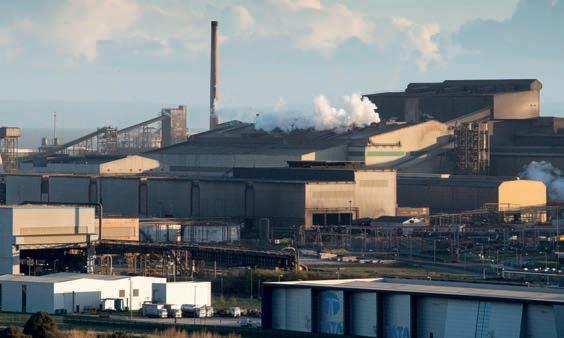
Tata Steel has received a £1.5m fine after a contractor carrying out maintenance work at its Port Talbot, Wales, site was fatally crushed in September 2019.
THE INCIDENT
After Justin Day, 44, and his team had replaced a faulty lift cylinder, Tata realised the new cylinder was leaking hydraulic fluid and put a call-out for Justin to return. Since he didn’t hear the call, his colleague returned to repair the leak.
Justin arrived back at the quench area on the top floor. Because the men below couldn’t see or hear him, he got down into the coil tilter not realising that Tata hadn’t re-isolated all the equipment. When he got in, a light sensor was triggered, activating the machine and crushing Justin to death.
THE INVESTIGATION
GB Health and Safety Executive (HSE) inspector Gethyn Jones said: ‘We had initially assessed the machinery and determined it was unguarded and unsafe to use. I also assessed relevant documentation such as risk assessments, safe systems
of work, isolation policies and procedures, and maintenance logs. We took all of that information away as part of the investigation. I also investigated the level of training, skills, knowledge and competence demonstrated by key individuals to help me understand the decision-making process that led to the incident.’
THE PROSECUTION
Tata Steel pleaded guilty to breaching sections 2(1) and 3(1) of the Health and Safety at Work Act. The company was fined £1.5m and ordered to pay £26,318 in costs.
‘The need to undertake suitable and sufficient risk assessments and ensure dangerous machinery is guarded is a fundamental of good health and safety management,’ said Gethyn. ‘Furthermore, the need to securely isolate machinery when guarding is removed to allow maintenance is well understood throughout the industry.
‘There is simply no excuse that such obvious controls were not in place.’
Read
A builder has been given a suspended prison sentence after a roof collapse destroyed a home and injured three workers in Windsor, England.
THE INCIDENT
Jack Savva, 70, was given a 13-month custodial sentence, suspended for two years, after the incident in August 2020. Savva was carrying out a loft conversion when the gable wall fell into the building after the roof was removed.
THE INVESTIGATION
An investigation by the HSE found that Savva had failed to ensure the structure did not collapse while it was in a state of temporary weakness. He had not taken steps to address the unsupported chimney breast before dismantling the roof, which caused the brick gable to collapse into the work area. He also failed to take all practicable steps to prevent danger to any person while the building was in a temporary state of weakness.
THE PROSECUTION
Savva pleaded guilty to breaching regulation 19(1) of the Construction (Design and Management) Regulations 2015. He was given a 13-month custodial sentence, suspended for two years, and was ordered to pay £2000 compensation to the homeowner.
HSE inspector Dominic Goacher said: ‘This was a completely avoidable incident had he acted on his findings regarding the unsupported chimney breast and taken steps to support the gable wall before removing the roof components. Jack Savva should have taken precautions to protect people from the risk of collapse.’
Read more at ioshmagazine.com/savva






































































































HAZARDOUS SUBSTANCES
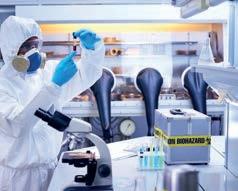
Two companies have been fined over failures at a high-containment laboratory in Devon, England, which handled dangerous pathogens without the required safeguards.
Lab 21 Healthcare Ltd, a clinical diagnostics firm, was ordered to pay £52,000 plus costs in September. This follows similar action against the site’s previous operator, Omega Diagnostics Ltd, which was fined £35,000 plus costs in May.
THE FAILINGS
The laboratory handled high-hazard infectious organisms – including Salmonella typhi. Neither firm notified the GB Health and Safety Executive (HSE) in advance, as per the Control of Substances Hazardous
to Health (COSHH) Regulations 2002.
Formaldehyde gas posed an additional hazard, particularly given the laboratory’s location near a gym and bakery.
Omega Diagnostics ceased work once the failures were identified. Lab 21 Healthcare continued for seven months before notifying the HSE and taking remedial action.
THE INVESTIGATION
The HSE’s investigation revealed multiple failings at the site, which closed in 2019. It found safety-critical equipment had not been adequately maintained or tested, and the poor condition of the laboratory meant effective disinfection was not possible.
CHEMICALS
Firms fined for unsafe handling of pathogens Severe burns incident leads to fine for chemical company
A chemicals company in Scotland was ordered to pay £100,000 after it was ruled supervisors knew a steam hose wasn’t safe but took no action, allowing a 23-year-old worker to sustain serious burns.
THE INCIDENT
The worker at Dundas Chemical Company (Mosspark) Ltd was cleaning a process water tank at a chemical rendering plant in October 2019. The company had provided both pressure washers and a steam hose, but
Although no pathogens were released and no harm occurred, the HSE said the circumstances ‘substantially increased the risk of exposure’ to workers and the public.
OSH TAKEAWAYS
• Check if your organisation’s work with biological agents requires HSE notification
• Implement a maintenance and testing schedule for all safety-critical plants
• Audit the structural integrity of containment facilities and verify they remain fit for safe decontamination
• Conduct a risk assessment that includes neighbours and community exposure
• Reinforce a safety-first culture: challenge decisions where commercial pressures risk undermining compliance
• Keep evidence of compliance.
Find out more at ioshmagazine.com/omega-lab21
its equipment and procedures were unsafe. While working at height in a cherry picker, the worker attached the heavy steam hose to the basket. The nozzle –uninsulated and lacking a trigger control – suddenly rotated, releasing steam directly into the basket.
The worker turned to protect his face, but was burned across his back and other areas of his body. He managed to reach an emergency shower but was left with permanent scarring.
THE INVESTIGATION
The HSE identified several failings. The steam hose nozzle had no trigger or flow control mechanism and became extremely hot during use, presenting a burn hazard.
Poor maintenance and oversight was also a factor; the hot water/steam mixing valve was defective and passing steam, and supervisors knew about it but took no action. No maintenance records existed for the valve, hose or nozzle.
OSH TAKEAWAYS
A lack of risk assessment, poor equipment design, inadequate training and failure to act on known maintenance issues combined to cause life-changing injuries. This case shows the importance of integrated safety management – covering design, maintenance, training and supervision – to prevent harm.
Read more at ioshmagazine.com/dundas
UNGUARDED INDUSTRIAL OVEN SERIOUSLY INJURES WORKERS
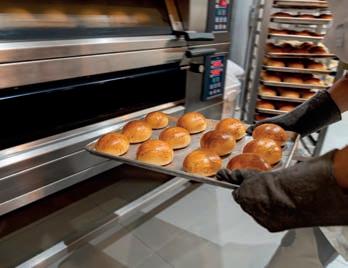
A bakery firm has been fined C$55,000 following an incident in which a worker was seriously injured while adjusting an industrial oven at a facility in Ontario, Canada.
THE INCIDENT
The incident occurred in March 2023, when the employee attempted to adjust the speed of a batter depositor while it was in operation. The worker reached below the oven to manually turn a knob, resulting in significant injuries.
THE INVESTIGATION
An investigation by the Ministry of Labour, Immigration, Training and Skills Development found that although the worker’s method of adjusting the
machine complied with both on-the-job training and the manufacturer’s instructions, the oven itself was not properly guarded. The lack of adequate guarding meant that NuStef Baking Ltd had failed to implement the safety measures required under section 25 of Ontario Regulation 851/90, in breach of section 25(1)(c) of the Occupational Health and Safety Act.
OSH TAKEAWAYS
Inadequate machine guarding can lead to serious injuries. Regular inspections, effective safeguards and risk assessments reflecting real use are essential.
Read more at ioshmagazine.com/nustef
FROZEN PIZZA FACTORY WORKER CRUSHED TO DEATH
A worker at a frozen pizza factory in the US state of Wisconsin suffered fatal injuries after he was crushed by a machine.
Robert Cherone, 45, died at a Palermo’s Pizza manufacturing facility in West Milwaukee in September.
The authorities opened an investigation, which it has six months to complete.
Wisconsin American Federation of Labor and Congress of Industrial Organizations president Stephanie Bloomingdale said: ‘This tragic incident underscores the need for everyone involved in our workplaces –workers, employers, relevant government agencies – to work together aggressively to ensure that every person who goes to work to provide for themselves and their family comes home safely at the end of the day.’
TWO WORKERS INJURED IN FURNACE EXPLOSION
A heat treatment company in Canada has been fined C$144,000 after two workers were seriously injured in a flash fire while restarting a furnace.
The incident occurred in January 2023 at Metex Heat Treating Ltd in Brampton, Ontario. The furnace used a gas combination, including hydrogen for combustion and a petroleum-based oil quench tank, both of which posed flammable risks.
It was ruled that Metex did not provide adequate protective clothing to all workers engaged in furnace operations or working near a furnace, contrary to section 25(2)(h) of the Occupational Health and Safety Act.
The company also received a 25% victim fine surcharge.
The wider view
Listen IOSH PODCAST
Finding a future in OSH
In this episode, IOSH Future Leaders Julianne Shine and Tom Goddard open up about their personal journeys into the world of OSH. With a new year beckoning, it’s the perfect time to reflect on career paths that don’t always follow a straight line.
Julianne and Tom share their own stories – from leaving school, heading to college, and then realising those courses weren’t right for them. Instead, they found themselves in roles where safety gradually became part of the job, sparking an unexpected passion for the field of OSH.
From on-the-job training to CPD and short courses, we discuss how they built their skills outside of traditional education. We also explore the different stages of their careers, what they’ve learned along the way, and what they might do differently if they had the chance.
Most importantly, this episode is about reassurance: there are so many pathways further into an OSH career, there’s never any need to feel blocked or stuck in a trough; here we share practical tips and resources to help you explore the opportunities. Listen to the episode: ioshmagazine.com/podcast

Webinars
COMING UP
18 NOVEMBER


latest and best thinking about improving health, safety and wellbeing.
Discovering safety: the future movement of OSH
This webinar will explore how this ground-breaking project is reshaping how we think about safe systems of work and driving continuous improvement across industries.
Our expert panel will:
• Showcase real safety tech use cases and practical examples of innovation in action
• Reveal how data and digital tools are transforming safe systems of work
• Highlight where organisations can focus to keep improving safety culture and performance.
• Walk away with fresh ideas, thoughtprovoking challenges, and the inspiration to turn your own data into smarter, safer decisions.
Register for your free place: ioshmagazine.com/webinars
ON DEMAND
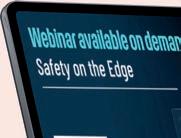
Safety on the edge
Following the Safety On The Edge conference in California earlier this year, global OSH heads from organisations including Arup, Siemens, Nasa and Tesla gathered to exchange ideas about the
L’Oréal’s Malc Staves and safety journalist Louis Wustemann discuss the impact the event had on them, what they took from it, and share insights they learned on how to underpin great OSH systems. It’s a fascinating chat, and one not to be missed. Watch it at: ioshmagazine.com/webinar/ safety-edge
Mental health and OSH obligations
In this practical, compliance-focused session, we unpack the legal duty of care towards employees’ mental health and explore what good support and reasonable adjustment procedures looks like under UK law. We also look at where things go wrong through case law examples involving stress, anxiety, depression, and disability discrimination.
Participants include Duncan Spencer CFIOSH, head of advice and practice at IOSH, and Nick Henderson-Mayo and Naomi Grossman from compliance tools and training provider VinciWorks. Watch here: ioshmagazine.com/vinci/ mental-health
Also read detailed responses to the many questions raised in the webinar at: ioshmagazine.com/vinci/QA
Opinion
A wake-up call on occupational cancer
Every year, almost 750,000 people die from cancers caused by workplace exposures. These aren’t due to lifestyle or genetics – they are preventable. Occupational cancer develops over years of exposure to carcinogens in the workplace. Workers may breathe them in, absorb them through their skin, or accidentally swallow them.
Saeed Ahmadi CertIOSH, content developer at IOSH, explores the urgent need to identify workplace carcinogens, implement strong controls, and put prevention at the heart of safety strategy. ioshmagazine.com/opinion/carcinogens

OSH’s new age: what’s driving it?
The world is shifting, heralding a new era for OSH.
Climate shocks, globalisation, five generations in the workforce and rapid tech disruption are rewriting the OSH agenda, writes Mary Ogungbeje, OSH research manager at IOSH. And, despite uncertainty seeming like the only constant, it’s important to focus on a harmonised approach to OSH to create a consistent level of protection for all workers, Mary argues. Go to ioshmagazine.com/ opinion/new-age
GET INVOLVED
We’re looking for organisations who offer work experience internships for those considering a career in health and safety. Email the digital editor: kellie.williams@ioshmagazine.com
Videos
NEW RELEASE
How to implement a drugs-testing programme
This video guides OSH professionals through the key steps of implementing an effective workplace drug and alcohol testing programme. We cover why testing can be an important part of managing health and safety risks, the legal and ethical considerations to keep in mind, and how to build a policy that is fair, transparent and compliant. Watch it here: ioshmagazine.com/videos
COMING SOON
Alton Towers
Step behind the scenes at Alton Towers with its health and safety director Angela Roberts CMIOSH, as she shares what it takes to keep one of the UK’s most iconic theme parks running safely every day.
In this exclusive interview, Angela talks about her career journey in health and safety, the unique challenges of managing risks in a high-energy, visitor-focused environment, and the teamwork required to balance safety with fun.
Viewers get a rare behind-thescenes look at the safety checks, planning, and operations that happen before the rides open to the public. The video shows how health and safety underpins every aspect.
This video is a must-watch for OSH professionals, students, and anyone curious about how worldclass safety management is put into practice at one of the UK’s busiest attractions.
A walk through the history of the Health and Safety at Work Act 1974
Dr David Thomas, senior lecturer in OSH at Middlesex University, enjoys a history of the Health and Safety at Work Act and its long-lasting effects by four esteemed alumni of the Health and Safety Commission and GB Health and Safety Executive (HSE).
The memoir, by David Ashton, David Eves, Kevin Myers and David Snowball, provides fascinating insight into the workings of the HSE and its relationship with government.
Read the review: ioshmagazine.com/book-review/HSWA
Careers Book review
Ask the right questions
We’ve put together 10 essential interview questions and practical tips for OSH candidates, as landing an OSH role isn’t just about showcasing your technical expertise – it’s about ensuring alignment between the organisation and your values, safety standards and professional goals. Read them in full here: ioshjobs.com/careers



Issue archive
Did you know that you can download the last five years of IOSH magazine issues for free? Simply visit ioshmagazine.com/ issues then click on the cover and hit download.
On a global stage
IOSH thought leadership manager Dr Chris Davis shares key points from the recent Global Initiative for Safety, Health and Wellbeing discussions in Japan, and how they translate to the OSH profession globally.
Why do you think global gatherings like this matter for the OSH community, and what role do they play in shaping the profession?
That’s the right phrase – it is about shaping the profession. If you have different stakeholders in the same place, each presenting their unique perspective, it becomes a really important exchange of ideas.
Policymakers need to learn from those on the ground what’s happening so they can scale that up into achievable plans and standards. Practitioners from different regions need to learn from each other. Researchers need to go to these events and present their findings – but they also need to hear, in turn, the reflections of practitioners who say, ‘That’s really useful, but X might not work in practice because of Y.’
In terms of evolving ideas across not just the profession, but the broader OSH community, I think these are really important events.
With so many different stakeholders present – from practitioners to policymakers to academics – what struck you most about the diversity of conversations and perspectives?
Just as an example, I sat in a symposium session around climate change. A lot of the speakers there represented countries from across Asia – some of which are struggling with extreme heat. There were lots of researchers presenting increasingly sophisticated evidence around things like heat stress. And policymakers were then talking about different frameworks they might have in their own country. Somebody from Singapore was talking about a heat stress framework that’s in place across the country. And then there was a Sri Lankan academic who was suggesting how difficult it is to engage with and access workers who are at the sharp end of this. He was talking about informal workers in the agriculture sector or in fishing, and about why some of those frameworks are really important, but don’t necessarily translate into those different settings.
If you reflect on the conversation as researchers sharing evidence, policymakers sharing good policy practice and different stakeholders talking about what the practical realities are, it becomes something of a virtuous circle – as long as one is informing the next.
One theme was skills, competency and assessment requirements for the profession. Where does OSH stand currently and what needs to happen next?
I think there’s broad agreement on the areas where we might need to develop skills in the short- to mid-term. We’ve talked previously about certain key skills that we see increasing in importance, such as critical thinking, ethical reasoning, enhanced data literacy and emotional intelligence.
I think the bigger question to ask is how we develop them. Take something like critical thinking or ethical reasoning – is that something you can develop in an individual over a two-day course, or a three-hour course, or some online e-learning? Probably not. So what are



POLICYMAKERS NEED TO LEARN FROM THOSE ON THE GROUND
WHAT’S
HAPPENING SO THEY CAN SCALE THAT UP INTO ACHIEVABLE PLANS AND STANDARDS

those informal and formal mechanisms for the development of skills?
On the back of the event in Japan, I had a discussion with IOSH’s thought leadership panel of chartered fellows and asked them: ‘Are these the sorts of skills that you also think are in need of development? And do you have experience of real-world scenarios in which you would utilise some of these skills already?’
They said, look at some of the core practices of the OSH professional, whether it’s incident investigations and the very difficult ethical conundrums that might come from them, or critical thinking when reaching proportionate risk calculations. The skills are there in the different practices that OSH
in the different that OSH pro f essionals are very f amiliar w ith. But it’s about findin g way s to
formalise that process and give people who need to develop those skills the space and time to actually do it.
Do you see global alignment emerging on professional standards, or is the picture still quite fragmented? It is fragmented, not because of a lack of standards, but possibly because of an overabundance of them – and therefore a lack of alignment around what ‘good’ looks like. And if you think of the coming regulation in tech and data security, health surveillance, etc, actually the complexity may increase.








OSH (iosh.com/a osh-principles), that there is a lac fair amount n standards and, a intended to capt and underpinnin lead to g ood OSH
I would therefore point to a couple of things. One, it’s a good opportunity to highlight the IOSH principles of good OSH (iosh.com/about/what-we-do/ osh-principles), which acknowledge that there is a lack of alignment and a fair amount of noise when it comes to standards and, as a consequence, are intended to capture the common spirit and underpinning propositions that lead to good OSH.


I’d also point t recently that the Foundation (202 which looks at th practitioners an evidence. The fin were that, firstly heavily on tacit k they’r formal sources. S of a information for

I’d also point to a report I read recently that the Lloyds Register Foundation (2025) has put out, which looks at the way that OSH practitioners and professionals use evidence. The findings of that review were that, firstly, practitioners rely heavily on tacit knowledge, rather than what they’re getting from more formal sources. Secondly, there isn’t a single source of accessible and trusted information for practitioners.
So there’s a complexity that practitioners are perhaps struggling with; not because the information isn’t there, but because there’s too much of it. That’s why events like the ones in Japan are really important – because they’re a chance to exchange ideas.
So there’s a co are with; not becaus there, but becau it. That’s why eve Japan are really they’re a chance
Measurement is always a challenge – are we really getting closer to tracking the ‘right’ things in OSH, or are we still stuck with lagging indicators?
The conversation about this in one of the workshops, while interesting, showed a lack of progress and a sense that we’re perhaps not moving as fast as we might in terms of the metrics agenda. Similarly to wellbeing, we can get a bit distracted by the semantics and drawn into discussions around the importance of leading indicators over lagging indicators, and which is which. I think if you actually step back a little bit, surely we’re at a point where we’re able to revolutionise the metrics that we use across the OSH community. The potential that tech brings – the ability to collect real-time data and compare huge datasets and find patterns in them – has never been greater, yet we still rely on a kind of reporting and metrics regime that’s somewhat outdated. I think it’s really important that this revolution – or evolution (however we want to put it) –needs to be driven by experts within the OSH community, rather than imposed by the tech community. Or, at least, it should be a collaboration.
Real-time data capture, big data interventions, predictive analytics offer so many opportunities – but what should OSH metrics be able to do? Crucially, they should be telling a story that goes from OSH output – so, lack of injuries or absence rates – right through to the impact of that on businesslevel performance.
We should be able to consider the effectiveness of the things we put in place. Do we just measure the amount of people we’ve put through our training course, or is there a way for us to
measure whether the knowledge within that training course has been understood and whether it’s being applied? Is there a way for us to collect more robust sentiment and perception data, in the sense of actually asking workers what they feel, and finding a way to settle upon some sort of agreed metric, like net promoter scores, using workers’ perception of safety and health?
There’s also the ability for us to use personal metrics from wearables and those sorts of things, but to do so in a responsible way that workers and businesses are happy with, and which is ethical.
IT’S REALLY IMPORTANT THAT THE METRICS REVOLUTION IS DRIVEN BY THE OSH COMMUNITY
How do you see these broader debates influencing IOSH’s role on the world stage?
I may have slightly rose-tinted spectacles, but the esteem in which the organisation is held on the global stage is really impressive and that felt like such a takeaway. But for me the big question is what comes next, after the four-day expo and all the good conversations? The idea of progress is something that we need to keep in mind.
In Japan we signed a founding declaration to advance safer, healthier and more sustainable workplaces (see b.link/ IOSH-Japan-declaration). What will come off the back of that will be a roadmap for how to achieve the broad commitments in the declaration. And it won’t be IOSH alone, it will be IOSH in collaboration
with others, although it’s fair to say that those others are looking to IOSH as an organisation which can drive progress.
If there’s one message you’d like IOSH members to take away from this, what would it be?
The importance and the experience of seeing other cultures. From my perspective in my role as thought leadership manager, it feels like something we should do all the time. What becomes so instinctive to us sometimes might not be the same for somebody else in a different working scenario.
There’s one particular example that really stayed with me. What I noticed in Japan was loads of people working in roles that I thought would have been automated – people holding doors open on the metro systems, people with megaphones in hand, keeping passengers to the left, facilitating queues for the trains. I thought, surely given Japan’s reputation for technology, those are the sorts of roles that might have been automated by now?
The more I reflected on it, the more I realised that it’s those sorts of jobs that are still giving people purpose. They may be lower-skilled workers, older workers, post-retirement-age workers, who are still fulfilling a brief, still deriving a sense of meaning from their work.
I came away thinking about those conversations we’re having about the bigger picture and what work means to people – those are real-life examples of it in practice. That’s the thing that stayed with me.
To listen to the full interview, visit: ioshmagazine.com/podcast/ Chris-Davis-Japan
The long-standing safety playbook says: tackle minor incidents and serious injuries will vanish. But decades of data and experience challenge this outdated myth, proving that not all near misses and unsafe behaviours carry the same risk. I’d like to make the case for SIFp (serious injury and fatality prevention) metrics as the critical lens organisations need to differentiate true risk exposure.
1 Why safety needs a new North Star
Historically, we have leaned heavily on the Heinrich Pyramid – the idea that by addressing frequent, low-level incidents, we automatically reduce serious injuries and fatalities (SIFs) at the top. It sounds logical, but it hasn’t worked out that way. The truth is that not all unsafe acts are created equal, and not all carry the same potential to result in a serious injury or fatality.
That’s why I believe in SIFp. This approach shifts the focus from volume-based safety metrics to risk-based thinking. Identifying those events that contain credible SIF potential

and proactively addressing them before harm occurs is the objective.
2
The
myth that’s costing lives
Let’s be clear: promoting safe behaviour and eliminating hazards at all levels matters. But assuming that all unsafe acts are equal is like saying a worker who slips on a wet floor but
regains their balance is in the same situation as a rigger who narrowly avoids being crushed by a falling one-tonne load. Both incidents might be classified as near misses – just because neither incident resulted in an injury – but the consequence potential is wildly different.
Takeaway: Categorise near misses and unsafe acts based on potential severity, not just
the actual outcome. Train your teams to distinguish between low-, medium- and high-risk events, so resources can be focused where the potential for harm is highest.
In safety, we often default to imagining worst-case scenarios. But in SIFp, the focus should be on reasonable expectation of harm. For example, while it’s technically possible for
SMASHING THE PYRAMID MYTH


Tackling minor incidents at the bottom of the safety pyramid doesn’t fix the serious ones at the top, says Caterina Iannazzo, who has worked as head of HSE in multiple sectors. Here she puts forward a new paradigm.
someone to slip in a bathtub, hit their head and die, we don’t categorise bathing as a highrisk activity.
3
What is SIFp and why should every leader care?
SIFp is a proactive approach that identifies precursors, those warning signs, system weaknesses and conditions that often precede serious events.
Key SIFp concepts are: SIF potential events – near misses or incidents that could have caused death or permanent harm; precursors – conditions or actions that elevate the chance of a SIF occurring; and critical control failures – missing or weak safeguards that allow highenergy hazards to reach people.
Why does this matter?
Because standard safety metrics may improve while serious incidents remain steady.
Traditional metrics track quantity, not quality. SIFp is about uncovering blind spots. Takeaway: Move from lagging to leading indicators. Report the number of SIFp investigations, the percentage of incidents with credible SIF potential and the health of your critical controls. Equip your leaders by teaching them to spot weak signals, ask the right questions and use riskcentric language.
4
SIFp metrics: measuring what matters and driving change
You can’t manage what you don’t measure. SIFp metrics expose the real danger zones in your operations. Essential metrics include:
• Percentage of total incidents classified with SIF potential.
• Number of recurring SIFp root causes addressed.
• Percentage of critical controls verified as effective.
• Number of SIFp learning events or ‘safety stand-downs’.
In my experience, whenever we embedded these metrics into our reporting, we quickly saw where the true risks lived. I strongly believe they help organisations to re-evaluate their risk profile and adjust safety strategy accordingly.
Takeaway: Train investigators and supervisors to identify credible SIF exposures during incident reviews, observations and walkarounds. Make control effectiveness a routine question, not an afterthought.
5Why a SIFp focus benefits your whole organisation
Position SIFp as a strategic enabler, not just a safety initiative. Here are the biggest wins I have identified:
• Smarter resource allocation – focus time and budget where serious harm is most likely.
• Stronger governance –boards trust clear, credible data on real risk and SIFp delivers it.
• Worker trust and engagement – when teams see leadership sweating the serious stuff, their safety ownership rises.
• Fewer surprises – SIFp helps you anticipate and prevent black swan events (where rare occurrences have a catastrophic or severe impact).
Takeaway: Use SIFp data in board meetings, performance review and internal audits. It shows maturity in managing non-financial risk.
6
Making it real: practical steps to embed SIFp SIFp is a lens for how we think about risk. Here’s how to make it real:
• Shift the culture: Explain the difference between ‘potential’ and ‘actual’ harm. Recognise and reward early identification of highrisk exposures.
• Train for SIFp awareness: Build training programmes for both frontline workers and supervisors. Get them familiar with SIF precursors.
• Update your systems: Embed SIF potential and control effectiveness in your incident management software.
• Track what matters: Add SIFp metrics to scorecards and reviews.
• Establish a SIF review panel: Create a crossfunctional team to review high-potential events.
Takeaway: Create a SIFp review panel; it uncovers risks that might otherwise be missed and drives learning across the organisation.
7
Final thoughts: upgrade your safety leadership
Modern safety leadership is about governing risk with the same rigour you apply to finance or operations. Leaders must ask:
• Are we tracking highconsequence exposures?
• Where are critical controls failing?
• How many near misses had SIF potential?
SIFp is not a fad. It’s a more effective and ethical way to keep people alive and whole – and that makes it the most strategic safety upgrade available today.
Treating all near misses equally
Investigating only actual injuries
Reporting for compliance
Celebrating low frequency
Prioritising based on consequence potential
Analysing critical control failures in no-injury events
Reporting for risk insight and board-level governance
Celebrating effective control of high-consequence risks
Beyond sharper risk management, SIFp drives smarter resource allocation, builds trust with workers and strengthens governance, making safety more strategic and definitely more humane. Let’s build a new kind of pyramid, one where SIFp is given the weight it deserves. Let’s use it to shape risk profiles, guide decision-making and, ultimately, save lives.
Whether you’re just beginning your professional journey or advising on safety at the highest corporate level, conversations at international conventions such as World Expo 2025 are shaping the laws, standards and opportunities that will influence our work in the years ahead.
IOSH’s vision is for a safe and healthy world of work for everyone. Our charitable objects include promoting systematic and organised methods of improving occupational health and safety. This includes advising, advocating, disseminating, explaining and advancing good practice generally. To achieve this, IOSH must find a seat at the highest levels.
By collaborating with and influencing the thinking of global bodies such as the International Labour Organization (ILO), IOSH helps to drive improvements in safety and occupational health standards and general performance. Robust global standards create a stronger demand for skilled safety professionals. This means greater recognition for professional OSH expertise, clearer frameworks to work within and a profession whose voice is heard where it counts most.
But just how does having a conversation with bodies including the International Social Security Association (ISSA) affect the day-to-day work of IOSH members?
Conversations and connections
The conversations at GISHW, which ran alongside World Expo 2025, will help global institutions to create policy and set standards that signatory governments must then interpret into their policies and legal frameworks. In turn, this sets laws, government policy and standards for OSH performance, which businesses in those countries must meet. Good standards of workplace safety aim to ensure that workers have fulfilling work and an income to care for, feed and educate their families. Workers also pay taxes, which helps with investment in their economy. This is a benefit sought by governments. It’s arguably a virtuous
A seat at the table





IOSH attended the Global Initiative for Safety, Health and Wellbeing (GISHW) held in Osaka, Japan, in July. Why were we there and what does it mean for members?
WORDS DUNCAN SPENCER CFIOSH
relationship that can be used to lever positive change in OSH performance. What contribution can an event like GISHW make to this cycle? At this event, IOSH was directly involved in organising and delivering eight workshops, attracting participation from speakers representing influential global bodies, high-profile businesses, academics and thought leaders working across the field.
How should workshops like this be interpreted? What were the results of the discussions? What do they mean to IOSH members?
we’re moving away from core priorities such as construction safety, working at height or preventing slips and trips, which also remain global priorities.
GLOBAL CONFERENCE DISCUSSIONS HELP SET STANDARDS, WHICH INFLUENCE POLICIES AND LAWS
The eight themes matter because they reflect the most influential changes shaping our profession: from climate impacts and digital innovation to ethical workforce practices and new ways to measure performance. They’re about future-proofing OSH. But this doesn’t mean
Some common themes arose from the various symposia. The OSH professional of the future will still be involved in contributing to strategy, providing leadership, delivering effective project management and providing validated advice. Our recent focus groups reviewing the IOSH competency framework endorsed that it is still fit for the future. However, some skills and knowledge contained within it may become more important in ensuing years – for example, research skills, digital literacy, ethical reasoning, critical thinking and the ability to identify and measure different types of performance metrics. Further development of these elements will help the OSH
professional stay relevant, influential and ready to tackle the challenges ahead.
IOSH will use these discussions to inform its advice, guidance, training and qualification opportunities, thus further helping members and businesses to equip themselves with the knowledge and tools necessary to face this rapidly evolving world of work.
What else happened at GISHW?
There were numerous side meetings held by some of IOSH’s global collaborators. A particularly popular area of discussion was the future advancement and adoption of ISSA’s Vision Zero initiative beyond signatory businesses (that is, how it may be used by labour inspectors to assess the maturity of organisations they are inspecting).
ILO and IOSH co-chaired a meeting on the financing of social sustainability. The panellists included influential organisations, employers, unions and investors. Discussions explored subjects such as developing international aid packages with OSH improvement clauses in the agreements; governments budgeting for
policy and campaigns; authorities diverting money gained from fines to develop better understanding; social security funding models for sick workers; and the role of private insurance.
The employer views from the panel gave fresh emphasis on the investment benefits of improving OSH performance beyond that required by law. This session illustrated the complexity that derives from the many perspectives there are on OSH.
The work of IOSH’s policy and strategic engagement teams must continue to channel the practical views and ideas of members into these discussions to ensure that the understanding of these various stakeholders is rooted in practical reality.
Other themes that arose were:
• The blurring of the definition of a workplace and what that means for liability and decisions about what is reasonable management control
• The ethical considerations of employing migrants in the workforce
• The need for investors to demand that major construction projects have a budget for OSH set in the contract, that
they employ and respect advice received from independent OSH professionals, and that they are prepared to carry the cost of stopping the project if and when it is considered unsafe
• A renewed call for improving safety performance throughout the supply chain
• Using artificial intelligence to cope with the exponential increases in data volume, or to provide real-time site management control across multiple sites
• The struggle for the OSH profession to break away from its reliance on lagging indicators
• The increased working mobility of young people and the effect on competency
• Managing older people in the workplace as their health changes.
OSH in a changing world
The conversations at this event were about our rapidly changing world and what it means for protecting workers. The OSH profession must both influence this discussion and respond to its conclusions. Over time, the thought leadership ideas from this event will find their way into articles, blogs, webinars, member guidance and even qualifications and training products. The fertile discussions shared advanced thinking on how people can be better protected in the workplace.
The event heralded the forming of the World Assembly of Occupational Safety, Health and Wellbeing Professionals and Stakeholders. This new collaboration provides an opportunity for IOSH to put our members’ interests at the heart of shaping tomorrow’s world of work. The World Assembly’s theme – ‘The Role of Safety, Health and Wellbeing in Designing Future Society for Our Lives’ – reflects the very essence of what IOSH members stand for.
Social sustainability Business performance
Whether you’re starting out, building your career or influencing corporate policy, this is your platform too. IOSH will be channelling your challenges, ideas and experiences into the World Assembly’s future work to give the initiative strength.
Figure 1: Connections, links and relationships
The rise of EdTech
Dr Julie Riggs is director of education at the British Safety Council and a member of the IOSH Training Network Forum. Here she shares her thoughts on the future of OSH training and education.
Until the 1950s, OSH training followed a ‘chalk and talk’ model – passive learning with little engagement or assessment. Since then, training has evolved dramatically. Today, learners are active participants: for example, fire safety training now includes fire drills, digital simulations and risk assessment activities, making learning more immersive, engaging –and measurable.
Modern expectations, technological advancements and new teaching techniques drive these changes. Passive information delivery no longer suffices; inclusive, engaging and interactive training is now essential. And technology must support all learners, not be a barrier.
Building inclusive learning

feedback. Favour collaborative, on-demand environments and diverse tech tools.
Workplaces now span four generations, each with unique learning preferences:
• Baby boomers (born 1946-64): Prefer classroom-based, reflective learning with printed materials. Moderate users of Facebook and LinkedIn.
• Gen X (1965-80): Independent learners who value real-world application, evidencebased content, small groups and flexible learning. Comfortable with technology and social media.
• Gen Y / Millennials (1981-94): Digital natives who prefer short, visual and interactive learning with coaching and
• Gen Z (1995-2010): Highly techintegrated, favour customised, one-on-one learning. Expect immediate feedback and multi-platform access.
• Gen Alpha (2010-25) is beginning to enter the learning space. Growing up surrounded by computer screens and seamless digital access, they are visually driven, deeply connected through online networks, and accustomed to personalised, on-demand digital experiences.
While generational traits can guide design, it’s vital not to stereotype. Training must be flexible, inclusive and adaptable, bridging generational gaps and leveraging each learner’s strengths. (Read more about multigenerational workforces on page 36.)
Educational technology (EdTech)
The pandemic rapidly accelerated the adoption of digital learning, with lasting changes. Trainers have grown comfortable using digital tools to improve accessibility, engagement and scalability. Technology now enables:
• Global reach and inclusivity
• Reduced trainer workload and costs
• Real-time student performance monitoring
• Enhanced collaboration across diverse locations.
As economic and social challenges continue, reliance on EdTech will grow, reshaping how education is delivered, consumed and assessed.
The future of learning
Education is becoming more immersive and personalised:
• Apps and platforms with multiple touchpoints encourage frequent, selfpaced engagement.
• Augmented reality (AR) and virtual reality (VR) technologies are simulating real-world experiences, allowing practical application of knowledge, even remotely.
• AI-generated content is emerging, with systems adapting content based on learner progress.
• Peer-to-peer learning and usergenerated content are increasing; students are co-creating their learning experience.
Just as smartphones have evolved in the last decade, so too will educational tools.
Technologies from other industries – such as AR windscreen displays in cars – are likely to spill into education, enhancing interactivity and realism.
Hardware and connectivity
Hardware innovation will enable deeper engagement through:
• Large interactive displays
• Telepresence for expert-led training
• Sensory VR for hands-on learning
• Eye-tracking and gesture-based tech.
Connectivity improvements will:
• Expand access to expert tutors worldwide
• Enable real-time support through chatbots or virtual assistants
• Enhance global collaboration and cultural exchange.
Comfort with tech-based interaction is growing. AI chatbots are already being used in the education sector to answer questions, guide practice and simulate conversations. Learners are becoming accustomed to personalised, responsive and even conversational support that feels more like messaging a friend than studying. This shift is making education more informal, on-demand and tailored to individual needs.
Performance and evaluation
Modern platforms now monitor attentiveness and engagement, not just outcomes. Real-time tracking enables early intervention and tailored support. Education is shifting from summative to formative assessment, aided by:
• Auto-marking and instant feedback tools
• VR/AR-based assessments that simulate real-life challenges
• Learning analytics to track behaviours and progress continuously.
This enhances both student and trainer performance while making self-paced learning more effective.
Bridging the online-offline gap
Trendy EdTech concepts – microlearning, gamification, the metaverse, social learning
TNF
An exciting time for training
Angela Gray CMIOSH
Alongside its Business Leader Forum, IOSH facilitates the Training Network Forum (TNF), which includes fantastic IOSH training providers from around the globe, both industry specialists and OSH professionals. The group meets every two months to discuss factors directly impacting training providers and the OSH profession. They agree it is an exciting time for OSH professionals to enter the world of training and share their knowledge and experience with others.
THE TRAINER’S ROLE IS SHIFTING TO THAT OF A ‘GUIDE ON THE SIDE’
– aren’t just buzzwords; they’re shaping the foundation of future education. The focus is on blending digital, virtual and in-person learning into a unified ecolearning system.
Key principles include:
• 24/7 access to materials on any device
• Tech that complements both in-class and remote learning
• Tools for reflective learning such as CPD journals and self-assessment
• Hybrid models that don’t widen the existing gap between advantaged and disadvantaged learners.
Technology must support all students, including those with disabilities, via captions, text-to-speech, colour filtering and screen magnification.
A major barrier remains digital equity – the lack of access to devices or the internet. Without addressing this issue, ‘learning poverty’ and inequality will worsen.
‘Seeing the change in a person who doesn’t want to be there initially but says at the end “I want to do another day” is the journey we are looking for,’ says Mark Pauley, director of Grow Training and a participant in the TNF.
Tell us about innovative OSH training you’ve delivered or received at: business@iosh.com
Read ‘How to go from practitioner to trainer’: b.link/IOSH-practitioner-trainer
Choosing the right tech
To maximise impact:
• Avoid tech that is flashy but lacks learning value.
• Choose tools that enhance teacher–student relationships.
• Use platforms that support peer learning, forums and collaborative tasks.
• Prioritise tools that track student progress continuously, not just via end-ofcourse exams.
• Support tech that enables trainers to adapt their teaching to individual student needs.
The trainer’s role is shifting to that of a ‘guide on the side’, enabling students to take ownership of their learning journeys.
Embracing the human element
While EdTech offers immense potential, it’s not a replacement for human connection. Great teaching is rooted in empathy, adaptability and relationships. The goal is to blend digital, virtual, and human worlds, enhancing – not replacing – the social aspects of education.
By embracing this blended future, we can ensure learning remains inclusive, engaging and future-proof – contributing to a culture of lifelong learning and continuous improvement.
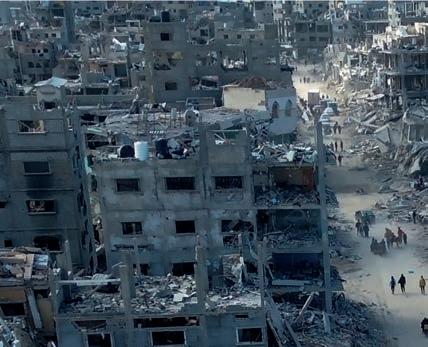
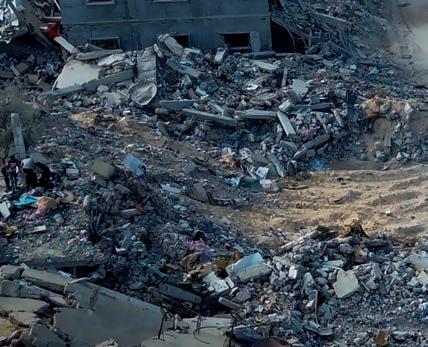
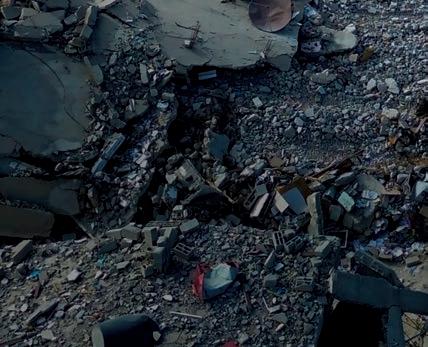
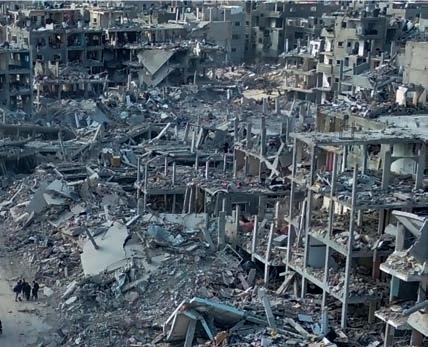
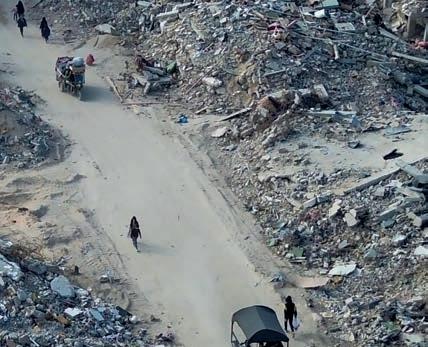
SURVIVING THE LAST MILE
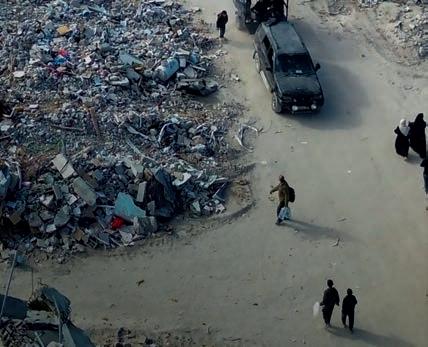
Humanitarian workers are facing a historically high chance of being harmed or killed in the line of duty. What measures are in place to protect them as they willingly enter some of the world's most dangerous places?
Hundreds of millions of people around the world are caught up in armed conflict. An estimated 14% of the global population was within 5km of violent conflict in 2023 (University of Southampton, 2024), and present-day conflicts continue to burn in Gaza, Ukraine and other hotspots. Over 100 armed conflicts are being monitored globally (see Today’s conflict zones, overleaf). The number and extent of major armed conflicts and of state and non-state armed groups has, in fact, grown (House of Commons Library, 2025).
Where there is armed conflict, there is a local population suffering from hunger, homelessness, illness, harm and injury. And where there are people suffering, there are humanitarian organisations providing help. But how can the health, safety and wellbeing of the humanitarian workers themselves be protected in the most difficult of circumstances?
Aid workers in conflict zones are often in the path of the same attacks suffered by the communities they are there to help, and they are also potentially exposed to the sort of diseases that spread among internally displaced people, such as cholera and hepatitis A. In some areas, mosquito-borne diseases such as dengue and malaria are also a problem (Marou et al, 2024).
Moreover, aid workers are sometimes targeted when carrying out their duties –distributing food, water and medical supplies to citizens, unloading vehicles and providing logistical support. So far this year, there have been 302 major attacks, including aerial bombardments, shelling, shooting and kidnapping, on aid workers around the world (Aid Worker Security Database, 2025). Last
year, 383 aid workers were killed globally, the highest number on record (Save the Children, 2025). Humanitarian workers are more likely to die from violence than any other job-related cause (UN, 2024).
The three risks to humanitarians most frequently recorded in 2024 by the International NGO Safety Organization (INSO) are attacks, theft and confinement incidents. ‘However, the deadliest risk is increasingly coming from state actors,’ says INSO’s Anthony Neal, director of policy, advocacy and communications. ‘In 2024, just under half of all deaths among aid workers were caused by state actors.’
These risks are compounded by increasing challenges to humanitarian neutrality and less acceptance of humanitarian action. ‘Across multiple contexts, humanitarian organisations and staff have been targeted due to suspicions, often unfounded, that their activities support opposing forces,’ Anthony says.
Vast and complex risks
‘Humanitarian work by definition is a risky business,’ says Dr Hossam Elsharkawi, regional director for Middle East and North Africa at the International Federation of Red Cross and Red Crescent Societies (IFRC). ‘We go to remote field locations, to places where often people are all heading in the other direction. We call it “the last mile”.’
But humanitarian work encompasses many different roles, each carrying its own level of risk. ‘It’s a vast area of work, with risks that vary greatly depending on the circumstances,’ says Terry Jewell MBE, director of command and risk management at The Soteria Group.
‘Factors such as whether someone is working alone or as part of a team, the
country they’re in and the type of activity all make a difference.”
He gives an example: ‘You might have a team working at an airport, distributing supplies and carrying out physical tasks. Those supplies could then be transported by truck into remote areas that may be at risk of attack, before finally being delivered to a medical facility where staff are treating people who are injured or critically ill.’
Aid workers also face the possibility of exposure to dangerous materials, fires and road accidents. ‘Damaged or degraded infrastructure and limited medical care adds to these physical risks,’ says Shaun Bickley, senior adviser at the Global Interagency Security Forum.
‘Living and working in conflict affected areas also takes a huge toll on aid workers psychologically. Long working hours and constant exposure to violence and suffering often leads to distress, burnout and depression,’ he adds (see Mental health issues, overleaf).
Dr Shaun Lundy CFIOSH, chief strategy officer at Tetra Consulting and an IOSH vice-president, served as a soldier in Bosnia and Rwanda in the 1990s. ‘I saw how quickly physical risks were matched by psychological ones,’ he says. ‘Physical and health threats are often obvious, but witnessing the scale of human suffering and knowing you had to carry on despite the trauma around you has immediate and long-term consequences.’
‘I often found myself working alongside humanitarian workers facing a spectrum of hazards,’ he adds. ‘Beyond combatrelated threats, workers contend with poor infrastructure, contaminated water, infectious diseases, food insecurity and inadequate medical facilities. Environmental
WORDS ANNA SCOTT
conditions such as extreme heat, cold or poor sanitation add further strain.’
For female aid workers, there is also a heightened risk of sexual harassment and aggression (see Humanitarian workers at risk, overleaf). In one survey of international humanitarian workers, nearly one in five (19%) women reported having experienced sexual assault, and 46% reported unwanted or uncomfortable sexual experiences (Jong et al, 2021).
Co-ordinated support
Adequately supporting humanitarian workers in managing this legion of risks is complex. ‘Aid workers need support, training and resources that are tailored to the risks they face,’ says Shaun Bickley. ‘Support needs to be multi-layered, and organisations should have robust security risk management frameworks in place to enable them to work in such high-risk environments.’
These frameworks include structures, protocols and resources to anticipate threats, reduce exposure for staff and respond quickly when incidents occur.
INSO provides orientation briefings, risk awareness training, real-time alerts, analysis and advice to NGOs. ‘For instance, we’re often able to provide real-time alerts to NGOs that there has been an armed robbery on a certain road, so NGOs can take the necessary steps to adapt their plans and reduce their risk exposure,’ says Anthony.
Training is structured and contextualised around three categories: NGO safety and security management, humanitarian access, and negotiations and humanitarian individual safety. ‘Taken together,’ says Anthony, ‘these trainings ensure that humanitarian staff are not only aware of the risks they face but are also equipped with practical skills and strategies to operate safely and effectively in complex and dangerous environments.’
Shaun says: ‘Organisations must ensure that staff have the necessary awareness and skills to enable them to safeguard themselves as well as their colleagues, including providing them with security and first aid training, and ensuring they have access to
reliable communications and are issued with appropriate protective equipment.’
Preparation is critical. ‘OSH professionals can ensure that humanitarian staff receive clear risk strategies, fit-forpurpose equipment and PPE tailored to the environment, from body armour and helmets to mosquito nets, clean water kits, and appropriate clothing, and scenario-based exercises that prepare workers for sudden escalations or deteriorating conditions,’ says Shaun Lundy. ‘The key is to ensure interventions are context-specific, for example, PPE and strategies must reflect the reality of the operating environment rather than generic checklists.’
While equipment like satellite phones and drones are extremely useful for communication and information gathering, there are drawbacks. ‘In some circumstances, such equipment is not only costly but may have limited impact and create new risks, by creating separation between aid workers and the communities we are there to serve,’ Anthony says.
Mobile phones and other technologies can lead to aid workers being regarded with suspicion, Hossam explains. It can be safer to use a simple high-frequency walkie-talkie.
‘Sometimes we roll out [guidance] to workers to not carry their phones or computers, because if they are searched, the devices will be confiscated and it may compromise the whole mission,’ Hossam adds.
Prevention strategies
‘Ultimately, each NGO must be responsible for understanding their own capacity, risk appetite, and ensuring that they have robust policies and strategies in place,’ says Anthony.
Some organisations have their own dedicated health and safety, or ‘high-risk’ team, while others outsource this support. ‘Not every NGO can afford to employ specialists in-house, and sometimes they may not even need to,’ Terry explains. ‘In those cases, they’ll bring in external providers who can offer remote health and safety support.’
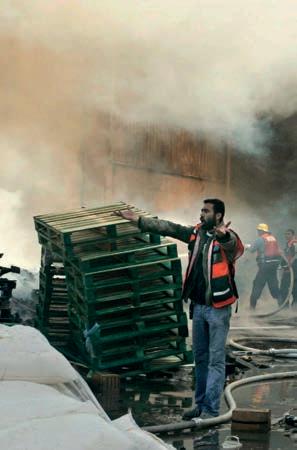
GLOBAL VIEW
Today’s conflict zones
The Geneva Academy of International Humanitarian Law and Human Rights classifies all situations of armed violence around the world that amount to an armed conflict under international humanitarian law. These include military occupations and non-international armed conflicts.
It currently monitors more than 110 armed conflicts, some of which have started recently, while others have lasted more than 50 years:
45 – Middle East and North Africa (including Iraq, Palestine and Yemen)
35 – Africa (including South Sudan and Sudan)
21 – Asia (including Afghanistan, India and Myanmar)
7 – Europe (including Ukraine)
6 – Latin America (Colombia and Mexico)
(GENEVA ACADEMY, 2025)
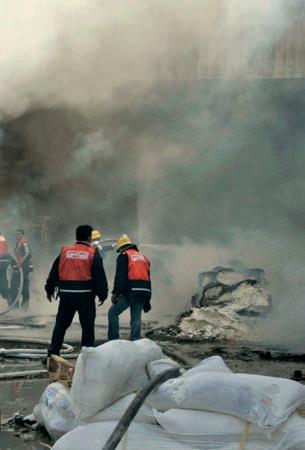
In an ideal scenario, everyone in an organisation employing humanitarian workers – from volunteers to the CEO –would have a baseline level of health and safety knowledge, which is then built upon according to their role and exposure to risk. ‘That might mean basic awareness training for someone loading an aircraft, more advanced preparation for staff handling equipment, and intensive, role-specific training for those who put on PPE and walk into a minefield,’ Terry says.
IOSH encourages a holistic approach using multifaceted governmental and corporate prevention strategies. ‘Because of the nature of humanitarian work, where workers are entering different countries, the humanitarian operations must have agreements and arrangements in place to support the delivery of this work and protect those workers,’ says Ruth Wilkinson CMIOSH, head of policy and public affairs at IOSH.
Dynamic risk assessments
It’s important to understand that conditions can change quickly and agility is therefore essential. ‘We study situations, often before they happen,’ says Hossam. ‘If scenario
A happens, what do we do? Are we ready for scenario B and C? Are our people and equipment ready? How has the disaster itself affected our scenario planning? Rapid
assessments may make us rethink or abandon plan A, B and C and go into plans D, E and F.’
The IFRC works with its membership of 191 national societies – such as the British Red Cross and the Palestinian Red Crescent – to ensure that the right mechanisms are in place and dynamic approaches are applied in the field. ‘It’s not just about the internationals coming in, it’s also about local responders being able to handle situations,’ explains Hossam. ‘We provide them with the necessary literature – because [best practice] is evolving. We train people on risk assessments and encourage the Red Crosses and Red Crescents of the world to have dedicated risk departments.’
The international NGOs themselves may have a dedicated lead responsible for coordinating and assessing the environment and delivering that to a team leader on the ground. ‘Someone is always analysing, bringing in information, triangulating and trying to develop courses of action,’ he says.
Now there are new tools at the disposal of humanitarian organisations. AI is being used in conflict zones to inform aid workers of worsening situations and increasing risk, such as outbreaks of violence and population movements. It can also map areas at greatest risk of contagious disease outbreak and predict the likelihood of airstrikes on healthcare facilities and other sites where aid workers are based (Alkhalil et al, 2024).
One example is HDX Signals, developed by the UN’s Centre for Humanitarian Data, which monitors key datasets and generates automated alerts (‘signals’) when significant negative changes are detected in conflict zones, providing humanitarians with the information they need to improve decision making and response to changing conditions. It uses OpenAI’s GPT4-o model to transform masses of available data into concise summaries, which are then reviewed by a human team before being shared.
‘The challenge is not just collecting data but filtering it into clear, actionable intelligence
UNDER PRESSURE
Mental health challenges
Humanitarian workers are under pressure not only from the same threat of violence endured by the local communities they are there to help, but from the psychological trauma of witnessing the suffering of others and, sometimes, losing colleagues. They may also have to wrestle with moral and ethical dilemmas.
Although carefully selected, even the most resilient aid workers are vulnerable to the intense stresses and strains of the job and mental ill health is very common.
One meta-analysis of studies surveying humanitarian workers reported a range of incidences of psychological distress (6.5% to 52.8%), burnout (8.5% to 32%), anxiety (3.8% to 38.5%), depression (10.4% to 39%), post-traumatic stress disorder (PTSD) (0% to 25%), and hazardous alcohol consumption (16.2% to 50%) (Cameron et al, 2024).
The workers also reported having to deal with excessive workloads, interpersonal conflict between team members and the need to navigate moral or ethical dilemmas (Cameron et al, 2024).
Stress and exhaustion can lead to unhealthy coping behaviours such as increased drinking and smoking and unsafe sex (Guisolan et al, 2022). Long-term mental health impacts uncovered post-deployment can include PTSD.
It’s therefore critical that aid workers receive adequate psychological support before, during and after their deployment.
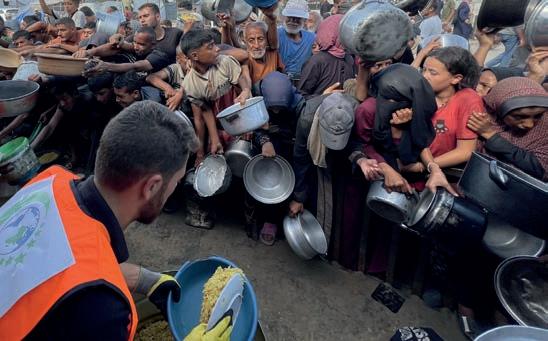
that supports rapid decision-making in the field,’ Shaun Lundy says.
Pre-deployment
Any mitigation measures that occur in deployment should have been informed by a comprehensive risk assessment undertaken prior to humanitarian workers entering a conflict zone. ‘Dynamic risk assessments complement – not replace – pre-deployment assessments,’ says Shaun. ‘They should cover political stability, security risks, health hazards, environmental conditions and logistical support.’
Prevention-first approaches should involve completing risk assessments with employee input, considering where potential harm can occur, using scenario planning and identifying controls. ‘Taking a multidisciplinary approach to risk assessments for these situations will also be necessary,’ Ruth says.
‘Working closely with other leaders with insight into changing security risks (both those related to the conflict and those related to the local population), changes to the physical environment resulting from conflict or natural environmental conditions/ working environments (for example, heat and flooding), and changes in the progress of the conflict itself are vital. It’s also important not to minimise the significance of risk factors secondary to the conflict, such as infectious disease,’ she says.
Pre-deployment assessment should include psychological support, before aid workers are potentially exposed to trauma, including screening to identify individual vulnerabilities.
IN FIGURES
Humanitarian workers at risk
IN 2025
265 workers killed 57 workers kidnapped 120 wounded Of those affected, 109 were male and 32 were female.
THREE-YEAR AVERAGE
265 workers killed 138 workers kidnapped 221 injured 65% of aid workers killed in 2025 were in Gaza
Between January 2000 and August 2025 there were more than 8500 major attacks against aid workers.
(AID WORKER SECURITY DATABASE, 2025).
Risks faced by aid workers may differ according to sex. While both male and female humanitarian workers experience the same number of stressors in the field, they report different types. One survey of more than 600 international humanitarian aid works found the following:
• Physical assault: men (40%), women (35%)
• Assault with weapon: men (30%), women (19%)
• Exposure to combat or war zone: men (30%), women (20%)
• Sexual assault: men (1%), women (19%)
• Unwanted or uncomfortable sexual experiences: men (12%), women (46%)
(JONG ET AL, 2021)
‘The key is to normalise access to counselling and support as a routine part of an aid worker’s employment,’ Shaun explains. ‘This can include personal resilience training, access to mental health professionals, and peer support networks. When working in conflict contexts, regular ongoing check-ins are vital to help identify early signs of distress.’
Tailored and integrated support based on individual needs is also necessary, given the increased risk of sexual violence and aggression faced by female aid workers.
Best practice
Post-deployment care is crucial. ‘The effects of trauma are not always immediate, and can occur long after an individual has finished a particular employment or mission,’ Shaun says. ‘Good practice involves structured debriefs that cover operational, security and emotional dimensions.’ He points to the importance of initiatives like the Protect Aid Workers mechanism, which provides grants to aid workers and their families following critical incidents to help cover the costs of urgent medical care, psychological support, relocation or legal assistance.
‘Providing a broad package of resources to those affected, including access to confidential support, mental health training across teams, and agile referral routes to occupational health specialists will enable professionals to meet a range of needs,’ Ruth adds. ‘Continued use of health surveillance, both physical and psychological, can also help to identify – and thus control – longterm health effects.’
In his 30 years in humanitarian work, Hossam has seen a lot of ‘post-traumatic growth, development and thriving where people actually emerge stronger’. But, he adds: ‘The sad reality is that the field has become increasingly risky.’ As the UN and humanitarian organisations plead with governments and groups in conflict to respect international law, the role of health and safety practices in protecting humanitarian workers will remain vital.
For references, visit ioshmagazine. com/aid-workers



PRACTICE
EXPLORE SKILLS, IDEAS AND THEORIES









OSH FOR ALL GENERATIONS




The modern workplace contains a greater mix of demographic groups than ever before. Here we explore the question posed by IOSH’s research into the future of work: what if key industries are not equipped to meet the needs of all generations?
WORDS NICK WARBURTON
Working years now span six or more decades in developed economies, according to a recent Harvard Business Review article (Collinson and Hodin, 2023). Drawing on US Bureau of Labor statistics, which estimate that almost one in four American workers will be 55 or older by 2031, they revealed that workers aged over 65 represent that nation’s fastest-growing workforce group. But this is only part of the picture.


With older workers staying in work longer, typically through necessity rather than choice, we are seeing a multigenerational workforce spanning four to five generations.
This employment outlook is not confined to the US. The Work Foundation at Lancaster University’s report Working together: maximising the opportunities of a multigenerational workforce,


published in August 2024, identifies extended working lives across all G7 countries (Atay and Williams, 2024).
In South Korea, this demographic is more pronounced. In August, it was revealed that nearly 41% of nationals aged 65 and over were employed, the highest rate since records began in 1999, and far exceeding the Organisation for Economic Co-operation and Development’s average of 13.6% (HR Asia, 2025).


Changing demographics
However, the world of work is changing in other ways. The researchers behind the Working together report reveal how the modern workforce comprises more women, ethnic minorities and disabled people than at any other time, certainly in developed economies.








However, an ageing workforce is not universal, at least not yet. In fast developing regions such as Sub-Saharan Africa and the Middle East, young workers are in the ascendant.
Pre-pandemic, young workers (defined by the United Nations as anyone aged 15 to 24) accounted for more than 15% of the global labour force. In some sectors this percentage was higher (International Labour Organization (ILO), 2018).

In manufacturing, for instance, young workers accounted for almost 20% of the total workforce in eastern Europe and central and western Asia. In Africa, it was almost 10% (ILO, 2018).

As these economies prosper, the percentage of 15- to 24-year-olds employed will most likely rise – and this doesn’t include child labour (ILO, 2025a).
Unicef’s MENA Generation 2030 report revealed that children and young people (aged up to 24 years) comprised nearly 50% of the Middle East and North Africa’s populations in 2019, but warned that significant investment was required to create opportunities for meaningful work, which was limited, particularly for young women and the most vulnerable (Unicef, 2019).


Adding to this complex picture, a 2021 report by the Brookings Institution suggests that as Africa (with the world’s youngest labour force) modernises, the proportion of ageing workers will grow. Its authors note how the youth share of the working-age population has dropped from its peak of 38% in 2001 to 24% and is predicted to decline further (Fox and Gandhi, 2021).


The impact of migration (see panel on page 40) must also be factored in, with the ILO estimating around 168 million migrant workers in the global labour force in 2022, many of them young and of working age (ILO, 2024).
Preparing for the future
Arup and IOSH’s 2024 report, Towards a safe and healthy future of work, calls on the most affected industries to become better equipped to meet future employment demands, catering to the needs of multiple generations working alongside one another.



Employers will need to effectively manage the diverse risks unique to this broad demographic mix and consider a person’s work experience across their entire life. Although the picture varies globally and from sector to sector, an ageing workforce can exert significant pressures on society. A good barometer in the UK is adult social care, a mentally and physically demanding occupation in which most jobs are lowpaid and insecure.
to meet an increasing demand for care. The turnover rate is highest for the youngest age group.
OLDER WORKERS
WHO DON’T FEEL SUPPORTED MAY KEEP QUIET ABOUT THEIR HEALTH ISSUES
According to Skills for Care (2023), more than a quarter of its workforce is aged 55 and over. With a large proportion of these people planning to retire in the next 10 years, and with only 8% of staff aged under 25, the organisation warns there are not enough younger people to replace future retirees, not to mention continue to grow the sector
Unless more youngsters are attracted and retained, the burden will fall on older workers. This ‘sandwich generation’ often looks after children while also caring for elderly parents, knowing they will need to work longer, perhaps in precarious employment and with declining health. It’s not a sustainable model.
The Centre for Ageing Better’s State of ageing report (2025) reveals that healthy life expectancy in England continues to decline and in areas with higher levels of poor health and disability, the demands on unpaid carers are greater.
According to Ruth Wilkinson CMIOSH, IOSH’s head of policy and public affairs,
some of the older workforce’s declining physical health reflects natural, age-related changes – for example, reduced aerobic capacity, muscle strength, dexterity and mobility, factors that limit tolerance to certain physically demanding tasks.
But individuals may also be more susceptible to chronic health issues such as cardiovascular disease or musculoskeletal disorders, the risk of which can increase should they be operating close to their physical capacity.
Due to their longer exposure to certain hazards (compared with young workers) such as noise, dust, vibration or chemicals, some individuals may suffer from lateonset conditions like hand-arm vibration syndrome or occupational cancers. (For more on the challenges faced by older workers and how these can be managed, see the article on page 42.)
Tracy Riddell, senior programme manager for age-friendly employment at the Centre for Ageing Better, adds that it is incumbent on senior leaders to set a positive tone around ageing and educate and support line managers about the type of chronic conditions that may become more relevant as people get older.
‘If the organisation’s culture isn’t one that supports age, then often older workers will not speak up,’ she warns. ‘If they are starting to experience some age-related conditions or pain [and they don’t feel supported], then they’ll remain silent.’
By normalising the conversation so these workers can talk about their agerelated health needs, without fear of any repercussions, she argues, employers reduce the likelihood of older workers ‘[silently] walking around with aches and pains, potentially putting themselves and others at risk’.
Ruth says OSH professionals can support how this workforce segment is managed by providing diversity-sensitive risk assessments. She emphasises the importance of multi-layered solutions and adds that employers shouldn’t assume that older workers’ performance will universally deteriorate with age.

‘Although some abilities like reaction time or short-term memory can decline, which can affect tasks that require quick responses,’ she says, ‘this is often balanced by stronger reasoning skills, better judgment and deep job-specific knowledge.’
Mental ill health
among the young
While physical health conditions are more prevalent in the older workforce, for young people it is the decline in their mental health, especially since the pandemic.
Alice Martin, head of research at the Work Foundation, says it impacted their social lives, personal networks and peer support, affecting their confidence in entering work.
She says poor mental health explains why this group, along with women aged 55 and over, represent the largest growth in economic inactivity.
Alice also highlights the ‘insecure work trap’ as a significant contributor to mental ill health, citing sectors like social care, where employees often need to leave if they want to progress their careers (Navani and Florisson, 2024).
She points to a survey of more than 3000 UK workers in early 2025, which found that 34% of 16- to 24-year-olds reported the negative impact of their job on their mental health (Williams et al, 2025).
Alice explains that for young people starting in the labour market today, and with the pension age creeping up, it is difficult to look ahead to 50 years or more of a work life characterised by such insecurity.
Significantly, the Work Foundation (2025) reports a record number of workers taking on second jobs, including millennials who are using their digital skills to supplement their income.
Not only has the pandemic adversely affected young people’s mental health, but it has also prompted them to demand flexible working, says Alice, who points to a recent US study that explains why hybrid working offers the greatest benefits to people’s mental health (Leong et al, 2025).
The Working together report also reveals that flexible working is a uniting factor across generations. ‘We know it is one of the
MIGRATION
The migrant workforce and 4D jobs
As Dr Karen Lau at the Migrant Health Research Group, City St George’s, University of London, explains, people migrate for many reasons, including searching for better economic opportunities.

Drawing on her research (Lau et al, 2024), which considers workplace mortality risk and social determinants among migrant workers, Karen says that when migrants arrive in their country of destination, they are often over-represented in labour-intensive industries and low-skilled occupations.
‘These jobs are often called 4D jobs – dirty, dangerous, difficult and discriminatory – with higher risks of occupational injuries and diseases,’ she says, citing the large-scale construction
main drivers that supports someone over 50 back into the workplace and [a commitment to flexible working] would be a major reason why employers are able to retain these workers,’ says Tracy.
Building the best workplace
Employers are legally required to ensure work is safe and healthy for all, but what does this mix of four to five generations mean for building and maintaining positive safety cultures and an inclusive workplace?
Communication is a critical component for reinforcing safe and healthy behaviour yet, as Ruth points out, not everyone prefers the same approach.
‘Traditionalists and baby boomers may value in-person briefings as a sign of respect, whereas millennials and generation Z might prefer instant updates via digital channels,’ she observes.
At a time when digital advances are progressing rapidly, employers cannot afford
of sports arenas in the Middle East as an example of migrants reporting exploitation and unsafe practices. Because migrants often head to countries characterised by ageing populations and labour shortages, they are usually younger workers, says Karen. She explains how they are more likely to find themselves in precarious employment – the work isn’t stable, income is inadequate and sometimes there is a lack of protections and rights. Language barriers can also compound the problems migrants face. Karen offers some solutions to remove employment barriers, such as language-appropriate training, making workers aware of their rights and having correct labour policies in place.
to ignore the opportunities technology offers. ‘Digital natives can quickly adapt to new health and safety apps or digitised reporting systems, but for others, the pace of change can feel overwhelming,’ says Ruth. ‘Leaders need to be intentional about training, ensuring tools are accessible and confidence is built across all age groups.’
‘If the older worker is provided with enough time and the opportunity to learn new tech, then everyone can engage,’ says Alice, who adds that there is value in providing a mixed generational approach to training.
For Alice, digital tech advances like AI could save everyone valuable work time and consequently improve work/life balance. This, she says, benefits all work generations.
One of the big challenges for employers in a workplace that comprises so many generations with different expectations and needs is managing attitudes and encouraging greater understanding of
diversity, equity and inclusion (DEI) and neurodiversity.
It’s a complex picture. But, as Ruth explains, while generational patterns and trends exist, attitudes to these issues do vary from person to person.
‘This is where strong ethical values come into play and drive inclusive cultures and DEI strategies,’ she says, pointing to the important role of OSH practitioners in collaborating with other professions such as HR, delivering decent work for all, providing accessibility, breaking stigmas, ensuring psychological safety and providing everyone with supportive policies.
So, back to the question posed by IOSH’s research into the future of work: what would happen if key industries affected by multigenerational workforces fail to meet everyone’s needs?
Ruth warns there is a risk that if workers feel misunderstood, undervalued or
excluded from decision-making processes, they may be less inclined to follow safety protocols. Over time this erosion in engagement can contribute to an uptick in incidents.
‘This sense of disconnection is a breeding ground for reduced morale and impaired concentration, both of which can be precursors to unsafe behaviours and unsafe situations,’ she says.
Finding positives
that all generations bring to strengthen the conversation and desire to work in a safe way.’
For Ruth, two-way knowledge transfer is created when workplaces see a multigenerational workforce as an asset.
ALL AGE GROUPS WANT DECENT WORK
‘Younger employees gain mentorship and insights that can’t be taught in any classroom, while more experienced colleagues are exposed to fresh perspectives and thoughtprovoking questions that can spark new ideas,’ she argues.
With the complications presented by a multigenerational workforce, employers could easily become dispirited. However, there are many positives.
All generations want decent work, so the focus should be on finding commonalities rather than differences, argues Tracy. ‘Let’s use the different experiences and skills
A breath of fresh air
‘That combination fuels creativity, drives innovation, and even strengthens problemsolving because workplaces have got multiple sets of eyes approaching the same challenge from different angles.’
For references, visit ioshmagazine.com/ all-generations


COMING SOON!
Small, light and comfortable. Our new X-plore 8000 unit is being previewed now.

If you specify RPE to protect your workers then Dräger’s PAPR will feel like a breath of fresh air. With a continuous flow of clean air to a wide range of tight and loose-fitting headpieces, each with different head protection options, you can choose from face masks, face shields, hoods and helmets. With so much choice, you can rest assured that you have chosen the most appropriate protection for the wearer, the task and the environment. www.draeger.co.uk

A DESIGN FOR LATER LIFE
Saeed Ahmadi CertIOSH explains the critical role of human factor assessment in adapting work for an ageing population.
Many industrial societies are today facing the effects of a baby boom generation. Longer life expectancies, declining birth rates and changing retirement policies mean that older employees now represent a rapidly growing segment of the workforce.
By 2050, the global population of older adults is projected to rise from 400 million to an estimated 1.3 billion – a change that will inevitably reshape the dynamics of employment (Stedmon et al, 2012). In many industries, this demographic shift is already visible, with organisations recognising the value older workers bring: maturity, reliability, adaptability and a wealth of experience. Yet, with these advantages
comes an urgent responsibility – adapting workplaces to the changing needs of an ageing workforce (Lance and Perry, 2010).
According to the GB Health and Safety Executive (HSE), in Great Britain alone, workers aged 60 and over accounted

for 40% of those killed in work-related accidents during 2024/25, despite comprising only 12% of the workforce (HSE, 2025). This figure represents an increase from the previous year, when 34% of fatal injuries in 2023/24 involved workers aged 60 and over, who made up just 11% of the workforce (HSE, 2024).
As the workforce grows older, the general characteristics of ageing must be considered in the design and management of ergonomics in work systems. Ageing brings physical changes such as decrements in aerobic capacity, general health, visual and aural acuity, strength for lifting and gripping, reaction time, limb and joint mobility, tolerance for heat and cold, and
the ability to recover from physical work and slips or trips. Cognitive changes may also occur, including reductions in shortterm memory and tolerance for paced work; thus work system design, as well as training, should adapt to these changes. (International Labour Organization, 2021).
Many older workers also experience chronic conditions that may lead to absenteeism; however, there is also an increase in ‘presenteeism’, where workers attend despite illness.
According to the Centers for Disease Control and Prevention (CDC), the two most common health conditions affecting older workers are arthritis and hypertension, with nearly half of workers over 55 experiencing at least one of these conditions. However, ergonomics, with its scientific approach to identifying mismatches between job demands and worker capabilities, provides an effective way to address these concerns (CDC, 2024).
Through ergonomic initiatives, workplaces can be designed and redesigned to enable older workers to adapt and thrive. This is particularly important in relation to the large cohort of baby boomers.
human and individual characteristics which influence behaviour at work in a way which can affect health and safety’. In simpler terms, human factors can be viewed through three interconnected lenses: the job, the individual and the organisation – each influencing how employees perform and interact with their work environment.
Job factors: matching task demands to changing capabilities
Work design begins with understanding the task itself – its demands, tools and environment. As employees age, natural declines in strength, flexibility, balance and reaction time make it essential to examine whether job demands exceed capabilities. For instance, physically demanding tasks such as lifting, repetitive reaching or working in extreme temperatures may pose heightened risks for older workers because of their reduced muscle mass, joint flexibility and thermoregulation.
CONDUCTING A HUMAN FACTOR ASSESSMENT CAN BE A GAME CHANGER
Employers, high-level organisational managers, supervisors, OSH professionals and members of OSH committees must actively find ways to keep ageing employees healthier and working longer. To achieve this, conducting a human factor assessment can be a game changer, ensuring that workplaces are supportive, safe and conducive to the sustained participation of older workers.
Understanding human factors
To effectively support ageing employees, it is essential to understand the concept of human factors. The HSE definition of human factors is ‘environmental, organisational and job factors, and
To mitigate these risks, duty holders and OSH professionals should consider practical design interventions. Storing heavy or frequently used items between waist and shoulder height, providing lifting aids and ensuring adequate legroom can significantly reduce strain. Adjustable equipment, such as height-adaptable chairs or workstations, allows employees to work in safe postures regardless of body size or mobility limitations. Equally important is the management of workload and pacing. Older workers may tire more quickly, particularly in complex or precision-driven tasks, and may benefit from task rotation to reduce fatigue.
The sensory aspects of the job also deserve attention. Visual acuity often declines with age, so information displays should be designed with clear fonts, high contrast and minimal glare. Controls should be sized and positioned for easy
CASE STUDY Productive ageing: shiftplan reform at Austrian chemical plant
The management and works council of Polyfelt (now TenCate) in Austria faced the problems of intensive shift work, an ageing workforce and a low retirement age. In a participatory process, a new shift schedule was developed with the help of OSH experts. The result was a win-win situation for all.
Fewer weekly working hours, fewer night shifts and longer shift breaks were the main benefits for the employees. Higher productivity, later retirement and an improved image as a good employer were among the benefits enjoyed by the company (EU-OSHA, 2009).
access, reducing reliance on fine motor dexterity. Even minor environmental adjustments, such as improved lighting or noise reduction, can have a significant impact on safety and performance. By reshaping job factors with ergonomics in mind, employers create a safer, more accessible environment for all employees –not just older ones (HSE, 2013; Lance and Perry, 2010).
Individual factors: recognising diversity in capabilities
No two employees age in exactly the same way, and human factors assessment highlights the importance of recognising this diversity. While it may not be feasible for organisations to tailor work to every individual, a structured approach can be developed to support groups of workers who share similar needs or vulnerabilities.
Drug Testing at the Tips of Your Fingers
Save thousands annually by eliminating dedicated testing sites, callout fees, and lengthy waiting periods.
Negative


Non-Negative


Non-invasive

Cost-effective
Reliable
Scalable
Short Detection Window
Older employees may experience reduced strength, slower reaction times or diminished tactile sensitivity. At the same time, they bring invaluable assets such as deeper knowledge, refined skills and strategic problem-solving abilities gained through years of experience.
By identifying patterns across groups and focusing on those who may require additional support, organisations can strike a practical balance – acknowledging individual differences while also creating systems that protect, empower and maximise the strengths of an ageing workforce.
OSH professionals can support individuals by conducting structured human factor assessments that consider body size, fitness, posture, sensory abilities and cognitive capacities. The aim is not to highlight limitations, but rather to ensure that work tasks are designed to play to employees’ strengths, while adapting or supporting them in areas where challenges may arise. Communication and reinforcing workers’ participation in this process is important. In this way, workers are not disadvantaged or made to feel different, but are instead provided with opportunities to remain engaged, capable and valued in their roles.
Psychosocial elements are equally critical in evaluation of individual factors.
Fatigue – both mental and physical – tends to accumulate more quickly with age. Aligning shifts with natural circadian rhythms can help, and as many older workers perform best during morning hours, flexible scheduling can accommodate this preference. Supporting wellbeing also means recognising medical needs and allowing time for recovery when required (HSE, 2013; Lance and Perry, 2010).
Organisational factors: building supportive structures and cultures
Beyond the task and the individual, the broader organisational environment profoundly influences how ageing workers experience their roles. Human factors assessments must therefore consider
Practical takeaways for OSH professionals
When OSH professionals identify potential ergonomic issues during a human factor assessment, their next steps are critical in ensuring that adjustments truly support and protect the workforce – particularly ageing employees who may be more vulnerable to physical strain. The first and most important action is to engage employees directly. Talking with those performing the job, inviting them to share their ideas, and involving them early in the process fosters ownership of the changes and ensures that proposed solutions are practical and well-received. From there, OSH professionals should carefully examine the likely causes of the identified problem and consider straightforward solutions. Often, small adjustments – such as reorganising shelving so heavier and frequently used items sit between waist and shoulder
WHEN WORKERS ARE INCLUDED IN DECISIONMAKING, THEY ARE MORE LIKELY TO ACCEPT AND ADAPT TO CHANGES
the social and managerial structures that frame day-to-day work. A supportive workplace culture – where employees feel valued, included and recognised – can counteract risks of disengagement or disenfranchisement that sometimes affect older workers.
Duty holders and OSH professionals can start by reinforcing open communication. Encouraging older employees to share feedback about task design, shift scheduling or equipment use not only leads to more
height, providing height-adjustable chairs, or clearing obstacles beneath desks – can make tasks far easier and safer for older employees. In other cases, slightly larger interventions may be required, such as raising platforms to access controls more comfortably, altering shift patterns, or introducing job rotation to reduce physical and mental fatigue.
Whatever modifications are made, they must be trialled and evaluated with the input of the employees themselves. This ensures that solutions do not inadvertently create new challenges elsewhere in the workflow. While many ergonomic improvements are simple and inexpensive, OSH professionals should also recognise the point at which an external ergonomist’s expertise is required, particularly for complex or persistent issues (HSE, 2013).
practical solutions but also signals respect for their expertise. When workers are included in decision-making, they are more likely to accept and adapt to changes. Similarly, strong leadership and fair supervision are critical. Managers should be trained to avoid stereotyping older workers as ‘slowing down’ and instead focus on leveraging their experience and mentoring abilities.
Organisational resources also matter. Investments in ergonomic equipment, training and flexible scheduling demonstrate commitment to employee wellbeing. Implementing job rotation schemes reduces monotony and physical stress, while supportive health and wellness programmes help employees maintain functional capacity for longer.
For references, visit ioshmagazine.com/older-workers
USING FORKLIFT TRUCKS
In our new series of technical advice articles, we look at the risks and controls around the use of forklift trucks.
What’s the issue?
The main safety concerns in the workplace regarding forklift truck (FLT) driver competence revolve around the risk of injury, property damage and noncompliance with health and safety laws. Incompetent or inadequately trained FLT drivers significantly increase these risks. Ensuring FLT driver competence is not just about technical skill but awareness, judgement and a safety-first attitude. Employers are legally responsible for ensuring FLT operators are competent, supervised and equipped to work safely. Medical fitness is a crucial but sometimes overlooked aspect of FLT driver competence and workplace safety. FLT drivers must be physically and mentally fit to operate machinery safely. Driving an FLT requires good vision, hearing, coordination and concentration, and the ability to respond quickly to hazards. Medical conditions or impairments can seriously compromise these abilities and increase accident risks.
What’s the challenge?
Businesses face different challenges depending upon their size, scale and nature of their operational activities. Some businesses will require FLT operations around the clock, whereas for others they may only be required for infrequent, nonroutine tasks. These challenges fall into four categories:
WORDS ANGELA GRAY CMIOSH

1. The person
2. The equipment
3. The task
4. The working environment, including cultural and behavioural influences.
All drivers must be trained and certified to national standards (in the UK, the RTITB (Road Transport Industry Training Board) and ITSSAR (Independent Training Standards Scheme and Register)) and will receive a ‘licence’. However, does that ‘licence’ mean that they are competent to operate on-site?
What are the common controls and how might they fail?
The key controls for ensuring safe FLT operations are:
• Is the operator medically fit to operate your equipment? To that end, what evidence or records do you hold?
• Do they have a valid licence from an authorised source? Have you checked it is authentic/legitimate?
• Were they taught to operate using the same equipment as in your workplace? If not, they need ‘on-the-job’ training.

Familiarisation training specific to the truck they will be operating will also be required, including controls, load capacity and any attachments. As in all cases with new operators, they will need to have a solid understanding of the risks within the tasks and the workplace (the nature of the various types of loads, racking/storage, traffic routes and specific workplace rules).
After employees have successfully completed all elements of training, you should give them written authorisation to operate the type or types of trucks they have been trained to use. You should not allow anyone to operate trucks on any premises without authorisation (except a trainee under close supervision).
What else should be considered?
The following can also have a significant influence on FLT operations:
• Performance-related targets: do they encourage shortcuts, speeding and overloading?
• Peer pressure: be aware that a new FLT operator will mimic the behaviours of others around them and they will, potentially, try to impress their colleagues and supervisors with their new skills.
• Attitudes towards procedures: ensuring that the equipment is fit for use is critical. Regular maintenance and testing are obviously crucial to safe operations, but what about pre-use inspections (PUIs)? All checks cited on a PUI are there for a reason, but be aware of this process diminishing into a mere ‘tick-box’ exercise. A procedure for when faults or failings are found should be in place and the truck taken out of use until remedied. It is very easy for operators to not record an issue if there are
Calling all members
Do you have a technical matter you’d like to talk about? Email joanne.perry@ioshmagazine.com
no alternative trucks to use and they are under pressure to complete a task.
• Pedestrian segregation: wherever possible, workers on foot should be kept apart from FLT operations. This may be physical separation or process/ temporal separation.
• Level of supervision: new drivers should be closely supervised initially via a probation period until it is clear that they have developed good habits and a healthy respect for their own safety and that of their colleagues. With all FLT operations, higher-risk activities should have a higher level of supervision.
• Leadership awareness: Leaders with responsibilities for FLT operations must have suitable training and understanding of FLT capability, operation and the risks associated with them. This is to ensure that they can identify immediately any non-compliance or unsafe behaviour and take action.
Other reflections
Incidents involving FLTs can cause disruption to operations that need to be factored into emergency plans.
Unsafe behaviours, such as operators being lifted up on to a lorry bed while standing on the forks, remain a persistent issue that highlight not only gaps in training and awareness but also inadequate enforcement of safety standards. These types of misuse can lead to serious incidents, disrupt operations and impact productivity. Speeding, often overlooked, further compounds these risks, potentially leading to collisions or load instability that can halt operations and trigger wider disruption. These behaviours frequently stem from gaps in supervision, where a lack of capability or authority prevents early intervention. Competent and proactive supervision is essential to enforce standards, guide behaviour and ensure that FLT operations contribute to a safe, resilient and prepared working environment.
Investing in driver competence, robust supervision and a zero-tolerance approach to misuse is essential to protect people, maintain operational flow and safeguard the continuity of the business.
REVIEW
Test your system
The following questions can be applied to test your arrangements:
• Are you satisfied that all drivers are selected based on their attitude to workplace safety and their fitness to operate the equipment?
• Are you satisfied that the correct skills training programme has been completed, without pressure to curtail any elements?
• Do your new (or newly transferred) drivers need to complete a suitable probationary period?
• How do you monitor that operators are genuinely completing the PUIs of their FLTs – and that any faults/failings are reported, tagged and, where necessary, corrected before the truck is put back into use?
• Are you satisfied that your FLT operational risk assessments are comprehensive and that the risks – and their controls – are fully understood by your employees?
• How do you measure or monitor the risk perceptions of your FLT drivers?
• Is there anything further you can do to raise awareness of pedestrian proximity to FLT operations?
• How do you mitigate the risk of ‘skills fade’ within your driver population?
• Do you maintain a strict routine and frequency of medical reviews and refresher training?
• Do you have a process in place to follow up on any incidents or accidents involving your FLT drivers?
Legislation, regulations and guidance: PUWER; LOLER; L117 – ACoP and guidance
Recent legal cases: b.link/IOSH-pallets-crush
b.link/IOSH-pirelli-breach
b.link/IOSH-builder-inadequate
b.link/IOSH-height-prosecution
MANAGE CONTRACTORS How to...
They may visit only rarely, but maintenance contractors can have different safety behaviours, training and even languages from on-site workers, so managing their presence needs to done carefully. Here are some top tips.
WORDS PETER CRUSH
When three different contractors all working for British retailer Marks & Spencer were found to have not followed correct guidance for the safe removal of asbestos-containing material at a Reading store, all of them, and M&S itself, faced heavy fines. While it was the high-street retailer that came off significantly worse (ordered to pay £1.6m in fines and costs in 2011), none of the attached contractors escaped culpability either, with one of them later going into administration.
Ever since, this case, brought by the GB Health and Safety Executive (HSE) has become synonymous with what some consider the thorny topic of managing maintenance contract workers – those who are not technically employees of organisations that temporarily use them, but once brought on-site require the same (if not more) care and attention to OSH as everyday staff.
With investment tight and businesses under pressure to repair or refurbish existing machinery, installations and buildings, the presence of maintenance
contractors is likely to become even more prevalent, and so managing their safety – and that of everyone around them –becomes critical.
But what are the essential ‘need-toknows’ when it comes to managing risk associated with maintenance contractors?
General principles
Legally, at least, there is little room for debate. Employers using maintenance contractors must ensure the health and safety of both their own employees and that of their contractors – including, in the words of the HSE, ensuring that
the ‘hazards of their job’ have been identified and ‘steps have been taken to minimise risks’.
As Professor Colin Pilbeam from Cranfield University, who has researched contractor safety for IOSH, says: ‘What’s really happening when using maintenance contractors is that you’re widening the boundary of what your organisation is and these people need bringing into the conversation about how good safety is created in your company.’
Anticipate new risks
Often, maintenance workers are strangers to an employer’s site, and according to Duncan Spencer CFIOSH, head of advice and practice at IOSH, the key is to anticipate risks: establishing whether outsourced operatives have the competencies to do the tasks they’re assigned to, but also making sure everyone who needs it has the right access to information at the right time.
‘OSH professionals ultimately need to determine how maintenance workers will interact on their premises, and new tasks present new risks,’ he says. ‘Contractors may not understand your risks; you may not understand theirs – a fact potentially
made worse by factors like poor site knowledge and ignorance of ways of working. What is most often missed is understanding how contractor and local worker tasks may combine to create entirely new risk to both parties.’
TOP TIP
• Duncan says: ‘Where possible, show maintenance staff the site in advance of them working there because it gives them an opportunity to familiarise themselves with it; ask questions about it; and even identify safety risks that may not have been thought about.’
Understand that risk changes
According to Brett Edkins CMIOSH, head of health and safety at London Projects
CONTRACTORS MAY
NOT UNDERSTAND YOUR RISKS AND YOU MAY NOT UNDERSTAND THEIRS
(see How to manage liability and due diligence overleaf), maintenance work often involves some degree of shared liability, especially if the client is in control of the safety-critical interface between a hazard and the contractor, and any safety critical information that affects the contractor.
But he also says it’s important to remember that risk changes as work progresses. ‘I would always recommend some form of what I call “bridging” –this is where you have someone actively responsible and overseeing the safety standards of people on the ground.’
In cities like London, with workers from many different backgrounds, a ‘bridger’ is helpful for communication, Brett says. ‘A bridger is also useful if workers’ first
language is not English, or not proficient enough to guarantee clear communications. This person can act as a translator.’
He continues: ‘The supervisor/bridging person also needs to be adequately competent for the level of risk under their immediate or proxy control. The main thing is that operations don’t undermine any other safety procedures.’
TOP TIP
• Brett says: ‘If the hazards and risks are high then it’s preferred that an appointed person is always present with the individual(s) who have low English proficiency.’
Establish shared methods
‘Underpinning any relationship with maintenance workers is coming to a common understanding of how safety on-site occurs,’ says Colin – who advocates taking a ‘doing’ (processes); ‘being’ (behaviours) and ‘thinking’ approach to safety. Imagining each of these as circles, he says the sweet spot is arriving at the intersection of all three.
‘A doing and thinking approach without “being” has no shared identity or norms; “doing” and “being” results in no common beliefs,’ he says. ‘Without this you have no shared method of working,’ he says.
Ensure good communication
Once shared norms are established, says Colin, the required levels of communication can start to flow. He says: ‘Contractors may have different PPE standards; they may do tasks differently; so communication needs to turn to the definition of setting tasks – that is the context under which they are operating; the safety standards that need to be adhered to (especially if new/different to what contractors might be used to), and committing to shared evaluation of how a project worked, and what can be learned.’
Duncan adds: ‘Communication includes knowing where all people are, and are allowed to be, and ensuring they don’t stray into unknown areas. It’s about contracts,
Check your OSH cultural maturity
Let IOSH help assess, improve and certify your OSH cultural maturity, starting with our self-assessment tool that helps you generate an accurate picture of your health and safety status.
With a clearer view of where your business currently stands, you can identify the gaps and plot a clear path to raising standards – and work towards full Business Assurance Certification.
Our step-by-step tool can help accelerate your business and make your life easier.
and establishing which people carry out exactly what works. The best thing an OSH professional can do is make sure they cordon off an area that “only” maintenance workers are allowed to be in.’
Understand what people do in the real world
Maintenance contractors might only be on-site for a few days, but they may be looking to impress in that short timeframe – perhaps to get another job in future, or maintain their existing contract – and that can mean there is a temptation to take on tasks they’re potentially not qualified to do, just to impress the client.
‘This is human nature, but it’s essential that OSH professionals put
limits on exactly what contractors can or cannot do,’ says Brett. ‘It must be made abundantly clear that no work should be attempted beyond what is agreed, and that if spotted it must be stopped.’
TOP TIPS
• Brett says: ‘It’s best to audit visually, so OSH professionals can get a feel for how contractors go about their work, to give themselves the confidence that any over-reaching in work won’t happen.’
• ‘Some additional training can be delivered and captured within a toolbox talk by an experienced and qualified worker, known as short-form training, but most of the time competencies require full-on classroom and real-world training.
How to manage liability and due diligence
‘Liability-setting sounds complex, but there are certain principles that can be easily applied,’ says Brett Edkins CMIOSH, head of health and safety at residential construction company London Projects. ‘The contractor is mainly liable for the competency of their operatives whilst ensuring their own safe systems of work continue normally and do not undermine or disrupt any safe systems of work held by the client (such as permits, access restrictions, and so forth).
‘You need to start vetting people first, according to what jobs they do – with the PAS 91 framework acting as good guidance around the questions firms need to ask maintenance contractors –such as evidence of permits or working with permits, competencies for both company and relevant individuals,
risk assessment method statements and any previous convictions or accident rates. Liability ownership and mitigation can also be tweaked to suit the risk profile of the proposed maintenance works and the required engagement requirements.’
TOP TIPS
• ‘Risk dependent, but I always ensure employer liability insurance of at least £10m,’ says Brett.
• ‘I would ensure public liability of between £2m and £5m – if the risk profile is lower, the lower threshold should be sufficient.’
• ‘PAS 91 is a questionnaire developed by the British Standards Institute. It’s a list of questions used to qualify contractors during the procurement process. It’s typically used by public sector clients for construction projects.’
Resist pressure from others
One of the biggest – often underrecognised – problems is planning for unwarranted pressures from sources that might want to rush maintenance work through.
‘You can imagine the situation where there’s a broken chiller cabinet in a supermarket and not only are there customers to screen off, but the manager is insisting work is done as quickly as possible just to prevent wastage of goods,’ says Colin. ‘This is when you have to assert the primacy of the risk manager, even if it means work takes longer.’
Duncan says: ‘It comes to contracts, ultimately – agreeing who and how work is done – including out of hours if necessary, to ensure customers are away from the area.’
TOP TIP
• Brett says: ‘If there is time pressure then the contractor must be encouraged to let go and obtain the services of another firm or individual that is qualified to do so. The same can be said for a client in terms of contracting out.’
Ensuring competency
If the above precautions are implemented, they will make the management of maintenance contractors safer for all.
‘When it comes down to it, you’re trying to ensure competency, and trying to control information getting to the right people at the right time,’ says Duncan.
‘Any residual risk depends on the competency of individuals and most errors tend to come from not having the right person, or them not having the right competencies. Sort these things out, though, and then you can cover yourself and your maintenance contractors against any unexpected risks.’
For references, visit ioshmagazine. com/maintenance-contractors
BUSINESS
ELEVATE OSH IN YOUR ORGANISATION

RAAC AND RUIN
Burdened with a legacy of RAAC and asbestos, UK schools are struggling with the practical considerations around inspections, risk assessments and remediation. Here we examine the condition of the country’s education estate.
WORDS STEPHEN COUSINS

Schools are meant to be places where children can flourish, yet the existence of both reinforced autoclaved aerated concrete (RAAC) and asbestos in the UK education estate have fuelled fears over pupils’ safety in crumbling classrooms as well as the associated health risks of exposure.
Concerns surrounding the structural integrity of RAAC have forced many schools and colleges to move classes into temporary accommodation. Of the 237 educational settings known to contain RAAC in England, 40% have yet to start removing the material.
Meanwhile, asbestos is present in an estimated 80% of the schools estate, according to the Department for Education (DfE, 2019), and deaths of former school staff and pupils from mesothelioma – a form of cancer caused by asbestos exposure –continue to rise.
The National Education Union (NEU) estimates that 8400 staff and tens of thousands of former students could die from mesothelioma in future because they were exposed to asbestos in schools prior to the 1990s (NEU, 2024).
Duty holders are required to follow the Control of Asbestos Regulations 2012 and DfE guidance on managing RAAC, which is informed by GB Health and Safety Executive (HSE) guidance, but evidence suggests some are failing in their duties.
The coexistence of RAAC and asbestos in school buildings adds a layer of complication to investigation, renovation or demolition. Evidence of poor asbestos management and out-of-date recordkeeping in some schools has even left surveyors and contractors unaware of the dangers as they commence work.
Post-war legacy
Phoebe Osborne, legal director in the specialist asbestos team at law firm Hugh James, says: ‘Asbestos and RAAC are two sides of the same coin. They both need to be proactively managed, but the government
and duty holders haven’t really got a handle on asbestos, so I’m concerned they are not really getting a handle on RAAC. Contractors and surveyors might be inadvertently disturbing asbestos, exposing themselves and other people to the fibres.’
The post-war construction boom saw increasing use of both asbestos and RAAC,
TESTING TECHNOLOGY
Asbestos protections
The European Union Council took crucial steps to safeguard workers against asbestos in 2023 by adopting a new EU directive enforcing stricter protections against exposure and enhancing early detection of asbestos fibres. Directive 2023/2668/EU introduced a tenfold reduction of the occupational exposure limit for asbestos, reducing the previous limit of 0.1 fibres per cubic centimetre to 0.01f/cm³.
The UK exposure limit remains at 0.1f/cm³, or at 0.6 f/cm³ in certain circumstances when work involves certain lower-risk asbestoscontaining materials.
After the maximum six-year transitional period for the new EU directive, member states will be required to implement electron microscopy to measure asbestos levels, replacing current, lesssensitive phase-contrast microscopy. The switch will further reduce the exposure limit to 0.002f/cm³. There is considerable pressure on the HSE and UK Government to consider similar reforms, especially by those advocating for the proactive removal of asbestos from all non-domestic buildings by 2040.
making it likely they will exist in the same buildings.
A cheaper, lightweight alternative to standard concrete with a lifespan of about 30 years, RAAC was formed into panels, or planks, used in flat roofs and some floors and walls. The material substitutes coarse aggregates used in regular concrete with a mix of fine aggregates and chemicals that create gas bubbles, boosting volume. A mesh of steel reinforcement is required to increase the porous material’s strength in compression.
But years of neglect or ill-thought-out modifications can cause significant damage, resulting in excessive deflections, water ingress and breakdown of the concrete due to rusting reinforcement.
Problems with RAAC came to a head in 2023 when roofs containing the material in three schools collapsed suddenly, prompting the closure of 104 schools.
Many more educational sites identified the presence of RAAC and formulated plans to tackle it. Of the 237 institutions affected, RAAC has now been removed from 52 using targeted government grant funding, with a further 71 in the process of rebuilds and refurbishments (DfE, 2025).
Michael Phillips, health and safety officer at teachers’ union NASUWT, says: ‘There remains disruption across the sector as a result of remedial structures put in place to ensure, for example, that ceilings do not collapse, including in classrooms, gymnasiums [and] assembly halls.’
Asbestos is present in around 1.5 million buildings in the UK, despite being banned since 1999. It can be found in roof tiles and guttering, vinyl floor tiles, insulation around heating pipes and ducts, and textured ceilings.
It is dangerous if disturbed – for example, during demolition or refurbishment – because the near-invisible microscopic fibres remain airborne for extended periods and a single inhalation can lead to mesothelioma, asbestosis or lung cancer.
A 2021 report by the Joint Union Asbestos Committee estimated that 1000 teachers and support staff and 9000 former pupils died from mesothelioma between 1980 and 2017 following exposure in schools.
‘Where rates of mesothelioma mortality are decreasing amongst the general population, including in occupations traditionally exposed to asbestos like construction, they are increasing amongst teachers,’ says Michael. ‘It’s quite reasonable to assume that that is because of the significant amounts of asbestos still within the schools estate, with four in every five schools containing asbestos.’
Risky remediation
Budgetary constraints and concerns over the disruption to pupils’ learning are impacting the pace of removal and remediation.
The presence of asbestos-containing materials (ACMs) alongside, or even within, RAAC structures as a binding agent for insulation or fireproofing makes it necessary to tackle their removal before any RAAC work is carried out.
The HSE says: ‘To access RAAC planks, there can be suspended ceilings, insulation materials or other structures that need to be removed and these could contain asbestos, or their removal could disturb asbestos. Such materials and work should be treated as asbestos work until confirmed otherwise.’
Regulation 4 of the Control of Asbestos Regulations 2012 requires duty holders to produce an asbestos survey identifying ACMs and their location, amount and condition. This forms the basis of an asbestos register, a live document recording the ACMs and actions needed to manage hazard exposure. Information in the register must underpin an asbestos management plan to ensure that no one is exposed.
According to Sean Bernath CMIOSH, senior CDM consultant at Rider Levett Bucknall, working out if asbestos will be affected by RAAC removal and determining

its location requires a thorough refurbishment and demolition survey completed by a qualified asbestos surveyor.
‘RAAC may often be concealed, so surveyors might have to break holes into walls to identify the presence of RAAC and asbestos,’ says Sean. ‘Prior to any intrusive works, it’s necessary to follow the requirements of the asbestos regulations and make sure the material is either removed or encapsulated and managed. This could also include putting in place enclosures, air monitoring during removal and clearance certification to allow for the RAAC works to be undertaken.’
Due to the absence of any specific legislation on RAAC – there is currently only risk management guidance available – the onus is on duty holders to assemble a competent team of people to advise on appropriate removal or remediation strategies.
Sean says OSH practitioners can assist by, among other things, ensuring they get
a clear project scope from the client and inform them of their responsibilities as duty holders under the Construction (Design and Management) Regulations 2015 (CDM) and Building Regulations, plus any additional associated health and safety legislation.
CDM aims to ensure that risks are managed from project inception to completion and requires clients and designers to ensure information within the asbestos register and management plan is available and considered throughout the project lifecycle, with an appointed principal designer coordinating health and safety during the pre-construction phase.
‘Each building, each location, is very different, therefore the level of risk can also be very different,’ says Sean.
Condition surveys by a qualified surveyor or structural engineer will reveal the state of RAAC and point towards the appropriate remedial solution, whether that’s temporary propping, phased removal or a full rebuild. Temporary propping may be required if
IN NUMBERS
RAAC and asbestos
104
The number of schools containing RAAC that were closed in 2023 after the material caused three sudden roof collapses
52
The number of schools where RAAC has successfully been removed with targeted government funding. Another 71 containing the material are in the process of being rebuilt
30 years
The expected service life of RAAC. It can last significantly longer if a building is well maintained and original design factors, such as floor loadings, remain unchanged
80%
The percentage of schools in England that still contained asbestos in 2019, according to the DfE’s Asbestos Management Assurance Process report (DfE, 2019)
431
The number of teachers aged under 75 who died in Britain from mesothelioma between 1980 and 2021, according to the Joint Union Asbestos Committee (2023)
£1.3bn+
Total cost to the UK economy of asbestosrelated diseases in former school and hospital workers, as estimated in costbenefit research (Mesothelioma UK, 2023)
40 years
The deadline, recommended by the House of Commons work and pensions committee in 2022, for the removal of asbestos from all non-domestic buildings
RAAC planks are bending with limited support on the structural end bearings, or in areas with restricted access where it’s not feasible to remove RAAC. In the case of an unused empty building with badly damaged RAAC, best practice health and safety advice is to remove it entirely.
Lagging behind
With concerns over asbestos exposure front and centre as schools move forward with RAAC remediation, evidence suggests that some are already failing to meet their legal obligation to manage ACMs.
Inspections of 400 schools by the HSE in 2022/23 found that 7% had failed to manage asbestos effectively. When scaled up, that represents a potential 2,000 schools nationwide and up to one million pupils, plus staff, exposed to risk (HSE, 2023).
The most common failings identified by the HSE were inadequate or missing asbestos management plans and surveys. Certain schools were not regularly monitoring the condition of ACMs and some management plans failed to include incident procedures for dealing with their unplanned disturbance.
Work with higher-risk ACMs must be carried out by licensed contractors suitably trained and kitted out with appropriate respiratory and other protective equipment, as detailed in the HSE’s Approved Code of Practice L143 Managing and working with asbestos. Furthermore, Regulation 10 of the Control of Asbestos Regulations requires any workers who may be exposed to asbestos to receive suitable training.
Despite these obligations, the HSE found that certain schools failed to ensure that contractors tendering for work provided evidence of asbestos awareness training, risk assessments or method statements.
‘It’s all very well to tell the school committee they have a duty to consult the asbestos register and to comply, but it comes down to the people doing
the works. Who are the contractors and are they competent?’ says Phoebe (see page 48 for more on managing maintenance contractors).
Highlighting concerns over schools’ financial ability to tackle asbestos, Michael adds: ‘About half of schools are now within the academy sector, so they no longer qualify for full support from local authority health and safety teams. Meanwhile, the amount of money allocated by the government to support school maintenance has at least halved since 2010 and the level of expertise within local authorities able to provide advice has considerably diminished.’
Trade unions including NASUWT and the TUC are now urging the government to fully implement recommendations set out by the House of Commons work and pensions committee, following its 2022 inquiry into the HSE’s approach to asbestos management.
The recommendations, which were shot down by the previous Conservative administration, called for the establishment of a central register and a programme to remove all asbestos from public and commercial buildings within 40 years. Also proposed were lower limits on acceptable asbestos exposure and the use of more accurate testing technology (see Asbestos protections, page 53).
Asked if they were likely to be implemented under the current Labour government, an HSE spokesperson told IOSH magazine: ‘Establishing a national register would require significant resource from duty holders and government at a time when resources are tight. The HSE is actively considering alternative ways it can gather a robust and reliable dataset to firm up the foundation informing a longerterm strategy for the removal of asbestos.’
They added that the regulator is conducting a technical review of the asbestos control limit. For references, visit ioshmagazine.com/ RAAC-asbestos-schools
Small and medium-sized enterprises (SMEs) are defined in the UK as having employee numbers of fewer than 250 and turnover of less than £44m or balance sheet total of less than or equal to £38m (Government Commercial Function, 2025). Most countries rely on SMEs to drive economic growth. In the UK last year, over 99% of private sector businesses were SMEs; they employed 60% of the working population and had an aggregate turnover of £2.8trn. Between 2010 and 2023, the number of SMEs in the UK increased by 24% (Department for Business and Trade, 2024; 2023).
Historically, SMEs have higher accident rates than larger employers. Although neither the GB Health and Safety Executive’s (HSE’s) Reporting of Injuries Diseases and Dangerous Occurrences Regulations (RIDDOR) reporting system or enforcement tables link published data and workplace size, the Labour Force Survey published in November 2024 indicates that the average self-reported injury rate (per 100,000 workers) for all injuries in medium businesses (50 to 246 workers) ranges between 1580 and 2150, compared with an average of 1170 for large employers (HSE, 2025). In the EU, it has been estimated that approximately 82% of all occupational injuries and 90% of workplace fatalities occur in SMEs (EU-OSHA, 2015).
OSH support for SMEs SMEs are a disparate group of organisations in terms of their activities, numbers employed, leadership and culture – there is no unique method that will guarantee OSH performance improvement (Röben et al, 2024).
SMEs are unlikely to employ an OSH specialist directly (James et al, 2004). With time resource as scant as financial resource, many cannot identify an employee to take on the role effectively. UK-based SMEs have the option of obtaining free health and safety-related advice from many sources, including the enforcement agencies or their trade body, but this relies

Supporting SMEs
Researchers at Loughborough University are examining the role of OSH consultants in small and medium-sized enterprises. Here’s what they have found so far.
WORDS GRAINNE KELLY CMIOSH, PROFESSOR PATRICK WATERSON AND MIKE FRAY

on the SME investing time in identifying what is relevant and digesting it. Analysis of the feedback from SMEs indicates that the information is either too detailed or generic (Masi and Cagno, 2015; Hasle and Limborg, 2006), although it can be useful
LISTEN TO EMPLOYEES, COMMUNICATE WITH THEM AND DISCUSS THE ISSUES YOU WANT TO RAISE
for providing supplementary information on specific OSH topics (Hasle, 2000).
One option available to SMEs is to engage paid support from OSH consultants (OSHCs). Commonly, this contract is not an ‘intervention’, with clearly identified numerical targets (such as improvement in accident rates) and which when achieved will terminate the support. It commonly consists of an ongoing relationship where the OSHC becomes part of the SME team, supporting the organisation both on-site and remotely, helping them achieve and sustain acceptable OSH standards and has therefore been described as an ‘assignment’ throughout this research.
External perception of OSHCs
If OSH professionals are perceived as the ‘fun police’ (Provan and Pryor, 2019), the reputation of OSHCs outside of their professional associations can be even poorer.
In 2010, the UK government issued a report with the aim of reviewing ‘the operation of health and safety laws and the growth of the compensation culture’. Common sense, common safety, authored by Lord Young of Graffham, concluded that
the cost impact of this change had been ‘compounded by the actions of some health and safety consultants, many without any professional qualifications, who have a perverse incentive to take an overzealous approach to applying the health and safety regulations’ (HM Government, 2010).
This statement reflects other research that suggests some OSHCs were not competent (Risk and Regulation Advisory Council, 2009; James et al, 2004) and that they produced over-complicated reports with unreasonable and impractical recommendations, driven either by fear of reputational damage or litigation if an incident occurred following their intervention, or an increase in opportunities for further work (Almond and Esbester, 2016; Taylor, 2010; Lansdown et al, 2007). It is this cumulative criticism that instigated this research.
Completed studies
The two qualitative investigations completed so far have involved semi-formal interviews – the first with OSHCs (n=25) with experience of working with SMEs and the second with employees (n=29) of five SMEs who have worked or are currently working with OSHCs. The aim of both studies was to gather participants’ experience of SME/OSHC assignments so that the mechanisms that were perceived to affect the success or failure of the assignment could be identified (Pilbeam and Karanikas, 2023; Pedersen et al, 2012).
The outcome of both studies resulted in the development of a simple workflow model (Figure 1), outlining the stages of
Figure 1: Workflow model for SME/OSHC assignment
an SME/OSHC assignment and the factors that could create drivers or barriers to the assignment being effective and sustainable.
Although some of the factors exist at a global level (for example, economic conditions) and are therefore beyond the SME’s or OSHC’s sphere of influence, there are a significant number of local issues, which if identified at the early stages of the assignment can be taken into account when developing the underpinning improvement strategy. These drivers and barriers are associated with both the SME and their employees (such as leadership attitude and behaviours or the perception of the importance of OSH when compared to other management issues), as well as the OSHCs approach to the assignment (Cagno et al, 2016; Masi and Cagno, 2015).
One of the strong themes developed through both studies is the significant effect an OSHC’s skills and attributes can have on success. The importance of OSH technical knowledge was highlighted only by a limited number of interviewees (possibly because it is perceived as a prerequisite for the role), but the issues of industry skills and knowledge and interpersonal skills were identified by the majority of contributors.
One SME employee summarised this succinctly: ‘I think the focus should be working with people, to actually try and work with us because you have common objectives. Listen to employees, communicate with them, discuss the issues you want to raise and how you are going to achieve things.’ [C5]
A diagrammatic depiction of how these attributes work together was developed following analysis of this theme (see Figure 2), based on the bicycle analogy developed by Gilley (2005) in The Manager as a Politician. The OSHC’s technical expertise generates the momentum behind the assignment, with their knowledge of the industry and the specific SME controlling the direction of the journey and their interpersonal attributes maintaining a delicate balance, ensuring that the approach to the SME and its employees fits the climate and culture of the organisation.
All the attributes are needed for the assignment to make progress, but without the interpersonal skills nurturing the OSHC’s relationship with the SME team, the assignment is likely to falter and even overturn, potentially causing enough damage to make restarting the process extremely difficult due to negativity based on the previous experience.
The next stage
With the trend of increasing numbers of SMEs and their anecdotally higher injury rate with more severe consequences,
Take part
If you are currently or have previously worked with SMEs as an OSH consultant, the researchers would appreciate your participation in the survey. It should take less than 15 minutes to complete – just scan the QR code. The survey will close on 31 December 2025.
identifying ways of improving OSH standards and performance in SMEs is crucial. There are many methods to help SMEs improve their OSH performance –with the employment of OSHCs being one. Although the initial research has produced some thought-provoking findings, logistical limitations restricted the number and geographical origin of participants to within the UK. The third study, now underway, consists of an online questionnaire for OSHCs and is aimed at collecting quantitative data that will provide additional insights into how OSHC assignments within SMEs can be developed and managed so the outcome is both effective and sustainable.
If you are currently working or have previously worked with SMEs as a consultant, please take this opportunity to provide feedback on your experience via the QR code (left).
We would like to thank all the participants who have already given up their time to share their knowledge, opinions and experiences, which has underpinned the existing research – and to those who complete this questionnaire. A future edition of IOSH magazine will provide an update on this research.
For references, visit ioshmagazine.com/supporting-SMEs
Figure 2: Depiction of OSHC attributes using the bicycle analogy (based on Gilley, 2005) Interpersonal
Save thedate! We’llsee youin2026
THE RIPPLE EFFECT
When Lisa Ramos lost her leg following a forklift truck accident, it had a life-long impact on her – and her family. Her story highlights the dangers of allowing a complacent workplace safety culture.
WORDS EMMA BENNETT
Friday 24 March 2006 is a date etched in Lisa’s mind. Apart from being her son Kieran’s 13th birthday, it was also the last time she can remember being free of pain.
As Lisa prepared to finish her shift at the Derbyshire warehouse where she worked as an administrator, she was struck by a reversing forklift truck. The 2.5-tonne vehicle crushed her left leg so badly it had to be amputated.
Lisa had no idea how serious it was until she woke up from her first surgery. ‘My colleagues downplayed my injuries and said I’d dislocated my knee. So, although I was in a lot of pain, it wasn’t until I got to the hospital and the surgeon said they might need to amputate that I realised how bad it was; even then, I thought it was a worst-case scenario.
‘When I came around and they’d amputated my foot I was in shock. I can remember tears streaming down my face, thinking “I can’t believe this is happening”.’
Phantom limb pain
Four days later, following Lisa’s second surgery to amputate below her knee, she began to experience phantom limb pain; her brain thought her foot was still there, being crushed all over again. She suffers from constant pain even now and can only manage
by taking multiple painkillers – at its highest, nearly 40 times a day. To date, she believes she has taken more than 100,000 painkillers since her accident.
‘I get another pain that’s like an electric shock. My husband gets scared because I’ll just keep taking painkillers to cope with it. By August 2022, I was having three episodes a week that could last up to 12 hours; it was absolutely horrific.’ Thankfully, more surgery that year improved the pain, which she now manages more easily with a TENS machine.
It took 14 years for Lisa to come to terms with her new body. ‘I was traumatised by my stump. It looked so disgusting and felt gross, I didn’t want it attached to me. I didn’t see my stump as part of my body, [so] I didn’t trust it to put weight through my prosthesis.’
Stuck
in the past
In the years that followed Lisa’s accident, feelings of self-loathing and anger at what had happened to her took their toll on her mental health – as well as that of her family.


Unable to return to work and needing full-time care, her husband Dave was left to look after their son Kieran, who soon started to go off the rails.
‘After my accident everything changed for Kieran,’ says Lisa. ‘He started having behavioural problems. He learned this from me – one minute I’d be fine, the next I’d explode like a volcano. And that’s how Kieran is. He has terrible anxiety and can’t control his emotions. It’s affected his jobs and his relationships.’
Safety improvements
While Lisa had counselling for three years following the accident – provided by her and Dave’s employer NYK Logistics, together with full pay for them both for a period of time – the rest of her family didn’t have the same support. ‘The people who loved and cared for me suffered far more mentally than I did. After counselling and CBT [cognitive behavioural therapy] I was ready to move on to my new life, but they’re still stuck.’
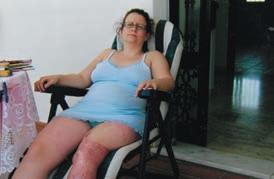

A WORK ENVIRONMENT BECOMES DANGEROUS THE MOMENT WE STOP SEEING THE RISKS
In 2008, NYK Logistics was fined £20,000 and told to pay £5941 costs by the GB Health and Safety Executive (HSE), after it admitted breaching health and safety regulations. The HSE said measures should have been in place to prevent pedestrian access to the vehicle loading area. Lisa also took a civil case against the firm, which was settled out of court.
At the time of Lisa’s accident, the only segregation between the pedestrian walkway and the loading area was a piece of tape on the floor. She was hit when the forklift reversed out of an empty container across the walkway. This walkway has since been removed and replaced by red hatching, while a barrier and CCTV has also been installed.
Improvements such as these are among some of the safety measures that can help prevent warehouse accidents, but also it’s about workplace culture.
‘When I first started working in the warehouse I was quite nervous around the forklift trucks,’ she says. ‘But I saw everybody else getting on with it and thought it must be okay because we have a health and safety department and I was working with skilled, experienced people. So very quickly, I became comfortable [with the situation].’
Attitude shift
For years she blamed her accident on the forklift driver involved, but since she started speaking at health and safety conferences and in workplaces, her attitude has changed dramatically.
‘I now believe it was the result of lots of different departments failing to work together,’ she said. ‘I did things that contributed to the accident and became blind to the risks. But there was also a lack of discipline, because any action would inevitably involve the union. The induction safety training I received was so basic and it didn’t make me take the risks seriously.
‘We might not think we work in a dangerous environment, but it becomes dangerous the moment we stop seeing the risks.’
Lisa says her accident highlights the role supervisors and team leaders should play in creating a supportive culture and keeping colleagues safe at work. She believes employers should provide them with proper OSH safety training, as well as training in how to manage, discipline and support colleagues. ‘Team leaders are in the perfect position to identify and address safety issues, and help change behaviours – so employees aren’t afraid to report something dangerous.’
Since Lisa and Dave started sharing their story in 2018, Lisa’s confidence has grown to the point that she’s finally comfortable in her own skin. But instead of focusing on her experience, she wants people to put themselves in Dave and Kieran’s shoes.
‘If this happened to you, would your family survive it? The ripple effect is key,’ she said. ‘Something you do at work in a split second could still have an impact on your child or grandchild 20 years down the line. And that’s what matters.’
Lisa and Dave offer their presentation to all of IOSH’s communities for free. To find out more, email lisaramos73@hotmail.com
To read our article about the safe use of forklift trucks, see page 46
For handling and storage, see page 62
As well as physical and mental challenges for Lisa herself, her workplace accident had a significant impact on her son Kieran (left) and her husband Dave (below)
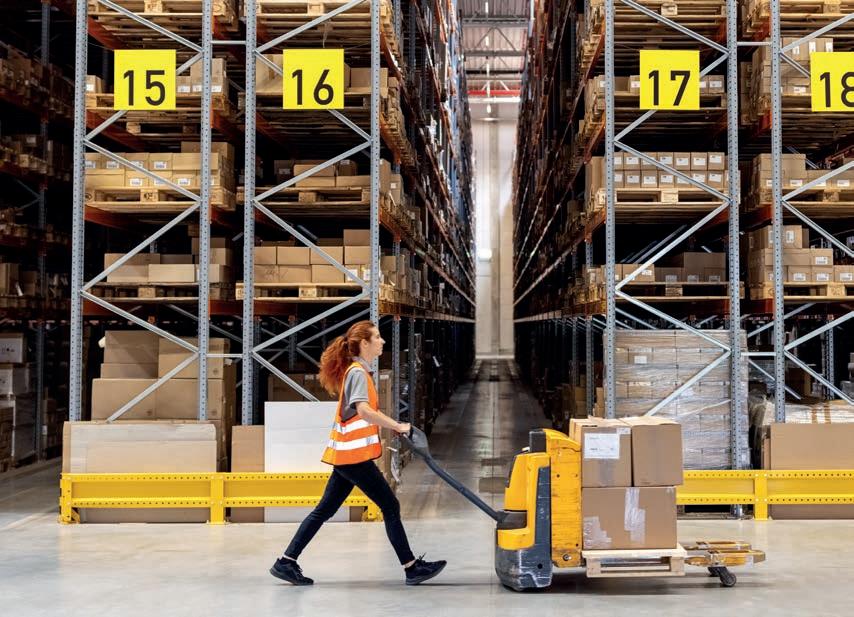
HANDLE WITH CARE
The boom in online retail shows no sign of abating. What control measures and technologies protect and support the thousands of workers keeping our warehouses running?
WORDS JOHN WINDELL
Warehouse work presents a multitude of risks. From slips, trips and falls to manual handling injuries such as muscle strains, and accidents involving vehicles moving at speed to falls from height, workers face these risks and more every minute they are on the job.
According to a survey by Forbes magazine, warehouse work is the third most dangerous occupation in the UK, behind firefighting and police work. Forbes’ review of government statistics between 2015 and 2020 found that warehouse-related work accounted for 35 deaths and 18,000 injuries (Thornhill, 2023).
A report from the UK Warehousing Association (UKWA) says that the sector has grown by 61% since 2015 and now accounts for around 700 million square feet of space around the country – the equivalent of 10,000 football pitches. During that same period, occupancy by online retailers has risen by
more than 800%, while the development of single units larger than one million square feet – around the size of 14 football pitches –has increased by 345% (UKWA, 2024).
So the sector is booming, contributing £185bn to the UK economy, according to UKWA (2023). But as that capacity grows, along with the associated workforce and operational infrastructure, the pressure on health and safety systems intensifies.
The UK Material Handling Association (UKMHA) recently published a white paper noting that around 500,000 forklifts and related vehicles are now in operation across the UK, and that they may be responsible for 1200 serious injuries every year. The white paper called for proactive reporting for all incidents, including near misses, clear communication on the findings of resulting investigations, and a move towards integrating safety culture into all operations (UKMHA, 2025).
Back to basics
Mitigating the risks of warehouse work begins with a thorough risk assessment, leading to the implementation of basic measures such as effective training, clear procedures and routine inspections.
Marta Pachowicz TechIOSH, senior health and safety consultant at SML, and vicechair of the IOSH Logistics and Retail Committee, is an advocate of the essentials: ‘We need to ensure that new starters receive proper induction training, and that they are trained on safe systems of work and know how to operate equipment. Manual handling training is also critical.’
Clear oversight is vital, she says. ‘Appropriate supervision must be in place, and these people also need to be trained on those safe systems of work. To supervise someone properly, they need to be trained themselves. They need to challenge unsafe behaviour and to praise colleagues for doing the right things. Being on the floor, doing walkarounds, hazardspotting and being really proactive are key.’
One corporation which is famous for its warehouse operations is IKEA. Gretha Weiss, global fulfilment unit operations and replenishment manager for the Ingka Group, which runs IKEA Retail, says that its approach to safety is to have standard operating procedures for its 500 global locations to eradicate inconsistencies in safety practices. ‘These standards are maintained across all units. They are assessed every four months via inspection checklists and performance dashboards.’
A range of key control measures is designed to prevent accidents. These include forklift safety, which encompasses dedicated training, mandatory seatbelts and transparent roofs for protection against falling objects. Traffic management plans are also enforced, with clearly defined movement rules, pedestrian zones and vehicle priorities. IKEA has strict PPE requirements for goods-
THE WAREHOUSE
SECTOR HAS GROWN BY 61% SINCE 2015
handling areas, while powered handling equipment is not permitted in customer areas during opening hours. Paper pallets are used in preference to the traditional wooden variety as they offer greater stability. In addition, damaged racking is never repaired, only replaced with original spare parts.
Upon joining, all workers receive training, which is regularly updated to ensure that they understand and comply with procedures for safety and ergonomics. ‘Training is continuous and focuses on understanding the “why” behind each requirement,’ says Gretha. ‘Our standards are robust and continuously evolving. They are shared openly with other companies to promote industry-wide safety improvements.’
Machine assistance
Technology is playing an increasingly important role in improving safety.
At IKEA, drones carry out inventory checks and rack safety inspections. The firm is also piloting the use of automated guided vehicles and autonomous mobile robots, working alongside human-operated forklifts. Ergonomics is another focus, with vacuum lifters for heavy boxes and cameras mounted on the forks of vehicles to aid precise pallet placement at height. Exoskeletons are being introduced to support workers as they go about their tasks.
Another multinational that springs to mind is of course Amazon, which delivers a staggering two million packages a day in the UK. Robots already handle a lot of heavy lifting and repetitive tasks at its facilities and a new generation of bots will offer more advanced support. One model can navigate around employees while moving heavy carts, and another has a more developed sense of touch, allowing it to manipulate stock at height, freeing human workers to operate at safer levels. Artificial intelligence (AI) model DeepFleet will coordinate this growing team of robots (one million and counting globally) as they move throughout warehouses with a smart traffic management system.
Amazon says it has invested more than $1bn globally in safety initiatives, technologies and programmes since 2019, and it is now



exceptional screening
From on-site testing to policy support, we support health and safety leaders manage risk, meet compliance standards and protect their teams.

On-site workplace drug & alcohol screening
Oral and urine testing kits with fast turnaround



Expert review and development of D&A policies
UKAS-accredited partner laboratories




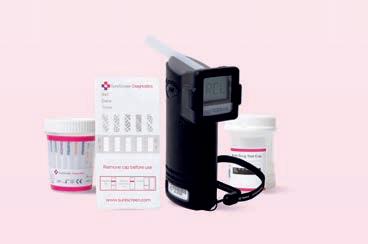
Occupational health services tailored t
Occupational health services tailored to your workforce

Scan to explore how our screening solutions support safer, healthier workplaces Better starts with you




building four new giant fulfilment centres in the UK, where it already employs 300 safety professionals. However, the company has previously faced heavy criticism – and in some cases financial penalties – for poor working conditions and excessive surveillance of its human workers. It is to be hoped that further expansion and technological innovation will not be at the expense of its people.
Speaking generally on the topic, Marta is in favour of technology’s growing role, but with certain caveats: ‘I am advocating for devices that can help colleagues operate safely as long as there is clear communication and workers are aware of what the systems are designed for.’
The rise of AI
This concern for workers is also foremost for Subhash Sharma, co-founder and CEO of Hawkvision AI, which supplies advanced computer vision systems that can monitor safety compliance in warehouses, detect hazards and near misses, and trigger alerts.
‘What leads to an accident is noncompliance, for whatever reason,’ says Subhash. ‘It’s not necessarily anybody’s fault, but there are near misses happening because there’s a flaw in the process, somebody is not following the rules –or is not even aware of the rules.’
Such breaches and near misses often go unreported. ‘If you don’t have the data, how can you act on it?’ asks Subhash.
IT’S ABOUT BUILDING POSITIVE HEALTH AND SAFETY CULTURES
‘With AI we can make all this visible, and then you can analyse why a near miss happened, make changes and measure the effectiveness of these changes.’
The potential impact of Hawkvision AI on workers is a key consideration. ‘Nobody wants to be monitored,’ says Subash. ‘One thing that we decided as a business is that we would not identify individual workers. As a default, we anonymise data. We encourage companies to make sure workers know that this is not a disciplinary tool, and that the focus is to improve the safety net for them.’
As the warehouse and storage sector expands further, the market for solutions such as Hawkvision AI will also expand. Such collaborative, supportive approaches will be key to improving the safety of the people working in these facilities.
‘It’s all about building positive health and safety cultures with the workers through engagement,’ says Marta. ‘There is always room for improvement, but it’s going in the right direction.’
For references, visit ioshmagazine.com/warehousing
Peak practice
Seasonal peaks for warehouses, such as Black Friday and Christmas, add another dimension to an already complex health and safety dynamic, says Marta Pachowicz. ‘Customer demand can increase by 100% or more. A huge number of staff are needed to meet that demand, and that brings a lot of risk into the business.’
At IKEA, risk assessments during busy periods remain dynamic and aligned with a zero-accident goal, says Gretha Weiss. ‘Standards are applied consistently throughout the year, regardless of seasonal peaks. However, we do recognise operational complexities during peak periods.’ This might include aisle congestion and pedestrian safety when space limitations force paths to be shared with vehicles. ‘Additionally, risk assessments will consider customer presence, diversity among co-workers requiring tailored training, and temporary staff and students, who may need extra support.’
Other factors, such as tiredness, may need to be considered, says Marta. ‘The risk of fatigue has to be addressed, as a lot of overtime is going on. Giving people time for a break and rest is critical.’
Routine practice remains vital. ‘It’s not just providing the training, but making sure people fully understand it. Ensure equipment is checked and in good working order. Encourage staff to report near misses so you can address the small issues that in the long run could become big hazards.’
It’s also important to think through the consequences of more workers on site. ‘You might go from 150 staff on a normal day to double that. Are your facilities adequate? Do you have enough toilets, enough capacity in your canteen?’ Marta asks.
The bottom line is that it pays to think ahead. ‘Peak planning meetings are vital and should look at all aspects of the business, such as inventory. With 300 more pallets in the building, where are you going to put them? Also think about staff engagement. Good communication is key. Do a separate risk assessment to address these issues and concerns.’






FUNERAL DIRECTORS

DEATH DUTIES
We explore the physical and psychological challenges facing funeral directors, and what sort of OSH provision is in place.
WORDS KATIE SMITH
Afuneral worker in Norfolk, UK, was crushed to death in a workplace incident in 2023 (Trigg, 2024). While details of what happened, and the role of a hoist, remain under investigation by the coroner, this is just one of the health and safety risks workers in the profession face on a daily basis.
Additional challenges include manual handling from manoeuvring bodies and coffins; slips, trips and falls; chemical exposure; biological hazards; and fire risks – whether these are within funeral homes, at grave sides or crematoriums.
‘Lone-working is also a significant hazard for funeral homes, with some being manned by just one person when funerals are taking place,’ says Kim Clark, who used to work as a senior safety manager at Dignity Funerals.
This, in turn, can lead to challenges.
‘With many funeral homes located on the high street, they’re seen as a shop where the door is always open,’ Kim says. ‘Funeral workers can be confronted by aggressive people in emotional states.’
Preventive measures and controls to protect workers include lone-working devices, manual handling training and assessments, health surveillance, workplace inspections and audits. But, says Kim: ‘The sole focus is on the care of the deceased with a reluctance to look at the protection of the living.
‘There need to be more touchpoints –processes in place where managers are checking on staff and realise that funeral services are there for the care of the deceased but we also have to care for staff.’
Protecting the frontline
The GB Health and Safety Executive (HSE) offers guidance on how to handle infectious diseases when dealing with the deceased, which outlines who can and cannot be embalmed, whether the deceased can be viewed or whether the body bag should remain secured (see Resources).

‘All funeral directors should work to this as a minimum and develop their own set of controls, processes and procedures,’ Kim says. ‘Some of those diseases stay active for a period of time, so you have to protect your staff and members of the family.
‘We had a team of regional safety officers that would conduct safety audits around the premises: Do they have manual handling assessments in place? Have they done their fire door checks? Are they doing their fire alarm checks and so on?
‘If there was an ambulance pulling up to transport the deceased to the funeral home and there were roadworks going on outside, we would do the assessments.’
Meanwhile, in the US, funeral homes must comply with several key standards from the Occupational Safety and Health Administration (OSHA), including job hazard assessment.
Under 29 CFR 1910.132, employers must identify task-specific hazards – chemical, biological or ergonomic –and provide appropriate PPE, such as coveralls, shoe covers, gloves, goggles, face shields, head coverings, surgical masks and respirators based on those findings.
In the wake of COVID-19, workers must use nitrile gloves, a gown, a face shield/goggles, and at least an N95 respirator – especially if aerosols may be generated – when handling bodies.
While all US funeral homes are legally bound by OSHA, implementation varies. The difference between small, family-run establishments and bigger national chains lies in resources and formality, says Carlton Maye Jr, licensed embalmer and funeral director and member of the National Funeral Directors Association (NFDA).
Carlton, a general partner with Serenity Funeral Home and Cremation, says: ‘Larger chains tend to have structured compliance systems and more advanced equipment, while smaller firms
rely more on individual skill, informal training and teamwork.’
Upholding standards
In the US, funeral homes are regulated at local, state and federal levels. Although the NFDA is not a regulator and so cannot enforce laws, it sets professional benchmarks and influences policy, says Carlton. ‘It’s NFDA’s role to help educate funeral service professionals about their obligations to maintain safe and healthy work environments,’ he explains.
‘NFDA regularly hosts webinars and in-person workshops on health and safety regulations. We also partner with a company called Certified Safety Training that offers members customised training and consultation services to help member funeral homes improve their compliance with health and safety regulations.’
RELIGIOUS RITES
Funerals around the world
While the traditional approach to funerary practices in the UK focuses on burials and cremations, Muslim janazah or Hindu antyeshti rites are commonly undertaken in other parts of the world. The former requires the body to be cleansed and covered with a white shroud, and in the latter the body is burned on a pyre and the ashes scattered in a river. Although the open-air funeral pyres associated with Hinduism are illegal in the UK, they are practised in India and Nepal. In some religions, including Hinduism, Judaism and Islam, deceased bodies are buried as soon as possible. While OSH risks may differ for some traditions, many of the preventive measures and controls to protect workers still apply.
Unusually, the profession is unregulated in England, Wales and Northern Ireland, a fact which hit the headlines earlier this year when a funeral director was barred from mortuaries and maternity awards after it was discovered that she had kept babies’ bodies at her home (Crossley and Russell, 2025). Scotland regulated its funeral sector in March this year with the introduction of the Funeral Director Code of Practice and the Burial and Cremation (Inspection) (Scotland) Regulations 2025 (see Resources), and Kim says the other nations could follow suit: ‘Once they’ve embedded them in Scotland, it will be a mirror image across all of the UK.’
However, the code is focused on improving transparency on the goods and services being offered and ensuring proper treatment of the bereaved and their deceased relatives, rather than stipulating new OSH practices. It instructs funeral directors to continue to follow the HSE’s guidance on the safe handling, storage and examination of bodies.
Psychological support
In the funeral business there are, of course, psychosocial stressors at play.
‘The psychological toll of funeral service work is very real,’ Carlton explains.
‘Constant exposure to grief, trauma and irregular schedules can lead to compassion fatigue, burnout, and even secondary traumatic stress.’

and prioritising rest, exercise and time with family.’
Catherine Betley is managing director of Professional Help Ltd, which works with UK organisations such as the National Society of Allied and Independent Funeral Directors (SAIF) to provide their members with counselling and bereavement support services.
MANY FUNERAL DIRECTORS DEVELOP THEIR OWN SELFCARE PRACTICES
In the US, emotional support is available through NFDA resources, employee assistance programmes, peer networks and counselling, but the type and formality often depends on the size of the organisation.
‘Many funeral directors, myself included, also develop personal coping strategies and lean on colleagues who understand the emotional weight of the profession,’ Carlton says. ‘Self-care practices include setting boundaries between work and personal life,
She says: ‘There is no mandatory formal requirement for psychological assessment or support within this profession,’ she says. That leaves the onus on individual businesses to implement robust OSH mechanisms, including ones related to psychological safety and wellbeing as a whole.
Working with a funeral organisation in the south-east of England, Catherine’s team checks in twice a week with those who do coroner’s removals. ‘It’s at the start of their on-call period, which is seven days, and towards the end because within that time they may have carried out five or 10 removals of coroner’s cases, which are sudden, unexpected, traumatic deaths.
‘Sometimes it’s just a chat, and other times it’s just fatigue because they’ve
been working every night that week,’ she explains. ‘We’re flexible in terms of what people need and they can come in and out of the services as they want.’
One thing that has surprised Catherine over the last 10 years is that it’s not always what funeral directors see at work which is the problem. ‘We see personal bereavements, health problems, relationship issues and business problems,’ she says. ‘When you have your professional armour on, the grief of those families is not yours. We don’t see anything massively unusual unless there’s been a particularly traumatic event.’
Changes in the profession
The biggest upward curve over the past 10 years is the number of disputes within families and the difficulty in mediating these, Catherine says. ‘Some of the cases that have ended up in court over the last few years have been between divorced parents who have lost a child and the mother wants to do one thing, but the father wants to do another.
‘We also see a lot of funeral directors concerned because people claim ownership of people who’ve died but they might not be the right person.’
In the midst of COVID-19, there was an increase in the number of employees
Constant exposure to grief can contribute to burnout among funeral directors
requesting support, says Catherine. ‘There was anxiety around controlling numbers at funerals when lots of people wanted to attend. A lot of it was shortterm support rather than long-term therapeutic intervention.’
Another development Catherine has seen is the variety of people coming through the profession – younger people, women and families with children. ‘They’ll still show up at three or four o’clock in the morning to do that job.
‘While it’s still predominately male, there are loads of family businesses which have brought in female family members. There are loads of women running businesses – there’s a strong female contingent and some strong leadership within the funeral profession these days.’
Meanwhile, women made up 33.6% of all funeral directors, undertakers and morticians employed in the US in
2023 (Data USA, 2023). This equates to approximately 13,568, up from 8169 in 2024.
The number of women studying the profession has also risen. In 1995, only 35% of mortuary science students in the US were female. In 2022 it was 79% (Picard, 2025).
Resources
• HSE guidance on managing infection risks when handling the deceased: b.link/ HSE-deceased-infection-risk
• Scotland’s Funeral Director Code of Practice: b.link/ SCT-funeral-code-practice
The role of the OSH practitioner ‘You have to set aside the emotive part of funeral services and go into a process mode,’ Kim says. ‘Whether it’s in a funeral home, care home, manufacturing setting, it’s manual handling and the rules apply.
‘That’s the beauty of safety legislation in the UK. It doesn’t matter what the industry is, the legislation is what the legislation is. It’s about how you implement that so the business can still operate and meet the requirements of the law.’
She adds: ‘OSH practitioners are seen as business partners similar to that of the HR function,’ Kim says. ‘They are looked to for guidance and support from a health and safety perspective but ultimate responsibility for safety rests with the funeral director.’
For references, visit ioshmagazine. com/spotlight-funeral-directors


EVIDENCE
EXPLORE THE LATEST RESEARCH
Research matters
approach to manage and prevent it. The intervention consists of five core elements: data, sickness absence management, sickness absence prevention, sickness absence coordination and organisation.
This study examined two of those core elements: sickness absence management and sickness absence prevention. The qualitative study involved interviews with 19 line managers from four public sector workplaces that have been implementing the intervention framework for twoyears. Normalisation process theory was drawn upon to better understand the implementation, embedding and integration of these elements into daily practices.

Recent papers look at ways to reduce sickness absence, explore the effects of GenAI on creative industries and examine wellbeing and discrimination.
TOPIC: Sickness absence
TITLE: Line manager perspectives on workplace-based efforts to reduce sickness absence: a qualitative study
PUBLISHED BY: International Journal of Qualitative Studies on Health and Wellbeing
SUMMARY: Employers and organisations should attempt to improve the work environment rather than focus on absenteeism when trying to improve sickness absence in the workplace, a study has found.
There are wide-ranging consequences of sickness absence, both at the societal and individual level, and in terms of the quality and efficiency of welfare services. Reducing sickness absence can create healthier work environments, enhance
productivity and contribute to broader societal wellbeing.
A study conducted in Denmark, which examined public-sector line-manager perspectives on two workplace-based efforts to reduce sickness absence, found that uniform sickness absence procedures are meaningful and provide clear expectations about roles and responsibilities during sick leave.
However, there is a need for flexibility to adjust the procedures to the individual needs of employees. The study also identified a need for proactive preventive actions to prevent sickness absence from occurring in the first place.
As well as improving the work environment to reduce sick leave, the researchers concluded it was essential to consider the wellbeing of line managers and to provide adequate training to better enable them to ensure the wellbeing of, and reduce sickness absence among, their employees.
READ REPORT AT: b.link/IJQSHW-sickness-absence
TOPIC: Creative industries and GenAI
TITLE: Creative Industries and GenAI: Good Work Research report
PUBLISHED BY: Institute for the Future of Work
SUMMARY: A research project that has been mapping the seismic shifts occurring across the creative workforce caused by the evolution of generative AI (GenAI) offers seven urgent recommendations to protect and sustain the creative industries in the UK.
In Denmark, a complex intervention to reduce sickness absence in public sector workplaces provides a systematic
According to the Crafting Responsive Assessments of AI and Tech-Impacted Futures (CREAATIF) research project, GenAI is rapidly reshaping work for those throughout the creative industries. For the past year, CREAATIF has been mapping how freelancers from across the creative workforce are experiencing impacts from GenAI on their rights and working conditions. It has found they are experiencing rapid and fundamental changes to their livelihoods, while those in freelance work are at the forefront of



these changes, lacking the same legal protections as salaried employees, leaving them particularly exposed.
CREAATIF has made seven urgent policy and regulatory recommendations to protect and sustain those working in the creative industries, relating to fair remuneration, legislative reform, inclusive AI governance, stronger regulation for AI firms, ongoing impact assessments, preserving human originality, and workforce training and empowerment.
In 2024, the research project worked with UK arts and culture unions Equity, BECTU, the Musicians’ Union and the Society of Authors to carry out the research, which involved workshops and surveys with 335 individuals.


The researchers found that while some participants acknowledged GenAI’s potential to improve productivity and expand learning, it was exacerbating exploitative working conditions. Many also felt that GenAI has diminished the skill and agency of creative workers, who are increasingly reviewing AI-generated content rather than producing original work, leading to a decline in the financial value attributed to creative labour.
Concerns were also raised about the lack of transparency from employers about how content would be used in relation to AI, including for training models.
READ REPORT AT: b.link/IFOW-creative-industries
TOPIC: Workplace wellbeing and discrimination

TITLE: Work-related determinants of workplace wellbeing for women and marginalised groups in the European Union: a scoping review
PUBLISHED BY: Safety Science
SUMMARY: A scoping review exploring workplace wellbeing for women and marginalised groups comparatively across the EU found there is limited evidence for ethnic minority, immigrant and disabled workers. However, where data was available, women and marginalised

GENERATIVE AI HAS DIMINISHED THE AGENCY OF CREATIVE WORKERS, LEADING TO LOWER FINANCIAL VALUE OF THEIR LABOUR

groups reported poorer workplace wellbeing compared with other groups.
The review is valuable because workplace wellbeing is an important predictor of overall health, and poor workplace wellbeing can negatively affect people’s health. The researchers examined work-related factors affecting workplace wellbeing, namely job quality, work/life balance and job satisfaction, while they were guided by the Demands-ResourcesIndividual Effects (DRIVE) theoretical model, which suggests that individual perceptions, as well as objective job characteristics, can influence health outcomes, including job satisfaction.


Despite legislation and/or policies existing in most EU countries to prevent discrimination at work, women and marginalised groups continue to be at higher risk of workplace bullying, abuse, isolation, mistreatment and physical, emotional and sexual harassment. Characteristics that may lead to discrimination include age, ethnicity, religion, health status, disability or sexual orientation. While women are not a minority group, they often experience harassment and discrimination based on their gender.
Overall, the researchers found that factors related to inclusivity and flexibility create better workplace wellbeing in women, while manual work, healthcare work and discrimination were all associated with poorer wellbeing. Women and marginalised workers were also found to have poorer wellbeing than other non-marginalised groups, such as male, non-ethnic minority, non-immigrant and/ or non-disabled workers.

Knowledge gathered through studies so far on disabled, ethnic minority and immigrant workers across the EU was found to be ‘limited to a significant degree’.
READ REPORT AT: b.link/SS-workplace-wellbeing

Research: in depth
We take a look at a recent paper to see how its findings can inform OSH.
TITLE
Deadly countertops: an urgent need to eliminate silicosis among engineered stone workers
PUBLICATION
American Journal of Respiratory and Critical Care Medicine
BACKGROUND
Engineered stone typically contains more than 90% crystalline silica, a much higher fraction than common natural stone materials such as granite (30%) or marble (<10%). When workers cut, polish and finish engineered stone slabs, large quantities of silica dust can be released, together with toxic volatile organic compounds and metals. These repeated extreme exposures place workers at risk of severe, accelerated silicosis. Cases of silicosis, including advanced cases requiring lung transplantation, were first reported more than a decade ago among engineered stone countertop workers in Spain and Israel, and more than a thousand cases have since been identified worldwide. The authors note that, although California has expanded public health surveillance and conducted outreach to providers, the cases identified to date in the state are probably just the tip of the iceberg; underrecognition of cases may be even more pronounced in other states that have not placed similar emphasis on the issue.
FINDINGS
In Australia, where hundreds of cases of silicosis among engineered stone countertop workers have been identified since 2015, regulations were tightened to require additional control measures for engineered stone work, alongside new certification programmes, inspections and educational campaigns. A national task force was assembled to review evidence and provide recommendations. This task force found that hazardous silica dust exposure persisted despite new policies, and Australia became the first country to ban the use of engineered stone as of July 2024. The authors argue that the US should do the same, in line with its recent bans on asbestos and methylene chloride under Toxic Substances Control Act authority. Clinicians can also play an important role in addressing the epidemic by taking an occupational history and asking specifically about engineered stone work. Diagnosed cases should be reported to public health.
CONCLUSIONS
Workers are still dying of silicosis – an entirely preventable occupational lung disease.
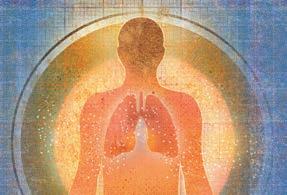
Urgent action is needed to protect vulnerable workers from this serious health hazard.
RESEARCHER’S TAKEAWAY
‘Silicosis is a severe, incurable lung disease caused by inhaling respirable crystalline silica [RCS]. A global epidemic of silicosis is occurring among workers who fabricate countertops using engineered stone, also called artificial stone or quartz. Engineered stone is made of crushed stone, resins and pigments, and typically contains more than 90% crystalline silica.
‘Workers who cut, polish and finish engineered stone slabs to make countertops are often exposed to high RCS concentrations, along with toxic volatile organic compounds and metals. Rapidly progressive disease in relatively young workers results; many workers have undergone lung transplantation or died within just a few years of diagnosis.
‘Controlling hazardous exposures from engineered stone is exceedingly difficult, and enforcement efforts alone are unlikely to be sufficient. Comprehensive solutions are needed for this worker health crisis, including consideration of a ban on crystalline silica-containing engineered stone, as has been done in Australia.’ Kristin Cummings, study co-author and California Department of Public Health occupational health branch chief
IMPLICATIONS FOR PRACTICE – IOSH’S TAKE
This paper highlights the role of OSH professionals in preventing silicosis by demonstrating the efficacy of control measures such as reducing exposure with water, ventilation, and fit-tested respirators, and implementing screening and surveillance programmes. While the calls to action are directed primarily toward policymakers, this is due to the challenges in risk control faced by many small businesses –this reinforces the responsibilities of those OSH professionals, including consultants, who have influence within the sector.
Read the full study at: b.link/AJRCCM-silicosis


























Liability for trespassers
Duncan Spencer CFIOSH, head of advice and practice at IOSH, takes a practitioner’s view of landmark civil law cases that can inform our approach.
One of the most cited cases for trespass is Herrington v British Railways Board (1972). A child entered railway property through a broken fence and was severely injured by a live electric rail. Previously, through Addie v Dumbrek (1929), it was held that no duty arises until the trespassers are known to be on the land. In this case, however, it was argued that trespassers vary according to knowledge, ability and resources.
A child is more likely to be deficient in the necessary knowledge. The Court of Appeal looking at this case ruled that Addie v Dumbrek was no longer applicable in modern conditions.
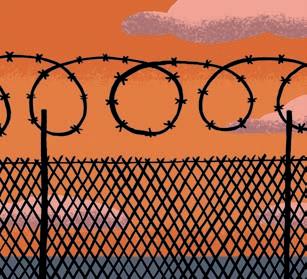
In Tomlinson v Congleton Borough Council (2004), Mr Tomlinson trespassed by climbing over a fence and diving into the park lake, breaking his neck. He ignored the signs stating ‘Dangerous water: no swimming.’ The council argued that Mr Tomlinson was a trespasser and therefore fell outside the Occupiers Liability Acts of 1957 and 1984, so it owed him a lesser duty of care. The Court of Appeal disagreed, but judged that Mr Tomlinson was two-thirds to blame for his misadventure and reduced the damages accordingly.
This ruling set the precedent that a balance between the level of risk and the financial cost of preventive measures is necessary when assessing reasonable care.
AREAS PROTECTED BY FENCING MUST STILL BE KEPT IN SAFE CONDITION
In Keown v Coventry NHS Trust (2006), an 11-year-old trespasser fell while playing on a fire escape. It was claimed that the occupier owed a duty to take reasonable steps to protect children against the danger of climbing a fire escape. The claim failed; however, the case did examine the question of whether a premises that is not dangerous for an adult can be dangerous for a child. The conclusion was that the danger was due to the activity and not the state of the premises.
This underscores the importance of a balanced approach to design and maintenance. From it, we can conclude that activities with inherent risk do not necessarily translate into an occupier’s need to mitigate every possible danger. Therefore, the safety professional should consider that:
• It is reasonably foreseeable that trespassers will, at some stage, enter premises uninvited, and if it is a child they may not understand the dangers inherent in what they are doing.
• Fencing and signage are good controls but can be defeated by a determined trespasser. As far as is reasonably practicable, the area protected by the fencing must still be kept in a safe condition.
• Organisations should record reasoned arguments in a risk assessment and apply reasonable practicability when deciding how trespassing can be prevented.
• When deciding on what controls can be implemented, organisations must not set out to deliberately harm a trespasser, even if they enter the premises with the intent to commit a burglary.
For more civil law milestones, visit ioshmagazine.com/ civil-law-milestones





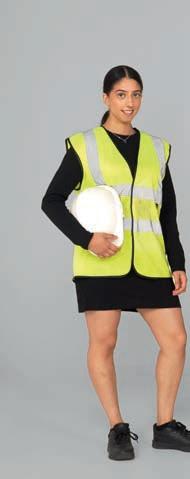





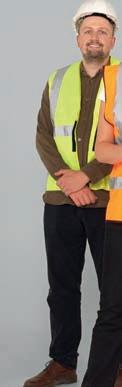






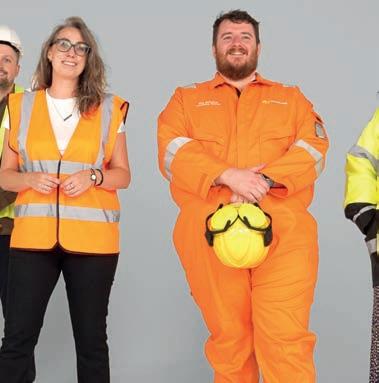





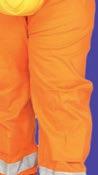


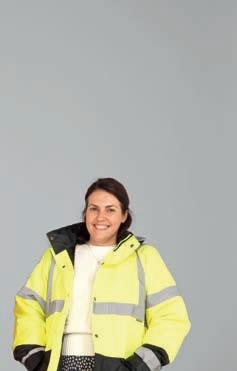
























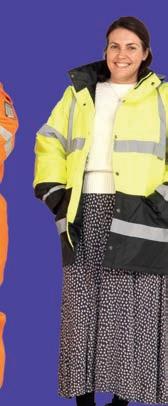


















“Thorough and interesting.”
“Clear, concise and to the point.”
“Thoroug othe g tyles.”
“A really good in depth course which was easy to navigate.”
“Very well laid out, enjoyable course. Taking into consideration all learning styles.”
se was thorough and t
Great cou
“Great course, just the right level of content and pace.” n to into consideration
“The course was thorough and I felt supported throughout the process.”

IOSH, ISEP, RoSPA, IATP, IoH & CPD approved / assured courses
100% online so you can study anywhere
Works on PCs, tablets & smartphones
24/7 access to selfpaced study materials


In-house ISEP & IOSH-approved tutors
Support available 7 days a week
We’re rated 4.8 out of 5 on reviews.co.uk