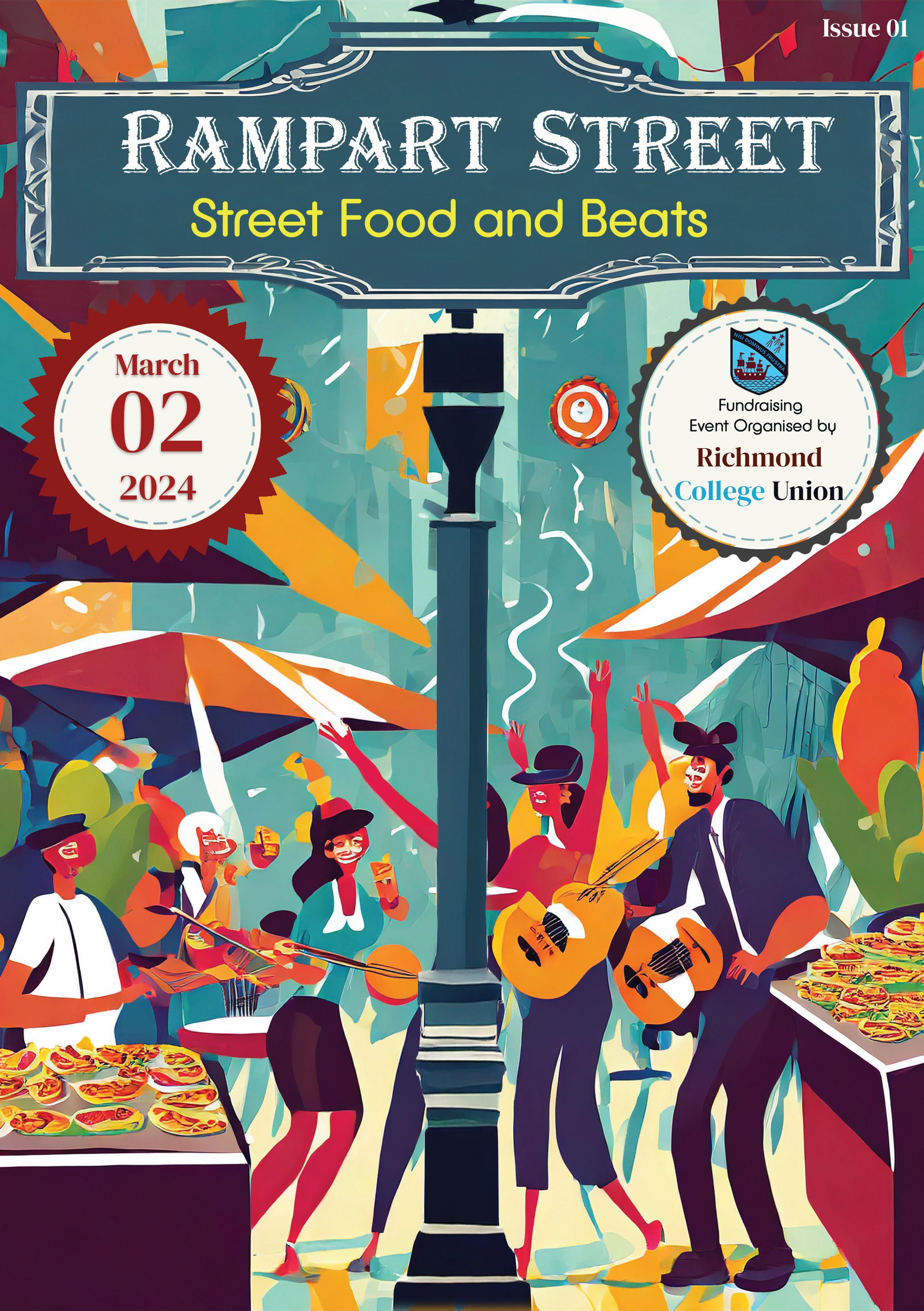

I am truly honoured and delighted to extend my warmest greetings to each and every one of you as we gather for the remarkable event, Rampart Street, organized by the Richmond College Union - UK.
In moments like these, we are reminded of the extraordinary power that lies in unity, passion, and generosity. Today, as we join hands to raise funds in support of our alma mater, a beacon in producing incredibly talented citizens for our motherland across various fields.
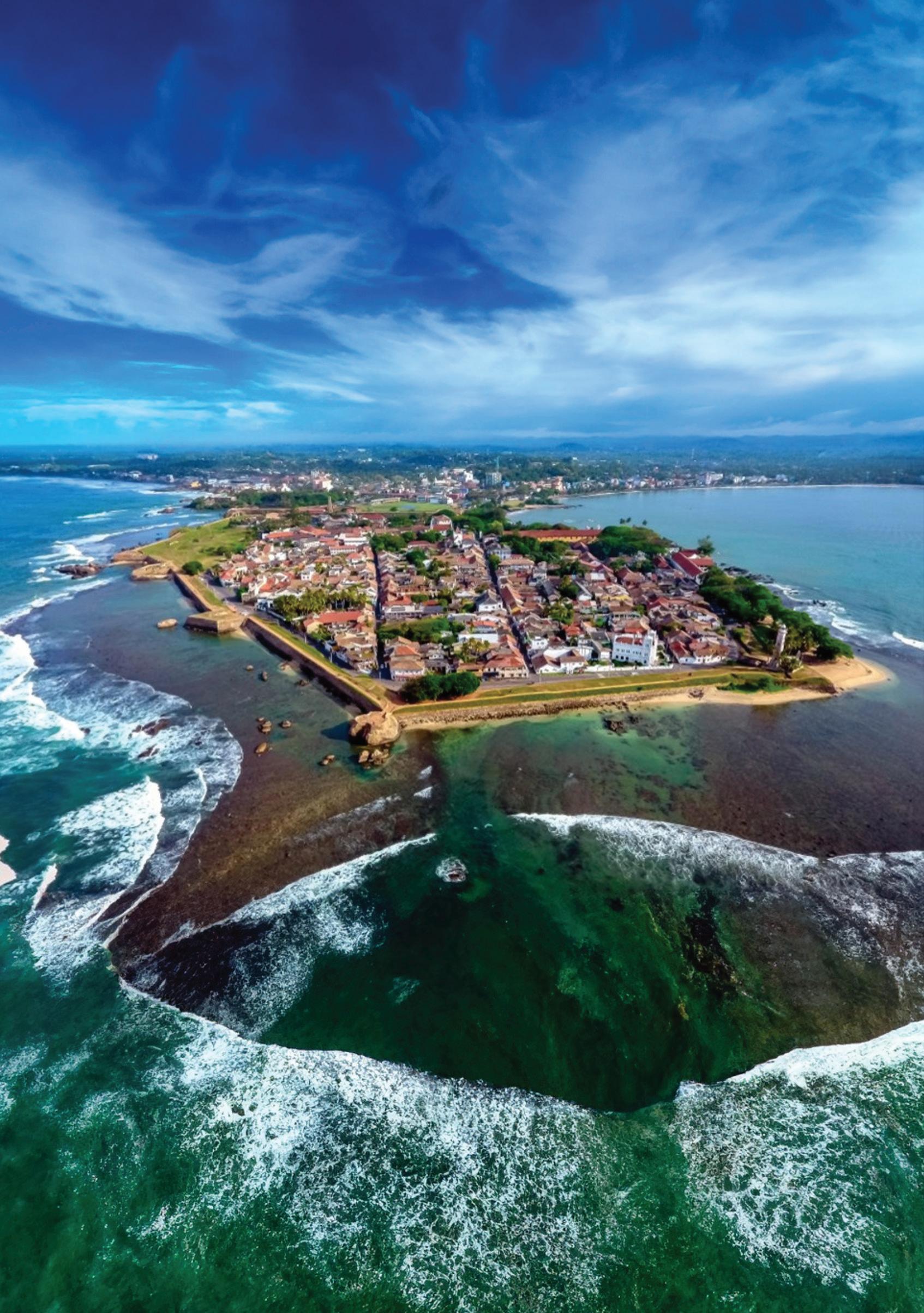
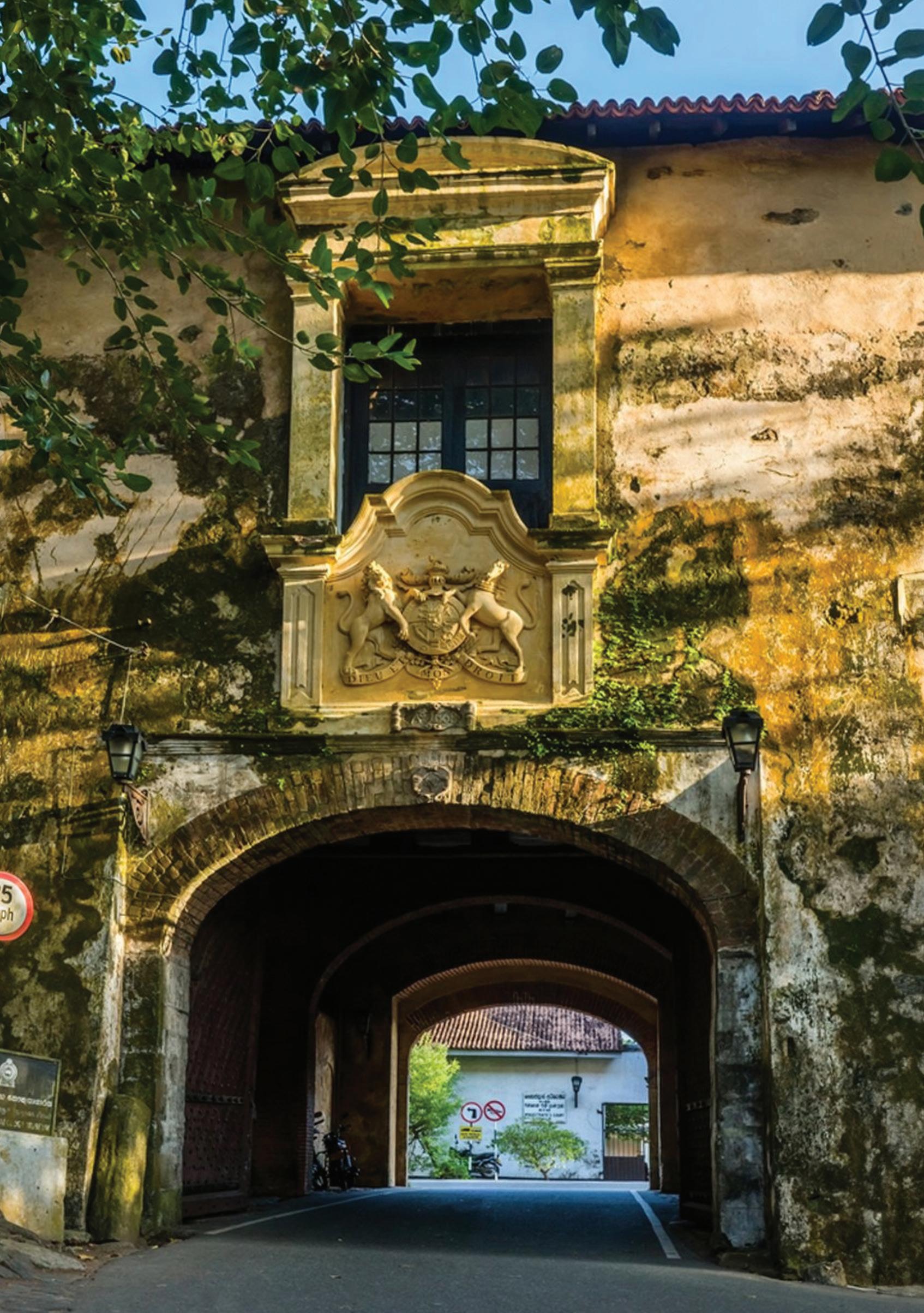
With the name Rampart Street, we aim to recreate the enchanting atmosphere of one of our beloved cities. The iconic Galle, and its Dutch Fort. This place holds a special allure for us, a nostalgic charm that many of us continue to hold dear even after all these years. It represents a dream we share, to stroll down those historic streets, savouring delicious food, and momentarily escaping the hustle and bustle of our daily lives. This event is our endeavour to bring you a taste of that dream.
As a nation, we are forging our unique identity, making our mark in the realms of music and international cuisine. Rampart Street is an amalgamation of the best of both worlds, an effort to provide you with an unforgettable experience and to establish this brand as a cornerstone event in our community.
I extend my heartfelt gratitude to the organizers, our friends, and sponsors who have dedicated their time and effort tirelessly to transform this vision into reality. Your unwavering commitment is a testament to the strength of our community and the potential we hold to create a better world for all.
Let us make Rampart Street not just an event but a tradition, a symbol of our unity, our shared dreams, and our commitment to shaping a brighter future for all.
Asanka Nanayakkara The President Richmond College Union – United Kingdom
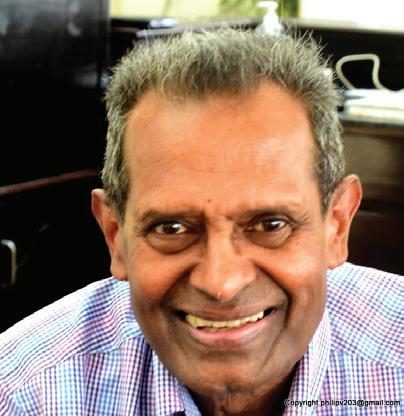
Dr. Sena Nanayakkara has been awarded the “ALL FOR RICHMOND NONE FOR SELF” lifetime contribution award, by the Richmond College Union UK, for his long standing and unwavering services to the Union and his alma mater.
It’s the first time in the history of the UK union, that this award has been created. The purpose of this award is to recognise and honour individuals who have dedicated themselves through the test of time and gone above and beyond to serve the UK union and through it, benefit their alma mater Richmond.
Dr. Sena Nanayakkara joined at Richmond in 1954. He was a well-rounded and bright student. He won the top award for science and was selected to the medical college. He was the main speaker of the debating team, the secretary of the literature society, the first president of the photography club and the radio club. He was also a school prefect.
He moved to the United Kindom in 1976 and joined the NHS as a trainee Paediatrician. He became a consultant Paediatrician in 1987 and served the NHS for 42 years until he retired in 2018
Dr. Sena joined the Richmond College Union UK in 1990. From the very beginning, he was a pillar of the union. He was appointed vice president in 1991 and then became the president of the union from 1992 to 1999 and 2002 to 2008.
He has been the vice patron of the union since 2011. He is also a life member in the UK union since 2003.
Dr. Sena Nanayakkara has contributed much to his alma mater through the Richmond College Union UK, and personally. He was instrumental in creating the first computer laboratory in Richmond, donating library books and funds to the Richmond museum, contributing to various construction projects etc.
Dr. Sena has been a pioneer in creating the Richmond Mahinda Old boys cricket match in the UK, which started in 1992, when he was the union president.
The Richmond College Union became active at the Festival Of Cricket (FOC) under the presidency of Dr. Sena. Since then he held roles as the Secretary and President of the FOC
Even after his retirement from public service, Dr. Sena has been a very active and key member in the Richmond College Union, executive committee, serving as Vice Patron. His opinion in matters of importance is sort after and valued by the executive committee.
In the Richmond college anthem, there is a verse that goes like this; “Dear to us this Richmond’s honour, we will never say die. All for Richmond none for self, shall be ever our cry”. And this is what this award represents, and this verse sums up Dr. Sena Nanayakkara’s lifetime contribution to Richmond College Union UK.
Dr. Sena Nanayakkara is a much loved and respected member of the UK Union and a true son of Richmond. As the Richmond College Union UK, we wish him the best of health, joy, contentment, and long life.
Three hearty cheers to Dr. Sena Nanayakkara! hip hip hooray! hip hip hooray! hip hip hooray!



Nestled within the historic confines of Galle Fort, Rampart Street stands as a testament to the rich tapestry of history and culture that defines this UNESCO World Heritage Site. As the oldest road in the fort, Rampart Street winds its way from the iconic Bank of Ceylon Building to the majestic Light House, serving as a thoroughfare that connects the heart of the fort with its storied past.
Starting its journey near the Bank of Ceylon Building, Rampart Street beckons visitors with its cobblestone pathways and timeless charm. From here, a gradual ascent leads uphill, offering a glimpse into the architectural marvels and landmarks that line its path. Among these, the Clock Tower stands tall, its four faces adorned with timeless precision, serving as a beacon that guides travelers from miles away.
Continuing along Rampart Street, one encounters a tapestry of historical significance at every turn. The road, flanked by bends and corners, leads past the remnants of the past, such as the former Supreme Court Judges Bungalow, once the residence of British governors. Today, the landscape has evolved, with the Army Camp now standing sentinel along this storied thoroughfare. Across from the Army Camp, memories of a bygone era linger, with tales of a threestory building housing the Labour Office and Excise Department, lost to the ravages of fire. Yet amidst the echoes of history, personal narratives intertwine with the fabric of Rampart Street. No. 25 stands as a testament to one
family’s journey, its transformation into Teru Villa 25 emblematic of the fort’s evolution. For those who grew up along Rampart Street, memories are etched in every brick and cobblestone. The Ramparts, once a playground for cricket and football, evoke a sense of nostalgia, while nearby dungeons whisper tales of a bygone era. Beyond the fortifications lies the sea, a timeless companion to the stories woven into the fabric of this historic street.
Further along the street, landmarks such as Doctor Damon and Mrs. Padmini Kularatna’s house, known as Samudrasiri, bear witness to the ebb and flow of life within the fort. While the shadows of a past murder case linger, the transformation of the house into a renowned restaurant symbolizes the fort’s enduring spirit of reinvention.
As Rampart Street nears its end, the Old Light House stands as a silent sentinel, a relic of British craftsmanship lost to the flames of history. Nearby, the Muslim Mosque offers a testament to the fort’s multicultural heritage, its minarets reaching towards the sky as a symbol of faith and community.

Finally, as Rampart Street merges with Hospital Street, the journey comes full circle, each step a testament to the fort’s timeless allure. From its humble beginnings near the Bank of Ceylon Building to its culmination at the Light House, Rampart Street invites travelers to embark on a journey through time, where every cobblestone holds a story waiting to be discovered.
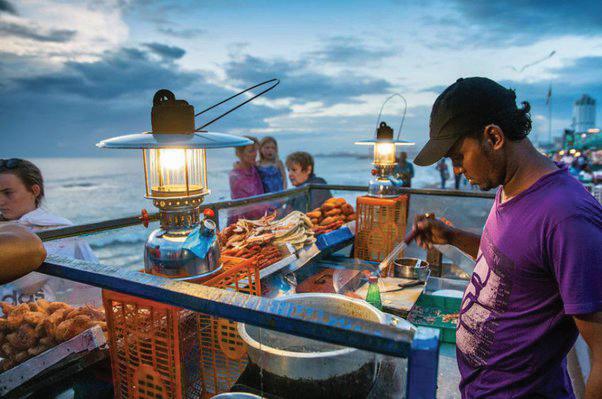
When it comes to culinary adventures, the vibrant streets of Sri Lanka offer a symphony of flavors that dance on your taste buds. From bustling markets to cozy corners, Sri Lankan street foods are an unmissable treat, enticing locals and wanderers alike. Let’s embark on a delectable journey through the kaleidoscope of tastes that define the heart and soul of this island nation’s street food scene.
Imagine strolling through the bustling streets of Colombo, where the tantalizing aroma of Kottu varieties wafts through the air. From the classic Kottu Roti to innovative spins like Egg Kottu and Cheese Kottu, the clatter of metal spatulas against griddles creates a rhythm echoing the pulse of
Sri Lankan street life. Notably, on Friday and Saturday nights, night owls flock to renowned joints like Pilawoos for a midnight bite, immersing themselves in the unique atmosphere of the experience.
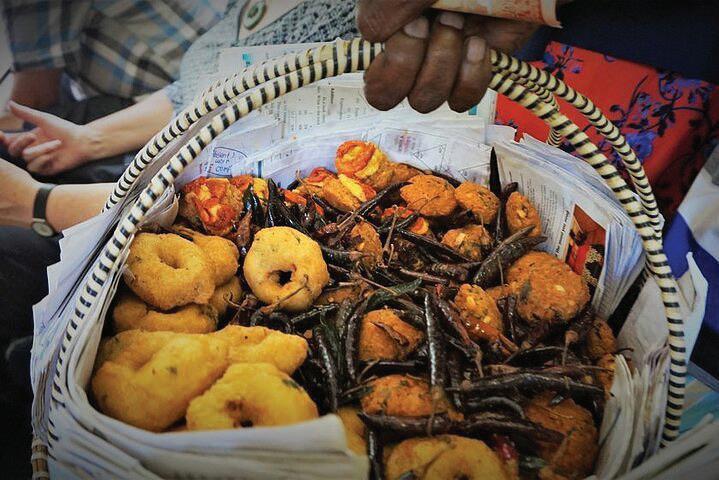
In the heart of Sri Lankan street cuisine, the wade family, with its diverse variations, stands as a testament to the creativity and expertise of local street food artisans.
The symphony of flavors continues with the fiery allure of Masala Wade, crispy lentil fritters that transcend borders and delight snack enthusiasts. Picture the tantalizing aroma of deep-fried spicy doughnuts, known as Ulundu Wade or often referred to as “deep-fried spicy doughnuts”, perfectly


paired with coconut chutney, offering a delightful contrast of textures. Joining the symphony are Parippu Wade, robust lentil fritters infused with spices, providing a savory respite amidst the diverse street food offerings. Transitioning to the coastal bliss of Isso Wade, succulent shrimp fritters with a crispy exterior, evoking the ambiance of Galle Face where families and friends stroll through the bustling streets, savoring the delightful onion pickle and savory sauce.
For those with a penchant for spice, the world-renowned Deviled Chicken demands attention. Juicy chunks of chicken, stir-fried with a symphony of spices, create a dish that strikes the perfect balance between heat and flavor. Each bite is a celebration of culinary ingenuity, a testament to the artistry found in the heart of Sri Lankan kitchens.
In the midst of our culinary exploration, we encounter the humble Hoppers, a staple of Sri Lankan breakfasts. Picture a crispy bowl-shaped pancake, perfect for cradling a variety of toppings. In London, Paris, Sydney, and major cities worldwide, restaurants like Hoppers London have embraced the international phenomenon of Hoppers, creating a global culinary connection to the streets of Sri Lanka.
As we navigate the lively streets, the aroma of freshly grilled Fish Ambul Thiyal captivates us. This tangy and spicy fish curry, a specialty of the southern coastal regions, showcases the island’s love affair
with seafood—a culinary poetry woven by Sri Lankan street vendors.
Continuing our expedition through the tantalizing tapestry of Sri Lankan street foods, our next stop is the delicate marvel known as String Hoppers. Picture thin strands of steamed rice noodles intricately woven into a nest-like structure. This humble dish, often enjoyed with a side of aromatic curry, embodies simplicity yet manages to captivate the palate with its subtle charm.
Now, let’s venture into the realm of Pol Roti, a coconut-infused flatbread that graces the streets with its warm, toasty aroma. Prepared with a mixture of grated coconut, flour, and a hint of spice, Pol Roti is often enjoyed with a dollop of spicy sambal, providing a delightful combination of textures and flavors.
As we navigate the bustling streets, the vibrant hues of Achcharu catch our eye. This refreshing and tangy fruit salad, dressed in a medley of spices and chili, is a burst of tropical goodness. Each bite is a mosaic of flavors, a refreshing pause amidst the rich and savory offerings of Sri Lankan street fare.
As we explore further, the comforting aroma of Pittu fills the air. This cylindrical steamed rice and coconut mixture, often paired with spicy curries, embodies the soul-satisfying warmth that defines Sri Lankan comfort food. Its versatility makes it a staple on street food menus, loved by locals and visitors alike.


Munching on Murukku, intricate spiralshaped snacks made from rice and urad dal flour, adds a playful crunch to our culinary journey. These bite-sized delights are a testament to the meticulous craftsmanship of Sri Lankan snack artisans, creating a delightful burst of textures with every nibble.
A visit to Sri Lanka’s street food scene wouldn’t be complete without savoring the crispy edges of a Dosa. This thin, fermented rice crepe, often paired with coconut chutney and spicy sambar, showcases the influence of South Indian culinary traditions that have seamlessly woven into the fabric of Sri Lankan street food.
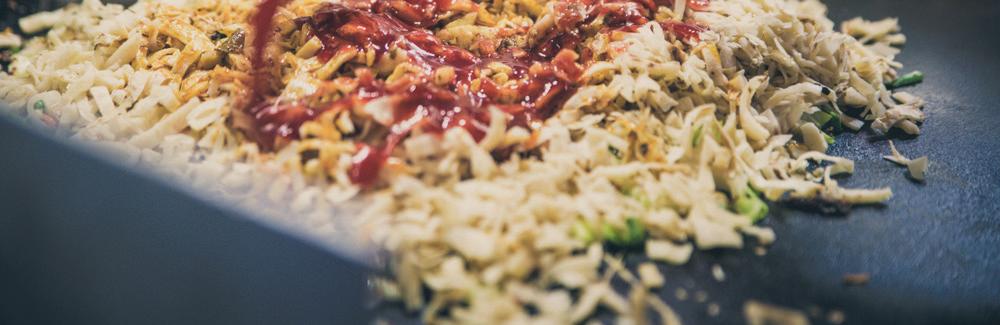
Continuing our journey through the vibrant streets of Sri Lanka, where every corner reveals a new culinary delight, we must pay homage to the ever-popular Fried Rice. Found at street-side stalls and humble eateries, Sri Lankan Fried Rice is a flavorful symphony of fragrant rice, colorful vegetables, and aromatic spices. The sizzle of the wok and the enticing fragrance draw you in, promising a mouthwatering experience that is both comforting and delicious.
Within the vibrant array of Sri Lankan street foods, enjoy the tangy Pineapple with salt and chili or the zesty Raw Mango with salt and chili, offering a sweetspicy fusion. Delight in the unique taste
of Gal-Siyambala, showcasing the sweet and sour notes of wood apple. For the adventurous, savor the crunch of TasteKadju or Taste Kadala, a distinctive treat with a blend of spices.
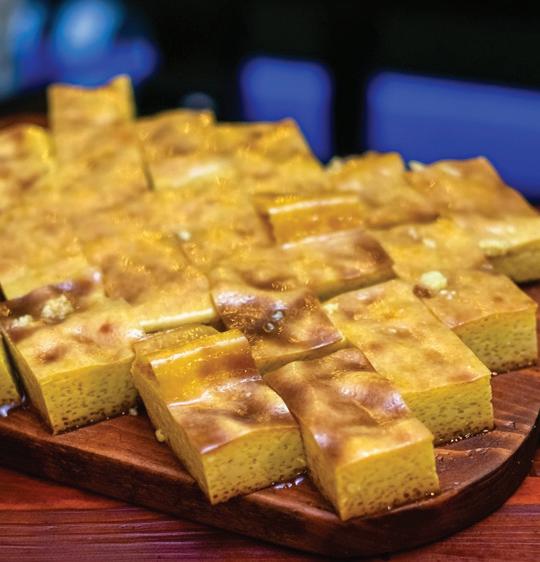
And last but certainly not least, our journey wouldn’t be whole without a taste of the iconic dessert Watalappan, a luscious coconut custard infused with jaggery and spices. This sweet finale to our culinary expedition is a sensory masterpiece, a testament to the diverse and delightful offerings that define Sri Lankan street food.
In essence, Sri Lankan street foods weave a tale of diversity and harmony, where each dish tells a story of cultural influences, culinary craftsmanship, and the vibrant spirit of the island’s streets. As you savor these delights, let the symphony of flavors guide you through a sensory exploration of Sri Lanka’s rich and captivating street food scene.
Page and Artwork Design
Akash Tharinda

Busking amidst the hustle and bustle of the vibrant cities of England isn’t a rare sight. Whether it is a lifelong career or a passage to make it big in the future, busking or street performance is the lifeblood of buskers all across the globe. Even though gone are the days when busking raised too many eyebrows or was often frowned upon, buskers have yet to earn the respect of townsfolk. This is why shedding more light on street performance is crucial in letting the commoners get a closer look and help new buskers break into the industry with proper guidance.
Busking or, formally, street performance is simply taking your art into public places for rewards. In most countries, the general Gratuities are usually given as money but having food, drinks or gifts isn’t that uncommon either. Apart from the widespread acts such as singing, playing music or dancing, busking can be anything entertaining from acrobatics, animal tricks, balloon twisting, clowning, juggling, magic, mime, living statues, puppeteering, snake charming, storytelling or reciting poetry or prose, fire skills, sword swallowing, painting, caricatures, street theatre, one-man band to ventriloquism.
Although busking may seem modern to some, it dates back to antiquity. The term “busking” on the other hand first appeared in the English language circa the middle 1860s in Great Britain. The verb “To Busk” originates from the Spanish root word Buscar—meaning “to seek”.
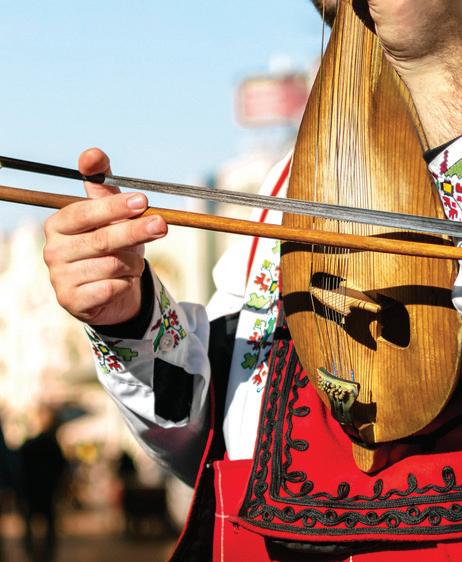




Before the capability of recording or having personal electronics, most musicians put their faith in street performance and for many of them, this was their livelihood. In the earlier days, the barrel organ, the music box or the piano roll were quite popular and in the 19th and early 20th centuries the organ grinders were a common part of busking.
It is found that the Romani people, an Indo-Aryan ethnic group that originated in the Indian subcontinent, particularly, the region of present-day Rajasthan; loved busking. They introduced the word busking to England upon their many travels across the Mediterranean coast to Spain, and the Atlantic Ocean and then up north to England and the rest of Europe.
Busking was an important part of the noisy Victorian city and people including Charles Dickens, clergy, doctors, academics, artists and writers didn’t approve of this constant racket, stating that they were unable to be productive or concentrate. In fact, the Victorian soundscape was brimming with an array of noises such as clanging bells, clattering carriages, cracking whips, roaring crowds and barking dogs and some of the worst offenders were the drum beaters, banjo bangers, cymbal clashers, and organ grinders.
Irrespective of the fact that busking was already famous in every nook and cranny of the world since medieval times, the street noise was louder than ever, and so was the resistance. As a result of this unprecedented commotion, the Street
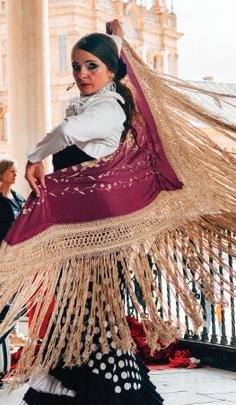

Music Act of 1864 was created. Be that as it may, it wasn’t fully able to regulate itinerant music-making even by the late 19th century, although it was the cornerstone for future legislation. The situation was bad and to make matters worse, in 1898 the Minim: A Musical Magazine for Everybody called the Barrel Organ, one of the diseases.
Nowadays, busking is more accepted and has been a pivotal opportunity for many musicians. The best example to prove that once a busker isn’t always a busker is, Ed Sheeran. He managed to sell over 150 million records worldwide, becoming one of the world’s best-selling music artists who was once an—English busker.
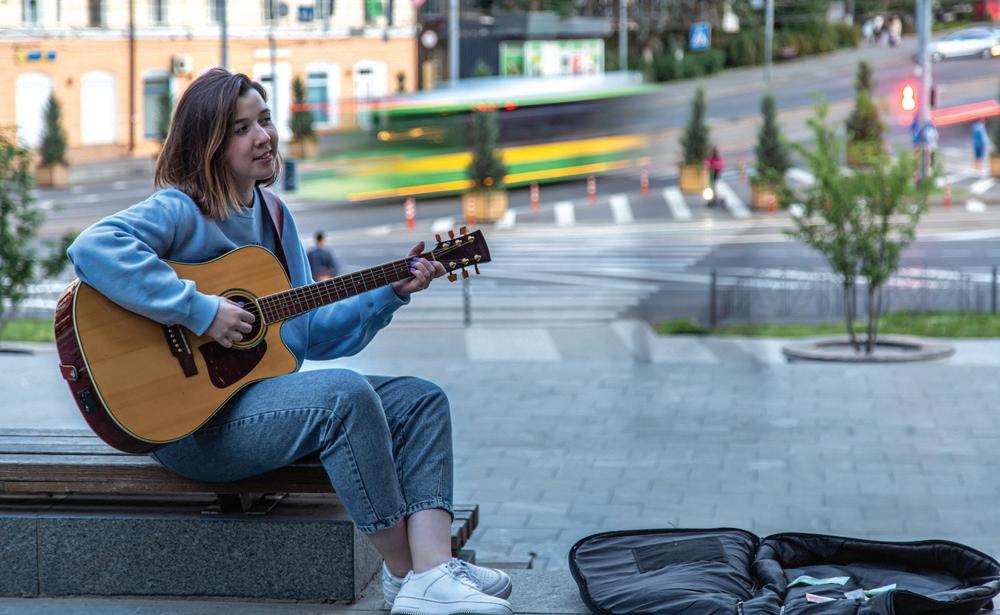
Back then, busking wasn’t well-received in England and rules and regulations weren’t up to par to suppress nuisance buskers and support genuine street performers who needed to put their art to good use. Today’s busking is no walk in the park either, and going to public land and starting to busk isn’t simply the case.
However, London, in particular, is quite accommodating towards street performance, therefore, it’s free to busk on almost any public property in the city— unless you’re under 14 years of age. But, for instance, if you’re thinking of setting up
and playing music in Camden or Covent Garden, you need a specific licence to do so because they have their own set of laws. Likewise, if Hillingdon is one of your preferred locations to busk, be informed that you’re limited to only four areas.
One of the rookie mistakes that most buskers make is assuming that they are on public land. This causes legal issues, and you can avoid this by talking to any fellow neighbourhood buskers or shopkeepers and asking them whether it is okay to busk there.
Moreover, confirming if you need a busking licence or permit to perform at a certain location in England and Wales is always a wise initiative. Even after obtaining a licence, you should abide by a set of rules, such as,
• Making as little noise as possible, for example, it shouldn’t be heard beyond fifty metres.
• Avoid obstructing public highways, footpaths, pavements or open pedestrian areas.
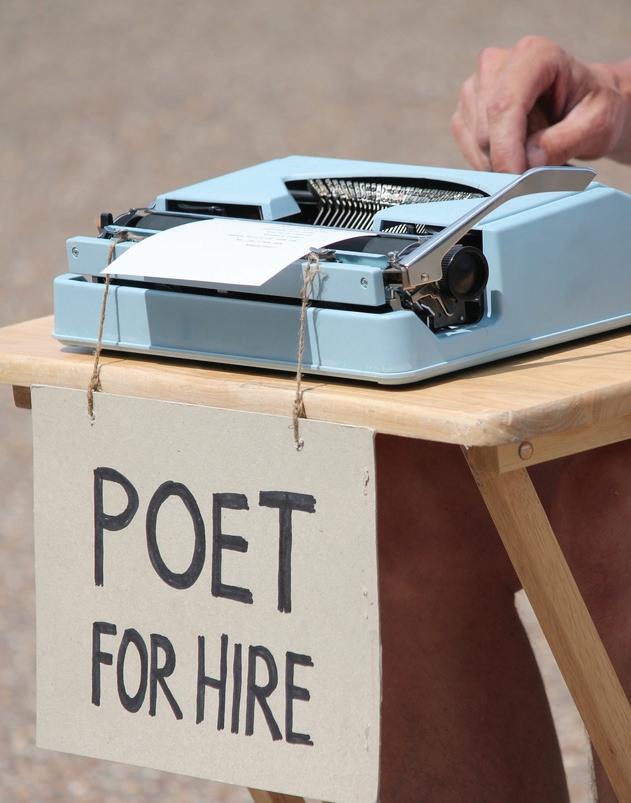

• Refraining from displaying notices asking for payment.
• Not doing street trading unless you have a street trading licence.
• Limiting busking to a certain period or some areas of the town.
• Keeping children under 14 away from busking.
• If you require a licence to busk, displaying it at all times when you’re performing.
Venturing into busking can be daunting, and doing so without knowing the rules will push you to throw in the towel before you know it. With that in mind, here are some guidelines that you can follow.
Apart from conforming to the abovementioned laws, be aware that every town has its bye-laws, so contacting the local borough council is wise. You may need a permit depending on where you’ll play.


Simply put, the pitch is where you’ll perform, and each pitch has different schemes, so a little bit of know-how on their specific rules is important when you apply for a licence. If you’re a musician, you’ll be playing at a medium-sized pitch, and you’re allowed to perform for an hour. From all the busking locations scattered across London, The Queen’s Walk on the South Bank, The London Underground, Covent Garden, and Camden pitches are some of the most sought-after places.
Although performing outside tube stations or near tourist attractions bursting with commuter and public traffic will be terrific for you, if it’s not your cup of tea, you can go to a public park with a less hasty crowd. Moreover, the general rule is to keep at least a fifty-metre distance between the acts to stop overlapping each other and reduce unnecessary competition. Some local councils actively enforce it to spread peace and order among the artists.
On the other hand, you need to pick a spot that will perfectly display your act and at the same time give you some shade, so you won’t get drenched or sunburnt. Also, make sure to keep your bags and equipment in a safe place to avoid getting robbed.


From 7:30 am to 9:30 am or 5:00 pm to 7:00 pm on weekdays might be the best times to busk in London, as these rush hours bring in the largest crowds. Don’t overlook lunchtime as well since this is the time, i.e., between 12:00 a.m. and 2:00 p.m. when people are trying to relax and will be more open to paying attention to you. Choose pitches near offices, restaurants, and recreational areas to attract a more leisurely crowd.
The one-hour rule is imposed to protect every busker out there. Regardless of your level, veteran or rookie, you must vacate the pitch after an hour for your fellow buskers since they should have their chance as well.
Busking is essentially entertainment for free, and no one’s bound to pay you. You must pick whether you want to be a busker or a beggar because if you opt for the latter, the police will chase you away. However, if you’re collecting for a charity, you can apply for a street collection permit.
If you care about your craft, you must look the part. Dressing according to your act and persona is mandatory for making a good first impression on your audience.


The public isn’t just made up of lighthearted individuals. That being the case, you must learn to accept any harsh/ negative feedback. Especially when you’re attempting to make it in the music industry, dealing with different personalities early on, is a good practice.
Granted that the London Underground stations act as some of the most lucrative places for busking, performers often have a quest to target the daily audience that’s nearly 5 million people. The issue is, due to the massive number of buskers, fewer licences and pitches are available and to secure a spot, one must audition months ahead with a phenomenal act. Nonetheless, The London Underground Busking Scheme is there to ensure that there are more licenced performers. After performing in public venues in London in front of a panel of music industry professionals, the entrants will be issued permits based on their skill, creativity and overall performance.
In a nutshell, busking has come a long way since medieval times and contemporary buskers are protected by better laws and the public gets a good night’s sleep. When everything is balanced, everyone gets the choice to do or enjoy what they want. Any good busker’s street performance shouldn’t be their swan song, but their ticket to success, and we hope these insights will make sure of it.




President
Asanka Nanayakkara
Secretary
Matheesha Amarasekara
Treasurer
Wickrama Waidyanatha
Assistant Secretary
Dushyantha Goonawardhane
Social Secretary
Sujith Ponnamperuma
Sport Secretary
Cholitha Kasturiarachchi
Committee Members
Wasantha Weerawarna
Kovida Dahanayake
Thinusha Bamanuarachchi
Malinda Suresh Habakkala
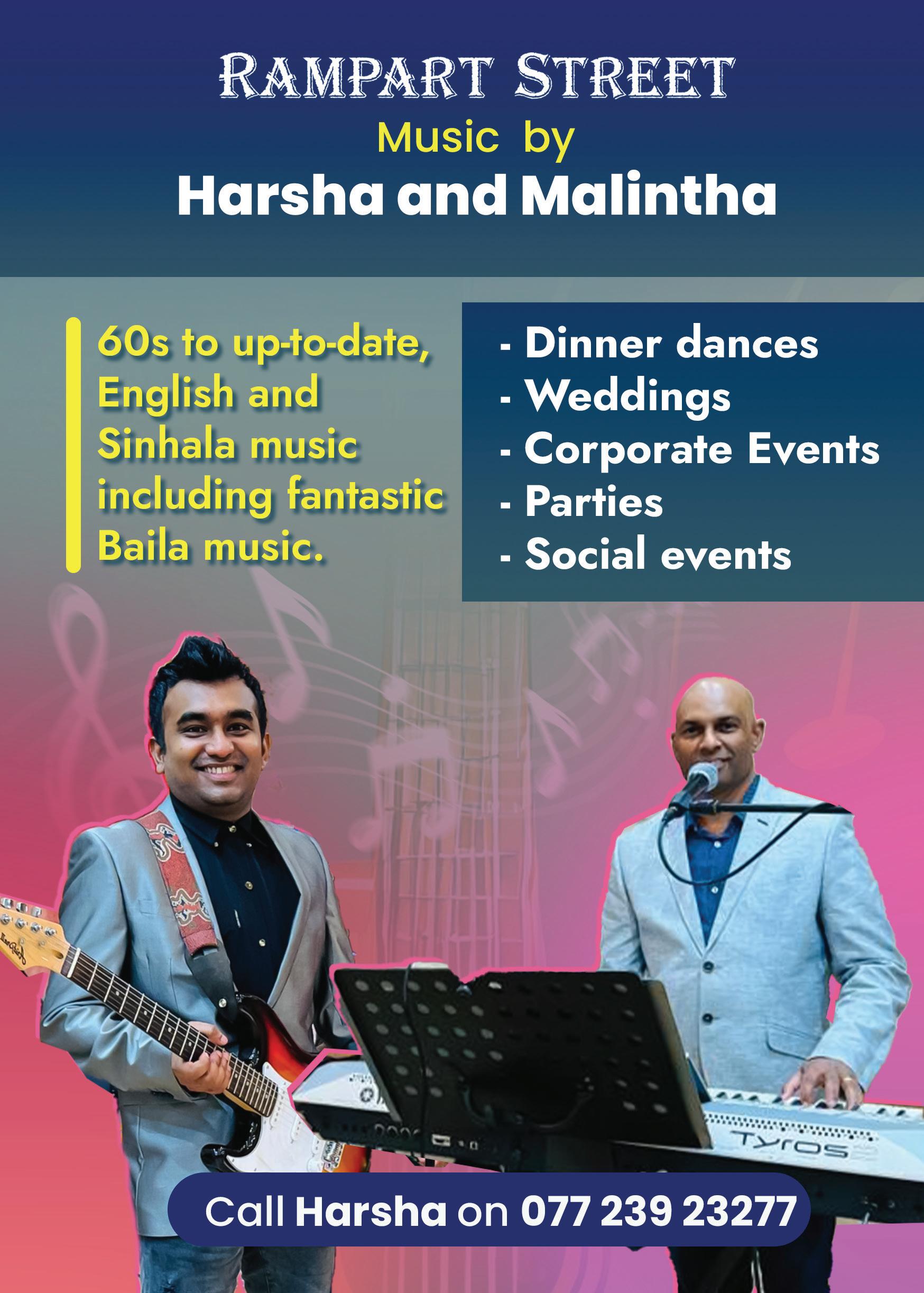
Music
Harsha Chamindanath
Malintha Gamarachchi
Comperes
Maheshi Kokila
Shan Hemachandra