
Tenant Information Guide


Welcome
At Ray White, we understand that moving into a new place is about more than paperwork; it’s about creating a space where you feel comfortable and cared for. We want renting to feel straightforward and supportive, and our focus is on helping you settle in with confidence from the moment you arrive.
Our commitment to professionalism and care is reflected in the quality of our people and the standards we uphold across the network. Most of our property managers hold formal NZQA qualifications and are supported by the training, systems and guidance of New Zealand’s leading property management brand, ensuring a consistently high level of service for every tenancy.
This Tenant Information Guide provides straightforward information about your rights and responsibilities under New Zealand tenancy law, as well as practical guidance on the Healthy Homes Standards, maintenance, and caring for your home so it remains warm, dry and safe.
Whether this is your first rental or you’ve rented before, we want you to feel confident, informed and respected throughout your tenancy. By choosing a Ray Whitemanaged property, you can expect:
• Prompt responses to maintenance requests
• Clear communication about inspections, rent and repairs
• Fair treatment in line with your rights as a tenant
• Supportive property managers committed to providing a safe, comfortable home
We’re glad to have you with us and we look forward to helping you feel right at home

Making the Most of Your Tenancy
We value the relationship we build with every tenant and believe a positive tenancy is founded on mutual respect, clear expectations and open communication. Our team is here to guide you through your renting experience and ensure it runs smoothly, while also fulfilling the responsibilities we hold on behalf of our landlords.
Today’s rental environment is more regulated and transparent than ever before, giving tenants greater confidence and protection. Our role is to balance these expectations responsibly, caring for each property on behalf of the landlord while ensuring you have the information and reassurance needed to feel at home.
We’re here to help you understand your obligations and entitlements so you feel confident and informed throughout your tenancy. By working together and communicating early, we can create a positive and well-managed experience for everyone involved.
ESSENTIALS FOR A SUCCESSFUL TENANCY
• Communication matters: Let your property manager know promptly about any changes to your contact details, living arrangements or circumstances that could affect your tenancy. Reporting maintenance or repairs early helps us act quickly and keep your home safe and comfortable.
• Rent obligations and transparency: Paying rent in full and on time is a core responsibility under your tenancy agreement. If you anticipate a delay, please contact your property manager as soon as possible so we can work with you on a solution.
• Documentation and recordkeeping: Keep copies of your tenancy agreement, inspection reports, bond lodgement details and rent receipts in a safe place. These documents can be helpful later, and taking detailed photos at the beginning of your tenancy is also recommended.
• Compliance with legislation: Tenancy law is designed to protect both landlords and tenants. Complying with your tenancy agreement, particularly around things like alterations, pets and additional occupants, helps ensure your tenancy remains secure.
• Respect for others and the property: A successful tenancy depends on shared respect between tenants, landlords and neighbours. Caring for the home and communicating early about any maintenance or responsibilities, such as lawns or gardens, helps us maintain high standards and a positive experience for everyone.
By following these principles, you’ll enjoy a positive, supported tenancy and the confidence of knowing your home is professionally managed by Ray White.
Your Tenant Journey
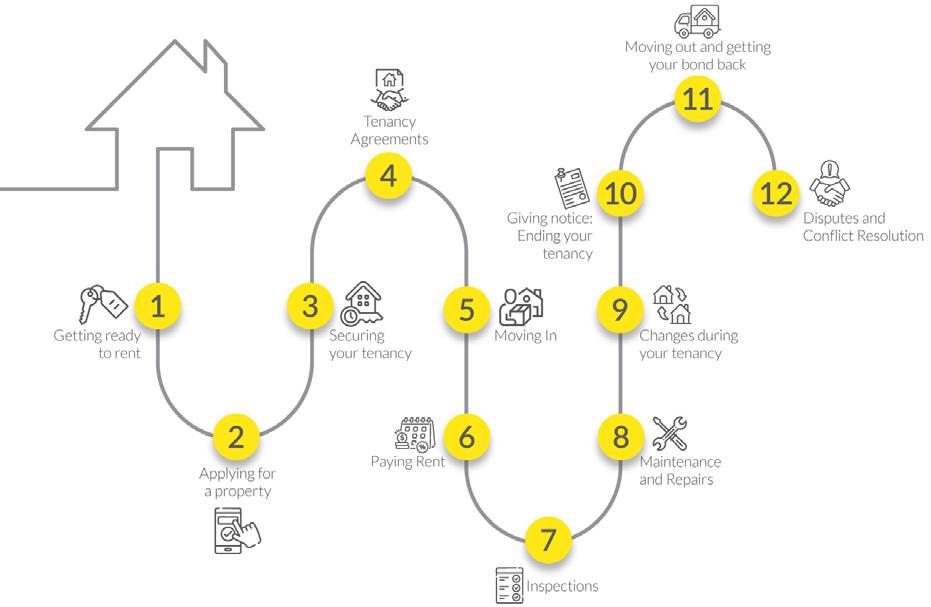
Renting a home involves several important steps, and understanding each stage of the process will help you feel confident and prepared. Our professional property managers are committed to clear communication and guidance so you know what to expect from start to finish.
Think of this as your tenancy map, outlining what to expect and when. Each tenancy may differ slightly depending on the property, the landlord and the office’s processes, yet the principles remain constant: clear communication, fairness and transparency from start to finish.

GETTING READY TO RENT
Before applying for a property it helps to have everything ready to go, as it can make your application smoother and faster to process. At this stage of your tenant journey, you can expect to be asked for some of the following details:
• References: Previous landlords or employers who can confirm your reliability.
• Financial readiness: Ensuring you have the required funds, including a bond (up to four weeks’ rent) and your first rent payment.
• Supporting documents: Varying items may be requested, such as photo identification, evidence of your ability to pay rent, and additional relevant information to support your application.
• Pets: If you plan to keep a pet, be prepared to provide details such as the type, breed and age. A pet bond of up to two weeks’ rent may apply where consent is given.
Being prepared with these details can help strengthen your application and speed up the approval process.
APPLYING FOR A PROPERTY
Once you’ve found a Ray White property you’d like to rent, your property manager will guide you through the application process. This is generally completed online and in stages, depending on how your specific application progresses. The details listed above, such as references, proof of ability to pay rent, and supporting documents, help us assess your application fairly and efficiently.
Submitting your application promptly gives you the best chance of securing your preferred property. You’re also welcome to include any additional information that helps us and the landlord understand your household situation and how the home will suit your needs.
SECURING YOUR TENANCY
When your application is approved, you’ll sign a tenancy agreement and pay your bond and initial rent to your property manager. The bond, which can be up to four weeks’ rent, is lodged with Tenancy Services within 23 working days after it’s paid, and you’ll receive confirmation once it has been processed.
We will complete a detailed initial property inspection before you move in and provide you with a copy of the condition report. Please keep this safe, as it is an important record for you to have, particularly at the end of your tenancy.
At this stage, your property manager will also outline key information about your new home and their office processes, such as how to report maintenance or contact us for support, so you can settle in with confidence.
TENANCY AGREEMENTS
Your tenancy agreement sets out the key terms of your rental, including the rent amount, bond, and length of the tenancy. These agreements are either fixed-term or periodic, and each comes with different notice requirements and rights for tenants and landlords.
FIXED TERM TENANCIES
A fixed-term tenancy runs for a set period of time, such as 6 or 12 months, and has a clear start and end date. During this time, both you and the landlord are committed to the full term, and the tenancy cannot be ended by notice alone.
At the end of the fixed term
• If no action is taken, the tenancy automatically becomes a periodic tenancy and these rules apply (see next page).
• The tenancy can end on the expiry date if either party provides written notice that they do not wish to continue the tenancy beyond the fixedterm end date.
• You may also agree to renew for another fixed term if this is offered.
Notice periods
• Either the landlord or the tenant may give between 90 and 21 days’ written notice before the term ends if they do not want the fixed-term tenancy to continue. No reason is required for this notice.
Ending a fixed-term tenancy early
Fixed-term tenancies cannot usually be ended early, but some options are available if circumstances change, such as:
• Mutual agreement: You can request to end early if both parties agree in writing.
• Lease break: If mutual agreement is not possible, you may request a lease break. In this scenario, you will remain responsible for rent and any reasonable costs until a new tenancy begins.
• Assignment: You may request to assign your tenancy to another tenant. The landlord must consider this within a reasonable timeframe, but they can decline an assignment if the proposed tenant is unsuitable.
We recommend discussing your situation with your property manager before making any decisions about ending or transferring your tenancy.
PERIODIC TENANCIES
A periodic tenancy has no fixed end date and continues until either you or the landlord gives the required written notice.
Notice periods
• Tenants must give at least 21 days’ written notice.
• Landlords must give 90 days’ written notice and can do so without providing a specific reason.
42 days’ notice applies if:
• The landlord or their family will move in.
• The property has been sold and vacant possession is required.
• The property is needed for a landlord’s employee or contractor (if stated in the tenancy agreement).
Periodic tenancies can also be ended through the Tenancy Tribunal under certain circumstances such as repeated anti-social behaviour, persistent rent arrears, or significant hardship. If you’re unsure about the type of tenancy you have in place or what notice applies, your Ray White property manager can guide you.

MOVING IN
Now that your new home is secured, there are a few steps that can help you settle in smoothly:
• Key handover: Your property manager will confirm how and when your keys and access details will be provided.
• Initial inspection report: Review this report carefully, add any notes or photos if needed, and return it within the requested timeframe so the condition of the property is clearly recorded from the start.
• Check and test: Ensure appliances, smoke alarms, taps and light fittings are working as expected, and notify your property manager promptly if anything appears damaged or not functioning correctly.
• Utilities and services: Arrange the connection of electricity, gas, internet and any other services before moving in, unless your tenancy agreement specifies that these are already included.
• Insurance: The property itself is insured by the landlord, however you’ll need your own contents insurance to protect your belongings and cover any possible accidental damage for which you may be responsible.
• Settling in: Keep communication open during the first few weeks so any questions or minor issues can be resolved early, helping you settle into your new home with confidence. We are here to helpso talk to us!
Flatting and group tenancies
It’s important to understand the difference between tenants and flatmates, as each has different rights and responsibilities under New Zealand law.
Tenants
If you’re listed on the tenancy agreement, you are legally responsible for paying the rent and for the overall condition of the property. All tenants named on the agreement are jointly and severally liable, which means if one person falls behind in rent or causes damage, the others can also be held liable. For this reason, we recommend that tenants consider holding personal liability insurance to help protect against unexpected costs.
Tenants are covered by the Residential Tenancies Act (RTA), and you can seek advice or support from Tenancy Services at any time.
Flatmates
Flatmates are not listed on the tenancy agreement and generally pay rent to the main tenant rather than the landlord. Because flatmates are not covered by the RTA, their rights and responsibilities depend on the agreement made directly with the tenant or other flatmates.
It is helpful to create a written flat-sharing agreement that outlines rent contributions, notice periods, shared expenses, and expectations for communal spaces. Disputes between flatmates cannot be resolved by your property manager or taken to the Tenancy Tribunal, however they can be addressed through the Disputes Tribunal or community legal services, if needed.
PAYING RENT
Paying your rent on time is an essential part of your tenancy and helps keep things running smoothly. Rent is paid on a “pay before you stay” basis, which means any payment must always cover the upcoming rental period rather than time that has already passed. Clear communication about rent helps prevent misunderstandings and supports a positive and secure tenancy.
Setting up your payments
We encourage all tenants to set up an automatic payment or direct debit, as these make it easier to stay on schedule and avoid accidental missed payments. It’s helpful to set this up before your tenancy begins so the payment reaches us before the due date.
If your rent schedule does not align with your usual pay cycle, speak with your property manager early about arranging a one-off adjustment to make this manageable.
Understanding “rent in advance”
The term “rent in advance” often causes confusion. It doesn’t mean you’ve paid extra weeks that will then cover your rent at the end of your tenancy. Instead, it means your rent must always be paid up to date for the upcoming rental period. For example:
• If you pay rent weekly, each payment covers the week after the payment date.
• If you pay fortnightly, your payment covers the next two weeks after the payment date.
If you’re unsure how far ahead your rent is paid, you can request a copy of your rent ledger from your property manager at any time.
If payment problems arise
If your circumstances change and rent payments become difficult to meet, please reach out to your property manager without delay. We’ll work with you to find a suitable approach, such as a short-term arrangement or payment plan, but timely contact is essential to prevent the issue from escalating further.
Rent arrears and notices
If rent falls behind, a formal arrears notice will be issued but also with an opportunity to catch up. The rent arrears process varies slightly depending on your tenancy type:
• For fixed-term tenancies, a 14-day notice to remedy will be issued, and tenancy termination may apply if your rent becomes more than 21 days overdue.
• For periodic tenancies, a 14-day notice will also be issued, and termination may occur if there are three separate occasions of rent being five working days or more overdue within a 90-day period.
Rent reviews and increases
Rent cannot be increased more than once every 12 months, and no earlier than 12 months after your tenancy start date. You will always receive at least 60 days’ written notice before any increase takes effect, and the new amount must be in line with the market.
If you believe the increase is not fair, you can discuss it with your property manager or apply to the Tenancy Tribunal for a review. If rent increases, your bond can also be requested to be topped up.
INSPECTIONS
Property inspections are a normal part of renting a home in New Zealand. Not only are they an insurance requirement, but they’re in place to help ensure the home remains well cared for and comfortable to live in throughout your tenancy. Their main purpose is to identify any maintenance or safety issues early and to help ensure the property continues to meet a good living standard for you.
Initial inspection
At the beginning of your tenancy, your property manager will complete an initial inspection report that records the condition of the property before you move in, including detailed photographs and written notes. You will receive a copy to review and sign, and it’s important to check it carefully. This report is used at the end of your tenancy to help compare the condition of the home, allowing for normal wear and tear, and it protects both you and the landlord.
Routine inspections
Routine inspections usually take place every 3 to 4 months, with the purpose of allowing your property manager to:
• Confirm the home is being kept reasonably clean and tidy
• Identify any maintenance or safety concerns that may require attention
• Ensure smoke alarms and other essential features are functioning correctly
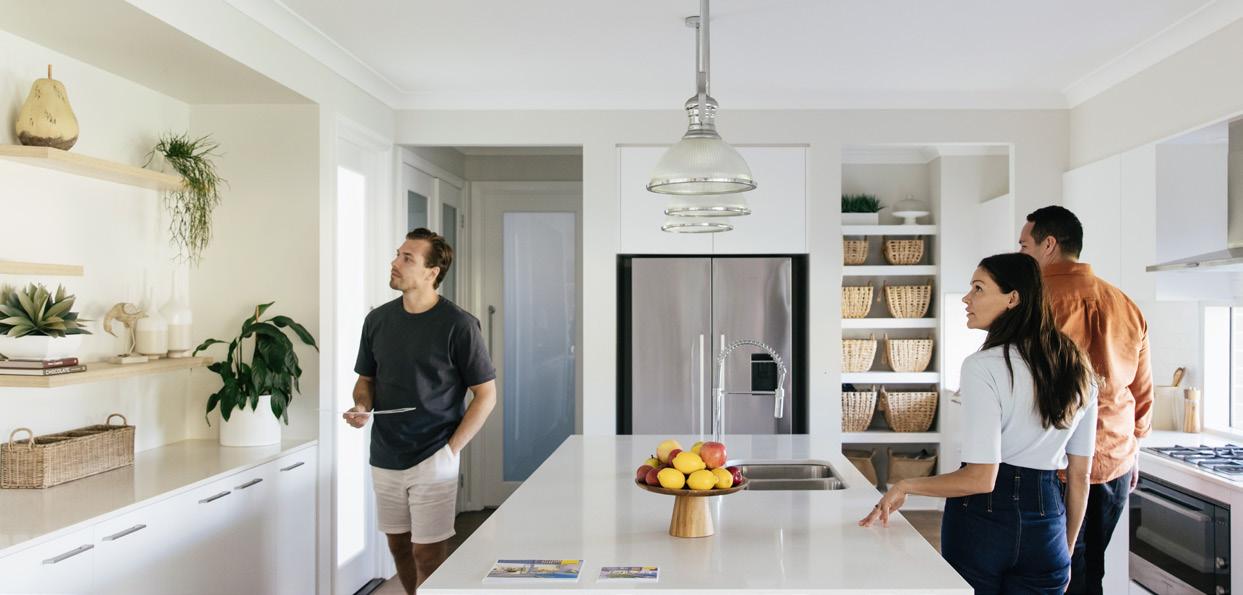
Before each inspection, you’ll receive a minimum of 48 hours’ written notice, and inspections are arranged at reasonable times. Our property managers conduct these visits with professionalism and respect, ensuring they’re completed promptly and with minimal intrusion on your day.
Final inspection
At the end of your tenancy, a final inspection is carried out to compare the condition of the property with the initial inspection report. To prepare, we recommend:
• Cleaning the property thoroughly so it is left clean and tidy
• Removing all furniture, personal belongings and rubbish
• Returning all keys, remotes and access devices
Once the final inspection is complete, we can move into the closing stages of your tenancy. Your property manager will compare the final inspection with the initial inspection report and check rent and invoice balances before starting the bond refund process.
MAINTENANCE AND REPAIRS
Every home needs care over time, and maintenance works best when everyone plays their part. The landlord is responsible for ensuring the property remains in good repair, and tenants help by taking reasonable care of the home and letting us know if something needs attention. Clear communication helps us resolve issues early and ensures the property remains safe, comfortable, and well-maintained throughout your tenancy.
Your responsibilities day-to-day
Tenants are expected to take reasonable care of the property and notify their property manager when something needs attention. This includes:
• Keeping the home clean, dry, and well ventilated to help prevent mould and mildew
• Taking care with furniture and pot plants to avoid surface and carpet damage
• Keeping sinks, drains, and toilets clear and only disposing of appropriate items
• Maintaining lawns and gardens if this is included in your tenancy agreement
• Reporting pest issues early so they can be assessed and resolved appropriately

If you notice anything that could affect the safety of the home or cause deterioration, such as broken locks, exposed wiring, gas smells, or water leaks, please report it as soon as possible so it can be addressed promptly.
Repairs and maintenance requests
When something needs repair, contact your property manager as early as possible. Reporting issues promptly helps prevent further damage and allows us to arrange repairs efficiently. To help us best assess the issue and how to resolve it, please include:
• A clear description of the problem
• Photos if available
• When you first noticed the issue
Your property manager will let you know the preferred method for logging requests, whether by email, online portal, or app. If an urgent issue occurs outside business hours, use the emergency contact details provided at the start of your tenancy.
Urgent or emergency repairs
Some issues require immediate attention, particularly where safety or essential services are affected. An emergency repair is something that needs prompt action to prevent harm, avoid major damage, or restore critical functions. Please contact your property manager right away if you believe something requires urgent attention. Examples can include:
• Burst pipes or significant leaks
• Broken locks or windows affecting your security
• Smoke alarms that are not functioning
• Strong gas smells or electrical hazards
If an emergency occurs, contact your property manager or the emergency number provided. Please do not attempt repairs yourself, as this may create further damage or risk.
CHANGES DURING YOUR TENANCY
Life can change during a tenancy, and sometimes those changes affect your living arrangements. Keeping your property manager informed helps ensure everything remains clear, fair, and legally compliant. Open communication also allows us to update records correctly and support you if your circumstances shift.
Changes to household occupants
If someone moves in or out of the property, please let your property manager know as soon as possible as it helps us:
• Keep accurate tenancy records
• Ensure insurance requirements are met
• Confirm whether landlord approval is required
• Align with the maximum occupancy requirements for the home
If any new person will become a tenant (listed on the tenancy agreement), a formal application and approval process will apply. If they are joining as a flatmate, we can note this for our records, however legal responsibility remains with the tenants named on the agreement.
There may be reasonable costs involved in making the changes. If so, we will advise you of these before anything is confirmed.
Changes to contact details
If your phone number, email address, or emergency contact changes, please update your property manager promptly. This ensures we can reach you if something requires attention.
Pets
If your tenancy agreement does not already include a pet and you would like to introduce one, you will need to request approval before the pet arrives. You may be asked to provide:
• The pet’s type, size, breed, and age
• Confirmation of care arrangements
• An additional pet bond of up to two weeks’ rent may apply, and reasonable conditions may be set to protect the property.
Changes to the tenancy agreement
When you may be considering a change that affects the tenancy agreement itself, such as adding or removing a tenant or ending the tenancy earlier than planned, please speak with your property manager before taking any steps. More information on fixedterm and periodic tenancies, lease breaks, and assignment can be found in the Tenancy Agreements section of this guide.
Changes to the property
Some small changes, like adding picture hooks or child-safe latches, are classed as ‘minor alterations’. You’re welcome to ask for approval to make these adjustments, and landlords are expected to consider such requests reasonably. Be sure to submit your request in writing before making any changes, as you’ll need to cover the cost of the work and may be asked to restore the property to its previous condition when you leave.

GIVING NOTICE: ENDING YOUR TENANCY
When the time comes to leave your rental home, it’s important to follow the correct notice process so everything runs smoothly. Giving notice correctly helps protect your rights, ensures a clear end date, and allows us to support you through the move-out process.
How to give notice
Notice must always be provided in writing, either by email or through any method outlined in your tenancy agreement. Your notice should clearly state that you intend to end the tenancy and include the date you plan to move out. Once received, your property manager will confirm the notice and outline the steps leading up to your move-out date so everything is clear and well organised.
Notice periods
The amount of notice required depends on the type of tenancy you are on:
• Periodic tenancies: You must give at least 21 days’ written notice. The notice period begins the day after your property manager receives your notice, and you are responsible for rent up to and including the final day of this period.
• Fixed-term tenancies: These run until the agreed end date of the fixed period, at which point either party can decide whether to renew, extend, or allow the tenancy to end. If you’re thinking about ending the tenancy before this date, please contact your property manager to discuss your options. In most cases, finishing a fixed-term early requires mutual agreement or will involve leasebreak arrangements (and possible costs). More detail can be found in the Tenancy Agreements section of this guide.
When landlords may give notice
Landlords must follow the notice periods set by tenancy law. For periodic tenancies, 90 days’ notice may be given without reason, or 42 days in certain cases, such as a sale with vacant possession or when the landlord or their family plans to move in. Fixedterm tenancies must be honoured unless both parties agree to end early. If notice is given, your property manager will guide you through the process and answer any questions.
MOVING OUT AND GETTING YOUR BOND BACK
Moving out of a home can feel like a significant task, but a little preparation helps ensure everything is finalised without stress. Rent remains payable until all keys, remotes, and access devices are returned, so planning ahead and keeping in touch with your property manager helps this stage run smoothly.
Preparing to move out
Once notice has been given, your property manager will outline the steps leading up to your move-out date. As you prepare, the following may help:
• Begin packing early, as moving often takes more time than expected
• Arrange a mail redirection with NZ Post
• Cancel any automatic rent payments
• Contact your power, gas, internet, and service providers to arrange final readings or disconnection dates
• Be aware that viewings may take place while the property is being re-let; keeping the home reasonably tidy helps this process run smoothly
Cleaning and presentation
When the property is returned, it should be clean and tidy, with lawns and gardens maintained if this is part of your tenancy agreement. A thorough clean generally includes:
• Wiping surfaces, walls, skirting boards, and windows
• Cleaning kitchen appliances, including the oven, stovetop, and rangehood
• Cleaning bathroom fixtures and removing any mould or mildew
• Dusting light fittings and replacing any blown bulbs
• Vacuuming and washing floors, and cleaning curtains or blinds where appropriate
• Removing rubbish and personal belongings from the home, gardens, and outdoor areas
If you notice any minor damage, please report it early so we can discuss the best approach for repairs.
Final inspection and bond refund
After you move out and return all keys and access devices, your property manager will complete the final inspection and compare the property’s condition to the initial inspection report. If the property is returned clean and tidy, free from damage (other than fair wear and tear), and all rent and bills are up to date, it’s likely your bond will be refunded in full.
If something requires attention, such as cleaning, minor repairs, or outstanding rent, your property manager will discuss this with you before any decisions are made. Our aim is to ensure the process is fair and transparent, and that you have an opportunity to ask questions or provide context before the bond refund form is completed.
Once everything is agreed, the bond refund is submitted to Tenancy Services, and refunds are generally processed within five working days after this has been received. If agreement cannot be reached, Tenancy Services offers mediation to help both parties work toward a fair resolution, and the Tenancy Tribunal may be used if further assistance is required.

DISPUTES AND CONFLICT RESOLUTION
Most tenancies run smoothly, but disagreements can sometimes arise during your time in a property. Whether it relates to repairs, rent, communication, or expectations, the important thing to know is there are fair processes in place to resolve any concerns. Our goal is to work alongside you to understand the situation and find a solution wherever possible.
Start with communication
Many concerns can be resolved quickly through open, respectful discussion. If something doesn’t seem right, please contact your property manager early so we can understand the situation and provide support. It can help to describe the issue clearly, let us know what you are hoping to achieve, and keep any relevant records such as emails or photos. Often, a straightforward conversation is all that is needed to provide clarity and move forward.
If the issue needs further support
If a solution cannot be reached immediately, there are formal support pathways available:
• Tenancy Services: Tenancy Services offers independent guidance on rights and responsibilities and can help you understand your options before taking further steps. Website: tenancy.govt.nz | Phone: 0800 836 262
• Mediation: Tenancy Services provides mediation support, where a neutral mediator helps both parties work toward an agreement. This may involve discussing the issue to find a solution, or confirming an agreed outcome through FastTrack Mediation. Many disputes are resolved successfully at this stage.
• Tenancy Tribunal: If mediation does not resolve the issue, either party can apply to the Tenancy Tribunal. The Tribunal is less formal than a court and makes decisions based on evidence and tenancy law. Tribunal orders are legally binding.
Working together to prevent issues
Most tenancy concerns can be avoided through early communication and a shared understanding of responsibilities. If something is unclear, or you’re unsure how to approach a situation, please contact your property manager. We are here to listen, help explain options, and support a fair and positive tenancy experience.

Understanding Tenancy Legislation
New Zealand’s tenancy laws are designed to protect both tenants and landlords by setting clear expectations for how rental homes must be maintained and managed. These laws help ensure your home is safe, healthy and comfortable to live in, and that your rights are respected throughout your tenancy.
At Ray White, we take these responsibilities seriously. We work closely with landlords to ensure the homes we manage meet current legal standards, and that you have access to clear information about your rights and your responsibilities as a tenant. Understanding the key elements of tenancy law can help you feel confident and well informed if questions arise.
KEY AREAS OF LEGISLATION THAT APPLY TO YOUR TENANCY INCLUDE:
• The Residential Tenancies Act (RTA), which outlines the core rights and responsibilities of tenants and landlords.
• Amendments to the RTA made in 2019, 2020 and 2024, which strengthened tenant protections and clarified rules relating to rent increases, notice periods, insurance, minor alterations, assignment and pets.
• The Healthy Homes Standards, which set minimum requirements for heating, insulation, ventilation, moisture control and draught stopping.
• Regulations relating to smoke alarms, insurance disclosures and general health and safety requirements in rental properties.
Your property manager is here to support you and answer questions at any stage. You can also find detailed information at tenancy.govt.nz or by contacting Tenancy Services on 0800 836 262 for free advice and guidance.
The Residential Tenancies Act (RTA) 1986
The Residential Tenancies Act sets the foundation for how renting works in New Zealand. It outlines what landlords must provide, what tenants must do, and how concerns are resolved if they arise. The Act supports fair and respectful tenancies where everyone understands their obligations, and some of the key responsibilities of both parties are outlined below.
WHAT LANDLORDS ARE RESPONSIBLE FOR:
• Providing the property in a reasonably clean and tidy condition at the start of the tenancy.
• Keeping the property in a reasonable state of repair throughout the tenancy.
• Ensuring the home meets building and health and safety requirements, including Healthy Homes Standards (HHS).
• Ensuring the property is secure, with working locks and safety features.
• Installing working smoke alarms.
• Giving the correct written notice before entering the property:
• 24 hours for repairs or maintenance (between 8am and 7pm).
• 48 hours for routine inspections.
• Respecting your privacy and quiet enjoyment of the home.
WHAT TENANTS ARE RESPONSIBLE FOR:
• Paying rent on time and in full.
• Keeping the property reasonably clean and tidy.
• Reporting maintenance issues or damage as soon as possible.
• Taking care to avoid damage and paying for any intentional or careless damage caused by you or your guests.
• Ensuring smoke alarms remain in working order and reporting any faults immediately (batteries must be replaced if removable).
• Using the property lawfully and being considerate of neighbours.
• Not exceeding the number of occupants listed in your tenancy agreement.
• Leaving the property clean and tidy at the end of the tenancy and returning all keys and access devices.
• These responsibilities work together to help ensure the home remains safe, healthy, and enjoyable to live in throughout your tenancy.
These responsibilities work together to help ensure the home remains safe, healthy, and enjoyable to live in throughout your tenancy.

Residential Tenancies Amendment Acts
The Residential Tenancies Act has been updated several times in recent years to strengthen rental standards and provide clearer protections for tenants. Below is an overview of the changes most relevant to you. If you would like more detail or context, your property manager can talk through what applies to your situation.
RESIDENTIAL TENANCIES AMENDMENT ACT 2019
Focus: Insurance transparency and fair liability for accidental damage.
These changes clarified how responsibility for accidental damage is assessed, and strengthened protections for tenants living in properties that may not have full consents.
• Landlords must disclose the property’s insurance details in the tenancy agreement, including any excess that may apply if damage occurs. You may request a copy of the policy at any time, and it must be provided within a reasonable timeframe.
• If you or your guests cause accidental or careless damage, your liability is capped at the lower of four weeks’ rent or the landlord’s insurance excess.
• If damage is intentional or results from criminal activity, tenants may be responsible for the full cost of repairs.
• Any property used as a home, even if not fully consented (for example, a sleepout or conversion), remains covered by tenancy law. Landlords must maintain safe and healthy living conditions, and tenants are entitled to the same rights and protections as in any other rental property.
RESIDENTIAL TENANCIES AMENDMENT ACT 2020
Focus: Tenant stability, flexibility, and fair renting practices.
These changes supported greater certainty in renting and clearer options when household circumstances change.
• Rent cannot be increased more than once every 12 months.
• Tenants may request minor changes to the home, such as picture hooks or child-safe latches, and landlords cannot unreasonably refuse. Tenants are responsible for installation costs and returning the area to its original condition if required.
• Rental bidding is prohibited, and properties must be advertised with a fixed rent amount.
• You may request to assign (transfer) your tenancy to another suitable tenant, and landlords cannot unreasonably decline this request.
(Note: Assignment is different from a fixed-term lease break, which may involve ongoing rent and reasonable costs until the property is re-tenanted.)
• At the end of a fixed term, the tenancy automatically becomes periodic unless both parties agree otherwise, or a valid termination notice has already been provided.
• Tenants may request fibre broadband installation where practical, and internet service costs remain the tenant’s responsibility.
• The Tenancy Tribunal may grant name suppression in some cases and can now hear claims of up to $100,000.

RESIDENTIAL TENANCIES AMENDMENT ACT 2024
Focus: Clear notice requirements, fair tenancy transitions, and protection for tenants raising concerns.
These updates strengthened protections for tenants, introduced new rights for owning pets, and clarified notice rules.
• All bond lodgements and top-ups must now be completed online.
• If you raise a lawful maintenance or compliance concern, your landlord cannot issue a retaliatory notice. Tenants have 28 working days to challenge any notice you believe is retaliatory.
• Notice periods to terminate a tenancy differ based on whether your tenancy is periodic or fixed-term (see Tenancy Agreements section).
• Notices may be sent to the electronic addresses listed in your tenancy agreement, and these remain valid for up to two years unless updated.
• Tenants may request to have a pet, and landlords cannot unreasonably decline. Reasonable conditions may be applied, including a pet bond of up to two weeks’ rent, and written consent is required.
Healthy Homes Standards
The Healthy Homes Standards are designed to ensure New Zealand rental properties are warm, dry and healthy to live in. Every rental home must now meet minimum requirements across several key areas, and the compliance details for your property will be noted in your tenancy agreement.
At Ray White, we work closely with landlords to make sure the homes we manage meet these standards and remain comfortable and safe to live in. Understanding the standards will help you recognise what good housing looks like and know when to get in touch if something doesn’t seem right. The Healthy Homes Standards cover five key areas:
• Heating
• Insulation
• Ventilation
• Moisture ingress and drainage
• Draught stopping
Each of these contributes to creating a healthier home environment, helping to reduce issues such as dampness, mould, condensation and high heating costs.
HEATING STANDARD
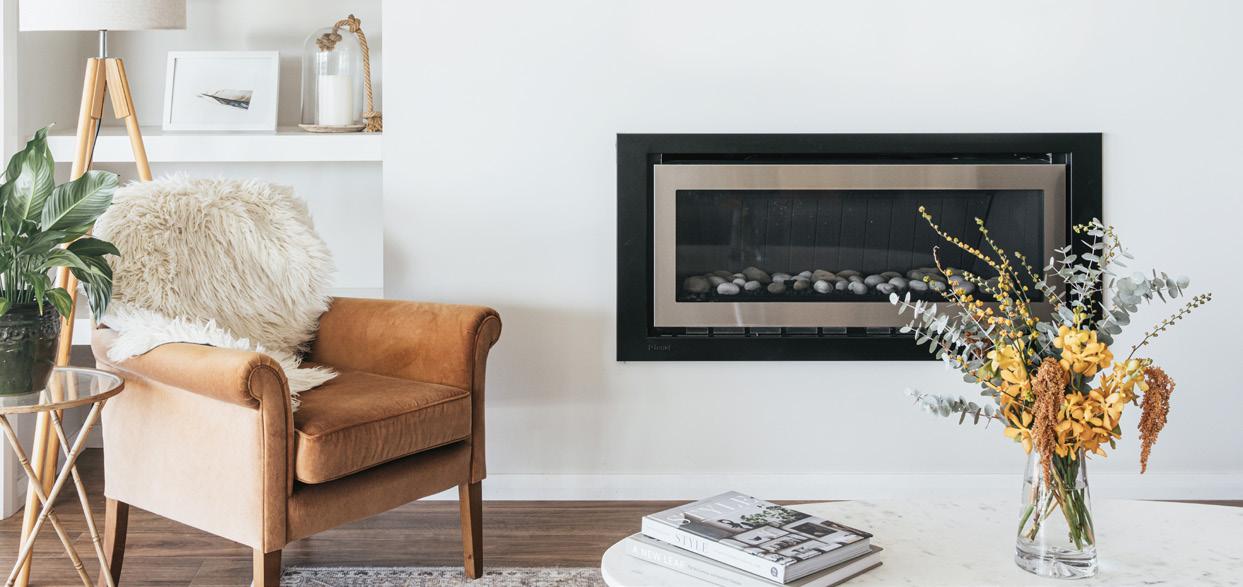
The main living room must have a fixed heating source that is powerful enough to heat the space to at least 18°C. Portable heaters do not meet the standard as they generally cannot heat a room consistently and may be more expensive to run. Most compliant homes will have a heat pump, wood burner, or approved fixed electric heater sized appropriately for the room.
Common questions
• Does my heater need to be a particular type? It must be permanently installed and sized appropriately for the main living room, with heat pumps or modern fixed panel heaters commonly used. Portable heaters are not a qualifying heat source for Healthy Homes compliance.
• What if the heater is there, but it does not seem to heat the space well? Let your property manager know. Sometimes additional heating or an adjustment may be required.
• Can I use extra portable heaters? Yes, if you choose, but these don’t count toward the standard and may add to your power bill.
INSULATION STANDARD
Your rental home must have ceiling and underfloor insulation that meets minimum performance levels, which vary by region. Good insulation helps the home stay warmer in winter, cooler in summer, and reduces moisture and condensation.
Common questions
• How do I know the insulation meets the standard?
A compliance assessment should be completed and the details recorded within your tenancy agreement. You can request further confirmation from your property manager.
• What if the insulation looks old or damaged? If you notice signs of sagging or damp insulation (for example, if you can see it from a ceiling hatch), let us know so it can be checked.
VENTILATION STANDARD
Living areas and bedrooms must have windows or doors that can be opened to allow fresh air into the home. Kitchens and bathrooms must have extractor fans that vent moisture to the outside, helping to reduce mould and condensation.
Common questions
• Should I use the extractor fans every time? Yes, using them regularly helps prevent dampness and mould from developing.
• What if I notice mould inside the home?
Airing the home and using extractor fans helps, but if mould continues to return, let us know so we can assess whether there may be a maintenance or building issue.
MOISTURE INGRESS AND DRAINAGE STANDARD
The property must have drainage systems (such as gutters and downpipes) that move water away from the house. If there is an enclosed subfloor, a ground moisture barrier must be installed to prevent rising damp.
Common questions
• What should I look out for?
Pooling water, overflowing gutters or persistent damp smells inside the home are worth mentioning early.
• Am I expected to clear gutters myself?
No, anything requiring ladders or professional equipment is the landlord’s responsibility. If you notice a blockage, just let us know.
DRAUGHT STOPPING STANDARD
Any gaps or cracks that create noticeable draughts must be sealed. This includes gaps around doors, windows, floorboards and unused fireplaces. A wellsealed home stays warmer for longer and is more cost-effective to heat.
Common questions
• What counts as a draught that should be fixed? If you can feel cold air coming in, or can see a gap that lets air through, it’s worth reporting.
• What about older homes?
Age does not exempt a property from compliance. All homes must meet the same standard.
HEALTHY HOMES EXEMPTIONS
In a small number of situations, exemptions to parts of the standards may apply. These only apply where the required work is not practical or safe, or when major renovations or redevelopment are planned. Any exemption must meet strict legal criteria and be recorded in the tenancy agreement or compliance documentation.
If you’re unsure whether an exemption applies to your home, please contact your property manager so we can explain what applies and ensure everything is clear.
YOUR ROLE IN A HEALTHY HOME
While landlords are responsible for meeting the Healthy Homes Standards, daily living plays an important part in keeping the home warm and dry. Opening windows when weather allows, using extractor fans, wiping away condensation, and reporting issues early help maintain a healthier environment.
If something doesn’t seem right, please contact your property manager. You can also find more information at tenancy.govt.nz if you would like to learn more about the standards or your entitlements.


Pets

Having a pet can be an important factor in helping tenants feel at home. Recent tenancy law changes have created a clearer process for requesting a pet, while still allowing landlords to consider whether the home and property are suitable. Pets are not automatically permitted, however there is now a defined pathway for tenants to request consent and for landlords to respond.
REQUESTING A PET
If you would like to keep a pet at the property, your request must be made in writing. Please include details such as the type, size and breed of the animal, along with any relevant information like registration or training. Your property manager will assess whether the property is suitable and provide a written response confirming approval (with any conditions) or explaining if the request cannot be approved.
Note: Certified Disability Assist Dogs are exempt from pet consent requirements. They are legally permitted in rental properties, and no pet bond or additional conditions may be applied.
REASONABLE CONDITIONS
If a pet is approved, certain conditions may apply to help protect the home and ensure it remains well cared for. These may include:
• A pet bond of up to two weeks’ rent
• Professional carpet cleaning at the end of the tenancy
• The pet being secured during inspections or maintenance visits
• Outdoor areas being kept clean and waste removed regularly
Your property manager will discuss these conditions with you before approval is confirmed.
WHEN A PET REQUEST MAY BE DECLINED
In some cases, a property may not be suitable for a pet. This could include:
• There is no fencing or safe outdoor space
• A body corporate or building rule prohibits pets
• The size or type of pet poses a likely risk of damage or nuisance
• The home’s layout or materials make pet-related damage difficult to prevent or repair
Every request is considered individually, with factors such as the pet type and property suitability taken into account. Where a request is declined, we’ll outline the reasons so you understand how the decision was reached.
YOUR RESPONSIBILITIES AS A TENANT
If a pet is approved, you are responsible for ensuring it doesn’t damage the property or adversely disturb any neighbours. Any damage beyond fair wear and tear must be repaired at your cost, and the pet must only be kept in accordance with the agreed conditions. Written consent is required before bringing any additional pet into the home.
Smoke Alarms
Smoke alarms are required by law in all rental homes and are vital for protecting you and your household in the event of a fire. Your landlord must ensure the property has the right type and number of alarms, that they’re correctly installed, working when your tenancy begins, and located in the right areas. Tenants also share responsibility for keeping them in good working condition.
WHERE SMOKE ALARMS MUST BE LOCATED
• Within three metres of each bedroom or sleeping area
• On each level of a multi-storey home
• In self-contained areas such as sleepouts or attached units
WHAT TYPE OF ALARMS ARE REQUIRED
New smoke alarms must be long-life photoelectric alarms or hard-wired units that meet New Zealand safety standards. These alarms are designed to be reliable, sensitive to smoke, and low maintenance.
RESPONSIBILITIES
DURING YOUR TENANCY
• Your landlord must ensure smoke alarms are correctly installed and working when you move in.
• You are responsible for replacing batteries if they are removable, and for notifying your property manager promptly if a smoke alarm fails, is damaged, or appears not to be working.
• Smoke alarms must not be moved, covered, taken down, or tampered with. If you believe an alarm is placed incorrectly or is causing inconvenience, please contact your property manager so we can assess the situation properly.
Smoke alarms are one of the simplest and most effective safety protections in your home. If you’re ever unsure about an alarm’s placement or condition, please get in touch so we can support you.
Health and Safety
Your safety is important, and the Health and Safety at Work Act 2015 (HSWA) requires everyone involved with a rental property to take reasonable steps to keep the environment safe when work is carried out. This includes landlords, property managers, and any contractors who attend the property to undertake repairs or maintenance.
When work is required at your home, your property manager will ensure contractors are appropriately qualified and follow safe work practices. You should always feel informed, respected, and comfortable with what is happening at the property.
YOUR ROLE AS A TENANT
You also play a part in maintaining a safe environment during repairs or maintenance, and a few small steps help ensure work can be completed safely and efficiently. These include:
• Reporting hazards or safety concerns as soon as you notice them, such as loose steps, faulty wiring, or broken decking.
• Keeping access areas clear so tradespeople can work safely.
• Following any temporary safety instructions, such as avoiding certain rooms or pathways while work is underway.
EMERGENCIES AND URGENT RISKS
If you notice something that poses an immediate risk to safety or the property, please contact your property manager as soon as possible so we can arrange urgent attention. If there is an emergency situation, such as a fire or major safety threat, call 111 first.
Common questions
• Who is responsible for the safety of contractors?
The landlord and property manager are responsible for ensuring contractors are qualified and working safely. This is not something you need to oversee.
• Do I need to be home while repairs are taking place?
In many situations, access can be arranged by agreement, using our office-held keys if needed. You should always feel comfortable with the arrangements, so please let us know your preference when work is being scheduled.
• What should I do if I feel unsafe during work at the property?
Please let your property manager know straight away. We’re here to support you, and open communication helps make sure everyone feels respected and safe while work is taking place.

Methamphetamine Awareness
Methamphetamine contamination in rental properties is something commonly discussed, however for most tenants it is not something they will ever encounter. The majority of rental homes are safe and healthy to live in, and there is no expectation that you need to monitor or check for contamination yourself.
In some situations, landlords may choose to test the property either before, during, or after a tenancy for insurance policy requirements, or for general reassurance. Testing practices vary, and your property manager will let you know if testing applies to your tenancy. If testing is carried out, results are assessed against recognised health guidelines to determine whether the home is safe to live in.
Where levels are found to be safe, no further action is needed. If elevated levels are confirmed, the landlord will arrange further assessment and, if required, remediation. The next steps will depend on the circumstances of the property, and we will keep you informed throughout the process, including what work may be required and what it means for your tenancy.
YOUR RESPONSIBILITIES
Using, producing, or allowing methamphetamine to be used in a rental property is an unlawful act and is considered intentional damage. If contamination is caused by a tenant or their guests, the tenant may be responsible for remediation costs and the tenancy may be ended. Most tenants will never experience this situation, however it is important to understand that it is treated seriously under tenancy law.
IF YOU ARE CONCERNED
If you ever have concerns about unusual chemical smells, staining, or health symptoms that you believe may relate to the home, please contact your property manager so we can discuss the situation and determine the appropriate next steps. You can also find general information at tenancy.govt.nz if you would like to understand the broader guidelines that apply to methamphetamine testing and contamination.

Mould, Dampness and Ventilation
Mould and condensation can occur in many New Zealand homes, particularly during colder months, and managing moisture early can help prevent it from becoming a larger issue. Your property should already meet the Healthy Homes Standards for insulation, heating, ventilation and moisture management, however day-to-day habits inside the home play an important role in maintaining a dry and comfortable environment.
SUPPORTING GOOD VENTILATION
Fresh air reduces condensation and helps prevent mould growth, and small everyday habits can make a noticeable difference:
• Open windows when weather allows to provide airflow through the property.
• Use extractor fans in the kitchen and bathroom every time you cook or shower.
• Keep lids on pots while cooking where practical.
• Avoid drying clothes indoors if possible, or use a vented dryer.
• Leave wardrobe doors slightly open and keep furniture a little away from walls to allow air to circulate.
• If using your own heater, choose electric models rather than unflued gas heaters, as gas heaters release moisture into the air.
MANAGING CONDENSATION AND EARLY SIGNS OF MOULD
A small amount of condensation is common in winter, and wiping windows and sills in the morning helps prevent moisture from building up. If you notice mould starting to form, it’s important to clean it early before it spreads. Safe options include:
• White vinegar solution: Mix equal parts white vinegar and water, apply, leave to sit, then wipe clean.
• Warm water with mild detergent: Suitable for general cleaning on most surfaces.
• Bleach solution: One part bleach to three parts water can assist with persistent mould (ensure the area is well ventilated while cleaning).
If mould continues to return, even when ventilation and condensation are being managed, it may indicate an underlying issue. Please contact your property manager so we can assess the situation and arrange the appropriate next steps.

General Information
This section provides guidance for day-today living in your home, and some aspects will differ depending on the property or region, so your tenancy agreement should be your guiding document. If you’re ever unsure, please contact your property manager and they can assist with any specific questions you may have.
UTILITIES AND POWER ACCOUNTS
You are responsible for arranging your own power, gas, internet and phone services unless your tenancy agreement states otherwise, and setting these up when you move in helps avoid interruptions. Remember to arrange final readings at the end of your tenancy so accounts can be closed smoothly.
WATER RATES
In some regions tenants are responsible for metered water charges, while landlords generally cover fixed supply charges. If water rates apply to your tenancy this will be outlined in your tenancy agreement, and if you receive a bill directly please contact your property manager so it can be reviewed.
RUBBISH, RECYCLING AND COUNCIL SERVICES
Council services differ across New Zealand, including bin collection schedules and recycling requirements, and your local council website is the best source for up-to-date information.
CAR PARKING AND SHARED AREAS
Allocated car parks or shared common areas will be noted in your tenancy agreement or body corporate rules. Please use only the spaces assigned to your home and be considerate of neighbours when using shared driveways, walkways or outdoor areas.
CONTENTS INSURANCE
Your landlord’s insurance does not cover your personal belongings, so contents insurance is recommended to protect your possessions. If accidental damage occurs, contact your property manager early so the appropriate next steps can be discussed and misunderstandings can be avoided.


FIREPLACES AND HEATING APPLIANCES
If your home has a fireplace or wood burner, your property manager will confirm whether it may be used and any conditions that apply. Some fireplaces are sealed or unavailable due to Healthy Homes or insurance requirements. Where use is permitted, follow safe operation guidance and report concerns promptly.
POT PLANTS AND SURFACE CARE
Pot plants can make a home feel lived-in and welcoming, although moisture can seep through the base of pots and cause damage to flooring, window ledges and outdoor surfaces. Using trays or stands underneath pots, and allowing airflow beneath them, helps prevent staining and damp marks.
FAIR WEAR AND TEAR
Every home will experience natural wear over time as part of normal living, although avoidable or careless damage may require repair at the tenant’s cost. If you notice something beginning to deteriorate, mention it early so it can be managed before becoming a larger issue.
Examples of fair wear and tear may include:
• Fading or worn carpet in high-traffic areas
• Light scuff marks on walls from day-to-day use
• Sun fading on curtains or flooring
Examples of damage may include:
• Broken fittings or holes in walls
• Burns, stains or tears in carpet
• Damage caused by condensation being left unventilated
ASBESTOS
Some older homes may contain building materials that include asbestos, which is generally safe if it remains intact and undisturbed. If repairs or maintenance are required in an area where asbestos may be present, your property manager will arrange qualified professionals to assess and manage the work safely. If you are unsure whether a surface may contain asbestos, check with us before drilling, sanding, or altering any area.
URGENT OR EMERGENCY REPAIRS
An urgent repair is something that, if left unattended, could pose a safety risk or cause significant damage to the property. Examples include major leaks or burst pipes, electrical hazards, loss of essential services such as power or water, and structural concerns that impact safety. If you experience an urgent issue, get in touch as soon as possible so we can organise the next steps. For immediate threats to safety, call 111 first.
Troubleshooting
Many common tenancy issues can be resolved quickly once the likely cause has been identified. The guidance below outlines frequent situations that can occur, what to check first, and when to reach out for support. If you’re ever unsure, we’re here to try and help.
POWER OUTAGE OR LOSS OF ELECTRICITY
If the power goes out, first check whether neighbouring homes are also affected, as this usually indicates a wider network outage. If the issue is limited to your property, check the fuse box for a tripped switch and reset it if needed. Unplug any appliances that were recently in use, such as heaters or kitchen appliances, and then try resetting the switch again. If the power continues to trip or you feel unsure, get in touch and we will arrange the appropriate support.
HOT WATER ISSUES
Hot water systems vary, and a few quick checks can help identify the cause of a problem. For electric systems, ensure the cylinder switch is on at the main switchboard. For gas systems, confirm the gas supply is active and the pilot light (if fitted) has not gone out. If these steps don’t fix the issue, contact your property manager so servicing can be arranged.
If a power outage affects your hot water, check your electricity provider’s website for updates and to see if ripple control may be in use.
BLOCKED DRAINS OR SLOW WATER FLOW
Kitchen and bathroom drains can slow over time due to soap residue, food particles or hair. Pour boiling water down the drain in stages to help break down build-up,
and use a plunger or gentle drain cleaner if needed. If the issue continues, especially across multiple drains, we will arrange a plumber to investigate further.
LOST KEYS OR LOCK ISSUES
If you become locked out, a locksmith is usually the quickest solution, and lockout costs are generally the tenant’s responsibility. If a lock becomes stiff or damaged, let us know so we can have it repaired.
PESTS AND INSECTS
Occasional insects are common in many New Zealand homes, especially during warmer months. If you notice ongoing ants, cockroaches, rodents or wasps, contact us early so we can determine the likely cause and the best treatment approach. Responsibility for any extermination costs depends on the cause, and we’ll work with you to determine the right approach.
NOISE AND NEIGHBOURS
Shared living environments mean that some everyday noise is normal. If you feel comfortable, a polite conversation can sometimes resolve smaller issues. For persistent or late-night noise issues, contact your local council’s noise control service as they are able to respond immediately. If the issue continues over time, talk to us for advice in working through next steps.
Frequently Asked Questions
WHO DO I CONTACT IF I HAVE A QUESTION OR NEED TO REPORT AN ISSUE?
Your property manager is your first point of contact for tenancy questions or repairs. If you’re unsure who your property manager is, their details will be listed on your tenancy agreement or your specific Ray White offices website.
WHAT HAPPENS IF I AM STRUGGLING TO PAY RENT?
If you think you might miss or be late with a payment, raise it as soon as possible. Early communication allows us to discuss options and prevent the situation from escalating.
CAN I CHANGE THE DATE THAT RENT IS PAID?
If your pay cycle changes, a different rent payment date may be possible as long as rent continues to be paid before it falls due. We can talk through what’s required to make the adjustment.
HOW DO I REQUEST REPAIRS?
When something needs attention, let us know with a brief description and, if possible, photos. We will review the issue and arrange repairs within a reasonable timeframe. If there is an immediate safety concern or emergency, call 111 first.
AM I ALLOWED TO HAVE ADDITIONAL OCCUPANTS MOVE IN?
Your tenancy agreement sets out how many people can live in the home, or the ‘maximum occupants’. If your household changes, contact us before anyone new moves in so we can ensure the tenancy remains compliant.
CAN I MAKE SMALL CHANGES TO THE HOME?
You may request minor alterations such as picture hooks or child-safe latches. Approval must be obtained first, and the property may need to be returned to its original condition at the end of the tenancy.
DO I NEED TO BE PRESENT AT INSPECTIONS?
You are welcome to be present, but it is not required. We will always provide notice and share outcomes afterwards, but if you have a preference, simply let us know and we’ll do our best to accommodate you where possible.
HOW CLEAN AND TIDY SHOULD I KEEP THE PROPERTY AND GROUNDS?
Tenants are responsible for keeping the home reasonably clean and tidy. This includes general cleaning and everyday care of surfaces and living areas. If lawns and gardens form part of your tenancy obligations, they should be maintained to a similar standard as when you moved in. If you’re unsure what applies, we can clarify this for you.
WHO CAN I SPEAK WITH IF I HAVE A CONCERN OR COMPLAINT?
Start with your property manager so the matter can be discussed directly. If you would prefer to speak with someone else, you can contact the Business Owner or Team Leader of your Ray White office. Their details are available on the office’s website under “Our Team.”
WHEN WILL MY BOND BE REFUNDED?
If the property is left clean, tidy and undamaged, and rent and bills are up to date, it’s likely your bond will be refunded in full. It usually takes a few working days for your property manager to complete the final inspection, review it against the entry report, liaise with the landlord, and finalise any invoices before issuing a bond refund form. Where no disputes arise, refunds are generally processed within five working days once the signed refund form has been submitted to Tenancy Services.

Household Hints
Small habits and practical solutions can help keep your home comfortable, clean and pleasant to live in. The suggestions below are everyday ways to care for your space and reduce the need for repairs.
MANAGING MOISTURE AND CONDENSATION
• Open curtains and blinds daily, and windows when weather allows to provide airflow through living areas and bedrooms.
• Use extractor fans during cooking and showering and leave them running for a short time afterwards.
• Wipe away condensation from windows and sills each morning to prevent moisture from building up.
• Leave wardrobe doors slightly open and keep furniture a little away from walls to allow air to circulate.
• If using a clothes dryer, ensure it is vented to the outside where possible.
• If sleeping on a mattress without a bed base, lift and air it regularly to prevent moisture underneath.
CLEANING AND SURFACES
• Use warm soapy water and a soft cloth for general surface cleaning.
• Avoid abrasive pads or strong solvents on walls, benchtops or cabinetry, as these can damage finishes.
• For windows and mirrors, a small amount of methylated spirits diluted with water creates a streak-free result.
CARPET AND FLOOR CARE
• To lift dents in carpet caused by furniture, place an ice cube on the area and gently lift the fibres once melted.
• Sprinkle baking soda lightly before vacuuming to reduce odours.
• For spills, blot gently rather than rubbing. Soda water can help lift many common stains.
KITCHEN AND BATHROOM
• Rangehood filters can be soaked in hot water with dishwashing liquid to remove grease.
• For ovens, baking soda and warm water can help loosen residue. Leave to sit before wiping away.
• Keep shower curtains inside the bath or shower tray, and rinse or wash them periodically to reduce mould.
• To freshen a microwave, heat a cup of water with a slice of lemon for a few minutes before wiping out.
DRAINS AND WATER FLOW
• Pour boiling water down slow drains in stages to help break down soap and oil residue.
• A gentle drain cleaner or plunger may assist if required.
• If drains continue to slow, overflow or smell, contact your property manager so we can investigate further.
SIMPLE HOUSEHOLD FIXES
• Squeaky hinges can often be eased with a small amount of petroleum jelly or a light spray lubricant.
• Adhesive label residue can be gently removed with eucalyptus oil or a mild citrus-based cleaner.
• A small amount of baking soda mixed with warm water can freshen kitchen drains and reduce odours.
OUTDOOR AREAS
• If lawn and garden care forms part of your tenancy, maintain these areas to a similar standard as when you moved in.
• For minor oil spills on driveways, place kitty litter or sand to absorb excess before cleaning.
If you’re ever unsure about how to clean or maintain a particular surface or appliance, please talk to us before using stronger products. Some finishes require specific care, and asking early helps prevent damage and ensures the property remains in good condition.
About Ray White
Ray White is a fourth-generation family business that has been operating for more than 120 years. Over that time, we’ve grown to become one of the largest real estate networks in the Asia-Pacific region, with hundreds of local teams working in towns, cities and regions across New Zealand.
While our network is large, our approach remains personal - we believe good homes and respectful tenancies start with clear communication, fair expectations and genuine care.
Across New Zealand, Ray White manages more than 23,000 rental properties, representing over $18 billion in value. Each month, we help thousands of households move into homes and provide ongoing support to ensure they are safe, warm and comfortable. Because our teams are based locally, they understand the communities they work in and the things that matter to the people who live there.
Our commitment is to work in partnership with you throughout your tenancy, to provide guidance when you need it, and to ensure the responsibilities of both tenants and landlords are met fairly. We value respectful relationships and we are here to help make your renting experience positive and straightforward.
DID YOU KNOW
23,000+
Ray White manages more than 23,000 investment properties in New Zealand with an asset value of more than $18 billion.
250,000
Ray White receives more than 250,000 enquiries each year from tenants who are looking to view our available rental properties.
4,000
New Zealand landlords entrust Ray White with over 4,000 new properties to manage on their behalf every year.
6,500
Ray White receives more than 6,500 completed tenancy applications for our rental properties every single month.
$700 Million+
Ray White New Zealand facilitates the transfer of more than $700 million in rent to landlords each and every year.
With staff spread from Kaitaia to Invercargill - and everywhere in between, Ray White is one of the largest property management companies in New Zealand, putting you in touch with more tenants and offering more support than our competitors.
Additional Resources and Support
If you have questions about your tenancy or would like independent guidance in other areas that may affect you, the following organisations offer helpful information and support:
• Tenancy Services: Impartial advice on rights and responsibilities, bond, notices, and Tribunal processes. (tenancy.govt.nz / 0800 836 262)
• Citizens Advice Bureau: Free guidance on tenancy questions, budgeting support service referrals, and general legal information. (cab.org.nz / 0800 367 222)
• Community Law Centres: Provides free legal advice, particularly helpful for tenants needing clarity on complex situations or support in understanding next steps. (communitylaw.org.nz)
• Work and Income: Support for tenants experiencing short-term financial difficulty, including assistance with rent, utilities or emergency costs (eligibility criteria applies). (workandincome.govt.nz / 0800 559 009)
• Netsafe: For situations involving digital harassment, privacy concerns, or personal safety issues related to neighbours or co-tenants. (netsafe.org.nz / 0508 638 723)
• Healthline: For tenants who may be concerned about potential health impacts (for example mould sensitivity, asthma triggers, or general wellbeing questions). (health.govt.nz / 0800 611 116)
In addition to the above, you are always welcome to talk with your Ray White property manager. If you raise a concern that would benefit from specialised support, we can help guide you to the most suitable agency or resource so you feel informed and supported.

Notes
DISCLAIMER
This Tenant Information Guide is intended to provide general guidance to support you throughout your tenancy. It is not a legal document and does not replace the Residential Tenancies Act 1986, your tenancy agreement, or any regulations that apply to your home. While every effort has been made to ensure the information is accurate at the time of publication, tenancy laws and standards may change, and situations can differ from property to property.
Your tenancy agreement, along with any documents provided to you at the start of your tenancy, remains the primary source of information regarding your obligations and the responsibilities of the landlord. If you have questions about how any part of this guide applies to your situation, please speak with your Ray White property manager so we can provide clarification and discuss the most appropriate next steps.
For independent advice, you may also contact Tenancy Services or Citizens Advice Bureau, who offer free guidance and support for tenants. The purpose of this guide is to assist in understanding your tenancy and to help create a positive renting experience, however Ray White does not accept liability for loss arising from reliance on this document alone. Published December 2025.