A Beginner’s Guide to Genetics
Genetics, the study of genes and heredity, is critical to understanding how traits are passed down from generation to generation. It’s a fascinating field that profoundly impacts various aspects of life, from health to agriculture. Here’s a beginner’s guide to genetics:
What Are Genes?
Fundamental Units: Genes are the basic units of heredity composed of DNA sequences. They contain instructions that determine specific traits like eye color, height, and susceptibility to certain diseases.
Alleles and Variations: Each gene may have different versions called alleles, contributing to individual personality variations. For instance, eye color genes may have blue, brown, or green-eyed alleles.
The Role of DNA:
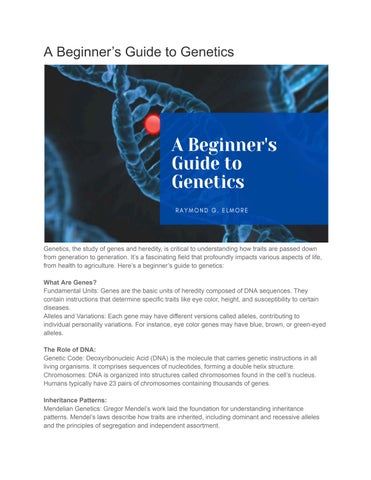
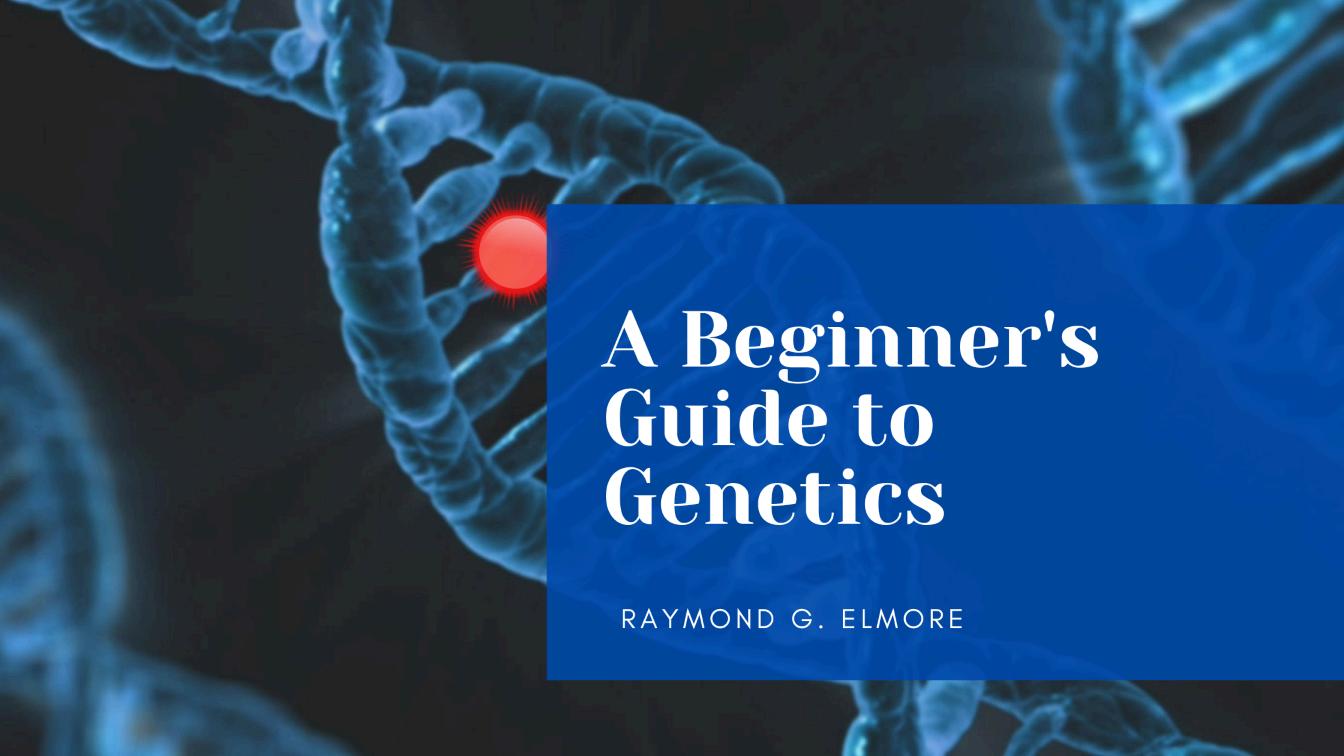
Genetic Code: Deoxyribonucleic Acid (DNA) is the molecule that carries genetic instructions in all living organisms. It comprises sequences of nucleotides, forming a double helix structure.
Chromosomes: DNA is organized into structures called chromosomes found in the cell’s nucleus. Humans typically have 23 pairs of chromosomes containing thousands of genes.
Inheritance Patterns:
Mendelian Genetics: Gregor Mendel’s work laid the foundation for understanding inheritance patterns. Mendel’s laws describe how traits are inherited, including dominant and recessive alleles and the principles of segregation and independent assortment.
Punnett Squares: Punnett squares are diagrams that predict the probability of offspring inheriting specific traits based on parental genotypes. They illustrate genetic combinations and inheritance patterns.
Genetic Disorders and Traits:
Genetic Diseases: Some diseases, such as cystic fibrosis or sickle cell anemia, result from gene mutations or alterations. These conditions are inherited and can be passed down from parents to offspring.
Polygenic Traits: Complex traits, like height or skin color, are influenced by multiple genes and environmental factors. They do not follow simple Mendelian inheritance patterns.
Applications of Genetics:
Medical Genetics: Genetics plays a crucial role in diagnosing and treating various diseases. Genetic testing helps identify risk factors and potential inherited disorders.
Agricultural Genetics: Selective breeding and genetic modification in agriculture improve crop yields, disease resistance, and desirable traits in livestock.
Understanding the basics of genetics provides insights into how traits are inherited and the role of genes in shaping life. Genetics influences our physical attributes and impacts health, agriculture, and numerous aspects of scientific research and technological advancements. While this beginner’s guide touches on the foundational concepts, the study of genetics is a vast and evolving field that continues to unravel the mysteries of life’s inheritance and diversity. As technology advances, genetics will remain a critical tool in understanding and manipulating genetic traits for the betterment of humanity.