
Caring for Your Second Brain
Gastrointestinal Health, Colorectal Cancer Prevention & Local Resources
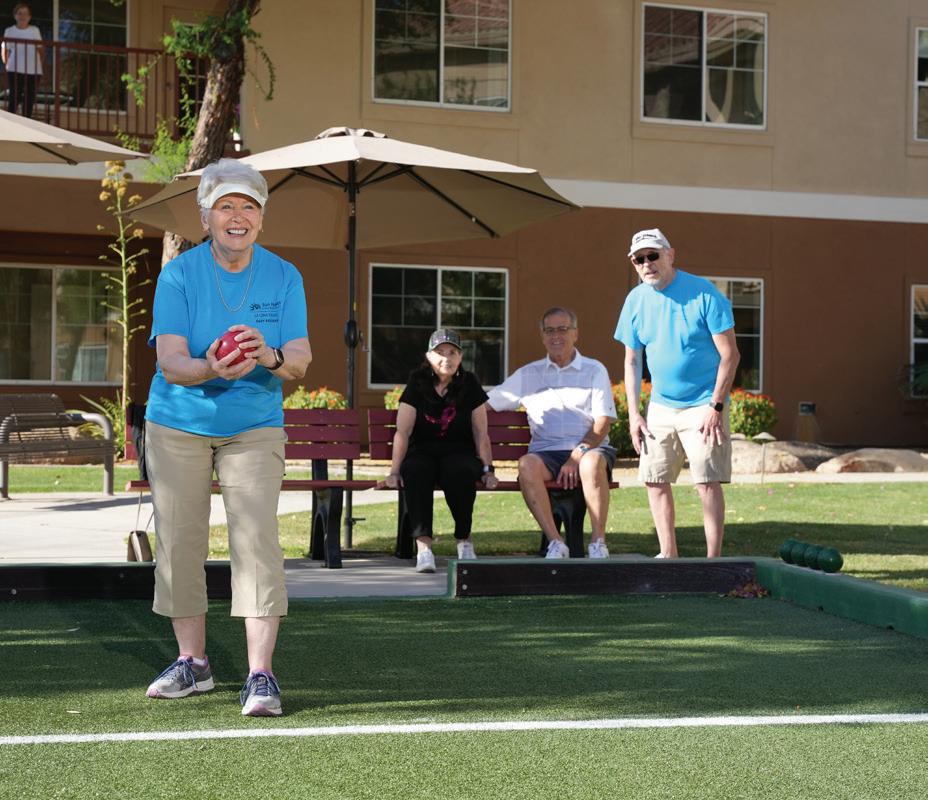
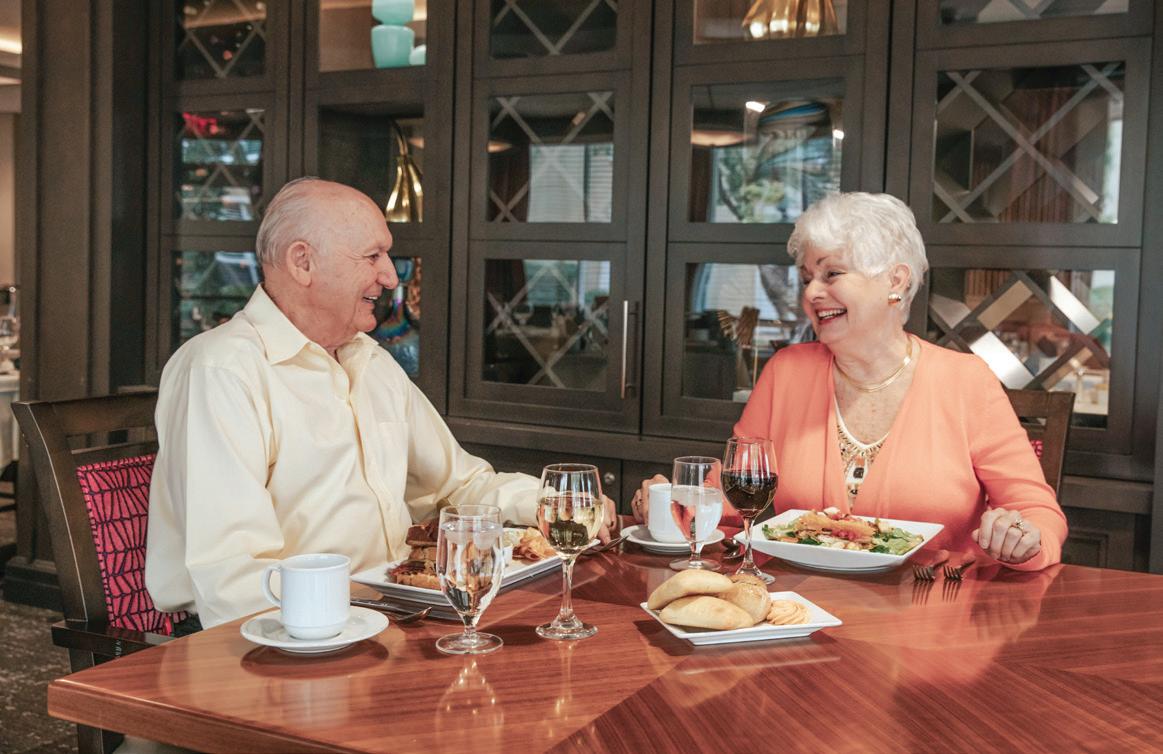


At Sun Health Communities, you’ll enjoy a vibrant, low-maintenance lifestyle, where you can live carefree and have more time for the activities you love. Our four Life Plan Community locations—Freedom Plaza, Grandview Terrace, La Loma Village, and The Colonnade—feature world-class amenities, community clubs and social activities, so you can spend your day doing as much, or as little, as you wish.
For those who want to continue enjoying life in their current home, we also offer an exceptional Sun Health At Home® program. Both living options give you the privacy of your own residence and encourage you to live the spectacular life you want.
Sun City West, AZ Freedom Plaza
Peoria, AZ
Loma Village Litchfield Park, AZ
Colonnade Surprise, AZ
It started with a conversation none of us expected to have.
When our family experienced a loss to an unexpected gastrointestinal cancer, we were heartbroken and left with more questions than answers. In the days that followed, my brother, who is a physician, reminded us of something both startling and empowering: many GI and colorectal cancers are preventable. There are known genetic markers and early screening tools that can identify risks long before symptoms ever appear. He urged us all to get checked.
So, we did. And that decision changed my daughter Emma’s life. In her early 30s, she had no symptoms and would normally have had her first colonoscopy at 45. But armed with this knowledge, she scheduled a colonoscopy.
They found four polyps. One was pre-cancerous. Because she took that step, Emma is now cancer-free and on a lifelong plan to monitor her health. I shudder to think how differently this story could have ended.
This issue is deeply personal to me, and I’m sharing it because GI and colorectal cancers are some of the most preventable forms of cancer we face. It starts with awareness. It continues with action.
So, here’s my ask: If you're over 45, or have a family history, get screened. You no longer need to wait until you’re over 50. Talk to your doctor. And encourage the young adults in your life to understand their family health history. It might feel awkward. Do it anyway.
Emma's life was likely saved by one test. Someone you love might be next.
At Sun Health we promote preventive health care and personal empowerment. Please check out some of the opportunities to learn more at one of our free events.
Here’s to a healthy 2026!
Nora Hannah Chief Engagement Officer Sun Health
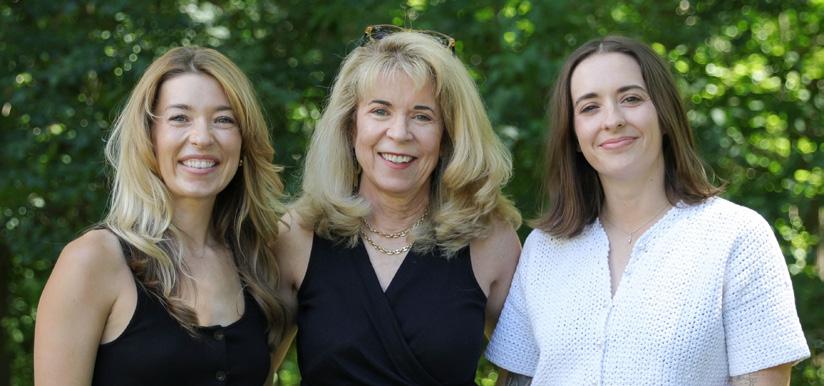
Sun Health Foundation is launching a fundraising initiative to expand the Radiology Center at Banner Boswell Medical Center. Too many West Valley patients must drive far for essential radiation services. With your support, we can make life easier for those navigating cancer care. To learn more or contribute visit SunHealthFoundation.org.
MARCH/APRIL 2026, ISSUE 89
SUN HEALTH 14719 W. Grand Ave. Surprise, AZ 85374 (623) 471-9550
Information@SunHealth.org
SunHealth.org
SUN HEALTH WELLNESS (623) 471-9355
SunHealthWellness.org
SUN HEALTH AT HOME (623) 227-4663
SunHealthAtHome.org
SUN HEALTH COMMUNITIES (623) 236-3767
SunHealthCommunities.org
SUN HEALTH FOUNDATION (623) 471-8500
SunHealthFoundation.org
NORA HANNAH Chief Engagement Officer
MEGAN WORD Vice President of Marketing & Communications
Sun Health Foundation is a 501(c) (3) Arizona nonprofit organization supporting the health and wellbeing of the West Valley. All donations to Sun Health Foundation are tax deductible. Learn more at: SunHealthFoundation.org
A few informed steps—at the right time—can make all the difference.
Colorectal cancer is common, but here’s the hopeful truth: finding it early often means simpler treatment and better outcomes. The hardest part is usually getting started.
This guide keeps it simple so you can take the next best step for you.
Know your personal picture. Age matters and so does family history. If a parent, sibling or child has had colorectal cancer— or certain polyps—tell your provider. Share any symptoms you’ve noticed: changes in bowel habits, blood in stool, ongoing abdominal discomfort, or unexplained weight loss. Most symptoms have multiple causes, but they’re worth a conversation.
Understand the screening menu. Screening looks for warning signs before you feel unwell. Many people begin with stool-based tests you can do at home on a schedule set by your provider. Others choose colonoscopy, which allows clinicians to view the colon and remove certain polyps during the same visit.
Your health history guides the timing and method—that’s a decision you and your provider make together.
Make it easier with a plan. Ask for a one-page prep checklist, and walk through it in advance. Put the date on the calendar and line up a ride if needed. Keep the instructions handy and follow them closely—they’re designed to ensure accurate results.
Tackle the stigma. Talking about the colon isn’t dinner-table conversation, and that’s OK. But silence shouldn’t keep you from care that can save your life. Bring a friend or family member into the loop. Share your plan. Most people are relieved after they’ve taken the first step.
Keep momentum. Whether you start with an at-home test or schedule a colonoscopy, set a reminder for the next interval your provider recommends. Prevention is a series of small choices, not a single moment.
The goal isn’t perfection—it’s progress with support. A straightforward conversation with your health care provider can map out the right path based on your age, history and preferences. When you screen smart, you give yourself the best chance at more good days ahead—time for the people and activities you love, in the community we share.
Disclaimer: This article is for general information only and is not medical advice. Please consult your health care provider about your personal health questions.
8th

Saturday March 7, 2026
Topgolf Glendale 6101 N. 99th Ave. Glendale
Proceeds benefit cancer care equipment and treatment.
Aging well isn’t just about the years behind you—it’s about the choices you make every day. One of the most powerful choices happens right on your plate. With March as National Nutrition Month, it’s the perfect opportunity to focus on nourishing your body with foods that support healthy aging.
“National Nutrition Month highlights how nutrition supports overall health and well-being,” says Sun Health Nutritionist Sarah Fagus. “This year’s theme ‘Discover the Power of Nutrition’ reminds us that everyday food choices can support energy, mood, and overall well-being.”
Good nutrition boosts energy levels, strengthens the immune system and enhances clear thinking.
“Energy is essential for older adults because it supports nearly every aspect of healthy aging, from physical strength to mental clarity and independence,” Sarah says. “Balanced meals with carbohydrates, protein, and healthy fats help keep energy steady throughout the day.”
Adding protein to your diet is also important. “Protein supports muscle strength and daily movement, especially as we age,” she says. “Foods like eggs, yogurt, beans, fish and lean meats are easy ways to include protein.
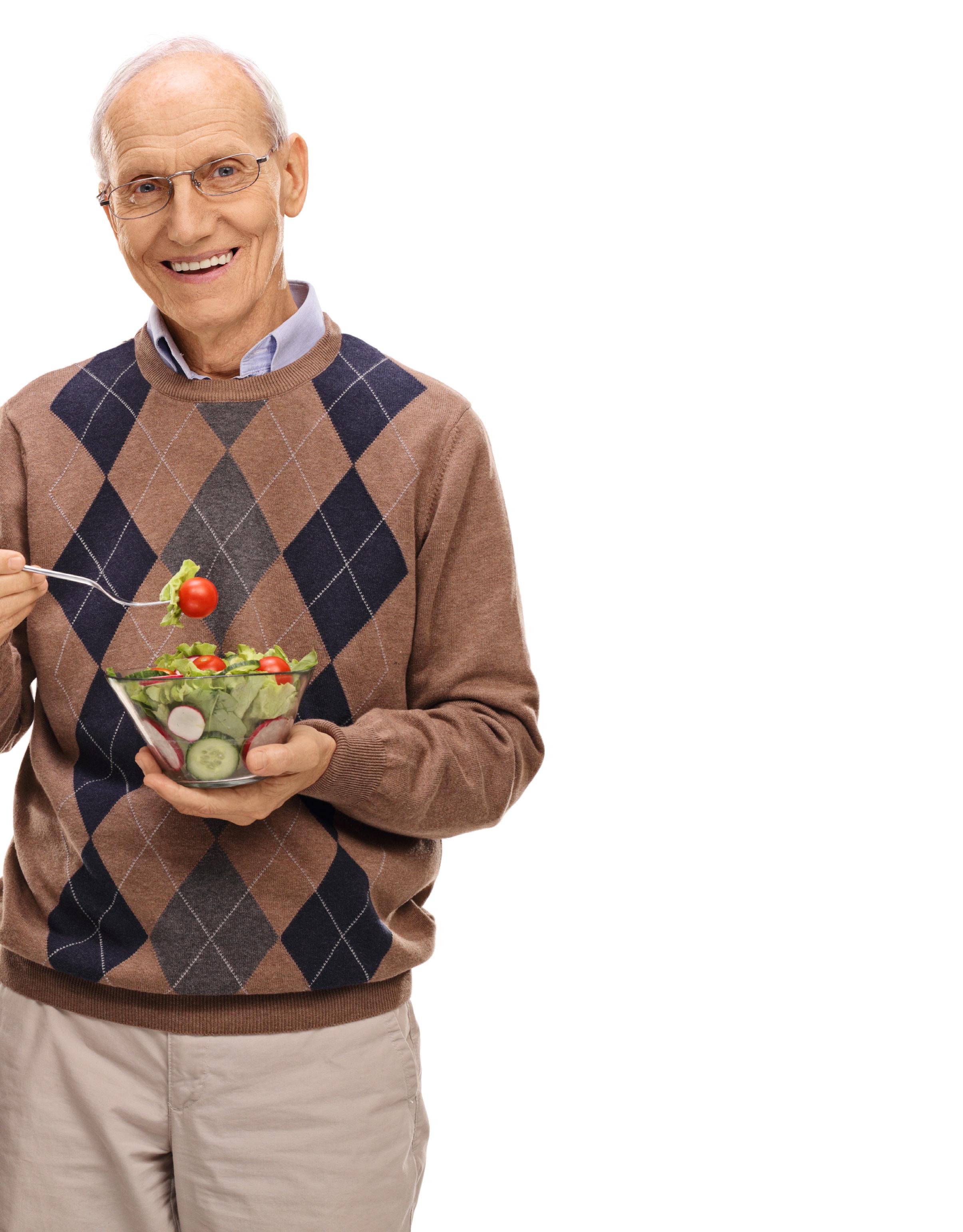
Looking for a nourishing and healthy one-pot meal?
Try the savory penne with lentils and kale recipe opposite.
What you eat (or don’t eat) can also impact your gastrointestinal system. Digestive issues become more common with aging and can affect quality of life. A diet that includes fruits, vegetables, whole grains and protein can help prevent or manage digestive issues.
Incorporating good nutrition into your life doesn’t have to be difficult.
“It’s not about perfection, but about small, realistic habits that fit your lifestyle,” Sarah says. “Add one nourishing food to your day—such as fruit at breakfast, vegetables at lunch or protein at snack time. Small steps can make a big impact over time.”
Prep Time: 5 minutes
Cooking Time: 27 minutes
Serving Size: 1¼ cups (291 grams) | Serves 6
Ingredients
½ cup brown lentils
1 tbsp (15 milliliters) light olive oil
½ cup onion, chopped
1 tsp garlic, minced
2 cups dry whole-wheat penne pasta
1 ½ cups (360 milliliters) canned crushed tomatoes
¼ tsp salt
Instructions
1. Rinse lentils in a fine mesh strainer and remove any debris.
2. Heat olive oil in a large nonstick skillet over medium heat for 1 minute. Add onions and cook 4minutes, stirring occasionally. Add garlic and cook 1 minute, stirring constantly.
3. To the pan, add lentils, pasta, crushed tomatoes, 2½ cups (600 milliliters) water, salt, black pepper, oregano and basil.
Nutrition facts
Calories per serving 217
Total Fat 6g
Saturated Fat 1g
Trans Fat 0.0g
Cholesterol 0mg
Sodium 212mg
⅛ tsp black pepper
½ tsp dried oregano
½ tsp dried basil
1 cup frozen kale, chopped
¼ cup walnuts, chopped
2 tbsp fresh parsley, for garnish

Stir to combine, then cover with a lid and reduce heat to low. Set a timer for 18 minutes.
4. After the timer goes off, lift the lid and place the frozen kale on top of the mixture. Replace the lid and cook for another 4 minutes, or until the lentils are tender.
5. Serve in bowls and top evenly with chopped walnuts and parsley.
This recipe originally appeared in Food & Nutrition Magazine® published by the Academy of Nutrition and Dietetics.

Total Carbohydrates 35g
Dietary Fiber 7g
Sugars 5g
Protein 9g
Potassium 442 mg
Phosphorus 188 mg


As we age, our gastrointestinal (GI) system changes along with us, often becoming more sensitive and less efficient, which can lead to digestive disorders.
“ Because GI issues affect quality of life, after age 60, it is important to take preventive measures to support GI health long term.”
“The GI tract is a complex system that leads from the mouth and includes the esophagus, stomach, liver, pancreas, and intestines,” says Dr. Neil Sharma, senior medical director of the digestive service line for Banner Health. “When you eat and drink, the GI tract breaks down food so it can create nutrients to maintain the body.”
The GI system is often referred to as the second brain because it houses a vast network of nerves. “The GI tract has its own nervous system and its own microbiome of healthy bacteria that changes as we age,” Dr. Sharma says. “These changes, along with medications and lifestyle shifts, can increase our risk of acute or chronic digestive issues.”
Common chronic GI issues that worsen with age include changes in bowel habits, chronic pancreatitis, acid reflux or GERD, bloating, and development of diverticula or bulging pouches in the digestive tract that can occasionally develop inflammation.
“We may also experience more acute GI issues,” he says. “These can include inflammation of the gallbladder, GI bleeds from use of medications including blood thinners, and breakdown of GI tract lining.”
Because GI issues affect quality of life, after age 60 it is important to take preventive measures to support GI health long term, according to Dr. Sharma. “That includes getting a GI workup beginning at age 45, which constitutes lab work and cancer screenings.”
“Screenings for colon cancer are important since it is the second most common cancer,” he says. “Screening options include a colonoscopy, fecal occult blood test, or stool DNA test (like Cologuard). While any test is better than no test, a colonoscopy is the only form of cancer screening that is preventative, because it also removes pre-cancerous lesions, reducing morbidity.”
With proper care, lifestyle and diet choices, and regular medical checkups and screenings, you can detect and address GI issues before they cause serious damage.
When Dr. Maninder Kahlon arrived in Arizona in the summer of 1995, he wasn’t just chasing sunshine. He was supporting his wife, Ramit, who had accepted a position at Thunderbird Hospital as an internist.
The cross-country move from New Jersey opened a door he didn’t expect: the chance to build a practice rooted in a specialty he’s devoted his life to, clinical neurophysiology.
If you’ve ever wondered what that field covers, Dr. Kahlon explains it simply: “It’s the study of nerves, muscles, and the mind.” In practice, that means using tools like EMGs and EEGs to understand why someone is fainting, having seizures, losing consciousness, or experiencing numbness or neuropathy.
He also works closely with patients living with dementia, studying how changes in their brain activity can guide treatment and improve quality of life. With diabetes becoming more common, he notes, nerve complications are something he evaluates almost daily.
His interest in the field began early in his training, just as the first neurophysiology fellowship programs were emerging. Today, he sees the specialty as one of the most comprehensive branches of neurology, one that continues to grow as new techniques and technologies appear.
“The future is bright,” he says, and his

Dr. Maninder Kahlon, Neurophysiologist
enthusiasm makes it clear he intends to remain at the forefront.
Some of his most memorable cases involve patients he monitors continuously for several days. Thanks to advances in home-based monitoring, people who once needed lengthy hospital stays can now be evaluated from the comfort of their own homes. He recalls individuals who had been fainting for years without answers—even after pacemaker replacements—finally receiving a clear diagnosis through his testing.
Those breakthroughs, he says, are why he still loves the work.
Family has always been at the center of his story. He and Ramit have been married for more than 37 years. Their older son recently followed in his footsteps, completing his neurophysiology training at Cedars-Sinai before joining his father at the same neurology practice. Their younger son is an attorney. When he’s not working, Dr. Kahlon enjoys traveling and spending time on the golf course.
With more than two decades of service in the Phoenix and Sun City communities, and leadership roles across Banner Health and major medical associations, Dr. Kahlon remains deeply committed to patient care. He continues to welcome new patients in Phoenix, Sun City, and Sun City West, bringing both skill and heart to every diagnosis.

Using Improvisation with People Living with Dementia Tuesday, Mar. 3 | 10-11 a.m.
Learn how to interpret and respond to behavioral expressions, using personalized strategies to improve connections and the well-being of people living with dementia. Explore the transformative power of improvisation in dementia caregiving. Gain practical tools to enrich communication with your loved one, deepen your bond and reduce stress.
Location: Desert Palms Presbyterian Church
Understanding the Signs of Dementia Wednesday, Mar. 4 | 10-11 a.m.
It can be difficult to know what to do if you’ve noticed changes in yourself or a family member or friend—particularly changes related to memory loss, thinking or behavior. Learn the difference between normal memory changes and the changes that happen with dementia, how dementia progresses, and when it’s time to get help. This presentation is offered by Hospice of the Valley.
Location: Grand Community Baptist Church
Dementia Caregiver Support Group
Wednesdays, Mar. 4 & 18 and Apr. 1 & 15 | 3-4 p.m.
Caring for a loved one with dementia can be challenging, but you don’t have to face it alone. Sun Health’s Memory Care Navigator team invites you to join the Dementia Caregiver Support Group, which offers a welcoming and understanding community where you can find comfort, guidance, and a renewed sense of strength. If you are a family member or friend caring for an individual with dementia, please join us to share your experiences, learn new approaches, and gather community resources.
Location: Grandview Terrace Health & Rehab
Memory Café
Tuesdays, Mar. 24 and Apr. 28 | 10-11:30 a.m.
Memory Cafés provide a social and resource place for people living with memory loss and their care partners. Caregivers participate in an educational and/or support session while people with memory loss actively participate in a cognitive engagement program.
Location: Salvation Army
Caring Connections
Mondays, Mar. 9 and Apr. 13 | 10-11:15 a.m.
Caring Connections is a monthly support group for couples—where one partner is living with mild cognitive impairment or earlystage dementia. The focus is on staying connected, sharing joys and challenges, and receiving support to navigate the journey as a team. Each session includes social time, brain-healthy snacks, activities, and both emotional and practical support.
Location: The Colonnade, a Sun Health Community
Caring Connections
Thursdays, Mar. 19 and Apr. 16 | 10-11:15 a.m.
Caring Connections is a monthly support group for couples—where one partner is living with mild cognitive impairment or earlystage dementia. The focus is on staying connected, sharing joys and challenges, and receiving support to navigate the journey as a team. Each session includes social time, brainhealthy snacks, activities, and both emotional and practical support.
Location: Grand Community Baptist Church
Classes are provided at low or no cost, thanks to the generosity of the community through Sun Health Foundation. Learn more at: SunHealthFoundation.org
Thursdays, Mar. 26 and Apr. 23 | 10-11:15 a.m.
Caring Connections is a monthly support group for couples—where one partner is living with mild cognitive impairment or earlystage dementia. The focus is on staying connected, sharing joys and challenges, and receiving support to navigate the journey as a team. Each session includes social time, brainhealthy snacks, activities, and both emotional and practical support.
Location: St. Clare of Assisi Catholic Church
Thursday, Apr. 16 | 10-11 a.m.
It can be difficult to know what to do if you’ve noticed changes in yourself or a family member or friend—particularly changes related to memory loss, thinking, or behavior. Learn the difference between normal memory changes and the changes that happen with dementia, how dementia progresses, and when it’s time to get help. This presentation is offered by Hospice of the Valley.
Location: Banner Olive Branch Senior Center Sun Health offers a variety of wellness classes to support you in living a longer, healthier, and more purposeful life.
AMERICAN LUTHERAN CHURCH
17200 N. Del Webb Blvd., Sun City, AZ
AVONDALE SENIOR SERVICES
995 E. Riley Ave., Avondale, AZ
BANNER OLIVE BRANCH SENIOR CENTER
13049 N. 103rd Ave., Sun City, AZ
THE COLONNADE
19116 N. Colonnade Way, Surprise, AZ
CROWN OF LIFE LUTHERAN CHURCH
13131 W. Spanish Garden Dr., Sun City West, AZ
DESERT PALMS PRESBYTERIAN CHURCH
13459 W. Stardust Blvd., Sun City West, AZ
FAITH PRESBYTERIAN CHURCH
16000 N. Del E. Webb Blvd., Sun City, AZ
FREEDOM PLAZA
13373 N. Plaza Del Rio Blvd., Peoria, AZ
GOODYEAR RECREATION CENTER
420 S. Estrella Pkwy., Goodyear, AZ
GRACE BIBLE CHURCH
19280 N. 99th Ave., Sun City, AZ
GRAND COMMUNITY BAPTIST CHURCH
18350 N. Goldwater Ridge, Surprise, AZ
GRANDVIEW TERRACE
14515 W. Granite Valley Dr., Sun City West, AZ
GRANDVIEW TERRACE HEALTH & REHAB
14505 W. Granite Valley Dr., Sun City West, AZ
LA LOMA VILLAGE
14154 W. Denny Blvd., Litchfield Park, AZ
LA LOMA VILLAGE HEALTH & REHAB
14260 W. Denny Blvd., Litchfield Park, AZ
LORD OF LIFE LUTHERAN CHURCH
13724 W. Meeker Blvd., Sun City West, AZ
PEORIA PUBLIC LIBRARY
8463 W. Monroe St., Peoria, AZ
SALVATION ARMY
17420 N. Avenue of the Arts, Surprise, AZ
SIERRA WINDS
17300 N. 88th Ave., Peoria, AZ
SHEPHERD OF THE HILLS
13658 W. Meeker Blvd., Sun City West, AZ
ST. CLARE OF ASSISI CATHOLIC CHURCH
17111 W. Bell Rd., Surprise, AZ
SUN HEALTH CENTER FOR HEALTH & WELLBEING
14719 W. Grand Ave., Surprise, AZ
UNITED CHURCH OF SUN CITY
11250 N. 107th Ave., Sun City, AZ
What is In-Home
Tuesday, Mar. 10 | 10:30-11:30 a.m.
With the right kind of support and home safety guidelines, older adults can comfortably age in place. Matt Burlend with ComForCare will discuss the types of personal and medical care services offered by professional caregivers in your home.
Location: United Church of Sun City

Simple Steps to Advocate for Yourself
Thursday, Mar. 19 | 10-11 a.m.
Health literacy means being able to find, understand, and use health information to make decisions about your health. Come learn simple ways to ask questions, understand your provider’s instructions, read medication labels, and prepare for appointments.
Location: Banner Olive Branch Senior Center
Like LiveWell? Get it delivered digitally to your favorite device or have a copy mailed to your home. Visit SunHealthWellness.org/Livewell-magazine
Using Improv with People Living with Dementia

The Aging Spine: A Guide to a Healthy Back (3-class series)
Part 2: The Thoracic Spine
Tuesday, Mar. 24 | 2-3 p.m
As we age, changes in our spine can lead to stiffness, pain, and even mobility issues—but not all back pain is inevitable or untreatable.
Dr. Alec Sundet from Sonoran Spine will help you understand how the spine changes with age, what symptoms deserve attention, and what you can do to maintain strength, flexibility, and quality of life. In this second session, learn how the mid-back provide stability and protects vital organs.
Location: Freedom Plaza, a Sun Health Community
March 3, 2026 10 - 11:30 a.m.
Desert Palms Presbyterian Church 13459 W Stardust Blvd., Sun City West, AZ 85375
Discover improv-inspired ways to respond to behaviors, ease stress, and improve communication with people living with dementia.
• What behavioral expressions may signal
• Improv tools to reduce stress
• Practical tips to strengthen everyday communication
To register: SunHealthWellness@SunHealth.org or call (623) 471-9355

Registration begins: Feb. 10, 2026 at 8:30 a.m.
Fall Prevention: How to Reduce your Risk
Thursday, Mar. 26 | 10-11 a.m.
No matter what age you are, a fall can seriously affect your quality of life. Come and learn about simple strategies to reduce your risk with the team from Wall 2 Wall Sports & Rehab.
Location: Goodyear Recreation Center
Postural Alignment & Longevity
Wednesday, Apr. 1 | 10-11 a.m.
Health studies show that poor posture can contribute to a variety of physical ailments and can affect your overall well-being. Learn about the vital connection between postural alignment and longevity and how to enhance your health, increase your lifespan, and improve your quality of life with better posture.
Location: Grand Community Baptist Church
V.A. Improved Pension Workshop
Thursday, Apr. 2 | 10-11 a.m.
The VA pension is available to eligible veterans or surviving spouses of veterans who require assistance with at least two activities of daily living (ADLs). Formerly known as the Aid & Attendance Benefits Program, this workshop is designed to help you understand the eligibility requirements and application process.
Location: Sierra Winds
Wednesday, Apr. 8 | 10-11 a.m.
Learning about Medicare can be overwhelming. Deborah Bates, owner and educator at Bates Retirement Services, will discuss how and when to enroll in Medicare, what is and is not covered, and the pros and cons of Medicare Advantage Plans and Medicare Supplemental insurance.
Location: American Lutheran Church
Tuesday, Apr. 21 | 10-11 a.m.
Ultrasound is safe, painless, and does not use radiation. It is used to look at muscles and joints to help find the cause of pain or injury. Early care can support safe movement, healing and staying independent. Dr. Caleb Walls, DPT from Wall 2 Wall Sports Rehab will teach you about how the body moves, common injuries treated with physical therapy and how to prevent pain from getting worse. Location: Sun Health Center for Health & Wellbeing
The ABC’s of Parkinson’s disease
Thursday, Apr. 23 | 10-11 a.m.
Participants will learn the ABC’s—Awareness of early signs and symptoms, Basics of how Parkinson’s affects the brain and body, and Care strategies that support daily function, safety, and quality of life. The session encourages understanding, practical coping skills, and informed conversations with health care providers and care partners.
Location: Goodyear Recreation Center
The Aging Spine: A Guide to a Healthy Back (3-class series)
Part 3: The Lumbar Spine
Tuesday, Apr. 28 | 2-3 p.m.
As we age, changes in our spine can lead to stiffness, pain, and even mobility issues—but not all back pain is inevitable or untreatable. Dr. Alec Sundet from Sonoran Spine will help you understand how the spine changes with age, what symptoms deserve attention, and what you can do to maintain strength, flexibility, and quality of life. This final session focuses on prevention and managing lower back discomfort through proper body mechanics and maintaining core strength for lifelong independence.
Location: Freedom Plaza, a Sun Health Community

From Farm to Fork
Tuesday, Mar. 17 | 1:30-2:30 p.m.
Join nutritionist Sarah Fagus for an inspiring session exploring how seasonal fruits and vegetables can brighten your plate and support everyday well-being. We’ll talk about the benefits of variety, ways to enjoy produce fresh, frozen, or canned, and fun ideas to bring more color into meals and snacks. Discover how eating the rainbow is not only delicious—but doable and enjoyable, one meal at a time.
Location: Grace Bible Church
Tuesday, Mar. 24 | 10-11 a.m.
No time? No problem! Join nutritionist Sarah Fagus for a lively workshop designed to make healthy eating easier and less stressful. We’ll highlight budget-friendly pantry staples, smart shopping strategies, and quick meal ideas you can create in minutes. Whether you cook for one, two, or a full household, you’ll walk away with simple ways to build meals that are nutritious, satisfying, and easy to enjoy.
Location: Grandview Terrace, a Sun Health Community
SPACE IS LIMITED, SO REGISTER EARLY
Registering Just Got Easier!
No account required—no password to remember. Now you can also register for yourself and others in the same transaction. Visit SunHealthWellness.org/classes to sign up online today.
Register Online SunHealthWellness.org
Beginning Feb. 10, 2026
Register By Phone (623) 471-9355 except where noted
Beginning at 8:30 a.m. Feb. 10, 2026
Classes with this icon ( ) have an associated fee.
Living Well with Diabetes
Friday, Mar. 27 | 10-11 a.m.
Join Sun Health’s nutritionist Sarah Fagus for a presentation on diabetes. Come learn about the basics of diabetes, the impact it can have on overall health, and practical strategies to help manage the condition.
Location: The Colonnade, a Sun Health Community
Fueling Your Body After 50 Monday, Mar. 30 | 1-2 p.m.
Join nutritionist Sarah Fagus for an upbeat and practical session focused on feeling strong, energized, and supported as you age. We’ll explore simple habits to help maintain muscle, support healthy bones, and feel confident choosing nourishing foods that fit your lifestyle. Expect realistic ideas, approachable tips, and supportive conversation—not perfection.
Location: Faith Presbyterian Church
Living Well with Diabetes
Monday, Apr. 20 | 2-3 p.m.
Join Sun Health’s nutritionist Sarah Fagus for a presentation on diabetes. Come learn about the basics of diabetes, the impact it can have on overall health, and practical strategies to help manage the condition.
Location: Crown of Life Lutheran Church
Registration begins: Feb. 10, 2026 at 8:30 a.m.

Classes are held at the Sun Health Center for Health & Wellbeing at 14719 W. Grand Ave., Surprise. All classes are offered as weekly multisession series at $5 per class, paid in full at the time of registration.
Chair Yoga Plus
Starts Mar. 9 | 9-10 a.m.
Chair yoga incorporates all the benefits of a traditional yoga class with the added support of a chair.
Tai Chi Essentials (45 min.)
Starts Mar. 9 | 10:15-11 a.m.
All of the health benefits of Tai Chi Chuan in five easy-to-learn, easy-to-do movements. Developed at Harvard, this class has been adapted for seniors and works on balance, breathing and relaxation, with the goal of maintaining a healthy body.
Balance & Posture
Starts Mar. 9 | 11:15 a.m.-12:15 p.m.
Balance & Posture uses chairassisted standing exercises to strengthen the core with an additional focus on increased flexibility and mobility to support muscles and joints during movement. Resistance bands are incorporated to further help improve posture.
Strength Training
Starts Mar. 9 | 12:30-1:30 p.m.
This low-intensity class uses bands, body weight, and other items to train the upper- and lower-body muscle groups.
PWR! Moves
Starts Mar. 9 | 2-3 p.m.
PWR! Moves is a Parkinson’sspecific exercise program to improve neuroplasticity and slow the progression of Parkinson’s disease. Focused on large movements, PWR! Moves targets four critical skills the disease attacks: antigravity extension, weight shifting, axial mobility, and transitional movements. This is a great option for anyone experiencing neurological related mobility and range of motion declines.
Wednesdays, 8-Week Series
Balance: Mind & Body
Starts Mar. 11 | 10-11 a.m.
Learn breathing, relaxation, attune your mind, balance your body, and move according to the ancient disciplines of Taiji, Chi-Gong, yoga, and meditation.
Tai Chi Essentials (60 min.)
Starts Mar. 11 | 11:15 a.m.-12:15 p.m.
All of the health benefits of Tai Chi Chuan in five easy-to-learn, easy-to-do movements. Developed at Harvard, this class has been adapted for seniors and works on balance, breathing and relaxation, with the goal of maintaining a healthy body.
Core to Strength
Starts Mar. 11 | 12:30-1:30 p.m.
Our core is one of the most important components to our strength but is often the first to go. This low-intensity class focuses on core strength, balance, and flexibility exercises using a chair as support.
Fridays 8-Week
Strength Training
Starts Mar. 13 |10:30-11:30 a.m.
This low-intensity class uses bands, body weight, and other items to train the upper- and lower-body muscle groups.
Chair Yoga Plus
Starts Mar. 13 | 11:45 a.m.-12:45 p.m.
Chair yoga incorporates all the benefits of a traditional yoga class with the added support of a chair.