PROFESSIONAL
PAINTING CONTRACTOR

PAINTING CONTRACTOR






Time flies, they say, when you’re having fun.

And so here I find myself, having just completed my 25th year as the editor of Professional Painting Contractor magazine.
People have often asked me: “What is the best part of the job?” By far, it’s been the opportunity to spend time out in the field with all of you on the front lines – the hard-working Sherwin-Williams reps and professional painting contractors from companies ranging in size from small mom-andpop shops to commercial firms with hundreds of employees.
If there’s anything I’ve learned, it’s that there is no one path to success in the paint industry. Through years of experience and plenty of trial and error, every contractor I’ve met has forged their own unique course.
Ohio paint pro Terry Begue is one of the pros I’ve gotten to know, and he has been a frequent contributor to PPC. After almost 50 years in the business, he’s planning the next phase of his career.
“Longevity in this trade isn’t just about skill or stamina,” he says. “It’s about the decisions you make over time – and whether those decisions are building the future you actually want.”
I think you’ll get a lot from his story (page 23), and the rest of our first issue of 2026. Happy reading!
— Mike Starling, Editor, PPC/Pintor Pro
Mario Vega’s career as a professional painting contractor began in 2000, when he left his native Bolivia to move to Virginia, finding work on a local paint crew.
By 2005, he had achieved his goal of starting his own company, Solution Painting. Today they work exclusively with homeowners in the Washington, D.C., Maryland and Virginia metropolitan area known as the DMV.
“I would advise those who are just starting out to be punctual and provide quality and good customer service,” Vega says. “Preparation is essential in all work, and it is the only guarantee of having a happy client. I tell my employees: ‘You can’t take shortcuts, you have to do what you have to do.’”
Another important key to his success? Trusting SherwinWilliams for his product and service needs.
Coatings are essential and a built-in part of our world and infrastructure. The paint and coatings industry contributes nearly $32 billion to the nation’s economy.
313,000
NUMBER OF WORKERS EMPLOYED IN THE INDUSTRY
22%
INCREASE IN EMPLOYMENT IN THE INDUSTRY SINCE 2012
SOURCES: American Coatings Association/ U.S. Bureau of Labor Statistics’ Quarterly Census of Employment and Wages

“They have stores everywhere, and I’ve always had a very good relationship with the sales reps,” he says. “With the high-quality products of Sherwin-Williams, I am guaranteed that the client will be satisfied with the results. My sales representative is always available to answer any questions about a product or the availability of certain supplies. This way I save time and make sure that my client receives excellent service, from the materials to the workforce.”
SPRING/SUMMER 2026
VOLUME 36, NUMBER 1
PPC (Professional Painting Contractor) is published on behalf of The Sherwin-Williams Company by Fusable for owners and managers of residential and commercial painting companies. ©2026 Fusable.
EDITOR
Mike Starling
ASSOCIATE EDITOR
Taylor Berglund
EDITORIAL ADVISORS
Dan Disbrow, Jessica Gawthrop, Francia Ordoñez, Gabby Torres
SUPPLIER RELATIONS
Steve Brazie, Craig Cartwright, Paige Staggs, Elizabeth Wrona, Mike Young
ART DIRECTOR
Jackie Miller
ASSOCIATE PUBLISHER
Kip Kusick
CONTACT US
Web/email swppc.com
Mail PPC, P.O. Box 367, Brookfield WI 53008-0367
Printed on recycled and recyclable paper. Printed in the United States. Canadian mail information only: Agreement Number 40732015. Change of address or undeliverable copies should be sent to: PO Box 456, Niagara Winters, Ontario L2E 6V2 Canada.
That’s the scenario as 36 clubs from LIGA MX and Major League Soccer compete in in the fourth annual Leagues Cup tournament.
Staged immediately following the FIFA World Cup 2026, Leagues Cup action kicks off Aug. 4, and concludes with the 2026 Leagues Cup Final on Sept. 6.

In addition, Leagues Cup 2026 will award three qualification spots to the 2027 Concacaf Champions Cup. The champion, runner-up and third-place finisher will qualify, with the tournament champion earning a direct place in the Round of 16. The Concacaf Champions Cup serves as the pathway to FIFA international club competitions, providing clubs the opportunity to represent Concacaf on the global stage.
Once again, Sherwin-Williams is playing a vital role as the tournament’s official paint partner.
“We are planning an exciting lineup of activities and events, including engaging onsite activations, sweepstakes and hospitality experiences,” says Gabby Torres, Marketing Director, Pro Contractor Programs at SherwinWilliams. “These initiatives will help us create unforgettable experiences as we celebrate the passion and excitement of soccer.”
“Soccer has a unique ability to bring communities together, and we’re honored to be part of that journey,” adds Travis Spangler, Vice President of Marketing at Sherwin-Williams. “We remain committed to empowering professionals and celebrating the vibrant culture of the sport.”
SEPT. 15-18
OCT. 25-28
OCT. 25-28
NOV. 10-13
ONGOING
PCA Residential Contractor Conference 2026 Nashville, Tennessee
PCA en Español 2025 | San Diego, California
PCA Women in Paint 2026 | San Diego, California
PCA Commercial Conference 2026
Asheville, North Carolina
Acá Entre Pros | select Sherwin-Williams stores (see your rep for more info)
For details on these events and more, visit swppc.com/calendar
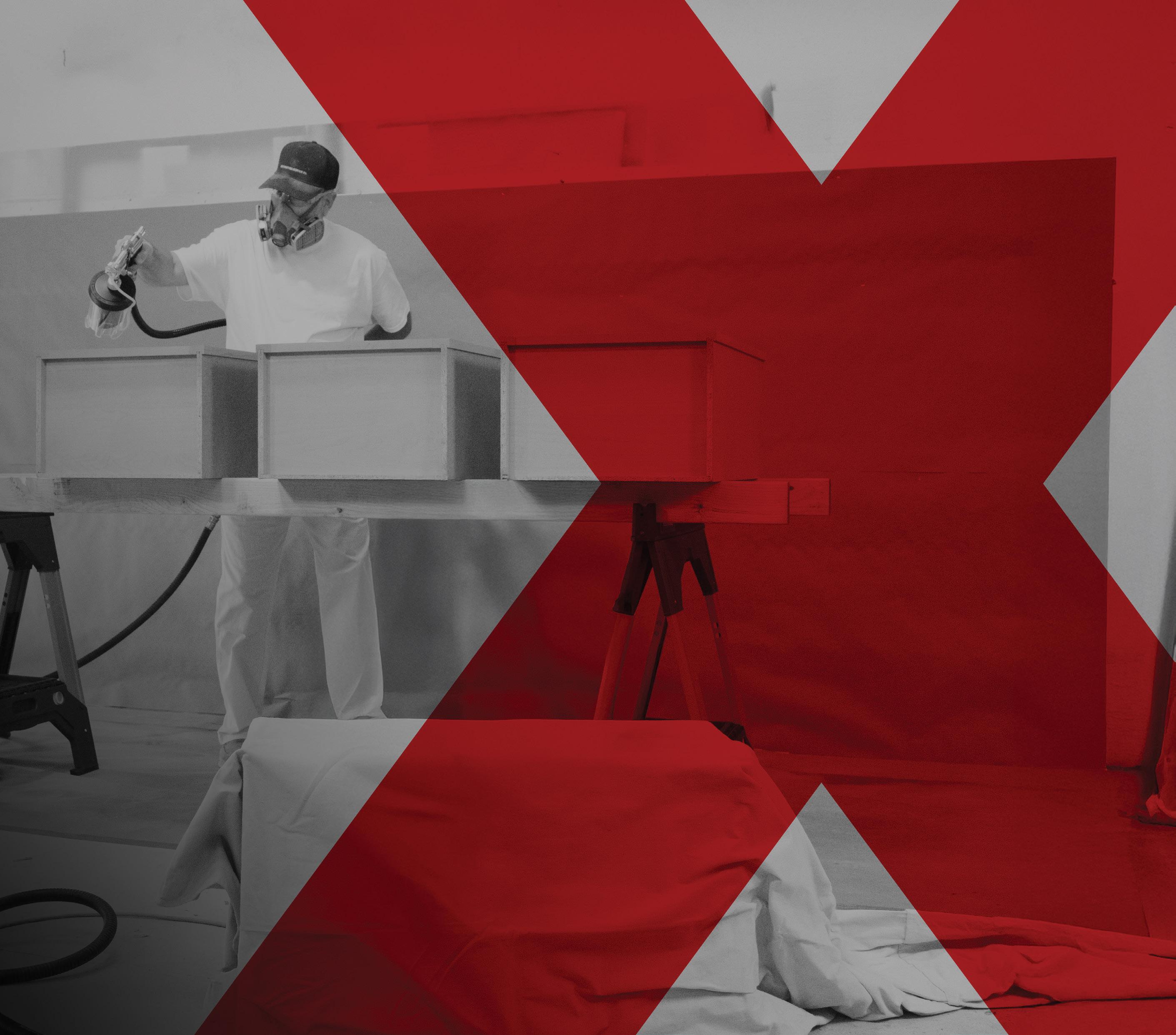

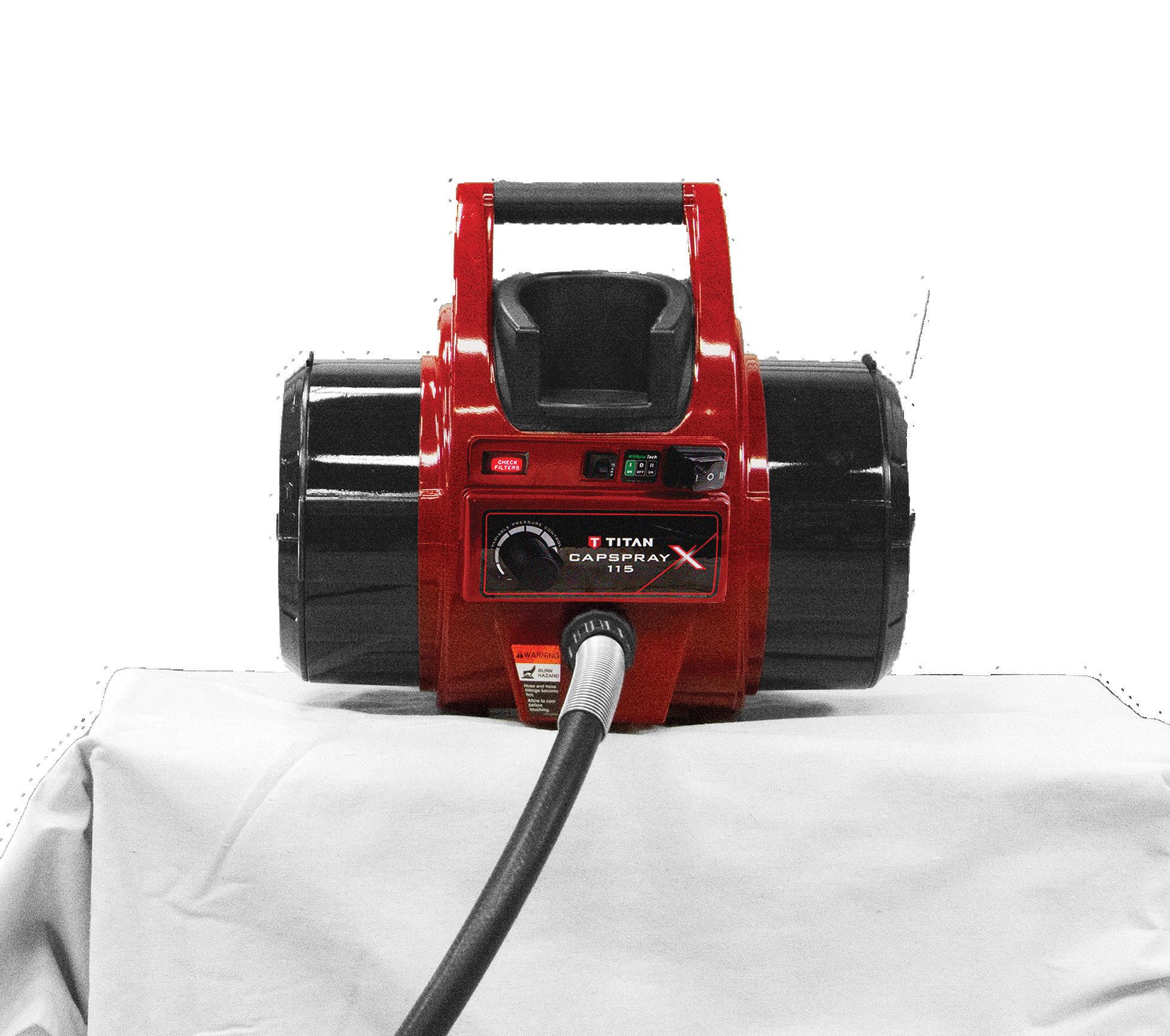
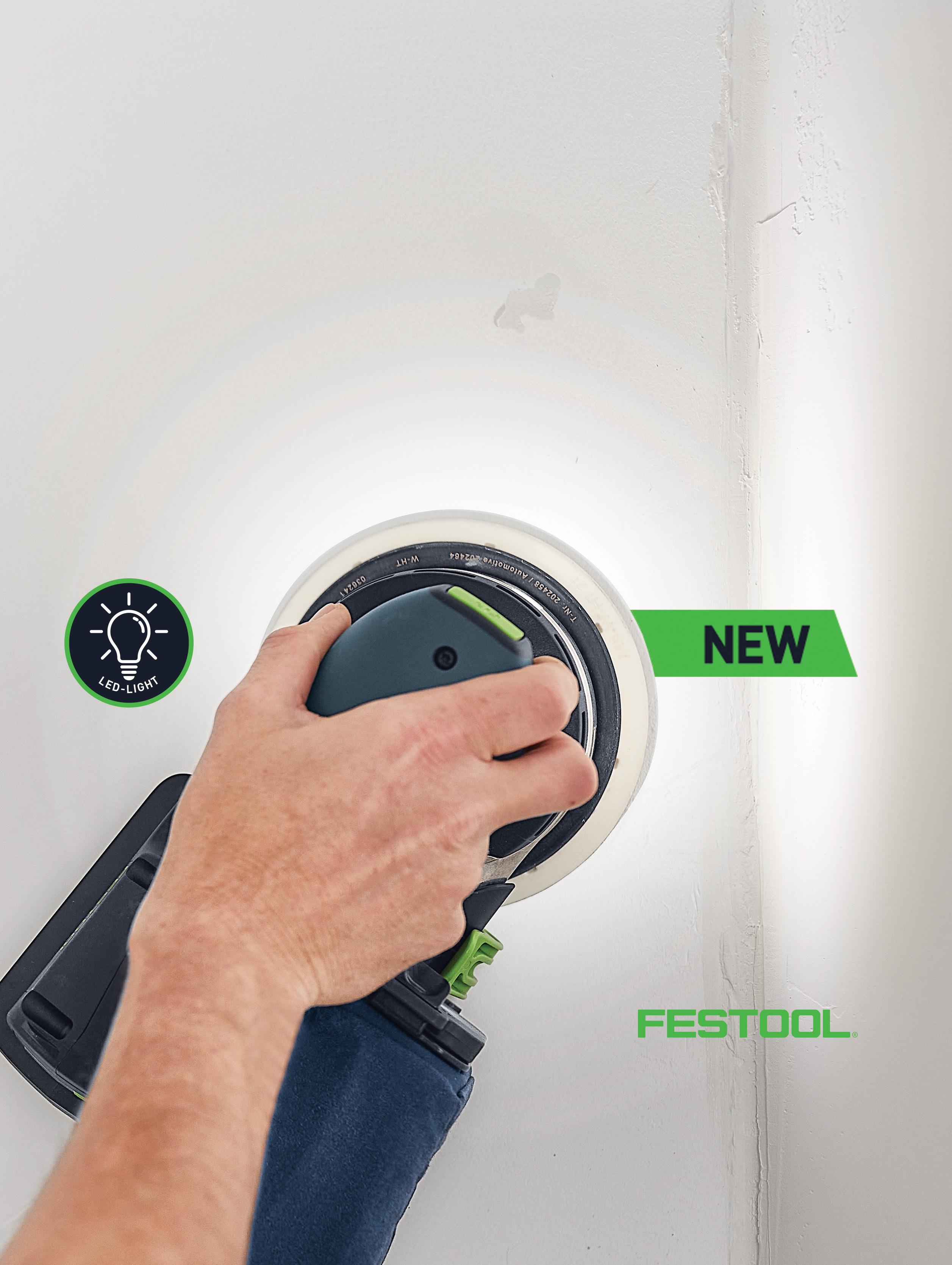
Combine neXt-level power, precision, and extreme agility with the ability to move freely throughout the jobsite. Engineered for exceptional finish work. AVAILABLE AT

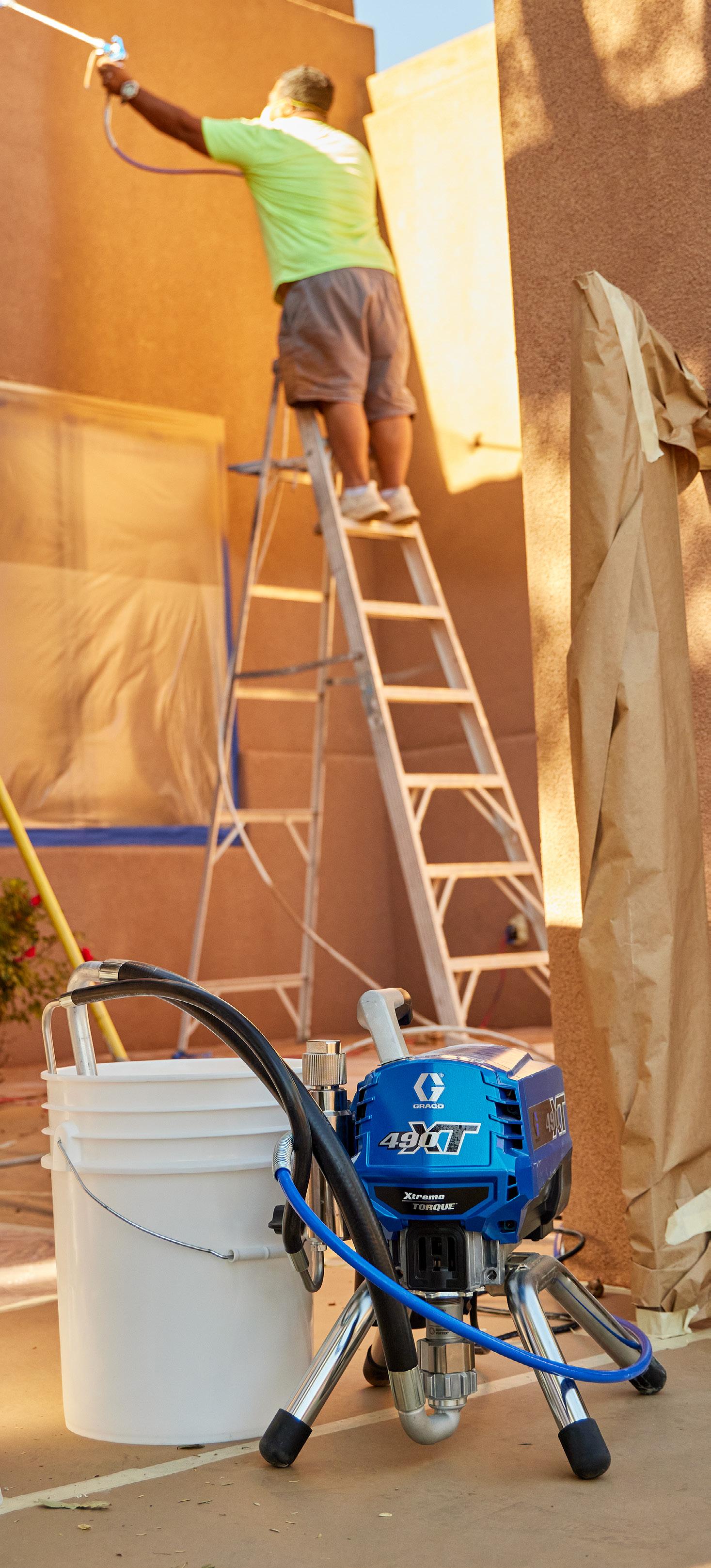
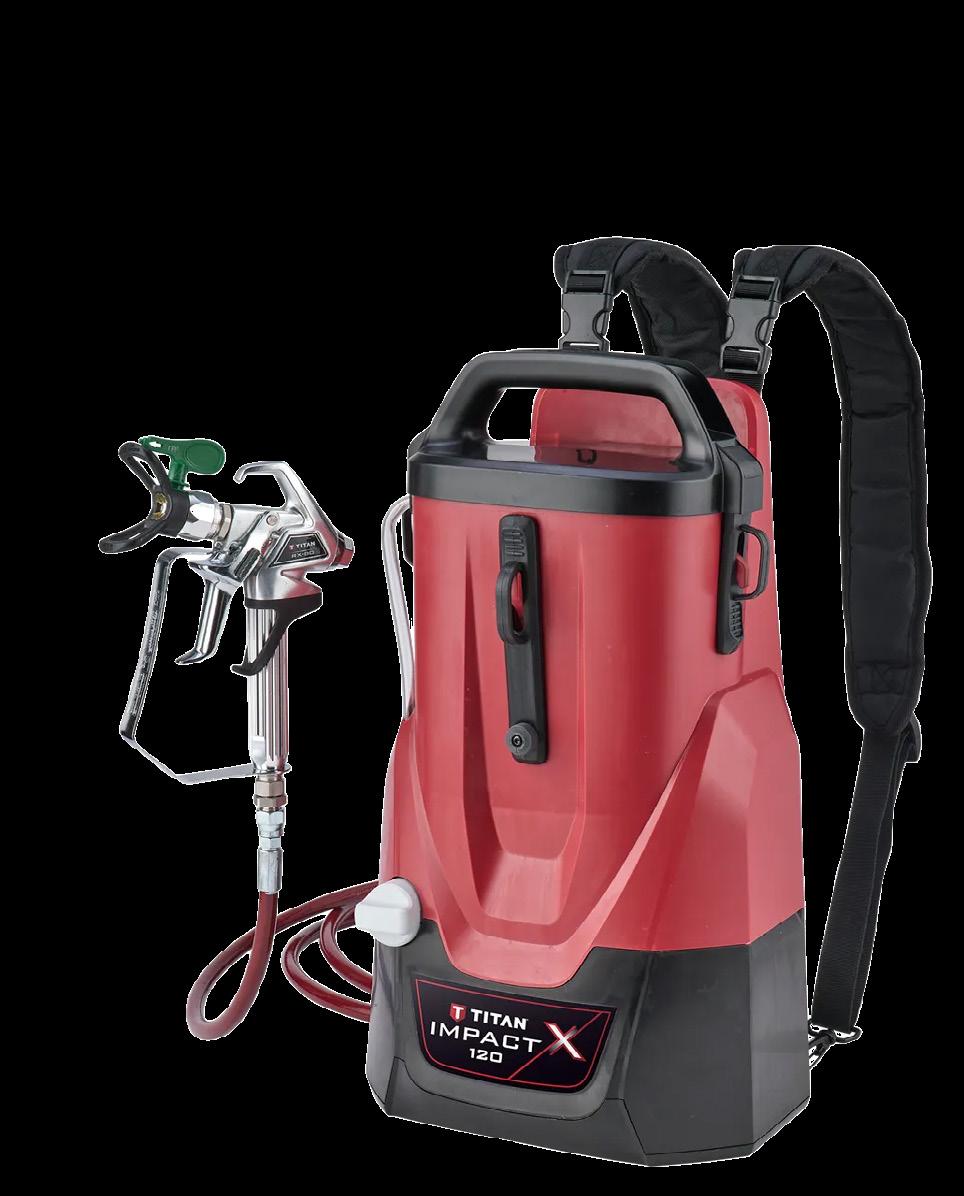
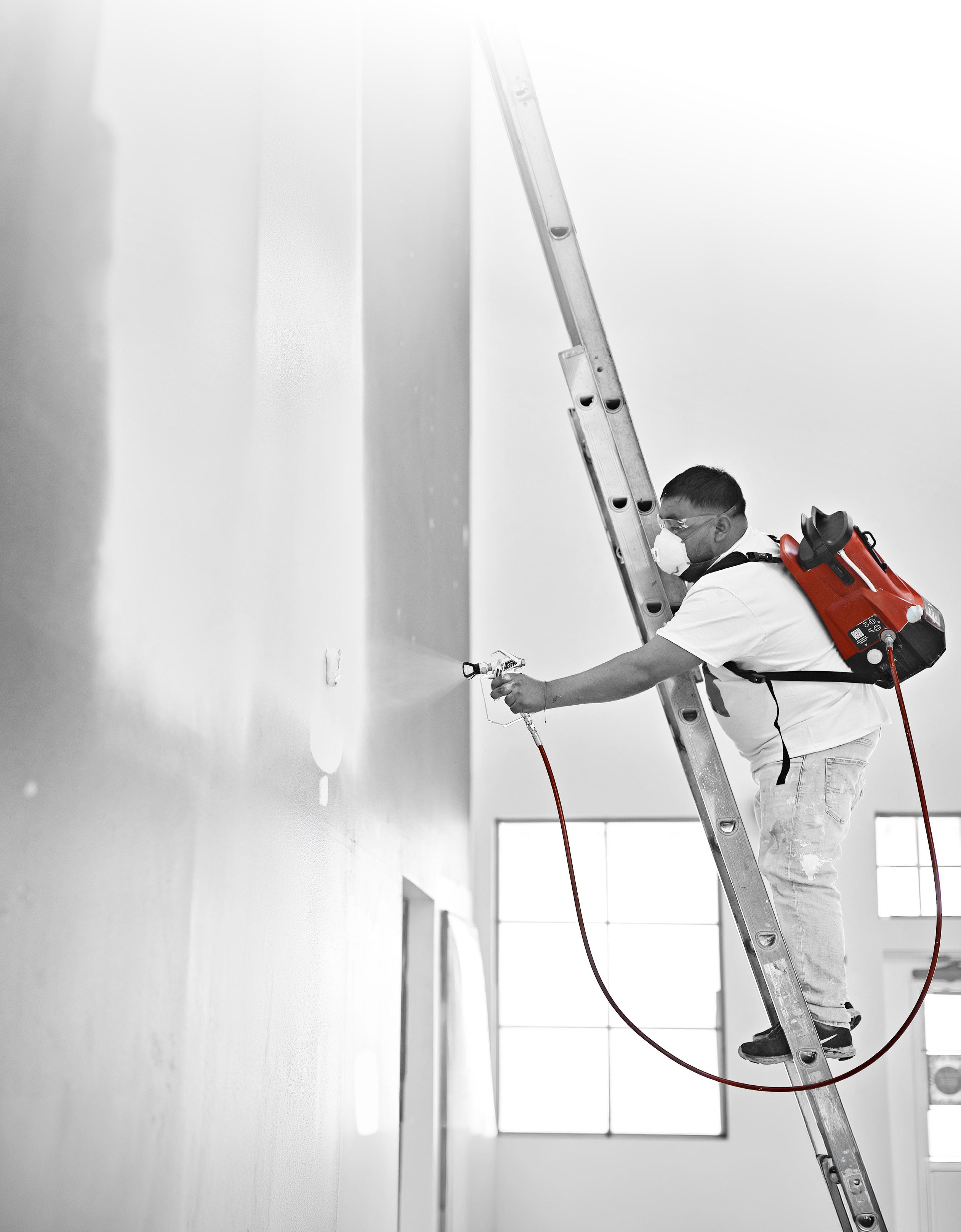
Step up to industry-exclusive portability, flexibility, and comfort with the Titan Impact X 120. This 18V Battery Powered Sprayer is optimized for low-pressure airless use and features three operational configurations so you’re ready to go no matter what the job calls for. The powerful AMPShare by Bosch® 4Ah battery delivers up to 1400 square feet of coverage per charge on a single battery system that works across multiple Titan sprayers.
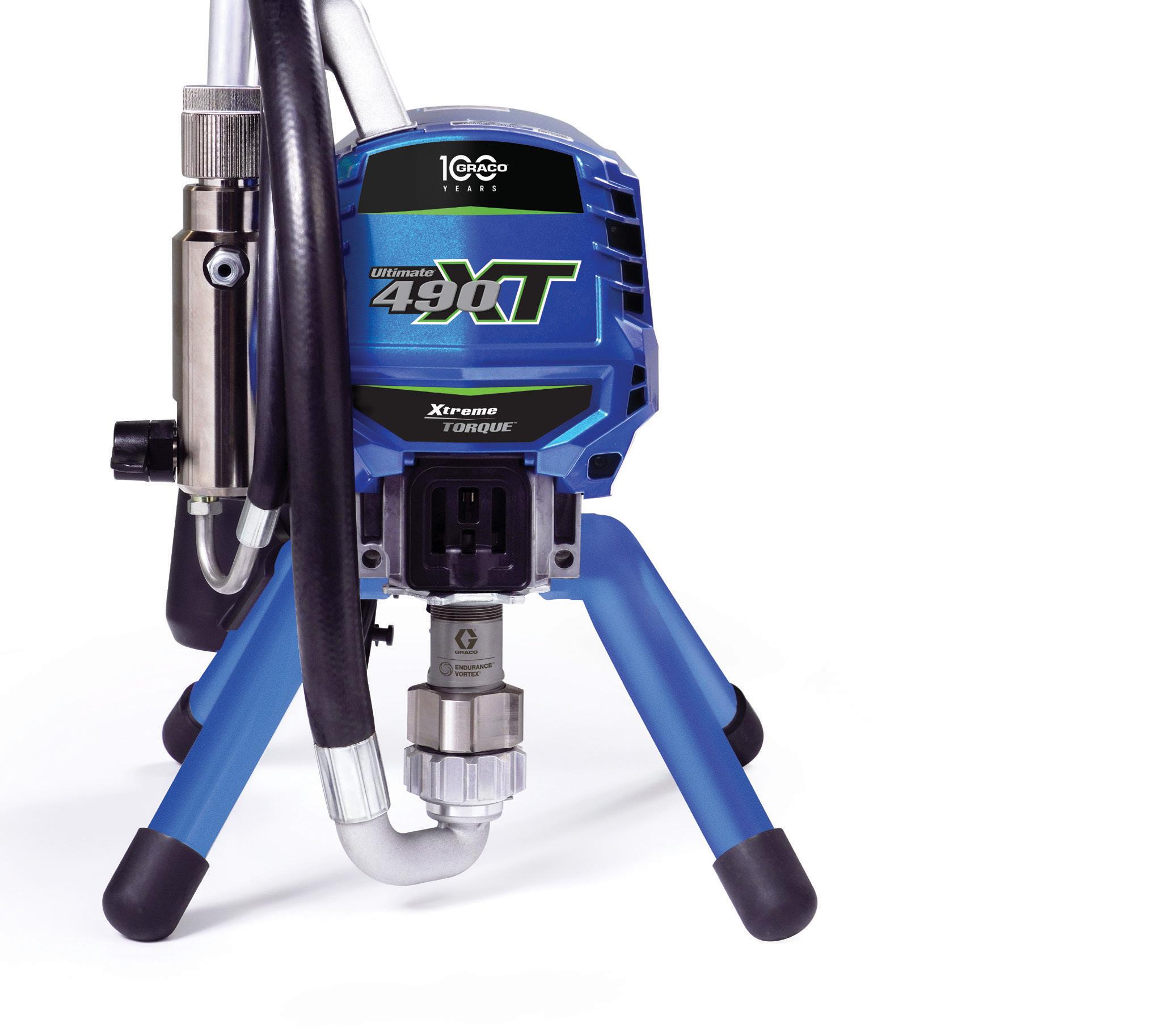
Help save on replacement costs with this kit that bundles the key components you’ll need down the road. The Graco Ultimate Airless Maintenance Kit includes all the essential, high-demand replacement parts for small to mid-size electric sprayers. No need to wait for a repair shop: maintain your sprayer right on the job and maximize uptime. Part of the Spray Advantage Program, the Graco Ultimate Airless Maintenance Kit is compatible with electric airless sprayer models 390-650.
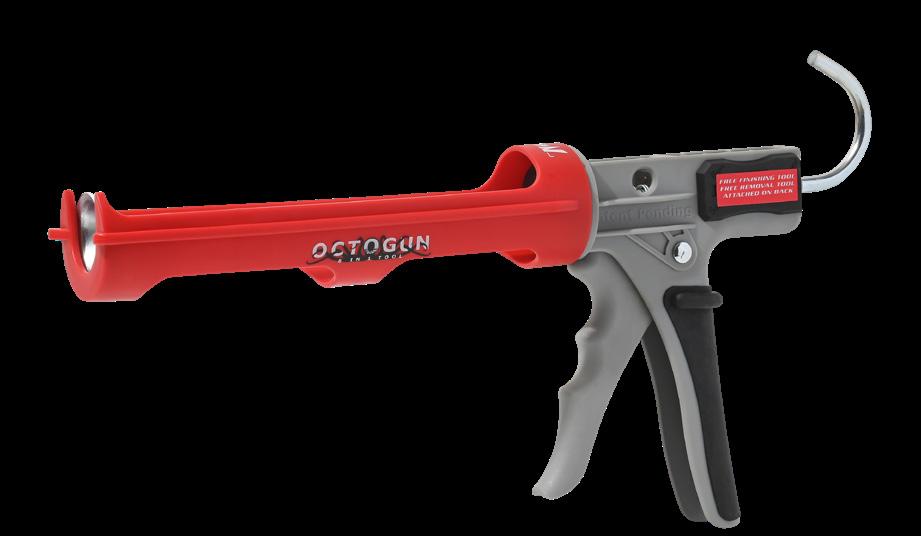
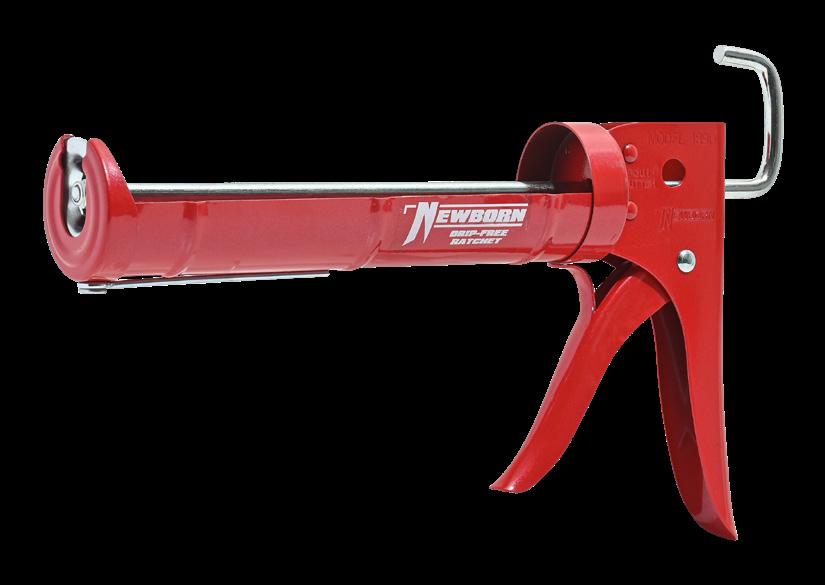
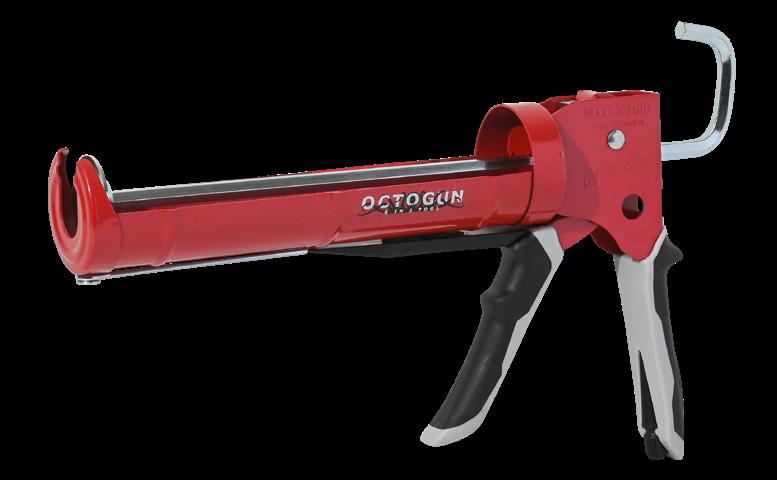
When it comes to professional caulking guns, durability and reliability matter. Whether you’re sealing windows, installing doors or applying industrial-grade adhesives, the internal components of your tool play a major role in how well it performs over time. That’s where Newborn’s DuraCore® technology comes in. DuraCore is engineered for the tradesman who demands long-lasting performance, smooth operation and consistent results, job after job. DuraCore refers to Newborn’s precision investment cast friction plate, a critical internal component responsible for engaging the rod and controlling material flow inside the caulking gun. DuraCore® technology is found in select Newborn cartridge, sausage and bulk guns, such as the Newborn Model 250 Cartridge Caulking Gun and the Newborn 620AL Sausage & Bulk Caulking Gun.
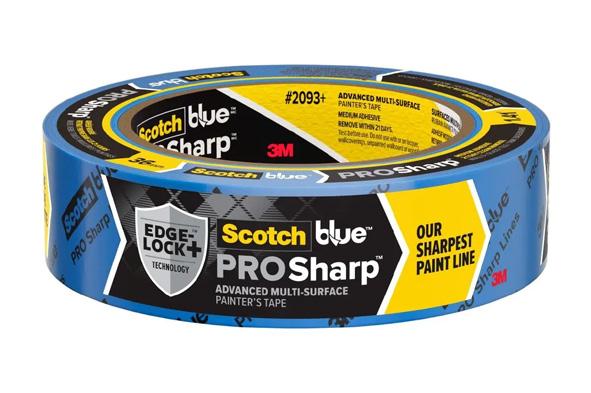
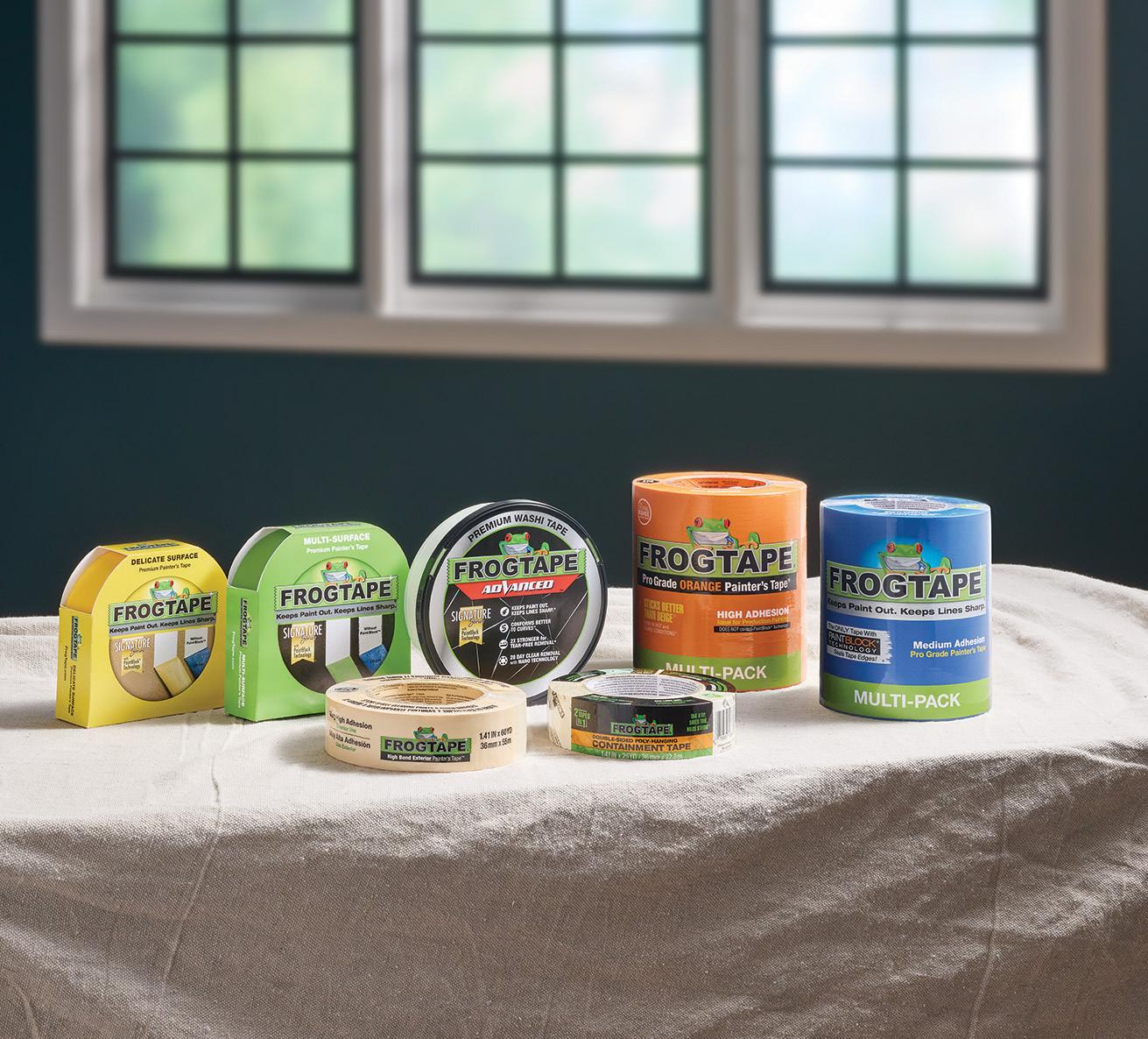
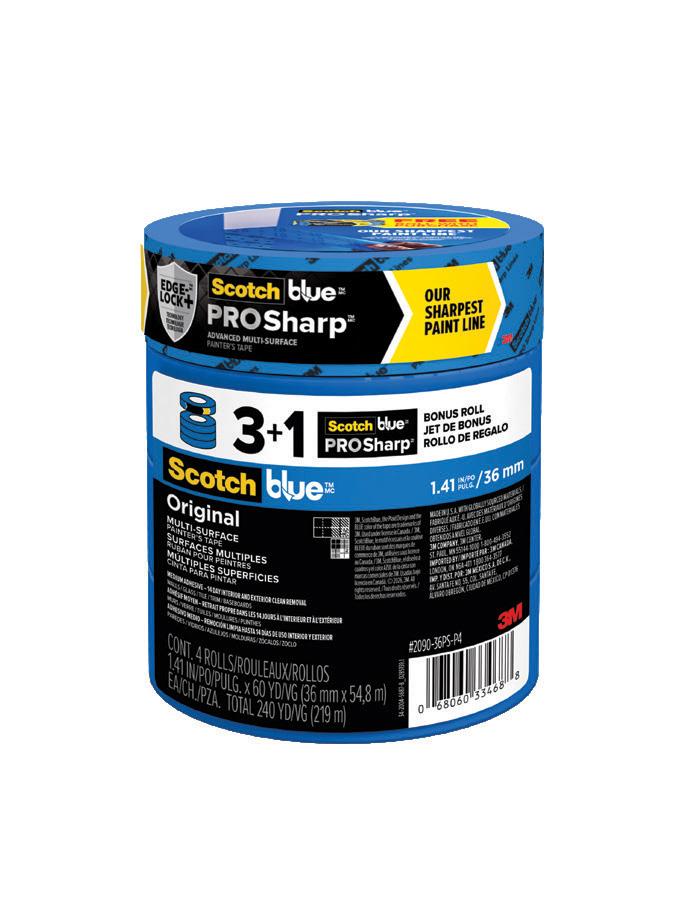
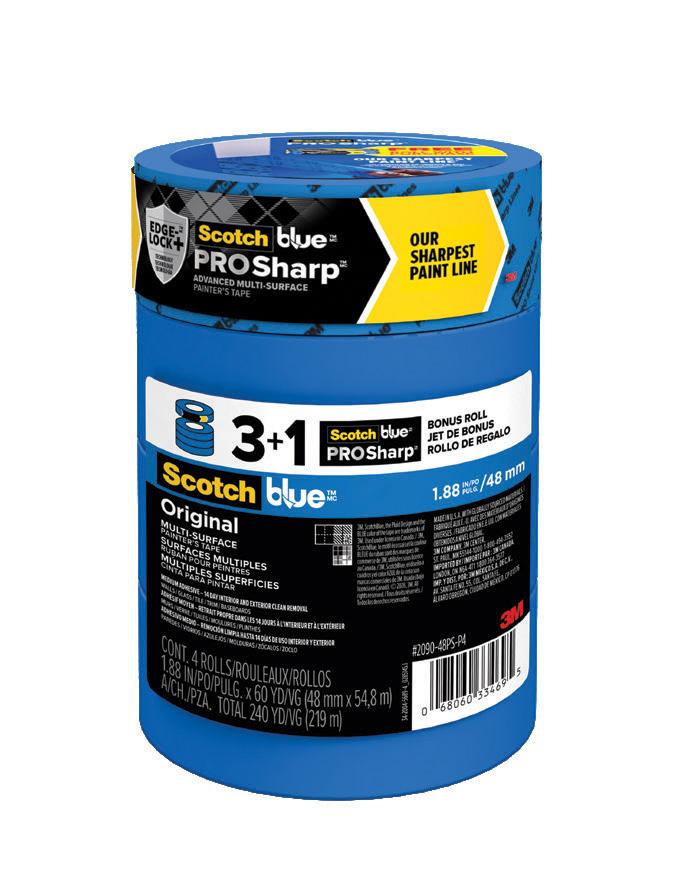
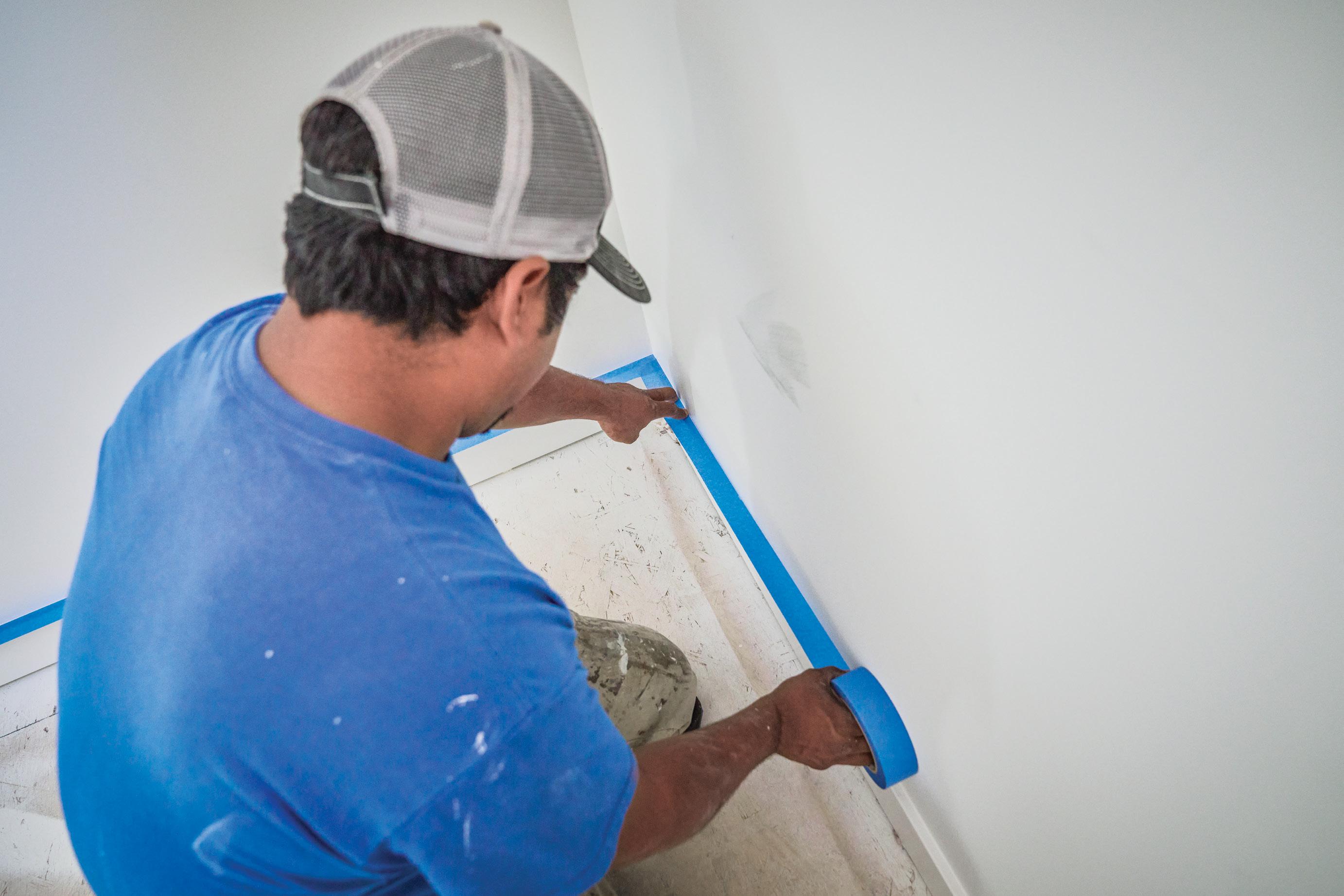
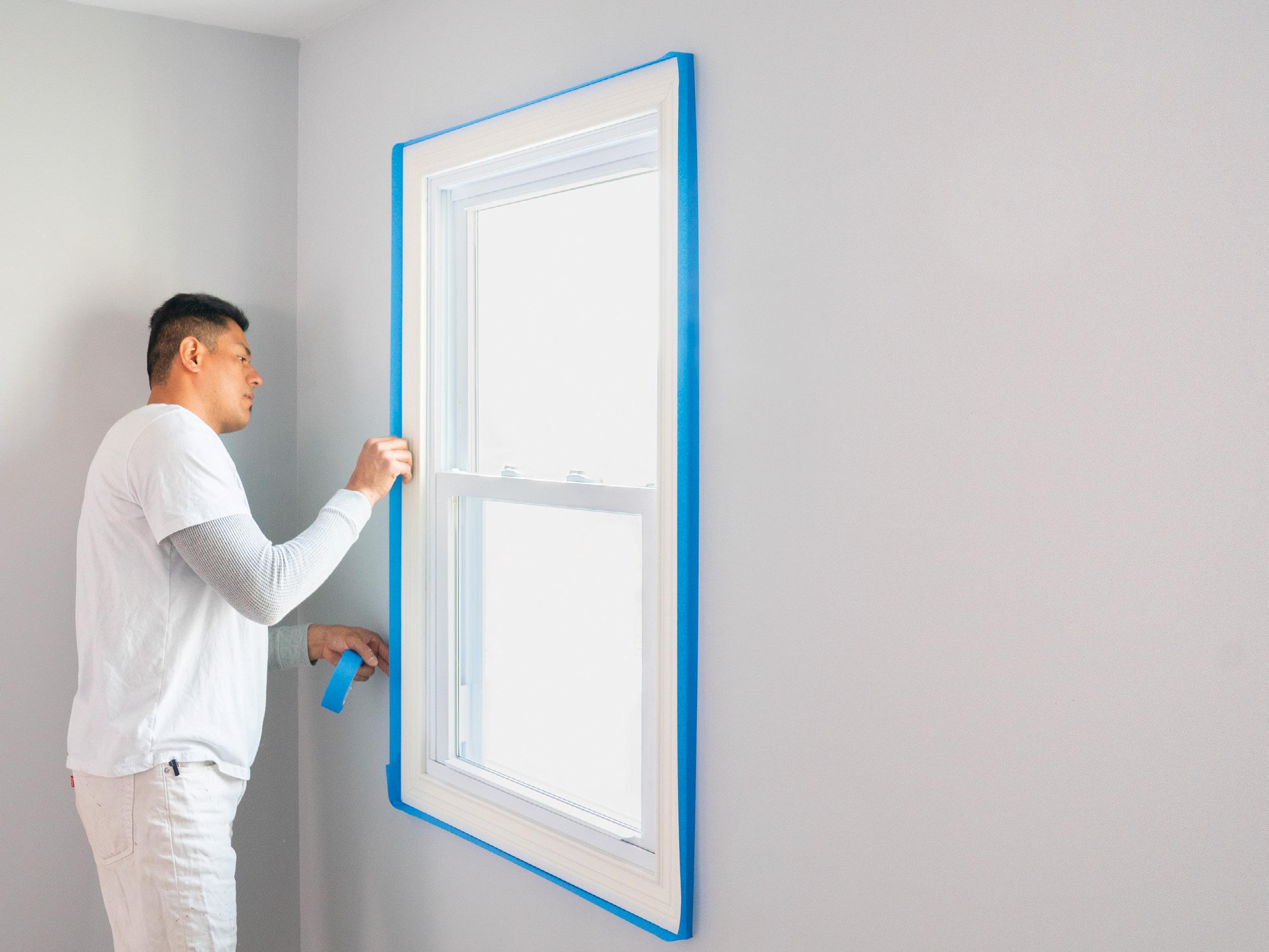
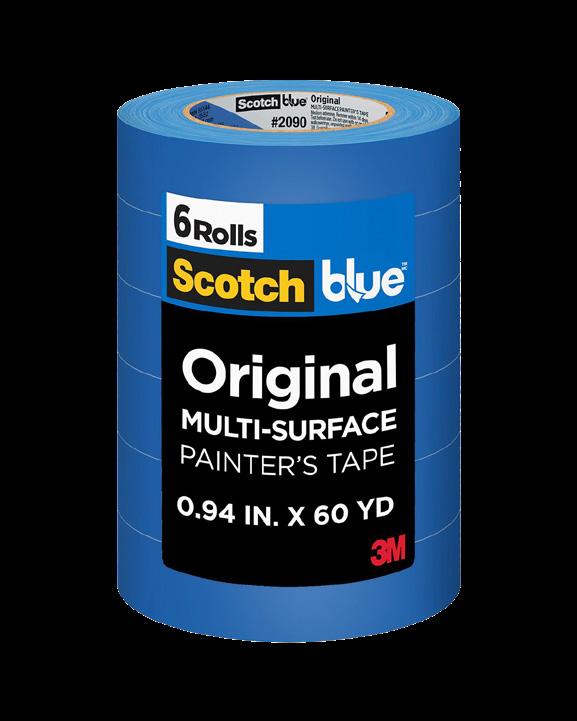
The tape that painters have loved for more than 30 years is now available in six-packs. Whether you’re protecting wood trim, painted walls, tile floor or glass windows, this versatile medium level, multi-surface tape can stay on surfaces for up to 14 days and removes easily without leaving any sticky residue behind. UV and sunlight resistant, this solvent-free adhesive is made from 45 percent renewable resources. The tape is made in a zerolandfill site certified for energy management (ISO 50001 certified), and the core is made with 70 percent post-consumer waste.
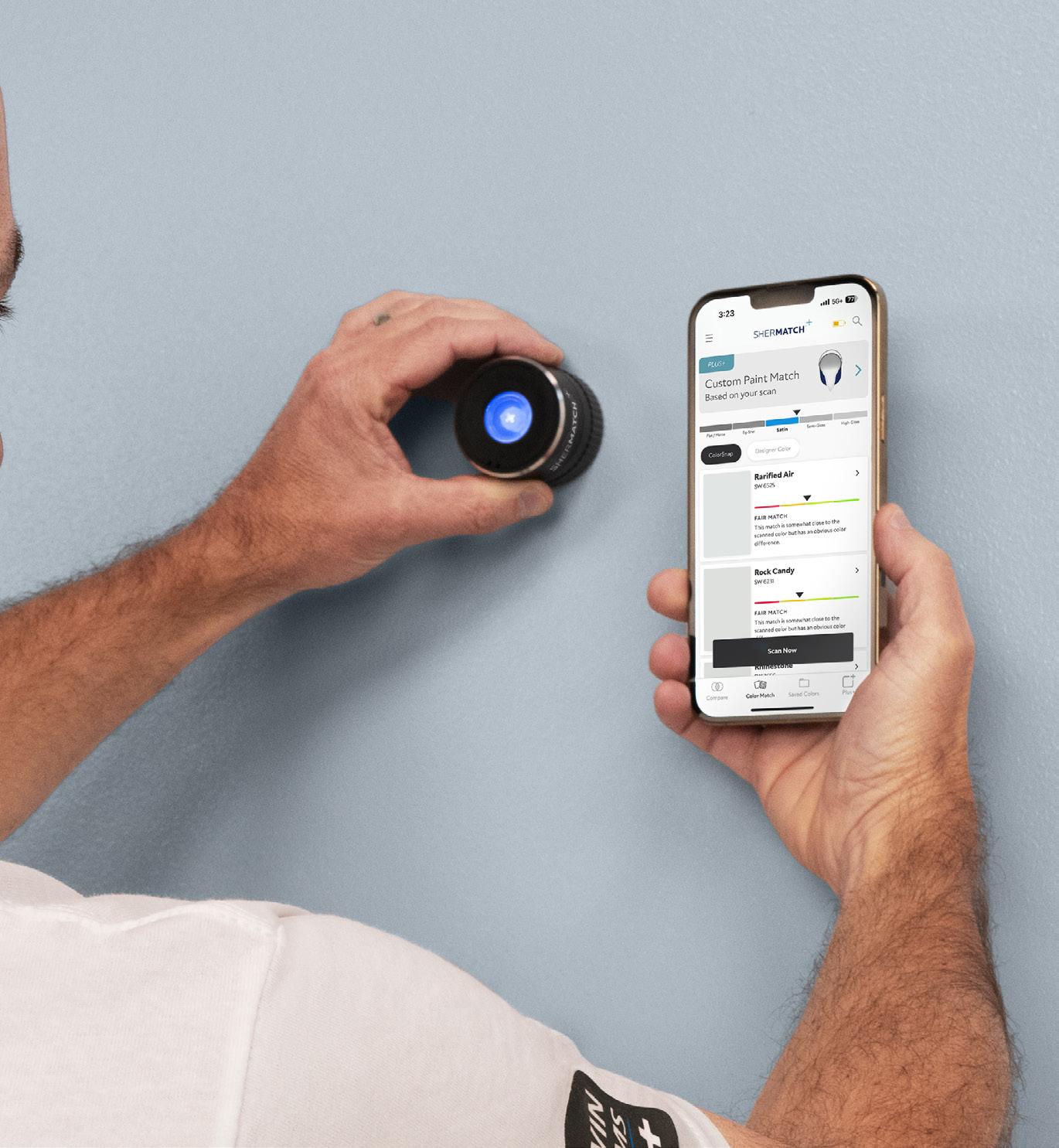
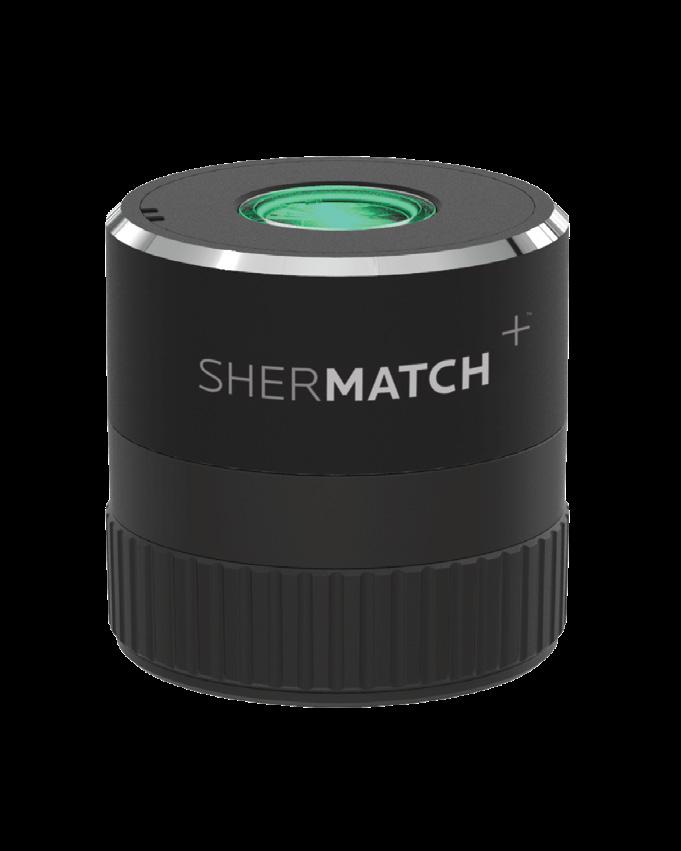
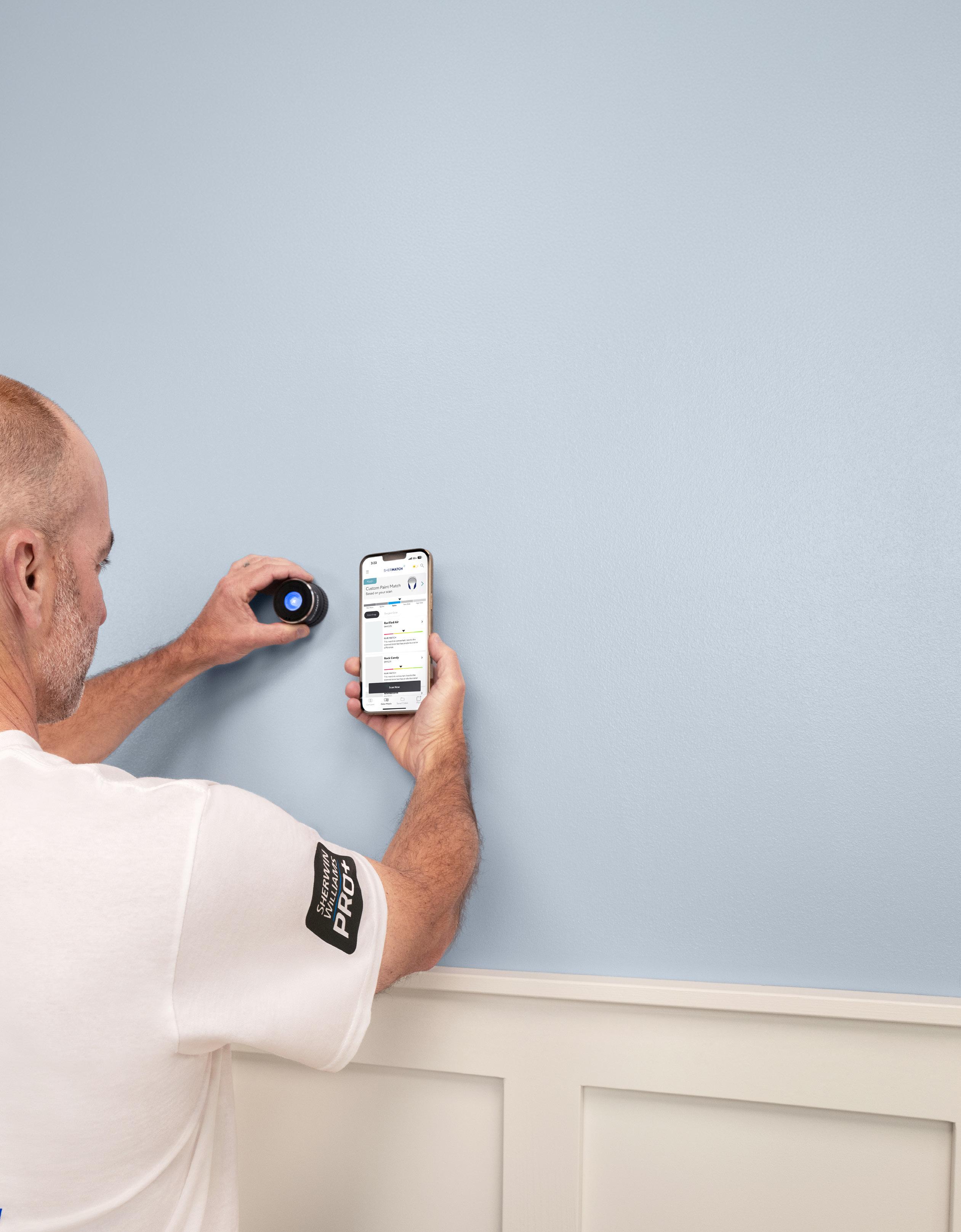
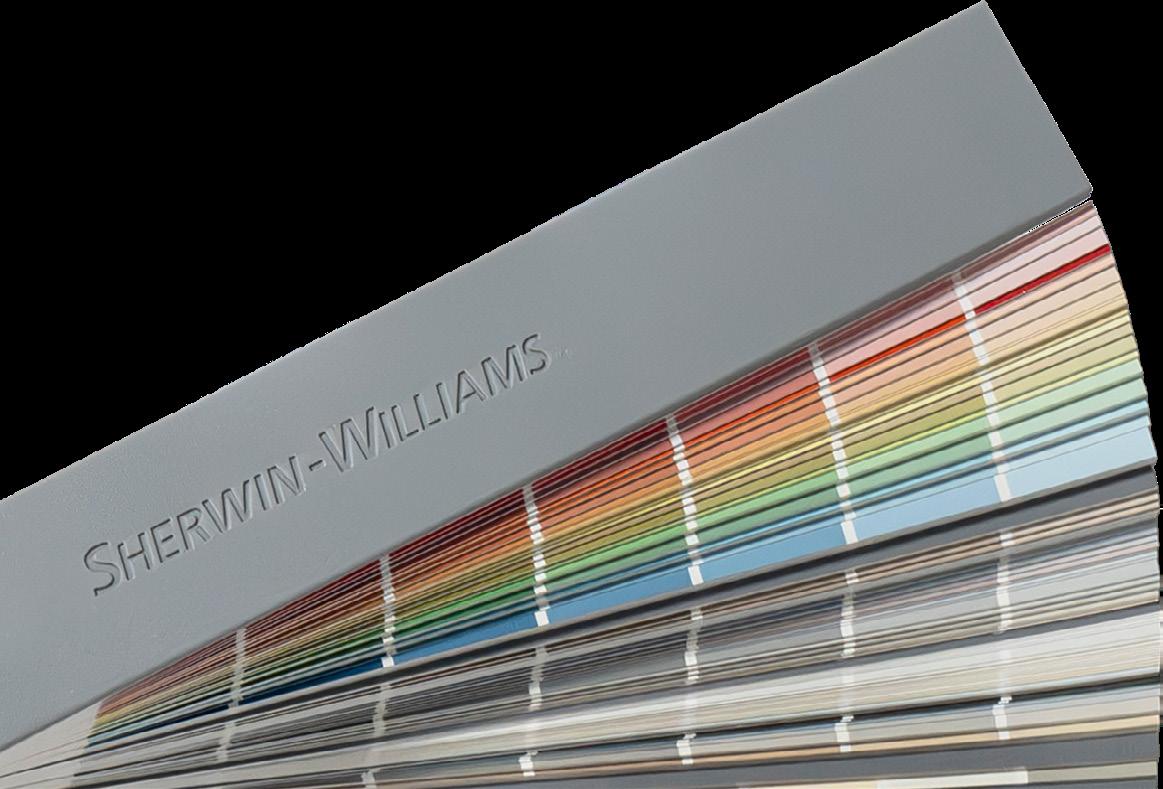
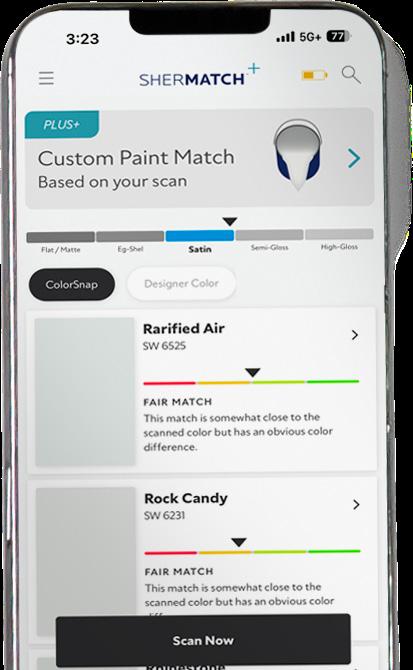
Keep your job moving with SherMatch+, the innovative new color matching tool from Sherwin-Williams. Instantly match colors to the closest Sherwin-Williams color from any source including walls, textiles, carpet, tile, apparel and more. SherMatch+ identifies sheen and coordinating colors to help create a balanced palette. Organize and save your selections into project folders, then effortlessly share via text or email. SherMatch+ can eliminate the need to bring physical samples into a nearby Sherwin-Williams store. For just $9.99/month, upgrade your experience with the SherMatch+ subscription plan that custom color matches using all-new innovative technology.*
*A subscription is not required to use certain features of SherMatch+ (“free version”).
Bring our portable tool to your job site and scan any flat surface: walls, trim, textiles – you name it.
Get an instant color match to the closest Sherwin-Williams hue. Plus, get custom color matches with a SherMatch+ subscription.
Share colors with clients via the SherMatch+ app and keep your job

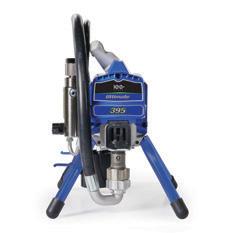
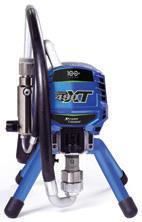
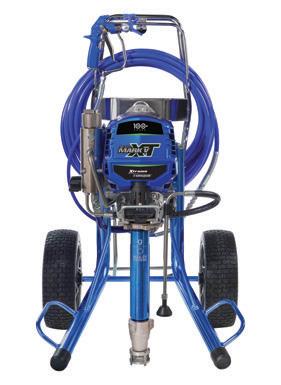
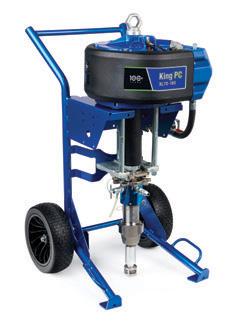
INDUSTRY’S LARGEST PRODUCT OFFERING TO MEET EACH APPLICATION NEED
INDUSTRY’S WIDEST RANGE OF PERFORMANCE & CAPABILITIES
INDUSTRY’S LONGEST LIFE & LOWEST COST OF OWNERSHIP

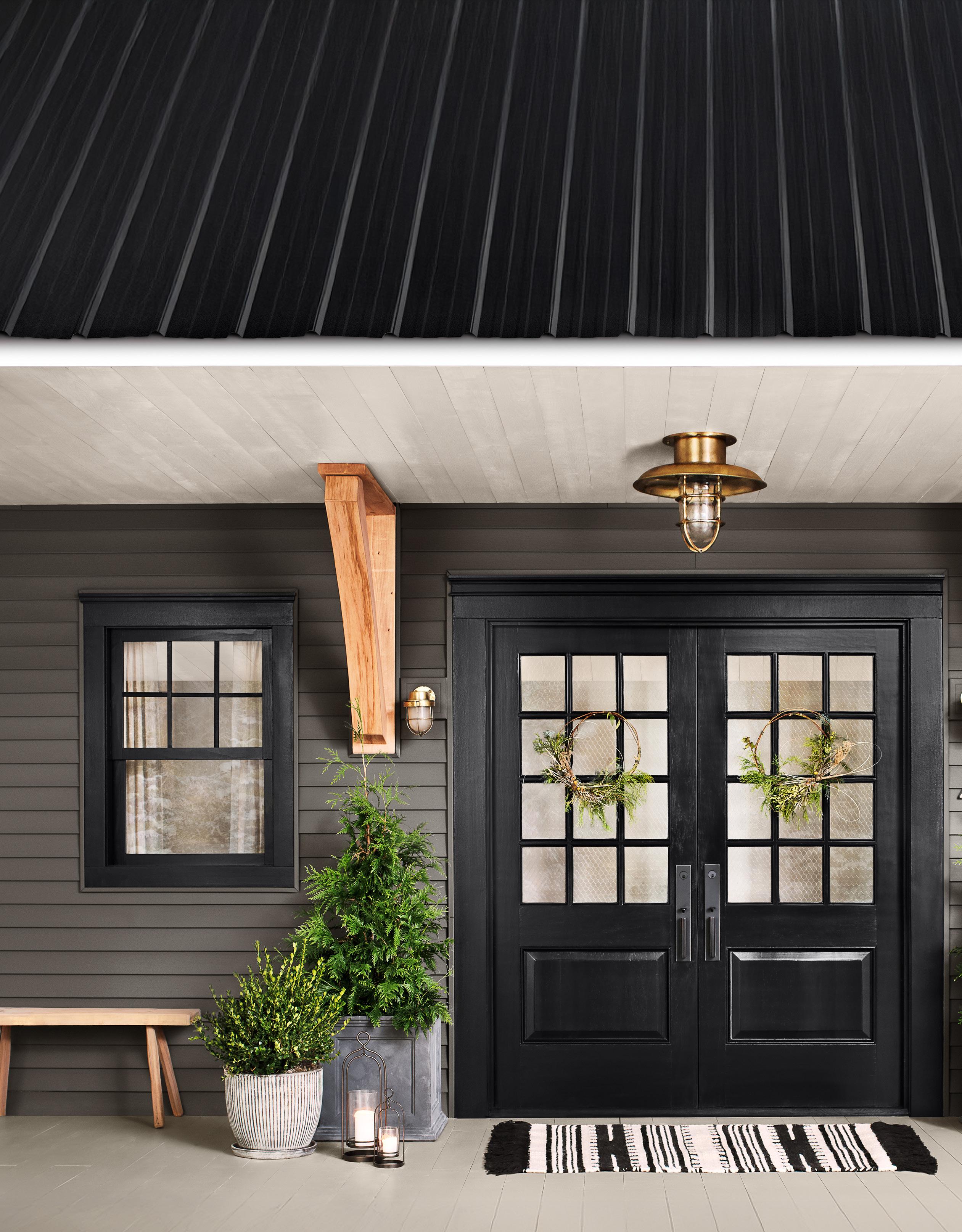
4 tips to help homeowners make the most of the rising trend in exterior living spaces
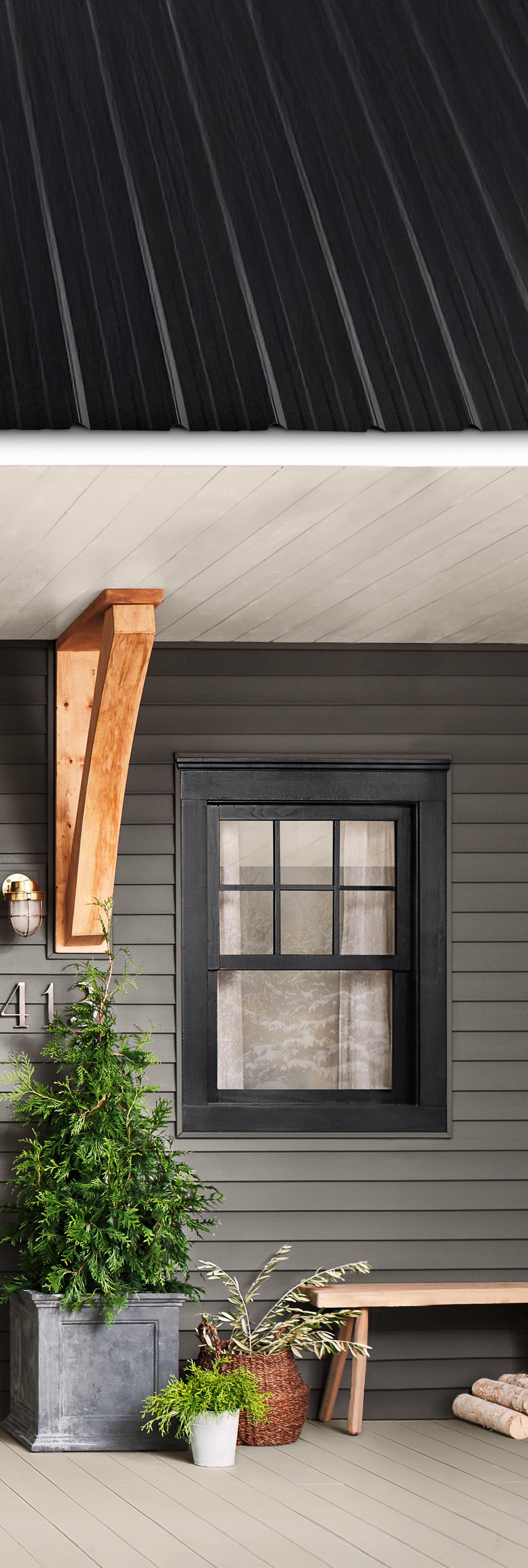
If you’ve been asked to paint more patios, pergolas or outdoor kitchens lately, you’re not alone. Exterior living spaces – exterior “rooms” painted, styled and used like an interior room – have become one of the hottest trends among homeowners in the last few years.
This trend really began to take off during the COVID-19 pandemic, says Ashley Banbury, Color Marketing Manager at Sherwin-Williams. With many people stuck at home and unable to travel to new places, the idea of creating “new” spaces in their own homes became appealing. Given square footage limitations, it’s difficult to build a new interior room. It’s easier to renovate or expand an existing exterior space to create a personal getaway.
“People found an opportunity to extend the footprint of their home and really expand their living spaces to a patio or a deck outdoors,” Banbury says. “They saw it almost like gaining extra square footage – a way to capitalize on space that they weren’t using as much. It became a way for them to connect the personal style of their interior home to their exterior.”
Since then, she says, the trend has only grown as homeowners realized how much they enjoyed personalizing these exterior living spaces. This makes it increasingly likely that a painter’s next job might involve painting one of these “outdoor rooms.”
But with these unique spaces splitting the difference between interior and exterior, how can you best help your customers select paints and colors with confidence with these spaces? Banbury offers these four tips to create stunning exterior living spaces.
When considering good color choices for exterior living spaces, Banbury says one of the best places to start is with fixed features.
“Do you have any type of natural stone, brick, or cobblestone in the space?” she asks. “Do you have an exterior wall? Is there wrought iron? What are the wood tones in the shutters or the patio? All of these elements should be considered when you select the exterior color. It should help bring all of these elements together.”
One way to start could be to consider the tone of any brick, stone or wood in the area, and find a color that matches or complements it. Tools like the SherMatch®+ app (see page 12) makes it easy to scan surfaces, capture accurate color information and view coordinating or similar colors.
Another important factor to consider is your environment – both the neighborhood and the weather. Considering these factors is nothing new for contractors who handle lots of exterior work. But exterior living spaces can add an extra degree of complexity to the process.
“Does the homeowner want this space to complement their neighborhood, or do they want to stand out?” Banbury says. “There’s a lot of great ways you can stand out, whether it be through shutter colors or a door color to have some fun.”
Likewise, make sure the homeowner has thought through their area’s weather. Though exterior living spaces may be used and decorated like an interior space, they are still subject to rain, snow, wind, humidity and more.
A bright white might look nice – but in a rainy environment, it might not disguise dirt or mud that naturally kicks up over time; consider a midtone instead.
A dark or black color might really pop outside – but will it attract and absorb an uncomfortable amount of heat? If you’re in the Southwest, for example, you’ll want to think carefully about that. Considering your environment will help ensure your customer is satisfied.
toned down a bit. The trends have evolved, and Charcoal (SW 3063) and Iron Ore (SW 7069) are also becoming very popular.”
Warm neutrals have been growing in popularity in interior spaces. One such shade, Universal Khaki (SW 6150), is the 2026 Sherwin-Williams Color of the Year. Given how exterior living spaces incorporate both interior and exterior color styles, these warm neutrals are also perfect choices for an exterior space.
“As we see colors warming up in the interior, that’s also happening outside,” Banbury says.
“For example, Universal Khaki is not only a great interior color, but also a beautiful exterior color. We see color trends shifting that way. People want that warmth.”
If the homeowner is expressing indecision or concern over choosing the right color, help them arrive at a decision faster by using a SherwinWilliams color tool.
In the early stages of deciding on the right color, the free Color Expert app can be a great resource.
“You can upload a picture of your home and then place different colors on it,” Banbury says. “You can mess around and play with different options, so that your homeowner can start to visualize it for themselves.”
When in doubt, it’s hard to go wrong with choosing a neutral. That’s one reason dark and warm neutrals have been rising in popularity when it comes to exterior spaces.
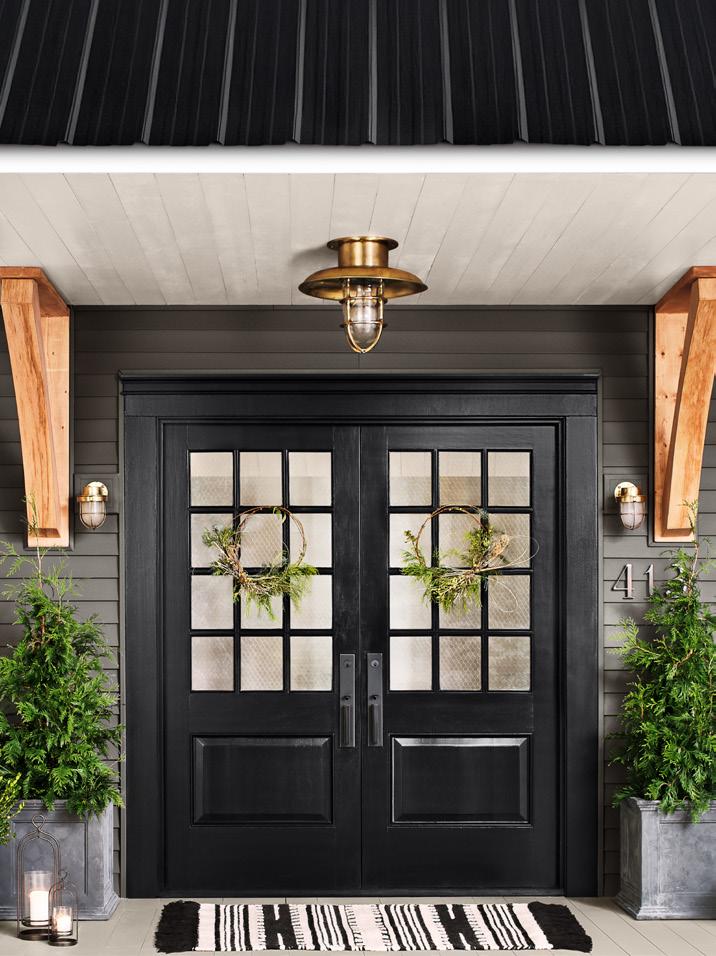
“When we think of neutral colors, we think of whites, but black is still a neutral, too. It’s just a very unexpected neutral, which makes it feel modern and fresh,” Banbury says. “ Tricorn Black (SW 6258) is one of our top exterior colors. But we’re starting to also see the dark blacks 3
If your client has narrowed their options down to just a few colors, buying Color to Go sample pots for the colors they’re considering can be an inexpensive way to reach the right answer quickly. You can paint these samples directly on the exterior spaces they’re thinking about, allowing them to see exactly how it’ll look – whether it matches the features, how it looks in the light, and anything else they’re concerned about.
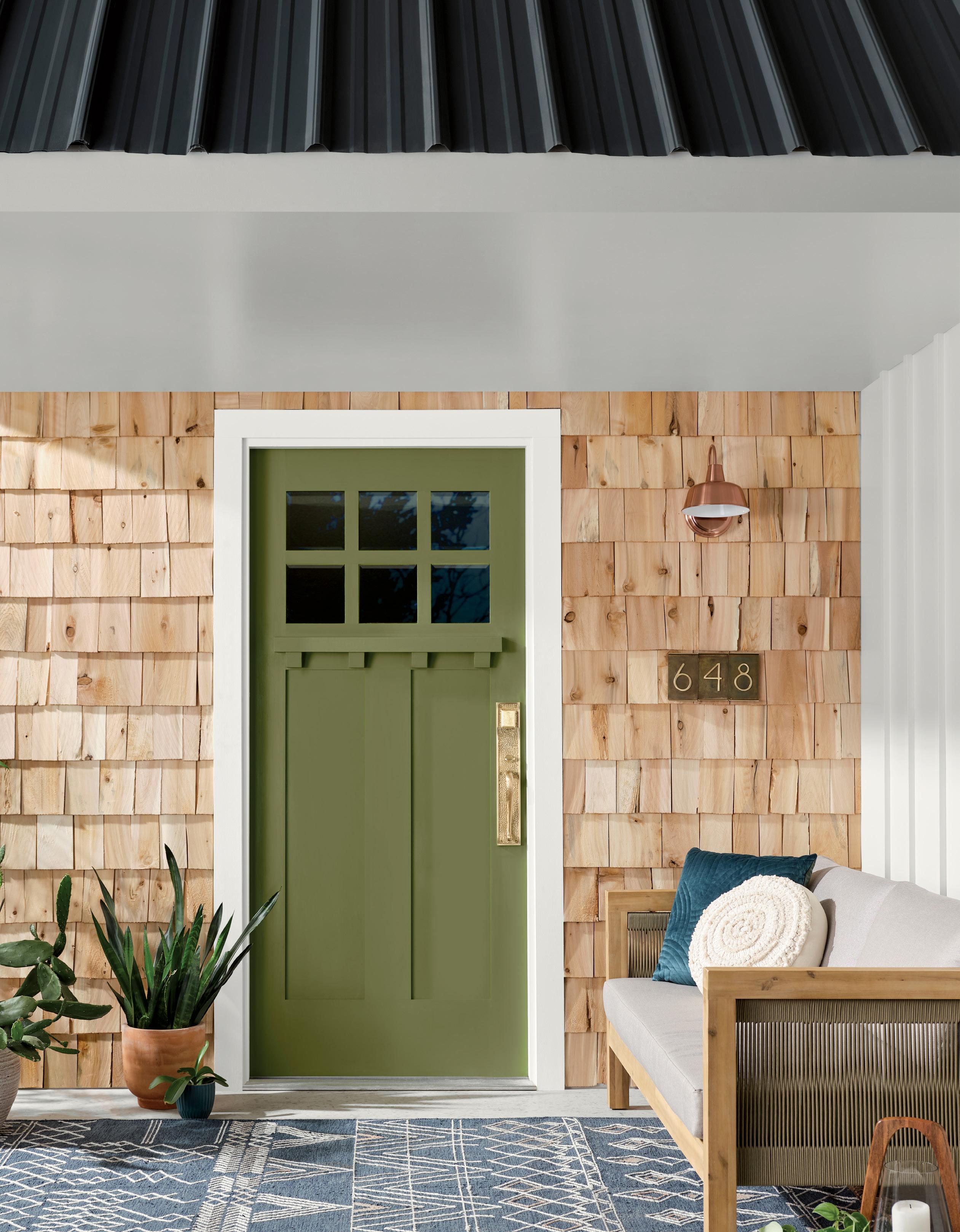
When considering color for exterior living spaces, a good starting point is to take cues from the surrounding environment.”
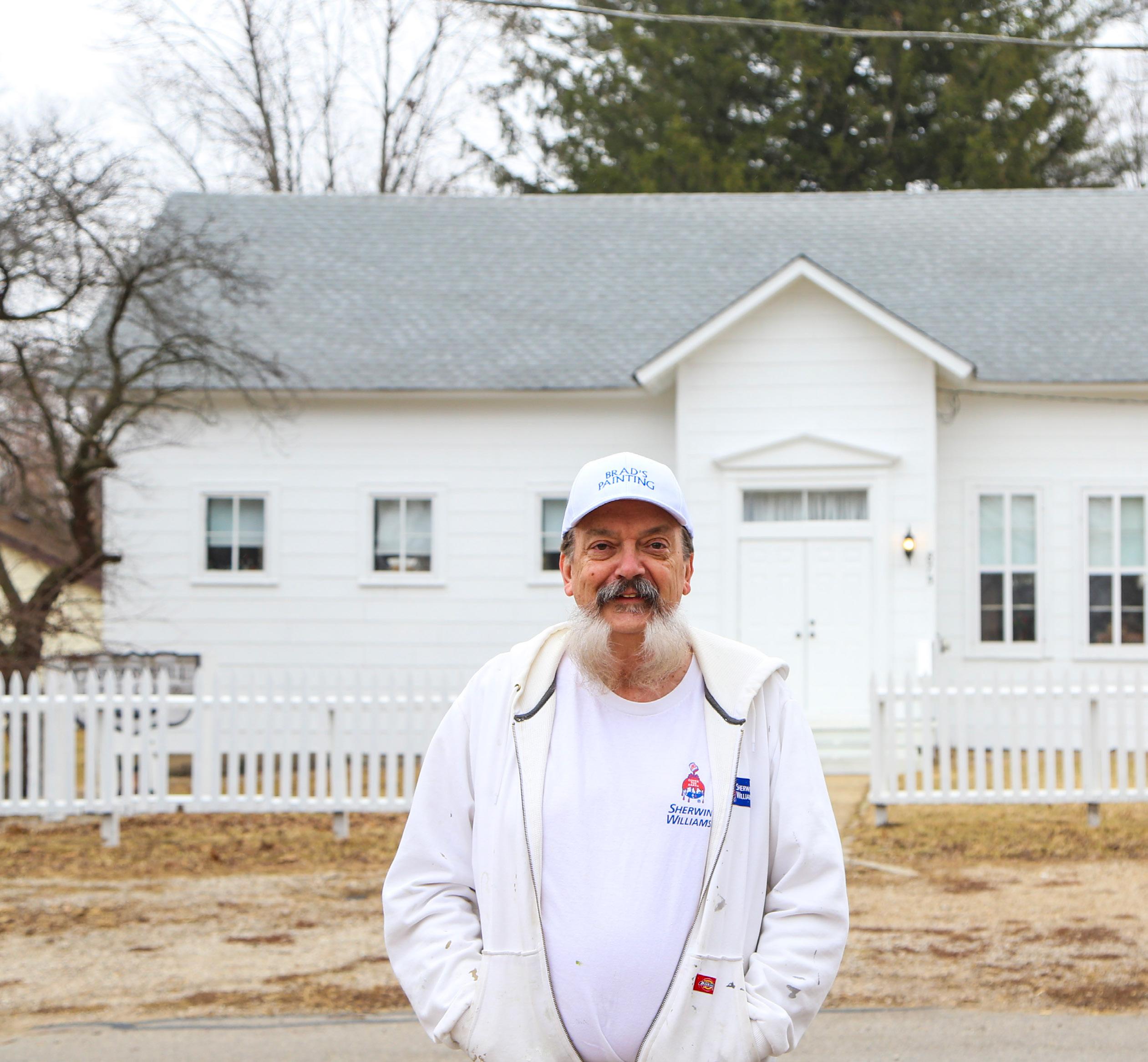

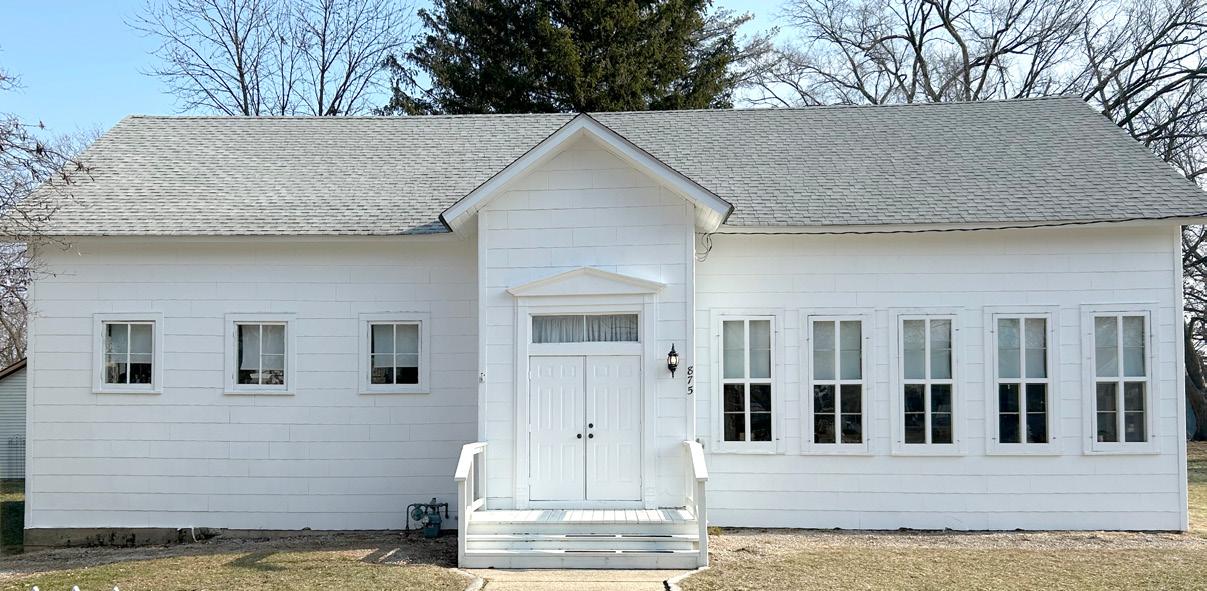
Coal City is a village of about 5,000 people about an hour southwest of Chicago. It’s a tight-knit community where a contractor’s reputation means everything. It is here that Brad Bueschel has earned the trust of his neighbors as a true professional in the local painting field.
Your first career was as a teacher and school principal. How did you get started in the painting business?
In 2004, I bought a new house and needed a painter. There were only five painters in town, so I called all five and never received a call back. Decided to try painting myself, I went to a local retired painter who showed me a few things and have been painting ever since. I have been painting for over 20 years now and will hire employees as needed. I mostly do residential interior paint jobs. I paint a lot for elderly people so they do not get taken advantage of by bad characters scamming/ overcharging them.
You recently completed an important historic building repaint in your area – the Carbon Hill School Museum. Can you tell us more about this property?
The building was originally built in 1892 as a two-story schoolhouse. In 1935, the second story was taken off the building and it was re-sided for the last time. It has been a public museum for 25 years.
How did you get involved in the project?
I was selected because I had previously done some painting for Michele Micetich, the president of the local historical society.
What steps did you have to take to get the substrate ready for painting?
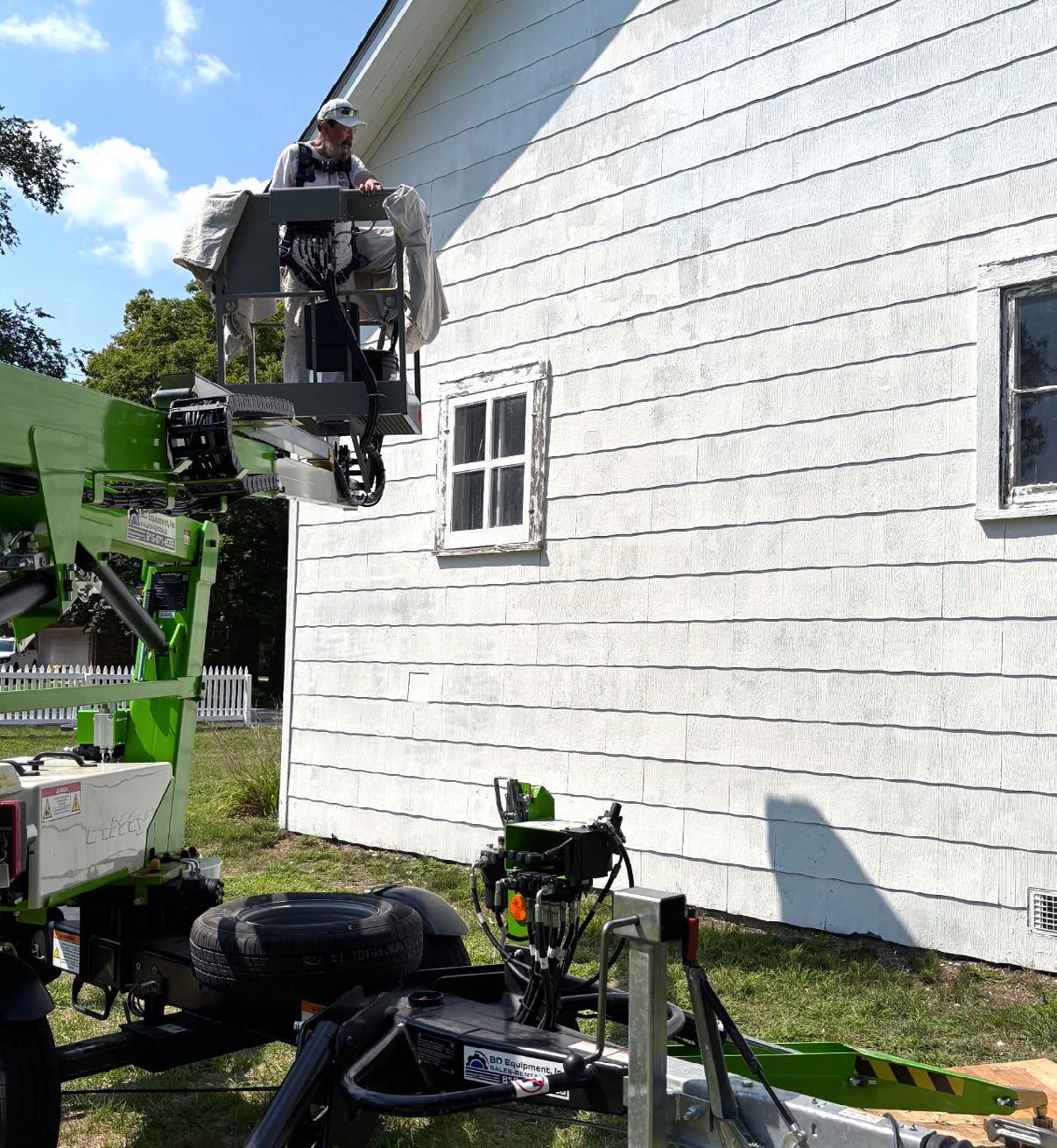
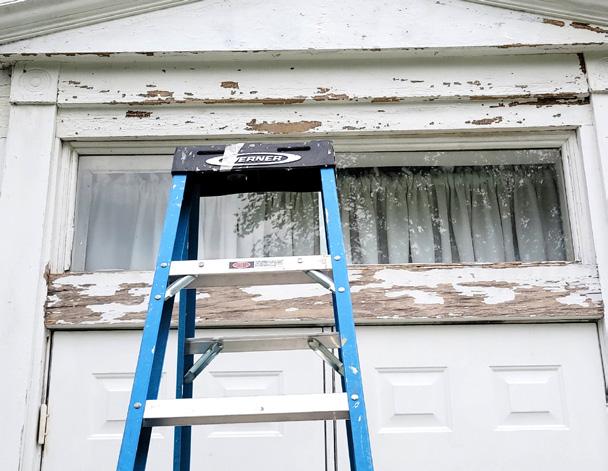
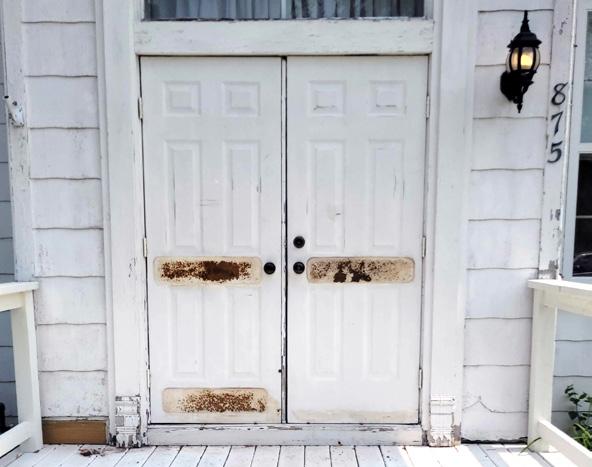
The building was in bad shape after the last paint job. It was peeling all over from improper prep work. The last person to paint it was someone forced to do it as community service hours, not a professional who had pride in their work. My prep included powerwashing the building, hand scraping all the loose paint off, and spot priming any bare surfaces. I scraped the rust off of the door with a side grinder and primed the door.
What products did you use?
I spot primed the siding with ProBlock® Premium All-Purpose Water-Based Interior/ Exterior Primer and primed the door with Pro Industrial Kem Bond® Primer to block remaining rust. The siding paint was A-100 Exterior Acrylic Latex in the satin sheen and the door paint was Pro Industrial™ Multi-Surface Acrylic in the eg-shel sheen.
CONTINUED ON NEXT PAGE
What qualities did these coatings have and how did they work for you?
The products worked fantastic. ProBlock was selected for spot priming the siding because of its stain blocking abilities and adhesion to the siding. Kem Bond was selected for its rust-blocking capabilities. A-100 was selected because it is one of the more flexible exterior paints from Sherwin-Williams. With the siding being so old – from 1935 – there was a fear that weather and temperature changes would cause the siding to fluctuate more than modern siding would. Past coatings had popped and peeled off so A-100 was chosen based on flexibility over color retention and UV protection since the color was Extra White, a package white color. Multi-Surface Acrylic was chosen for the doors based on adhesion and durability.
Any other special challenges unique to this job?
Just the fact that everything was so old. The windows were the originals from 1892. The siding was last replaced in 1935.
What role did your paint supplier play in the success of this job?
My Sherwin-Williams rep Nick Nihill was very helpful. He recommended the products I used and came out to the job site on a regular basis to check our progress. He showed concern for the job to go smoothly. Whenever anything was needed, he came through for us.
What would you say is the greatest reward in being involved in the restoration of such a historical building in Carbon Hill?
It was like saving history and keeping it intact. Paint is important to protecting a building and preserving it. There is a certain satisfaction in properly fixing up an old schoolhouse that is now serving its community as a museum. Especially in such a tight-knit community like this, it means a lot.
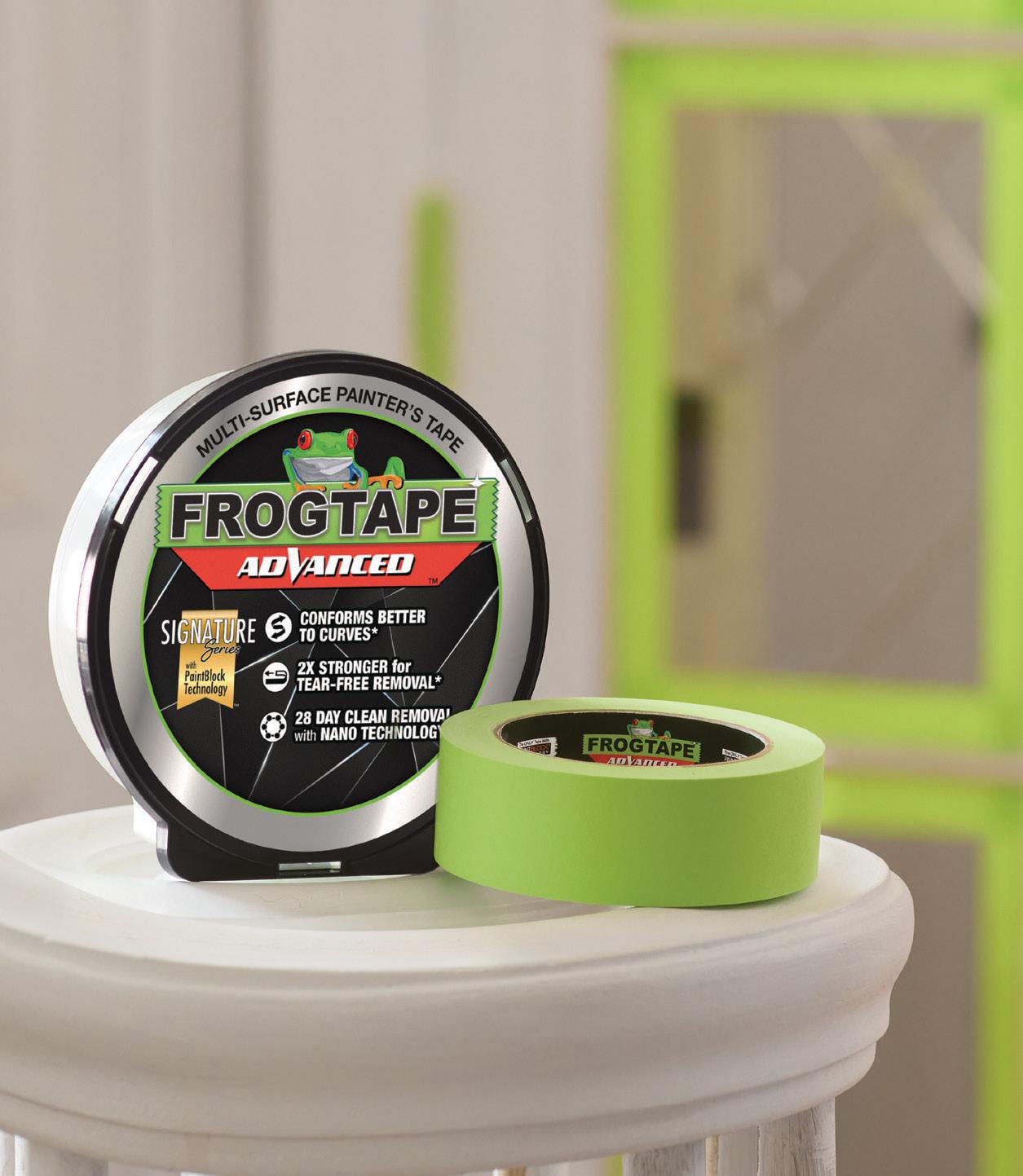
FrogTape Advanced™ Painter’s Tape
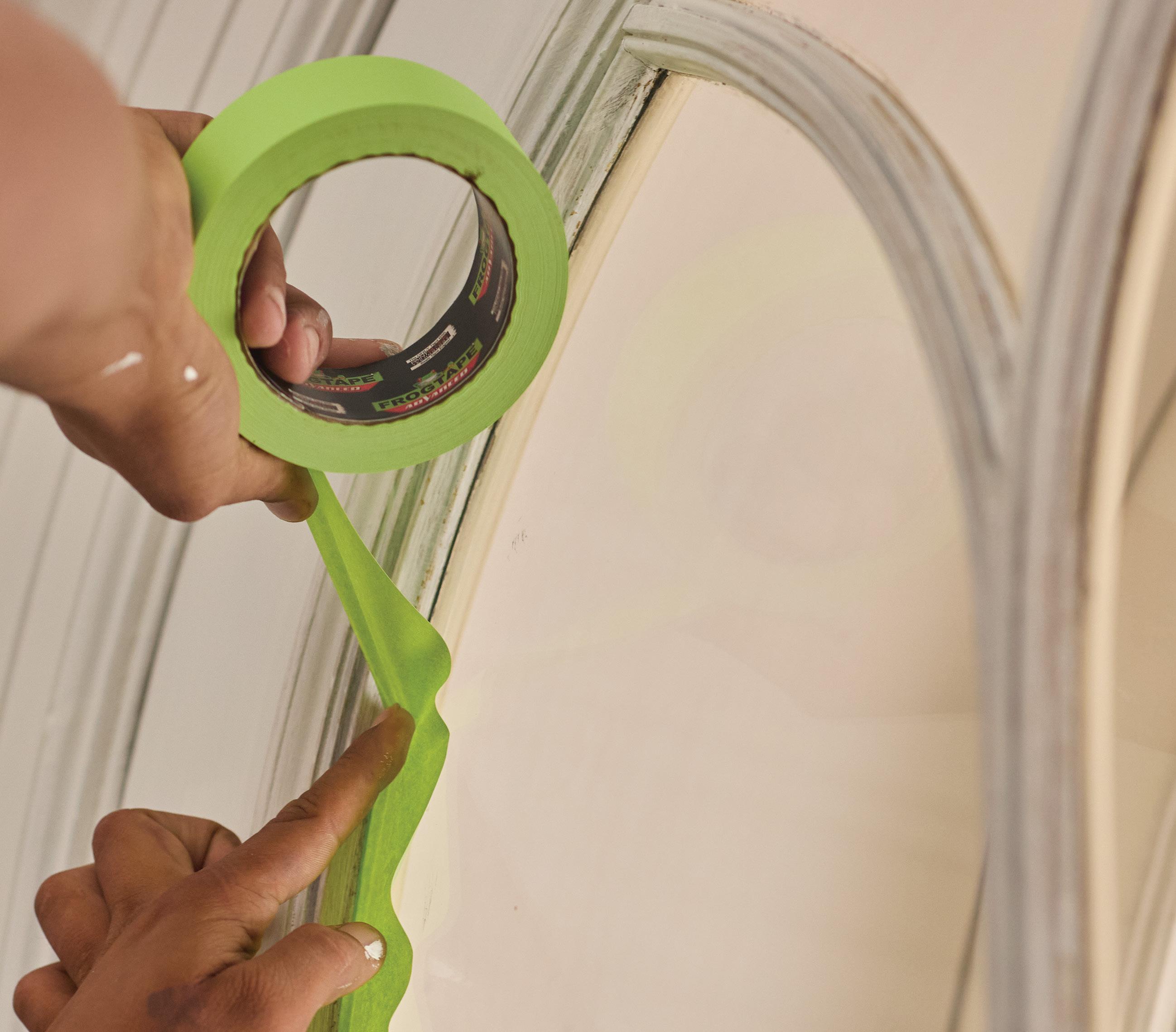
FrogTape Advanced™ Painter’s Tape – the best painter’s tape we’ve ever made. Edge-treated with exclusive PaintBlock® Technology, FrogTape Advanced is engineered with everything you love about FrogTape® Multi-Surface plus advanced performance in conformability and shred-resistance, giving you the confidence of professional results –when it matters most.

at








How 48 years in the trade has changed what success looks like to Ohio paint pro Terry Begue
After 48 years in the painting business, I expected retirement to feel obvious. I thought there would be a clear moment when I’d know it was time to walk away. That moment hasn’t come. Instead, I’ve realized something I didn’t expect – I still enjoy painting, just not in the same way I used to.
That surprised me. After all these years, I expected to be tired of ladders, schedules, customers and the constant pressure that comes with running a business. But the truth is, I still enjoy the work itself. What I don’t enjoy anymore is the chaos that can come with it – managing crews, chasing growth, and carrying stress that no longer serves me.
So rather than stopping altogether, I’ve decided to change how I think about work.
You have a choice
These days, I’m preparing for retirement, but not in the traditional sense. Instead of thinking in terms of stopping, I’ve started thinking in terms of choosing. Choosing how I work, who I work with, and how much of my time and energy the business deserves. That shift alone

lifted a surprising amount of weight. It reminded me that retirement doesn’t always have to be an on-off switch. Sometimes it’s simply deciding what still belongs in your life – and what doesn’t.
One of the biggest lessons I’ve learned over the years is that your relationship with work changes as you do. Early on, it’s about building something – proving yourself, staying busy, growing the company, and believing every dollar matters. Later, it becomes more about intention. You start asking better questions. How much is enough? What kind of work do I actually want to do? What do I want my days to look like?
For a long time, I thought slowing down meant giving something up. Now I see it as gaining control.
Owning your own business also gives you an important advantage if you plan properly: you get to decide when it’s time to step back. You’re not forced out because of your age or replaced simply because someone younger is waiting in line. That flexibility is something I didn’t fully appreciate earlier in my career, but it’s become one of the most valuable benefits of ownership.
That shift in thinking didn’t happen overnight. Like most painters, I spent many years focused on the next job, the next season, or the next problem to solve. The work demands that approach. But eventually, you realize that staying busy isn’t the same as moving forward, and being successful doesn’t always mean doing more.
The financial side of that realization matters just as much.
If there’s one thing I wish more painters understood early in their careers, it’s that financial security rarely comes from one big year or one great project. It comes from consistency. Small, steady decisions made over decades matter far more than most people realize at the time.
Starting an IRA early and contributing to it consistently was one of the smartest decisions I made. I didn’t always put in large amounts, especially in the early years. Some months, it wasn’t much at all. But I stayed consistent. Looking back now, that habit mattered far more than the dollar amount.
Early in your career, it’s easy to think you’ll catch up later. But later has a way of filling up quickly with responsibilities, expenses, and distractions. Starting early – even modestly –gives time a chance to work for you. You don’t need to hit home runs. You just need to stay in the game.

I’ve also learned that simplicity becomes more valuable as the years go by. Financially and professionally, complicated systems tend to create stress. Simple plans are easier to stick
For many in this trade, retirement may simply mean choosing a different pace and deciding what parts of the work are still worth holding onto."
with and easier to manage over time. The same holds true for work. When you’re younger, you can muscle through almost anything. As you get older, you start appreciating decisions that make life easier, not harder.
That perspective is probably why I still enjoy painting today.
What I love now isn’t the hustle or the size of the operation. It’s the craft – working with my hands, taking the time to do things right, and working with clients who trust the process. There’s a satisfaction in that kind of work that hasn’t faded with age.
In fact, I appreciate it more now than I did earlier in my career. Back then, I was always thinking about what was next. Now I’m more present in the job itself. There’s pride in finishing a project well and knowing I don’t have to rush off to manage the next fire.
Over the years, I’ve also learned that when you consistently take care of customers, those relationships often last far beyond a single project. Not long ago, I was working for a client whose home I’ve painted several times over the years. While I was there, we spent as much time talking about life as we did about paint colors. At one point, they mentioned how comforting it was knowing they could call someone they trusted to take care of their home. Moments like that remind me that the relationships you build in this business often matter just as much as the work itself.

That’s where my new rules come in.
At this stage, I take only work I can do myself and only for clients I enjoy working with. I’m not trying to grow anything. I’m not trying to prove anything. I’m choosing work that fits my life, not the other way around.
That approach won’t be right for everyone, and that’s fine. Every painter’s path is different. But if there’s one thing I hope painters who are still building their careers take away from this, it’s that success in this trade isn’t just about how big you grow. It’s about building something that can support you for the long haul –financially, professionally, and personally.
After 48 years, I’ve learned that longevity in this trade isn’t just about skill or stamina. It’s about the decisions you make over time – and whether those decisions are building the future you actually want.
Many painters spend their careers focused on finishing the next job or the next season. At some point, it becomes just as important to step back and think about where all that work is leading. Retirement may not look like a finish line. For many in this trade, it simply means choosing a different pace and deciding what parts of the work are still worth holding onto.
When that time comes, you may find retirement doesn’t feel as obvious or final as you once expected. It may feel more like the freedom to shape your work –and your time – in a way that finally fits the life you’ve spent years building.
I’m not finished painting. I’m just finished doing it the hard way.

If you’re getting closer to retirement – or even if retirement still feels far off – there are a few big-picture questions worth thinking about:
What parts of your work still energize you – and which quietly wear you down?
And if things keep going the way they are, reaching fifty years in the business is starting to look pretty good.

ABOUT THE AUTHOR
Terry Begue is the owner of Begue Painting, Inc. and author of Attract & Keep Customers for Life and Crushed
How simple could your business be and still support the life you want?
Are you setting money aside for yourself – even when money feels tight?
What does “enough” actually look like for you – and have you ever defined it?
What kind of days do you want your future to hold?




Unleash your Sales Teams Productivity
Estimate fast & accurately Automated follow-ups close deals while you sleep


Coordinate & Schedule your Crews
One Platform. Zero Chaos. Total Control. Ditch spreadsheets and disconnected apps. Streamlines your business f rom Lead to Paid so you can move faster, stay organized, and grow prof itably. Visit for your


Invoice & get Paid Fast
Keep crews informed and fully utilized, ever y day. No more missed invoices and payments direct to your bank account

Estimate Rocket - Proud member of the Sherwin-Williams
AI may be generating most of the headlines these days. But there are also some gamechanging technical innovations happening in the world of paint and coatings.
The scientists at Sherwin-Williams, for instance, have been working hard to develop a pair of advanced paint products that will help painters be more productive while offering customers performance and sustainability.
One is Forte™ Urethanized Acrylic, a high-performance coating for metal and concrete. The other is the latest cuttingedge addition to the Emerald family of premium interior paints.
We sat down with Dennis Fiorilli, Sr. Director of Product Information & Excellence at Sherwin-Williams, to learn more about these new coatings and what they can do for the professional painting contractor.
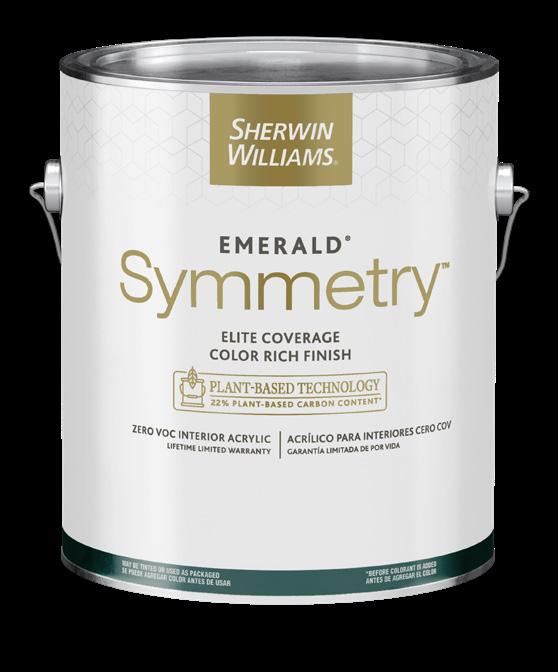
The introduction of Emerald® Symmetry ™ is the biggest product news of the year. Can you tell us more about this new coating?
This is the latest addition to our Emerald line of best-in-class coatings. Emerald Symmetry is a next-generation premium paint that delivers performance including exceptional coverage, outstanding hide, durability and lasting beauty that will help elevate your customers’ spaces with a premium color-rich finish.
The other major breakthrough is that it offers all these attributes in a zero-VOCS
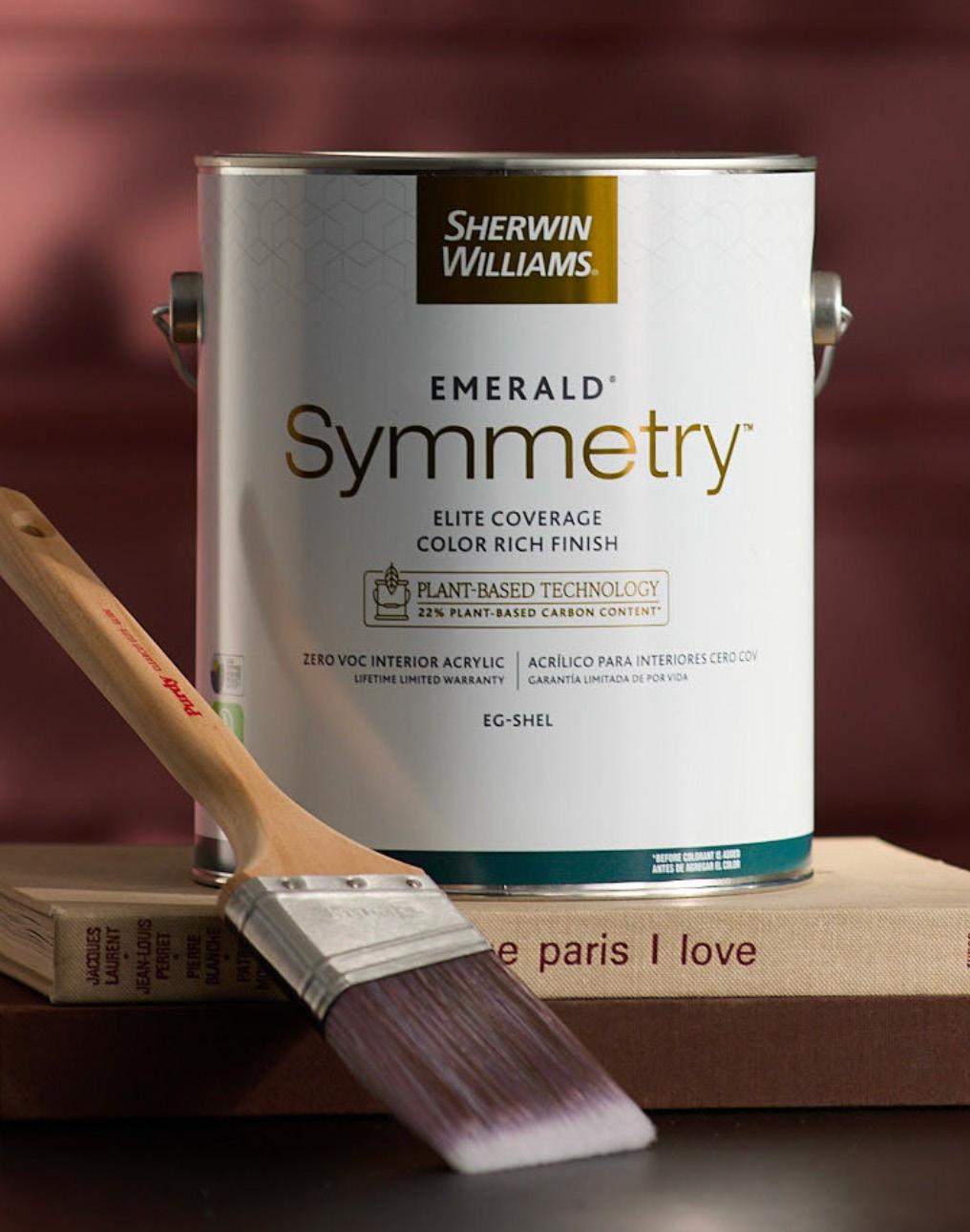
formula. Think of it as high performance and mindful innovation balanced perfectly in one product. Emerald Symmetry Zero-VOCS Interior Acrylic is equal parts performance and sustainability, something that is reflected in the product name – the word “symmetry” describes the property of having parts that are identical and arranged in a balanced way.
How was the zero-VOCS standard achieved?
Emerald Symmetry is engineered with advanced chemistry formulated with plant-based materials. To be specific, it contains a minimum of 22 percent plantbased carbon content, which varies by sheen, before colorant is added.
Why is this important?
We know that sustainability has become more and more important to our customers. Emerald Symmetry was intentionally designed with sustainability in mind.
It has been independently certified by third parties and complies with LEED (v4, v4.1, v5), MPI and GREENGUARD Environmental Institute (GEI) standards, including being GREENGUARD® GOLD certified for low chemical emissions.
Since it’s designed to last longer, it reduces the need for frequent repaints and minimizes waste over time.
Bottom line, contractors can feel confident recommending zero-VOCS coatings like Emerald Symmetry to contribute to cleaner, healthier indoor air quality.
You mentioned the product’s color-rich finish. Can you tell us more about that?
Emerald Symmetry is designed to achieve or match any color, from our brightest whites to rich, vibrant hues. This breakthrough technology ensures every shade carries exceptional color depth and richness. That means you can offer your customers complete flexibility of color choices.
Emerald Symmetry has exceptional durability and scrubbability. It maintains its finish even after hundreds of scrubs, reducing the need for repainting. This combination of beauty and resilience make Emerald Symmetry perfect for spaces that need both style and strength.
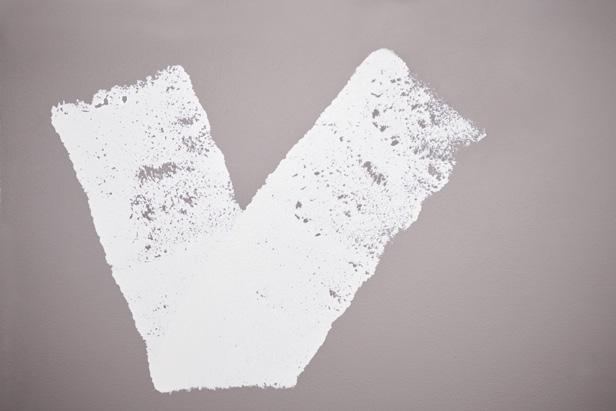
It also offers our best hide yet. It has outstanding coverage when compared to traditional interior paints.
When would you want to use Emerald Symmetry instead of, say, regular Emerald® Interior Acrylic Latex?
I’d recommend it when a contractor wants to provide their customer with an ultra-premium finish while also providing the contractor excellent application from brushability/roll and hide. It’s also a great choice for those homeowners who value sustainability and what Emerald Symmetry offers in terms of zero-VOCS and next gen technology.
Are there certain applicators you recommend for Emerald Symmetry?
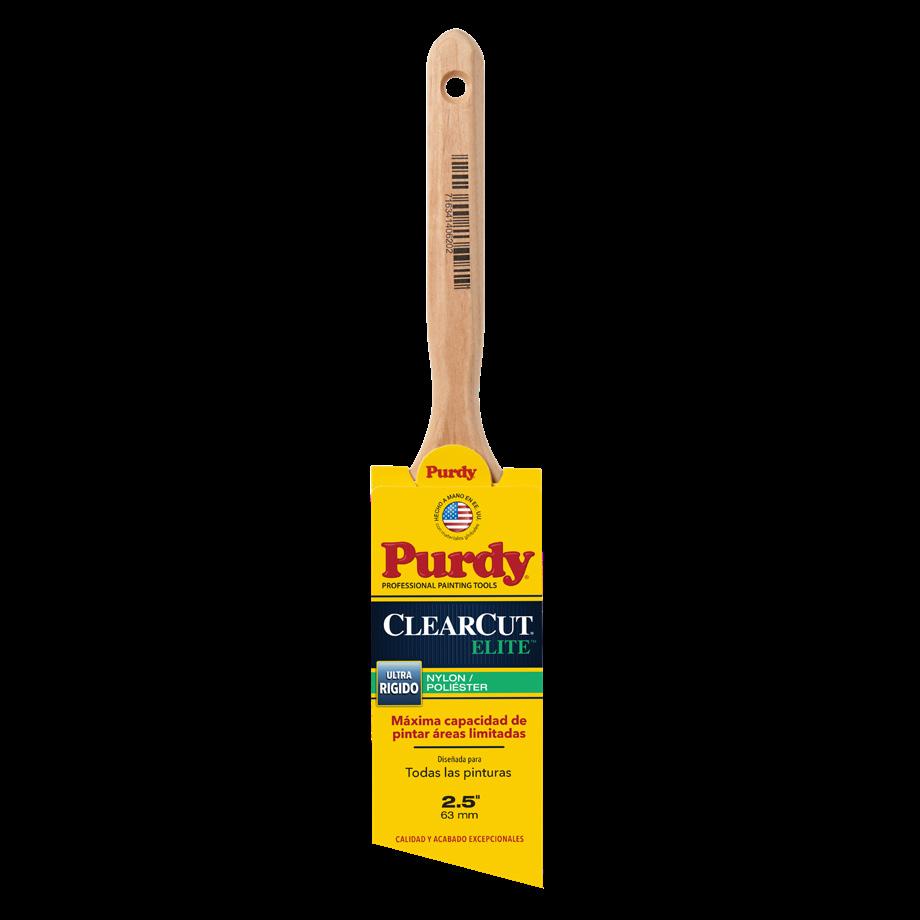
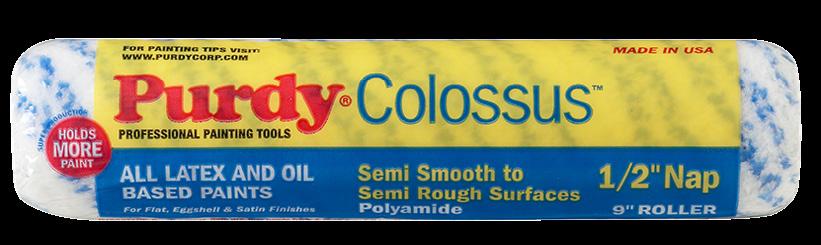
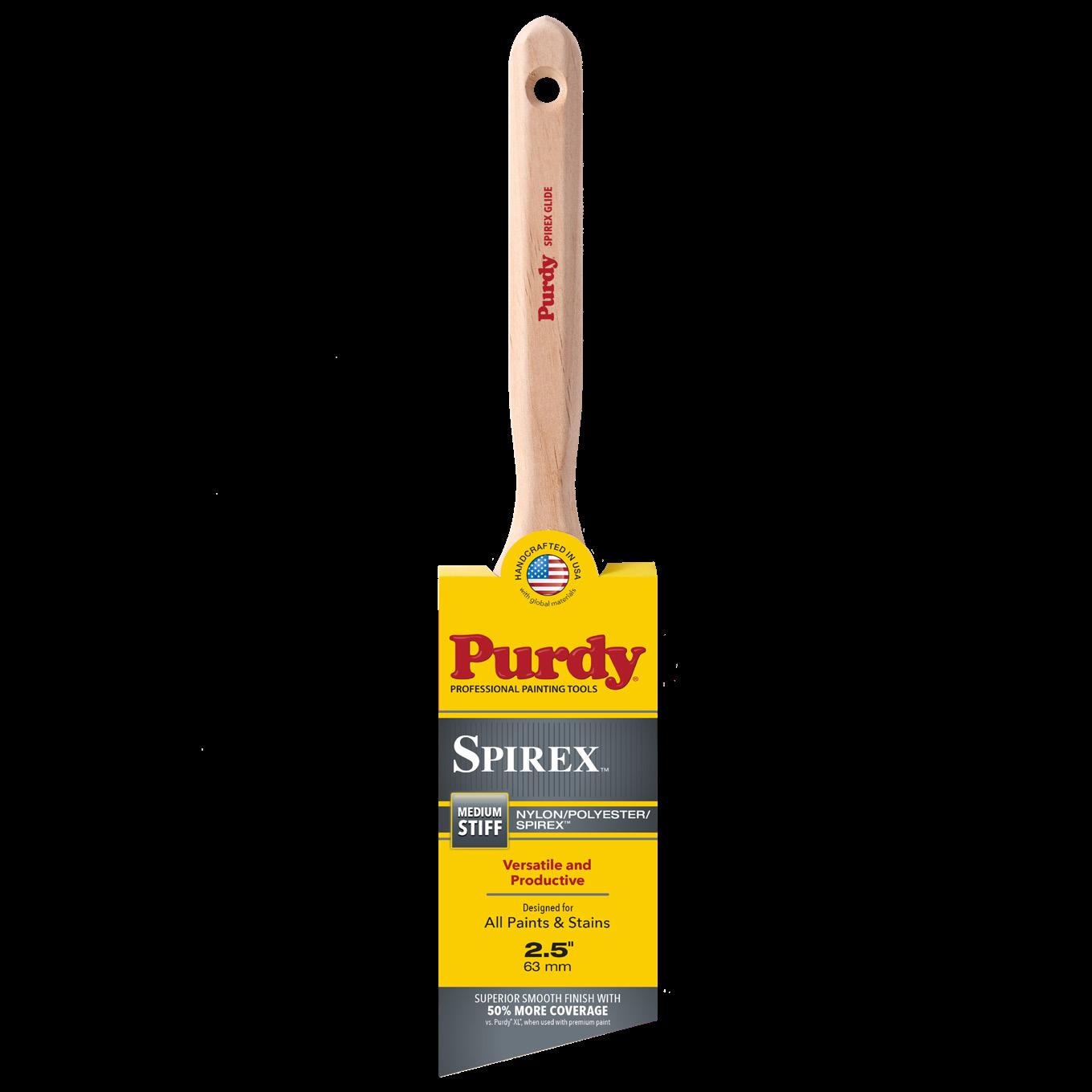
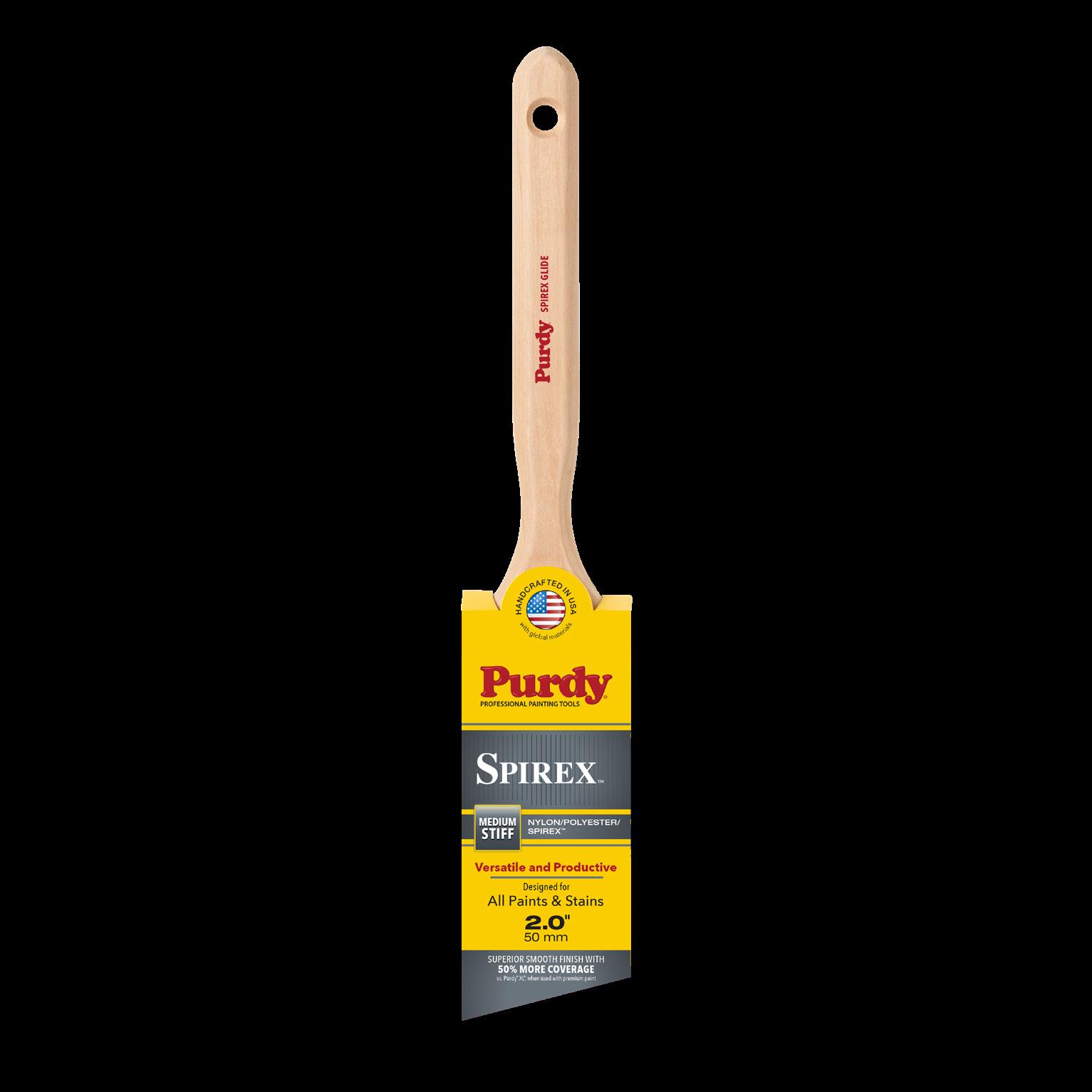
For elite coverage, we recommend using the Purdy® Marathon™ roller and the Purdy® Clearcut Elite brush.
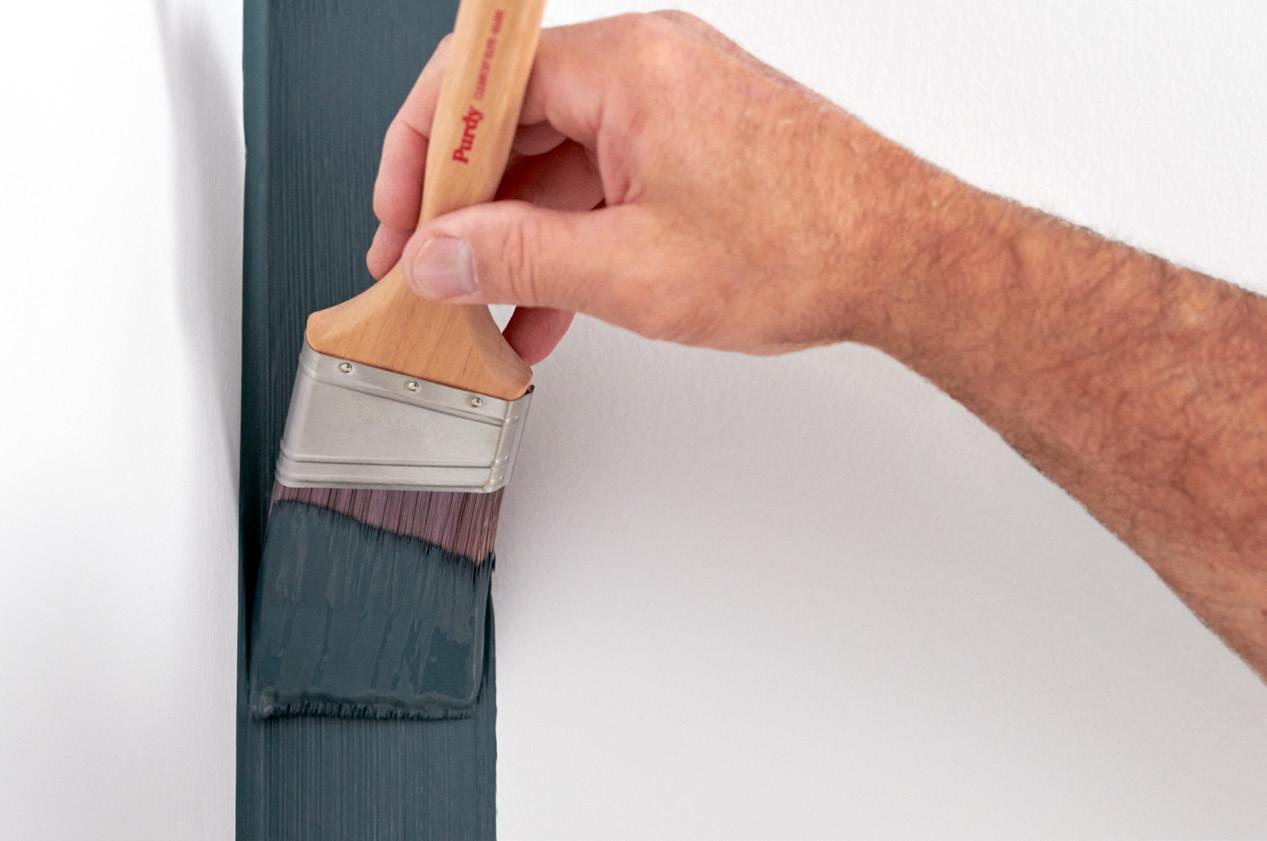
Emerald® Symmetry ™ delivers outstanding hide, covering previous colors and minor imperfections


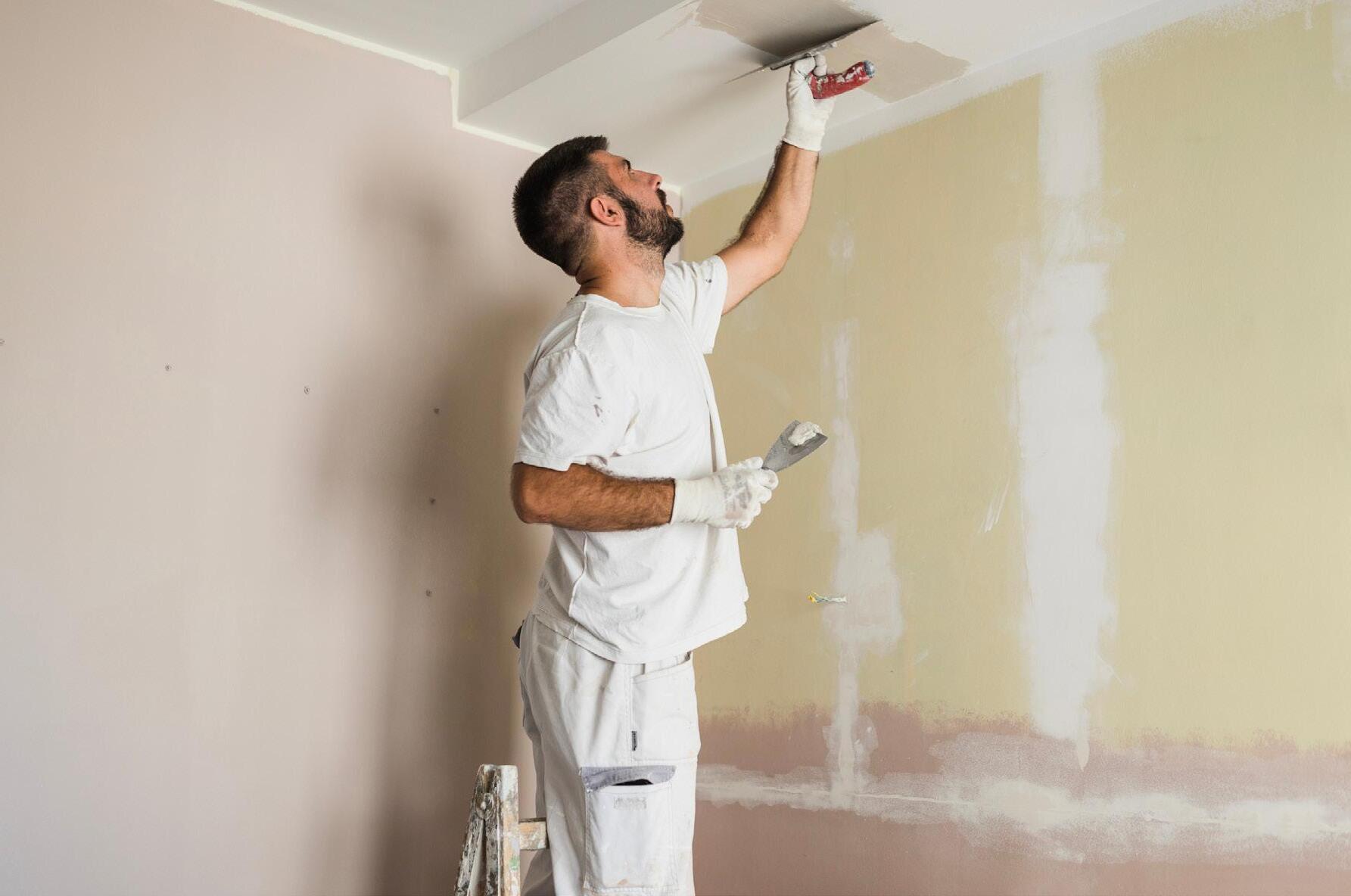
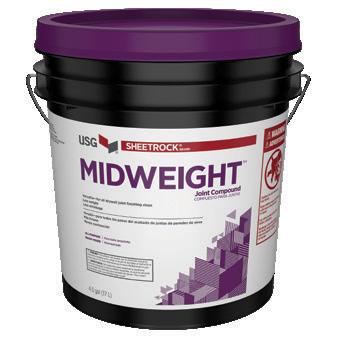
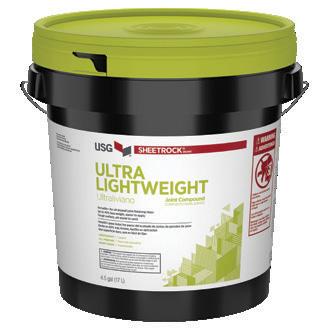
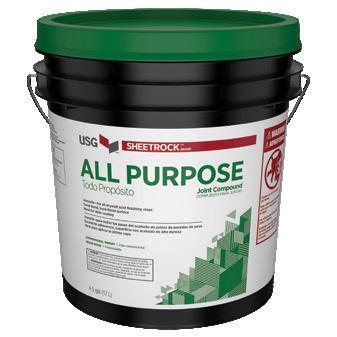
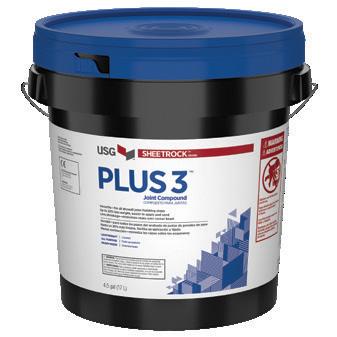
With USG Sheetrock® Brand, you’re not only getting the industry’s best finishing products — you’re getting 100+ years of expertise and proven performance of a full portfolio designed to support you, wherever you work.






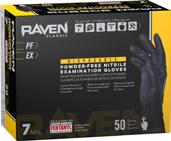
• Powder-free exam grade nitrile
• Thickness: 7 mil
• Non-latex
• Outstanding strength, wear and dexterity
• Textured for enhanced gripping power
• Passes ASTM D6978 to handle Fentanyl substances
• Made from component materials which comply with FDA regulations for food contact. 21 CFR 170-199
• 50 gloves per box
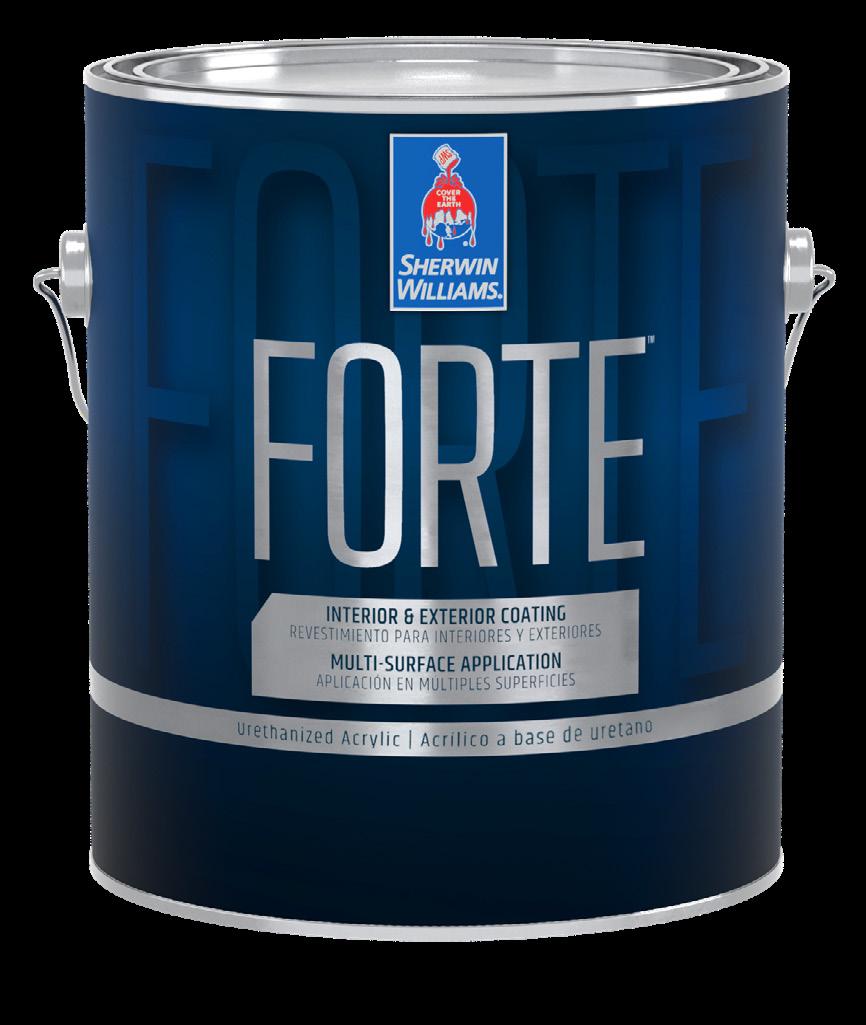
We spoke with Dennis Fiorilli at Sherwin-Williams about the company’s other new product, Forte™ Urethanized Acrylic Coating.
Can you give us a quick overview of this new product?
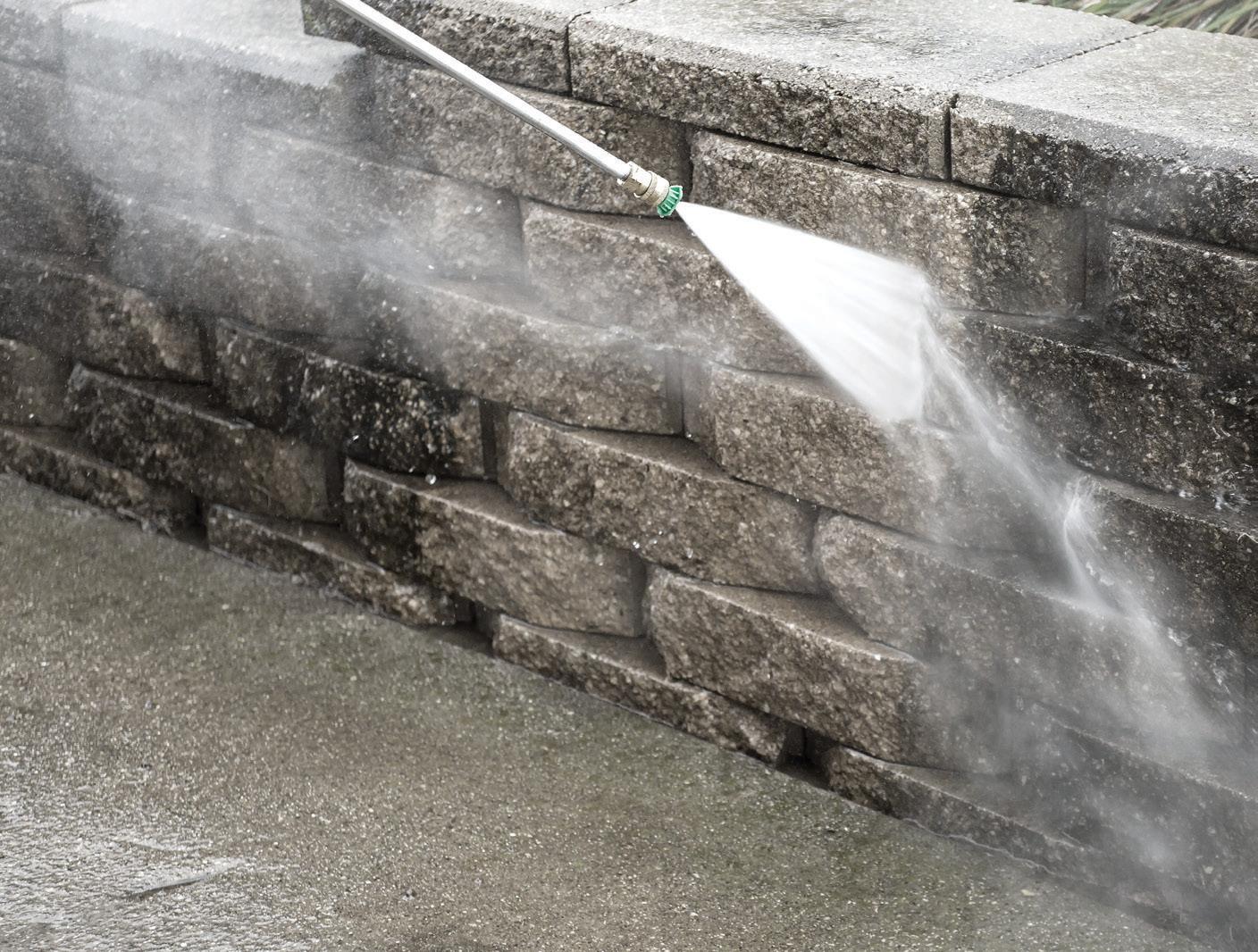
Forte is a single-component, fast-dry coating for interior and exterior surfaces, which can be applied directly to metal or concrete without a primer. With exceptional adhesion, outstanding durability and resistance to chemicals, Forte is ideal for commercial painting projects. Easy application by brush, roller or spray even in low temperatures makes it the go-to solution for quick return to service.










On what kind of projects do you envision this being used?
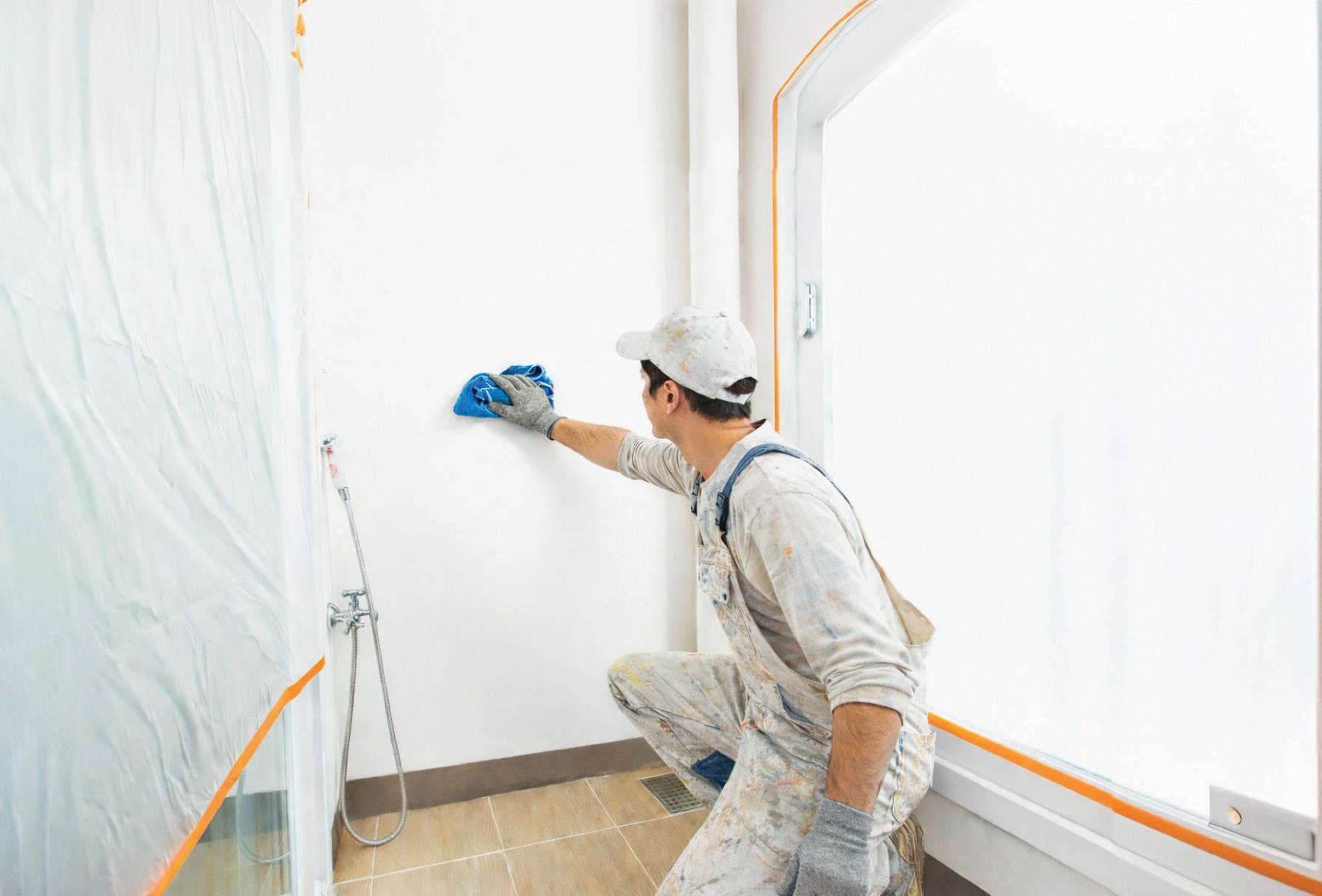
Forte is a great multi-purpose product that can be used in light industrial projects – handrails, doors and floors. A residential repaint contractor will find it useful for any jobs where they need a product that can provide a quick return to service – front doors, front porches, etc.
Which coatings are commonly used now for these kinds of jobs?
Up until now, contractors might have had to use two to three products depending on the project. For example, if you have to paint steps and a door – you would need one product for the door, one for the handrails, and another coating for the steps that would hold up to foot traffic. Forte can be used on all those substrates.




How will it stand up in high-traffic areas?
Forte has a durable finish, and is chemical, weathering and mar/abrasion resistant. This urethanized acrylic coating has excellent adhesion, and is self-priming on a variety of difficult substrates. It is also block resistant, providing a tack-free film ideal for doors, windows and other surfaces that need a quick return to service.
You mentioned that Forte has a fastdry formula. How fast is fast?
Look for a return to foot traffic within two to four hours, and forklift traffic after 24 hours.
Do I have some options when it comes to different types of finishes that my customer might be looking for?
Yes! Forte is available in three sheens. The Semi-Gloss formula provides a lustrous, durable finish that is perfect
for areas that get cleaned frequently. With its slight gloss, the Satin finish offers the benefits of a richer look. Finally, there is a Gloss sheen. This lustrous, durable finish is great for windows, doors and trim or any area that you would like to highlight.
Forte cleans up easily with soap and water, with easy application by brush, roller or spray. It’s also a low temperature formula, so you can apply down to 35° F (2° C).
Are there certain applicators you recommend for Forte?
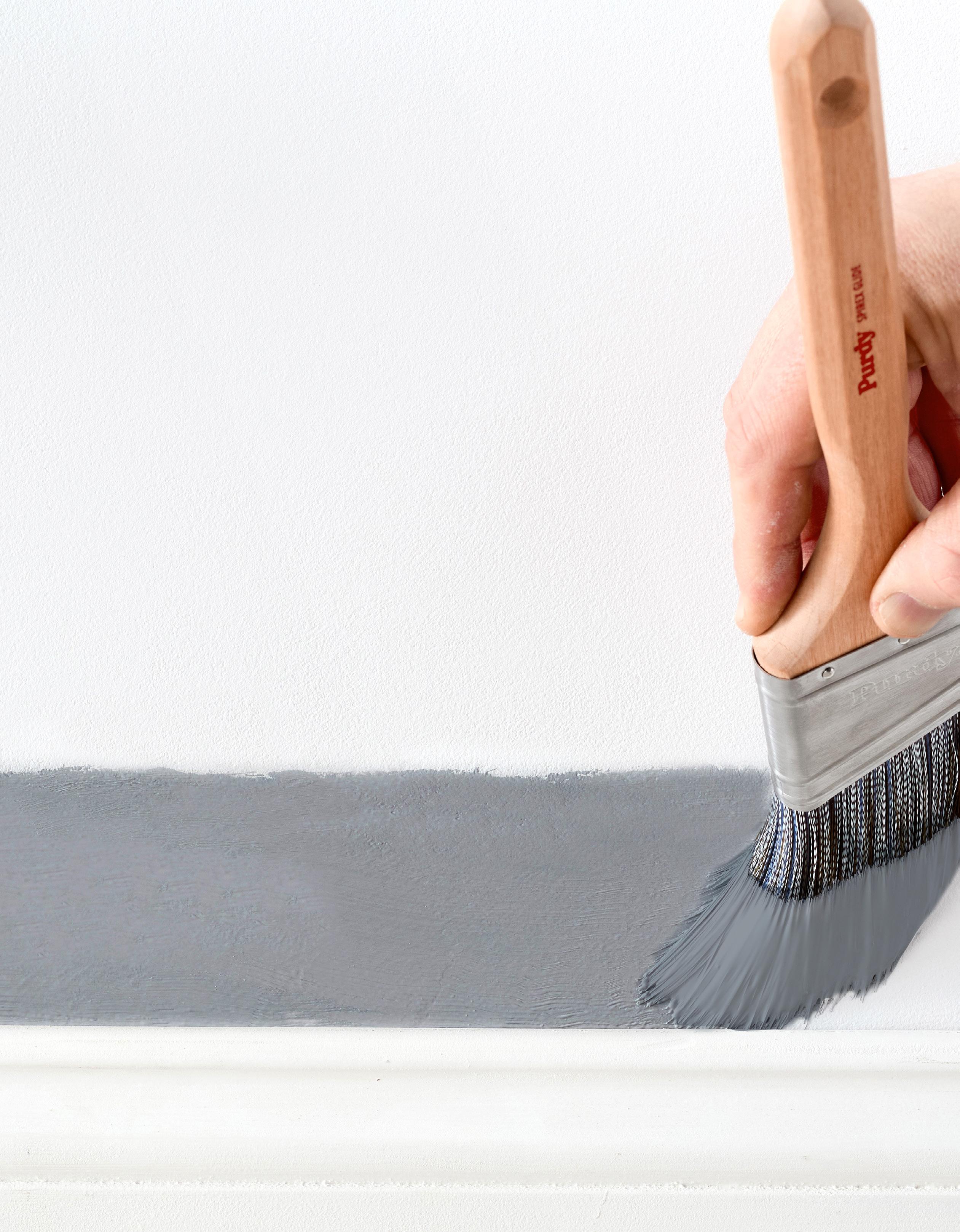
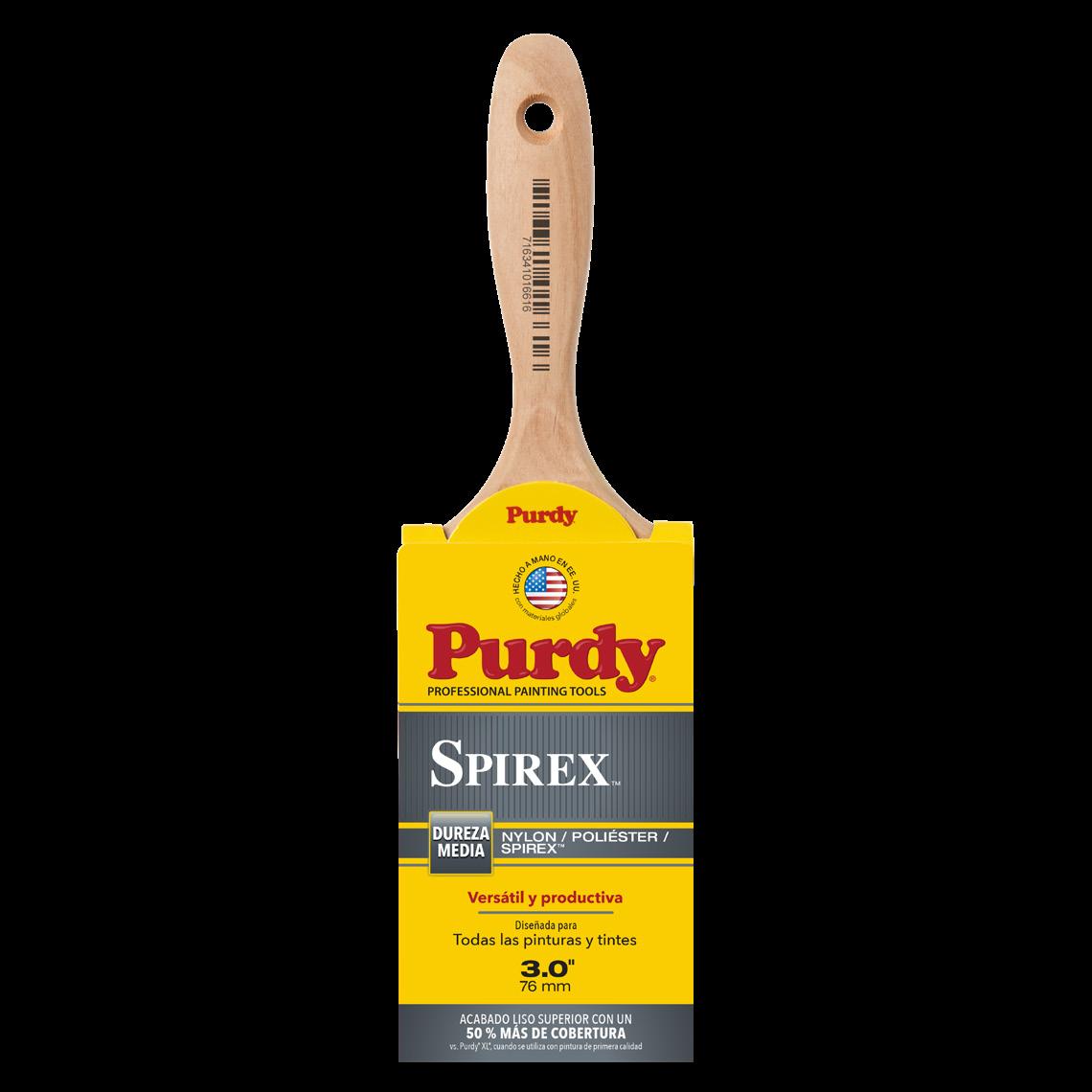
For best results, we recommend using a Purdy® XL Glide brush or Purdy® White Dove roller.

™
Dennis Fiorilli, Sr. Director of Product Information & Excellence at Sherwin-Williams, is the PPC Ask Your ProPartner ™ columnist.

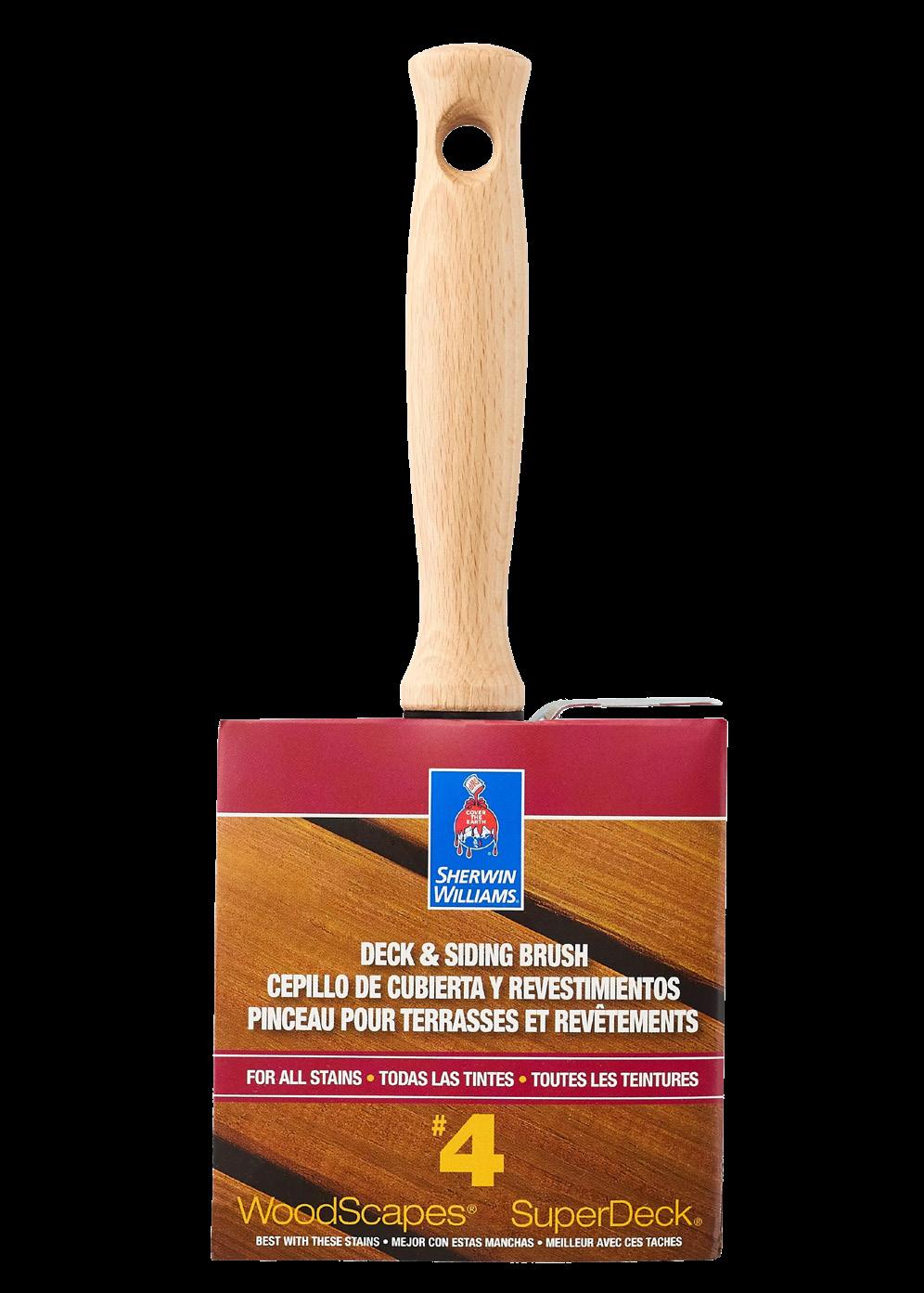

Sherwin-Williams® Powerhouse Siliconized Acrylic Latex Sealant Sellador acrílico siliconizado
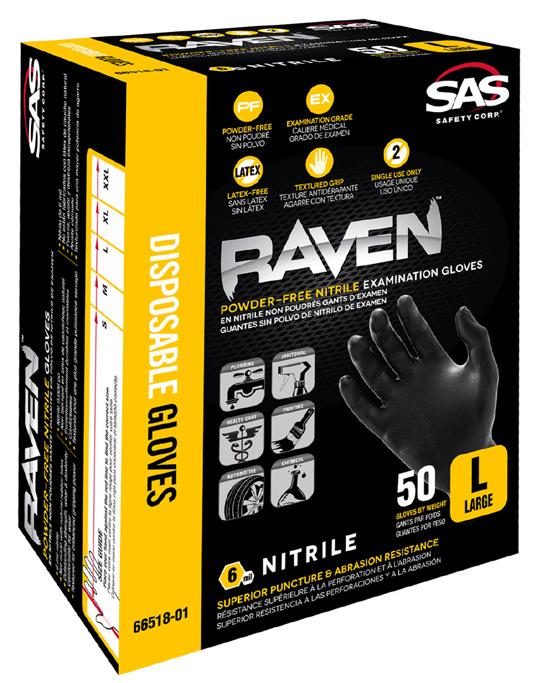
Raven™ Nitrile
Disposable Gloves (50ct)
Guantes desechables (50)