PHAFANA
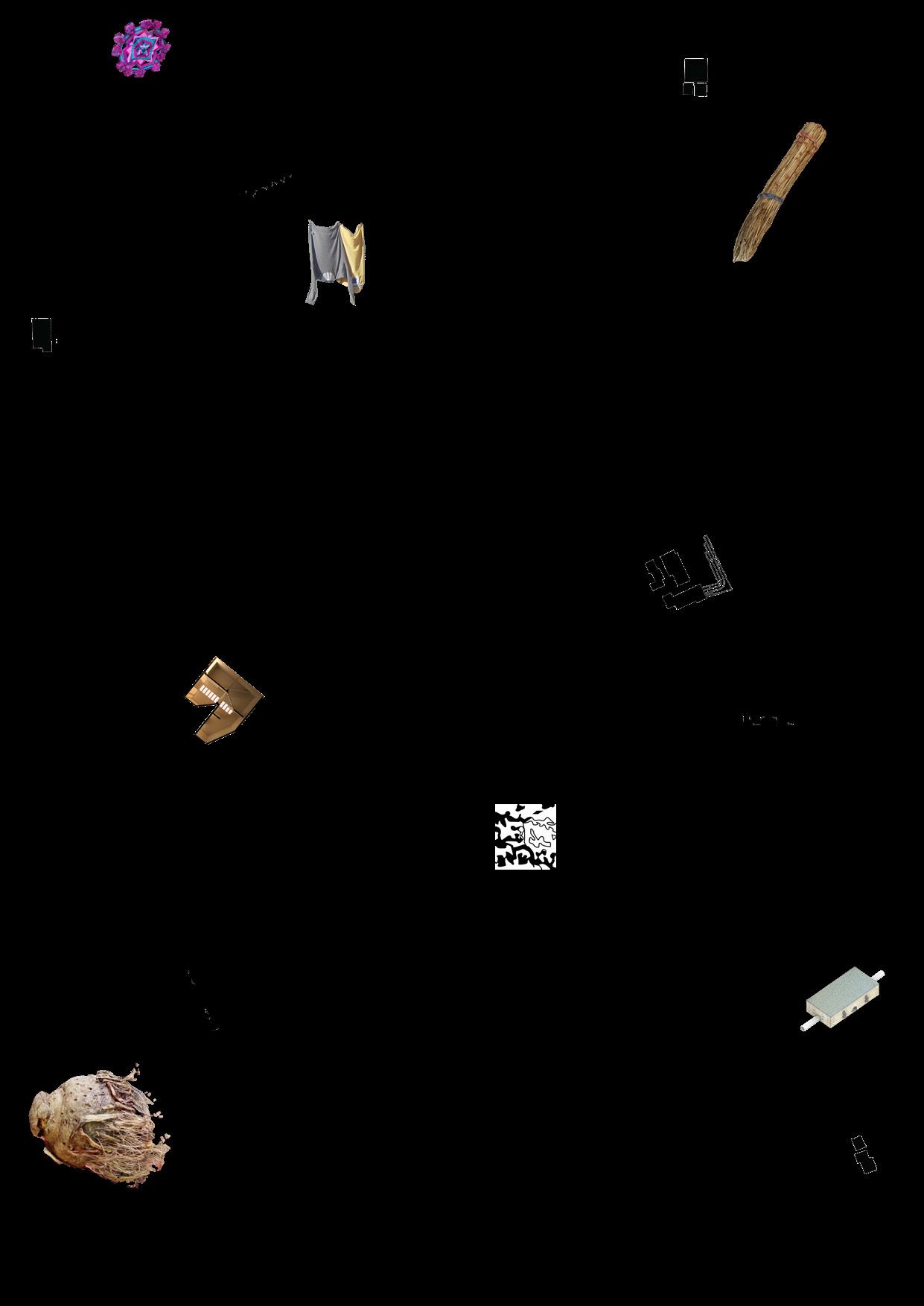
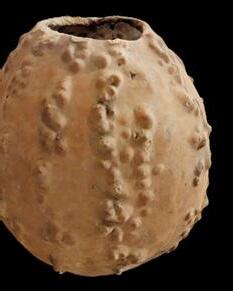
Used to drink bojalwa (traditional beer), water, milk or fermented milk. Bigger one’s used for storing of these liquids at a cool temperature. A piece of material culture, helping us better understand the complexities of life in South Africa
MACHANGANI BAG
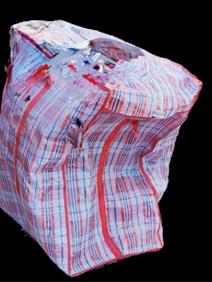
With different names in different regions of Southern Africa, this bag is commonly seen on top of mini bus taxis on long journeys from urban areas of work to more rural settings of living. Maybe the best explanation for the use of the bag is the name it is given in Lesotho, Ariyeng Thabatseka, translating to, ‘Lets go to thabatseka’, a area in Lesotho considered to be, rural and extremely isolated from the big city of Maseru. Receiving its name for always being present on top of mini-bus taxis making their way to the peripheries of Lesotho, carrying new clothes, groceries and other necessities from the big city to rural life
MMONA-WA-MALEDU
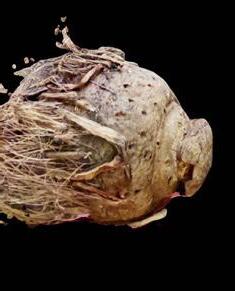
Monna-wa-maledu, also known as the Wild African Potatoe, is known to grow at the foot of mountains in areas like, Thaba-mmopo and Lebowakgomo. I gets it’s name, which translates to, The Bearded Man, from the hair-like strands that grow from its sides. Bapedi communities, who are exposed to the herb have been using it as a immune booster (most common usage), antioxidant and reproductive ailment. Due to it’s ‘masculine features’ the herb is also believed to have a libido effect. Today the herb can be found at many street vendors who offer various medicinal herbs.
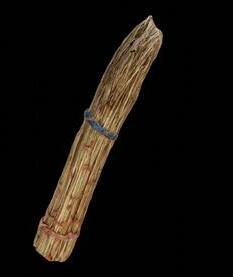
UMTSHAYELO WESANDLA
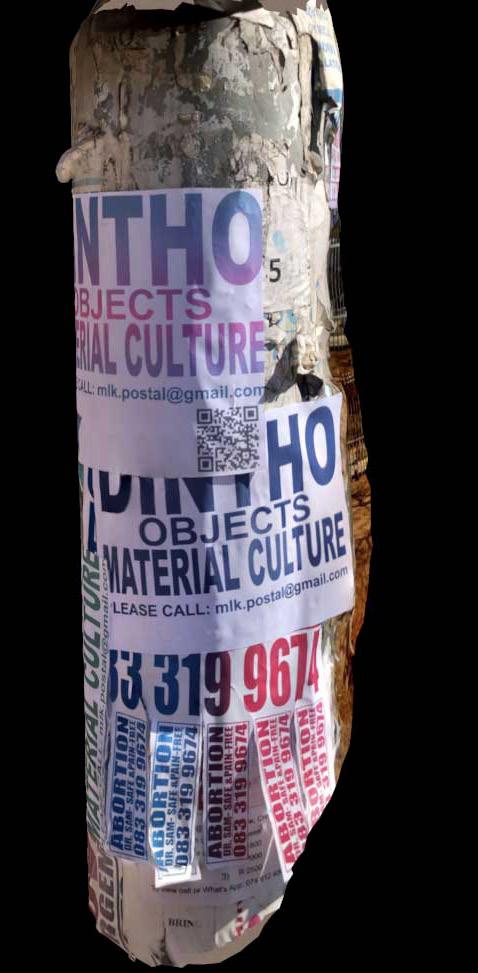
Made from ‘irwashu’ (‘Tamboekie grass’ Cymbopogon Validus) Umtshayelo wesandla are bought for both cultural and cleaning purposes. Culturally they are used as, wedding gifts (ukudliswa amasi- translating to, ‘to present a gift of sour milk’), the broom represents respect to the ancestral faith in the newlyweds home; the second use is as a protective talisman against lightning; and lastly as an implement for the application of traditional protective medicine. The brooms are also used for cleaning and are said to work better than the conventional broom.
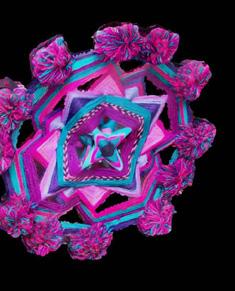
SIKULA/ OJO DE DIOS
The Ojo de Dios or Sikuli, is a spiritual object made of yarn. It signifies the cardinal points, North, South, East and West as well as up and down, therefore, representing the centre of the universe and being of an omniscient nature. The, Ojo de Dios, also carries significance through its powerful colours, with each colour having meaning. Black represents life (The colour of Tatei Aramara); Blue is the colour of rain and water (Symbolizing Rapawiyene and the Chapala Lagoon); White associated with clouds, also of significance in the, Huichol ritual of placing wool into gourds when asking for rain; Red symbolizes the god of peyote; and purple the life of man. Today Ojo de Dios are common objects which are believed to bring, good health, and protection.
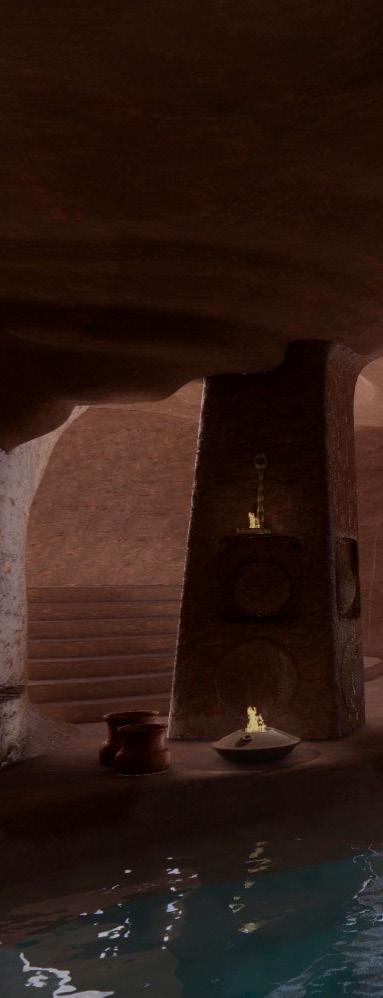
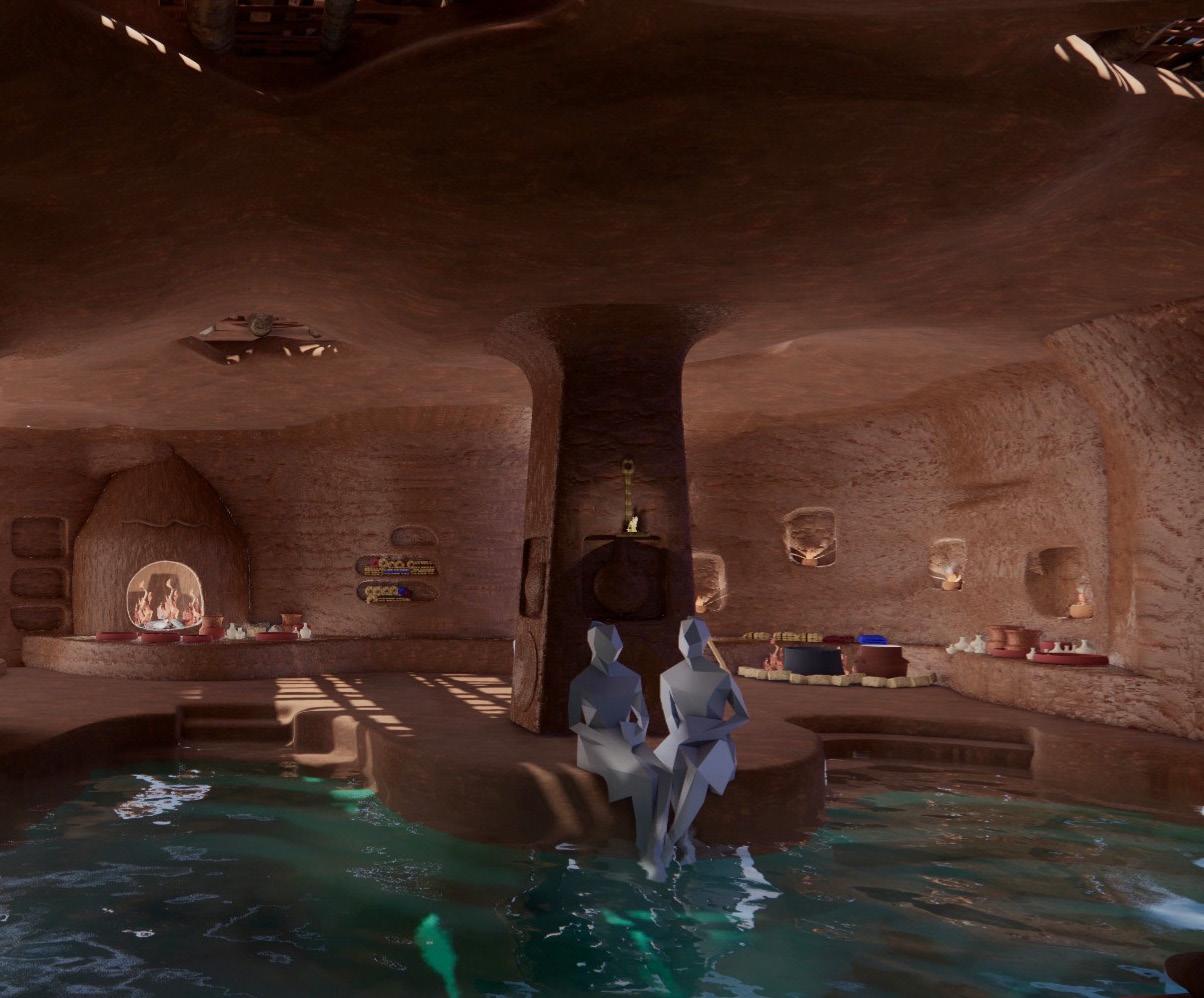
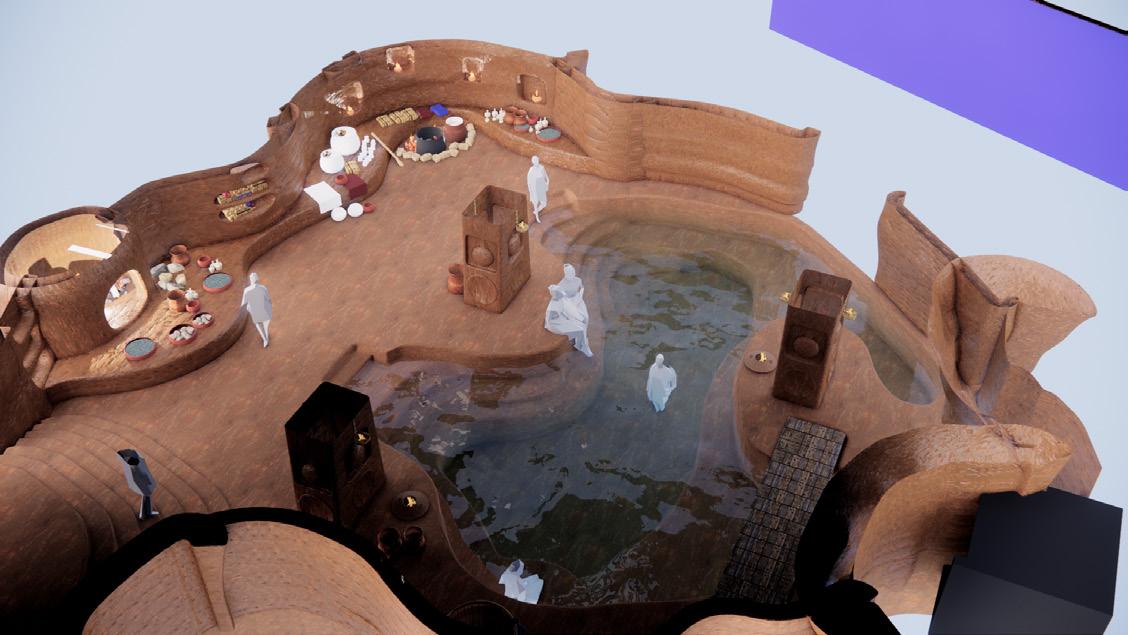
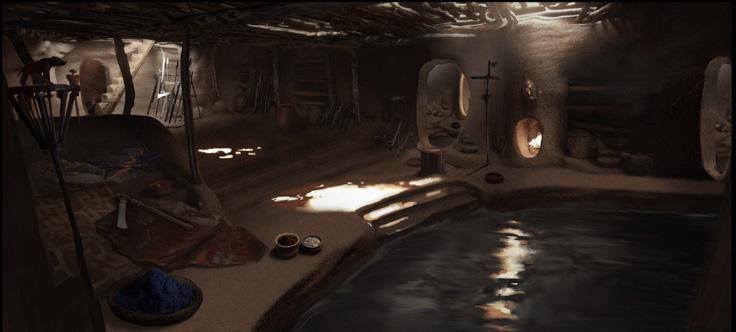
As a set-designer on The Woman King I got to do research on the ancient kingdom of Dahomey, this involved looking at books on the material and visual culture of society in the kingdom and finding distinct ways of inhabiting and appropriating places. This information was then tranlslated into sets that were used for the shooting of scenes for the film. The sets I focused on were the Bath House (rendered below), an “enemy village” and the Ouida beach market.
A render of the Bath House set from The Woman King
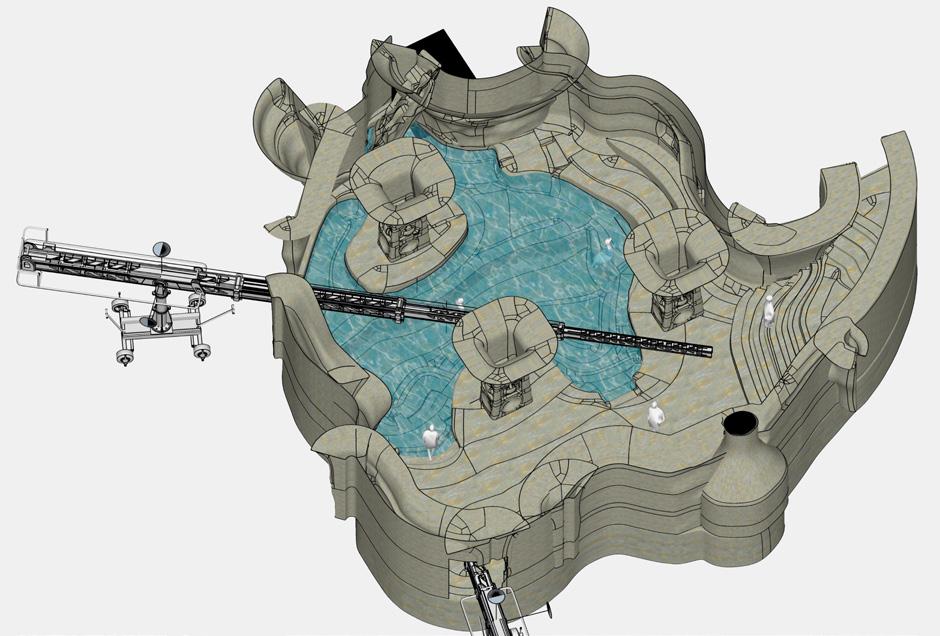
A 3D model of the Bath House Set
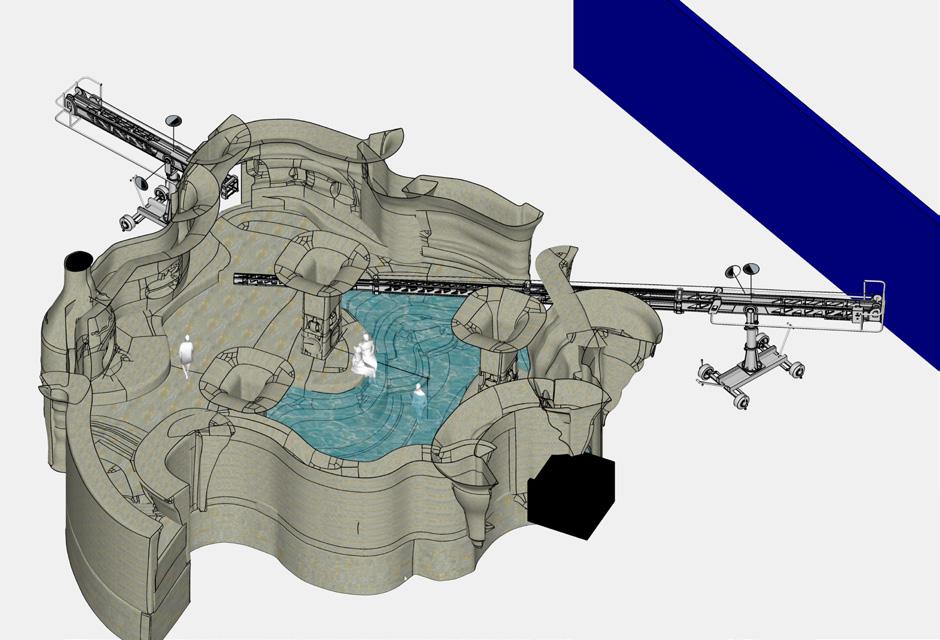
Modelled in SketchUp from hand drawn sketches. SketchUp model was then made smooth using the subD funtion in Rhino. The model was used to plan shooting scenes by simulating actor and rigging movements according to the Cinematographers requests. The model was also used to produce concpet renders for communicating the set materials and lighting
A 3D model of the Bath House Set
A 3D model of the Bath House Set with Set Decoration (Set Dec.) suggestions
The model was rendered in Enscape and Set Dec. were modelled into place. The objects that were used in the set were chosen from images found online and archive photographs and drawings. The following renders were used to communicate the look and composition of the interior of the space with the Set Dec. team
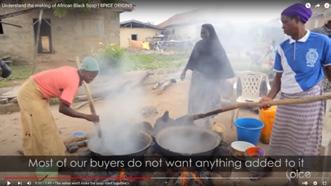
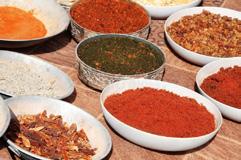
The making of Ose Dudu (African Black Soap) can be done in this area of the baths Its made by boiling potash of plantain skins and shea nut skins with shea butter and palm oil, till it has a thick consistency. That is then left to dry into
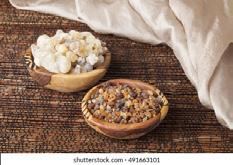
Frankincense
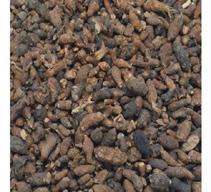
Thiouraye- gowe
Ose-dudu making
Ose-dudu making
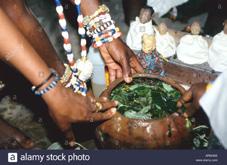
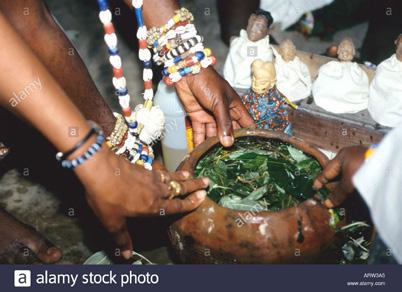
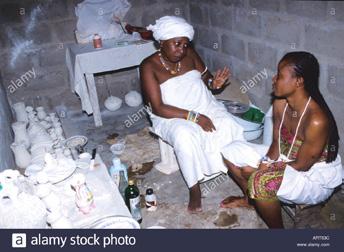
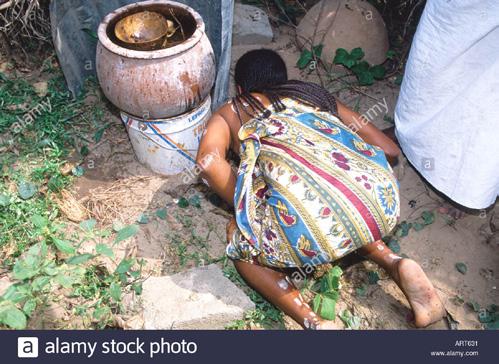
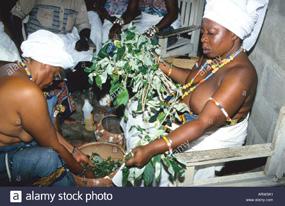
Mami Wata rituals of cleansing with white palm oil could be practiced in the baths and those pots of oil as well as plants and colourful beads used in the rituals
A 3D model of the Bath House Set with Set Dec. suggestions
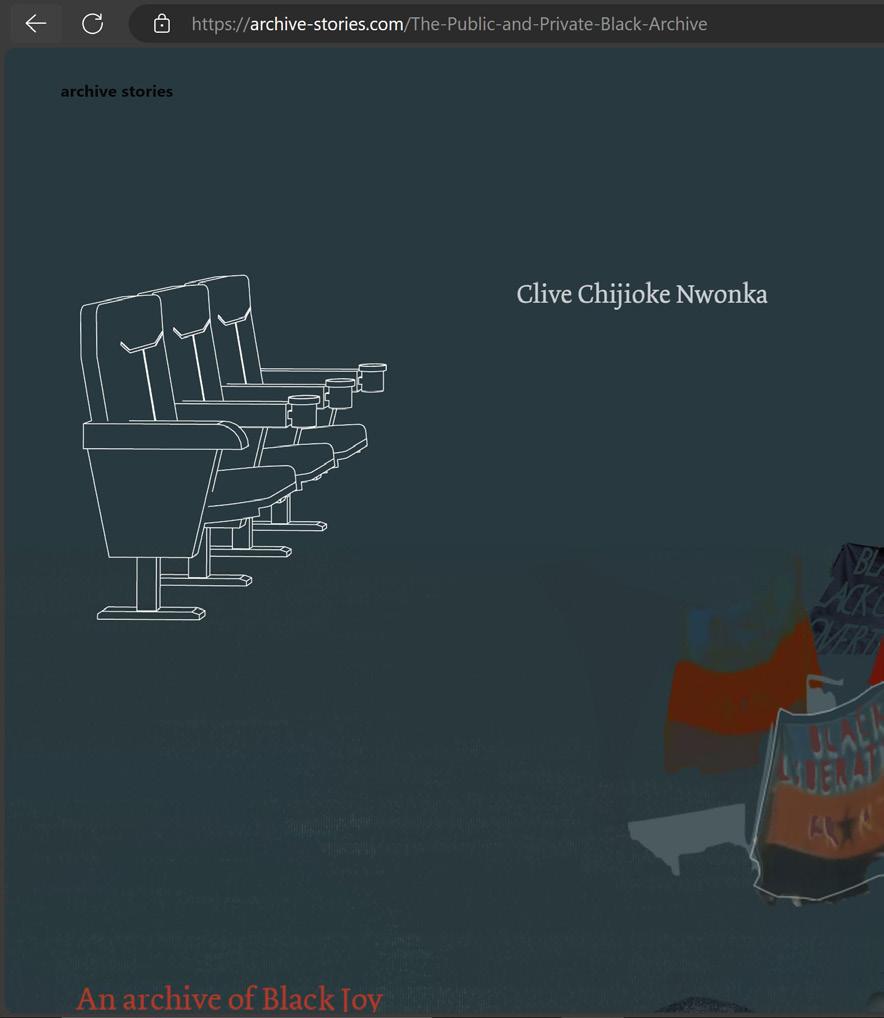
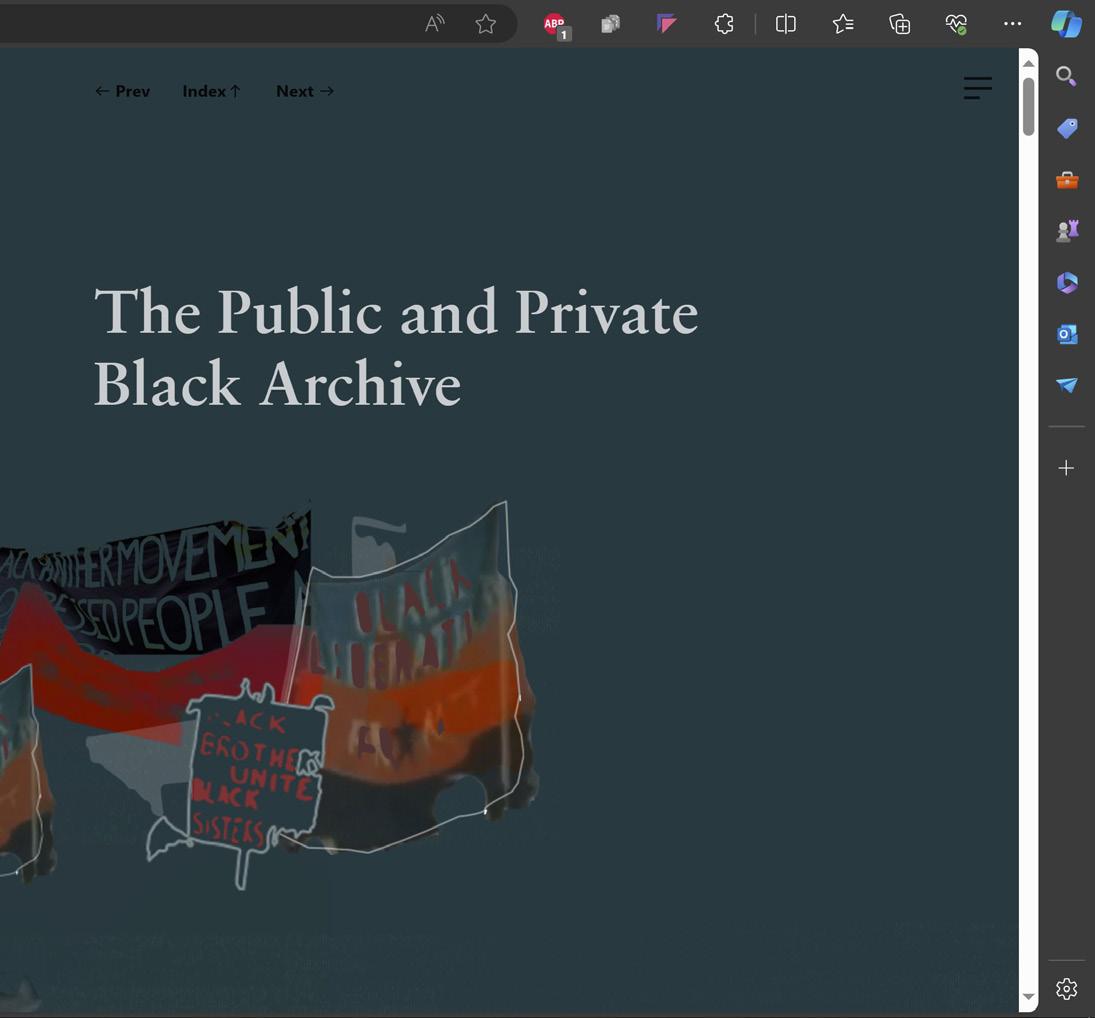
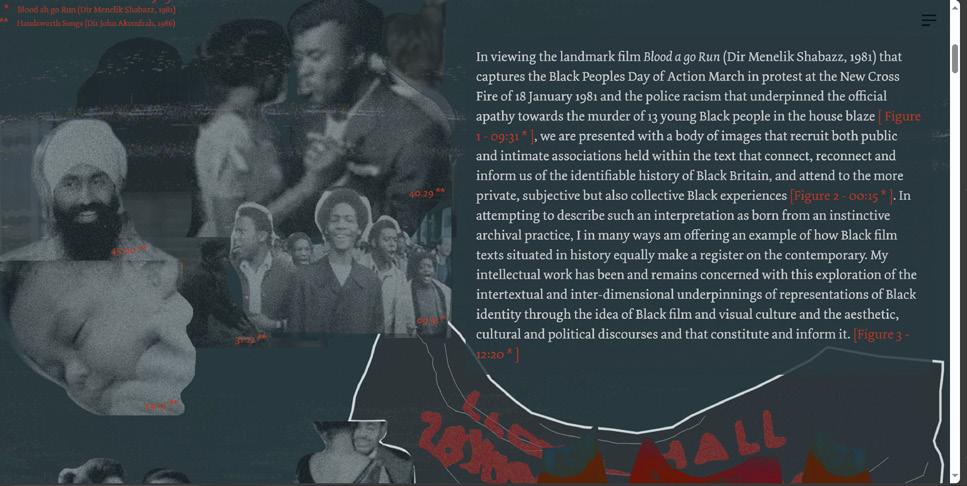
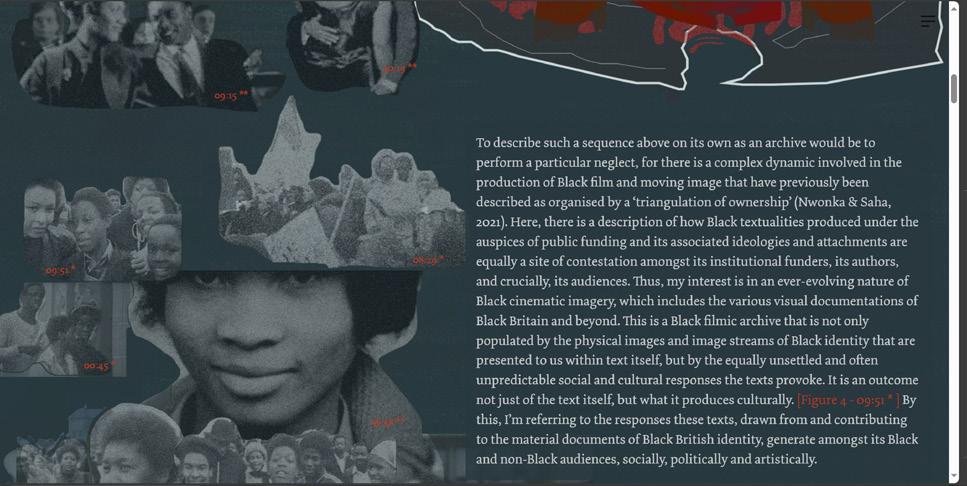
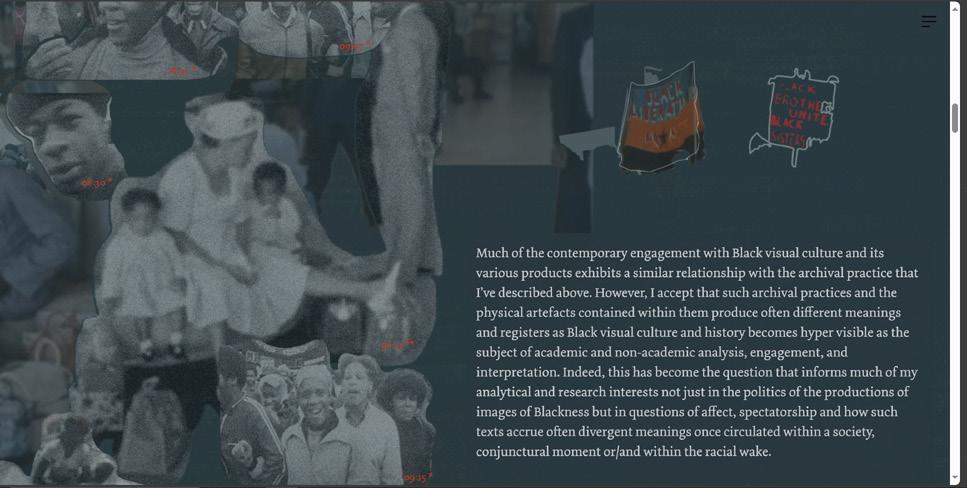
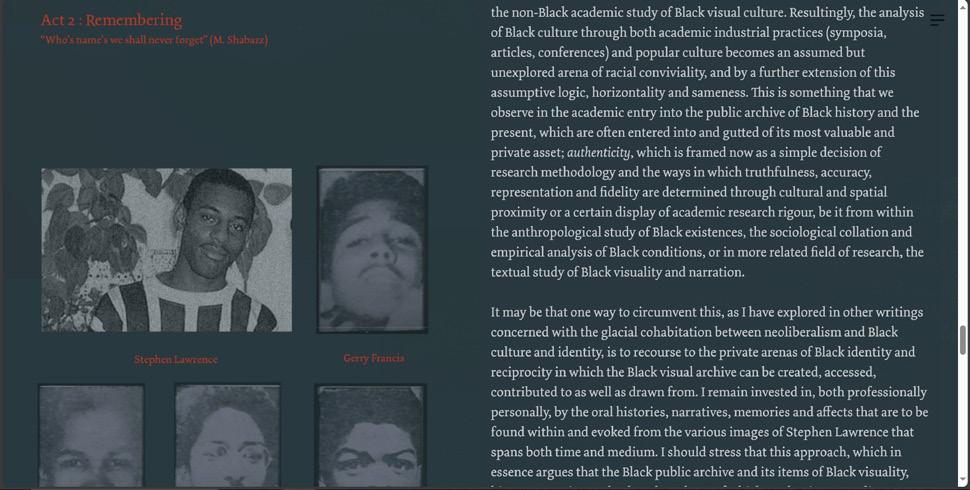
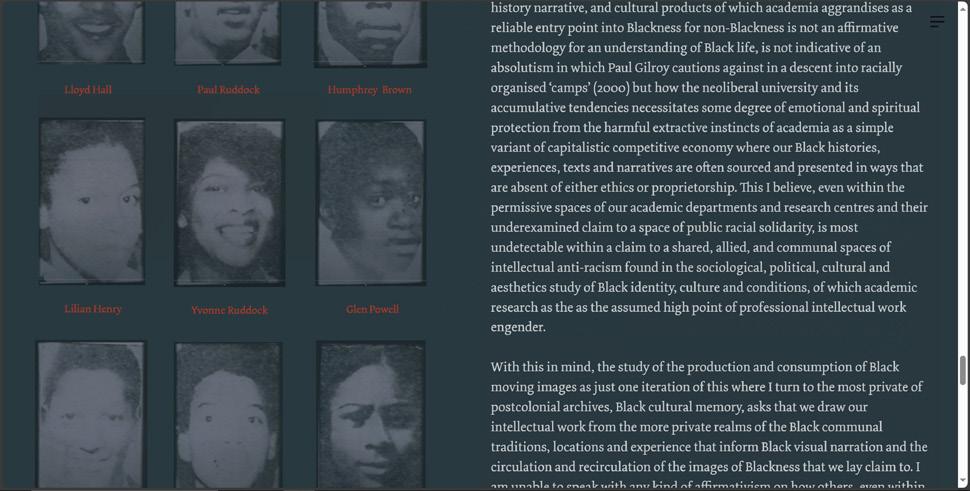
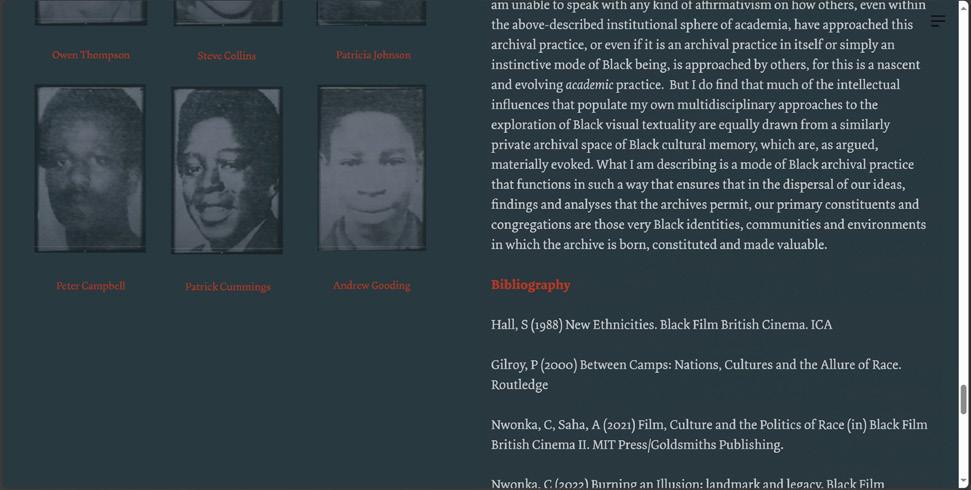
m’lk collaborated with Fred Kannemeyer on a web page for Clive Chijoke’s essay ‘The Public and Private Black Archive’ for the web project, Archive Stories.
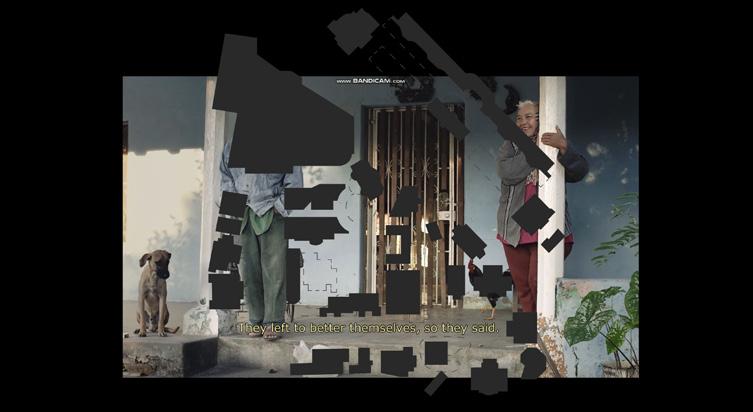
This short, interprets the texts of Tim Ingold, Jane Jacobs, Ursula K. LeGuin among other academic and indigenous thoughts and practices through the story of a fictional jellyfish that exists in a time after today’s epoch, where the existing beings have adapted to the post peak of a climate crisis.
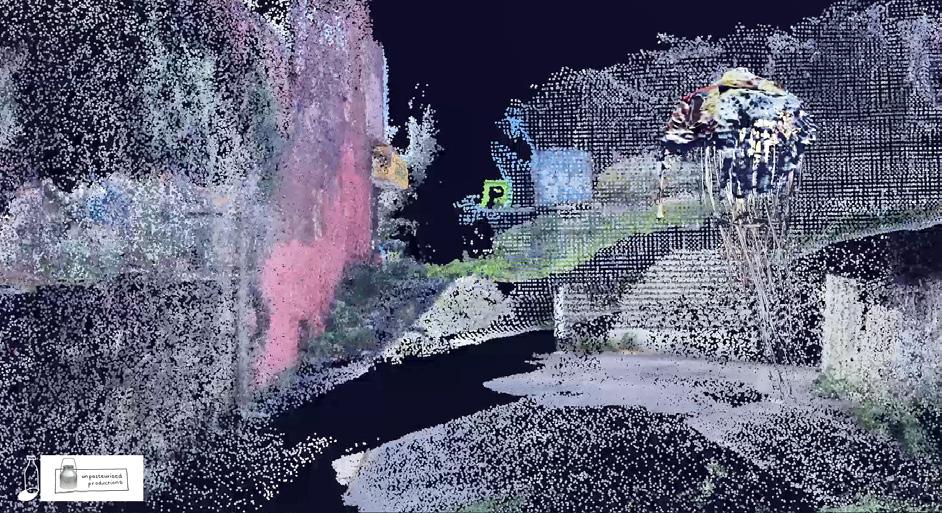
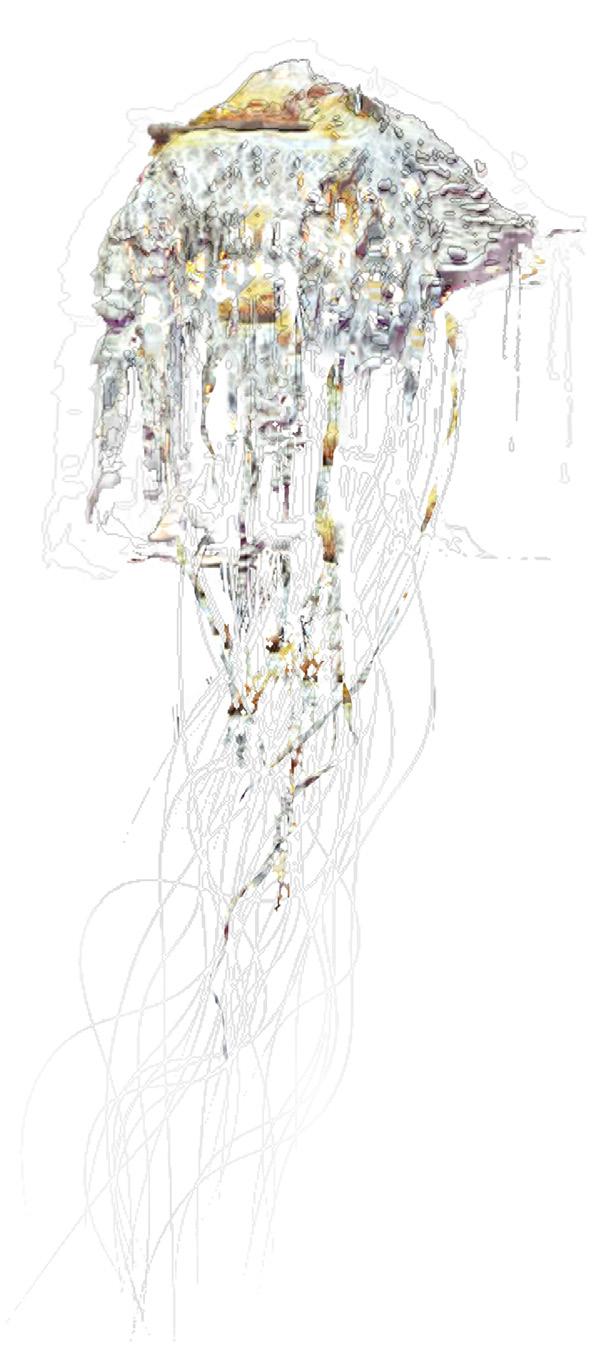
Within a raised coastline,The Waterstreet Jellyfish (made from a digital 3D scan of a woven rope piece made by the artists) emerges, serving as a medium moving through a post weathered, St. John’s, Newfoundland and aims to bring attention to the interrelations between weather and socio-political infrastructures.
The backdrop is a rhizome of digital scans and the protagonist interacts with some of the city’s material culture, namely a wooden carved sculpture, The Living Tree by Torbay artist Vince Jones, an Irving gas canister and the ubiquitous rusted debris found in the city’s streets.
The Water Str. Jellyfish - link to video
Habitat/ Its Original home is the North Atlantic, but currently, it is commonly found in the reefs of Downtown, St John’s, thriving by roadsides verges, on the banks of waterways.
The Rustacea Capillata, gains more of a rusted tinge as it matures to be in its Medusa form this is from the consumption of weathered bits of rust from former roadsides.
The bell is a vessel for reproductive outer barrier or micro-plastic consumption
Touching the stings are rarely fatal but may cause tinnitus with human contact.
Being a close relative to the Cynea Capillata, The Water Str. Jellyfish carries similar tentacle growth genes and is calculated to outgrow the length of 38 meters by 2070
Predators / motor engines, micro plastics and crude oil
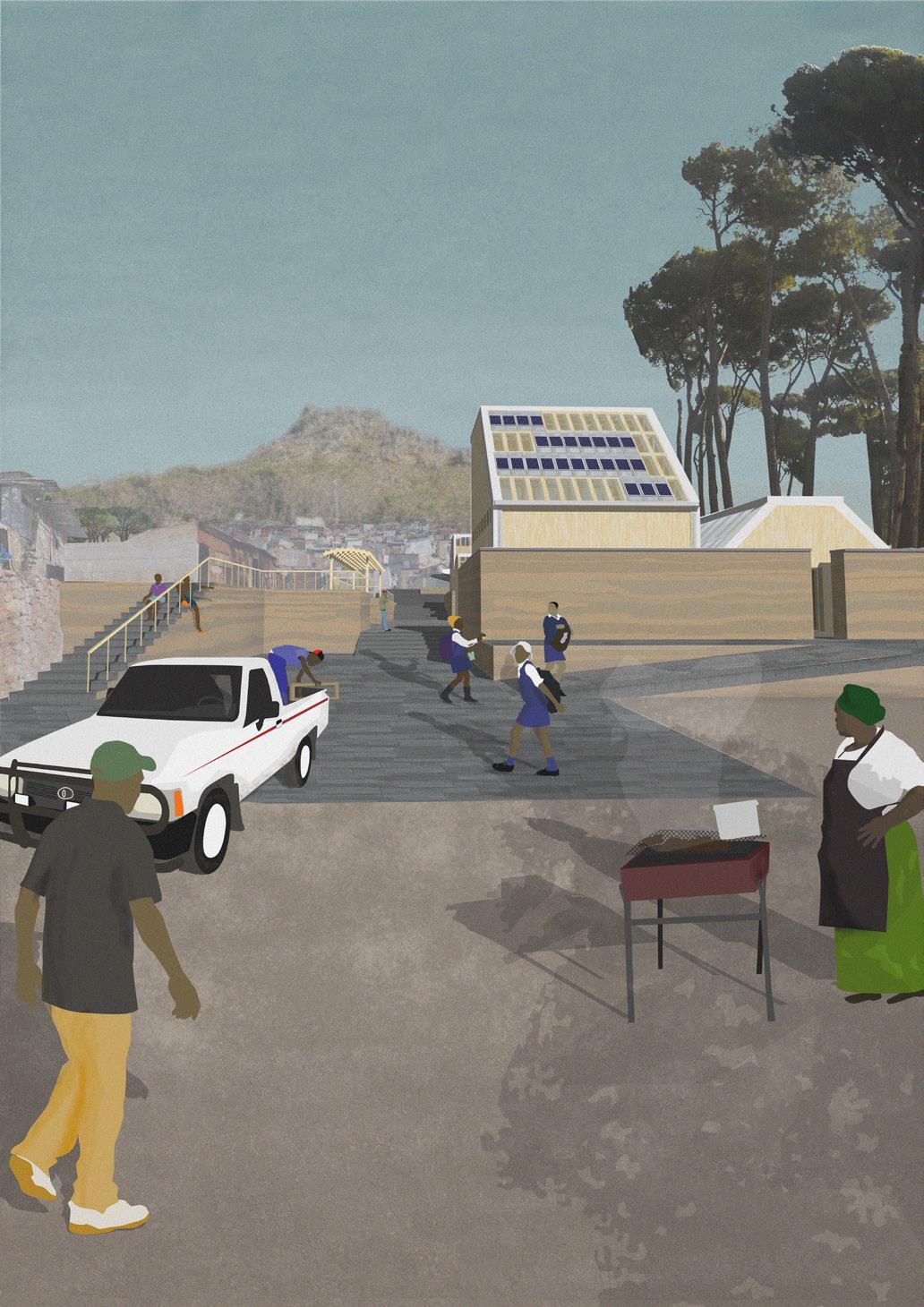
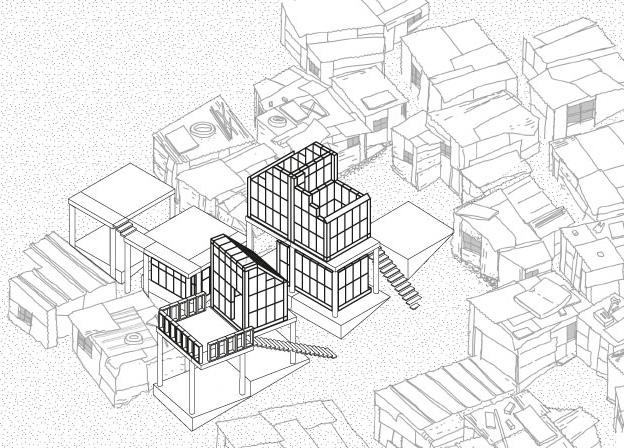
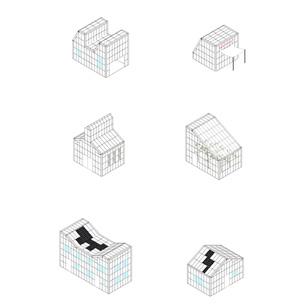
In understanding the issues of the site and the potential stakeholders, a framework for plausible, regenerative developments created through the implementation of a test site and kit of parts that are envisioned as a means of a more healthy and comfortable development.
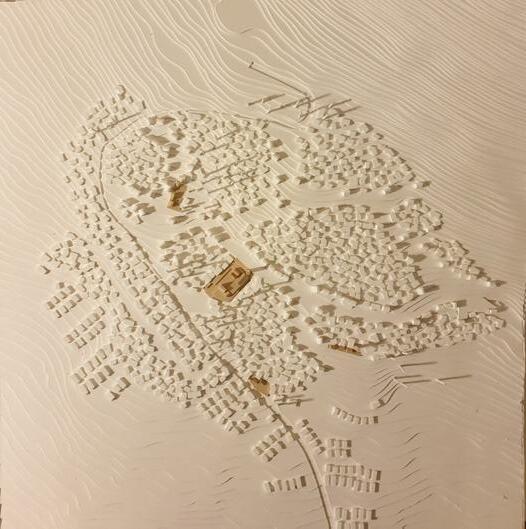
Physical model: White card and and balsa wood site model
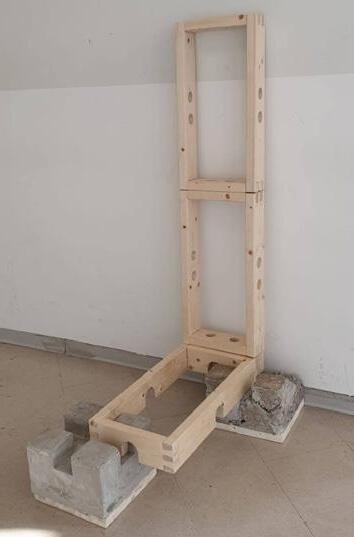
Physical model:
timber modules and concrete pad
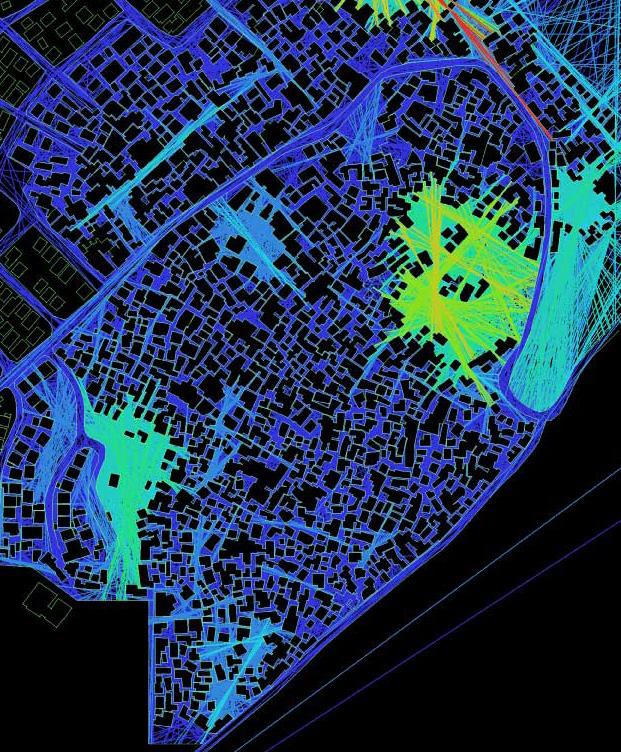
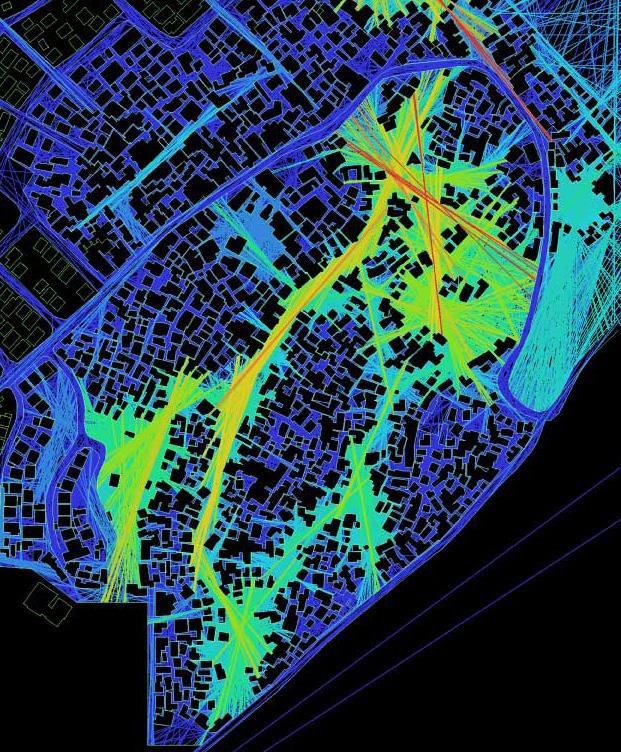
DepthMap from a CAD drawing of the existing urban site conditions, illustrating circulation in the site
DepthMap from a CAD drawing of the proposed urban circulation arteries
1:2
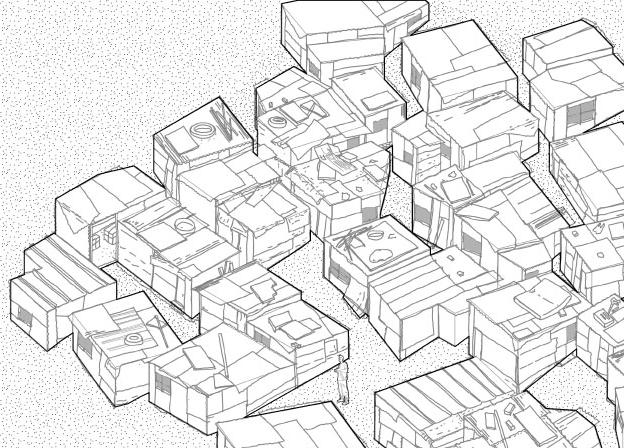
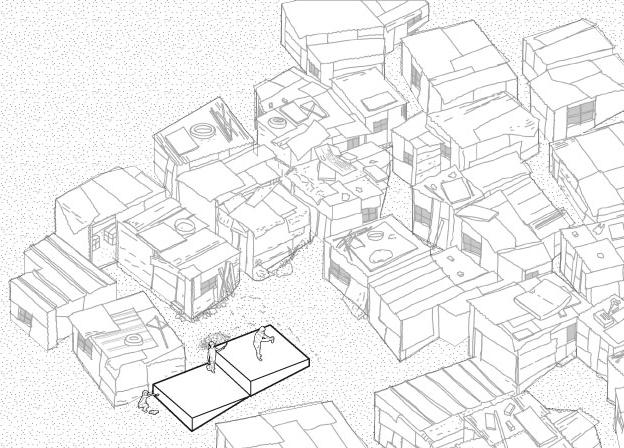
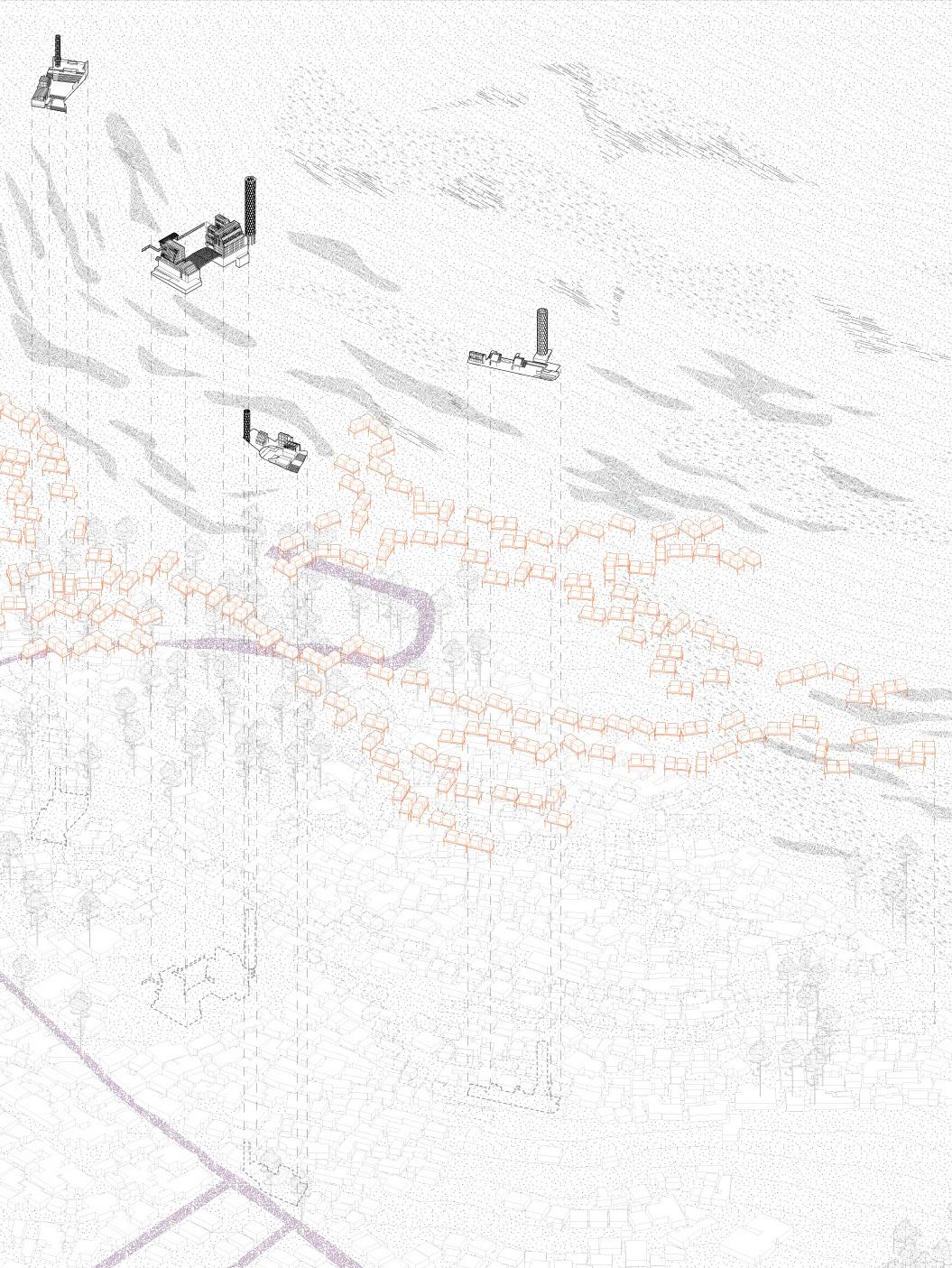
High density & lack of accessibility in the urban texture of IY. Economical activities in the shacks or on the main street create opportunities in IY.
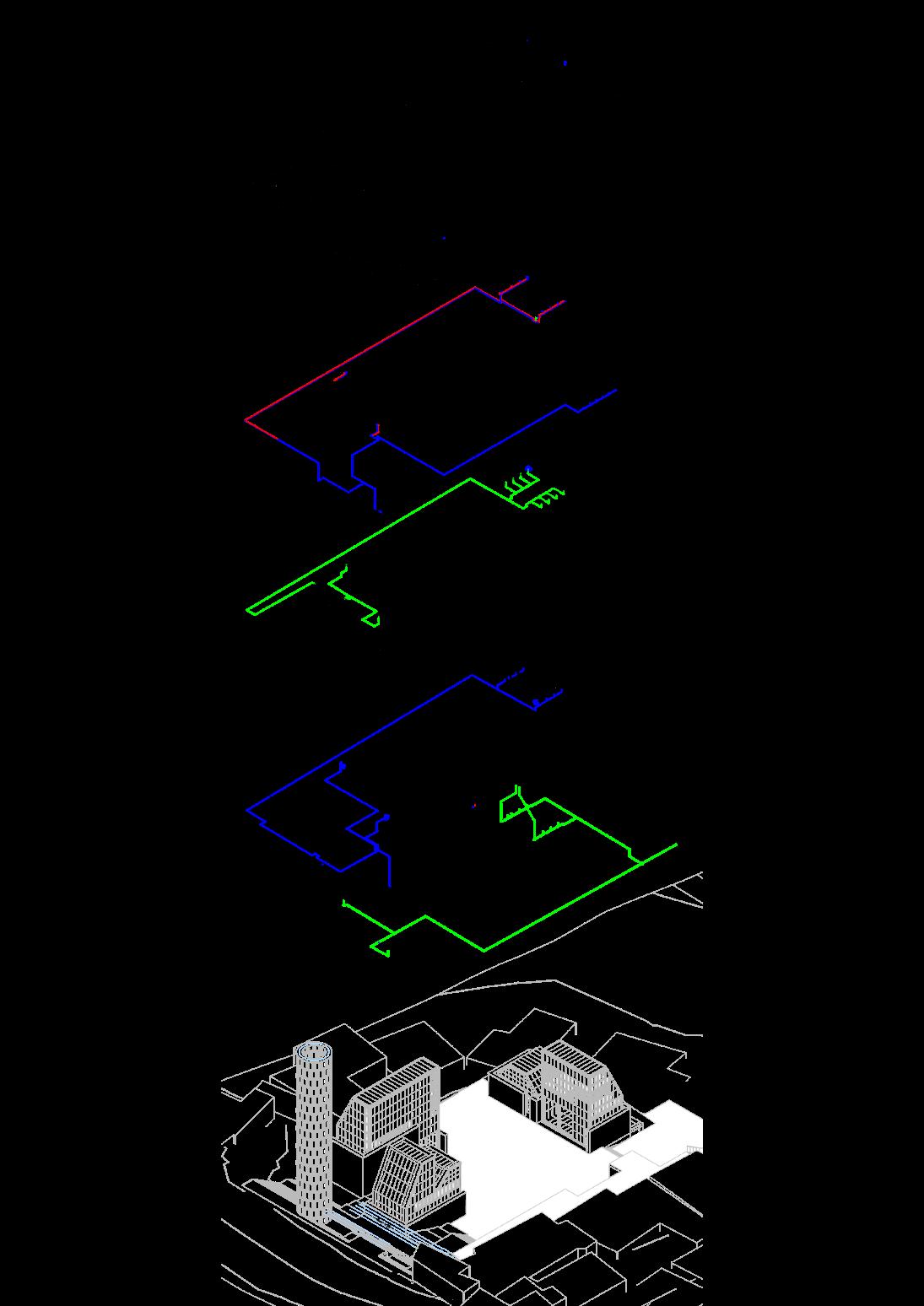
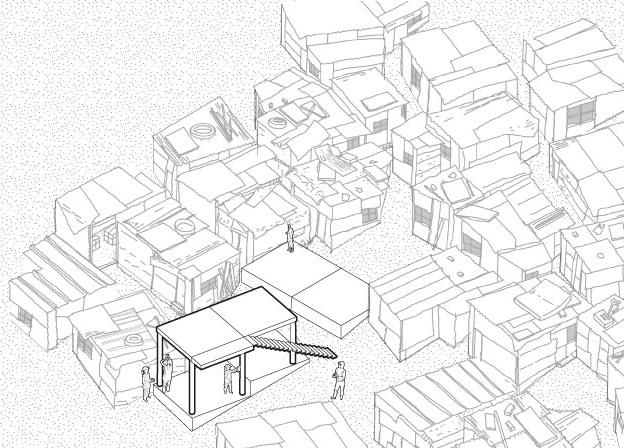
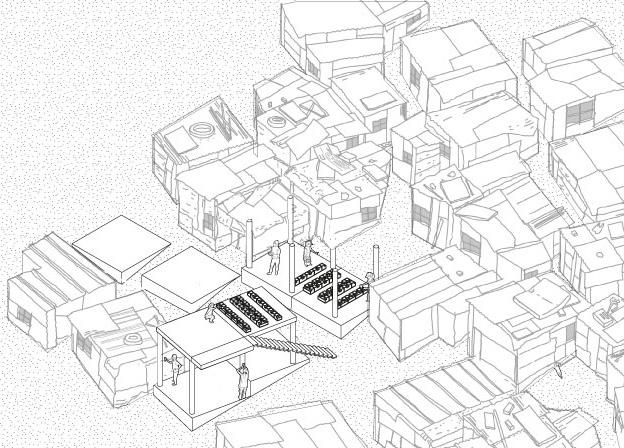
The platforms allow for a durable vertical development. While they also provide the opportunity for the transmission of various infrastructure through the site.
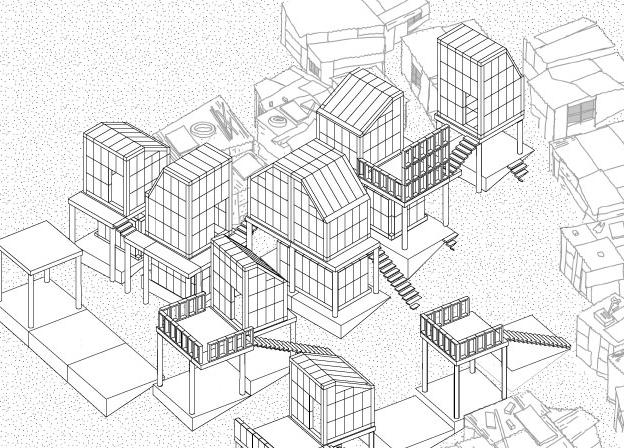
Modules are created to allow for the community to continue to create space yet provide a certain standard of practicality and safety to the area.
Shacks are demolished to create arteries and reconstruct safer homes. Temporary accommodation in ‘Large Site’ designed to host families during construction process.
Concrete pier foundations, are anchored to base foundation or to platforms, give flexibility to define the size and form of the plan.
Modules and platforms give the opportunity for development and transformation of variable structures for necessary functions.
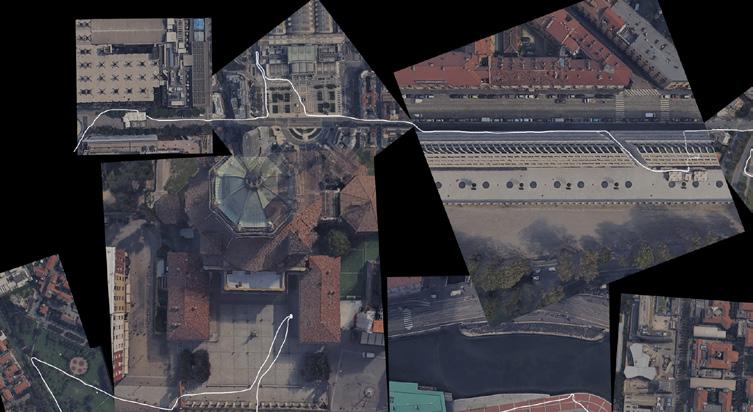
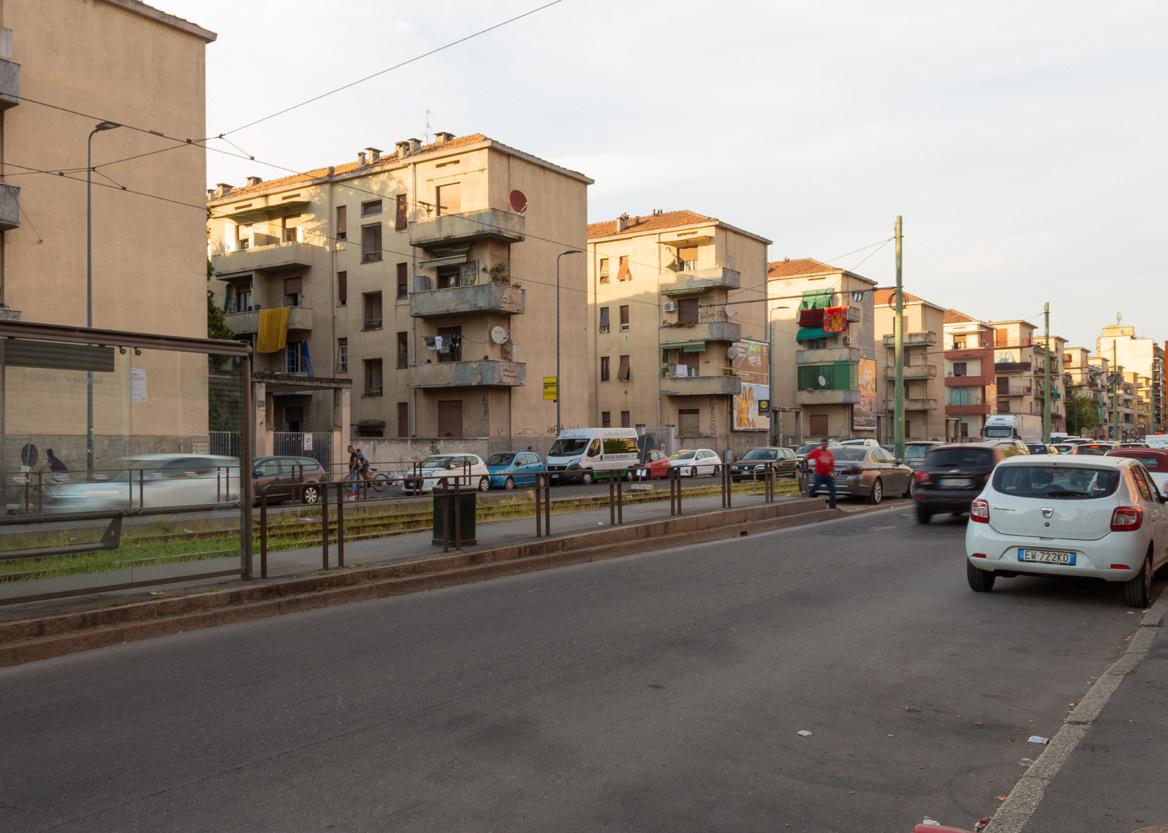
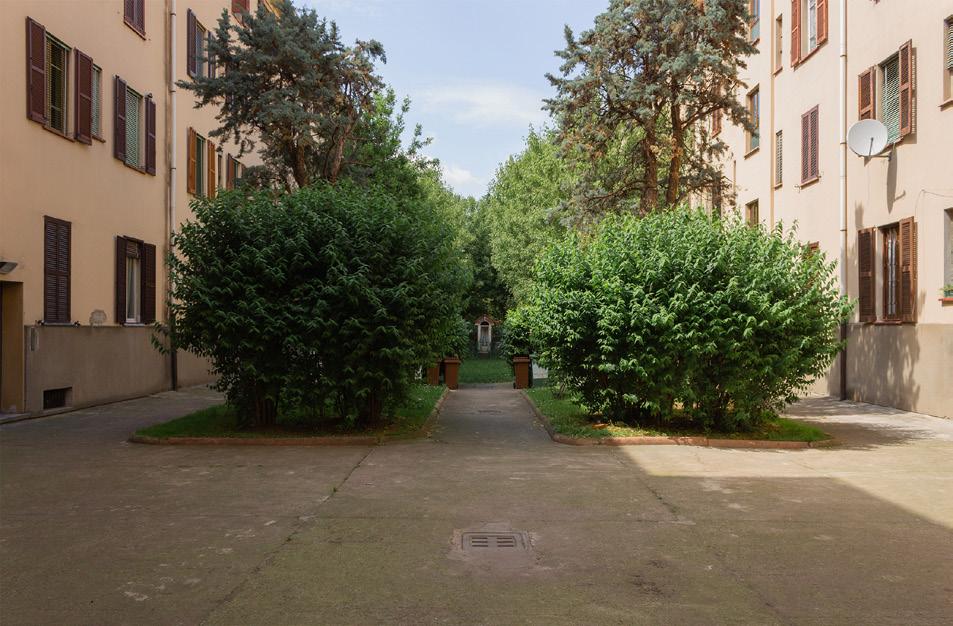
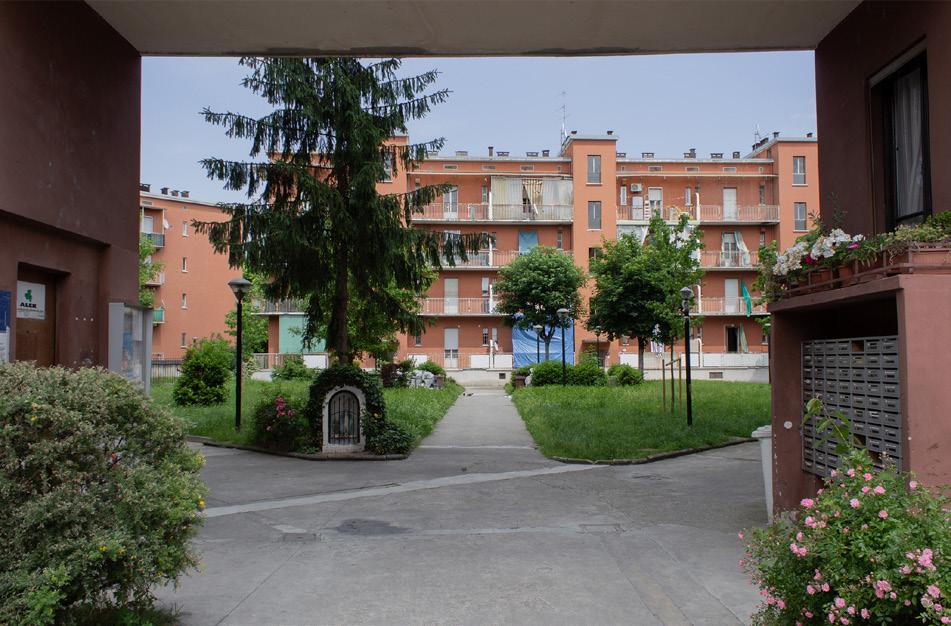
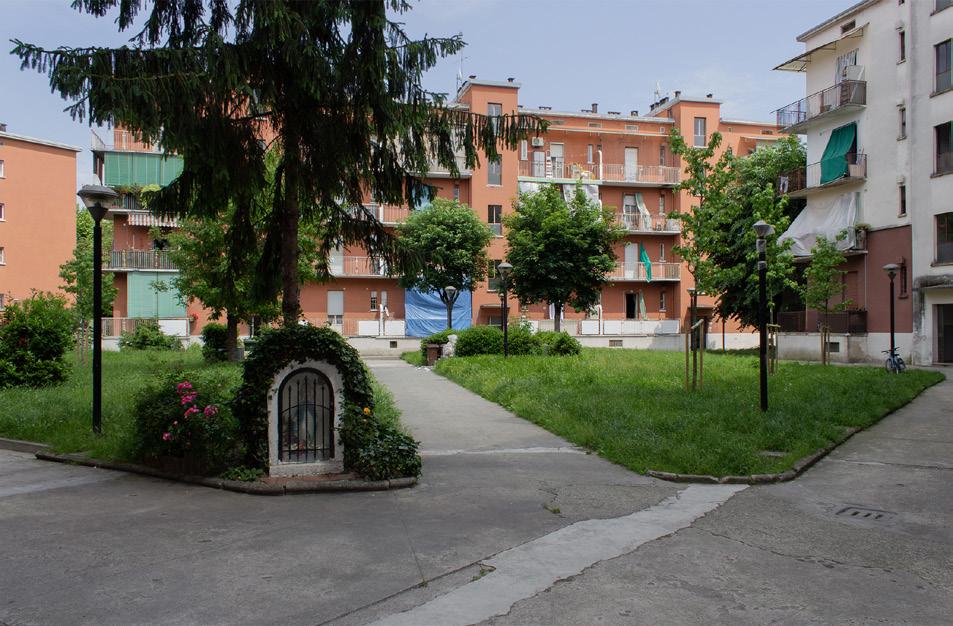
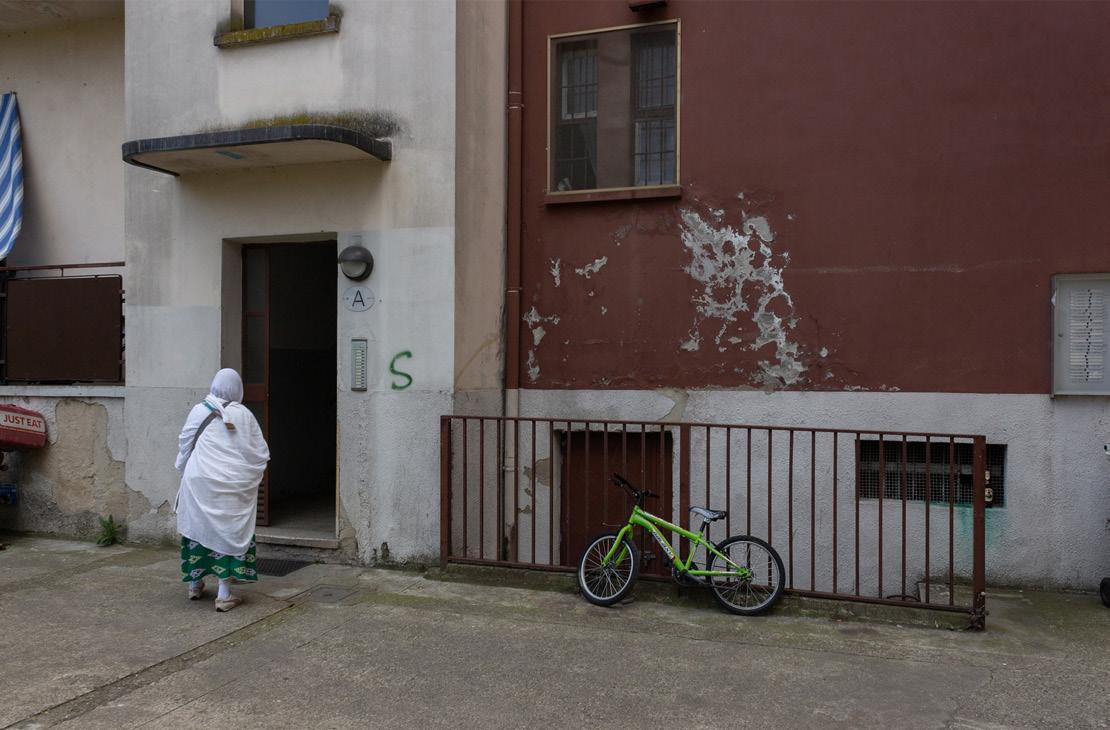
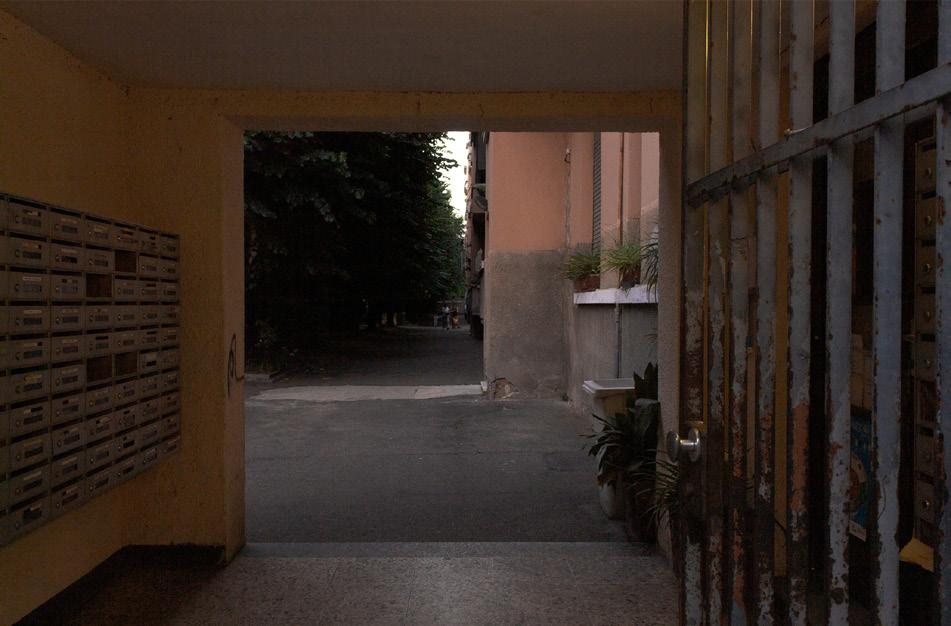
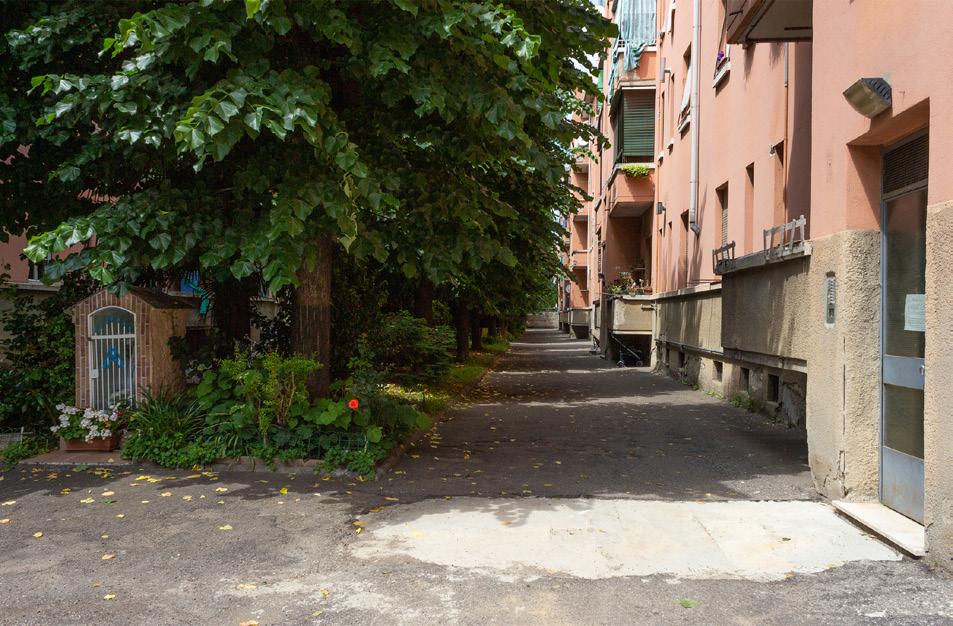
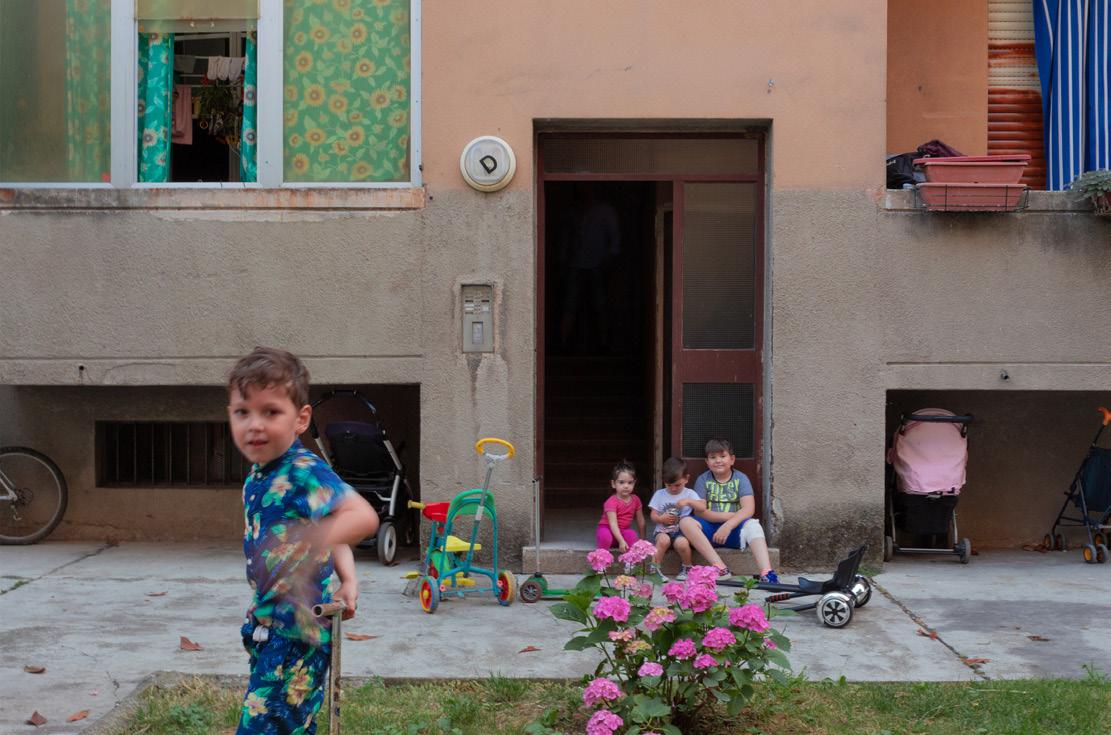
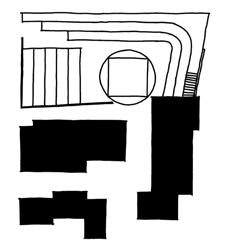
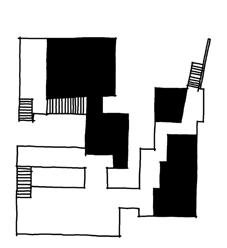
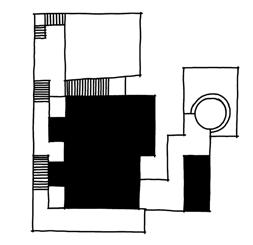
Looking at Passante on google maps we found the social housing in Lorenteggio. The project initially gave the sense that there would be a lack of life in between buildings as well as very strict and repetitive architecture
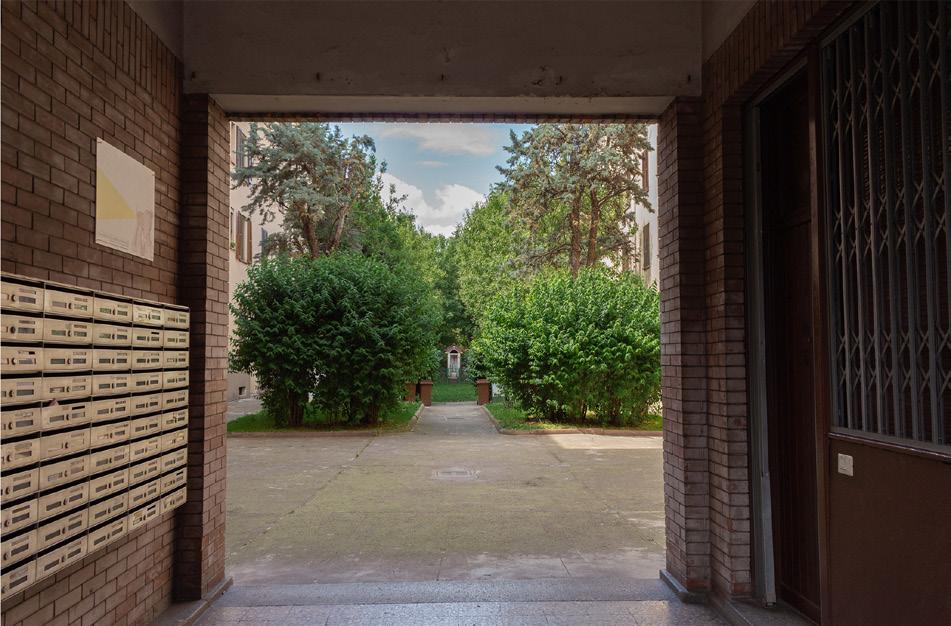
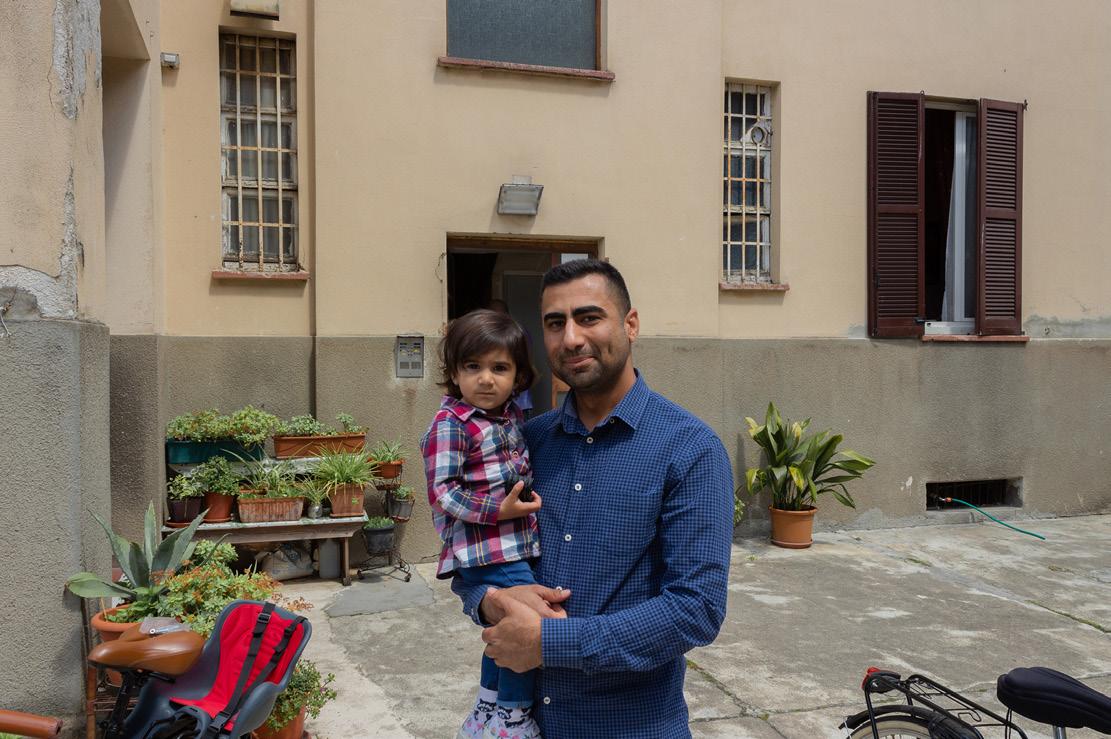
The images taken attempt to show the typology of the courtyard, both their differences and similarities and how they are defined by the thresholds you need to go through before being inside
The courtyards make up a lot of the character of the housing project which has a lot of activity within it, however, as the development of Milan causes for changes such as new metro stop in the middle of the project and library adjacent to the east of the buildings, there is the question of whether it means change for the current character of the apartments. If the place is to unfortunately change in the near future we hope to have some documentation of how it is today
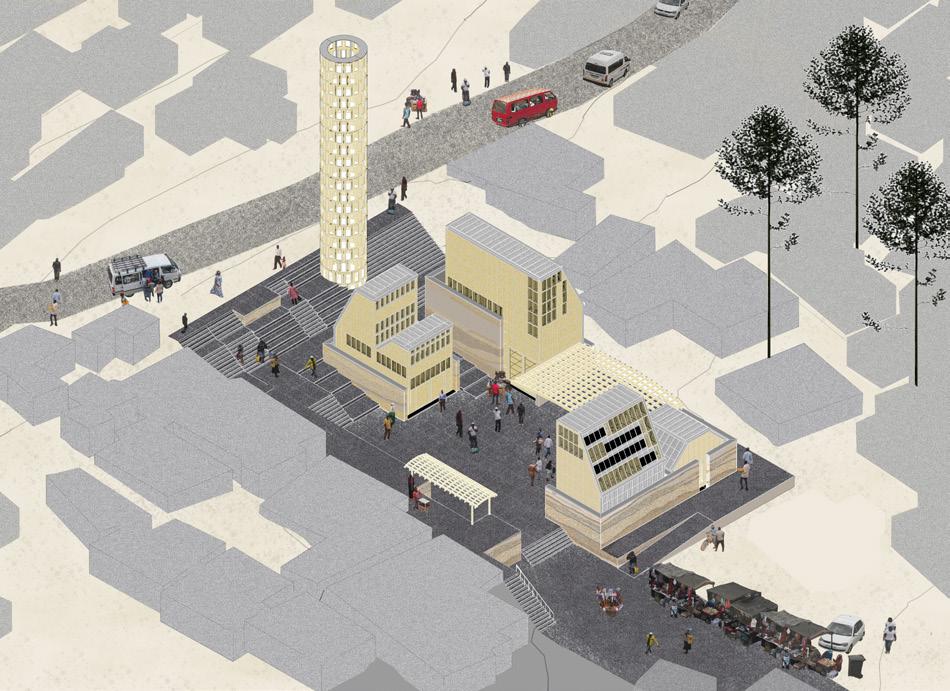
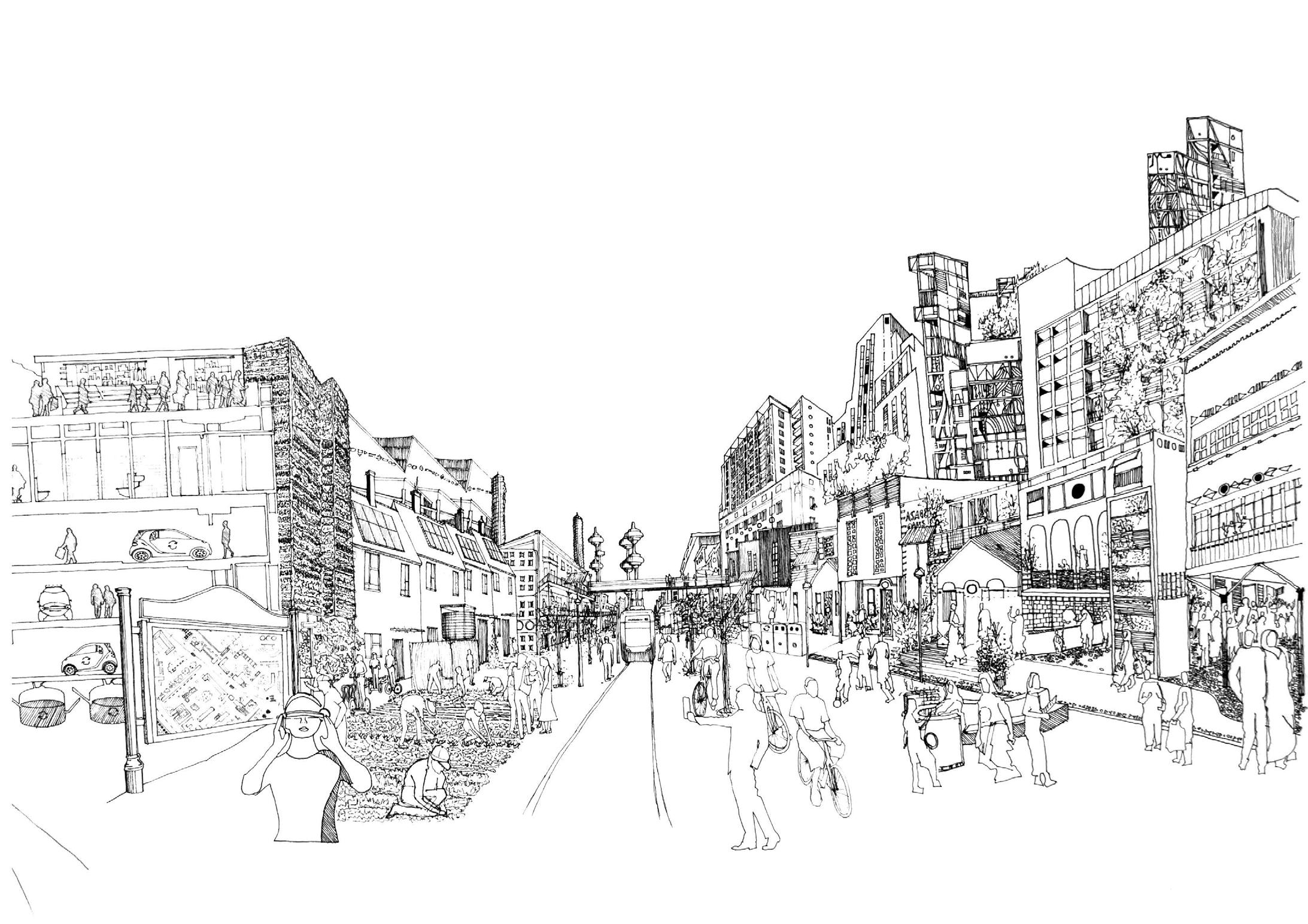
Through studying the agency of inhabitants in the informal city of Cape Town, the project asked how and why space is fragmented. And through attempting to understand this fragmentation and designing with its value in mind, I attempted to make a community centre where the space affords its users a sense of agency in the formal city, where there seems to be a lack of opportunity for habitation and appropriation
Urban Vision: Salt River
Project Nolly Maps
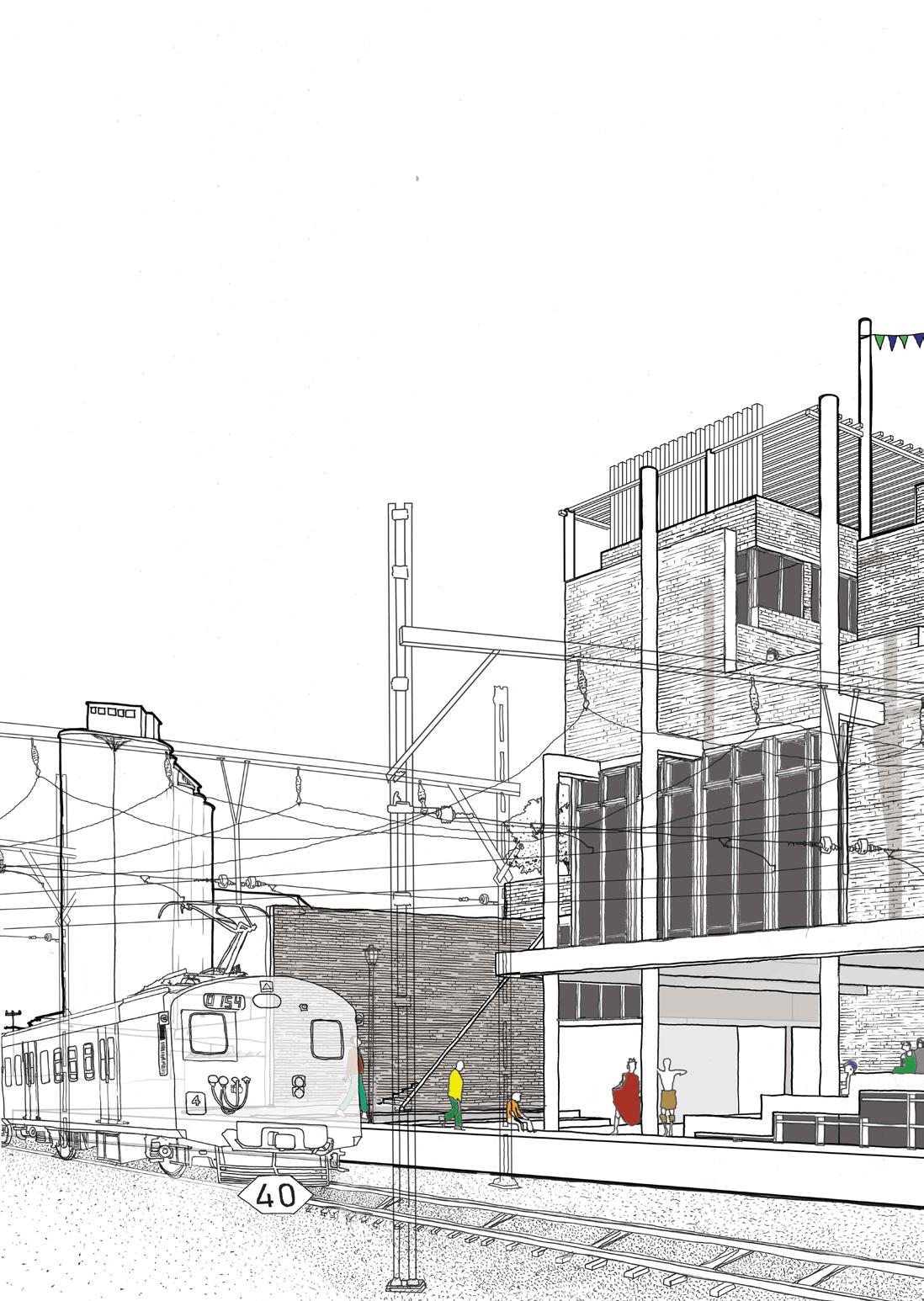
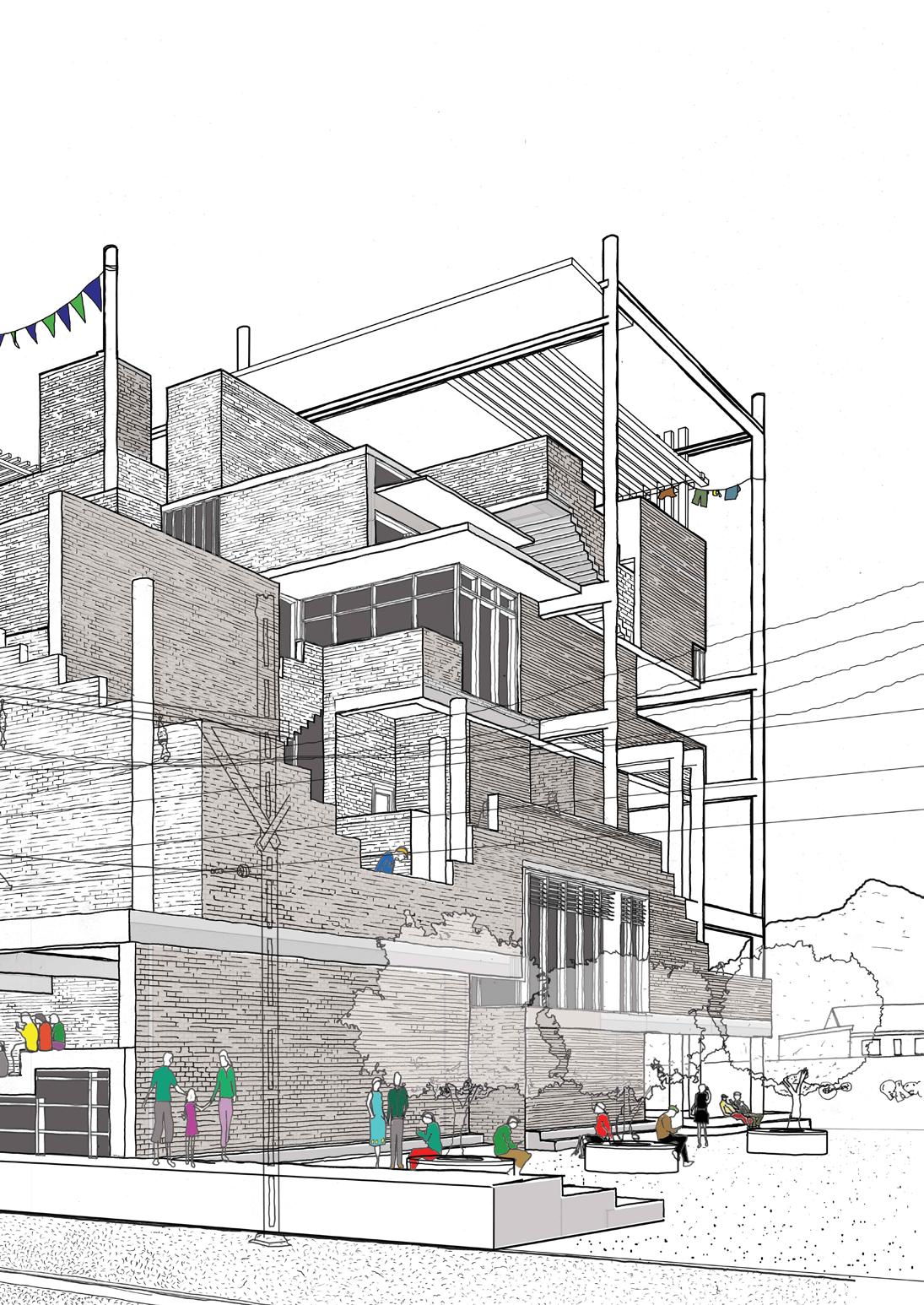
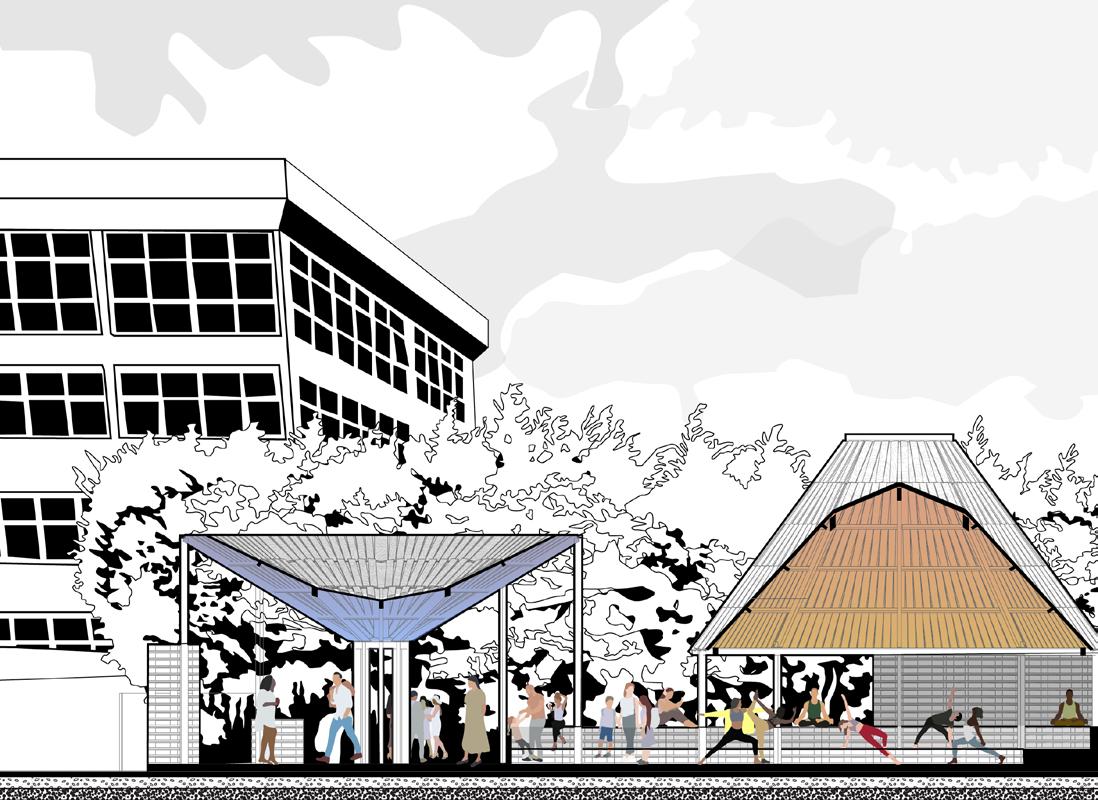
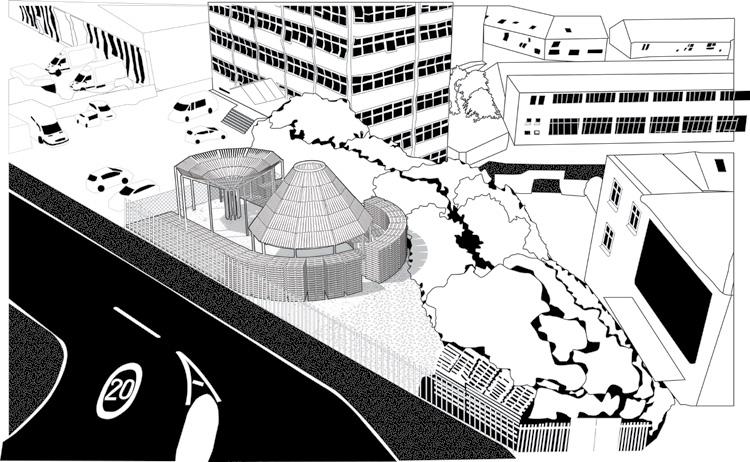
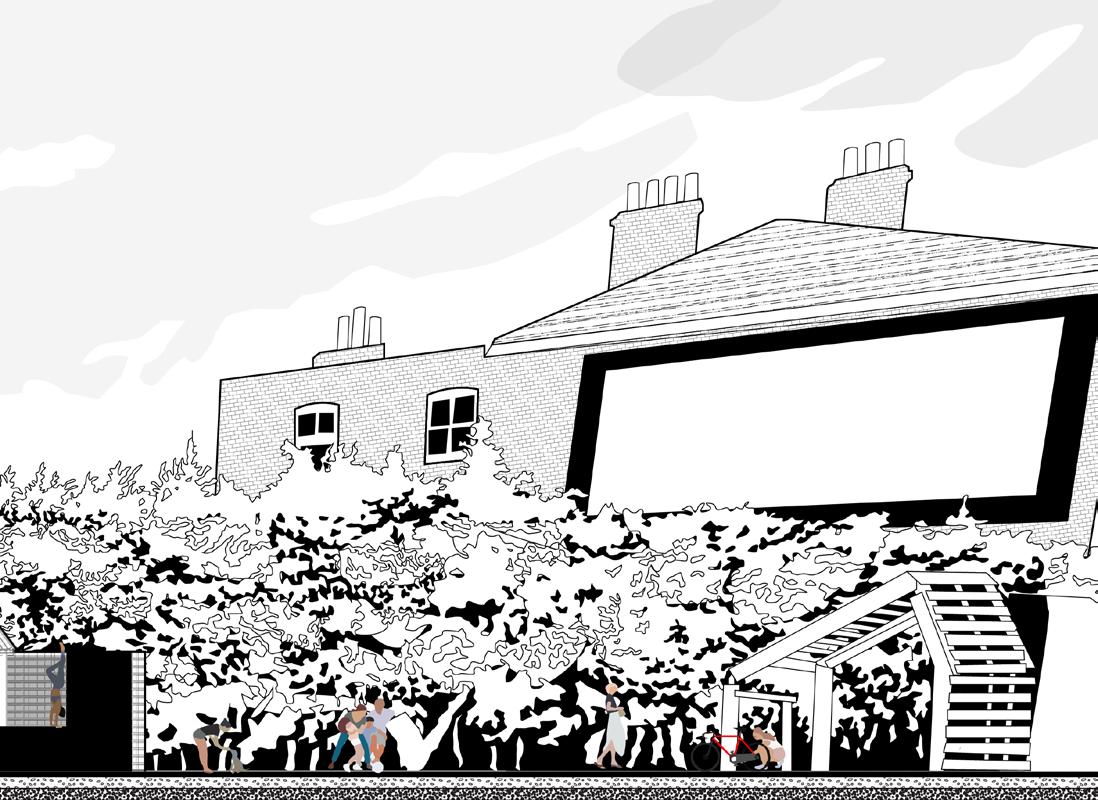
An insulated, pensive space bringing about self contemplation the other opening up to its surrounding community, like HWD, the power of the pavilion coming from the class of difference; the dichotomy of light and shape hoping for one to become aware of themselves and the role they play in their community
Section through pavilion
Site Perspective
Conceptual Studies
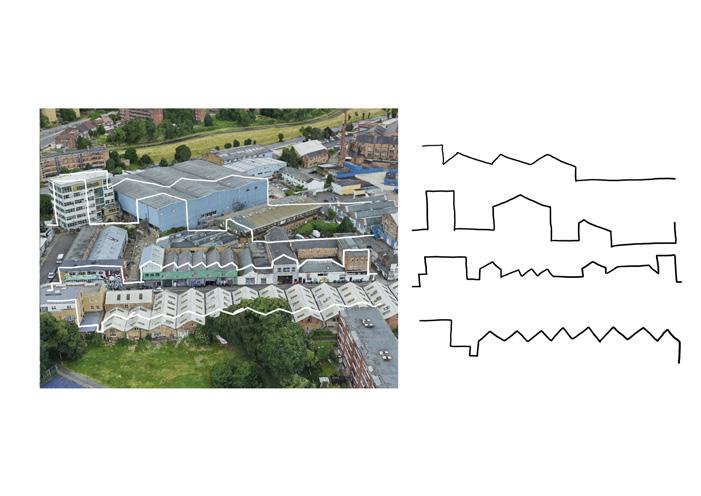
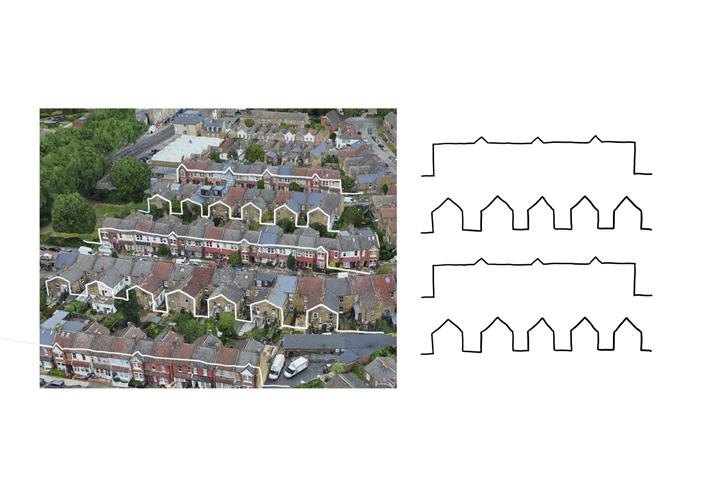
“ Harringay Warehouse District said to have a unique power dynamic its not simply grassroots, nor bottom up, that too far linear- it has a power source that comes from the clash of differences” radiates through the urban syntax
Contrary to the syntax of residential zones, Harringay Warehouse District at an urban scale affords people the opportunity to perform tasks which wouldn’t otherwise be contemplated. The pavilion draws on this power
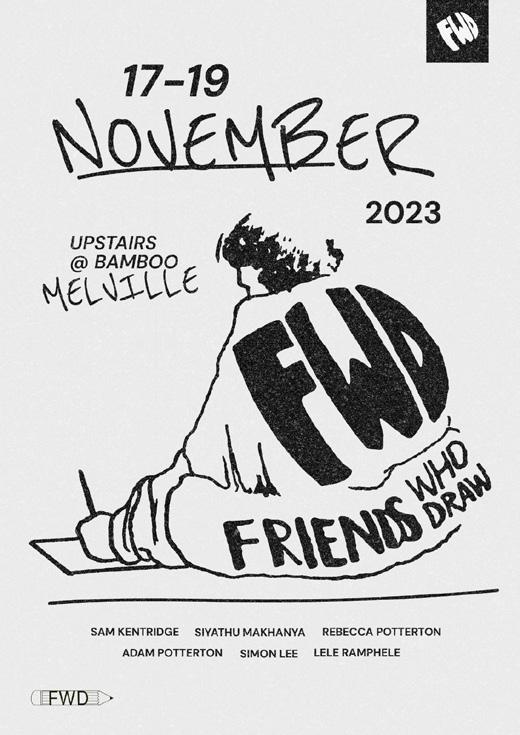
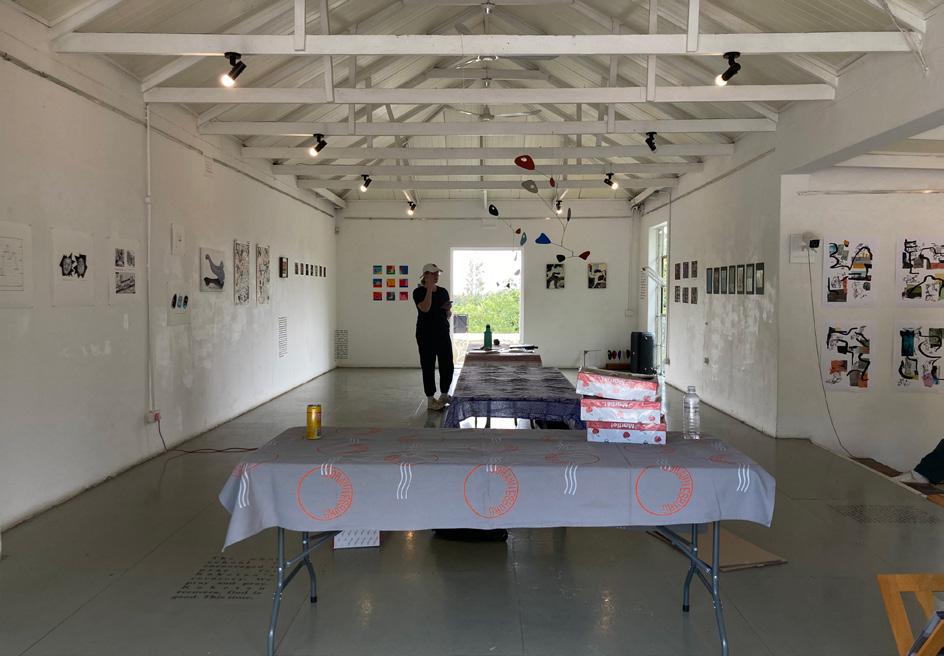
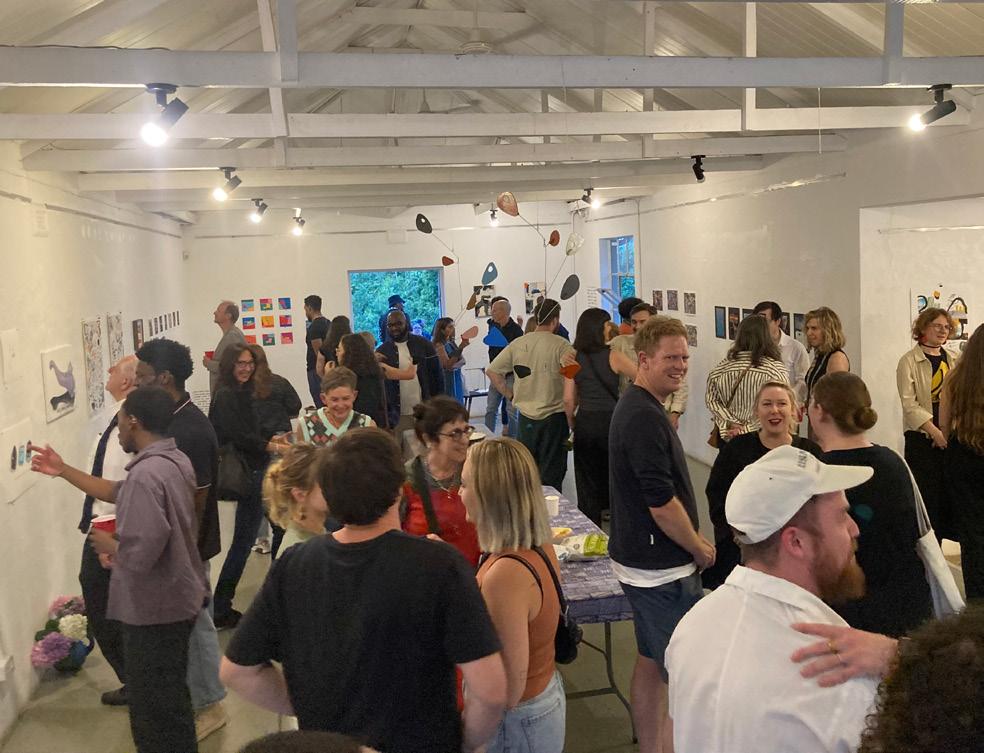
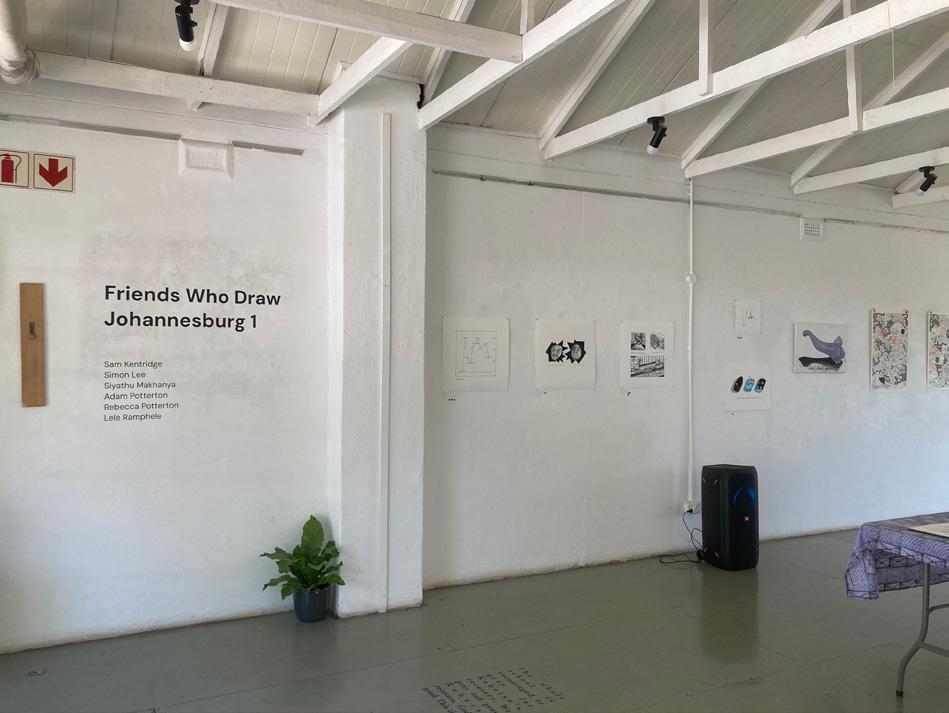
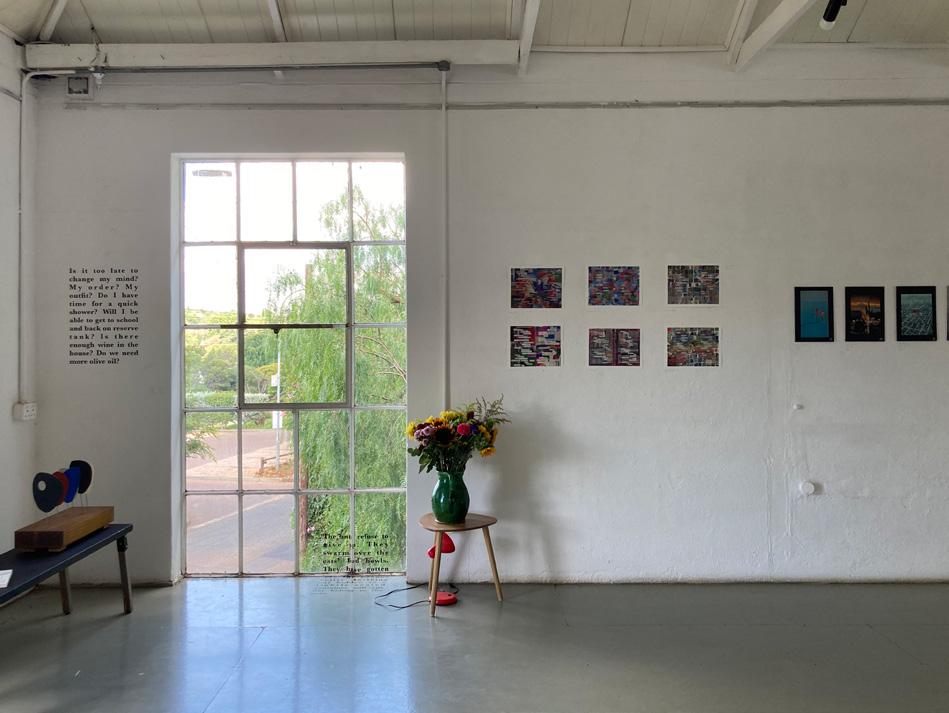
An exhibition organized and run by a group of independent artists in Johannesburg. m’lk’s Lele Ramphele was part of the organization and was a participating artist in the Friends Who Draw exhibition. Held in Melville, Johannesburg the exhibition had work from 5 young emerging artists looking to enter the “art world”. The intention of the exhibition and the collective is to make art exhibiting more accessible to young independent artists in Johannesburg.
Thank You