SUMMER CAMP DIRECTORY: Day Camps, Overnight Camps, Camps for Special Needs, STEAM Camps, Preschool Camps and Programs.
PLUS, tips on choosing a camp, getting ready, emergencies and more.
Girl Scout Summer Camp:
Where every girl be longs.
Summ er C am p Se as on is Her e Where Do You Start?
SUMMER HAS A way of sneaking up on us.
One minute we’re packing school lunches and helping with homework, and the next we’re staring at the calendar realizing summer break is just around the corner. Suddenly the questions start: What are the kids going to do all summer? Which camps should we choose? How are they already filling up?
If you’ve ever felt that way, you’re definitely not alone.
As a mom of five, I know firsthand how overwhelming the camp search can feel. Every child is different, every schedule looks a little different, and suddenly there are dozens—sometimes hundreds—of camps to sort through. Sports camps, STEM camps, art camps, animal camps, overnight adventures, leadership programs, faith-based camps…the list seems to grow every year.
And while it’s exciting to have so many options, it can also make the decision feel harder. Which camp will your child love? Which one fits their personality? Which one
fits the family schedule?
The truth is there’s rarely one perfect answer. Some kids thrive running around at sports camp all day, while others would rather spend their time painting, coding or working with animals. Some are ready for overnight adventures, while others prefer the familiarity of day camp closer to home.
The good news is that summer camps offer something incredibly valuable for kids. They give children the chance to try new things, build confidence, make new friends and develop independence in ways that don’t always happen during the school year.
And of course, summer itself holds its own kind of magic.
It’s the season of long days and late bedtimes. Of swimsuits that never quite dry, popsicles on the porch and adventures that start in the morning and somehow stretch into the evening. It’s road trips, backyard games, library visits and trying something new just because you can.
For many families, summer camp becomes part of that rhythm—adding structure to the week while still leaving plenty of room for family time and spontaneous fun.
In this guide, we hope to make the camp search a little easier by highlighting a variety of programs and resources available to Arizona families. Whether your child is looking for outdoor adventure, creative expression, skillbuilding or simply a fun place to spend the day, there’s truly something for everyone.
And if you’re still exploring options, you can find even more camp listings, articles and family resources on our website.
Here’s to a summer filled with adventure, discovery and memories your kids will carry long after the season ends.
Kate Reed, Publisher
Email us at publisher@rakmagazine.com with topics you want us to write about.
@RAKmagazine on Twitter; RaisingArizonaKids on Facebook, Instagram and Linkedin; RAKmagazine Pinterest and Youtube.
CONTACT US editorial@RAKmagazine.com • familytime@RAKmagazine.com advertising@RAKmagazine.com • subscriptions@RAKmagazine.com 932 South Hunters Run, Show Low, AZ 85901 480–991–KIDS (5437) • raisingarizonakids.com IN PARTNERSHIP WITH
What to Do If Your Child Says They Hate Summer Camp
By RAK Staff
YOU’VE DONE THE research, found a camp that looked like a great fit and carefully prepared your child for the experience. Then camp starts—and suddenly your child says they hate it.
It’s a situation many parents face at some point during the summer. Whether the complaint comes during the car ride home from day camp or through a letter from overnight camp, hearing that your child is unhappy can make parents immediately wonder if they chose the wrong program.
In many cases, though, a rocky start doesn’t necessarily mean the camp itself is the problem.
The Adjustment Period Is Real
For many kids, camp is a big change from their usual routine. New environments, unfamiliar adults, different schedules and lots of new faces can feel overwhelming at first.
Just like the first days of school, some children need time to adjust before they begin to feel comfortable. What starts as uncertainty or nervousness may simply be part of the transition.
It’s common for kids to feel unsure during the first few days, especially if it’s their first time attending camp.
Ask the Right Questions
When a child says they hate camp, it helps to dig a little deeper. Sometimes the issue is specific and easily addressed.
uncomfortable?”
• “Was there any part that was fun?” Their answer may reveal something simple—perhaps they didn’t know anyone yet, an activity wasn’t what they expected, or they felt unsure about speaking up during group activities.
Understanding the root of the frustration can help determine whether the problem is temporary or something that needs more attention.
Encourage Them to Give It Time
If the concern isn’t serious, encouraging kids to give camp a little more time can help them work through those early feelings. Many children begin to enjoy camp once they settle into routines, connect with other campers or find activities they love.
Reminding your child that trying new things can feel uncomfortable at first may help them push through the initial hesitation.
Stay in Communication With Staff
Camp counselors and staff are used to helping kids navigate these early challenges. If your child seems especially unhappy, reaching
out to the camp can provide helpful insight. Staff may already be working to help your child feel included, introduce them to other campers or encourage participation in activities they might enjoy more.
When It Truly Isn’t the Right Fit
Of course, sometimes a camp simply isn’t the best match. A child who prefers creative activities may not enjoy a sports-focused camp, while a highly structured program might not appeal to a child who thrives in flexible environments.
If the concerns persist, it may be worth considering a different type of camp in the future.
Focus on the Learning Experience
Even when camp doesn’t turn out exactly as expected, it can still offer valuable lessons. Kids learn how to navigate new environments, communicate their feelings and try things outside their comfort zones.
Sometimes what starts as “I hate camp” eventually turns into a story about the one activity they loved, the friend they made or the confidence they gained along the way.
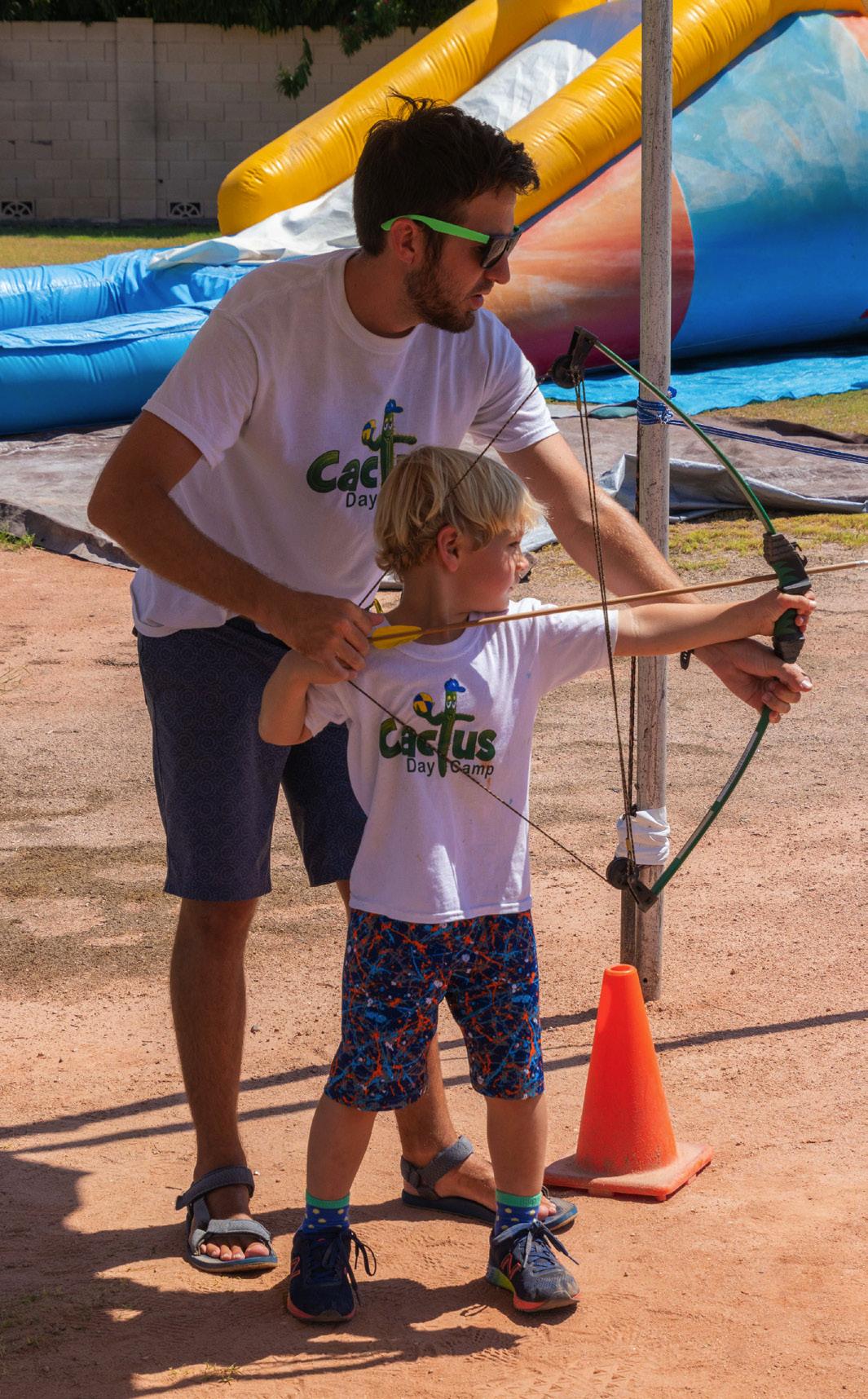
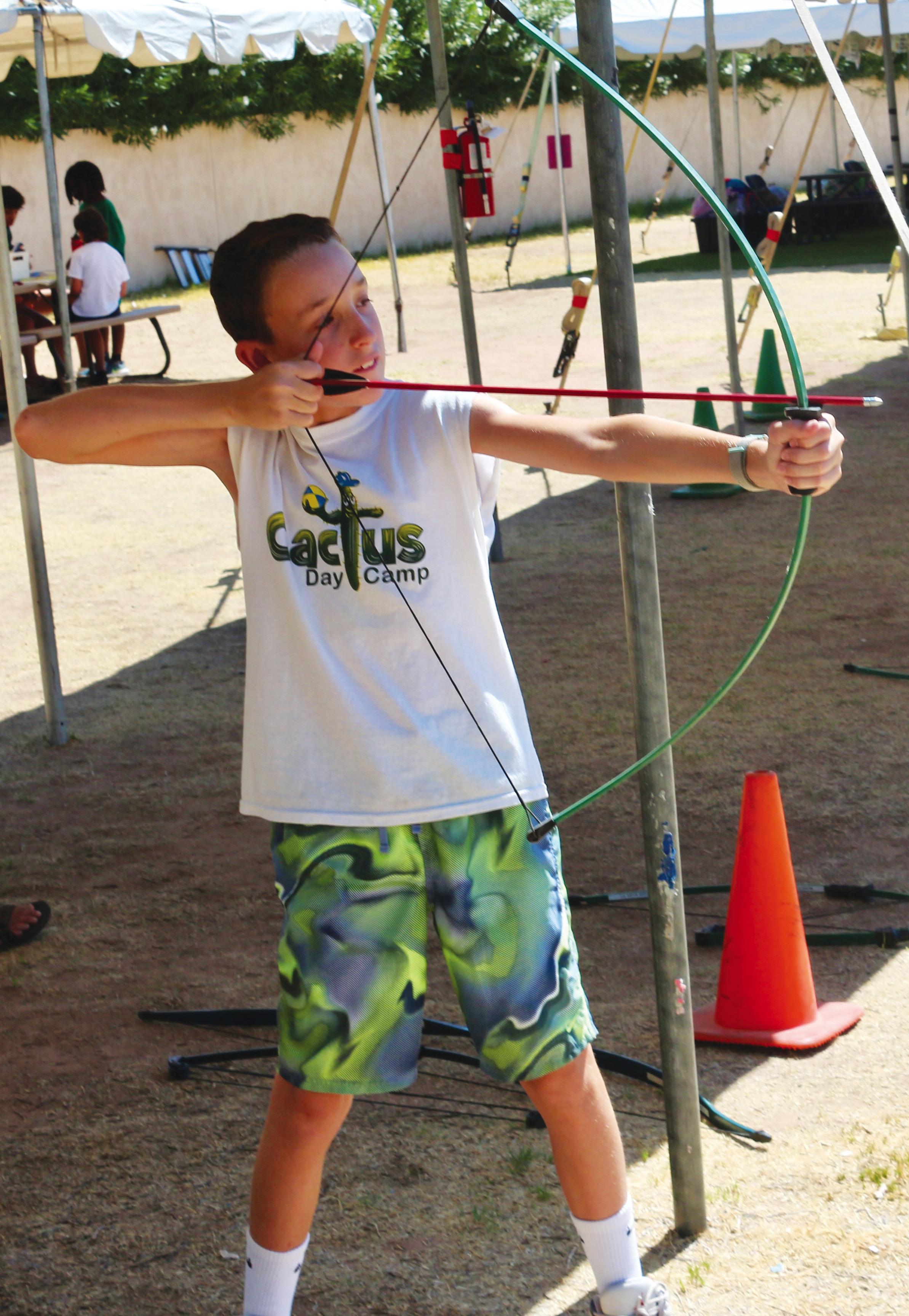
The Cactus Day Camp Experience
SUMMER CAMP IS often one of childhood’s most exciting experiences. It offers kids the chance to try new activities, build confidence and create memories that last long after summer ends. But for many parents, the idea of sending a child to camp—especially overnight camp—can bring up a long list of concerns.
Questions about safety, homesickness, independence and social readiness are incredibly common. In fact, many of the worries parents have are also the very reasons camp can be such a powerful growth experience for children.
Homesickness and Separation Anxiety
One of the most common fears parents have is that their child will feel homesick or struggle being away from home. The idea of a child feeling sad or overwhelmed can make parents hesitate.
The reality is that homesickness is normal, especially during the first few days of camp. Most camps expect it and train staff to help children work through those feelings. Counselors encourage campers to stay engaged in activities, connect with other kids and develop coping strategies.
Learning how to manage these emotions in a supportive environment helps children build resilience and confidence. Many kids who initially feel homesick end up leaving camp
CAMP NERVES? Why Your Worries Are Completely Normal
By RAK Staff
proud of themselves for pushing through.
Concerns About Safety
Safety is another major concern for parents—and understandably so. Camps should be places where children can explore and have fun while being well supervised.
One of the best ways parents can ease these worries is by choosing a camp accredited by the American Camp Association (ACA). ACAaccredited camps meet hundreds of standards related to health, safety, staff training and risk management.
Parents should also feel comfortable asking camps detailed questions before registering. For example:
• What is your emergency response plan?
• How do you monitor weather conditions?
• Is the camp located in an area at risk for flash flooding or severe storms?
• How are campers supervised during activities?
• How are parents notified if an emergency occurs?
Good camps welcome these questions and are transparent about their safety procedures.
Social Readiness
Some parents worry that their child is too shy, introverted or socially anxious to thrive in a camp setting. But camp can actually be a
wonderful place for children to develop social confidence.
Because many campers arrive not knowing anyone, everyone starts on similar footing. Shared activities—like sports, crafts, outdoor adventures or team challenges—naturally encourage kids to connect and form friendships.
Readiness for Independence
Parents also sometimes wonder whether their child can handle daily routines like organizing belongings, following schedules or managing personal care.
Camp provides a structured environment where children gradually build these skills. With guidance from counselors, kids learn to keep track of their things, make simple decisions and take responsibility for themselves.
A Meaningful Opportunity for Growth
While parental concerns about camp are completely valid, they shouldn’t overshadow the incredible opportunities camp provides. With the right preparation and a well-run program, camp can help children build independence, resilience and lifelong friendships.
For many kids, camp becomes more than just a summer activity—it becomes a place where they discover just how capable they really are.
Is My Child READY for OVERNIGHT CAMP?
By RAK Staff
FOR MANY FAMILIES, overnight camp is one of childhood’s most exciting milestones. Spending several days or even weeks away from home can give kids the chance to build independence, form new friendships and try activities they might never experience elsewhere. But for parents, one big question often comes up: Is my child ready for overnight camp?
The answer isn’t always tied to age alone. Instead, readiness usually depends on a child’s maturity, comfort level with independence and enthusiasm for the experience.
Signs Your Child May Be Ready
Children who are ready for overnight camp often show small signs of independence in their everyday lives. For example, they may already feel comfortable spending the night at a grandparent’s house or attending sleepovers with friends. These experiences help kids practice being away from home in a safe and familiar setting.
Another indicator is how well a child manages basic daily routines. Campers should be able to handle tasks like getting dressed, brushing teeth, keeping track of personal belongings and following simple schedules with minimal help.
Emotional readiness is just as important. Kids who are excited about camp—or at least curious about the experience—are often better prepared than those who feel pressured to go.
Questions to Ask Before Registering
Parents can also ask a few helpful questions to gauge readiness:
• Does my child show interest in overnight camp?
• Can they communicate their needs to adults if something feels wrong?
• Are they comfortable meeting new kids and trying new activities?
• Do they handle small challenges without
becoming overwhelmed?
If your child still struggles with separation anxiety or becomes very distressed when away from home, it might help to start with shorter camp sessions or day camps before jumping into an overnight experience.
Preparing for the First Overnight Camp
Even if a child seems ready, preparation can make the transition smoother. Talking about what camp will be like helps set expectations and reduce anxiety. Review the camp schedule together and discuss activities they might try, from swimming and hiking to crafts and campfires.
Packing together can also help kids feel prepared. When children know where their belongings are and what to expect, they often feel more confident once camp begins.
Parents can also practice independence skills ahead of time, such as managing toiletries, choosing clothes or organizing their belongings.
Expect a Mix of Emotions
It’s completely normal for kids—and parents—to feel a mix of excitement and nerves before overnight camp. Some children feel homesick during the first day or two, but many quickly settle in once they start participating in activities and making friends.
Camp counselors are usually trained to help children adjust and stay engaged, making the transition easier.
A Milestone Worth Trying
Overnight camp can be a powerful experience for kids. It offers a chance to grow independence, develop resilience and discover new interests in a supportive environment.
Even if the first camp experience comes with a few nerves, many children return home with new confidence, unforgettable memories and stories they’ll be telling long after summer ends.
ABT’s Academy for Young Performers is devoted to theatre education for young performers ages 7-18. The Academy introduces, instills, and inspires young people to develop an appreciation for the performing arts with the culmination of a fully staged musical at the end of their time with us.
Academy 1 (Ages 7-11) May 26-30
Academy 2 (Ages 7-11) June 1-6
Academy 3 (Ages 7-12) June 8-13
Academy 4 (Ages 12-15) June 8-20
Academy 5 (Ages 14-18) June 15-27
Academy 6 (Ages 14-18) June 29 - July 12
Academy 7 (Ages 11-13) July 6-18
Academy 8 (Ages 7-11) July 20-25
Tips for Parents Helping Kids with Medical Needs Thrive at Summer Camp
By RAK Staff
SUMMER CAMP CAN be an incredibly rewarding experience for children, offering opportunities to build confidence, make friends and try new activities. For families of medically complex children, however, sending a child to camp can also bring understandable concerns. Conditions such as epilepsy, diabetes, severe allergies, asthma or other medical needs require careful planning and communication—but with the right preparation, many children with medical complexities can safely enjoy the camp experience.
Here are some tips to help parents prepar:
Choose the Right Camp
Start by researching camps that are experienced in supporting children with medical needs. Some camps specialize in serving children with specific conditions, while many traditional camps have trained staff and protocols in place to manage medications and medical emergencies.
When evaluating camps, ask questions about their health staff, training requirements for counselors, medication administration
procedures and emergency response plans. Many camps have a nurse or trained medical professional on site.
Communicate Early and Clearly
Open communication is one of the most important steps in preparing for camp. Share detailed information about your child’s condition, including symptoms, triggers, medications and emergency procedures. Provide written instructions and discuss them directly with the camp’s health staff. If your child has epilepsy, for example, explain what their seizures typically look like, how long they usually last and what steps staff should take if one occurs. The more information camp staff have, the better they can support your child.
Create a Detailed Medical Plan
Work with your child’s doctor to develop a clear care plan for camp. This may include medication schedules, emergency action plans and instructions for handling potential symptoms.
Make sure medications are clearly labeled and provided in their original packaging. Some camps may also require physician forms or authorization for medication administration.
If your child carries rescue medications— such as seizure rescue medication, an inhaler or an epinephrine auto-injector—ensure staff know exactly where these are located and how to use them.
Help Your Child Build Self-Advocacy Skills
Depending on their age and ability, encourage your child to understand and communicate their needs. Teaching children how to explain their condition, recognize symptoms and ask for help can empower them and improve their safety.
Practicing phrases like “I need to see the nurse” or “I need my inhaler now” can help kids feel more confident speaking up.
Prepare for Emotional Readiness
It’s normal for both parents and children to feel nervous before camp, especially when medical needs are involved. Talking through what to expect and focusing on the fun parts of camp—friends, activities and new experiences—can help ease anxiety.
You might also discuss how your child can check in with staff if they feel unwell or overwhelmed.
Remember the Benefits
While the preparation may require extra effort, the benefits of camp can be incredibly meaningful for medically complex children. Camp offers opportunities to build independence, develop social skills and experience a sense of normalcy alongside peers. With thoughtful planning, open communication and supportive staff, many medically complex kids can enjoy a safe and memorable camp experience—one filled with adventure, growth and confidence.
Arizona Family Campout Program offers spring adventures
By RAK Staff
HAVE YOU avoided family camping because you lack wilderness skills — or fear your kids won’t have adequate patience for roughing it? The Arizona State Parks Family Campout Program offers a way to experience camping with expert help. Designed for families with little or no camping experience, it’s meant to encourage an appreciation for our beautiful state parks.
During Family Campout weekends, experts teach kids and families how to set up tents, build a campfire and prepare food. Participants enjoy activities such as fishing, archery, mountain biking, guided hikes, geocaching and a service project during twoday, one-night trips. The Arizona State Parks program is $90 for a family of up to four for one night and $110 for two-night events. Additional family members $5 each. One family per registration. Families can register for one event per season and three campouts
total. For families greater than four, special arrangements are needed — please email campout@azstateparks.gov. Children 6 years and older are welcome to attend the program. Pets are not allowed. Tent camping only.
The following are provided: Tents, sleeping mats, lanterns, backpack, camp stove, camp chairs, first aid kits, all activity equipment, snacks, water, coffee, tea, hot chocolate and a mug.
Families should bring: Food (two lunches, one or two dinners, and one or two breakfasts), pots and pans, cutlery, plates and bowls, refillable water bottles, sleeping bags, bedding and pillows, sturdy shoes, clothing appropriate to outdoor activities and weather, toiletries (toothpaste, soap, shampoo), medications, towels (swimming and bathing).
Families are allowed to sign up for one event per season, and three campouts total.
Spring Registration Now Open!
• March 6-8, 2026: Alamo Lake State Park, Wenden (Registration Closed)
• March 14-15, 2026: Catalina State Park, Tucson (SOLD OUT)
• March 28-29, 2026: Patagonia Lake State Park, Patagonia (SOLD OUT)
• April 18-19, 2026: Red Rock State Park, Sedona (SOLD OUT)
• May 2-3, 2026: Rockin' River Ranch State Park, Camp Verde (SOLD OUT)
• May 9-10, 2026: River Island State Park, Parker
• May 29-31, 2026: Lyman Lake State Park, St. Johns
Reserve a spot for these spring events at azstateparks.com/ family-camp
How Su m mer Camp Helps Prevent the “Summer Slide”
By RAK Staff
WHEN THE SCHOOL YEAR ends and summer begins, many families look forward to slower mornings, pool days and plenty of outdoor fun. But educators often talk about another seasonal reality known as the “summer slide.” This term refers to the learning loss that can happen when kids spend months away from structured academic activities.
Research shows that students can lose some of the reading and math skills they gained during the school year if they don’t regularly practice them over the summer. For some children, especially younger students, it can take weeks of the new school year just to catch back up.
Fortunately, summer doesn’t have to mean a pause in learning. In fact, summer camp is one of the best ways to keep young minds engaged while still letting kids enjoy their break.
Learning Without the Classroom
One of the biggest benefits of camp is that learning happens in ways that don’t feel like school. Instead of worksheets or tests, kids are exploring nature, building things, creating art, solving challenges and trying new activities.
A science camp might involve hands-on experiments. Outdoor camps encourage kids to learn about ecosystems, wildlife and survival skills. Theater camps build creativity, public speaking and confidence. Even sports camps reinforce teamwork, strategy and problem solving.
These experiences keep children thinking, asking questions and developing
new skills without the pressure of a traditional classroom.
Building Confidence and Independence
Summer camps also help kids grow socially and emotionally. Trying new activities, meeting new friends and navigating challenges away from home can build confidence and independence.
Camp environments encourage children to work together, practice communication skills and learn how to overcome setbacks. These experiences are valuable life skills that benefit kids long after summer ends.
Encouraging a Love of Learning
Perhaps one of the most important ways camp prevents the summer slide is by helping kids stay curious. When children discover new interests—whether it’s horseback riding, robotics, art or hiking—they’re more likely to stay engaged and motivated.
That excitement often carries into the school year, helping students return to the classroom refreshed and ready to learn.
A Summer That’s Both Fun and Meaningful
Summer camp offers something many families are looking for: a way for kids to have fun, stay active and continue growing. By keeping minds engaged through exploration, creativity and new experiences, camp can help prevent the summer slide while giving children memories that last a lifetime.
For many kids, the lessons learned at camp go far beyond academics—and the benefits continue well after summer ends.
The Benefits of Counselorin-Train i ng Camps for Teens
By RAK Staff
AS KIDS GROW into their teenage years, many families begin looking for summer experiences that offer more than just recreation. While traditional camps are still fun, counselor-in-training (CIT) programs give teens the opportunity to develop leadership skills, gain responsibility and begin preparing for future jobs.
Counselor camps or CIT programs are designed for older campers—typically ages 14–17—who are ready to move beyond being participants and start learning what it means to lead.
Developing Leadership Skills
One of the biggest benefits of counselor training camps is the chance for teens to practice leadership in a supportive environment. CITs often assist younger campers during activities, help lead games or projects, and learn how to guide groups through challenges.
These experiences teach teens how to communicate clearly, make decisions and take initiative. Learning how to lead peers and younger children builds confidence and helps teens understand the responsibility that comes with leadership.
Building Real-World Job Skills
Many counselor camps focus on practical skills that teens will use in future jobs. Participants may learn basic childcare techniques, conflict resolution, first aid basics and how to plan group activities.
For teens interested in eventually working as camp counselors, babysitters or youth program leaders, a CIT program can be a great first step. The experience also looks great on future job or college applications because it demonstrates responsibility and community involvement.
Encouraging Independence and Responsibility
Teen years are an important time for building independence. CIT programs
encourage teens to take ownership of tasks, show up prepared and follow through on commitments.
Helping younger campers also teaches patience and empathy. Teens quickly realize they are role models, and many rise to the challenge by becoming more responsible and thoughtful in how they interact with others.
Creating Meaningful Connections
Another benefit of counselor camps is the opportunity to build friendships with peers who share similar interests and goals. Teens often form strong bonds while working together to support younger campers and complete leadership activities.
Mentorship from experienced camp
staff can also be incredibly valuable. Many teens gain guidance from adult leaders who help them develop confidence and navigate challenges.
A Summer That Builds More Than Memories
Counselor-in-training programs offer teens something unique: a chance to grow while still enjoying the fun of camp. Instead of simply participating, teens become part of the team that helps create positive experiences for others. By the end of the summer, many teens leave with stronger leadership skills, greater confidence and a sense of accomplishment that will benefit them long after camp ends.
CREATIVE & FUN WEEKLY THEMES
First-Time Campers
How to Prepare Kids for Their First Camp Experience
By RAK Staff
SENDING A CHILD to camp for the first time can be an exciting milestone—for both kids and parents. Whether it’s a day camp close to home or an overnight adventure, camp offers children the chance to try new activities, make friends and build confidence. A little preparation ahead of time can help ensure the experience starts off positive and stressfree.
Talk About What to Expect
One of the best ways to prepare kids for camp is simply to talk about it. Walk through what a typical day might look like, from morning dropoff to activities, lunch and pick-up. If the camp offers a schedule online, reviewing it together can help kids feel more comfortable.
For overnight camps, discuss things like sleeping arrangements, meal times and how counselors will help guide activities. When kids know what to expect, the experience can feel much less intimidating.
Practice Independence
Camp is often one of the first places where children spend extended time away from their parents. Helping kids build small independence skills ahead of time can make a big difference. Practice things like packing a backpack, putting on sunscreen, managing water bottles and keeping track of personal belongings.
For overnight campers, practicing simple routines like making a bed, choosing clothes or organizing toiletries can help kids feel capable and confident once camp begins.
Pack Together
Getting kids involved in packing helps them feel more prepared and excited. Review the camp packing list together and talk about what each item will be used for. Labeling items like water bottles, towels and backpacks can help prevent things from getting lost.
If your child is nervous, consider packing a small comfort item like a favorite stuffed animal, family photo or familiar book.
Address Nervous Feelings
It’s completely normal for kids to feel a mix of excitement and nerves before their first camp experience. Let them know those feelings are normal and that many other campers are likely feeling the same way.
Instead of focusing on worries, talk about the fun things they might experience—new games, crafts, swimming, outdoor adventures and meeting new friends.
Focus on the Adventure
Camp offers kids something special: a chance to explore new interests, build independence and create lasting memories. By preparing ahead of time and keeping conversations positive, parents can help children walk into their first day of camp feeling confident and ready for the adventure.
For many kids, that first camp experience becomes the start of a summer tradition they look forward to year after year.
LET THEM CHOOSE Why Kids Should Help Pick Their Summer Camp
By RAK Staff
SUMMER CAMP CAN be one of the most memorable parts of childhood. From trying new activities to making friends and building independence, camp experiences often stay with kids for years. While parents typically lead the planning process, involving your child in choosing their summer camp can make the experience even more meaningful—and successful.
When kids have a voice in the decision, they’re more likely to feel excited and invested in the experience.
Start With Their Interests
Every child has different passions. Some kids love sports, while others gravitate toward art, animals, science or the outdoors. Instead of selecting a camp based solely on convenience or availability, start by asking your child what sounds fun to them.
Do they want to learn horseback riding? Build robots? Perform on stage? Spend time hiking and exploring nature?
Discussing interests can help narrow down options and ensure the camp aligns with what truly excites your child.
Explore Options Together
Once you’ve identified a few possibilities, take time to explore them together. Look at camp websites, browse photos and talk about the activities each camp offers. Many camps provide sample daily schedules or highlight special activities, which can help kids picture what their day might look like.
This process helps children feel included and gives them a clearer idea of what to expect.
Balance Preferences With Practical Needs
Of course, parents still need to consider important factors like cost, location, schedule and safety. Including your child in the process doesn’t mean they make the final decision—but their input should be part of the conversation.
If a child loves animals but the nearest
horse camp is too far away, you might explore nature camps or outdoor adventure camps that still connect with that interest.
Building Confidence Before Camp Begins
When children help choose their camp, they often arrive feeling more confident and enthusiastic. Instead of feeling like they were “sent” somewhere, they feel like they’re participating in something they helped pick.
That sense of ownership can ease first-day nerves and encourage kids to dive into new activities.
Turning Camp Into a Positive Experience
Choosing a summer camp together can also open the door to meaningful conversations about trying new things, making friends and setting personal goals for the summer.
By including your child in the process, you’re not just selecting a camp—you’re helping them build excitement, confidence and anticipation for the adventures ahead.
SUMMER CAMP OFFERINGS
YOUTH & TEEN CLASSES AGES 6-18
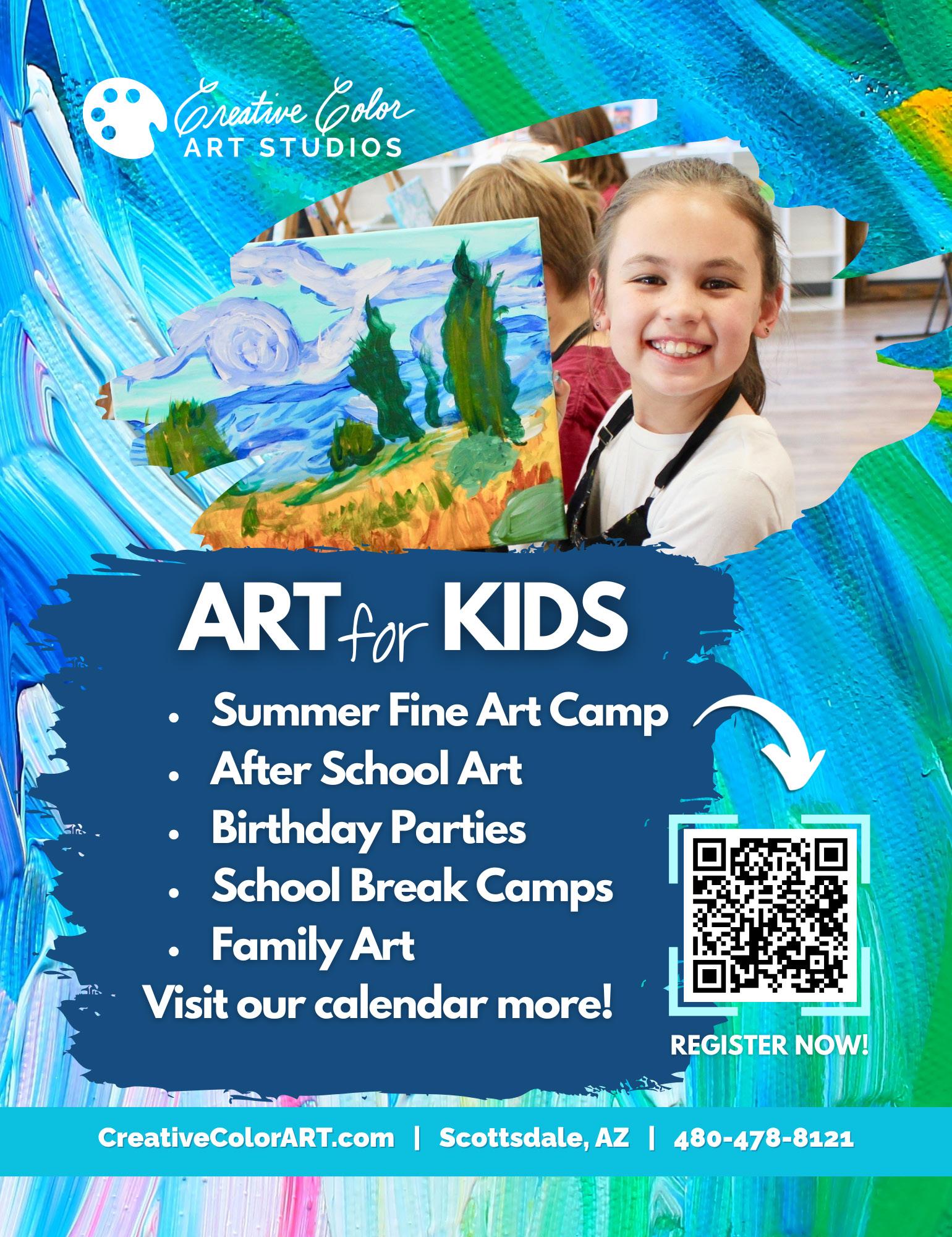
Join us for our week-long Youth Academy Fine Art Summer Camps. Programs are taught by professional artists and are designed for all skill levels. Projects include: Painting, 3D Sculpting, Designing, Studio Art, Drawing, Anime, Recycled Art and much more. Our studios are set up so that each student has a personalized space equipped with individual supplies for a fun and creative fine art experience. Most camps run daily Monday through Friday, 9am-3pm. Before and after art is available for an additional fee for students who need an extended day.
SCHOLARSHIPS
We believe art is something to be shared by all, therefore Scottsdale Artists´ School offers scholarships based on merit and/or financial need.
The Unwritten Rules of Summer Camp
By RAK Staff
EVERY SUMMER CAMP has its official rules: stay with your group, listen to counselors, be kind to others and show up on time for activities. But anyone who has spent even a few days at camp knows there’s another set of guidelines that campers quickly discover on their own.
These are the unwritten rules of summer camp—the ones passed down from experienced campers to first-timers, often learned through trial and error.
Here are a few that campers figure out pretty quickly:
The Best Bunk Gets Claimed First
If you arrive at camp and have a choice of bunks, don’t hesitate. The bottom bunks tend to disappear quickly, especially the ones closest to a window or a fan.
Veteran campers know this and move fast. First-time campers often take a little longer to decide, only to realize later that the most desirable spots were claimed in the first five minutes.
Always Bring Extra Socks
There’s something about camp that seems to turn socks into a disappearing act. Between muddy trails, lake swims and long days outside,
socks can quickly get wet, lost or mysteriously mixed up with someone else’s.
The seasoned camper’s advice? Bring more socks than you think you’ll need.
You’ll be glad you did.
Don’t Forget the Bug
Spray
Camp and nature go hand in hand—and so do bugs. Whether it’s mosquitoes buzzing around the lake or the occasional curious insect on a hiking trail, bug spray quickly becomes a camper’s best friend.
Forget it once, and you’ll likely remember to pack it next year.
Flashlights Are Gold After Dark
When the sun goes down and the cabins go quiet, flashlights suddenly become the most valuable item in the bunk. Whether it’s finding your way to the bathroom, digging through a bag for pajamas or sharing ghost stories under the covers, a good flashlight always comes in handy.
S’mores Are Never Just One
Every camper knows the real rule of campfire nights: one s’more is never enough. Sticky fingers, melted chocolate and marshmallows toasted to perfection—or
occasionally set on fire—are simply part of the experience.
Everyone Gets Homesick at Least Once
Even the most excited campers sometimes feel a little homesick. It might happen the first night or later in the week when the excitement settles down.
The unwritten rule here is simple: it happens to almost everyone. And just as often, those same campers end up having the most fun once they push through that moment.
The Friendships Happen Fast
One of the most surprising things about camp is how quickly friendships form. Within a few days, the kids who arrived as strangers can feel like lifelong friends.
Shared cabins, group activities and camp traditions have a way of bringing people together.
Camp Has Its Own Kind of Magic
While every camp is different, these unwritten rules tend to show up almost everywhere. They’re part of the rhythm and charm of camp life—lessons that kids discover on their own along the way.
And years later, they’re often the stories campers remember the most.
THERE WAS A time when boredom was simply part of childhood.
Kids wandered outside without much of a plan, built forts out of sticks, rode bikes until dinner and made up games as they went along. If there was nothing to do, they figured something out. Imagination filled the gaps.
Today, boredom rarely lasts long. Tablets, phones, gaming systems and endless streaming options are always within reach. The moment a child says, “I’m bored,” a screen often becomes the fastest solution.
That’s one reason summer camp has become something special in today’s world.
For many kids, camp may be one of the few places left where screens disappear and something else takes their place: time, space and freedom to explore.
Unstructured Time Sparks Creativity
At camp, not every moment is scheduled or filled with instructions. While there are activities throughout the day, there are also stretches of time where kids simply exist together—talking, exploring, building and inventing.
And when kids are given space like that, something interesting happens.
They start creating their own fun.
The Lost Art of BOREDOM
Why Summer Camp Is One of the Last Screen-Free Places for Kids
By RAK Staff
A group might invent a new game, turn a fallen log into a balance beam or spend an afternoon building something entirely imagined. Without constant entertainment handed to them, kids begin to use the most powerful tool they have: their creativity.
The Outdoors Becomes the Playground
Camp also brings kids back outside in ways that everyday life sometimes doesn’t allow. Long hours spent hiking trails, swimming in lakes, climbing rocks or simply running across open fields remind kids how much there is to discover beyond four walls.
Nature itself becomes the playground.
It’s not unusual for kids to return home from camp with scraped knees, messy hair and stories about frogs, campfires and adventures that started with nothing more than curiosity.
Real Social Connection
Perhaps one of the biggest differences between camp and everyday life is the way kids interact with one another.
Without phones buzzing or notifications pulling attention away, conversations happen face to face. Kids talk during meals, share stories in cabins, laugh around campfires and solve problems together when small conflicts arise.
These interactions help children practice communication, empathy and teamwork— skills that grow stronger through real-world connection.
Learning to Be Comfortable With Boredom
Ironically, boredom itself can be a gift.
When children learn that boredom isn’t something to fear, they become better problemsolvers and more independent thinkers. Instead of expecting entertainment to appear instantly, they learn to create it themselves.
Camp gives kids the chance to rediscover this skill.
A Different Kind of Summer
In a world filled with constant digital stimulation, summer camp offers something rare: a break.
A break from screens, from constant notifications and from the pressure to always be entertained.
In that space, kids rediscover what childhood has always been about—friendship, imagination, outdoor adventures and the freedom to simply be kids.
And sometimes, it all starts with a simple phrase: “What should we do now?”
Sending Kids to Camp Without the Worry SAFETY QUESTIONS EVERY PARENT SHOULD ASK
By RAK Staff
FOR MANY FAMILIES, summer camp is one of childhood’s most memorable traditions. It’s a place where kids build independence, try new activities and form friendships that last far beyond the summer months. But after hearing about tragic events—like the devastating flooding that claimed young lives at a girls’ camp in Texas last summer—it’s completely understandable for parents to feel a little more anxious about sending their children away.
Natural disasters are rare, but they do happen. In Arizona, we’re especially familiar with the risks of monsoon storms and flash flooding, which can develop quickly in certain areas. The good news is that reputable camps take safety planning very seriously, and there are steps parents can take to ensure they’re choosing a camp prepared to handle emergencies.
Look for Accredited Camps
One of the best places to start is by choosing a camp accredited by the American Camp Association (ACA). ACA accreditation means a camp has met hundreds of health, safety and risk management standards. These standards cover everything from staff training and supervision to emergency planning and communication protocols.
Accredited camps are required to regularly review and update their safety procedures,
including plans for severe weather and evacuation if necessary.
While accreditation doesn’t eliminate risk entirely, it does show that a camp is committed to maintaining high safety standards.
Ask Questions Before You Register
Parents should never feel hesitant about asking camps detailed safety questions. A good camp will welcome these conversations and provide clear answers.
Some helpful questions include:
• What is your emergency response plan?
• How do you monitor weather conditions during camp sessions?
• Is the camp located in an area that could be affected by flash flooding?
• What steps are taken if severe weather is predicted?
• Where do campers shelter during storms?
• How are parents notified if an emergency occurs?
Understanding the camp’s procedures can help parents feel more confident in their decision.
Learn About the Camp Environment
It’s also helpful to understand the physical environment where the camp takes place. Camps located near rivers, washes or mountainous areas may have specific protocols related to weather monitoring and
evacuation routes.
Ask whether staff receive training on weather awareness and whether there are clear communication systems in place to quickly respond to changing conditions.
Trust Prepared Programs
Well-run camps conduct regular safety drills and train staff to stay calm and organized in emergencies. Many also work closely with local authorities and weather services to stay informed about potential risks.
These preparations allow camps to respond quickly if conditions change.
Balancing Caution With Confidence
It’s natural for parents to worry about their children, especially when they’re away from home. But summer camp also provides incredible opportunities for growth, confidence and independence.
By choosing reputable programs, looking for American Camp Association accreditation and asking thoughtful questions about safety procedures, parents can make informed decisions that help protect their children.
Preparation and communication go a long way toward ensuring that summer camp remains what it’s meant to be—a place where kids can explore, learn and create lifelong memories.
QUIET KIDS AT CAMP Will My Child STRUGGLE or THRIVE?
By RAK Staff
If your child is naturally quiet, reserved or slow to warm up in social settings, the idea of summer camp can raise an important question for parents: Will camp help them grow—or will it overwhelm them?
Many parents of introverted or socially cautious kids worry that camp, with its group activities and unfamiliar faces, might be too much. But the truth is that summer camp can often be a wonderful environment for quieter children to build confidence and connections at their own pace.
Understanding Different Social Styles
Not every child thrives in large, highenergy social environments right away. Some kids prefer observing before joining in, building friendships slowly or spending time in smaller groups. This isn’t a weakness—it’s simply a different social style.
Camps are designed with a variety of activities throughout the day, from group games and outdoor adventures to quieter moments like crafts, reading time or creative projects. These varied experiences give kids different ways to participate and engage.
The Benefits of Camp for Quiet Kids
One of the biggest advantages of camp is the opportunity to meet peers outside of
school. Because campers often arrive not knowing many people, everyone starts on relatively equal footing.
This environment can make it easier for quieter kids to form friendships without the pressures of established social groups. Shared activities—like building a fort, working on a science experiment or learning a new sport— naturally encourage interaction.
Camp also offers kids the chance to practice social skills in a supportive setting. Many camps emphasize teamwork, cooperation and kindness, helping children feel included.
Choosing the Right Camp Environment
Finding the right camp can make a big difference. Some children do better in smaller camps with lower camper-to-staff ratios, where counselors can provide more individual attention and help facilitate introductions between campers.
Activity-based camps—such as art, STEM, nature or animal camps—can also be a great fit for quieter kids because they allow children to bond over shared interests rather than purely social interaction.
Preparing Your Child Ahead of Time
Talking about camp ahead of time can help children feel more confident. Reviewing the
daily schedule, discussing what activities might look like and reassuring your child that it’s okay to take time warming up can ease some of their worries.
Parents can also remind kids that counselors are there to help and that it’s okay to ask questions or let someone know if they feel unsure.
Growth Happens in Small Steps
For quieter kids, camp may not instantly turn them into social butterflies—and that’s perfectly okay. The goal isn’t to change their personality but to help them grow comfortable navigating new environments.
Even small successes, like talking to a new camper, trying a group activity or asking a counselor for help, can build confidence over time.
A Place to Grow
While camp can feel like a big step for socially cautious kids, it also offers valuable opportunities to develop independence and connection. With supportive counselors, engaging activities and time to adjust, many quiet kids discover that camp becomes a place where they can thrive—just in their own way.
Where
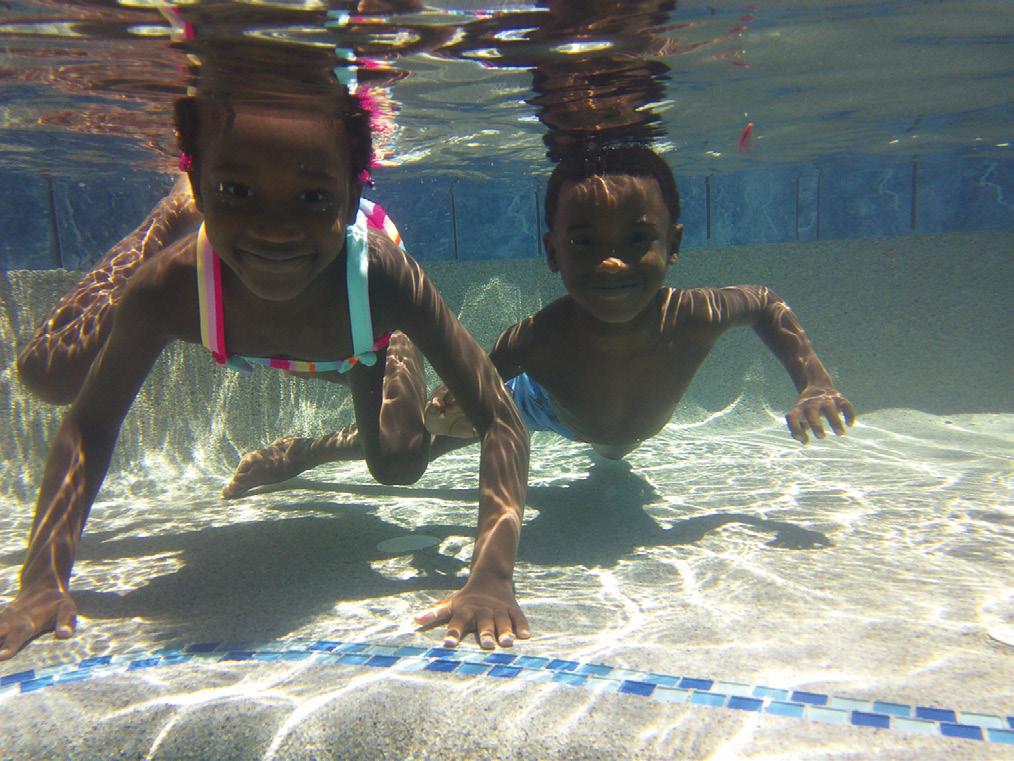
KIDTASTICS offers private, semi-private and group lessons at your home or one of our outdoor pools. Age 6 months to 12 yrs.
KIDTASTICS lifeguards help the community by protecting children in and around water during your private pool parties at home.
Too Cool for Camp? Why Summer Camp Still Matters for Teens
By RAK Staff
AT
A CERTAIN age, many parents start hearing the same thing: “I’m too old for summer camp.” As kids grow into their teen years, camp can suddenly feel “uncool,” especially when friends are talking about summer jobs, sports training or simply wanting more independence.
But the truth is, summer camp can be even more valuable for teens than it is for younger kids.
Camps Grow With Teens
Many families picture summer camp as
something meant only for elementary-aged kids, but many programs are specifically designed for teens. Leadership camps, outdoor adventure programs, counselor-in-training opportunities and skill-based camps allow older kids to take on more responsibility while still enjoying the fun of camp.
These programs often give teens a greater sense of independence and ownership over their experience.
A Break From Screens and Social Pressure
Teen life today can feel heavily tied to
screens and social media. Summer camp provides a rare opportunity to step away from that constant digital noise and focus on reallife connections.
At camp, teens build friendships through shared experiences—whether it’s hiking a trail, working as a team in a challenge course or learning a new skill. These in-person connections can be refreshing and meaningful in ways that social media interactions often aren’t.
Building Confidence and Leadership
For teens, camp can be a powerful environment for personal growth. Many camps offer opportunities for older participants to mentor younger campers, assist counselors or take leadership roles within activities.
These experiences help teens develop communication skills, responsibility and confidence. They also give teens a chance to see themselves as capable leaders—something that can carry over into school, sports and future jobs.
Trying New Things Without Pressure
Another benefit of camp is the chance to explore new interests in a low-pressure setting. Teens might try rock climbing, theater, photography, robotics or outdoor survival skills—activities they might not encounter in their normal routines.
Camp environments encourage teens to step outside their comfort zones, often discovering new passions along the way.
Still Fun—Just Different
Summer camp doesn’t stop being fun just because kids get older. It simply evolves. For teens, camp often becomes less about crafts and games and more about independence, adventure and friendships.
Even teens who claim they’re “too cool for camp” often return home with great stories, new skills and a renewed sense of confidence. In the end, summer camp offers teens something many summer options don’t: the chance to grow, connect and challenge themselves—all while still enjoying a little bit of summer magic.
JACOBLUND
The Unexpected Benefits of OVERNIGHT SUMMER CAMP
By Melissa Leon
OFTEN, THE THINGS we remember most from our childhood are the things that scared us, excited us, and helped us grow. For me, overnight summer camp checks all those boxes. Every summer between nine and thirteen, I went to overnight camp at the Triangle YMCA Ranch Camp & Retreat Center in the Catalina Mountains of Oracle, Arizona.
This camp has been enchanting the childhoods of Arizona children since 1949. My parents were campers, my siblings and I were campers, and now my children and nieces are campers. In fact, among the many benefits of an overnight camp, my new favorite is the nostalgia I felt as I checked my children into their cabins.
There are many other profound benefits of overnight camps; some are more obvious than others.
Independence: Kids are not only away from their parents but also from electronics. They are away from their bed, bathroom, and comfort zone. It is scary but in all the best ways.
Confidence: Kids learn just how quickly they can make new friends. They transform from solo camper to part of a cabin family in under twenty minutes. Many camps give counselors and campers “camp names.” She may be Jane at home, but at camp, she’s “Nala,” and she’s learning to master her inner lioness.
Adventure: Trying new things can be scary, but at camp, kids are encouraged to try new things, even just once. Some adventures may not be a long-term fit, but some become lifelong hobbies. Some favorites from the Triangle Y Ranch Camp include: Rifle Range, Archery Range, Zip Line, Ropes Course, Horseback Riding, Arts and Crafts, Swimming, Dancing, Hiking, and Camp Fire Songs.
Self-Soothing: If your kids are like mine, they call out to me when they need help. While this is everything my mama heart wants, they also need small doses of learning to comfort and trust themselves. My first memory of self-soothing came at TriY Camp when I was ten. On the third night of camp, I was a little homesick and could not sleep. The counselor encouraged me to repeat, “I am safe; I am loved.” I repeated that to myself, and in a few minutes, I fell asleep. That night
has been a lasting core memory for me and is a skill set I have kept with me for life.
Leadership: Chances are high that there will be at least one event during overnight camp where each camper is a leader, by choice or chance. Sometimes, it is a team-building game, having the leading role at skit night, or walking a friend to the nurse when they have a skinned knee. The leadership experience will help foster growth for your child in their classroom, home, and future jobs.
Job Opportunities: One of the benefits of loving overnight camp is the opportunity to become a counselor. The summer staff experience fosters life-long friendships, adventure, and skills that can make a young person’s job first job one of their best memories.
Thirty years after my camper days, I am an active Board Member of the Triangle Y Ranch Camp. While there are many choices for camps, I can personally vouch for the quality of the staff, facilities, board, and counselors.
Tri Y Camp, under the ownership and operation of the YMCA of Southern Arizona, is a local non-profit organization dedicated to providing various scholarship opportunities through an application process.
These opportunities are made possible through continuous community donations, which are accepted throughout the year. If you wish to contribute, enabling a child to attend camp—an opportunity they might not otherwise have—please visit tucsonymca.org/donate for further details or email camp@tucsonymca.org
Melissa Leon is a Tucson native, NAU graduate, and Mesa resident. She co-owns Two Sense Consulting, a bookkeeping and fractional CFO firm dedicated to helping small business owners learn to read and make decisions based on financial statements. She is also the best-selling author and podcast host of "Efficiency Bitch, How Ambitious Women Can Have It All Without Doing It All". Melissa is a mother of three children and intimately knows the transformation from ambitious woman to SuperMom.
Finding the Right Fit Which Type of Summer Camp Is Best for Your Child?
By RAK Staff
WITH SO MANY summer camp options available, choosing the right one for your child can feel overwhelming. From sports and STEM to art, overnight adventures and leadership programs, camps today are designed to match a wide range of interests, personalities and needs. The key is finding a camp that aligns with what excites and supports your child.
Academic Camps
Academic camps focus on learning and enrichment in subjects like reading, writing, math or language. These camps often use creative, hands-on approaches to keep learning engaging while helping students maintain or strengthen important academic skills during the summer months.
Animal and Nature Camps
For kids who feel most at home outdoors, animal or nature-based camps can be a perfect fit. These camps might include horseback riding, wildlife education, farm experiences, hiking or outdoor exploration, helping kids connect with nature while learning about animals and the environment.
Art and Creative Camps
Art camps are ideal for kids who enjoy expressing themselves creatively. These camps often explore a variety of mediums such as painting, drawing, sculpture, pottery, photography or mixed media projects. Creative environments allow kids to experiment, develop new skills and build confidence through artistic expression.
Faith-Based Camps
Faith-based camps combine traditional camp activities with spiritual development and community. Many families appreciate the opportunity for kids to grow in their faith while participating in games, outdoor adventures and group activities.
Leadership Camps
Leadership camps are typically designed for older kids and teens who want to develop confidence, responsibility and teamwork skills. These programs may include mentoring younger campers, learning communication skills and participating in team challenges.
Overnight Camps
Overnight or residential camps give kids the chance to experience camp life away from home. These programs often include outdoor adventure activities, campfires, group challenges and opportunities to build independence and friendships.
Performing Arts Camps
Children who love to perform often thrive at theater, dance or music camps. Performing arts camps give kids the opportunity to explore creativity, build confidence on stage and work collaboratively toward performances or showcases.
Sports Camps
For kids who love to stay active, sports camps offer a chance to improve skills while having fun. These camps often focus on
a specific sport like basketball, soccer or swimming, while others offer a mix of athletic activities.
STEM Camps
Science, technology, engineering and math camps are perfect for curious kids who enjoy experimenting, building and problemsolving. STEM camps may include activities like coding, robotics, engineering challenges or science experiments that make learning hands-on and exciting.
Theme Camps
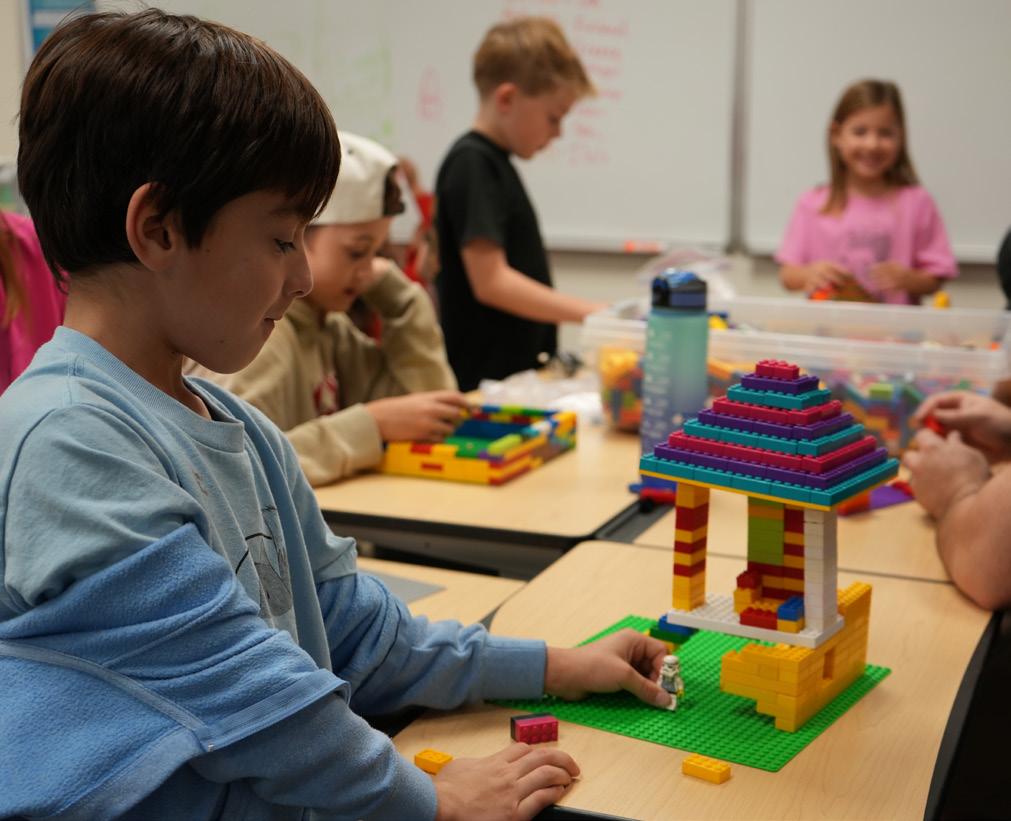
Theme camps center around a specific interest or concept, such as space exploration, cooking, Lego building, superheroes or outdoor adventure. These camps allow kids to dive deeply into a topic they love.
Camps for Children
With Special Needs
Some camps are designed specifically to support children with developmental, physical or sensory needs. These programs often have smaller group sizes, specialized staff and adapted activities that allow every child to participate comfortably and confidently.
Choosing the Best Fit
Ultimately, the best camp is one that matches your child’s interests, personality and readiness level. Talking with your child about what excites them—and exploring options together—can help ensure the camp experience is both fun and meaningful.
Open to the community!
Join us for thematic, week-long recreational camps at The Jones-Gordon School in Paradise Valley.
Camp is Monday - Friday 9am - 3pm through the month of June
WEEK 1: JUNE 1-5
Out & About
Camp Hogwarts
DIY Around the World
Imagination Playground
Space Camp
Nailed It! Baking Camp
WEEK 3: JUNE 15-19
Out & About
Splash & Dash
Minecraft & Legos
Imagination Playground
Animal Antics
Fashion & Fiber Arts
WEEK 2: JUNE 8-12
Out & About
Camp Hogwarts
STEM Engineering
Animal Antics
You Go Girl!
Once Upon a Camp
WEEK 4: JUNE 22-26
Out & About
Splash & Dash
Minecraft & Legos
Animate It!
Mini Makers
Kids in the Kitchen
For complete program information & to register, visit: jonesgordon.org/summer
What to Pack for SUMMER CAMP
NOT SURE WHAT your child should bring to summer camp? The American Camp Association has a starter list for parents. The ACA is a community of camp professionals who, for over 100 years, have joined together to share their knowledge and experience and to ensure the quality of camp programs. To learn more visit acacamps.org
Tips on Packing and Gear for Summer Camp
• Plan Ahead
• Label Everything: Iron-on/stick on clothing labels, dishwasher safe vinyl labels, and laundry pens
Packing from head to toe
Headgear
• Scarves/Bandannas
• Baseball Caps
Clothing
• T-shirts/tank tops
• Shorts
• Long Pants
• Jeans
• Jacket
Footwear
• Boots
• Tennis Shoes
Gear
• Bags/Duffels/Totes
• Books/ Magazines
• Compass
• Fan
Bed and Bath
• Bath/Hand/Beach Towels
• Mattress Pad
Bathroom Kit
• Shower caddy
• Brush and Comb
• Shampoo
• Soap/Container
• On-the-go hand sanitizer
For The Counselor
• Emergency contacts
• Sunhat
• Eyeglasses
• Raincoat
• Sweater
• Break in footwear before arriving
• Check with the camp on policies for electronics, musical instruments, sports equipment, and special gear.
• Sweatshirt/pants
• Swim Suit
• Dress Clothes
• Sandals/Flip-flops
• Dress Shoes
• Flashlight/ Batteries
• Frisbee
• Reusable Water Bottle or Canteen
• Blanket
• Pillow/Pillow Cases
• Sheets
• Toothbrush/Holder
• Toothpaste
• Deodorant
• Anti-itch Ointment
• Insect Repellent
• Medical Information and conditions
• Sunglasses
• Swimming Goggles
• Pajamas/Robe
• Knit Tops
• Fleece Outerwear
• Underwear
• Socks
• Seat
• Sharpie
• Writing Paper, Envelopes, Stamps
• Sleeping Bag
• Laundry Bag
• Lint Roller
• Feminine Products
• Sunblock
• Shaving Gear
• Disinfecting Wipes
When Summer Camp Isn’t in the BUDGET
How to Still Have a Great Summer
By RAK Staff
FOR MANY FAMILIES, summer camp feels like a rite of passage. The friendships, the adventures, the crafts, the swimming—it’s easy to picture camp as the centerpiece of a perfect summer.
But the reality for many parents is that summer camp can be expensive. Between registration fees, transportation, supplies and multiple weeks of programming, the cost adds up quickly.
For families with several school-aged kids, enrolling everyone in camps all summer long may simply not be possible—especially in households living on one income or where a parent is home and childcare isn’t strictly necessary.
Sometimes that leads to a difficult conversation: telling your child that camp just isn’t in the cards this year.
Be Honest (and Reassuring)
When talking to kids about finances, honesty goes a long way. You don’t need to share every detail, but it’s okay to explain that camp costs a lot of money and families sometimes have to make choices about how they spend it.
Try something simple like, “Camp looks really fun, and we wish we could do everything. But this year we’re choosing other ways to make summer special.”
Kids may still feel disappointed, but
acknowledging those feelings while focusing on the positives helps them understand that summer fun doesn’t have to come with a registration fee.
Look Into Scholarships and Discounts
If camp is something your child is especially excited about, it’s worth checking whether financial help is available. Many camps offer scholarships, sliding-scale pricing or payment plans.
Local recreation departments, community centers and nonprofits sometimes provide reduced-cost or even free camp programs as well. These spots can fill up quickly, so registering early can help increase your chances.
Consider One “Big” Camp
If a full summer of camp isn’t realistic, some families choose to prioritize one special experience instead. That could mean a single week of overnight camp or a specialty camp focused on something your child loves—like art, science, theater or sports.
One meaningful camp experience can still give kids the chance to build independence, make friends and try something new without stretching the family budget.
Create Your Own At-Home Camp
The good news is that many of the things kids love about camp can happen right at
home.
Start by creating a summer bucket list together. Let your kids help brainstorm ideas they’re excited about, then see how many you can cross off over the summer. Some simple ideas include:
• Visiting the library for free programs or reading challenges
• Exploring splash pads or community pools
• Planning weekly park days or nature walks
• Visiting museums on free admission days
• Doing craft projects at home
• Hosting backyard campouts with s’mores You could even assign fun weekly themes like Nature Week, Art Week or Water Week to give kids something to look forward to.
A Summer Kids Will Still Remember
While summer camp can be wonderful, it’s not the only way kids make lasting memories.
Often the moments children remember most are the simple ones—bike rides around the neighborhood, afternoons at the pool, late nights catching fireflies or spontaneous trips for ice cream.
With a little creativity, summer can still be full of adventure, connection and fun.
And those memories don’t have to come with a camp registration fee.
The Invisible Labor of Choosing Summer Care
By RAK Staff
AS THE SCHOOL year winds down and summer approaches, many parents begin facing a familiar challenge: figuring out what their children will do for the next ten to twelve weeks. For working families especially, summer isn’t just about sunshine and vacations—it’s a complicated puzzle of schedules, programs and childcare.
Behind the scenes, there’s often a significant amount of invisible labor that goes into making summer work.
Unlike the school year, which provides a predictable routine, summer requires parents to build that structure themselves. Camps have different start dates, registration deadlines, waitlists and price points. Some run for a full day, others only a few hours. Some cover a full week, while others offer just a few days at a time.
Parents often find themselves piecing together an entire season week by week.
One camp might cover early June, another mid-July. Maybe grandparents can help for a few days. Perhaps there’s a vacation planned somewhere in between. Suddenly a summer calendar begins to fill with colorcoded blocks, registration confirmations and reminder emails.
And this planning usually happens months in advance.
Many popular camps open registration in the winter, long before the last school bell rings. Parents may spend evenings researching options, comparing schedules, checking reviews and calculating whether the cost fits within the family budget.
There are also practical questions to consider. Does the camp offer early dropoff or late pick-up for working parents? Is transportation available? What should kids bring each day? Are meals provided, or will lunches need to be packed every morning?
These details might seem small, but they add up quickly.
The emotional side of the decision-making is just as real. Parents often wonder whether they’re choosing the “right” camp for their child. Will their child enjoy it? Will they make friends? Will the environment feel safe and welcoming?
For families with multiple children, the logistics become even more complicated. Different ages may require different camps, which can mean coordinating multiple dropoffs, pick-ups and activity schedules across town.
All of this planning often happens quietly, behind the scenes.
Children usually see only the final result: the camp they attend, the activities they experience and the friendships they form. What they don’t see is the hours parents spent researching programs, filling out forms, setting reminders and arranging transportation to make it all possible.
That invisible effort is a form of care.
It reflects the desire parents have to create meaningful summers for their children— summers filled with exploration, learning, independence and fun.
Of course, summer doesn’t have to be perfectly planned to be memorable. Sometimes the most meaningful moments happen in between the scheduled activities: bike rides after dinner, spontaneous trips to the park or slow afternoons at home.
But for many families, the camps and programs that fill those summer weeks play an important role in keeping kids engaged while balancing the realities of work and daily life.
And while children may never fully see the planning that made it happen, parents know just how much thought and effort goes into building a summer that works for everyone.
Summer Camp or Daycare in Disgu i se?
Does It Matter for Working Parents?
By RAK Staff
WHEN SUMMER ROLLS around, many working parents find themselves facing the same challenge: figuring out what their children will do during the long stretch between the end of school and the start of the next year. For many families, summer camps become the obvious solution.
But sometimes parents wonder: Is this really summer camp—or is it daycare in disguise? And perhaps the bigger question is: Does it actually matter?
The truth is that the line between summer camp and childcare has blurred over time. Many programs today offer a combination of both. They provide reliable care for working parents while also creating fun, engaging experiences for kids.
For many families, that balance is exactly what makes summer camp work.
What Traditional Summer Camp Looks Like
Historically, summer camps were focused on adventure, outdoor exploration and social experiences. Kids spent their days swimming, hiking, crafting, playing games and building friendships.
The emphasis was on trying new activities, learning independence and creating memories.
Many camps still follow that model today, especially overnight camps and specialty camps focused on specific interests like sports, STEM, arts or nature.
Why Some Camps Feel More Like Childcare
For working parents, however, a camp schedule that runs from 10 a.m. to 2 p.m. simply isn’t practical. That’s why many camps have expanded their hours to better match the needs of modern families.
Extended day options, earlier drop-offs and later pickups make it possible for parents to work full schedules while knowing their kids
are in a safe environment.
In those cases, the structure may look similar to childcare—but the experience for kids can still feel very much like camp.
Instead of worksheets or structured classrooms, kids might spend the day rotating through activities like water games, art projects, outdoor sports or themed adventures.
Why the Label May Not Matter
For many working parents, the most important factor isn’t whether something is technically “camp” or “daycare.” What matters is whether their child is safe, engaged and enjoying their summer.
A well-run summer program—whatever it’s called—can offer kids opportunities to move, explore, socialize and take a break from screens.
At the same time, it gives parents peace of mind knowing their child is being cared for during work hours.
Finding the Right Fit for Your Family
Rather than focusing on the label, parents may find it more helpful to ask questions about the experience itself. What kinds of activities are offered? How much time do kids spend outdoors? What does a typical day look like?
Understanding the program’s structure and philosophy can help families decide whether it aligns with their child’s interests and needs.
A Summer That Works for Everyone
For working parents, summer is often a careful balancing act. Between work schedules, childcare needs and giving kids opportunities to enjoy the season, flexibility becomes essential.
Whether it’s called camp, childcare or something in between, a program that keeps kids active, curious and connected can help make summer both manageable for parents and memorable for children.
A Parent’s Guide: How to Choose the Right Camp for Your Child
By Karyn Miller
IF YOU’RE FEELING overwhelmed about choosing a summer camp, you’re not alone. Every year, many parents feel nervous about sending their child to camp—especially if they didn’t attend camp themselves growing up.
That stress is understandable. Summer camp feels like a big decision because it is one. You’re trusting someone else with your child’s safety, emotional well-being, and daily experience for hours at a time.
One thing I wish more parents knew is this: you should never feel bad about asking questions.
More often than not, families register for camp entirely online without ever speaking to someone at the program. While online registration is convenient, it skips an important part of the process—the conversation. If parents don’t call or ask questions, camps don’t have the chance to share their passion for what they do, explain what sets their program apart, or help families understand the value of the experience.
Camp is not daycare, though it is often grouped that way. A well-run camp is a thoughtfully designed program built around child development, safety, staff training, and community. Asking questions helps parents see that difference and decide whether a camp’s approach truly aligns with their child and family.
Most camp directors don’t see their role as selling camp. The goal is to help families determine whether a program is the right fit for their child—and sometimes that means saying, “This may not be the best match, but here’s another program you should consider.” There is no camp anywhere that can be the perfect fit for every child.
Think of the process less like shopping and more like a conversation.
How to Know if Camp Is Right for Your Child
Before comparing programs, start with your child.
• Do they enjoy group activities?
• How do they handle new environments and transitions?
• Are they comfortable following routines with adults outside the family?
• Do they need a lot of one-on-one attention, or do they thrive with peers? Some children jump right in. Others need reassurance, a shorter session, or simply more time. Nervousness is normal; strong resistance may be a sign to explore different formats or wait another year. Camp readiness isn’t about independence—it’s about emotional comfort and readiness.
Including your child in the conversation (in an age-appropriate way) can also help. Ask what they’re excited about and what worries them. Feeling heard goes a long way.
Questions to Ask Before Registering
When speaking with a camp, consider asking:
Safety & Supervision
• What is the counselor-to-camper ratio?
• Who provides medical care during the day?
• What safety and emergency training do staff receive?
Staff & Leadership
• How are counselors hired and trained?
• What experience do they have working with children?
• Is there a consistent leadership team overseeing daily operations?
Daily Experience
• What does a typical day look like?
• How are campers grouped by age?
• How does the camp support children who are struggling socially or emotionally?
Communication
• How does the camp communicate with parents?
• How are concerns handled if something comes up during camp?
Logistics
• What is the cancellation or refund policy?
• How are waitlists managed?
• What should families know before the first day?
Learn From Other Camp Families
Talking with families who have previously attended a camp can be incredibly helpful. Ask how their child adjusted, how communication felt, and how challenges were handled.
Many camps are also open to parent observations—especially for programs like swimming or for families new to camp. With security in mind, it’s best to arrange this in advance through the camp office, but seeing a program in action can ease a lot of uncertainty.
If Camp Doesn’t Work This Year
Sometimes the best decision is waiting. Not every child is ready for camp at the same age, and sending a child before they’re emotionally ready can turn camp into a negative experience. In some cases, pushing through “just to get used to it” can backfire, making a child resistant to camp altogether. Waiting a year can make all the difference. With a little more maturity, that same child may thrive—forming friendships, building confidence, and wanting to return year after year.
It’s also important to think about why you’re choosing camp. Camp works best when it’s chosen for the child—not simply because parents need coverage for the workday. Framing camp as something they “have to do” because they can’t stay home all day can set the wrong tone from the start. When a child is truly ready, camp often becomes more than an activity. Many campers and staff describe it as their home away from home—a place they look forward to returning to year after year.
Choosing a camp isn’t about finding the most popular program or the one that fills the fastest. It’s about finding a place where your child feels safe, supported, and able to grow. Ask questions, have conversations, and trust your instincts. The right camp director will see you as a partner, not a transaction.
Karyn Miller is a longtime camp director and youth program leader with more than three decades of experience working with children and families. She focuses on helping parents make informed, thoughtful decisions about summer camp so it can be a positive, confidence-building experience.
Chasing a 90s Summer
Why Camp Still Matters
By Kate Reed
SOME OF MY favorite childhood memories begin in the dark hours before sunrise.
It was the morning we would leave for summer camp. I remember pulling into the familiar parking lot where everyone met for the long carpool to the overnight camp hours away. The air was cool, the sky barely turning pink, and parents stood around with travel mugs of coffee while kids lugged oversized duffel bags and sleeping bags.
Even before we left, the butterflies had already started.
There was something about that moment—the mix of excitement and nervous energy—that felt magical. We’d pile into vans with kids we knew and kids we barely knew yet, knowing that by the end of the week those strangers might be our closest friends.
The drive always felt long, but the anticipation made it fly by. We talked about what we hoped to do first, who might be in our cabins, and—most importantly—whether there would be s’mores around the bonfire that first night.
There were always s’mores.
Camp had a rhythm all its own. Days
filled with swimming, hiking, games and the kind of freedom that feels endless when you’re a kid. Nights spent sitting around a crackling fire, sticky fingers from melted chocolate and marshmallows while counselors told stories that felt a little bit spooky and a little bit magical.
But camp wasn’t just about the fun. It was the first place I learned how to be independent. You had to keep track of your things, make your bed, find your way to activities and figure things out without a parent hovering nearby.
Sometimes that independence felt thrilling. Sometimes it felt hard.
There were nights when the homesickness crept in and I found myself waiting in line at the camp phone to call my mom. I didn’t always know what I needed to say—I just needed to hear her voice for a moment. Somehow that was always enough to send me back to my cabin feeling a little braver.
Camp also taught me how much we rely on each other. Friends shared sunscreen, bug spray and flashlights. If someone forgot something, someone else always had extra. It was teamwork in the most natural way.
Looking back now, I realize something
else about those summers in the 90s.
Our parents simply knew less.
There were fewer emails, fewer updates, fewer photos posted in real time. Once we drove away, that was it. We were off on our adventure. There were no screens pulling us back into the outside world, no constant check-ins.
And because of that, we were fully there. Those summers felt bigger somehow— longer days, deeper friendships, more freedom to explore and get a little messy along the way.
Now, as a parent myself, I sometimes wonder if camp still feels the same. The world is different. Parenting is different. We know more, worry more and stay more connected than ever before.
But this summer, I want to give my kids a taste of that same magic.
A little independence. A little adventure. A week where the biggest decision is whether to toast their marshmallow golden brown or let it catch on fire.
And maybe, just maybe, they’ll come home with the same kind of stories that still make me smile decades later.
2026 FEATURED Summer Camps
By RAK Staff
Arizona Broadway Theatre
7701 W. Paradise Lane, Peoria • 623-776-8400 • azbroadway.org/education/academy
The Academy for Young Performers is devoted to theater education for young performers ages 7-18. From Monday to Friday, for either one or two weeks, campers will learn theatre warm-ups and games, audition for roles, and learn about staging, choreography, and music with professional artists as their instructors. They will also get behind-the-scene experience as they create costumes, props, and sets, and all will receive a role in the production and perform on the Saturday following the last day of their camp. May 26-30; June 1-6; June 8-20; June 1-27; June 29-July 12; July 6-18; July 20-25
Breakthrough Basketball
Statewide • breakthroughbasketball.com
Grades 3rd-12th. Breakthrough Basketball provides skill development basketball camps for boys & girls across the country. They have six camps around the Valley this summer and two in Tucson. In addition to those areas, Breakthrough Basketball is offering this camp opportunity in two new locations this year in Flagstaff at the end of this month and Prescott at the end of May. Use promo code: HEAT on the checkout page of any camp and receive $25 off.
Cactus Day Camp
6050 N. Invergordon Road, Paradise Valley • 480-836-2267 • cactusdaycamp.com
Ages 4-13. Cactus Day Camp brings the magic of traditional day camping to the desert. Accredited by the American Camp Association, we make safety our top priority while inspiring active, unplugged lifestyles, strong friendships, and confident kids. Our full-day programs are offered in 2-, 4-, 6-, and 8-week sessions filled with sports, swimming, creative arts, archery, climbing tower adventures, bungee jumping, foam pit fun, waterslides, and unforgettable experiences. Guided by caring staff, campers grow, laugh, and thrive in a supportive community — making Cactus Day Camp the happiest place in the desert. June 1-July 24.
Camelback Desert School
9606 E. Kalil Dr., Scottsdale • 877-396-3936 selkinson@springedugroup.com • camelbackdesertschool.com
Camelback Desert School in Scottsdale, AZ, has been nurturing curious, confident, and kind children for 75 years. The NAEYC-accredited preschool provides a warm, safe, and engaging environment where students thrive academically, socially, and emotionally. With a well-rounded curriculum in literacy, math, art, science, and social skills, teachers personalize learning to each child’s interests and abilities. The school partners closely with families to ensure every child feels supported and valued. At Camelback Desert School, children build foundations for lifelong learning, independence, and community connection, growing into their fullest potential. Tour Camelback Desert School Today!
Camp Tuku
Rimrock, Arizona • 928-224-5855 • camptuku.org
Camp Tuku is a traditional sleep-away summer camp with a mindfulness approach. Located in Rimrock, AZ, we welcome kids ages 6-17 from Arizona, the Southwest, and around the globe. Through play, we empower children with a lifelong appreciation for the integration of heart, mind, and body to build lifelong resilience. Everything we do—whether it’s mindfulness, yoga, wilderness exploration, arts and crafts, drama, archery, cooking, water sports, or more—is done mindfully. Join us this summer for one of our exciting weekly sessions: June 14–20; June 21–27; or June 28–July 2.
Camp Zoo at the Phoenix Zoo
455 North Galvin Pkwy., Phoenix • 602-286-3800 • phoenixzoo.org/programs/camps
Campers grade K–9 will explore habitats, learn how animals survive and thrive and learn about the many ways zoos create habitats for animals. All campers will meet animals up close, play in our splash pads, and have opportunities to collaborate with other campers through different activities each day. Campers will also tackle design challenges related to their theme, incorporating STEAM (science, technology, engineering, art, math) principles and going through the design process. JUNE 1 – JULY 31, 2026 (No Camp June 29 - July 3, 2026).
Children’s Art Classes
10701 N. Scottsdale Rd., Suite 107, Scottsdale • 602-649-5565
Summer workshops run June 5 – July 26. Workshops run 1 week, meeting daily Monday–Friday and are grouped by age for the perfect creative fit. Each session is an hour and 15 min and offers an exciting à la carte preview of the techniques and projects featured in our school -year curriculum. Your student can be enrolled in multiple workshops. Give your child a fun, skill - building art experience this Summer.
Crazy games, camp challenges, powerful messages, and life-changing moments! Overnight camps at GCU and NAU.
• CCV Kids Camp: incoming 4th–6th graders and happens across multiple campuses on 5/26–5/27.
• CCV Jr. High Camp: incoming 7th–8th graders and takes place at GCU on 5/28–5/30.
• CCV High School Camp: students entering 9th grade through graduating seniors and is hosted at NAU on 6/2–6/5 and 6/8–6/11.
• CCV Special Needs Camp: individuals ages 4 years old and older with developmental disabilities and happens across multiple campuses on 6/16-6/18.
Creative Color Art Studios
8300 N. Hayden Suite A100, Scottsdale • 480-478-8121 • CreativeColorART.com
Ages 6-13. Young Vincents explore their creative side this summer! Kids develop artistic skills while painting with acrylics, drawing, sculpting and creating mixed media projects. Our experienced art educators and artists will guide children to develop an eye for color, composition and design. Students create a portfolio they are proud to display at the end of every session. Students, beginners-advanced, will enjoy new thematic projects each session. Sessions are Mon.-Thurs., 9am-3pm, early and after care are available. $375 per 4-day session.
Deer Valley Unified School District
20402 N. 15th Ave., Phoenix • 623-445-5000 • dvusd.org
Students grades K–12, experience the difference at Deer Valley Unified School District! Offering a PreK- 12 Grade education, your student will find success at our “A” Rated district! With 35 A-or-B-rated schools, including STEM & STEAM (Science, Technology, Engineering, Arts, and Math), Gifted, and Language Immersion Schools as well as a Traditional Academy, and a fully online 6-12 Academy, there is a perfect fit for every student at DVUSD!
East Valley Children's Theatre
4501 E. Main St., Mesa • 480-756-3828 • evct.org
Ages 3-17. EVCT Summer Camps have four different in-person summer camp programs running May 26- July 10: Four Day Acting Intensive for kids aged 11-17, Preschool Players for kids aged 3-5 (half-day), Imagination Theatre Camp for kids aged 5-8 (half-day), and various Musical Theatre Camps & Theatre Workshop Camps for kids aged 8-15. We have Adaptive supports for students and accept ESA funds for camp programs as well. Participants learn performance techniques, technical theatre, teamwork, and communication skills all while having FUN in a non-competitive, educational atmosphere. Instructors are local theatre professionals in the field of dance, music, and theatre.
Flour Power Cooking Studios
1639 S. Stapley Dr., Suite 103, Mesa • 480-524-1944
Summer camps catering to different age groups and interests, ensuring that every child finds an experience that aligns with their culinary curiosity. Whether your child dreams of becoming a pastry chef, loves experimenting with international cuisines, or simply enjoys cooking, we have the perfect summer camp for them filled with flavorful adventures, culinary creativity, and lifelong cooking skills. Enroll your child today and watch them flourish as they discover a passion for cooking in a supportive and fun-filled environment!
Girl Scouts–Arizona Cactus-Pine Council
1611 E. Dobbins Rd., Phoenix • 602-450-7000 • girlscoutsaz.org/camp
Camp is for every girl, whether she’s a Girl Scout or not! Our trained and caring staff members support Girl Scouts in discovering and embracing who they are and what they can truly become. Our engaging, experiential programs are designed with camper age in mind, as campers are empowered to choose what activities they are interested in, where passions can be grown, and where healthy, ageappropriate risks can be taken in a supportive, safe environment.
Camp is for every girl, whether she’s a Girl Scout or not! Our trained and caring staff members support Girl Scouts in discovering and embracing who they are and what they can truly become. Our engaging, experiential programs are designed with camper age in mind, as campers are empowered to choose what activities they are interested in, where passions can be grown, and where healthy, age-appropriate risks can be taken in a supportive, safe environment. Prices range from FREE-$650, depending on which camp you attend. May 26th-July 21st. Camps available for all age ranges, including Family Camp at Camp Whispering Pines this July!
Grand Canyon Private Academy
5323 N. 99th Ave., Glendale • gcpa.k12.com
A premier online private school serving students throughout Arizona. We combine flexible scheduling with live instruction, personalized academic support, and a strong college-preparatory curriculum. Grand Canyon Private Academy proudly accepts Arizona ESA funding and offers specialized pathways, including the S.P.E.C.T.R.U.M. autism-informed support model. With small group engagement, dedicated teachers, and a focus on academic excellence and student growth, Grand Canyon Private Academy empowers Arizona learners to thrive in a flexible environment designed to meet their unique goals and needs.
The H.E.A.R.T Center
Day camp location: Glendale • Overnight camp location: Happy Jack 818-613-6394 • theheart-center.com
Ages 6-17. The HEART Center’s Summer Camps blend horses, adventure, and inclusive community to create meaningful experiences for youth of all abilities. From hands-on day horse camps in Glendale to overnight adventure camps in Northern Arizona, campers build confidence, independence, and realworld skills through nature, connection, and leadership. Our Teen Leadership Program and paid C.I.T. roles offer older students opportunities to grow responsibility and impact. The HEART Center is more than just a camp - You Belong Here.
Higley Unified School District: Higley Hangout
Community Education Department, 2935 S. Recker Rd., Gilbert • 480-279-7055 • husd.org
Registration: husd.arux.app
Higley Hangout is an out-of-school time program that offers a wide array of activities designed to engage and inspire children of all ages. Available at all Higley elementary schools and preschools, Higley Hangout ensures that children have access to stimulating activities that foster both academic and social growth.
Camp Hubbard is for kids ages 4.5-14. Camp Hubbard is a great way to stay active and unplugged throughout the summer! Campers stay busy with a variety of activities including: soccer, basketball, archery, dodgeball, crafts and so much more. Each week’s theme means exciting games, competitions, and dress up days! Camper’s enthusiasm and self-confidence grow along with their abilities, knowledge, and skills. Full day (8:30 am-3:30 pm) and half day (8:30 am-12:00 pm) options; extended stay available from (7:30 am-6:00pm). Sibling discount. One-week sessions begin in May and run through August. All camps offer different themes each week: World Cup Week, Color Wars, Under the Big Top, Olympic Week AND MORE! We do offer swimming two days a week at our Sunnyslope location. $350$430 weekly – Lunch, snacks, and t-shirts provided for campers! Check out camphubbardaz.com for locations, themes, and dates!
International School of Arizona: Camp Pathfinders
10810 N 90th St., Scottsdale • 480-874-2326 • isaz.org/camppathfinders
Adventure Starts Here! ISA Trailblazers Summer Camp blends hands-on exploration, creativity, and classic camp fun in a safe, nurturing environment. Each week features exciting themes, outdoor play, STEM challenges, arts, games, and specialty camps designed to spark curiosity and build confidence. Led by caring educators on our beautiful campus, campers build friendships, discover new talents, and create unforgettable memories. ISA Summer Camp is a non-immersion program, with all activities conducted in English. Find your path. Forge your story. Join us this summer!
The Jones-Gordon School Summer Fun
4800 E. Doubletree Ranch Rd., Paradise Valley • 480-563-5588 • jonesgordon.org/summer
Get ready for four weeks of fun and engaging summer adventures! Each week in June, we offer different thematic camps designed to inspire creativity, foster learning, and create lasting memories. Camps run Mon-Fri, 9AM to 3PM. Our dynamic educators lead every camp, ensuring a safe, exciting, and enriching experience for all participants. With our small campus and a culture of kindness, campers feel welcomed and supported as they explore new activities and make new friends.
Kidtastics Swim Program
Phoenix & Tucson Metro Areas • 480-648-8082 • kidtastics.com
Ages 6 months-12 years. Two-week summer swim programs. Class philosophy is “safety comes first,” which results in children and parents learning water-safety rules and responsibilities. By joining forces with Kidtastics, together we can teach your children the benefits of exercise and fitness, life skills, such as self-discipline, sportsmanship, self-esteem and confidence. Our school in your pool.
Build your child’s self-esteem by making them a confident and safe swimmer! We offer weekly lessons in the off-season: October through May. Now offering stroke development classes in a group setting for ages 5+. Or try one of our swim parties!
Leadership Society of Arizona
ASU Campuses (Tempe, West and Polytechnic) • 480-779-8592 • leadaz.org/summer
Logic, Leadership, & Life Skills Camp for ages 12+. Happiness is the goal for this one-of-a-kind youth camp! Leadership Society of Arizona’s 2026 Logic, Leadership, and Life Skills summer program is a day camp where teens complete licensed professional development training. We’ve taken a college-level curriculum and turned it into a fun and interactive 4-day course. Students will set new goals, learn proven leadership skills, and get individualized attention from our certified teen life coaches. Get $25 off with promo code: RAK.
Mad Science of NE Phoenix
2701 E. Thomas Rd., Ste 1, Phoenix • 480-222-2233 • funinfo@madsciencephx.com Facebook.com/MadScienceofNEPhoenix
Ages 5-12: Fun, hands-on, STEM camps. We involve campers in diverse activities of science exploration ranging from making a bridge with a team of camper engineers, exploring nature through dissection of owl pellets, to becoming detectives and figuring out the crime scene of who stole the ice cream! Register your kids to attend camps at our centrally located office or at one of the many other locations around Maricopa County hosting Mad Science. Different subjects each week!
Three age-specific programs, each running for two weeks and culminating in a final performance: Kinder–2nd Grade (Disney Heroes & Villains): A high-energy introduction to musical theater focusing on Disney hits, storytelling, and dance. 3rd–5th Grade (Finding Nemo Kids): Students rehearse and perform the beloved underwater adventure, building performance skills and teamwork. 6th–10th Grade (Dare to Dream Jr.): A Disney-themed showcase where older students collaborate to perform an uplifting musical focused on courage and kindness. July 6th-17th.
Pediatric Neuropsychology of the Valley
14362 N. Frank Lloyd Wright Blvd., Ste. 1000, Scottsdale • 480-485-7106 • pediatric-neuropsych.com
Concerned about your child’s learning, attention, or development? Feeling stuck on a long waitlist for answers? At Pediatric Neuropsychology of the Valley, we understand how overwhelming it can be when your child is struggling. Our goal is to provide clear answers, practical recommendations, and compassionate support for your family. Dr. Crocfer is a board-certified pediatric neuropsychologist with over 20 years of experience working with children. She specializes in comprehensive neuropsychological evaluations for children with complex medical conditions, ADHD, learning disabilities, school readiness concerns, giftedness, and more. We partner with families to better understand each child’s unique strengths and challenges — so they can thrive at home and at school.
Phoenix Conservatory of Music: PCM Summer Camps
1316 E. Cheery Lynn Rd., Phoenix • 602-353-9900 • pcmrocks.org/summer-programs
Week-long day camps where students explore music, creativity, and friendship in a fun, supportive environment. Campers build musical skills, collaborate with peers, and gain confidence while working with real instruments and gear. Weekly themes inspire creativity and learning, culminating in a performance for full-day campers. Programs include Music Fundamentals (Pre-K); Ukulele, Percussion, and Voice (K–2); Piano, Guitar, Voice, and Songwriting (3–5); Audio Production, Songwriting, Camp Rock, Voice, and Guitar (6–8); and Rap & Beat Making, Audio Production, and CPP Bootcamp (9–12). Lunch is provided for full-day campers, with before- and after-care available. Financial aid and scholarships offered. $250 per week. Financial Aid and Scholarships available. Lunch served. Before and After Care Available.
Phoenix Herpetological Sanctuary
602-739-6545 • phoenixherp.com/education/camps
Do you love reptiles? Come join our camp at the LARGEST reptile sanctuary in the US! The best way to learn about the animals is from the animals themselves; all camps will allow for touching and even holding reptiles during interaction time! Each day includes activities that are STEAM (Science, Technology, Engineering, Art, & Math) oriented, but these academic components are hidden within animal interactions, activities, games, and helping care for the animals. There is a camp for every child ages 5-14 with options ranging from Reptile Encounters Camp, Vet Camp, Dinosaur Camp, and more!
Phoenix Metro Engineering for Kids
Valleywide • 480-779-8184 • engineeringforkids.com/phoenix Engineering for Kids Summer Camps run May 26–July 31 for ages 4–14 at 11 Valley locations. Kids explore hands-on engineering, robotics, coding, and more at fun entertainment venues—with active play included. Choose full-day, half-day, or daily options plus extended care. Early Bird pricing available now! Multiweek discounts: 2+ weeks save 10%, 4+ weeks save 15%. The more weeks you enroll, the more you save!
The finest one-on-one instruction in a safe, positive atmosphere for boys and girls, ages 6-17. It's the perfect camp experience for every hoop-loving kid from beginners looking to learn about the game to advanced players needing to hone their skills. Learn all about the "ins" and "outs", the tips and tricks, the drills and skills that can help any youngster love this game even more! Personal attention from experienced coaches under the watchful eye of a certified athletic trainer... everything you would expect from a Suns Basketball Camp and more!
Scottsdale Artists’ School: Art Adventure Camp
3720 North Marshall Way, Scottsdale • 480-990-1422 • scottsdaleartschool.org
Scottsdale Artists’ School offers weekly classes and workshops for everyone from the absolute beginner to the professional artist. The School’s programs are taught by working, professional artists who are also experienced instructors. Various themes, all supplies included.
A social communication summer program designed for children ages 4–12 who need support with language development, social communication, emotional regulation, or sensory processing. Through engaging, structured group activities, students build essential skills in friendship development, emotional awareness, flexible thinking, and conflict resolution. Weekly sessions in June, Monday – Friday, 9 a.m. to noon. Camp Communicate combines therapeutic expertise with fun, play-based learning to help students strengthen communication skills while building confidence and meaningful peer connections. $650/ week, with a $25 registration fee by May 1 ($75 after May 1). Space is limited.
St.
Joseph’s Youth Camps
4860 Mormon Lake Rd., Mormon Lake (23 miles southeast of Flagstaff) • 480-449-0848 • sjycaz.com
Ages 6–14 & 15-17. Campers ages 6–14 enjoy traditional camp activities including horseback riding, kayaking, hiking, archery, ziplining, campfires & s’mores, astronomy, arts & crafts, and more. SJYC is a non-denominational camp and ESA-friendly. Bus transportation to/from Phoenix is available. Five weeklong camp sessions run June 7–July 4. $800–$950 per week. Discounts and scholarships available. Our Counselor-in-Training (CIT) program is designed for teens ages 15–17 to grow in communication and leadership. Selected CITs return during camper weeks to apply their skills and earn community service hours. CIT Week runs May 31–June 6. $225.
Tucson Jewish Community Center: Camp J
3800 E. River Rd., Tucson •520-299-3000 • tucsonjcc.org/programs-events/camp-j Ages 3-10th grade. Camp J is an award-winning and ACA-accredited camp where kids of all ages and abilities learn, play, and grow. From the pool to the playground and art to athletics – plus so much more! – we build community, foster creativity, and make memories that last a lifetime! Centrally located at the Tucson J’s state-of-the-art facility, Camp J runs for 10 weeks with options for 3-year-olds through 10th graders. We can’t wait to see you this summer! Session Dates: 10 weeks – May 26-29, June 1-5, June 8-12, June 15-19, June 22-26, June 29-July 2, July 6-10, July 13-17, July 20-24, July 27-29 (week 10 is not offered for 3 + 4 year olds).
Tutor Doctor is hosting Summer Learning Camps for Kindergarten-readiness and K-7 Math and Reading! School may be out, but learning never stops. Sessions run online weekly from June 1 through July 9, three days a week for one hour per session, in small groups of no more than 3 students. At $105 per week, each registration includes a free AZ math or reading assessment.
Xtreme Gymnastics
14000 N Hayden Road Suite 102 ,Scottsdale • 480-596-3543 • xtremegymnastics.com
Ages 3-12. Fit-n-Fun camps promote health and fitness while kids are having a blast. In this state-of-theart facility children will enjoy gymnastics, trampoline, group challenge activities, obstacle courses, team sports, relay races, inflatables and much, much more! The high-energy Xtreme Gymnastics staff is USAG Safety Certified and they lead a new creative theme every week. Camps are May 27th – June 27th and July 7th-25th. Closed June 30th – July 5th. Full day, half day and weekly rates available. $78-$385.