Global Economic Policies and Their Effect on Bilateral Trade
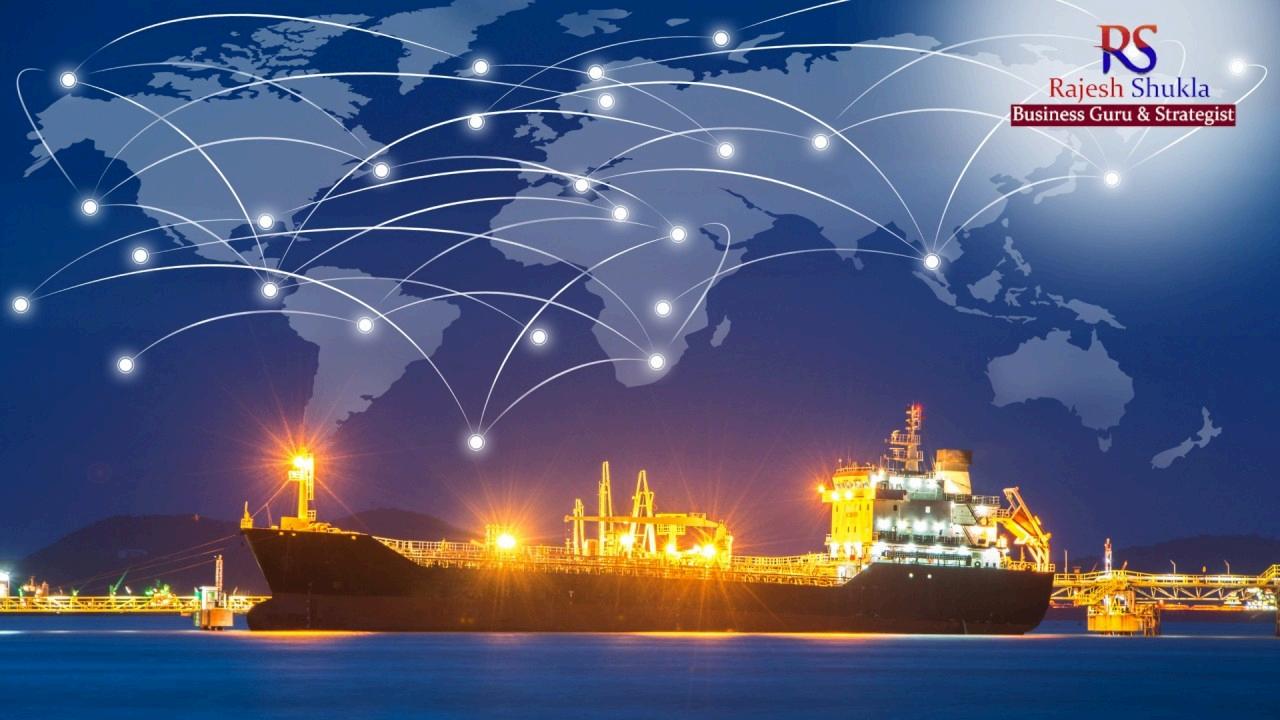
In our interconnected world, global economic policies go beyond mere strategies; they actively influence the dynamics of bilateral trade. As a dedicated member of the Bharatiya Janata Party and a business strategist, I have observed how countries utilize economic policies to enhance relationships and foster mutual growth. India, with its robust trade networks and strategic alliances, serves as a prime example to explore the effects of these policies.
Understanding Global Economic Policies
Global economic policies encompass measures such as tariff adjustments, free trade agreements (FTAs), import-export regulations, and currency stabilization initiatives. These policies are influenced by political priorities, economic goals, and international relations. They serve as levers to either foster collaboration or protect domestic industries. However, their effects on bilateral trade can be profound and multifaceted.
The Role of Tariff Adjustments
Duties of customs or tariffs are one of the factors which influence the inter country trade relationships. Where there is the urge to increase access to the trade or reduce the costs of doing business, tariffs become an impediment and hence trade agreements can eliminate some of them. India's Comprehensive Economic Partnership Agreement (CEPA) with nations such as Japan and South Korea has increased trade volume greatly because of the lowering of tariff barriers especially on trade in automobiles and electronics.
On the other hand, there is the use of trade barriers such as high customs duties which can adversely affect trade relations. India’s recent action of raising payments to be able to get some Chinese products can be seen as a precautionary move of protecting a home grown industry and fighting over reliant on goods coming from China.
Trade Pacts: Building Bridges
Trade agreements are vital instruments for enhancing bilateral trade. India’s agreements with ASEAN countries, the UAE, and Australia showcase the power of collaboration. These pacts facilitate the free flow of goods and services, enable technology sharing, and create job opportunities across borders.
India-UAE Comprehensive Economic Partnership Agreement (CEPA), signed in 2022, is a shining example. This agreement has already bolstered trade between the two nations, targeting $100 billion in bilateral trade over five years. It highlights how strategic policy alignment can open up avenues for robust economic growth.
Non-Tariff Barriers: A Hidden Challenge
While tariffs are overt, non-tariff barriers (NTBs) like stringent quality standards, customs delays, and regulatory compliance can also affect bilateral trade. For instance, India’s pharmaceutical exports often face regulatory challenges in Western markets. Addressing these through mutual recognition agreements (MRAs) can significantly enhance trade potential.
India’s Stance on Global Economic Trends
India has consistently adapted to global economic trends to strengthen its bilateral trade. The country’s participation in initiatives such as the Indo-Pacific Economic Framework (IPEF) reflects its commitment to regional and global economic integration. Additionally, India’s proactive approach to digital trade policies, sustainability, and supply chain resilience demonstrates its readiness to align with contemporary economic priorities.
Key Lessons for Bilateral Trade
1. Flexibility is Key: Adapting to global trends, such as tariff reductions or addressing NTBs, can create win-win scenarios for both parties.
2. Strategic Alliances Matter: Collaborating with nations that share complementary economic goals ensures long-term benefits.
3. Leverage Technology: Embracing digital trade and e-commerce opportunities can strengthen trade ties and reduce logistical bottlenecks.
4. Focus on Sustainability: Aligning trade policies with global sustainability goals enhances market access and global reputation.
A Way Forward
Bilateral trade is not just about economics; it’s about building bridges of trust, mutual respect, and shared growth. As India continues to expand its global trade footprint, leveraging global economic policies effectively will be critical to achieving its vision of becoming a $5 trillion economy
By prioritizing strategic alliances and aligning with global trends, we can ensure that India’s trade relationships remain strong and resilient in an ever-changing world. The lessons learned from these endeavors can serve as a blueprint for other nations striving to achieve economic prosperity through collaboration.
Global economic policies are more than numbers and agreements; they are the threads that weave the fabric of international relations. By navigating these policies with foresight and strategic intent, we can turn challenges into opportunities and foster bilateral trade relationships that stand the test of time. Let’s work together to embrace these possibilities and shape a future defined by shared success.
- Rajesh Shukla Chief Strategist
#GlobalEconomy #BilateralTrade #EconomicPolicies #TradeRelations #IndiaTrade #TariffAdjustments #TradeAgreements #NonTariffBarriers #StrategicAlliances #Sustainability #GlobalCollaboration #GlobalTrends #MutualGrowth
To view or add a comment, sign in
Rajesh Ashok Shukla Chief Strategist
More articles by