PINK CONNE ION
How to tell kids about cancer:
A survivor mom shows the way Drs Abhay and Rani Bhang
Transforming rural healthcare
42: Nov ‘25 - Jan ‘26
How to tell kids about cancer:
A survivor mom shows the way Drs Abhay and Rani Bhang
Transforming rural healthcare
42: Nov ‘25 - Jan ‘26
Sadly, the power of prayer has long been underestimated, largely due to Western rationalism that does not believe in the existence of a god. A god that plays dice with us, dispensing favours or, at times, throwing obstacles in our path. Here in India, however, we have always believed in prayer as a form of worship, as an act of devotion, and surrender to a universal divine presence.
When I say prayer, I mean a moment of quiet when we have a dialogue with The Other, which may be our own deeper self. The quiet pause in a day, when we find time to sit with ourselves and turn within, is what I would call a prayer: when we realise there are many things that cannot be explained by the rational mind and will remain mysterious and magical. Those few minutes when we look inward with gratitude help us take life head on.
No one promised us a rose garden, as they say, but let us acknowledge the many good things in our lives. Who can say — life’s challenges may be designed to push us closer to detachment and contemplation.
Sometimes our prayers may not be answered, but in that surrender to a universal will, we begin to understand that we are a mere speck in this vast continuum of space and time—small parts of His will, placed here for a purpose.
I often wonder how doctors cope when confronted with insurmountable hurdles in their profession. As practitioners of science, do they too turn to prayer? It’s a question that lingers. Yet, many of the survivors we feature in each issue, apart from the spirited fight they put up, along with the doctors they consult and the medicines they take, must have prayed long and hard to find the strength within themselves.
Ratna Rao Shekar
CANCER CONQUEROR
EDITOR
Ratna Rao Shekar
London-based life coach and mom, Priyanka Pandya-Bhatt, created a picture book to enable honest conversations about cancer with children. What inspired her to do it?
MAKING A DIFFERENCE
We speak to public health activists and visionaries Drs Abhay and Rani Bang, who revolutionised healthcare in backward Gadchiroli and were recently honoured by the Gates Foundation
MY VIEW
Dr P Raghu Ram reflects on Ushalakshmi Breast Cancer Foundation’s 18-year journey challenging stigma, empowering women, and saving lives
HERITAGE
Pink visits Hyderabad’s Badurshahi Ashurkhana, a heritage gem second only to Charminar, celebrated for its Deccani art and revered as a Shia mourning site
UBF DIARY
A round-up of key visits by eminent breast surgeons to India, along with reports of Dr Raghu Ram’s lectures, and his engaging interactions on a podcast 3 8 12 14 17
CONTRIBUTORS
Minal Khona
Mallik Thatipalli
Nivedita Choudhuri
DESIGN
Malvika Mehra
COPY EDITOR
Kavitha Shanmugam
PUBLISHED BY Ushalakshmi Breast Cancer Foundation

KIMS-USHALAKSHMI Centre for Breast Diseases


Krishna Institute of Medical Sciences, Minister Road, Secunderabad - 500 003 +91-91009 13217
ubfhyderabad@gmail.com www.breastcancerindia.org


Follow us on https://www.facebook.com/ubfoundation https://twitter.com/rrpillarisetti
https://www.youtube.com/c/UshalakshmiBreastCancerFoundation
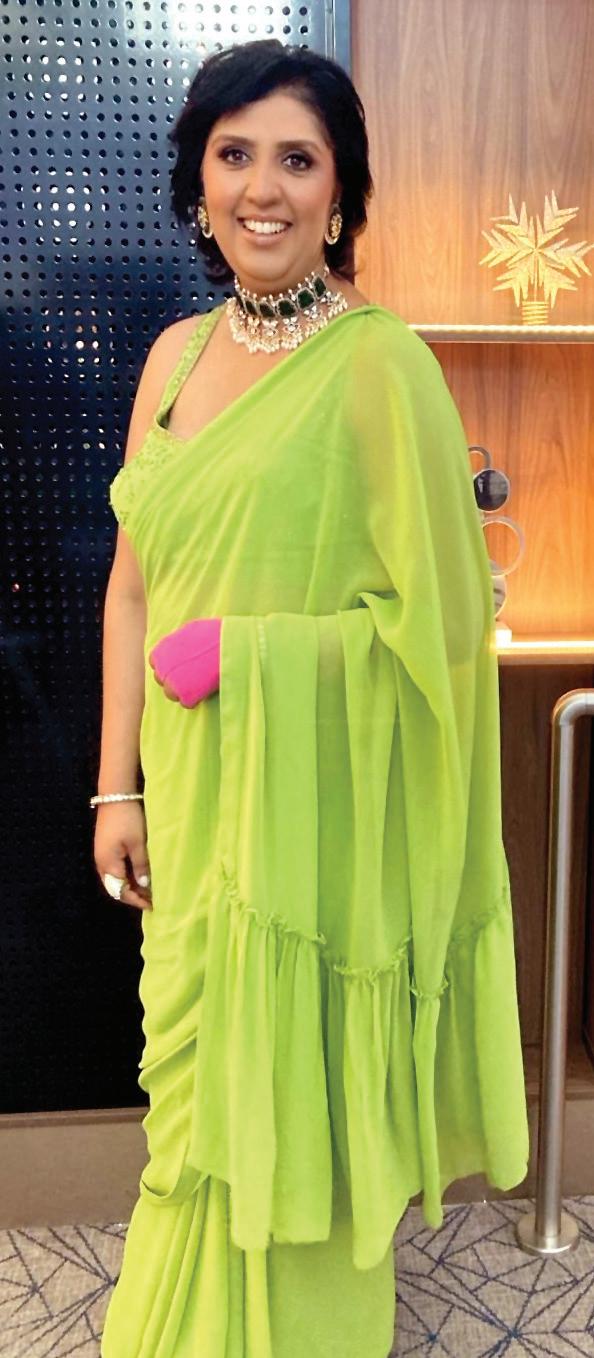
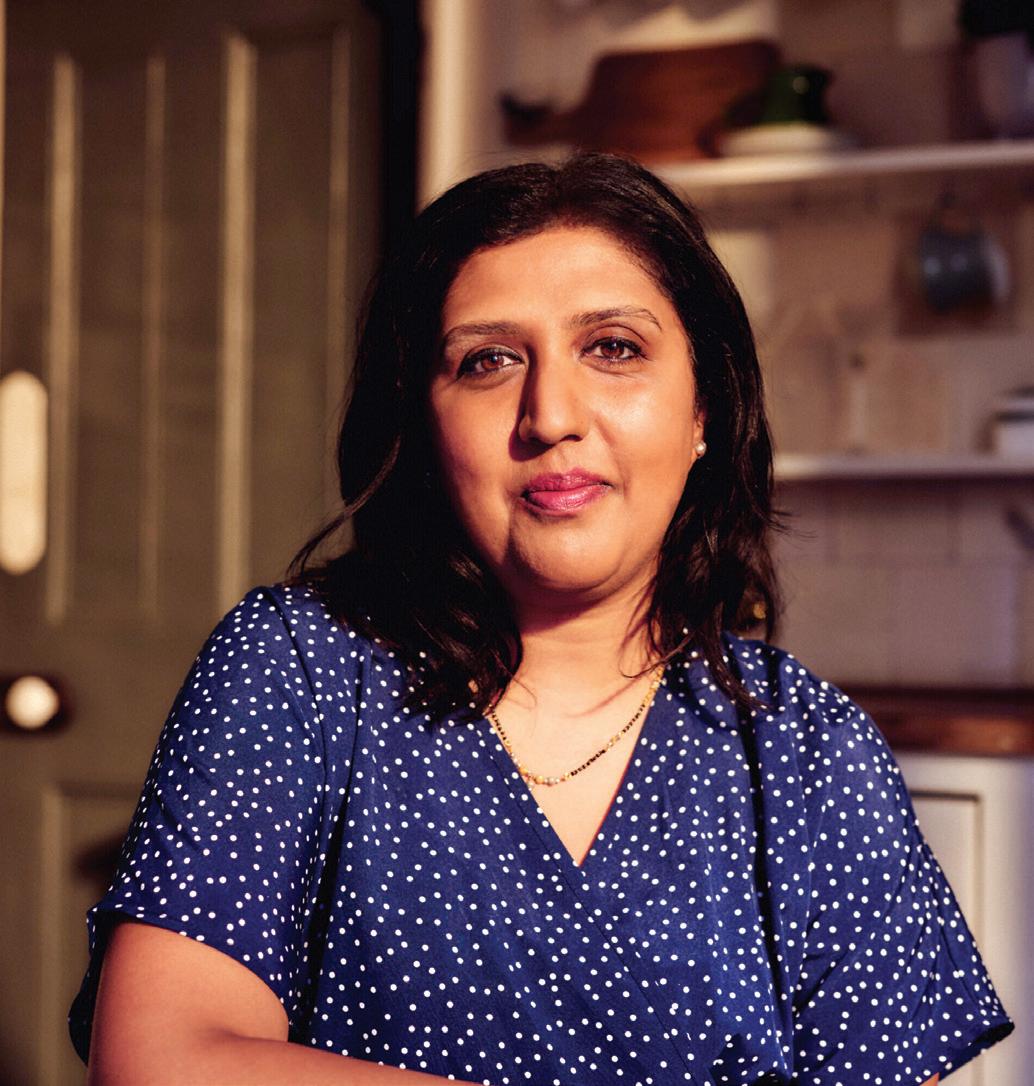
London-based life coach and a mom, Priyanka Pandya-Bhatt, who was diagnosed with cancer, struggled to explain her illness to her young daughter. So, she decided to create a picture book that comforts young children and empowers families to have honest conversations to cope with cancer.
Nivedita Choudhuri catches up with the spunky author who successfully fought cancer
Mummy has cancer’. These are words no child wants to hear, especially about the most important person in their lives. These are words that push them into a dark and chaotic space and fill them with dread, anxiety, and panic. The child experiences a range of emotions – from feeling numb, angry, dejected, anxious and shocked to sensing that they are drowning in a well of helplessness.
On the other hand, a mother too is consumed by fear and uncertainty when she receives the life-altering diagnosis of cancer, especially when she thinks about her child’s future. Priyanka Pandya-Bhatt, a mother of two young daughters, too had to face this daunting reality. But this teacher-turnedlife coach chose to channel her emotions into a book. Her aim: to offer solace, guidance, and a sense of solidarity to children and families navigating this rocky journey battling with the “emperor of all maladies”.
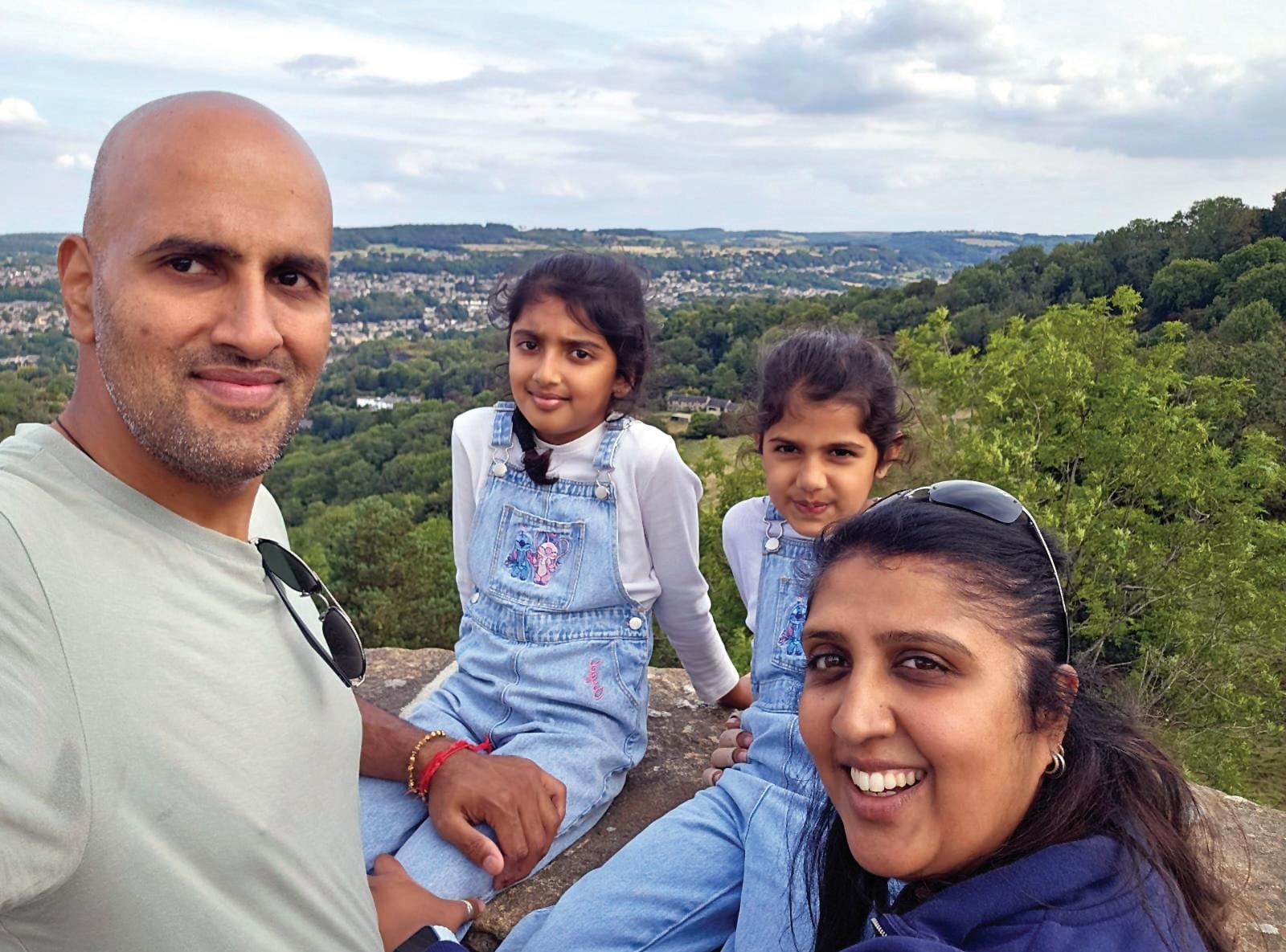
A primary school teacher by profession currently residing in Aylesbury, Buckinghamshire, Priyanka was born into a Gujarati family in Wembley, London. The 39-year-old spent her childhood in a joint family with grandparents, parents and two brothers. She got married to a fellow Gujarati, Manoj Bhatt in 2015 and moved to the county of Hertfordshire.
In due course, they became parents to two girls – Keya, who will soon turn eight, and six-year-old Shriyana. ‘
It was back in 2022, after the difficult Covid years were ending, Priyanka was diagnosed with triple negative breast cancer at the age of 36.
In a conversation with Pink, Priyanka shares, “We had just moved to Aylesbury, a bustling market town north-west of London, eight months before my shocking diagnosis. We were in the process of settling down when I discovered a
Priyanka recalls that the first question that came to her mind when she was diagnosed with cancer was: how would she tell her children? One was a preschooler and the other just a toddler at that time
lump in my breast during Easter 2022. It all felt so unreal. I did not have a family history of breast cancer and led a fairly regulated life. My daughters were only 4 years and 2 years old at that time.”
Priyanka agonised about her children. She knew that a child’s well-being and functioning are closely tied with the well-being of their parents. But she felt helpless since she could not control the situation. However, it dawned on her that she could control how “supported” her children felt. Her treatment was to begin in July 2022 but it got postponed since she contracted Covid just four days earlier. Her treatment was pushed by a few weeks and when it commenced, she had to go through six rounds of gruelling chemotherapy.
She recalls that she just got a month’s grace to recover. In December, she had a mastectomy and nodes were removed from her armpit (axilla). Her parents, Yatrika and Yogi Pandya, literally dropped everything and left their home in Wembley to move in with their daughter. “Their support saw me through my darkest hour,” recalls Priyanka.
The challenges, both physical and mental, however, continued as the treatment progressed.
“I completed chemotherapy and radiotherapy after surgery, but the road to recovery was long. I went into remission in
November 2023 but had to endure reconstructive surgery later in October 2024,” recounts Priyanka.
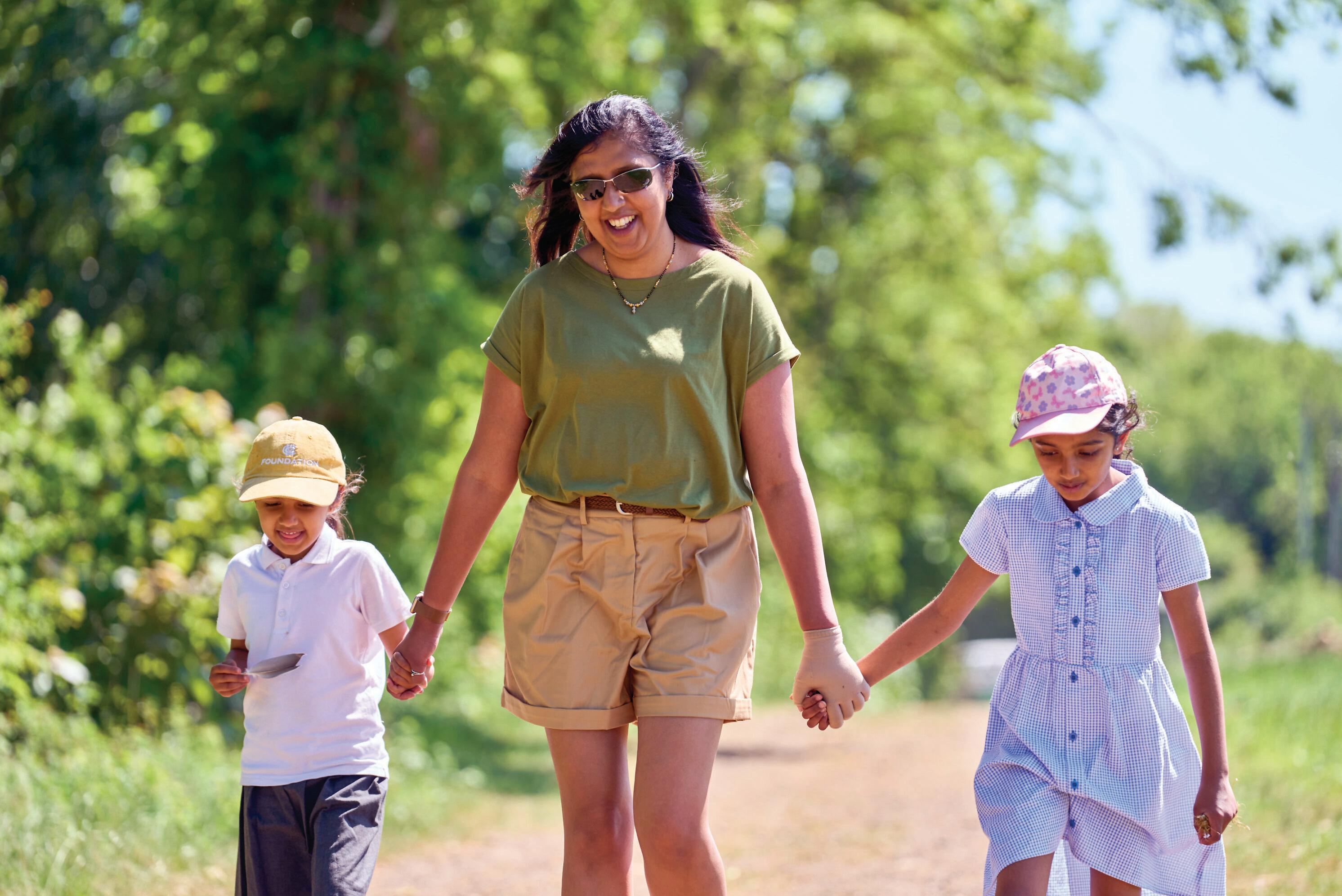
Priyanka recalls that the first question that came to her mind upon being diagnosed with cancer was how she would tell her children. One was a preschooler, and the other, just a toddler at that time.
They had just moved to a new county and a new home. Their elder daughter Keya had just started a new school and was settling into a new routine. She was still trying to adapt to the changes in her life and her new surroundings when her mother was diagnosed with cancer.
Talking to Keya
Priyanka reminisces, “This must have come as a bolt from the blue for Keya. Manoj and I received lots of advice, guidance, and support – the parents of the school children in my class where I taught presented me care-packages that showed their concern. But it was clear there was nobody who could explain to my older child in simple terms what my illness, treatment and potential physical changes meant. There was nobody to talk to her in a way she would understand which would help her to cope eventually.”
“It did not help that cancer is considered a taboo subject in the south Asian community,” continues Priyanka. Family members will often counsel a person with cancer not to
inform the wider community. For Priyanka, all she needed was time with her family to come to grips with the lifechanging situation that had been thrust upon her.
Remembering those tough times, Priyanka elaborates, “I also needed to have an honest and open conversation with Keya about my treatment and diagnosis. She had so many questions regarding my hospital appointments and wondered why I was losing hair. She would be disappointed and upset when I could not go out a lot due to the risk of catching an infection during treatment. This meant that she had to miss out on play dates and outings.”
It was then Priyanka came up with the idea of writing a book and using age-appropriate language to tell her daughter what she was going through and tell it in a way that she felt supported.
She shares out what finally drove her to write the book: “I was determined to be clear and truthful and use the word ‘cancer’. I wanted to reassure my child and prepare her for the physical changes that would eventually come my way. Hence, I put pen to paper while I was going through my chemotherapy.”
She had read a booklet called ‘Mummy’s Lump’, which has been written for families who need to talk to children about
breast cancer. There was a book gifted by a parent of one of her students that she had remembered reading called ‘Cancer Hates Kisses’. This was written by a mother who was diagnosed with breast cancer shortly after giving birth to her daughter.
Priyanka says, “While reading this, I got the idea of writing a picture book myself that would target very young children and tell the story of a family’s journey through a parent’s illness from a child’s perspective.”
Further, she adds, “A cancer journey is all about what a family goes through as well and in this journey, we have to make the children feel included and answer their questions instead of making them rush to Google for information. I named the chapters in my book ‘It’s ok to cry, ‘Who do you talk to when you are worried?’ ‘What do you do when you feel sad? and ‘What makes you feel better?’ The book talks about what a happy family is all about and what they do.”
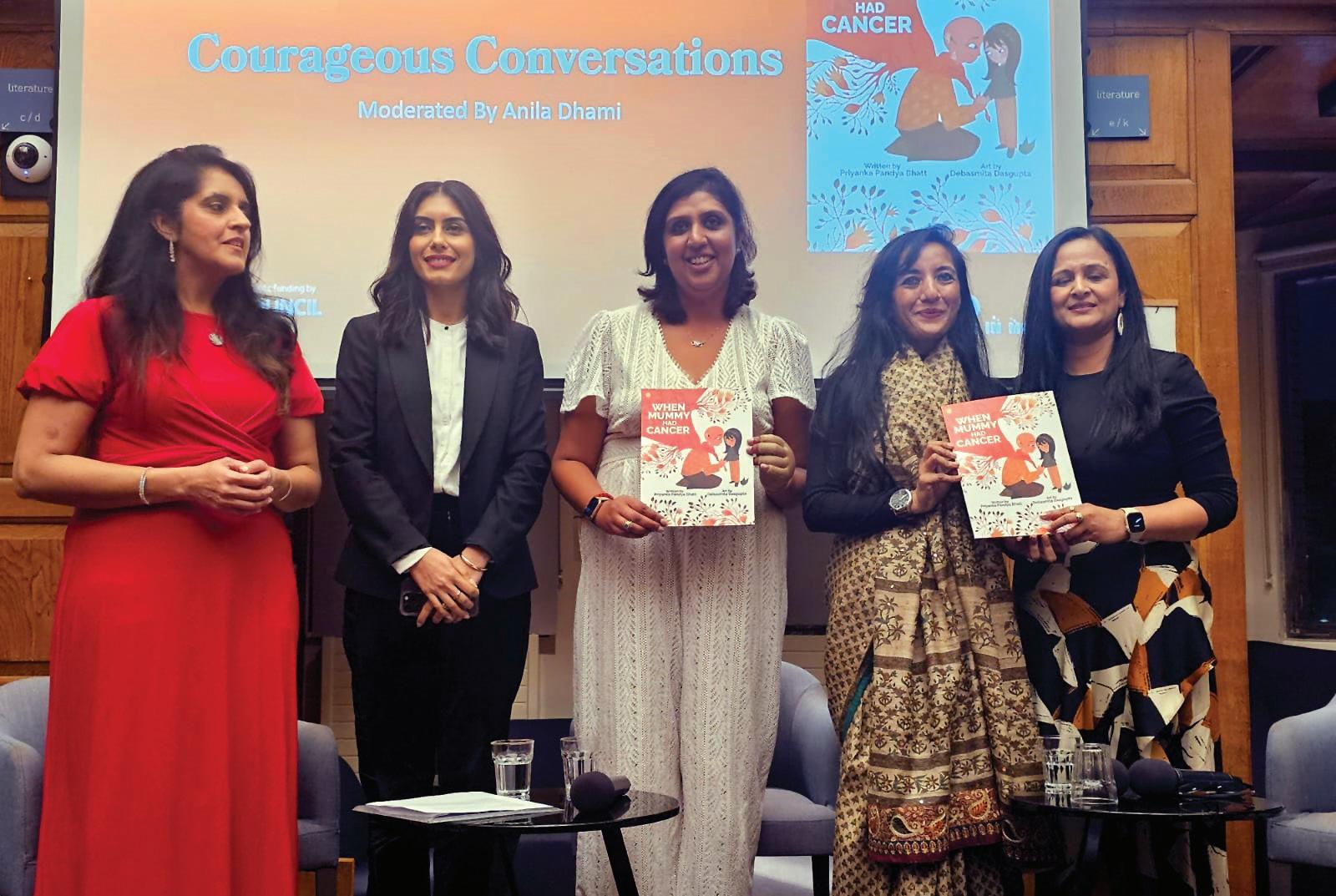
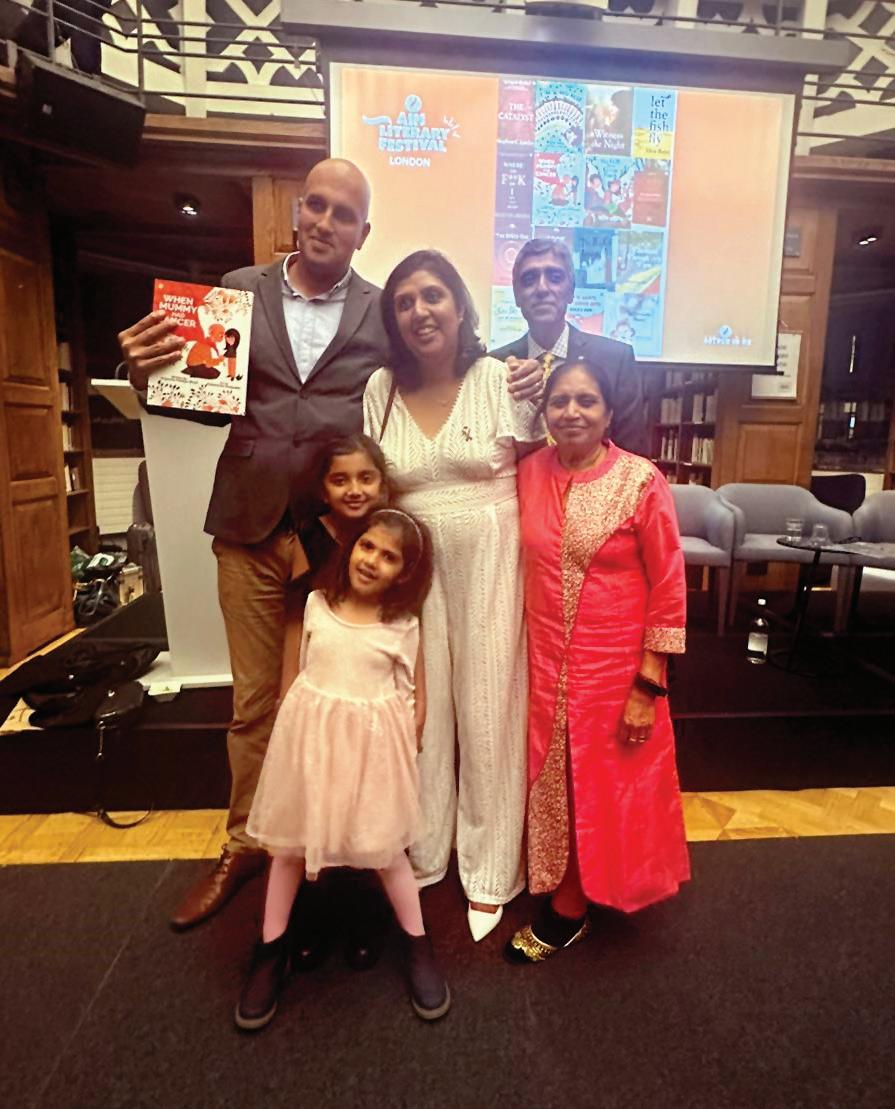
The book’s meaningful illustrations by Debasmita Dasgupta have a mellow effect and help children understand their feelings and emotions when adversity hits them, says Priyanka, stressing that her book will support children through the ages of 4 to 9 years in any challenging situation. The book titled When Mummy had Cancer was launched in October 2024 just before Priyanka had reconstructive
surgery. And the feedback was positive and encouraging –a nurse whose mum was diagnosed with the disease when she was young couldn’t praise the book enough. Priyanka found that courageous conversations help bring families closer and when children are included in these conversations, they end up feeling supported and comforted.
Guiding children
Priyanka switched careers and became a children’s life coach post the diagnosis but she still manages to teach parttime. She was greatly inspired by life coach Dale Hancock, who teaches children about confidence and how to unlock their potential.
The cancer survivor decided to dedicate her life to supporting children and families through life’s turbulent periods, ensuring that no one feels alone in this journey.
She says, “My coaching sessions help youngsters process their feelings, build confidence, and thrive. I focus on building emotional resilience, stress management and confidence building. I have devised play-based activities to tackle anxiety, fears and low self-esteem. Being a life coach allows me to fit my life around my children and be there for them when they need me.”
Priyanka rues the fact that there are no support groups and support systems for children to face such challenges in life

and schools too are stretched beyond their capacity. Adults know there are people out there who can help them during a crisis and they also know who they can lean on during emergencies, she points out.
For children it is not the same. “They don’t know who will answer their questions and who they can talk to. On the one hand, not knowing what is happening will
I was determined to be clear and truthful and use the word cancer. I wanted to reassure my child and prepare her for the physical changes that would eventually come my way. Hence, I put pen to paper while I was going through my chemotherapy
cause them distress. On the other hand, people believe they are protecting children by not telling them about a cancer diagnosis. But I would say that it is best to be honest and tell them it’s ok to talk and feel the way they do,” affirms Priyanka. For she strongly believes that this approach will help a child to navigate challenges in a better way.
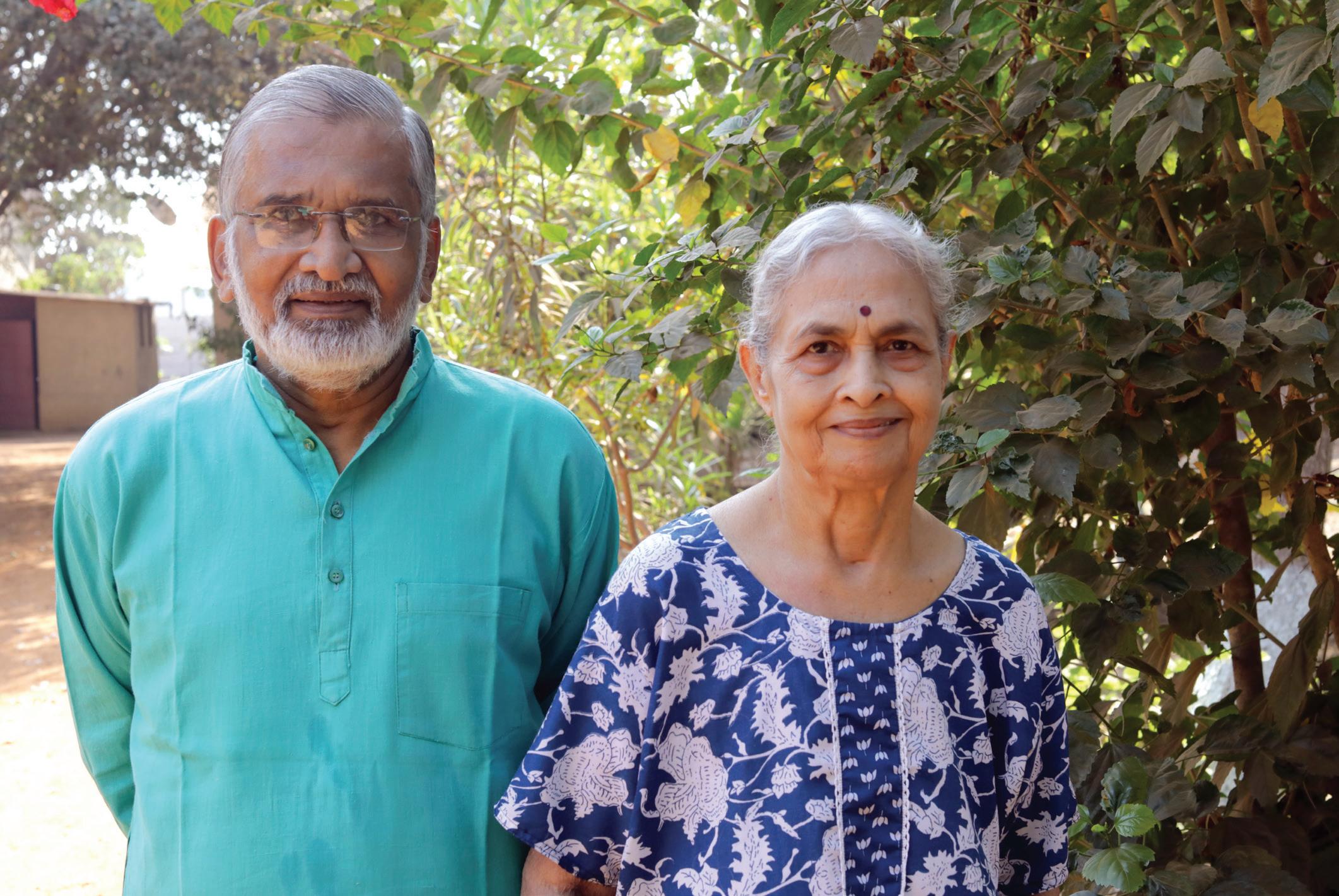
In an era of growing disillusionment with the medical profession, the Bangs’ life journey devoted to improving rural health, stands out. These public health activists and researchers are visionaries who built a hospital in the remote Naxal-infested tribal region of Gadchiroli in the late 80s. Their work in transforming healthcare in this povertystricken, backward district for over four decades was recently recognised and honoured by the Gates Foundation.
Nivedita Choudhuri
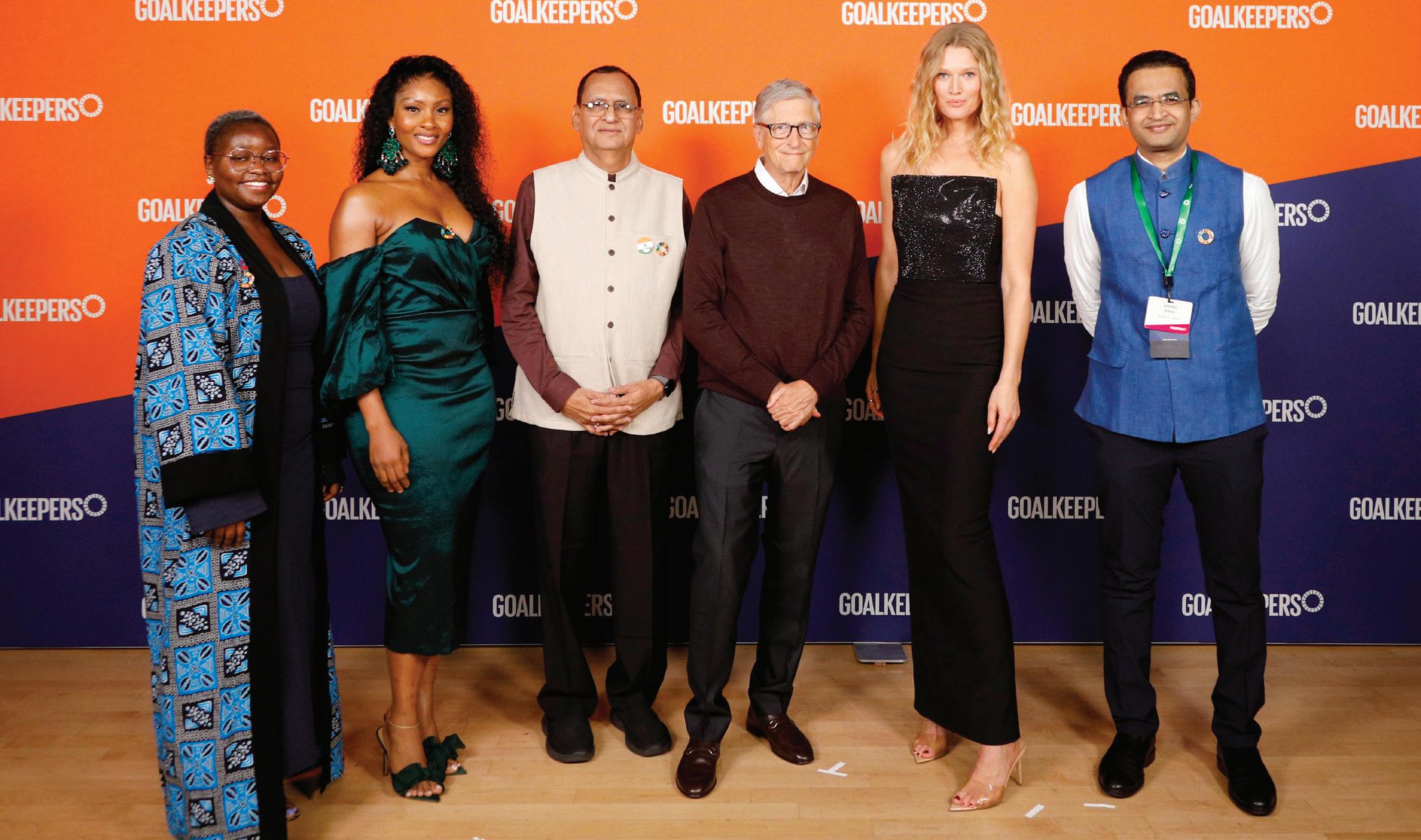
For the past four decades, public health activists and researchers, Dr Abhay Bang and Dr Rani Bang have dedicated their lives to providing healthcare to the tribal communities of Gadchiroli in Maharashtra. Since settling there in the late 1980s, they have worked tirelessly to empower locals and transform inadequate healthcare solutions in the region. Their groundbreaking efforts especially in reducing child mortality in Gadchiroli earned them the prestigious Gates Foundation’s Goalkeepers Champions award for 2025.
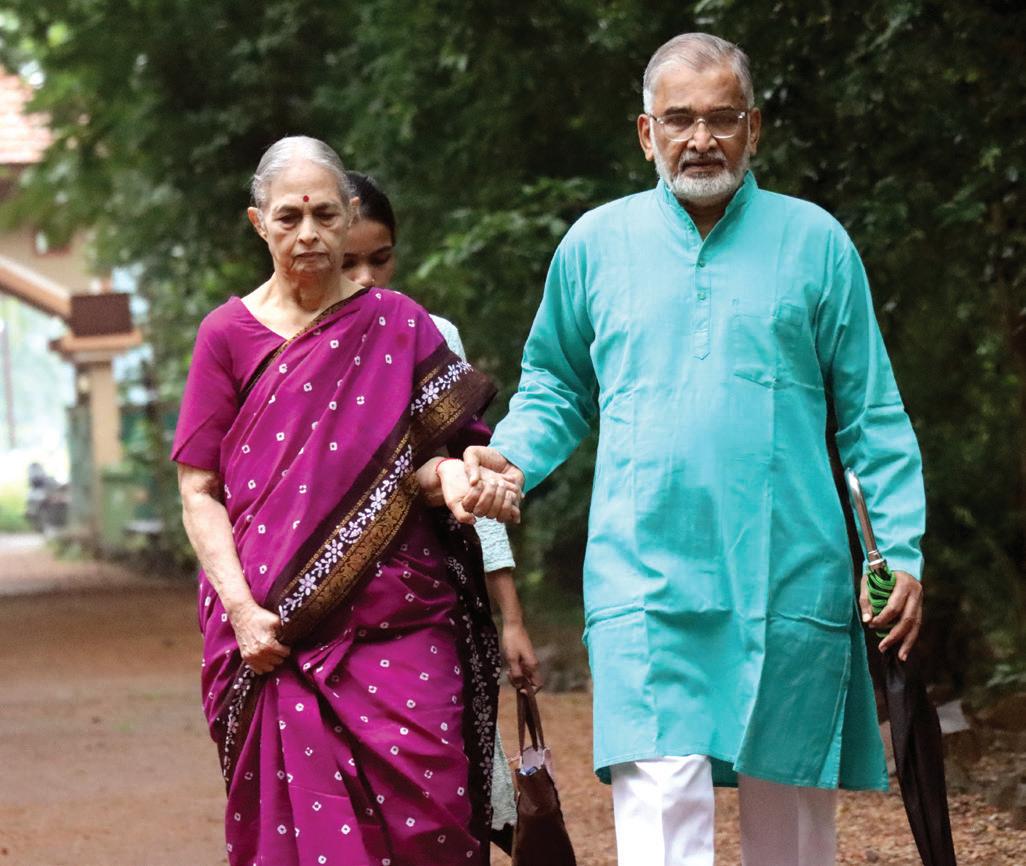
Dr Abhay Bang, born in Wardha in 1950, came from a family deeply rooted in the Gandhian way of life. His economist father, Thakurdas, rejected an offer to pursue a PhD degree in the US and stayed back in India on the advice of Mahatma Gandhi who asked him to focus on rural economics. Growing up in Gandhiji’s ashram alongside social reformer Vinoba Bhave’s ashram, Abhay was immersed in a culture of service and simplicity. “I accompanied my parents on a Bhoodan Padayatra and we even spun khaadi—all in all,
I was fortunate to imbibe the sanskaar of duty, service to others and perseverance at a young age,” Dr Abhay reflects.
At the age of 13, Abhay made a life-defining commitment: to improve rural healthcare in India. His brother Ashok, similarly inspired, pledged to improve rural agriculture. “We’ve both kept our promises. Ashok continues his work in the field of sustainable rural agriculture, while I’ve focussed on health,” points out Dr Abhay proudly.
Ideal life partner
To fulfil his dream to serve the poorest of the poor, in 1968, Abhay joined the Government Medical College, Nagpur. There, he met his future wife, Rani, and was drawn to her “generous spirit, open-mindedness and helpful attitude”. He tells Pink that he felt that she would be the ideal life partner for him. He graduated from college with a MD degree in medicine, while Rani got an MD degree in gynaecology, and both were awarded gold medals in their respective disciplines.
Interestingly, Rani’s background was completely different. Her father was a medical doctor and her maternal grandfather was an MP. “From childhood, I had seen political leaders closely in my family but I was converted to Gandhian ideology only after I met my husband. My husband was my first public health guru,” she says about her life partner.
They got married in 1977 and started working in villages. Rani’s father had wanted her to go to the UK and pursue an MRCOG degree and also remain in academics, but she followed her husband’s dream and ventured into rural healthcare.
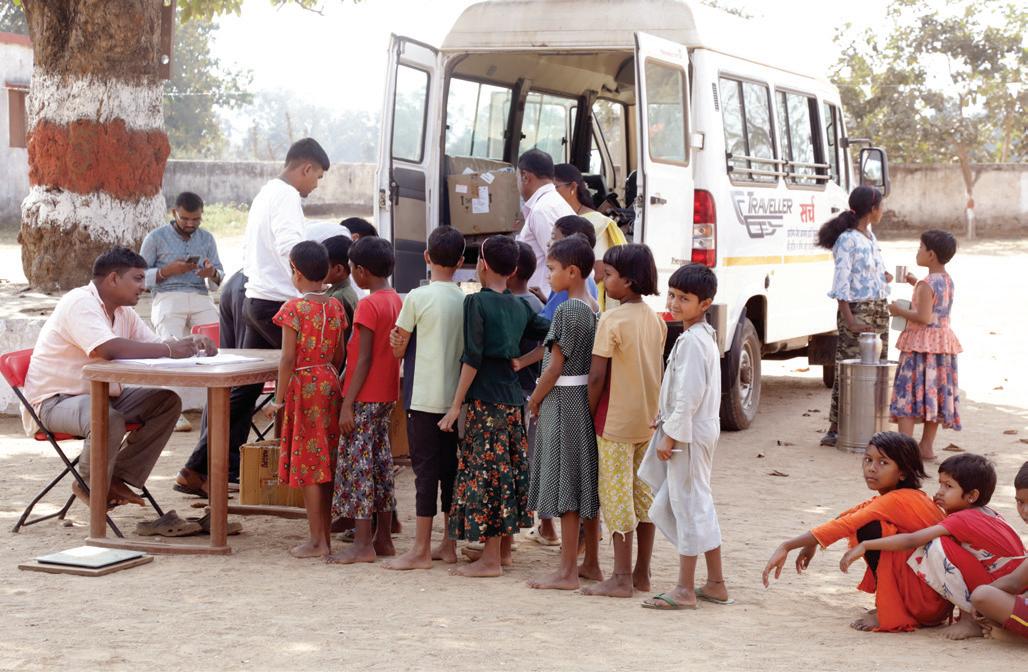
Our vision has always been ‘health for the people by the people’ and we came up with the concept of Arogya Swaraj. We wanted to take medical science to where the people resided, points out Dr Abhay. Therefore, they decided to train community health workers, also called ‘arogya doots’ and gave them simple equipment to enable them to go out into the community and treat people
Venturing into rural healthcare
“For the next six years, we learnt about social life in villages and how to run, and how not run things. We did make mistakes but we also learnt from them. We felt the need to learn public health science which would enable us to promote research in health for communities,” shares Dr Abhay. In 1983, they went to Johns Hopkins University in USA to do a Master’s in Public Health Science—which was funded by
the Ford Foundation. On their return to India, they decided to settle in Gadchiroli in the mid-80s.
Moving to Gadchiroli
They chose to work in Gadchiroli known for its tribal population and dense forests and extreme poverty. Gadchiroli, in the Vidarbha region, was then famous for being a center for Naxalite insurgency. Though, they could have moved to an urban centre, they felt there were enough doctors and specialists in the cities.
“Gadchiroli was a newly-carved district and was rife with diseases left untreated because of poverty. Doctors did not want to move there readily and it was considered the kaala paani among the medical fraternity. But we thought that if any district that desperately requires our skills, it was Gadchiroli. It became our Kurukshetra for serving people and our laboratory for research,” says Dr Abhay, explaining why they chose to work in Gadchiroli. Also, he was always inspired by his highly educated parents who chose to follow Gandhi and his Sarvodaya movement.
It helped that Dr Rani too had taken courses in sociology and anthropology at Johns Hospkins, and this education helped her in the tribal district.
Hospital to suit tribals
At Gadchiroli, the intrepid doctor duo started work at the district hospital and two primary health centres. Their
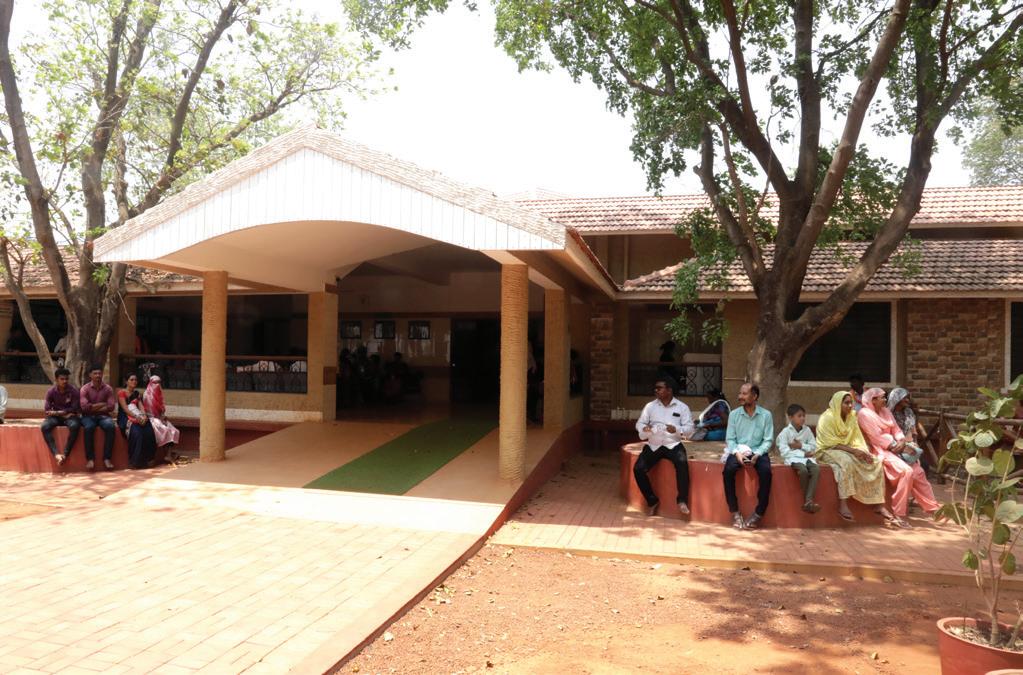
hospital, Maa Danteshwari Dawakhana, named after the goddess worshipped by the local Gond population—was designed in 1992.
Says Dr Abhay, “We held consultations with villagers from at least 50 local villages while planning the hospital building. The villagers did not like hospital staff to wear white clothes (aprons) as it would remind them of shrouds and we respected that sentiment. The hospital premises was designed like a traditional tribal hut so that relatives could stay there with patients.”
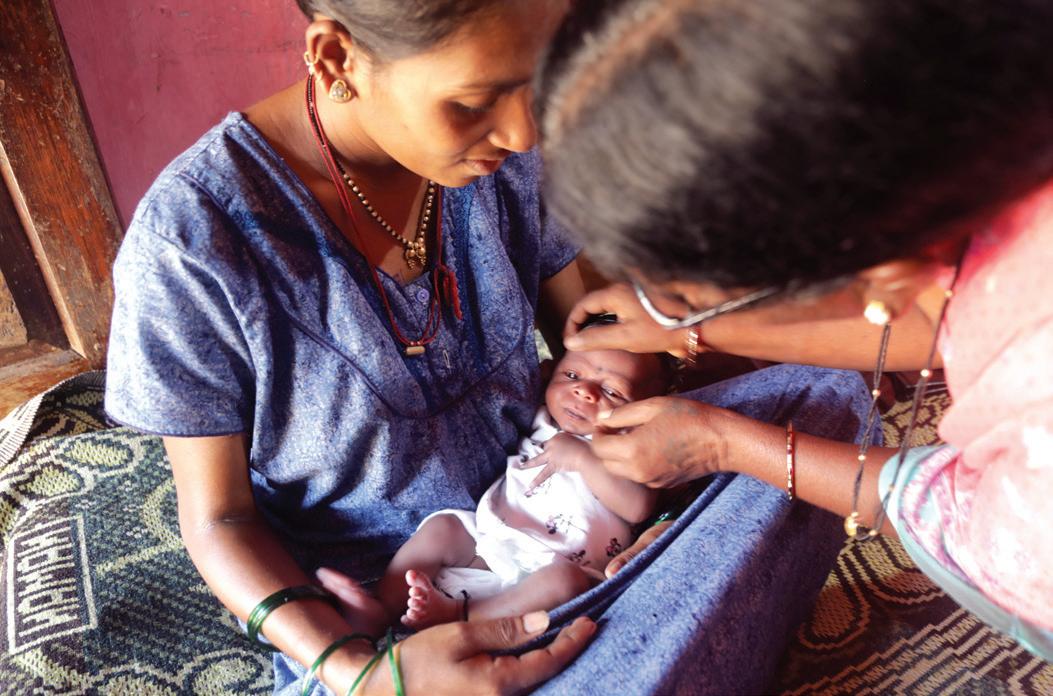
To combat neonatal mortality, Dr Abhay and Dr Rani launched a Home-Based Neonatal Care (HBNC) programme, whereby they trained village women who then went out into the community to deliver neonatal care at home. This became essential as the nearest hospital for neonates was 200 km away
The OPDs were designed like tribal joint family homes and waiting areas resembled gotuls or communal spaces where tribals live and learn social customs.
Dr Abhay also had to contend with the fact that the Gond community were against modern medical care at first since they were used to village healers who claimed to cure them.
“That’s one of the reasons the hospital premises were designed not to be intimidating,” shares Dr Rani.
Taking medicine to the people
For running these services and programmes the couple founded the non-profit Society for Education, Action and Research in Community Health (SEARCH).
“We deliberately chose this acronym for the inherent message that it conveyed. We were searching for a model of healthcare that was affordable, acceptable and accessible to the tribals.
Our vision has always been ‘health for the people by the people’ and we came up with the concept of Arogya Swaraj. We wanted to take medical science to where the people resided, points out Dr Abhay. Therefore, they decided to train community health workers, also called ‘arogya doots’ and gave them simple equipment to enable them to go out into the community and treat people.
That was the first part of our model.
Research on health issues
The second part was doing research on health issues. Most medical research in India has been done by European pioneers such as Ronald Ross, says Dr Abhay. But the couple wanted to do research on problems plaguing the local population and help them achieve freedom from disease and lessen their dependence on foreign interventionists.
“We identified a number of areas where solutions were needed such as gynaecological problems in women, alcoholism in men, and child mortality, among others. We found that 92 per cent of the local women suffered from gynaecological problems, but only 8 per cent sought help. There were no female doctors at hand, and there were concerns about adolescent sexual health, safe abortion and family planning practices. Globally, there was focus on mother and child health but nothing on women’s reproductive health. Our findings were published in Lancet in 1989 and made a huge global impact,” says Dr Rani.
Child mortality
As for child mortality, they zeroed in on two causes – neonatal mortality and childhood pneumonia. Hence, they launched a Home-Based Neonatal Care (HBNC) programme whereby they trained village women who then went out into the community to deliver neonatal care at home. This became essential as the nearest hospital for neonates was 200 km away, says Dr Abhay.
The HBNC programme was formed after an extremely-ill newborn was brought to their residence and Dr Abhay barely got 60 seconds to revive the child. “I failed. This spurred me to tackle neonatal mortality,” reminisces Dr Abhay.
To tackle childhood pneumonia, meanwhile, they trained health workers to treat children with the help of oral
antibiotics. Neonatal mortality reduced in the district by 62 per cent and from a baseline Infant Mortality Rate of 121, it came down to 30. The death rate due to childhood pneumonia too went down by 76 per cent.
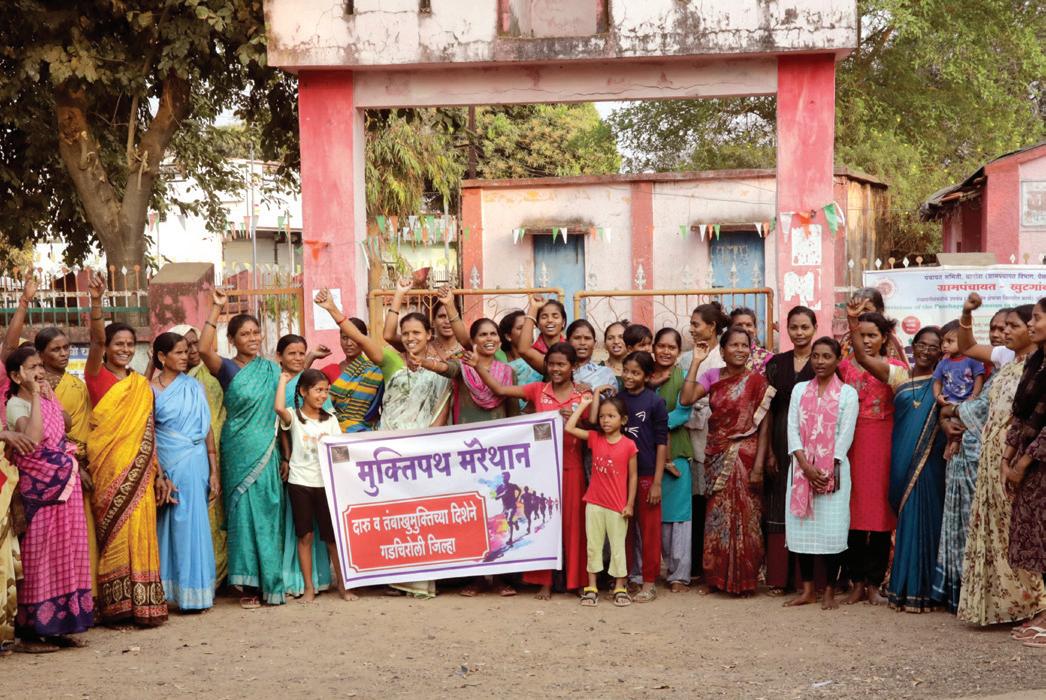
Dr Abhay shares that the Indian government asked them to train community workers and that led to another initiative called ASHA. “We have helped train 1 million ASHAs who follow our model. Another initiative of ours to tackle alcoholism among local men is Muktipath—we invited the ire of the local alcohol and tobacco lobby but we carried on
nevertheless. Our three-pronged approach was identifying the priorities of the community, empowering them, and doing rigorous research into their problems to influence policy makers,” says Dr Abhay.
In their journey to uplift the lives of Gadchiroli’s tribal communities, Dr Rani and Dr Abhay have always worked in perfect harmony. Dr Abhay narrates an incident that exemplifies their seamless partnership: a woman arrived in urgent need of a cesarean delivery and required a blood transfusion. Having donated blood just 15 days earlier, Dr Abhay was ineligible to donate. Dr Rani quickly stepped in to donate the blood herself. As she performed the C-section, Dr Abhay took on the role of anaesthetist – together, they saved a life, embodying the spirit of teamwork and compassion.
Today, the couple know that their sons, Anand and Amrut, will carry forward their mission. Though both children studied in the United States, they chose to come back and work in Gadchiroli.
Anand, a physician, represented his parents at the Gates Foundation’s Goalkeepers Champions award ceremony in September 2025. Amrut, an engineer, leads the Nirman Youth Initiative as its programme director, nurturing the next generation of changemakers.
As Dr Abhay reflects on their legacy, he speaks with quiet pride: their sons will continue the work when they step away, inspiring others to serve with purpose and heart. The torch has been passed on to ensure the flame will continue to burn bright.
In his column this quarter, Dr P Raghu Ram reflects on Ushalakshmi Breast Cancer Foundation’s 18-year journey and how it sparked a movement — challenging stigma, empowering women, and saving lives through awareness, innovative outreach, and grassroots engagement
October, recognised globally as International Breast Cancer Awareness Month, is dedicated to raising awareness about early detection, honouring survivors, and spreading the message of hope, courage, and survival.
Advocacy, at its core, is the art of representing or promoting a cause to influence change within political, economic, and social institutions. In the case of breast cancer, advocacy is about empowering both communities and policymakers to act against the most common cancer affecting women.
The need for breast cancer advocacy in India is urgent. Each year, nearly 200,000 women are diagnosed and 100,000 lose their lives to the disease. In other words, for every two women diagnosed, one tragically dies. The reasons are clear: low levels of awareness, absence of a robust nation-wide screening programme, and inequitable access to quality cancer care. In rural India especially, breast cancer remains a “closet issue”, hidden behind stigma and silence.
Breast Cancer Advocacy isn’t a onemonth campaign in October
— it’s about building a powerful movement and a lifelong commitment powered by devotion, discipline, and a deep sense of duty
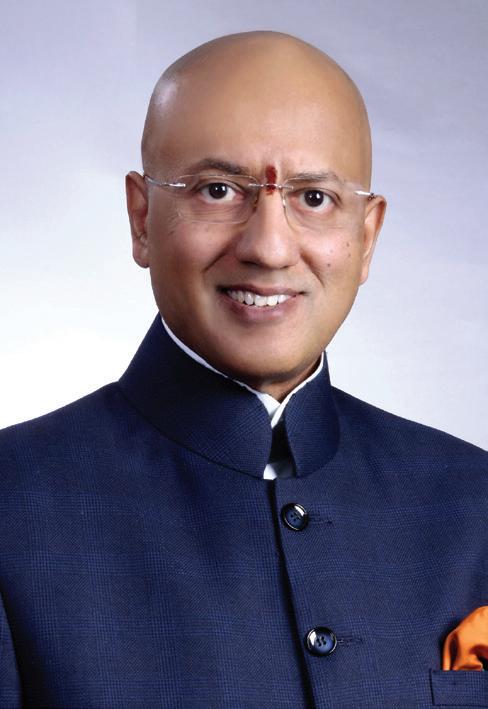
With a vision to break this silence and empower women, I established the Ushalakshmi Breast Cancer Foundation (a breast cancer charity) in 2007, naming it after my mother to honour her personal struggle and strength in fighting the disease. The goal was clear— to make breast cancer an openly discussed issue and
promote the lifesaving importance of early detection.
The Foundation’s journey can be understood through four stages:
1. Priming the community—initiating conversations and dispelling taboos
2. Engaging with the community—building trust through awareness drives
3. Establishing political advocacy— influencing policymakers to act
4. Taking advocacy mainstream—embedding it in public health discourse.
Guided by these principles, the Pink Ribbon Breast Cancer Advocacy Campaign was launched in 2007 across Telangana and Andhra Pradesh. Over the past 18 years, it has grown into one of India’s most impactful health awareness campaigns.
Celebrity survivors and public figures lent their voices, while flagship events such as the “Pink Ribbon Walk” and “Paint the City Pink” became annual traditions during the International Breast Cancer Awareness month. Hyderabad now holds the distinction of being the only city in the world where, for 17 consecutive years, prominent landmarks have been illuminated in pink on a single night in October—a striking symbol of solidarity.
Digital and print innovations
Innovation has been central to our advocacy. Inspired by the Prime Minister’s Digital India vision, the Foundation developed the world’s first mobile app on breast health, “ABCs of Breast Health”.
Launched in 2017 by legendary actor Amitabh Bachchan, it is available in English and 11 major
Indian languages, ensuring vital information is accessible across linguistic and geographic barriers. Freely downloadable, the app explains every aspect of breast cancer and benign breast conditions in simple language, filling a massive void in breast health awareness in South Asia.
In parallel, Pink Connexion—South Asia’s first quarterly breast health magazine—has provided a consistent platform for patient stories, expert updates, and community education. It recently celebrated its 10th anniversary, underscoring its role in sustaining dialogue on breast health.
To me, the greatest honour remains seeing this vision — born out of my mother’s struggle — embraced by a nation, offering hope and strength to millions
Perhaps the most transformative initiative has been the large-scale Clinical Breast Examination (CBE)based screening programme, implemented by the Foundation in partnership with the governments of Telangana and Andhra Pradesh. Between 2012 and 2016, more than 200,000 underprivileged women aged 35–65 years across 4,000 villages were screened by 3,750 trained healthcare workers.
Cancers detected through this initiative were treated free of charge under the Aarogyasri scheme. This demonstrated that CBE, a simple, low-cost method, could be effectively scaled up to wider populationlevel programmes in resource-limited settings. In 2016, a high-powered steering committee and technical advisory group of the Union ministry of health, of which I was a member, approved its nationwide rollout under the National Health Mission.
The Pink Ribbon Campaign has not only created unprecedented awareness in the Telugu states but also inspired NGOs and hospitals nationwide to launch similar initiatives, even extending the advocacy model to other health conditions that merit attention. This ripple effect highlights its influence as a benchmark for community-driven health advocacy.
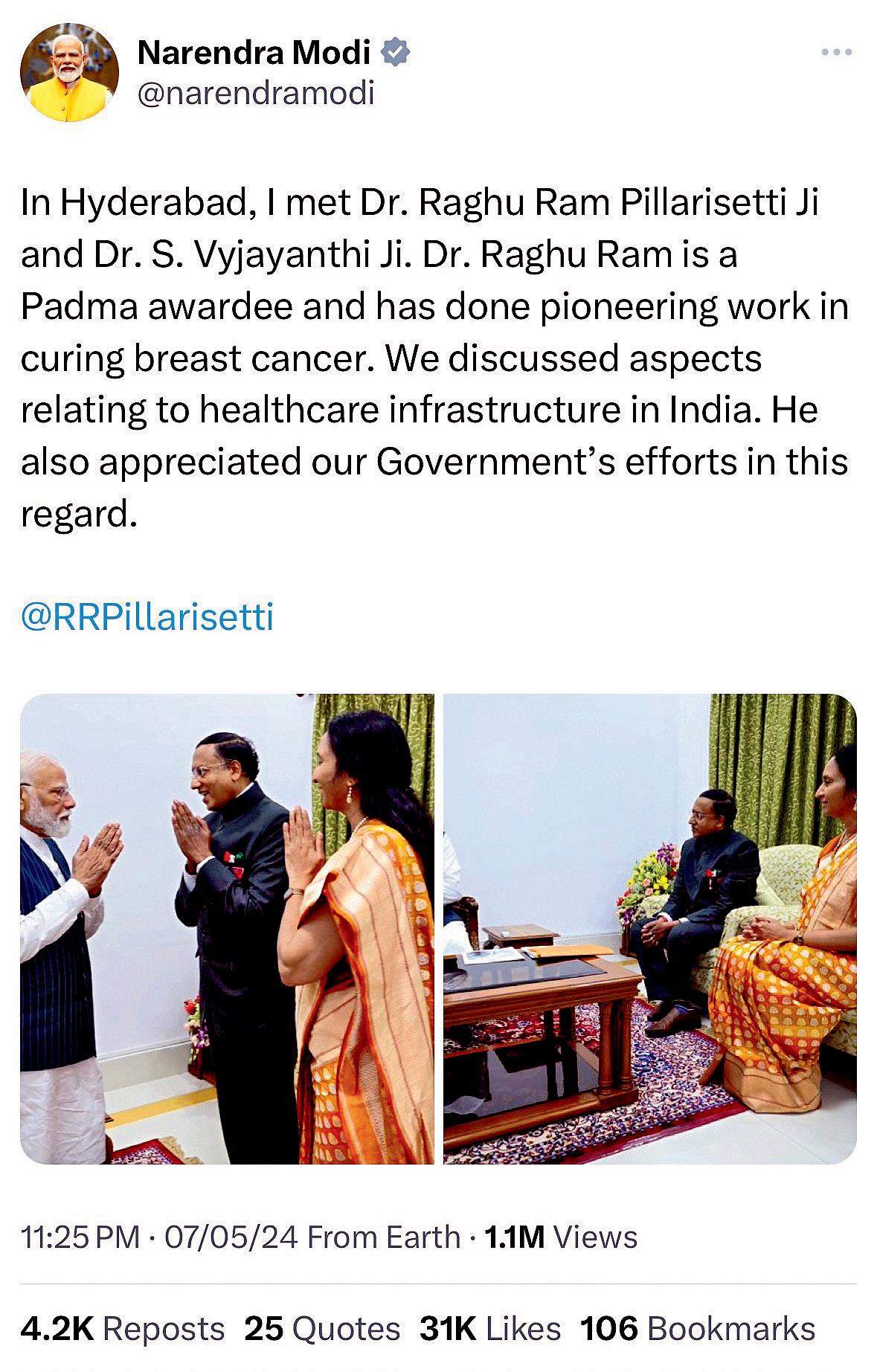
The impact has also been recognised at the highest levels. Recently, the Prime Minister of India publicly
appreciated the Foundation’s advocacy initiatives on X platform (formerly twitter), acknowledging its role in breaking taboos, fostering awareness, and providing a template for the nation to emulate.
Breast Cancer Advocacy isn’t a one-month campaign in October—it’s about building a powerful movement and a lifelong commitment powered by devotion, discipline, and a deep sense of duty.
Over the past 18 years, this campaign evolved into a dynamic force, disrupting stigma, empowering women, and saving lives through awareness and early detection. From innovative digital tools and largescale community campaigns to pioneering screening initiatives, these efforts underscore the critical role of advocacy in shaping public health.
By inspiring women to undergo regular screening, influencing policymakers, and engaging communities, breast cancer advocacy continues to light the path forward. The ultimate measure of its impact is simple yet profound: lives saved, voices empowered, and a disease once shrouded in silence now brought into the open. And to me, the greatest honour remains seeing this vision—born out of my mother’s struggle —embraced by a nation, offering hope and strength to millions.
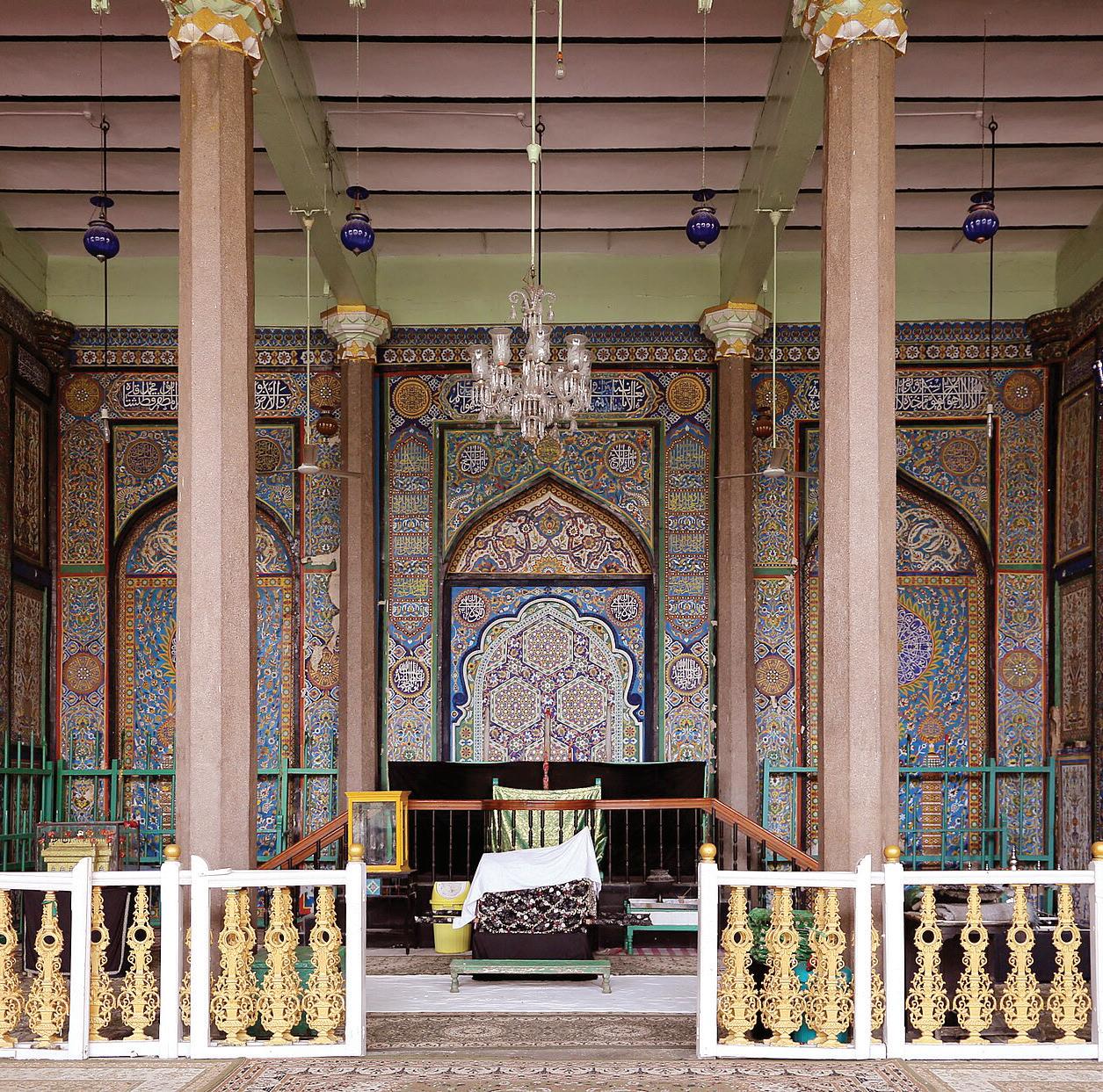
Pink drops in and walks away spellbound by the architectural beauty of one of Hyderabad’s oldest heritage structures—next only to the Charminar. It is a space of mourning for Shia Muslims but one of the finest specimens of Deccani art.
Text: Mallik Thatipalli
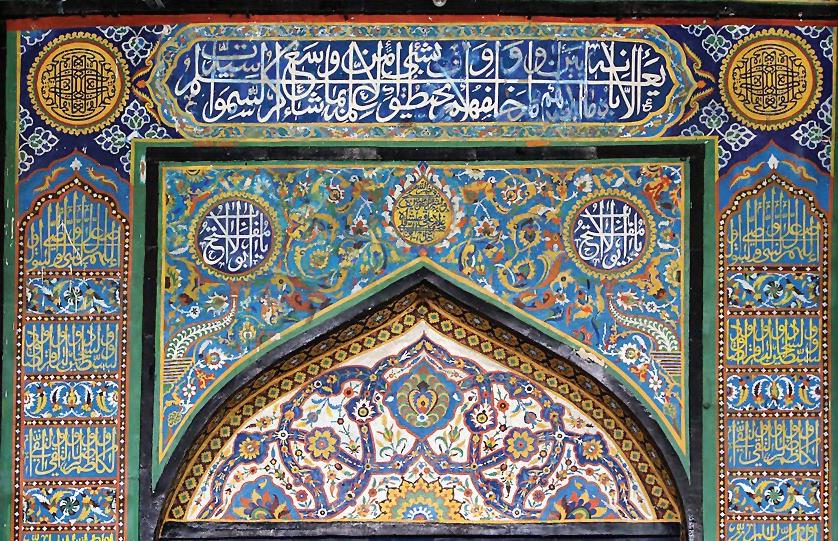
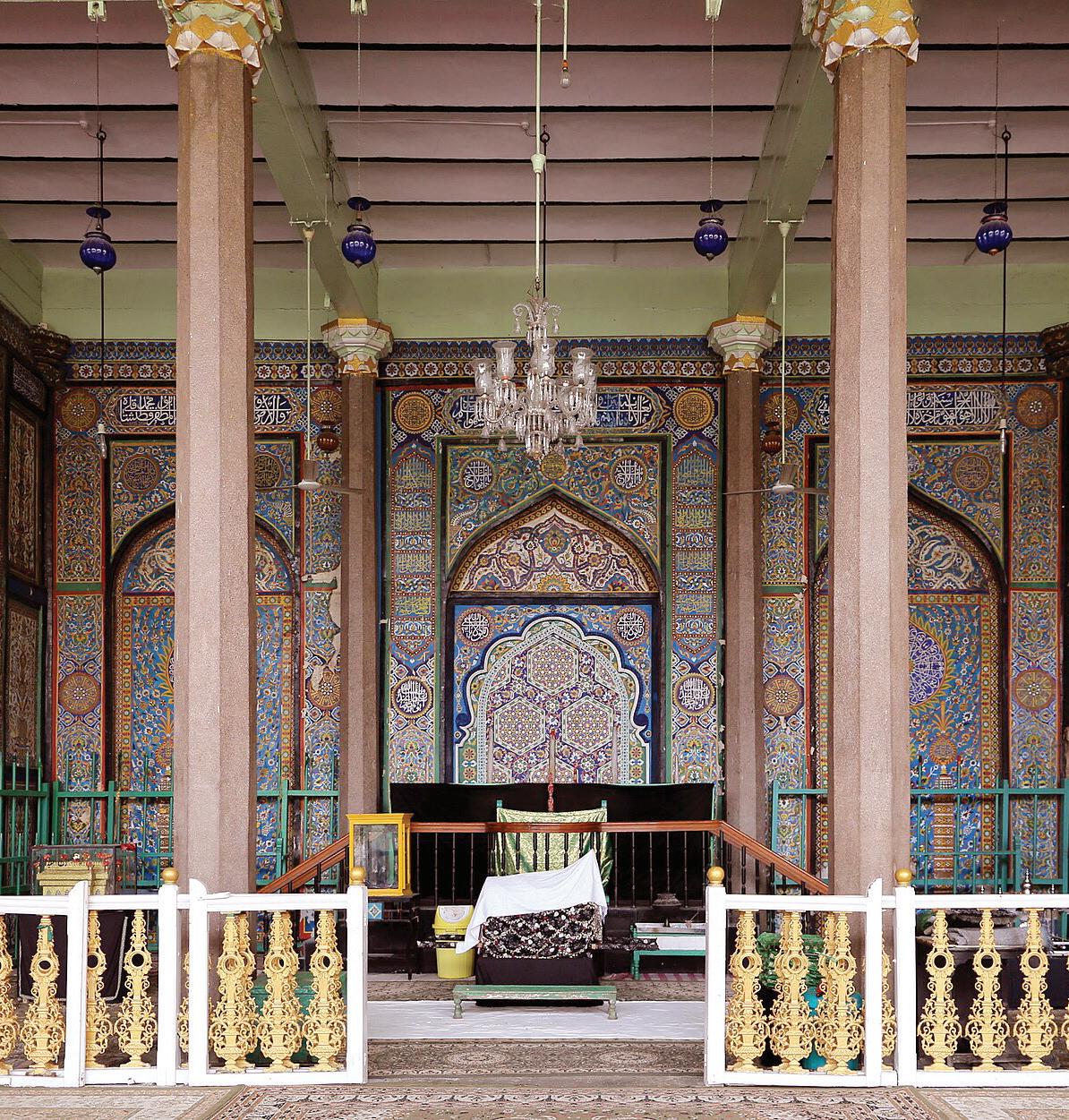
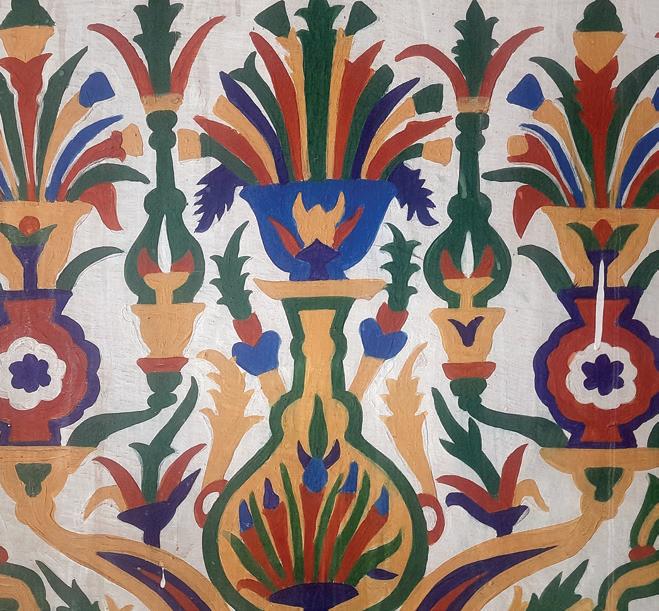
Stunning mosaic tiles are the first thing that catches the eye of a visitor to the Badshahi Ashurkhana. The dazzling array of colours, intricate patterns of staggered hexagons and the intimacy of artistic flowers and leaves simply take your breath away and you want to capture it for eternity.
A protected heritage site, the structure is widely believed to be the second oldest monument of Hyderabad, as it was built immediately after the Charminar, which was constructed as the city’s foundation in 1591 by Mohd Quli Qutb Shah.
Ashurkhanas, which literally translates to ‘house of Ashura’, are places where Shia Muslims congregate to commemorate the martyrdom of Imam Hussein, a grandson of the Prophet, especially during Muharram. It is at Badshahi Ashurkhana that the Nizams of Hyderabad paid homage and hence the name Badshah in its title.
While some ancillary structures in the open ground like Naqar Khana, Abdar Khana (for water/drink giving) and Niyaz Khana (for communal food) have suffered intense damage, they still exist in some form. However, notably, the main hall of the Badshahi Ashurkhana remains intact. The walls are decked with multi-coloured tiles and the dominant theme of flaming alams is the cynosure of all eyes here.
The Ashurkhana stands as a remarkable example of Deccani art and architecture. Its tile-mosaic decoration is particularly noteworthy, scholars identify the use of a “sevencolour” palette and arrangements of jewel-like hexagons, arabesques and calligraphy. At the monument one gets to see the finest surviving specimens of this technique. The artisans fused Persian motifs with local Deccani craftsmanship, creating a style that is both global and distinctly Hyderabadi.
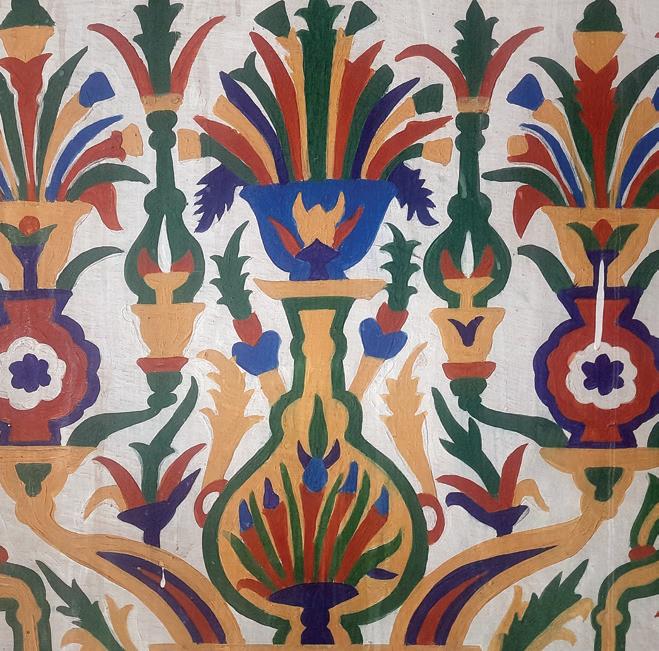
A tapestry of intricate patterns with jewel-like shapes fills the four walls making you lose yourself in their beauty. Typical Indian colours like mustard yellow and brown add vibrancy while the high ceilings give it a stately effect. The mosaic tiles were originally from Iran, and one can see the mark on the walls where the floods of 1908 had left a mark. As the floods damaged the lower parts of the tiled walls, they were painted in the same patterns and colours, as the art of making intricate tiles had disappeared even back then.
Ashurkhanas, which literally translates to ‘house of Ashura’, are places where Shia Muslims congregate to commemorate the martyrdom of Imam Hussein, a grandson of the Prophet, especially during Muharram
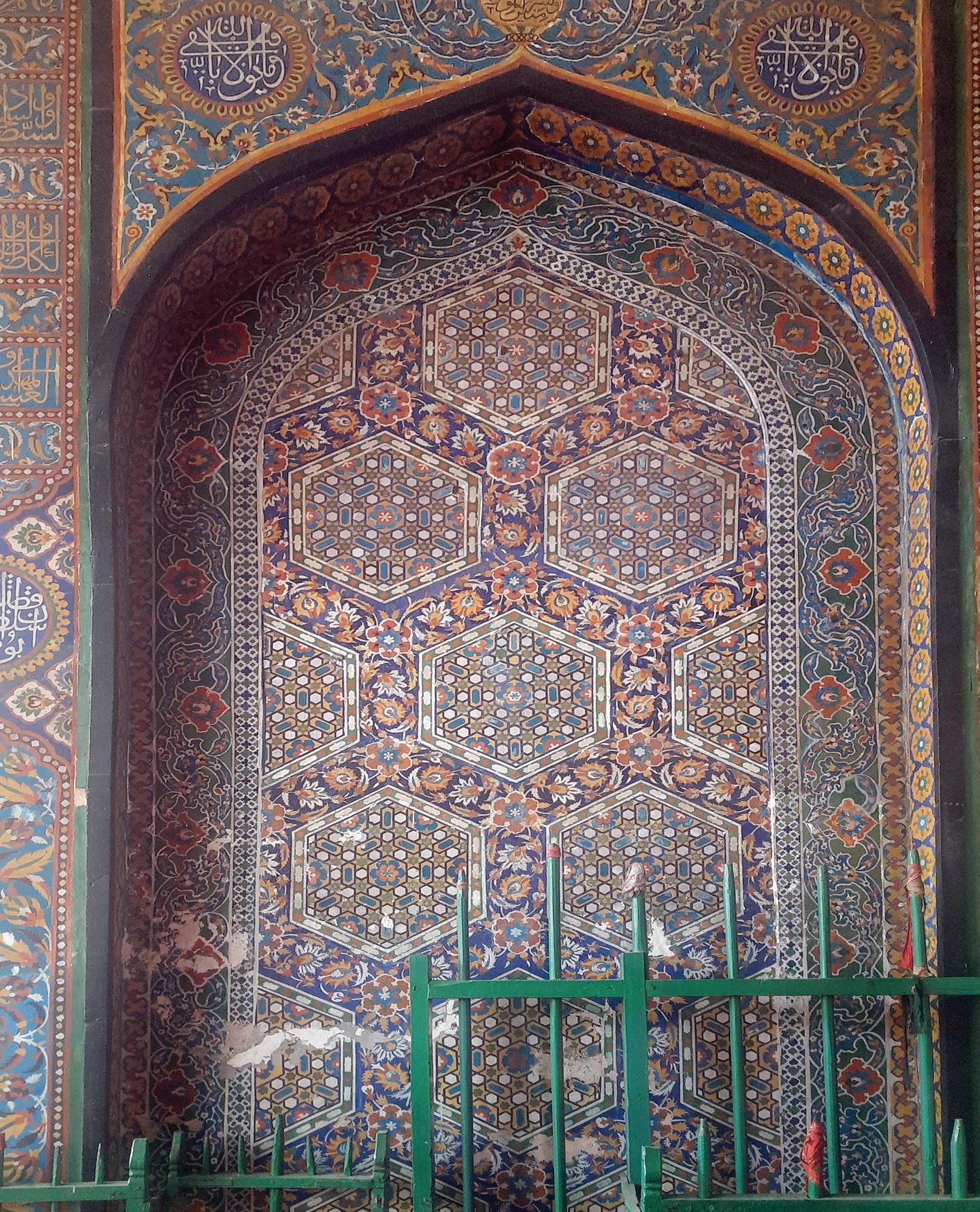
These tiles are not merely decorative: they encode religious symbolism.
One panel, for example, depicts an alam (standard) in bold callligraphy, mirroring the real alams carried during the remembrance of Imam Hussain and his supporters.
One traditional account holds that Quli Qutb Shah himself lit a thousand candles in the Ashurkhana during the first ten days of Muharram thus underscoring the building’s role from its very inception
Anuradha Reddy, convenor of INTACH Hyderabad tells Pink, “The original tiles were a work of art. They were used widely in Hyderabad as its
founding dynasty had its roots in Iran. Even in Qutb Shahi tombs one can see these tiles emerging from layers of cement and lime post-restoration. Even the painted tiles of 1908 are a lost work of art. It is a unique craft to be seen, savoured and appreciated.”
Despite its early splendour, the Badshahi Ashurkhana underwent a period of neglect and repurposing.
The fall of the Qutb Shahi dynasty in 1687 and the arrival of the Mughal emperor Aurangzeb introduced a marked change. The Ashurkhana, once a revered space, was converted into a bandi khana (prison or stable) for horses, a drastic departure from its original intent.
Over centuries, nature and human neglect added to its woes. Encroachments, deteriorating materials, and lack of regular upkeep
have left large parts of the complex in a state of decay.
Travelling through history
In recent years, however, renovation efforts have begun in earnest. The state archaeology department, along with organisations such as the Aga Khan Trust for Culture, initiated documentation, clearing of debris and restoration of lost plaster and roofs. Due to heritage walks and social media, the structure has also become relevant for the younger generation.
For the Shia Muslim community of Hyderabad, the Badshahi Ashurkhana remains a space of mourning. During Muharram, particularly during the first ten days, thousands gather within its halls and grounds to attend majlis (commemorative assemblies), display the alams, beat the drums and recite verses (marsiya) lamenting the tragedy of Karbala. The Karbala event is a profound event in Islamic history, marked by the martyrdom of Imam Hussain and his companions who were massacred by an army sent by the Caliph.
One traditional account holds that Quli Qutb Shah himself lit a thousand candles in the Ashurkhana during the first ten days of Muharram thus underscoring the building’s role from its very inception.
What is the importance of a monument such as this in the age of artificial intelligence and Instagram?
Anuradha Reddy responds, “Why do tourists climb the Charminar and the Golconda fighting off people, heat and fatigue? Because they fill you with a sense of awe and wonder. We don’t see them queuing up to go to see flyovers! The Ashurkhana has immense tourist potential and should be nurtured.”
This sacred space weaves together the artistry of the Deccan, the sorrow of the event of Karbala, and the resilience of a community that has preserved it through centuries of change.
August 2025
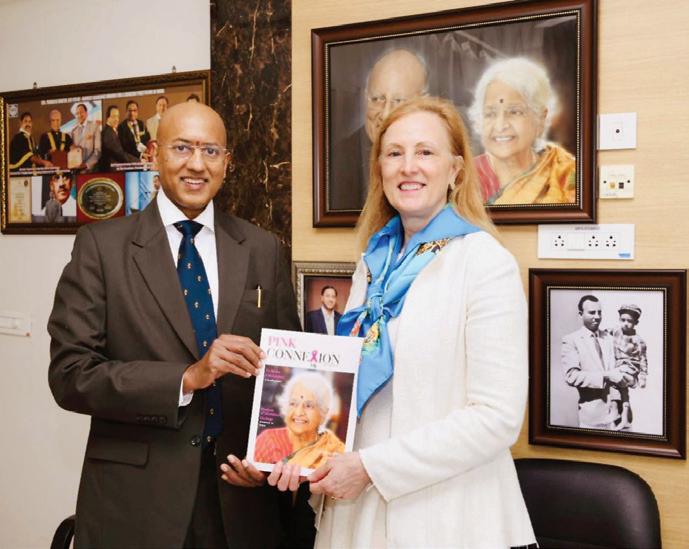
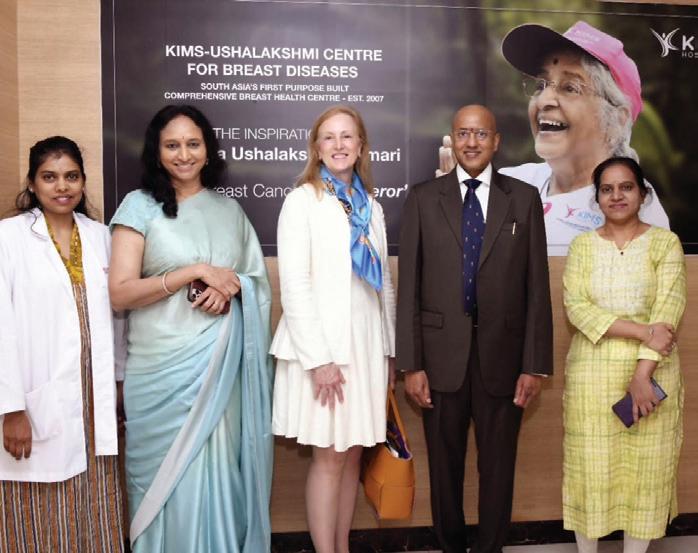
The world-renowned Prof Kelly Hunt, Chair of the Division of Breast Surgical Oncology at MD Anderson Cancer Centre visited the KIMS-USHALAKSHMI Centre for Breast Diseases, KIMS Hospitals, on August 1.
During her visit, she delivered a keynote lecture titled From Houston to Hyderabad—Advancing Surgery Through Collaboration and Science. Prof Hunt said she was proud that Dr Nina Tamarisa from MD Anderson Cancer Centre
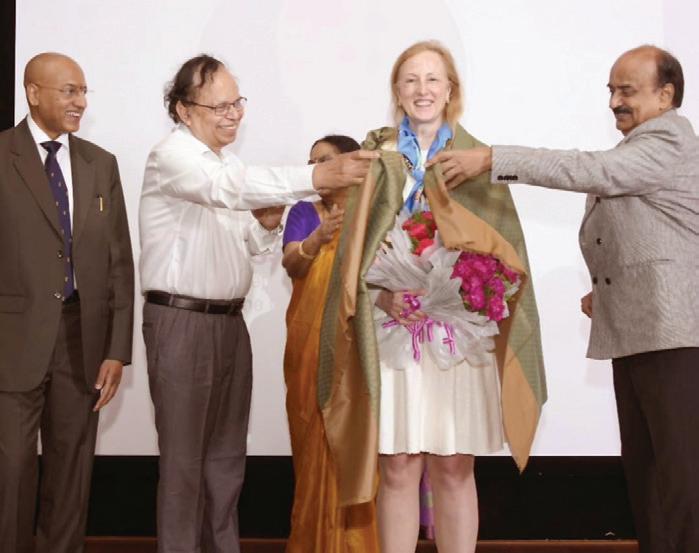
and Dr Raghu Ram have been awarded the prestigious Prof Charles Balch Fellowship in Breast Surgical Oncology for 2025, an honour instituted in recognition of Prof Charles Balch—one of the world’s most respected surgical oncologists from MD Anderson.
Following the lecture, Prof Hunt interacted with consultants and met with patients at KIMS Hospitals, appreciating the Centre’s commitment to excellence in breast healthcare.
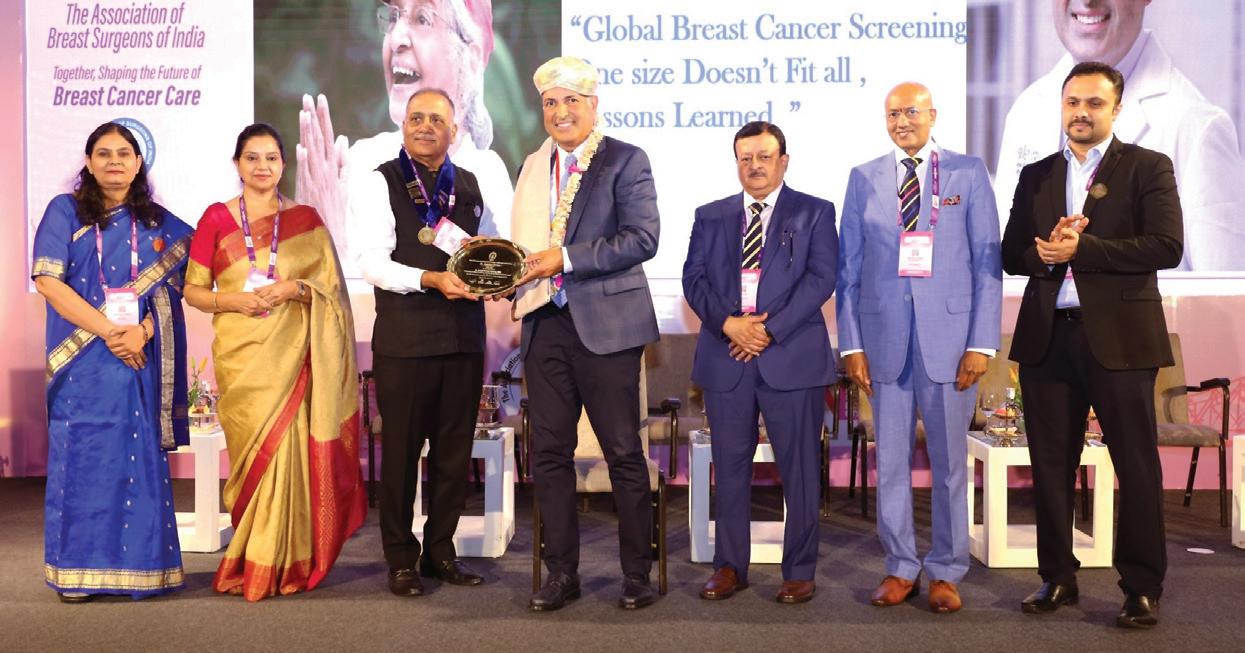
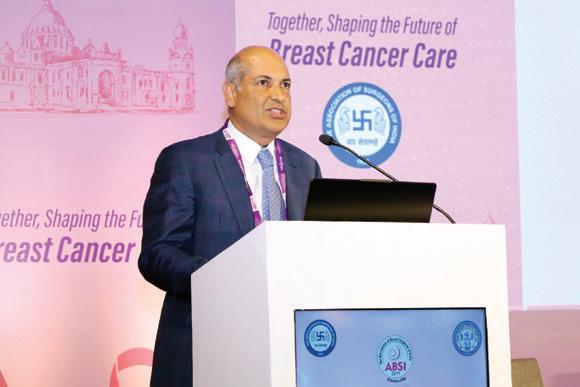
The fourth edition of the Dr Ushalakshmi Oration was delivered by Prof Golshan Mehra, professor of surgery, Yale School of Medicine, during the 13th annual conference of Association of Breast Surgeons of India held in Kolkata on August 2. He touched upon the origins of population-based breast cancer screening programmes across the world and their impact on reducing the disease mortality through early detection.
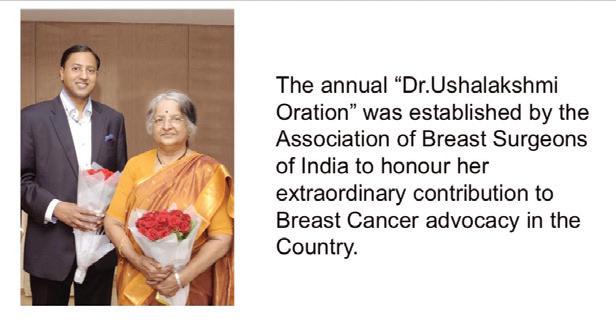
The annual oration was instituted in 2022 to honour Dr Ushalakshmi’s struggle in the battle against breast cancer and to recognise her role in inspiring an impactful breast cancer advocacy campaign in Telangana and Andhra Pradesh for close to two decades.
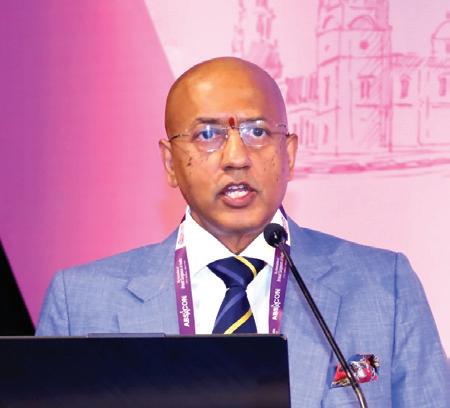
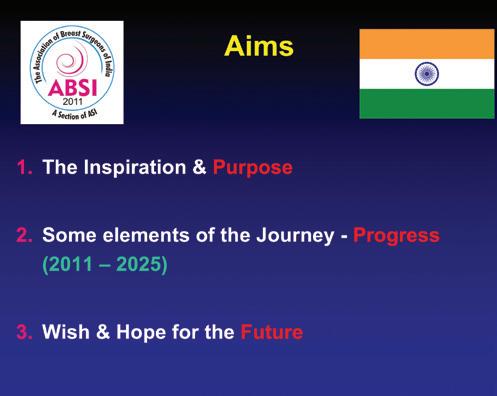
Dr Raghu Ram delivered a guest lecture titled “ABSI Through the Lens of Time: Purpose, Progress and Future” at the 13th Annual Congress of the Association of Breast Surgeons of India (ABSI) on August 2.
In his address, he reflected on the founding of the Association 14 years ago, outlined the transformative progress made since its inception, and underscored ABSI’s potential to further enhance and standardise breast healthcare delivery across the nation.
He concluded with an inspiring message, reminding delegates that extraordinary progress is possible when there is clarity of purpose, collective will, and unwavering commitment.
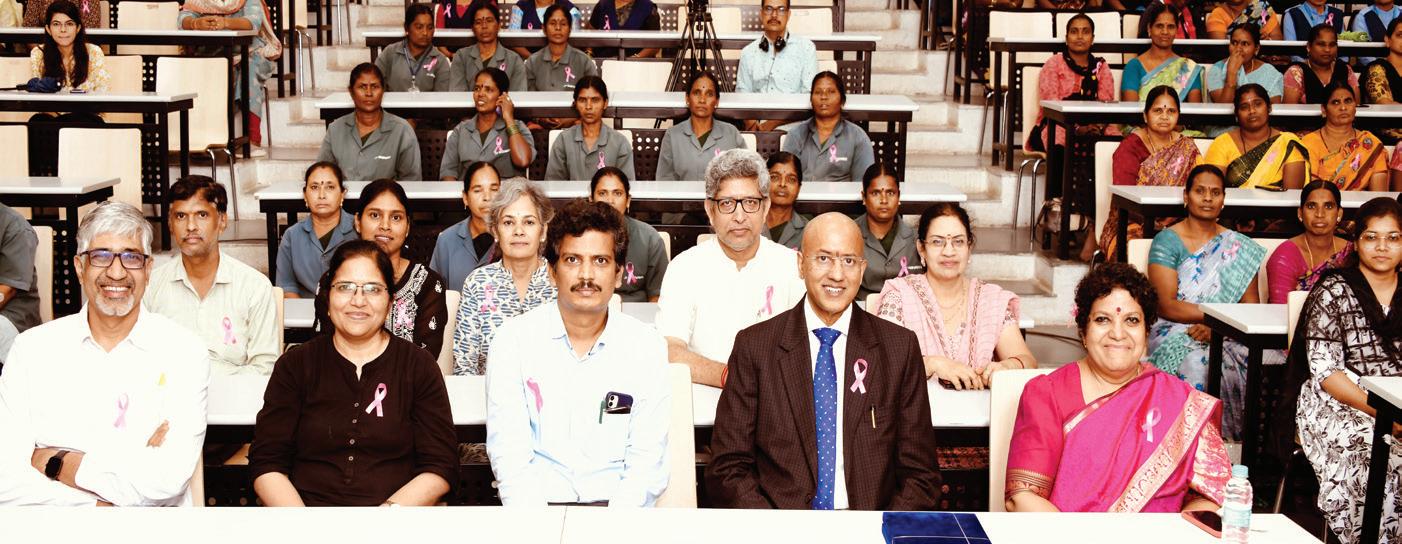
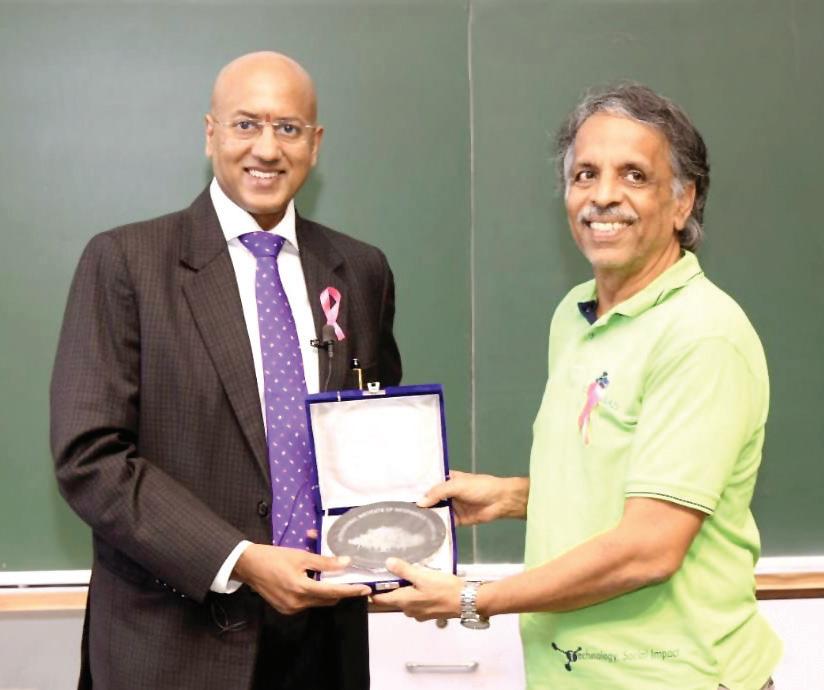
Dr Raghu Ram was invited to an engaging and lively breast cancer awareness session at IIIT Hyderabad on August 13. This institution is a renowned autonomous university, known for its strong research programmes across diverse fields, with a focus on technology and applied research benefiting industry and society.
The doctor interacted with employees and staff at this Centre of Excellence and strongly advocated the importance of early detection of breast cancer and clarified the myths surrounding the disease.
Empowering surgical trainees –Dr Raghu Ram speaks on global
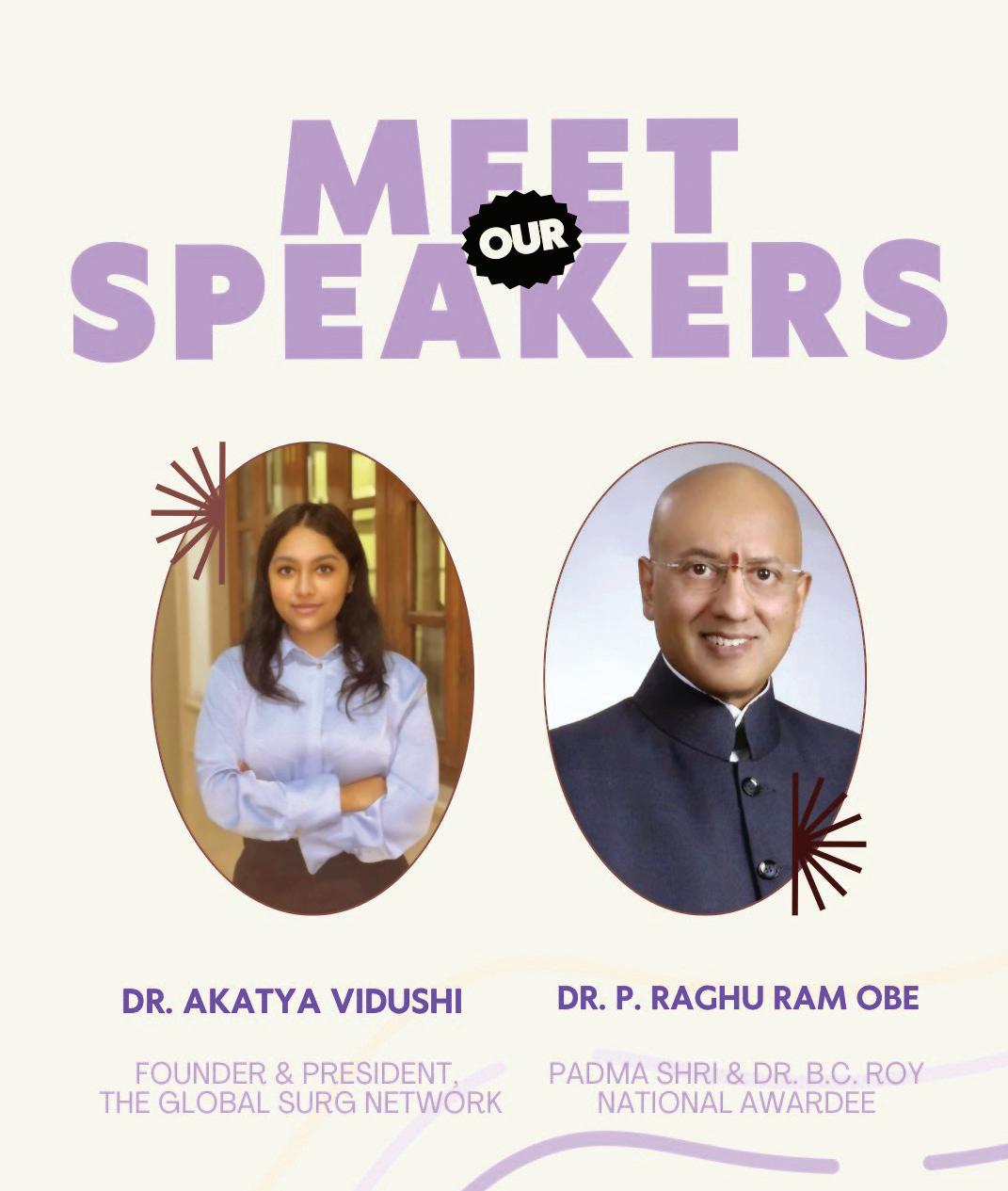
Dr Raghu Ram participated in an engaging podcast conversation with Dr Akatya Vidushi, founderpresident of the Global Surg Network—a worldwide platform dedicated to surgical education and training. In this interaction, he inspired surgical trainees by highlighting essential aspects of breast health and outlining the training opportunities available in breast surgery both in India, and abroad.
Centred on the theme, “Future of Breast Surgery: Where Innovation Meets Compassion”, the discussion explored how evolving techniques, guided by empathy, can redefine the future of breast care and elevate standards globally.
September 2025
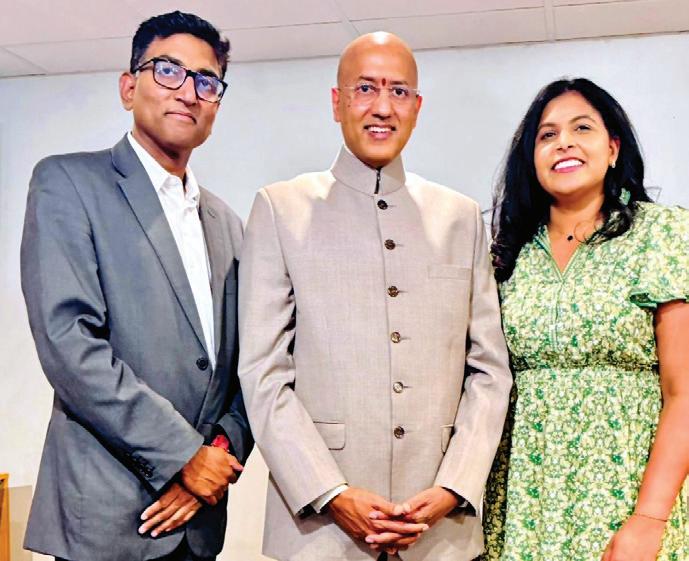
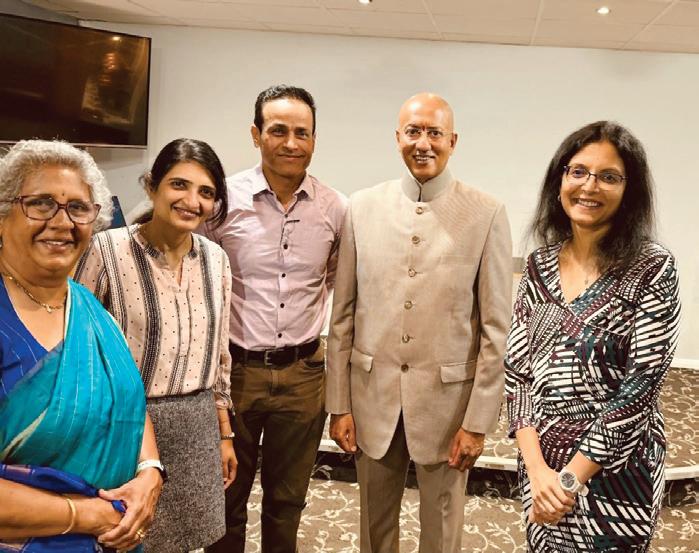
Dr P Raghu Ram was invited as a distinguished guest speaker at the Stoke-on-Trent city division of the British International Doctors Association (BIDA), the UK’s oldest and one of Europe’s largest organisations representing international doctors working across the British Isles.
He reflected on his formative training years in the UK and shared insights into the disruptive initiatives he has championed over the past 18 years to transform breast
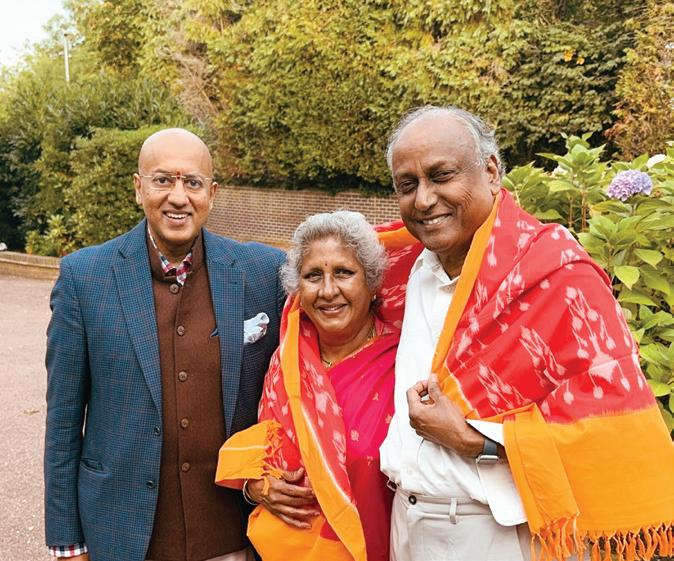
healthcare in India. He concluded by expressing his pride in serving as a ‘Living Bridge’ between the UK and India throughout his professional journey, a sentiment that earned him a standing ovation.
During his visit to Stoke-on-Trent, he also felicitated his guardians, Drs Prasad Rao and Mohini Rao from Stokeon-Trent, acknowledging their unwavering support to his family for more than 25 years.
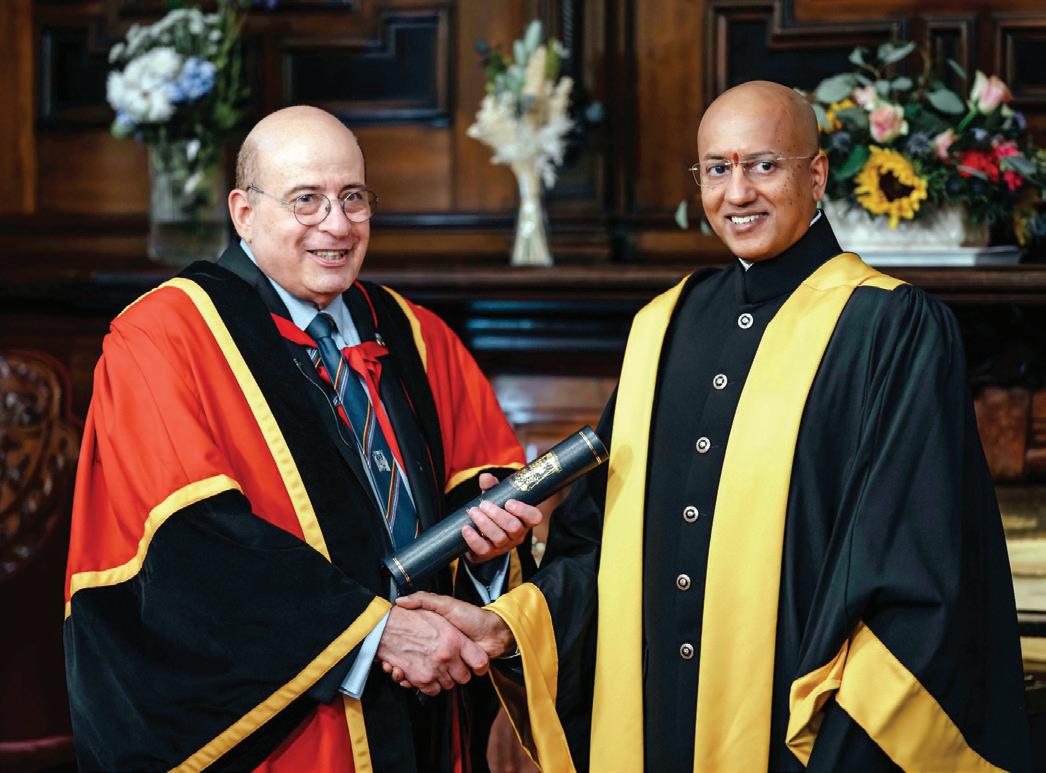
Prof Hany Eteiba confers the Honorary FRCS(Glasg) upon Dr Raghu Ram
Dr P Raghu Ram achieved the rare distinction of becoming the youngest surgeon from South Asia to be conferred Honorary FRCS (Glasgow) by the Royal College of Physicians and Surgeons of Glasgow (RCPSG). Having earned FRCS (Glasgow) by examination in 1997, Dr Raghu Ram now holds the unique honour of being both an FRCS (by examination) and an Honorary Fellow of the same college.
This highest honour, from the 425-year-old College, was formally bestowed upon Dr Raghu Ram by Prof Hany Eteiba, president of RCPSG, at a glittering ceremony held in the
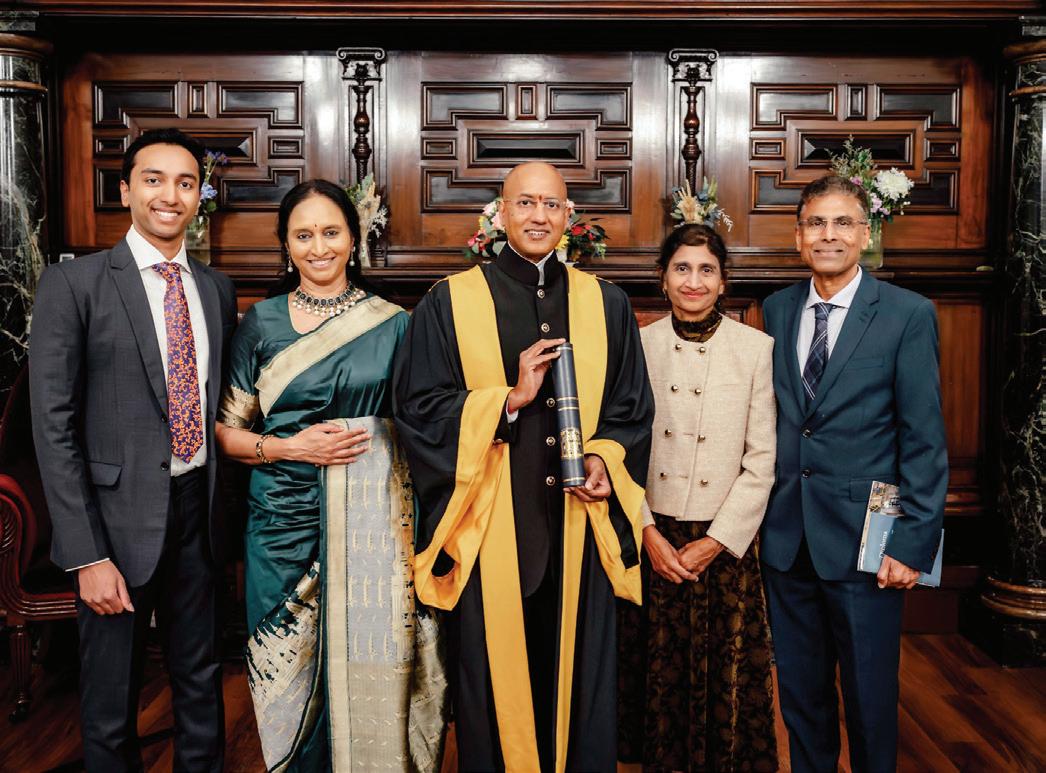
L-R: Krishna Sai, Dr Vyjayanthi, Dr Raghu Ram, Dr Devi Putta and Dr Prasad Bollina
historic College Hall in Glasgow on September 10 2025, which was followed by a formal sit-down dinner to celebrate the conferment of the Honorary Fellowship.
Addressing the guests, professor Hany Eteiba, president, Royal College of Physicians and Surgeons of Glasgow said, “I am delighted to confer upon Dr Raghu Ram the Honorary Fellowship, which is the most prestigious and highest honour bestowed by the college. For over two decades, he has dedicated himself to his community, bringing hope to millions of people in the fight against breast cancer. 19
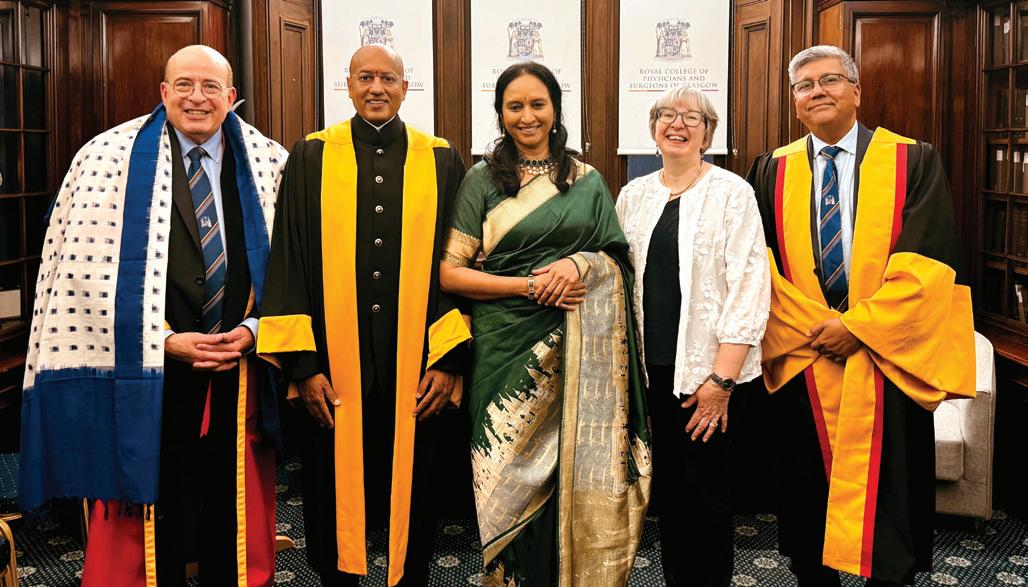
Dr Raghu Ram and Dr Vyjayanthi felicitated Prof Hany Eteiba, President RCPSG, with the traditional trademark Pochampally Ikkat shawl from Telangana. Also in the picture - Mrs Rafique Eteiba and Prof Abhay Rane, Registrar RCPSG
By fostering close links with surgeons in the UK, India and worldwide, he has been integral to our mission of advancing health and professional standards in surgery. We are immensely proud to welcome him into our college community and look forward to strengthening the bond between the UK and India.”
The citation read out by Prof Abhay Rane, registrar and trustee of the RCPSG paid glowing tributes to Dr Raghu Ram’s transformative contributions to breast cancer care in India over nearly two decades; his pioneering role in convening 12 overseas FRCS/MRCS preparatory courses in Hyderabad that enabled over 2,000 trainees from across South Asia to succeed in the prestigious examinations; and
his strategic guidance to the college’s academic initiatives in India.
Expressing his gratitude, Dr Raghu Ram said about the honour: “I am deeply grateful to the president of RCPSG for conferring this highest honour, and I dedicate this singular recognition to my family, my patients, and my motherland.”
The RCPSG
Founded in 1599, RCPSG is over 425 years old and is the only multi-disciplinary Royal College in the British Isles that represents a diverse community of over 15,000 surgeons, dentists and professionals working in podiatry and travel medicine from across 97 countries around the world.
Some of the prominent surgeons who were closely associated with this historic college include Prof Peter Low —the founder of RCPSG, who published the first surgical textbook in English (1597); Sir William Macewan—“father of Neuro Surgery’ credited to have removed the first brain tumour; Prof Joseph Lister—father of antiseptic surgery; Prof Sir Greame Teasdale, former president of the college and Prof Bryan Bennet—both of whom founded the Glasgow Coma Scale, which is a widely used tool worldwide to assess the level of consciousness. And, not to overlook Prof Jamini Sen—an Indian surgeon and the first female Fellow of the College (1912).
Link to the Hon FRCS Conferment Ceremony https://youtu.be/nZrSIKTD0bs?si=pn7itqyCMtlsBgLN
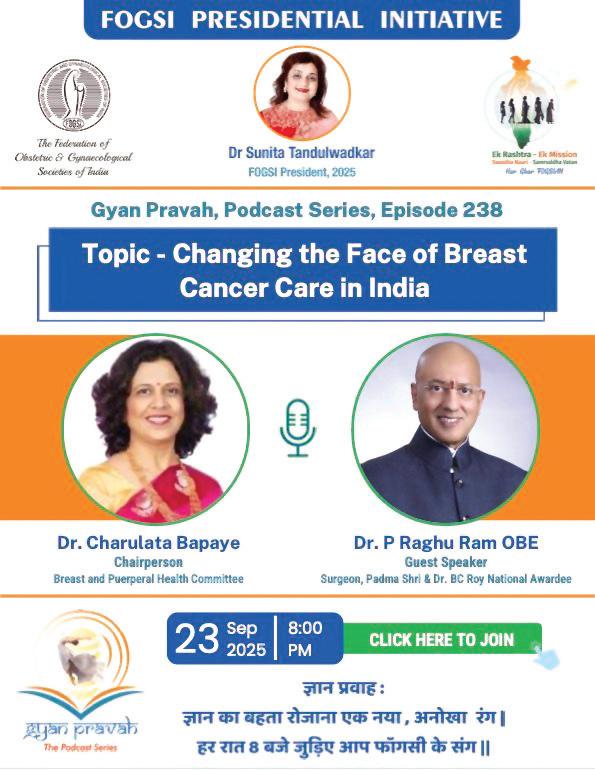
On September 23, Dr P Raghu Ram was invited as a special guest on a podcast organised by FOGSI (Federation of Obstetric & Gynaecological Societies of India), focussed on the theme—“Changing the face of breast cancer care in India”.
In conversation with Dr Charulata Bapaye, an eminent gynaecologist and chairperson of FOGSI breast sub-committee, Dr Raghu Ram began by commending Dr Sunita Tandulwadkar, FOGSI president for creating weekly Podcasts on various aspects to empower gynaecologists nationwide.
Dr Raghu Ram highlighted the critical shift from traditional ‘breast selfexamination’ to ‘breast awareness’, stressing that since gynaecologists are often the first point of contact for women with breast health concerns, it is vital for them to be well-informed. Further, the doctor underscored the importance of close collaboration between the Association of Breast Surgeons of India and FOGSI to equip gynaecologists with practical guidance—not only on what to do, but equally on what not to do and when to refer.
Such measures, he noted, are essential to ensure women across India receive the best possible breast healthcare. Link to podcast:
https://youtu.be/34AXE1_TBnA?si=CFXxgQHQTlzrYVyg
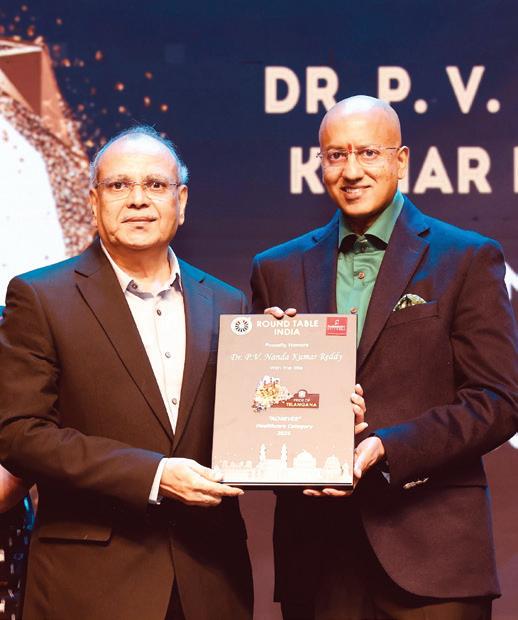
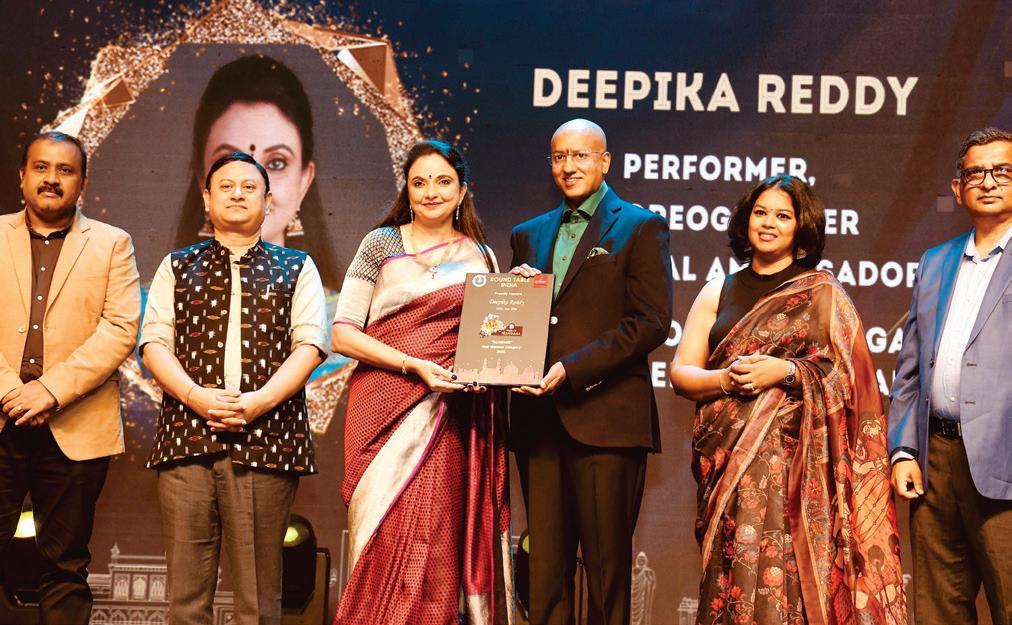
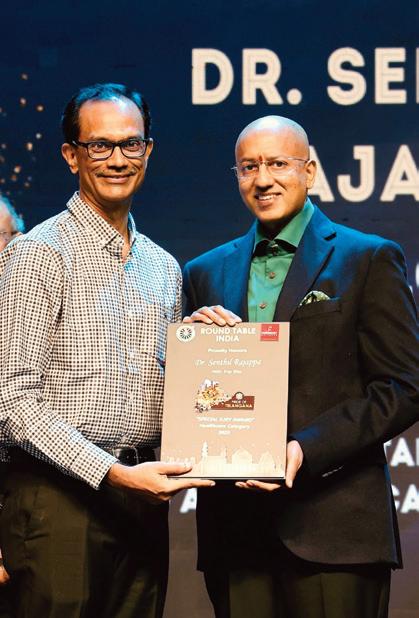
The 2025 Pride of Telangana Awards, organised by start148, a chapter of Round Table India, celebrated individuals and organisations that have made a meaningful impact on society. The ceremony, held at the Hyderabad International Convention Centre (HICC) on September 28, honoured those who exemplify exceptional leadership, creativity, and innovation in their fields.
Dr P Raghu Ram, who was on the jury, presented the Achiever Awards in the health category to Dr Nanda Kumar Reddy, vice-chancellor of KNR University of Health Sciences, and Dr Senthil Rajappa, renowned medical oncologist at Basavatarakam Indo American Cancer Hospital. The ‘Star Woman’ Award was conferred on acclaimed classical dancer Deepika Reddy.
October 2025
For 17 years in a row, Hyderabad monuments glow pink for breast cancer awareness
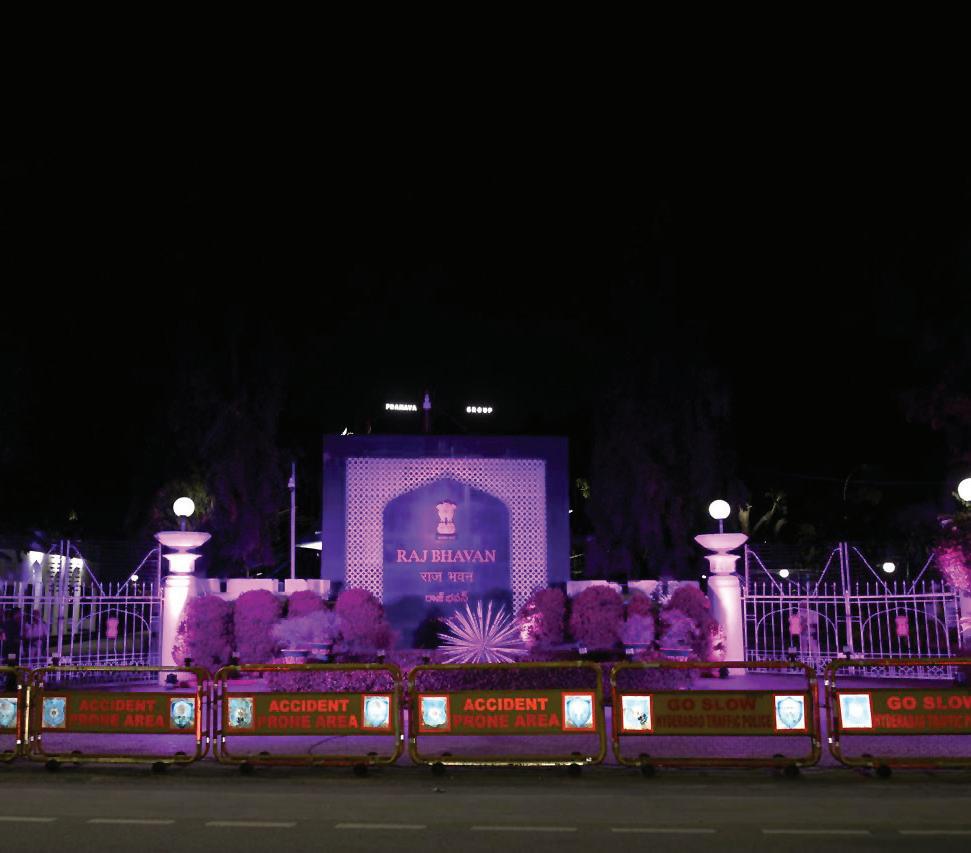
On October 1, Hyderabad’s skyline turned pink as key landmarks and historic buildings were illuminated to mark the start of International Breast Cancer Awareness Month. The initiative, led by the Ushalakshmi Breast Cancer Foundation, has become a defining annual tradition for the city.
For 17 consecutive years, Hyderabad has stood out globally as the only city where monuments and prominent buildings are lit up in pink on a single night, symbolising solidarity in the fight against breast cancer.
Among the most notable supporters is the Telangana Raj Bhavan, which has participated for six years in a row—including during the peak of the pandemic—making it the only Raj Bhavan in India to consistently join this campaign.
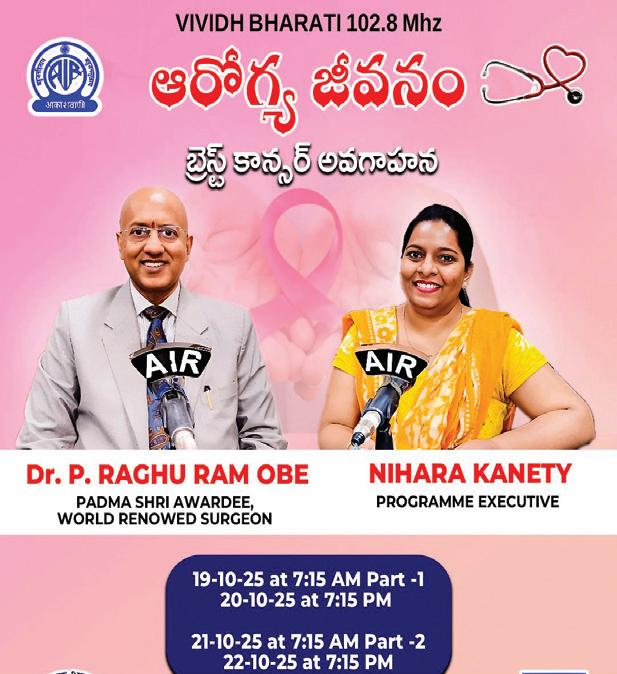
Dr Raghu Ram went on air on October 18 to participate in a Vividh Bharati and Rainbow FM show, which was conducted to create awareness and spread the message of hope, courage and determination in the fight against breast cancer.
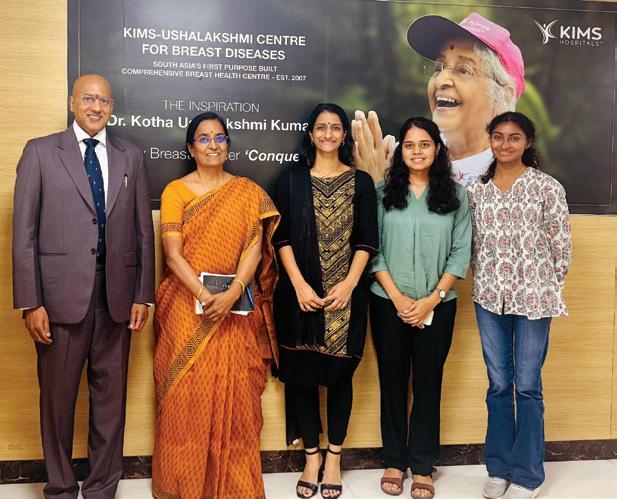
Dr Nina Tamarisa from MD Anderson Cancer Center, Houston and Dr Raghu Ram—recipients of the prestigious Prof Charles Balch Research Fellowship in Breast Surgical Oncology for 2025—alongside Sandhya Kanneganti, Manisha Koppala, and Vedha Penmetcha at the KIMSUSHALAKSHMI Centre for Breast Diseases.
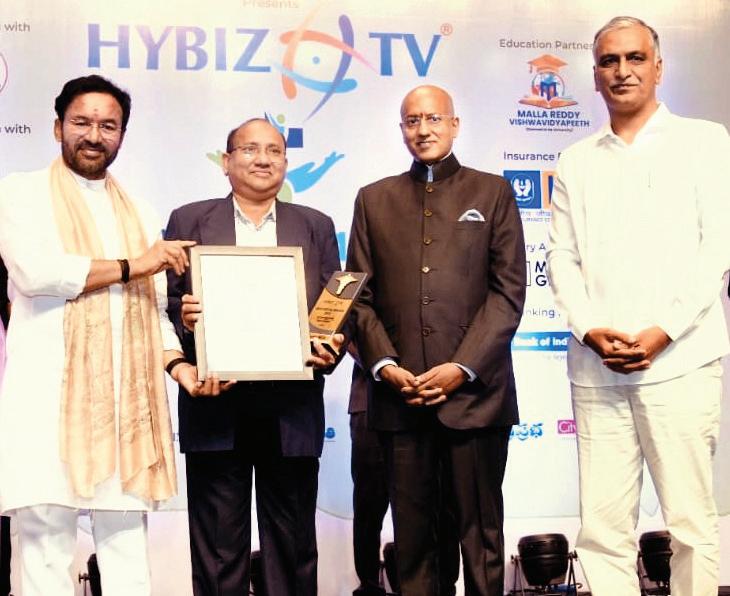
Dr P Raghu Ram joined Union Minister Kishan Reddy and MLA Harish Rao on stage as guests of honour at the Hybiz Healthcare Awards Ceremony, which was hosted at the Hyderabad International Convention Centre on October 17. The event honoured eminent doctors from Telangana for their exceptional contributions to healthcare.
Partnering with National Health Mission in Telangana to empower healthcare workers and save lives
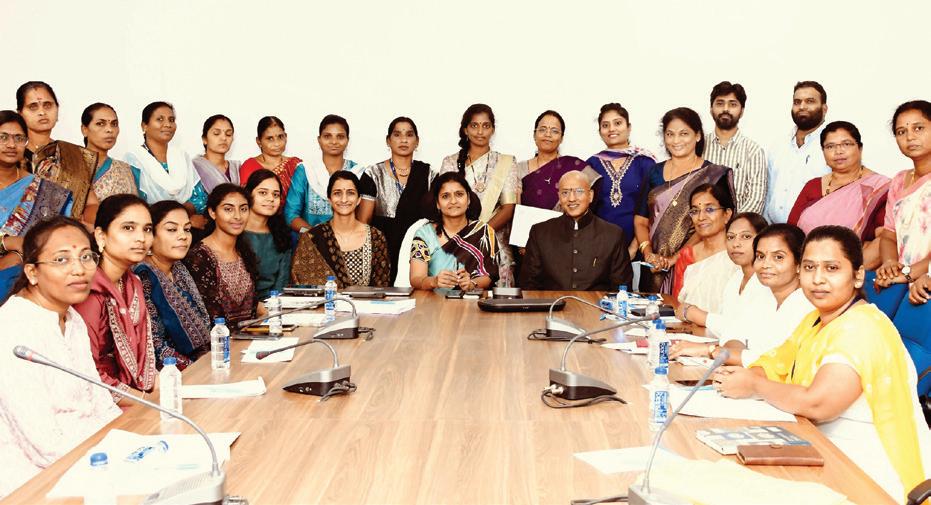
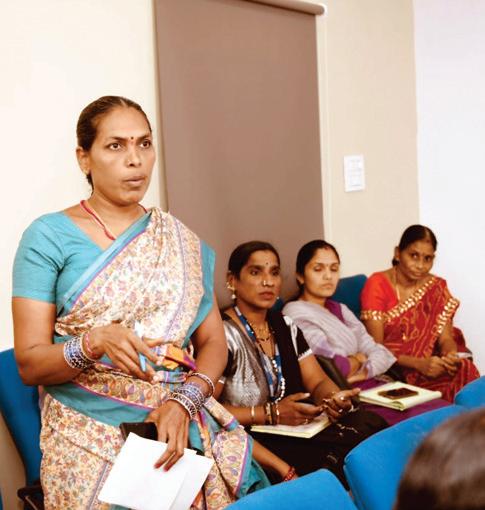
On October 23, a significant initiative was held to identify barriers in implementing the National Health Mission-run breast cancer screening programme. Spearheaded under the auspices of the ‘Professor Charles Balch Research Fellowship in breast surgical oncology for the year 2025’, the effort was jointly organised by MD Anderson Cancer Centre in partnership with the Ushalakshmi Breast Cancer Foundation, KIMS-USHALAKSHMI Centre for Breast Diseases and the government of Telangana.
As part of this evidence-based initiative to strengthen early detection of breast cancer, Auxiliary Nurse Midwives (ANMs) from Warangal and Hyderabad underwent structured training in performing Clinical Breast Examination (CBE)
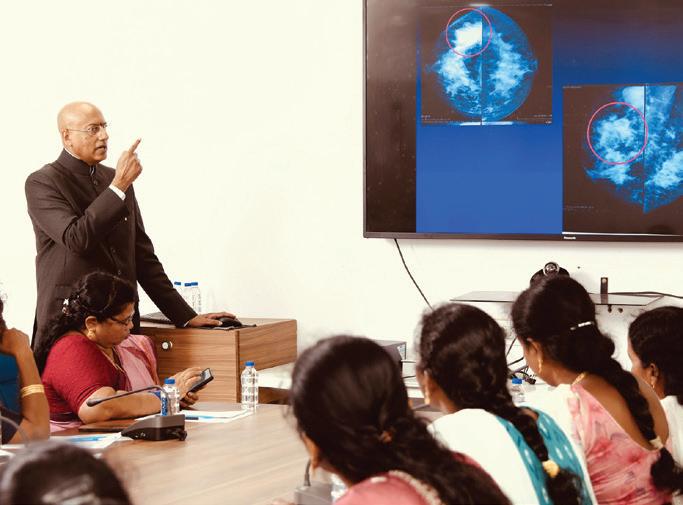
using audio visual aids and mannequins. Also, 300 underprivileged women from both urban and rural communities in Telangana underwent CBE conducted by these trained ANMs, as part of a pilot screening programme.
To assess the challenges in implementing the programme, a formal survey was carried out among the 300 participants and 300 non-participants, aimed at identifying potential barriers to the large-scale adoption of the CBE-based screening in the region. The survey findings and key recommendations will be presented to the National Health Mission Telangana, and subsequently shared with Prime Minister Narendra Modi, with the goal of introducing ground-level measures and enabling policy integration at the national level.
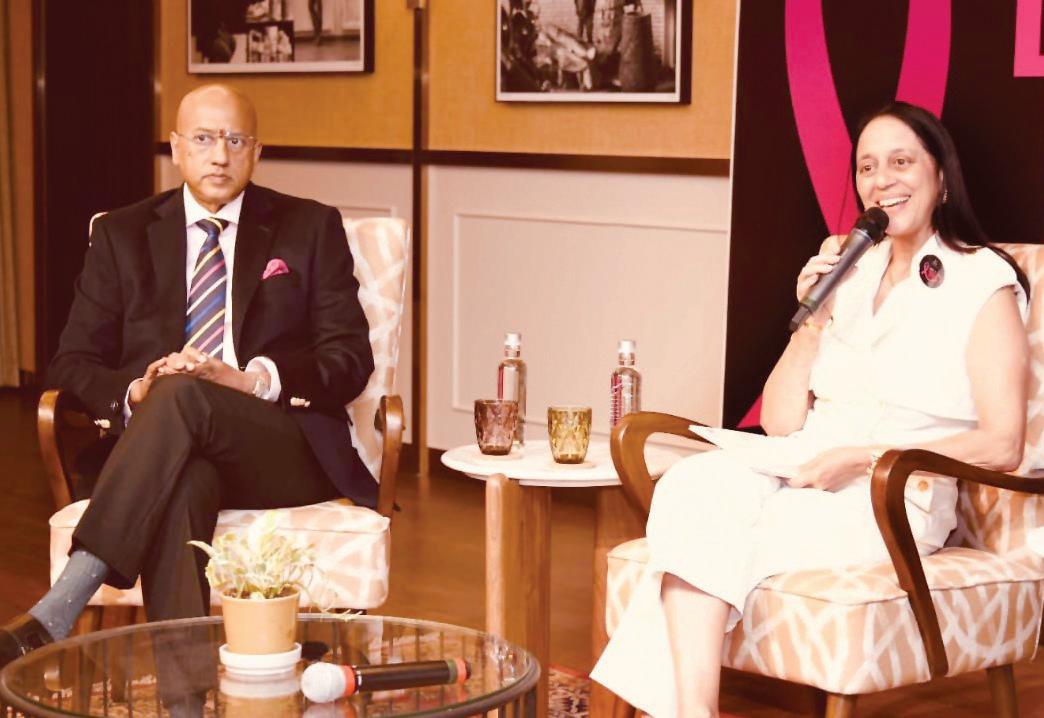
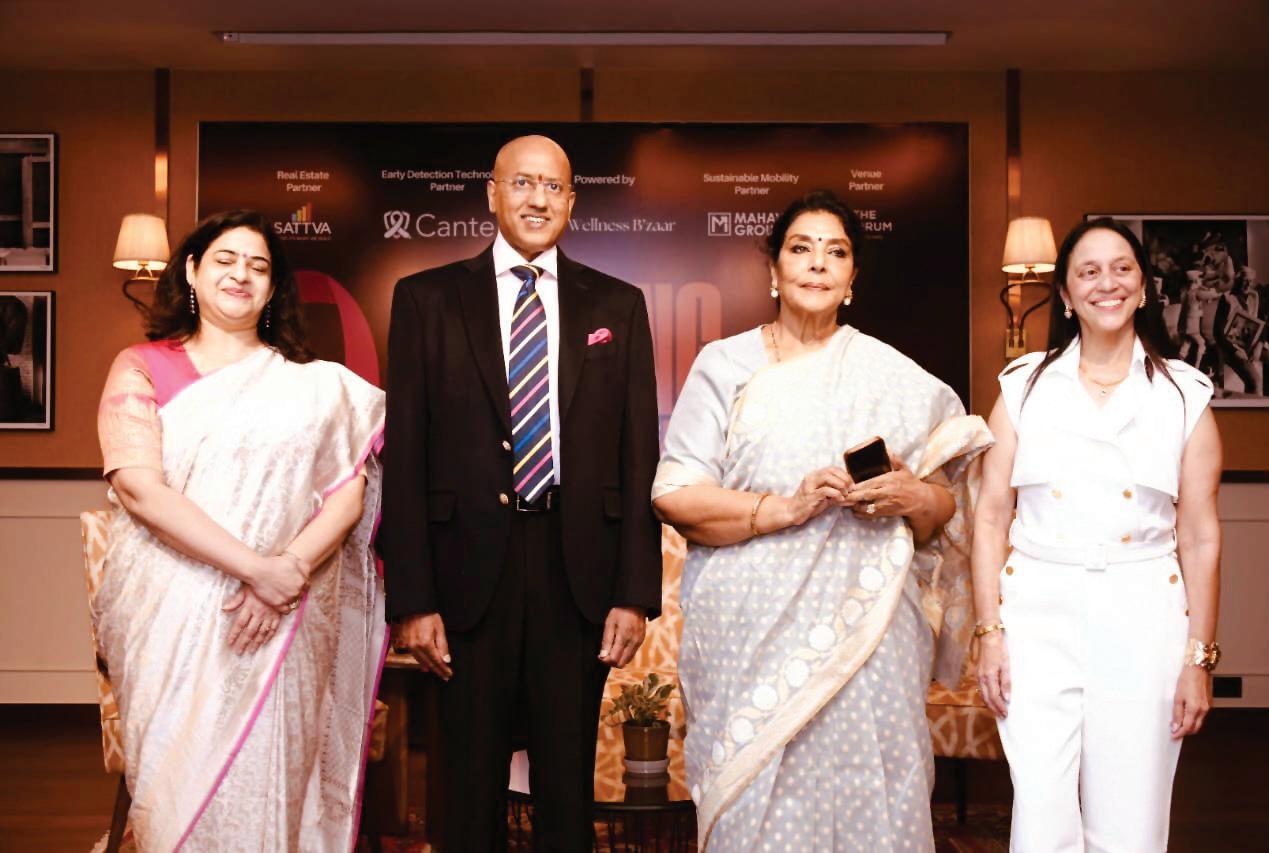
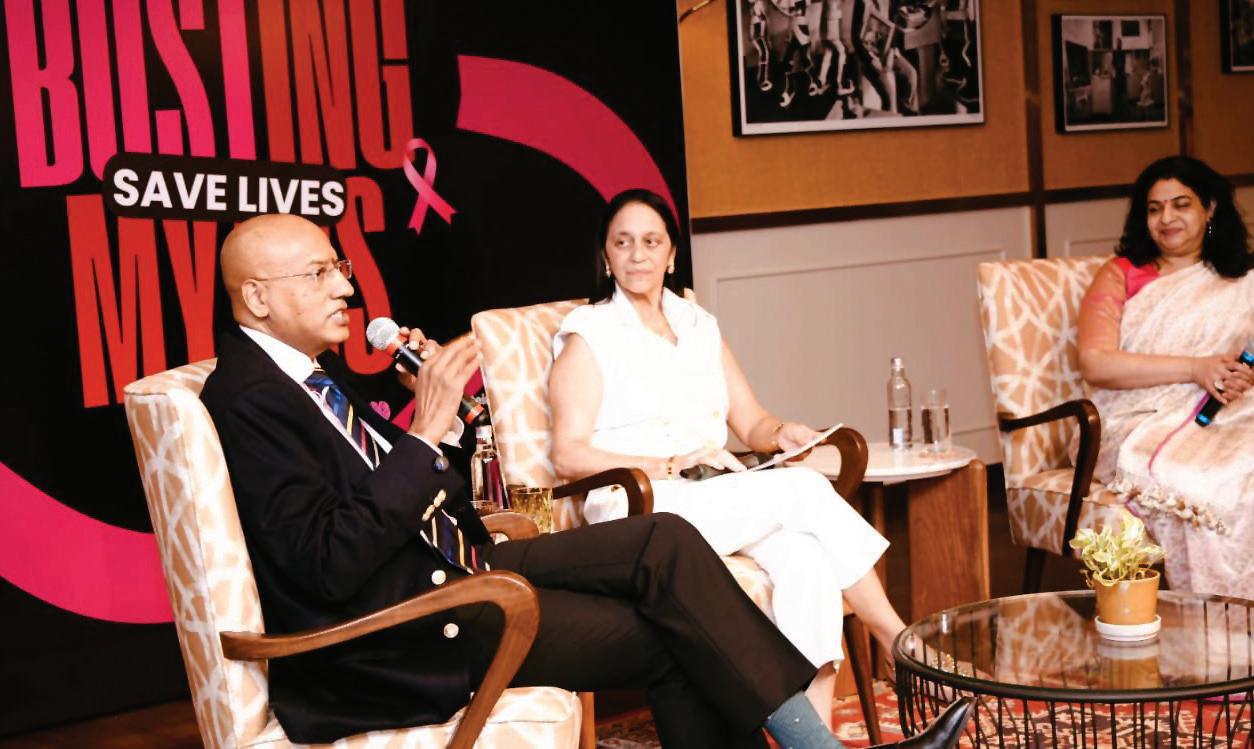
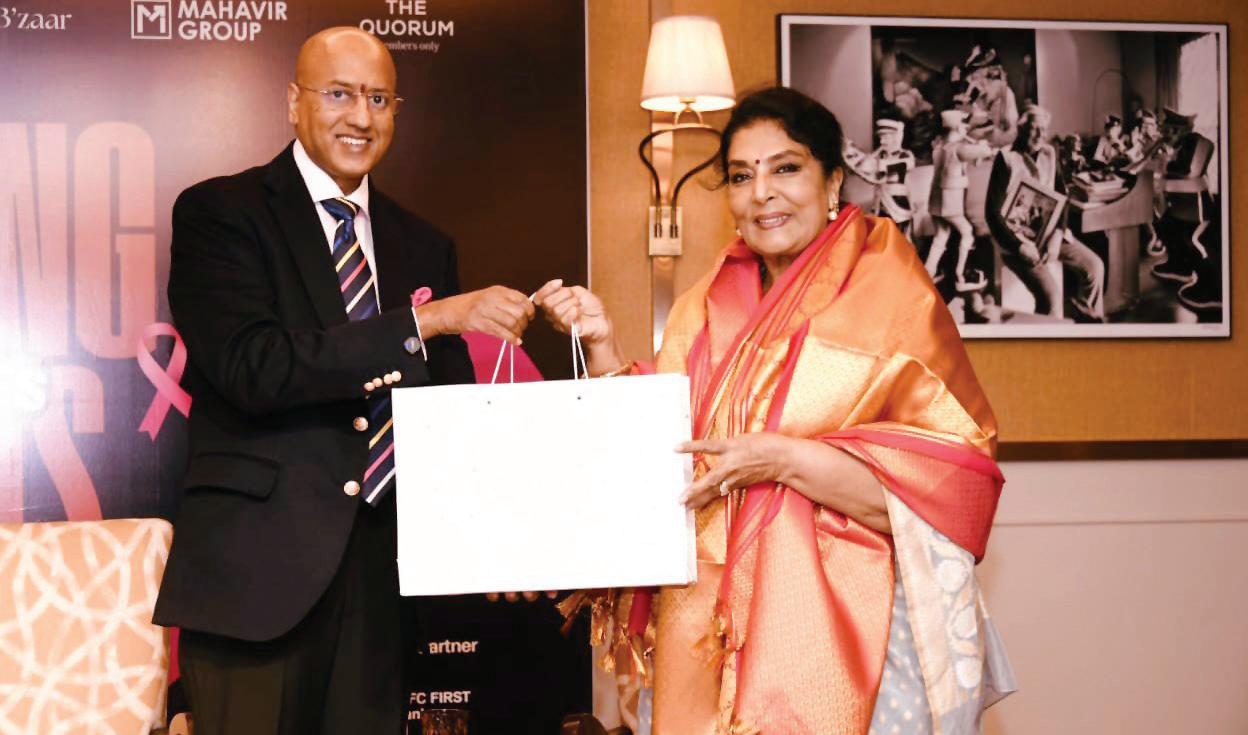
On Saturday evening, October 25, it was a packed hall at The Quorum in Hyderabad, with people even choosing to stand just to listen to an insightful and thought-provoking panel discussion. That sight said it all. It spoke of trust, hope, and connection, and of how deeply the message about the need for early cancer detection has touched lives.
Dr Raghu Ram was joined by Renuka Chowdhury—Member of Parliament and Dr Pratibha Narayan—gynaecologist, for a conversation that demystified the common myths around breast cancer and offered much-needed inner confidence to those battling the disease. This stimulating session, which began at 7.30 pm and went on till 9 pm, was moderated by Dinaz Vervetwala, a fitness and mindset coach.
Dr Raghu Ram: “Every life saved is every woman empowered. This thought is the truest tribute to my mother’s memory and the purpose she continues to inspire.”
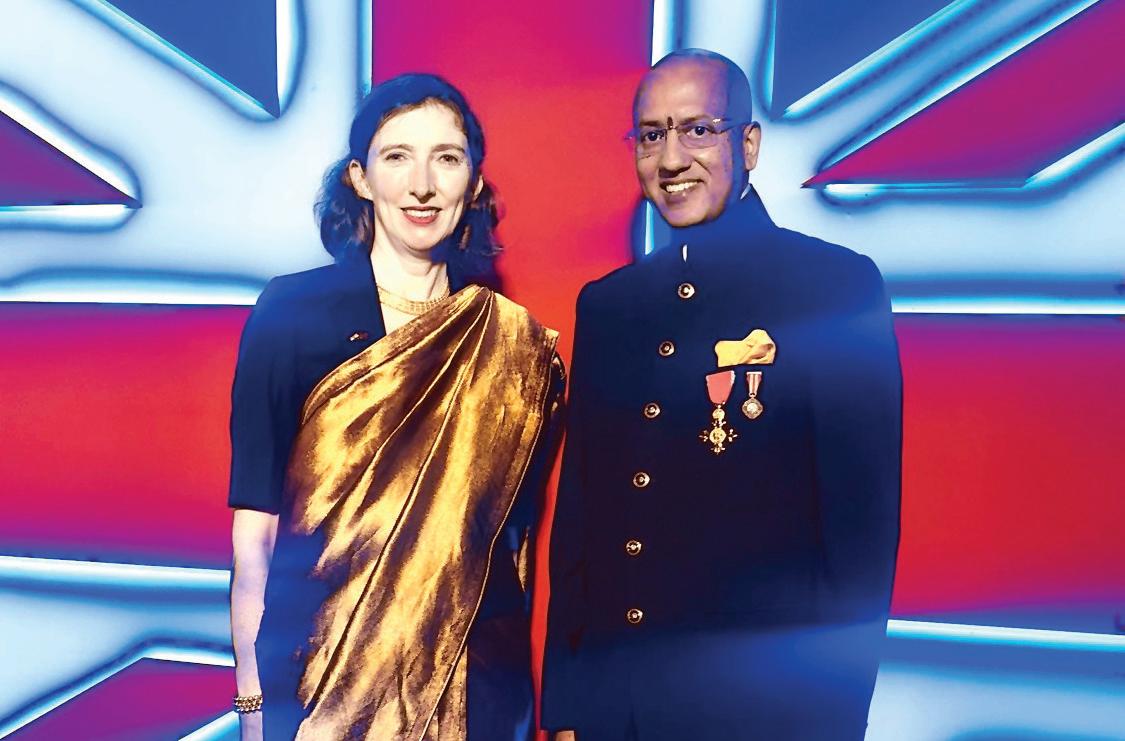
Dr Raghu Ram attended a grand reception hosted by Lindy Cameron, the British High Commissioner to India, to celebrate the birthday of His Majesty King Charles. The evercharismatic Dr S Jaishankar was the chief guest at this gala event, held at the High Commissioner’s residence in New Delhi on October 31.
23

Hyderabad, India
Empowering people...impacting lives