


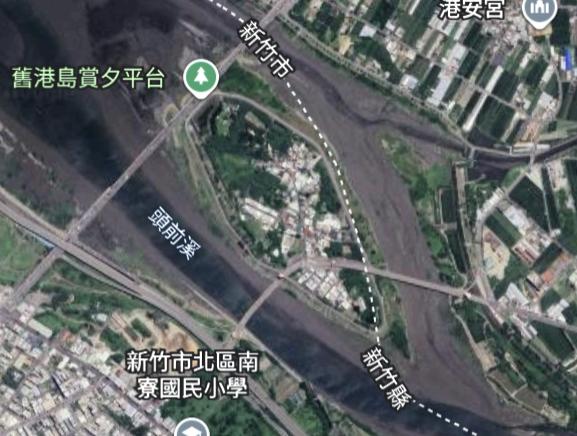
The Old Port Island’s history mainly revolved around its corresponding port, which influenced both the Hsinchu region and Taiwan as a whole. This e-book is a guide to the Old Port’s history and how it evolved to what it is today.
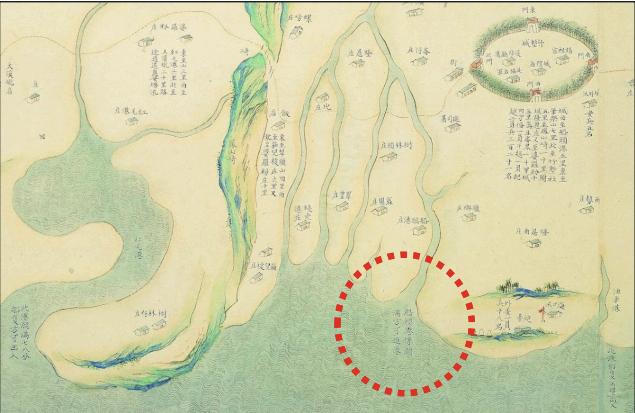

The Old Port (originally called Chuantou Port and later, Zhuqian Port) was established in 1731 by the Qing dynasty for trade, along with the Tamsui sub-prefecture, to inspect the region's coastal defense affairs. Because the natural conditions were not ideal, the port was often silted. This affected entry and exit. Nevertheless, throughout the 1700s, it was a primary port for the Zhuqian region.
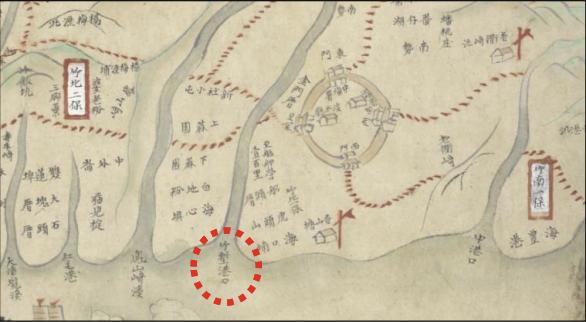

In 1807, merchants funded “New Port” to address the silting issues of Old Port. Construction was completed in 1813, and Zhuqian Port became known as the Old Port. In 1815, officials and citizens gathered resources to restore the shipping routes and Old Port’s functionality because New Port had silting issues as well.
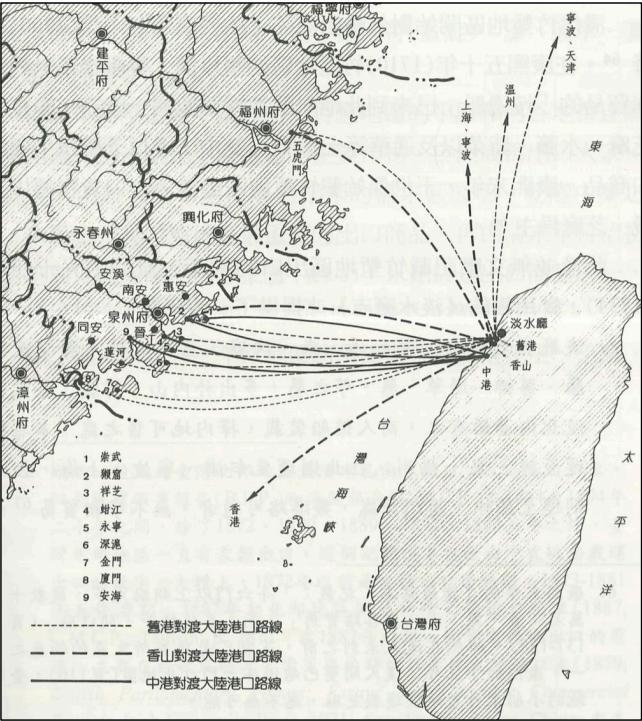
*Trade routes of ports in Zhuqian during the Qing Dynasty*
In 1840, ships were once again limited by water depth at Old Port, and as a result, large merchant vessels could no longer enter. They were redirected to other ports.
As of 1878, Old Port handled more ship traffic than Hongmao Port, but fell short of the amount of ships handled by Xiangshan Port.
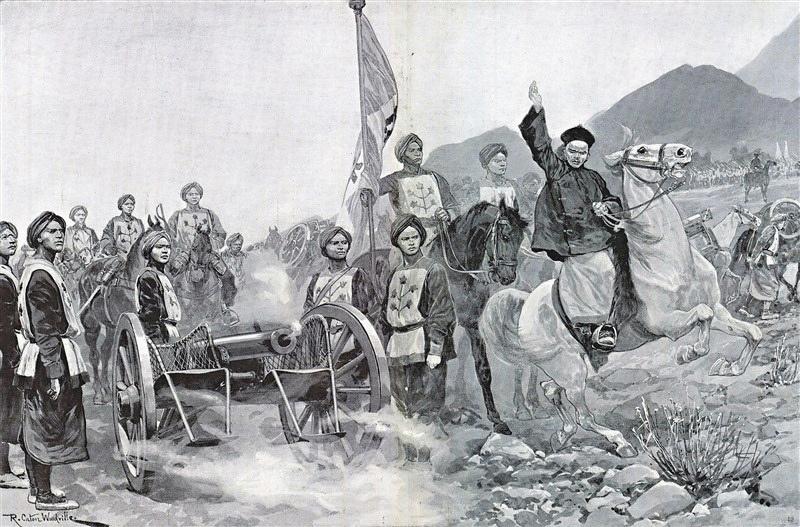
*The Qing Army Fighting in the First Sino-Japanese War*

In 1895, the Japanese Empire defeated the Qing Dynasty in the First Sino-Japanese War; as a result, Taiwan and the surrounding islands were taken by Japan.
The next year, the Tamsui Customs Old Port Branch Office was established under the Taiwan GovernorGeneral’s Office of the Japanese.
The year after that, 8 ports in Taiwan (including Old Port) were designated as special import and export ports due to high demand for daily necessities, which led to the temporary revival of Old Port.
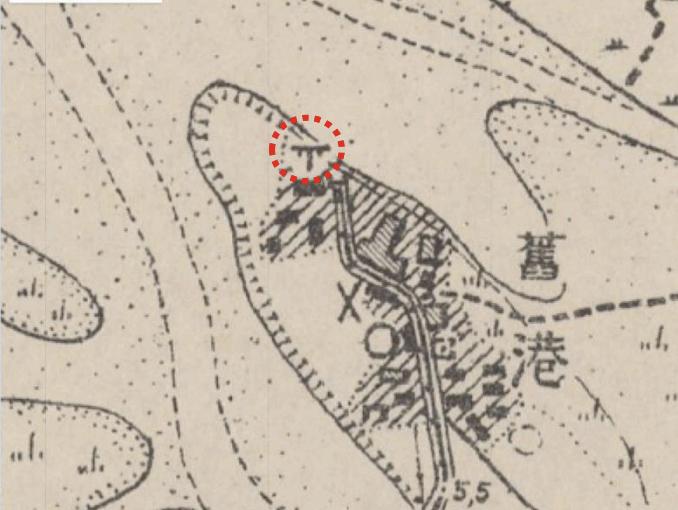
During the Japanese reign, trade at the Old Port was severely affected by competition from Houlong Port, which took over most imports and exports. In the 1920s, there were multiple dredging discussions for Old Port, but none yielded significant results. Ultimately, in 1932, the Old Port Customs Branch Office was abolished; as a result, Old Port was stripped of its commercial port status, and its jurisdiction was transferred to the Houlong Branch Office.
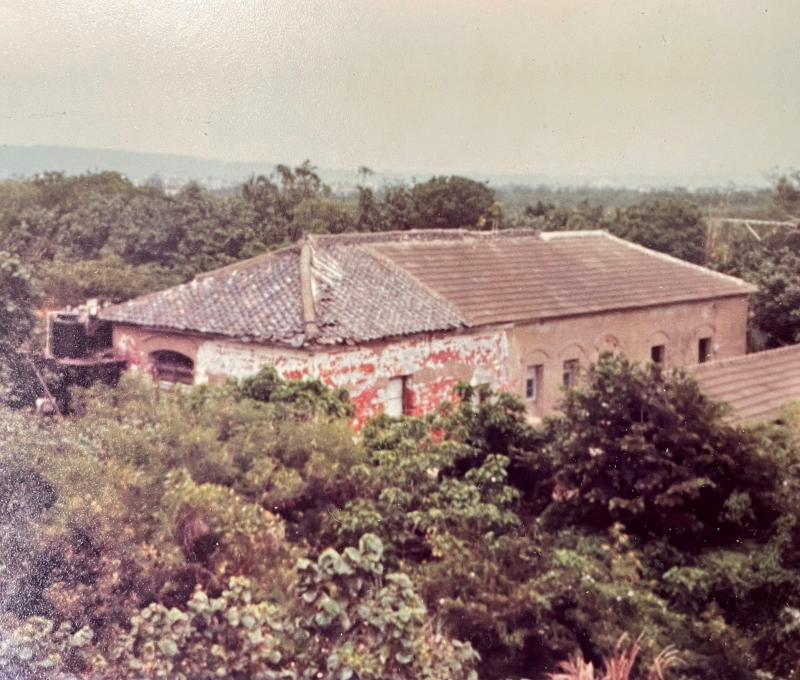
*The

Old Port was downgraded to a fishing port only; there were petitions to rebuild a commercial port in the region.
Old Port competed with Houlong Port for that proposal for approximately 10 years, starting from 1932. Old Port ultimately won as it became the only site of the Keelung Port Bureau.
In 1945, Nanliao Port was proposed as a replacement for Old Port. 3 years later, it officially replaced Old Port as part of the port restoration project. Nanliao Port finished construction in 1959 and is now the main port for the Taoyuan, Hsinchu, and Miaoli regions.
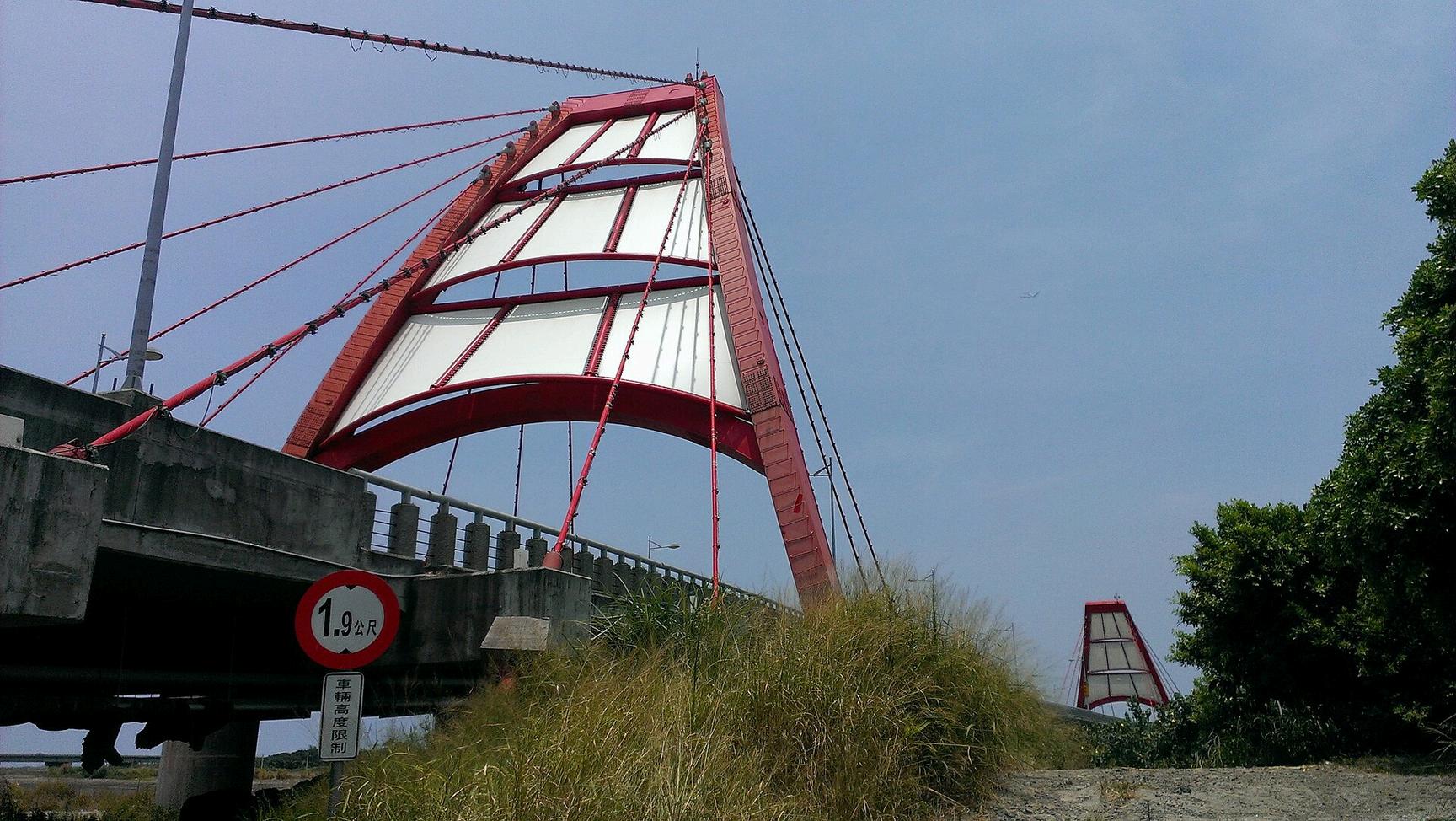
*The Zhugang Bridge*
In the midst of celebrating the opening of the Nanliao Port, tragedy occurred when a commuter ferry capsized on the Touqian River in 1960, killing 18 children and a woman. While human error was the main factor, the destruction of the Old Port Bridge in 1956 indirectly caused the incident, as there was no way to reach Old Port Island other than by ferry. As a result, the ferry was overloaded.
Subsequent events, such as proposals for village relocation and the completion of the Zhugang bridge, where Provincial Highway Route 15 was realigned, signalled the further decline of the Old Port Island.
Present-day Old Port Island is a rural, underdeveloped region; it has drastically changed from what it was 250 years ago.

https://hccg.culture.tw/home/zh-tw/ResearchReport/756499
https://my.nthu.edu.tw/~ecr/files/upload/BwvYVQFcbe.pdf https://www.agriharvest.tw/archives/65989