Rafa Tohan
Gandhi Intercontinental School
International Baccalaureate Diploma
2011 - 2023
Toronto Metropolitan University
Bachelor of Architectural Science
2023 - Present
Digital Modelling and Rendering
Rhino Revit Enscape
D5
AutoCAD
Productivity & Documentation
Microsoft Office
Design & Visualization
Adobe Creative Suite
Analog Skills
Laser Cutting
Model Making
Hand Sketching
Languages
English
Indonesian
+1 437-661-8969
rafa.tohan1209@gmail.com
Toronto, Ontario
Design Intern
GH+ Golden Hour Architect
• Assistant Head Chef
Conducted client meetings to coordinate the client’s feedback with the design, by updating the 3D model of the Villa in Ungasan
• • Produced preliminary renders as a material study during client working sessions to deliver the client’s material direction clearly to the lead architect.
Prepared briefing notes to communicate them clearly to the lead architect, to streamline decision making and reduce rework during design development
BB Youth Summer Camp
• Review daily menus, confirm quantities needed and oversee timely prep of main meals for 300 kids
• Participate in and organize staff-held events and competitions for campers
Student Mentor
ACU Mentorship P rogram 2025
• Provided academic and studio mentorship to a first-year architecture student to help them navigate coursework, critiques, and time management
Fabrication and Installation Team
The ん Wave
• Worked with a team to build the installation TMU architecture building’s Church Street entrance
• Helped with unique fabrication and installation methods; rice husk wood manipulation by heat, wood joinery, laser cutting
Fabrication and Installation Team
Dean’s List Winter 2025
Year End Show 2025 Distinctions
Laneway Duplex
Urban Analytique Drawing
Winter S tations Toronto
• Collaborated in teams to brainstorm and create design proposals, culminating in the selection of the best concept for development
• Helped with fabrication and installation of final design modules
Date: Fall 2025
Location: Toronto, ON
Software: Rhino 8, Adobe Ilustrator, Adobe Photoshop, Enscape Professor: Will Galloway
This project is a civic connector that addresses the programmatic imbalance between Parliament and Berkeley Street. The building links transit and community uses through a clear linear parti, placing distinct programs at each end blending them through shared circulation and space. Transit is anchored to the commercial edge while community programs activate the quieter street.
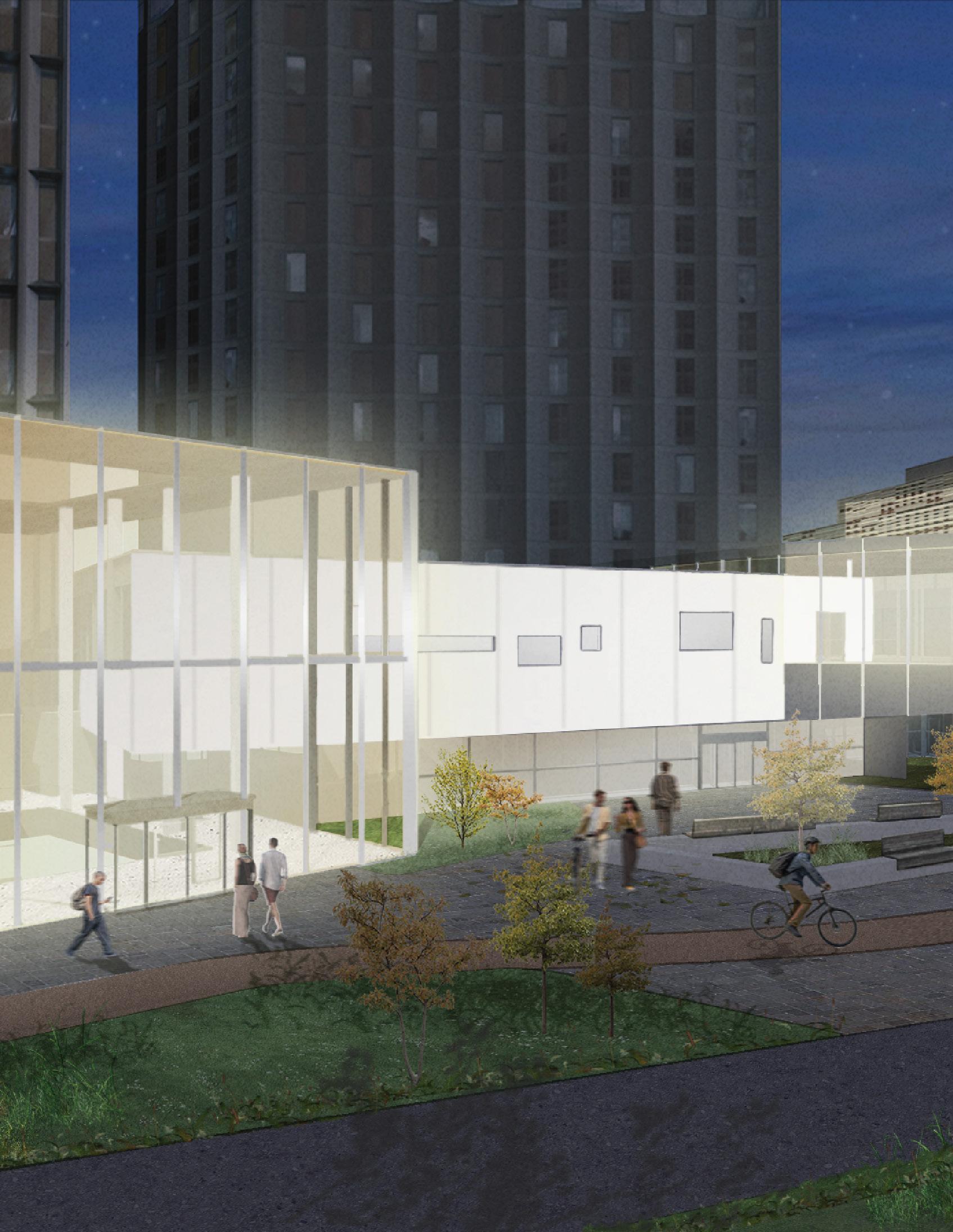
There is an imbalance in density and activity between Berkeley and Parliament. The building exchanges the public presence between each other through landscape and form.
The main vertical circulation are on both ends that read as a hard edge and also a point of entrance, connected with a space dedicated for movement and lingering between the station and the community.
The community program brings itself over to the station through an intersecting visual connection that allows people to look over to the commercial berkeley st.
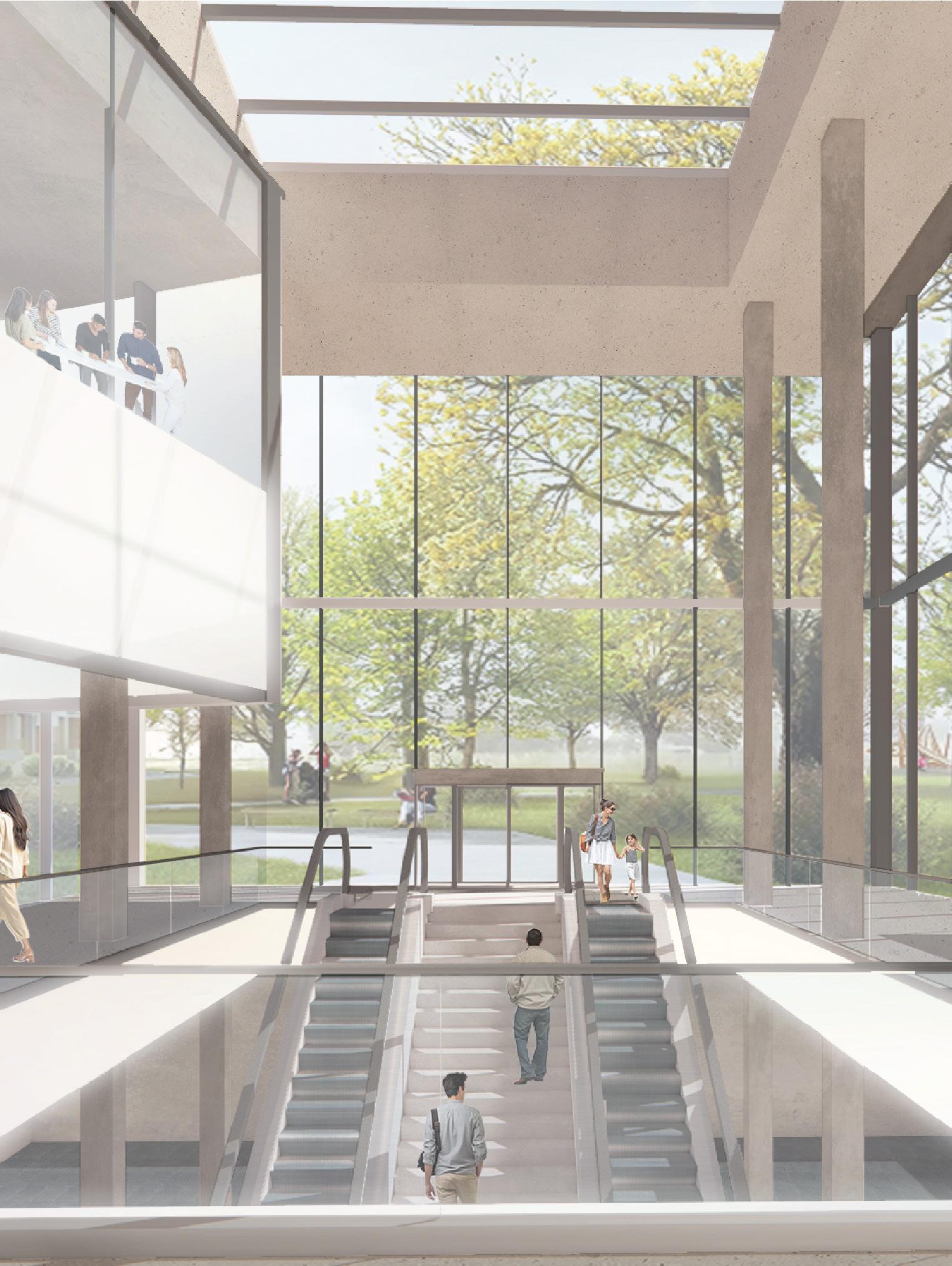
The station brings itself over to the community with a cantilevered gym that is a threshold and materialises a clear path to the entrance of the station on the other side.


North Elevation



East Elevation




































The transparent glass ends act as public anchors, while the translucent polycarbonate volume mediates movement between them, reinforcing spatial hierarchy without competing as streent frontages.
Moments of natural light through the buildings create a sequence that guides people and improves wayfinding.
Section
-2 FLOOR
CONCOURSE
PLATFORM
Date: Winter 2025
Location: Toronto, ON
Software: Rhino 8, Adobe Ilustrator, Adobe Photoshop, Enscape
Professor: Branislav Folic
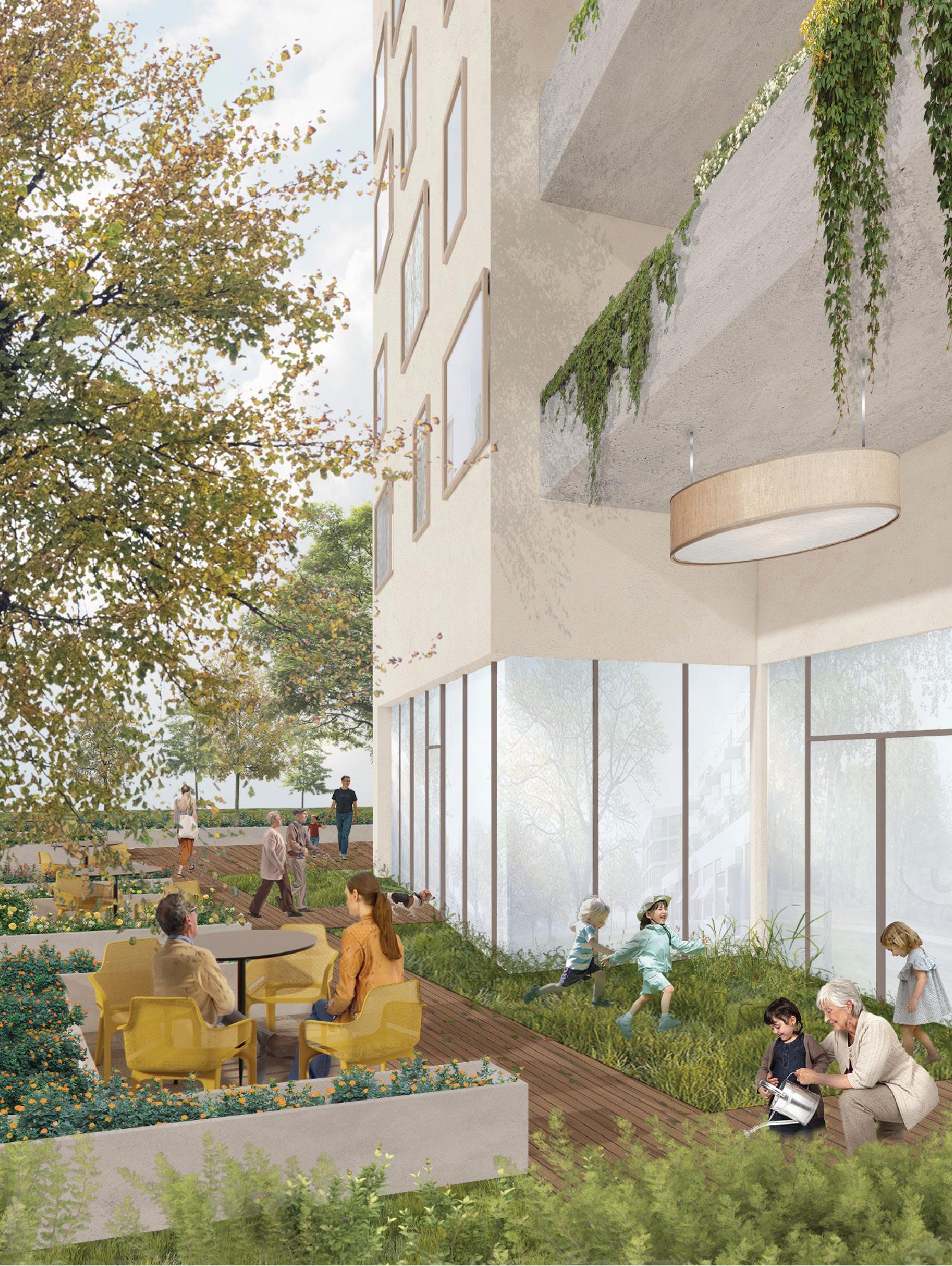
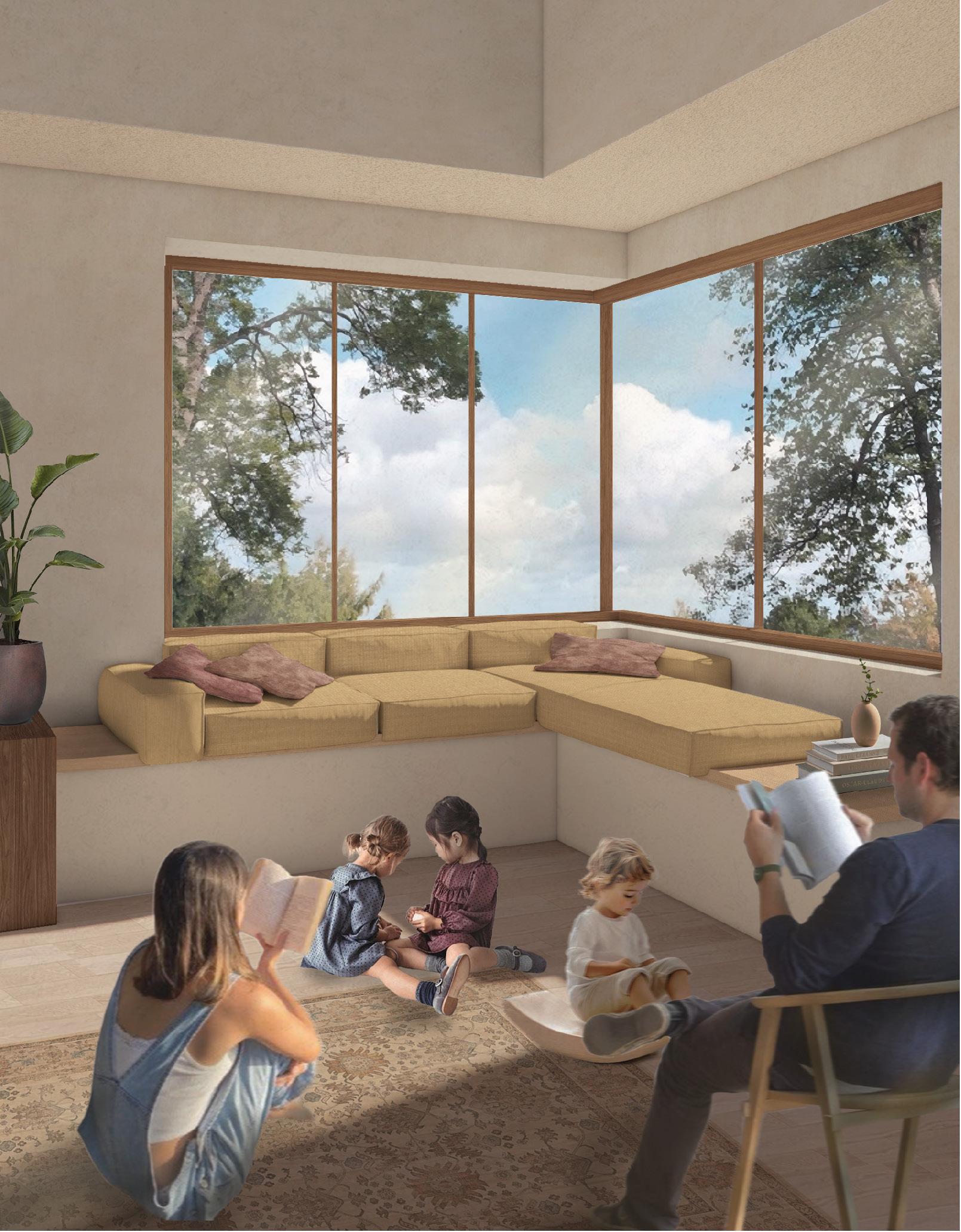
This project reinterprets the idea of community through a modular, interlocking massing that forms a vertical neighborhood. The staggered volumes create natural corners that open toward key views and allow for cross ventilation, light, and shared terraces. Larger family units occupy these corners to maximize exposure and livability. At the ground level, the building connects to its surroundings through active public spaces as a café, workspace, and daycare that spill toward the street and garden setback. These shared programs anchor the building in its context, transforming the edge of the sidewalk into a communal threshold.
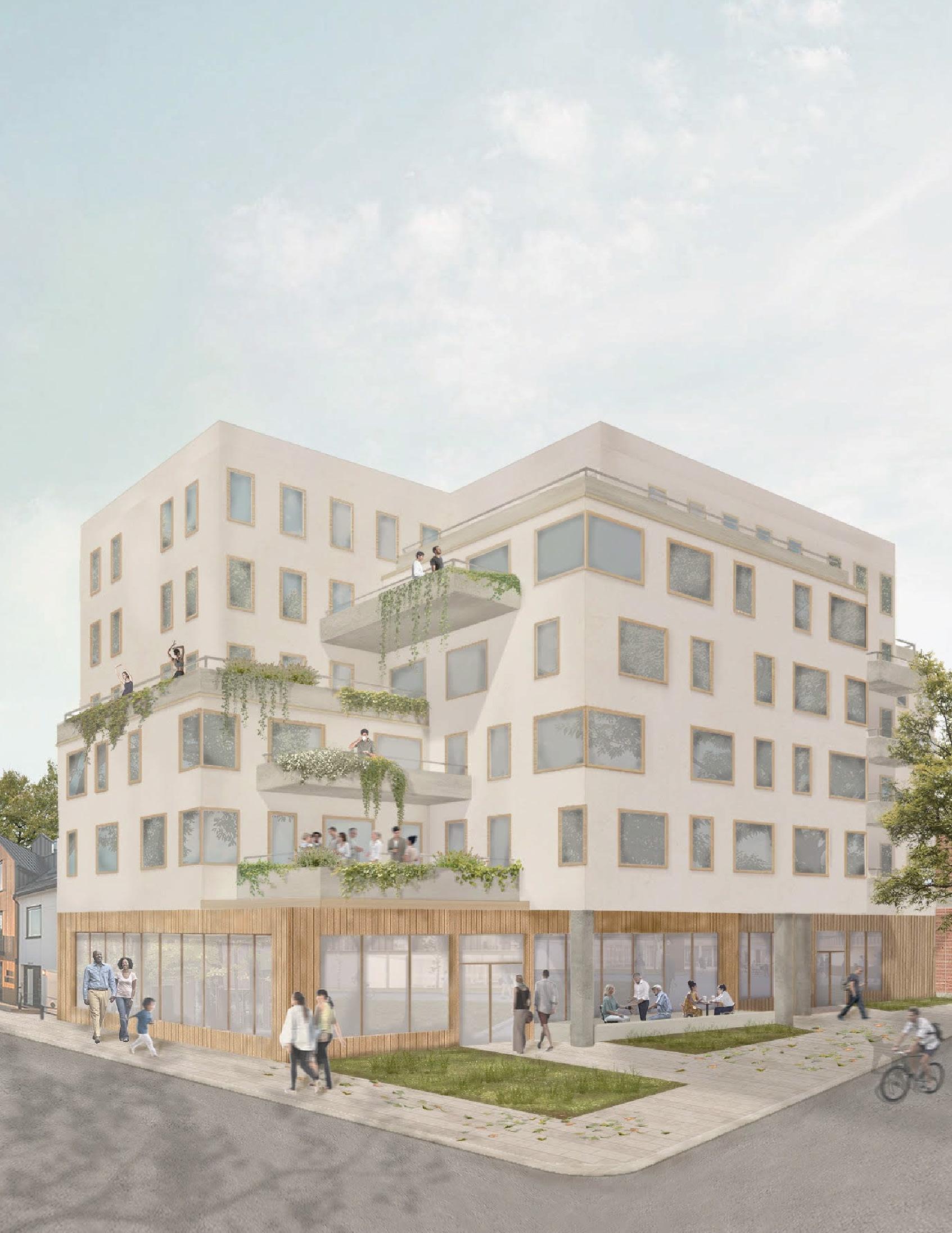
The form began with a mass being seperated based on one side facing a busier street, and the other facing residential backyards. Followed by a offset and “push and pull” as a friction between these 2 opposing sides, corners are naturally created, along with terraces which is ideal for ventilation and views.
3 S S 1 1 1 3 2
CORNER

Second Floor Plan
Fourth Floor Plan
Balconies are terraced rather than stacked to preserve open-to-above conditions and maximize daylight along the east–west solar axis. These terraces rise to a fully open rooftop that functions as a communal outdoor room
Terrace Balconies
OPEN TO ABOVE
Date: Fall 2024
Location: Toronto, ON
Software: Rhino 8, Adobe Ilustrator, Adobe Photoshop, Enscape
Professor: Scott Sørli
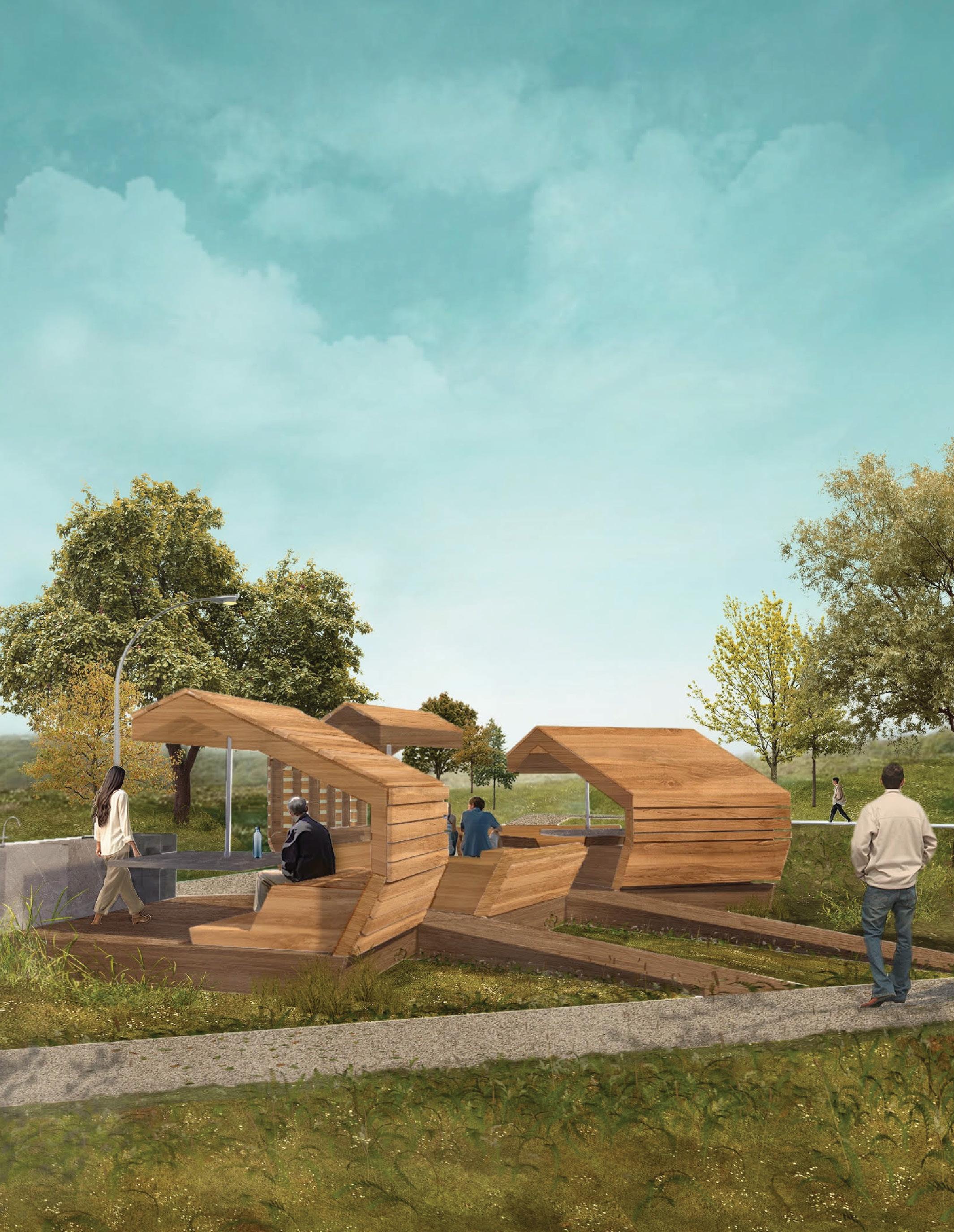
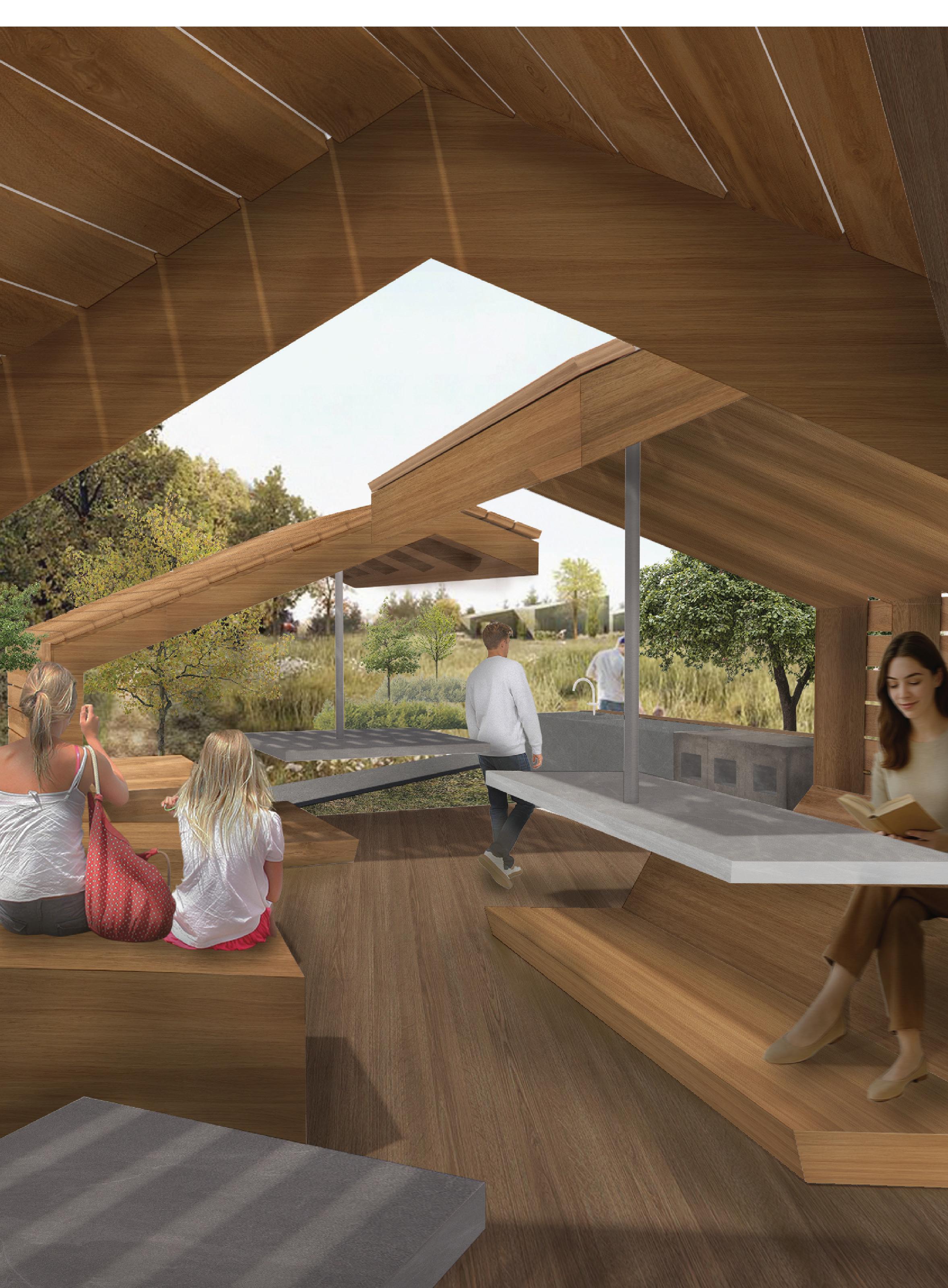
This pavilion pulls from the sense of community surrounding the park. Its arrangement of small, connected roofs reflects the rhythm of a neighborhood, where each “house” provides shelter yet remains part of a larger whole. The structure is built from a system of wooden beams joined by steel flitch plates, giving stability to the cantilevered roof modules while keeping a light, open expression. Each unit is backed with wooden panels for enclosure and finished with a protective sealant for durability. Slits between the wooden planks allow sunlight to filter through. Placed at the park’s center between the market, playground, and rink, it becomes a natural gathering point.








































ORIENTATION
1 2 3 m
The pavilion is placed at an intersection between 4 sidewalks in Dufferin Grove Park, which was an opportunity for several entrances onto the modules.
LANDSCAPE
FROM FARMER’S MARKET
FROM DUFFERIN MALL
FROM RESIDENTIAL HOMES
The modules are oriented for the best views of the park, and for a choice between privacy without compromising connectivity through the way they are arranged along a linear path.
The structure is composed of distinct modules that are separate yet linked by a continuous path. Each module functions as an individual “house” with its own cantilevered roof supported by wooden beams and steel flitch plates, while the wooden panel backings provide enclosure and support for seating or counters.









































Between these roofed modules, the connecting path opens fully to the sky, creating uncovered moments where light, air, and views pass directly through. The result is a spatial experience that feels both connected and porous, like walking through a small neighborhood of shelters.
Anchored to concrete footing and supports flitch plate
Vertical wooden beam bolted to flitch plate and framed to exterior horizontal panels in joist formation
Anchors baseplate into concrete footing Steel I-Beam sandwiched in between wooden beams to improve rigidity and support cantilevered shape
Date: Winter 2025
Location: Toronto, ON
Software: Rhino 8, Adobe Ilustrator, Adobe Photoshop, Enscape
Professor: Branislav Folic
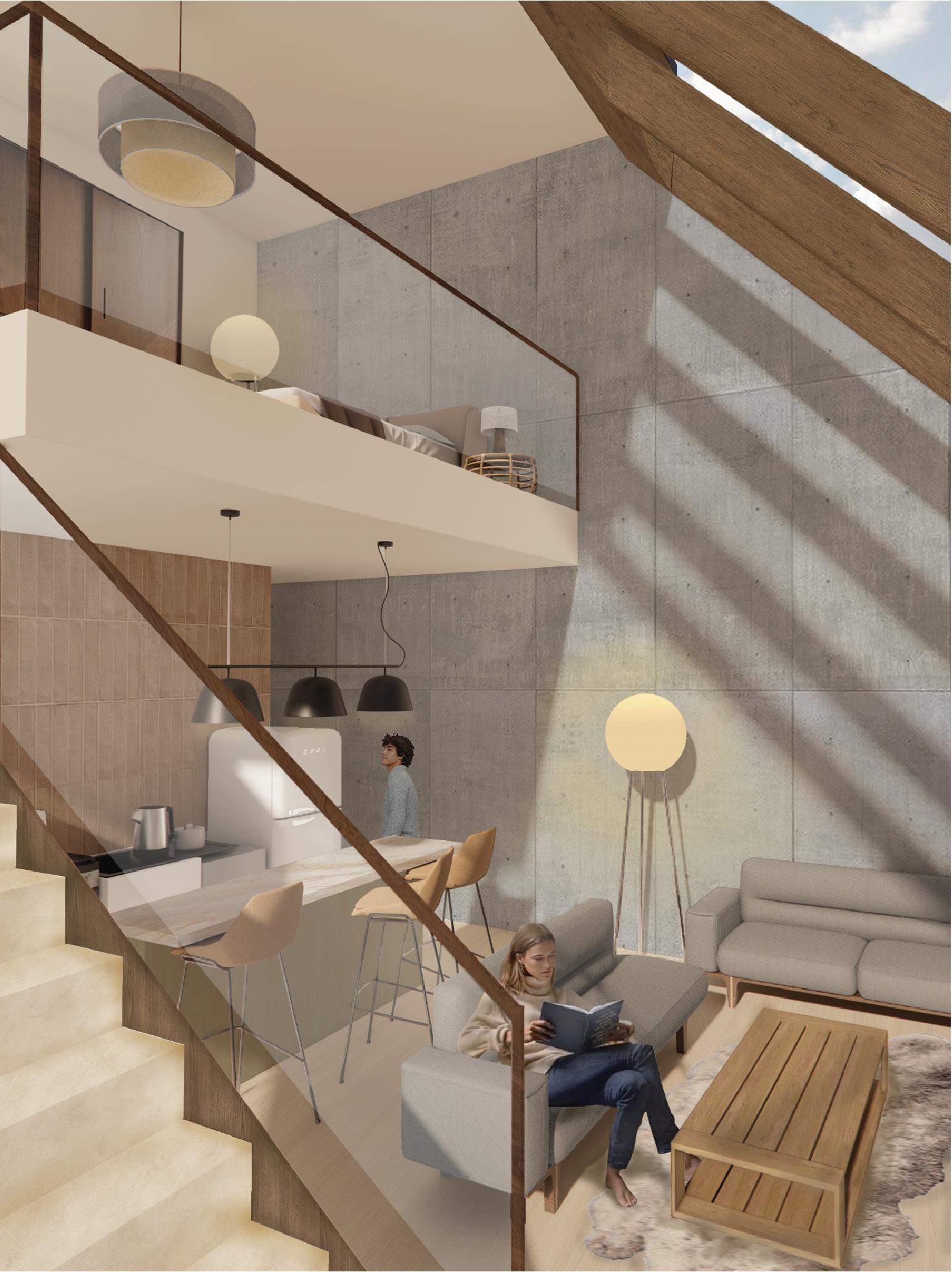
Equity is explored through sectional design. By removing the basement, both units share equal access to ground and light, rejecting the hierarchy typical of stacked duplexes. Each unit occupies one and a half levels, divided through two opposing double-height volumes, one facing the lane, the other the backyard, allowing both to engage directly with their surroundings. The section becomes the generator of form, and the facade reflects this logic with the use of concrete slabs that form a regulating grid, while window proportions correspond to the openness within, revealing the balance between private and shared spaces.
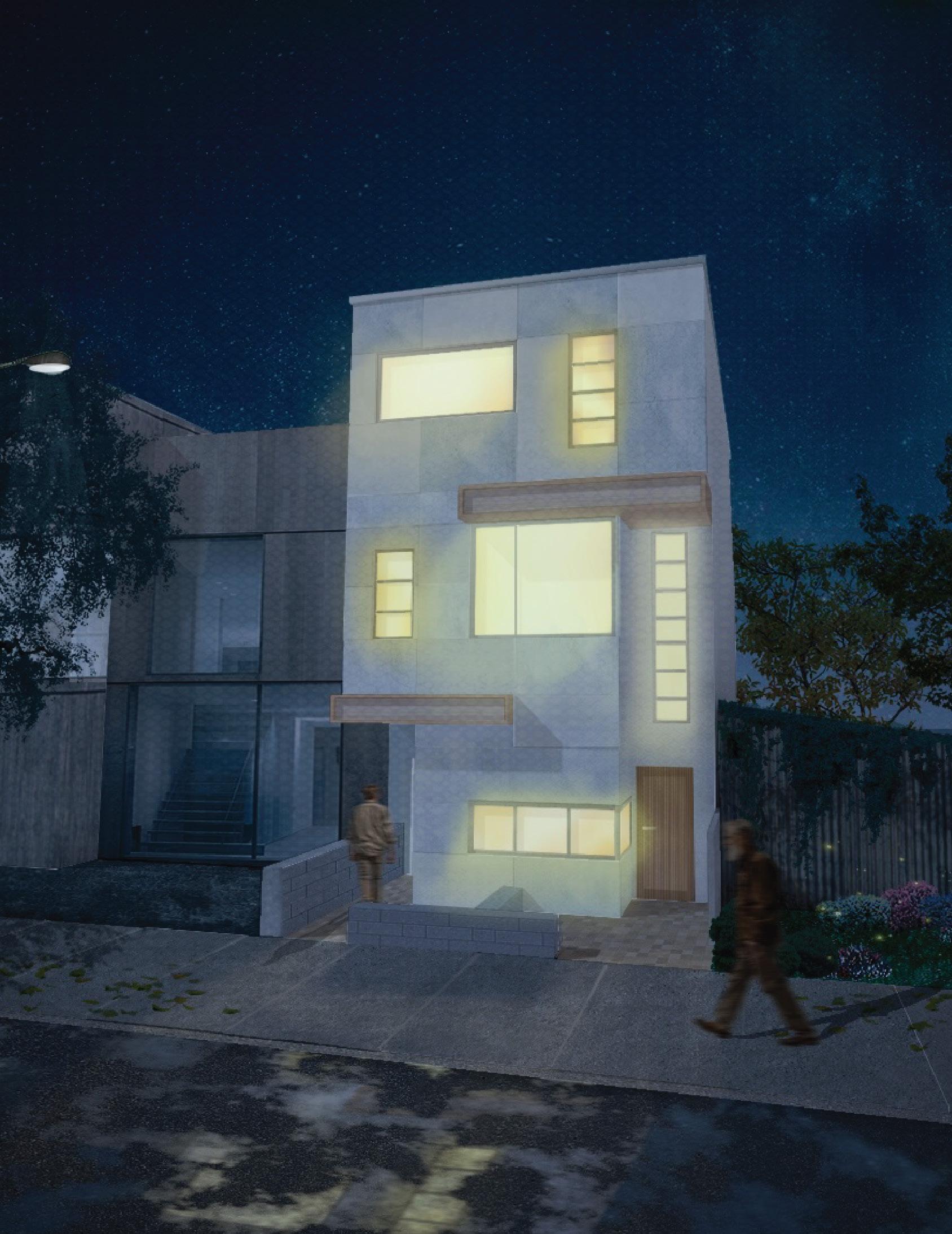


The facade expresses this sectional logic, as window heights correspond to interior spaces, while the concrete slab edges form a clear structural grid, organizing both alignment and shading.



















Without a basement, both units share an equal relationship above grade, creating a more equitable living condition. The section drives the design, as each unit occupies one and a half levels, defined by double-height spaces at the front and rear that bring natural light deep into the plan.



























Ground Floor Plan




Second Floor Plan




Third Floor Plan






Date: Fall 2024
Location: Toronto, ON
Software: Rhino 8, Adobe Ilustrator, Adobe Photoshop, Enscape
Professor: Scott Sørli
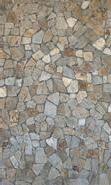
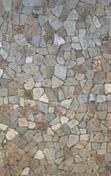
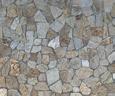
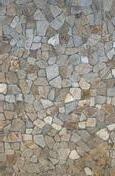
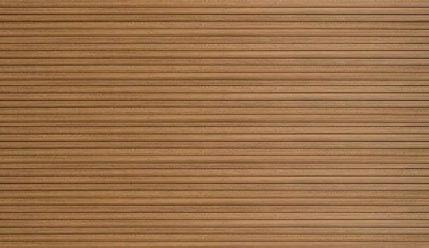
This library explores the balance between solidness and openness, between quiet and communal exchange. The building is organized around two contrasting side, one side a solid mass of concrete and wood on the left, and a light-filled void on the right. A stone column anchors the divide, creating a moment of stillness between the two. The upper floors are unified by a series of aluminum fins that act as both shading devices and solar collectors, angled to reflect soft light inside and integrate photovoltaic cells for energy generation.
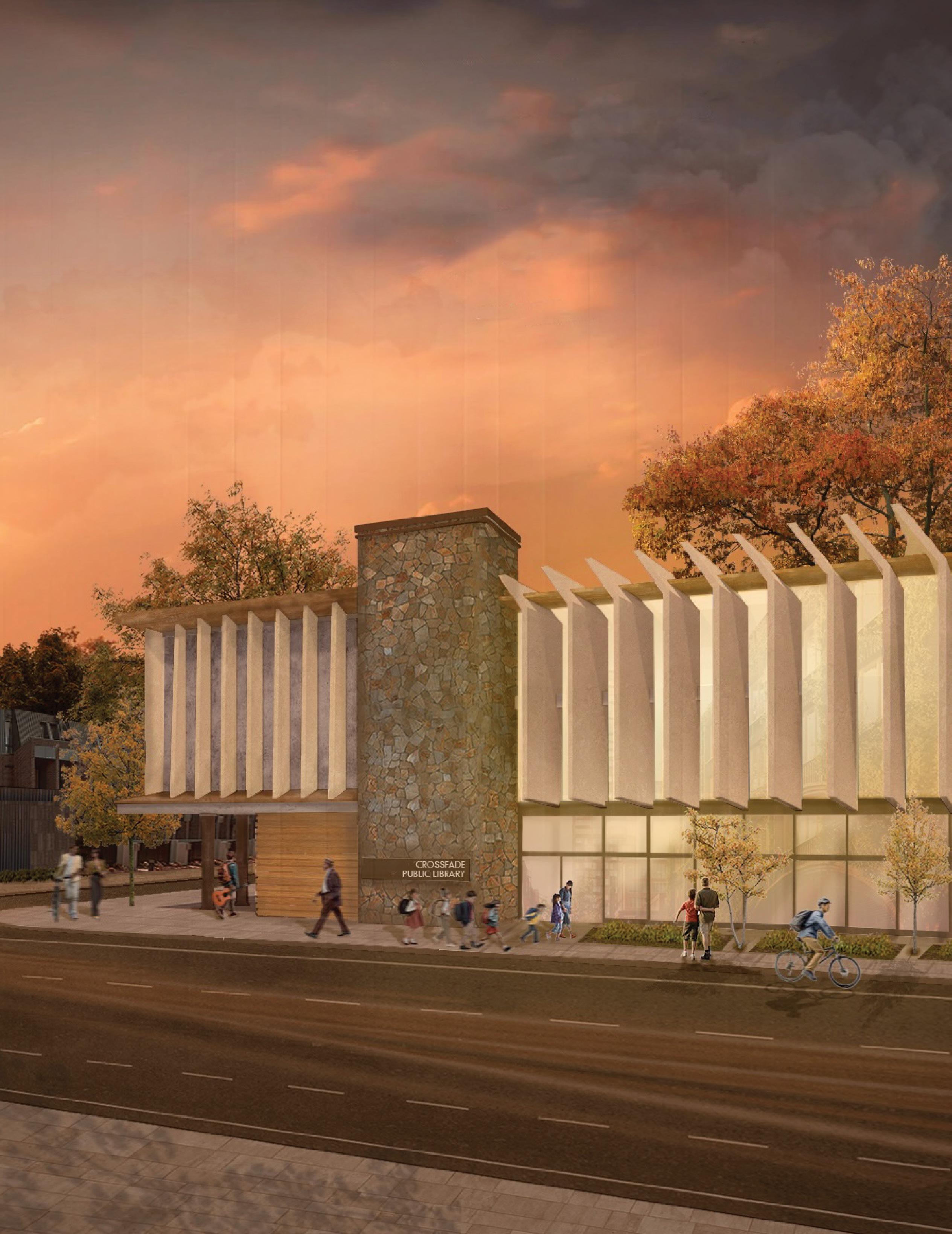
The double-height entrance opens to a central reading area, seating zones are strategically placed along the sunlit area to reinforce the relationship between reading and natural light, while the solid zones hold more enclosed functions. BOOKS
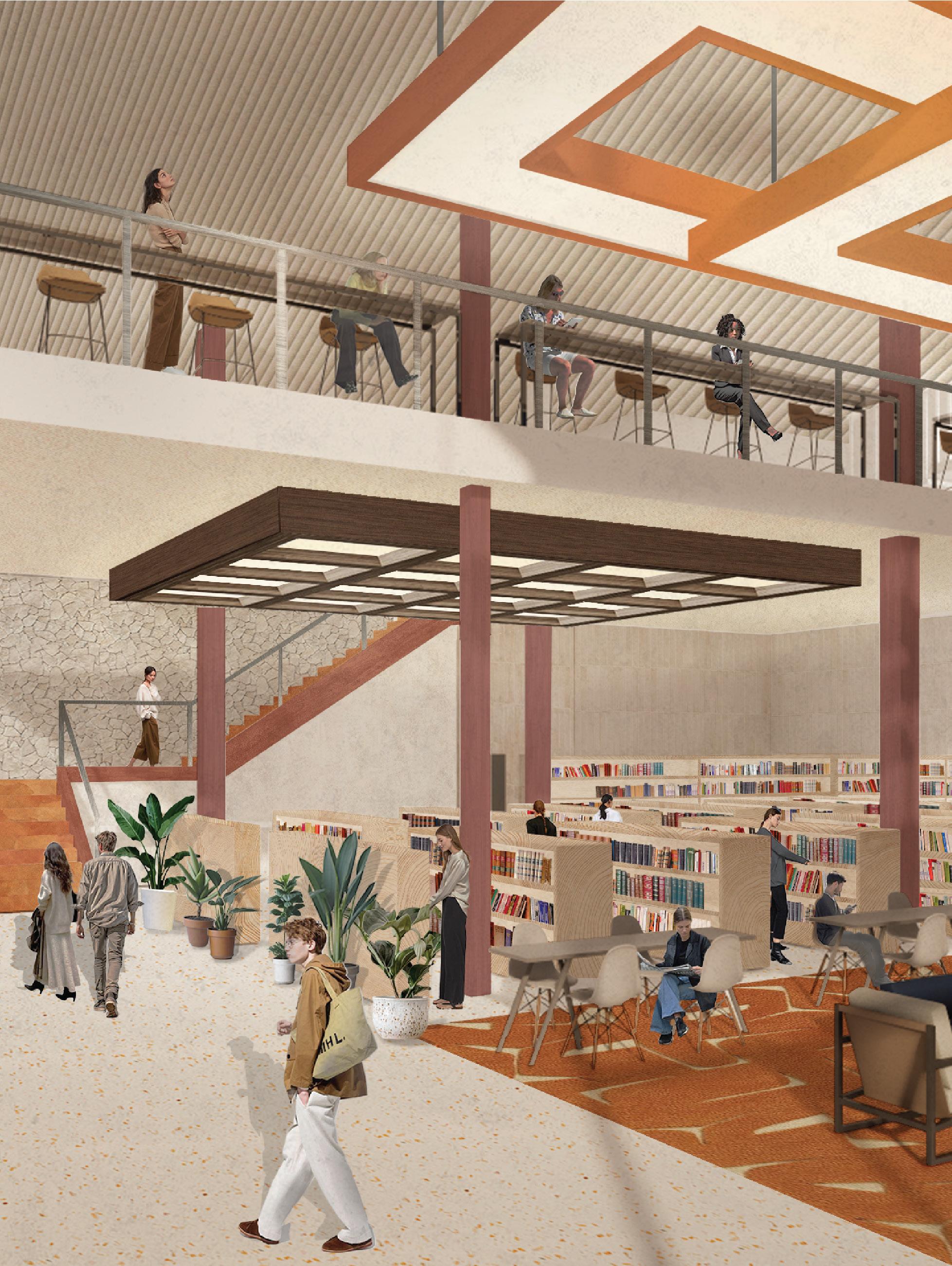


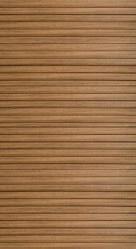

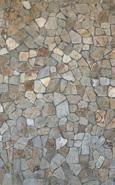




































On the top level, a special collection celebrates jazz, its spirit of creative freedom embodied in a bright, open setting with listening stations and practice rooms, bringing together a community where sound, and learning coexist.
There is a threshold between the solid and void as indicated from the facade with the tall stone column, as well as in the interior too with the main staircase being central between the seating area and book shelves. The void on the right is further cemented with the 3rd floor performance space, with the clerestory ceiling saturating the room with natural light.










































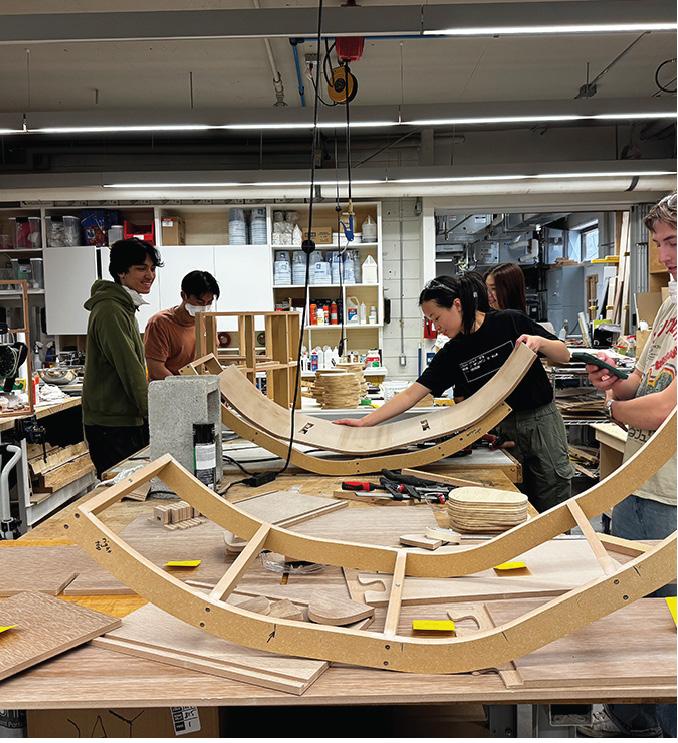
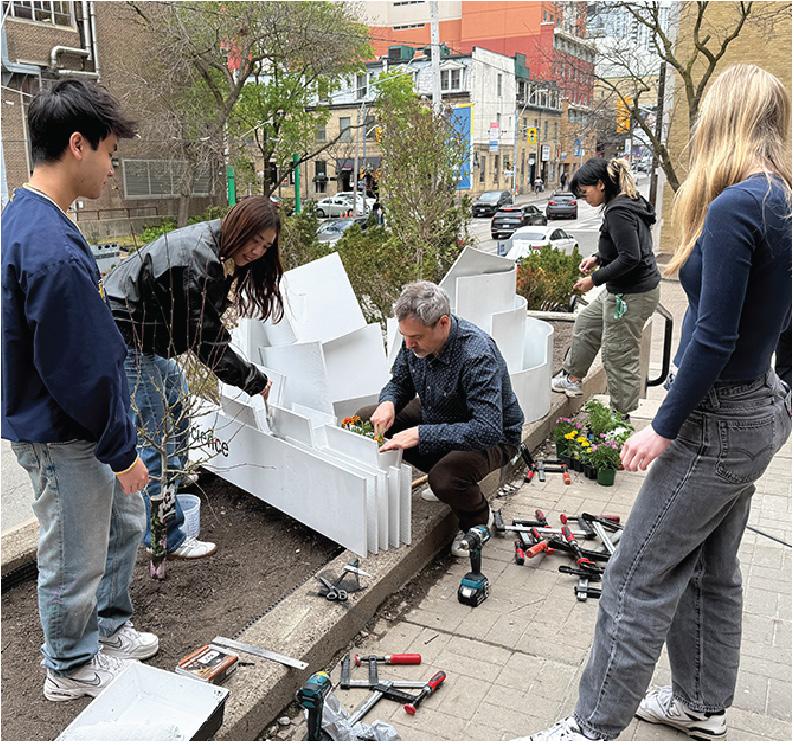
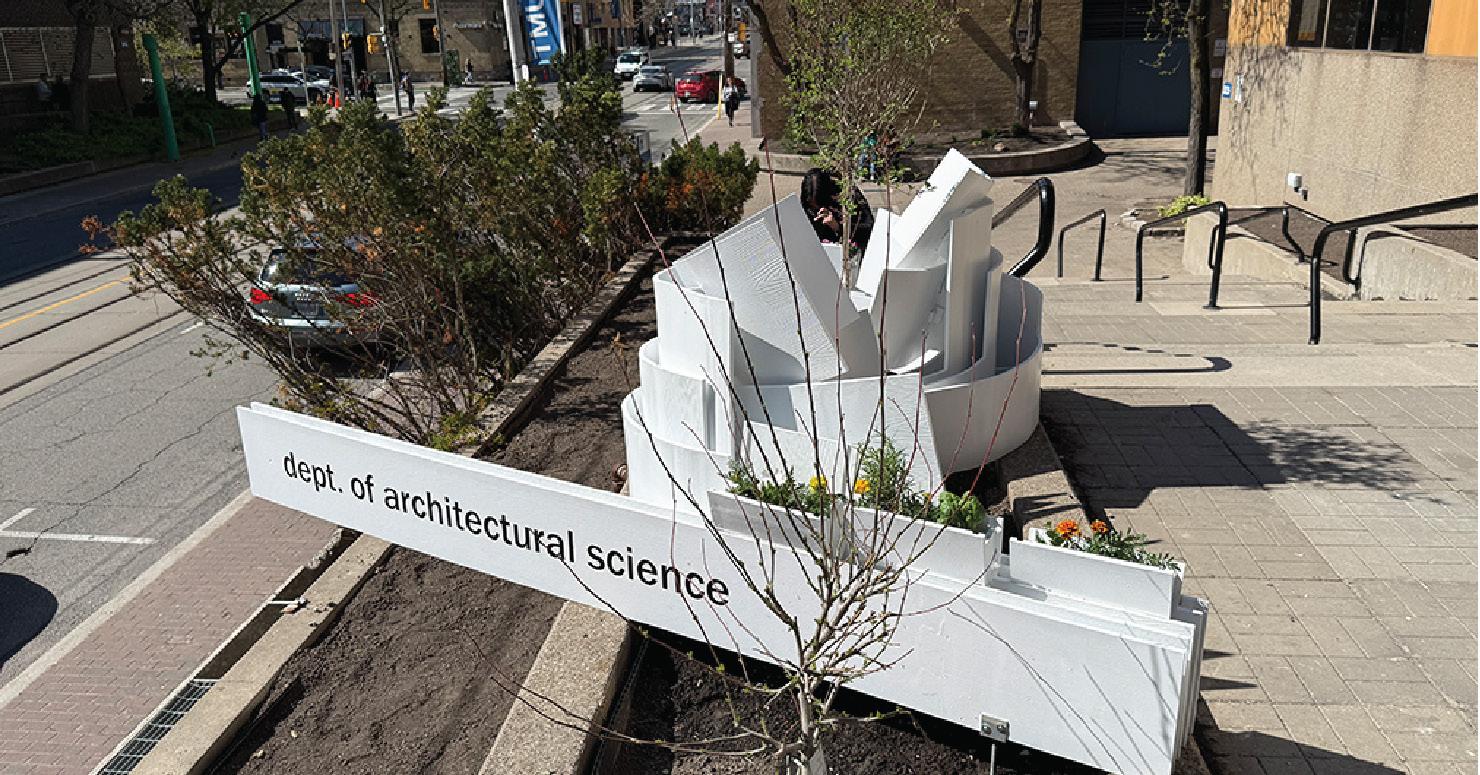
Location: Toronto, ON
Role: Fabrication Team
Professor: William Galloway
Group Members: the design team (Leshin
and the fabrication
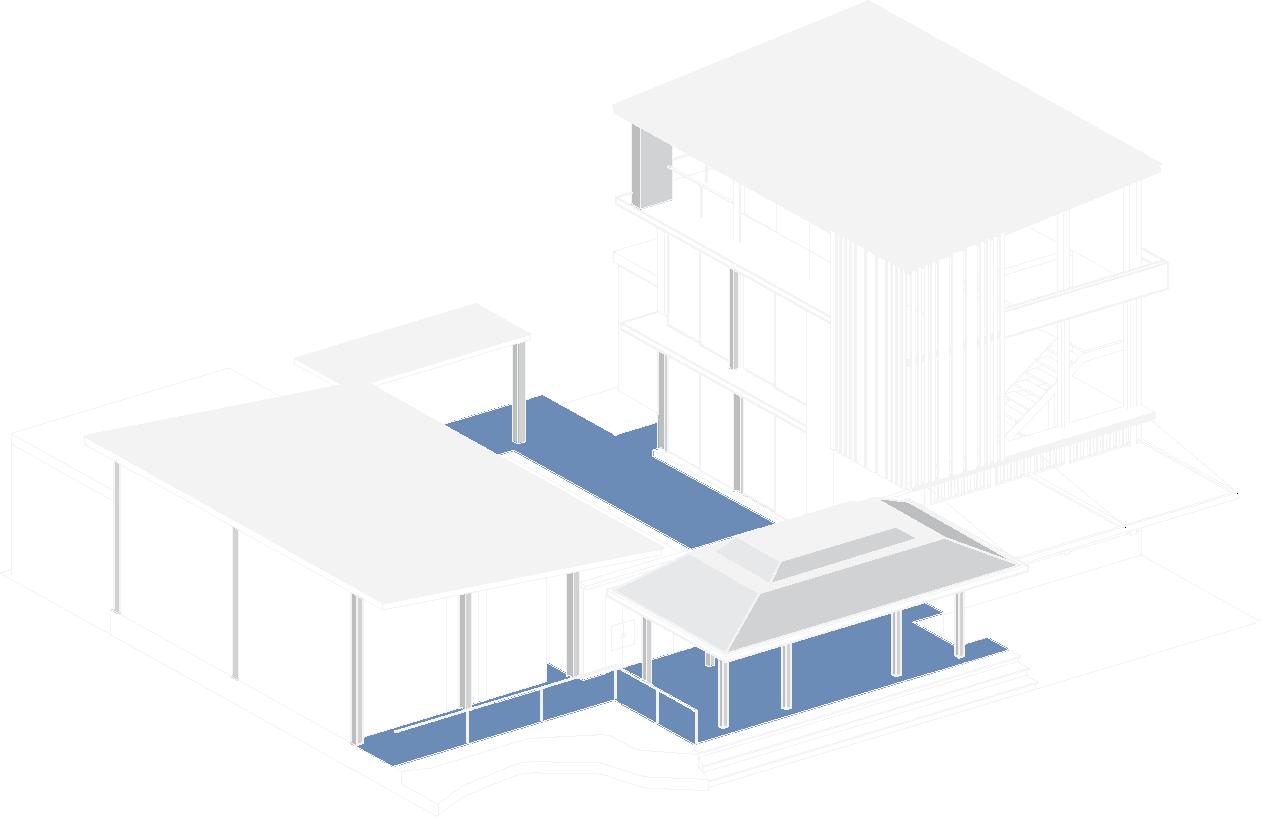
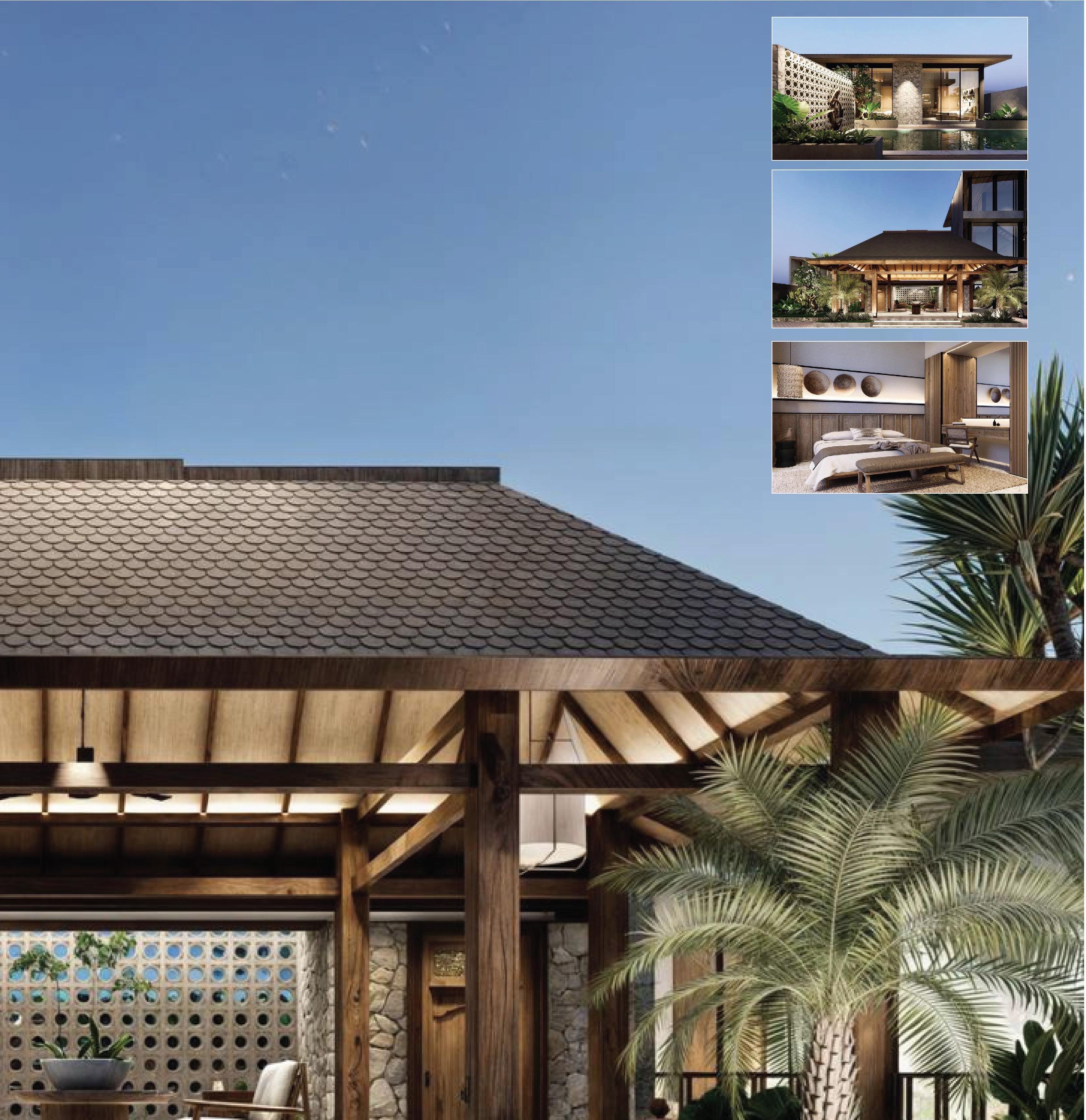
Location: Denpasar, Indonesia
Role: Architectural Intern
Lead Architect: Gusdep
Assisting in the project of a residential villa project back home provided me with an insight of how crucial the design develpment phase is, in regards to having to streamline decision making and reducing rework. I learned to conduct meetings with the client to coordinate their feedback with the lead architect by making updates to the 3D model and preparing briefing notes. Additionally, I also produced preliminary renders as a material study during client working sessions to deliver the client’s material direction clearly to the lead architect.
