INTERIOR DESIGN / ARCHITECTURAL INTERIOR DESIGN
PORTFOLIO
Selected works from 2021-2024
Ruiyu Xu (Rae)
INTERIOR DESIGN / ARCHITECTURAL INTERIOR DESIGN
PORTFOLIO
Selected works from 2021-2024
Phone
Address
Portfolio
+44 7536340592
xuruiyu0220@gmail.com
West Kensington, London
https://issuu.com/raemaslowruiyuxu/docs/ruiyu_xu_interior_portfolio?fr=sYjMyYjg2OTExMjQ
Trained in interior design through academic and independent programs in the UK and China, with a Distinction-level MA focused on spatial storytelling and the relationship between nature and people.
Experienced in developing strong design proposals using mood boards, spatial layouts, mappings, and visual storytelling.
Proficient in AutoCAD, SketchUp, Adobe Creative Suite, and hand-drawing techniques to express ideas clearly and creatively.
Completed freelance residential and hospitality projects with detailed technical drawings, and participated in retail space design through event coordination.
A collaborative, goal-oriented designer who thrives in fast-paced environments, quickly adapts to new tools, and successfully delivered a shortlisted competition project within 10 days.
Education
Master's Degree 9/2022 - 12/2023
Camberwell College of Arts, ual, London, UK
Interior and Spatial Design, Graduated with Distinction
Graduate Diploma 9/2021 - 6/2022
Chelsea College of Arts, ual, London UK
Interior and Spatial Design, Graduated with Distinction
Awards and Exhibitions
12/ 2023
Ual Online Showcase: https://ualshowcase.arts.ac.uk/project/516352/cover Ual Final Show
02/ 2024
Buildner International Architecture Competitions: https:// architecturecompetitions.com/icelandbeerspa/ Shortlisted Project
07/ 2024
Exhibition
Certificate
"Woven Bridge With Dripping Water" Drawing series (2022-2023)
Parallax Art Fair, London, UK
Autodesk Revit Professional level I Certificate
Basic DBS Certificate Issued 2025
Software Skill
AutoCAD, SketchUp, Rhino, Revit (level 1), Enscape, D5, Lumion, Photoshop, Illustrator, InDesign
Language
English, Chinese (Mandarin)
5/2025 - Present Shift Leader
Caffe Nero London, UK
Managed and coordinated team operations, fostering collaboration and efficiency.
Communicated effectively with staff and management, resolving issues promptly.
Oversaw inventory and supply replenishment—skills transferable to studio materials management.
Maintained high standards in service and coffee preparation.
Scheduled shifts and delegated tasks to meet operational needs.
7/2021- 12/2021 Freelance Residential Project
Guiyang, China
Redesigned a 140 sqm family home, preserving load-bearing walls while optimizing space.
Developed the concept design, technical drawings, and selected furniture. Supervised the preliminary construction process to ensure design quality and vision.
Creating three functional garden spaces for drying clothes, meditation, and expanding the living room, while ensuring natural light and ventilation throughout the home.
4/2021- 7/2021 Junior Interior Designer (Freelance)
Design,China
Contributing to construction drawings with AutoCAD and supporting presentation layouts.
Developed concept by hand-drawn storyboards and supported site analysis, concept sketches, mood boards, and material selection. Project link: https:// www.shejiben.com/sjs/1114778/case-3997715-1.html
Took an actice part in the conceptual and tender design for the Shougang Underground Mall in Guiyang, including conducting research, creating storyboards, and designing sculptures
3/2018 - 4/2018 Student Intern
Huaneng Nanjing Jinling Power Limited Company, Design Department, Zhejiang, China
Volunteer Experience
2019
Measured site and drafted the power plant's office floor plans, visualising the project with AutoCAD.
Drawing conceptual sketches, as a part of the original documentation of the project.
Marine Turtle Conservation Project, Sri Lanka
2020 Xiaojudeng Rural Education Program, Planned Teaching Project, China
Reference
Colin Priest c.e.priest@chelsea.arts.ac.uk
Lisa Donoghue lisadonoghue@nhs.net
Renovation Project Year: 2022
Location : Brighton, UK
Category : Hospitality
Building Area: 405m2
Distinction in Unit 2, Interior Design, University of the Arts London (UAL).
Tutor: Josef Huber
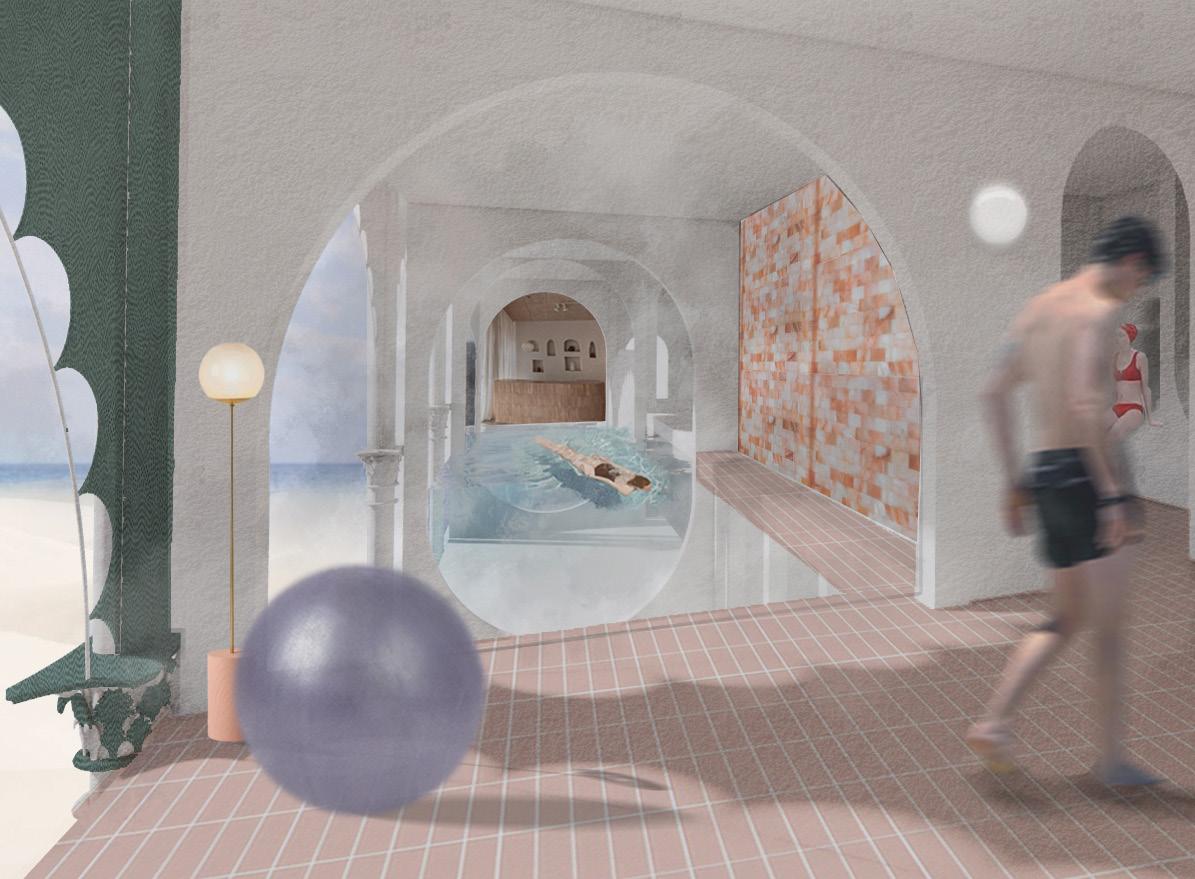
The renovated Madeira Terrace in Brighton is a walkway facing south toward the sea and standing against the cliff behind. The project revitalises this stretch of coastline by renovating the elegant historic space with a modern water fitness and therapy centre.
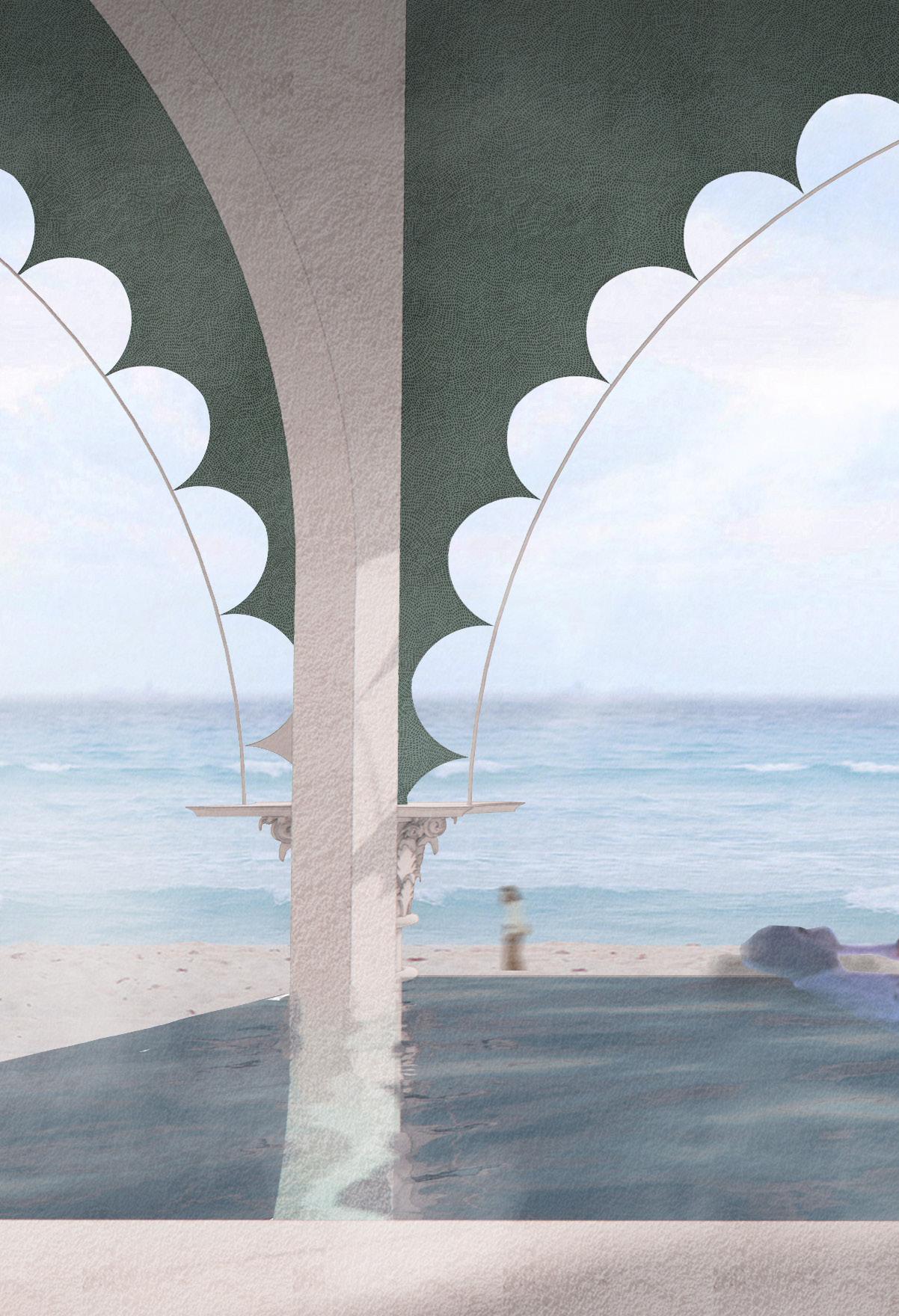
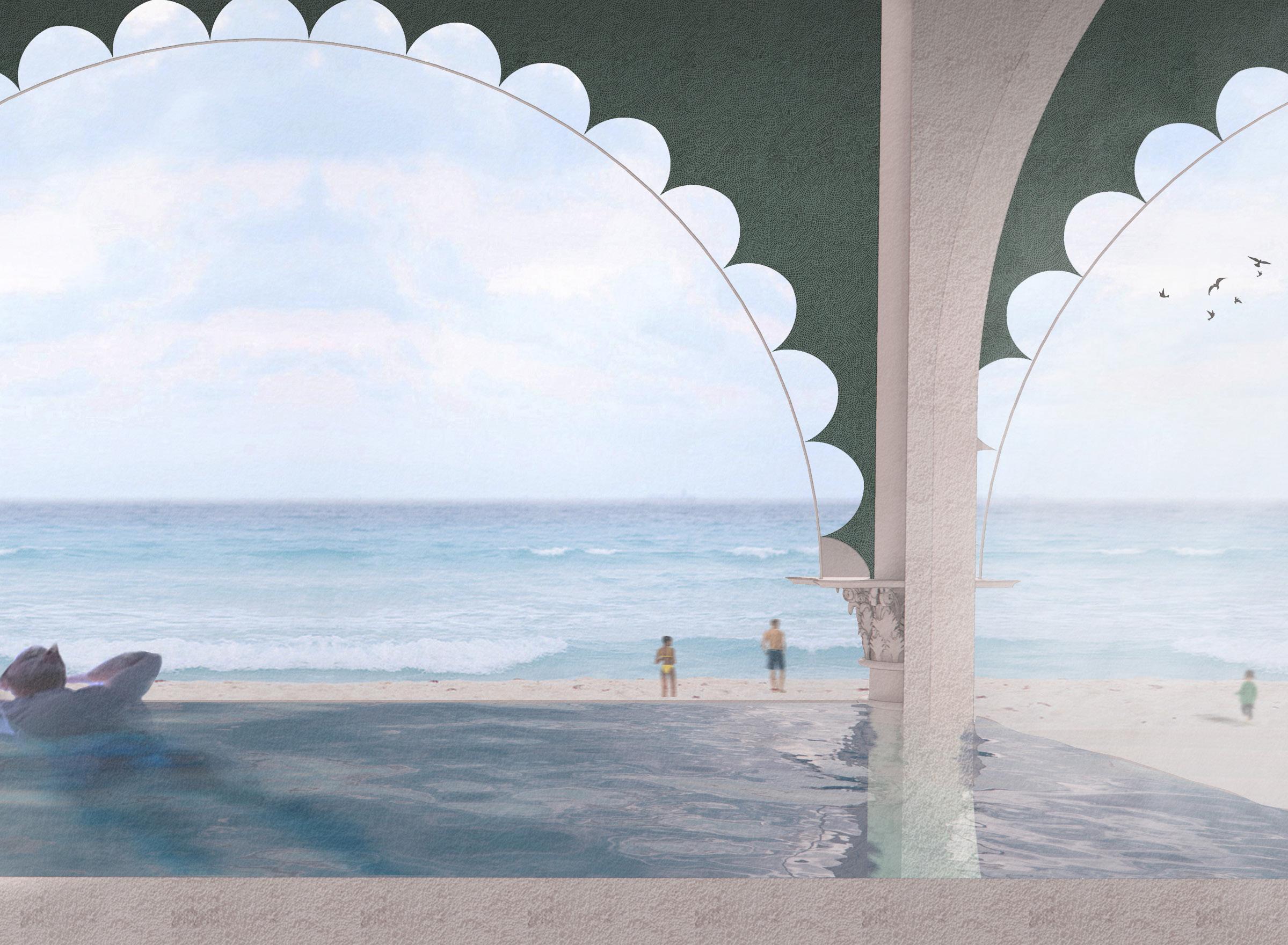
The project is located at Madeira Terrace in Brighton — an iconic seafront walkway facing the ocean and backed by chalk cliffs. With its distinctive white cliffs and stunning coastline, Brighton has long been a major tourist destination. However, the terrace near the Brighton Pier has fallen into disrepair and is currently closed to the public. The area in front of it has been converted into a car park, blocking views of the sea and making visitors feel as though the promenade ends there.
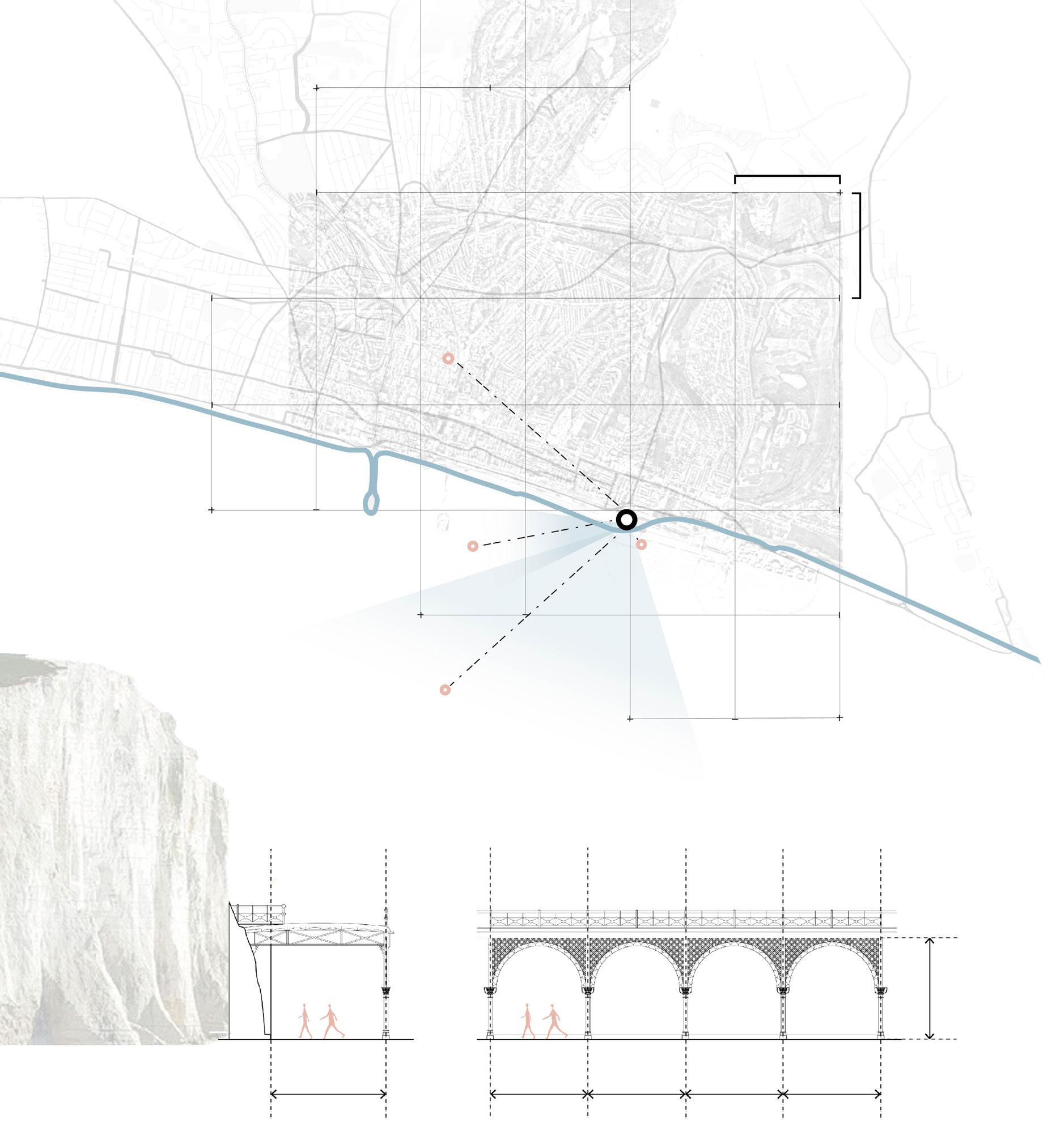
This project seeks to revitalise the terrace by transforming the disused structure into a series of interconnected spaces, each arch accommodating different commercial and recreational functions.
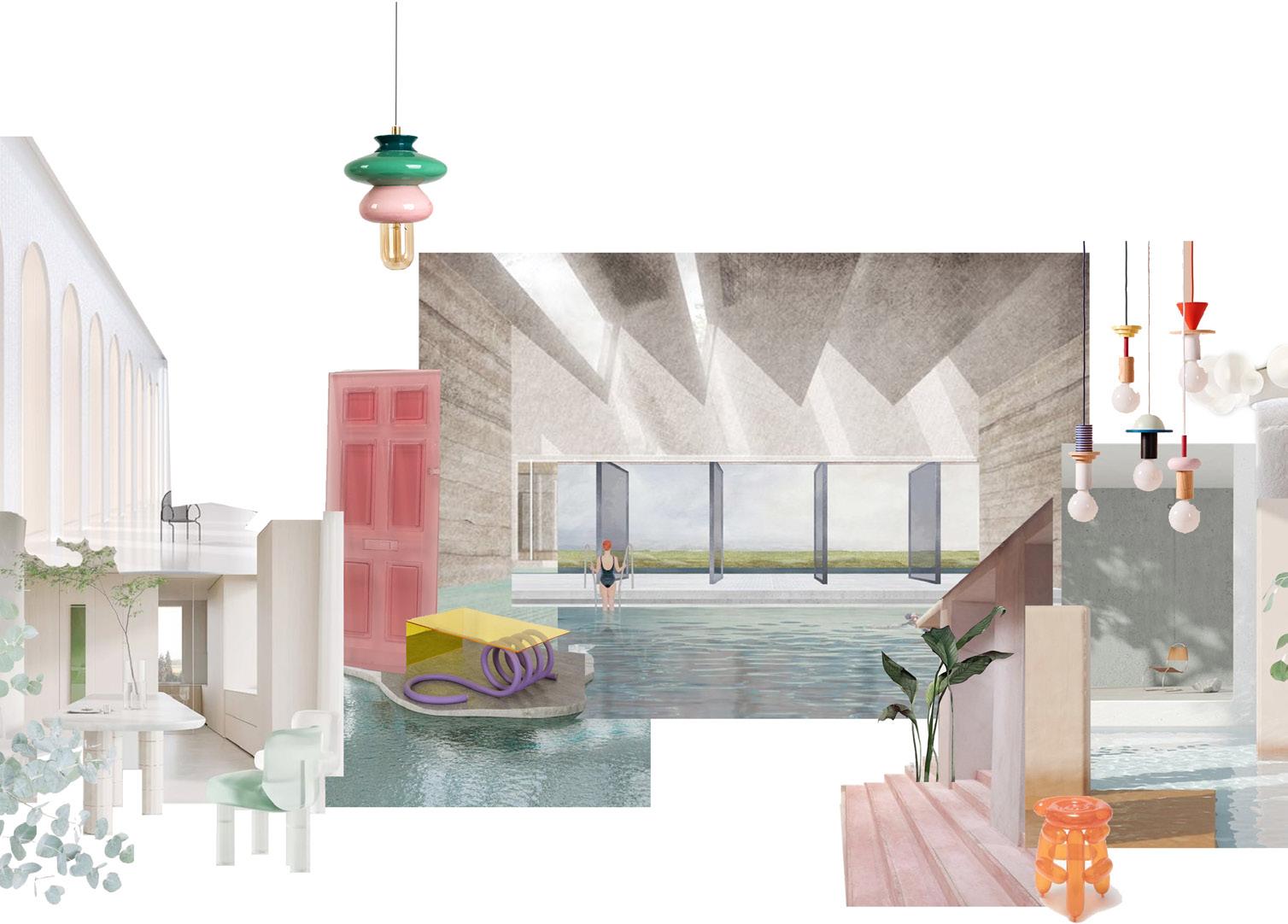
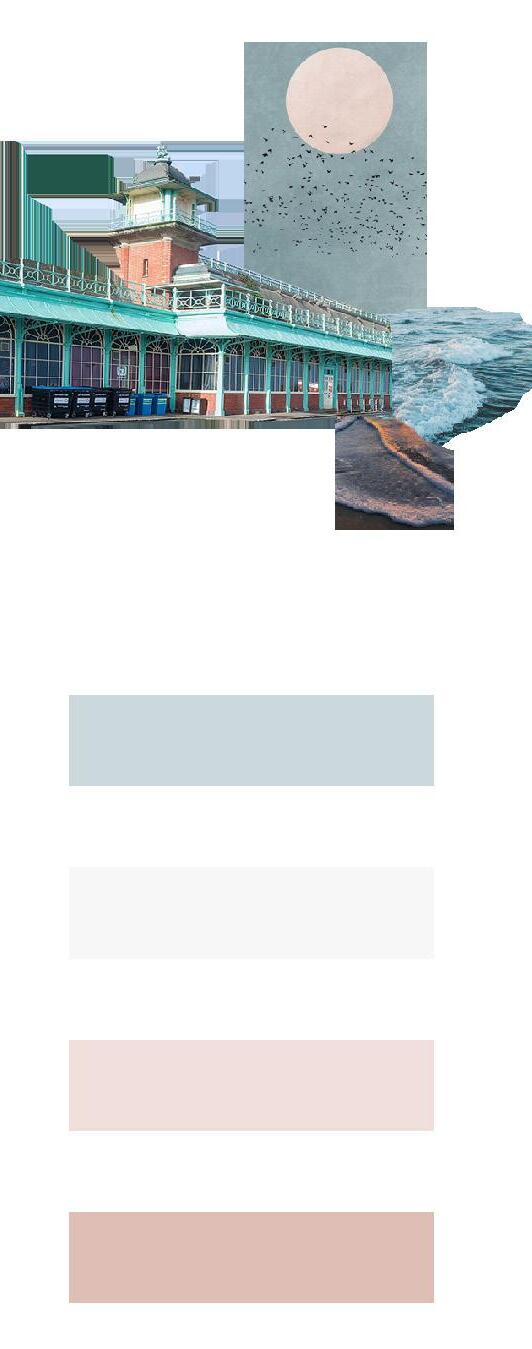
Inspired by the red brick and cast-iron structure of the seaside terrace, the design draws from the site’s bright coastal light and colours.
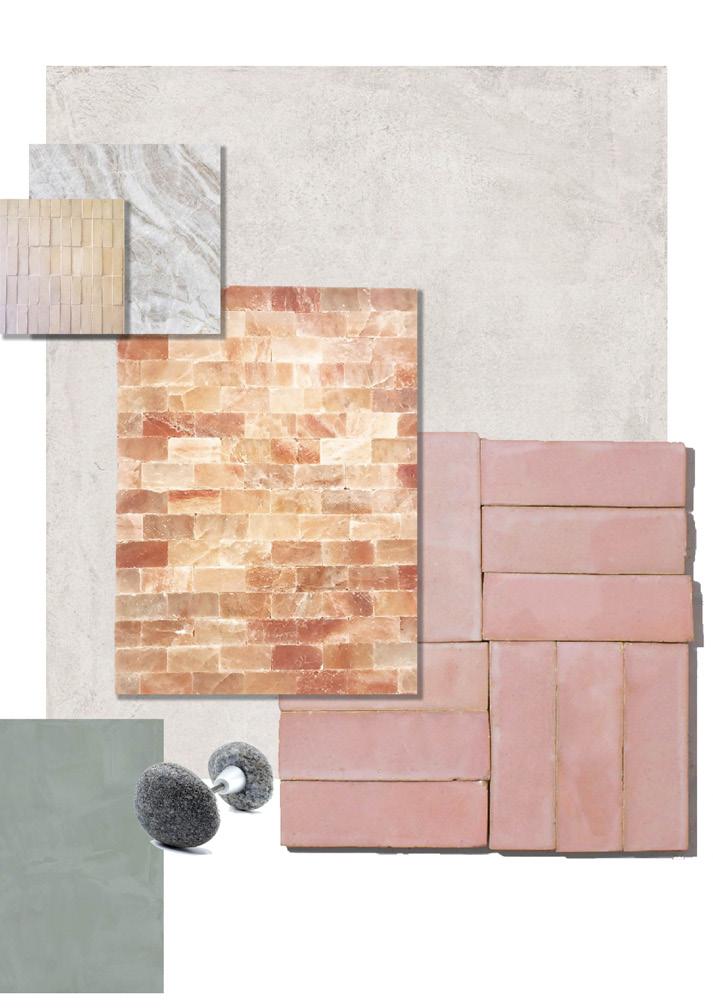
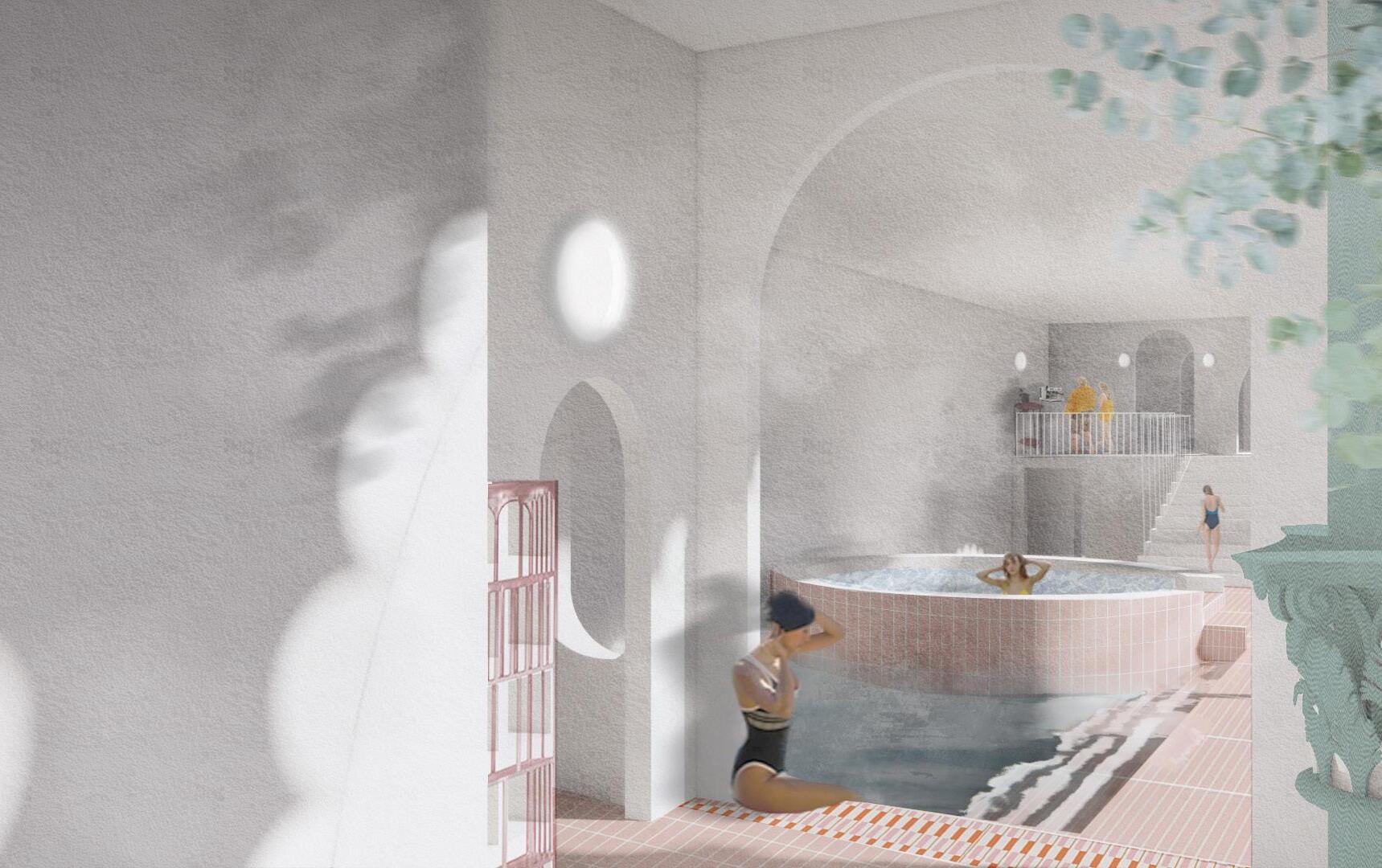
It captures a dialogue between energy and stillness, where soothing and warm qualities arise from tactile materials and diffused light, creating comfort and ease. Here, colour becomes both memory and renewal, transforming the space into one that feels vibrant, warm, and serene, yet fully adapted to modern function.
1.
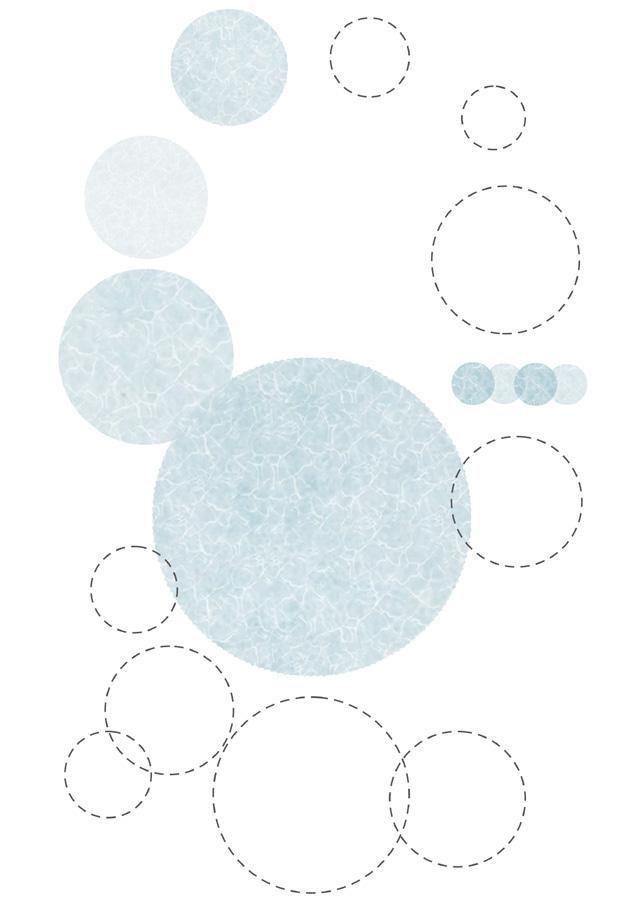
Based on research into the range of water temperatures comfortable for the human body, I identified four distinct temperature zones, each represented by a specific color.
Tepidarium
Approx.40°C
Caldarium
Approx. 37°C ~39 °C
Natatio
Approx.25.5°C
Frigidarium
Approx.0°C ~18°C
Following the natural thermal transitions, I reorganized the functional sequence accordingly.
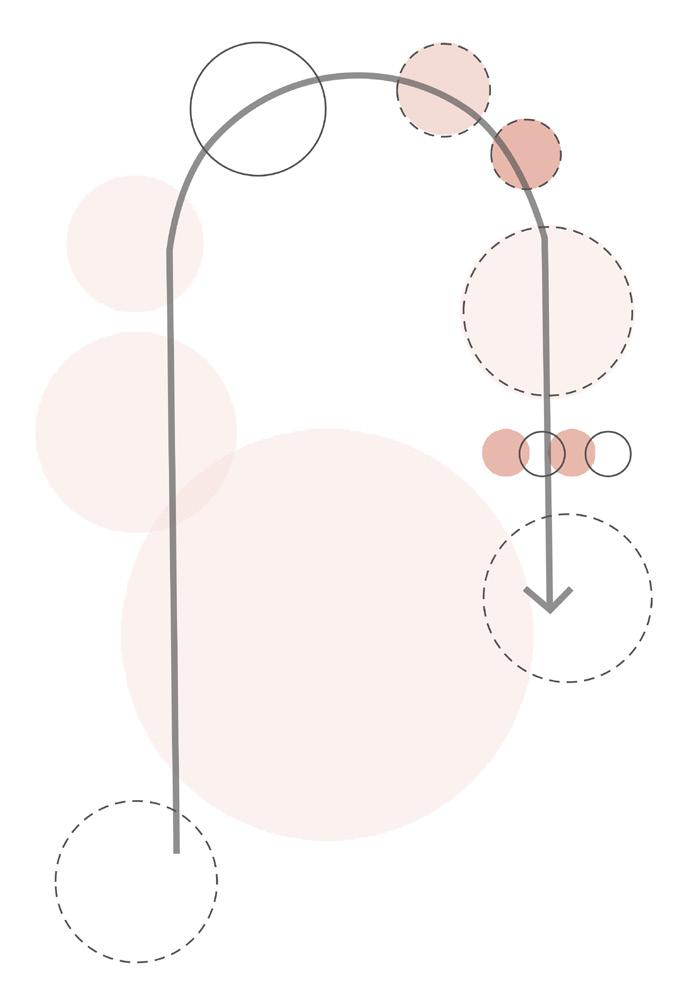
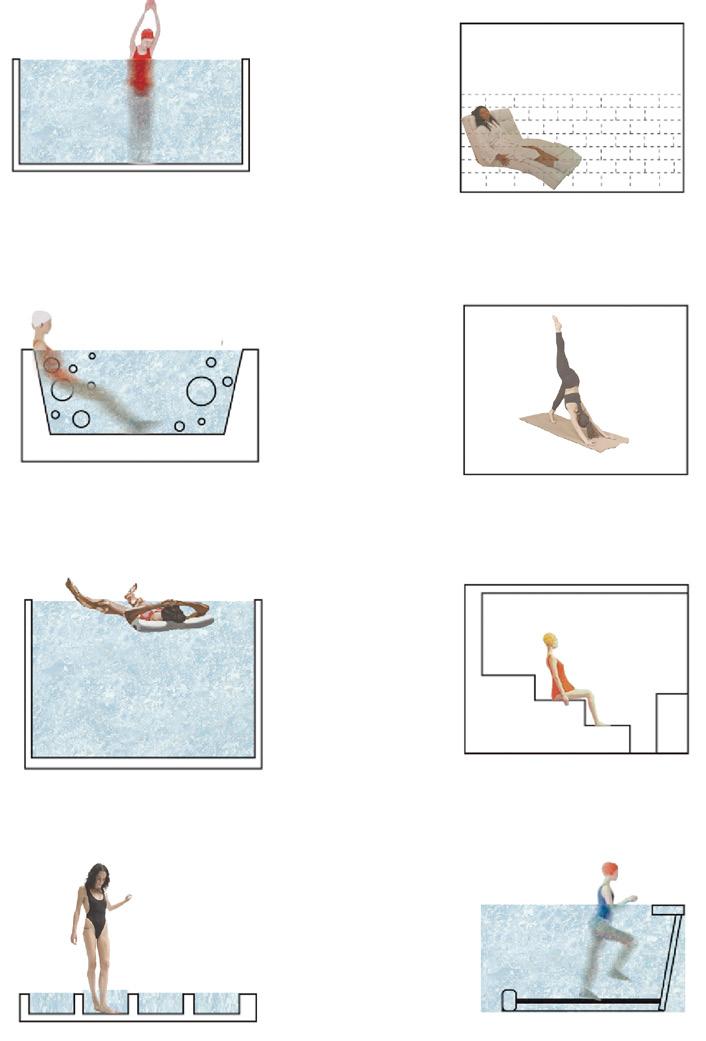
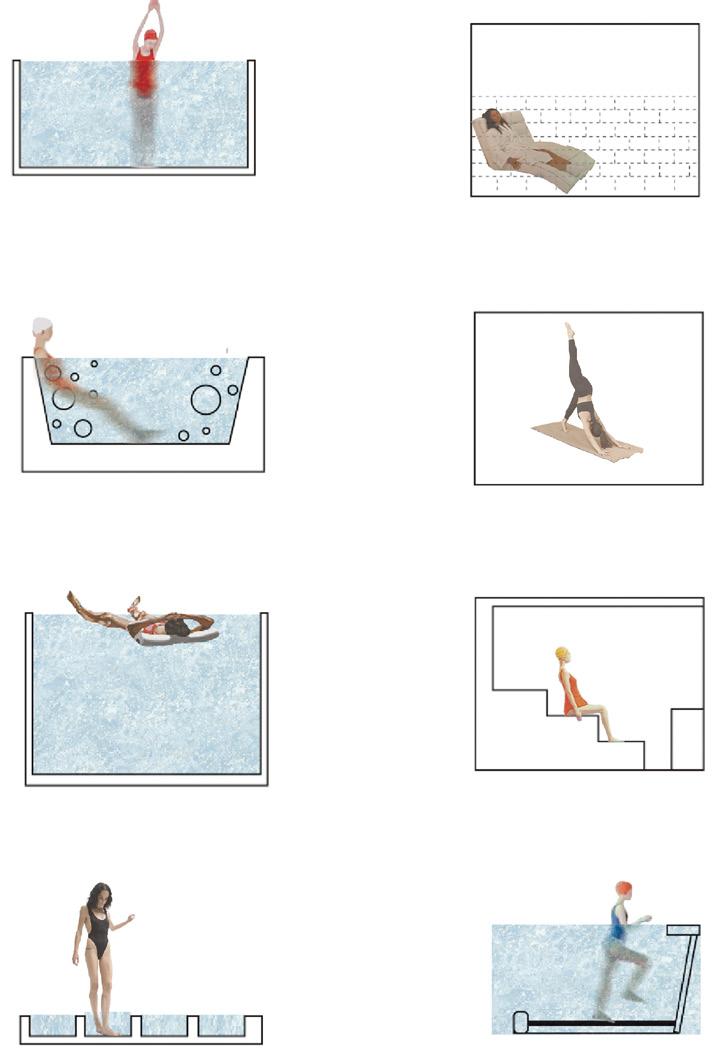
Each temperature range supports different types of activities.
Natatio Lounge, Changing Room
Natatio
Adaption Pool, Bubble Pool
Tepidarium Sauna
Caldarium
Salt Therapy, Fitness Room
Frigidarium Cold Pool, Floatation Pool 2.
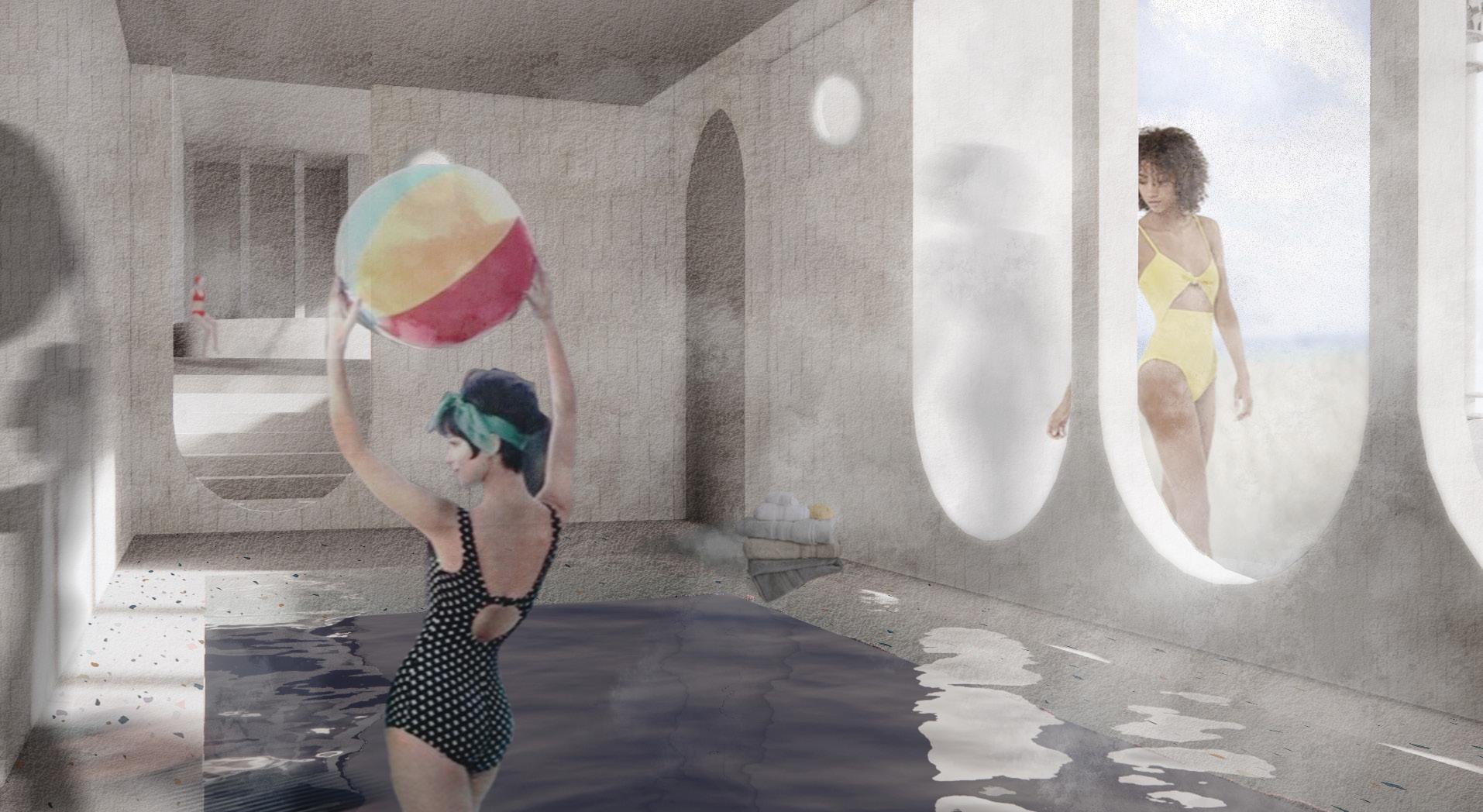
Finally, by considering the separation between wet and dry areas, I further developed the layout to form the final spatial circulation.
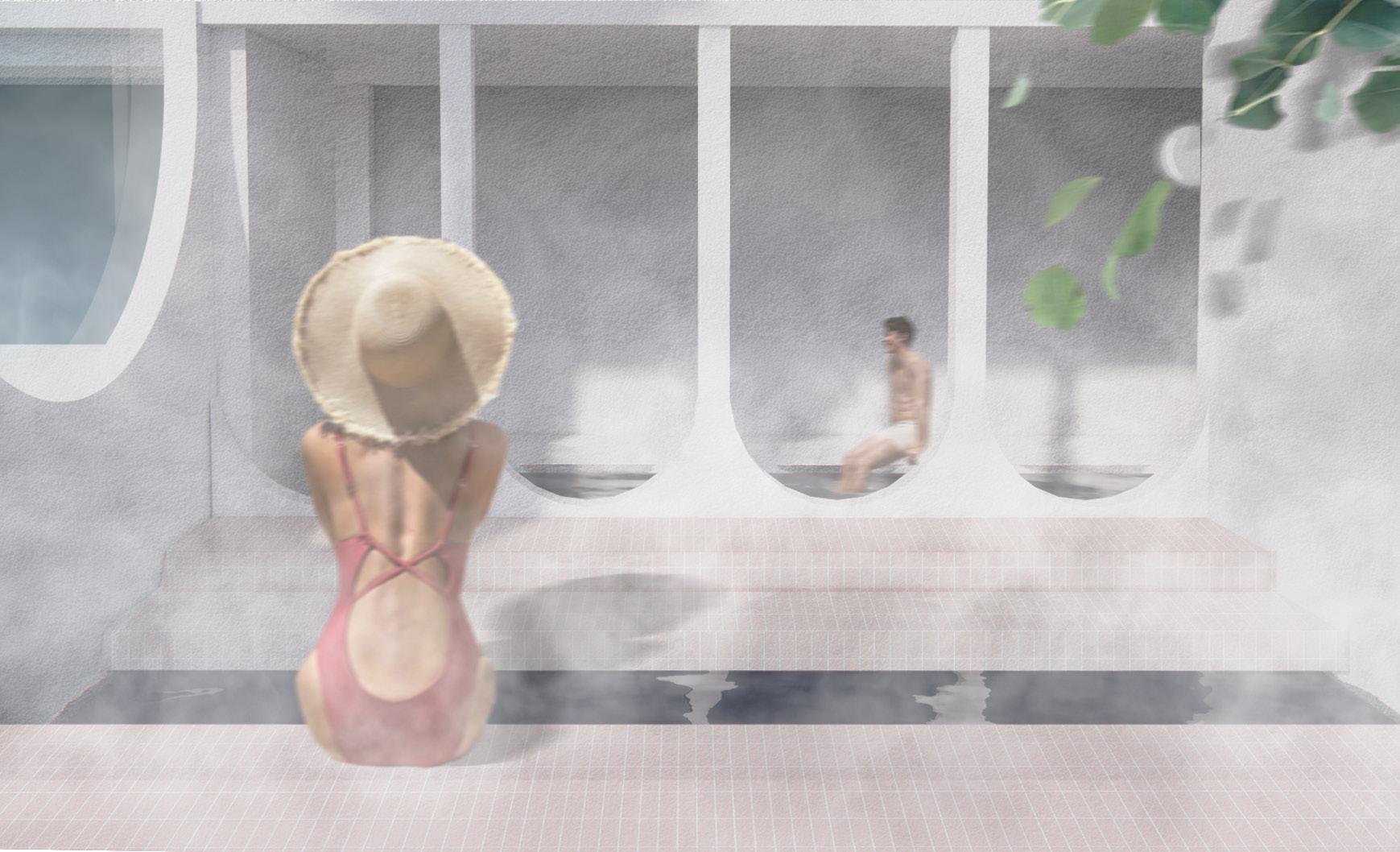
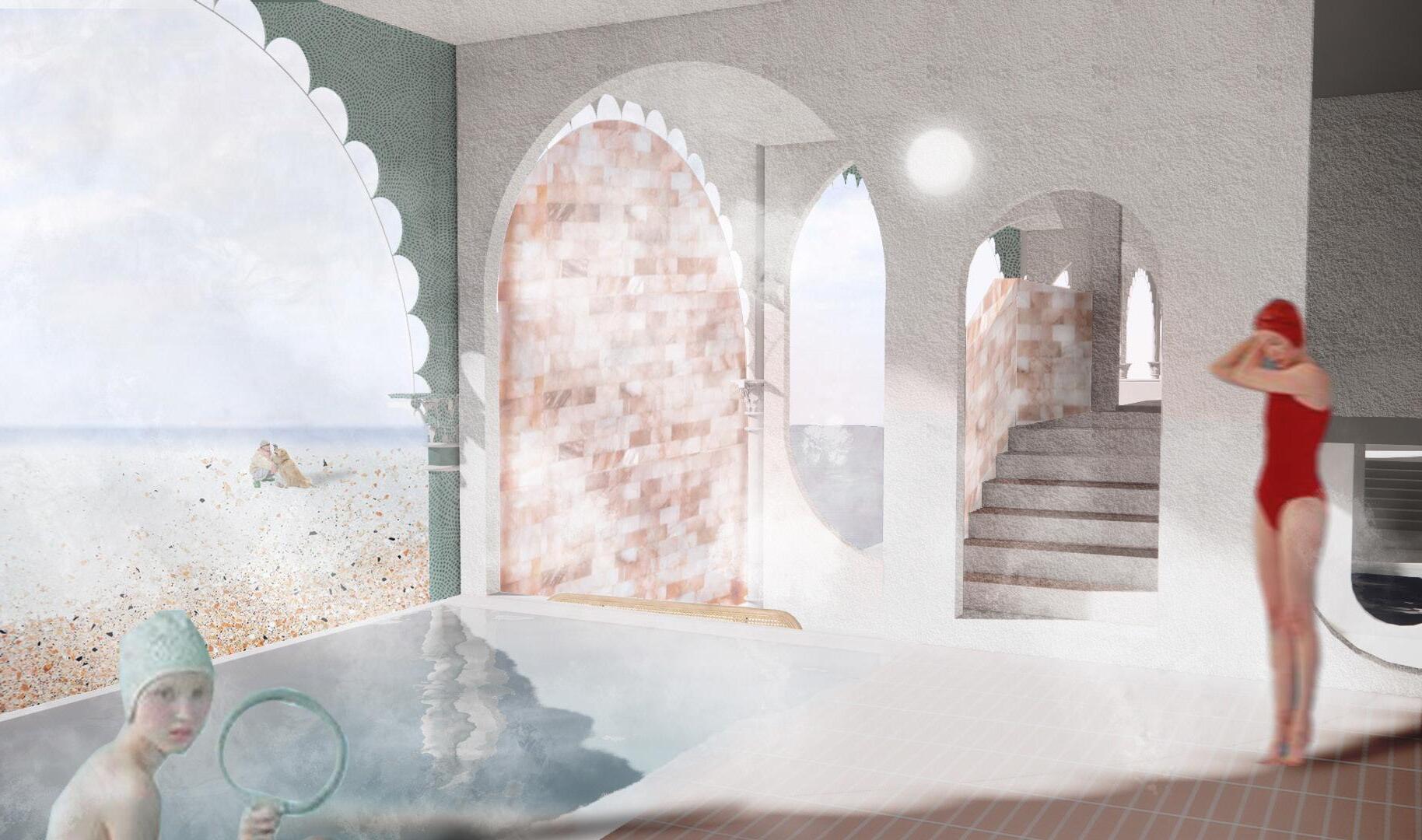
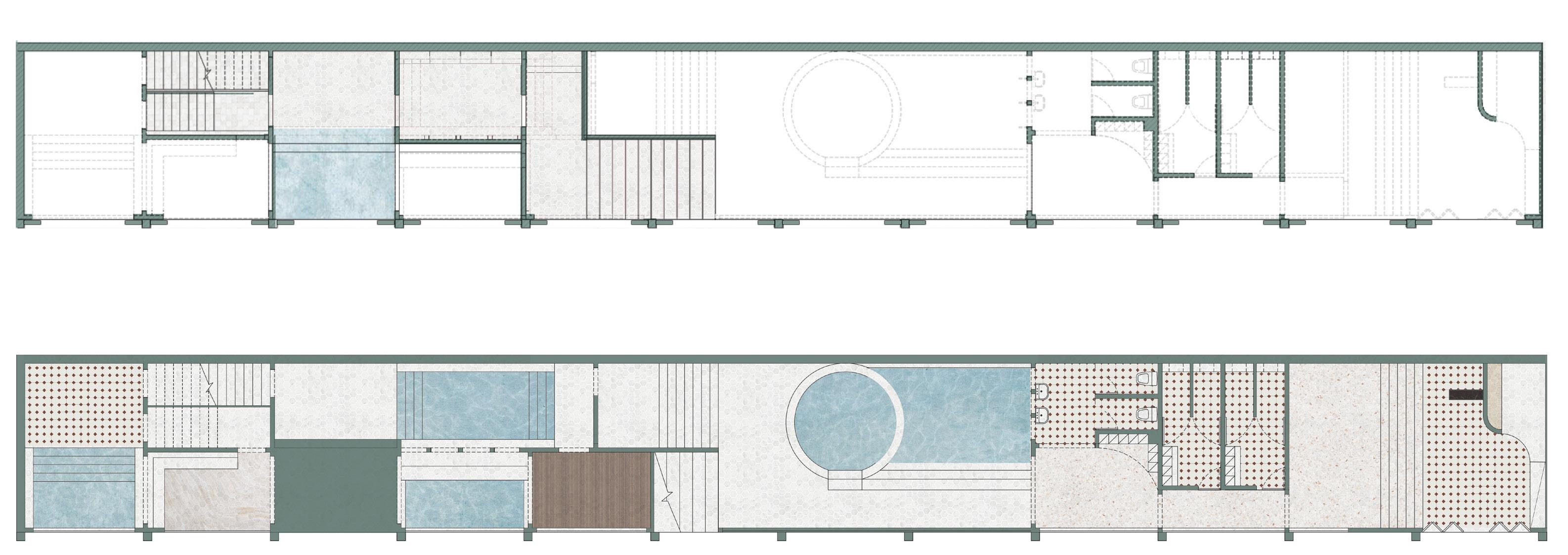
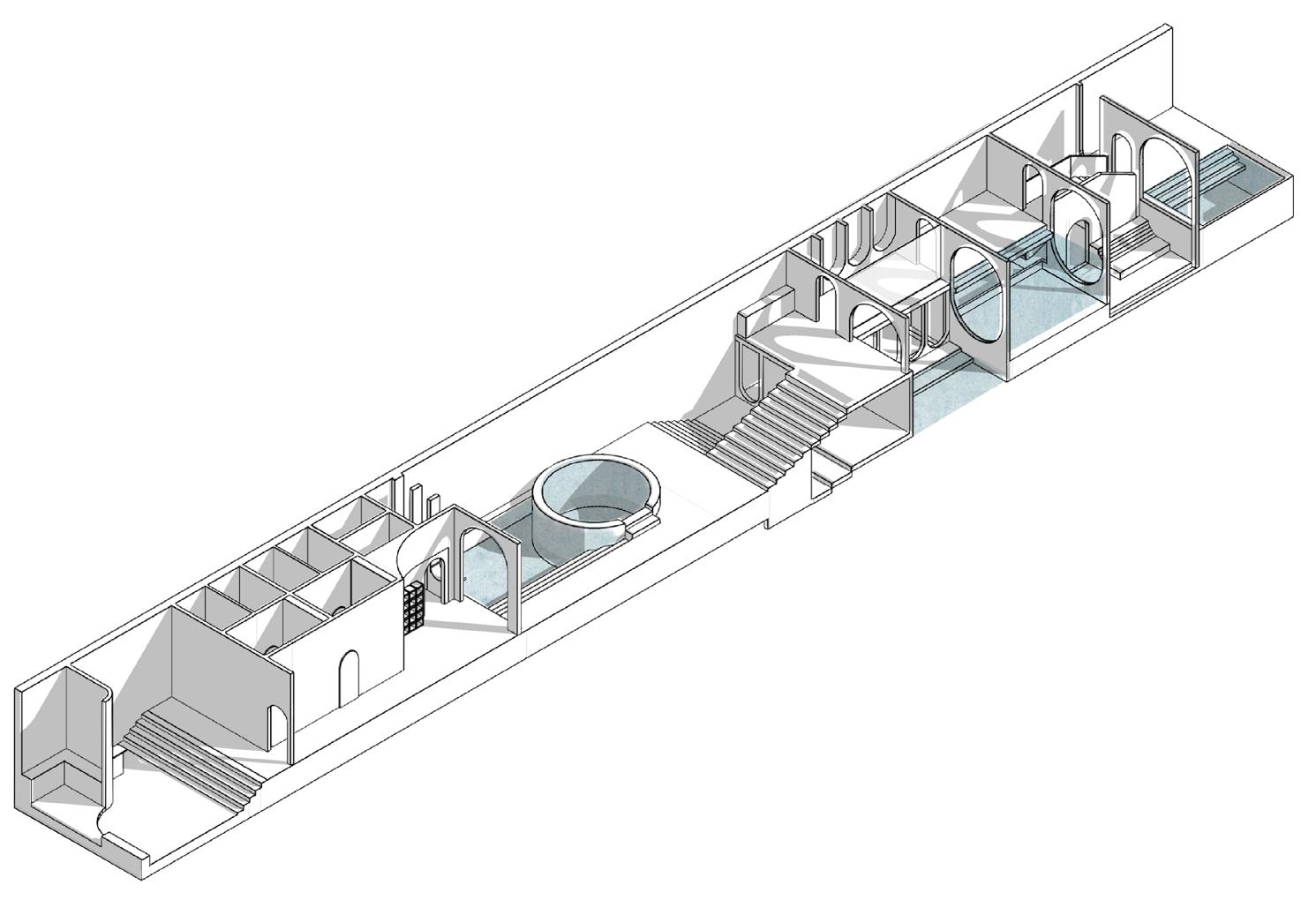
The dry zone accommodates all visitors and includes the lounge and reception areas, providing a welcoming space for relaxation and gathering. The wet zone, organised across two levels, it creates a continuous journey through water, allowing visitors to move seamlessly through a complete cycle of bathing and relaxation.
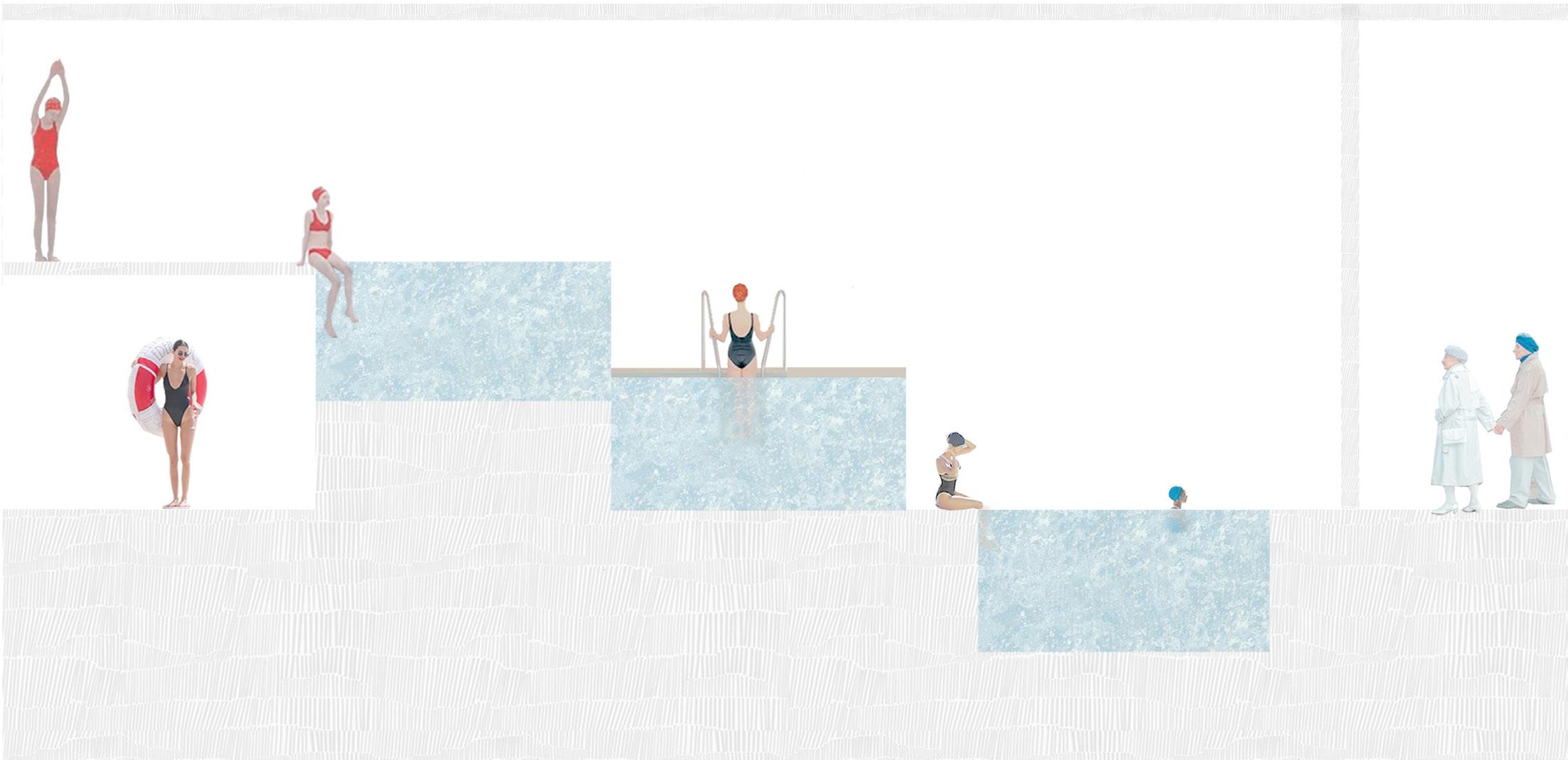
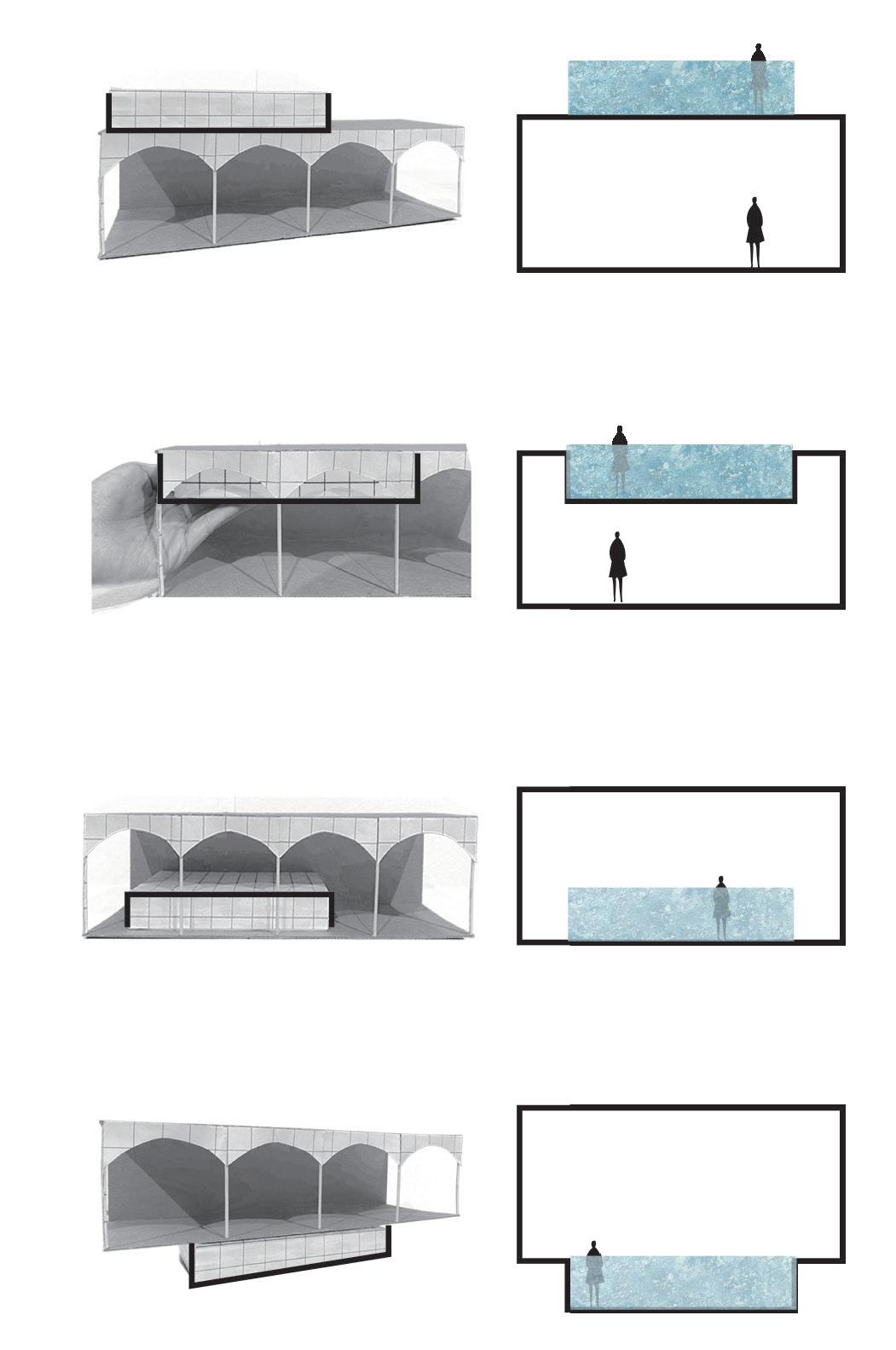
Sightline analysis played a key role— raising the main pools above ground allows pedestrians outside to visually connect with the space inside, creating a sense of openness and dialogue. The only exception is the heated pool, where condensation naturally blurs the boundary regardless of elevation.
The layout is informed by a series of spatial and experiential studies. Using 1:50 physical models, I tested pool scale and zoning strategies.
Through its elevation and section, the project reinterprets the heritage structure as a living space — breathing light, water, and movement into its arches to restore both openness and a sense of belonging.

Proposal Overview
Installation Project Year: 2023
Location : London, UK
MA Project in 22/23 Ual with Distinction Grade
Tutor: Colin Priest
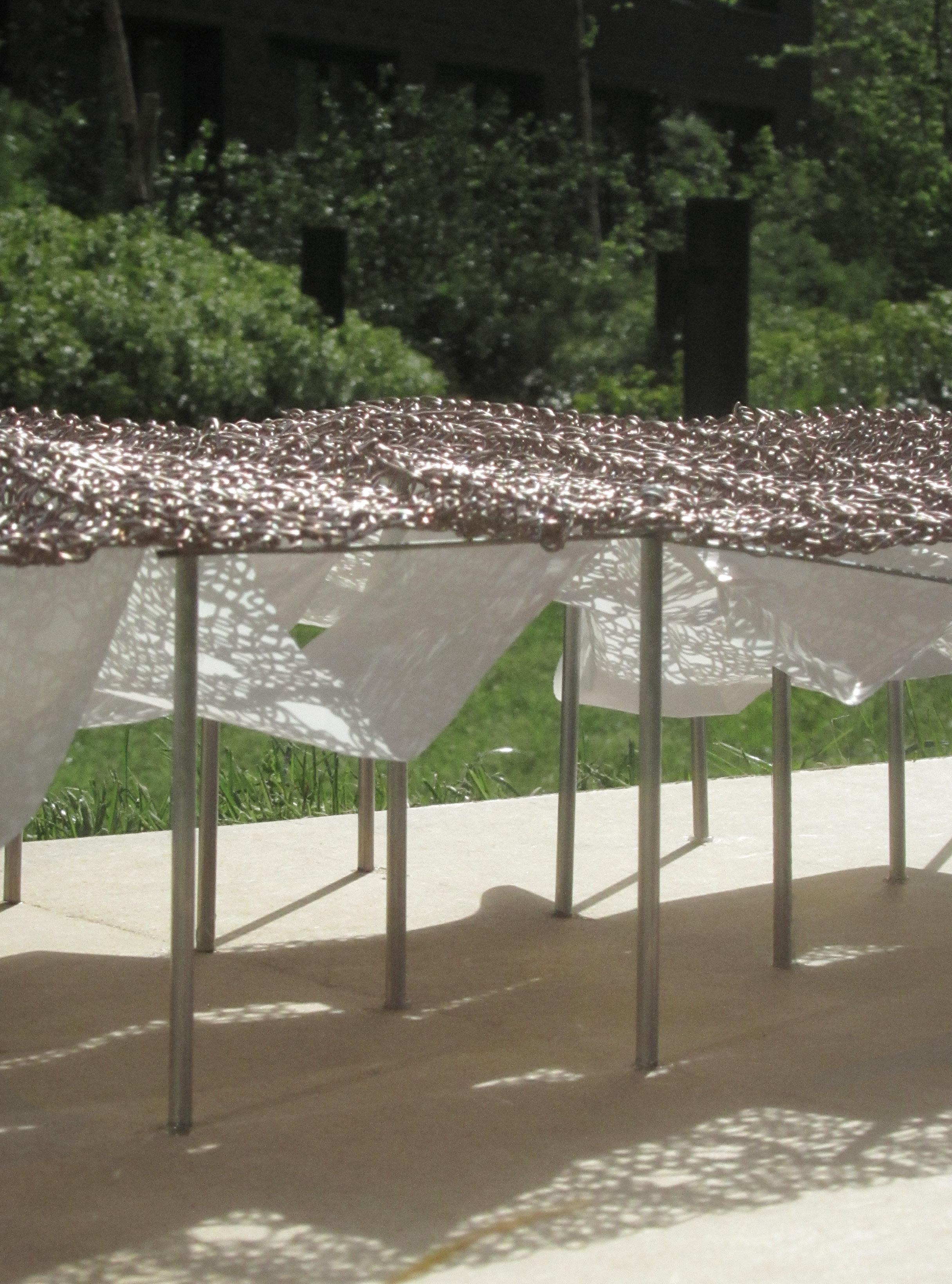
This is an experimental installation that collects rainwater and reflects the passage of time. Set in the outdoor space of Camberwell College of Arts, it uses textiles, shadows, and light to create an evolving dialogue between people, environment, and space. The project explores how small, responsive structures can foster emotional and ecological connections.
Ual Online Showcase: https://ualshowcase.arts.ac.uk/project/516352/cover=
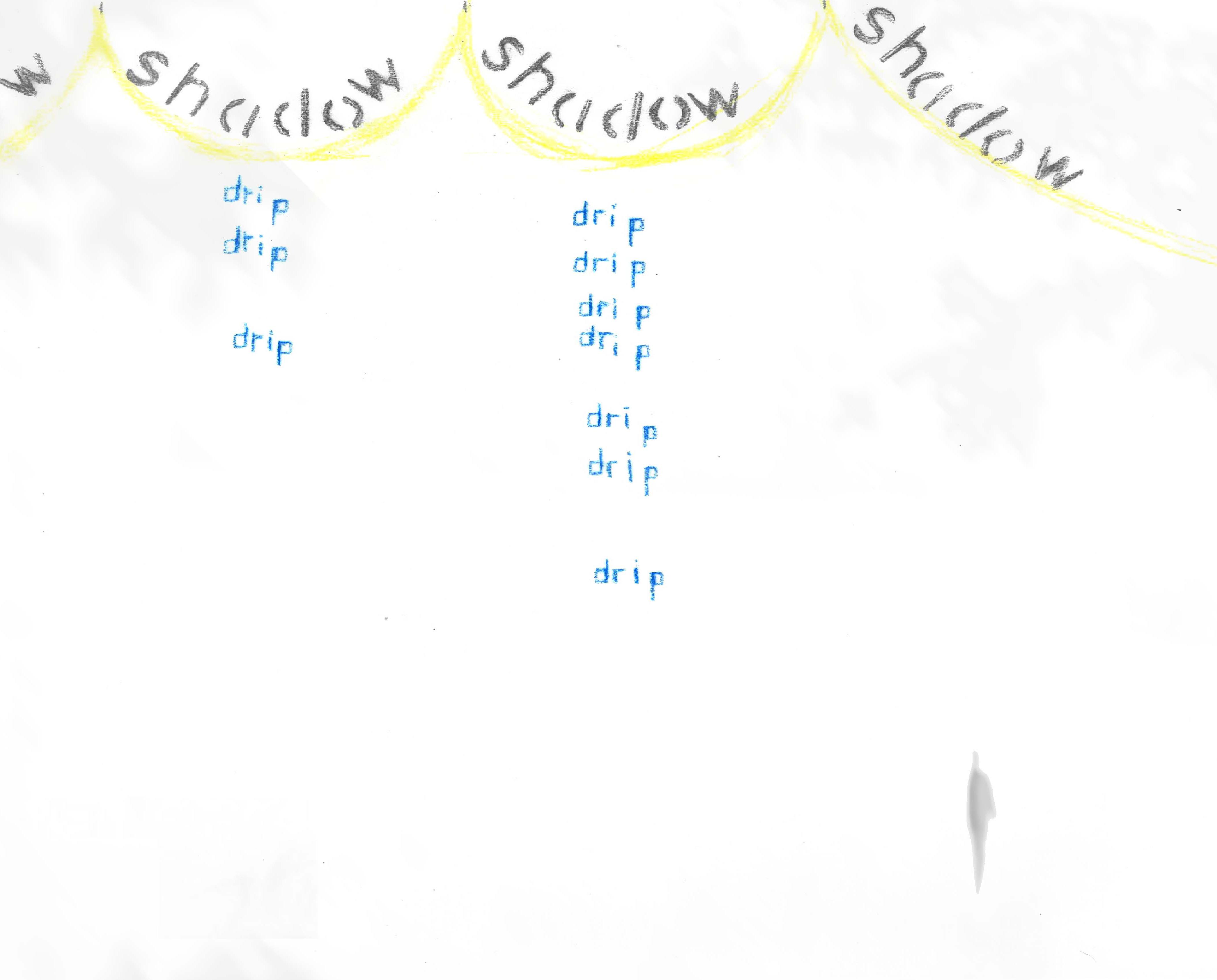
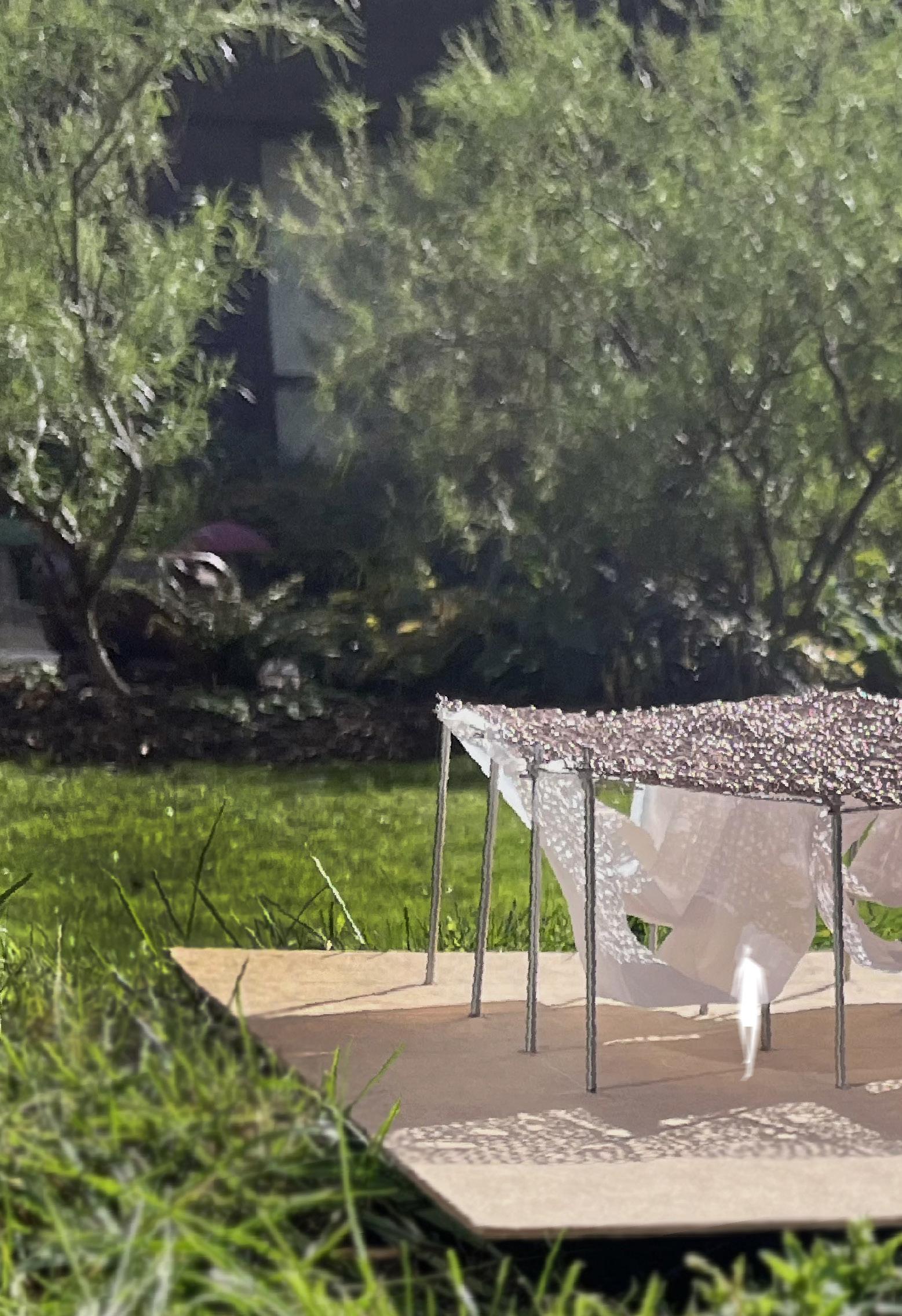
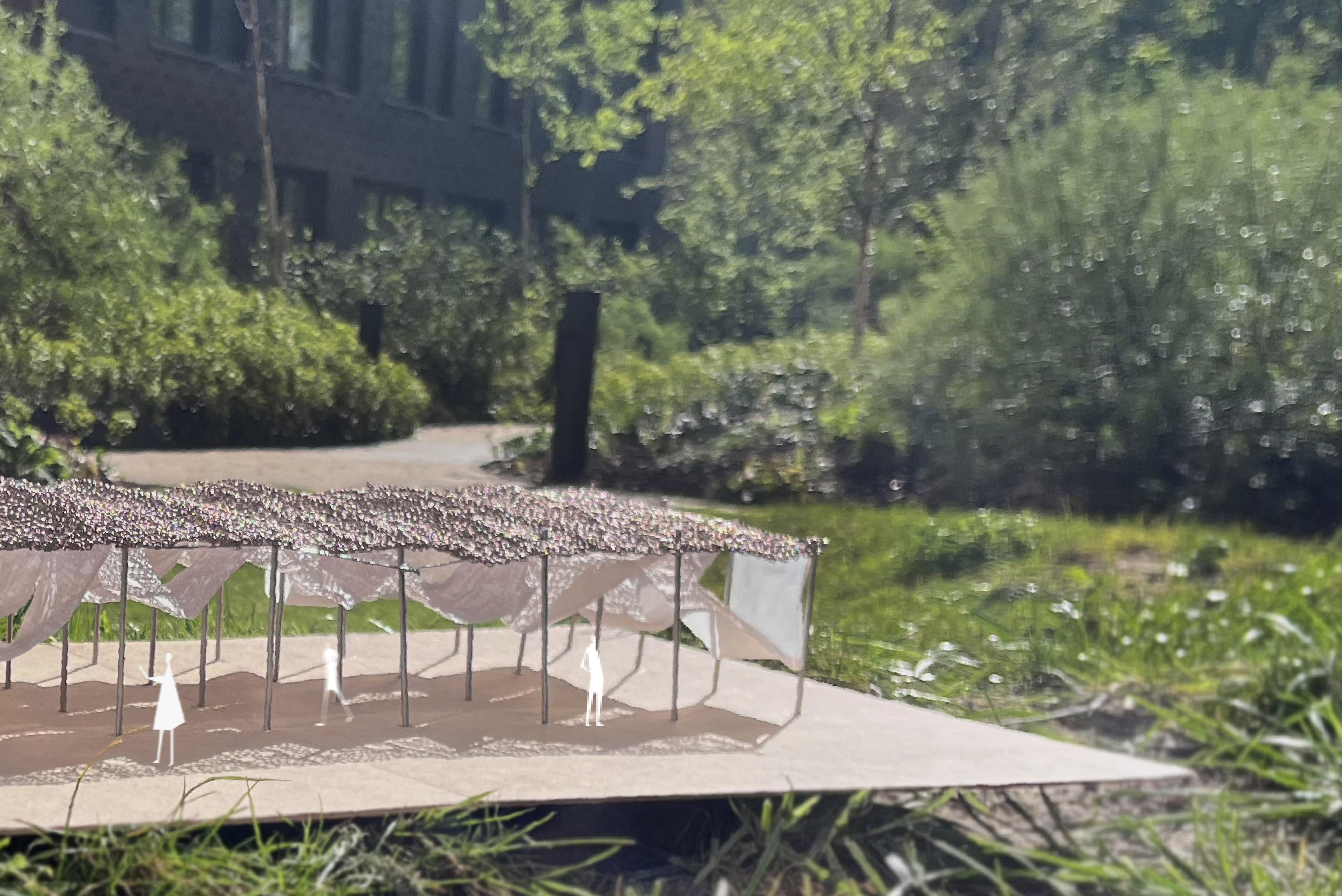
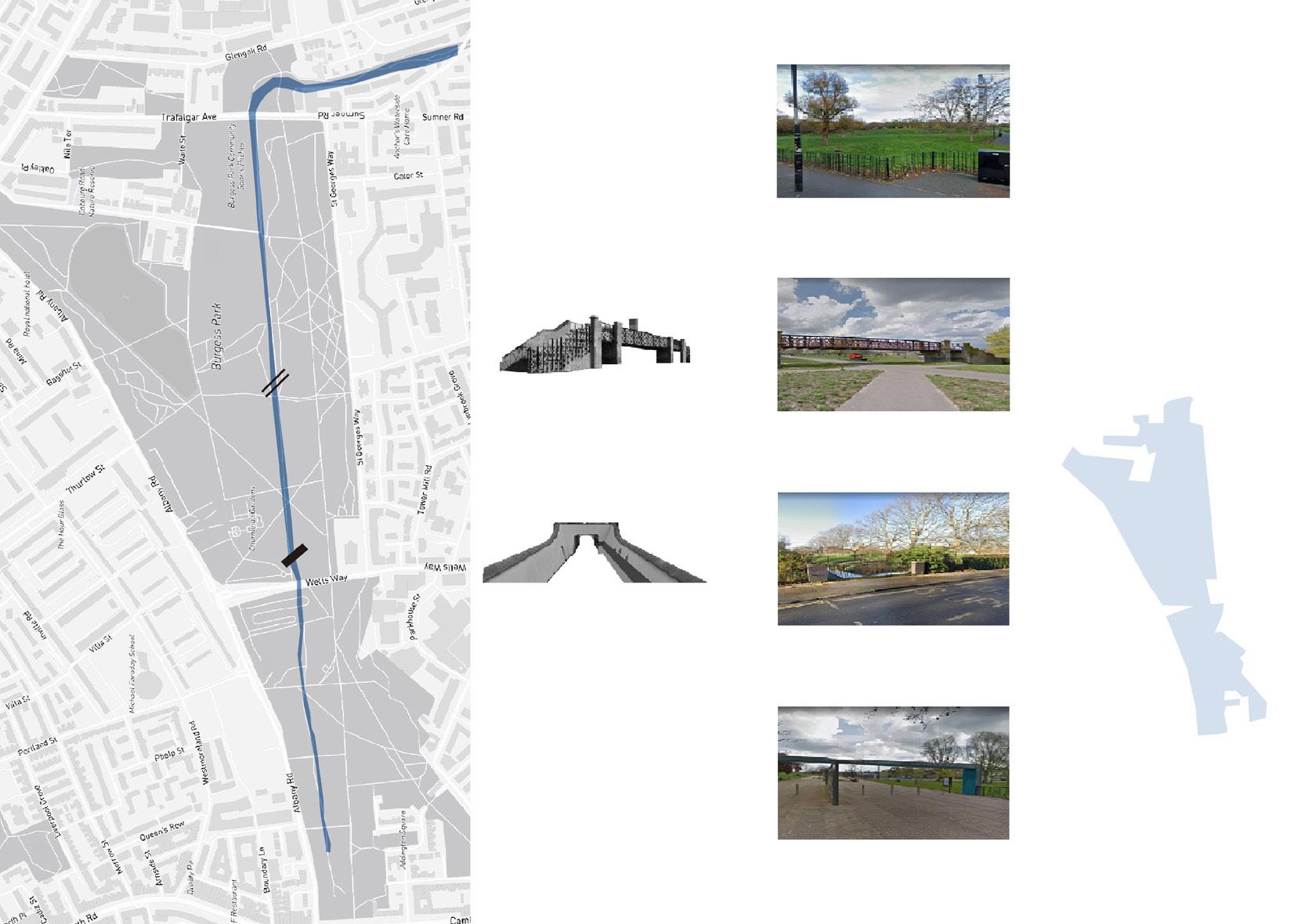
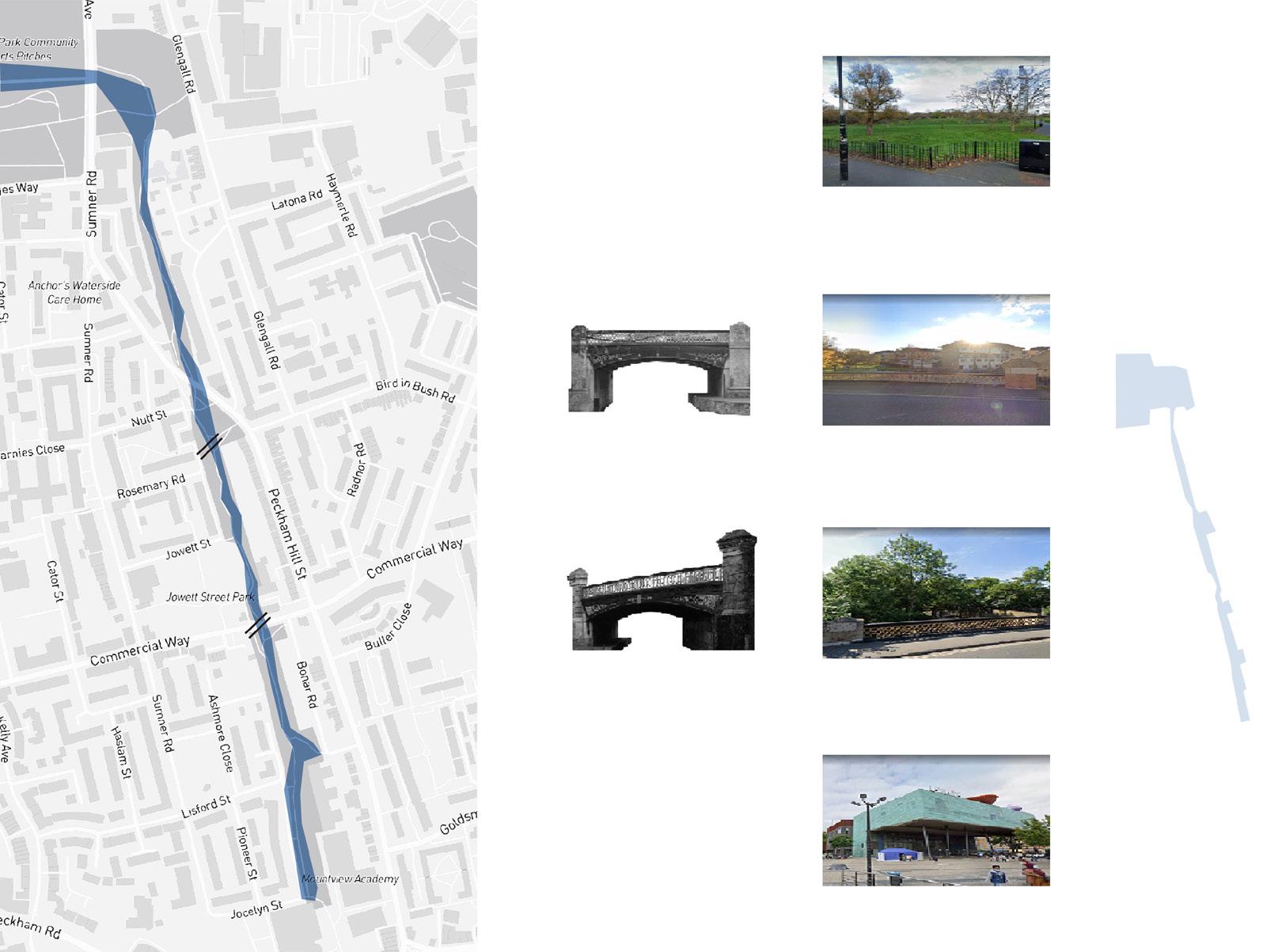
Drawn to the remains of the Surrey Canal, I began exploring the history of the area and its long-lost relationship with water. This research inspired the creation of an installation that reconnects environment, nature, and water resources, transforming them into a living part of the site. The project explores how water, light, and wind can be translated into a shared sensory dialogue between people and the environment.
Concept
Inspired by the Warka Water approach, the project began with experiments using wire mesh and fibre fabric to test water collection in London’s climate. While the material successfully gathered rain, it revealed a local specificity — collecting only rainfall, not mist or dew.
This led to the creation of a textilebased rainwater collector — an experimental space that highlights natural forces.
The end of Surrey Canal in Burgess Park
Remains Present
Remains Present
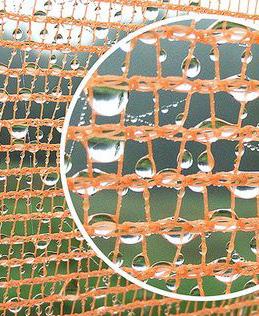
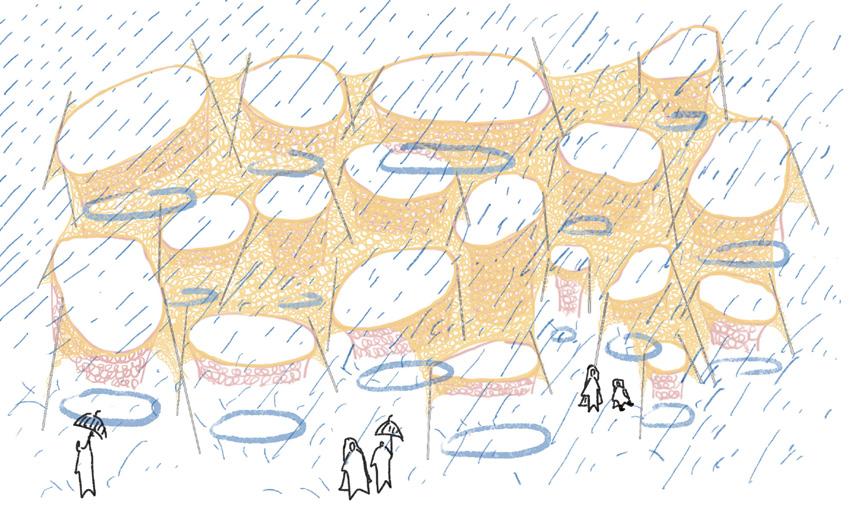
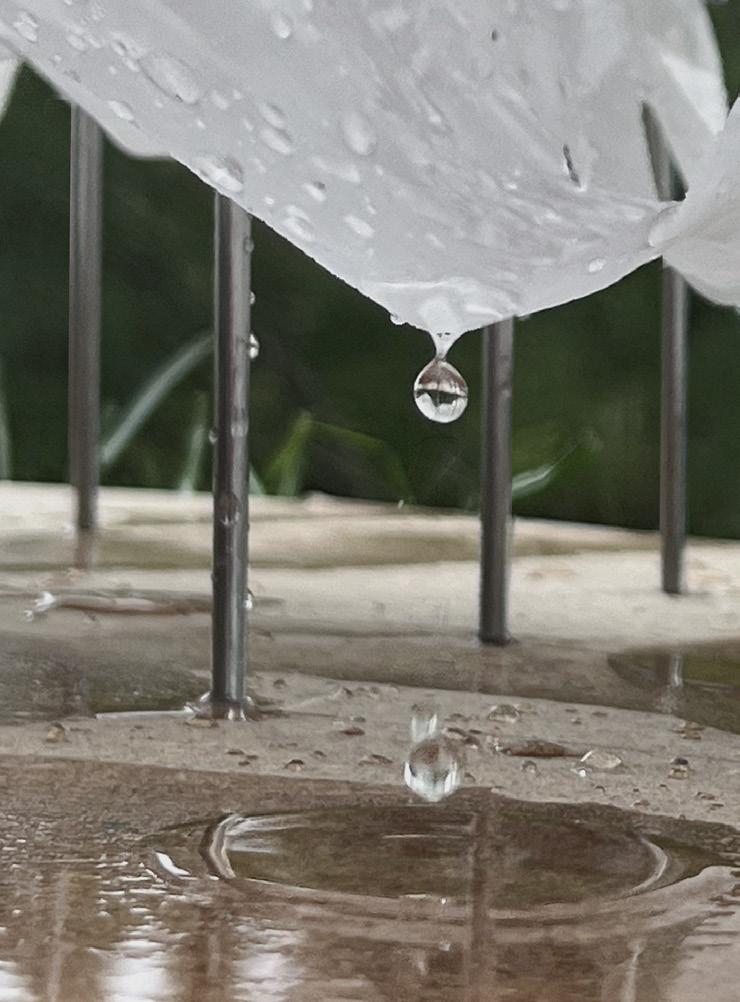
It aims to create dialogues between materials, people, and the environment through simple, visible interactions with water. The woven components are arranged at different heights, allowing water to drip at various speeds and directions. Rainwater is collected in small containers or falls directly onto the ground, where it reflects the surroundings and people passing by.
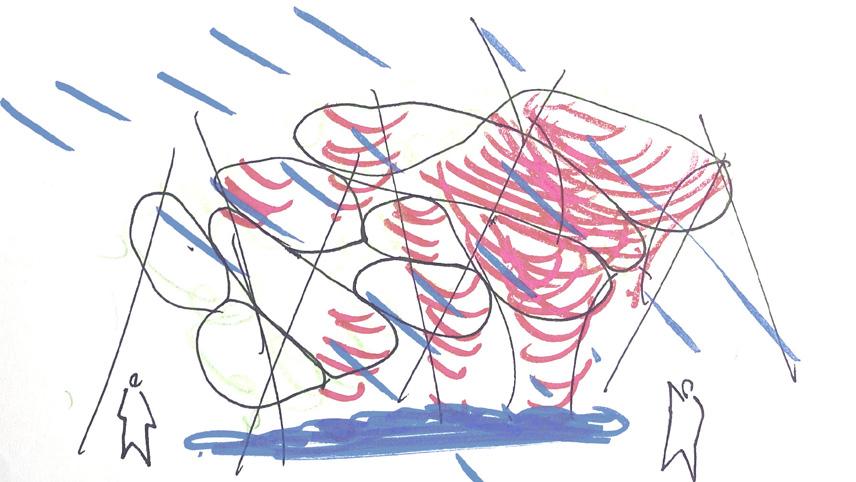
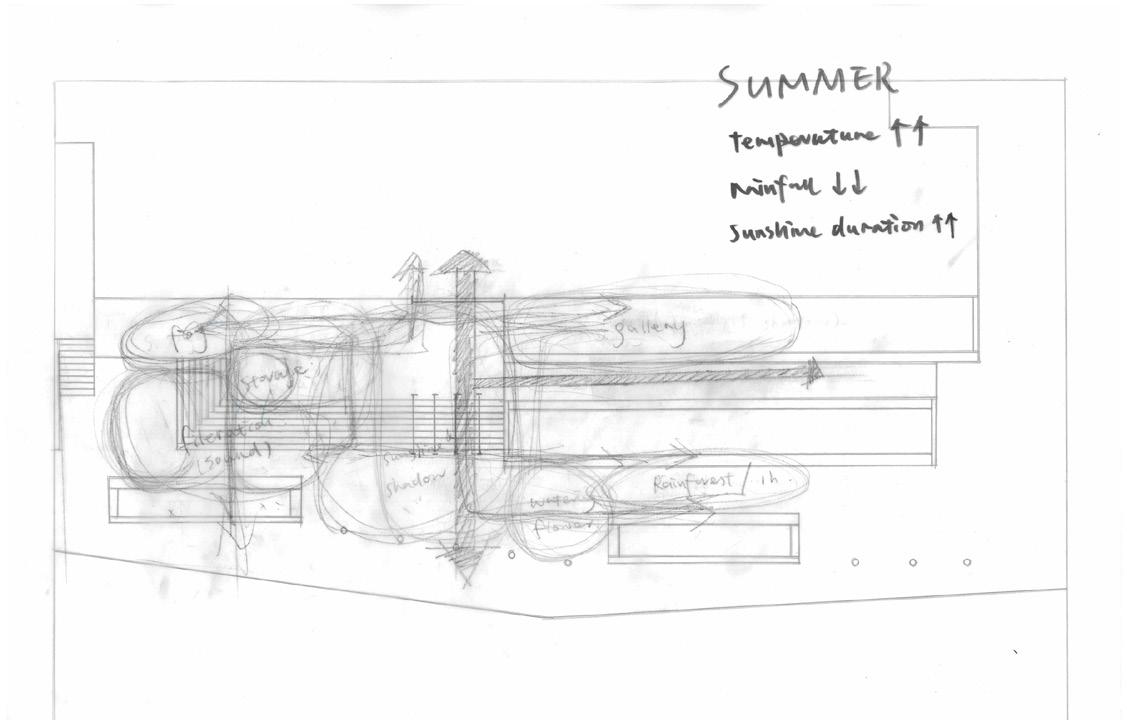
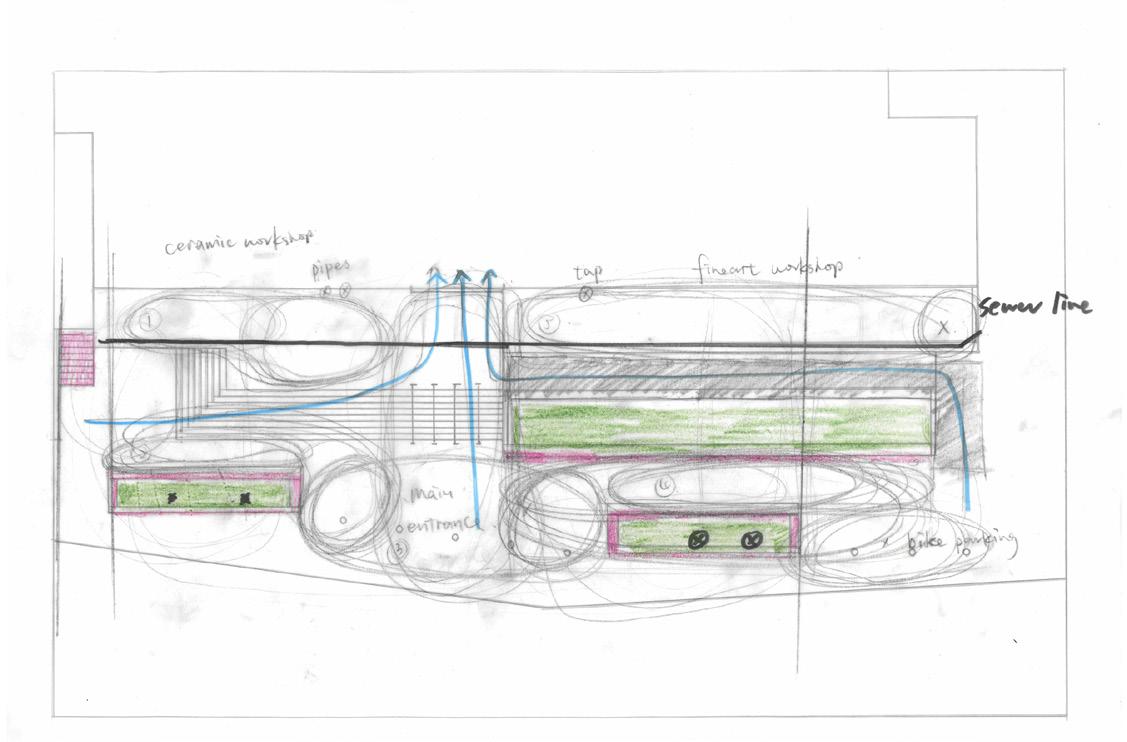
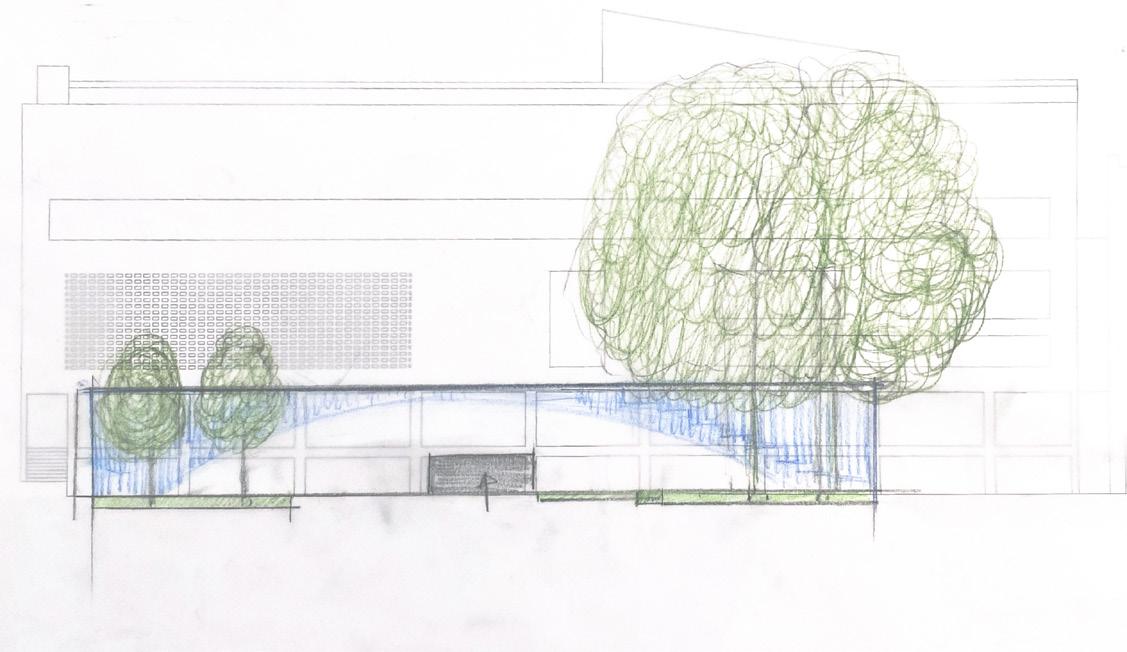
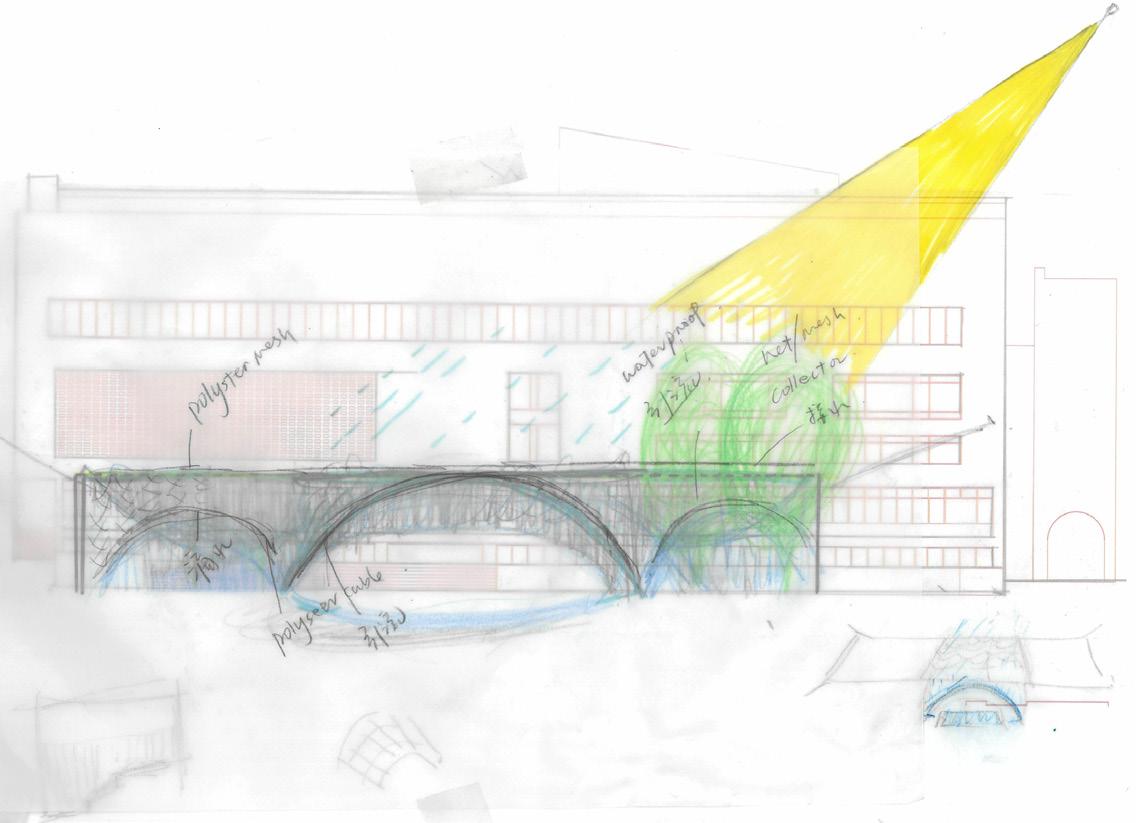
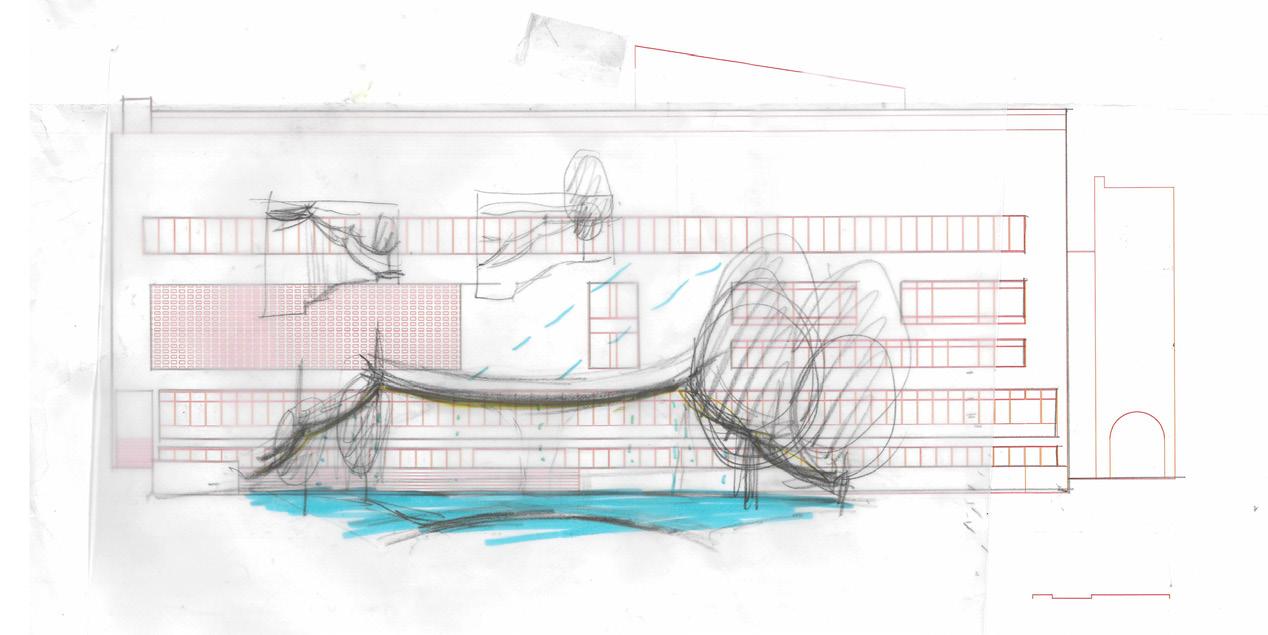
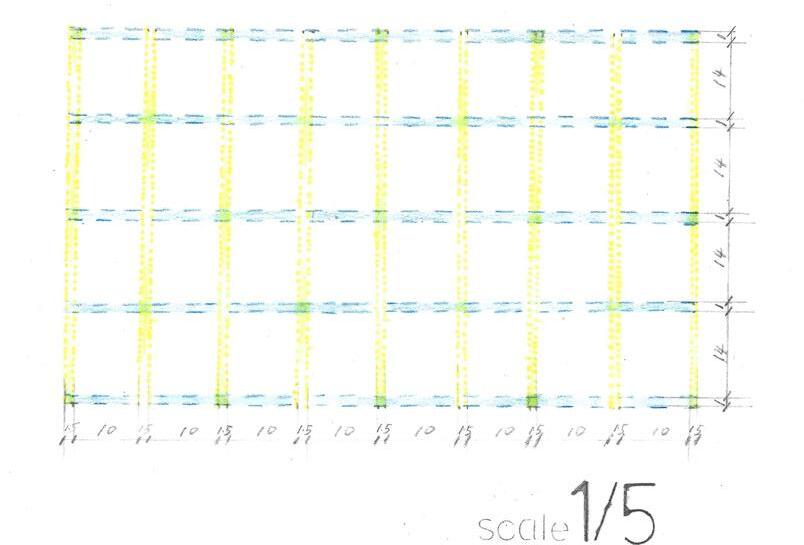
I started by mapping the space with threads—testing different line directions, densities, and how they interact with light and movement.
Inspired by stitching and suspension, I explored how shadow patterns shift when the lines are fixed, loose, or layered.
As the sketches became denser, I noticed the structure began to block the openness I wanted—so I shifted toward lighter, more transparent compositions.
This led to ideas of weaving light and shadow—creating a breathable system that feels both structured and soft.
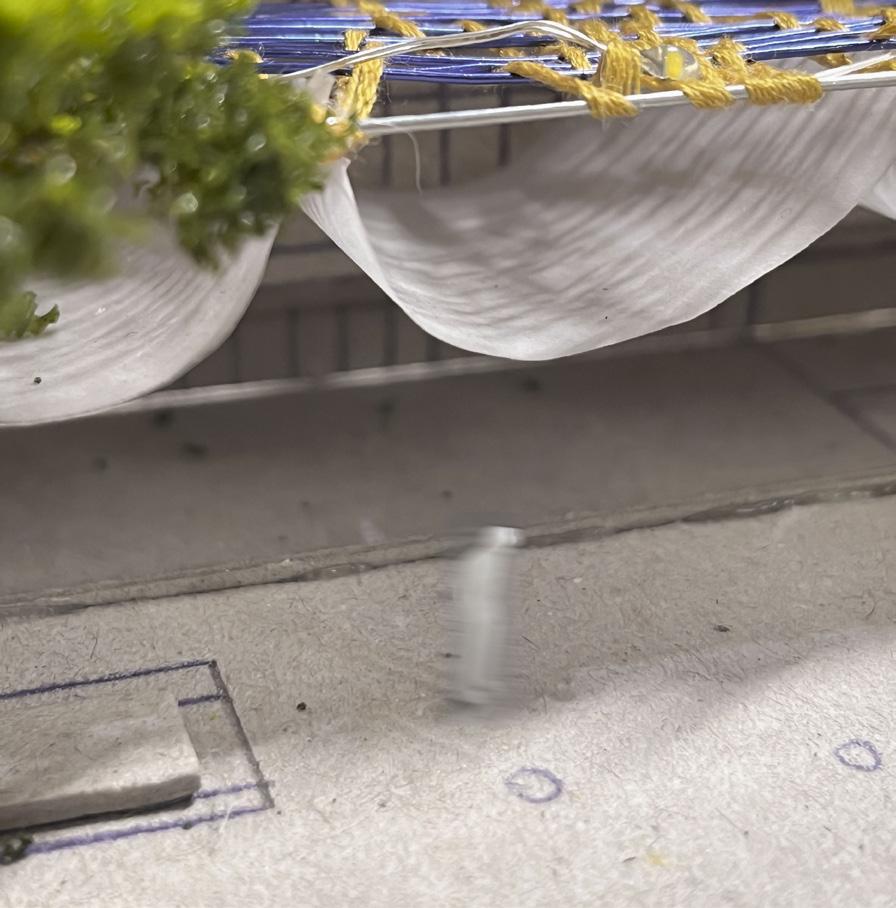
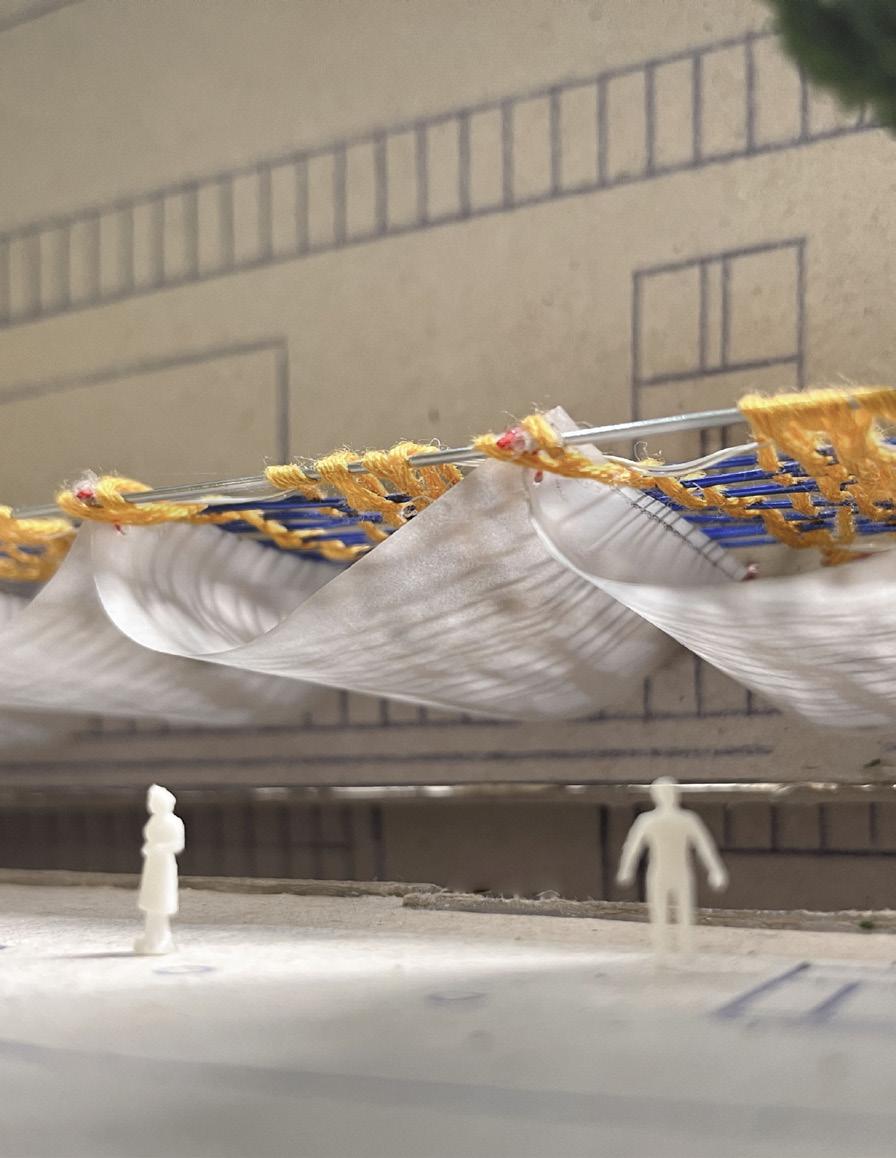
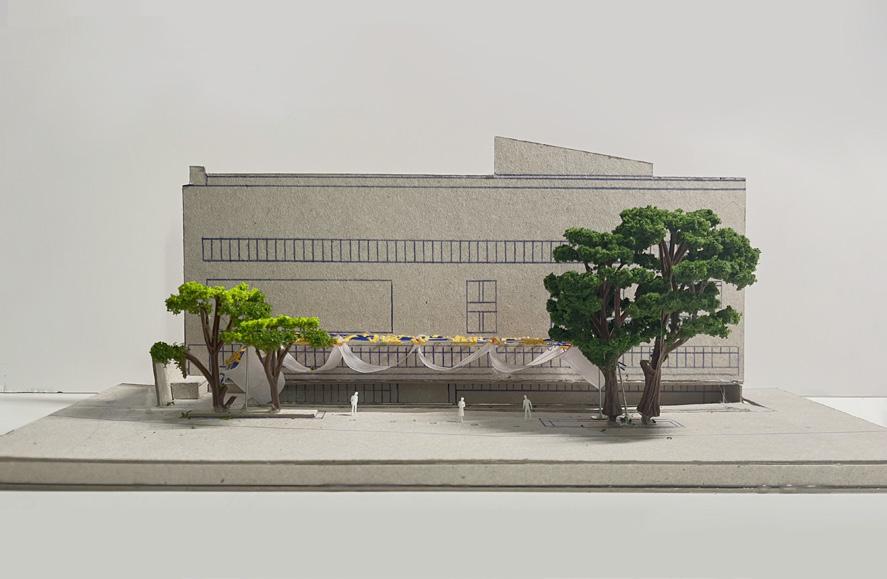
How can a system of materials communicate its logic to the viewer without words?
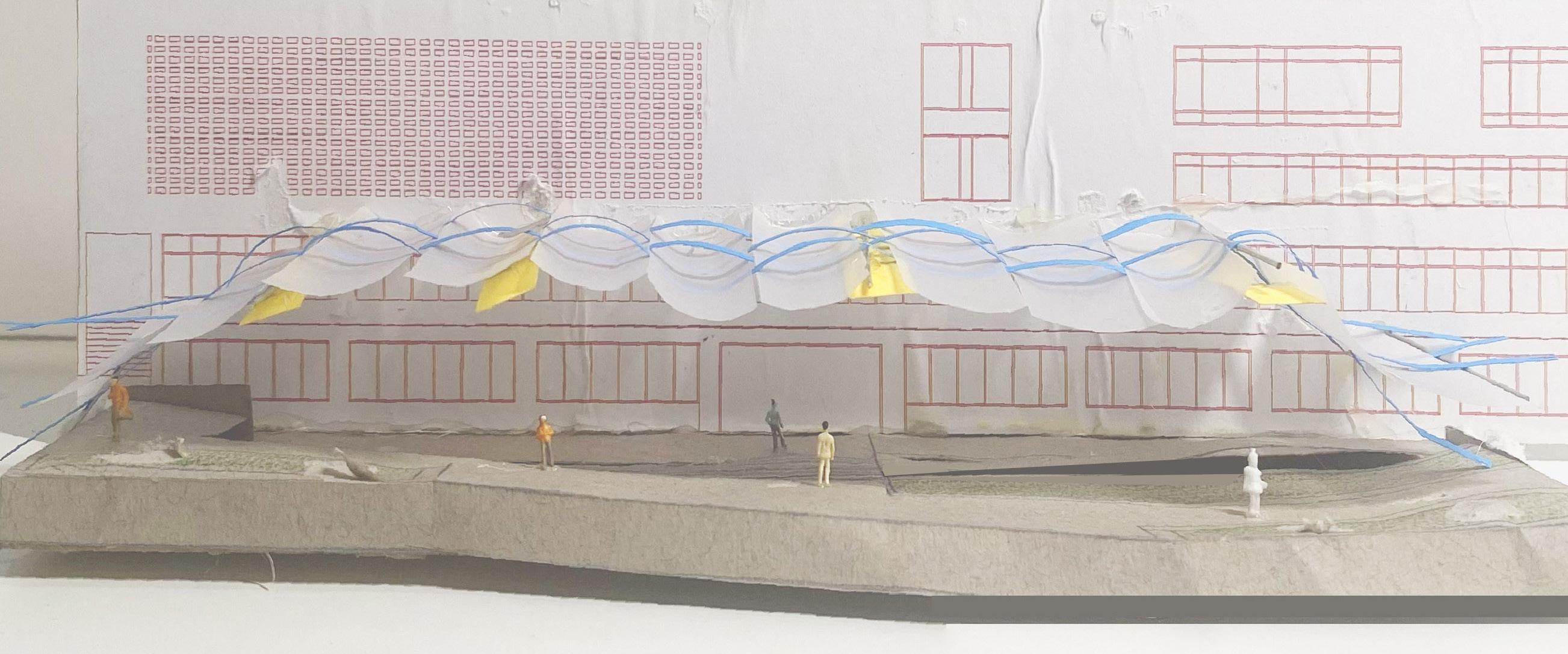
I realised that system-based thinking should not be limited to textile language — it can also shape spatial experience. To explore the idea, I first created a small handmade model. Strips of coloured paper represented different layers and functions, helping me visualise how they could work together as one system.
strips embedded in the structure; glow softly at night.
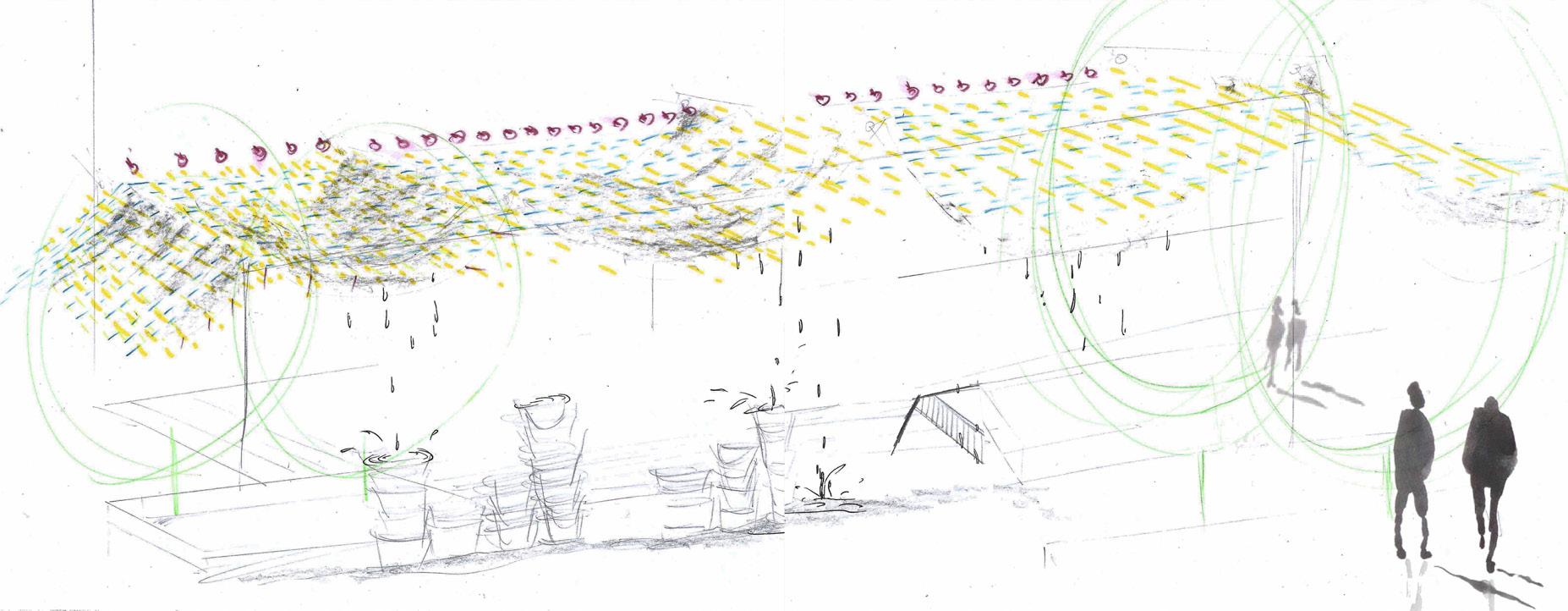
I explored how the sound of falling water could become part of the installation.
Instead of using the stairs, which would be unsafe when wet, I introduced metal buckets to collect water.
Positioned at varying heights, they produce different tones as raindrops fall, and can be freely rearranged by visitors to create an ever-changing rhythm of sound and interaction.
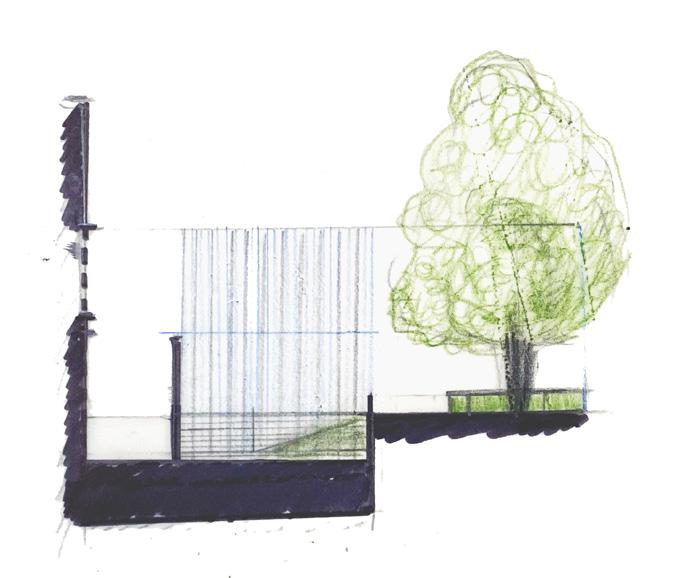
Sound variation through stair height was unsafe and ineffective for collecting water.
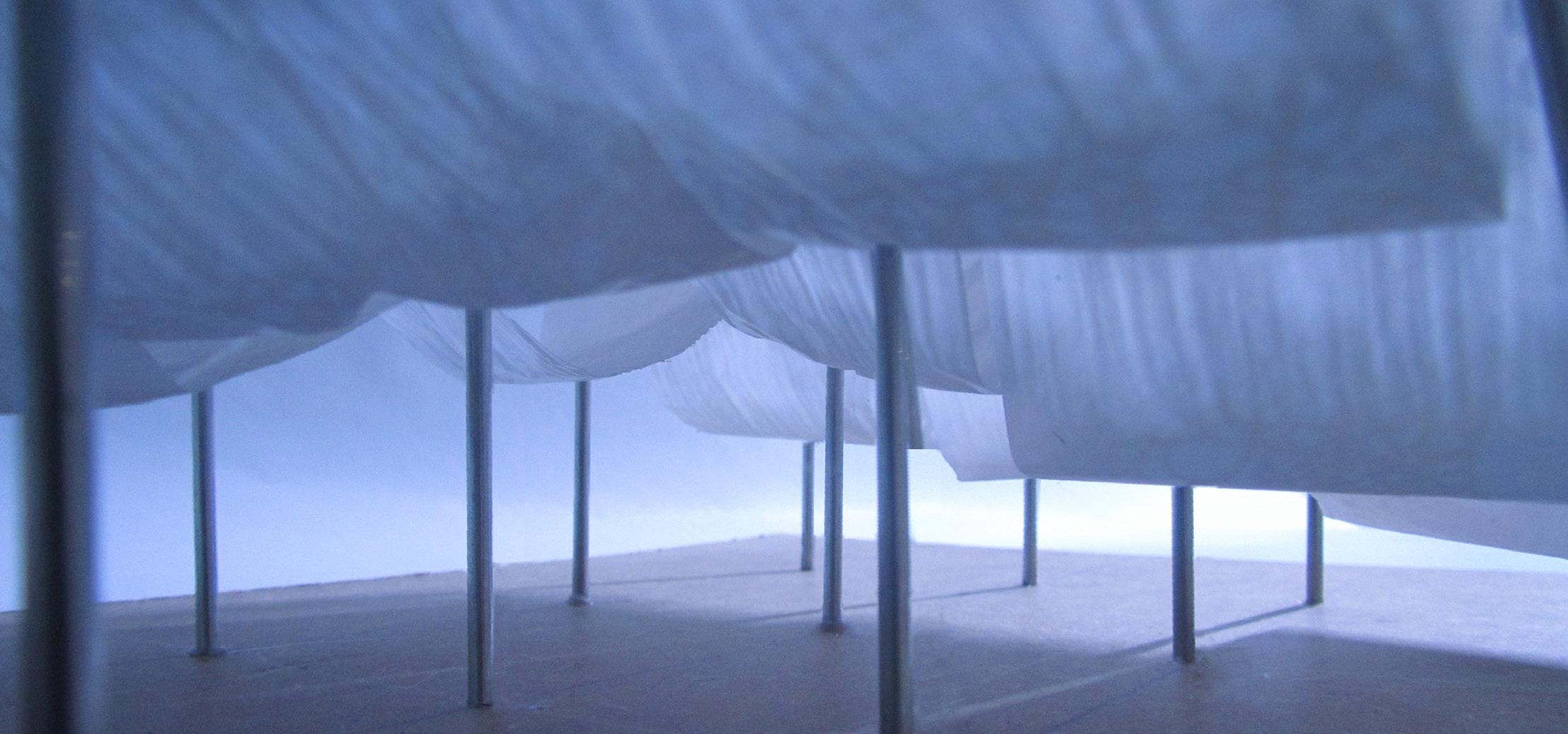
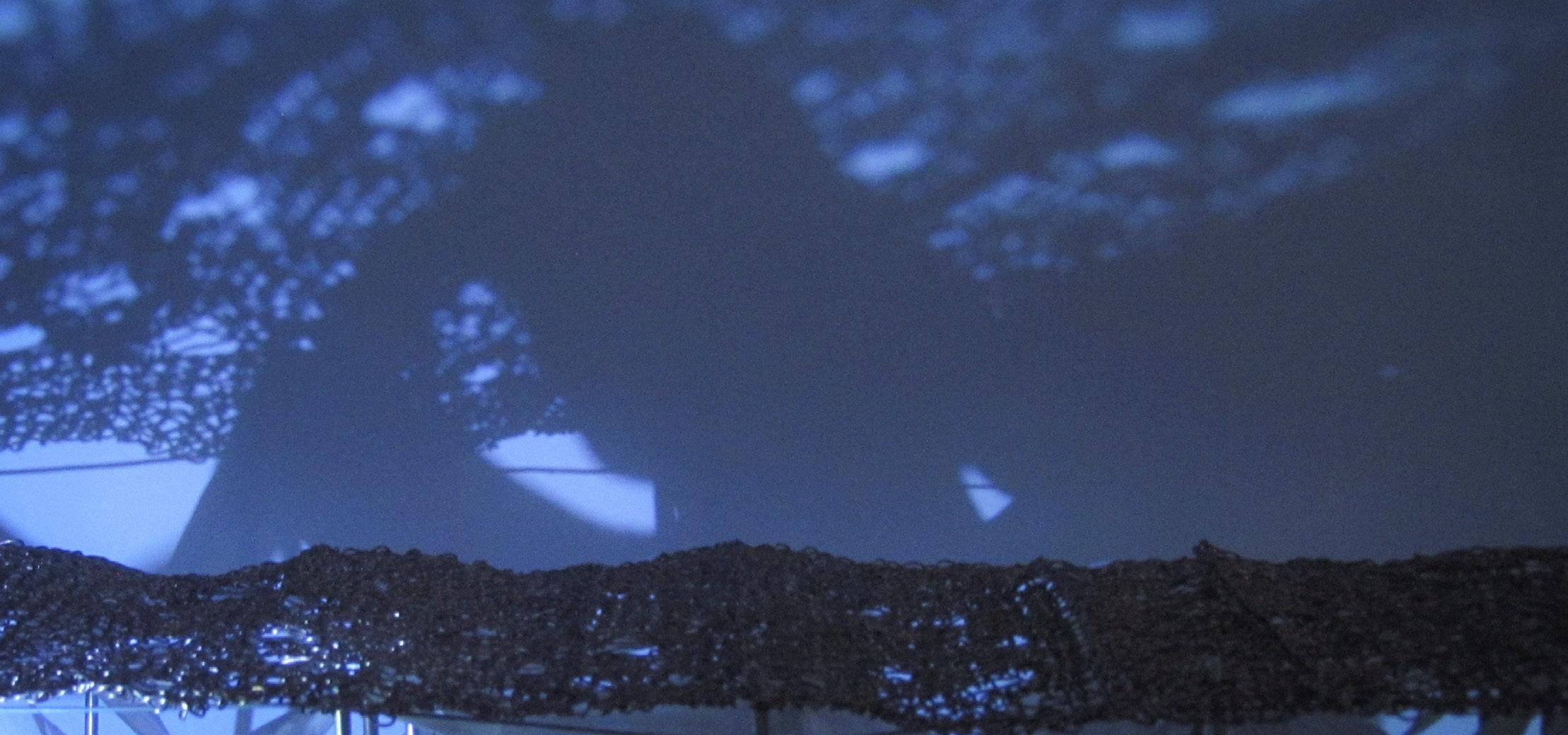
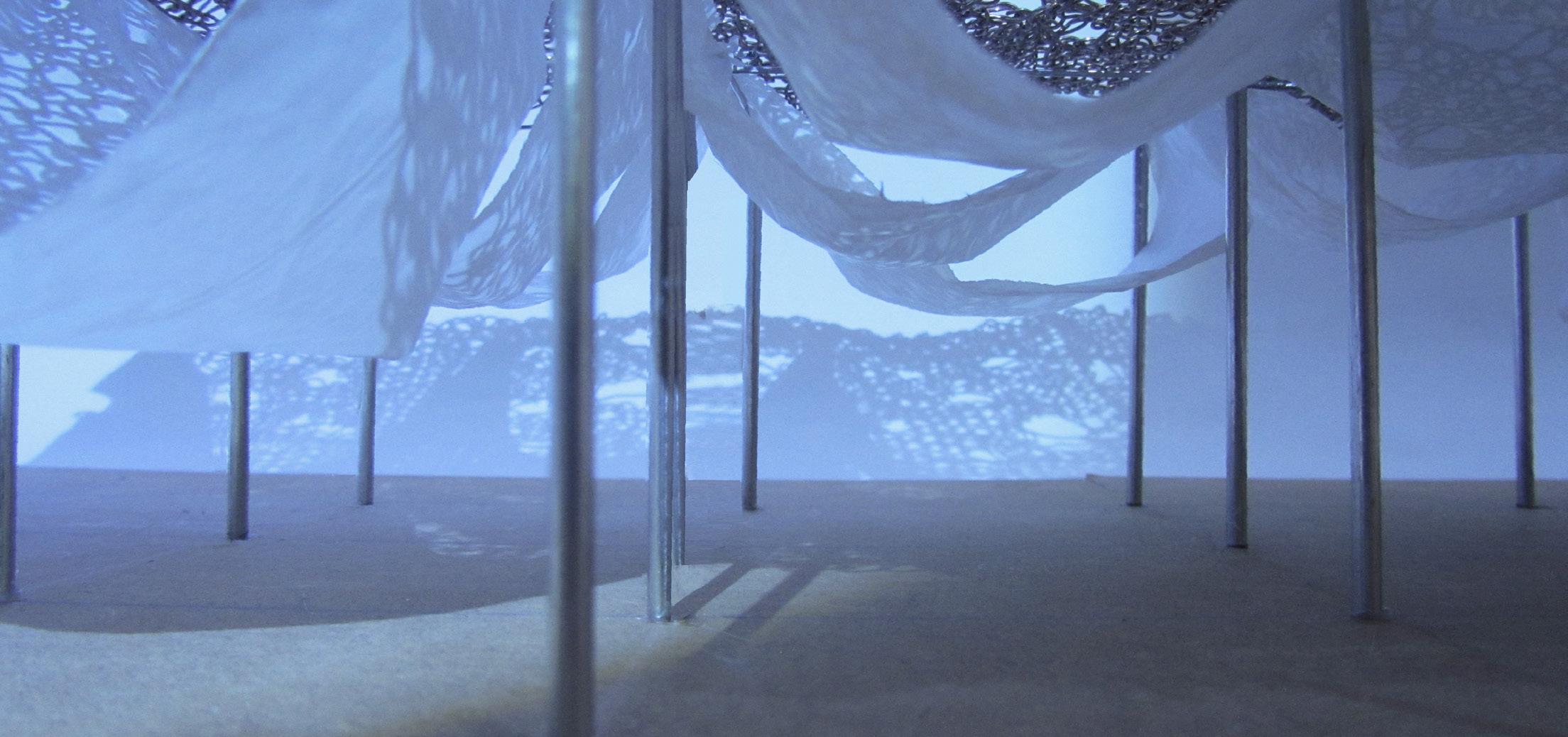
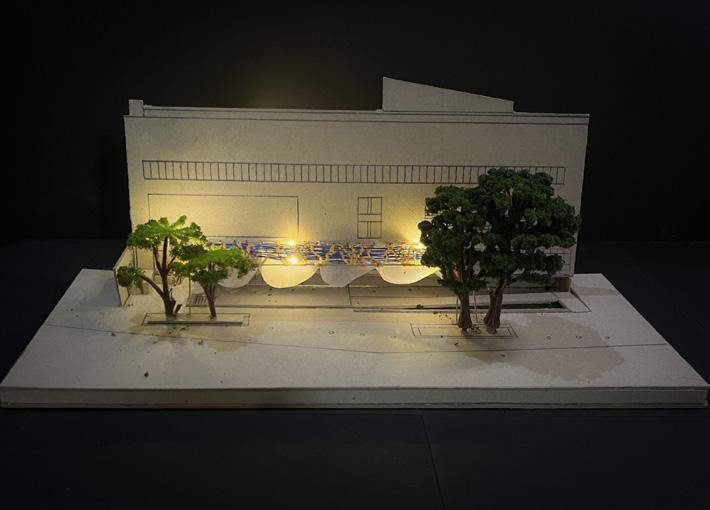
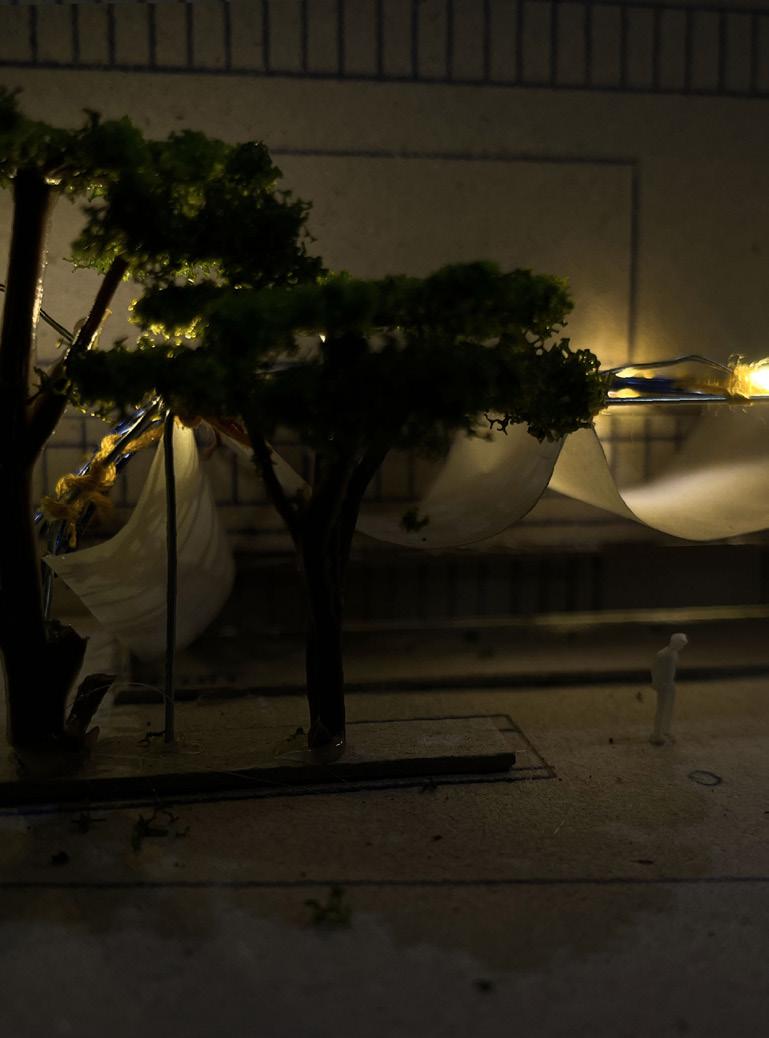
In the dark, the light at the end of the structure of the woven bridge will be illuminated. The bright space will be seen more in its structure - which may look like a canopy. It provides a space for people passing by to rest and relax.
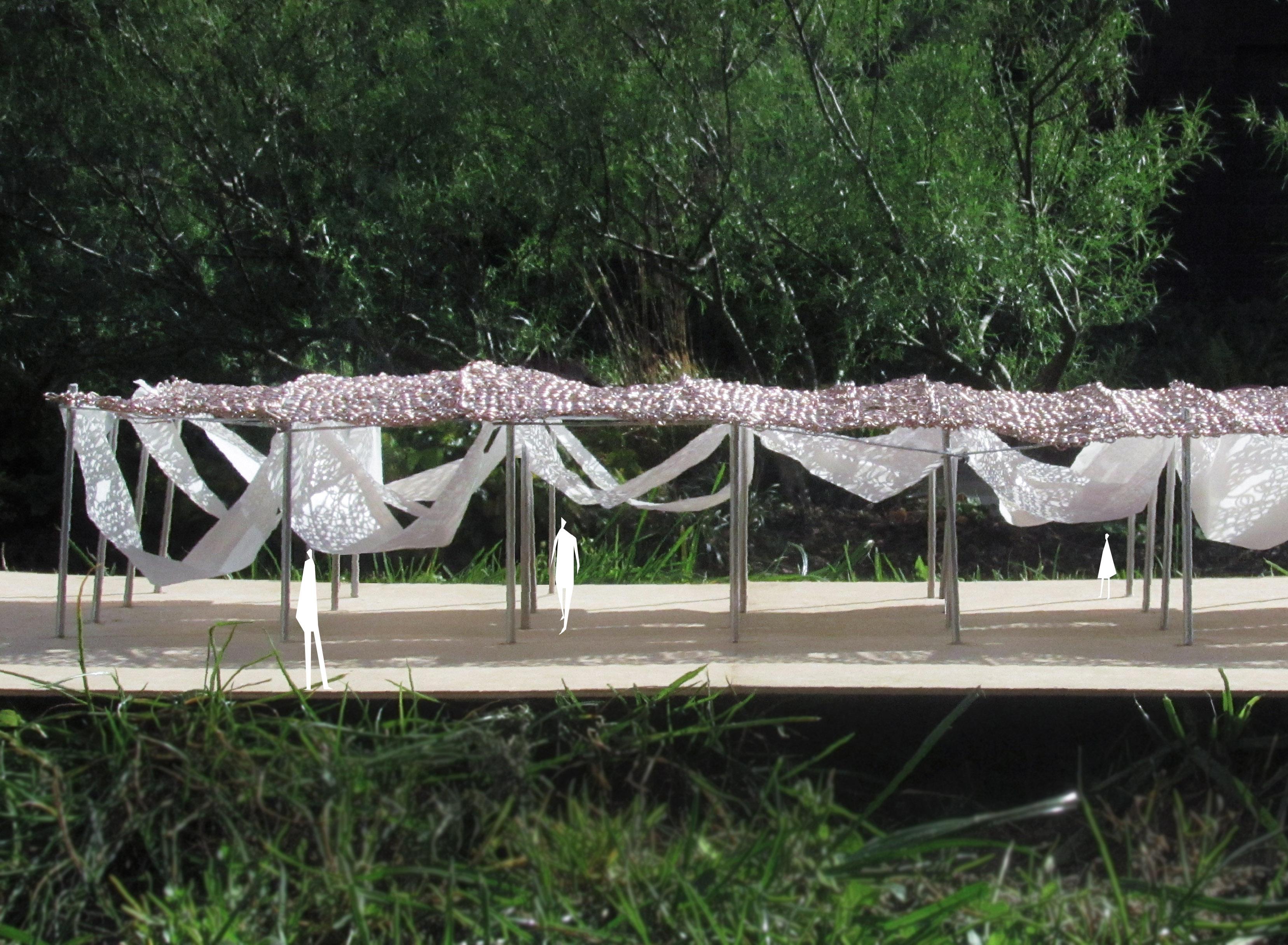
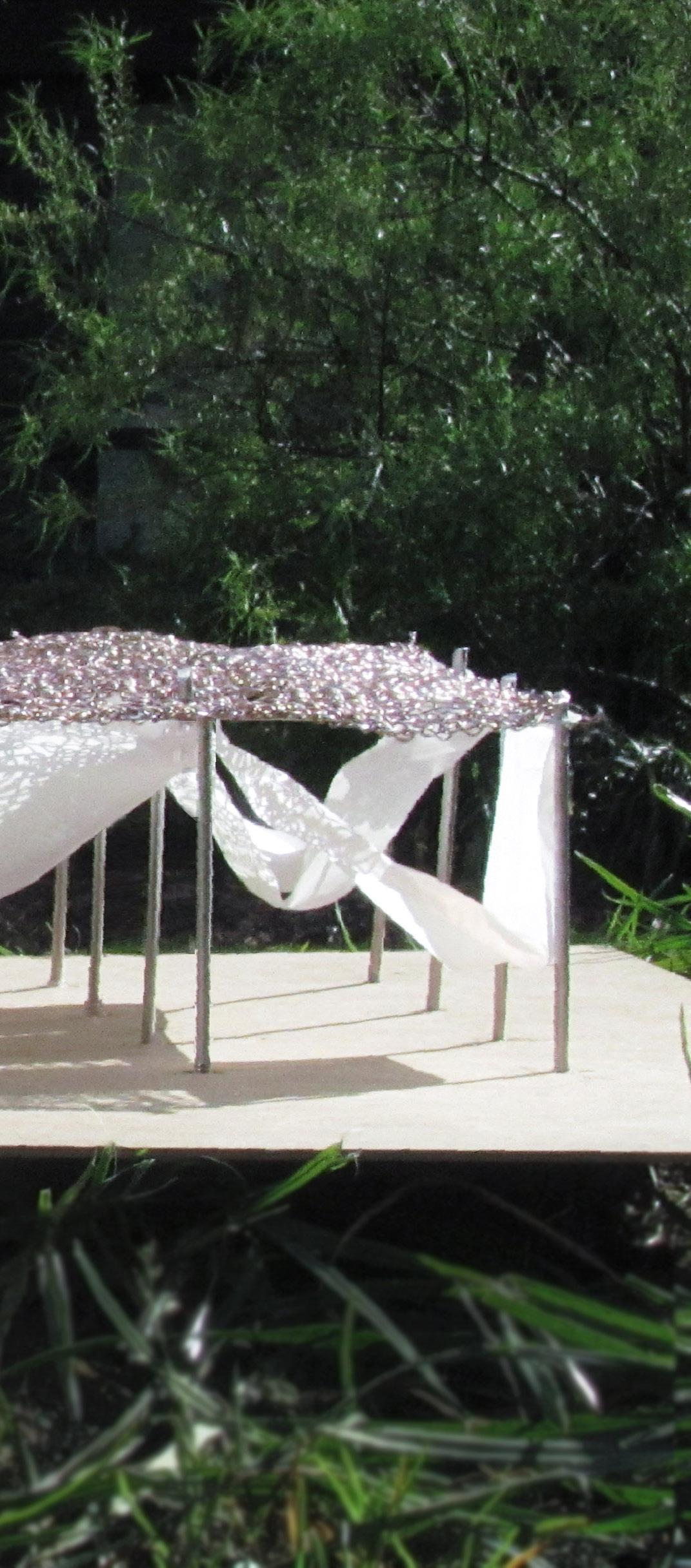
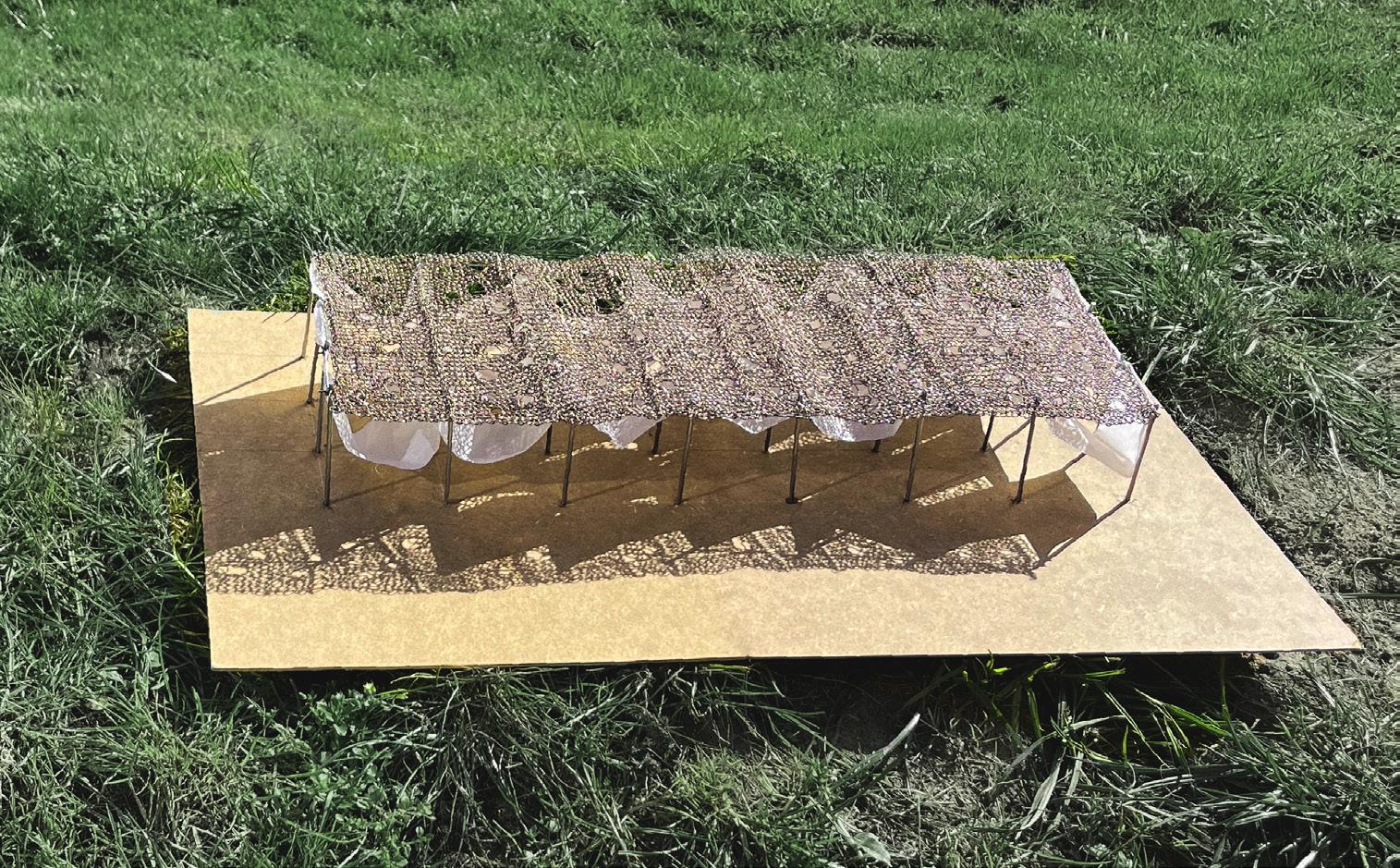
Dripping Woven Bridge transforms everyday rain into a shared sensory experience, weaving together water, sound, light, and movement to reconnect people with their environment.
The installation exists as both structure and performance — an ever-changing dialogue between nature and human presence.
A short video documenting its operation and sound can be viewed via the link below.
Architecture and Hospitality Design, Competition Project
Year: 2023
Location : Myvtan, Iceland
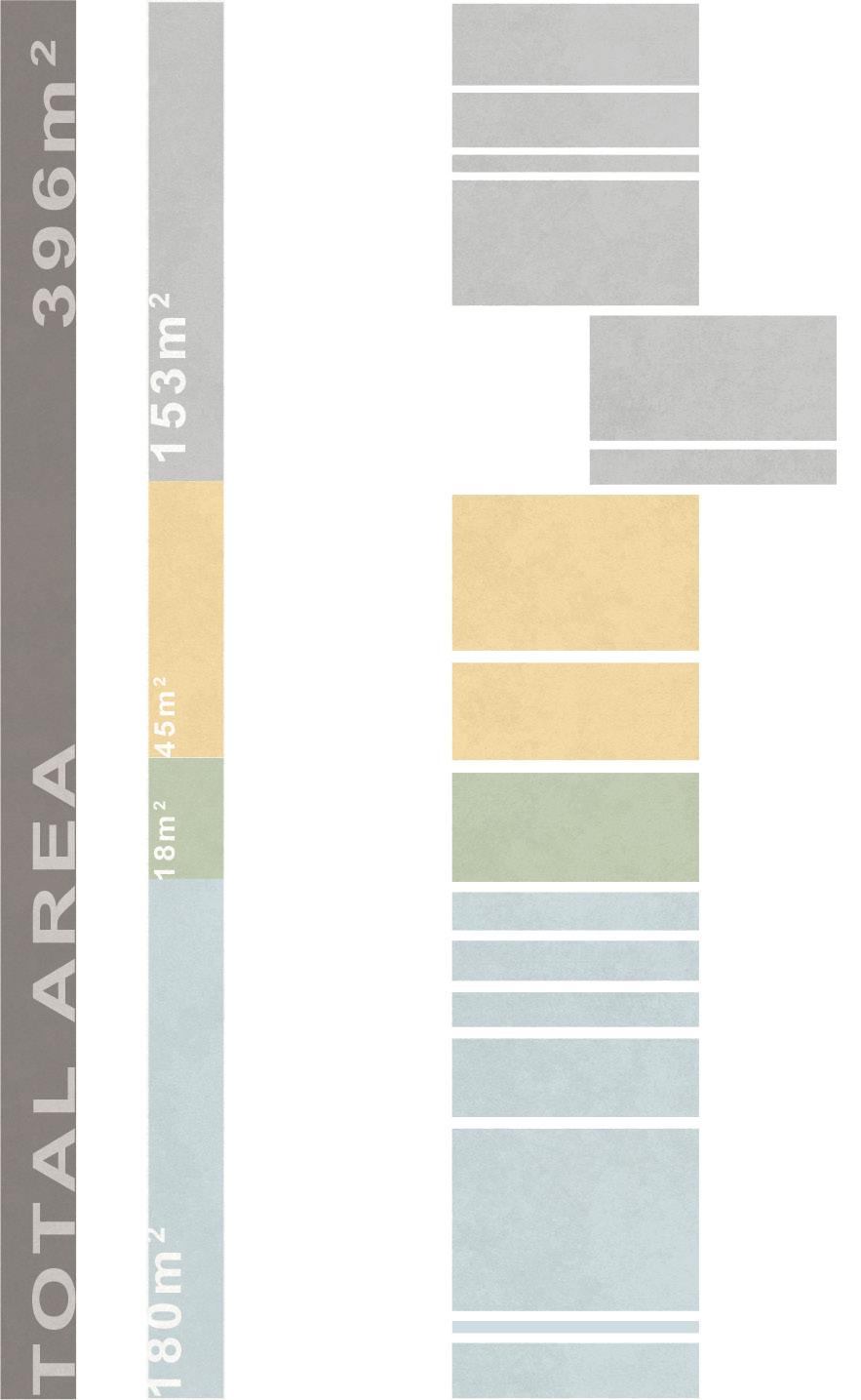
Building Area: 396m2
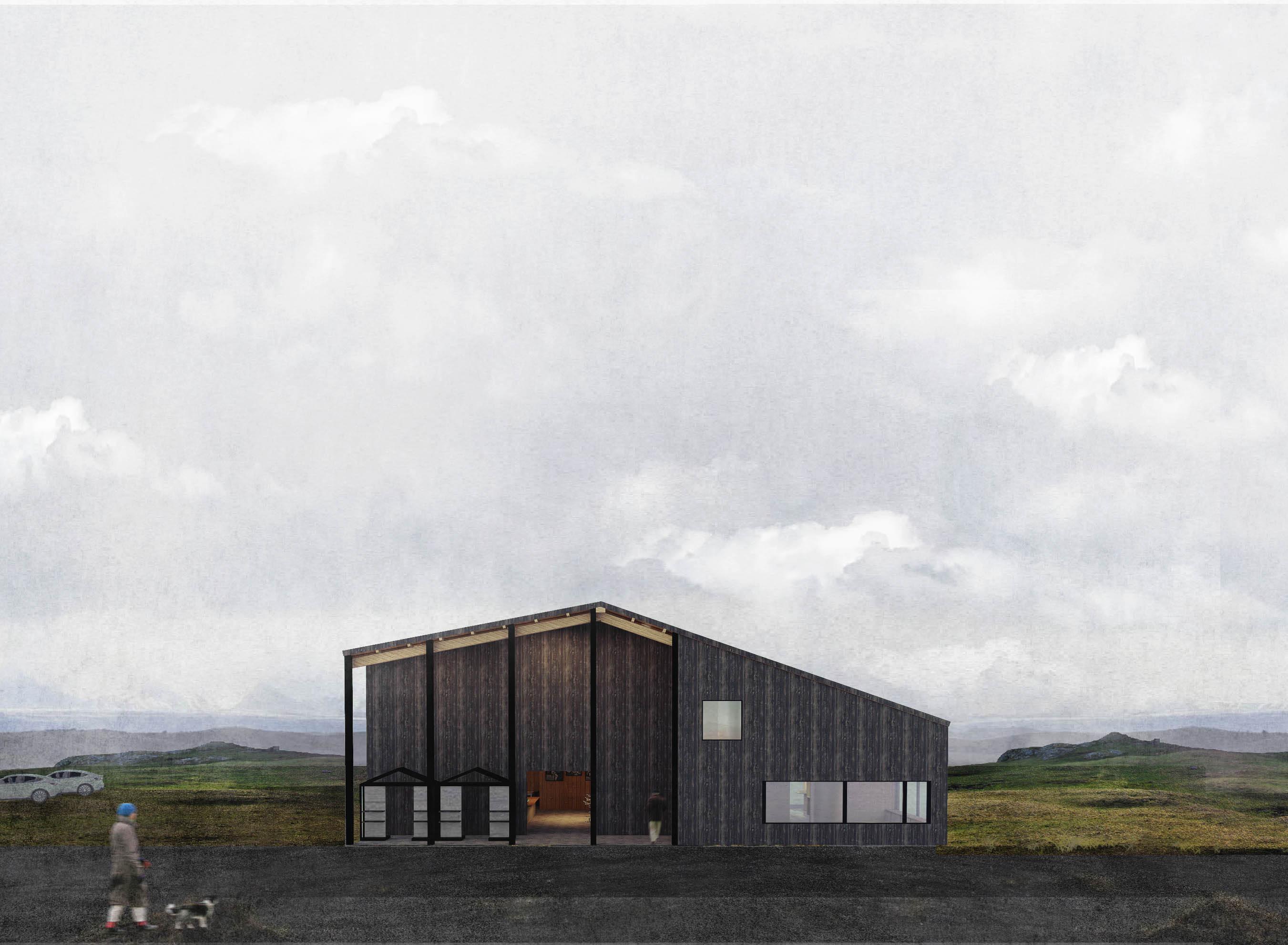
Team: Chengyi Zhou, Ruiyu Xu
Role in Team: Preliminary site research in Myvtan, Iceland, Conceptual Design, Technical Drawings and Architectural Representation, Physical Model
The project was also shortlisted in the Buildner Architectural Competition.
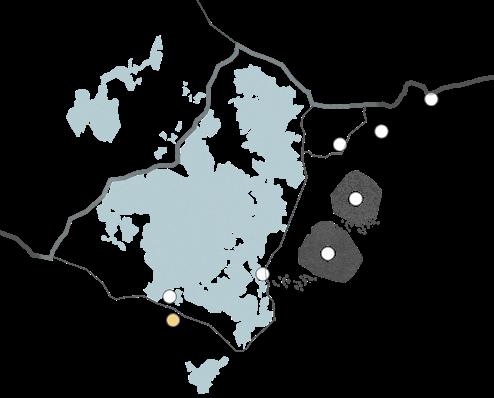
Nestled by Iceland's scenic Myvatn Lake, famed for its volcanic landscapes, Sel Hotel is beloved for its craft beer. To meet growing visitor demand, the hotel plans to expand its restaurant and brewery. This project integrates the brewery with a spa, offering guests a unique blend of stunning natural views and local traditions.
Climate Analysis Functions and Capacity
Changes in Average Daylight Hours/h Monthly Average Temperature/ 0C Number of Tourists
Best Month to Observe the Aurora Birds Viewing and Hiking Months Month of Local Activities
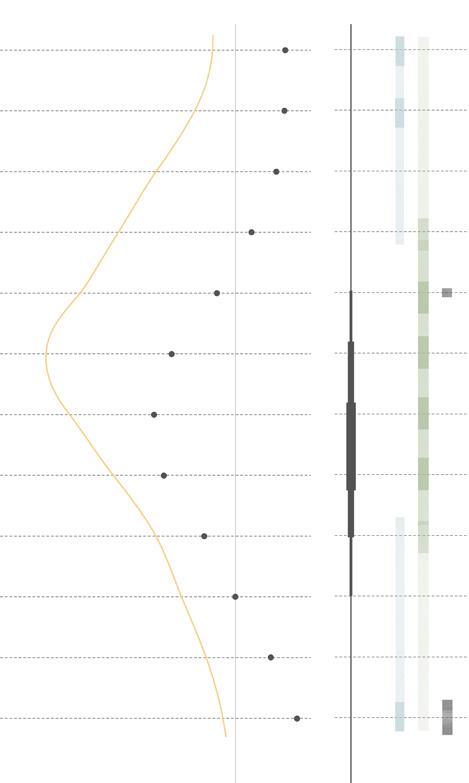
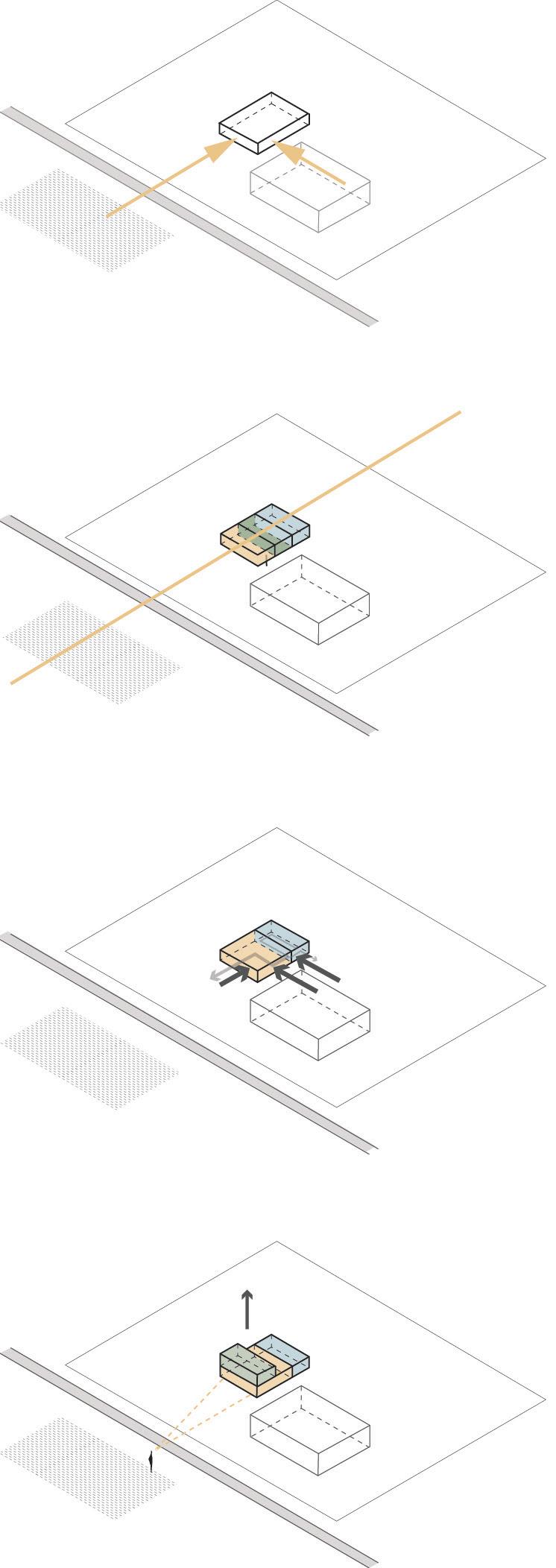
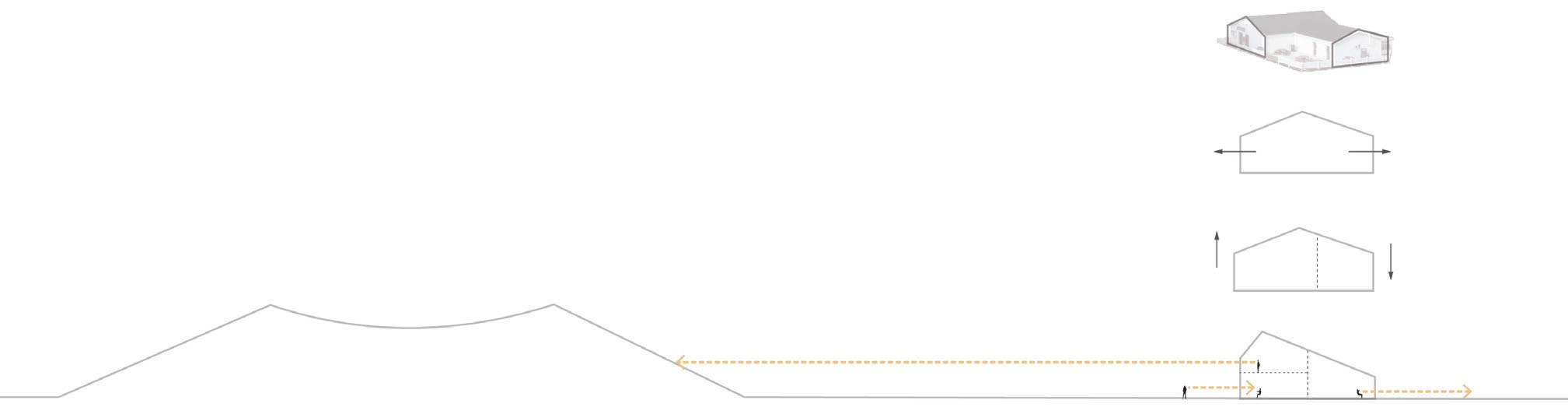
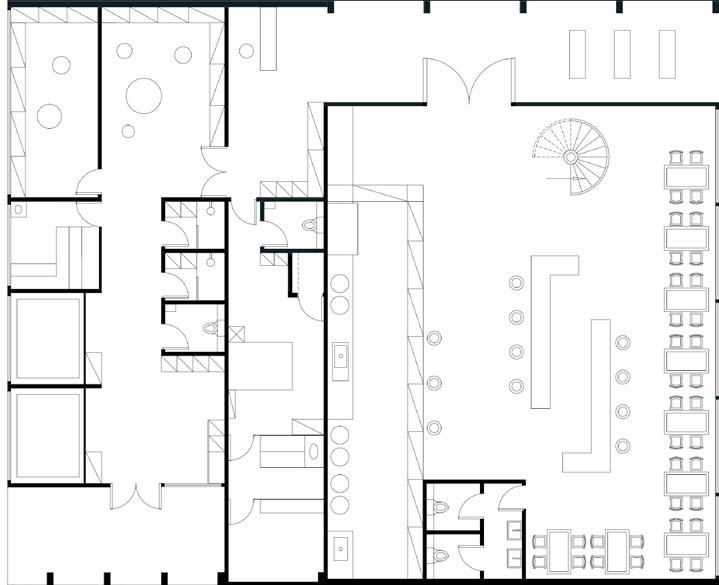
Considering the location of the Sel Hotel and the car park, two entrances would be more convenient for visitors and people who live in the hotel.
Two Entrances Sight
Based on the location of nearby buildings and volcano complex, the better view will be concentrated in the area of the yellow line.
Wet and Dry Areas
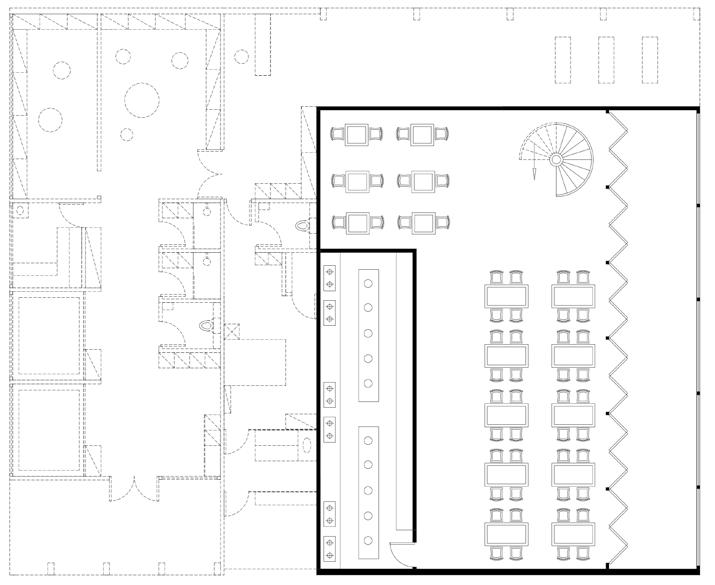
The brewery and restaurant sections combine to offer hotel guests and local visitors to accommodate daily meals, afternoon tea and parties and buffets. There is a separate bar in the spa area.
Raising the bottom floor allows people in the restaurant to stagger their eyes and get a better view. It also provides more seating for the restaurant.
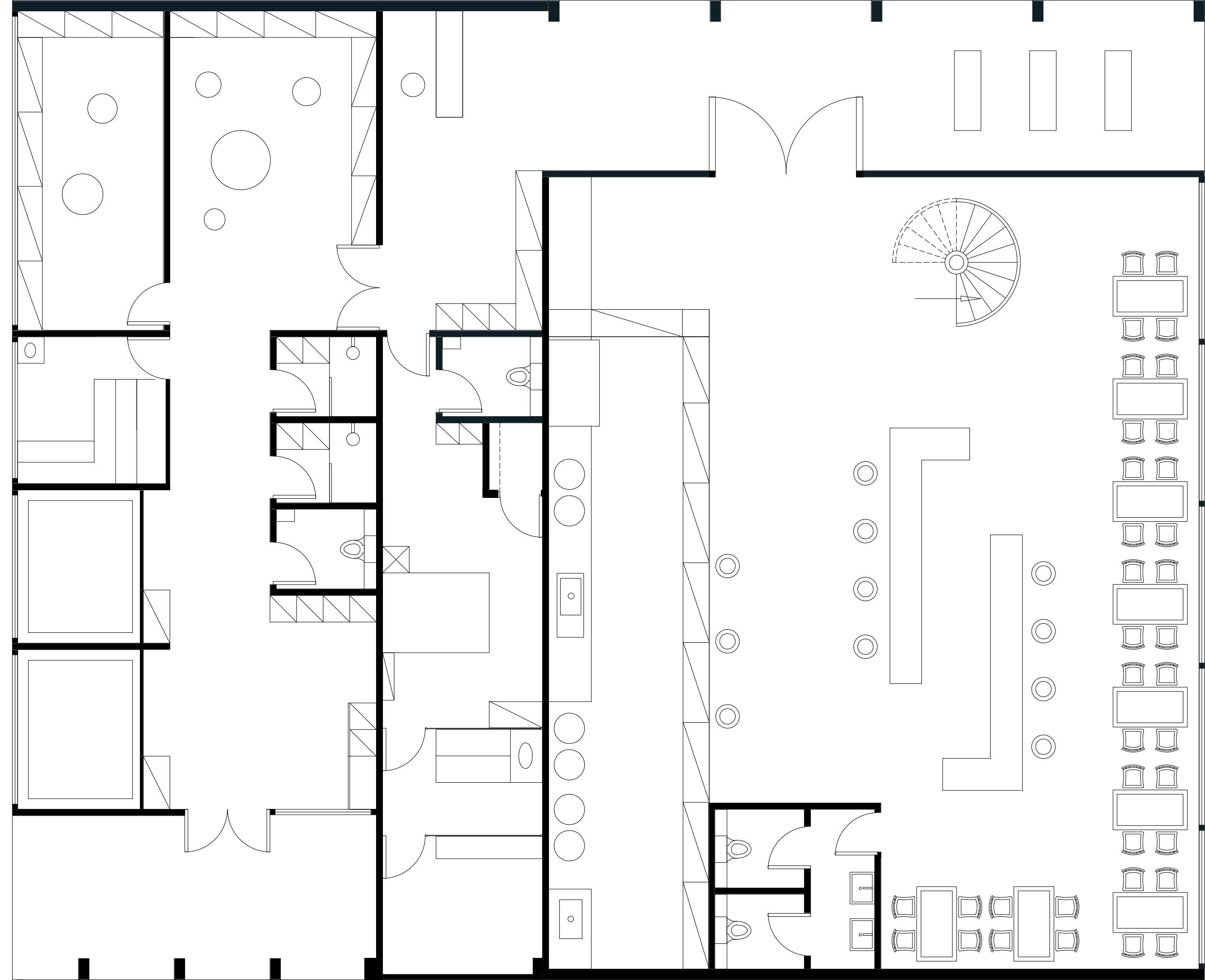
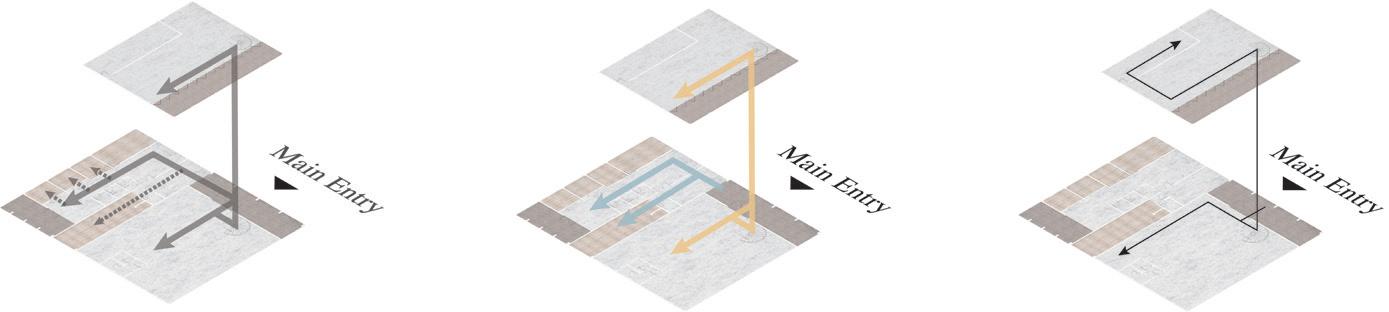
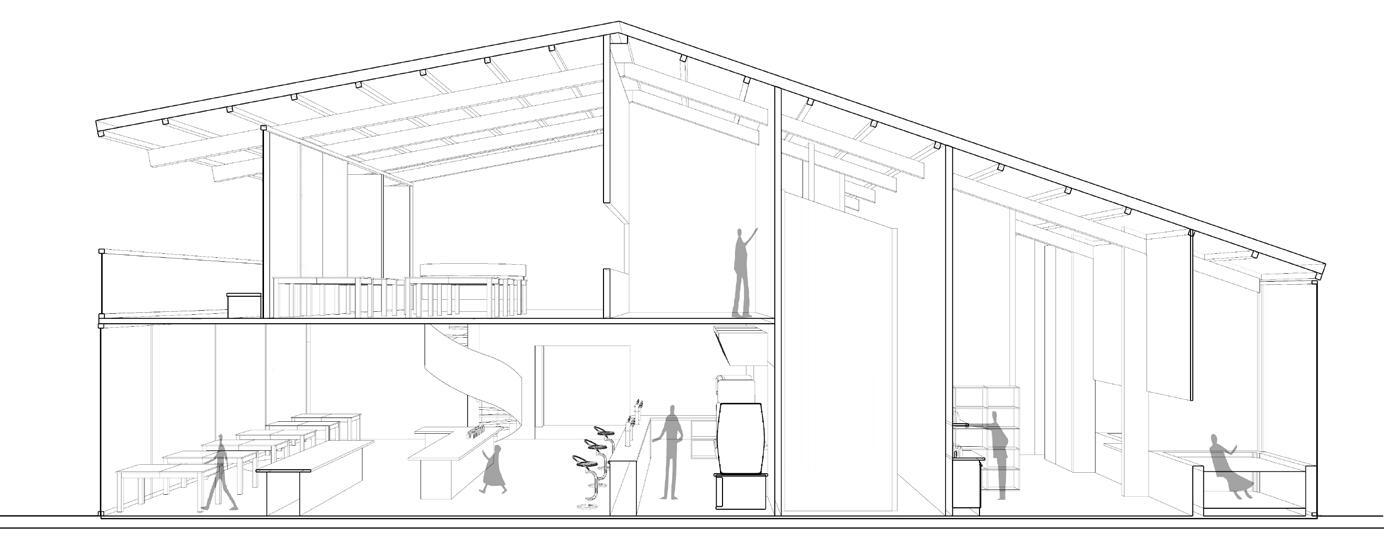
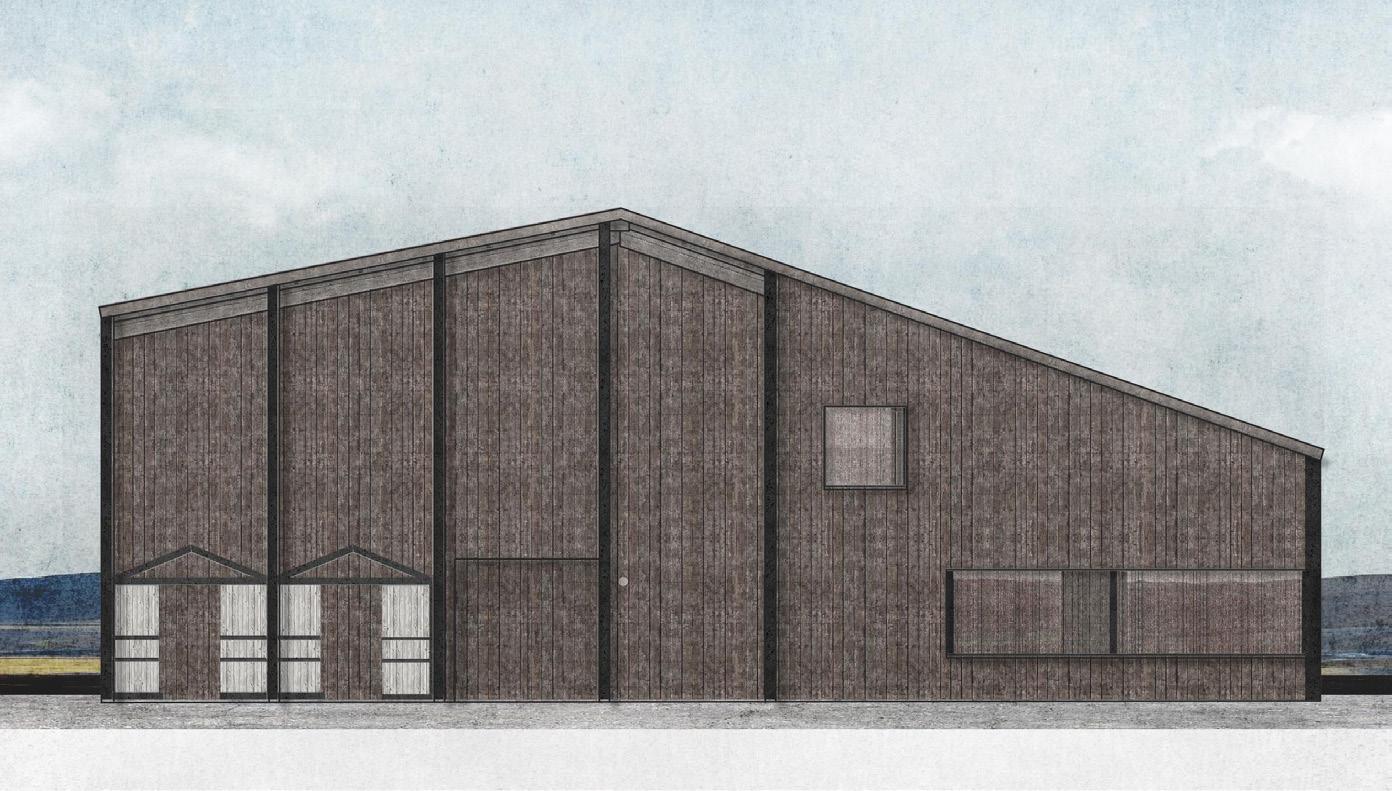
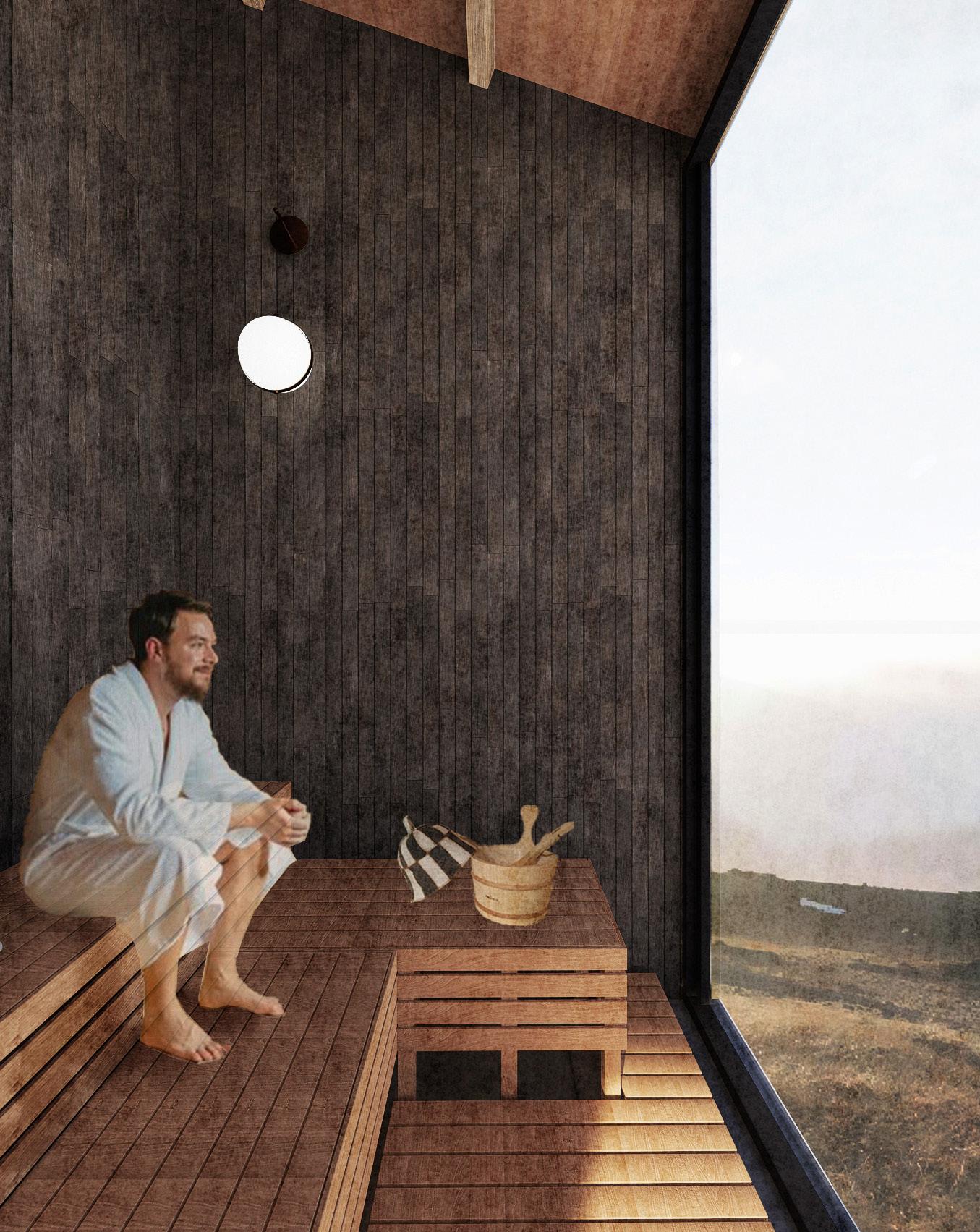
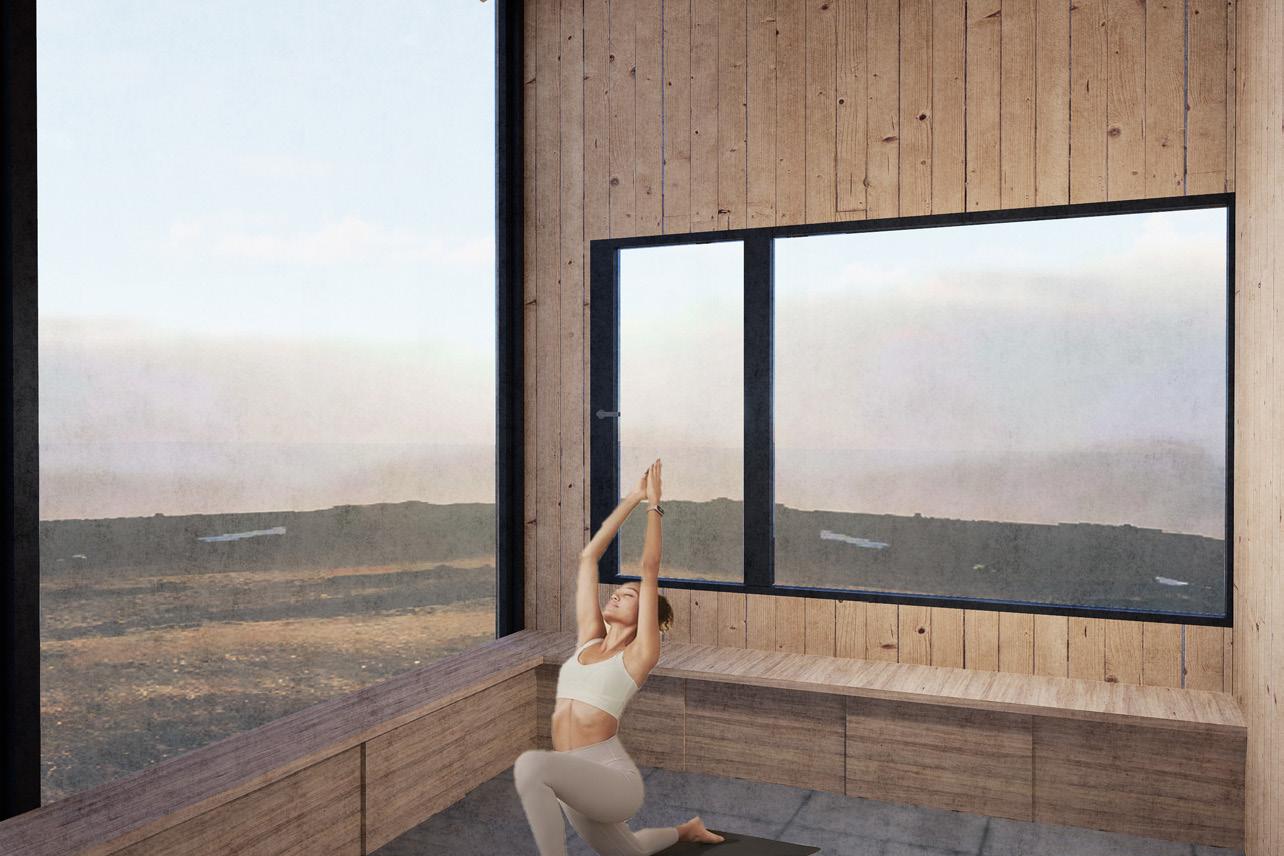
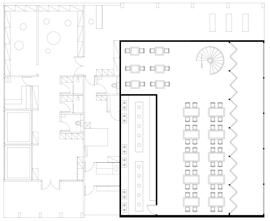
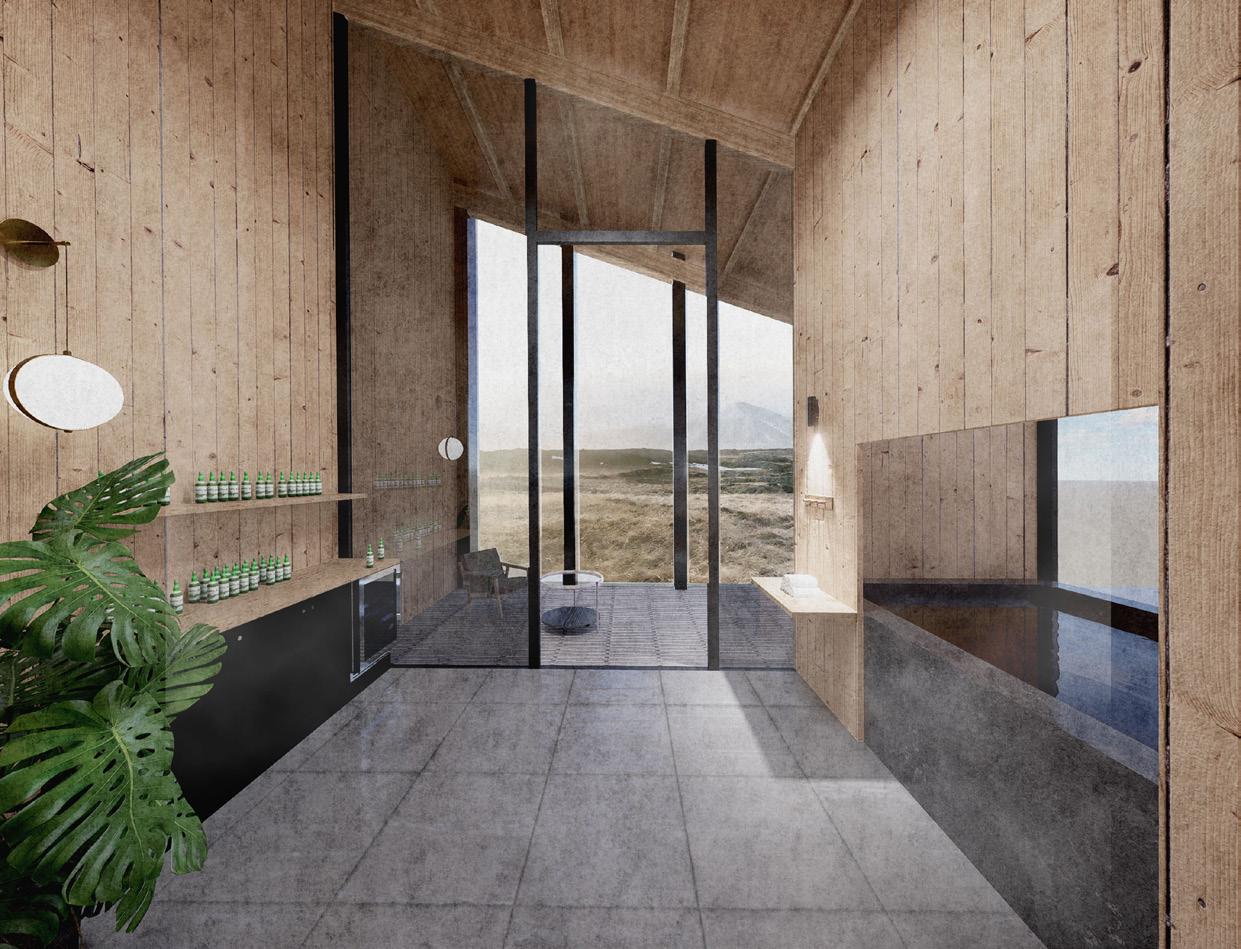
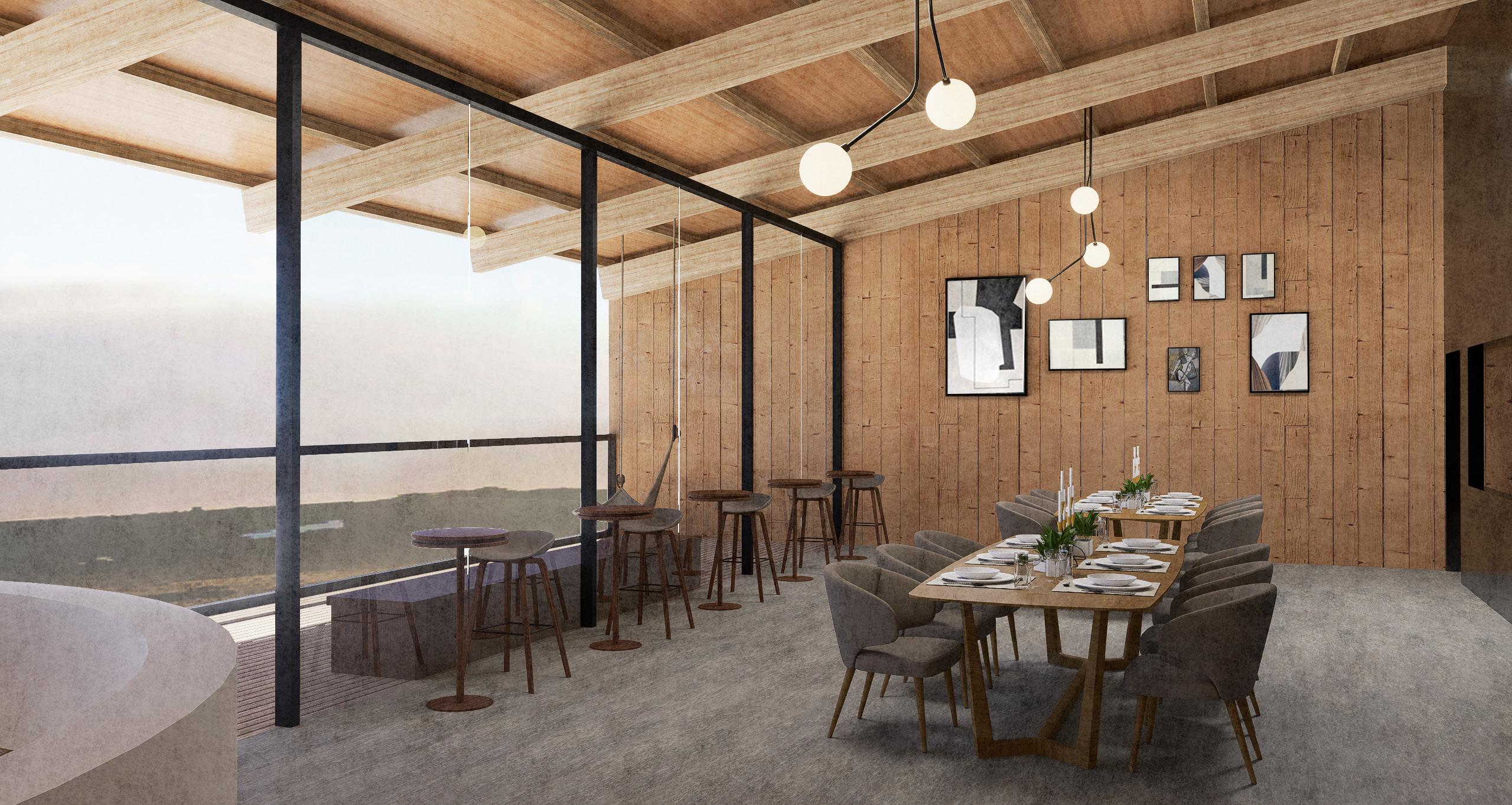
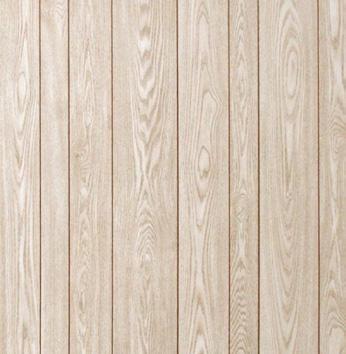
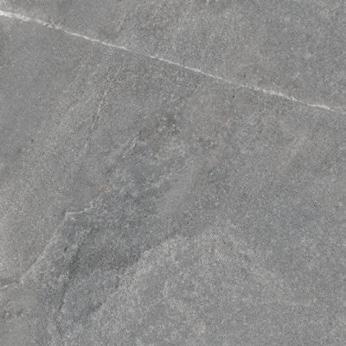
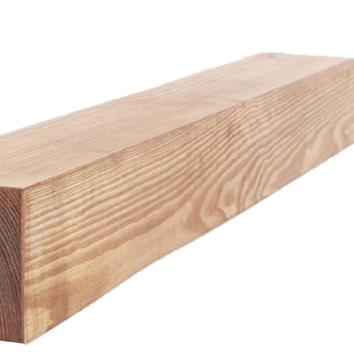
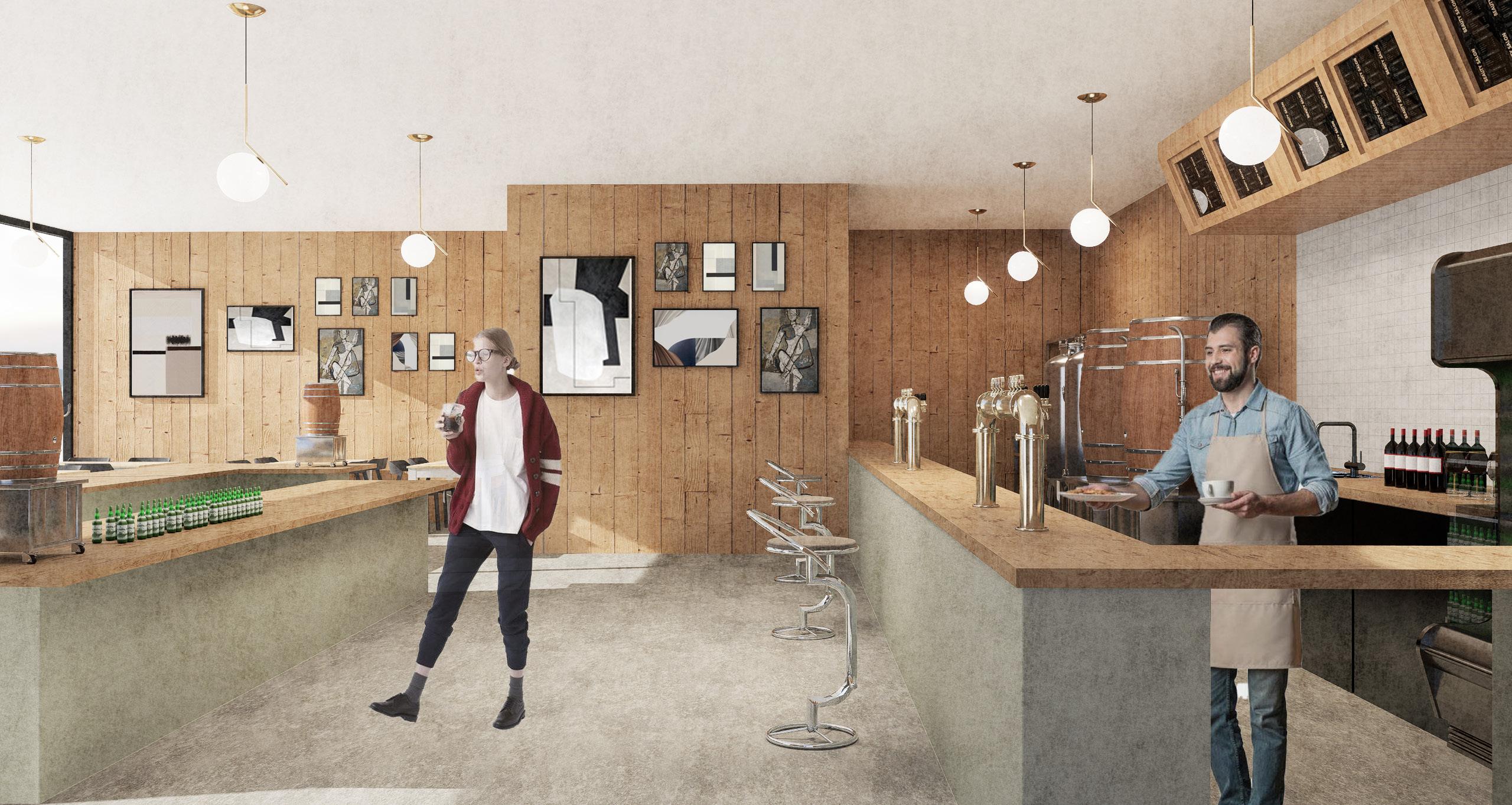
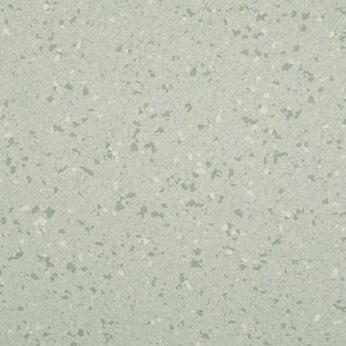
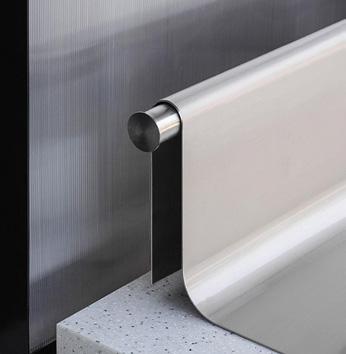
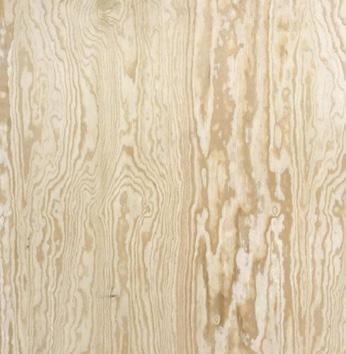
The restaurant’s material palette balances natural warmth with a modern edge. Greyish Green Granite introduces a subtle vibrancy, while Stainless Steel adds a sleek contrast, creating a dynamic interplay of textures. Pine Wood softens the space, bringing warmth and a welcoming atmosphere.

Interior Design, Year: 2021
Location : Guiyang, China
Category: Hospitality Project
Building Area: 600 m2
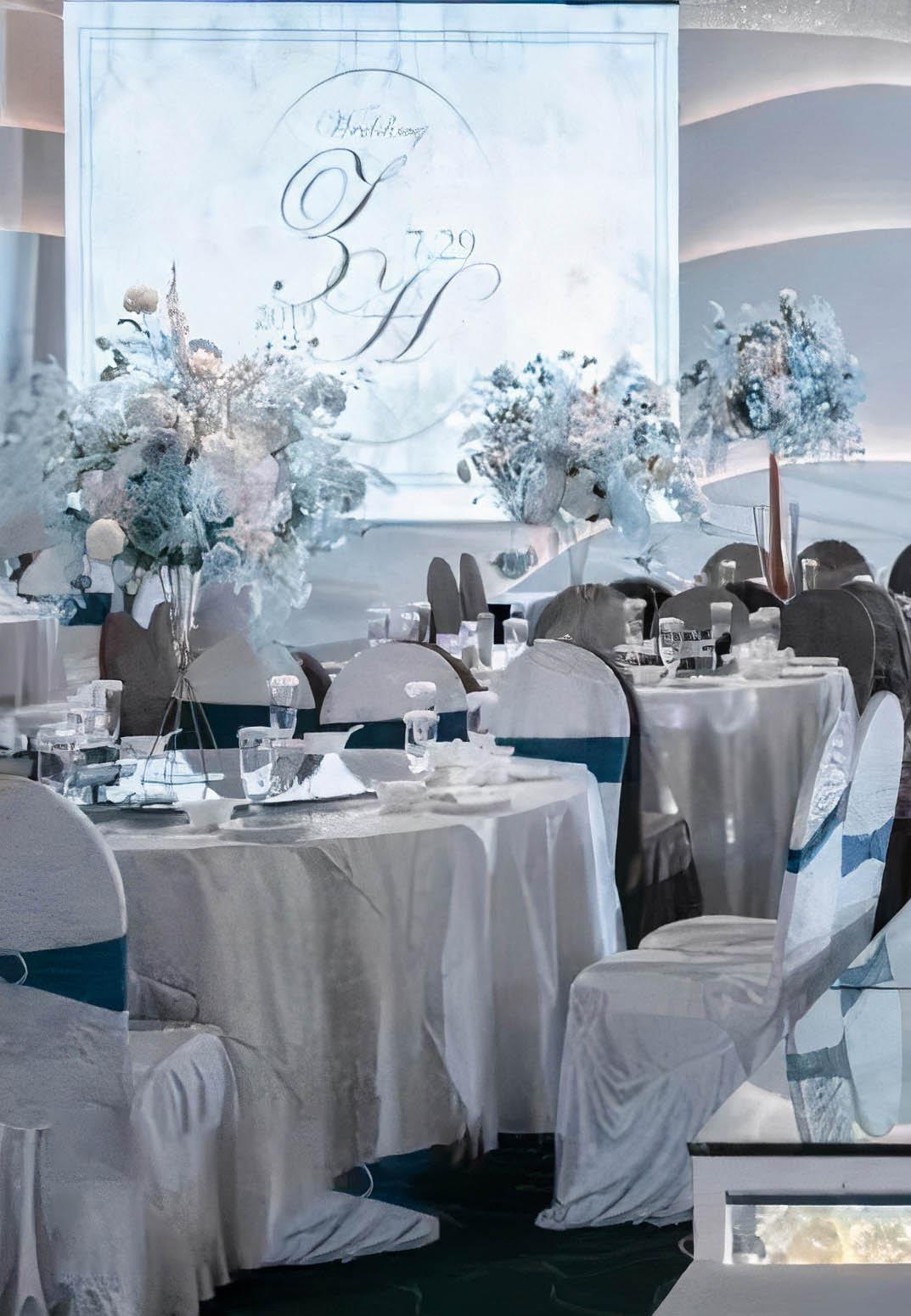
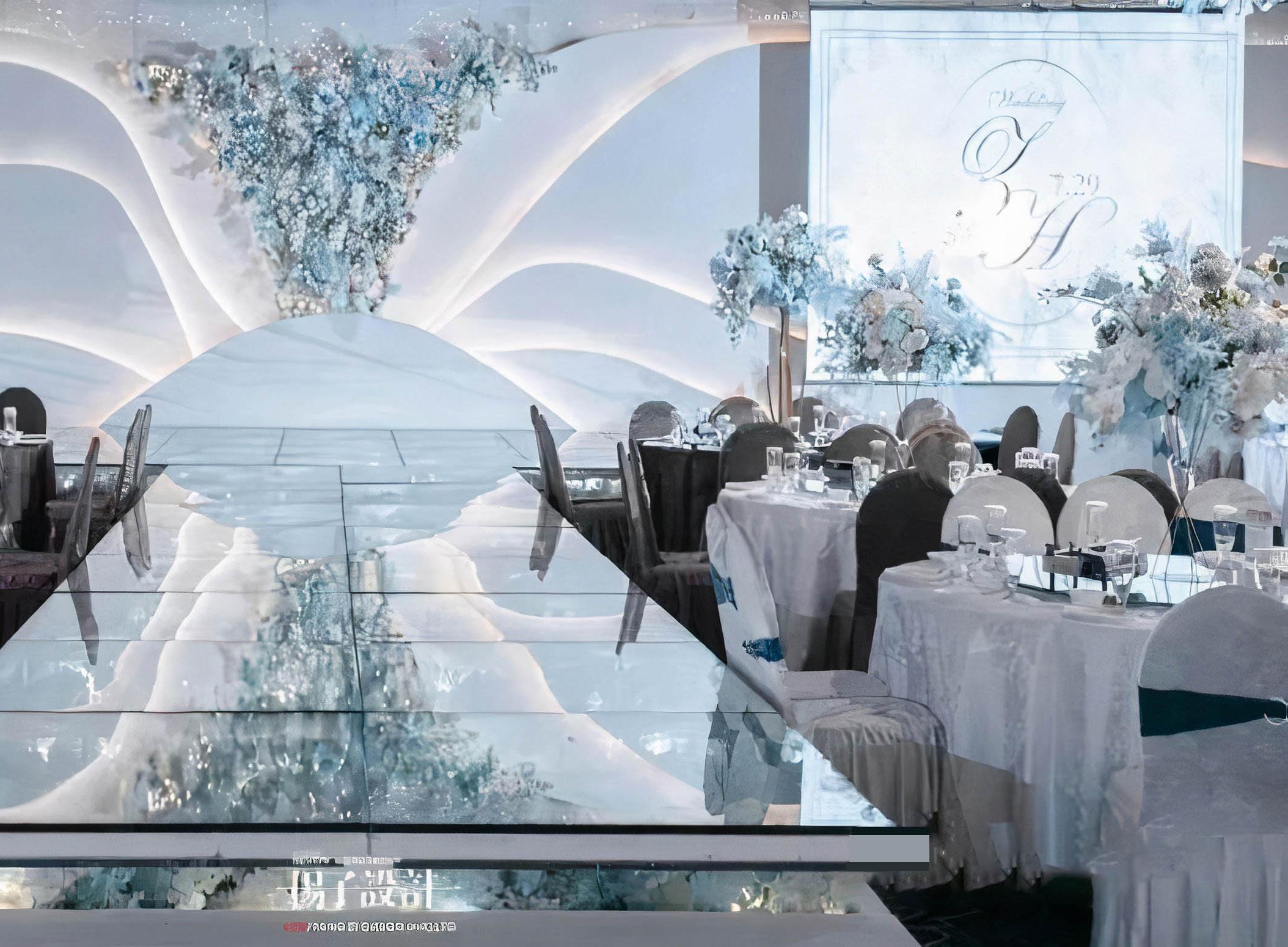
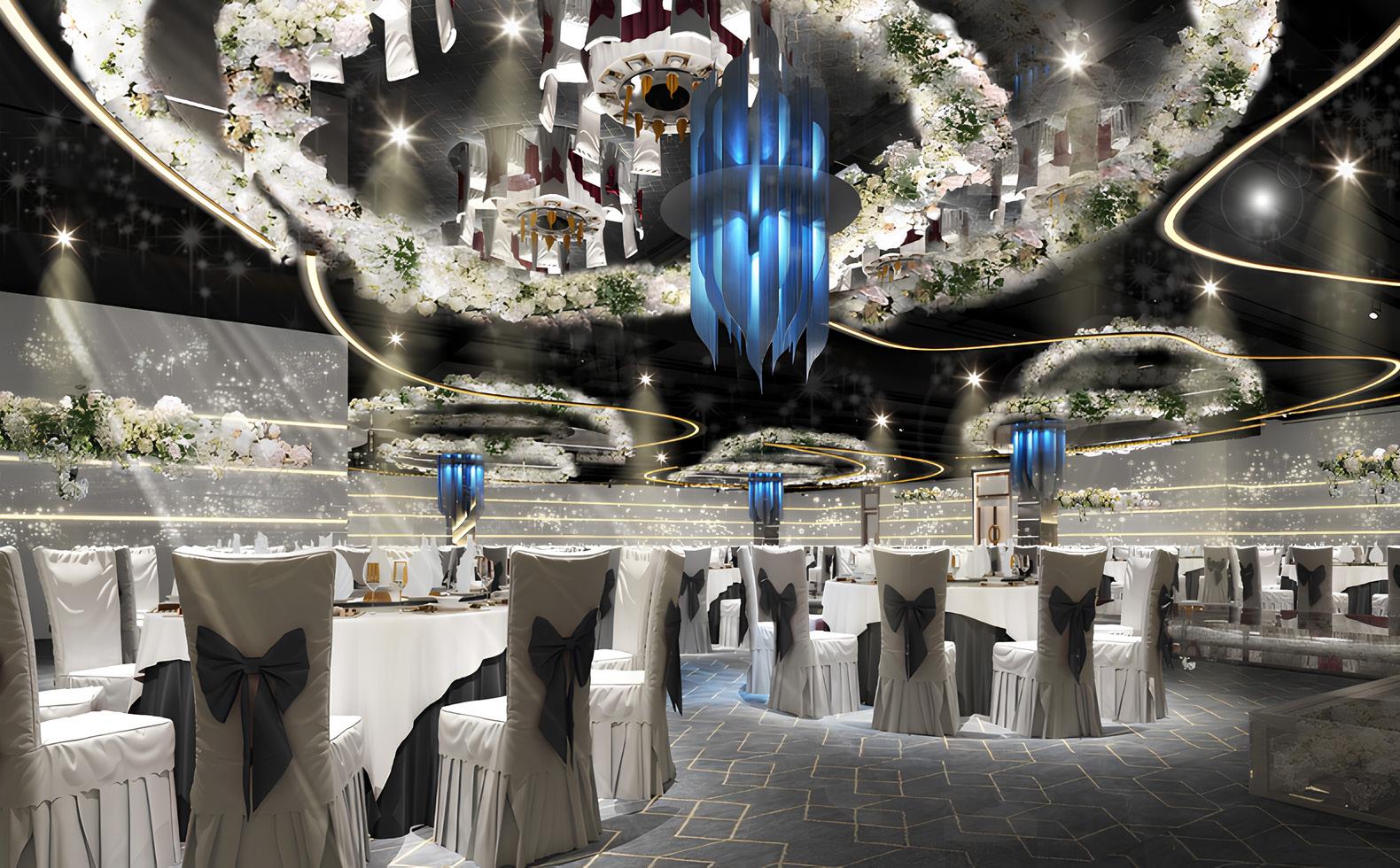
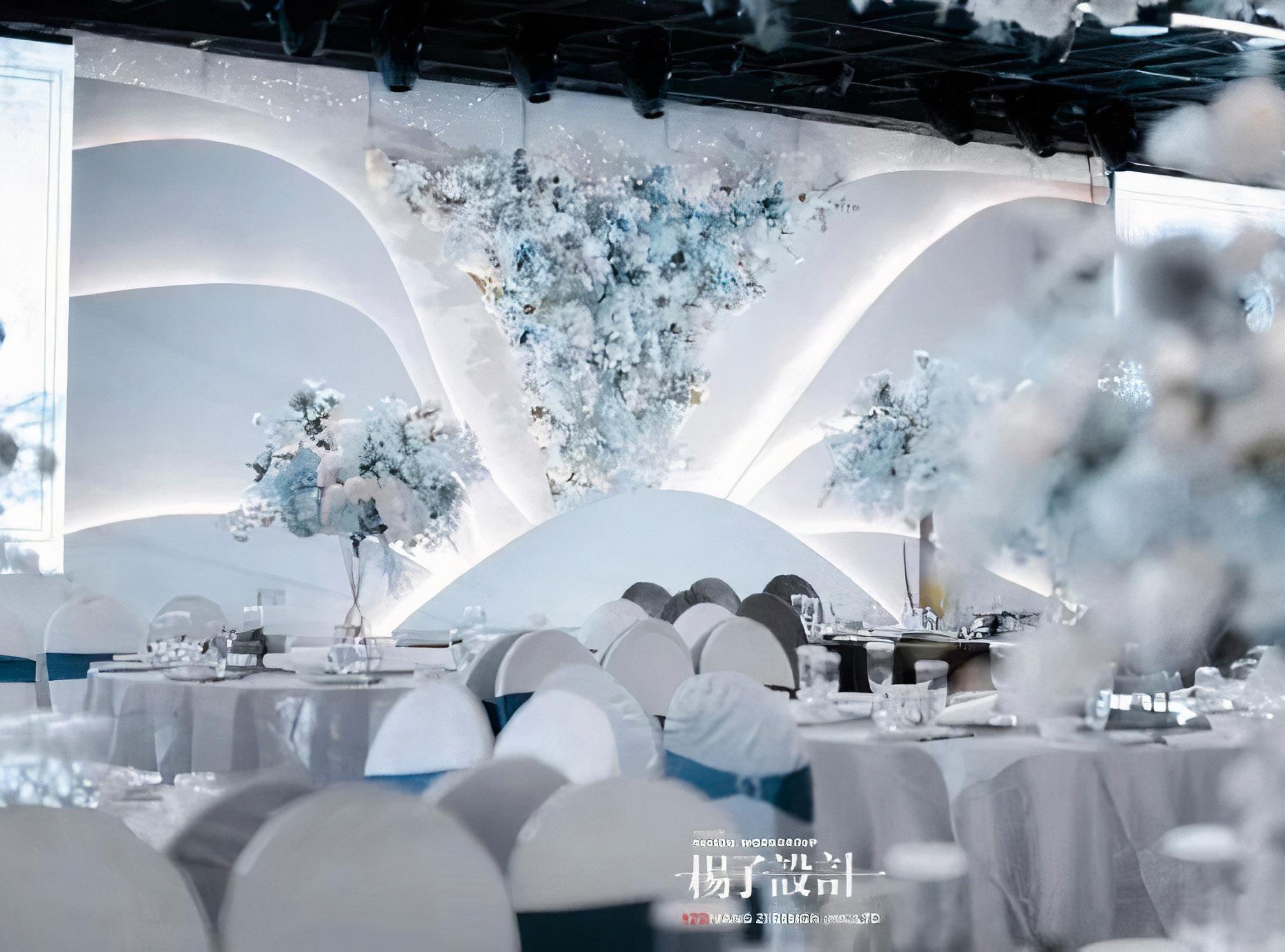
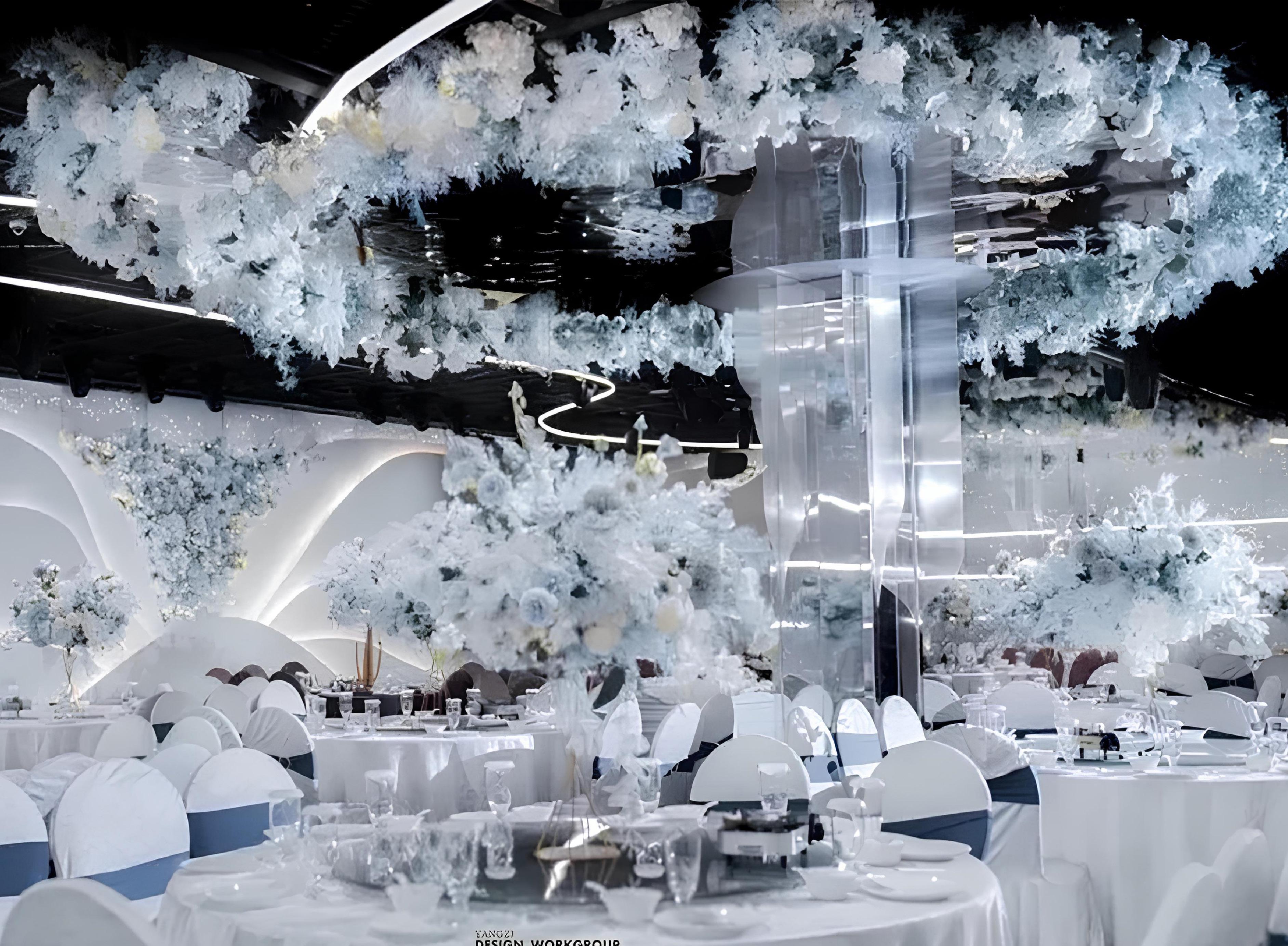
Collaborated with Yangzi Studio as a freelance designer on the design of a versatile wedding and banquet hall. The project aimed to create a flexible, elegant space where lighting, floral arrangements, and circulation work together to support a variety of event themes. The design balanced aesthetic appeal with functional adaptability, ensuring the hall could accommodate diverse ceremonies and banquets while maintaining a cohesive, immersive atmosphere. The project was successfully completed and is now in active use.
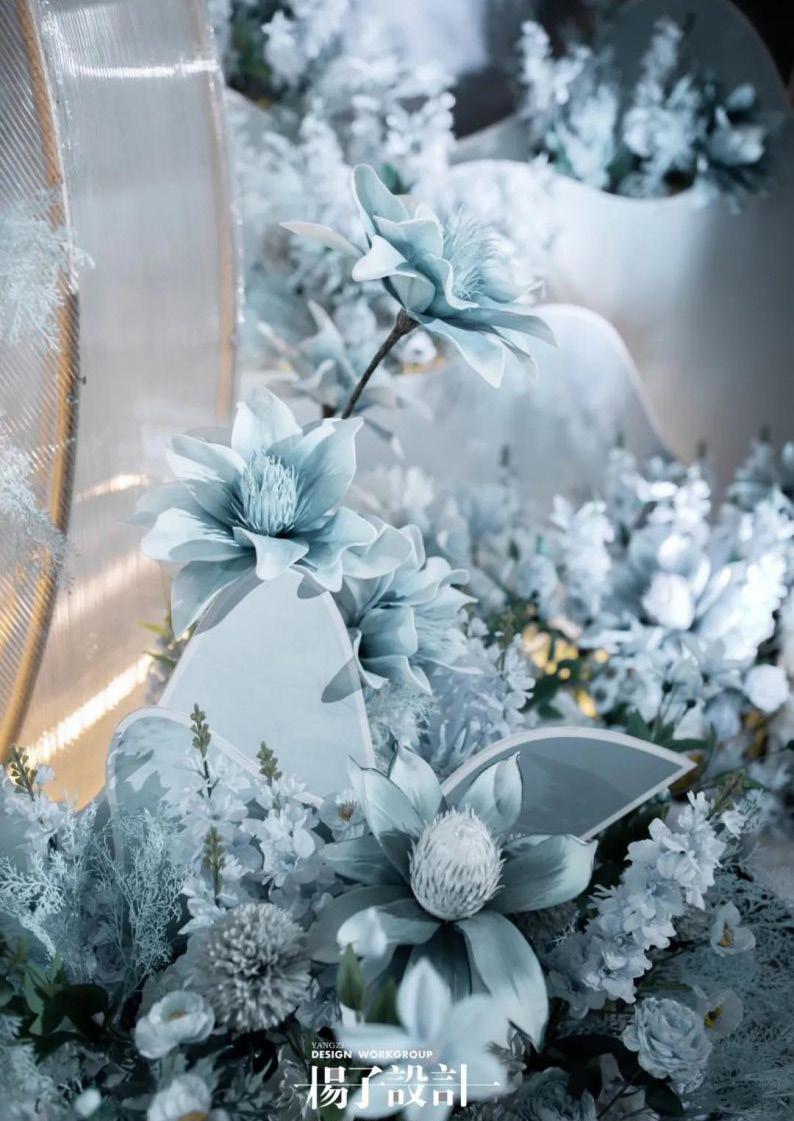
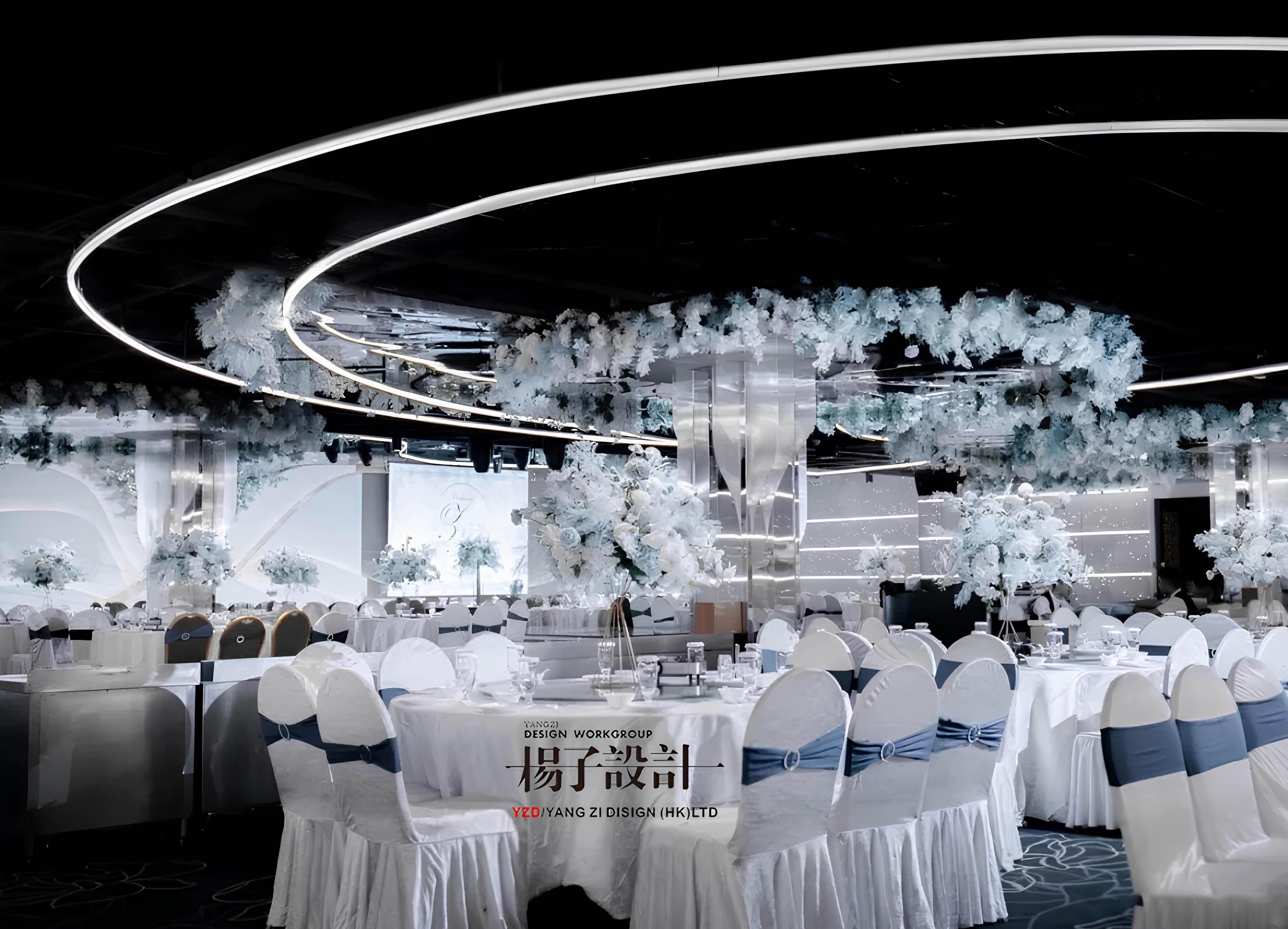
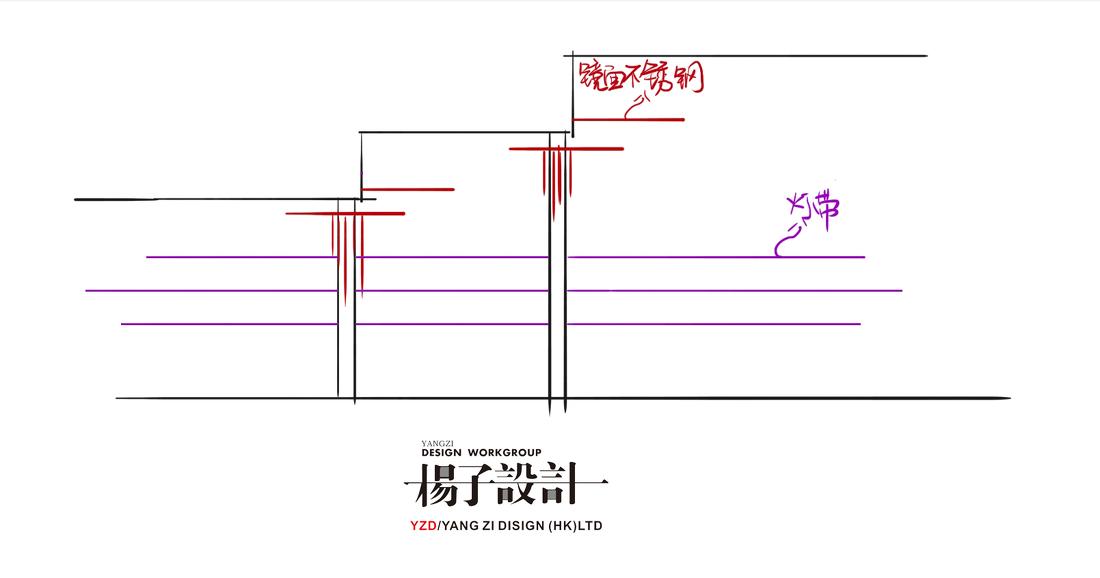
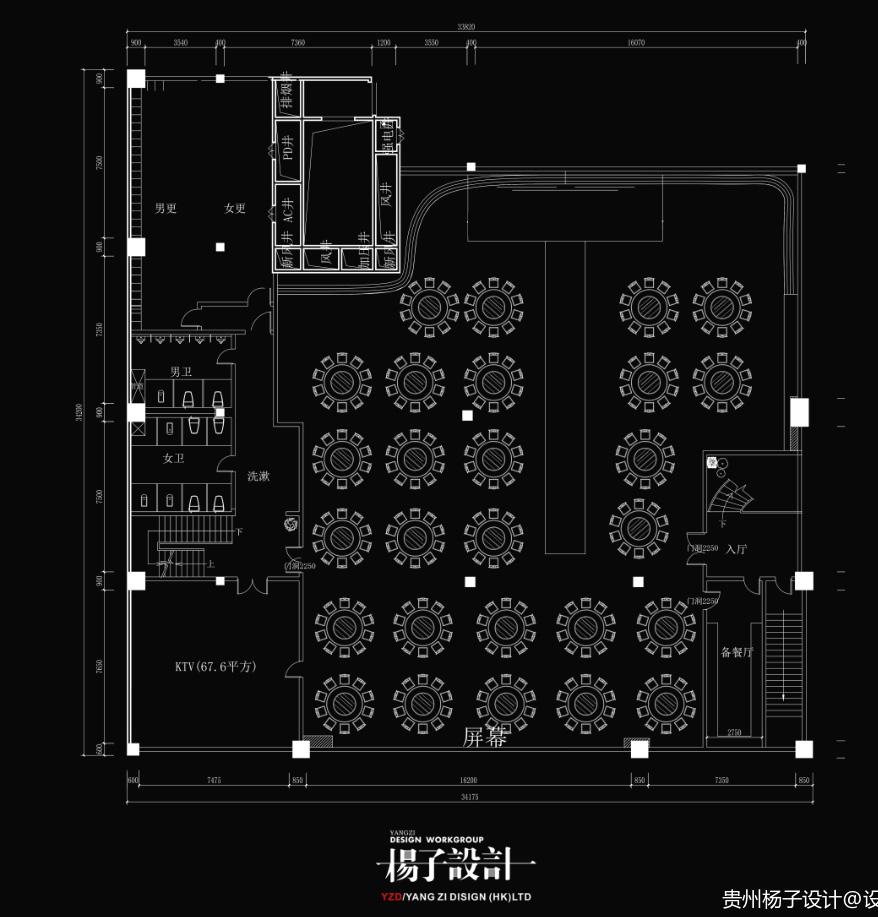
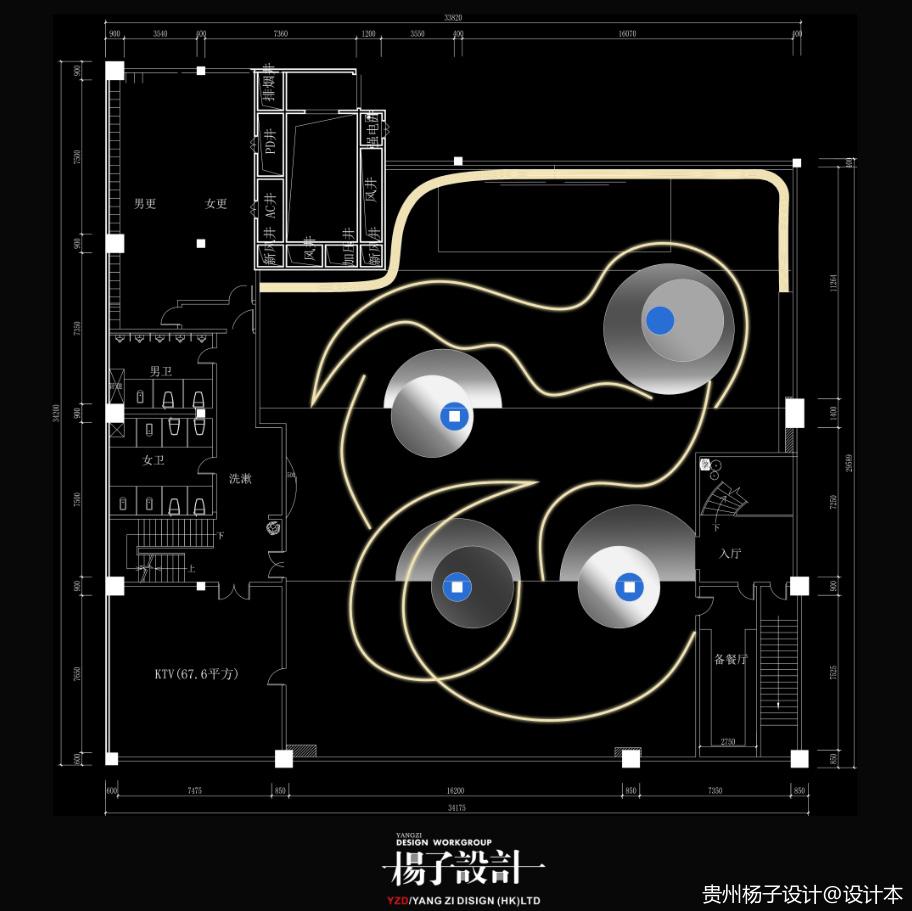
The design focused on creating a flexible wedding and banquet hall where flowers, lighting, and spatial flow work together to shape the overall form. The layout and atmosphere were conceived to adapt seamlessly to different wedding themes and event styles. Concepts were iterated through both digital and physical models to ensure the space is both functional and visually engaging.
Primarily responsible for producing CAD drawings and technical documentation to translate conceptual designs into buildable plans. Assisted in material and FF&E research to support the design intent.
Developed presentation materials in Adobe InDesign to communicate technical aspects and layouts effectively. Supported project coordination tasks, including tracking orders and documentation, ensuring smooth workflow and timely delivery.
Architectural and Interior Design
Year: 2021
Location : Shanghai, China
Category : Hospitality Project
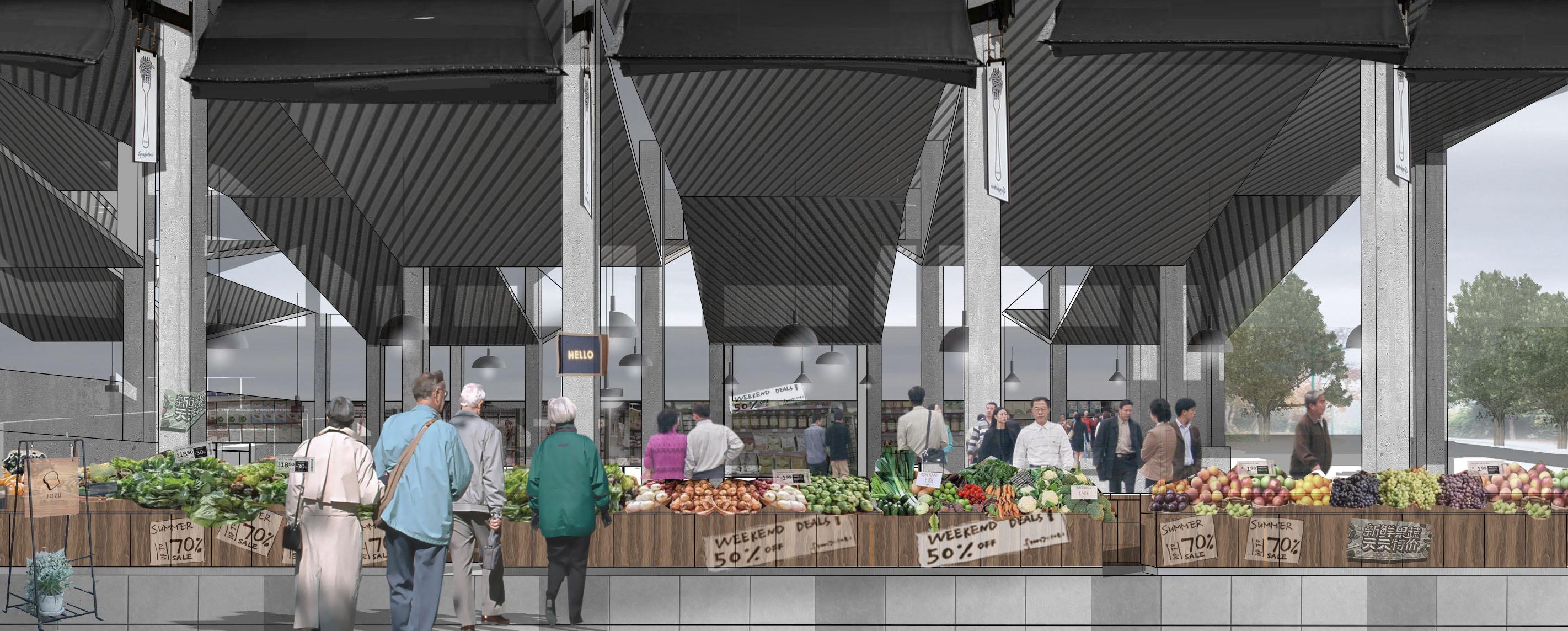
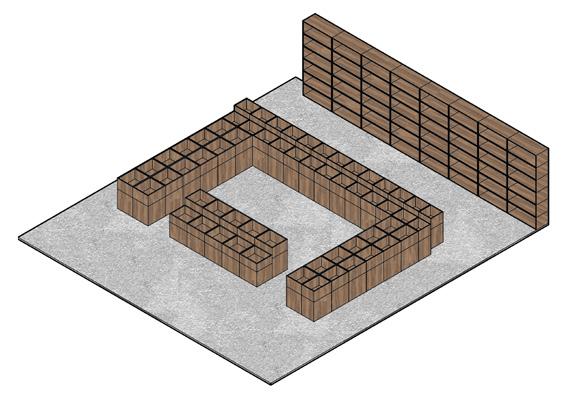
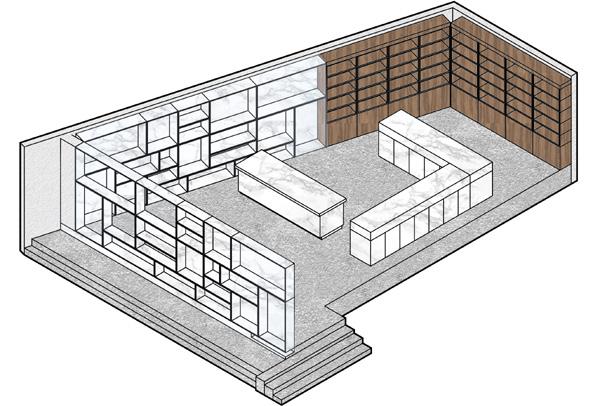
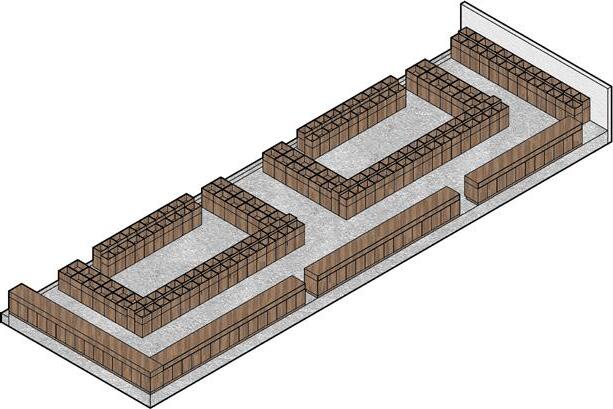
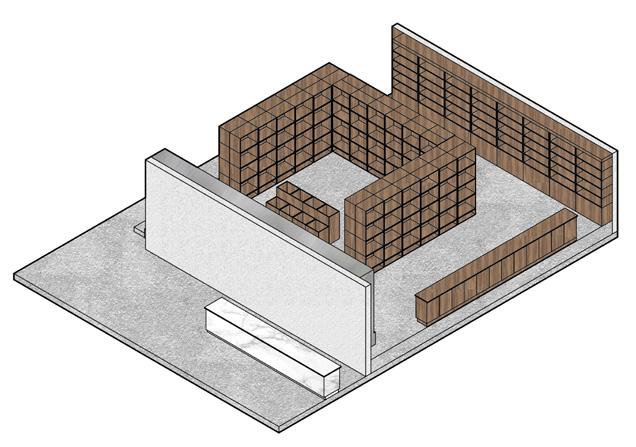
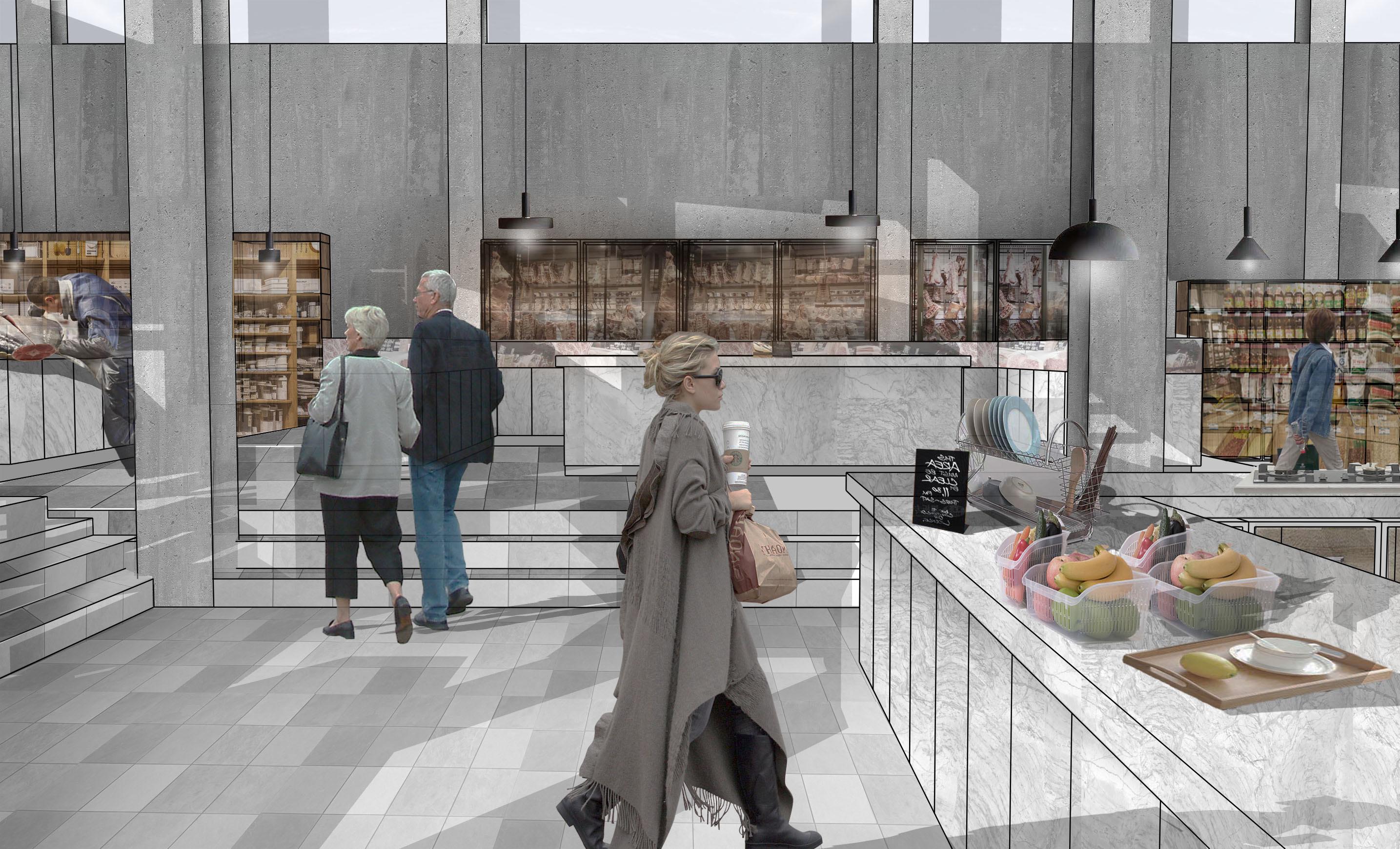
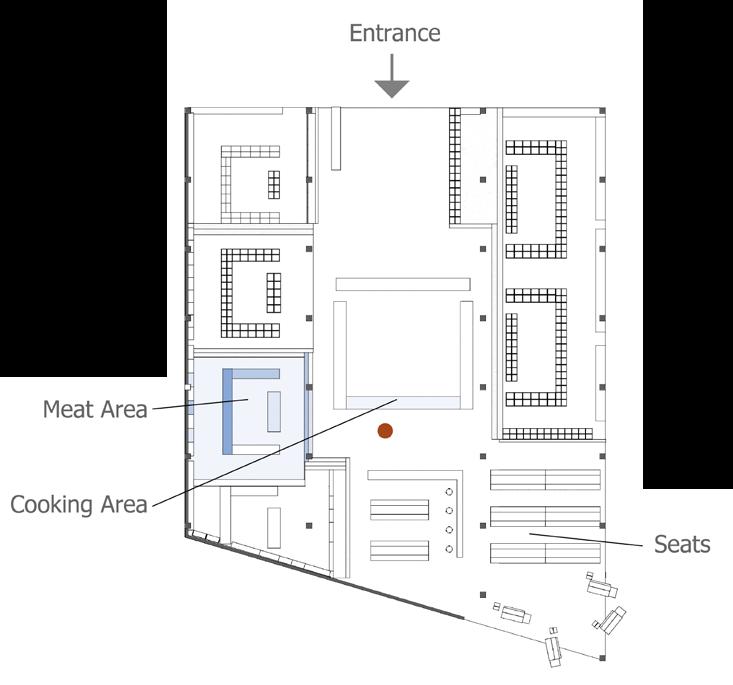
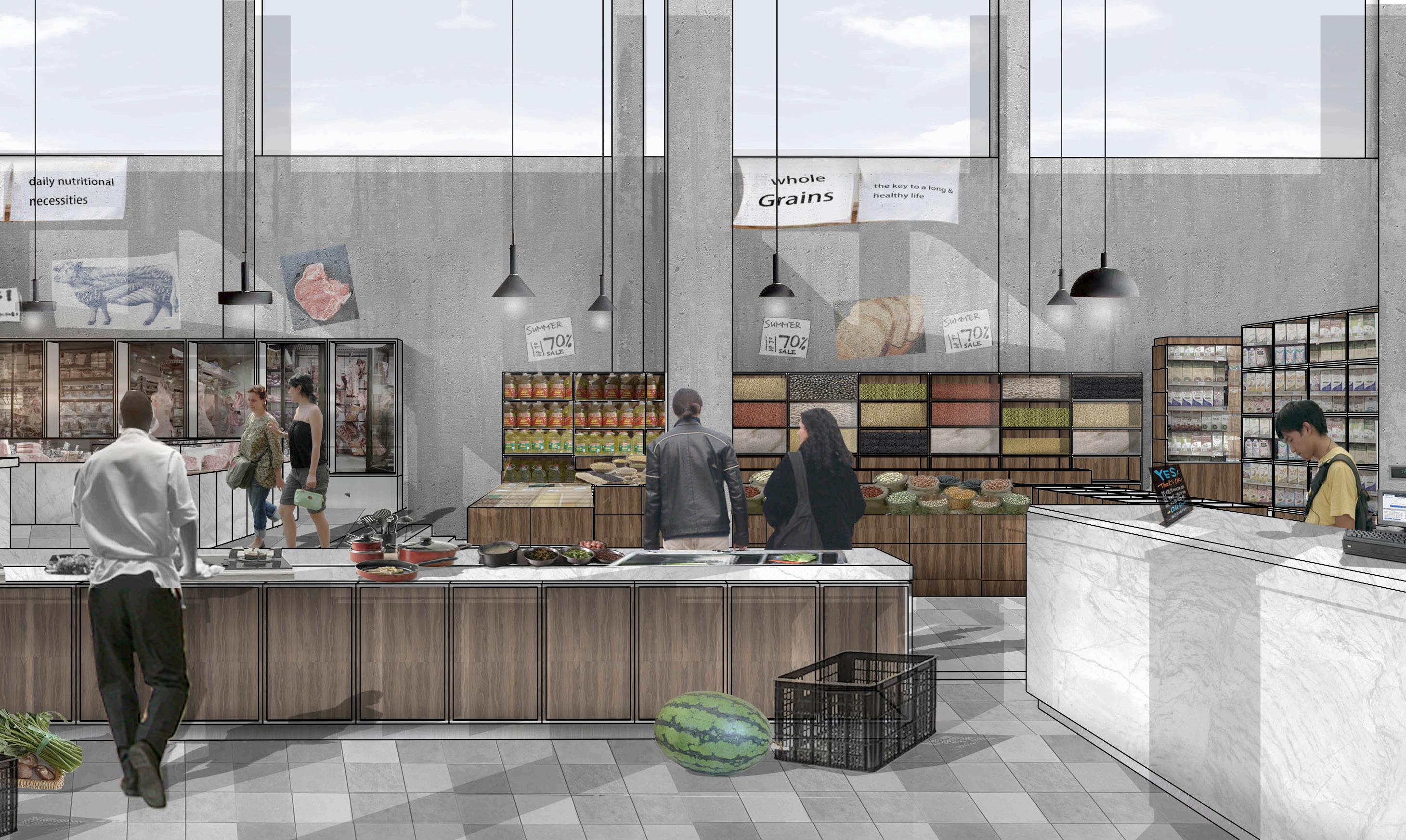
This project envisions a multifunctional food market that seamlessly integrates shopping, cooking, and dining within a community-focused environment. Designed to foster a sense of neighborhood connection, the market offers a more efficient and engaging way for people to access fresh, healthy food amidst a fastpaced urban lifestyle.
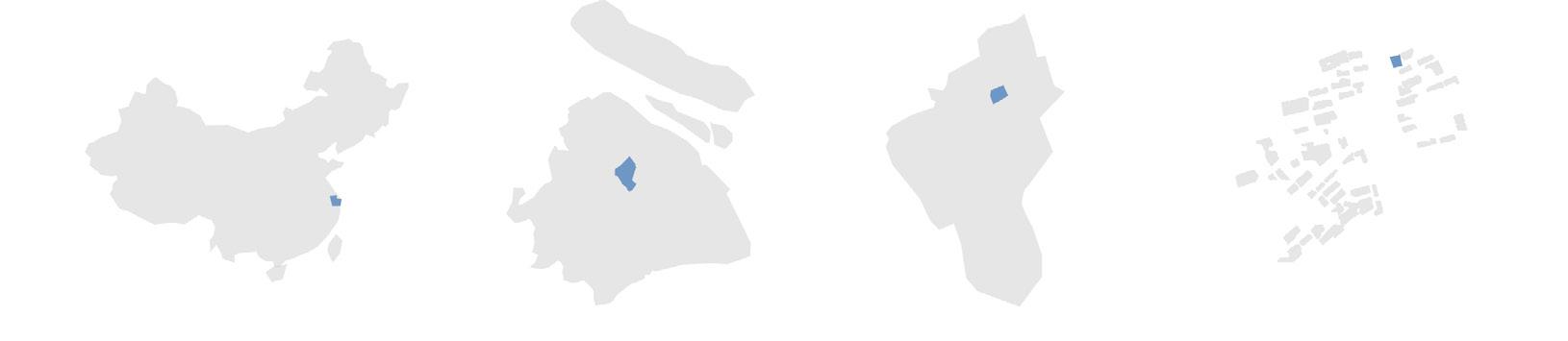
This project aims to create a more convenient neighborhood food market for the Xietu area, addressing the lack of a larger-scale, permanent grocery store despite the presence of many high-density residential communities. Research indicates that the area is primarily composed of retail, office spaces, residential buildings, and community facilities, but lack of grocery stores.
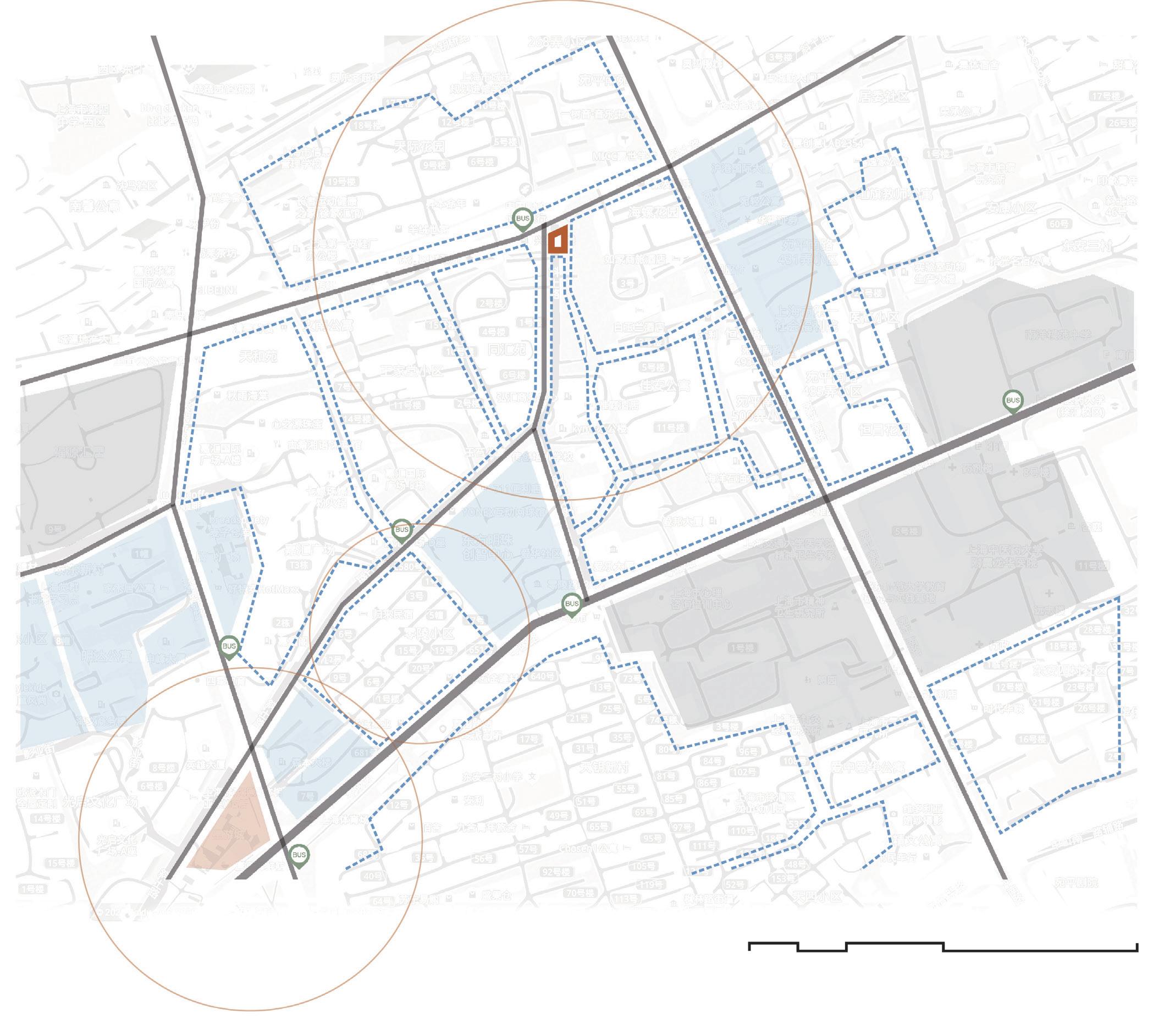
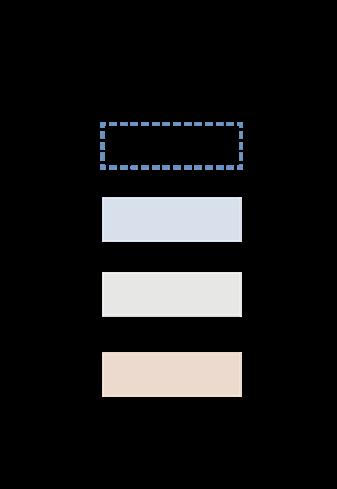
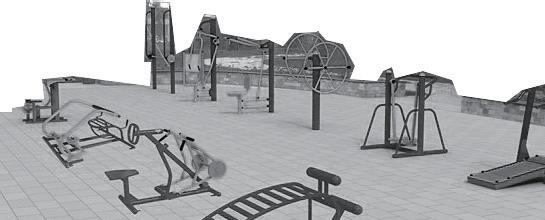
Every morning from 8 to 10 a.m , local vendors occupy its fitness area to sell fresh vegetables, attracting residents from nearby neighborhoods to shop during this time.
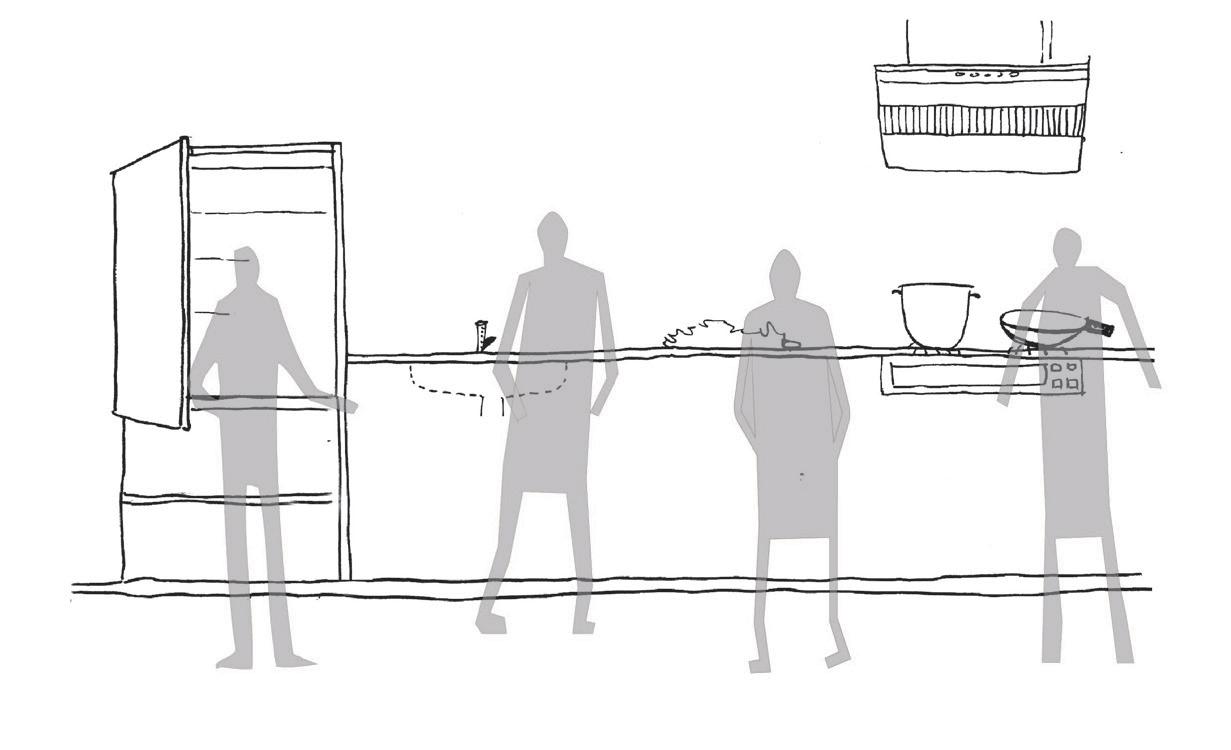
Considering the local residents' dining habits—they prefer purchasing fresh ingredients for each meal rather than stocking up in bulk—this market is designed to integrate with the cooking process, making food shopping more efficient and accessible.
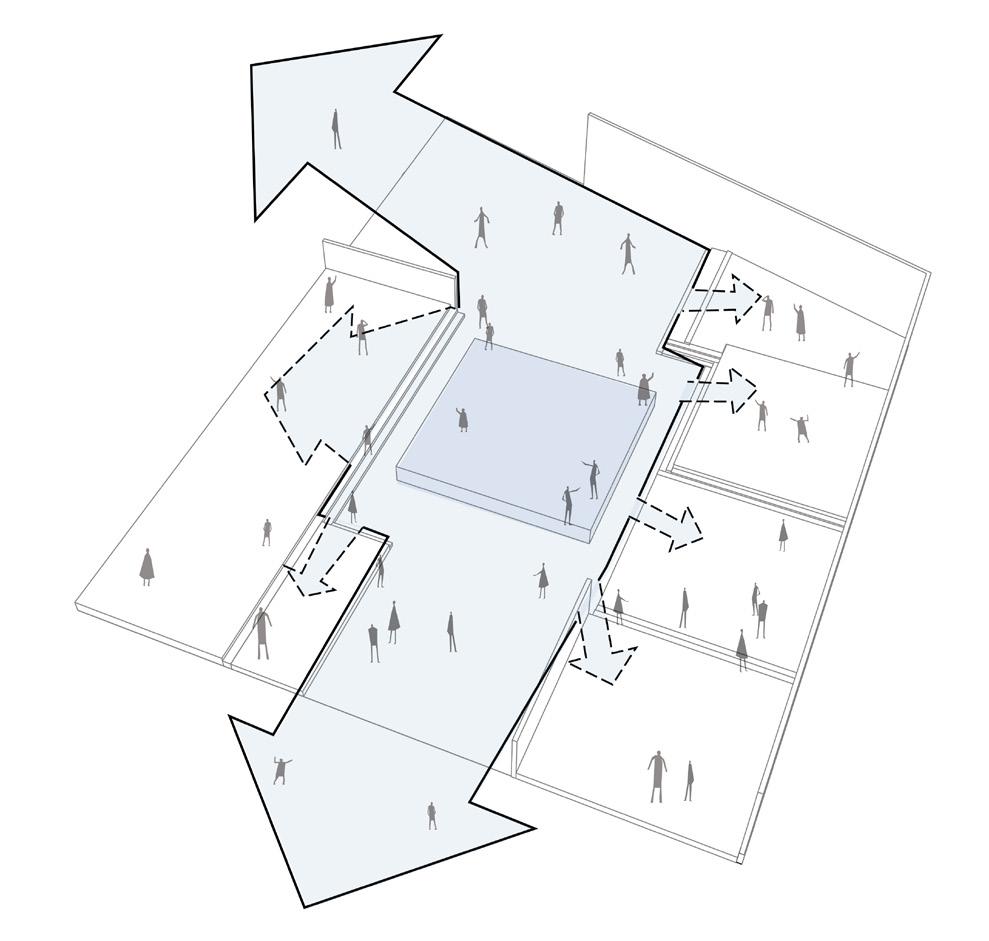
This project optimizes spatial usage by adapting to different time periods, ensuring a dynamic and efficient food market that caters to the diverse needs of the neighborhood.
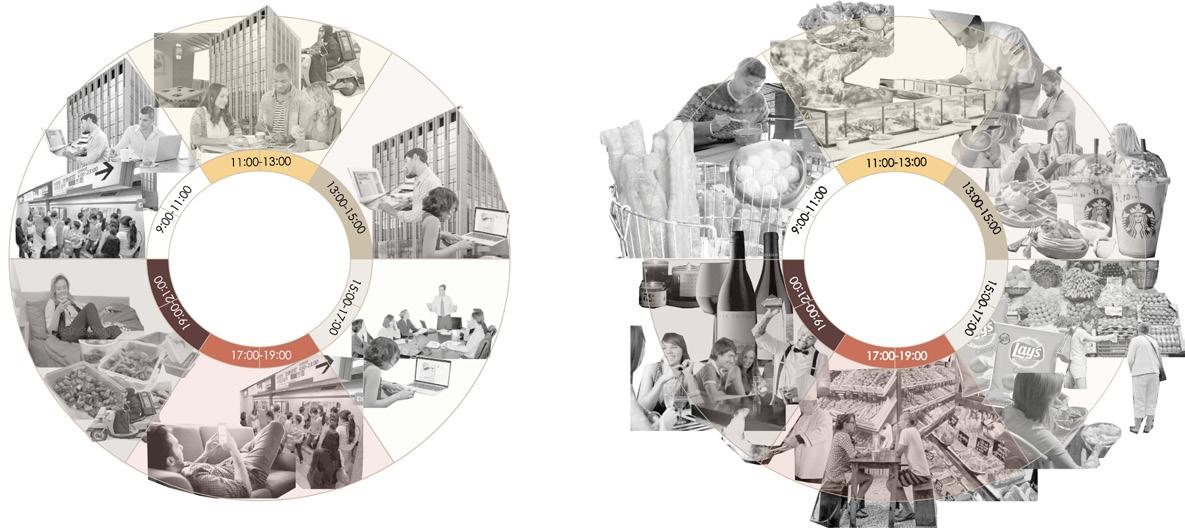
Original Activities Timeline Proposed Changes Timeline

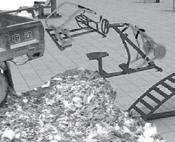

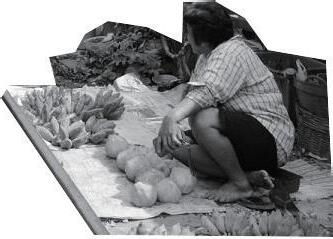
During peak hours, the space accommodates fast-paced urban professionals with quick and healthy meal options, while off-peak hours focus on meal preparation and fresh ingredient selection to serve the daily routines of local residents. By integrating flexible programming, the market not only enhances functionality but also fosters social interaction, providing a shared public space that strengthens community connections.
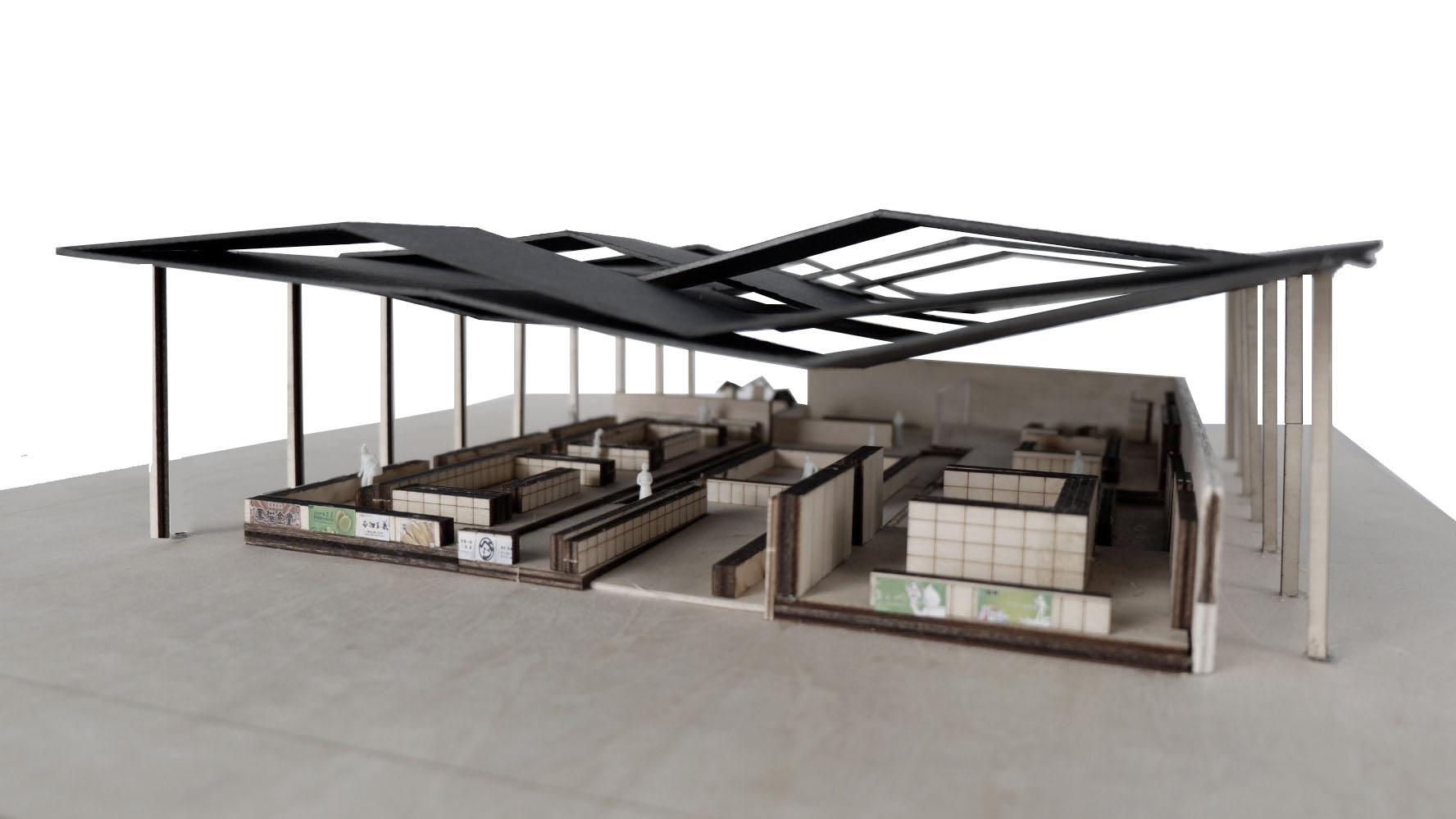
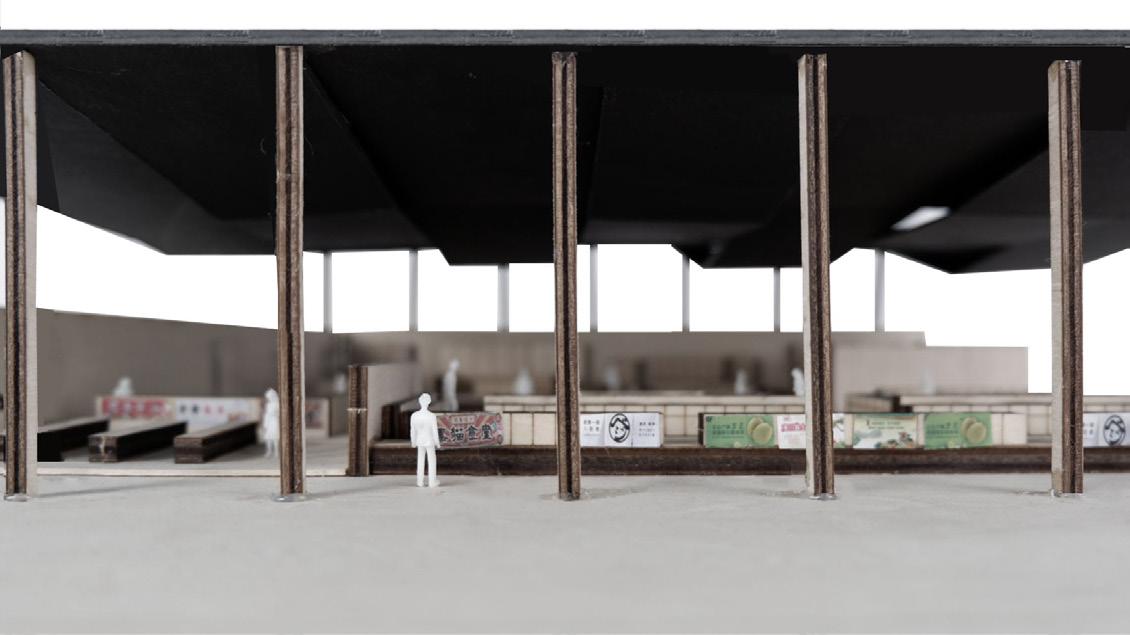
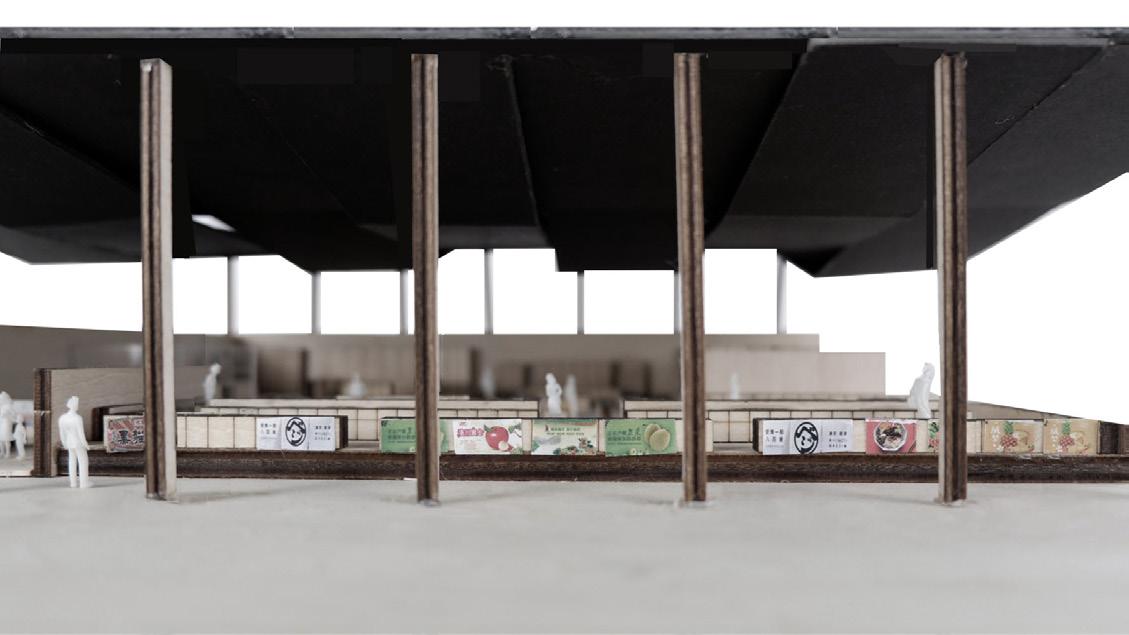
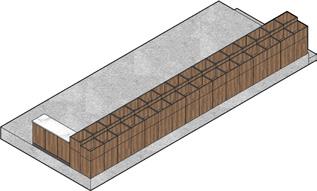
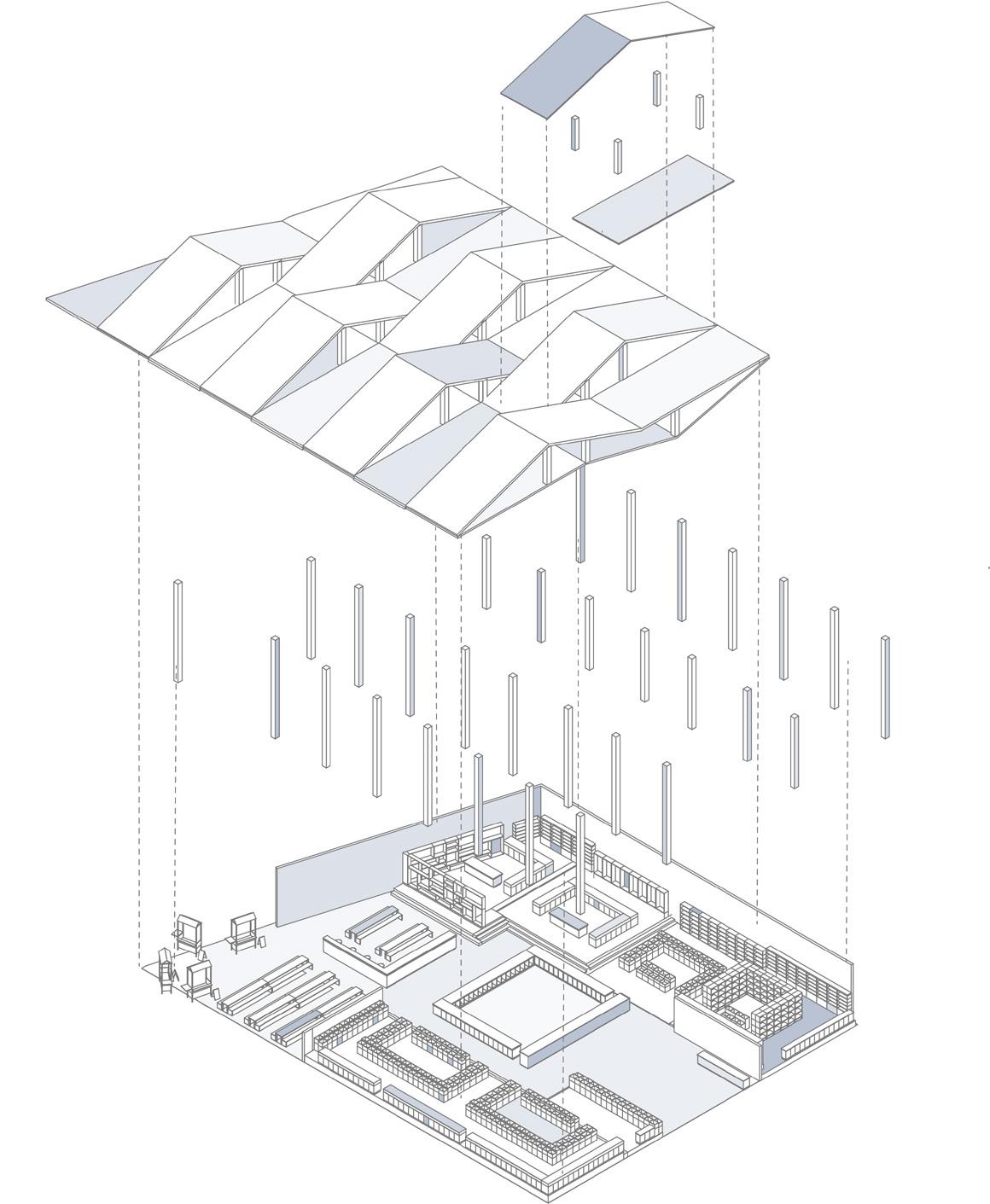
This handcrafted model primarily showcases the spatial structure of the market, emphasizing its form and integration within the high-density neighborhood. Rather than detailing specific functional spaces, it focuses on the overall form, scale, and spatial flow, highlighting the relationship between the market and its urban context.
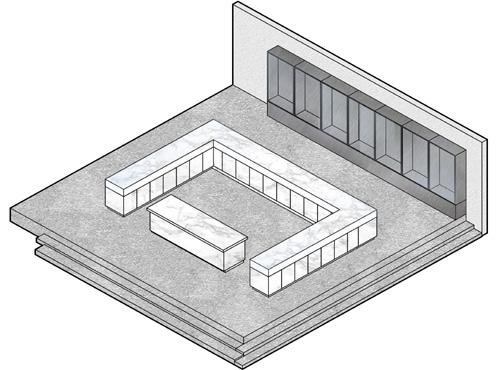
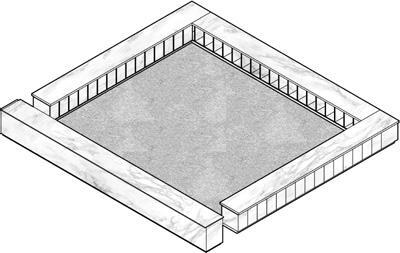
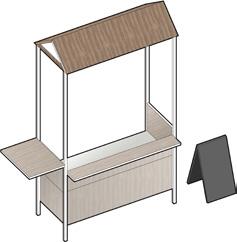
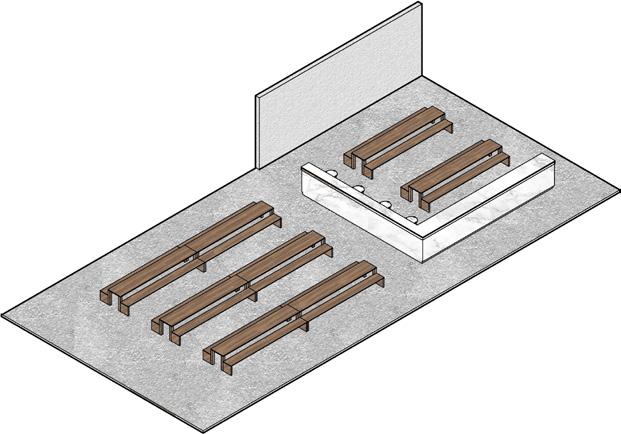
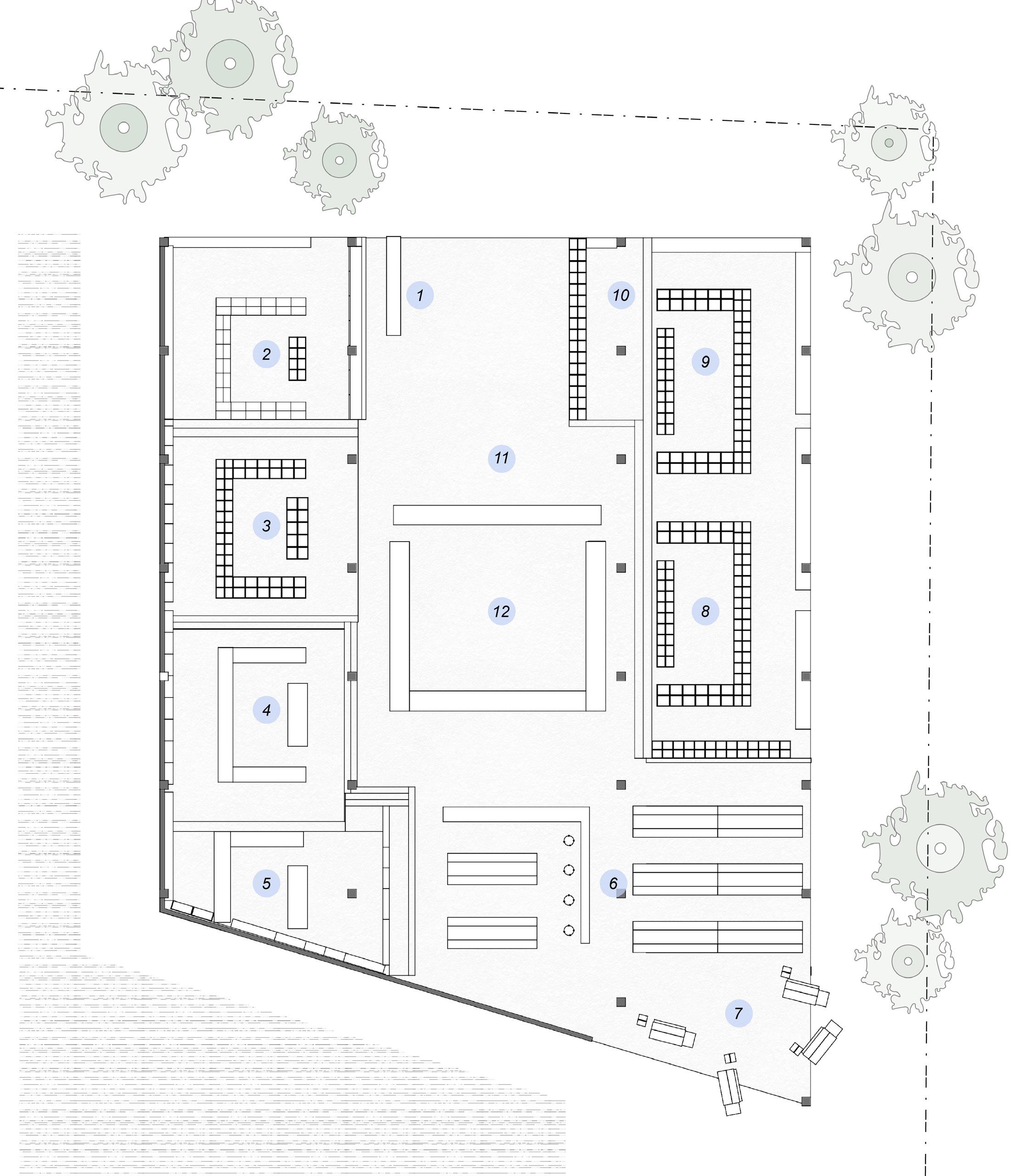
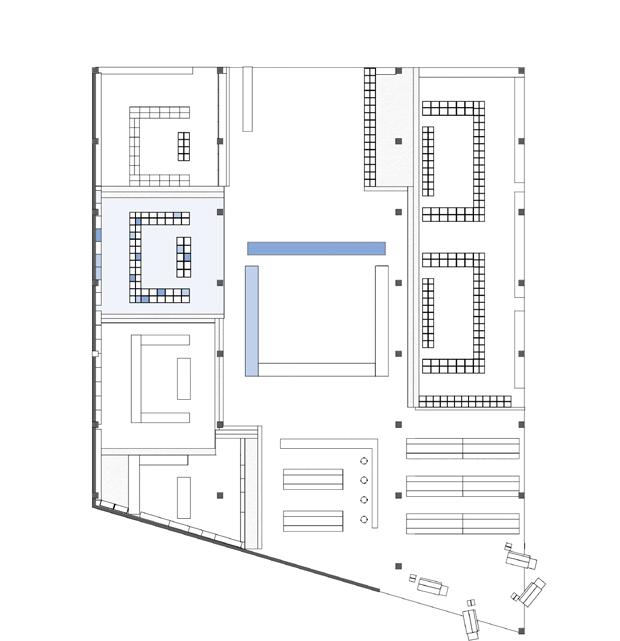
This diagram illustrates the spatial structure of the market, with the groceries area divided into specific zones: meat, seafood, grains, spices, fruits and vegetables, breakfast stalls, public kitchen, and seating. Each zone is designed with the flow of a kitchen island in mind, enhancing the efficiency of movement and supporting the "neighborhood" concept by fostering a communal, interactive shopping experience.
Interview Assignment Project (1 week)
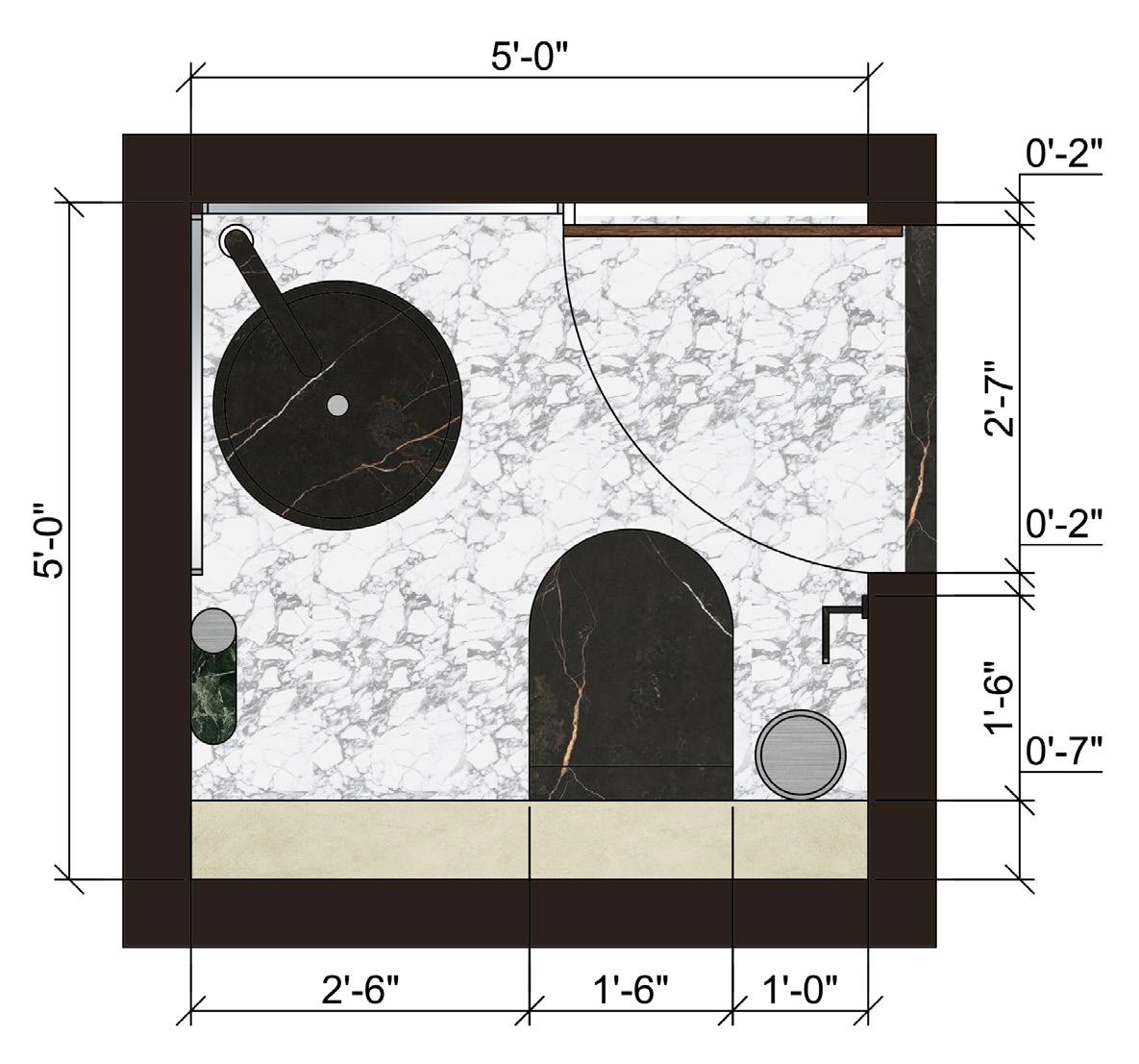
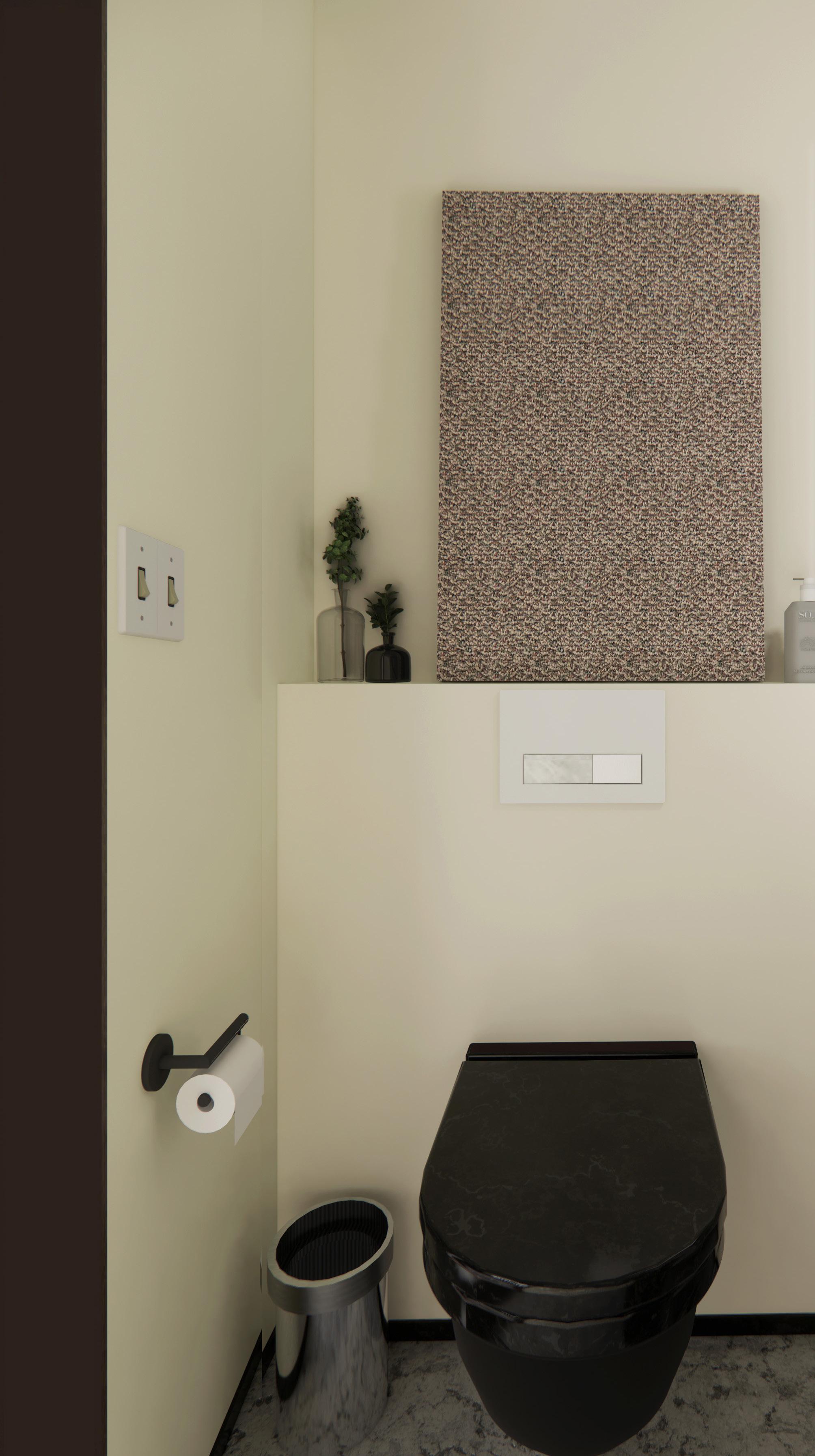
Powder Room Design for a Luxury Apartment in Berlin
Year: 2025
Category : Interior Design
This conceptual powder room was designed for the final stage of an interview with a high-end London studio. Merging the studio’s refined aesthetic with Berlin’s bold, rebellious spirit, the space reflects a calm sophistication with an edge — like a record or a cassette tape: elegant with attitude.
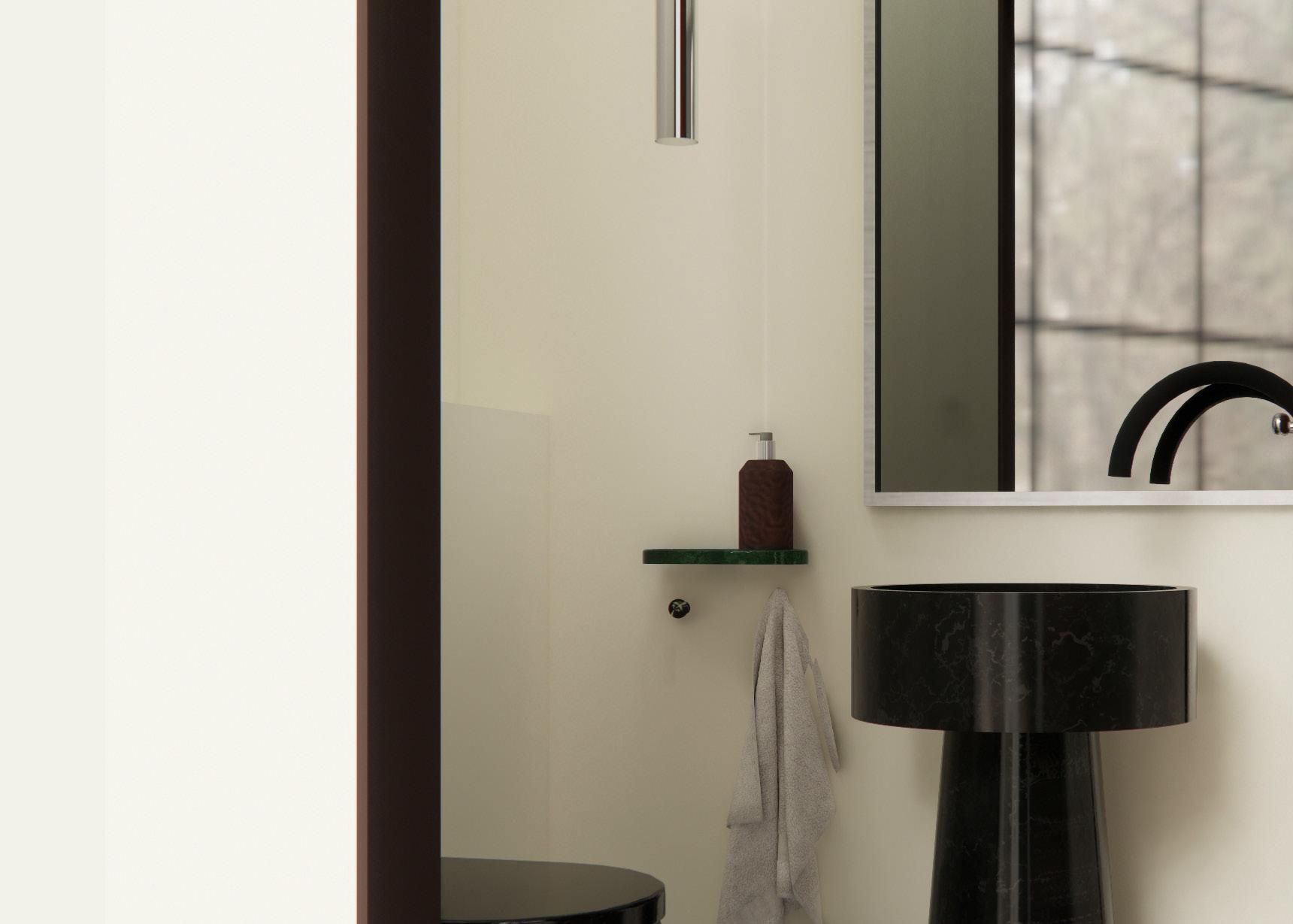
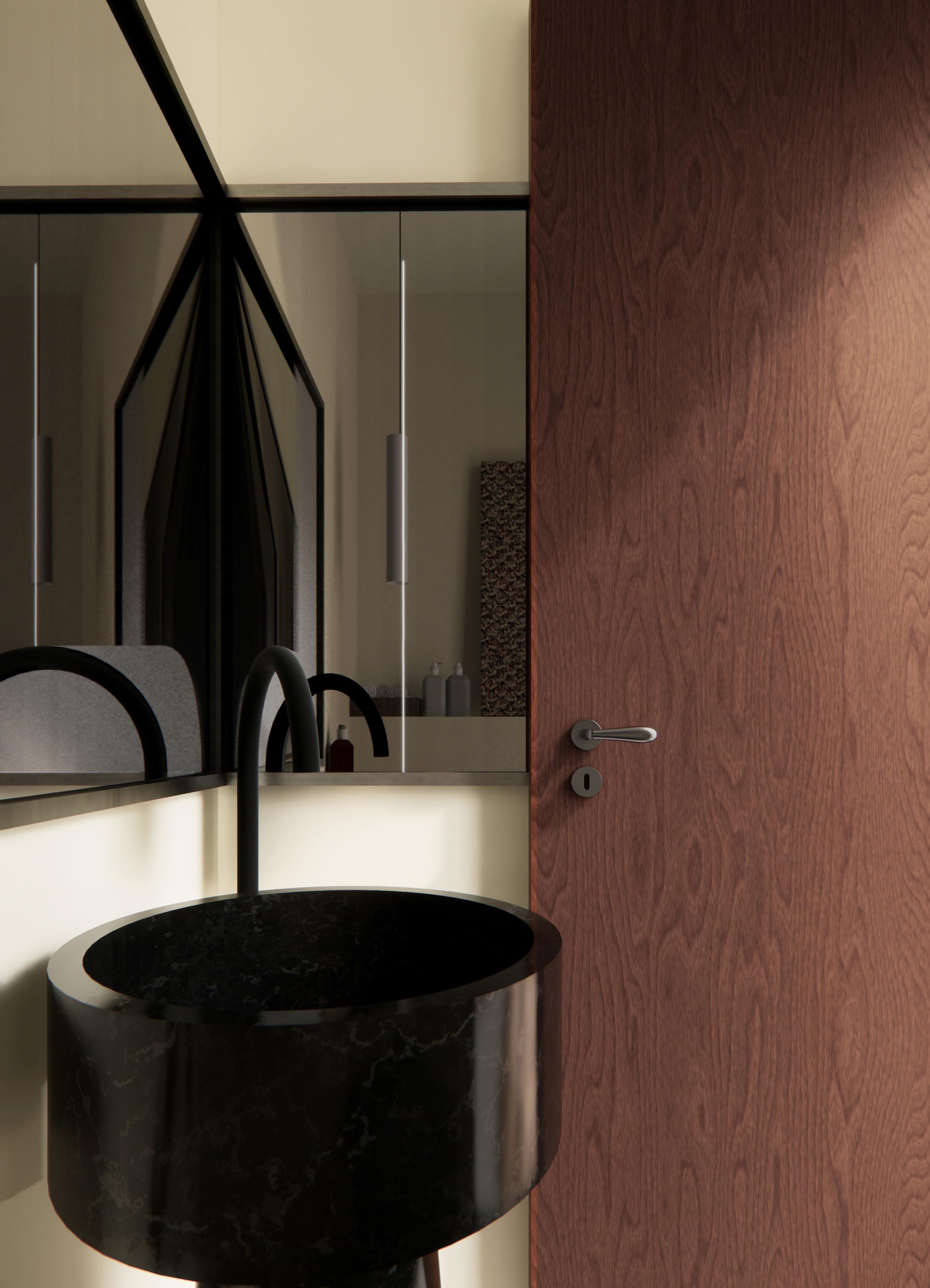
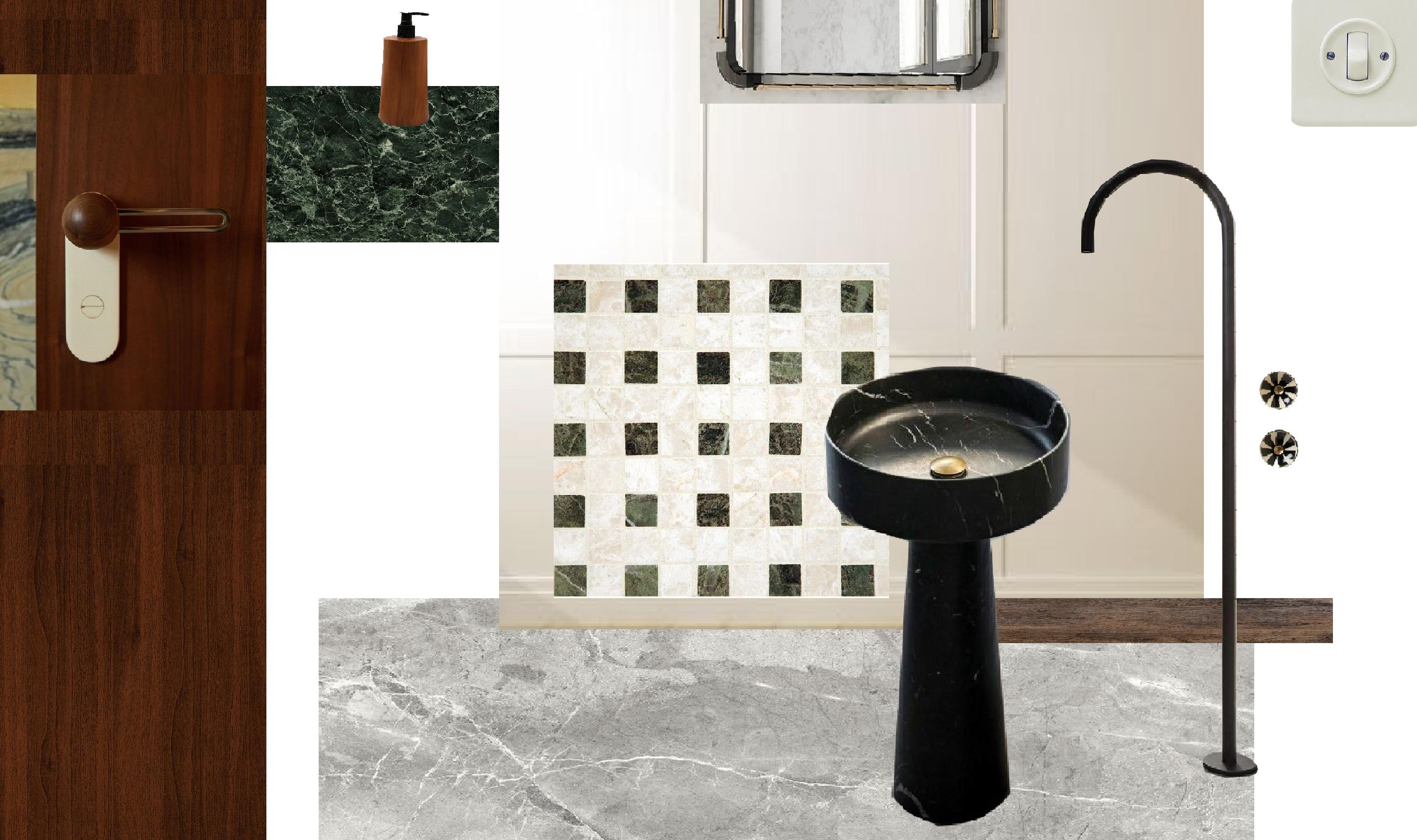
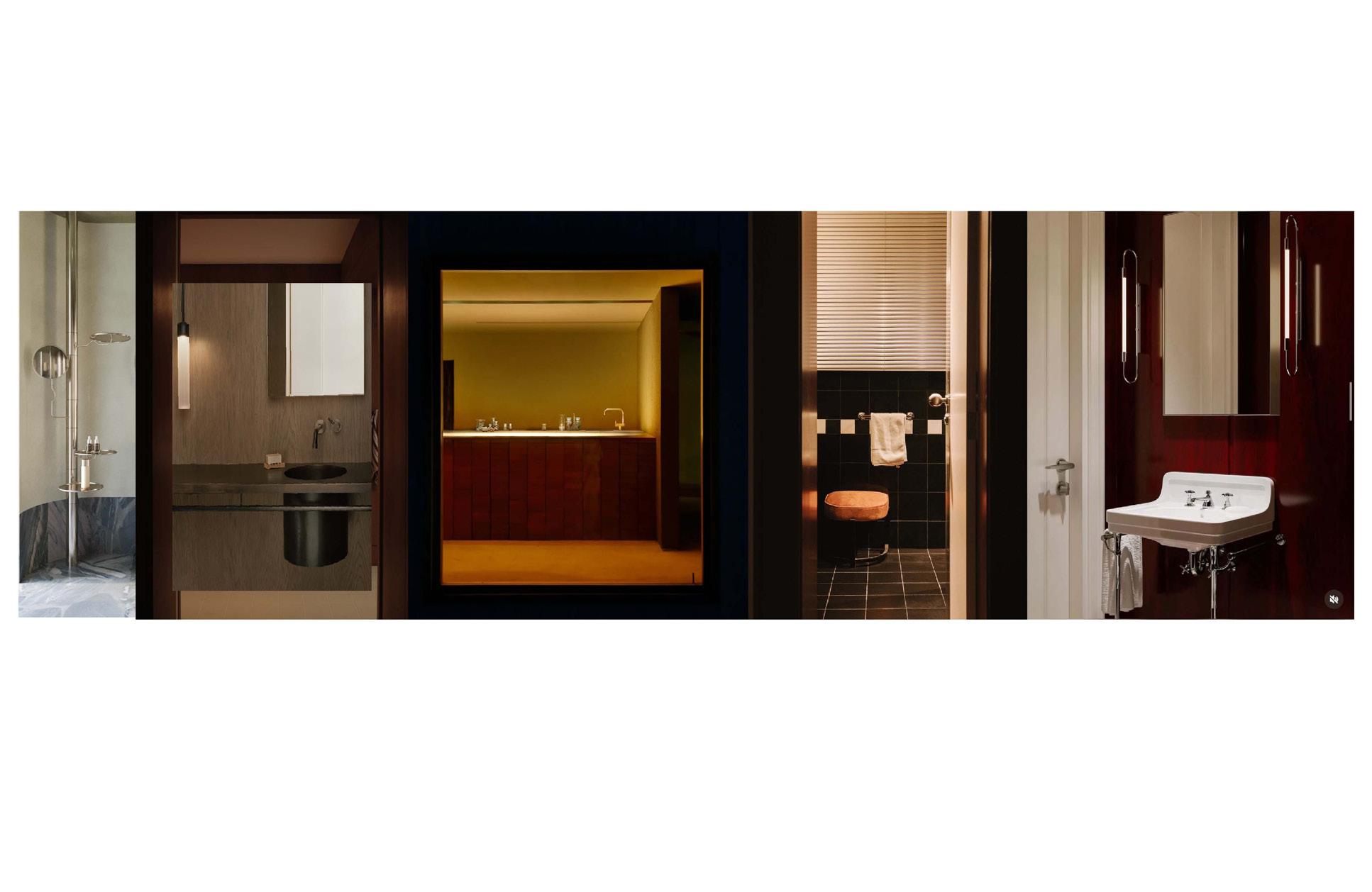
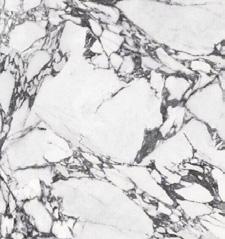
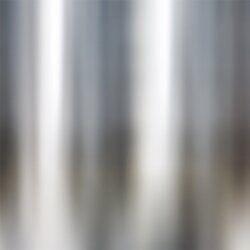
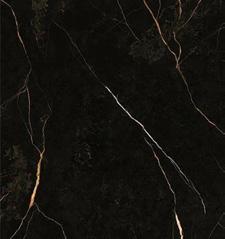
The foundational tone of the space is built upon a monochrome palette:
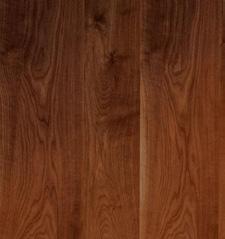
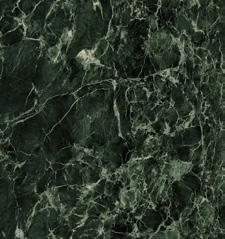
To soften the sharp framework and reconnect with the home’s emotional core, warm colours are layered with intention:

Ruiyu Xu (Rae)
Email: xuruiyu0220@gmail.com
Telphone: +44 7536340592
Address: West Kensington, London
LinkedIn: www.linkedin.com/in/raexuu2009386