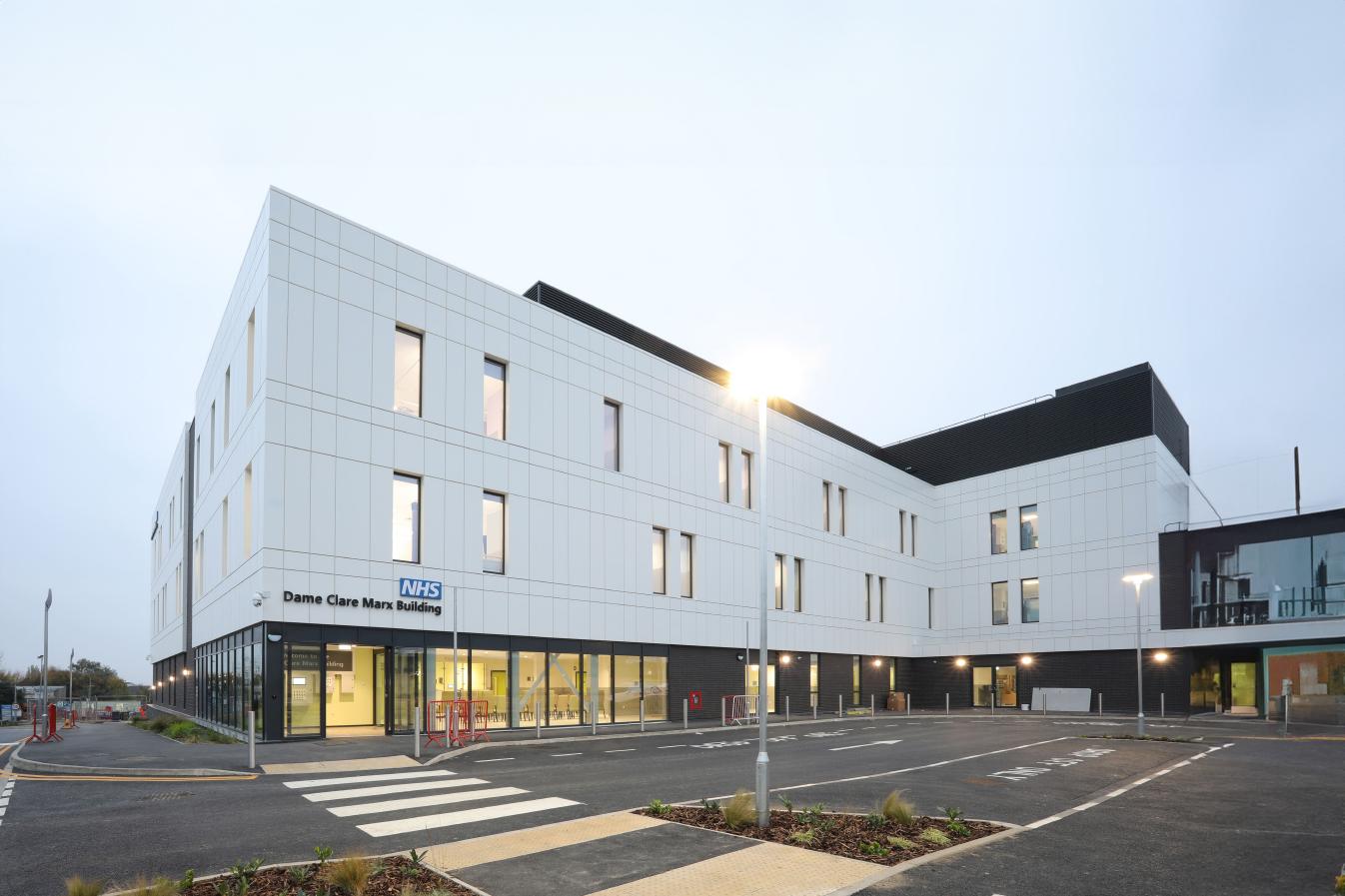
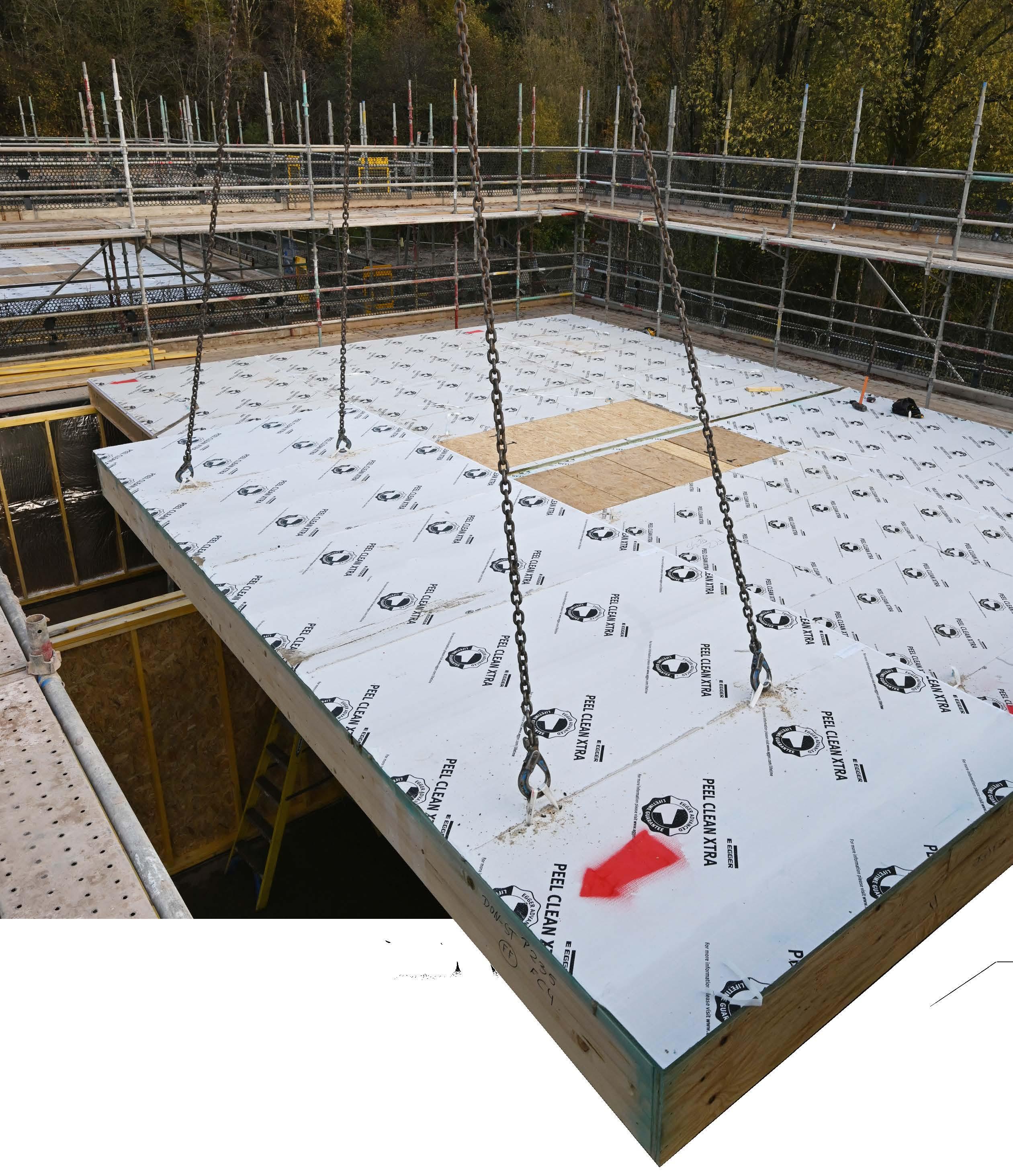
LOTS TO KEEP YOU OCCUPIED INSIDE, not least previews of two upcoming events that reveal the state of play of the offsite sector in the UK, Ireland and as industrialised and datadriven thinking takes centre stage, on a wider international scale.
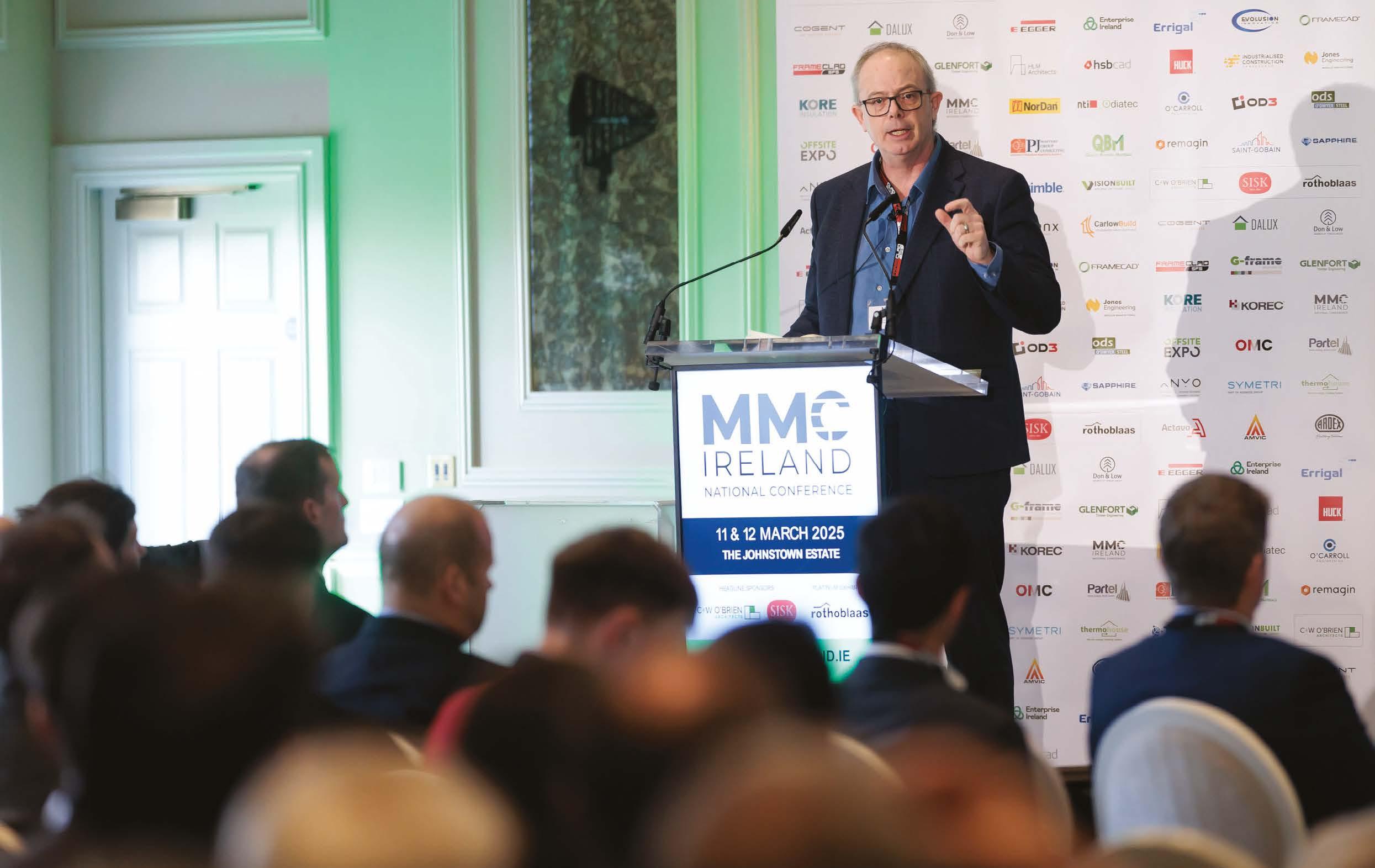
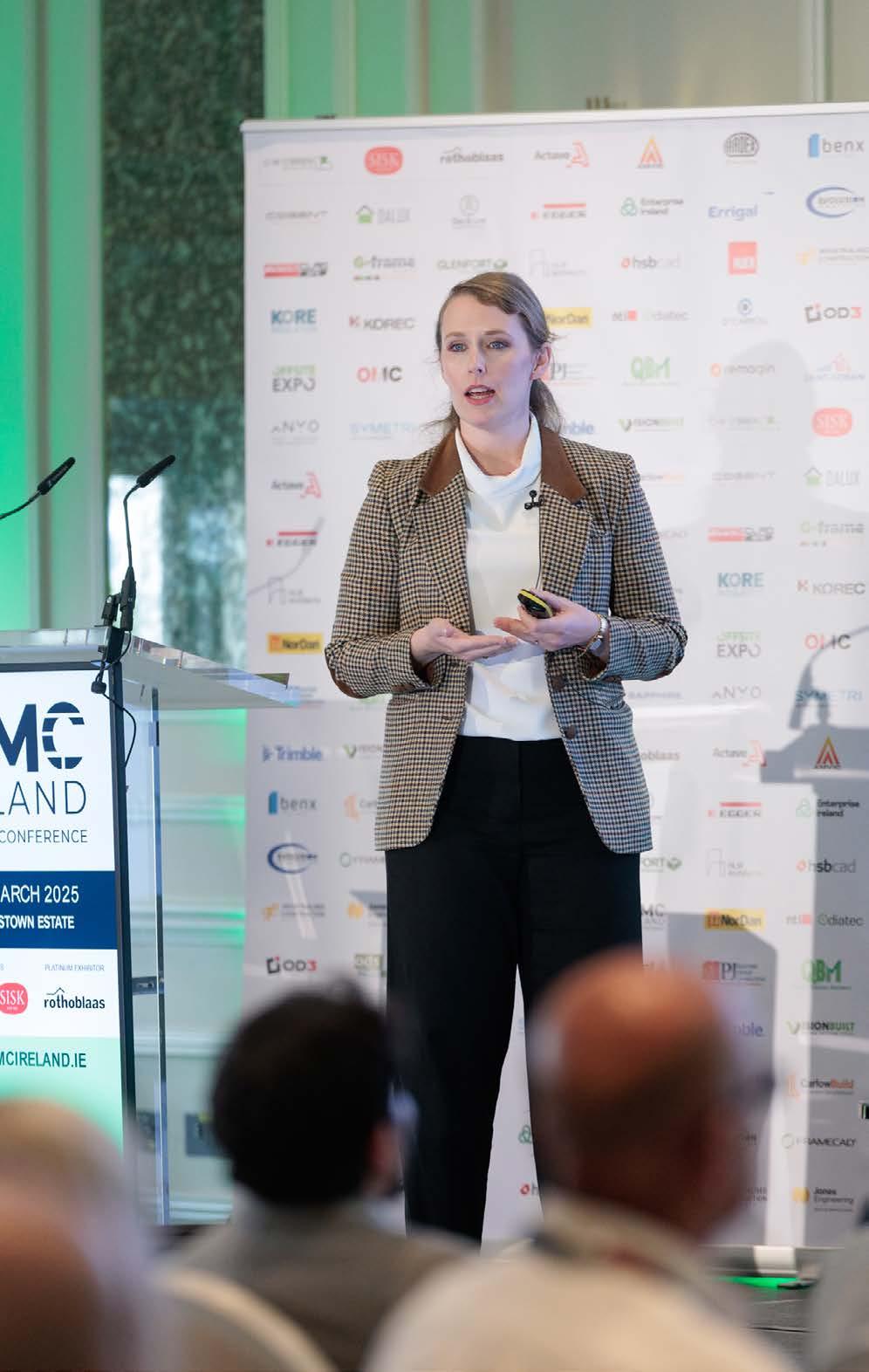
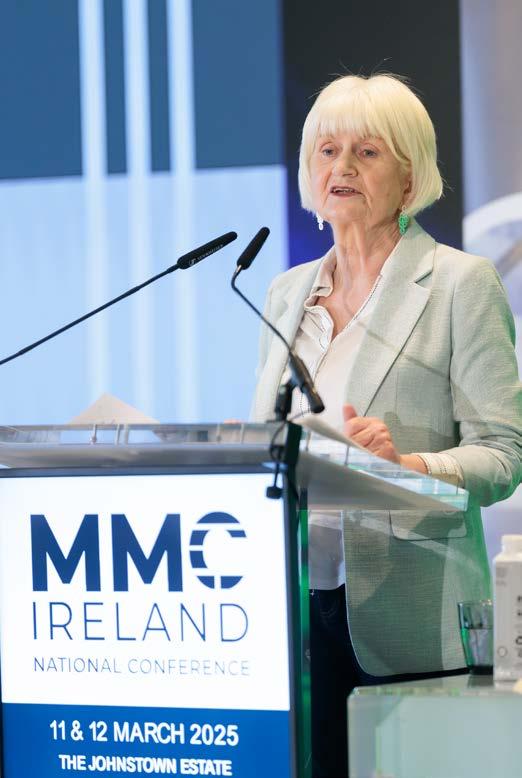
The MMC Ireland National Conference is now recognised as Ireland’s premier MMC event and has proven to be a national platform to explore progress across policy, skills, standardisation and delivery in Ireland, but is something of a reflector of the offsite sector generally. The Irish market faces many of the UK’s building dilemmas, but with Government support and a smaller and more nimble space to operate, is proving a positive place to be.
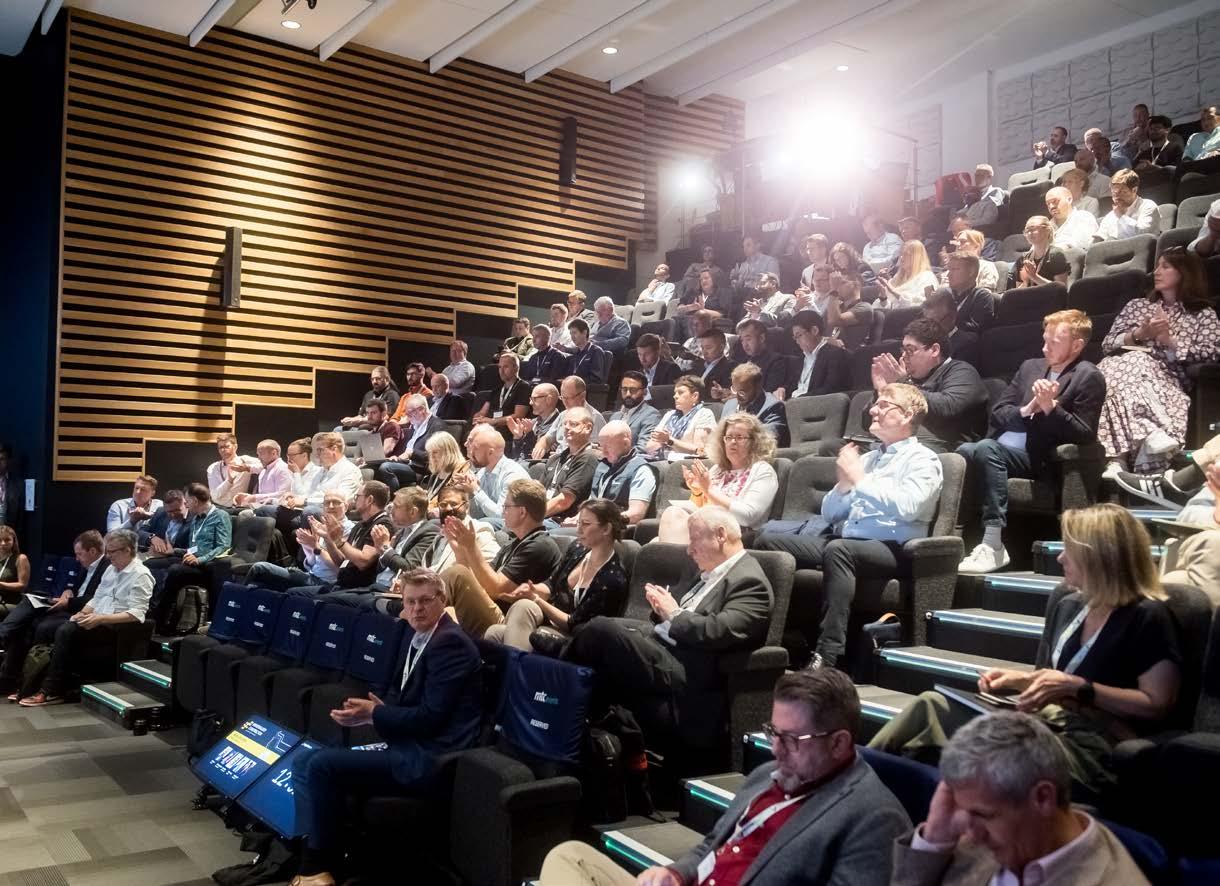
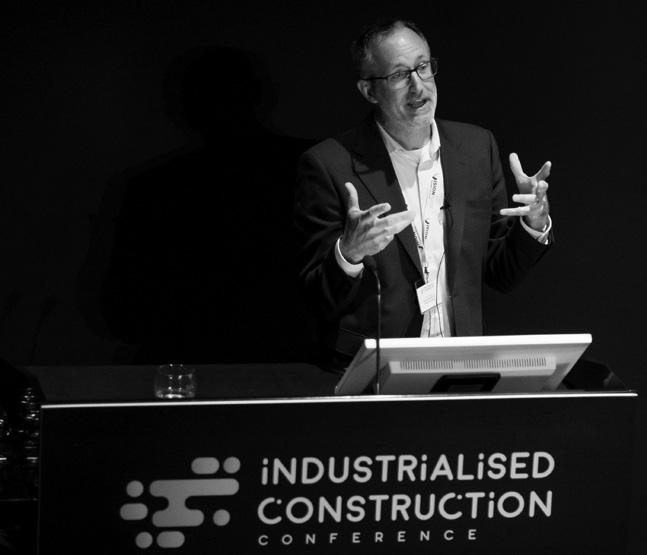
Industrialised Construction Conference takes place in London on 21–22 April, and with a theme of ‘Industrialised Innovation’ is shaping up to be a pivotal gathering ground for all those operating in the offsite world to understand more about
The first edition of Offsite Magazine of 2026 is here and what are the expectations from the offsite sector this year? Will it be another 12 months of transition and ‘strategic alternatives to traditional construction’ or the great leap forward to mass adoption that everyone craves? ENTRY PLATFORM OPEN! Entry Deadline - 13 March 2026
orchestrated supply chains.’ The critical aspect is how to scale all these factors to make offsite more appealing to a wider client and building designer/specifier. Keep an eye on our online ‘sister’ publication Industrialised Construction Journal to find out more about the latest speakers and conference sessions in real time. So where is offsite and factory-manufacture heading in 2026? Certainly, education and healthcare will continue to be vibrant sectors, with wider automation and optimised supply chains, stronger pipeline and framework agreements, alongside ‘sensible’ investment, to create long-term answers to the built environment’s perennial poor productivity. How long can ‘transition’ continue? Who knows? But as I write this, it’s the Lunar New Year, so a chance to quote philosopher Lao Tzu: “Those who have knowledge, don’t predict. Those who predict, don’t have knowledge.” Figure that out… Huge thanks to all our contributors, advertisers,
Redefine Your Space with NorDan
Delivering windows and doors that are crafted to last generations.
Redefining quality and luxury for almost a century. Our windows and doors are not just built to last, but crafted to inspire.
For more information visit nordan.ie
Alu-Clad Windows
NorDan’s Timber/Alu-Clad Windows combine the classic warmth and beauty of timber on the inside with a tough weather-resistant aluminium cladding on the outside.
Alu-Clad Doors
Merging timeless elegance and enduring strength, NorDan’s Timber/Alu-Clad Doors are perfect for those seeking stylish yet practical modern living solutions.
Aluminium Windows
The ideal solution for modern homes and commercial properties, offering a huge range of design possibilities, enhanced energy efficiency, and premium performance.
Aluminium Door
The perfect solution for the contemporary needs of residential and commercial properties that highlight energy efficiency, low maintenance, and versatile design options.
Entrance Doors
NorDan’s Entrance Doors have been designed with durability and energy efficiency at the core. With contemporary and traditional designs available, there is a perfect match available for your perfect welcome home.
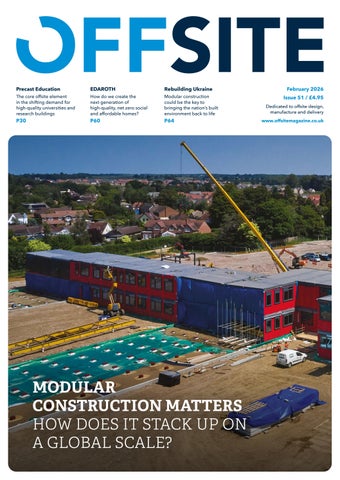
Modular Construction: the global picture
In a change to our normal cover story features, we offer up a range of insight and comments gathered during ‘The Proctor Podcast’ one of a series of regular industry chats, where the Proctor Group team discuss all things construction.
26 How Do We Build 1.5 Million Sustainable & Quality Homes? BUILDOFFSITE’s policy messages to Government are simple: it’s time to scale up MMC and industrialised construction across the built environment over the next five years for any chance of real change.
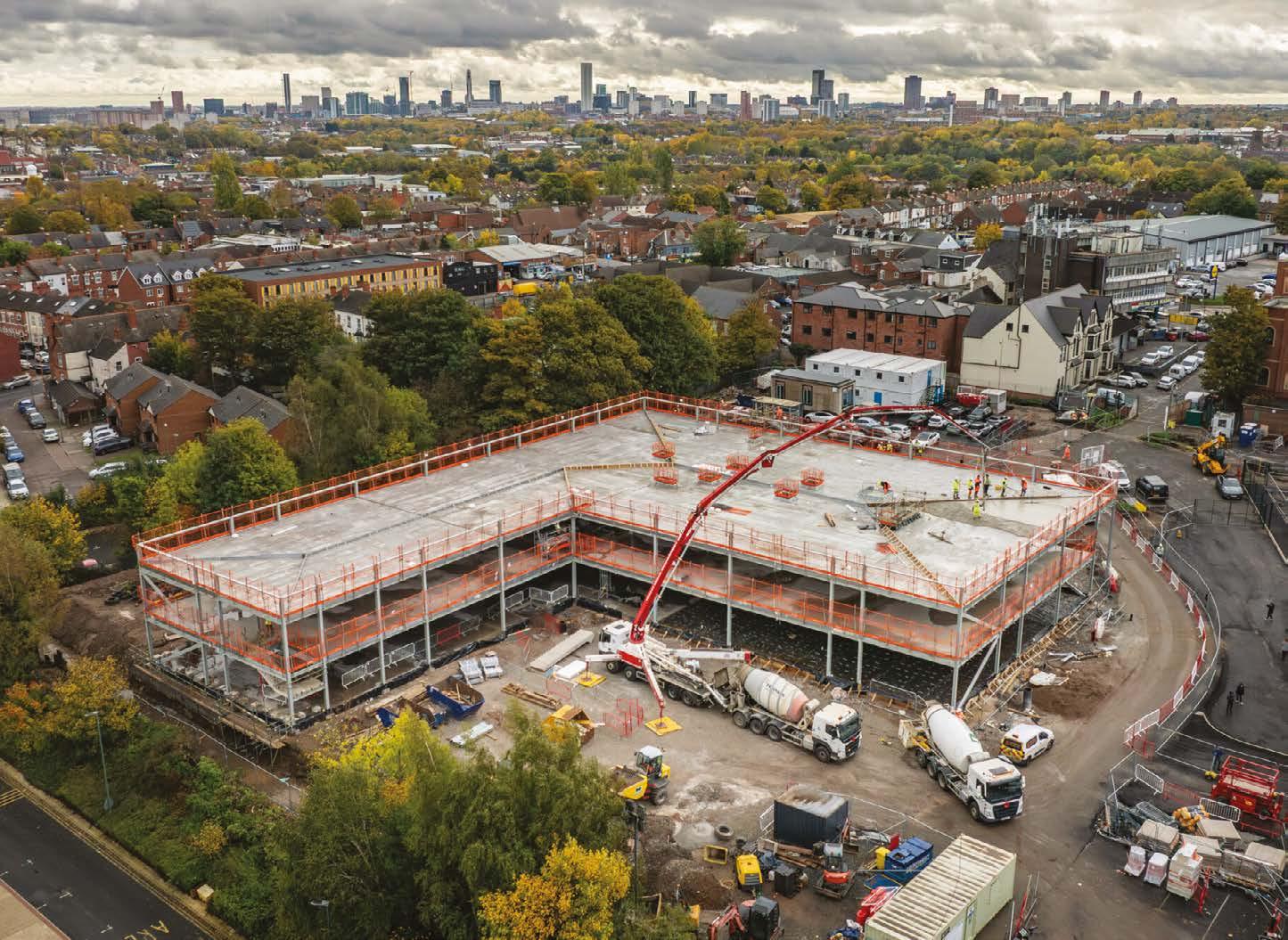
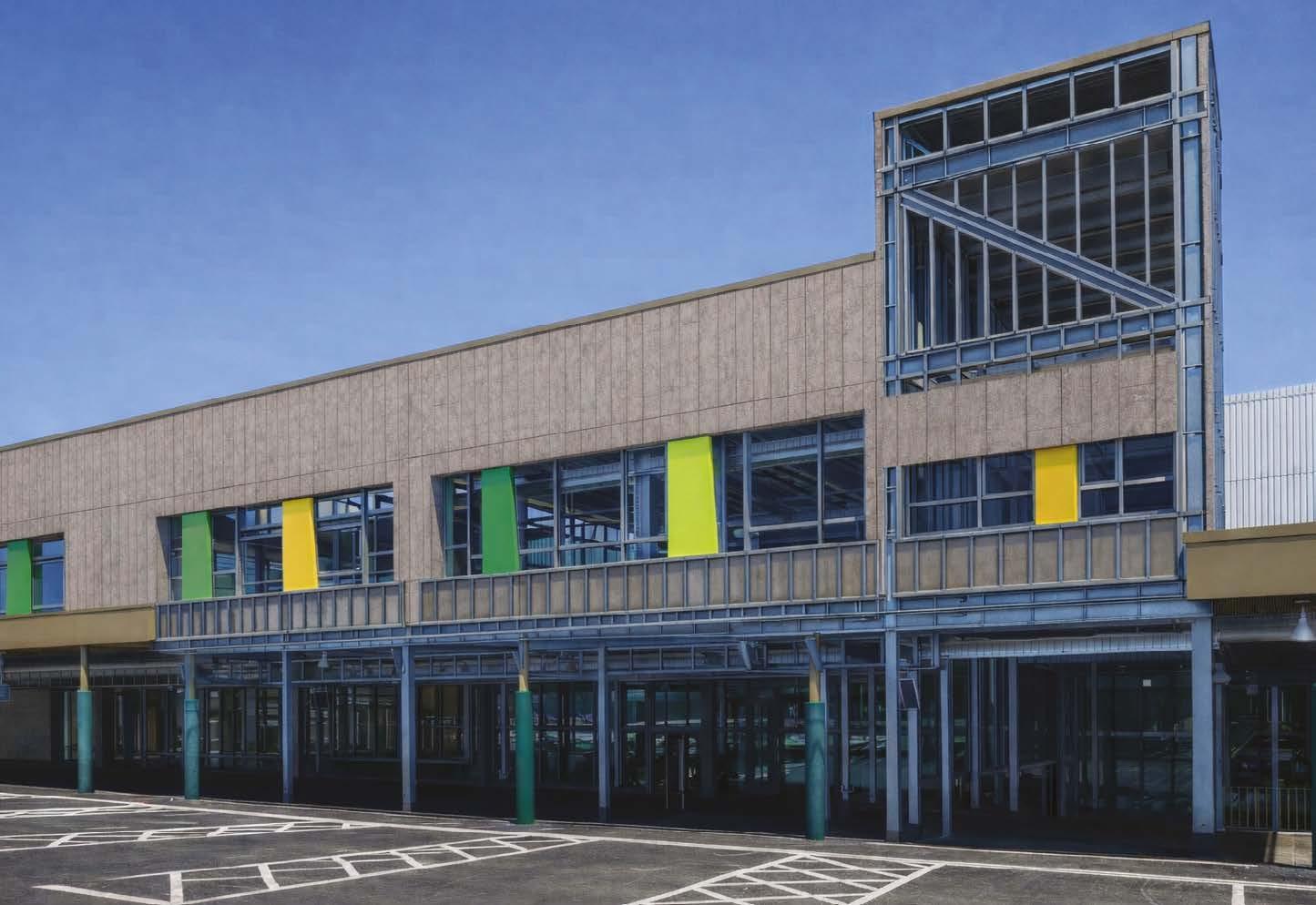
30 Precast at the Heart of Modern University Campuses
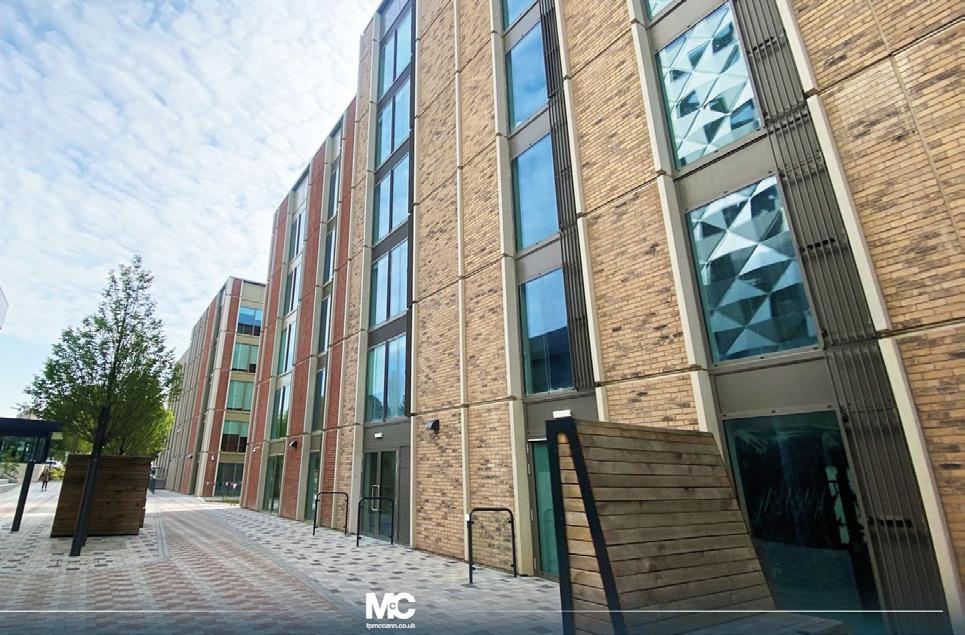
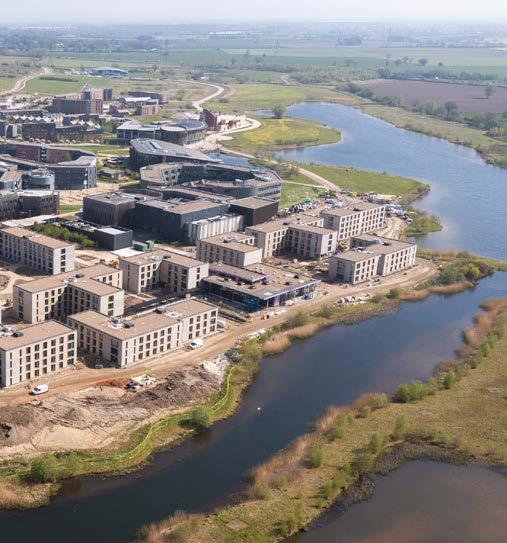
In response to growing demand for high-quality facilities, universities across the UK are continuing to invest in new teaching and research buildings, with precast concrete as a core element.
36 Transforming Construction in Ireland
MMC Ireland’s National Conference 2026 is on the horizon and this year’s event will concentrate on how industrialised construction can drive efficiencies across the Irish and UK offsite markets.
48 Modular Construction: A Strategic Response to Risk
Jackie Maginnis, Chief Executive at the MPBA suggests volumetric modular construction is the strategic answer to many construction market challenges and supply chain uncertainties.
52 Meeting the School Rebuilding Challenge Head-On
The School Rebuilding Programme is accelerating but can the construction sector keep pace? Joint Managing Directors of Frameclad, Nik Teagle and Martin Jamieson see industrialised methods as the answer.
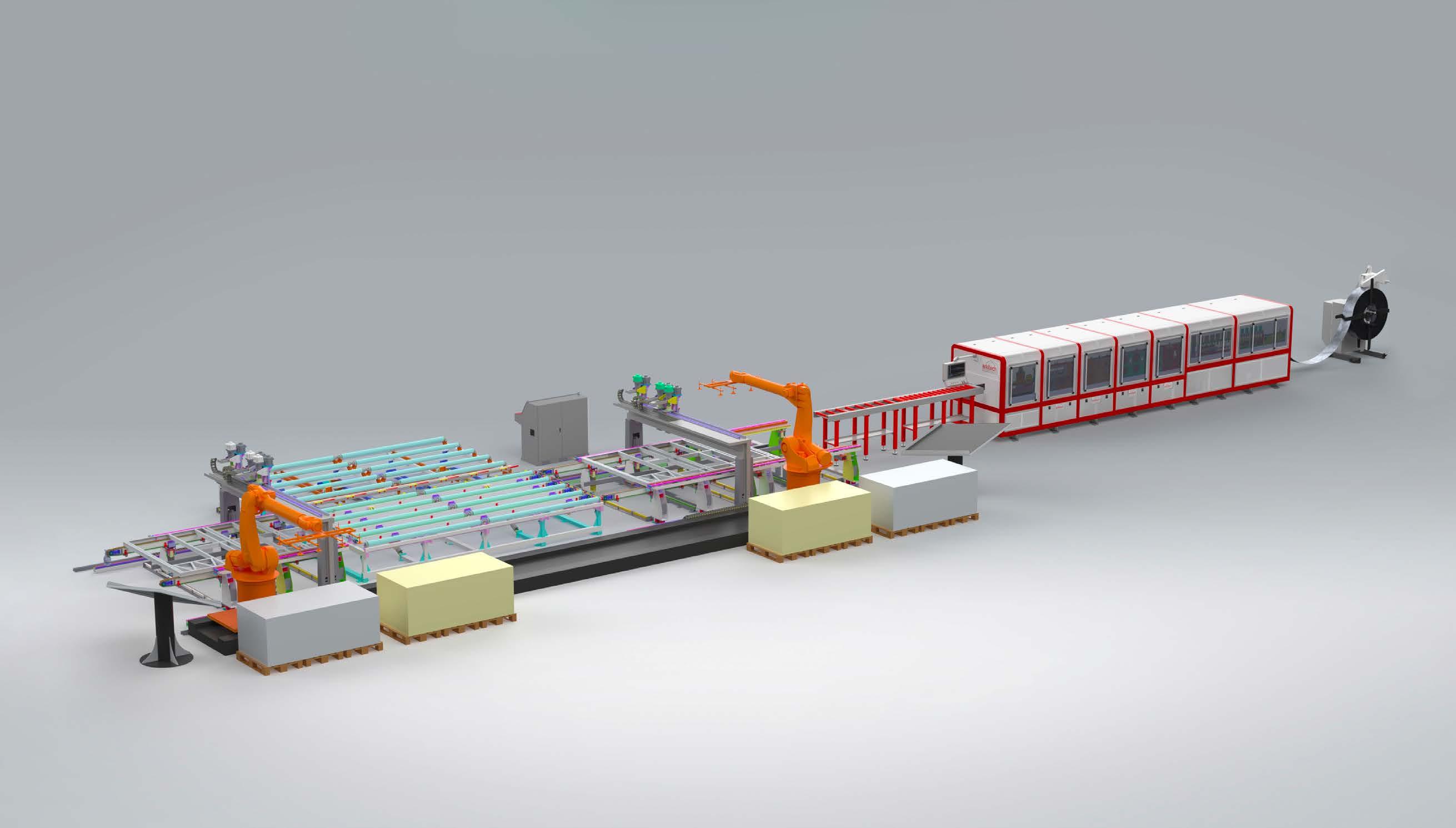
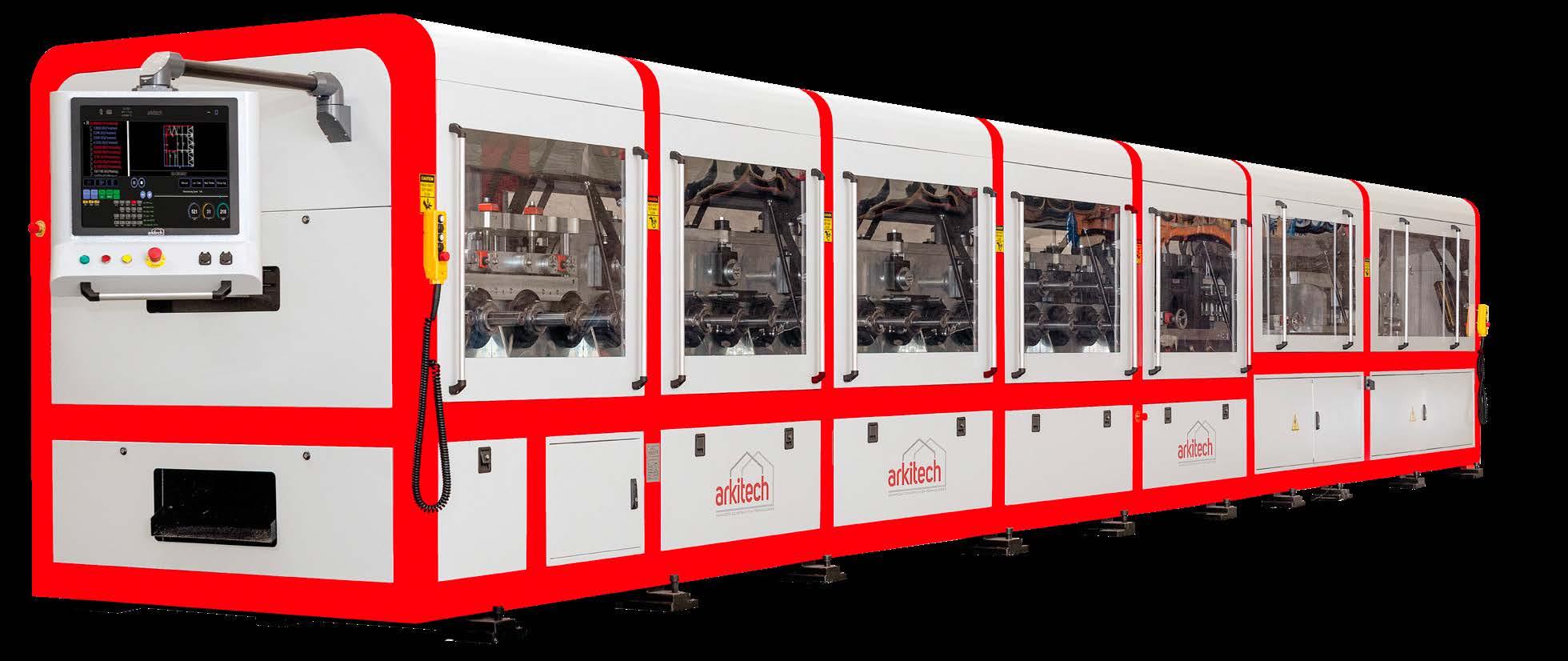
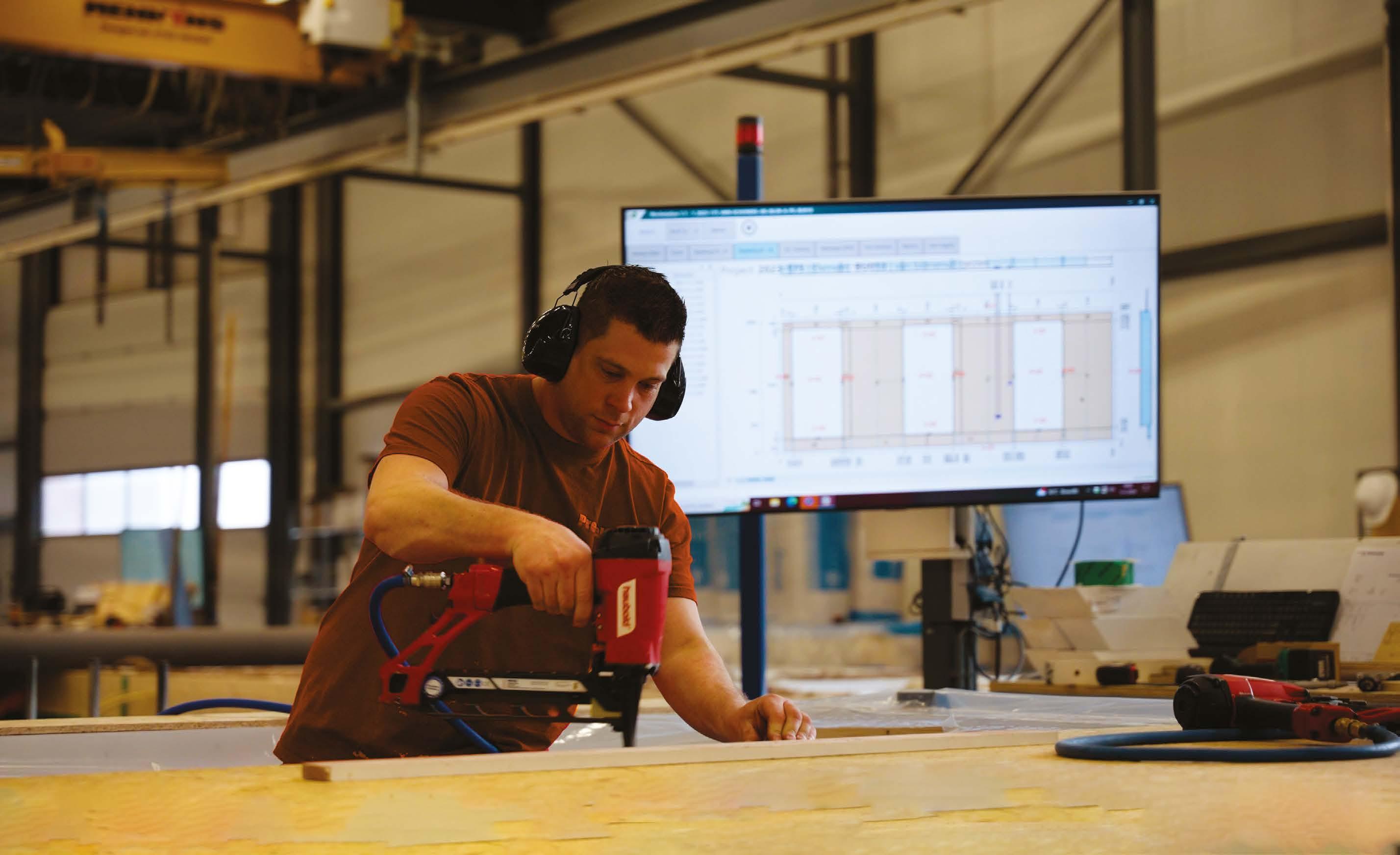
54 The Shift from Fabrication to Data-driven Manufacturing Modern light steel frame production integrates digital design, lean manufacturing, DfMA optimisation and component standardisation – what is there not to like?
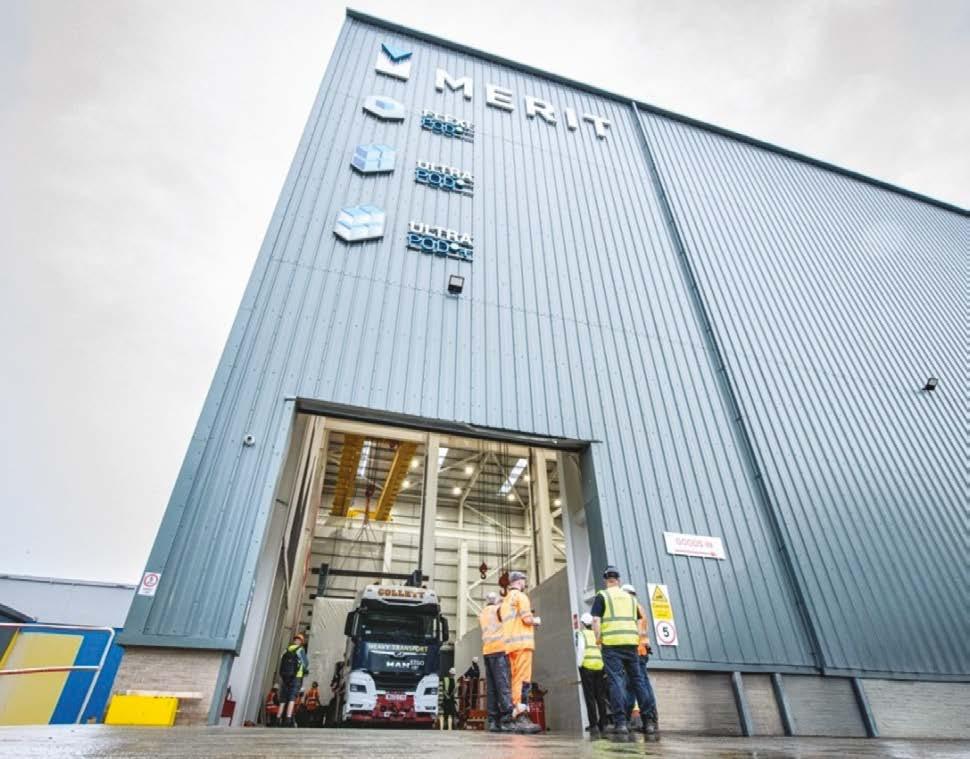
News and developments from across the UK offsite industry and wider construction arena including: Barbour ABI predicts offsite housing construction market ready to ‘rebound’, Merit Industrialised Construction now ready for business, Mansell opens Greater Manchester’s first dedicated MMC centre and Bellway officially unveiled its new state-of-the-art timber frame manufacturing facility.
60 Rebuilding Affordable Homes
EDAROTH Managing Director Mark Powell, spoke to us about addressing the huge shortfall of the UK’s social and affordable homes.
64 Can Offsite Help Rebuild Ukraine?
Mark Lawson, Visiting Professor at University of London and consultant at the Steel Construction Institute, highlights the potential role modular construction has in rebuilding Ukraine.
68 Translating Market Signals
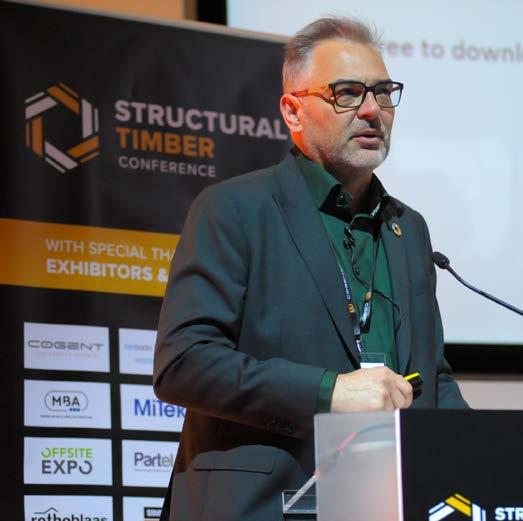
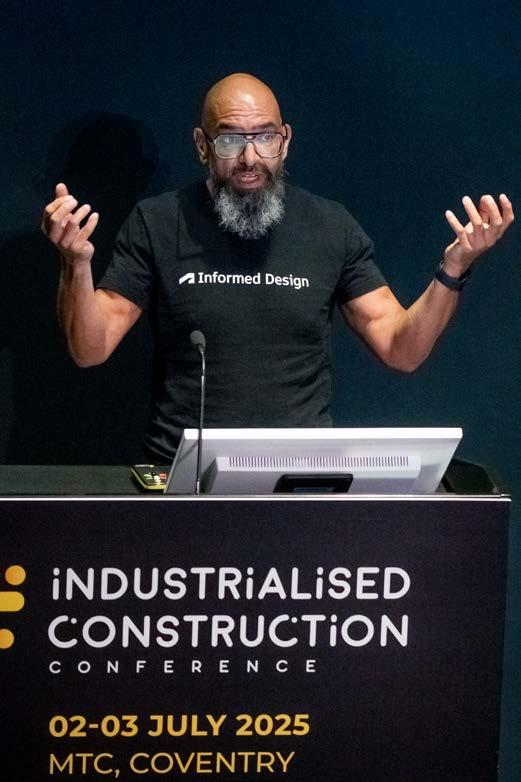
If you work at the sharp end of offsite, DfMA, platform design, digital construction or manufacturing-led delivery, you cannot afford to miss Industrialised Construction Conference 2026.
72 Achievable Affordable Homes
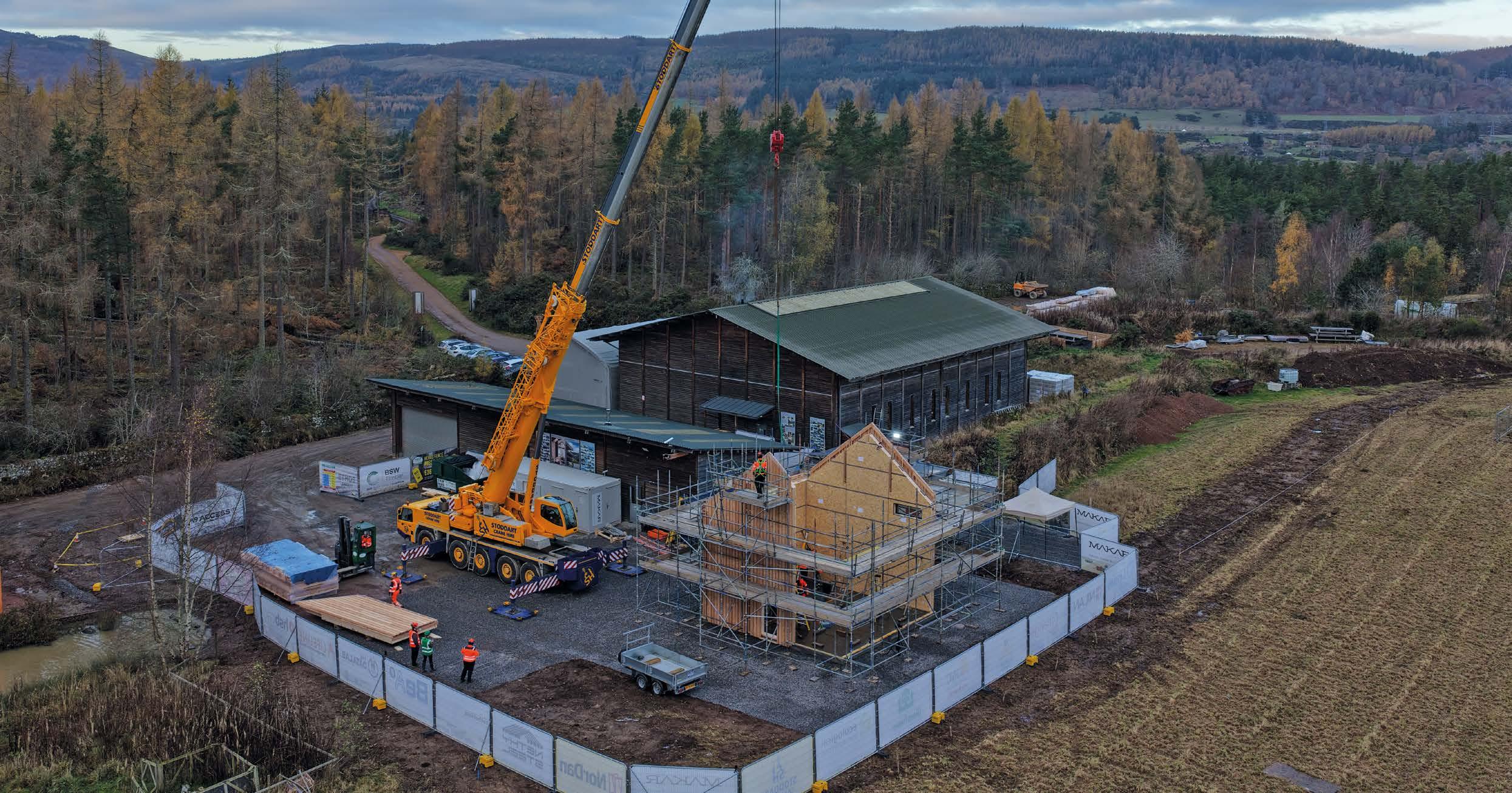
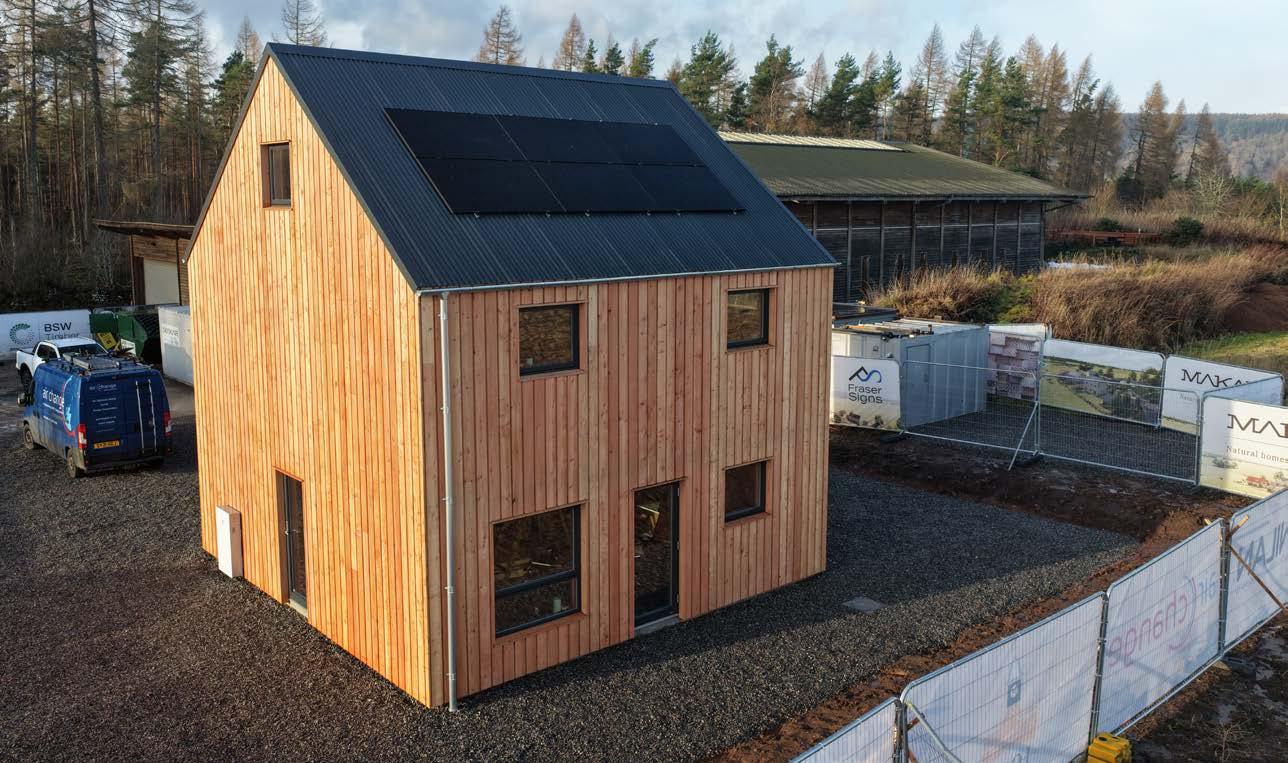
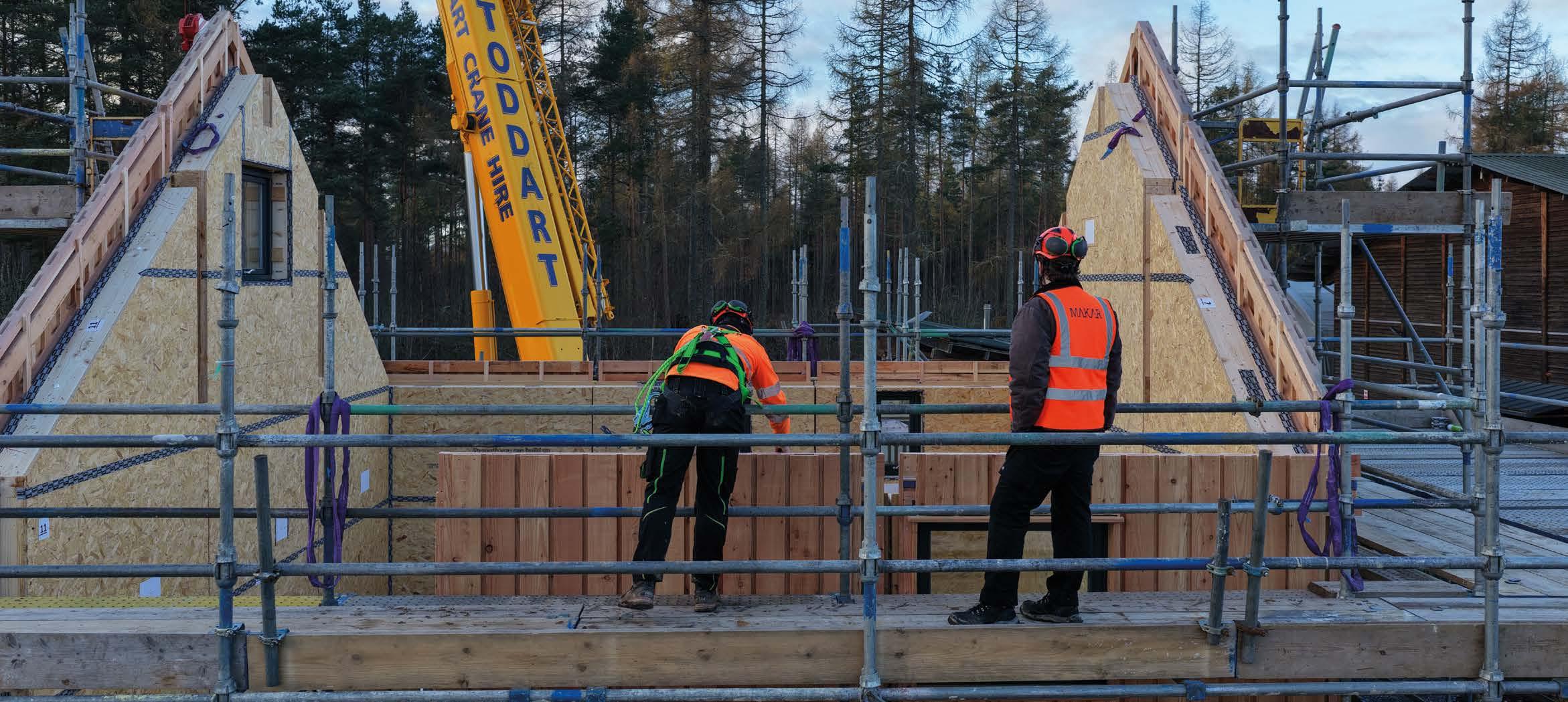
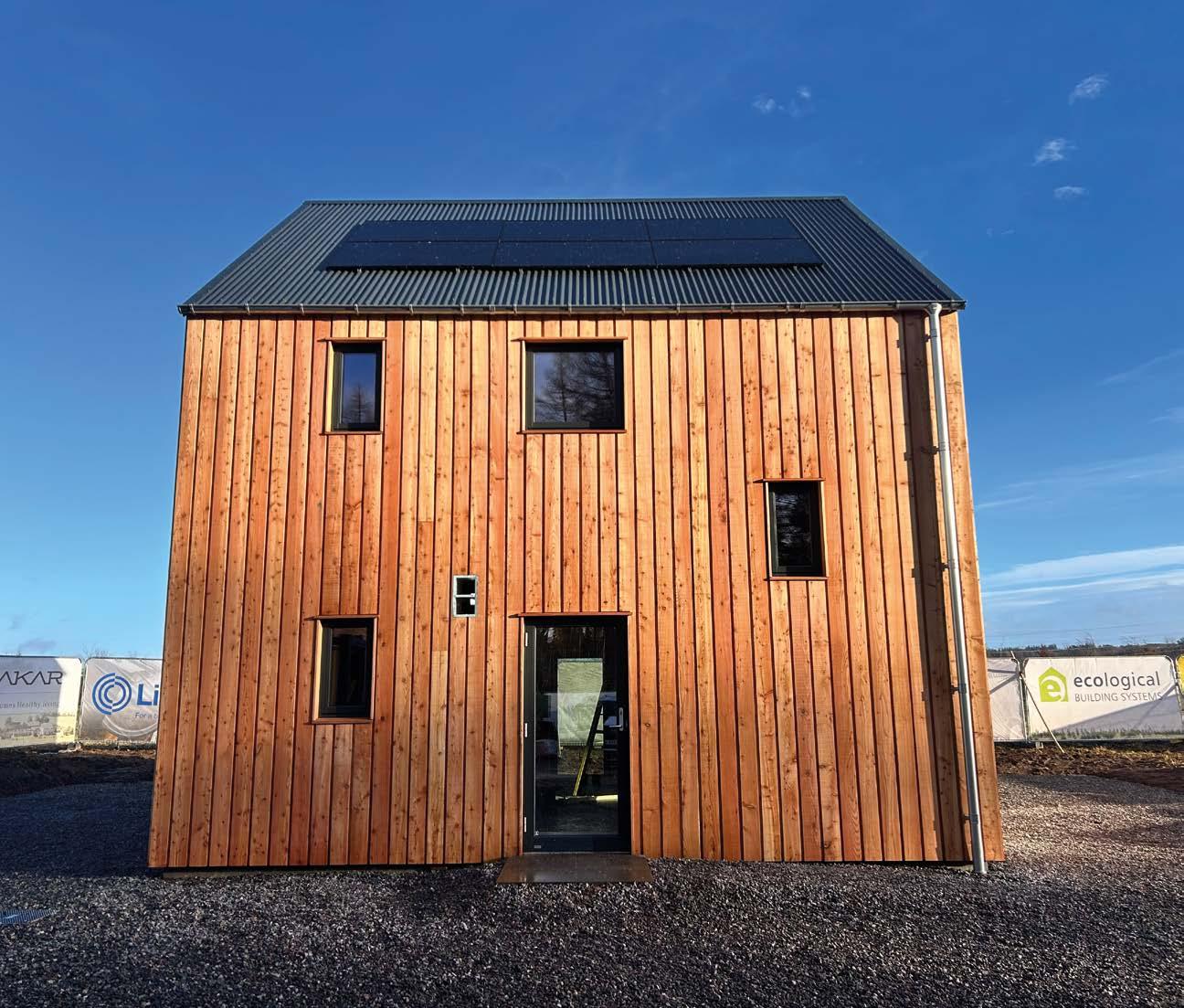
Are conventional newbuilds failing on energy efficiency? Can a ‘futureproof’ prototype Scottish timber home erected in one week provide a blueprint for future developments for social housing providers?
75 MEP
One of our regular special magazine sections dedicated to a key offsite method. This issue we hear from a range of mechanical, electrical and plumbing (MEP) providers including Polypipe Building Service’s precision work across three key projects and Kier Mechanical & Electrical’s pivotal role at the multi-awardwinning HMP Millsike.
Modular Construction: The Global Picture
In a change to our normal cover story features, we offer up a range of insight and comments gathered during ‘The Proctor Podcast’ one of a series of regular industry chats, where the Proctor Group team discuss all things construction.
THIS is an edited version of a conversation that shares some key points surrounding modular construction and its role in the UK and international built environment. Keira Proctor (Managing Director) and Adam Salt (Head of Global Sales, Modular Offsite and Head of Business Development) welcomed Alan Milne (European Membership Director at the Modular Building Institute; Director of Modular Building Consultants Ltd) to discuss modular construction at length.
Modular construction is a global solution
There is now an acceptance of modular construction in countries where it wasn’t being considered five or 10 years ago. Asia and the Middle East in particular are growing markets that are realising the benefits. Most countries face challenges in labour shortages, construction costs and so on, and modular can help meet those challenges anywhere in the world.
Amending unsuitable contracts is time consuming and expensive, so the industry should have its own contract. Payment structures for modular construction and agreed storage periods are just two examples of contractual arrangements unique to modular, and which don’t form part of traditional contracts. There are lots of technicalities that tailoring a contract to suit the process would make life an awful lot easier.
Multi-skilled work is a benefit of modular
Modular seems to be more open to smart technologies than traditional construction, because it’s easier to incorporate those things as part of a precise factory process.
The modular sector needs its own contracts
Many of the contracts used in modular construction are versions of traditional construction contracts that have been heavily adapted.
Modular is often cited as a way to tackle the shortage of skilled labour in traditional construction. While the on-site workforce is undoubtedly smaller, there is still a need for people to work in the modular production facilities. Skills are still required, just in a different way –more production skills than traditional labour skills. That means a person can learn to do one process, working at one station. What the best factories do is train their workforce to be multi-skilled at different stations. There are many different skills within the factory, so work doesn’t have to be monotonous. People are getting multi-skilled training which is really good.
Something that gets forgotten – and this happens around the world – is the need for skilled teams to install modules on-site. If there aren’t enough people to install, then that’s a problem. A big challenge for the industry is to put in place specific training for installation teams and develop that skill set.
Clients need to know what value a modular solution offers
Clients don’t always know what they want from modular procurement. They might contact six companies, and they will get six prices. How do they know which one is best? How do those prices, and what is being offered, match up to the brief and the client’s needs?
If you only need a module for a short time, why pay at the high end of the range? But if the client wants more, or has specific needs, then a higher priced product is likely to be better. A modular company can offer a standard specification, then the next ‘model’ might have better airtightness, for example, and the next ‘model’ after that might have better U-values. It’s similar to cars. All modern cars meet a basic quality standard, but some have more features and equipment, or use higher quality materials. The difference between cars and modules is that consumers know about car brands and their quality. With modular, it’s difficult for a client to work out if they’re getting value. The value may not lie in the highest quality product.
Smart technology and performance monitoring is a good fit with modular Modular seems to be more open to smart technologies than traditional construction, because it’s easier to incorporate those things as part of a precise factory process. If you’re going to build technologies into traditional construction, it’s another trade on-site,
whereas modular can integrate it more seamlessly. The technology is a benefit in the storage phase too, when there’s time to carry out testing and monitoring. In a traditional build, there’s rarely the time to stop and check things through testing. With modules, the results you obtain during the storage phase can then be checked against test results post-installation on-site.
The modular industry doesn’t get enough recognition
There are so many design innovations and interesting projects in the modular sector, but they rarely get any publicity. It’s a big incentive to drive the industry forward. At lots of construction events, it often feels like everyone’s quite isolated. When you go to modular construction events, it’s an industry that comes together. The networking is much better. A win for any modular company is a win for everyone.
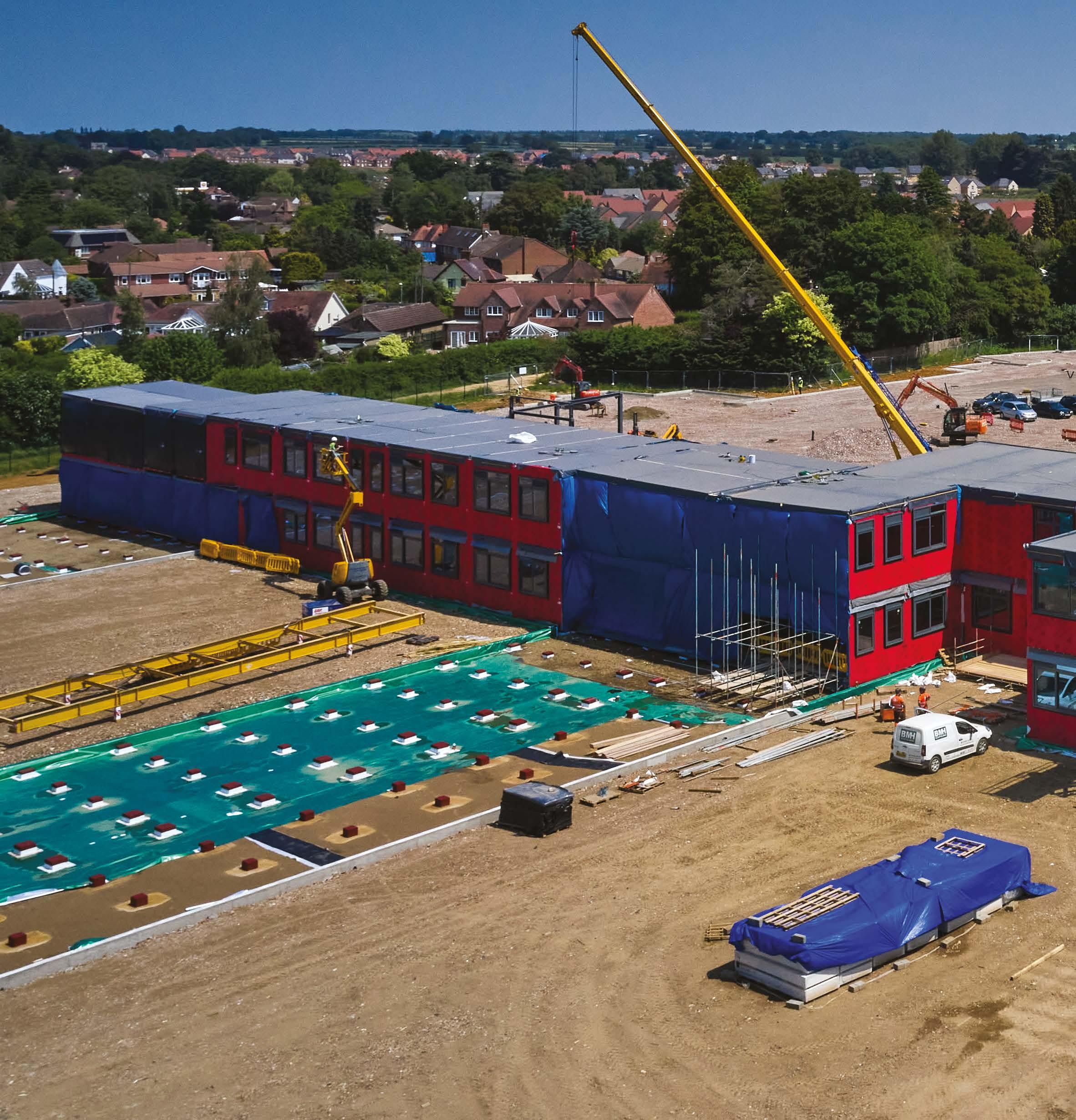
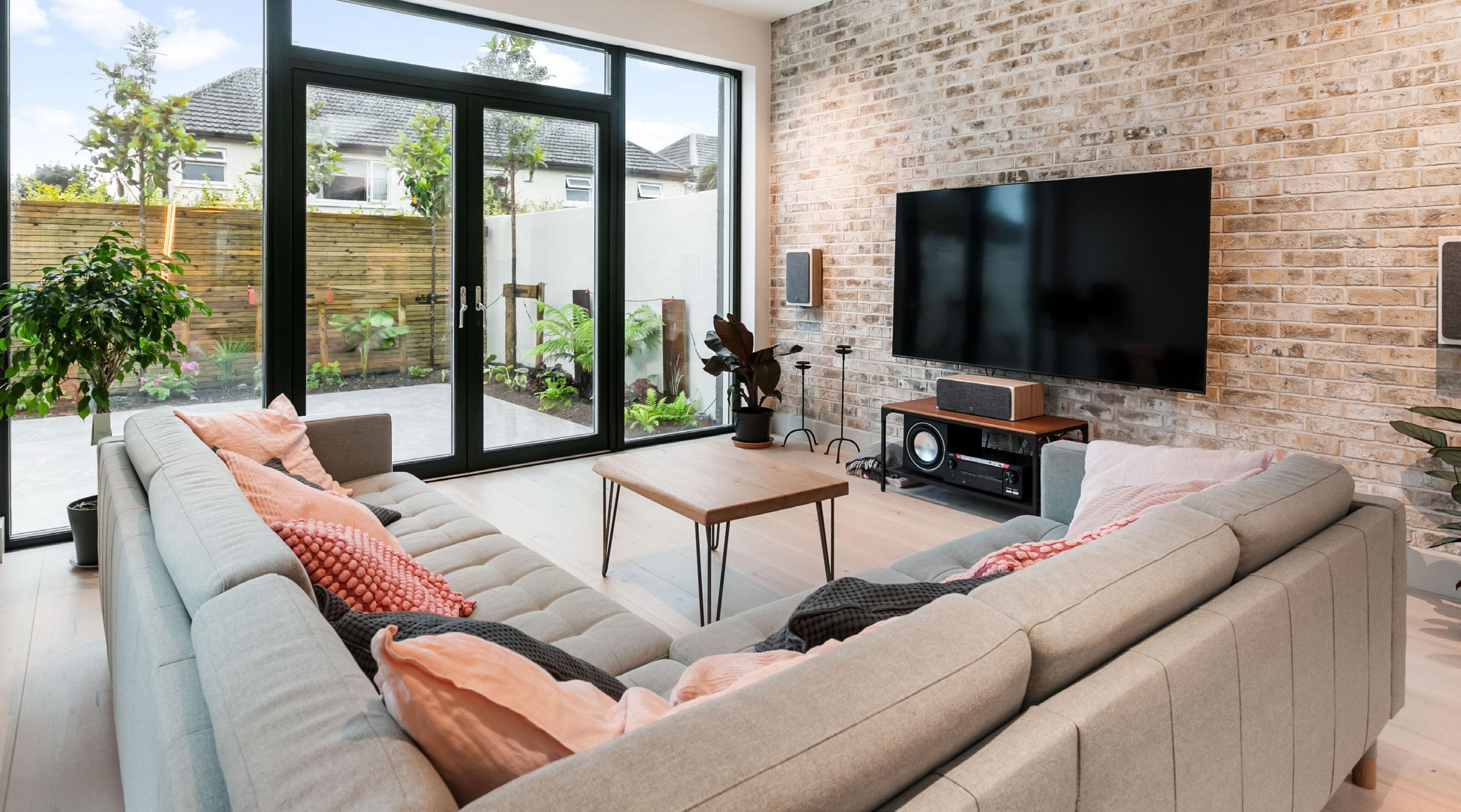
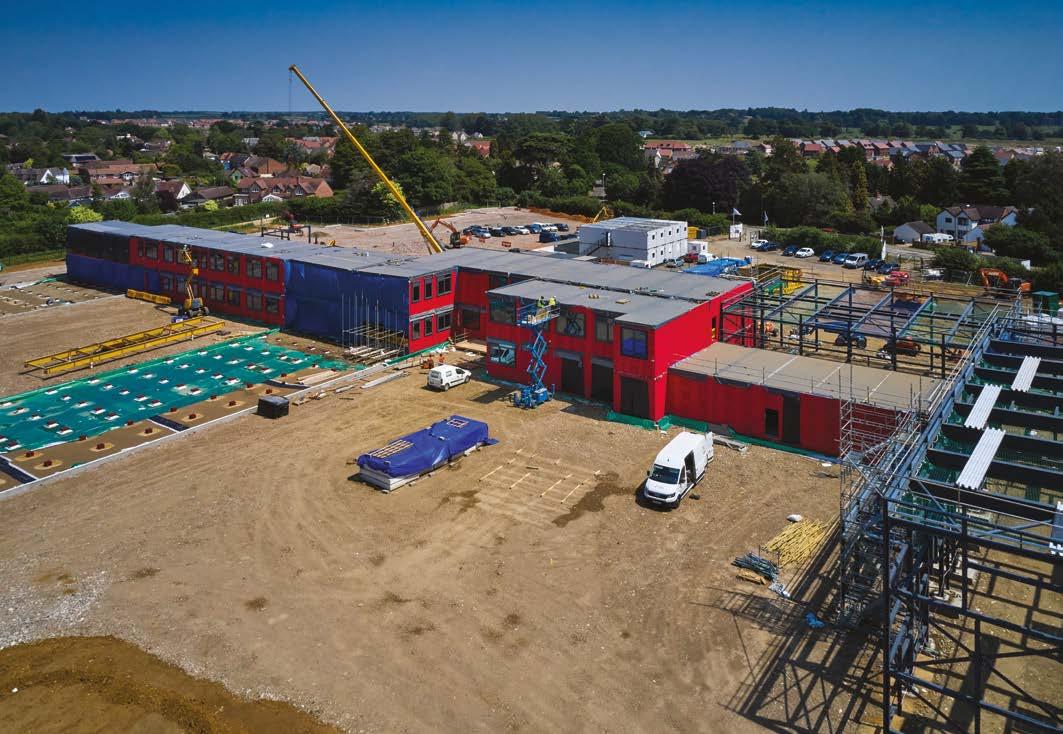
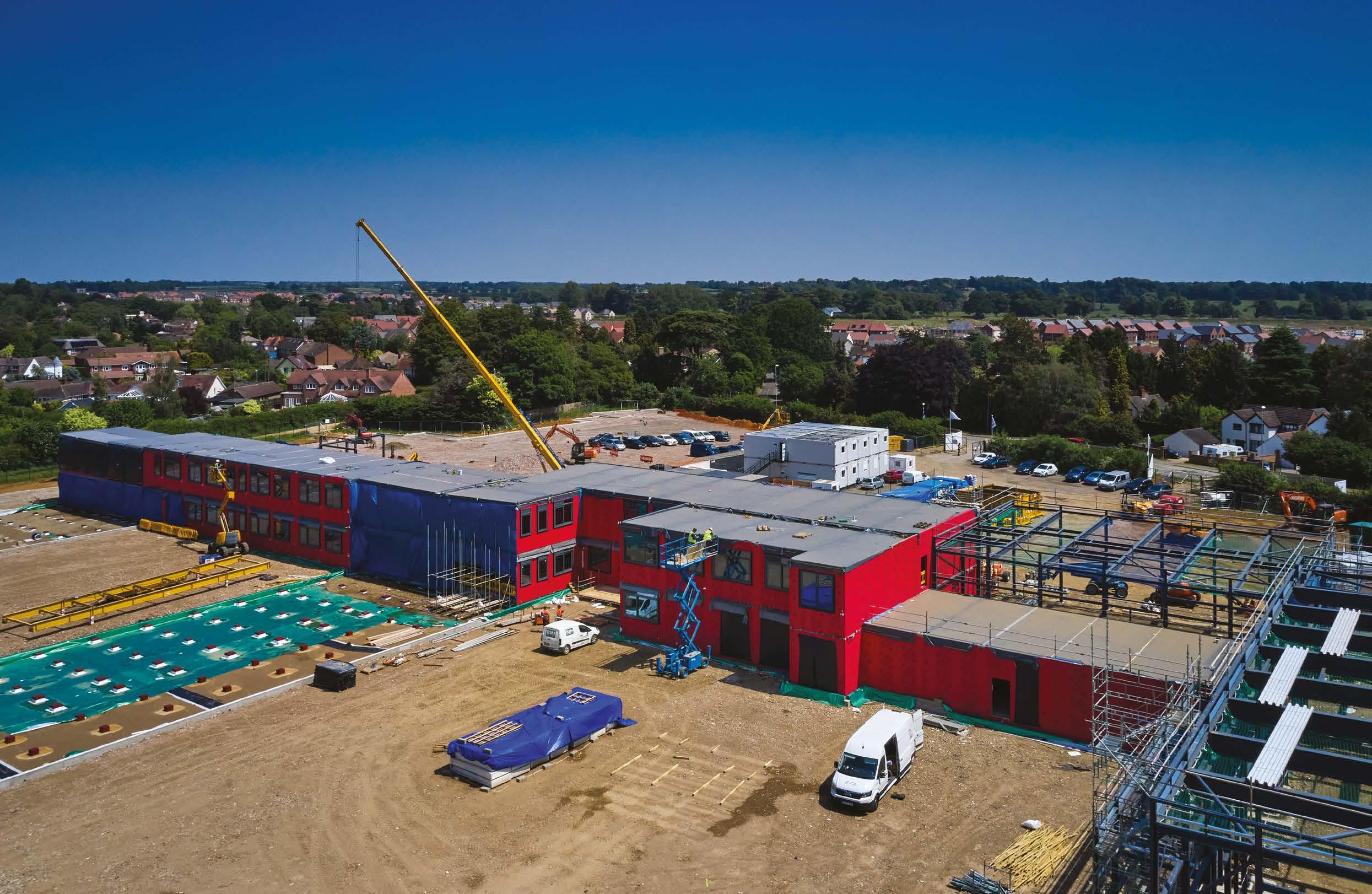
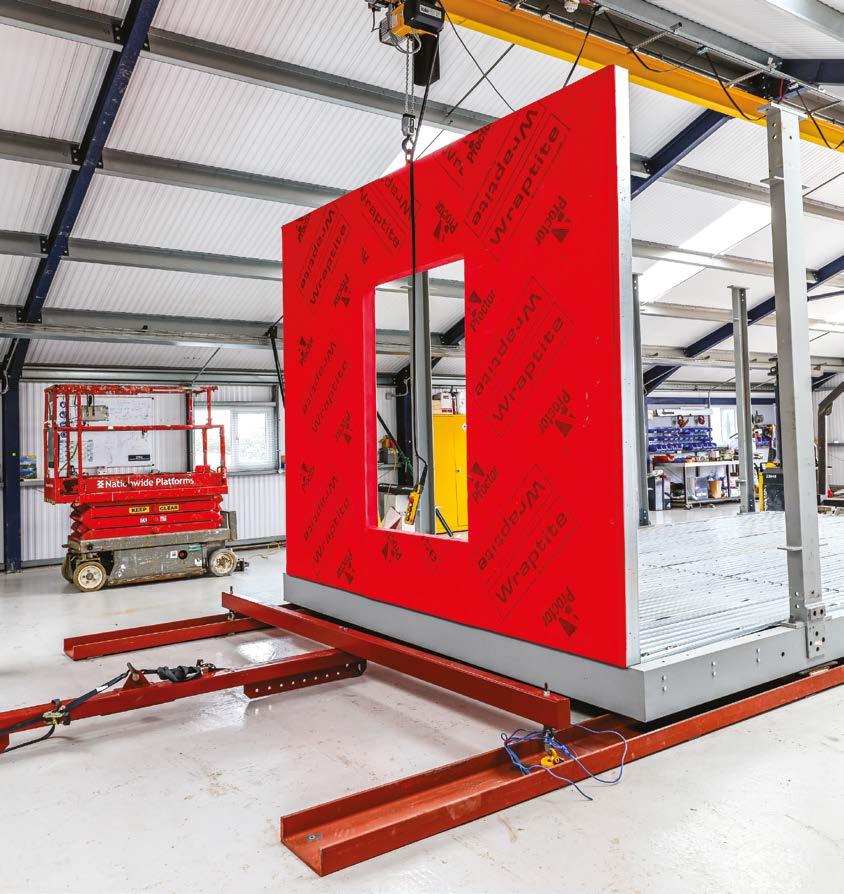
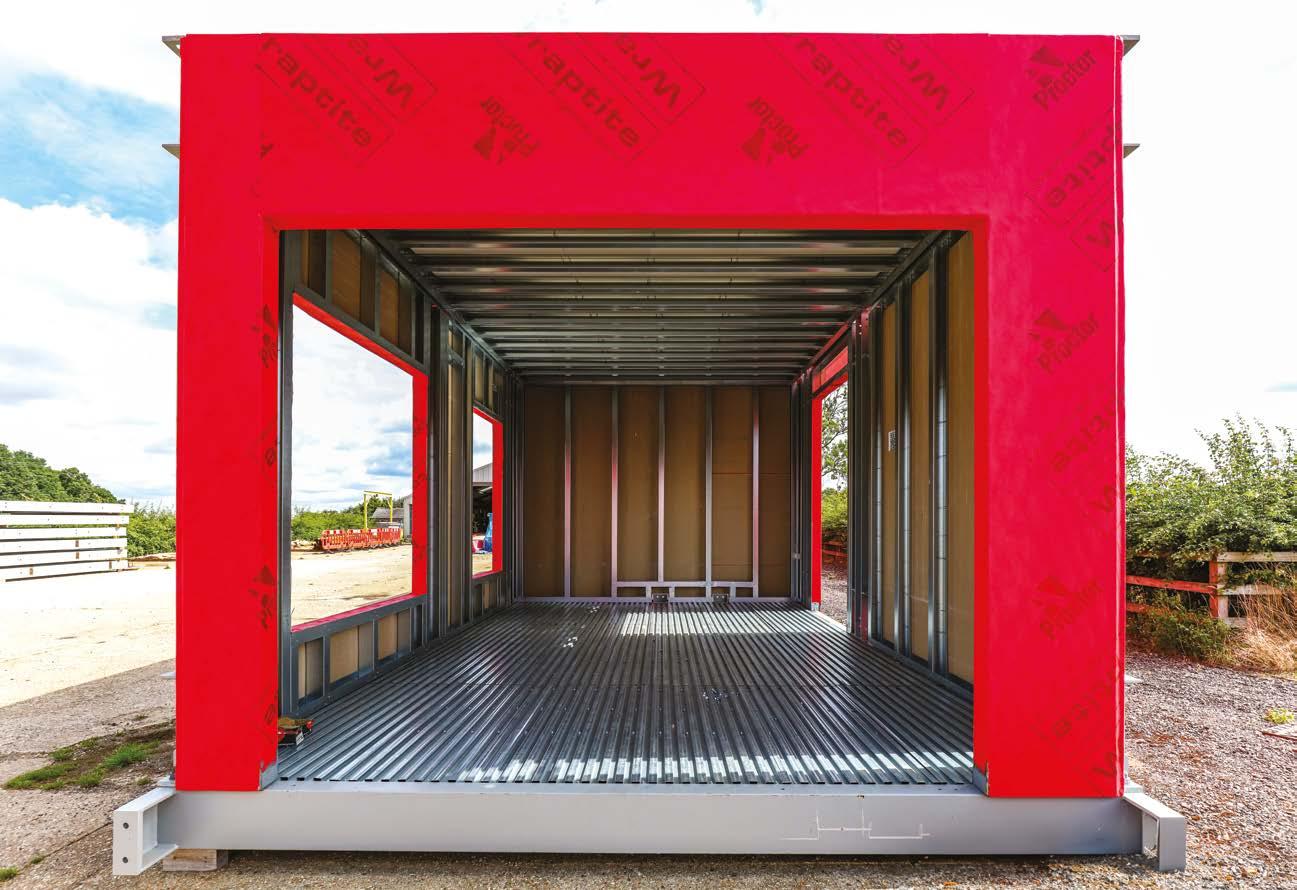
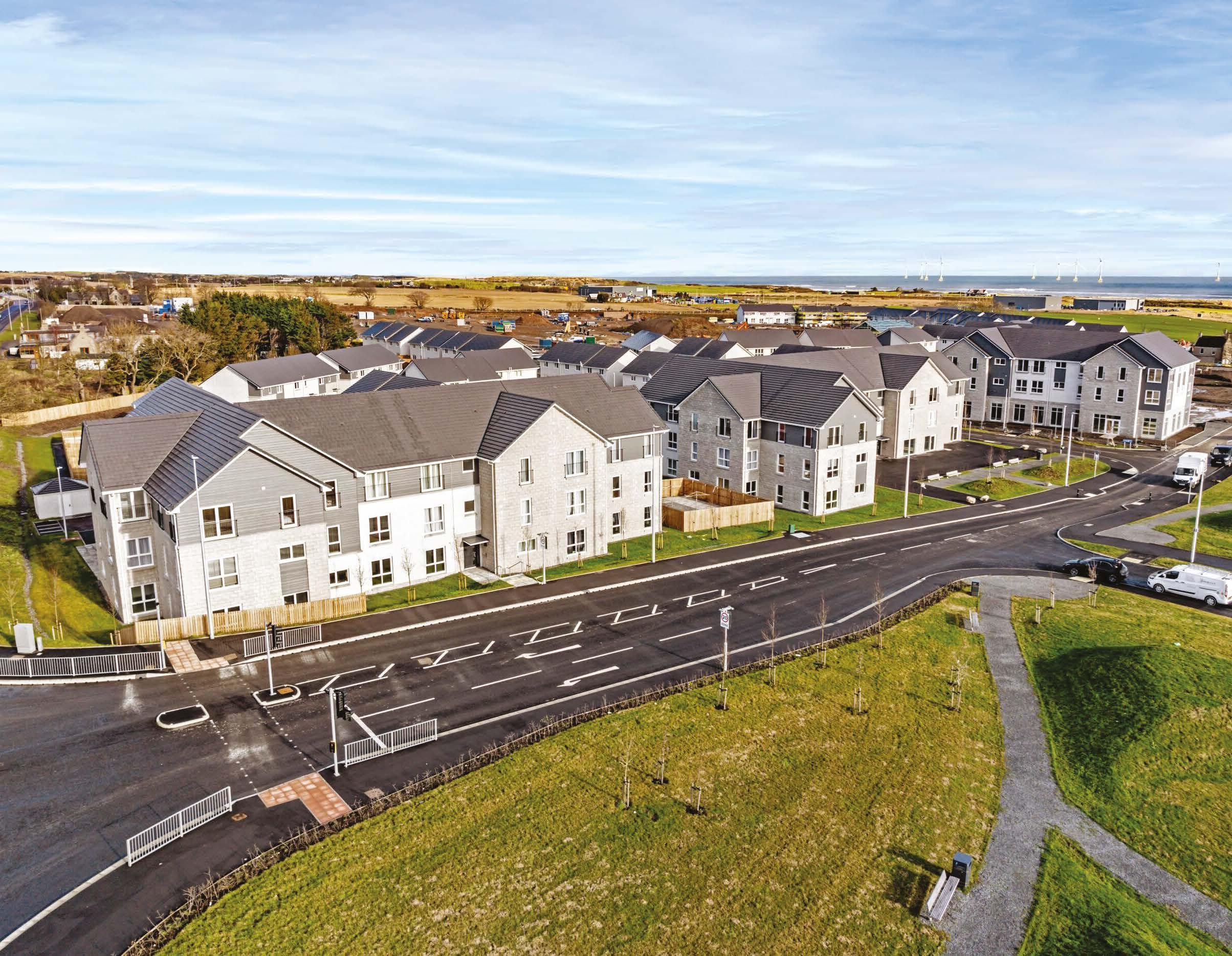
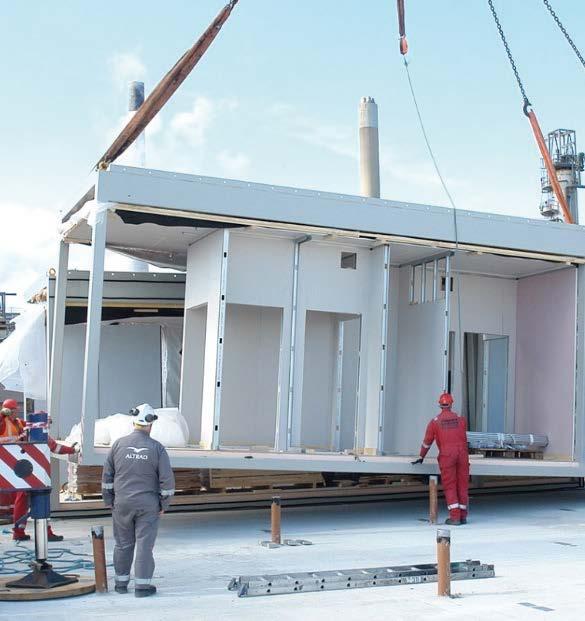
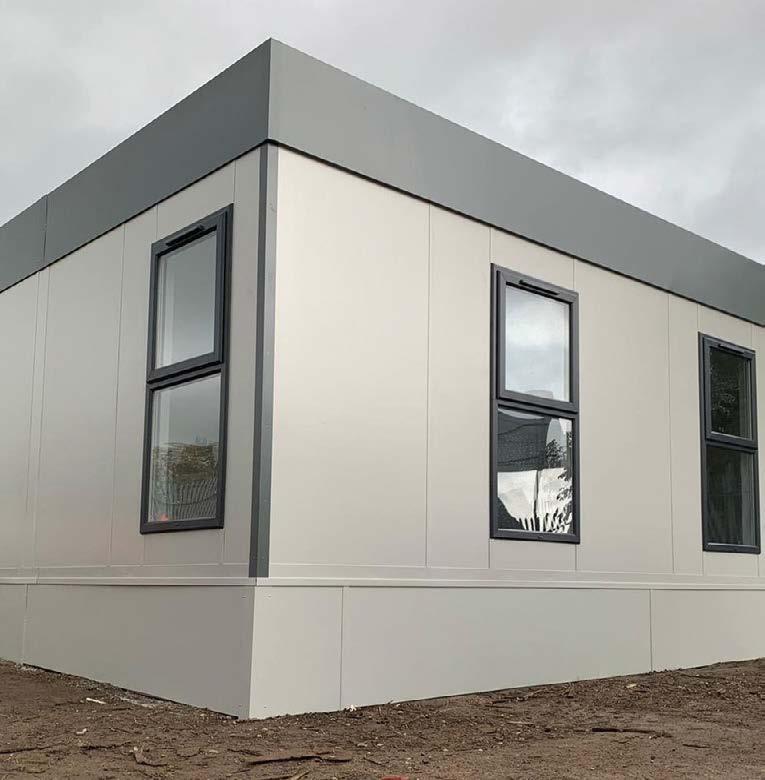
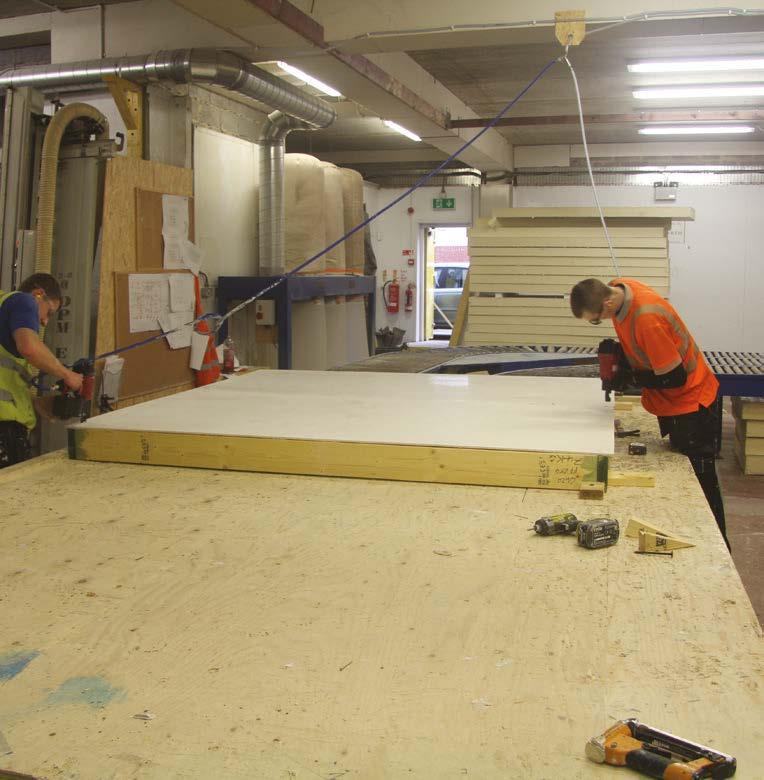
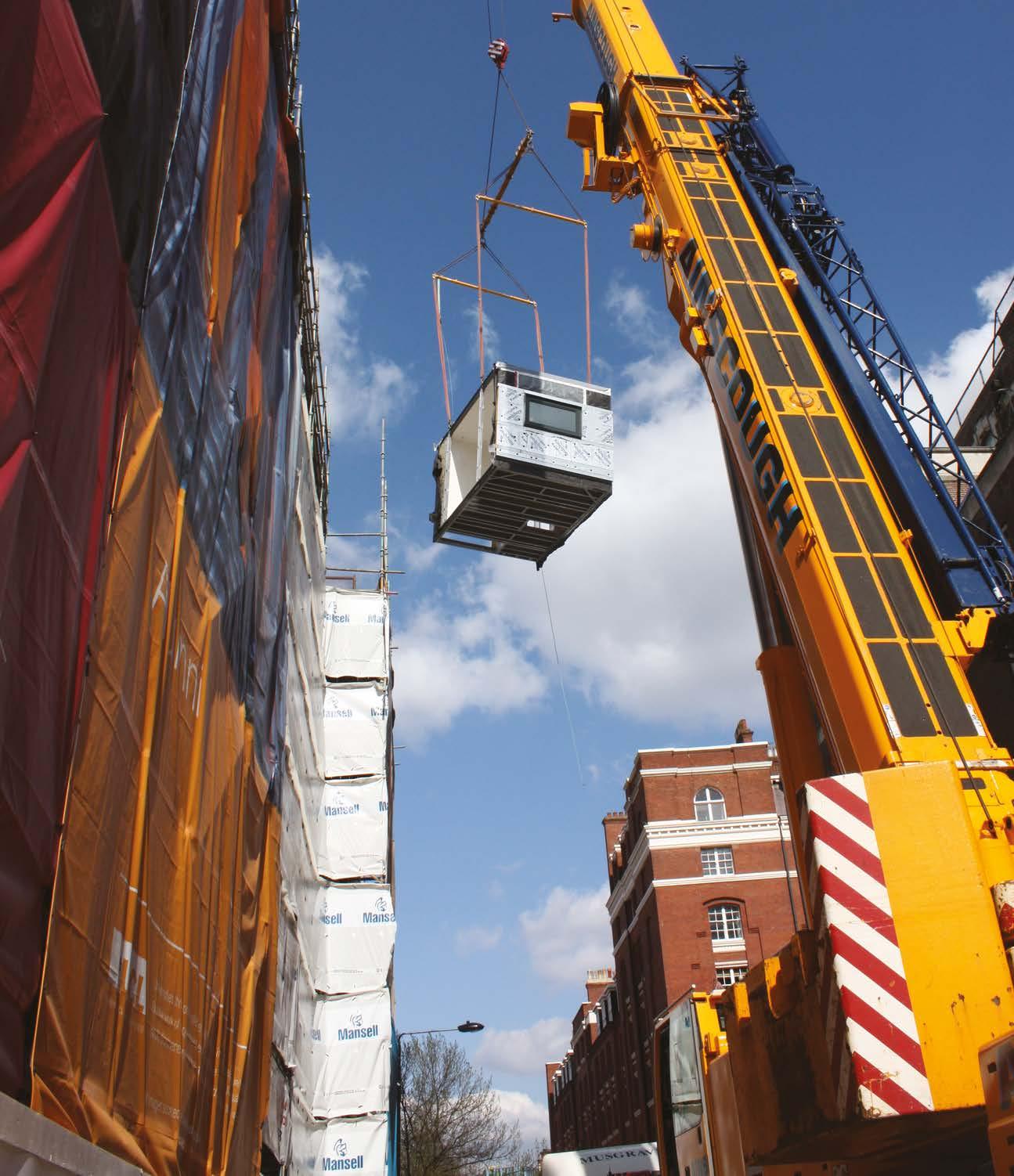
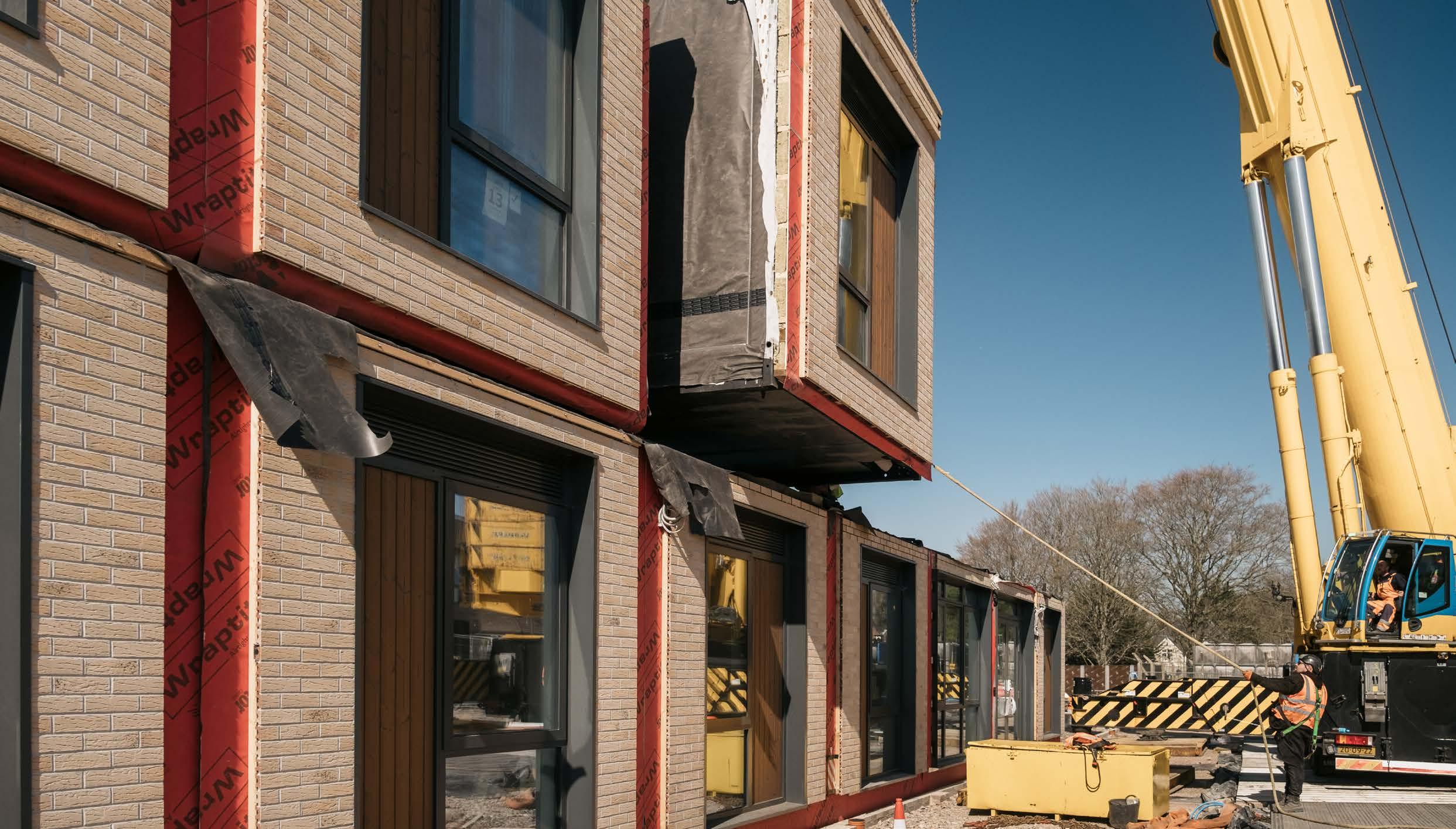
Images 1-3:
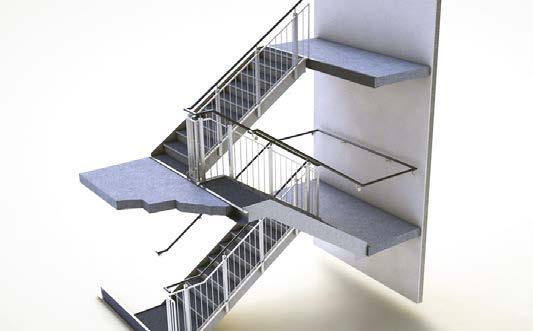
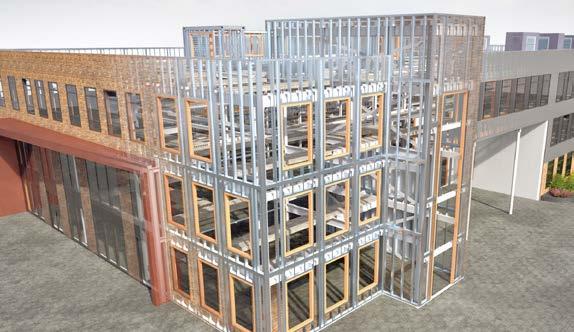
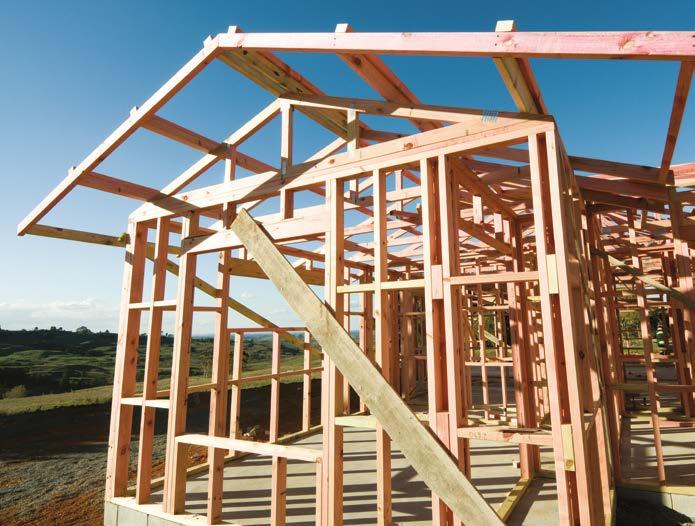
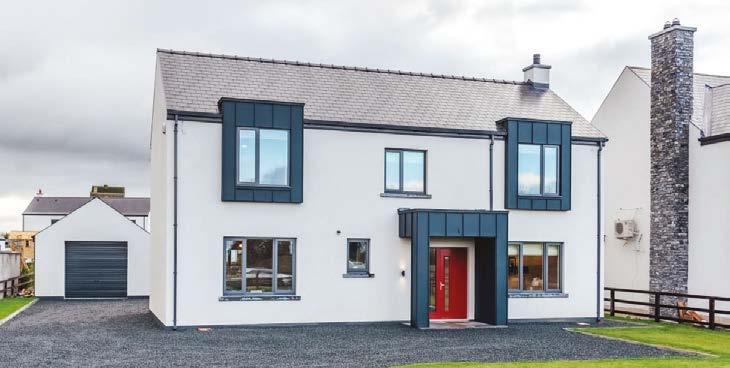
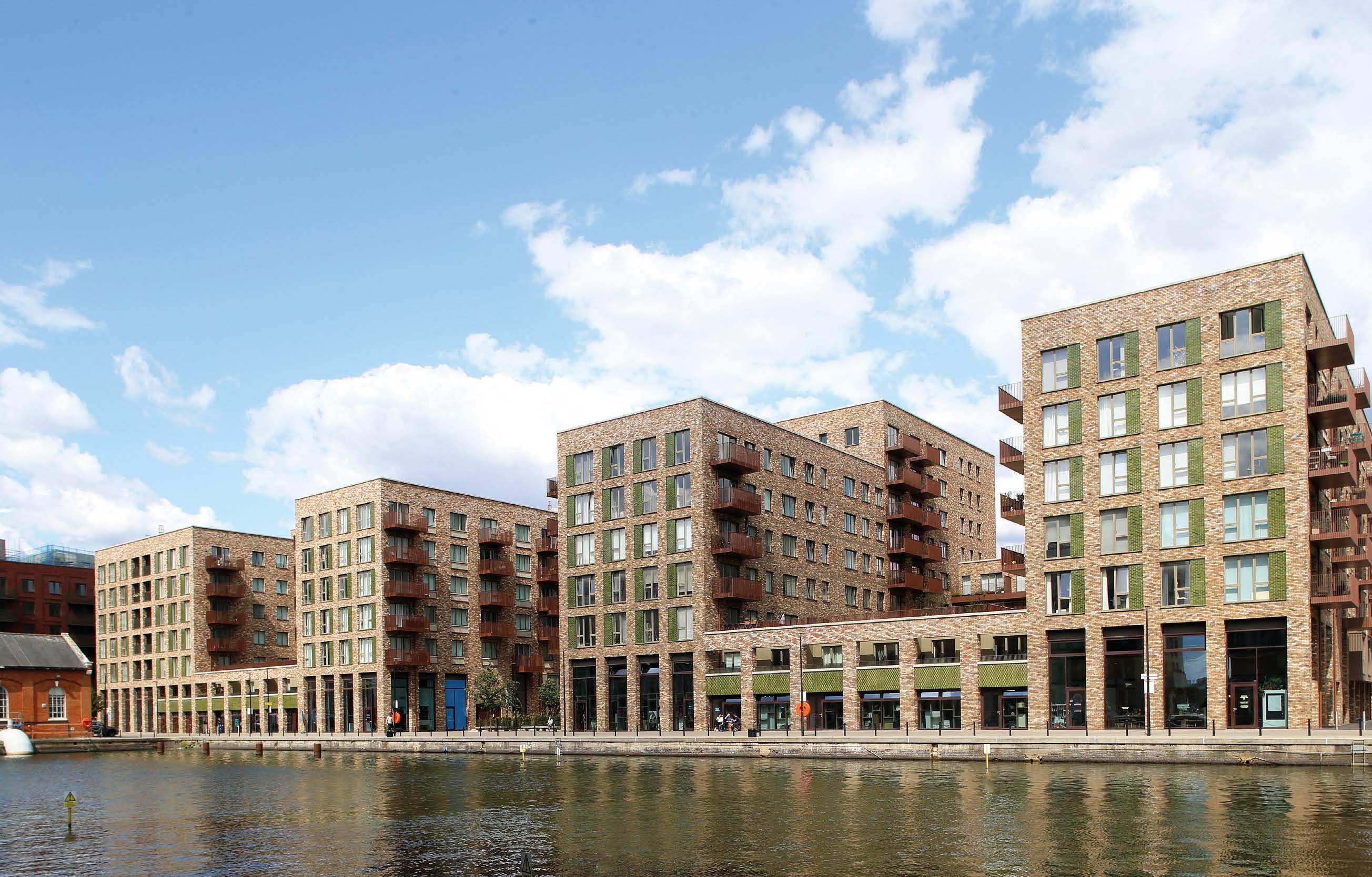
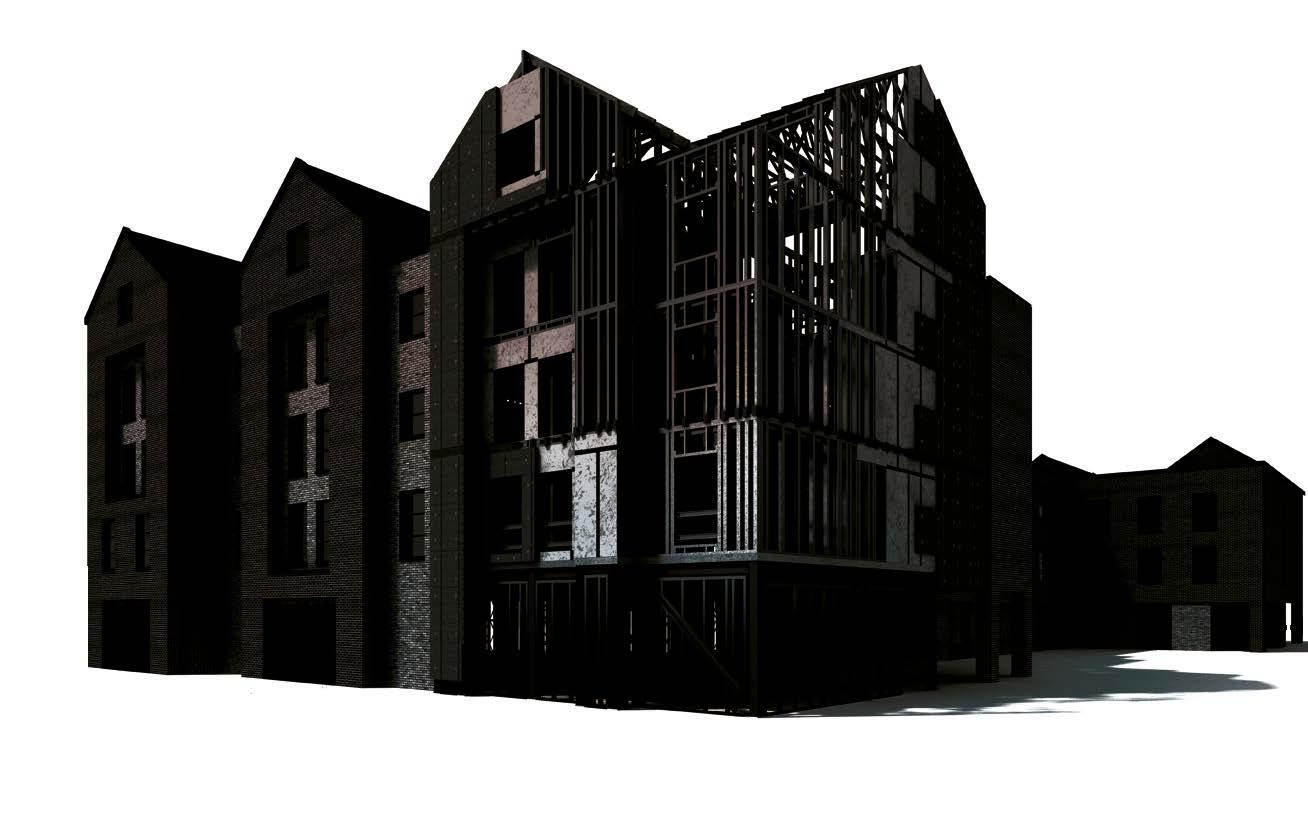
Modular construction is central to offsite methodology and provides many building technologies Image 4: The Proctor Podcast regularly tackles a range of industry issues
Merit Resurfaces Under New Name
Modulex Modular Buildings Plc (Modulex) and HBEM, together with a group of former Merit Group Services Directors announced the formation of a new, independently capitalised business, Merit Industrialised Construction (Merit), following an asset acquisition process conducted by the administrators of Merit Group Services.
Merit has been established as a new operating company and will utilise selected intellectual property, design systems and manufacturing know-how acquired from the administrators to service UK and international design and construction markets. The business will operate under a new corporate structure, governance framework and operating model.
Procon Modular UK Launched
Following Procon Modular’s acquisition of a majority stake in Healthmatic Modular UK, they have announced that they are bringing together the two businesses to establish a dedicated Procon presence in the UK. Using the established UK manufacturing facility in Knighton, Procon Modular UK will deliver high-quality, full turnkey volumetric modular solutions at scale.
Severfield Modular Solutions Arm Shuts
Modulex is a global modular construction company backed by Red Ribbon Asset Management, a London-based investment firm. Red Ribbon founded Modulex to combine growth and expertise in industrialised construction with developing markets, including India, while enabling the deployment of modular construction technology into developed markets such as the United States.
HBEM, led by Brad Antin, specialises in the delivery of advanced manufacturing environments, including facilities for data centres, semiconductors and pharmaceuticals. The relationship between members of the Merit leadership team and the Antin family spans several decades and underpins the strategic alignment between the businesses.
The leadership team at Merit brings experience in the development of proprietary construction products, digital design platforms, manufacturing systems and integrated delivery methodologies across sectors including semiconductors, life sciences, data centres, battery technology and healthcare. These capabilities will be applied within the new business under revised commercial, operational and delivery arrangements.
Joining the board of Merit is James Withey, Group Managing Director of Modulex Group. James was previously Managing Director at Algeco, one of Europe’s leading modular providers. James commented: “Clients are keen to achieve a build process that provides cost, time and quality
certainty. Strategically this can be achieved using a manufacturing approach. Merit over the last 10 years has invested significantly in the development of manufactured construction products and delivery systems. Modulex will benefit significantly from the Merit IP and build processes.”
The Merit Group and Merit Holdings entered administration in November 2025 following cash-flow pressures arising from project-specific payment issues. The administration process is being managed by the Joint Administrators, James Lumb and Will Wright of Interpath, who continue to work with creditors of the former group companies. The directors are acutely aware of the impact that the administration process has had on suppliers and other stakeholders connected to the former businesses. The formation of Merit allows the intellectual property and technical innovation created historically to be taken forward within a newly capitalised organisation.
Tony Wells, CEO of Merit, said: “Merit represents a new chapter. The business has been established with new investment partners, new governance and a refreshed operating model. This structure allows us to build on proven intellectual property while developing new capabilities for the future. The administration of the former businesses was a difficult outcome and resulted in the loss of a significant manufacturing presence in the region. Merit has been created to move forward positively, supported by strategic investment and international opportunity, with a focus on design, manufacturing and delivery excellence.”
Source: www.merit.co.uk
Severfield’s Modular Solutions business is to close. Chief Executive Paul McNerney launched a strategic review of its markets, operations and organisational structure in November 2025, concluding that the Modular Solutions business represents a ‘sub-scale, non-core activity of the group’. Considering the strategic options available, the board agreed to discontinue the business.
Thurston Group Returns to Action
Thurston Group has been acquired out of administration by GCH Corporation. The £47million-turnover modular business surprised many by calling in administrators in late-2025. GCH Corporation CEO Cassie Hutchings said: “GCH is committed to stabilising and investing in the business. We are excited to welcome Thurston into the GCH family and look forward to supporting its next phase of growth.”
Timber Maintenance Delivery Unit for Network Rail
HBC Construction has been appointed by Network Rail to deliver a new, fully sustainable Maintenance Delivery Unit (MDU) at Blast Lane Depot in Sheffield. The £7.2million MDU will be constructed using timber and is designed to achieve net zero carbon in operation, alongside a minimum 10% Biodiversity Net Gain. The new 15,000sq ft facility will provide high-quality accommodation for frontline maintenance teams.
No Future for LoCaL Homes
Housing association GreenSquareAccord (GSA) has shut down its loss-making offsite housing business. GSA’s Mona Shah, said: “Despite our best efforts we have not been able to secure a viable sale, and this means we must now move forward with the closure of the factory.” Housing provider GSA announced exit plans in September 2025, in line with its strategy to focus on core social landlord services.
Mansell Opens Greater Manchester’s First Dedicated MMC Centre
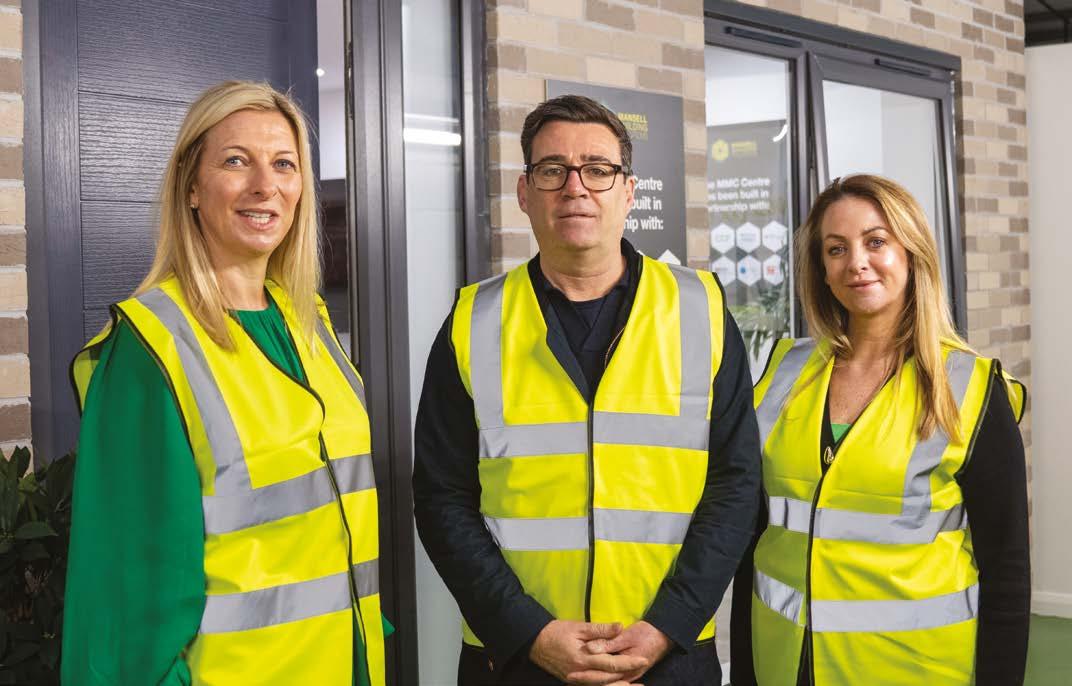
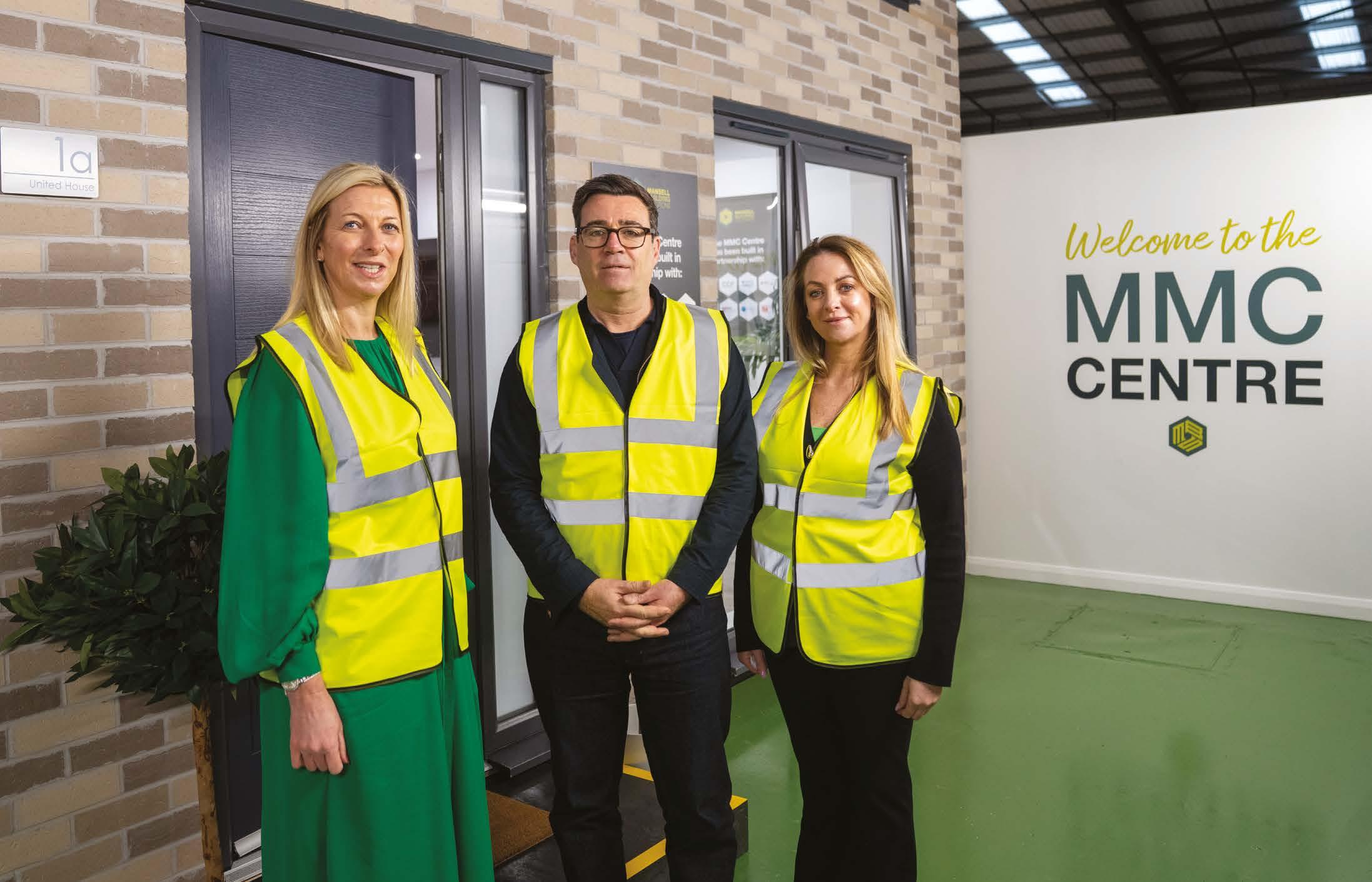
Mansell Building Solutions has officially opened its new headquarters and MMC Centre in Oldham, marking a major milestone for construction in Greater Manchester and setting out a blueprint for faster, safer and more certain housing delivery across the city region.
Located at Broadway Business Park, the 45,000sq ft site is 50% larger than Mansell’s previous facility and significantly increases its capacity to manufacture panelised light gauge steel frames for residential, care, student and education projects across the North of England.
The move to the bigger premises in Chadderton also introduces Mansell’s new MMC Centre – a full-scale, life-size prototype of a completed MMC build. Unlike traditional showrooms, the Centre reveals how early engagement and factory-first construction works in practice, allowing designers, councils, contractors, end users, developers, architects to see real build details, understand interfaces, and resolve issues before projects ever reach site.
The launch was marked by a visit from Greater Manchester Mayor Andy Burnham and Aisling McCourt, GMCA’s Head of Housing Growth and Net Zero, who toured the production line and MMC Centre with Managing Director Angela Mansell and met local factory staff. During the visit, the Mayor discussed how factory-first construction can help Greater Manchester meet its housing ambitions while creating skilled local jobs and reducing carbon, waste and programme risk.
Mayor of Greater Manchester Andy Burnham said: “We want everyone in Greater Manchester to have a good, warm, safe place they can call home – and we’re focused on delivering the thousands of new homes that our city region needs. It’s clear when
you walk around a facility like this, and see the approach here, that doing more of the work offsite can help accelerate that process and make a real difference to our mission. Building homes also means creating new opportunities for good, skilled jobs across our towns and cities, and clear pathways into construction for young people. When you can build homes and create those opportunities at the same time – that’s what good growth looks like for Greater Manchester.”
The MMC Centre is designed to act as more than a demonstration space. It will be used for CPD sessions with councils, architects and engineers, early design workshops with developers and contractors, and skills engagement with colleges and training providers. By bringing key stakeholders together around a tangible, built example, Mansell aims to embed MMC earlier in project planning and reduce the risk of costly redesign later in the process.
Angela Mansell, Managing Director of Mansell Building Solutions, said: “Our bigger factory and MMC Centre are about much more than bricks and steel – they are about building certainty for Greater Manchester at the scale and speed it needs. The region is already making strong progress towards meeting its ambitious housebuilding targets. But to maintain this momentum, and ensure there is no compromise on quality, safety or sustainability, MMC is essential. Factory-first delivery creates certainty across the board on cost and quality, allowing for predictability at scale. This facility shows that MMC isn’t theoretical, it is happening here, right now, in Oldham.”
Source: www.mansellbuild.co.uk
BBA Launches Seamless Irish Building Regulations Compliance
The British Board of Agrément (BBA) has announced a significant expansion to its Agrément Certification service, enabling manufacturers to achieve verified compliance with the Irish Building Regulations through a single, integrated Certification route. The move responds to mounting industry pressure for clarity and efficiency when placing construction products on both UK and Irish markets.
For the first time, manufacturers can demonstrate full compliance with Parts A–M of the Irish Building Regulations as part of their BBA Agrément assessment, eliminating the need for duplicate certification processes and reducing time to
market for innovation and product adoption. Following extensive consultation with manufacturers, specifiers, and certification holders, the BBA identified rising frustration with fragmented regulatory pathways - particularly in the wake of updated post Brexit Irish Government guidance requiring explicit verification for any third party certification used in Ireland.
“The industry asked for clarity, efficiency, and certainty—and this launch delivers exactly that,” says Katy Roberts, Director of Sales, Marketing and Commercial.
“Manufacturers operating in both markets can now demonstrate technical credibility and regulatory compliance through one trusted route, reducing duplication and supporting smoother specification decisions across the UK and Ireland. This is a major milestone for manufacturers who supply both markets, and a demonstration of the BBA’s commitment to reducing friction across the construction ecosystem.”
Ireland and the UK share many construction practices and regulatory principles yet historically required separate assessments for compliance. This new streamlined option:
• Removes the need for a second, standalone Irish compliance assessment
• Reduces certification costs and timelines
• Provides a unified, transparent regulatory pathway
• Enhances confidence among architects, specifiers, designers, and building control bodies
• Strengthens market access for manufacturers operating cross border.
Manufacturers – both new applicants and existing certificate holders - can now opt into Irish Building Regulations compliance during their Agrément process or add the service via a straightforward variation to their existing certificate. Manufacturers wishing to add Irish Building Regulations compliance to their BBA Agrément Certificate can access full details from the BBA team.
Source: www.bbacerts.co.uk
Latest Edition of NHBC Standards Published
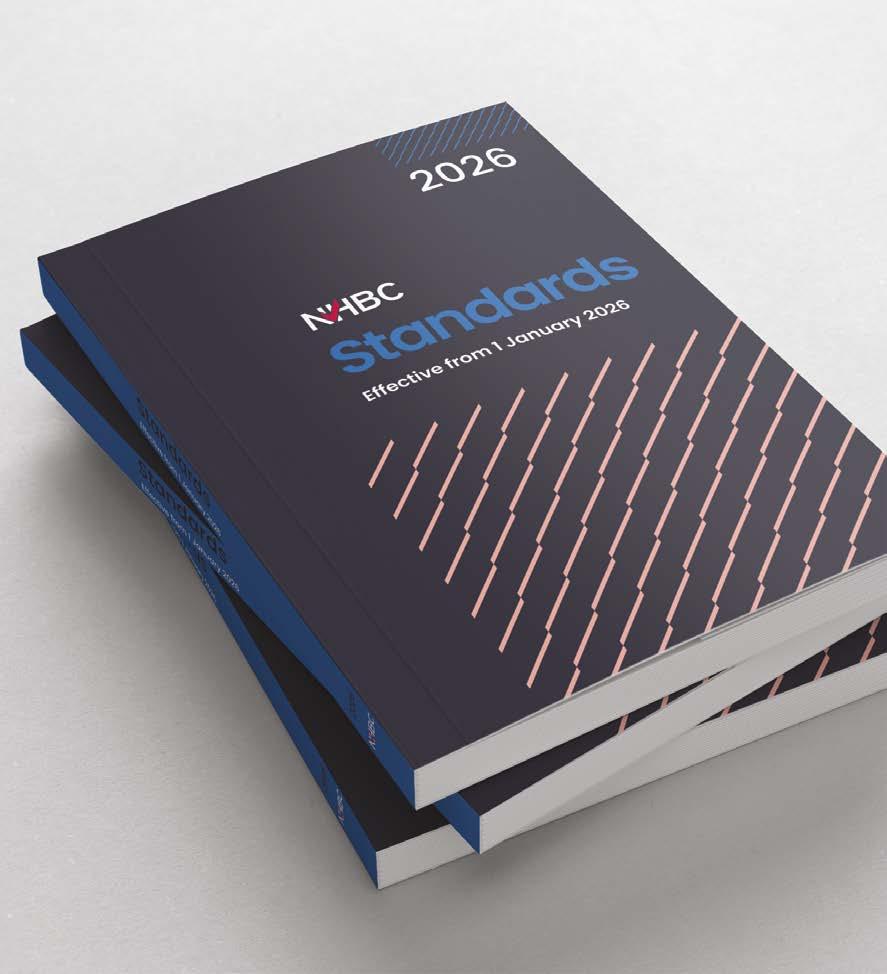
NHBC has released the latest edition of its technical Standards. The NHBC Standards define the technical requirements and performance standards for the design and construction of new homes registered with NHBC. They provide guidance on the requirements to achieve NHBC warranty and insurance.
Updated annually, NHBC’s Standards are rigorously reviewed to drive incremental improvement and raise build quality. They support builders and developers to deliver high-quality new homes, with the next edition delivering updates in multiple areas. Editorial improvements to the numbering of tables and drawings and the cross-referencing between chapters have been made for ease-of-reference, and some building control guidance has been removed to clarify their purpose as warranty guidance.
Richard Smith, Head of Standards, Research & Technical Competency at NHBC said: “NHBC is committed to driving quality in housebuilding and the continuous improvement of the NHBC Standards is a key part of this. The comprehensive annual review
process ensures they remain relevant and help builders and developers to deliver high-quality new homes. The NHBC Standards are a cornerstone in our mission to raise standards in house building.”
NHBC works continuously to review technical content, update the Standards and make sure they keep pace with the needs of the industry, the regulatory environment and, wherever possible, anticipate changing consumer expectations. It consults with stakeholders from across the industry to ensure the Standards are always relevant and provide the required support for builders and developers to keep raising the level of quality in housebuilding.
This latest edition of the Standards applies to every new home registered with NHBC where the foundations are begun on or after 1 January 2026. Registered builders can log in to watch NHBC Standards 2026 video guides. Created by the NHBC Standards, Innovation and Research team, these guides give a more detailed breakdown of
Source: www.nhbc.co.uk/standards
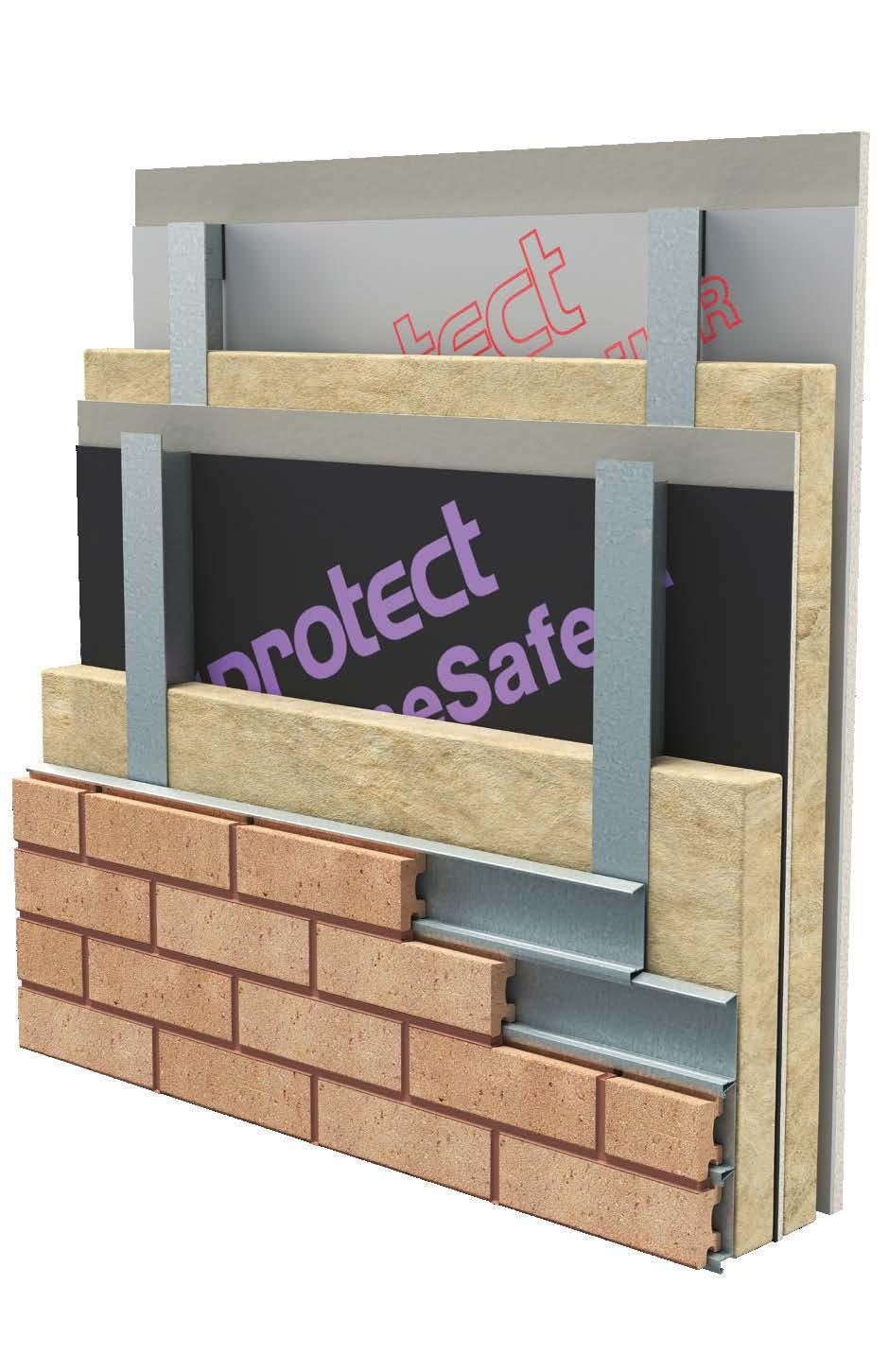
*For further technical information and fire test reports, contact us on +44 (0)161 905 5700 or e-mail info@glidevaleprotect.com www.glidevaleprotect.com/frsolutions
Offsite Delivery at Cozenton Park Sports Centre
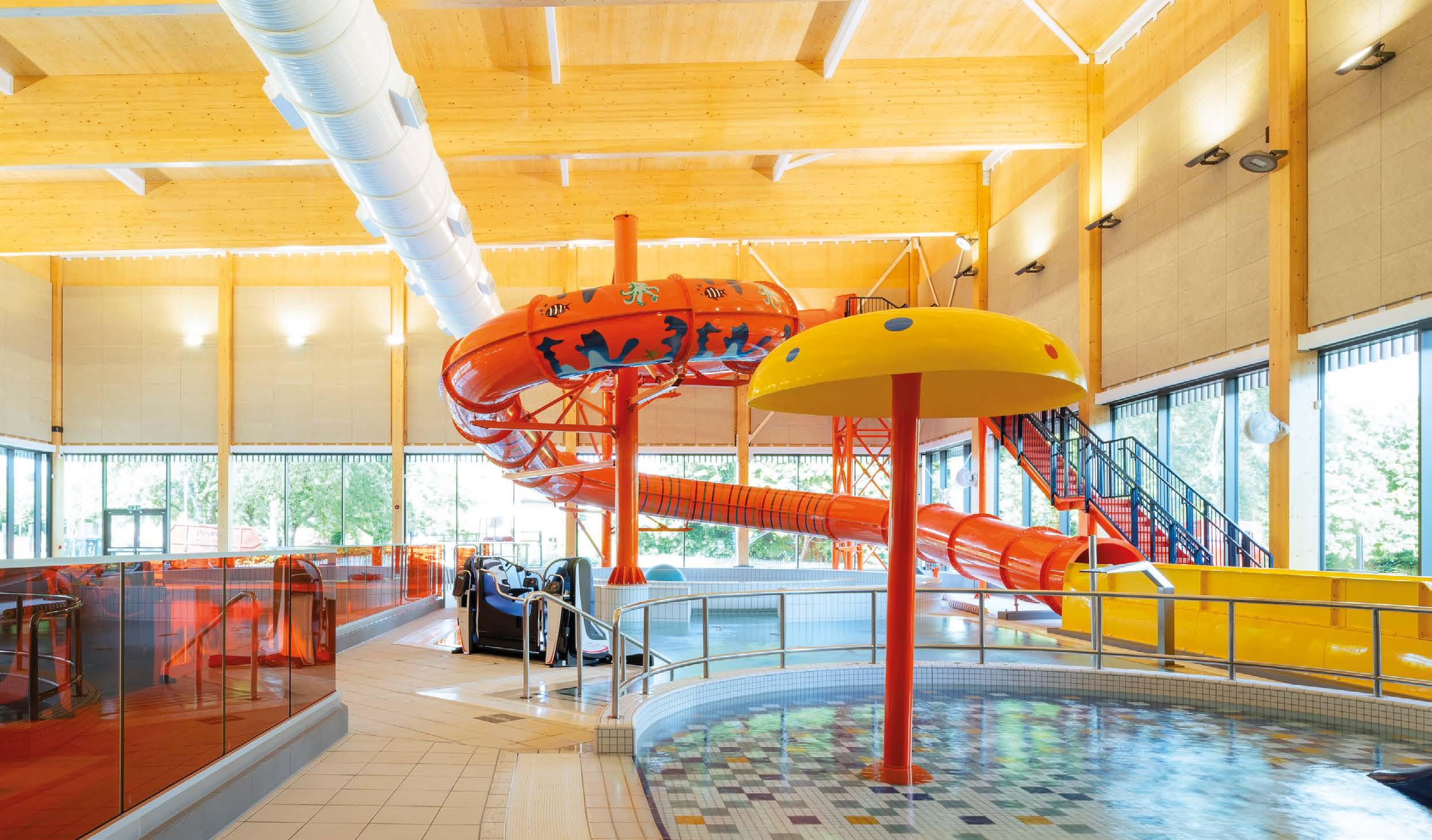
B&K Hybrid Solutions, leading specialists in engineered timber and hybrid construction, have played a pivotal role in the creation of Cozenton Park Sports Centre – a state-of-the-art leisure located in Rainham, Medway. It replaces the aging 1990s ‘Splashes’ pool complex with an energy-efficient and aesthetically striking hybrid structure, setting a benchmark for leisure developments in the UK.
Commissioned by Medway Council as part of their commitment to delivering high-quality community facilities, the new £23.6million Cozenton Park Sports Centre is designed to meet the highest energy efficiency standards. The building includes a modern fitness gym, a multi-purpose exercise studio, a main pool, and a children’s play pool with flume and beach area, meeting both family and fitness needs for the community.
B&K Hybrid Solutions (BKHS) were appointed to manufacture and install the hybrid engineered timber and steelwork elements which underpin the facility’s design, combining the visual appeal and natural warmth of timber with the strength of steel. Working in collaboration with specialist supply chain partners Stora Enso for the cross laminated timber (CLT) and Rubner for the glulam components, BKHS delivered a precision-engineered solution tailored to the project’s sustainability and performance goals.
The project team, led by architects Space & Place and main contractor Willmott Dixon, prioritised offsite construction methods to optimise build quality, energy performance, and delivery schedules. The pool hall features glulam columns and beams measuring 1700 x 240mm at 5m intervals, creating a clear 26.3m span. Stainless steel flitch plates ensure structural precision, while CLT wall panels and roof decks complete the elegant environment. The adjoining two-storey building incorporates a steel frame with CLT roof panels and profiled metal decking to support the intermediate concrete floor, housing the gym and exercise studio.
BKHS’ contribution to the project was integral to achieving Medway Council’s ambitious sustainability targets. The CLT walls and roof decks provide exceptional airtightness and
thermal performance, reducing energy consumption and carbon emissions.
Key sustainability highlights of the hybrid approach include: 72% lower carbon emissions compared to conventional construction methods, with the timber structure locking in over 314 tonnes of CO2 and the CLT’s insulation properties reducing operational energy costs, with projected annual savings of approximately £30,000.
Leveraging offsite manufacturing techniques was a key part of the project delivery, to ensure millimetre accuracy, minimise waste, and reduce on-site build times. The prefabricated CLT and glulam components were delivered to site ready for rapid assembly, reducing construction traffic by approximately 40% compared to traditional methods.
BKHS’ precise installation processes and advanced logistics on site contributed to a seamless and efficient build phase, ensuring the project remained on schedule and was delivered to an exceptional standard. The use of hybrid timber and steel also ensures minimal maintenance requirements while providing a visually stunning and biophilic environment for visitors.
Nic Bryant, Lead Architect at Space & Place, praised the contribution of engineered timber on Cozenton, stating: “Timber not only looks fantastic in a swimming pool environment but offers exceptional performance in terms of insulation, airtightness, and durability. B&K Hybrid Solutions’ expertise with the structure ensured the project’s success, and the result is a building that will serve the community for decades to come.”
Cozenton Park Sports Centre demonstrates the potential of engineered timber and hybrid structures to deliver sustainable, high-performance buildings. The project sets a benchmark for leisure developments in the UK, matching elegance with optimal performance and a keen focus on sustainability.
Source: www.bkhybridsolutions.co.uk
Bellway Launches New Timber Frame Facility
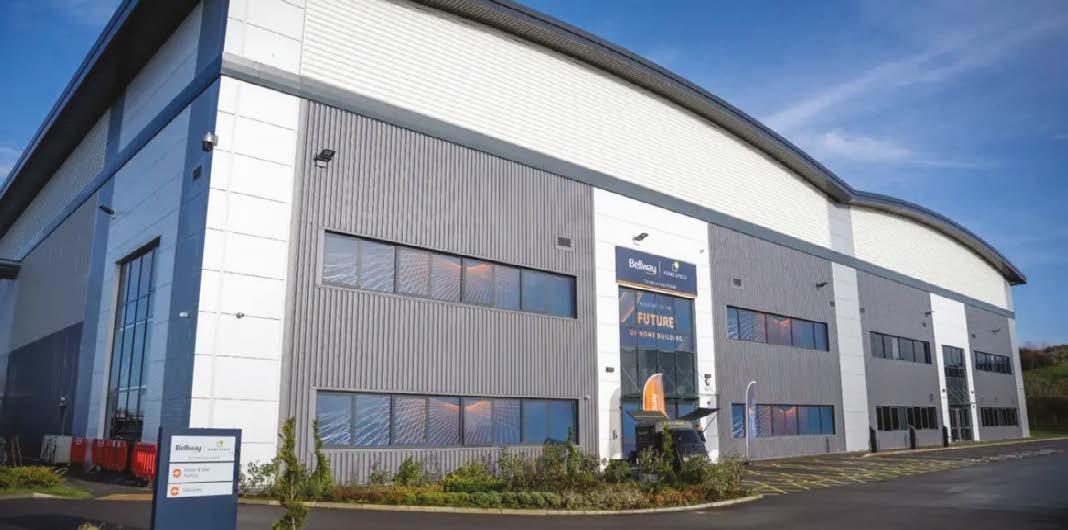
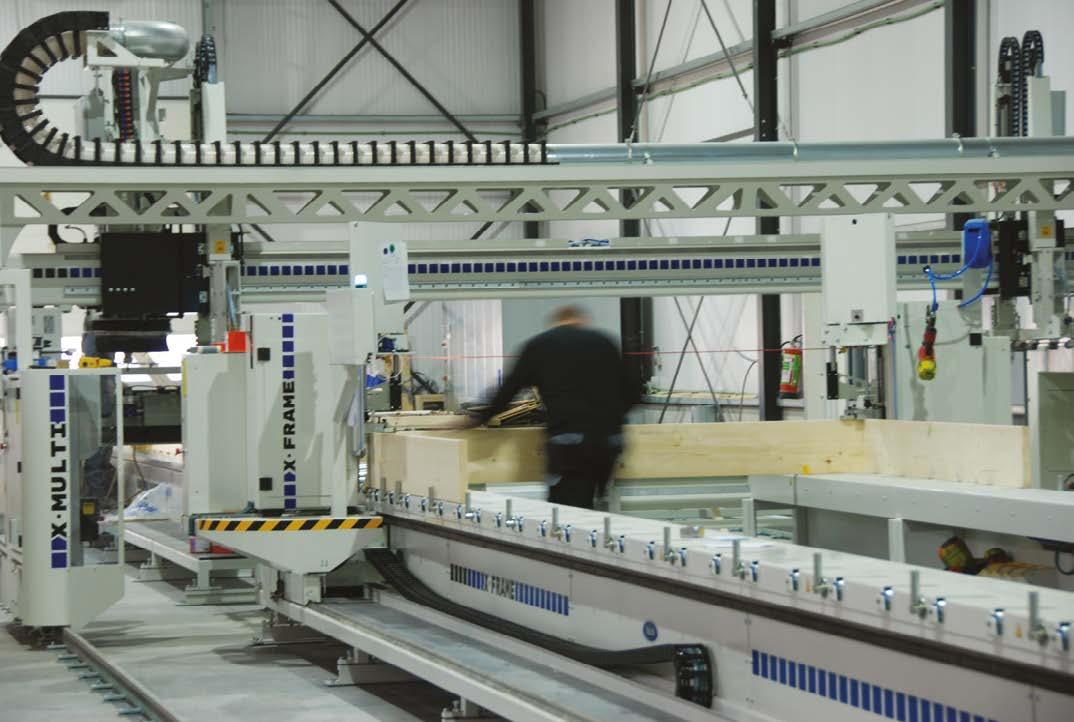
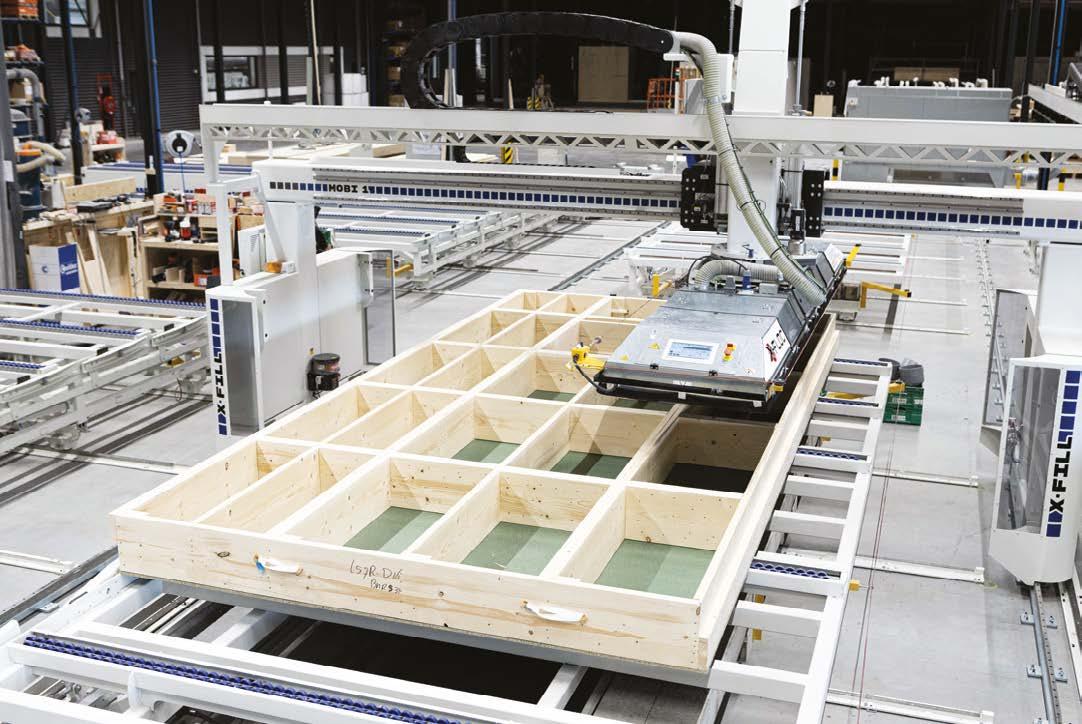
Bellway has officially opened its new state-of-the-art timber frame manufacturing facility, Bellway Home Space, in Sutton-in-Ashfield, Mansfield. The 135,000sq ft facility was launched at an event on 28 January. Developed in partnership with Donaldson Timber Systems, the factory is equipped with advanced robotic machinery supplied by Swedish manufacturer Randek and represents a major investment in offsite manufacture from a volume housebuilder.
Bellway Home Space has already started supplying timber frame kits to Bellway developments, with production expected to increase to around 3,000 homes per year by 2030. The facility has created 80 new jobs, the majority filled by local people, many of whom are new to the construction sector.
Bellway says the investment reflects its commitment to delivering high-quality, energy-efficient homes, while supporting its growth ambitions by increasing build speed and efficiency on-site. The facility also underpins Bellway’s responsible and sustainable operating strategy, with greater use of timber, helping to significantly reduce emissions as the business works towards its 2045 net zero target. In addition, Bellway Home Space will play a key role in improving capital efficiency across the group.
Jason Honeyman, Chief Executive Officer at Bellway, said: “The launch of Bellway Home Space represents a significant milestone, and I would like to thank our colleagues and key partners for their work in bringing this new facility to life. The impact for Bellway extends beyond our growth ambitions and reducing our carbon footprint. Increasing our use of timber frame construction will play a central
role in shaping the future of the business, delivering much-needed energy-efficient homes while continuing to meet the high standards of quality our customers expect from Bellway.”
Chris Hagan, Managing Director at Home Space, Bellway, added: “Home Space provides Bellway with a purpose-built facility that brings timber frame manufacturing closer to our housebuilding operations. The scale of the facility, combined with its state-of-the-art machinery and excellent location, enables us to manufacture high-quality timber frame components efficiently and support the delivery of much-needed homes across our developments.”
“We are delighted to be able to recruit and reskill our workforce recruited from the local area, which has seen a decline in manufacturing production over recent times. We selected Mansfield due to its manufacturing heritage and perfect geographic location, giving road access to many of our divisions across the UK.”
Source: www.bellwayplc.co.uk
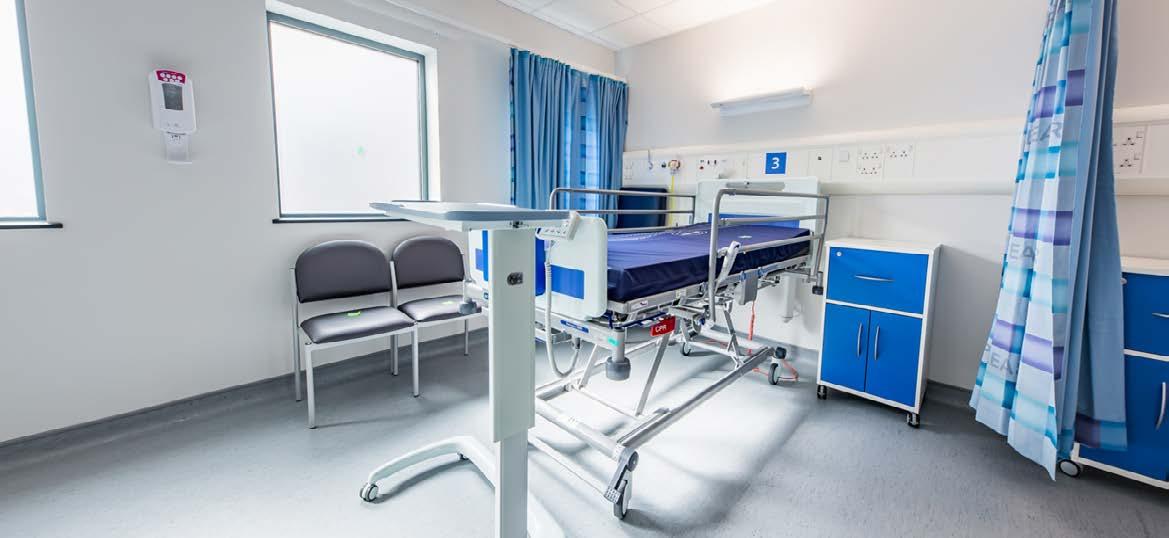
Modular a Key Solution to RAAC Risk
The Institute of Healthcare Engineering and Estate Management (IHEEM) has praised modular solutions as a way of supporting healthcare estates managing on-going RAAC risk. For healthcare estates teams already under pressure to maintain service delivery, RAAC presents a dual challenge: ensuring safety where this material is present, while keeping clinical services operational.
Modular construction, such as the work done by Wernick at Peterborough Hospital (pictured) provides a resilient, compliant and rapid route to address both short-term and long-term estate needs. IHEEM goes on to say that: “Where RAAC-affected spaces must be vacated, modular buildings deliver safe, fully compliant accommodation with minimal disruption to core patient care. Whether the requirement is
a temporary clinical facility that meets healthcare building regulations or a bespoke space that maintains clinical workflows on a live site, modular solutions install quickly and efficiently.
“Permanent modular buildings provide a futureproof replacement for RAAC-compromised structures, delivering spaces designed to meet clinical needs and technical standards from consultation rooms to wards. Refurbished modular buildings offer a fast, sustainable and cost-effective option for replacing or decanting from RAAC-affected spaces, delivering compliant clinical environments while supporting service continuity and estate efficiency.
“In each case, offsite manufacture ensures much of the build process takes place under controlled
Glidevale Protect Strengthens Product Management Team
As part of the company’s commitment to investing in its team to deliver practical, well designed solutions for the construction industry, building products manufacturer Glidevale Protect has appointed John Curley to the role of Product Manager.
John brings valuable construction industry experience and marketing expertise to the role and has already played a key part in the launch of Venta-Line TLE, a new universal flat interlocking tile ventilator for thin leading-edge tiles. The product has been developed to provide effective roof ventilation while maintaining a neat external appearance, supporting contractors and specifiers in meeting regulatory requirements and ensuring long term building performance.
By strengthening its team of product managers, Glidevale Protect is enhancing its ability to respond to evolving customer needs and increasingly stringent
industry demands. The company continues to focus on developing products that combine verified technical performance with ease of use, helping to improve on site efficiency and deliver reliable outcomes for specifiers, contractors and installers alike.
Commenting on his new role John Curley said: “I am pleased to have joined Glidevale Protect, a well-established name in the industry and to be part of a team that places such importance on technical compliance, transparency and product development. Working on the launch of the Venta-Line TLE has been an exciting first project and I look forward to continuing to support the creation of solutions that help our customers meet technical requirements with confidence.”
John Mellor, Glidevale Protect’s Head of Marketing added: “We are delighted to welcome John
conditions, significantly reducing on-site activity, noise and disruption. A critical consideration within complex hospital environments. Whether expanding, relocating or reconfiguring services, modular healthcare buildings provide the flexibility to adapt to changing demands, supporting estates teams in delivering resilient, future-ready facilities.
“Modular buildings can be configured to suit unique site constraints and operational requirements, offering estate teams the versatility needed in the face of RAAC challenges including where immediate closure of RAAC-affected blocks is unavoidable, temporary modular facilities can be in place in a matter of days, allowing clinical activities to continue uninterrupted. Parallel planning for a permanent modular replacement building can then progress with minimal pressure on teams and finances.
“RAAC poses a pressing risk to buildings across the healthcare estate. Modular construction offers a pragmatic, proven path forward, bridging the gap between urgent accommodation needs and long-term infrastructure strategy. By partnering with a modular specialist who understands healthcare estate demands, clinicians and estates teams can tackle RAAC risk with solutions that prioritise safety, compliance and continuity, ensuring that patient care remains uninterrupted and that facility upgrades are delivered with confidence.”
Source: www.iheem.org.uk
to the business. His appointment bolsters our product management team and ensures we can continue to effectively manage our existing portfolio and deliver innovations that respond directly to customer needs. The successful introduction of the Venta-Line TLE demonstrates how this investment in expertise is already benefiting the market.”
Source: www.glidevaleprotect.com
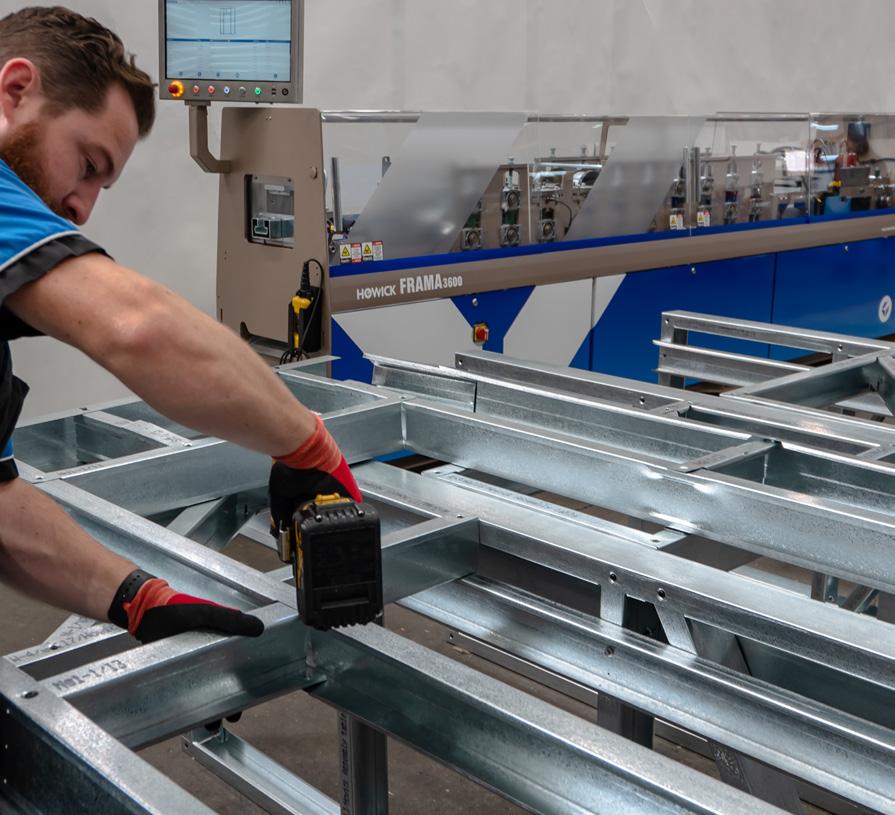
Starting or scaling up steel framing automation? FOR EVERY JOB, THERE’S A HOWICK
Achieve your vision with the right roll-forming technology – and the right team. With nearly 50 years of practical insights, 24/7 support, UK-based technicians, and a connection to a global community through our STEEL HORIZONS™ events, you can shape the future of construction.
4200 FRAMA™ 5600
5600
4200
5600
4200 FRAMA™ 5600 FRAMA™ 6800
6800
6800
7600
7800
7600
7800
7600
7800
5600
7600
MODULAR FACTORY
5600
The precision is very very accurate which is what we’re all about… we need that accuracy in the machines that we use…. Machines are part of our business, critical to our business. We don’t have a business without the Howick roll-formers. Remagin Ireland
A big part of choosing Howick as our choice for the LGS was…the technical support was superior to others. Wernick Buildings
Ready for steel framing automation? Are you ready to start or scale up your light steel framing operation? Take our 2-minute, no pressure quiz for an instant guide and resources sent to your inbox.
Kier Primed for Offsite at Government Darlington Hub
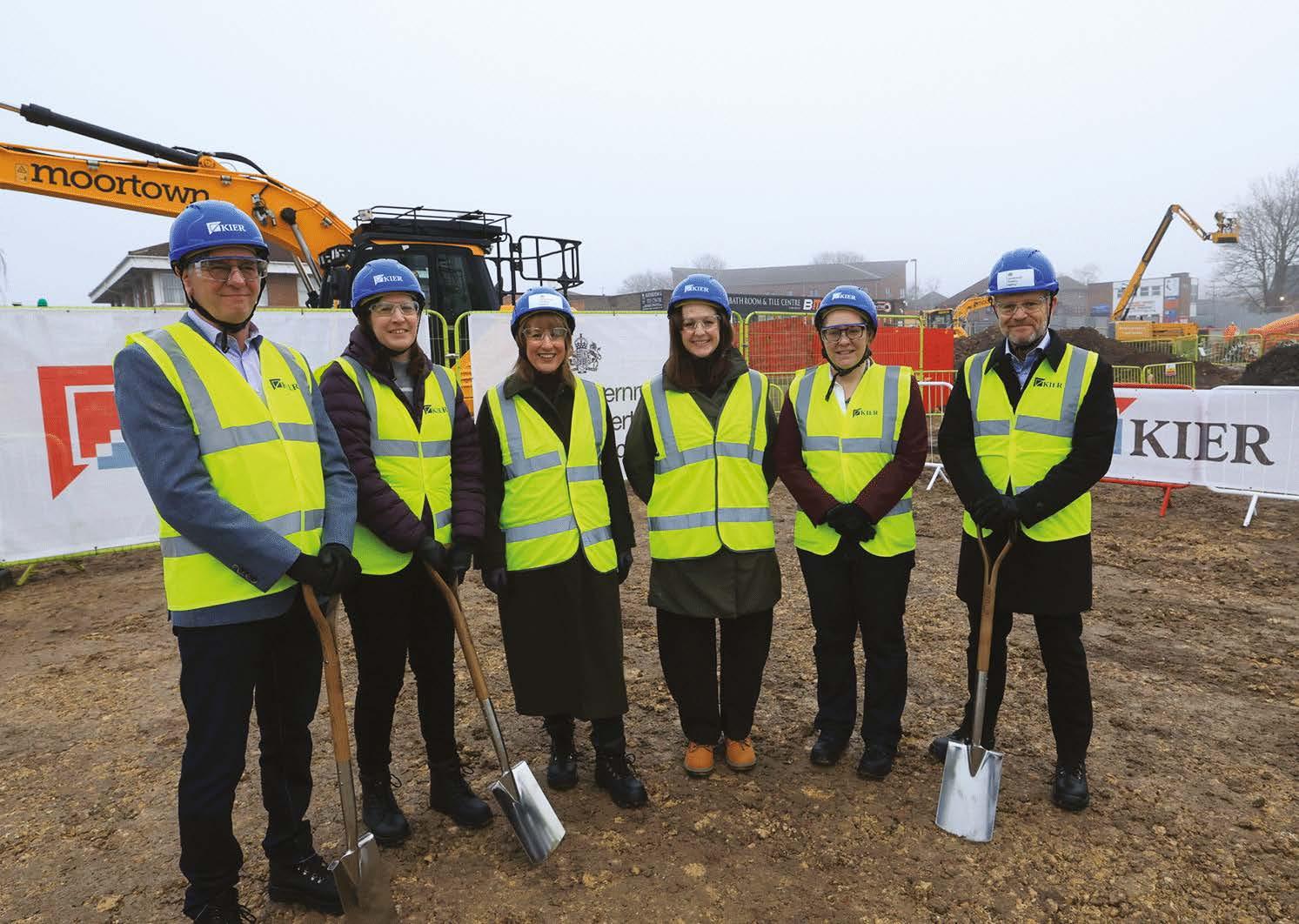
Kier has officially begun construction on the new Government Hub in Darlington, following a groundbreaking ceremony on 16 January led by Chancellor of the Exchequer, Rachel Reeves together with Cabinet Office Minister, Anna Turley and officials from the Government Property Agency (GPA).
The event marks a significant milestone for the five-storey office development, which will accommodate more than 1,600 civil servants when complete. Delivered on behalf of the GPA, the Darlington Economic Campus (DEC) is set to open in early 2028 as a Government Hub. The campus will bring together teams from seven government departments, including HM Treasury, supporting the government’s commitment to regional growth.
“The Darlington Economic Campus has brought hundreds of skilled jobs and real economic benefits to this town – and today we’re breaking ground on its permanent home,” said Chancellor of the Exchequer, Rachel Reeves. “This new Government Hub demonstrates our long-term commitment to Darlington and to making economic decisions right across the country, not just in Westminster.”
Kier began ground remediation works in September 2025 to prepare the site for construction. A key feature of the project is Kier’s innovative approach to prefabrication. With expertise from its
in-house mechanical and electrical (M&E) team, Kier is delivering significant offsite fabrication of core building elements such as risers. This strategy supports safe and efficient delivery and reduces complexities of building in a busy town centre.
The building’s façade will also be delivered using precast concrete panels manufactured offsite. Kier has led the design process to ensure these panels can be craned into position rather than constructed traditionally, reducing waste and improving quality.
From a sustainability perspective, the project is targeting BREEAM Excellent and is on track to achieve a NABERS 5-star rating for operational energy performance. These measures support the GPA’s ambition to create greener, more efficient workplaces.
Stuart Togwell, CEO of Kier Group, said: “We’re proud to be playing our part in shaping the future and supporting the Government as it expands its geographic footprint across the UK. Today’s groundbreaking is an important milestone for this landmark project in Darlington, which is set to be a new home for a number of Government departments and will create significant economic and social benefits for the local community.
“Working together with the GPA and our network of local suppliers, we have been involved in this project from the design phase, helping us reduce risks
and progress seamlessly through to engineering and construction of the main works. This whole lifecycle approach helps us deliver the best possible outcomes for our customers and communities, which will be realised at the Darlington Economic Campus.”
Simon Hulme, the GPA’s Director of Capital Projects, added: “We are absolutely thrilled that construction of another Government Hub is now underway. Once completed, this building will be a modern, sustainable and digitally enabled office space, supporting the work of over 1,600 staff from across government, while becoming a core building of the Darlington Economic Campus.”
Minister of State at the Cabinet Office, Anna Turley, also said: “Breaking ground on this new hub is a major milestone in our mission to bring the Civil Service closer to the communities it serves. Through our Places for Growth programme, we are ensuring that high-quality career opportunities are created outside of London, supporting economic growth across the entire country. This building is a visible sign of our investment in Darlington’s future, supporting and developing local talent to help deliver the government’s Plan for Change from the heart of the North East.”
Source: www.kier.co.uk
ZED PODS Modular Homes Raising the Bar
ZED PODS has announced its successful appointment to Lot GN1 and Lot GN2 of the London Construction Programme (LCP) MW25-GW General Works Framework, procured on behalf of Haringey Council. This major framework provides a key procurement route for construction, refurbishment and specialist works across London and the Home Counties, supporting more than 60 public sector bodies.
The appointment to both GN1 (New Build up to £7.5million) and GN2 (New Build £6million–£15million) strengthens ZED PODS’ ability to support projects of varying scale and complexity. This dual success reinforces its capability as a trusted and leading delivery partner across the full spectrum of public-sector construction requirements.
The MW25 – General Works framework covers an extensive range of activities, including the construction of new buildings using MMC. ZED PODS’ appointment reflects its proven track record in delivering design-led, energy-efficient, zero-carbon buildings using precision-engineered Category 1 volumetric offsite construction.
Lisa Bliss, Head of the LCP, said: “We are pleased to welcome ZED PODS onto the General Works Major Works 2025 Framework. We look forward to working with them to support the delivery of vital projects across the public sector.”
This multi-lot appointment strengthens ZED PODS’ ability to work with local authorities, housing providers and wider public-sector clients seeking affordable, sustainable and future-proofed developments, delivered with the speed, precision, reliability and quality of MMC, helping to address both the housing and climate crises.
Tom Northway, Chairman of ZED PODS, added: “As a leading MMC provider, we are absolutely delighted to be appointed to the Framework. This represents a significant milestone for ZED PODS. We look forward to working collaboratively with the Alliance Members to bring forward residential new-build projects that truly benefit local communities.”
ZED PODS has also been chosen to design and construct an energy efficient modular housing scheme in Tonbridge and Malling. 12 self-contained EPC-A rated modular units are to be built on the former Blue Bell Hill car park, near Aylesford. The £4million project will provide temporary accommodation for local families who find themselves homeless and who the borough council has a duty to house.
The modular homes will be precision-built offsite and assembled on location and will provide high-quality, energy-efficient accommodation, combining highperformance insulation with low-carbon technologies including solar PV and heat pumps to significantly reduce energy use and running costs for occupants. The council will also have an on-site office from where housing staff will manage the properties and provide support to those living there.
The next phase of the project will be site preparation and factory construction of the modules starting this spring. On-site assembly is due to start in the summer with completion expected in spring 2027.
Source: www.zedpods.com
Warm Homes Plan Upgrade Programme Published
The Government has launched its £15billion ‘Warm Homes Plan’ to help cut bills, tackle fuel poverty and upgrade millions of homes. On 20 January the Government unveiled its ‘biggest public investment in home upgrades in British history’, designed to help families cut energy bills for good, improve living standards and lift up to one million households out of fuel poverty by the end of the decade.
The plan will support upgrades to up to five million homes by 2030, helping households benefit from insulation, solar panels, batteries and heat pumps that can save hundreds of pounds a year on energy costs.
The announcement builds on action taken at the Budget to ease the cost of living, which will reduce energy bills by an average of £150 for all households from April. Around six million families will also receive the £150 Warm Home Discount, meaning many households will benefit from up to £300 of support this year, alongside longer-term bill reductions through home upgrades.
Upgrading homes is one of the most effective ways to bring down energy bills permanently. Home insulation rates fell by more than 90% between 2010 and 2024, leaving millions of families exposed to higher costs. At the same time, public demand for clean energy
technologies such as solar panels and heat pumps is at record levels, but high upfront costs remain a barrier. The Warm Homes Plan is designed to remove that barrier.
For homeowners who want to upgrade, the government will introduce low and zero-interest, government-backed loans for solar panels, batteries and heat pumps, helping to unleash a nationwide “rooftop revolution”. A £7,500 universal grant will remain available for heat pumps, alongside a new offer for air-to-air heat pumps that can also cool homes in summer. From early 2026, all new homes will be built cheaper to run, with solar panels installed as standard under the Future Homes Standard.
Energy Secretary Ed Miliband said: “It is a scandal that so many people lack a home that is warm and affordable. With the Warm Homes Plan, we are waging a national fight against fuel poverty while cutting bills, boosting energy security and accelerating the transition to clean power.”
The Plan also references the importance of decarbonising our existing building stock and protecting against overheating and sets out how the measures could save the NHS billions in treatment costs and improve Britain’s energy security.
Construction Industry Council (CIC) Policy and Public Affairs Manager Matt Mahony commented, “On the whole the announcement is very positive. It shows government grasps the issues behind and understands what is driving the need for such measures. Yet despite the long wait for a plan, many questions remain about whether it is likely to deliver. Consumer awareness and confidence is key. There must be a robust plan for upskilling rapidly to cope with demand as increased deployment can correlate with higher defects and lower quality. Neither Government nor the public can afford another flop along the lines of ECO4, GBIS or the earlier Green Deal for Home Improvement so a robust system of oversight must be established.”
The Warm Homes Plan will be delivered across the whole UK, with funding for devolved governments, support for local leaders, and the creation of up to 180,000 skilled jobs by 2030—strengthening energy security while helping families feel the benefits of clean energy in their own homes.
You can download the Warm Homes Plan at: www.gov.uk/government/publications/warmhomes-plan
Social Housing Could Reset Offsite Manufacture by 2029
The offsite housing construction market looks ready to rebound following a volatile period that has seen a shakeout of modular home building firms. A cautiously upbeat forecast by construction data experts Barbour ABI predicts the market is expected to reach £800million by 2029 – up from £672million in 2025. This represents average annual growth of 4.46% from 2025 to 2029.
The main driver is the government’s commitment to MMC in delivering affordable homes as part of a £39billion commitment to social housing. The government’s target was to have at least 25% of new affordable homes built under the Affordable Homes Programme’s strategic partnerships, to be built using MMC, by the end of 2025. However, some social housing providers are already reported to be near 40% MMC.
Researchers found that the MMC market (including volumetric solutions and systemised solutions, alongside bathroom/kitchen pods and other pre-manufactured structural elements) was one of the fastest construction sectors to recover post-COVID-19, thanks to controlled factory conditions and reduction of labour required on-site. However, market slowdown began disrupting nascent volumetric manufacturers like TopHat and Ilke Homes after 2022, generating negativity around the future use of offsite.
“After a difficult period for the sector, we think there is potential for a new growth cycle for offsite housebuilding,” said Ed Griffiths, Head of Business and Client Analytics at Barbour. “Housing policy remains focused on accelerating delivery, with targets for MMC and social housing creating a clear pathway for the sector.
“For that reason, the offsite housing system market is definitely one to watch in the next few years. That view is underpinned by the urgent need to address the UK’s acute housing shortage as the population grows. The skills gap also persists and offsite offers a clear solution that will be harder to ignore as higher local housing targets are implemented by Labour.”
Barbour researchers also noted that non-housing demand is a stabiliser for the MMC sector with increased uptake in commercial, healthcare and education providing an outlet for companies during the housing downturn. This resilience will make the sector increasingly appealing to investors going forward.
Source: www.barbour-abi.com
Celebrating 40 years as the leading provider of best practice in steel construction
Stelling Properties Director Appointed to BOPAS Advisory Panel
Monika Wandzik, Director of Architecture and Planning at developer and modular manufacturer Stelling Properties, has been appointed to the newly formed BUILDOFFSITE Property Assurance Scheme (BOPAS) Advisory Panel. The appointment reinforces both Monika’s standing in the offsite sector and Stelling’s reputation as a leader in student accommodation development and modular building design, manufacture and delivery.
The new BOPAS Advisory Panel has been established to provide strategic guidance to support the continued advancement of offsite construction. It brings together representatives from BOPAS, lenders, valuation, and modular manufacturers to further strengthen industry collaboration and to help shape the conversation around MMC with clients, Government and other stakeholders. Monika was selected following a comprehensive review of nominations from across the industry.
Yohan De Silva, Non-exclusive Senior Assessor for LRQA said: “Monika stood out as a highly respected industry professional with an innovative approach to property development, a clear commitment to driving excellence and to developing more efficient and sustainable building practices. Her insight into the challenges and opportunities for offsite construction will be important to help us in shaping BOPAS and the future of offsite construction. We are thrilled to
have her on board and know her contribution will be extremely valuable.”
An award-winning architect, Monika joined Stelling Properties in 2018 as its first senior design professional. As Director of Architecture and Planning, she now leads the company’s design and planning team, overseeing project feasibility, earlystage design, planning submissions, and compliance strategies, including BOPAS accreditation. She also works closely with Stelling’s clients, such as Unilife Student Living, to co-ordinate interior design to their specific requirements.
Her project portfolio includes leading the design of the ground-breaking Bargate House modular student accommodation scheme in Southampton – developed and delivered by Stelling – that has received multiple national awards for excellence in offsite construction, design, regeneration and operation.
Jose Ignacio Alvarez, Founder and Executive Chair of Stelling Properties: “We are immensely proud of Monika’s appointment. It reflects not only her professional standing in the offsite sector but also Stelling’s commitment to raising standards and promoting best practice, quality control and continuous improvement not just in the modular industry but across UK construction.”
Monika Wandzik, Director of Architecture and Design at Stelling Properties added: “I am delighted to
have been appointed to the BOPAS Advisory Panel. This is a really exciting opportunity to contribute at industry level to the evolution of technical standards across the MMC sector. BOPAS plays such a pivotal role in giving lenders, investors and clients the confidence that modular buildings are robust and built to last. I am looking forward to working with my fellow panel members to help take the BOPAS scheme to the next level and to continue to raise awareness and educate customers about the importance of the offsite sector and of the stringent quality standards that accredited modular manufacturers like Stelling work to.”
Stelling Properties holds full BOPAS accreditation and has recently achieved its three-year recertification with zero non-conformances.
Source: www.stellingproperties.com
Celtic Offsite Appoints New Managing Director
Timber frame home manufacturer Celtic Offsite has appointed Wayne Ricketts as its new Managing Director. Wayne was previously Business Development Manager at the social enterprise within the United Welsh Group and has now officially started in the role.
Wayne has more than two decades of experience in the industry, having previously held positions as Regional Sales Manager at Pinewood Structures and Sales Director at Taylor Lane Timber Frame after starting out in the timber frame industry in 1999 as a factory operative.
“It’s an honour to be appointed Managing Director of Celtic Offsite at an exciting time for the organisation,” said Wayne. “Celtic Offsite has always been committed to making a positive difference in the community and that remains our priority. Delivering high quality, energy efficient homes, jobs and training opportunities is more important now than ever.
“I am looking forward to continuing working with our teams and partners, as we build on our reputation as a leading manufacturer of timber frame homes, to deliver solutions which benefit residents, the environment and the economy. My focus is on making a difference in the lives of our residents and communities.”
Richard Mann, United Welsh Group Chief Executive, added: “I’m excited to welcome Wayne into his new role as Managing Director. Wayne has made a valuable contribution since joining Celtic Offsite, bringing significant experience, expertise and dedication to the organisation. I know how passionate he is about making a difference for our residents and communities. His knowledge of the timber frame industry and passion for our communities gives me every confidence that he will continue to build on our success as a leading timber frame home manufacturer.”
Wayne’s appointment comes as Celtic Offsite recently welcomed a new Estimator and Technical Manager to the team. Celtic Offsite operates from its factory in Caerphilly, with profits reinvested into building more affordable homes and decarbonising existing homes in Wales. The manufacturer makes timber frames with factory-fitted insultation and windows for up to 450 low carbon homes per year.
Source: www.unitedwelsh.com/celtic-offsite
ULTIMATE FIRE PROTECTION
EUROCLASS A1
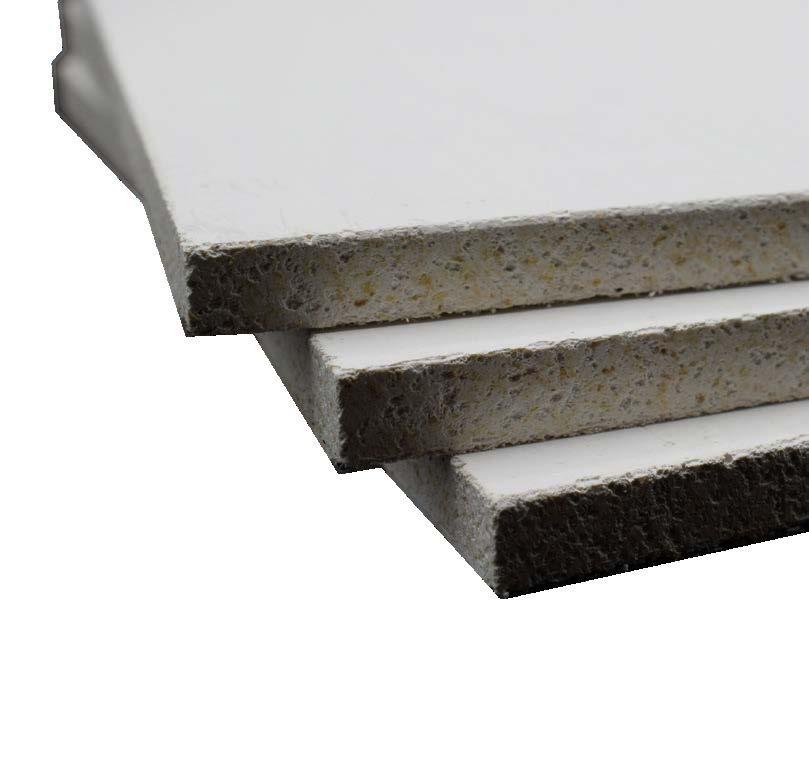
Explore our Magply boards tailored for Modular & Offsite construction. Choose from raw or glossy finishes, backed by extensive system testing for compliance in all your offsite and modular building needs.
Glasgow-based construction and manufacturing company CCG (Scotland) Ltd has confirmed a substantial pipeline of construction projects scheduled to start in 2026, representing more than £510million of investment across Scotland and focused primarily on the delivery of affordable and social housing.
The programme reflects projects developed over several years, many of which are now progressing from early planning, design, and pre-construction stages into site delivery. It will see CCG begin 36 new projects, totalling 2,000 new homes, including approximately 1,650 for affordable rent.
The new homes, alongside over 800 already under construction, will be developed through long-standing partnerships with local authorities, housing associations and other public-sector clients, alongside a number of private developments, with more than 75% of the work secured through direct procurement. The scale and breadth of housing delivery reflect both sustained demand for new homes across Scotland and the critical role of experienced delivery partners in meeting national and local housing targets.
Projects within the 2026 pipeline are located across the Central Belt and beyond,
including Glasgow, Edinburgh, Lanarkshire, Stirling, Fife, Dumfries & Galloway, East Lothian, West Dunbartonshire, and East Renfrewshire. Developments range from large-scale regeneration and placemaking schemes in urban communities to smaller, locally focused projects designed to respond to specific housing needs in towns and rural areas.
A significant proportion of the projects will be led by CCG from conception to completion, through the integration of their specialist pre-construction services with their appointed design teams, while around 1,800 of the new homes will be delivered using CCG’s offsite manufacturing expertise. Enabling improved quality, a faster speed of build and enhanced energy performance, the ‘iQ’ Timber System product forms part of a wider in-house offering – including windows, doors, M&E, utilities, and plumbing - that work together to address each project’s requirements and ensure greater service for clients, while supporting Scotland’s ambitions to modernise construction and accelerate the transition to net zero.
The 2026 pipeline also represents a substantial opportunity for skills development, employment, and training, both within CCG and across its supply chain.
The volume of secured work is expected to support roles spanning manufacturing, on-site construction, and professional and technical disciplines, alongside opportunities for apprenticeships, upskilling and longterm employment in communities across the Central Belt and wider Scotland.
Commenting on the 2026 pipeline, David Wylie, Managing Director at CCG, said: “This pipeline reflects the strength of our partnerships with local authorities, housing associations, and public-sector clients across Scotland, with whom we engage at every stage of a project’s delivery to help turn housing ambitions into reality. Many of these projects have been shaped through early engagement over a number of years, and we continue to actively work with partners on schemes that will come forward in the years beyond 2026.
“As the sector continues to face challenges around capacity, sustainability and planning, collaboration and practical delivery will be key. CCG remains committed to working with our partners to deliver homes at scale that are affordable, sustainable, and designed to improve people’s lives now and for generations to come.”
Source: www.c-c-g.co.uk
HS2 Completes Precast Decks for Coleshill Viaducts
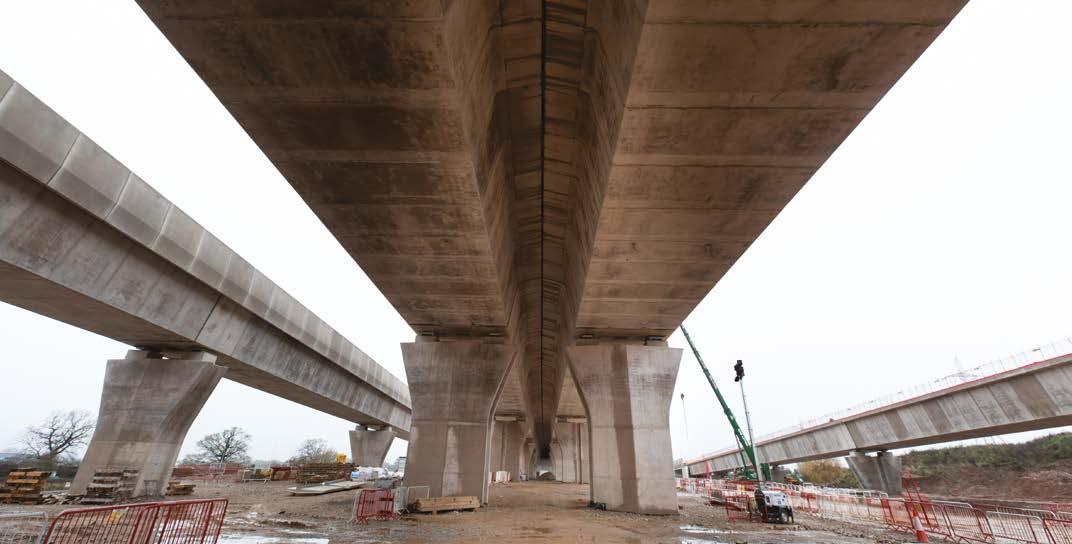
Engineers working on HS2’s complex triangular intersection outside Birmingham have successfully completed the construction of four parallel viaduct decks – an essential part of the huge project.
The construction of the Coleshill viaducts – which stretch for a combined total of 2.4km – is being delivered by HS2’s main works contractor in the Midlands, Balfour Beatty VINCI. The decks are made of 1,024 individual precast concrete segments which were manufactured offsite at a purpose-built facility a few miles away at Kingsbury. These were then moved to site before being lifted and secured into position to form the spans of the viaducts.
The viaducts being built near Coleshill in Warwickshire stretch for more than 600m and form a small part of the Delta junction – a huge intersection being built to the east of Birmingham for the new high-speed railway. The Delta is formed of a series of interconnected viaducts, flyovers and underpasses, taking the high-speed line over motorways, local roads, railways, rivers and floodplains.
The central 22m wide deck consists of two rows of 11m wide segments, each weighing 60 tonnes, while the two single track viaducts are made of single rows of smaller, 44 tonne segments. They are supported by 54 reinforced concrete piers, each up to 12m high.
BBV used a cantilever process to install the segments with temporary steel cables supporting each one until the spans were complete. Permanent posttensioned cables were then installed in the hollow centre of the viaduct to
NAO Reports New Housing Investment Needs Clearer Priorities
Since 2016, the MHCLG has allocated £10.5billion to unlock land for an estimated 713,000 homes and is currently preparing to launch a new National Housing Delivery Fund (NHDF). A new report from the NAO finds that to deliver value for money the ministry will need to swiftly build on the work it has started to set up the new fund, so it is ready to deliver the homes the country needs.
The independent public spending watchdog has published its latest report – ‘Unlocking Land for Housing’ – examining whether MHCLG’s programmes to increase the supply of suitable land for housing development are supporting government’s ambitions to help deliver 1.5 million new homes by July 2029.
Unlocking land programmes are where MHCLG, Homes England and other delivery partners intervene on sites to remove the barriers that mean the site is not profitable or attractive enough for the market to develop without government help. MHCLG plans to launch the NHDF to provide a single gateway to the full range of the ministry’s financial support for unlocking land and set up a housing bank created as a subsidiary of Homes England, from 1 April 2026.
So far 141 of 768 projects have completed their unlocking works, with the remainder expected to continue through to 2034. Some housebuilding on unlocked sites will continue until 2050. Currently, 128 (36%) projects launched between 2016-2021 have completed their unlocking work, compared with 13 (3%) of those funded since 2021.
Just over 33,000 homes are known to have been built on land unlocked by MHCLG funds. However, MHCLG did not set out to track the number of homes
strengthen the structure. The same process was repeated between each of the piers until all the spans were complete.
Caroline Warrington, HS2 Ltd’s Head of Delivery, said: “The Delta forms a key part of the project and it’s great to see it starting to come together. I’d like to thank everyone involved in the Coleshill viaducts and look forward to seeing more progress in the year ahead, as the focus turns to completing the robust kerbs and parapets.”
Simon Albarel, Section Manager at Balfour Beatty VINCI, added: “We’re continuing to make great progress on the construction of HS2’s Delta Junction –one of the most complex sections of the entire route. Our latest milestone is the successful installation of 1,024 precast segments along all the Coleshill Viaducts. Completing the deck assembly is another great achievement for the team, demonstrating their precision engineering and hard work over the last two and a half years.”
Source: www.hs2.org.uk
built on three of its programmes that between them aim to contribute half of the expected 713,000 homes. However, MHCLG is now working with Homes England to track homes built across all its funds. Preparing land for development is complex and often delivered in stages, on occasions MHCLG’s funding only provides a portion of the funds to unlock a site or is designed to help encourage others to invest in the site to fully unlock it ready for housebuilding.
MHCLG and Homes England have been reviewing how their land-unlocking programmes work and applied these lessons to improve their intervention strategies. This includes changing how they work with local areas and developers, using continuous market engagement processes to allow bids to come forward when they are ready rather than meeting fixed application windows. They have also changed how they assess projects, for example by looking at whether a project supports deprived communities or has environmental benefits.
Gareth Davies, Head of the NAO, said: “The success of the new NHDF will depend on government setting clear ambitions and priorities for investment alongside its approach to risk management, so that public spending genuinely helps unlock the homes the country needs.”
Source: www.nao.org.uk
Superglass Strengthens Housing Commitment with Dedicated Team
Superglass has taken an important strategic step in reinforcing its position within the UK and Irish housing sectors by establishing a newly focused Housing Team under the leadership of James Rist, National Housing Manager.
THE MOVE reflects the company’s long standing belief in working closely with customers and ensuring that every project receives the right technical and commercial support. The team is highlighted within Superglass’s ‘Meet Our Team’ section, where the business outlines its key customer facing functions, including the Housing Team, Business Development, and Technical Services.
Renewed focus on a critical market
The housing sector remains one of the most vital markets for insulation solutions, and Superglass’s renewed emphasis illustrates a clear commitment to supporting builders, developers, and specifiers with high performance, sustainable glass mineral wool insulation. By formally defining and promoting the Housing Team, Superglass aligns its internal resources to better meet the needs of an industry where efficiency, compliance, thermal performance, and sustainability are increasingly critical.
This strategic realignment ensures that the housing sector receives the attention it deserves—reinforcing the company’s ambition to be a trusted advisor and solutions partner for the UK’s residential construction landscape. As part of the housing market the team will also be responsible for the MMC and offsite markets. Both markets are seen as strategically important for the future of construction with the team bringing key capabilities and know-how into this space.
Enhanced customer support through specialised expertise
At the heart of this move lies an enhanced customer experience. Superglass describes its approach as one built on close collaboration and direct communication with its customers, supported by “principal contacts” who provide the best solution for any project. The Housing Team embodies this philosophy, combining:
• Sales Expertise: professionals who understand market trends, procurement processes, housebuilder priorities, and commercial considerations
• Technical Know How: seamless access to Superglass’s Technical Services Team—capable of supporting U value calculations, condensation risk assessments, building regulations guidance, application advice, and performance optimisation
• On Site Capability: the practical skills and hands on understanding needed to assist with installation considerations and ensure real world performance aligns with design expectations.
This integrated capability ensures customers receive not just a product, but a comprehensive service that supports them from the early design stages through to installation on-site.
A strategic move with real world benefits
By structuring a dedicated Housing Team with close links to technical support and customer service, Superglass is enabling:
• Better responsiveness to customer needs and project timelines
• More informed decision making, backed by technical validation
• Stronger on site collaboration, helping reduce risk and improve build quality
• Enhanced consistency, ensuring that all stakeholders—from architects to installers—receive aligned guidance.
Customers can now navigate complex insulation requirements more easily, supported by a team designed specifically around the needs of the UK’s diverse and fast moving housing sector.
Continuing Superglass’s customer first culture
Superglass clearly states that working closely with customers is central to how the company operates, and the introduction of the Housing Team builds directly on this approach. It represents investment not only in people, but in relationships—empowering housebuilders with the confidence that their insulation partner has both the knowledge and the capacity to support them at every stage of a project.
As the industry faces increasing regulatory pressure, growing sustainability expectations, and the need for ever greater efficiencies, this renewed focus demonstrates Superglass’s long term commitment to enabling better homes, better building performance, and better customer outcomes.
How Do We Build 1.5 Million Sustainable & Quality Homes?
Last year BUILDOFFSITE launched a bold, agenda-setting vision to scale up MMC and industrialised construction across the built environment over the next five years. The message to Government was simple: these delivery methods must move from being the exception to become the expectation.
WHEN THE ALL-PARTY PARLIAMENTARY GROUP (APPG) for Excellence in the Built Environment launched its inquiry into building 1.5 million quality homes in the current parliamentary term, BUILDOFFSITE gave oral and written evidence in the summer of 2025. We based our submissions on our Manifesto which was approved by over 50 members representing a cross-section of clients, contractors, designers, manufacturers and suppliers in the MMC sector.
In response to the APPG inquiry, BUILDOFFSITE stressed the need for industrialisation and standardisation of the production in the housing sector and suggested Government could lead the way with providing financial support in three critical areas: improving the economic viability, skills levels and impact of net zero carbon in our sector.
Economic viability
Clearly fresh and urgent thinking is required if the Government wants to have any chance of building 1.5 million quality homes. The biggest challenge to our sector is making projects viable. Despite high aspirations as set out in the Government’s Construction Playbook, most frameworks and pre-construction processes still exclude, or at best undervalue, MMC category 1 and 2. Our SME members find frameworks nearly impossible to get onto, although these manufacturers have invested heavily and offer 2x or 3x of current output capacity. They could substantially gear up if consistent throughput was guaranteed. BUILDOFFSITE has taken
the lead in bringing the industry together in the Spring to develop a policy proposal for Government on grants or other incentives which could provide a steady pipeline of work and utilise spare capacity.
For example, we suggested to the APPG Inquiry that Homes England land could be offered to SMEs in smaller lots, to provide predictable pipelines and variety of housing for end buyers. Other suggestions to improve economic viability include:
• Changes to the planning system to accelerate the approval of accredited and standardised systems and typologies on housing sites across the UK
• Government incentives for projects to exceed minimum performance standards
• A Government backed open data repository to capture national standards and delivered performance of MMC homes covering cost, defects, carbon performance, tenant satisfaction and other KPIs, which would provide the evidence base needed to unlock new institutional investment and development finance.
Improving skills in the workforce
BUILDOFFSITE also stressed the need to educate the construction sector and develop the right skills. Government support is essential to develop a stronger MMC workforce. Some initiatives are enabling this such as the RBH digital model which enables SMEs to access pattern books for MMC. PAS 8700 and BUILDOFFSITE recommend the appointment of independent MMC advisers.
BOS is seeking funding and delivery partners to launch an Industrialised Construction (MMC) Training Programme that closes the capability gap still limiting consistent MMC uptake. The programme is designed to equip public and private sector decisionmakers to move confidently from interest in MMC to delivery, supporting faster project starts, clearer procurement routes, stronger assurance, and better carbon and waste outcomes.
If funded, this practical, entry-level programme will build competence across local authorities, housing providers, designers, project managers and assurance stakeholders. Delivered through interactive webinars, applied scenarios and curated resources aligned to the full project lifecycle (RIBA 0–7), it will provide a clear understanding of MMC Categories 1–7, market capacity and logistics, how manufacturing-led delivery changes funding and procurement decisions, what evidence planners/funders/insurers require, and how to assess credible carbon, waste and performance data.
Sustainable building practices
As BUILDOFFSITE members continue to drive net zero carbon outcomes on MMC projects we suggested to the APPG Inquiry that the sector’s role could be hugely significant but stronger financial incentives and more robust policy backing from the Government are essential to accelerate progress.
The fragmented adoption of sustainability benchmarks and the lack of enforcement of PAS 2080 carbon assessments continue to be a barrier to impact. The Government could call for mandatory whole life carbon calculations for all residential schemes above 50 units, and support legislation for a clear, nationally recognised methodology.
Alongside this, targeted fiscal levers could unlock innovation where it matters most – on the factory floor and within the supply chain. Enhanced R&D tax credits for suppliers and contractors investing in net zero improvements, or in low-carbon and recyclable structural materials, would help accelerate grass-roots innovation and strengthen the UK’s industrial capability. In parallel, the introduction of a direct capital grant for MMC homes that meet accreditation standards, net zero carbon thresholds and PMV performance criteria could dramatically increase adoption. We advocate MMC-linked capital grants – or an “innovation uplift” – within existing Homes England funding frameworks to recognise performance and reward outcomes.
Net zero carbon champions
BUILDOFFSITE recognises that these policy ambitions will not be realised without the empirical evidence demonstrating unequivocally MMC delivers net zero in practice. That is why BOS and CIRIA are
joining forces to assess and quantify the net zero carbon advantages of offsite methods through a new guidance project focused on showcasing the sector’s current Net Zero Carbon Champions.
A ‘champion’ in this context could be an individual, organisation, or company. The sector is being invited to provide potential case studies of projects delivered with measurable net zero carbon benefits. Submissions will be assessed by a Project Steering Group (PSG) comprising members, contributors, funders, regulators and academic experts. Following a rigorous and robust shortlisting process this group will choose which 8-10 case studies are selected and published in 2027.
Crucially, this evidence base will enable the PSG and partners to engage Government departments with robust, real-world proof – strengthening the case that well-designed financial incentives can accelerate net zero delivery through MMC.
If you are interested in submitting a case study for shortlisting and/or would like to join and support the PSG please contact Dirk Vennix (CEO CIRIA) at: enquiries@ciria.org
Image 1:
Following the completion of its inquiry into building 1.5 million quality homes the APPG for Excellence in the Built Environment is due to publish its findings in the Spring
Image 2:
MMC and industrialised construction needs to be expanded across the built environment to hit ambitious housing aims
The OFFSITE CONSTRUCTION AWARDS reward outstanding examples of prefabrication and factory-based construction methods, products, systems and disciplines that increasingly strive to develop a sustainable, streamlined and cost-effective way to deliver a better built environment.
This year, the OFFSITE CONSTRUCTION AWARDS have themselves been under construction. We are proud to unveil a refreshed awards experience that will now take the form of a formal sit-down dinner with live entertainment, creating a fitting stage on which to celebrate excellence. This evolution reflects our commitment to truly recognising and appreciating the outstanding innovation, quality and ambition demonstrated by the remarkable projects within the offsite construction sector. By elevating the event, we aim to honour the achievements of the industry in a way that matches the scale and impact of its work.
IMAGE: 2025 Client of the YearRegal Properties: Fulton & Firth
2026 Categories
There are 21 categories that cover every aspect of the industry from hybrid and modular technology to engineering and installation, ensuring that all aspects of the offsite building process is celebrated – recognising the design and technology that makes these inspiring projects possible.
Precast at the Heart of Modern University Campuses
In response to growing demand for modern, high-quality facilities, universities across the UK are continuing to invest in new teaching and research buildings – with precast concrete as a core element.
MANY OF THESE developments take place on live or space-constrained urban campuses, where offsite construction can deliver significant programme, safety, and efficiency benefits. The combination of a long service life, low maintenance and use of thermal mass as part of a low-energy strategy, combined with high-quality finishes offered by precast concrete, is an attractive combination for an owner occupier client such as a university and their estate departments.
This combined with the high-quality finishes that can be achieved, means that there are numerous examples across the country, helping enhance campus quality and reinforce universities as world class environments for study and research.
Like primary and secondary schools, higher education buildings may combine laboratories, libraries, performance spaces and shared learning environments within a single structure, but the scale of facilities and stricter performance requirement place further demands on the building fabric. Laboratories require floors with minimal movement to protect equipment from vibration, while libraries and student unions experience high footfall, often around the clock, requiring robust, durable structures capable of intensive long-term use. Precast concrete offers the durability, mass and stiffness, needed to meet these requirements reliably.
As an established offsite solution, precast concrete allows structural elements to be manufactured under
controlled factory conditions, improving quality and allows site and offsite work to proceed simultaneously. This approach is particularly well suited to higher education projects, where minimising construction duration and on-site disruption is critical.
Leading examples of precast design
Certifications such as NHBC Accepts and BOPAS Accreditation are essential to show that your system is robust, compliant and reliable and ready for real-world application and long-term performance. Certification activity requires a clear tactical plan to ensure testing in the correct sequence and to the right specification to avoid costly re-testing or delays in assessment processes.
At Kingston University’s Town House, a precast hybrid structural frame was adopted to accommodate a wide range of teaching, study and performance spaces within a single six-storey building. The internal layout required long spans to form double and triple height lecture theatres, an auditorium and large open learning areas alongside quieter library and study spaces. Spans of over 15m were achieved using pre-stressed precast double-T beams, combined with hollowcore slabs and a precast column grid, delivering structural efficiency and reducing material use. Beam depths were tailored to specific spans and loads, with a composite screed adding stiffness across the floor plates.
Image 1: Kingston University’s Town House. Courtesy Ed Reeve
Image 2: Stephen Schwarzman Centre for the Humanities, Oxford University
The building’s high-quality defines its role as a flagship at the campus entrance. A ground-level colonnade of precast concrete columns and beams creates a sheltered public threshold between the university and the surrounding streets. Precast concrete enables this area to accommodate high footfall with minimal maintenance over time. Internally, the same structural form addresses acoustic performance requirements: the geometry of the pre-stressed double-T units, combined with acoustic panels positioned between verticals, limits sound transmission between contrasting uses such as dance studios and library areas, allowing multiple activities to operate simultaneously within a single six-storey structure.
The Stephen Schwarzman Centre for the Humanities at Oxford University showcases the benefits of modern method of construction
UNLOCK
(MMC), with offsite precast construction enabling speed, precision, and sustainable delivery at scale. The 23,000sq m, four-storey building accommodates libraries, study spaces, offices, exhibition areas and four high-spec performance venues, all requiring high acoustic separation and stringent energy performance. Over 3,000 precast components including columns, twin wall panels, and lattice slab floors, were manufactured offsite, allowing the superstructure to be erected in ten weeks while foundations and basements progressed concurrently, reducing programme risk on a constrained city centre site.
Factory-manufactured precast elements enabled tight dimensional tolerances and consistent junction detailing, achieving high levels of airtightness across the building envelope, meeting Passivhaus standards. Combined with the inherent thermal mass of the concrete frame, this supports stable internal temperatures and reduces peak heating and cooling demand, lowering operational energy use. The offsite led approach also allowed precise control over concrete specification, enabling higher proportions of GGBS cement replacement, cutting embodied carbon by 544 tonnes CO₂e.
Precast concrete meets higher education demands of today, combining efficiency, durability and design flexibility with the speed and quality of offsite manufacturing. But it also provides a proven solution for future-ready campuses, with all these benefits contributing to the quality, performance and resilience needed to withstand the challenges of a changing climate.
For 25 years, Combilift has been revolutionising how the mining industry handles materials. Our pioneering range of multidirectional and pedestrian forklifts, straddle carriers, mobile gantries and container loaders allows you to manoeuvre long and out of gauge loads safely, maximise productivity and increase the space available for storage.
To find out how Combilift can help you unlock every inch of your storage space.
Fresh Face for Scottish Learning Campus
FP McCann’s structural precast concrete frame division worked in collaboration with BAM Construction on the £115million contract to build the new Dunfermline Learning Campus on behalf of Fife Council.
THE FLAGSHIP SCHEME is equipped with innovative internal spaces and has over 26,500sq m of Passivhaus treated floor area (TFA). Architect on the project AHR designed the 2,700-student campus covering the 55-acre site, with AECOM appointed as the structural engineers.
Working closely alongside BAM Construction and their designers, FP McCann’s engineers and supply and install teams were able to satisfy the requirement for the design and build project, embracing the operational carbon targets of the building by employing modern methods of construction (MMC). With airtightness a key element of the embodied carbon targets set in line with the Net Zero Carbon Public Sector Building Standard, FP McCann’s structural precast concrete frame is integral to the building achieving these goals.
In total, FP McCann supplied and fixed some 1,500 individual precast concrete units including 18,000sq m of hollowcore flooring. The offsite manufactured precast structural frame system delivered from facilities at Byley, Grantham and Uddingston, is comprised of 180 columns, 177 internal walls
The precast structural frame helped to significantly reduce the construction time compared to that of a traditional build together with other benefits associated with MMC, such as safe operating practice, reduced wastage and allweather working.
and 600 external wall panels. In addition to this, 38 stair flights and 28 stair landings have been installed. The hollowcore planks forming the flooring of the upper levels of the campus are generally 200mm deep topped with a 75mm non-structural screed. Individual planks range from 7000mm long to 9000mm long.
The precast structural frame helped to significantly reduce the construction time compared to that of a traditional build together with other benefits associated
Images 1-3:
McCann supplied and fixed 1,500 individual precast concrete units including 18,000sq m of hollowcore flooring
with MMC, such as safe operating practice, reduced wastage and all-weather working.
Commenting on the build, Martin Cooper Construction Director of BAM Construction said: “We adopted the FP McCann offsite precast concrete structural building system for Passivhaus requirements and our construction programme as we recognise it is a well tried and tested offsite methodology that brings enhanced quality and delivery confidence to such groundbreaking and innovative projects. The partnership with FP McCann has enabled us to hand over to Fife Council an energy efficient and sustainable learning facility to support and enhance student development at Dunfermline.”
Rapid MMC Build Delivers Carlisle UTC
A new £12million Urgent Treatment Centre at Cumberland Infirmary in Carlisle been handed over to North Cumbria Integrated Care NHS Foundation Trust (NCIC) by MTX Contracts and aims to be fully operational in the Spring.
THE SINGLE STOREY FACILITY next to the existing Accident and Emergency (A&E) Department provides 12 consultation rooms, along with staff/patient ancillary space, waiting area and a roof top plantroom to support mechanical and electrical services.
Once it comes into operation, the Urgent Treatment Centre (UTC) aims to reduce pressure on the A&E department. It has been built by MTX using Modern Methods of Construction (MMC) to deliver the project faster, greener, safer and more cost effectively than conventional building methods.
A total of 21 structural steel modules were manufactured offsite while work continued onsite to prepare for their delivery, shortening the overall project delivery time. The structural steel units were craned onto the site to create the fabric of the building and once weathertight, fit-out was able to quickly go ahead including all electrical, mechanical and plumbing module installations.
MTX Managing Director David Hartley said: “With A&E departments under incredible pressure at this time of year, we are proud to hand over this new
facility which will benefit staff and patients. Our team liaised closely with the adjacent departments to maintain ambulance and patient access to A&E at all times. We have extensive experience maintaining critical services during construction projects on hospital sites and take special care to ensure minimum disruption to medical services and reduce inconvenience for patients and staff.”
The new UTC is part of a longer-term plan to improve access to urgent care services in Carlisle easing emergency department pressures, according to North Cumbria Integrated Care NHS Foundation Trust (NCIC). Cumbria Health, which provides out of hours GP services will also be located in the UTC.
Images 1-2: The single storey facility provides 12 consultation rooms, along with staff/ patient ancillary space
DESIGN BUILD FINANCE
With a proven track record of delivering high-quality results on time and to budget, we’re committed to shaping the future of NHS estates to meet the demands of modern healthcare – better, faster and greener than ever.
At MTX, our full-service construction solution brings together design, build, finance, operation and maintenance expertise for healthcare building projects throughout the UK. From financial structuring to long-term facilities support, we offer NHS Trusts one single, streamlined route from concept to completion – ensuring every stage of delivery is aligned.
East Suffolk and North Essex NHS Foundation Trust
Wirral University Teaching Hospital NHS Foundation Trust
Transforming Construction in Ireland
MMC Ireland’s National Conference 2026 brings together leading organisations and individuals shaping the future of offsite methods in Ireland. This year’s event will also concentrate on how industrialised construction can drive further efficiencies.
IRELAND’S CONSTRUCTION SECTOR is at a pivotal moment. Demand for housing and critical infrastructure continues to intensify, while the industry faces mounting pressure to deliver projects faster, safer and with greater certainty of cost, quality and carbon performance. At the same time, contractors, clients and manufacturers are navigating a complex landscape of skills shortages, productivity constraints, regulatory pressures and sustainability commitments that are reshaping the way the built environment must be planned and delivered.
Against this backdrop, modern methods of construction (MMC), offsite manufacturing, digital delivery and industrialised construction are no longer ‘nice to have’ innovations – they are rapidly becoming essential tools in Ireland’s construction transformation. The sector is shifting away from traditional, labour-intensive delivery models towards approaches that prioritise repeatability, manufacturing quality, platform thinking and digitally enabled workflows.
It is within this context that the MMC Ireland National Conference 2026 returns on 05 March 2026, at The Johnstown Estate, Meath. Recognised as
Ireland’s premier MMC event, the conference provides a national platform to explore progress across policy, skills, standardisation and delivery, while also confronting the barriers that still prevent MMC from being adopted at the scale Ireland requires.
A sector under strain and ready for change Construction in Ireland has made significant strides in recent years, but the structural challenges facing the sector remain clear. Skills shortages continue to affect the entire delivery pipeline, from site labour and trades to design co-ordination, manufacturing capability and specialist installation. With workforce availability stretched and competition for talent increasing, the industry needs to accelerate upskilling and create clearer pathways for new entrants – particularly those aligned to factory-based delivery models.
Productivity is another pressing issue. Traditional construction methods are often impacted by variable site conditions, weather disruption, fragmented procurement, inconsistent quality control and rework. These challenges contribute to programme risk, cost uncertainty and reduced output at a time when Ireland needs greater delivery capacity and improved certainty.
Sustainability adds an additional layer of complexity. The carbon performance of buildings is under increasing scrutiny, and clients are demanding improved energy efficiency, reduced waste, lower embodied carbon and greater transparency in material selection and lifecycle impacts. Achieving these outcomes through conventional methods alone is increasingly difficult, particularly when speed and volume of delivery must also increase.
Momentum is building but challenges remain
There is no doubt that MMC adoption in Ireland is accelerating. Increased use of MMC across housing, education and healthcare projects is now being seen, supported by stronger engagement between industry and government on policy reform. However, as MMC Ireland highlights, real barriers still need to be overcome if the sector is to move from isolated projects to consistent, large-scale delivery. Challenges include:
4
The key message is clear: MMC is progressing, but it now requires alignment – across policy, procurement, training and standardisation – to deliver the step-change Ireland needs.
National MMC forum: what will the Conference deliver?
The MMC Ireland National Conference has become the essential annual gathering for the sector - and 2026 is set to be its biggest year yet.
MMC and industrialised construction offer a compelling pathway forward: better buildings, delivered faster, with improved quality, reduced waste and enhanced safety – all enabled through manufacturing-led processes and digital integration.
• Inconsistent project pipelines, limiting manufacturer confidence and investment
• Planning and certification delays, slowing deployment and limiting scalability
• Procurement models not yet fully aligned to MMC delivery and risk profiles
• Skills and capacity constraints across the supply chain.
The event combines a high-profile speaker programme featuring leaders from government, industry and academia, alongside a packed day of case studies, keynote presentations and panel discussions. The conference also includes extensive networking opportunities throughout the day, culminating in a dedicated Drinks Reception, sponsored by Autodesk. From the opening session, the programme is designed to be practical, relevant and forward-looking. The day begins with pre-event coffee, pastries and networking, giving delegates the chance to connect early before the formal agenda begins.
The conference will be chaired by Darren Richards (Cogent Consulting), who will set the tone with an expert overview of Ireland’s MMC trajectory and the need for sector-wide collaboration. MMC Ireland CEO Paul Tierney will then outline MMC Ireland’s mission and frame the conference as the country’s key annual forum for advancing MMC adoption.
Addressing the big themes: policy, skills, standardisation and innovation
A defining strength of the MMC Ireland National Conference is its structured focus on the themes that matter most right now.
Government
collaboration and policy progress
The morning agenda highlights the need for alignment between industry and government, with sessions focused on procurement reform, policy influence and national skills oversight. With ongoing discussion around procurement models, approvals and the frameworks needed to unlock MMC at scale, this segment will help delegates understand the direction of travel and what is required to turn commitments into delivery certainty.
Workforce
transformation
Image 1-5:
The conference recognises that MMC cannot scale without people and that Ireland needs both skills development and cultural change across the industry. Workforce transformation sessions include frontline insight into upskilling the factory floor, plus wider discussion around how Ireland can build the capacity required for MMC-led delivery. With skills constraints now a limiting factor across the sector, this part of the programme will resonate with manufacturers, contractors, developers and training providers alike.
Product
and system standardisation
Standardisation is one of the most important enablers of industrialised construction. Without it, the sector risks repeating bespoke design approaches that reduce repeatability, limit factory efficiency and increase delivery risk. This section of the programme explores how standardisation can be advanced through design platforms, digital toolkits and coordinated approaches across housing and public-sector delivery.
Industrialised construction and innovation
As MMC evolves the conversation is moving beyond ‘offsite techniques’ and towards true industrialisation – including platformbased delivery, digital integration, kits-of-parts and manufacturingled housing delivery models. This part of the programme focuses on how digital tools, innovation and contractor/manufacturer capability are converging to create new delivery models for Ireland.
The biggest MMC/offsite event in Ireland
One of the most compelling reasons to attend the MMC Ireland National Conference 2026 is the scale and quality of its exhibition. The exhibition brings together MMC and offsite manufacturers, consultants and engineers from across Ireland and beyond – offering a rare opportunity to engage directly with the solution providers driving change. For many attendees, this is where the real value is unlocked: seeing innovations first-hand, asking detailed technical questions, exploring partnership opportunities and building confidence in new delivery models.
MMC Ireland is the biggest MMC/offsite event in Ireland bringing together industry specialists, thought-leaders, manufacturers, consultants and engineers from across Ireland and beyond
LIMITED TICKETS REMAINING – BOOK NOW
The MMC Ireland National Conference 2026 is expected to attract a high concentration of senior decision-makers, technical leaders and innovators across Ireland’s built environment sector. With a sold-out exhibition and strong year-on-year growth, demand for delegate places is high – tickets are now limited. If you are involved in housing delivery, education and healthcare programmes, infrastructure, manufacturing, design, engineering, procurement, policy or sustainability, this is the one event you cannot afford to miss.
This year, the exhibition is sold out, underlining the strength of the MMC ecosystem and the growing demand for industrialised solutions. It also reinforces the conference’s position as the largest MMC/offsite event in Ireland and a must-attend date in the construction calendar.
Networking and knowledge exchange all day
The conference is designed not only as a learning platform, but as a catalyst for collaboration. With structured networking opportunities throughout the day – including morning coffee, refreshment breaks, lunch networking and the closing drinks reception. Delegates will have multiple touchpoints to connect with peers, clients, supply chain partners and decision-makers.
For those looking to expand into MMC, accelerate adoption, develop supply chain partnerships or simply stay ahead of the market, the conference provides a concentrated environment for meaningful engagement and knowledge exchange.
EGGER Peel Clean Xtra Large
Your Offsite MMC Solution
EGGER Peel Clean Extra Large is designed for offsite timber flooring cassette manufacturing. The 2400 x 1200 x 22mm T&G2 panel ensures faster installation, reduced material handling, minimised gluing, and less wastage. The finished floor can remain exposed to the elements for up to 60 days* and its recyclable, anti-slip film prevents moisture ingress and ensures a clean floor ready for handover.
*KIWA BDA Agrément BAF-19-129-S-A-UK
For more information visit to.egger.link/pcx
Forget Tick Boxes: Think Trust
As offsite and industrialised construction specialist Darren Richards, Managing Director of Cogent Consulting points out, construction product testing and certification are far more than legislative tick boxes, they are commercial necessities.
WITH ONLY A THIRD of construction products currently regulated and as many as 30,000 still operating outside any formal oversight, the building technology supply-chain is confronting a serious credibility crisis. The Grenfell Tower fire laid bare deep systemic failures in construction product regulation. Former Chief Construction Adviser to the UK Government, Paul Morrell’s Independent Review of the Construction Product Testing Regime delivered a stark verdict on the industry, and with a sweeping new regulatory framework having taken effect on 8 January 2026, this has raised the stakes for building technology manufacturers. Enhanced powers and stricter rules will reshape how every construction product is tested, declared and monitored.
Why certification matters
The stakes are enormous and cannot be ignored. Without recognised certification, innovative components or building systems risk outright
rejection from key decision makers. From investors and institutional funders to mortgage, warranty, and insurance providers, as well as developers, local authorities, housing associations, and public sector bodies across healthcare and education. Paul Morrell’s report issued a clear ‘call for honesty’ – manufacturers must provide full technical documentation and information to regulators and enforcement authorities. Any breach is now a criminal offence, exposing companies to powerful new sanctions and decisive enforcement action.
Product & system certification
Certifications such as NHBC Accepts and BOPAS Accreditation are essential to show that your system is robust, compliant and reliable and ready for real-world application and long-term performance. Certification activity requires a clear tactical plan to ensure testing in the correct sequence and to the right specification to avoid costly re-testing or delays in assessment processes.
Images 1-2:
Product testing and certification are far more than legislative tick boxes and are essential to confidence and trust
Our consultancy services provide end-to-end support to ensure your solutions are market ready and fit for purpose. We start by defining your product’s intended use across residential, commercial or mixeuse sectors. By identifying project types, risk profiles and performance expectations, our offsite experts can align technical features with end-user, investor and regulatory requirements. The team reviews compliance with UK Building Regulations (Part A to Part L and beyond) and provides guidance on fire safety, energy performance, acoustics, structural integrity, moisture resistance, and other performance standards.
We map all required testing and validation, coordinating with UKAS-accredited laboratories and undertake bespoke testing design and management for facades, glazing, door and roofing technology. Durability assessment evaluates component longevity, lifecycle performance and environmental exposure, ensuring warranties, service life claims and compliant standards are validated.
Finally, we guide clients through the most appropriate certification path – whether NHBC Accepts, BOPAS Accreditation, SCI Assess, or European Technical Assessment (ETA) plus many others. Cogent manages documentation, technical submissions, stakeholder liaison, factory inspections, quality
COGENT CONSULTING
Cogent is a leading multi-disciplinary consultancy specialising in the field of offsite manufacturing and industrialised construction. Through an unparalleled range of skills, the specialist team offer independent advice on successfully exploiting innovative modern methods of construction (MMC). Expert support accelerates industrialised construction techniques that reduce onsite programme times. Making processes more predictable and sustainable, an offsite approach allows scheduled occupancy and early use of key facilities. Cogent works with offsite manufacturers, clients, architects, engineers, contractors and project managers to ensure that any project or manufacturing facility embracing offsite construction technology, is optimised and involves minimal risk.
system reviews, and audit preparation from initial consultation to awarding of certification. In an era of heightened scrutiny and rising expectations, our expertise transforms certification from a hurdle into a strategic advantage – accelerating market access, building stakeholder trust and securing a safer, more resilient future for every project. Let us help you navigate the complex path to product and system certification with expert guidance and technical precision. Find out more at: www.cogent-consulting.co.uk and head to our ‘Product & System Certification Services.’
DESIGN I MANUFACTURE I INSTALLATION
MetStructures delivers fully coordinated, single-source solutions that reduce onsite activity while improving safety, programme certainty, quality and cost efficiency across multiple market sectors.
A systemised ‘Kit of Parts’ combining structural steel, LGSF, precast concrete and engineered timber - supported by MetHybrid, MetModular and MetKonnekt solutions.
What We Do
// Single-Source Delivery: design, manufacture, supply and installation
// Hot-Rolled structural steel frames
// Light Gauge Steel Framing (LGSF): NHBC & SCI approved up to 15 storeys
EPDs are manufacturers key to compliance, competitiveness, and EU market access. One Click LCA outline why these are so important to the sustainable future of building products.
AS EMBODIED CARBON REGULATION ACCELERATES across planning, procurement, and policy, manufacturers are increasingly expected to provide verified environmental data. The question is no longer whether product carbon information will be required, but how quickly manufacturers can respond with credible, compliant data that works across borders.
Meeting demand for embodied carbon data
Within the UK, a growing number of policies, standards, and market mechanisms are driving demand for transparent, verified product carbon information. Whole life carbon assessment requirements are being introduced through planning frameworks, and initiatives such as the London Plan already require embodied carbon reporting on major developments. Public sector procurement is tightening, with sustainability criteria becoming a decisive factor in tenders and frameworks.
This is no longer limited to any environmental data. The latest version of BREEAM (v7) places increased emphasis on the use of verified environmental data, meaning that projects targeting higher ratings will increasingly require independently verified product data at procurement stage.
For those exporting products into the EU, the pressure is even greater. The EU Construction Products Regulation (CPR) is placing stronger emphasis on environmental performance, requiring manufacturers to demonstrate compliance using credible, standardised product data to maintain market access. In parallel, the EU has entered the definitive phase of the Carbon Border Adjustment Mechanism (CBAM), with materials such as steel and concrete now directly affected. Manufacturers without robust, verified carbon data face increasing risk when supplying EU projects.
The solution for construction manufacturers
The clearest and most widely recognised route to compliance and market access for construction products is environmental product declarations (EPDs). EPDs provide independently verified information about the embodied carbon and environmental performance of construction products. They are widely used to support regulatory compliance, product comparison, and lowcarbon decision-making in both UK and EU contexts. For manufacturers, EPDs support:
● Compliance with UK whole life carbon and embodied carbon requirements
Images 1-3:
EPDs provide independently verified information about the embodied carbon and environmental performance of construction products
● Alignment with EU CPR expectations for environmental performance
● Access to public sector, low-carbon, and cross-border procurement frameworks
● Product selection for building LCAs and sustainability certification schemes
●Competitive differentiation in a market moving rapidly toward transparency.
The EPD process helps manufacturers understand where emissions occur across materials, energy use, and supply chains –enabling informed reduction strategies over time.
Trusted by leading manufacturers
One Click LCA supports offsite manufacturers across the UK in developing robust, third-party verified EPDs efficiently. From data collection through to verification and publication, this expert-led approach helps you meet regulatory requirements across your product portfolio while strengthening your position in the UK and EU markets. With carbon regulation accelerating on multiple fronts, verified product data is becoming essential for securing and winning business.
Securing Airtightness in MMC: Certified Performance in the Details
Airtightness in Modern Methods of Construction (MMC) is defined by junction performance, not just the flat surfaces, so independently certified, self-adhered systems are required to offer a reliable route to consistent and repeatable results.
MMC PLACE DIFFERENT DEMANDS on the building envelope. Factorymanufactured, rapid installation, and reduced on-site tolerance for rework mean airtightness must be secured through design and detailing rather than corrected later. Continuity at interfaces has therefore become a defining factor in overall envelope reliability.
In modular and offsite construction, airtightness failures rarely occur across large surface areas. They occur at interfaces, around openings, between modules, and at floor-to-wall connections. These locations represent the most common points of risk and the greatest challenge to maintaining a continuous air barrier. As a result, selfadhered external air barrier systems are increasingly being specified to address this challenge.
Proshield®, developed by Don & Low, is a self-adhesive, vapour-permeable airtight membrane designed for use in modular, high-rise and offsite construction. By forming a continuous, self-adhered layer across walls and floors, Proshield® reduces
reliance on secondary sealing methods and minimises the potential for air leakage at critical interfaces. As Mark Gray Technical Manager of Don & Low, Construction points out: “As MMC scales up, airtightness must be proven, not assumed.”
Third-party assurance is a key consideration for MMC projects. Proshield® is independently certified by KIWA, providing verification of its airtightness, water resistance, vapour permeability and reaction-to-fire performance. This independent certification gives designers, contractors and warranty providers confidence that consistent specified performance is supported by testing, rather than assumed through design intent alone.
Fire performance is an increasingly important factor in external wall buildups. When applied to suitable substrates, including fibre cement boards, Proshield® achieves a Class B-s1,d0 reaction-to-fire classification in accordance with BS EN 13501-1. As with all membrane systems, fire performance is substrate-dependent and correct specification remains essential.
Images 1-2: Proshield® reduces reliance on secondary sealing methods and minimises the potential for air leakage at critical interfaces
Installation efficiency is another critical requirement in MMC environments. Proshield® requires no primers, mechanical fixings or additional air-sealing layers. Its peel-and-stick application supports fast, repeatable installation in factory settings and on-site, helping to reduce sequencing complexity and installation variability. A printed alignment grid aids accurate positioning, while a full range of compatible tapes and preformed corners enables secure detailing around windows, doors and junctions.
MMC is increasingly judged on proven outcomes rather than theoretical performance. Airtightness strategies must be reliable in real-world conditions and consistently deliverable at scale. Selfadhered, independently certified systems provide a reliable route to achieving airtightness where it matters most, in the details.
Built on Tradition, Driven by Innovation Since 1792
Airtight by Design.
Stops air leakage. Releases moisture vapour.
The growing demand for enhanced thermal performance in modular and high-rise construction is driving the use of proven airtight solutions such as Don & Low’s Proshield®.
This KIWA-certified, self-adhesive, vapour-permeable membrane is designed for walls and floors, helping deliver a fully airtight building envelope — without trapping moisture.
Modular Construction: A Strategic Response to Risk
The UK construction industry faces inflation, higher costs, complex planning, compliance challenges, and many supply chain issues. But as Jackie Maginnis, Chief Executive at the MPBA suggests, volumetric modular construction is becoming a strategic answer to these uncertainties.
VOLUMETRIC MODULAR TECHNOLOGY offers a level of certainty and control that traditional construction struggles to achieve. As regulatory frameworks become more demanding, delivering buildings that meet standards for fire safety, energy efficiency, accessibility, and overall performance requires precision and consistency. Offsite factory production allows these requirements to be embedded from the outset. Quality assurance becomes systematic rather than reactive, with inspection, testing, and certification integrated into production workflows. An industrialised construction approach integrating digital design and advanced automative manufacturing results in component traceability further strengthen accountability, giving clients and regulators confidence that what is designed is exactly what is delivered.
Certainty and control
The repeatable nature of volumetric systems also enables earlier, more productive engagement with building control bodies and other stakeholders. In healthcare and education, where ventilation, acoustics, infection control, and safeguarding requirements are exacting, the ability to refine and approve standardised classrooms or ward types for deployment across multiple sites streamlines approvals and reduces regulatory uncertainty. Compliance is designed in, rather than managed as a series of site-based challenges.
The financial case for volumetric construction has never been stronger. Factory manufacturing provides far greater cost certainty,
shielding projects from the short-term volatility that can affect onsite labour and material procurement. Long-term supply agreements, controlled production processes, and a stable, directly employed workforce reduce exposure to inflationary swings. Modular manufacturers operating across multiple projects can also aggregate demand, further insulating against price fluctuations that would otherwise impact individual projects.
Programme compression is another key advantage. Volumetric construction allows site preparation and building manufacture to run concurrently, significantly shortening overall delivery times. For public sector clients in healthcare and education, this means earlier access to essential facilities and reduced reliance on temporary accommodation. For commercial developers in office, retail, and leisure sectors, it translates into faster occupation and earlier revenue generation. In every case, shorter programmes reduce exposure to inflation and lower the risk of cost escalation during prolonged construction phases.
Providing a sharper focus
Higher financial overheads have sharpened the focus on the cost of time. The longer a project remains on-site, the longer capital is tied up servicing debt. By accelerating the path to completion, volumetric construction reduces financing costs while mitigating the risk of on-site disruption, weather delays, and programme overruns. Predictable schedules and lower risk profiles can also
improve funder confidence and support more robust financial modelling when viability margins are under pressure. Supply chain resilience is another strength. Traditional construction relies on complex, fragmented networks feeding labour and materials into sites on a just-in-time basis – a model highly vulnerable to global disruption, transport delays and material shortages. Volumetric manufacturers consolidate supply chains within controlled production facilities, allowing procurement to be planned in advance, key components to be stockbuffered, and logistics tightly co-ordinated.
Advantages across non-domestic sectors
These benefits are particularly significant in the non-domestic sectors that MPBA members serve. In healthcare, volumetric construction enables the rapid delivery of high-specification clinical environments,
The Modular and Portable Building Association (MPBA) is the UK’s leading trade body representing the sector. It promotes best practice, quality standards and innovation across the industry, supporting architects, engineers, manufacturers and supply chain partners. Through advocacy, training and guidance, the MPBA advances the sector’s growth, sustainability and professional standards – ensuring safe, efficient and high-quality solutions for those who work, receive treatment, teach and learn in modular buildings.
from wards to diagnostic suites, where performance and hygiene standards are critical. In education, repeatable classroom and specialist teaching modules can be deployed with minimal disruption to term times, while maintaining high thermal and acoustic performance. In commercial settings, modular approaches allow faster fit-out, flexible reconfiguration, and reduced void periods – all crucial in a market where occupier needs continue to evolve. These factors position volumetric modular construction as a practical response to the intertwined challenges of regulation, cost and risk. By shifting much of the construction process into a controlled manufacturing environment and enabling parallel working, it enhances predictability, shortens delivery times and strengthens resilience. In a climate where uncertainty is one of the greatest threats to project viability, the combination of speed, quality and certainty is not just enticing – I believe it is increasingly essential.
Image 1: Southmead Hospital Trust Headquarters. Courtesy Wernick Group
Image 3: St Peters Hospital. Courtesy Premier Modular
Image 4: Jackie Maginnis, Chief Executive, MPBA.
MPBA
Offsite Construction Solutions for the Irish & UK Market
Offsite construction continues to gain momentum across Ireland and the UK, offering faster build programmes, improved quality control and greater certainty around performance. U Value Insulation are well positioned to help this growth continue.
FROM MODULAR HOMES to portable cabin style units, the sector is playing an increasingly important role in meeting housing and infrastructure demand. As these methods evolve, the need for reliable, high-performance building materials and technical expertise is more important than ever.
With over 40 years’ experience supporting the construction industry, U Value Insulation has established itself as a trusted partner to manufacturers, designers and contractors operating in the offsite sector. The company supplies a comprehensive range of glass wool, stone wool, membranes and specialist boards engineered to meet the compliance and efficiency requirements of modern methods of construction (MMC).
Offsite building presents unique challenges. Structures must be manufactured in controlled environments, transported safely and assembled quickly on-site, all while maintaining consistent standards. U Value’s extensive product portfolio supports floor, wall
and roof applications, providing a complete solution for the building envelope and helping ensure thermal efficiency, airtightness and acoustic performance are achieved.
Beyond product supply, U Value provides technical support at every stage of the process. Experienced teams based across Ireland and the UK are available to assist with technical advice and on-site support, helping to streamline decision-making and maintain build quality.
As offsite construction continues to expand across the Irish market and UK markets, strong supplier partnerships and proven product performance will remain key to delivering efficient, compliant and high-quality modular buildings. U Value Insulation is proud to support this sector with the solutions and expertise needed to build with confidence.
Get creative with space & light
Our AluSpace Interior Screening System is designed to divide or delineate both residential and commercial spaces, while at the same time providing an effective acoustic barrier.
Choose from hinged single, double doors, pivot or sliding doors to accompany our stylish fixed glazed screen. This flexible and versatile system provides almost limitless design options whilst requiring minimal maintenance. AluSpace will provide many years of assured, reliable and robust performance.
For more information visit smartsystems.co.uk/aluspace
Proud members of
Meeting the School Rebuilding Challenge Head-On
The School Rebuilding Programme is accelerating but can the construction sector keep pace? Frameclad is already delivering education projects through industrialised construction, and as joint Managing Directors Nik Teagle and Martin Jamieson argue, this approach is no longer optional, its essential.
DESPITE THE DOWNTURN IN EDUCATION BUILDS, over the last 12 months alone our team has delivered light steel frame systems for 24 education schemes with a combined total build value of around £337million. And with what’s coming down the track, we’re ramping up for an even busier 2026.
A 15% rise in education project starts is forecast for this year, as the School Rebuilding Programme gathers pace. The programme itself is expanding, with 250 more schools being added, taking the total to 750 schools set for delivery by 2035. With the next round of nominations reopening soon, the pipeline is only getting stronger.
And it’s not just new schools. A £38billion capital investment in education is committed between 2025 and 2030, alongside maintenance funding that’s set to climb to nearly £2.9billion per year by 2035. That means a major focus on extensions, refurbishments and upgrades – not just ground-up newbuilds. But here’s the bit the industry can’t ignore. Yes, the pipeline is growing. Yes, funding is being committed. But there’s a big question hanging over the sector – do we have the workforce to deliver it all using traditional construction skills when much of the focus is on housing delivery?
Skills shortages haven’t gone away. An ageing workforce, fewer young people entering the trades, and ongoing labour pressures mean many projects are already feeling the strain. When programmes ramp up, that pressure only increases. Longer build times, rising labour costs and unpredictable site resourcing can
quickly put school delivery at risk. For education estate managers working to fixed funding windows and tight term time deadlines, that’s a serious concern.
Industrialised construction – a practical delivery solution
This is where industrialised construction steps in – not as a trend – but as a practical delivery solution. By shifting a large portion of construction away from the building site and into a controlled manufacturing environment, Frameclad reduces reliance on site trades and replaces it with repeatable, precision-engineered light steel systems manufactured offsite. The result? Faster programmes, more predictable delivery and far fewer workforce related headaches.
Rather than waiting on multiple wet trades, projects using Frameclad’s systems can move forward with smaller site crews, shorter build durations and far less exposure to weather or workforce disruption. For live school environments and tight summer holiday programmes, that kind of certainty isn’t just helpful – it’s a game-changer.
More certainty, less risk
Industrialised construction only works if it’s backed by the right expertise and that’s where Frameclad adds real value. Our factoryled production process improves quality control at every stage, helping to reduce defects, rework and delays often linked to onsite labour shortages. By designing, manufacturing and delivering light
steel frame systems that are engineered for efficient installation, Frameclad supports a more streamlined construction sequence on-site. That gives contractors greater confidence in hitting key milestones.
Faster builds, safer spaces
With 24 education projects completed in the last 12 months, Frameclad has a proven track record of delivering education spaces that are faster to build, safer to use and sustainable by design.
Safety is at the heart of everything we do. UK education buildings demand high levels of fire protection. With over 50 fire tests completed, UKAS accredited certification and fire resistance of up to 120 minutes, our light steel systems provide reassurance for education estate managers, designers and contractors alike. Systems undergo independent rigorous testing to ensure compliance with current regulations and to protect staff, students and property.
And then there’s speed. With traditional construction facing workforce shortages and extended onsite programmes, Frameclad’s precisionengineered light steel frame systems move much of the work offsite. Prefabrication means smaller site crews, shorter build times and less disruption – a must for live schools or tight term time deadlines. Our loadbearing and non-loadbearing infill systems are designed to streamline installation, reduce rework and deliver cost-effective results, while allowing architects and contractors to be creative without compromise.
The road to net zero Sustainability is equally critical. Frameclad’s steel has always been produced with recycled content, but we are taking it up another gear with our ECOLSF systems. Made from 100% recycled steel using low-carbon Electric Arc Furnace technology, reduces CO2 emissions by up to 70%, supports circular construction practices, and delivers environmentally responsible solutions without compromising fire safety or structural integrity. For projects aiming to hit net zero targets, Frameclad’s approach shows that sustainability and performance can go hand in hand. Put simply, if the construction sector is being asked to deliver more schools, more extensions and more refurbishments at speed, our light steel frame solutions offer a faster more resilient way to build than traditional methods alone.
Frameclad designed and manufactured light steel systems for:
Image 1: Higham Lane North Academy – delivered by Bam Construction
Image 2: Hamilton School –delivered by Morgan Sindall
Image 3: Yeoman Academy –delivered by Team RED & BAM Midlands
The Shift from Fabrication to Data-driven Manufacturing
Light steel frame manufacturing demonstrates how industrialised methods can boost construction productivity beyond traditional on-site techniques. Darren Richards, Light Steel Frame Association (LSFA) Steering Group member and Managing Director of Cogent, provides a front-line perspective.
AS A LEADING MULTI-DISCIPLINARY CONSULTANCY
specialising in the field of offsite manufacturing and industrialised construction, my work with Cogent gives me privileged insight into the transformation taking place in the light steel frame (LSF) sector.
Central to this is the rapid advancement of mechanisation, automation and robotics, particularly in rollforming and downstream assembly processes. Modern light steel production integrates digital design, lean manufacturing, DfMA optimisation and component standardisation – all working together to create a high-performance, repeatable building system. Across the offsite sector, manufacturers are investing more in advanced production lines that combine intelligent rollforming, CNC processing, robotic handling and software-driven production control. The result is a shift from craft-based fabrication to data-driven manufacturing – where precision, repeatability and speed are engineered into the process from the very start.
Rollforming technology
At the heart of LSF production sits the light steel rollforming machine – a specialised, high-precision system that fabricates cold-formed steel components such as studs, tracks and joists. Rollforming itself is not new, but what is different is the degree to which rollforming is now digitally integrated, automated and embedded within end-to-end construction manufacturing workflows.
A rollforming machine uses a series of rollers and tooling stations to progressively shape coiled steel into precise structural profiles. Computercontrolled systems manage feeding, punching, cutting and forming operations in a continuous process. Modern machines can switch profiles quickly, adjust dimensions automatically and produce components directly from BIM-driven production files. This enables manufacturers to move from static catalogue products to project-specific, digitally configured outputs without sacrificing speed or accuracy. Cost efficiency improves through continuous production and reduced labour input. Material efficiency increases through optimised nesting and cutting routines. Production speed is dramatically higher than manual fabrication. Most importantly, consistency and precision are built into every component produced. However, the real productivity gains come when rollforming is integrated into a broader advanced manufacturing ecosystem.
Digital design workflows
Today’s leading LSF facilities operate more like automotive sub-assembly plants than traditional construction workshops. Digital design models flow directly into manufacturing execution systems. Computer-aided engineering defines section performance in advance. Components are manufactured to exact project parameters in controlled factory conditions. Errors are designed out before production begins, not corrected on site afterward.
Images 1-3: Across the offsite sector, manufacturers are investing more in advanced production lines that combine intelligent rollforming, CNC processing, robotic handling and software-driven production control
This is where Design for Manufacture and Assembly (DfMA) becomes critical. When LSF systems are designed specifically for automated production and efficient assembly, manufacturing throughput rises and site installation time falls. DfMA encourages rationalised grids, repeatable connection details, standardised openings and coordinated service zones. These design decisions make automated production more efficient and downstream assembly more predictable.
Component standardisation plays an equally important role. The more a manufacturer can standardise core elements – whilst still allowing configurable variation – the more productive the system becomes. Standardised connection strategies, panel interfaces and module dimensions enable faster rollforming setup, simplified robotic handling and more efficient panel assembly. Productivity gains come not from uniform buildings, but from standardised parts used in configurable ways.
Automation is now extending well beyond section production. Robotic and semi-robotic systems are increasingly used in panel assembly processes –positioning members, fixing connections, applying sheathing boards and preparing panels for logistics. Automated screw fastening and vision-guided alignment systems are beginning to reduce manual intervention while increasing output consistency.
Robotics also improve overall equipment utilisation. Instead of production lines waiting for manual staging and repositioning, robotic handling systems can maintain continuous flow. This improves throughput and reduces bottlenecks – a core lean manufacturing objective. Automated stacking, labelling and packaging systems further streamline factory operations and reduce handling damage.
Data-rich production models
Lean manufacturing principles are particularly well suited to LSF production. Value stream mapping, waste reduction, just-in-time material supply and continuous improvement methodologies translate
directly from other advanced manufacturing sectors. Because LSF production is already data-rich and process-driven, it lends itself naturally to lean optimisation. Sensors and production data can be used to monitor cycle times, defect rates and material usage – enabling ongoing performance refinement.
Digital technology is the enabler that ties all this together. World-class BIM and detailing software platforms – including those used widely in LSF such as advanced steel detailing and parametric modelling tools – allow framing systems to be produced exactly to project requirements while maintaining engineering compliance. Model-to-machine workflows ensure that what is designed is exactly what is manufactured. This supports regulatory compliance, traceability and emerging Golden Thread and Digital Product Passport requirements.
There are also sustainability benefits. Precision cutting and forming reduces offcuts and scrap. Optimised production planning reduces waste to landfill. Efficient material usage lowers embodied carbon. Factorycontrolled production reduces site disruption and transport inefficiencies. When combined with low-carbon or recycled steel supply, LSF manufacturing can support strong ESG performance narratives.
The future
Looking ahead, the convergence of intelligent manufacturing, robotics and digital twins will further accelerate progress. Simulation of production lines, predictive maintenance of machinery and AI-assisted production scheduling are already common in other sectors and are beginning to appear in advanced offsite factories. As these capabilities mature, LSF production will become even more efficient and resilient. The key message for the construction sector is clear: light steel frame manufacturing is no longer a simple metal forming activity – it is a sophisticated, digitally enabled production system. The opportunity is not just faster fabrication, but a fundamentally more industrialised approach to building delivery.
The LSFA’s mission is to champion change and is committed to supporting developers, designers and contractors in understanding the full potential of light steel technology. We are here to ensure that safety, quality, and sustainability are not competing priorities but shared outcomes.
LSFA
Building smarter with steel
From
Advancing Offsite in UK & Ireland
Vision Built is a leading offsite construction specialist delivering modular and panelised building solutions across Ireland and the UK. It designs, manufactures and installs light-gauge steel systems supporting faster, high-quality project delivery for public and private sector clients.
VISION BUILT is an Irish offsite construction specialist providing light-gauge steel panelised and volumetric modular building systems for projects across Ireland and the UK, operating as part of the Sisk group since its acquisition by John Sisk & Son in 2019.
Focused on modern methods of construction (MMC), the company delivers 3D Category 1 volumetric modular buildings and 2D Category 2 panelised systems that are manufactured in controlled factory conditions and rapidly assembled on-site, enhancing programme certainty, quality control, safety while reducing disruption on live sites.
From its 100,000sq ft ISO-certified facility in Tubbercurry, Co. Sligo, Vision Built produces light gauge steel frames and components that are supplied to projects throughout the Republic of Ireland and the UK, supported by offices in Galway and Hertfordshire to serve local client needs. Its systems are designed and tested to meet building regulations, BCAR, NSAI Agrément and BOPAS requirements, including robust fire testing, reinforcing its position as a long-term offsite solutions provider for low-to-medium rise, multi-occupancy buildings up to six storeys.
Since its establishment in 2012, the company has expanded beyond its original residential and commercial focus to deliver projects across education, healthcare, life sciences, hospitality, transport, and technology sectors, covering typologies such as commercial developments, hotels, residential
schemes, hospitals, pharmaceutical facilities, and schools. Vision Built’s solutions are widely used for apartments, student housing, and social housing programmes, where offsite manufacture and rapid onsite assembly help clients meet demanding delivery and occupancy timelines.
A key aspect of Vision Built’s offer is its ability to act as a turnkey partner on volumetric modular projects, providing an integrated service encompassing design, manufacture, installation, and handover. This approach has been proven on large-scale programmes such as rapid-build social housing bundles for Dublin local authorities, where 2D light gauge steel panelised systems enabled delivery of hundreds of units across multiple sites within compressed timeframes, including factory periods as short as four weeks and on-site installation of approximately nine to ten weeks.
Environmental, Social and Governance (ESG) priorities are embedded in Vision Built’s strategy, aligned with Sisk’s wider group commitments to sustainability and responsible construction. By moving a significant proportion of activity into the factory, the company seeks to reduce waste, optimise material use, and improve health and safety, while collaborating closely with designers and contractors to standardise core designs and customise layouts and finishes to suit specific project requirements, balancing manufacturing efficiency with architectural intent.
Vision Built acts as a turnkey partner on all types of volumetric modular projects including the education and healthcare sectors
Image 1:
Rebuilding Affordable Homes Delivery
At a time when the UK faces an annual shortfall of more than 90,000 social and affordable homes, EDAROTH is positioning itself as both a disruptor and a delivery partner. Managing Director Mark Powell spoke to us about why 2026 could be a turning point for offsite construction.
FROM ITS MANUFACTURING BASE in Bradford to live schemes in Bristol and Surrey, Everyone Deserves A Roof Over Their Head (EDAROTH) is championing a hybrid, factory-led approach to affordable housing, and for Mark, it’s important to first bust a myth around the offsite delivery process. “I think there are some people who think it’s about filling a shiny new factory with robots and AI,” says Mark. “That’s certainly not been our experience. We design for manufacture from day one, using a detailed digital BIM model that provides the golden thread from design and procurement through manufacturing, logistics and into long term asset management. It’s this common data environment, not necessarily automation, that unlocks predictability and creates efficiency.”
Bradford facility
EDAROTH’s Bradford facility plays a critical role in making this all happen by producing high-performance components that underpin its homes and are designed to scale as pipeline grows. “Automation will come with volume,” says Mark. “But only once the manual manufacturing line has matured and we fully understand where technology genuinely improves flow and takt time. You automate what has been proven by human hands first, not the other way around.
“When we set out to create EDAROTH’s product, net zero operational performance and future regulatory alignment weren’t ideas to be bolted on later but were golden rules from the start. Our homes are designed to achieve net zero in use and meet emerging Future Homes Standards, which is fundamental to delivering genuinely sustainable housing. The Bradford factory allows us to be incredibly efficient with materials. We design panels and modules around full board sizes. Our hybrid system increases pre manufactured value, reducing time and disruption on-site.”
Scaling from 120 homes to 2,500+ a year
Volumetric modular housing has seen wellpublicised setbacks in recent years with several ‘disrupters’ exiting the sector. Mark sees these as part of innovation’s learning curve and while businesses may have failed, it doesn’t mean offsite production has – the issue has often been about scale and timing. “Some tried to scale too fast, with the wrong investment model. Just taking a global perspective, looking around the world in places like China, offsite is well established. What matters is a measured, incremental approach where manufacturing capability grows alongside real pipeline.
Image 1: Affordable housing provision can be transformed through offsite manufacture
90% FITTED OFF-SITE OVER 20 YEARS EXPERIENCE
300+ MODULAR CONSTRUCTION PROJECTS IN THE UK
FROM INSTALLATION TO OPENING IN JUST
TURNKEY PROJECTS
14 WEEKS
ModuleCo partnered with Dartford and Gravesham NHS Trust to provide a state-of-the-art Community Diagnostic Centre at Livingstone Community Hospital. Within a period of just over 3 months the building was installed on site, commissioned and handed over. Providing 50 additional rooms which included state-of-the-art imaging equipment, waiting areas and consulting rooms.
The facility is expected to be operated 12 hours per day for 7 days per week, allowing for an estimated 130,000 tests performed annually and boosting the local diagnostic services in the area.
SOLUTION FOR THE DEMAND OF IN THE UK
Shaping a new era of patient care
THE NEW COMMUNITY DIAGNOSTICS CENTRE PROVIDES:
■ 1,164m2 total space
■ Radiology rooms including X-Ray, MRI and CT Scanners
■ Multiple diagnostic assessment rooms for respiratory testing, phlebotomy, ECG, echocardiography and ultrasound
■ 90% of construction completed off-site
The Livingstone Community Hospital was a turnkey project, with ModuleCo managing all aspects of design, foundation works, off-site construction and installation of the diagnostic equipment.
Ellie Gibbs, General Manager at North Kent Community Diagnostic Centre
“We’re a disruptor in the sense that we’re bringing additive capacity into the part of the market that needs it most — social and affordable housing — and doing it through an end-to-end development model that reduces fragmentation and risk.” EDAROTH demonstrated this approach to Housing Minister Matthew Pennycook, when he visited the Bradford factory last year, demonstrating how it can move from 120 homes a year to over 2,500, with a firm delivery plan creating approx. 500 local jobs and up to 40 apprenticeships in the process.
“It was clear that government wants disruptors which can deliver scale, pace and quality. That’s exactly the role we’re stepping into.” The scale of ambition is significant. The UK needs at least 90,000 additional social and affordable homes a year, and that demand is finally translating into real programmes but it’s not easy. “You don’t close a gap that size without scalable, predictable manufacturing as the basis for the production of new homes,” says Mark. “But you also don’t build a huge factory on day one and hope the pipeline arrives. Our model has always been to grow manufacturing capability in line with confirmed demand.”
Small sites, aggregated at scale
EDAROTH sees brownfield and other ‘complex small or non strategic sites’ as a vital part of the delivery solution for new homes but given the scale of the challenge, not the sole one. These sites carry additional remediation and viability challenges, and without the right commercial modelling and grant support, many won’t stack up.
Through EDAROTH’s Small Sites Aggregator –supported by Lloyds Bank and Bristol’s Housing Festival – the company is consolidating fragmented plots into programme-scale opportunities. “We’re identifying land that traditional builders struggle with, including brownfield and neglected urban plots, and delivering them as a co-ordinated portfolio,” adds Mark. “The Government is now piloting this with three local authorities, which shows confidence not only in the model but in MMC and SME-led delivery as the right solution for these sites.”
Mark is keen to address concerns that MMC introduces supply-chain risk, as many readers already know, factory-based manufacturing is more reliable for a long list of reasons. EDAROTH offers a lot more than components. “We offer an end-to-end development proposition – land, design, procurement, offsite manufacture, assembly and handover. That gives housing providers additive capacity rather than replacing their existing routes. We can see this at first-hand in Bradford where manufacturing offsite reduces disruption, speeds up assembly and gives local authorities more predictable delivery.”
Skills, inclusion and 2026
Attracting diverse new groups of industry entrants, retaining them and upskilling is of paramount importance to the entire UK construction and manufacturing workforce. The factory environment makes the prospect of working in construction more effective and appealing, and opens doors to young people, disabled and others who might not thrive in traditional site conditions. “It’s simply easier to develop skills, maintain safety and embed quality when people are learning in a warm, controlled space,” says Mark. “Our factory mindset extends into logistics, assembly and finishing, creating multi skilled roles that help relieve shortages in traditional trades like electricians and bricklayers. In Bradford, we’re creating meaningful pathways through apprenticeships and collaborating closely with supply-chain partners to ensure their teams are ‘match fit’ for MMC delivery.”
Looking ahead, Mark sees 2026 marked by a shift from policy to consistent delivery. Critically alongside a stable and predictable pipeline. “Affordable housing is where speed, repeatability and quality matter most. Our homes achieve net zero in use, are delivered up to 50% faster than traditional construction and are optimised for long-term performance. As our schemes in Bristol and Epsom go live, people can see what modern social housing should look like. Success will be measured in whether we have constructed the partnership architecture capable of delivering longterm, systemic change. For the first time in years, the ingredients for real progress exist.”
Image 2: Housing Minister Matthew Pennycook visited EDAROTH’s Bradford factory last year
Image 3: Mark Powell, Managing Director, EDAROTH
Driving change at scale
As the shift toward industrialised construction accelerates, HLM Architects is helping shape a more efficient, sustainable future for the built environment in the UK and Ireland.
WITH DECADES OF EXPERIENCE in MMC, DfMA and platform-based design, we’re at the forefront of the offsite revolution –driving safer, faster, higher quality delivery with dramatically reduced embodied carbon-based design.
Our approach embeds DfMA principles into each project, enabling streamlined offsite manufacture and ensuring information flows seamlessly from design to factory to site. Through detailed digital modelling and the development of bespoke ‘kit of parts’ toolkits, we help clients standardise intelligently – achieving scale and consistency while still delivering sitespecific, design specific design.
HLM’s long-standing partnerships with
government and industry bodies in the UK and Ireland, including MMC Ireland and the Offsite Alliance, ensure our work is grounded in real-world delivery expertise in the housing, education, healthcare, defence, justice and emergency services sectors. Our collaborative R&D programme has demonstrated the measurable benefits of industrialised construction, from major programme-wide efficiencies to a 50% reduction in embodied carbon.
In Ireland’s rapidly expanding industrialised construction landscape, we act not only as designers but as trusted MMC advisers. Our specialist knowledge supports clients through planning, design, co-ordination, and de risking complex
Thoughtful design.
Image 1: Trent View College, Scunthorpe
delivery frameworks, ensuring MMC’s promised benefits are realised in practice.
Industrialised construction is reshaping how buildings are conceived and delivered. At HLM, we’re helping Ireland harness its full potential to create better places for people and the planet. Recent examples of our work include the Digital Design Toolkit for Cairn Homes, the National Manufacturing Institute Scotland (NMIS) and Trent View College in Scunthorpe.
Can Offsite Help Rebuild Ukraine?
Mark Lawson, Visiting Professor, City St George’s, University of London and consultant at the Steel Construction Institute (SCI) highlights the potential role modular construction has in the future rebuilding of Ukraine.
WE HAVE ALL FOLLOWED the ups and downs of peace talks in Ukraine and wondered when will the War end. But as the possibility of cessation of hostilities increases, many agencies are now focusing on how damaged cities, and infrastructure will eventually be rebuilt. Ukraine will require an unprecedented scale of construction of housing and residential buildings, hospitals and schools, bridges, energy systems etc that we have not seen in Europe for 80 years.
The World Bank’s 4th Report ‘Rapid Damage and Needs Assessment’ (February 2025) estimates the total reconstruction requirement of USD $300billion of which the housing rebuild programme will be at least $80billion. It states that ‘13% of the total housing stock has been damaged or destroyed affecting more than 2.5 million households. More than 500,000 have lost their homes and will need to be provided with new housing built to high quality’. This will require re-building on a huge and rapid scale.
Building using technologies based on offsite manufacture, and modular construction in particular, will be an important part of the new way of building rapidly and to higher quality based on factory production. Of an estimated 500,000 households
that will require new housing, 20 to 30% could be accommodated using modular solutions, with each home, either a house or apartment, consisting of two to four modules. The projected production requirement over five to eight years could be 50,000 to 70,000 modular units a year. Because Ukraine is such a large country with a relatively low population density, this would require construction and setting up of three to five advanced regional factories to serve the most populous regions (Oblasts) of Kyiv, Kharkiv, Odessa, Lviv etc.
RapidRebuildUkraine
The initiative RapidRebuildUkraine was set up as a charitable venture by practitioners and academics in the UK with the objective of building capabilities on the design and manufacturing of modular systems in order show how modular construction can play an important role in the rebuilding of Ukraine. The ways of doing this include design studies, pilot projects and tests to satisfy Ukrainian functionality requirements and to demonstrate the rapid building process and cost-effectiveness.
Although in the short term, modules may be delivered from nearby counties such as Poland, which has a strong capability in modular production,
� End
� Adaptable,
� Minimum
� Flexible
� Focus
the longer-term vision for home production would require construction of large regional factories each capable of producing up to 20,000 modules a year. An Innovation Hub would drive the design, automated manufacture and procurement process to achieve a sensible level of standardisation and inter-operability. This manufacturing output is required on a scale not seen in Europe, and Ukraine would lead the way in this innovative technology.
The RapidRebuildUkraine initiative is gathering its expertise and seeking support. We recognise it is important to work with national and international
FUTURE STEPS IN THE RAPIDREBUILDUKRAINE INITIATIVE
Various steps in the RapidRebuildUkraine initiative that are identified in the short and medium terms are:
• Create a database of exemplar modular construction projects to be able to inform authorities in Ukraine of what has been and can be achieved in modular construction.
• Investigate the design requirements for modular construction in Ukraine including architectural, spatial and planning standards, fire resistance and safe refuge requirements, thermal and building physics standards and future aspirations, energy and renewable energy provisions.
• Design a ‘pattern book’ of modular buildings based on these requirements, which will include single family housing, individual apartment buildings (see image 1), an urban streetscape of mixed-use buildings (see image 2) and smaller-scale educational and medical buildings.
• Investigate and propose a sensible level of standardisation of the modular solutions in terms of the materials and components used, module geometry and connectivity taking account of the various building forms.
• Engage in discussion with the Mayors of the various cities and with the Ukraine Dept of Infrastructure as to opportunities for various pilot projects, in the short-term using modular systems procured from outside Ukraine.
organisations and charities to gain leverage in our activities. This initiative is complimentary to the important role of The Dept of Trade and Industry Ukraine desk in supporting UK-Ukraine trade, offering expertise and contacts through the British embassy in Kyiv and providing export advice and export finance. The European Bank for Reconstructruction and Development, based in London, has a key role in supporting the delivery of a successful economy and enabling a well-run and sustainable private sector, which includes trade finance, energy security, vital infrastructure and
• Develop technical documentation and teaching information to assist in creating ‘know how’ on this new way of building using modular construction.
• Carry out background tests on the structural systems, fire performance and building physics performance, including specific requirements for structural resilience and safe refuge areas.
• Design large ‘virtual’ factories capable of producing the desired modular system(s), including the role automated processes, materials procurement, storage and handling, and temporary storage of modules depending on the readiness of sites for delivery.
• Investigate site processes to optimise the use of modular systems including transportation, lifting and installation techniques, use of prefabricated foundations and basements (or semi-basements), precast stair cores etc.
• Design the features of the ‘Design Hub’ that will allow a level of customisation within the scope of an efficient manufacturing process and investigate the IT systems that are required to achieve this.
• Prepare an investment plan for Ukraine and international bodies on the opportunities for modular building systems including the ‘economy of scale’ savings in relation to the capital investment.
Image 3:
Exemplar five-storey modular residential building
enabling economic participation of the people and places affected by the War.
Ukraine has particular characteristics that will inform these steps. Firstly, Ukraine is by far the largest country in Europe (2.5x the size of the UK) and is subdivided into clearly defined administrative regions (oblasts). While oblasts are not autonomous in a constitutional sense, reconstruction priorities, constraints and delivery models will vary by region and local governance context. In addition, reconstruction solutions must align with Ukrainian building regulations and local approval processes (e.g., fire safety, energy performance, accessibility, snow, wind and seismic loads), which can differ by building type and locality.
Secondly, Ukraine experiences large seasonal temperature swings, so design must address summertime overheating risk as well as winter energy conservation. Because many centralised heat and power assets have been damaged, new buildings should be compatible with district heating where available, while also supporting decentralised heat solutions to improve resilience. Buildings should tolerate intermittent grid conditions and maintain safe operation under disrupted energy supply.
Thirdly, buildings must include designated safe shelters. These are typically underground and are often integrated with basements or underground
parking. Modular systems that can be demounted and replaced offer practical advantages for rapid repair if damage occurs, improving overall building resilience. Finally, there is a preference to avoid reproducing the aesthetic of 1960s–1980s concrete-panel mass housing, and modular buildings should therefore aim for a more human scale and reflect local architectural character – particularly in cities such as Lviv, whose urban fabric reflects Polish and Austro-Hungarian influences. Solutions should be scalable and logisticsaware (standard module sizes, transport and cranage constraints, local supply chains), enabling rapid replication across sites.
The initiative also delivers clear benefits for the UK. It creates a route for UK MMC design, engineering, manufacturing and digital-delivery expertise to support reconstruction at scale, strengthening export opportunities and supply chains. It also provides a high-impact testbed for industrialised, complianceby-design workflows (fire, structure and building performance evidence), with learning that transfers directly to UK housing delivery, net-zero objectives and climate resilience.
The founding partners in the initiative are City St George’s University, University College
Studio Anyo, Powerkh
Metek Building Systems. Find out more at:
Translating Market Signals
If you work at the sharp end of offsite, DfMA, platform design, digital construction or manufacturing-led delivery, there is one event you cannot afford to miss –Industrialised Construction Conference (ICC) 2026.
FOLLOWING THE SUCCESS of the 2025 event, the 2026 edition will take place in London on 21–22 April and will be bigger, sharper, more policy-connected and more delivery-focused. Already positioned as the UK’s definitive gathering of leaders, innovators and decision-makers, driving the shift from traditional construction to production-led delivery models, this is not simply a theory conference.
The World Bank’s 4th Report ‘Rapid Damage and ICC is where organisations that are actively reshaping delivery models, procurement structures, manufacturing systems and digital workflows come to share what is working and what must change for real success. The difference this year is clear – the emphasis across the event is about implementation, evidence and validated outcomes.
Construction to production – pilot to scale
The 2026 theme – ‘Industrialised Innovation’ –reflects that the conversation is no longer about whether industrialised construction works, but is now centred on scale, repeatability, productivity, carbon performance and integrated value chains.
Industrialised construction not simply about offsite or modular methods, but is about full valuechain re-engineering, combining platform approaches,
kits of parts, DfMA, digital integration, manufacturing logic and orchestrated supply chains.
Day One: strategy, client leadership & procurement reform
Day One is unapologetically strategic. Industrialisation at scale is not a technology problem alone. It is a client, commercial and policy challenge. The opening sessions focus on productivity, skills and net zero, with government and national leadership voices shaping the debate around how the UK can industrialise delivery across major programmes. Sessions include :
• Client Leadership – Driving Industrialised Delivery Across Sectors
• Future Industrialised Construction Procurement Models
• Building the Industrialised Construction Workforce
• Designing Out Carbon with Industrialised Methods
• International Best Practice in Industrialised Construction.
This is where the procurement and delivery models of the future are openly debated – not in the abstract –but by those writing frameworks, leading programmes and deploying industrialised methods at scale.
Confirmed and invited contributors across Day One include senior figures from: Ministry of Justice, Department for Education, Homes England, National Highways, HVM Catapult, King’s College London, CITB, UKGBC, Ramboll and WSP.
Alongside sector strategists and transformation leaders such as: Keith Waller, HVM Catapult, Dr Rosie Hughes, AECOM, Sarah-Jane Pisciotti, SISK
These are not commentators, they are programme leaders, policy influencers and delivery executives. The panel debates are designed to be direct and unscripted, tackling broken procurement models, workforce readiness and carbon outcomes head-on.
Skills, culture and carbon
Defining features of the 2026 programme. Skills, culture and carbon are no longer side conversations, these are now being treated as core industrialisation metrics. The workforce session brings together leadership voices from contracting, training, professional bodies and manufacturing to address the real skills transition required for factory-enabled delivery. This includes confirmed contributors from CITB, CIOB, Offsite Alliance, Jacobs and advanced manufacturing leadership groups.
The low carbon sessions move beyond design intent to delivery reality, focusing on how industrialised approaches enable measurable carbon reduction through design standardisation, waste elimination and production-led workflows. Expect practical insight, not marketing claims.
Day Two: technology, digital delivery & scaled programmes
Day Two dives deep into delivery systems, digital workflows and platform execution. These sessions examine platform delivery, productised design, integrated project delivery and manufacturing-led
programme execution, using real programmes as evidence. The morning opens with global and UK innovation leadership voices including:
• Prof David Hancock, CEng MBA, Construction Director and Infrastructure Practice Lead – Nista
• Melissa Zanocco — UKRI Growth Mission Programme
Followed by one of the strongest integrated delivery speaker line-ups seen at a UK construction event. Confirmed contributors include: Victoria Pomarnevska, Laing O’Rourke, Tim Carey, Mace, Dale Sinclair, WSP, Jaimie Johnston, Bryden Wood and Scott Laird, Reds10.
Images 1, 5-6: ICC 2026 follows on from last year’s inaugural event but will be bigger and more connected to policy developments and how these can boost the productivity and quality of UK construction
From hype to operational reality – the ‘data-driven’ site
One of the most anticipated panels of the conference brings together the organisations turning site digitisation into measurable delivery advantage. Confirmed participants for ‘The Data-Driven Site’ include: Autodesk, Buildots, Lendlease, Procore, AtkinsRéalis/NIMA, Skanska.
If you want to understand where digital meets production – this is a must-attend session. This is where platform data, site intelligence, digital assurance and production feedback loops are explored as operational tools, not pilot projects.
Other sessions focus on scaling industrialised construction across major programmes, with contributors from major contractors, defence, infrastructure and public delivery bodies. These sessions examine what happens when industrialised methods move beyond prototypes into repeatable programme delivery, including defence, transport, data centres and major infrastructure.
Market signals
Industrialised Construction Conference 2026 is also co-located with a focused exhibition of enabling technologies and supply chain solutions, giving delegates direct access to the tools and partners enabling industrialised delivery. Importantly, it is becoming a market signal event, where policy direction, client demand, manufacturing capability and digital systems converge.
The developing speaker list reads like a ‘who’s who’ of industrialised delivery leadership, across government, tier one contractors, advanced manufacturers, digital platform providers and transformation strategists. These are the people shaping frameworks, funding models, platform systems and delivery standards. They will be in the room. The question is – will you?
Seats are moving fast
Delegate demand is already running high, with early-bird interest already strong and industry appetite for production-led delivery growing rapidly, delegate places are moving quickly. This is not just about content – it is about access:
• Access to programme leaders
• Access to policy influencers
• Access to platform pioneers
• Access to delivery evidence
• Access to future collaborators.
Industrialised construction is no longer experimental. It is operational. It is scaling. And it is redefining how the built environment is delivered. If you are serious about productivity, platform delivery, digital integration and manufacturing-led construction, attendance is essential.
Miss it and you won’t just miss the presentations. You’ll miss the direction of travel. Full details can be found at:
There are ten categories to enter - view the questions and start your entries here!
The UK’s leading Industrialised Construction Conference and Exhibition is taking place in central London on 21–22 April 2026, bringing together the organisations and individuals shaping the next phase of construction transformation.
For more information on the speaker programme, visit:
www.industrialisedconstruction.co.uk
Conference tickets also include access to the Awards!
The Industrialised Construction Awards (co-located with the Industrialised ConstructionConference) celebrate the innovation, leadership, and collaboration driving the transformation of the UK built environment through digitalisation, productisation, and manufacturing-led delivery.
Achievable Affordable Homes
Speed of manufacture, delivery and a shortened site-based construction phase is central to offsite success and appeal. Recently a ‘futureproof’ prototype Scottish affordable home was erected in one week and could provide a blueprint for future developments.
DESPITE SNOW, FROST AND RAIN, a pioneering twobedroom prototype home in Inverness was rapidly assembled by local firm MAKAR late last year. At the forefront of sustainable construction in Scotland since 2002, the ‘architect-led design, manufacture and construction business’ has been providing timberbased, energy efficient homes to weatherproof stage to some success.
MAKAR says that it has set out to prove there is a better way to build affordable homes, ones that keep heating costs low, remove the risk of dampness and mould, and are delivered through precision offsite manufacturing. Using homegrown Scottish timber, the home is built with a closed timber panel system and natural materials and is designed to tackle fuel poverty with low heating costs modelled at £5-7 a week.
“We need to eradicate the issues of damp, high heating costs, and fuel poverty as conventional newbuilds continue to fail us”, says MAKAR CEO Neil Edgar. MAKAR homes are ‘hygroscopic’ and vapourpermeable natural materials which act like a ‘woollen jumper’, absorb and release moisture and help it to safely pass from inside the building to outside. This eliminates risk of damp and mould, while also providing thermal mass, making these homes warm in winter and cool in summer. Key is the use of natural insulation, with Warmcel – a recycled newsprint product – blown into the cavities of the timber frame, under pressure, to ensure no gaps are left for air to transport heat. Wood fibre board is also used on the outside of the timber kit to further reduce heat loss.
Traditional newbuild construction times in the UK are around 7–10 months. MAKAR assembled the prototype home to pre-fit out stage in a week and offers rapid deployment of affordable homes across the UK –including the Highlands and Islands – while ensuring safer and more predictable working conditions, considerably less waste, and lower build costs.
Quick and simple offsite construction
The affordable home solution is priced from £128k each, when purchased as a group of 12 manufactured homes that are delivered and assembled to ‘wind and watertight’ stage. “The assembly phase for offsite constructed homes like MAKAR’s prototype is far simpler and quicker, with very predictable workflows,
Images 1-4: MAKAR has used offsite manufacture and locally sourced timber to create a template to revitalise affordable homes delivery
meaning far less time, complexity and risk on-site,” said Graeme Clark, owner at key partner and health and safety specialist Ethos Safety. “A lot of the traditional risk elements we look out for are de-risked, like large amounts of working at height, manual handling and injuries through slips, trips and falls. For the guys on-site this means it is inherently safer than traditional construction.”
Each two-bedroom home (with additional study space) offers 93sq m of space across two floors. The ground floor includes a generous entry hall, an accessible shower room with designated laundry space, open-plan living and kitchen areas, and practical storage. Upstairs, there are two principal bedrooms and a home office or third single bedroom, along with a family bathroom and integrated storage throughout. The design also caters for future accessibility, with provision for a home lift. A floored attic provides an additional 16sq m of storage space.
MAKAR uses naturally durable larch for the cladding from Logie Timber and Sitka spruce for the structure supplied by BSW Timber. The design incorporates feedback from previous community housing developments and emphasises familyfriendly layouts, lifetime home principles allowing families to grow and adapt, and practical features identified as priorities by residents. “I’ve known MAKAR for a while and how they build their houses,” says Alec Laing, co-Founder of Logie Timber. “I had no idea that you could be up to roof height in seven or eight hours. It’s incredible. It’s immaculate here, there’s no waste. It’s not a typical building site by any means. Everything is really tidy and well organised, and that’s got to affect the end product.”
In a sector under pressure to deliver faster, better and greener homes, MAKAR’s Inverness prototype
offers a compelling blueprint for the future of affordable housing. By combining precision offsite manufacture, natural materials and thoughtful, resident-led design, the project demonstrates how homes can be delivered quickly without compromising quality, safety or performance. Rapid assembly, low heating costs and reduced construction risk point to a scalable solution for communities across Scotland and beyond. Independent monitoring, spread over 15 months, will verify energy usage and confirm the costs to keep the home heated through two winters. The prototype may well signal a shift towards healthier, more resilient and genuinely affordable homes.
Bridging the Gap Between Design and Offsite Manufacturing with hsbcad
As industrialised timber construction continues to scale, the connection between design and manufacturing has never been more critical.
hsbcad addresses this challenge with an integrated software ecosystem that supports the entire workflow from digital detailing to paperless production without disrupting established processes, but only enhancing their productivity.
hsbDesign: Powering Timber Construction Design in Revit® and AutoCAD®
hsbDesign brings advanced timber detailing directly into Autodesk Revit® and AutoCAD®, allowing designers to work within familiar environments and without learning a new platform. The result is effortless creation of complex elements like closed-panel kits, supported by smarter workflows that automate repetitive tasks. By maintaining
a single source, hsbDesign reduces errors, limits rework, and ensures accurate manufacturing data is delivered directly to CNC machines. Its flexibility removes traditional design constraints, helping teams move seamlessly from concept to production-ready models.
hsbView: Your Gateway to Paperless Shop Drawings
Designed for small and medium-sized offsite timber producers, hsbView enables a smooth transition to fully paperless shop drawings. With real-time access to that shop drawing data, production teams always work with up-to-date information, reducing errors caused by outdated documents. The intuitive interface and straightforward
installation improves collaboration across teams while saving designers’ valuable time.
hsbMake: Connecting Digital Design to Factory Execution
hsbMake combines CAM and MES functionality. Once the design is complete, all required production data, manual and automated can be generated with a single click. The platform supports factory automation, adapts to existing workflows, integrates with leading ERP systems, and connects directly to major CNC machine suppliers, enabling efficient, paperless, and transparent production from start to finish.
Dates for your diary
MMC Ireland National Conference
05 March 2026
Johnstown Estate, Meath
One of the latest and most well-received additions to the offsite industry calendar, MMC IRELAND NATIONAL CONFERENCE, is returning for 2026! The event will offer a fresh perspective and insight into the trends, technologies and engineering innovation driving the Irish offsite construction market.
Industrialised Construction Awards Entry Deadline
13 March 2026
Online
To celebrate the leaders driving this new era, the INDUSTRIALISED CONSTRUCTION AWARDS will recognise the organisations, technologies and people accelerating the UK’s journey from construction to production - and demonstrating that better ways of designing, manufacturing and assembling buildings are not only possible, but already happening.
Tall Buildings Conference North
24 March 2026
Manchester
As the UK’s cities undergo unprecedented skyline transformations through tall building developments, these events will provide essential platforms for sector professionals to share insights on regional projects, planning policies and best practices across the country’s thriving high-rise market.
Industrialised Construction Conference
21 & 22 April 2026
London
The UK’s only INDUSTRIALISED CONSTRUCTION CONFERENCE AND EXHIBITION is returning for 2026. Industrialised solutions transform the building process by leveraging advanced manufacturing techniques, underpinned by automation, robotics, and digital technologies.
Offsite Awards Entry Deadline
29 May 2026
Online
The OFFSITE AWARDS shine a spotlight on the most pioneering achievements - from forward-thinking designs to cutting-edge technologies, we honour those driving transformation in the built environment. Each year, our platform brings industry leaders, professionals, and innovators together to celebrate success stories and share best practices that define the future of construction.
High-Performance from the Ground Up
Engineered for modern construction and trusted across the industry, CastleForms delivers advanced Insulated Concrete Formwork (ICF) walling, insulated foundation and render systems that set new benchmarks in performance. From foundations to finish – with ICF FireBlock leading the way in integrated fire protection – our innovative NSAI certified solutions deliver uncompromising strength, efficiency and compliance.
ICF Therm Wall – Certified and Compliant
Future-Proof ICF Walling Solution
Raft Therm – Insulated Foundation System
Foundation and Floor in One Seamless Step
ICF FireBlock (Patent Pending) –a Major Step Forward in Fire Safety
Enhances Performance – Reduces Risks
Soltherm – Certified Wall Insulation and Render Solution
Strong Performance, Stylish Finish
Build with Confidence – Build with CastleForms
With a comprehensive portfolio of high-performance building systems, CastleForms supports robust construction, superior thermal performance and long-term durability – all from a single, trusted partner.
www.castleforms.com
KingBuild by Kingspan
The future of construction is here
KingBuild is the result of a development process driven by market demand and innovation.
KingBuild is a panelised Light Gauge Steel Frame (LGSF) system that integrates seamlessly within a wide range of architectural styles and is ideal for both low- and mid-rise structures.
Developed by Kingspan, KingBuild delivers a comprehensive, single-source solution – from early design principles through to on-site structural erection. The result: a streamlined process that saves time, reduces cost, and ensures dependable quality.
Why choose KingBuild?
Designed to support shorter construction programmes compared to traditional hot-rolled or concrete frame methods.
Lightweight system that helps to reduce foundation size, installation requirements and overall build costs.
Reduced prelims and programme risk - shorter build times mean lower prelim costs and greater predictability.
Optimised labour - a typical five-person crew assembles efficiently on site, keeping costs low.
Early dry envelope formation enables follow-on trades to start sooner, driving programme efficiency.
Integrated design and manufacturing ensure consistency from start to finish.
For more information, technical specifications, or to discuss your next project, contact Andrew Waddell: email andrew.waddell@kingspan.com or call 07970 664160.
KingBuild combines off-site precision and engineered robustness in a system that is ideal for residential apartments, student accommodation, hotels or care home developments. This integrated system supports shorter programmes, efficient installation and consistent quality.