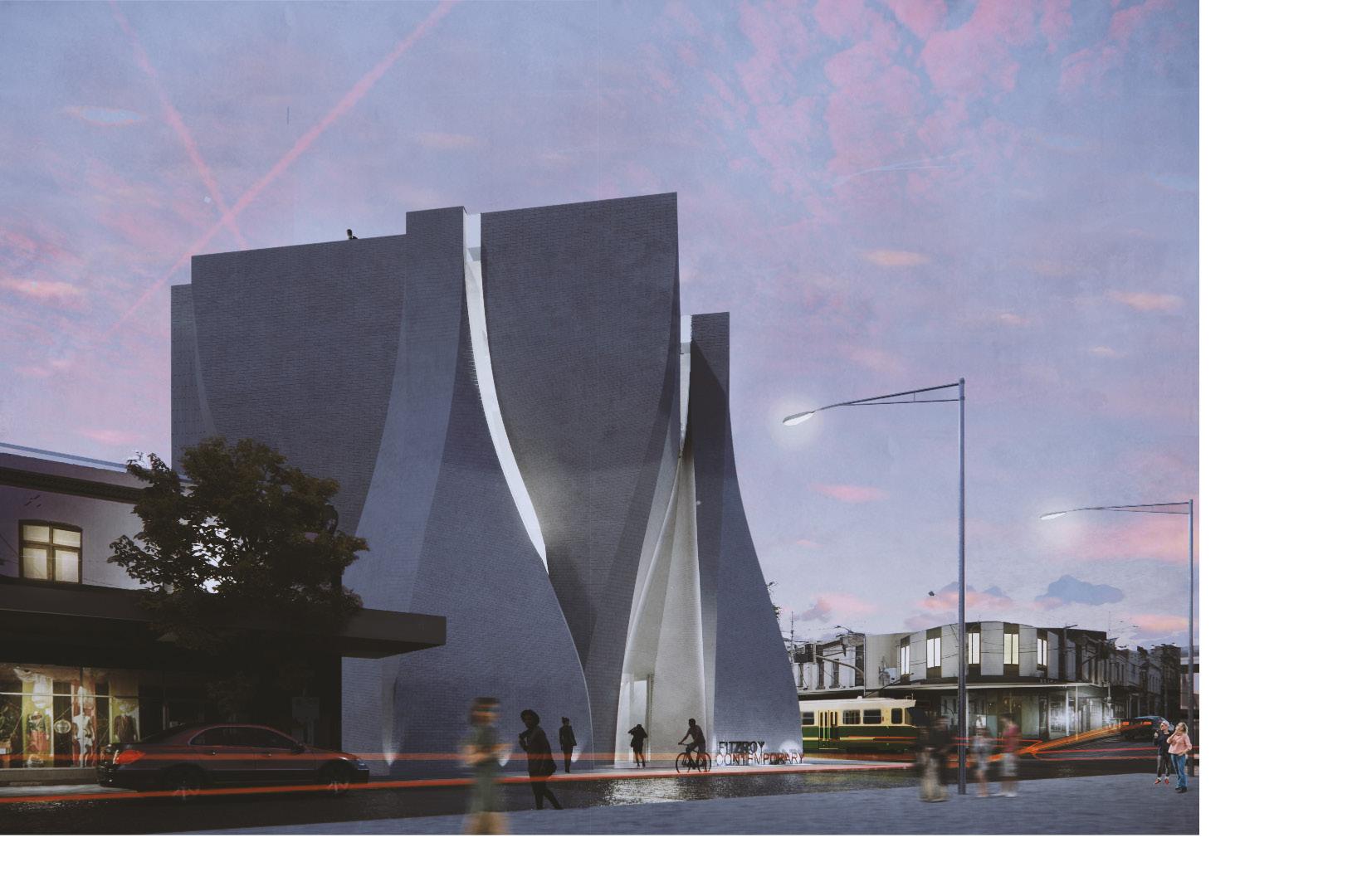
Studio 36 Untitled: Art Project Space Gallery
Rachael Li 912103
Studio D, Semester 2, 2022
Studio Leader: Anna Nervegna
reflective journal.
3. Urban Massing Development Week 4-5
4. Midterm progress & Final Design Development Week 6-12
content.
1. Spatial Verbs & Precedent Study
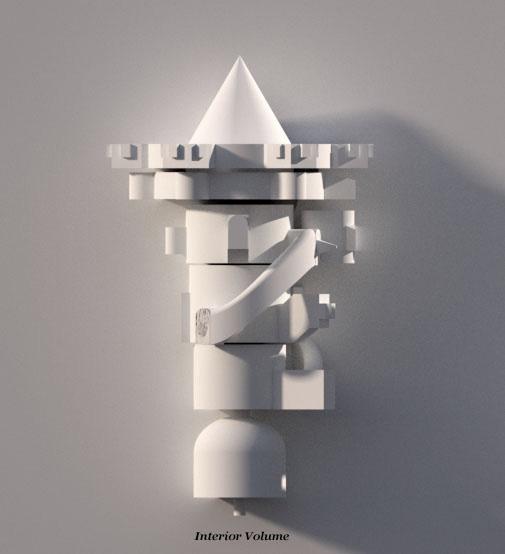
2. Spatial Sequence (inside-out object) Week 3
Task 1. Spatial Verbs- Design Iterations
IterationMatrix



Order/Disorder
Quotation
Design iterations are gen erated from the key words highlighting the spatial arrangement, materiality, formal quality.
Order/Disorder
 Boolean Inversion/ Negatives
Folding
Jump Cut
Illusions/ Optics
Embed Blur
WEEK 1-2
Transparency
Fragmentation
Anamorphic
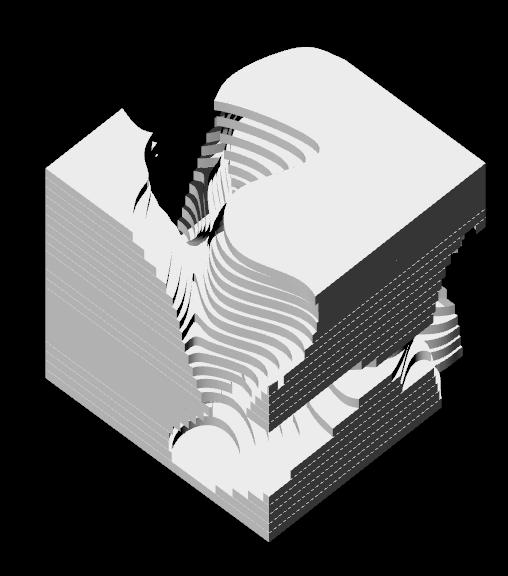
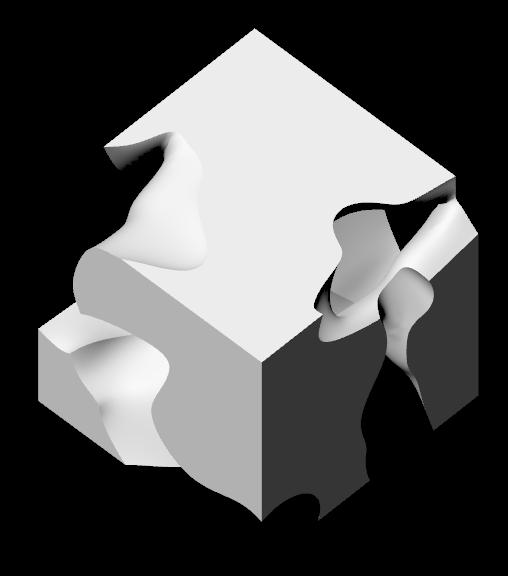
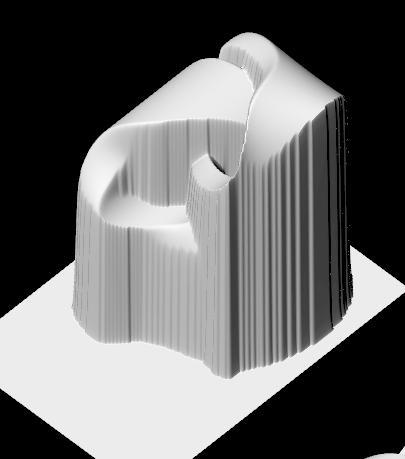
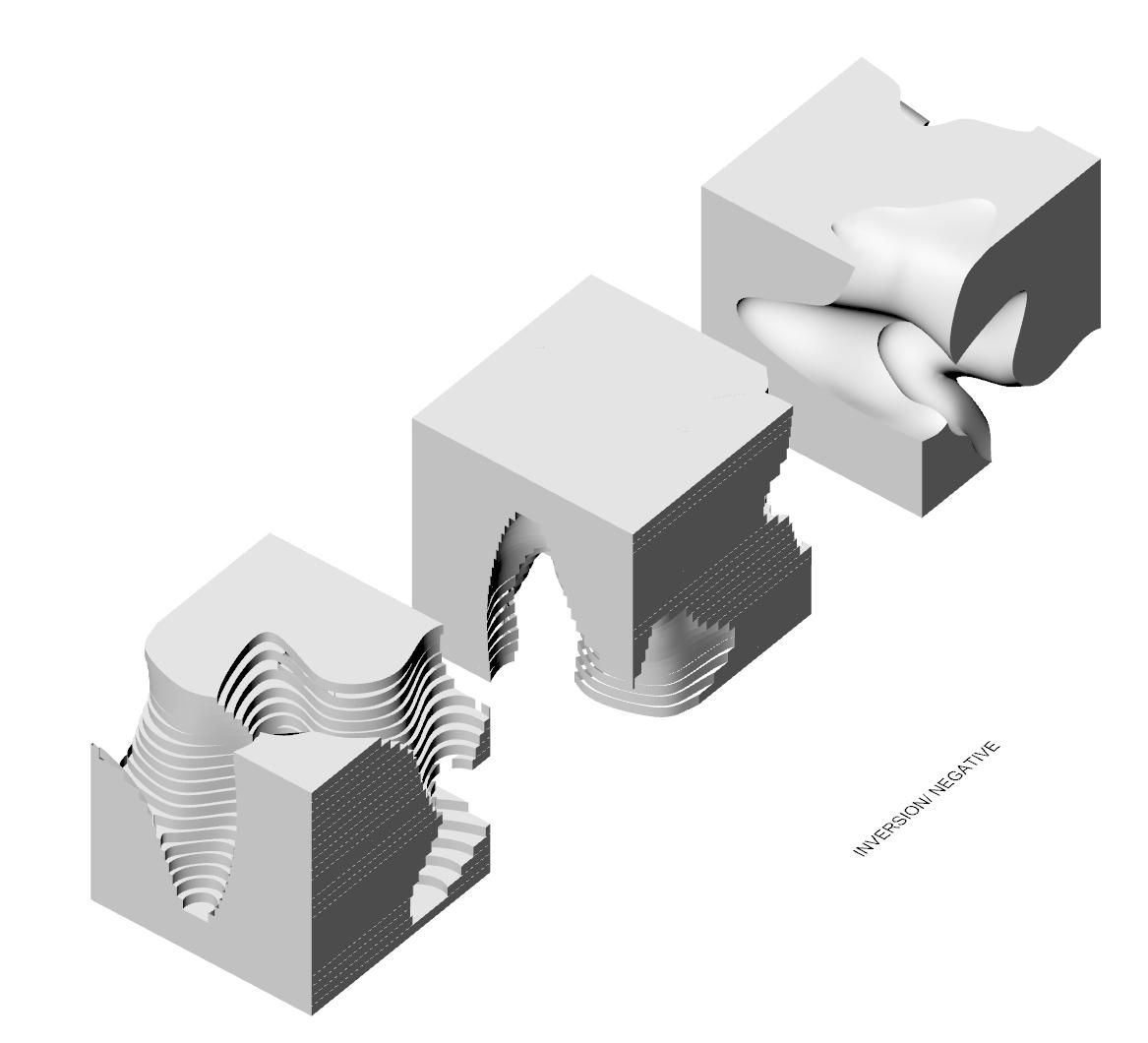
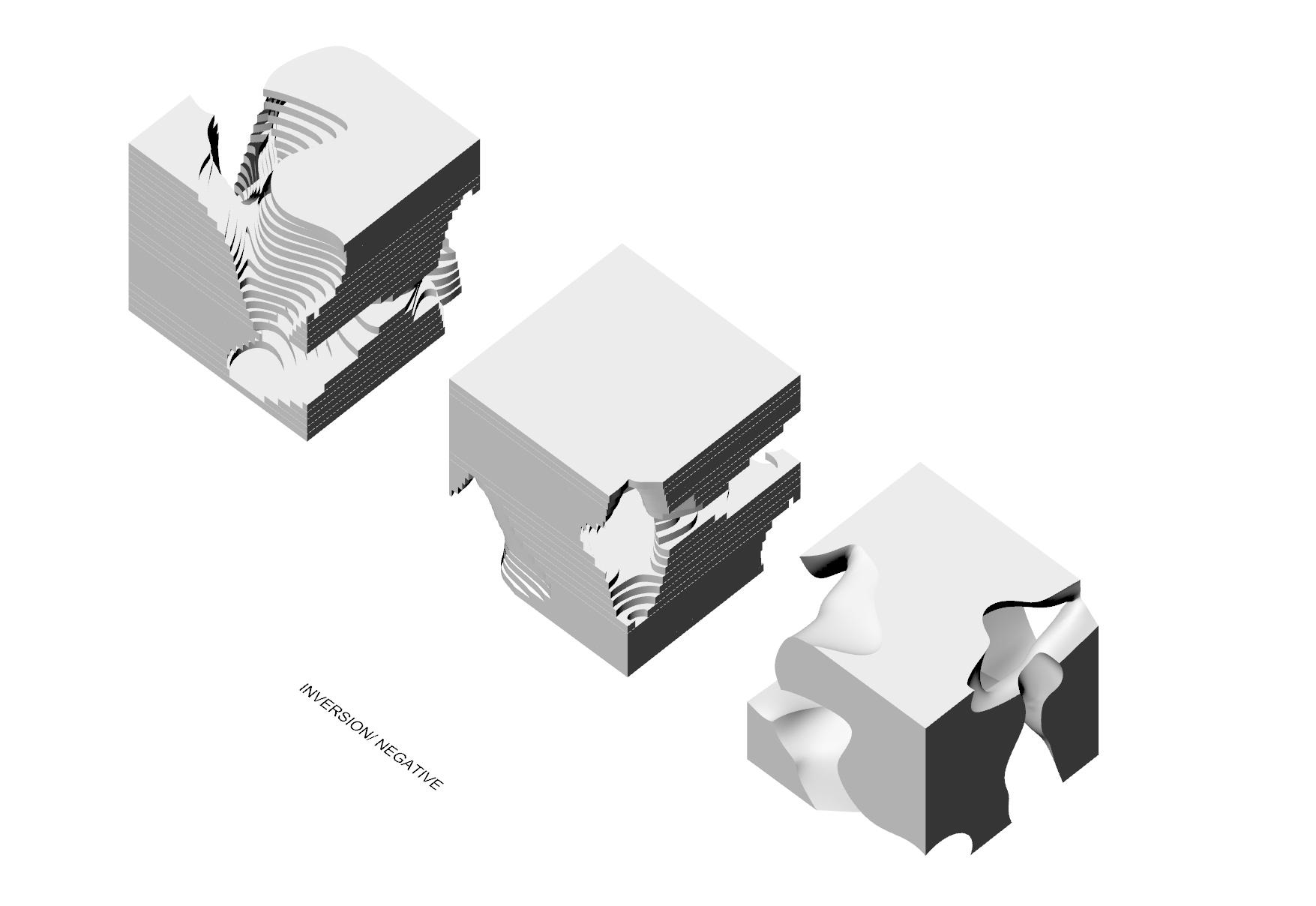
INVERSION/ NEGATIVES
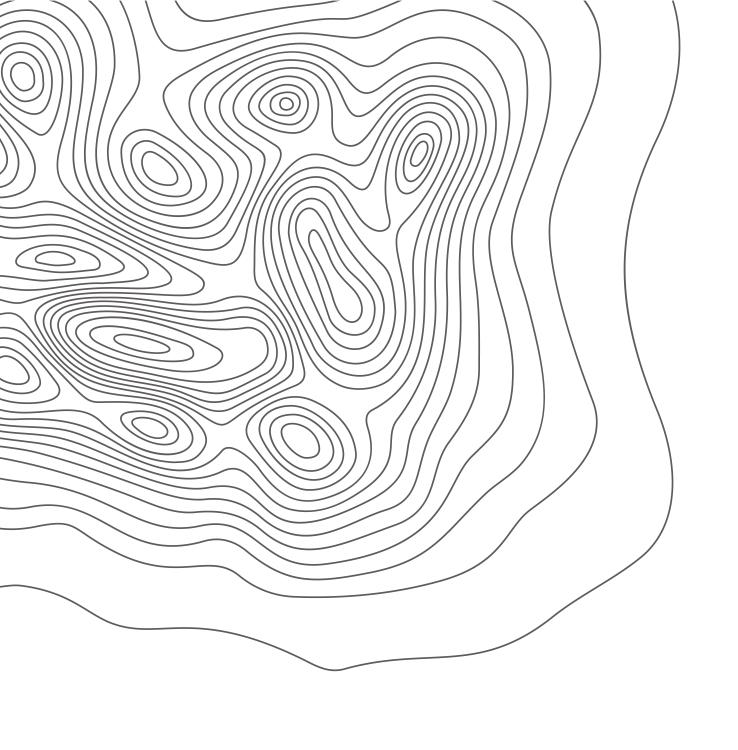
By using Boolean of fluid solids, the interior space becomes mountainous and when they are contoured it gives rise to potential of affordance spaces eg. seating, standing, climbing
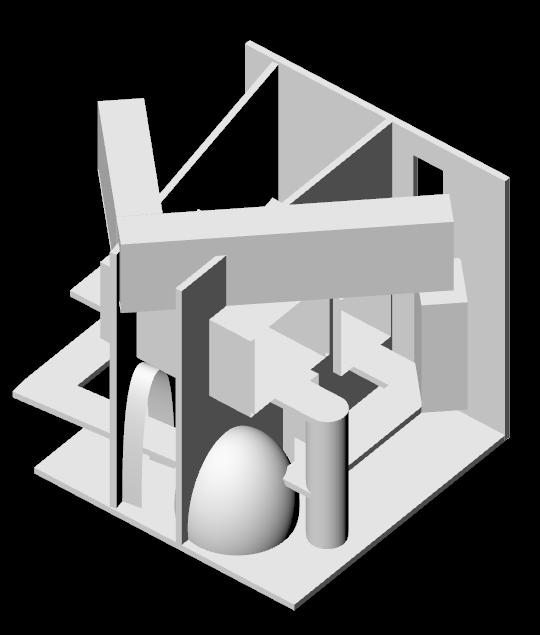
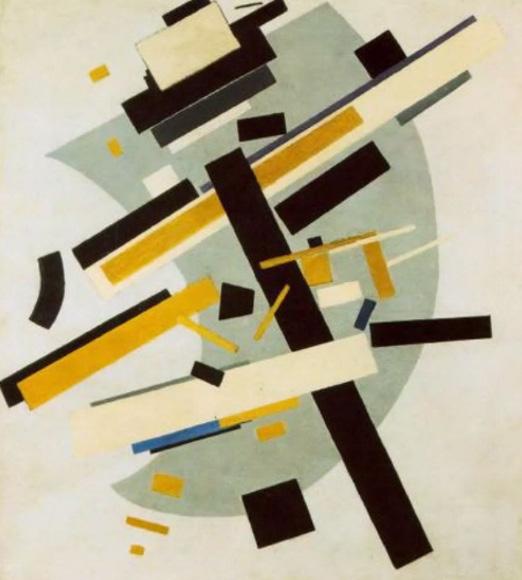
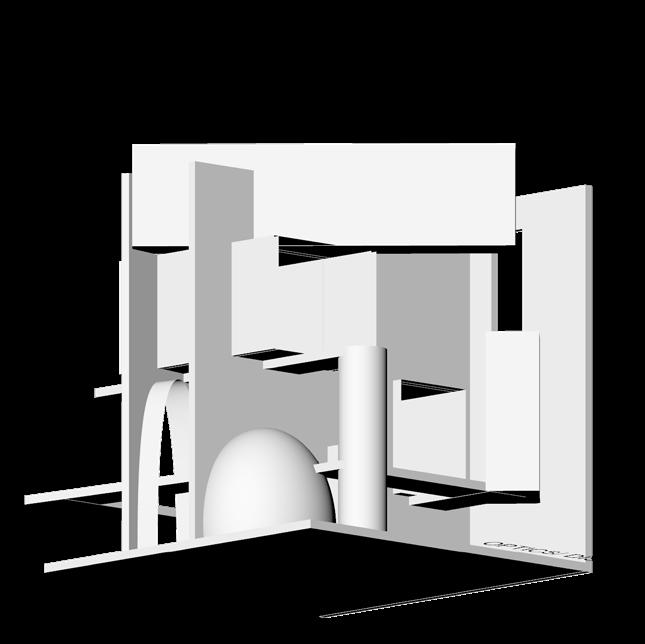
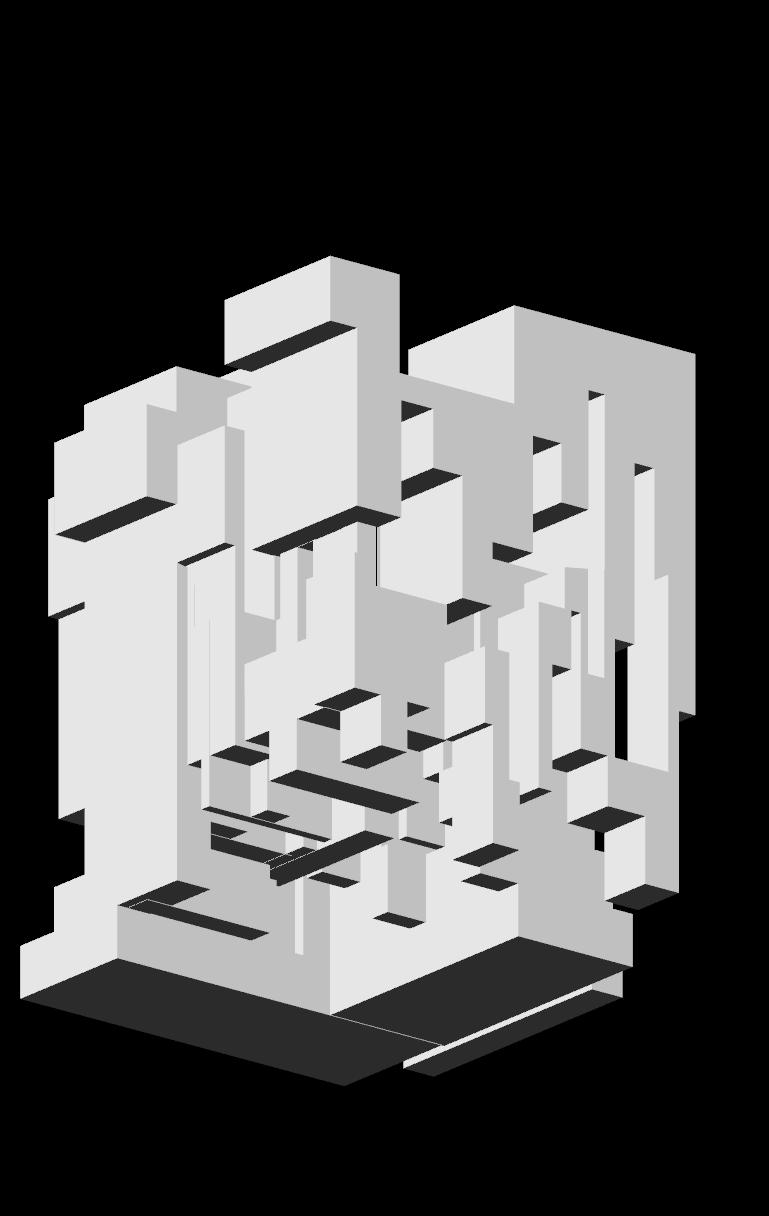
OPTICS/ ILLUSION
Inspired by Suprematism art works that renders the 2D float ing objects in 3D spaces and that these organisation can only be seen at certain angle. The spatial varies depending on the vantage points.Creating illusions of the
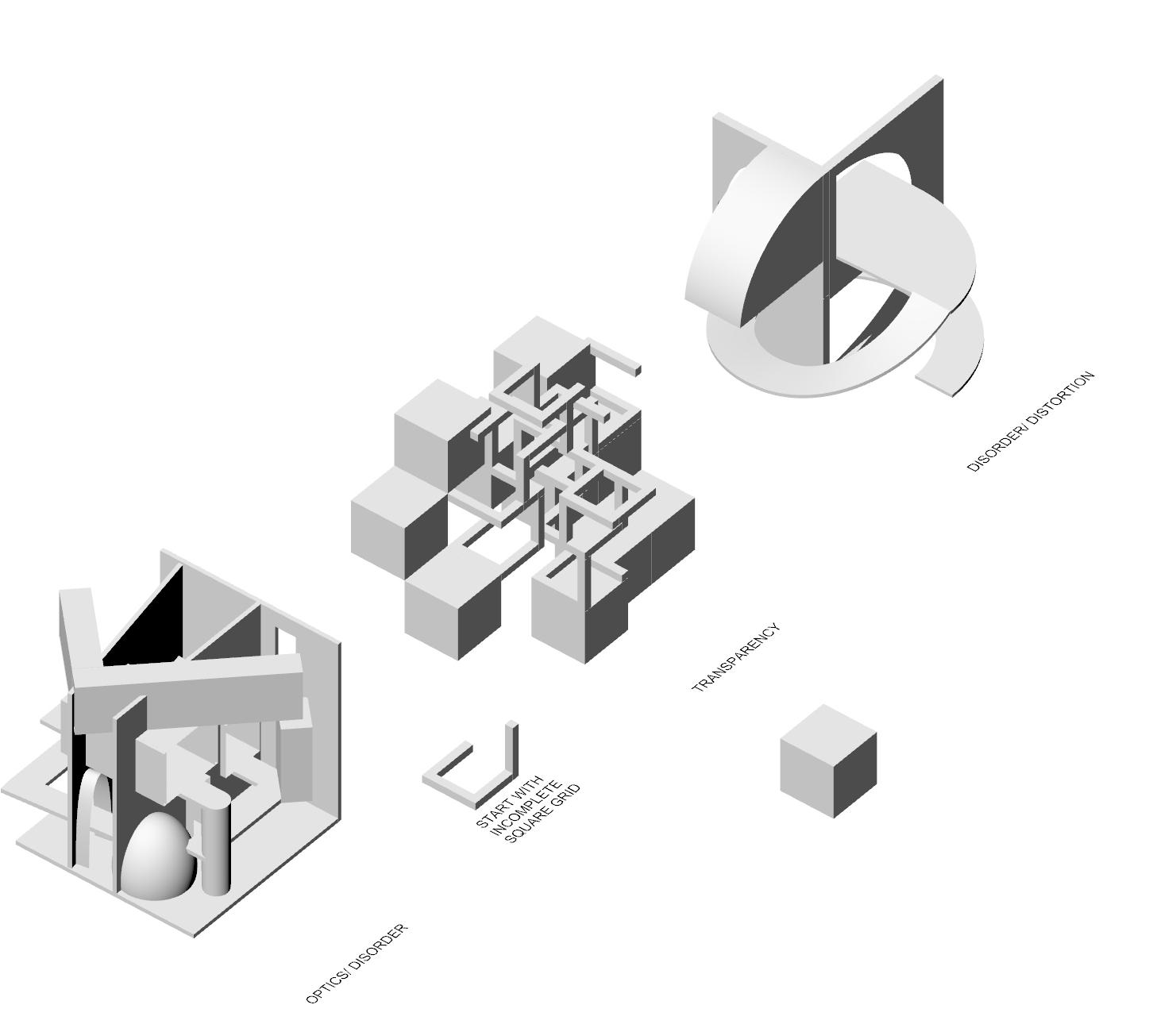
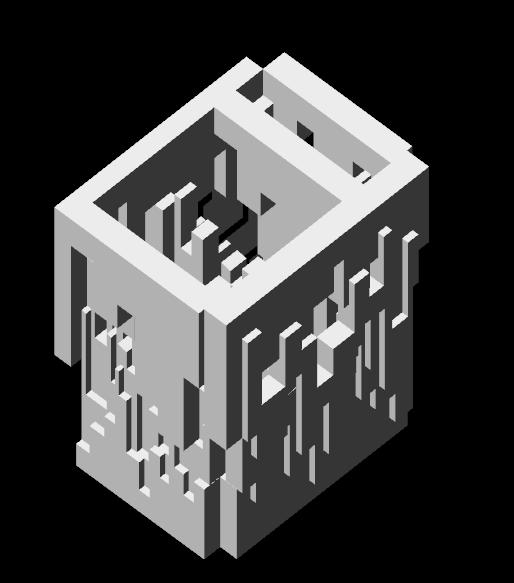
TRANSPARENCY
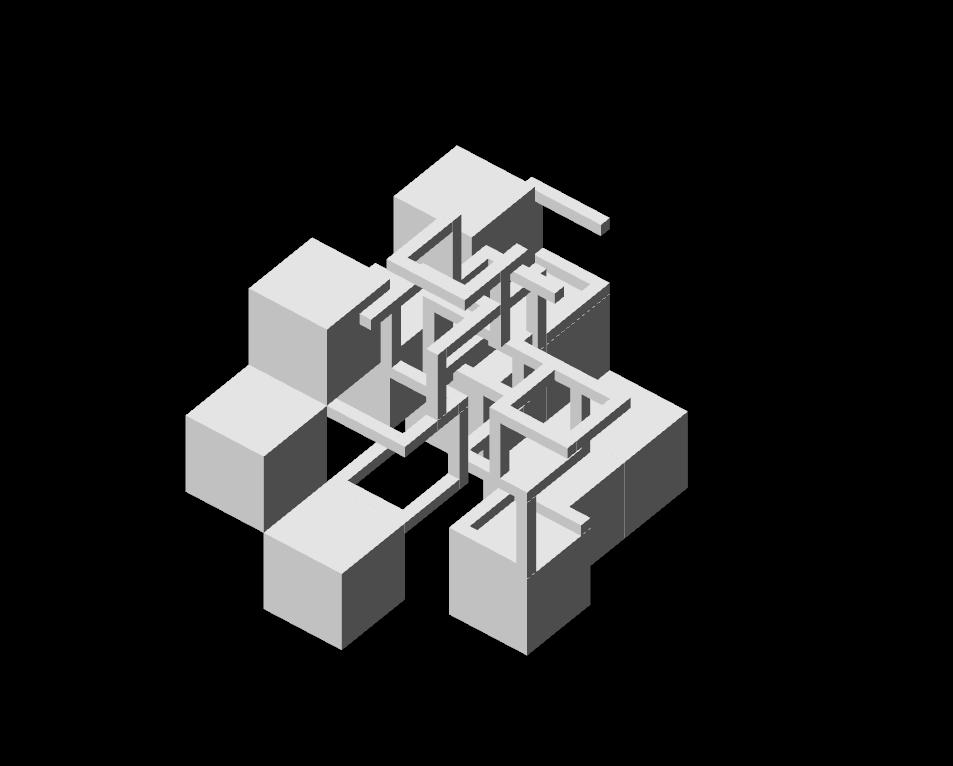
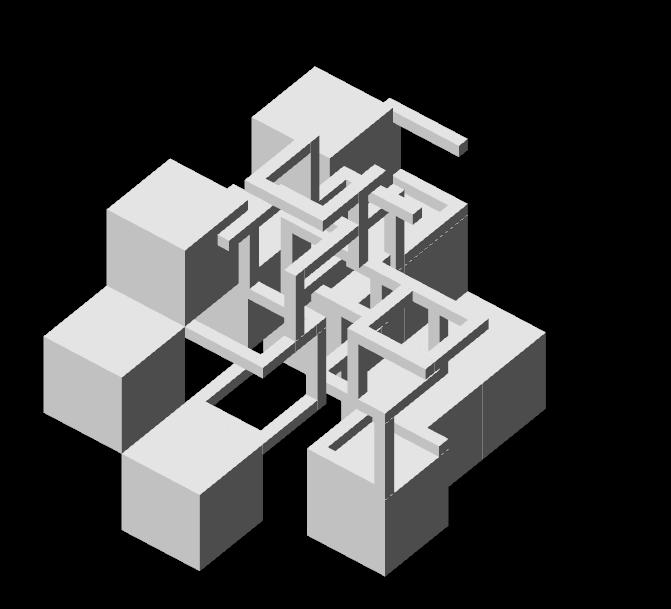
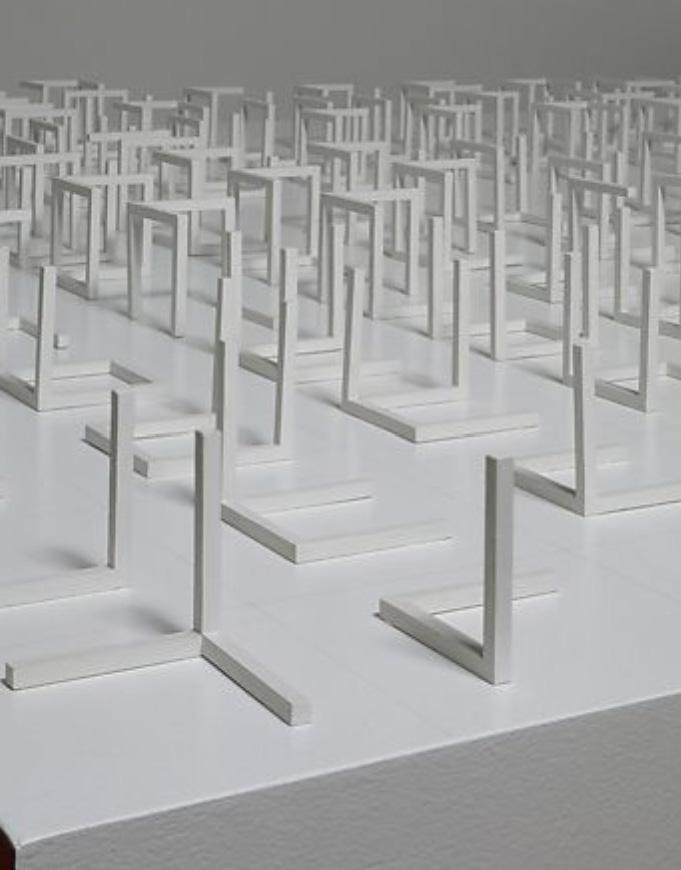
Inspired by Sol Le Witt’s work of incomplete cubes to channelise seriality. There are no closed spaces, all spac es are connected and with undefined boundaries.
At this stage, the arrangement of the cubes seems acci dental in creating permeable spaces.
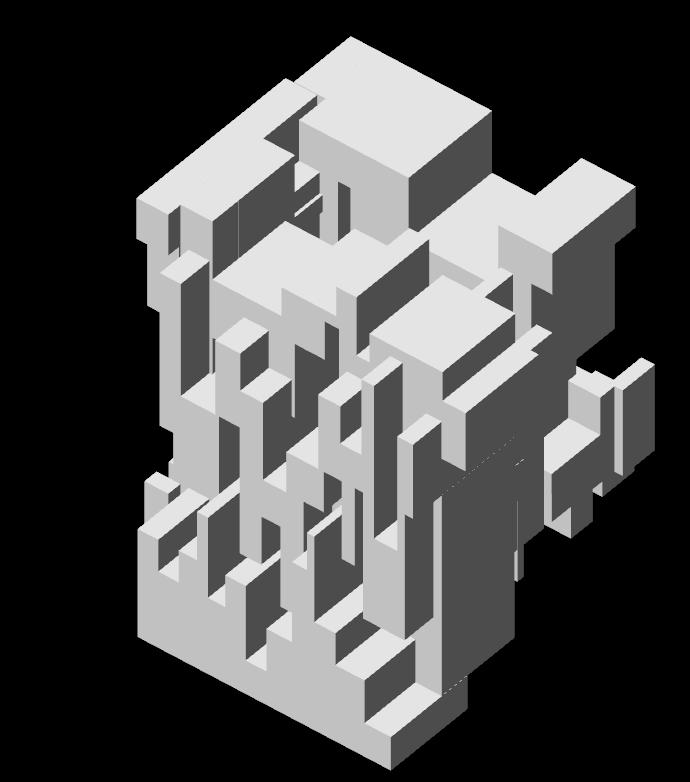
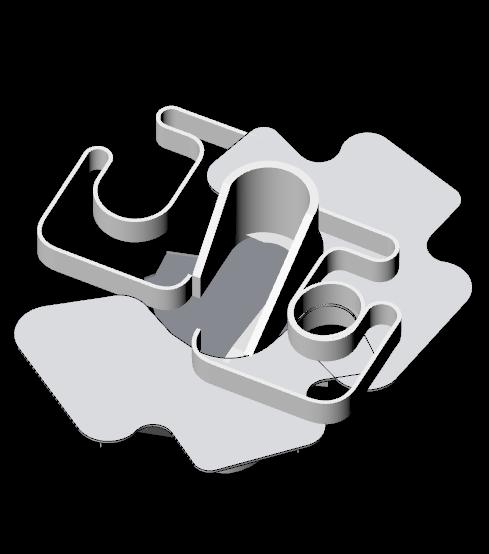
DISORDER
Repetition of geometric shapes create spatially chaot ic organisation. The repeated elements undego subtraction to serve different purposes.
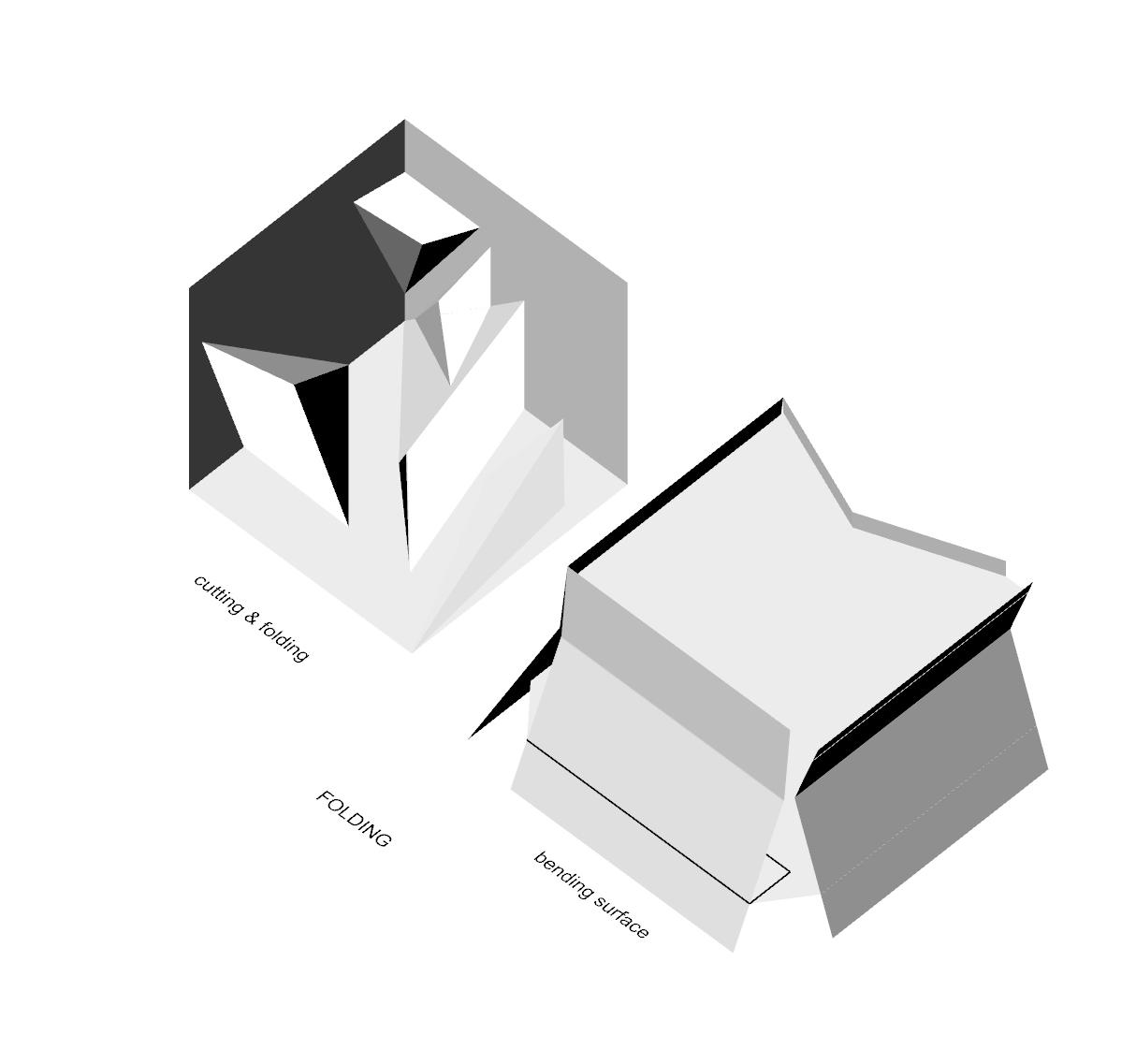
FOLDING
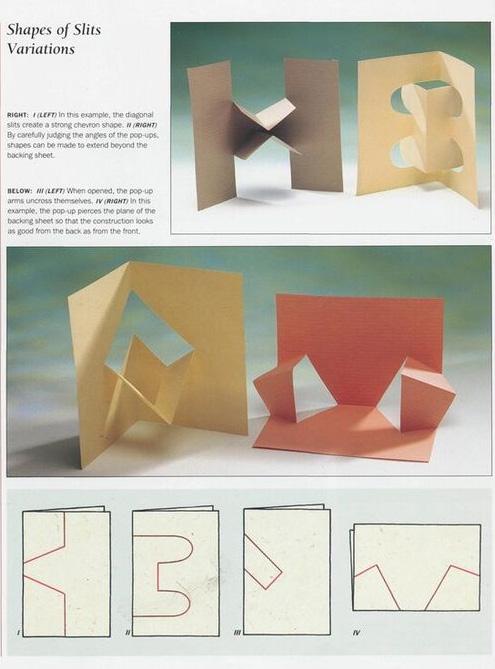
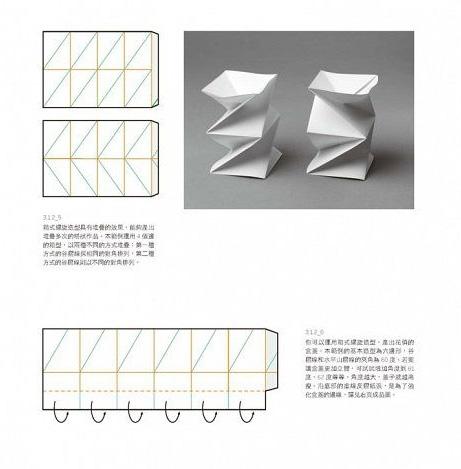
Inspired by paper cutting craft that create new 3D forms from cutted and folded planes without adding parts or subtracting parts from the whole solid
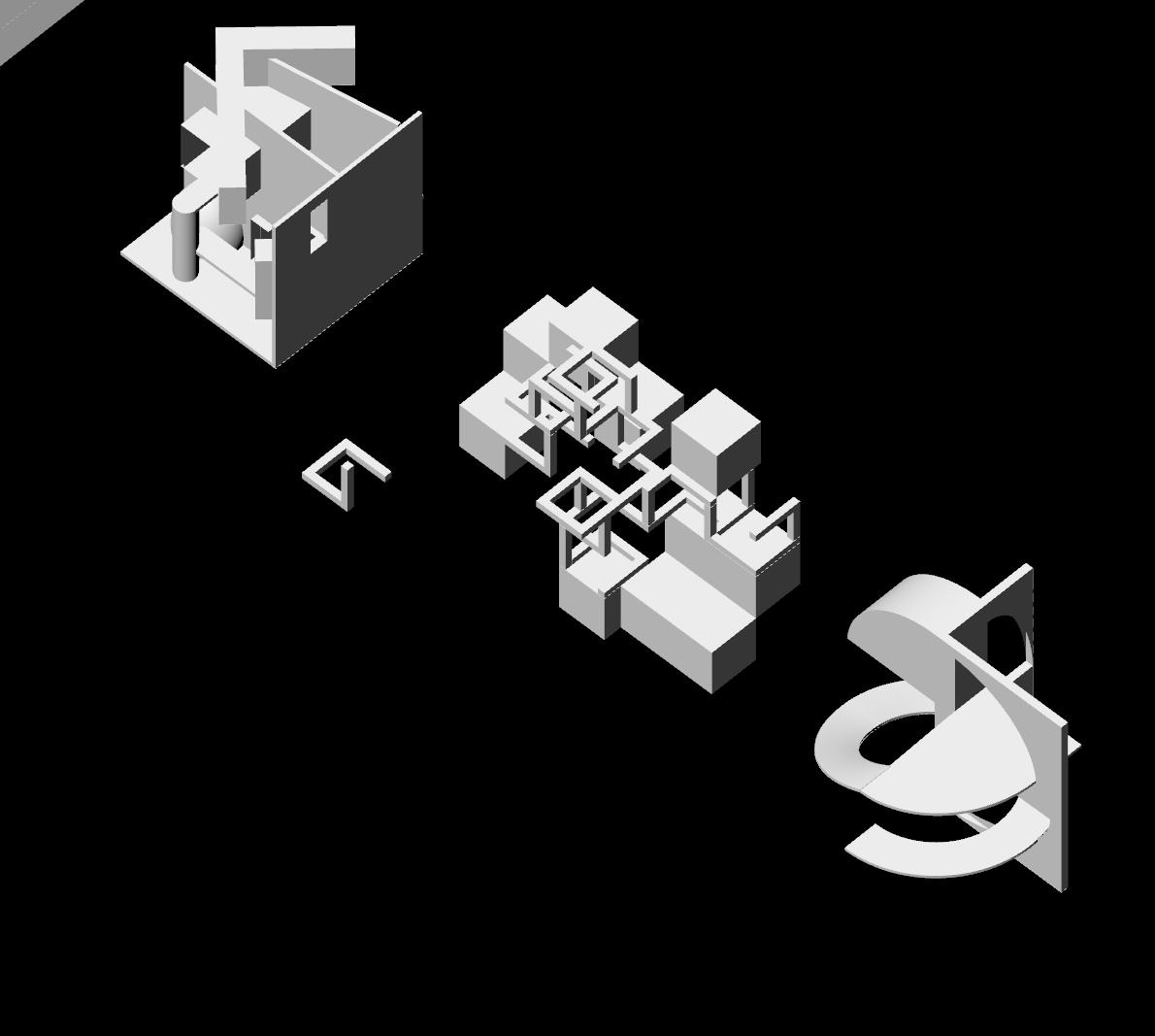
Another way of folding is to break the connected boundaries to allow light and view access into a solid.
EMBED
A mountainous form is generated with the embedding of an organic form.

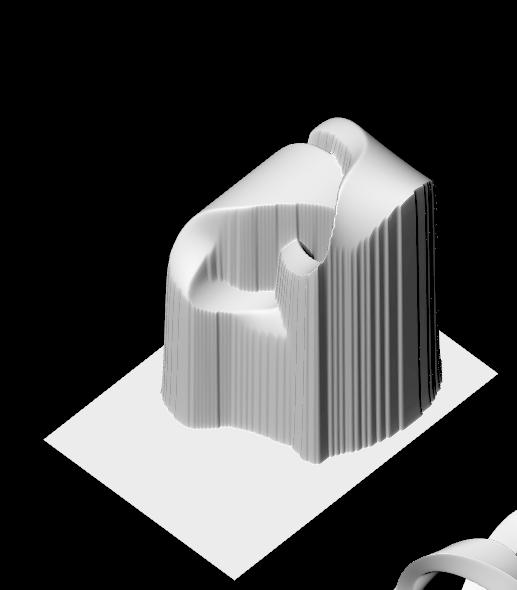
Inspired by Christos’ art work
FRAGMENTATION
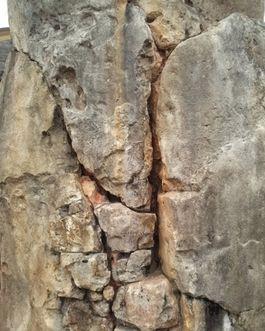
The parts of building that are cutted out forms the ‘parasit ic’ pieces of the form. Similar to the composition of rocks that cracks as they ages, and the cracked gaps are filled in with smaller pieces of loose particles.
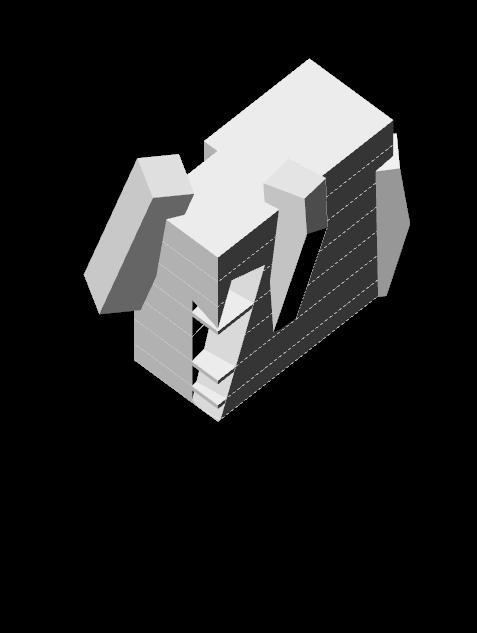 Embedded object
QUOTATION
Integrated the Casa das Ca noas by Niemeyer. Organic form is combined with or ganic form where the organic forms forms a new accessible path three dimensionally transitioning from ground to roof.
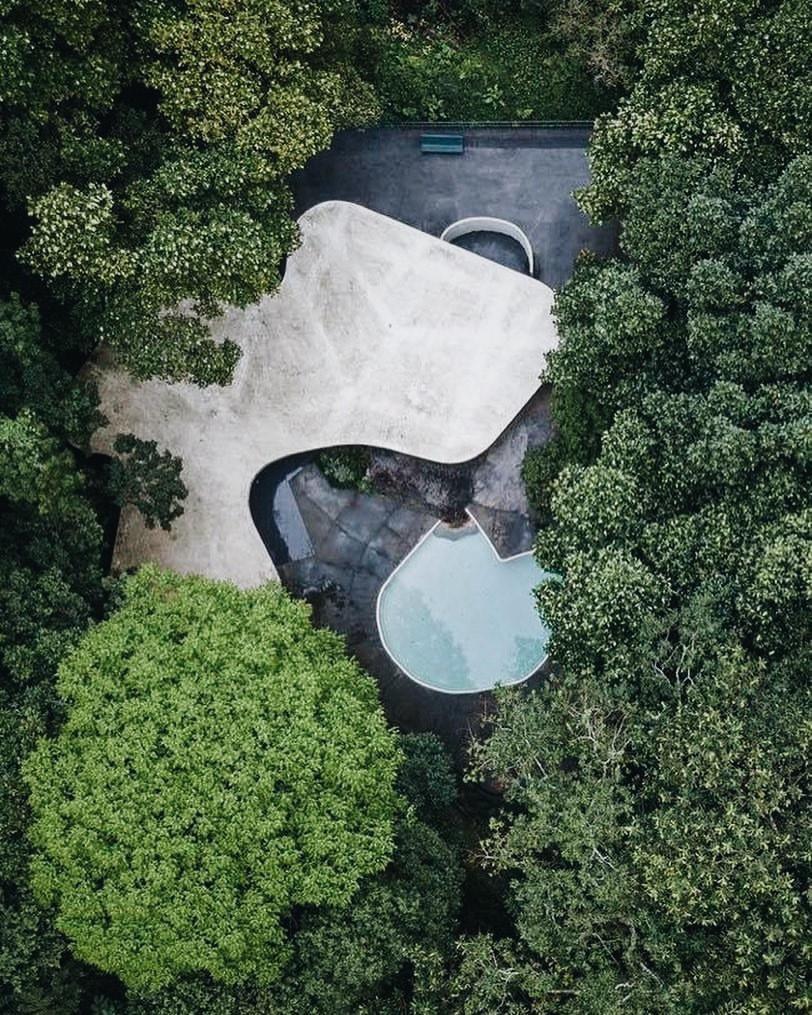
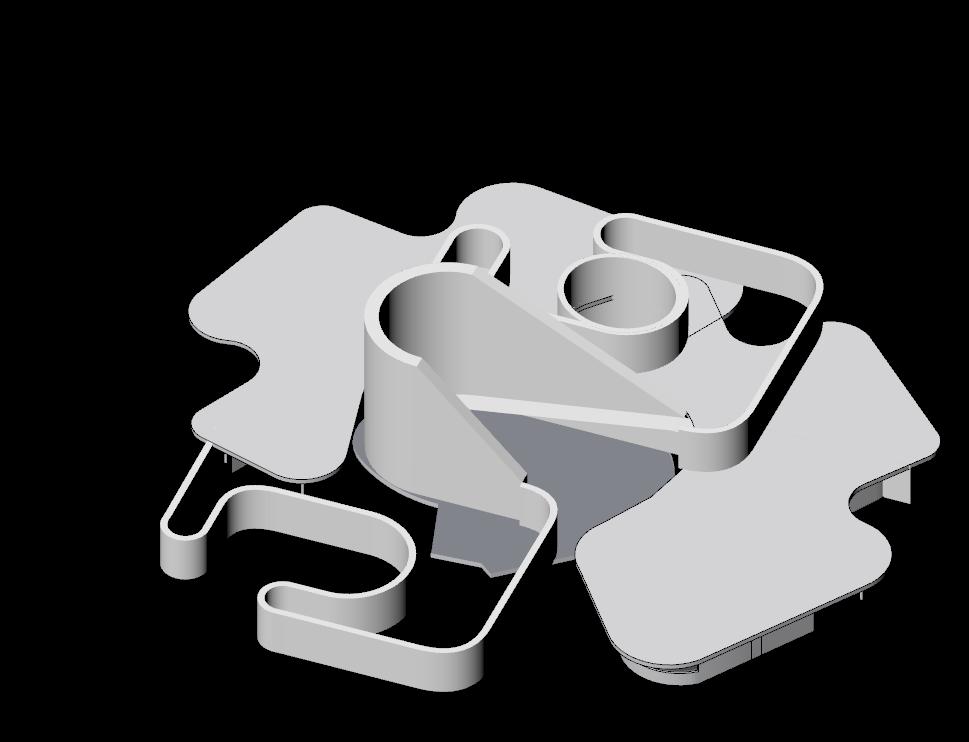
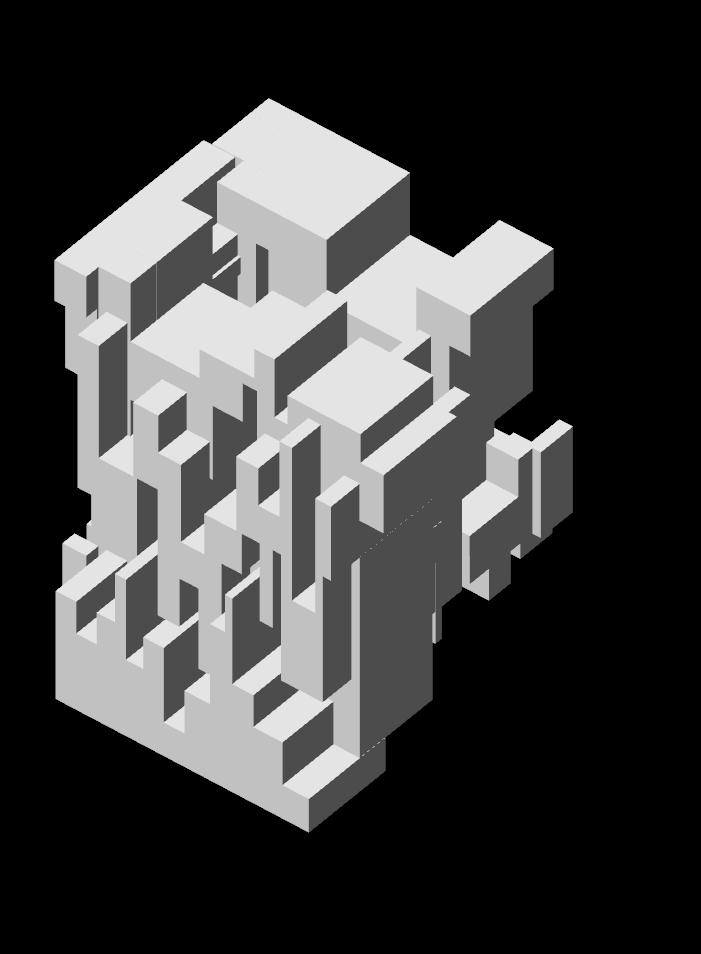
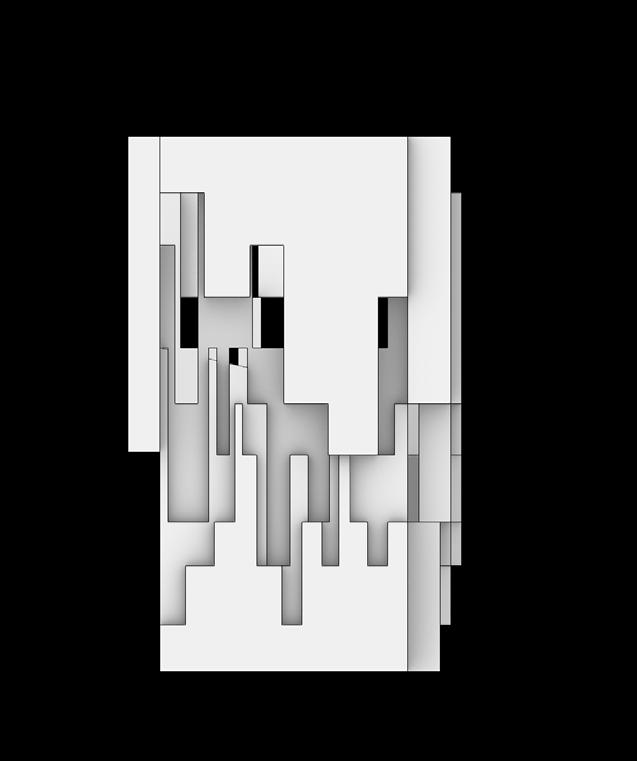
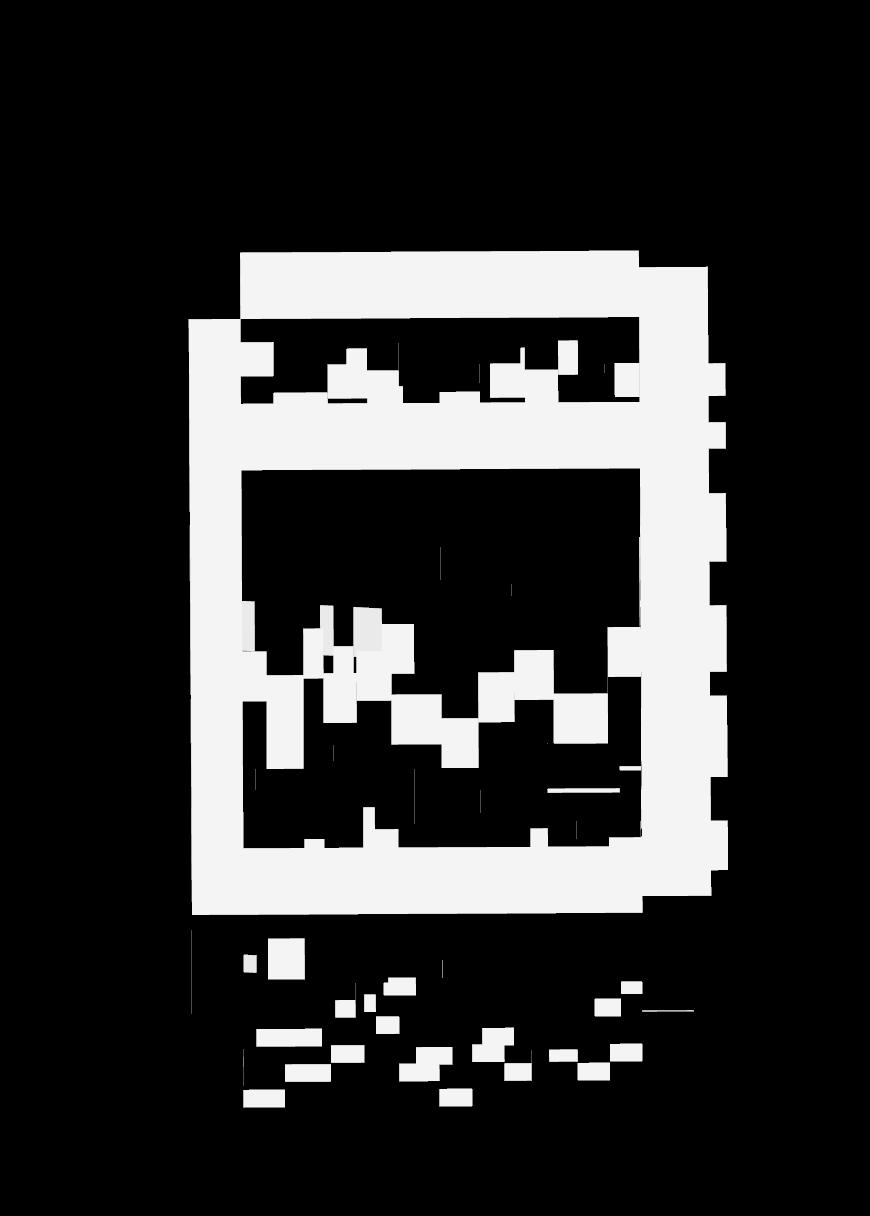
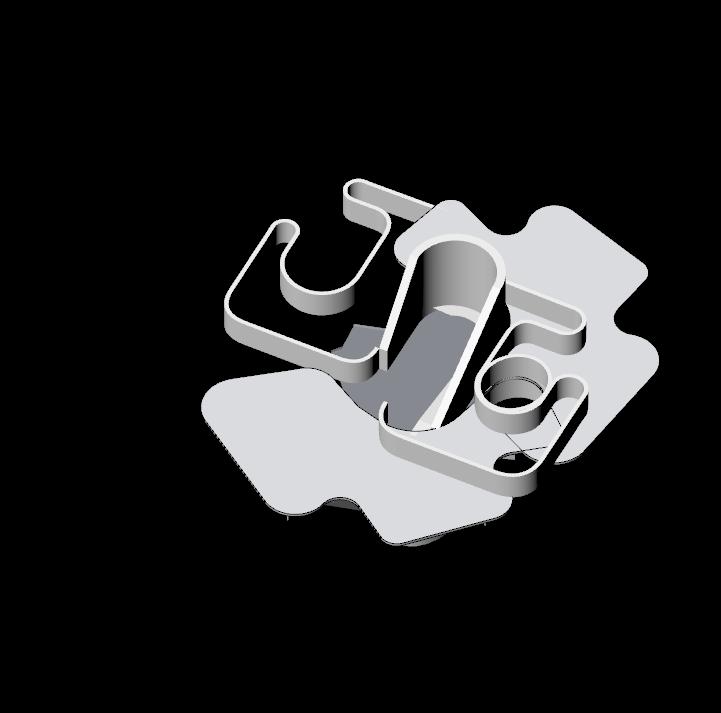
JUMP CUT
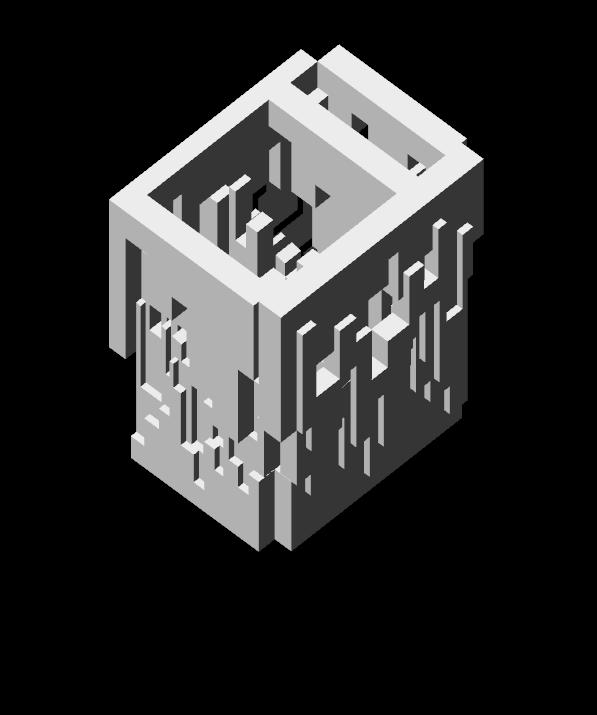
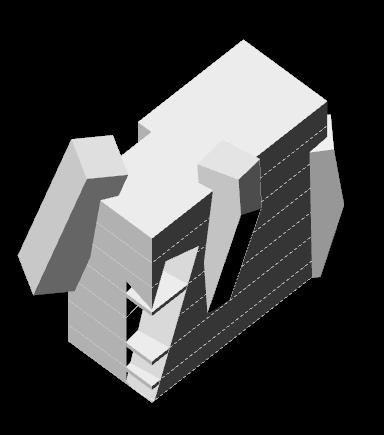
By layering strips of varying length, openings are formed where the strips don’t align. This creates contrast between light and dark spots within a solid.
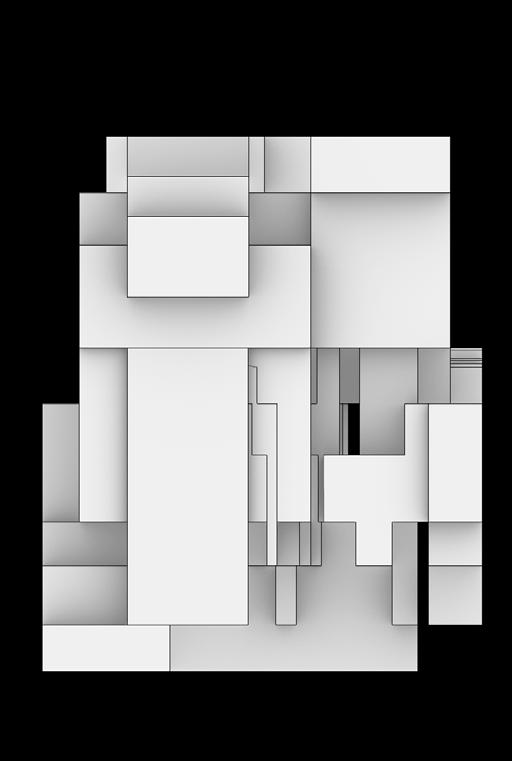
Section
Section
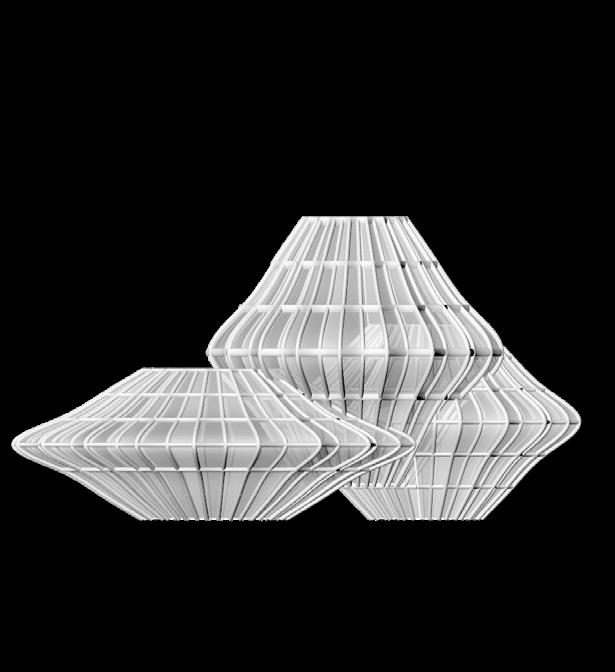
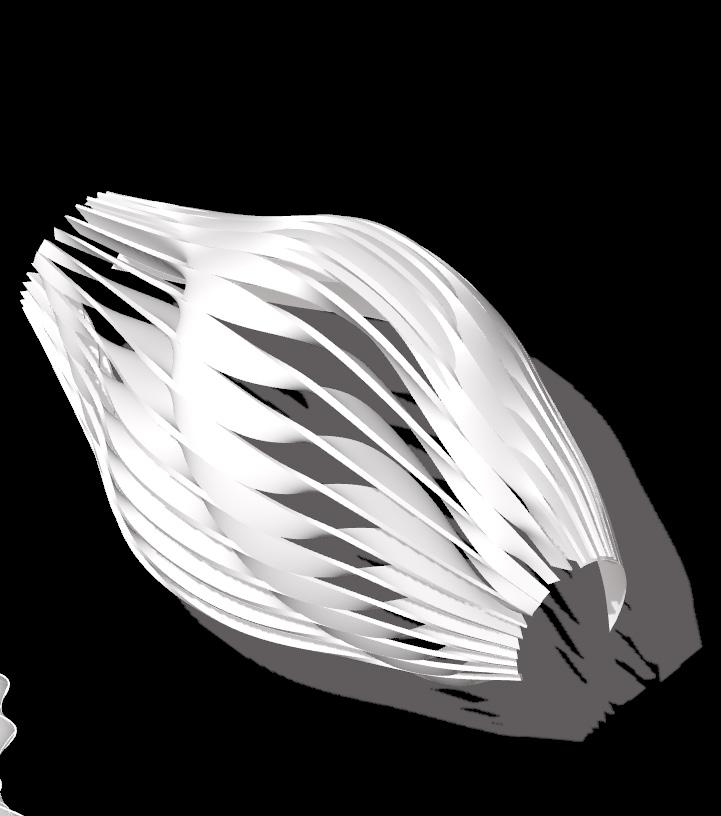
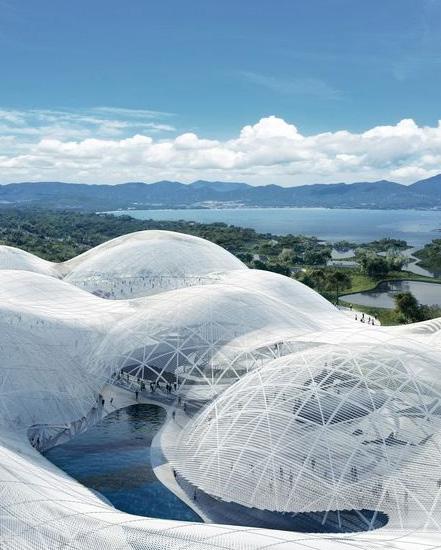
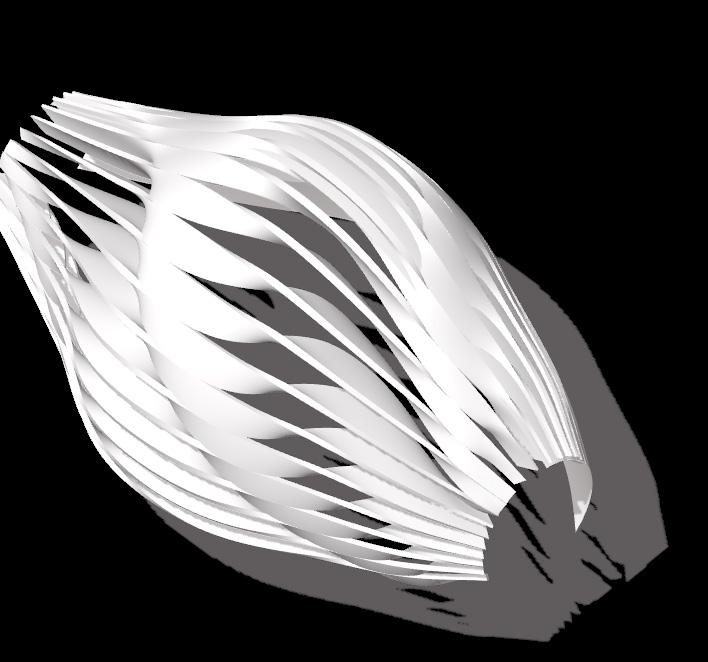
BLUR
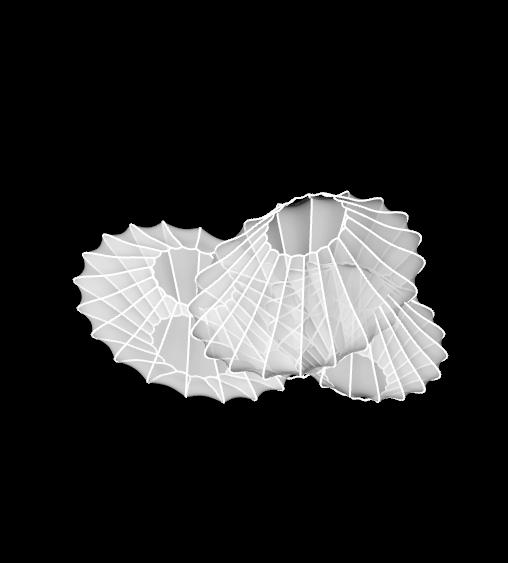
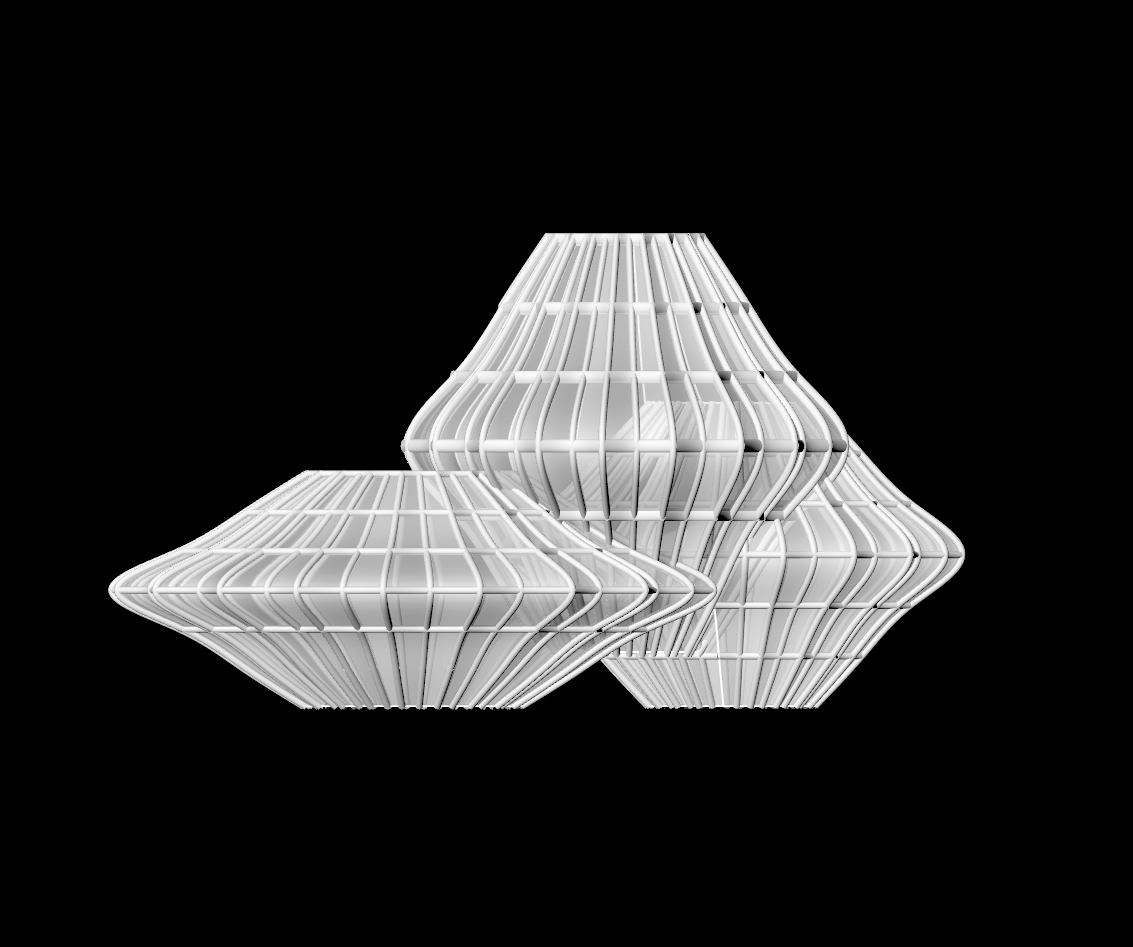
The form seeks to mimic the shape of cloud and the trans parent material hopes to blur of the form’s boundary. The skeletal elements accentuates the curvature to demonstrate dynamism.




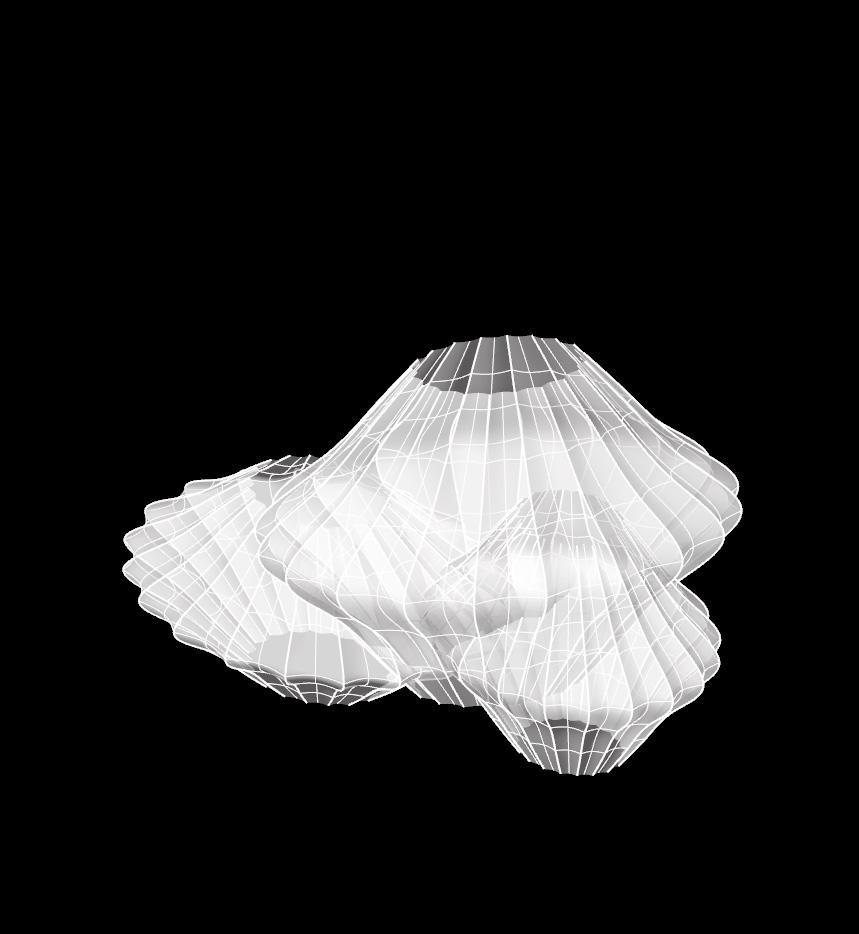
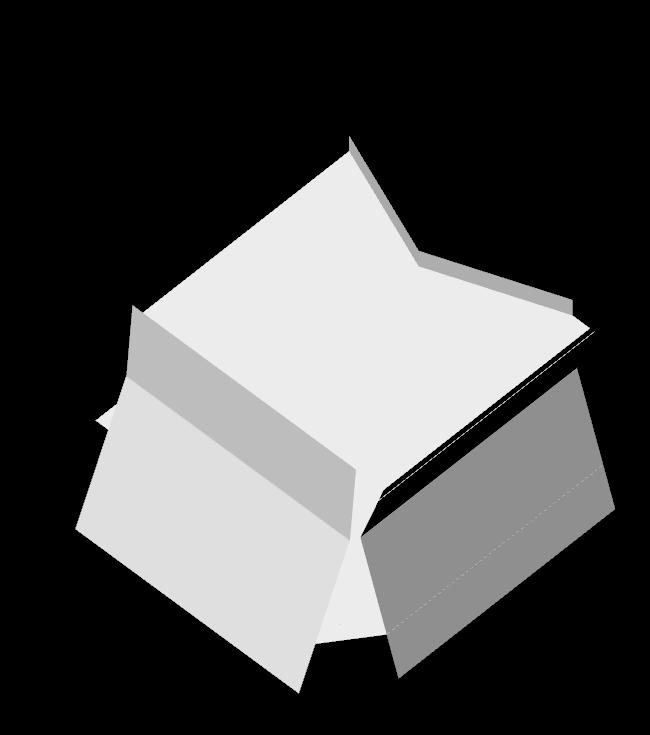
ANAMORPHIC
Despite the anamorphous form, a perfect geometric circular form can be derived at certain angle.
 SANAA Shenzhen Maritime Museum
Precedent Study
Work with Heather (Xinyi) Chen
Source: https://www.archdaily.com/960363/so-ils-new-art-campus-in-brooklyn-to-open-this-summer
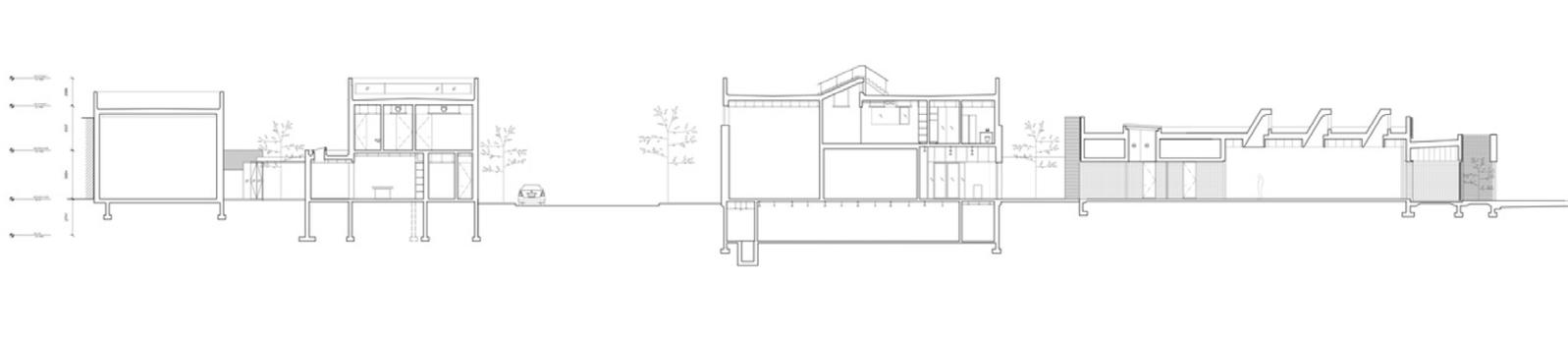
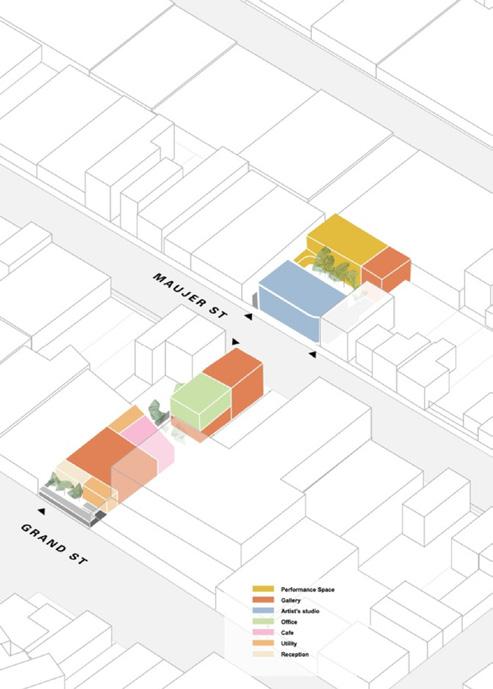
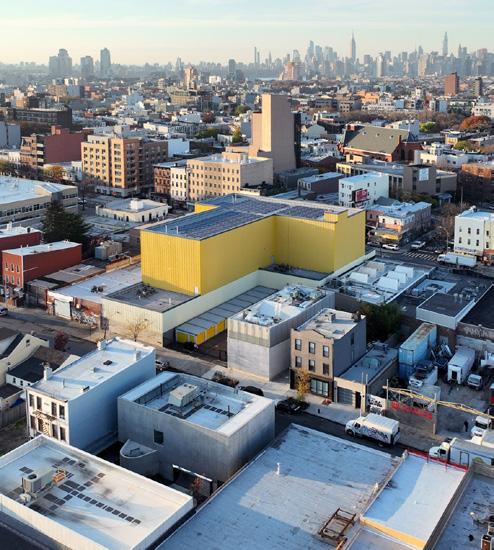
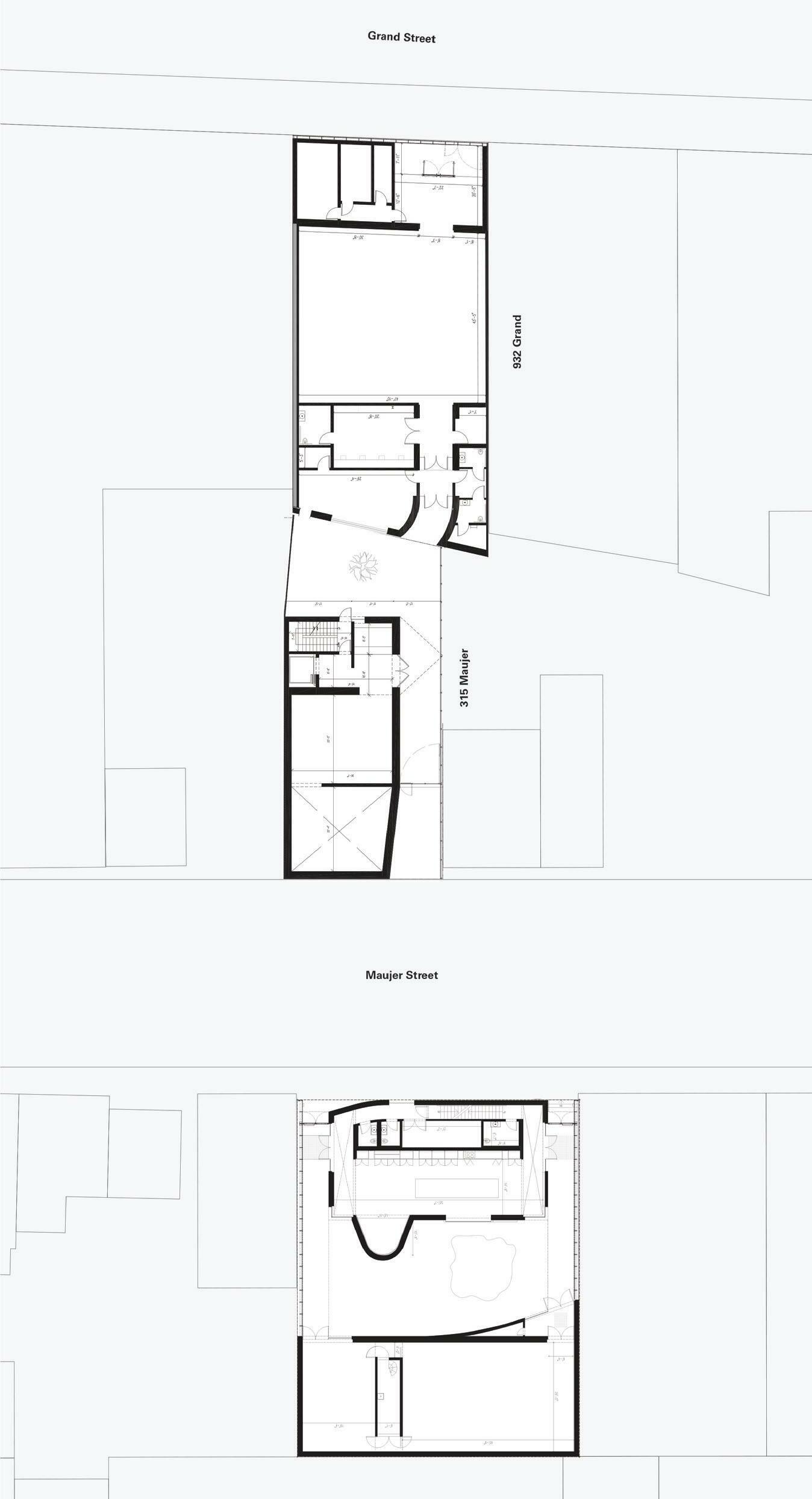
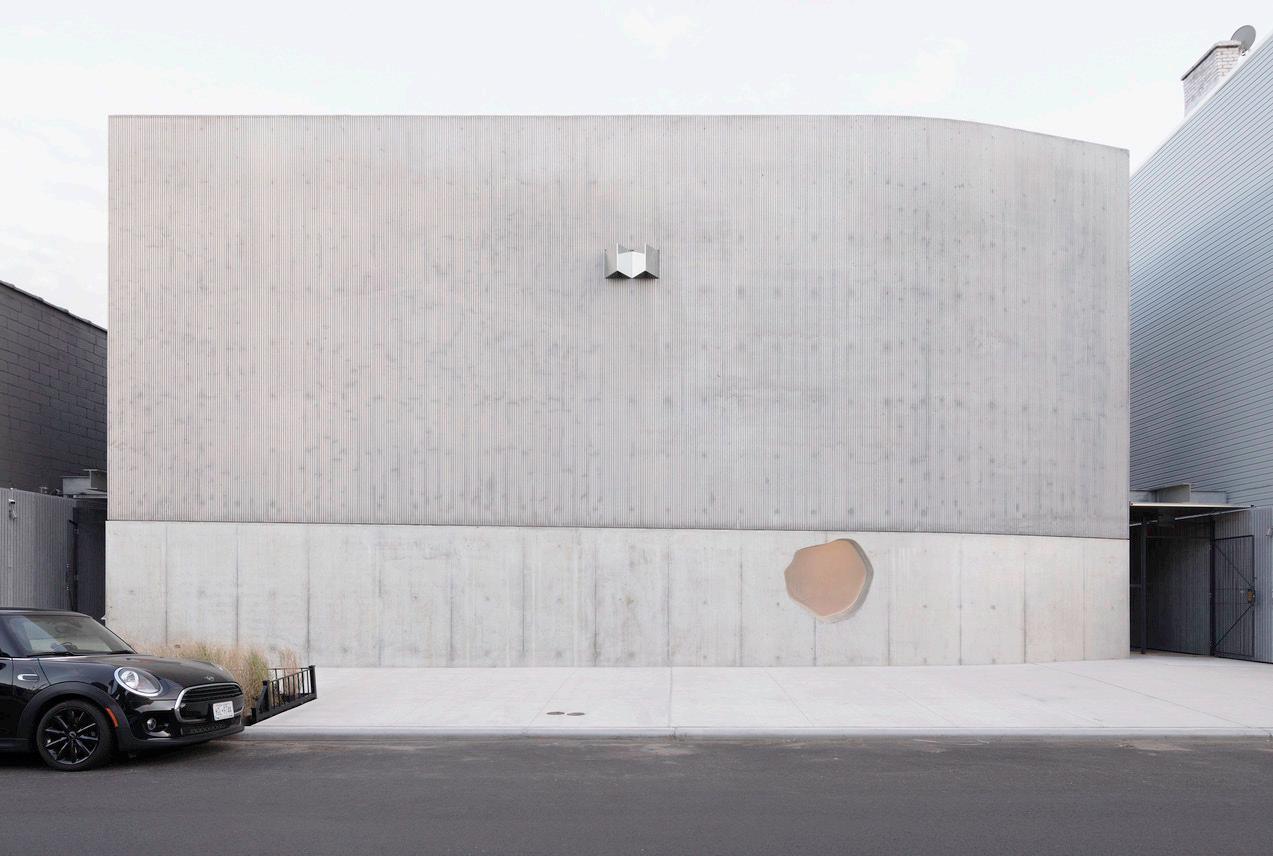
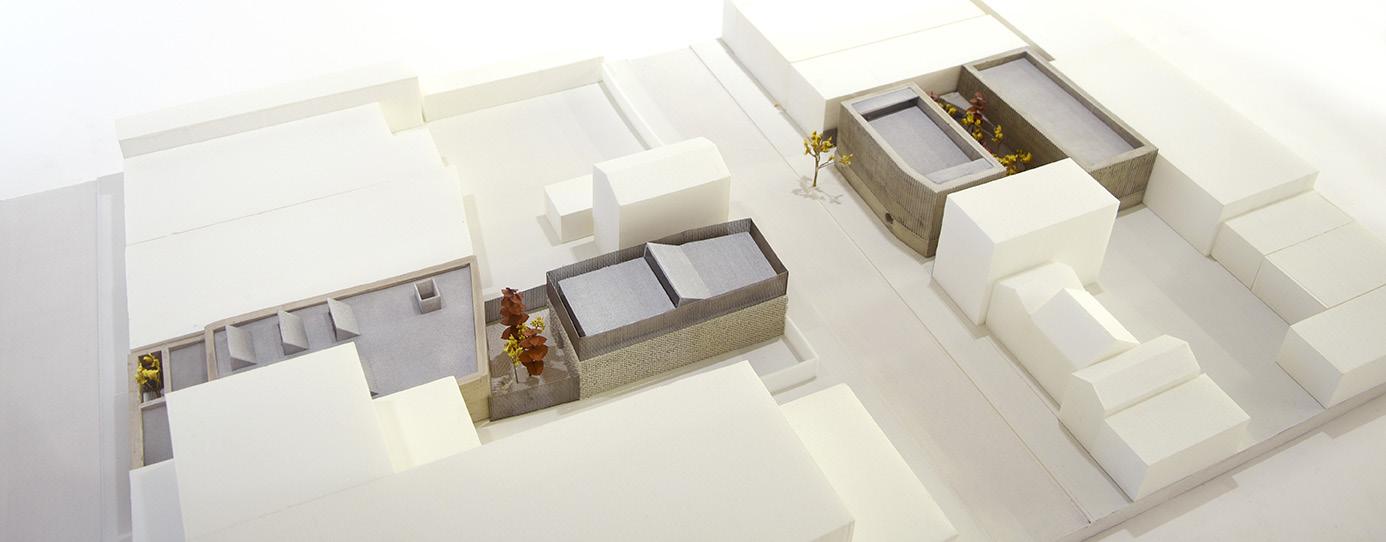
The 3 groups of campus buildings are embeded across the city blocks of Brooklyn. Rather than inward-facing and isolated from the public access, they buildings are weaved into the urban fabric to contribute to local community.
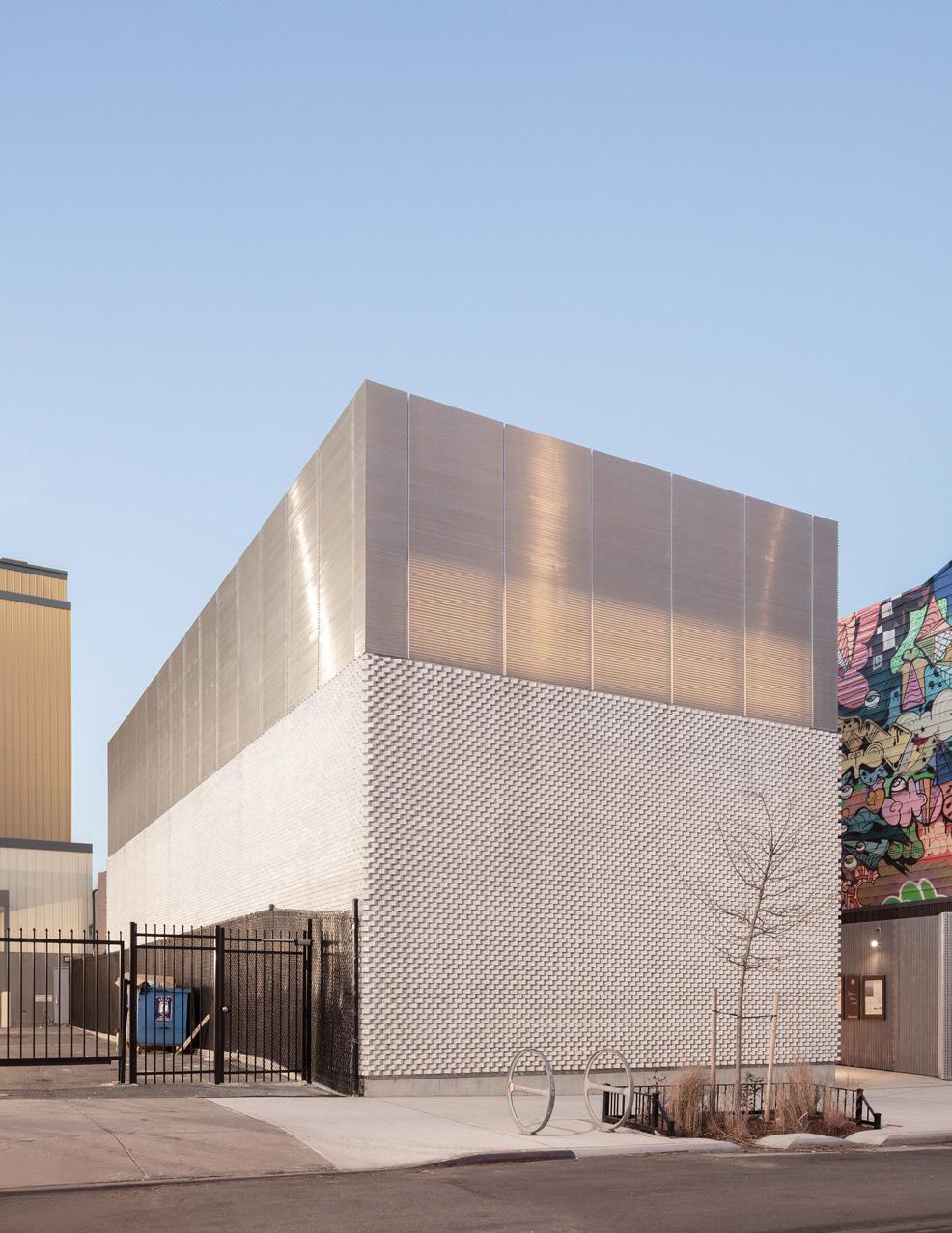
The campus nestled amongst industrial buildings, there fore the form also seems to blend in with the ‘ordinary’ but offers suprises upon entering it.
Courtyards is the new thoroughfare through urban blocks.
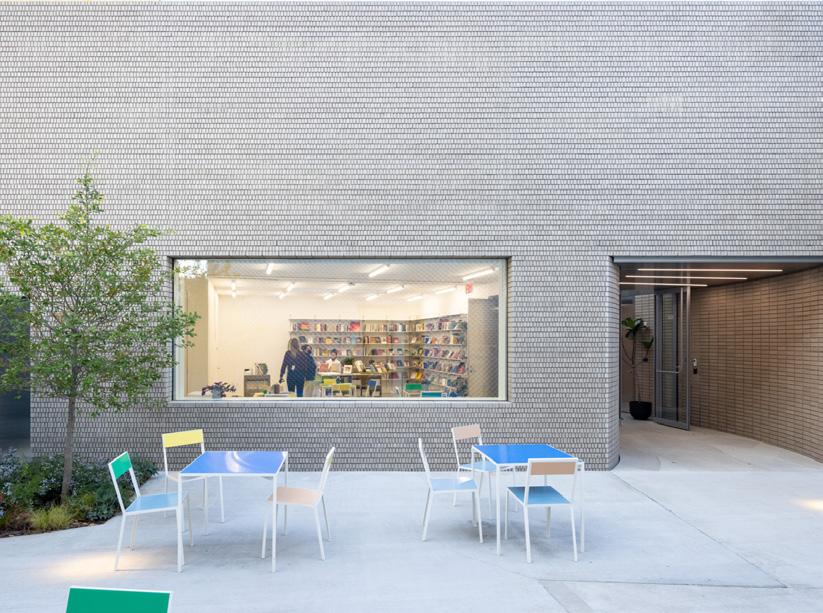
Creating urban voids.
Visitors can channel pass the private building periphery to arrive at the open public courtyard.
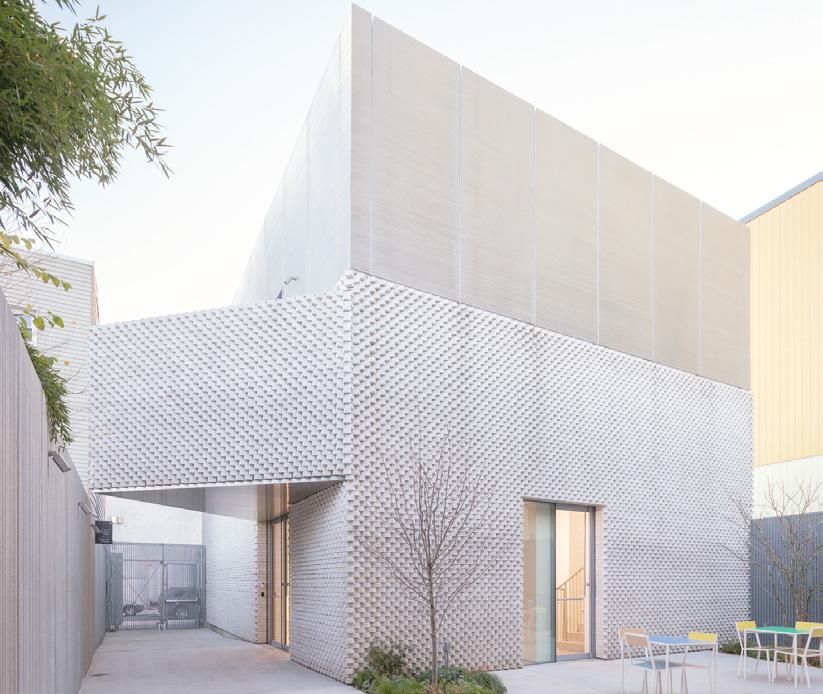
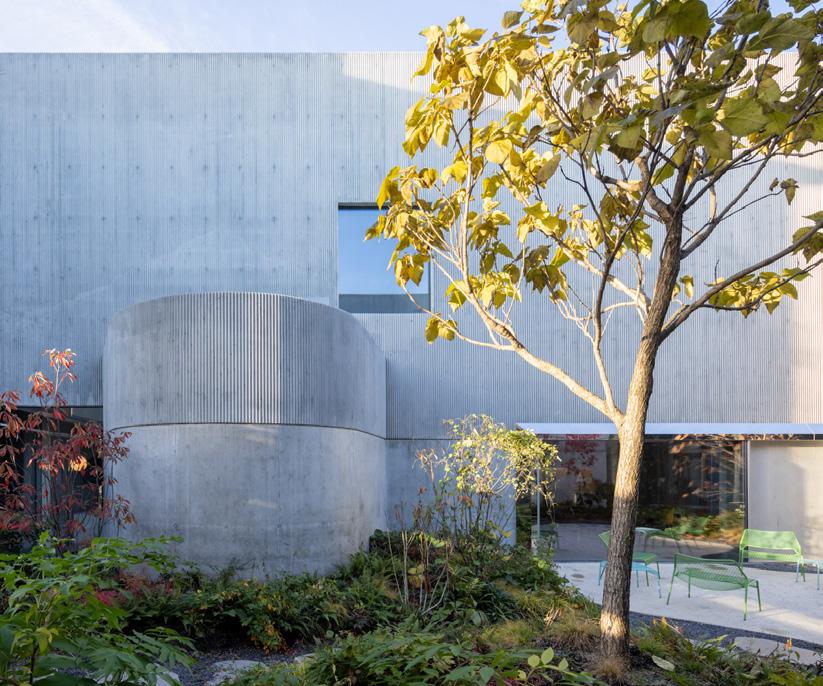
“Informal encounter”. No formal entrance as of usual gallery organisation
Source: https://www.archdaily.com/960363/so-ils-new-art-campus-in-brooklyn-to-open-this-summer
WEEK 2 COMPOSITION & MOVEMENT
“Innovative cultural incubator”
SO-IL Amant Art Campus Gallery 2021
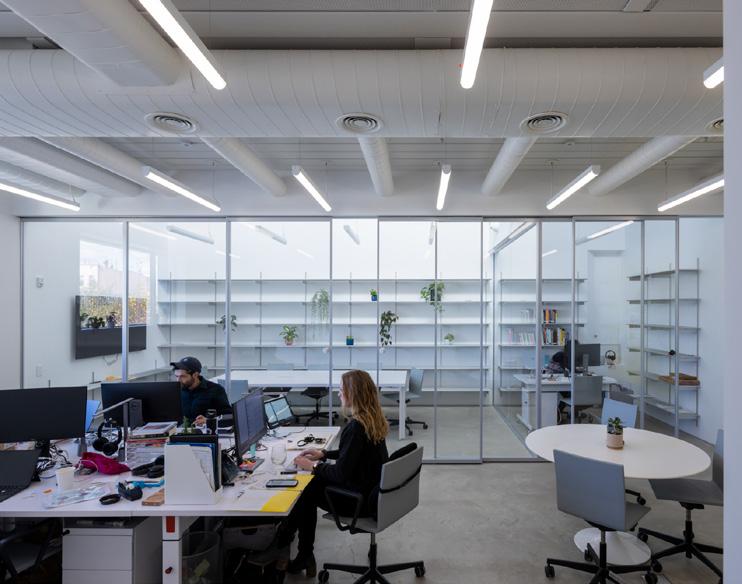
As the buildings are inserted into the industrial context, bounded by existing buildings, many of the daylit strategies rely on skylights or openings towards the courtyard.
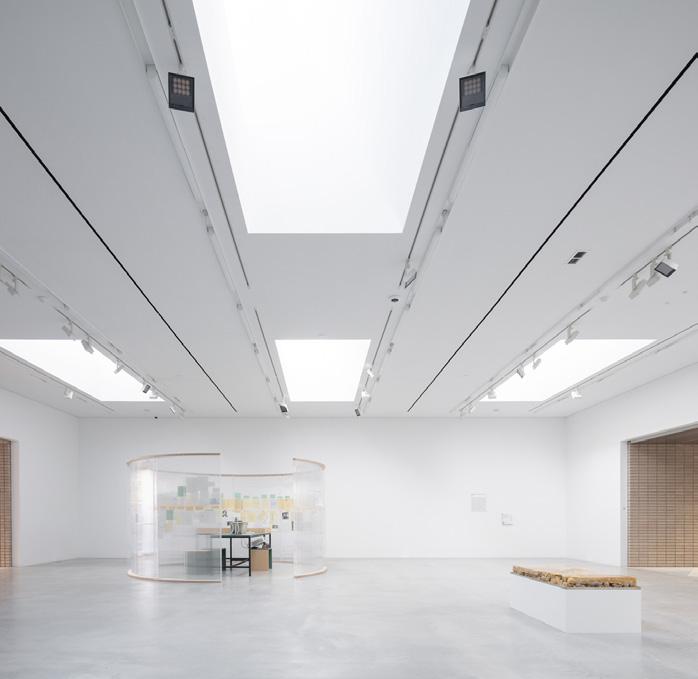
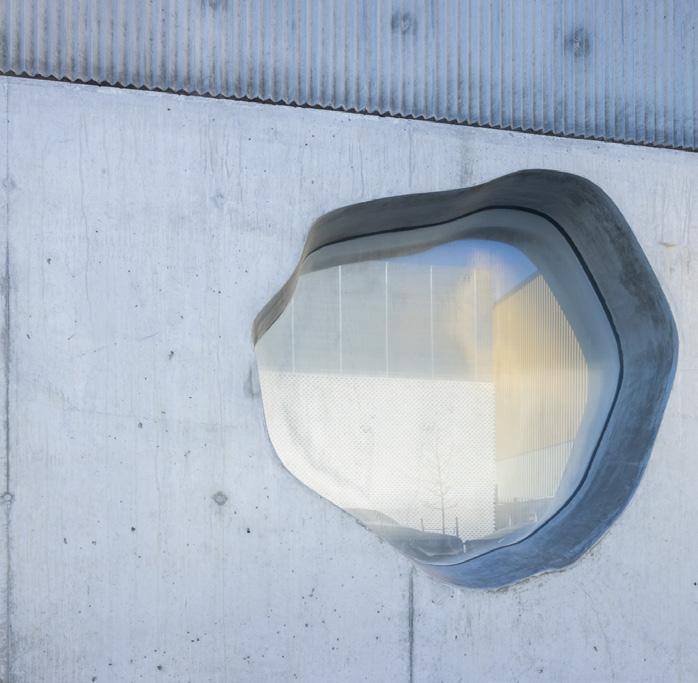
Openings are located above eye level where the visitors can’t visually connect with exterior and can fully immerse in the gallery
Source: SO-IL Architects. 2021. Amant Campus Art Gallery. Architecture. United States. https://www.archdaily.com/960363/so-ils-new-art-campus-in-brook lyn-to-open-this-summer
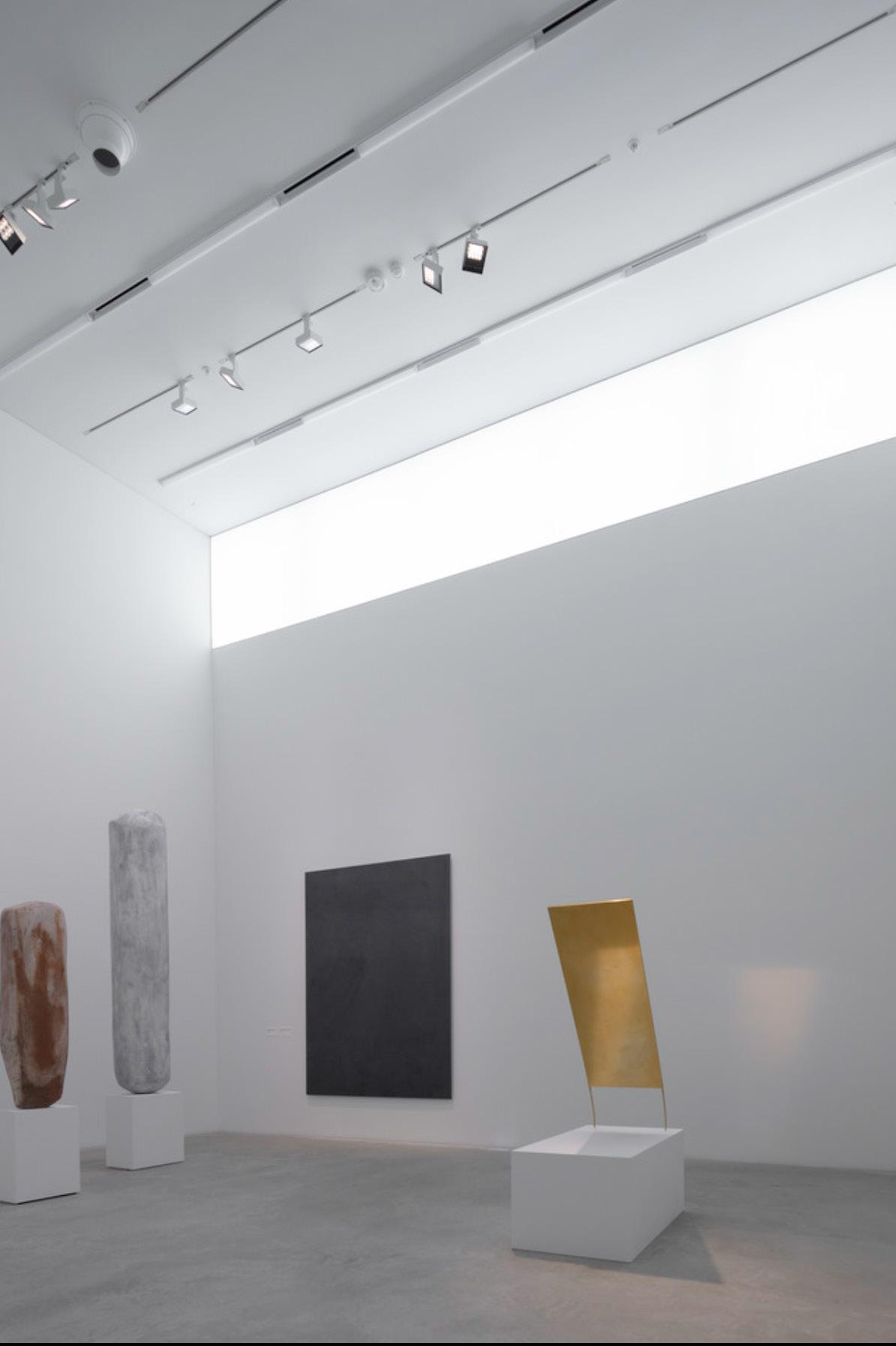
SO-IL Amant Art Campus Gallery 2021 LIGHTING
to Amant’s design
the idea of
// LAYOUT
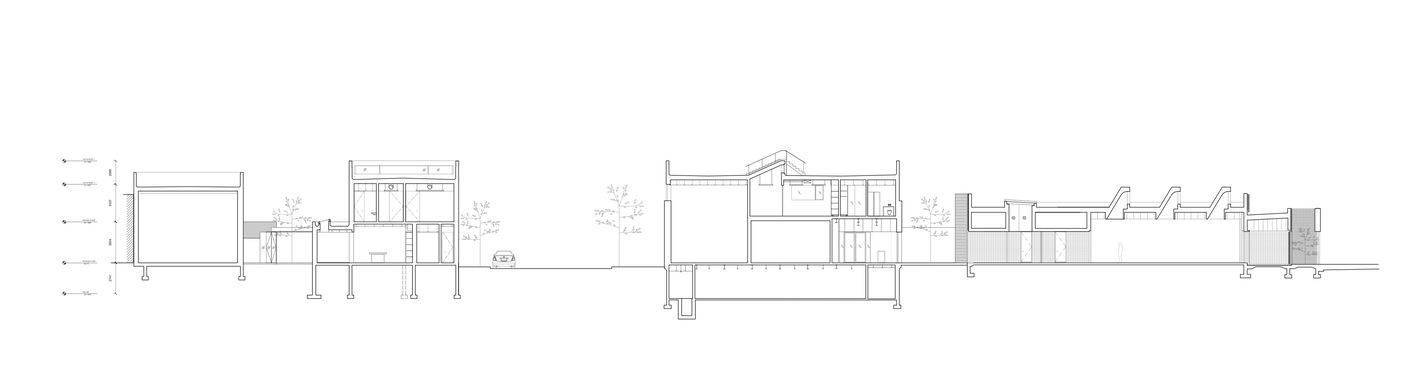
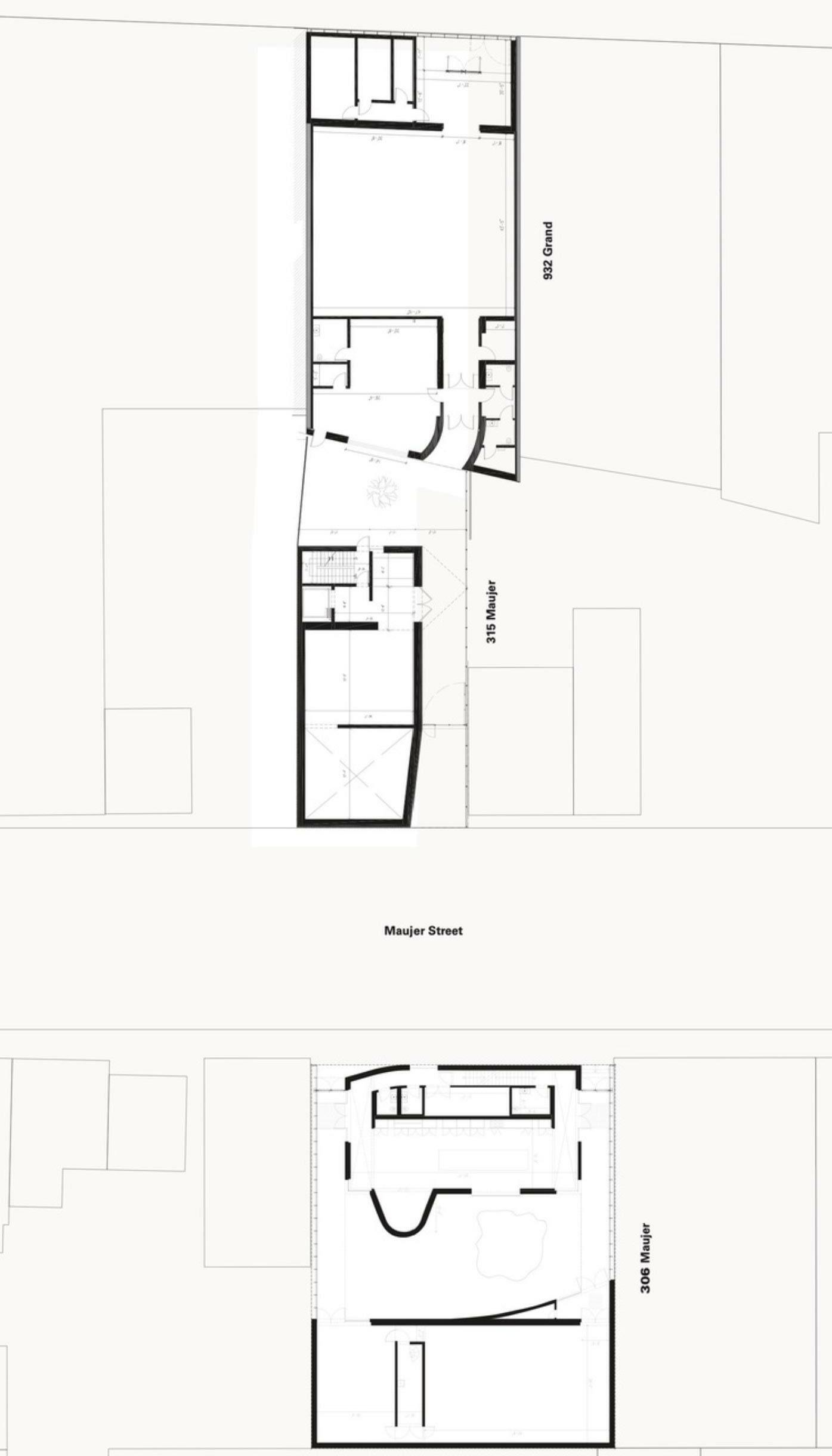
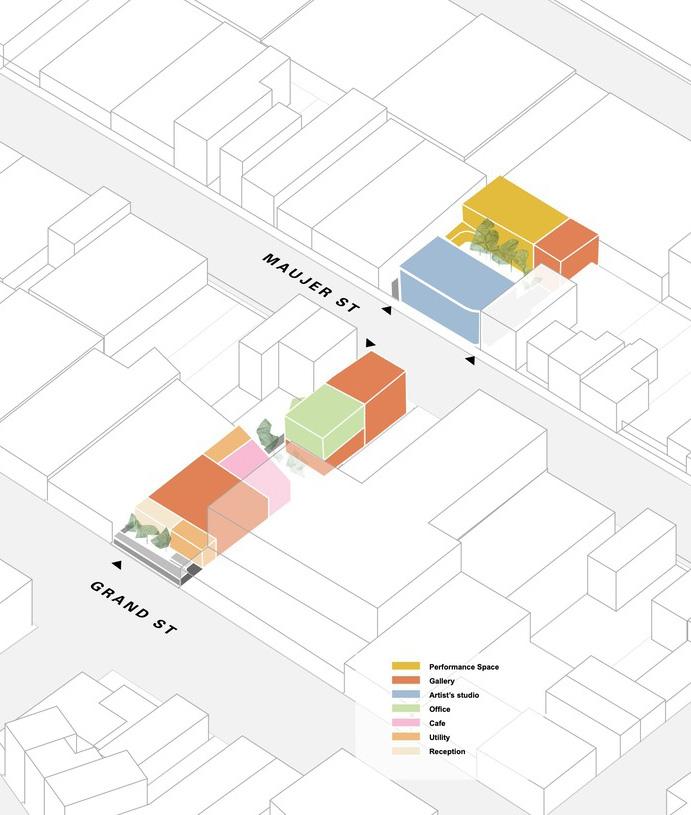
As an innovative cultural incubator, the site gathers both private and public spaces, including galleries, a perfor mance space, office, cafe and artist studio.
where the pace of
oasis,
can slow to allow experi mentation and meaningful reflection. ..”
The campus has three galleries, and they all sandwich courtyards and some other functions, such as cafe and artist studio. The design is designed to allow visitors to slow down and enjoy the art space. Furthermore, visitors and artists are able to enter into a dialogue with the surrounding eclectic post-industrial community in the atmosphere of walking through the building.
SO-IL Amant Art Campus Gallery 2021 PROGRAM / FUNCTIONS
“Central
is
an urban
a space
art-making
Performance Space Gallery Artist’s Studio Office Cafe Utility Receprtion Reception Gallery Cafe Artist’s Studio Office Performance Space Theatre Utility / Toilet Circulation Back of House 8 3 8 2 1 3 4 8 5 3 3 6 5 7 9 9 8 9 9 1 Reception 2 Utility 3 Gallery 4 Cafe 5 Courtyard 6 Living Space 7 Performance Space / Theatre 8 Back of House 9 Toilet Source: SO-IL Architects. 2021. Amant Campus Art Gallery. Architecture. United States. https://www.archdaily.com/960363/so-ils-new-artcampus-in-brooklyn-to-open-this-summer
White Brick
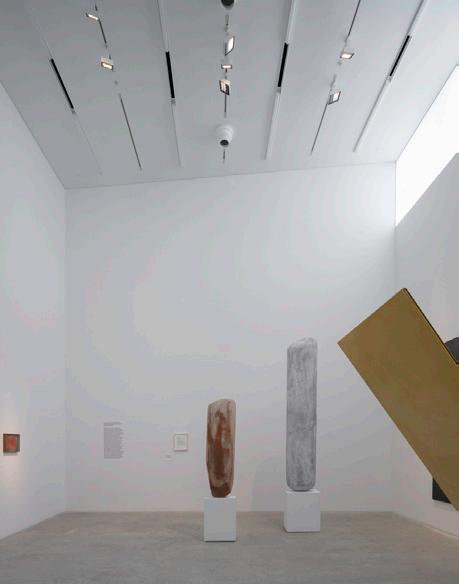
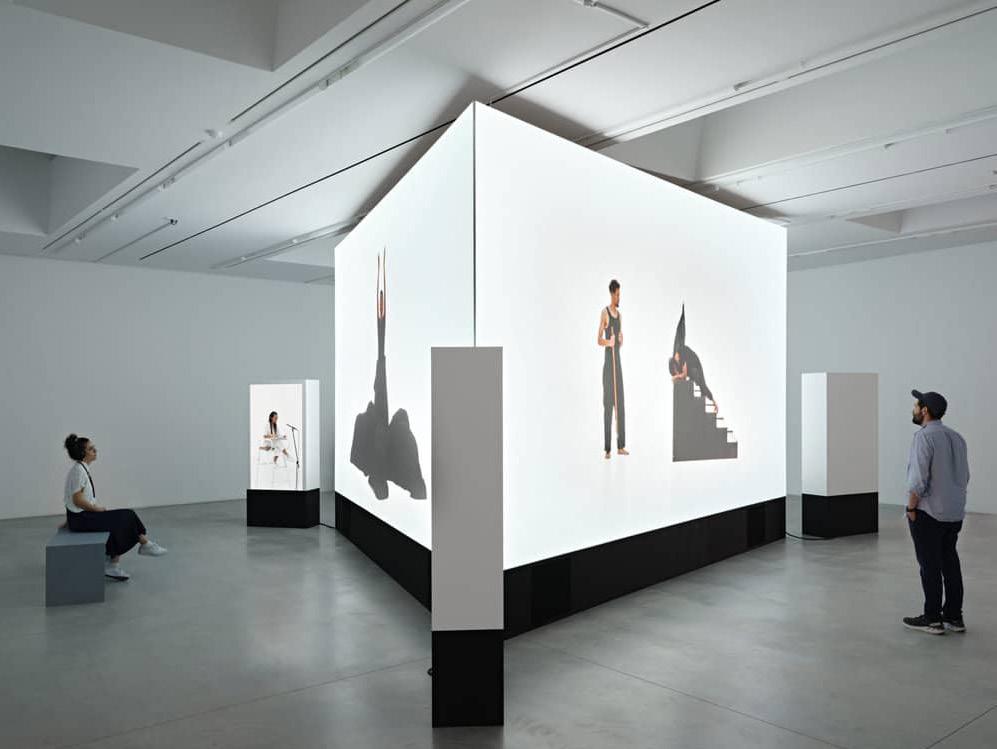
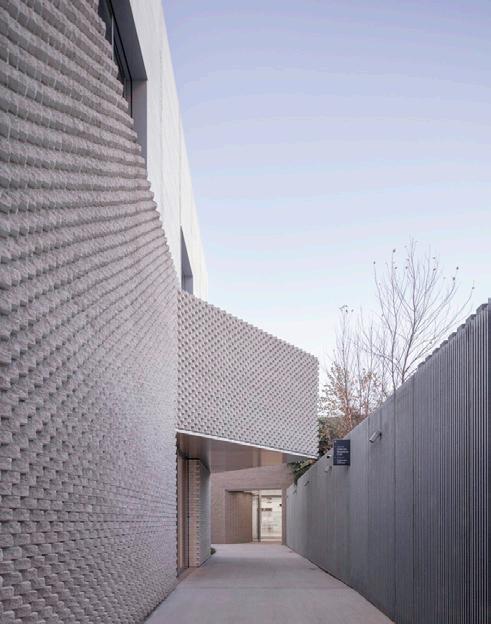
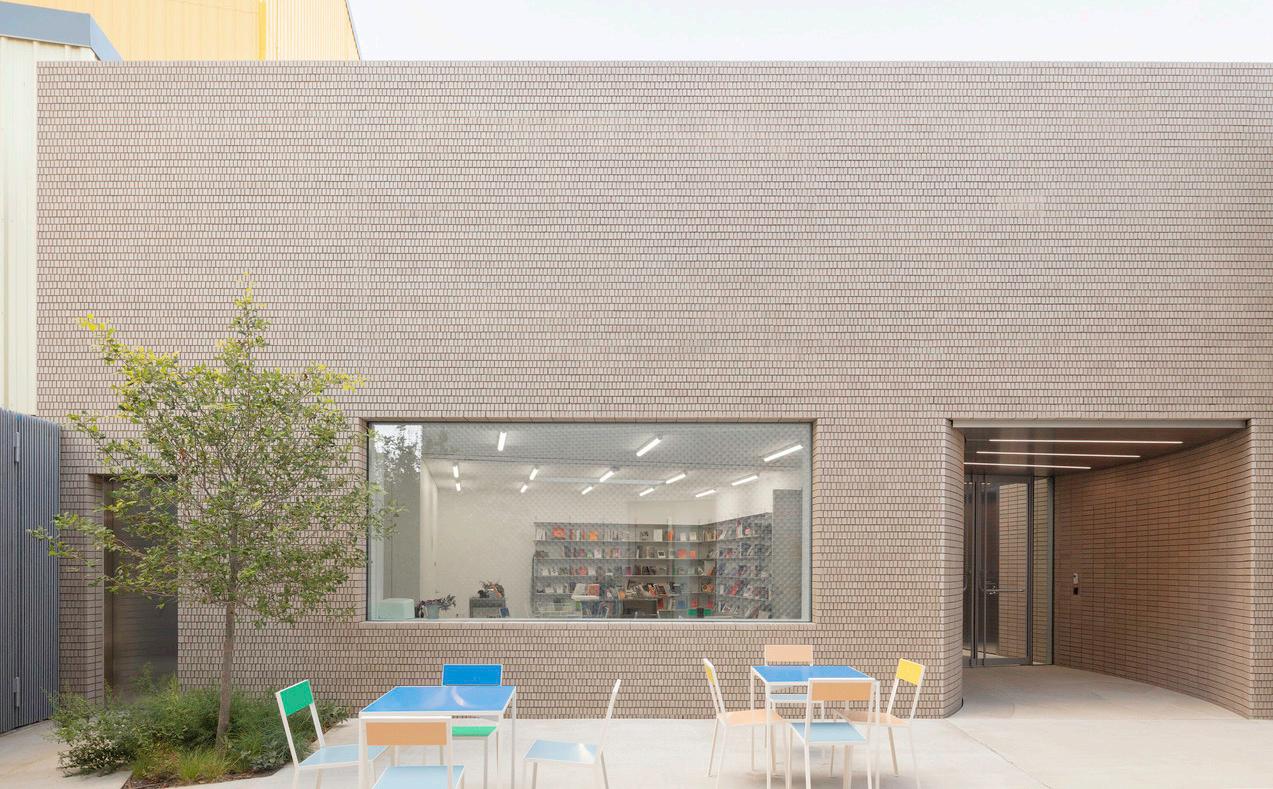
Aluminum Panels
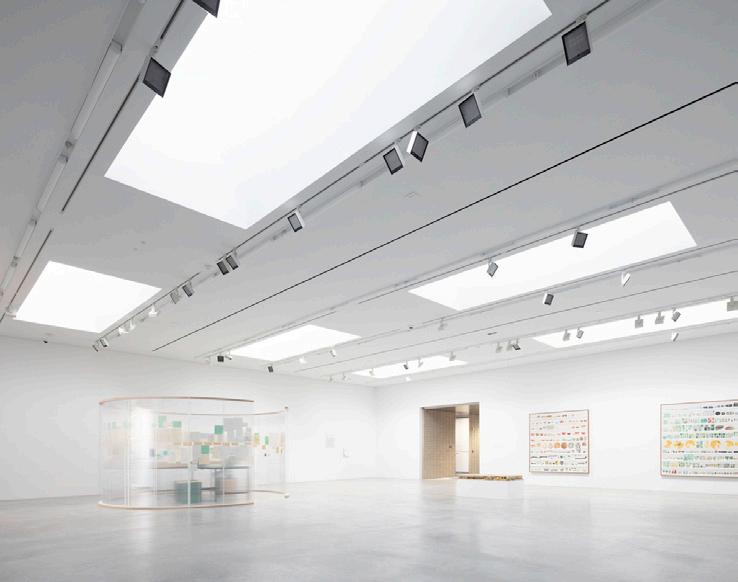
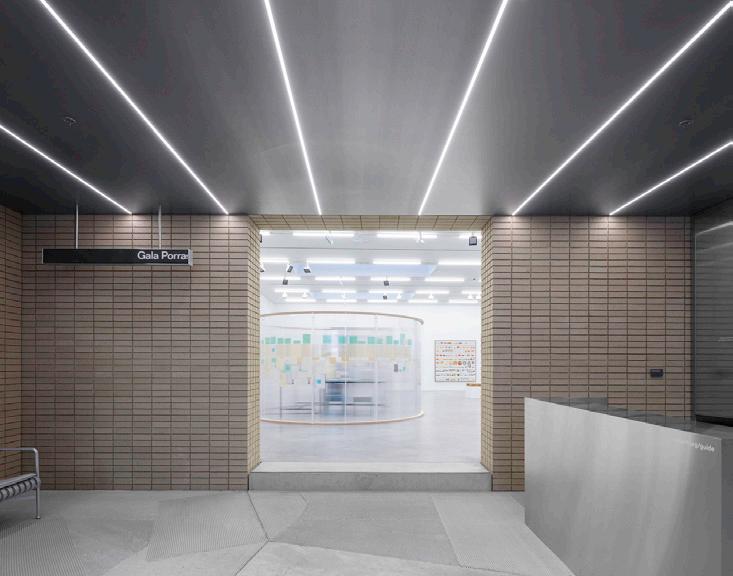
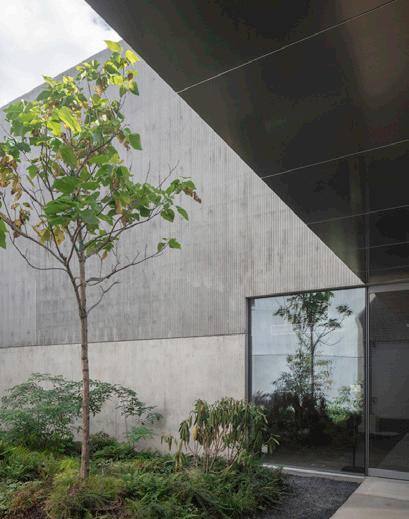
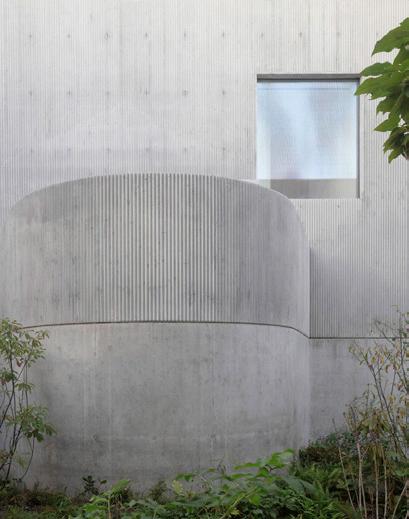
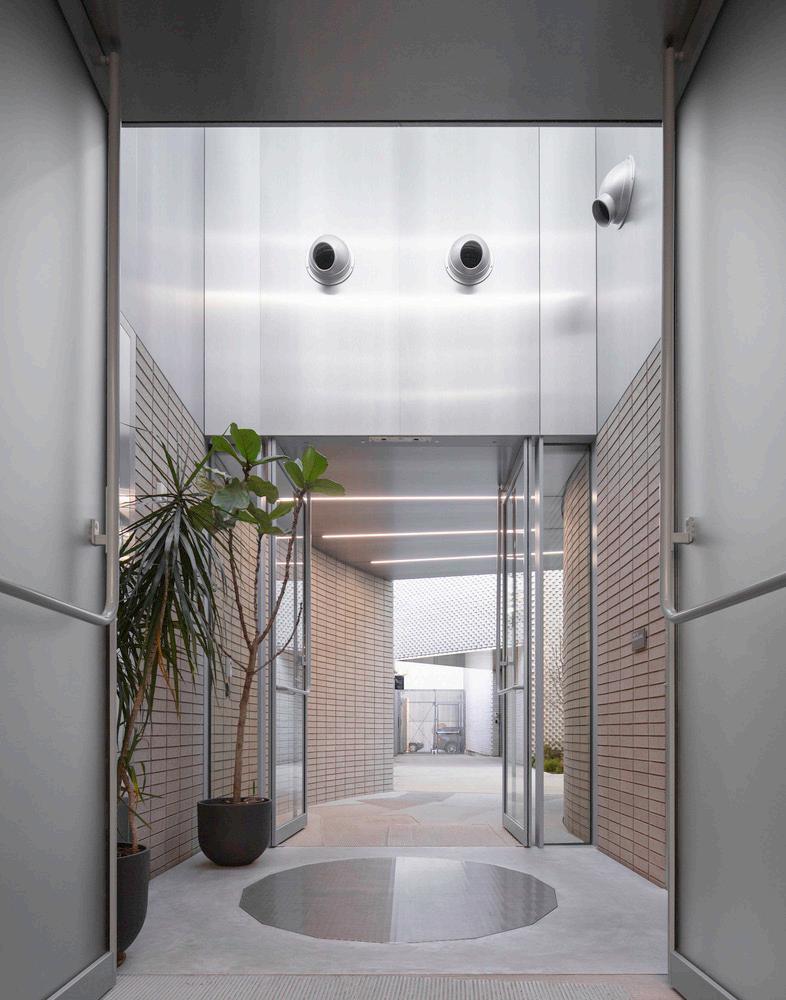
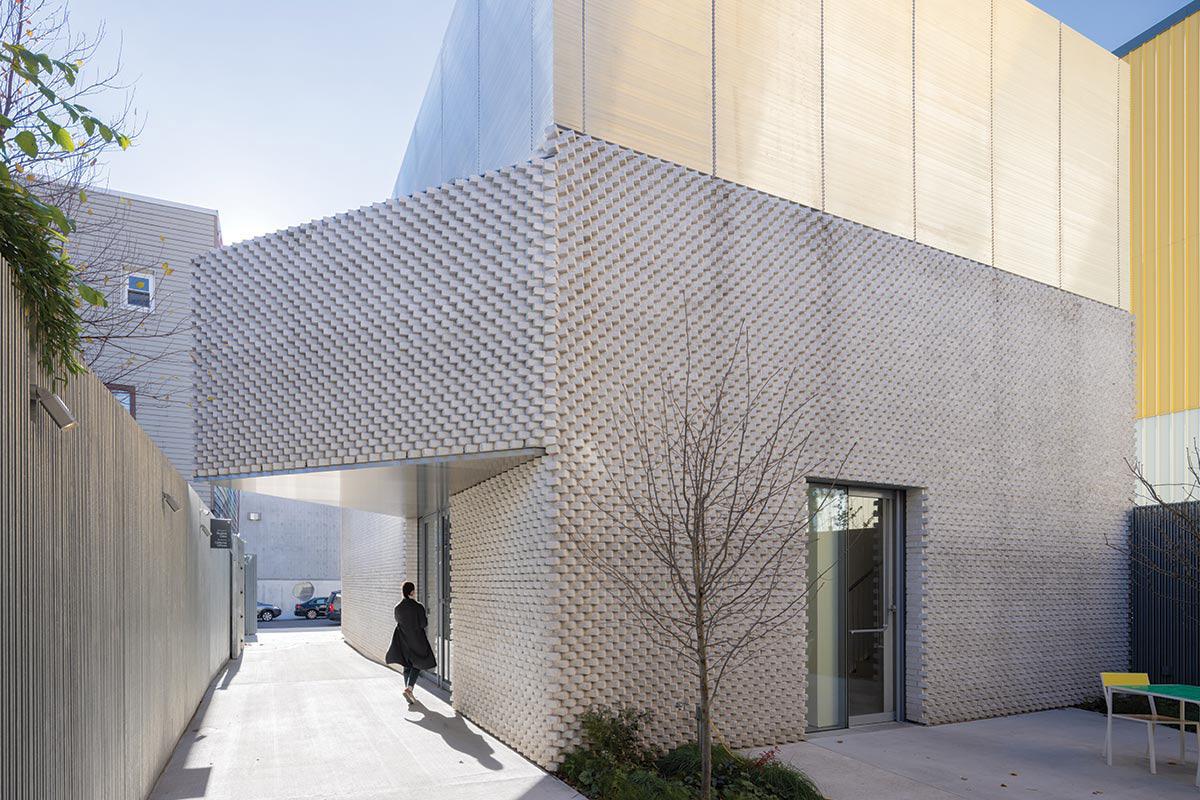
SO-IL Amant Art Campus Gallery 2021 MATERIALS 1 2 Aluminium Clad Corridor Reception Gallery Gallery Source: SO-IL Architects. 2021. Amant Campus Art Gallery. Architecture. United States. https://www.archdaily.com/960363/so-ils-new-art-campus-in-brooklyn-to-open-this-summer // Beige Brick The building faces the noisy main road Grand St and is an existing but structurally altered building. //
+
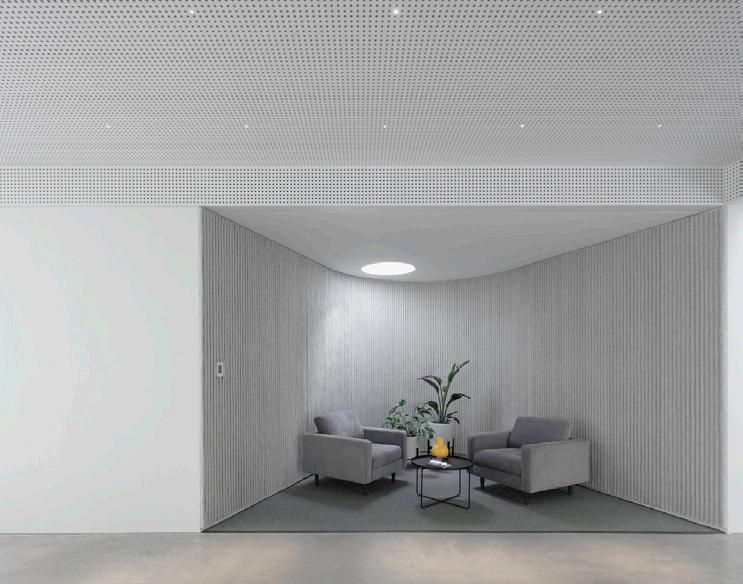
This part is a new two-sto rey building facing the quiet Maujer Street. It is a contemporary stack of elaborately arranged white bricks at the base and gleaming aluminium panels at the top. // Concrete The third building is a two-storey cast-in-place concrete with a smooth bottom with corrugated concrete above. // Concrete The final concrete structure building faces the courtyard with a subtle formal gesture. 4 6 5 3 4 5 6 Gallery Artist Studio A reading nook in the artists’ private living space pairs corrugated concrete and perforated paneling
Out
3
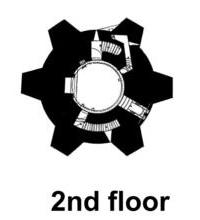
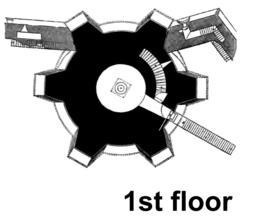
(Spatial Sequence)
Cornisbrough Castle, England (12th century)
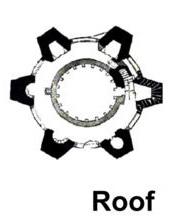
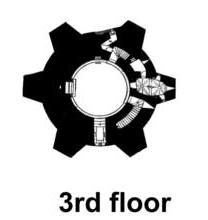
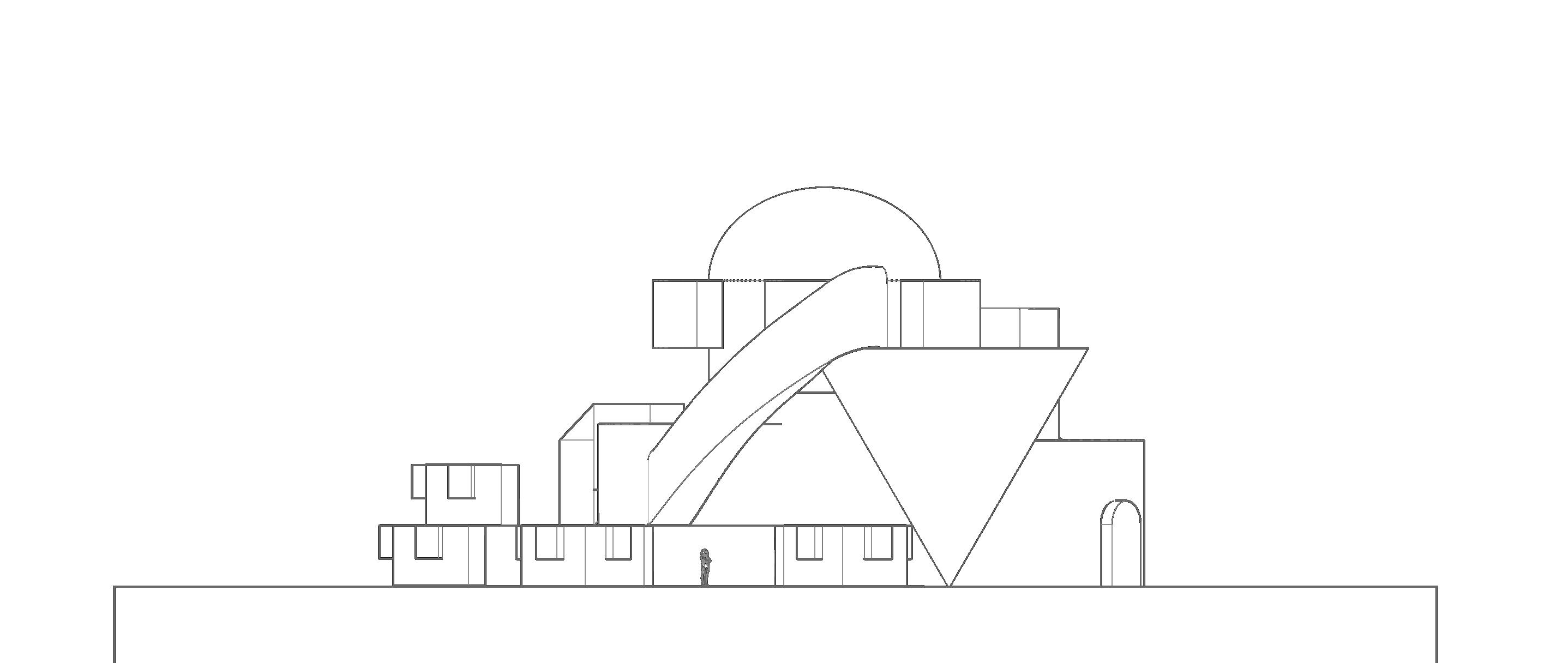
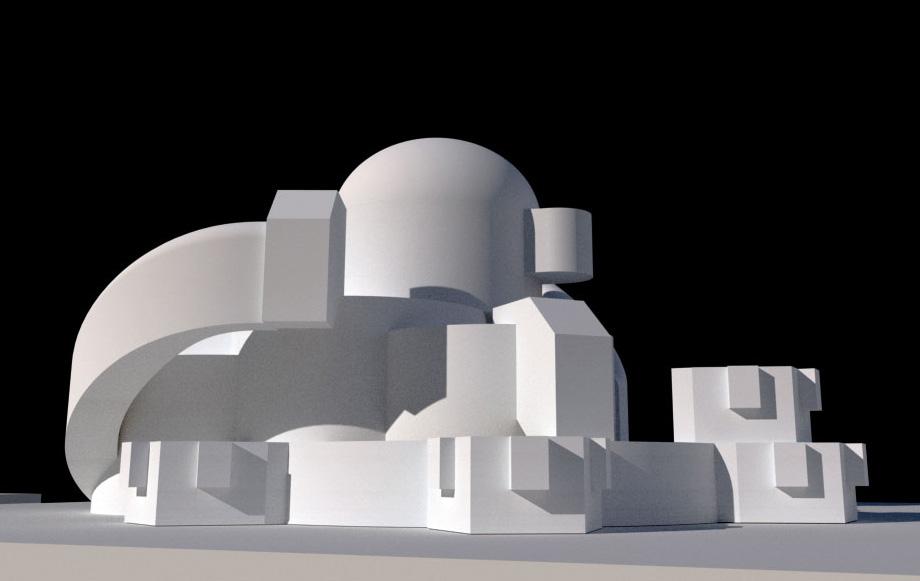
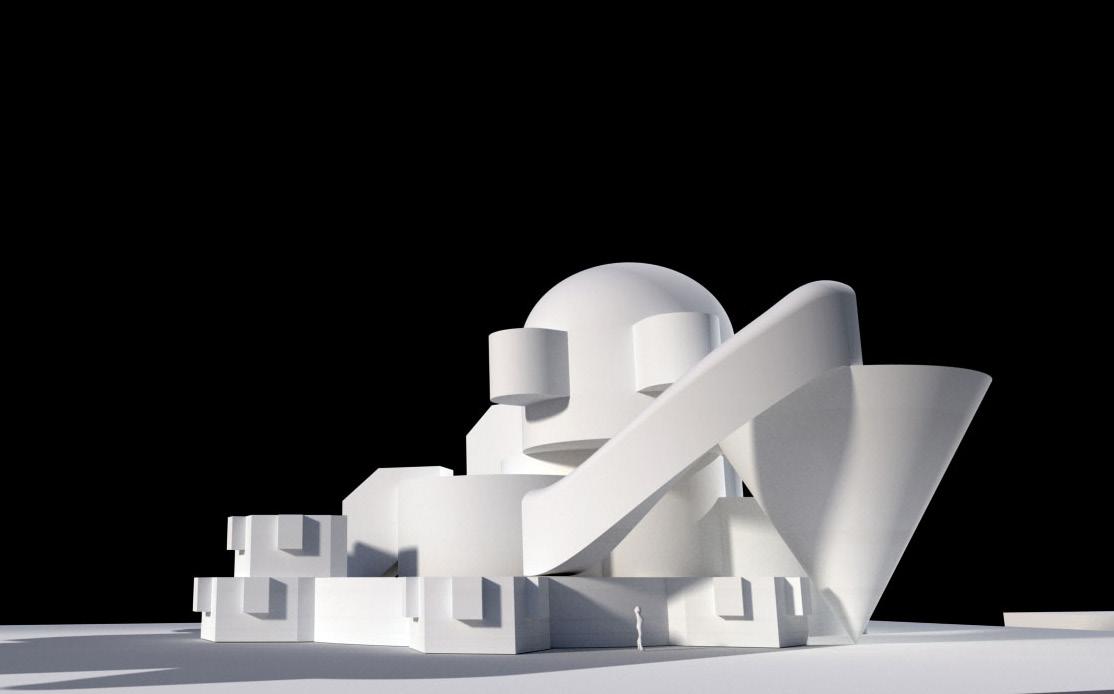
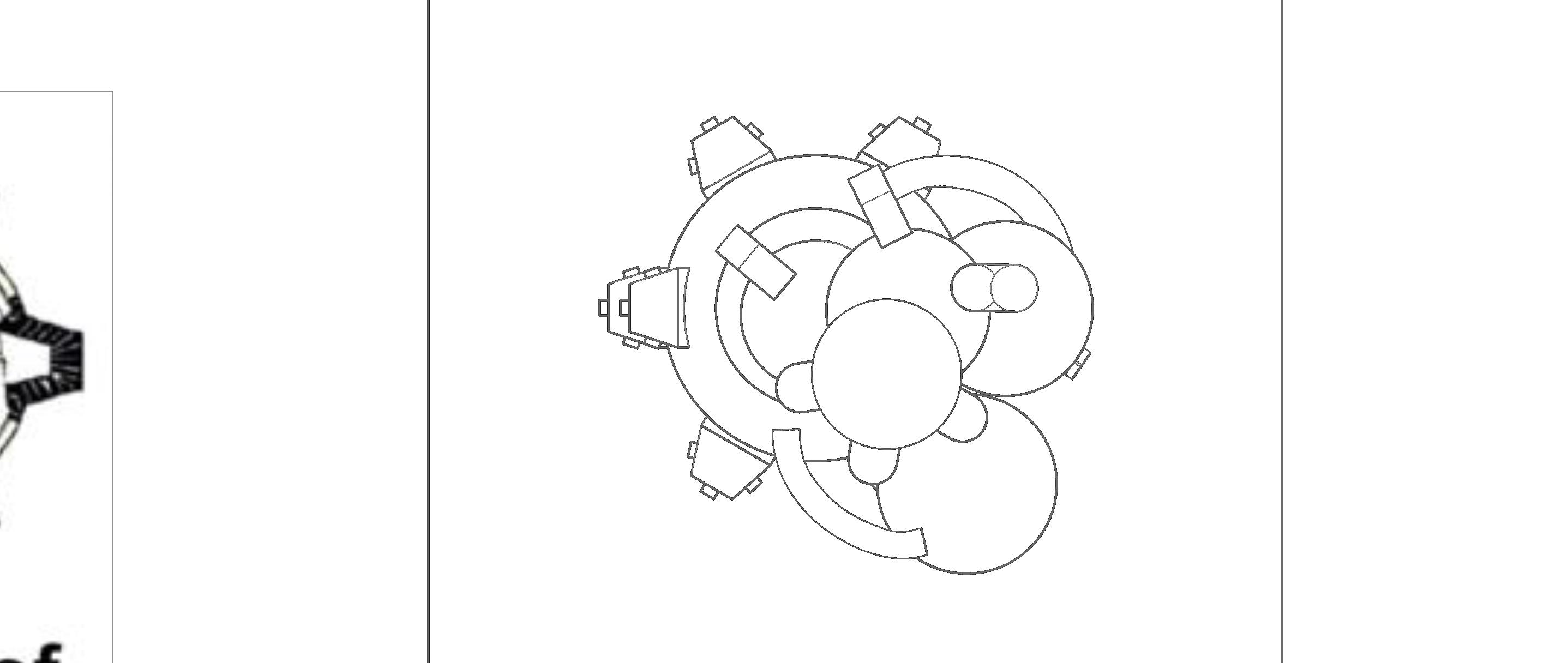
Composed of a vertical circulation tunnel alternating between open and solid spaces.
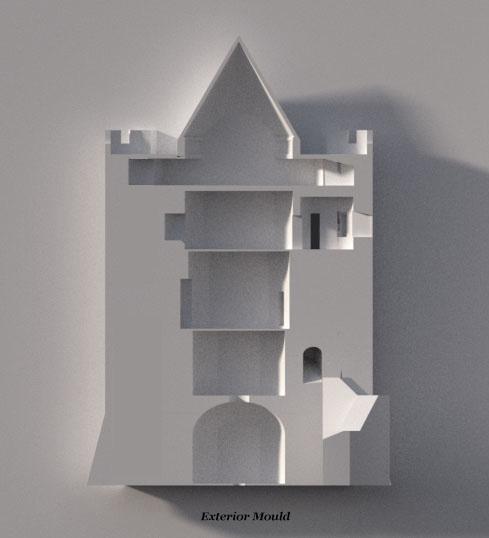
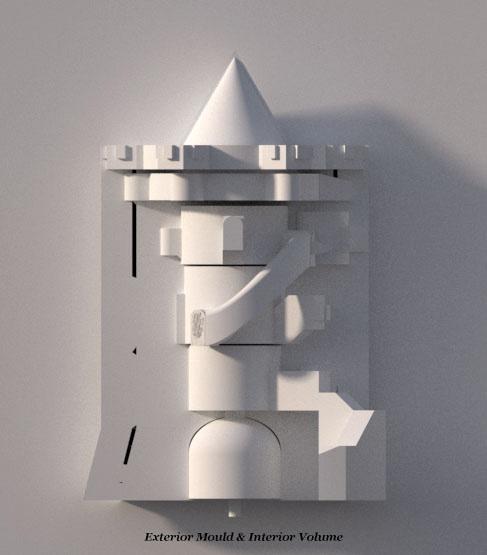
Task 2. Inside
Object
WEEK
The dominating tunnel from the original castle is used as the main circulation device across the complex.
NOITALUCRIC
EXHIBITION
01. ENTRANCEGALLERYGALLERY AUDITORIUM PLATFORM POP UP
PANARAMIC AUDITORIUM GALLERY GALLERY GALLERY EXHIBITION COURT YARDOPENGALLERY CIRCULATION
POPUP ARCHIVE Schematic plan Schematic Elevation
House of Future, The Smithsons
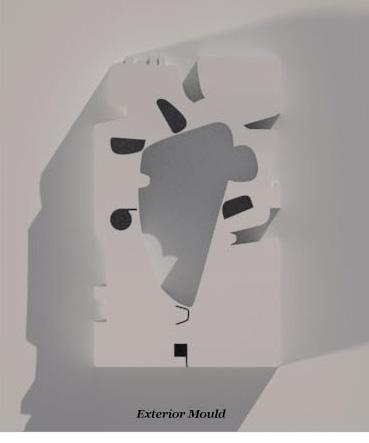
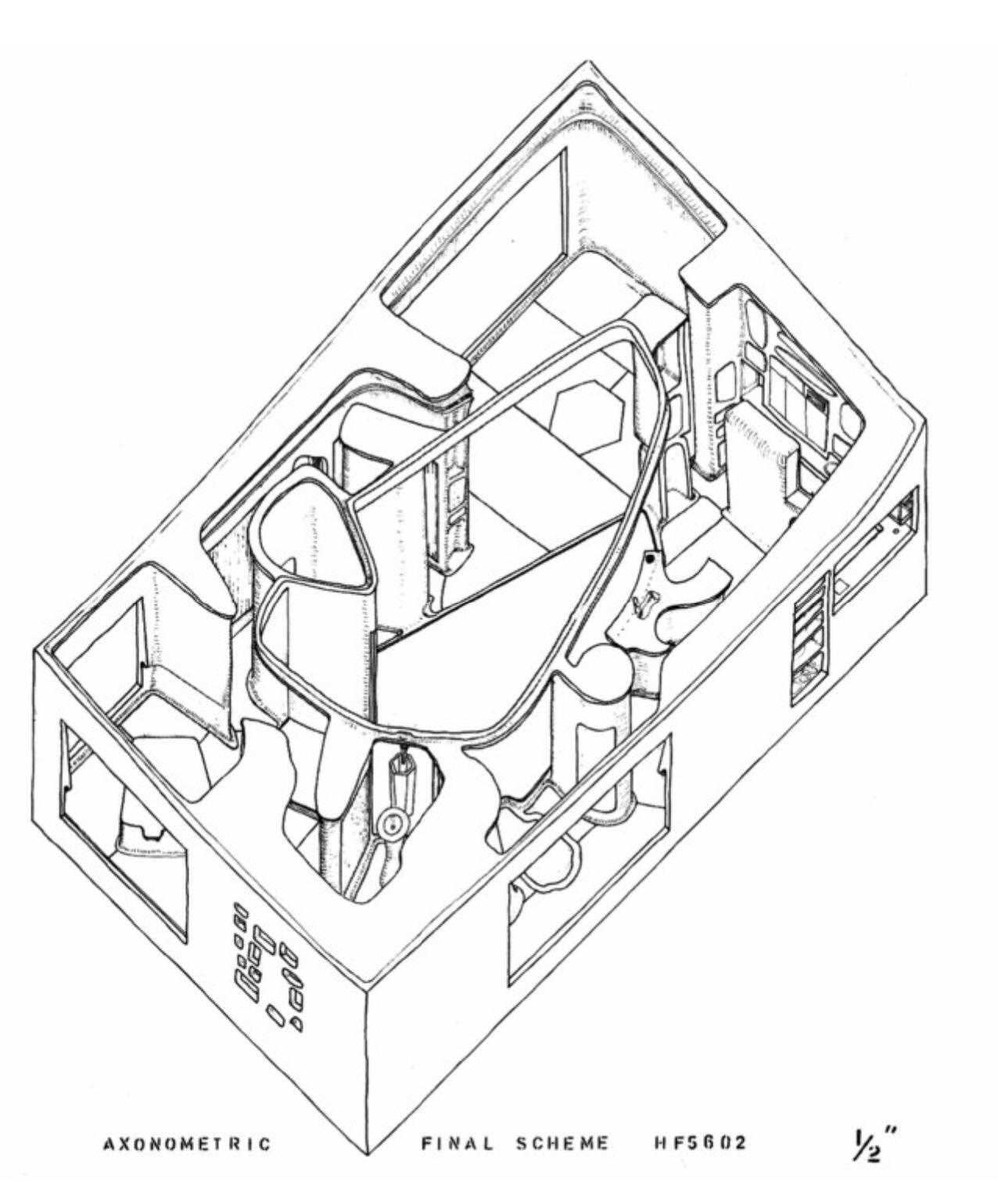
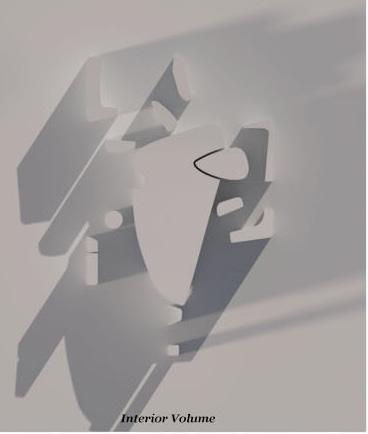
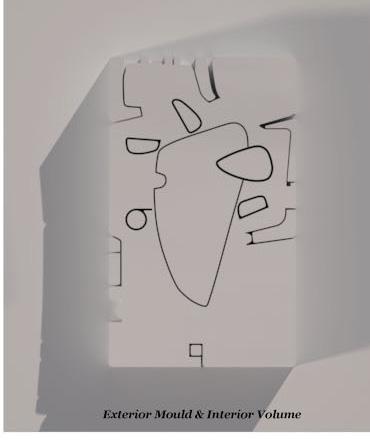
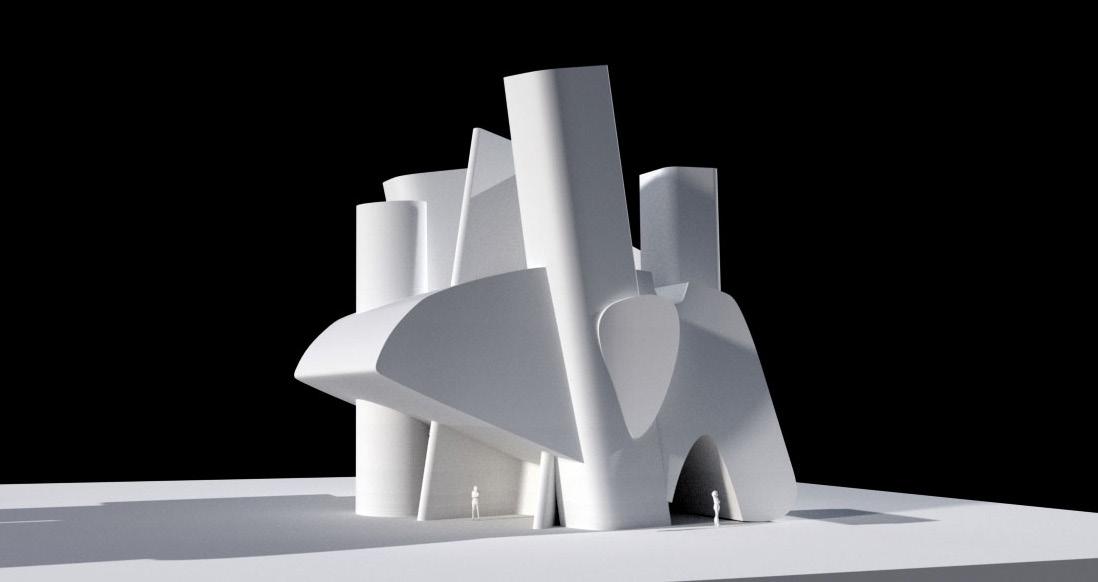
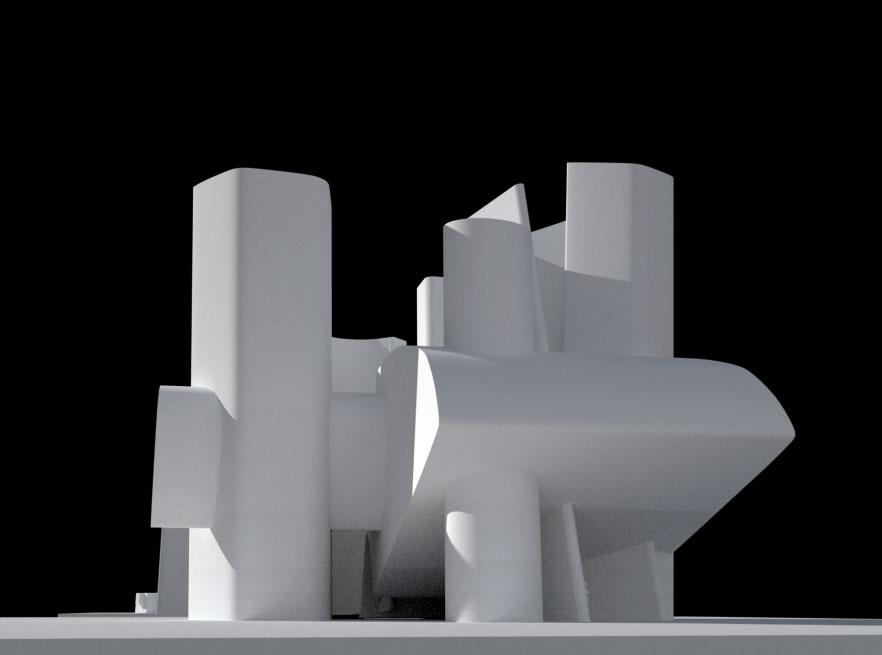
Organic forms surrounding a central courtyard. The inversion turns the open courtyard into a solid space. There is also no sharp corners throughout and renders a continuity in circulation around the house. The overall composition produces a streamline interior.
GALLERY
GALLERYLIFT
GALLERY GALLERY
WELL
GALLERY
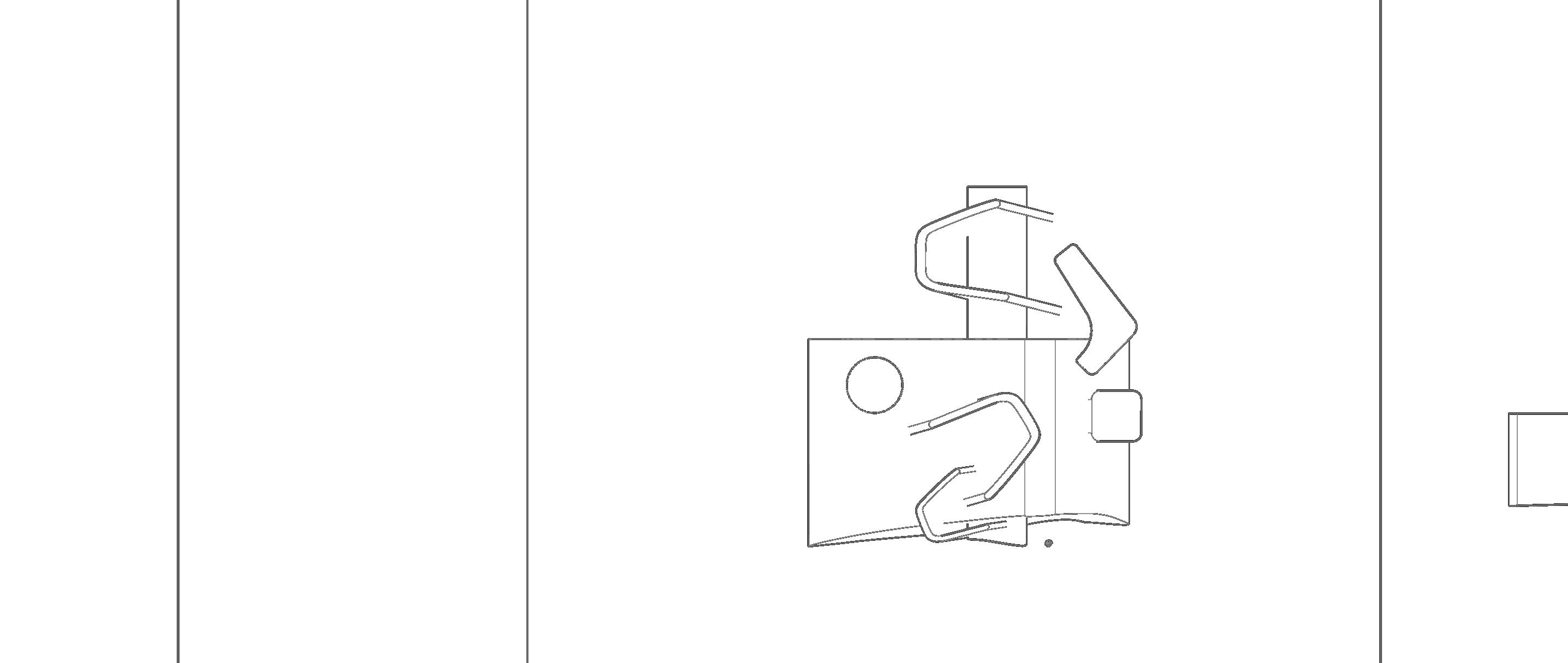
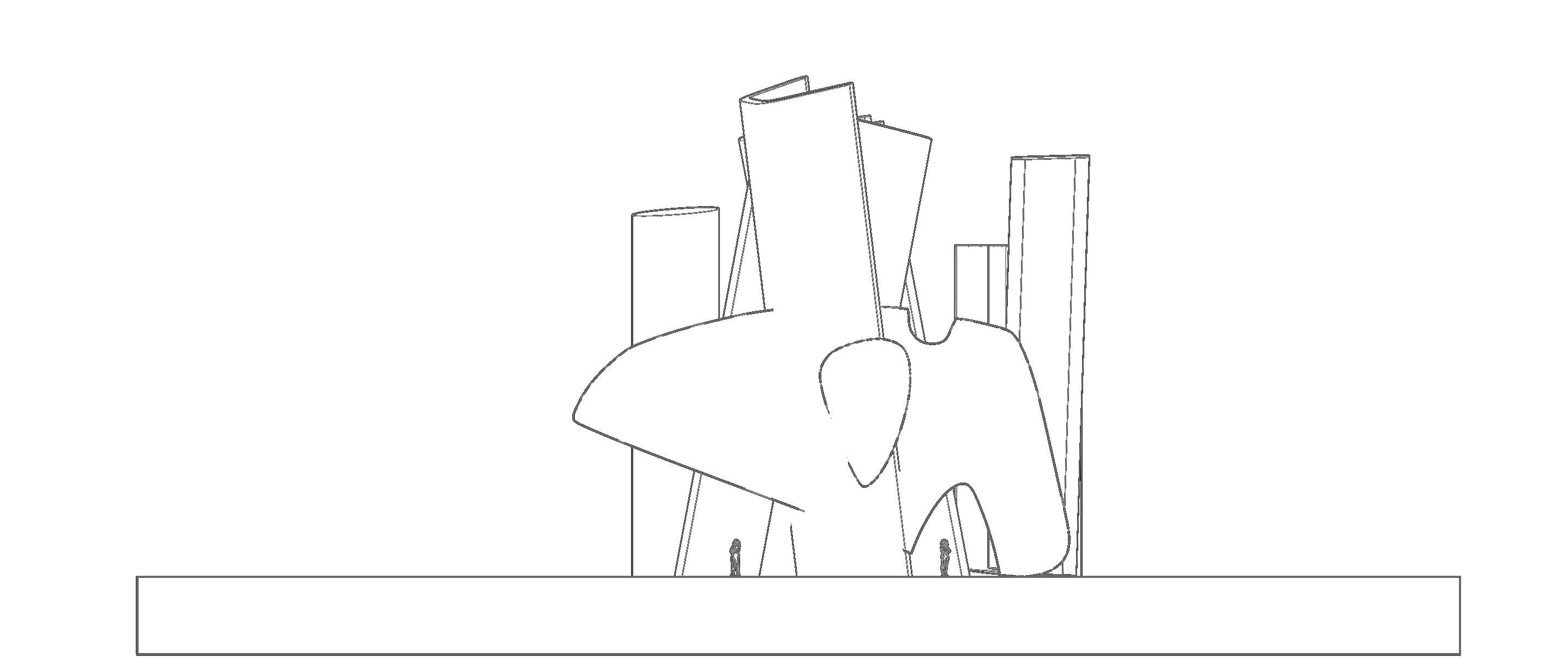
By altering the scale of the arch wall in the original house, they have become potential semi-open gallery spaces and adds a layer to adjust the level of priva cy of spaces. The aim is to reduce hard edges on ground interface.
02.
BRIDGE
BRIDGE
LIGHT
Schematic plan
Schematic Elevation
GALLERY WORKSHOPARCHIVE
WORKSHOP GALLERY SKYLIGHT
Schematic plan
Schematic Elevation
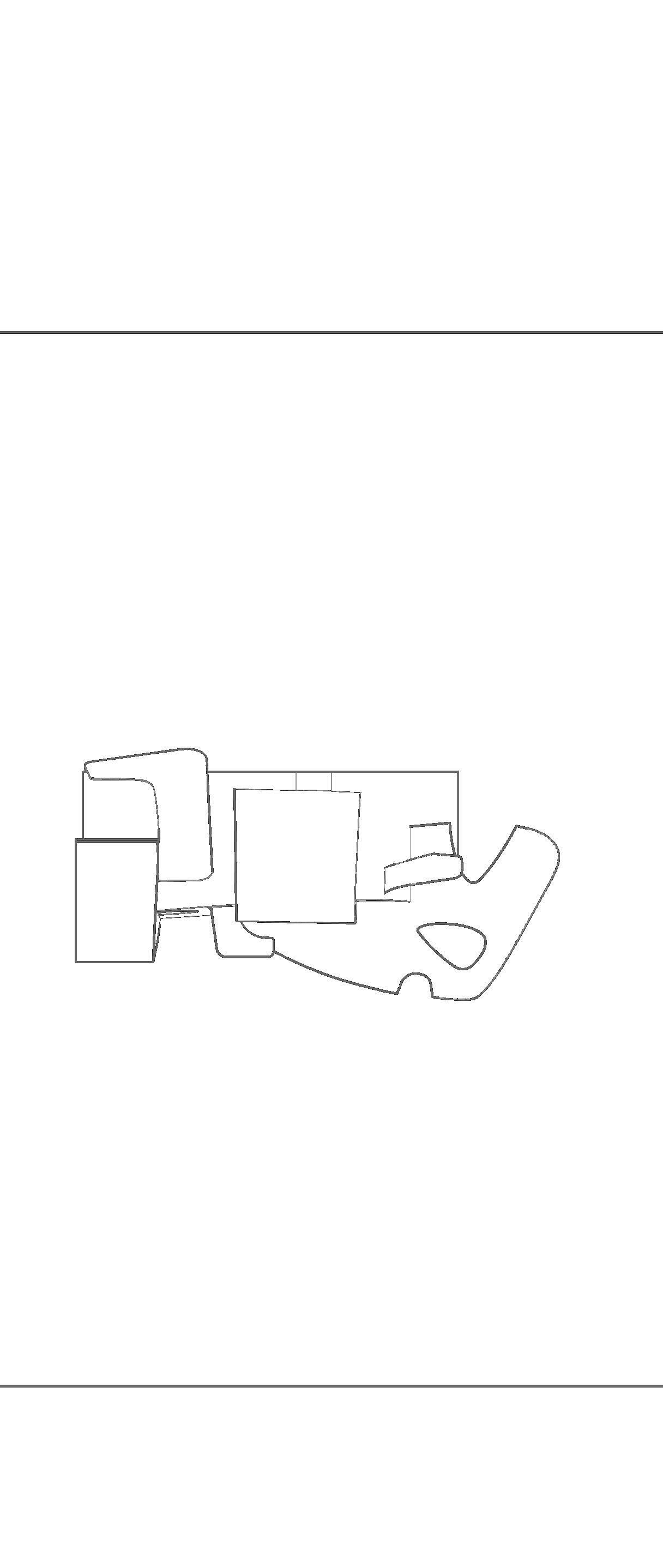
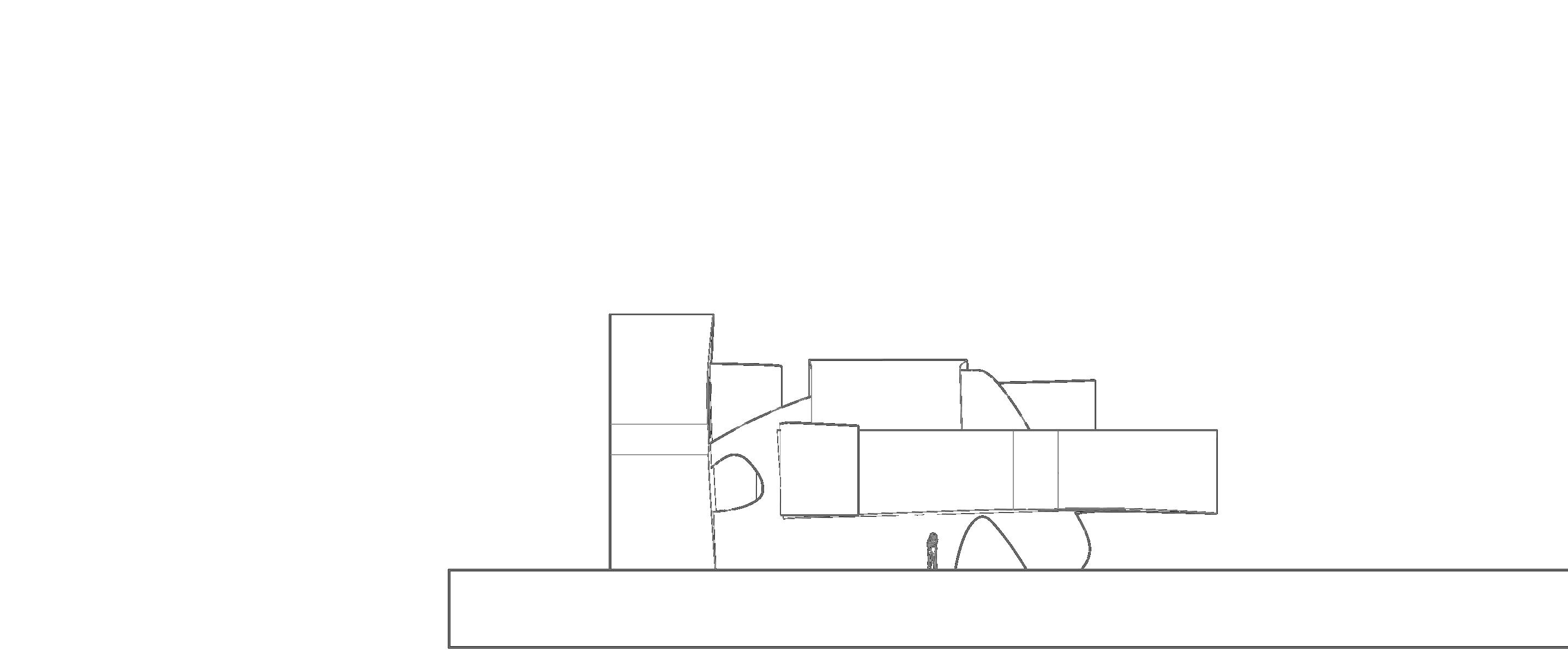
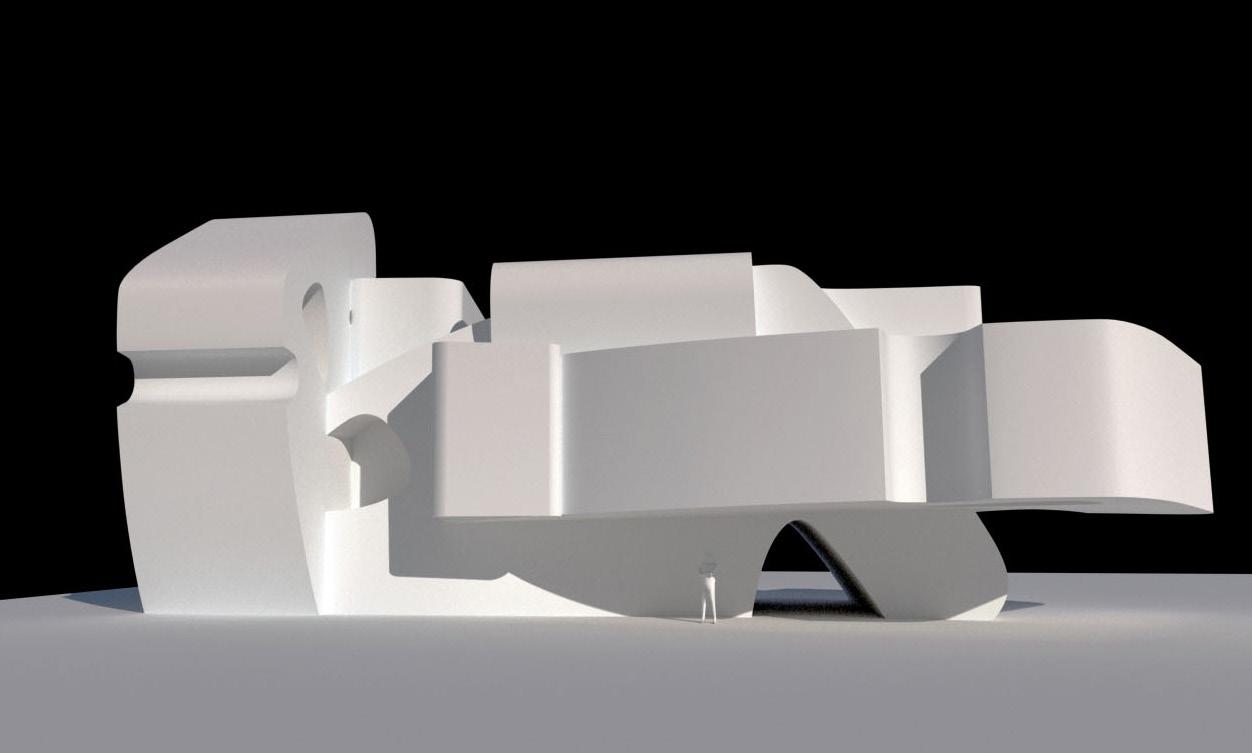
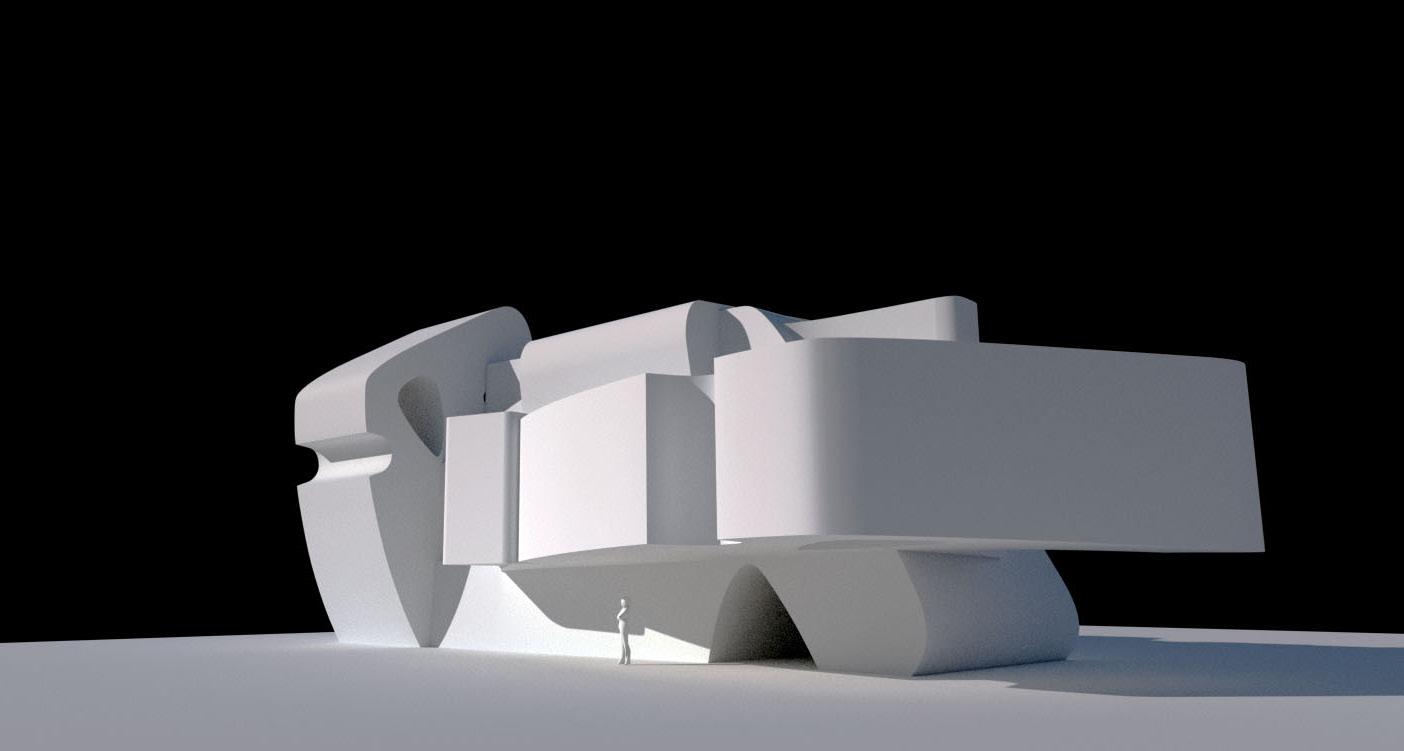
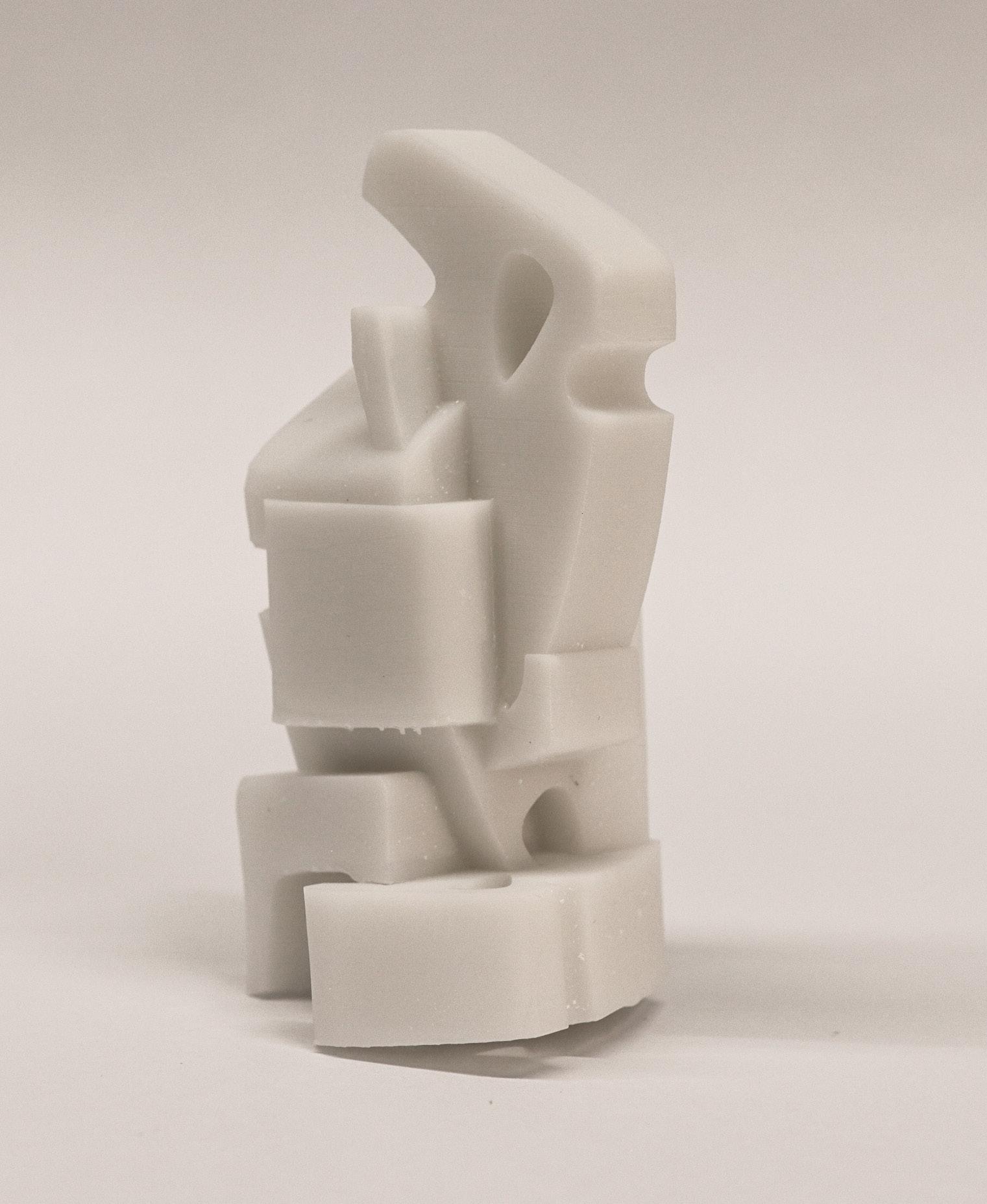
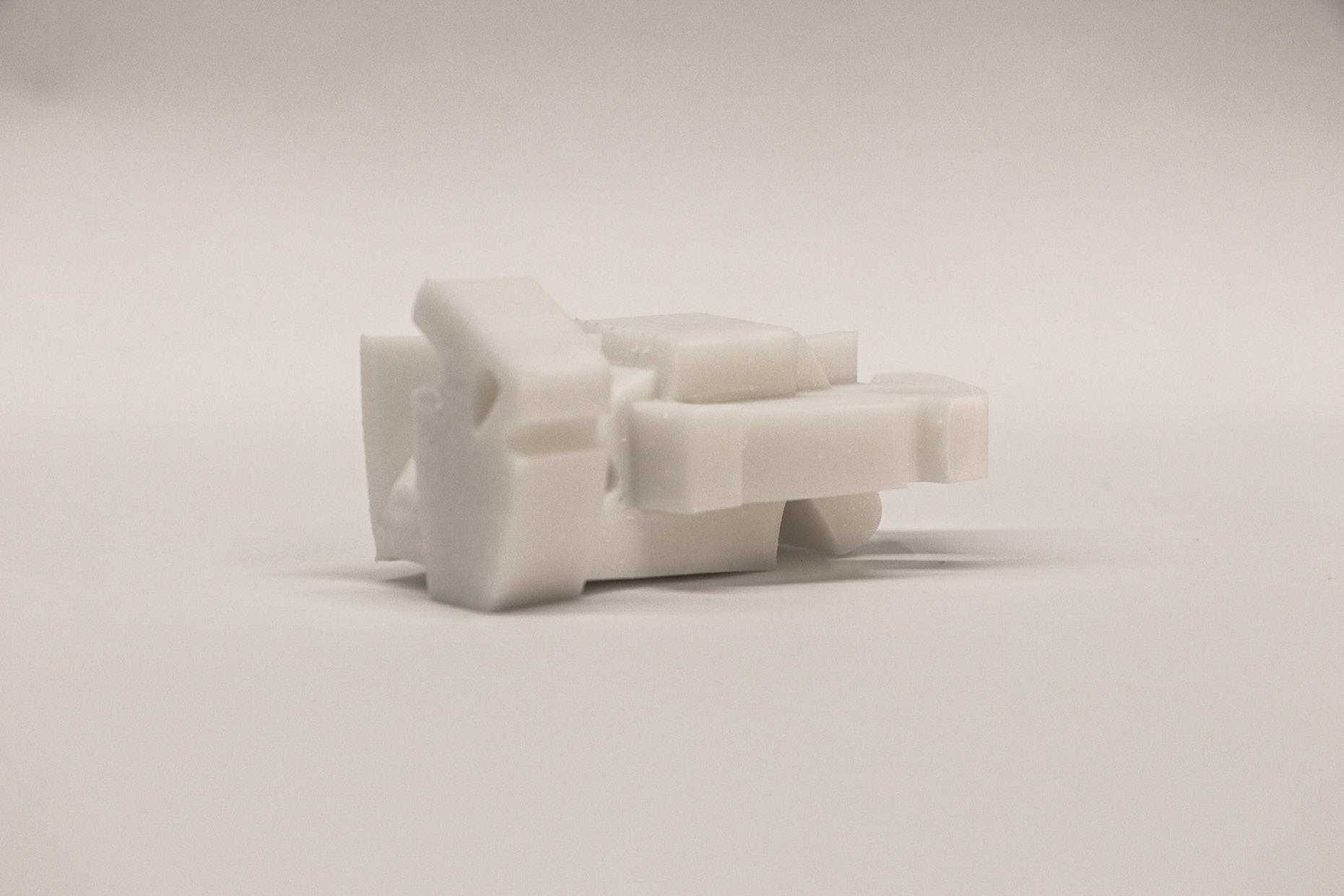
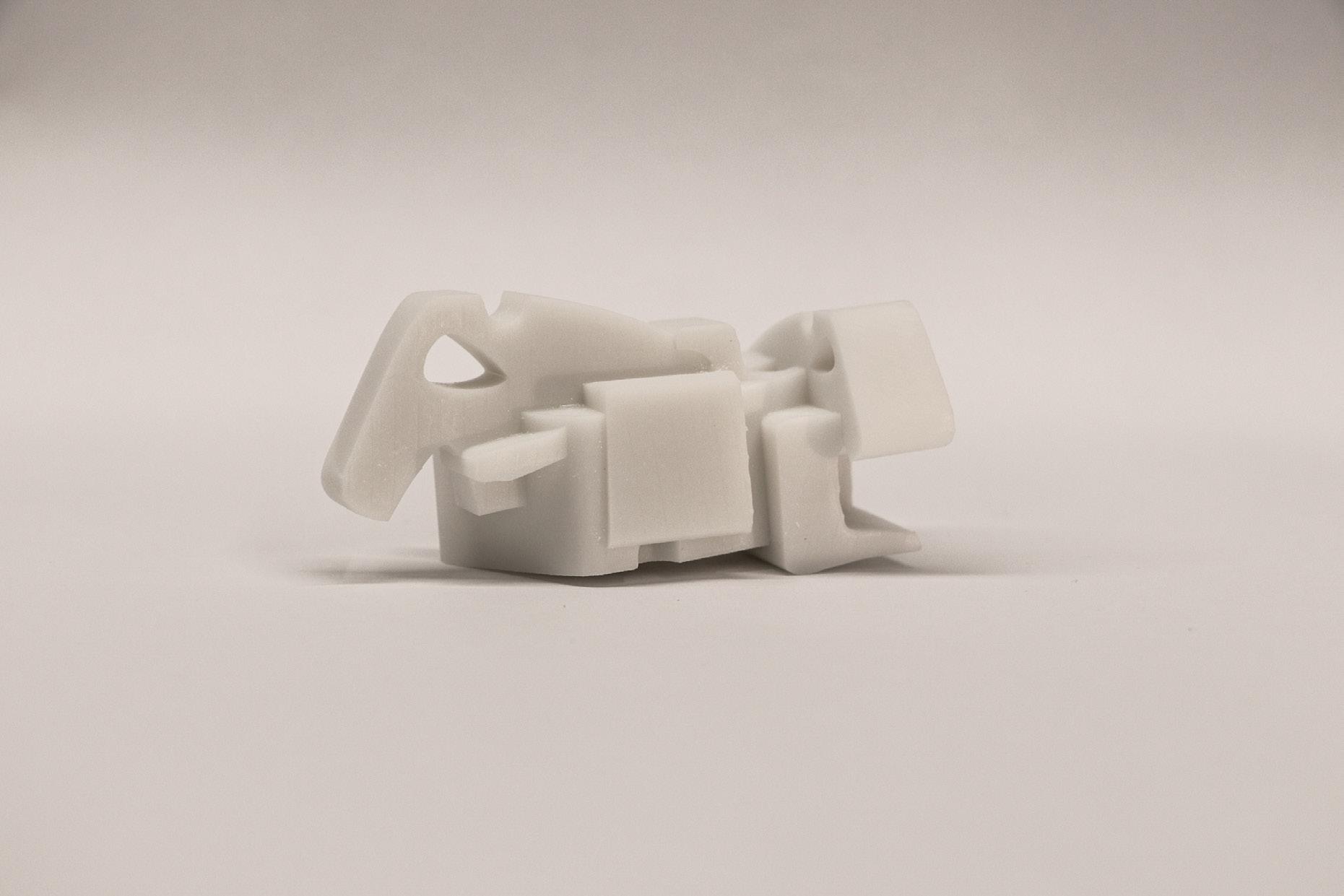
Sketch massing models
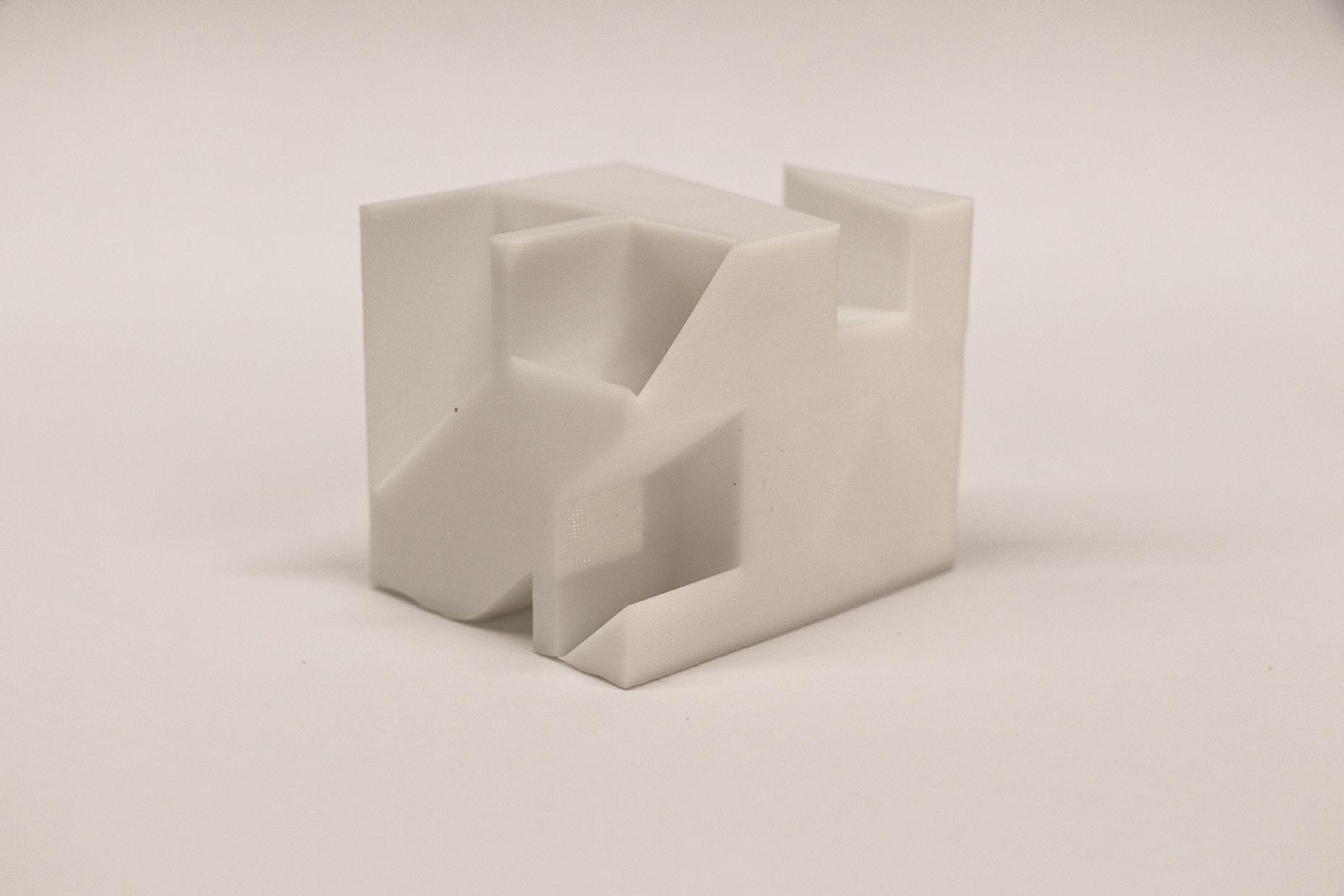
Making the physical model could be a good way to experiment with forms by testing the model in different orientations.
PANARAMIC
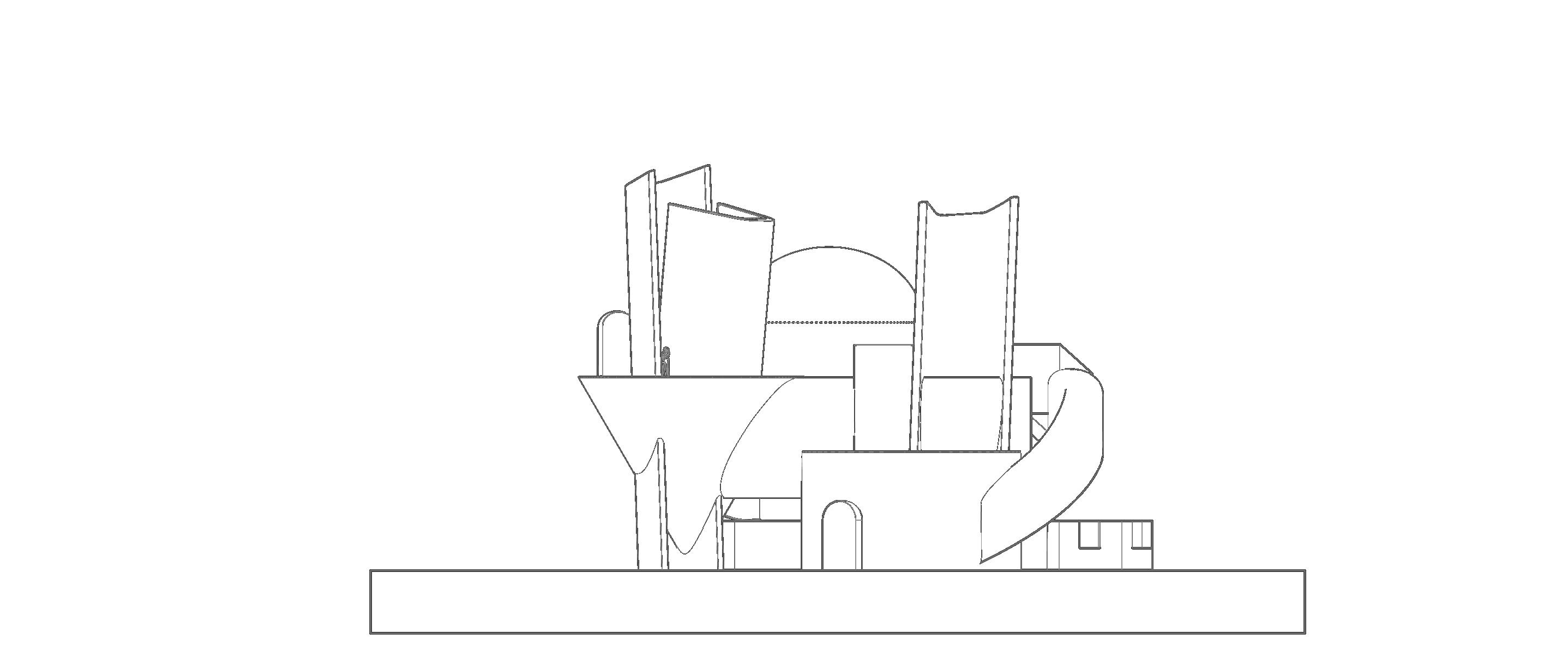
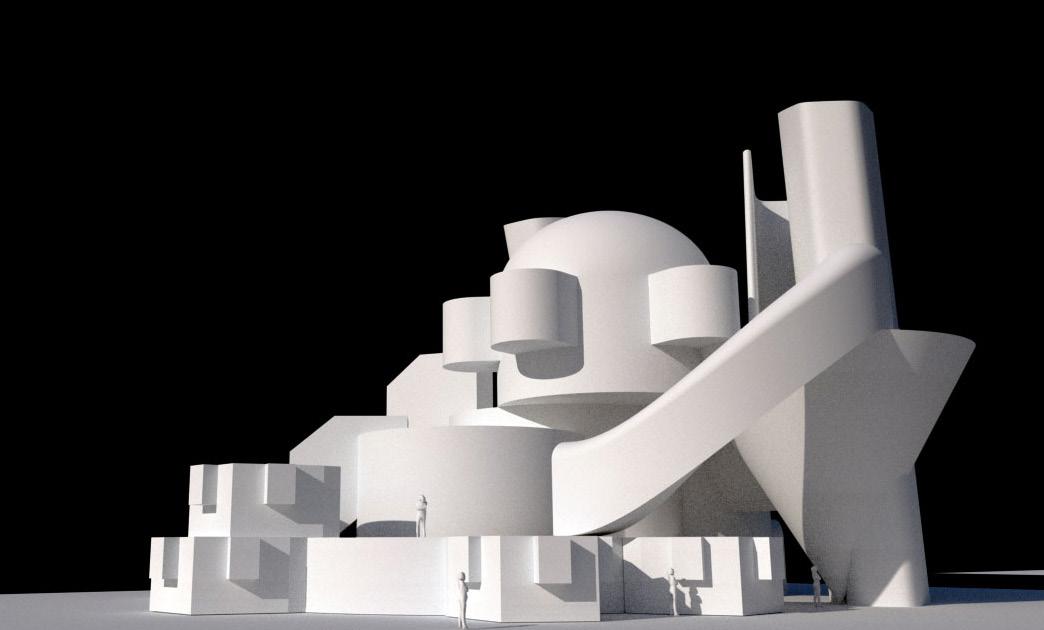
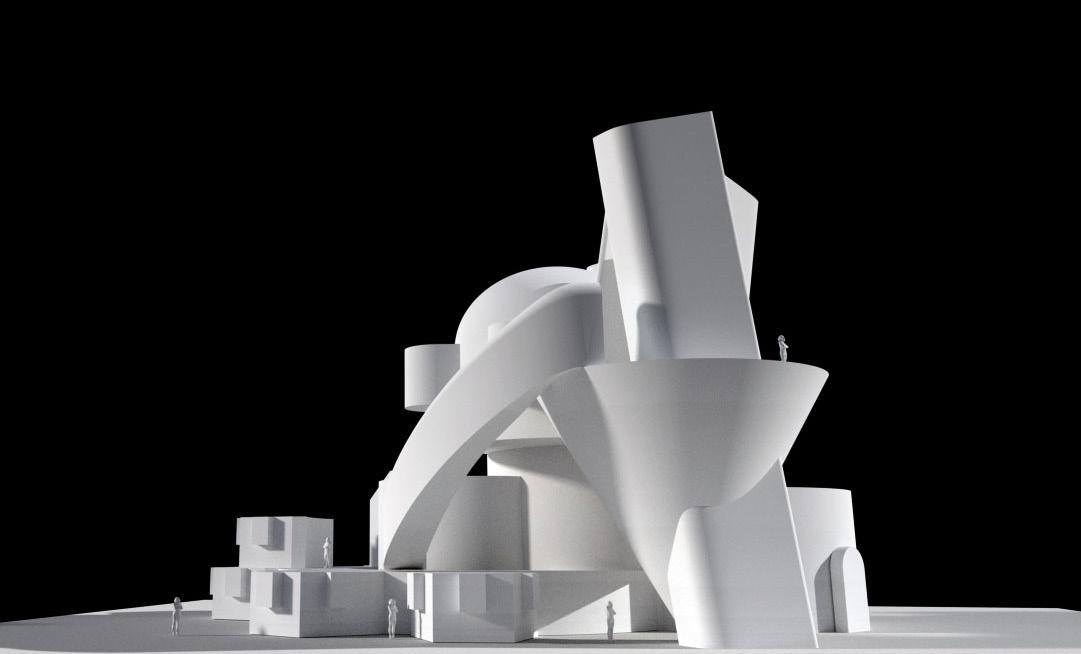
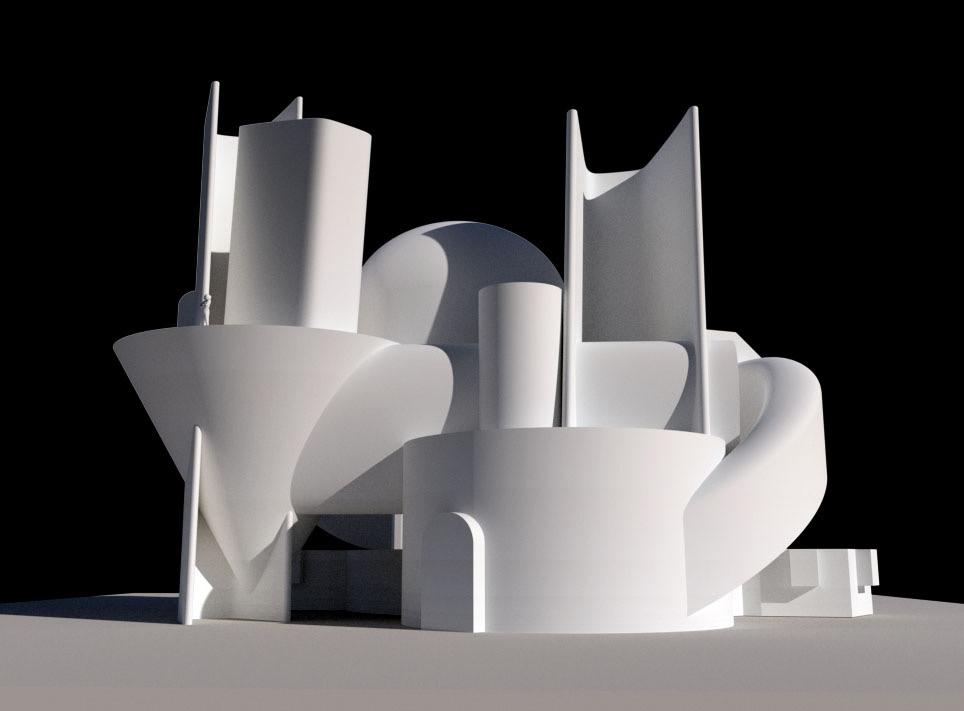 Cornisbrough Castle + House of Future
ENTRANCE GALLERY AUDITORIUM BRIDGEPLATFORM POP UP EXHIBITION
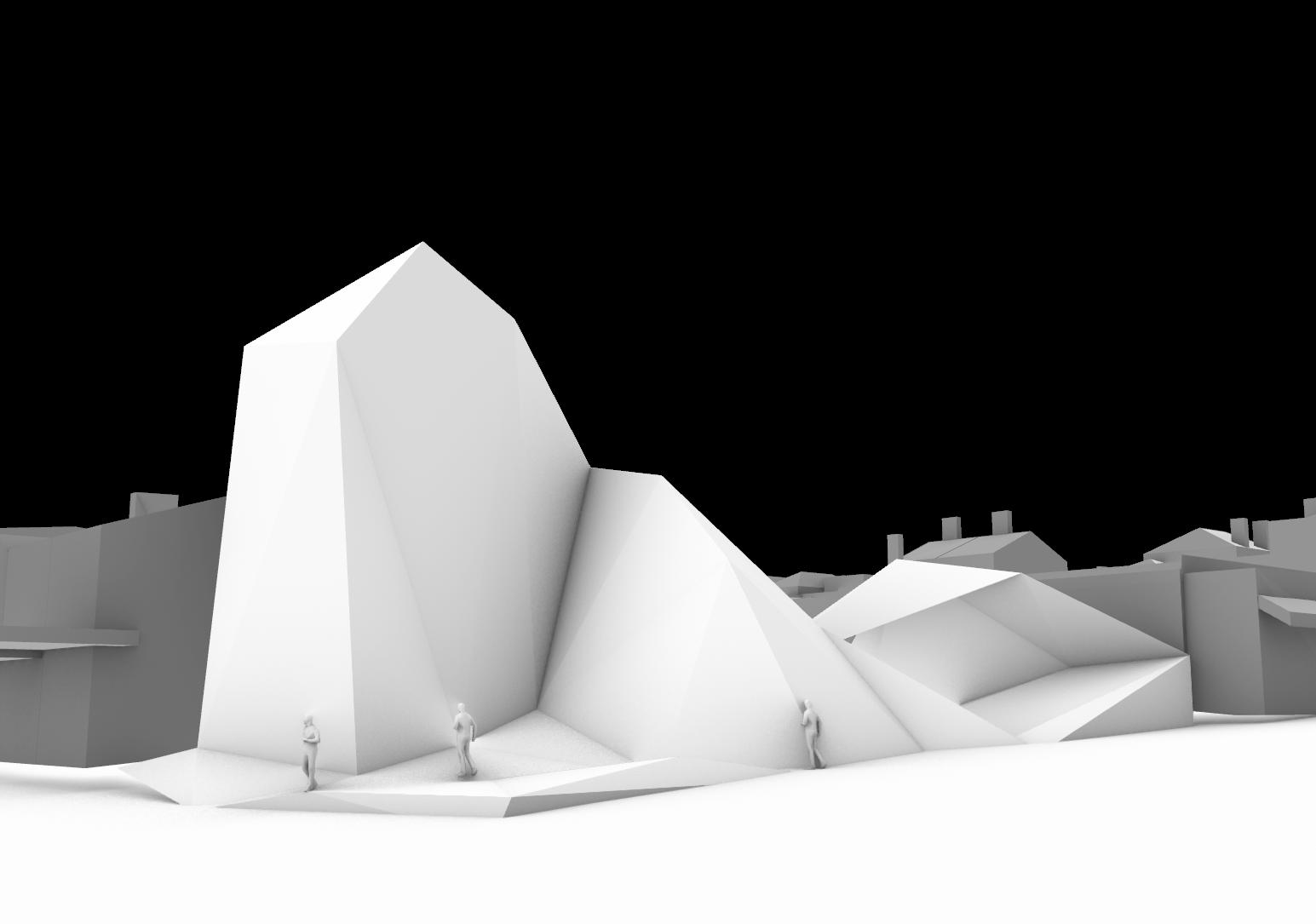
The forms and landscape are formed from the folding of surfac es. The folded surface can create enclosed forms and semi-outdoor space. This reduces the impact of the ‘edge’ of an otherwise sharp corner building in this rectangular site. Pedestrians will encounter the landscape first as they approach the site and the proceed to the build ing.
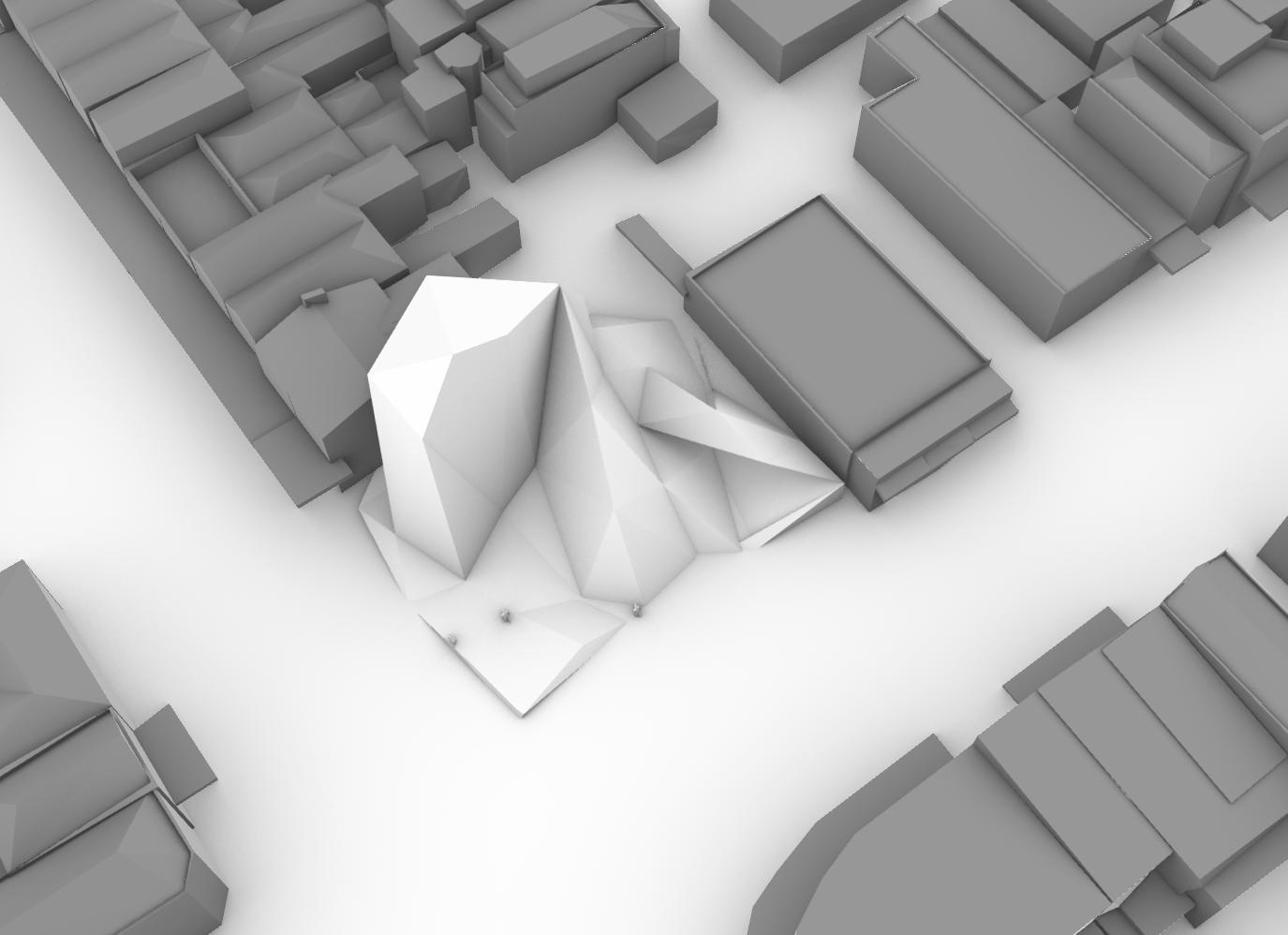
Task 3. Urban Massing WEEK 4
01. BUILDING AS LANDSCAPE
The volume is formed from stacked cubes with varying heights. The varying heights allow for each small units of space to have certain light access at different heights. The upper volumes are connected verti cally with a vertical transportation (lift, spiral staircase).
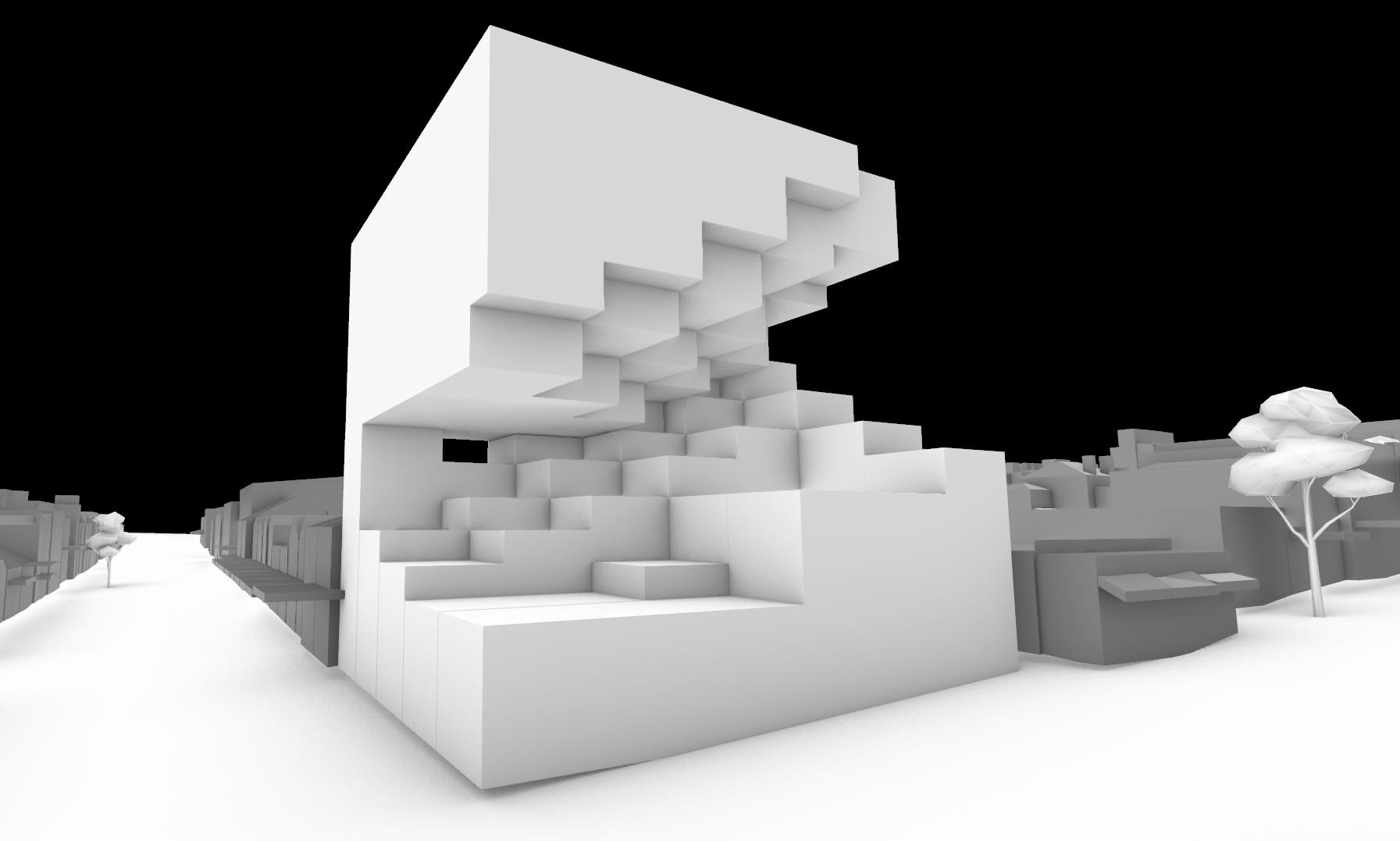
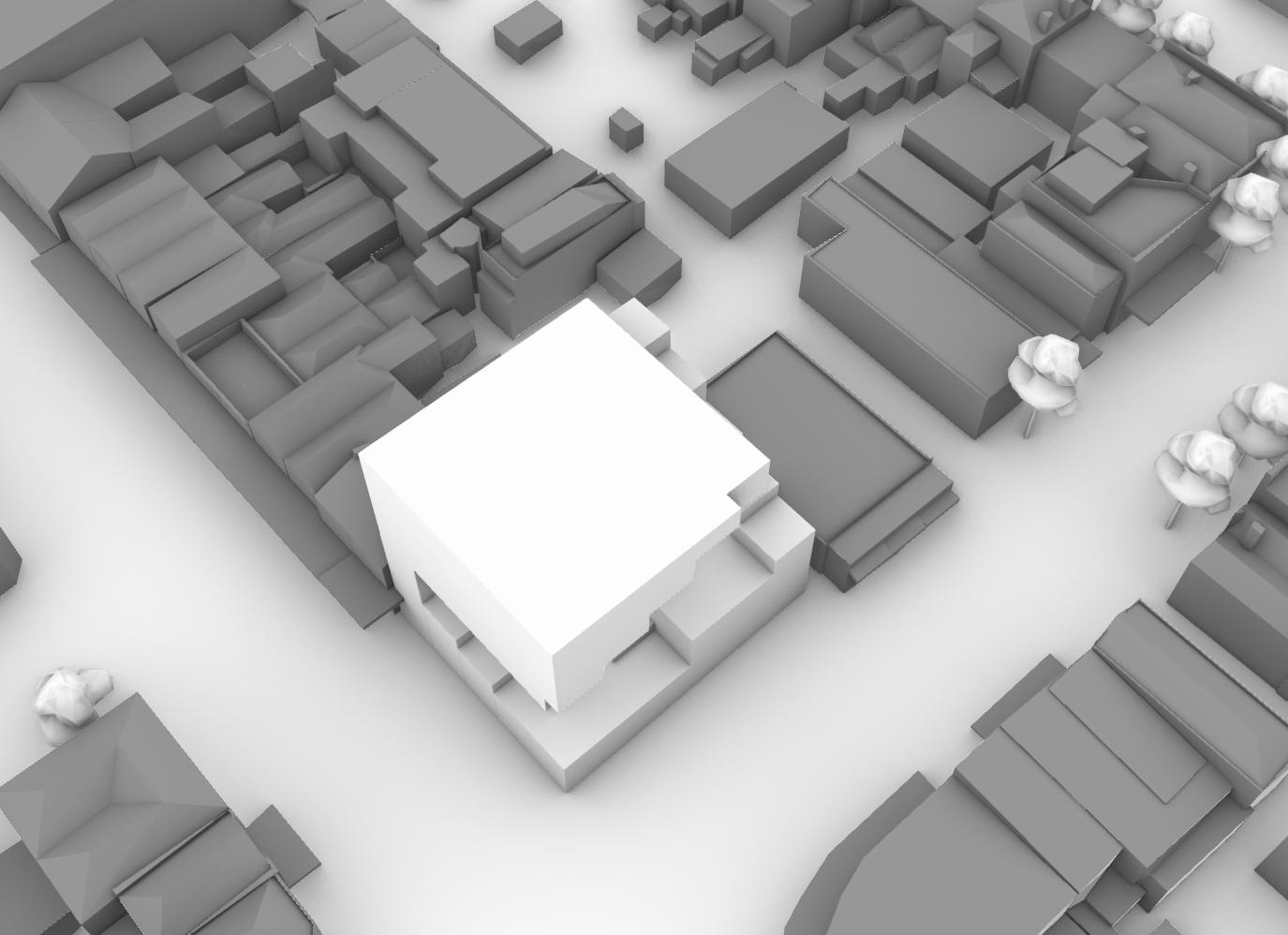
02. BUILDING AS DIAGRAM OF FUNCTIONS
The sculptural forms serves to stand as an icon to the street scape lifted up by the landscape podium. The faceted form contrasts with the cylindrical solid, which accommo date different program with different spatial quality. The faceted forms are transparent with higher ceiling compare to the stacked uni form floor plates of the solid cylin der. However, this massing appears ‘out of place’ from the surrounding context, making it a ‘siteless’ build ing.
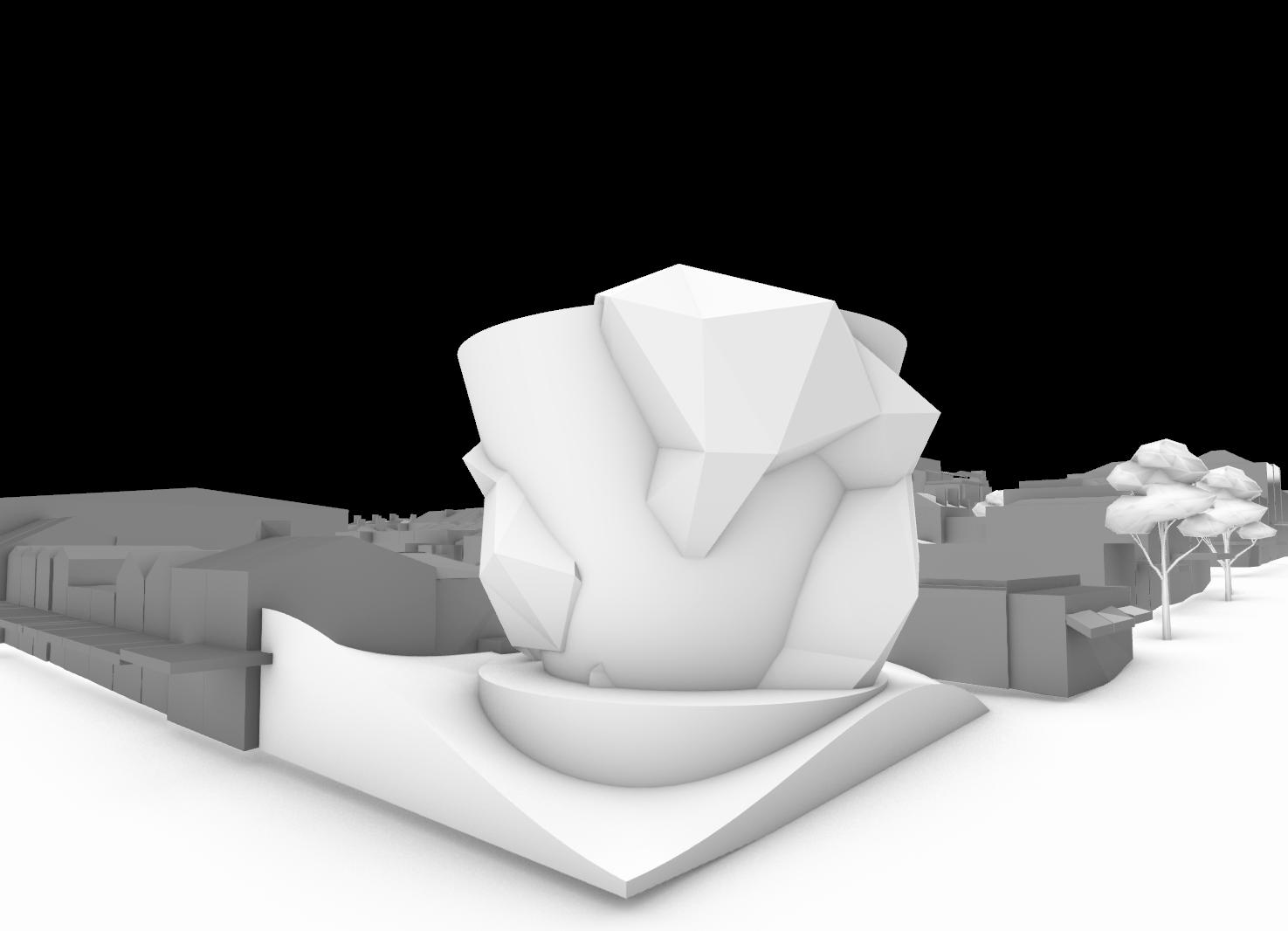
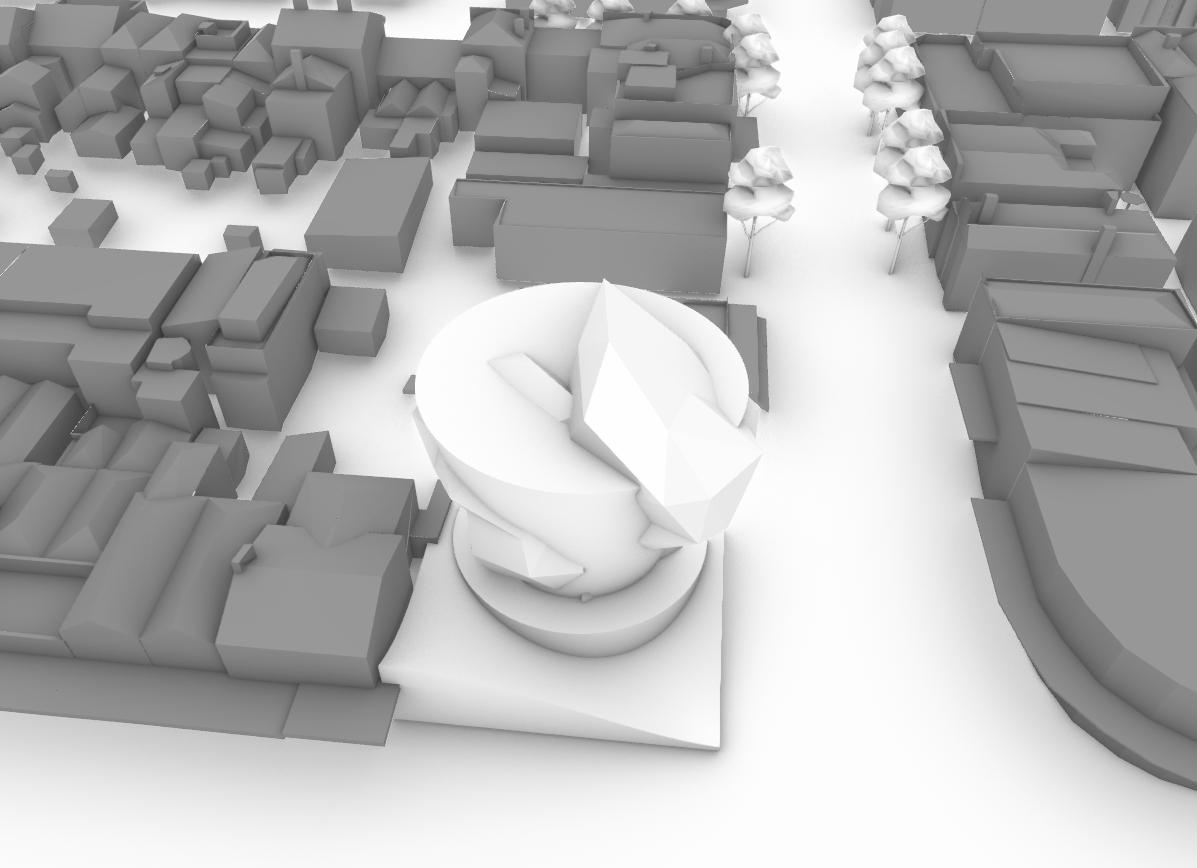
03. TABULA RASE/ OBJECTS ON PLANE
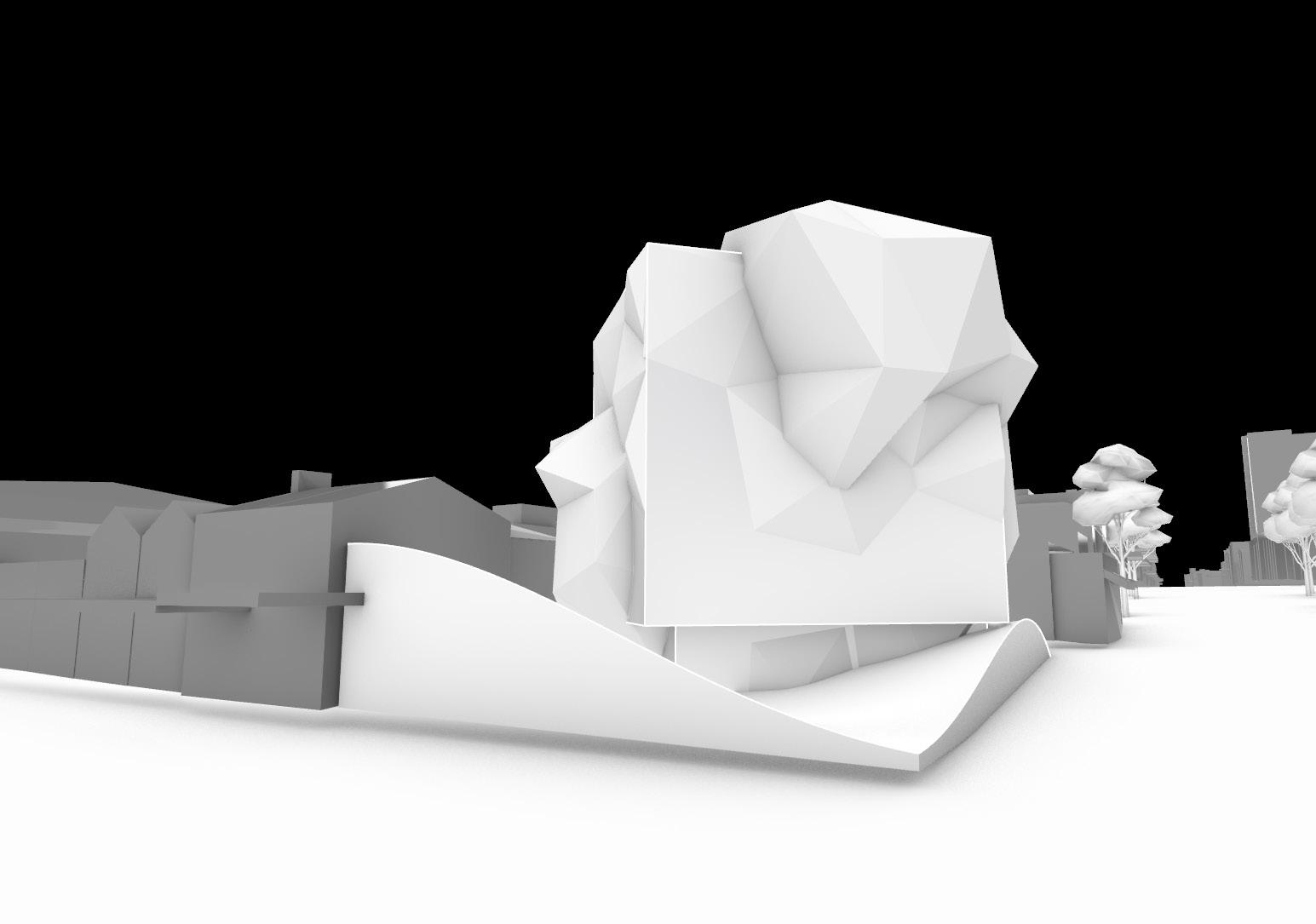
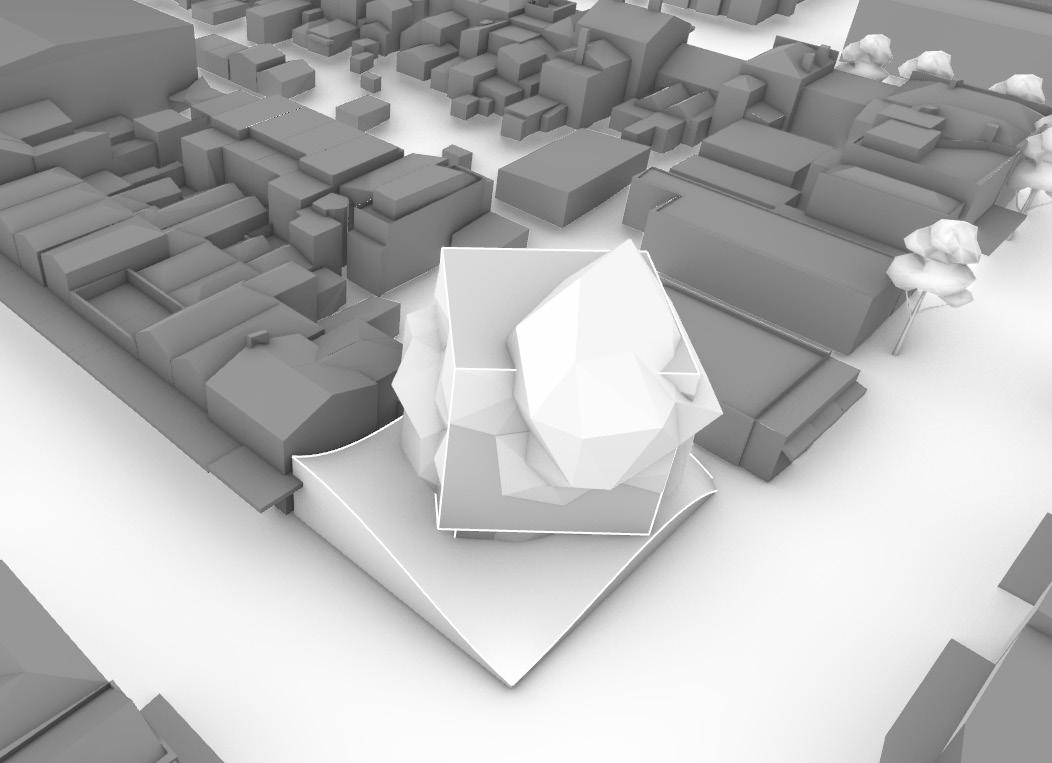
The sculptural forms serves to stand as an icon to the street scape lifted up by the landscape podium. The faceted form contrasts with the cube solid, which accommodate different program with different spatial quality. The faceted forms are transparent with higher ceiling compare to the stacked uniform floor plates of the solid cube. How ever, this massing appears ‘out of place’ from the surrounding con text, making it a ‘siteless’ building.
04. TABULA RASA/ OBJECTS ON PLANE
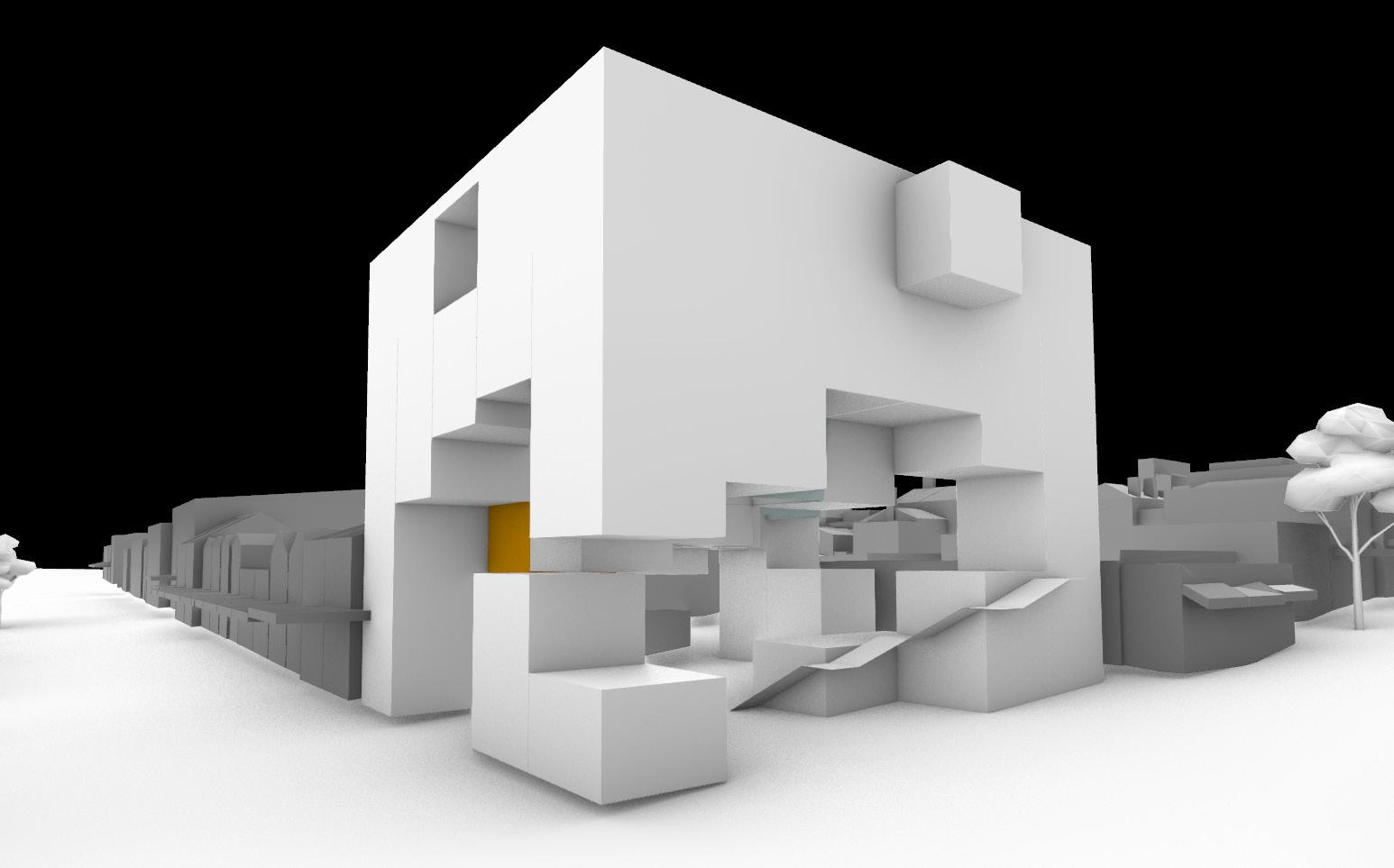
This creates the ‘urban interior’ which allows the pedetrians to free ly circulate through. The staircases are semi indoor. The larger overall cubes are comprised of smaller cubes stacked but non-uniformly.
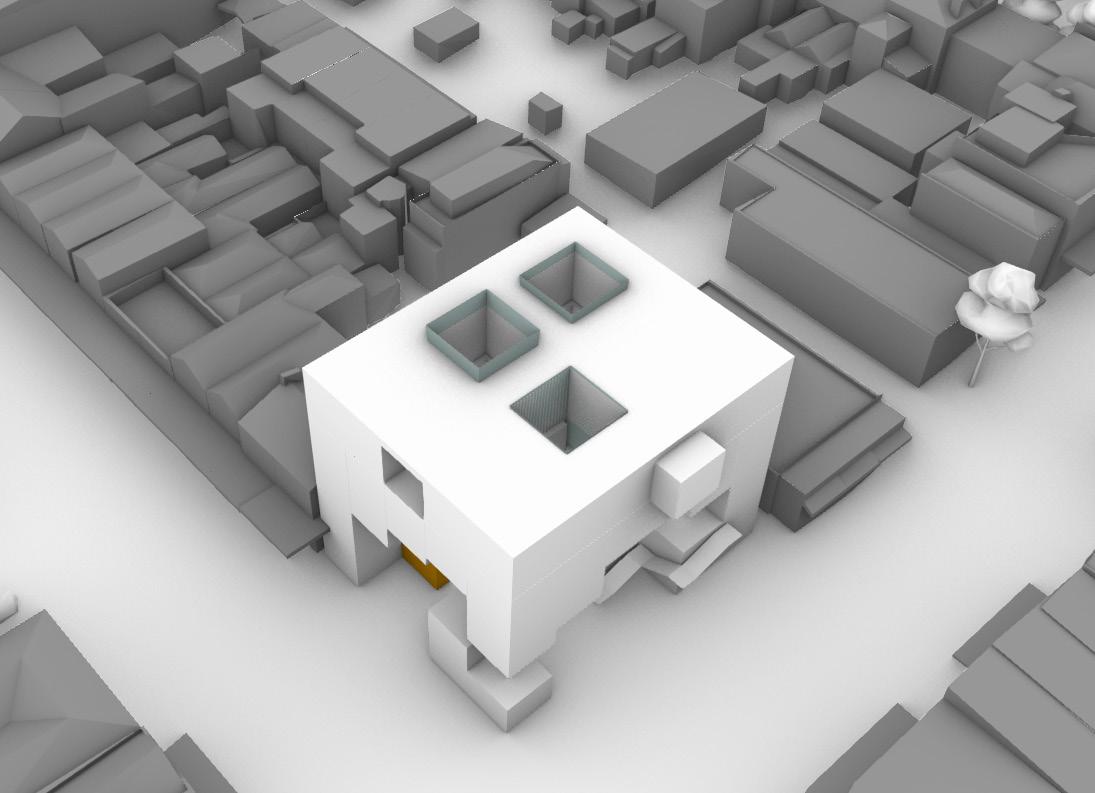
05. FIGURE GROUND
The collision of rectilinear create different width of spaces for differ ent programs of gallery. The vol umes are stacked and intersected to allow for expanded spatial volumes vertically. The entrance facing the main pedestrian traffic node lead ing to underground space, which the visitors can choose which volumes of gallery to enter. Howev er, this massing may need further consideration on the site coverage to maximise the program brief.
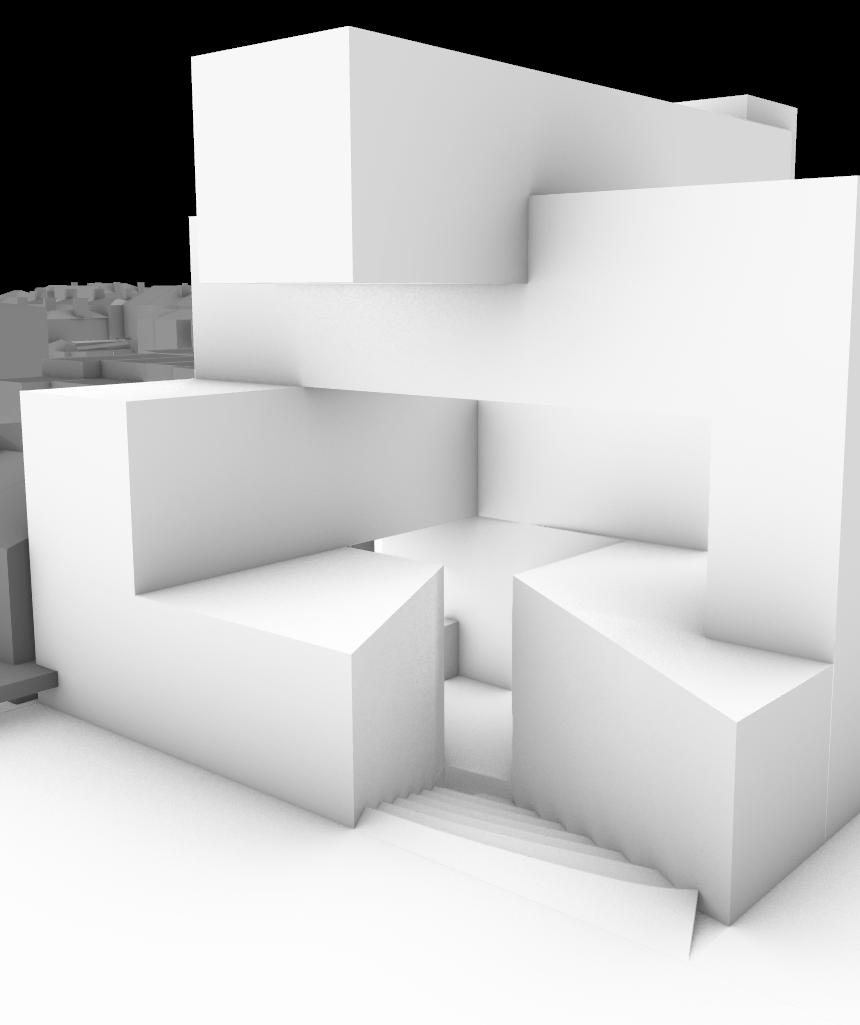
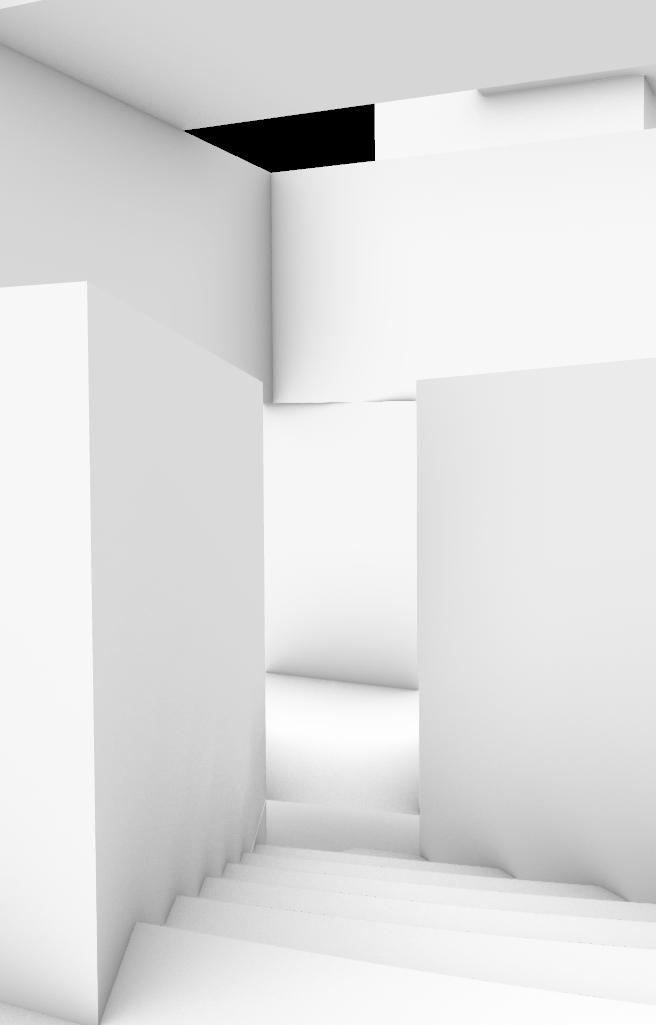
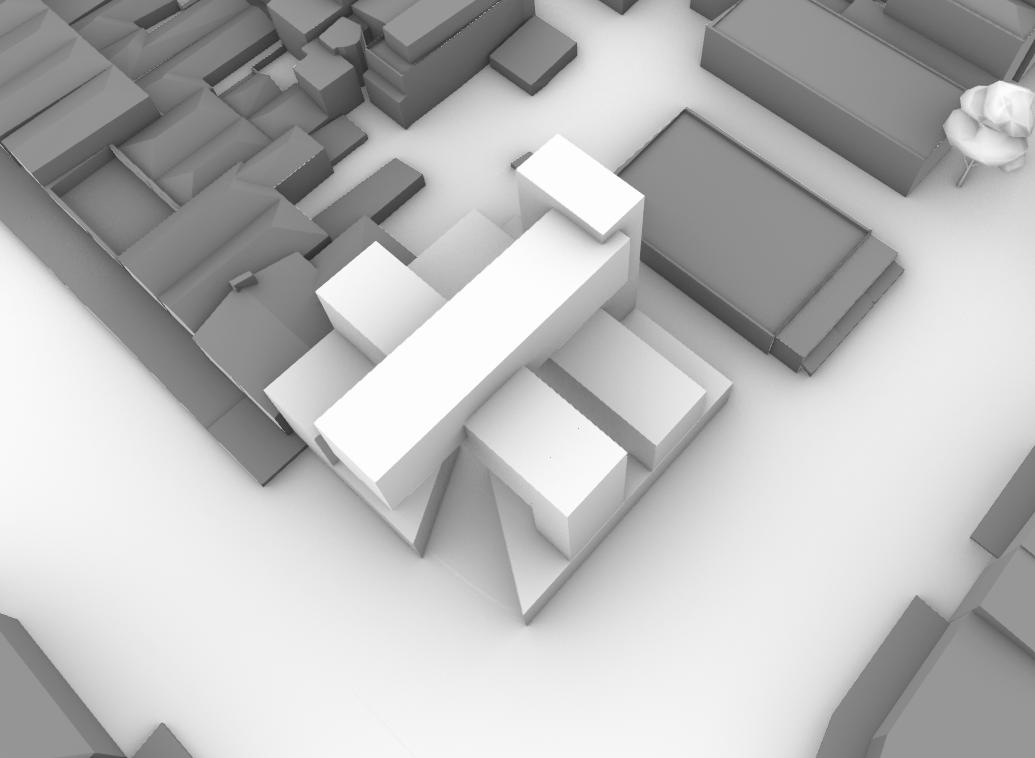
06. STACKING
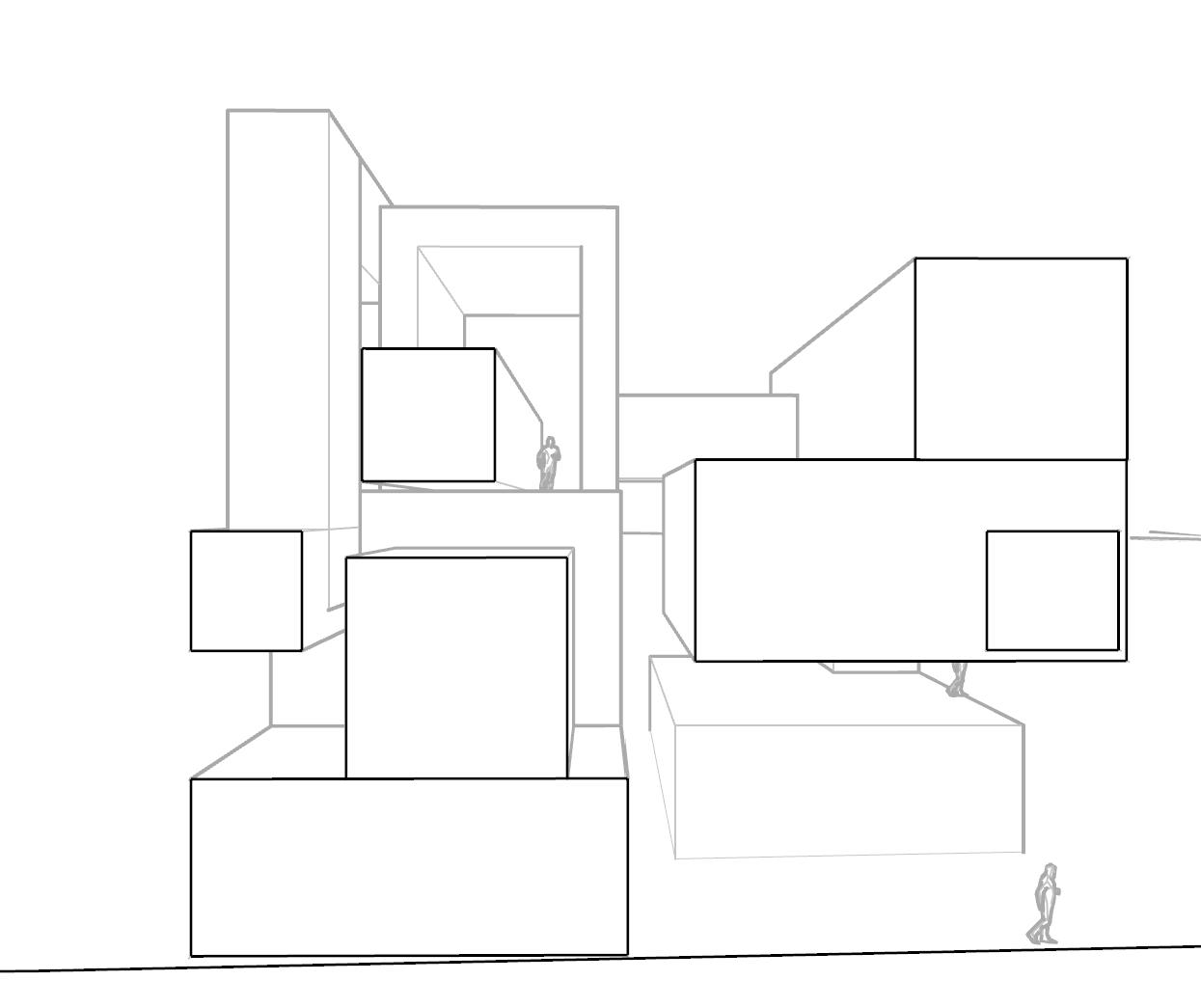
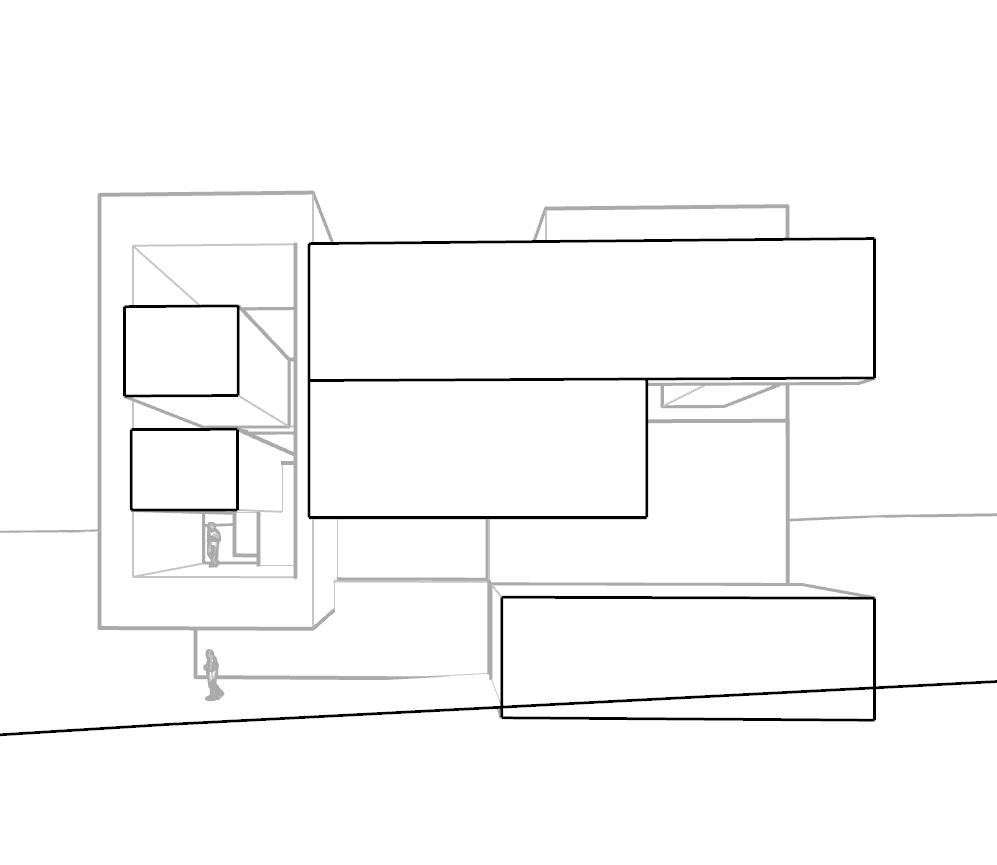
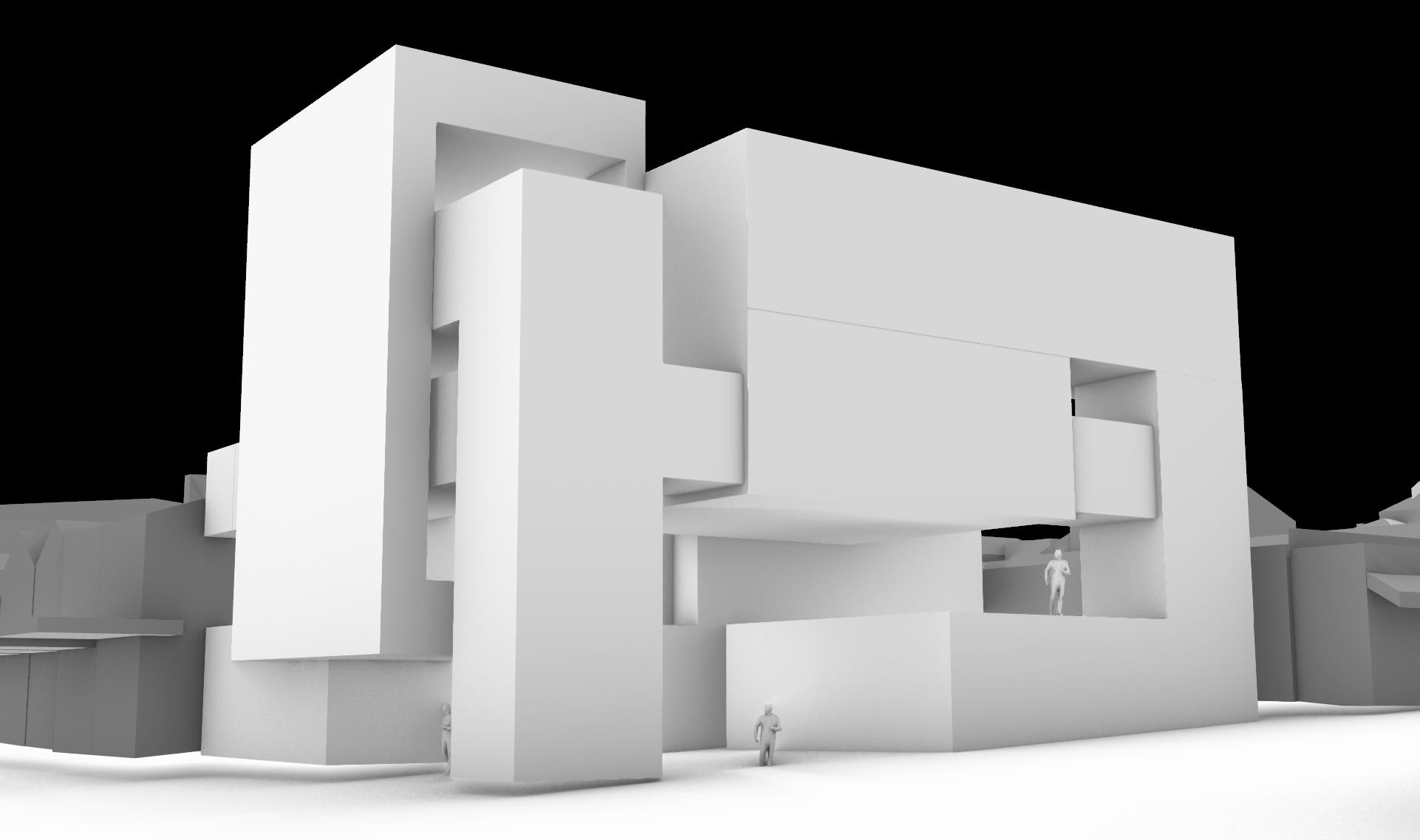
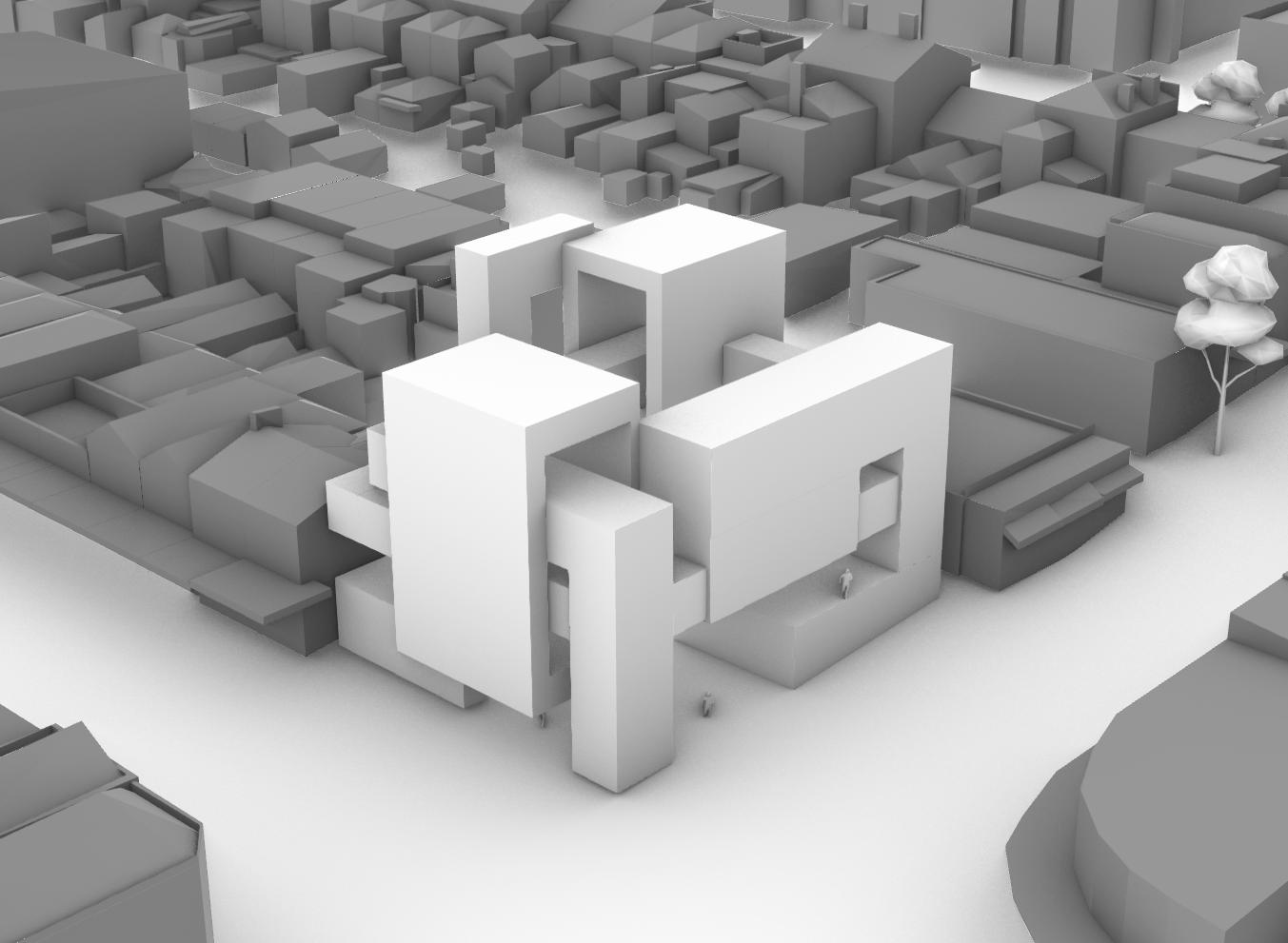
Inspired by suprematist artworks consisting of 2D elements floating, this form explores the 2D elements in 3D, floating in space. The main idea is the ‘bridge’ which can ac commodate temporary exhibition or exhibition of arts that requires continuous circulation comparing to the larger solids connected by the ‘bridge’ which accommodates the permanent and artworks that require more time to contemplate.
07. STACKING
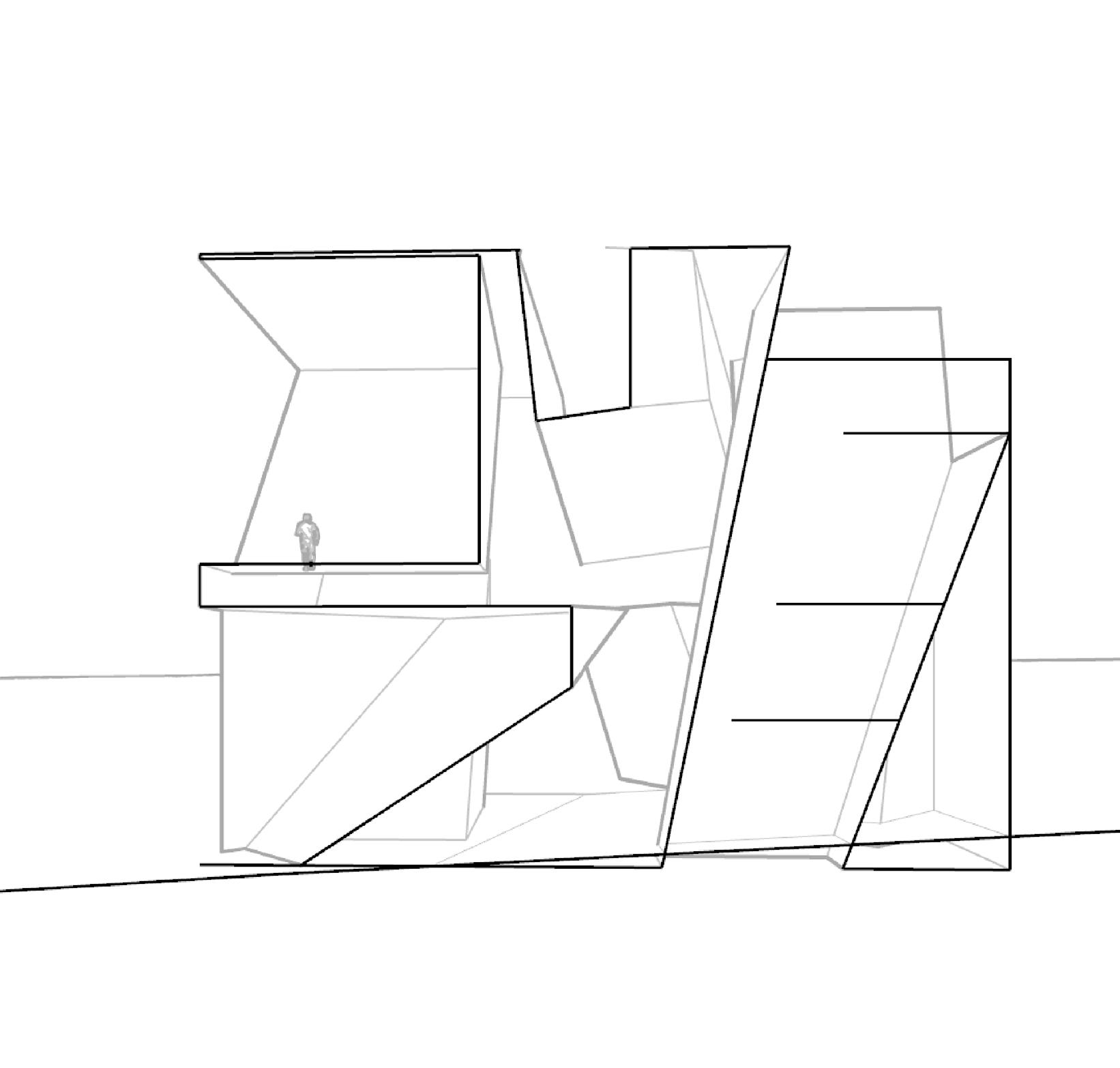
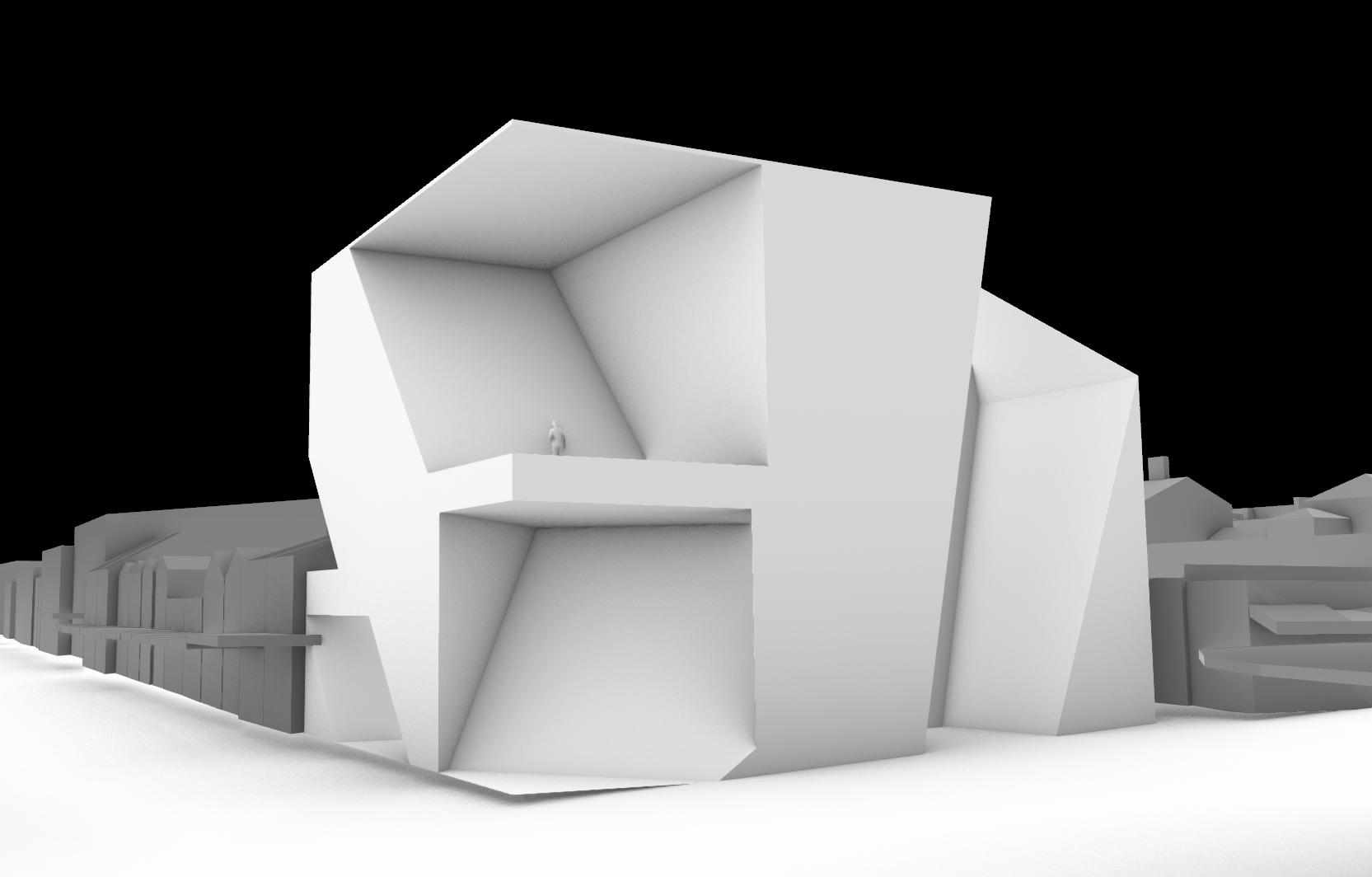
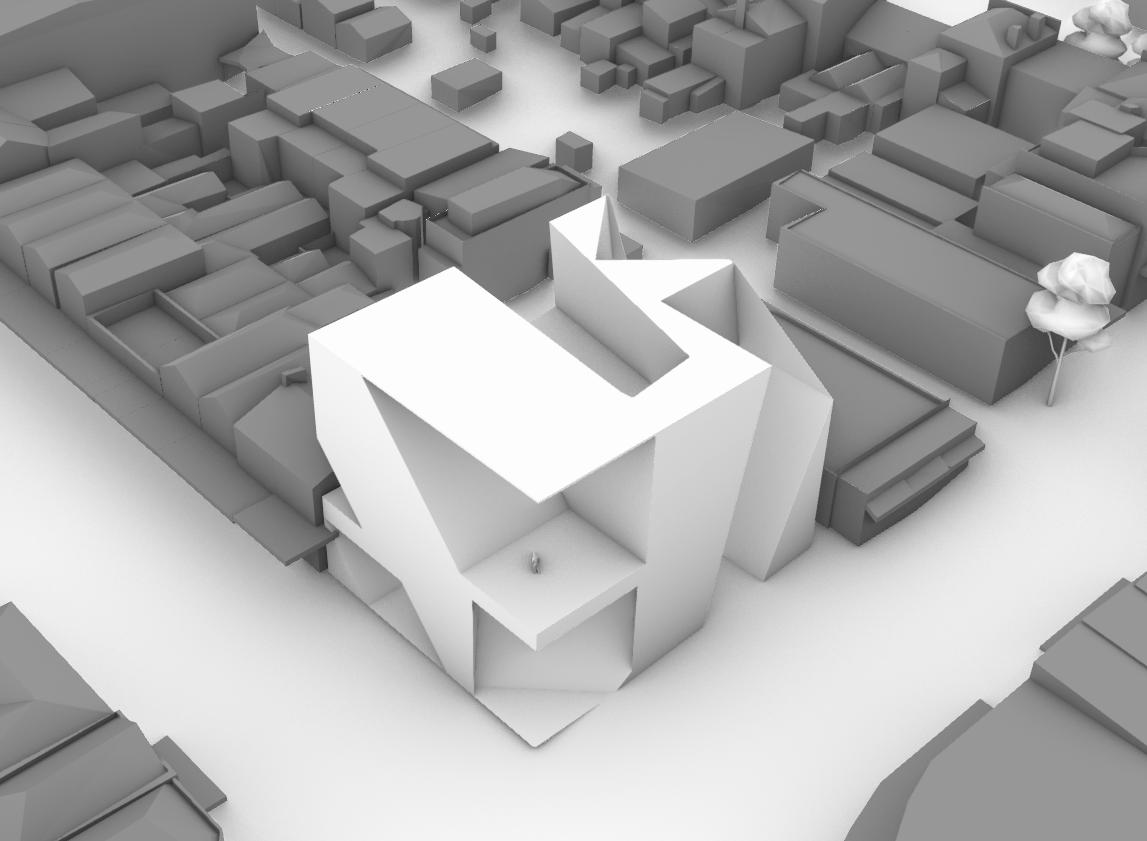
This idea explores boolean tech nique to create different sizes/ shapes of volumes with different experiential quality to accommo date different artworks’s ‘mood’. Taller spaces can also be layered with floor plates which have direct visual connection to ground level activities.
08. STACKING
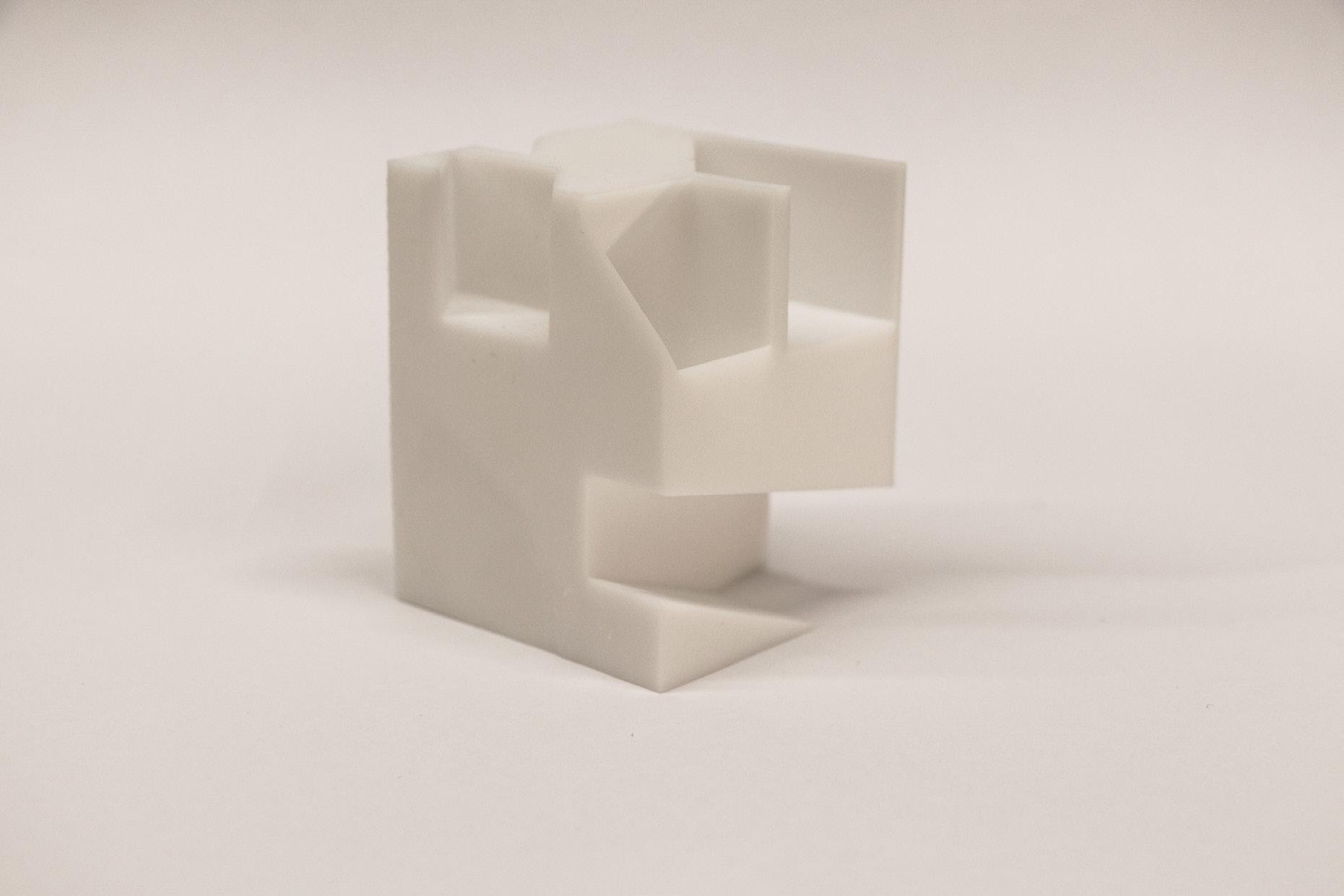
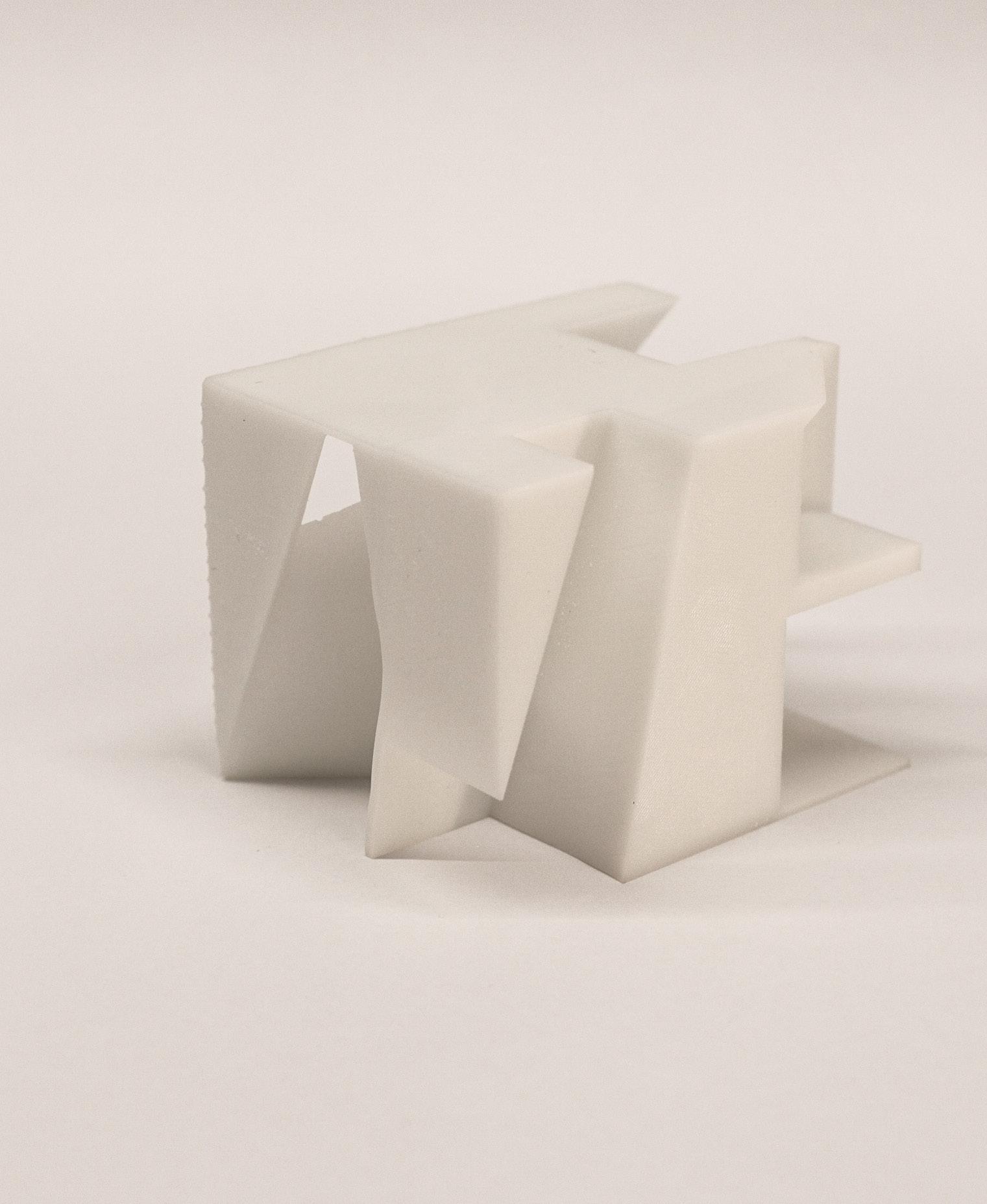 Sketch massing models
This is guided by jump cut tech niques to create different shape of volumes with different experiential quality to accommodate different artworks’s ‘mood’. Although creat ing interesting spaces in terms of how compacted they are to inform privacy and openness, further con sideration on how these spaces can be actually occupiable.
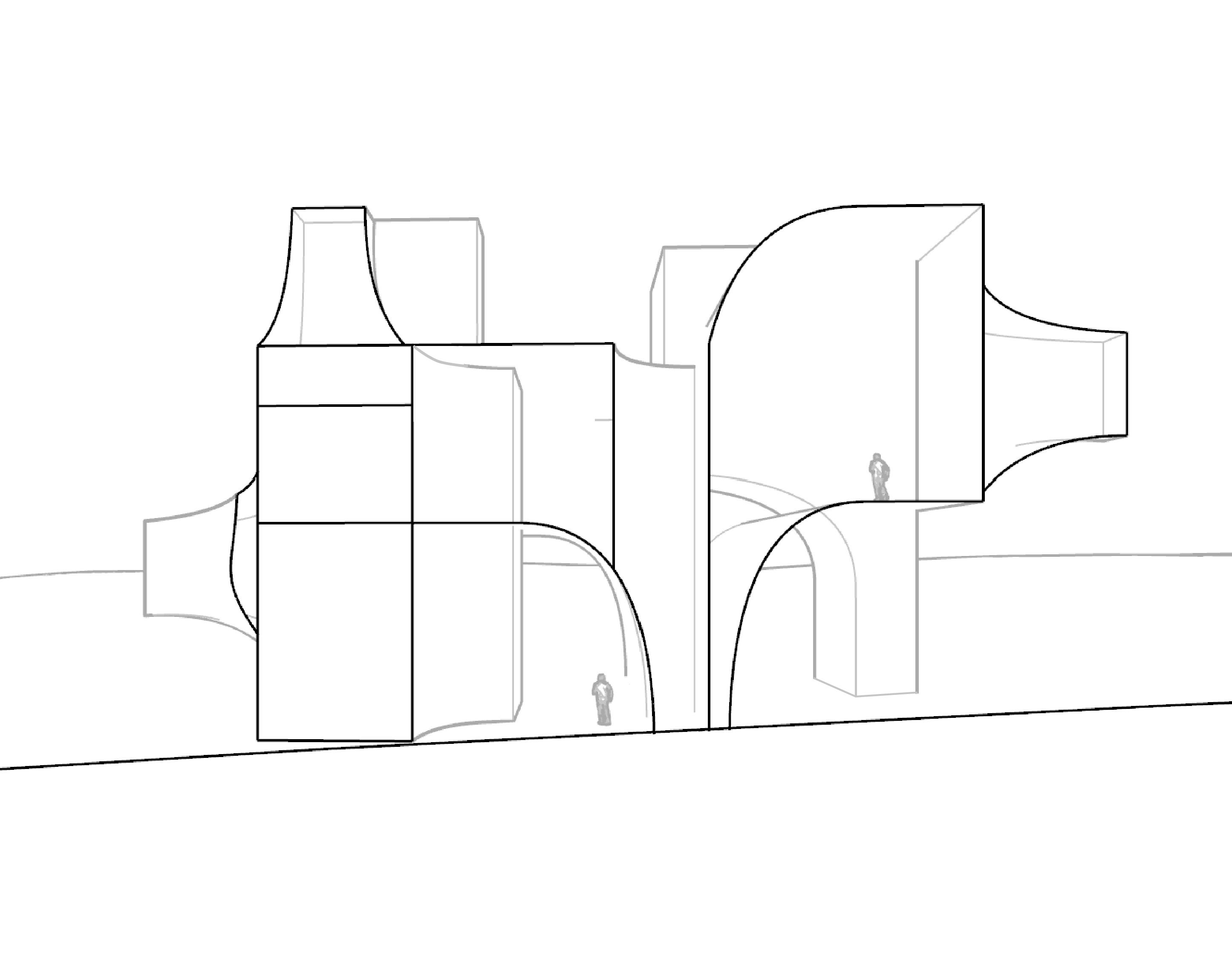
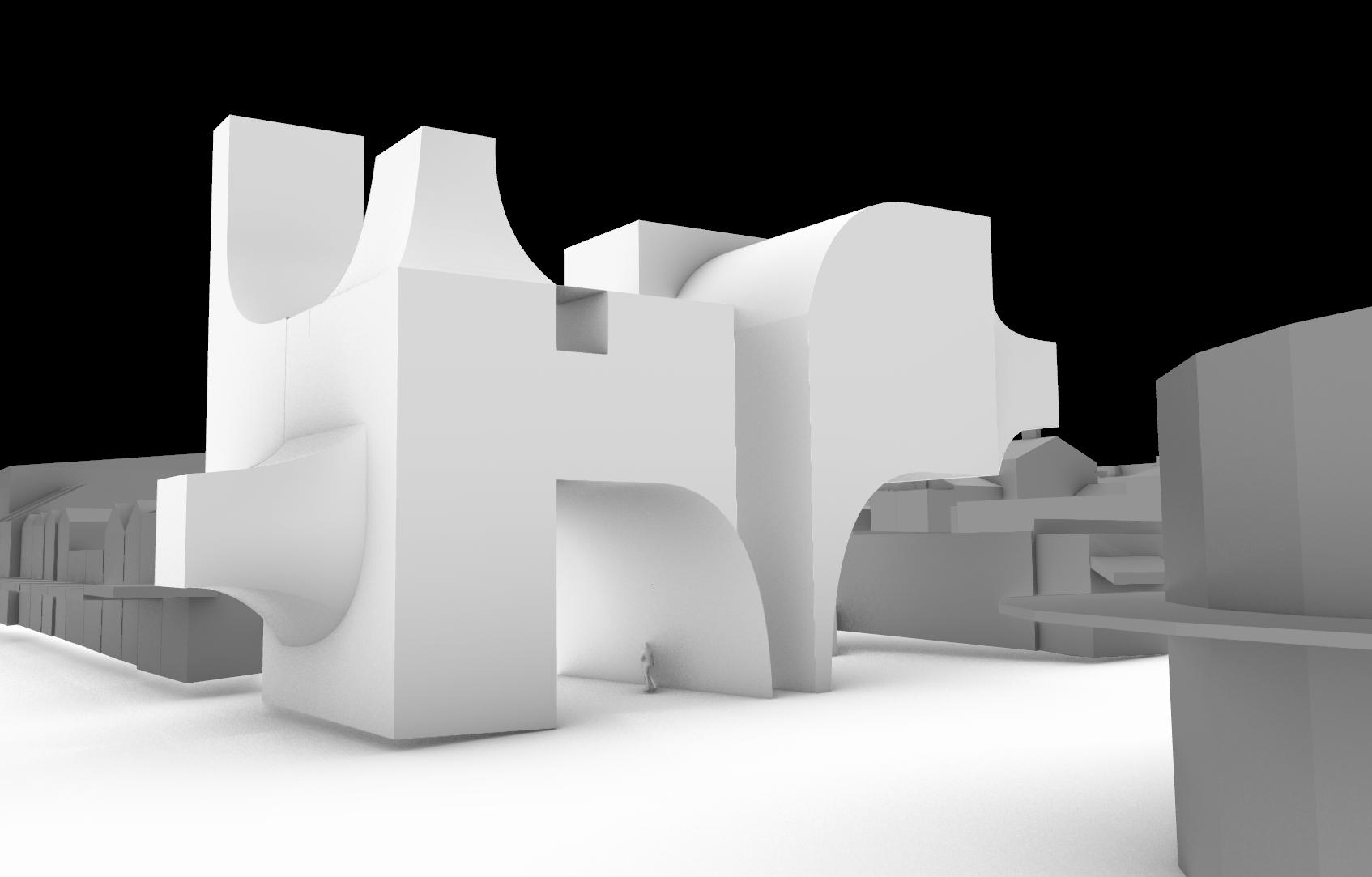
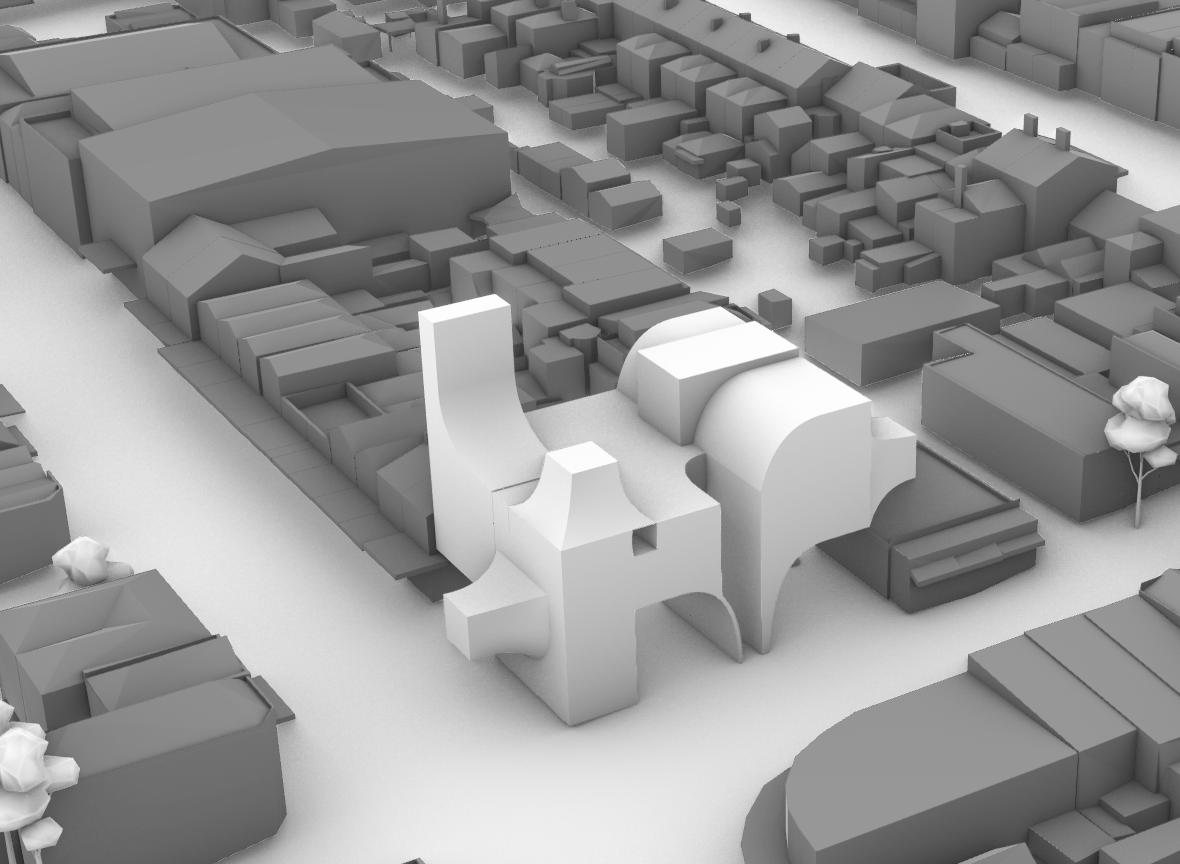
09. STACKING
Inspired by Yayoi Kusama’s repet tion of the same geometry, carving out the cylindrical form differently (into solids, shell etc) provides dif ferent spatial quality. This empha sises the dynamism on the street scape. This scheme clearly delin eates the different types of space eg. tall, narrow and stacked. The idea could be explored further, but the form requires further development as circular elements seems to be different from the surrounding context.
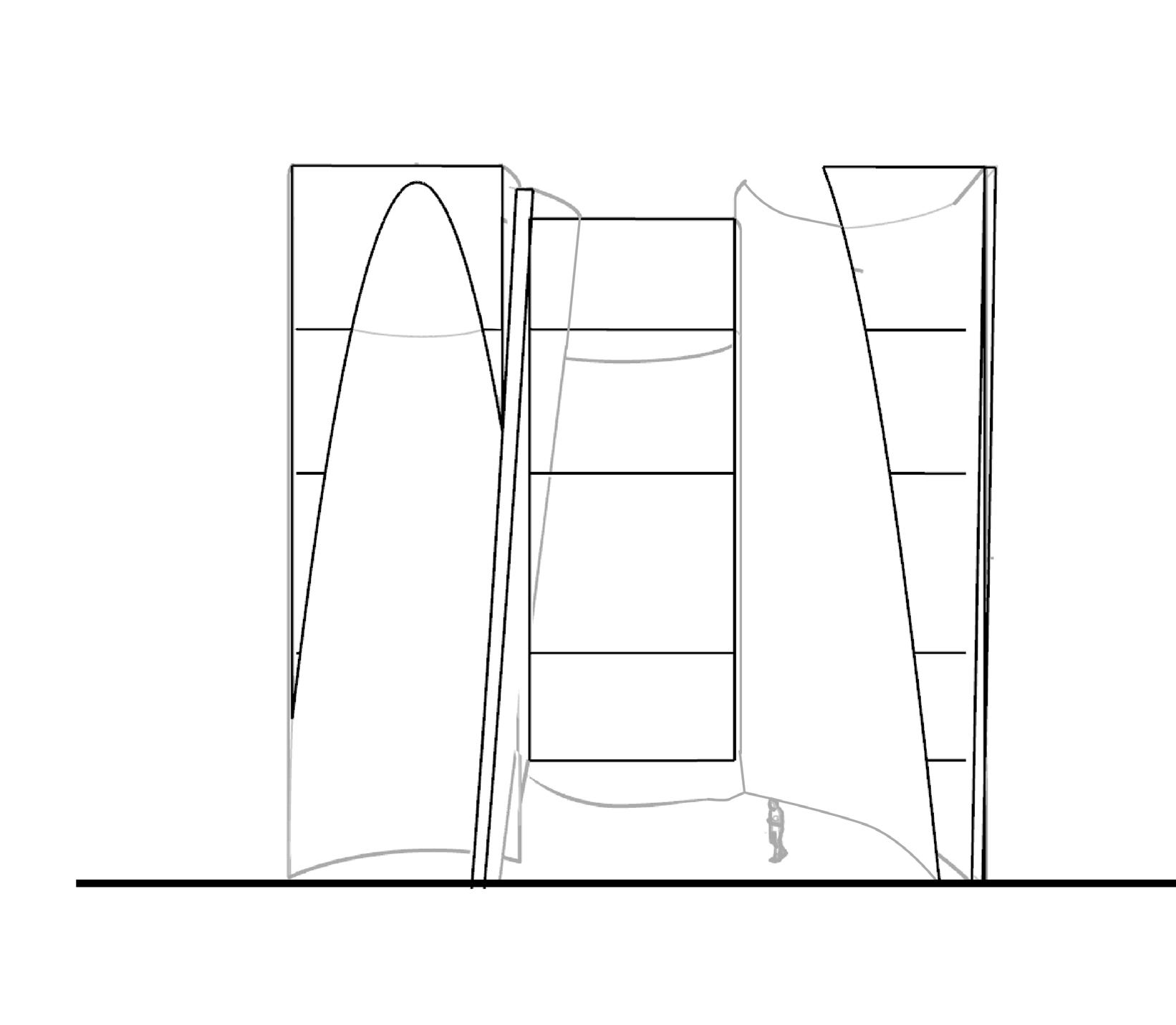
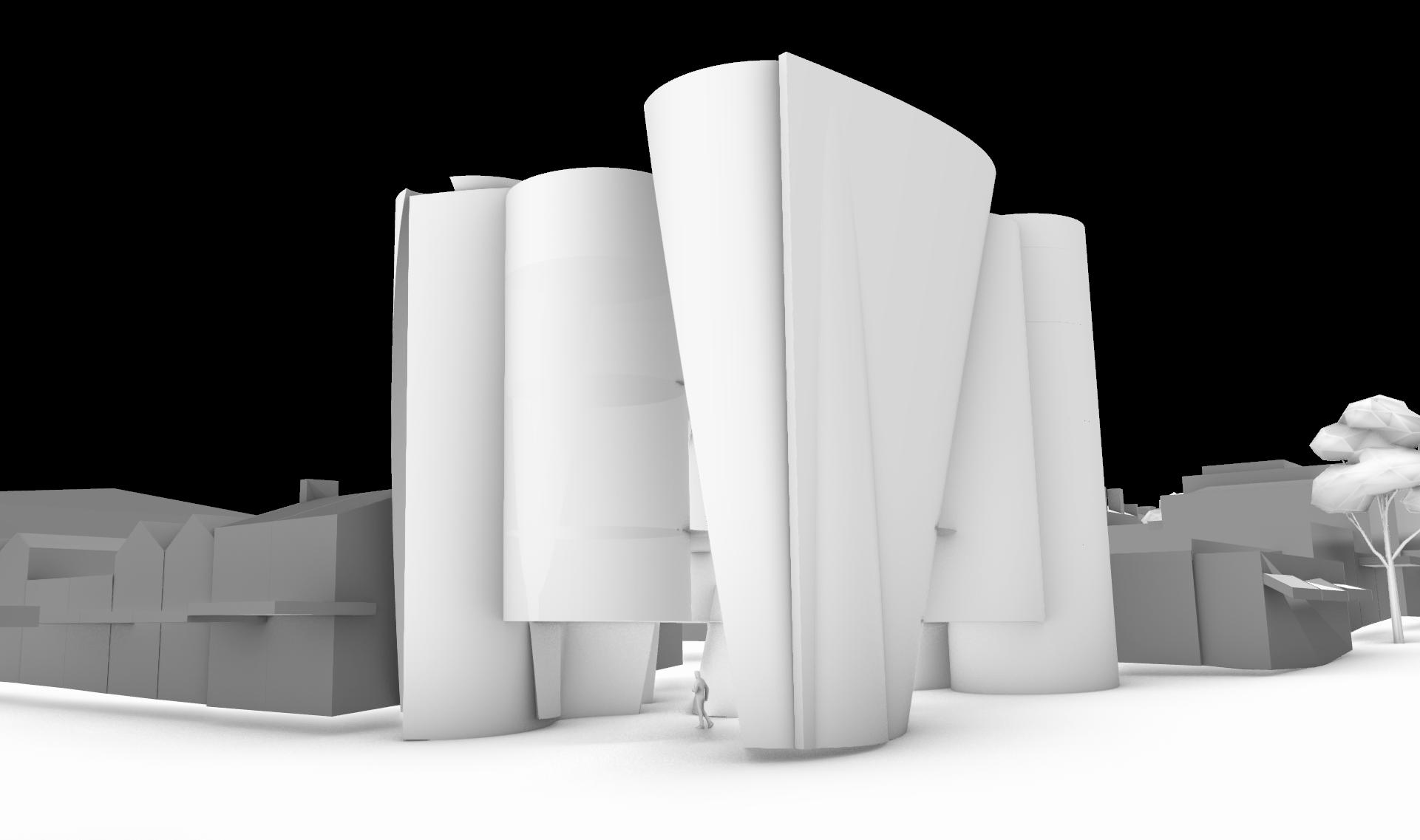
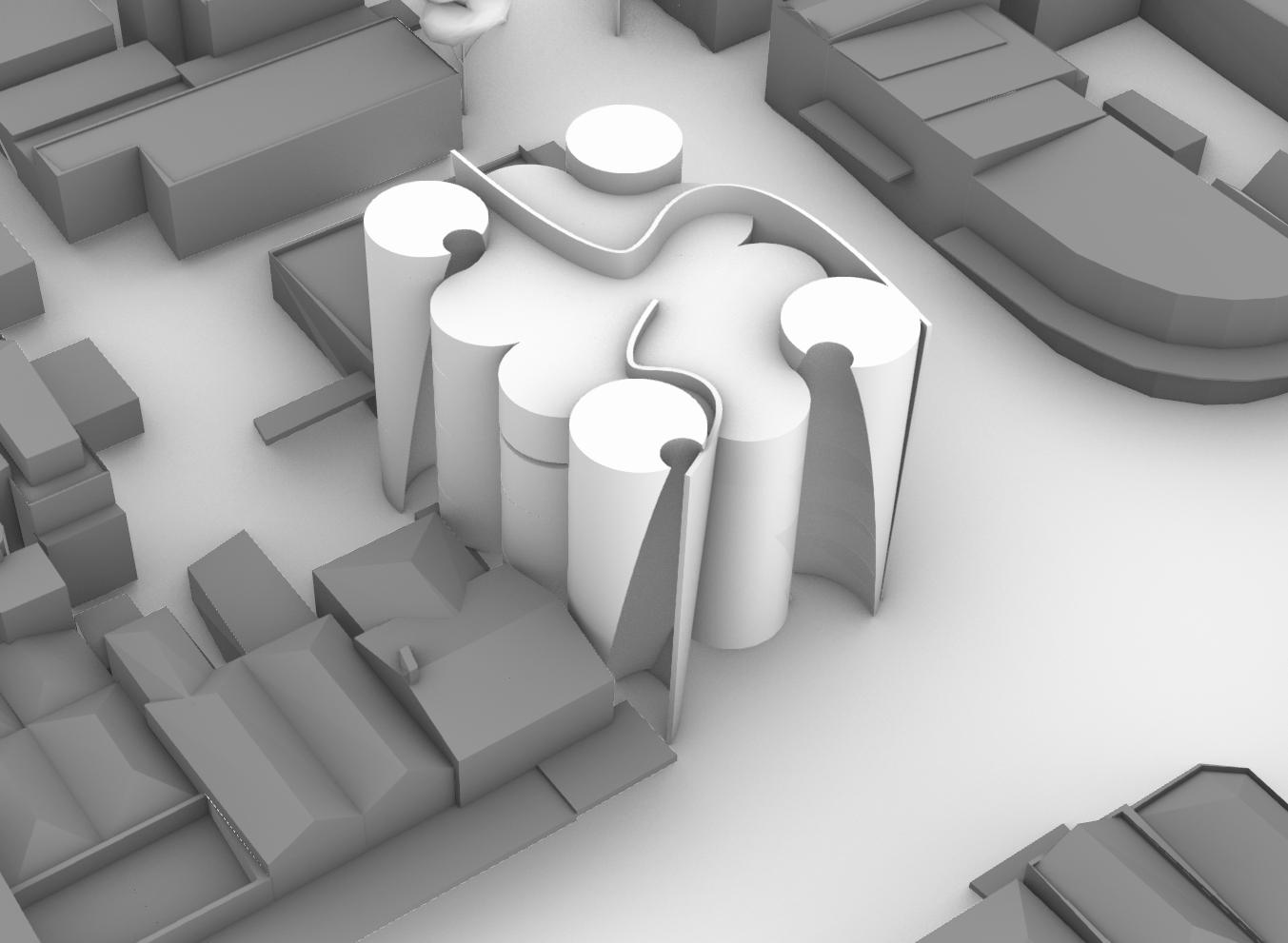
10. STACKING
This is the exploration of integrat ing circulation across landscape and underground. In the abstracted cylindrical forms, the floor plates are uniformly stacked. This con trasts with the non-uniformly inter section of the 3 cylindrical forms. However, this massing may need further consideration on the site coverage to maximise the program brief.
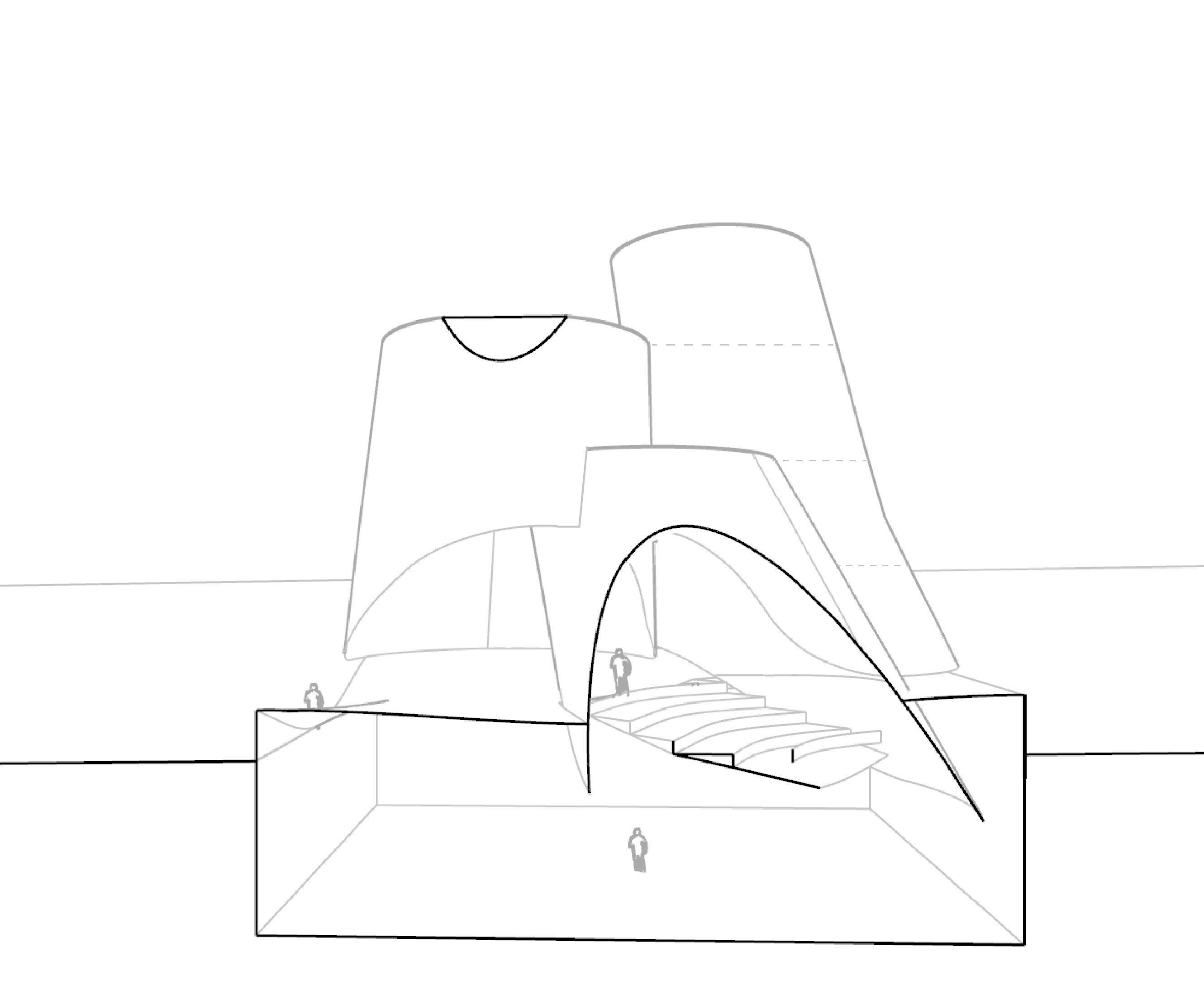
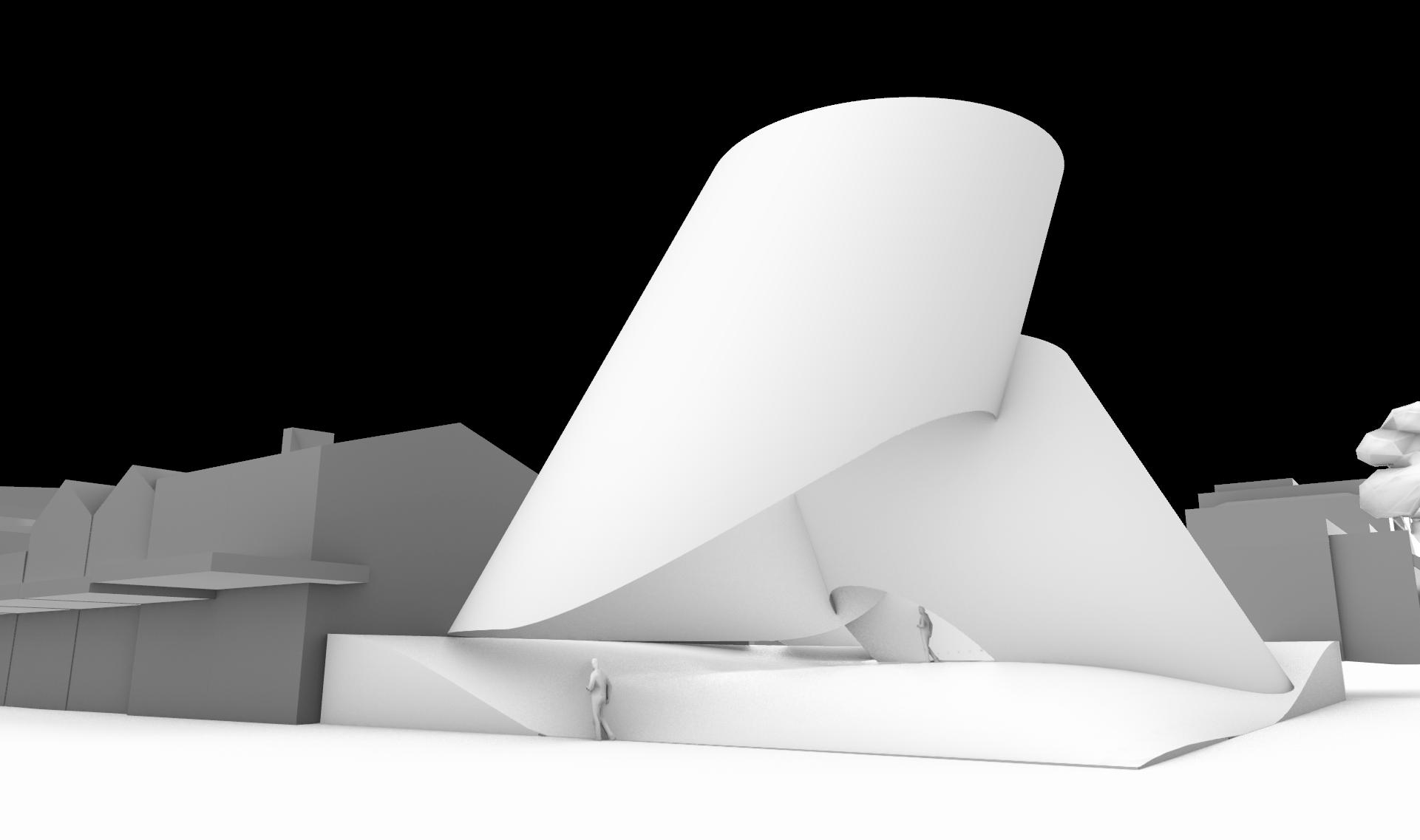
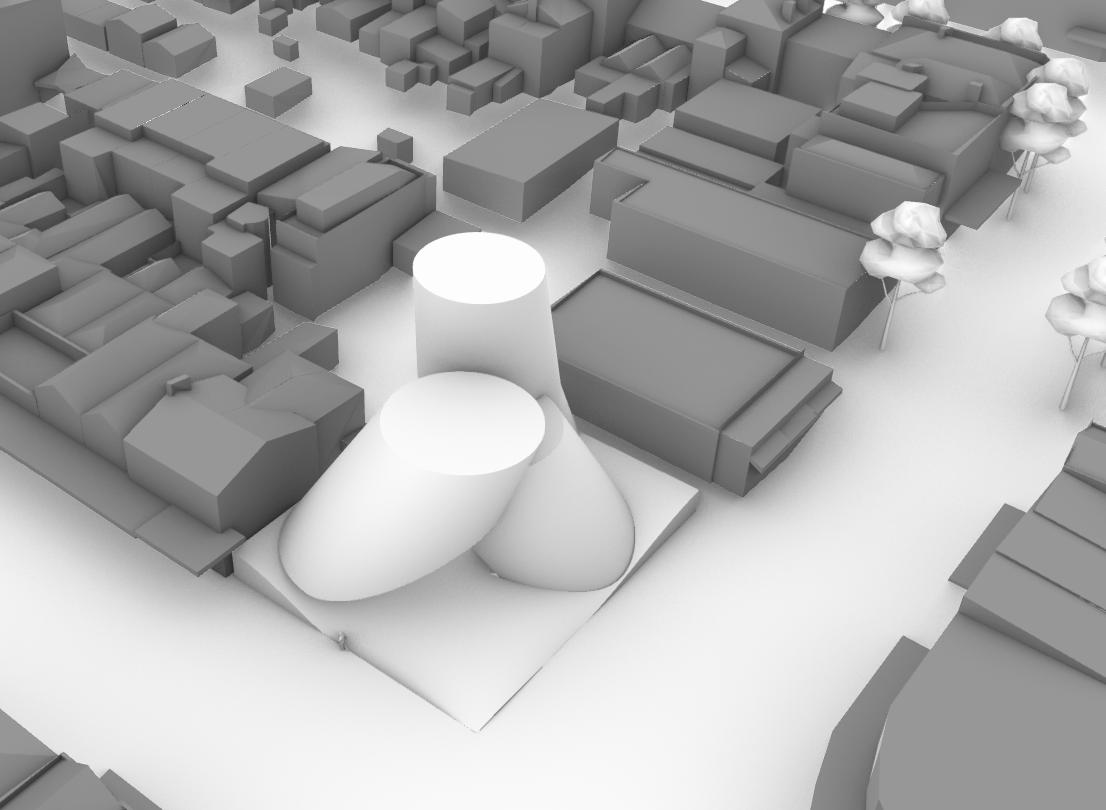
11. STACKING
Design Statement (draft)
In consideration of the art precinct of Fitzroy and the diverse culture of Melbourne:
What is universal form of art that can be understood beyond language, culture etc..?
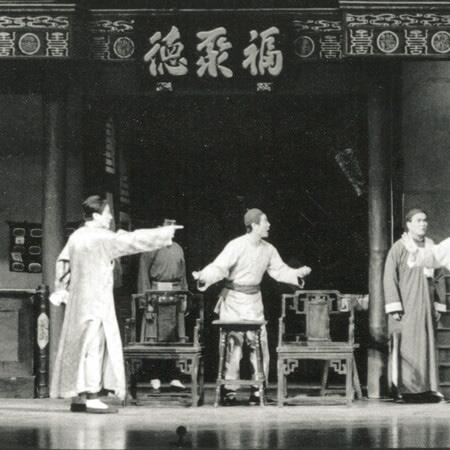
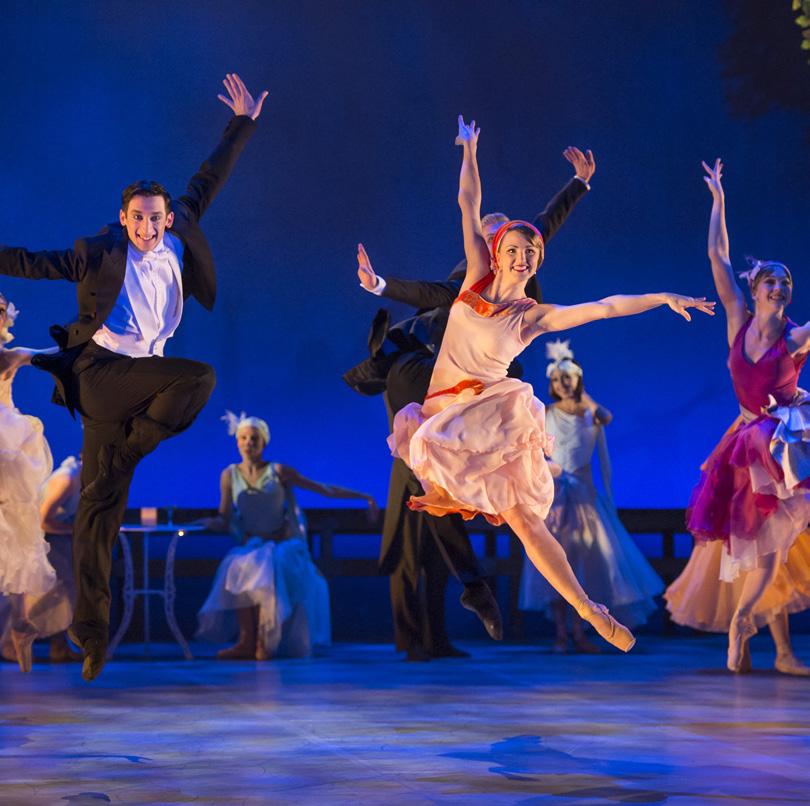
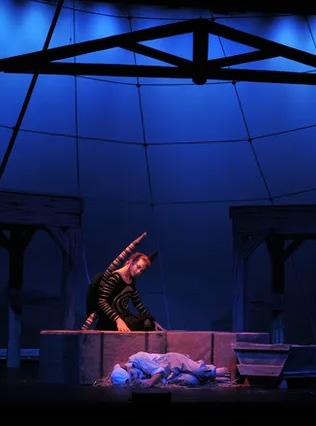
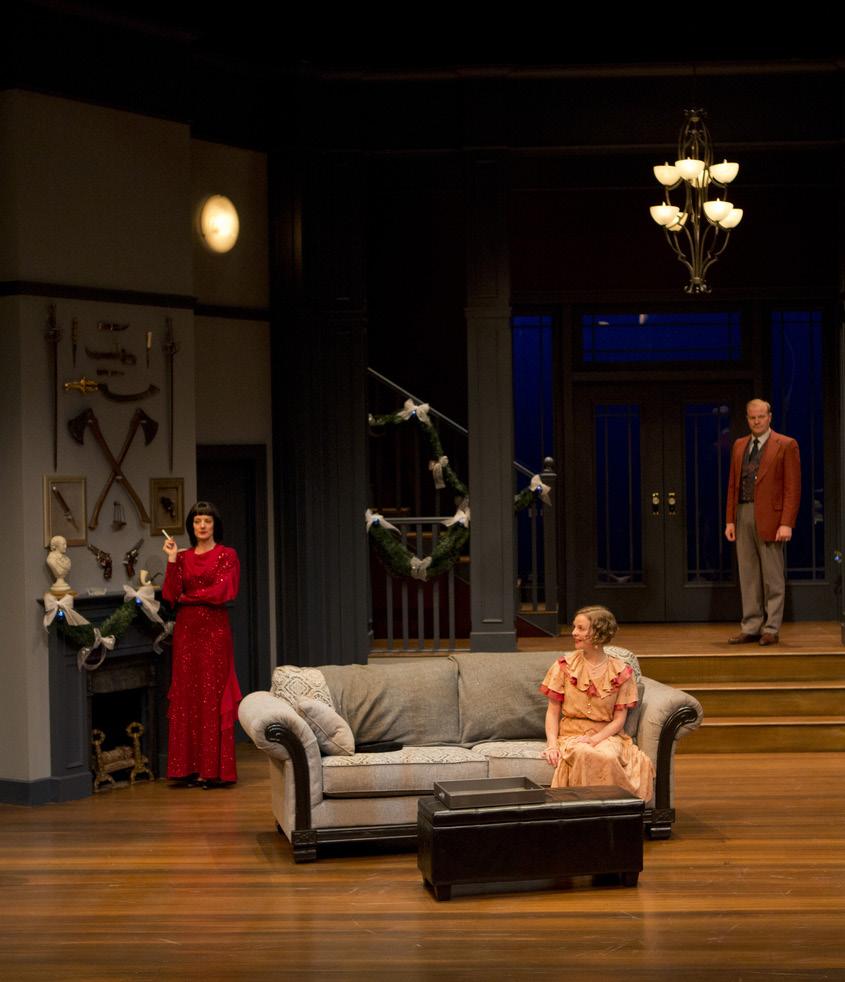
“The emotions conveyed through theatrical acts can be expe rienced by all audience”
“Moving elements in a city, and in particular the people and their activities, are as important as the stationary physical parts. We are not simply observers of this spectacle, but are ourselves a part of it, on the stage with the other participants.”
Kevin Lynch, The Image of the City
(architectures becomes the stage, people= actors)
Architecture becomes the threatrical art where visitors can be immersed in the emotions... (of the artworks)
Considerations: How does theatrical play relates to contemporary art, find a close resonance between the two ideas to explore further
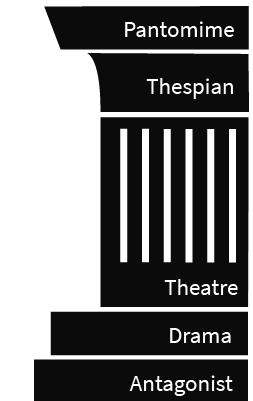
WEEK 4
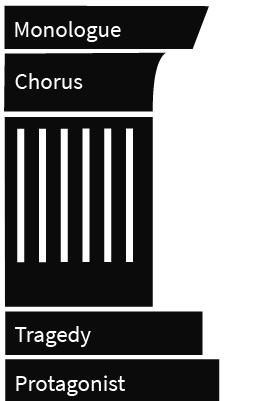
Intensity/ Conflict
Melancholy
Climax
Monologue
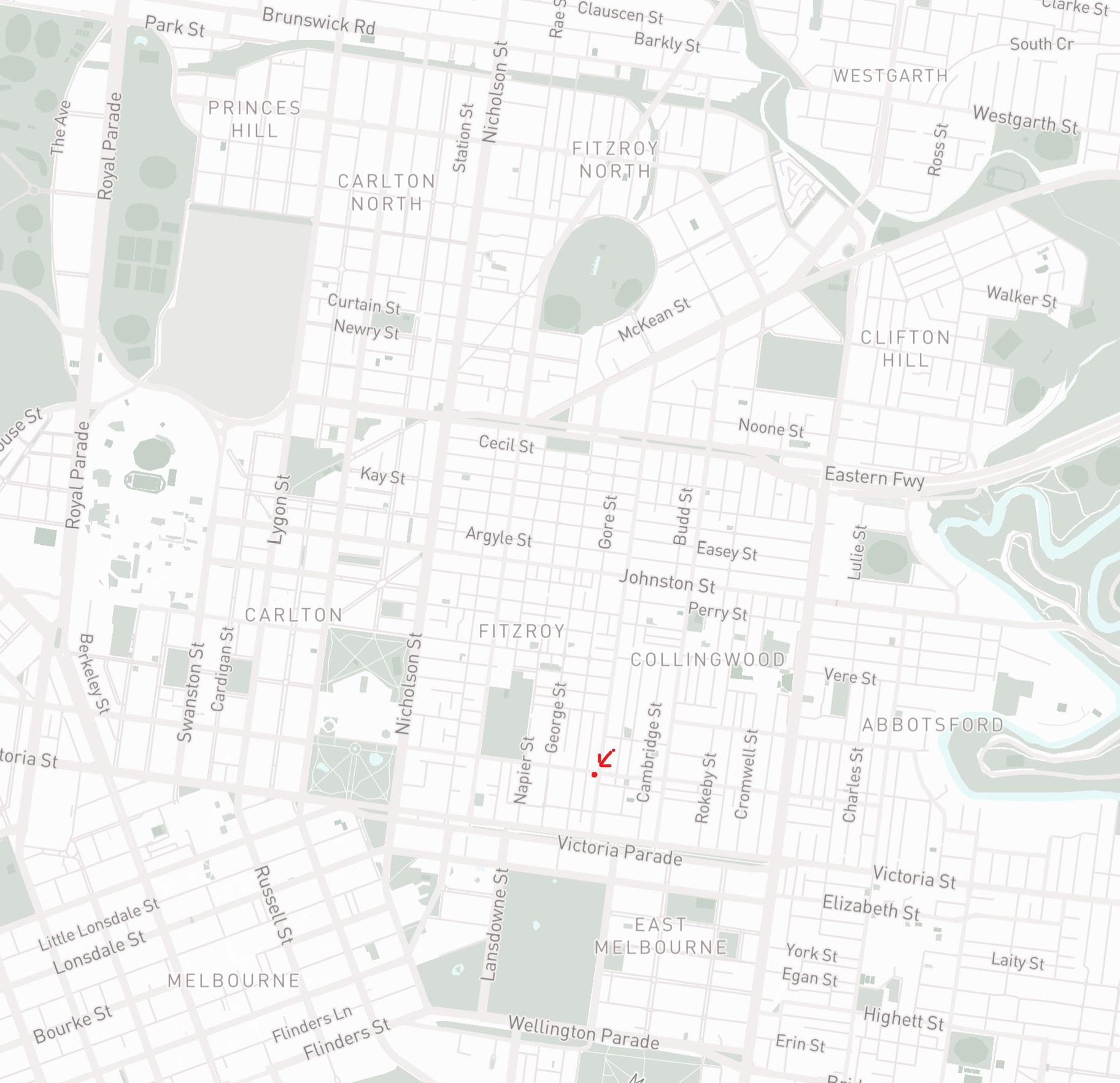
Site Analysis WEEK 4
Antherton Reserve
Edinburgh Garden
Fitzroy Garden
Carlton Garden
Existing Greenery
Victoria Parade Green Strip
performative architecture.
Curved form represents the architec ture as embodying qualities of live-ness, movement, dynamism and imperma nence...
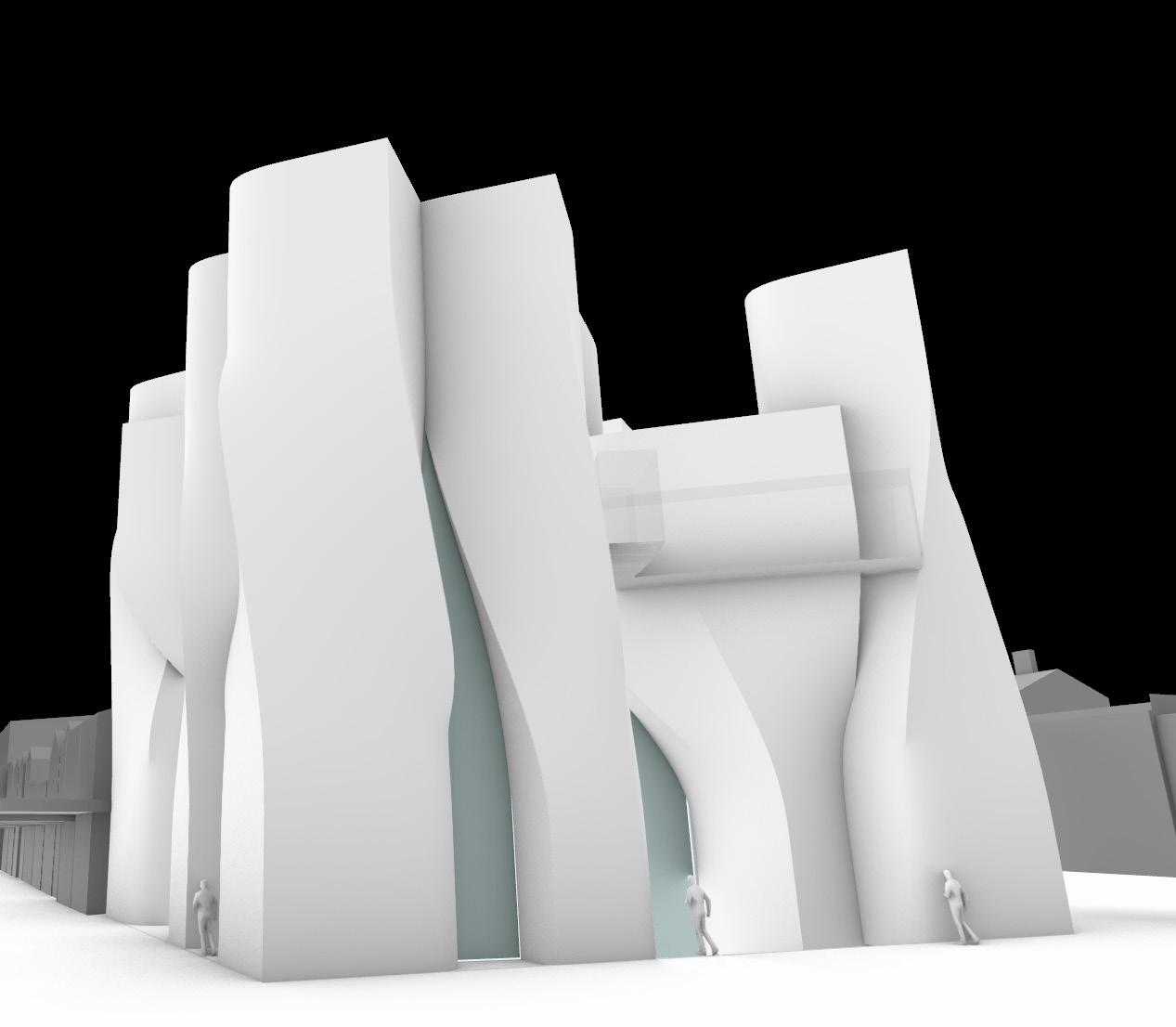
Architecture is the medium to allow peo ple to relate/ connect to artworks better.
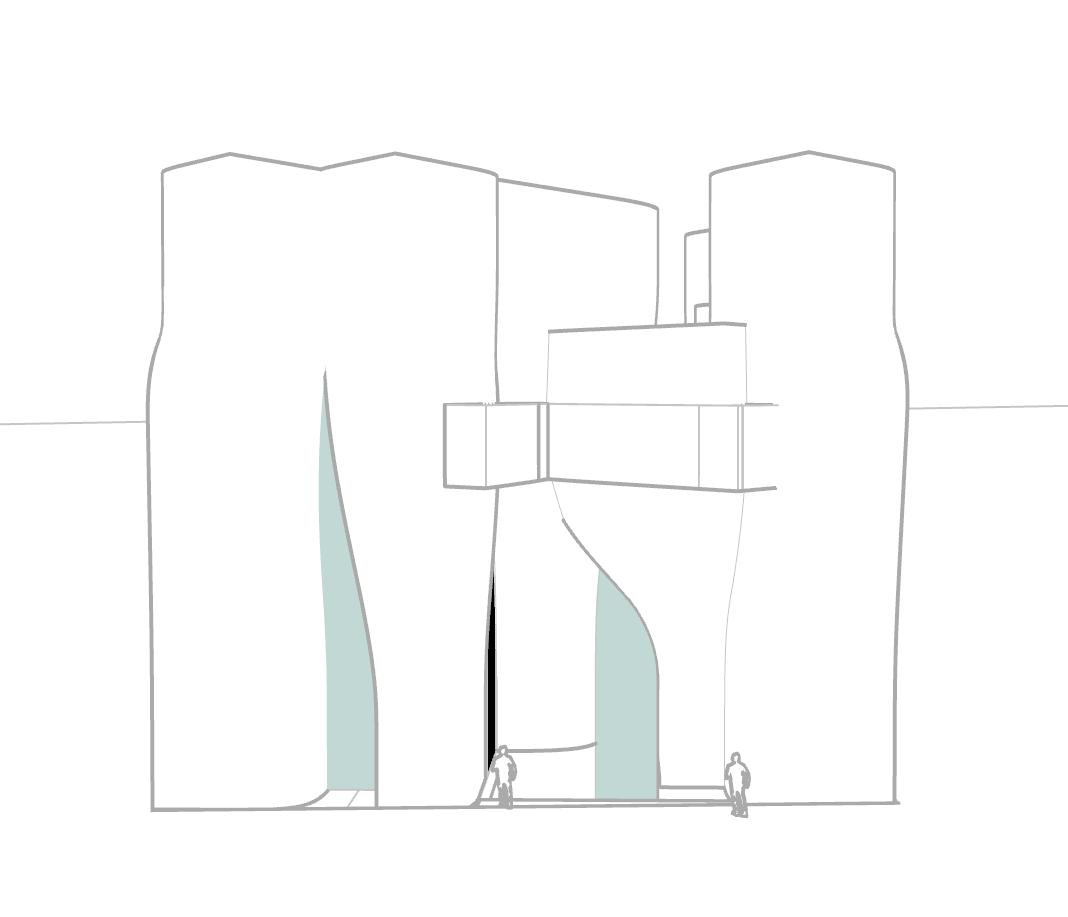
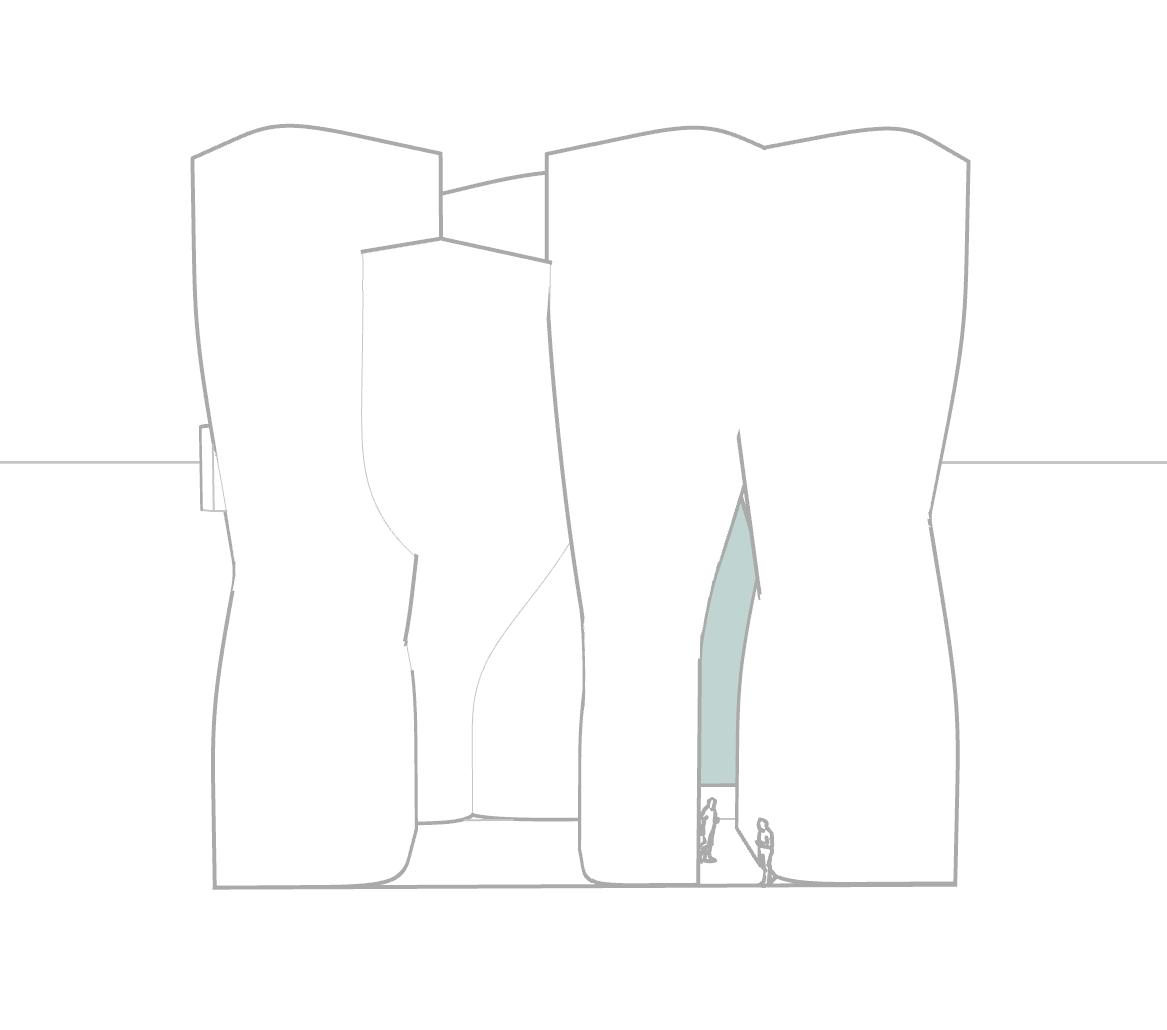
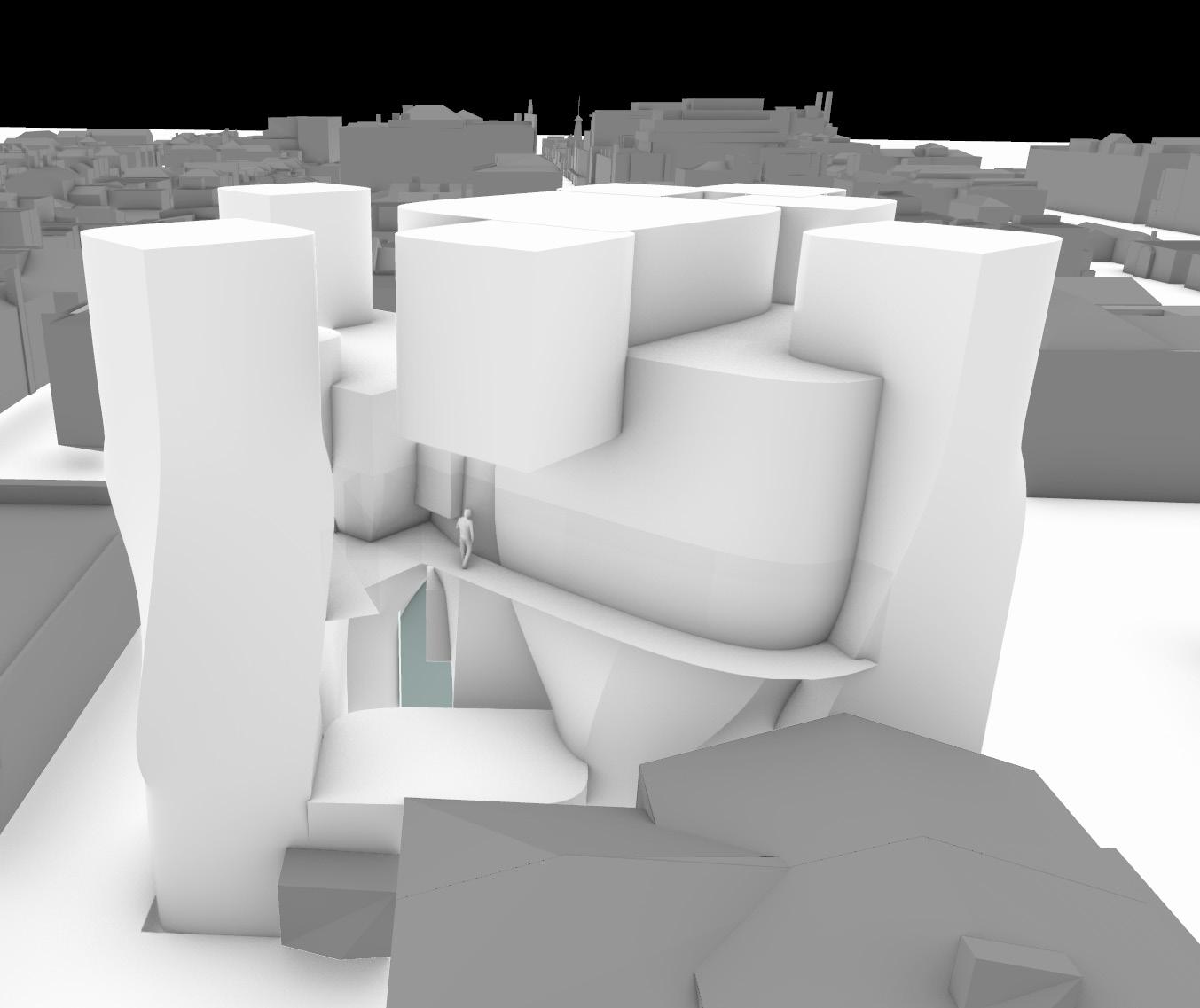
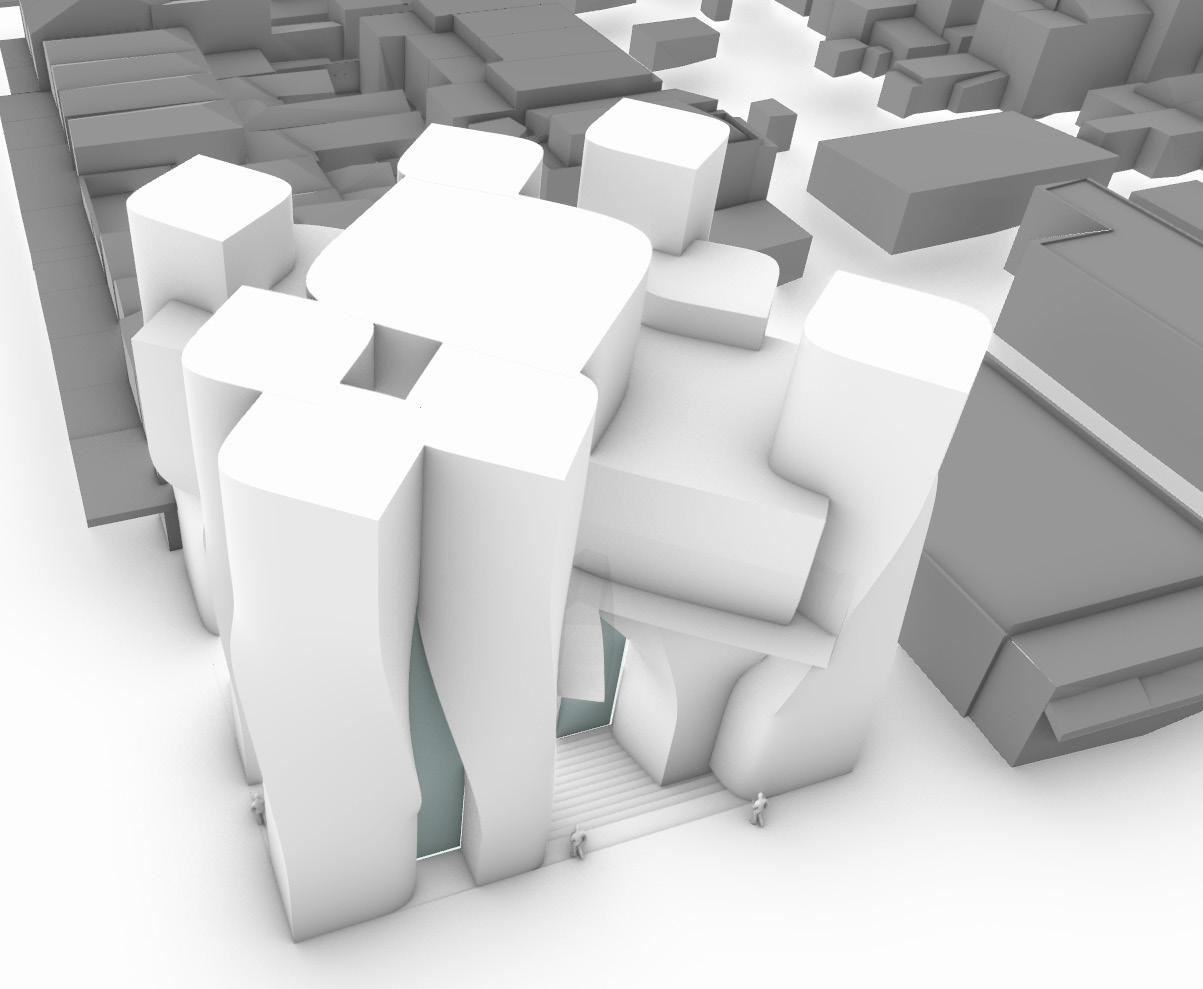
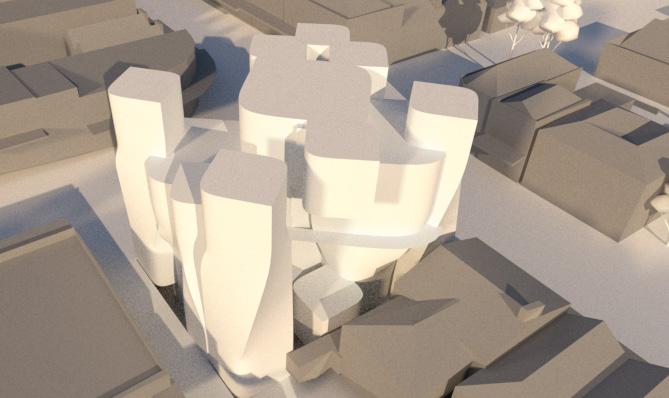
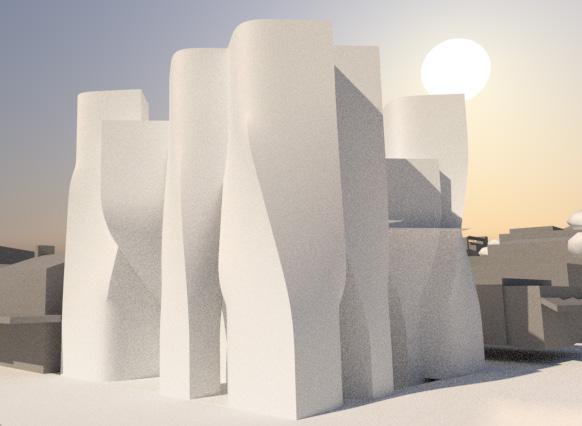
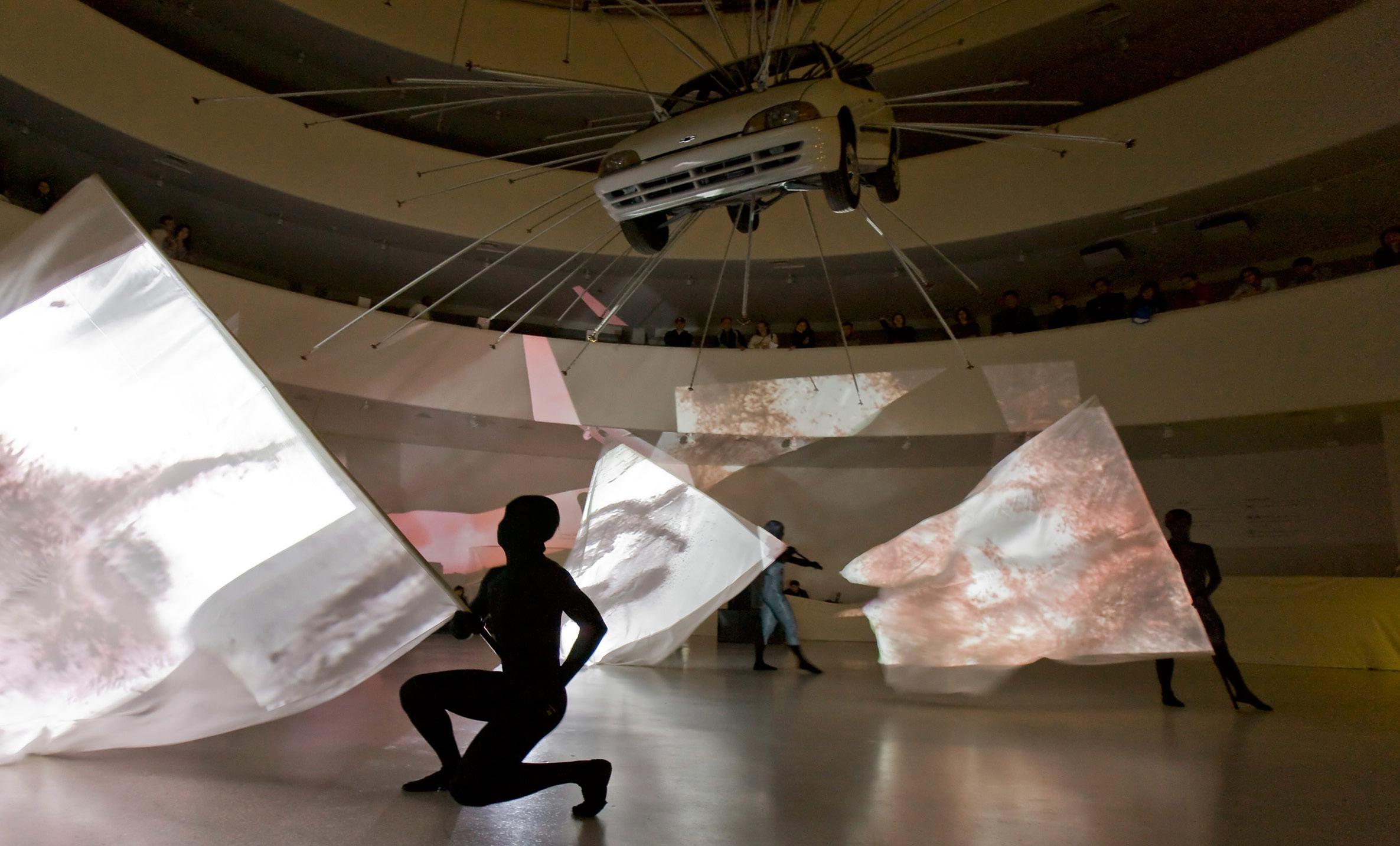
Task 3. Urban Massing WEEK 5
Considerations:
How does design reflect or respond to the site?
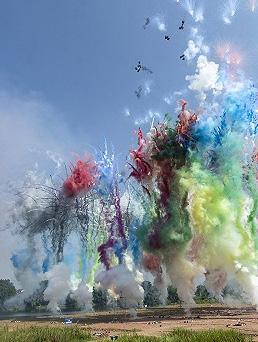
Eg. lack of vegetation (lack of natural feature)
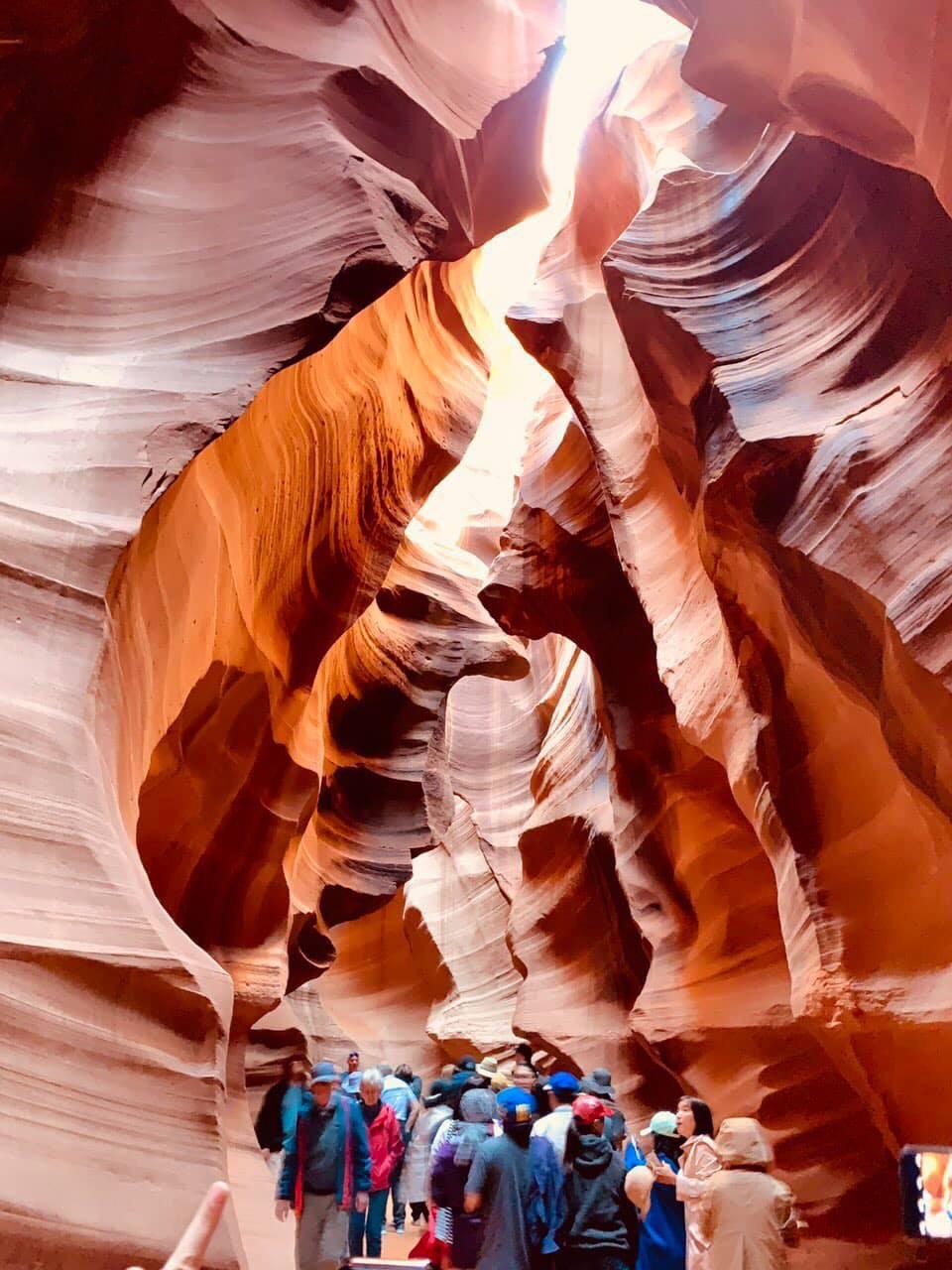
ie. Breaking the rigidity of surrounding form (emphasises design contrast with the surrounding building
 Source: Cai, Guo-Qiang. 2020. Fireworks for Sleepwalking in the Forbidden City in Liuyang. Gun Powder. Liuyang, China. https://www.creativeboom.com/ inspiration/cai-guo-qiang-dreams-up-colossal-firework-display-in-his-first-vr-artwork/
Grand Canyon Visitor Centre. 2021. Secrets of Grand Canyon. Photography. Website, United States. https://explorethecanyon.com/secrets-grand-can yon/
Cai, Guo-Qiang, Lin Hwai-min, Cloud Gate Dance Theatres. 2008. Images from Wind Shadow, Performance, United States. https://www.guggenheim. org/performance
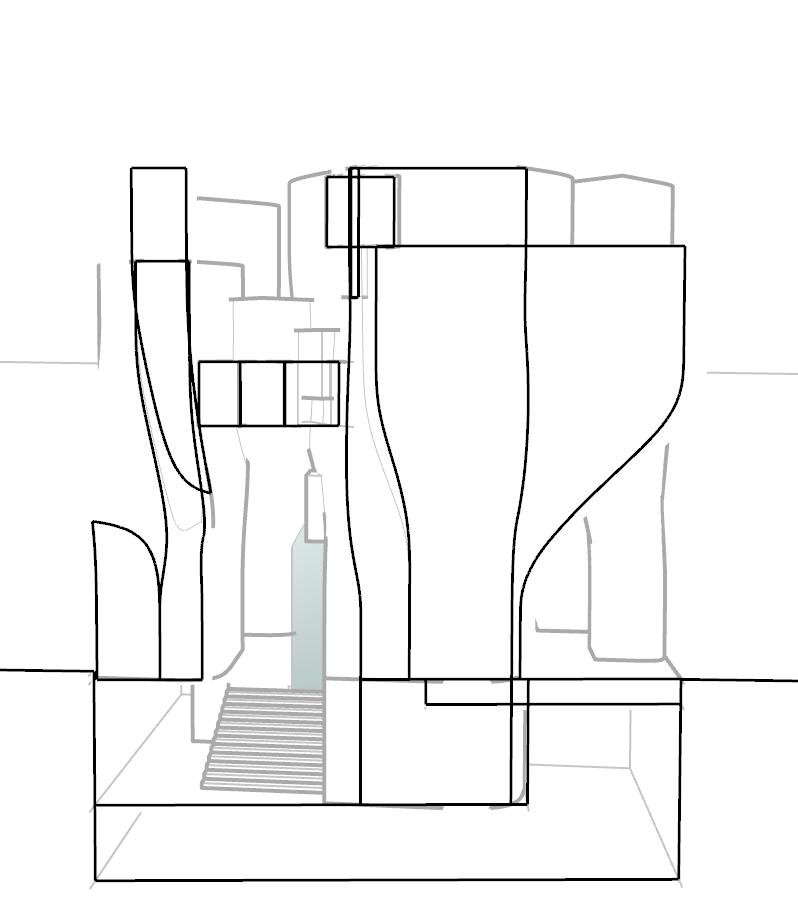
performative architecture.
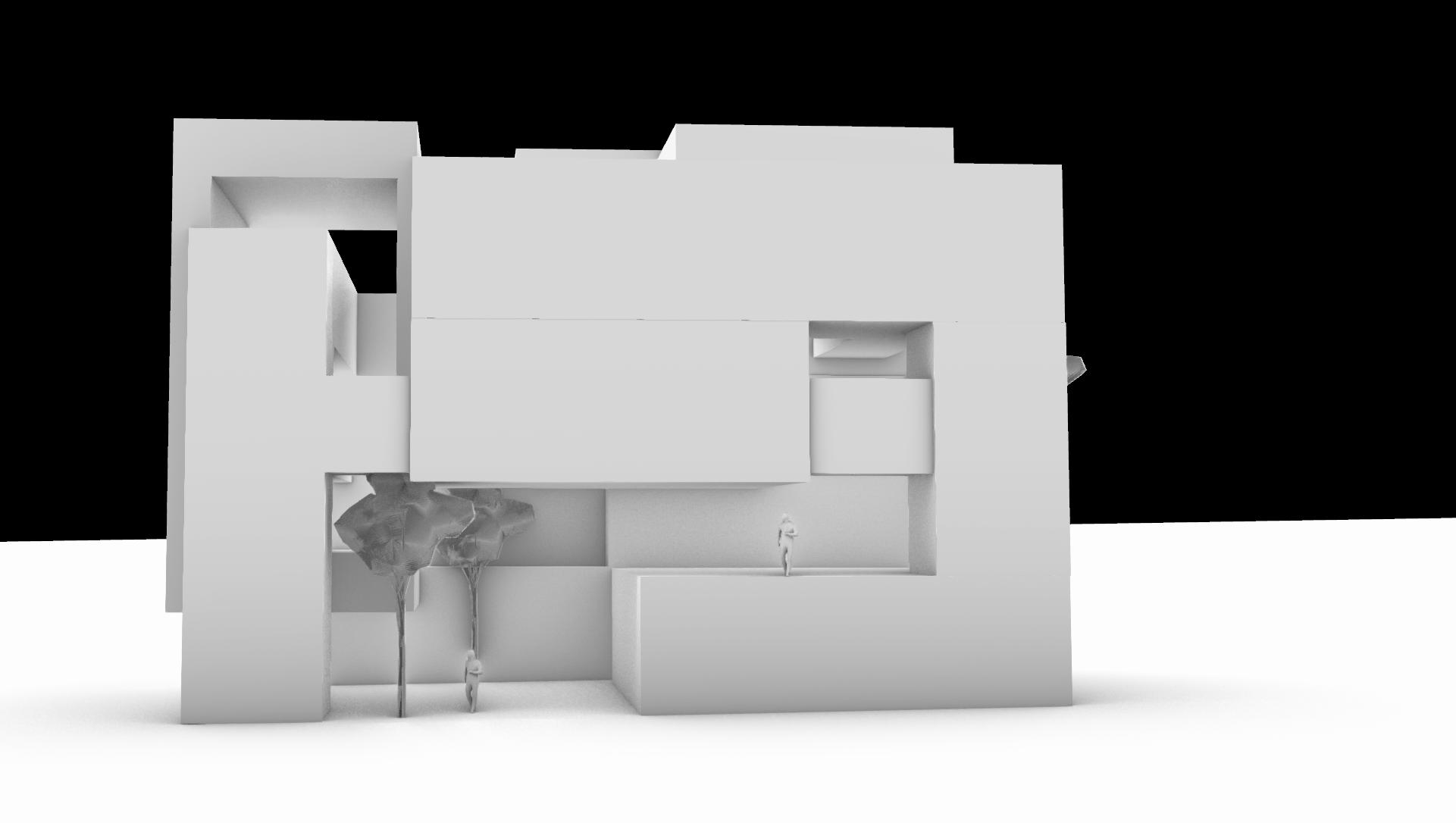
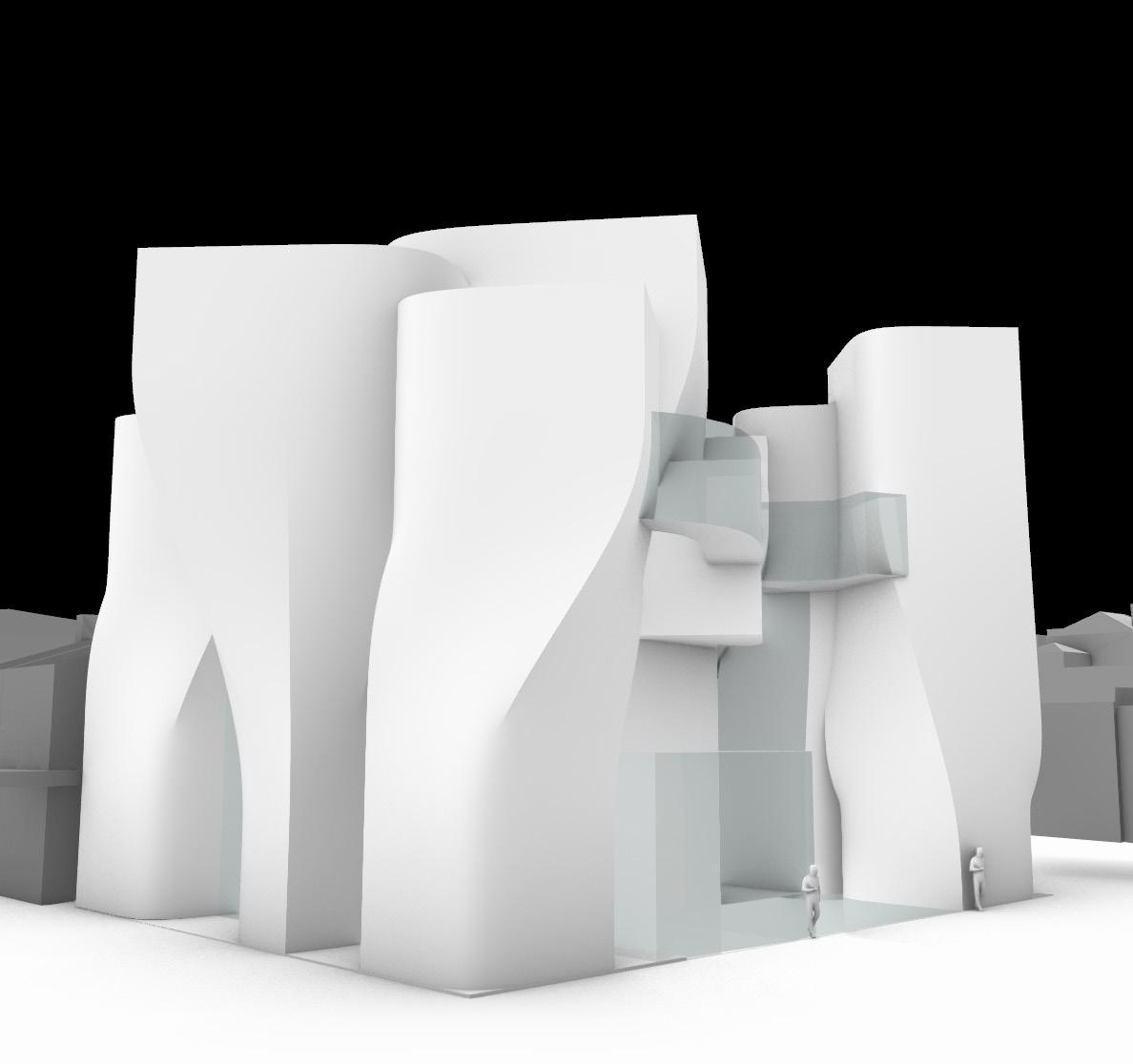
The circulating bridges represent the architecture as embodying qualities of live-ness, movement, dynamism and impermanence...
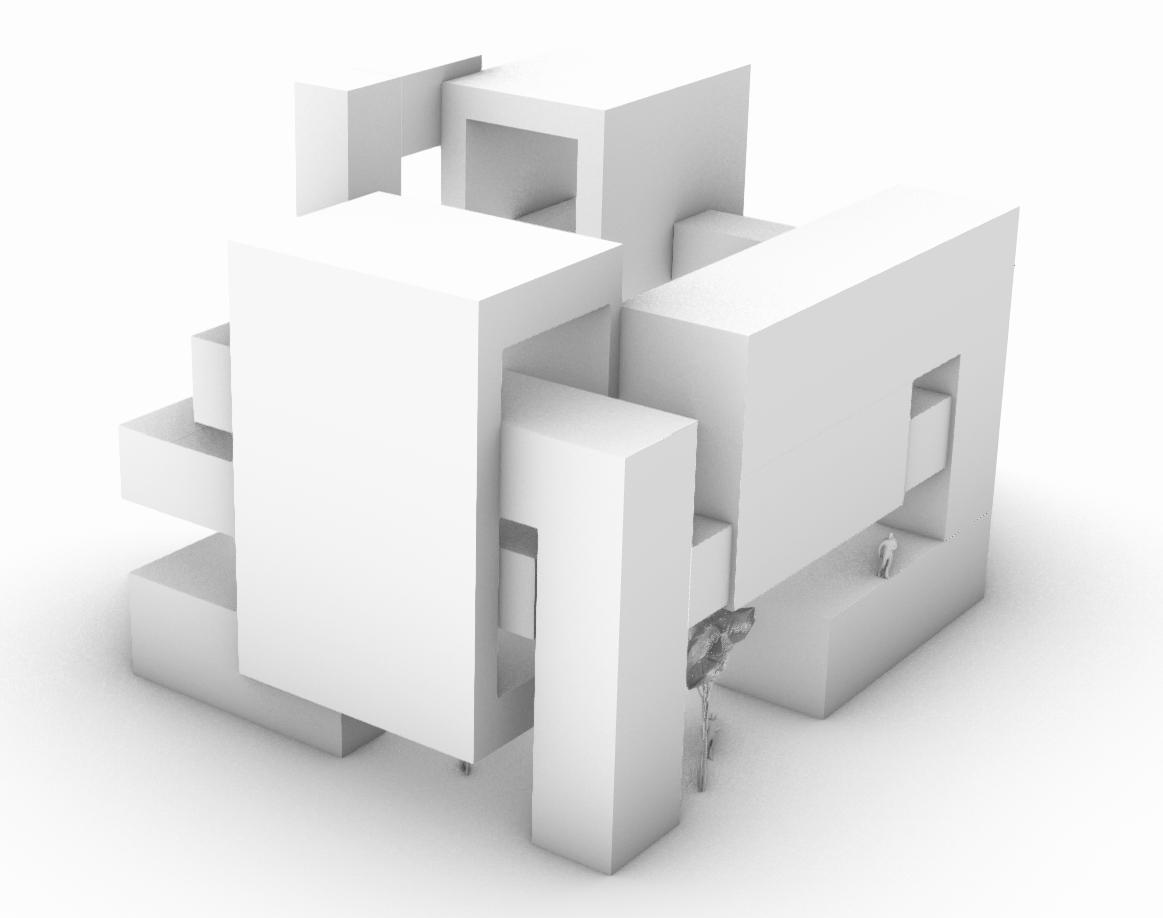
performative architecture.
Architecture as embodying qualities of live-ness, movement, dynamism and impermanence...
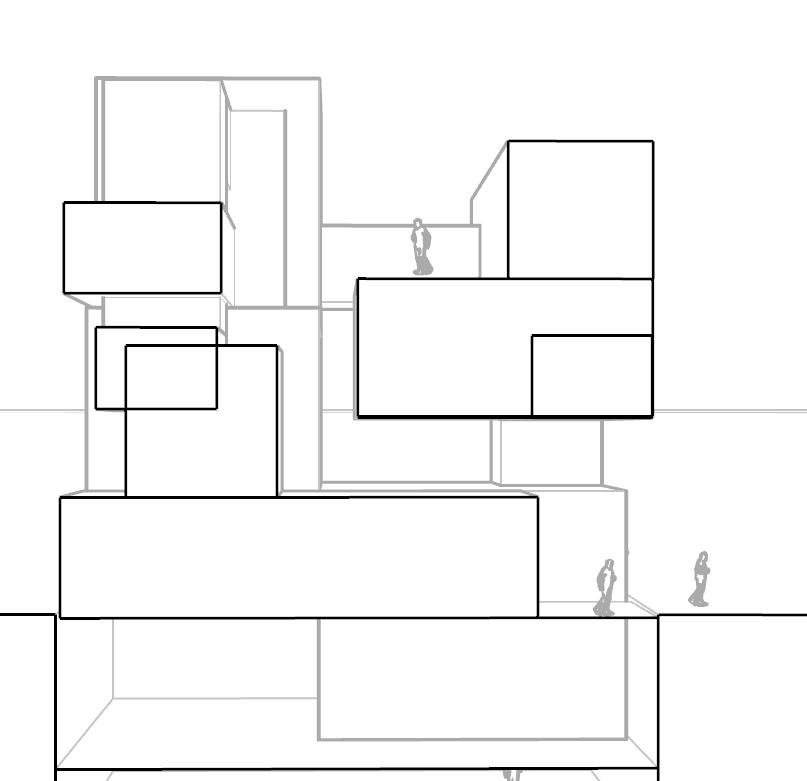
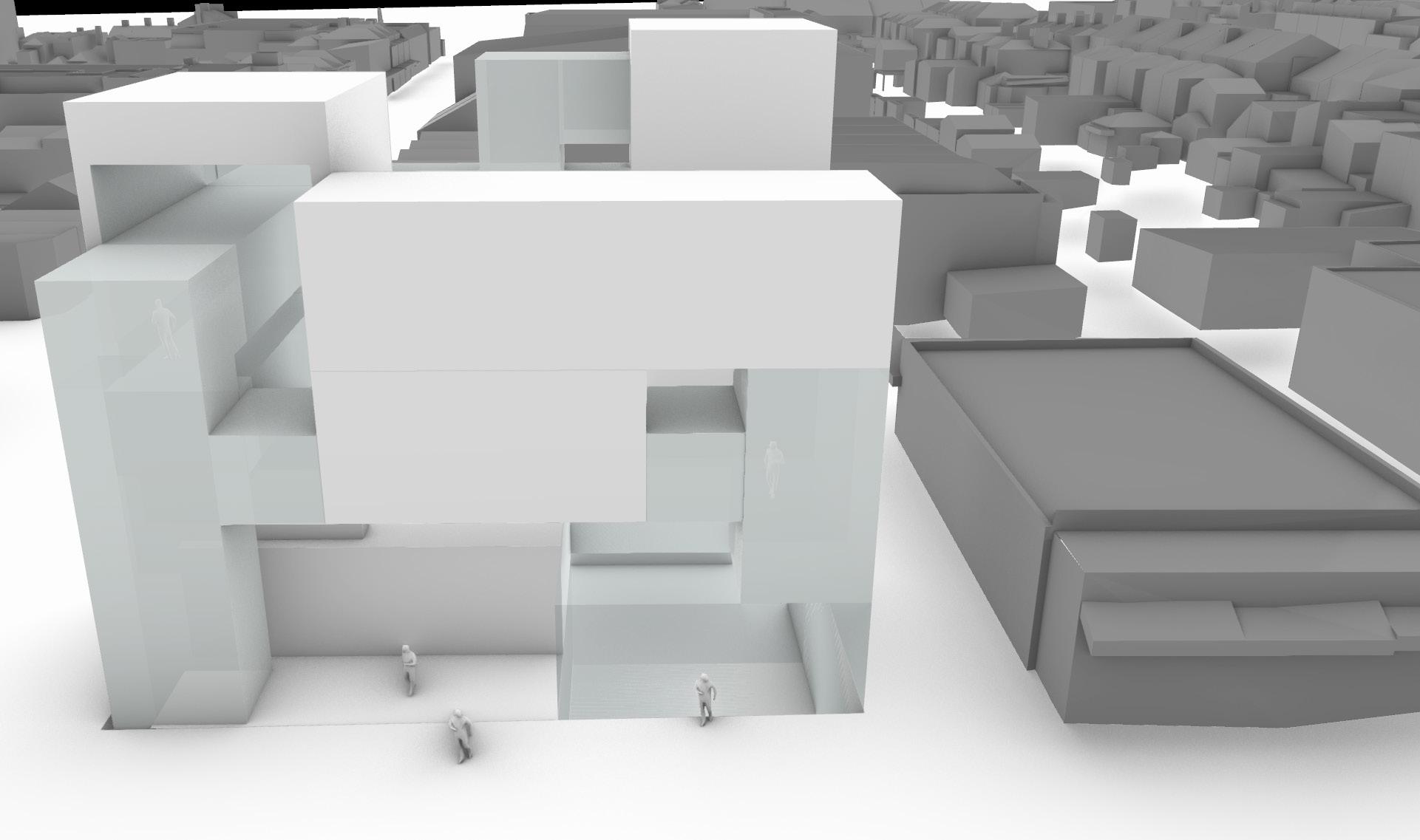
Architecture is the medium to allow people to relate/ connect to artworks better.
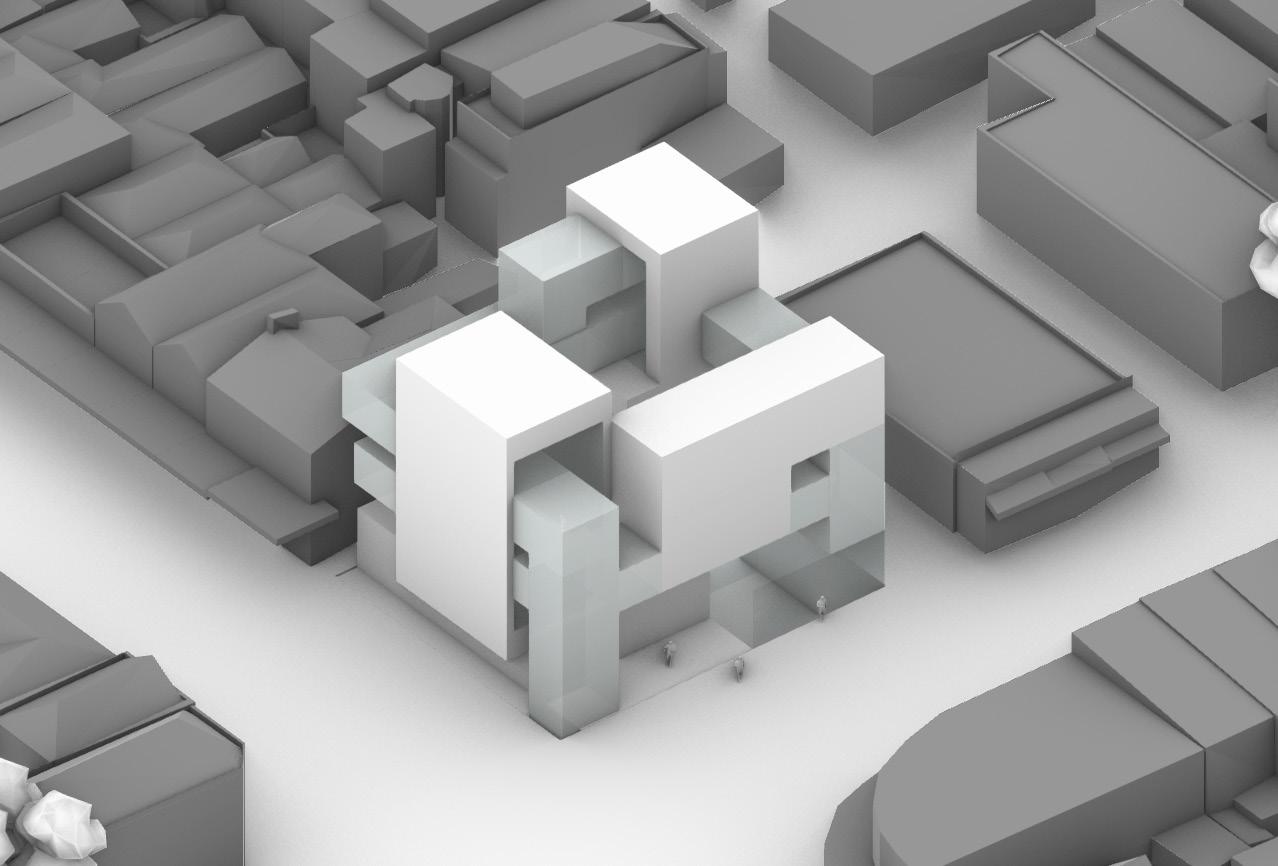
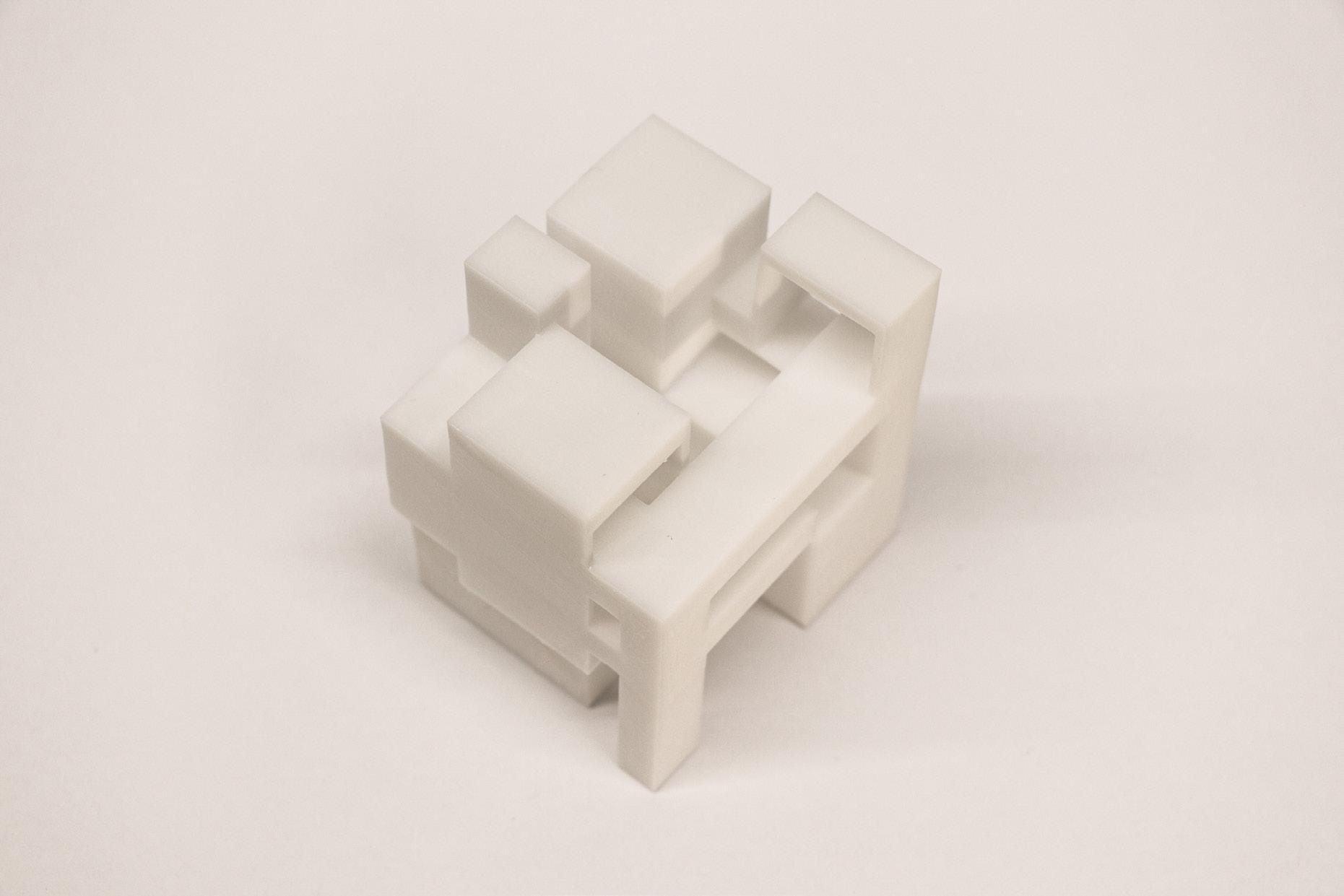
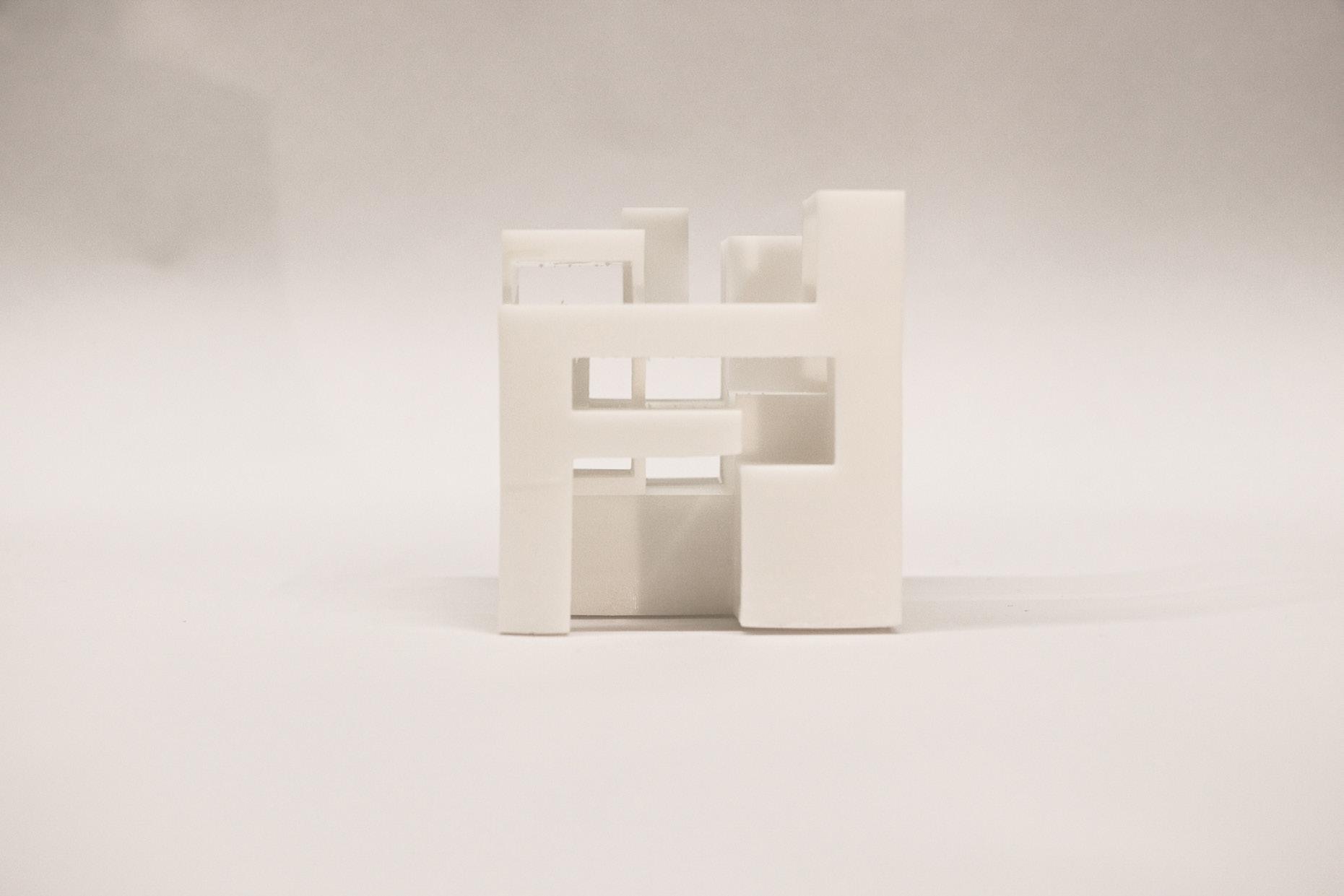
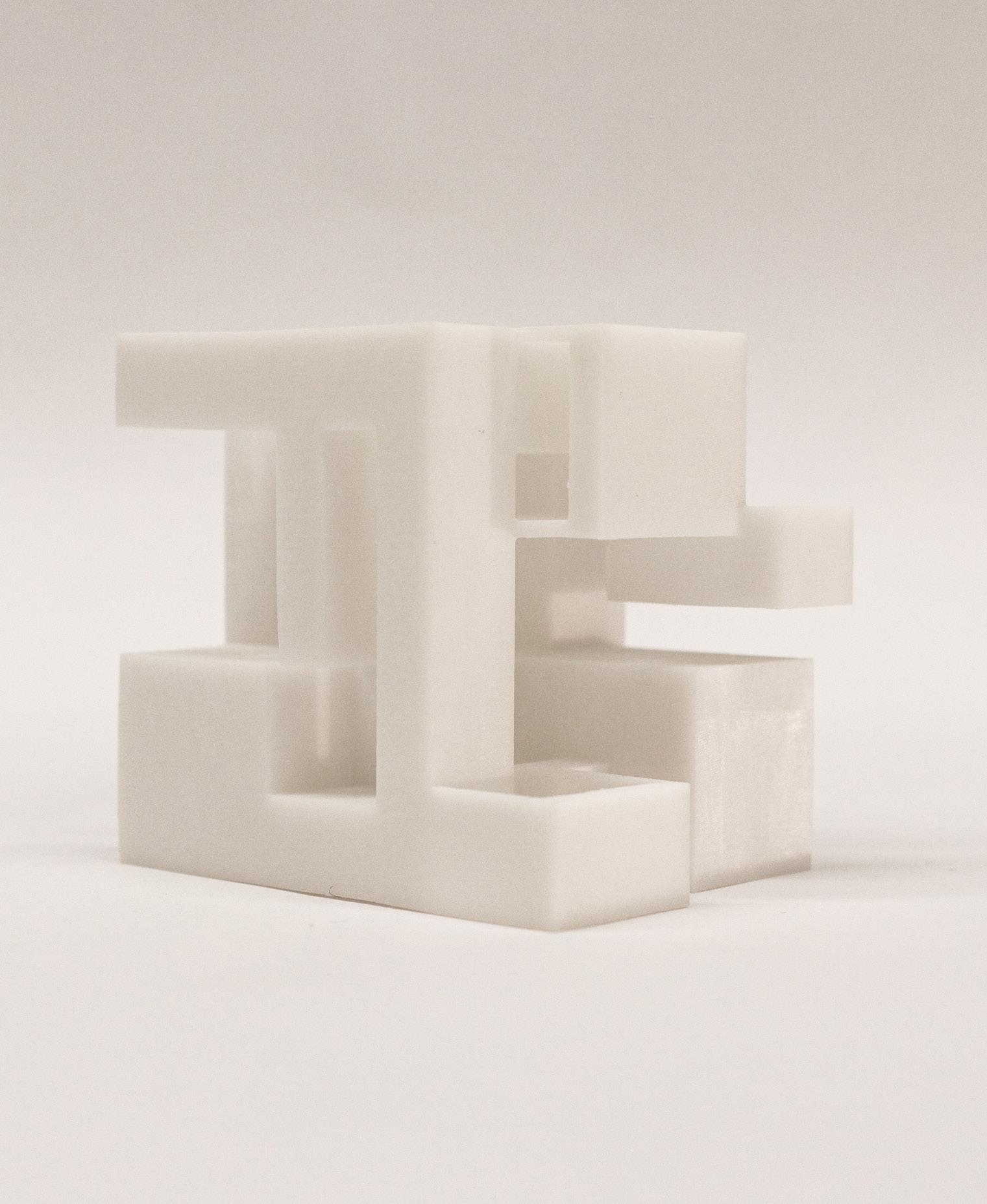 Sketch massing models
performative architecture.
Architecture as embodying qualities of live-ness, movement, dynamism and impermanence...
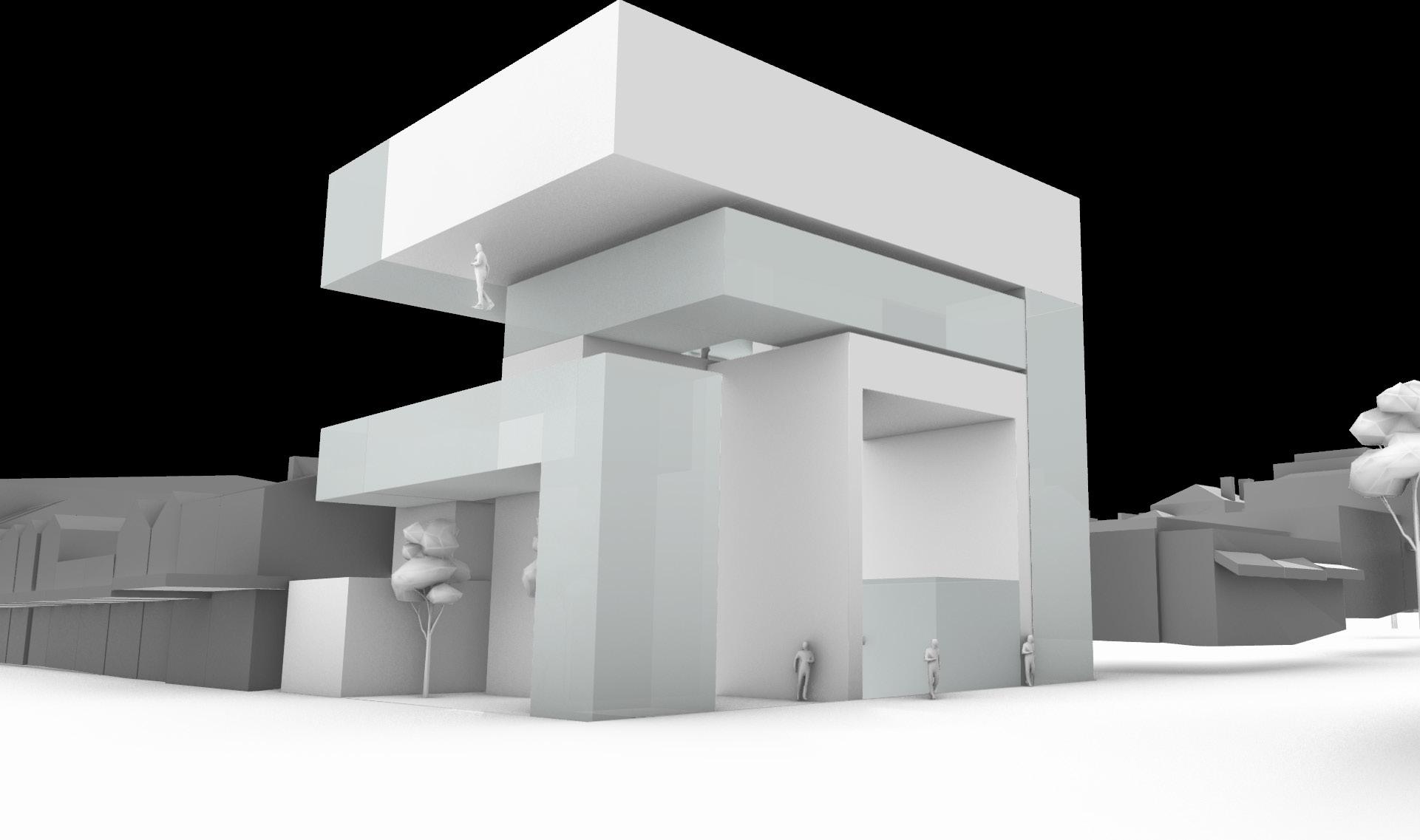
Architecture is the medium to allow peo ple to relate/ connect to artworks better.
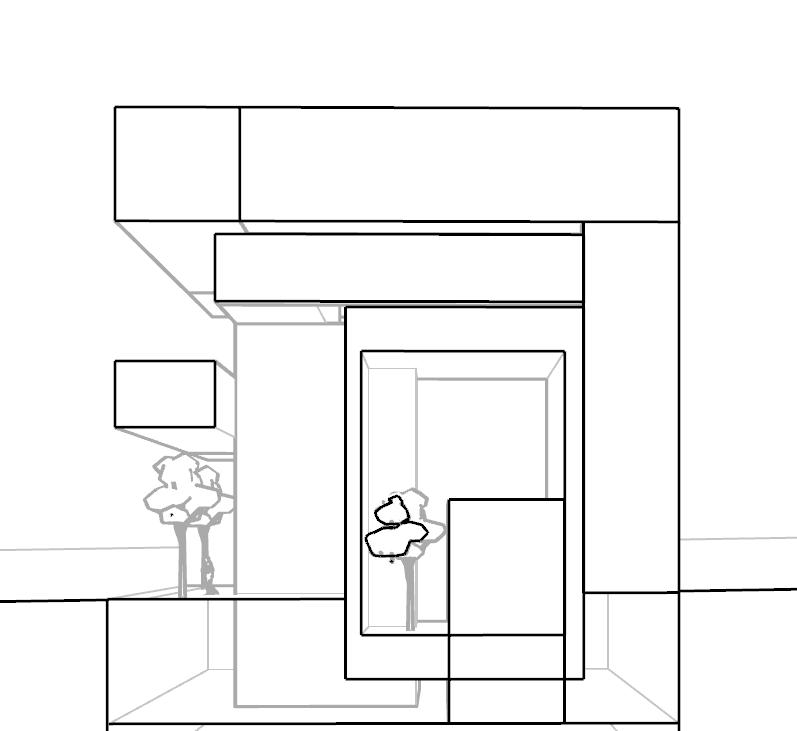
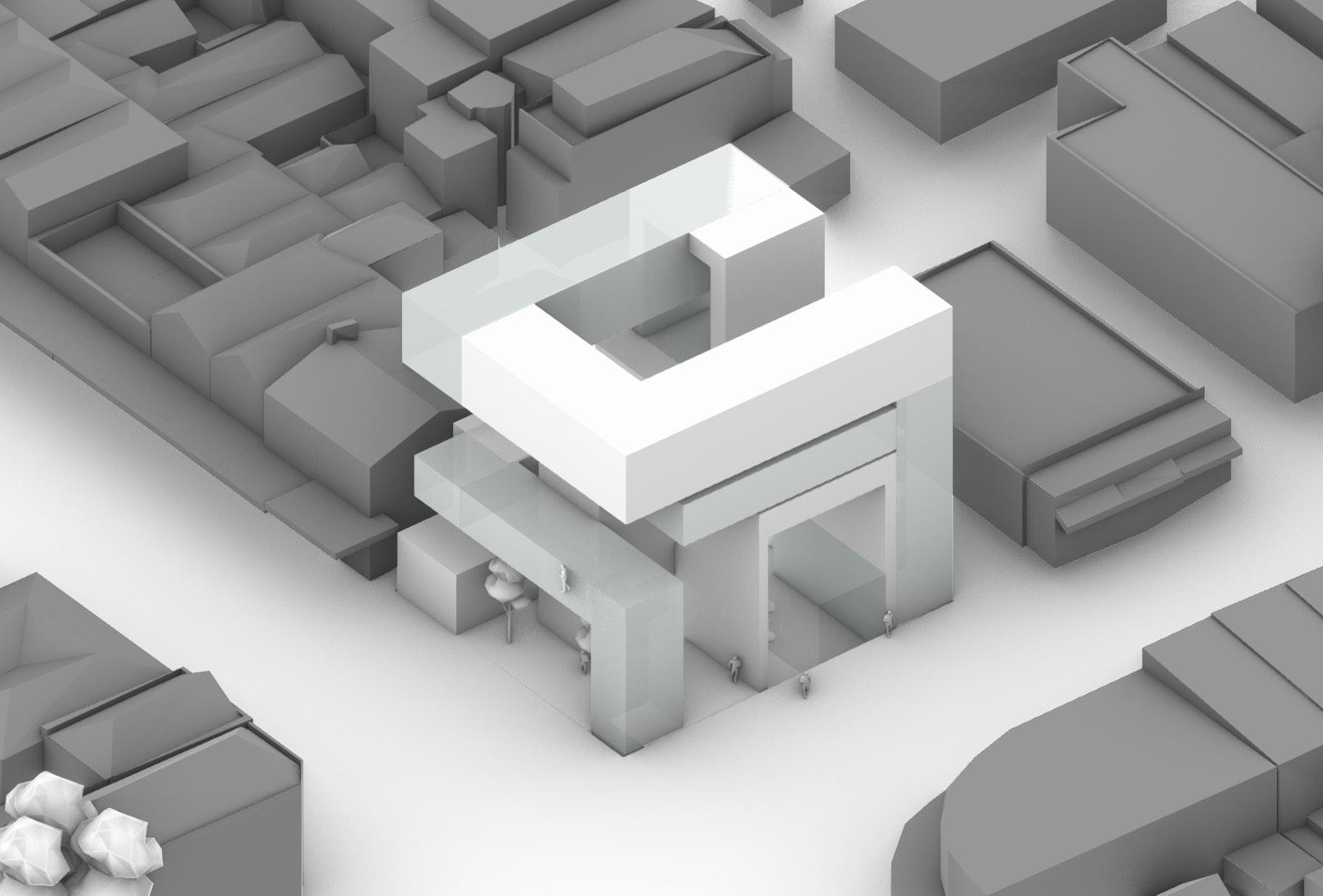
Exhibiting the circulating bridges is a way to showcase the movement and dy namism to the viewers as they immerse themselves within the arts.
performative architecture.
Architecture as embodying qualities of live-ness, movement, dynamism and impermanence...
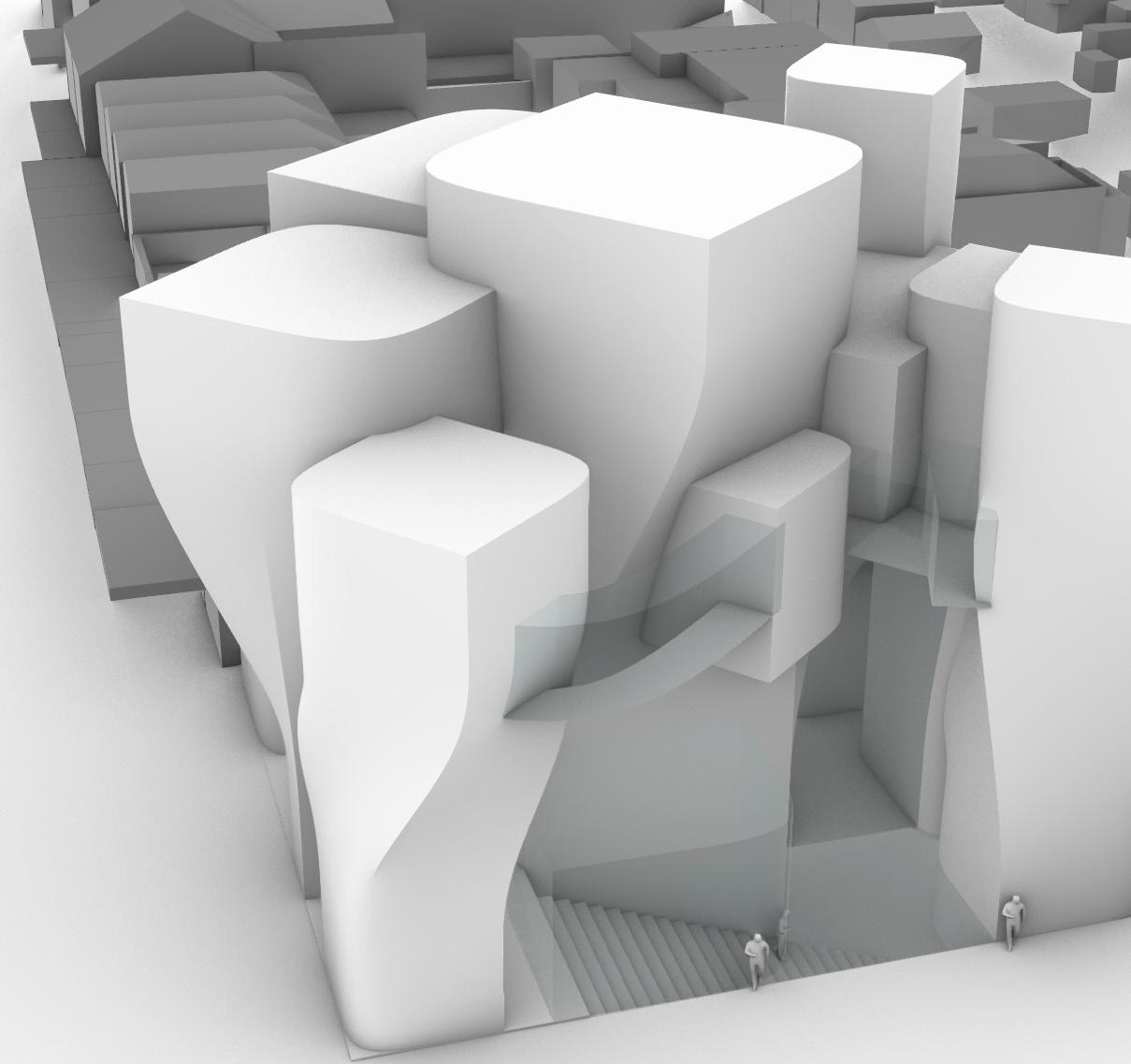
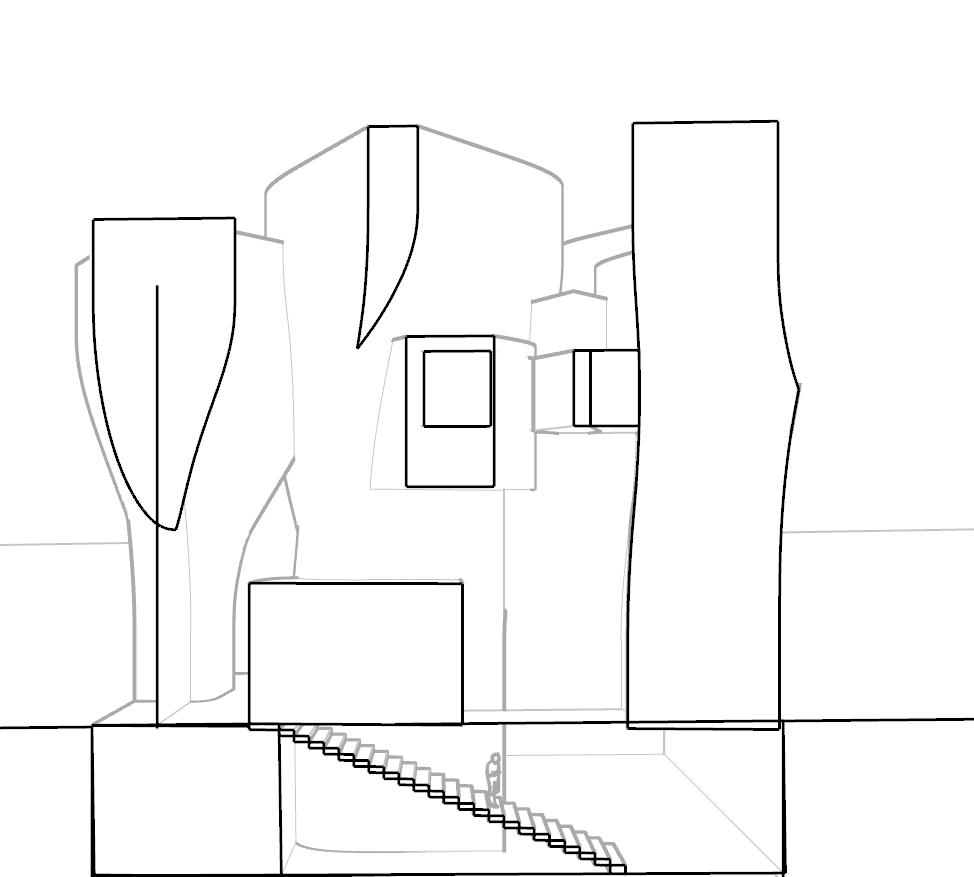
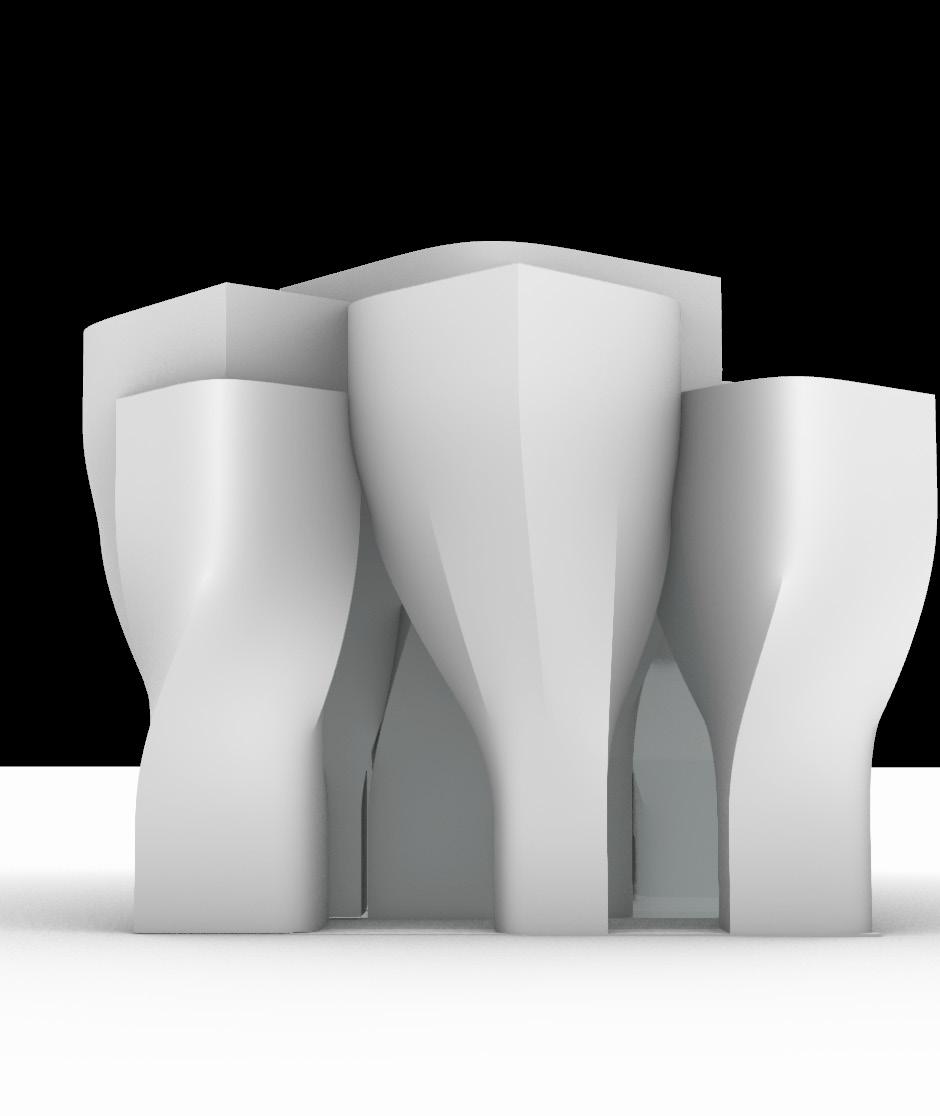
Architecture is the medium to allow peo ple to relate/ connect to artworks better.
Design Statement (draft)
In consideration of the art precinct of Fitzroy and the diverse culture of Melbourne:
What is universal form of art that can be understood beyond language, culture etc..?
“The emotions conveyed through performative art can be experienced by all audience”
Considerations: Included research into relevant quotes/ lit erature to support the design idea that explores translating key elements of performative art into architectural forms
In consideration of the art precinct context of Fitzroy and the diverse culture of Melbourne:
The project seeks to answer the question: What is universal form of art that can be understood beyond language, culture etc..?
Theorist Jonah Westerman remarked ‘performance is not a medium, not something that an artwork can be but rather a set of questions and concerns about how art relates to people and the wider social world’.
In conventional gallery, the journey of entering the gallery seems to become disciplined and denatured within a rigid containment, what if the containment is broken to allow the visitors to have a more vivid experience of the art and better relates to the art?
“The emotions conveyed through performative art can be experienced by all audience”
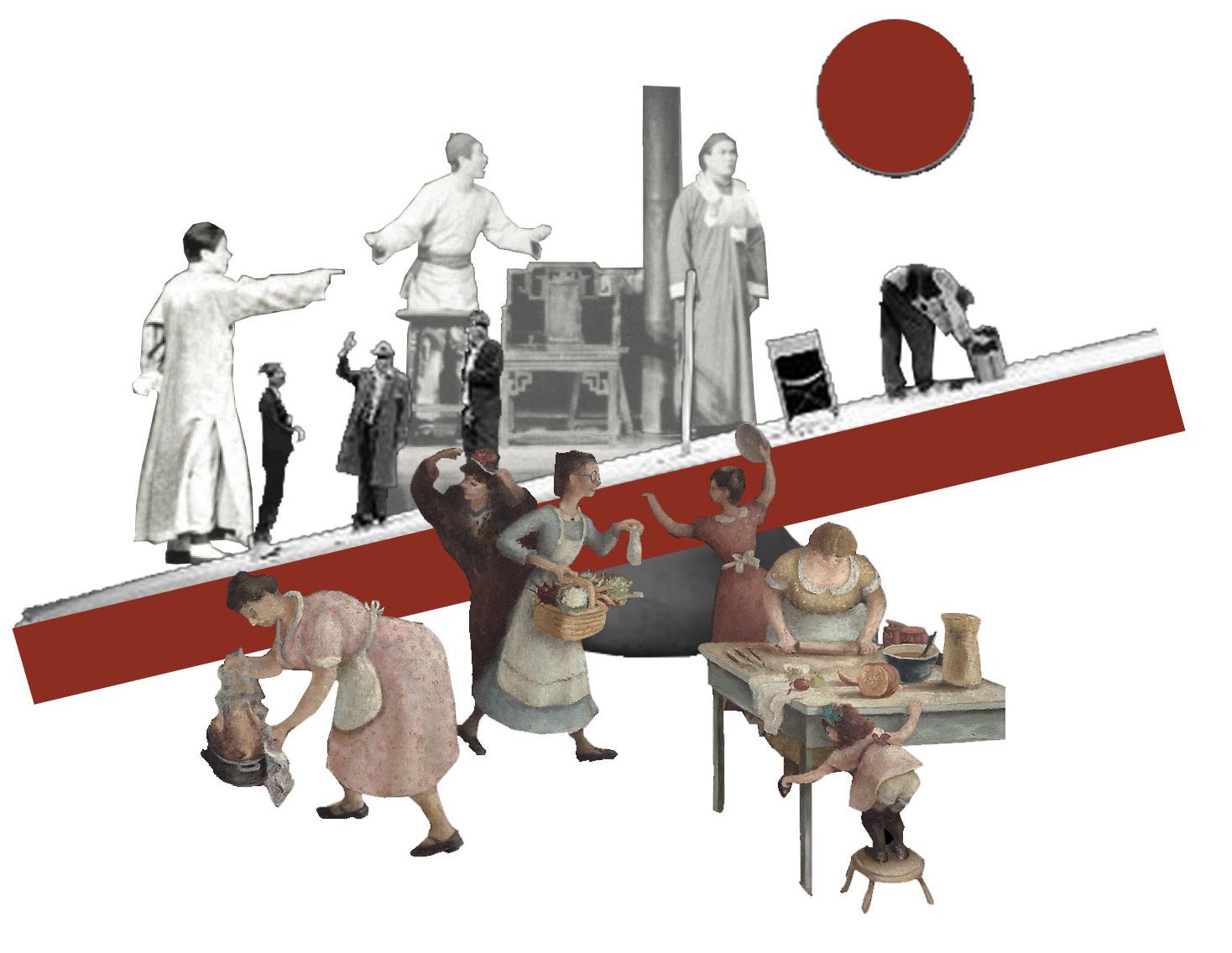
While visitors experience the gallery, they are immersed or becomes partakers of acts of performative art/ dramatic scenes created from particular spatial and lighting configu ration. Performative art exhibits moments of climax, dial goue, monologue, movement and so does architecture with a gestural approach.
Ref. Jackson Pollock (drip paintings) Cai Guoqiang (explosions) etc...
“Moving elements in a city, and in particular the people and their activities, are as important as the stationary physical parts. We are not simply observers of this spectacle, but are ourselves a part of it, on the stage with the other participants.”
Kevin Lynch, The Image of the City (architectures becomes the stage, people= actors)
Architecture becomes the performative art where visi tors can be immersed in the emotions... (of the artworks)
WEEK 5
Intensity/ Conflict
Melancholy
Monologue
Climax
performative architecture.
Architecture as embodying qualities of live-ness, movement, dynamism and impermanence...
Architecture is the medium to allow peo ple to relate/ connect to artworks better.
Urban Massing- Iteration 1 WEEK 6
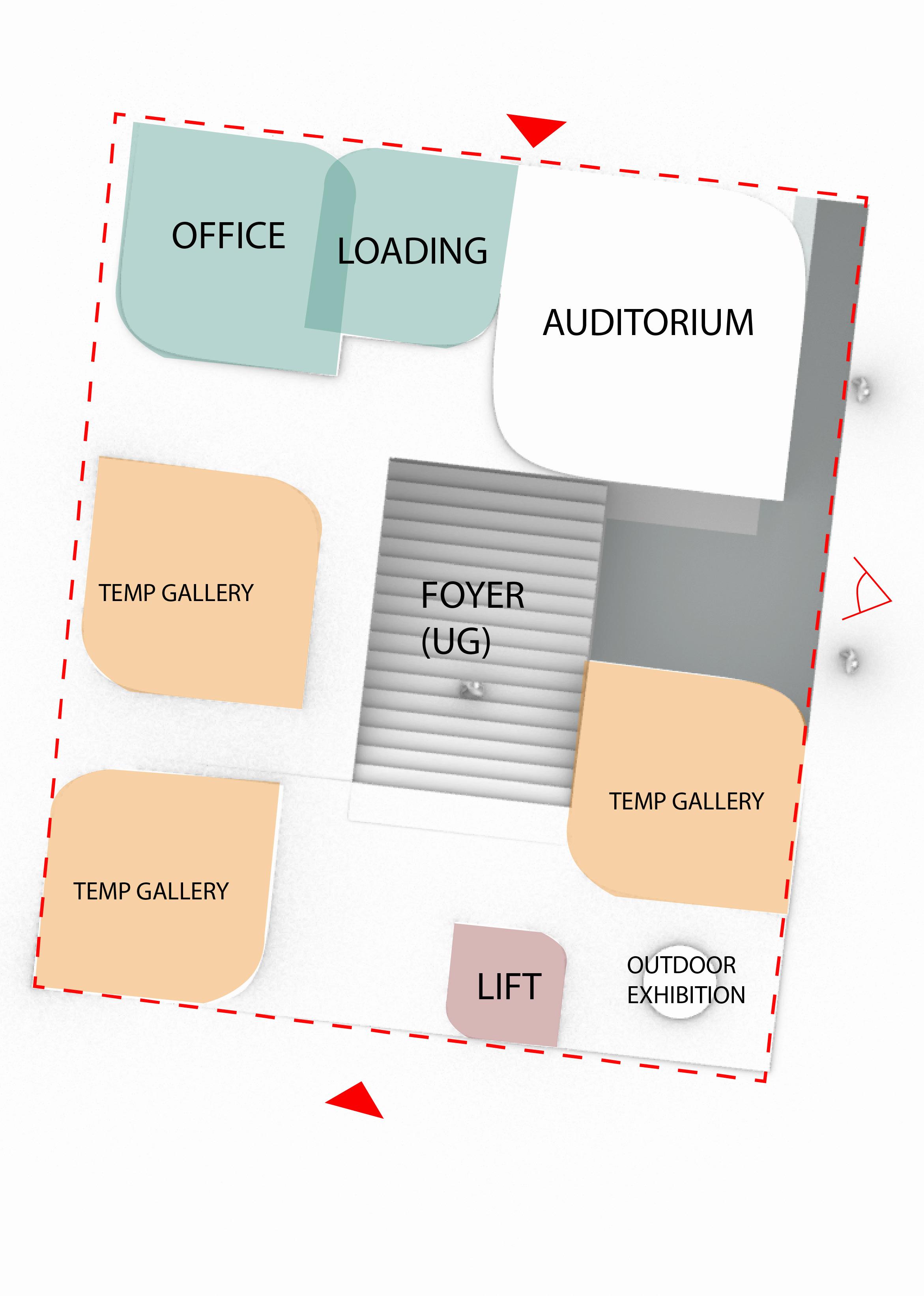
 Gertrude St Smith St
Ground Floor Schematic Plan
Truck loading dock
1st Floor Schematic Plan
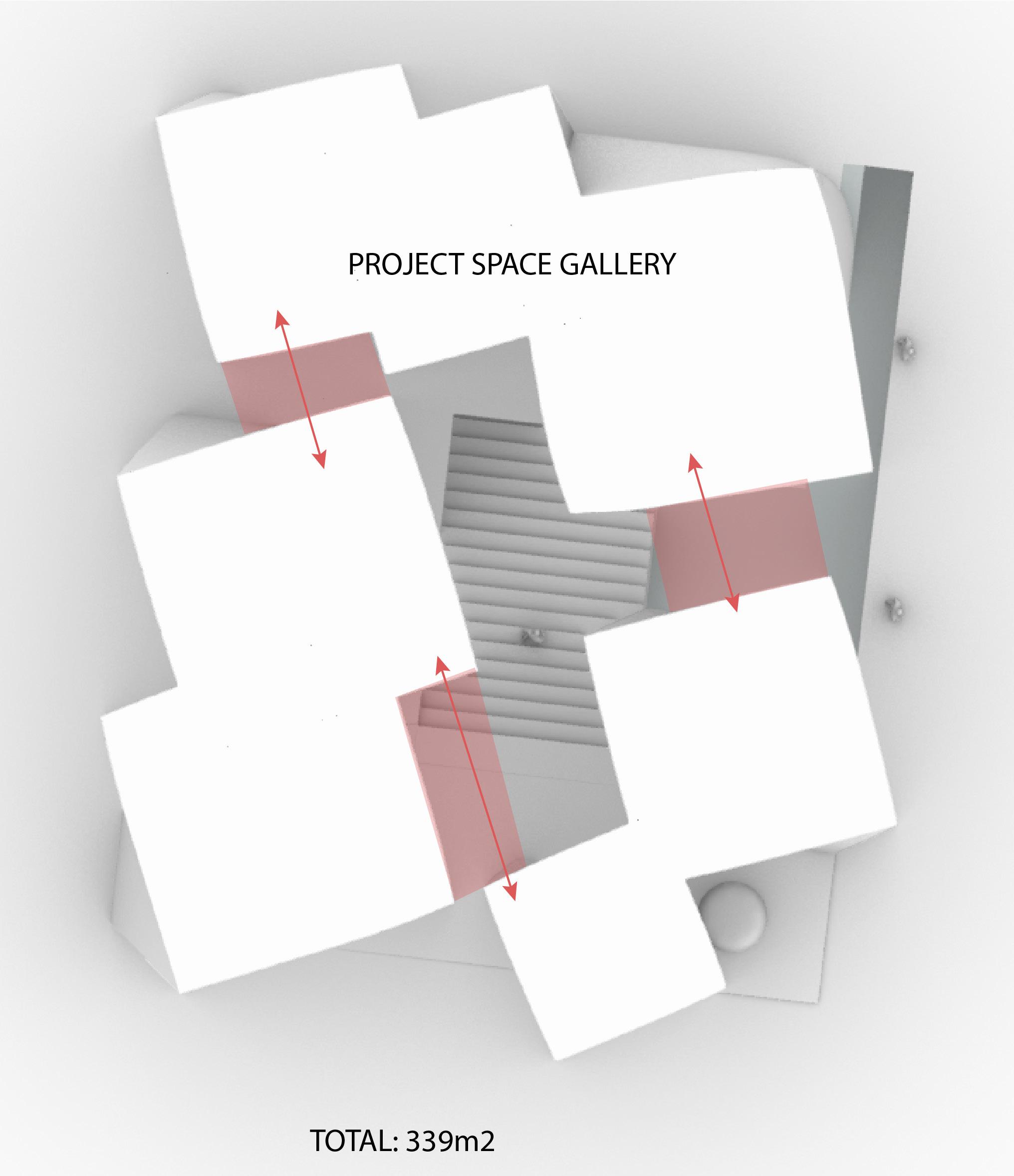
Project Space Gallery
Artist in residence studio*
Kids larning space
Amenities
SKYLIGHT
Digital media gallery Sculpture
Project Space Gallery
Entrance
gallery
Admin/Loading
Cafe Gift shop
Some
digital area
exhibitions
PROJECT SPACE GALLERY
Research
temp
Amenities
Temp
Auditorium?
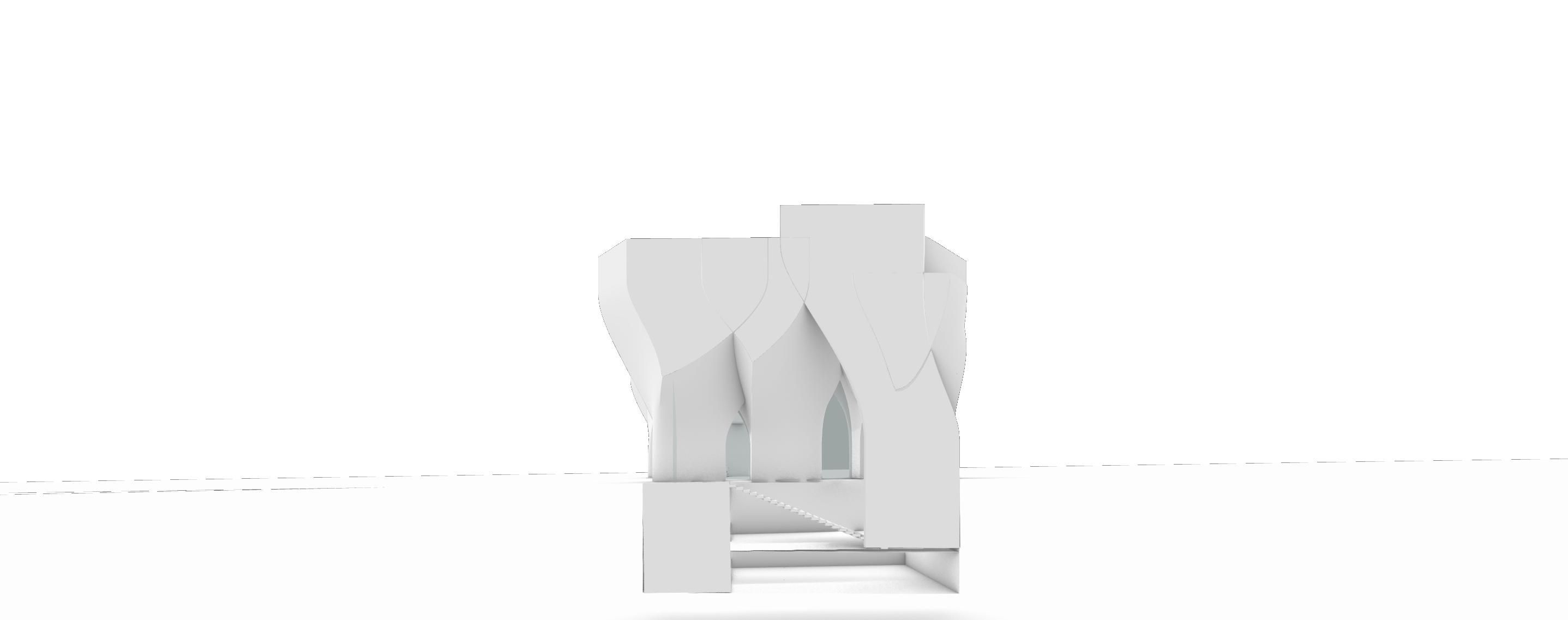
Schematic Section
performative architecture.
Architecture as embodying qualities of live-ness, movement, dynamism and impermanence...
Architecture is the medium to allow peo ple to relate/ connect to artworks better.
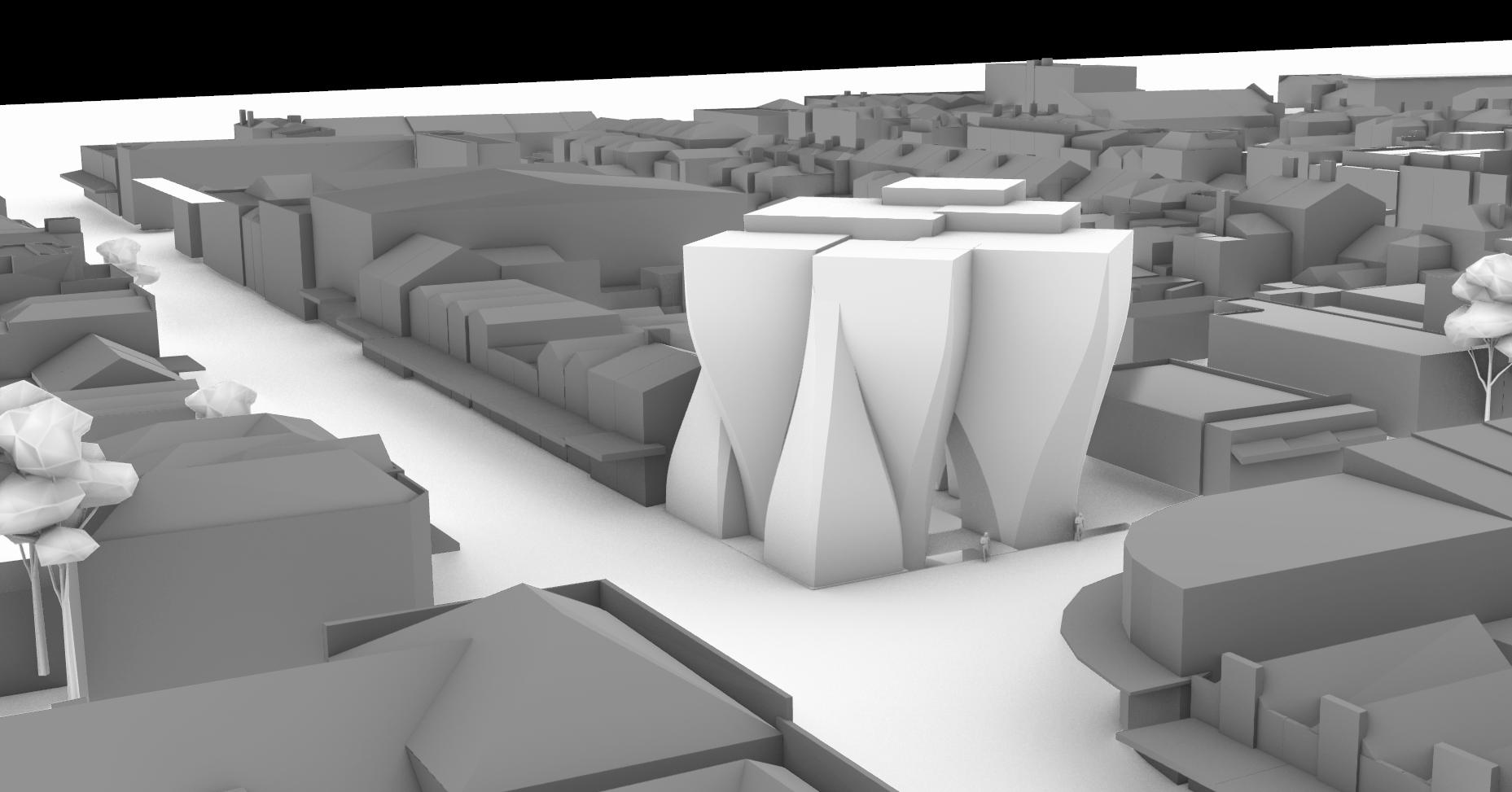
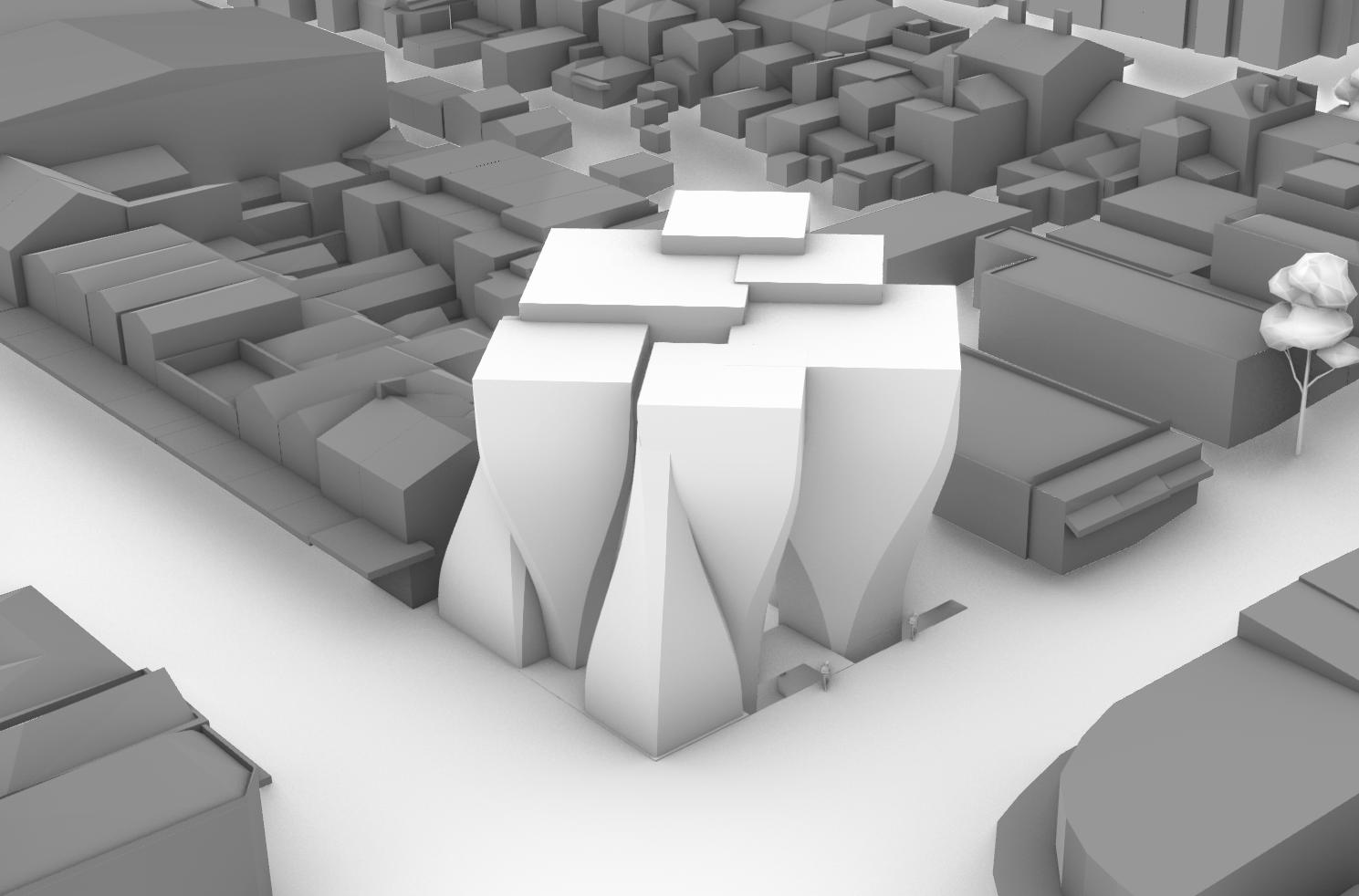
Comparing to previous iteration, this form demonstrates more control in the composition. As the form follows a cer tain rule of rotating 45 degrees and are joined together, this can better establish a sense of rhythm than the previous form that seems of spontaneous.
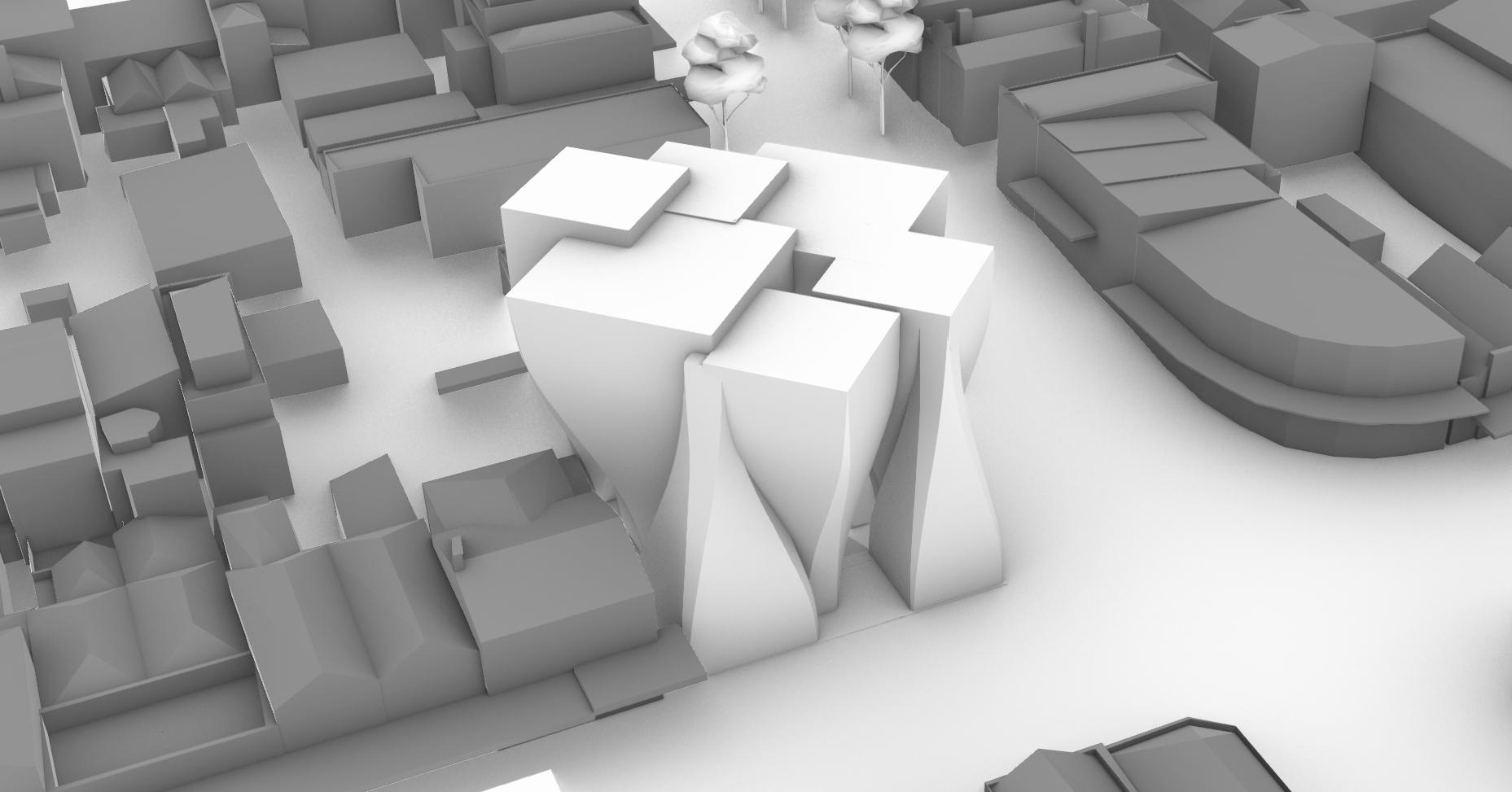 Updated iteration
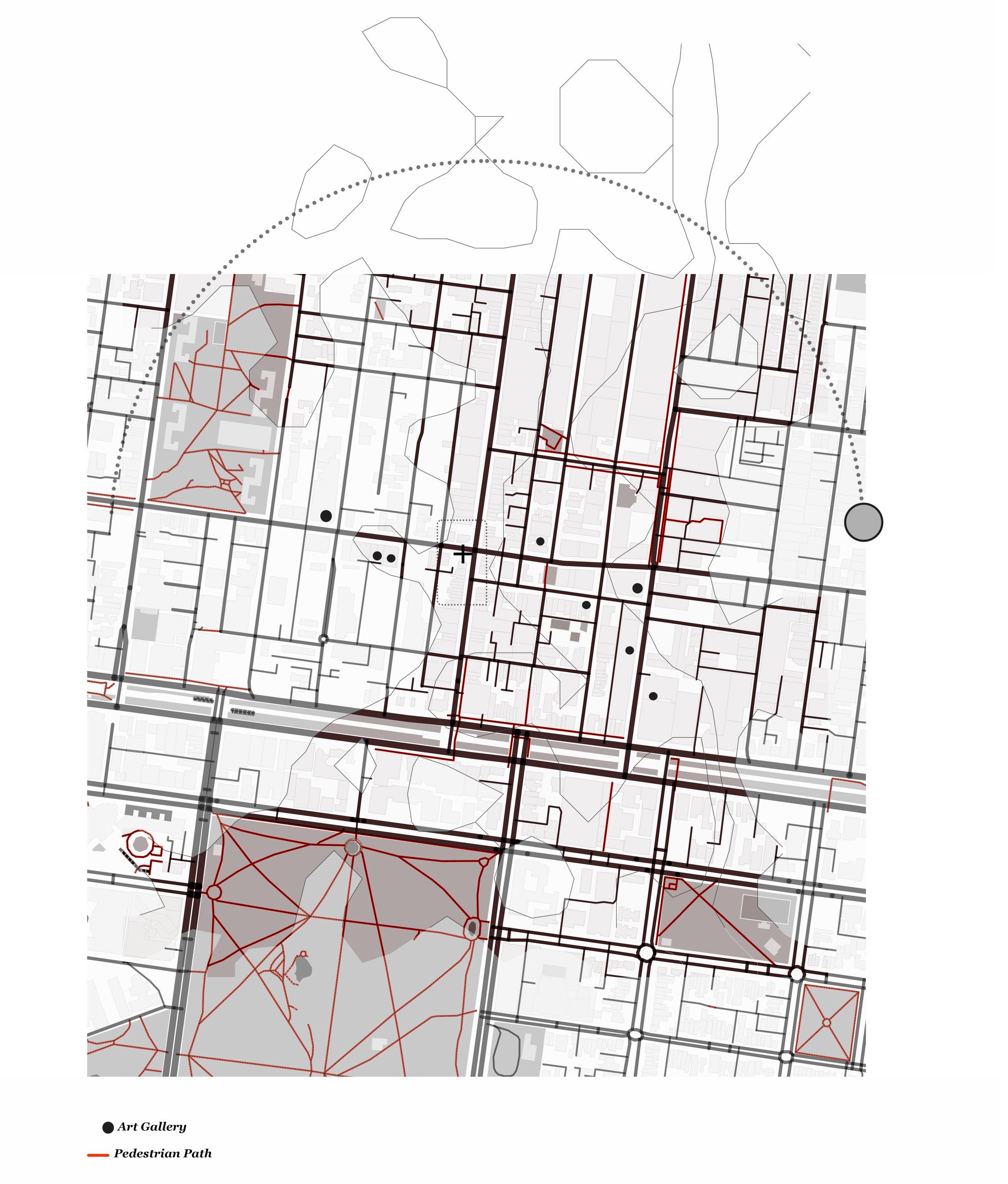
Site Analysis WEEK 6
Antherton Reserve
Edinburgh Garden Fitzroy Garden
Carlton Garden
Existing Greenery
Victoria Parade Green Strip
Existing Art Gallery
MID TERM REVIEW WEEK 7
Design Statement (Overview)
In consideration of the art precinct context of Fitzroy and the diverse culture of Mel bourne:
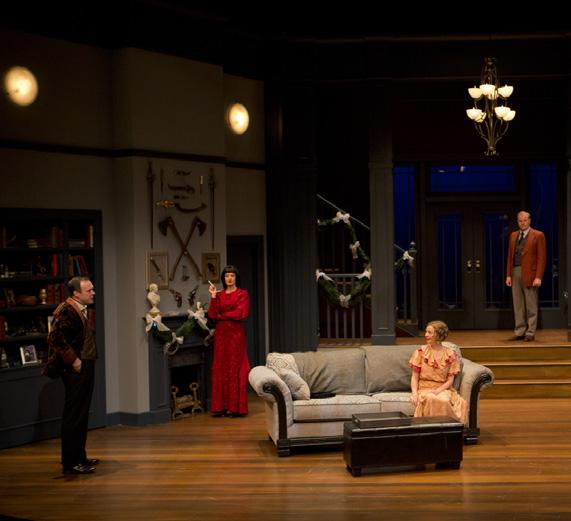
What is universal form of art that can be understood beyond language, culture etc..?
Theorist Jonah Westerman remarked ‘performance is not a medium, not something that an artwork can be but rather a set of questions and concerns about how art relates to people and the wider social world’.
Current art industry often meant the understanding of still artworks limited to the few rather than the majority, however contemporary art style of performative art could democratise art to be inclusive & understandable to wider audience.
Breaking ‘containment’
In conventional gallery, the journey of entering the gallery seems to become disci plined and denatured within a rigid containment, what if the containment is broken to allow the visitors to have a more vivid experience of the art and better relates to the art?
“Moving elements in a city, and in particular the people and their activities, are as important as the stationary physical parts. We are not simply observers of this spectacle, but are ourselves a part of it, on the stage with the other partici pants.”
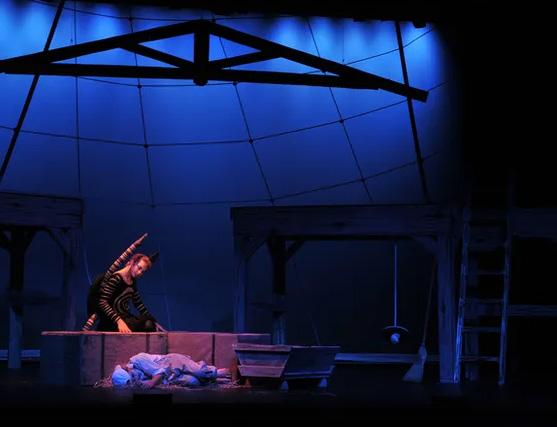
(Kevin Lynch, The Image of the City)
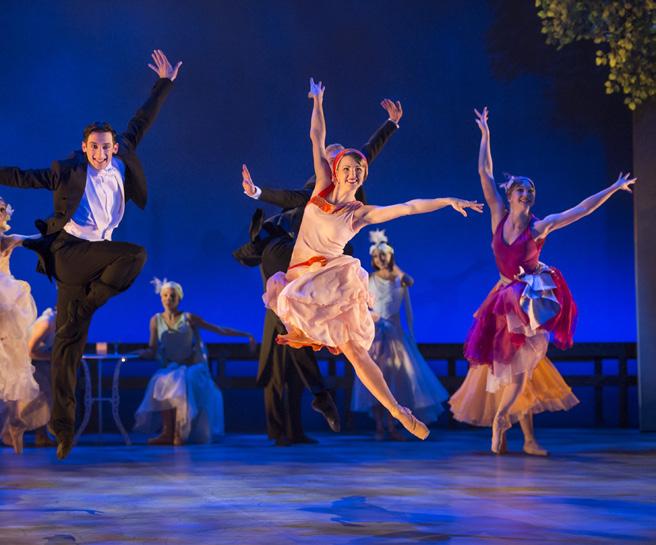 Intensity/ Conflict
Melancholy
Monologue Climax
MID TERM REVIEW- Iteration 1 WEEK 7
Design Statement
The design focuses on translating key elements of performative art into architectural forms.
“The emotions conveyed through performative art can be experienced by all audience”
While visitors experience the gallery, they are immersed or becomes partakers of acts of performative art/ dramatic scenes created from particular spatial and lighting configuration.
Performative art exhibits moments of climax, dialgoue, monologue, movement which is manifested through gestrual approach when design ing the architecture.
Studio 36 Untitled: Art Project Space Rachael Li 912103

Studio 36 Untitled: Art Project Space Rachael Li 912103
Gertrude St Smith St
Locality plan
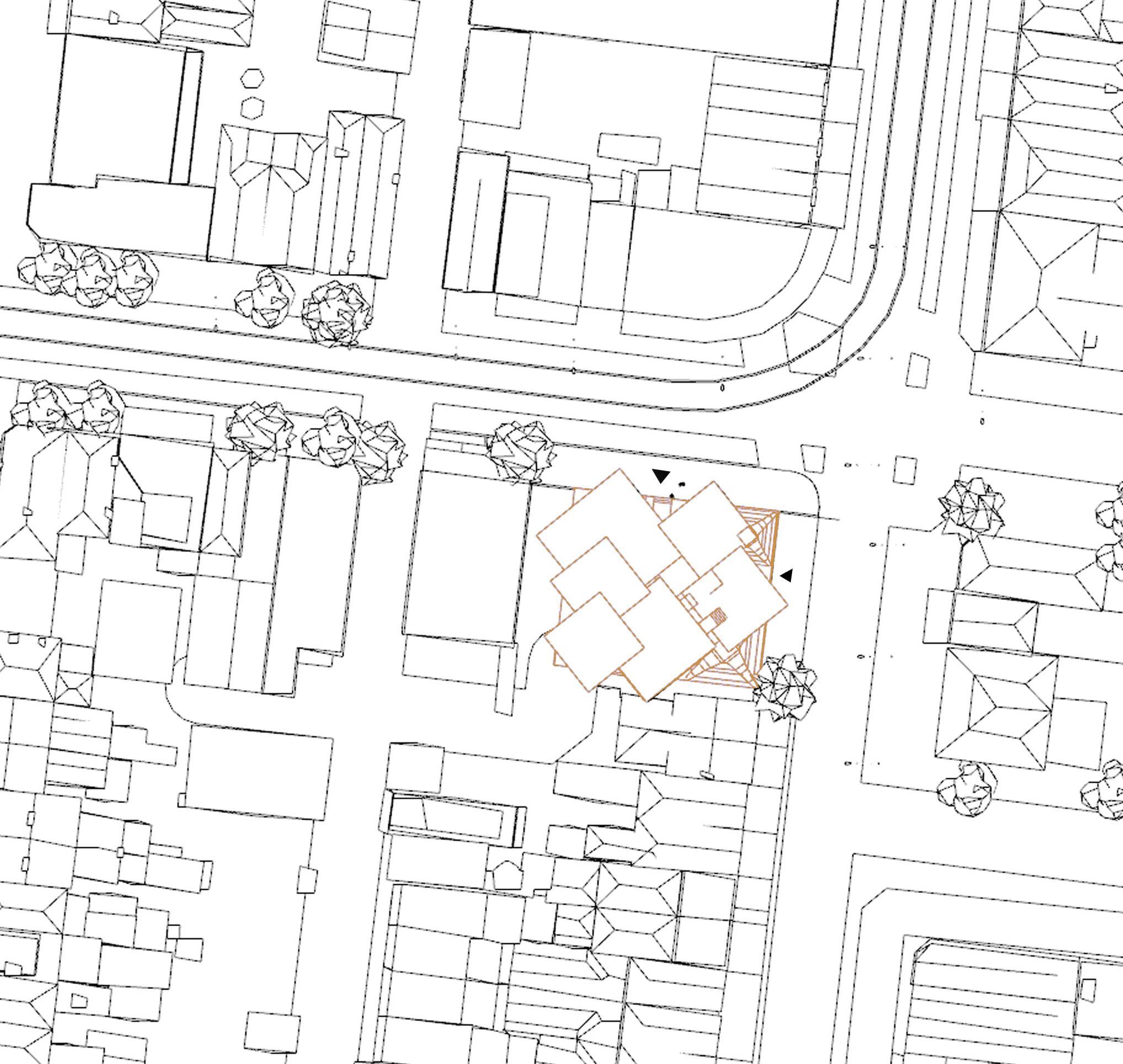
Site analysis highlights the local art gallery & the Brunswick St which use to be the site for Parade for Melbourne Fringe Festival originating from Fitzroy. It celebrates diversity through artistic parade/ performance along Brunswick St. The Gertrude St also host Yaling uth Live music and story telling performance as part of the Melbourne Fringe Festival to be immersed into the past Aboriginal Fitzroy.

Studio 36 Untitled: Art Project Space Rachael Li 912103
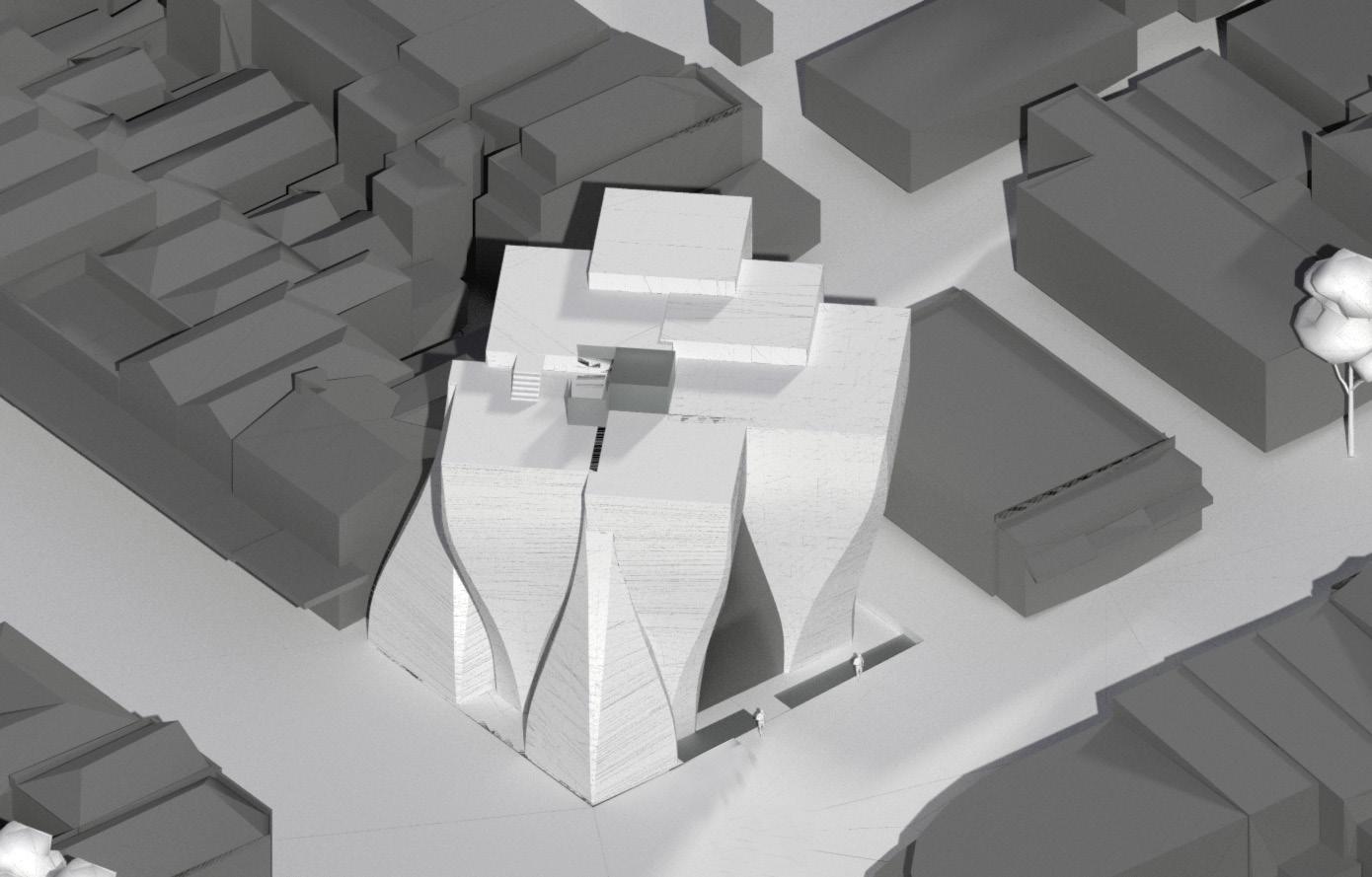
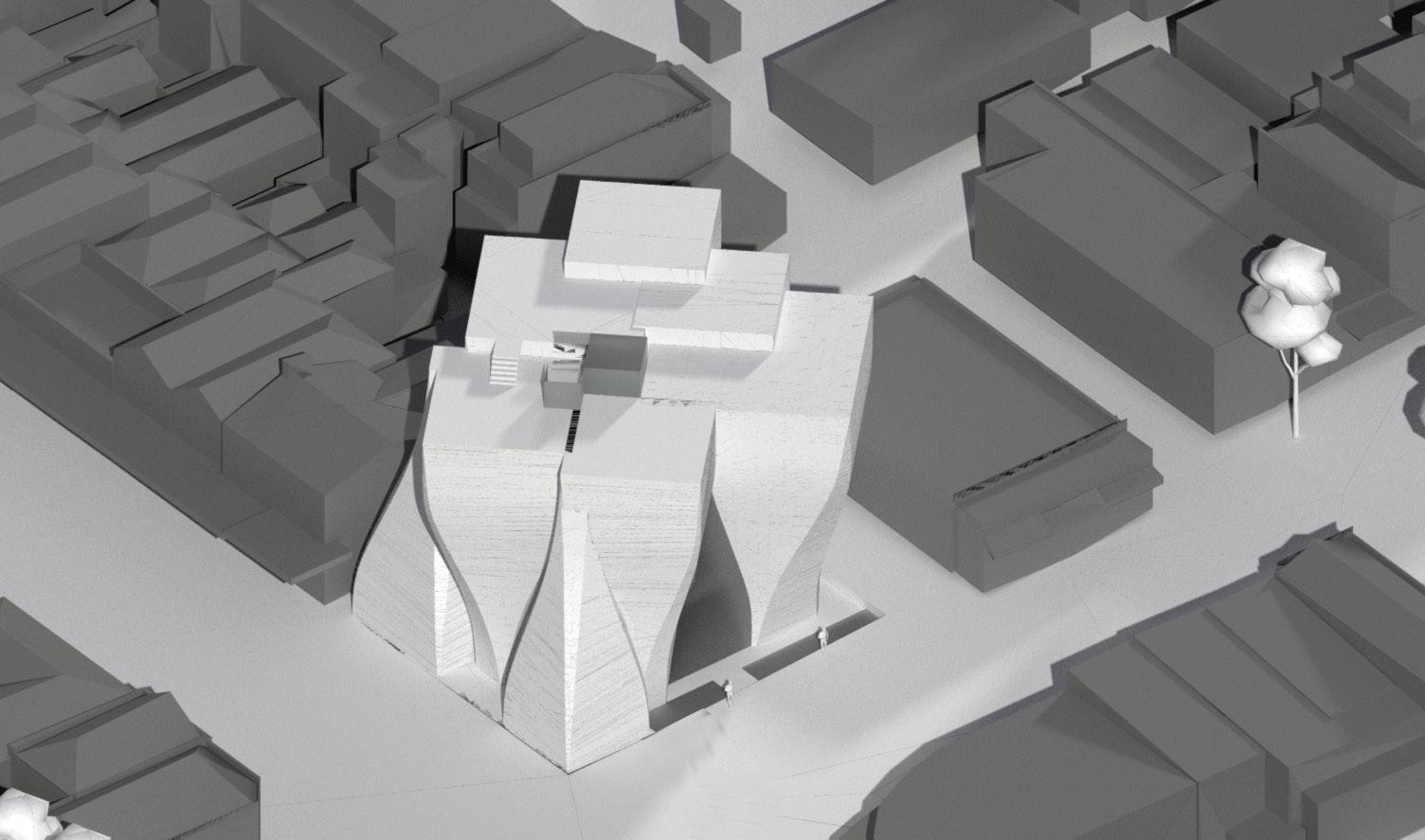
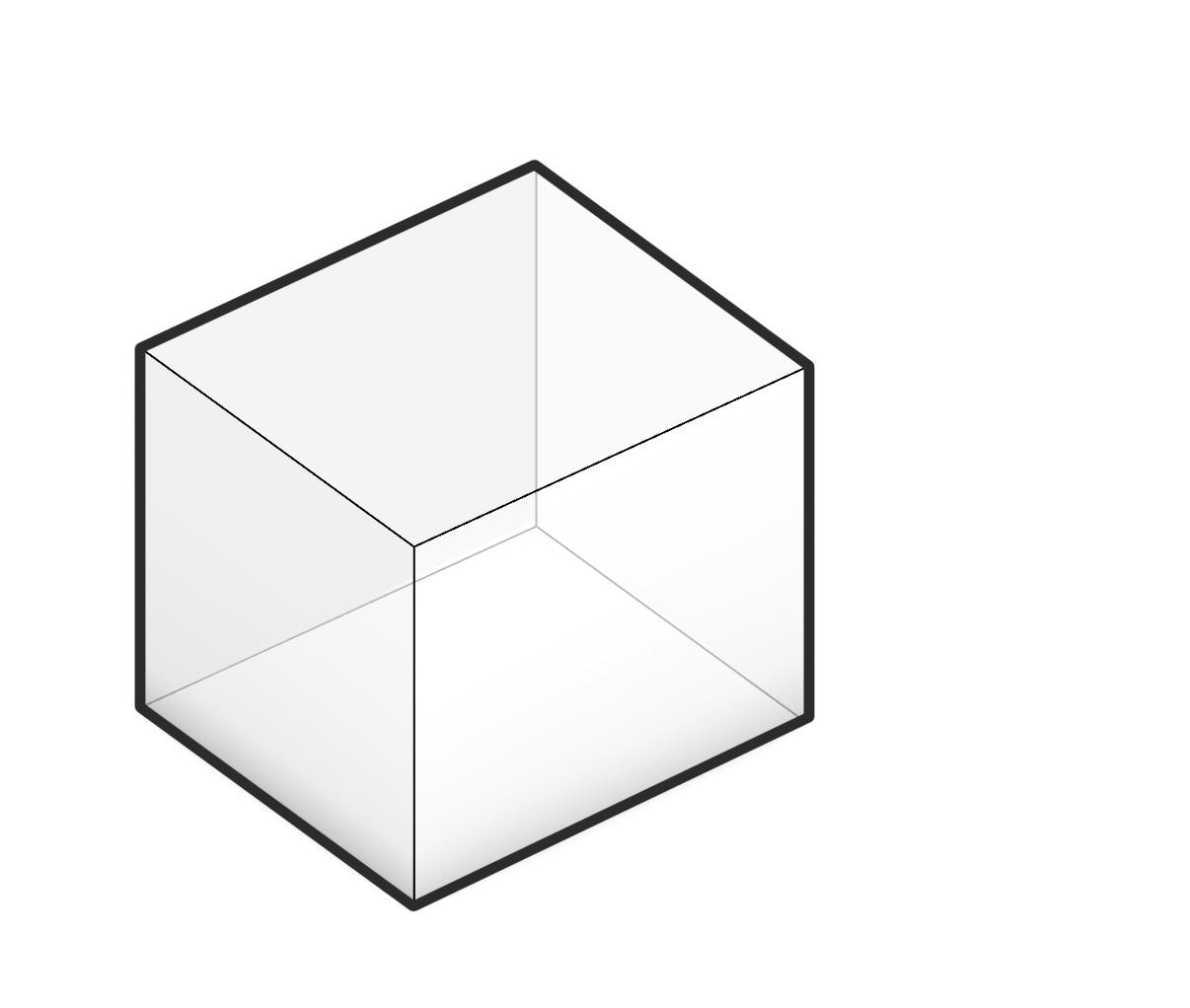
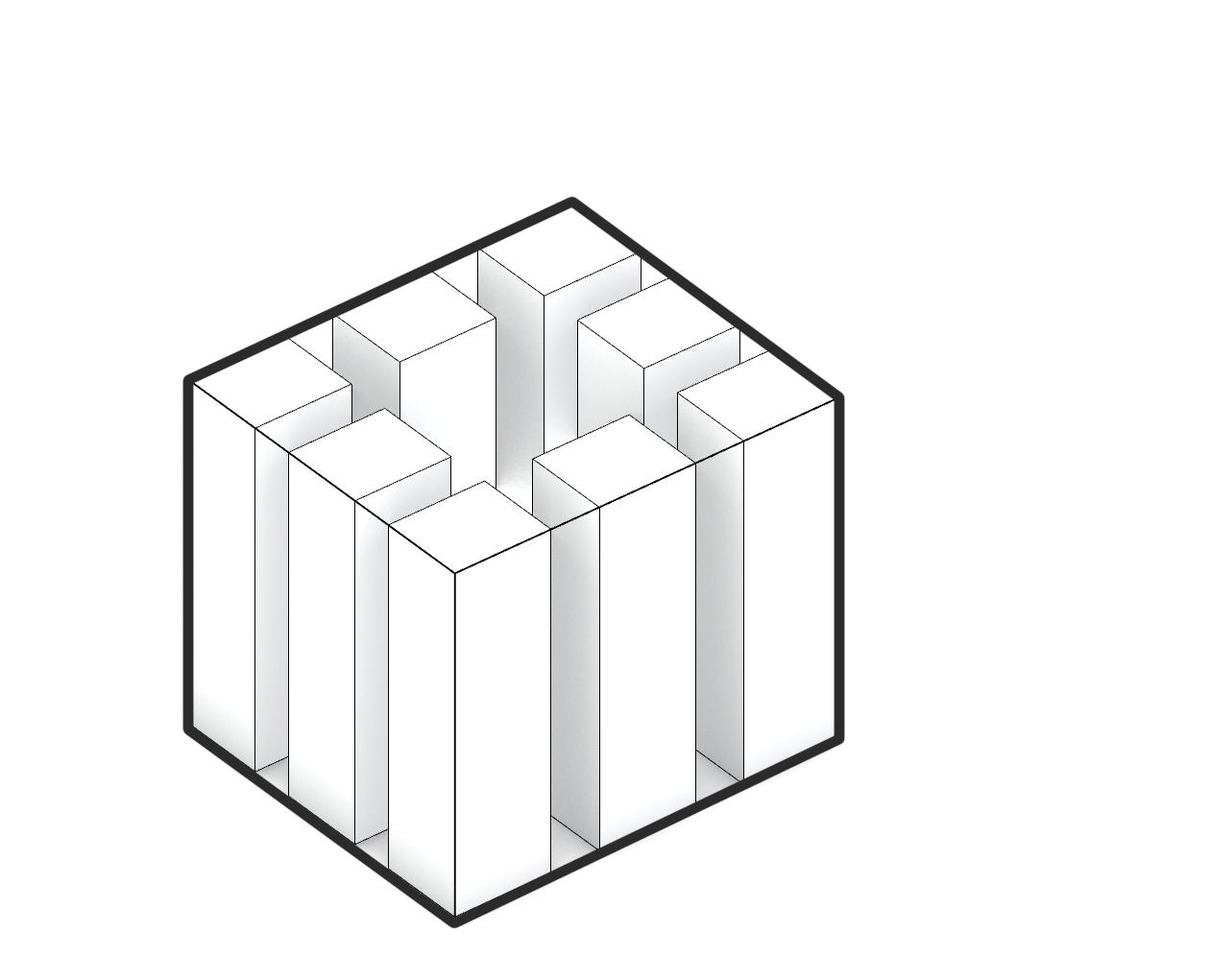
Form generation--- Breaking up the ‘containment’
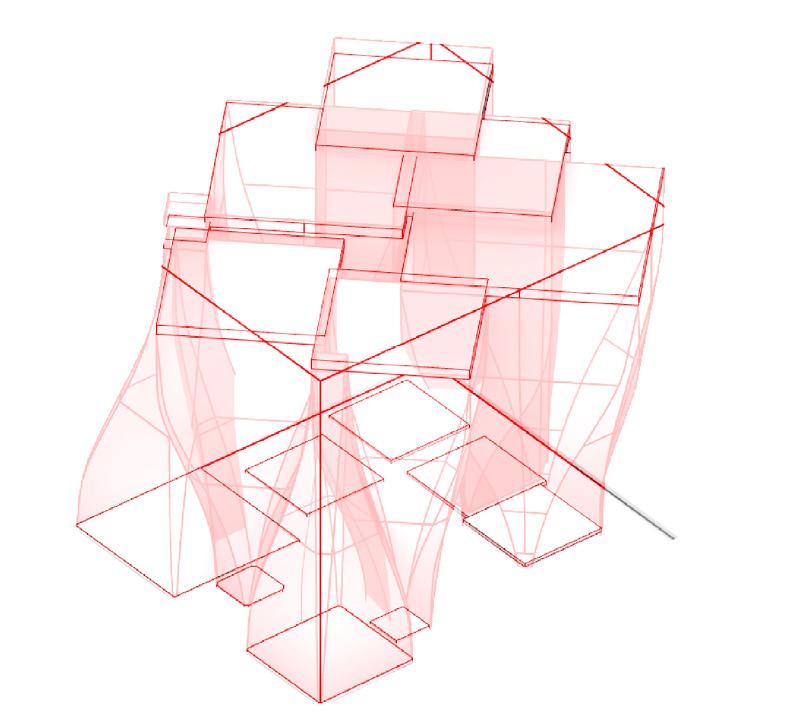
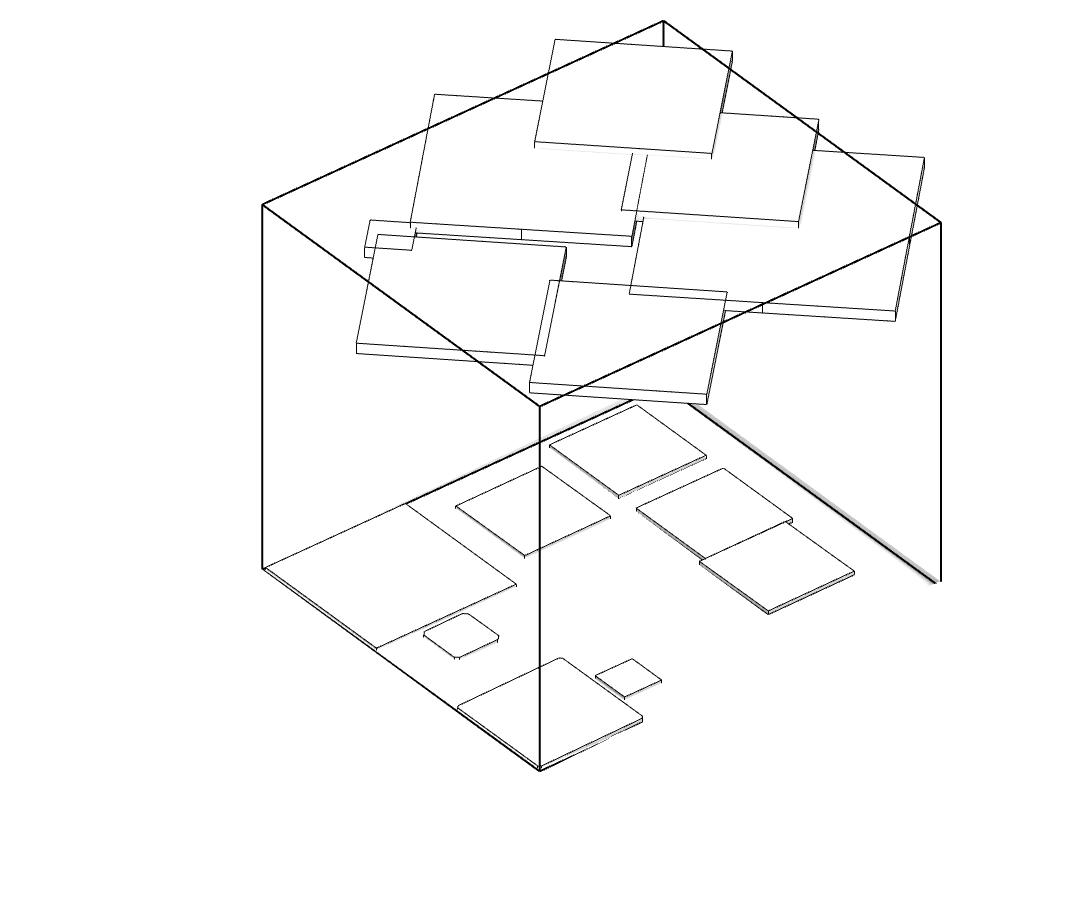
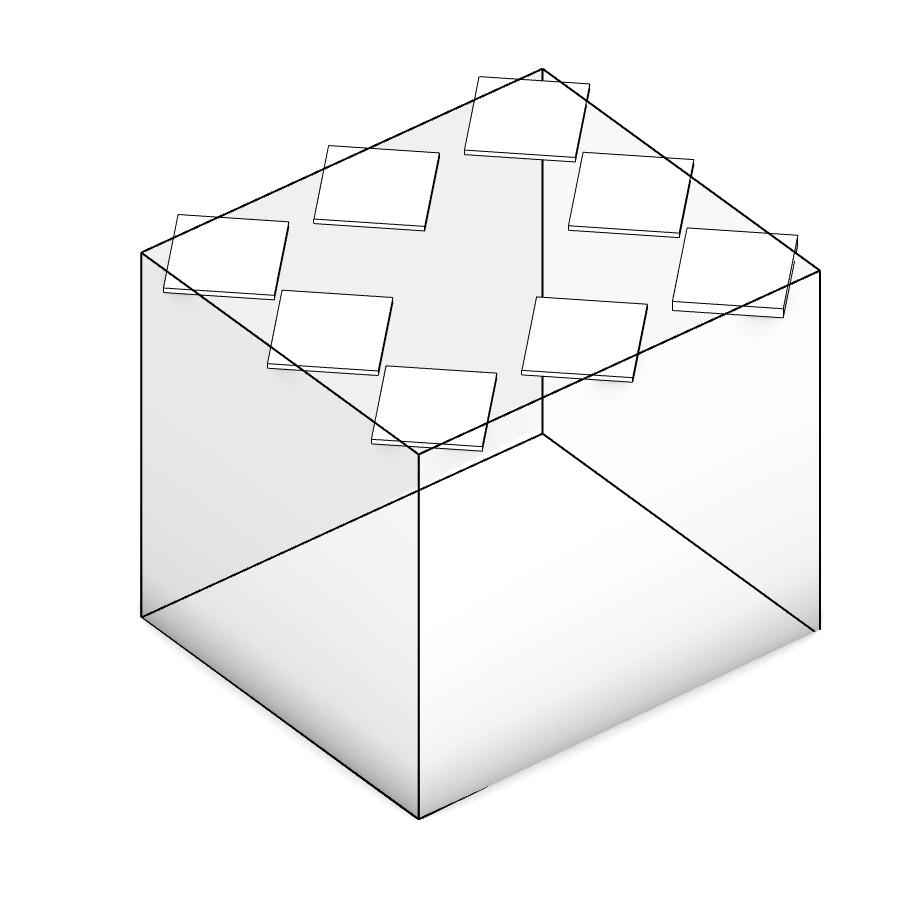
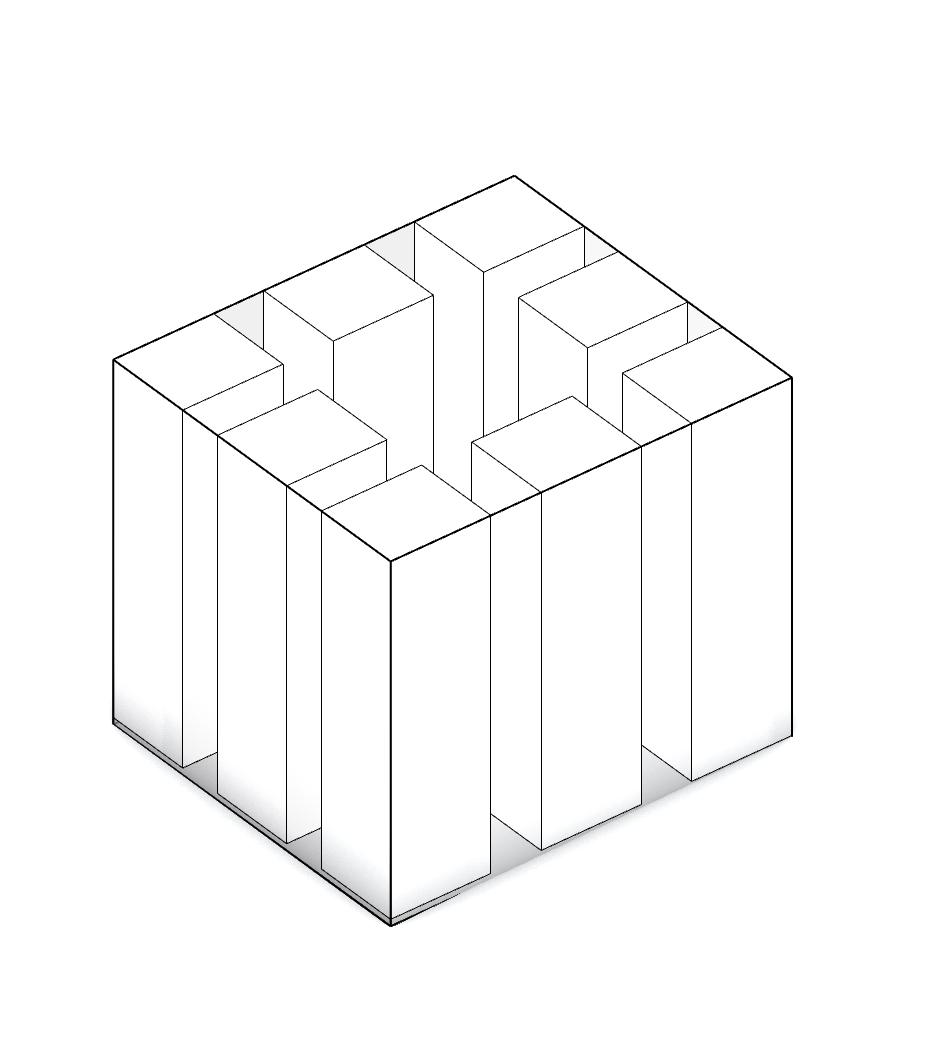
Studio 36 Untitled: Art Project Space Rachael Li 912103
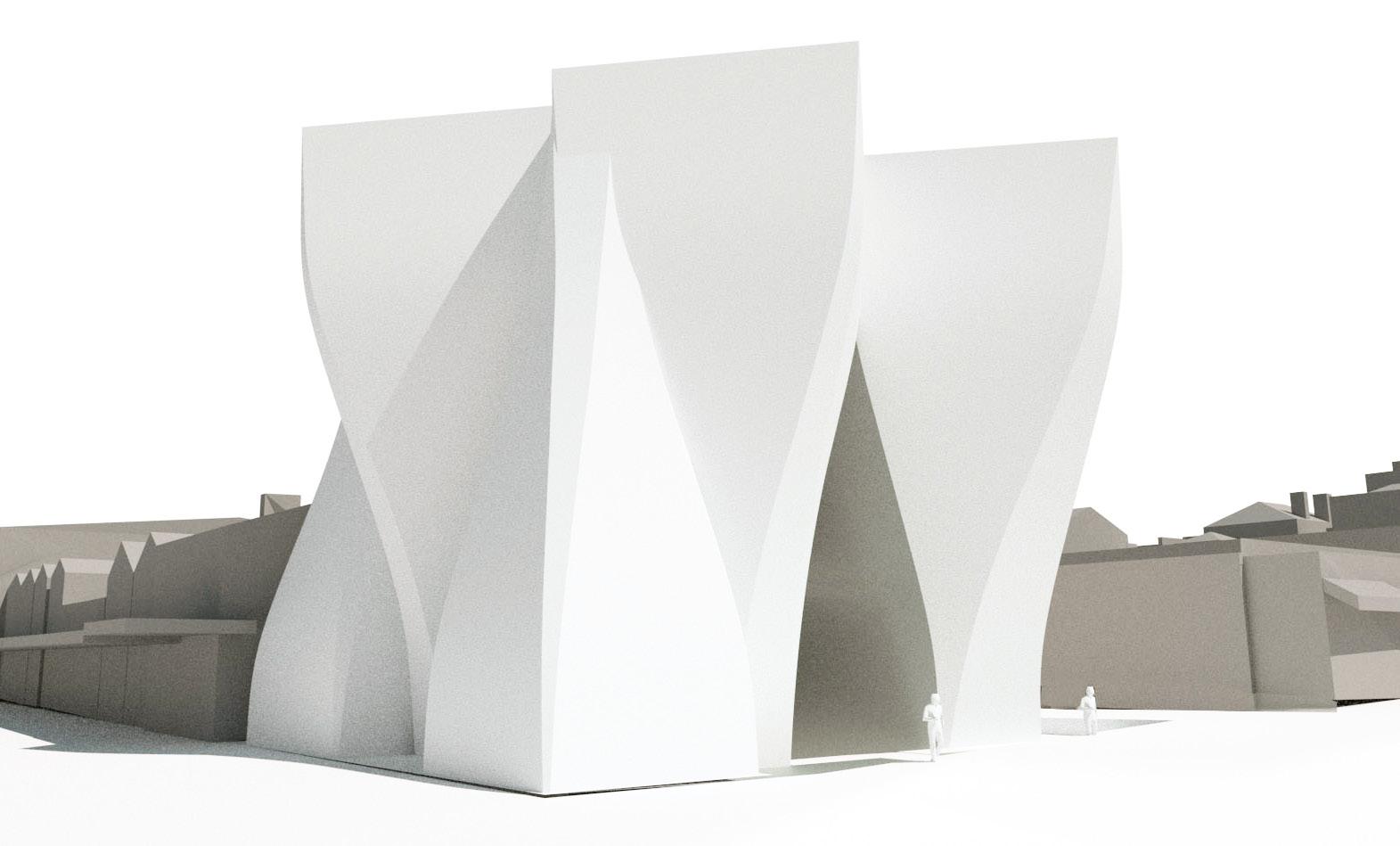
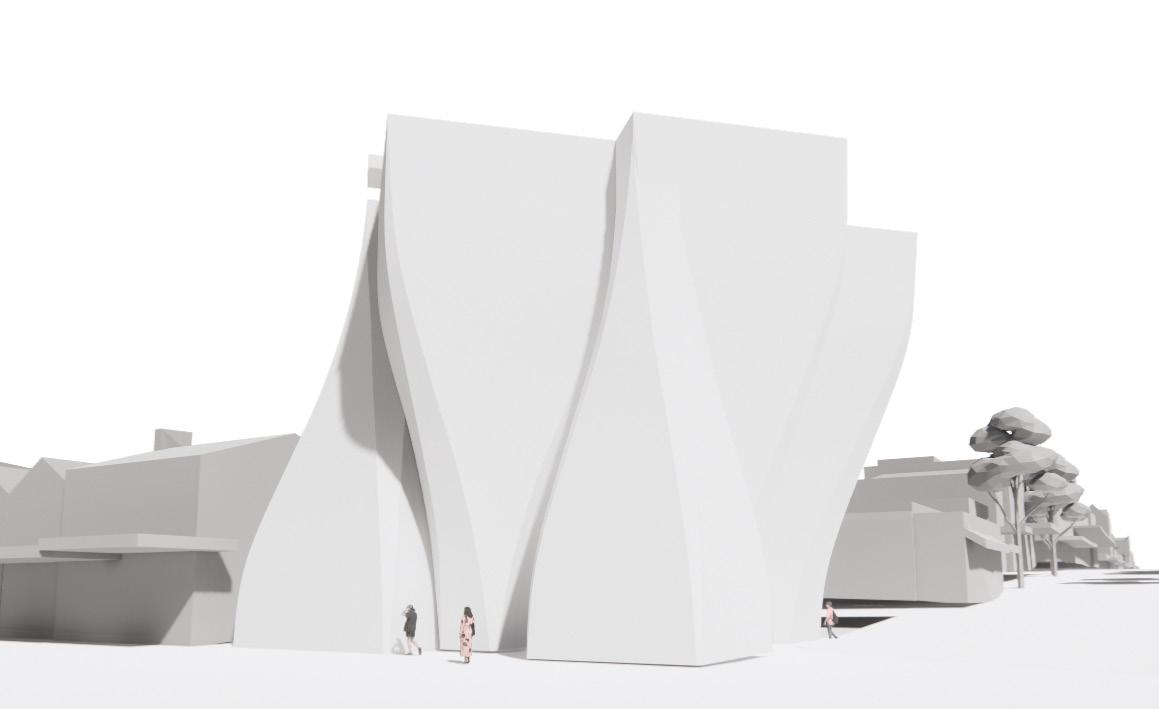
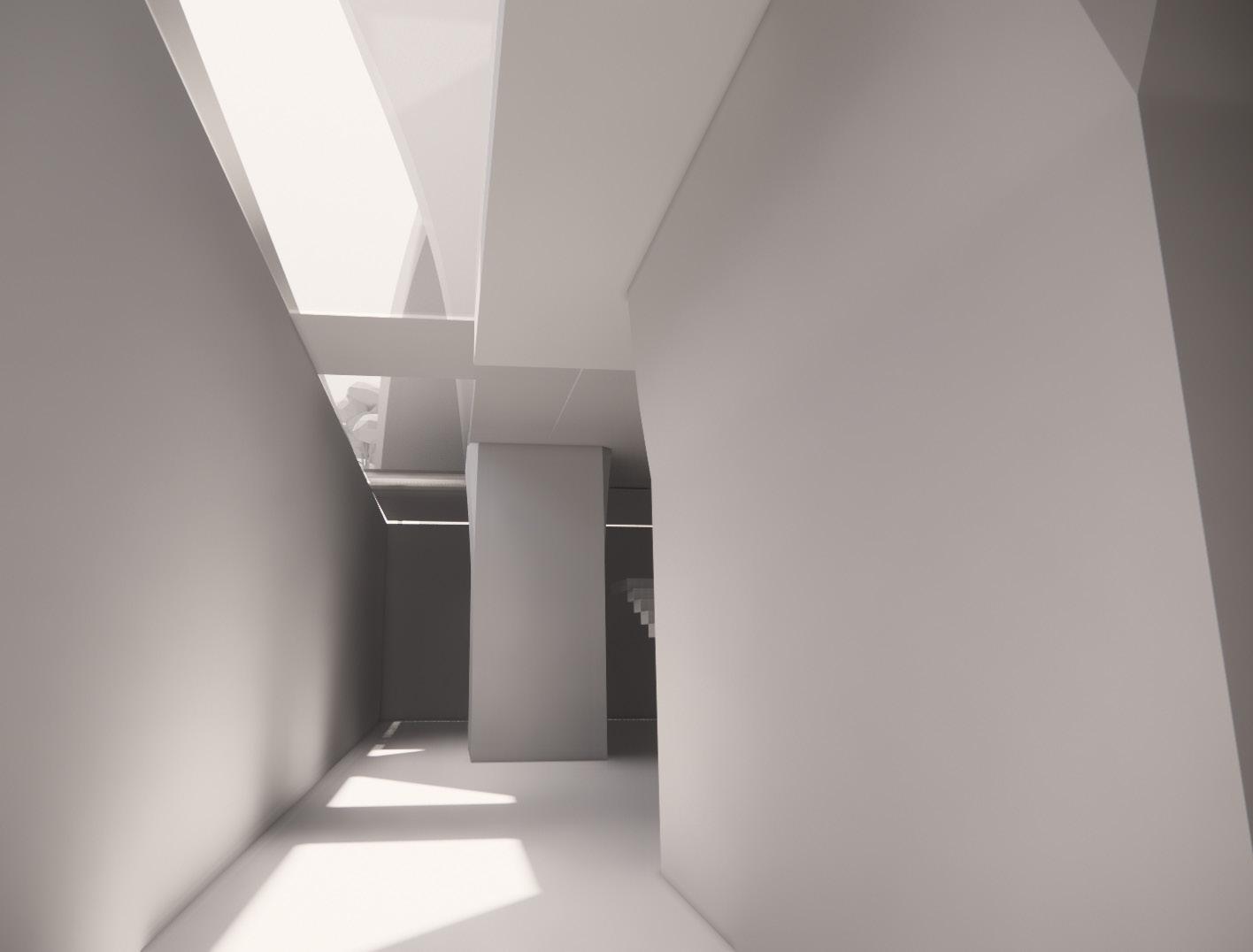
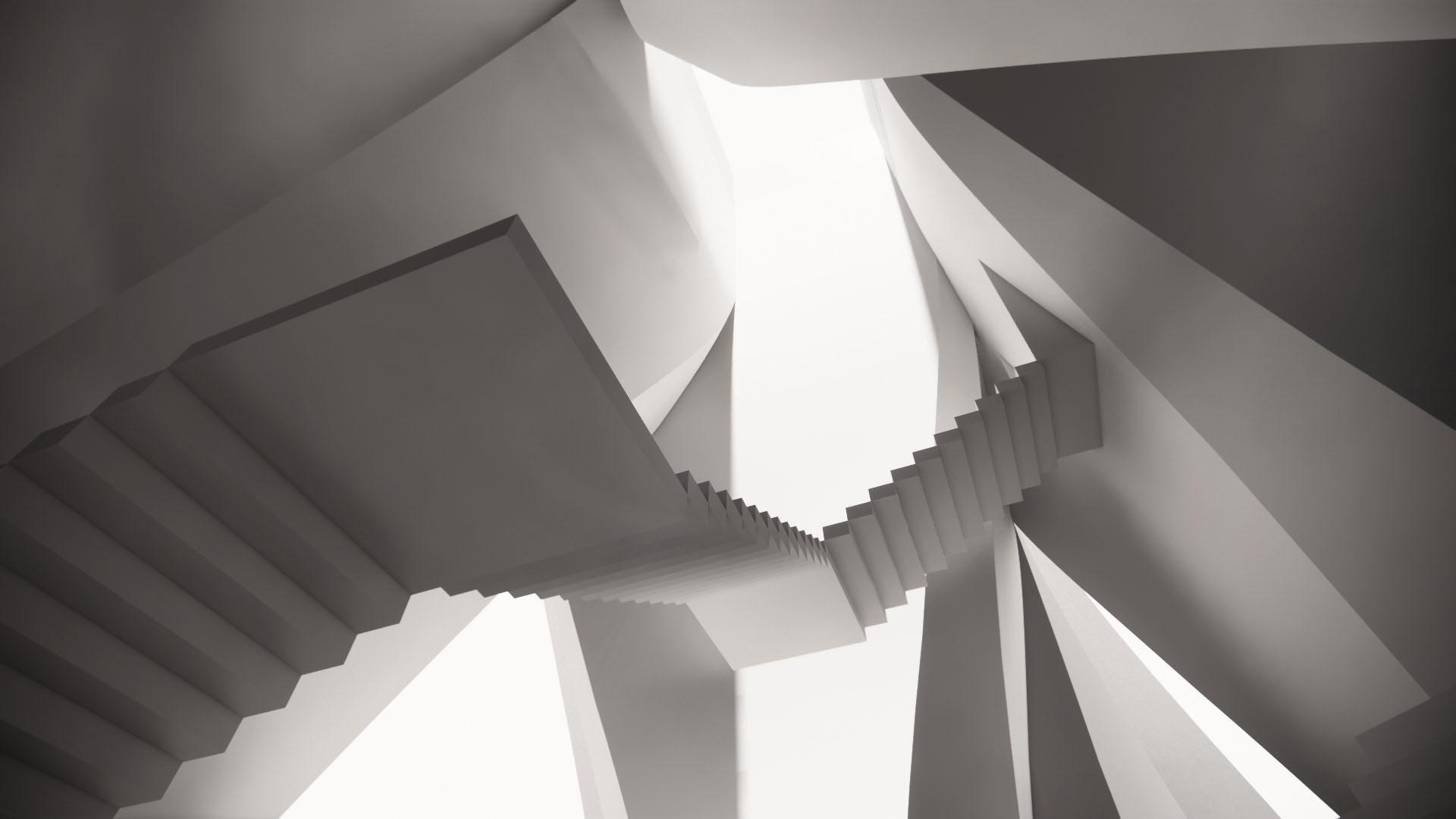 View from Smith St
View from Gertrude St
Studio
36 Untitled: Art Project Space Rachael Li 912103
View from basement
View towards the skylight in atrium
GROUND
B1B2 LOADING DOCK 80m2 SKYLIGHT STORAGE SKYLIGHTSKYLIGHT ADMIN 81m2 WC PLANT ROOM TEMP GALLERY STORAGE STORAGE PROJECT SPACE GALLERY (PAINTINGS)STORAGE SKYLIGHT LOADING DOCK 80m2 CHILDREN LEARNING CENTRE B1 SKYLIGHTSKYLIGHT ADMIN 81m2 PROJECT SPACE GALLERY (PAINTINGS)STORAGE SKYLIGHT LOADING DOCK 80m2 CHILDREN LEARNING CENTRE B1 B2
FLOOR SMITH ST GIFT SHOP LOADING DOCK 80m2 STAFF ENTRANCE TEMP GALLERY CAFE CAFE ATRIUM VISITOR ENTRANCE GERTRUDE ST RECEPTION ADMIN 27m2 VISITOR ENTRANCE OUTDOOR SCULPTURE SCULPTURE GARDEN WC Studio 36 Untitled: Art Project Space Rachael Li 912103 20m2 40 N 10
FIRST FLOOR SMITH ST LOADING DOCK 80m2 VOID ABOVE TEMP GALLERY 108m2 DIGITAL RESEARCH GERTRUDE ST PROJECT SPACE GALLERY (SCULP/ PERFORMANCE) 93m2 MECH SECOND FLOOR SMITH ST DIGITAL MEDIA GALLERY PROJECT SPACE GALLERY (PAINTING) GERTRUDE ST SKYLIGHT LOADING DOCK 80m2 Studio 36 Untitled: Art Project Space Rachael Li 912103 20m2 40 N 10
THIRD FLOOR SMITH ST SKYLIGHT GERTRUDE ST LOADING DOCK 80m2 ARTIST STUDIO 60m2 PROJECT SPACE GALLERY (PAINTING) 191m2 SMITH ST ROOF PLAN SKYLIGHT SCULPTURE GARDEN GERTRUDE ST Studio 36 Untitled: Art Project Space Rachael Li 912103 20m2 40 N 10
TEMP GALLERY 1:200 EW Section CHILDREN LEARNING CENTRE TEMP GALLERY PROJECT SPACE GALLERY ARTIST STUDIO SCULPTURE GARDEN PROJECT SPACE GALLERY (SCULPTURE/ PERFORMANCE) GIFT SHOPSMITH ST CAFE CAFE TEMP GALLERY DIGITAL MEDIA GALLERY STORAGE 1:200 NS Section TEMP GALLERY PROJECT SPACE GALLERY (PAINTING) PROJECT SPACE GALLERY (PAINTING) PROJECT SPACE GALLERY (PAINTING) PROJECT SPACE GALLERY (PAINTING) PROJECT SPACE GALLERY (SCULPTURE/ PERFORMANCE) SCULPTURE GARDEN CAFE Studio 36 Untitled: Art Project Space Rachael Li 912103 20m2 40 N 10
MID TERM REVIEW- Iteration 2 WEEK 7
Design Statement
The design focuses on translating key elements of performative art into architectural forms.
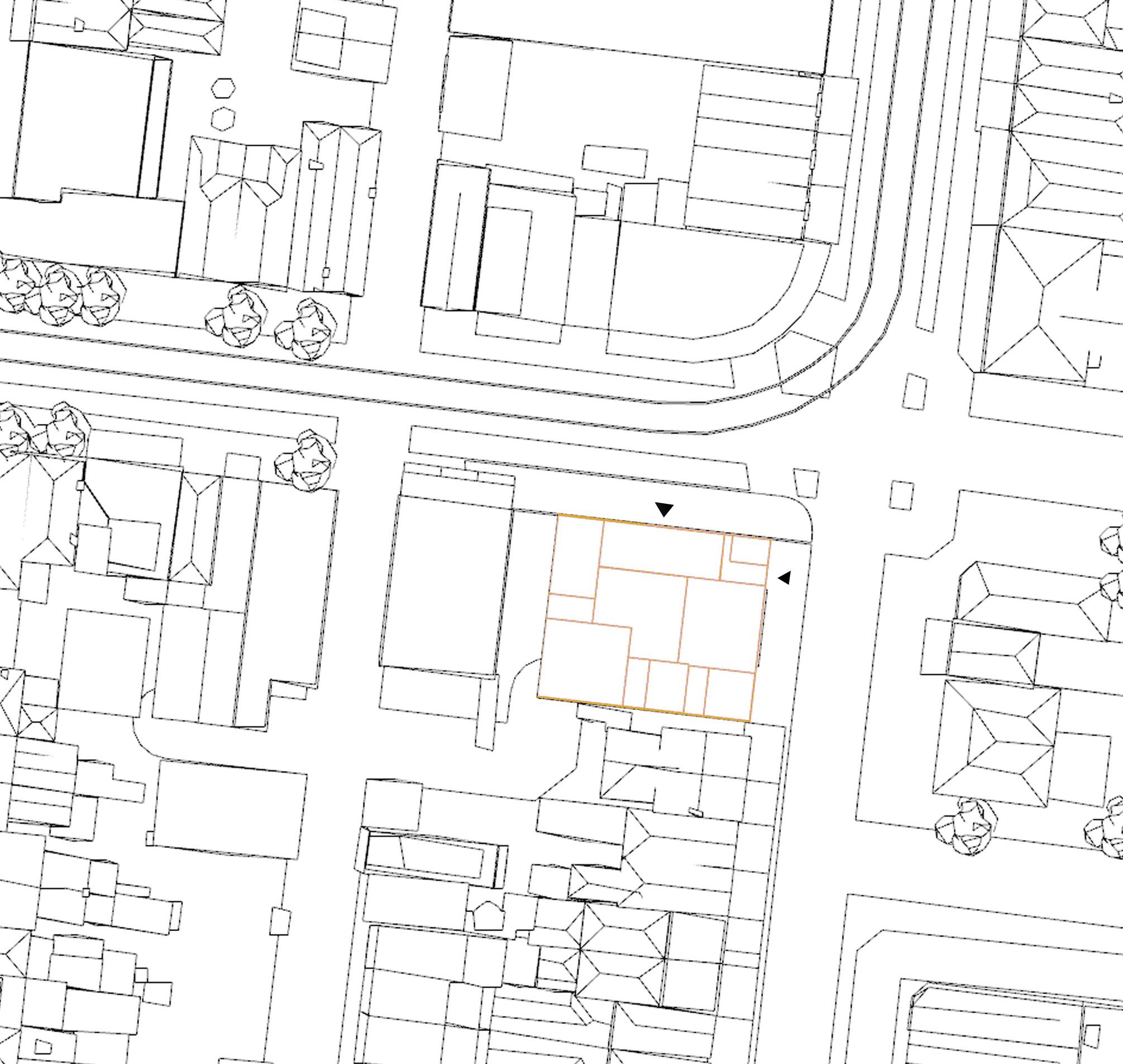
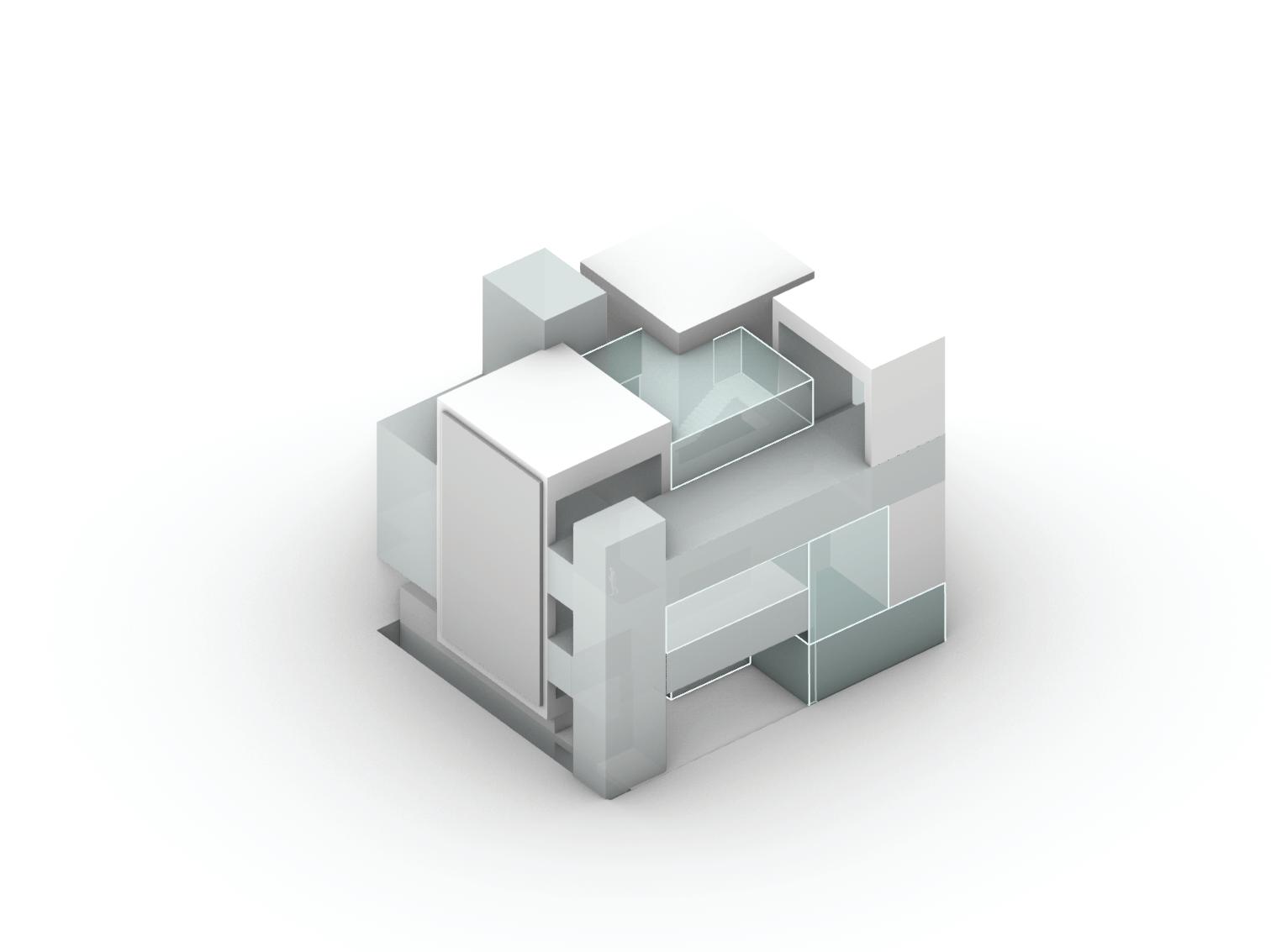
The focuses is on movement element in performative art. People’s movement are different based on their destination. By tracing those routes with destination as green spaces, people’s movement tend to be slower & more fluid comparing to routes with destination to other errands such as office, hospital etc. The traced path to the green spaces becomes the ‘bridge’ that people circulate slowly to contemplate artworks.
Studio 36 Untitled: Art Project Space Rachael Li 912103
Locality plan
 Gertrude St Smith St
+ + + + + +
Walking routes to green spaces around Fitzroy
Charles St Reserve to site
Carlton Garden to site
Cambridge St Reserve to site Reserve to site
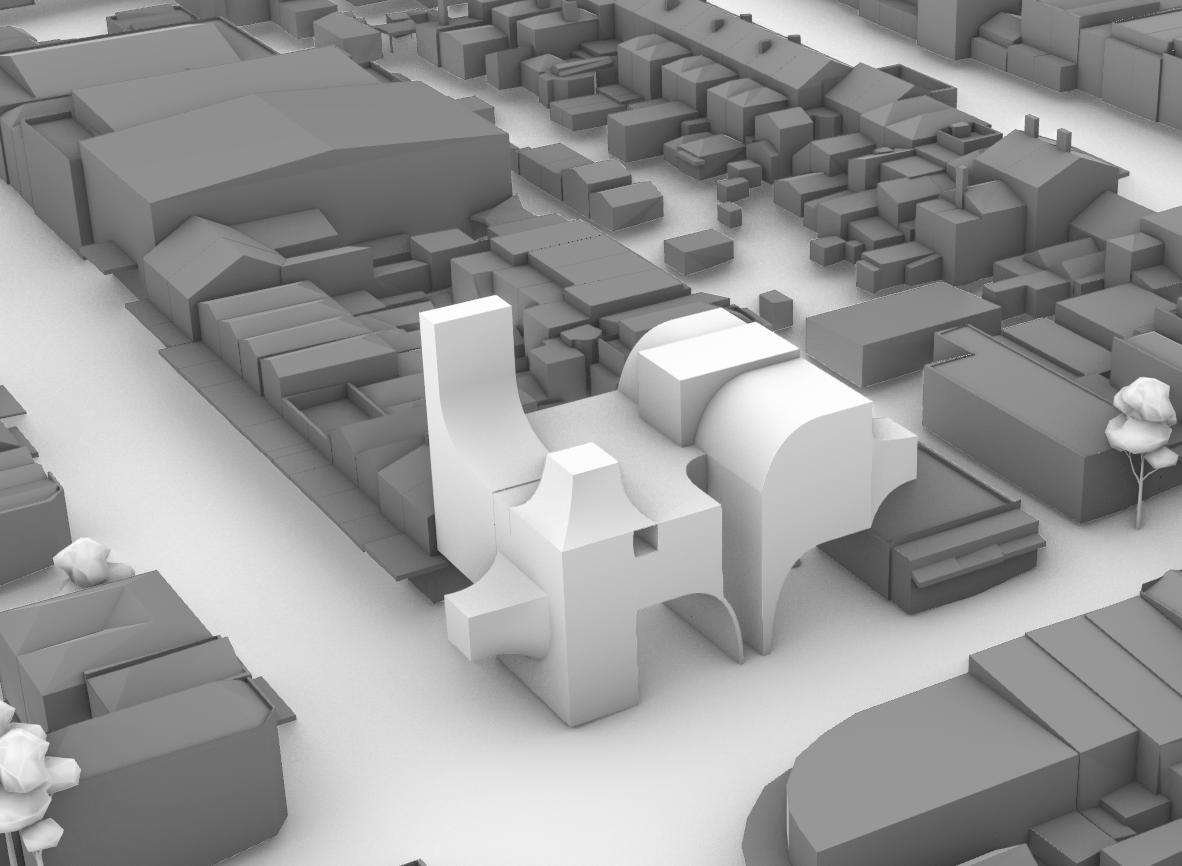
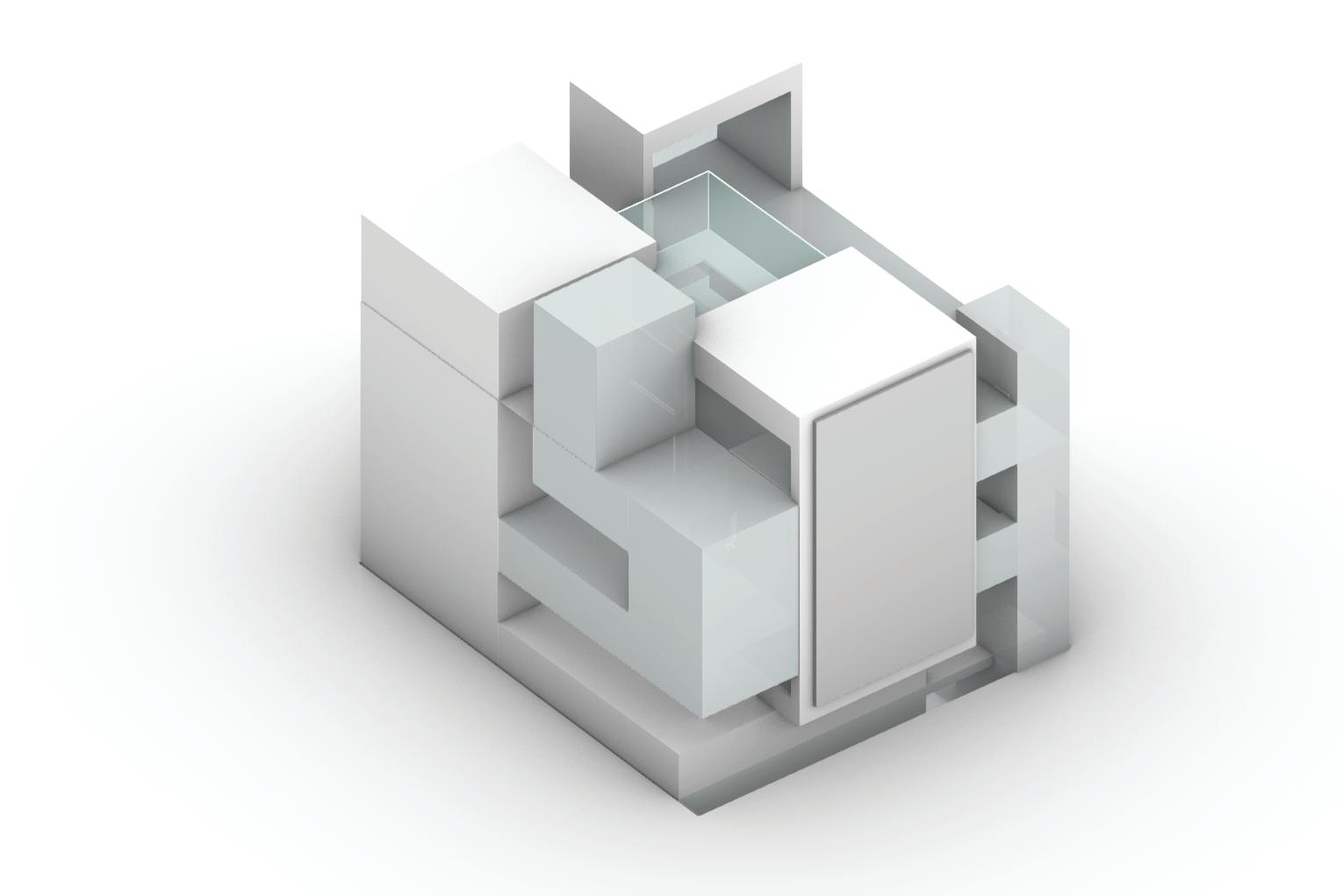
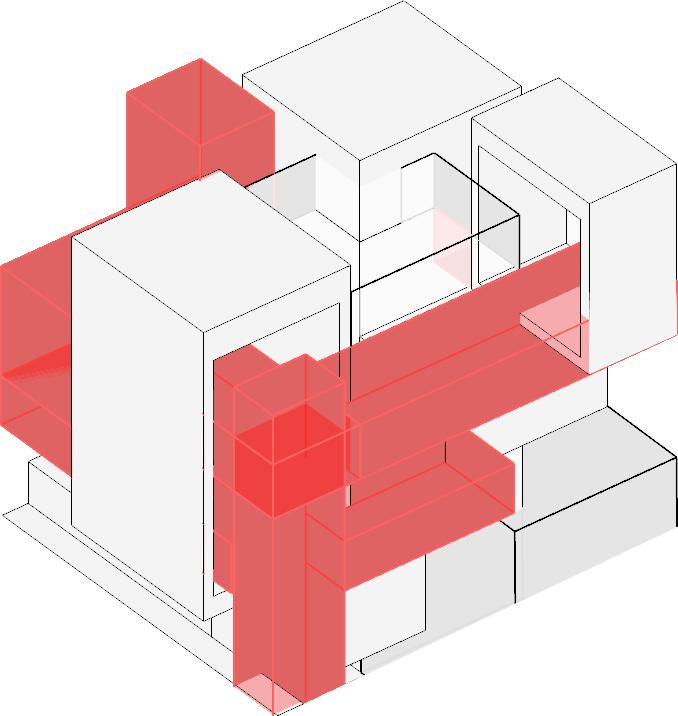
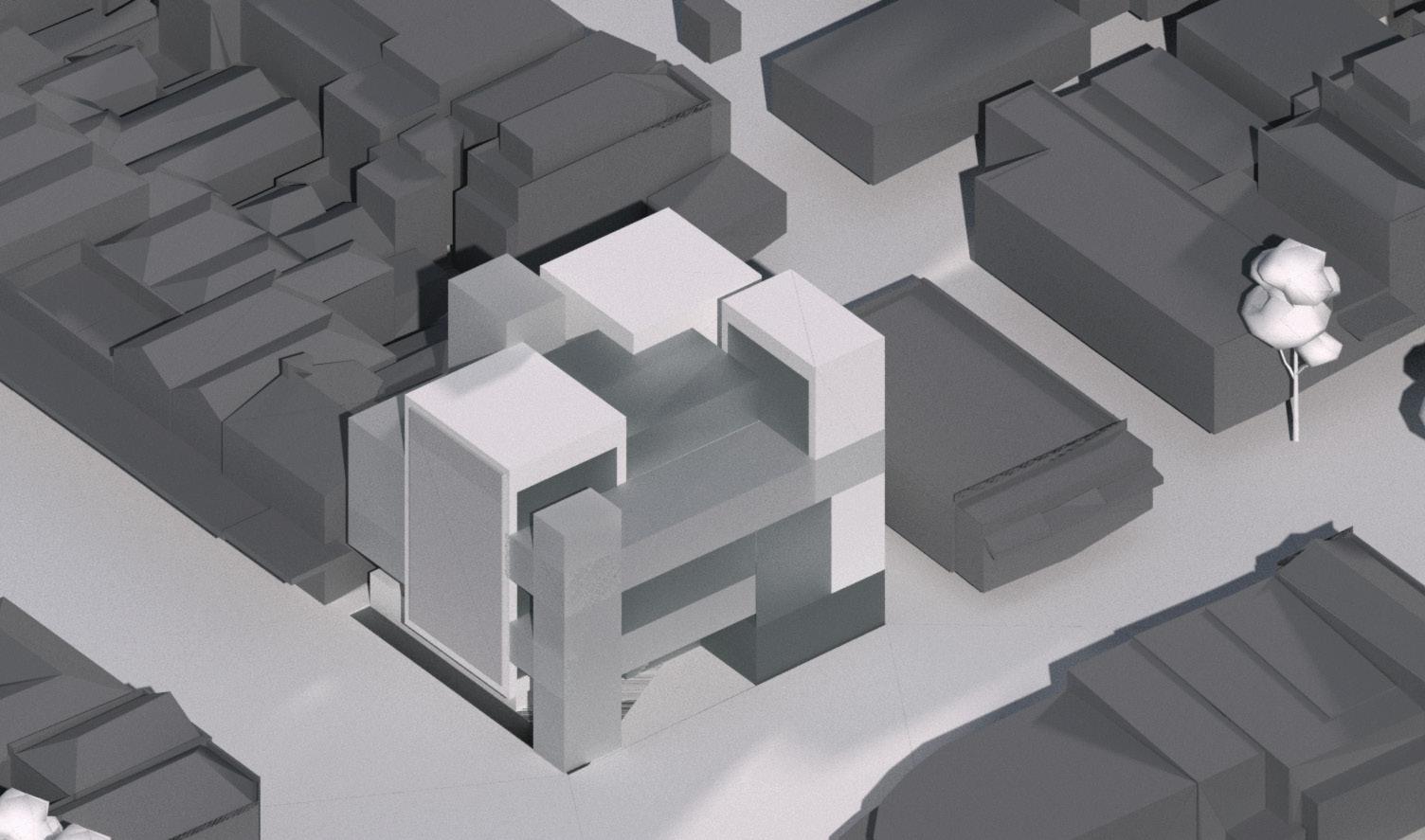
The paths translates to bridges which form key gallery spaces in the massing
Studio 36 Untitled: Art Project Space Rachael Li 912103
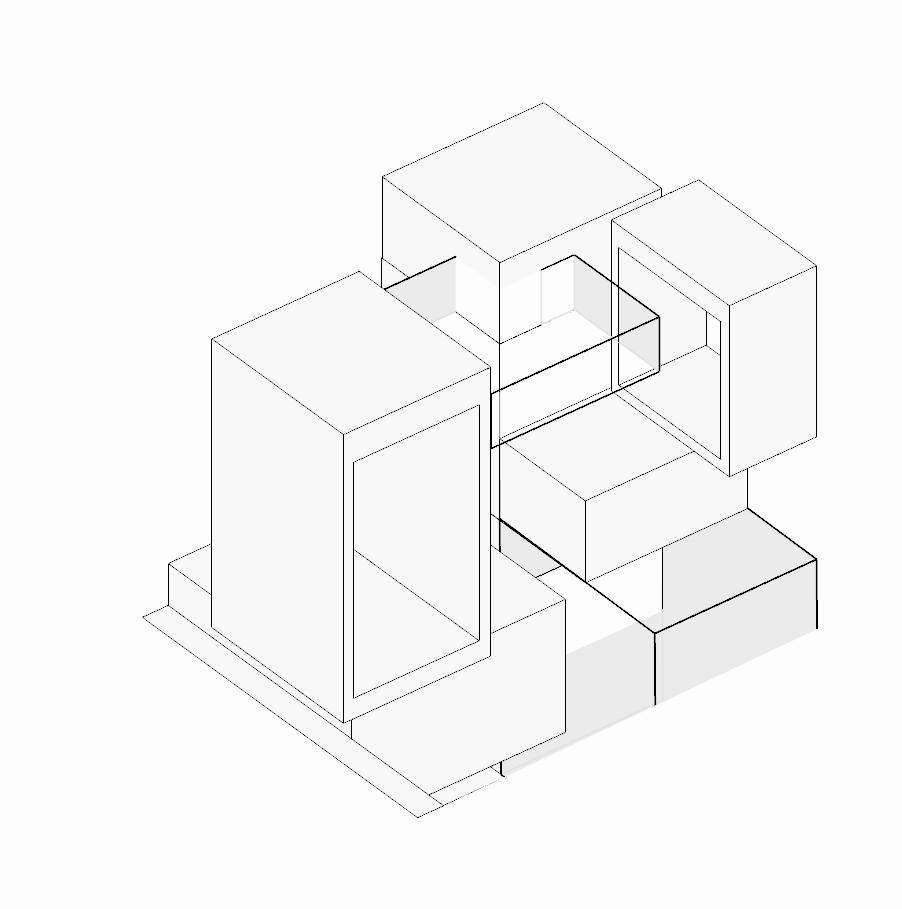
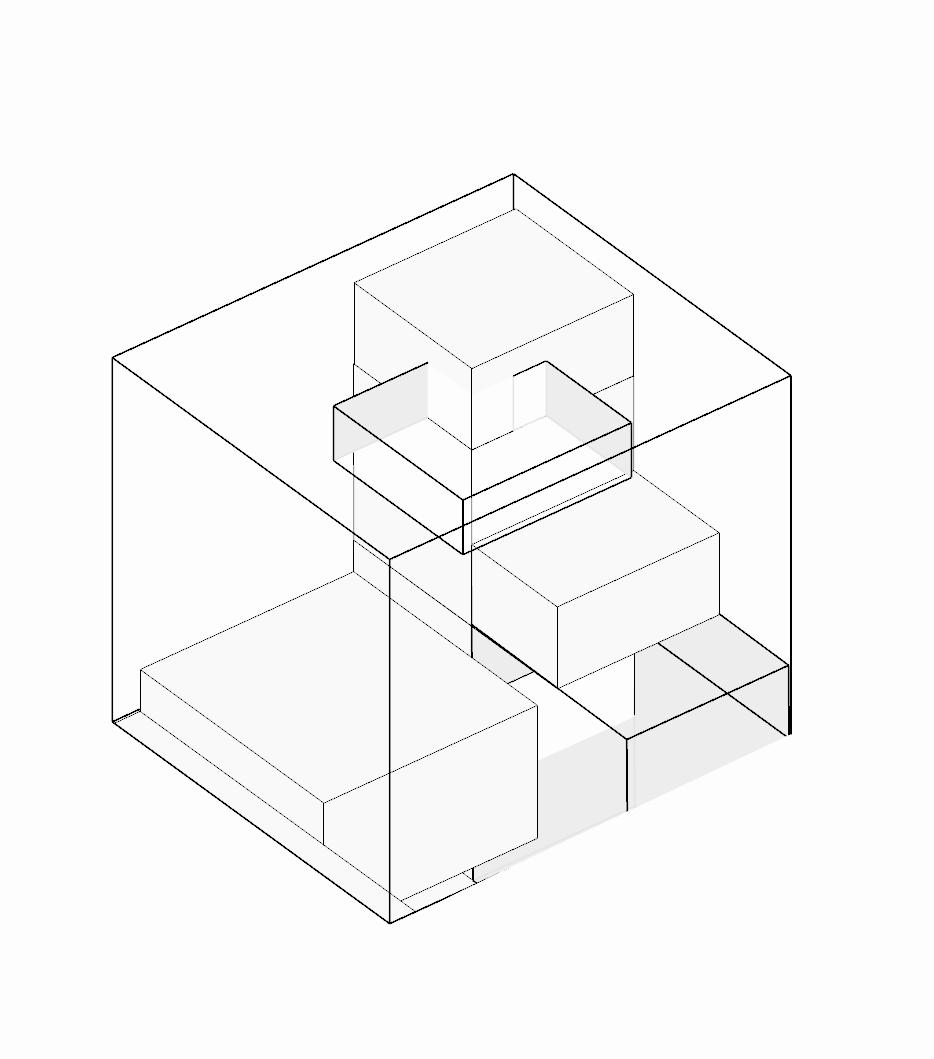
Form generation
Studio 36 Untitled: Art Project Space Rachael Li 912103
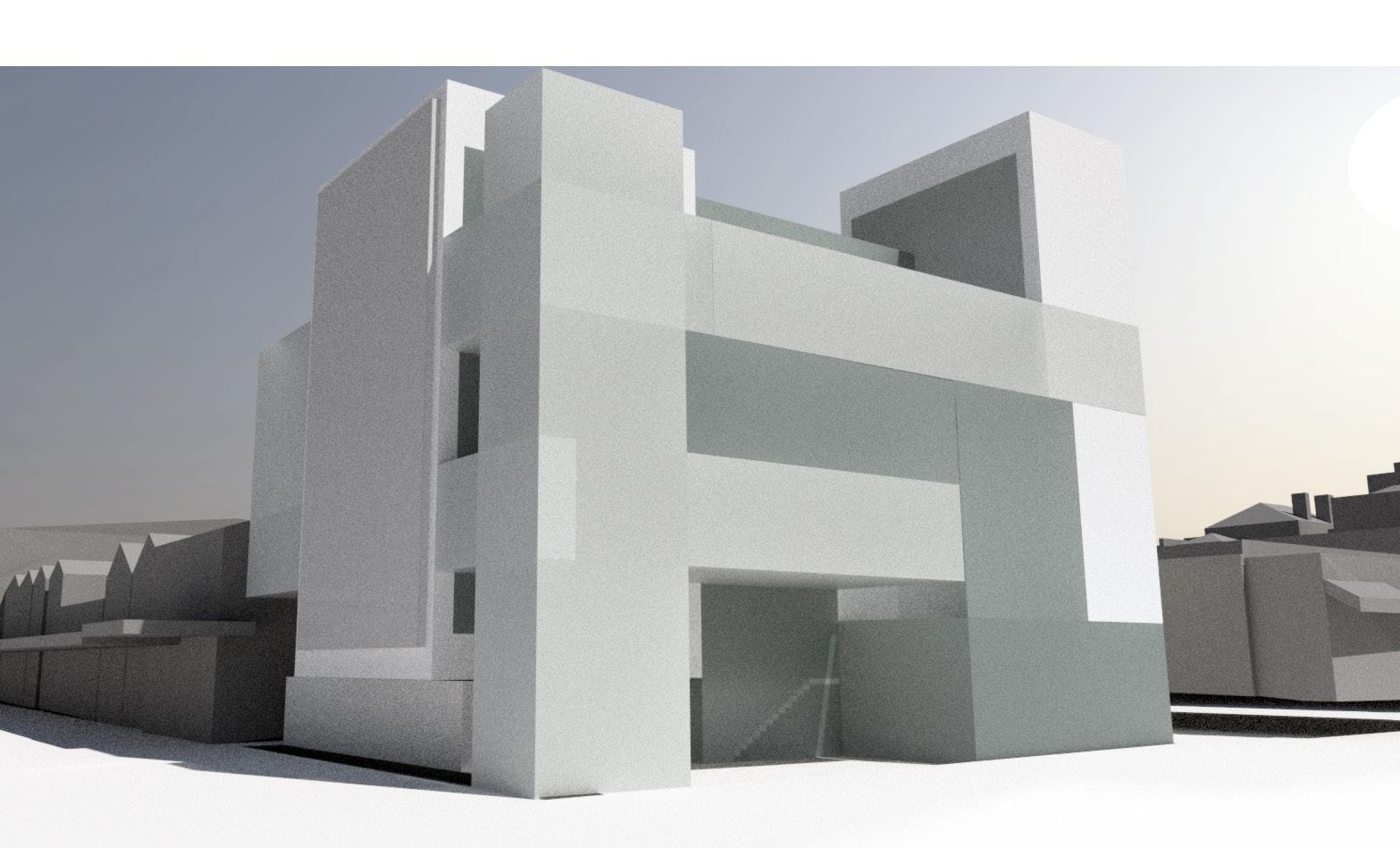
 View from Gertrude St
Studio 36 Untitled: Art Project Space Rachael Li 912103
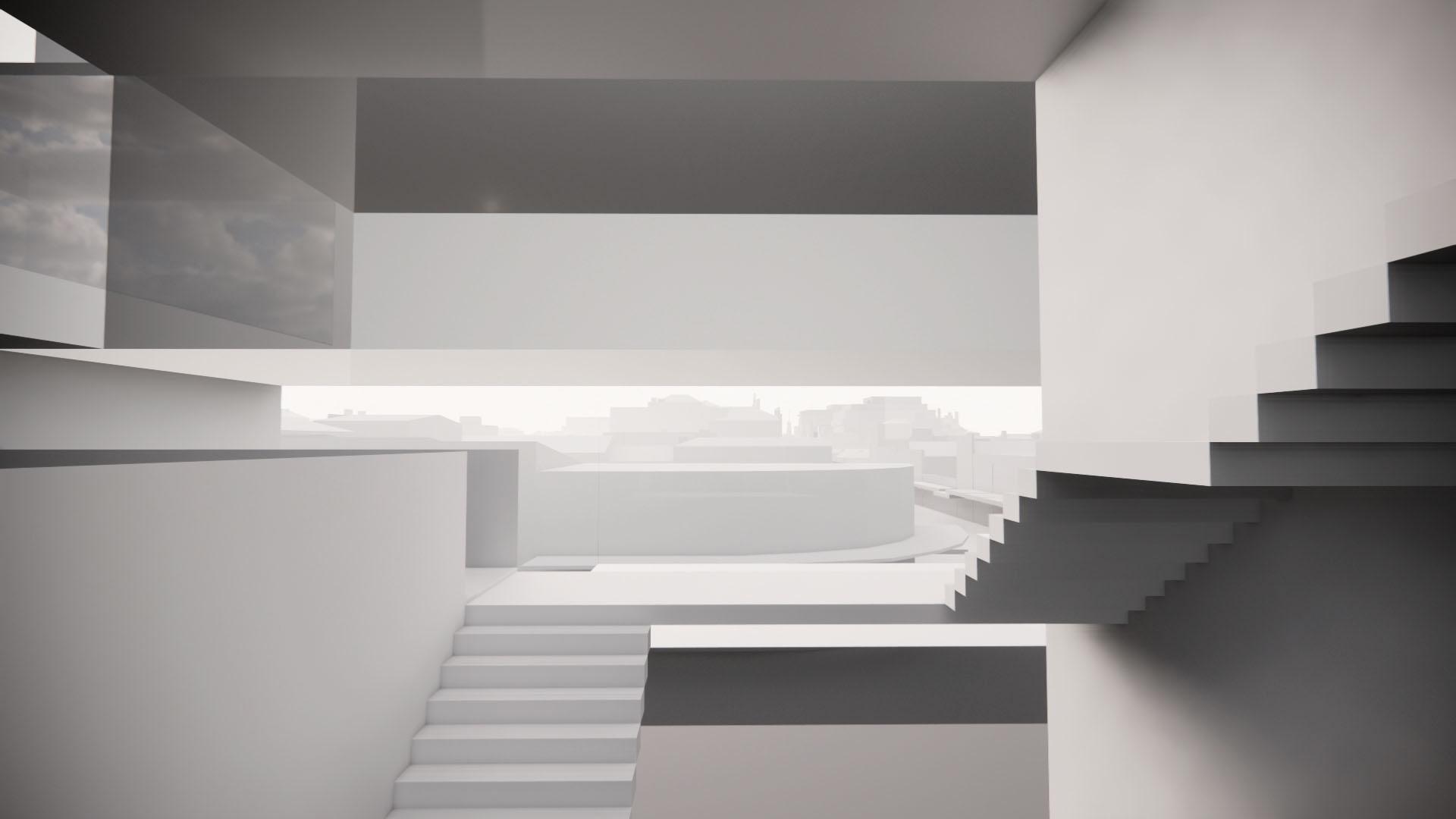
View from atrium
View from atrium
B1B2 LOADING DOCK PLANT ROOM DIGITAL MEDIA GALLERY LOADING DOCK STORAGE STORAGE SKYLIGHT WC PROJECT SPACE GALLERY 103m2 PROJECT SPACE GALLERY 170m2 20m2 40 N 1020m2 40 N 10 B1 LOADING DOCK SKYLIGHT PROJECT SPACE GALLERY 103m2 PROJECT SPACE GALLERY 170m2 20m2 40 N 10 SMITH ST G FLOOR VISITOR ENTRANCE SCULPTURE TERRACE (above) PROJECT SPACE GALLERY (below) GERTRUDE ST VISITOR ENTRANCE STAFF ENTRANCE LOADING DOCK 20m2 40 N 10 Studio 36 Untitled: Art Project Space Rachael Li 912103
CHILDREN
SCULPTURE
TEMP
FIRST
SECOND FLOOR
SMITH ST
FLOOR ADMIN X2 25m2 x2 TEMP GALLERY TEMP GALLERY GERTRUDE ST CAFE ATRIUM ADMIN X2 46m2 X2 SCULPTURE TERRACE LOADING DOCK 20m2 40 N 10 20m2 40 N 10
SMITH ST WC LOADING DOCK
LEARNING CENTRE
GALLERY GERTRUDE ST TEMP GALLERY
TERRACE ATRIUM 20m2 40 N 10 Studio 36 Untitled: Art Project Space Rachael Li 912103
SMITH ST THIRD FLOOR SCULPTURE GARDEN GERTRUDE ST ROOF GARDEN ATRIUM LOADING DOCK ARTIST STUDIO 20m2 40 N 10 20m2 40 N 10 1:200 EW Section ADMIN TEMP GALLERY ARTIST STUDIO CAFE PROJECT SPACE GALLERY DIGITAL MEDIA GALLERY PROJECT SPACE GALLERY GREENHOUSE GREENHOUSE Studio 36 Untitled: Art Project Space Rachael Li 912103 20m2 40 N 10
Area require improvement
The form currently looks quite solid and 1980s(?) brutalist which could work and be unique feature but I would like to experiment with a more contemporary facade upon receiving the feedbacks for the next step. Although the section appears to demonstrate interesting spatial relations, the form of the second iteration looks a bit regular & ‘dry’ in comparison, therefore I am currently more inclined towards the first iteration. Also the second iteration would better adhere to my design statement.
However, I should still refine the plan and section of the first iteration to ensure all the spaces work vertically.
Reflection WEEK 7
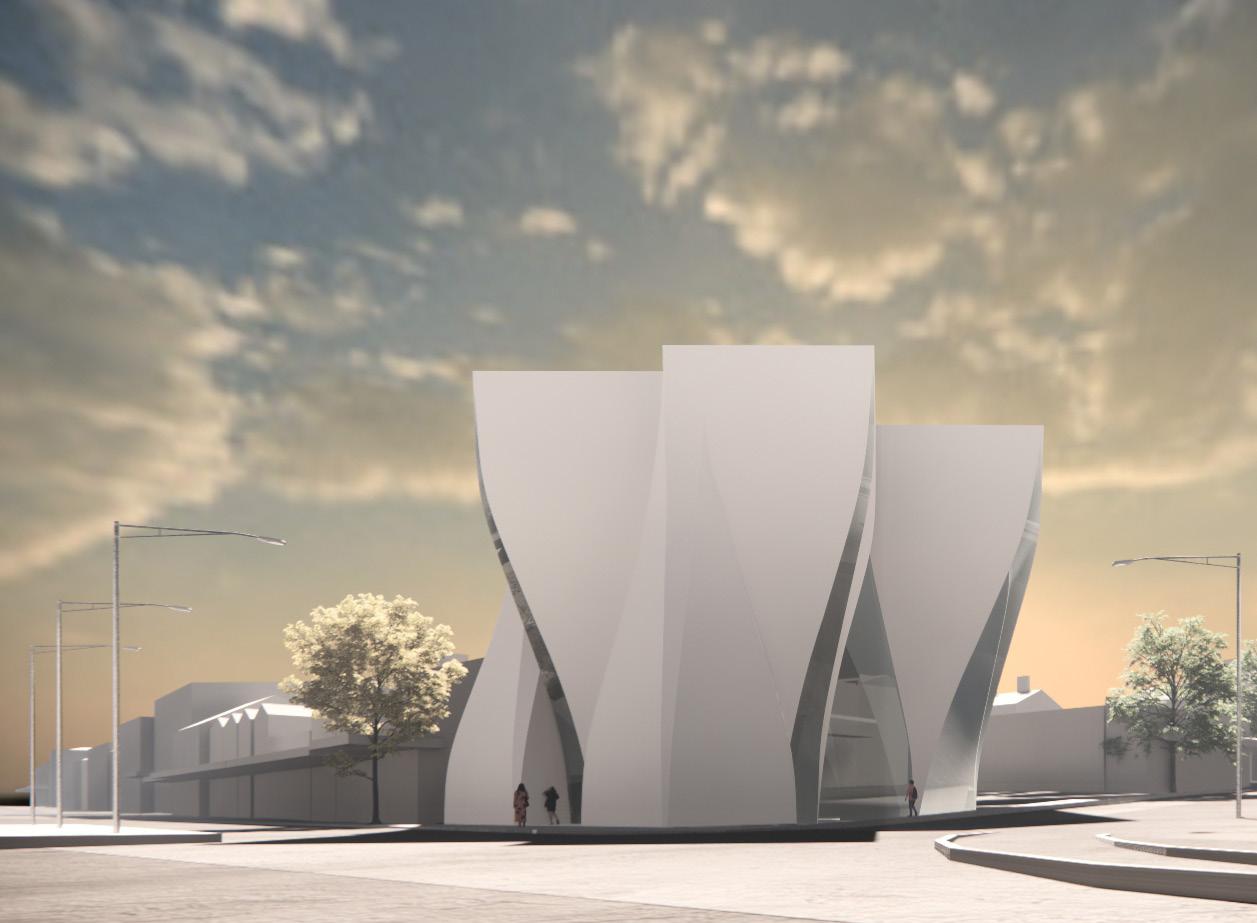
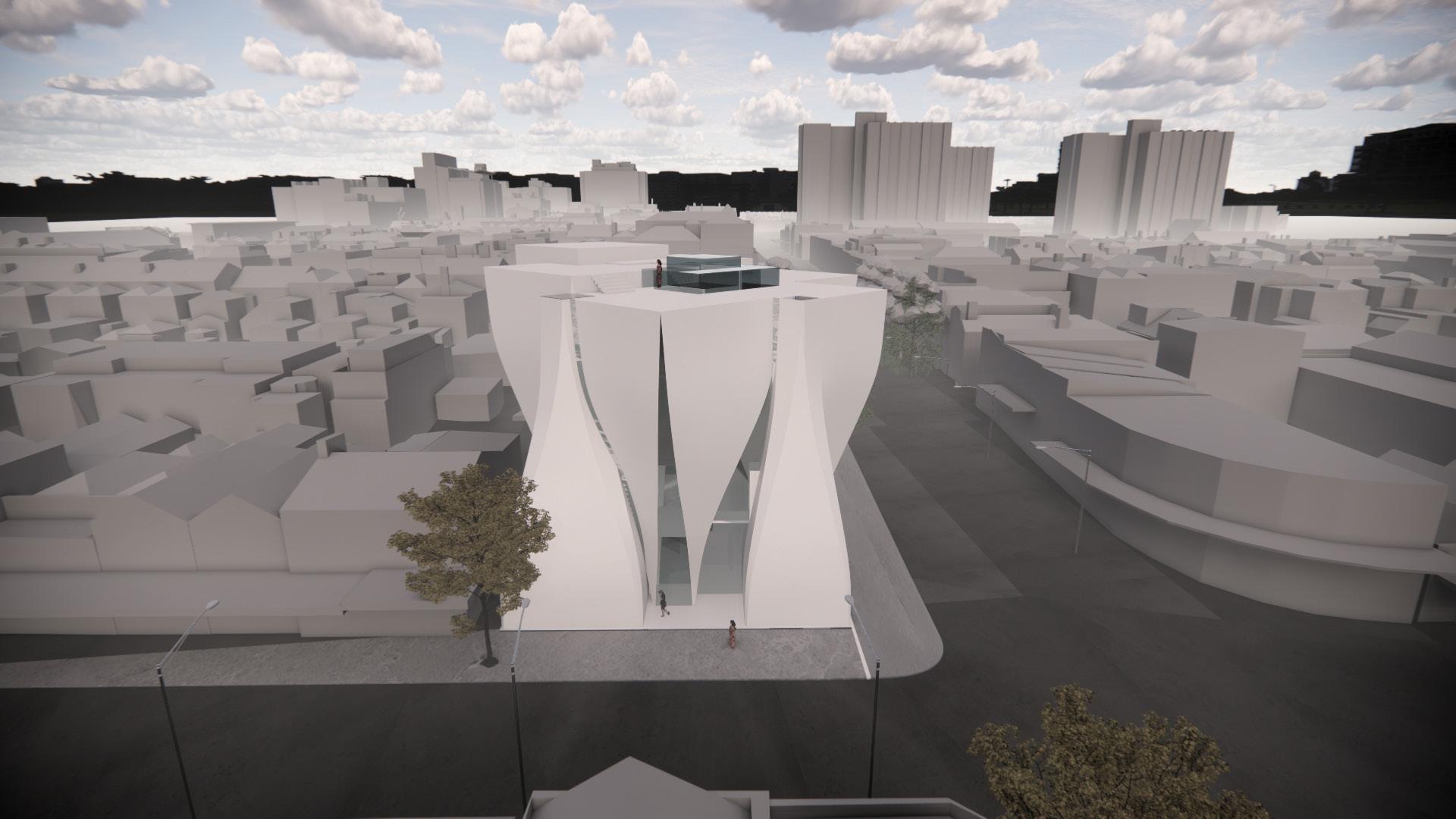
The corner with glass gradually gets smaller towards the top of the building, ensuring mini mal light hitting the art works where there are many project space gal lery.
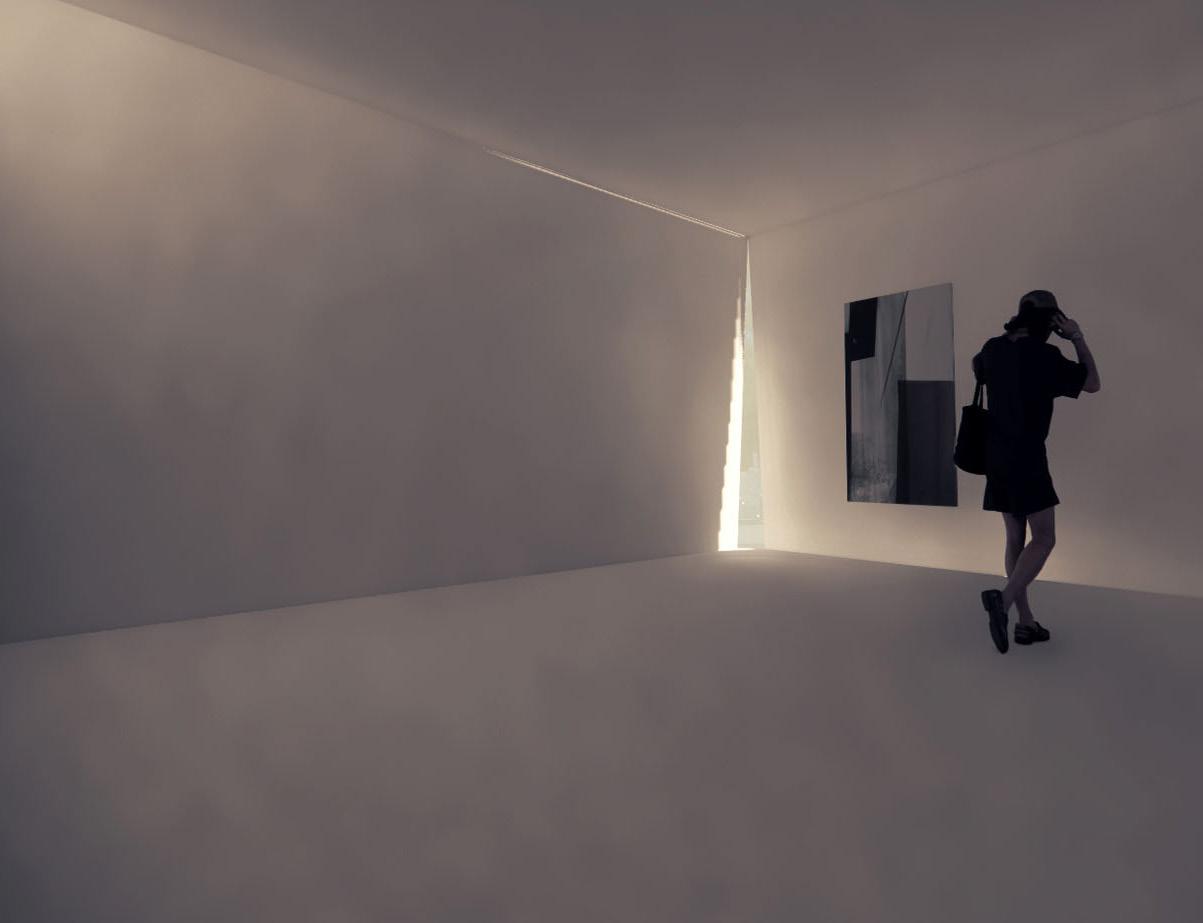
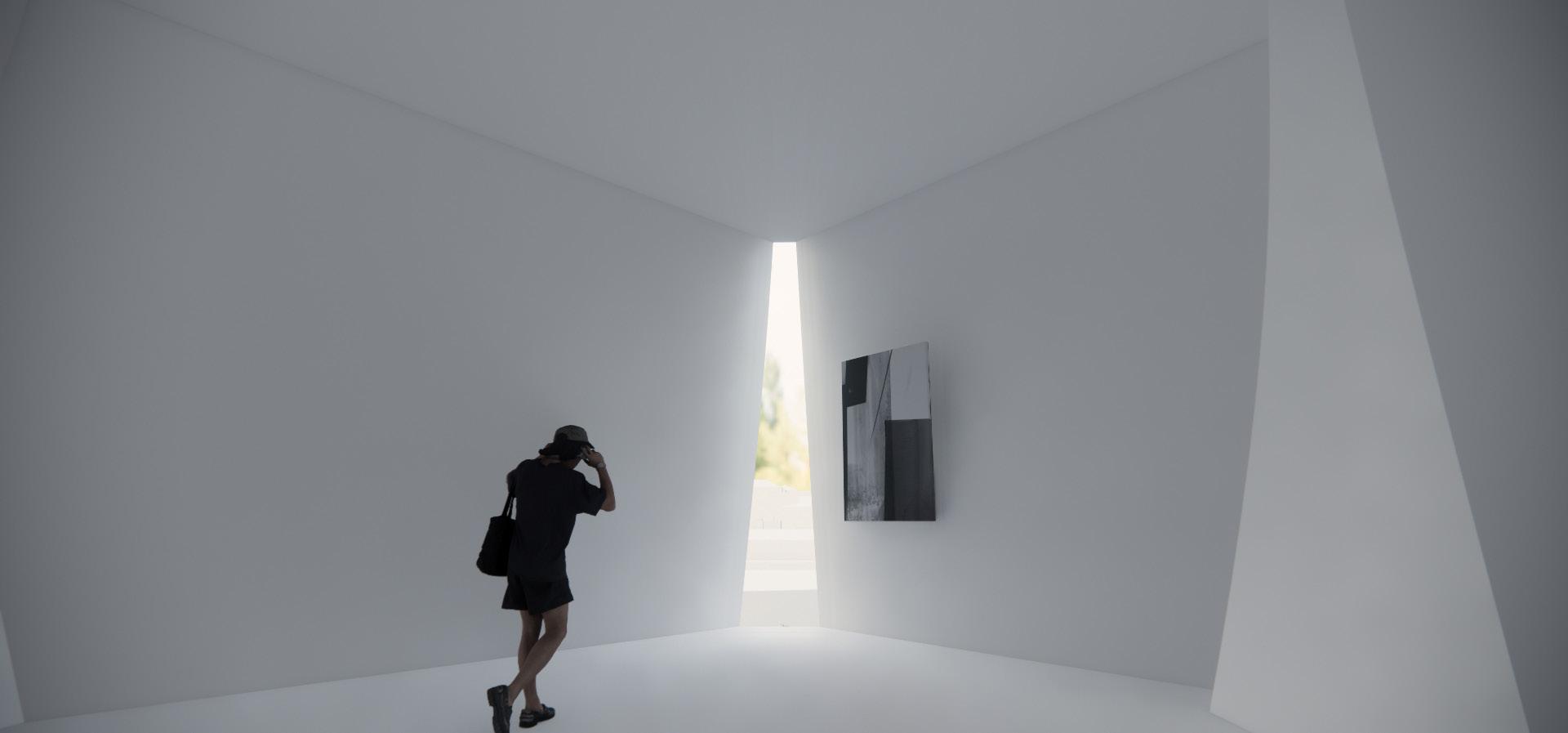
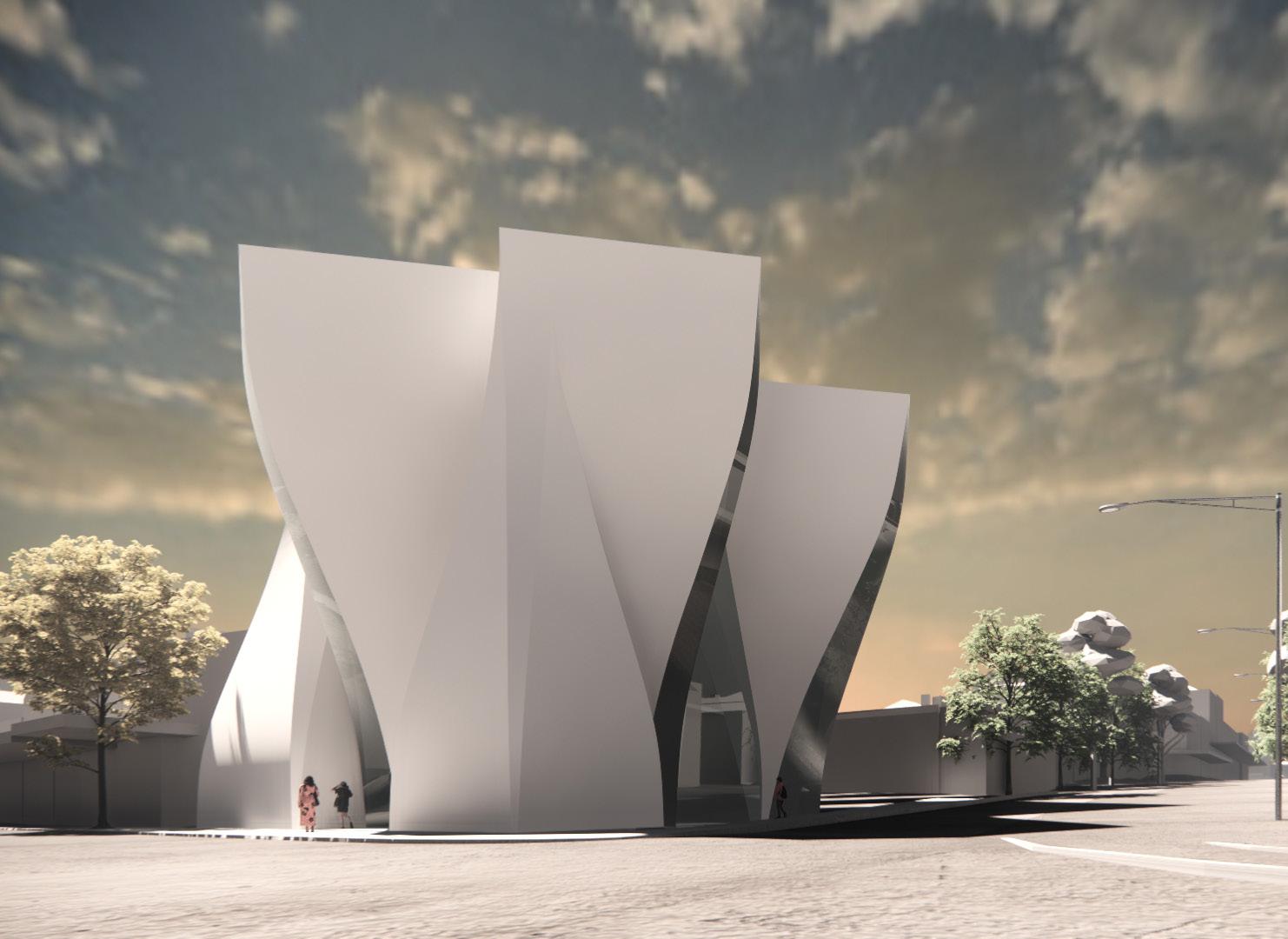
Glass panels added to the corners of the curvature.
ATRIUM/
GROUND FLOOR
COMMENTS: Refine
B1B2 PROJECT SPACE GALLERY (painting) PROJECT SPACE GALLERY (PAINTINGS) WC TEMP GALLERY TEMP GALLERY ADMIN 65m2 STORAGE STORAGE CHILDREN LEARNING CENTRE PLANT ROOM CATERING LOADING DOCK 80m2 LOADING DOCK 80m2 WC SKYLIGHT SKYLIGHT SKYLIGHTSKYLIGHT STORAGE B1 PROJECT SPACE GALLERY (PAINTINGS) WC TEMP GALLERY ADMIN 65m2 STORAGE STORAGE CHILDREN LEARNING CENTRE ROOM LOADING DOCK 80m2 SKYLIGHT SKYLIGHT SKYLIGHT Revised Plan WEEK 8 20m2 40 N 10 Studio 36 Untitled: Art Project Space Rachael Li 912103
SMITH ST STAFF ENTRANCE ADMIN 27m2 OUTDOOR SCULPTURE SCULPTURE GARDEN SEMI-OUTDOOR GREENERY GERTRUDE ST VISITOR ENTRANCE
FOYER CAFE VISITOR ENTRANCE RECEPTION CAFE TEMP GALLERYLOADING DOCK 80m2 GIFT SHOP
the drafting of the plan Basements: Should try to separate the storage & mechanical areas from the gallery & children learning centre
PROJECT
PROJECT
FIRST FLOOR
FIRST FLOOR
COMMENTS: Try to eliminate some stair-
in
be
appears quite
Also the
align with
at a 2d
SECOND FLOOR
SECOND FLOOR
SKYLIGHT DIGITAL RESEARCH VOID ABOVE SMITH ST SMITH ST LOADING DOCK LOADING DOCK SCULPTURE GARDEN SCULPTURE GARDEN GERTRUDE ST GERTRUDE ST VOID ABOVE PROJECT SPACE GALLERY (SCULP/ PERFORMANCE) 93m2 VOID ABOVE TEMP GALLERY 108m2 DIGITAL MEDIA GALLERY
SPACE GALLERY (PAINTING)
cases
the atrium, currently
dense and blocking views.
core should
rotated at 45 degrees to
the twisting form
level. 20m2 40 N 10 Studio 36 Untitled: Art Project Space Rachael Li 912103
SKYLIGHT DIGITAL RESEARCH VOID ABOVE SMITH ST SMITH ST LOADING DOCK LOADING DOCK SCULPTURE GARDEN SCULPTURE GARDEN GERTRUDE ST GERTRUDE ST VOID ABOVE PROJECT SPACE GALLERY (SCULP/ PERFORMANCE) 93m2 VOID ABOVE TEMP GALLERY 108m2 DIGITAL MEDIA GALLERY
SPACE GALLERY (PAINTING)
THIRD
ROOF
THIRD FLOOR SMITH ST
PLAN SMITH ST LOADING DOCK SKYLIGHT SCULPTURE GARDEN GERTRUDE ST SCULPTURE GARDEN SKYLIGHT PROJECT SPACE GALLERY (PAINTING) 191m2 ARTIST STUDIO 60m2 GERTRUDE ST COMMENTS: Make the interior spaces more reflective of the external form through the division of spaces. 20m2 40 N 10 Studio 36 Untitled: Art Project Space Rachael Li 912103
FLOOR SMITH ST ROOF PLAN SMITH ST LOADING DOCK SKYLIGHT SCULPTURE GARDEN GERTRUDE ST SCULPTURE GARDEN SKYLIGHT PROJECT SPACE GALLERY (PAINTING) 191m2 ARTIST STUDIO 60m2 GERTRUDE ST
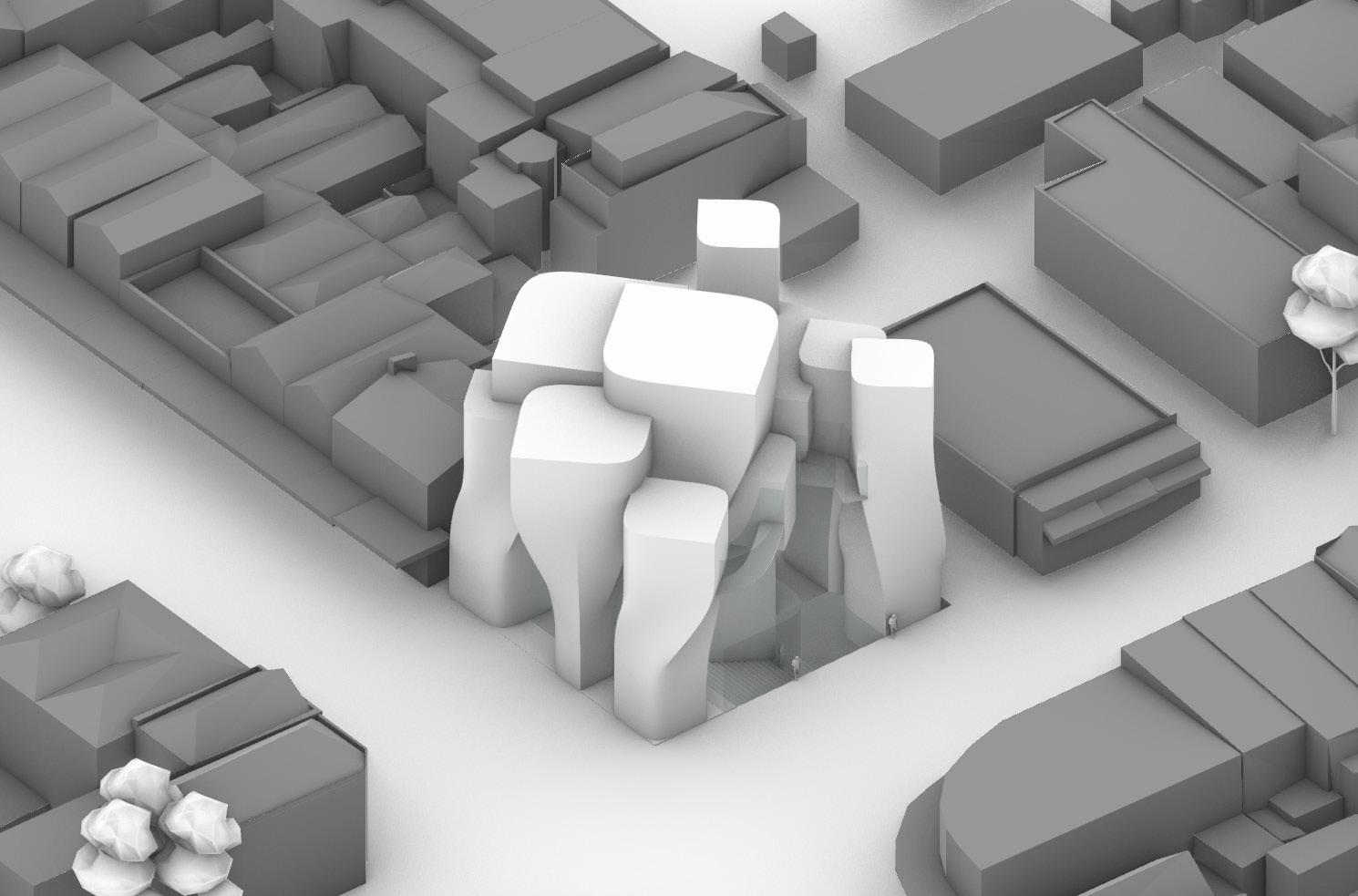
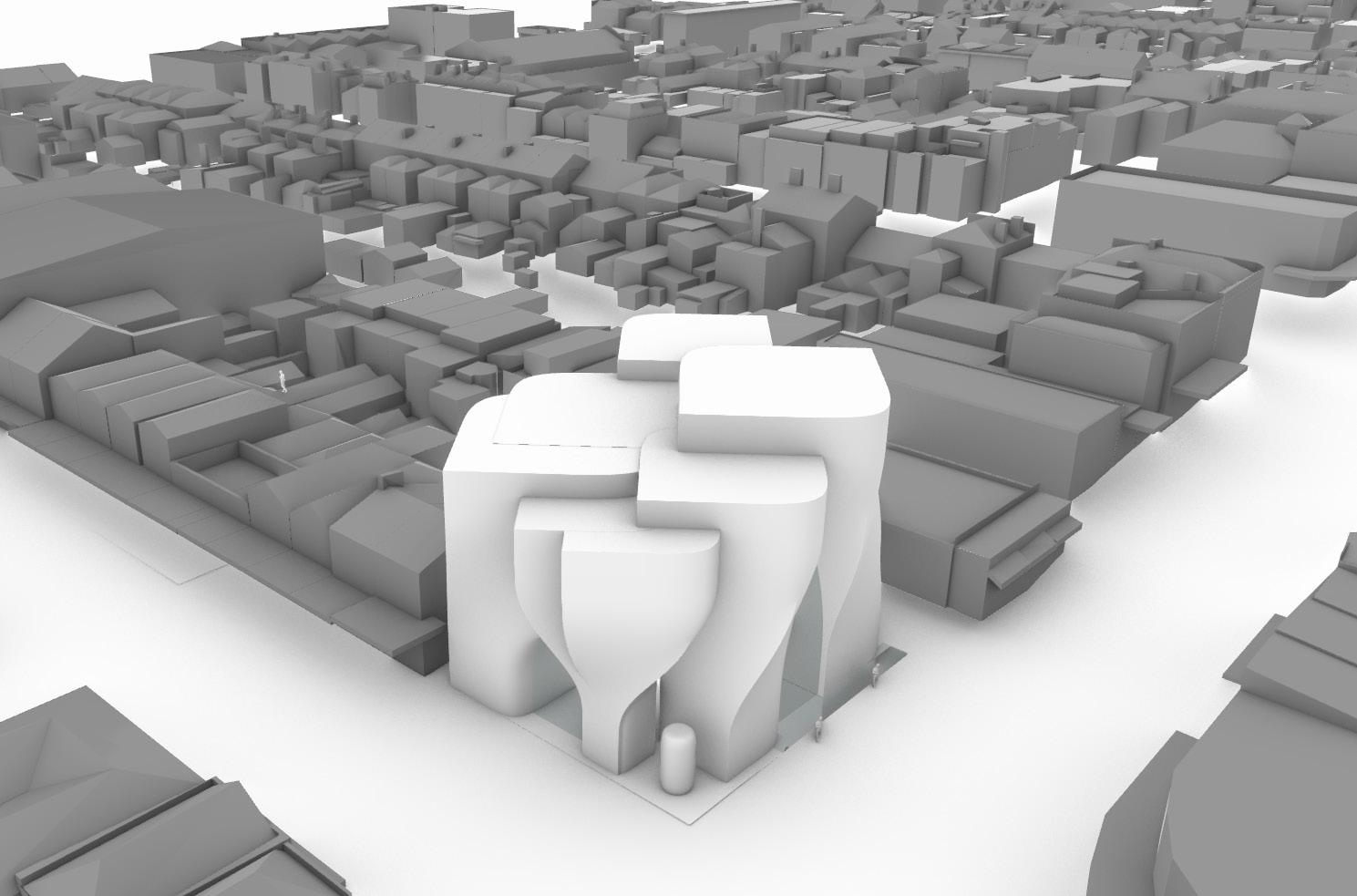
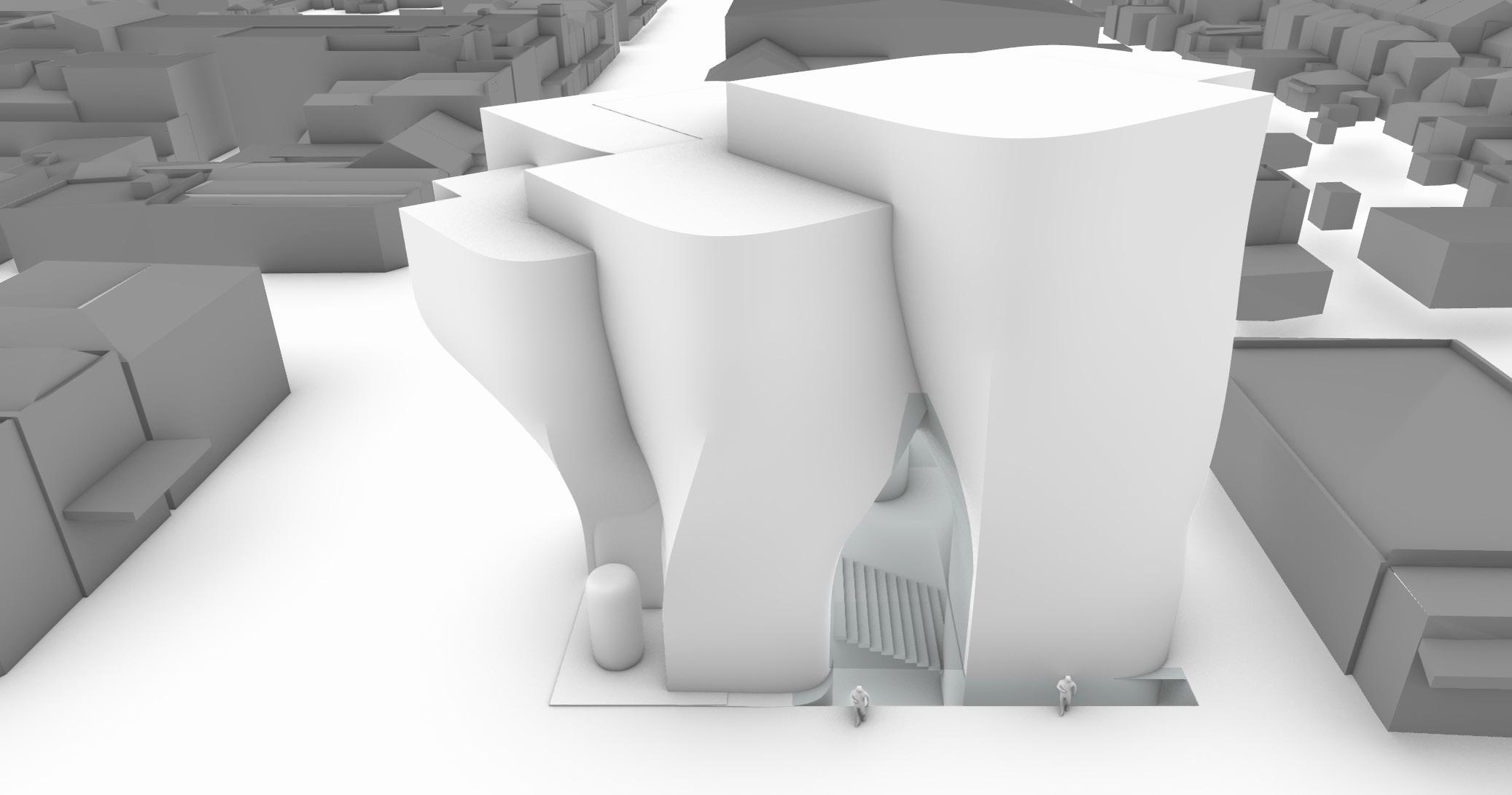
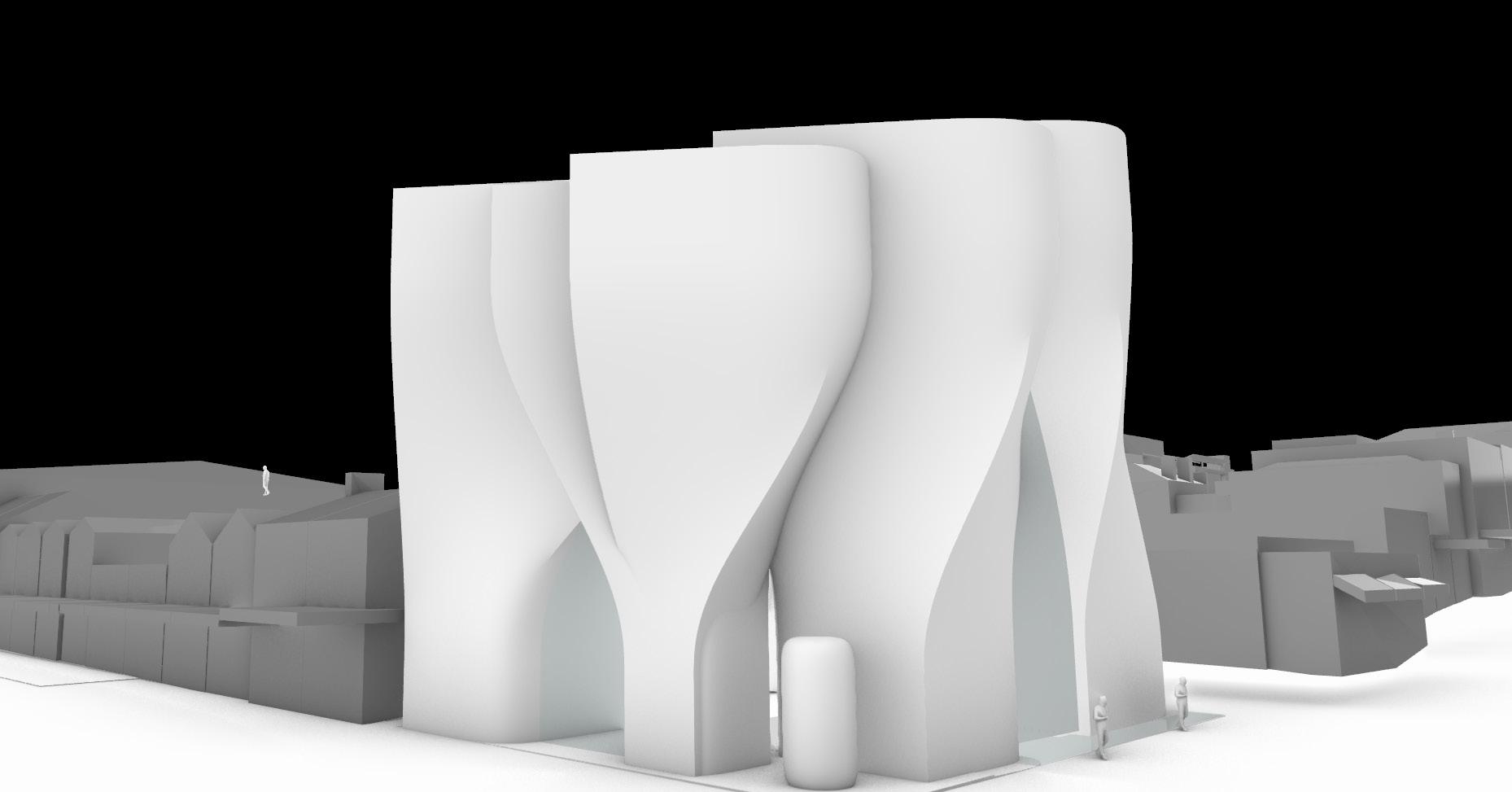
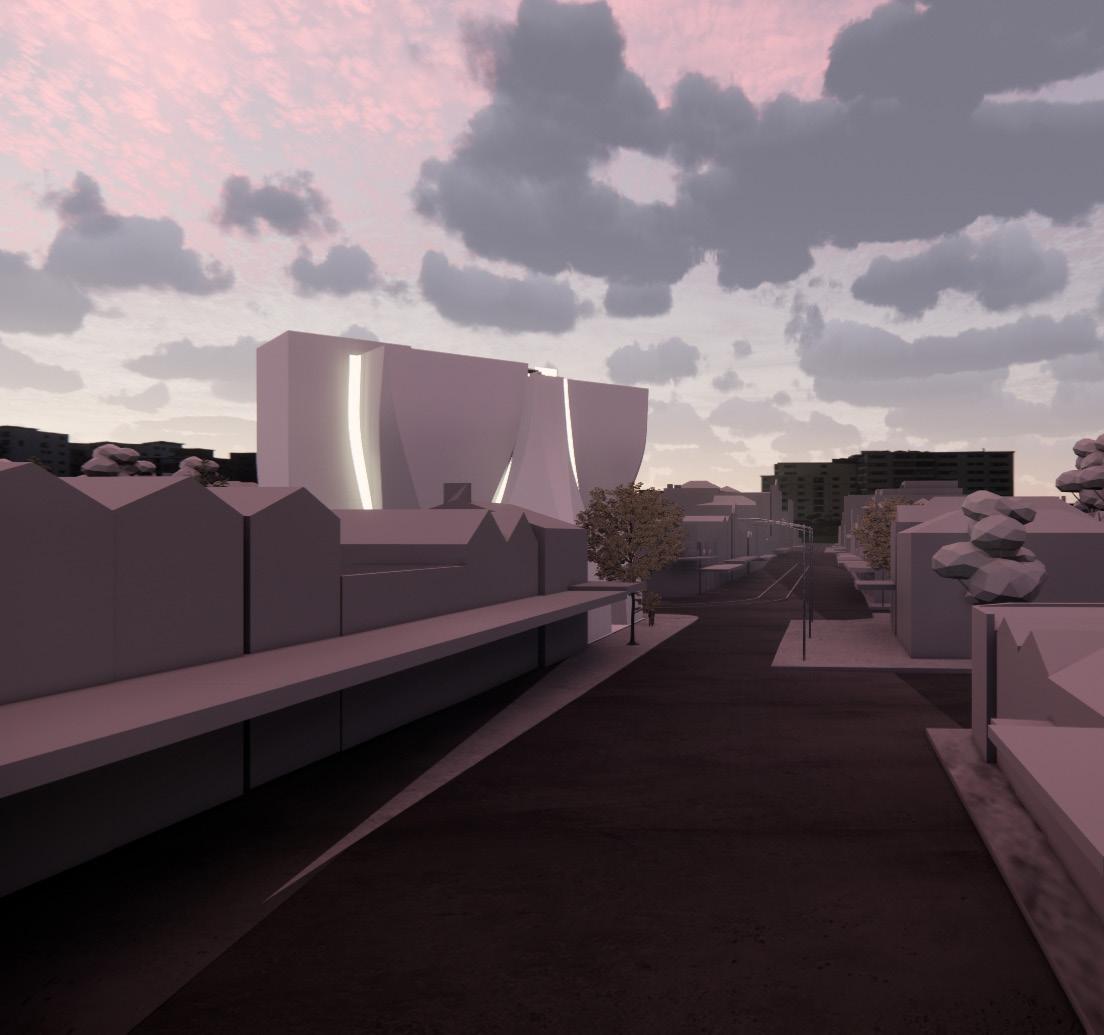
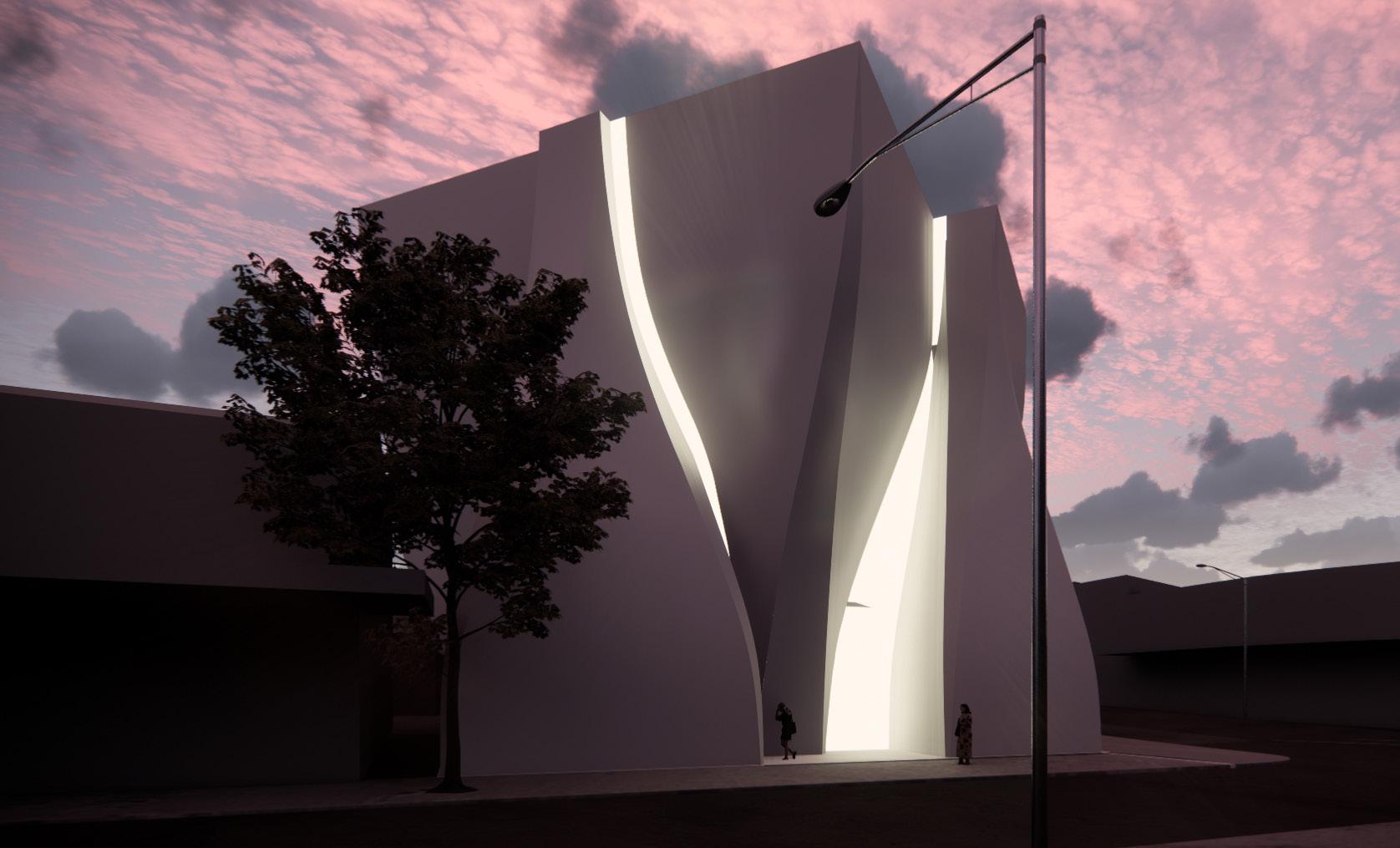
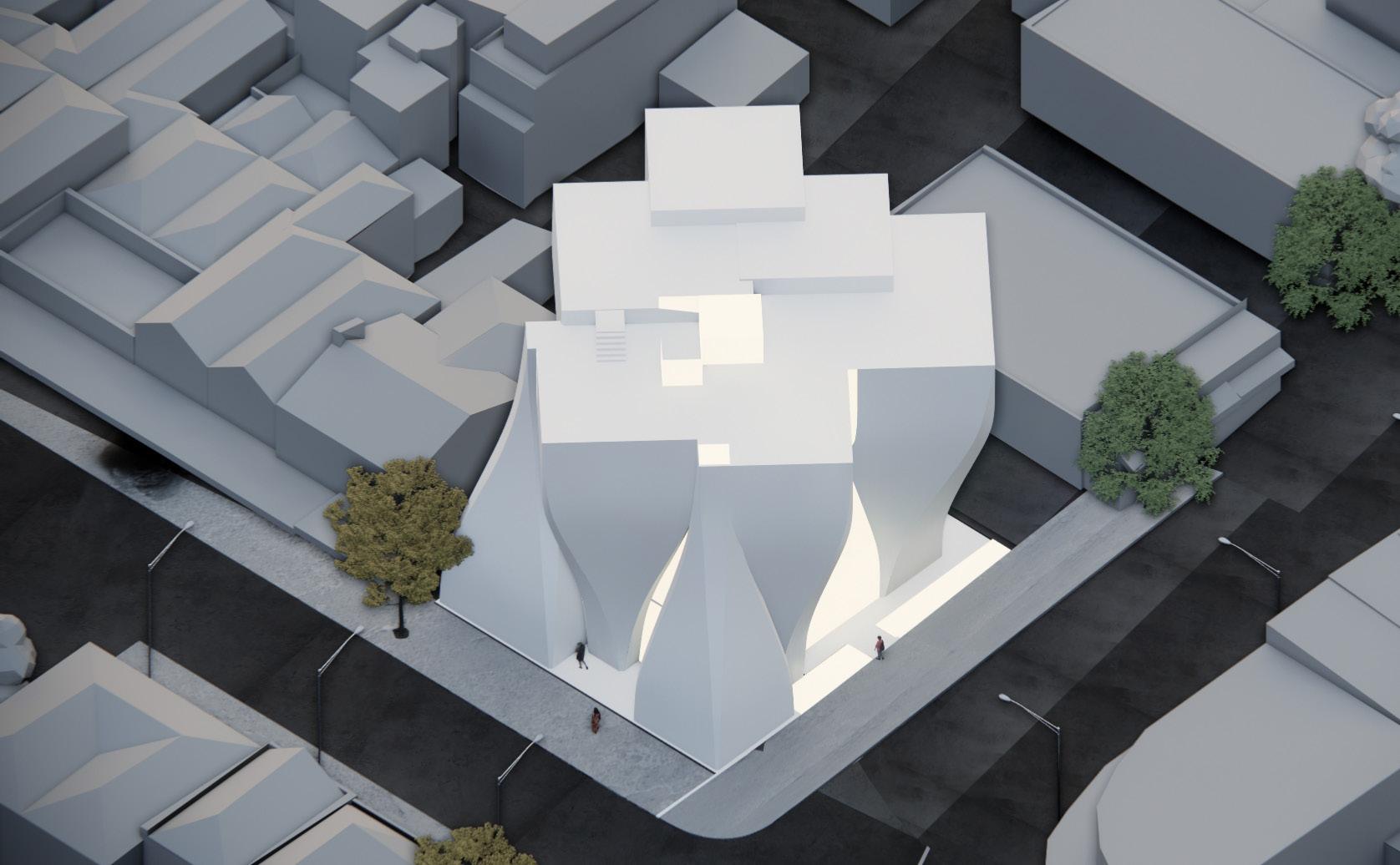
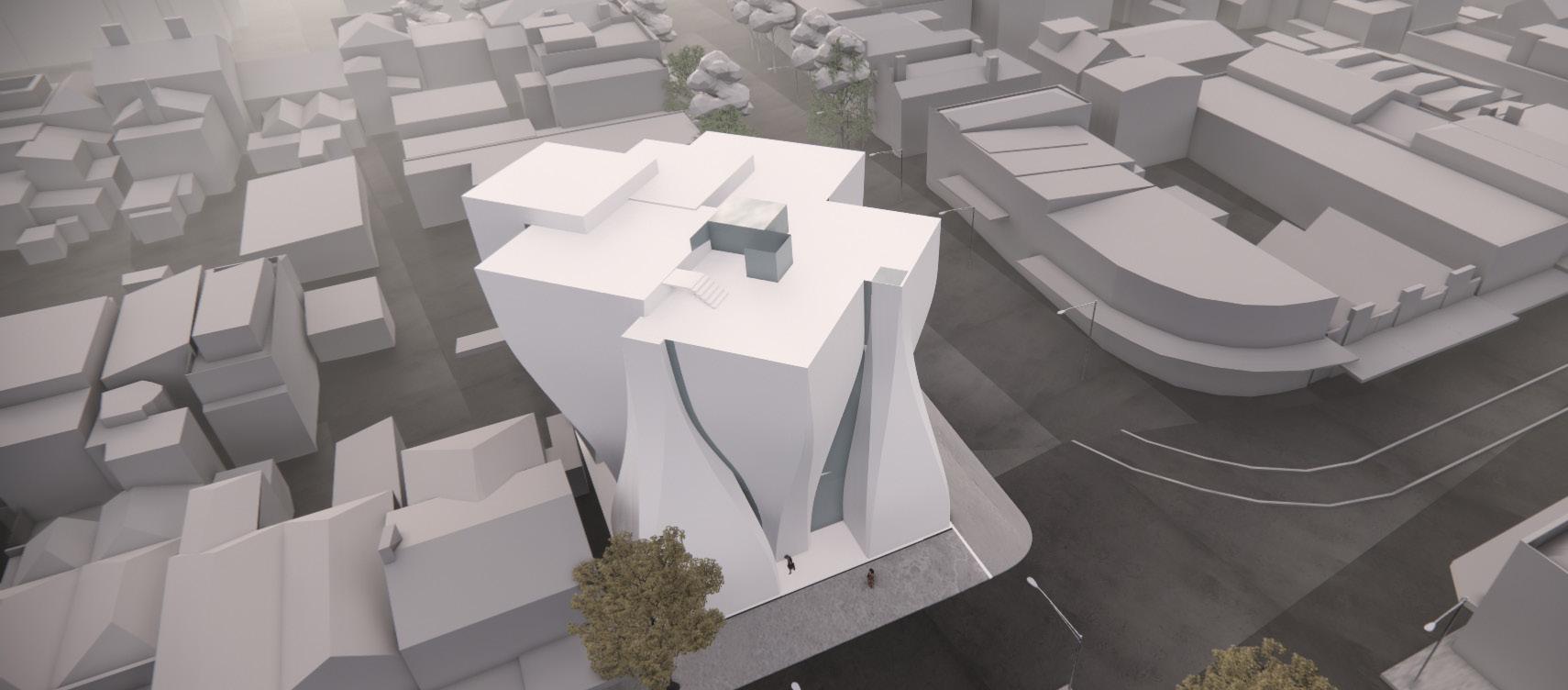
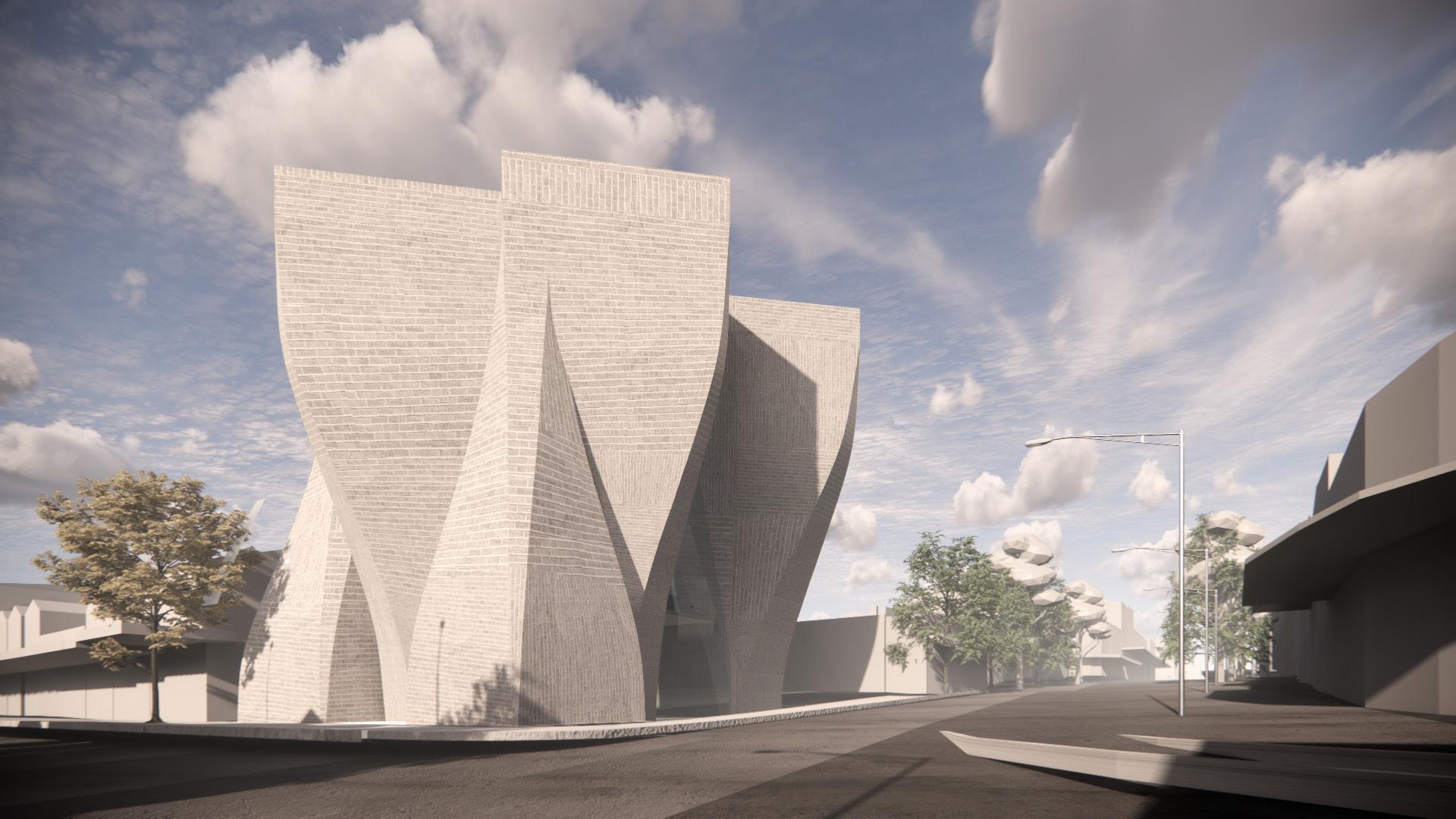
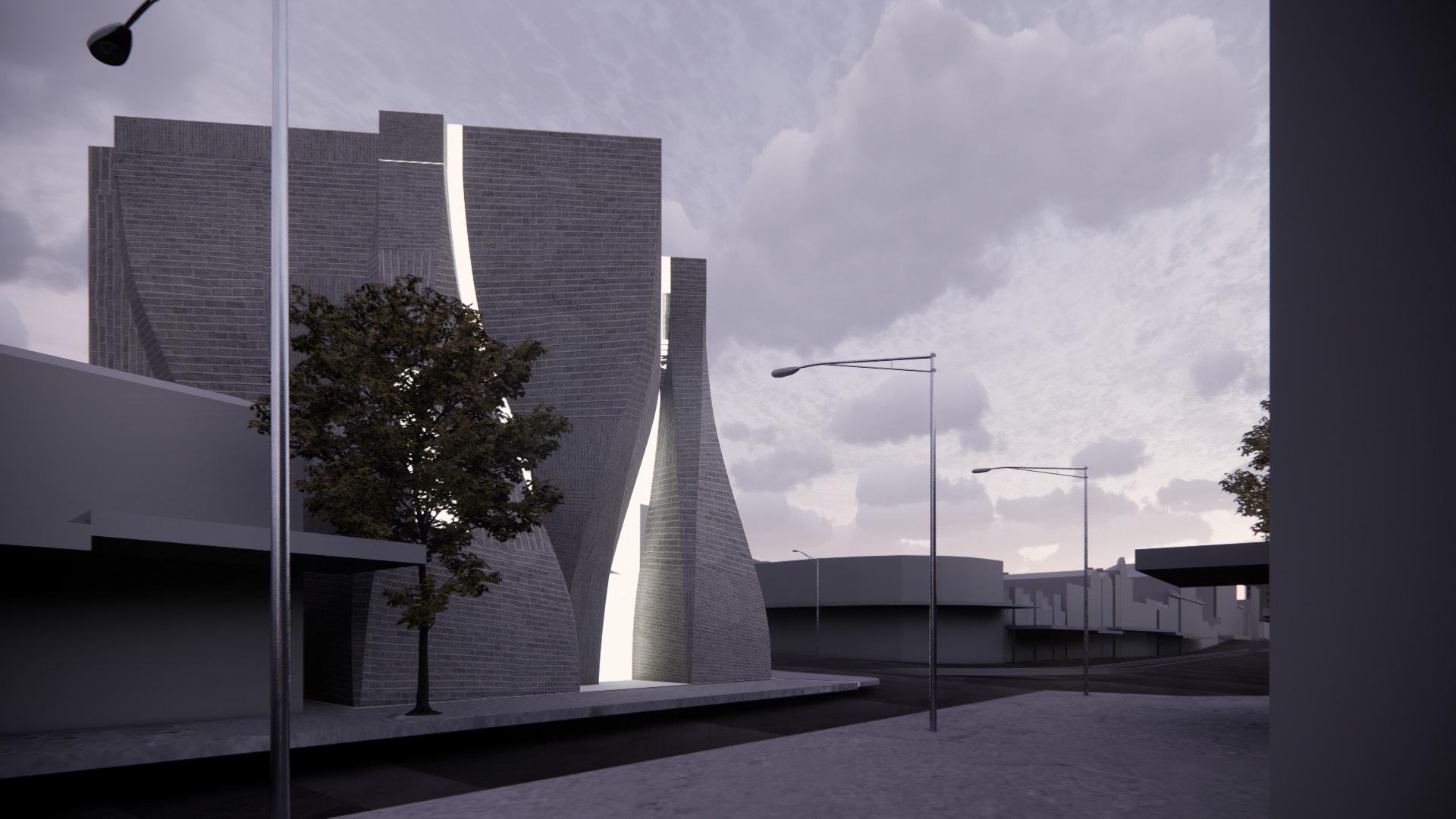
This is a second iteration of glazing after mid term, the large areas of glazing that are inserted into the vertical corner facades in the previous iteration makes the building appearing quite commercial-like (eg. shopping centre). It should rather be more elegant and toned down. So in this iteration I applied glazings inbetween the intersection of the volumes to create light strips which could add to the dynamism of the streetcape when the glaz ing are accentuated through glowing light
COMMENTS:
B1B2 STORAGE SKYLIGHTSKYLIGHT WCWC VOID SKYLIGHT ADMIN 65m2 TEMP GALLERY SKYLIGHT DIGITAL MEDIA GALLERY TEMP GALLERY CHILDREN LEARNING CENTRE PROJECT SPACE GALLERY PLANT ROOM/ STORAGE B1 STORAGE SKYLIGHTSKYLIGHT WC VOID SKYLIGHT ADMIN 65m2GALLERY GALLERY CHILDREN LEARNING CENTRE PROJECT SPACE GALLERY Revised Plan WEEK 9 20m2 40 N 10 Studio 36 Untitled: Art Project Space Rachael Li 912103 SMITH ST GROUND FLOOR VISITOR ENTRANCE RECEPTION VISITOR ENTRANCE STAFF ENTRANCE SCULPTURE GARDEN GERTRUDE ST ADMIN 27m2 LOADING DOCK 80m2 GIFT SHOP TEMP GALLERY CAFE CAFE ATRIUM/ FOYER SEMI-OUTDOOR GREENERY
How to make the internal spatial language be uniform/ reflective of the external form Research lighting reference: ERCO
FIRST FLOOR SMITH ST DIGITAL RESEARCH VOID ABOVE PROJECT SPACE GALLERY (SCULP/ PERFORMANCE) 62m2 42m2 TEMP GALLERY GERTRUDE ST SCULPTURE GARDEN LOADING DOCK TEMP GALLERY (SCULP/PERF) 96m2 20m2 40 N 10 Studio 36 Untitled: Art Project Space Rachael Li 912103 SMITH ST SECOND FLOOR SKYLIGHT LOADING DOCK VOID ABOVE VOID ABOVE SCULPTURE GARDEN GERTRUDE ST PROJECT SPACE GALLERY (PAINTING) 104m2 PROJECT SPACE GALLERY (PAINTING) 144m2
20m2 40 N 10 THIRD FLOOR SMITH ST GERTRUDE ST SCULPTURE GARDEN SKYLIGHT PROJECT SPACE GALLERY (PAINTING) 27m2WC LOADING DOCK TEMP GALLERY (PAINTING) TEMP GALLERY (PAINTING) TEMP GALLERY (PAINTING) 60m2 ARTIST STUDIO Studio 36 Untitled: Art Project Space Rachael Li 912103 SMITH ST ROOF PLAN GERTRUDE ST SCULPTURE GARDEN SKYLIGHT
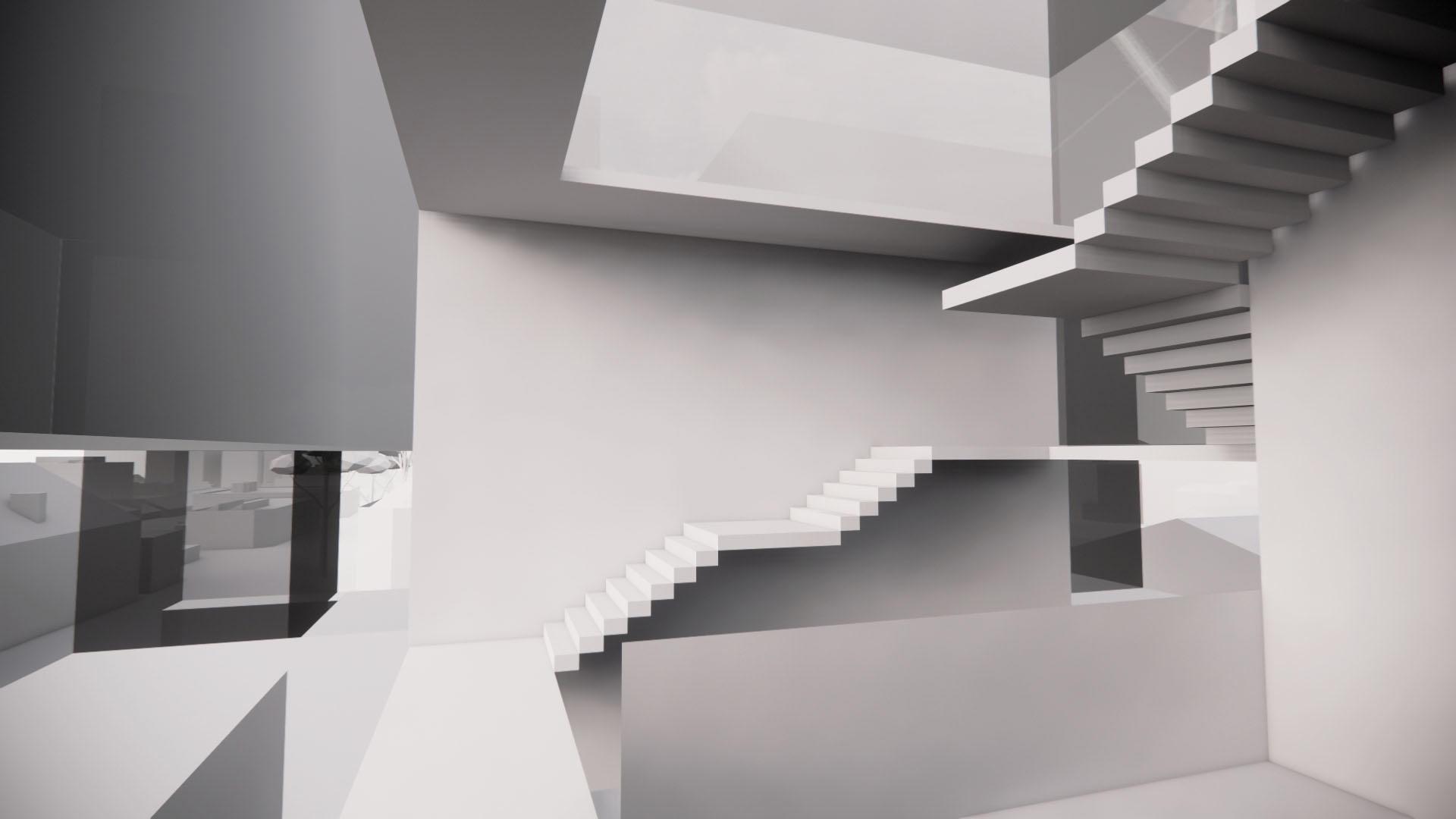
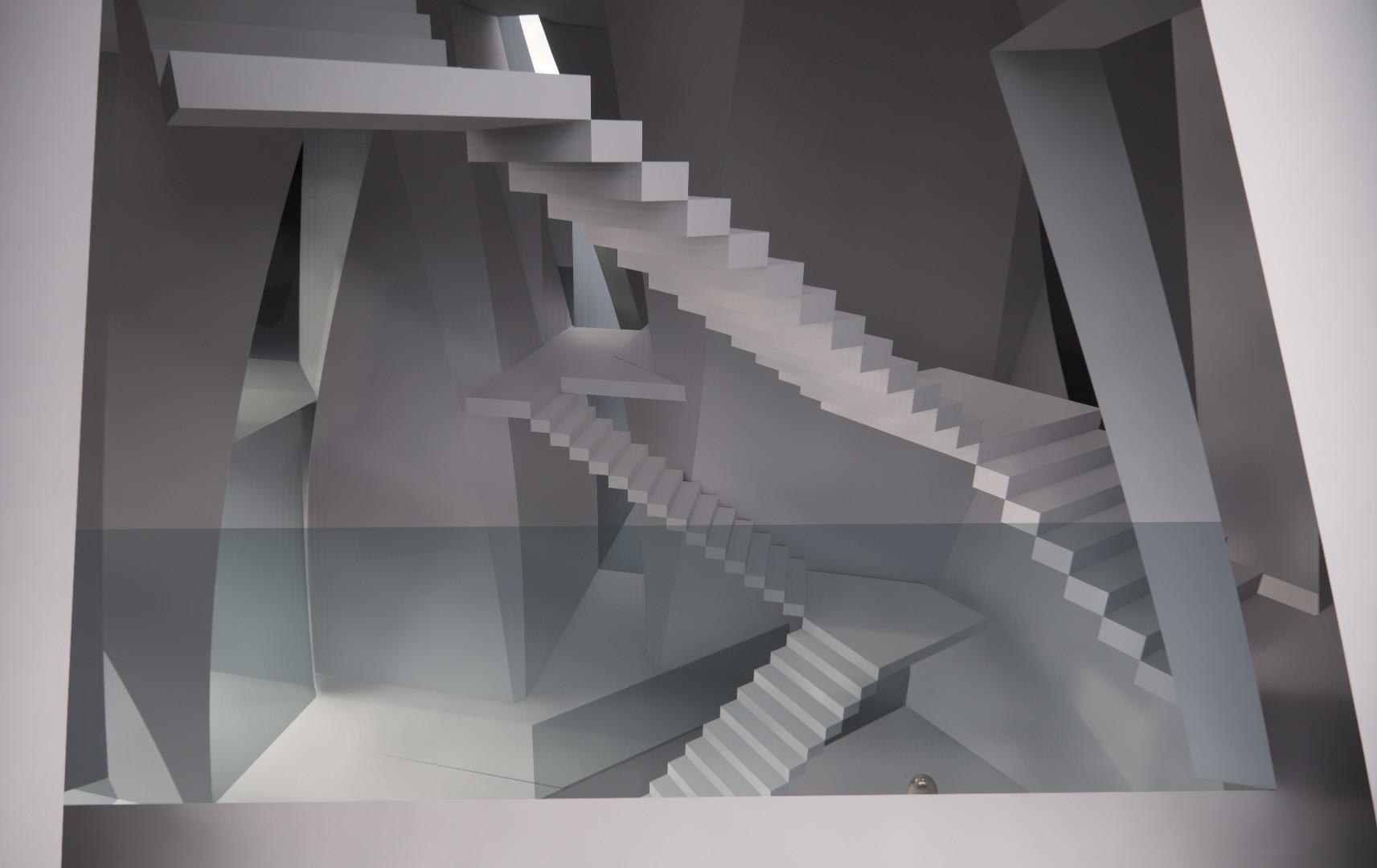
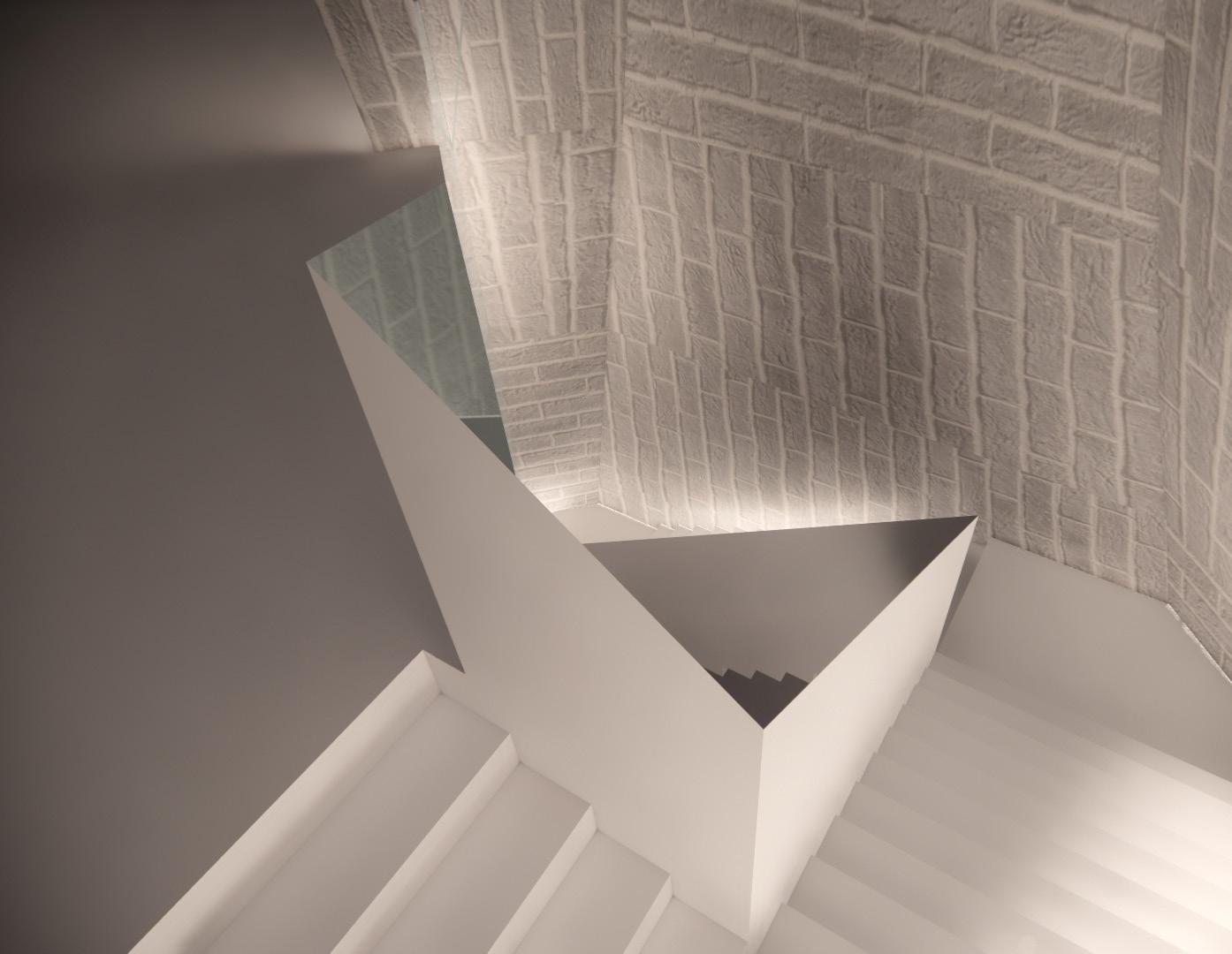
Looking into the atrium from upper floors
COMMENTS: There seems to be too many staircases which can be too dominat ing to the atriun space.
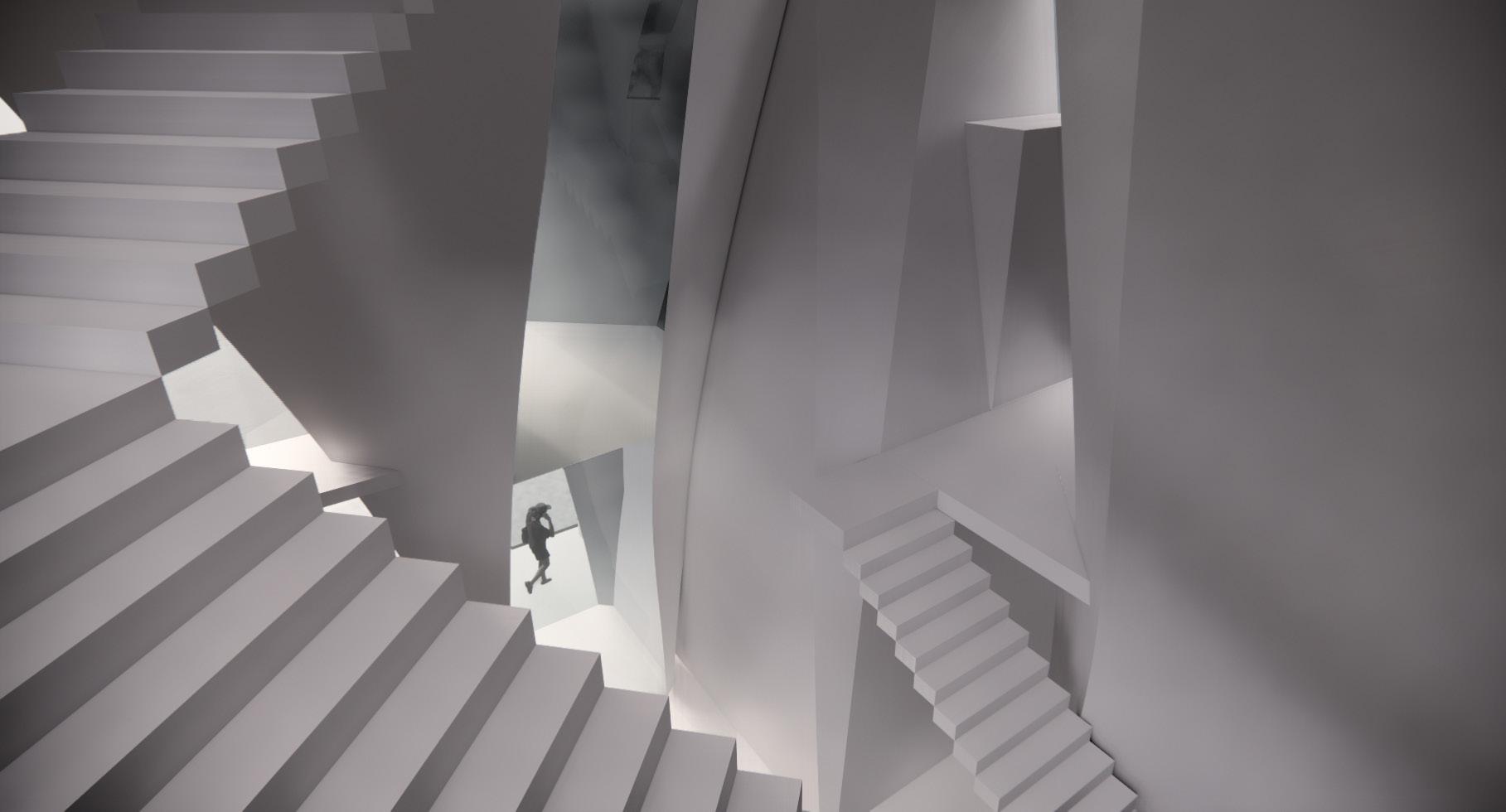
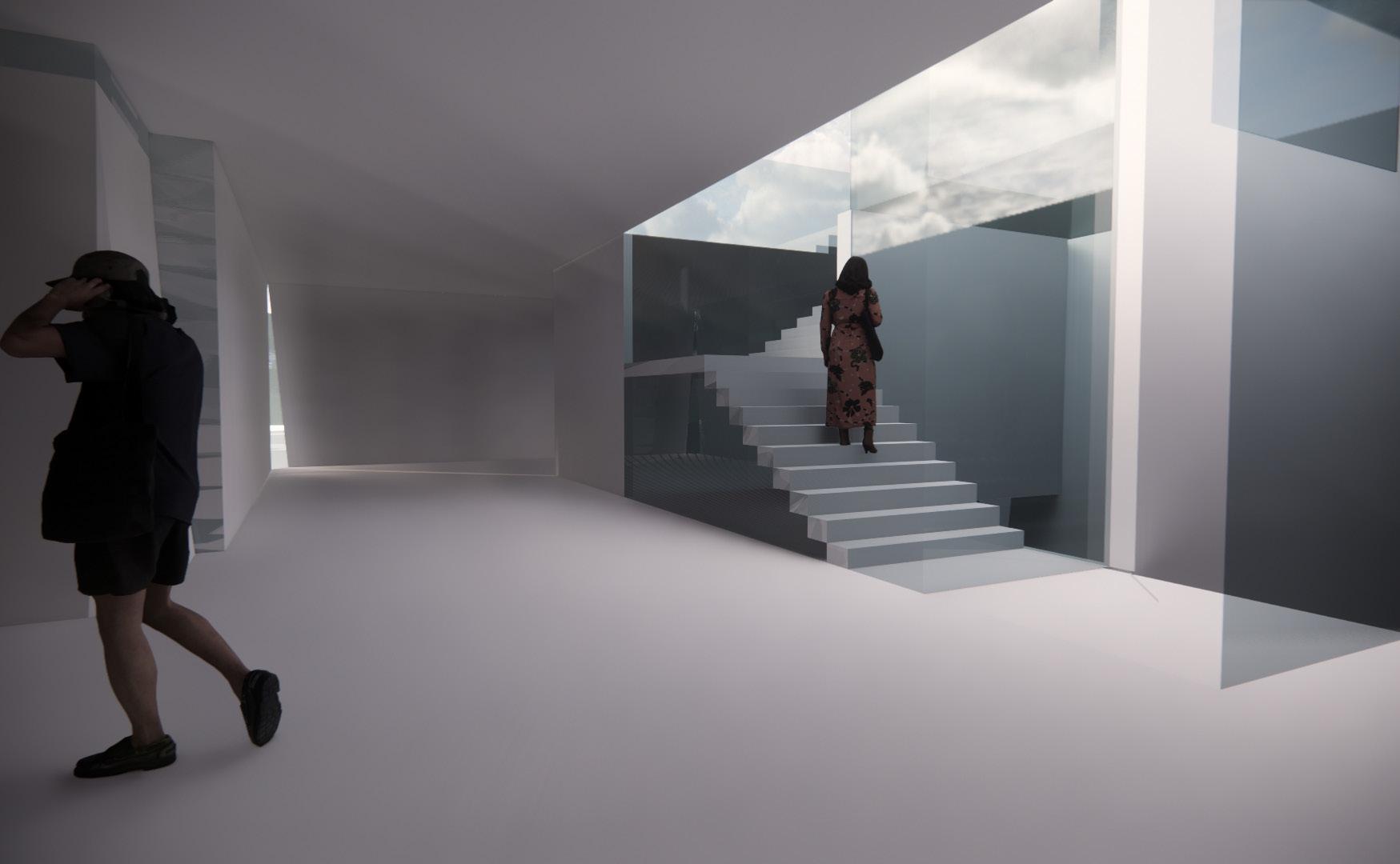
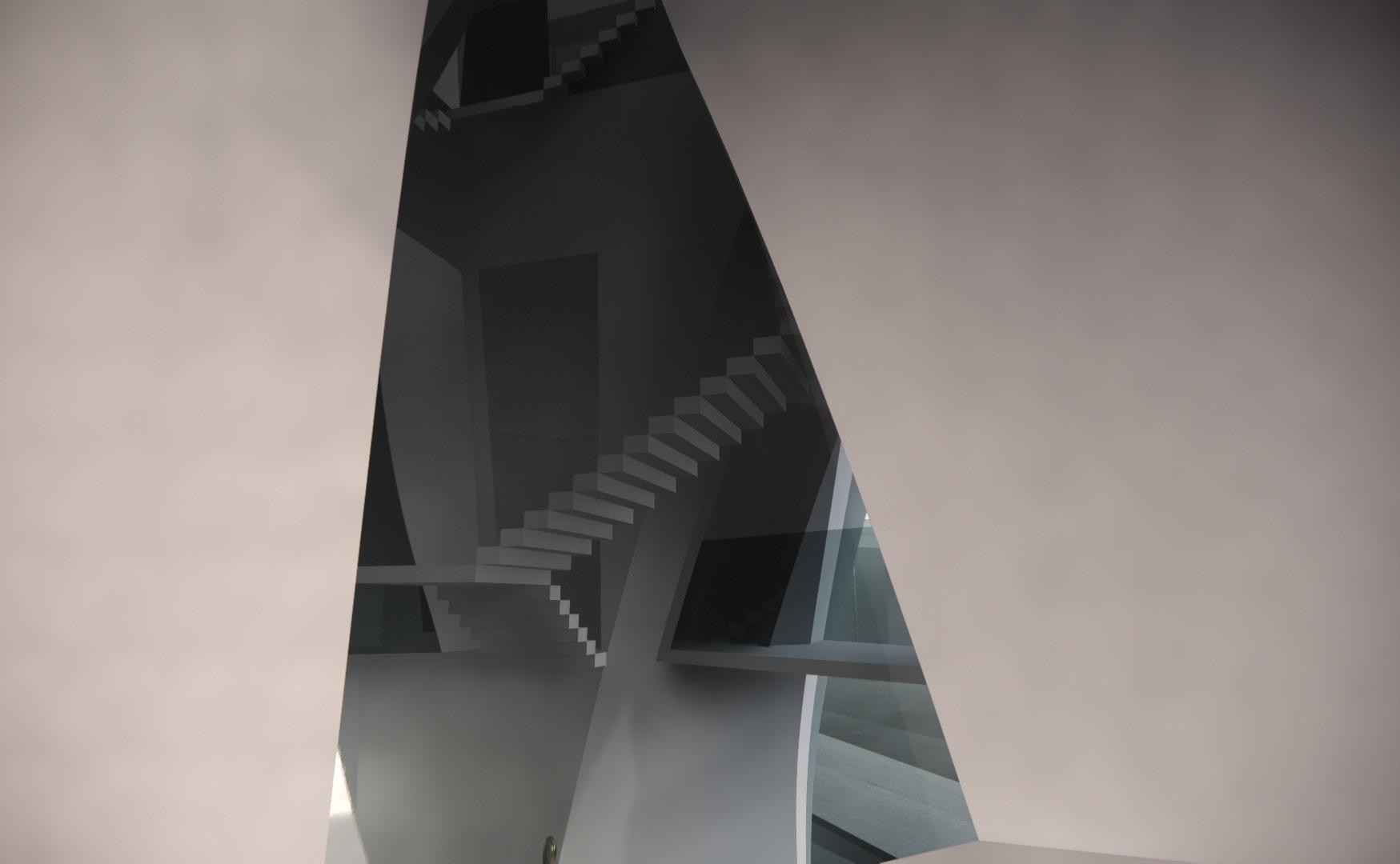
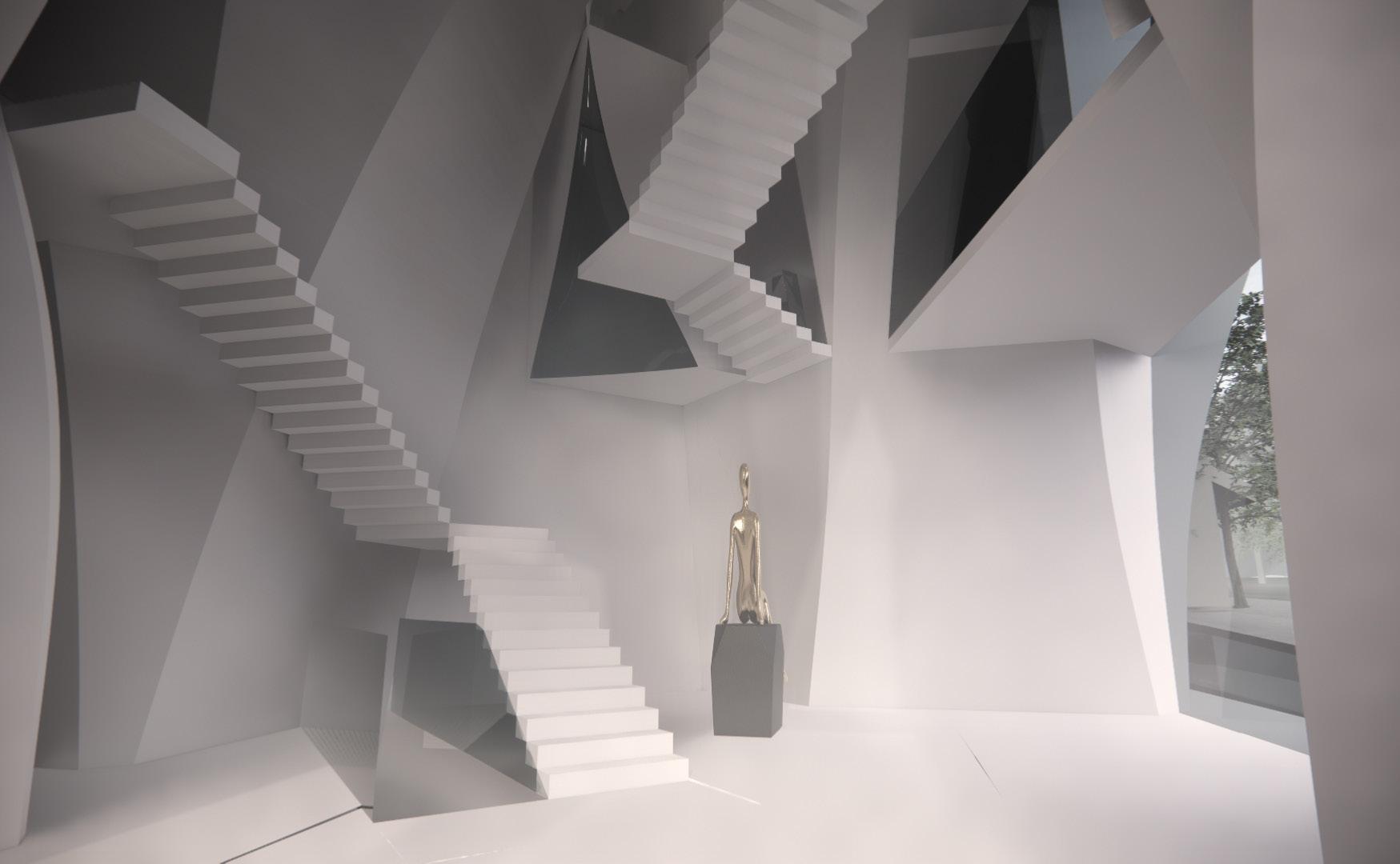 Gallery space looking into the atrium
Looking towards to skylight lead ing to the sculpture roof garden
Foyer space
COMMENTS:
Revised Plan WEEK 10 B1B2 SKYLIGHTSKYLIGHT WCWC CHILDREN LEARNING CENTRE TEMP GALLERY DIGITAL MEDIA GALLERY SKYLIGHT TEMP GALLERY STORAGE PROJECT SPACE GALLERY PLANT ROOM/ STORAGE LOADING DOCK 80m2 ADMIN 65m2 SKYLIGHT 20m2 40 N 10 Studio 36 Untitled: Art Project Space Rachael Li 912103
Leave at least 1m at each end of the artwork shelving rack in the storage
GROUND FLOOR SMITH ST VISITOR ENTRANCE RECEPTION VISITOR ENTRANCE STAFF ENTRANCE SEMI-OUTDOOR GREENERY ATRIUM/ FOYER CAFE GERTRUDE ST CAFE TEMP GALLERY GIFT SHOP LOADING DOCK 80m2 ADMIN 27m2 20m2 40 N 10 Studio 36 Untitled: Art Project Space Rachael Li 912103
SMITH ST FIRST FLOOR VOID ABOVE TEMP GALLERY (SCULP/PERF) 96m2 GERTRUDE ST TEMP GALLERY 42m2 PROJECT SPACE GALLERY (SCULP/ PERFORMANCE) 62m2 VOID ABOVE DIGITAL RESEARCH 20m2 40 N 10 Studio 36 Untitled: Art Project Space Rachael Li 912103
SECOND FLOOR SMITH ST PROJECT SPACE GALLERY (PAINTING) 104m2 VOID ABOVE PROJECT SPACE GALLERY (PAINTING) 144m2 SKYLIGHT GERTRUDE ST VOID ABOVE 20m2 40 N 10 Studio 36 Untitled: Art Project Space Rachael Li 912103
SMITH ST THIRD FLOOR ARTIST STUDIO TEMP GALLERY (PAINTING) TEMP GALLERY (PAINTING) WC PROJECT SPACE GALLERY (PAINTING) 27m2 SKYLIGHT GERTRUDE ST TEMP GALLERY (PAINTING) 60m2 20m2 40 N 10 Studio 36 Untitled: Art Project Space Rachael Li 912103
ROOF PLAN SMITH ST GERTRUDE ST SKYLIGHT SKYLIGHT SKYLIGHT SCULPTURE GARDEN 20m2 40 N 10 Studio 36 Untitled: Art Project Space Rachael Li 912103
Studio 36 Untitled: Art Project Space Rachael Li 912103
Studio 36 Untitled: Art Project Space Rachael Li 912103
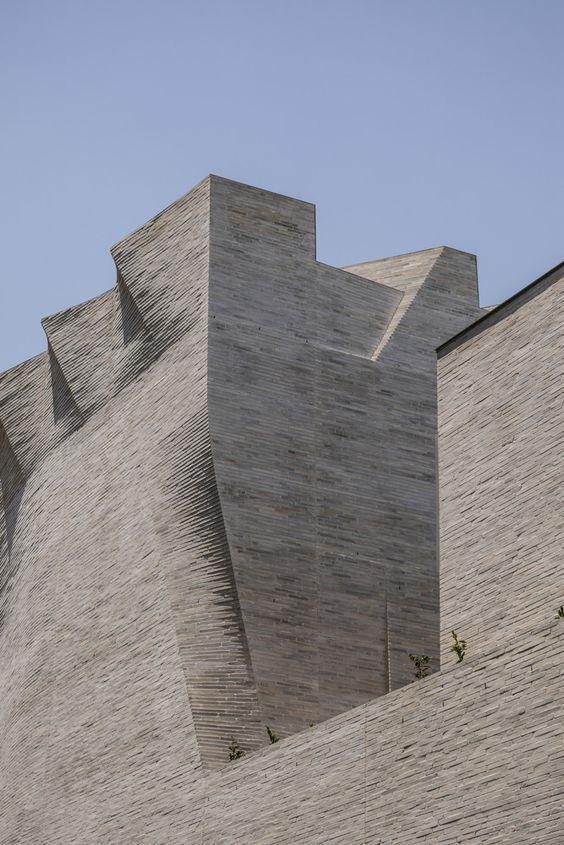
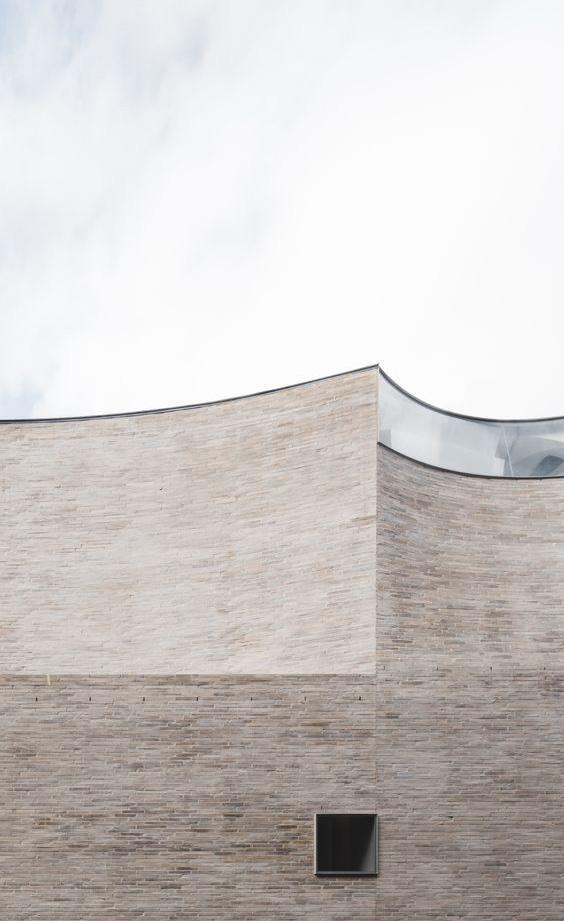
Studio 36 Untitled: Art Project Space Rachael Li 912103 Source: John Wardle Architects + Durbach Block Jaggers. 2019. Phoenix Central Park Gallery. Architecture. Australia. https://www. archdaily.com/947142/phoenix-central-park-gallery-john-wardle-architects-plus-durbach-block-jaggers FACADE MATERIAL STUDY
Studio 36 Untitled: Art Project Space Rachael Li 912103
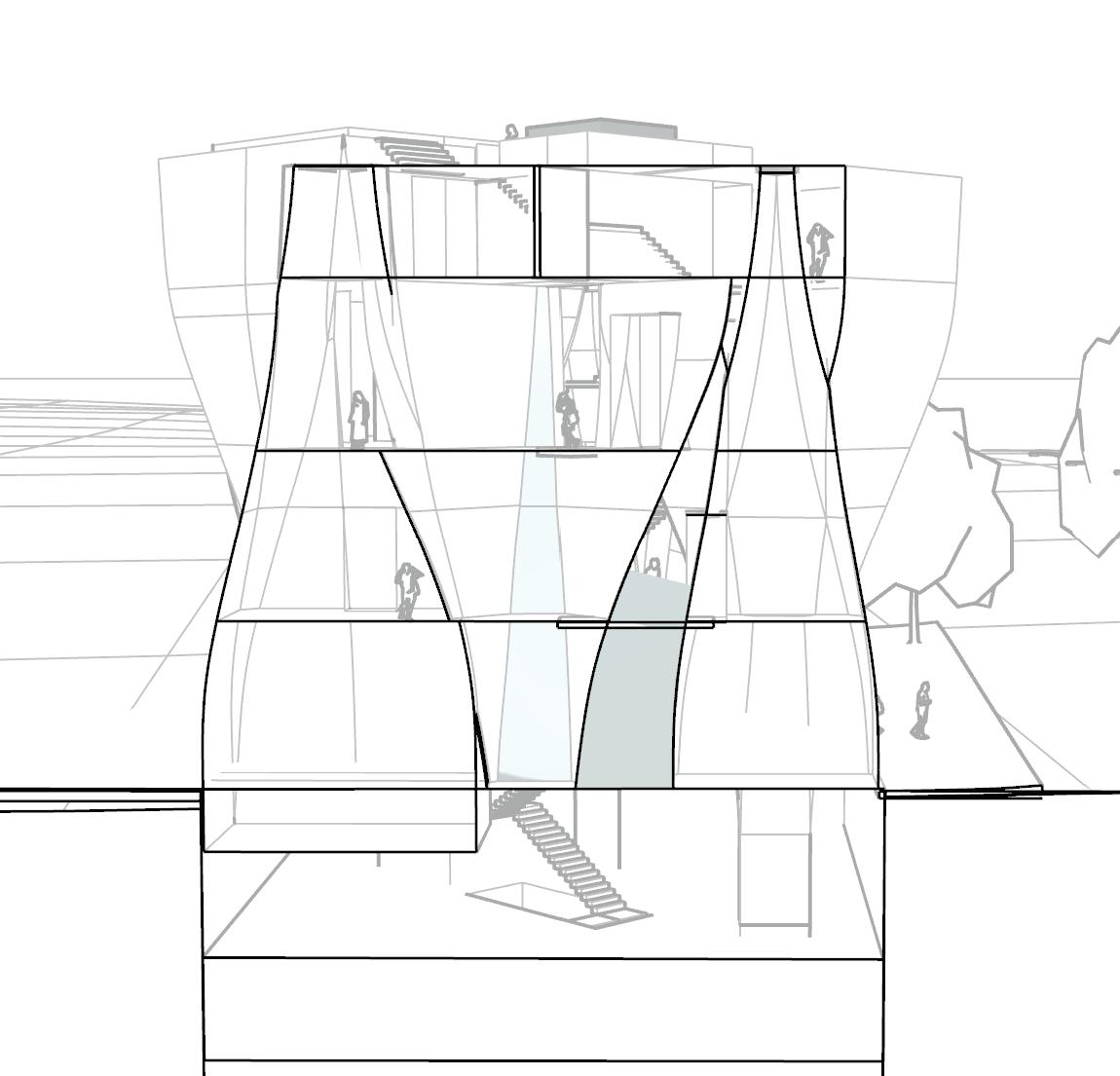
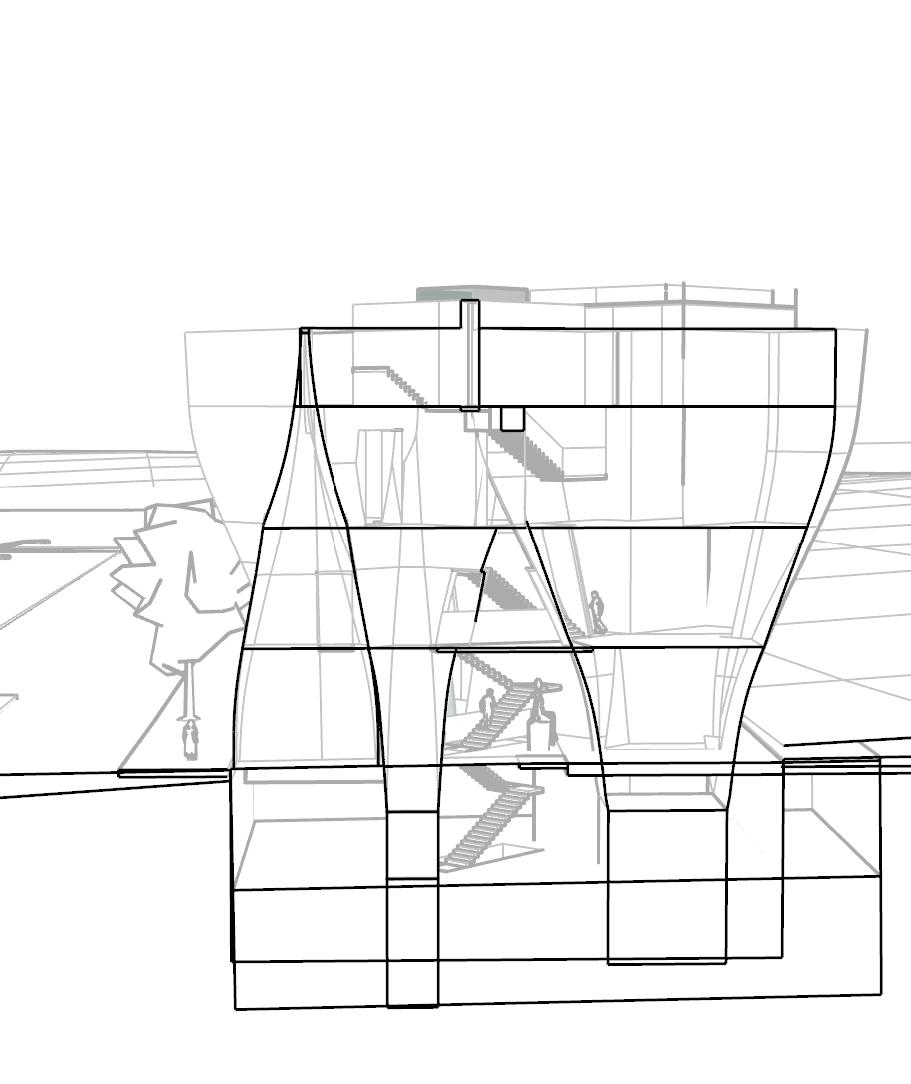
COMMENTS: Consider adding more context to the sections
Section A-A
Studio 36 Untitled: Art Project Space Rachael Li 912103Section A-A
 Second
floor project gallery (sculptures) Studio 36 Untitled: Art Project Space Rachael Li 912103
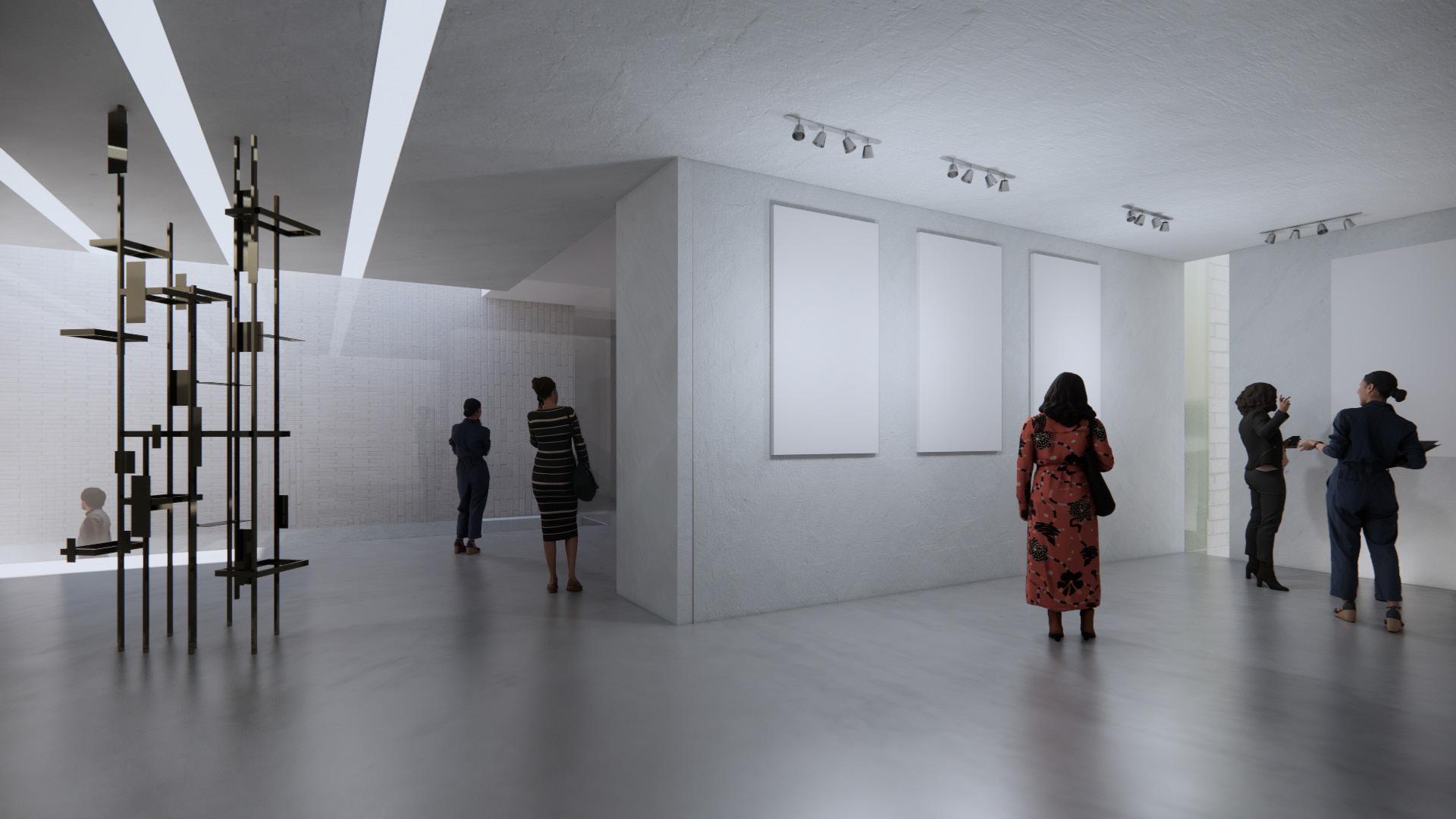 Third
floor project gallery (paintings) Studio 36 Untitled: Art Project Space Rachael Li 912103
COMMENTS: Add canopy to the entrance of the lift to prevent rain entering the lift. Add structures to the glass over the atri um.
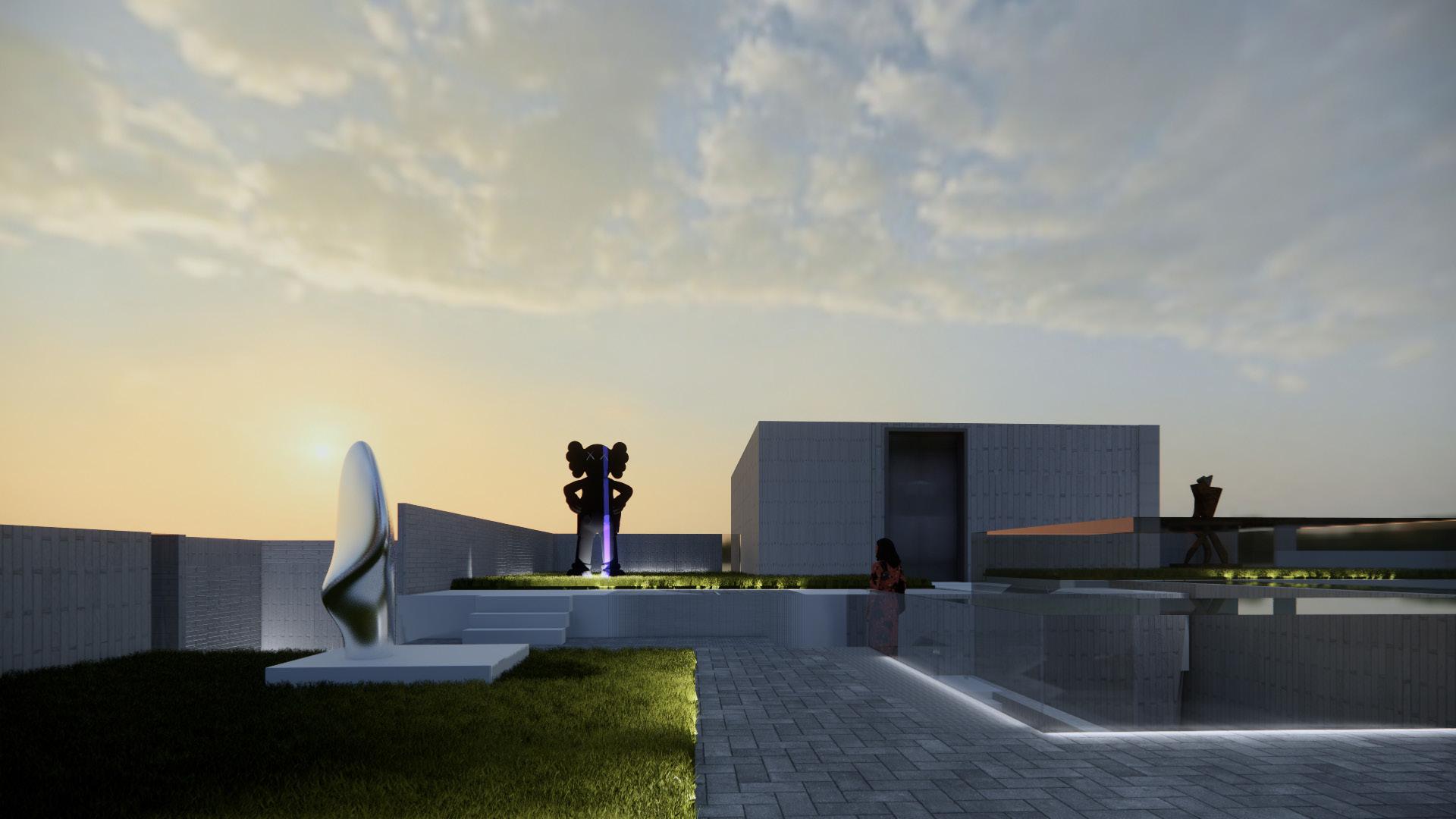 Roof sculpture garden
Studio 36 Untitled: Art Project Space Rachael Li
912103
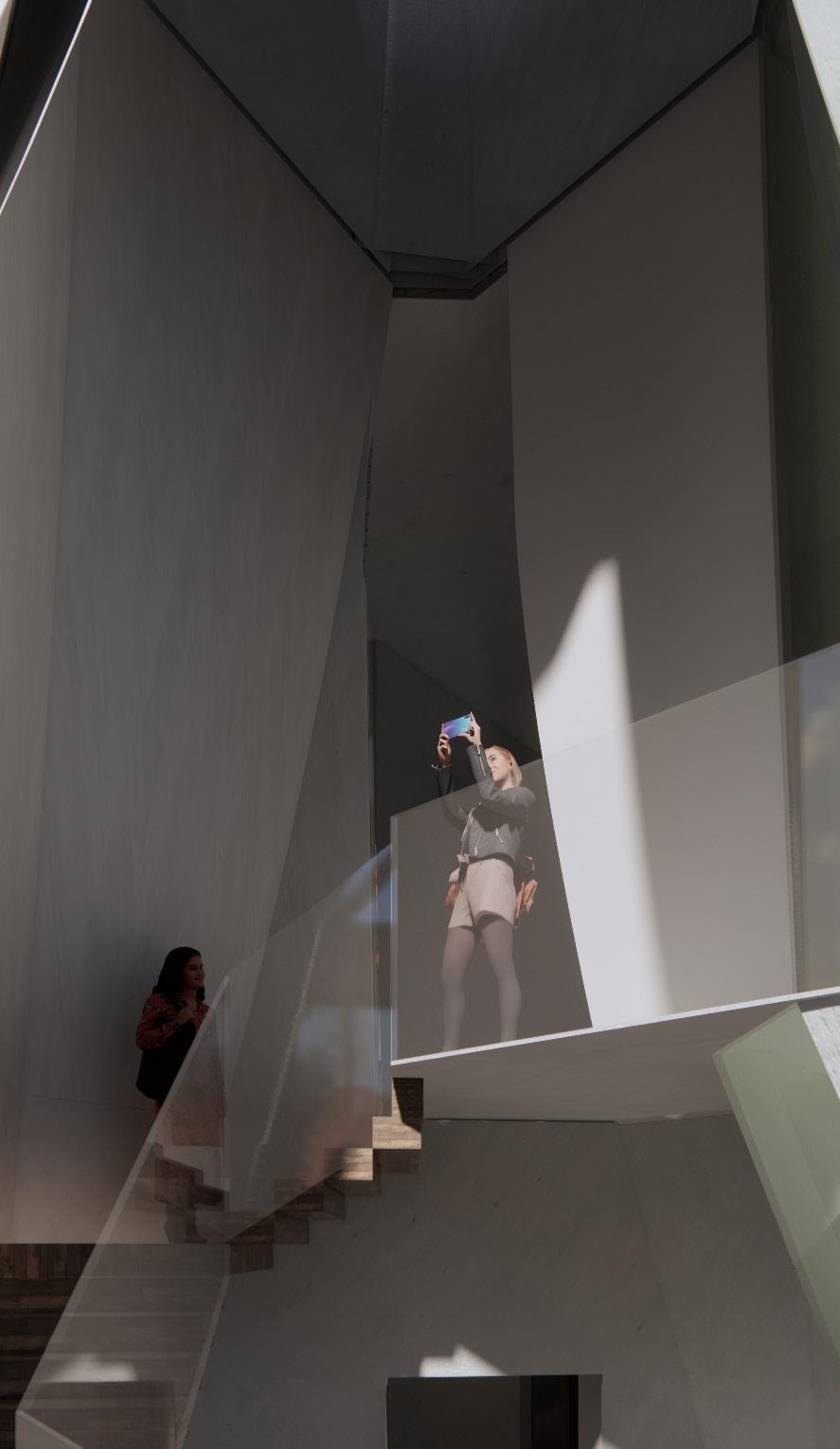
The double height space with staircase allows for light projection and some installation hanging from the top.
COMMENTS: Consider the ma teriality of the bal ustrade. Could use mesh or a more solid timber finish
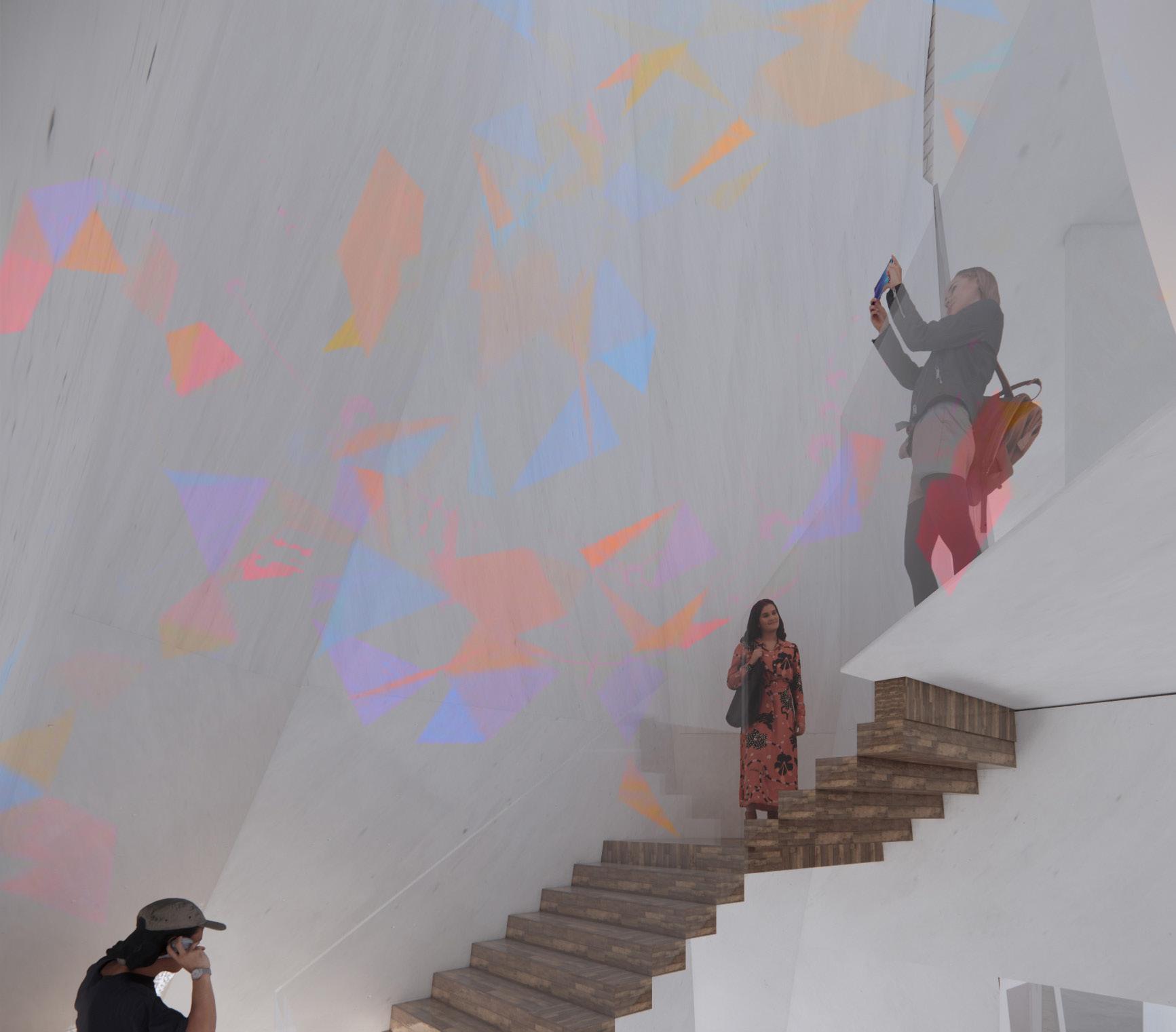
Staircase from first floor up Studio 36 Untitled: Art Project Space Rachael Li 912103
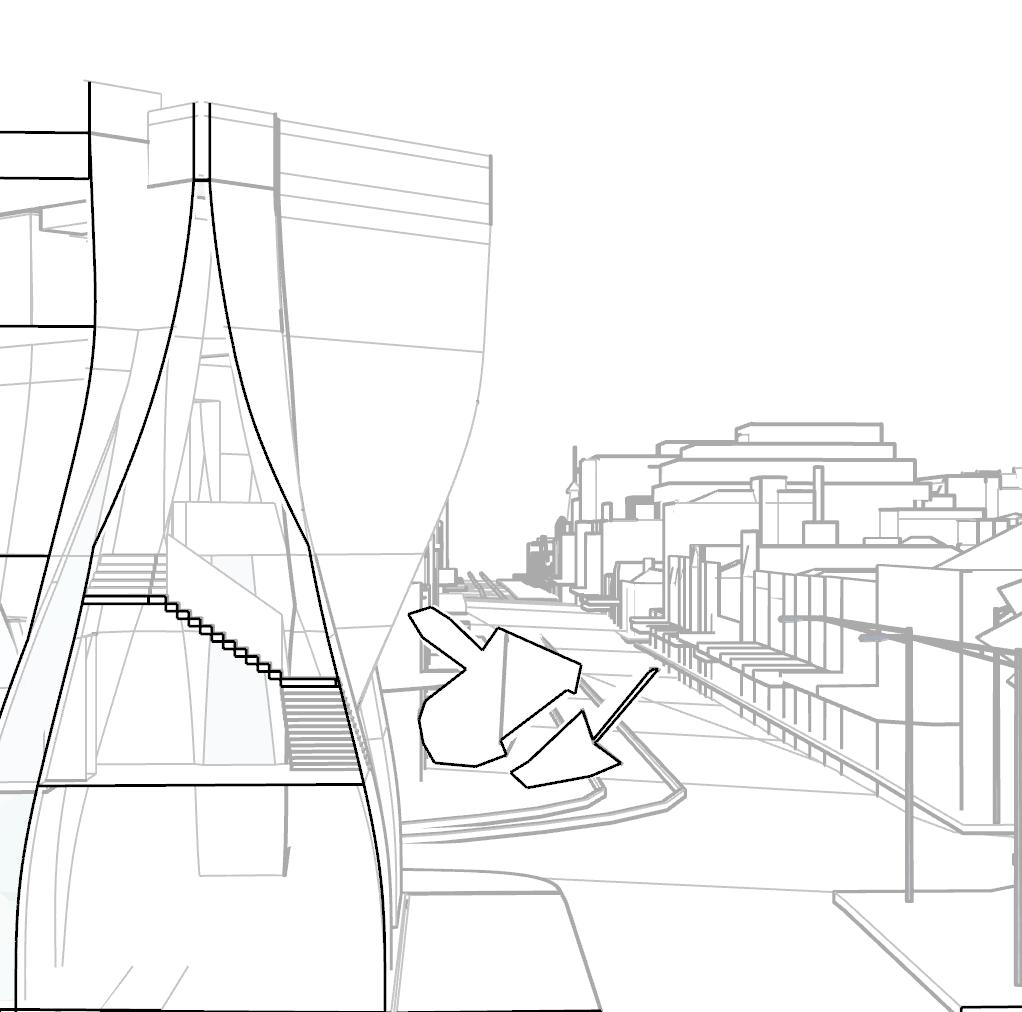
Testing perspectives looking upwards to the skylight from top. A narrow picture frame is also ideal to enhance the verticali ty which relates to my idea of a ‘highteneded tension’.
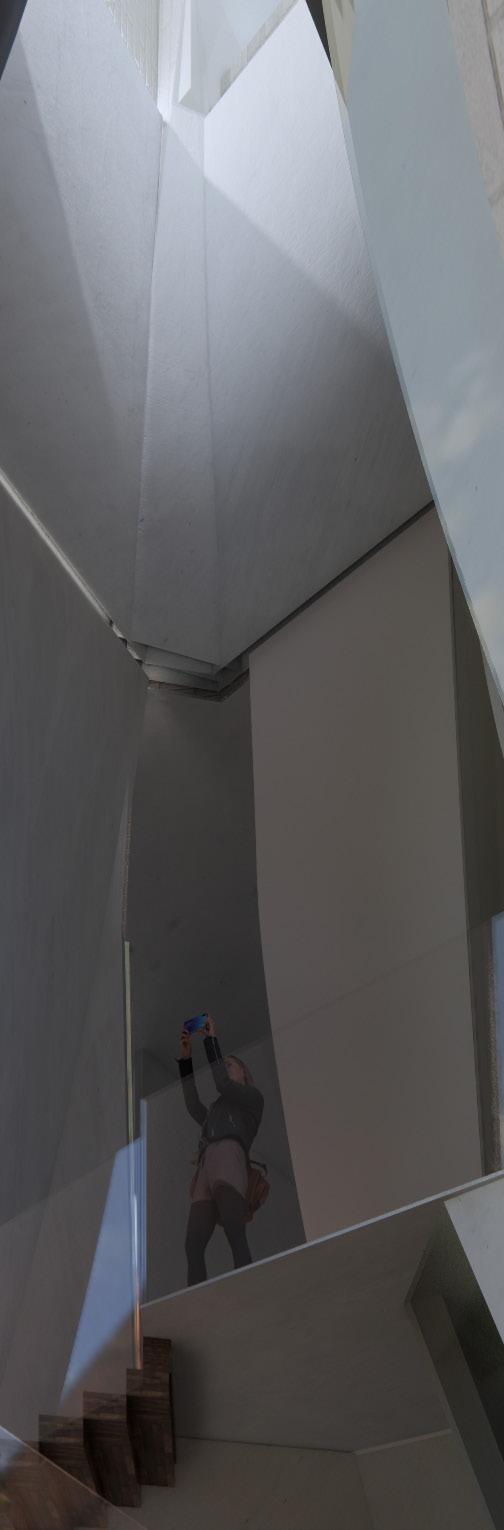
Section A-A Revised Plan + Section WEEK 11 20m2 40 10 Section A-A

Section B-B 20m2 40 10 Studio 36 Untitled: Art Project Space Rachael Li 912103 黑 竹 迎 � Section B-B
COMMENTS:
The
be
diagonal wall seems to
dividing the gallery spaces, consider rotating the wall to create one larger gallery space instead B1B2 TEMP GALLERY PLANT ROOM/ STORAGE PROJECT SPACE GALLERY CHILDREN LEARNING CENTRE SKYLIGHT SKYLIGHT SKYLIGHT STORAGE DIGITAL MEDIA GALLERY TEMP GALLERY INDOOR GARDEN TEMP GALLERY ADMIN 65m2 10 13 4 4 10 1610 10 4 14 5 10. STORAGE 4. TEMPORARY GALLERY 5. ADMIN 8. PROJECT SPACE GALLERY 14. DIGITAL MEDIA GALLERY 15. CHILDREN LEARNING CENTRE 10. STORAGE 13. MECHANICAL/ PLANT ROOM 16. INDOOR GARDEN 4. TEMPORARY GALLERY 20m2 40 N 10 Studio 36 Untitled: Art Project Space Rachael Li 912103

B1 PROJECT SPACE GALLERY CHILDREN LEARNING CENTRE DIGITAL MEDIA GALLERY TEMP GALLERY ADMIN 65m2 10. STORAGE 4. TEMPORARY GALLERY 5. ADMIN 8. PROJECT SPACE GALLERY 14. DIGITAL MEDIA GALLERY 15. CHILDREN LEARNING CENTRE SKYLIGHTSKYLIGHT 10 10 4 14 5 15 Updated plan to relocate the children learning centre and the ad min offices. The admin spaces now locates near the double height skylight spaces for access to natural light and views to the indoor garden below. The children learnig centre receives the light from skylight and is located in the irregular room to allow them to move around freely . B1B2 TEMP GALLERY PLANT ROOM/ STORAGE PROJECT SPACE GALLERY CHILDREN LEARNING CENTRE SKYLIGHT SKYLIGHT SKYLIGHT STORAGE DIGITAL MEDIA GALLERY TEMP GALLERY INDOOR GARDEN TEMP GALLERY ADMIN 65m2 10 13 4 4 10 1610 10 4 14 5 15 10. STORAGE 4. TEMPORARY GALLERY 5. ADMIN 8. PROJECT SPACE GALLERY 14. DIGITAL MEDIA GALLERY 15. CHILDREN LEARNING CENTRE 10. STORAGE 13. MECHANICAL/ PLANT ROOM 16. INDOOR GARDEN 4. TEMPORARY GALLERY 20m2 40 N 10 Studio 36 Untitled: Art Project Space Rachael Li 912103
GROUND FLOOR SMITH ST 4. TEMP GALLERY 5. ADMIN GERTRUDE ST STAFF ENTRANCE VISITOR ENTRANCE VISITOR ENTRANCE 1. CAFE 6. LOADING DOCK 3. RECEPTION 2. GIFT SHOP 7. SEMI-OUTDOOR GREENERY 4. TEMP GALLERY 5. ADMIN 27m2 1. CAFE 6. LOADINGDOCK 80m2 3. RECEPTION 2. GIFT SHOP 7. SEMI-OUTDOOR GREENERY 5 6 7 1 2 4 3B 20m2 40 N 10 Studio 36 Untitled: Art Project Space Rachael Li 912103 B A A
Structure
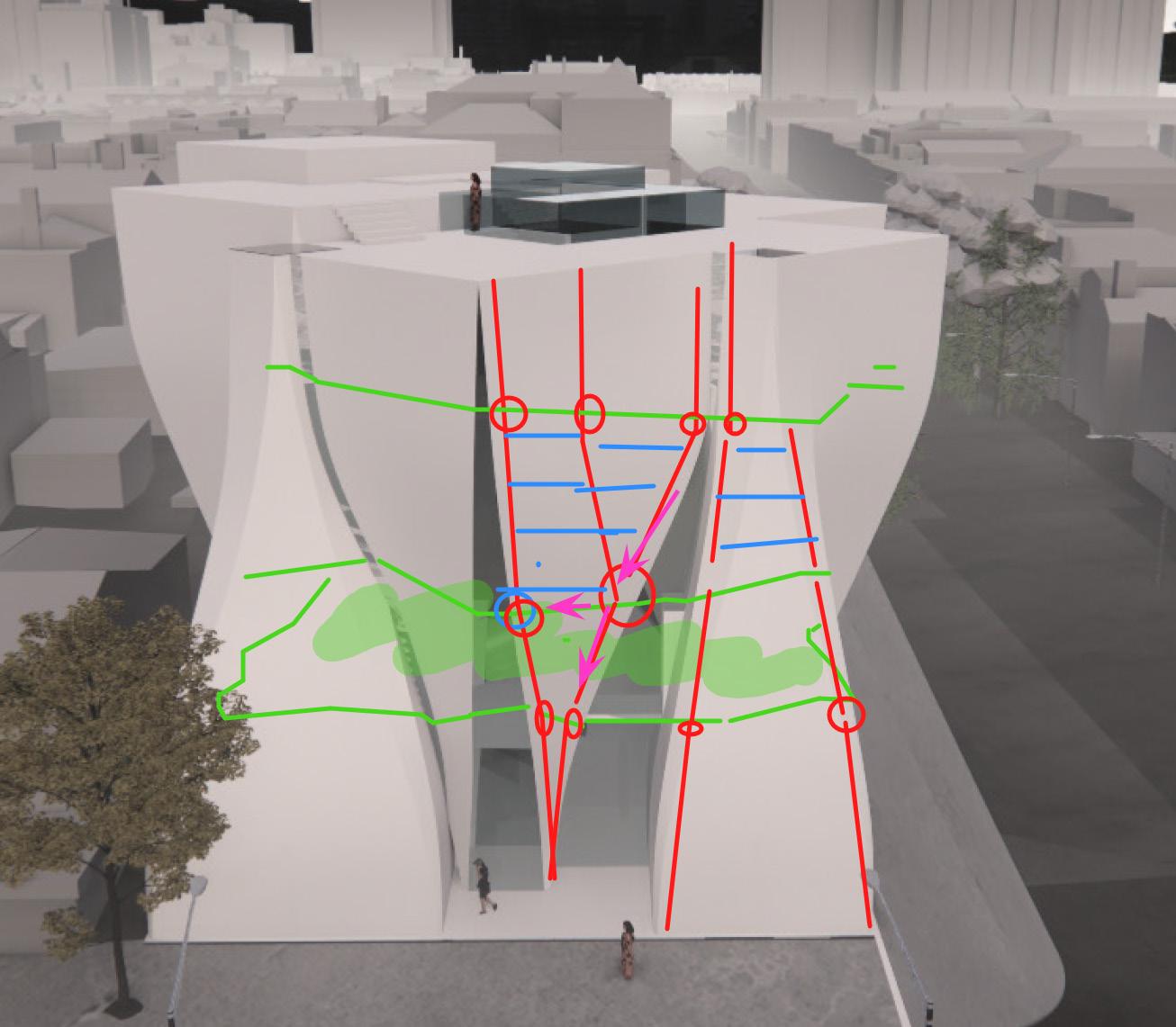
GROUND FLOOR SMITH ST GERTRUDE ST STAFF ENTRANCE VISITOR ENTRANCE VISITOR ENTRANCE 5 6 7 1 2 4 3 Structural grid added based on consultation. 20m2 40 N 10 Studio 36 Untitled: Art Project Space Rachael Li 912103
of building consists of steel beams in segments that connects to form the curve of the form and cladded with brick panels over the top.
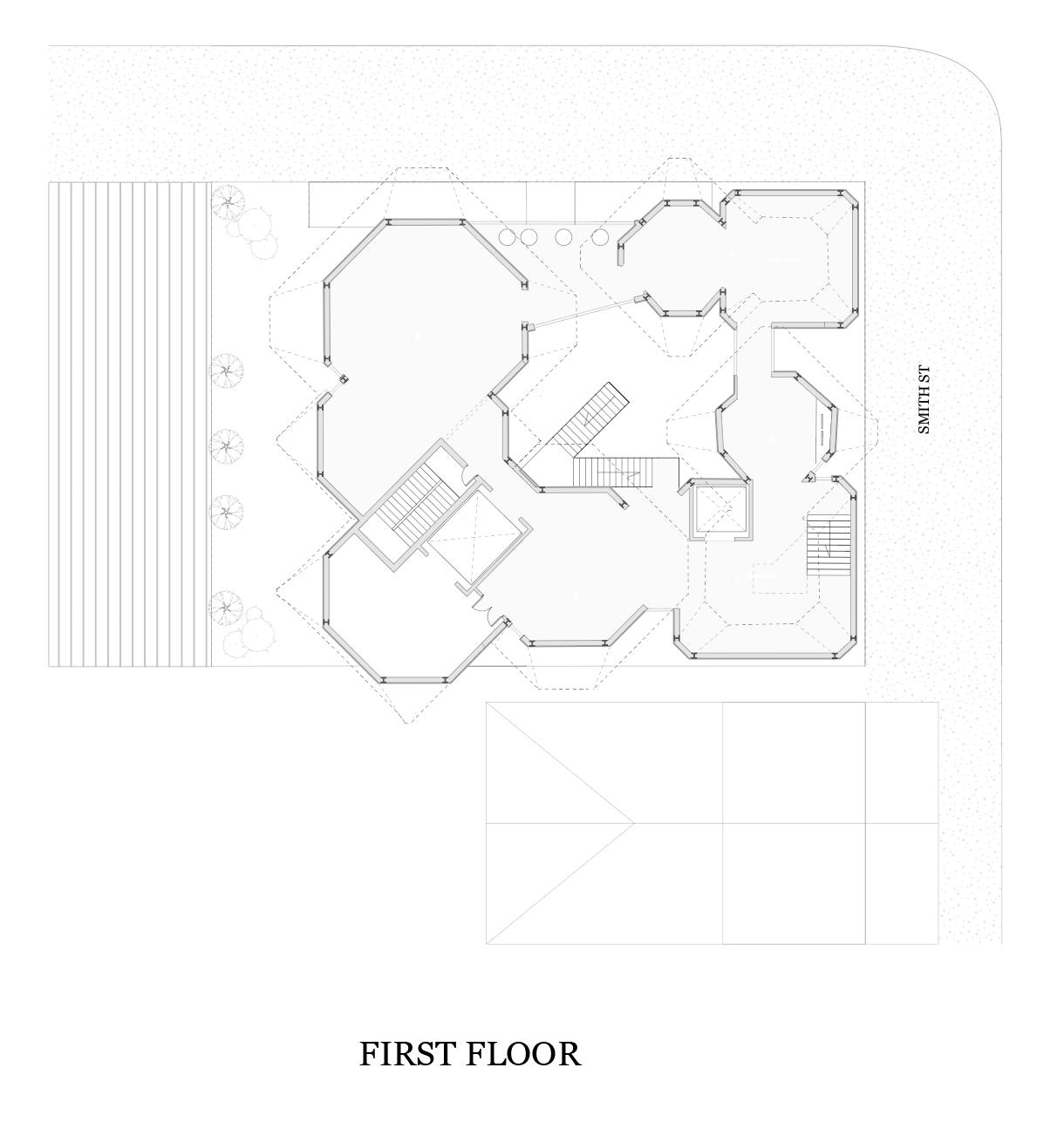
There are two circulation options: the first indi cates when the gallery are all opened up for one large exhibition. The second indicates when the gallery is divided into smaller galleries for multi ple smaller exhibitions.
FIRST FLOOR
SMITH ST SMITH ST
Circulation 1 Circulation 2 SMITH ST FIRST FLOOR VOID ABOVE 8. PROJECT SPACE GALLERY (SCULPTURE/ PERFORMANCE) 9. DIGITAL RESEARCH 10. STORAGE 4. TEMPORARY GALLERY (SCULPTURE/PERFORMANCE) GERTRUDE ST VOID ABOVE 8 4 9 4 4 10 20m2 40 N 10 Studio 36 Untitled: Art Project Space Rachael Li 912103
Circulation 1
2
There are two circulation options: the first indi cates when the gallery are all opened up for one large exhibition. The second indicates when the gallery is divided into smaller galleries for multi ple smaller exhibitions.
FIRST FLOOR
SECOND FLOOR
SMITH ST SMITH ST
Circulation
SMITH ST VOID ABOVE GERTRUDE ST VOID ABOVE SKYLIGHT 8 8 8 8 810 8. PROJECT SPACE GALLERY (SCULP/ PERFORMANCE) 10. STORAGE 4. TEMP GALLERY (SCULP/PERF) 20m2 40 N 10 Studio 36 Untitled: Art Project Space Rachael Li 912103
THIRD
SMITH ST SMITH ST
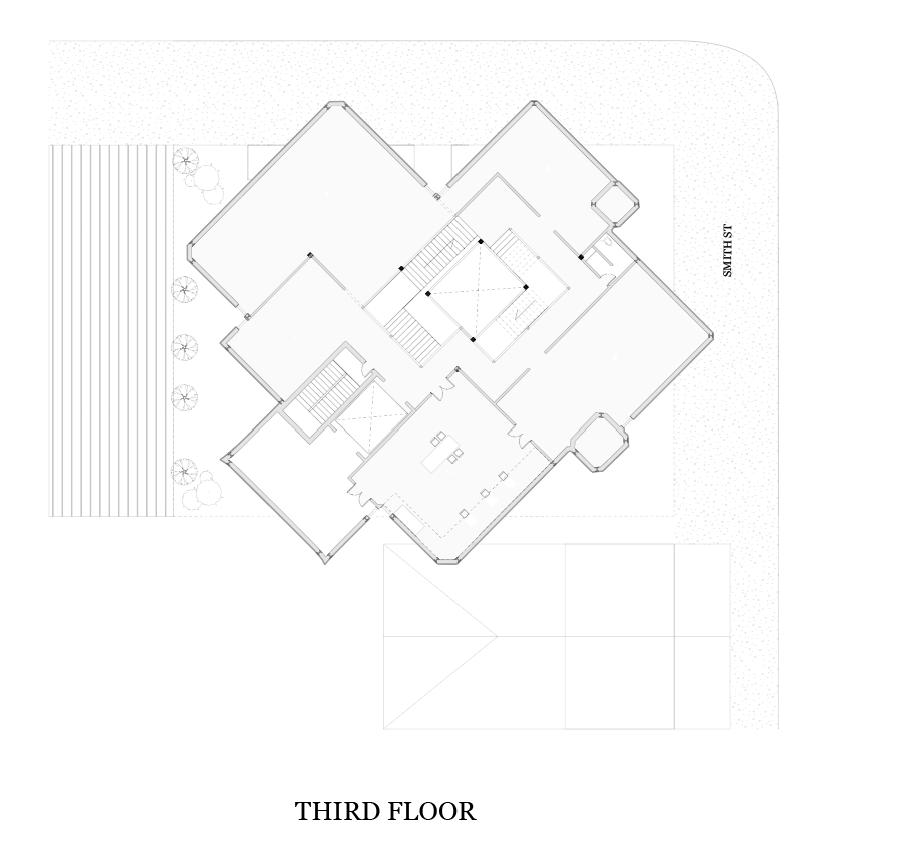
FLOOR There are two circulation options: the first indi cates when the gallery are all opened up for one large exhibition. The second indicates when the gallery is divided into smaller galleries for multi ple smaller exhibitions. Circulation 1 Circulation 2 SMITH ST THIRD FLOOR TEMP GALLERY (PAINTING) 60m2 GERTRUDE ST ARTIST STUDIO TEMP GALLERY (PAINTING) TEMP GALLERY (PAINTING) PROJECT SPACE GALLERY (PAINTING) 27m2 SKYLIGHT 4 8 8 11 10 4 8. PROJECT SPACE GALLERY (PAINTING) 10. STORAGE 11. ARTIST STUDIO 4. TEMP GALLERY (PAINTING) 20m2 40 N 10 Studio 36 Untitled: Art Project Space Rachael Li 912103
ROOF
SMITH ST
GERTRUDE ST SKYLIGHT SKYLIGHT SKYLIGHT SKYLIGHT 12 13 Updated plan with the addition of skylight to introduce diffused light to the artist studio below. SMITH ST ROOF PLAN GERTRUDE ST SKYLIGHT SKYLIGHT SKYLIGHT MECH/ PLANT ROOM SCULPTURE GARDEN 12 13 13. MECHANICAL/ PLANT ROOM 12. SCULPTURE GARDEN 20m2 40 N 10 Studio 36 Untitled: Art Project Space Rachael Li 912103
Precast brick panels module
Mesh balustrade
Suspended acoustic ceiling with
light strips
Plaster finish Corridor
1. Precast brick panels module
Mesh balustrade
3. Suspended acoustic ceiling with
light strips
4. Plaster finish
Corridor
1
integrated
+FFL 5.00 2 +FFL 10.00 3 4 Detailed Section @ 1:60
2.
integrated
5.
Studio 36 Untitled: Art Project Space Rachael Li 912103
COMMENTS:
The diagonal wall seems to be dividing the gallery spaces, consider rotating the wall to create one larger gallery space instead No grass in basement, use paving instead.
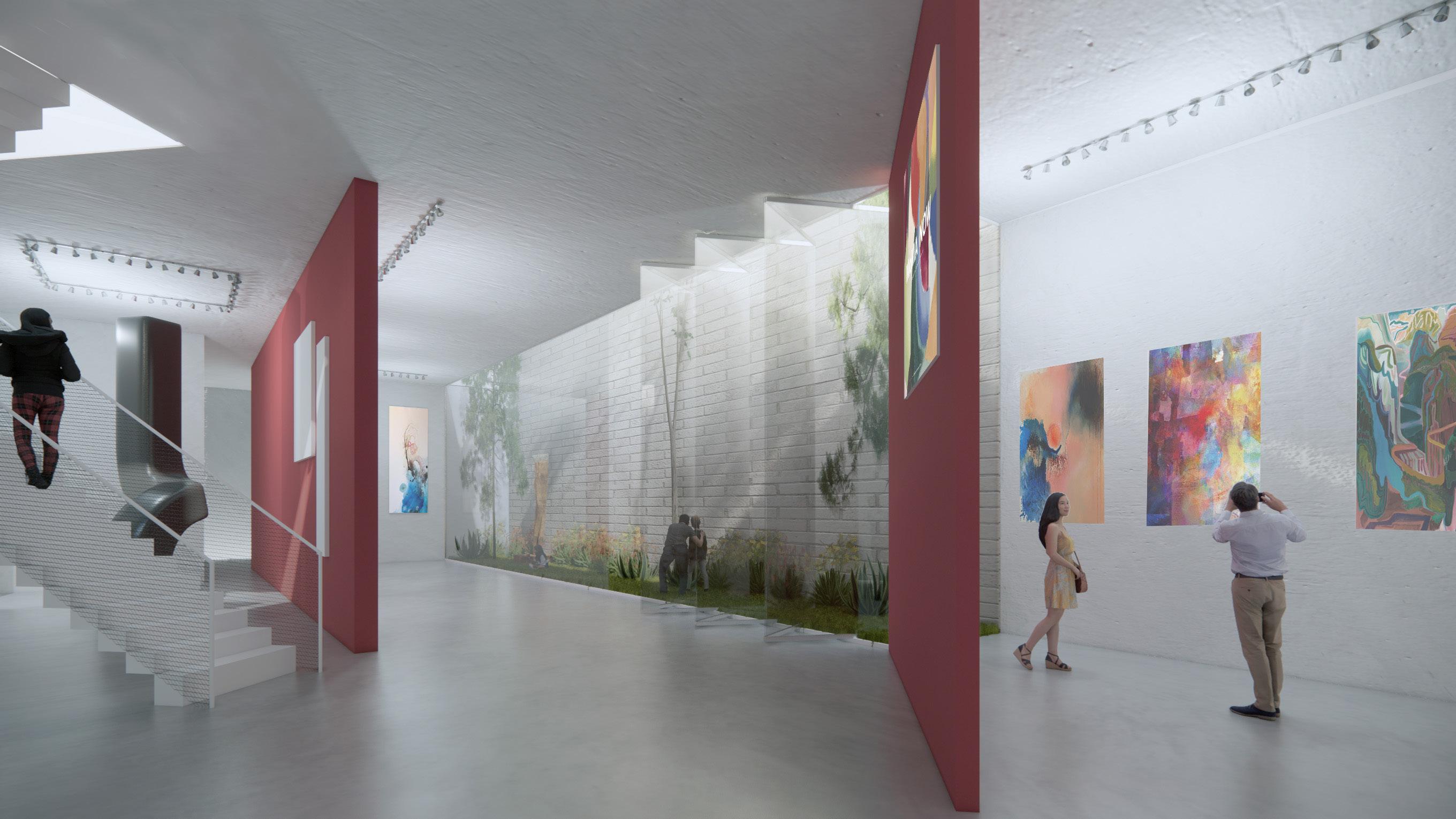 Basement
temporary
gallery
space
with
diffused light
from
the indoor garden Studio 36 Untitled: Art Project Space Rachael Li 912103
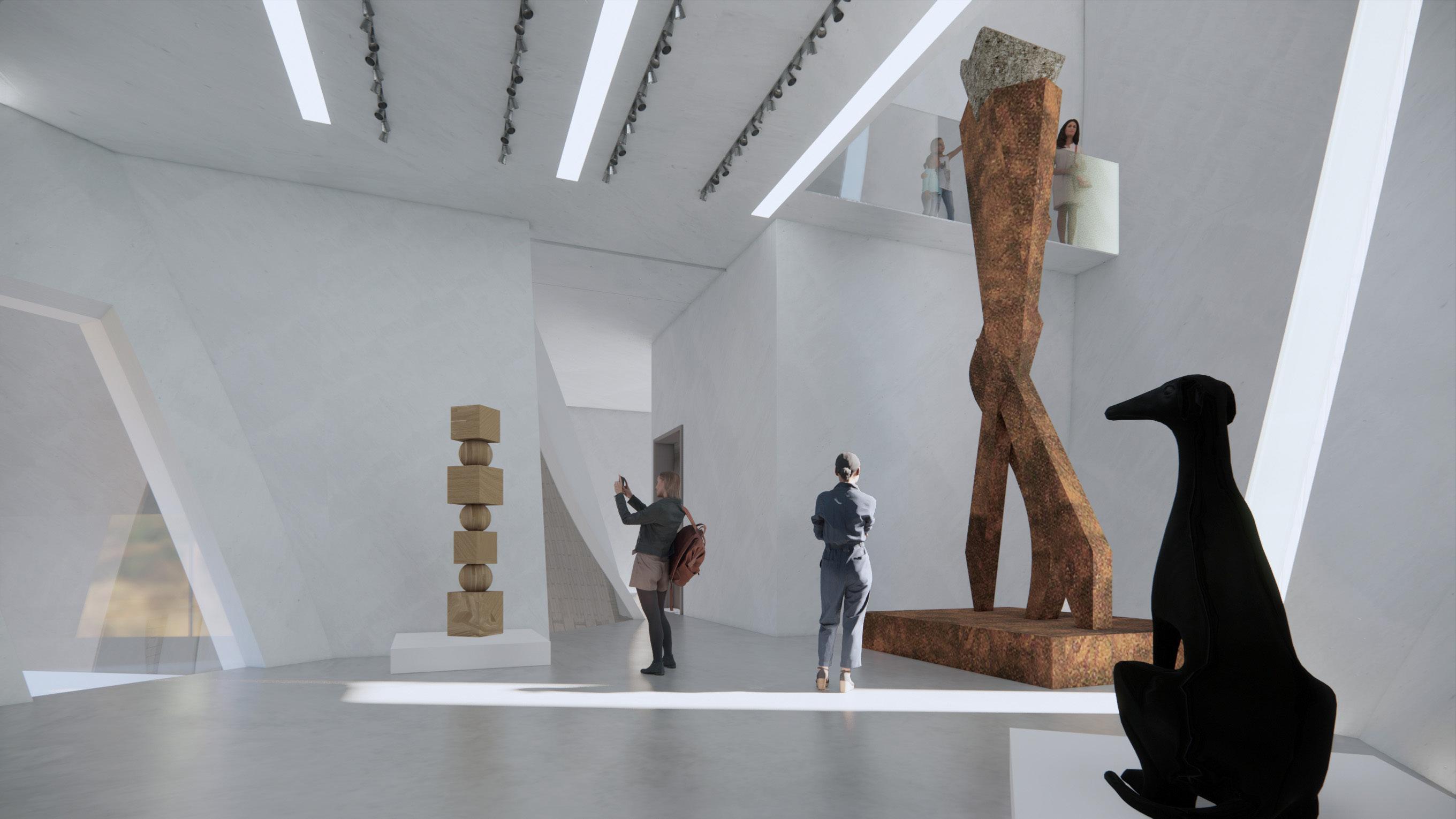 Second
floor project gallery (sculptures) Studio 36 Untitled: Art Project Space Rachael Li 912103
Third floor project gallery (paintings) Studio 36 Untitled: Art Project Space Rachael Li 912103 COMMENTS: Gallery light 1 spotlight for every 1m
Roof sculpture garden
Studio
36 Untitled: Art
Project Space Rachael
Li 912103
Final Reflection
At this stage, the plan should keep improving in its drafting qual ity such as adding more furnitures to indicate programs and also circulation diagrams should be added to show how the users view the exhibitions. Throughout the times of drafting, I found the most important and probably the most challenging aspect of plan for my design is to capture the twisting form in 2D. I therefore used dashed lines to indicate the ceiling above is rotated slightly com pare to the floor drawn.
In terms of the sections, I found that they appear to be more important than plans at capturing the changing spatial quality such as the narrow vertical spaces vs the wider spaces. Or the standard height spaces vs the double height spaces. I think they resonate with my initial design idea of a performative architecture better.
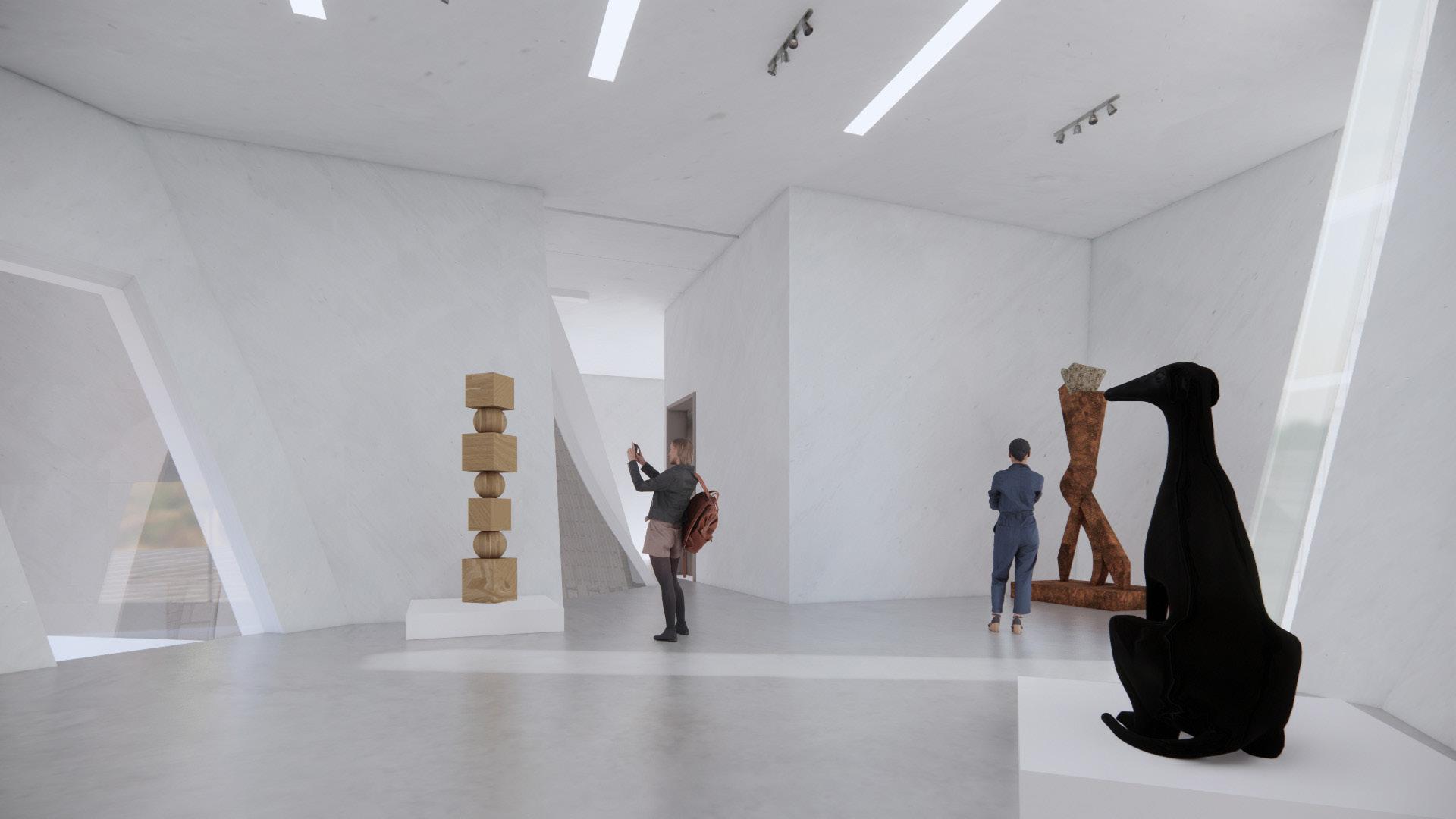
In my renderings, I aimed to show spaces with curved walls for purpose of exhibiting sculptures and performances and the spaces with straight walls for purpose of hanging paintings. The glazings inserted between the junction of the twisting forms is also shown to demonstrate the opportunity to look out to different sights of Melbourne eg. Dandenong mountain or CBD.
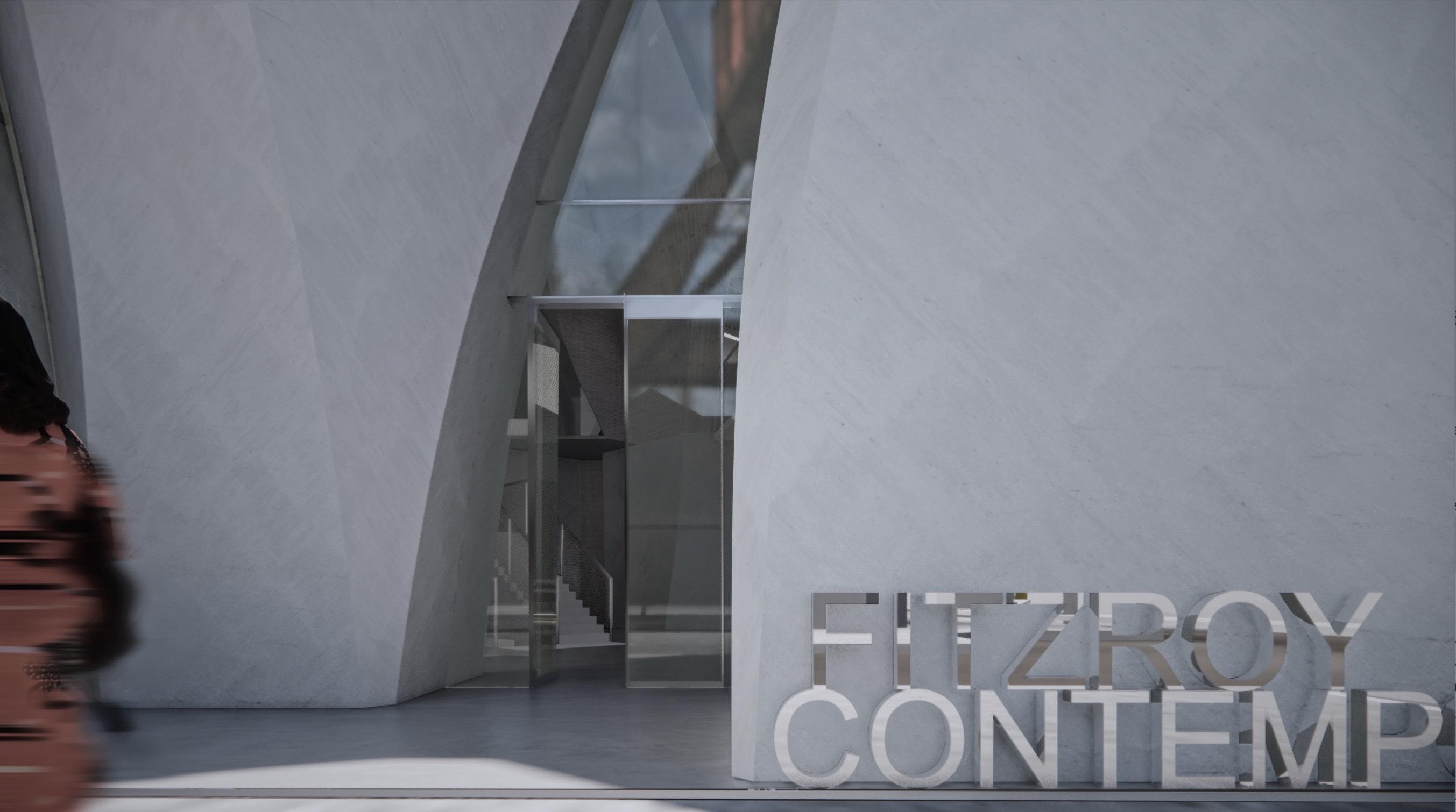
Studio 36 Untitled: Art Project Space Rachael Li 912103 Semester 2 2022 Studio D
design statement
In consideration of the art precinct context of Fitzroy and the diverse culture of Melbourne:
What is universal form of art that can be understood beyond language, culture etc..?
Current art industry often meant the understanding of still artworks limited to the few rath er than the majority, however contemporary art style of performative art could democratise art to be inclusive & understandable to wider audience.
“Performance is not a medium, not something that an artwork can be but rather a set of questions and concerns about how art relates to people and the wider social world’. (Theorist Jonah Westerman)
Breaking ‘containment’
In conventional gallery, the journey of entering the gallery seems to become disciplined and denatured within a rigid containment, what if the containment is broken to allow the visi tors to have a more vivid experience of the art and better relates to the art?
“Moving elements in a city, and in particular the people and their activities, are as important as the stationary physical parts. We are not simply observers of this spectacle, but are ourselves a part of it, on the stage with the other participants.”
(Kevin Lynch, The Image of the City)
Site Analysis
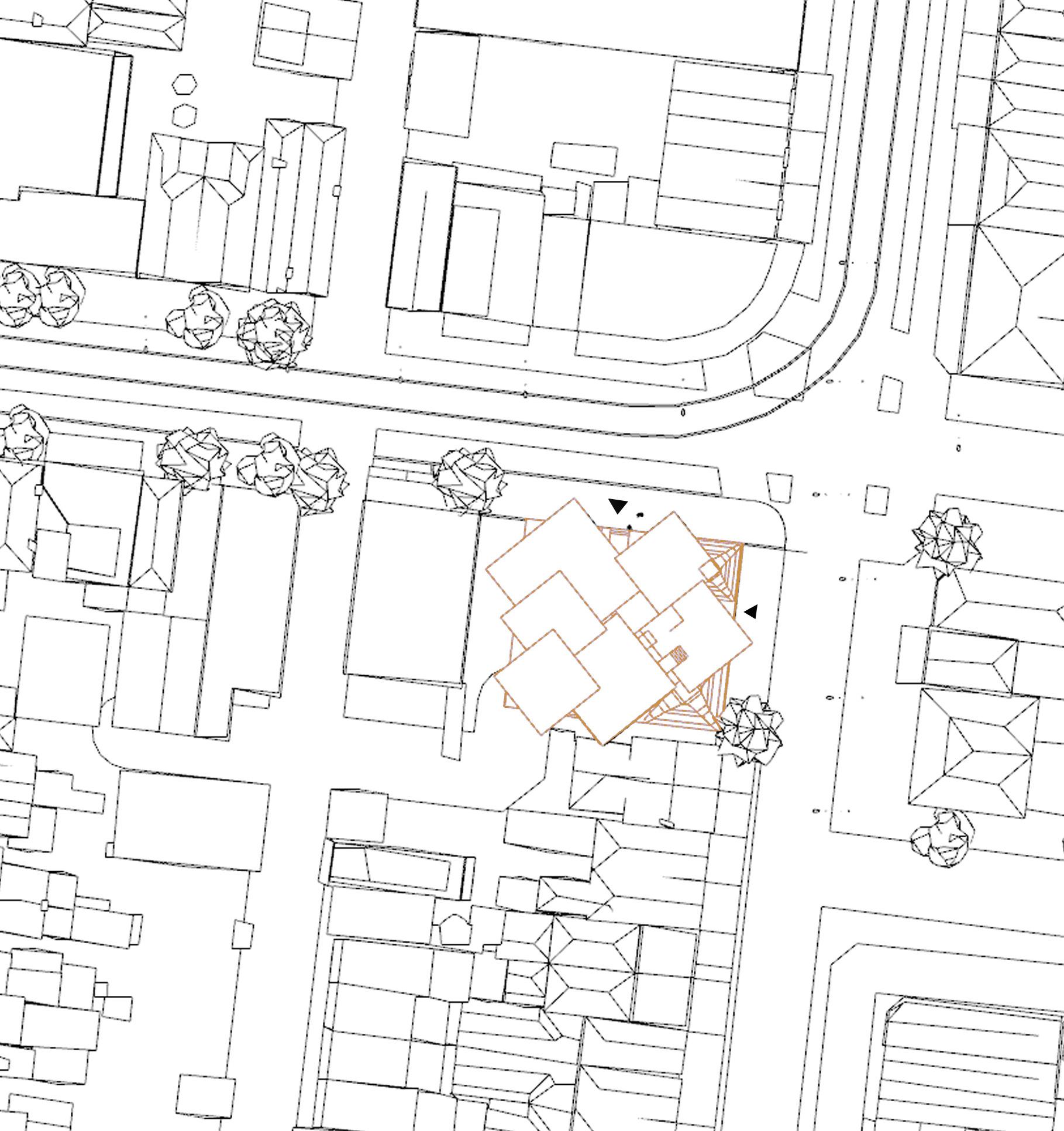
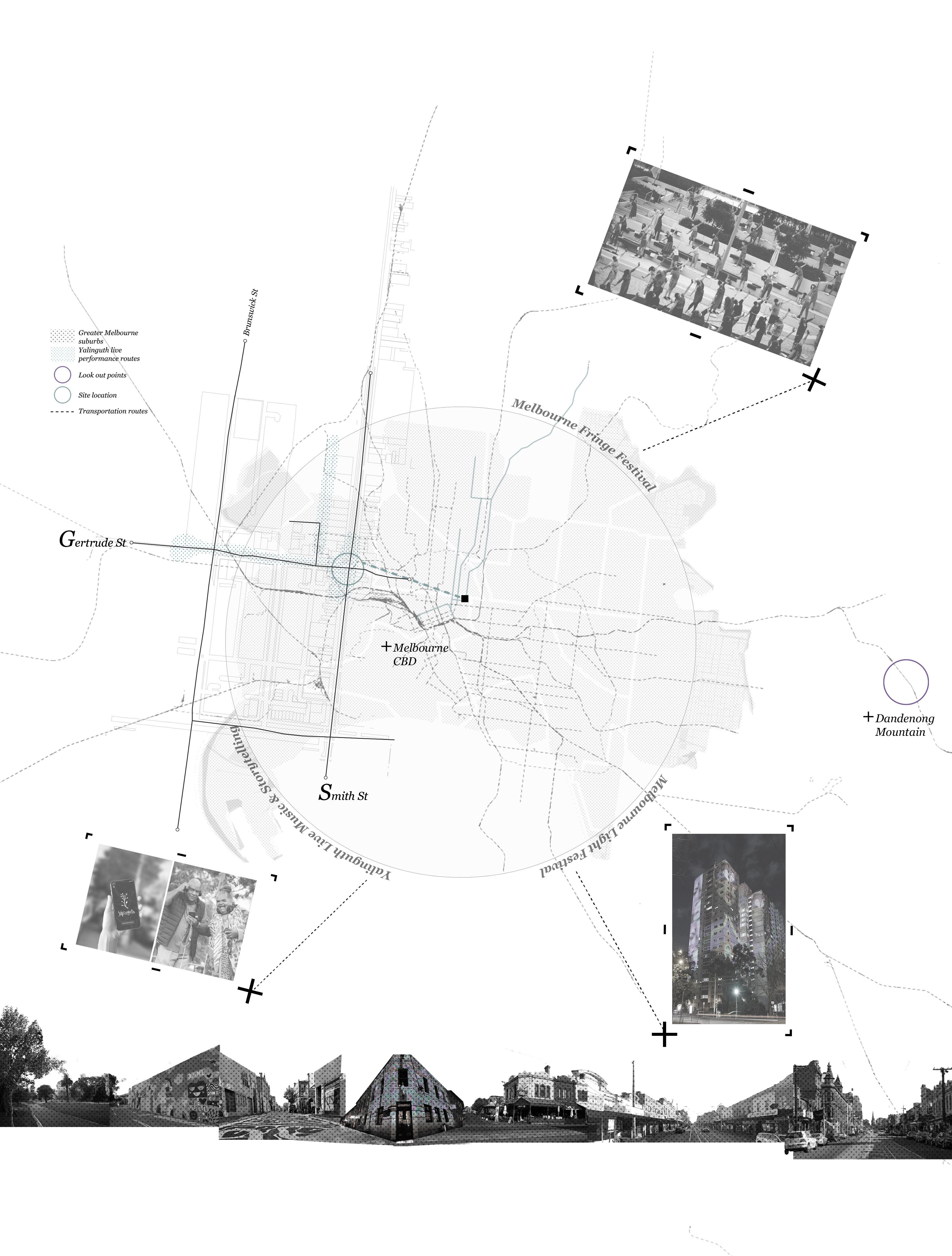
Melbourne nurtures rich diversity of cultures and Fitzroy represents this ecclecticism formed across time despite undergoing urban revitalisation through the decades with well established net work drawing different types of demographic from around Melbourne. The site analysis highlights the local art gallery & the Brunswick St which use to be the site for Parade for Melbourne Fringe Festival originating from Fitzroy. It celebrates di versity through artistic parade/ performance along Brunswick St. Currently, the key art events such as Melbourne Fringe Festival, Yalinguth story telling performance and Melbourne Light Festival scatter across Brunswick St through to Smith St.
The Gertrude St in particular host Yalinguth Live music and story telling performance as part of the Melbourne Fringe Festival to be immersed into the past Aboriginal Fitzroy.
Fitzroy Cultural Context Analysis
Fitzroy streetscape characteristic
Studio 36 Untitled: Art Project Space Rachael Li 912103
Site Locality
Conceptual Development

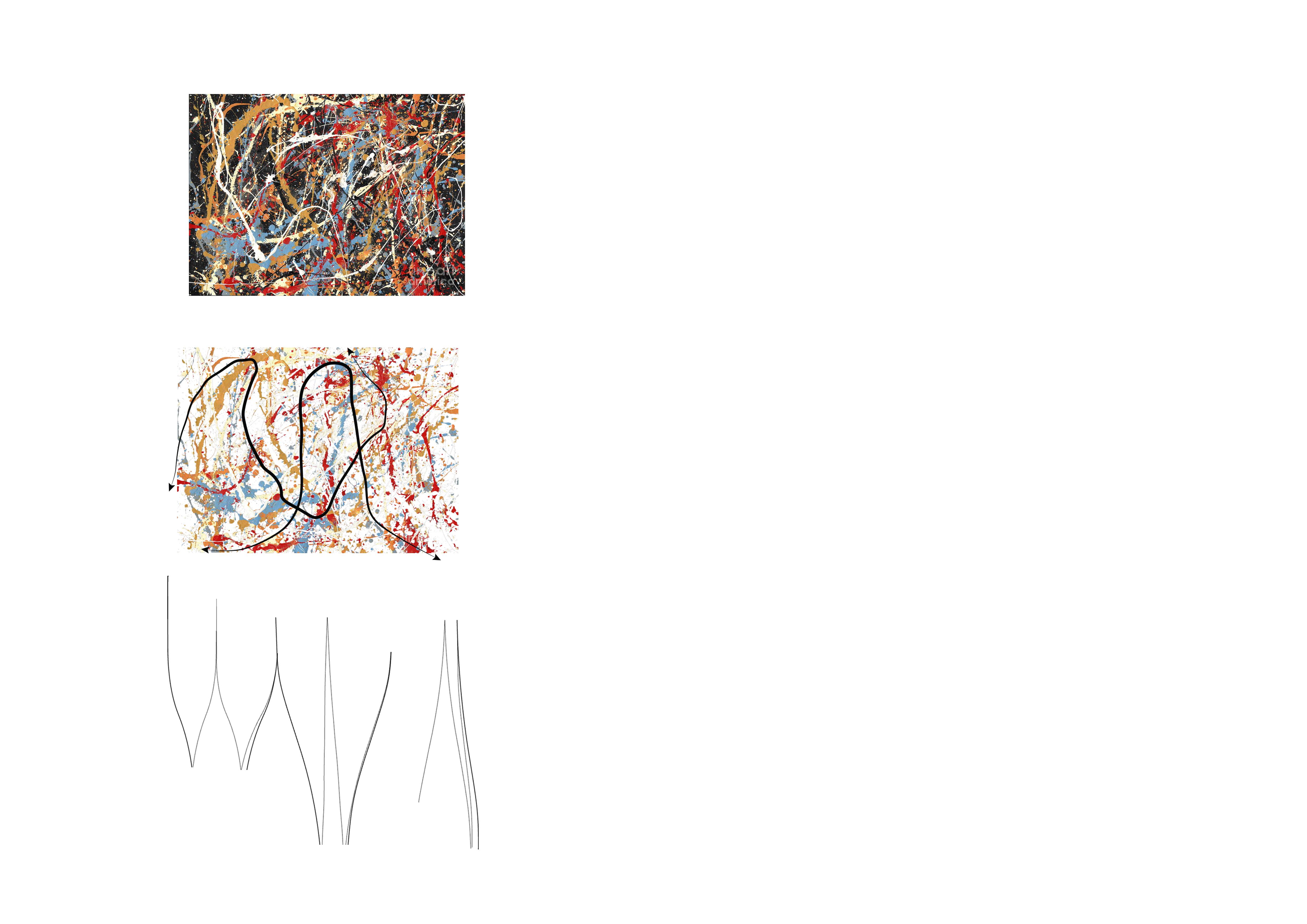
art. Particularly in Jackson Pollock’s work, the action painting allows the act of artmaking be important to the understanding of the artwork. The fluid lines define and enliven the canvas, and there are no straight lines present.
Directional and fluid lines extracted
Studio 36 Untitled: Art Project Space Rachael Li 912103
 Enclosure & enveloped space
Movement
& encounter
monologue intensity/
conflict Studio 36 Untitled: Art Project Space Rachael Li 912103
Form generation--- Breaking up the ‘containment’ Studio 36 Untitled: Art Project Space Rachael Li 912103
Form generation--- Breaking up the ‘containment’ Studio 36 Untitled: Art Project Space Rachael Li 912103
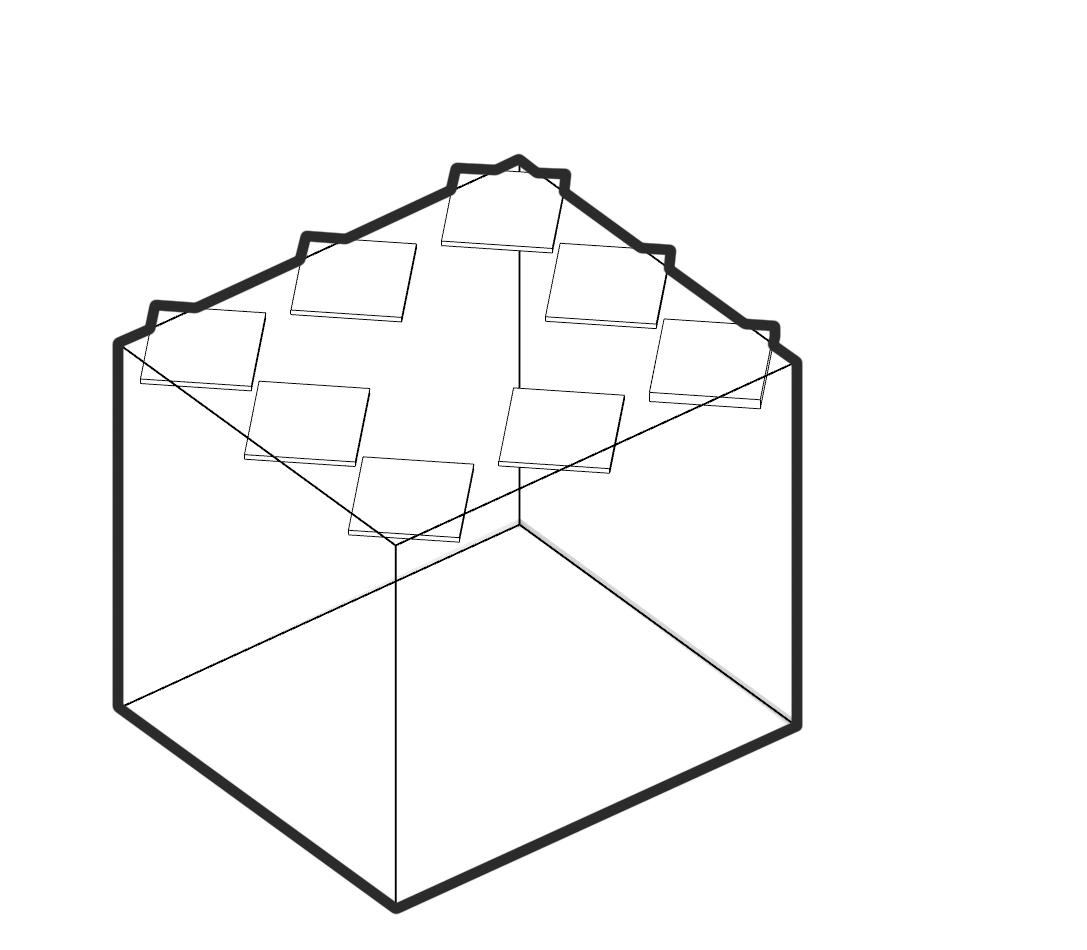
Form generation--- Breaking up the ‘containment’ Studio 36 Untitled: Art Project Space Rachael Li 912103
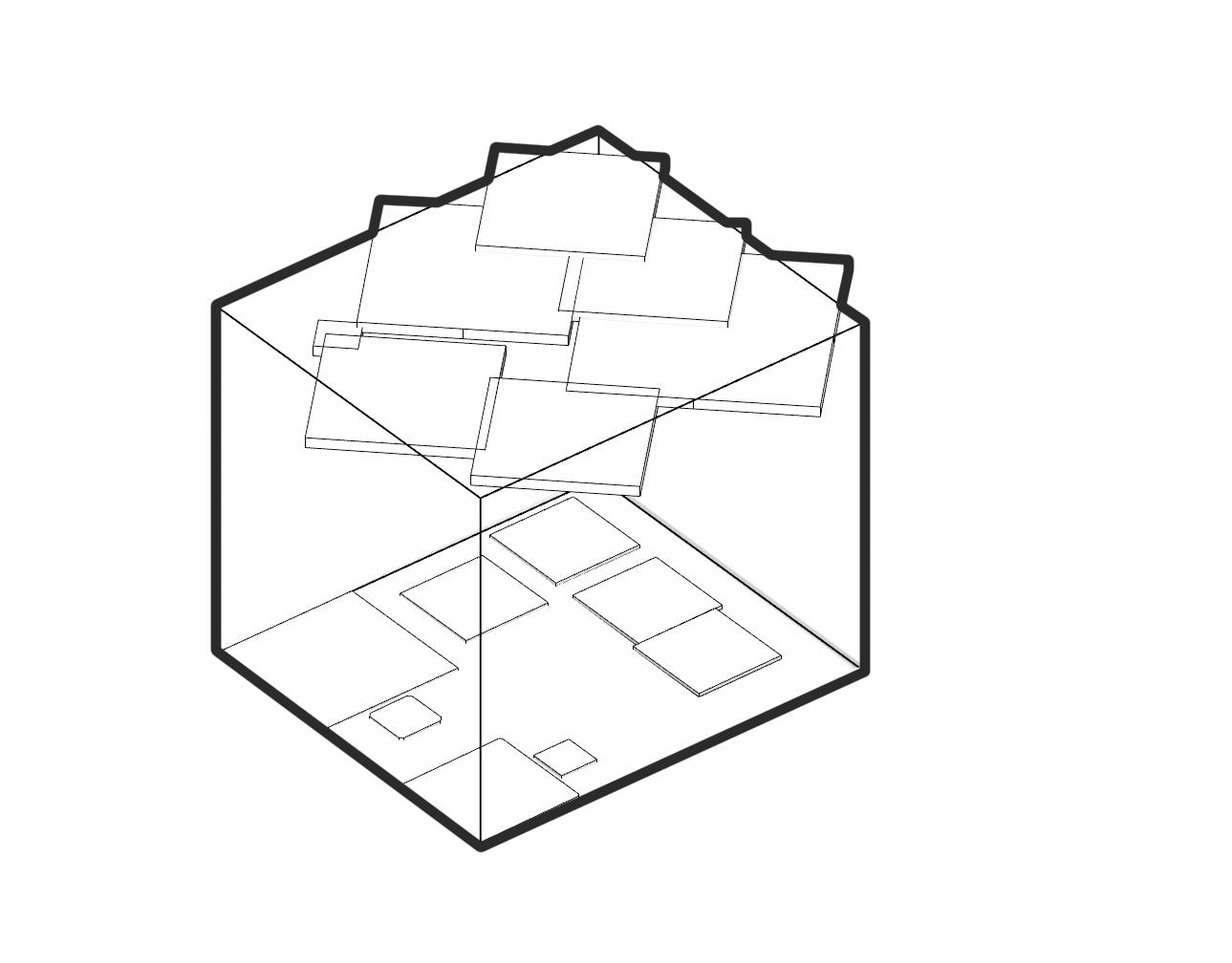
Form generation--- Breaking up the ‘containment’ Studio 36 Untitled: Art Project Space Rachael Li 912103
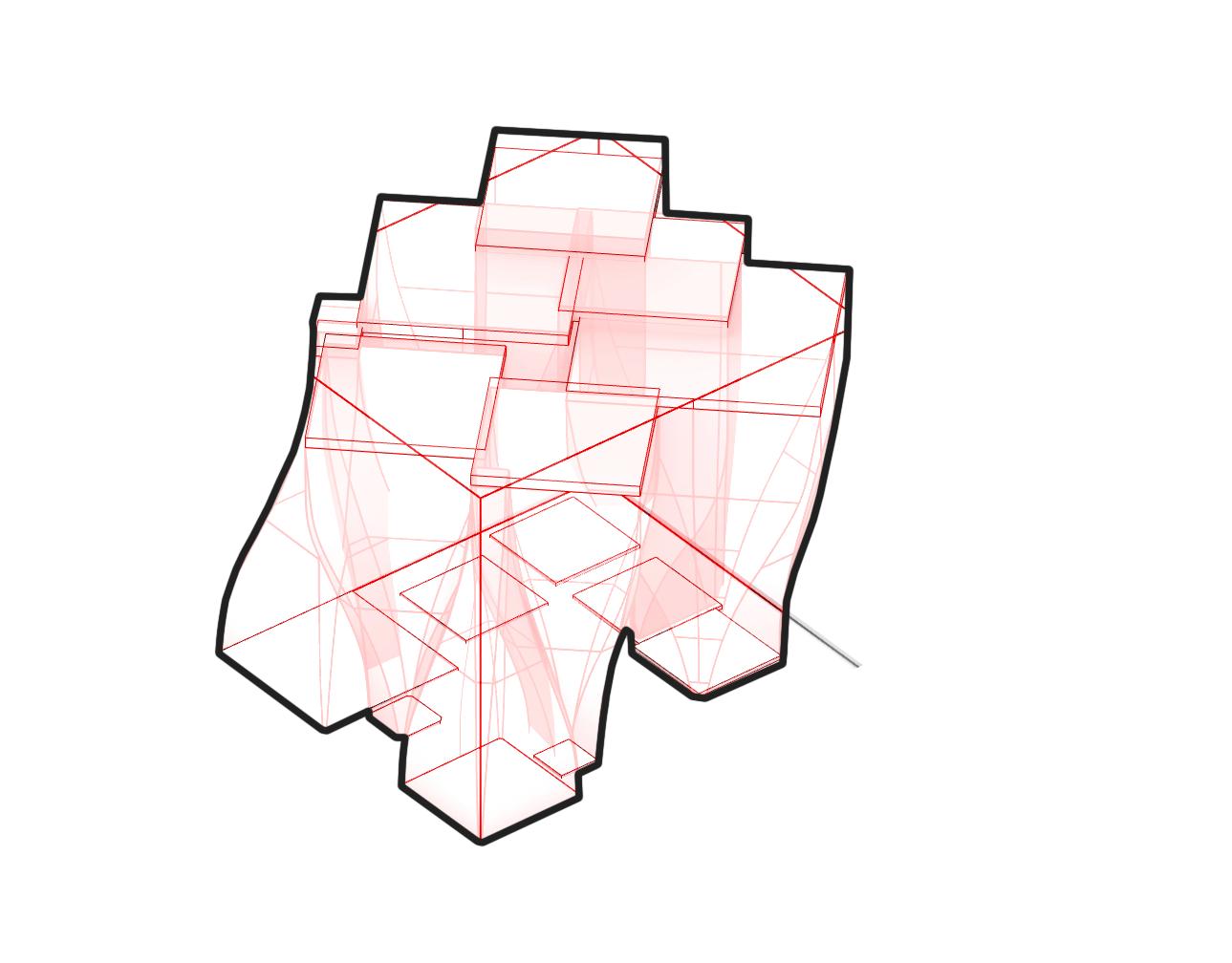
Form generation--- Breaking up the ‘containment’ Studio 36 Untitled: Art Project Space Rachael Li 912103
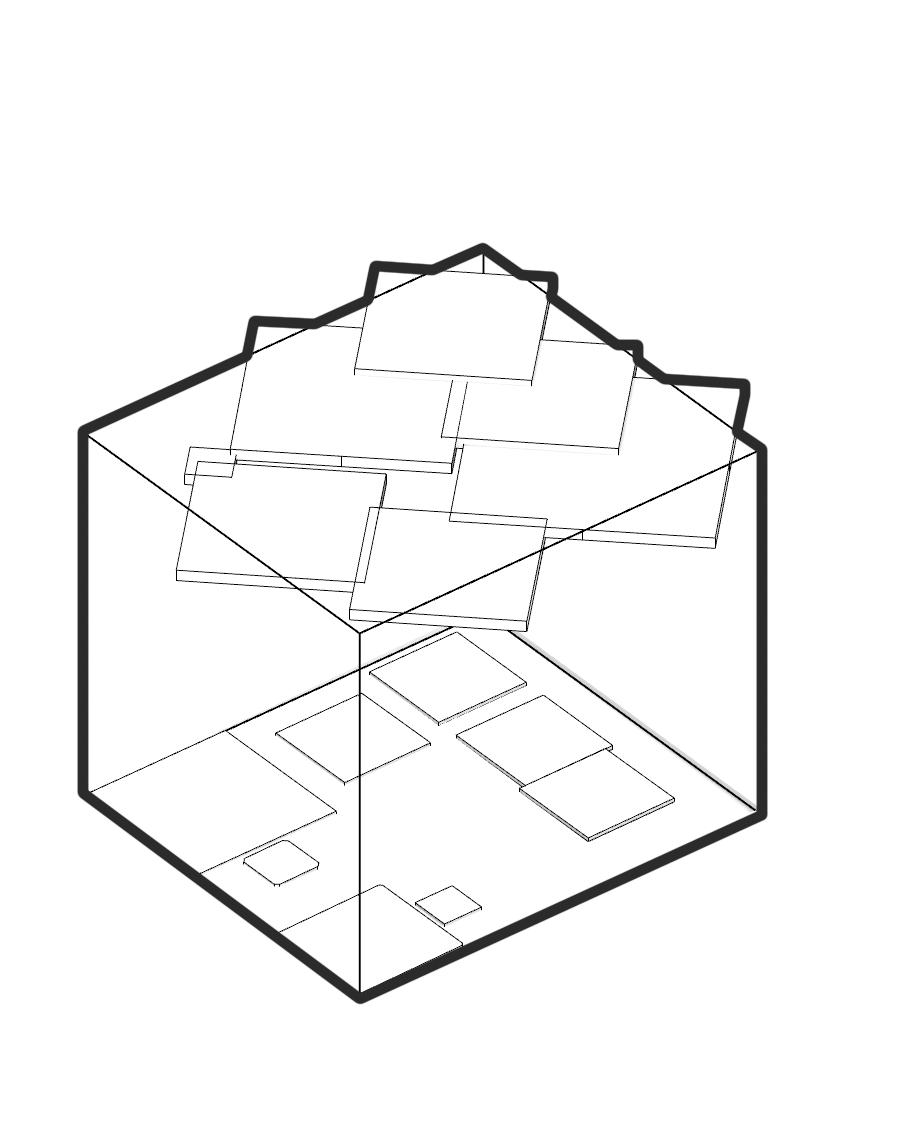
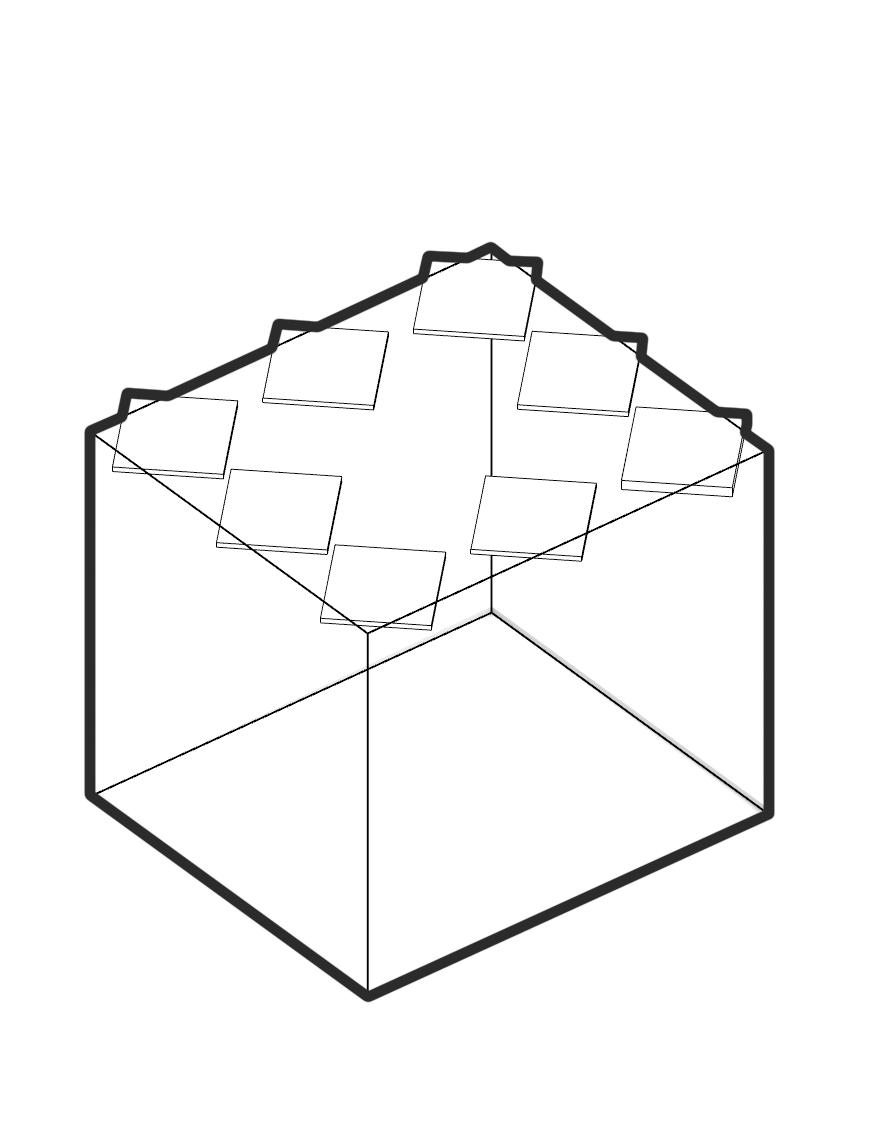
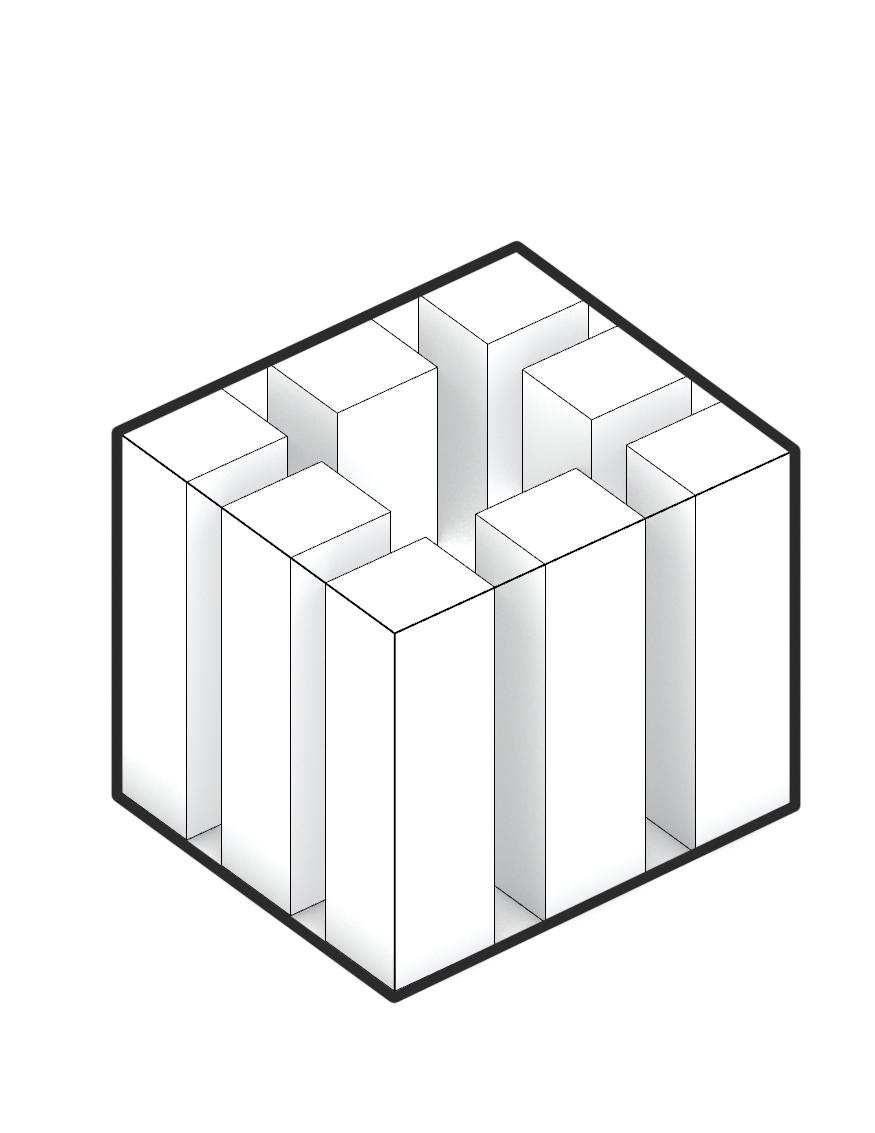
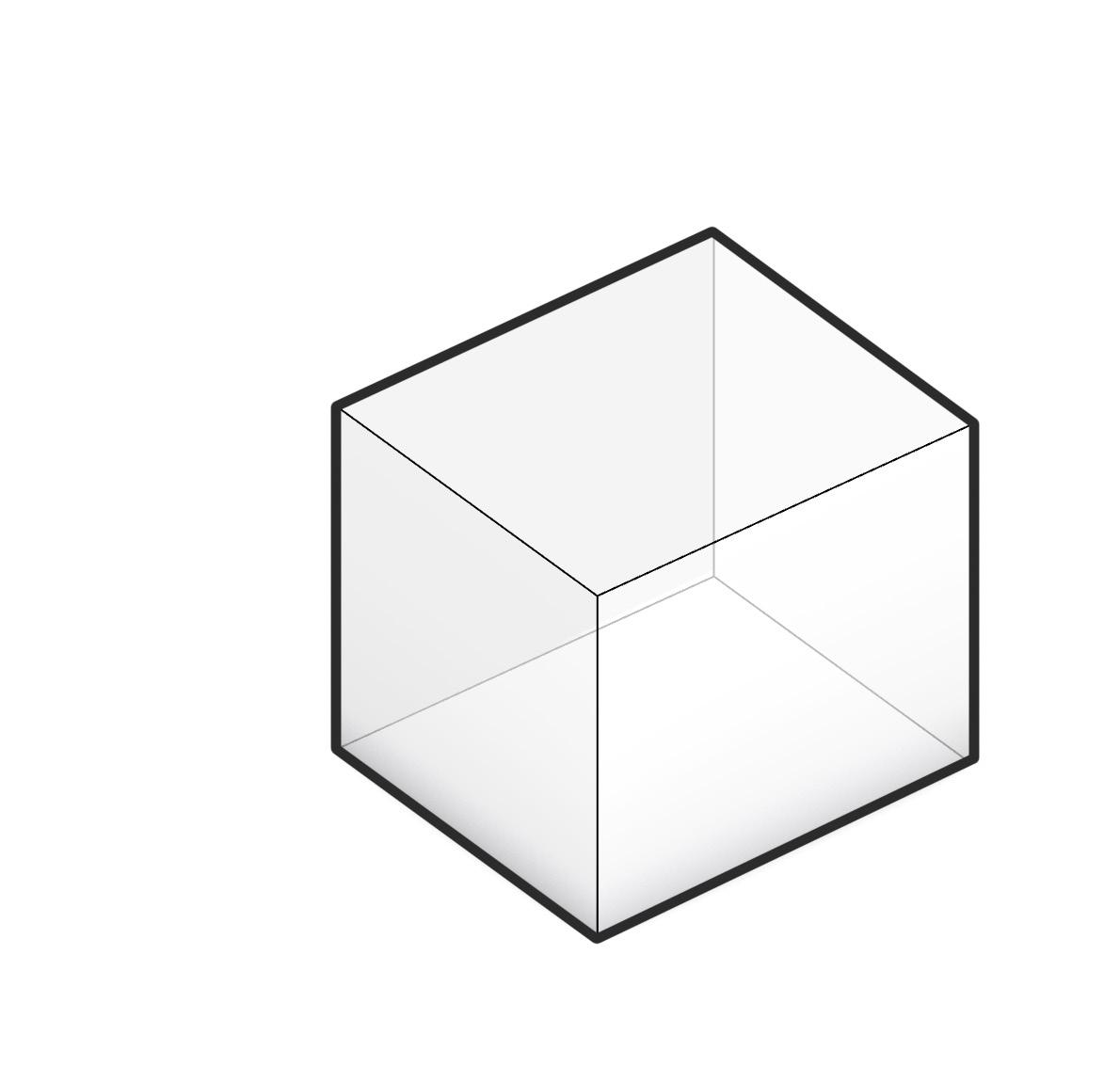
Form generation--- Breaking up the ‘containment’
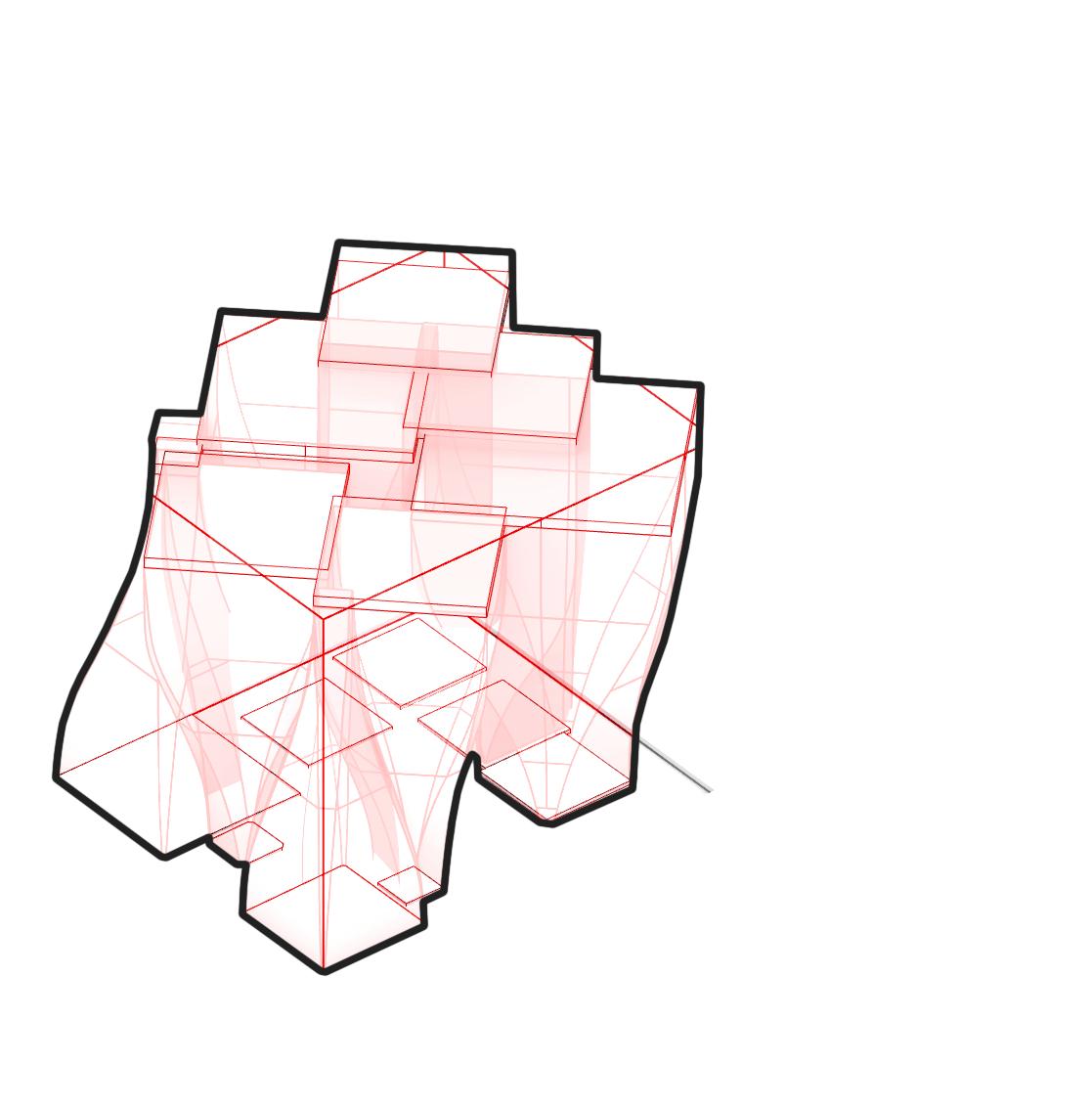
Studio 36 Untitled: Art Project Space Rachael Li 912103
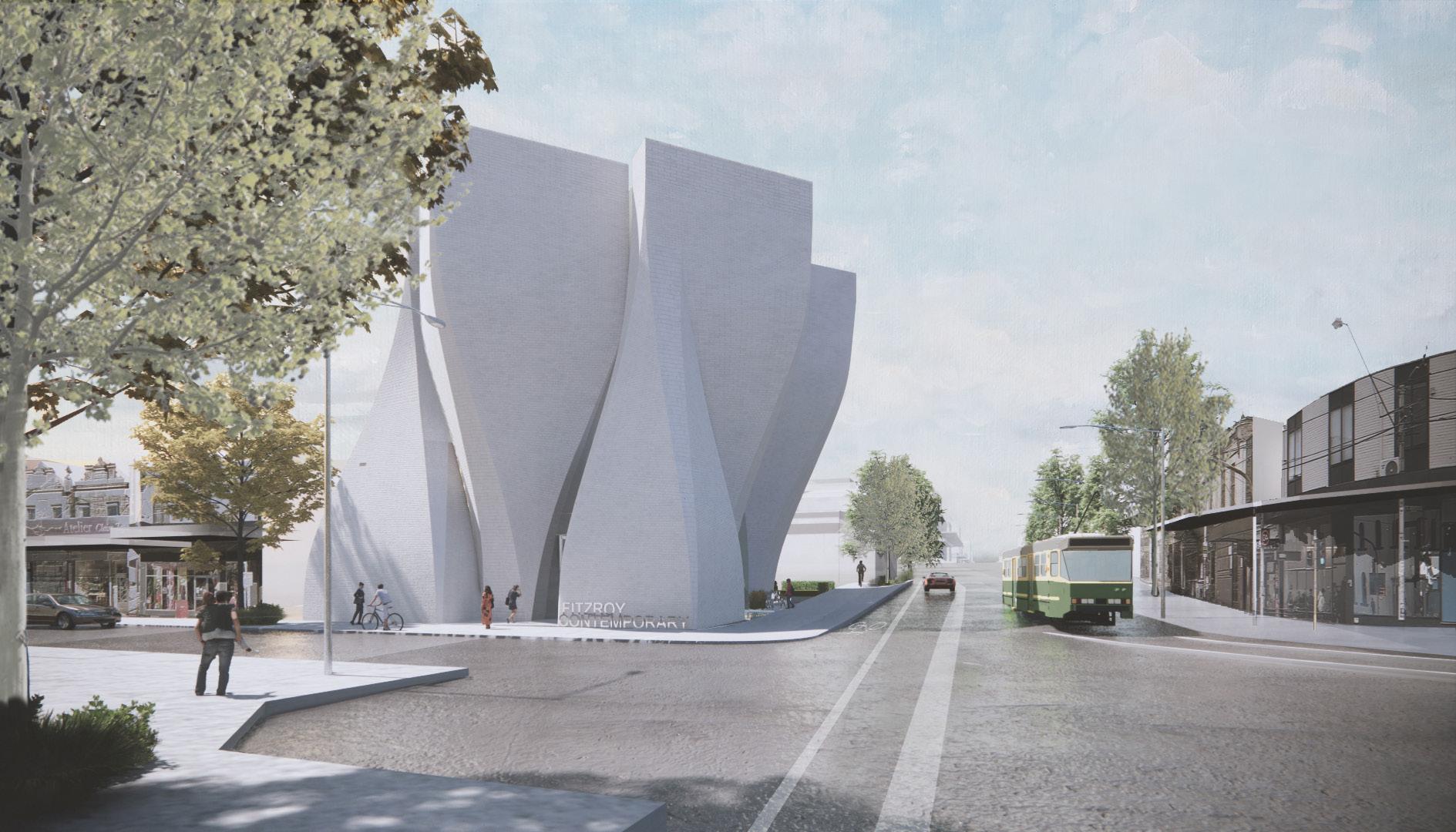 View from Smith Street & Gertrude Street junction
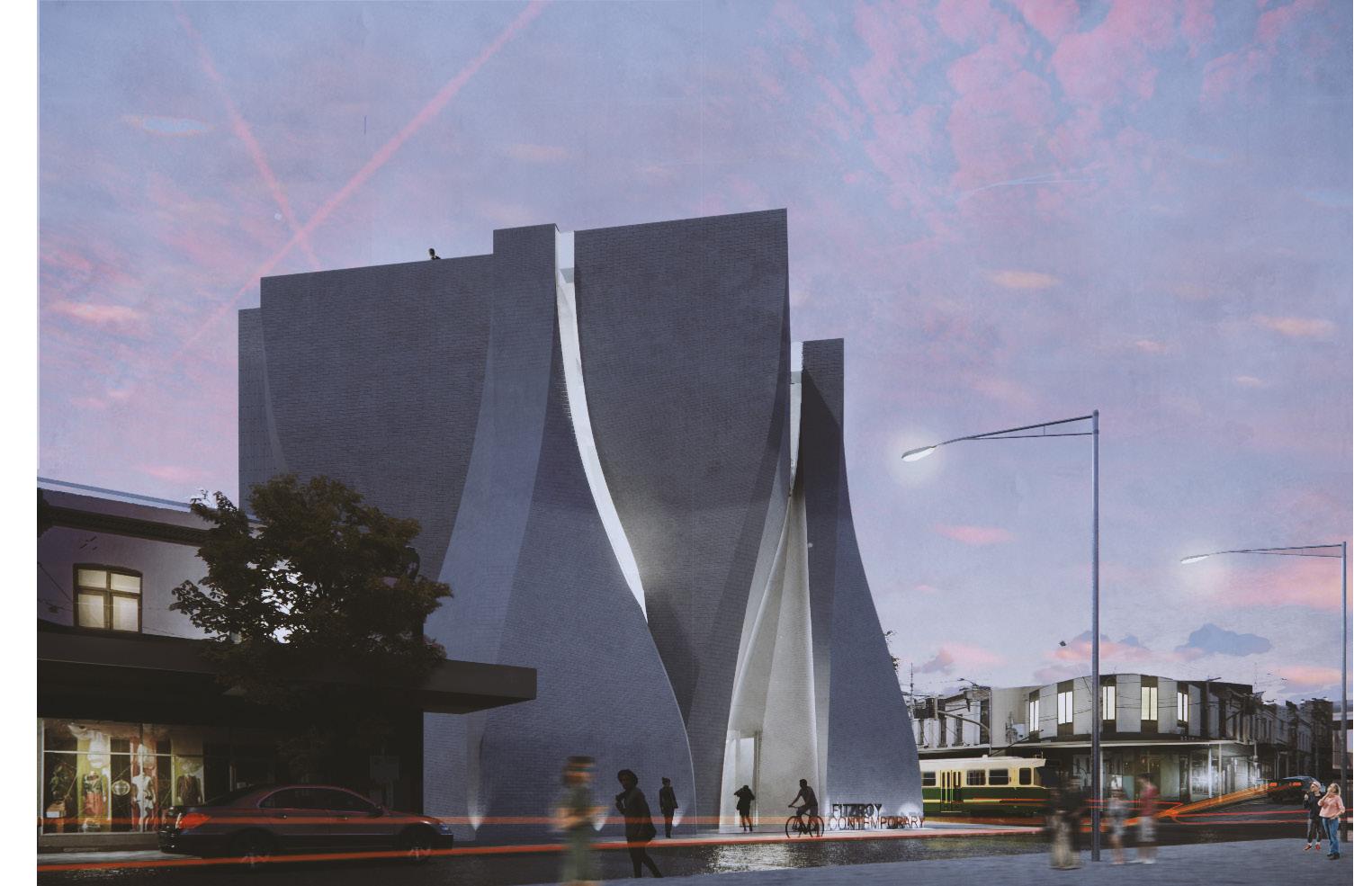 View from Smith Street
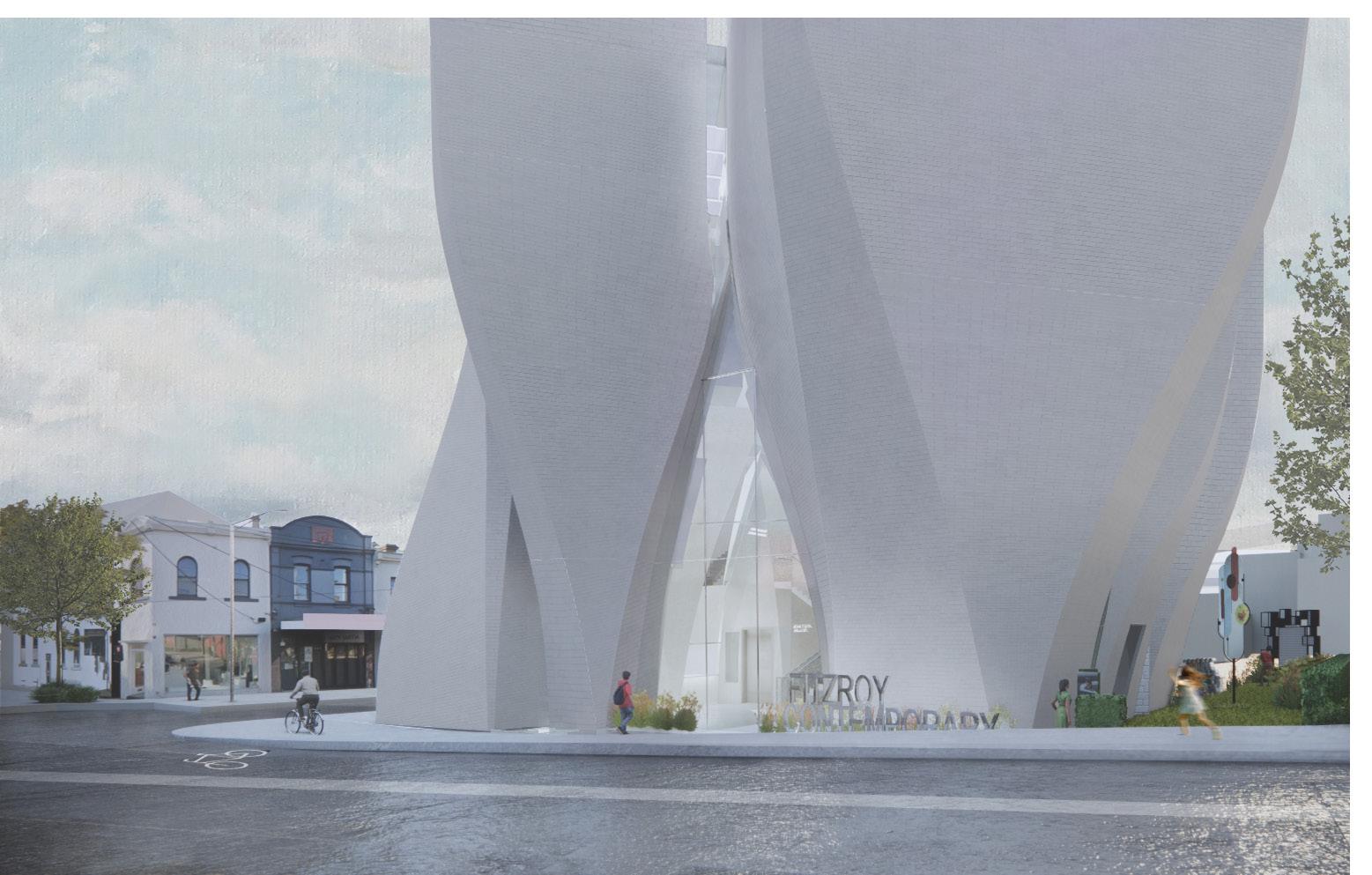 View from Gertrude Street

SMITH ST GERTRUDE ST STAFF ENTRANCE VISITOR ENTRANCE VISITOR ENTRANCE 7 20m2 40 N 10 Studio 36 Untitled: Art Project Space Rachael Li 912103 1. CAFE 2. GIFT SHOP 3. RECEPTION 4. TEMP GALLERY (SCULPTURE/ PERFORMANCE/ PAINTING) 5. ADMIN 6. LOADING DOCK 7. SEMI-OUTDOOR GREENERY 8. PROJECT SPACE GALLERY (SCULPTURE/ PERFORMANCE/ PAINTING) 9. DIGITAL RESEARCH 10. STORAGE 11. ARTIST STUDIO 12. SCULPTURE GARDEN 13. MECHANICAL/ PLANT ROOM 14. DIGITAL MEDIA GALLERY 15. CHILDREN LEARNING CENTRE 16. INDOOR GARDEN Ground Floor Plan A-A’ B-B’ GROUND FLOOR Circulation diagram
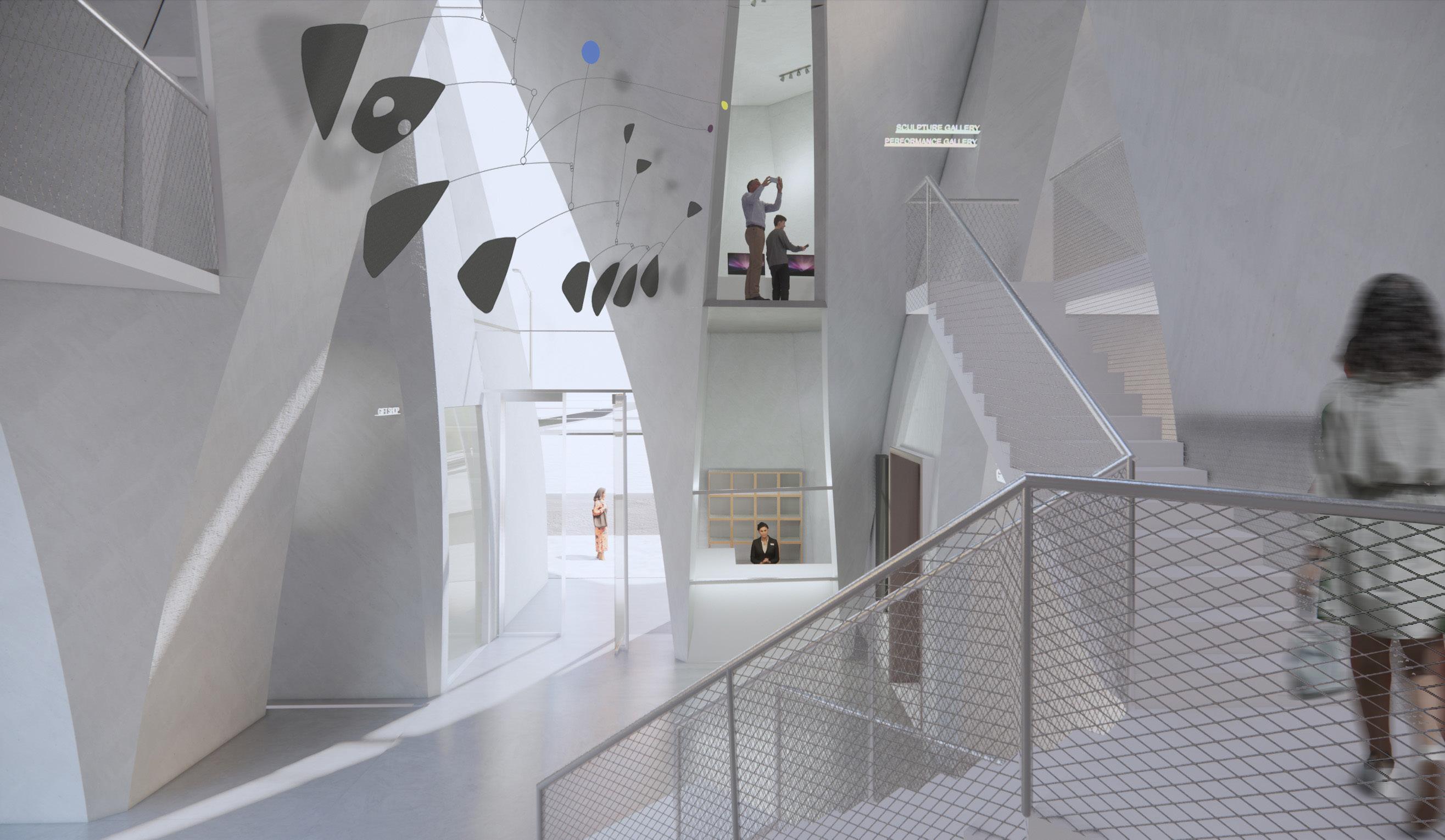 View towards the atrium
Studio
36 Untitled: Art Project Space Rachael Li 912103
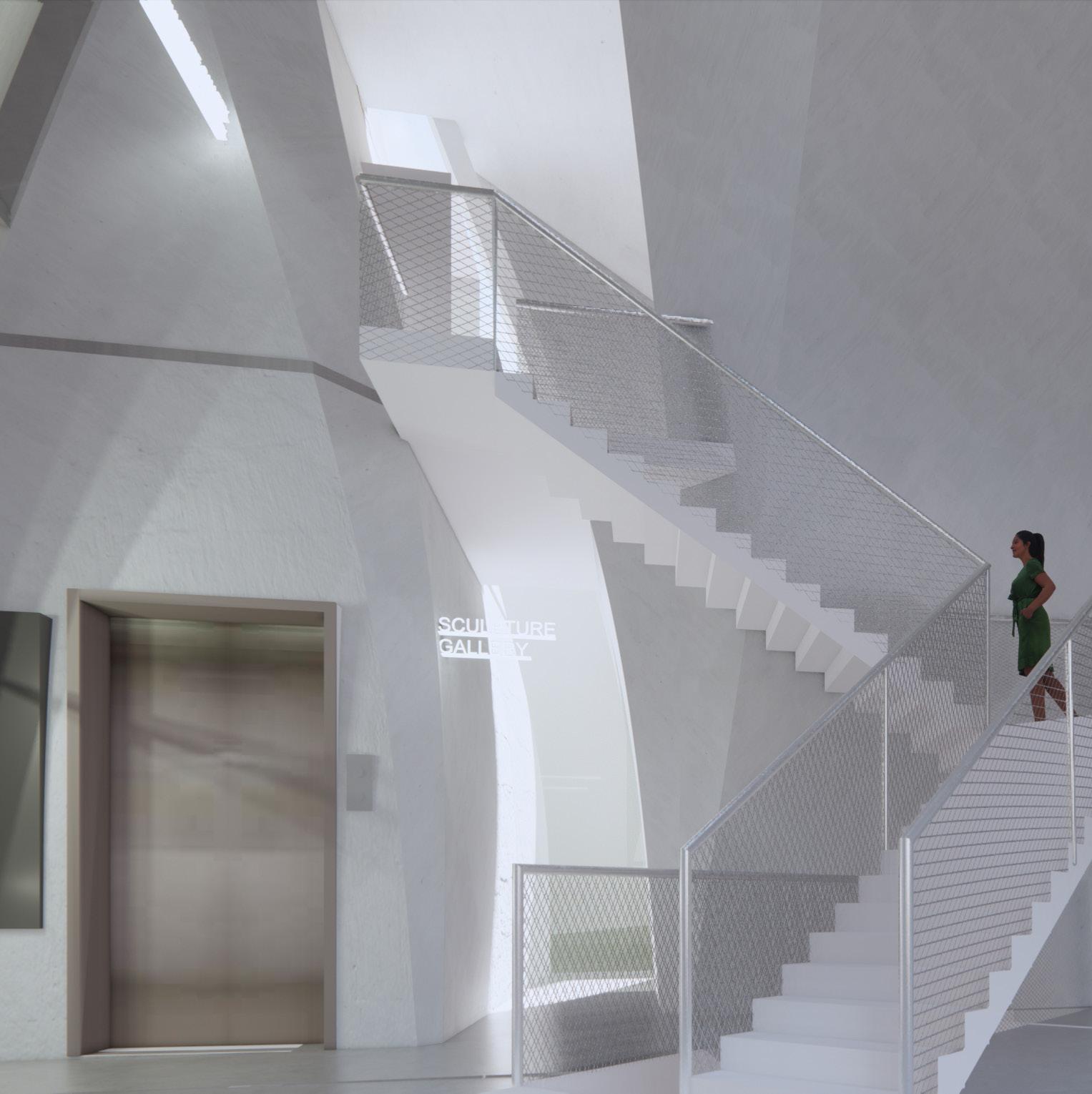
Testing other perspectives of atrium. This view shows the lift to first floor and the verticality of the staircases. But there is limited view captured by this angle, and doesnt reflect the spatial quality very well. Need better consideration.

B1 20m2 40 N 10 B1 Floor Plan 1. CAFE 2. GIFT SHOP 3. RECEPTION 4. TEMP GALLERY (SCULPTURE/ PERFORMANCE/ PAINTING) 5. ADMIN 6. LOADING DOCK 7. SEMI-OUTDOOR GREENERY 8. PROJECT SPACE GALLERY (SCULPTURE/ PERFORMANCE/ PAINTING) 9. DIGITAL RESEARCH 10. STORAGE 11. ARTIST STUDIO 12. SCULPTURE GARDEN 13. MECHANICAL/ PLANT ROOM 14. DIGITAL MEDIA GALLERY 15. CHILDREN LEARNING CENTRE 16. INDOOR GARDEN Studio 36 Untitled: Art Project Space Rachael Li 912103 A-A’ B-B’ B1B2 Circulation diagram
B1B2 TEMP GALLERY 10. STORAGE 4. TEMPORARY GALLERY SKYLIGHTSKYLIGHT 10 10 4 15 20m2 40 N 10 1. CAFE 2. GIFT SHOP 3. RECEPTION 4. TEMP GALLERY (SCULPTURE/ PERFORMANCE/ PAINTING) 5. ADMIN 6. LOADING DOCK 7. SEMI-OUTDOOR GREENERY 8. PROJECT SPACE GALLERY (SCULPTURE/ PERFORMANCE/ PAINTING) 9. DIGITAL RESEARCH 10. STORAGE 11. ARTIST STUDIO 12. SCULPTURE GARDEN 13. MECHANICAL/ PLANT ROOM 14. DIGITAL MEDIA GALLERY 15. CHILDREN LEARNING CENTRE 16. INDOOR GARDEN Studio 36 Untitled: Art Project Space Rachael Li 912103 B2 Floor Plan A-A’ B-B’ B2 PLANT ROOM/ STORAGE PROJECT SPACE LEARNING CENTRE TEMP INDOOR GARDEN TEMP GALLERY ADMIN 65m2 13 4 4 10 16 10. STORAGE TEMPORARY ADMIN PROJECT 14. DIGITAL 15. CHILDREN 10. STORAGE 13. MECHANICAL/ PLANT ROOM 16. INDOOR GARDEN TEMPORARY GALLERY 10 Circulation diagram
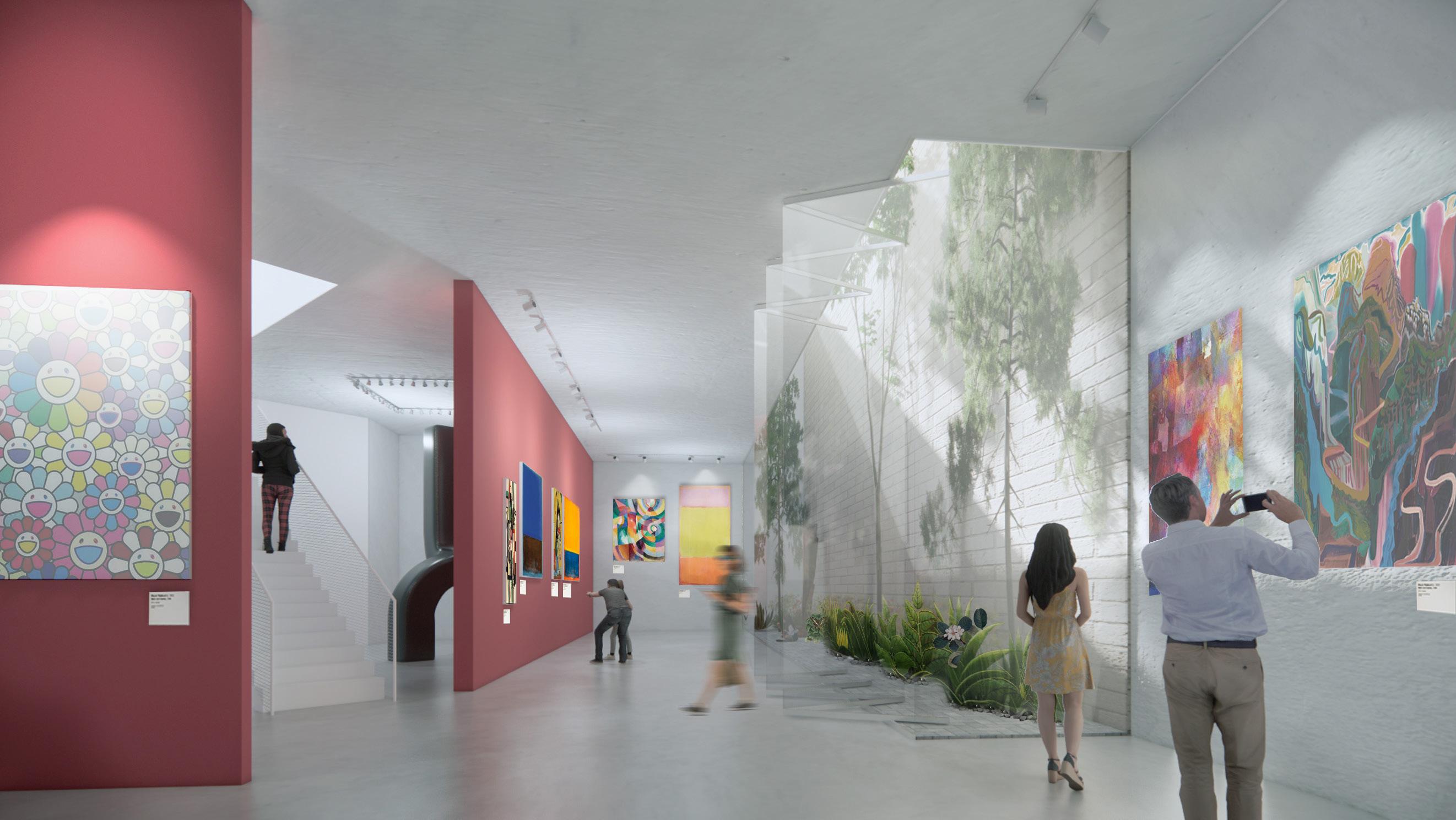
Basement tempo rary gallery space with diffused light from the indoor garden
Studio 36 Untitled: Art Project Space Rachael Li 912103
diagram
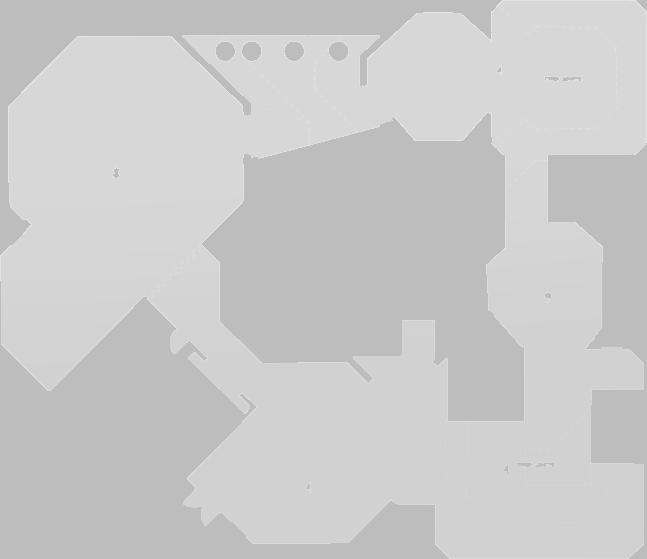
20m2 40 N 10 GERTRUDE ST Studio 36 Untitled: Art Project Space Rachael Li 912103 1. CAFE 2. GIFT SHOP 3. RECEPTION 4. TEMP GALLERY (SCULPTURE/ PERFORMANCE/ PAINTING) 5. ADMIN 6. LOADING DOCK 7. SEMI-OUTDOOR GREENERY 8. PROJECT SPACE GALLERY (SCULPTURE/ PERFORMANCE/ PAINTING) 9. DIGITAL RESEARCH 10. STORAGE 11. ARTIST STUDIO 12. SCULPTURE GARDEN 13. MECHANICAL/ PLANT ROOM 14. DIGITAL MEDIA GALLERY 15. CHILDREN LEARNING CENTRE 16. INDOOR GARDEN First Floor Plan A-A’ SMITH ST FIRST FLOOR Circulation
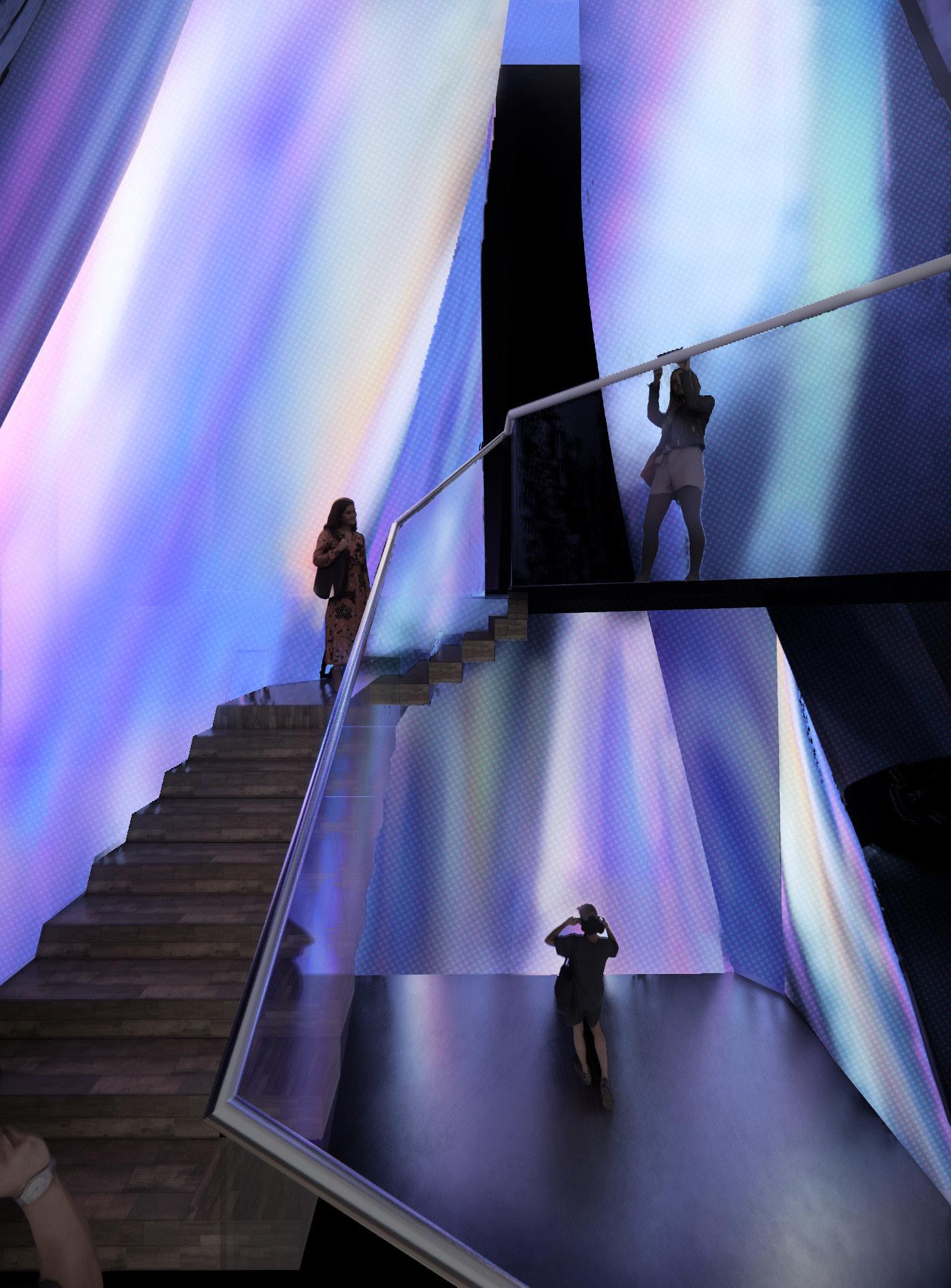
Looking upwards to the skylight from top. Seeks to capture the idea of ‘intensity’ in the performative art moments.
Studio 36 Untitled: Art Project Space Rachael Li 912103
FFL +21.00
FFL +15.00
FFL +10.00
FFL +5.00
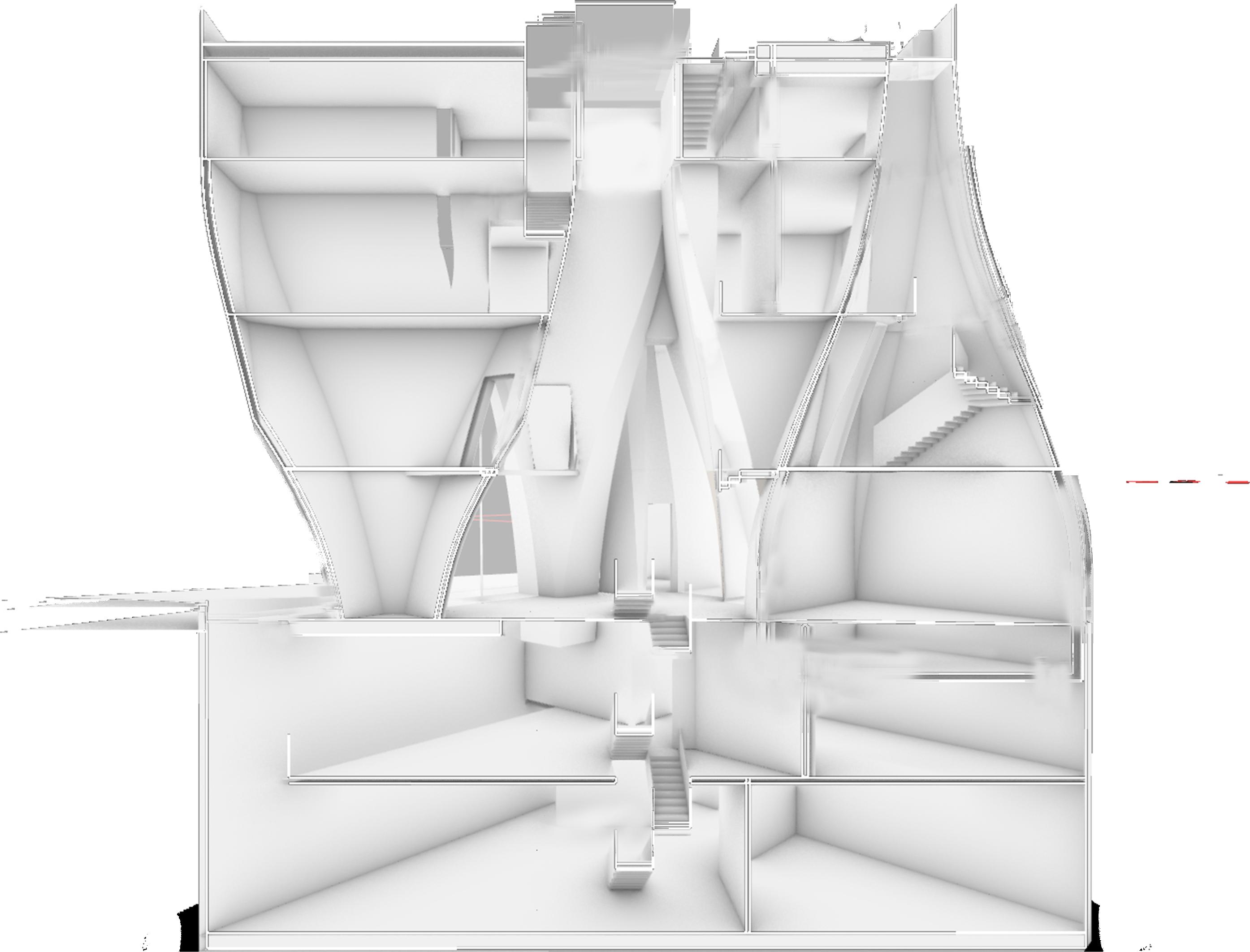
Section A-A 20m2 40 N 10 Studio 36 Untitled: Art Project Space Rachael Li 912103
diagram
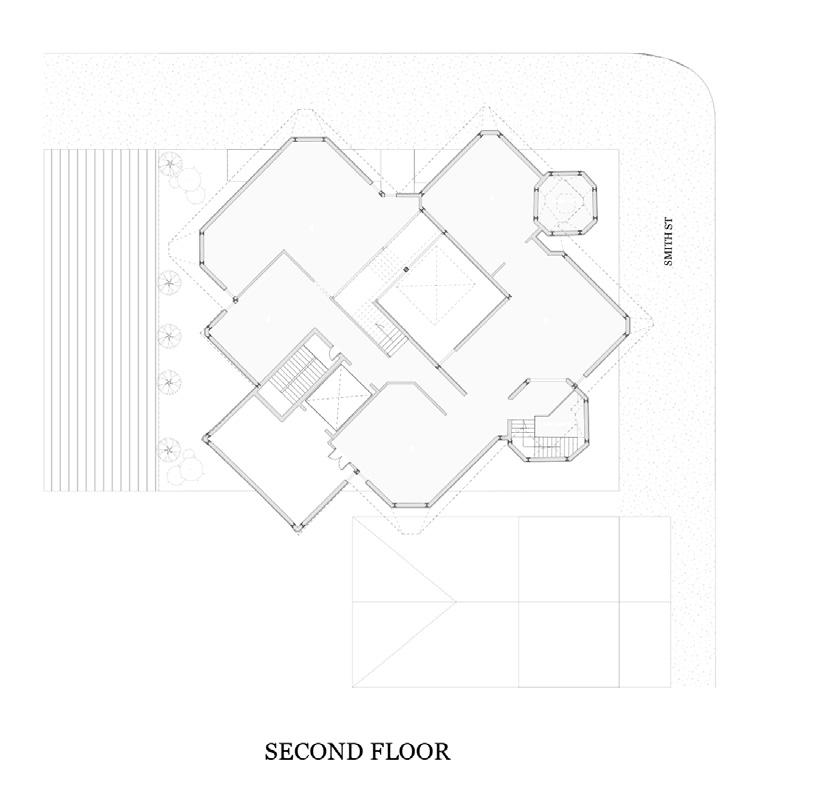

20m2 40 N 10 GERTRUDE ST Studio 36 Untitled: Art Project Space Rachael Li 912103 1. CAFE 2. GIFT SHOP 3. RECEPTION 4. TEMP GALLERY (SCULPTURE/ PERFORMANCE/ PAINTING) 5. ADMIN 6. LOADING DOCK 7. SEMI-OUTDOOR GREENERY 8. PROJECT SPACE GALLERY (SCULPTURE/ PERFORMANCE/ PAINTING) 9. DIGITAL RESEARCH 10. STORAGE 11. ARTIST STUDIO 12. SCULPTURE GARDEN 13. MECHANICAL/ PLANT ROOM 14. DIGITAL MEDIA GALLERY 15. CHILDREN LEARNING CENTRE 16. INDOOR GARDEN Second Floor Plan A-A’ SECOND FLOOR SMITH ST Circulation
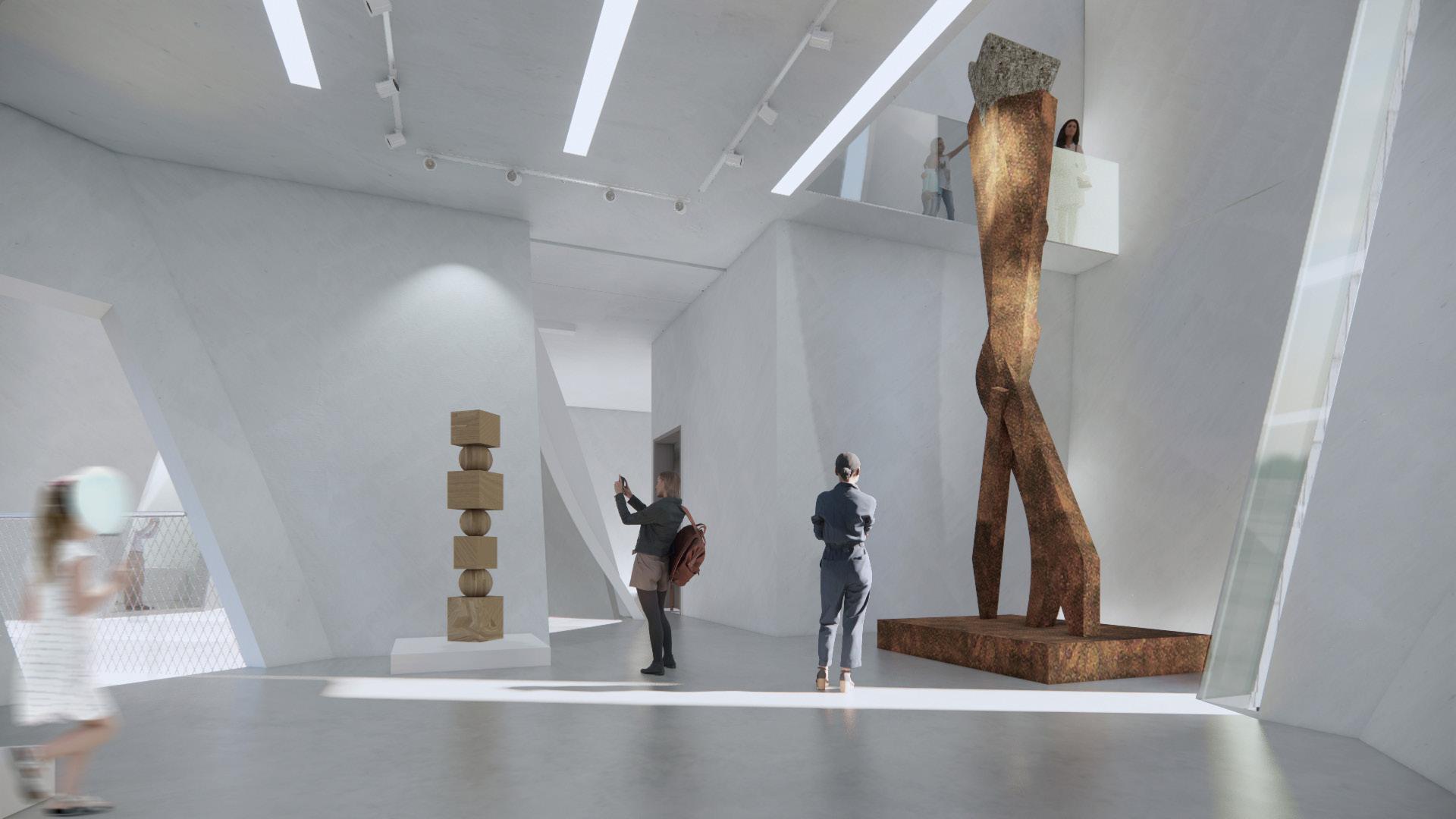
Second floor project gallery (sculptures) Studio 36 Untitled: Art Project Space Rachael Li 912103
Circulation diagram

Third Floor Plan
20m2 40 N 10 GERTRUDE ST Studio 36 Untitled: Art Project Space Rachael Li 912103 1. CAFE 2. GIFT SHOP 3. RECEPTION 4. TEMP GALLERY (SCULPTURE/ PERFORMANCE/ PAINTING) 5. ADMIN 6. LOADING DOCK 7. SEMI-OUTDOOR GREENERY 8. PROJECT SPACE GALLERY (SCULPTURE/ PERFORMANCE/ PAINTING) 9. DIGITAL RESEARCH 10. STORAGE 11. ARTIST STUDIO 12. SCULPTURE GARDEN 13. MECHANICAL/ PLANT ROOM 14. DIGITAL MEDIA GALLERY 15. CHILDREN LEARNING CENTRE 16. INDOOR GARDEN
SMITH ST THIRD FLOOR
A-A’ B-B’
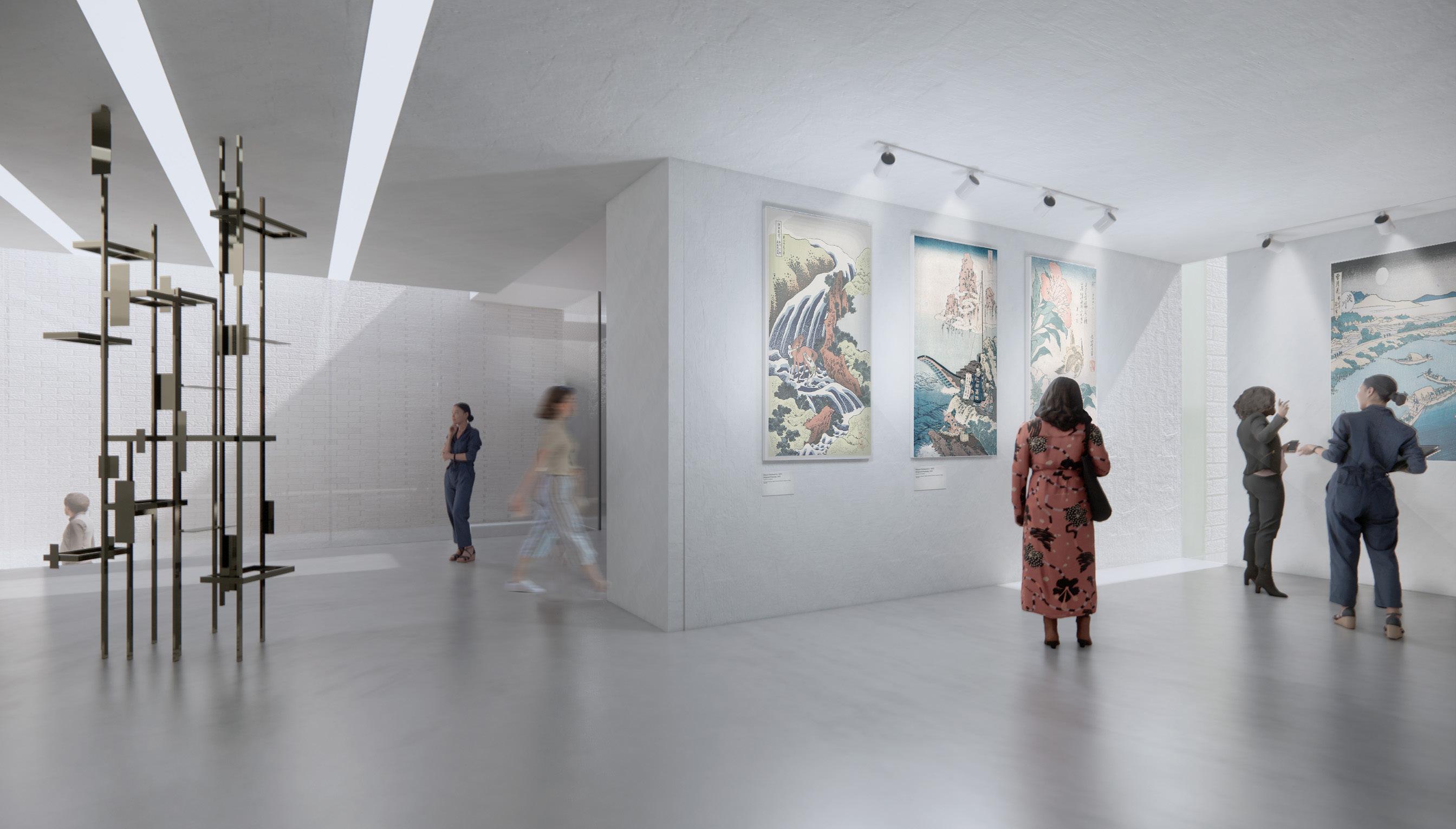
Third floor project gallery (paintings) Studio 36 Untitled: Art Project Space Rachael Li 912103
B-B’
Roof Plan
SMITH ST GERTRUDE ST SKYLIGHT SKYLIGHT SKYLIGHT SKYLIGHT 12 13 20m2 40 N 10 Studio 36 Untitled: Art Project Space Rachael Li 912103 1. CAFE 2. GIFT SHOP 3. RECEPTION 4. TEMP GALLERY (SCULPTURE/ PERFORMANCE/ PAINTING) 5. ADMIN 6. LOADING DOCK 7. SEMI-OUTDOOR GREENERY 8. PROJECT SPACE GALLERY (SCULPTURE/ PERFORMANCE/ PAINTING) 9. DIGITAL RESEARCH 10. STORAGE 11. ARTIST STUDIO 12. SCULPTURE GARDEN 13. MECHANICAL/ PLANT ROOM 14. DIGITAL MEDIA GALLERY 15. CHILDREN LEARNING CENTRE 16. INDOOR GARDEN
A-A’
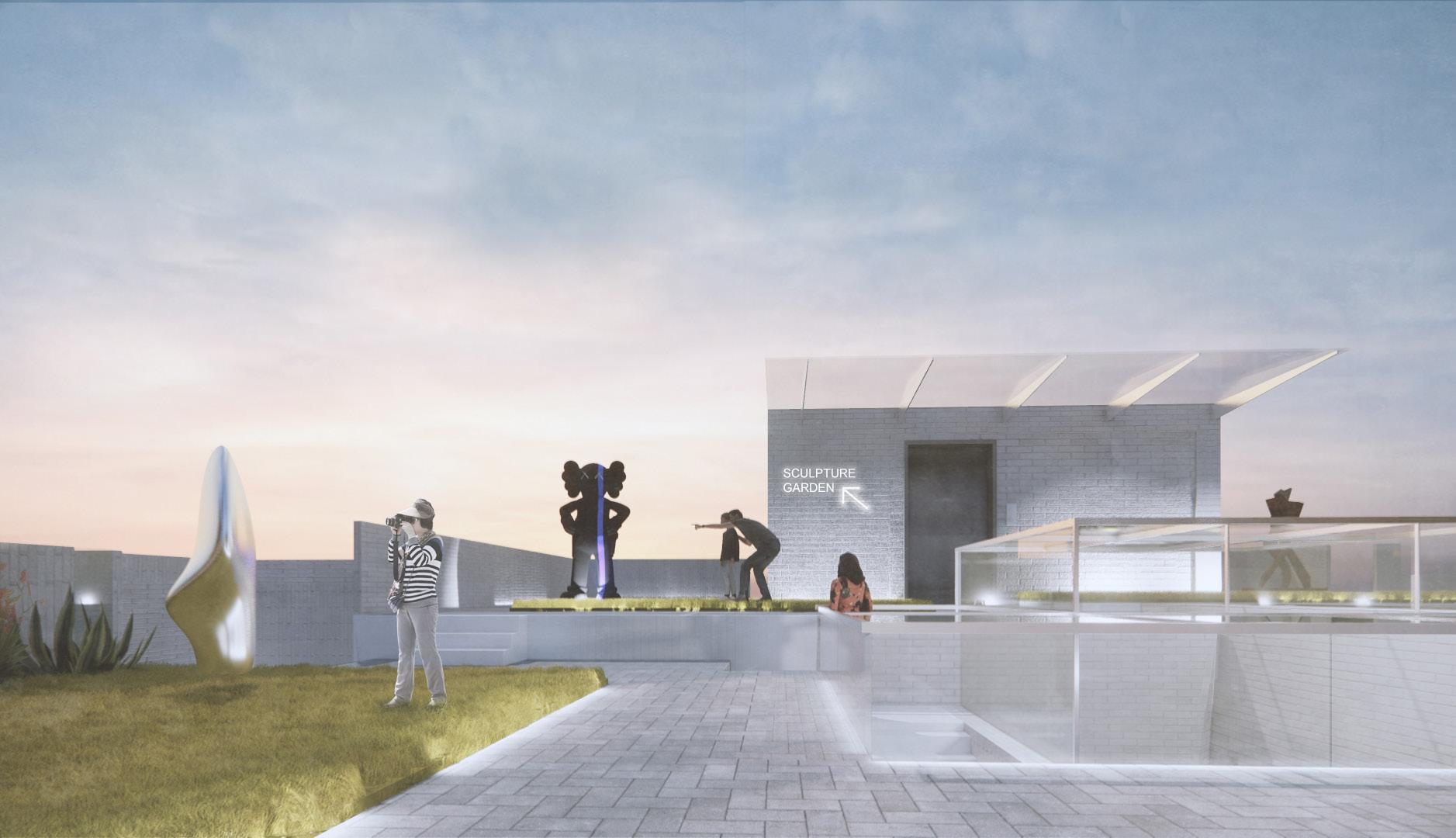 Roof sculpture garden
Studio
36 Untitled: Art Project Space Rachael Li 912103
FFL +21.00
FFL +15.00
FFL +10.00
FFL +5.00
Section B-B 20m2 40 N 10 Studio 36 Untitled: Art Project Space Rachael Li 912103
Precast brick panels module
balustrade
Suspended acoustic ceiling
light strips
Plaster finish Corridor
1. Precast brick panels
Mesh balustrade
3. Suspended acoustic ceiling
light strips
4. Plaster finish
1
Mesh
with integrated
+FFL 5.00 2 +FFL 10.00 3 4 Detailed Section 0 2 4 10
module 2.
with integrated
Studio 36 Untitled: Art Project Space Rachael Li 912103