Hello and welcome
Hello!
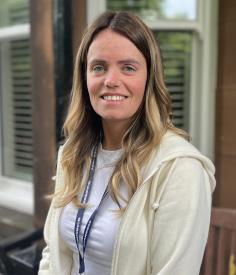
My name is Natalie. I’m a team leader in a Quarriers supported living service called Connect. We help adults with support needs to live as independently as possible in their own home.
My job is all about people, so I’m happy to welcome you to this issue of Quest focusing on something that is vital for everyone I support, and for all of us – connection.
No one should have to deal with life’s difficulties alone, but sadly it happens all too often.
Many people come to Quarriers feeling isolated, lonely and forgotten.
In this issue of Quest, we’re celebrating the difference we make for people when we can build them a support network that includes not just Quarriers teams, but also others who’ve been through similar things.
Please enjoy just some examples from across Scotland of Quarriers services
Natalie
No one should have to deal with life’s difficulties alone, but sadly it happens all too often.
providing support groups that bring people together, often building friendships that foster wellbeing and genuinely change lives.
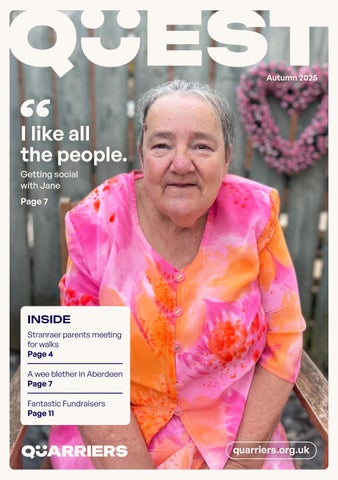
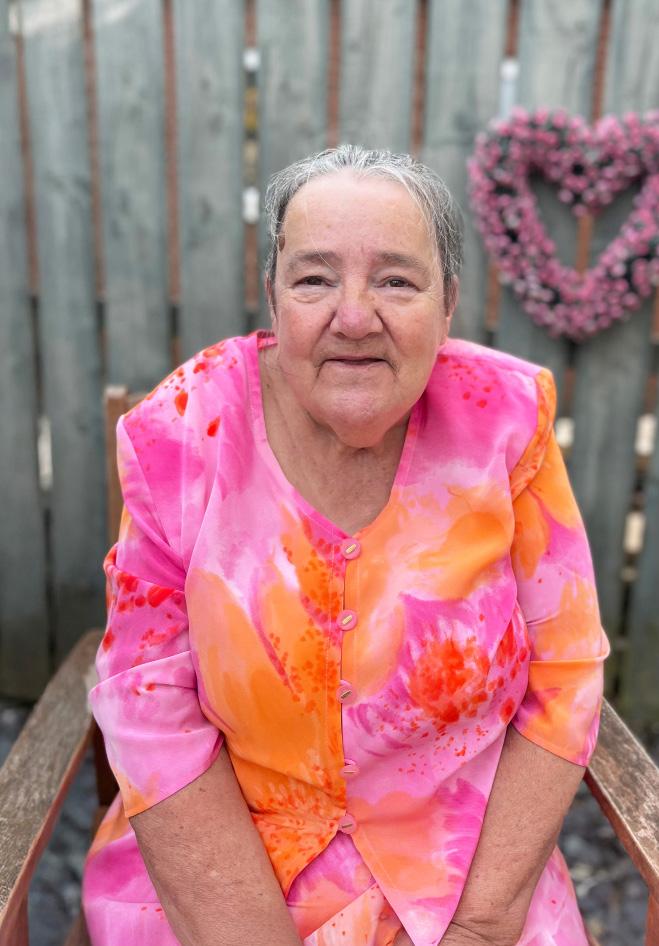
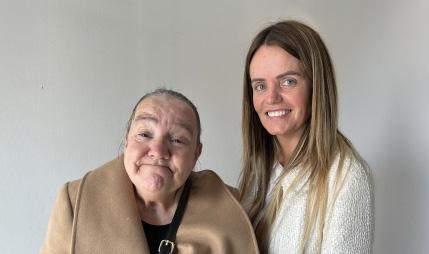
You can read about a new project we’re undertaking at my service on page 7, and meet one of the people I support, the inimitable Jane Dyer, a woman who is a true force of nature and someone I love to have a chat with myself!
Jane and Natalie, page 7
Memories made
Thank you to everyone who responded to our Children’s Appeal and provided exciting activity days and magical moments children and young people will never forget.
Personalised activities!
Asking young people what they wanted to do, Quarriers school-based services organised a summer of activities, including pottery painting, alpaca trekking, beach trips, and bowling.

My favourite part of the day was riding about on my bike, blasting tunes with my new friends.
Young person in Millport
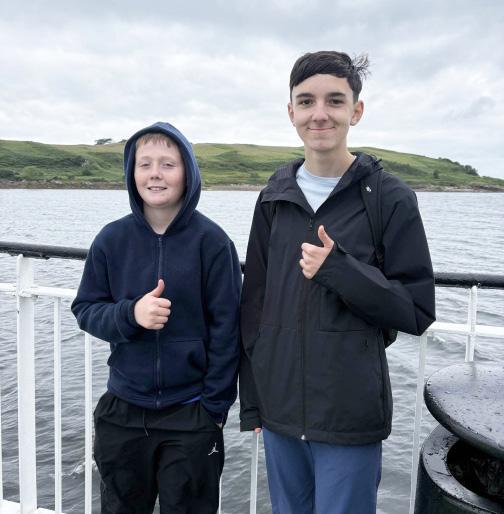
I had a fantastic time. Thank you. Kyle

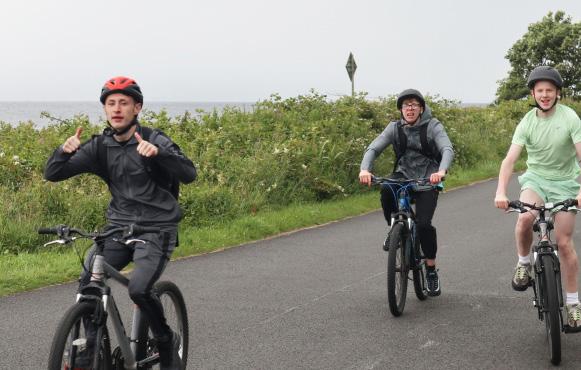
Having fun together!
Bringing young people together means making connections, friendships and magical moments.
Donations have funded activities including a sea life centre visit for families affected by homelessness, a safari park day for young people and their mentors, and a cycling trip around Millport for young people supported by Families Matter kinship care service.
Steps of SUpport
Parent Carers walk together
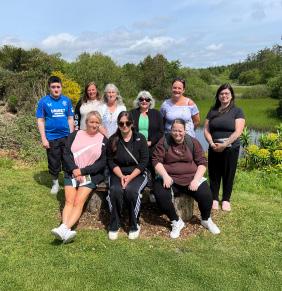
Without groups like this, lots of people wouldn’t see other adults at all.
Tina
Quarriers Dumfries and Galloway
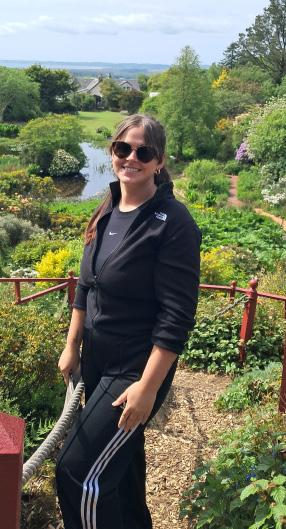
Parent Carers Support Service is there for parents, children and young people affected by disability in the region. In Stranraer, Family Wellbeing Worker Senga Mann organises a social group for mums who are caring for a child or children with a disability to come along to walk and talk.
She says, “It gives the mums a chance to offload and chat to each other. Some of them don’t have any family support, so they’re on their own. It helps them get out of the house, make friends and get a wee bit of exercise.” We caught up with them on one of their walks at the fabulous Glenwhan Gardens.
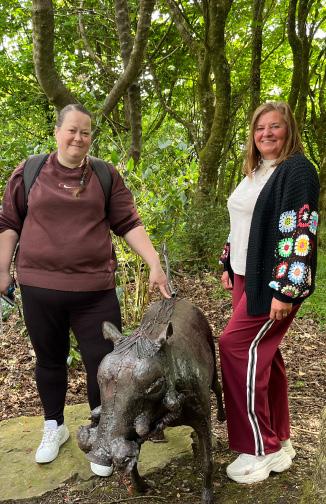
Kellie was referred for support from the service after her daughter Esme was born seven weeks prematurely.
I suffer with my physical and mental health, and I don’t tend to go out a lot. Going to the parent carers groups is good for me – I’m not one for meeting new people, I get anxious. But going to the group means I am interacting with others. I also see it as some time for myself. It is great to see Senga. She’s always there to talk to, and her support has been great.
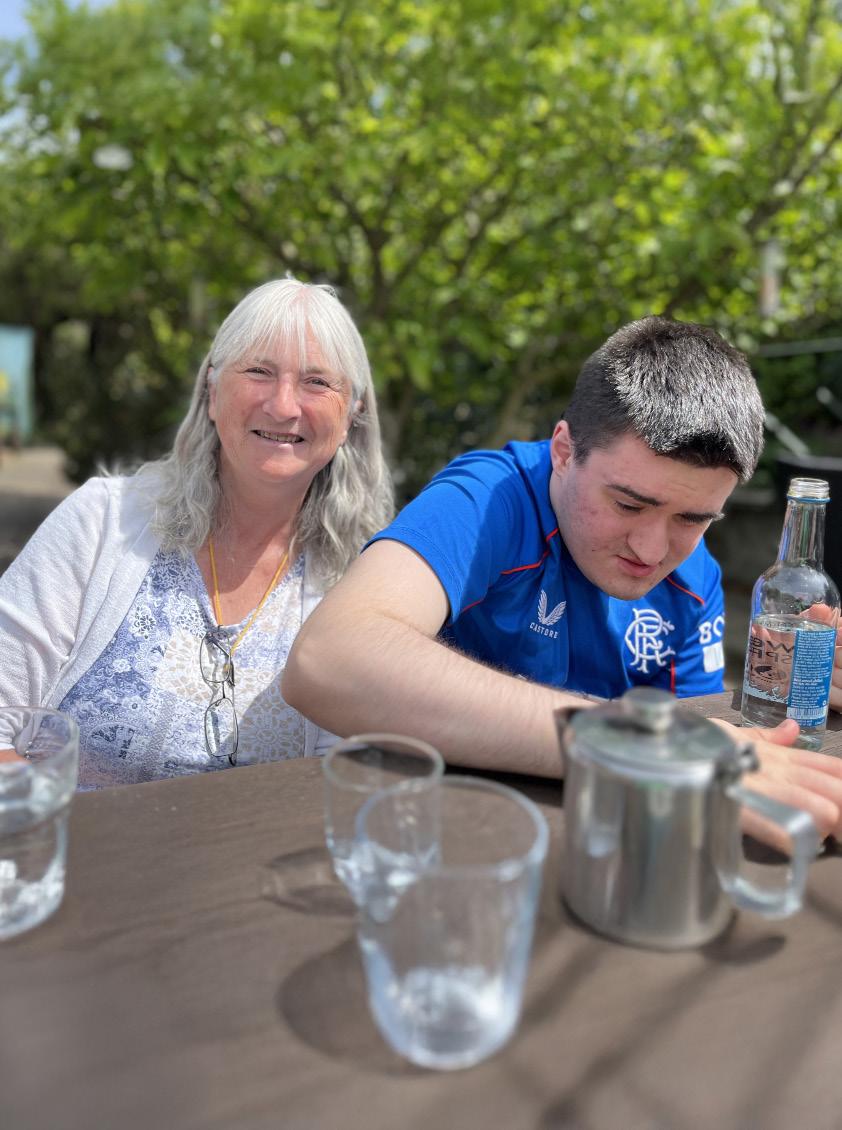
Tina cares for her grandson Lee, who has autism. Lee is an honorary member of the group and comes along with his gran.
As a carer you always have to fight for what you’re entitled to. It is always effort. When a 100-page form to fill in comes through your heart sinks. And the other guys understand that. We can share our tips for how to fight for what we need. It’s important.
Tina and Lee
Kellie (LEFT OR RIGHT?)
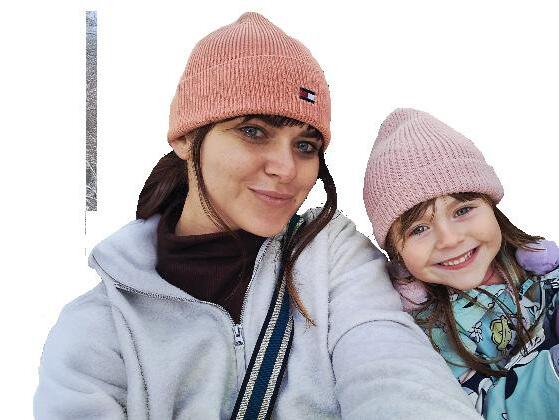
Luiliana was referred to the service after her health visitor noticed developmental differences in her daughter Kiki. Three years later, they are still awaiting an ASD assessment, but the support from the group has changed Luiliana’s perspective on her daughter’s differences.
At first, I didn’t want to accept that my child is different, and I was feeling isolated when I was referred to the service. I felt like no one understood what I was going through having a daughter on the spectrum.
If it wasn’t for the group I wouldn’t have met other mums who understand. For example, we can talk about what it’s like when your child is having sensory overload and it looks like a tantrum to other people. We’re in chat groups together and we meet up outside of the group.
I’ve made friends, and that has helped a lot.
Now, I accept Kiki for how she is. She’s so funny! She’s a real wee character.
Luliana
Getting social in Glasgow
Glasgow Connect service has a new social committee with big plans.
Connect supports adults with complex or additional needs to live independently in their own homes. The service comprises of 17 homes, where a total of 33 people live, either on their own or in a shared house.
The Connect team consult and include the people they support in discussions about the development of the service and what happens in their homes and lives.
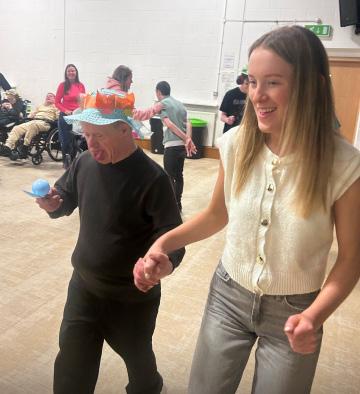
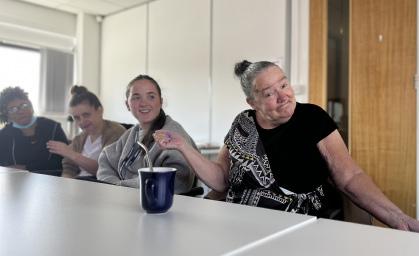
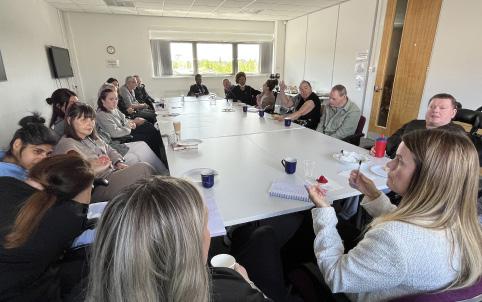
Jane Dyer is one of the people supported, and at one development meeting spoke about her interest in socialising more and in different ways – like meeting up for coffees and going on day trips – and the social committee was born.
Connect team leader Natalie Boyd explains:
“Jane’s brain injury has affected her memory and cognitive abilities. She also has epilepsy, so she needs support 24/7. She lives in a shared house with Angela, James and Kamaljit. None of her housemates have verbal communication, but Jane is close with them all and connects with them all in different ways.
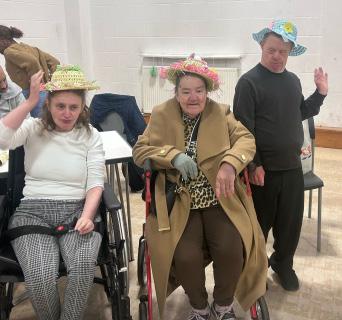
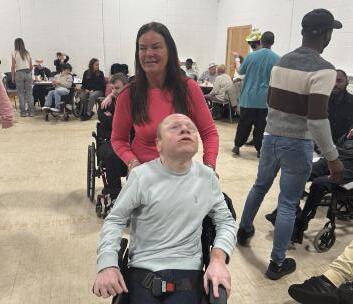
“Getting out for social experiences is part and parcel of life at all the houses, but it’s usually something that’s arranged within the individual homes at Connect.
“Since the pandemic, there are far fewer chances for people we support to meet up. Lots of social clubs closed and never opened again. We decided to explore more ways everyone could get together.
Jane says,
“The place I stay is called the happy house and it’s my life.
I like to go trips. I like fresh air and meeting people. I like a nice conversation!
I like to go trips... I like a nice
conversation!
I remember we went to Helensburgh. I liked all the wee toty shops. We had a chippy. Chippies are lovely aren’t they!
The meeting was very good. I like all the people and learning what’s going on. There was good coffee, good staff.
The girls are going to do something that Jane’s always been wanting – a ladies night. And I will enjoy a hand massage.”
“Jane volunteered to be chairperson, and she has enjoyed our meetings, making her views on the ideas we discussed very clear!”
We
decided to explore more ways everyone could get together.
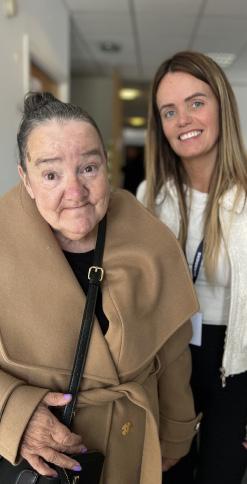
Jane and Natalie
At a recent meeting plans were made for lots of different kinds of events, including ladies’ nights, walking groups and football stadium visits.
Helping mums find friendship
Quarriers’ Let’s Talk service works with primary aged children whose experience of school is impacted by a range of issues and personal circumstances. The service aims to empower young people with knowledge of mental health and wellbeing, help them develop confidence, friendships and a more positive relationship with school.
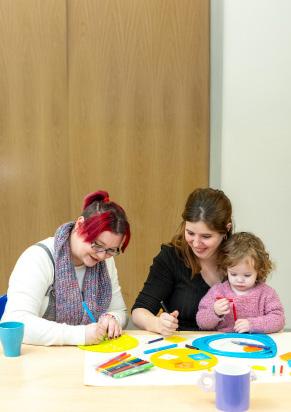
At Tinto Primary School, support worker Mary Nadar was asked if she could also do something to help mums too and set up weekly arts and crafts sessions that quickly developed into a profoundly supportive group. Five years on, Jean Ann and Christine talk about the difference it has made.
Christine: When I cast my mind back to how I felt when I first started coming to the group, it’s 100% different to now. I remember I was in a really dark place in my life. I hardly left the house. I felt a constant cloud over myself. When you feel like that you don’t want to open up.
Jean Ann: Before the group I had not one friend in the whole world. I was in a really bad relationship, I was having a hard time with the kids, but there was no escape. I remember it was tough to get myself to the group, but once I did I just kept coming back. Slowly you start to chime in and speak up when you can relate to something that someone else is talking about. It really helps.
Christine: Something that’s helped me a lot is learning more from Mary about wellbeing and about traits in myself. If you don’t know what’s wrong with you, it’s hard to express. You just carry it with you all the time. And it’s easier to be hard on yourself than to be nice to yourself.
Jean Ann: Yes, it has given me much more confidence. Before the group I never spoke to anyone. But now I’ll speak to everyone! I recently did a breastfeeding training course, and I couldn’t have imagined myself doing that years ago - I didn’t think
I’d be good at it, or useful. But Mary and the group helped me feel that I could actually help people and it was nice.
Christine: It’s definitely changed me because I remember there were times I would come here and cry because I just was overwhelmed. But it’s a safe place to do that. I’ve learned that my sadness can be temporary. When I do have dark moments, they don’t last as long.
Jean Ann: Yeah, we’ve had a lot of quite intense chats.
Now that I look back, joining the group changed my mind set when I was in a domestic abuse situation. After speaking about what was going on at home and hearing from some of the other women in the group I started to recognise, ‘this is actually not normal’. I had always thought he was the only person who would care about me – he’d always tell me I’d never get friends, or anyone else.
At the group, I started to realise, ‘No, people do like me, I’ve got friends. I’m fine!”
Christine: We just call it ‘finding your people’ – people who understand even your hardest parts. We hang out now as friends without the group. I’ve just been a bridesmaid at Jean Ann’s wedding! We have been on a journey together.
A wee blether with John and Walter
Over a quarter of unpaid carers are men*, and 83% of carers report feeling isolated**.
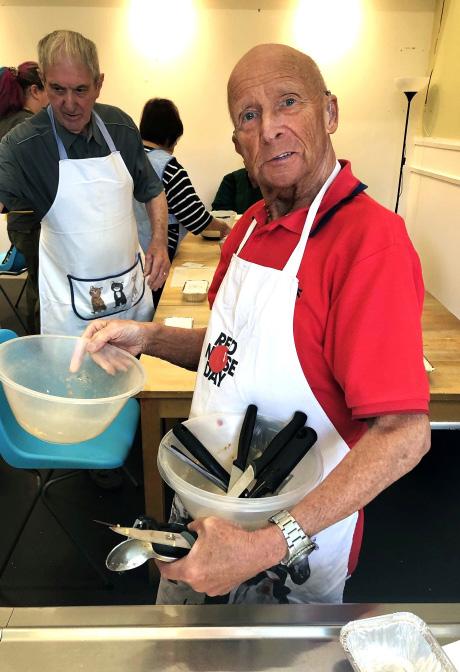
The team at Aberdeen Carers Support Service provide access to 14 clubs where carers can chat with others, including the Wee Blether, a weekly social group. They also recently organised group cooking classes. We caught up with John and Walter, who attended both groups.
Walter
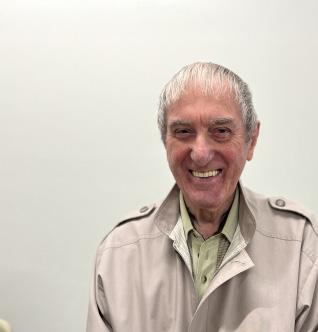
“Caring for a loved one is something you don’t understand until you start doing it. You have to learn as you go along.”
I care for my wife, who has Huntington’s. Her symptoms are always changing. She used to fall over a lot, but not so much these days. She manages well for her circumstances, but I feel have to be here all the time. Sometimes I’m afraid to leave the house.
Quarriers has been invaluable. The Men’s Wee Blether group has been great – it lets me get out and meet different people. It’s a different atmosphere away from the normal routine, and I’ve made friends.
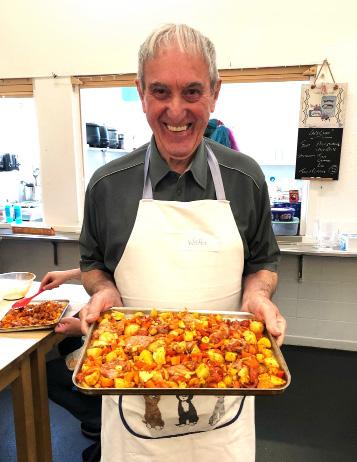
I also attended cooking classes organised by Quarriers, and that was
At the beginning we hadn’t a clue where to start.
great. My wife was a good cook and did all the cooking and the buying of all the ingredients. I tend to buy things to put in the freezer.
It’s tricky because my wife doesn’t like to try new things to eat, but to me it’s very important she eats and it’s up to me to provide that nourishment for her. I made steak pie, and soup.
“We’ve just got to learn. I’m not the worrying type. Life is what it is. But the support from Quarriers has been tremendous.” Walter
Some of Walter’s culinary creations
John
“My wife June has dementia. I tried to manage everything myself, but I wasn’t coping. I’ve never asked for anything in my life, but when you’re in a corner, you do what you have to. I had to go to charities for help –without their support, I don’t know what I would’ve done. As a carer, many people are involved in your case, but the ones you meet through charities are the ones you feel are on your side.
“Everyone knows about dementia, but when it comes to your door, it’s like a bomb going off.”
My life now is dedicated to June. I used to be very active – golf, squash,

John
tennis – but at 78, I don’t think about myself at all. That’s my choice. June needs me. Everyone I’ve met in carers’ groups is the same –we’re all dedicated to our people.
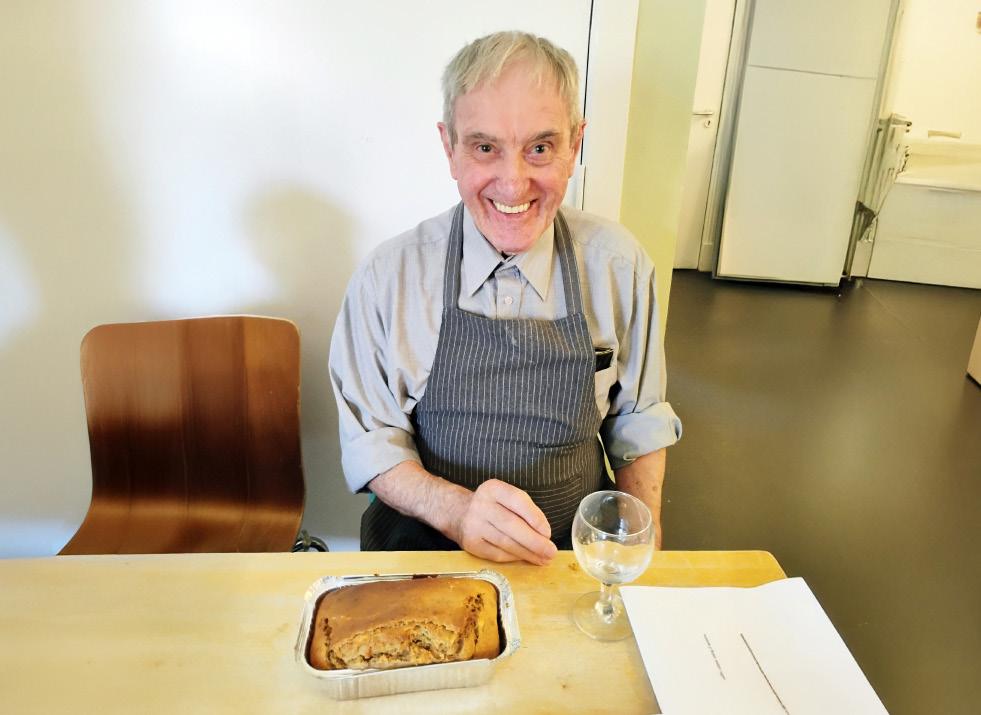
The cooking classes have been great. Like many men of my generation, I left my mum’s house without ever doing domestic chores. Then I met June and got married and she did all the cooking and ran the home while I earned the money.
I’d never cooked anything, but now I can make us an omelette – it’s actually easy. I try to keep June involved. She knows what’s happening around her but can’t communicate. When she cooks with me, I’ll say, ‘You get a mixing bowl out,’ and it’s nice she’s involved.
Being able to go to groups is great. I do feel lonely sometimes. At my age, a lot of people have passed away.
I also like going to groups to give advice to new people. I’ve learnt a lot as a carer. For example, I tell people to claim for anything they’re entitled to right away – it can take over a year to get an answer. The forms are a nightmare – double-barrelled questions, like they’re trying to catch you out. I’ve been grateful to Quarriers for helping me with those.
It’s nice to meet new people and get a chat. You’re speaking to people who have got similar problems to you.
Knowing I have support from Quarriers makes a big difference. I know now if something happens, there’s someone there who’s on your side. But I’d like to see the government do more –it shouldn’t all fall to charities.
* Carers Census, Scotland: www.gov.scot/publications/carers-census-scotland-2023-24
** The impact of caring on relationships and loneliness: www.campaigntoendloneliness.org/impact-of-caring-on-relationships
Fantastic FUNdraisers
Every year hundreds of kind supporters take on personal challenges to raise money in aid of Quarriers, providing meaningful support for people when they need it. We’d like to say a huge thank you to everyone and spotlight just some of the stories.
Taking a leap
In April five brave souls from CC Financial Management abseiled 115 feet off the iconic Falkirk Wheel.
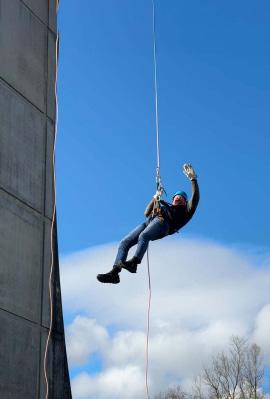
It was great fun, and it wasn’t as scary as we thought it would be.
Reaching the peaks
Triathlon triumph
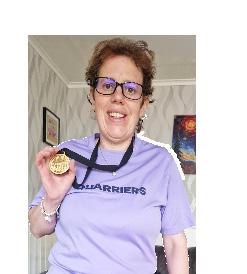
In May, Isabelle Barclay from Keith took on the Grantown on Spey Try-Tri event. Isabelle, who cares for her autistic son, said, “The support I’ve had from Quarriers has been fantastic, and I wanted to give back.”
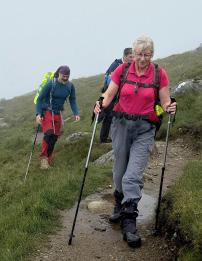
Supporter Heather McLaren was one of 11 hardy souls who climbed The Cobbler, despite some typical June weather that saw torrential rain rolling in! Heather was taking on the challenge for her 65th birthday, and she smashed it.
In spite of the weather I had a wonderful day. I feel I really accomplished my goal, so a huge thank you to everyone.
#teamqUarriers goes tartan!
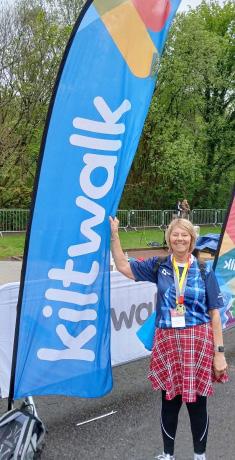
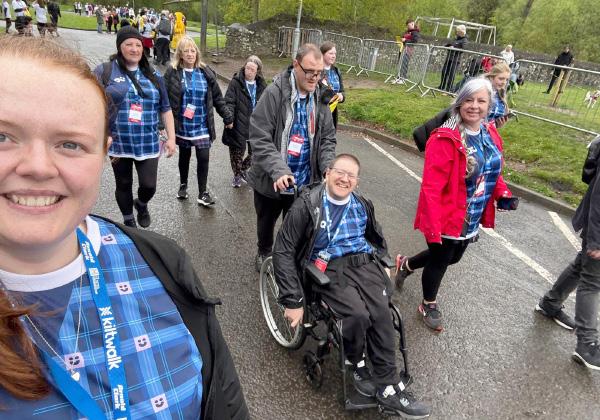
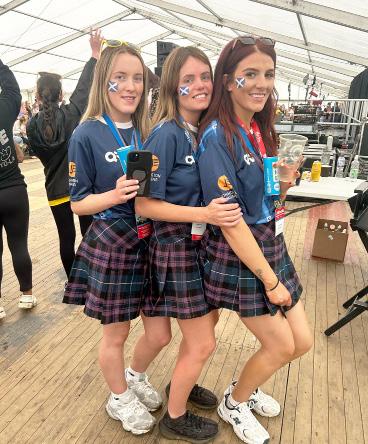
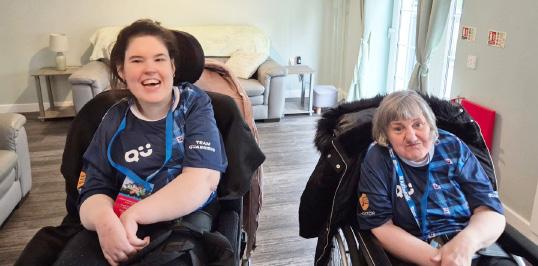
Thank you to everyone who has made the 2025 Kiltwalk such a huge success. You smashed it!
148 walkers
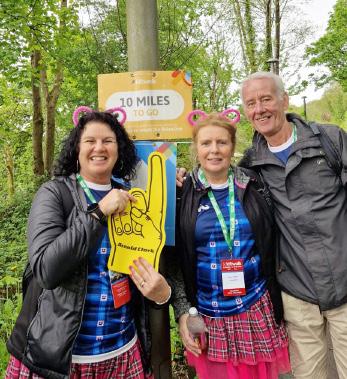
4 venues
See more events
1 £15,000 raised
Thank you to our t-shirt sponsor, Johnson Mailing fabulous sponsor