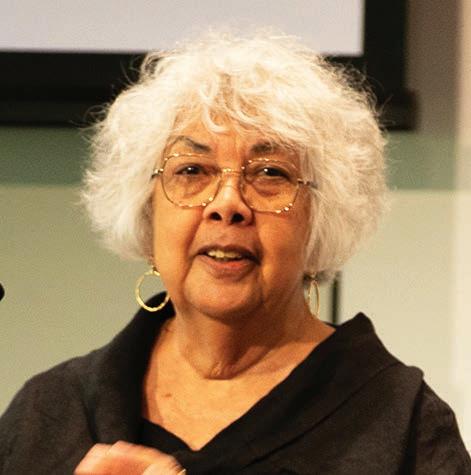
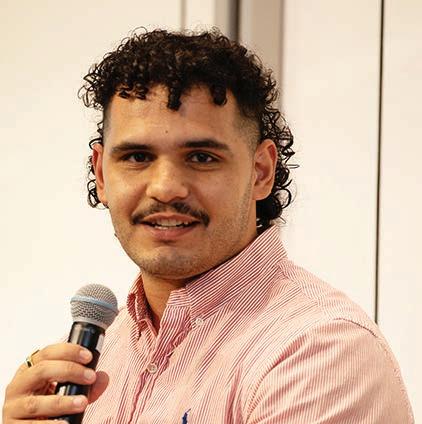
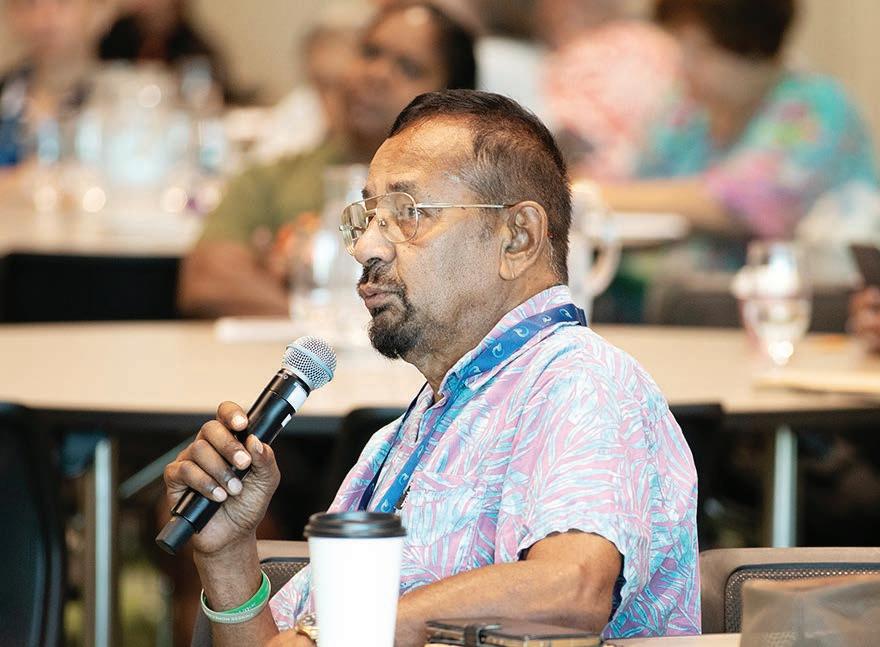
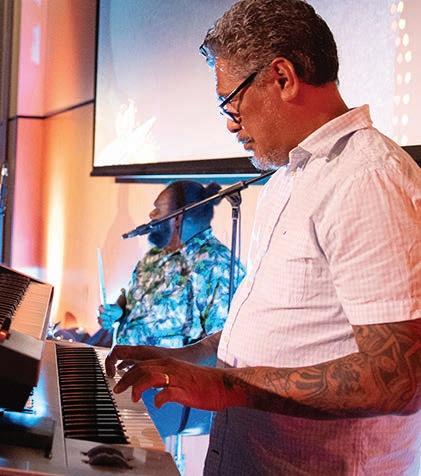
QAIHC’s first Gimuy/Cairns conference a success Cherbourg Hornets triumph at Murri Carnival
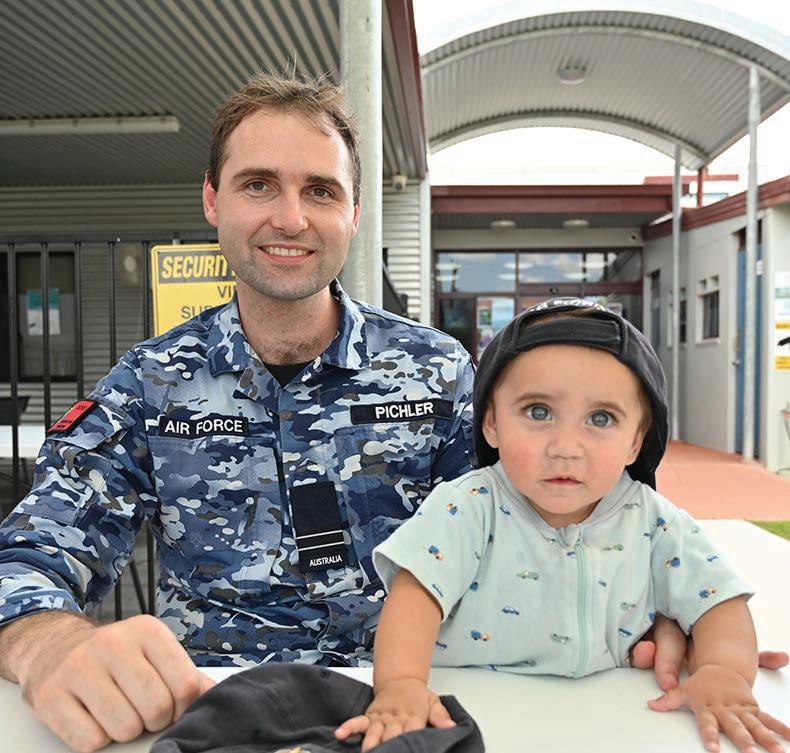
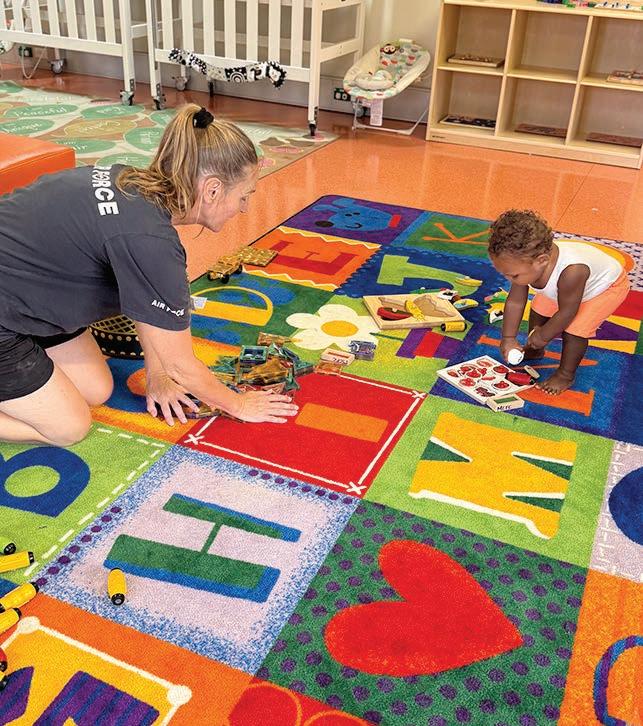
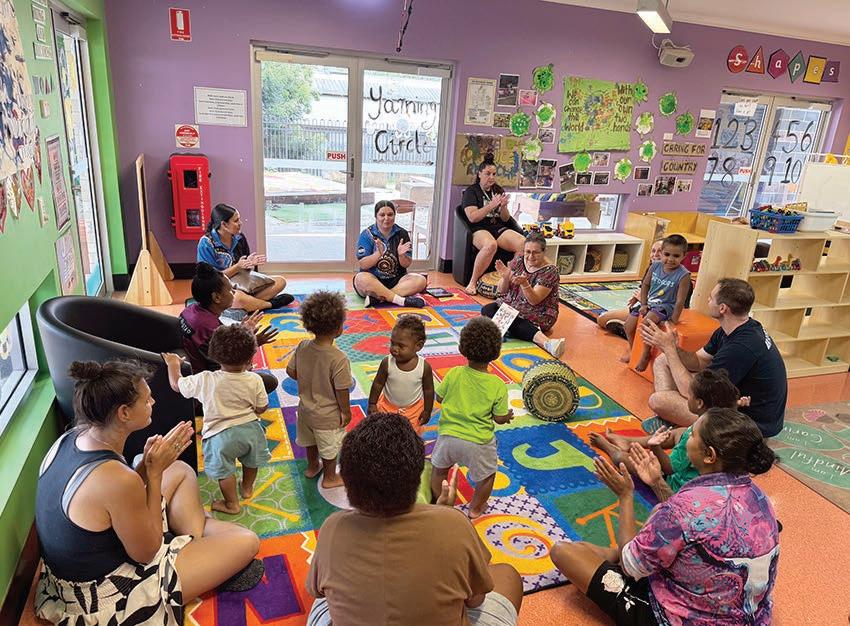
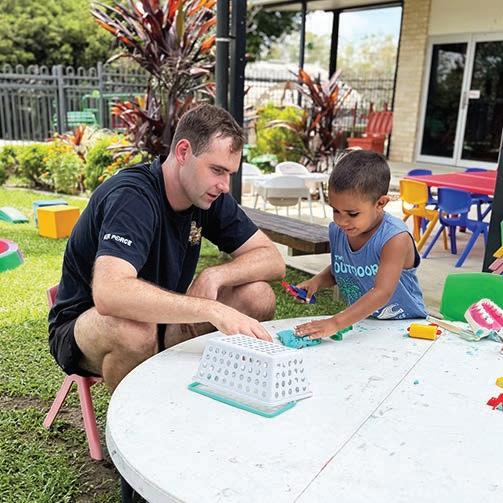
Mulungu & RAAF: A powerful partnership for Community
Solar donation powers up Goondir Health Services
Mookai Rosie Bi-Bayan unveils new magazine
The ACCHO sector and QAIHC
Aboriginal and Torres Strait Islander community controlled health organisations (ACCHOs) were established as a practical expression of Aboriginal peoples’ self-determination over health matters.
These services were created by Aboriginal and Torres Strait Islander peoples independently of government and driven by the need to receive a better quality of care.
What is an ACCHO?
An ACCHO is a primary health care organisation initiated and operated by the local Indigenous community to deliver holistic, comprehensive, and culturally appropriate health care to the community which controls it, through a locally elected Board of Management.
ACCHOs understand the role they play in supporting their local Aboriginal and Torres Strait Islander communities to live better lives. The ACCHO approach has evolved out of an inherited responsibility to provide flexible and responsive services that are tailored to the needs of local Aboriginal and Torres Strait Islander communities. ACCHOs often provide many services over and above their funded activities to ensure their community members gain the services they need.
In line with their holistic health approach ACCHOs support the social, emotional, physical and cultural wellbeing of Aboriginal and Torres Strait Islander peoples, families and communities.
Who is QAIHC?
The Queensland Aboriginal and Islander Health Council (QAIHC) is a leadership and policy organisation. QAIHC was established in 1990 and is the peak organisation representing many of the ACCHOs in Queensland at both a state and national level.
The QAIHC Membership is comprised of 33 ACCHOs and two regional bodies (NATSIHA and IUIH) located throughout Queensland. Nationally, QAIHC represents Queensland through its affiliation and membership on the board of the National Aboriginal Community Controlled Health Organisation (NACCHO).
CHAIRPERSON’S ADDRESS
It has been a great six months serving as QAIHC’s Chair, and I am proud of the work we have already achieved together.
Since I was elected in June, the Board has focused on strengthening our governance foundations and setting a clear direction for the year ahead. In July, we held a comprehensive governance workshop where we reviewed and refined our Governance Charter. This work ensures our processes remain strong, transparent and aligned with the needs of our Members and the ACCHO sector.
Over the past six months, we have also hosted two Members Conferences — Meanjin/Brisbane in June and Gimuy/Cairns in October — bringing
Members together for collaboration, learning, and sector-wide discussion. In addition, we held two Annual General Meetings, which resulted in important changes to the Constitution, strengthening QAIHC’s governance and decision-making frameworks.
We have also started laying the groundwork for QAIHC’s next three-year strategic plan, ensuring our future priorities are shaped by strong Member input, clear sector needs and a shared vision for the ACCHO sector in Queensland.
Looking forward, the Board will continue to guide QAIHC’s efforts across five core themes that are essential to a strong and sustainable sector: leadership, culture and strength, accountability, workforce
and innovation, and economic influence. These themes will shape our decision-making and help position the ACCHO sector to lead change, drive impact, and build healthier futures for Aboriginal and Torres Strait Islander peoples.
Thank you to my fellow Directors, the Acting CEO and leadership team, and all QAIHC Members for your commitment, advice and support throughout the year. I am excited for what we will achieve together in 2026.
Wishing you all a very Merry Christmas and a safe and happy holiday season. Wadda Mooli (farewell in Birri-Gubba), Dorothy Smith Chairperson, QAIHC
We welcome submissions from our Members and Associates on the great work being undertaken within the Aboriginal and Torres Strait Islander community controlled health organisation (ACCHO) sector.
If you would like to contribute story ideas for consideration or comment on items in the current issue, please contact our Communications Team at communications@qaihc.com.au. Previous issues can be viewed online at qaihc.com.au
Aboriginal and Torres Strait Islander readers are warned that this publication may contain images or names of people who have passed away.
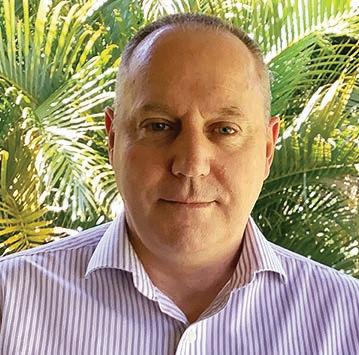
ACTING CEO’S ADDRESS
Welcome to the final edition of Sector Leader for 2025.
In 1973, Brisbane saw the establishment of Queensland’s first ACCHO — Brisbane Aboriginal and Torres Strait Islander Community Health Service (ATSICHS). It began in a converted fruit shop, staffed by just a handful of volunteers determined to create a safe space for our people.
This was more than a clinic; it was a refuge from the racism and discrimination that Aboriginal and Torres Strait Islander people routinely faced in mainstream hospitals and health services. From those early days, the principle of community control has remained at the heart of our sector — health care designed and delivered by our people, for our people.
Fast forward to today, and the scale of what our sector achieves is extraordinary. In this issue, our Data Room article (page 10) tells the story of Member services providing more than 1,000,000 episodes of care to over 150,000 Aboriginal and Torres Strait Islander clients across Queensland. I encourage you to pause and reflect on the significance of this. Imagine the value of this primary care — not only in improving health and wellbeing but in preventing countless hospitalisations and reducing pressure on the broader health system.
If governments and health system administrators are sceptical about the value of ACCHOs, I urge them to read the data. You should read it too. It tells the story of our sector’s real and measurable contribution to keeping our people well and sustaining the health system. This is not just history; it is a living legacy of self determination and impact. As we celebrate our achievements, let’s continue to advocate for the recognition and investment our sector deserves — because the evidence speaks for itself.
As this is our last issue for the year, I want to acknowledge it has been a big year for QAIHC — one filled with opportunities to connect with and advocate for our Members, strengthen their capacity and capability, and champion investment that supports a thriving ACCHO sector in Queensland.
Over the past 12 months, our work has focused on:
Negotiating the Queensland Health Increasing First Nations Health Sector Capacity initiative, including building regional backbone support, growing the First Nations health workforce through targeted training and mentoring, and strengthening culturally safe services across both community-controlled and mainstream settings.
Conducting Member site visits and consultations, and progressing the priorities and needs identified by Members during these engagements.
Advocating for the National Agreement on Closing the Gap with the newly elected state government, to ensure the ACCHO sector and government work in genuine partnership to address inequality experienced by Aboriginal and Torres Strait Islander Queenslanders.
Launching QAIHC’s Workforce Development Strategy, providing a long-term, strategic approach for attaining the workforce required
to support the future growth of Aboriginal and Torres Strait Islander community-controlled health services in Queensland.
Ensuring Queensland’s voice is heard in the National Health Reform Agreement — Closing the Gap Schedule B, advocating for strong First Nations representation, and pushing for structural and funding reforms that embed equity, cultural safety and community control across the health system.
Strengthening QAIHC’s financial position, supported by a successful Annual Financial Audit.
Finalising the implementation plan for QAIHC’s 10-year Blueprint As part of our long-term vision, this plan will guide how we turn the strategy into action, ensuring our initiatives are coordinated, sustainable, and responsive to the evolving needs of our Members and the communities they serve.
From cyclones to conferences, it has been a memorable year — one marked by both challenges and achievements. We look forward to continuing this important work alongside our Members in 2026. Wishing you all a safe and happy Christmas and New Year.
Yours sincerely,
Paula Arnol A/CEO, QAIHC
QAIHC News
4 QAIHC’s first Gimuy conference brings the sector together
6 Eyez on Ice empowers Zenadth Kes communities
7 Dr Springer receives prestigious national healthcare award
8 QAIHC Members build healthier futures with MH4L
8 Building regional strength
Queensland News
9 New report reveals lasting impact of Family Wellbeing Program
Data Room
10 Statistics from the Indigenous Australians’ Health Programme Member News 12 QAIHC welcomes two new Members 13 Integrated women’s health hub opens in Gimuy/Cairns south 14 Cover Story — Legacy and leadership: Renee Blackman’s vision for ATSICHS Brisbane
19 Exercise Kummundoo strengthens community health through partnership
20 Cherbourg Hornets win at Murri Carnival a wholecommunity effort
16 Healthy minds and bodies the focus of on-Country camps
18 Fresh pizzas and meaningful conversations at Mookai Rosie RU OK Day lunch
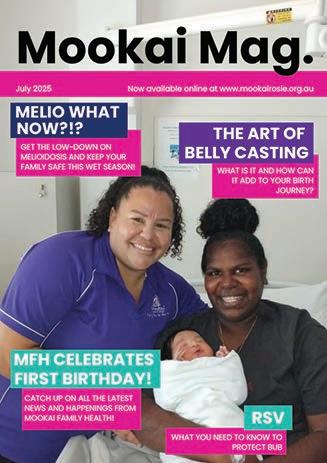
18 Mookai Rosie Bi-Bayan launches new Mookai Mag
22 Solar donation powers Goondir health services Member Support 24 Member support resources 25 Divisional update 28 Deadly Entertainment
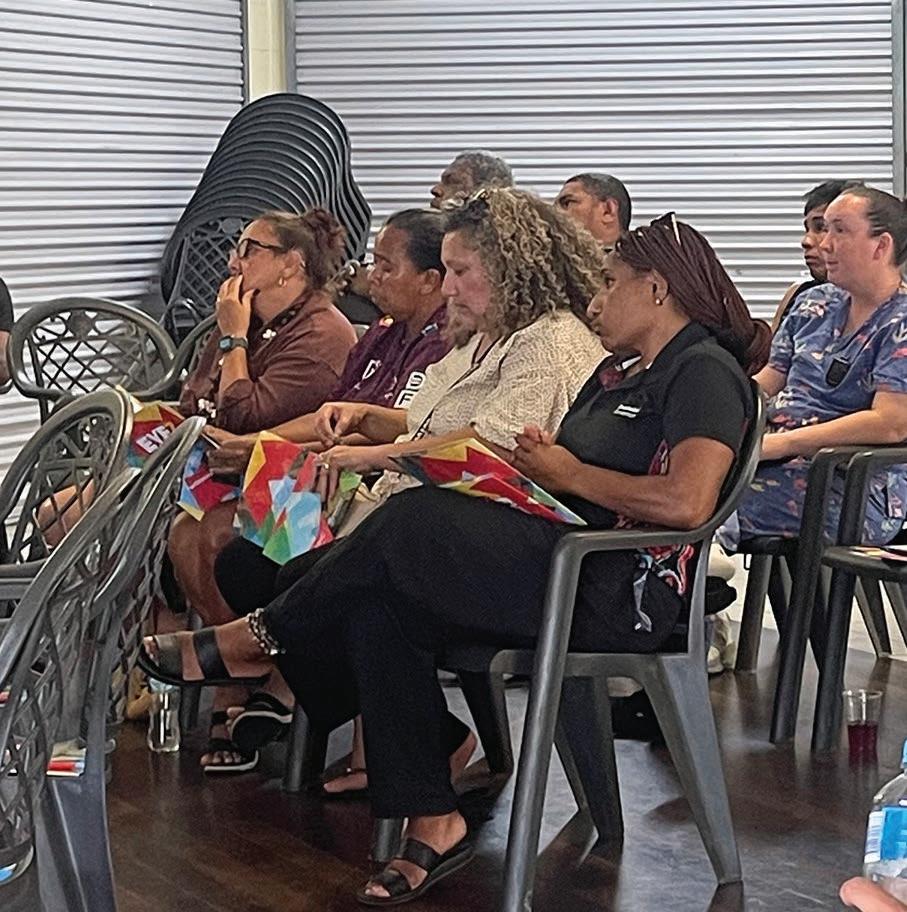
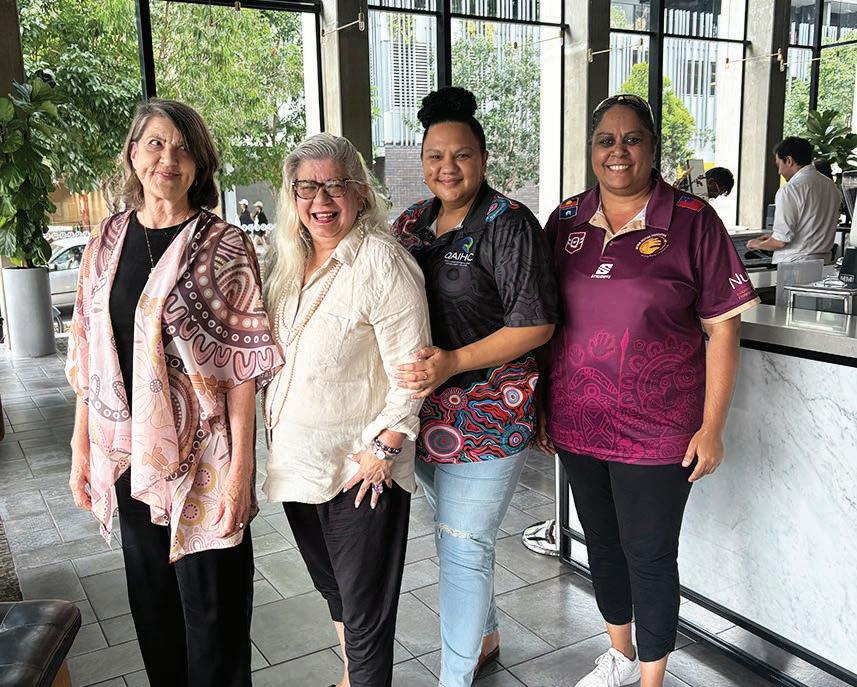
QAIHC’s first Gimuy conference brings the sector together
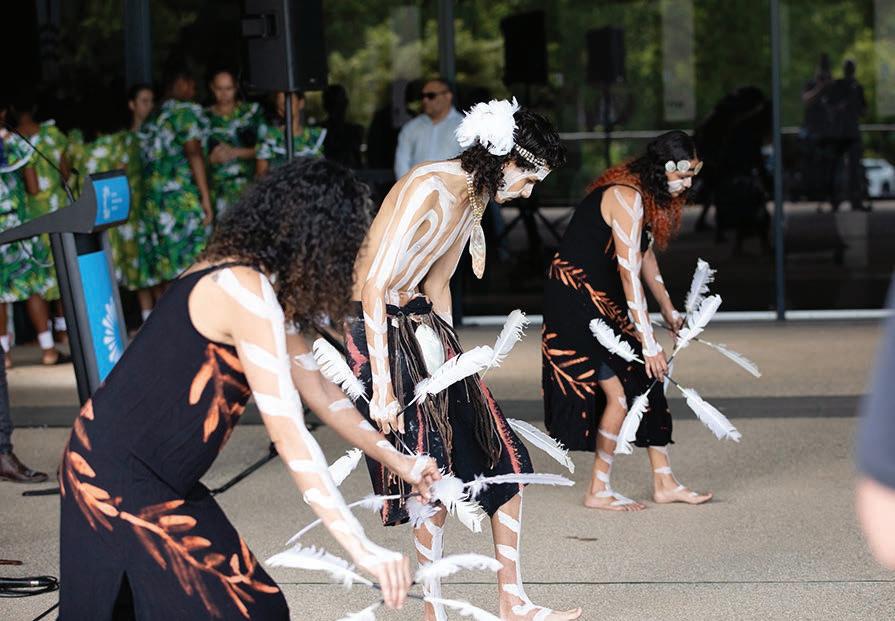
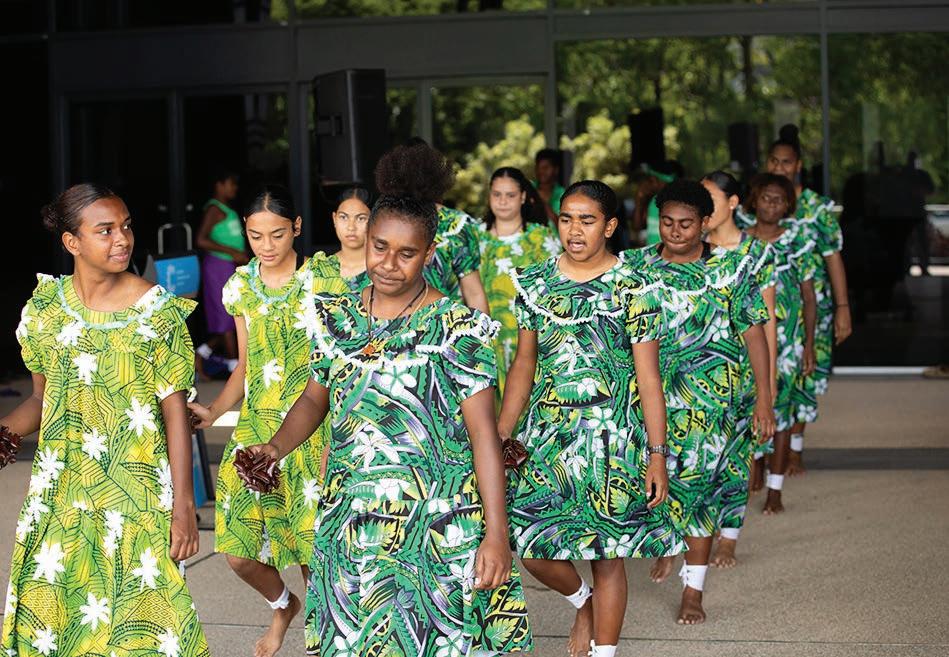
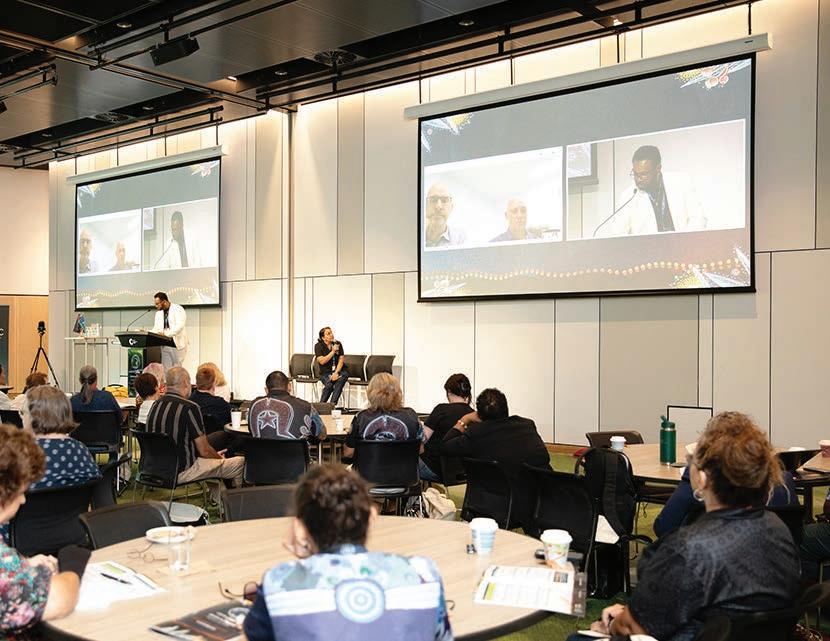
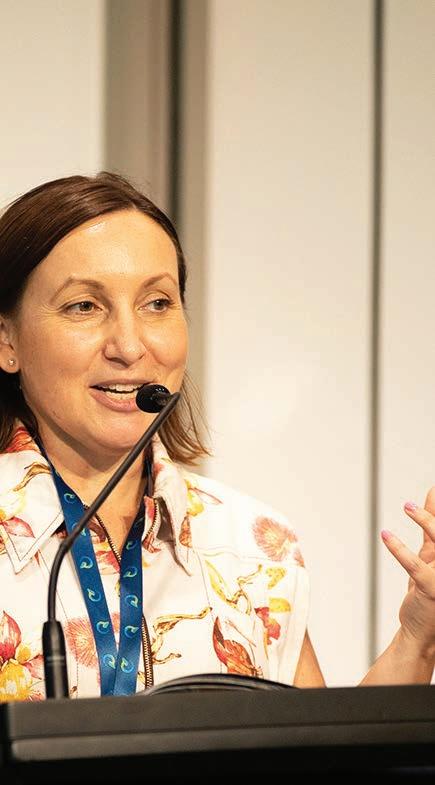
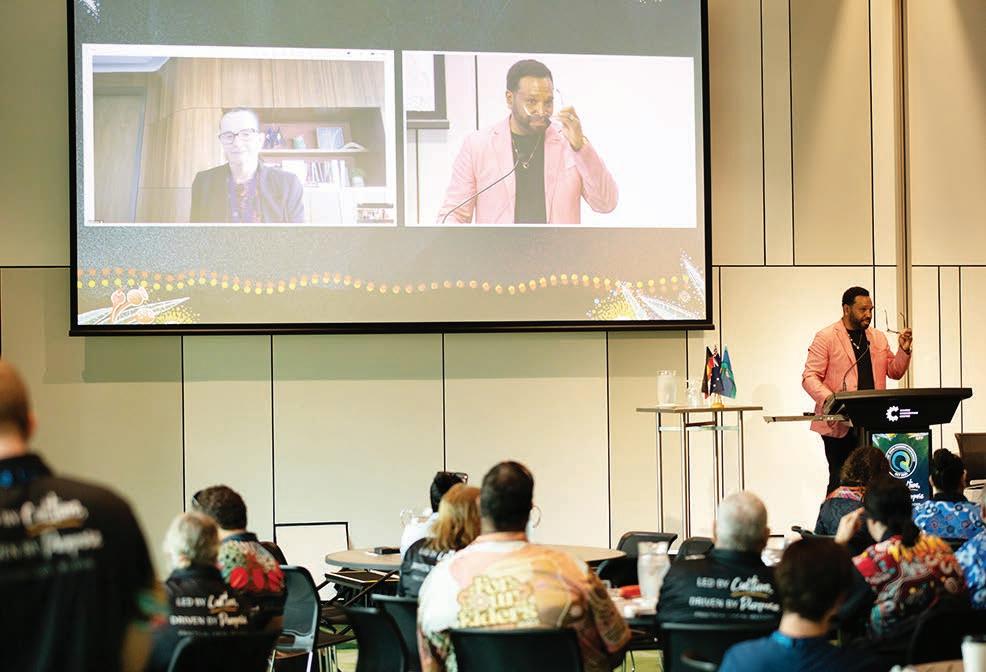
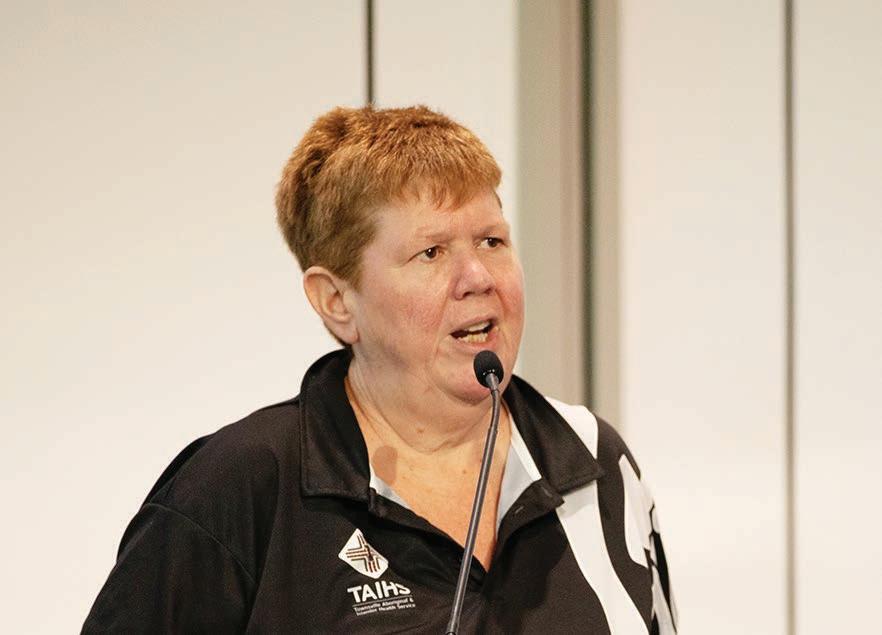
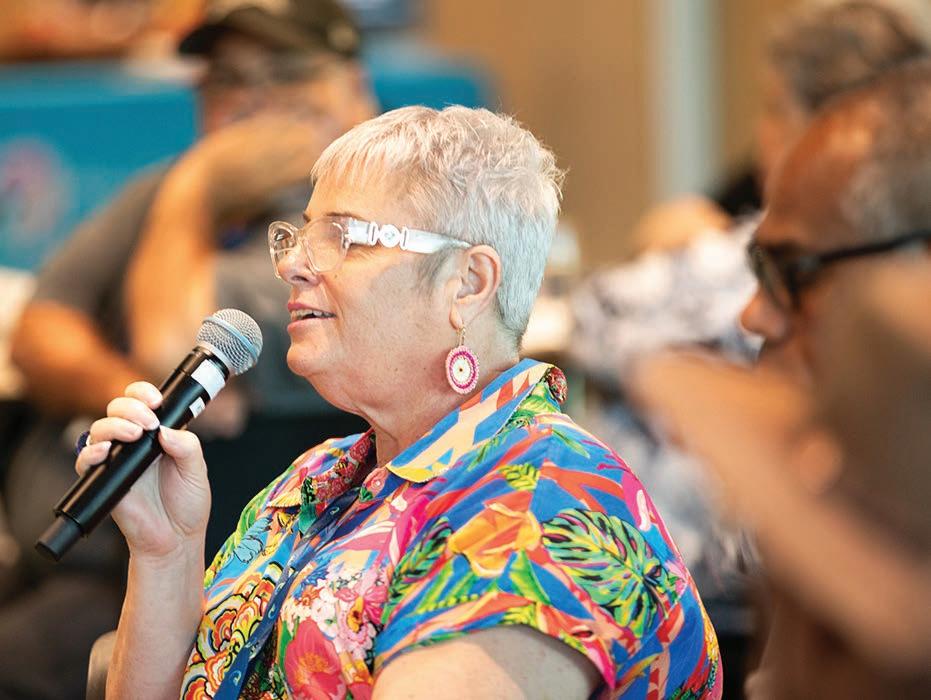
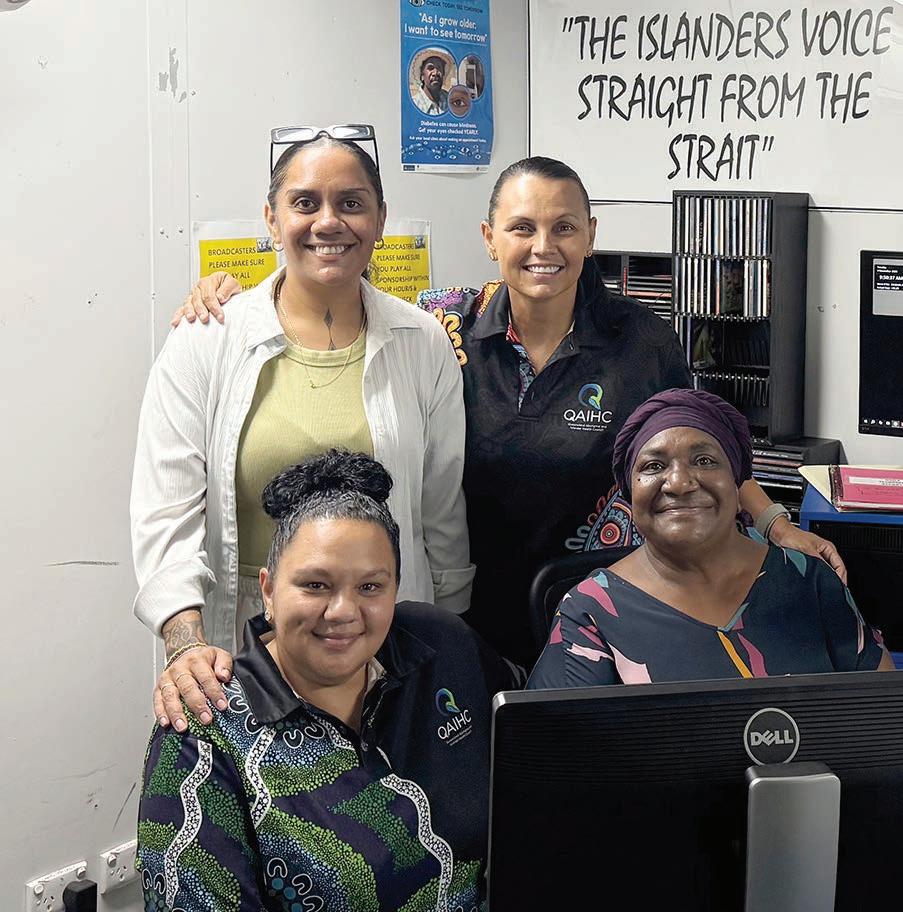
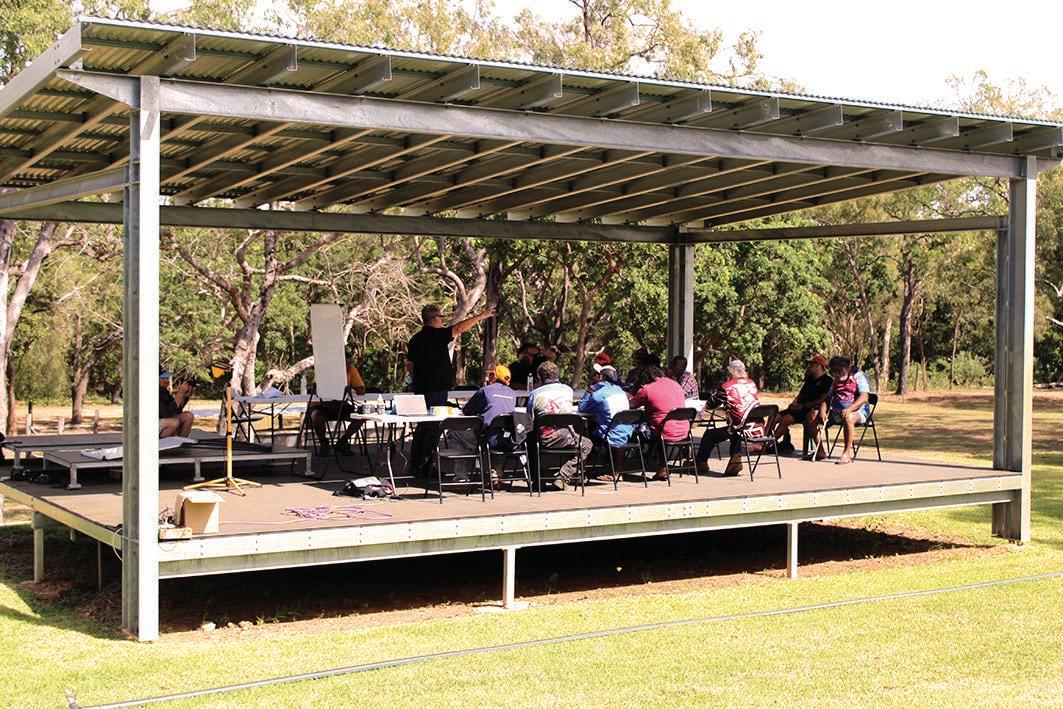
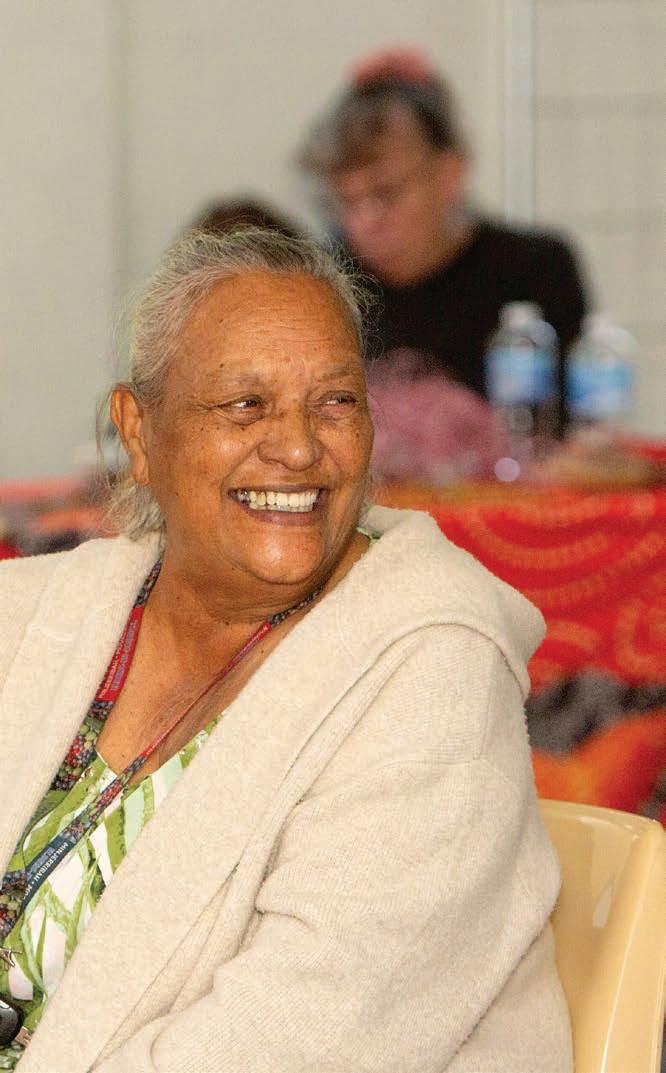
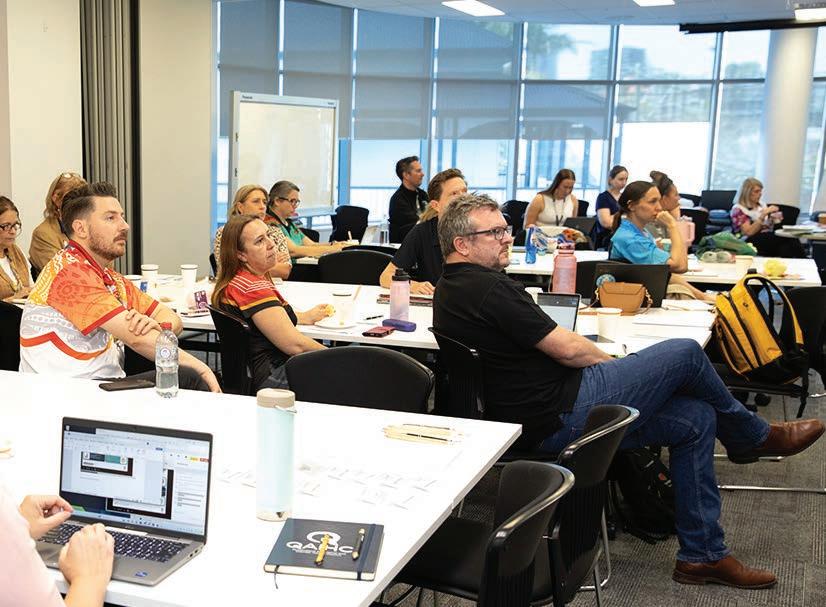
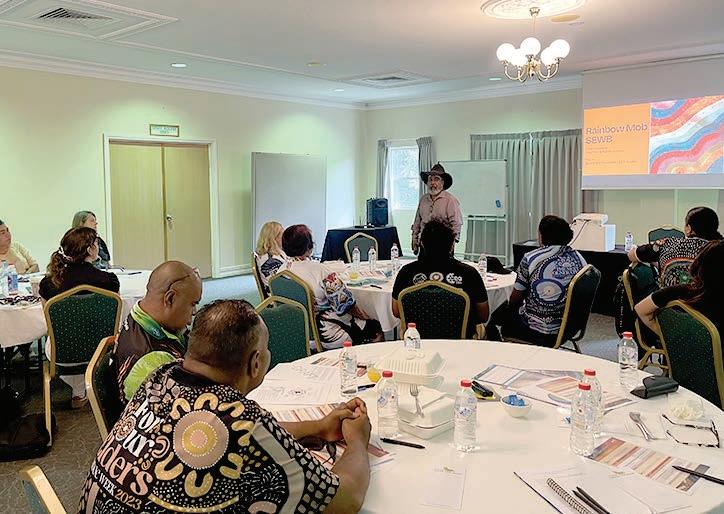
QAIHC’s first Member conference in Far North Queensland was an informative and engaging two days, packed with community and connection.
The QAIHC Members Conference 2025
Led by Culture, Driven by Purpose in Gimuy/Cairns from 21-22 October attracted over 90 delegates from across Queensland.
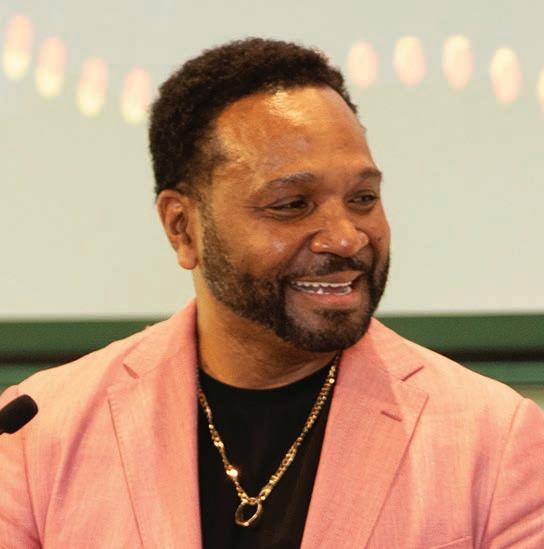
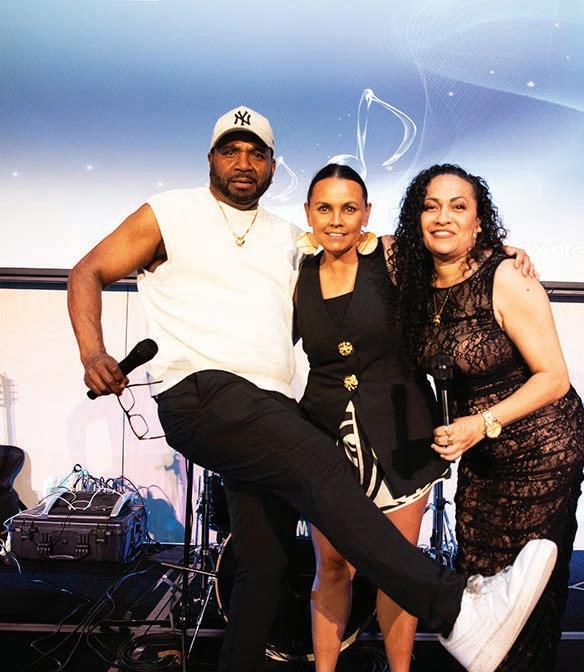
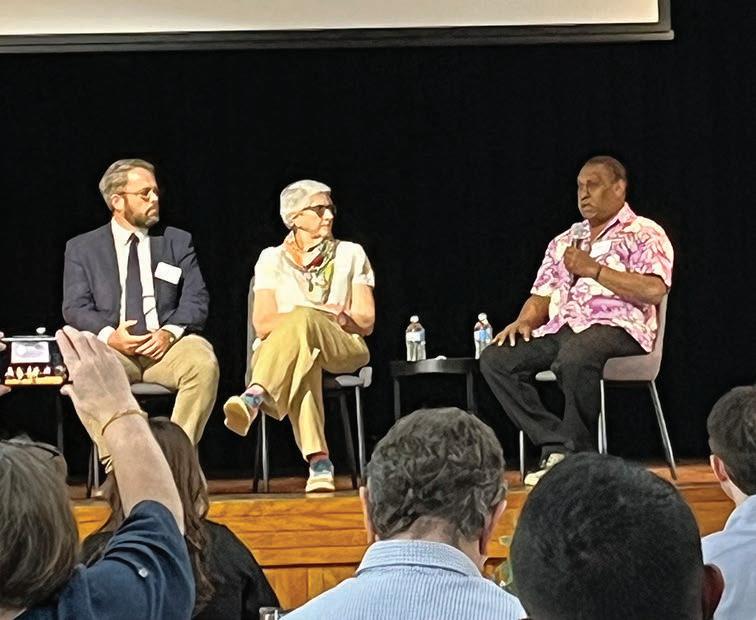
Emceed by ACT 2018 Australian of the Year Dion Devow, the event featured two intense days of presentations and panels.
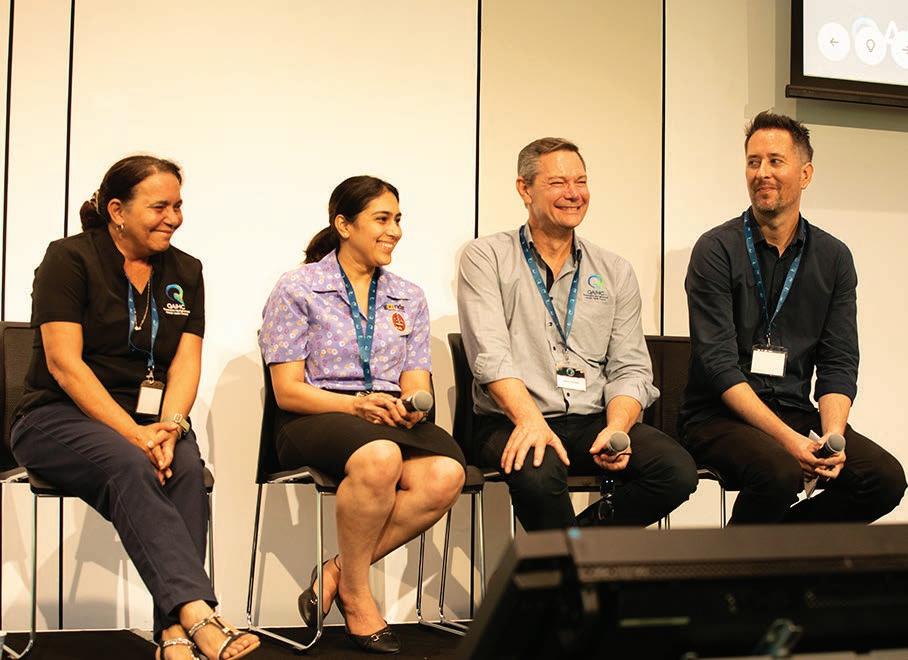
From insights about state and federal government priorities and NACCHO’s program of investment, to talks about the lessons learned from the Northern Territory Aboriginal Health Forum and engaging with young leaders for generational growth, the presentations and panel sessions covered a range of topics.
The event culminated with a Members’ dinner, featuring popular Cairns cover band, The Nightshift; and an entertaining Murrioke competition.
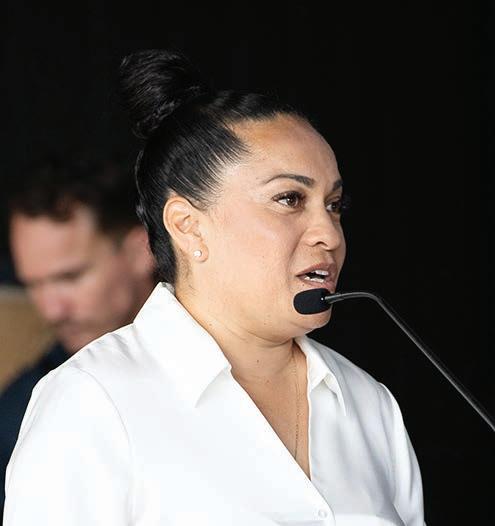
QAIHC Acting CEO Paula Arnol said the conference had been a great success, with many thought-provoking and insightful conversations.
The presentations and panels proved the future is bright for the sector if we walk towards it in unity and with strength of culture and purpose,” she said.
“It was great to see delegates collaborating and sharing ideas with
one another, as we are united in our commitment to improving health outcomes for Aboriginal and Torres Strait Islander peoples across Queensland.”
QAIHC thanked presenters for sharing their time, expertise and insights in guiding the sector’s discussions of the future. QAIHC thanks:
Dr Kathy Anderson, Chief Executive Officer, Townsville Aboriginal and Islander Health Service (TAIHS), Our future workforce — TAIHS showcase Dr Paul Burgess, Chief Executive Officer, Northern Territory Health, The Northern Territory Forum, and funding
Dr Dawn Casey, Deputy Chief Executive Officer, National Aboriginal Community Controlled Health Organisation, NACCHO’s priorities for 2026, including its advocacy and investment approach
Rob McPhee, Chief Executive Officer, Danila Dilba Health Service, The Northern Territory Forum, and funding
Daniel Rosendale, board member, Wuchopperen Health Service, Now to next
Melinda Turner, First Assistant Secretary, Department of Health, Disability and Ageing, The Department’s priorities for 2026, including its investment approach
Natalie Wilde, Director-General, Department of Women, Aboriginal and Torres Strait Islander Partnerships and Multiculturalism, Queensland’s Closing the Gap reform.
Adam Stephen, Workforce and Development Jurisdiction Manager, QAIHC, Workforce analytics; Our future workforce — TAIHS showcase
Scott Brown, Senior Manager, Health Data and Analytics, QAIHC, QAIHC’s Data Strategy
David Harmer, Acting Deputy CEO, QAIHC, Building a stronger sector through reform and partnership
Eyez on Ice empowers Zenadth Kes communities
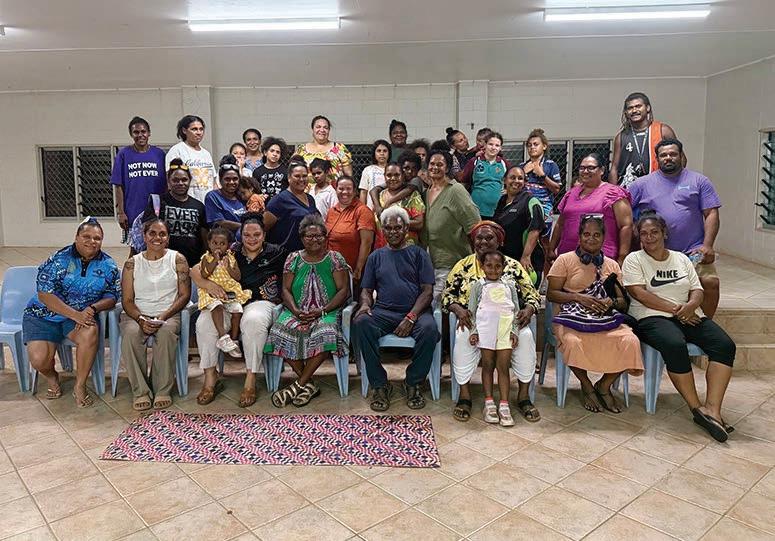
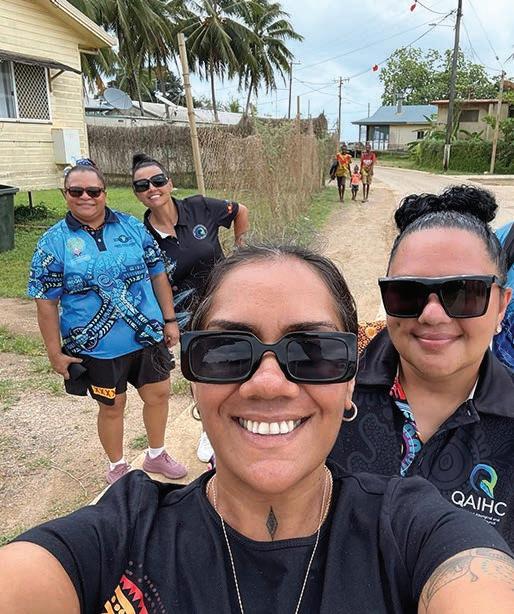
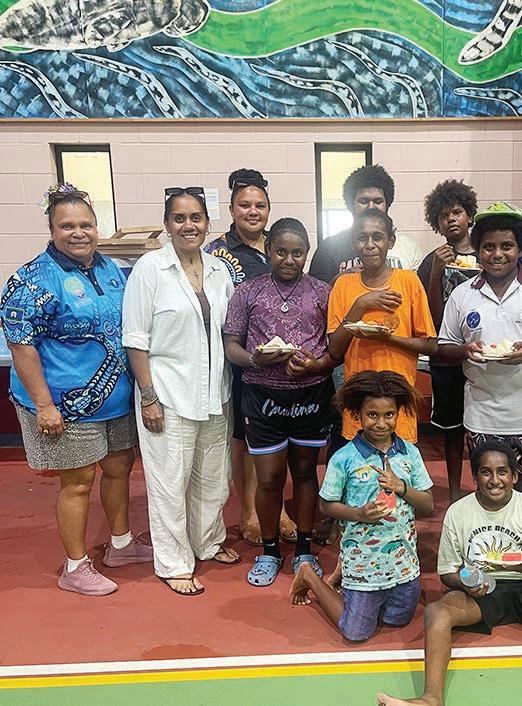
Members of QAIHC’s Social and Emotional Wellbeing (SEWB) team travelled to several Zenadth Kes (Torres Strait) communities to deliver Eyez on Ice community information sessions.
Eyez on Ice is a set of information resources developed to support clinicians, families and communities affected by problem methamphetamine use.
The team was accompanied by Torres Health health workers Joanne Dorante and Cr. Thomas Fujii, who also serves on the Torres Shire Council.
“Eyez on Ice builds on that local knowledge and helps communities feel more confident having those tough but important conversations.”
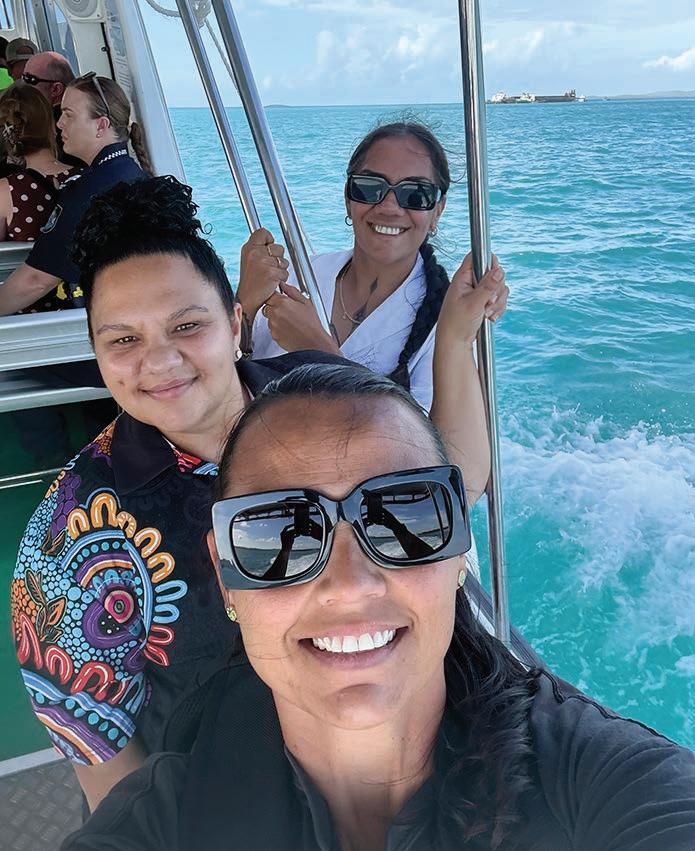
QAIHC team members Tiana Lea (Manager, Social Health Programs) and Bo de la Cruz (Strategic Advisor, Wellbeing and Engagement) along with session facilitator Tonya Fuschtei (Co-CEO, Strategic Indigenous Solutions) travelled to Waiben/Thursday, Saibai, Badu and Ngurupai/Horn islands to deliver information sessions to community members.
Ms Lea said the trip had been very rewarding.
It was great to work alongside local health workers and community members who really know their people,” she said.
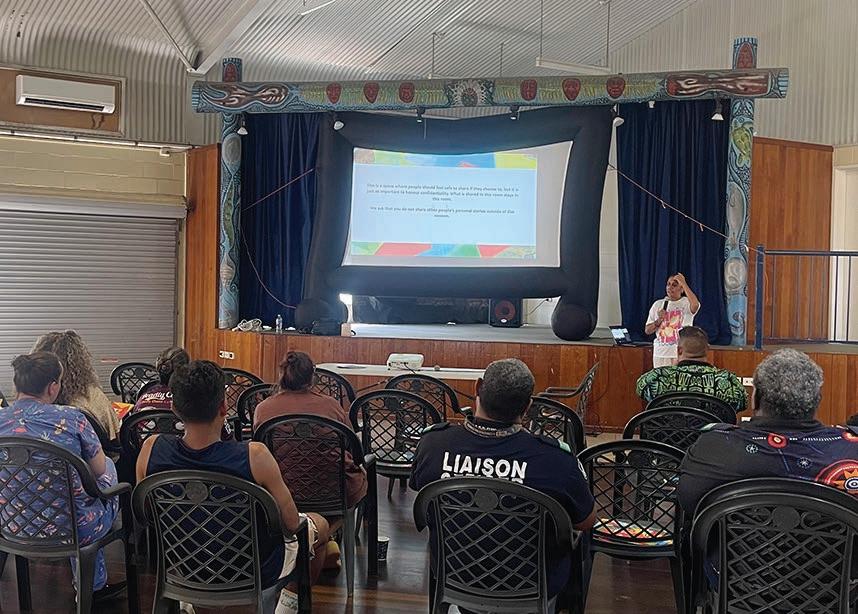
The sessions covered subjects like how to recognise methamphetamine use in a loved one or community member and how to respond in a caring and safe manner.
Dr Springer receives prestigious national healthcare award
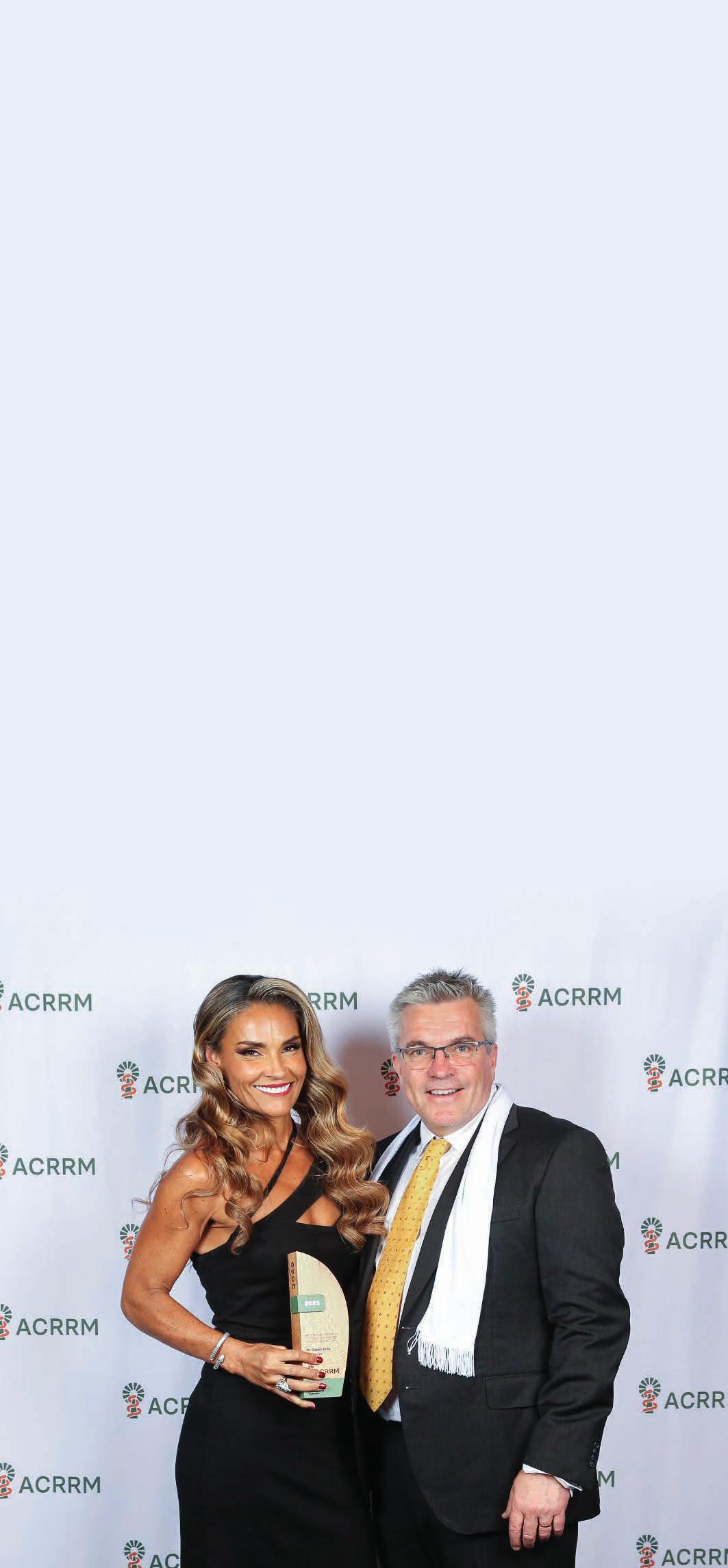
Dr Sarah Jane Springer, a proud Wiradjuri woman and Rural Generalist, has been awarded the Australian College of Rural and Remote Medicine (ACRRM) 2025 Outstanding Contribution to First Nations Healthcare Award.
With over 20 years’ experience across Aboriginal health, obstetrics, emergency medicine, and primary care in remote Australia, Dr Springer is widely respected as a national leader in culturally safe healthcare and workforce reform.
Dr Springer is the project lead for Australia’s first ACCHO-led Single Employer Model trial, pioneering structural change to build and retain a culturally safe remote health workforce. The project is being delivered by CWAATSICH in partnership with QAIHC.
The award was announced at Rural Medicine Australia 2025 in Perth, co-hosted by ACRRM and the Rural Doctors Association of Australia.
QAIHC Members build healthier futures with MH4L
The My Health for Life (MH4L) program continues to make a strong impact across Queensland, with QAIHC Members leading the delivery of supportive, culturally grounded health pathways for mob in Community.
MH4L is funded by the Queensland Government through Health and Wellbeing Queensland, supported by Diabetes Australia and QAIHC.
The program is delivered flexibly and shaped by cultural knowledge and real-world experience. Facilitators support participants to build their own path toward healthier living through guided coaching sessions at a pace that works for them.
Drawing on strong relationships and an understanding of local needs, MH4L facilitators create spaces where people feel comfortable to talk, ask questions and set their own health goals. They focus on what matters to participants, offering practical guidance and acknowledging progress in ways that are meaningful and respectful.
Together, QAIHC Members and the MH4L program strengthen health literacy, support better health outcomes and help families work toward healthier futures.
For more information visit MH4L online via the QR code or email Lee Yeomans: lee.yeomans@qaihc.com.au
Building regional strength
QAIHC is supporting Members with the development of two regional peak bodies in Central Queensland and in Far North Queensland.
To help facilitate this, the QAIHC leadership team and the Policy team have conducted a series of regional forums in the Central Queensland and Far North Queensland regions.
This is in preparation for the roll-out of the Queensland Health investment under the Increasing First Nations Health Sector Capacity initiative. It involves building backbone regional capacity, growing the First Nations health workforce through targeted training and support as well as building culturally safe services in both community-controlled and mainstream services.
QAIHC Acting CEO Paula Arnol said: “We’re working closely with our Members so that when this investment rolls out, our regions are organised, informed and ready to lead.”
“These new regional peak bodies will strengthen local decision-making, focus on economies of scale and deliver better health outcomes for communities.”
QAIHC is also working with North and North West as well as South and South West Member services to build regional partnerships and maximise future funding opportunities.
New report reveals lasting impact of Family Wellbeing Program
A new report has revealed the Family Wellbeing Program is delivering life-changing results in Far North Queensland and other parts of northern Australia — improving mental health, reducing substance use, strengthening families, and helping people reconnect with culture and community.
The report from Central Queensland University and the Yarrabah Leaders Forum detailed five years of significant outcomes from the community-led program, which is transforming lives in Yarrabah, Cape York, the Zenadth Kes/Torres Strait, the Northern Territory and Lotus Glen Correctional Centre.
The program had more than 783 participants involved and 517 completing the program — a 66% completion rate across all sites and an impressive 90% in Batchelor, NT.
Participants report increased confidence, stronger relationships, and greater community participation. As one Yarrabah participant shared, “Family Wellbeing helped me face my fears. I’m getting more involved with other women in the community.”
Early economic evidence also points to strong value for money. Preliminary estimates suggest a return of $2.20–$6.40 in social and economic benefits for every $1 invested, reinforcing the findings of a 2021 Deloitte pilot that estimated $4.60 per $1.
A final independent analysis by Deloitte partners in 2026 is expected to confirm these promising results.
Developed by Aboriginal leaders more than 30 years ago, the Family Wellbeing Program empowers participants to heal from trauma, strengthen families and lead change within their communities. The Family Wellbeing Community Report 2021–2025 called for urgent national investment to sustain and scale this success, including:
Long-term funding for trusted local facilitators.
Implementation of the Yarrabah 7-Pillar Strategy to support youth into jobs and education.
Establishment of a National Family Wellbeing Centre to train facilitators and mentor the next generation of Indigenous leaders.
Father Leslie Baird said the program shows what is possible when communities lead the way.
The Family Wellbeing Program reflects the positive changes that are possible when communities and individuals are empowered and have control over their destiny,” he said.
“The key to successfully closing the gap is to allow Aboriginal and Torres Strait Islander communities to work together to address the core issues facing their community. When we allow that to happen, we see real and lasting change.
“Our program in Yarrabah has demonstrated that when we work with our community and listen to their collective voices, we can start to address the multigenerational trauma that has impacted us so heavily since the early days of the Mission. There’s still so much to do, but the Family Wellbeing Program is showing positive steps forward for this community.”
The full report, Walking Together: Translating 20 Years of Family Wellbeing Research into Practice, is available via the QR code.
Statistics from the Indigenous Australians’ Health Programme
The Department of Health, Disablity and Ageing’s Indigenous Australians’ Health Programme (IAHP) funds high-quality health care for Aboriginal and Torres Strait Islander people.
It funds Indigenous-led, culturally appropriate initiatives to increase access to health care and improve the health of Aboriginal and Torres Strait Islander people. The Department funds Aboriginal and Torres Strait Islander community controlled health services and other health initiatives through the IAHP. Services receiving funding from the IAHP recently submitted their Online Services Report (OSR) data for the 2024-2025 financial year. These are some insights from the OSR data.
OSR summary figures for FY 2024-25 1
Number of clients accessing IAHP-funded services in Queensland 2 episodes of care were delivered nationally to >500,000 people >3.9 million
35 IAHP $$$$ episodes of care were delivered to 153,389 clients in Queensland
1,055,620 (IAHP funded organisations) across 121 service sites in Queensland 121
Between 2016-2025, there has been a 37% increase in the number of clients accessing IAHP-funded services in Queensland. The total number of Queensland clients accessing IAHP funded services each year is shown in the below graph.
The workforce in Queensland is made up of: 3
Number of client contacts completed by an Indigenous Health Practitioner 4 2 78 4 Full Time
Equivalent (FTE) (paid and unpaid)
1461 are Indigenous FTE (paid and unpaid)
IAHP OSR
Clients transported 6 of this,
Since 2019, there has been an 89% increase in the number of client contacts completed by an Indigenous Health Practitioner. You can see the growth in client contacts in the graph below.
That means 52% of the workforce in Queensland is Indigenous
The
of
per 1,000 clients has remained relatively stable since 2019. In FY2024-2025, there were 8.8 clinical FTE per 1000 clients (see graphbelow).
In FY2024-25, clients
35,478 were transported to their health appointment by transport o cers who worked for an IAHP-funded service provider
Data source and notes
All data has been sourced from the Australian Government Health Data Portal ‘Stakeholder nKPI and OSR report’.
OSR report data is provided by all services funded by the Indigenous Australians’ Health Programme.
QAIHC can view the OSR reporting results from services that have consented to share data with QAIHC. Data shown only represents those services that shared data with QAIHC. Therefore, actual figures will be different.
QAIHC welcomes two new Members
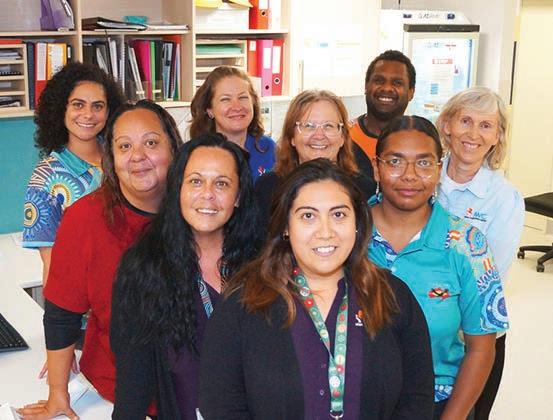
QAIHC has welcomed two new Members to its network — the Indigenous Wellbeing Centre (IWC) in Bundaberg and Ngarnal Aboriginal Community Controlled Health Service (NACCHS).
QAIHC Acting Chief Executive Officer Paula Arnol said: “We’re delighted to welcome IWC and NACCHS to the QAIHC family. Both organisations demonstrate the strength of community-controlled health, putting First Nations people at the centre of services that are culturally responsive, locally led, and focused on wellbeing. Their inclusion strengthens our network and ensures even more communities benefit from high-quality, culturally informed care.”
QAIHC now has 35 Members.
The Indigenous Wellbeing Centre (IWC)
The Indigenous Wellbeing Centre (IWC) was founded by local Elders in the Bundaberg (Taribelang Bunda, Gooreng Gooreng, Gurang, and Bailai Countries) and Wide Bay/Burnett (Gubi Gubi & Waka Waka Countries) regions to address the lack of culturally appropriate services for First Nations peoples.
Emerging from Bundaberg Burnett Region Community Development Aboriginal Corporation (BRCDAC), IWC empowers communities through health, wellbeing, and social services designed with equity, respect, and culture at their core.
Since 2014, IWC has delivered care from purpose-built Health and Wellbeing Centres, including a $3 million facility in North Burnett, employing over 140 local staff. Providing more than 137,000 instances of care annually, IWC leads in Reconciliation in Action, setting new standards for First Nations-focused services across Australia.
Ngarnal Aboriginal Community Controlled Health Service (NACCHS)
Ngarnal, formerly the Mornington Island Health Council, is an Aboriginal community-controlled health organisation, governed by a board of local Kunhanhaa/Mornington Island people, and registered with ORIC in 2004.
Originally established as an advocacy group representing the community on health and wellbeing, the organisation has grown into a strong provider of child, family, and community health services.
With long-standing partnerships with local and visiting health services, the Council works collaboratively to improve health outcomes and wellbeing for the Kunhanhaa community. Guided by local leadership and culturally informed care, the organisation continues to strengthen its capacity to meet the evolving needs of its people.
Integrated women’s health hub opens in Gimuy/Cairns south
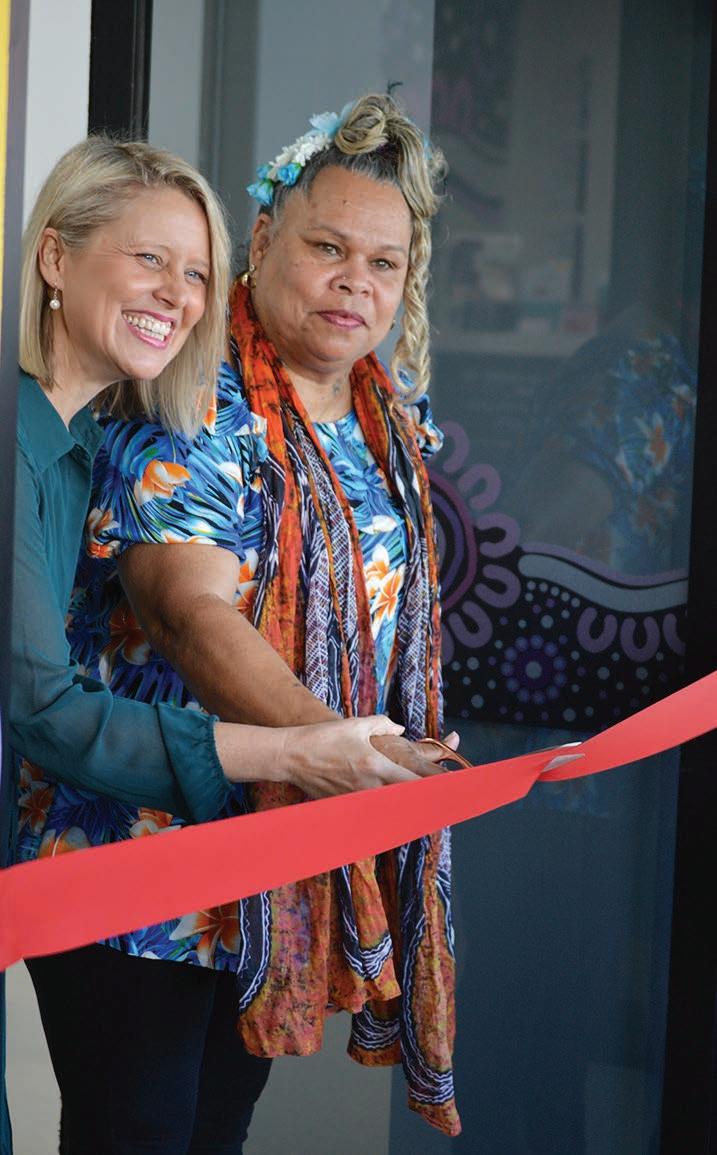
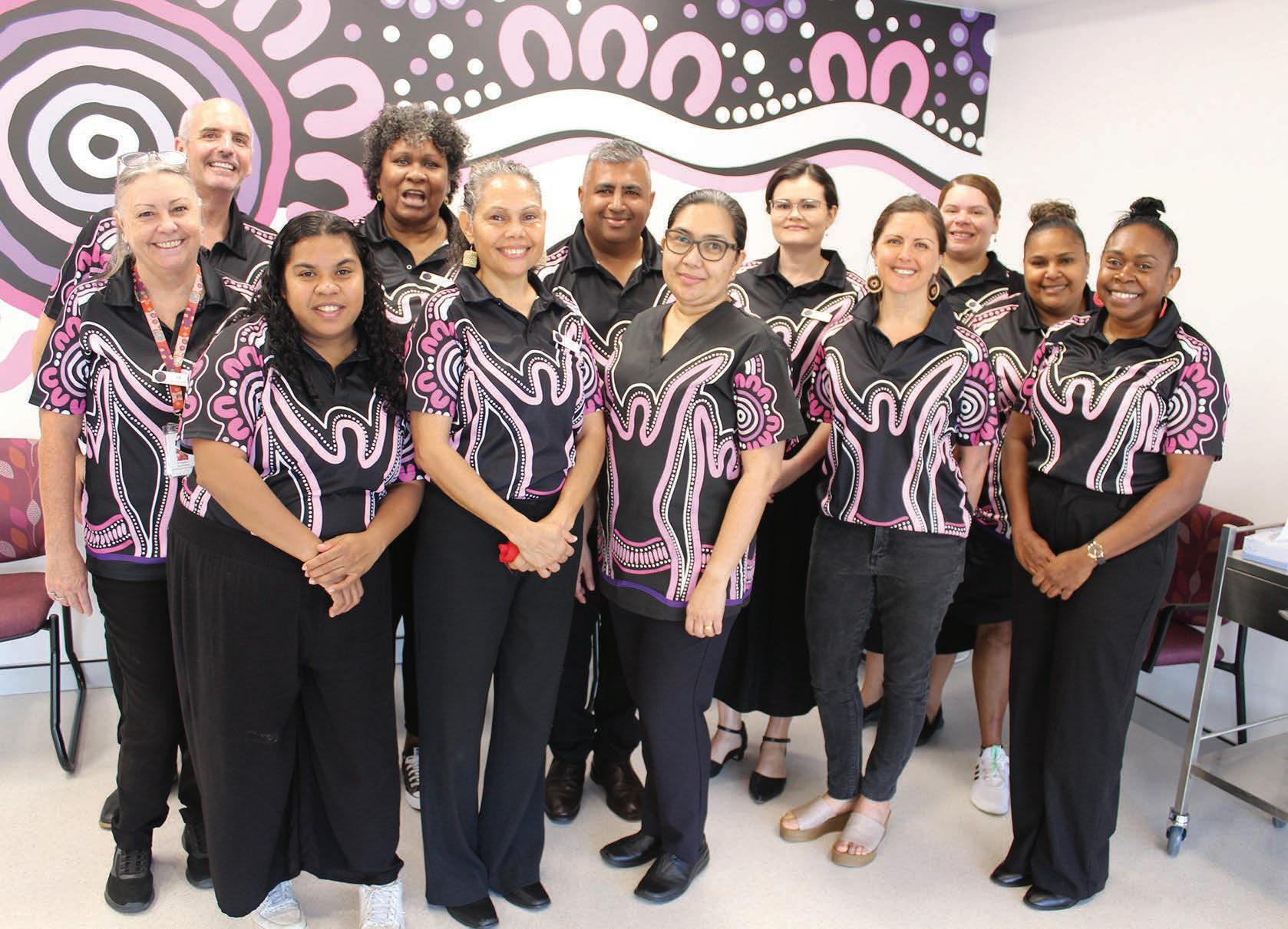
Women and girls in Gimuy/Cairns south now have access to a dedicated space for integrated health and wellbeing services with the launch of The Jalbu Health Hub.
Designed to deliver essential, culturally sensitive health care, the hub caters to women and girls of all ages and backgrounds, addressing a wide range of needs.
The hub, operated by Wuchopperen Health Service, offers services including maternal health, mental health support, chronic disease management and family planning, ensuring holistic care for women and girls at every stage of life. Wuchopperen CEO Joy Savage highlighted the organisation’s commitment to the community and the transformative impact of the new hub.
“The Integrated Women’s Health Hub is about creating a safe and inclusive
space where women and girls in Cairns south can prioritise their health and wellbeing,” said Ms Savage.
By offering free walk-in services and creating opportunities for locals to care for locals, the hub will have a lasting positive impact on families and the wider community.”
The hub extends open arms to all women and girls, regardless of age, background or circumstances. It has been designed as a culturally safe and supportive environment, with programs
tailored to the diverse needs of the Gimuy/Cairns south community.
This initiative is especially significant for Gimuy/Cairns south, where access to comprehensive, culturally respectful health services has been a growing, but not fully met need. By addressing these challenges, the hub aims to foster healthier families and a stronger, more resilient community.
In addition to providing vital health services, the hub will strengthen the local economy by creating several new employment opportunities. These include health care professionals, community support workers and administrative staff.
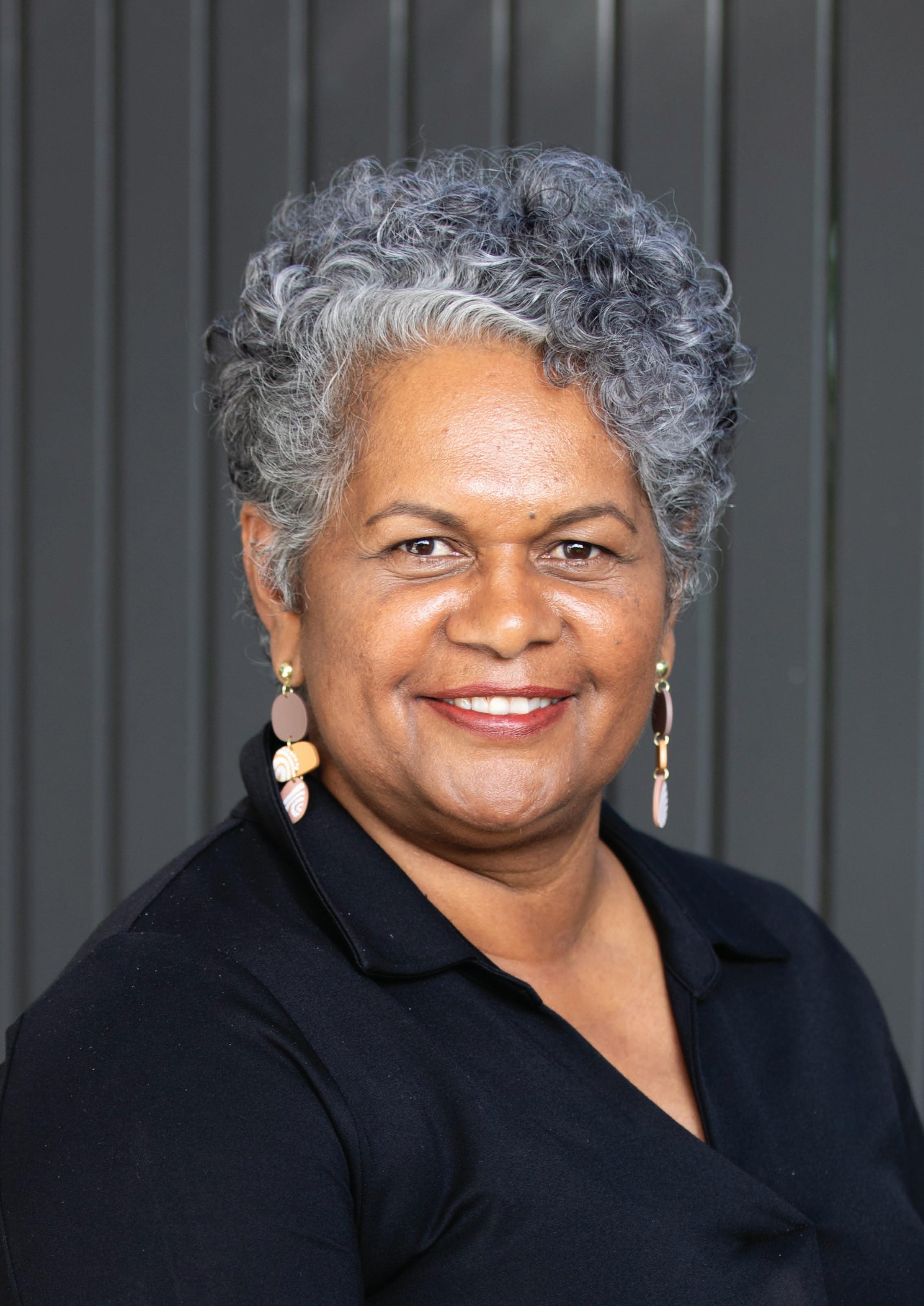
Legacy and leadership: Renee Blackman’s vision for ATSICHS Brisbane
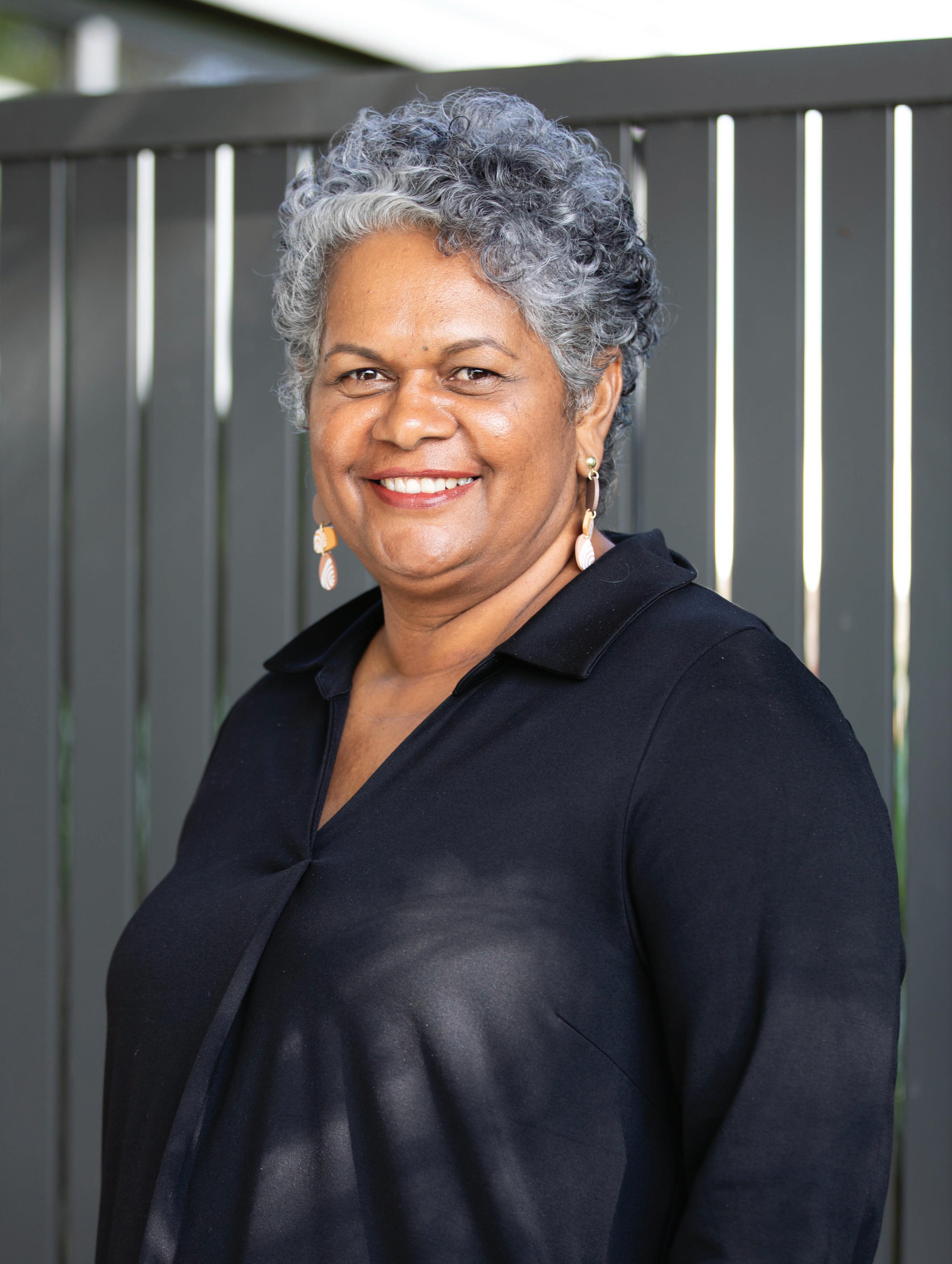
ATSICHS Brisbane CEO and QAIHC Director, Renee Blackman, has been a strong advocate for the health and wellbeing of Aboriginal and Torres Strait Islander people for more than 30 years.
A proud member of the Gubbi Gubbi (Kabi Kabi) nation, she has worked across primary health care, acute care and community health in operational, management and leadership roles. Renee talked to Sector Leader about legacy, leadership and her health career.
Can you tell us how you started out as an Aboriginal Health Worker?
An advertisement for an Aboriginal Health Worker came up at Queensland Health (in the early 1990s), and I thought to myself, I could give that a bit of a shake.
I loved being a health worker. It’s a great career in terms of teaching primary health care, remaining connected to your community and providing advice and health promotion, education and walking along people’s journeys with them.
You gained a Bachelor of Nursing in 2000 and worked as a Registered Nurse for six years, before you returned to the ACCHO sector. Why did you return?
I was passionate about health issues… I knew that people were dying younger in my family, and they didn’t realise that they were preventable diseases. I wanted to be at the start of the journey rather than after the horse had bolted. You still walk along the pathway with people in terms of treatment, especially after a diagnosis. You’re still helping
people with chronic illnesses and, maybe end of life care… (In this sector) you get to be at the front of the cart. You get to be at the prevention end.
In 2023, you were appointed CEO of ATSICHS Brisbane, the first ACCHO in Queensland. How does it feel to lead an organisation with such a proud legacy? (ATSICHS Brisbane) was established in May of 1973, and it came directly after (AMS) Redfern in 1971. Our founders saw what was happening in and around the health space and thought to themselves, ‘you know, we could do what Redfern is doing.’
It was born out of necessity… Racism was such a huge issue in blocking access to basic health care for people. And people were just not feeling safe, nor were they feeling cared for when they went into some of the mainstream services, whether they be hospitals or GP services. So, very humble beginnings from a little fruit shop in Red Hill (that was repurposed into a clinic). Nurses, doctors, they were all volunteers. No one was paid. I think there were around 10 or 12 people maybe when we started. And we’re at over 600 now.
I think working for an organisation, one as old as this one with such a proud legacy, is a privilege.”
How is ATSICHS Brisbane meeting the needs of the community now?
I think people vote with their feet. If you are not providing what the community want, they won’t walk through your door. When that translates into numbers that are healthy, that’s great.
We’ve got five medical clinics, two dental clinics with a dental lab, three kindergartens, a birthing program, youth programs, and a huge community services component. We also have a housing component; a crisis accommodation centre and we’re about to build two residential accommodation spaces.
What’s your greatest priority as CEO?
My greatest priority as the CEO is warming the seat to continue the good work that started way back in the 70s and has carried through to now, and making sure that whatever we’ve committed to over the next five to 10 years is delivered in a way the community is happy with.
Who inspires you?
Of course, the founding members... We’re fortunate to have Uncle Les Collins, who still continues to give us advice. Speaking to founders or people who were there back in the 70s always grounds you. Aunty Mary Martin who was instrumental in the early days of AMSs in SEQ is also a great source of inspiration and guidance.
Healthy minds and bodies the focus of on-Country camps
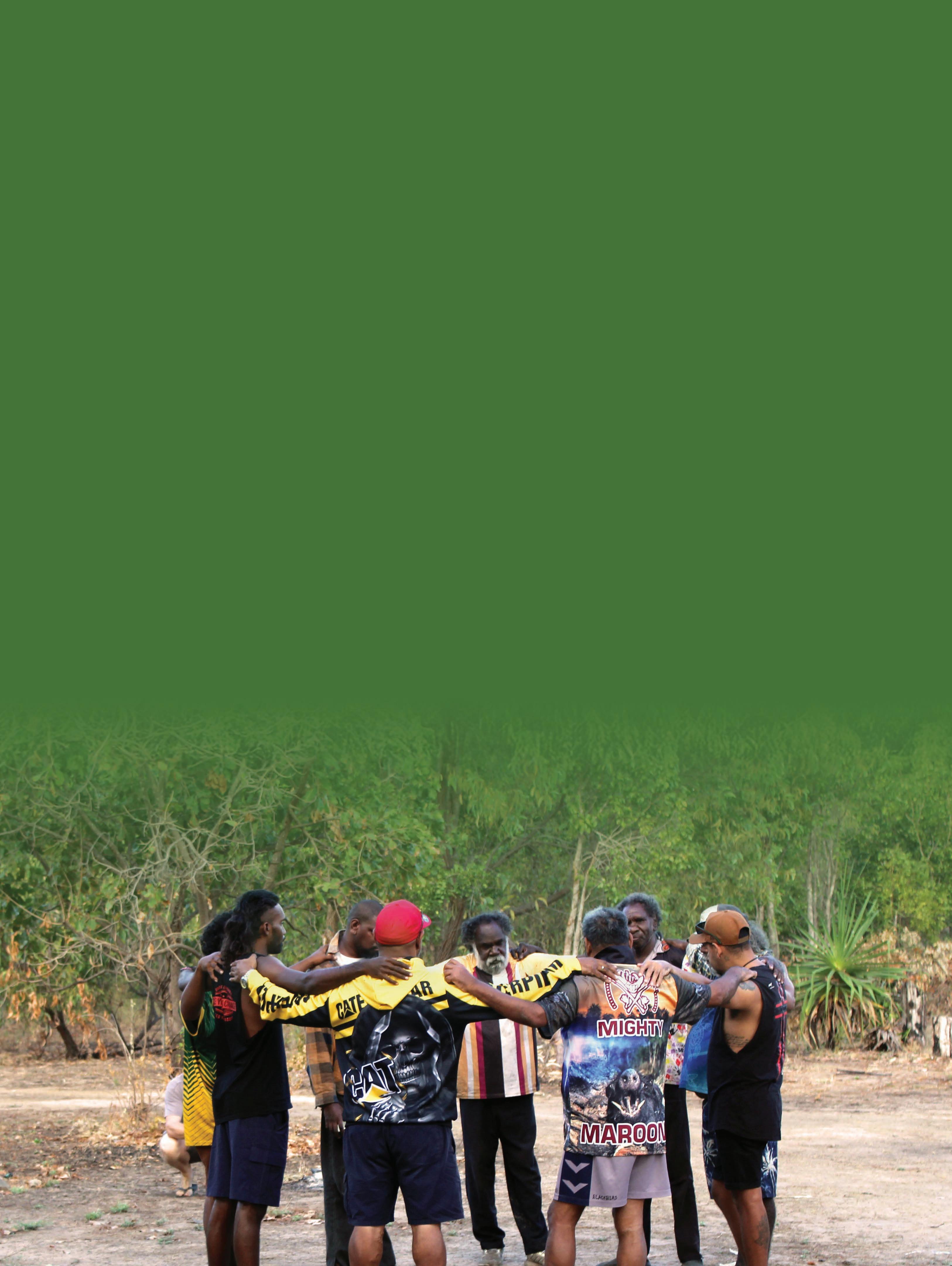
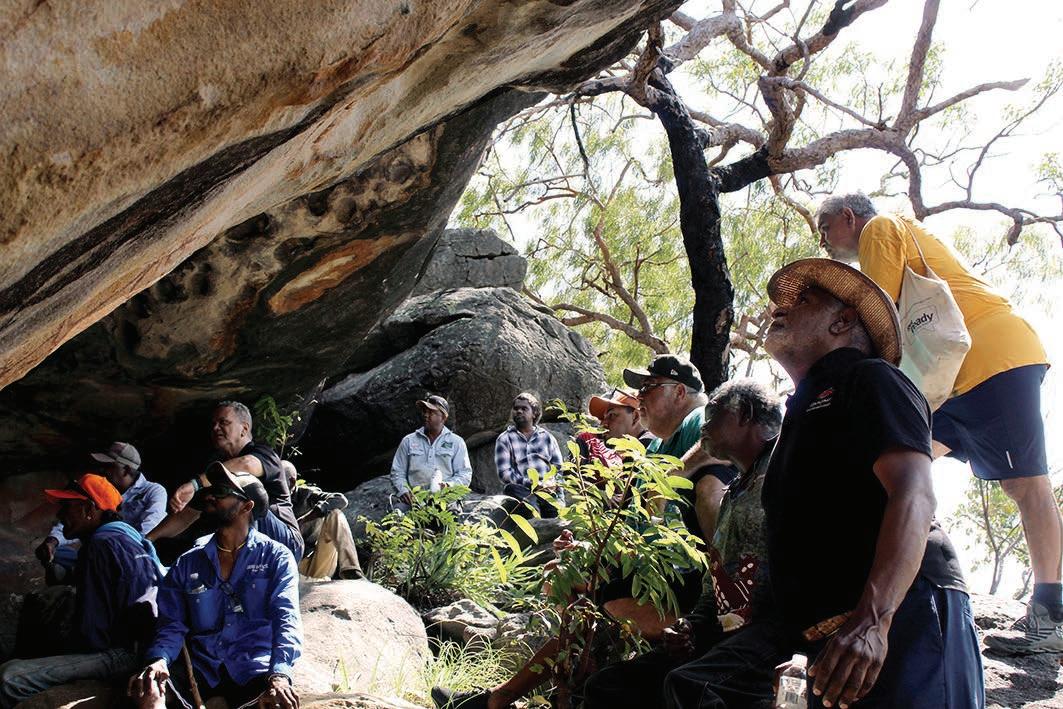
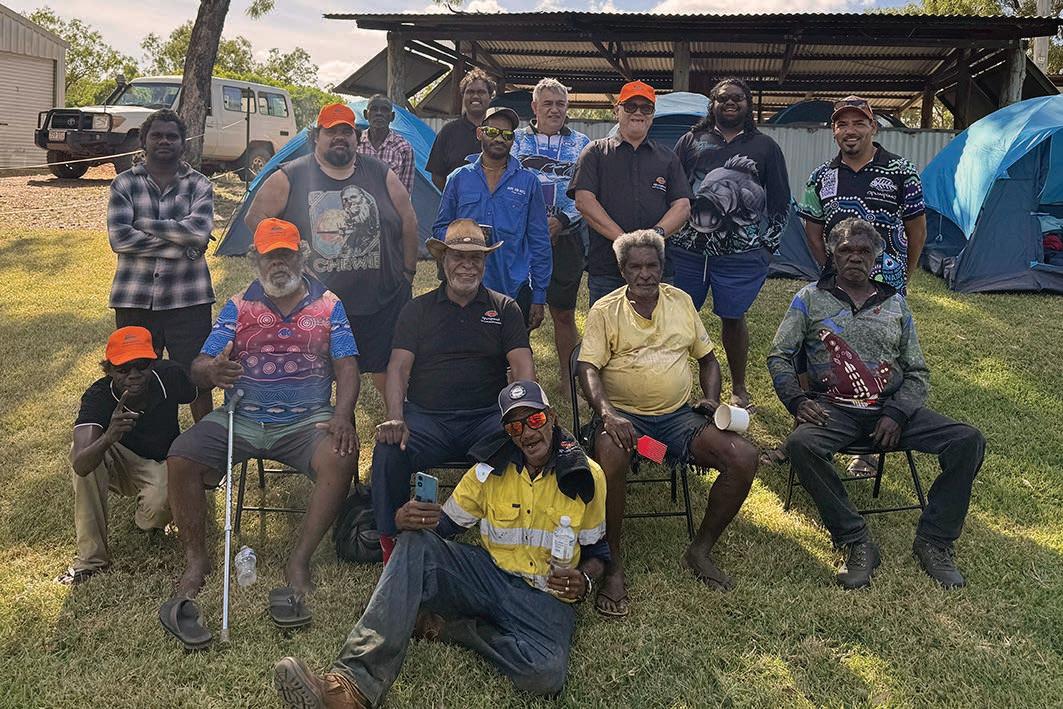
Apunipima Cape York Health Council recently hosted three on-Country Men’s Camps which brought together Aboriginal and Torres Strait Islander men from different regions of the Cape to reconnect with culture and strengthen their spirit through shared healing. These camps were designed to be immersive cultural experiences, while also supporting social and emotional wellbeing, leadership, and community connection.
The camp locations were chosen for their cultural significance with men from Hope Vale (Guugu Yimidhirr country) and Wujal Wujal (Kuku-yalanji country) attending Camp 1 at Normanby Station, Men from Aurukun (Winda Winda country) attending Camp 2 at Moreton Telegraph Station, and men from Pormpuraaw (Thaayorre country) attending Camp 3 at Paa Panthu Homelands.
on their lives, their roles in community and encourages them to share about who they are and where they come from. This is the foundation of spiritual health for Aboriginal and Torres Strait Islander people,” said Community Development Officer, William Blanco.
stimulate the men’s cultural identities and get them outside to stretch the legs. They included activities like smoking ceremonies, visiting sacred rock art and other cultural sites, bush walking and fishing.
The aim of the camps was to create a culturally safe space for the men to speak openly. Each camp went for four nights with the days consisting of workshops and discussions, on topics such as identifying values, empowerment, goal setting, leadership qualities and self-care.
“Being on Country creates a sense of peace and clarity that allows the men to reflect
The sessions were broken up by various on-Country activities designed to both
Sitting together around the campfire, walking through the bush or in the daily yarning circles, the men found common ground and built strong bonds by listening and sharing with each other,” Mr Blanco said.
Apunipima’s First Nations Mentor Richard Assan attended Normanby Station and Paa Panthu and said the camps provided an ideal setting for the men to be able to open up and discuss what was important to them.
“The guys loved getting out of the community and back on Country, where they’re free to participate in men’s business away from the distractions of the community. Over the few days you could notice the change in the men as they connected with themselves, each other and with Country.”
The men from each camp were primarily from that community’s Men’s Group with Apunipima Men’s Support Workers from that community also attending, as well as support staff from Cairns. The workshops revolved around personal and group reflection and discussions focused on how the men could be strong role models and leaders in their communities.
Len Winston Paul from the Aurukun Men’s Group attended the Moreton Telegraph Station camp and said the camp was great with everyone taking plenty away from it.
I enjoyed it and I think the other guys did as well because everyone connected straight away. It was very peaceful getting out of the community and good that everyone shared their concerns and discussed what we need to do to be strong leaders in our community,” he said.
The men’s camps were delivered as part of Apunipima’s Men’s Outreach Program and were made possible through the support of The Department of Health, Disability and Ageing.
Fresh pizzas and meaningful conversations at Mookai Rosie RU OK Day lunch
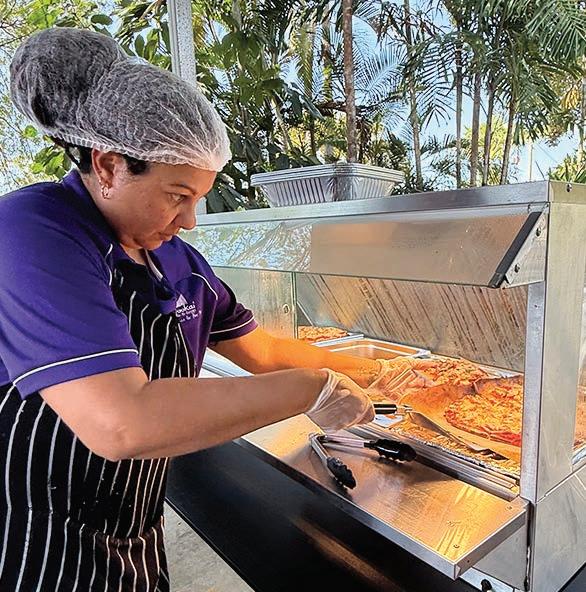
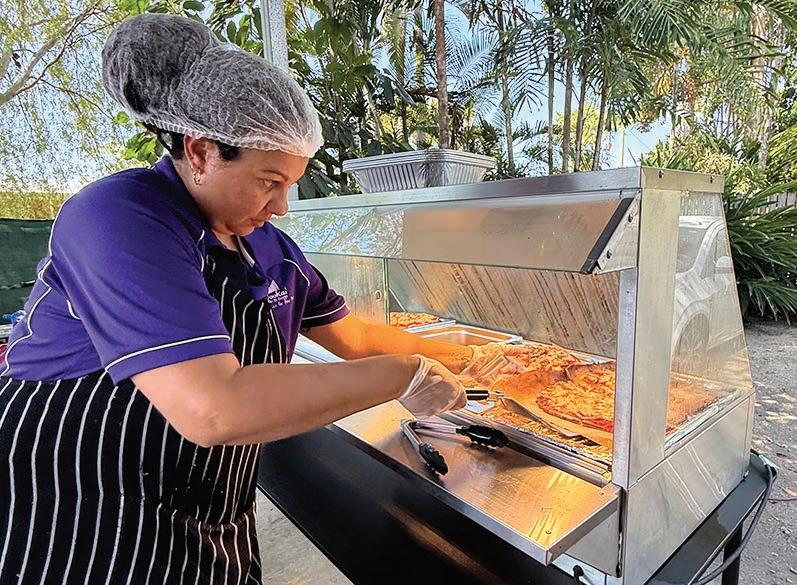
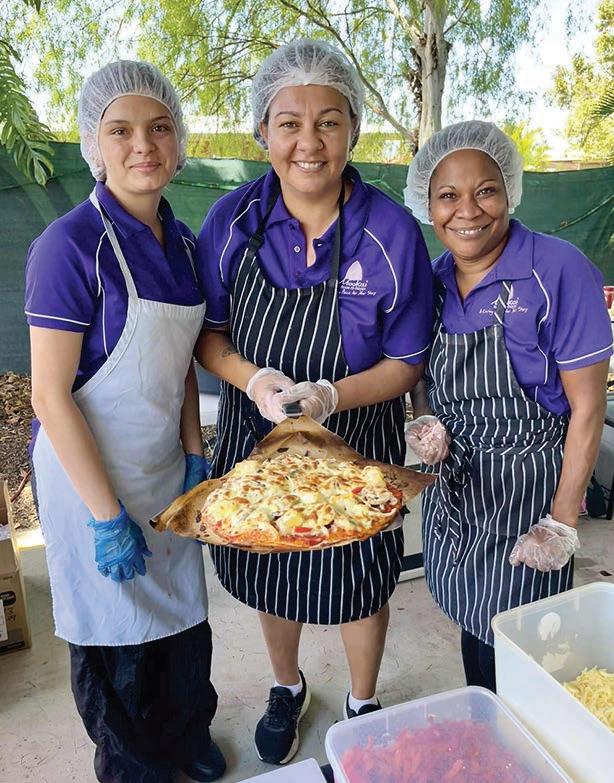
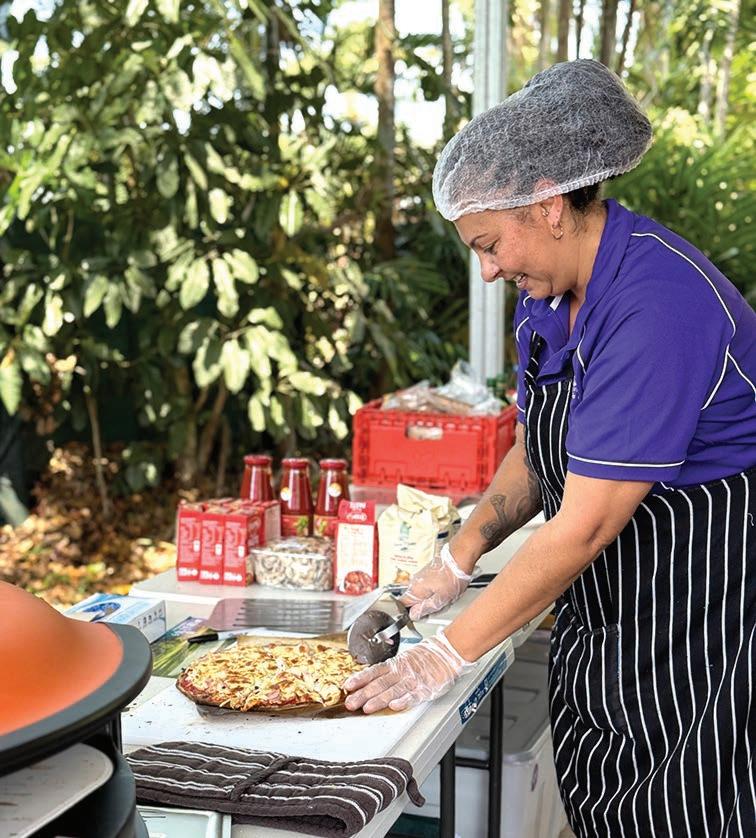
Mookai Rosie Bi-Bayan shared delicious pizzas with community and stakeholders as part of its RU OK Day luncheon at Mookai Family Health on Thursday, 11 September.
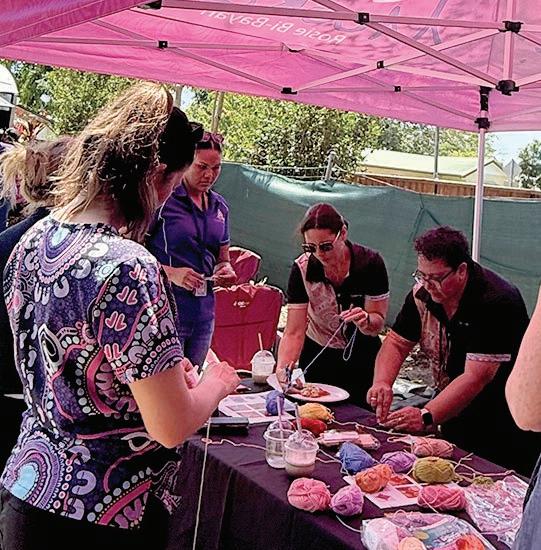
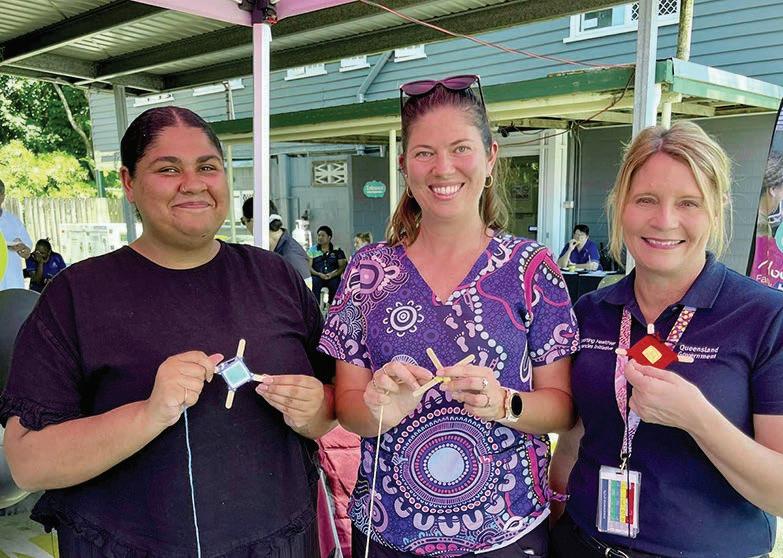
Mookai staff, clients, industry partners and community members enjoyed fresh pizzas made by the Mookai kitchen team, mindfulness activities, discussion and support from the SEWB team.
Mookai Rosie Bi-Bayan Chief Executive Officer Theresa Simpson said the event was about more than a shared meal.
We wanted to create a safe and welcoming space to raise awareness about mental health and suicide prevention, and to encourage meaningful conversations within our community.”
Mookai Rosie Bi Bayan launches new Mookai Mag
Mookai Rosie Bi Bayan is excited to launch Mookai Mag, its in-house publication that celebrates the people, partners and wider Mookai family who shape and support its work.
The magazine explores the inspiring work Mookai Rosie does to support its families to grow safe, strong and healthy. The inaugural issue covers topics including Mookai Family Health’s first anniversary, the art of belly casting and how it can be part of a mother’s birth journey; melioidosis risks during the wet season and protecting babies from respiratory syncytial virus (RSV) — a highly infectious and contagious respiratory virus.
Mookai Rosie Bi-Bayan Chief Executive Officer Theresa Simpson said the magazine provided an important role in educating and informing Mookai Rosie’s clients on the organsiation’s services, the birthing journey and important health issues.
“We’re thrilled to launch Mookai Mag — it’s another way for us to connect with our clients, stakeholders and the community by delivering compelling and engaging content,” she said.
Download your copy via the QR code.
Exercise Kummundoo strengthens community health through partnership
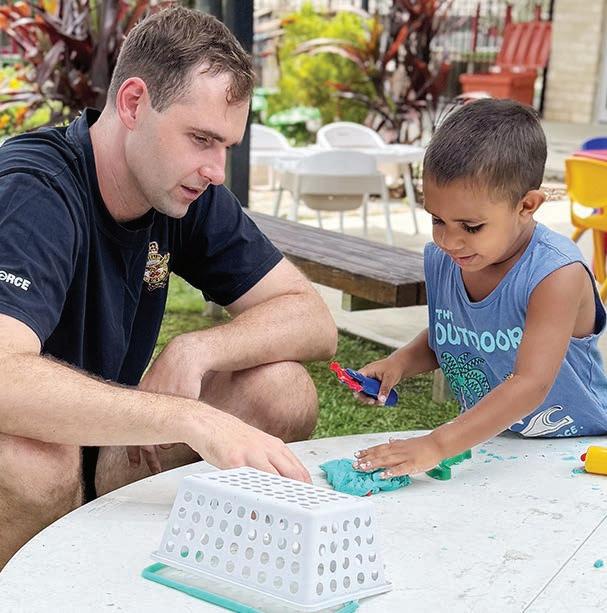
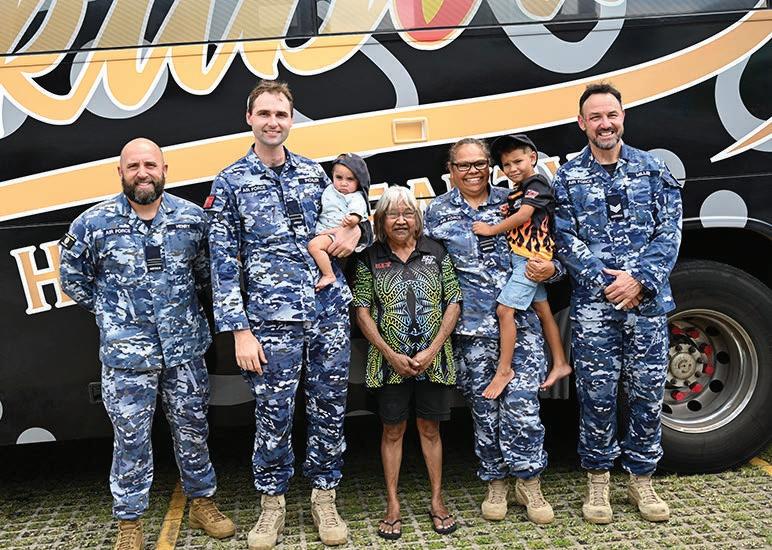
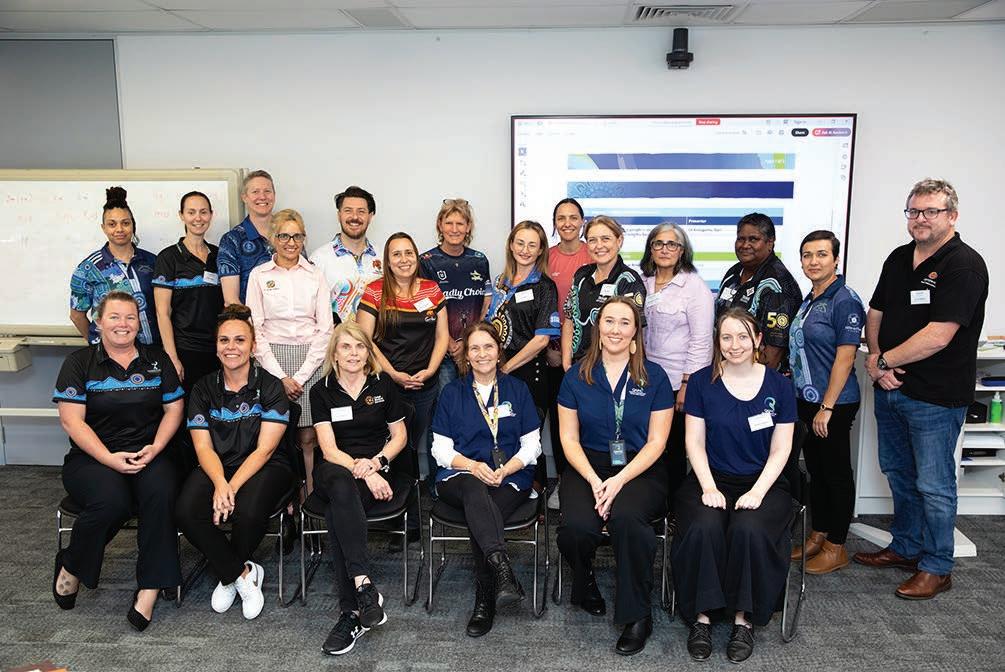
Mulungu Aboriginal Corporation Primary Health Care Service was proud to host Exercise Kummundoo 2025, a five-week placement program from October to November, in collaboration with the Royal Australian Air Force.
Now in its 11th year, Exercise Kummundoo is a community engagement initiative delivered in partnership with the National Aboriginal Community Controlled Health Organisation. The initiative reflects a shared commitment to building a healthier community — mind, body, and spirit.
Air Force health specialists and Indigenous Engagement Officers worked alongside Mulungu Aboriginal Corporation Primary Health Care Service’s clinic in Mareeba to deliver dental care, environmental health services, physical wellbeing support and mental health promotion.
Mulungu CEO Samanthia Dooley said the presence of the Air Force team brought new energy and connection to Mulungu and the broader Mareeba community.
“As a service that’s often understaffed and resource-limited, the additional support made a real difference to our health promotion efforts and provided more meaningful engagement and care for our clients.”
Community members also praised the program’s impact.
Mulungu is doing something really special for our community — there aren’t many services like this in Mareeba. Having the Air Force here has made a real difference, and we truly hope they’ll return every year to continue supporting us,” one local resident said.
Another community member shared: “My uncle doesn’t get out of the house much, but since the Air Force arrived, he’s been more engaged. He said they take the time to sit with us, have a yarn, and they’re not intimidating at all.”
One of the most impactful outcomes of Exercise Kummundoo was the boost to dental services and oral education. With four chairs operational across both
MEMBER
Mareeba & Atherton, Mulungu was able to increase appointment availability, catch up on screening, and significantly reduce dental waitlists.
“The Air Force’s presence during this exercise lightened the load, strengthened our workforce, and enhanced our health engagement activities,” Ms Dooley said.
Exercise Detachment Commander, Wing Commander Elisha Kropp, said: “Exercise Kummundoo reflects our ongoing commitment to reconciliation. It’s also an opportunity for Air Force members to connect with communities, share knowledge, and deliver services that make a meaningful difference.”
Cherbourg Hornets win at Murri Carnival a whole-community effort
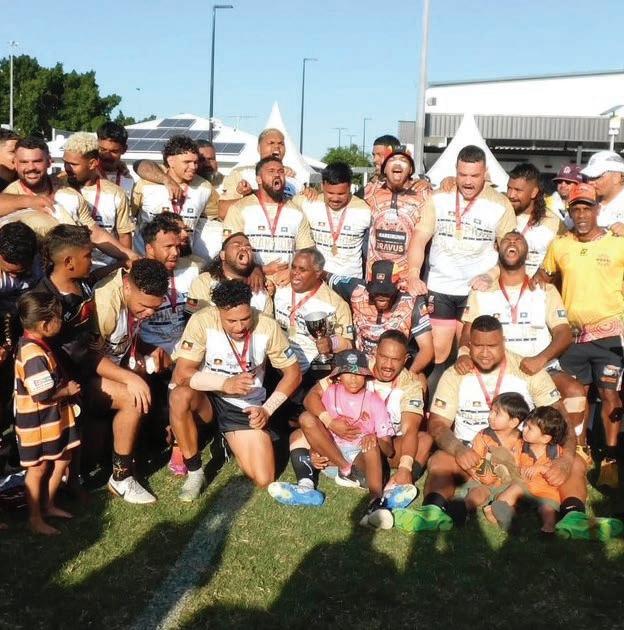
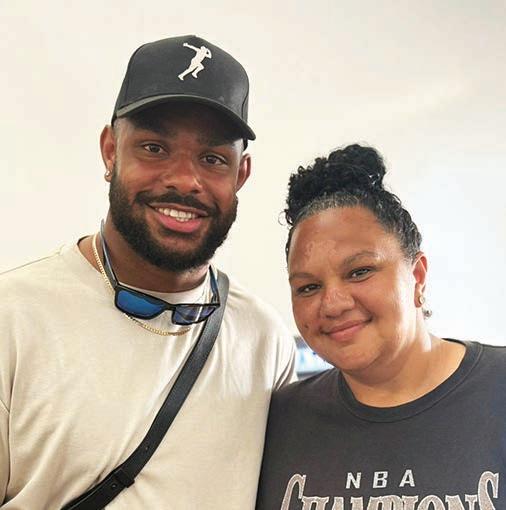
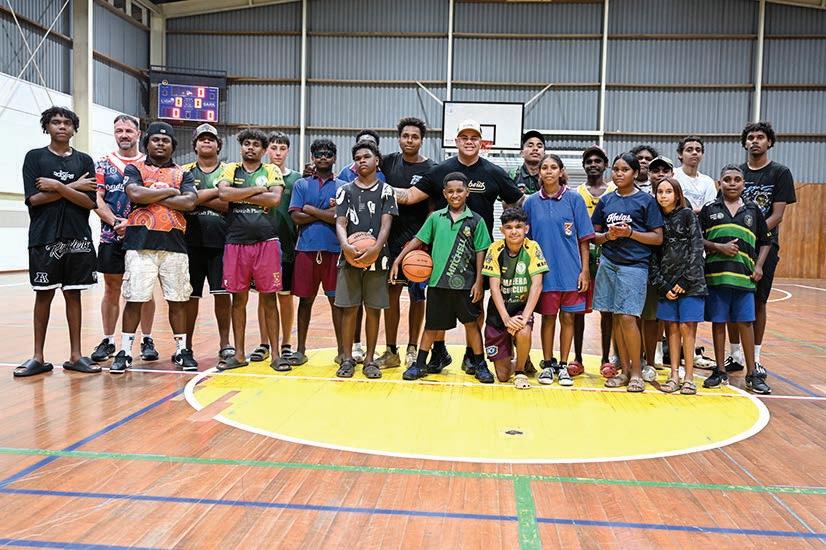
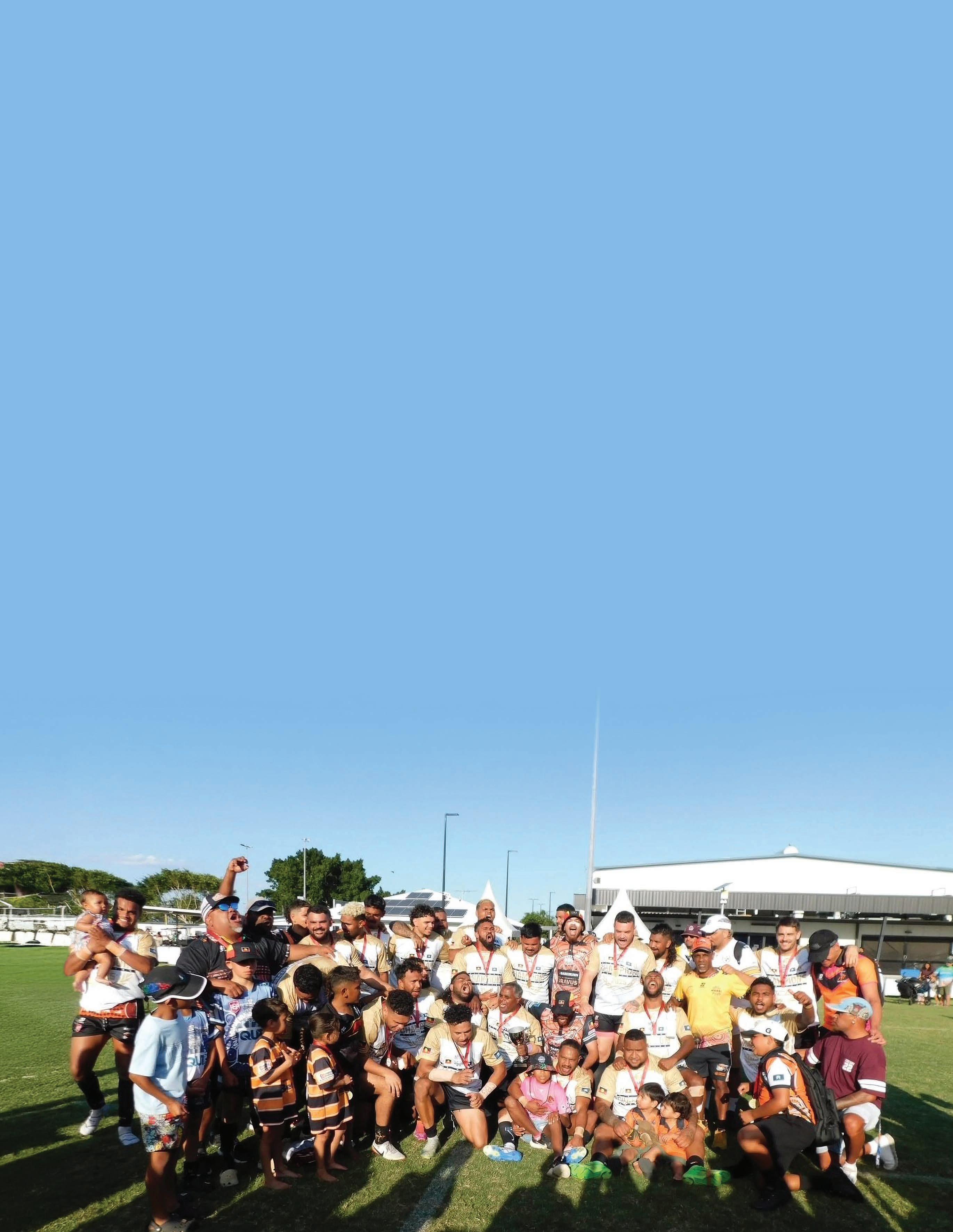
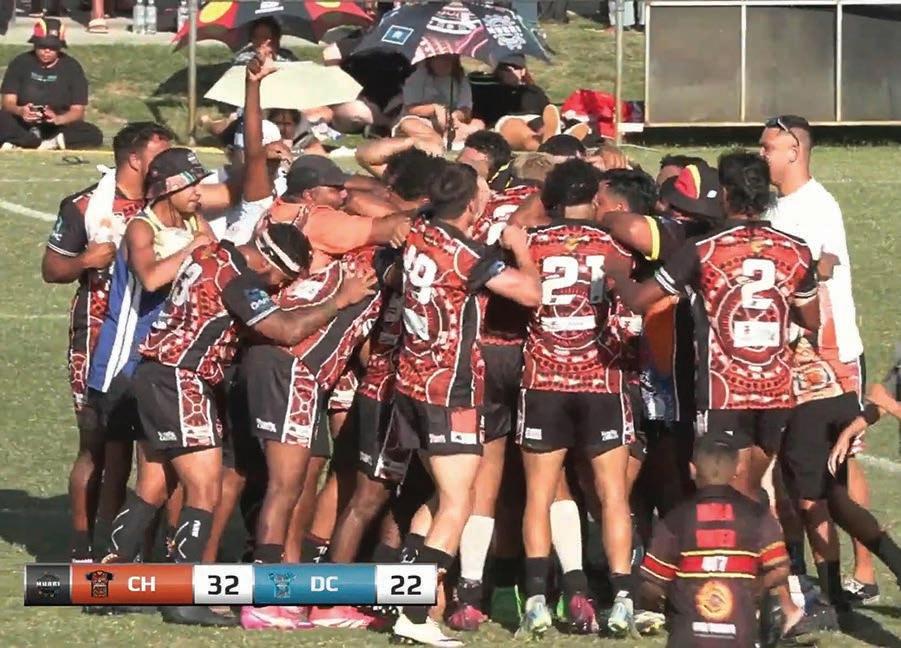
The Cherbourg Hornets’ thrilling win in the 2025 Queensland Murri Rugby League Carnival men’s division was not just a victory for the players and coaches — it was a triumph for the health and spirit of the Cherbourg (Waka Waka country) community.
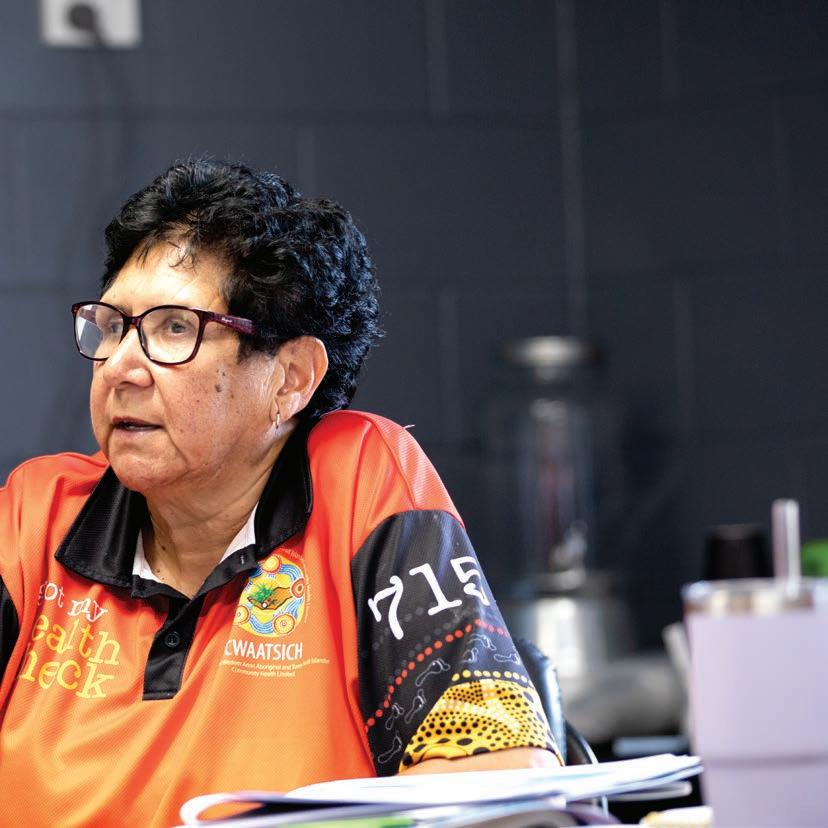
As a requirement of participating in the Murri Carnival, players had to take a Well Person’s Health Check (aka the 715-health check) before taking to the field.
The Well Person’s Health Check is a free, comprehensive health assessment for Aboriginal and Torres Strait Islander people of all ages, designed to identify early risks of illnesses and chronic disease and improve long-term health outcomes.
CRAICCHS Clinical Services Coordinator Amber Saltner said approximately 100 players came through the health service for their health check.
Multiple teams from Cherbourg and surrounds competed in this year’s carnival, including the Cherbourg Men’s, Cherbourg Women’s, Murgon Murris, Coastal Connections, Bruce Fisher Memorial and the Under 16s,” she said.
That wasn’t the only CRAICCHS connection to the big win.
CRACICHS staff member Bernard Hopkins served as trainer and league safety officer for the Men’s side,
while Keith Gadd Jr — son of staff member Keith Gadd — captained the team to victory.
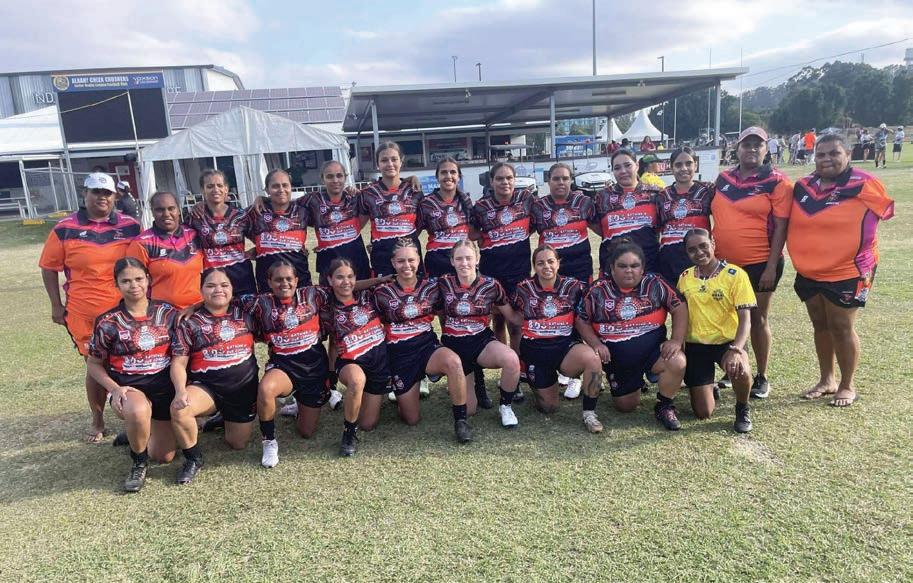
Ms Saltner was also the acting coach of the women’s side, the Cherbourg Hornettes, who made it through to the quarter finals.
“It was an awesome experience coaching the women’s team, watching the younger ladies coming through and representing a small community like Cherbourg at such a big event,” she said. “Witnessing them build their confidence and resilience over the few days of the carnival was really fulfilling to see.”
She said the Hornettes not only learnt from the experience, but it strengthened their determination to “come back bigger and stronger next year.”
CRAICCHS was also proud to support a grassroots community club like the Hornets.
It’s important for CRAICCHS to sponsor grassroots teams as it supports the development of local talent, providing opportunities for individuals to grow and enhance their skills, whilst engaging in physical activity, which also has a positive impact on mental wellbeing,” Ms Saltner said.
This year’s Queensland Murri Carnival was also the largest in the event’s history with 123 teams entered in the competitions across all eight divisions.
Solar donation powers Goondir health services
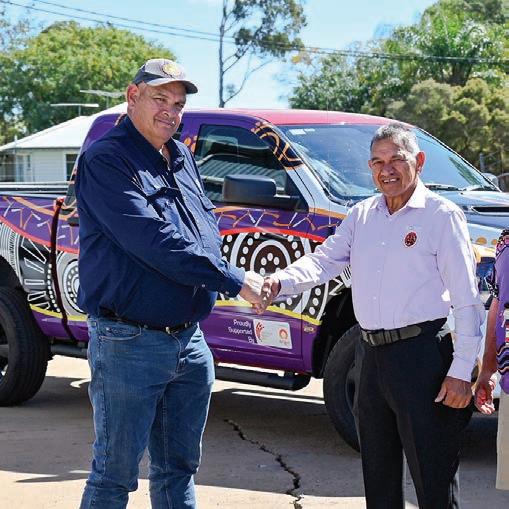
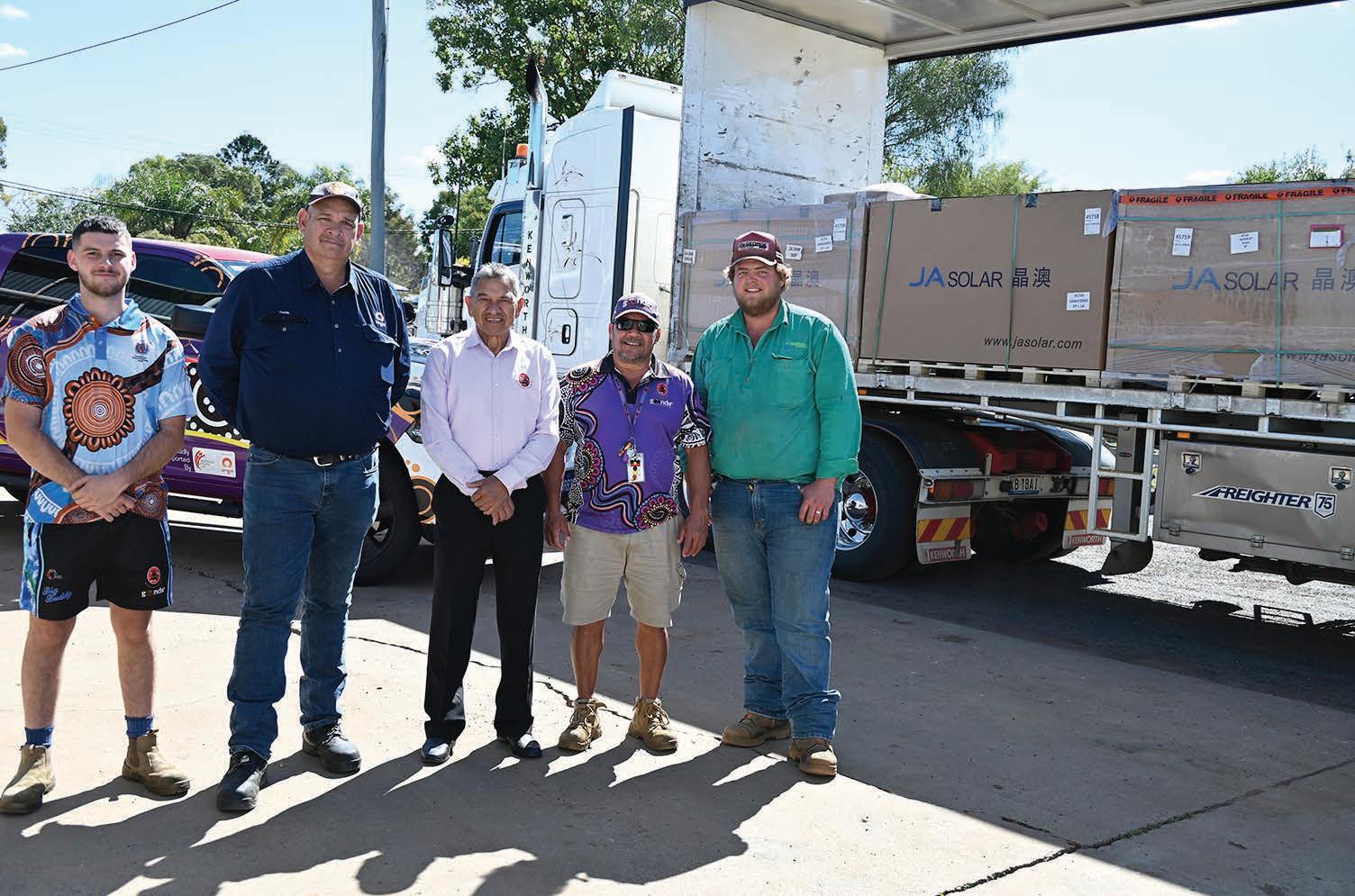
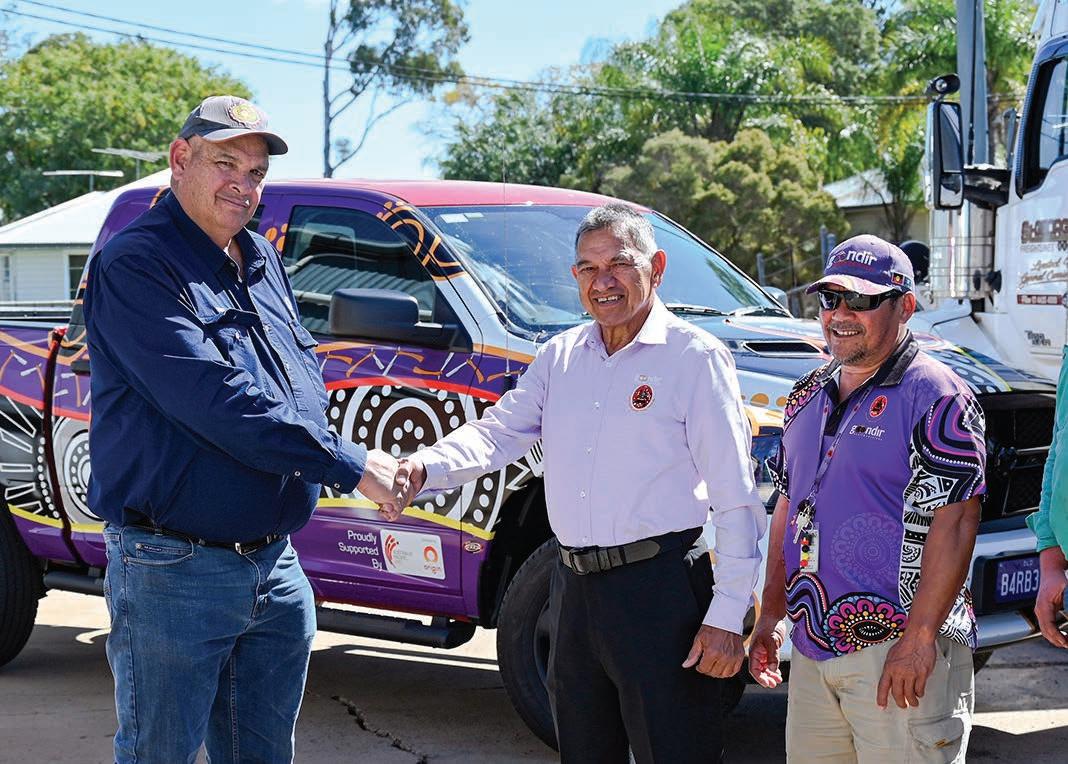
Goondir Health is harnessing the power of Mother Nature to help support community health, with a recent donation of solar panels to power its operations.
The donation from Origin Energy included three solar systems made up of about 190 panels, along with batteries and inverters, for Goondir’s St George, Oakey and Dalby clinics.
This renewable energy upgrade will cut our carbon footprint, lower electricity costs and free up more funds for vital health and community programs,” said Goondir Health Services Chairman, Gary White.
“The donation supports the long-term sustainability of our services and will help ensure Goondir’s clinics and community centres can keep operating reliably for the communities that depend on them.”
Goondir CEO Floyd Leedie said:
“Running a holistic model of care can be very costly as it is more than just treating illnesses; we are supporting people in every aspect of their lives.”
“From our clinical services to our wellbeing programs that assist us in addressing health and the social determinants of health — everything we do is about empowering individuals and strengthening our communities.
The more sustainable our organisation becomes, the more we can empower individuals and strengthen our communities.”
Origin General Manager, Supply and Technology Aleta Nicoll said Origin
was proud to support initiatives that contributed to the health and wellbeing of these communities.
Donating this equipment is a great way to support the transition to renewable energy and help strengthen vital health services like those Goondir provides,” she said.
Goondir is a southwest Queensland Aboriginal and Torres Strait Islander community-controlled primary health organisation, serving the communities of St George, Dalby, Oakey, Chinchilla, Miles, Tara, Thallon and Dirranbandi (Kooma, Mandandanji, Bigambul and Barunggam countries)
For more information visit Goondir online via the QR code.
MEMBER SUPPORT
Member support resources
Over the last few months QAIHC has released more resources to support our Members and their communities. These resources are available for download from the QAIHC website via the QR code.
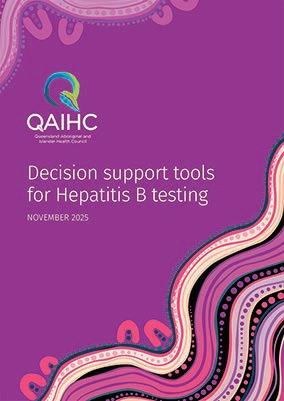
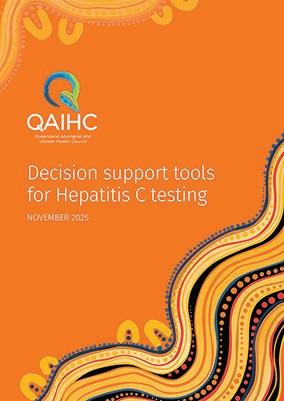
Decision support tools for Hep B & C testing
QAIHC’s Public Health team has constructed a set of decision support tools for physicians when testing for hepatitis B or C.
The guides provide a step-by-step process to support physicians who are guiding patients, in a culturally safe way, through a process potentially involving testing, diagnosis, vaccination, treatment and monitoring.
The guide is a must-have resource for dealing with what can be a sensitive issue and will be sent to Members in the new year.
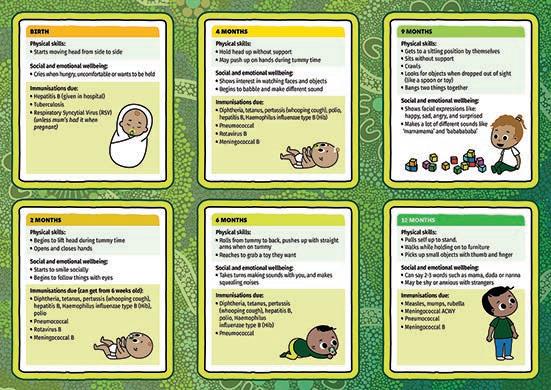
New resources to support bub’s immunisations
Public Health has added to its suite of immunisation resources with a pamphlet for parents setting out bub’s growth stages and their immunisation needs at each stage.
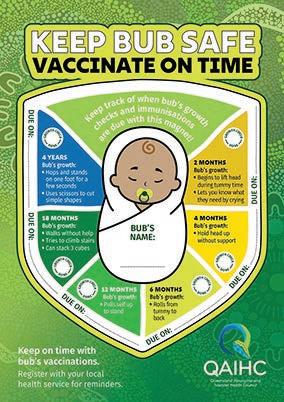
The team has also created a fridge magnet, with room for dates to be written in, setting out timeframes for bub’s vaccinations.
Email the QAIHC’s Public Health team if you would like to order more immunisation resources at the addresses below: janika.dobbie@qaihc.com.au or rebecca.brereton@qaihc.com.au
New booklet for crisis support services
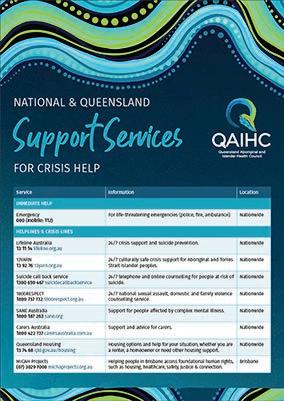
QAIHC’s Social and Emotional Wellbeing team has collated a booklet of crisis support services at a Queensland and National level.
The booklet is a comprehensive listing of crisis support regarding everything from accidental poisoning and financial crises, through to LGBTQI+ support, DFV services and mental health crisis services.
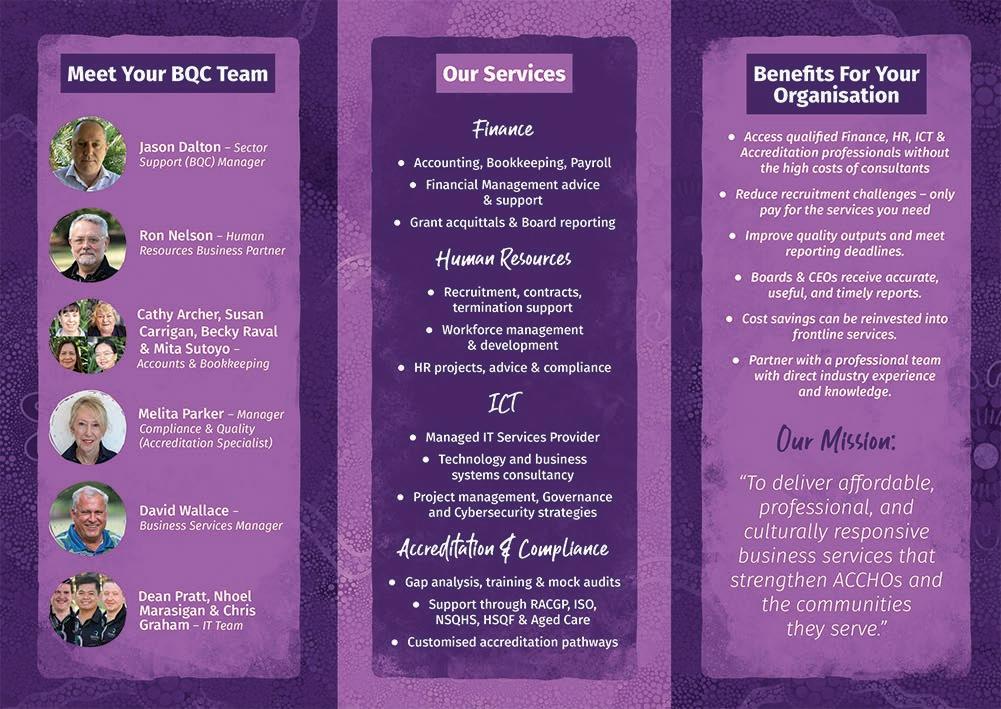
The BQC is here to help
QAIHC’s Business Quality Centre (BQC) has been providing business services to the ACCHO sector since 2011.
It offers professional and affordable services across the finance, human resources, ICT and accreditation/compliance spaces; and offers excellent value for money, allowing ACCHOs to reinvest savings in frontline services.
For more information on BQC services, contact Jason Dalton, Manager, Business Quality Centre on 0417 900 427 or jason.dalton@bqc.org.au
Divisional update
Policy, Advocacy, Leadership & Strategy (PALS)
PALS led the delivery of the October 2025 QAIHC Statewide Members Conference, held in Gimuy/Cairns, which brought together the sector to explore shared challenges, celebrate successes, and identify clear priorities for the sector under the theme Led by Culture, Driven by Purpose. A conference report has been sent to Members.
The Communications and Design teams have been working on the RACP Sector Orientation Project — an online orientation course for new registrars to the sector; preparing conference collateral, working on the new QAIHC website and this magazine.
The Policy team has been coordinating regional forums for Central Queensland and Far North Queensland regions in preparation for the roll-out of Queensland Health funding under the Increasing First Nations Health Sector Capacity project.
The Policy team continues to engage on behalf of the sector through the Coalition of Peaks, Aboriginal and Torres Strait Islander Health Collaboration, NACCHO subcommittee meetings and working groups, NHRA Monitoring and Accountability Working Group meetings and Closing the Gap policy working groups.
The final Data Strategy was completed by the Health Information team in October 2025. The purpose of the Data Strategy is to identify clear practical steps QAIHC can take to make full use of data to inform planning, policy and advocacy, and to empower Members to use data to advance outcomes for their communities. The strategy is aligned to the four outcome domains of QAIHC’s 10-year Blueprint. To identify strategy priorities and activities, 13 workshops and interviews were conducted with Members, stakeholders and QAIHC staff. A set of 13 data priorities were designed to bridge the gap between the current state and desired future state, and these priorities are underpinned by 35 supporting activities.
Over the past several months, the QAIHC Public Health team participated in state and national networks, including the Queensland Health Lung Cancer Screening Steering committee, NACCHO Public Health Physicians network, Rheumatic Fever Strategy Forum, and Clinical Leaders Forum and Committee meetings. It supported Member services through policy guidance, emerging programs, and internal advice on MyMedicare reforms, sexual health, immunisation, and Hepatitis B/C management. Key initiatives included the RACP Sector Orientation Project, childhood immunisation campaigns, sexual health resources, and public health media engagement. The team prepared position statements, submissions to national health plans, and collaborated with Queensland Health, ASHM, Kirby Institute, and Poche Centre on POCT and other public health priorities.
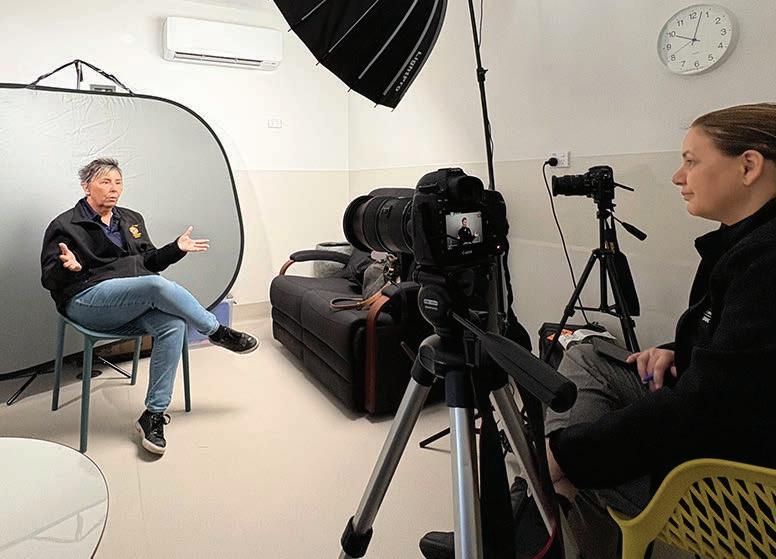
Filming for the RACP Sector Orientation Project
QAIHC’s Clinical Leaders Forum
QAIHC’s Clinical Leaders Forum
MEMBER SUPPORT
Sector Development — Working with our Members
On the road
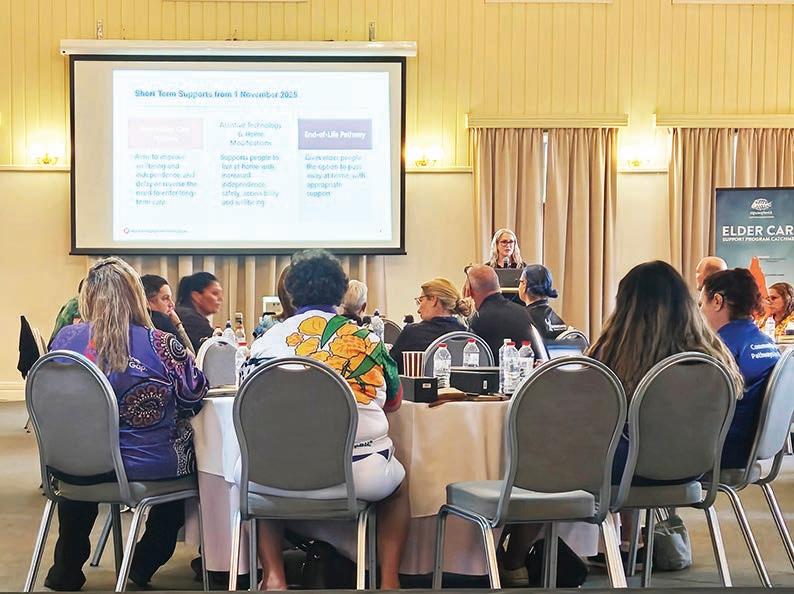
Beyond the Members Conference, Gimuy/Cairns has recently hosted our inaugural Statewide Elder Care Support Program forum, the QAIHC SEWB Far North Queensland regional forum and the Deadly Sex Congress. QAIHC Sexual Health Officer Ms Emily Pegler presented at the Congress. Ms Pegler has recently taken up an opportunity with Poche Centre and we wish her the best of luck.
Supported by Torres Health, QAIHC’s Manager, Social Health Programs Ms Tiana Lea and Strategic Advisor, Wellbeing and Engagement Bo de La Cruz also supported communitybased training across the Torres Strait through Eyez on Ice (see full story on page 6). This training helps families and individuals recognise the dangers of amphetamine use and ways to seek support. Delivering this training on outer islands gives a grass-roots perspective on why working with families and advocating for more support is so important. The team would also like to thank Torres Shire
Councillor Thomas Fujii and Joanne Dorante, both representing Torres Health, for joining the trip.
Ear Health Coordinator Jaymie Lynch participated in a NACCHO-led national forum on developing an updated national ear and hearing health strategy. Ms Lynch was excited to build on the recent experience of attending ear-health training at CRAICCHS through EarTrain (TAFE NSW). She is keen to ensure clear messaging around the importance of hearing for our youth and is working on promotional materials.
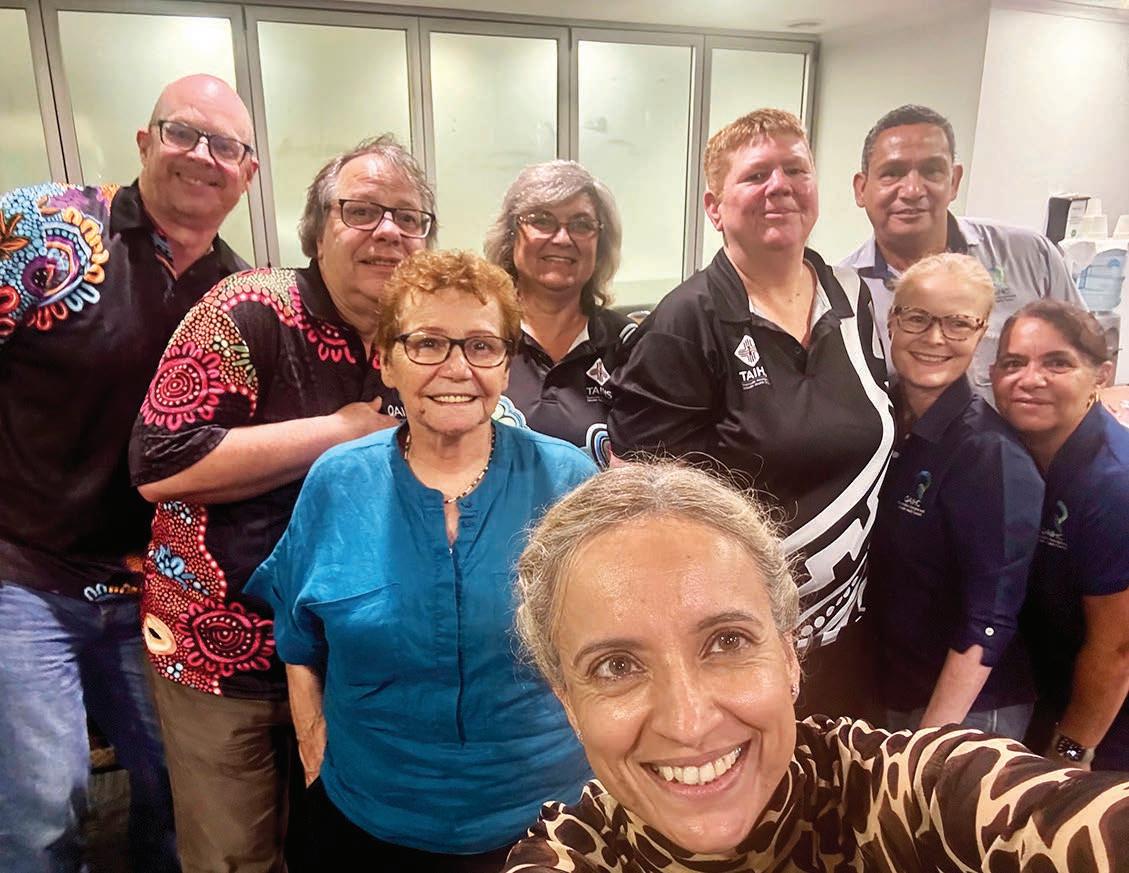
and Dr Collins attended a forum in Mandandanji/Roma with Sheryl Lawton (CEO) and Ellaine Wingate (Practice Manager) of CWAATSICH. The forum engaged state and national stakeholders on the future of the Queensland Rural Generalist Training Pathways as well as rural and remote health priorities. This forum was the 20-year anniversary of the Roma Accord, which outlined the need to train a rural-and-remote-capable GP workforce. QAIHC is working with partners on an updated Roma Accord.
Strengthening capacity
GP need in the sector
The day after the Members Conference a GP Workforce Network meeting in Gimuy explored recruitment strategies including recruiting overseas GPs, a telehealth model at Girudala and other recruitment models. A report will be published soon; please reach out to QAIHC’s GP Workforce Advisor Dr Claudia Collins for more information.
On 2–3 October, General Manager of Sector Development Greg Richards
Sector Development is finalising an executive leadership program which is expected to launch early-to-mid 2026. Ongoing accreditation support is provided by Manager, Compliance and Quality Melita Parker, focusing on Member tools and RACGP 6th Edition standards. Sandy Robertson continues to update Members via online forums and individual contact on Medicare changes, including bulk billing and MyMedicare.
Queensland rural generalist 20 year forum: Framing the future — A landmark meeting in Roma
QAIHC Statewide Elder Care Support Program forum
QAIHC SEWB Far North Queensland Regional Forum
Partnering with our leaders
In partnership with Cherbourg Mayor Bruce Simpson and CRAICCHS, QAIHC is supporting a local Cherbourg Mental Health and Wellbeing community workshop in February or March 2026.
Ms Tiana Lea and SEWB Coordinator Annie Parks, met with Professor Pat Dudgeon and Tegan Schefe from the Centre of Best Practice in Aboriginal and Torres Strait Islander Suicide Prevention in Brisbane recently to discuss insights from SEWB pilots in Western Australia and explore how these learnings could inform future workforce models.
Business Services
It has been a busy quarter with the finalisation of the 30 June 2025 Annual Financial Statements, audits, grant acquittals and AGMs. The Finance teams have just completed the most hectic time of the year: audit season. Planning for the holiday season now commences; managing payroll, shut down periods and staff leave requirements.
The audit for the 2024/25 financial year was completed on 25 September. The audited financial statements were presented to QAIHC’s Members at the Annual General Meeting on 20 October and were approved.
The ISO 9001:2015 Surveillance Audit was conducted on 30 September and 1 October. QAIHC has been recommended for continued certification to the ISO 9001:2015 Standard.
Jason Dalton has recently been appointed as the Sector Support Manager of the QAIHC Business Quality Centre (BQC). He has worked in the ACCHO sector for over 25 years in senior financial management roles. Welcome to QAIHC!
Read the QAIHC 2025 Annual Report with full Financial Statements online via the QR code.
L-R: Annie Parks, Professor Pat Dudgeon, Tiana Lea and Tegan Schefe
Cherbourg Mayor, Bruce Simpson with QAIHC’s Health Programs Manager, Yasmin Muller
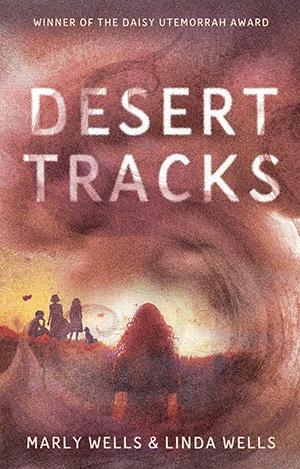
Desert Tracks
Authors: Linda Wells and Marly Wells (Magabala Books, 2025)
Millie, a Warlpiri teenager, is sucked up by a willy willy and transported to Alice Springs in 1924. Here she meets a crew of oddly familiar young people, Sonny, Beryl and Spike. As the group continue to find each other in time, they realise the Alice Springs of the past and the future are not as different as they seem...
Desert Tracks is a time travelling novel about young people in central Australia, the historical legacy of racist policies and the relationship between history and the present.
Find out more here: magabala.com.au/products/desert-tracks
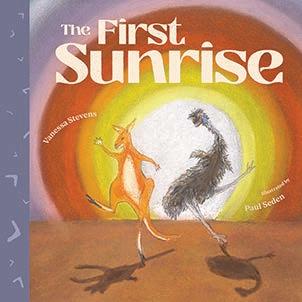
The First Sunrise
Author: Vanessa Stevens, Illustrator: Paul Seden (Magabala Books, 2025)
The First Sunrise is the first published Mbabaram creation story, weaving traditional knowledge and science to share meaningful lessons and insights with children.
Mbabaram creation stories focus on the beginning of lands, skies and waterways environments. This first story recounts the important task given to Kangaroo and Emu to make the first boomerang and cause the creation of day and night and the directions.
It was told to the author, Vanessa Stevens, by her father, Colin Alec Stevens (Alick Chalk) who lived traditionally in the Aboriginal Camps of Irvinebank, Bakerville and Watsonville in North Queensland, from 1901 to 1916. These stories have been passed down to Vanessa to share with others.
Find out more here: magabala.com/products/the-first-sunrise
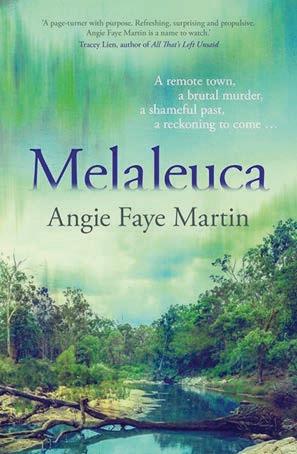
Melaleuca
Author: Angie Faye Martin (Harper Collins, 2025)
A country town, a brutal murder, a shameful past, a reckoning to come...
The injustices of the past and dangers of the present envelop Aboriginal policewoman Renee Taylor, when her unwilling return to the small outback town of her childhood plunges her into the investigation of a woman’s brutal murder.
Leading the investigation, Renee uncovers a perplexing connection to the disappearance of two young women 30 years earlier. As she delves deeper and the mystery unfurls, she uncovers intergenerational cruelties, endemic racism, and deep corruption.
Find out more here: harpercollins.com.au/9781867270881/melaleuca
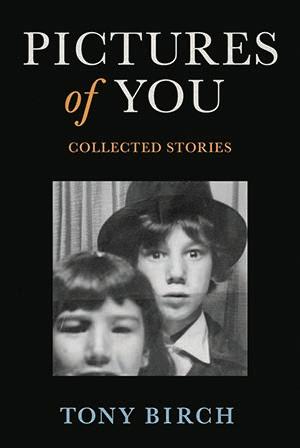
Pictures of You
Author: Tony Birch (University of Queensland Press, 2025)
Pictures of You: Collected Stories brings together the best of acclaimed writer Tony Birch’s short fiction from the past two decades.
This anthology showcases Birch’s skills at finding the extraordinary in ordinary lives, and the often-unexpected connections and kindnesses between strangers. His work is by turns poignant, sad, profound and funny — and always powerful.
Find out more here: uqp.com.au/books/long-yarn-short
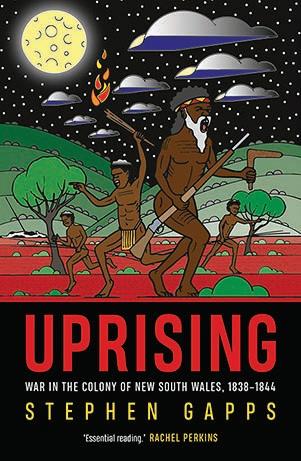
Uprising
Author: Stephen Gapps (University of New South Wales Press, 2025)
Uprising: War in the colony of New South Wales, 1834-1844 is a nonfiction book that examines the extensive frontier resistance warfare across First Nations lands in the Murray-Darling region of New South Wales from 1838-44.
The author draws upon deep research and consultation with Elders and knowledgeholders to unpack what has often been overlooked in Australian colonial history.
If you’re interested in truth-telling, Aboriginal and Torres Strait Islander history, and the intersections of colonisation, war and resistance, read this book.
Find out more here: unsw.press/books/uprising
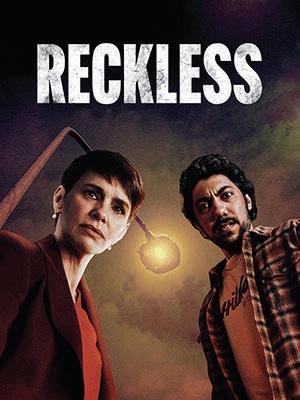
Reckless
Director: Beck Cole (SBS & SBS on Demand, 2025)
Feuding siblings June (Tasma Walton) and Charlie (Hunter Page-Lochard) must cooperate after a hit-and-run accident in Fremantle leads to unexpected chaos throughout their community.
This dark comedy is adapted from the Scottish mystery thriller Guilt by Neil Forsyth and stars some of Australia’s finest First Nations acting talent, backed up by First Nations co-writer Kodie Bedford (All My Friends Are Racist) and directed by Beck Cole (Deadloch).
The full series of Reckless is available for free via SBS on Demand. Find it here: sbs.com.au/ondemand/tv-series/reckless
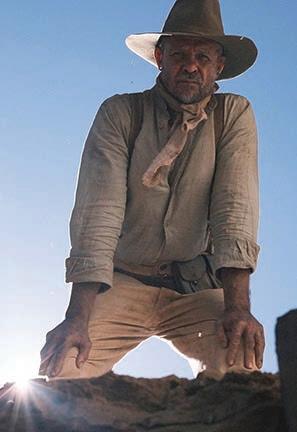
Wolfram
Director: Warwick Thornton (IMBD, 2025)
Wolfram is the follow-up by director Warwick Thornton to his 2017 western Sweet Country. Set in the 1930s, it follows three children who escape their cruel white masters and journey across central Australia seeking safety with their estranged mother Pansy (Deborah Mailman).
Wolfram is a taut western of kinship, survival and colonial reckoning in the Central Desert.
Find it here: imdb.com/title/tt36826227
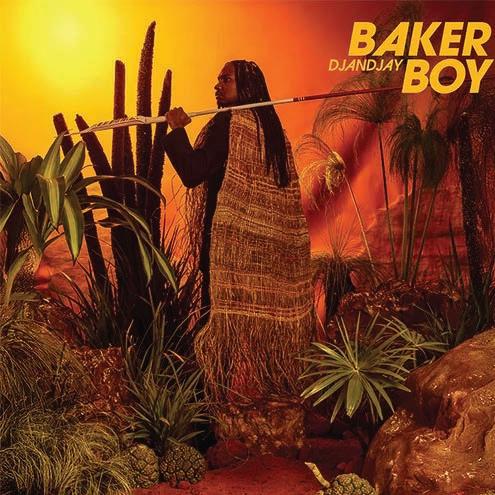
Djandjay
Artist: Baker Boy (Island Records Australia, 2025)
Djandjay is the second studio album by Yolnu rapper Baker Boy. The album was released on 10 October through Island Records Australia and Universal Music Australia.
Baker Boy said the album title is named after his late grandmother and a Yolŋu spiritual figure — an octopus spirit said to guide souls. Baker Boy said “Djandjay is about truth. It’s about strength and defiance. I put my whole self into this album — and it feels like all of me is in there.” Baker Boy also said, “This is my strongest, most powerful work yet.”