As we step into 2026, I hope each of you found space during the 2025 holidays and New Year to rest and recharge. If the early indicators are any sign, that downtime was well deserved because 2026 is shaping up to be one of the most active and opportunity-laden years our industry has experienced in quite some time. This positive outlook aims to inspire confidence and excitement for what’s ahead.
While many forecasts point to a softer travel quarter in Q1, driven by cautious consumer spending and post-holiday slowdown, we are seeing strong long-term confidence across destinations, rights holders, and partners. Bookings are already rebounding for late spring and summer, youth and amateur sports continue to anchor travel demand, and communities are investing more strategically than ever in facilities, experiences, and placemaking. The pause is temporary. The momentum is real.
That momentum is exactly why PUSH Magazine exists. From day one, PUSH has been intentionally built around the sports tourism professional lifestyle, not just the business side of the industry, but the human side as well. Our content lives at the intersection of personal growth and professional excellence, offering insights that help you lead better, market smarter, recover faster, and stay inspired in an industry that rarely slows down. We want you to feel recognized and supported in your journey.
While other publications focus primarily on announcements and surface-level trends, PUSH goes deeper. We spotlight the people behind the destinations, the lessons behind successes and failures, and strategies that move the needle. We talk about leadership, burnout, innovation, event economics, culture, wellness, storytelling, and long-term vision because sports tourism is more than hotel room nights and attendance numbers. It is about building places, experiences, and careers that last.
As we move into 2026, you will see PUSH continue to evolve alongside the industry, bringing sharper insights, more real-world perspectives, and content that reflects how sports tourism professionals truly live and work. Q1 may be a moment to recalibrate, but the rest of the year is about acceleration: new events, partnerships, markets, and expectations from travelers and communities alike. The opportunities ahead are massive for those willing to adapt, innovate, and lead with purpose.
Here is to a bold, busy, and impactful 2026, and to PUSH the industry forward together.
x Matt Dunn
CONTENTS
2 8 16 20 24 34 42 28 46
Field Notes
From the desk of Matt Dunn
Destination Spotlight
John Mark Freeze - Spartanburg SC
PUSH health
Heart healthy fuel for sports tourism professionals
Conference Review
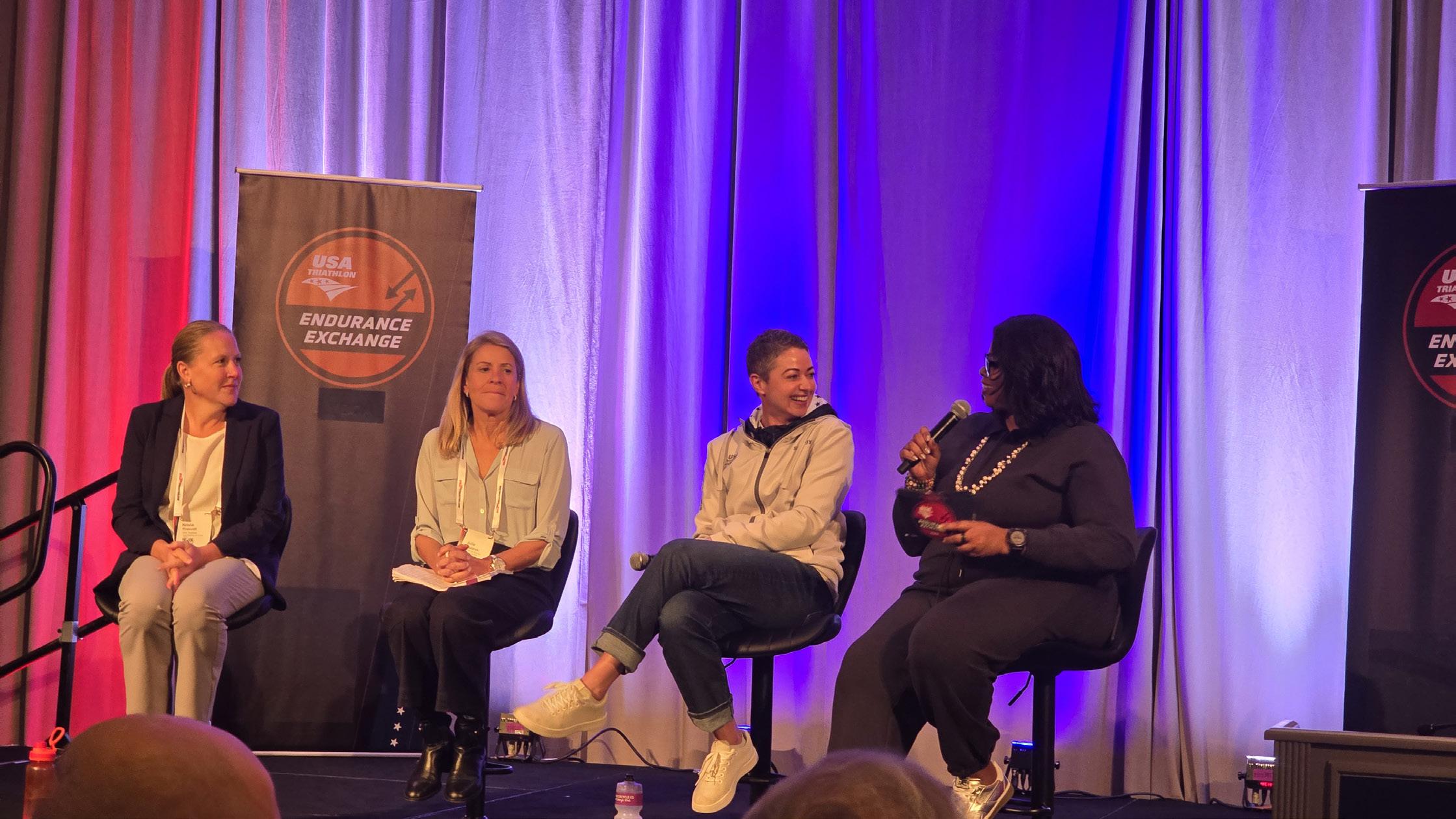
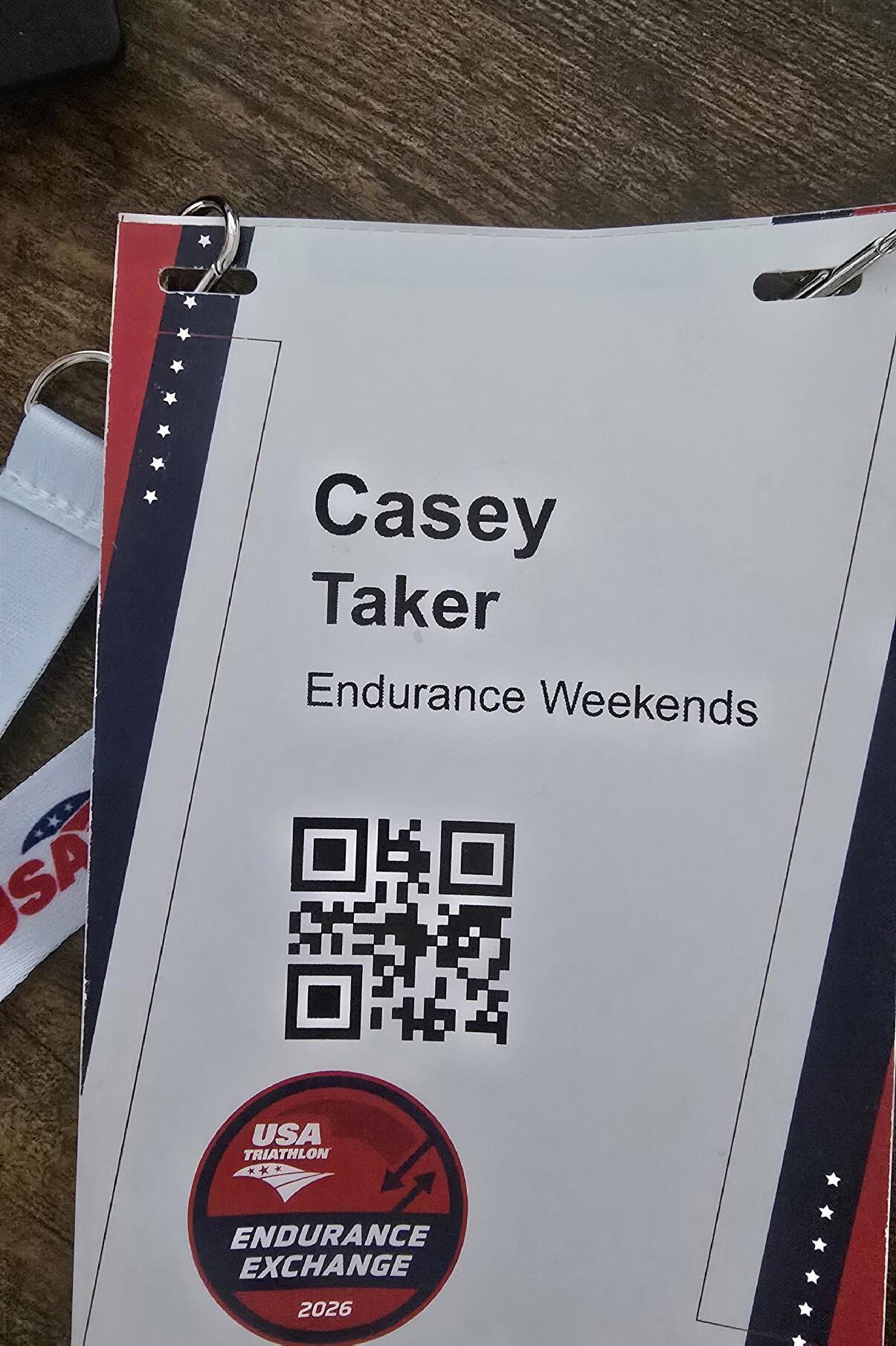
Leading with Transparency: Lessons from Endurance Exchange
PUSH marketing
Marketing predictions and emerging trends for 2026
PUSH travel
Mastering sleep on airplanes
Conference Review
Sports Xpress, Fort Myers Beach
PUSH business
How International Events Drive Years of Tourism Momentum
Industry Confidential
Our guest writer explores why where we meet is now as important as why we meet
RISE: Sports ourism’s i st i t is the premier
industry gathering where destinations, rights
holders, event organizers, rands, and invest ors
come t ogether t o cele rat e excellence and activat e
the future of sports t ourism.
This is not a traditional awards gala. t is a high-
impact industry platform that lends recognition,
deal flow, and leadership positioning int o one power ful night.
Hosted by The Collective ST
December 9, 2026
Sunsee er esort, Ch rlotte H rbor, F
Followin the US Sports Con ress
DESTINATION SPOTLIGHT
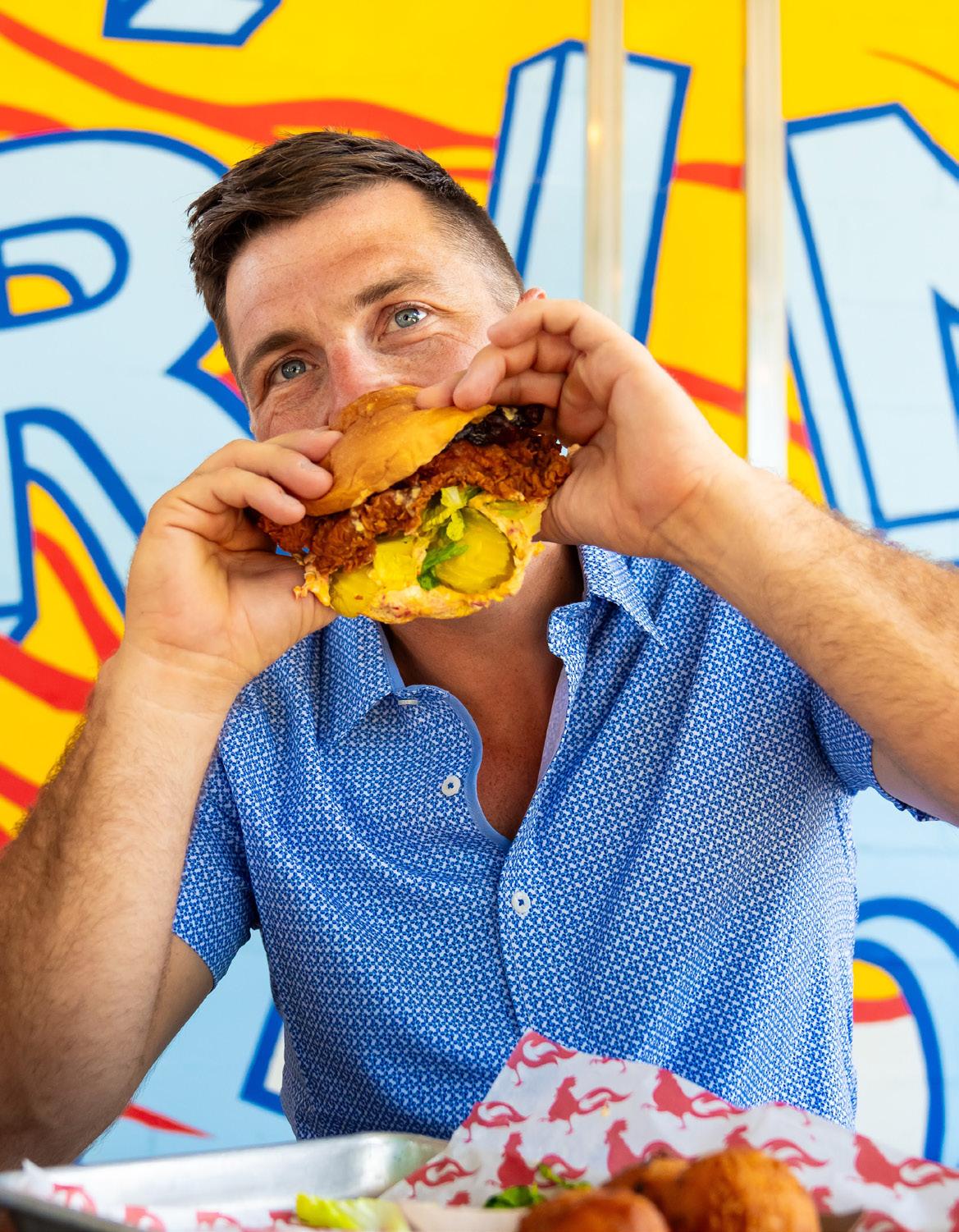
John Mark Freeze
How did you first break into the world of sports tourism, and what hooked you for good?
Once upon a time, I was working in collegiate athletics at the University of Tennessee, selling tickets—dialing for dollars. I was ready for a new challenge and had my sights set on Charlotte, the closest major market to my hometown.
I really had no idea the DMO/CVB world existed until I stumbled upon a Sports Sales Manager position with Visit Charlotte. I did my homework, reached out to Thomas Lee blindly, and a few conversations quickly led to a couple of interviews, and the rest is history.
I’m forever grateful to my good friend, Thomas, for his trust and leadership, and for showing me the ropes in this industry.
As odd as it may sound, I enjoy the unpredictability. No two days are the samedifferent events, different sports, a variety of venues, and new challenges along the way. We have the freedom to be creative and bring a wide array of events to life, all for the benefit of our community.
What’s a recent project or event you’re especially proud of, and what made it stand out?
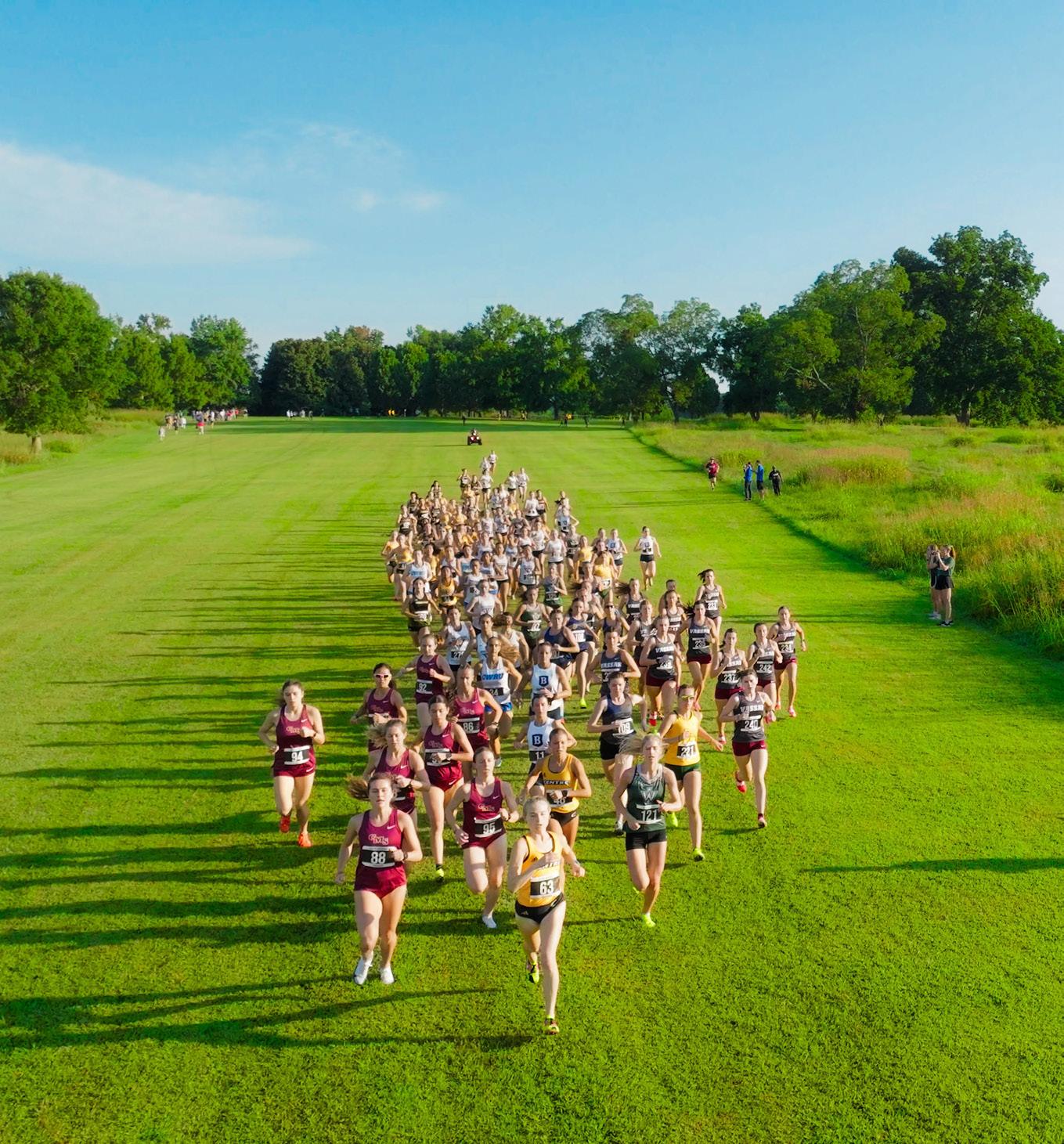
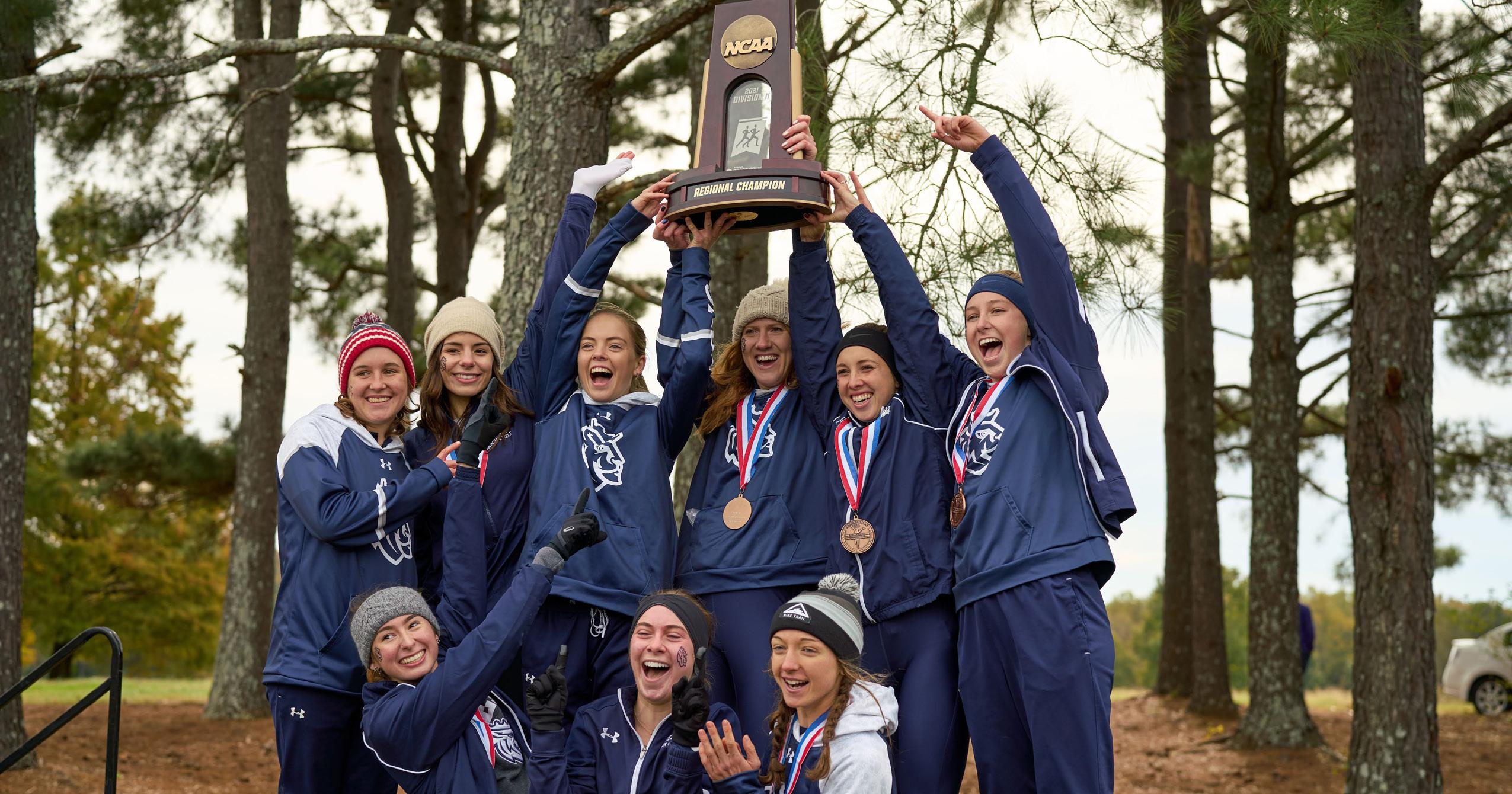
We recently hosted the NCAA Division III Cross Country National Championships. There’s nothing quite like watching student-athletes— many competing on the biggest stage of their lives—race toward the finish, achieve lifelong dreams, and then lift a national championship trophy. That never gets old.
We drew more than 11,000 fans and athletes from 29 states, filling the course with an energy you could feel from start to finish—for an event that lasts just 30 minutes. The passion surrounding collegiate athletics is always electric, and event day delivered everything you expect from an NCAA Championship: excitement, pressure, organized chaos, and a remarkable showcase of talent. It was a memorable win for the athletes and our community alike.
How have you seen the sports tourism industry evolve over the past few years, and where do you think it’s headed next?
Sports tourism is becoming one of the most reliable and high-impact drivers of tourism and economic development for communities. Events are no longer just about room night demand—they’re about creating holistic experiences that engage athletes, families, sponsors, and local partners in more meaningful ways.
We’ve seen a rise in rights holders prioritizing destinations that offer strong partnerships,
intentional customer service, and streamlined planning and support. It’s not just about competition venues or fields anymore; it’s the full-service approach that truly differentiates communities.
The future of sports tourism will be defined by creativity, intentionality, and a commitment to delivering exceptional experiences—not just for the athletes, but for the communities who truly support and welcome them. And hopefully, in time, more destinations will recognize the resilience of the sports market—often proving strong and steady, even in uncertain economic climates.
I’m optimistic that we will continue to see investment and support that places sports tourism at the forefront, on more equal footing with the traditional meetings and conventions market segments. As our industry continues to evolve, the impact of sports tourism will grow, creating even more opportunities for destinations nationwide.
If you could fix one misconception people have about sports tourism, what would it be?
I think there’s a misconception about the professionalism and strategy behind our line of work. For many, sports are simply a passion or a form of fun and recreation, so people don’t always recognize the work and effort that go into it long before the ball is in play or the whistle blows. Sports tourism isn’t just scheduling tournaments; it’s economic development. It requires relationship-building, longterm planning, data analysis, community alignment, and the ability to deliver at a high level for rights holders, local partners, and every athlete, official, and spectator.
What role does community impact play in your business development strategy?
We must leverage our business development efforts—and the impact of sports tourism—to drive growth and development across our community. The ripple effect of sports tourism is undeniable. When we recruit and bring events to our community, our impact extends far beyond the data and event statistics—we’re supporting youth development, creating and sustaining jobs, increasing facility activation and future growth, promoting health and wellness,
and driving demand during peak periods.
At OneSpartanburg, Inc., where our chamber of commerce, economic development partnership, talent and workforce development, and tourism teams all operate under one unified organization, those wins are amplified. Our efforts don’t just impact visitors and hotels; they strengthen our business community, enhance workforce attraction, and elevate overall quality of life through new or improved amenities, restaurants, attractions, and more. Each event, each win, each milestone, helps position Spartanburg as a terrific community to live, work, play, and visit.
What’s one sports moment (personal or professional) that changed your life or career path?
The 2010–2011 NBA Playoffs will always stand out, both personally and professionally. My first post-graduate job was with the New Orleans Hornets, and I had moved to NOLA without knowing a soul. Fast-forward through an incredible season and unforgettable experiences—the Bees fell to Kobe and the Lakers in Game 6…and shortly thereafter, the 2011 NBA lockout began.
My NBA stint was short-lived, but Mamba Mentality!? I soon relocated to Tennessee and began my career in tourism and hospitality. I still have
incredible friendships from my time in New Orleans, and it is definitely one of my favorite cities to visit.
Outside of work, what sport, team, or athlete do you enjoy following the most?
I follow my alma mater, the Coastal Carolina Chanticleers—CHANTS UP! I’m also a fan of the Carolina Panthers, Charlotte Hornets, and Atlanta Braves = I’ve mastered the art of optimism.
If you weren’t working in sports tourism, what would you be doing instead, and why?
I’d be in a strategic sales role. I thrive on the drive to succeed and the simple, satisfying challenge of closing a deal. But it’s not just about the win—it’s about what it takes to get there: creating and building meaningful relationships. It’s essentially the same game plan as winning a bid—build trust and rapport, find the right fit, and deliver a successful result. Or perhaps a YouTube golfer?
Who’s someone in the sports world (living or legendary) you’d love to grab coffee (or a cold one) with, and what would you ask them?
Bobby Jones. A brilliant mind who helped shape the sport of golf and co-founded Augusta National
and the Masters, one of the best events on the planet. Cheers to a true legend!
What’s in your “event day survival kit”?
A hat, coffee, and gum.
What’s the most unexpected or hilarious thing that’s ever happened at one of your events?
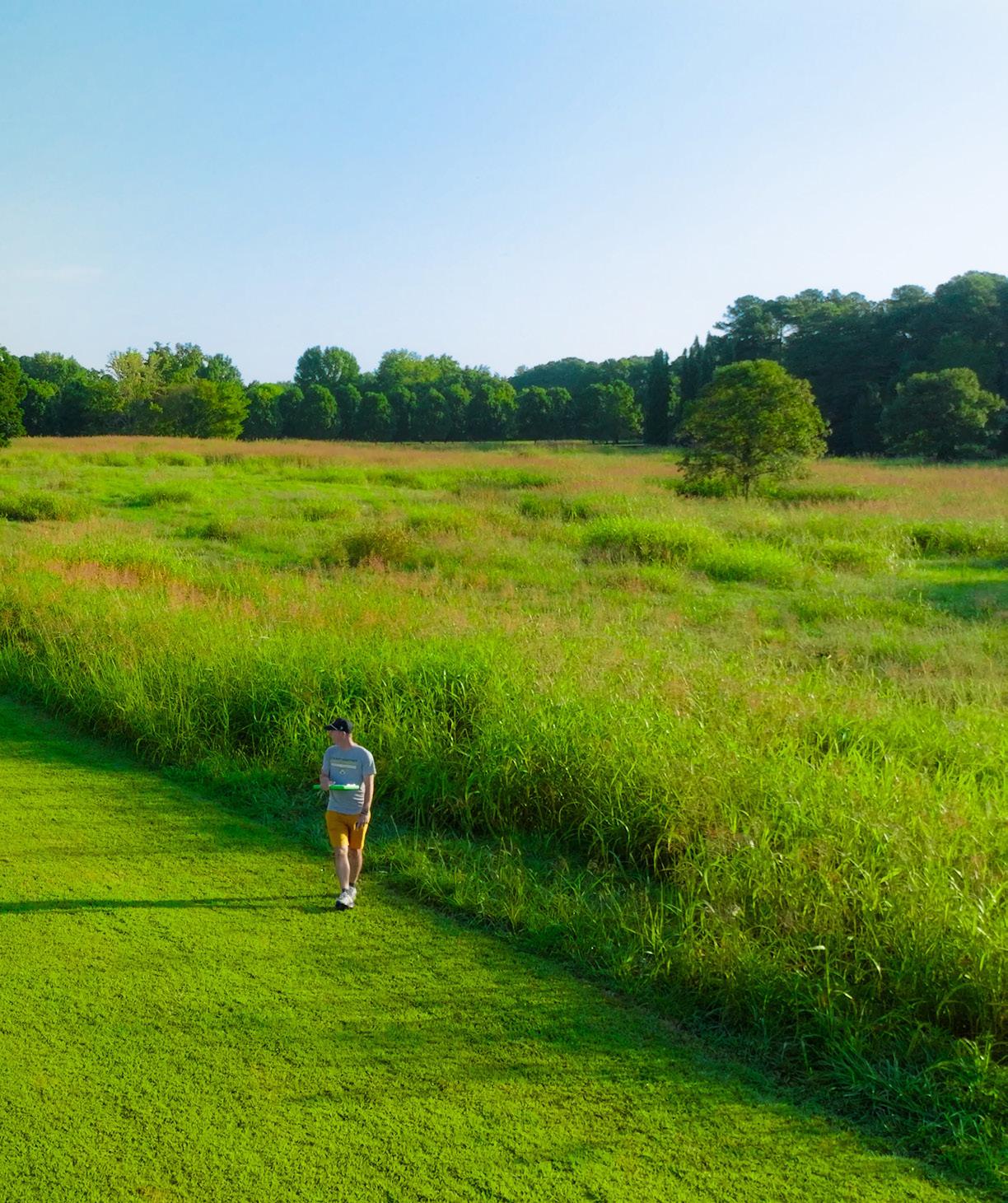
We hosted a cross-country event and hired a drone pilot to capture aerial footage. This guy was serious—controller, headset, goggles, the whole gamut. He was locked in. He maneuvered the drone into position, started to hype himself up, and counted down the final seconds aloud before the starter pistol fired. I was impressed.
The race began, the drone was in flight, and we were mid-conversation when he suddenly went silent. He ripped off his headset and goggles and said, ‘Damn, I’m sorry. My battery died. But I know exactly where it crashed…as we stood in a 600-acre arboretum. Ha, right! He took off
sprinting down the course—full Mr. Larson-chasing-Shooter-McGavin-for-the-gold-jacket energy. Twenty minutes later, he returned, drone in hand, swapped the battery, and launched the flight without a word…
The content, though—A-1.
If sports tourism were an Olympic event, I’d take gold in ________________.
Last-minute logistics. Who doesn’t love tight deadlines and pure chaos?
Adapt and achieve.
What’s your go-to hype song when you need to get pumped for a long day on-site at an event?
‘Put On’ (Jeezy)
If PUSH Magazine gave you a free billboard in Times Square for one day, what message would you put up for the world to see?
Yesterday is your only opponent.
Heart-Healthy Fuel
for
Sports Tourism Professionals: Foods That Help Manage
Cholesterol on the Go
Long days at tournaments, constant travel, networking dinners, and early mornings are all part of life in sports tourism. While the pace is exciting, it can also make healthy eating feel like an afterthought. Yet heart health plays a significant role in energy, focus, and long-term performance, especially when it comes to managing cholesterol.
Cholesterol supports essential body functions, but when unhealthy levels build up in the bloodstream, they can quietly increase the risk of heart disease and stroke. The good news is that everyday food choices can have a powerful impact. Prioritizing fiber-rich foods, healthy fats, and plant-based nutrients helps lower harmful cholesterol while supporting the kind of stami-
na professionals need when working events, traveling city to city, or hosting major competitions.
In an industry built around movement, people, and performance, nutrition becomes more than a health goal; it becomes a competitive advantage. Eating well supports clearer thinking during long meetings, stronger immune function during busy travel seasons, and consistent energy throughout multi-day events.
Performance-Friendly Foods That Support Cholesterol Balance
1. Power Proteins from Plants
Lentils, black beans, chickpeas, tofu, edamame, and other legumes deliver fiber and protein that help reduce cholesterol absorption while keeping energy steady. These are easy to find in salads, bowls, and wraps at airports and conference venues, making them a reliable choice when schedules are tight.
2. Omega-3 Game Changers
Fatty fish like salmon, sardines, and mackerel support healthy fats in the bloodstream while reducing harmful ones. They’re a great dinner choice after long event days and widely available in restaurants, often prepared in heart-friendly ways like grilling or baking.
3. Smart Fats That Work for You
Avocados, olive oil, and nuts provide heart-supporting fats that help lower LDL cholesterol while maintaining healthy HDL levels. Add avocado to sandwiches, drizzle olive oil on vegetables, or snack on a small handful of nuts between meetings for sustained energy.
4. Fiber-Fueled Grains for Lasting Energy
Oats and barley are packed with soluble fiber that helps flush cholesterol from the body. Oatmeal is a quick hotel breakfast win, while barley adds heart benefits to soups and grain bowls often offered at catered events.
5. Fresh Fruit with Functional Benefits
Apples, berries, oranges, and grapefruit contain fiber that supports cholesterol removal while providing natural hydration and energy. They travel well and make perfect grab-andgo snacks when hopping between venues.
6. Greens That Protect the Heart
Spinach, kale, arugula, and Swiss chard are loaded with fiber and plant compounds that help limit the absorption of cholesterol. Adding a salad or veggie-based side to meals can quietly improve heart health without feeling restrictive.
7. Antioxidant Boosters
Green tea and tomatoes offer compounds that support overall heart health and healthy cholesterol levels. Swapping sugary drinks for tea and choosing tomato-based dishes are simple upgrades while traveling.
8. Tiny Seeds with Big Impact
Chia seeds pack soluble fiber and healthy fats that support cholesterol balance. Sprinkle them into yogurt, smoothies, or oatmeal for an easy nutritional upgrade.
The Takeaway for Life on the Road and at the Venue
For sports tourism professionals, health is a performance tool. The same discipline used to plan events, manage schedules, and build partnerships can be applied to food choices that protect the heart and sustain energy.
A routine built around whole foods, plant-forward meals, healthy fats, and fiber-rich options helps manage cholesterol naturally while supporting long workdays and active travel schedules. Combined with the movement that naturally comes with the industry,
such as walking venues, exploring destinations, lifting equipment, and staying active. These habits create a strong foundation for long-term success and well-being.
Small, consistent choices at breakfast buffets, airport terminals, conference luncheons, and team dinners can quietly shape better health outcomes over time.
Fuel smart. Travel strong. Protect your heart for the long game.
Conference Review
Leading with Transparency:
Lessons from USA Triathlon’s Endurance Exchange for the broader Sports Tourism Industry
In an era where sports organizations are navigating heightened expectations, economic pressure, and increasingly vocal stakeholders, transparency is no longer a “nice to have.” It is a leadership requirement. USA Triathlon’s recent Endurance Exchange in Orlando offered a compelling example of what leading with transparency can look like, and why it matters not just for endurance sports, but for the broader sports tourism ecosystem.
What stood out most about this year’s Endurance Exchange was not a single announcement or initiative, but a noticeable shift in tone and engagement. The event felt more productive, more constructive, and more forward-looking. That shift was largely driven by how USA Triathlon communicated with its membership: openly, directly, and with clear boundaries around responsibility.
For sports rights holders and destination partners, there are several lessons worth examining.
Transparency Builds Trust — Even When the Answers Are Hard
Throughout the event, USA Triathlon leadership shared a significant volume of data, including membership trends, survey results, and behavioral insights. Just as importantly, leadership paired that data with candid discussion and open Q&A. Not every answer was positive or neatly resolved, but the willingness to speak plainly about challenges, constraints, and tradeoffs set a different tone.
For rights holders and destination organizations, this approach is instructive. Transparency does not require having all the answers. It requires being honest about what the data says, what decisions can and cannot be made, and why. In doing so, organizations reduce speculation, manage expectations, and create a foundation of trust
that is far more durable than polished messaging alone.
Clarity of Roles Reduces Friction Across the Ecosystem
A recurring theme throughout Endurance Exchange was a deeper articulation of responsibility. USA Triathlon welcomed conversation on what is reasonably the role of a national governing body and what must be owned by event organizers, coaches, clubs, partners, and athletes themselves.
This distinction matters across all sports. Often, tensions that arise between rights holders, destinations, and local stakeholders stem from misaligned expectations. When an organization clearly defines what it will lead, support, and not own, it creates space for healthier collaboration and more effective partnerships.
The Power of an Ecosystem Mindset
One word surfaced repeatedly throughout the event: ecosystem. USA Triathlon framed its role not as the sole driver of success, but as a supporting entity within a larger, interconnected system. That system includes athletes, organizers, sponsors, clubs, destinations, and communities, each with influence and responsibility.
For destinations and sports tourism partners, this framing is particularly relevant. No single organization controls outcomes like participation growth, economic impact, or longterm legacy. Progress depends on alignment, shared ownership, and an understanding that leadership sometimes means following data, sometimes saying no, and often providing tools rather than directives.
From Criticism to Collaboration
Perhaps the most telling outcome of this transparent approach was the change in dialogue among attendees. Conversations felt less adversarial and more collaborative. Conversations were driven by how each stakeholder can contribute more effectively within their sphere of influence.
That shift is a reminder for all sports organizations: tone is not superficial. It is a strategic lever. When stakeholders feel informed and respected, they are more likely to engage constructively, share responsibility, and invest in long-term solutions.
A Transferable Leadership Model
USA Triathlon’s Endurance Exchange did not eliminate the complexities facing the sport, nor did it attempt to. What it demonstrated instead was a leadership posture grounded in transparency, data-informed decision-making, and ecosystem thinking. For sports rights holders, destinations, and industry partners navigating their own challenges, this approach offers a transferable model. Leading with transparency builds trust. Trust enables alignment. And alignment is what ultimately allows sports ecosystems across disciplines and geographies to grow in a way that is sustainable, collaborative, and resilient.
3 Transparency Practices Rights Holders Can Implement Immediately
Share the Data — Then Explain the “Why.”
Many organizations collect robust data but hesitate to share it broadly. Transparency does not mean releasing raw numbers without context; it means pairing data with interpretation. Share key participation trends, survey results, or market insights—and explain what they mean, how they are being used, and where the limitations are. Even imperfect data builds trust when stakeholders understand how decisions are being informed.
Why it matters:
Data without explanation creates confusion. Data with context creates alignment.
Clearly Define What You Own — and What You Don’t
One of the fastest ways to reduce stakeholder friction is to be explicit about roles and responsibilities. Clearly articulate what the rights holder leads, what the rights holder supports and what must be owned by organizers, destinations, partners, or participants. This clarity sets realistic expectations and reframes conversations from blame to shared problem-solving.
Why it matters:
Misaligned expectations — not misaligned goals — are often the root of conflict.
Create Regular, Open Channels for Two-Way Dialogue
Transparency is not a one-time announcement; it is an ongoing practice. Build structured opportunities for stakeholders to ask questions, provide feedback, and hear honest responses—whether through town halls, advisory councils, or live Q&A sessions. Commit to answering questions directly, even when the answer is “we don’t know yet” or “we’re not able to do that.”
Why it matters:
Consistent dialogue normalizes honesty and prevents frustration from arising when information gaps exist.
Bottom Line
Transparency is not about controlling the narrative — it is about earning trust. When rights holders communicate openly, define responsibility clearly, and treat stakeholders as partners within a shared ecosystem, collaboration becomes easier and long-term impact becomes more achievable.
marketing
Marketing Predictions for 2026 and the Emerging Trends Reshaping U.S. Sports Tourism
The marketing landscape across the United States sports tourism industry is evolving faster than ever, and 2026 is shaping up to be a pivotal year for destinations, sports commissions, event rights holders, and venue operators seeking to remain competitive in a rapidly changing travel environment. As families, athletes, and fans increasingly rely on digital platforms to discover tournaments, plan trips, and evaluate destinations, marketing is no longer just about promotion. It has become a fully connected experience that begins months before a visitor arrives and continues long after an event ends. Organizations that adapt now will not only drive attendance but also strengthen longterm loyalty and economic impact within their communities.
One of the most influential shifts affecting U.S. sports tourism marketing is the rise of AI-driven search experiences and Generative Engine Optimization. Travelers are increasingly turning to AI tools to ask questions such as where youth tournaments are hosted, which cities offer multi-sport weekends, and which destinations provide the best family-friendly sports travel experiences. Rath-
er than browsing traditional search results, users are receiving direct recommendations generated by AI systems.
Sports tourism organizations that structure their website content clearly, highlight event schedules, venue details, and travel resources logically, and write in conversational language will be far more likely to appear in these AI-generated responses. To capitalize on this, organizations should develop structured, keyword-rich content and optimize for natural language queries, ensuring their websites are AI-friendly and easily discoverable in emerging search environments. This shift places greater importance on well-organized destination content, event landing pages, and storytelling that speaks directly to traveler intent.
At the same time, marketing in the U.S. sports tourism space is increasingly being shaped by AI itself as an audience. Search platforms, recommendation engines, and travel planning tools now influence which destinations and events gain visibility. Sports commissions and event
brands that build consistent content libraries aligned with their messaging and expertise will position themselves as trusted authorities within these systems. Over time, this will determine which cities are repeatedly suggested for tournaments, championships, and sports-focused travel experiences.
Personalization is also becoming a defining competitive advantage in U.S. sports tourism marketing. AI-driven tools now allow organizations to anticipate what travelers are likely to need based on previous behavior and interests. A family that attended a volleyball tournament in Texas may receive personalized content about upcoming regional events, nearby hotels, and dining options. A runner who participated in a half-marathon may be shown future race weekends paired with travel packages and local attractions. This predictive approach shifts marketing away from one-size-fits-all campaigns and toward curated experiences that feel timely, relevant, and helpful.
Immersive digital experiences are further transforming how sports travelers engage with destinations before booking. Across the United States, venues and tourism organizations are beginning to use interactive video, virtual venue tours, and augmented reality previews to showcase sports complexes, stadiums, hotels, and surrounding attractions. Prospective visitors can explore tournament sites, visualize seating views, and experience destination highlights in advance. Shortform video platforms are increasingly linking inspiration directly to ticket sales, hotel bookings, and event registrations, allowing interest to convert into action instantly.
As digital engagement grows, privacy and trust are becoming central to marketing success. As traditional tracking methods fade, U.S. sports tourism organizations are relying more on zero-party data, such as travel preferences, favorite sports, and event interests, that visitors voluntarily share. When used transparently and responsibly, this information enables more personalized communication without compromising trust. Families and athletes are far more willing to engage with brands that respect privacy while
still delivering relevant experiences.
Community-driven marketing influences travel decisions by sharing authentic experiences from youth sports, travel teams, and fan groups. Engaging these communities fosters loyalty and a sense of belonging.
Search behavior is also expanding beyond typing into a browser. Voice and visual search are becoming standard tools for travelers looking for nearby sports venues, upcoming tournaments, or destination amenities. Optimizing content with natural conversational phrasing, strong visual storytelling, and accurate image information helps ensure that U.S. sports tourism brands remain discoverable across all search formats.
High-quality photography and video, paired with clear event and destination details, now play a critical role in visibility.
To enhance discoverability, organizations should incorporate descriptive alt text for images, create engaging short-form videos showcasing key attractions, and craft content that naturally answers common voice search queries. These tactics will help ensure their offerings are easily found through emerging search technologies, increasing engagement and conversions.
Authenticity is a key factor in sports tourism marketing. Sharing real stories from families, athletes, and fans builds trust and emotional bonds, encouraging loyalty and positive engagement.
Looking ahead to 2026, success in U.S. sports tourism marketing will belong to organizations that embrace innovation while staying intensely focused on traveler needs. Updating content for AI-driven discovery, delivering personalized journeys, creating immersive digital experiences, and building engaged communities will define the next era of growth in sports tourism. The future of marketing in this industry is no longer about simply promoting events or destinations. It is about creating connected experiences that inspire travel, drive participation, and build lasting loyalty across America’s sports tourism landscape.
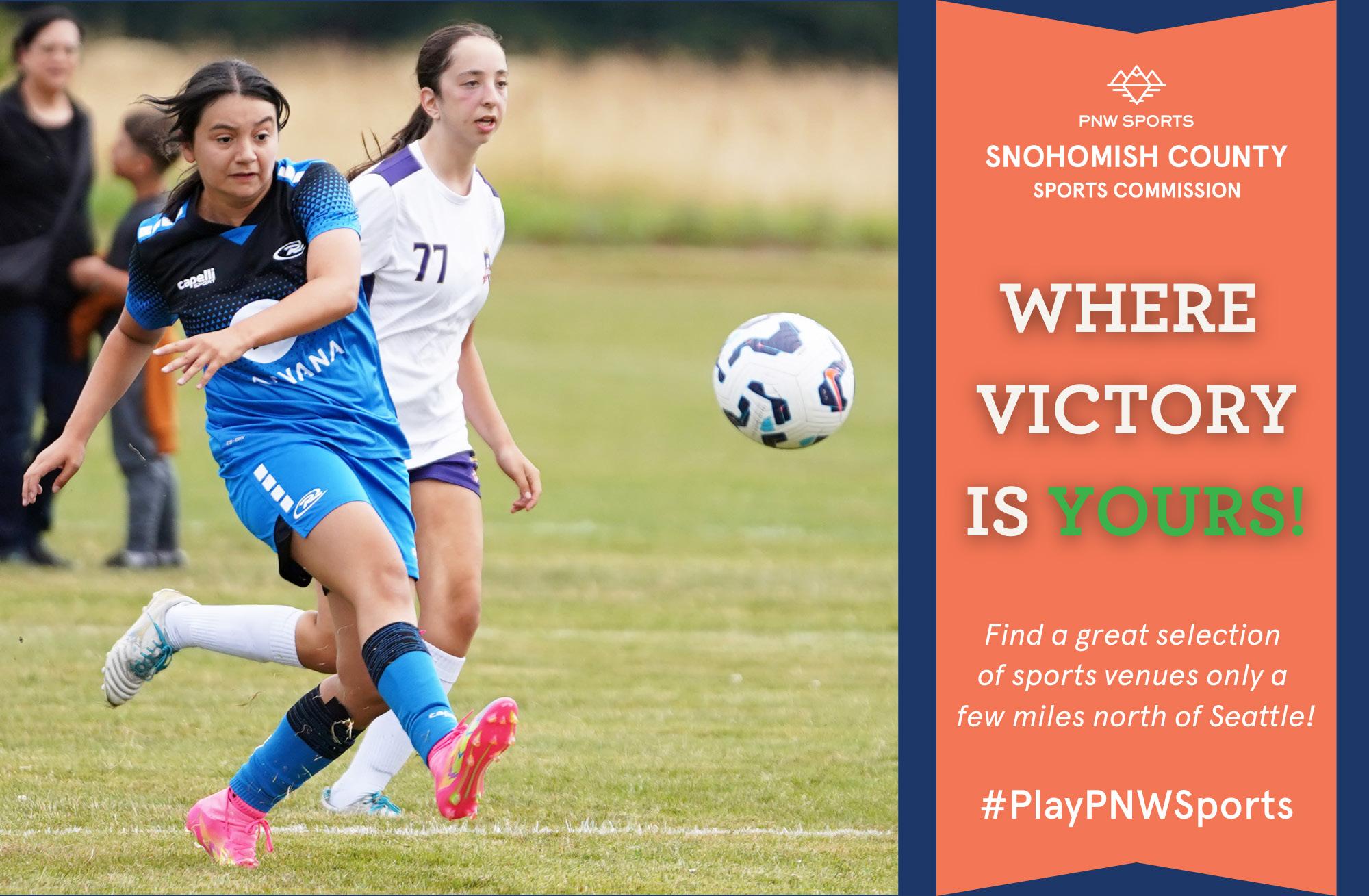
WIRE ROAD SOCCER COMPLEX | AUBURN,
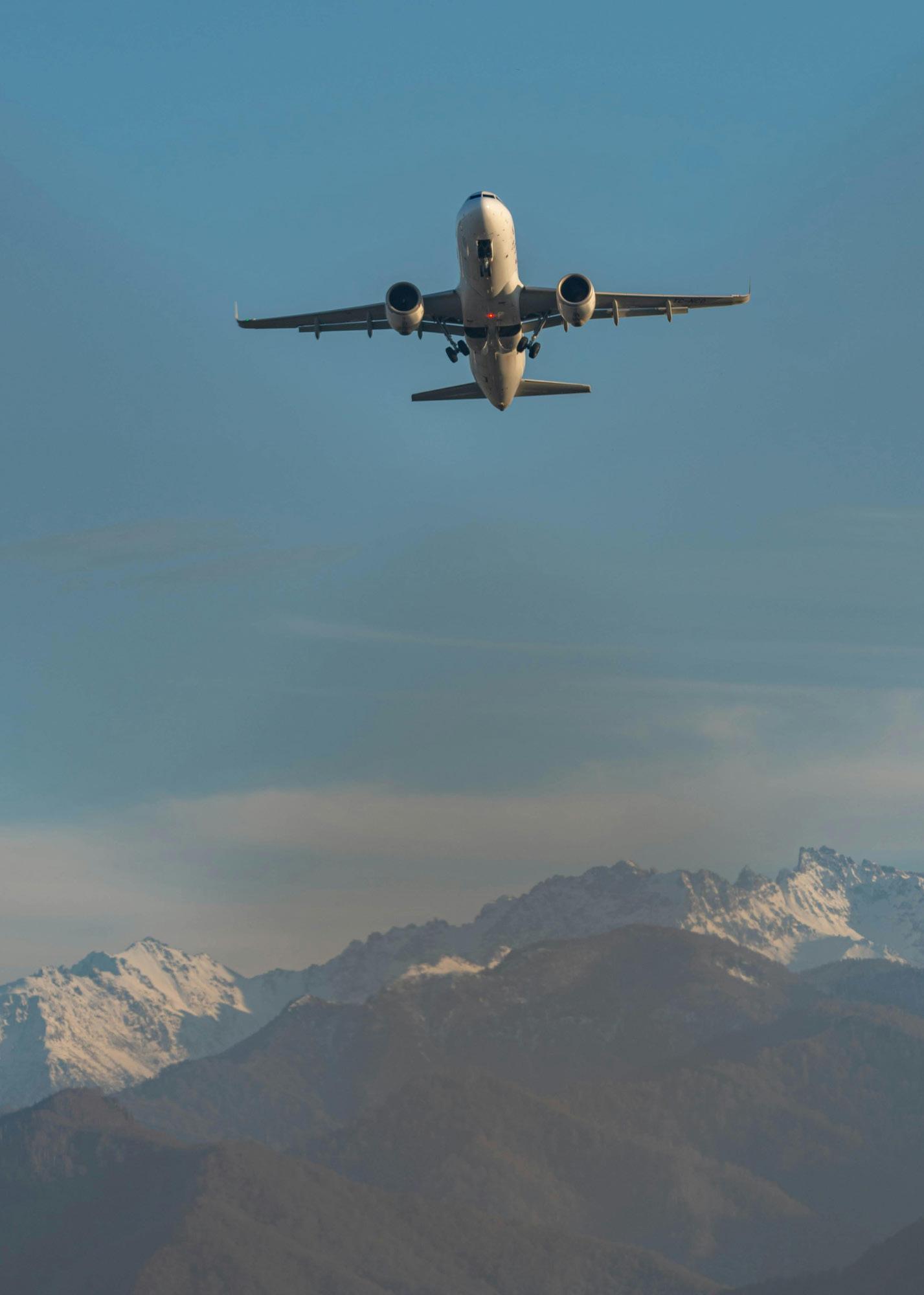
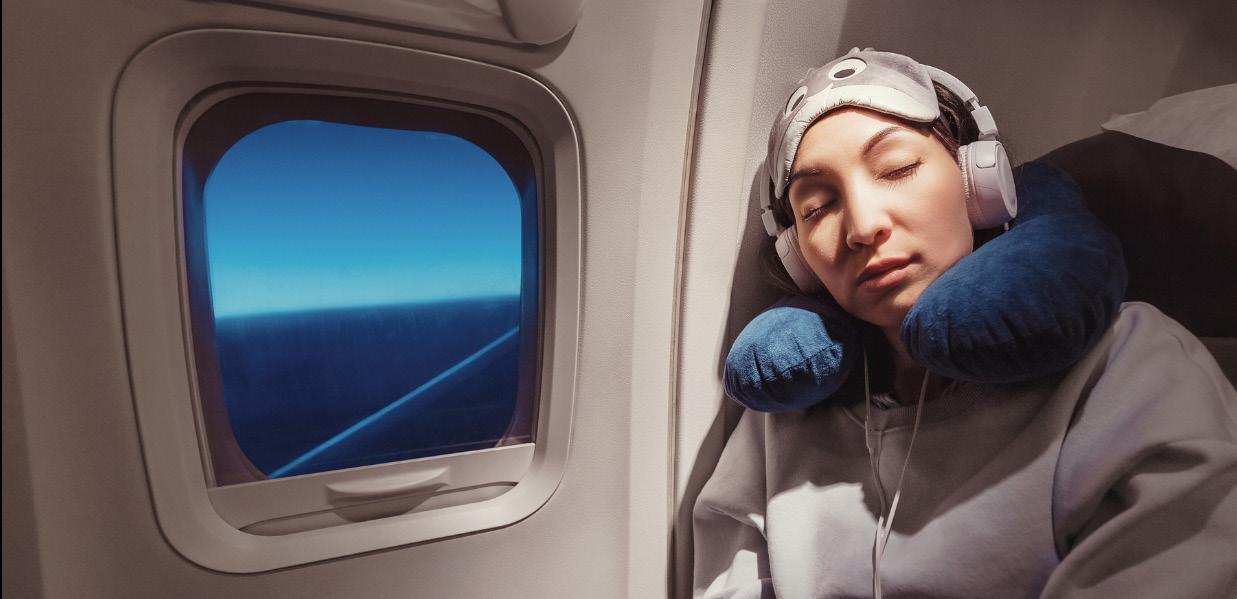
Mastering Sleep on Airplanes: Tips for Sports Tourism Professionals travel
For sports tourism professionals, travel is an unavoidable and often grueling part of the job. From scouting venues to attending conventions, managing sports events, and meeting with clients across multiple cities or states, being in transit can feel like a second job. Long flights, tight connections, and time zone changes can make it difficult to maintain peak performance and focus. One of the most valuable skills a sports tourism professional can develop is the ability to sleep effectively on airplanes. Sleeping in flight allows you to arrive at your destination refreshed, energized, and ready to perform at your professional best.
Falling asleep on a plane is not always intuitive. The environment can be noisy, cramped, and uncomfortable, with limited control over lighting or temperature. However, with thoughtful preparation, the right mindset, and specific tools, you can significantly improve your chances of getting quality rest in the air.
Choosing the Best Seat for Sleep
One of the most critical factors influencing your ability to sleep is seat selection. While airlines often prioritize cost over comfort, the type of seat you choose can make a huge difference in how well you sleep.
Window seats are usually the top choice for professionals who want to maximize in-flight sleep. A window seat allows you to rest your head against the fuselage or a pillow without being disturbed by other passengers. You also gain control over the window shade, which can help block light and create a sense of privacy. Most importantly, sitting by the window ensures you will not be interrupted by people getting out, which is common with aisle seats.
Middle seats are generally the least preferred for sleeping. You have little personal space, and you are sandwiched between two passengers. This arrangement can make it challenging to stretch your arms or shift positions. Additionally, being in the middle often means repeated disturbances from both neighbors, whether they are adjusting their seats, getting up for the restroom, or using the armrest.
Aisle seats can offer some advantages, particularly if you anticipate needing to get up during the flight. You can stretch your legs into the aisle when the path is clear, and you will not have to climb over someone to leave your seat. However, aisle seats also expose you to more foot traffic, trolleys, and passing passengers, which can disrupt sleep. For longer flights where uninterrupted rest is essential, the aisle seat is generally less desirable than the window seat.
Optimizing Your Sleep Environment
Even with a preferred window seat, the airplane cabin presents unique challenges to sleep. Noise, pressure changes, lighting, and turbulence can all interfere with your rest. Preparing your environment is key.
Noise management is critical. Noise-canceling headphones or earbuds are essential. While some professionals enjoy listening to white noise, ambient sounds, or guided sleep meditations, others prefer complete silence. High-quality noise-canceling headphones can block engine noise and cabin chatter, creating a more peaceful environment conducive to sleep. Earplugs are another inexpensive option, handy for blocking sudden, sharp noises such as announcements or crying infants.
Lighting control is another crucial factor. Eye masks are invaluable for controlling light, especially on daytime flights or when cabin lights are left on during service. Look for contoured masks that do not press against your eyes and allow some air circulation to prevent discomfort during extended use. Combining an eye mask with a window shade can create near-total darkness, signaling your body to transition into sleep mode.
Temperature and comfort also play a significant role. Airplane cabins are often cold, and temperature fluctuations can disrupt sleep. Carry a lightweight, compressible blanket or a travel-sized shawl. Dressing in layers allows you to adjust based on cabin temperature and personal comfort. Some travelers find that bringing a small, inflatable lumbar pillow or seat cushion helps maintain spinal alignment, preventing back pain that can wake you mid-flight.
Pre-Flight Preparation
A successful in-flight sleep often starts before
boarding. Sports tourism professionals frequently face tight schedules and early morning departures, making pre-flight preparation essential.
Hydration and diet are essential. Dehydration is a common contributor to discomfort and restlessness on flights. Avoid excessive caffeine and alcohol, as both can disrupt your natural sleep cycle. Instead, drink plenty of water and consume light, balanced meals. Heavy or greasy foods may cause indigestion, further interfering with rest.
Exercise and movement can also help. Engaging in light physical activity before the flight promotes relaxation and improves sleep quality. Walking through the airport or stretching helps reduce tension and encourages blood circulation, reducing the likelihood of cramps or stiffness during extended periods of sitting.
Sleep timing and circadian rhythm are also important considerations. If you are crossing multiple time zones, consider adjusting your sleep schedule before departure. Gradually shifting your sleep and wake times to align with your destination can reduce jet lag and make it easier to fall asleep in the air. Sports tourism professionals often use apps or wearable devices to track sleep patterns and optimize rest timing during flights.
Onboard Sleep Strategies
Once aboard the aircraft, several strategies can help you fall asleep faster and maintain sleep throughout the flight.
Neck support is one of the most common sleep disruptors. A high-quality travel pillow is an investment worth making. Inflatable or memory foam designs offer stability, allowing your head to rest comfortably without straining your neck or shoulders. Some professionals prefer wrap-around pillows that also provide side support, minimizing lateral movement during turbulence.
Recline position is another factor to consider. Reclining your seat slightly without encroaching on the passenger behind you can significantly improve comfort. A slight recline reduces pressure on your lower back and allows your hips and legs to relax. Pairing this with a footrest or rolled-up
sweater under your knees can further ease tension.
Sleep-inducing products are available to help travelers. Aromatherapy sprays or essential oils with calming scents, such as lavender, can create a relaxing environment. Melatonin supplements, taken under a healthcare professional’s guidance, can help regulate sleep cycles during long flights. Additionally, weighted travel blankets can provide a sense of security and relaxation, mimicking the comfort of home.
Minimizing screen time is important. While it may be tempting to watch movies or scroll through a phone, the blue light emitted by screens can inhibit melatonin production and make it harder to fall asleep. If you must use a device, consider blue-light filters or glasses, or save screen time for after you have secured a restful position.
Mental preparation is essential. The mind often resists sleep in unfamiliar or stressful environments. Practicing relaxation techniques can significantly improve your chances of dozing off. Deep breathing, progressive muscle relaxation, and guided meditation are all effective methods. Visualizing a peaceful setting, such as a quiet beach or a forest trail, can also create the mental cues necessary for sleep.
Maintaining Sleep
Falling asleep is one challenge; staying asleep is another. Several strategies help maintain rest throughout the flight.
Limiting disturbances is crucial. Let flight attendants and nearby passengers know you prefer minimal interruptions. Using a “Do Not Disturb” sign or signal can reduce unwanted conversation or service disruptions.
Seat position adjustments help prevent interruptions. During turbulence or seat adjustments, small movements can disrupt sleep. Anticipate these shifts by securing your pillow, blanket, and personal items before dozing off. Tucking loose items, such as jackets or bags, to stabilize your posture can help prevent waking up due to discomfort.
Noise and motion adaptation improve your chances of continuous sleep. Even with noise-canceling headphones, occasional disturbances occur. Learning to tune out environmental disruptions is a skill developed over time. Focusing on deep, rhythmic breathing or listening to calming music or white noise can help your body re-enter sleep quickly after minor awakenings.
Post-Flight Recovery
After the plane lands, sleep does not end immediately. Stretching, walking, and light hydration help ease the transition from sitting to standing and prevent stiffness. For professionals with backto-back meetings or events, a short nap of twenty to thirty minutes post-flight can rejuvenate energy levels without interfering with nighttime sleep.
Products and Tools to Consider
Sports tourism professionals often invest in tools that consistently enhance in-flight sleep. Memory foam travel pillows support the neck without collapsing. Noise-canceling headphones reduce engine noise and cabin chatter. Eye masks block light and help signal to the body that it is time to sleep. Travel blankets or shawls maintain warmth and comfort. Compression socks prevent swelling and improve circulation on long flights. Melatonin or herbal sleep supplements can help adjust to time zone changes with guidance from a healthcare professional. Aromatherapy using lavender
or chamomile sprays promotes relaxation. Inflatable footrests improve posture and relieve pressure on the legs.
For sports tourism professionals, mastering inflight sleep is more than a convenience; it is a professional necessity. Well-rested travelers arrive at their destinations alert, focused, and ready to perform at their best, whether negotiating contracts, attending events, or scouting new venues.
Prioritizing seat selection, pre-flight preparation, and the right sleep-inducing tools creates an environment conducive to rest, even in the challenging conditions of airplane cabins. By managing noise, light, posture, and mindset, sports tourism professionals can turn long flights into productive periods of restorative sleep.
Ultimately, the ability to sleep on airplanes improves with practice, planning, and the right equipment. Professionals who master this skill gain a competitive edge, as they can consistently arrive at their destinations energized and ready to meet the demands of the sports tourism industry headon. With thoughtful preparation and intentional strategies, in-flight sleep can become less of a challenge and more of a reliable tool for professional performance and personal well-being.
Just because you might be able to play anywhere doesn't mean you should. Bring your next sporting event to Pensacola for the facilities and hospitality. Stay for the historic culture, unique adventures, and award-winning sugar-white beaches.
Conference Review
When Presence is the Point
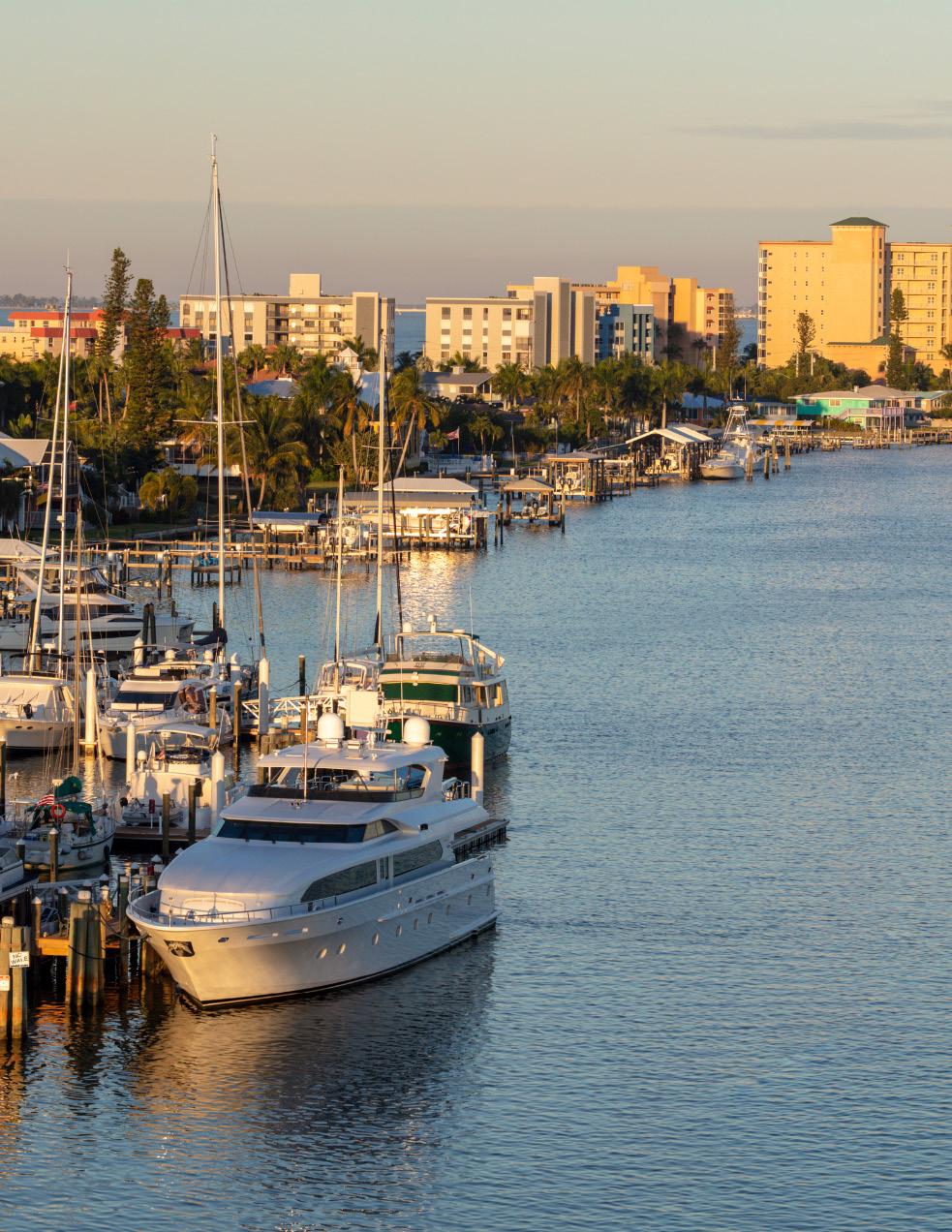
There are conferences you attend around your schedule, and then there are conferences that require you to clear the calendar entirely. Sports Xpress firmly falls into the latter category.
From the moment the week began in Fort Myers Beach, it was clear that this was not a passive experience. The format is aggressive by design. Days are full, transitions are intentional, and the expectation, spoken or not, is that you show up fully. If you arrive planning to juggle calls, sneak off for emails, or half-engage between meetings, you’re likely missing the point.
A Format That Demands Focus
Sports Xpress compresses connection into a tightly choreographed schedule, but what makes it effective is not just the number of touchpoints, it’s the state of mind it creates.
Because attendees are not bouncing between breakout sessions, expo halls, and overlapping commitments, there’s an unexpected byproduct: mental space. The combination of structured appointment meetings and immersive destination experiences allows your brain to relax just enough to listen. Conversations slow down. Context deepens. And relationships move past surface-level introductions far more quickly than they do in traditional conference environments.
Fort Myers Beach: Familiar, Yet New
Fort Myers Beach proved to be more than just a host, it was an active participant in the experience.
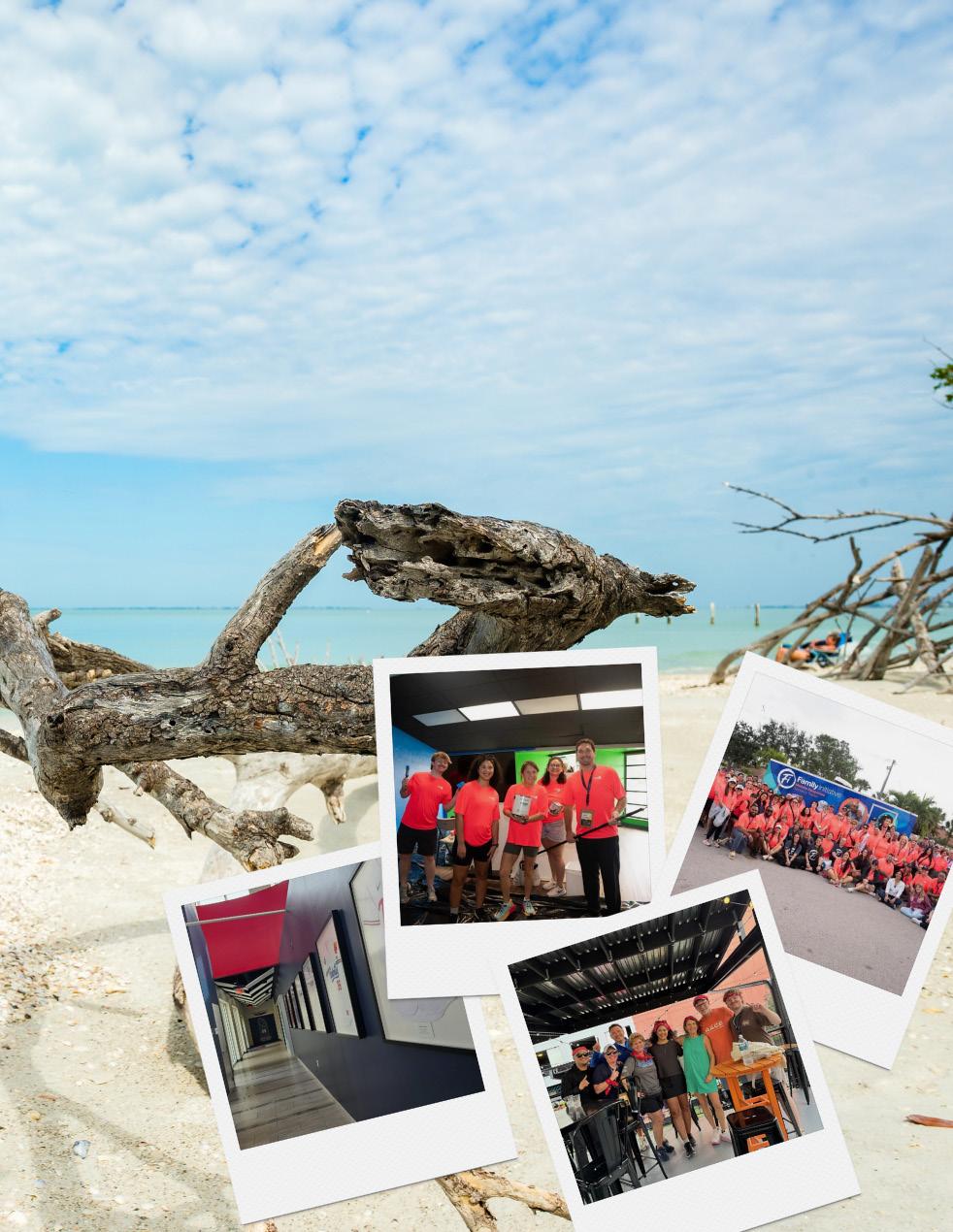
Over the course of the week, attendees experienced the destination from multiple angles, gaining a layered understanding of the island and its surrounding areas. From seamless hotel hospitality to creative programming like the Not So Amazing Race through downtown, the destination showcased its personality, resilience, and momentum.
Fort Myers is still rebuilding, and that reality is visible. But so is the pride, warmth, and commitment of the local community. For those who have visited before, this experience offered a fresh perspective, revealing an updated, vibrant downtown and a destination that feels both grounded and forward-looking.
Destination Experiences as Relationship Accelerators
The destination experiences are not window dressing, they are the backbone of the event.
Shared activities create shared reference points, and those moments outside formal appointments are where real collaboration starts to take shape. In many cases, the most meaningful conversations didn’t happen across a table during a scheduled meeting, but during an activity, over a meal, or while navigating an experience together.
Interestingly, the appointment meetings themselves often served a different purpose: reconnection, alignment, or simply an opening to a more extended conversation later. The ideas, partnerships, and project concepts that emerged were primarily driven by those deeper, informal interactions, proof that trust and creativity tend to show up when people feel genuinely connected rather than rushed.
This Is a People-Skills Conference
Sports Xpress rewards those willing to lean in socially.
Doing “what’s required” will not unlock the full value of this event. Success here depends on being outgoing, curious, and present. It’s a conference that favors those who ask questions, join conversations, and engage beyond their comfort zone. For professionals who thrive on relationship-building and long-term collaboration, that’s not a drawback, it’s the differentiator.
A Culture of Respect (and Accountability)
One of the most striking aspects of the week was the consistency of attendance. Almost everyone was everywhere, activities, meetings, experiences. That collective presence fostered a shared respect for the time, effort, and resources invested by both the Sports Xpress team and the host destination.
The staff played a meaningful role in this dynamic. Highly visible, genuinely engaged, and always nearby, they created both a sense of support and subtle accountability. You felt guided without being managed, and that balance contributed to an environment where participants took the experience seriously, without it ever feeling rigid.
The
Takeaway for
PUSH Readers
Sports Xpress is not about volume, it’s about depth.
For destinations, rights holders, and industry leaders looking to build meaningful partnerships, this event reinforces a simple truth: real collaboration happens when people are given time, space, and shared experience. Presence matters. Preparation matters. And the willingness to engage beyond the agenda often determines the return on investment.
Who This Conference Is Best For -
Sports Xpress is ideal for professionals who: Value relationship depth over lead volume
Are comfortable engaging socially and building trust outside formal meetings
Want destination immersion, not just site inspections
Are open to collaboration, idea-sharing, and long-term partnerships
Can commit to being fully present for the duration of the event
This conference may not be the best fit if you: Need to multitask heavily during the event
Prefer large expo halls or passive learning formats
Rely solely on structured meetings to build connections
How International Events Drive Years of Tourism Momentum
In sports tourism, the real impact of international events does not begin when the first whistle blows or the opening ceremony lights up the sky. It starts years earlier, when destinations begin appearing in travel dreams, social feeds, corporate planning calendars, and family vacation conversations. Events like the FIFA World Cup and the 2028 Olympic and Paralympic Games in Los Angeles are not just moments in time. They are long-term tourism engines that shape travel behavior, infrastructure investment, brand perception, and visitation trends far in advance of the actual competition.
For destinations, rights holders, and sports tourism professionals, understanding these multi-year tourism waves is essential for capturing sustained value long after the closing ceremonies conclude.
International events act as global introductions for host cities and regions. While many spectators may be aware of a destination, hosting the world’s largest sporting events elevates it into an entirely different tier of consideration. Through internation-
al broadcasts, documentaries, social media, and sponsorship campaigns, host cities are continuously showcased to billions of viewers. These efforts position destinations not simply as places to visit, but as locations that deliver world-class experiences.
Once a destination gains global relevance, it often remains top of mind for years. Cities that hosted previous Olympic Games, such as London, Barcelona, Tokyo, and Sydney, experienced long-term increases in international visitation following their Games. The exposure reshaped spectator perception and turned many regional destinations into global tourism brands.
The United States is now entering one of the most powerful international event cycles
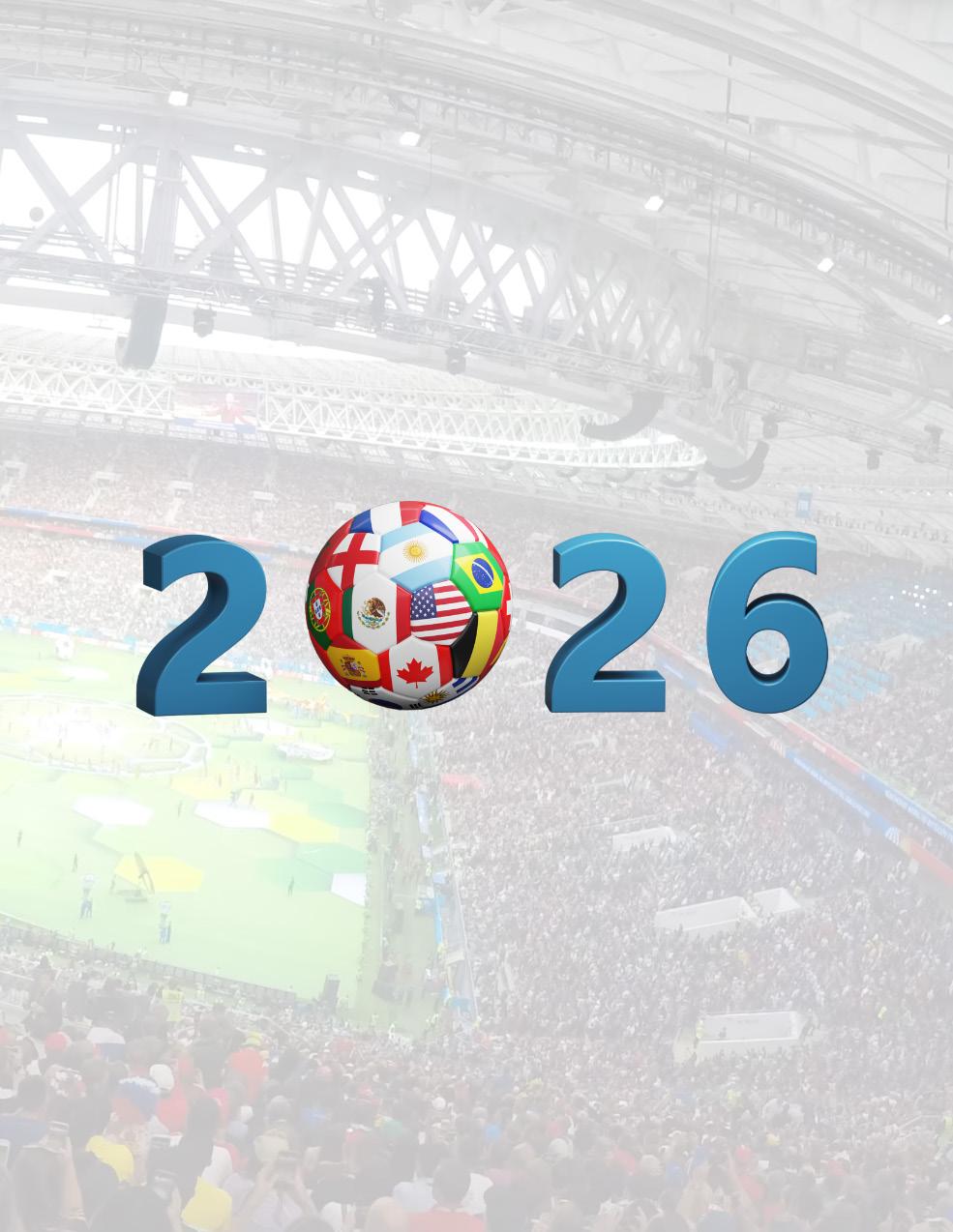
in modern sports tourism history. With the FIFA World Cup in 2026 hosted across multiple U.S. cities, the Olympic and Paralympic Games in Los Angeles in 2028, and more, the country will experience sustained international attention rather than a single tourism spike. This extended spotlight fuels interest in travel well into the next decade.
Travel planning behavior has shifted dramatically. Major trips are increasingly planned years in advance, particularly for international travel and milestone experiences. International events naturally become anchors for these decisions. Families save early, fans research host cities long before tickets go on sale, corporations schedule incentive trips years ahead, and tour operators develop experiences that extend beyond the event dates.
When Los Angeles was awarded the 2028 Olympics in 2017, the tourism wave began almost immediately. Airlines, hotel developers, travel companies, and tourism boards started forecasting demand more than a decade in advance. The same occurred when North America secured the 2026 World Cup, prompting international fans to explore American destinations they had never previously considered visiting.
Infrastructure investment further strengthens these long-term waves of tourism. Host regions pour billions into transportation systems, airport expansions, hotel development, entertainment districts, and venue upgrades. While these improvements support the events themselves, they also serve as tangible achievements that enhance the visitor experience and provide a sense of progress for destination communities.
Los Angeles is already implementing significant transportation improvements ahead of 2028, including airport modernization and expanded public transit. These upgrades have made travel easier, increased accessibility, and elevated the quality of tourism for decades, encouraging repeat visitation long after the Games conclude.
Media storytelling plays a critical role in shaping travel behavior. International events do more than showcase competition. They highlight culture, neighborhoods, food scenes, landscapes, and local experiences. Broadcasters intentionally weave destinations into the narrative, creating emotional connections between viewers and host cities.
A family watching the Olympics may be inspired by Southern California’s beaches and outdoor lifestyle years before booking a trip. A soccer fan following the World Cup may become fascinated by
American cities that were previously off their travel radar. These emotional impressions strongly influence future travel choices.
Another powerful effect is the rise of event-adjacent tourism. While some travelers attend the event itself, many more are inspired to visit before or after peak periods. Some prefer to avoid crowds but still explore the destination, while others are motivated by media exposure. Businesses schedule conferences in revitalized districts, youth sports tournaments utilize upgraded facilities, and leisure travelers choose these cities because they now feel vibrant and globally relevant.
In many destinations, post-event tourism surpasses visitation during the event year. The competition serves as the spark, but long-term travel demand becomes the lasting economic driver.
International events also function as an enormous global branding platform. Billions of dollars in exposure are generated through broadcast coverage, streaming platforms, social media storytelling,
sponsor campaigns, and influencer content. Host cities are placed alongside the world’s most recognizable travel destinations in the global consciousness.
For the United States, this upcoming decade presents a rare opportunity to elevate dozens of destinations onto the international tourism stage. Both major metropolitan hubs and midsized markets will benefit from global awareness that would otherwise take years to build.
The economic ripple effects extend far beyond hotels and flights. Tourism growth fuels restaurant expansion, retail development, outdoor recreation, cultural attractions, real estate investment, convention business, youth sports travel, and regional tourism. Over time, communities become more diversified and economically resilient.
Los Angeles and surrounding communities, such as Long Beach, stands out as powerful examples of how international events can
serve as long-term tourism catalysts rather than short-term surges. The region offers beaches, mountains, deserts, entertainment attractions, professional sports venues, and cultural diversity within proximity. This makes Los Angeles a gateway destination, encouraging visitors to explore other regions of California and return for future trips.
For sports tourism professionals, the implications are clear. The most significant opportunities lie in long-term strategies, early market engagement, experience-driven travel offerings, and leveraging infrastructure improvements well beyond the event year. The destinations that think in decades rather than days will see the most substantial returns.
International events are increasingly aligned with today’s experience-driven travel trends. Travelers seek immersive, meaningful moments, and global sporting events deliver shared experiences that inspire curiosity and emotional connection. Social media amplifies this effect, with viral moments in-
stantly driving destination interest and longterm travel planning.
Ultimately, international events are not isolated moments on a calendar. They are powerful tourism movements that reshape perception, influence behavior, and generate sustained economic growth.
For the United States, the World Cup and the Los Angeles Olympics and Paralympics represent a once-in-a-generation opportunity to drive tourism momentum well into the 2030s. These events create waves that carry destinations forward for years.
The real impact begins long before the opening ceremony, and the communities that plan for the long game and invest early will benefit the most Strategic foresight and proactive planning are key to capturing the full long-term tourism potential of international events..
Industry Confidential
Check in every issue for the unfiltered thoughts of our guest writers and contributors as they discuss the hottest topics in sports tourism.
In this issue, our guest writer explores why where we meet is now as important as why we meet.
The destination matters. In an industry built on place, experience, and economic impact, it’s surprising how often the conversation about sports tourism conferences and trade shows overlooks one critical truth: destination matters… Profoundly.
Sports tourism professionals spend their careers selling communities, events, brands, and customer service. We quantify hotel room nights, showcase venues, build narratives around culture, and highlight the visitor experience as a competitive advantage. Yet when it comes time to choose where the industry gathers, some conference organizers still operate as if the location is secondary to the agenda.
In today’s crowded marketplace of conferences, summits, expos, and trade shows, that mindset no longer holds. With more options than ever to invest time, money, and energy into professional and business development, sports tourism professionals are making increasingly strategic decisions about which events they attend, and where those events are held is often the deciding factor.
The destination is part of the product. From both the destination perspective and the event rights holder standpoint, the host city is no longer just a backdrop. It is part of the conference brand.
Ease of travel matters. Direct flights, affordable airfare, and convenient transportation can mean the difference between strong attendance and a half-empty ballroom. A destination that requires multiple connections, long drives, or high travel costs immediately raises the barrier to participation, particularly for smaller organizations, emerging professionals, and rights holders operating on lean budgets.
Beyond logistics, what the city offers plays directly into perceived value.
Does the destination have an energetic downtown?
Walkable neighborhoods?
A vibrant food scene?
Unique cultural attractions?
Museums, waterfronts, sports history, entertainment districts, and outdoor experiences. These aren’t distractions from the conference; they are enhancements.
Sports tourism professionals don’t just attend conferences to sit in sessions. They attend to build relationships. Some of the most meaningful business conversations happen over dinner, during a walk through a vibrant city center, at a local attraction, or while experiencing what the destination does best. Cities with energy, authenticity, and things to explore naturally foster better networking, stronger connections, and more memorable events.
The “vibe” matters, and it always has. What’s changed is that professionals now have a choice. On occasion, a location can become a deterrent. On the flip side, hosting conferences in cities known for high costs can quietly suppress attendance.
Expensive hotels, costly meals, high transportation fees, and elevated registration prices create a compounding effect. When professionals calculate the full cost of attending, not just the conference fee but the total trip, many simply opt out. This is especially true for rights holders, smaller destinations, nonprofit organizations, and professionals whose budgets are under constant scrutiny.
Ironically, some of the most expensive cities are chosen for prestige, sponsorship potential, or organizer convenience rather than attendee accessibility. But prestige doesn’t pay invoices. At some point, value must outweigh optics.
If the sports tourism industry prides itself on inclusivity, collaboration, and growth, then pricing a significant portion of professionals out of participation undermines those very goals. Few issues generate more quiet frustration than forced hotel room blocks.
Conference organizers often require attendees to book within designated hotels to meet contractual obligations with host properties. While understandable from a business standpoint, this practice increasingly clashes with modern travel behavior.
Many professionals belong to hotel loyalty programs offering reduced rates, points, and perks that often beat conference “discounted” pricing. Others prefer alternative lodging for budget reasons, proximity, or personal comfort.
When attendees feel forced into higher-priced room blocks, sometimes under threat of additional conference fees, it sends a message that their financial realities are secondary to the organizer’s margins. In an era where professionals can choose from dozens of events each year, policies that feel restrictive or punitive don’t encourage loyalty. They quietly push people elsewhere.
Smart conference organizers are beginning to realize that flexibility builds goodwill, and goodwill drives repeat attendance far more effectively than enforcement ever will. Of course, content still reigns; a destination alone cannot carry a conference, but it’s no longer enough.
Time of year matters. Competing events matter. Family schedules matter. Fiscal cycles matter. Most importantly, the quality and relevance of content remain essential. Attendees evaluate: Are the speakers credible, relatable, and current? Are the topics addressing fundamental challenges in sports tourism today? Will I learn something actionable? Are the right people in the room?
Networking opportunities are equally critical. A conference filled with colleagues, but lacking decision-makers, loses value quickly. Professionals want access to rights holders, destination leaders, sponsors, innovators, and industry influencers.
Downtime also matters more than organizers often acknowledge. Space for informal meetings, client interactions, brainstorming, and experiencing the destination strengthens both business outcomes and attendee satisfaction.
The strongest conferences blend high-level content, curated networking, and authentic destination experiences, not at the expense of any of them.
The most pressing issue facing sports tourism conferences is the cost equation, particularly how it is equitably distributed.
Registration fees continue to rise. Destinations pay significant hosting fees. Vendors and sponsors make substantial investments in booth space, visibility, and access. Meanwhile, many event rights holders, whose presence often drives attendance, have most of their expenses covered, as has long been the structure in our industry.
This dynamic raises an increasingly uncomfortable question: when does the industry recalibrate toward a more equitable model?
While no one disputes that organizing high-quality events is expensive, the current structure often places the heaviest financial burden on those who already operate within tight margins, in destinations, and in small businesses trying to grow. And every conference organizer fears that if everyone has to pay equally, event rights holders won’t attend, and then destination won’t either.
If conference attendance becomes financially unsustainable for a large segment of the industry, the long-term health of these events is at risk.
Equity doesn’t mean eliminating profits or lowering standards. It means creating pricing models that reflect shared value, shared responsibility, and long-term sustainability.
Just as event rights holders choose host cities carefully, attendees now choose conferences with the same scrutiny. Those who understand this shift, who treat destinations as a strategic asset, prioritize attendee experience, embrace flexibility, and pursue equitable cost structures, will thrive. Those that rely solely on tradition, prestige, or exclusivity will find shrinking audiences and diminishing relevance.
We should make a call for intentional hosting. We know sports tourism thrives on intentionality. We don’t select event locations randomly; we analyze, strategize, and align goals. It’s time conference organizers apply the same rigor to where and how they host industry gatherings. Choose cities that are accessible and welcoming. Partner with destinations that enhance the experience. Respect attendee budgets and travel preferences. Design events that balance education, networking, and authentic place-based experiences.
In sports tourism, more than in any other industry, place is never neutral; it shapes who attends. Who attends shapes the conversations. And those conversations shape the future of the industry.
In a marketplace full of options, destination isn’t just a detail. It’s a decision driver.