
























Toolstation and CT1 give gas engineers’ business a boost with Ford Van giveaway Electrical





Lighting
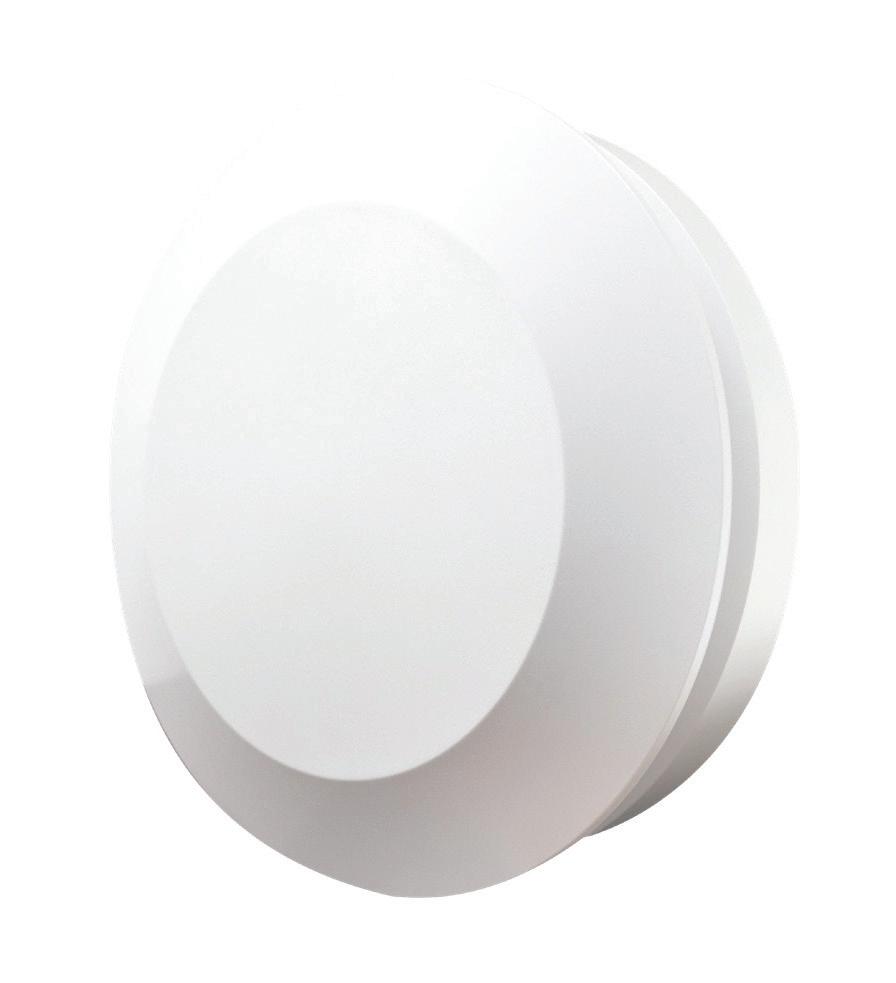
Why wholesalers are stocking continuous dMEV







Embrace the Future: Introducing The Brace System by WISKA
EDITORIAL
Editor Lisa Peake lisa.peake@purplems.com Tel: 01732 371 579
PRODUCTION
Production designer Lorna Reekie lorna.reekie@purplems.com
Production designer Rob Tremain rob.tremain@purplems.com
ADVERTISING
Sales manager Haydon Rainsford haydon.rainsford@purplems.com Tel: 01732 371 572
MANAGEMENT
Managing director Ed Hunt ed.hunt@purplems.com © Purple Media Solutions Ltd 2023. All rights reserved. No part of this publication may be reproduced, stored in a retrieval system, or transmitted in any form or by any means electronic, mechanical, photocopying, recording or otherwise without prior permission of the publishers.
W&ED is published by Purple Media Solutions Ltd. Registered in England. Registered Number 5949065. Registered Office: The Old School House, St Stephen’s Street, Tonbridge, Kent TN9 2AD, UK, Tel: 01732 371 570.































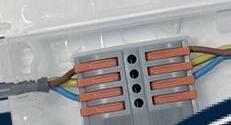






























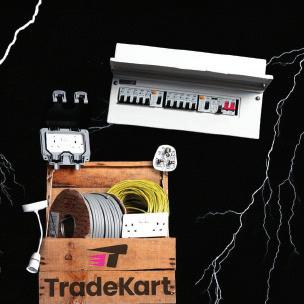
YESSS Electrical has launched a national proposition with TradeKart - the rapid delivery app for tradespeople. Electricians across the UK can now access rapid delivery of YESSS Electricals range of products via YESSS Rapid (instore) and on the TradeKart marketplace. TradeKart connects tradespeople to their local merchants, providing them with fast and convenient access to an unparalleled range of products and services, wherever and whenever they need them, at the touch of a button. With a focus on speed and reliability, TradeKart is transforming the way electricians and other tradespeople obtain essential supplies, as demonstrated by this collaboration with YESSS Electrical to power the YESSS Rapid service and also offer access to the full range of YESSS products on the TradeKart app. TradeKart is recognised as a rapidly expanding trade marketplace in the UK, specialising in fast delivery solutions that connect tradespeople with suppliers. Customers can conveniently place their orders through the TradeKart app and monitor their delivery progress in realtime for a delivery charge of just £5. This collaboration addresses the needs of electricians who require immediate access to materials, eliminating the inconvenience and delays associated with leaving a job site to collect supplies. The launch follows industry insights indicating a significant demand for swift delivery services among trade professionals. This service is now accessible for over 75 YESSS Electrical branches across the UK on the TradeKart app or from YESSS Electrical branches directly for YESSS Rapid.





National Ventilation has gained Affiliated Membership of the Electrical Distributors’ Association (EDA). The affiliation strengthens National Ventilation’s commitment to going the extra mile for its wholesaler customers and enables closer collaboration between supply chain partners for the benefit of all. The move highlights the company’s continued focus on delivering added-value services, technical expertise and dedicated support to its wholesaler customers across the UK.
EDA Affiliated Members, of which the vast majority are leading suppliers of electrotechnical products that are distributed through the electrical wholesaler channel and who are members of recognised manufacturer trade associations.
Since 2000, the EDA has operated the Affiliated Member Scheme for companies that supply goods and services to the wholesale channel. The scheme connects manufacturers and service providers with the UK’s leading electrical wholesalers, helping drive best practice, innovation and closer relationships throughout the electrotechnical supply chain. Currently, there are over 130
“We are delighted to join the EDA as an Affiliated Member. This milestone strengthens our relationship with electrical wholesalers and raises awareness of the support and expertise we can offer them and their customers. We always strive to go the extra mile for our customers. We are totally committed to our wholesaler customers, and we don’t sell through any other channel, so we can act as an expert ventilation department on call whenever needed. We remain committed to continuous improvement and to delivering the very best support for our customers,” said Robin Francis, Managing Director at National Ventilation.
Toolstation and CT1 give gas engineers’ business a boost

Toolstation and CT1 have revealed the winner of their recent ‘Win a Van’ competition, helping boost the business of Luton based gas engineer Zaahid Abdin.
The three-month long competition, which was launched in September, was available exclusively to Toolstation Club members who simply had to spend over £50 on CT1 products to enter.
For Zaahid, the timing couldn’t have been better. He had been looking to upgrade to a larger vehicle for work but wasn’t yet in a position to do so. The competition has given Zaahid a huge business boost, with plans to kit out the interior with shelving and add his own signwriting to the exterior well underway.
Phil Logan, a Regional Manager at Toolstation, comments “It was fantastic to hand over the new Ford Van to Zaahid; he seemed genuinely surprised and delighted. He spoke about how his CT1 purchase helped him complete a recent job, making the win even more meaningful. The van looked amazing, sparkling with a big red bow - a great reminder of the benefits of being a Toolstation Club member and the value of being ‘in it to win it!’”

















“Cable glands may be small, but their role in any installation is enormous. What this means in practice is that they need to be sourced and specified with as much care as any of the big ticket items in a cable installation.”

“Stocking dMEV is not just about meeting compliance, it is about aligning with long-term market trends. Continuous ventilation products improve IAQ, are energy efficient, and help meet regulations.”




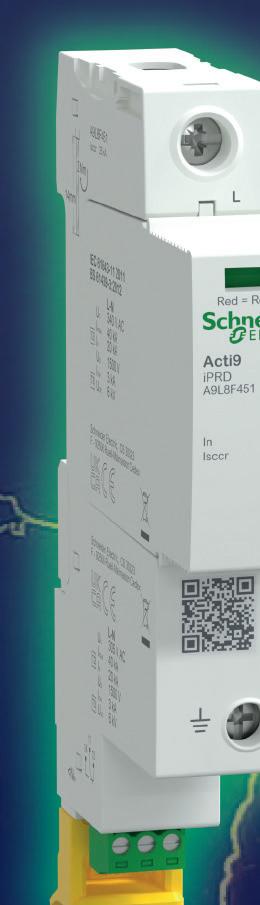
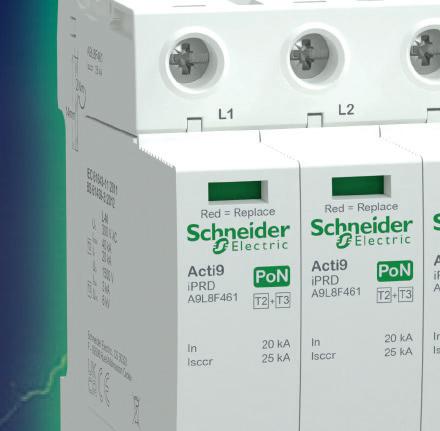
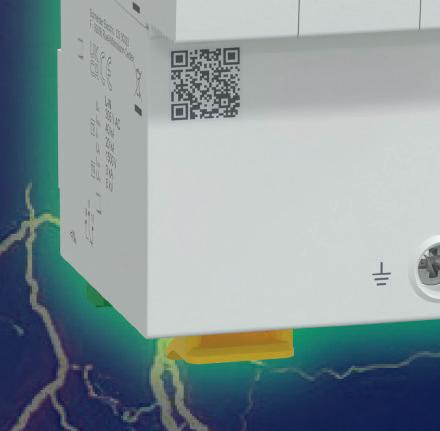
The new game changing, best in class surge protection device from Schneider Electric has arrived!
The all-in-one iPRD Type 2+3 is compatible with the Acti9 Isobar P and KQ Loadcentre distribution boards. This compact device fits within the board with no need for an upstream external disconnector, just plug in and protect.


Scan to find out more.



To find out about our new Acti9 offers including Triple Split Distribution boards, TransferPacT Switches and further information on our new SPD’s check out the webpage now!
se.com/uk




















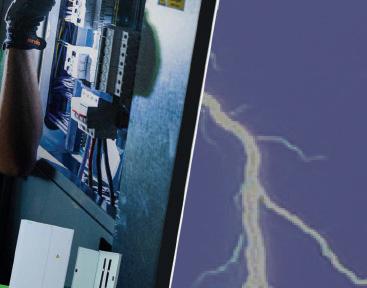





Consort Equipment Products - one of the UK’s leading manufacturers of electric heaters - has been acquired by family-owned investment firm Lifeboat Capital. The deal was backed by a seven-figure debt funding package from Frontier Development Capital (FDC) and other investors.
Consort, which is based in Milford Haven, supplies heaters to electrical wholesalers nationwide under the Consort and Claudgen brands, and manufactures own-brand products for leading suppliers. Following the acquisition, the current management team headed by Managing Director, Gareth Davies, will continue to lead the growth of the business.
The deal will enable the former MD, Edward Spankie, and Materials Director, Chris Baggs, to realise their investment in the business though they will continue in a consultancy role. It will also provide additional investment to fund the growth of the business.
Established in 1966, Consort employs over 70 staff and manufactures over 250 product lines ranging from fan and panel heaters to air curtains and towel rails. The company has invested heavily in its modern 90,000 sq ft factory in Milford Haven and regularly introduces new products, with recent additions including wi-fi enabled heaters controlled by a mobile app.
The acquisition is the third to date by Lifeboat Capital, which was founded in 2019 and is the family office of the Afshar family. Dr Taha Afshar, Chief Investment Officer at Lifeboat, said: “Lifeboat is committed to strengthening British manufacturing businesses and supporting the transition to a low-carbon future. With its efficient electric heating solutions and a track record for quality and innovation, Consort aligns strongly with our values and goals. The company will continue to operate as an independent business, and with the benefit of additional investment to support its long-term growth. Our vision is to be the definitive choice for sustainable, reliable and innovative electric heating.”
BS 7671:2018+A4:2026 will be the second, full consolidated amendment to the BS 7671:2018 18th Edition IET Wiring Regulations, which was first published in 2018. This essential update to the IET Wiring Regulations will form the UK national standard for:
• all new low voltage electrical installations
• additions and alterations to existing installations
• periodic inspection and testing of existing installations

NAPIT encourage all electrical professionals to ensure they become familiar with the changes when published.
NAPIT is launching a new set of NAPIT EXPO Technical Roadshows with Amendment 4 CPD masterclasses in Southampton, Leeds, Bristol and Coventry, starting April 2026, open to all. Here you’ll have access to face-to-face technical training and membership advice, as
The projects, people and trade issues making the news
well as free gifts, discounts, and refreshments.
Frank Bertie, Managing Director at NAPIT, JPEL/64 member and deputy chair of Sub Committee A, said:
“This Amendment is an essential update and is the result of years of work by the JPEL/64 committee, the committee responsible for BS 7671, with which NAPIT have had strong representation on for over 25 years. It’s important that our electrical members keep up to date with the ever-changing technologies and ways of working to ensure they are working to the safest standards, and they can do that by viewing our webinars, attending our events and within our updated publications.”
Keep up to date with NAPIT, to see all our events, webinars, NAPIT and IET publications visit https://www.napit.org.uk/
See IET press release at https://www.theiet. org/media/press-releases
A fast-growing electrical wholesaler Harbro Electrical, based in Peterlee, has welcomed Jessica Gowling, who is undertaking a Multi-Channel Marketing apprenticeship with Baltic Apprenticeships. The new role was created by owner Phil Harbord to support Harbro’s continued business growth, with a focus on strengthening the company’s online presence and social media activity.
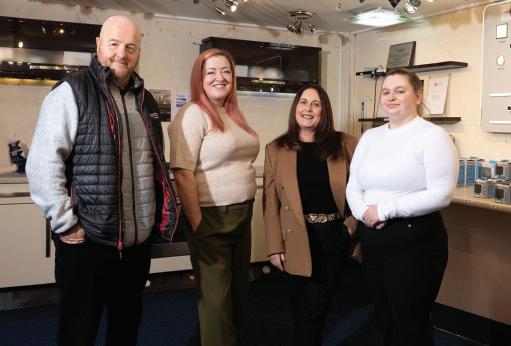
A key part of the recruitment journey was the support provided by Dawn Jarvis at the North East Growth Hub. Dawn played a pivotal role in bringing in an apprentice who could develop alongside the business.
Jess, 20, said: “I was working on an intern placement with Laura Pearman Creative when I was told about the position at Harbro.
“I studied photography and graphic design at college, so being able to apply those skills in this role is a huge bonus. Everyone has been so supportive, and I’d love to stay on permanently after my apprenticeship.”
Phil said: “The business is well established with a strong client portfolio and loyal customer
base, but we were missing someone to spearhead our digital growth.
“When I interviewed Jess, I knew she was the perfect fit. She brings skills we didn’t previously have inhouse and she’s already proving to be a fantastic asset.”
“Jess showed so much potential during her time with Laura, so I’m thrilled she was successful at interview and that she’s doing so well and enjoying the role.”
Laura Pearman, who continues to mentor Jess, said: “During Jess’s internship it was clear she had a strong foundation of skills and was eager to develop further. This apprenticeship, alongside hands-on experience, will give her everything she needs to become a valued member of the Harbro team, they are very lucky to have her.”
The North East Growth Hub provides oneto-one tailored support designed to help businesses access the tools, connections and funding they need to grow. In Harbro’s case, Dawn was delighted to help meet a local business need by bringing the right people together at the right time.
Toolstation, one of the UK’s largest suppliers of tools and building supplies, has announced the launch of a new store format called Toolstation GO that will offer a faster, more convenient way to shop.
With convenience at the heart of the proposition, it means customers can access tools, products and building supplies from easy-to-access high street locations. New features such as digital kiosks help to streamline the shopping experience, while Toolstation’s knowledgeable and helpful colleagues remain at the heart of the store format.
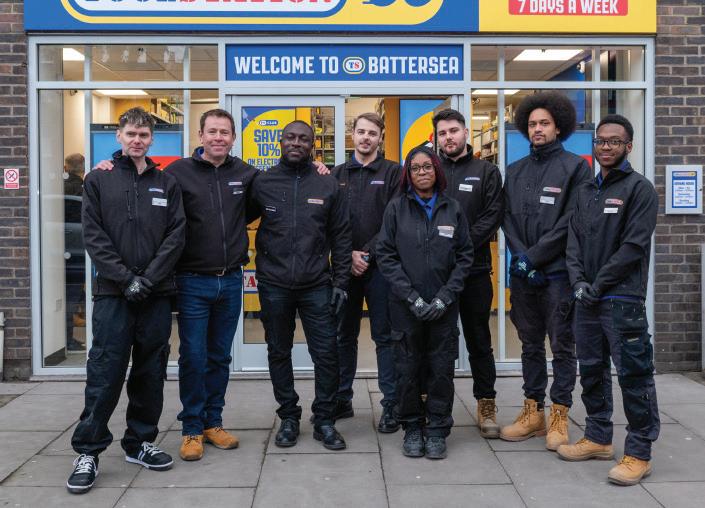
Products are localised to the store and they are updated and maintained based on customer and store insight.
Self-serve kiosks in-store mean customers can also skip the queues and browse the Toolstation range and place orders to be collected at the counter.
The store also has extended opening hours to accommodate early starts and busy schedules, opening from 6am until 8pm, while on Sundays it is open from 9am to 4pm.
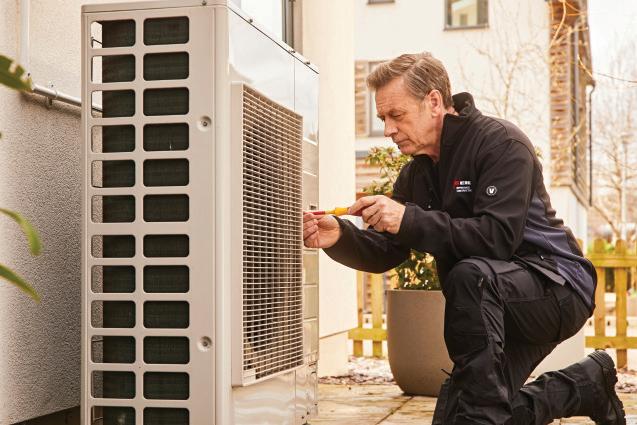
The compact Toolstation GO stores are based in high street locations and they provide customers with the essential products that they need to get their jobs done. With a focus on everyday trade and DIY essentials, product ranges in the Battersea store include plumbing, electrical, power tools, hand tools, and painting and decorating products and are available in store and through Click and Collect, while more are available online for next day collection or delivery. Toolstation’s Fast Track service also means that thousands of products can be delivered to site or home in as little as 30 minutes.
Lakhvir Sanghera, Toolstation’s Managing Director says: “Our Toolstation GO stores combine seamless technology with the unrivalled service and knowledge of our colleagues. This new format delivers a quick and convenient shopping experience without compromising the high level of service that customers know and trust Toolstation for. We know how busy and time constrained tradespeople can be, and this smaller and more flexible store format means we will be able to open in different locations to our traditional stores.”
The opening of the first Toolstation GO in Battersea has created eight roles with trained and knowledgeable colleagues on hand to offer customer service, product knowledge and more.
In October 2026, a group of determined fundraisers from across the electrical industry will take on an unforgettable 10-day trek through the striking landscapes of northern Vietnam, raising vital funds for the Electrical Industries Charity (EIC).

The challenge will push participants both physically and mentally, covering an average of 16–18km a day through the heat and humidity of Hoa Binh Province. In return, trekkers will experience breath-taking scenery, rich culture and the warm hospitality of one of Asia’s most fascinating destinations.
United by a shared commitment to the charity, the team is ready to step far outside their comfort zones for a cause close to their hearts. Meet the first members:
Sales Manager at Premier Cables, Amanda Smithis preparing to take on the challenge of a lifetime. We can’t wait to support her as she swaps the office for the trails of Vietnam.
Software Engineer at RWE and an active member of the EIC’s Emerging Professionals Board, Dolapo Olunlade is passionate about spreading awareness of the charity across the industry while tackling this incredible challenge.
A long-standing supporter of the EIC, Gordon McArthur is once again going the extra mile,
quite literally, by joining the Vietnam trek and raising funds for the charity.
Branch Manager at CEF Newquay, Matthew Hoar is motivated and ready to test his endurance on what promises to be the trek of a lifetime.
PCM Manager at Tobbell Electrical by day, Dom Lorenzo will soon be adding “Vietnam explorer” to his list of achievements.
A dedicated member of the EIC’s Yorkshire Committee, Matt Houston from Electric Center is preparing to push his limits on his next big adventure, fueled by determination and passion for the charity.
From AH Building & Electrical, Matthew Wych is no stranger to a challenge. Having previously raised funds climbing Mount Kilimanjaro, he’s now setting his sights on Vietnam.
A former contractor turned electrical educator and part-time NICEIC Associate Assessor, Michael Ringer is looking forward to completing the Pu Luong Trek, a challenge unlike anything he’s done before.
The Electrical Industries Charity is still welcoming additional volunteers to join the Vietnam 2026 trek. Those interested in taking part can register at https://register.enthuse. com/ps/event/VietnamPuLuongTrek
NICEIC has welcomed the UK Government’s newly announced £15 billion Warm Homes Plan. The funding and action announced by the government amounts to a significant investment and an ambitious signal of intent on renewable energy and home upgrades. The government anticipates the measures announced will cut household energy bills and accelerate the rollout of clean energy technologies.
Up to five million homes could benefit from upgrades including heat pumps, solar panels, and home batteries. The plan also outlines stronger protections for renters in both the private and social rented sectors.
Paul Collins, Technical Director at NICEIC, commented: “We welcome the government’s Warm Homes Plan, which brings much needed certainty for householders, installers, and the wider industry.
Investment at this scale will boost demand for high quality renewable installations, creating significant opportunities for skilled and qualified installers. It also gives those seeking to upskill the confidence to invest in their future, a crucial enabler for delivering the plan at scale.
As the focus shifts from policy to delivery, building a sufficiently skilled workforce will be essential to meeting demand. We are eager to see more detail on the support available for apprenticeships and the upskilling of the current workforce.
NICEIC certified businesses will play an integral role in delivering the Warm Homes Plan. We will continue to support them through certification and training, helping them to demonstrate their technical competence, and uphold the highest professional standards as the sector scales up.”
NICEIC will work with certified businesses to ensure they are fully informed about the Warm Homes Plan. NICEIC will provide regular updates and guidance through its e-newsletters, social media channels, and Connections magazine.
In the fi rst of the EDA ’s quarterly State of the Sector Surveys for 2026, businesses shared their thoughts on a range of topics including strategic opportunities for the sector, their biggest operational headaches and predictions for sales volumes this year
Each quarter wholesalers and manufacturers in the Electrical Distributors’ Association (EDA) are invited to contribute (anonymously) to the Association’s State of the Sector survey. Each Survey is a mix of core questions, revealing patterns throughout the year, while others address current topics in the supply chain. The EDA has created a Survey Planning Group of senior wholesalers and manufacturers who provide valuable insights that help shape the survey questions.
In Q1 2026, 72 wholesalers responded (28 per cent response rate) and 41 manufacturers (41 per cent response rate).
To hear future survey results live, please register for 2026’s Talking Shop Live Online at www.eda.org.uk in the Events section. As well as our survey results, we often invite subject specialists to give insight into important topics and share opportunities.
The surveys are also available to download a www.eda.org.uk in the Support and Resources menu.
Read on for a selection of highlights from the latest survey.
IN THE SAME BOAT: ARE YOU FACING THESE OPERATIONAL CHALLENGES TOO?
EDA businesses shared their top 5 operational challenges from a prompted list. Feedback from both groups shows manufacturers and wholesalers are on the same page in many areas, offering the potential for better understanding.
EDA Wholesalers
1. Increasing business overheads.
2. Downturn in market demand.
3. Delays to project starts (sharing this spot with) a slowdown in my typical market segments.
4. Difficulties attracting, recruiting, or retaining staff.
5. New competitors entering the market.
EDA Manufacturers
1. Increasing business overheads.
2. Downturn in market demand.
3. Delays to project starts (sharing this spot with) a slowdown in my traditional market segments.
4. Difficulties attracting, recruiting or retaining staff.
5. New competitors entering the market.
Wholesalers commented on the challenges:
“Good staff being approached and poached by other wholesalers, a real dirty tactic but a result of skilled labour or people wanting employment at all.”
“Product purchase volumes from manufacturers.”
“Suppliers not having stock.”
Manufacturers commented on the challenges:
“Increases in cost of goods from Far East. Deflation.”
“Manufacturers being overly competitive to a point of reducing market pricing expectations. Selling on price not on products spec.”
“Raw material costs increasing - Copper currently at an all-time high.”
THE RENEWABLE REVOLUTION: THE BIGGEST OPPORTUNITY Wholesalers were asked to identify the biggest sector opportunities through open-ended responses. Analysis showed that renewables consistently stood out, and signalled these strategic priorities:
• Focus on Commercial and Industrial, renewables and infrastructure.
• Prioritise battery storage, EV charging and data centres.
• Compete on service, relationships and reliability.
• Reduce exposure to price-led online competition.
• Stay close to digital, smart and AI-enabled technologies.
TRUSTED ADVISORS: HOW ELECTRICAL WHOLESALERS HELP CONTRACTORS NAVIGATE NEW SAFETY LAWS
In 2020, two-year-old Awaab Ishak from Rochdale died from a respiratory condition caused by prolonged exposure to mould. In response, Awaab’s Law, enacted in October 2025, requires social landlords to investigate and remedy damp, mould and other emergency hazards within strict, legally binding timeframes. The EDA offers a short e-learning course on Awaab’s Law, which Members can access for free via The EDA Academy.
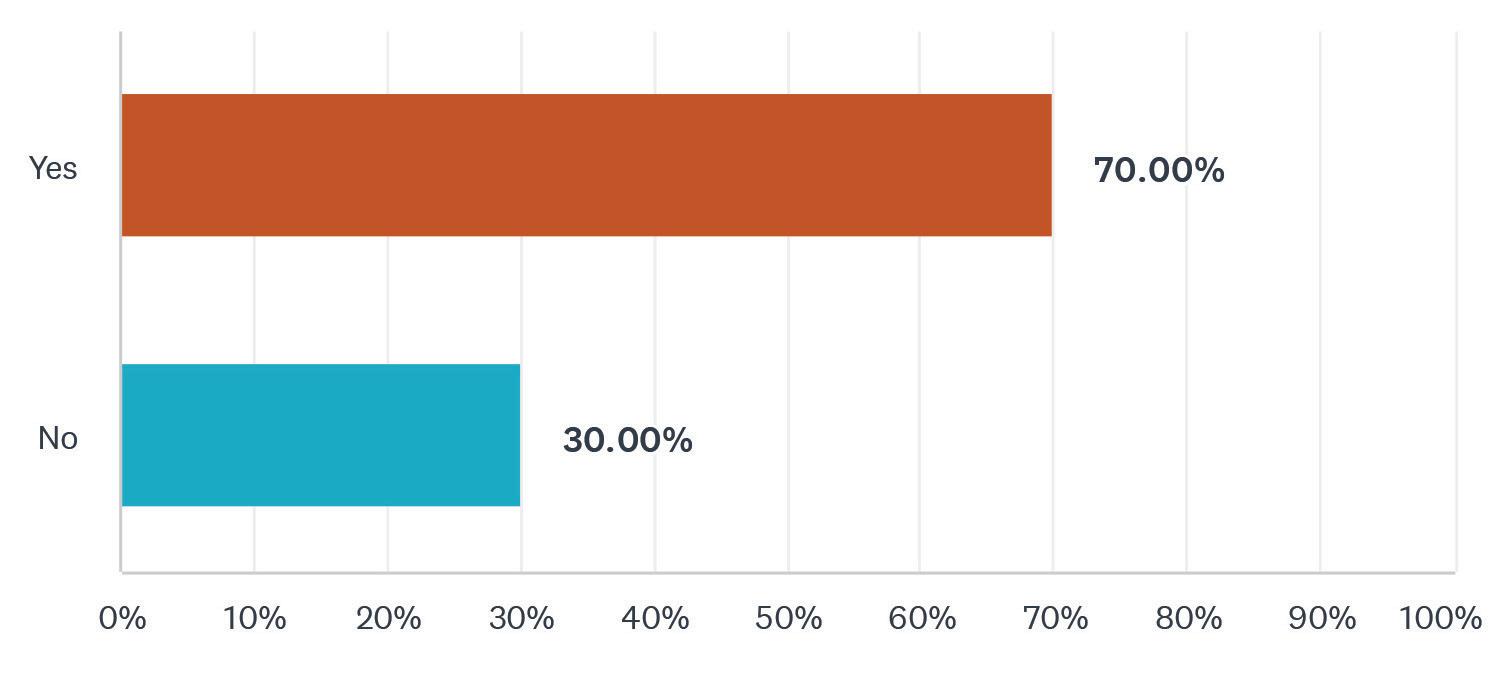
Q. Wholesalers: Are you aware of Awabb’s Law and the implications for landlords?
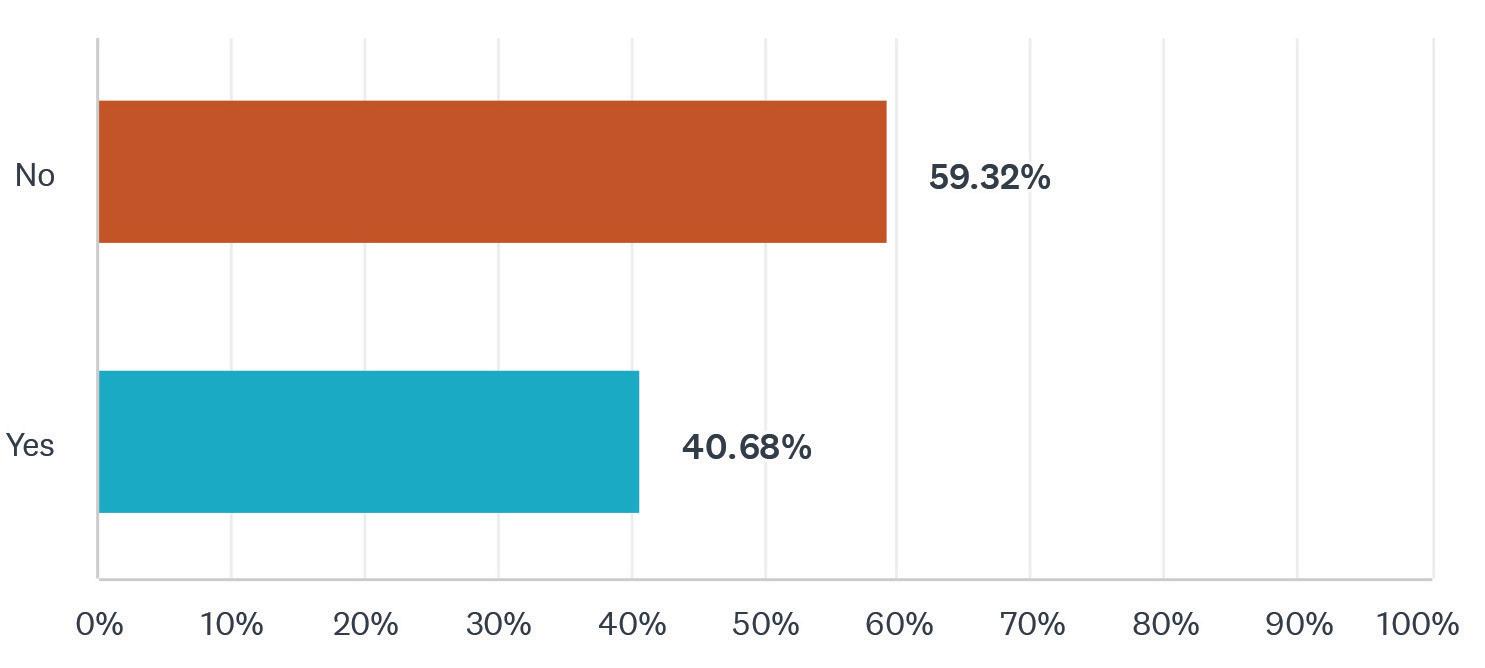
Q. Wholesalers: As a result of this change in legislation, have you seen any change in demand for air quality monitoring products?
Elsewhere, updated regulations for emergency lighting came into force in October/November 2025.
Q. Wholesalers: Are you aware that your installer/contractor customers are mandated to provide Photometric Performance Verification to demonstrate compliance when installing Emergency Lighting?
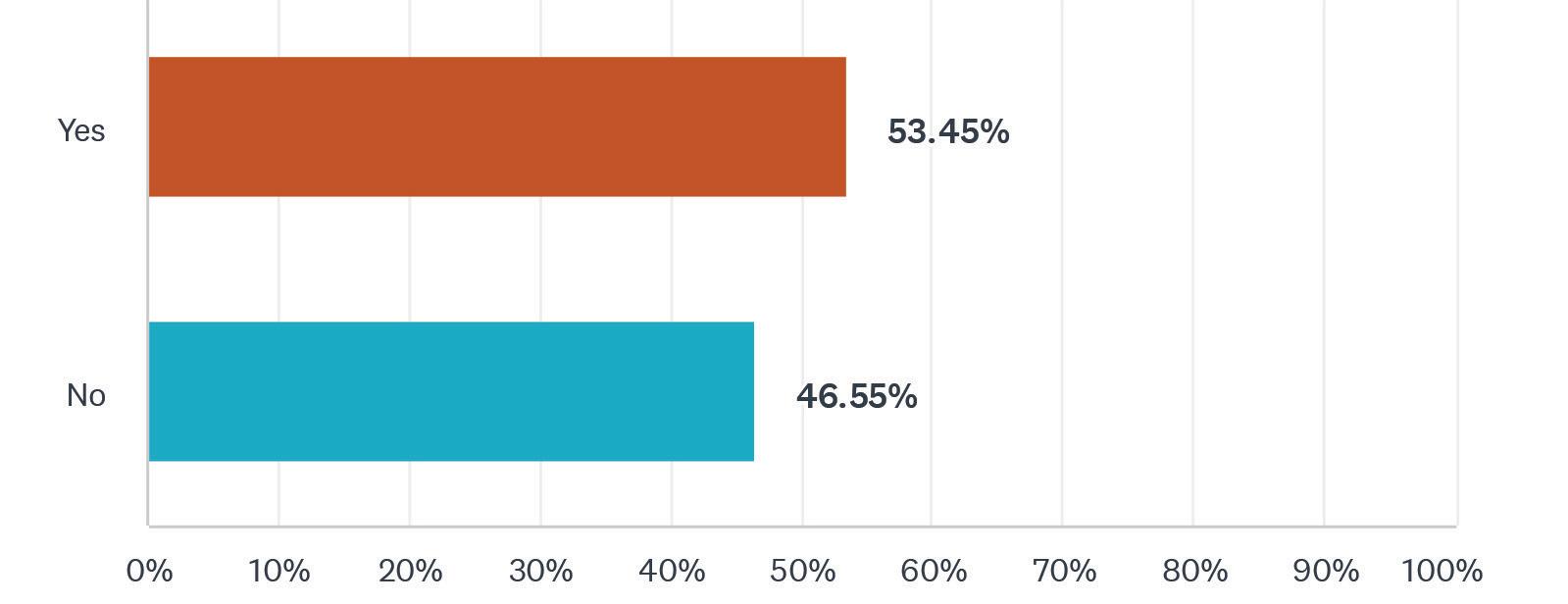
Q. Wholesalers: Are your installer/contractor customers asking you for Photometric Performance Verification documents?
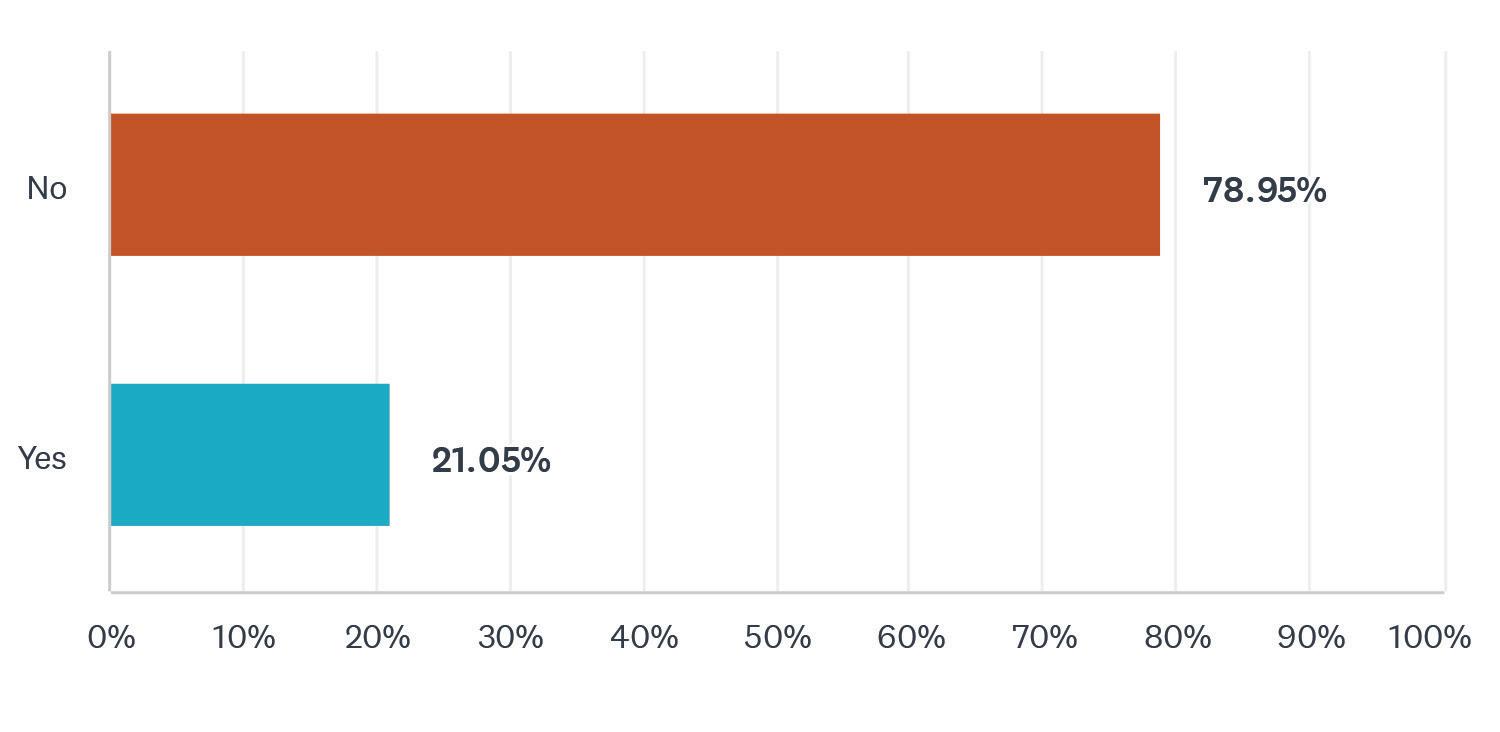
Q. Manufacturers: some wholesalers are responding to difficult trading conditions by consolidating stock lines and number of suppliers. Is this something you recognise?
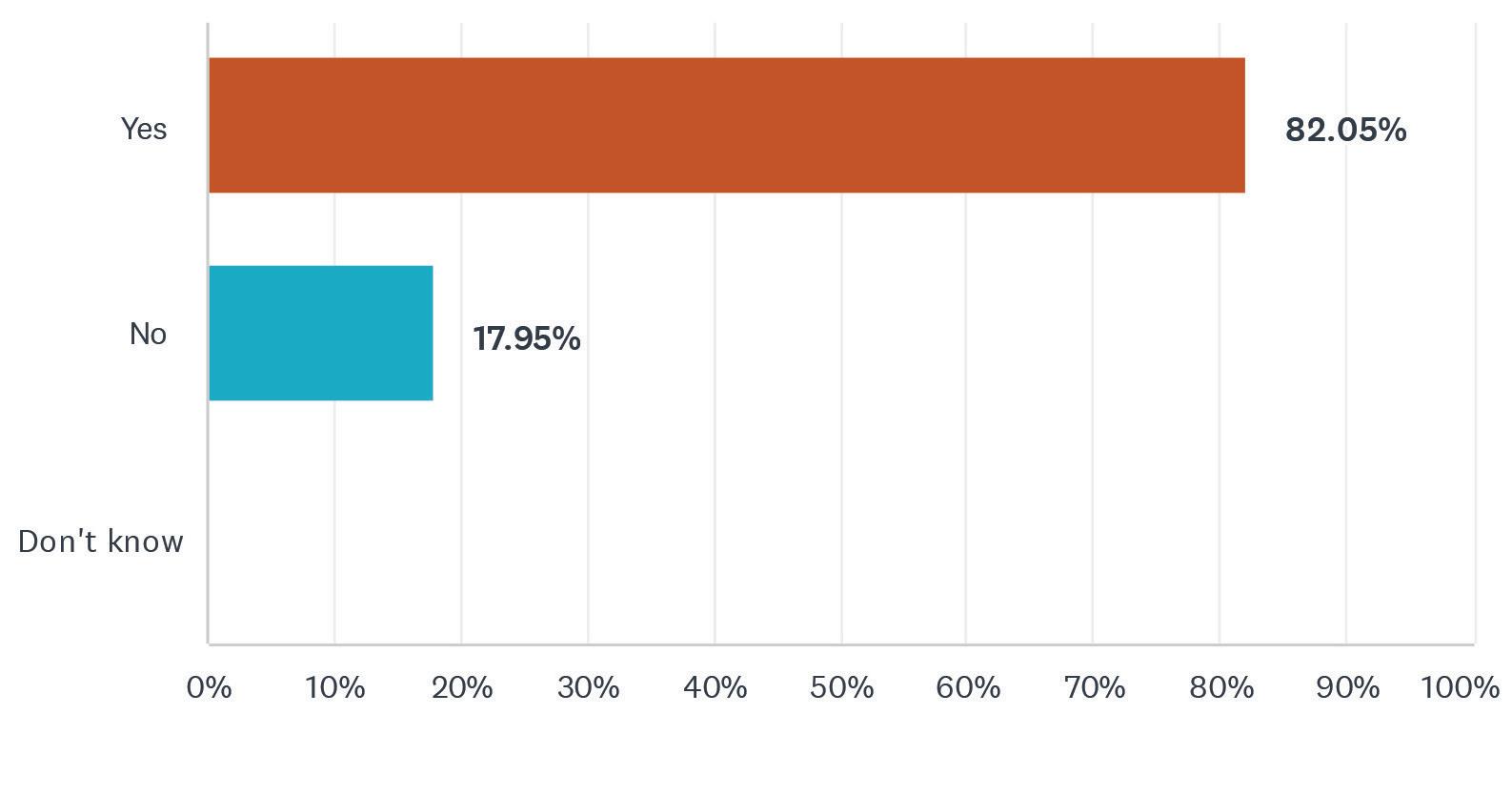
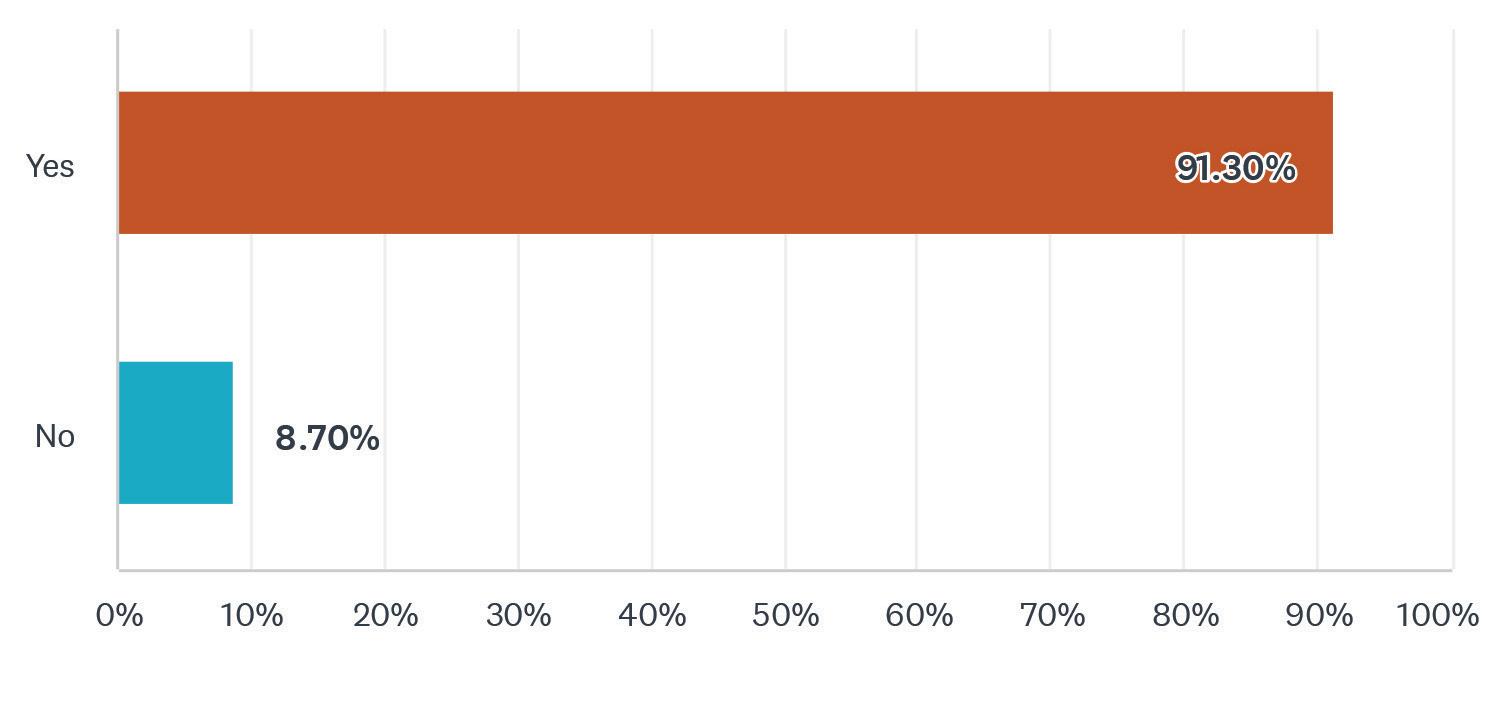
Wholesalers: have you actively reduced the number of suppliers you buy from?
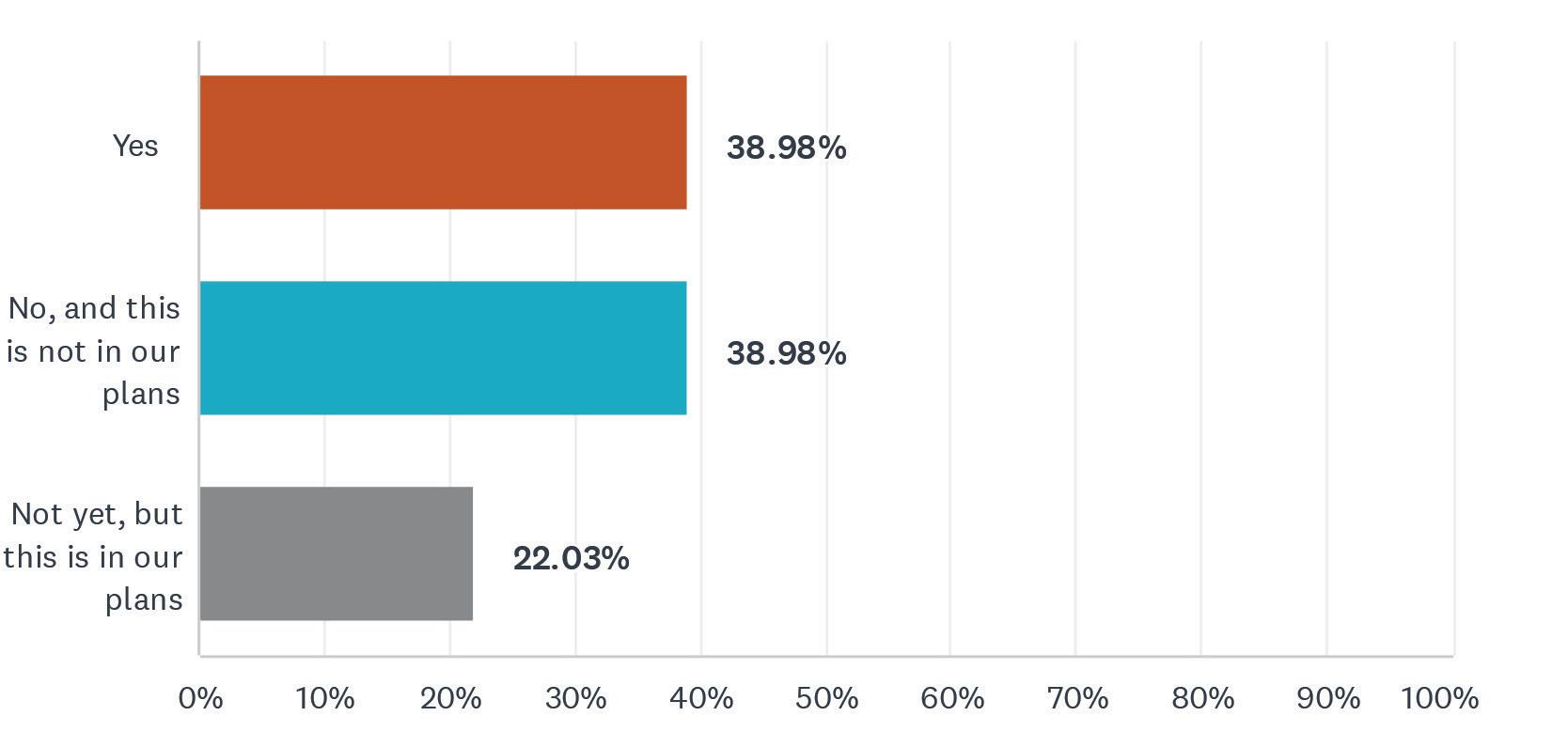
To those wholesalers answering ‘yes’, we asked a follow-up question:
Q. Wholesalers: are you planning further consolidation in 2026?
SALES PREDICTIONS FOR 2026: DO YOU AGREE?
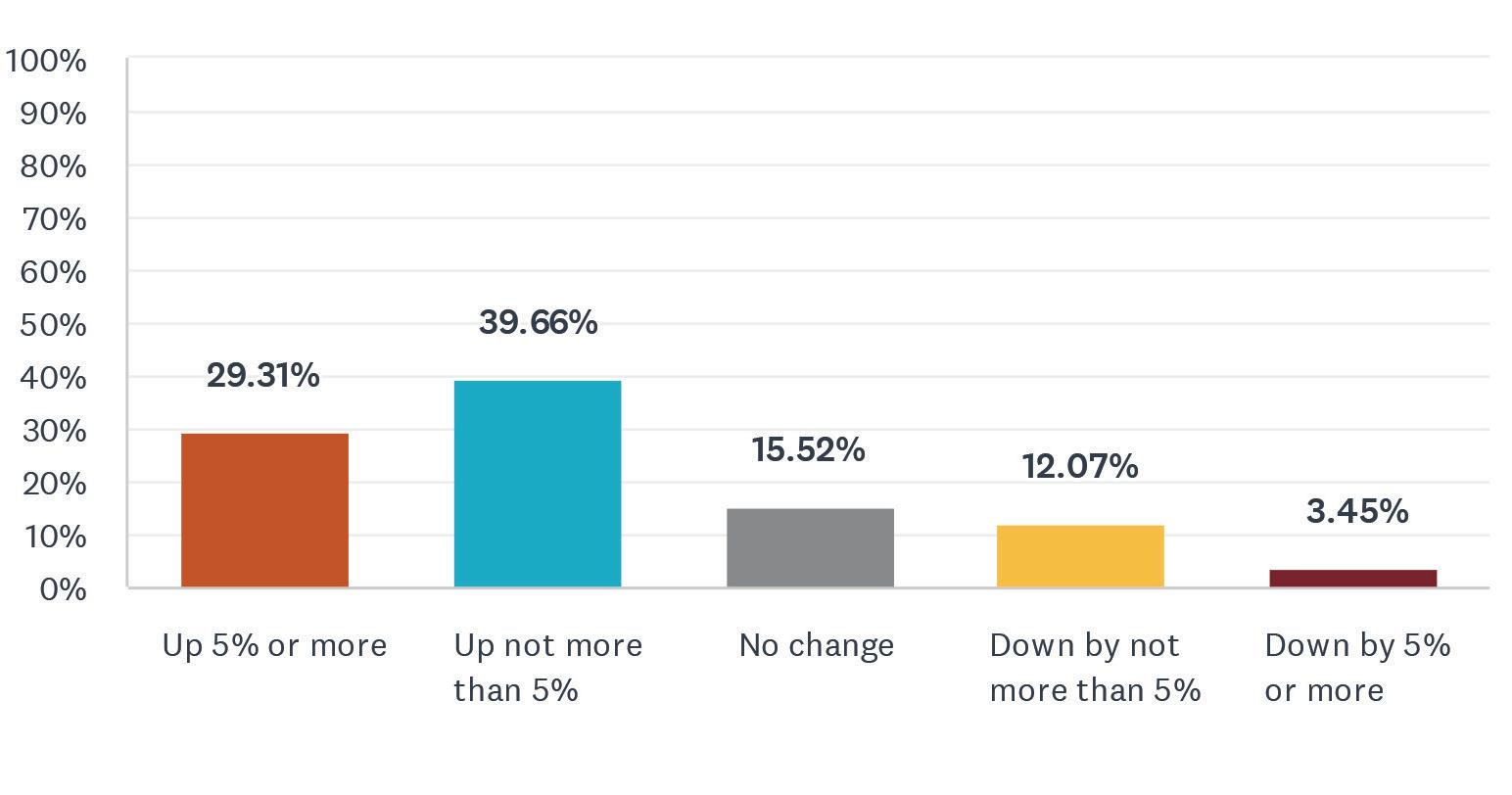
As you see from the charts, 68 per cent of wholesalers and 90 per cent of Manufacturers predict an increase in like-for-like sales.
68 per cent of wholesalers predict sales volume increase
90 per cent of manufacturers predict
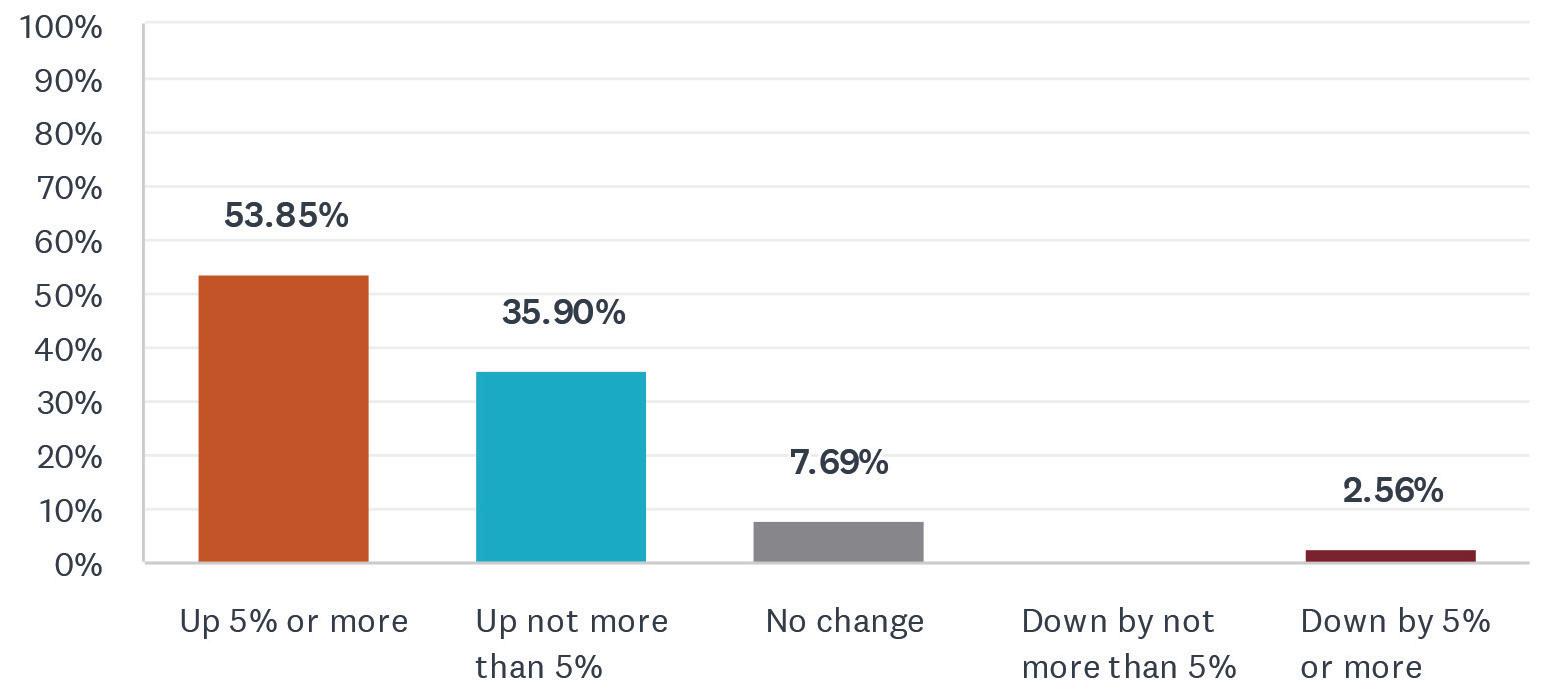
Q: How do you anticipate sales volumes (like for like sales) will change during 2026? www.eda.org.uk,
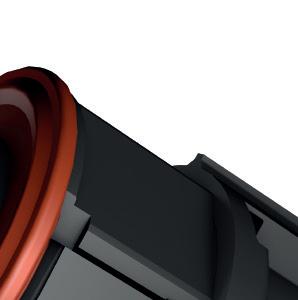
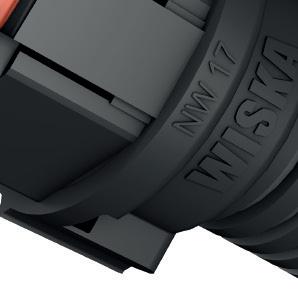
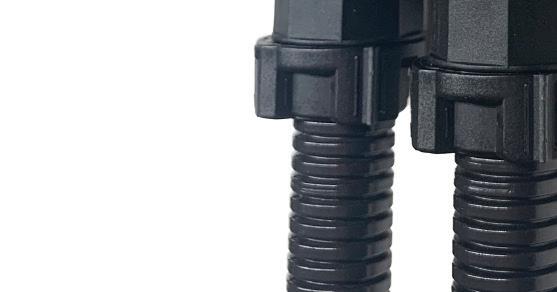
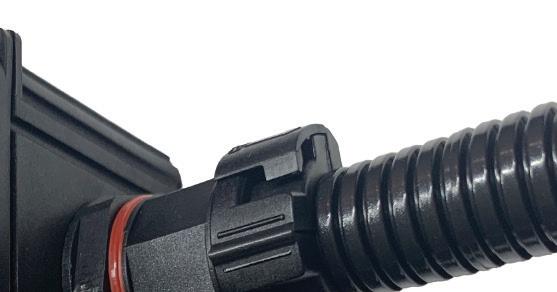
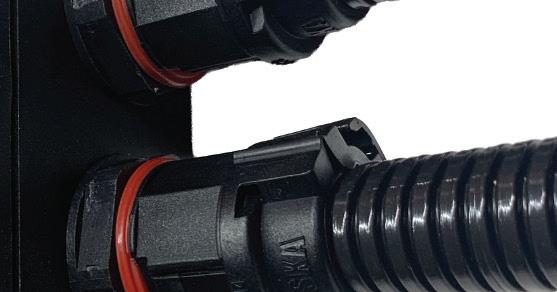
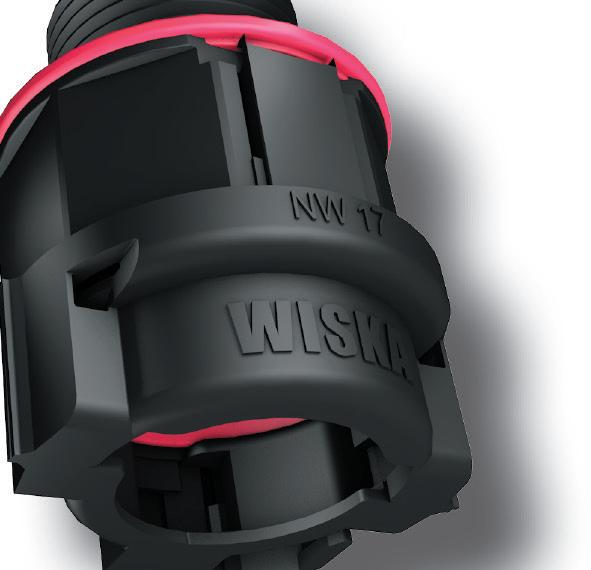
With over 100 years of experience, WISKA know a thing or two about cable protection. The Brace System by WISKA is a complete range of flexible conduit fi ttings, conduit and accessories designed to deliver superior protection, durability and ease of use across a wide range of applications
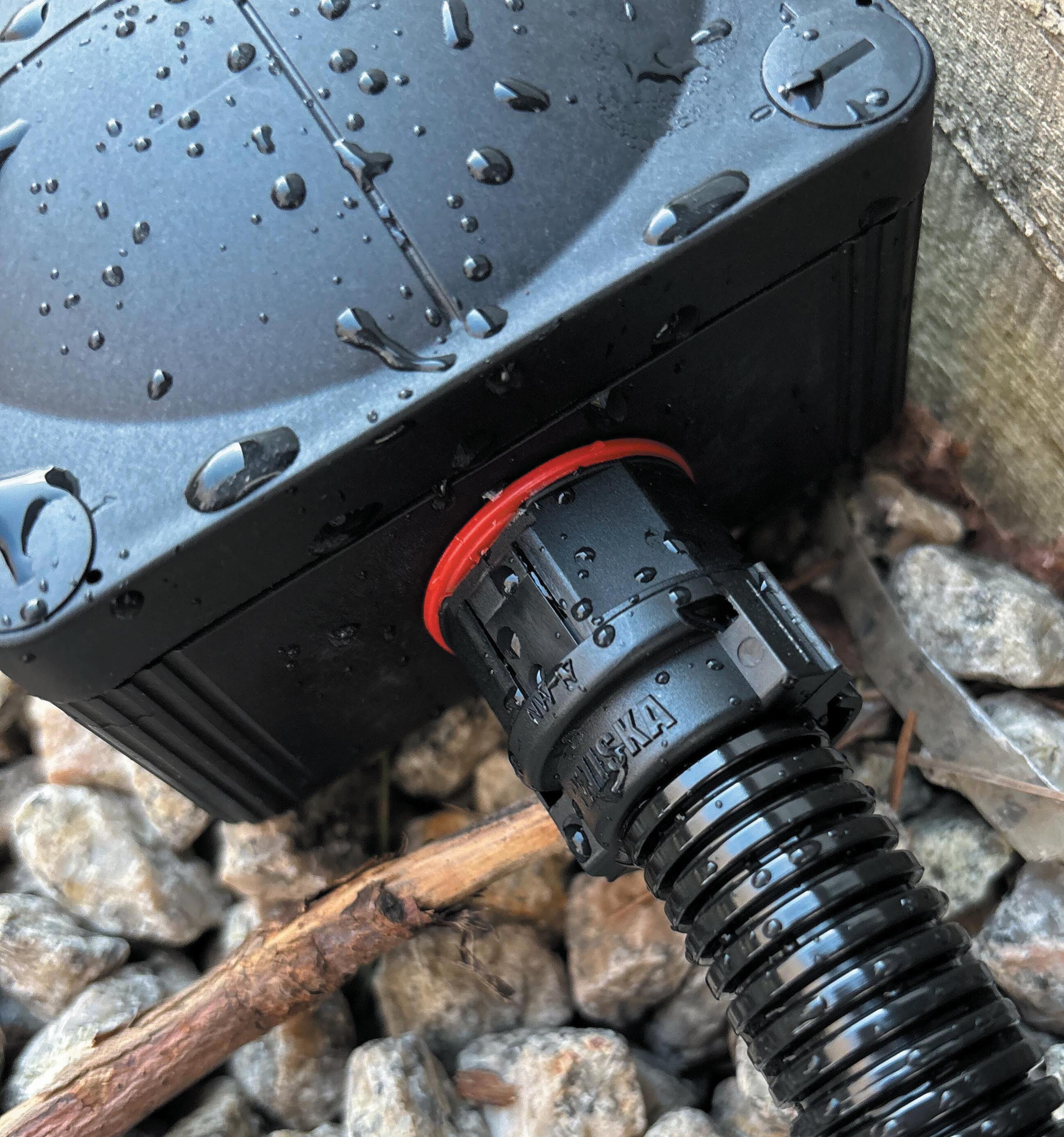
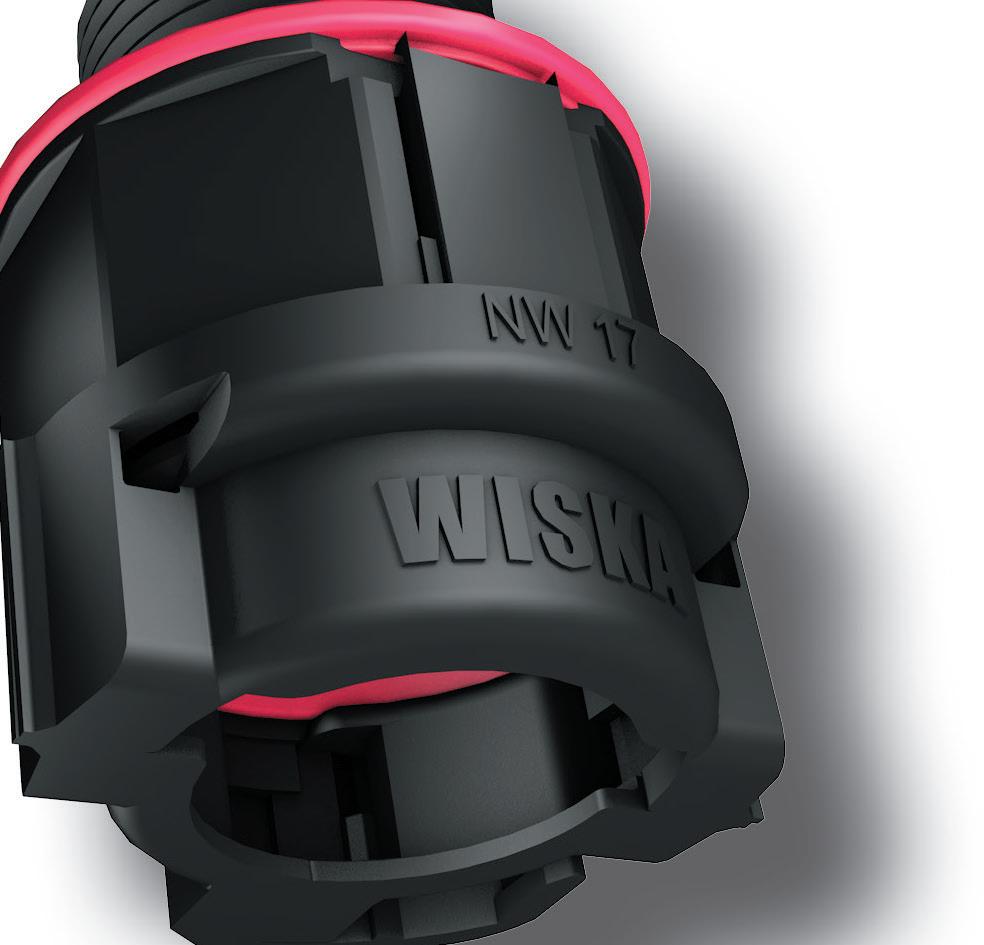
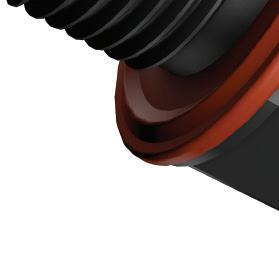
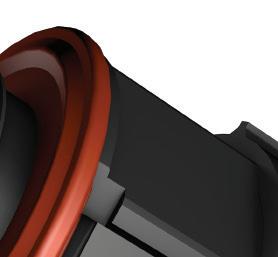
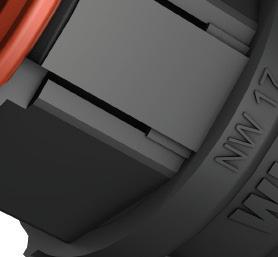
At the core of the range is the polyamide IP69-rated BraceFITTING. Its innovative single-piece design eliminates the need for assembly, helping to reduce installation errors and save valuable time on site. Manufactured from high-grade polyamide plastic, it offers excellent UV resistance and long-term durability. The directly injected and highly visible seal remains fixed even after installation, ensuring it won’t break or become misplaced and continues to provide reliable protection against water and dirt ingress.
The BraceFITTING’s streamlined design significantly reduces installation time, taking as little as six seconds compared to the industry average of around 30 seconds. Its unique clasping system provides a secure 360˚ grip on the conduit, delivering superior strain relief while maintaining its IP69 rating. While compatible with most flexible conduit brands, the highest level of protection is achieved when used with WISKA’s BraceCONDUIT.
DOES IT COME IN A CONTRACTOR PACK?
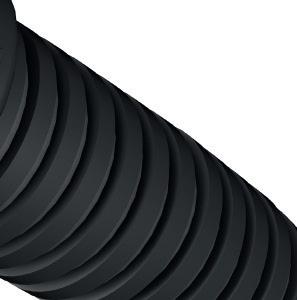
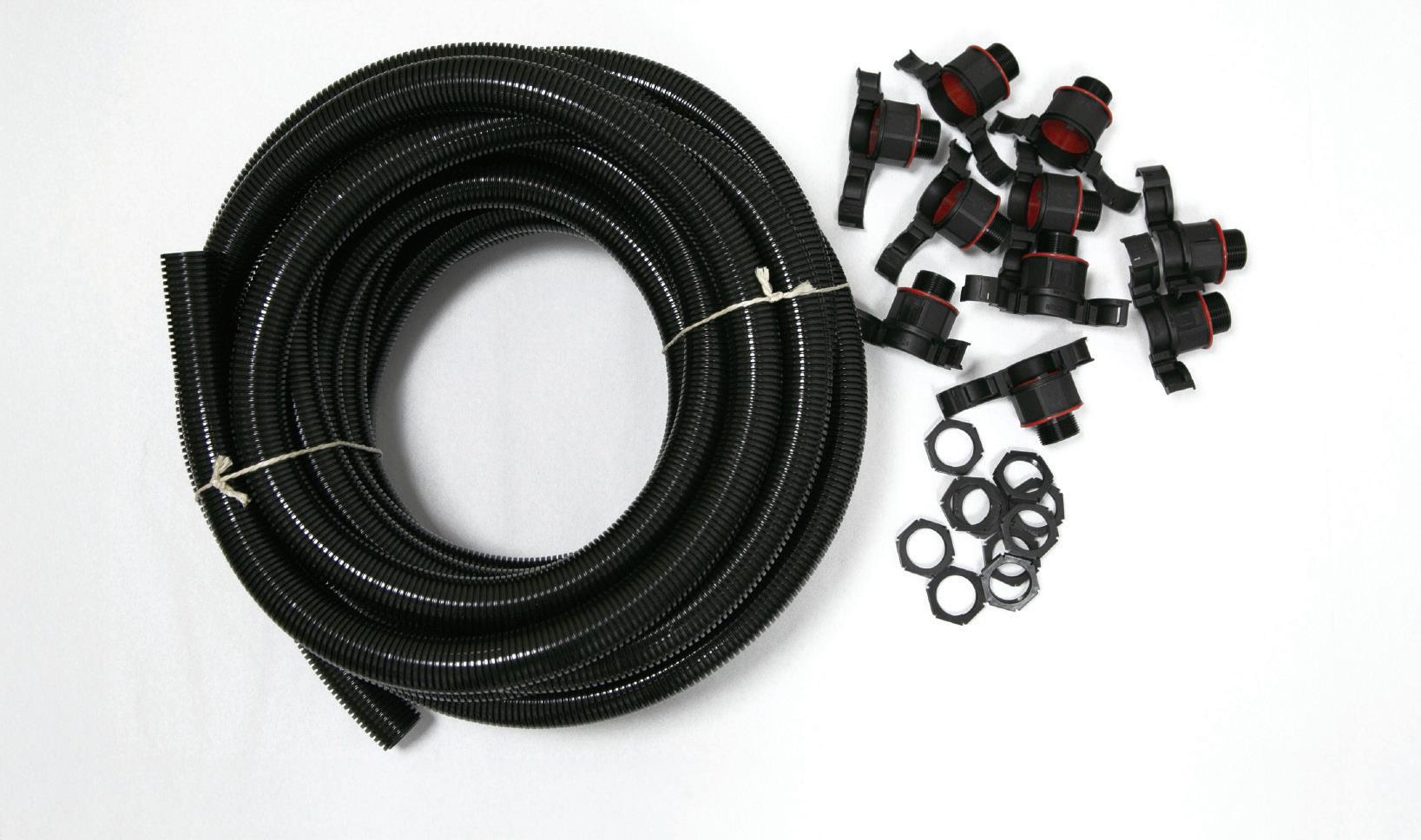
Yes. BraceCONTRACTOR Packs provide a complete, ready-to-go solution for installers. Each pack includes 10 metres of flexible conduit, 10 BraceFITTINGS and 10 locknuts. Contractor Packs are available in M20, M25 and M32 sizes and can be supplied with either black or white conduit to suit different installation requirements.
THE DIFFERENCE BETWEEN POLYAMIDE AND POLYPROPYLENE
Both polyamide and polypropylene conduit options offer high levels of durability, UV resistance and seamless
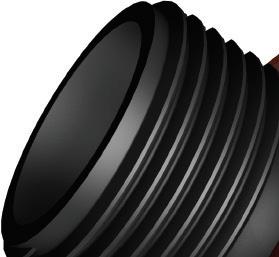


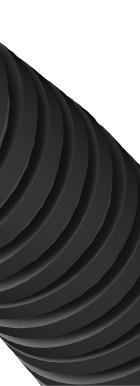
compatibility with the BraceFITTING. Polyamide conduit (PA6) is a highergrade material that provides a superior finish and enhanced performance, while polypropylene offers a robust and costeffective alternative. This choice allows installers to select the most appropriate solution based on application needs.
WHAT ELSE DOES THE RANGE HAVE TO OFFER?
The Brace System is truly comprehensive, with over 300 different types and sizes of BraceFITTING available, including straight, angled, branch, swivel and adaptor options, as well as a wide range of cable gland connections. The flexible conduit range includes over 155 options, complemented by metallic solutions such as galvanised PVC-coated conduit and brass nickel-plated fittings.
So, there you have it, the Brace System from WISKA. Have you embraced the future?
www.wiska.co.uk


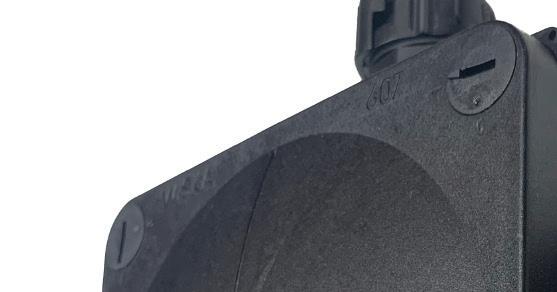

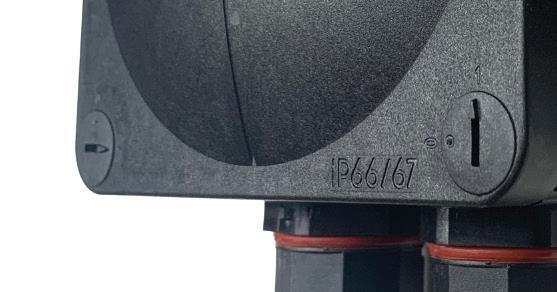




WISKA Brace Fitting Contractor Packs provide everything you need to install flexible conduit quickly, securely and professionally, all in one box.
Designed as a single, integrated system, each component works together with ease, to create a stronger, more durable connection with fewer failure points.





Fleet electrifi cation is growing in popularity for delivery businesses. We spoke with Natasha Fry , head of fleet sales at Mer , about how businesses are turning the migration and management of EVs from a future challenge to a core business differentiator
The last mile of delivery has long been the most expensive and complex segment of the supply chain, with Capgemini saying it now accounts for up to 53 per cent of total shipping costs. So with the volume of online purchases predicted to continue growing, and consumers demanding increasingly fast and flexible delivery options, logistics providers face an intensifying challenge: how to simultaneously reduce costs, enhance customer satisfaction, and meet increasingly stringent sustainability requirements. For many businesses, these three imperatives have been hard to balance. Customers want more delivery options. Faster and flexible delivery windows mean higher costs. Sustainability initiatives require investment. However, a fundamental shift in last mile
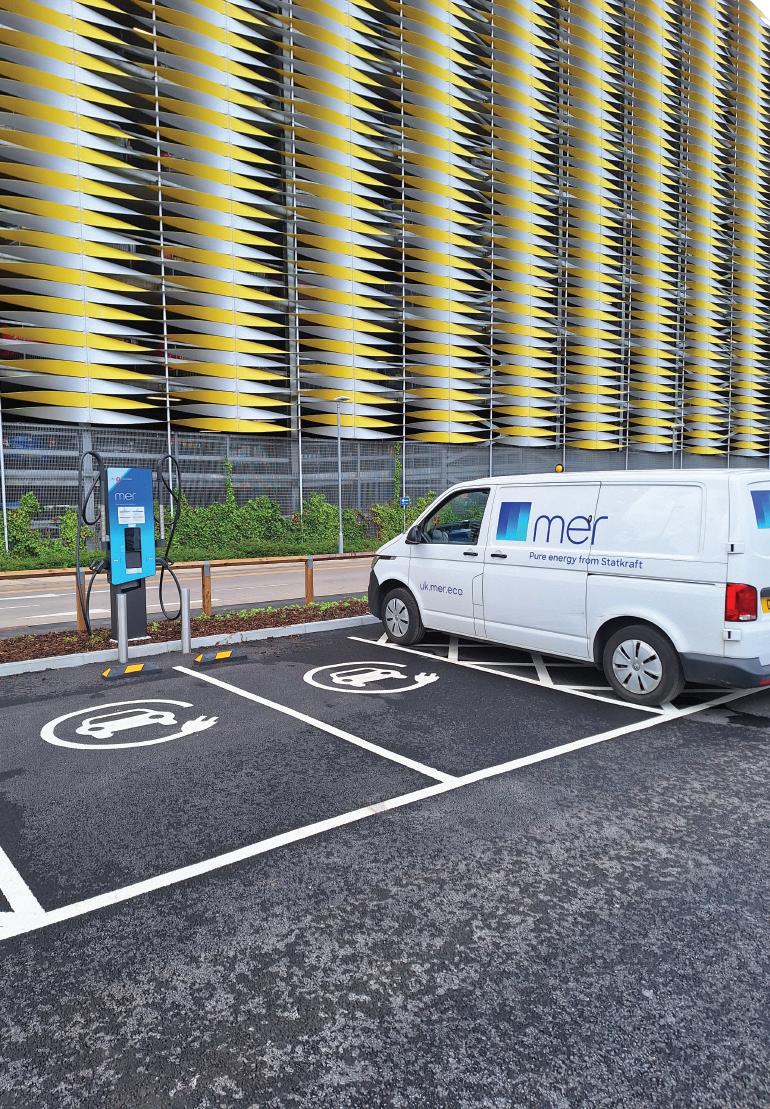

operations – centred on electric vehicle (EV) fleets and intelligent logistics infrastructure – is proving that these goals can not only coexist, but positively contribute to each other.
Today’s logistics landscape is characterised by consumer demands that would have seemed unrealistic just a decade ago. Sameday and next-day delivery options are now baseline expectations, rather than premium services. Real-time tracking, precise delivery windows and flexible collection points have become standard features. Meanwhile, both regulatory pressure and consumer preference are pushing businesses to demonstrate their environmental responsibility.
Traditional internal combustion engine (ICE)powered delivery fleets can struggle to meet
these demands efficiently. Urban congestion charges, low emission zones, and fluctuating fuel costs create unpredictability in operational expenses. And the stop-start nature of urban deliveries – precisely where conventional vehicles are least efficient – compounds these challenges. For logistics providers operating on tight margins, these factors represent a significant competitive vulnerability.
For many businesses, the transition to electric vehicle fleets addresses sustainability challenges while also unlocking operational advantages. In fact, the economics of EV fleets have reached an inflection point where total cost of ownership often favours electric over conventional vehicles, particularly for highutilisation urban delivery routes.

EVs deliver predictable energy costs, eliminating exposure to volatile fuel markets. They have far fewer maintenance requirements – such as no oil changes, fewer brake replacements thanks to regenerative braking, and simpler drivetrains with fewer failure points. For fleet operators managing hundreds of vehicles, these savings can quickly compound.
However, the strategic value of an EV fleet extends beyond pure cost reduction. Urban areas are becoming increasingly restrictive, with major cities across the UK and Europe expanding low emission zones and implementing congestion charges that favour or mandate zero-emission vehicles. Forward-thinking logistics providers are using EV adoption to gain preferential access to these delivery territories.
There are also significant benefits for endcustomers. Electric delivery vehicles operate with substantially less noise. This is especially helpful for early morning and evening deliveries, as businesses can extend delivery window options and thus improve the service levels they can offer. And the environmental credentials of electric delivery resonate with consumers who are increasingly making purchasing decisions based on a company’s corporate sustainability record.
INTELLIGENT INFRASTRUCTURE:
MAXIMISING EV FLEET EFFICIENCY
Realising the full potential of an EV fleet requires your infrastructure and operational strategies to work hand in hand, and reliable, accessible
charging infrastructure stands as the critical enabler. Strategic placement of charging facilities, whether at distribution centres, micro-fulfilment locations, or public networks, are key to ensuring your EV fleet is robust and flexible enough to support your business’ specific needs.
Modern charging solutions have evolved way beyond simple overnight charging models. Opportunity charging during loading and unloading, combined with intelligent charge scheduling, can optimise energy costs. This allows fleets to maintain continuous operation while minimising the cost of charging and the infrastructure needed to do so. For businesses operating mixed fleets during the transition period, this flexibility is essential.
The ability to integrate new technologies is equally important. AI-powered route optimisation systems can simultaneously account for battery range, charging station locations, traffic patterns and delivery time windows, creating routes that maximise efficiency. This contributes to higher delivery density per vehicle, reduced energy consumption, and improved on-time performance.
Micro-fulfilment centres strategically positioned within urban areas further enhance last mile efficiency. By reducing the distance between inventory and customers, you can decrease delivery times and energy consumption, and reduce the number of vehicles you need in your fleet. When combined with electrification, you can create a logistics architecture specifically designed for urban density and speed.
The transformation of last-mile logistics from cost burden to competitive advantage requires businesses to view sustainability not as a compliance requirement to be fulfilled, but an opportunity to significantly enhance their operational strategies. Electric fleets, supported by intelligent infrastructure and optimised processes, deliver measurable improvements across all three areas: cost, customer satisfaction, and environmental impact.
Many last-mile delivery businesses are already starting to see these benefits. One example is the UK’s largest doorstep dairy delivery company, Milk&More. Over the last few years, the company has migrated a huge number of its old-fashioned milk floats and diesel vans to EVs that rival the diesels for performance. For the business it means lower operating costs that help to improve margins, enhanced delivery capabilities that strengthen customer relationships, and a practical example of environmental commitment that supports the brand identity and customer expectations. At Mer, we’re seeing that the electrification of last-mile logistics is increasingly separating industry leaders and followers. Those who can most quickly achieve the transition are seeing the greatest benefits. If you can move decisively, you’ll find that the final mile of delivery, long considered the most problematic segment of your supply chain, can become your strongest competitive differentiator. See how we can help you create a strategy that supports your requirements and delivers results.
about why such a seemingly small specifi cation decision could have a disproportionate impact on system reliability and lifecycle cost
Choosing the right cable gland at specification stage is critical to maximising uptime, protecting safety, and meeting rigorous compliance in any project –whether it’s OEM equipment, control panels, infrastructure or process environments.
Get it wrong and the consequences can be costly: cable jacket damage and premature failure, ingress and corrosion that undermine enclosure IP (Ingress Protection) performance or even intermittent communication / drive errors due to poor EMC bonding and screening.
With many different cable types available on the market, designed for multiple applications, the precise gland selection underpins sealing integrity, strain relief, and long-term operational reliability, ensuring safe and compliant performance in even the most demanding environments. Therefore, having the right cable glands is absolutely vital.
Glands are generally available in either polymer or metallic materials and here at CMP we’re seeing an increasing demand for our polymer ranges, as they are an ideal solution that combines versatility, durability and cost effectiveness for a wide range of industrial and commercial operations.
Polymer cable glands can be the preferred choice when every gram matters. The lowweight and non-conductive nature make handling and installation quicker and safer, particularly in high-volume or spaceconstrained applications. They also mitigate mixed metal corrosion risks between cable gland and enclosure materials, providing a robust, non reactive interface.
Accommodating a broad range of cable types, including unarmoured, braided, flexible, and flatform cables, simplifies specifi cation and stockholding.
In contrast, metallic glands can be the most suitable choice where the weight of the gland is not so much of an issue and
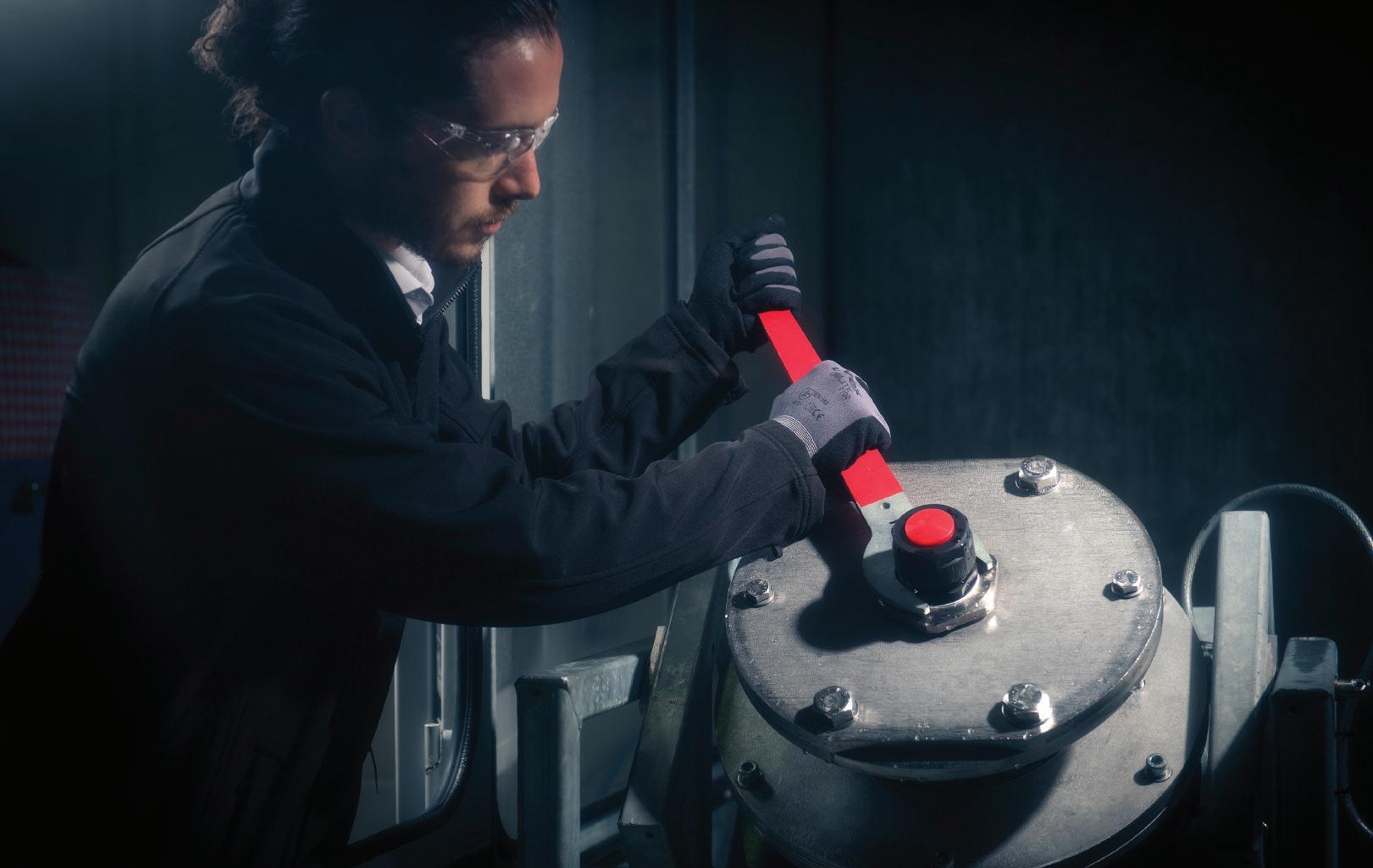
where strength, durability and protection are critical in demanding industrial environments. If there is a further requirement for reliable electromagnetic compatibility, metallic glands with a 360-degree low impedance contact, between cable screen and metallic enclosure, are an ideal option to help maintain EMC integrity. Typically, installation scenarios are VFD/servo motors, robot axes, switching power supplies, industrial Ethernet, radio/IoT modules, and other high frequency or high speed signals where RFI/EMI must be contained.
Selecting the right sealing method is critical to maintain ingress protection, strain relief and long-term reliability across varied cable constructions and environments. To help engineers match performance to application, whether space-constrained control panels, trace-heating terminations or mixed cable size. A good range of glands, like TruSeal, includes
a wide selection of versatile, safety-compliant options. Sealing options which can cover a wide cable range, accommodating more cable sizes within each cable gland size, or specific sealing options to suit, flatform and multiform cable requirements, offers the ultimate flexibility, particularly for contractors.
Not all products are tested to the same standards. Some manufacturers perform only minimal testing to meet export laws. This approach is risky, which is why you should only deal with companies whose products not only comply with the prevailing safety standards for cable glands, but in many areas, exceed them. At a minimum, you should look for products with IEC / EN 62444 certification, while explosive atmospheres products should be tested and certified to IEC / EN 60079-0,7, 31.
The TruSeal glands from CMP Products have undergone a comprehensive testing program
– including ageing, prolonged exposure to high and low temperature and humidity extremes’ followed by cable retention, anchorage and twist tests, as well as cold impact and ingress protection testing. This ensures safety for personnel and protection of electrical systems throughout the product’s service life.
The weight of larger cables should never be underestimated. If not properly restrained, a cable can pull out during service, causing significant damage to the equipment and costly downtime.
Using certified cable glands is the only way to ensure safe cable retention and protect electrical infrastructure.
Cable glands are often exposed to impact, heat and UV light, which can weaken materials over time and compromise safety. For example, many materials release harmful smoke or halogens when exposed to fire, posing risks to people and equipment.
To mitigate such threats, CMP’s glands
comprise Low Smoke and Fume, zero Halogen and Phosphorus free (LSF0H) materials as standard. The Polyamide used is a tough, abrasion-resistant material, meaning less shrinkage and consistent quality
Environmental exposure can also reduce a products’ lifespan. CMP’s bespoke Polyamide blend meets the most stringent of IEC tests, withstanding seven joules of impact, offering one of the widest temperature ranges on the market and remaining UV-stable for long-term outdoor use.
Fire safety is another critical consideration in many installations. In this instance look for flame retardant options. The UL94 standards tests for flammability and evaluates both burning and afterglow times. The best rating, V-0, should ensure any ignition self-extinguishes within a matter of seconds.
Cable glands may be small, but their role in any installation is enormous. What this means in practice is that they need to be sourced and
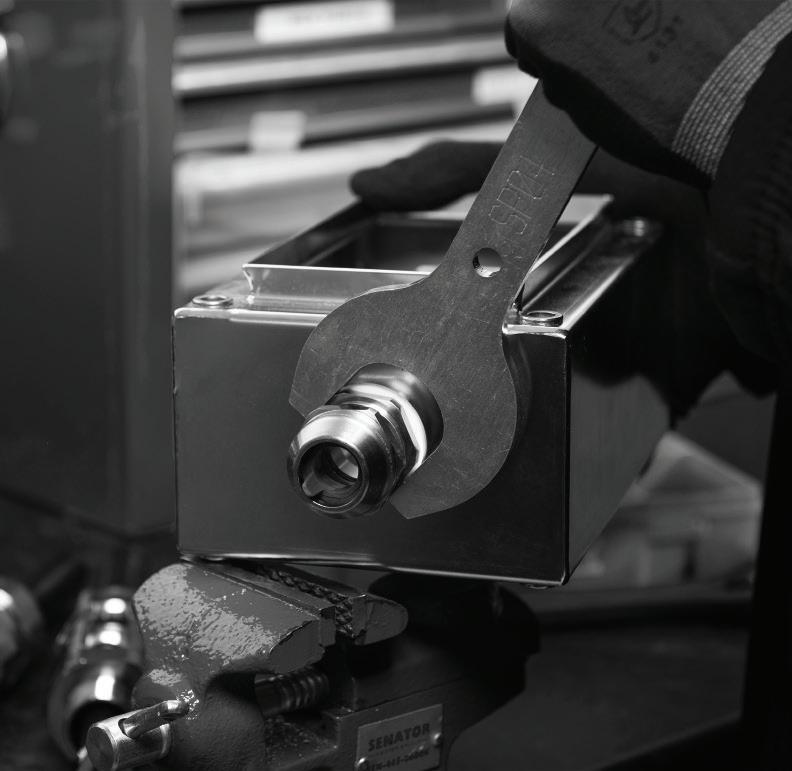
specified with as much care as any of the big ticket items in a cable installation.
The CMP Products’ range of TruSeal cable glands ticks all the specification boxes, meaning they can be specified and installed with complete confidence.”
To find out more visit: https://www.cmpproducts.com/truseal





By JS Pelland , Executive Director, Eland Cables
The UK’s net zero journey is often portrayed as a race to build more wind farms and solar parks. These projects make for striking headlines and political soundbites. They are visible, tangible, and easy to celebrate. But the truth is that generation alone will not deliver the transition. The real test lies in the infrastructure that connects it all together, and right now, that test is being failed.
Every electric vehicle, every heat pump, every data centre depends on a network capable of delivering power reliably and at scale. That network is under strain. Grid bottlenecks are delaying projects. Planning processes are slow and fragmented. And the materials we need, such as copper, aluminium, and steel, come with their own carbon footprint and supply chain vulnerabilities. These realities rarely make it into the public debate, yet they determine whether targets are met or missed.
The recent report from the All-Party Parliamentary Group (APPG) on Net Zero makes the point starkly: structural barriers are slowing progress and putting economic growth at risk. These barriers are not technical impossibilities. They are practical hurdles that require urgent attention. Ignoring them is not an option.
Building infrastructure is never frictionless. It means land acquisition, planning consent and investment on a scale that is easy to underestimate. It also means accepting that some emissions are unavoidable in the short term if we are to cut far more in the long term. Reinforcing ageing networks and installing new cable routes will cause disruption, but without them, the transition stalls. No cables means no connection, and no connection means stranded assets and missed targets.
The economic case for action is compelling. The UK’s low-carbon economy already supports close to a million jobs and contributes billions in value. But those benefits will only grow if delivery matches ambition. Every delay risks not only climate goals but competitiveness, as other economies accelerate their own transitions. The cost of inaction is far higher

than the upfront investment required to accelerate delivery.
Skills shortages and regulatory fragmentation add another layer of complexity. Electrification needs engineers, planners and installers with the right expertise, and a regulatory framework that gives clarity and confidence to investors. Without these, even the best technology will falter. Policy certainty matters too. Businesses and network operators need long-term signals to invest ahead of demand. When policy shifts or funding streams are cut, confidence erodes and projects stall.
Progress will not come from ambition alone. It will come from planning processes that move at the pace of demand, investment frameworks that give operators confidence to build ahead of need, and a coordinated approach to skills development. It will come from enterprise leading by example; investing in sustainable operations, raising standards across supply chains and supporting customers in meeting their green goals. These steps are achievable, but they demand commitment and collaboration.
The APPG report is right: the barriers slowing progress are structural, and they are solvable. But only if we stop treating infrastructure as an afterthought and start recognising it as the foundation of net zero. The transition will not be delivered by headlines or wishful thinking. It will be built, quite literally, on the strength of our power networks.

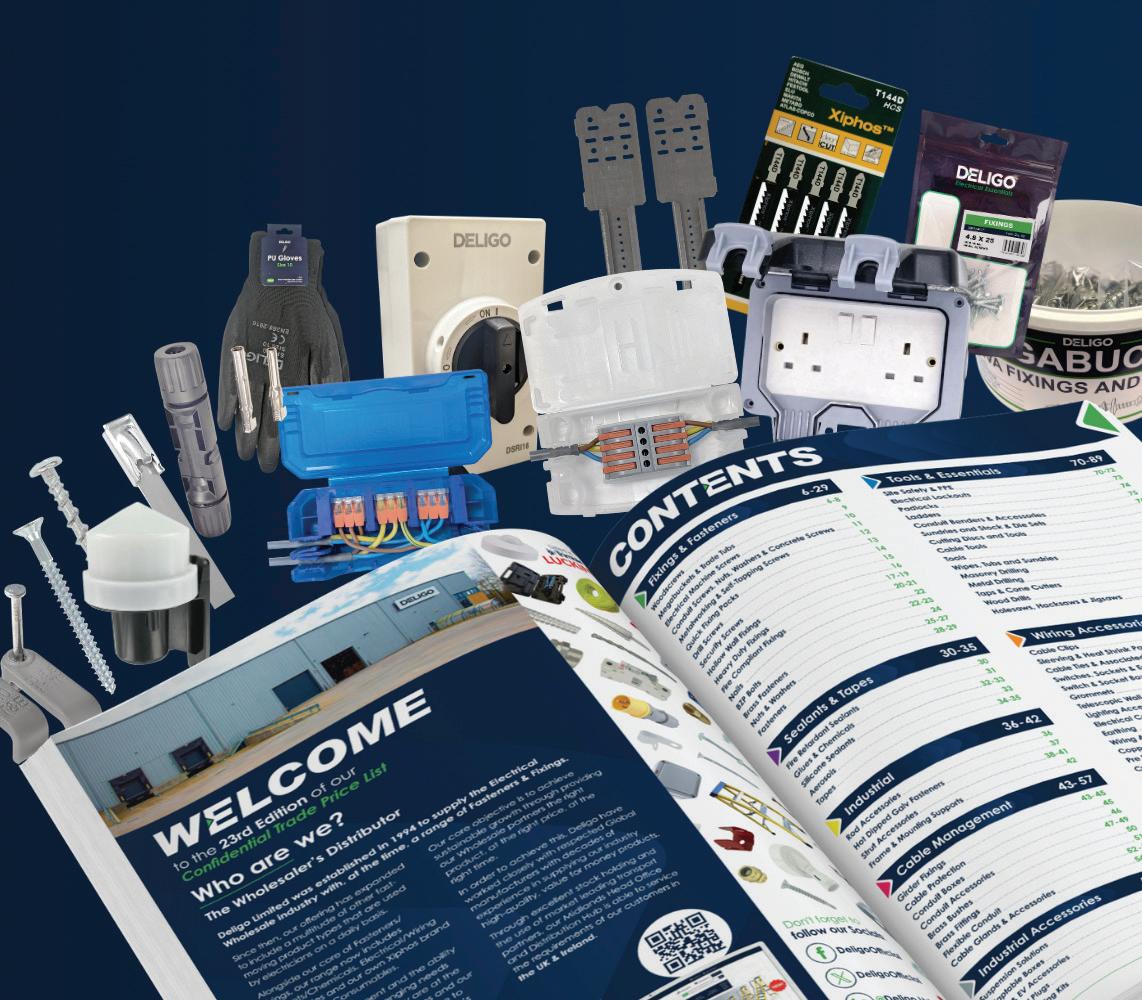
At Deligo, we believe the best products are innovated, most effectively, where they’re actually used - on site, in real installations, by people on the tools.
THE DELIGO R&D TESTERS
That’s why we’ve launched Deligo R&D: a new programme designed to work closely with electricians and trade professionals who install, test and rely on our products every day.
As part of Deligo R&D, participants receive Deligo products completely FREE to use in real working environments. Once a product has been installed and tested, feedback is submitted through a simple review process.
• When your review is accepted, you can request your next product
Choosing the correct cabling for safety under the new regulatory regime is critical for safety in the construction industry supply chain, says industry leader AEI Cables. As the new Building Safety Regulator starts to make enforcement for non compliance, AEI Cables is meeting requests from customers to ensure they stay within the legal framework of the new Building Safety Act and its requirements.
Stuart Dover, general manager of AEI Cables, said: “This is a difficult time for the construction supply industry and those addressing the new legislation including electrical cabling requirements.
“We believe in using the correct and most relevant cabling to meet specific needs for all reasons of safety. We are happy to answer queries with our technical help as it may save a lot of time and effort and help our customers and others keep within the legal limits of the act.”
The company is highlighting the need for Category 3 fire performance cables where
• Test products in real installations
• Keep them once your review is complete
• Continue the cycle with further products
It’s a straightforward process built around practical experience - use the product, share your opinion, receive the next one.
SHAPE THE NEXT GENERATION WITH US
The feedback gathered through Deligo R&D directly informs how our products are improved, refined and developed.
From installation time and build quality to performance and durability, real-world insight helps us ensure our products continue to meet the demands of modern electrical work. Your experience matters - because it reflects how products are used in real time situations.
WHO DELIGO R&D IS DESIGNED FOR Deligo R&D is aimed at professional electricians who are actively involved in installing and
using our products as part of their work. The programme is built around practical use, real feedback and on-site experience.
Registration is now open. Register today at www.deligornd.co.uk

relevant at the upper end of compliance which are designed to withstand heat and flames for up to 120 minutes, helping to protect equipment and providing enhanced emergency power to assist firefighters. These cables support critical safety circuits in tall buildings, office spaces, hospitals, shopping malls and stadia.
The systems powered by these cables –including smoke and heat extraction systems – assist fire services in firefighting and a safe
evacuation in the case of life safety. These cables reduce harmful smoke, toxic gases and flame spread in the event of a real fire. Category 1 fire performance cables guarantee 30 minutes of defence against flames, making them ideal for emergency lighting, while Category 2 cables give 60 minutes of fire protection and are commonly used for alarm systems.
AEI Cables’ Firetec Enhanced cabling has been approved and certified by LPCB to BS8519 (Annex B), Category 3 Control in addition to Category 2 Control. The BS Code of Practice under BS8519 contains six categories of cables, three for power cables and three for control cables each covering survival times of 30, 60 or 120 minutes.
All AEI Cables’ products are supplied with approvals from independent bodies including BASEC and LPCB. It also holds approvals from organisations including Lloyds, the MoD, Network Rail and LUL and works to international standards around the world. For more information see the AEI Cables website, tel 0191 410 3111 or email sales@aeicables.co.uk.
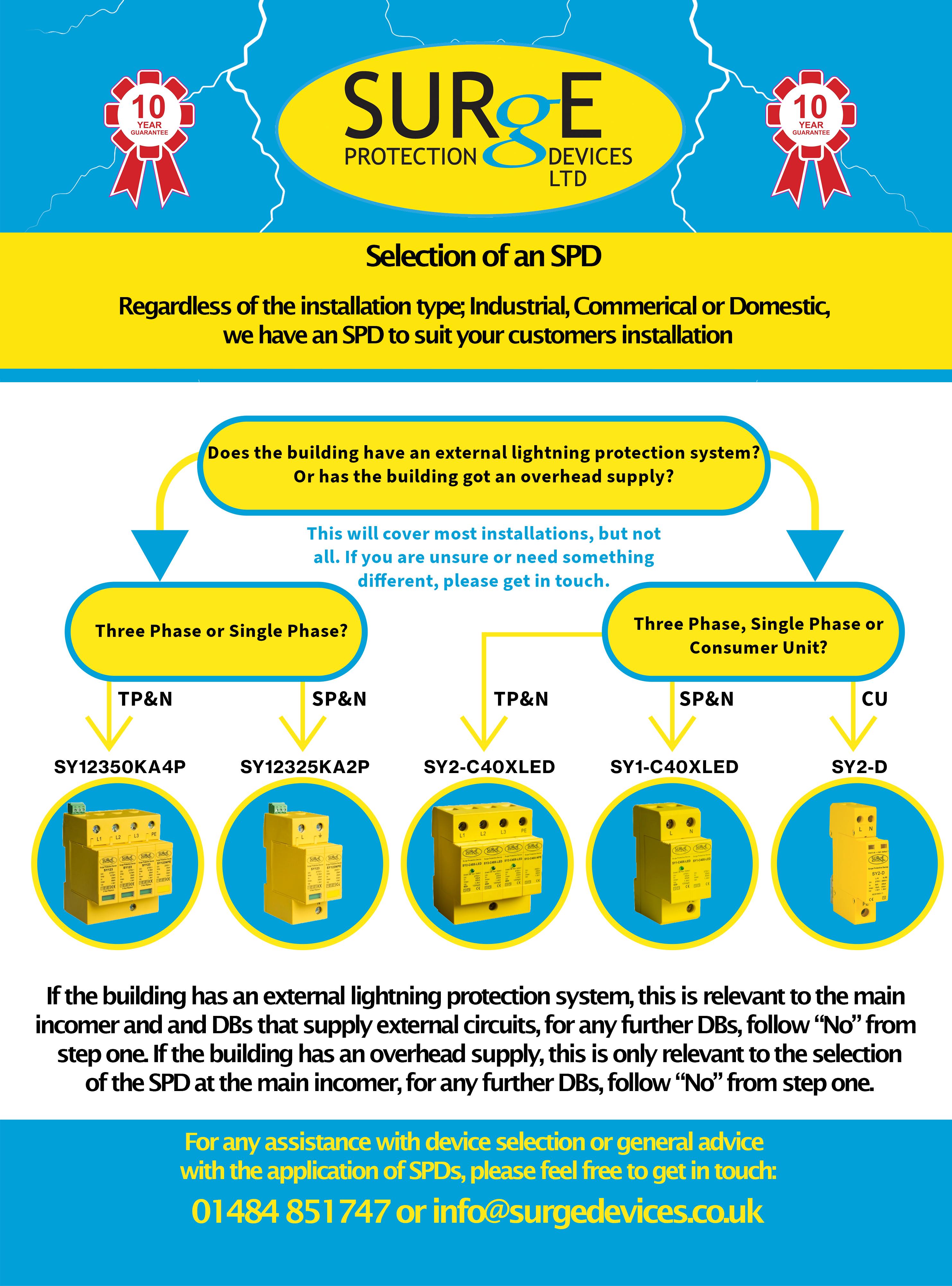
Surge protection devices are usually discussed in terms of compliance and risk, but their role in extending the life of electrical equipment is often overlooked. Kirsty Johnson , Technical Director at Surge Protection Devices Ltd , explains how SPDs reduce everyday damage from switching surges, cut waste, and support a more sustainable approach to our growing reliance on electrical and electronic equipment
By this point, I should imagine that you are quite familiar with the term SPD (surge protection device) and while there are still so many questions surrounding the use and application of surge protection devices, one aspect of the use of surge protection that does not get discussed often, is the use of SPDs to increase sustainability.
Surge protection devices are designed to protect sensitive electrical components by diverting any excess voltage to earth. This is fundamental in prolonging the lifespan of the electrical goods we use day to day. In 2024 (as I write this article the data has not been finalised for 2025 yet), UK consumers spent approximately £50.4 billion on electrical and electronic equipment. This figure is predicted to increase to £62.2 billion by 2030.
This is just for non-commercial electrical equipment, so does not include industrial electrical equipment or shop equipment. Instead, this massive figure is made up of the electrical equipment we use on a day-today basis such as smartphones, household appliances, and computers.
These types of electrical equipment are susceptible to damage from overvoltages, both from outside of the electrical installation, in the form of distribution fluctuations and nearby lightning events, and from internal switching events, often referred to as switching surges.

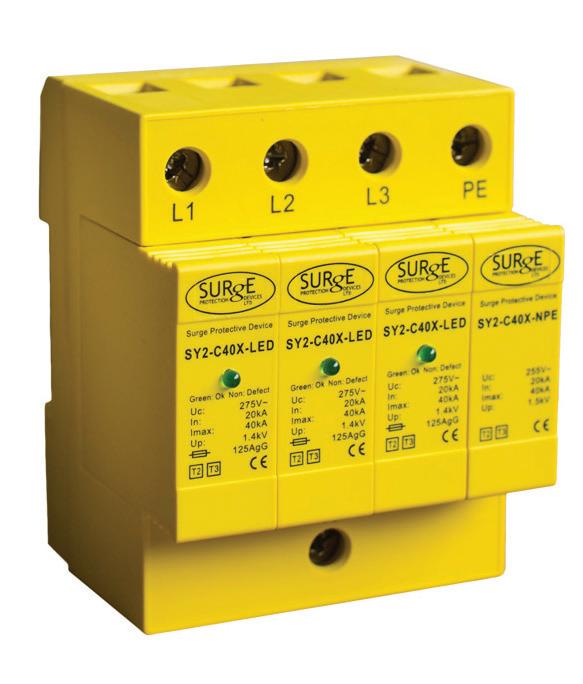
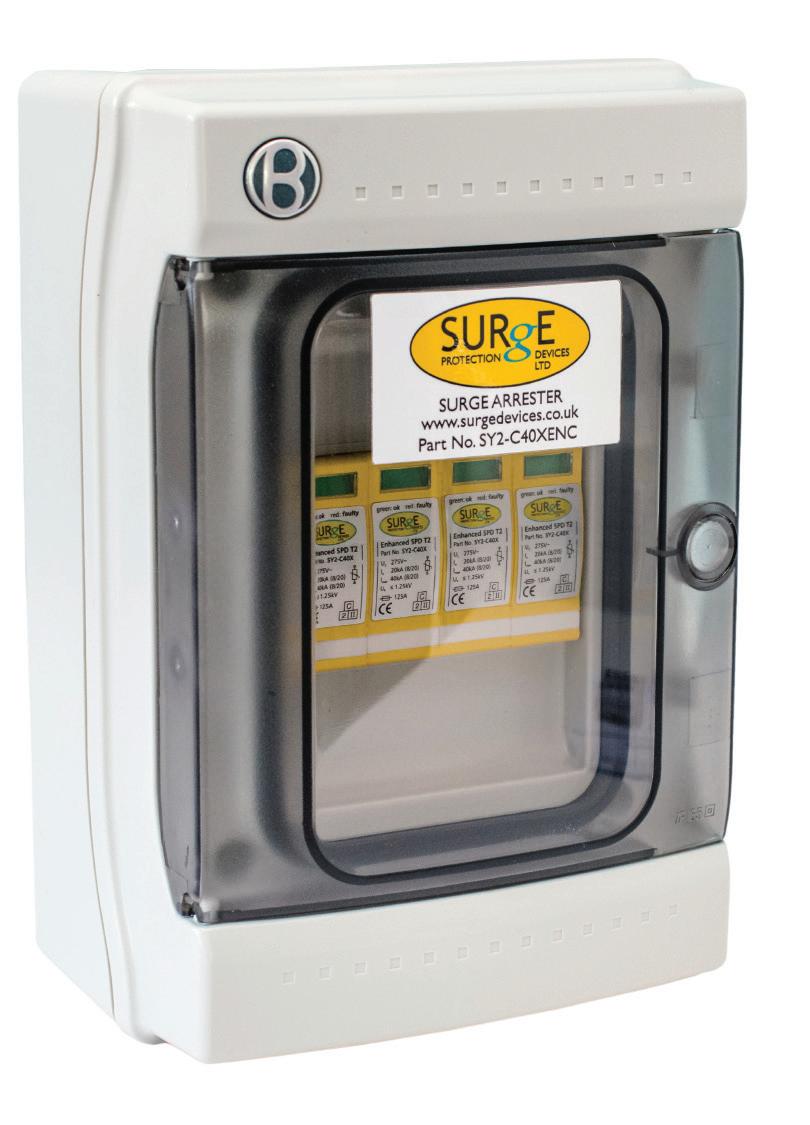
A switching surge is a sudden, temporary increase in voltage that occurs when an electrical circuit is opened or closed. While lightning strikes are the most famous cause of power surges, switching surges are far more common. In a typical electrical installation, switching surges happen multiple times a day as equipment cycles on and off. In a domestic household for instance, refrigerators cycle in and out to maintain temperature, along with appliances such as washing machines, which may be cycled periodically when required.
Switching surges are at a much lower magnitude than we would expect from lightning surges, but are much more frequent. This means that the damage may not instantly show as we would expect, instead it will cause degradation overtime to the electrical components within the equipment.
As we make any electrical equipment smarter, smaller, or more energy efficient, we make it more sensitive to damage from
overvoltages. Our consumer market is not only spending the money on the electrical equipment; it is also what is driving the increase in sensitivity of the equipment itself. Surge protection devices play a key role in supporting the longevity of our electrical equipment, not just from a commercial point of view, but also for the goals we have in moving towards a more sustainable culture. We hope this has been useful to you, if you wish to discuss this further, or for further information on the use of surge protection devices contact the surge protection experts on 01484 851747, or email us at info@ surgedevices.co.uk.
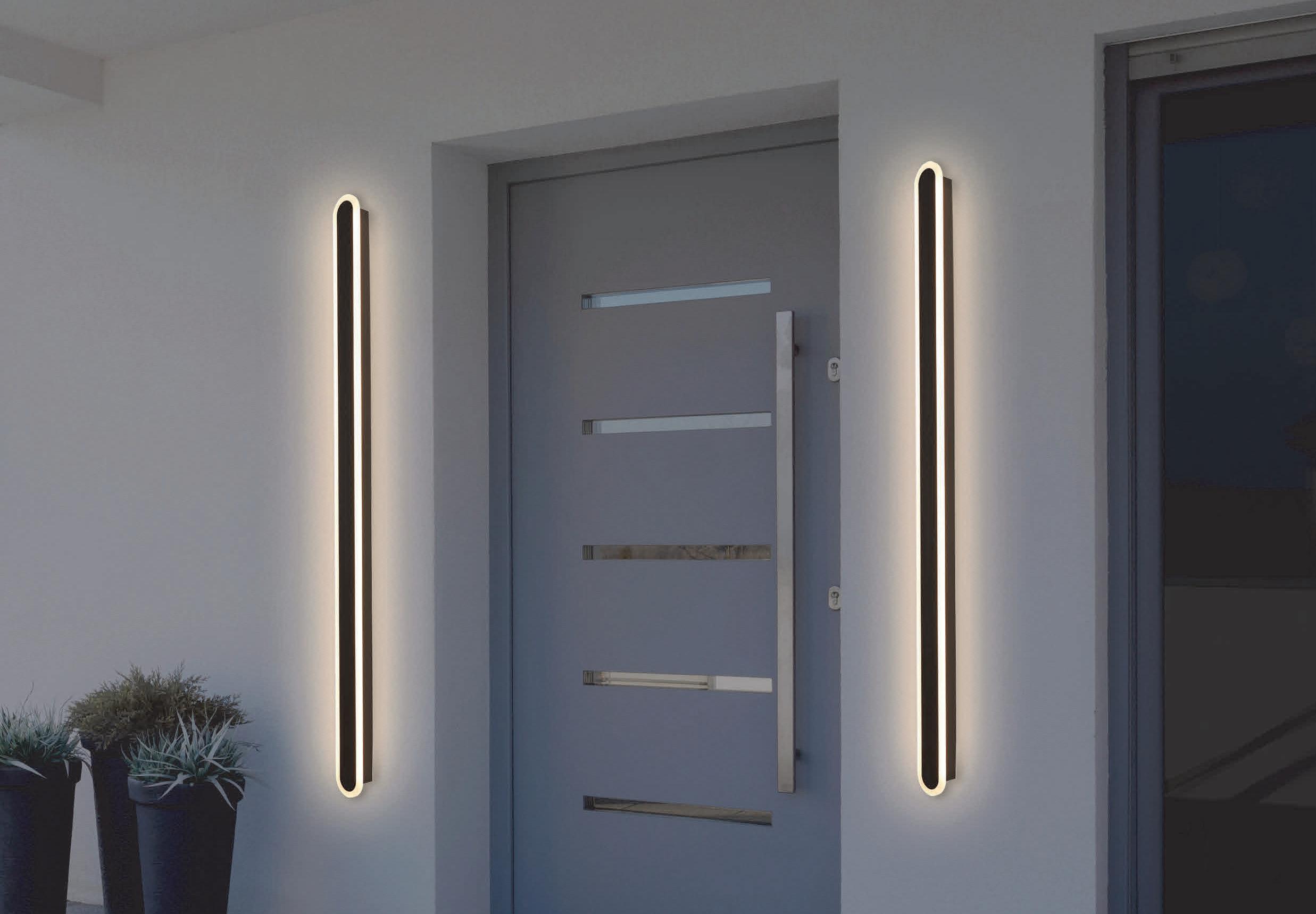
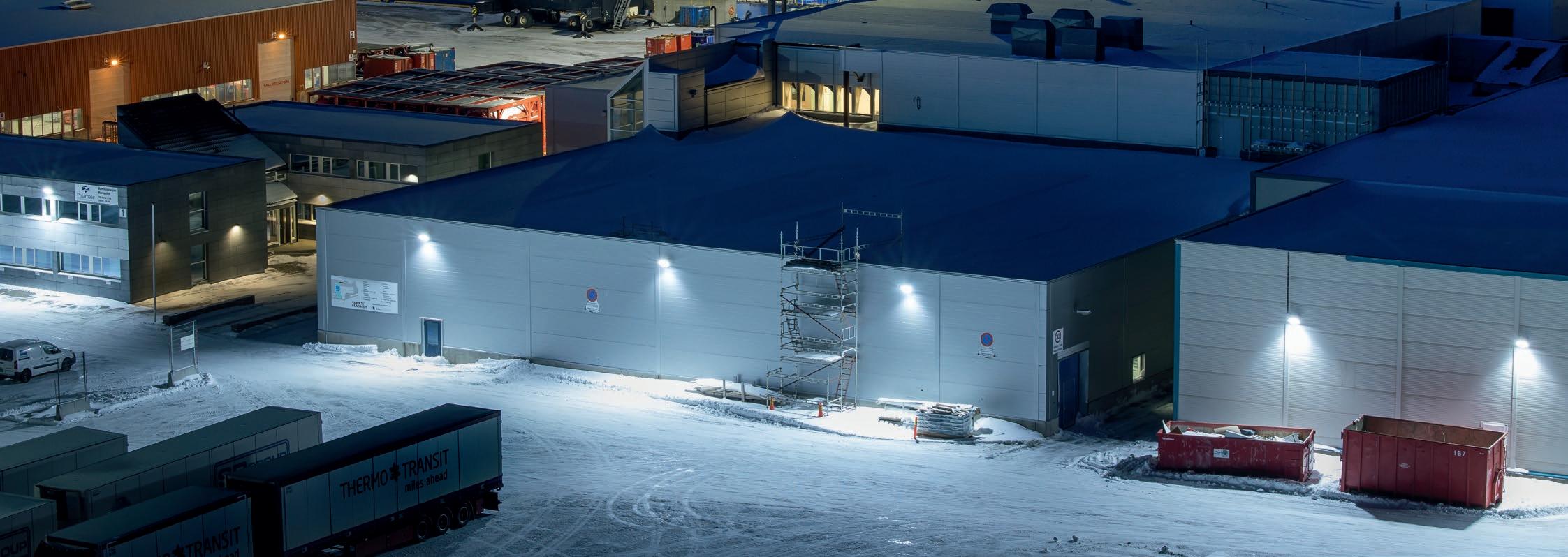
As urban environments continue to expand, the challenge facing lighting professionals is no longer simply about delivering illumination after dark. Instead, it is about achieving a careful balance: providing safe, welcoming public spaces while protecting the night sky, supporting biodiversity, and minimising environmental impact. For electrical wholesalers and distributors, this shift presents both a responsibility and a signifi cant opportunity
Dark Sky principles provide a clear framework for responsible exterior lighting, focusing on limiting upward light spill, reducing glare, and ensuring illumination is applied only where and when it is needed. Rather than relying on higher light levels, good lighting prioritises precision, uniformity and visual comfort. This approach creates environments that feel safe and usable, without contributing to excessive light pollution.






Light pollution is increasingly recognised as an environmental issue, with impacts on wildlife, human health and energy consumption. Artificial light at night disrupts natural day–night cycles, affects insect populations, and interferes with bird migration patterns. At the same time, poorly controlled exterior lighting wastes energy by illuminating areas that provide no functional benefit, such as the night sky or building façades that do not require lighting.
For wholesalers, understanding and promoting Dark Sky-compliant solutions is becoming an essential part of supporting customers who must now meet tighter environmental standards, planning
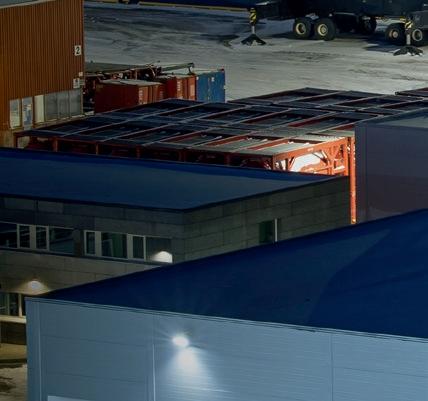
requirements and sustainability targets. Local authorities, developers and beyond are under pressure to reduce carbon emissions and demonstrate responsible infrastructure investment. Product selection at the point of purchase plays a critical role in whether these goals can realistically be achieved. Advances in luminaire optics and LED technology mean that meeting lighting standards no longer requires blanket coverage or excessive wattage. Modern luminaires can tightly control light distribution, delivering illumination precisely onto pedestrian routes, cycle paths and key activity areas, while preventing wasted light from escaping into the
sky or adjacent properties. Dark Sky-approved luminaires are designed with shielding, precise beam control and optimised mounting angles to ensure light is delivered only where required.
Products such as LUG’s URBINO LED range demonstrate how exterior luminaires can meet required safety and performance standards while significantly reducing skyglow and light trespass. By focusing on downward light output and minimising glare, these solutions improve visibility for pedestrians and drivers alike, while maintaining a low environmental footprint.
A practical example of this approach can be seen at Carrickmines Park in Dublin, a busy retail destination in south Dublin that welcomes visitors throughout the day and into the evening. With high footfall, extensive pedestrian routes and multiple access points, effective exterior lighting is essential to ensure safety, visibility and ease of movement after dark, while also respecting the surrounding environment.
Dark Sky-compliant luminaires were selected to support safe movement after dark while maintaining a responsible lighting strategy that protects the wider environment. Through careful placement and controlled light distribution, the scheme demonstrates how public spaces can remain functional, attractive and commercially successful without relying on excessive brightness or uncontrolled light spill.
For wholesalers, projects like this highlight the importance of supplying not just compliant products, but appropriate solutions. Stocking luminaires with proper optical control, offering guidance on suitable colour temperatures, and supporting customers in choosing fittings
designed for responsible exterior use can help installers and specifiers deliver better outcomes on site.
Beyond environmental considerations, responsible lighting also delivers clear operational and commercial benefits. Reduced energy consumption lowers running costs, while improved luminaire efficiency means fewer fittings may be required to achieve the required lighting levels. Long-life LED systems and robust exterior designs also reduce maintenance frequency, helping asset owners manage budgets more effectively over the lifespan of an installation.
Wholesalers play an important role in helping customers understand that responsible lighting is not necessarily about higher upfront costs, but about long-term value. Energy savings, reduced maintenance and extended product life all contribute to the total cost of ownership - a metric that is increasingly important for public sector clients and largescale private developments.
There is also a growing reputational element. Developers and local authorities are increasingly expected to demonstrate environmental responsibility, and lighting strategies are now part of sustainability reporting and frameworks. Being able to specify Dark Sky-compliant products helps project teams show measurable action towards environmental protection, rather than relying on broad claims or marketing statements.
For distributors, this means having informed sales teams who can discuss not only lumen output and wattage, but also optical performance, glare control, mounting heights
and compliance with Dark Sky guidelines. Providing access to technical data, photometric files and manufacturer support can make a real difference in helping customers specify correctly from the outset, avoiding costly redesigns or remedial work later.
Ultimately, protecting the night sky does not mean compromising on safety, visibility or user experience. With the right technology and a considered approach, exterior lighting can enhance public spaces and support nighttime activity while contributing positively to environmental targets.
As expectations around sustainability continue to rise, wholesalers and distributors are uniquely positioned to influence the quality and responsibility of exterior lighting installations across the UK. By prioritising products that support Dark Sky principles and encouraging informed product selection, the supply chain becomes an active contributor to better, more sustainable public spaces.
Darrell West, Country Manager UK at LUG Lighting UK, said: “Responsible exterior lighting starts with precision. Dark Sky-approved luminaires can help local authorities and developers meet safety requirements while actively reducing their environmental impact. By carefully controlling light distribution and eliminating unnecessary upward spill, we can significantly reduce light pollution without compromising on visual comfort or safety.”
For wholesalers, supporting this approach is not just about stocking the right products; it is about helping shape a more responsible, efficient and environmentally conscious lighting industry for the future.
By Martin Thompson Technical Services Manager & Sustainability Lead at Tridonic
For electrical wholesalers and distributors, the move towards Net Zero buildings is more than a regulatory trend – it is reshaping product demand, project requirements and customer expectations. While LEDs are now firmly established as the default light source, it is lighting controls that are increasingly driving specification decisions and long-term value for contractors, consultants and building owners alike - understanding this shift is essential for those at the centre of the supply chain.
Lighting has traditionally been specified and sold as a collection of components: luminaires, drivers, sensors and switches. Today, it is increasingly viewed as a connected system that plays a central role in how a building operates.
Lighting controls are no longer an optional add-on. UK Building Regulations Part L already require automatic control features such as occupancy and daylight sensing, and upcoming standards place even greater
emphasis on building automation. As a result, wholesalers and distributors are seeing a growing demand for complete, standardsbased lighting control solutions, rather than standalone devices. Those able to support customers with system-level understanding are best placed to add value beyond price alone.
CONTROLS UNLOCK THE NEXT STAGE OF ENERGY SAVINGS
LED technology has delivered major efficiency gains, but controls are what enable lighting to
respond to real-world use. Networked lighting controls allow luminaires to dim, switch or adapt automatically based on occupancy, available daylight and time schedules.
For installers and end users, this translates into lower energy consumption, faster compliance with regulations and improved building performance ratings. For wholesalers, it creates a strong upsell opportunity – controls that demonstrably reduce running costs are far easier for customers to justify than efficiency improvements alone. In many projects, lighting controls now account for a significant share of the overall energy-saving case.
As lighting systems become more connected, interoperability has become a critical concern. Electrical contractors and specifiers want reassurance that products from different manufacturers will work together reliably and can be expanded or adapted over time. This is where open, certified standards such as DALI-2 play a crucial role. They provide a common framework for drivers, sensors and control devices, reducing risk on site and simplifying commissioning. For wholesalers, stocking standards-based products helps minimise compatibility issues and supports repeat business, as contractors and project managers gain confidence in the solutions supplied. Plus, open standards also make it easier to integrate lighting with wider building systems – an increasingly common requirement across smart buildings.
Modern lighting controls do far more than switch lights on and off. They generate detailed data on energy consumption, operating hours,


occupancy patterns and system health, often at an individual luminaire level.
For building owners, this data supports better maintenance planning, asset management and sustainability reporting. For installers, it reduces call-backs and enables proactive servicing. And for distributors, it reinforces the value of intelligent, connected products over basic alternatives – providing ‘value-add’ to their customers. As buildings become more data-driven, lighting is emerging as one of the most accessible and cost-effective ways to capture meaningful operational insight.
One of the most significant developments for the supply chain is the growing integration between lighting, HVAC and building management systems. Occupancy data from lighting sensors can be used to control heating, cooling and ventilation, ensuring services only operate when spaces are actually in use.
This creates opportunities for wholesalers to support multi-discipline projects, where lighting controls are specified alongside other building technologies. Stocking compatible products and understanding how they fit into wider systems can help distributors position themselves as trusted partners rather than commodity suppliers.
While new builds often specify integrated controls from the outset, the bulk of UK buildings already exist. Wireless lighting control
systems are making it far easier to upgrade these spaces without disruptive rewiring. Meaning, that for wholesalers and distributors, this significantly expands the addressable market. Retrofit-friendly solutions appeal to contractors working in occupied buildings and to end users seeking incremental improvements rather than full refurbishments. Furthermore, wireless controls also support phased rollouts, allowing customers to start small and expand over time.
The shift towards intelligent lighting is changing buying behaviour. Customers increasingly expect advice, compatibility assurance and system-level support alongside product availability.
Wholesalers that invest in knowledge, training and the right product ranges are well placed to benefit from this transition. Lighting controls not only increase order value but also strengthen long-term customer relationships by helping installers and consultants deliver compliant, future-ready solutions.
At Tridonic, we see lighting controls as a growth opportunity for the supply chain, not just a technical evolution. By treating lighting as a connected system rather than a standalone product, wholesalers and distributors can play a pivotal role in enabling low-carbon buildings – while strengthening their own position in an increasingly competitive market.
In the journey to Net Zero, intelligent lighting is no longer a niche. It is becoming a core requirement – and a clear commercial opportunity for those ready to support it.





























































Women in the trades are still being put at risk by ill-fi tting PPE designed around male norms, with knock-on effects for safety, wellbeing and retention. Peter Lawson , Brand Manager for Overland Shoes , explains how electrical wholesalers can help close the PPE gender gap and, in doing so, reap the fi nancial benefi ts
Arecent study revealed that 80 per cent of women working in the trades have, at some point in their careers, been issued PPE that did not fit properly. This statistic is not only striking but deeply concerning. Properly fitting PPE should never be considered a ‘nice-to-have’ but rather a matter of safety, comfort and performance. If, for example, you’re wearing safety boots that don’t fit properly, are too tight or too loose, they restrict movement and limit your ability to work effectively, increasing the risk of slips, trips and discomfort over long shifts.

“Electrical wholesalers, as key suppliers of PPE, are in a unique position to lead change – and this isn’t just a matter of supporting greater inclusivity but it’s also a financial opportunity. The reality is that women are the fastestgrowing demographic in skilled trades and the consensus is that this upward trajectory will continue well into the coming years.”






Despite this, the industry has long relied on one-size-fits-all solutions that implicitly assume the ‘average’ worker is male. At best, tradeswomen have been forced to make do with generic footwear built on men’s lasts that suppliers ‘shrink and pink’, with little consideration given to the clear anatomical differences between men and women. To this end, a separate study by the Women’s Engineering Society (WES) found that 42 per cent of women said their PPE is often too big leading them to modify items in ways that go against HSE guidance.2 More alarmingly, research suggests that ill-fitting PPE may discourage some women from wearing it altogether, severely endangering their safety on the job.
But the consequences aren’t just physical either. Many women report feeling undervalued or overlooked when the industry fails to consider their specific needs. This oversight contributes to a workplace culture that can be discouraging and exclusionary and, if left unaddressed, will continue to limit recruitment and retention of female trade workers at a time of unprecedented skills shortages.
Electrical wholesalers, as key suppliers of PPE, are in a unique position to lead change – and this isn’t just a matter of supporting greater inclusivity, but it’s also a financial opportunity. The reality is that women are the fastest-growing demographic in skilled trades and the consensus is that this upward trajectory will continue well into the coming years. Thus, through taking a proactive role in addressing the PPE gender gap wholesalers can seize this opportunity to help grow sales and tap into an under-served market. The good news in this is that, at least when it comes to the critical safety footwear category, solutions are already emerging. This is seen in the recent arrival of the all-new Bobcat Safety Footwear women’s collection which has been purposefully designed to deliver the optimal
balance of safety, comfort and style for women across all industries.
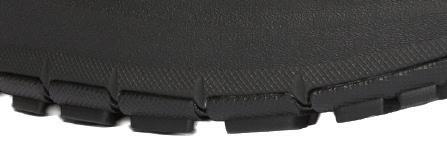
Engineered with insights from leading sports footwear technology and extensive research into the needs of working women, the dedicated women’s range - built across four distinct design handles - uses anatomically correct, gender-specific lasts to deliver true fit, real protection and all-day wearability.
At the heart of the range is comfort that works as hard as the wearer. Every model carries the signature Bobcat design language, with safety features tuned for real-world jobsite environments and the unique comfort advantage of Redbacks® Leaf Spring Technology at the core. Unlike foam or gel inserts, which simply soften the impact, Leaf-Spring Technology helps promote better posture, balance and alignment and reduce strain on the lower body. This technology is particularly effective in reducing the risk of plantar fasciitis, a condition all too common among tradespeople who spend hours on unforgiving surfaces.
Meanwhile, features such as lightweight materials, composite safety toe caps, metal-free construction and puncture-resistant midsoles ensure maximum protection without sacrificing flexibility or comfort. Combined with an enhanced, more adaptive fit, the result is, quite possibly, the most comfortable, wearable and durable women’s-specific safety footwear the market has ever seen.
Style is accounted for too with the collection spanning four distinctively bold, sharp contemporary styles, shown across 5 SKUs, designed to provide a tailored solution for the full spectrum of real-world requirements. For ultimate versatility, the Akron, available in sleek All-Black or on-trend Sage, brings all-day comfort with a trendy hiker-inspired look, breathable lining and triple-density outsoles. The Rockford adds a sportier edge, pairing a lightweight build with advanced safety features ideal for logistics and light assembly. Rounding out the range, the athletic Clinch keeps feet protected through tough shifts, while the Virginia dealer boot steps up for high-heat environments with water-resistant leather, heatresistant soles and supportive wedge insoles. The range also delivers a strong margin opportunity. With RRPs from £85 to £125, wholesalers can capture higher spend while offering a product that women in the trades genuinely want, need, appreciate and value. This is supported by a robust trade marketing strategy that proactively drives customers to the counter - from social media and influencer activity to targeted PR - boosting awareness, footfall and sales.

The provision of inclusive protective equipment isn’t just a matter of representation; it’s about building safer, more productive workplaces where everyone feels valued and like they belong. By investing in ranges built specifically for women, such as the new Bobcat Safety Footwear women’s collection, wholesalers have an opportunity to strengthen
their sales potential while supporting safer, more comfortable worksites for all.
To enquire about stocking Bobcat Safety Footwear contact Peter Lawson at Overland Shoes: peter.lawson@overlandshoes.co.uk or 07887554205.

Electric heating demand is rising, but successful outcomes depend not just on product quality alone but on choosing the right solution for the job. The growing shift away from fossil-fuel heating has brought electric heating into a far wider range of projects, from retrofit upgrades in existing homes to new homes, extensions, conversions and single-room improvements. That breadth of use has raised expectations, but it has also made selection more complex, with real-world performance now shaped as much by suitability and setup as by headline specifications.
Where electric heating was once treated as a straightforward replacement or a secondary heating option, it is now most often judged on comfort, controllability and running costs before installation even takes place. In many cases, the difference between a successful outcome and a disappointing one is decided long before a product is ever fitted.
One of the biggest shifts in recent years has been how electric heating is purchased. Customers are no longer simply asking for a heater; they want to understand whether it will be affordable to run, how quickly it will respond and if it will suit the way their space is actually used. That change has placed wholesalers in a much more influential position.
Specification decisions often evolve through trade conversations, frequently beginning at the wholesaler counter - particularly when time is limited or reassurance is needed.

By Caroline Shaw from Dimplex UK
Increasingly, these discussions focus on application rather than output alone.
A living room, for example, has very different heating requirements to a home office that’s only used intermittently during the day. Likewise, bathroom specifications can vary significantly depending on whether the property is owner-occupied or a rental, with differing priorities around control, compliance and durability. Understanding these differences is increasingly becoming the point at which electric heating decisions are won or lost.
Electric heating performance in the real world is shaped by selection and setup, not just headline specifications. Choosing the wrong technology for the way a room is occupied and the fabric of the building that it is in can quickly lead to complaints about running costs, comfort and responsiveness, even if the product itself is technically sound.
Heat-up time, heat retention, control behaviour and tariff use all play a part. Storage-based solutions are well suited to properties where off-peak electricity can be used effectively and occupancy periods are longer, while more responsive radiator-style products may better suit spaces where heat is required on demand for shorter periods
of time. The challenge is ensuring those distinctions are understood at the point of recommendation, based on the space, tariff and user requirements.
For wholesalers, this is where asking a few simple questions can make a significant difference. What is being used right now? How long is the room occupied for each day? Is heat required at set times or intermittently? Is the property on an off-peak tariff? What level of control does the end user expect? These considerations often outweigh basic wattage calculations.
Modern electric heating ranges reflect the fact that no single technology suits every application. Different electric heating systems are designed to behave in different ways and understanding that is key to achieving the right outcome for the space and the people using it. High heat retention (HHR) storage heater systems, such as Dimplex Quantum, are designed to charge using lower-cost electricity and deliver stored heat steadily over an extended period. That ability to provide long-lasting, consistent warmth remains highly relevant in properties where rooms are occupied for long periods during the day and where predictable comfort and cost control
are priorities. As households look to manage energy use more carefully, technologies that smooth demand and make effective use of offpeak supply continue to play an important role. Where electric heating is the main source of heat, this approach is typically the best option for most applications.
Other electric heating solutions are designed to deliver heat more directly, offering quicker warm-up and greater flexibility around when heat is used. Slim-line electric radiator designs such as AluRad WiFi and Q-Rad, alongside stylish panel heaters like Alta Wi-Fi and rapid response fan heaters, suit spaces where heating patterns vary and users want greater control over when warmth is delivered. These technologies lend themselves well to newer properties, where occupancy changes throughout the day, or where heat is required for shorter, defined periods.
The important point is not which technology is “best”, but how its characteristics align with the way a space is used. Factors such as occupancy patterns, comfort preferences and control expectations all influence which approach will deliver the most satisfactory result and it’s that alignment, rather than room type alone, that underpins successful electric heating installations.
Dimplex has simplified this specification by offering an easy-to-use online heating calculator offering a shortlist of suitable product options. For more complex designs, a free service is offered where our engineers will make bespoke recommendations based on the information provided.
Callbacks remain one of the hidden costs of poor selection because a product that doesn’t behave as the customer expected can lead to repeat visits, time-consuming explanations and in some cases, replacement. Many of these issues can be traced back to mismatched requirements, rather than faulty equipment.
Wholesalers are well placed to help reduce that risk by supporting clearer conversations at the counter. Visual aids, simple comparison tools and access to up-to-date product knowledge can all help installers feel more confident in their choices, particularly when they are dealing with unfamiliar property types or evolving customer demands. Pointing installers towards the Dimplex PRO Installer Club is a great first step, giving them access to the advanced heating calculator, training and support needed to confidently make accurate recommendations to their customers.
As the wholesaler’s role evolves, resources from manufacturers must change with it, to

go beyond product supply and into training, guidance and in-branch provisions that help make electric heating easier to recommend.
At Dimplex, this shift has prompted a broader focus on how wholesalers are supported as electric heating becomes more prominent. The aim is not simply to supply product, but to make the category easier to work with by helping branches build confidence, consistency and capability in how electric heating is discussed and recommended.
Programmes such as the Dimplex PRO Stockist Scheme reflect this approach. Rather than focusing on individual products, it provides wholesalers with a portfolio of resources that support everyday decision-making. This includes selection tools, clear product literature, in-branch materials and access to dedicated support, all designed to help teams navigate conversations around application, usage and suitability more effectively.
Alongside this, dedicated Dimplex training teams continue to work across the country, supporting wholesalers with product knowledge and application guidance. As electric heating
becomes a more prominent part of everyday projects, access to consistent, practical training helps ensure advice remains aligned with changing needs.
Electric heating is gaining momentum across a growing range of projects, with expectations around comfort, control and running costs now firmly established. As confidence in the technology continues to build, the focus naturally shifts to ensuring each solution is well matched to the application, so its benefits are realised from the outset.
Wholesalers that respond to this change by focusing on suitability and confidence, rather than simply facilitating quick product selection, are well placed to add real value. As electric heating becomes part of everyday projects, the ability to support correct choices and avoid early dissatisfaction is what sets strong trade partners apart, meaning decisions made at the counter stand up once the systems are in use.
For more information, visit www.dimplex.co.uk
“ Where electric heating was once treated as a straightforward replacement or a secondary heating option, it is now most often judged on comfort, controllability and expected running costs before installation even takes place. In many cases, the difference between a successful outcome and a disappointing one is decided long before a product is ever fitted.”
Growing awareness of poor indoor air quality (IAQ) is reshaping the domestic ventilation market. With installers increasingly turning to continuous decentralised mechanical ventilation (dMEV), electrical wholesalers have a key role to play in supplying the latest solutions, says Ashley Smith , Product Manager at Vent-Axia
As existing homes become more airtight through energy-efficiency upgrades, awareness is growing around the health risks associated with poor ventilation, including condensation, mould, and exposure to airborne pollutants such as volatile organic compounds (VOCs). For electrical wholesalers, this shift represents a clear commercial opportunity as continuous decentralised mechanical ventilation (dMEV) is rapidly becoming an essential product that installers expect to find available at the trade counter.
Householders are more informed than ever about the air they breathe. High-profile cases linked to damp and mould, combined with the latest research on indoor air pollution, have pushed IAQ firmly into public consciousness. People now recognise that everyday activities, such as cooking, cleaning, and showering, release pollutants into the home. In poorly ventilated, increasingly air-tight properties, these contaminants can accumulate quickly. Meanwhile, Approved Document F (2021) has rebalanced the relationship between energy effi ciency and ventilation. When energy-effi ciency measures are installed in existing homes, ventilation must now be

assessed and upgraded where necessary. As a result, installers have found the simplest solution in refurbishment projects is to choose continuous ventilation.
Historically, intermittent extractor fans have dominated the domestic ventilation market. This type of fan operates at high speeds for

“For electrical wholesalers, this shift represents a clear commercial opportunity as continuous decentralised mechanical ventilation (dMEV) is rapidly becoming an essential product that installers expect to find
available at the trade counter.“
short periods, typically triggered by a pull-cord, light switch, timer or humidity sensor. While effective at removing moisture during activities such as cooking or showering, they remain inactive for much of the day. This means pollutants, VOCs and CO2 can accumulate between extractions, particularly as homes become more airtight with double glazing and other energy-efficiency improvements.
Unlike intermittent fans, continuous dMEV units work differently. Installed in wet rooms, such as bathrooms, WCs and utility rooms, they run continuously at a very low background speed, providing a constant supply of fresh air and continuous removal of pollutants.
The dMEV’s humidistat constantly monitors the environment with airflow automatically increasing via a boost when required. This approach has many benefits. Continuous ventilation prevents the build-up of pollutants rather than reacting after levels have already risen. Also, because dMEV boosts only when necessary, it balances air quality, comfort and energy efficiency.
For wholesalers, stocking dMEV is not just about meeting compliance, it is about aligning with long-term market trends. Continuous ventilation products improve IAQ, are energy efficient, and help meet regulations. By offering dMEV, wholesalers provide installers with a reliable, high-margin product they can recommend confidently. In turn, dMEV units offer the opportunity for installers to upsell to customers. Installers value wholesalers that understand current regulations and stock solutions that make compliance straightforward.
While continuous ventilation is already transforming the refurbishment market, recent ventilation innovations are pushing performance even further. The next generation
Click Scolmore has announced its latest innovation - 13A 1 and 2 Gang Safety Shutter
Socket Outlets featuring twin USB Type-C Power Delivery (PD) fast-charge ports.
The new socket outlets combine reliable 13A power with advanced USB-C PD technology, allowing fast and efficient charging of modern devices such as smartphones, tablets, and laptops - without the need for additional adapters.
Click Scolmore has fully integrated USB-PD fast-charging technology into its socket outlets, offering contractors and installers a future-proof solution that delivers performance, safety, and convenience in one product.
Both the 1 Gang and 2 Gang variants incorporate integral safety shutters to help prevent accidental contact with live components, and the sockets are fully compliant with relevant UK standards and reflect Click Scolmore’s commitment to quality, durability, and installer confidence.
USB Power Delivery (PD) is an advanced, fast-charging technology that can charge smartphones/tablets up to 70 per cent faster than a standard USB charger that only offers 5 watts of power. The USB-C PD specification is universally adopted, making it easy for users to connect a wide range of devices without worrying about compatibility.
The new Twin Type C USB Sockets are available across Click Scolmore’s extensive wiring accessory portfolio, including Deco, Deco Plus, Define, Definity, Mode, Part M, Polar, Metal Clad, and Metal Clad Pro. www.scolmore.com
ESP is setting high standards in specialist fire detection with its Espire Heat Alarm range. Designed for kitchens, garages, and dusty environments, these provide essential protection where traditional smoke alarms may be prone to false triggering.
These alarms utilise a thermistor, which acts as a heat sensor, capable of detecting temperature fluctuations. The Espire Heat Alarm activates at 58°C and offers optimal performance in spaces where smoke or particles from cooking or work machinery might interfere with optical detection. A compact and contemporary design with a secure lock-in base ensures a streamlined installation and tamper protection.
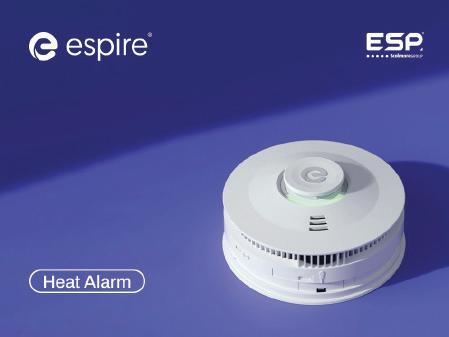
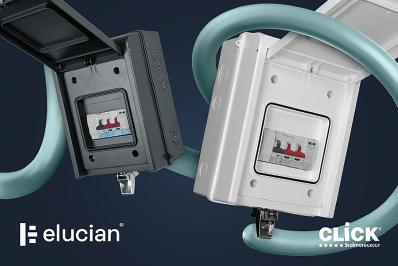
Elucian has recently added new IP65-rated EV boards to its popular consumer unit range, providing electricians with a robust solution tailored for the growing demand in electric vehicle charging installations. These specialist consumer units are designed to manage the unique electrical requirements of EV chargers, including high current loads, isolation, surge protection, and compliance with the latest wiring regulations. A purpose-built EV board not only ensures safety for homeowners and installers but also simplifies installation, reducing the risk of errors and downtime.
The Elucian EV Boards, from Click Scolmore, are available in multiple configurations, with protective devices - RCDs or RCBOs, and surge protection devices (SPDs) pre-fitted - allowing installers to complete projects faster while ensuring full compliance with UK wiring regulations. The units also include a free way for additional circuits, offering flexibility for future upgrades. The full range comprises:
• 5 Way IP65 EV Unit with 100A Mains Switch, SPD and 32A B Curve RCBO
• 5 Way IP65 EV Unit with 100A Mains Switch, SPD and 40A B Curve RCBO
• 5 Way IP65 EV Unit with 63A 30mA Type A RCD, SPD and 40A B Curve MCB
• 5 Way IP65 EV Unit with 63A 30mA Type B RCD and 40A B Curve MCB
Available in a white or anthracite grey finish, the EV units feature multiple gland knockouts and come with a pre-fitted lock that provides safety from interference.
www.elucianuk.com

The compact yet powerful Inceptor Milli adjustable is designed with the same innovation, fire-rated safety and ease of installation as the standard Milli, the adjustable version offers a seamless 360° rotation and 20° tilt capability to deliver total directional lighting control. It has been designed with a cut-out range of 68mm to 75mm, ensuring compatibility with a variety of ceiling apertures. The broader range allows easier replacement of existing downlight without the need for additional adjustments.
The Inceptor Milli[KP1.1] downlight range has the option to seamlessly switch between 6.4W and 4W power outputs using a single. There is also the ability to easily switch the colour temperatures between 2,700K (Warm White), 4,000K (Cool White) and 6,500K (Daylight).
Key features across the range include auto sensor testing, a 24-hour memory function, and RF-link compatibility for wireless alarm integration.
The Espire Heat Alarms are to be installed in accordance with BS 5839-6. All models are tested to BS 5446-2 and certified by LPCB (mains powered options) and TUV (battery option) for safety assurance. Installers can choose from three power options to suit varying project requirements. www.espireuk.com
The rotatable insulation cover allows safe installation under insulation and can be adjusted to provide an extra 5mm clearance. On adjustable and fixed Milli downlights, the cover can be twisted up or down while still fitting a 60mm void. The baffle version fits a 60mm void when the cover is down and the plasterboard is at least 12.5mm thick.
The fittings are supplied pre-wired with a fast-fit, 3-pole & loop flow connector, and a loose push-fit flow connector ensures a quick installation process. www.oviauk.com
The Q-Nect range of junction boxes and connectors from Unicrimp provides installers with secure and efficient connections for a range of residential, commercial, and industrial environments.
A key product in the range is the Q-Nect IP weatherproof junction box which is designed to make installations quicker and more efficient. It can house four of the 3 Port Lever Connectors using the 360° detachable cradle. The IP Box also utilises a curved lid which provides additional space for wires. The lid is locked using quarter
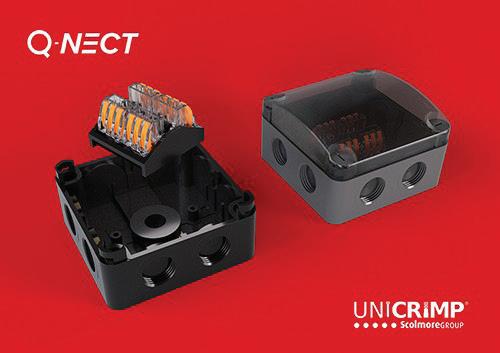
turn fasteners, which allows for quick opening and closing. Key features include:
• Enhanced protection • 10 membrane entry points
• Up to eight M20 glands • Multiple fixing
• Semi-transparent lids
Aesthetics – the anthracite grey and finish is designed to match the Click Scolmore Aquip66 weatherproof socket and switch enclosures, which are also available with the same semi-transparent lids. www.unicrimp.com

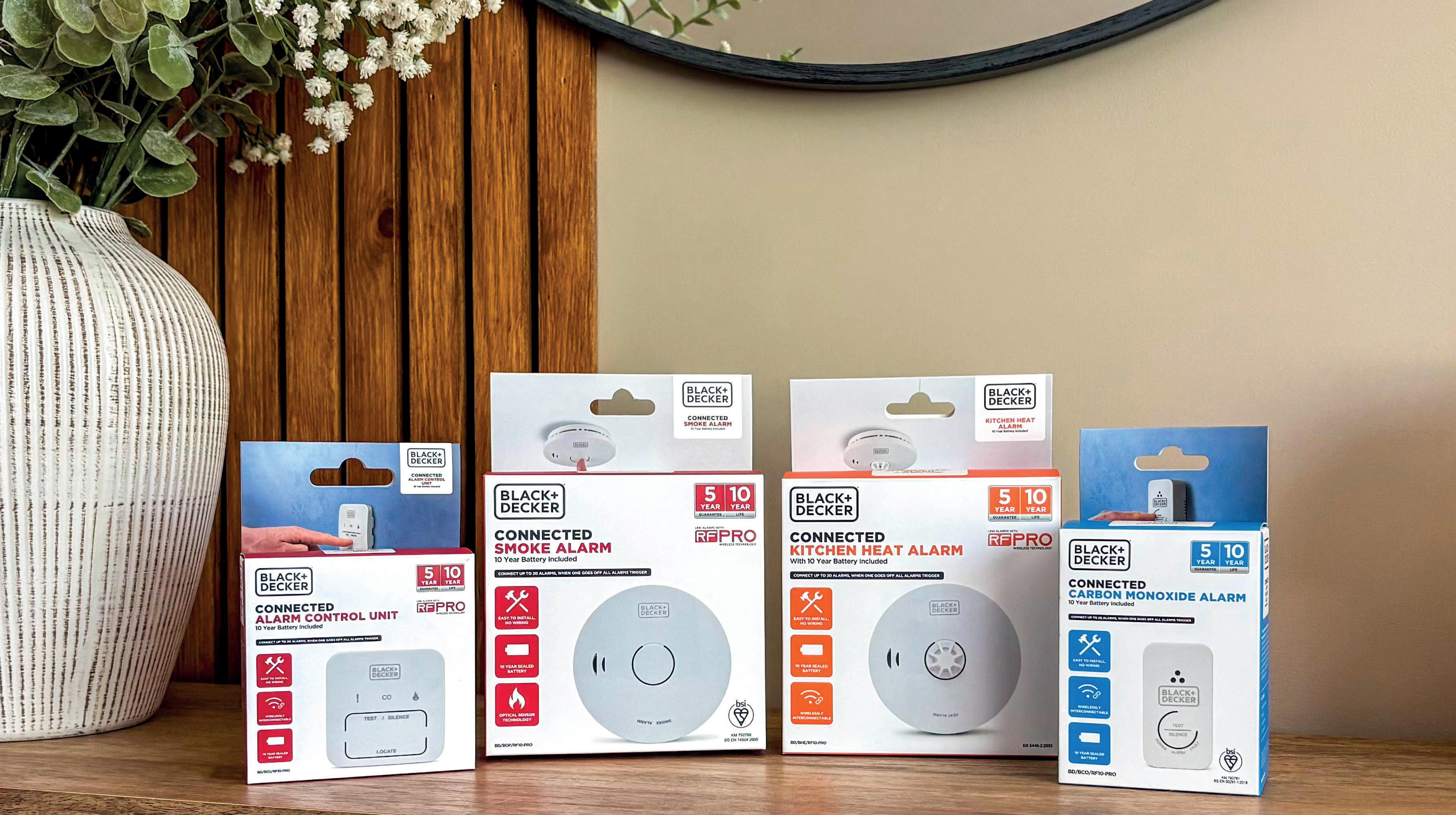
Simple. Smart. Reliable. Protection for every home.
BLACK+DECKER alarms combine advanced safety with effortless installation. Our range includes battery and interlinked mains powered smoke, heat, and CO alarms, available as standalone units or wirelessly connected systems for whole home protection. With sleek designs and 3rd party trusted performance, you get complete coverage and peace of mind.
Link up to 20 alarms for whole home protection. When one alarm is activated, all CONNECTED alarms trigger.
Link up to 20 alarms for whole home protection. When one alarm is activated, all CONNECTED alarms trigger.

When one alarm sounds, all alarms trigger, protecting every floor and room.
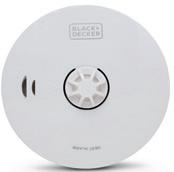
Reliable wireless connection with seamless interlink, no messy wiring.
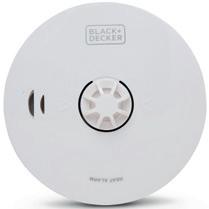
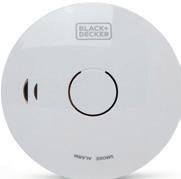
Pair and install within minutes with no wiring or additional modules required.
Now available at:
Now available at:
Tel: 020 8847 5544
Tel: 020 8847 5544
Email: wholesale@attgb.co.uk
Web: www.attgb.co.uk
Email: wholesale@attgb.co.uk
Web: www.attgb.co.uk


A proven, scalable solution designed for social housing providers - reducing risk, improving compliance, and delivering ROI.

The HomeLINK Connected Home Solution can help to:



Identify Damp & Mould at the source


Strengthen Compliance & Asset Management
Support Net Zero targets
Improve Fire Safety





Environmental

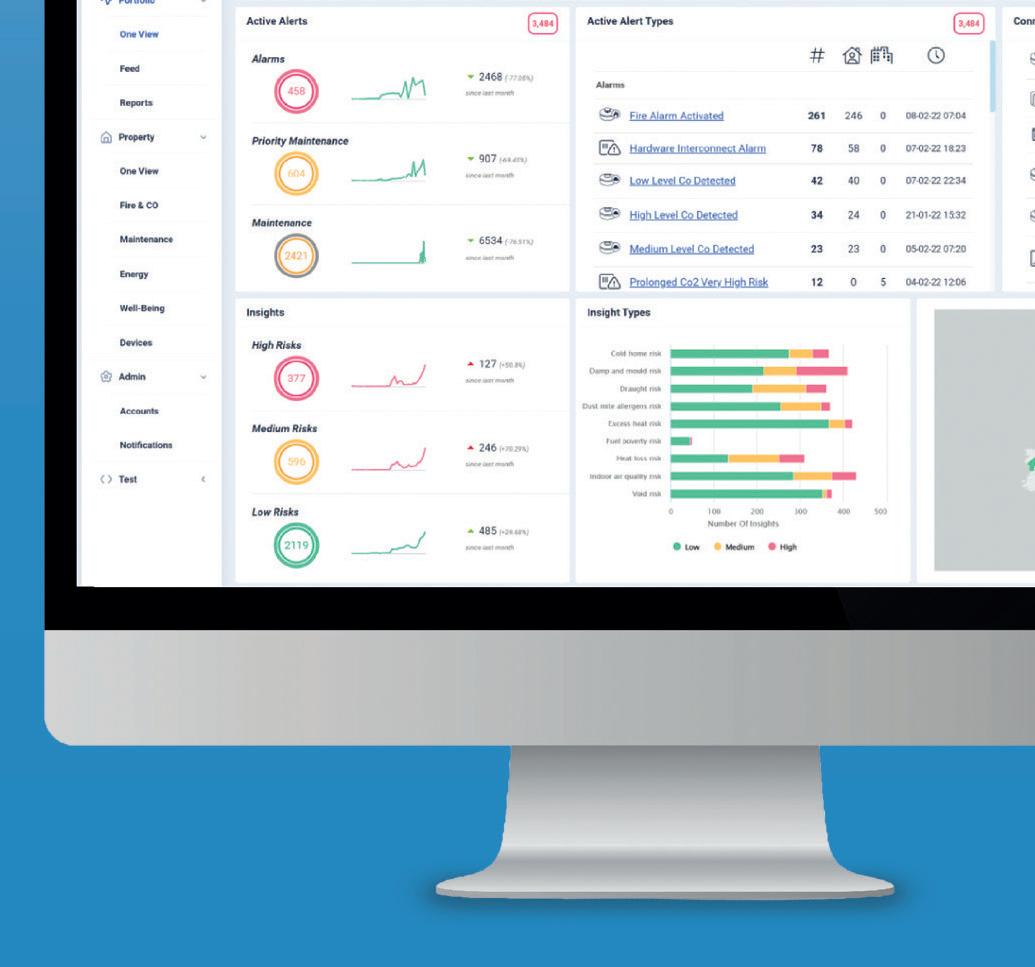
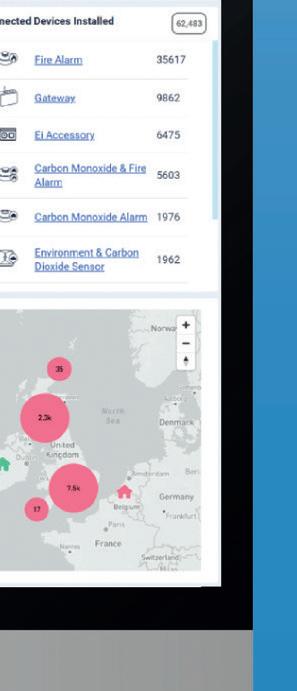



into insights.