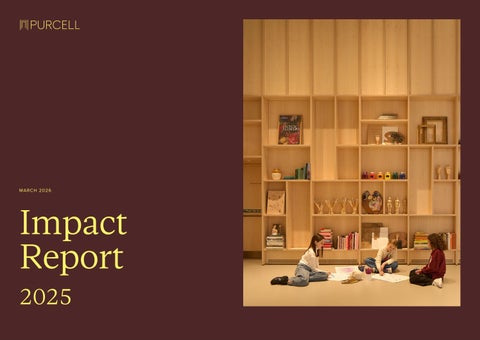
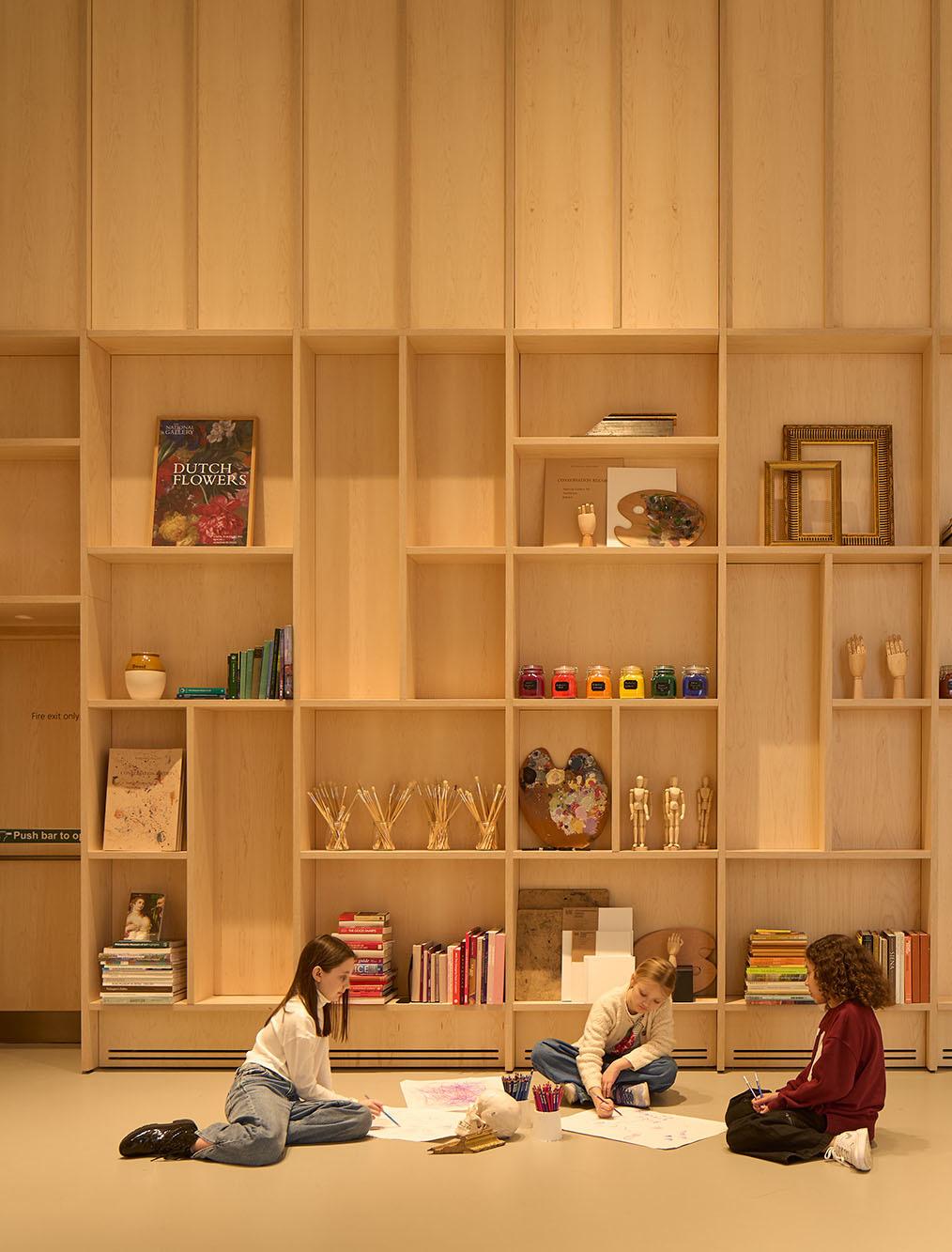
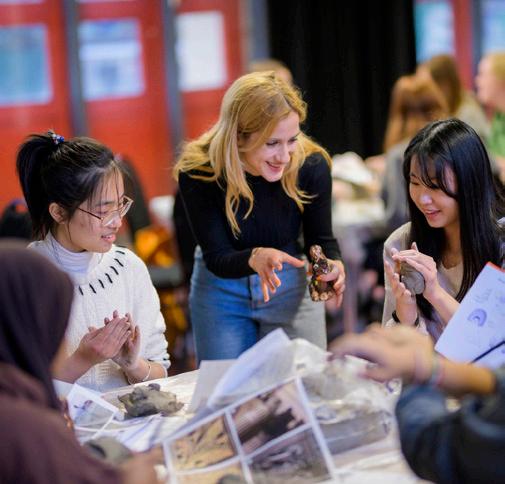
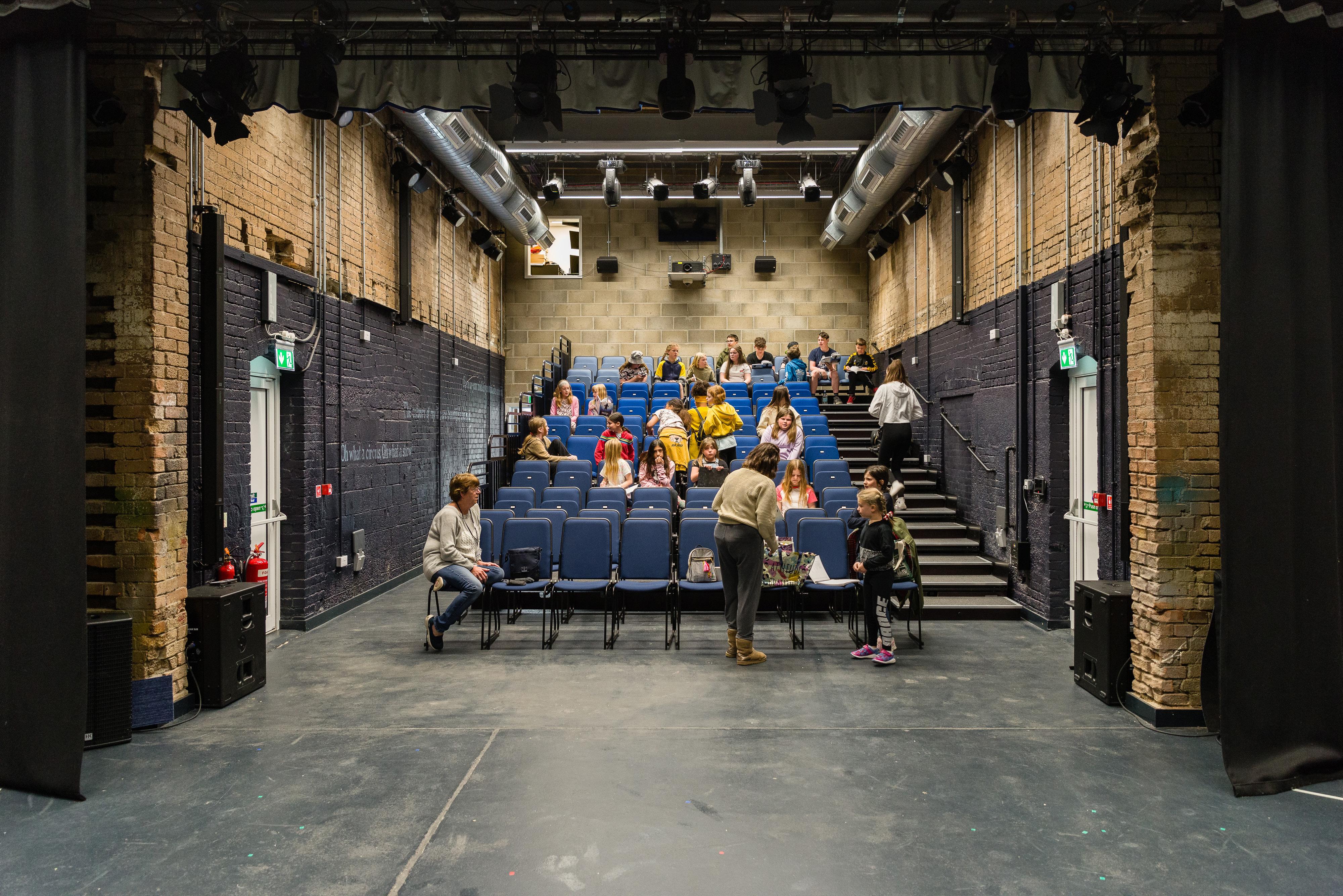
A space created as part of the NG200 project in collaboration with Lawson Ward Studio.
Open to all ages and backgrounds, the space is intended to allow visitors to creatively connect with great paintings from the past. Winner of the AJ Architectural Awards Best Cultural Project 2025.
Right:
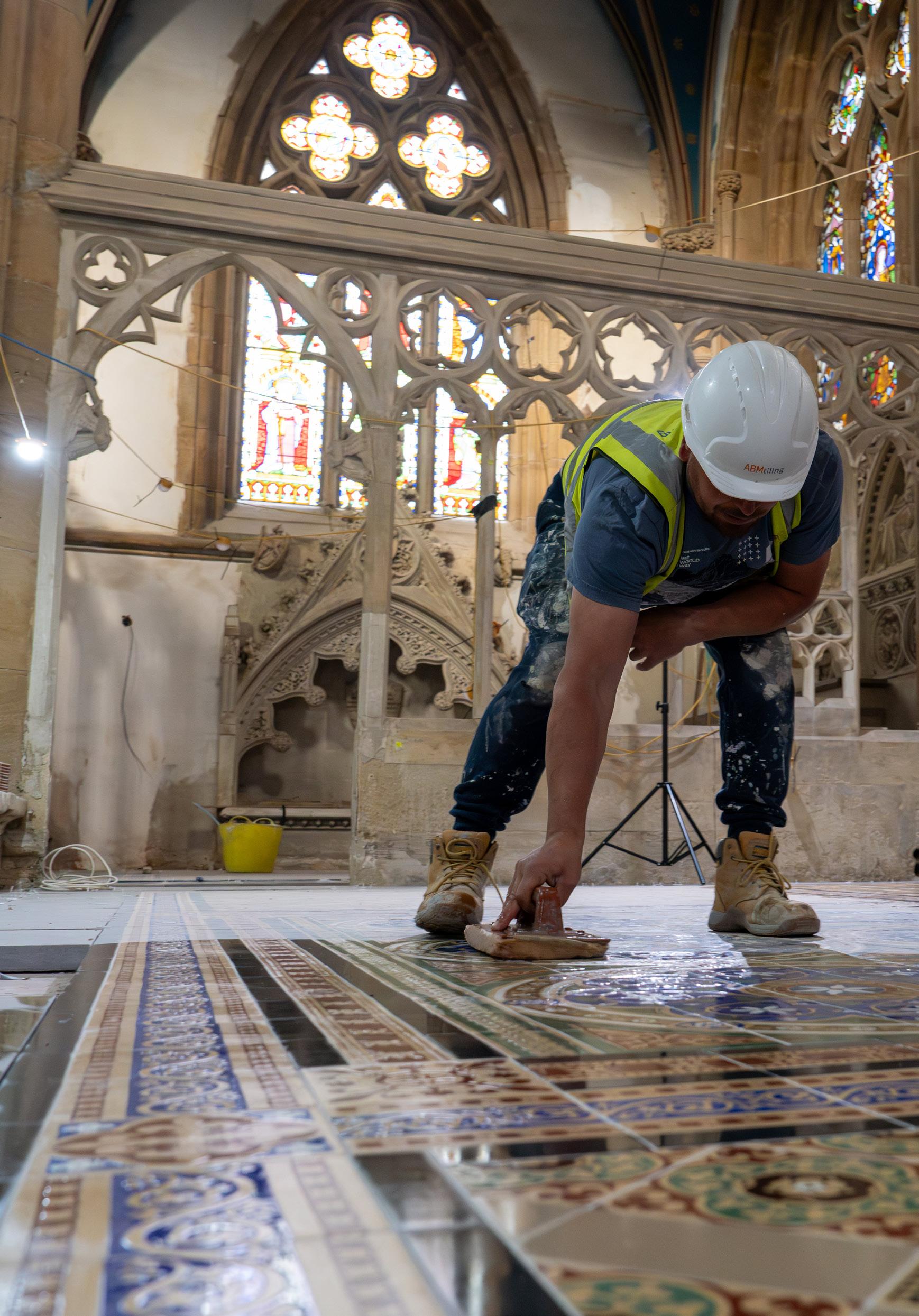
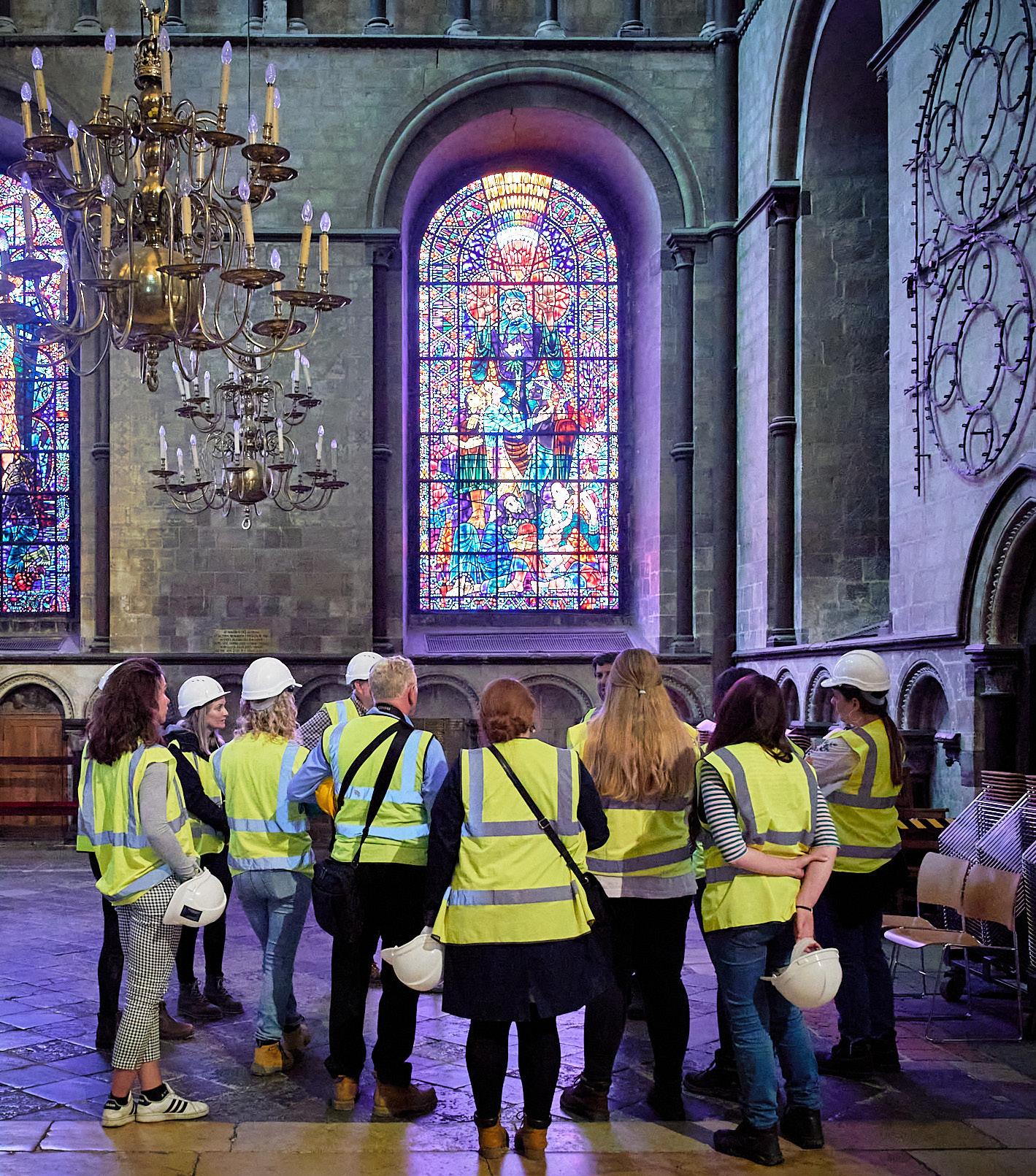
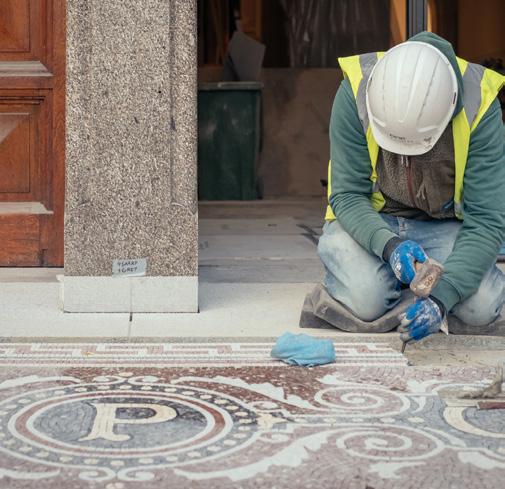
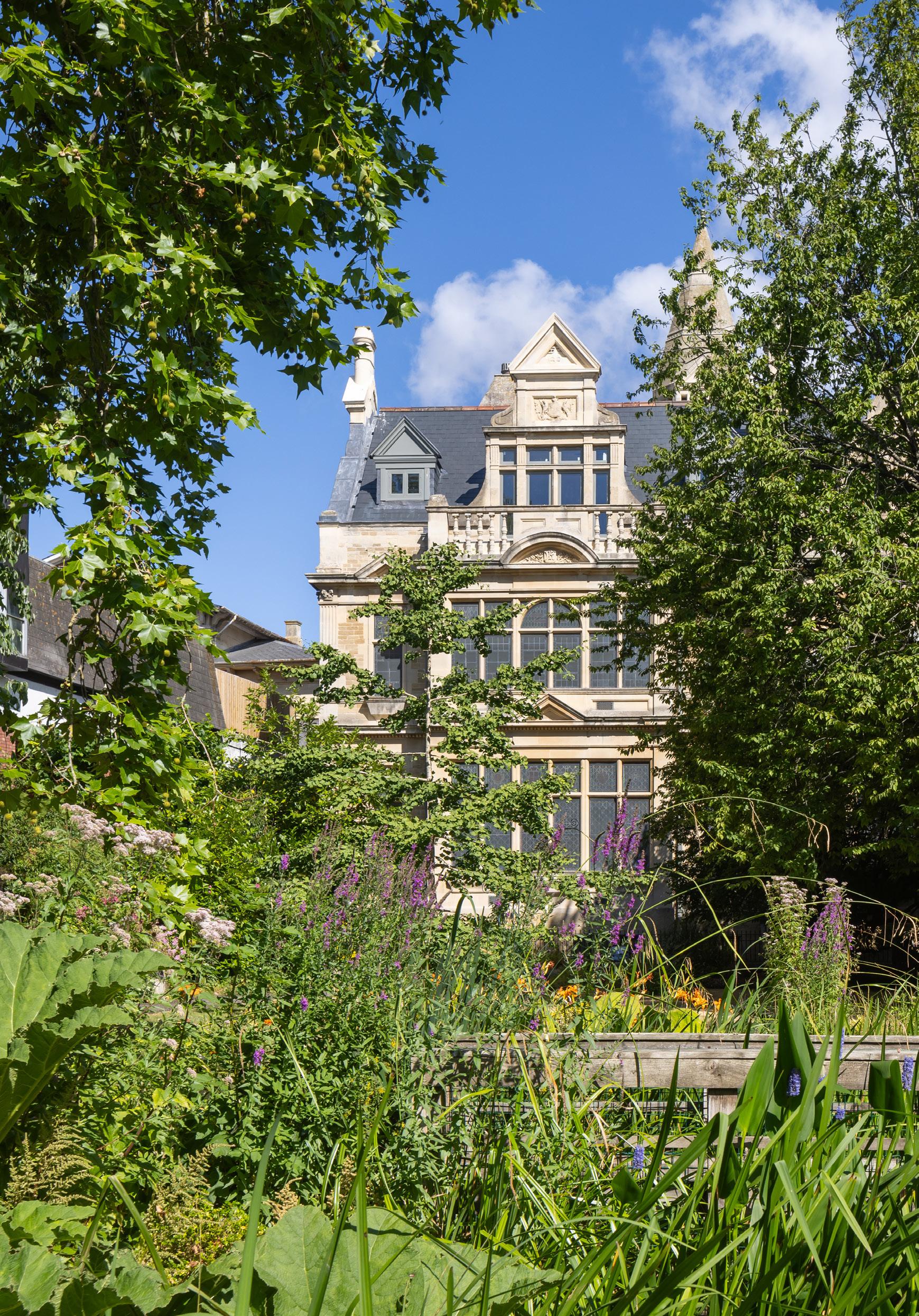
With the installation of a new ground source heat pump, underfloor heating and sensitive fabric upgrades, Salford Cathedral is striving to be the greenest Cathedral in England.
Foreword
Purcell has always been committed to making a positive impact in society through our business actions. Our approach is focused on cherishing what we inherit and leaving a positive legacy for future generations, acting with social responsibility in all we do. Last year we were delighted to become a Certified B Corporation®. We are now proud to present our first Impact Report.
Our new B Corp® status is a verified recognition that we meet high standards of social and environmental standards in all we do. We have joined a growing global community of companies reinventing business by pursuing purpose as well as profit, and this certification marks the start of a next chapter for Purcell.
Our rigorous certification process took 12 months. During this time, we examined every part of our business and reflected on how we work. This helped us refine how we want the business to operate in the future and identify ways to increase our positive social impact. These improvements apply across our business operations as well as through our architecture, masterplanning, and heritage consultancy services.
This report summarises what we have learnt throughout the B Corp® certification process and defines how we are progressing against our objectives across the five B Impact Areas - Governance, Workers, Community, Environment, and Customers. Looking ahead, Purcell now has a structured set of goals for growth and learning, supporting continual improvement in all we do.
We strive for conscious inclusion in our shared heritage. Together we reimagine heritage in new ways, sustainably designing joyful places for everyone where people can belong. Our projects continue to plan for and deliver meaningful economic, social, and environmental change protecting and enhancing communities in some of the world’s most loved places. We continue to refine our in-house skills and expertise through learning and development programmes to understand and evidence the changes we craft.
Gaining the B Corp® certification recognised what Purcell has been since 1947, an ethical business with a long-standing commitment to sustainability and positive social value. Being a B Corp will now take us on an exciting journey of continual evolution.
Elizabeth Smith, Chairman
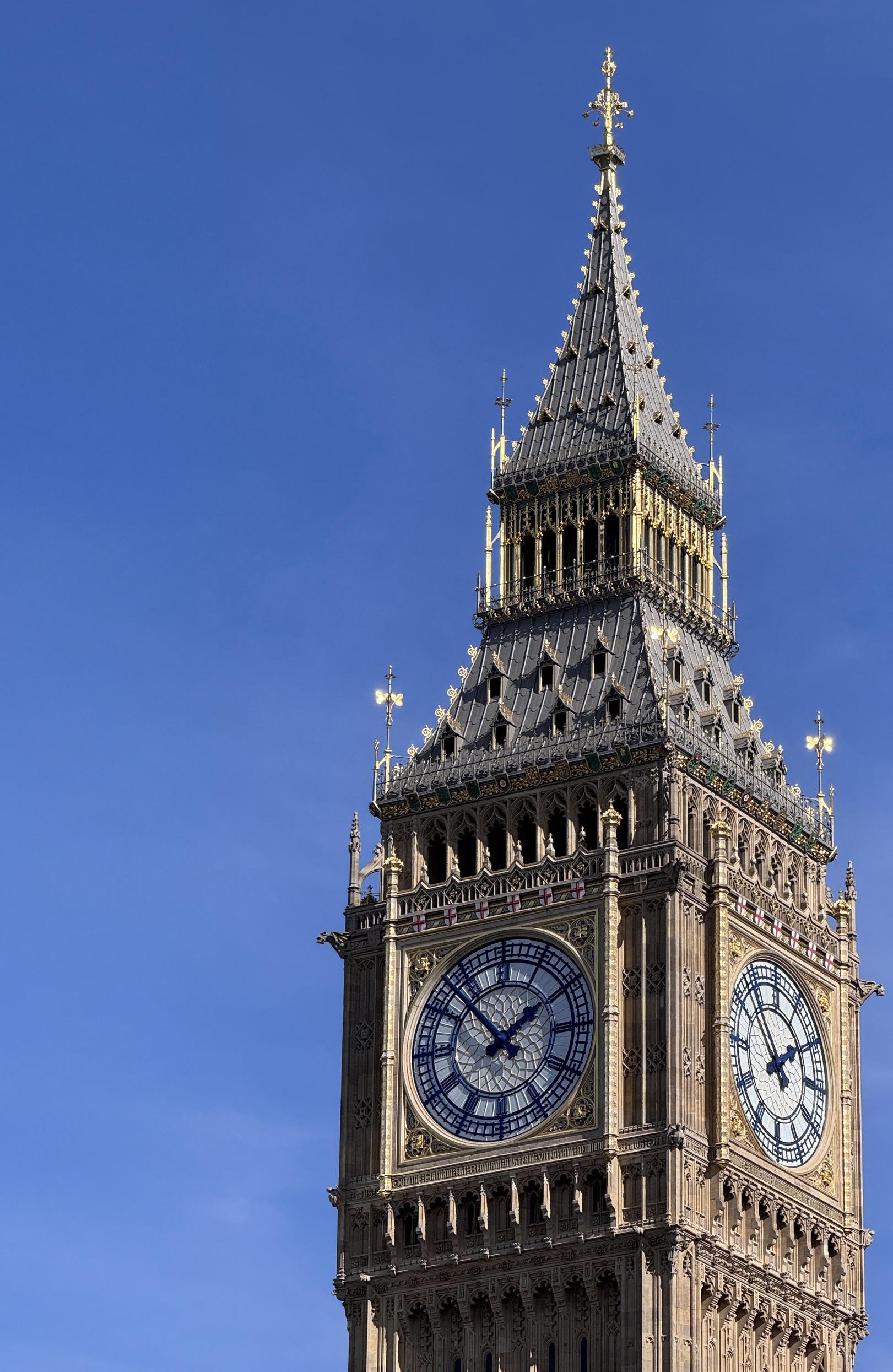
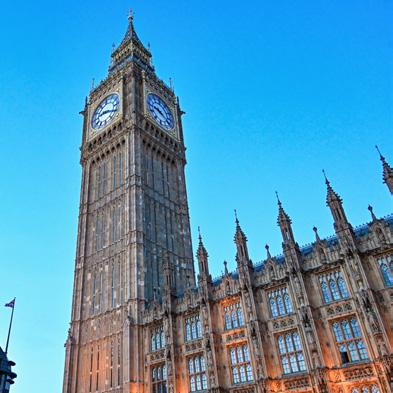
Elizabeth Tower at the Palace of Westminster, London
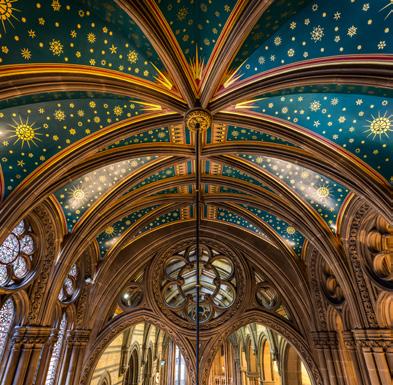
Purcell’s restoration of the grade-I listed Elizabeth Tower was the most extensive in its 160 -year history. The project included major upgrades to the external stonework and cast- iron roof, along with the installation of a lift for inclusive visitor access and wider building services improvements. RIBA Award judges described the scheme as a “masterpiece in conservation and craftsmanship.” It went on to win an RIBA Award, was shortlisted for the RIBA Stirling Prize, and received the People’s Choice Award in 2025.
Purcell
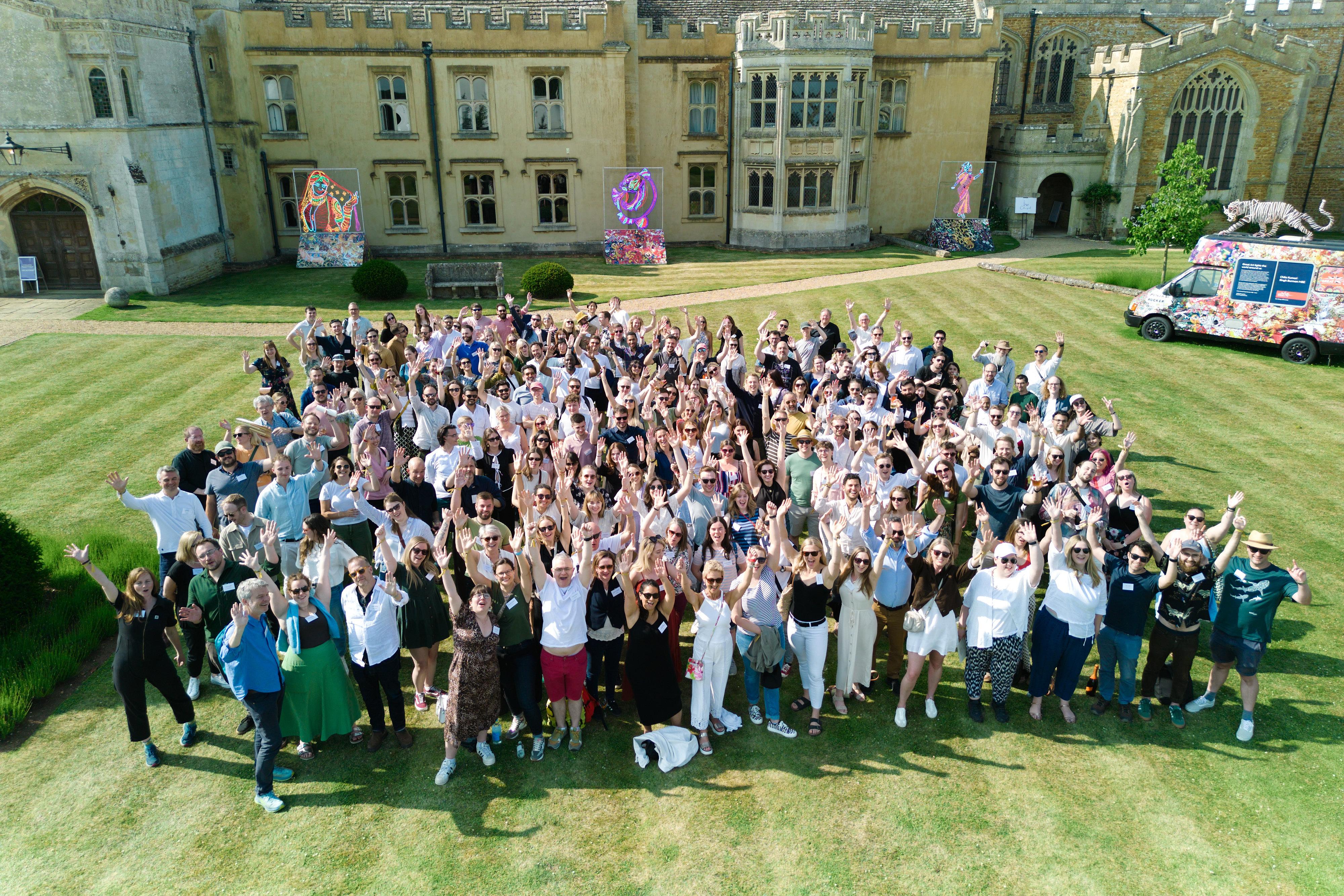
Day Out, Nevill Holt
About us
Our mission
Together we reimagine heritage in new ways, sustainably designing places where people can belong.
Our values
Since 1947, we have been leading exemplary architecture, masterplanning, and heritage consultancy to protect, enhance, and evolve the world’s most significant historic buildings and places. Inspired by a deep understanding of context, we craft the identity of the unique places in which we work by cherishing their heritage.
With a spirit that is genuinely innovative and collaborative, we are focused on planet-positive design, championing adaptive reuse of our existing built environment over new construction. We pioneer a conservation-led approach that celebrates our past and responsibly considers the legacy we will leave for future generations.
Reimagining heritage in new ways, we work to facilitate positive change for our clients, communities, and wider society by shaping vital, inclusive, and joyful spaces where people can belong.
Respect
There is a connection between the way we treat others and the strength of work we deliver.
Team
We collaborate with each other and our clients to create positive impact.
Energy
Driven by our desire to use design as a force for good: for our clients, for each other, for the planet and for the future.
Quality
We rigorously pursue excellence and, through our actions, strive to exceed all expectations.
Evolution
We create and innovate, supported by our legacy of expertise nurtured within our learning environment.
Our journey
1947
Donovan Purcell sets up practice.
1965
Donovan Purcell joins Peter Miller and William Tritton in Partnership, forming Purcell Miller Tritton.
1974
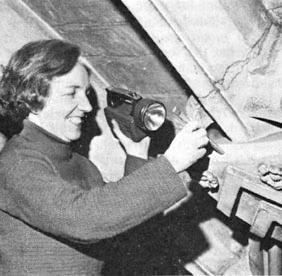
Partner, Corinne Bennet, is appointed Surveyor to the Fabric of Winchester Cathedral, the first woman to be a consultant architect to an English Cathedral.
1999
Mark Goldspink appointed CEO.
We win St Georges Hall, Liverpool.
2009
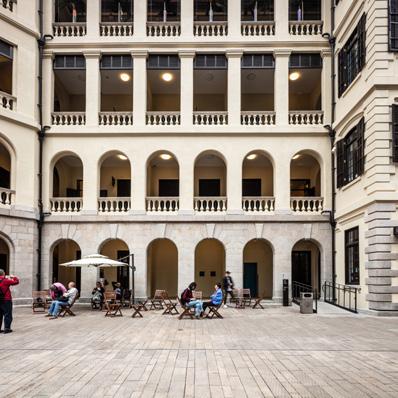
Hong Kong studio is established after working on Tai Kwun.
2012
We rebrand ourselves as Purcell
2021
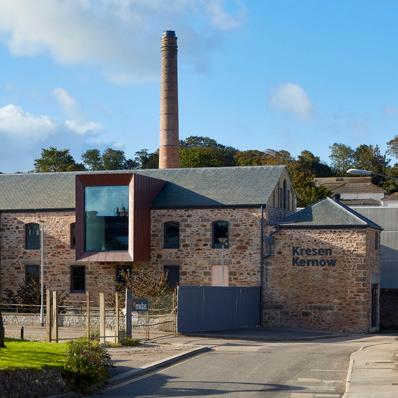
Kresen Kernow opens showcasing our ongoing expertise in adaptive reuse.
We become Employee Owned, and Living Wage Accredited
Elizabeth Smith becomes Chairman.
2025
Purcell becomes
Elizabeth Tower shortlisted for the RIBA Stirling Prize, winning the People’s Choice award.
1960
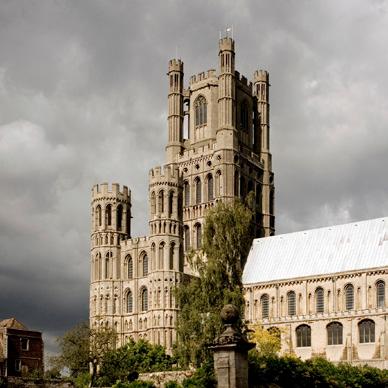
Donovan Purcell is appointed the Surveyor to the Fabric of Ely Cathedral
1967
Cambridge Stone by Donovan Purcell is published, exploring the history of the stone that built much of Cambridge.
1986
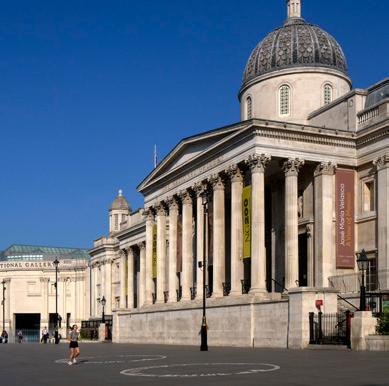
We begin working at the National Gallery, London.
2000
We are appointed to work on Battersea Power Station, London.
1995
We are appointed to work on the Palace of Westminster
2007
2010
Our first Carbon Governance Strategy is published.
We calculate our first operational carbon footprint.
2020
We became signatories of Architects Declare, Heritage Declares, and the RIBA 2030 Climate Challenge.
2016
Conservation School is established.
We set up a permanent presence in Australia
We begin work on Our Town Hall, Manchester.
2024
National Portrait Gallery shortlisted for RIBA Stirling Prize.
2023
With provisional approval recieved, we begin development of our Reconciliation Action Plan 2025, reinforcing our commitment to a reconciled Australia.
2025 at a glance
2025 was a landmark year of innovation and progress for Purcell. We were shortlisted for the RIBA Stirling Prize for the second consecutive year, with Elizabeth Tower becoming the first conservation-led scheme to reach the shortlist. Though the final prize was not won, Purcell celebrated victory in the people’s poll, signalling a growing appreciation for conservation-driven architecture and setting a precedent for future recognition of such schemes.
We continued our journey towards full employee Oownership, and achieved B Corp® certification in the spring, affirming our dedication to positive social and environmental impact. The launch of a refreshed brand and website, highly commended at the Archiboo Awards, further reflected our evolving vision and collective ambition.
International success featured prominently, with our work on New South Wales Parliament in Australia earning both an AIA NSW Award and the Lachlan Macquarie Award for Heritage Architecture, and a double win at the 2025 AIA Architecture Awards.
In 2025 we secured over £75m in funding for clients from bodies such as the National Lottery Heritage Fund and others. We also celebrated major milestones such as the opening of the National Gallery’s Sainsbury Wing, Shoemakers Museum in Somerset, and the restoration of St Bartholomew’s Hospital North Wing.
Sustainability remained central, with Purcell featured in the Regenerative Architecture Index and launching the Nothing New initiative to advance lowcarbon, circular economy principles across the wider built environment.
Our involvement in Retrofit 25: What’s stopping us? had us showcasing best practice solutions and leading conversations to help others navigate the barriers to retrofit in the built environment.
We closed the year with renewed energy, strengthened by new talent and partnerships, and looking forward to driving transformative projects worldwide.
1,069
hours delivering careers training to young people
11%
reduction in our operational carbon footprint from 2024
We scored
94% for wellbeing & belonging in our TIDE assessment
124.8
For fiscal year end date: 30 Apr 2023
We spent
14,357 hours training our workforce
Oxburgh Hall, Norfolk
Winner of an RICS East Heritage Award in 2024, and Highly Commended in the Civic Trust: AABC Conservation Awards 2024.
Governance
Governance evaluates a company’s overall mission, engagement around its social and environmental impact, ethics, and transparency. This section also evaluates the ability of a company to protect their mission and formally consider stakeholders in decision making through their corporate structure (e.g. benefit corporation) or corporate governing documents.
Employee Ownership
Since becoming employee owned in 2021, every colleague at Purcell has a stake in the business, helping to build a sustainable, supportive culture focused on learning and development. This model strengthens accountability and links individual contributions to overall performance, enabling everyone to share in the company’s success.
Employee ownership shapes everything from how we listen to how we invest in support, delivering clear strategic, financial, and engagement benefits, while increasing financial awareness across the business.
Our governance is overseen by our board of trustees, made up of staff members from each region, our main board, and our employee council.
In 2025 we refreshed how trustees, the employee council, and the main board work together, creating a stronger foundation for innovation, leadership, business growth, and personal development.
What next?
Our trust is forecast to own 100% of the share capital by 30 April 2030. To enhance our governance practices, we will be continually reviewing the roles and structures of our governance, ensuring the most effective business leadership within our trustees, the employee council, and the main board.
Representing the voices of our people
The employee council is a key part of our governance structure, reinforcing our shared responsibility as owners. It ensures everyone has a voice, serving as a trusted sounding board and advisory group for matters affecting Purcell. By promoting open discussion and helping guide policies and procedures, the council plays an active role in shaping the company’s direction through regular meetings with the board.
Collective Ambition
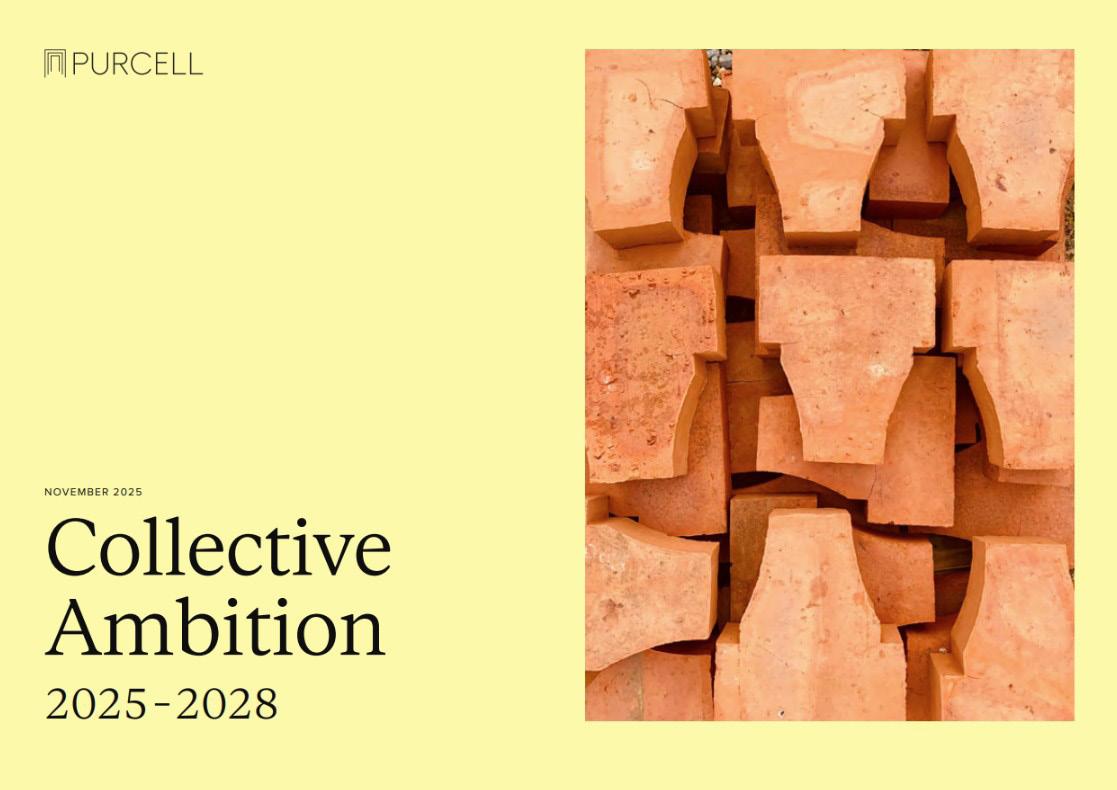
In 2025 we launched our new Collective Ambition 2025-2028. First prepared in April 2018, our Collective Ambition, alongside the Purcell Constitution, were written to explain our culture and to assist our transition to become an employee owned business.
This new Collective Ambition 20252028 builds on the original. It looks proudly towards our future progression, and defines our aspiration to become financially independent as a 100% employee owned business in the next three years.
Our Collective Ambition has two roles:
01 It sets out our three-year business plan identifying our principal objectives, explains how we will meet them, and defines what success will look like for everyone at Purcell.
02 It provides a set of key performance indicators against these objectives to which our trustees can refer, holding the board to account for effective strategic leadership of our business.
Our purpose is to continually develop our
world-leading expertise as architects, masterplanners and heritage consultants, responsibly and sustainably enhancing buildings and places to create exemplary architecture for all.
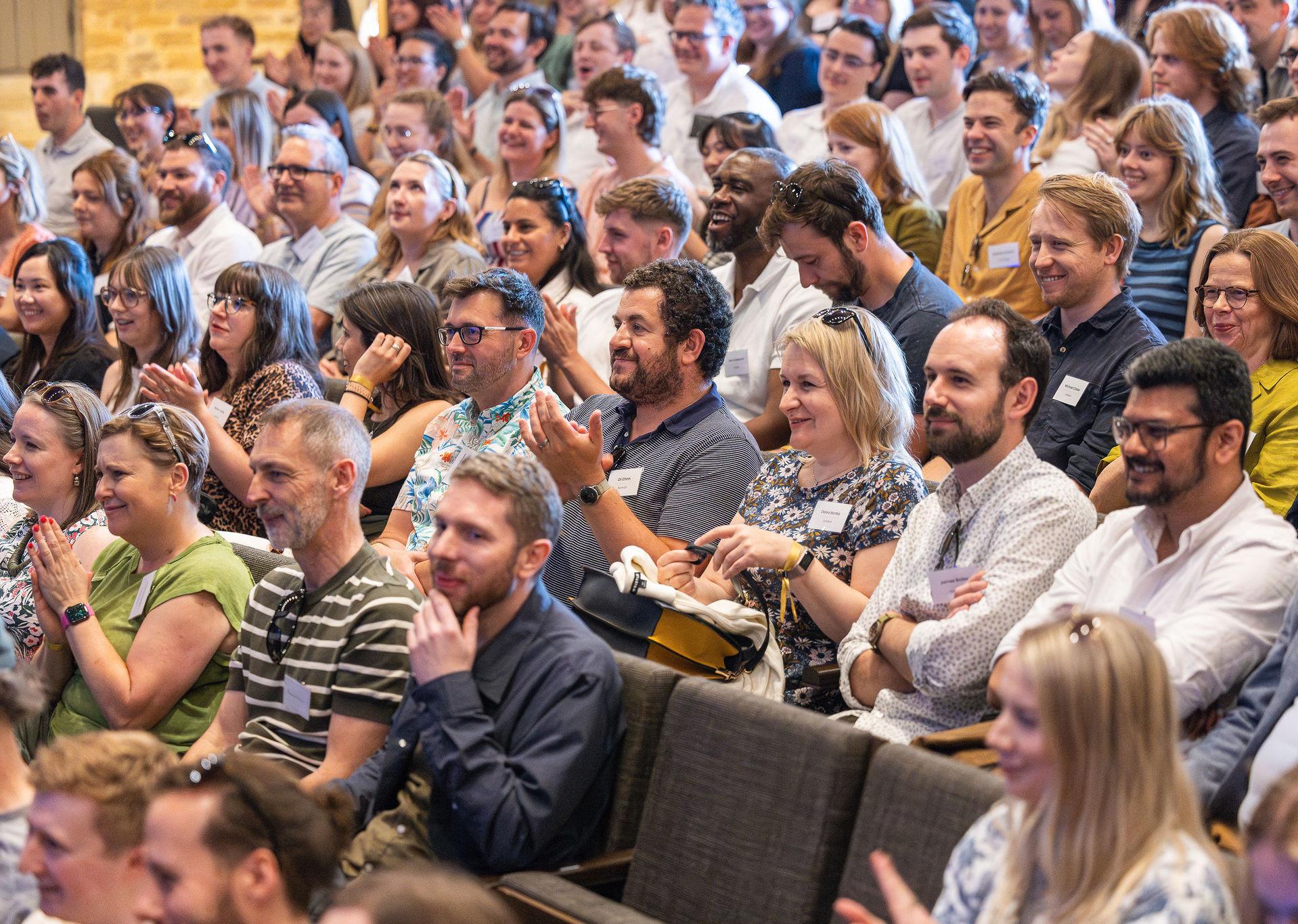
Our bi-annual Collective Ambition roadshows offer an opportunity for board members to present our progress, and for local studios to have their say on the business direction. These are important feedback sessions, ensuring every staff member in every region has a voice.
Planning for our collective future
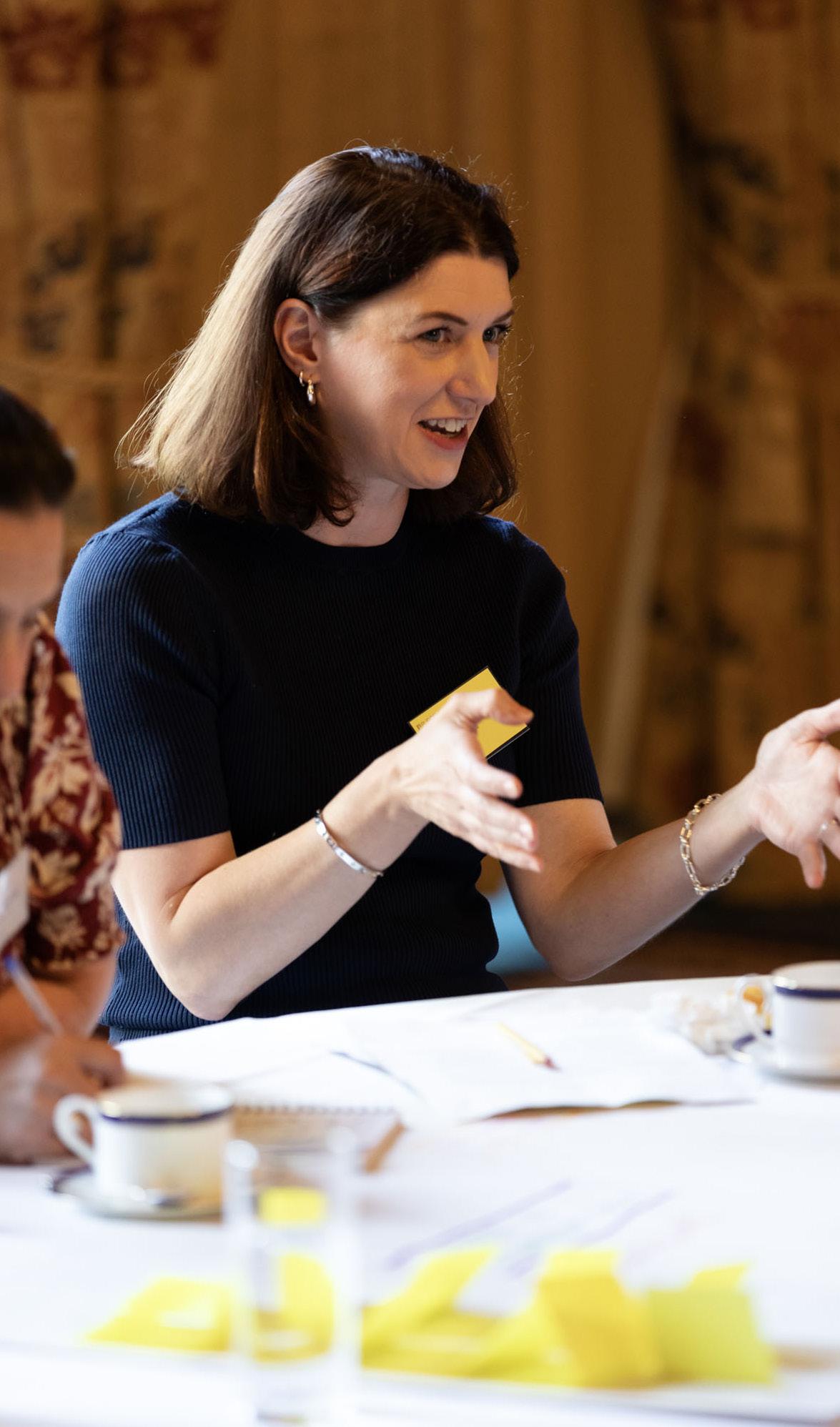
In 2025 we hosted a strategic away day aimed at corroboratively engaging staff members in the refresh of the Collective Ambition. Key staff members participated in a series of workshops to formulate the strategies to improve particular areas of the business, including efficiency, work balance, and finding joy and delight in what we do.
Workers
Workers evaluates a company’s contributions to its employees’ financial security, health & safety, wellness, career development, and engagement & satisfaction.
Purcell Awards Ceremony, Nevill Holt
Building a supportive workplace
Our people are the foundation of Purcell. We are committed to creating a supportive, healthy, sustainable working environment, where wellbeing is fundamental to success.
In the last year, we redesigned our family leave policies into a more thoughtful, future-focused approach to reflect the full reality of people’s lives. After listening to colleague feedback, we expanded and enhanced our parental support to include fertility, miscarriage, bereavement, menopause, neonatal, adoption and foster carers.
We introduced a childcare loan scheme to ease the financial burdens parents can face when returning from parental leave. These changes directly address our gender pay gap and reinforce that people succeed when properly supported.
Wellbeing will always be a key focus for us. We recognise the pressures within the construction industry and take a proactive, holistic approach to supporting our people.
Our culture promotes flexibility, underpinned by policies that support
different life stages, including sabbaticals that recognise the importance of meaningful time away. Our leaders undertake self-awareness training to understand the impact they have on team wellbeing, while our teams participate in resilience training to build skills for managing challenge and change.
Support is reinforced through our employee assistance programme, which provides confidential advice and access to GPs, our occupational health providers, alongside our regional network of trained mental health first aiders, known as Purcell Pals, who offer peer support and signposting.
Celebrating our successes together
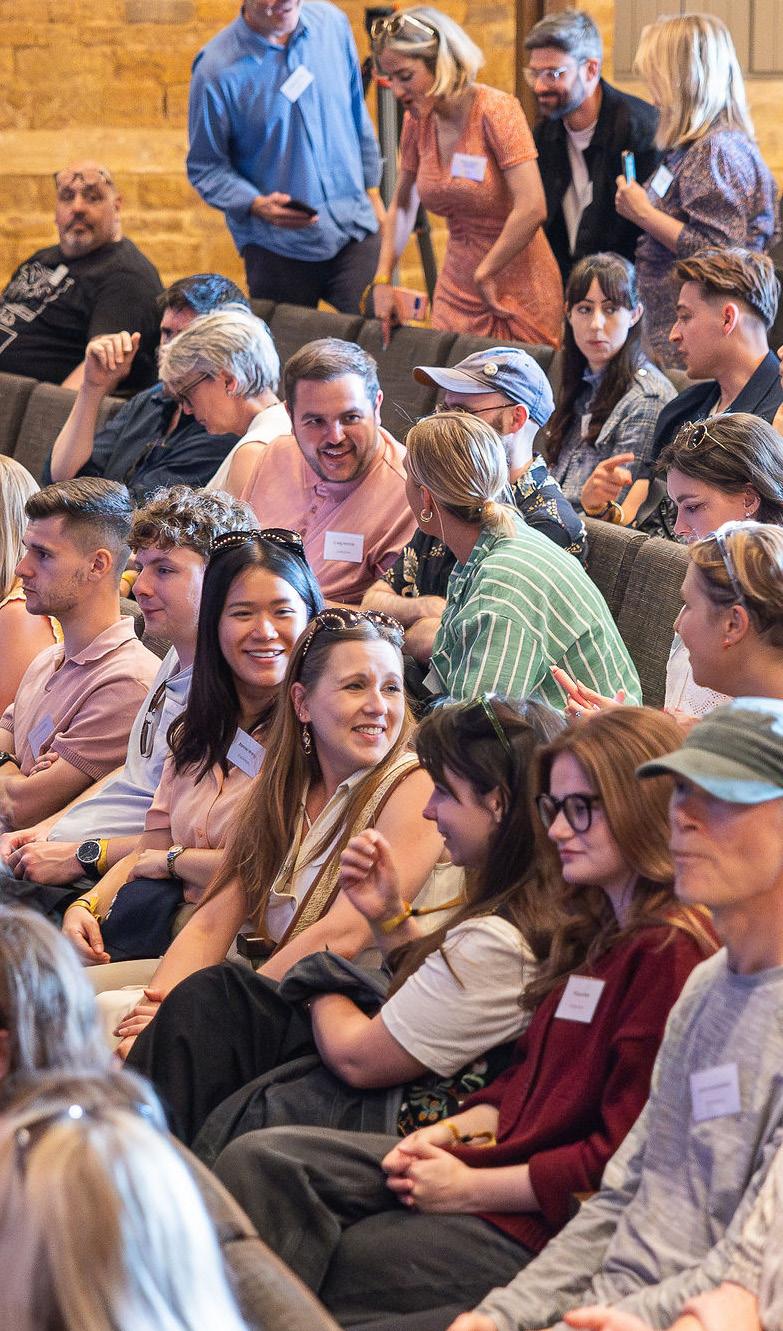
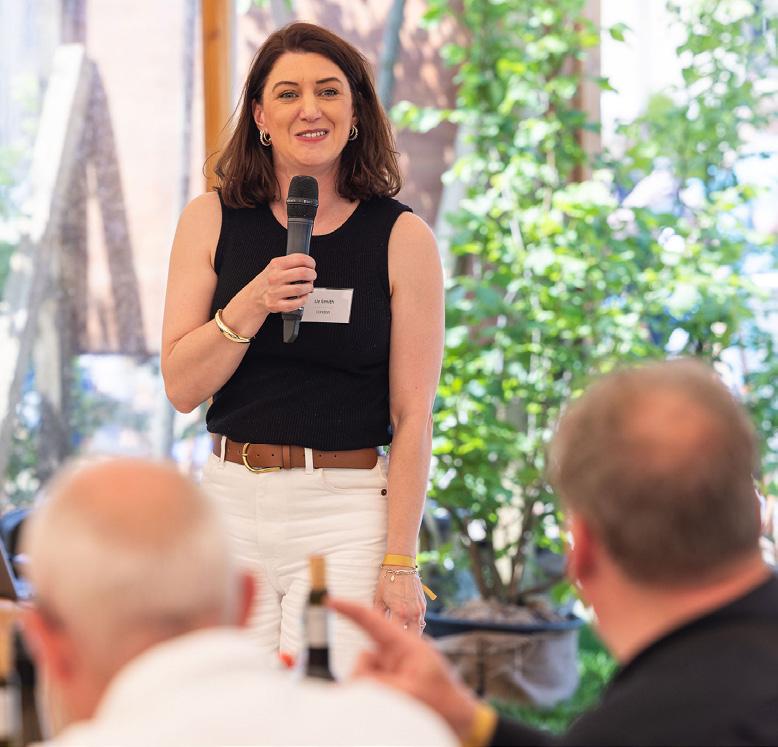
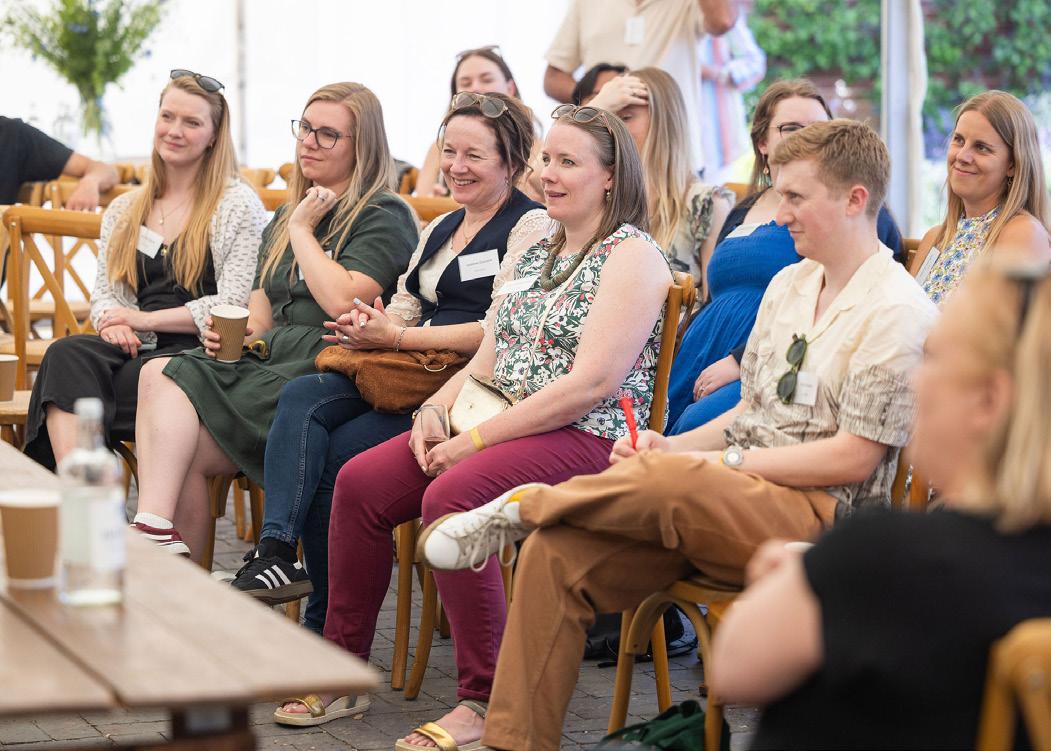
Purcell’s annual Practice Day Out provides a chance for staff from across our regions to join together in celebration of our achievements. In 2025 we were hosted in the grounds of Nevill Holt. Our teams in Asia Pacific also came together in celebration.
Conservation School, Canterbury Cathedral
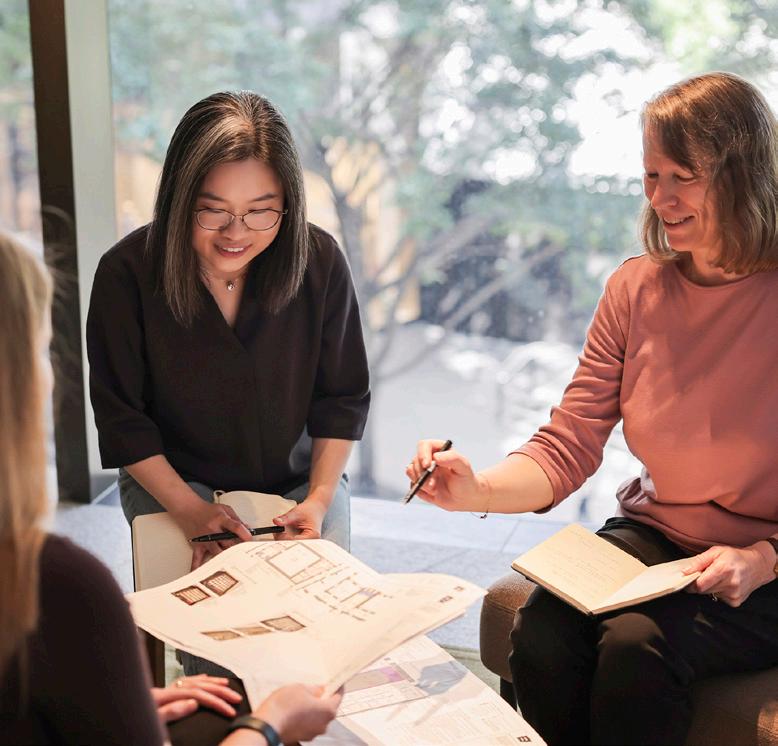
Purcell invests significantly in learning and development, including our annual residential Conservation School. The programme combines lectures and site visits. It covers the statutory framework for conservation, conservation philosophies, and management planning. It also includes the appraisal and repair of historic buildings, using traditional materials such as lime, brick, stone, plaster and timber. It also looks forward, exploring contextual design for change, sustainability in historic buildings, and the use of BIM for heritage sites. By bringing colleagues from all regions together each year, we strengthen our collective expertise and reinforce our responsibility as thoughtful custodians of the built environment.
“We stand out from the rest of the industry by caring for each other and having immense pride in what we do. We empower people to lead and it is a great place to learn.”
- Anonymous Staff member, taken from most recent engagement survey
67% of colleagues reported satisfaction levels above industry average
We spent
14,357 hours training our workforce in 2025
We scored
86% for talent management & development in our TIDE assessment
We invested
42.5 hours per employee on continuous professional development
Justice, equity, diversity and inclusion
In 2025 we continued to strengthen our approach to justice, equity, diversity and inclusion (JEDI) with a focus on equitable opportunity, transparency and inclusive culture.
Key progress included enhancing our family leave and wider support policies, introducing salary transparency, and refreshing our website and vacancy wording to encourage greater diversity of applicants. We updated our equal opportunities monitoring to capture broader data, including socio-economic background, improving our understanding of representation and access.
We delivered strategic training to the board, with wider business training rolling out in early 2026, reinforcing inclusive leadership expectations across senior roles. We also successfully supported colleagues with additional needs through practical adjustments and cultural support, strengthening our commitment to an equitable workplace experience.
In June 2025 we completed our talent inclusion diversity evaluation (TIDE), achieving 63%, and committed to repeating this annually to track progress and accountability.
What next?
In 2026, we will introduce a human rights policy to complement our existing Equal Opportunities and JEDI policies, strengthening our overall framework and ensuring continued robustness in this area. We aim to become a Level One Disability Confident Committed Employer under the UK Government scheme.
Our focus is on clearer objectives and measurable impact. Priorities include aligning volunteering with our equity ambitions, improving communication and visibility of initiatives and developing practical tools to make our workplace and professional language more inclusive and accessible.
Our goal is to reduce our gender pay gap to 8% or less within the next two years. We recognise that building an equitable workplace requires sustained action, transparency and engagement, and we remain committed to continuous improvement in support of our people.
Our global team reflects
24 nationalities
We have a 50:50 gender split
Celebrating our workforce
We scored 94% for wellbeing & belonging in our TIDE assessment
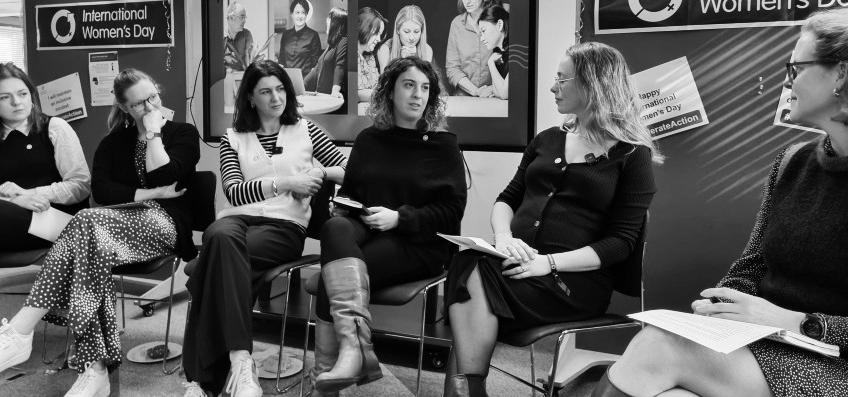
We celebrate the diversity of our workforce, hosting annual events for International Women’s Day, and supporting groups like Women in Property and Women in Heritage. In 2025, we hosted panel discussions in our studios, discussing the challenges facing women in construction, and some of the ways we can support one another.
Tasmanian Museum and Art Gallery, Tasmania
Environment
Environment evaluates a company’s overall environmental management practices as well as its impact on the air, climate, water, land, and biodiversity. This includes the direct impact of a company’s operations and, when applicable its supply chain and distribution channels.
Our 2025 footprint
We have been calculating the carbon emissions associated with our business operations since 2007, and our understanding of the carbon impact of our work has been growing ever since.
Our first Carbon Governance Strategy was published in 2010, then updated in 2019 setting a clear target to half our operational emissions (from our 2019 total) by 2030.
After an increase in our total footprint in 2024, 2025 saw that increase reversed with an 11% reduction in total operational footprint. This is largely attributed to
national emissions factor reductions, a small reduction in energy use in some studios, and a large reduction in business miles travelled (-7.3%).
Key actions in 2025 included the refurbishment of our London studio, which included some energy efficient alterations (e.g. lighting), update of our sustainable purchasing policy, and ongoing discussions with our landlords to understand opportunities to reduce our impact and obtain better data in our shared premises to improve the accuracy of our calculations.
395.6
Operational Carbon Footprint
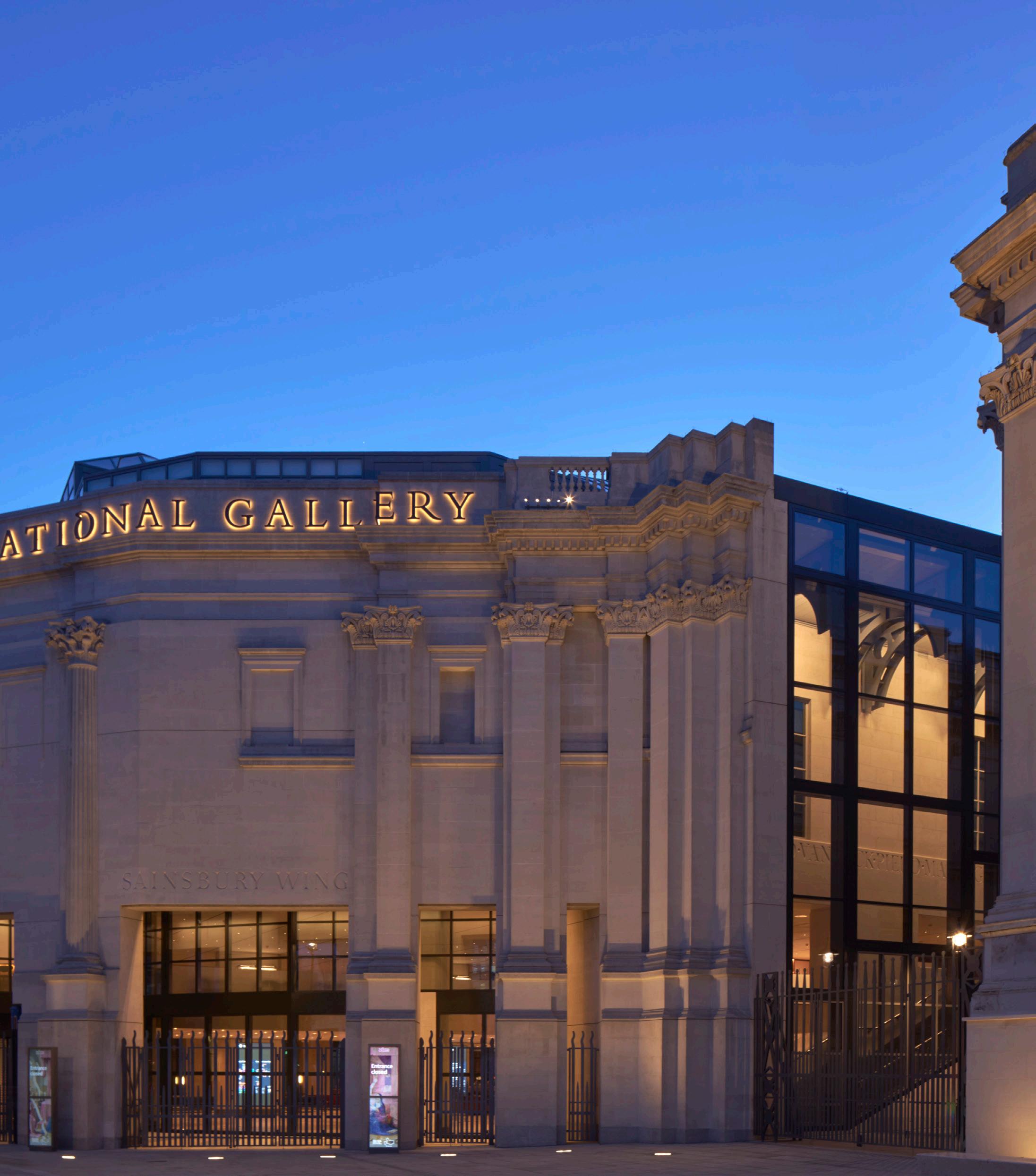
The National Gallery’s Sainsbury Wing, London
A sensitive and pragmatic approach
In collaboration with Selldorf Architects, this project is a subtle yet impactful upgrade to the grade-I listed building. By enhancing this important historic asset by activating underused back-of-house areas, the project puts people at the centre of the design, fostering a more inclusive, welcoming environment. Sustainability was integral throughout design development, with emphasis on air quality, ventilation, lighting, and acoustics. Designs were tested for climate resilience to ensure long-term conservation standards and user comfort. The gallery is aiming to reduce energy consumption by 20 per cent and progressing towards elimination of fossil fuel use. These efforts position NG200 as a key step in the gallery’s broader environmental goals.
“An environmentally responsible, world-class gallery for the benefit of the planet, our collections and the public, now and in the future.”
29% reduction in baseline embodied carbon
317 kgCO2e/m2 GIA Upfront Embodied Carbon A1-A5
Reuse of lighting, sanitaryware, doors, shelving and panelling donated to local charities and community groups
100% waste diverted from landfill
- The National Gallery’s vision for NG200
Collaboration and advocacy
As the world’s leading heritage architecture firm, we have long used our influence networks to advocate for positive change across the built environment and the heritage sector.
In 2025 we hosted events, talks and developed publications aimed at furthering solutions to the climate emergency.
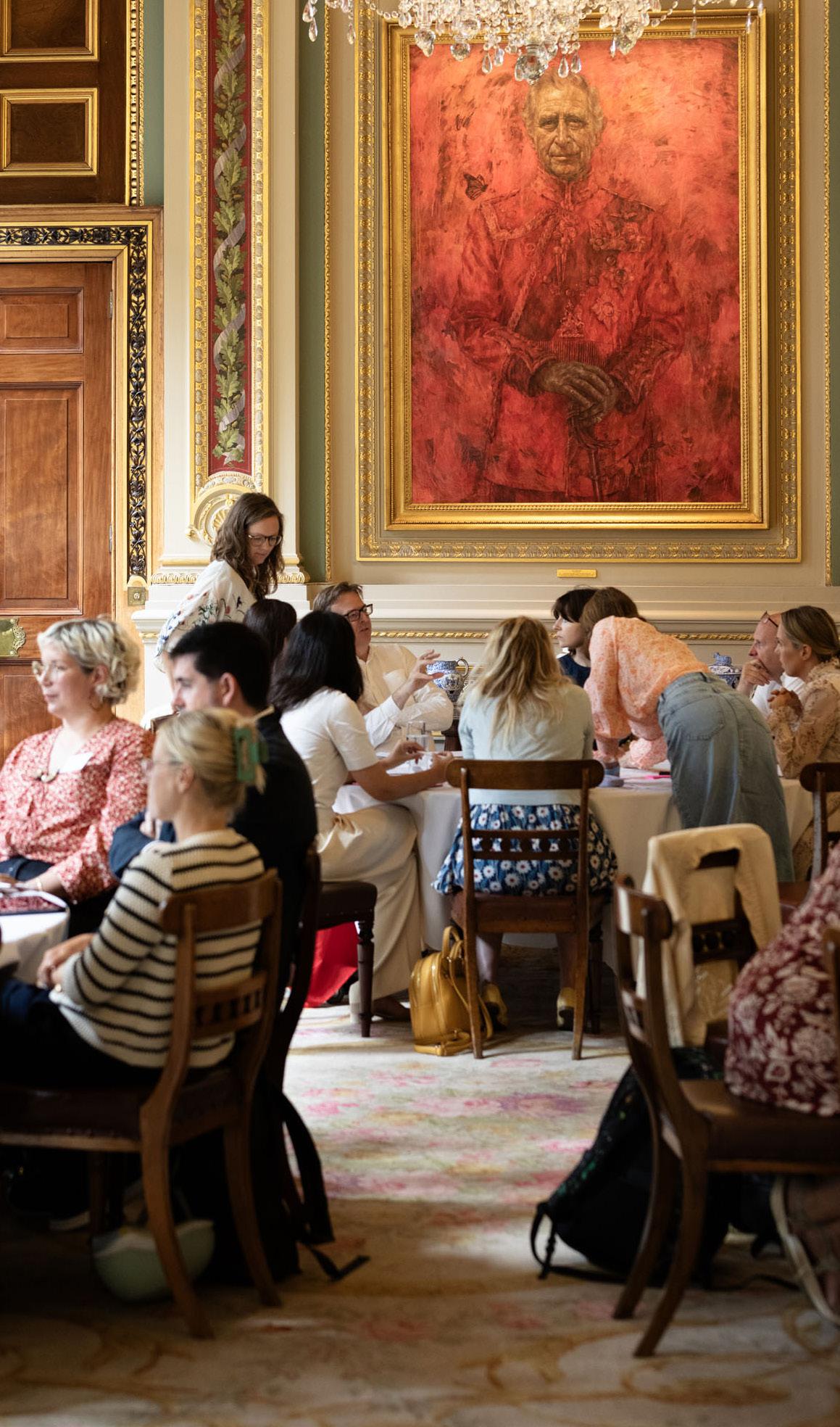
Ranging from our sponsorship of Retrofit 25, an exhibition and lecture series discussing the challenges and solutions of retrofit; to hosting Decarbonising Oxford, a roundtable breakfast event to understand the barriers to decarbonisation in Oxford’s historic buildings.
We supported Circular Revolution, an event organised by Architects Declare bringing together industry and policy makers to further a circular built environment, and we launched Nothing New, lessons from heritage for a circular economy, comprising ten recommendations for policy makers and industry.
What next?
We will continue to advocate for climate action and support the work of those who are seeking positive change across our industry.
We will invest more resources in developing the skills of our employees and ensuring they have agency to advocate on projects.
We will implement better recording practices on projects to help us understand our broader impacts, and respond better to our clients needs.
We will continue to monitor and track our operational emissions, working with our landlords to develop strategies for decarbonisation across our studios.
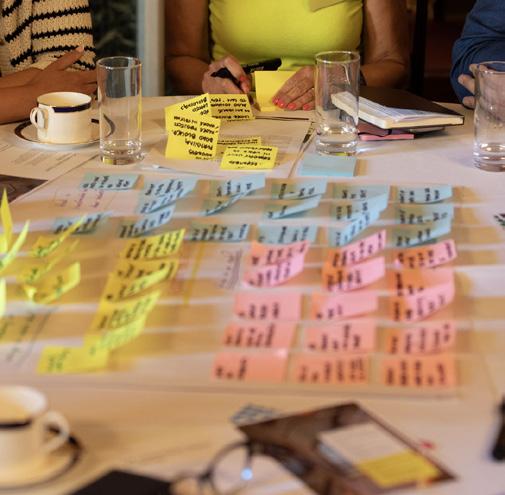
Sharing lessons from heritage for a circular economy Purcell brought together leading voices from across the built environment sector to share insights on how centuriesold stewardship principles can inform the transition to a circular economy. The Nothing New initiative is the result of those conversations. It is the latest step in Purcell’s mission to drive discussion and systemic change across the construction industry. The resulting publication distils these discussions into ten actionable recommendations for government and industry. It highlights how the heritage sector’s wealth of transferable knowledge - rooted in reuse, repair and long-term care - offers a practical framework for scaling up a circular economy in the built environment.
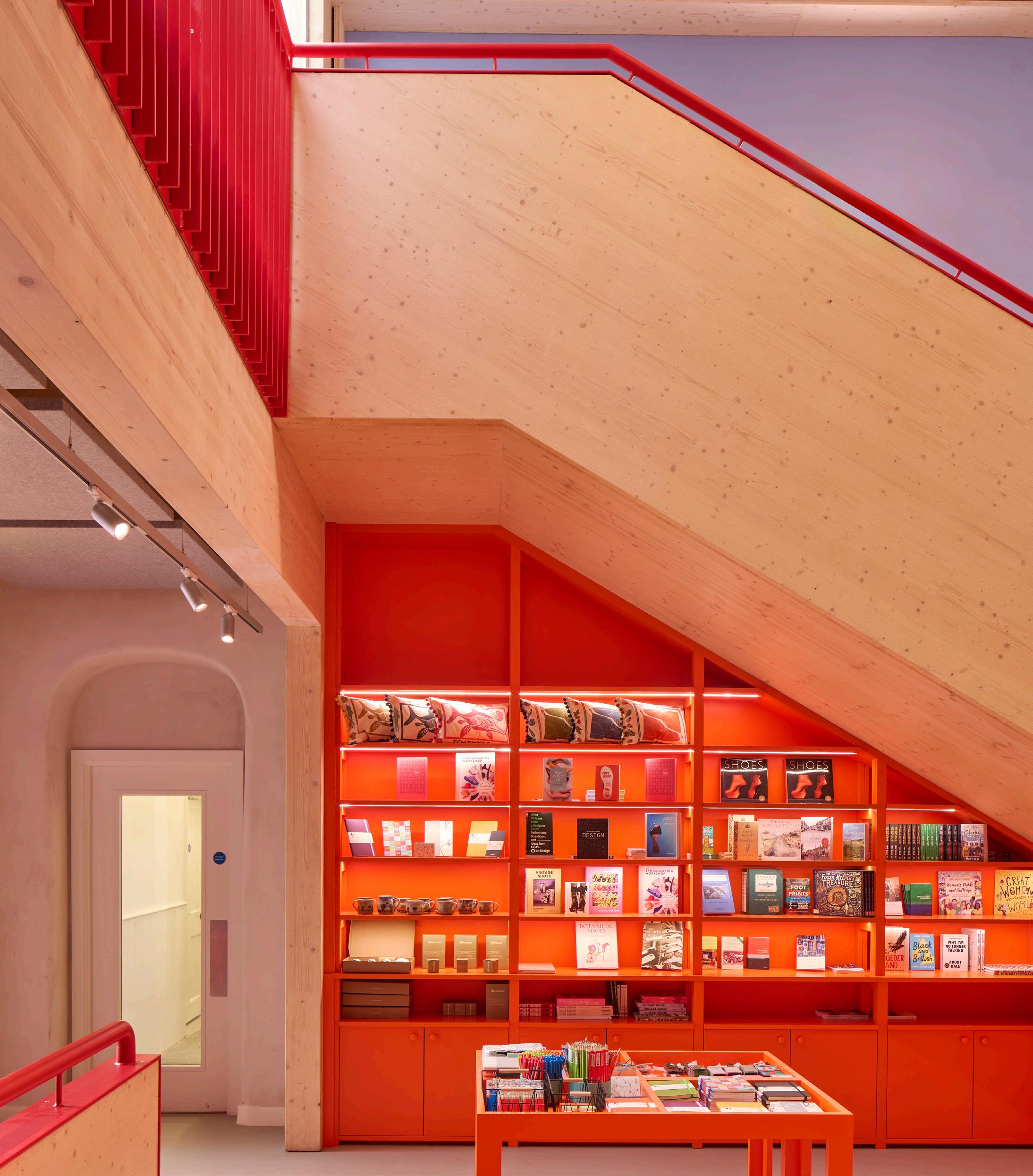
Shoemakers Museum, Somerset, England
A carefully crafted dialogue between past, present and future The Shoemakers Museum houses not just shoes and fossils but the collective memory of a community whose identity is inextricably linked to Clarks’ 200-year legacy. The museum was designed with a fabric-first approach and prioritises whole-life carbon performance over short-term certification. The sustainability strategy had to navigate the dual challenge of conserving listed buildings while achieving high performance standards. Bespoke approaches to material salvage, hybrid timber-concrete solutions, and innovative brick detailing all contributed to reducing embodied and operational carbon.
Environmental sustainability underpins every decision, prioritising working with what was already therebuilding only where necessary, reusing site-won materials, and designing for long-term adaptability rather than shortterm performance targets.
212 kgCO2e/m2 GIA Upfront Embodied Carbon A1-A5
70%
blue lias stone was salvaged and redressed on-site
80% of subcontractors were located within 25 miles of the site
25.2 kWh/m2 onsite energy generation
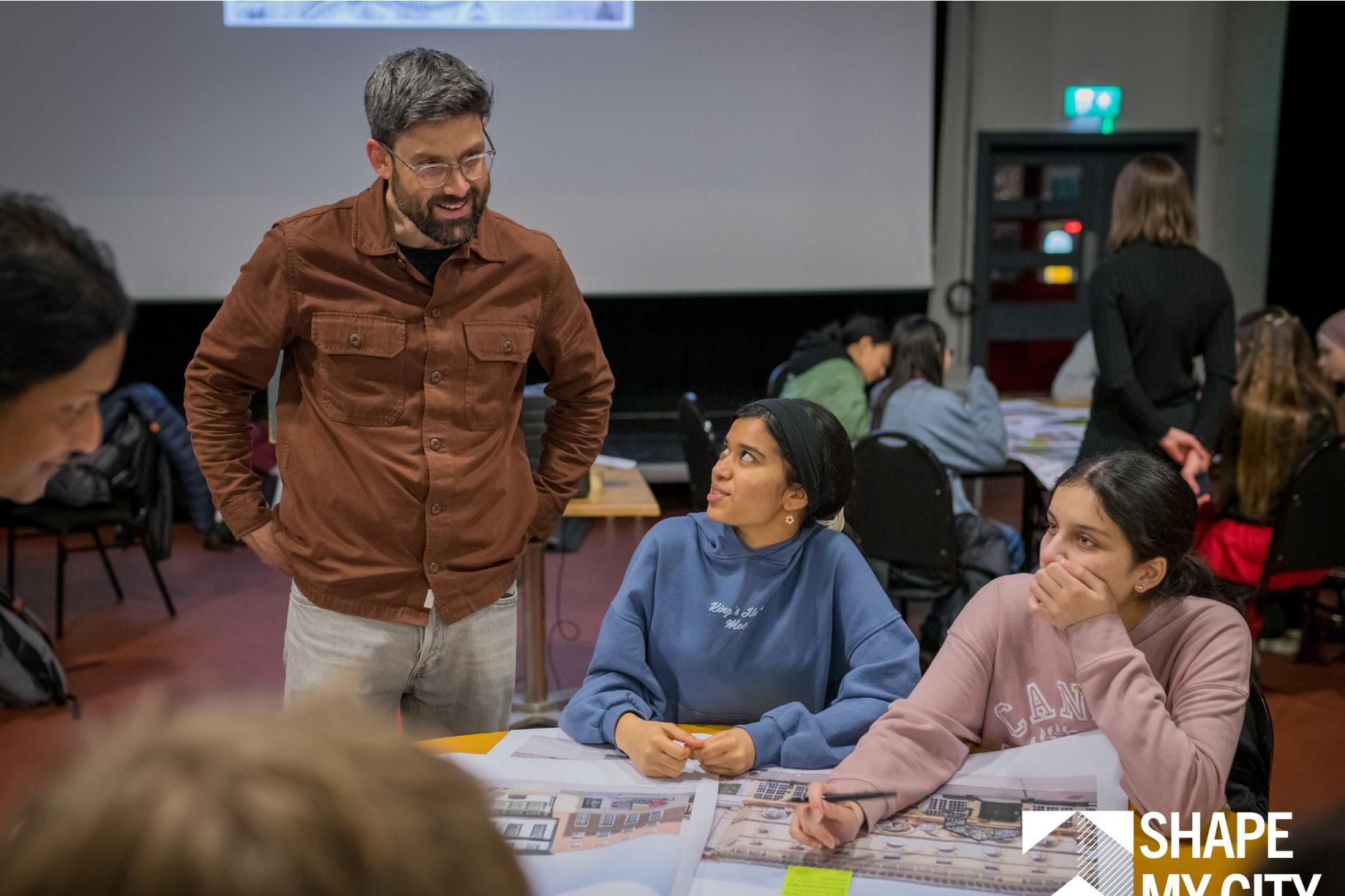
Shape My City Event, Bridewell Magistrates’ Court
Community
Community evaluates a company’s engagement with and impact on the communities in which it operates, hires from, and sources from. Topics include diversity, equity & inclusion, economic impact, civic engagement, charitable giving, and supply chain management.
Aligning community impact with our mission
In 2025 we continued to develop our strategy for delivering community and social impact across our organisation and our projects, aligning outcomes with our core mission. Our five social value themes are based on the National TOMS Framework and aligned with our mission to reimagine heritage. We have developed a number of internal processes that will enable us to delivery greater social impact on projects, and improve our recording and measuring processes. In 2025 we updated our local purchasing and hiring policy to formalise our commitment to prioritising local suppliers where possible, while also considering environmental, social and ethical factors when selecting external vendors.
Reimagining heritage
Together we reimagine heritage in new ways, sustainably designing places where people can belong.
Community
Healthier, safer and more resilient communities
Facilitate diverse community engagement with architecture and the historic environment, promoting links between heritage and wellbeing through our projects and wider sector engagement.
Work
Promoting local skills and employment
Enable the development of conservation skills, supporting employment opportunities for all, through education, training, and outreach.
Economy
Supporting growth of responsible business
Promote a workforce culture that embraces social responsibility and custodianship, reflecting the diverse communities we work in, through our business operations and wider supply chains.
Planet
Decarbonising and safeguarding our world
Support the architecture and heritage sectors in safeguarding our inherited world for future generations, through advocacy, projects, research, and business operations.
Innovation
Promoting social innovation
Respond creatively to local needs and climate change challenges, increasing access to technology, knowledge and skills.
Delivering social value
376 days of social value delivered in 2025
Our volunteering scheme commits 2,640 hours annually to community work
22 work experience, internships and apprenticeship placements
Volunteering to protect our heritage
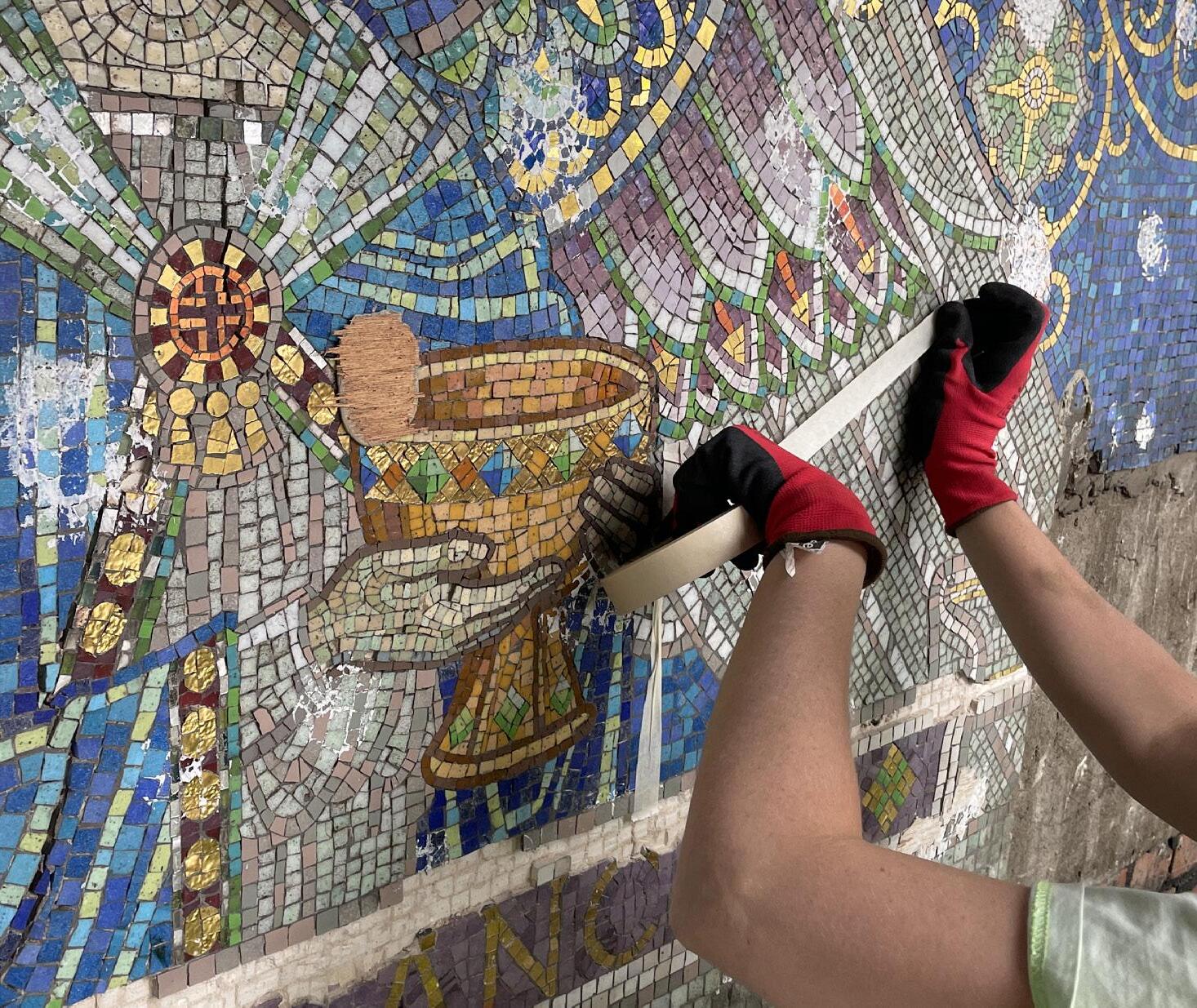
Recent demolition work in a south Manchester suburb revealed a hidden glass mosaic in a former convent school. Members of our Manchester team used our volunteer day policy to aid vital work on site ensuring this piece of local heritage was carefully removed for relocation.
£12,870 donated to charitable causes 1,069 hours delivering careers training to young people
What next?
In 2026, we will enhance our data collection for social value activities to ensure more accurate reporting of our contributions and outcomes. We intend to develop a more cohesive strategy for delivering social impact on projects, providing tools to assist project teams in ensuring these are an integrated process.
Our target is for 100% of regions to utilise their annual one day volunteering allowance, with each studio providing a minimum of four work experience placements per year. The practice will aim to offer at least four apprenticeship opportunities annually, with each region delivering at least one school or college outreach talk per year.
Baraka Community Partnerships
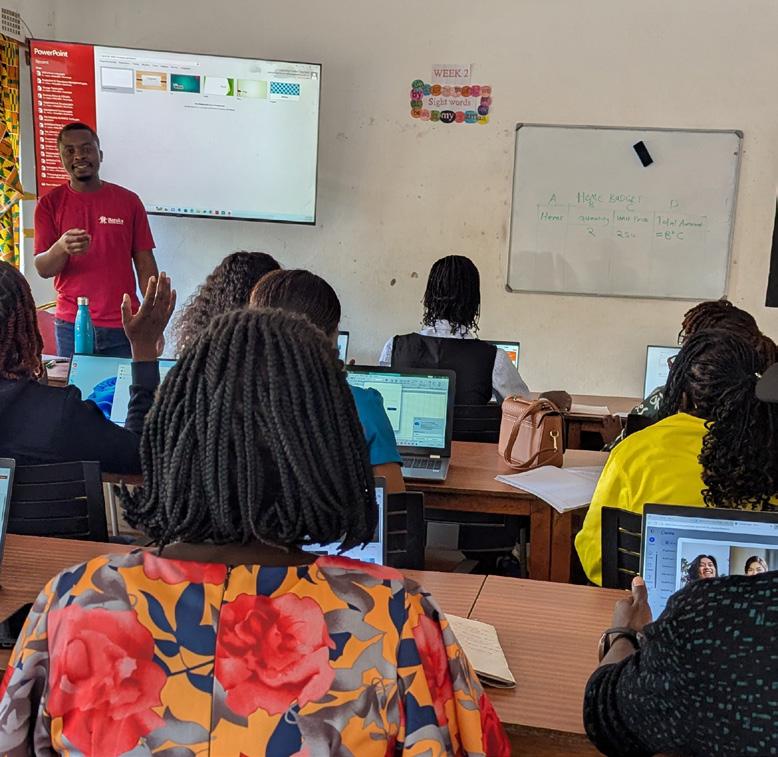
Founded in 2007, Baraka Community Partnership is working with international communities to deliver long-term, sustainable change through education. In 2025 we donated a consignment of laptops, where they are being used by students in Zambia for teacher ICT training, supporting Baraka’s wider mission.
Supporting the next generation of conservation architects
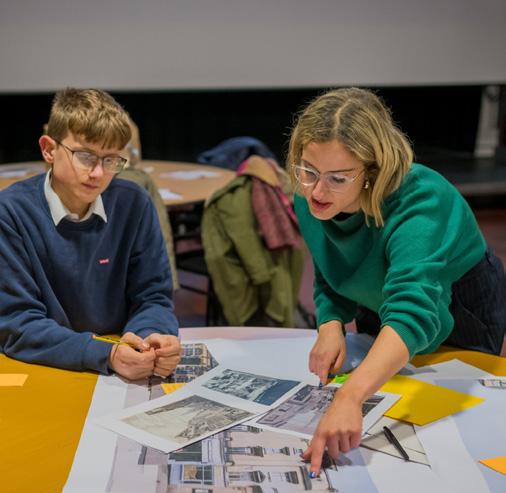
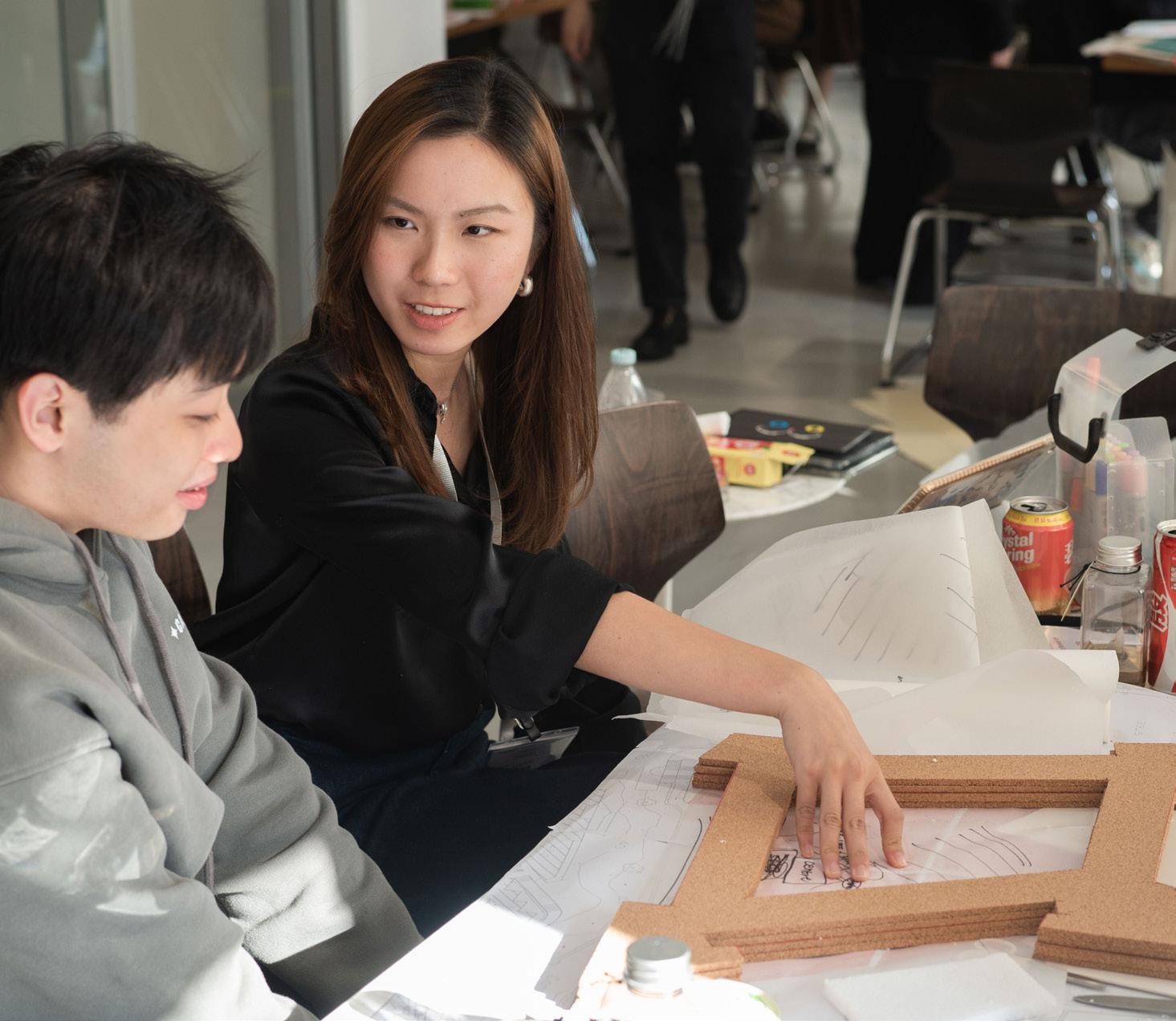
We hosted design charrettes for the Hong Kong Institute of Architects (HKIA) in Macau for secondary students to review options for the revitalisation of Mount Fortress, a UNESCO World Heritage site.
Alice Billing House, London
“ Thanks go to the whole team for their support across the project so far. Appreciation goes to Purcell’s commitment to get this project off the ground in the early stages, as the shape and phasing of the project changed.
A project routed in community creativity
Purcell is leading an NLHF and Historic England funded project to restore grade-II listed Alice Billing House - former firemen’s station domestic accommodation built in 1905 in Stratford, East London. Through comprehensive restoration the building will be removed from the Heritage at Risk register. Sensitive fabric upgrades and air source heat pump installations will ensure sustainable net-zero operation. The project will provide additional affordable workspaces and studios for up to 42 creatives, securing permanent space for local artists to thrive creatively and economically. In addition to our role as lead designer, Purcell’s team dedicated time outside of work hours to lead community activities and workshops, and sharing architectural approaches to train young people.
The expertise brought in the form of pro bono support from the team was undoubtedly invaluable to the success of the project so far.”
- Yves Blais, Creative Land Trust
Spencer Mill, Cambridgeshire
Customers
Customers evaluates a company’s stewardship of its customers through the quality of its products and services, ethical marketing, data privacy and security, and feedback channels. This section recognizes services that are designed to address a particular social problem for or through its customers, such as serving underserved customers/clients, and services that improve the social impact of other businesses or organizations.
Our trusted relationships
Trowbridge Town Hall, Wiltshire
At Purcell, building strong and trusting relationships with our clients is central to how we work. We’re proud of the long -term partnerships we’ve developed by offering thoughtful advice, clear communication and high quality reliable delivery.
We recognise that our responsibility doesn’t stop with our direct clients. We understand that the decisions we make and the projects we help shape, have a wider impact on the people who use and interact with these places every day and on the communities they sit within.
We work in a way that considers all stakeholders from visitors, educators and local residents, to the organisations that care for these buildings and places. By listening carefully and keeping people at the centre of our thinking, we help create environments that are inclusive, meaningful and genuinely valued. This approach supports our social value ambitions by strengthening connections, improving access and ensuring that places continue to serve their communities well into the future.
We gather client feedback at key stages and reflect internally on lessons learned so we can continue to improve. This helps us stay responsive and thoughtful, ensuring our work remains relevant and positive in its impact.
Through this commitment to quality, collaboration and care, we aim to deliver projects that benefit not only our clients but also the wider communities.
“I have rarely enjoyed a project so much nor worked with such an able and positive team”
- Tony Morgan, Senior Project Manager, Capital Built Team, Trowbridge Town Hall
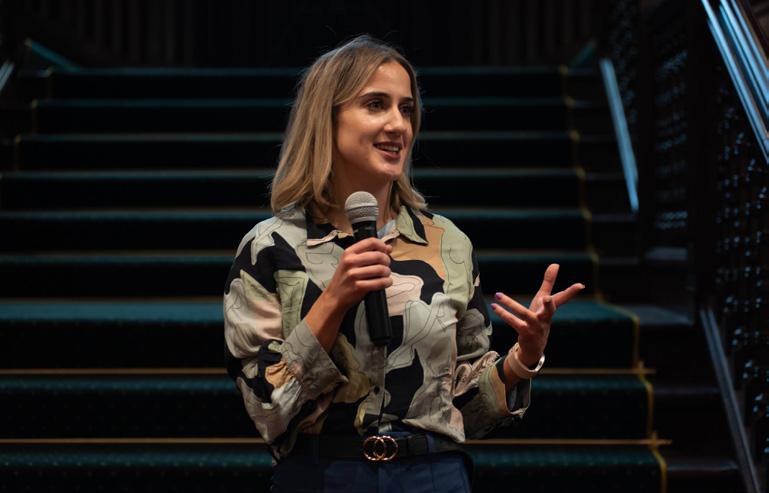
Below: Architect Nuria Garcia at the opening of Trowbridge Town Hall.
Bridewell Magistrates’ Court, Bristol
“
Purcell was with us every step of the way and it’s fair to say that without their vision and extramile support, it’s unlikely we would have got the project off the ground or to fruition.
The Courts is now delivering a fairer future for our region’s young people.
Thank you!”
A space for Bristol’s Creative Youth Network
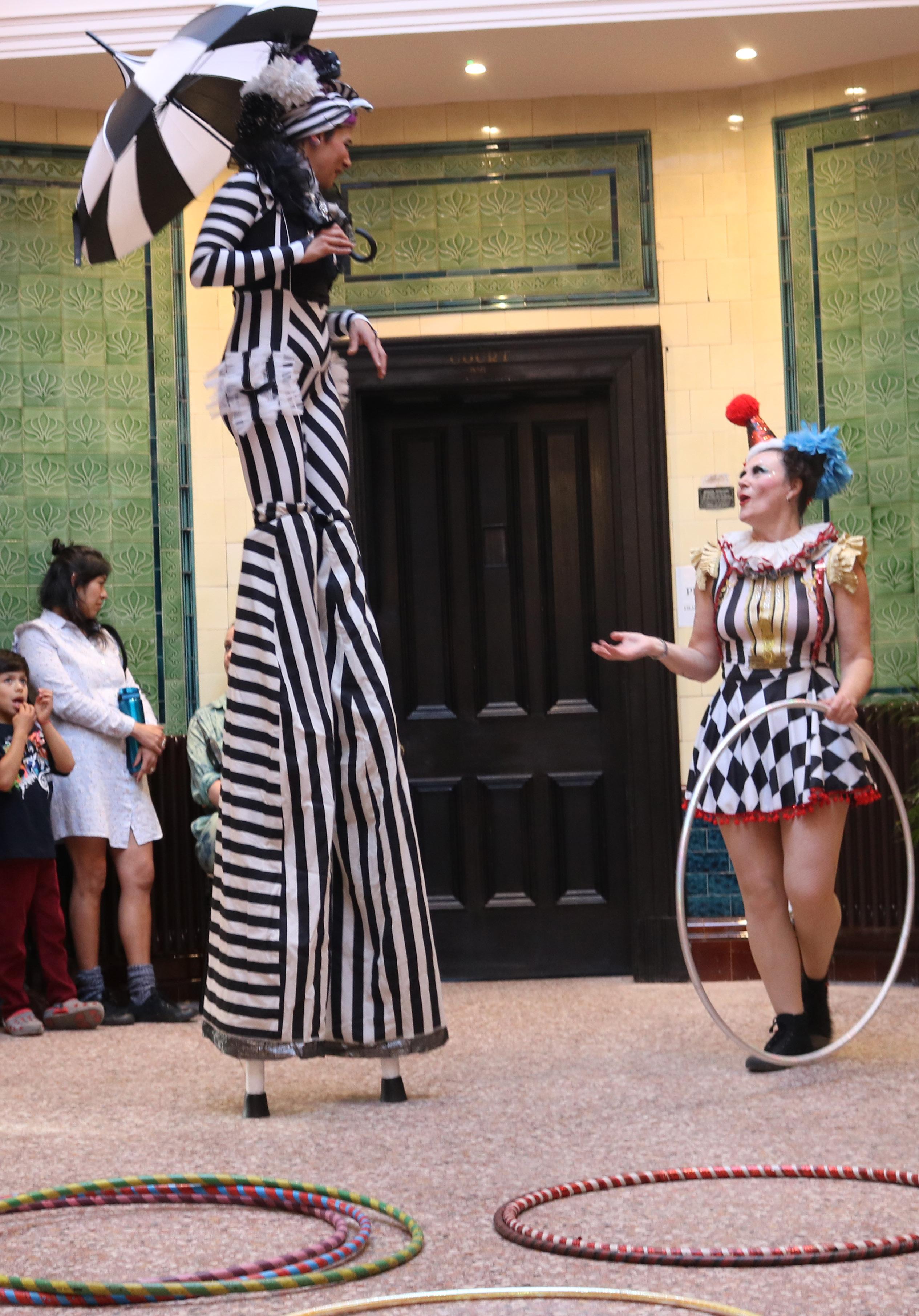
Bridewell Magistrates’ Court is a grade-II listed building from the late 1870s, located in the heart of Bristol. It stands as a notable example of a late nineteenth-century courthouse, preserving many of its historic interiors, including courtrooms and cells. After years of dereliction, the building was acquired by the local charity Creative Youth Network in 2014. With Purcell’s assistance, extensive repairs were undertaken to restore the Magistrates’ Court to its former glory. Upgrades and interventions were then proposed to transform the building into an accessible and sustainable youth enterprise centre. This centre, now named The Courts, aims to support talented young people from diverse backgrounds in launching their own creative businesses and exploring new opportunities.
- Mark Coates, CEO, Creative Youth Network
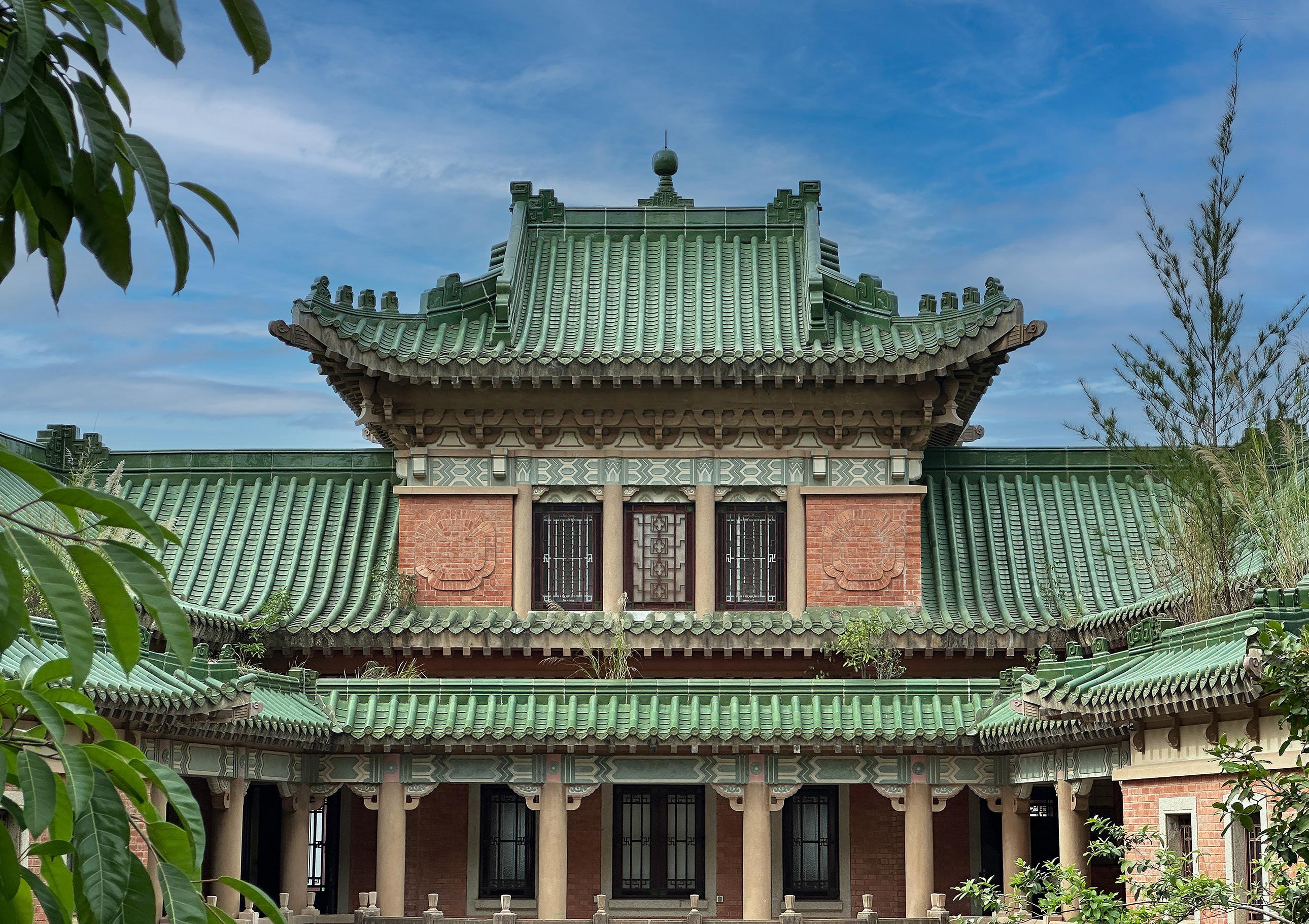
Declared Monument King Yin Lei, Hong Kong.
This ambitious project will repurpose this rare building into a Healthy Living Centre inspired by traditional Chinese medicine.
Look ahead
Building a legacy of positive change
We recognise that this report marks the beginning of our B Corp® journey. The framework it provides allows us to rigorously assess and transparently report our progress. With this structure in place, we are committed to pursuing improvements year after year, staying true to our Collective Ambition, making a meaningful difference in our communities and the wider world.
Over the coming years, we will approach a significant milestone in our journey towards achieving full employee ownership. This will empower every member of our team, giving each individual a direct stake in shaping our shared future and fostering a sense of collective responsibility.
Our plans are underway to launch the Purcell Foundation within the next three years. This initiative is central to our enduring commitment to social responsibility, and it will expand our capacity to drive lasting positive change.
Across all our studios, we are forging new partnerships and embarking on transformative projects. These reflect
both our ambition and creativity, propelling us forward in our mission to innovate and inspire.
The newly established Purcell Academy will become central to our learning and development programme. By focusing on themes such as heritage, wellbeing, social impact, community, and environmental stewardship, we aim to foster growth and nurture a culture of continuous improvement.
We remain dedicated to advancing our Reconciliation Action Plan in Australia. It reflects our commitment to meaningful action toward strengthening relationships between Aboriginal and Torres Strait Islander peoples and non-Indigenous peoples, for the benefit of all Australians.
We will continue to promote a supportive and collaborative environment. Our focus remains on providing new opportunities for professional development, ensuring our team can flourish both personally and professionally.
Together, we are shaping the future of Purcell and the places in which we work, guided by our values and a shared determination to make a lasting difference.
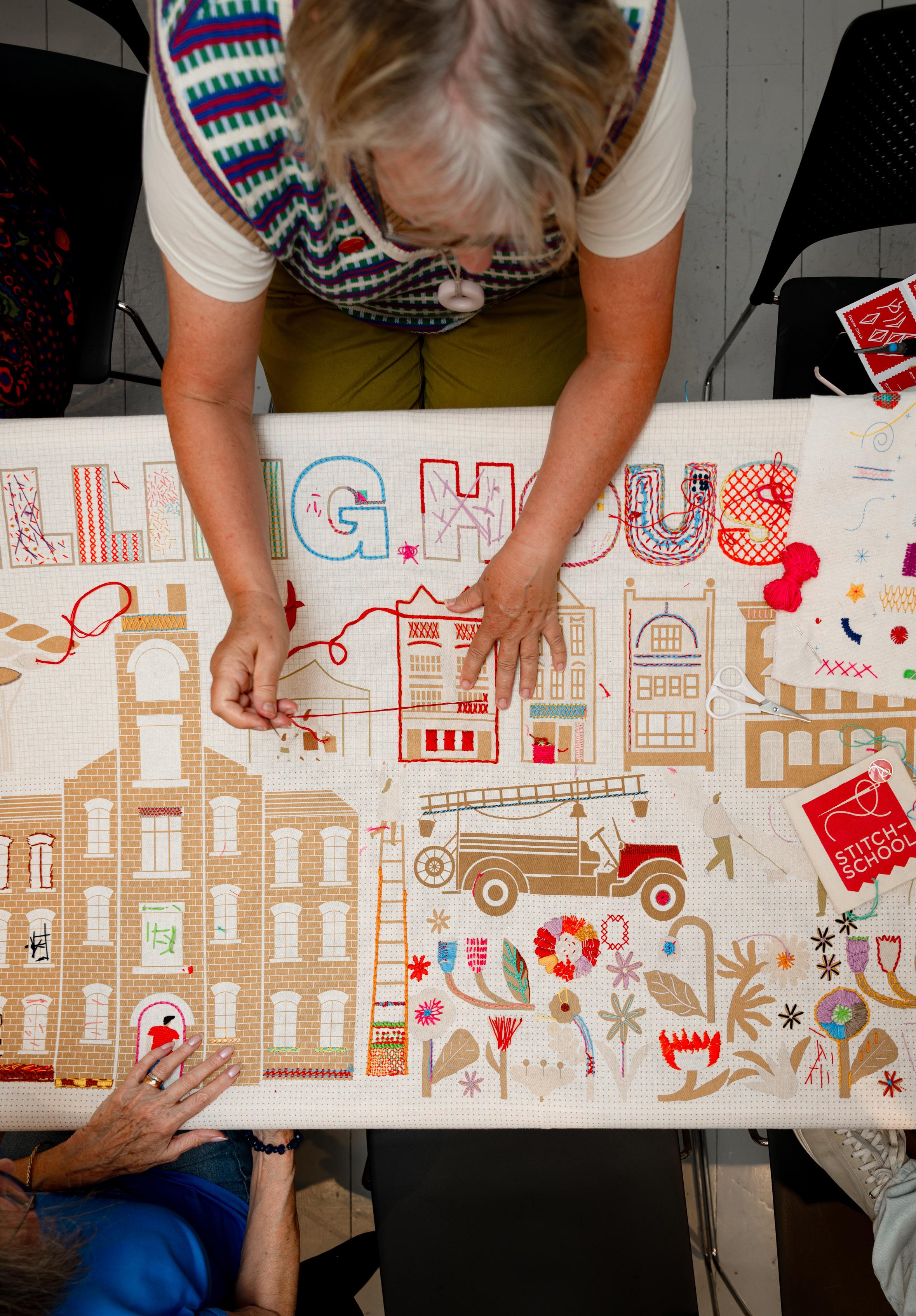
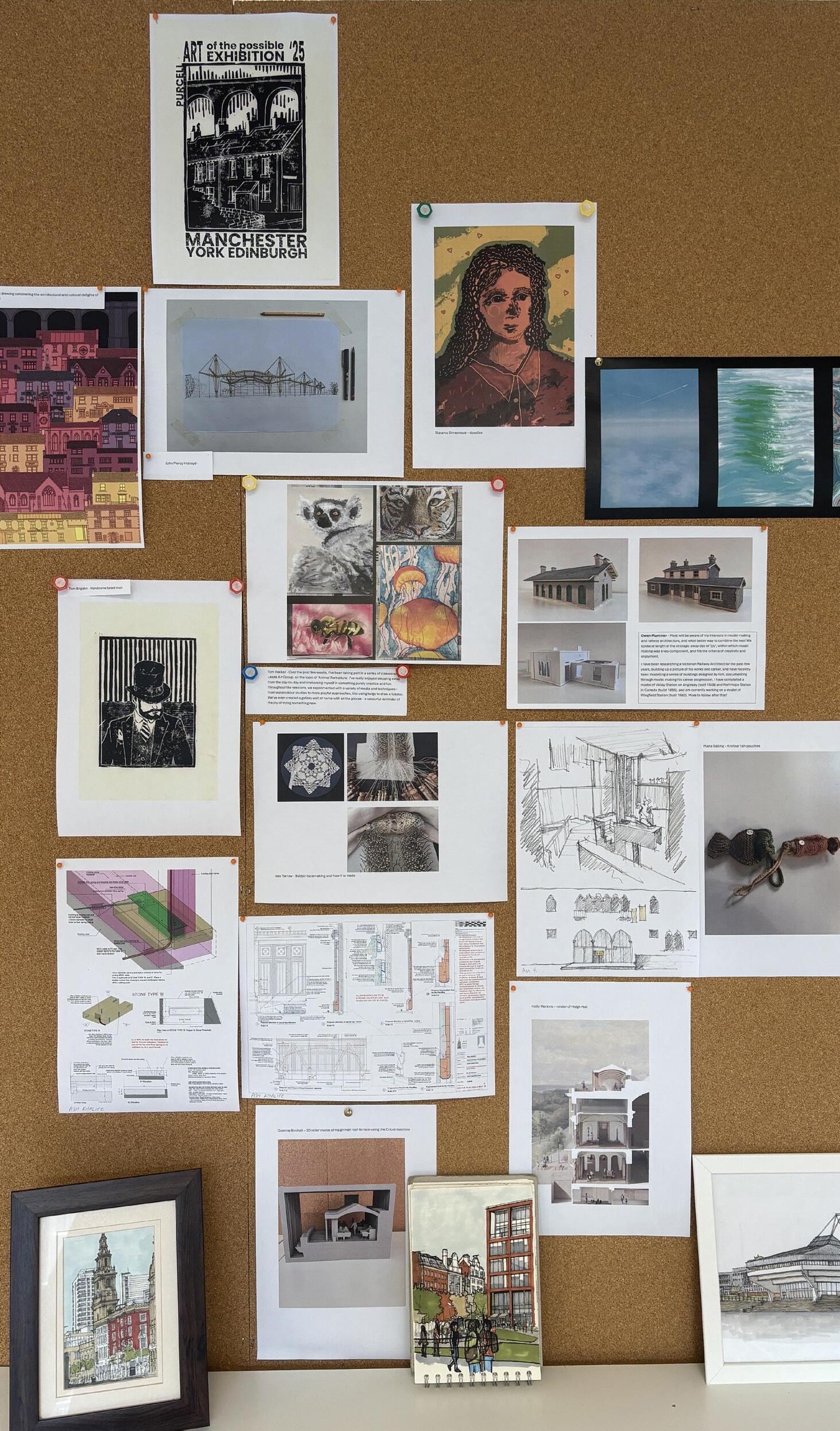
The Art of the Possible
Our north region launched an inspiring initiative rooted in the principles of our Collective Ambition - placing joy and creativity at the heart of our architectural processes. The initiative encouraged team members to share their interests and incredible range of skills.
Image credits
Cover image Roden Learning Centre for Creative Learning in collaboration with Lawson Ward Studio.
Credit: Nick Guttridge
Page 2 Work being carried out at Salford Cathedral, England.
Credit: Alex J Wright Films
Page 4 Elizabeth Tower at the Palace of Westminster.
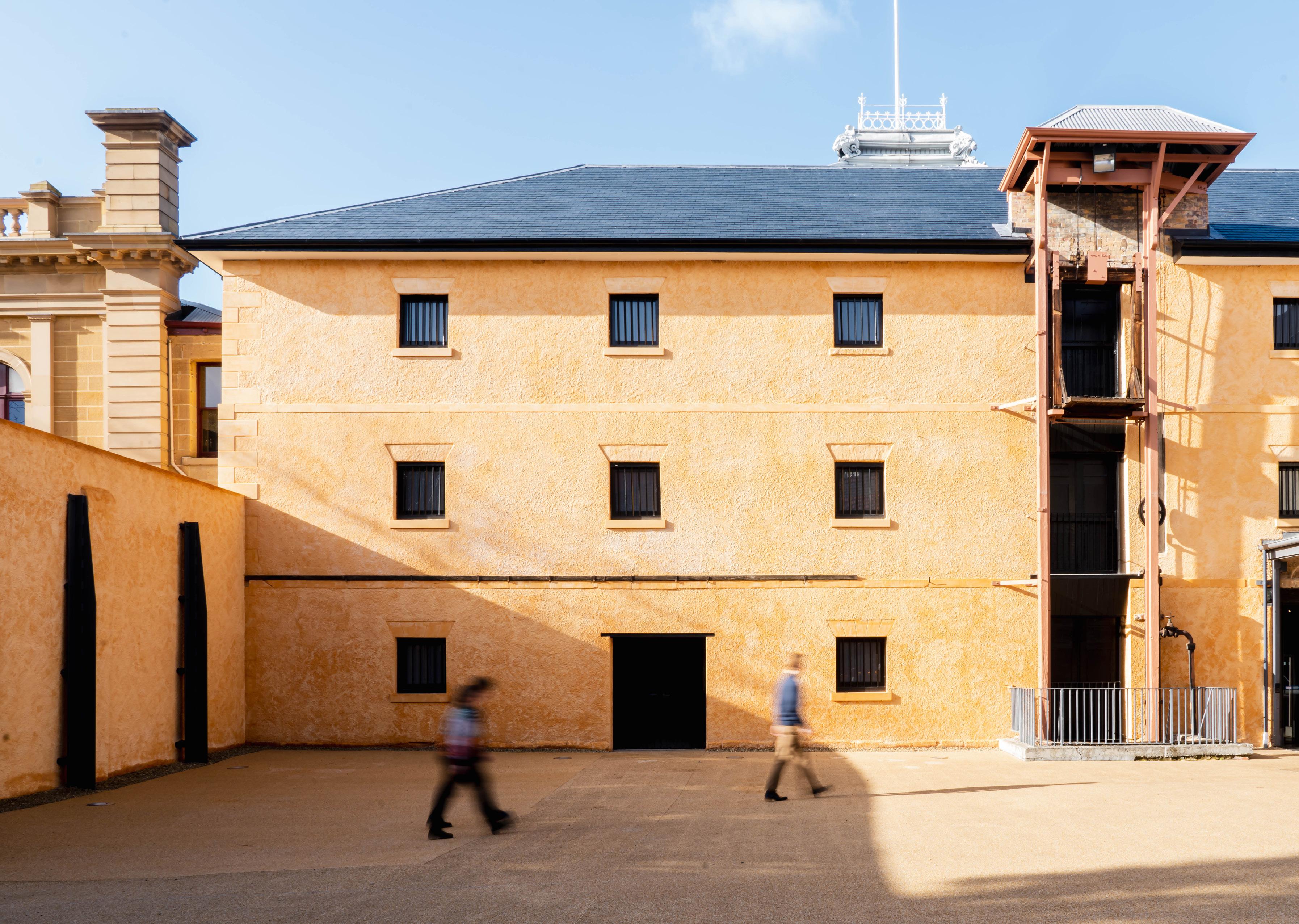
Page 16 Tasmanian Museum and Art Gallery, Tasmania.
Credit: Matt Sansom
Page 18 NG200, National Gallery, London, in collaboration with Seldorf Architects.
Credit: Edmund Sumner
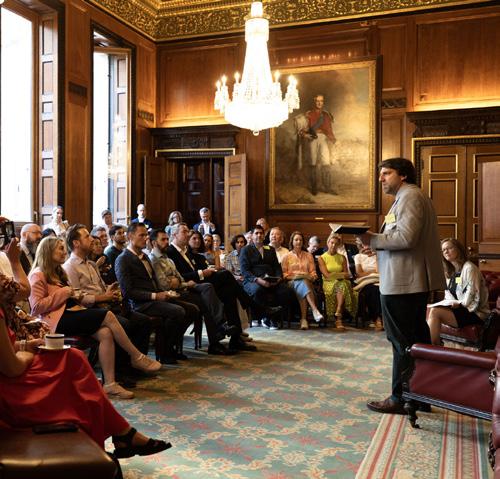
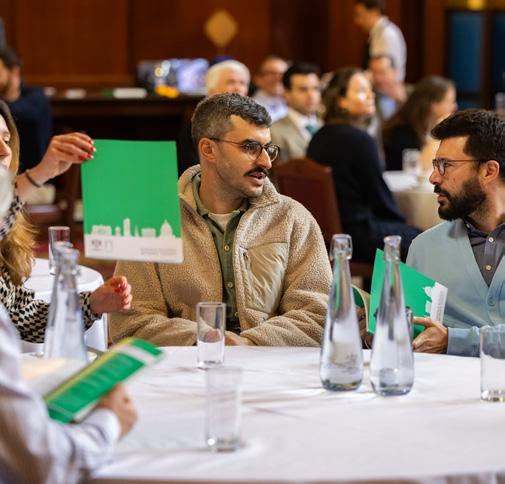
Page 19 Nothing New event, Drapers Livery Hall.
Credit: Richard Battye
Page 20 Shoemakers’ Museum, Somerset.
Credit: Nick Guttridge
Page 21 Shape My City Event, hosted by Purcell for Creative Youth Network. Bridewell Magistrates’ Court, Bristol.
Credit: Paul Blakemore
Page 23 Our donated laptops in use in Zambia.
Credit: Baraka Community Partnerships
Page 23 Dismantling of mosaic in South Manchester.
Credit: Purcell
Page 23 HKIA design charrettes.
Credit: Purcell
Page 24 Community made mosaic for Alice Billing House.
Credit: Alice Billing House
Page 25 Spencer Mill, Cambridgeshire.
Credit: Red and Round Photography
Page 26 Trowbridge Town Hall, WIltshire.
Credit: Diane Auckland
Page 27 Bridewells Magistrates’ Court, Bristol.
Credit: Creative Youth Network
Page 28 Declared Monument King Yin Lei, Hong Kong.
Credit: Purcell
Page 29 The Art of the Possible Exhibition, held in the Manchester Studio.
Credit: Purcell
Page 30 Tithe Barn, Upminster, England.
Credit: Historic England
Restoration
of
a
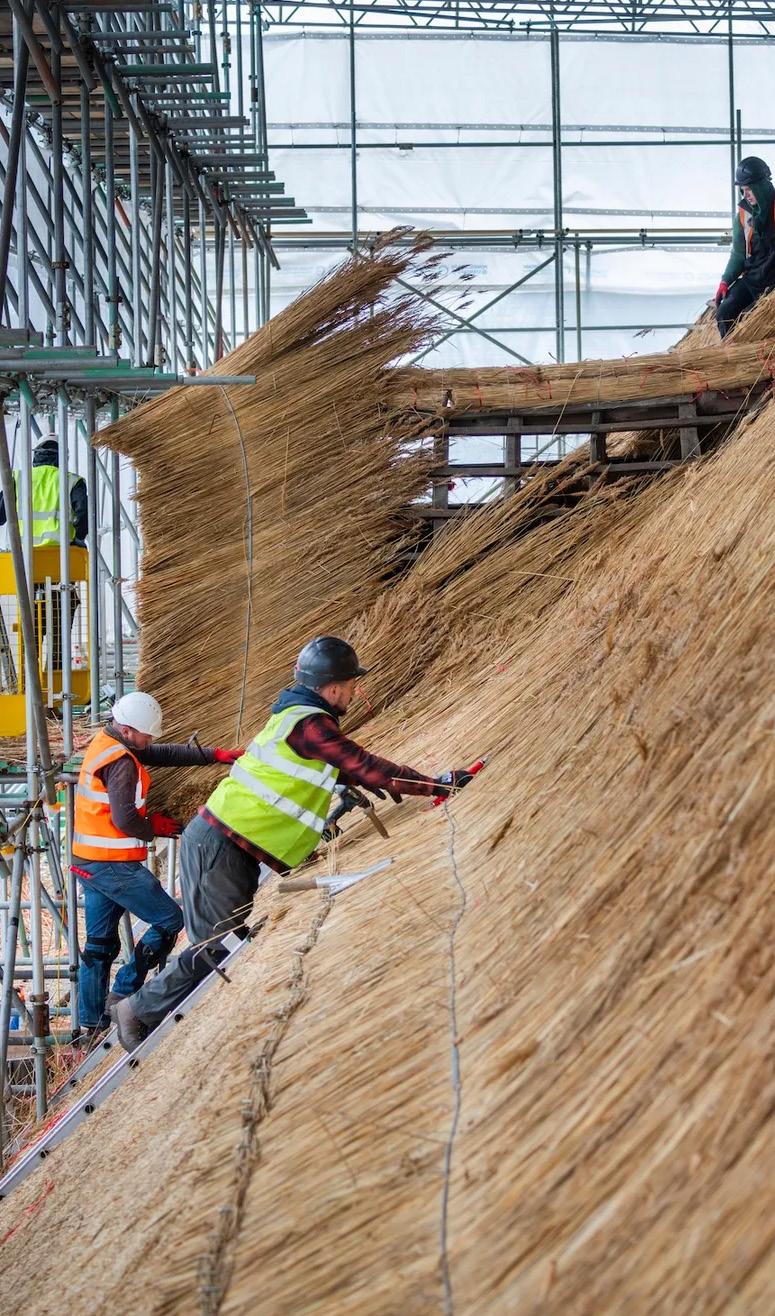
15th century barn in Upminster, England
Having fallen into disrepair in recent years and at risk of further decay, Purcell oversaw phase 1 of the restoration of this historic barn, which is among the largest of its kind in England. The re-roofing and structural repairs secure this important heritage building for its next stages of renewal.
Four master thatchers and two apprentices installed the new roof, using about 30 tonnes of water reed. The barn’s ancient brickwork and oak frame were also repaired.
The project was highly commended in the Wood Awards 2025, demonstrating our commitment to endorsing excellence through craftsmanship.
All rights in this work are reserved. No part of this work may be reproduced, stored or transmitted in any form or by any means (including without limitation by photocopying or placing on a website) without the prior permission in writing of Purcell except in accordance with the provisions of the Copyright, Designs and Patents Act 1988. Applications for permission to reproduce any part of this work should be addressed to Purcell at londonstudio@purcelluk.com.
Undertaking any unauthorised act in relation to this work may result in a civil claim for damages and/or criminal prosecution. Any materials used in this work which are subject to third party copyright have been reproduced under licence from the copyright owner except in the case of works of unknown authorship as defined by the Copyright, Designs and Patents Act 1988. Any person wishing to assert rights in relation to works which have been reproduced as works of unknown authorship should contact Purcell at londonstudio@purcelluk.com.
Purcell asserts its moral rights to be identified as the author of this work under the Copyright, Designs and Patents Act 1988.
Purcell® is the trading name of Purcell Architecture Ltd.