MEET DR. CORA MACBETH
Behrend alumna is the new school director
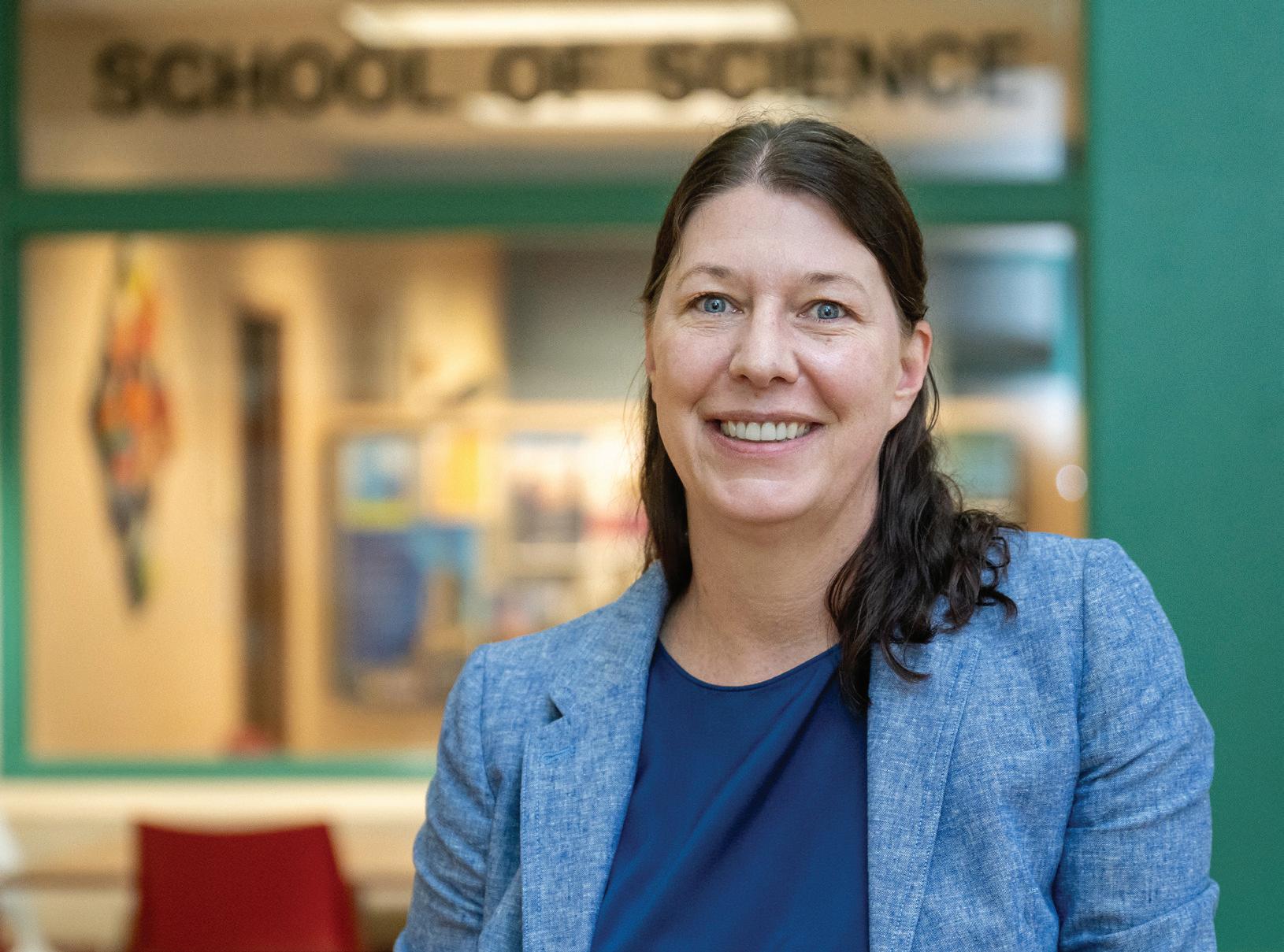
This summer, Dr. Cora MacBeth, a chemist with more than twenty years of experience as a faculty member, researcher, and academic administrator at Emory University, was appointed director of Penn State Behrend’s School of Science.
MacBeth, a 1996 graduate of the Chemistry program at Behrend, holds a doctorate in chemistry from the University of Kansas. She served as associate dean of the Office of Undergraduate Education at Emory. Prior to that, she was a senior research fellow at the California Institute of Technology’s Beckman Institute. She holds three patents.
WHAT BROUGHT YOU BACK TO BEHREND?
My interest in the director position comes from a genuine passion for undergraduate education and the transformative effect it can have. Leadership, to me, is about cultivating environments where students and faculty can thrive. As director, I have the chance to shape strategic priorities, foster innovation, and champion the work of our community.
HOW DID YOUR UNDERGRADUATE EXPERIENCE HERE FACTOR INTO THAT?
My undergraduate years at Behrend were pivotal. The emphasis on research, the mentorship I received, and the supportive campus culture gave me a strong academic foundation. I saw firsthand how undergraduate education—done right—can inspire curiosity and creativity in students. That experience helped shape my philosophy of servant leadership and inspired me to return in a role where I could give back.
WHAT EXPERIENCES FROM YOUR VARIOUS ROLES AT EMORY WILL POSITION YOU TO SUCCEED HERE?
As associate dean at Emory, I managed academic affairs, including curriculum, course planning, and program assessment. I also led the Emory Scholars Program and directed undergraduate research. These roles sharpened my ability to
manage complex programs while promoting academic excellence.
As a faculty member, mentoring more than twenty-five undergraduate researchers and ten graduate students reinforced my passion for developing young scientists.
WHAT DO YOU SEE AS THE SCHOOL OF SCIENCE’S GREATEST ASSET?
Our people. The faculty, staff, and students are deeply committed—not just to academics, but to creating a caring, supportive environment. Faculty and staff go the extra mile to ensure students feel seen and encouraged. That culture of mentorship and care is reflected in our students, whose energy and dedication extend far beyond the classroom.
YOU HAVE A STRONG BACKGROUND IN SUPPORTING UNDERGRADUATE RESEARCH. WHY IS IT SO IMPORTANT?
Undergraduate research allows students to apply classroom knowledge to real problems, ask meaningful questions, refine hypotheses, and navigate the uncertainties of discovery. It also gives them an opportunity to fail and deal with ambiguity. I think students learn the most when things don’t go as planned.
A student whose complex synthesis fails at the last step doesn’t just learn chemistry— they learn adaptability and problem-solving. Faculty members play a key role in helping students reflect on those experiences and articulate the transferable skills when talking to potential employers.
WHAT INITIATIVES DO YOU WANT TO FOCUS ON FIRST?
One priority is strengthening connections
with alumni and local industries. We can learn a lot from our graduates. They can help us understand the transition from college to the workforce and help inform curricular changes that better prepare our students for the future. Experienced alumni may want to engage with us by proposing capstone projects that allow our students to use their skills to solve problems that are relevant to industry.
I also want the School of Science to be seen as a resource for local industry—a place that produces outstanding graduates and welcomes partnerships with external entities.
IN THE LAST FIVE YEARS, CONFIDENCE IN SCIENCE HAS BEEN CHALLENGED. WHY DO YOU THINK THAT IS, AND HOW CAN TRUST BE REBUILT?
Public confidence in science remains relatively strong—according to recent data, 77 percent of Americans trust scientists to act in the public’s best interest, and 88 percent support federally funded research. That said, I think it’s imperative that scientists engage with the public.
Behrend’s Youth Education Outreach program is doing an outstanding job engaging the community and providing opportunities for K–12 students and teachers, but I think scientists also need to engage more with community leaders and the general public to help them understand the connection between scientific research activities and economic growth in our communities. For instance, every dollar of research funded by the National Institutes of Health results in $2.65 in economic activity—a great return on investment.
In Brief
FAST TRACK TO NURSING
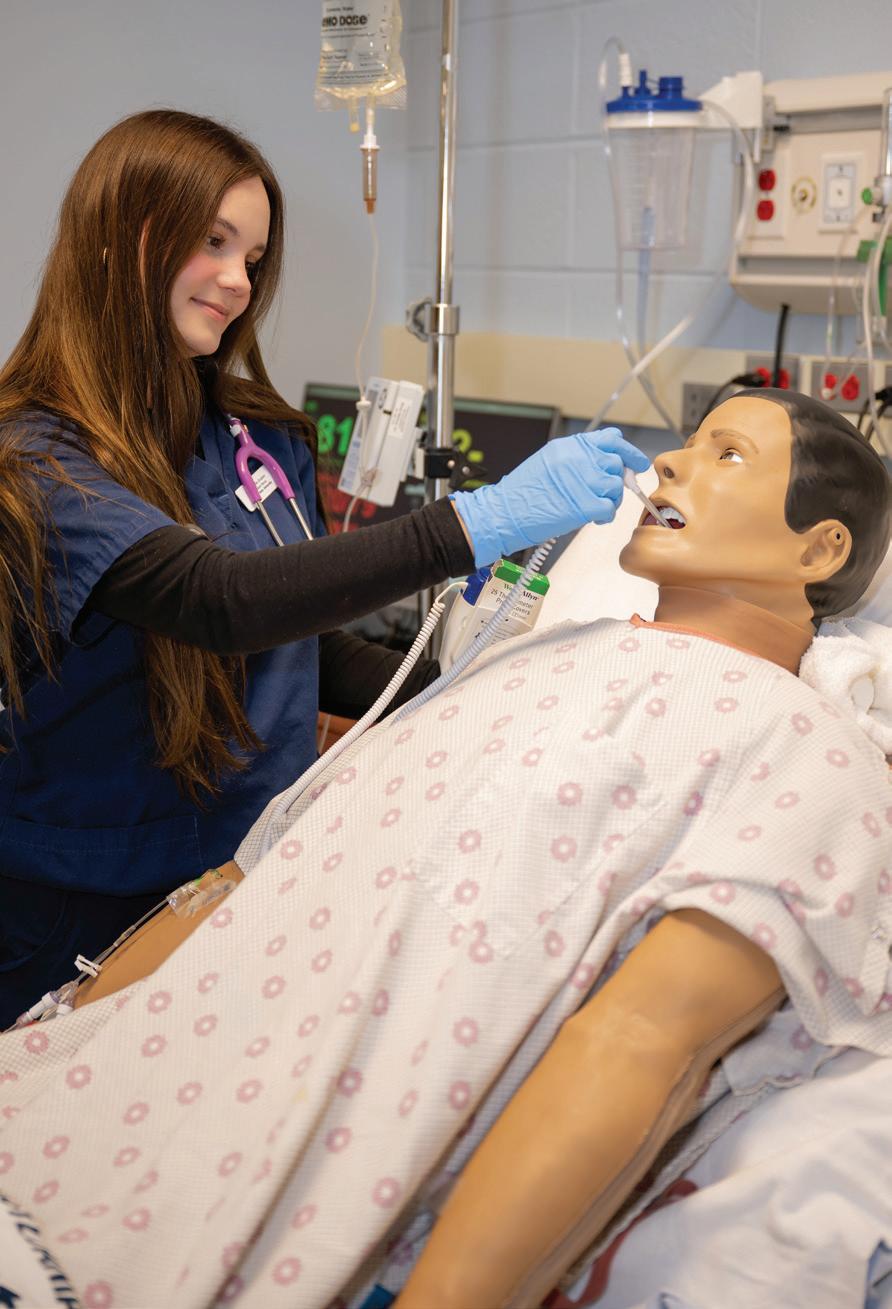
A new sixteen-month program at Penn State Behrend will fast-track a career change for college graduates who want to work in nursing. The program, which is delivered by the Penn State Ross and Carol Nese College of Nursing, is designed for graduates who already have completed a bachelor’s degree in another discipline.
Classes will begin in the fall semester of 2026.
The Second Degree B.S.N. program allows students to claim prerequisite credits for courses in anatomy, chemistry, nutrition, elementary statistics, microbiology, and developmental psychology. That speeds the path to graduation and the National Council Licensure Examination for Registered Nurses.
Students will learn in Behrend’s state-of-the-art nursing facilities, including the Nursing Technology Lab and Simulation Center. They will be trained to deliver evidence-based care in diverse health settings and to use research and technology to enhance patient safety and care.
The program also is designed to address a national employment need: According to the Bureau of Labor Statistics, employment of registered nurses is projected to grow 5 percent between now and 2034. That will lead to nearly 200,000 openings each year over the decade.
“Health care and social services are the largest component of the Erie workforce,” Chancellor Ralph Ford said. “There is opportunity here, and the accelerated pace and focused curriculum of the second-degree option in nursing is ideal for graduates who want to refocus or reorient their career path without starting over.”
To learn more about the program, visit behrend.psu.edu/nursing.
BEHREND RECOGNIZED FOR RESEARCH, HIGH ALUMNI EARNINGS
Penn State Behrend has been awarded two new Carnegie Classifications® from the American Council on Education and the Carnegie Foundation for the Advancement of Teaching. The distinctions recognize the college’s research strengths and the advanced earning potential of Behrend graduates.
The Research Colleges and Universities designation recognizes institutions with at least $2.5 million in annual research and development expenditures. Behrend generates nearly $10 million in sponsored research every year.
Just 216 institutions earned the Carnegie Classification for research in 2025. At Penn State, only Behrend and Penn State Harrisburg hold the designation.
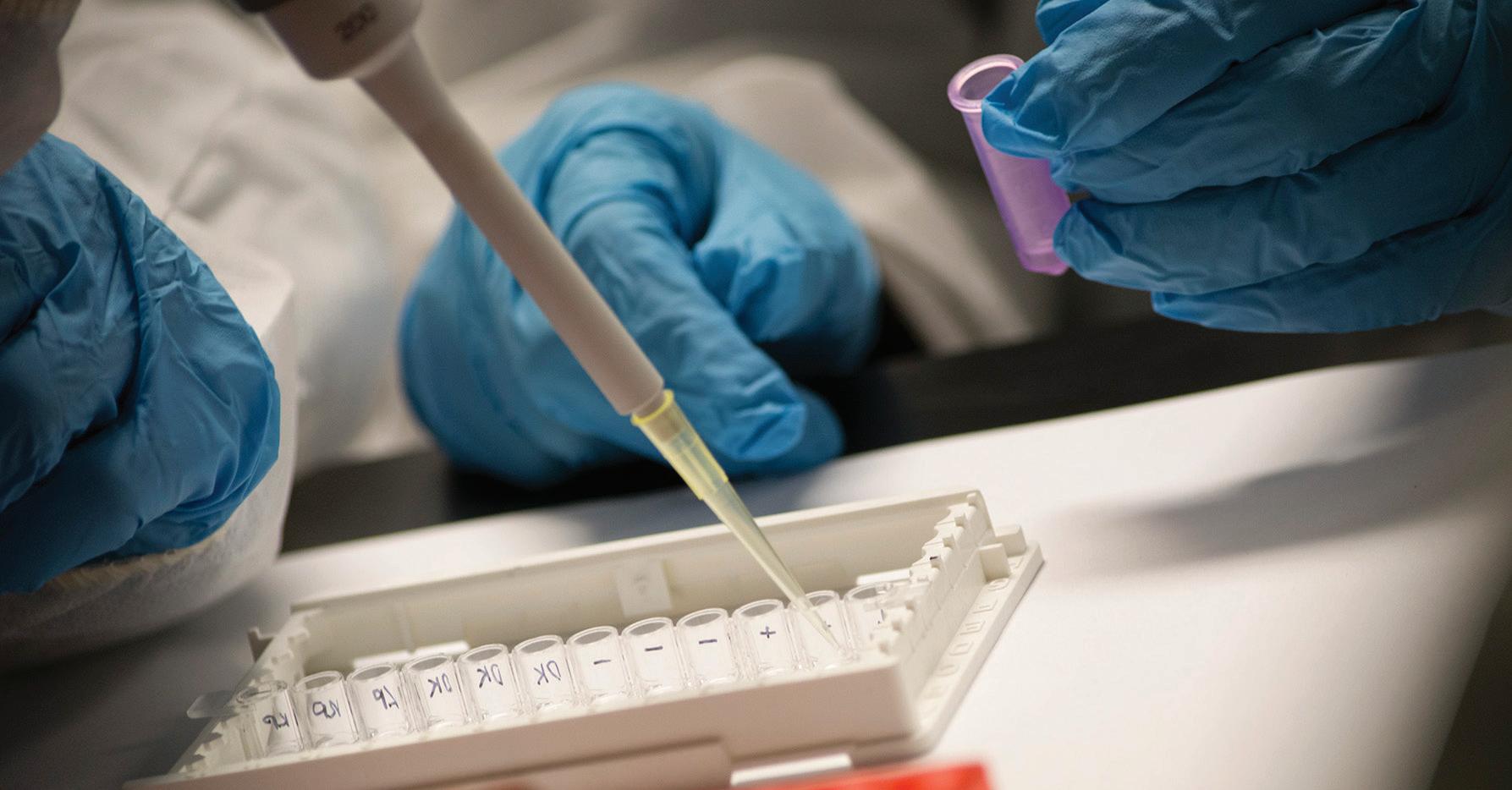
“Research opportunities are a pillar of Penn State Behrend’s Open Lab approach to learning,” Chancellor Ralph Ford said. “For students—particularly undergraduates—a research experience can be a differentiator. In the lab or in the field, they more fully understand the nature of their work, and they see firsthand how they can make a difference.”
The Higher Earnings designation
recognizes institutions whose graduates earn highly competitive wages eight years after beginning their undergraduate experience. Just 10 percent of all U.S. colleges and universities hold the classification.
TRACKING BIODIVERSITY IN AFRICA
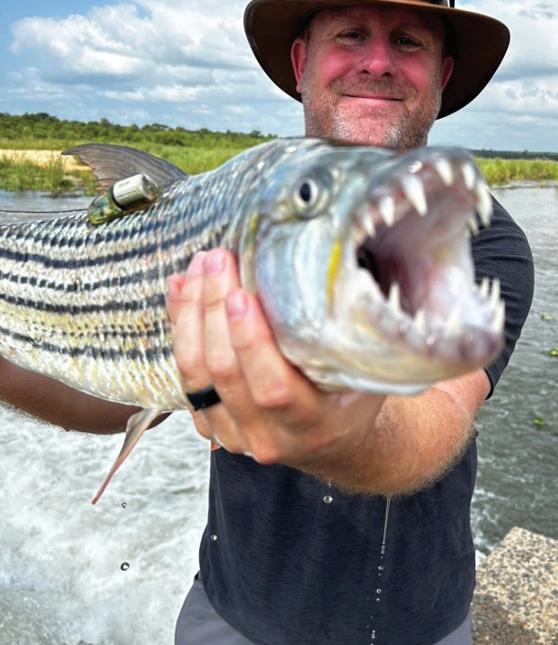
Dr. Matthew Gruwell, associate professor of biology, recently returned from a yearlong research expedition in South Africa, where he studied freshwater ecosystems in the rivers of Kruger National Park. Working alongside his research partner, Gruwell collected water samples from various rivers to detect the presence of ecologically significant and invasive species, such as the African tigerfish he’s holding in the photo above, using a cutting-edge technique known as environmental DNA (eDNA) analysis.
eDNA research involves extracting and analyzing genetic material that organisms leave behind in their environment, such as in water or soil. This noninvasive method enables scientists to assess biodiversity and monitor ecosystem health by identifying species—including rare, invasive, and endangered animals—without disturbing their natural habitats.
Gruwell returned to his lab at Penn State Behrend with hundreds of collected samples. He is now working with a team of student researchers to process the samples and analyze the data, contributing to a broader understanding of freshwater biodiversity in one of Africa’s most iconic wildlife reserves.
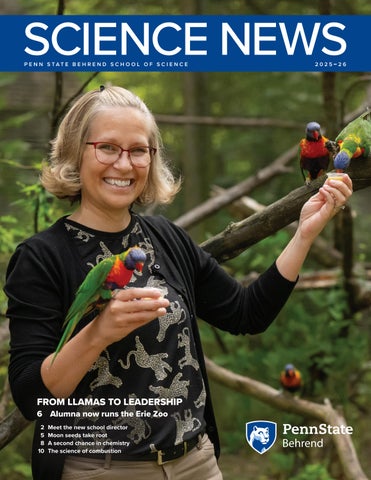
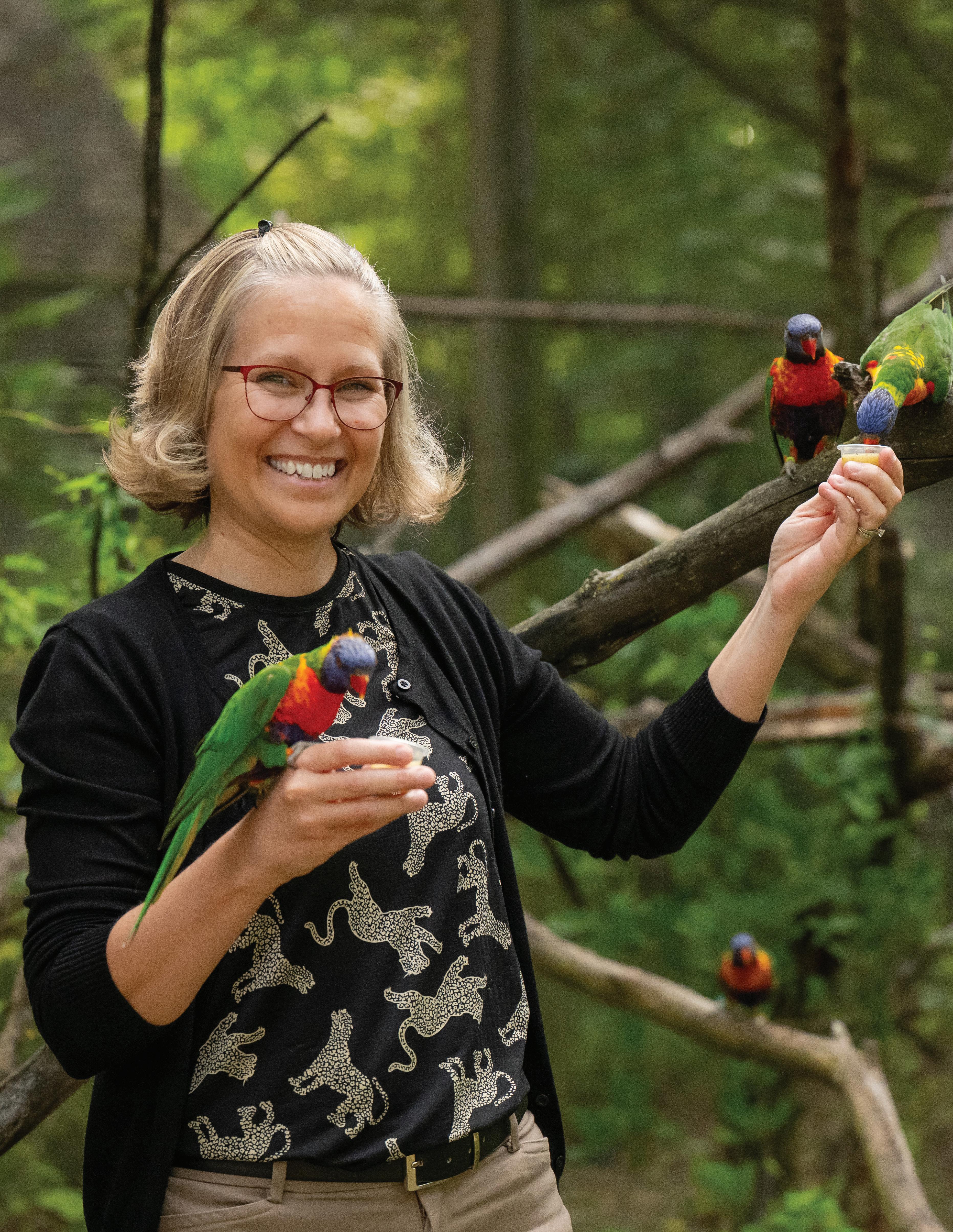
ON THE COVER: Melissa “Roo” Kojancie ’00, president and CEO of the Erie Zoo, went from intern to the organization’s top leadership role. Read her story on page 6.
STUDENTS EXPLORE TROPICAL ECOSYSTEMS
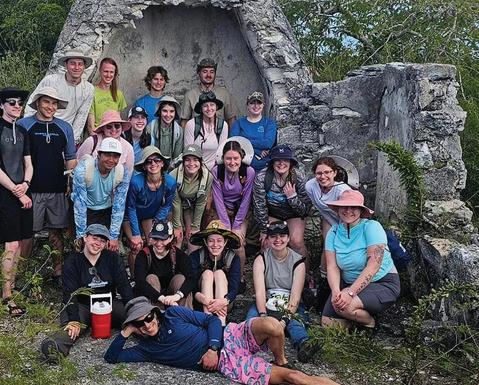
To truly grasp the complexities of an ecosystem, it helps to immerse yourself in it. That’s why the twenty-two Behrend students enrolled in BIOL 497: Island Ecology traded their spring break for a week on San Salvador Island, Bahamas, where they studied tropical wildlife firsthand.
The course combined indepth classroom instruction with a weeklong field research experience, which included snorkeling, hiking, and tide pooling, providing students with the opportunity to apply their knowledge in a real-world setting.
NEW BIOBEHAVIORAL HEALTH MAJOR DEBUTS
The School of Science has partnered with the School of Humanities and Social Sciences to offer a new bachelor of science degree in Biobehavioral Health.
Students in the program will examine the multifaceted nature of human health, exploring how behavioral, psychological, sociocultural, and environmental factors influence illness and wellness alongside traditional biological and anatomical foundations. The curriculum includes courses in biology, anatomy and physiology, psychology, nutrition, and epidemiology, with electives in the sciences, behavioral health, and social sciences.
Graduates will be prepared for careers in clinical settings, pharmaceutical research, health advocacy and consulting, public health and education, epidemiology, environmental health and safety, and human services. The program also provides a strong foundation for advanced study in health-care professions.
‘MOON TREE’ FLOURISHING AT BEHREND
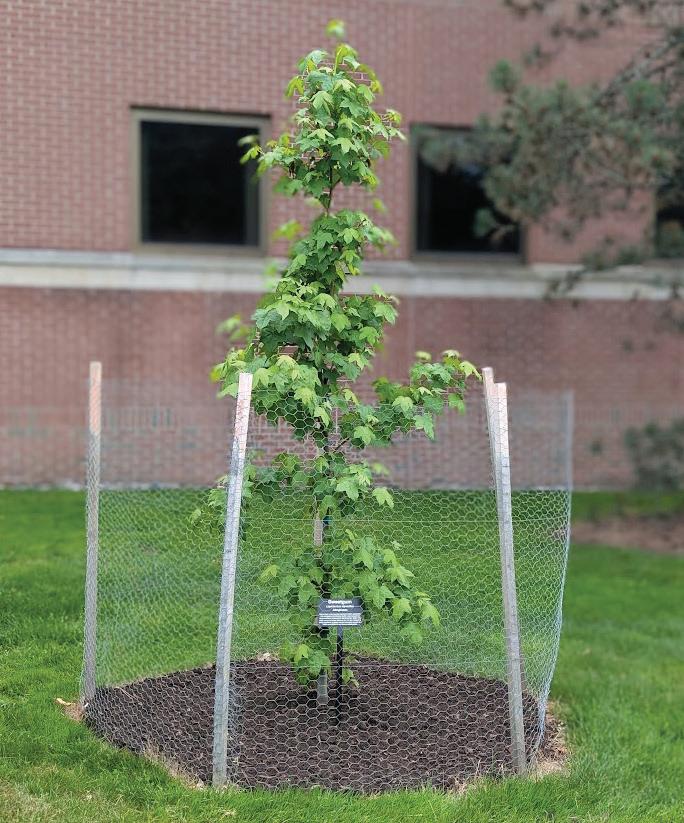
Ernst and Mary Behrend loved to travel internationally—and they rarely came home empty-handed. Instead of postcards or porcelain bells, they returned from their travels with living souvenirs: trees and shrubs from around the world, which they planted across their Glenhill Farm estate. That tradition helped lay the roots for Penn State Behrend’s status as an arboretum, home to a wide variety of rare and exotic trees.
Last year, the college added perhaps its most extraordinary specimen yet: an American sweetgum (Liquidambar styraciflua) sapling grown from seeds that orbited the moon in 2022. As souvenirs go, this one’s in a galaxy of its own.
FACULTY & STAFF NEWS
The School of Science welcomed two new staff members: Michelle Phelps, biology lab coordinator, and Dr. William Walker, director of the Women’s Health Innovation and Science Translational (WHIST) Lab.
PROMOTIONS
Dr. Lynne Beaty was promoted to associate professor of biology. Dr. Jason Bennett was promoted to professor of chemistry. Dr. Rebekah Nottingham was promoted to assistant teaching professor of nursing. Dr. Joseph Previte was promoted to professor of mathematics. Dr. Michael Rutter, associate director of the School of Science, was promoted to professor of statistics.
AWARDS
Faculty members were recognized with these awards: Dr. Blair Tuttle, professor of physics, Penn State Behrend Council of Fellows Faculty Research Award; Dr. Thomas Cameron, assistant professor of mathematics, School of Science Award for Outstanding Accomplishments in Research and Scholarly Activity; Dr. Jay Amicangelo, professor of chemistry, School of Science Impact Award; Dr. Ashley Russell, assistant professor of biochemistry and molecular biology, School of Science Award for Outstanding Mentoring; Dr. Todd Cook, associate professor of biology, Dave Falvo Award for Excellence in Teaching. The School of Science Award for Outstanding Accomplishments in Service and Outreach was presented to Maarten Van Hees, former lecturer in physics, who is now pursuing a Ph.D. in soft matter and rheology at Catholic University of Leuven in Belgium.
FROM INTERN TO CEO Biology alumna runs the Erie Zoo
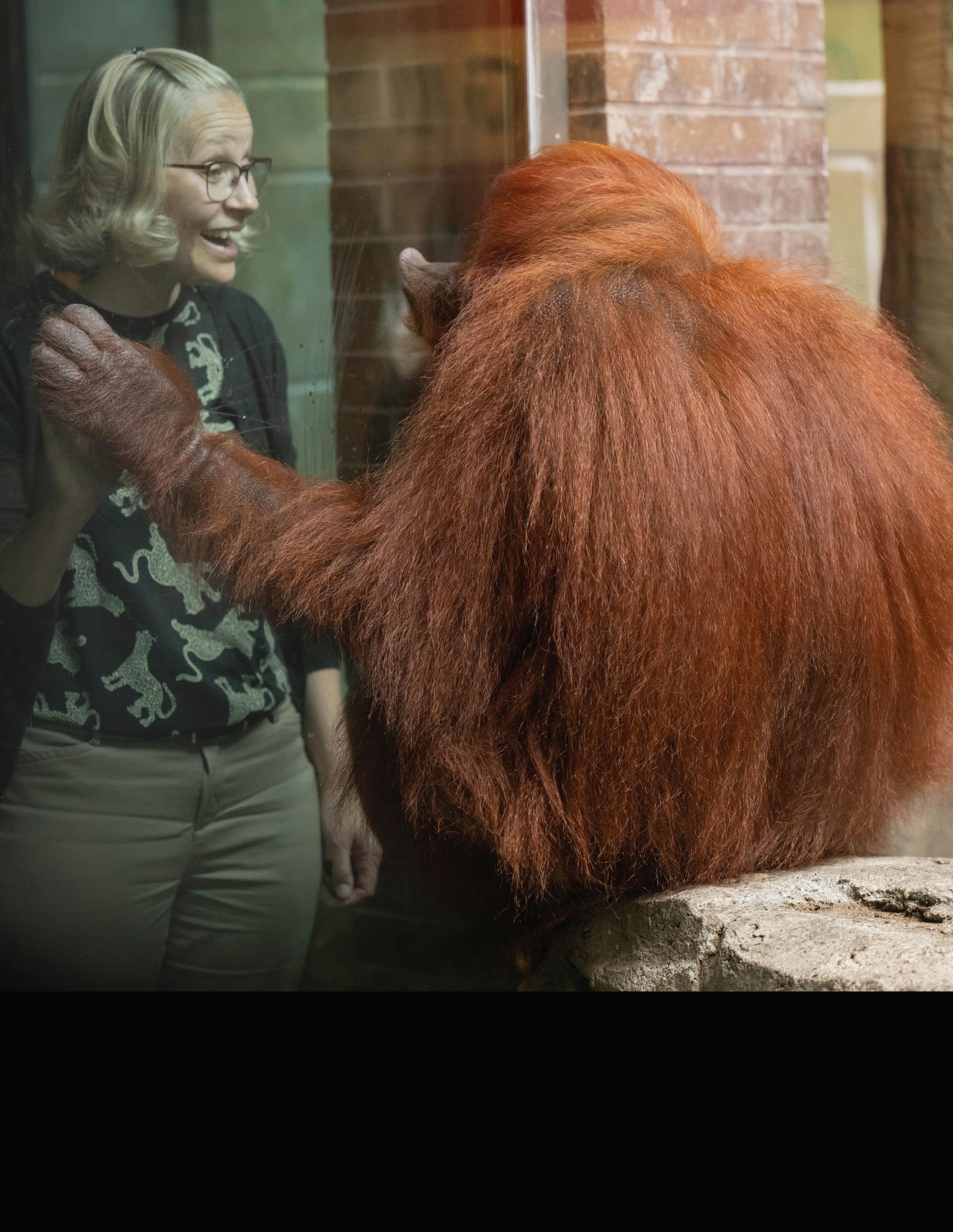
Wrapped in a sheet, Dasa—the Erie Zoo’s thirty-three-year-old orangutan matriarch—lounged high in her exhibit.
The moment she spotted Melissa “Roo” Kojancie, she swung down to greet her.
Dasa’s son, Otis, followed. He stood behind his mother, peeking over her shoulder and pestering her like any rambunctious seven-year-old might. Dasa pressed her hand against the window.
Kojancie, a former keeper and now the president and CEO of the Erie Zoo, smiled wide and returned the gesture. They had done this before.
Though it’s been several years since Kojancie, a 2000 graduate of the Biology program at Penn State Behrend, has worked directly with Dasa, the connection between them—built over quiet mornings, shared routines, and earned trust—has never faded.
FINDING HER PLACE AMONG THE ANIMALS
As a teen, Kojancie considered a career as a veterinarian, but she quickly realized that the profession wouldn’t allow her to form the deep, personal bonds with animals that she craved. She didn’t want to treat animals. She wanted to connect with them.
When she learned about an animal-care internship at the Erie Zoo in the summer of her junior year, Kojancie jumped at the opportunity. The Franklin-area native had one big obstacle, however: summer housing. There are no residence halls at the zoo.
A summer undergraduate research grant solved that problem. Kojancie was selected for a project that studied the rate of metamorphosis in salamanders. The grant covered housing.
“If I didn’t get that grant, I wouldn’t be here today because I couldn’t have taken the zoo internship that summer,” Kojancie said. “Within a week, I fell in love with working at the zoo.”
That passion set her on a path that would take her from intern to full-time keeper to internship coordinator to animal-care staff supervisor to chief operations officer and eventually to the top: president and chief executive officer of the Erie Zoo.
This career trajectory resulted in the rarest form of CEO, one with such a breadth of experience that she can jump into nearly any role in the organization.
“I can drive the train, feed the lions, clean the llama yard, teach a class, or build a scarecrow,” she said. “I’ve done it all.”
FROM THE LLAMA YARD TO THE BOARDROOM
Kojancie’s intimate knowledge of the zoo’s day-to-day operations shapes her view of its future. She envisions innovative, state-of-theart exhibits that give animals enrichment opportunities and control over their environment, like whether to go outdoors or stay indoors.
“We want to keep the intimate, small-zoo feel and experience but expand over time,” she said.
Growth and exhibit improvements are something Kojancie now sees as possible with the unanimous vote by Erie City Council to transfer ownership of the zoo from the city to Erie Events, which will provide $500,000 in annual operating funds.
It was a move Kojancie and the zoo’s board wanted.
“The zoo was generating 95 percent of our operating income,” she said. “A rainy weekend impacted our bottom line. Erie Events will provide a secure source of operational support.”
A BIGGER ROLE IN A CHANGING ZOO WORLD
For Kojancie, these plans for growth aren’t just about new exhibits—they’re about strengthening the zoo’s role in the larger conservation landscape.
“We are here to do something for the greater good,” she said. “Zoos today are committed to animal conservation and species survival. In many cases, they are leading the way in reintroducing species back into the wild.”
She’s proud of the conservation work that the Erie Zoo staff members do. It’s not limited to global conservation efforts.
“Our staff make time to do boots-on-the-ground conservation work,” she said.
Her team recently created the “Last Chance Lagoon,” a place for people to donate unwanted goldfish rather than releasing them in Lake Erie, where they are an invasive species. They have helped the Erie Bird Observatory tag birds, and they participate in a variety of initiatives, like a monarch butterfly watch, to track or support native species. The zoo also partners with other zoos in several managed-breeding programs to save endangered species.
While Kojancie now spends most of her days in the zoo administration building, she is never far from the animal-human connection she thrives on.
“When I walk through the zoo or stop in to see Dasa, it centers me,” she said. “Protecting endangered species is my ‘why.’”

“When I walk through the zoo or stop in to see Dasa, it centers me. Protecting endangered species is my ‘why.’”
—Melissa “Roo” Kojancie ’00, president and CEO of the Erie Zoo
VITAL STATS
Hometown: Franklin, Pennsylvania
Education: Bachelor’s degree in Biology, Behrend; master’s degree in secondary education, Mercyhurst University
Family: Husband, Steve, and two teenage daughters, Ava and Emma
Pets: Two coonhounds, three hermit crabs, and three cats
Hobbies outside of the zoo: Hiking, biking, kayaking, anything outdoors
Memorable moment at the zoo: “I remember taking care of our lowland gorillas and thinking, ‘I cannot believe that I get paid to do this.’”
Current side quest: Adirondack High Peaks Challenge, forty-six mountain summits over or near 4,000 feet in the Adirondacks, New York
Most useful Behrend classes: “Ecology, especially water quality, and genetics. Doing all those Punnett squares paid off. Also, in my current role, the communications and public speaking classes I took were helpful.”
MORE POSITIVE CHEMICAL REACTIONS
New mid-semester slide-over course helps students struggling in chemistry principles
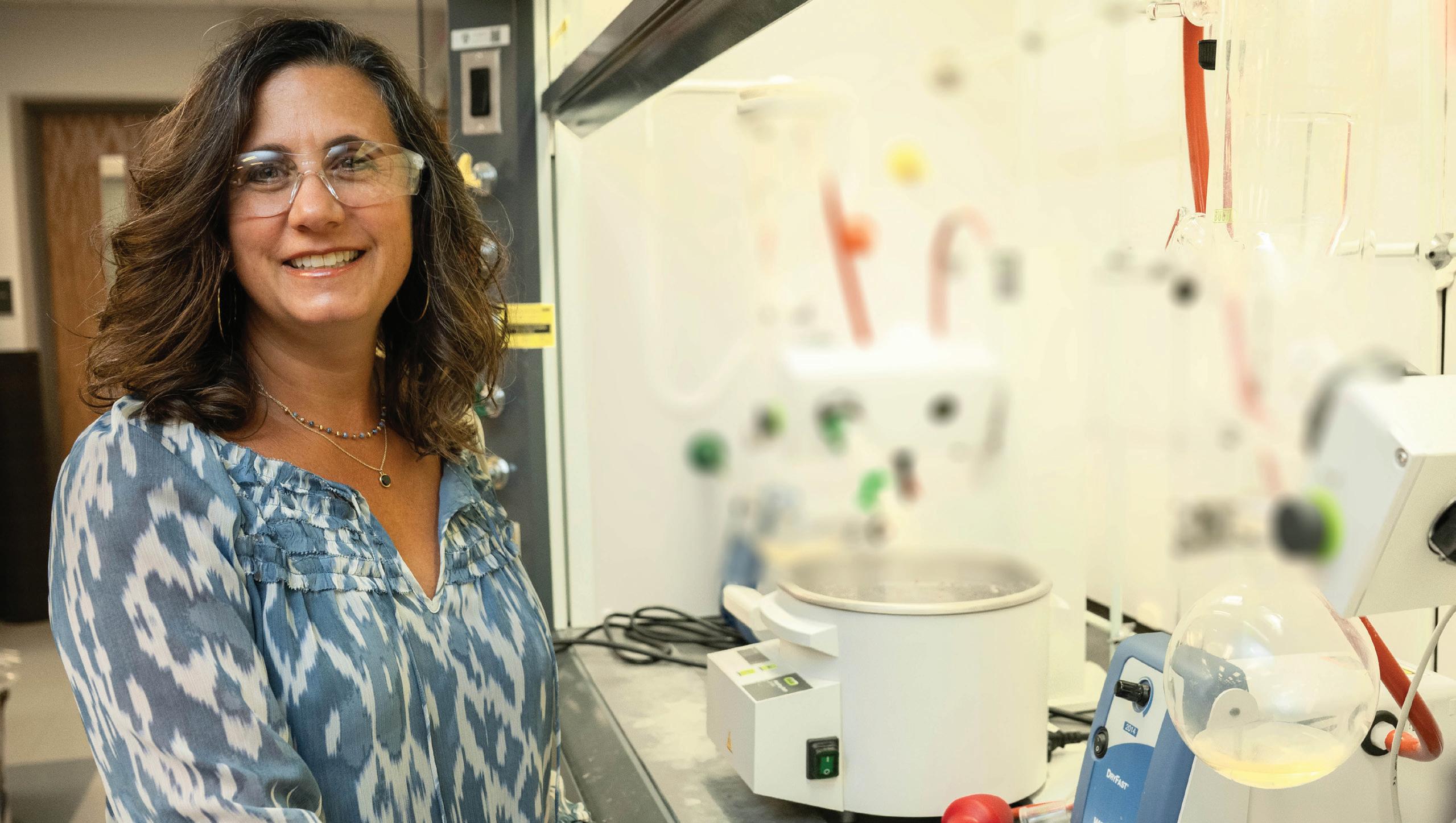
Tracy Halmi, associate teaching professor of chemistry, knows a student is going to fail her CHEM 110: Chemistry Principles class long before they do. Call it optimism, denial, or delusion, but struggling students rarely seek help or admit defeat until they get an “F” in the course, Halmi said.
“It’s like an oncoming freight train,” Halmi said. “I can see it coming a mile off, but they can’t. They keep thinking they can fix it if they just do better on the next exam, but the hole just gets deeper.”
A MUST-PASS FOR MANY
CHEM 110 is the first semester of a twosemester, comprehensive general chemistry
sequence that introduces students to the basic principles of chemistry. CHEM 110 is a required course for science and pre-health majors at Behrend and for many other majors, including most of the engineering disciplines.
“This is not an elective course for most students,” Halmi said. “They must pass CHEM 110 to move forward. Unfortunately, the national data shows that about 30 percent of students fail a first-year chemistry principles course. That’s almost one-third of the class.”
For that reason, CHEM 110 has been referred to as “weed-out” course, one that forces a struggling student to reconsider their career path. But Halmi said that is not what any professor wants.
“No faculty member wants to fail a
CHEMISTRY COLLABORATORS
student,” she said. “It’s our job to teach them. We want them to succeed.”
Why do so many students fail collegelevel chemistry?
“Research suggests that it’s related to math skills, but I think another big factor is maturity,” Halmi said. “This is a first-year course, and it’s a hard one. It might be easier to pass if it were a second-year course, when students have learned how to ‘do’ college.”
It’s a first-year course because it provides foundational information that future instruction is built on. Moving it is not an option.
But those at risk of failing CHEM 110 have a new option thanks to Halmi and a group of Commonwealth Campus faculty members (see list below) who worked
Penn State faculty and staff who developed the CHEM 101 slide-over course include:
Laura Cruz, research professor, Schreyer Institute
Dr. Roger Egolf, associate professor, Lehigh Valley
Tracy Halmi, associate teaching professor, Behrend
Dr. Michael Hay, associate professor, Beaver
Elizabeth Huck, instructional designer for the Commonwealth Campuses
Kurt Kistler, teaching professor, Brandywine
Dr. Christine Krewson, associate teaching professor, Abington
Claudia Tanaskovic, assistant teaching professor, Beaver
Tracy Halmi
together to find strategies to help first-year students.
SLIDE, INSTEAD OF FAILING
The group worked together to repurpose CHEM 101: Introductory Chemistry as a hybrid mid-semester replacement course for students struggling with CHEM 110.
“It allows students who are struggling in CHEM 110 to ‘slide over’ into CHEM 101 midway in the semester to get the help they need when they need it,” Halmi said. “They basically drop CHEM 110 and enroll in CHEM 101 without any penalty.”
Should the student decide to change majors, CHEM 101 can be used to fulfill a General Education requirement. Those who choose to stay in a career path that requires CHEM 110 and 112 will still have to take and pass both courses, but CHEM 101 will prepare them to do so.
“The sole intent of the hybrid course is to give students the foundation they need to make it through CHEM 110,” Halmi said. Though it will take years to collect data on the effectiveness of the slide-over course, the preliminary results are impressive.
“On the second attempt at CHEM 110 without the slide-over course, two-thirds of students fail again,” Halmi said. “For those who take the slide-over course, the failure rate is much lower, less than one-third.”
Chemistry faculty members have observed additional benefits for those who opt to slide over: self-efficacy and reduced anxiety.
“I had a student who chose to slide into the CHEM 101 class who enrolled in CHEM 110 the next semester,” Halmi said. “He got a 76 on the first exam, which is a score most students would be thrilled to get, but when I congratulated him, he told me, ‘I can do better.’”
He did, and he is now a thirdyear biology student.
FUTURE SCIENTISTS START HERE T
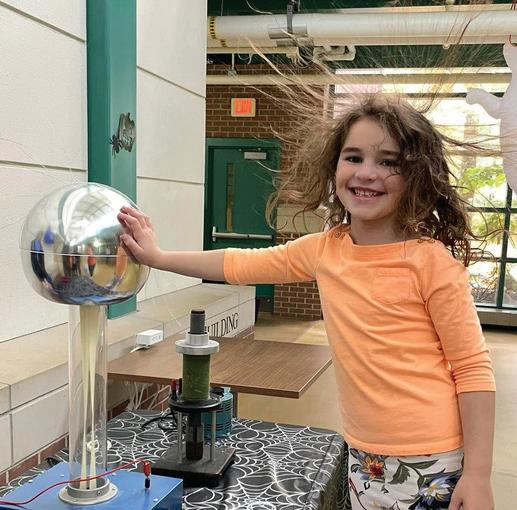
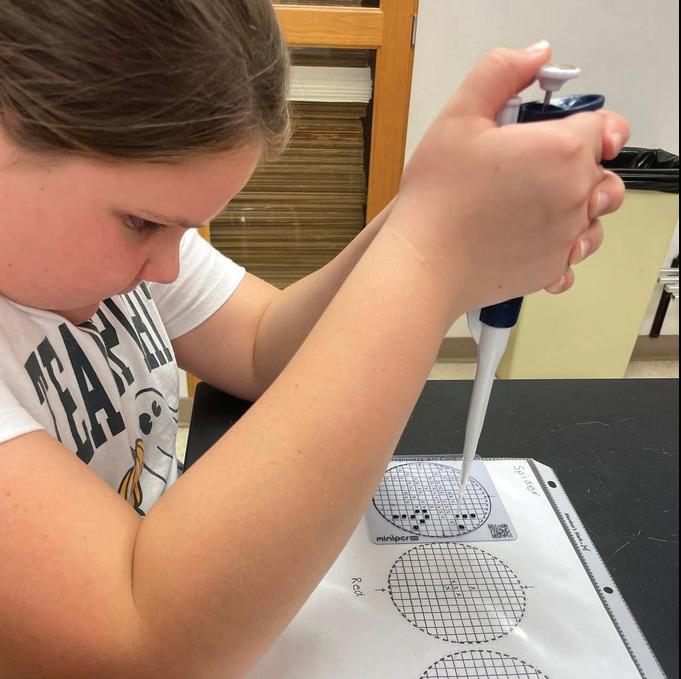
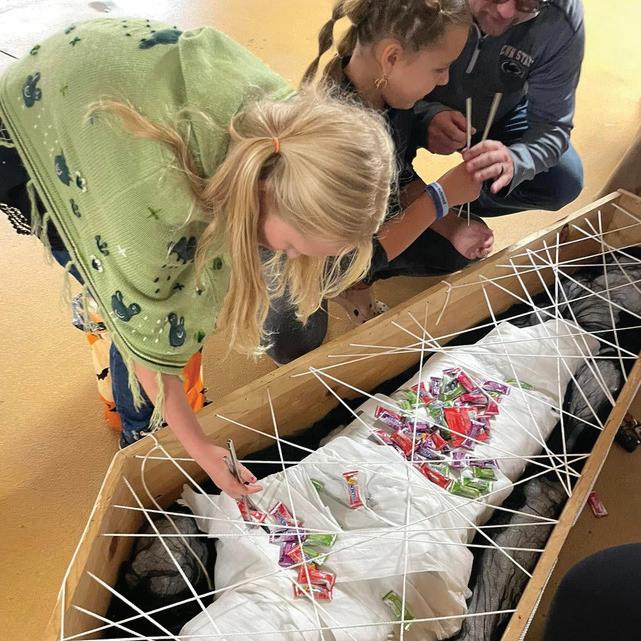
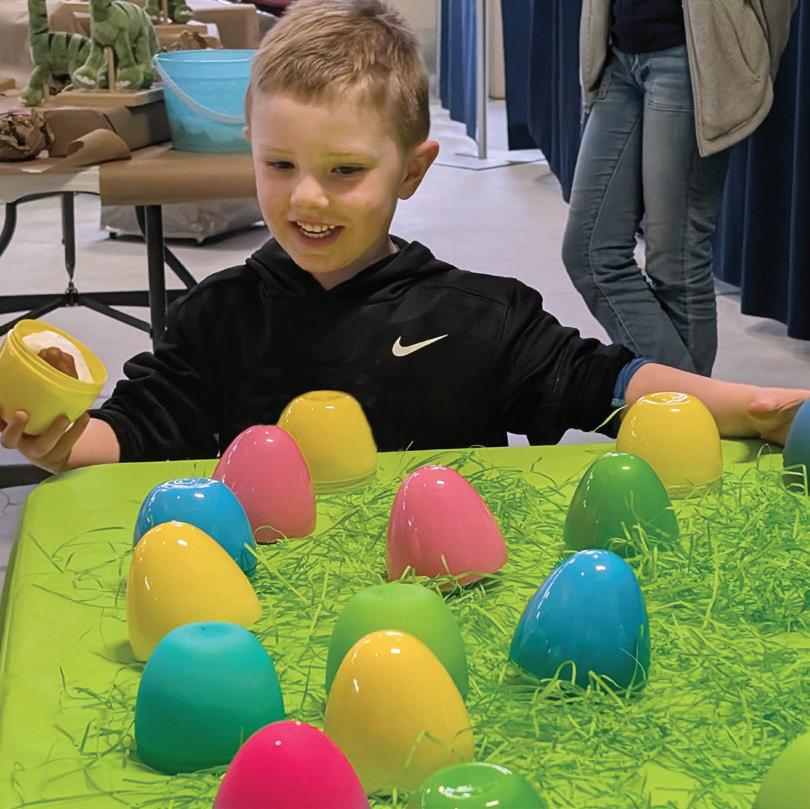
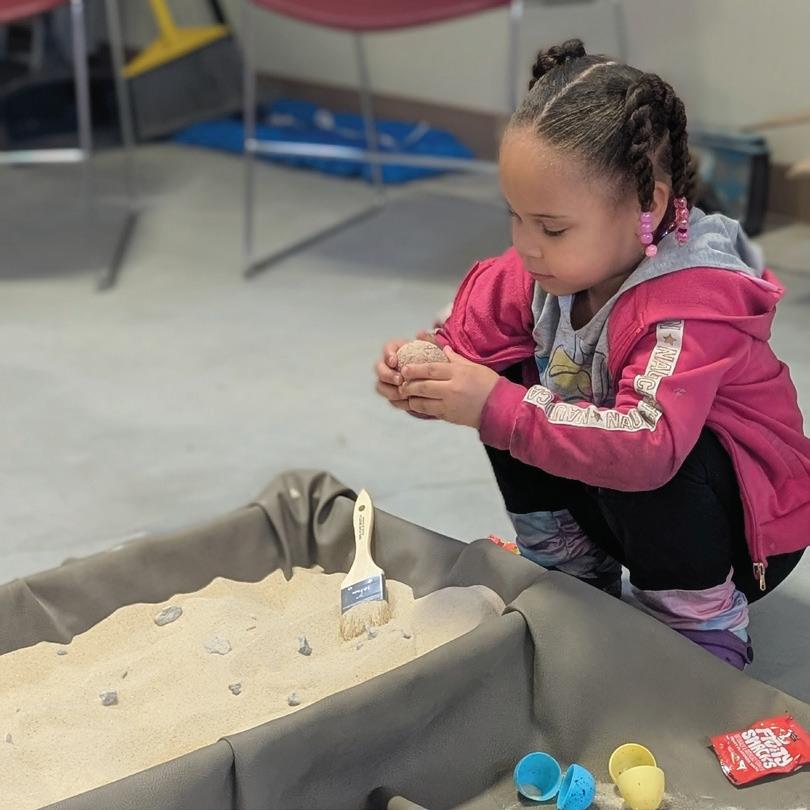
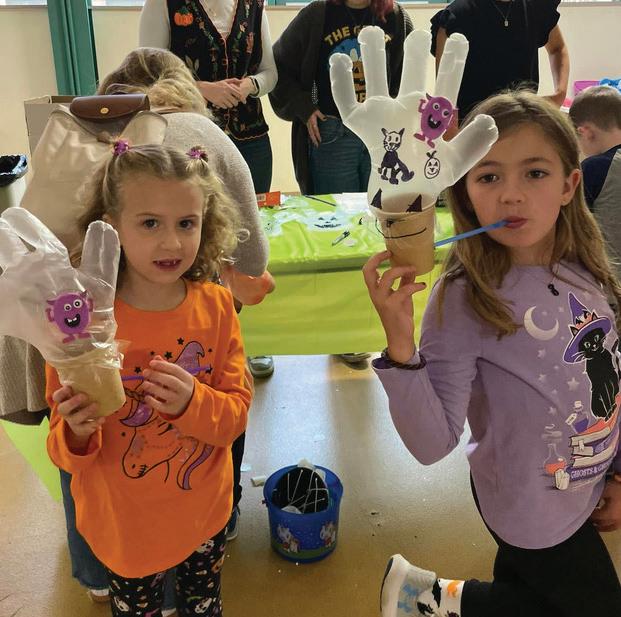
he best way to spark a child’s interest in science is to let them experience it firsthand. That’s why the School of Science hosts and participates in a variety of K–12 events each year, including the popular BOOology Halloween celebration, the springtime EGGstravaganza, and the annual Youth Education Outreach STEAM Fair.
Behrend students who volunteer at these events not only have fun and inspire the next generation of scientists—they also gain valuable experience communicating scientific concepts to a broader audience.
“I think there is something very motivating for our students when they see the smiles of wonder come across the kids’ faces as they experience the magic of science,” said Dr. Beth Potter, an associate professor of biology who spearheads several outreach events in the School of Science.
BETWEEN SPARK AND B
efore you boil the water for that next pot of pasta, look at the flame: What we know about combustion—heat breaks molecules into reactive fragments, which rapidly combine with oxygen, creating energy—skips over some of the mystery that makes dinner possible.
“Combustion is a complex process,” said Dr. Jay Amicangelo, professor of chemistry. “It’s a series of steps, with hundreds of reactions, and we’ve not fully mapped it out. We know what we start with, and we know what the end products are, but we still don’t completely understand what’s happening in the middle.”
A three-year, $330,000 grant from the National Science Foundation is advancing Amicangelo’s study of one step in that
process. By isolating a single atom of hydrogen and exposing it to a ring molecule, he can create a hydrogenated radical—an unstable molecule that produces one of the chemical reactions that are believed to be essential to combustion.
A better understanding of these radicals could lead to efficiencies in combustion and hydrogenation, a process that is used to produce food and pharmaceuticals. But the molecules are elusive: “You can’t see them,” Amicangelo said, “and you can’t store them in a bottle.”
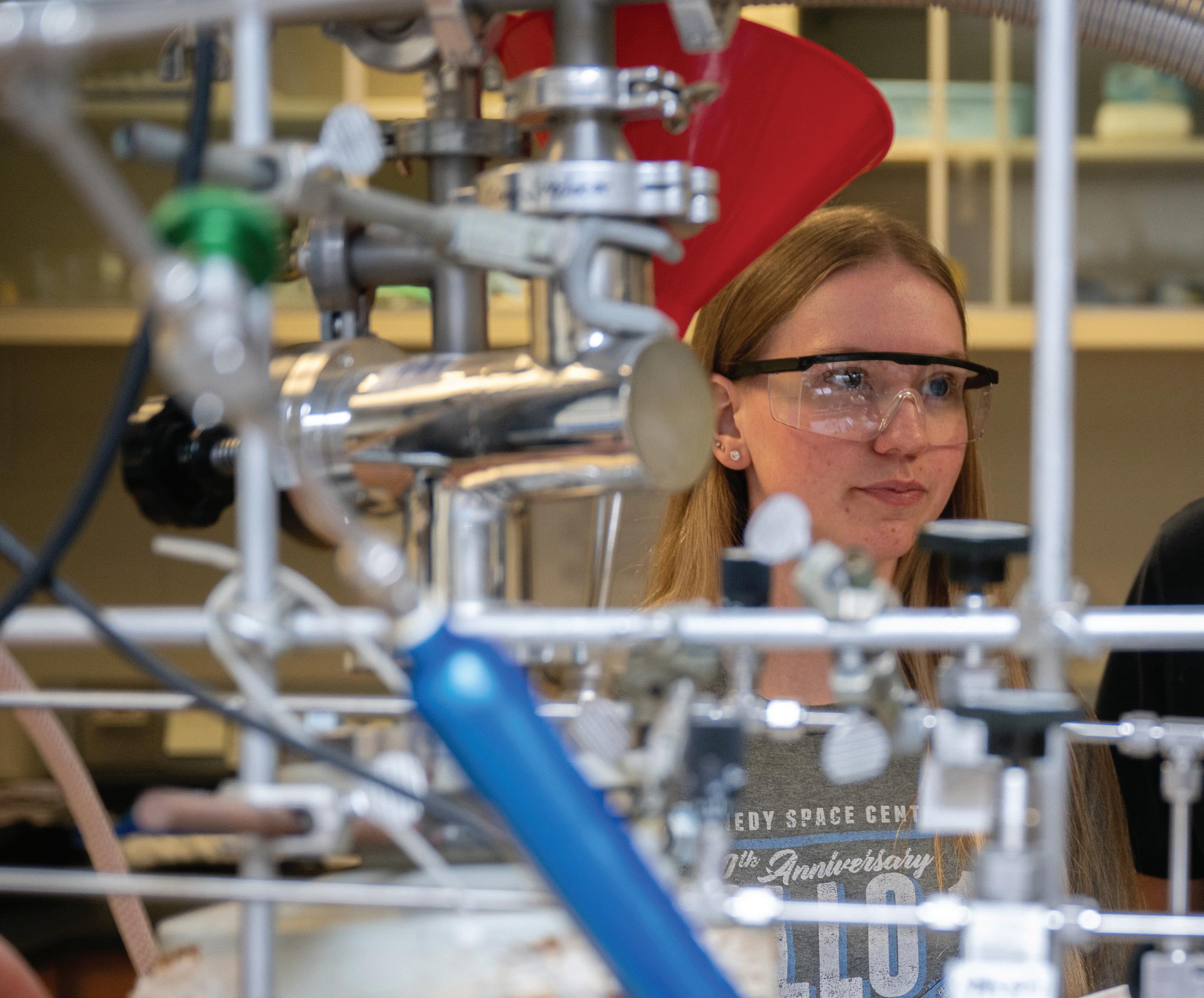
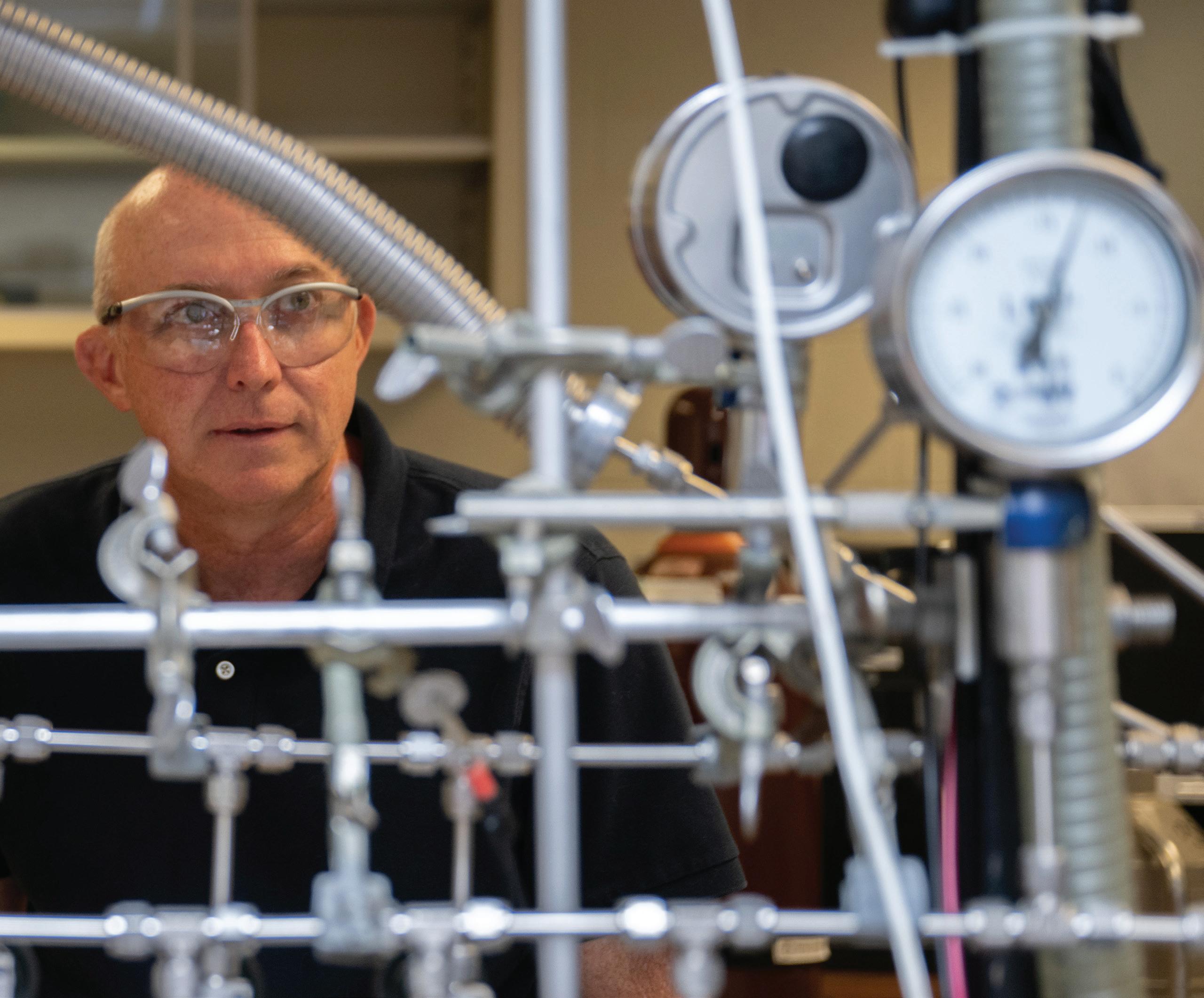
To create and capture hydrogenated radicals, Amicangelo uses a custom-built infrared spectrometer. He lowers the temperature in a small chamber on the instrument to between 10 and 20 kelvins—approximately –263 degrees Celsius—and
Student researcher Mya Kindle and Dr. Jay Amicangelo
FLAME: Unraveling the chemistry of combustion
reduces the atmospheric pressure within the chamber.
“We create an ultra-high vacuum,” he said. “We are basically creating the conditions you would find in interstellar space.”
He then sprays argon gas into the chamber. At the low temperature, argon becomes a solid, creating a film over the chamber’s window. The unstable and otherwise short-lived radical is preserved in the film.
Molecules absorb light in distinct ways, creating unique spectral patterns—a sort of infrared signature. By shining an infrared beam on the preserved radicals, Amicangelo can identify them through their unique signature. That can be useful to astronomers, who use spectral lines to study the light coming from different objects in space.
Amicangelo used some of the NSF funding to purchase a new spectrometer. The grant also supports student researchers, who assist with the experiments. They quickly learn that science is less consistent than the experiments in a traditional chemistry class.
“In a teaching lab, we know how the experiment is going to end,” he said. “We’ve done it before, often hundreds of times. In a research lab, the outcome is less certain. Sometimes, the experiment works. Sometimes, it fails. Often, you have to troubleshoot and vary the conditions.
“In that setting, students quickly learn that science isn’t a straight line,” he said. “It takes a lot of work, a lot of patience, and a lot of dedication.”
KERI SAULINO, SCHREYER SCHOLAR, 2025 GRADUATE
Major: Environmental Science
Minors: Biology, Sustainability
Leadership
On choosing her major: “I really care about the planet. The air we breathe, the water we drink, and the food we grow are all supported by the environment. Knowing how climate change affects our natural systems and the people across the globe inspired me to learn what I can do to help.”
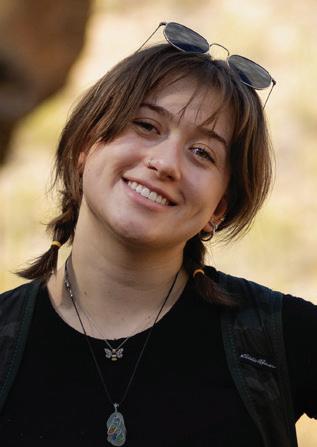
Read more about Keri and more than thirty other members of the Class of 2025 at BehrendBlog.com.
ALUMNUS BLENDS SCIENCE AND STORYTELLING
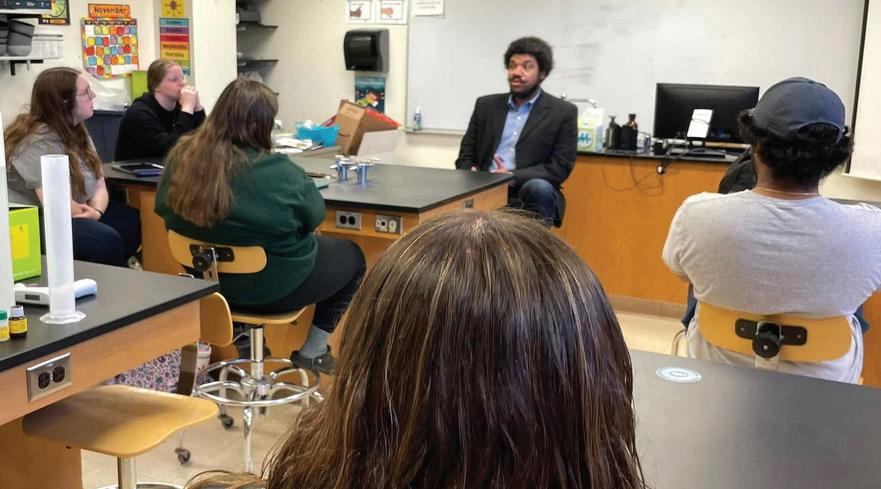
Jotham Austin II, a 1996 biology graduate, returned to campus to speak on both his scientific and creative pursuits. Austin, a research associate professor at the University of Chicago, uses electron microscopes to study cells in a “live” frozen state as part of a $25 million National Science Foundation initiative to advance quantum science. Beyond the lab, Austin dives into pop culture on his Substack and podcast,
Rabbit Hole of Research, where he analyzes the science behind sci-fi tropes, from zombies to rogue AI.
In his talk, “Seeing Small, Thinking Big,” part of Behrend’s Speaker Series, Austin emphasized the value of exploring science at every scale—and in every format, including fiction. He’s also the author of two works of speculative fiction, including the sci-fi novel Will You Still Love Me If I Become Someone Else?
FROM PEDIATRIC SURGEON TO PUBLIC SERVANT
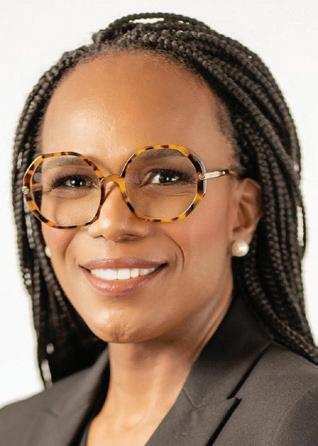
This past fall’s Speaker Series featured alumna Dr. Ala Stanford, founder of the Black Doctors Consortium and former regional director of the U.S. Department of Health and Human Services. She visited Penn State Behrend in October.
Stanford, a pediatric surgeon, began her college education at Behrend before earning a degree in Biology from Penn State’s Eberly College of Science and a medical degree from the Penn State College of Medicine. She was the first Black female pediatric surgeon to be trained entirely in the United States.
While visiting Behrend, she joined Chancellor Ralph Ford for an episode of Behrend Talks, the college’s podcast. Hear it at behrend.psu.edu/behrendtalks.
Jotham Austin II spoke with biology students at Behrend.