Curriculum Connections
Curriculum Connections
When children feel known, valued, and safe to be themselves, they are able to take risks, ask meaningful questions, and grow both academically and personally.
At PS1, learning has always been about more than just what children know. It is at its core about how learning feeds into who children are becoming.
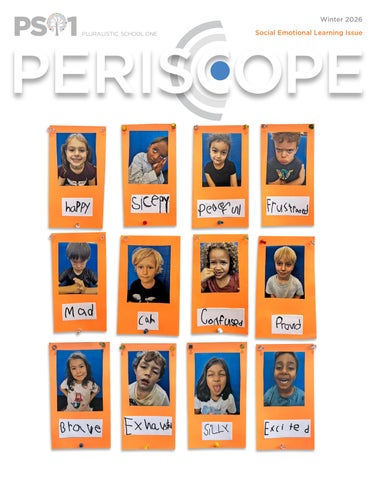
This winter 2026 issue of Periscope centers on Social and Emotional Learning (SEL) because it sits at the very heart of a PS1 education. Long before SEL became a widely used term, PS1 was already a place where children were learning how to understand themselves, how to connect with others, how to navigate challenges, and how to find their voices within a community that values belonging and care.
When children feel known, valued, and safe to be themselves, they are able to take risks, ask meaningful questions, and grow both academically and personally. That sense of belonging is foundational at PS1. It is what allows curiosity to flourish and confidence to take root.
At PS1, SEL is intentional and woven throughout the day. Guided by the CASEL 5 framework , our students develop essential lifelong skills: recognizing and managing emotions, building healthy relationships, practicing empathy, and making thoughtful, ethical choices. These skills show up during collaborative projects, reflective writing, classroom discussions, recess, conflict resolution, and moments of celebration.
In the pages that follow, you will hear directly from each cluster and our specialist teachers about how SEL lives in their classrooms. Their reflections offer a window into the daily practices, conversations, and experiences that help students
learn not just how to think, but how to be in the world. Together, these voices paint a picture of a school where emotional intelligence and academic challenge are deeply connected.
This issue also invites us to look to our community beyond our current classrooms. We are excited to share alumni updates and to spotlight PS1 alum Dylan Vecchione, whose journey reflects the lasting impact of a learning environment that honors the uniqueness of each child. Our alumni stories remind us that the skills nurtured here — empathy, resilience, self-awareness, and connection — extend far beyond PS1 and continue to shape lives and communities in meaningful ways.
Finally, this Periscope captures the rhythms and traditions of a vibrant fall at PS1. From familiar community gatherings to new moments of shared joy, these experiences reinforce what makes PS1 special: many voices coming together to build something bigger than any one of us.
At PS1, we want every child to leave knowing not only that they can learn, but also that they belong. They each have something to contribute. We are proud that our PS1 students can confidently declare: I am myself and I matter.
I hope this issue offers you a deeper look into the heart of our work and the community that brings it to life.
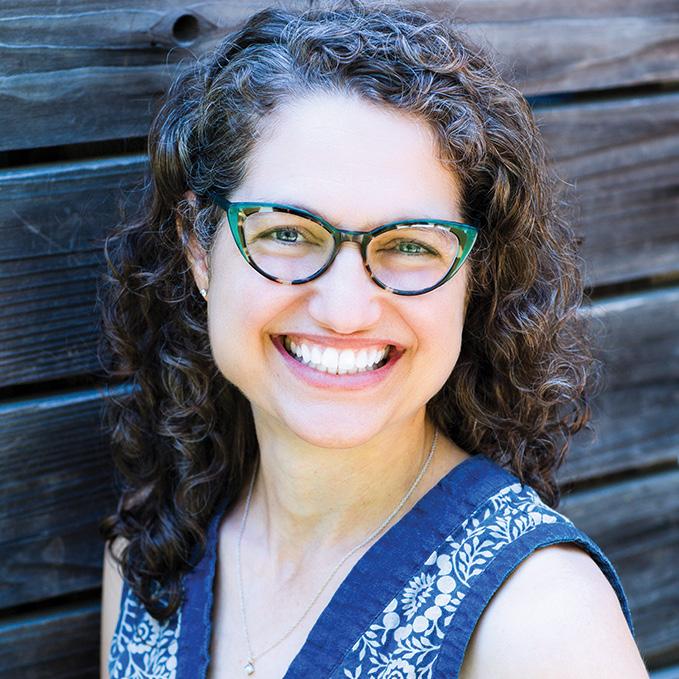
Warmly, Susannah Wolf, Head of School
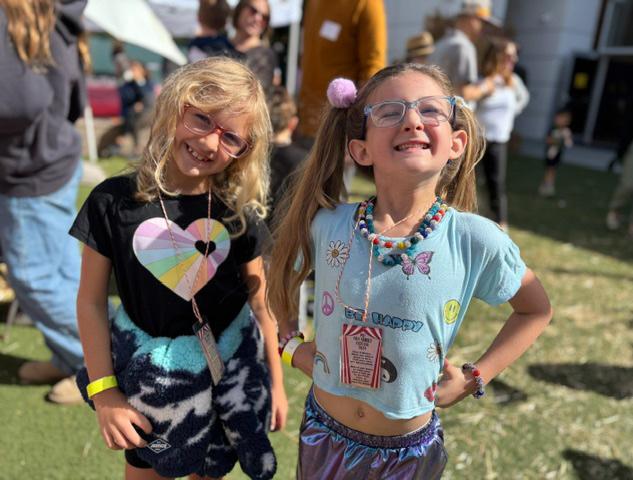
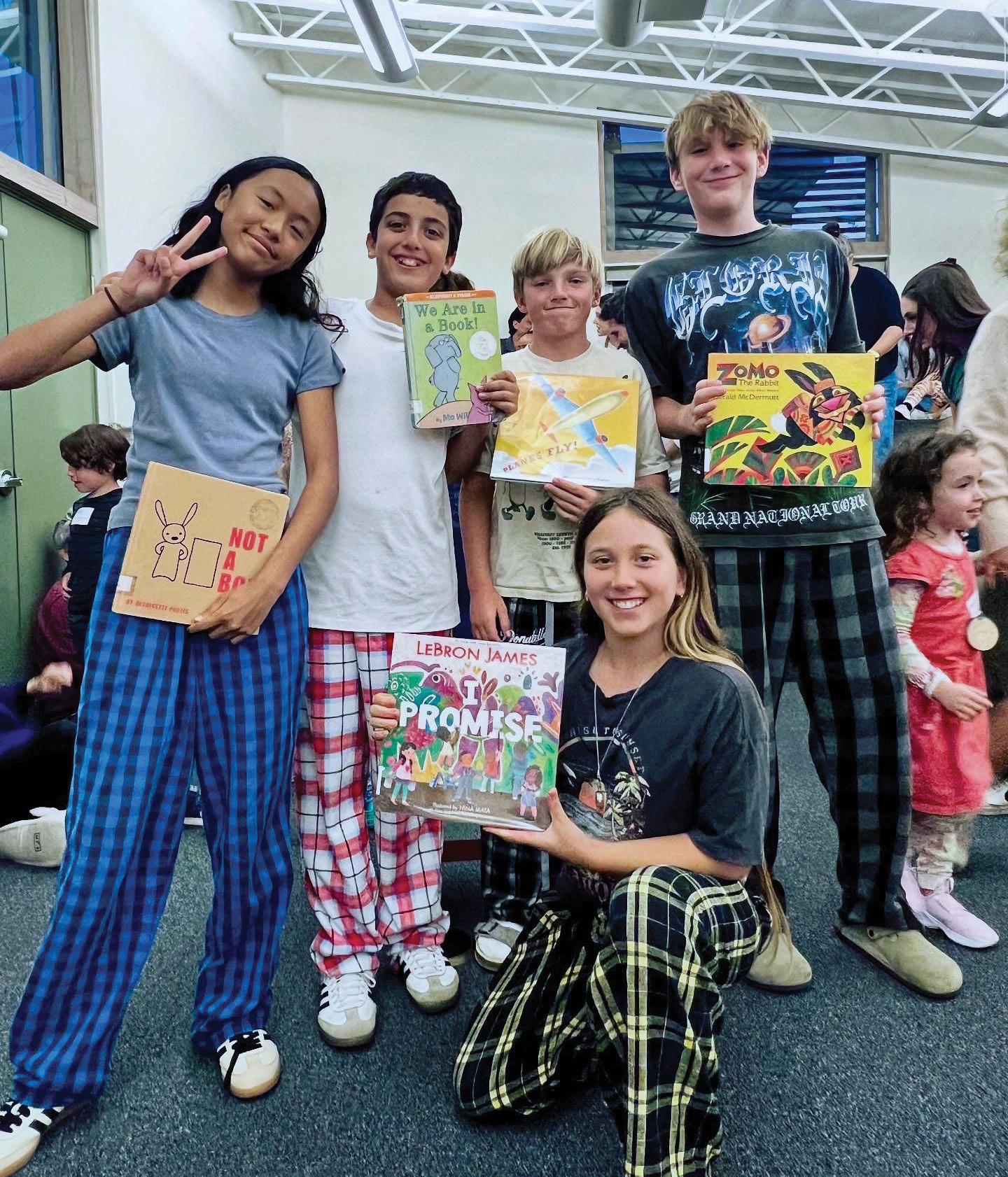
An oldie-but-goodie returned with extra coziness this year. PJ Storytime welcomed prospective families to campus, with our Olders students stepping into the role of ambassadors through shared stories, laughter, and connection. Dressed head to toe in pajamas, Olders proudly read favorite books aloud, modeling confidence, care, and the joy of mentoring younger children. The evening buzzed with warmth—proof that some of PS1’s most meaningful traditions are also the simplest.
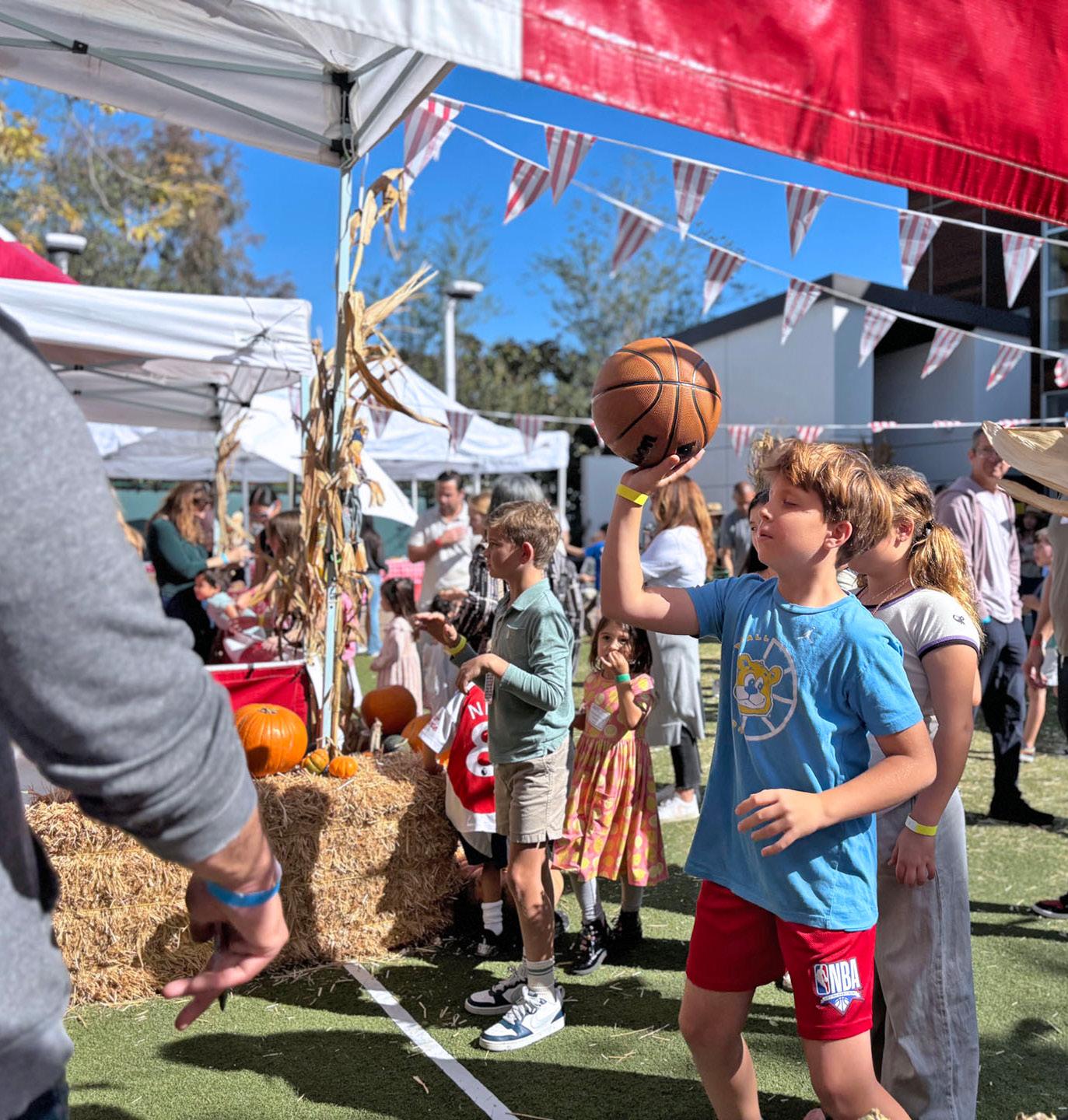
This year’s Fall Family Festival transformed campus into a joyful hub of activity, connection, and community spirit. Families gathered on a sunny Sunday afternoon to enjoy carnival games, hands-on crafts, popcorn, pizza, and plenty of prizes. Laughter echoed across campus as students, siblings, alumni, and families came together, making it a true celebration of PS1’s vibrant, family-centered culture and the simple joy of being together.
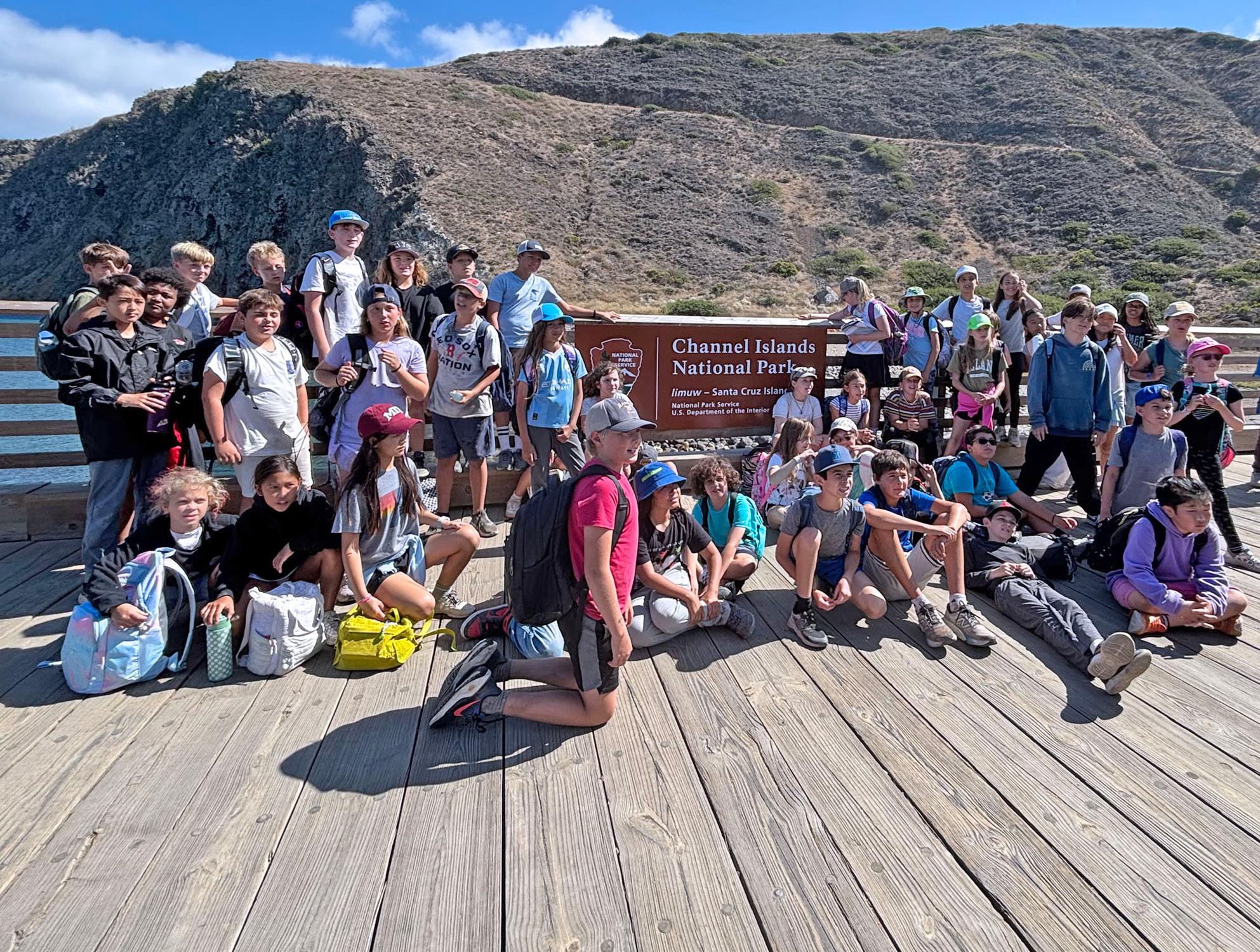
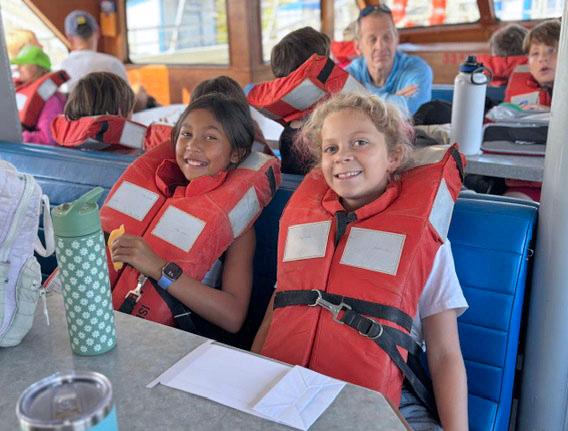
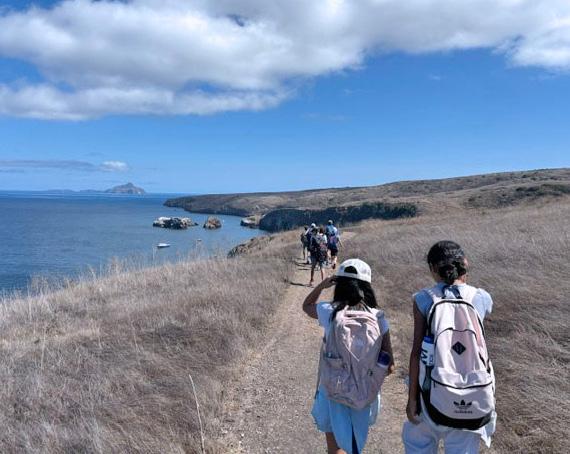
To kick off the year and strengthen bonds across the entire Olders cluster, students embarked on a memorable day-long Learning Expedition to Santa Cruz Island. Traveling by ferry, they were greeted by dolphins and sea lions before exploring the island’s rugged landscapes. Students encountered the elusive island fox and learned about the island scrub-jay, a species found nowhere else on Earth. Through guided hikes and conservation-focused discussions, students deepened their understanding of ecology, stewardship, and the responsibility we share in protecting fragile ecosystems, learning directly from the natural world around them.
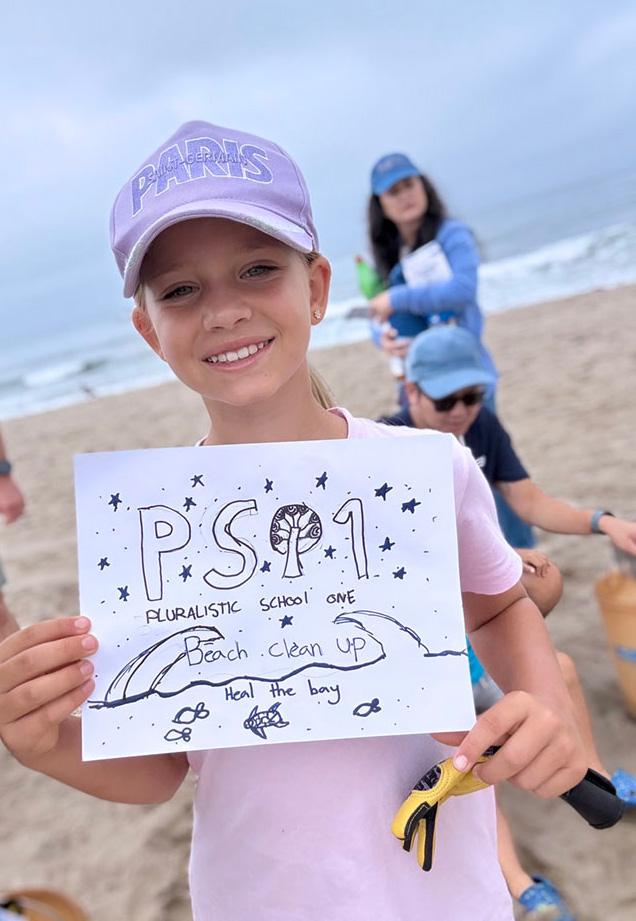
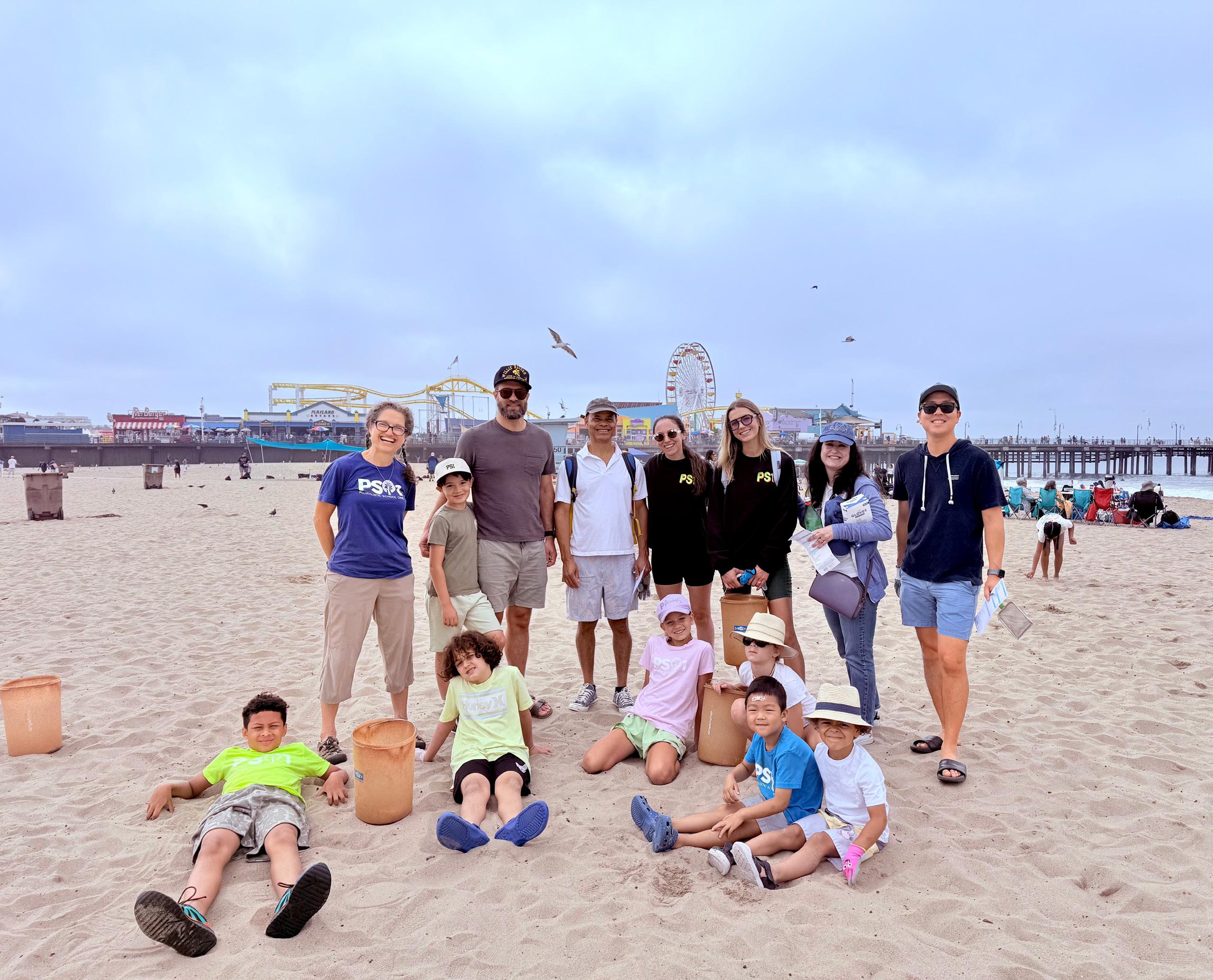
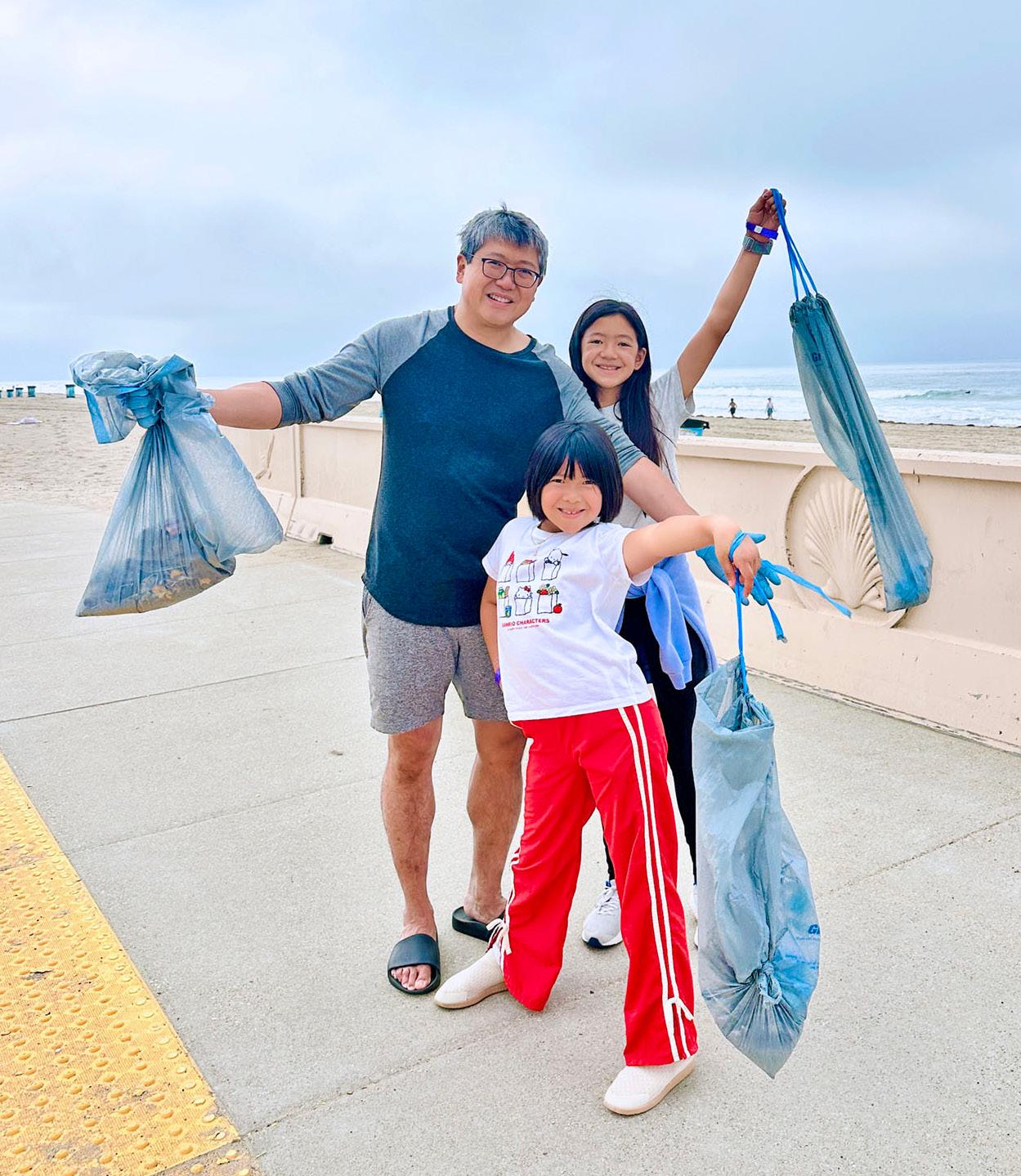
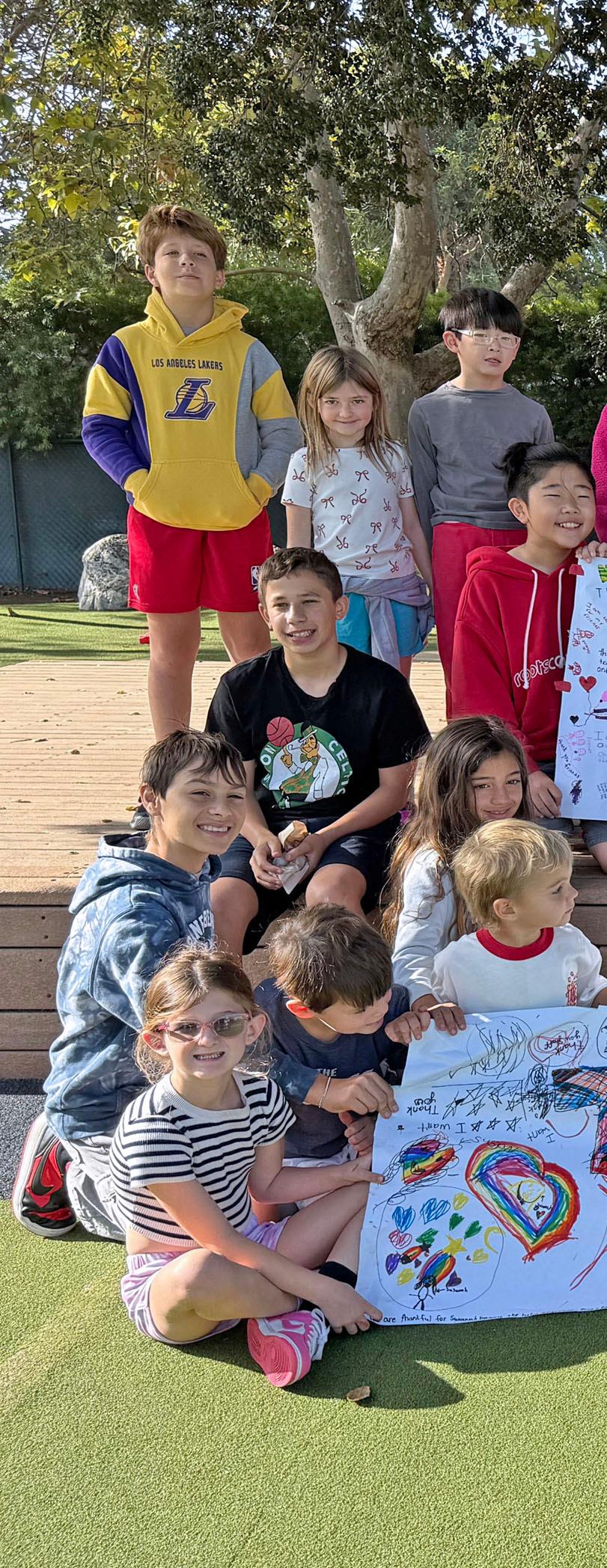
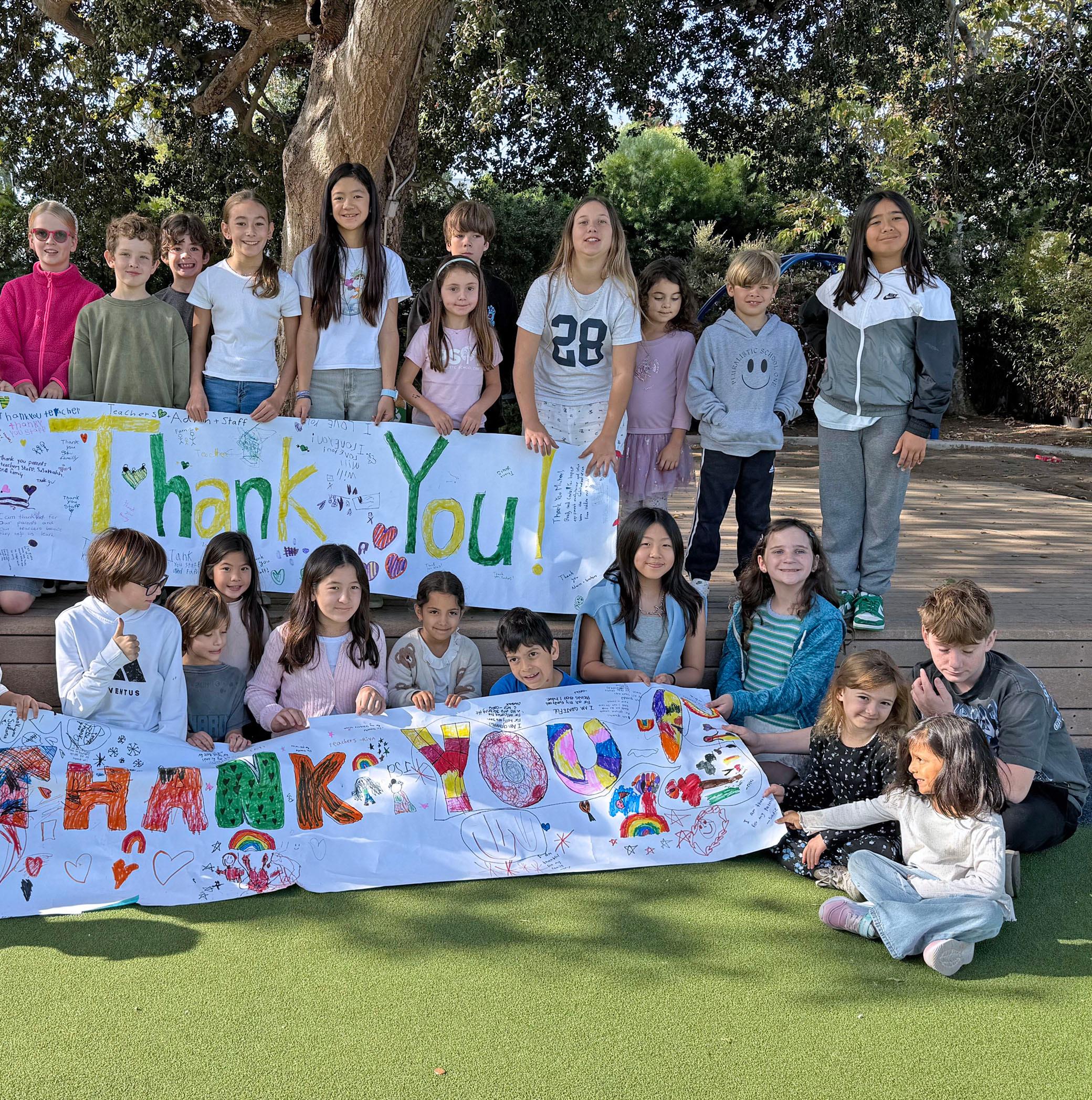
This fall, PS1 students and families came together through a series of meaningful community service efforts led by the Community Service Committee and Student Leadership Committee. Students created letters and signs of gratitude for members of the PS1 and Santa Monica communities, collected over 800 pounds of food for the Westside Food Bank, sponsored a beach clean-up, and will soon participate in a neighborhood clean-up effort. Together, these projects embodied PS1’s core value of Being Part of Something Bigger, showing how small actions can make a meaningful impact beyond our campus.
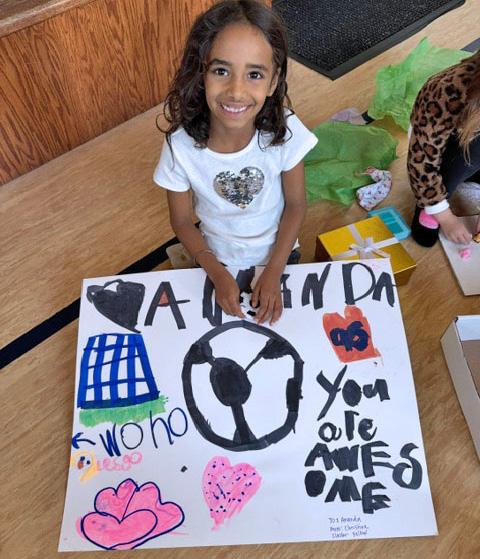
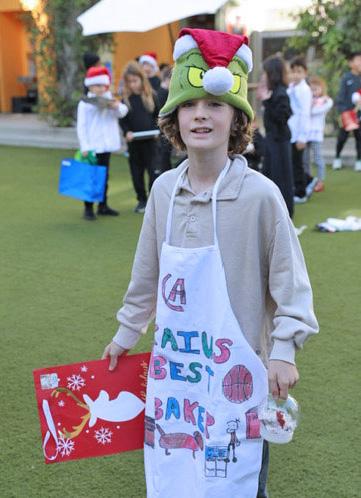
A beloved PS1 tradition, the Holiday Gift Exchange once again filled campus with creativity, care, and excitement. Each student crafted a handmade gift for a pre-assigned peer, emphasizing thoughtfulness over perfection and meaning over material value. This year’s exchange featured everything from recycled cardboard inventions and fuse bead art to hand-sewn pillows, pottery, jewelry, and snow globes. As gifts were exchanged, so were smiles—reminding us that generosity, creativity, and connection are at the heart of the season.
By Genevieve Mow, Director of Student and Community Life
At PS1, social and emotional learning is not something we teach in isolation. It is something we practice every day in classrooms, on the yard, during group work, and in moments of challenge and repair. SEL is woven into our curriculum because meaningful learning happens when children feel grounded in who they are and connected to the people around them.
Our approach supports students in understanding themselves, building empathy, navigating relationships, and making thoughtful choices. These skills are foundational to both academic growth and personal development. From learning to name feelings in the early years to managing emotions and engaging in deeper self-reflection as students grow, SEL at PS1 is responsive, age-appropriate, and deeply human.
Guided by the CASEL 5 framework, teachers intentionally integrate SEL into everyday learning through collaboration, reflection, discussion, and problem-solving. In addition to this embedded approach, students also engage with developmentally appropriate health and life skills content through resources like That Health Class, which supports conversations around emotions, relationships, well-being, and self-care while strengthening home–school partnerships.
The reflections that follow highlight how SEL comes alive across clusters and specialist classes, showing how PS1’s curriculum supports the whole child academically, socially, and emotionally so every student can grow with confidence, compassion, and a strong sense of belonging.
Whether solving a problem on the playground or celebrating a classmate’s success, students are learning that understanding and managing feelings helps everyone feel safe, connected, and ready to learn.
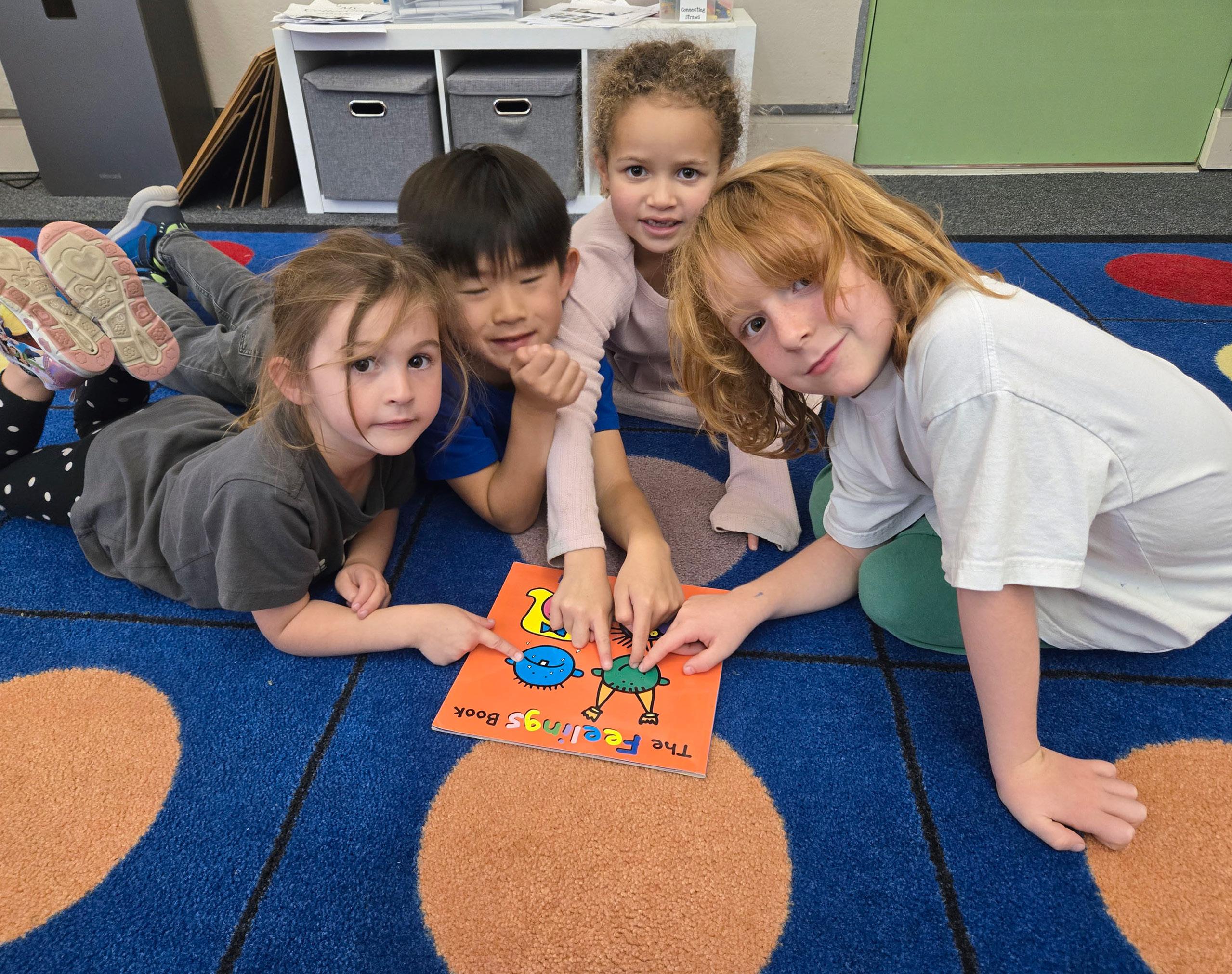
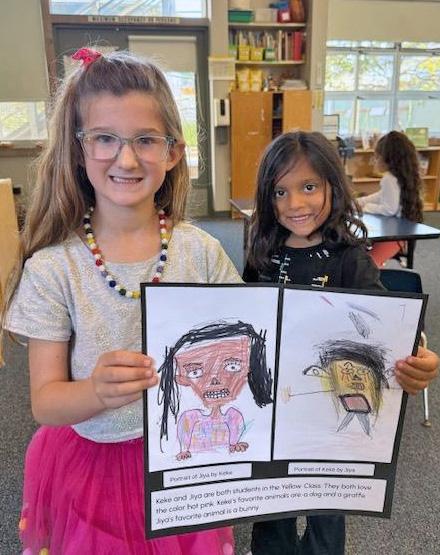
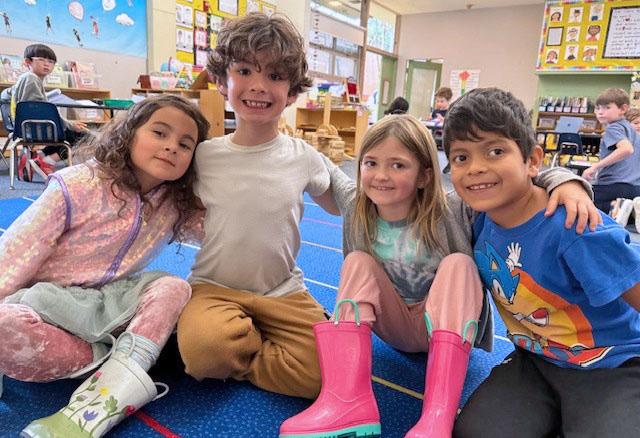
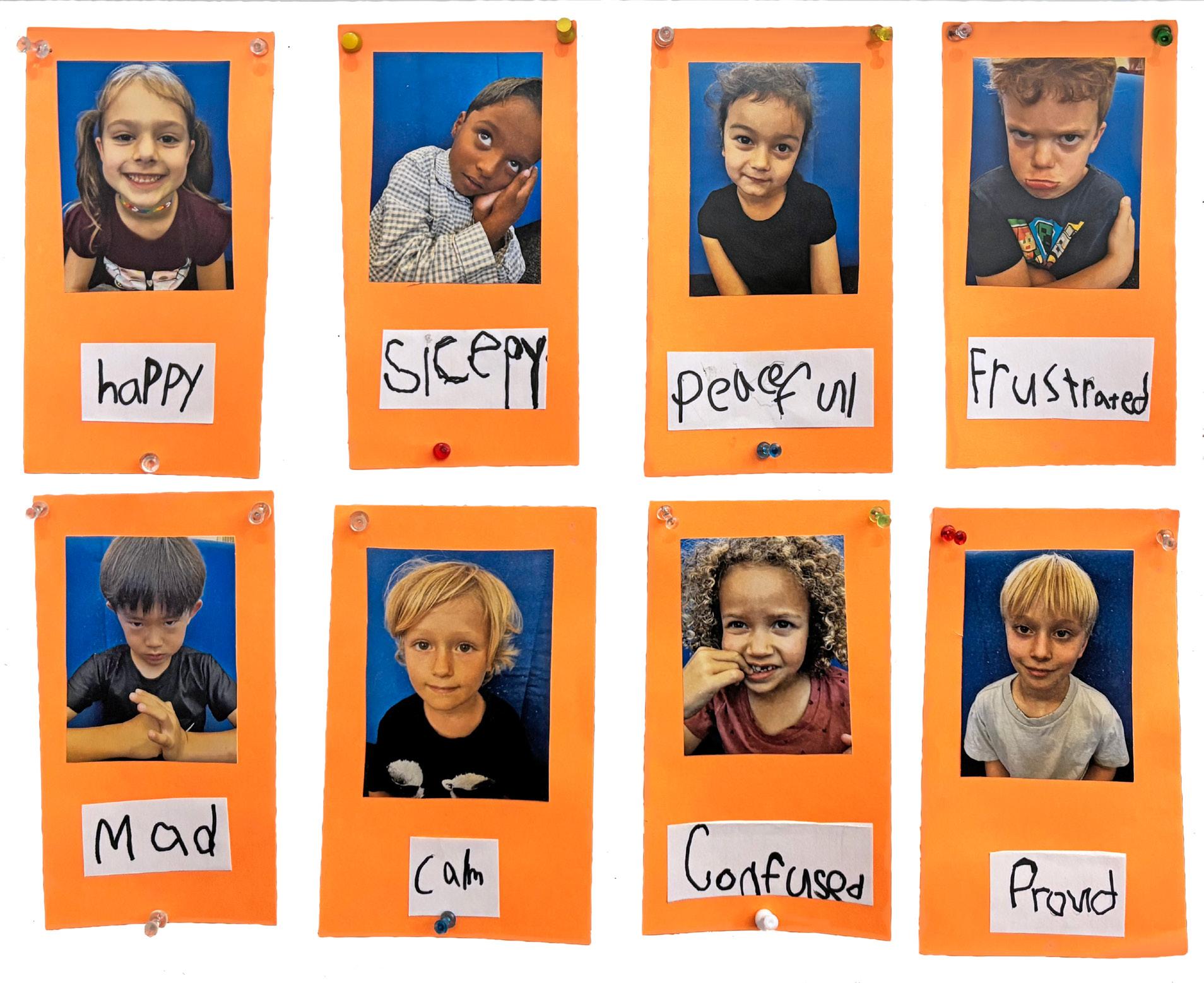
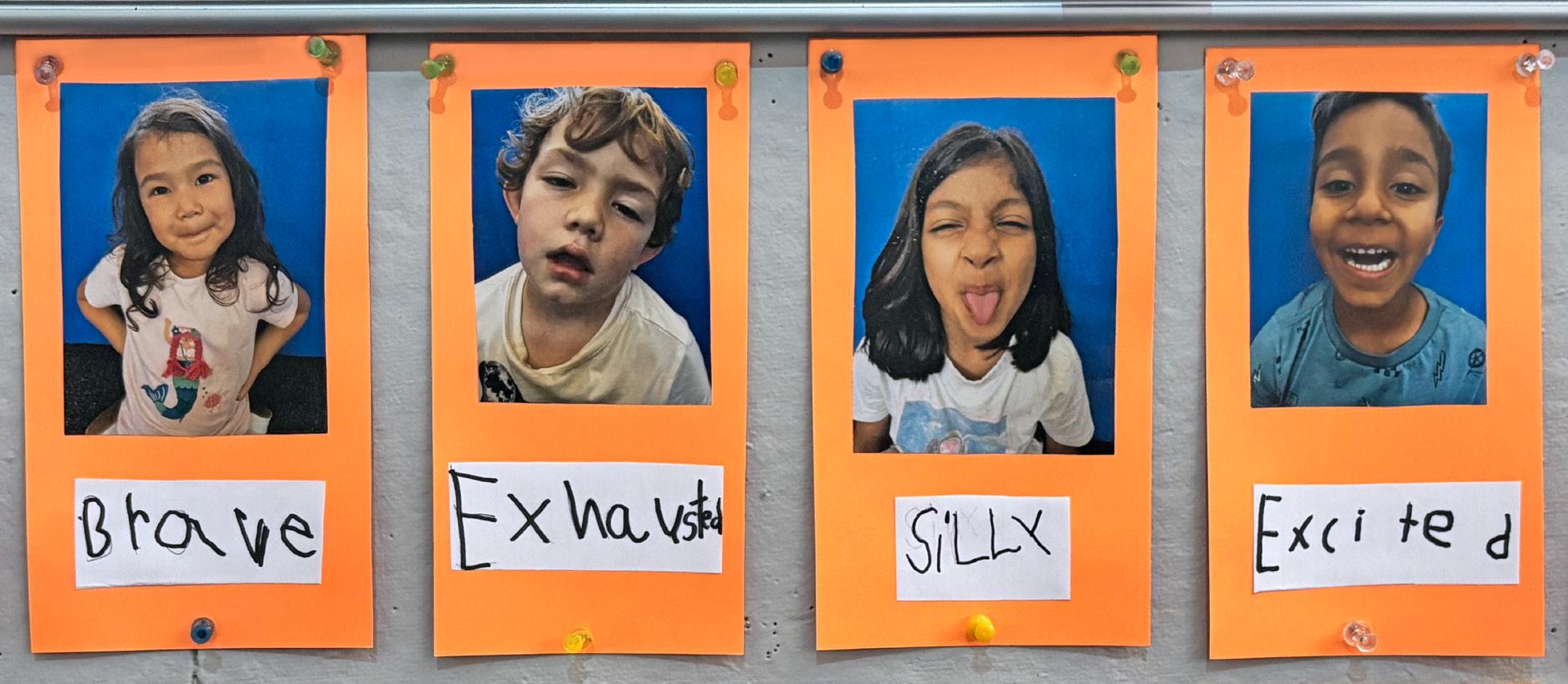
In the Youngers classes, students have been diving into an exploration of feelings as part of their social-emotional learning. Together, they’ve been learning to recognize, name, and understand the many emotions that can show up throughout the day—both big and small. The classes began by brainstorming as many feeling words as they could think of, creating a “feelings wall” full of vocabulary that goes far beyond just “happy,” “sad,” or “mad.” Students discovered words like “frustrated,” “excited,” “disappointed,” and “proud,” and talked about what each one means and how it might look or feel inside.
The Youngers created “feelings faces,” illustrating different emotions through expressive drawings and photographs. These faces brighten up our classroom walls, serving as helpful reminders that all feelings are okay—and that it’s important to notice and talk about them. As students shared their artwork, they shared stories about when they felt each emotion, making real-world connections and practicing empathy by listening to one another’s ideas.
Beyond naming emotions, the Youngers have begun learning strategies for what to do when their feelings become “very big.” Through class discussions and roleplaying, they’ve brainstormed ways to “cool down” when upset, such as taking deep breaths, using calm-down corners, counting to ten, or talking to a trusted friend or teacher. These strategies are becoming part of the classroom routine, empowering students to take care of their own emotions and respond to challenges with growing independence.
Social-emotional learning doesn’t stop at lesson time—the Youngers practice these skills during morning meetings, recess, and in small, everyday moments throughout the day. Whether solving a problem on the playground or celebrating a classmate’s success, students are learning that understanding and managing feelings helps everyone feel safe, connected, and ready to learn.
Awareness about the feelings about ourselves and others also helps our students as we navigate friendships new and old.
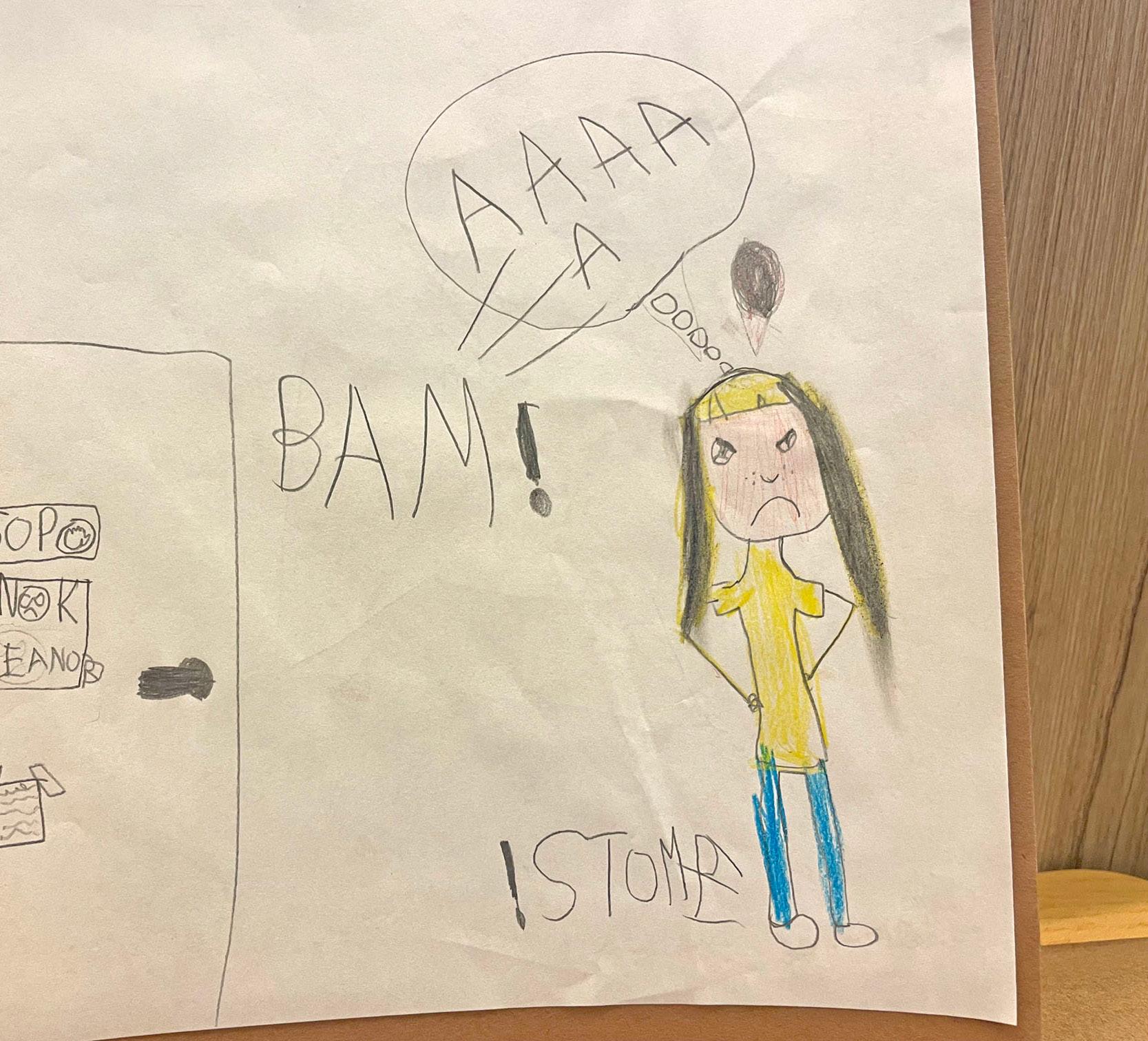
The Green Classroom has been busy building community, fostering connection, and creating a joyful, safe space for learning. Each morning begins with a Morning Meeting, a time to greet one another, share, play community-building games, and practice mindfulness through deep breathing and affirmations. These routines nurture self-awareness, empathy, and regulation, helping students feel calm, focused, and ready to learn.
Our class has been exploring growth mindset through stories like The Reflection by Marc Colagiovanni, inspiring students to create self-portraits paired with positive affirmations that celebrate their strengths and potential. We are also developing our understanding of the brain by learning about the prefrontal cortex, limbic system, and brain stem to better recognize and manage our emotions. Together, we are building an emotional vocabulary that helps us express our feelings with greater clarity and compassion.
Through collaboration, reflection, and shared responsibility, students are discovering that social-emotional learning is not something we add on; it is woven into everything we do. In the Green Class, every voice matters, every feeling is valid, and every challenge is an opportunity to grow.
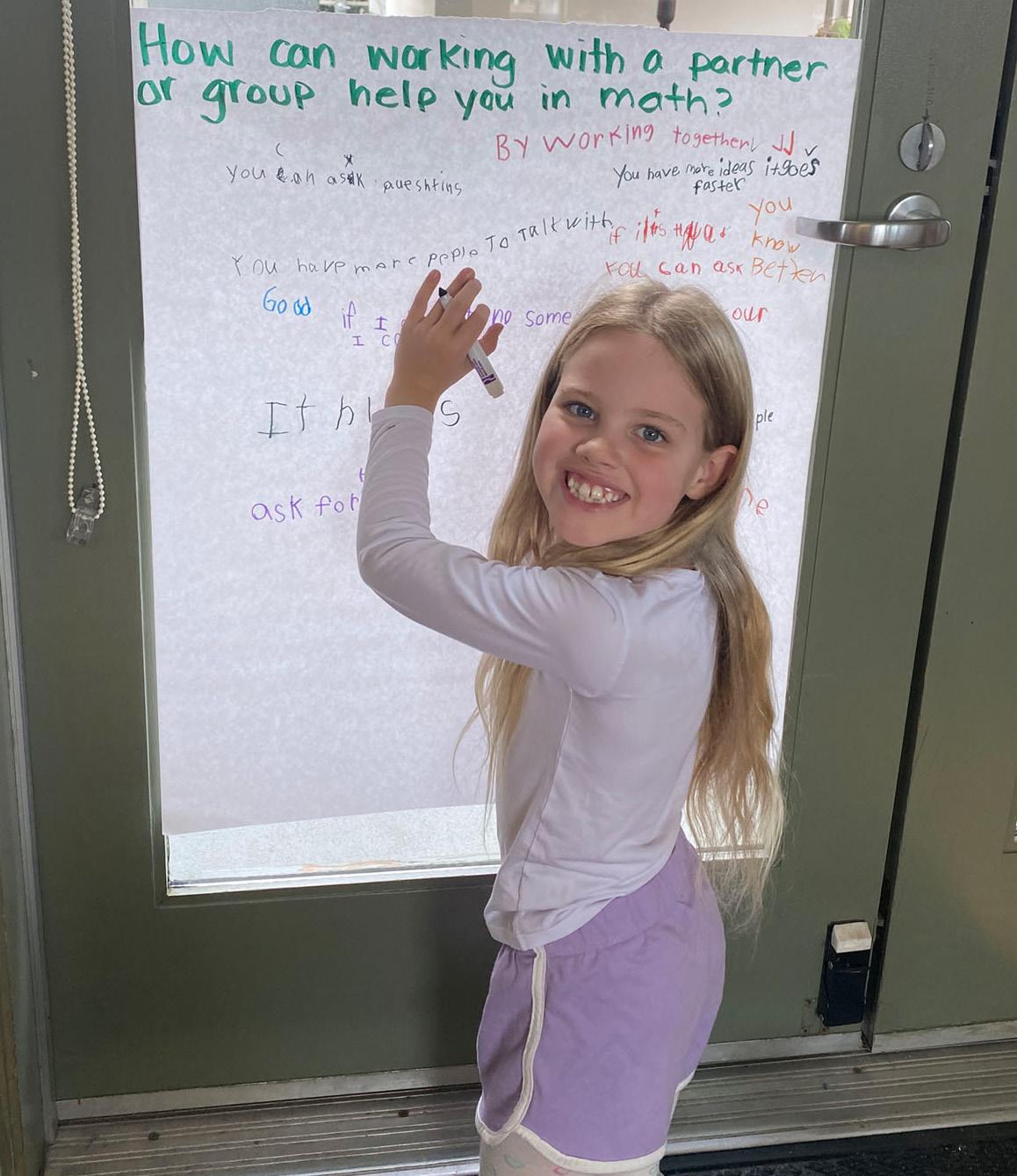
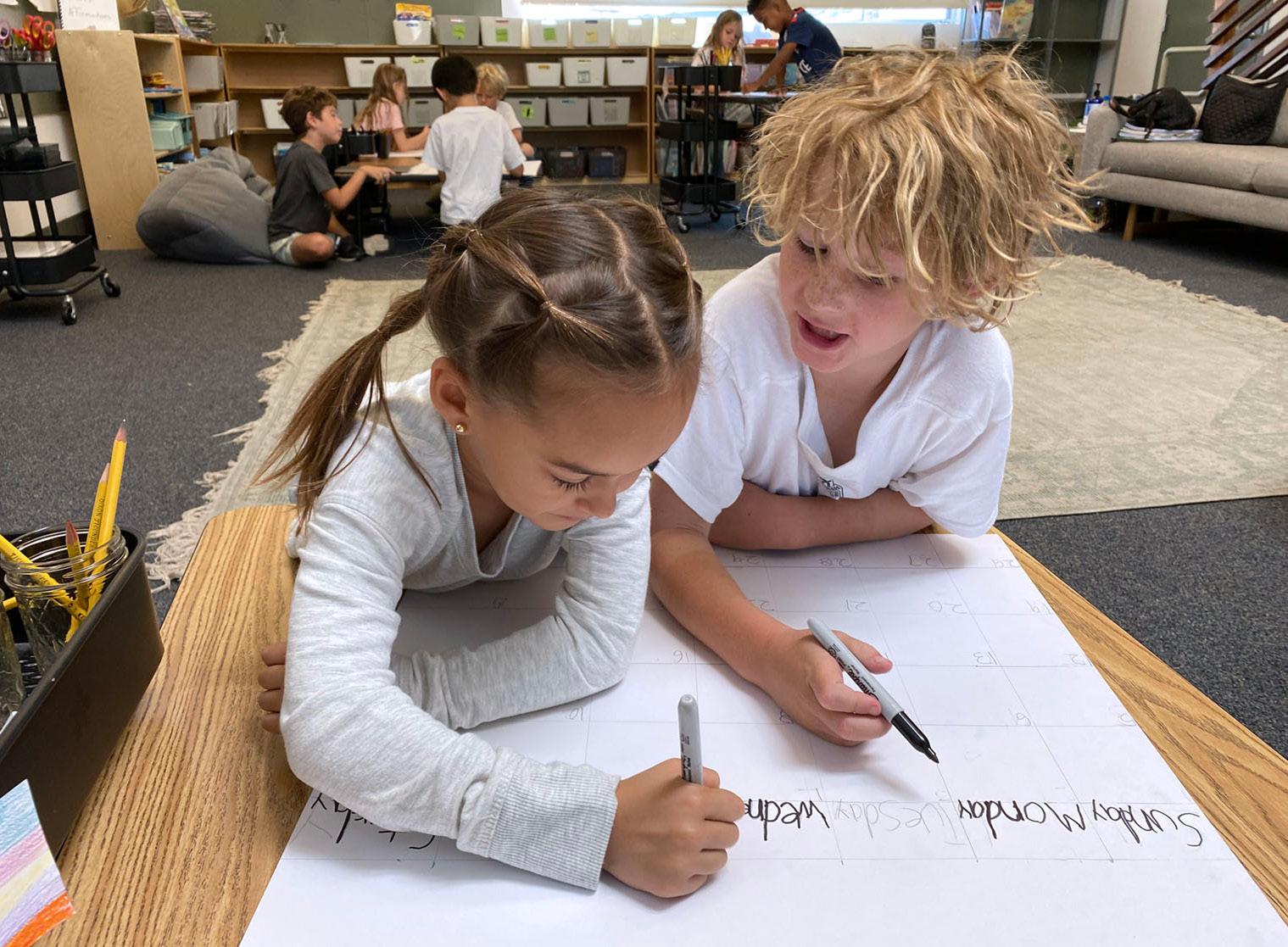
Through collaboration, reflection, and shared responsibility, students are discovering that social-emotional learning is not something we add on; it is woven into everything we do.
BILLY | DANIELLE
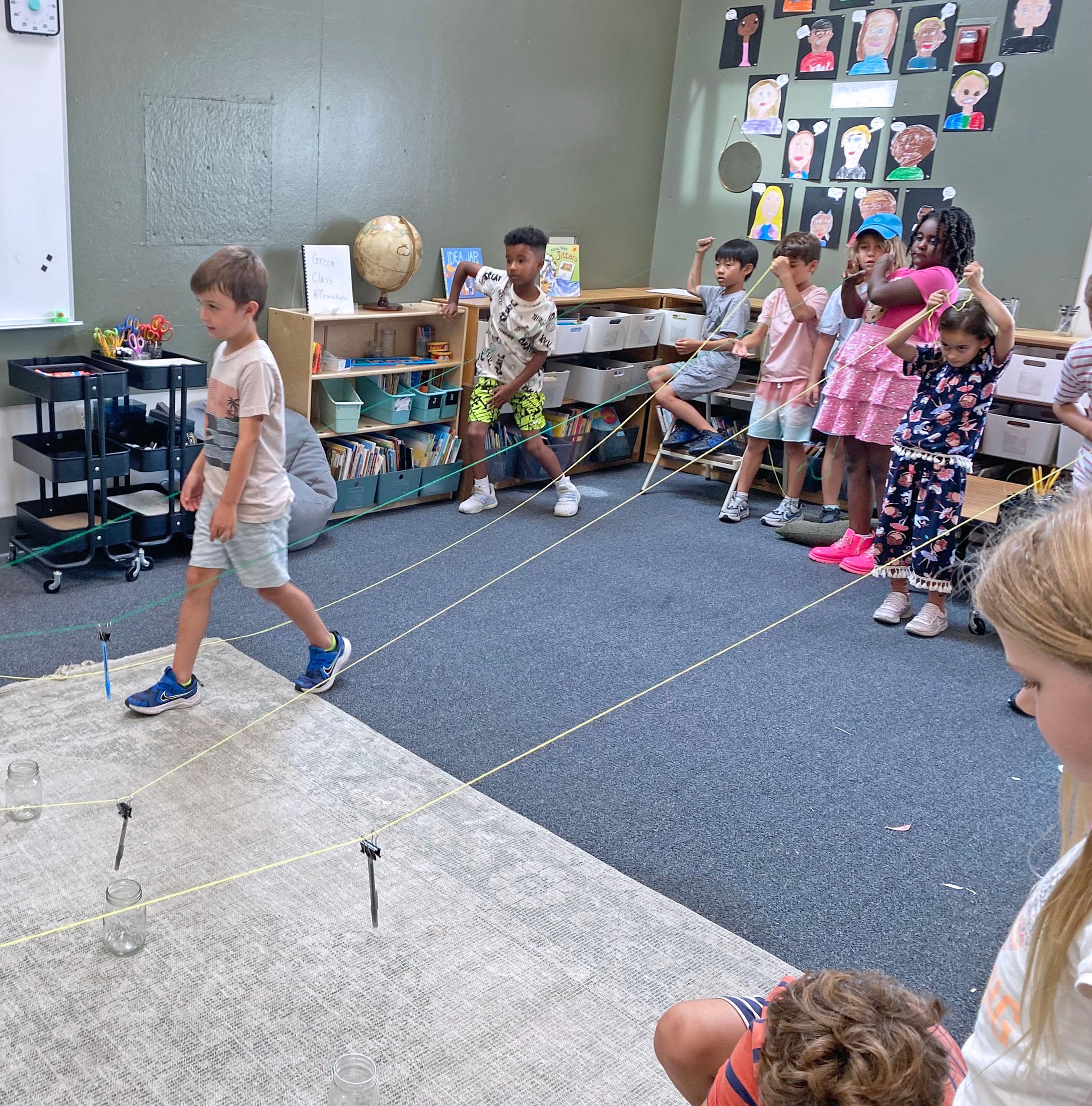
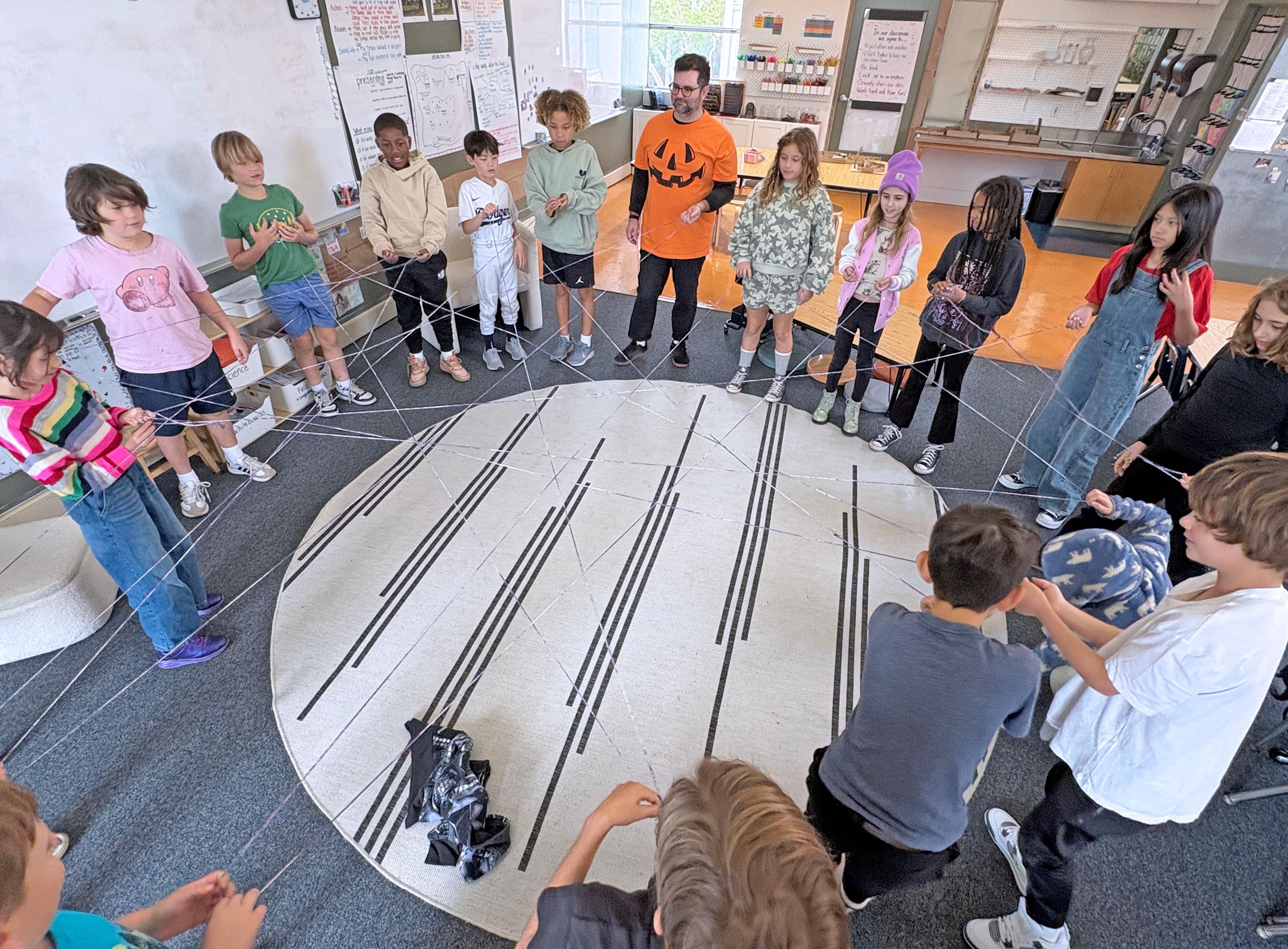
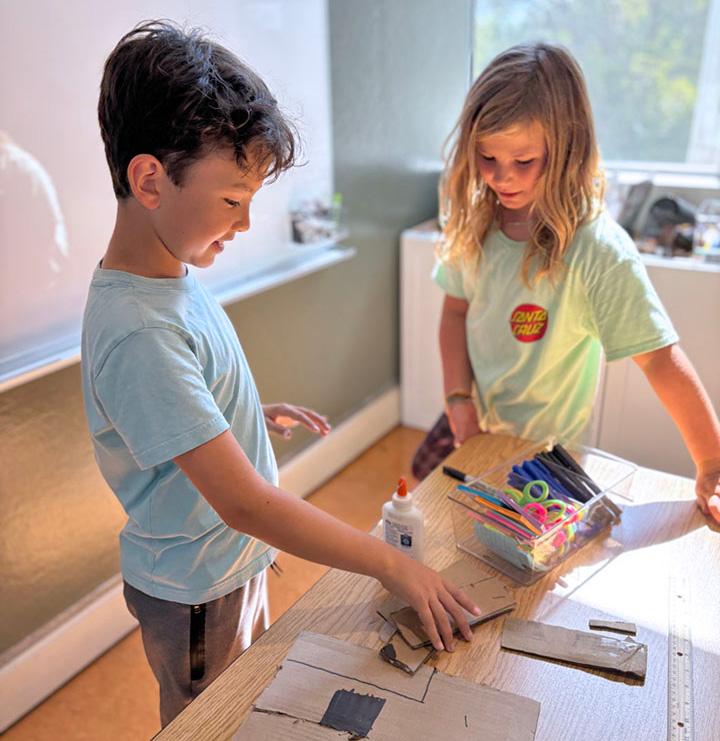
In the Middles Cluster, Social-Emotional Learning isn’t taught in isolated lessons— it lives in everything we do. In both Violet and Indigo, each day begins and ends in circle, where students are invited to be seen, heard, and valued. Our Opening and Closing Meetings help children name emotions, listen to one another, and practice the self-awareness and self-regulation skills that anchor PS1’s SEL Scope and Sequence.
A favorite part of our Closing Meeting is sharing appreciations. Students are randomly paired and offer a specific “I want to appreciate you for… because…” With practice, these moments strengthen our culture of gratitude and help students recognize the positive impact they have on one another. We also share Roses, Thorns, and Buds—our highlights, challenges, and things we’re looking forward to—which builds emotional vocabulary and normalizes the wide range of feelings we all carry through a day.
At the start of the year, both classes created shared class agreements connected to each child’s Hopes and Dreams. Returning to this agreement throughout the fall helps students remember that their choices contribute to the wellbeing of the entire community.
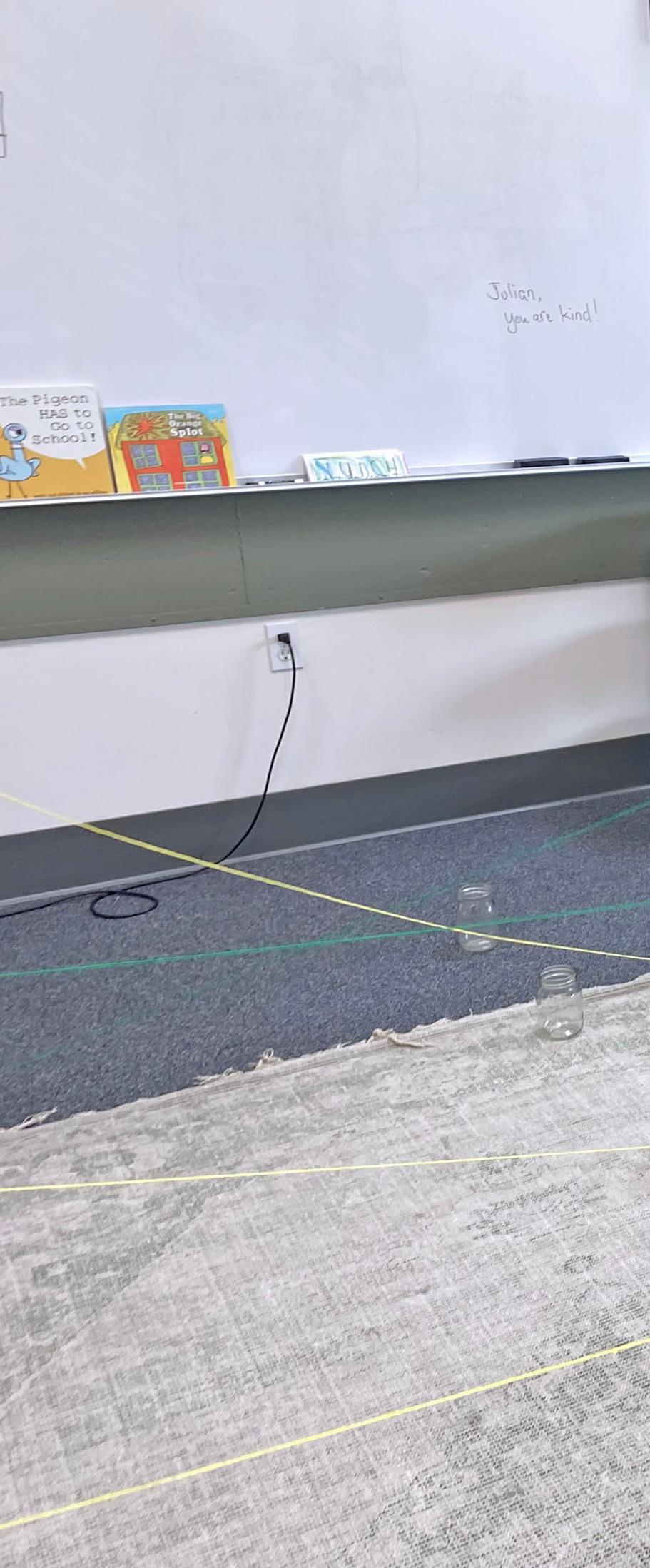
Our days are full of playful structures that deepen connection. Violet’s beanbag freeze game encourages students to notice when a classmate needs support and to respond with teamwork and care. Indigo’s common-thread challenges spark surprising discoveries about shared experiences. These joyful activities are intentionally designed to strengthen cooperation, empathy, and collaborative problem-solving.
To honor these acts of community, both classes earn “community puzzle pieces” for moments of collaboration, kindness, engagement, and perseverance. This fall, both Violet and Indigo reached 100 pieces—a collective achievement that we celebrated with a well-earned “Puzzle Party” complete with treats, face painting, and even karaoke.
When conflict arises—as it naturally does—we use our restorative routine, The Path Forward. Students learn to pause, take ownership, reflect on impact, and work toward meaningful repair. Over time, they build independence as problem-solvers who understand themselves and each other more deeply.
Across both classrooms, SEL is our daily practice. It is how we create belonging, nurture student voice, and support the academic and personal growth of every learner in our community.
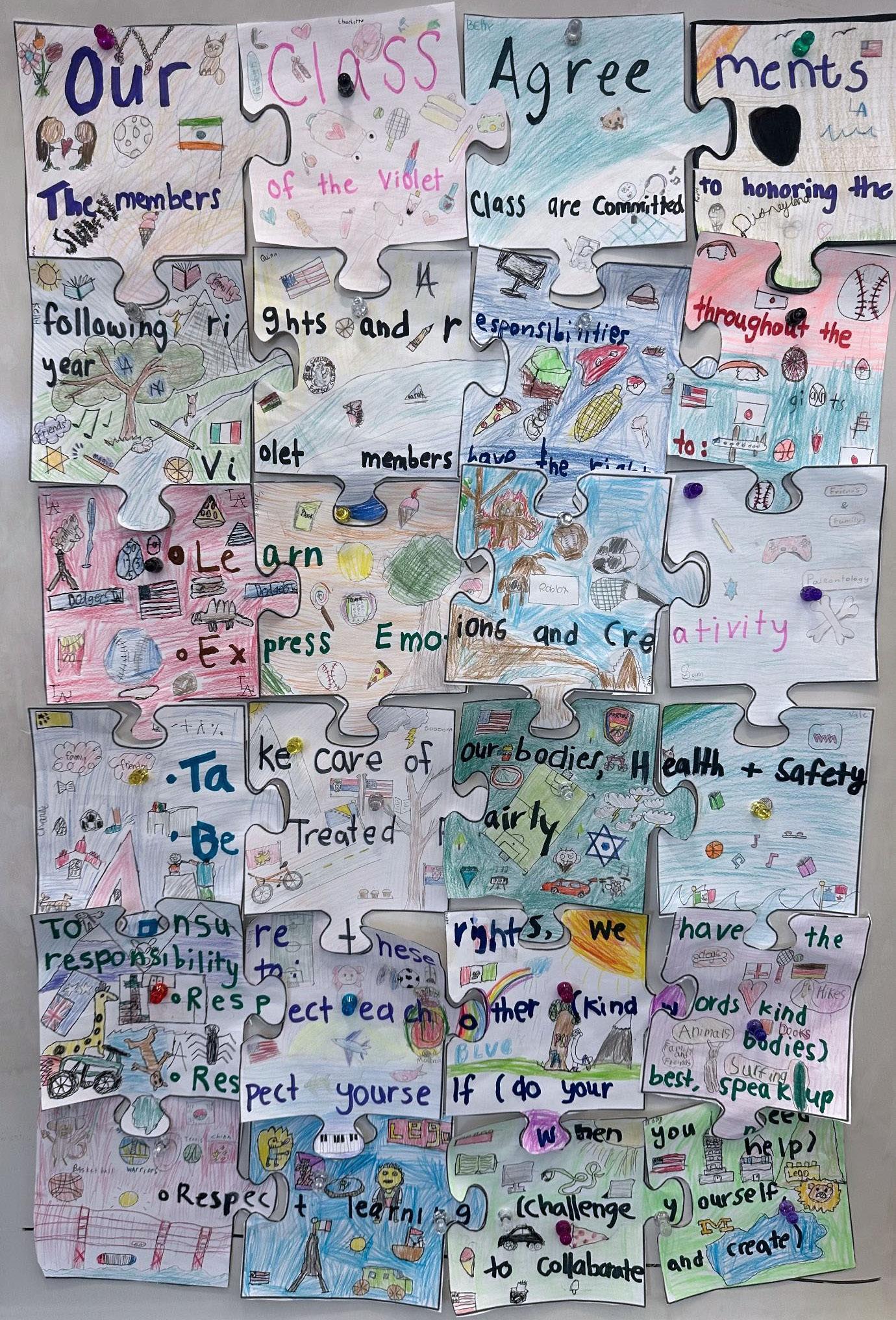
Indigo’s common-thread challenges spark surprising discoveries about shared experiences. These joyful activities are intentionally designed to strengthen cooperation, empathy, and collaborative problem-solving.
Using resources such as the CASEL 5 SEL framework, Harmony curriculum, the school’s Path Forward conflict resolution protocol, and Common Sense Media, the students are developing self-awareness, self-confidence, and community mindedness.
In Olders we see much of the extraordinary social emotional learning throughout the PS1 journey come to fruition. This manifests in, among other ways, our students being confident in speaking to their peers and receptive to hearing the thoughts and ideas of others. The traditional morning circle and council gathering is not only a time for greeting, it is also a time for constructive conversation.
Students in East Oak speak from the heart as they consider such questions as “When is a time when you have encountered something hard and how have you overcome it?” The ensuing conversation is characterized by not only the individual having the chance to speak but by classmates who are listening, identifying with, and empathizing.
In West Oak, while reading Paul Fleischman’s Seedfolks about a community garden that springs to life from a vacant lot, the class has created colorful flowers on whose roots students wrote their own qualities, on whose stem are goals for emotional growth, and on whose leaves and petals are testimonies of goals being realized.
In North Oak students recently worked side by side with their Youngers Yellow buddy class to create huge banners of gratitude for different members of our community. The connection between students of different ages results in children growing in confidence and agency.
As a Cluster we meet every Tuesday morning for Town Hall which is led by a fifth-grade student. After the student calls on teachers to update the cluster on upcoming events, they pose a question to the group of their own choosing such as, “If you could travel anywhere in the world, where would you go and why?”
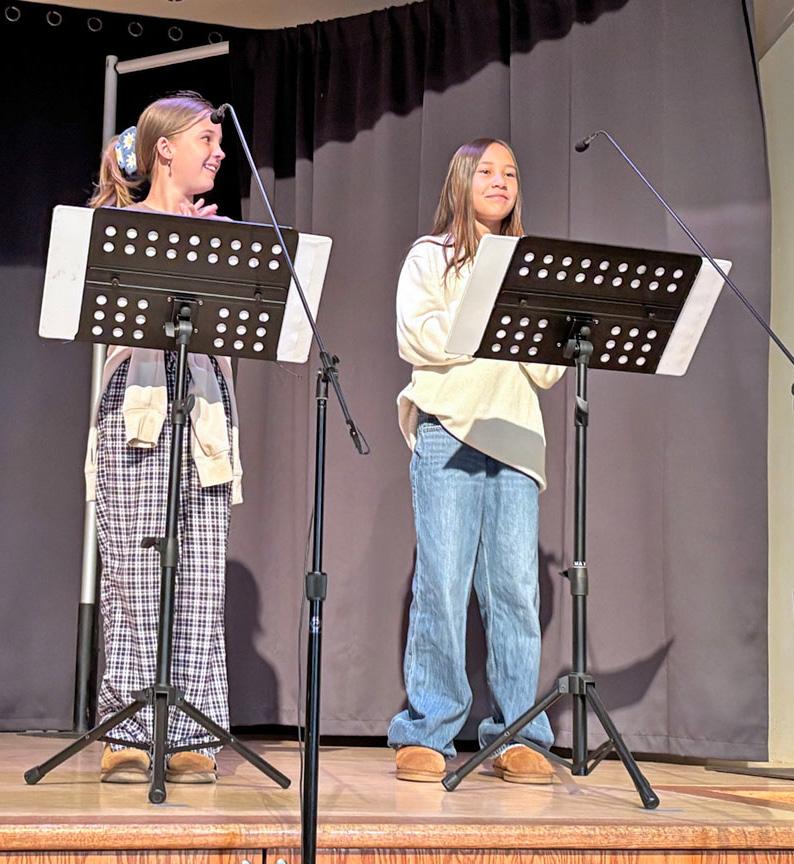
Our sixth-grade students are ambassadors for school tours, who sit on a panel to answer questions from prospective parents. They demonstrate remarkable poise as they speak to how they have learned to solve conflict and to confidently speak to adults (and to respectfully speak to each other).
Using resources such as the CASEL 5 SEL framework, Harmony curriculum, the school’s Path Forward conflict resolution protocol, and Common Sense Media, the students are developing self-awareness, self-confidence, and community mindedness.
LINA
We use the THINK model before you speak to foster awareness of how we speak to others and ourselves.
THINK stands for:
T = Is it true?,
H = Is it helpful?,
I = Is it inspiring?,
When we use mindfulness in the art room, we are focusing on the present moment. We are not preoccupied with either the past or the future. We focus on our emotions, feelings, thoughts, and sensations at that specific moment.
For example, listening to calming music is effective to gather our thoughts and to calm down after playing and running around during recess.
Another technique we use in the art room is closing our eyes and visualizing our art idea in our heads before we attempt drawing it.
We use the THINK model before you speak to foster awareness of how we speak to others and ourselves.
While creating art the students have freedom to express themselves, their interests, feelings and art styles. The goal in the art room is to believe in our own ideas, have fun and to become confident artists.
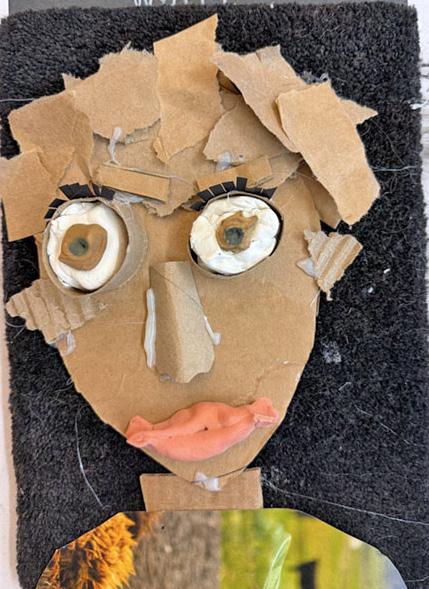
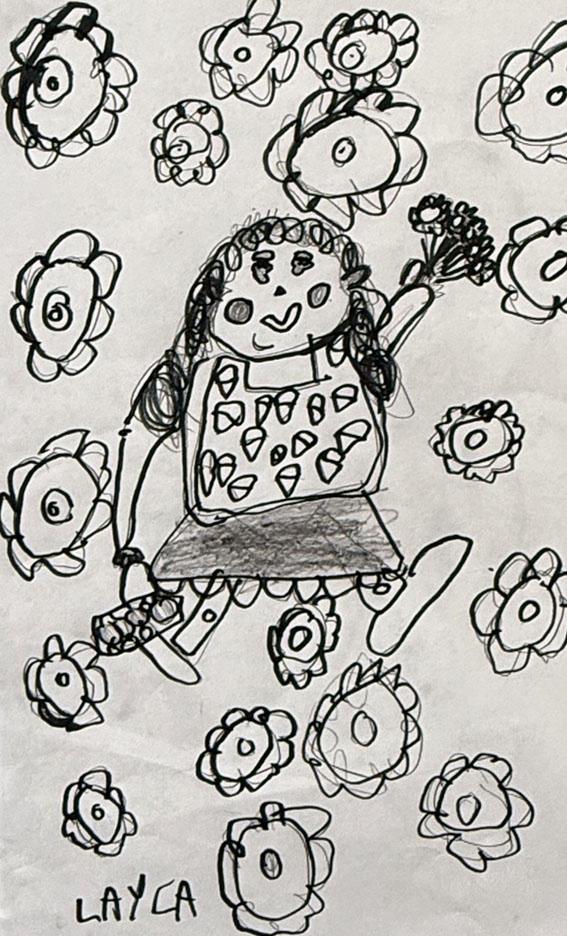
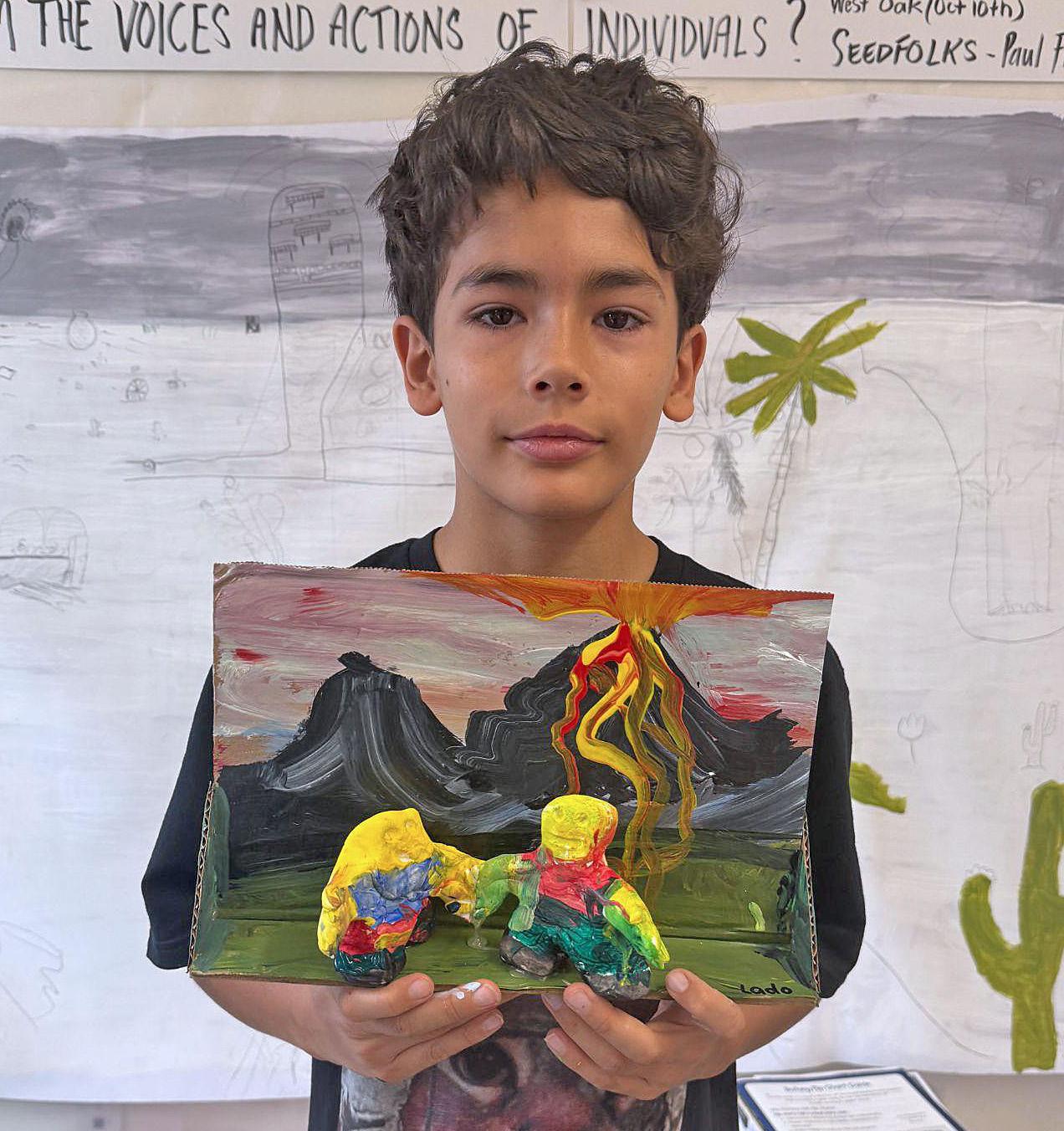
The students in Youngers created selfportraits with black markers and included a special activity they love doing, Bridge students created a 3D tree sculpture out of cardboard and used their imagination to sculpt a small landscape around the tree, exploring why trees are so important, Middles students made self-portraits with cardboard and paid attention to elaborate facial expressions reflecting both feelings and moods. Olders students sculpted symbols of meaningful things they get out of playing in nature and having an outdoor community space/garden.
N = Is it necessary?,
K = Is it kind?
Finding Our Voices: SEL in “James and the Giant Peach Jr.” Rehearsals
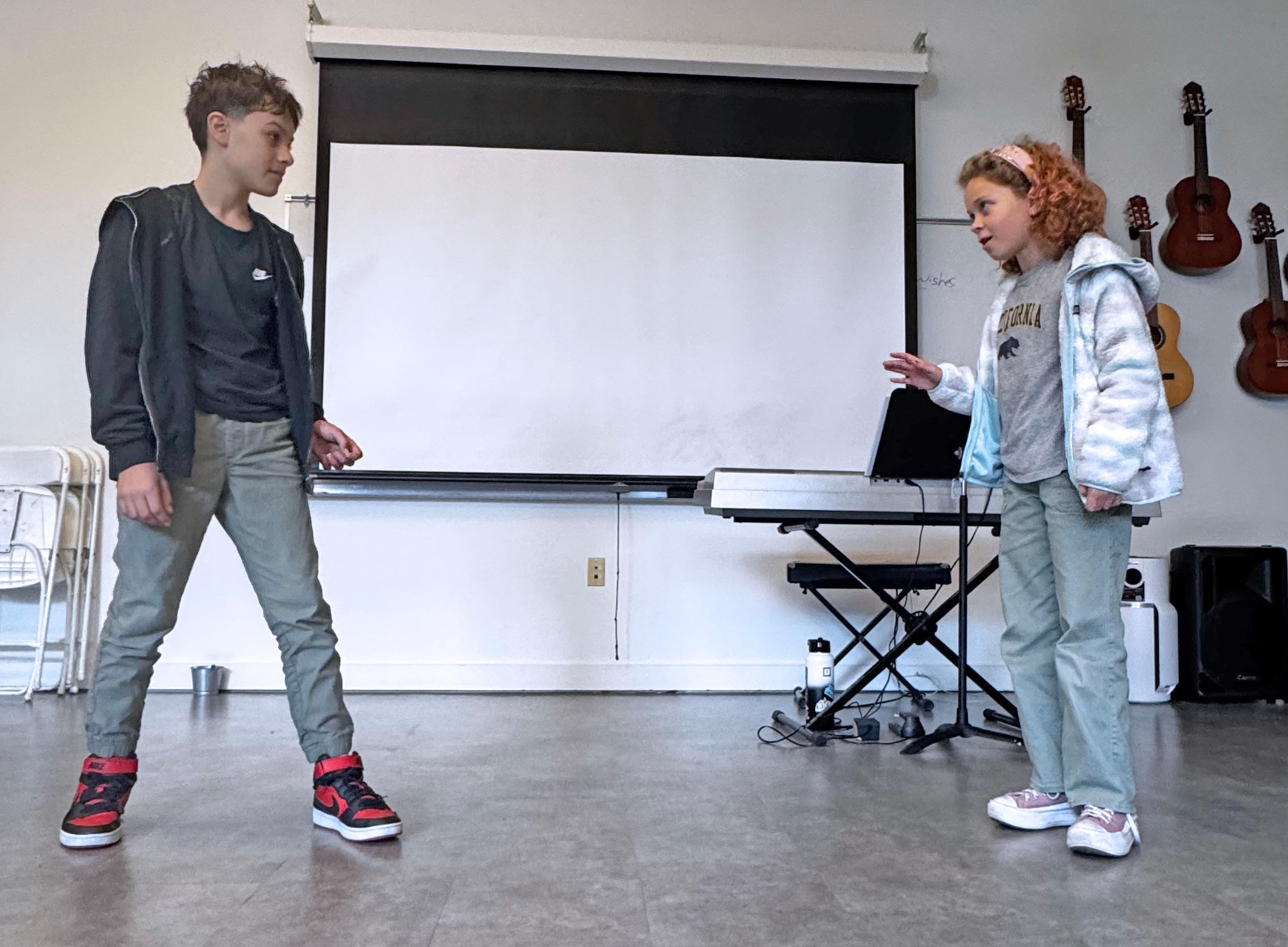
As rehearsals for James and the Giant Peach Jr. unfold, students are doing far more than learning lines and songs— they’re discovering themselves as artists and teammates. For many, this is the first time they’ve ever been in a full musical, making each rehearsal a powerful opportunity to explore self-awareness, resilience, and connection.
Through character work, ensemble singing, and libretto reading, students practice self-awareness: noticing emotions before auditions, recognizing their strengths, and understanding what helps them perform with confidence. Along the way, they’ve built a stronger sense of identity and belonging within the group.
Self-regulation is nurtured in real time— students use coping strategies for stage nerves, show perseverance when memorization feels daunting, and practice mindfulness when managing energy and focus during rehearsals.
A special moment came when several cast members began using their recess time to meet in the music studio, working on scenes and practicing their acting together. Their initiative showed true ownership—balancing schedules, supporting one another, and demonstrating how responsibility and collaboration bring their shared vision to life. In these moments, they’re not just preparing for a performance; they’re learning what it means to commit, create, and care as a community.
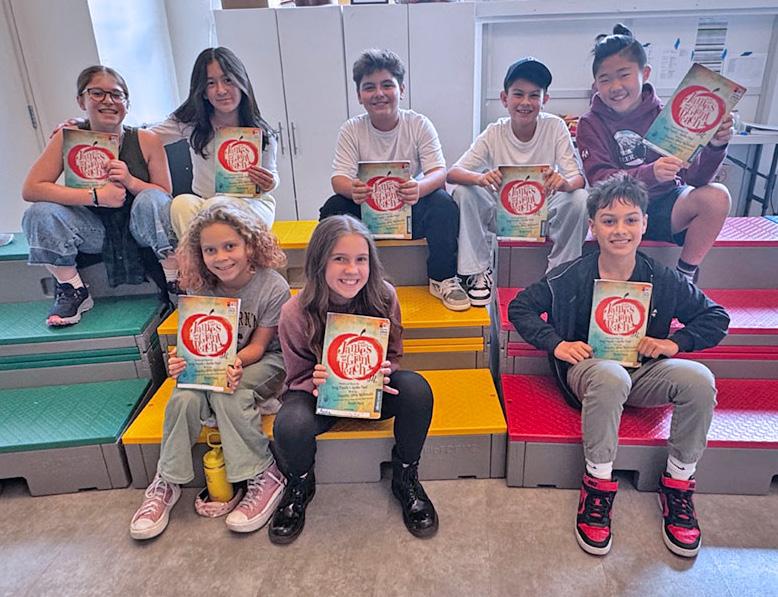
Through character work, ensemble singing, and libretto reading, students practice self-awareness: noticing emotions before auditions, recognizing their strengths, and understanding what helps them perform with confidence.
PEDRO
Physical Education is more than developing physical skills, it is also a space for teaching and practicing SocialEmotional Learning. Through movement, teamwork, and reflection, students learn to understand themselves, manage emotions, and build meaningful relationships. SEL in PE helps students develop confidence, empathy, and a sense of responsibility.
In every class, students experience a range of emotions, joy, excitement, nervousness, and sometimes even anxiety. By guiding them to recognize and express these feelings, teachers help students replace reaction with reflection, strengthening communication and emotional regulation.
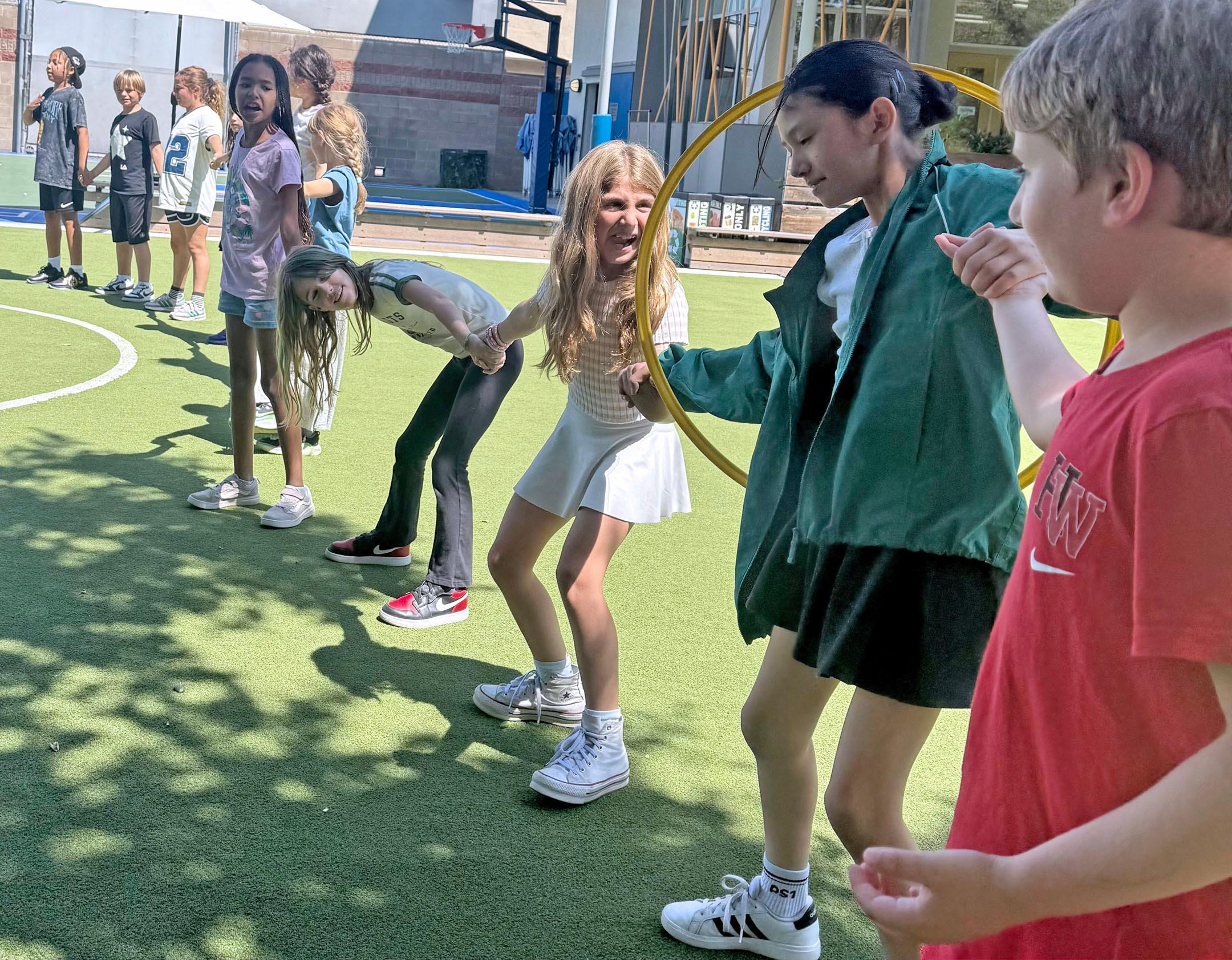
Physical Education naturally fosters collaboration, teamwork, and empathy. Through team and partner activities, students learn to appreciate diverse abilities, value inclusion, and resolve conflicts respectfully.
Every warm-up, game, and reflection reinforces SEL skills. When a student encourages a struggling teammate, they show empathy. When a student sets a goal to improve, they demonstrate selfawareness. When the class celebrates each other’s efforts, they foster a caring and connected community.
Physical Education naturally fosters collaboration, teamwork, and empathy. Through team and partner activities, students learn to appreciate diverse abilities, value inclusion, and resolve conflicts respectfully. PE becomes a safe environment to practice listening, fairness, and understanding.
In PE, when we move, we grow, not just stronger bodies, but stronger hearts and minds. PE teaches students to move with purpose, play with empathy, and demonstrate respect, one game at a time.
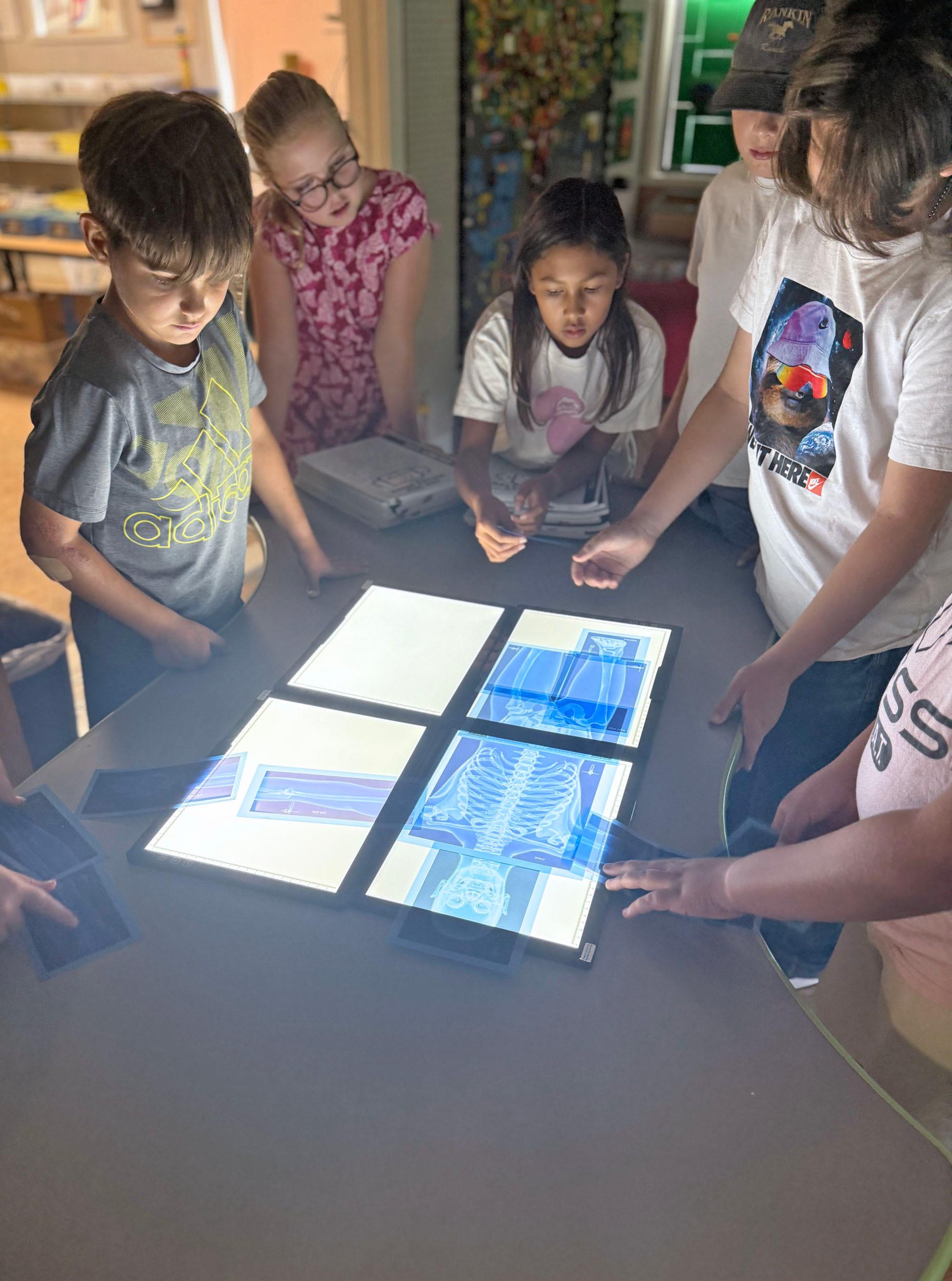
Whether coding, planting, or constructing, students learn that emotional intelligence— understanding themselves and others—is key to innovation.
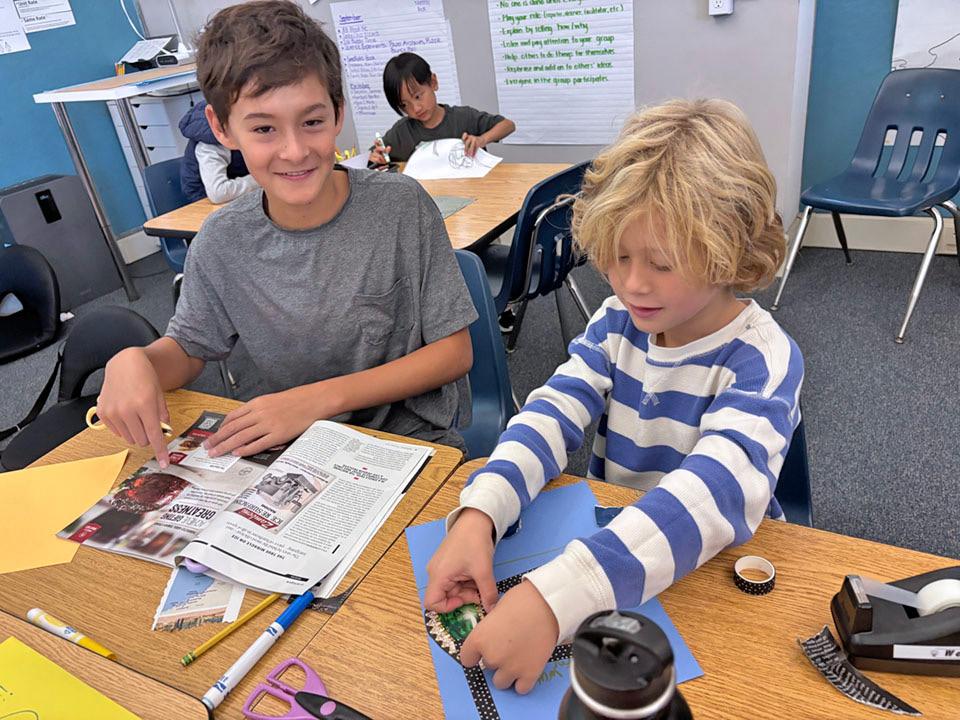
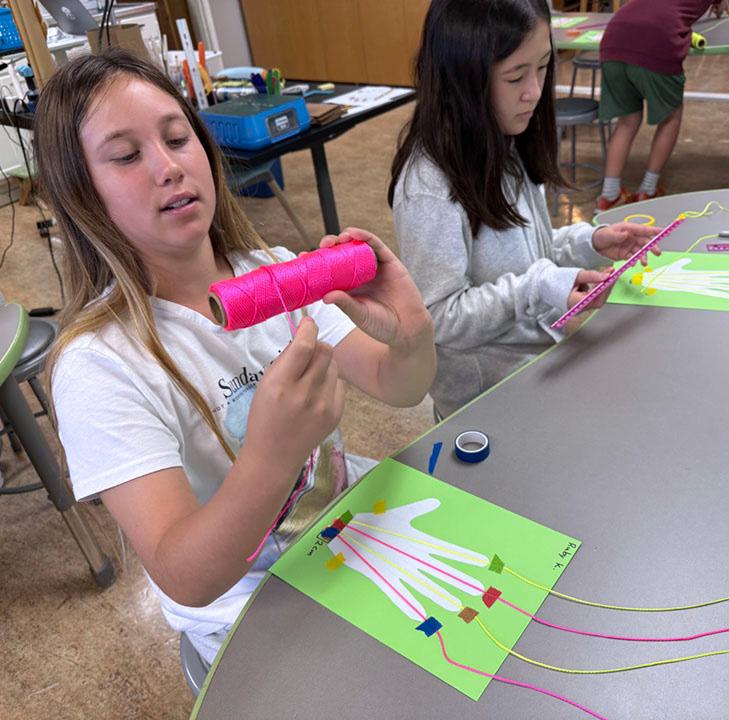
In our Studio program, Social-Emotional Learning is woven into everything we do. STEAM isn’t just about building robots or solving problems—it’s about working together, thinking creatively, and learning how to manage challenges with persistence and curiosity. When students design, test, and refine their ideas, they practice resilience and know that mistakes are part of the growth process. Collaboration is at the heart of every project; students share ideas, listen to others, and learn to navigate different perspectives respectfully. These experiences help them build empathy, communication, and teamwork—skills that are just as vital as technical knowledge.
STEAM activities also nurture self-awareness and confidence. When students take risks, try new tools, and see their designs come to life, they develop a sense of pride and ownership in their learning. Reflection is built into our process, helping students recognize their strengths and identify areas to grow. Whether coding, planting, or constructing, students learn that emotional intelligence—understanding themselves and others—is key to innovation.
In short, STEAM and SEL go hand in hand: both empower students to become thoughtful problem-solvers, caring collaborators, and resilient learners ready to take on the challenges of an ever-changing world.
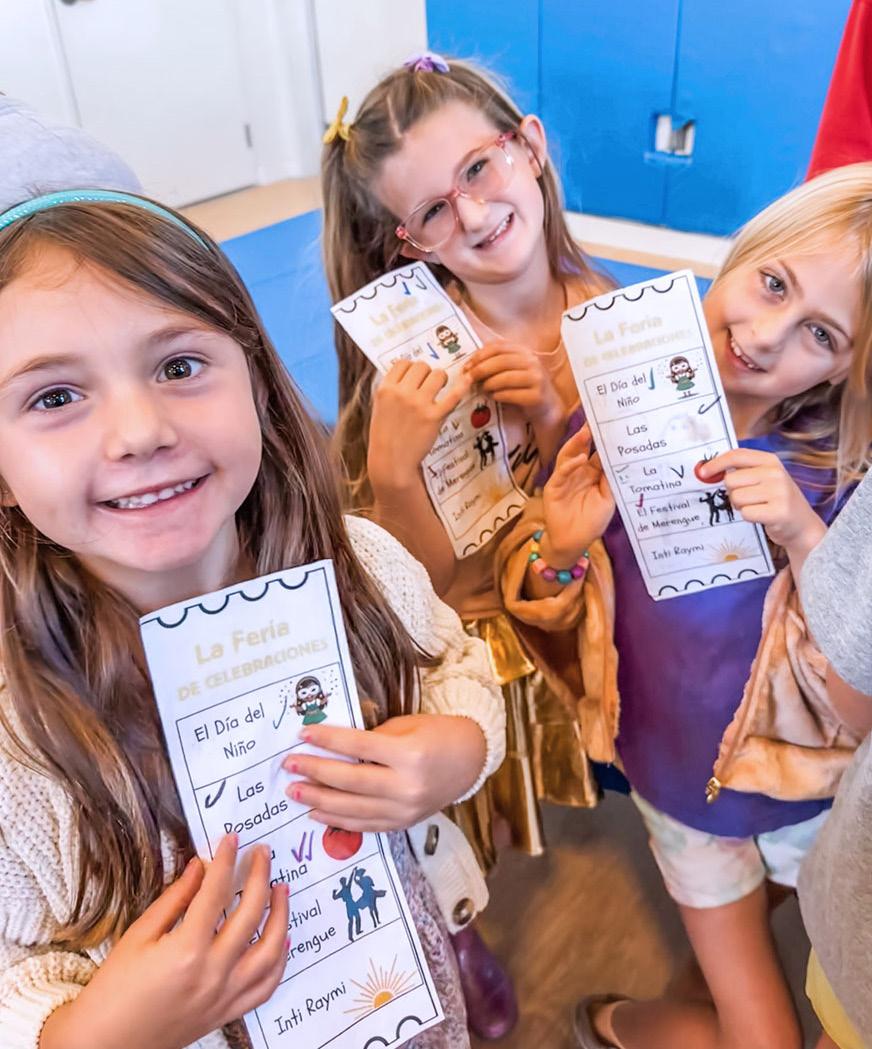
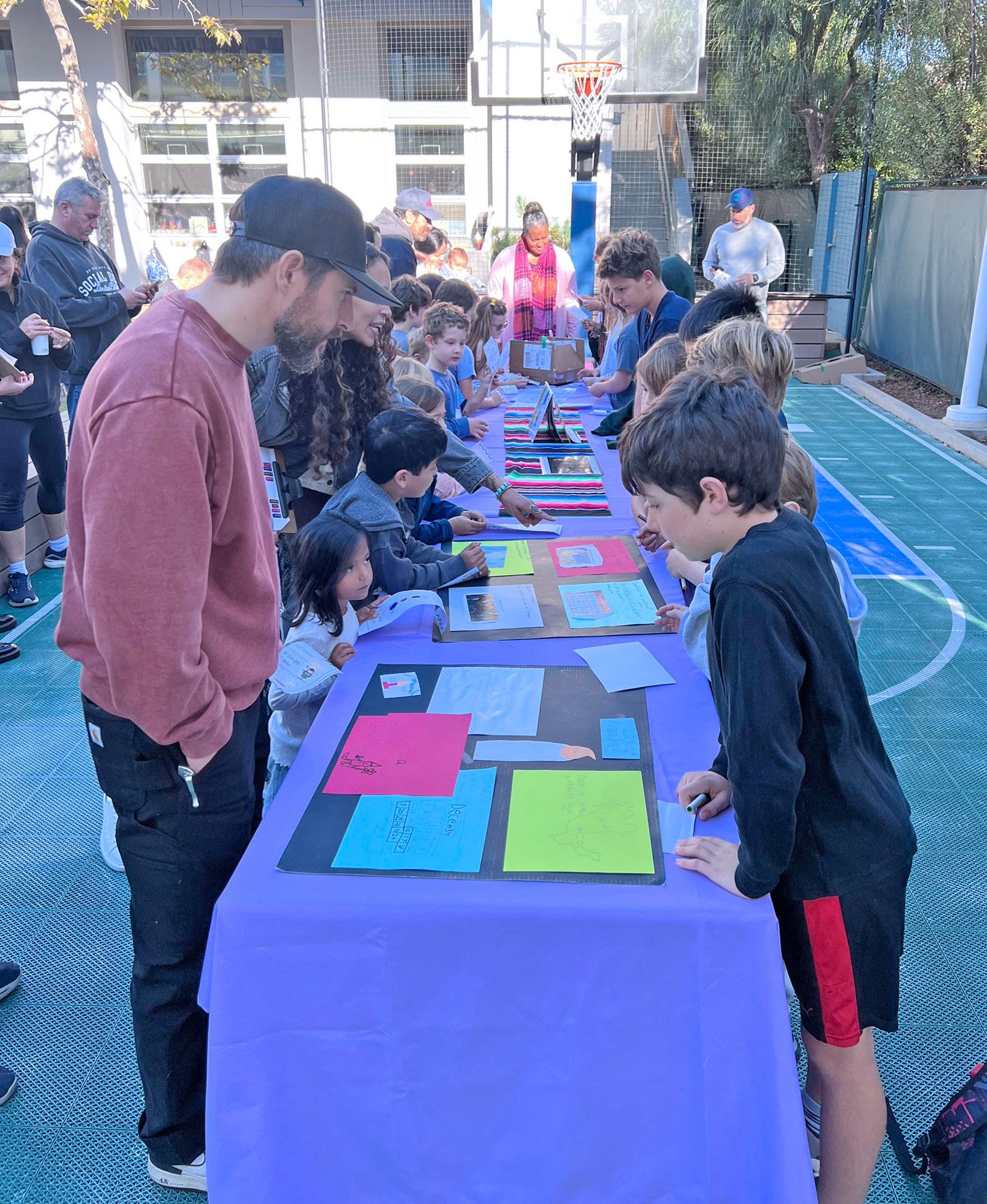
This year in Spanish we held a Fería de Celebraciones—a Celebrations Fair—that brought Social-Emotional Learning to life through authentic, collaborative, and culturally rich work. In a science-fair format, Olders and Middles researched and presented one of five celebrations from Latin America and Spain, while Youngers, Bridge students, and visiting adults rotated through stations to learn, ask questions, and engage in both English and Spanish.
Throughout the project, students practiced key SEL skills—collaboration, communication, and shared responsibility. Working in groups required listening to differing ideas, dividing tasks, and supporting one another. Presenting to younger students built confidence and self-awareness, while audience members demonstrated curiosity, empathy, and respectful listening.
Their reflections capture the SEL at the heart of this work:
“We divided responsibilities by having one individual research and one individual use that research and make the poster. We then switched on and off. I learned that using ‘divide and conquer’ can help make a lot of progress.”
—Alex M, Grad
“The thing that challenged me the most was, talking in front of people I don’t know… I would take a deep breath and calm myself down which really helped.”
—Bodan P, Grad
“The part where I had to ask the kids what their name was and how they were today in Spanish was challenging for me. I handled it by staying confident and positive.”
—Elara G, Olders
“I usually am not good at talking to a lot of people but I had a partner and I felt really confident!”
—Liana A, Olders
“I managed my time by working hard, working together with my partner, and going to the extra Spanish work time during lunch.”
—Luke F, Middles
Presenting to younger students built confidence and self-awareness, while audience members demonstrated curiosity, empathy, and respectful listening.
La Féria de Celebraciones showed how cultural learning and SEL naturally strengthen community and give students space to shine.
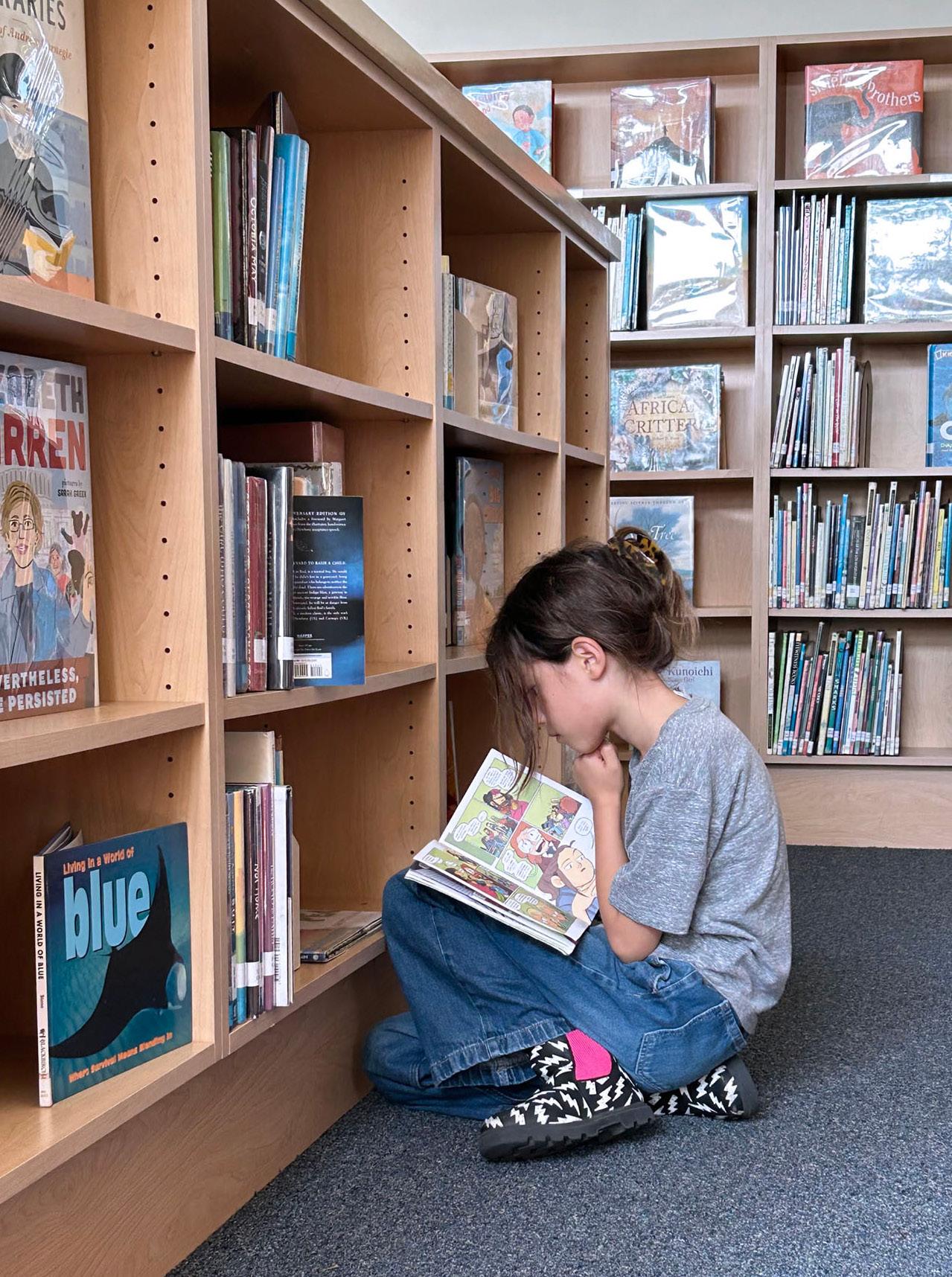
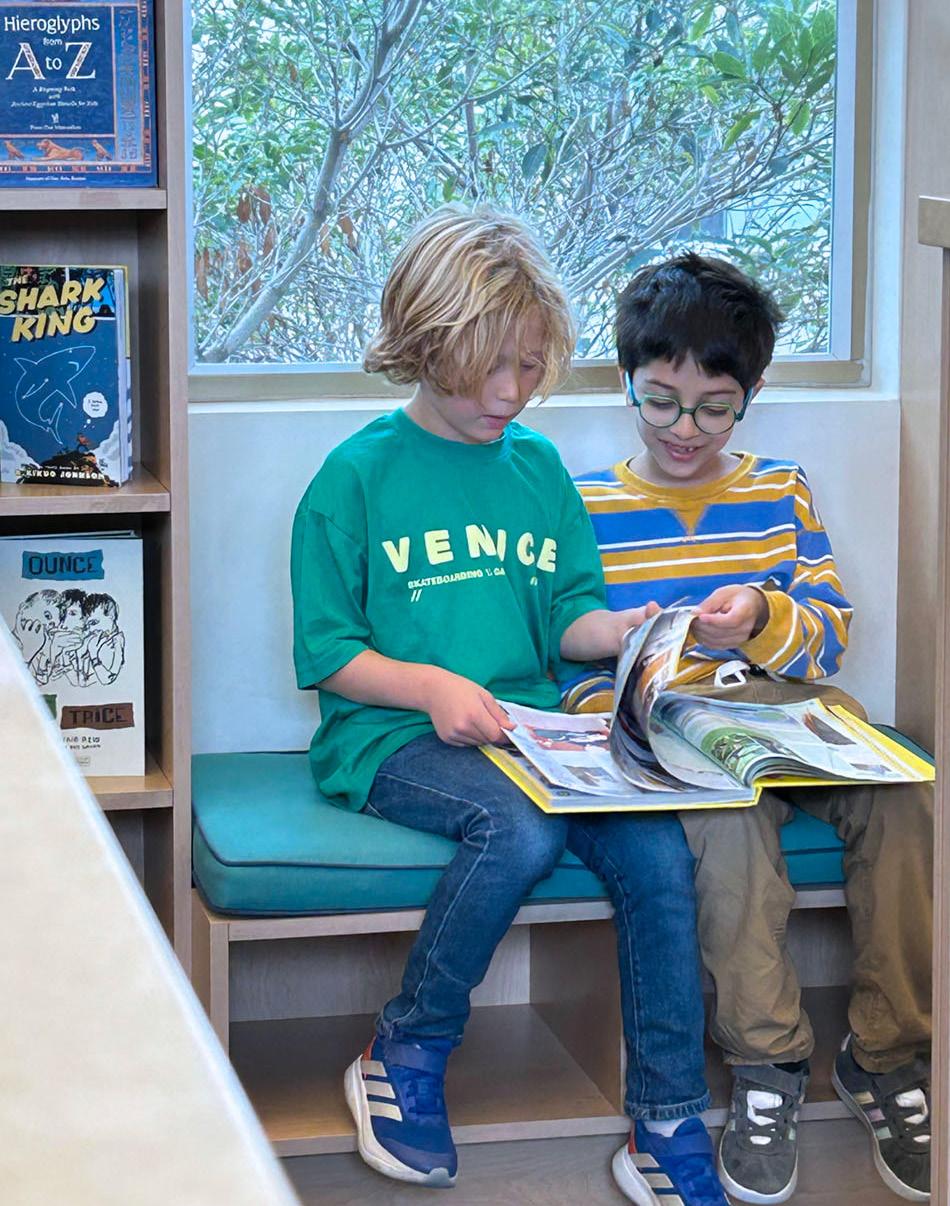
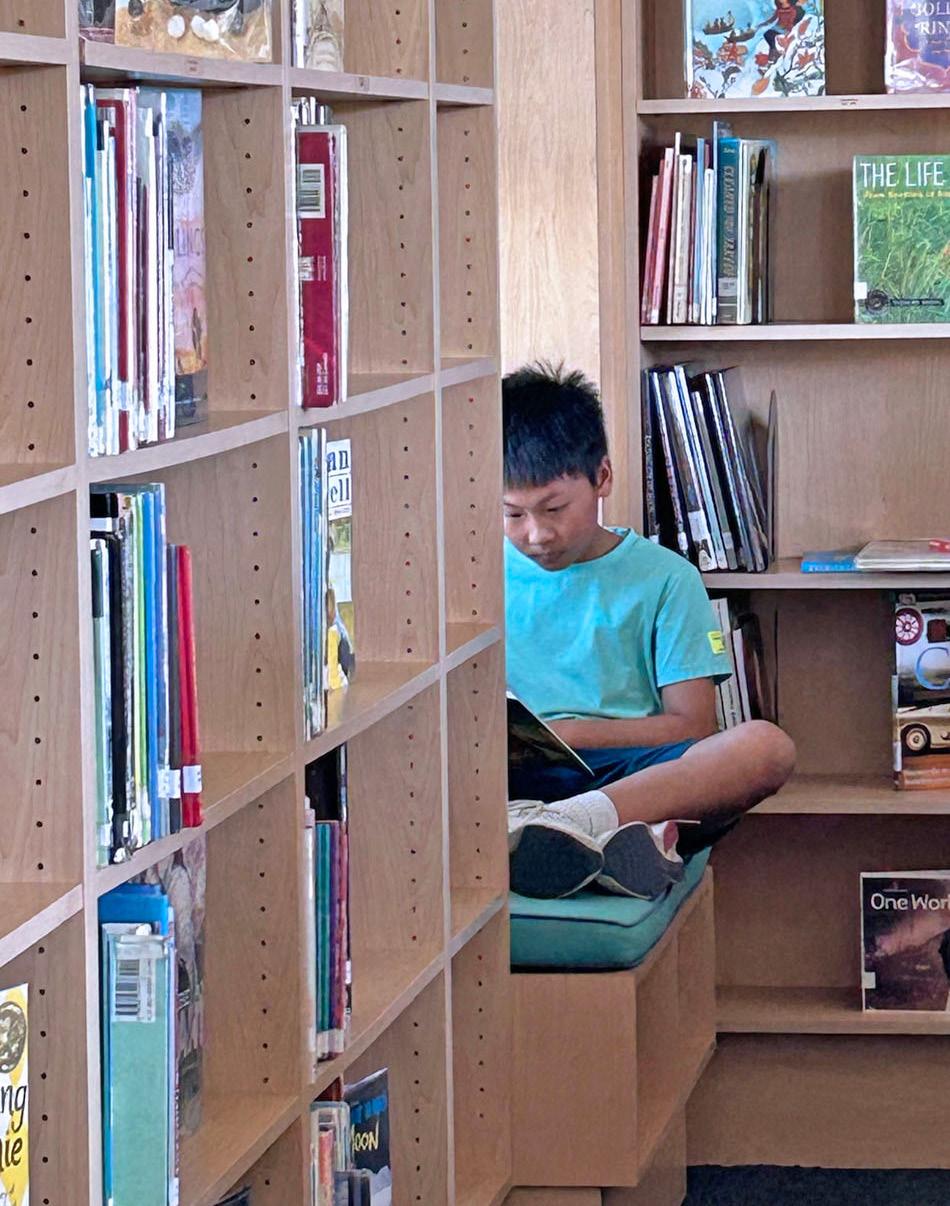
Just the mere activity of reading will give you soft skills—it will teach you how to be patient, how to be persistent, how to concentrate, how to listen to yourself, how to expand one’s vocabulary. How to imagine.
Jason Reynolds writes lovely and inspiring novels for Young Adults, and he has a powerful way of articulating just exactly how cool books are. I have been just looking for a reason to share these words of his, and SEL-themed Periscope is it!
These books. They’ll give you all sorts of soft skills. Just the mere activity of reading will give you soft skills–it will teach you how to be patient, how to be persistent, how to concentrate, how to listen to yourself, how to expand one’s vocabulary. How to imagine.
While I would never, ever suggest that we read books in order to work on self-awareness, or perceive other perspectives, or develop empathy and compassion, I will tell you that any good story will be an SEL lesson in and of itself. Every single time we share a poem or a story during Library Time, all these soft skills Reynolds are part and parcel of the experience.
We sit together, we share the same words and feel the same feels and the same ideas–each of us in our own unique ways. We have a collective experience, rich and multi-layered, in which we spend time together being joyously and fully human.
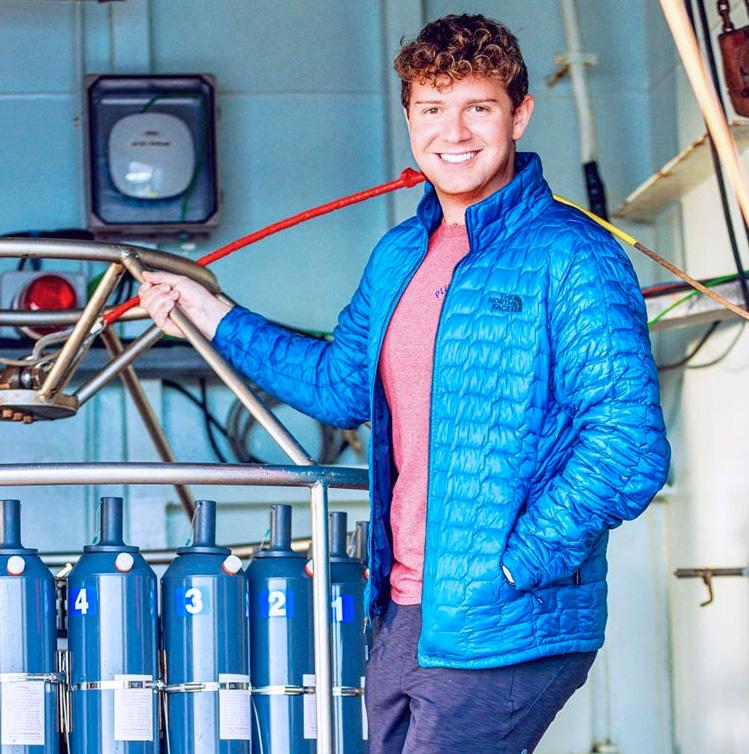
From PS1 Curiosity to Exploring Life at the Edge of Our Universe
At PS1, curiosity is never just encouraged, it’s trusted. For Dylan Vecchione ’11, that trust became the foundation for a life devoted to asking big questions about life on Earth and beyond.
Dylan is currently pursuing his Ph.D. in Biological Oceanography at the University of Washington’s Center for Environmental Genomics, where he is also part of UW’s interdisciplinary Astrobiology Program. A National Science Foundation Graduate Research Fellow, Dylan studies microbiology and molecular biology in some of the planet’s most extreme deep-sea environments. His work focuses on viral replication strategies, extremophile chemoautotrophy and biogeochemical cycling through the use of cutting edge tools like metagenomics, metaviromics and novel cultivation techniques to better understand how life survives, adapts and evolves under the harshest conditions.
By examining modern analogs to some of Earth’s earliest lifeforms, Dylan explores fundamental questions about the origin and early evolution of life, mechanisms of gene transfer and the genetic diversity that sustains life on our planet. These insights may also help scientists understand how life could develop elsewhere in the universe, an intersection of oceanography, molecular biology and planetary science that reflects Dylan’s deeply integrative approach to learning.
That approach was nurtured early on at PS1. Dylan fondly recalls time spent in the library, especially sharing lunches with Christina and the bamboo forest at recess. Some of his favorite memories include camping trips and outdoor education experiences, grammar lessons with Brad, classes with John, Chris and Holly as well as immersive historical reenactments with LiAnne. He credits the experiential models at PS1 in Humanities, specifically English
and History, with teaching him that he loved the learned value of these educational models. These experiences, he says, taught him not just what to learn, but how to think.
Being taught how to think and learn at PS1 afforded Dylan the opportunity to form community in big places and spaces, Dylan shared. This is a skill that has served him well as he navigates large research institutions and interdisciplinary scientific communities. One can “always make a big place feel small, but can’t make a small place feel big.”
While still a PS1 student, Dylan began pursuing his passion beyond the classroom. He founded Reef Quest, a project that grew into the ReefQuest Foundation, which fosters research and education in planetary-scale science through citizen science and large-scale data collection. Reef Quest even led to group trips including Hawaii, where Wildwood School students had the opportunity to become PADI, the Professional Association of Diving Instructors, dive certified, an early example of Dylan turning curiosity into real world impact.
Dylan continues to give back to the community that helped shape him. He is the founding Director of the Wildwood Institute of STEM Research and Development (WISRD), an organization dedicated to supporting members of the Wildwood community in reaching their full scientific potential by creating opportunities for original research at Wildwood School. He has also served as a PS1 Class Representative and delivered a TEDxTeen talk, sharing his passion for science, learning and exploration with broader audiences.
Outside the lab, Dylan has found a home in the Pacific Northwest. He describes Seattle’s climate as one of the region’s best kept secrets, offering access to skiing, snowshoeing, camping, hiking and endless connection to nature. His identity is based around nature and a love of nature.
Asked what advice he would give current PS1 students, Dylan’s answer reflects both his journey and PS1’s mission: do what you love, and you will not work a day in your life. Finding one’s passion, he believes, is essential and when supported by a community that values curiosity, experimentation and joy in learning, that passion can lead anywhere.
From the bamboo forest to the depths of the ocean and even toward the stars, Dylan Vecchione’s path is a powerful reminder of what can happen when many voices, questions and experiences come together to build a better world.
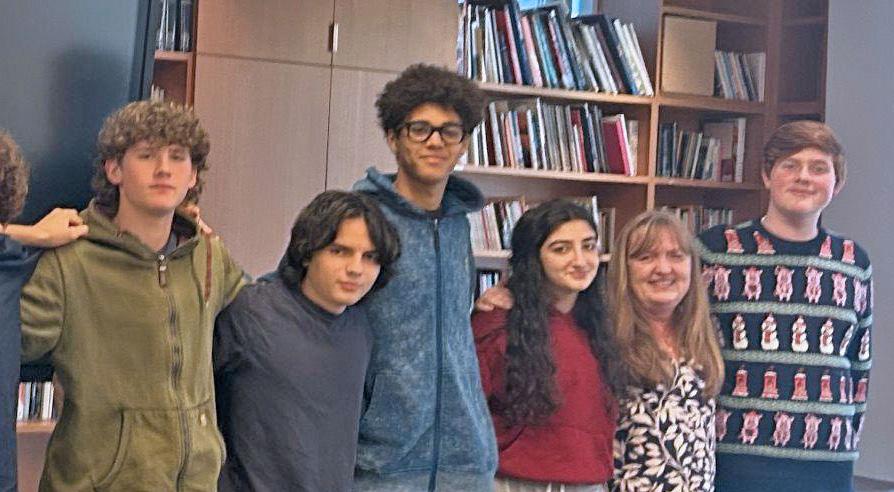
you’re an alum and would like a visit, we’d love to hear from you. New Roads Visit
The Cantor Family Jesse Cantor ’82 and his brother and sister attended PS#1 in the 70’s and 80’s. His parents, Jim and July Cantor, were both on the staff of the school in its early beginnings. His brother, Jo Cantor ’83 is a resident of LA, a candid and portrait photographer, and Jamila ’83 is a teacher of hearing impaired students, also in LA. Jesse is a lawyer in Mukilteo, WA.
Destinee Flonnoy ’15 Destinee graduated Wash U over the summer and has joined the Advancement team at Brentwood School as their new Alumni Engagement Associate.
Jacinda Hevesy-Rodriguez ’18 Jacinda plays soccer for Santa Monica College.
Mia Perttula ’20 Mia attends Wildwood School, where she is a musician and participates in concerts such as Cabaret. Mia served as a panelist for Life After PS1.
Taj Britton ’21 A student at New Roads, Taj is taking honors courses.
We are interested in what you’ve been doing since you graduated. Landed a new job? Received an award? Started a family? Have a new business? Submit your class notes to Tisa@psone.org
Blaise Gardner ‘21 Blaise attends Crossroads and studies visual art and theater. Blaise served as a panelist for Life After PS1.
Matis Gelinas ’21 Matis credits PS1 with helping him develop people skills and communicating with others. He keeps busy playing sports like waterpolo and swim as well as working as a swim instructor.
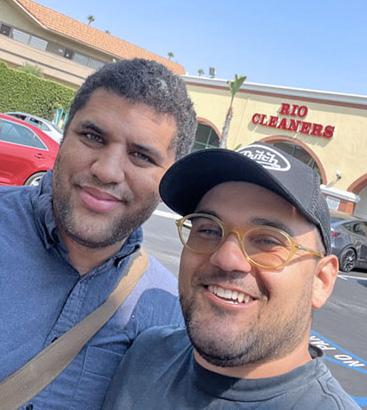
Friends and alums Keith Hill ’10 and Rudy Frayre ’10 have kept in touch and reconnected recently. Keith lives in Santa Monica with his wife, Alice, and works as a project manager for Rattigan Construction. Rudy also lives locally and is working with his stepdad.
Oliver Knight ’22 Oliver attends Windward School, where he is taking design courses and also served as a panelist for Life After PS1.
Julie-Alice Carreira ’23 A student at Brentwood School, Julie-Alice plays club water polo and served as a panelist on Life After PS1.
Olivia Fite ’23 Olivia is a student at Crossroads and participates in theater. Olivia served as a panelist for Life After PS1.
Marius Kumpata ’23 A student at New Roads, Marius is involved in drama, improv, film production and photography.
Valentina Melamed ’23 Valentina is happily pursuing tennis at New Roads and was a panelist for Life After PS1 last fall.
Rayan Chibane ’24 A student at New Roads, Rayan was selected to represent the West coast in a North, South, East, West United States soccer tournament.
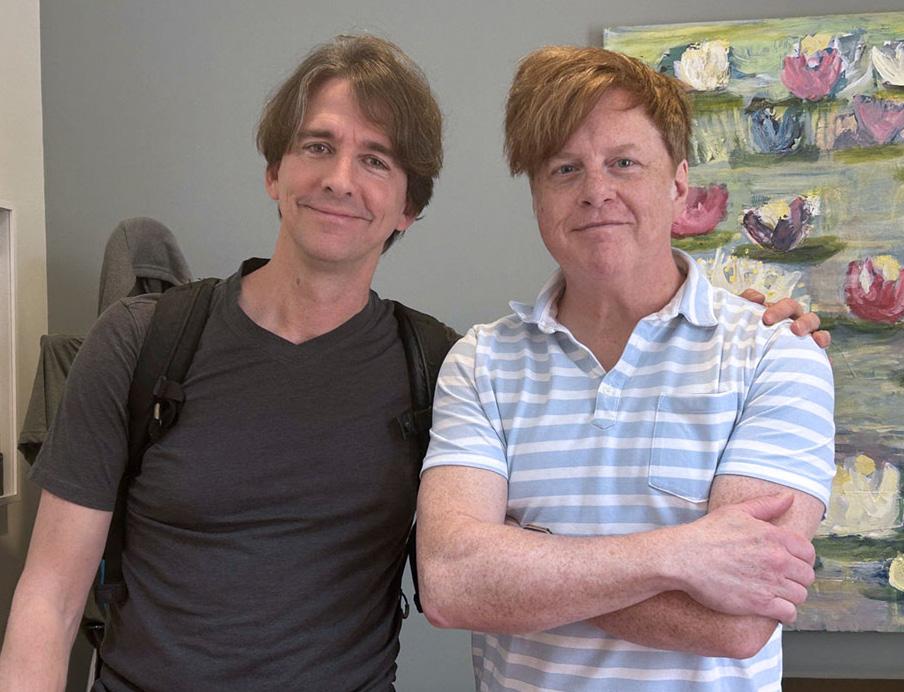
Scott Chamberlin,
Are you game? Come Play Ball with PS1 Parents, Parent Alums & Community most Tuesday nights at 8PM. It’s full-court three-onthree or four-on-four basketball, and always nice to have the MPR to ourselves. See the flyer for more info on this venerable decade-long PS1 parent tradition! Any skill level is welcome and encouraged. To get on the email list, email alum parents Scott Chamberlin since1969@mac.com or Ian Williams ianwilliams@gmail.com
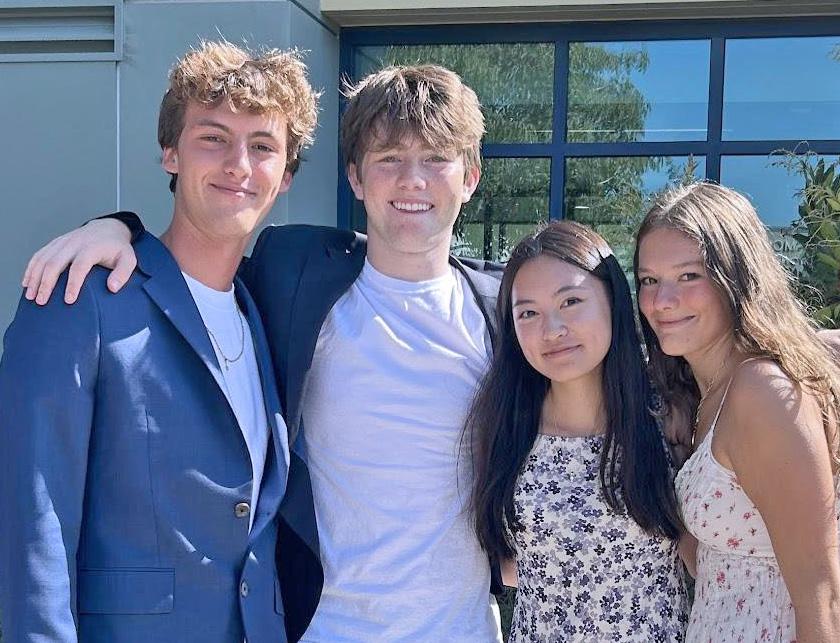
We are looking for alums who are interested in hiring other PS1 alums. If you are interested, please reach out to Tisa@psone.org
We are looking for unneeded or gently used yearbooks for the following years and quantities listed. Please reach out to Tisa to inquire about donating your yearbook to PS1.
93-94, 2 needed 94-95, 2 needed 96-97, 4 needed 97-98, 4 needed 98-99, 3 needed 99-2000, 2 needed
2000-2001, 1 needed 2003, 2 needed 2004, 1 needed 2005, 2 needed
PS1 Storycorps has teamed up with NPR for the Storycorps program. Click here for instructions on submitting your story. Click here to listen to PS1 community member stories.
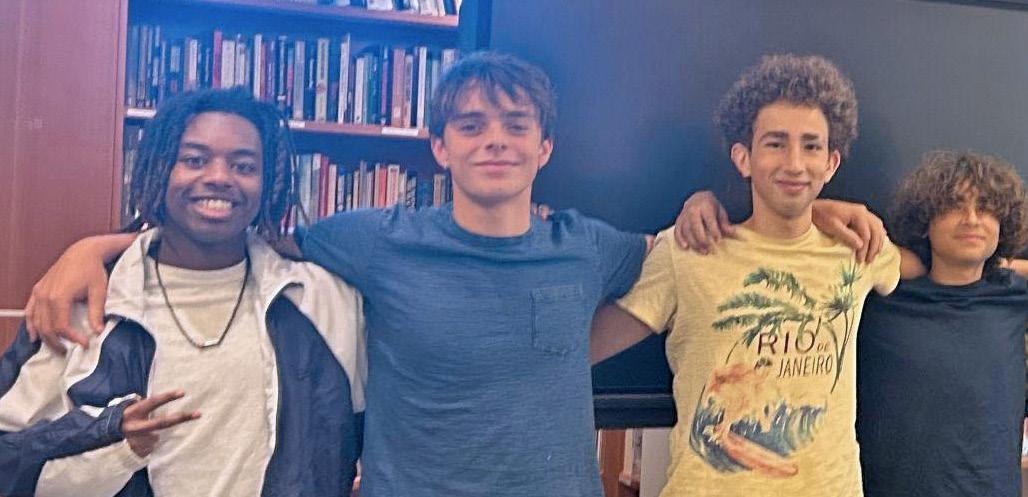
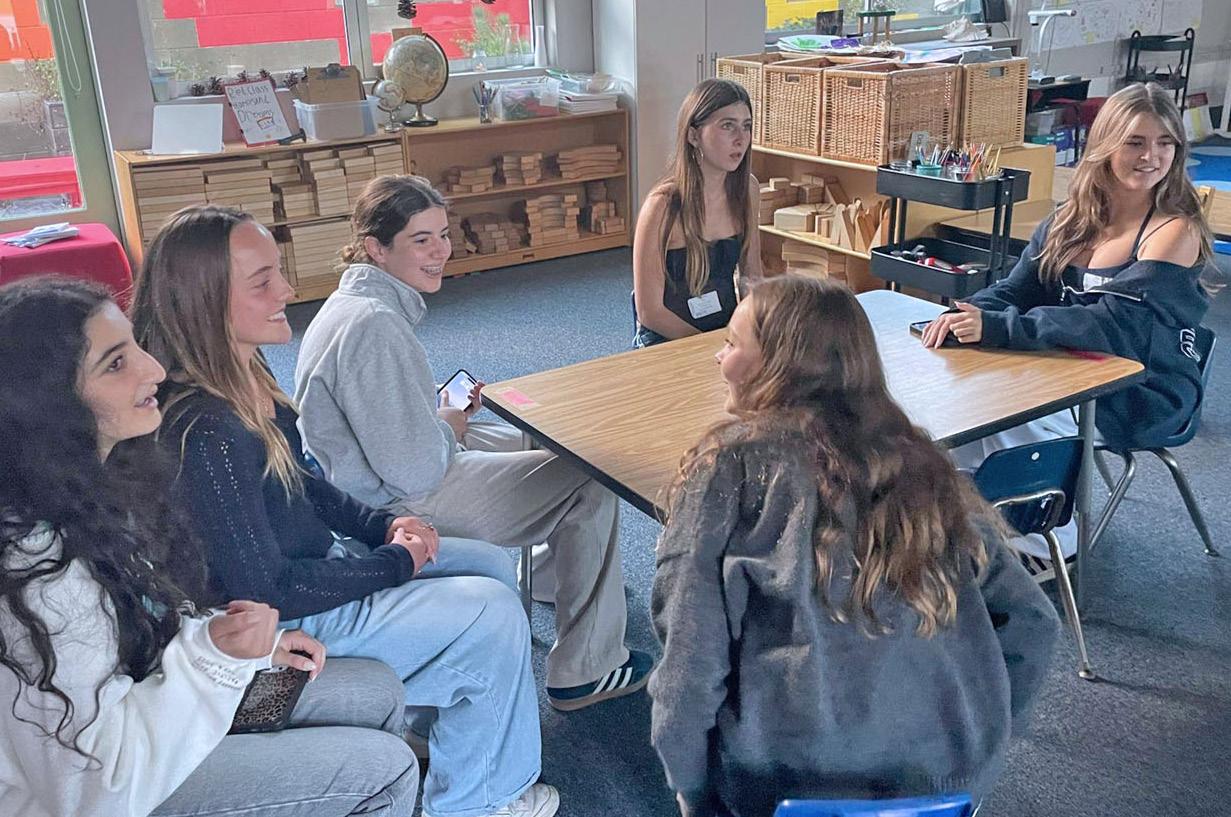
At Life After PS1, our articulate and confident alumni returned to share how PS1 prepared them for what came next academically and socially. From making new friends with ease, to asking questions without hesitation, to knowing teachers are allies, they reflected on how their PS1 foundation gave them both confidence and connection.
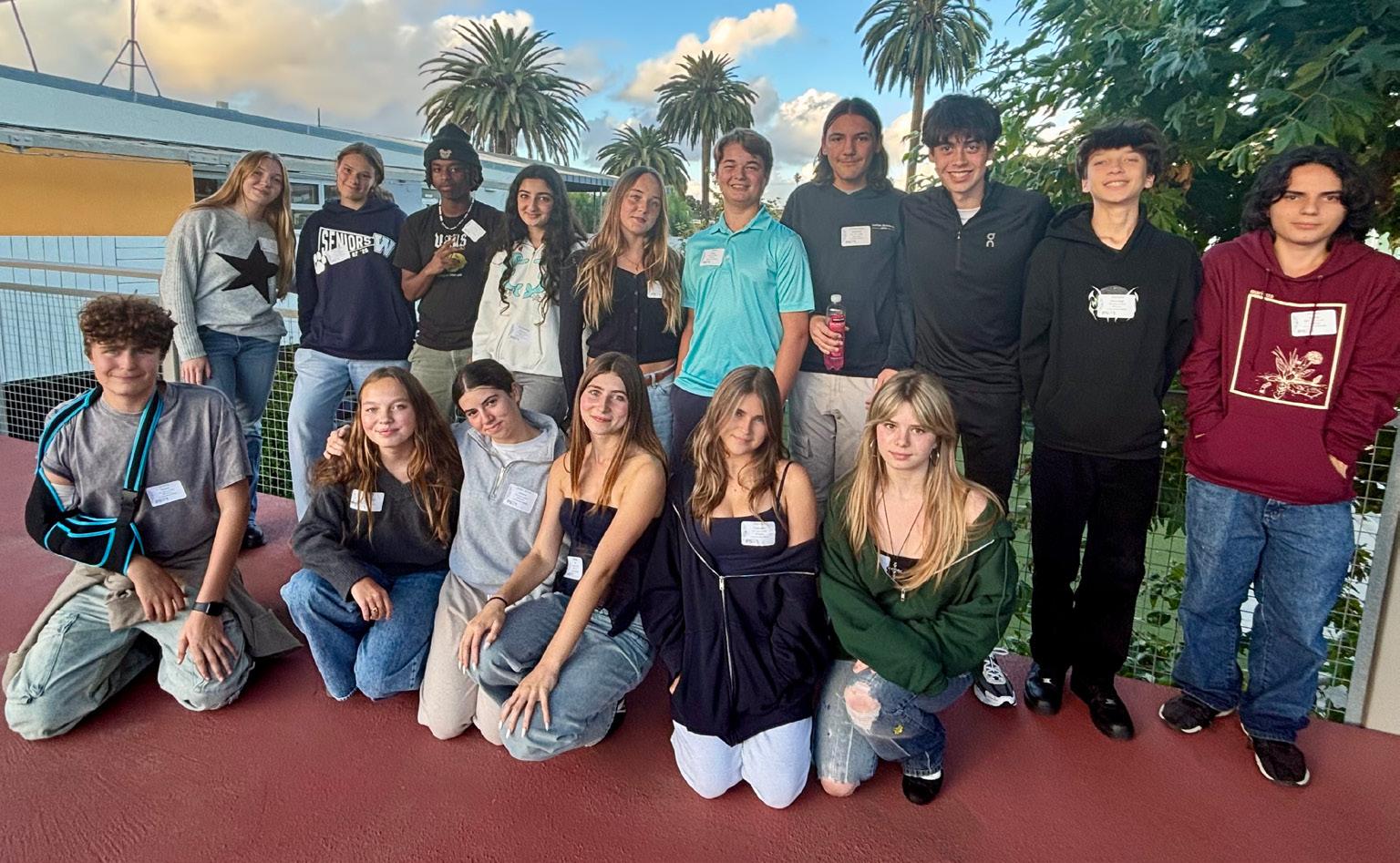
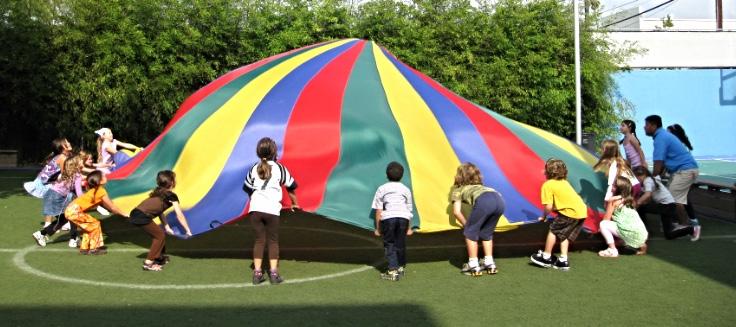
Do you or someone you know have a child ready for elementary school next fall?! We’d love you to explore and share a PS1 education with your friends and family. A child must turn five years old by Sept 1 of their year of entry to be eligible to enroll in Kindergarten at PS1. Contact Director of Admissions Beth Kemp with any questions at beth@psone.org or (310) 394-1313 ext. 119. Start an inquiry today by Clicking Here
Impactful giving comes in all shapes and sizes. Coming together to celebrate your graduation year from PS1 is a simple way to join the School’s philanthropic community and support PS1 in a meaningful way. All donors will be recognized in The Periscope. Click here to make a donation. Examples…
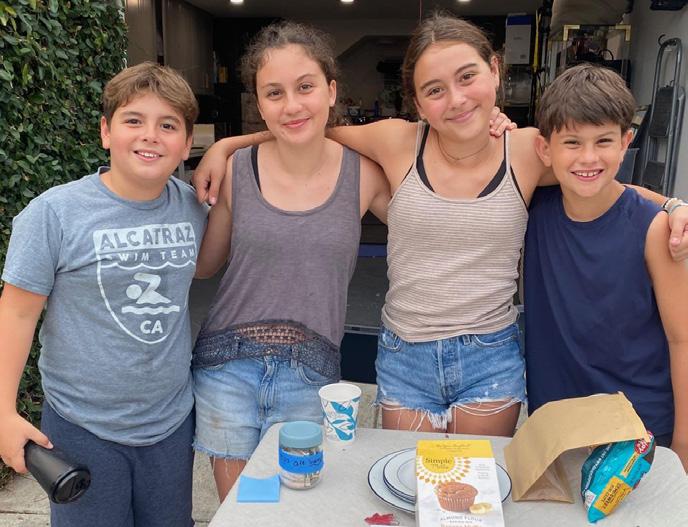
We are so excited to present our new virtual tour of The PS1 Archives here. You can Zoom in on photographs from the last 50 plus years as well as yearbooks and mementos. To arrange a visit in person, please contact Tisa
If you would like to contribute, please consider answering any of the prompts below in writing and emailing your answers to amanda@psone.org. You may also record yourself answering any of the prompts and send the video to amanda@psone.org.
1. What’s one thing you learned at PS1 that still helps you today?
2. Do you remember a teacher or moment at PS1 that made a big difference in your life?
3. How did PS1 shape how you see the world or how you learn?
If you have any open positions, internships or opportunities to share with our alumni community please reach out to Tisa
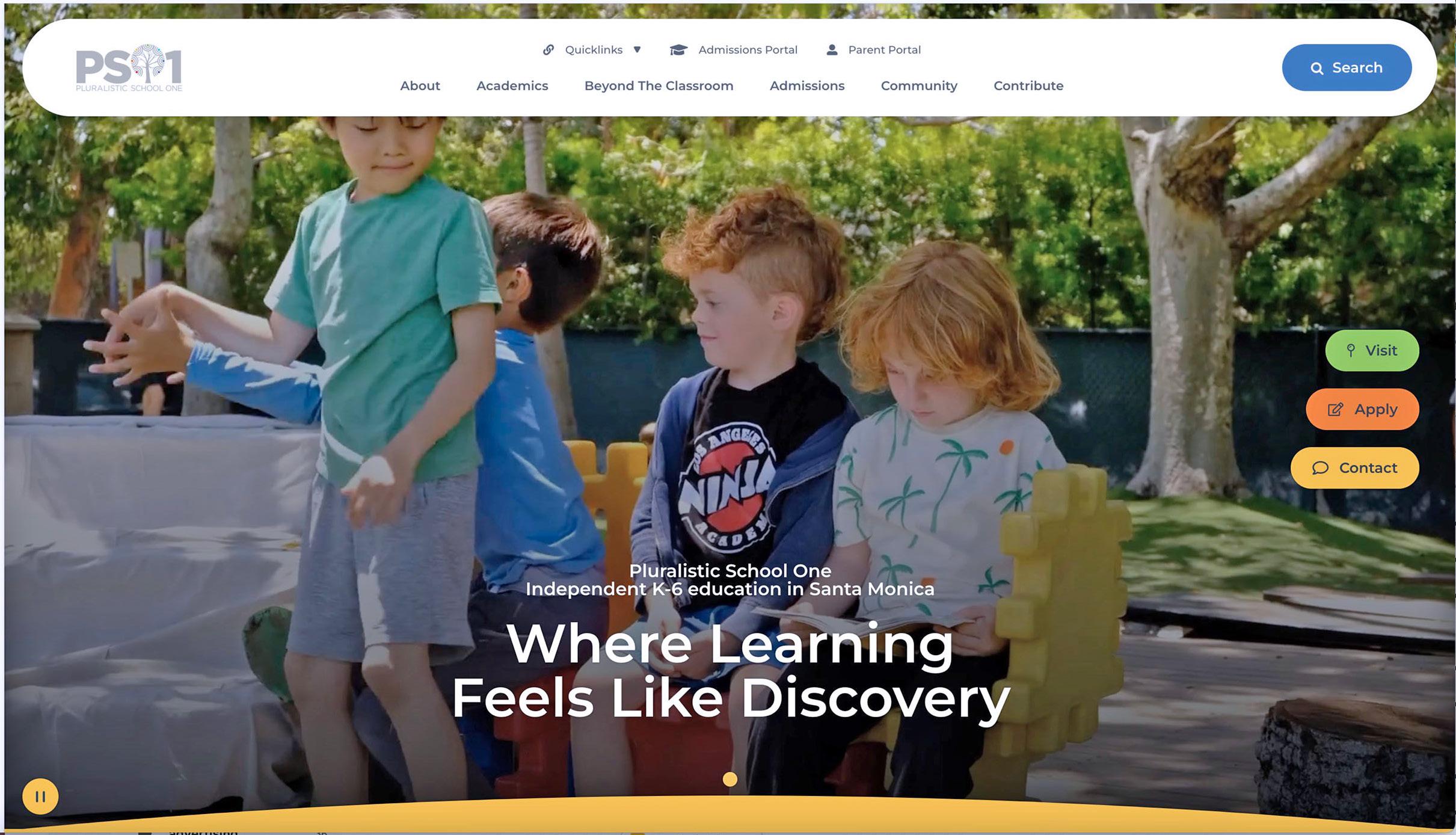
PS1 has a new look!
PS1 has a new look! This redesign highlights the heart of PS1: joyful learning, strong relationships, and the many ways children are known, challenged, and supported every day. You’ll find clearer pathways through our program and a fresh look that captures the energy and values you see on campus.
The new site is designed to better serve both our current and alumni families, as well as our prospective families, making it easier to explore programs, share PS1 with friends, and celebrate what makes this school such a special place to learn and grow.
Thank you for being such an important part of PS1 and for helping bring our story to life. We hope you enjoy exploring the new site!