 Name: Shrisiva P S
Writing Sample of Undergrad Studio - 9 | Architectural Thesis
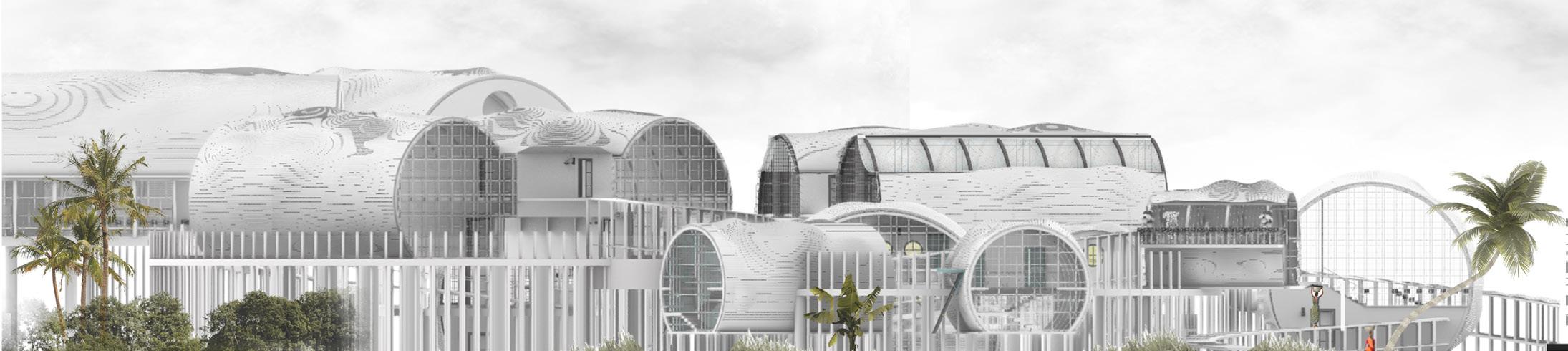
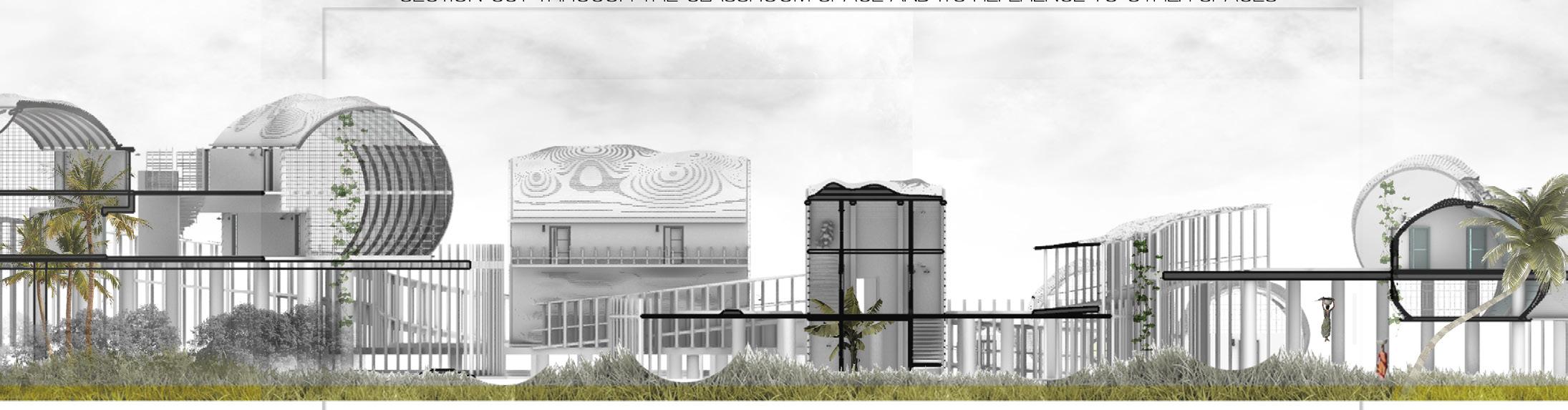
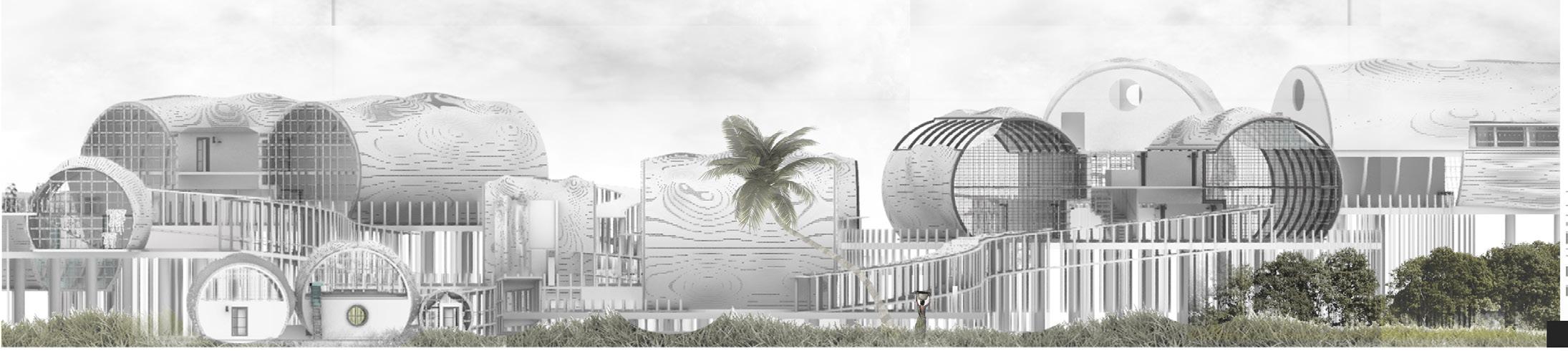
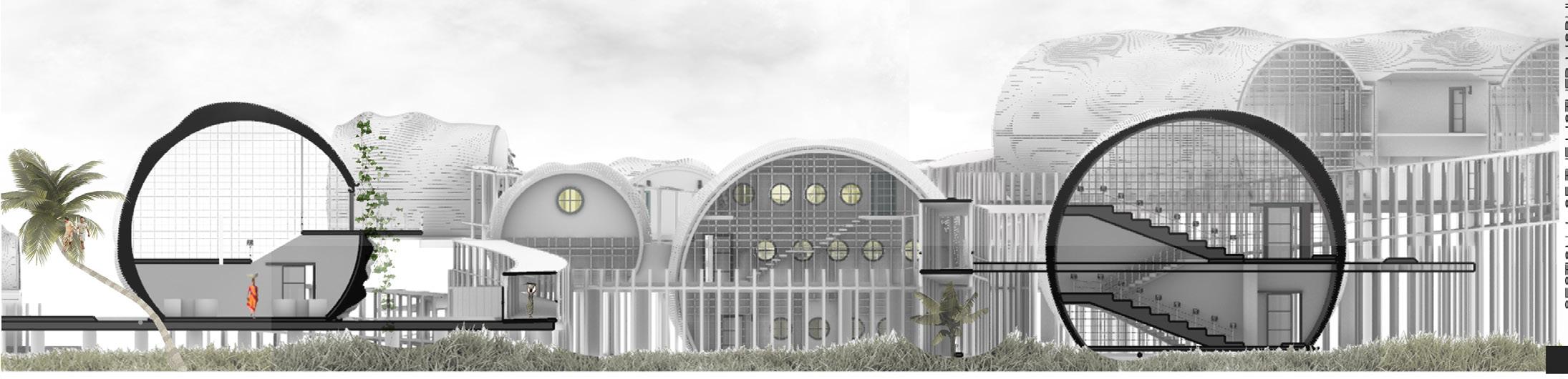
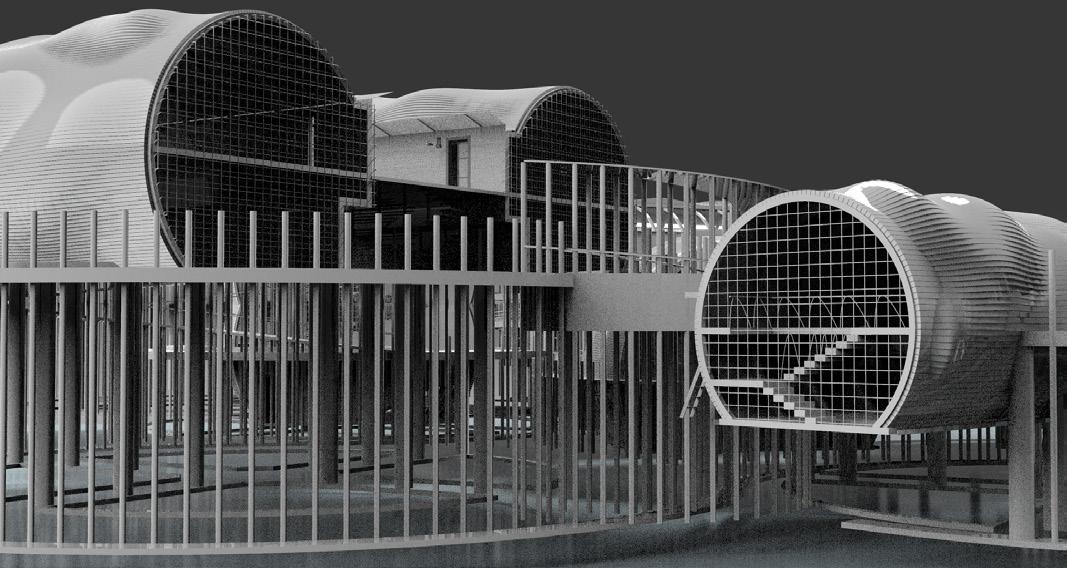
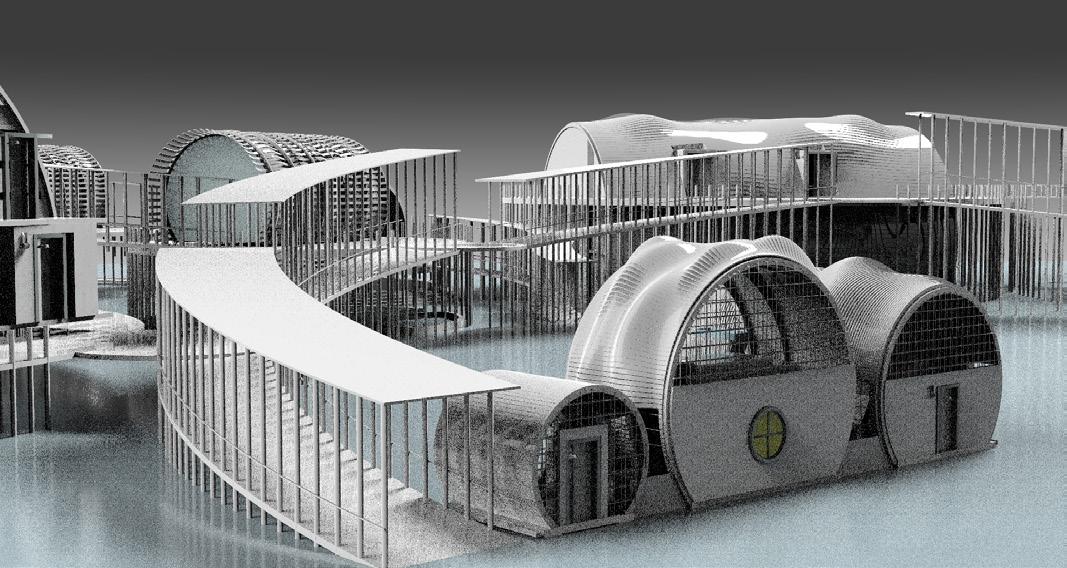
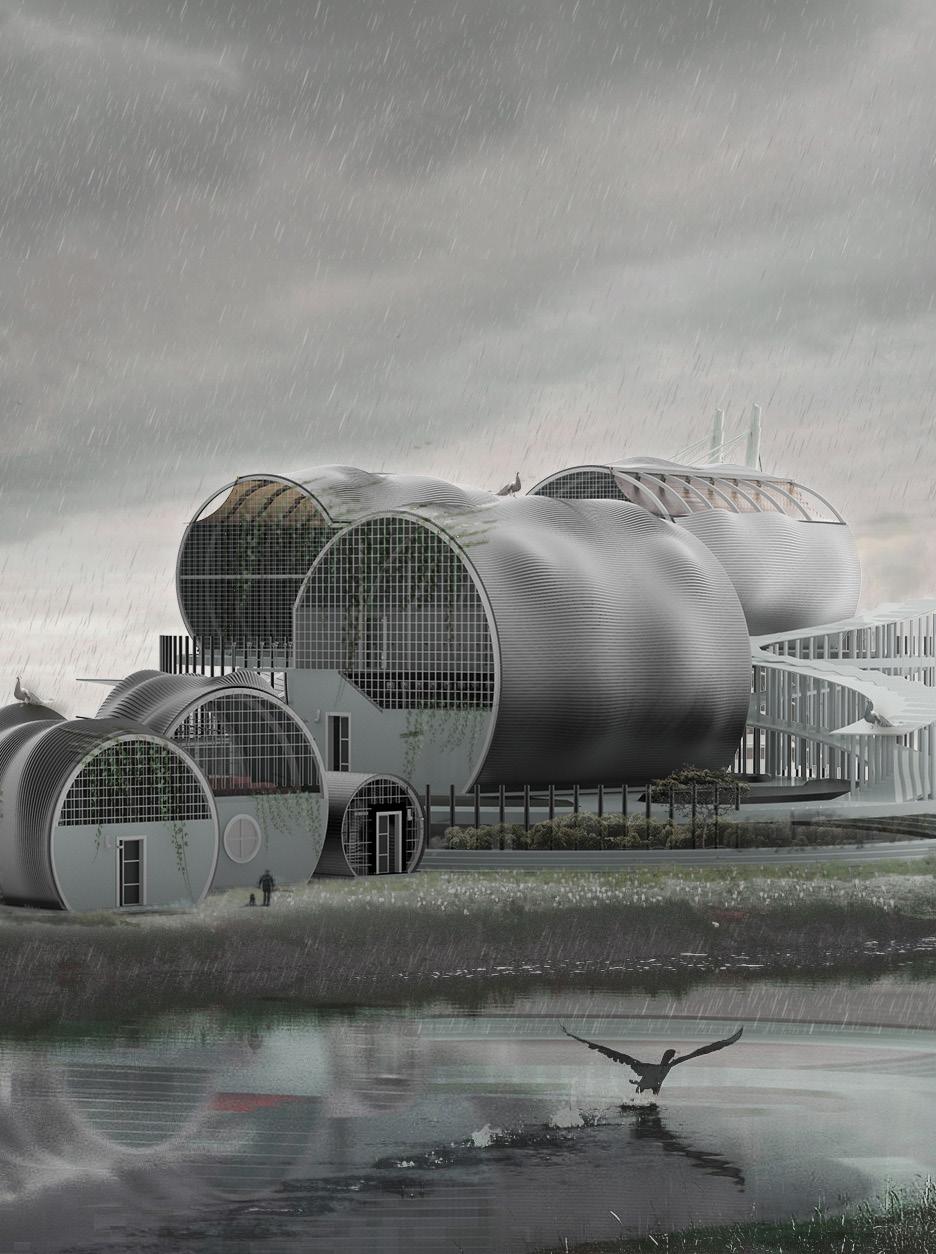
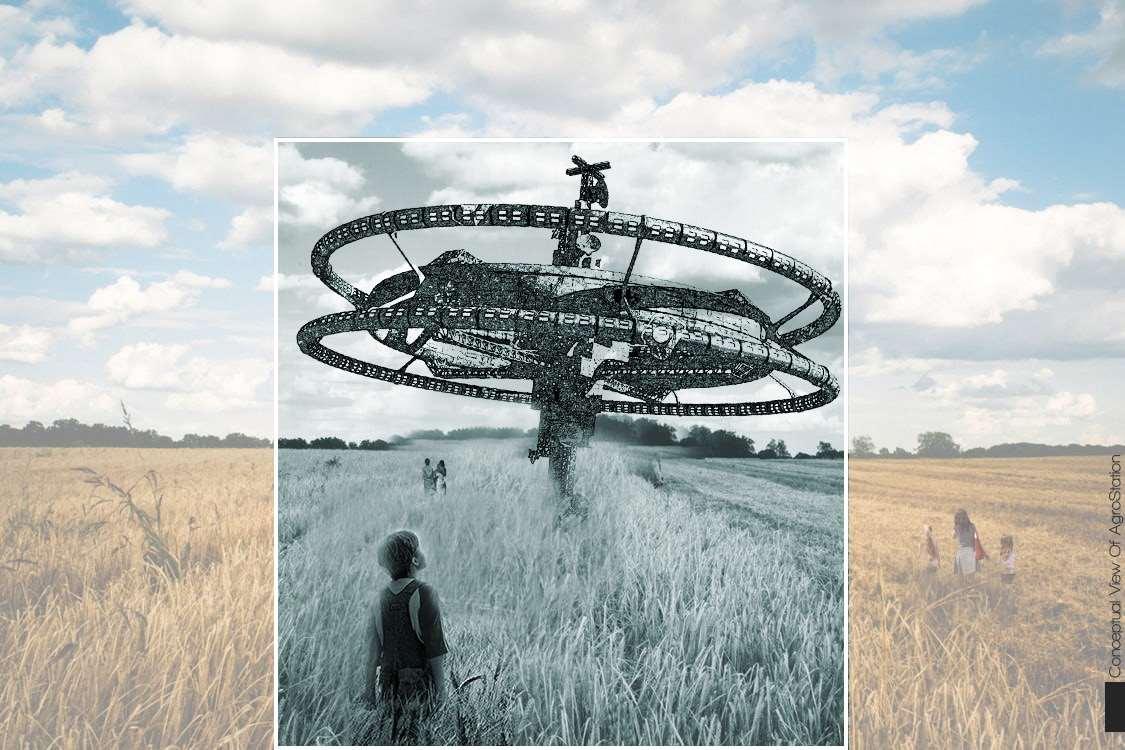
AGROSTATION - “An experiment with the design, development, and assembly of operating modules allows further branching.”
About Project- AGROSTATION
Agriculture's emergence. Looking back in time as well, many great civilizations started from an agrarian society. The rise of the surplus leads to trade and wealth, whining hierarchical social structures. Referring to the hierarchy of needs, humanity will strive and improve only when the basic needs are satisfied.
While in this case, agriculture, which pro- vide resources and food, can be regarded as the fundamental activity that empowers the possibilities of humankind's development. On the other hand, agriculture and farming enable the development of culture in civilization.
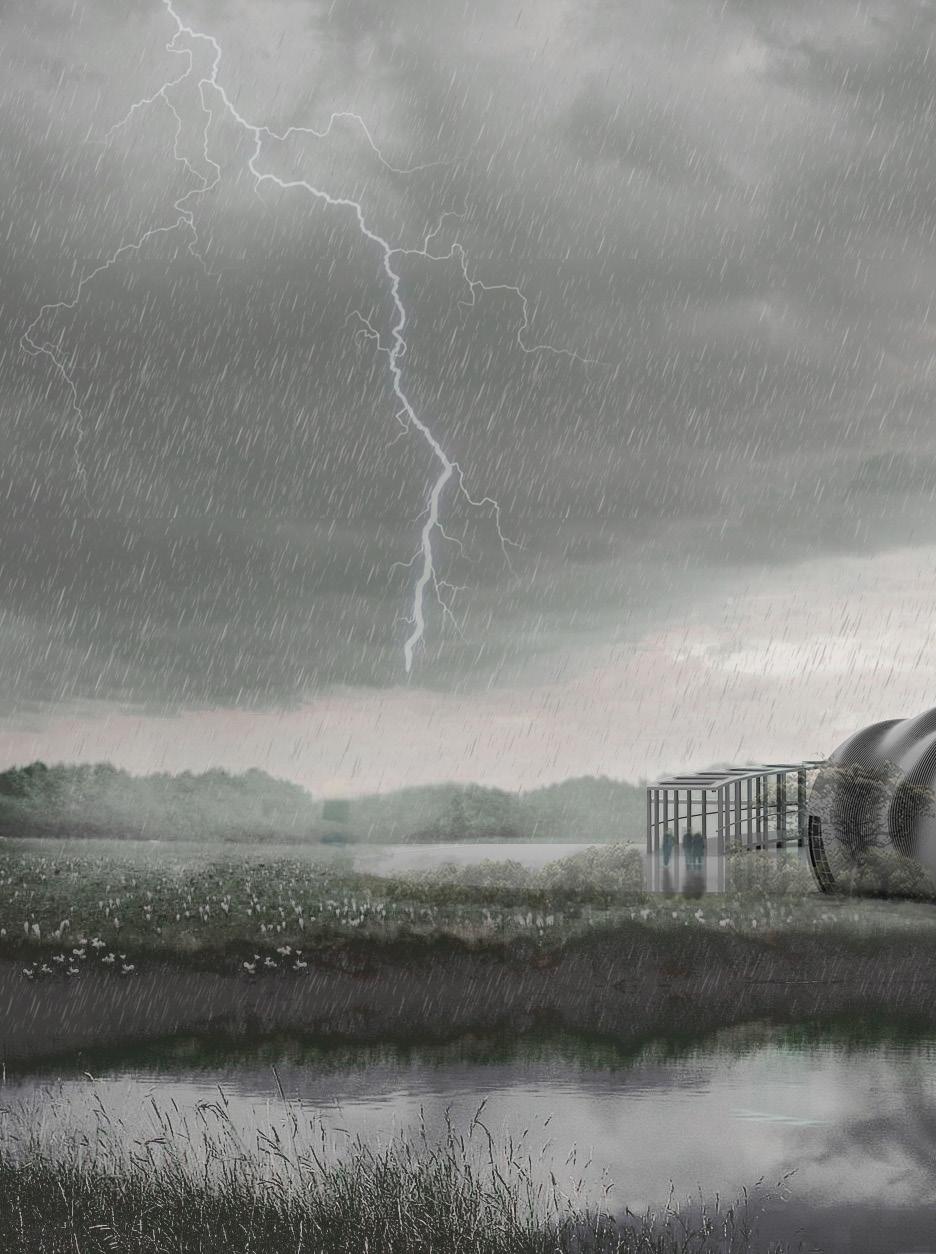
In Tamil Nadu, water is a severe limiting factor for agricultural growth, as the state has harnessed almost all available immigration potential. To reduce the disparity between producers and consumers within the food network, healthy, socially inclusive public and private areas that bring people back into contact with nature should be created. This project engages in the ideology of practical farming with the use of architecture and technology to sustain the present and future needs with other factors such as tourism and commercial support for maintaining in terms of Economy, Culture Attention on efficient management of available resources to enhance its utility through the application of the new concept of architecture and technologies to support farming for future and adapting for future.
This thesis focuses on how to sustainably improve public space, bonding to the prevailing culture of agriculture in an 'Alternate Way - Agrostation.'
Aim Of Agrostation- Theory and practice of designing and building
To foster a challenge in bringing an alternate green architecture culture and precinct control around the facilities of an ecologically protective zone through sustainable and modularity practices.
Objectives- "a region, an expanse, a length of time,"
● To integrate agriculture and architecture as core subjects.
● To provide a "new social infrastructure" that will link people through food production.
● To create an energy-efficient building with a Self energy production unit.
● Design a sustainable infrastructure that culture energy, water, and food.
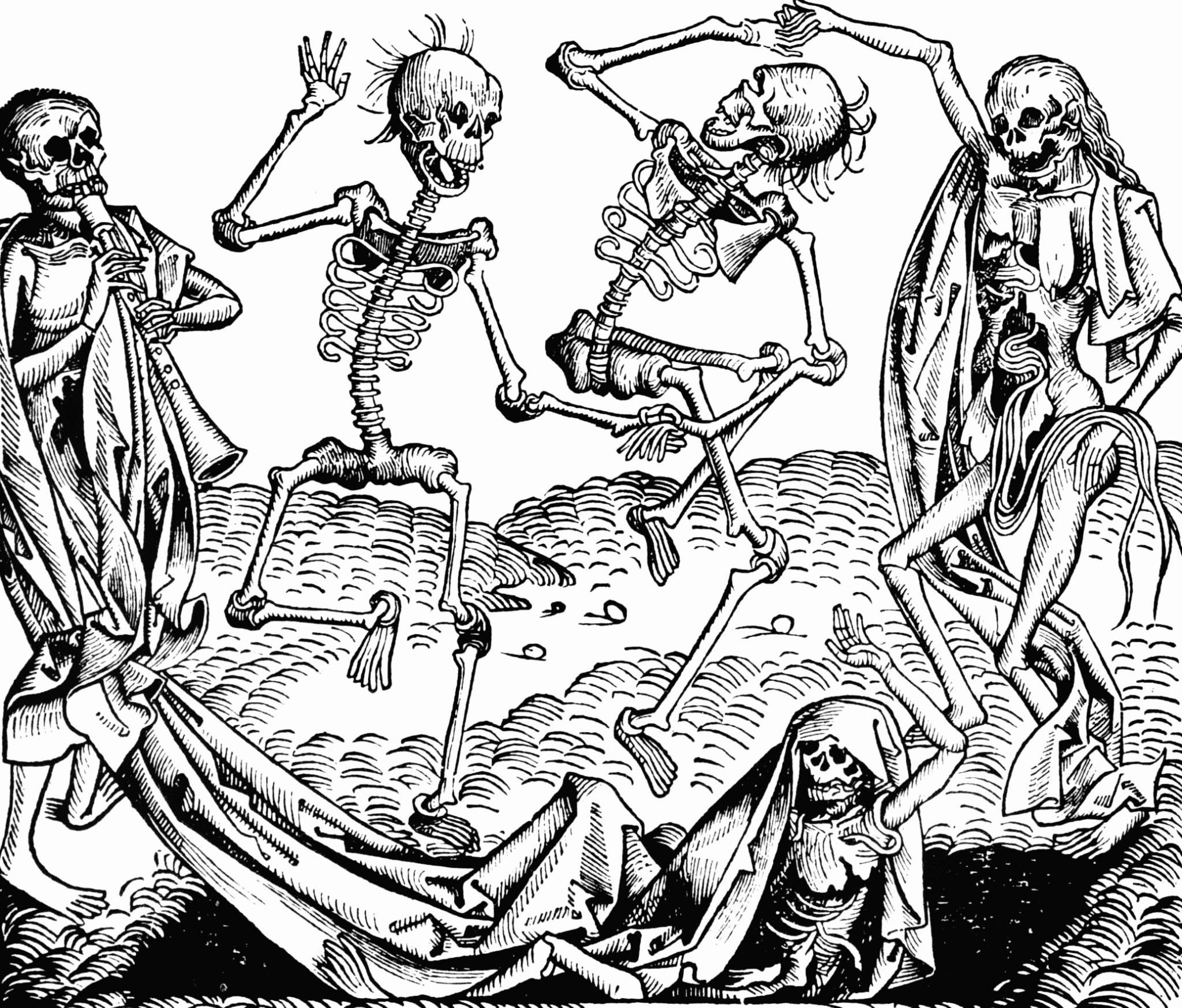
Fig 0.1 Depleted farmland set the stage for famine. “Dance of Death” conveys the fragility of life.Dawn Of Civilization
Agriculture, for better or worse, was a significant factor in the development of civilizations. Producing 10 to 100 times more food per acre than foraging and hunting were more labor-intensive. More plentiful sources might support denser populations, and they bound them to their land. Agriculture supplied enough food to free people from worrying about their daily meals, allowing them to pursue hobbies. Small communities expanded into towns, and those towns grew into cities.
Limits to Growth | Local Proximities And Identity
Agriculture may have enabled civilizations, but it has never been an obstacle to their demise. Technology advancements like irrigation (about 6000 BCE) and the plow (around 3000 BCE) led to significant productivity improvements. However, when utilized recklessly, they damaged the soil—the base upon which agriculture is based. Throughout history, population expansion, resource depletion, droughts, climatic changes, and other
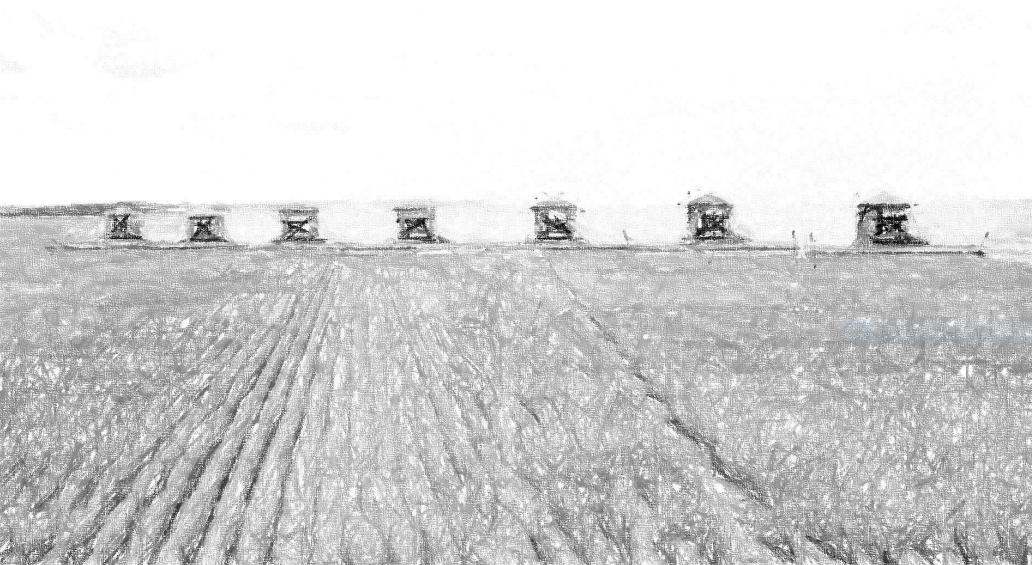 Fig 0.1 In the history of civilization … the plowshare has been far more destructive than the sword. – Daniel Hillel
variables that occasionally crippled food supply battled with improvements in agricultural production, with the poor
bearing the cost of hunger
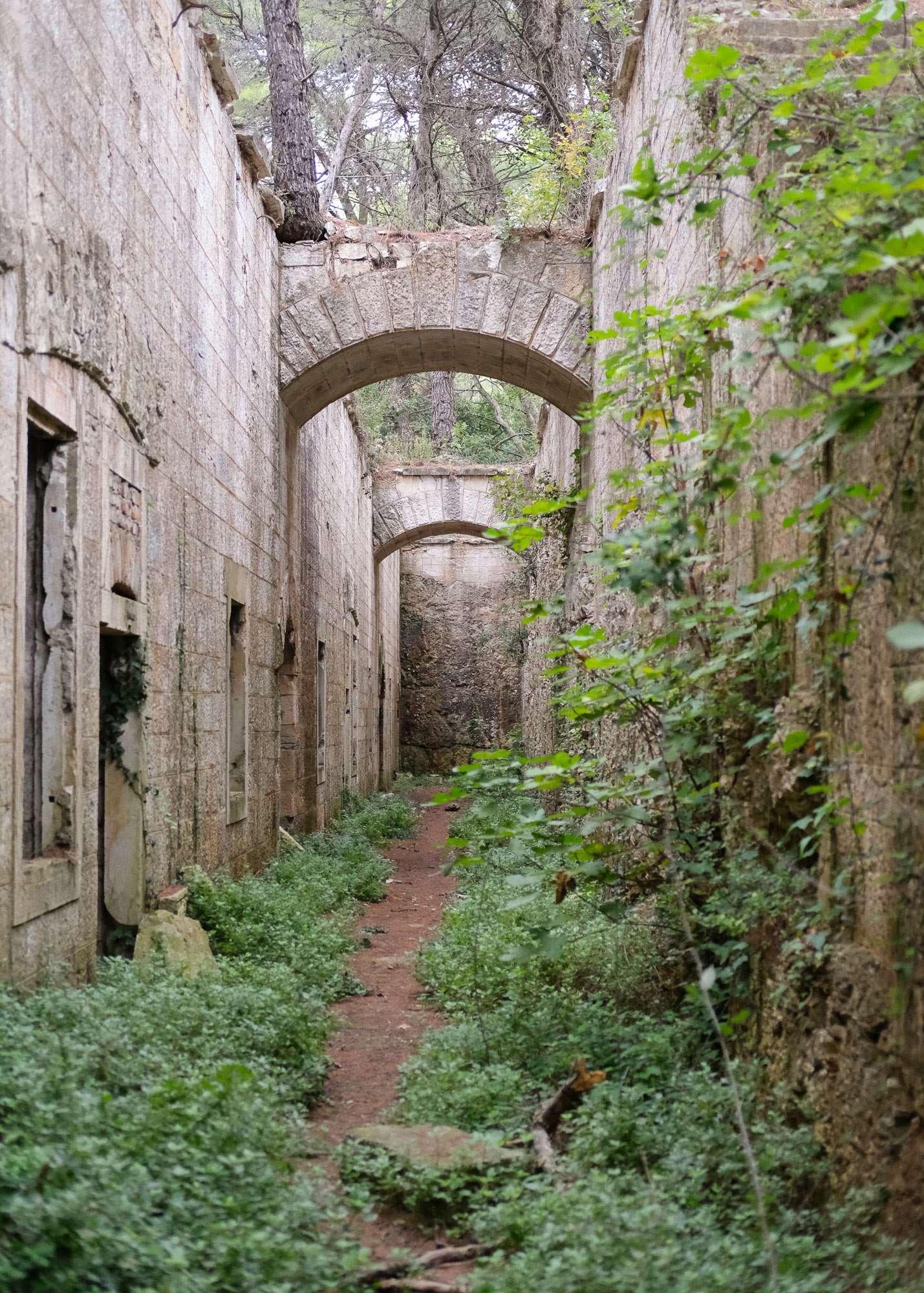
A thoughtful, modern reinterpretation and application of a rich architectural legacy may contribute to the positive engagement of a local identity that is constantly changing. Through years of adaptation to socio-cultural conditions, climate, available resources, and technology, local order is engendered into buildings. It informs an architectural language that communicates cultural values and responsible local consumption.
Design Inspiration | Space Station to Agriculture
Architecture, Although it can trace its roots far further, the practice of including architects in space programs emerged due to the Space Race. They were required to get involved because there was a desire to make space missions last longer and to take care of astronauts' needs, including but not limited to basic needs for survival. Several organizations currently include space architecture. Similarly, "To enhance farmers' advantages from influencing factors, it is crucial to strengthen the connections between science, training, and implementation. As a response, Agrostation works to provide a platform where researchers, instructors, and other users may communicate, share experiences, learn new things, and collaborate on the design and execution of initiatives."
Modular In Modern Construction
Several centuries ago, modular constructions made their debut in architecture. They fulfill the necessity to subdivide structural elements to achieve more accessible, faster, and cheaper fabrication, transportation, and assembly of build entities. Establishing the module as the primary tool for geometric and structural determination is crucial. This Project examines morphogenetic processes based on a combination of digital and analog modeling and manufacturing techniques.
Design Intentions - Agrostation
Agrostation intends to revitalize a deteriorating agricultural center in the country by incorporating a new and efficient design into it, which will bring more life to the area and be a destination for the community It will explore the relationship between society, the area's historical culture, and the developing science. This exploration will either prove to develop the site further and serve as an example of how new architecture can be merged with the past or prove to be entirely needed by the community and centers.
The community would accept the new program Agrostation because it will provide a local source of knowledge, agricultural experience, approachable training faculty with Scientists, Calamity control for any region, and fresh food to urban areas. Clues to what is happening inside the modules will be visible from the exterior, drawing people in and curious about the project. This will make the building a more dynamic piece to the architectural fabric of the community while preserving the native character and integrity of the area, which many people connect with.
While a significant component of the overall design program will be providing a space to give something back to the community, this could be a cultural center, exhibit space, research or learning space for locals to enjoy, second to the /fresh food. The need for such a space facilitates an argument for potential zoning variances needed to promote the project's intended goals, both architecturally and spatially It will also make the modules more dynamic and encourage more people to use the facility The project will need to incorporate newer technology than initially intended for the installation. This can include lighting, ventilation, renewable energy, 3d printing, computational support, and active/passive mechanical systems. These spaces will be intertwined with agricultural lands. When these architectural intentions are combined into one design, the community will be stimulated by sustainable ideas and be excited about the future and so-called 'Agrostation.'
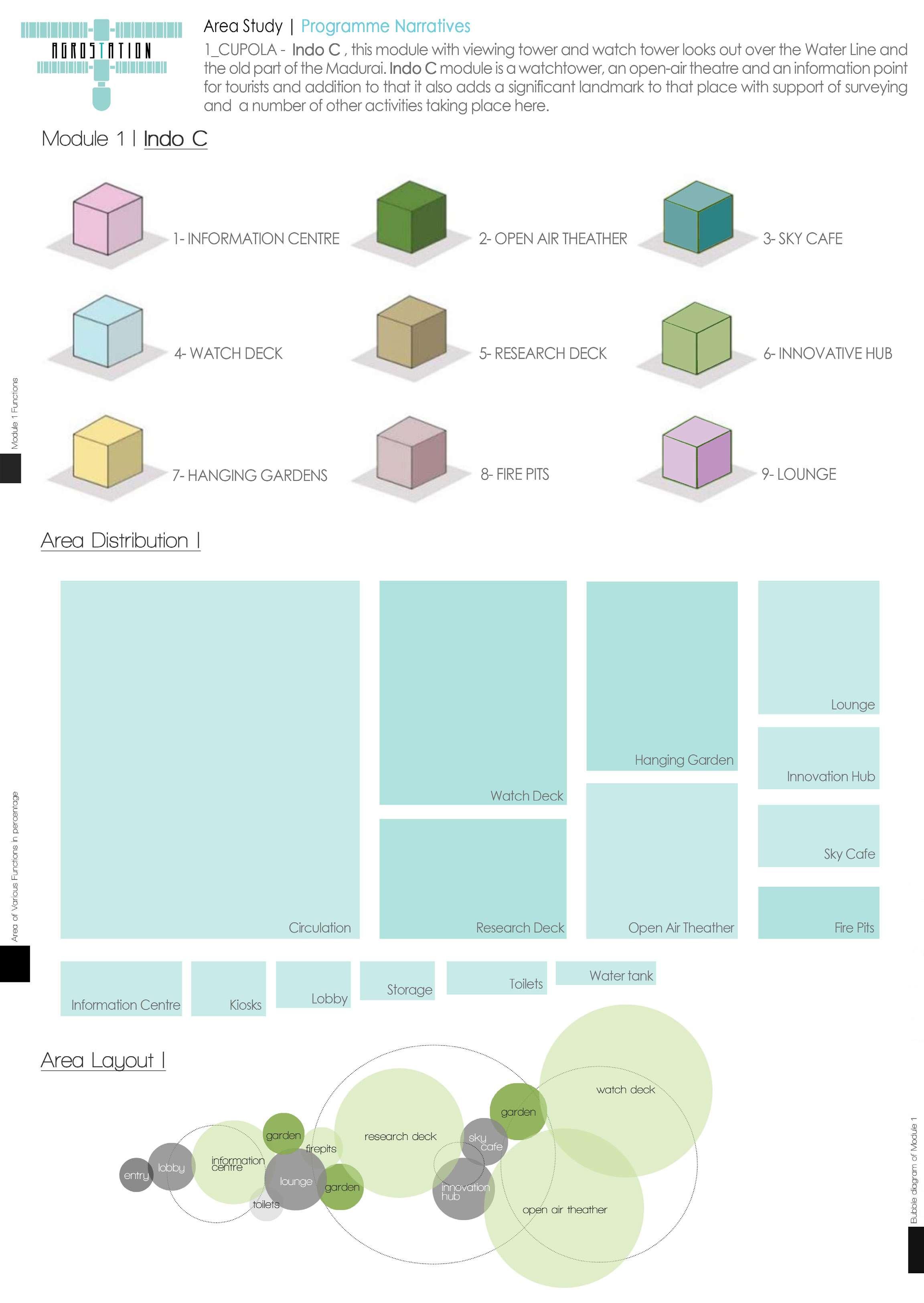
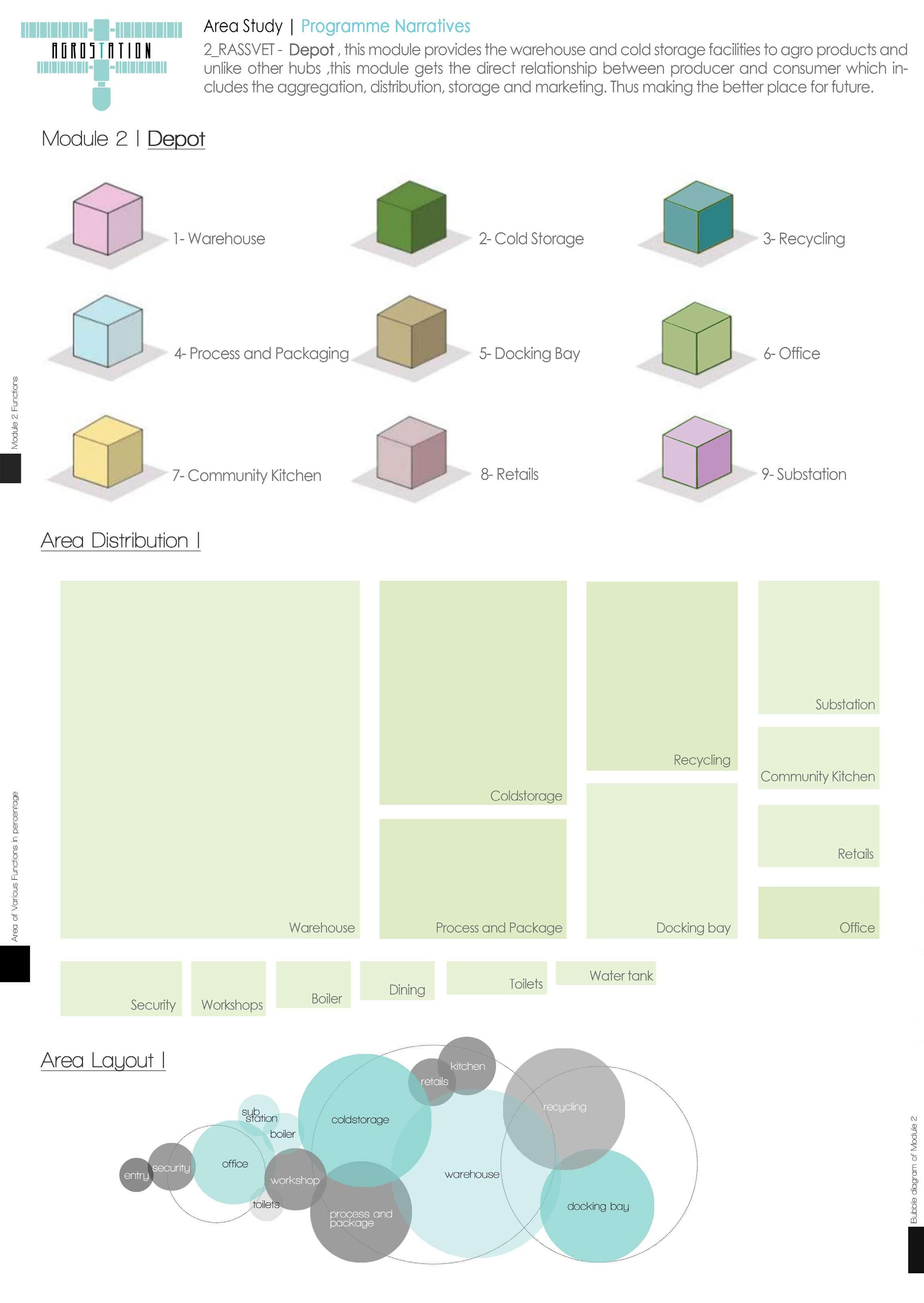
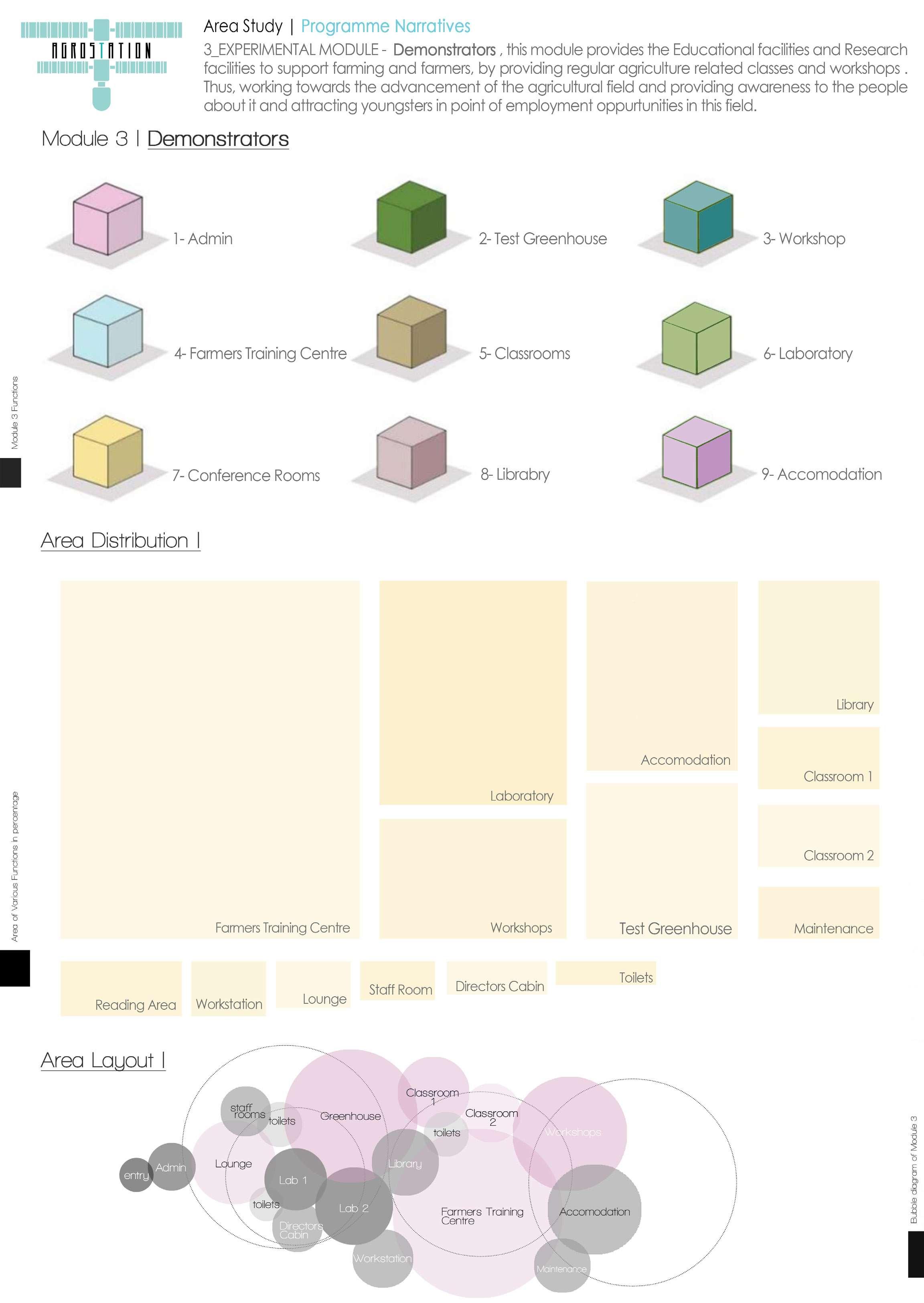
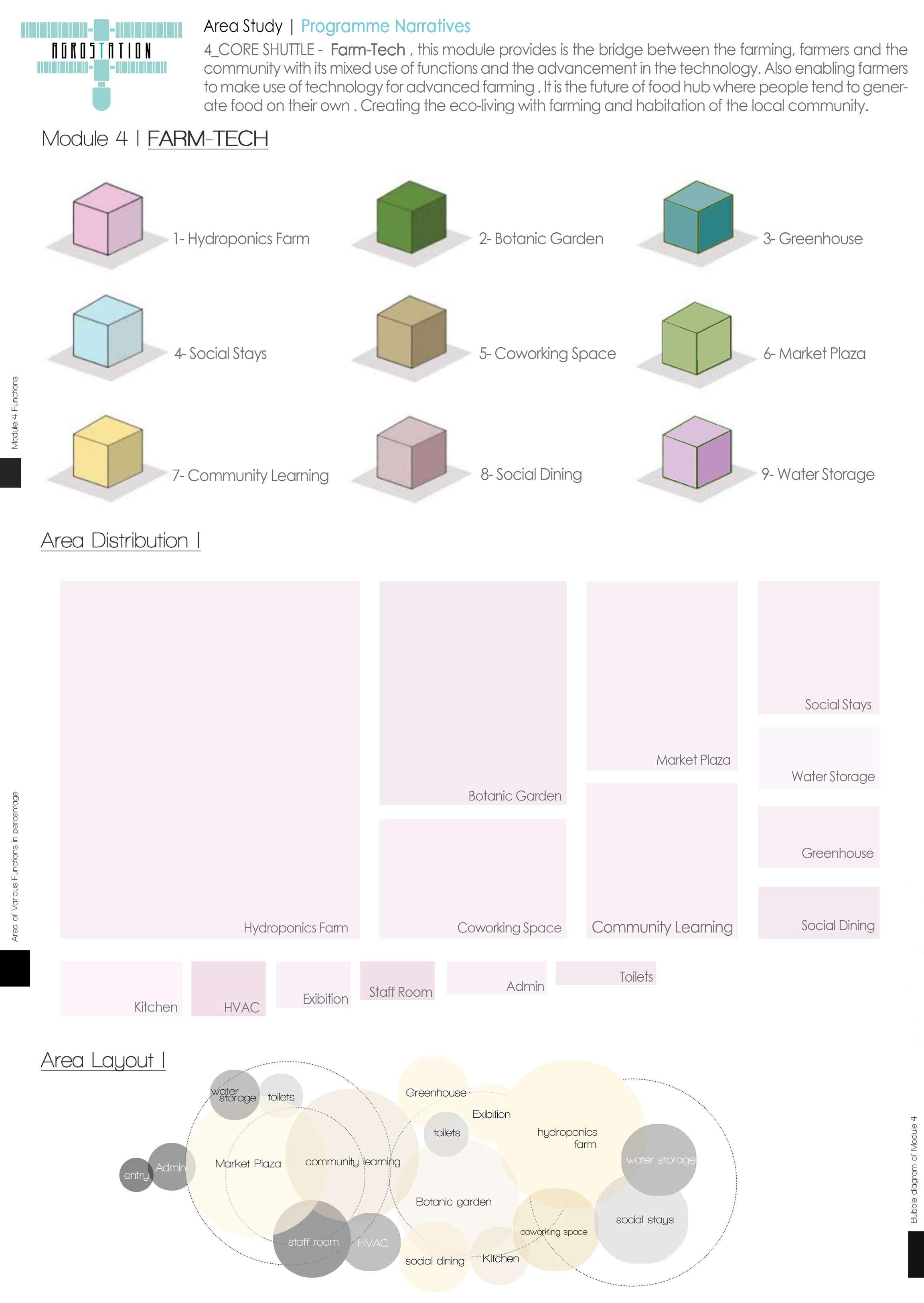
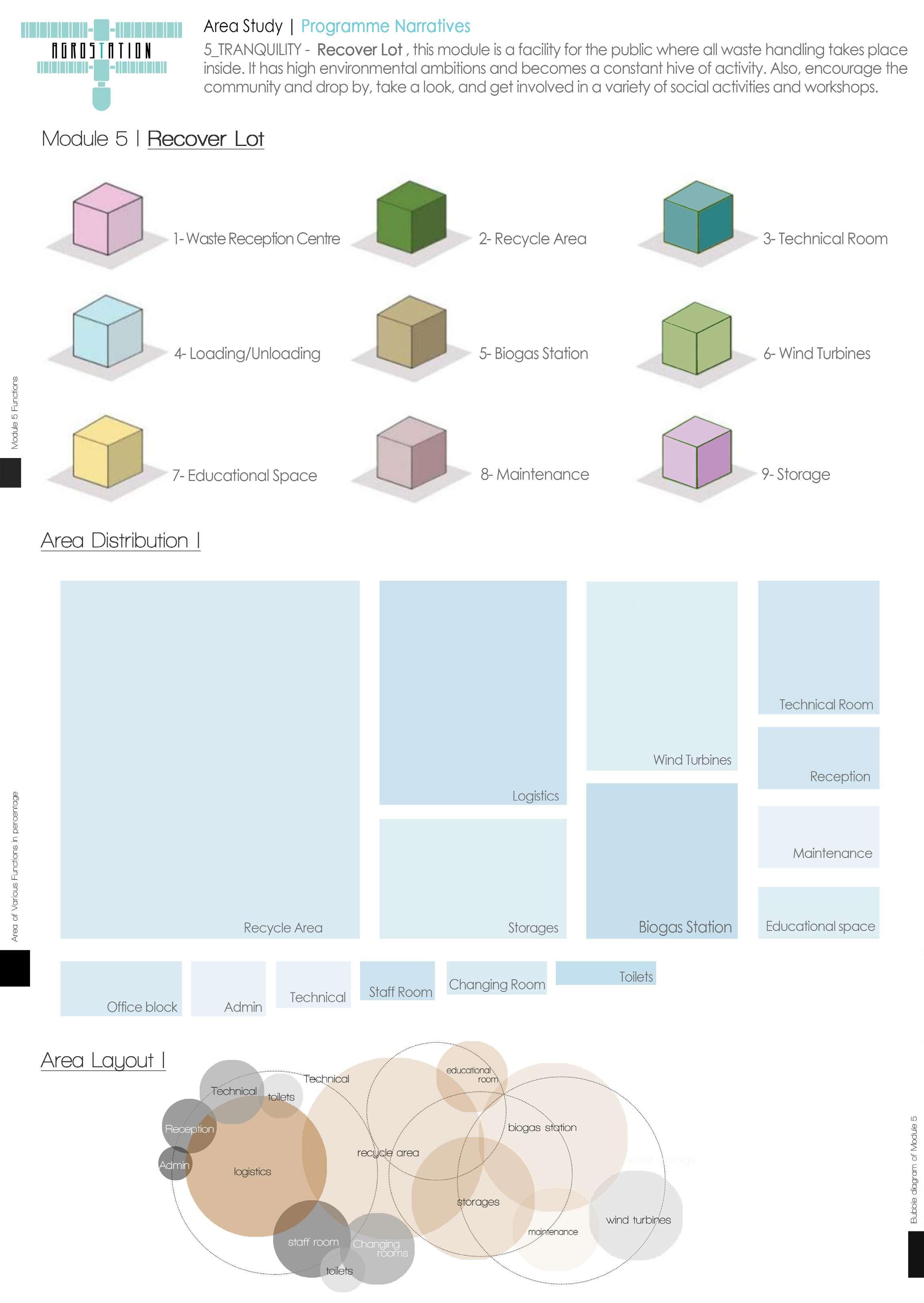
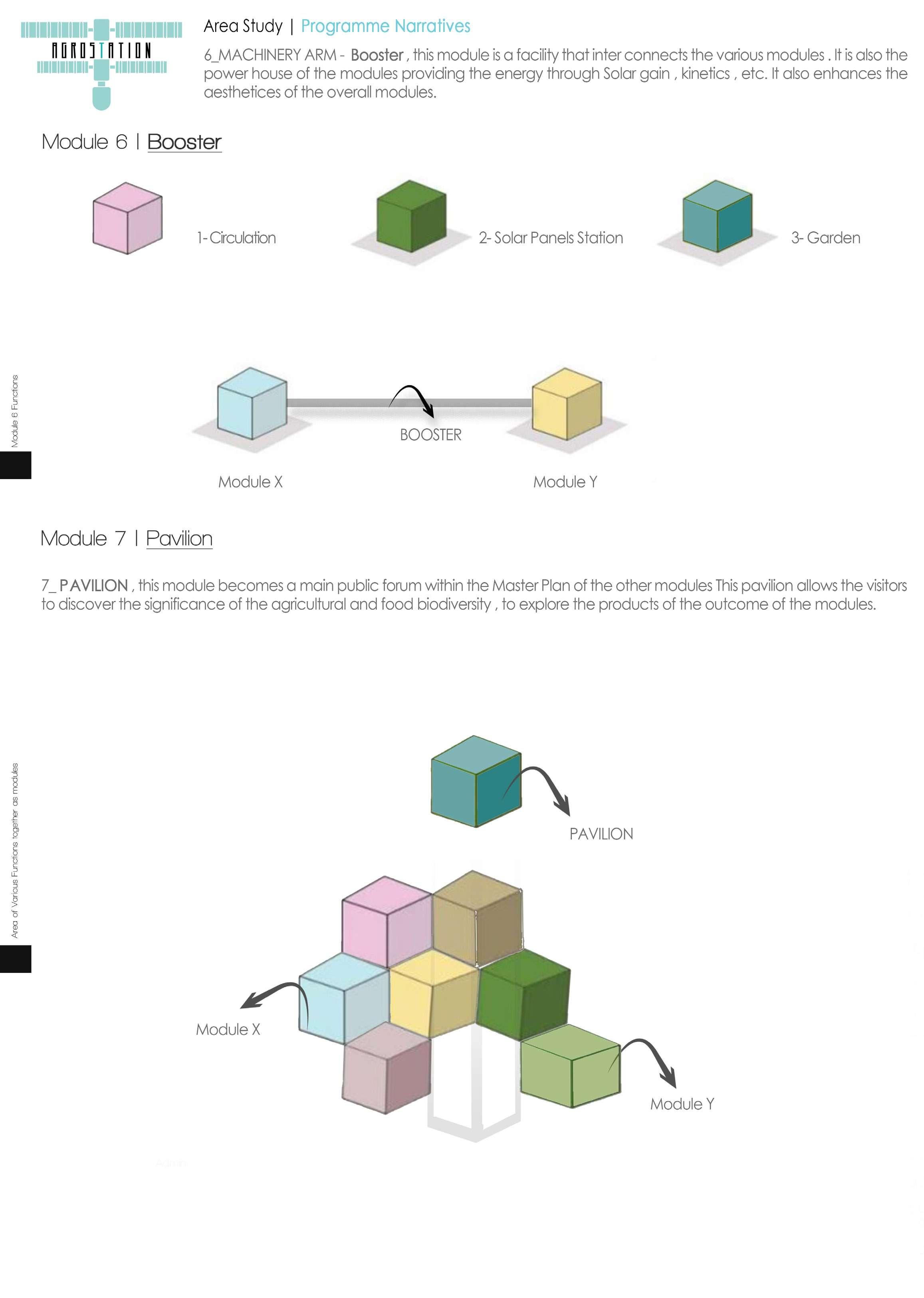
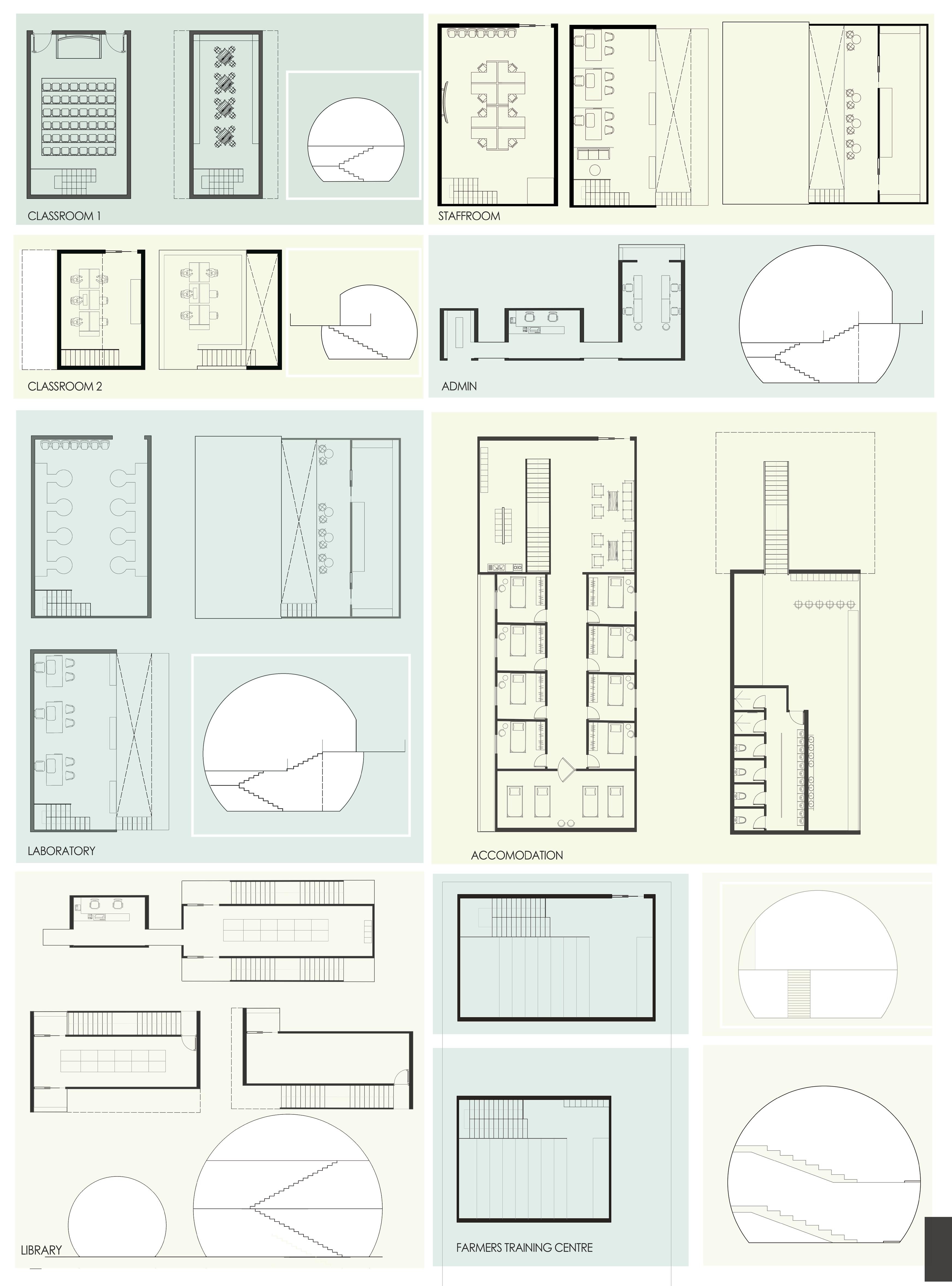
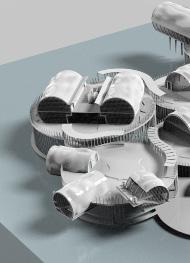
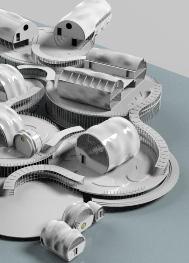




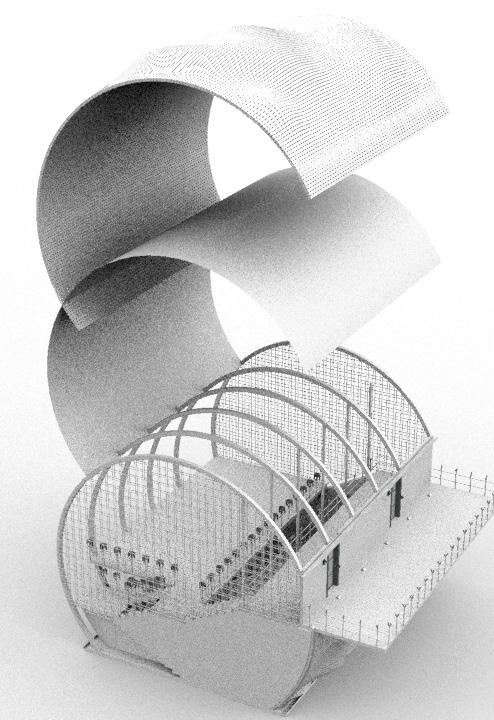
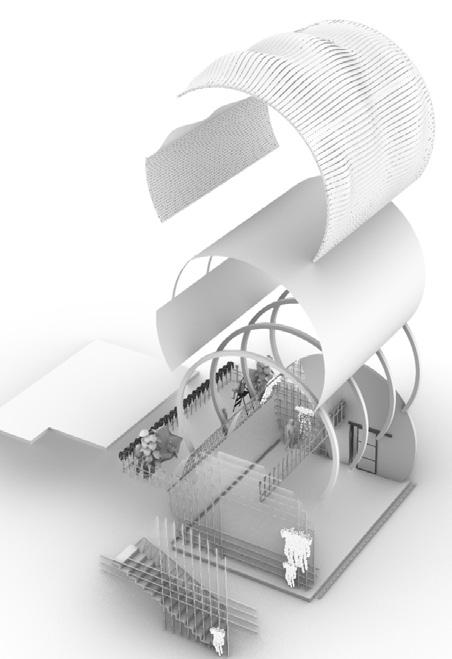
 a.branching of individual modules



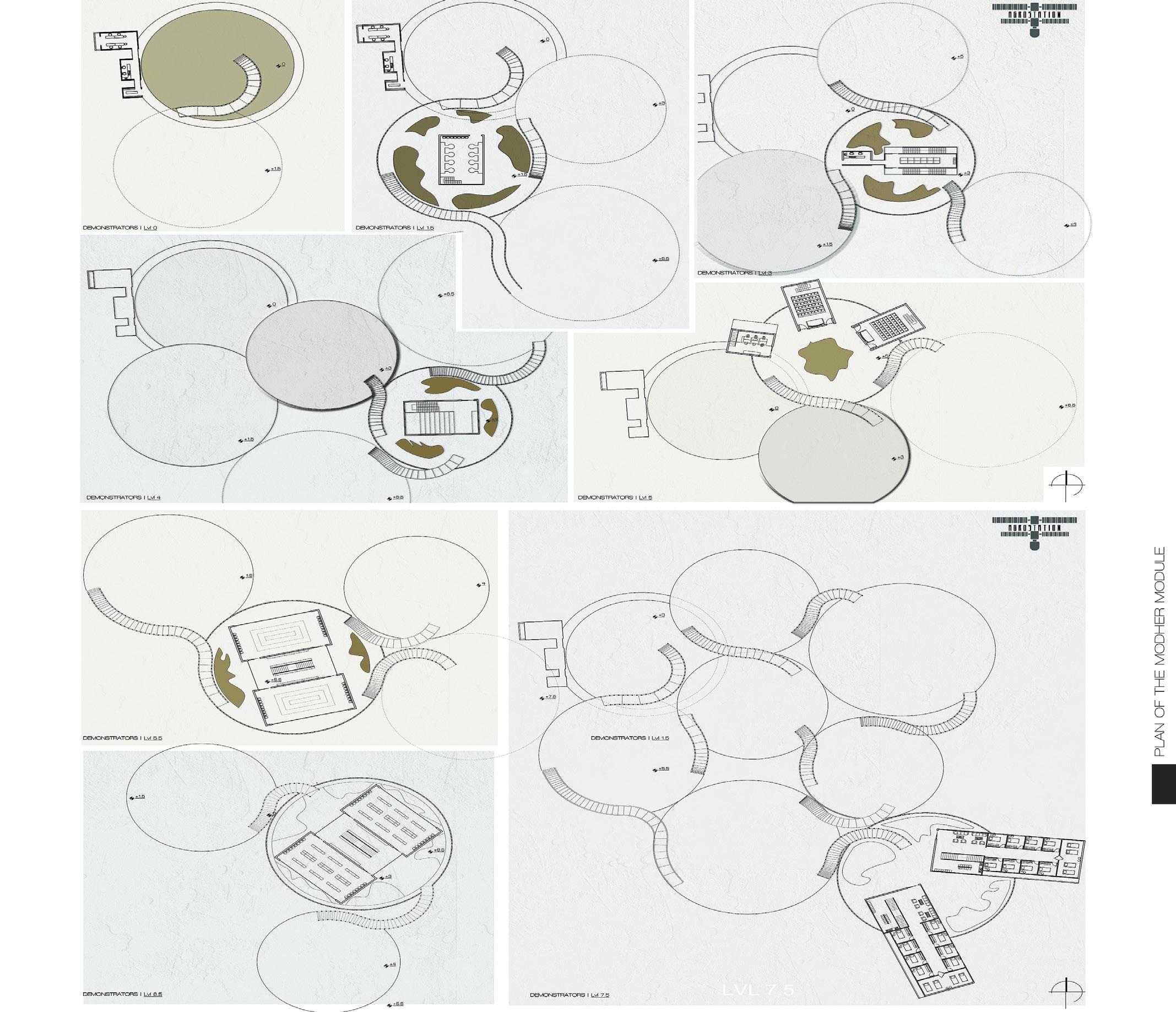
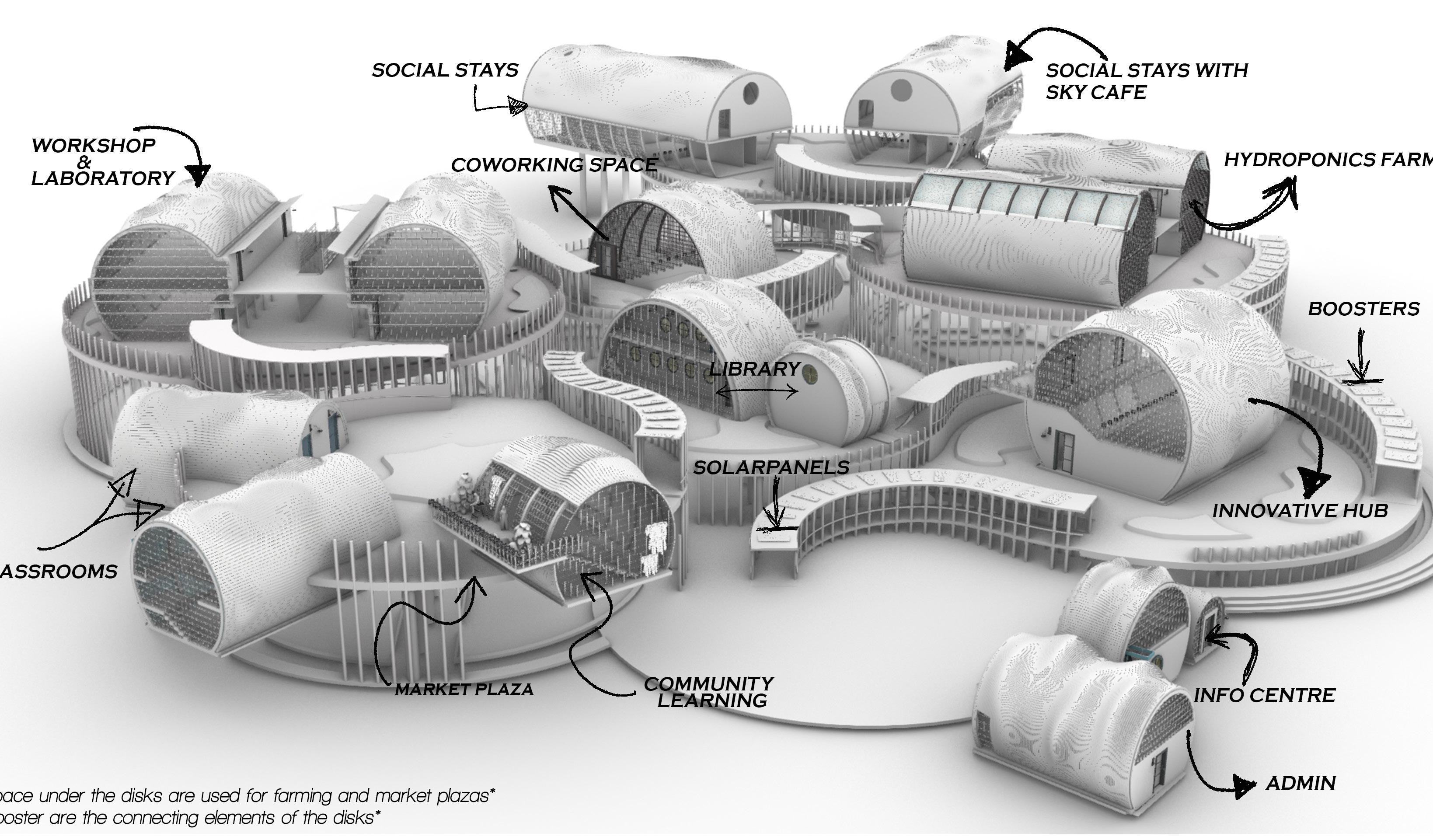
 a.combination of modules - with varying site conditions
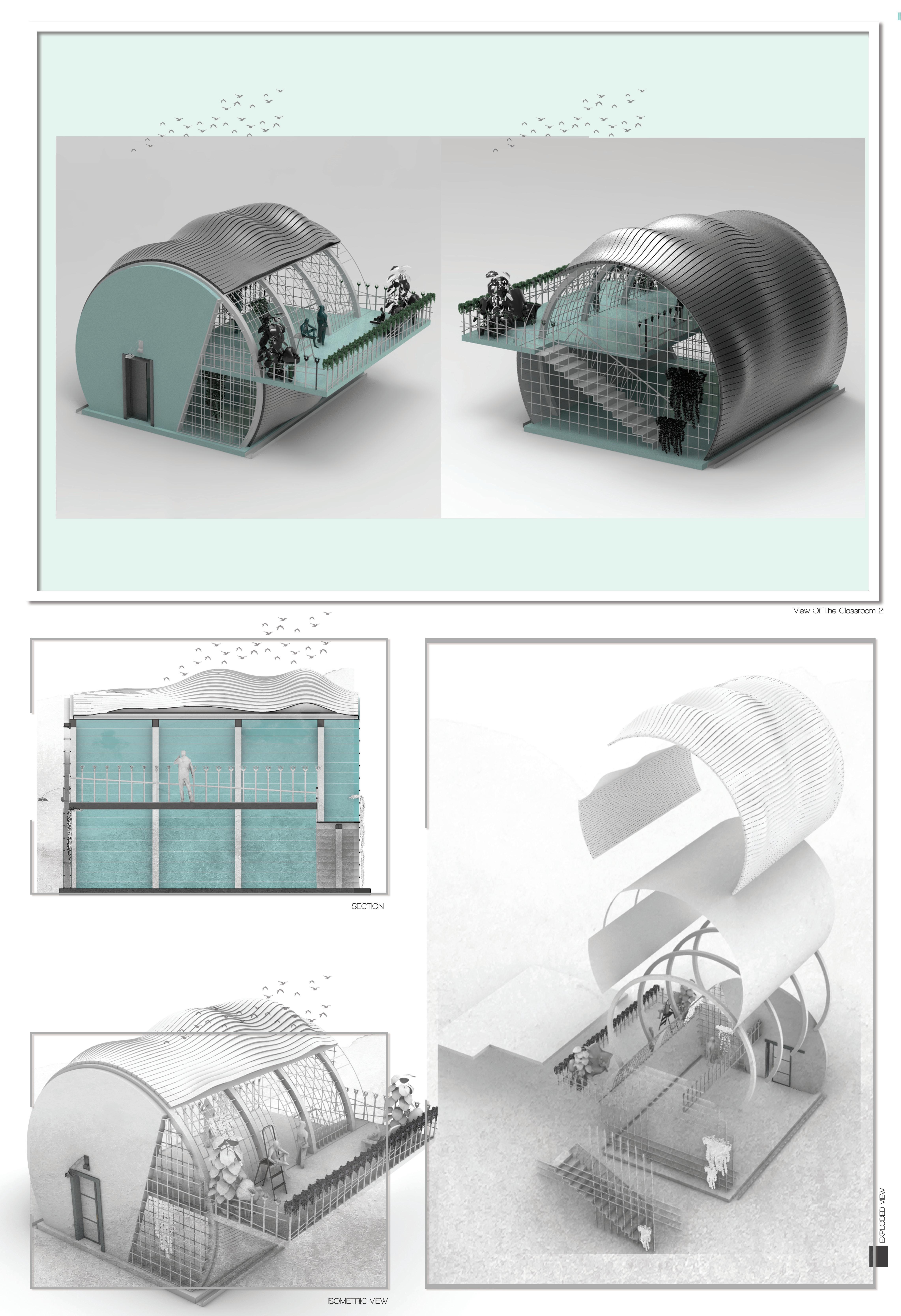
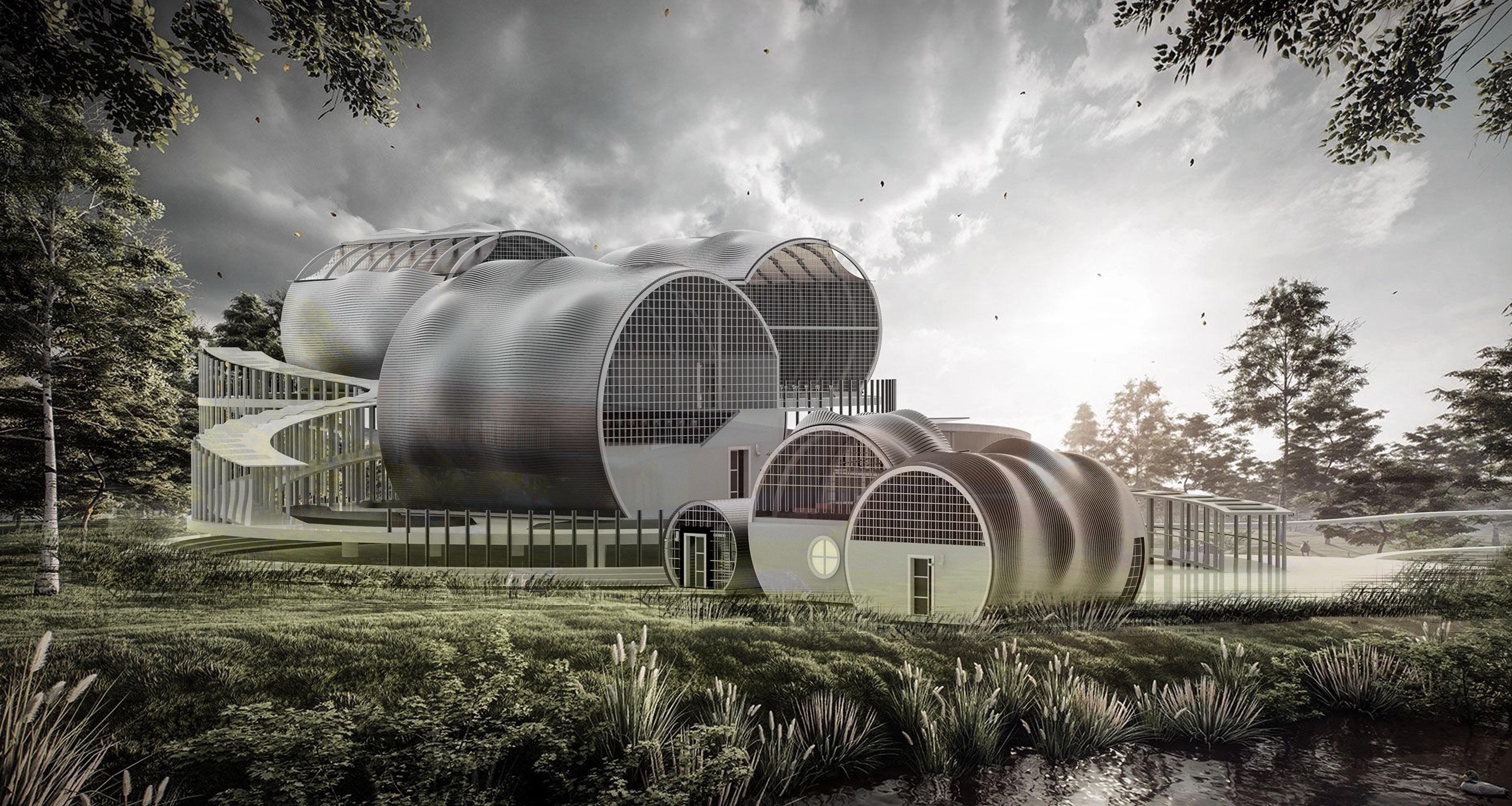
c.render
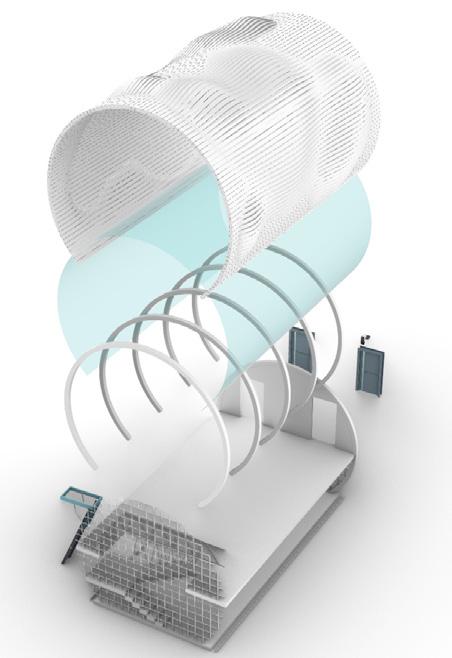
b.axonometric exploded view
a.combination of modules - with varying site conditions
c.render
b.axonometric exploded view