This website was built on Wix. Create yours today. Get Started

Prof. Sandeep Chaturvedi · 13 minutes ago · 5 min read

This website was built on Wix. Create yours today. Get Started
Prof. Sandeep Chaturvedi · 13 minutes ago · 5 min read

Choosing the right psychology program is one of the most important decisions for students interested in understanding human behavior and building a career in this evolving eld. Psychology today is not limited to academic study; it connects deeply with mental health awareness, workplace behavior, education systems, and social development. A well-designed psychology program should therefore go beyond classroom learning and offer a balanced combination of theory, research, and practical exposure.
Institutions such as Amity University Noida aim to provide structured programs that help students develop both academic understanding and professional readiness. However, before choosing any program, students should carefully evaluate certain features that dene a strong and future-focused psychology education
A psychology program is only as strong as its curriculum. Since psychology is a scientic discipline that studies behavior and mental processes, students need a curriculum that builds knowledge gradually and meaningfully. A good program introduces foundational concepts in the early stages and then moves toward more complex topics that encourage deeper thinking and analysis. When the curriculum is thoughtfully structured, students are able to understand how psychological principles apply in real-life situations rather than seeing them as abstract theories.
An effective psychology curriculum maintains a balance between theoretical learning and real-world application. While theoretical knowledge provides the academic base, application-oriented learning helps students understand how psychology works in everyday contexts. This balance is particularly important for students who want to pursue professional roles where psychological knowledge must be applied to real situations.
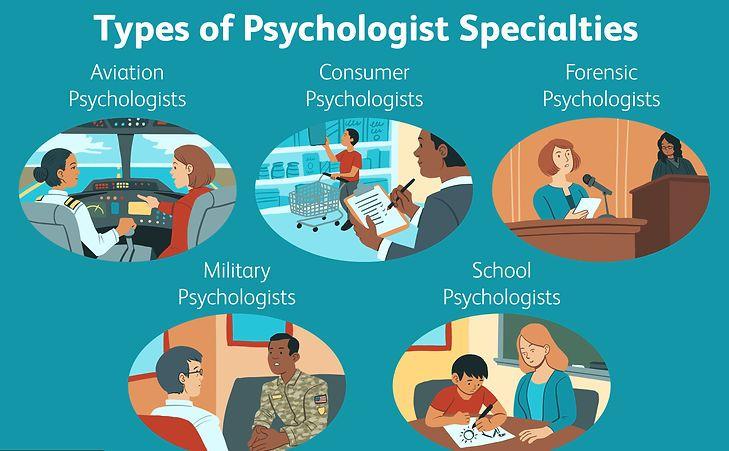
Psychology is a broad discipline with multiple areas of study, and a good program should allow students to explore this diversity. Exposure to different branches of psychology helps students discover their interests and identify the areas they may want to pursue further. When students are introduced to a variety of perspectives within psychology, they gain a more complete understanding of the eld.
Psychology cannot be fully understood through textbooks alone because human behavior is complex and dynamic. Practical learning experiences help students
see psychological concepts in action and develop a deeper understanding of the subject. Programs that include practical components create opportunities for students to observe behavior, analyze interactions, and apply psychological theories in structured settings.
Observation and interaction are central to the study of psychology. When students engage in activities that involve observing behavior or participating in guided interactions, they develop a clearer sense of how psychological principles operate in real life. This kind of learning encourages curiosity and helps students build condence in their understanding of the subject.
Practical exposure also plays a signicant role in building condence. Students who have opportunities to apply their knowledge in supervised environments often feel more prepared to enter professional settings. This preparation becomes especially important for students who plan to work directly with people in their future careers.
Internships form an essential part of a meaningful psychology program because they connect academic learning with professional practice. Real-world exposure allows students to see how psychology is used in different environments and helps them understand the practical relevance of what they study.
When students gain exposure to professional settings, they begin to understand how psychological knowledge is applied in different contexts. This understanding helps bridge the gap between academic theory and real-world practice, making learning more meaningful and relevant.
Internships also help students explore their career interests by giving them rsthand experience in different areas of psychology. Through these experiences, students can identify the elds that interest them the most and make more informed decisions about their future paths.
Faculty members play a crucial role in shaping the learning experience within a psychology program. Experienced educators bring depth and perspective to the classroom, helping students engage with psychological concepts in meaningful ways. Their guidance often encourages students to think critically and explore ideas beyond the surface level.
Faculty members who have academic and practical experience can provide valuable insights into the eld of psychology. Their experiences help students understand how psychological theories connect with real-world situations, making learning more engaging and relevant.
Mentorship is an important part of academic growth, especially in a eld like psychology that involves both intellectual and personal development. Supportive faculty members can guide students through academic challenges and help them explore opportunities for research and professional growth.
Research is a fundamental aspect of psychology because the eld relies on observation and evidence-based conclusions. A strong psychology program should encourage students to participate in research activities that develop analytical and investigative skills.
When students engage in research, they learn how to analyze information and draw meaningful conclusions. This process strengthens their ability to think critically and approach problems systematically, which are essential skills in psychology.
Preparing for Higher Education
Research experience is especially valuable for students who plan to pursue advanced studies in psychology. Exposure to research methods and academic inquiry prepares students for postgraduate programs and helps them build a strong academic foundation.
The environment in which students learn can signicantly inuence their academic experience. Psychology programs benet from spaces that encourage interaction, discussion, and collaboration. A supportive learning environment helps students feel comfortable expressing ideas and engaging with complex topics.
Learning spaces that are designed for interaction and engagement can enhance the study of psychology. When students are encouraged to participate in discussions and collaborative activities, they gain a deeper understanding of different perspectives and ideas.
Access to academic resources is another important aspect of a psychology program. Resources such as books, journals, and digital materials support independent learning and help students explore topics in greater depth.
A psychology program should not only focus on academic learning but also prepare students for future careers. Many students begin their psychology education with an interest in the subject but limited knowledge about career opportunities. Programs that provide guidance and exposure help students understand the different paths available within psychology.
Exposure to different career options helps students make informed decisions about their futures. When students understand the range of opportunities available, they can align their academic choices with their long-term goals.
psychology program Amity University Noida
Many careers in psychology require advanced education, making it important for undergraduate programs to provide a strong academic foundation. Universities such as Amity University Noida offer pathways that allow students to continue their studies and specialize in specic areas of psychology, ensuring long-term academic and professional growth.
Selecting the right psychology program requires thoughtful consideration of multiple factors, including curriculum quality, practical exposure, research opportunities, and career preparation. A strong program should help students understand psychological concepts while also preparing them to apply this knowledge in meaningful ways.
By choosing a program that offers academic depth and practical experience, students can build a solid foundation for their future. A well-designed psychology program does more than provide a qualication; it shapes the way students understand people, behavior, and the world around them, preparing them for
What Skills Matter More Than Marks in MBA and…
Top Career Paths for B.Tech Graduates in AI,…