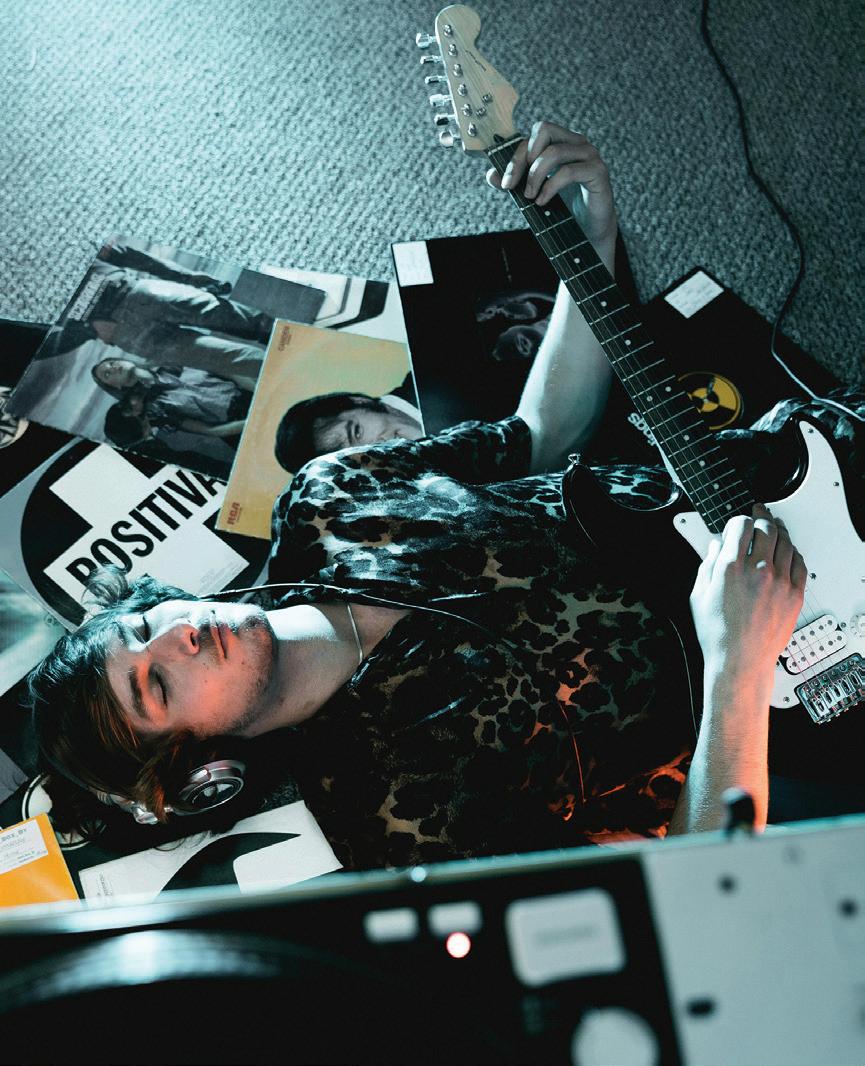
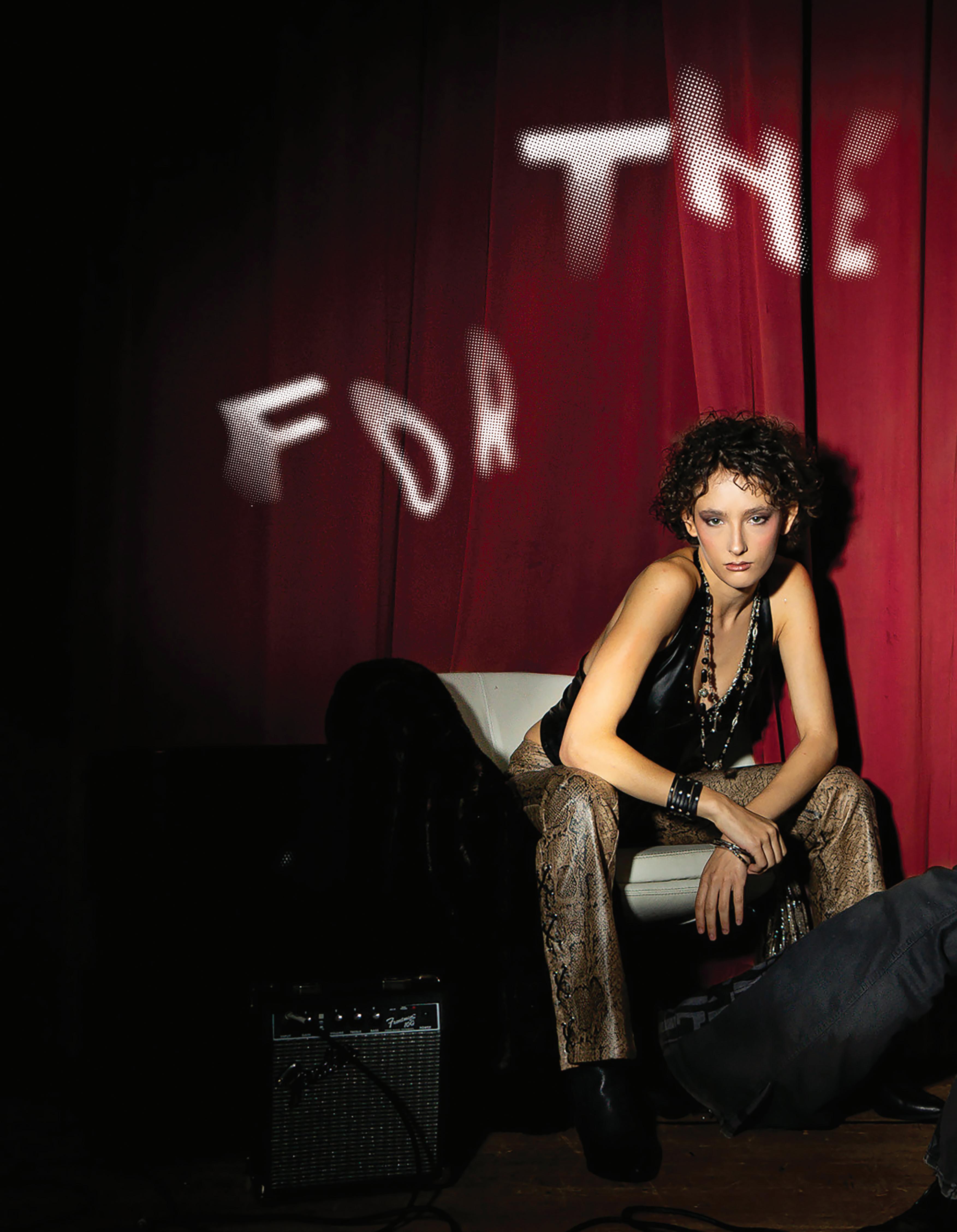
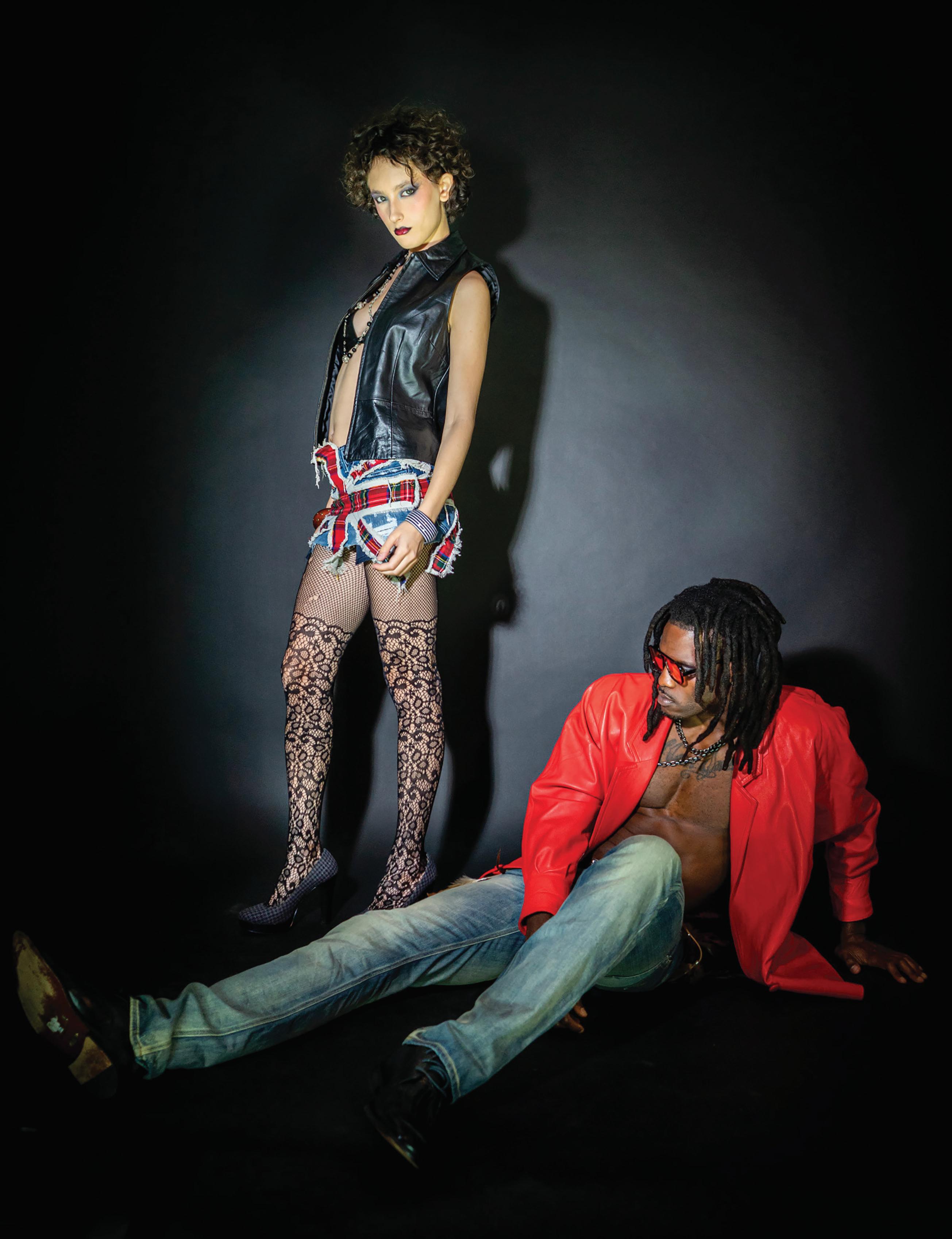
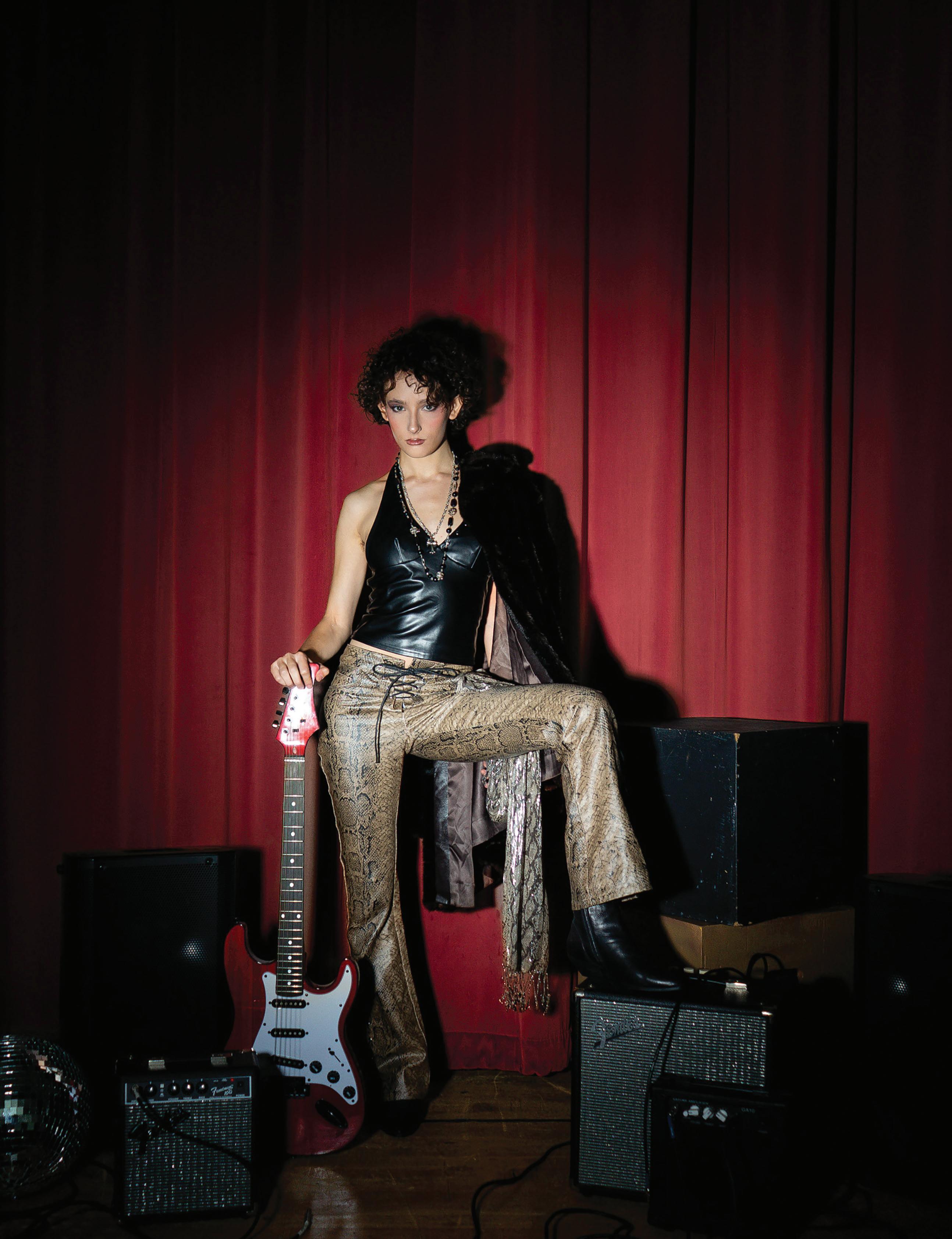
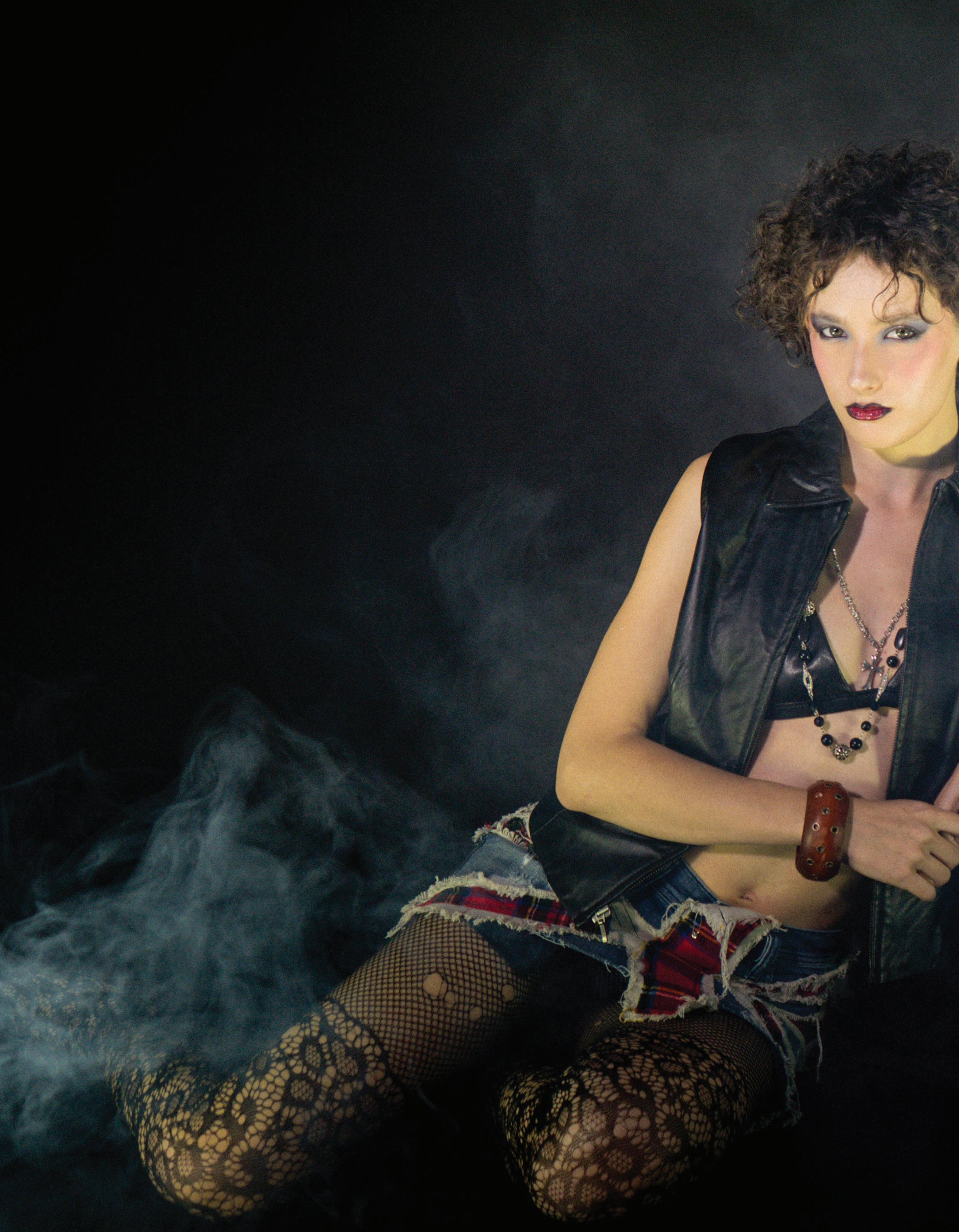
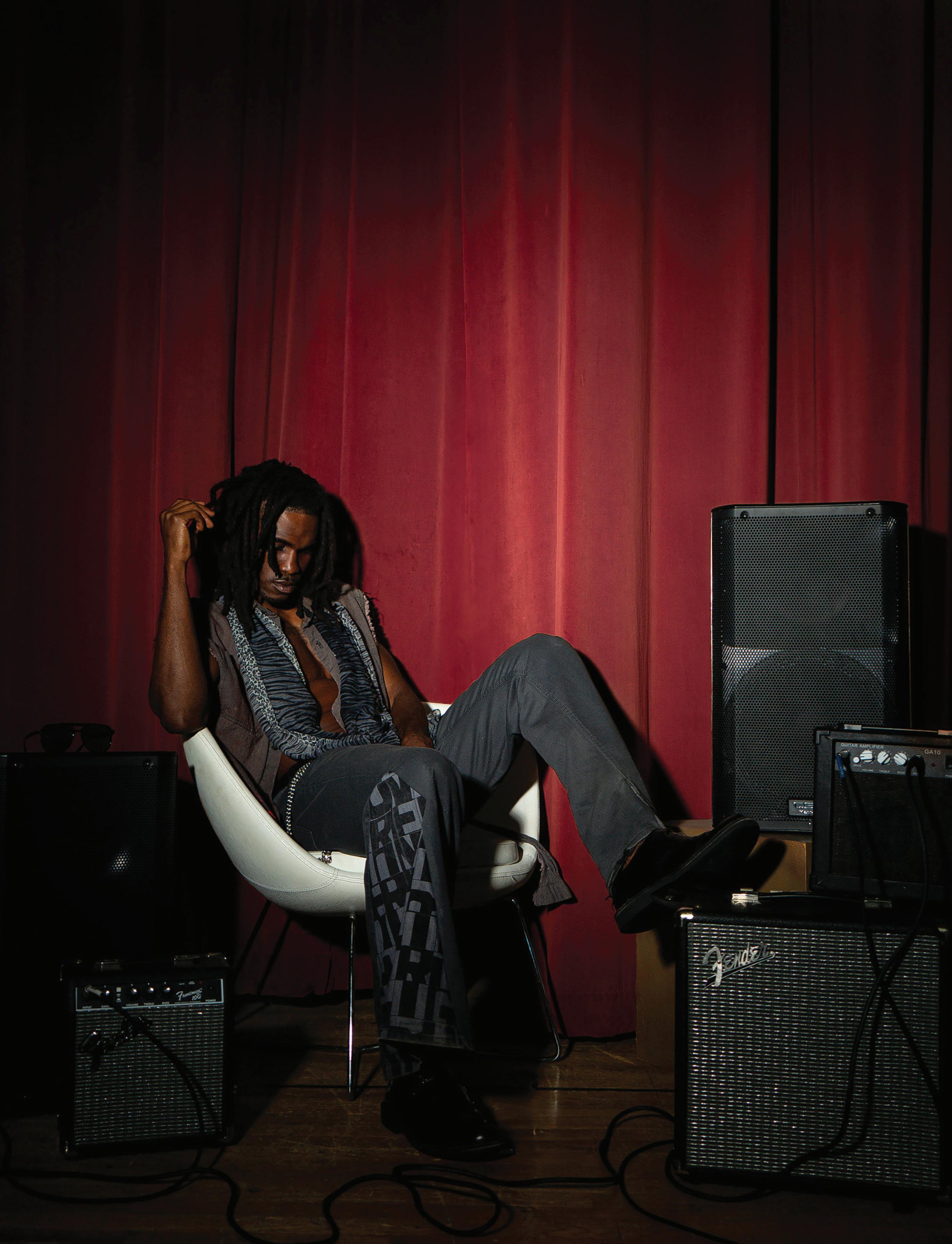
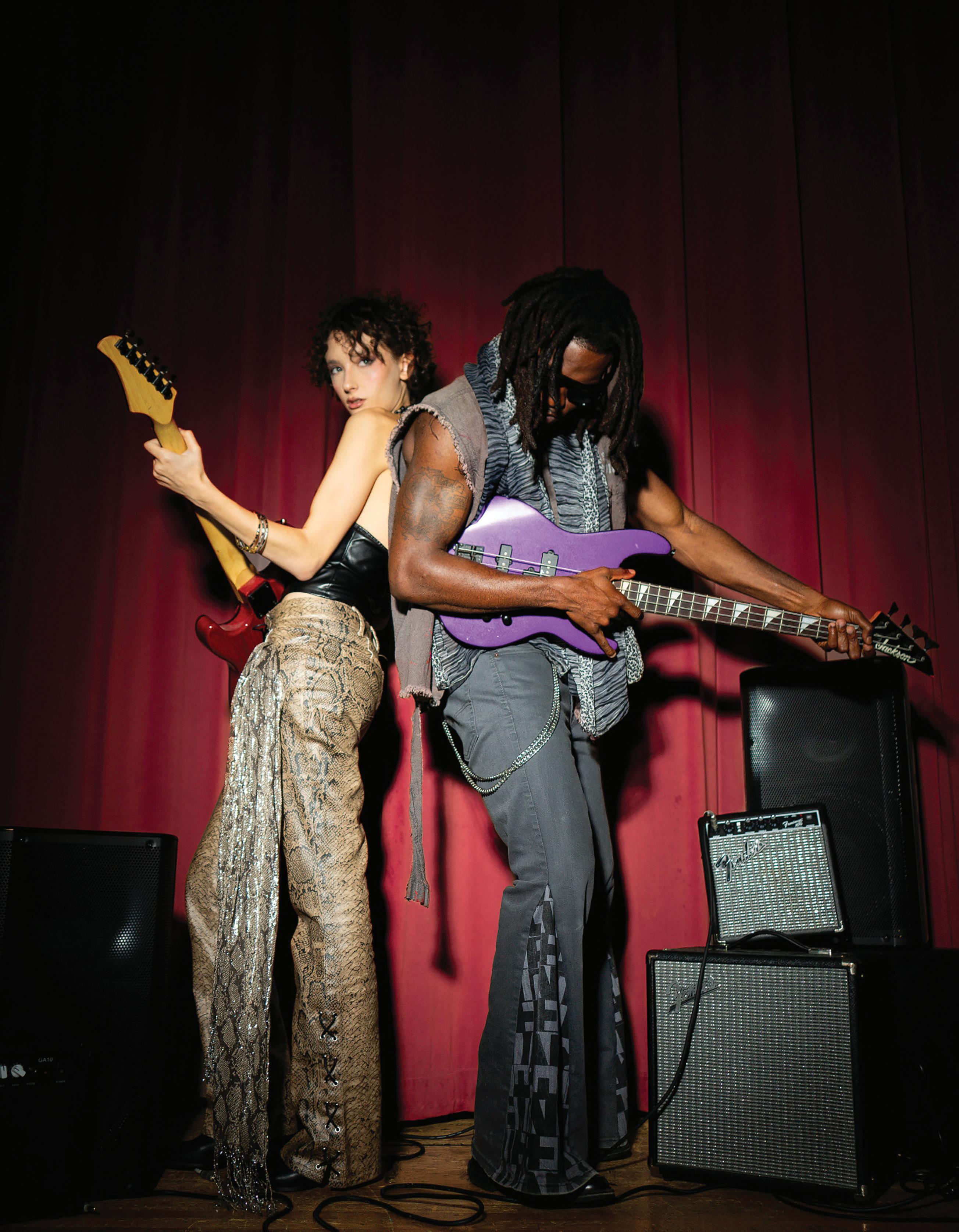
If there is one thing I have learned after three and a half years in POLISHED, it’s that collaboration makes a difference. This issue wouldn’t have been possible without the incredible work of our teams coming together in a way that made the process of this issue unique. I remember coming into this role with so many extravagant ideas. With Pinterest boards full of dozens of concepts, the idea of music’s impact is something that kept coming back in my mind. With our editorial shoot For The Soul heavily inspired by 80’s Rock and Roll, I wanted to highlight raw emotion with interactive photography to tell a story. I can’t imagine what my life would look like without music and my love for it drove this issue from start to finish. I can say with full transparency that with the support of our amazing team my first issue as Editor In Chief is one I hope to never forget. Be sure to tune into this issue, if for nothing else, do it For the Soul.

POLISHED Magazine has put together “For the Soul” to explore the depths of music and how it can impact our lives. This is an important edition for me; I have loved music my whole life, and a chance to explore it like this was such a fun and unique experience. For the Soul will guide you through the fashion staples of rock, showing off the punk, rebellious nature at the heart of music.
This issue marks my first as Editorial Director, and what an introduction it was. I am incredibly proud of what we were able to accomplish. I want to give my thanks to the entire POLISHED team for giving me such a great first issue. I hope that you enjoy this issue as much as we enjoyed creating it. Now, enter For the Soul.
“For the Soul” presents a deep experience into the spirit and passion of music through fashiom; diving into the dark, beautiful world of rock. This exploration continues throughout the issue, from the editorial to each individual article, with passionate visuals that highlight the heart and impact of music.
I am beyond proud of the entire Graphic Design team for the hard work they put into this amazing edition. My third issue as Creative Director has been a fantastic experience, and I cannot thank everyone enough for being a part of it. Now, lay back, put your headphones on, and relax with For the Soul.
Publisher
Founder Editor In Chief
Editorial Director
Creative Director
Art Editor
Fashion Director
Stylists
Lasell University
Richard Bath
Ella Rivera
Evan Terry
Eva Parker
Elijah Antoine
Alyssa Guglielmo
Elijah Antoine
Payton Andrews
Ava Briggs
Fatoumata Jalloh
Ava Diaz
Dot Stevens
Hannah Nygard
Kallie Armata
Lily Arsenault
Editorial Photographer
Beauty Team
Eva Parker
Olivia Chura
Raven Lawlor
Jorge Rivas
Emerson Blackburn
Models
Carys Mensinai
Bryan Jasmin
Marketing Director
Social Media Manager
Events Manager
Social Media Team
Margaret Sheridan
Jonah Rubin-Salzberger
Brooke McFarland
Lily Auger
Alison Cohen
Emilie Erickson
Kiera Gorrasi
Kacey Hilton-Gilleo
Leah Forte
Sierra Berry
Diana Rasevych
Stephanie Sampaio
Faculty Advisors
Gregory Cass
Ken Calhoun
Rosemary Leger
Dylan Wilson
PEACE + LOVE WITH LOCAL MOJO 4
Designer: Angela Murray
Writer: Sabrina Clay
UPCOMING MUSICIANS 6
Designer: Layla Gillick
Writer: Kemilly Pitol
BUJI DESIGNS 8
Designer: Christiana Pappas
Writer: Vanessa Lee
ROCKING INTO TODAY 10
Designer: Ella Rivera
Writer: Evan Terry
TREND REPORT 24-27
Designer: Eva Parker
Writer: Ella Rivera
Models: Janellys Martinez, Olivia Poschmann, Jasmine Sanchez, Sabrina Clay
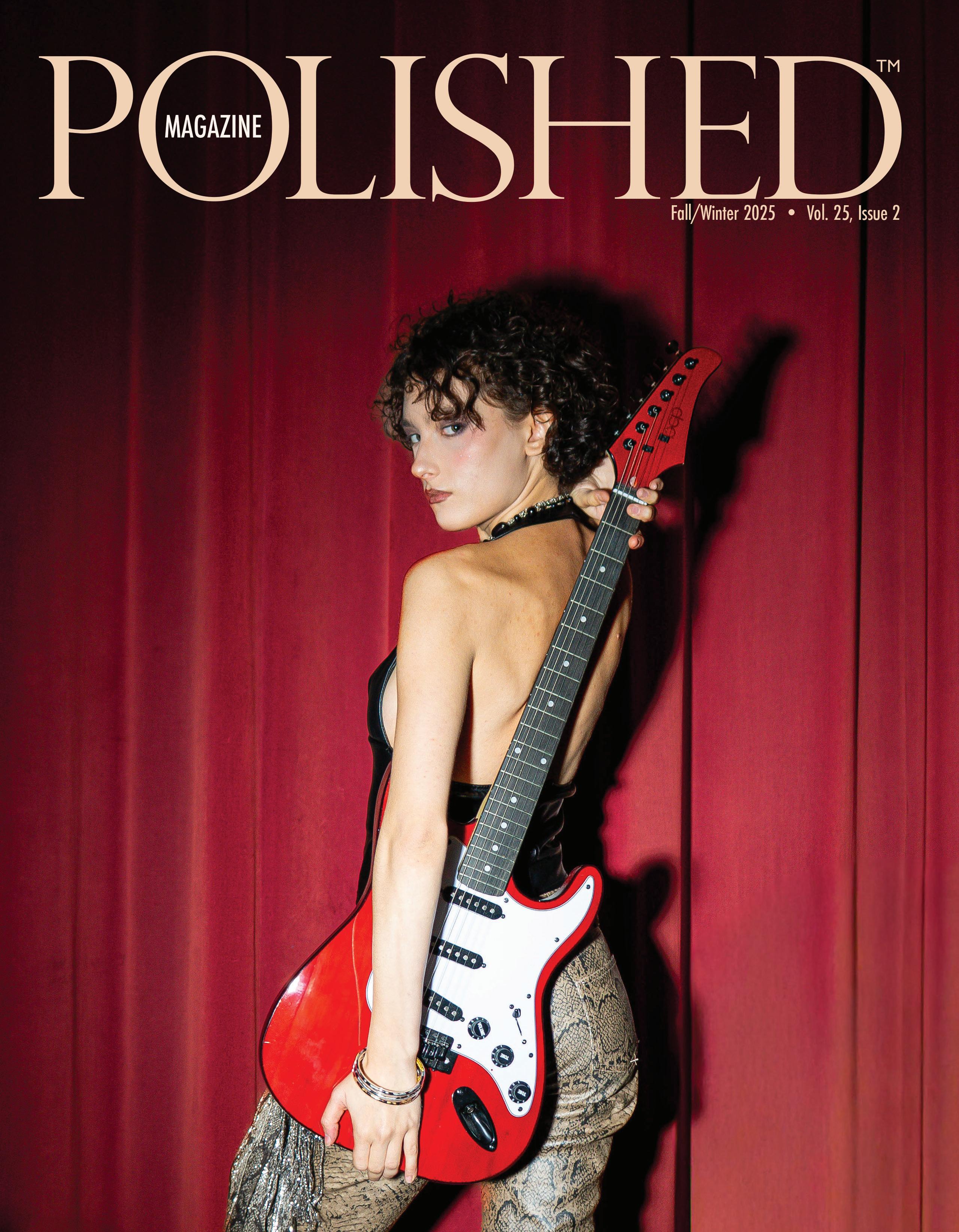
ON THE COVER
Model: Carys Mensinai
Retailer: Salvage Angel
Photography: Eva Parker
Retailers: Diversity
Photography: Eva Parker FOR THE SOUL 12-21
Retailer: Salvage Angel
Consignment and Salvage
Angel, Maddie Dunn, Cleo Ray, Marcelo Escobar
CALENDAR 22
Designer: Eva Parker
Writer: Payton Andrews
PHSYICAL MEDIA COMES BACK 28
Designer: Aidan Franzese
Writer: Ella Collins
BOSTON AFTER HOURS 30
Designer: Claire Celaya
Writer: Emma White
MISSION STATEMENT
The mission of POLISHED Magazine is to promote and highlight the diverse and vibrant culture and fashion scene of Boston and the surrounding area.
POLISHED Magazine is produced by the Lasell University School of Fashion with graphic design support from the Graphic Design League at Lasell University. Visit us at graphicdesignleague.com
POLISHED Magazine is printed by UPrinting
begin with a Ticketmaster battle and end with hundreds, if not thousands, of dollars spent and a birdseye view of a stadium from the nosebleeds. Are the days of house shows gone forever? Is the magic of local gigs a thing of the past? Not if Local Mojo has anything to say about it.
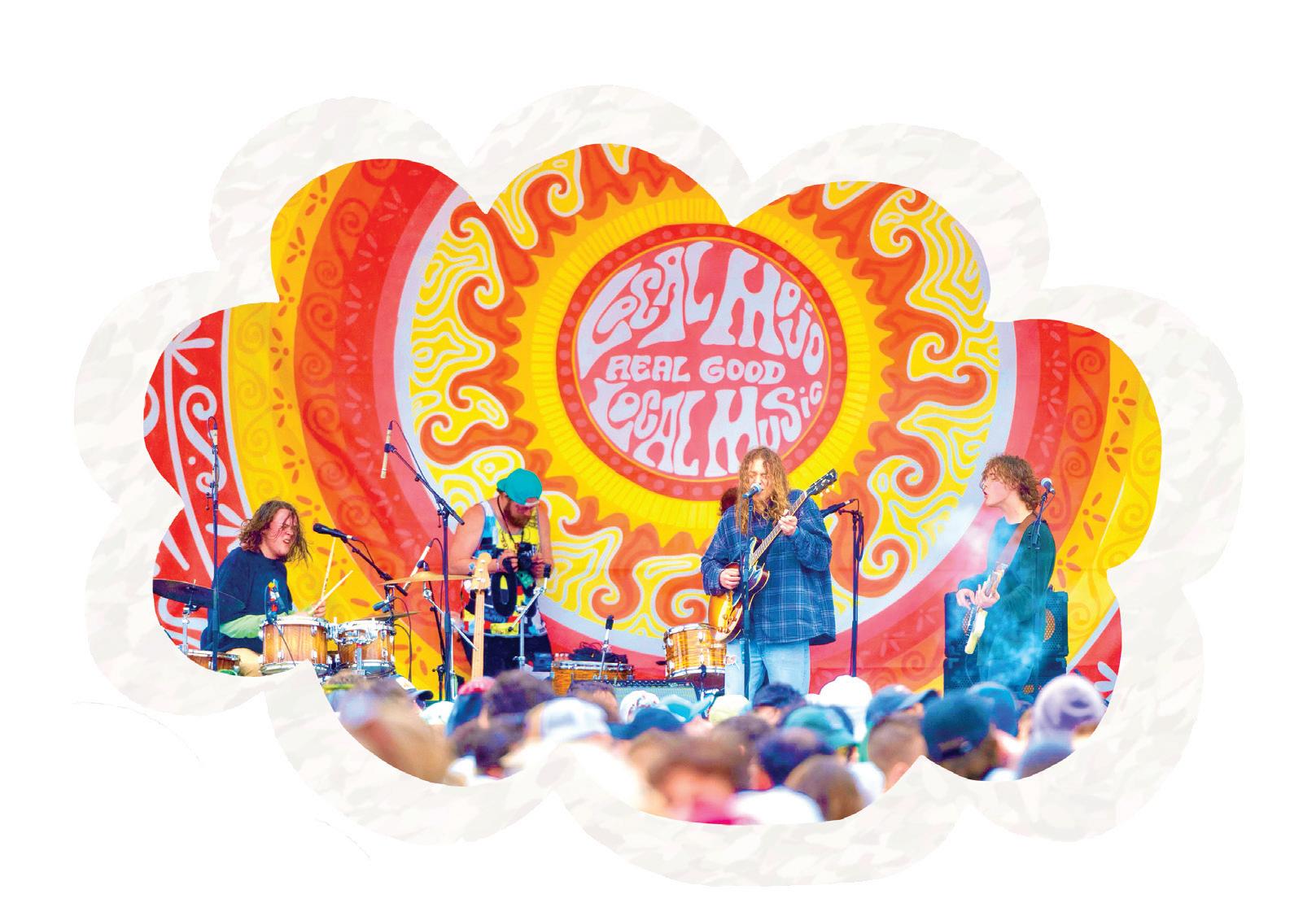
Local Mojo, a college startup that aims to breathe life back into the local music scene, had its humble beginnings in the dorms of UMass Amherst back in 2021. Founder, Charley Blacker, had a vision for what the Amherst music scene could be with just a little extra love and a team to centralize the local happenings. Blacker found
himself surrounded by so many talented students on the massive UMass campus, and knew he had to create an outlet for emerging artists to share their art with the community. Since then, Local Mojo has absolutely blown up. They’ve expanded far past the town lines of Amherst, and have branched out to the greater Boston area and beyond. Other Local Mojo branches can be found around colleges and cities in South Carolina, Chicago, Pennsylvania, and more.
The Boston Mojo branch has some extremely lofty goals; Charley Blacker and the Local Mojo team aim to “make Boston one of the capitals of dance music in the country,” and Blacker firmly states that they’re “going to build it brick by brick.” Local Mojo’s main focus in Boston is the currently underwhelming night life scene. While they do plan to host more traditional live music gigs and festivals in the area, Blacker finds that Boston is responding particularly well to more club-oriented sounds: “We’re trying to bring house music, techno, UK garage, and all this kind of ‘underground’ dance music into the city, and so that’s our event. We’ve been labeling it ‘Presha.’” Presha events have been consistently happening in Boston at unlikely venues for the past few months, most recently occupying an indoor pickleball court.

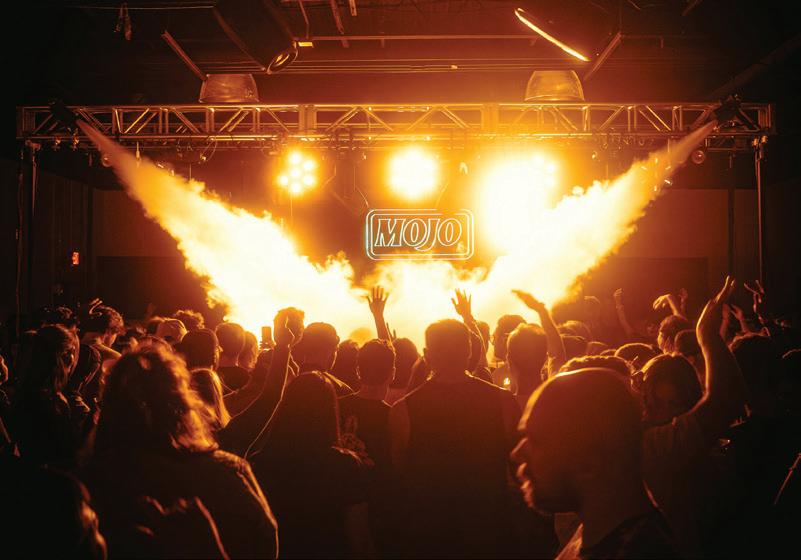
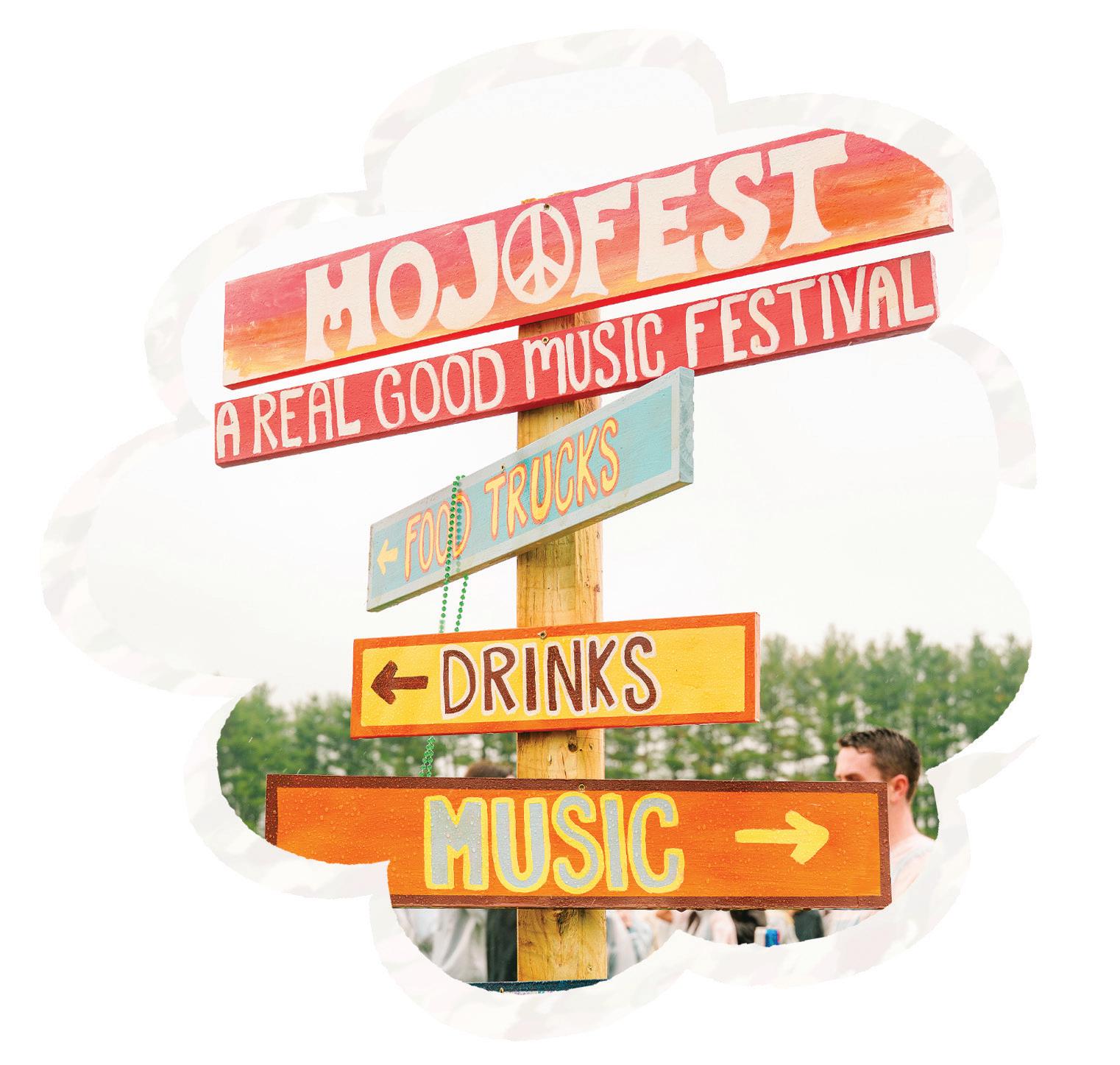
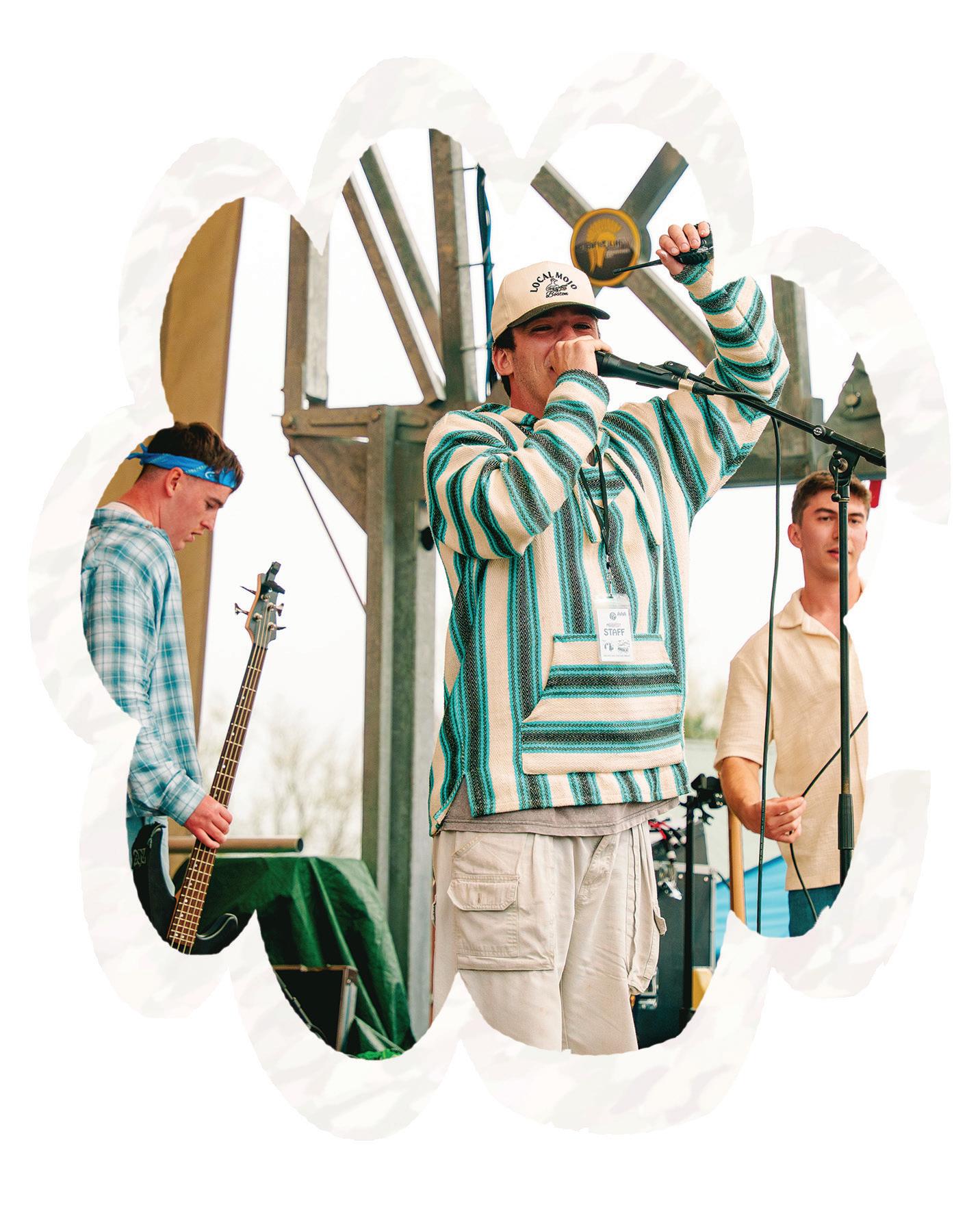
While Local Mojo hosts events year round, in 2024 they launched their magnum opus: Mojofest. The first Mojofest was a six-hour backyard festival with free admission, located in Local Mojo’s hometown of Amherst, Massachusetts. It was clear that Mojofest made a deep impact on the attendees and started to gain traction for the brand on social media. With the success of the original Mojofest, morale was high and the Local Mojo team began to work on Mojofest 2025.
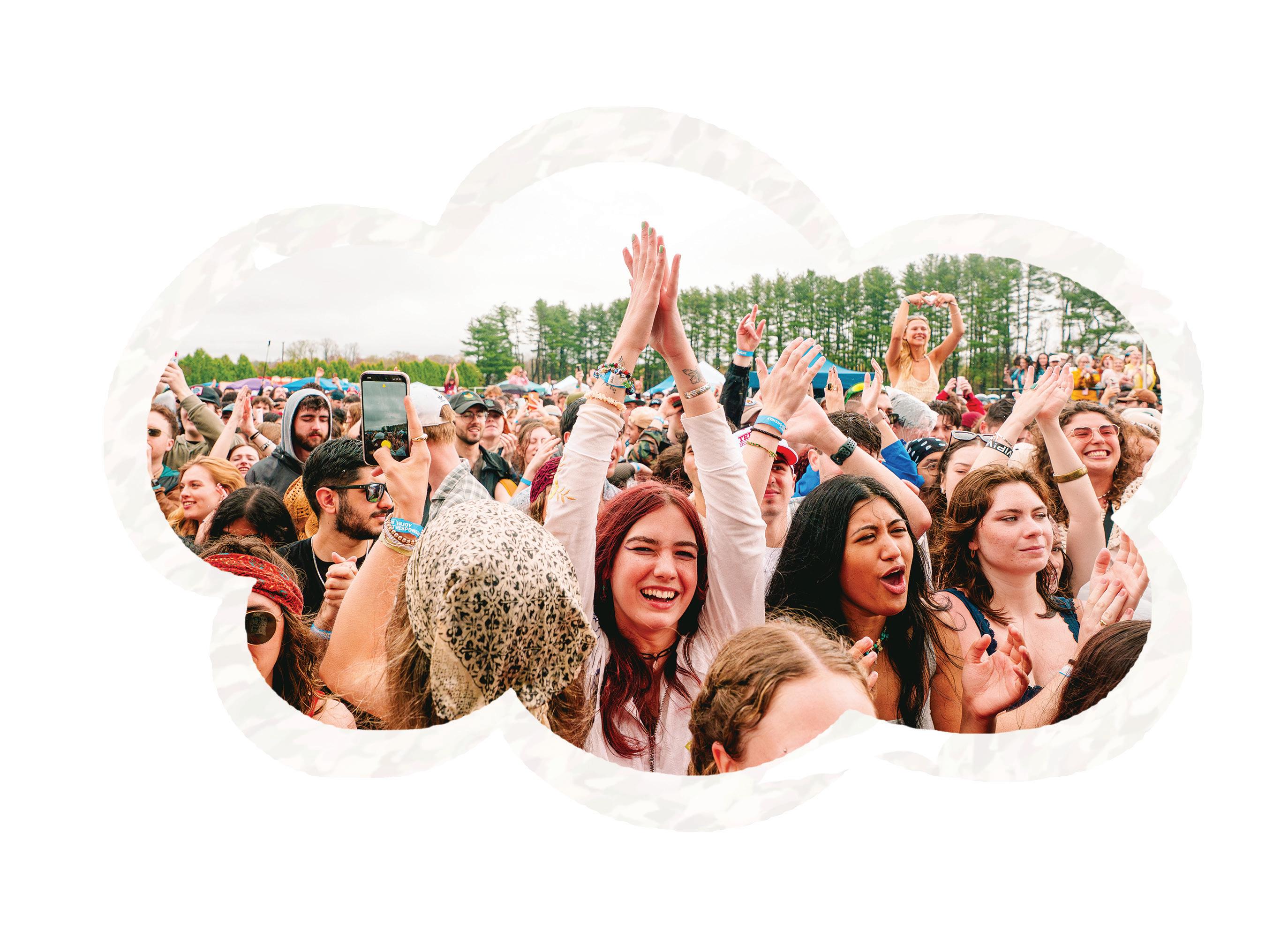
Mojofest 2025 had many changes from its older sibling. The festival found a new home at The Club in Hadley, Massachusetts, around two hours outside of Boston. While tickets could no longer be free for an event of Mojofest’s size, general admission started at only $17.50 for a full day of “Real Good Local Music.” By a full day, they meant a seven hour music festival followed by two separate seven hour after parties, and a three hour pre-party for the real diehards. Not only was Mojofest 2025 meticulously planned and chock full of live music for every minute of the day, but it also featured local vendors, food trucks, and live art. Blacker only has great things to say about the whole experience. “Mojofest, this past year, was by far the best day of my life.” Blacker reminisces about the day, remembering the positive vibes and good times he had with his fellow teammates and favorite local bands backstage. Guests left Mojofest with glowing reviews of the entire experience.
and better Mojofest in the Amherst area, and a new one popping up around Boston. As for the other three festivals, more details are still to come.
One unfortunate drawback of Local Mojo events for the college students of Boston are their age restrictions. Currently, the majority of Local Mojo functions are for the twenty-one and up age group, limiting the attendance of younger generations. Many venues and sponsors charge much higher fees for event organizers who wish to allow attendees under the age of twentyone, or outright deny them. This is due to the lower projected alcohol sales when an event allows an underage crowd. However, Blacker and the Mojo team are working diligently to expand their events to all music lovers; “It’s a big focus of ours right now to get into that space. There’s so many people who are enthusiastic about the music scene that are under twenty-one.” Blacker himself didn’t come of age until his senior year of college, and he knows what it’s like to miss out on shows just because you’re born a year too late.
In the wake of the success of Mojofest 2025, many loyal followers have the same question on their minds: what about 2026? “Mojofest will be [returning] and we’re going to be doing a few more festivals as well,” says Blacker himself. The Local Mojo founder goes on to reveal that they intend to host at least five festivals in the spring; “It might turn out to be more, but as of right now, that’s what we’re looking at.” Fans can expect a bigger
Local Mojo is undoubtedly a brand that should be watched. The passion, sweat, and soul that they bring to the Massachusetts music scene is a force to be reckoned with. In an age where people are glued to their screens and worried for the future, maybe an old school gig is just what the doctor ordered. Local Mojo is paving the way for the people of Boston to discover new artists, escape the modern day rat race, make new friends, and create new memories.
Sabrina Clay
Courtesy of Daniel Jacobi
BOSTON AFTER HOURS
n the rise of self-care and staying in, it’s easy to forget to have fun. Especially since we have gotten so caught up in the never-ending trends and online aesthetics, pushing us toward narrow definitions and limitations in how we are supposed to show up. Unspoken routines of getting up early every day, constant productivity, and unrealistic expectations swarm us. In truth, you can be in bed by 9:00 PM one night, and out dancing until sunrise another. It’s all about balance, and a night out with friends might be exactly what our mental health needs.
After the pandemic, it feels like socializing and going out have never quite felt the same, as we all got so used to staying in and learning how to be alone. With this, it seems we still hold on to some of these comforts. This is even noticed by the city of Boston, with new efforts being underway to cultivate and reimagine a more vibrant nightlife–including extended MBTA hours. People just aren’t going out anymore. Sometimes, though, the problem is just that you don’t know where to go.
Luckily, Boston offers plenty of spots that make it easy to let loose and reconnect with your friends. Whether you’re looking to dance the stress away, enjoy a few cocktails, sing your heart out, or simply be surrounded by high energy, the city’s nightlife has something for everyone. From cozy cocktail lounges to high-energy dance floors, Boston’s nightlife scene gives you the chance to be as lowkey or as adventurous as you want to be. So for those nights when staying in just won’t do, these Boston venues offer the perfect excuse to dress up, go out, and experience something a little more exciting.
A good first stop is Club Café, a lively queer bar open seven days a week located in Boston’s South End. This establishment not only serves as a nightclub, but also as a restaurant serving American cuisine, where you can watch live cabaret-style entertainment. Characterized by an inclusive space, Club Café is one of the longest-standing queer bars left in Boston. Each week, they hold a variety of different events such as karaoke, trivia, drag brunch, comedy shows, and speed dating, just to name a few.
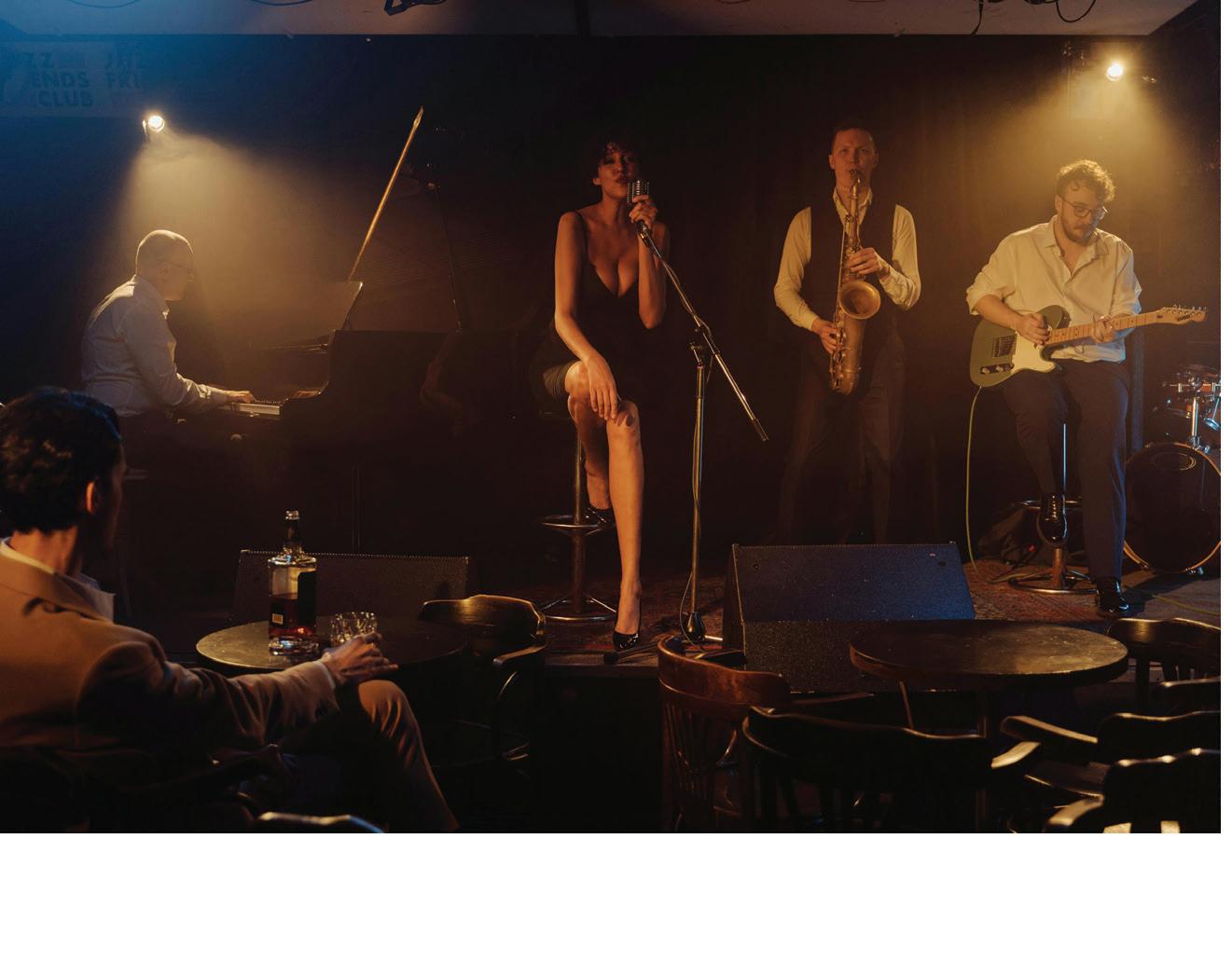
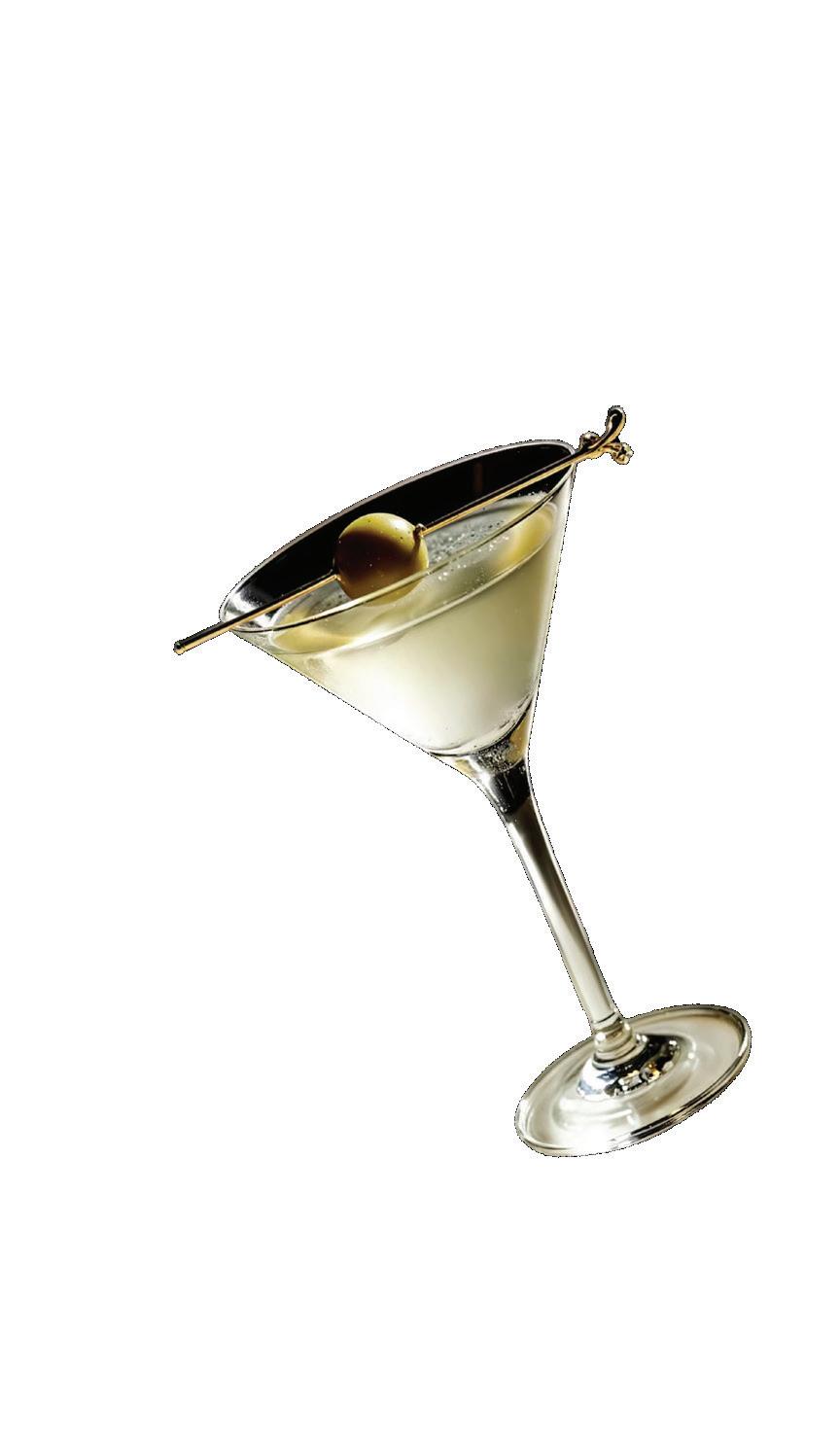
Head to Beacon Hill’s Carrie Nation for dinner, then slip past the bar into their hidden speakeasy. As seen on their website, “Make sure to have a twenty spot, secret handshake or password and find yourself in Boston’s Original Speakeasy”. In this restaurant and Cocktail bar, you can find yourself transported back to the 20’s with specially cultivated decor and prohibition era themed drinks. Play a game of pool, catch a live band, or attend one of their many events, such as drag brunch on Sundays. But who is Carrie? Carrie Nation was an activist in the temperance movement. She’s most famously known for her theatrical and violent displays of protests, where she would use a hatchet to destroy saloons and bars. They state: “We credit Carrie Nation’s efforts and commemorate her with a speakeasy, although she is most likely rolling in her grave, we have to thank her for the inspiration!”.



Alibi Bar and Lounge is another cool spot with a unique atmosphere. Located in the Liberty Hotel and previously the historic Charles Street Jail, with a theme that stays true to its history. You can grab drinks that pay tribute to the bar’s shocking past, such as the Spicy Inmate, Crime of Passion, or Murder She Wrote. Spend the night dancing surrounded by jail bars and the mugshots of your favorite celebrities.
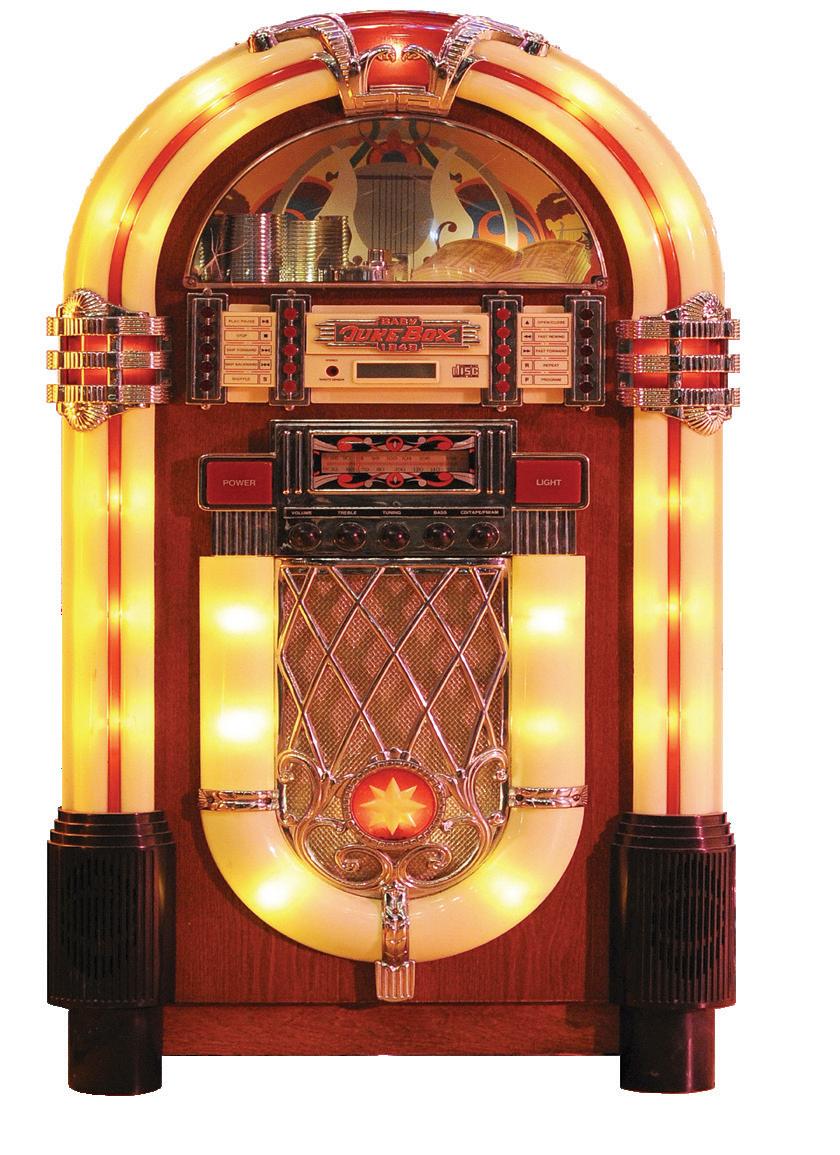
Legacy Boston, which was previously established as Jukebox in 1982, is another reliable option for dancing. Here, they also hold an array of different events, such as No Cover Thursdays and Latinx Wednesdays. Icon, an additional Boston nightclub with a high dance scene, states: “ICON blends the appeal of a high-energy nightclub and an ultra exclusive lounge and is set to redefine nightlife in Boston”. The space includes multiple seating areas, a dance floor, and a VIP room.
If dancing isn’t your thing, or you’re just looking for a different vibe, some spots to check out include Offsuit, a small, relatively hidden cocktail bar with a true speakeasy feel, that plays albums all the way through. Or if you’re looking for something a little more interactive, the F1 Arcade Boston offers thrilling racing simulators that emulate the exhilaration of F1 racing. If instead you’re just looking for a good laugh, The Comedy Studio, which started in an attic of a Chinese restaurant, now located in Harvard Square, is the perfect spot. With new emerging comedians as well as well-known comedians occasionally stopping by, they offer a comfortable and inclusive space for unwinding and creating community.
People aren’t going out like they used to. But clubs, bars, nightlife, going out, and having fun are not frivolous; rather, they give us a chance to unwind. Where you don’t have to think about your draining job, unbearable but inevitable chores, or any other vexing daily tasks. Where you can fade into something communal and not feel so perceived. No performing or carrying out expectations, just you, your friends, and a bunch of strangers all searching for the same thing. Boston’s nightlife delivers this energy; you just need to know where to look. With this being said, it’s important to stay aware and safe. Make plans ahead of time; share your location with friends, stay with people you trust, don’t put your drinks down, and use rideshare apps to get home. Nights out are best when everyone gets home safe.
Emma White
Photography Courtesy of Pexels
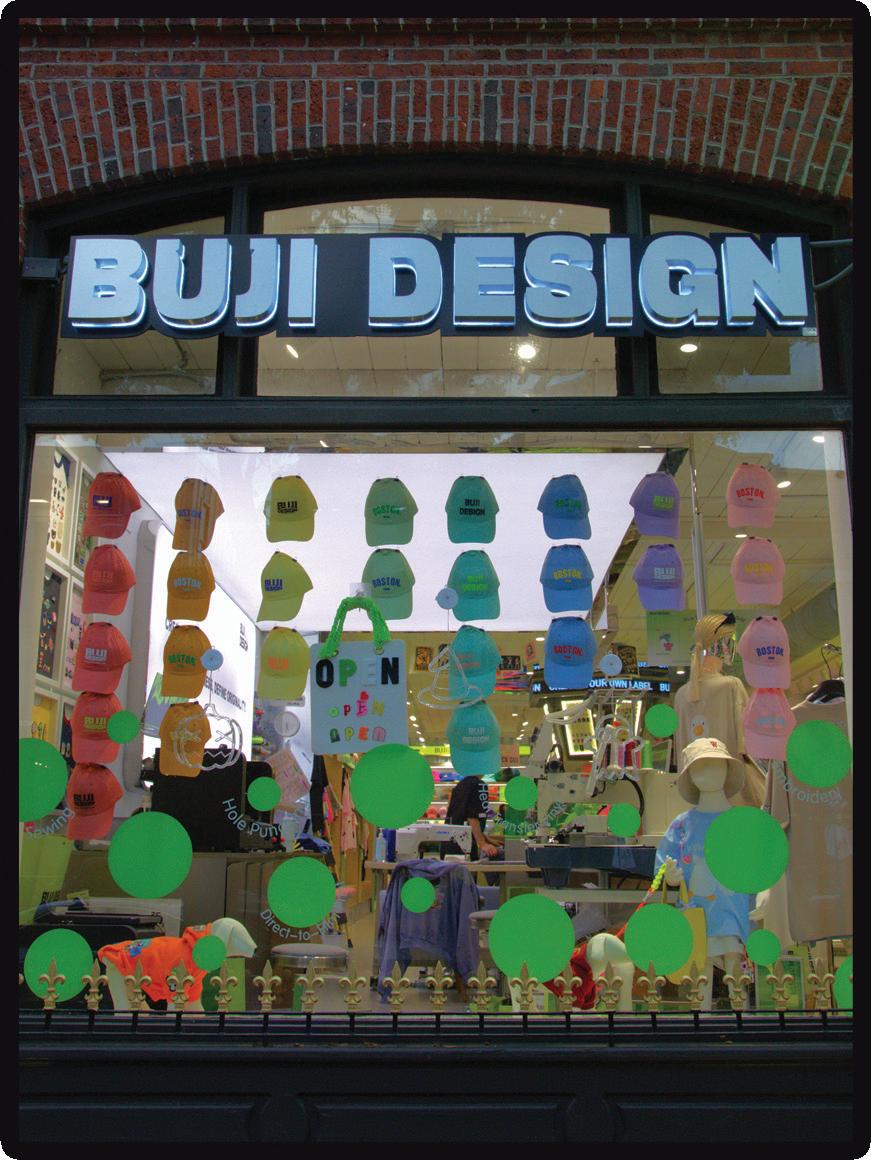
Buji Design is a customizable clothing design store run by Creative Director Yulu Chen. Early on in her career, Chen was the lead graphic designer of Tutuland Studio, a craft store that specialized in tufting handmade rugs. According to an article in New York Weekly, Chen played a pivotal role in the brand’s visual identity and rapid growth. She had a hand in designing the brand’s product packaging, marketing materials, as well as the company’s e-commerce platform. Chen was praised for her ability to visually capture the essence of the products and resonate with the customers. These skills made Chen the perfect candidate to become the creative director of Buji.
In many ways, Chen’s creative direction at Buji builds on the foundation she established earlier in her design career. Her experience with branding and visual storytelling is apparent throughout the store. From the cohesive color palette used throughout the shop to the polished typography on their signage and packaging, every visual element seems carefully considered. Chen’s aim was to create a space that not only sells clothing but also encourages customers to express themselves through fashion and design.
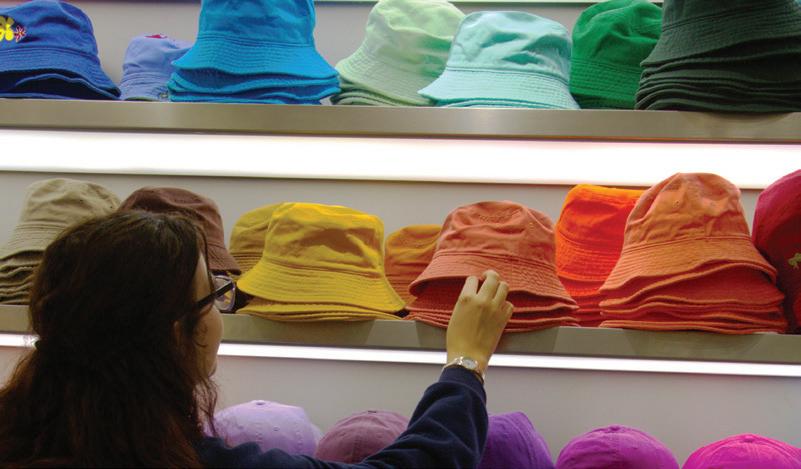
Back in September, I decided to stop at Buji. I had passed by the shop on Newbury Street a couple of times before and decided to check it out to see what all the hype was about. Upon first stepping inside, I immediately noticed how well organized the space was.
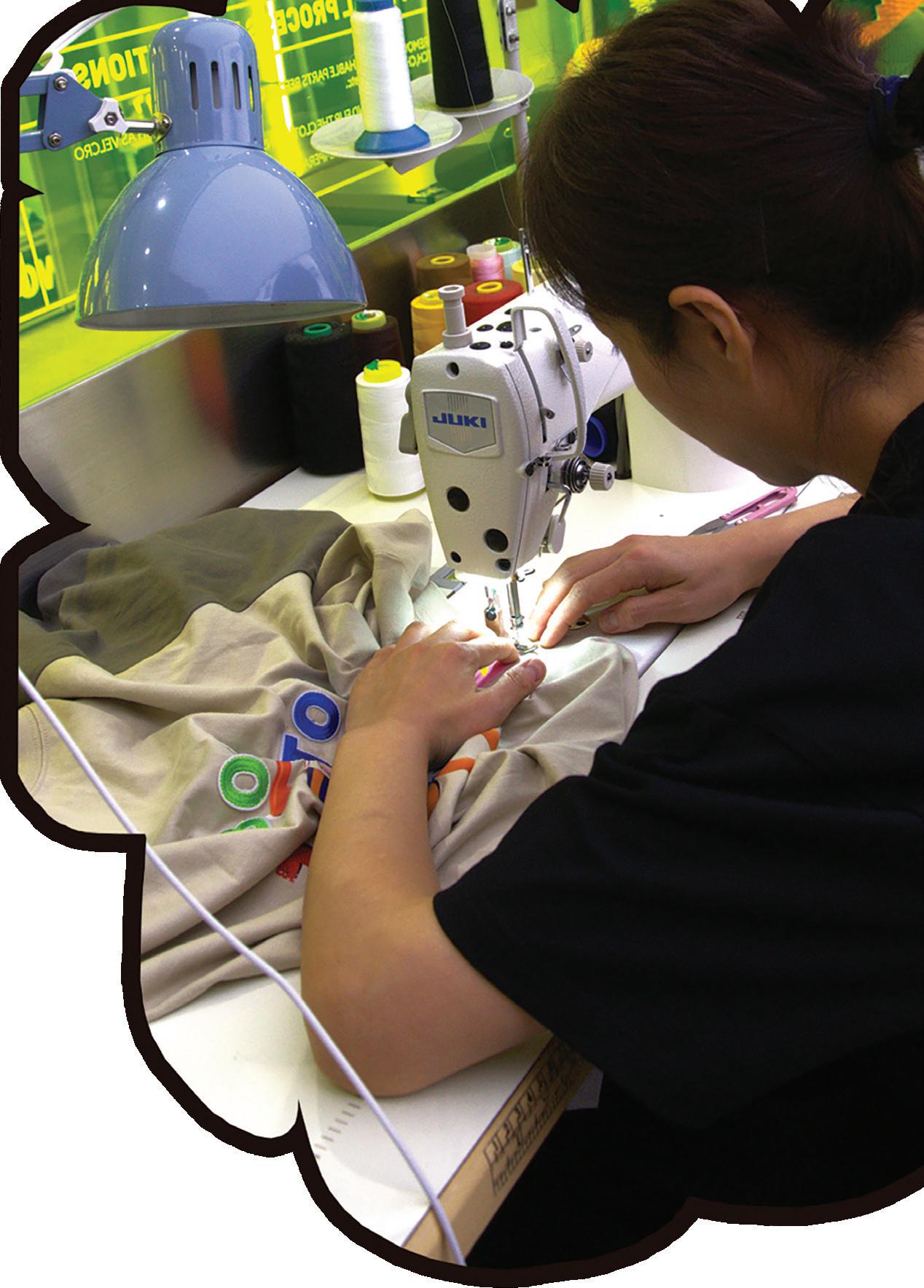
The interior felt warm and inviting, with clean lines and thoughtful displays that made browsing easy and enjoyable. Natural light streamed in from the front windows, highlighting the colorful patches and fabrics arranged throughout the store. Gentle background music played softly, creating a relaxing atmosphere that allowed customers to explore at their own pace. The faint scent of freshly pressed cotton mixed with the quiet hum of sewing machines, gave the shop a sense of life and activity. Walking into Buji felt more like entering a creative studio than a traditional retail space.
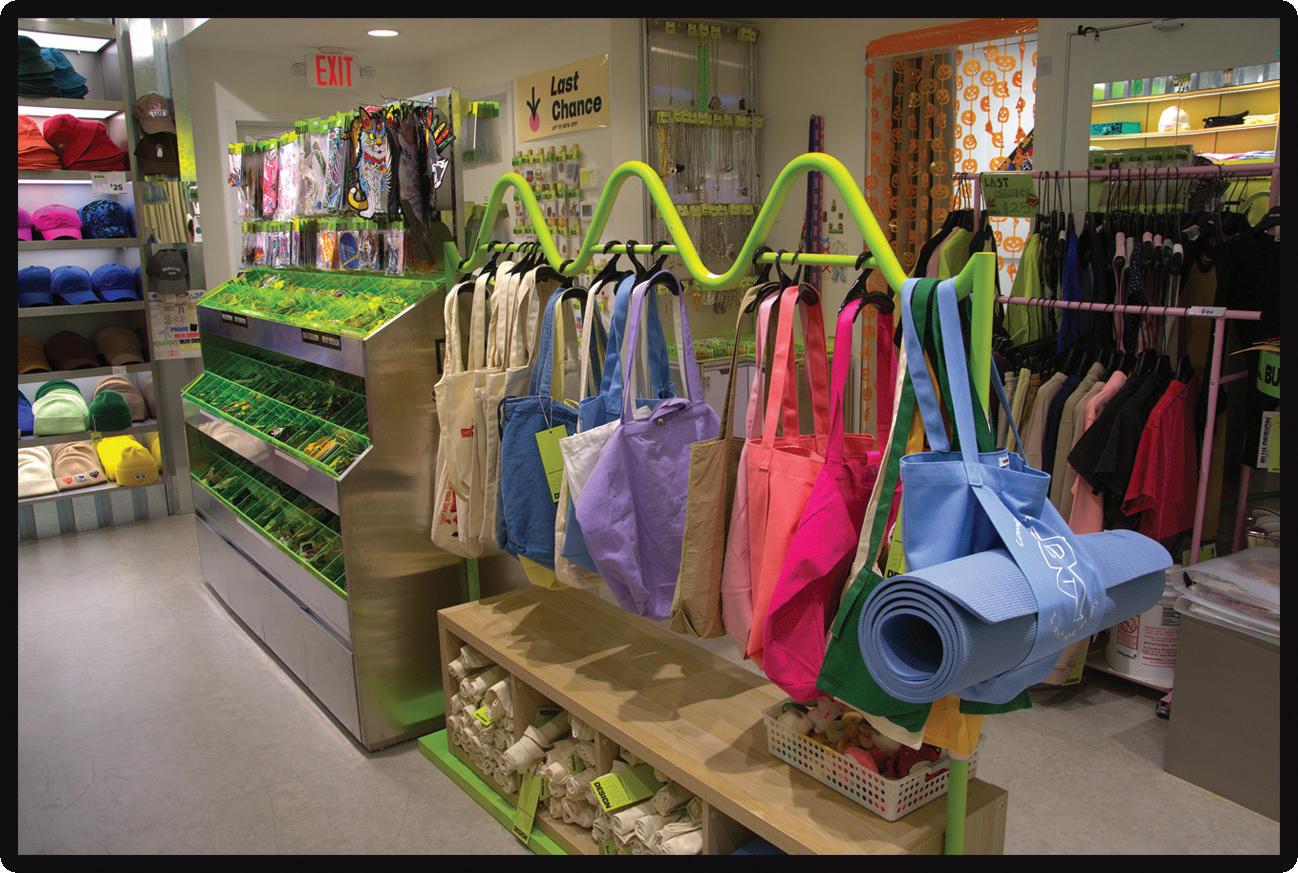
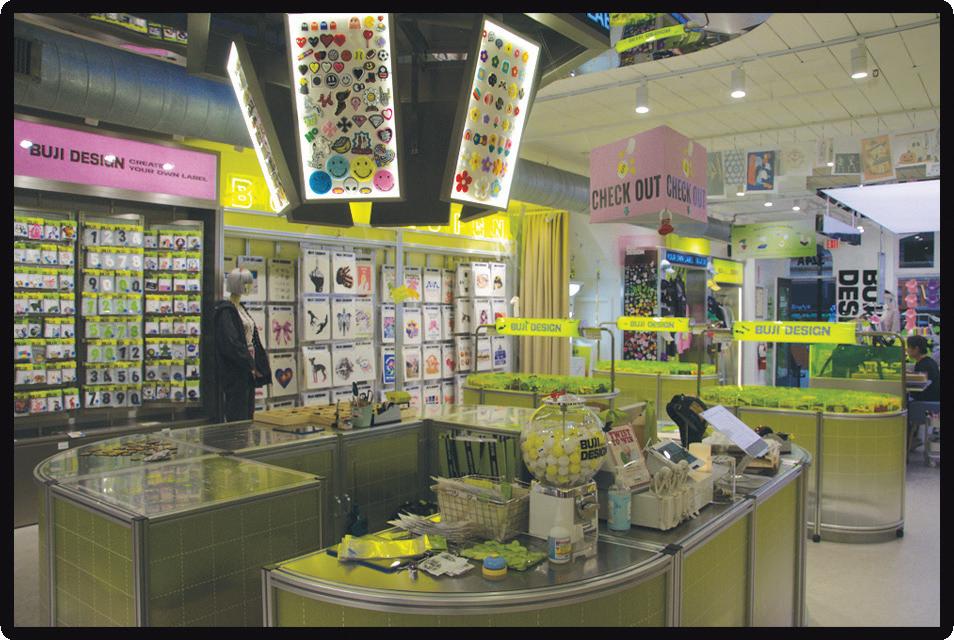
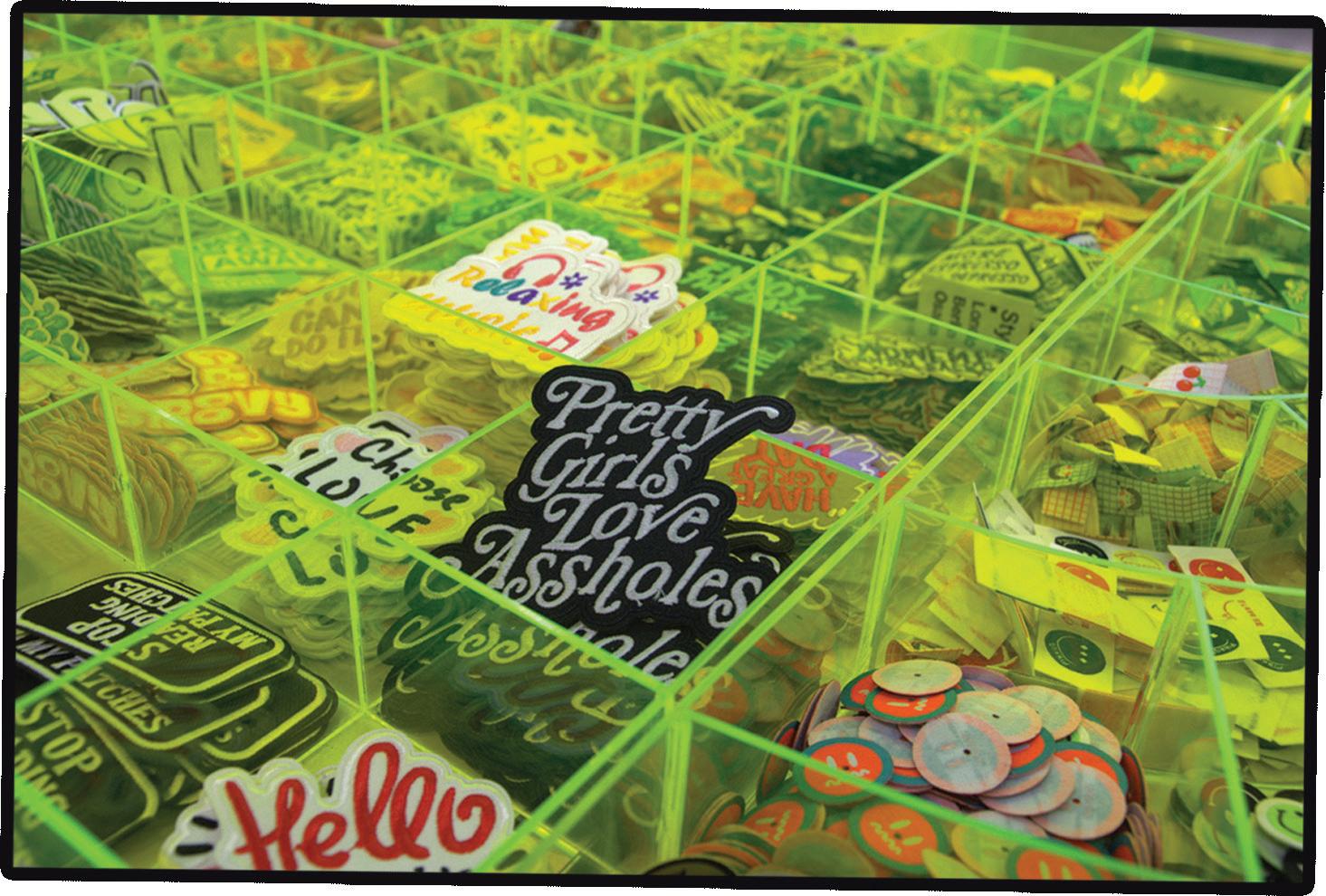
From industrial sewing machines, embroidery, thermal transferring, digital printing, and vinyl cutting, they take customization seriously. Against one wall, a wide array of patches is displayed, catering to many different styles and aesthetics. The patches come in a variety of colors and sizes and are available as sew-on patches, iron-on transfers, or enamel pins, giving customers options for self application if they wish. In the center of the store, three stands hold patches for easier access, ensuring customers have plenty of choices.
It was clear that the staff are not only skilled but are also passionate about their work. They offered suggestions to customers, discussed design ideas, and explained how certain techniques might work better for different fabrics. Watching them work demonstrated the care and precision that goes into each customized piece.
The wall of patches itself was visually captivating, with rows of unique designs ranging from playful characters to classic shapes. Each patch felt like a small story waiting to be brought to life on a hoodie, tote bag, or pair of jeans. If you cannot find a design element that fits you, you can always bring in your own for an extra personal touch!
On the wall opposite of the patches were sweaters, hoodies, and sweatpants, ready for customers to try on and customize. Between the walls were two stands filled with hats, socks, and other accessories. They offer adult-wear, childrenswear, and pets-wear. All are made from 100% cotton, they are comfortable to wear and easy to customize if needed.
The quality of the clothing immediately stood out. Each item felt soft yet durable, designed to withstand the customization process without sacrificing comfort. The pet-wear collection was especially charming, featuring tiny hoodies and bandanas to match their human counterparts. The range of customization options ensures that customers can create anything from a subtle embroidered monogram to a bold full-color design. Every piece feels like a blank canvas, inviting creativity and personal expression to anyone that walks in the door.
Buji’s design process is simple and easy to follow. Customers start by choosing the clothing item they wish to customize. They then select the patches or accessories they want to add. After making their selections, they proceed to the checkout station in the center of the store. Once everything is purchased, the staff begins customizing the items immediately. Depending on the services chosen, customers can pick up their items later that day or within a day or two.
The manager emphasized that Buji’s main goal is to make customization accessible and fun for everyone. No prior experience is required. Customers are encouraged to experiment with different materials and styles, and staff are available to offer guidance and tips. Watching the process unfold gives visitors a behind-the-scenes look at how customized clothing is made. The experience is part workshop and part shopping trip, giving customers a sense of accomplishment as they create something uniquely their own.
Buji is a unique store, offering a one-of-a-kind experience for people of all ages. Whether visiting with friends, family, or alone, there’s an opportunity to explore creativity while learning about clothing customization. For those curious about the fashion industry or interested in starting their own clothing brand, Buji provides an inspiring, hands-on experience.
What makes Buji truly special is its community-oriented atmosphere. It’s not just a store; it’s a creative space where ideas and inspiration are shared. On weekends, groups of friends, families, and solo visitors gather to design matching items or experiment with personal creations. Walking out of Buji with a garment you helped design is deeply satisfying; it feels personal, meaningful, and fun.
In a world dominated by fast fashion, Buji offers a refreshing alternative. It celebrates individuality, craftsmanship, and creativity, making each piece a unique reflection of its creator. The store’s welcoming environment ensures that anyone can participate, leaving with a custom piece that’s both wearable and memorable.
Vanessa Lee
Photography
By Olivia Chura
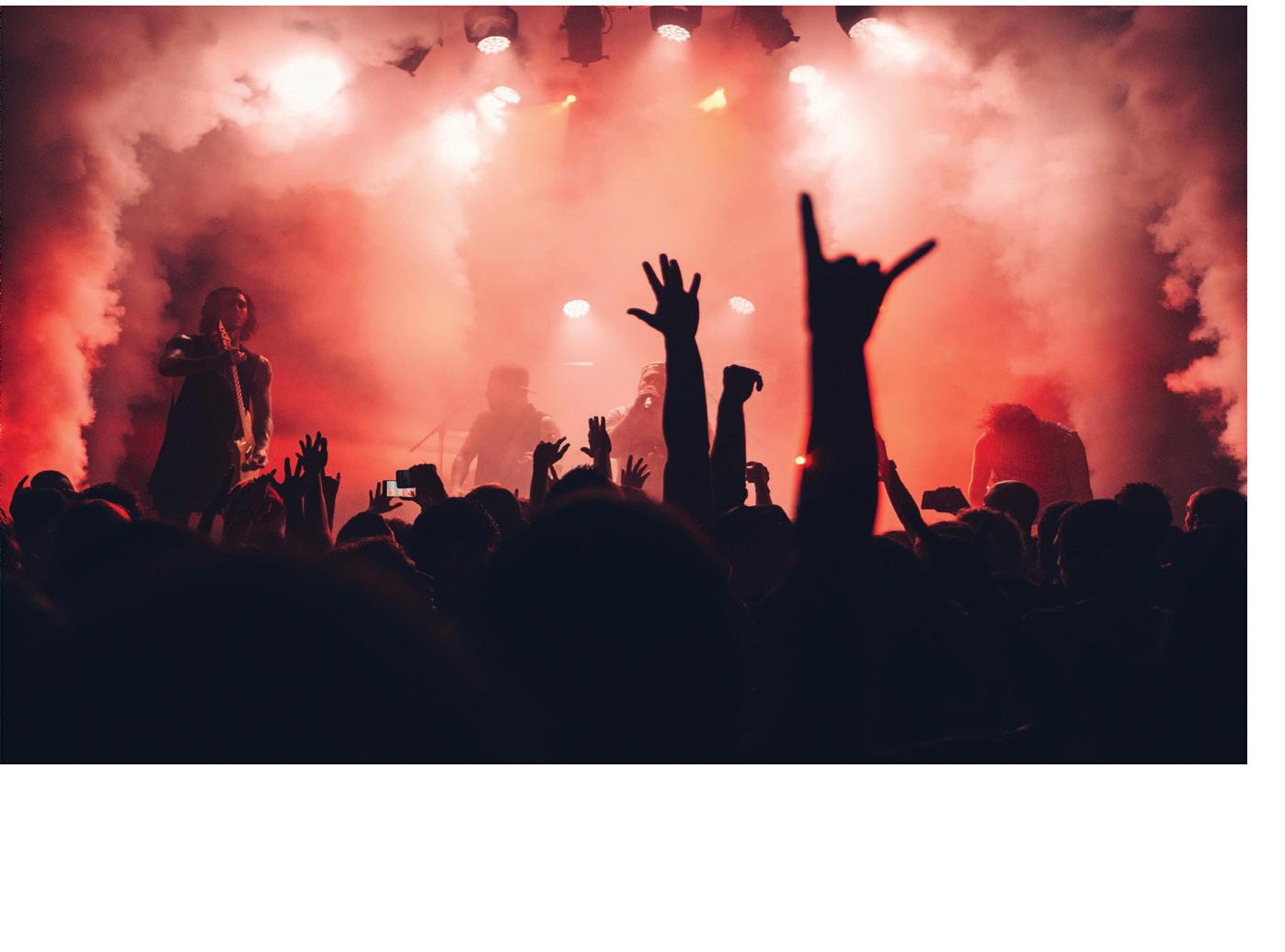
Rock music has always been more than just a genre. It is a cultural force, a form of expression, and for many, a way of life. Among all its eras, the 1980s stands out as the decade when rock reached its most electrifying and expressive form. Stadiums overflowed with fans, guitar solos roared through the air, and the combination of passion, performance, and personality created something that felt larger than life. Forty years later, the echoes of that golden age continue to shape the way people listen, dress, and connect with one another. From the rebirth of vinyl to the resurgence of vintage fashion, the spirit of 1980s rock still lives on in ways that are nostalgic yet relevant.
The origins of 80s rock are rooted in transformation. The decade began at a time when the world was changing rapidly, and music evolved alongside it. The introduction of MTV in 1981 forever changed how people consumed music. For the first time, songs were experienced not just through sound, but through image. Rock musicians became cultural icons, and their performances were as much about presence as they were about sound. Rock Stars like Bon Jovi, Def Leppard, and Guns N’ Roses grew their fame with electrifying energy, capturing audiences through an irresistible mix of style and substance. Every show felt like an event, every song an anthem, and every fan apart of something greater.
At the heart of 80s rock was emotion. The decade’s power ballads, anthems, and rebellious riffs created a soundtrack for life’s highs and lows. The sound of the electric guitar became a form of storytelling, speaking to joy, heartbreak, and everything in between. Rock gave listeners a space to release their emotions, to find energy in their frustrations, and to celebrate their individuality. The intensity of its rhythms and melodies activated deep emotional responses, creating a connection that went beyond the music itself. It felt like freedom; a space to feel something real without having to worry about judegment.
While the glam and spectacle of the era often took center stage in popular memory, the diversity of the 80s rock scene ran much deeper. Beneath the bright lights and big hair, there were artists exploring introspection, melancholy, and social change.
Bands like The Cure and U2 brought an emotional and reflective dimension to rock, combining poetic lyrics with atmospheric soundscapes. Meanwhile, heavy metal groups such as Metallica and Iron Maiden delivered raw power and intensity, channeling aggression and rebellion into something purposeful. Together, these sounds represented the many sides of the human experience, giving fans music that spoke to their true selves.
The reach of 80s rock extended far beyond the music industry. Its cultural influence seeped into fashion, art, film, and lifestyle. Leather jackets, graphic T-shirts, and distressed denim became symbols of confidence and individuality. This look, once a sign of youthful defiance, is now celebrated as timeless. Today, vintage shops across Massachusetts and beyond thrive on the appeal of 80s fashion. Each piece tells a story, just like the songs that once inspired them. Wearing vintage band tees or retro denim is no longer just a fashion statement; it is an act of remembrance and self-expression.
The psychology behind this ongoing fascination is rooted in nostalgia. Nostalgia offers comfort in a world that is increasingly fast-paced and ever changing. Listening to 80s rock can evoke a sense of familiarity and emotional stability, even for those who never lived through the era. The music represents a period that many associate with authenticity, energy, and optimism. Across Massachusetts, local bars, small venues, and community festivals still celebrate 80s rock with tribute bands and themed nights. These gatherings are about more than nostalgia. For some, revisiting that sound is a way to escape the constant pressures of life and rediscover something simple and real. For others it’s a chance to experience and connect with the music that shaped generations before them.
In today’s culture, the spirit of 80s rock continues to thrive in subtle yet powerful ways. Modern artists regularly draw inspiration from the decade’s sounds, aesthetics, and energy. Guitar-driven pop, analog synths, and emotionally charged lyrics have all made a comeback in mainstream music. Even in genres like hip-hop and electronic house, echoes of 80s rock can be heard through production today. The lessons of the era - authenticity, emotion, and connection - remain just as vital to modern musicians as they were four decades ago.
Younger audiences have been connecting with 80’s rock more and more as time goes on. The roots of 80’s rock, the rebellion against more “traditional” music of the time, holds true today more than ever. With the music industry being taken over by picture perfect, family friendly pop stars, the youth of today yearn for music that escapes those standards and sounds authentic, a hallmark of 80’s rock. With so many songs being made by huge teams focused on reaching as wide an audience as possible, it is no surprise that the younger generations are seeking authenticity and soul in 80’s rock.
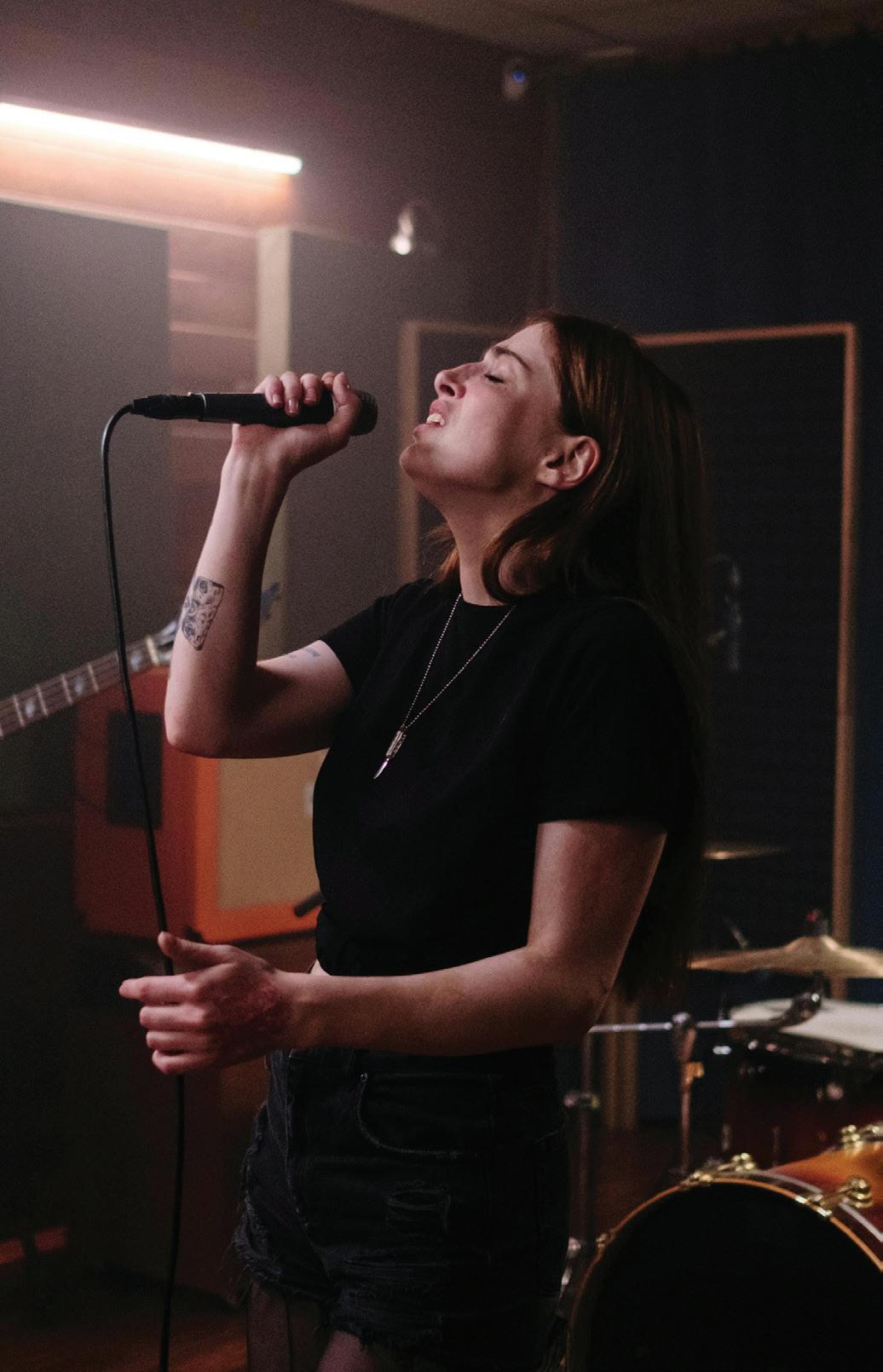

Another reason for the lasting power of 80s rock lies in its humanity. The music feels honest and imperfect, with emotion that is raw and tangible. In an age when so much art is filtered through technology, rock offers a reminder of what creativity sounds like when it comes from the heart. It speaks to the part of people that still longs for authenticity, for something that cannot be replicated by algorithms or screens. The timeless energy of the genre continues to inspire not only musicians, but also designers, filmmakers, and anyone seeking to express themselves freely.
Four decades after its peak, 80s rock still influences how people think about music, style, and identity. It represents a balance of power and vulnerability, of rebellion and hope. Its songs continue to fill playlists, its fashion remains a staple of self-expression, and its legacy can be found in nearly every corner of pop-culture. Whether it is through a vinyl collection, a thrifted jacket, or a song echoing through a small-town bar, the connection to the decade endures.
Rock’s golden era may have changed its form, but its essence remains the same. It continues to inspire artistry, confidence, and community in a world that needs all three. The sound that once filled stadiums now fills headphones and hearts alike as it continues to remind people everywhere that the true power of rock lies not in its volume, but in its ability to make people feel alive.
Evan Terry
Photography Courtesy of Pexels
Carys:
Top: Salvage Angel
Bottoms: Salvage Angel
Shoes: Salvage Angel
Accessories: Salvage Angel
Bryan:
Top:Diversity Consignment
Bottoms: Elijah Antoine
Shoes: Diversity Consignment
Accessories: Salvage Angel
Bryan: Top: Salvage Angel
Bottoms: Diversity Consignment
Shoes: Diversity Consignment
Accessories: Salvage Angel
Carys:
Top: Salvage Angel
Skirt: VTG MADS
Heels: Diversity Consignment
Accessories: Salvage Angel
Bryan:
Top: Salvage Angel
Bottoms: Diversity Consignment
Shoes: Diversity Consignment
Accessories: Salvage Angel
Carys:
Top: Salvage Angel
Bottoms: Salvage Angel
Shoes: Salvage Angel
Accessories: Salvage Angel
Carys:
Top: Salvage Angel
Skirt: VTG MADS
Accessories: Salvage Angel
Bryan:
Top: Salvage Angel
Bottoms: Diversity Consignment
Accessories: Salvage Angel
Carys:
Top: Salvage Angel
Skirt: VTG MADS
Heels: Diversity Consignment
Accessories: Salvage Angel
Bryan: Top:Diversity Consignment
Bottoms: Elijah Antoine Shoes: Diversity Consignment
Accessories: Salvage Angel
Carys:
Top: Salvage Angel
Bottoms: Salvage Angel
Shoes: Salvage Angel
Accessories: Salvage Angel
Bryan:
Top:Diversity Consignment
Bottoms: Elijah Antoine
Shoes: Diversity Consignment
Accessories: Salvage Angel
Looking for the perfect winter activity? Well look no further than Boston Commons. Their annual ice skating at Frog Pond is a classic many city goers enjoy! Skating is open to the public throughout the week from 10am-9pm with Saturdays and Fridays open until 10 and Mondays until 3:45. Admission is based on height, with 58 inches (4’10) or higher being $10 and anything below free. Skates are available to rent with a price range of $10-15 depending on age. Everyone is welcome regardless of experience with lessons being offered as well. So zip up your coats and put on your gloves for this special Boston tradition!


Have you ever wanted to make your own ugly sweater? Well, thanks to the School of Fashion and Design in Boston, you can. Using scrap fabric from your own home, or provided by the school, this workshop lets you create your own ugly sweaters! The participants will be taught about practical techniques in recycling material and how to alter garments, all while learning how to benefit the environment. For the price of $85, you can walk out with valuable experience, and your own ugly sweater! You can register for this event on their website.
Whether you’re brave enough to participate or simply a witness to tradition, you won’t want to miss the L-Street Brownies make their annual Polar Plunge on New Years Day. The L-Street Brownies are the oldest “polar bear” club in the United States, marking their first ever ice cold plunge in 1904. Join the crowd of hundreds at M Street Beach to swim into your new year! Will you watch from the shore, or take the icy plunge into Boston Harbor?
Get your tickets for the 2026 Women’s ice hockey championship at the TD Garden, and watch local college teams go head to head in this iconic tournament. The semifinals will be held on January 13th to decide who will play in the final game. Will it be Boston University, Boston College, Harvard, or Northeastern? Place your bets and get ready to show support for Boston women’s hockey.
The Boston Ballet is back again with their winter experience. During the performance, attendees will be transported to a dreamlike state of both natural and supernatural worlds. The experience consists of two powerful ballets: The Seasons’ Canon and Le Sacre du Printemps, performances that left an impact in dance history. These productions were made by highly acclaimed choreographers Crystal Pite and Jorma Elo, both setting a whimsical and magical feel to them. The winter experience is located in Citizens Opera House with tickets ranging in prices from $46-239 depending on seating.



Come celebrate the Lunar New Year this February for a celebration dating back over a millennium. Boston is offering an array of different events and traditions like parades and lion dances, perfect to welcome in 2026! The Boston Pops are joining in on the festivities by performing a concert right here in Symphony Hall on Feb 21st. The night will be filled with music honoring the special traditions and communities across Asia put together by conductor, Earl Lee. So mark your calendars and get ready to welcome in the year of the horse!



“The category is... Dance or Die” and Lady Gaga is ready to take the stage. This coming March, Gaga is taking her MAYHEM ball to Boston. The tour is filled with haunting extravagance and takes on a theatrical approach as a fourpart play. Watch as she performs some of her cult classics like ‘Paparazzi’ and ‘Born This Way’ along with her newest hit song ‘Abracadabra’. We know she lives for the applause, so get ready to scream your heart out for a gothic filled concert right here at TD Garden!
by Eva Parker Payton Andrews
Looking for a treat to end your week? Recurring weekly on Sundays, join other donut enthusiasts as you stroll through Cambridge’s Harvard Square. The tour lasts about 90 minutes and meets at the Smith Campus Center. During the tour you can experience an array of different options ranging from mochi to churro donuts. You’ll also be fed history on this iconic ringed treat, making it something you donut want to miss!
Photography
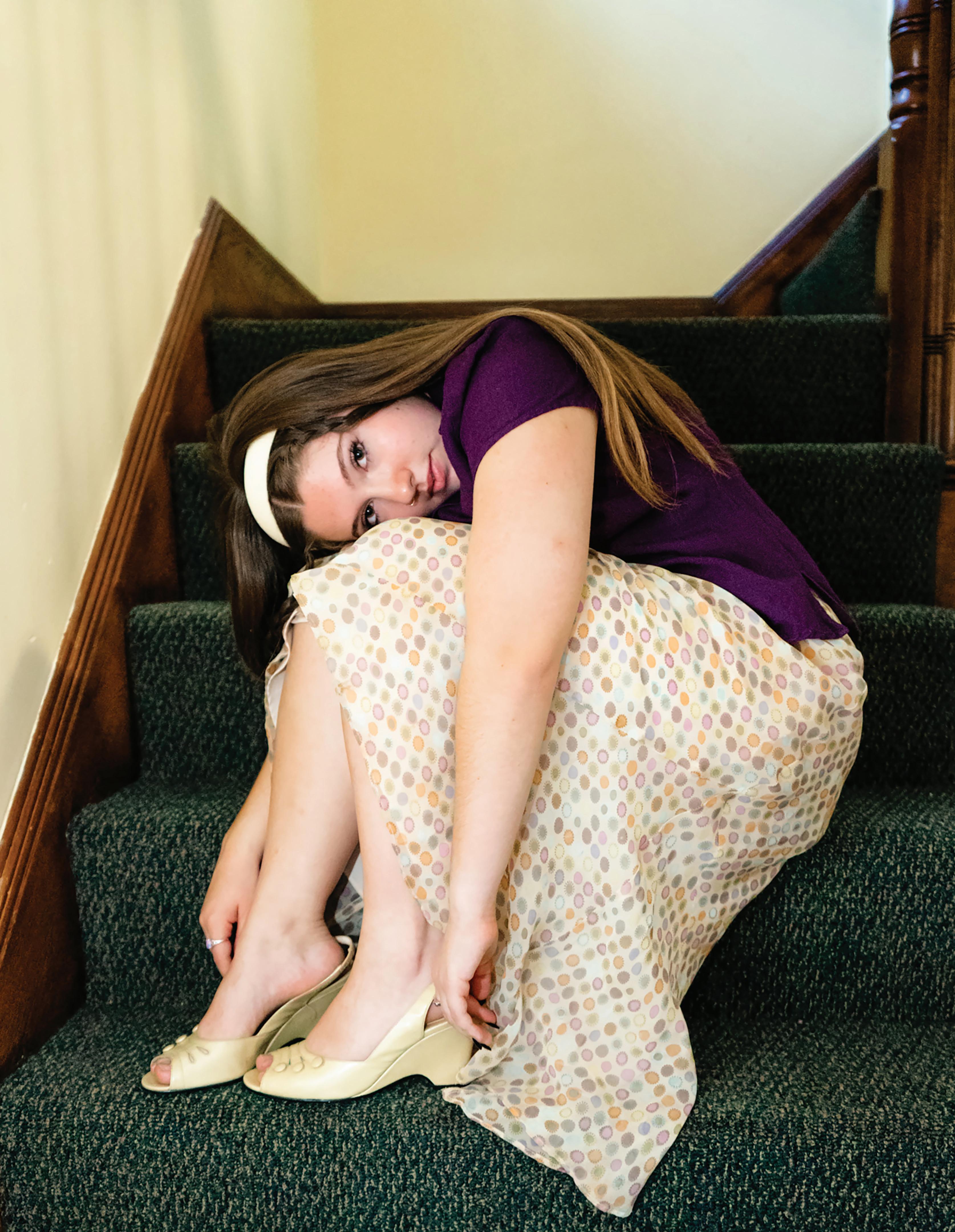


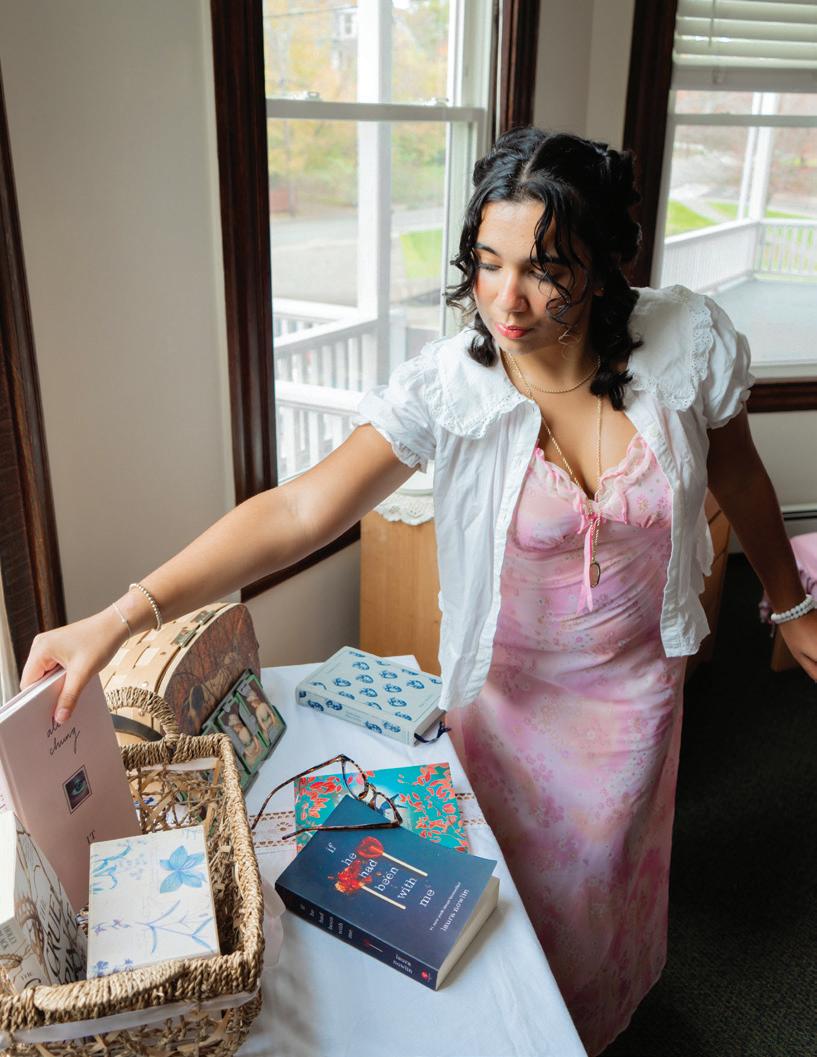
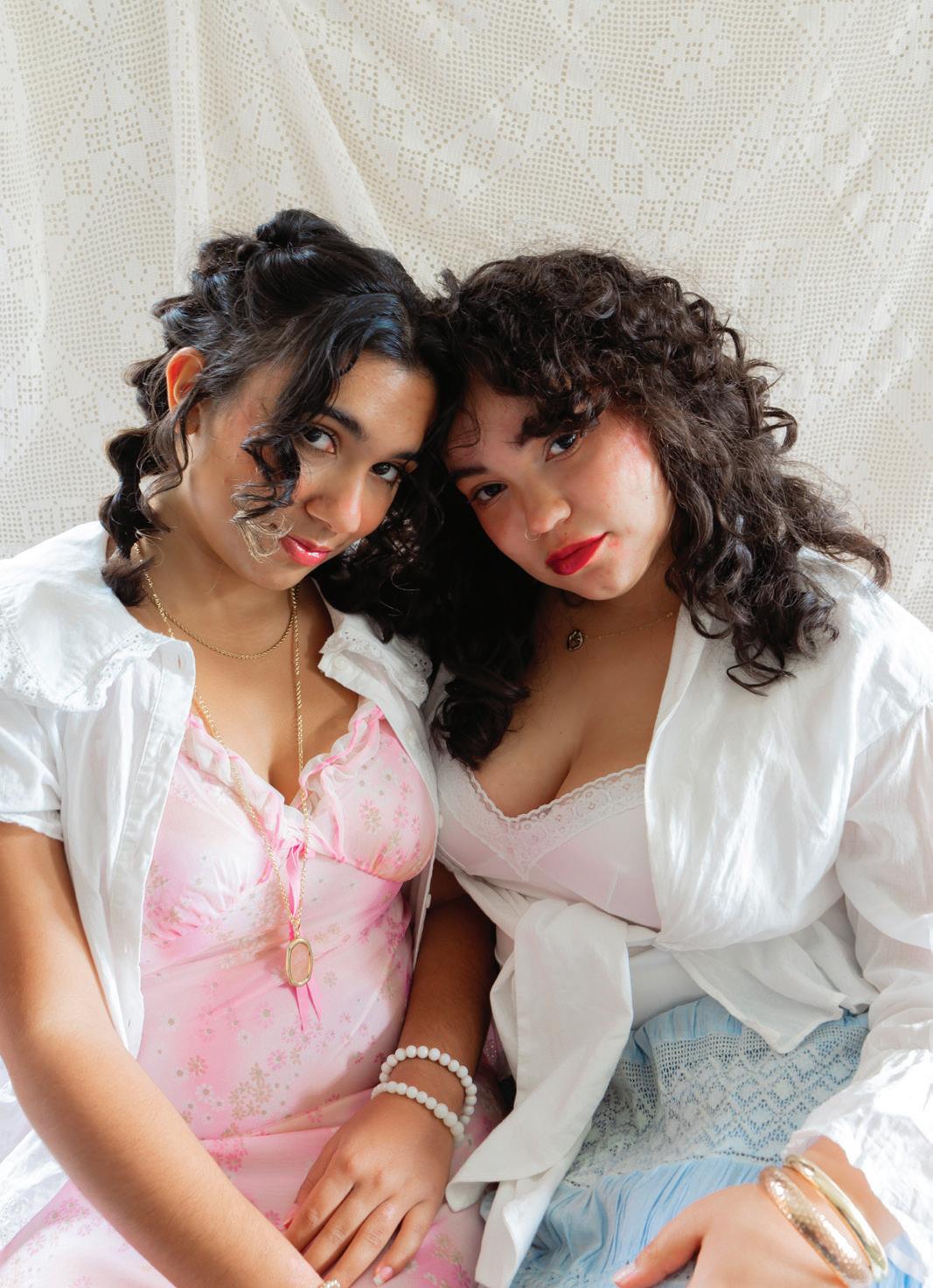
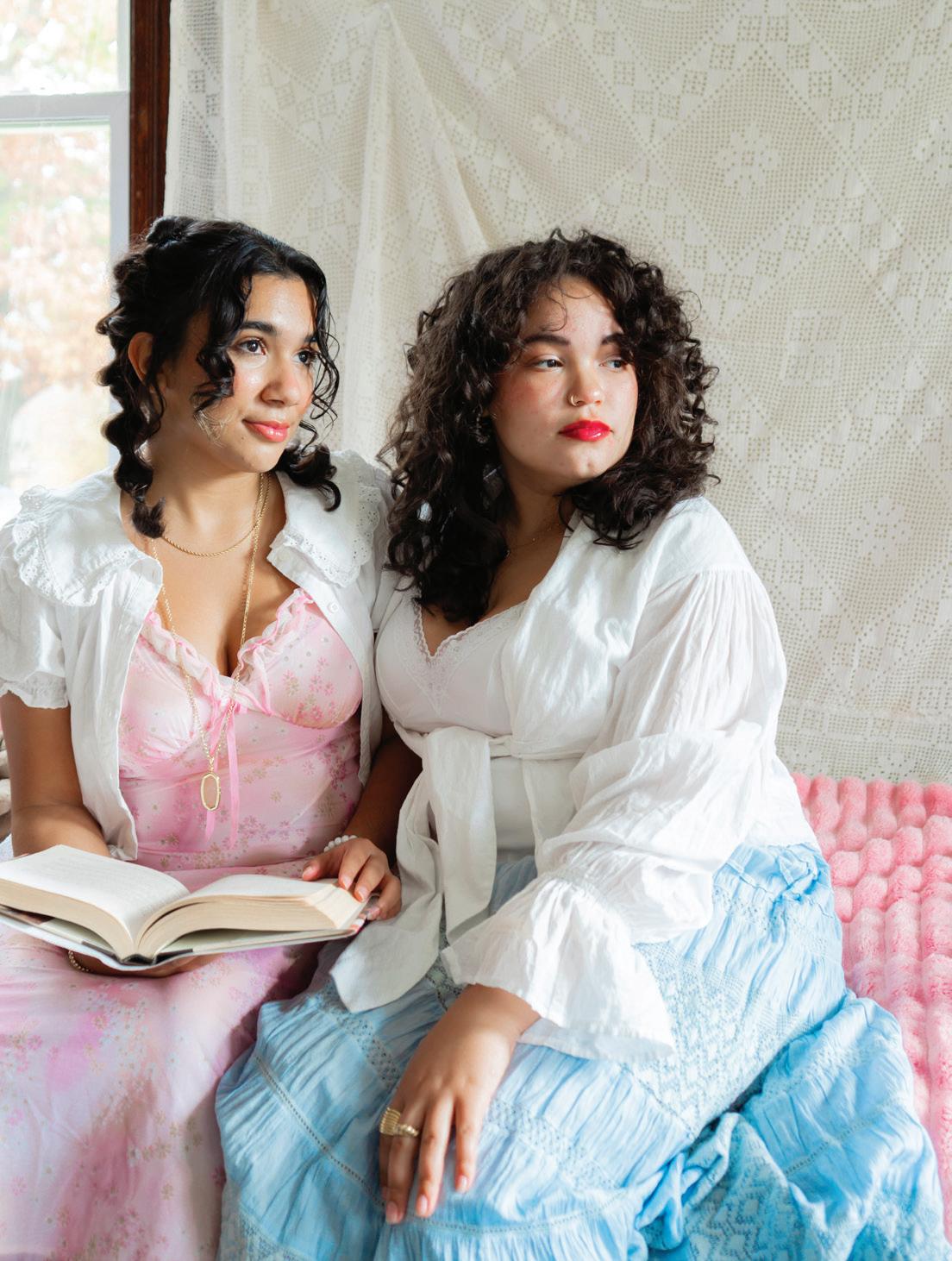
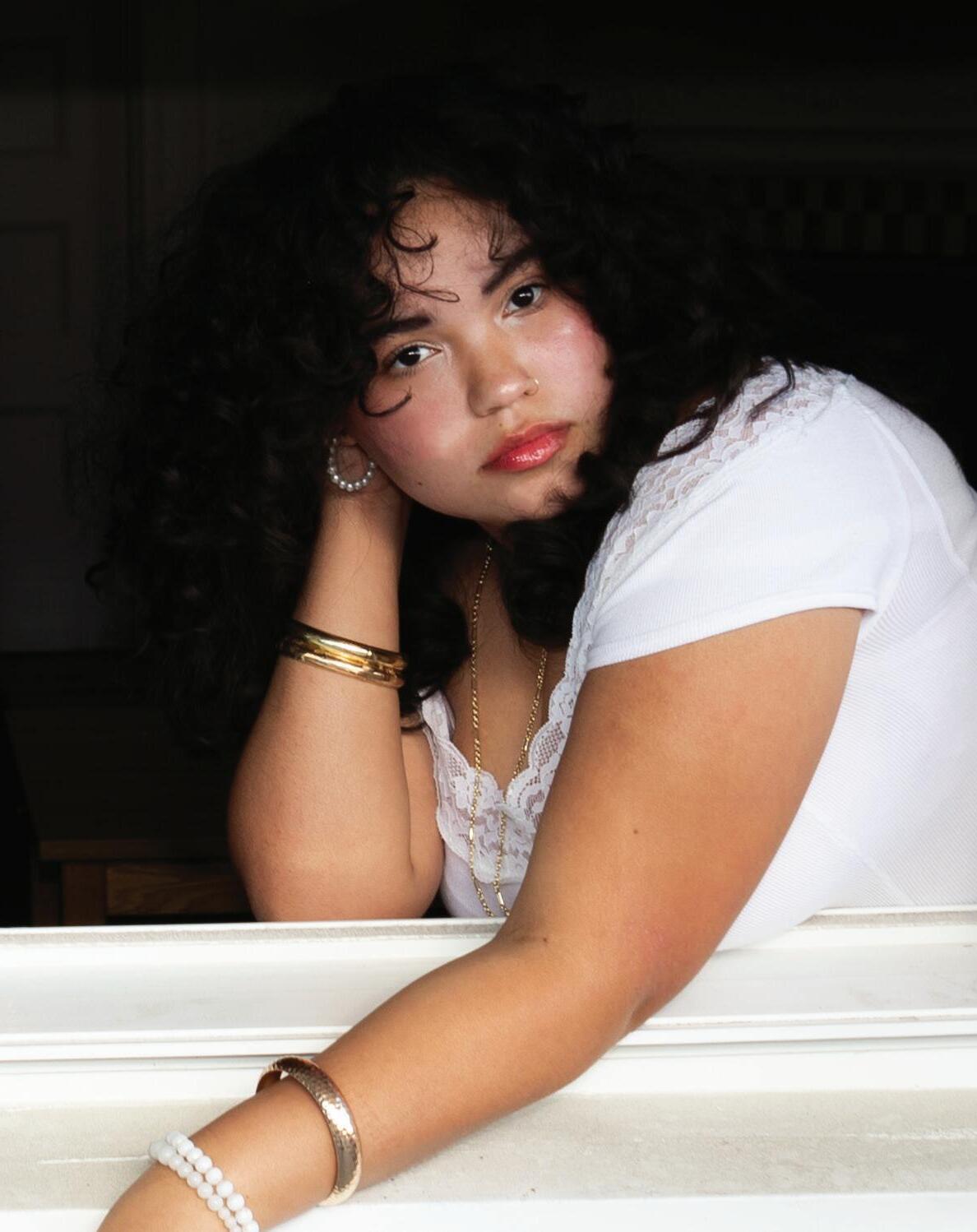
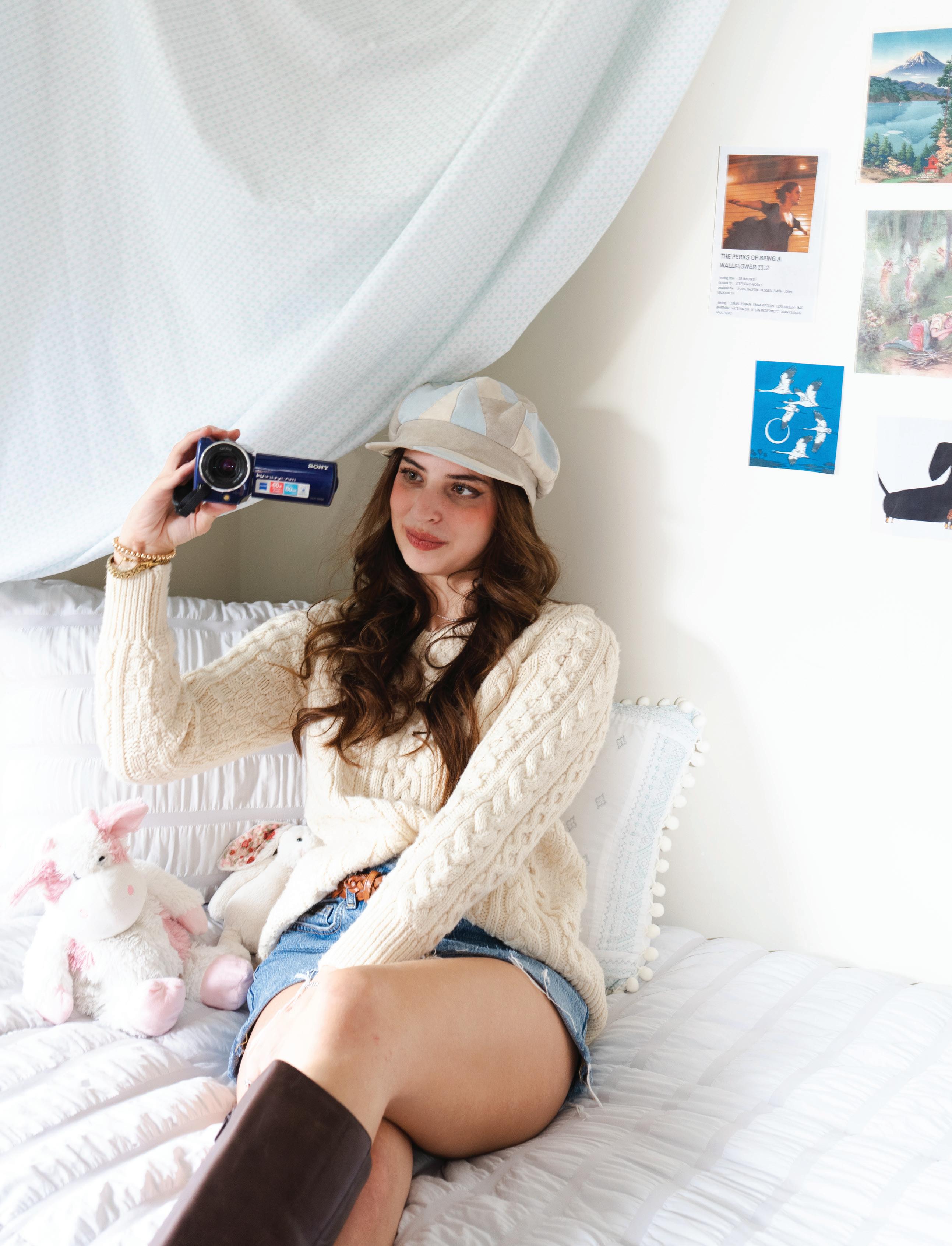
Inspiredby 2000s-2010s coming of age movies, Girl Next Door is the girl you wanted to be as a kid. Or at least, the girl I wanted to be. She was kind, smart and selfless. She was always put together and someone you could look to for inspiration. By celebrating girlhood and female friendships, this trend is one to look to for authentic inspiration. With natural beauty that enhances our models skin and hair, we wanted to focus on how individuality shines. With the set being in a Victorian House on Lasell University, we chose to create a lived-in bedroom design paired with our models styled in pieces from fringe boots to baby doll tops. Just one example of the industry bringing fringe back into our everyday wardrobe is Isabel Marant’s Spring 2025 ready to wear collection. The effortless and feminine silhouettes come through in ways that define this trend perfectly. Others may take their time to come back around, but with patience, not only is fringe coming back but the Girl Next Door is making her way into hearts again.




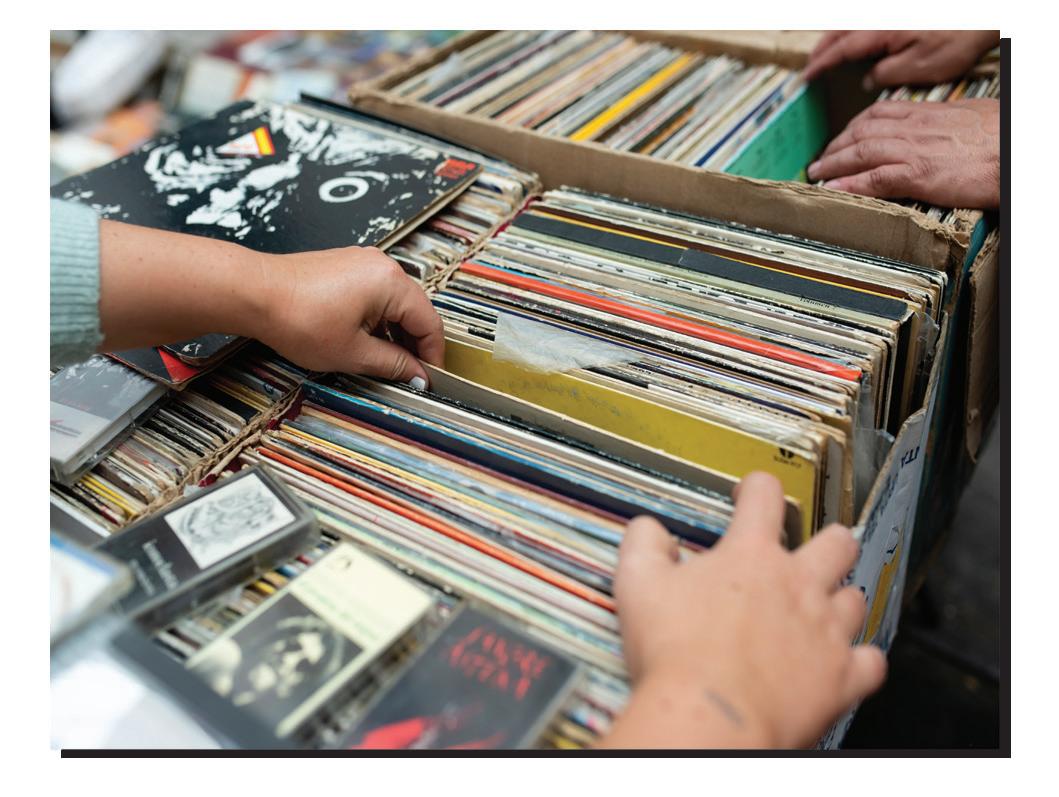
is no secret that physical music media is making a comeback. After decades of indifference, vinyl sales are experiencing a resurgence, CD sales are trickling back up, and the cassette tape is on the radar of trend forecasters across the world. In an age where 93% of communication is nonverbal or digital, connection and community is the most meaningful concept to a lonely generation. Listening to music in physical forms is something that listeners miss out on today, as looking at a screen has become the status quo for communication. The popularity of digital music media surged in the early 2000s, with devices such as the MP3 player and Apple iPod. As technology continues to advance at a rapid pace, younger generations are losing the sense of comaraderie and culture that once drove the music industry to success. Physical music media is seeing a massive return as a result of nostalgia, rich sound, and wanting to feel a sense of community in a heavily digital age.
The first twelve-inch vinyl record was pioneered by Columbia Records in 1948, and the years to follow were defined by the in-vogue phenomena in the 50’s and 60’s. Collective love for music in cities resulted in the invention of the cassette tape in 1963 and the compact disc, or CD, in 1982. Cassette tapes are notable for their role in aiding the development of culture in the hip-hop subculture, as DJs could record live performances and distribute them organically. Collectors are interested in this form of physical music media today due to their affordability, compact size, and aesthetic. CDs offer a higher quality alternative to the cassette tape. All forms of physical music media continued to grow as listeners craved a tactile relationship to music.
This personal connection to music is explored in Japan and now New York, where vinyl-focused listening bars are popular, attracting those who appreciate the euphonious and nostalgic sound lost in a digital age. Listening rooms value the professional studio sound vinyls provide, and encourage people to share an experience of bonding over listening to a high-quality vinyl record together. This cultural phenomena is
growing due to its unique and special ability to bring people together in a modern era. Music bars can range from shared listening to quiet jazz classics or contemporary R&B, where people bond over a record, which lasts around forty minutes on average.
This idea of community and culture is explored further in a conversation I had with music producer and artist, Morgan Cole Brown, behind record labels such as Watching Your Friends Get Famous and The Infinite Weekend. His sonically brilliant music explores profound and personal themes through an indie rock sound. Brown believes that music has been devalued as a result of how we live in this digital age. He says, “to own a physical copy of the music gives you a connection to the art, you get to have something tangible to support the artist.” He says that for a fan to purchase a vinyl record supports the musician(s) more financially than a streaming service. Furthermore, it gives the listener an opportunity to not only engage but discover a spiritual listening experience through a record player.
We explored if he believes the resurgence of physical records is a phase in our culture, or if it will stay relevant. Brown trusts that physical distribution of music will always be important among musicians and audiophiles alike.
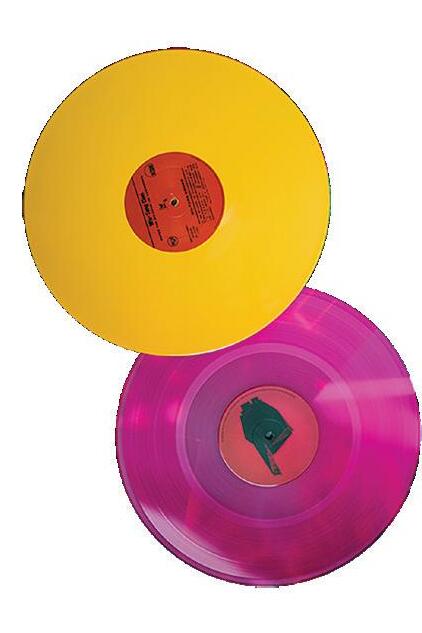
This can be done in many ways, from a fan buying something like a classic vinyl record to artists sharing their music through modern USBs much like the “mixtape” cultural phenomena with cassettes in the 1980’s. “No matter what, there will be physical media because it represents something unique, emotional.” Brown cleverly coined the revival as the “Taylor Swift-aissance,” where artists like Swift or Billie Eilish, who release a myriad of colors and/or versions of their albums on vinyl and subsequently collect Grammies for the “Best Recording Package.” Collecting physical music media of your favorite artist establishes a special relationship forgotten in such a technologically advanced world.
I was able to speak with Lea Moon, a forensics student at Lasell University in her Sophomore year. Like Brown, Lea Moon has an affinity for vinyl records. She listens to them occasionally, though admits that it is a little bit of a hassle as a college student in comparison to listening on an iPhone. She says, “I like that it is a physical copy of the music; it is nice to hold something and listen to it. Additionally, with more color releases, it can make the experience more special.” Vinyl record listening helps the listener deepen their connection to the music or artist, engage in verbal communication with others, and share their love for physical music media.
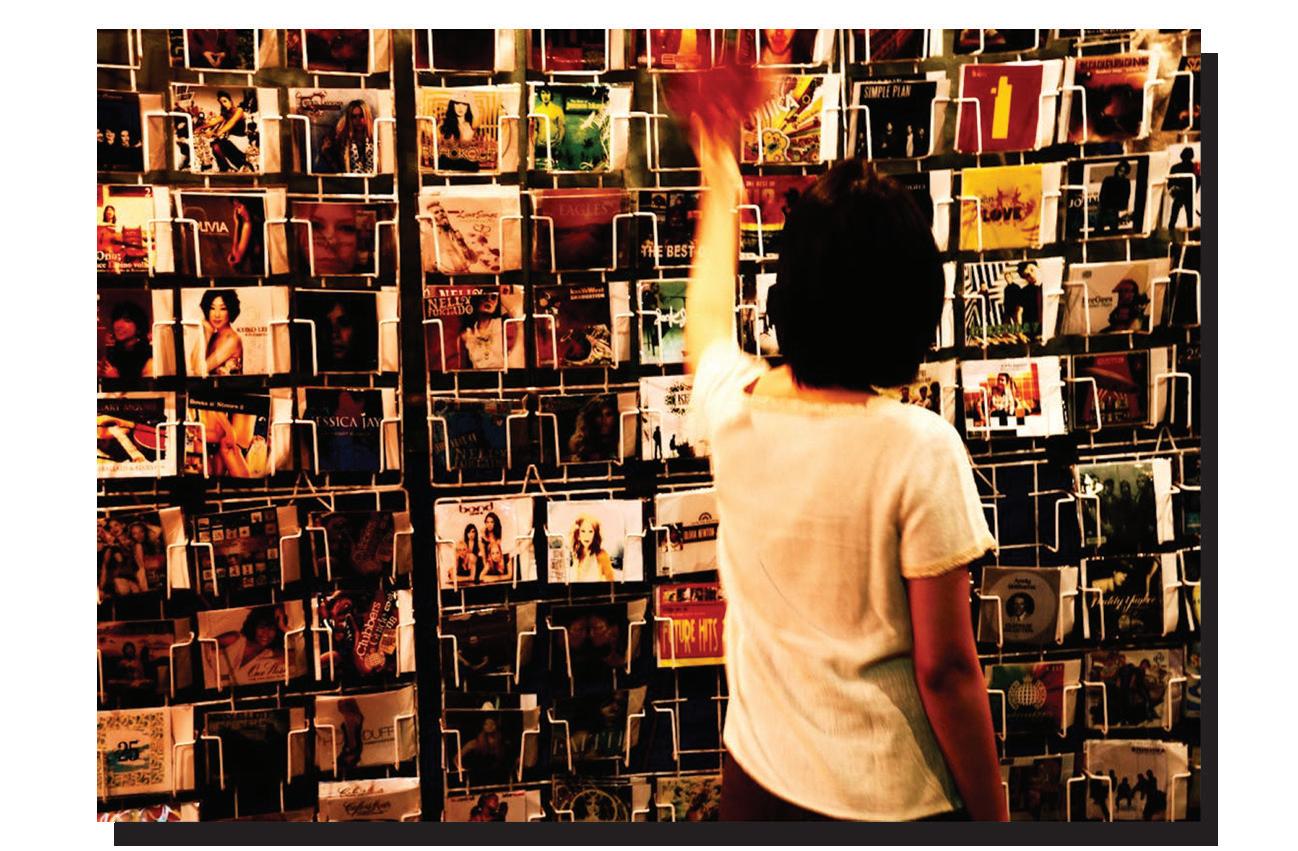
It’s clear that music fans are seeking tangibility. Rather than using a streaming service, many fans value owning a physical copy of a beloved artist’s music. They may also experience emotions from the album cover, vinyl colors, as well as listening to a richer and more luxurious sound from the artist on vinyl. Cassettes, CDs, and vinyl offer a unique listening experience unlike streaming. This sound evokes a feeling of nostalgia for older listeners and ignites a passion for the younger generation to explore older styles/ways of life. Furthermore, these vinyl-listening bars can give all generations an opportunity to connect with themselves and the outside world. Physical music media also represents a unique way for artists to communicate with their fans.