Priyansh Jain
Selected Works | 2018-2023


I am currently an MSc ITECH student at the University of Stuttgart, with nearly four years of professional experience as an architect, previously working as a project architect at Studio Symbiosis, India.
I draw inspiration from the complex yet beautiful patterns found in nature and mathematics. These serve as the cornerstone for developing design solutions that harmonize aesthetics,
Born in 1997, India +49 176 77271752,+91 9882927876
work.priyansh@gmail.com
Facade optimization, site coordination & execution
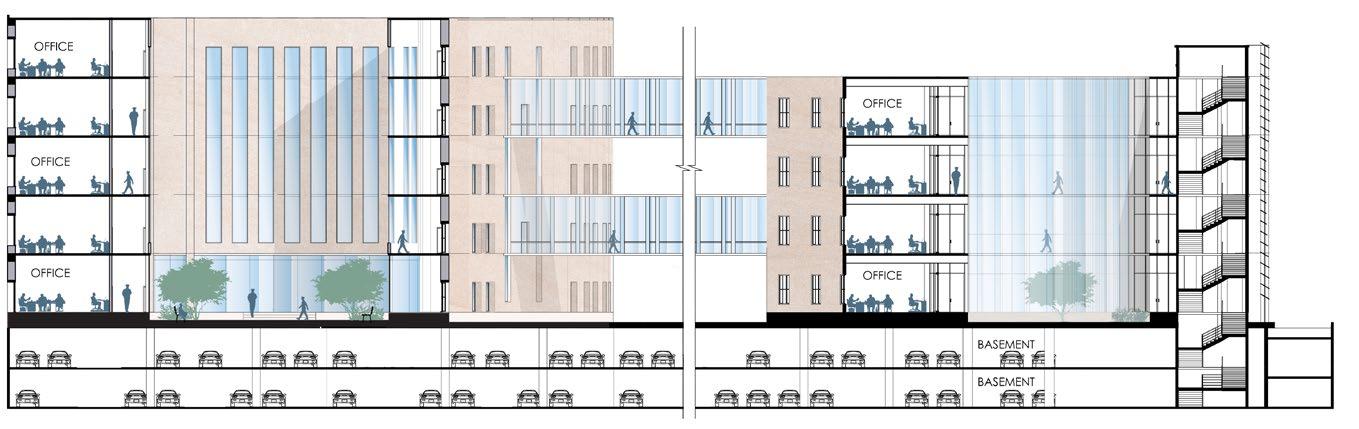
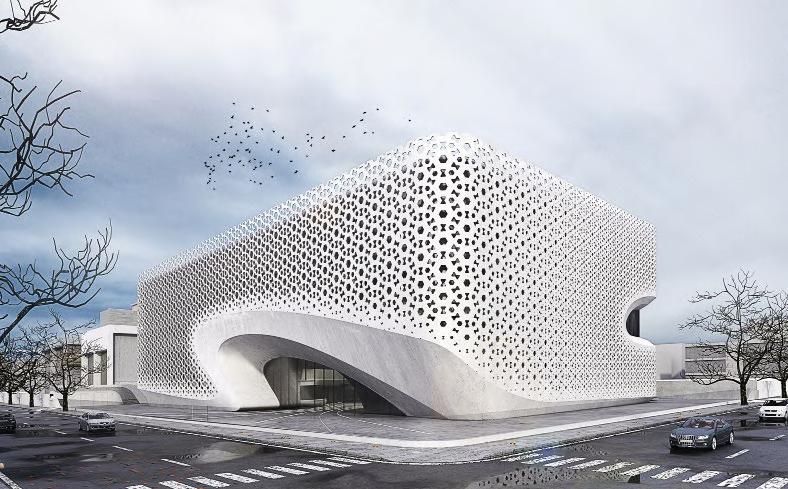
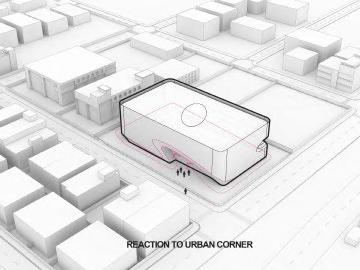
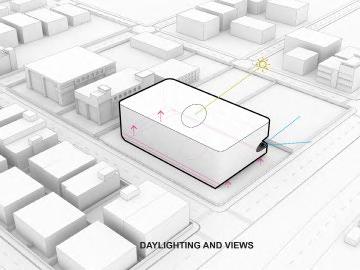
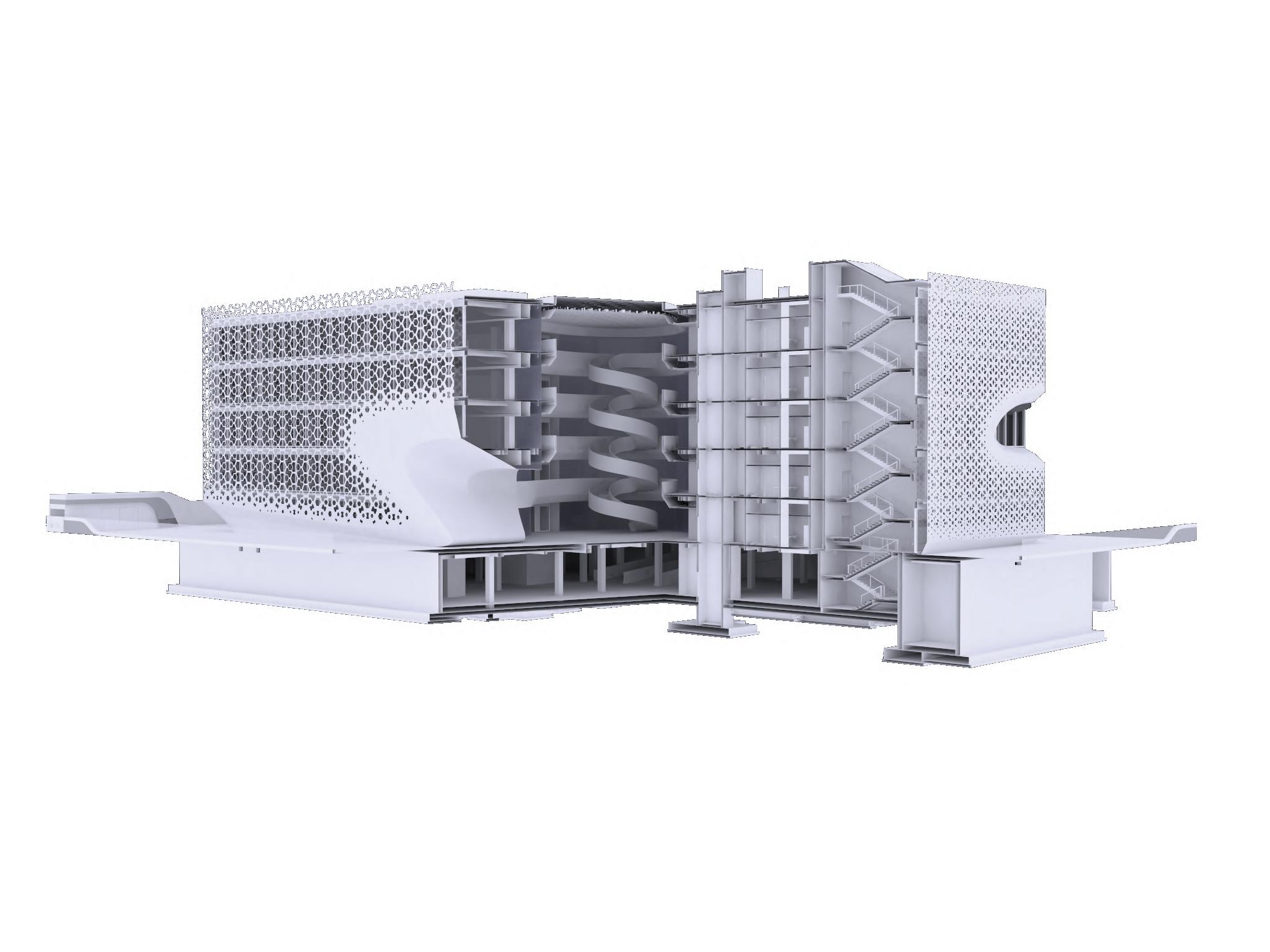
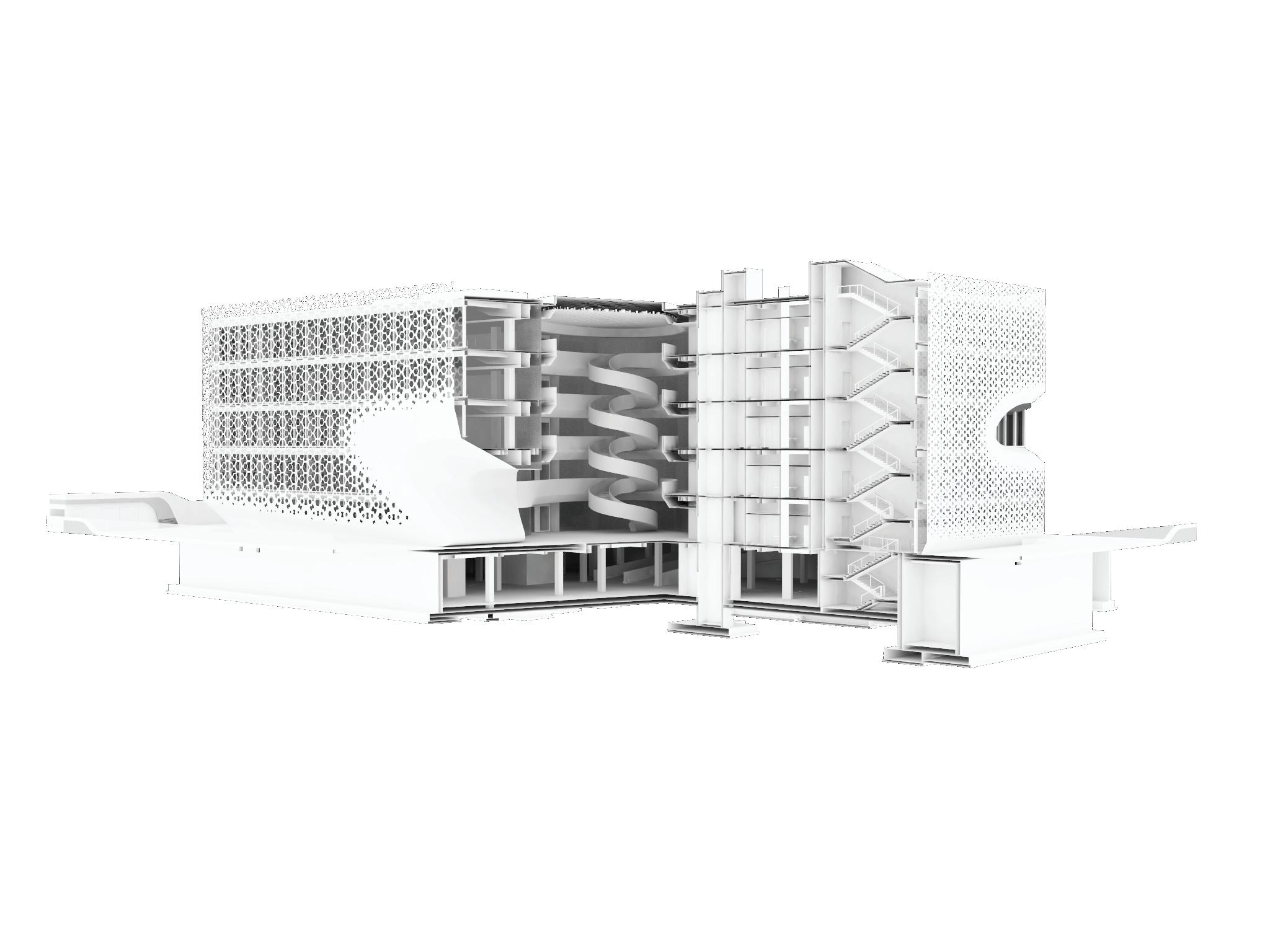
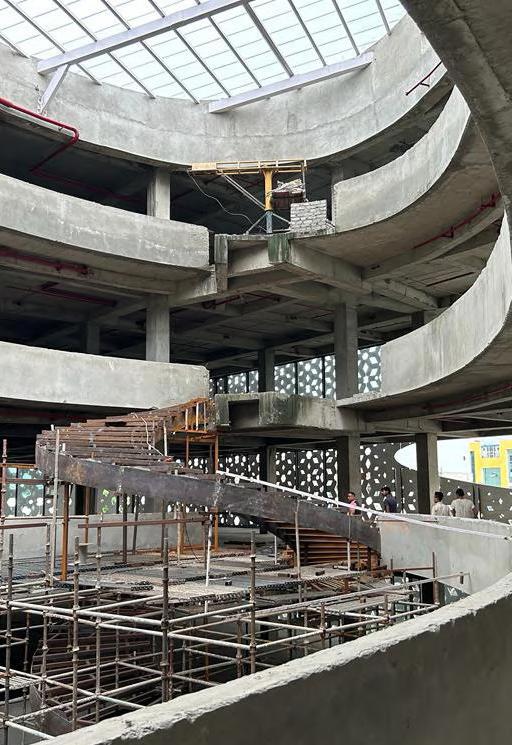
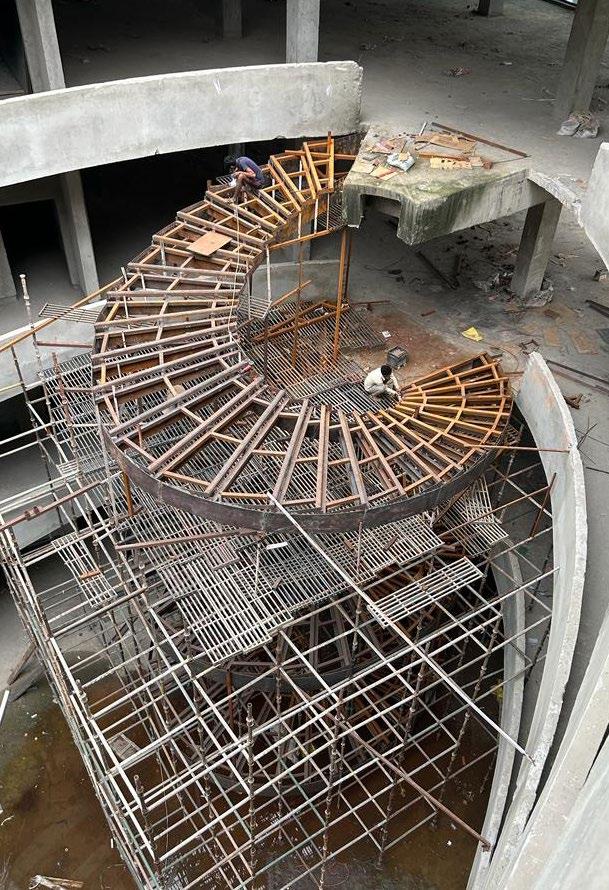
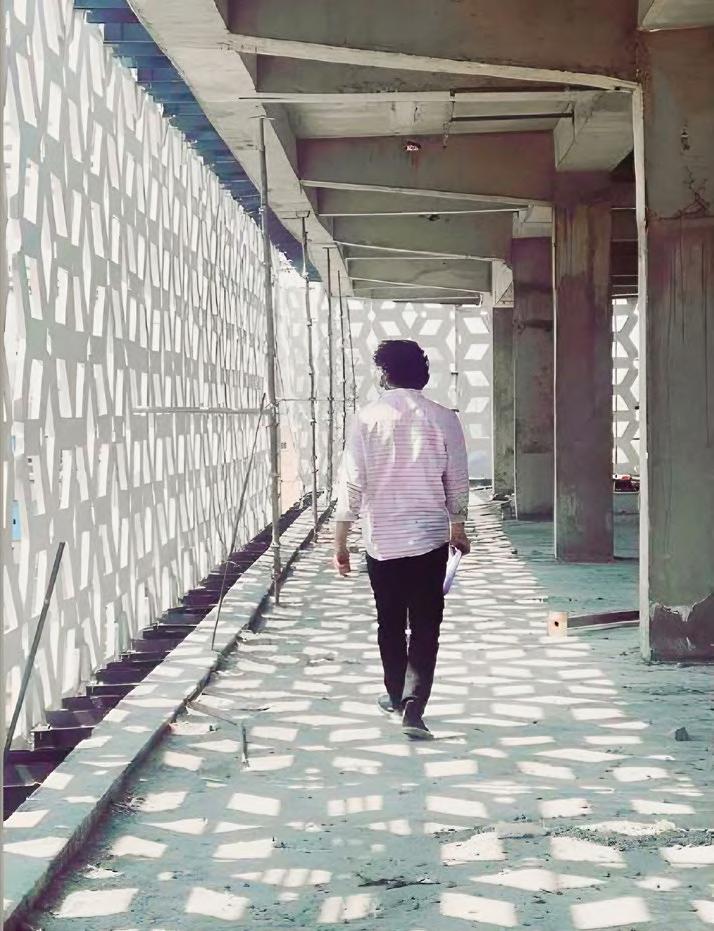
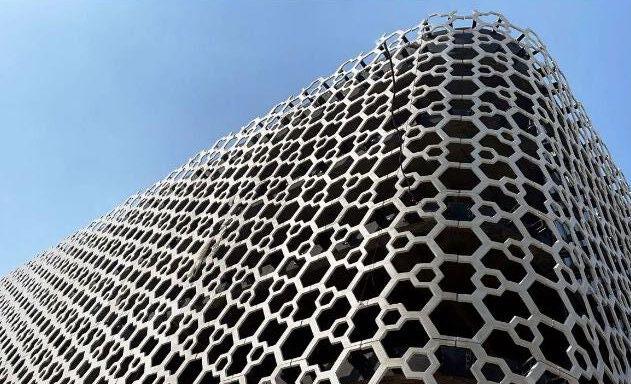
This project aims to redefine office space through a 2500 sq m open-plan building. Focused on maximizing usable area, a central atrium and a double-layered facade with GRC jali panels were introduced to address the challenge of limited natural daylight. This design not only optimizes space but also ensures consistent daylight, reducing cooling loads and highlighting a harmonious blend of aesthetics and sustainability.
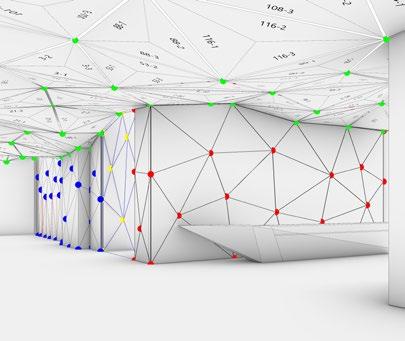
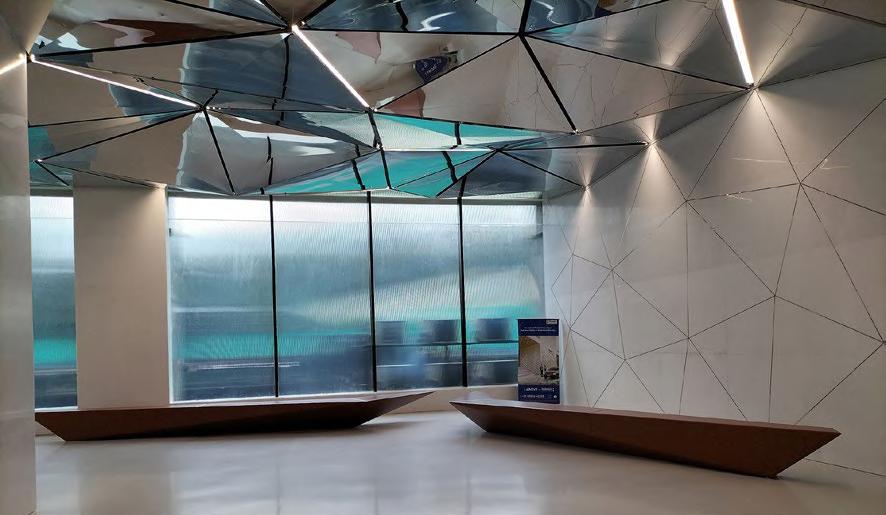
I played a pivotal role in optimizing the GRC facade panels, aligning them with solar study findings, and providing fabrication drawings for the project. The result ensures a glare-free workspace with abundant natural light, eliminating dependence on artificial lighting.
The daylight study revealed varying heat gain on the facade, leading to gradient perforations that adapt to different facade orientations. This strategic optimization not only enhances natural lighting but also reduces the building’s heat gain by optimizing the facade opening ratio.
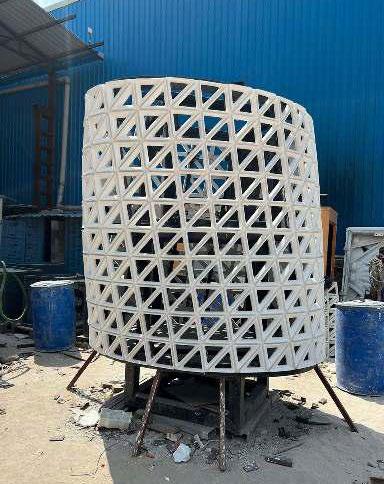
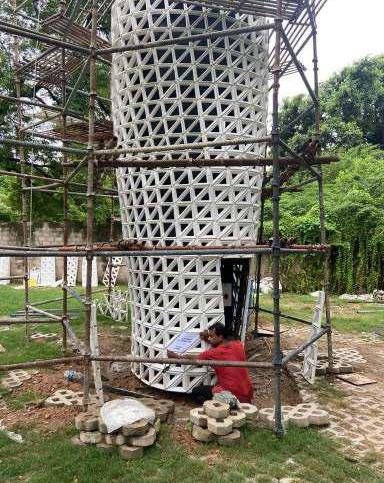
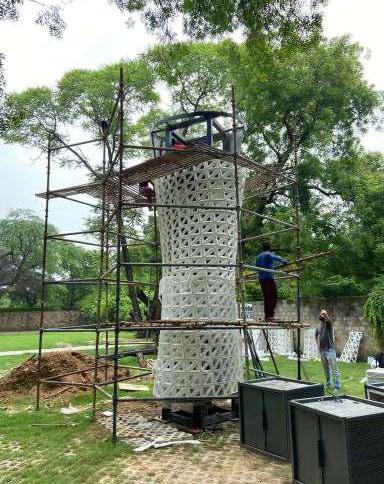
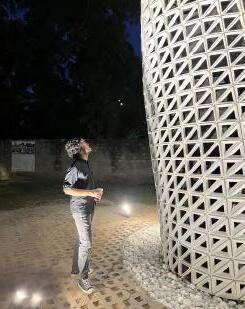
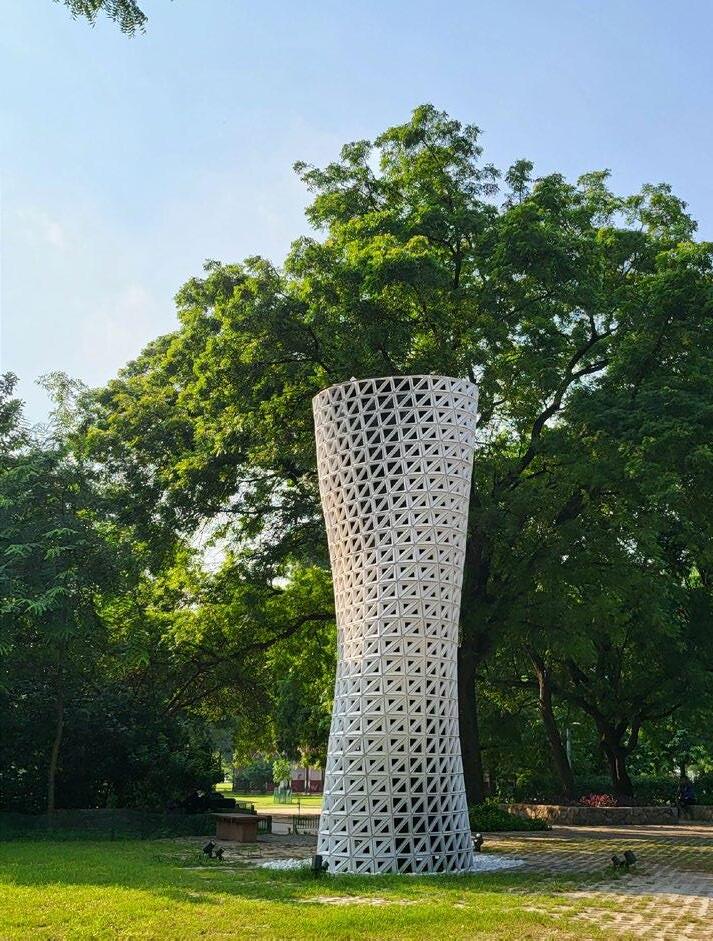
VERTO is a multi-directional air purification system to tackle the polluted ambient air near human activity hot-spots. Studio Symbiosis and MANN + HUMMEL joined forces to come up with a solution to clean air. Studio Symbiosis being at the forefront of Architecture and Design and MANN + HUMMEL being specialists for filtration technologies with experience ranging almost eighty years have worked out a proposal which is called VERTO. It is a 360-degree multi-directional air purification tower with the ability to clean 600000 cubic meters of air per day.
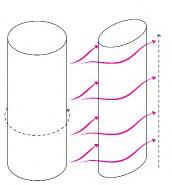

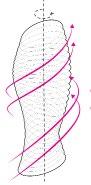


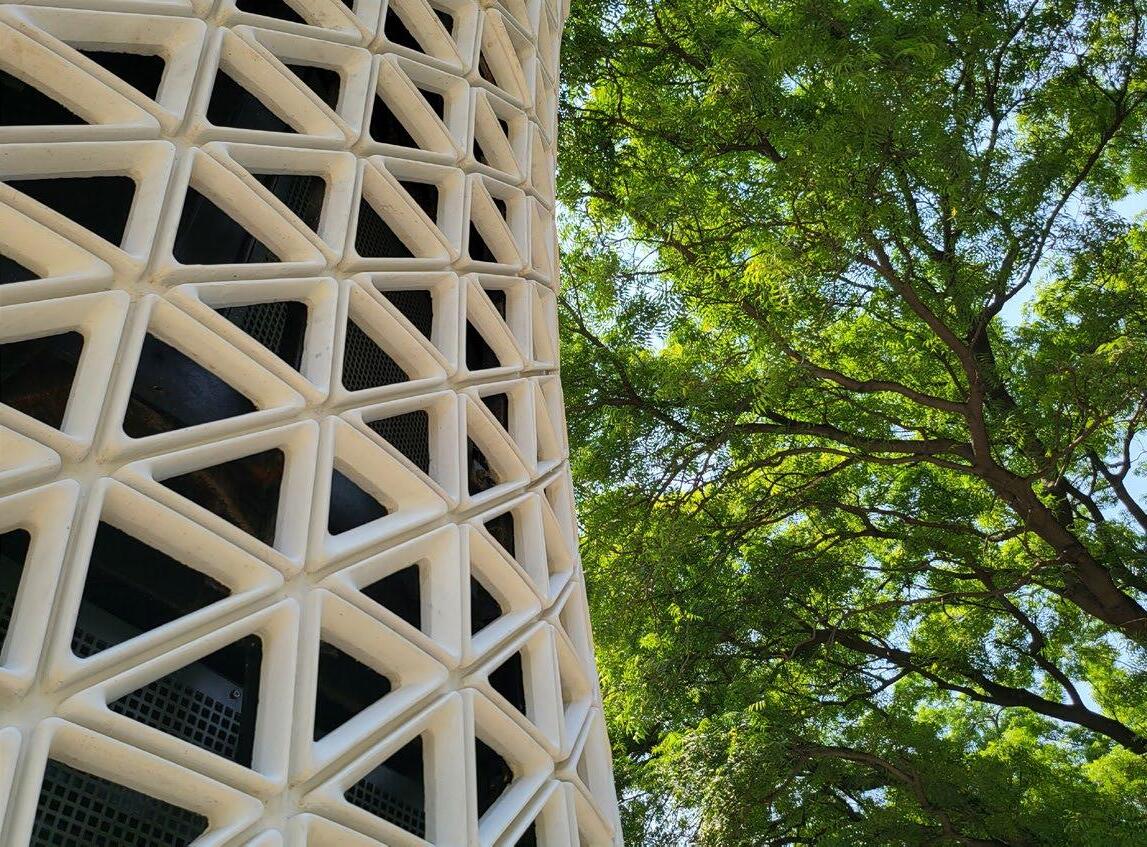
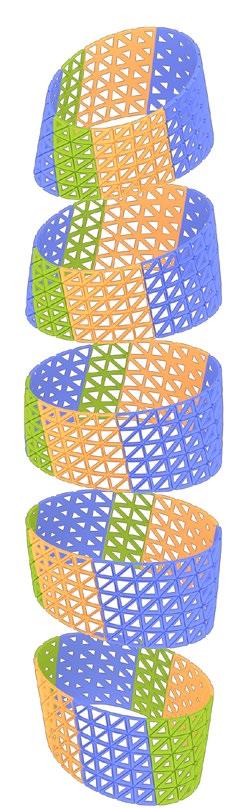
VERTO has been designed to create a form that propagates maximum surface area and increased wind speed for a robust and efficient performance. Simulation studies were conducted to attain minimum resistance and maximum surface area to achieve this optimum design.
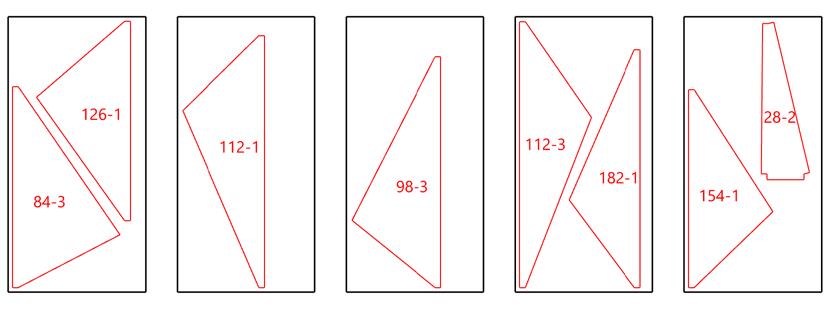
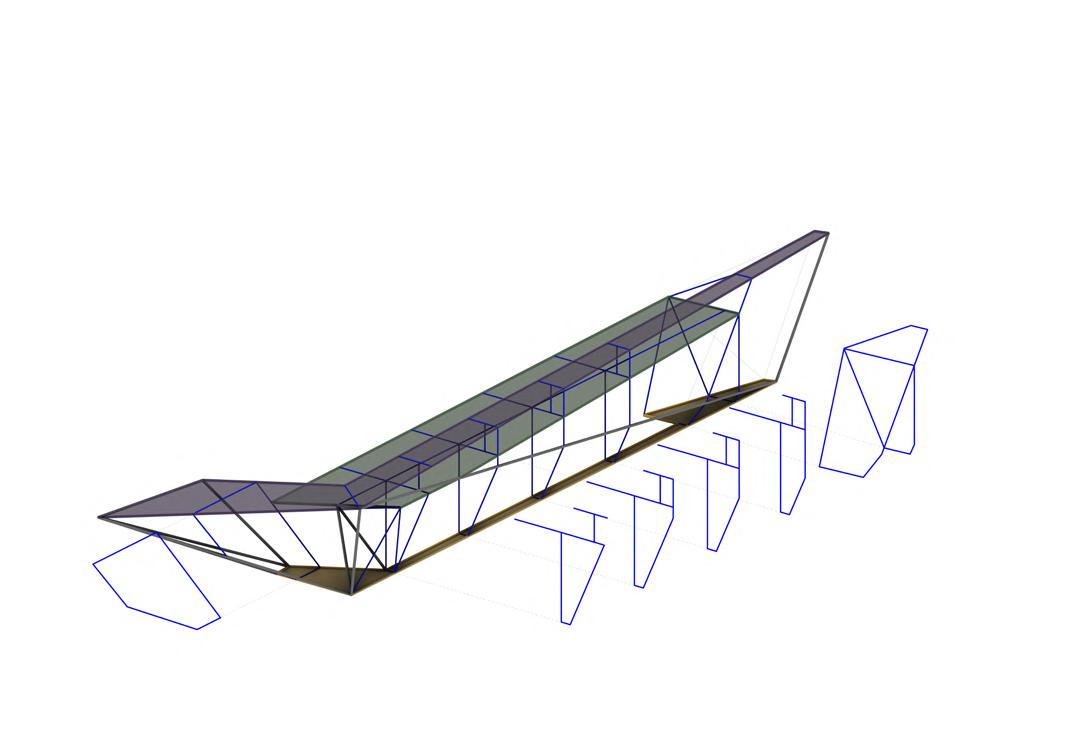
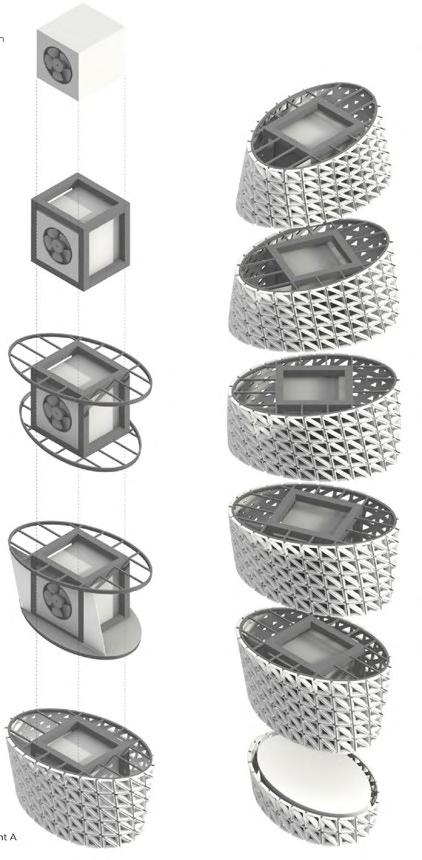
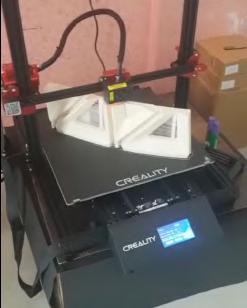
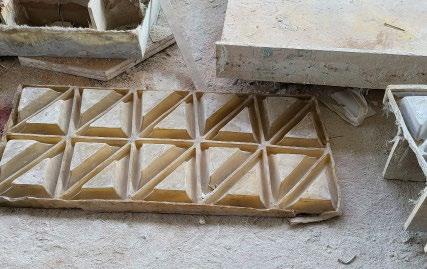
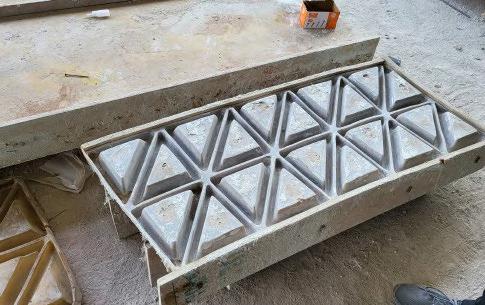
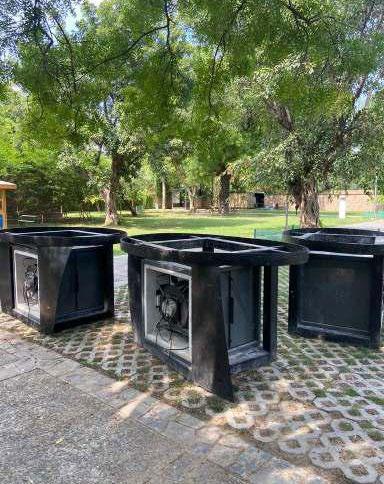
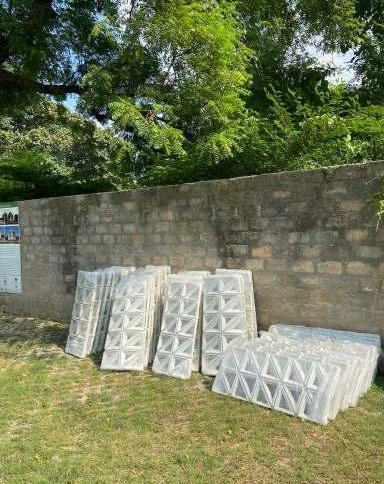
I have worked on the modularization of this structure from concept to its execution. It is constructed using four modules, strategically employed to craft the tower. The modular framework of Verto serves to regulate the quantity of master molds replicated per level. Subsequently, each level is seamlessly elevated and rotated to align harmoniously with the level beneath it. Embracing a plug-and-play design philosophy, Verto can be conveniently shipped in a flat-pack state and effortlessly assembled on-site.
CONVENTION CENTRE| 2023
Jhansi, India | Studio Symbiosis
Analysis, visualization & space planning
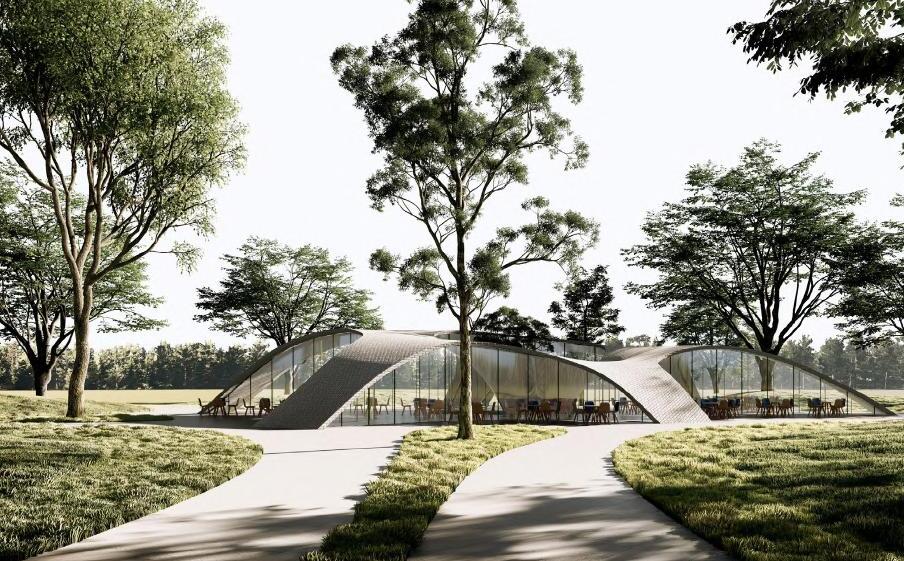
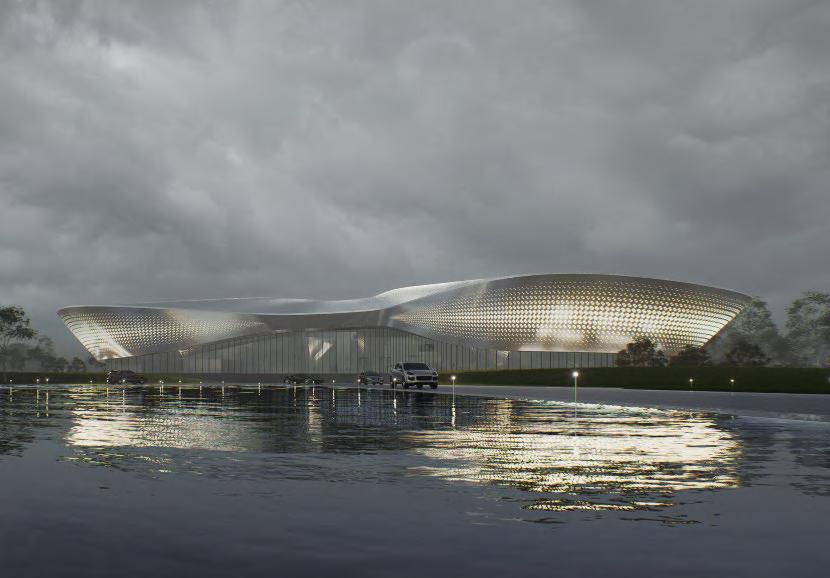
The proposed convention center aims to be a dynamic urban destination that serves as a hub for cultural, educational, & business events. Its environmentally conscious design draws inspiration from nature’s geometry, promoting natural ventilation and daylight penetration. The petal-shaped structure enhances wind circulation for passive cooling, and glazed facades optimize daylight and offer panoramic views of the surroundings.
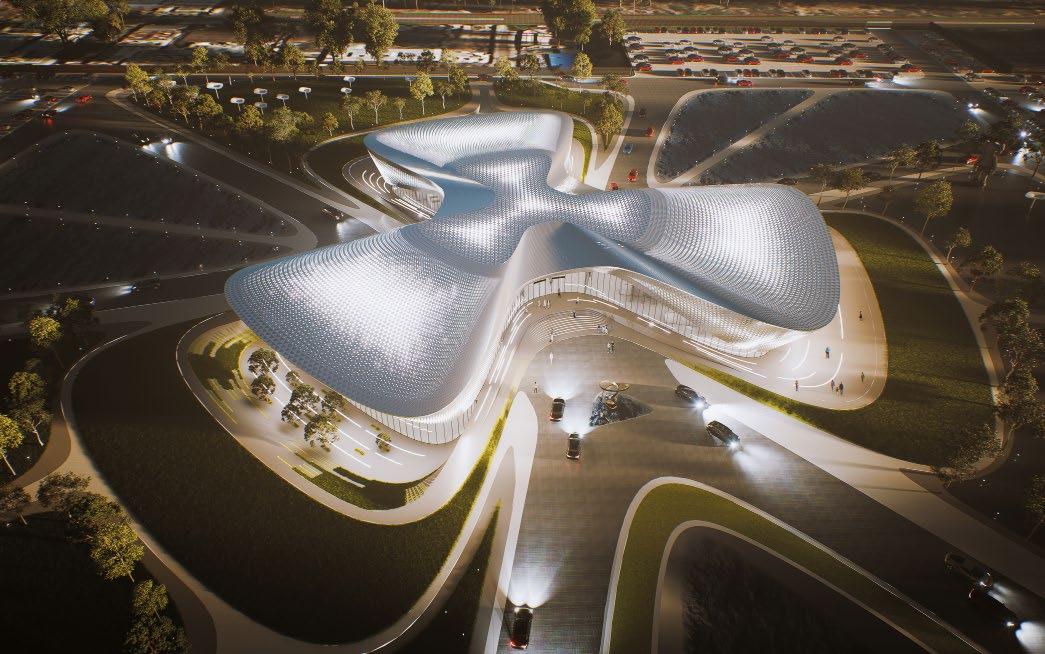
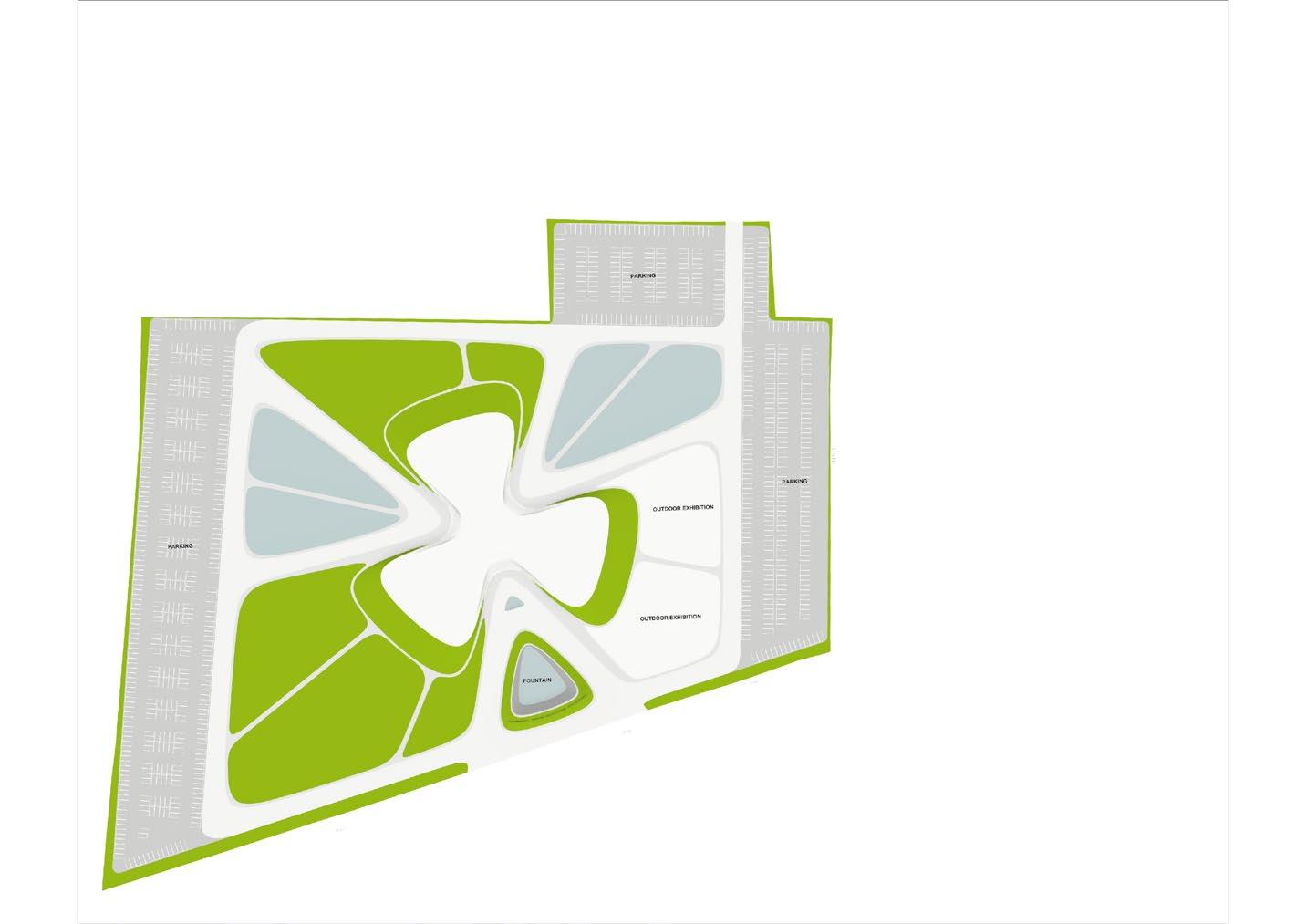





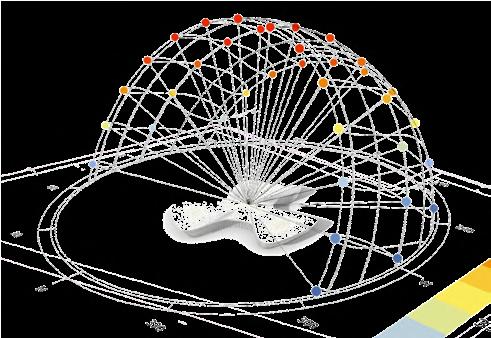





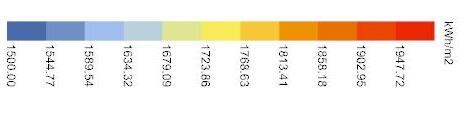
The three petals has a self- shading character and surface area has been maximized towards North for lowest irradiation gains.
The design captures winds from all directions, particularly in the outdoor area between naturally ventilated petals. Each of the three self-shading petals maximizes surface area to the north, minimizing irradiation gains.
The museum has been designed on passive & sustainable values which reduces the overall energy demand by almost 20% due to optimized massing & orientation and envelope specification.
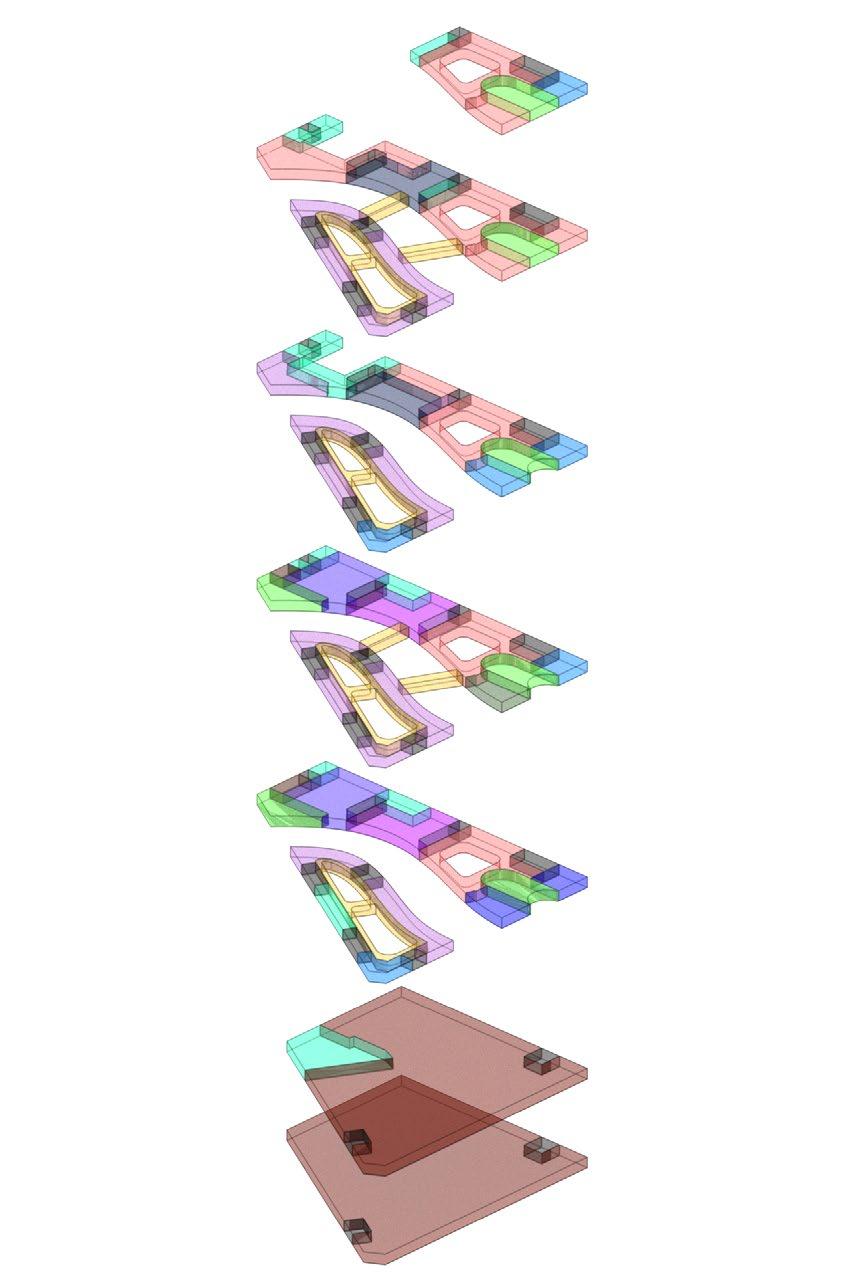
The design of the Indian Navy HQ prioritizes climatic considerations, optimizing sun and wind patterns. With convenient site access, it seamlessly integrates visual axes and incorporates existing vegetation. Strategic massing facilitates summer and monsoon wind flow while blocking winter winds. The distinctive double-skin facade, reminiscent of sea waves, enhances aesthetics and efficiently mitigates heat gain. This project demonstrates a holistic approach, integrating functionality, environmental responsiveness, and innovative design elements seamlessly.
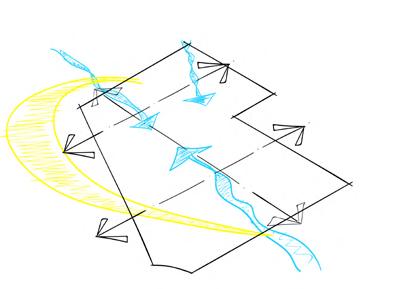
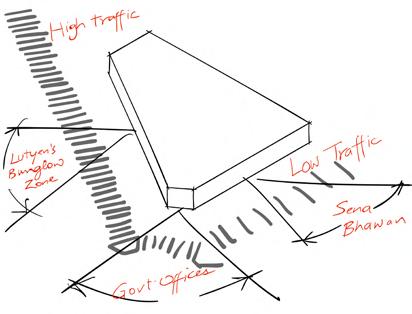
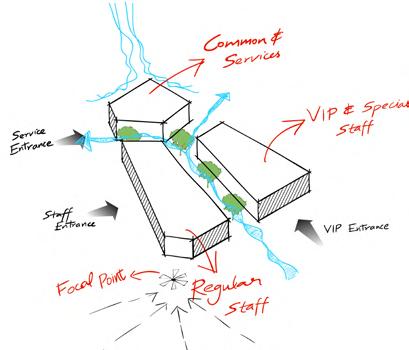
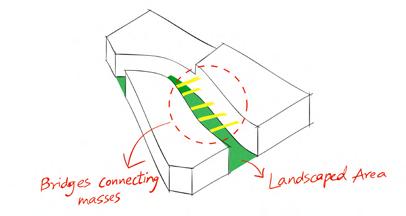
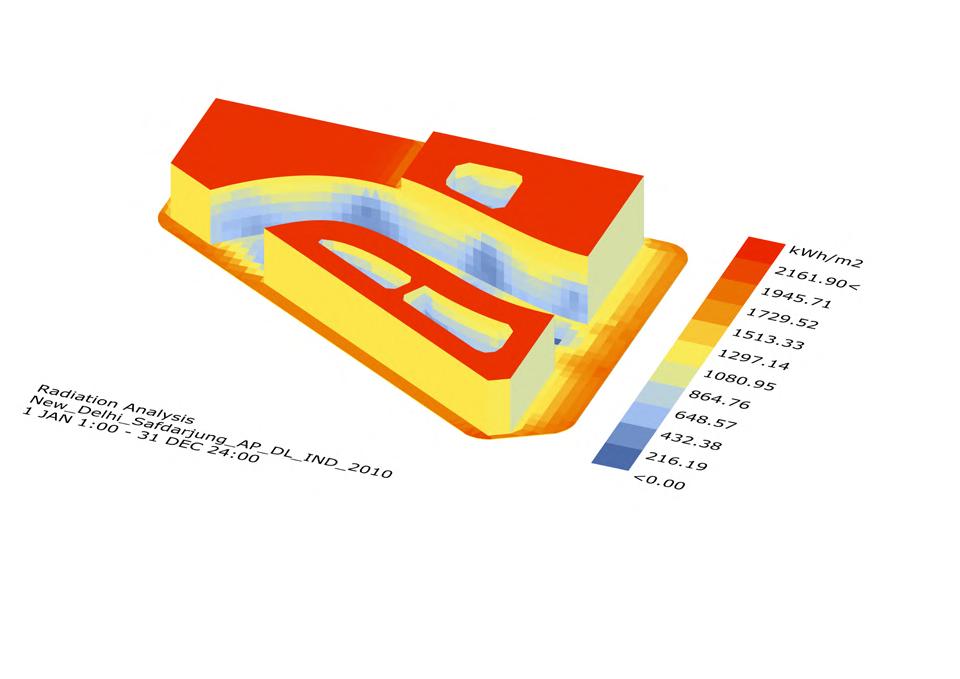
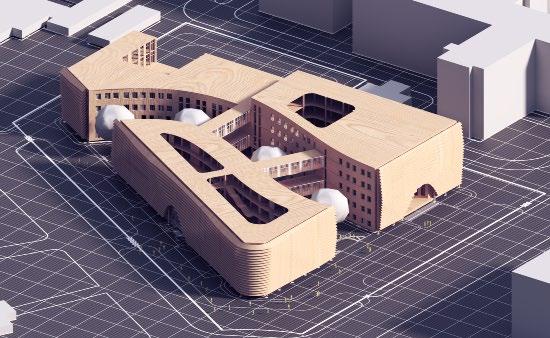
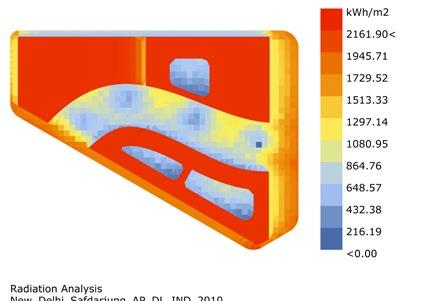
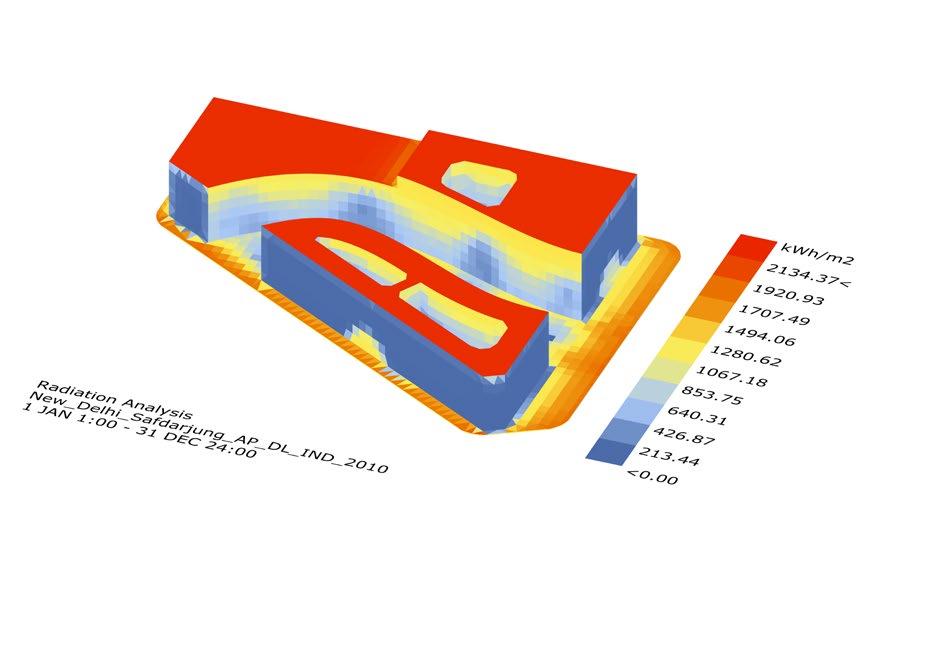
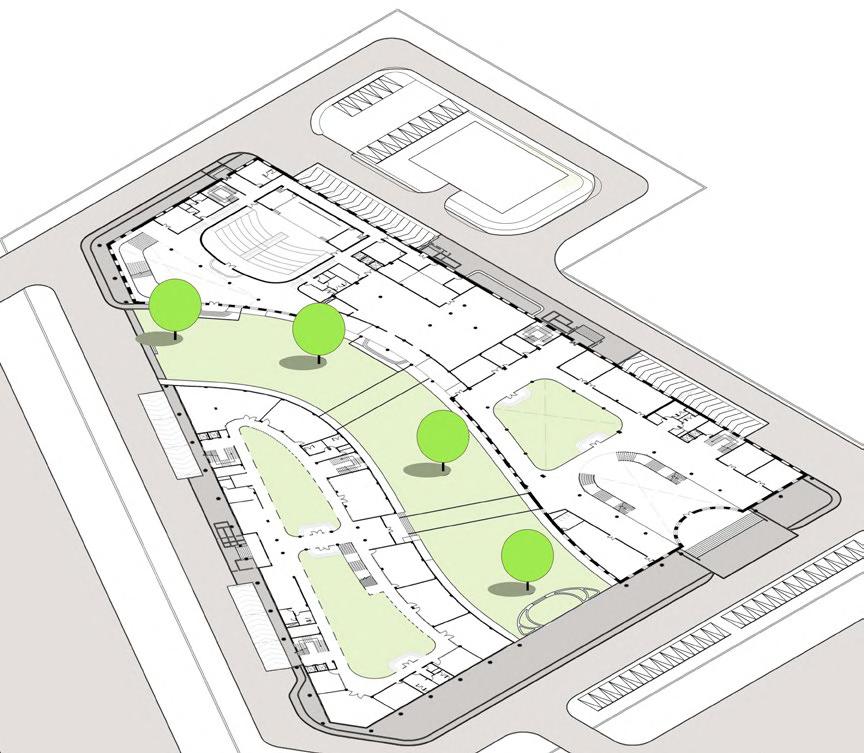

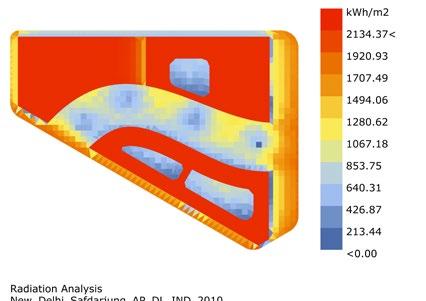
The irradiation analysis indicates a significant heat gain difference of around 1000 kWh/sq m between the building with and without the proposed double-skin facade. The SE and SW facades feature motorized horizontal louvers, adjusted according to the sun’s position throughout the year for reduced cooling loads, while the internal facade reflects Delhi’s Indo-Saracenic style. Existing deciduous trees provide shade in summers and sunlight in winters.
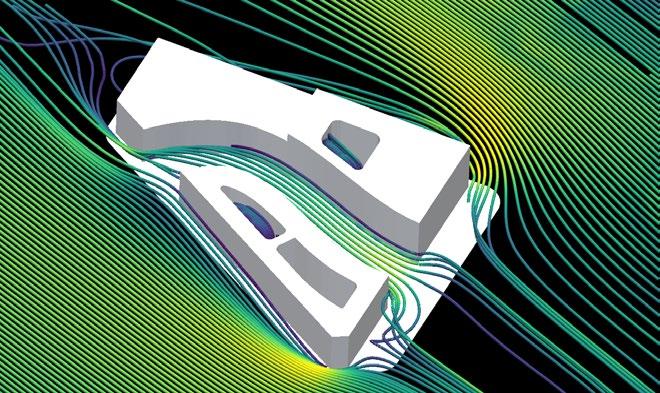
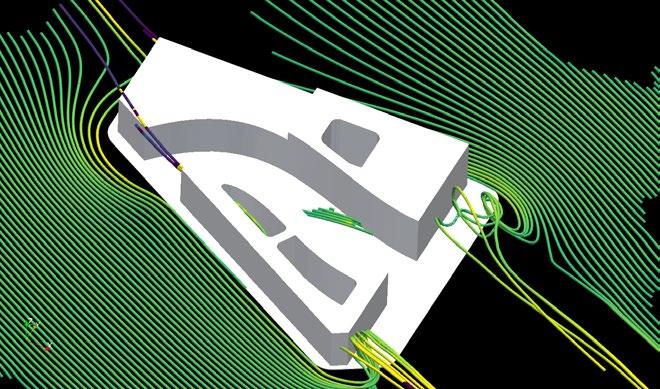
The CFD analysis reveals optimized wind channeling during summers, utilizing southeast winds for enhanced ventilation. Concurrently, the strategic massing serves as a barrier, effectively blocking northwest winter winds. This design ensures a climate-responsive and comfortable environment year-round.