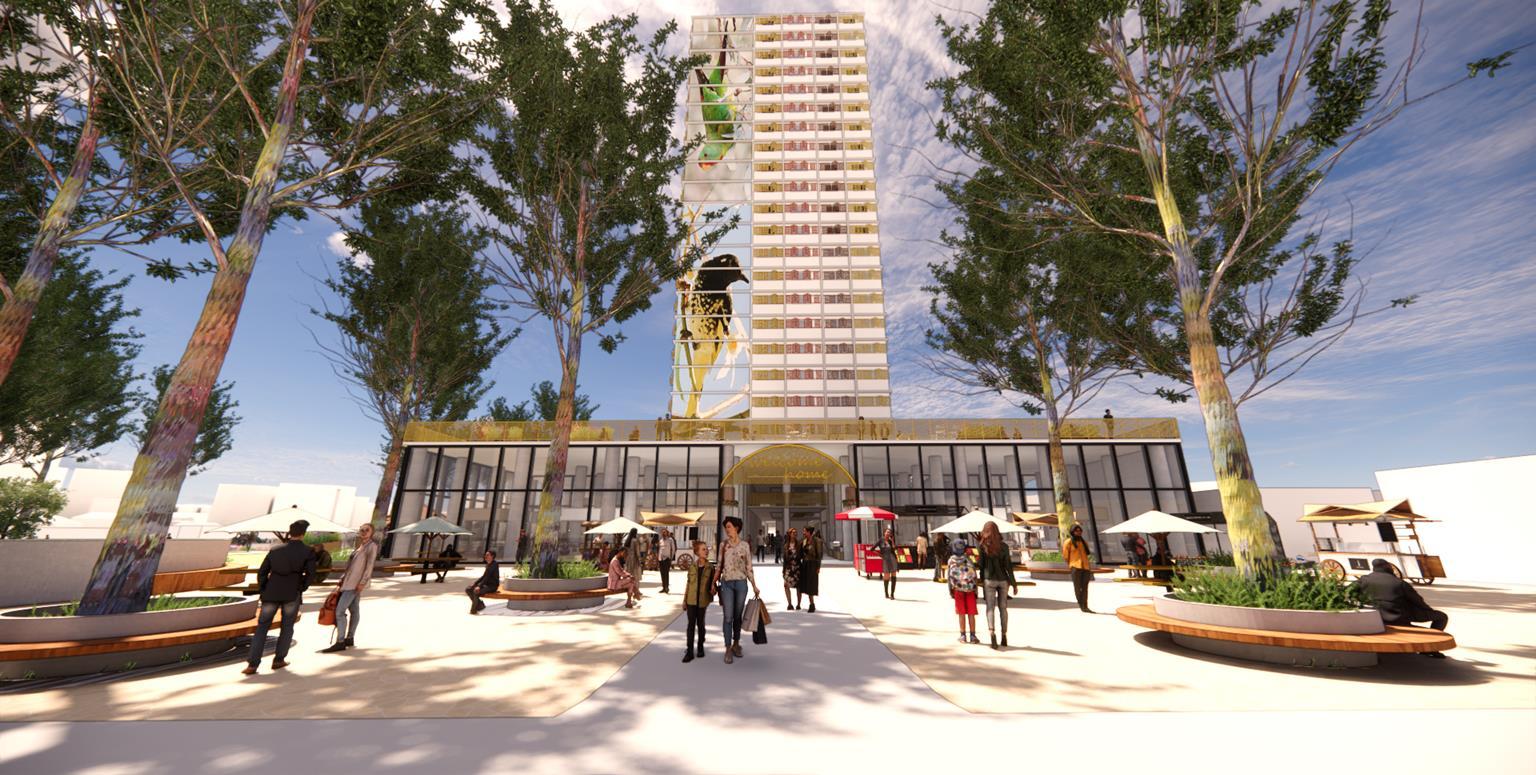
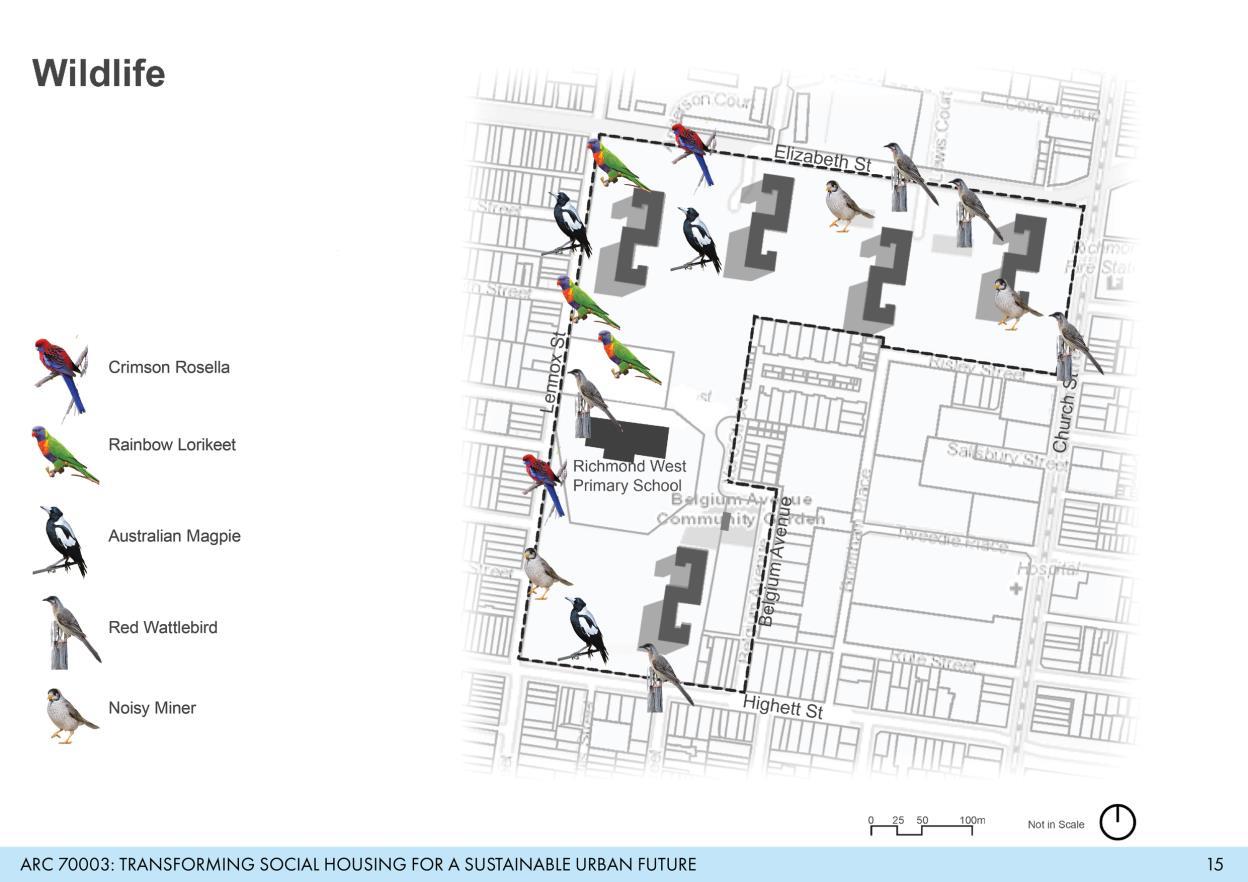
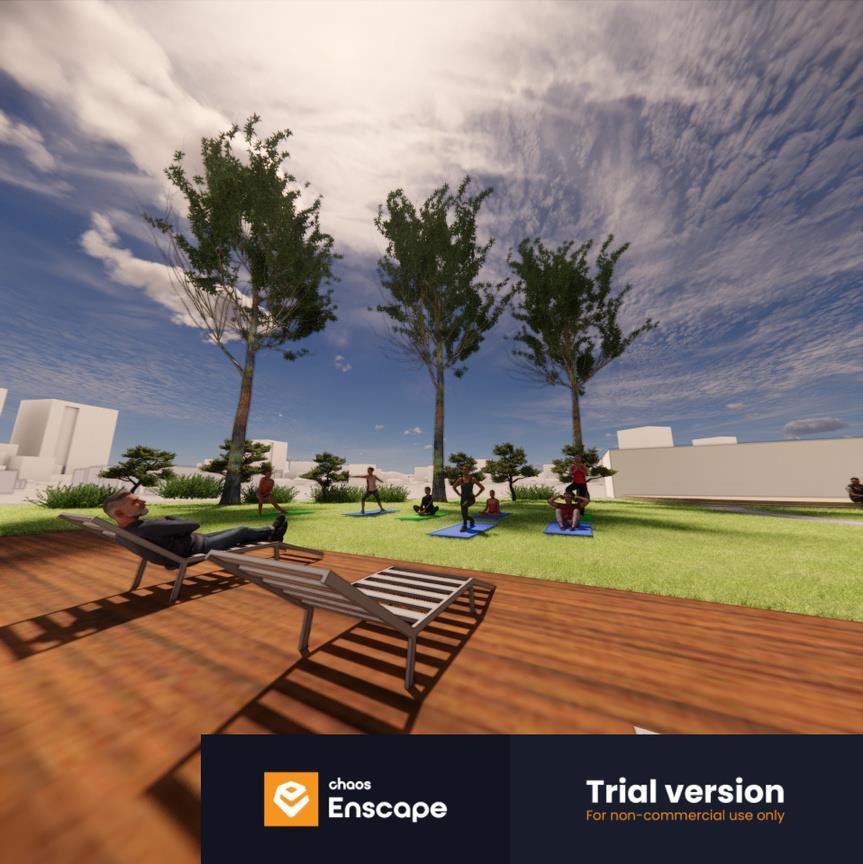
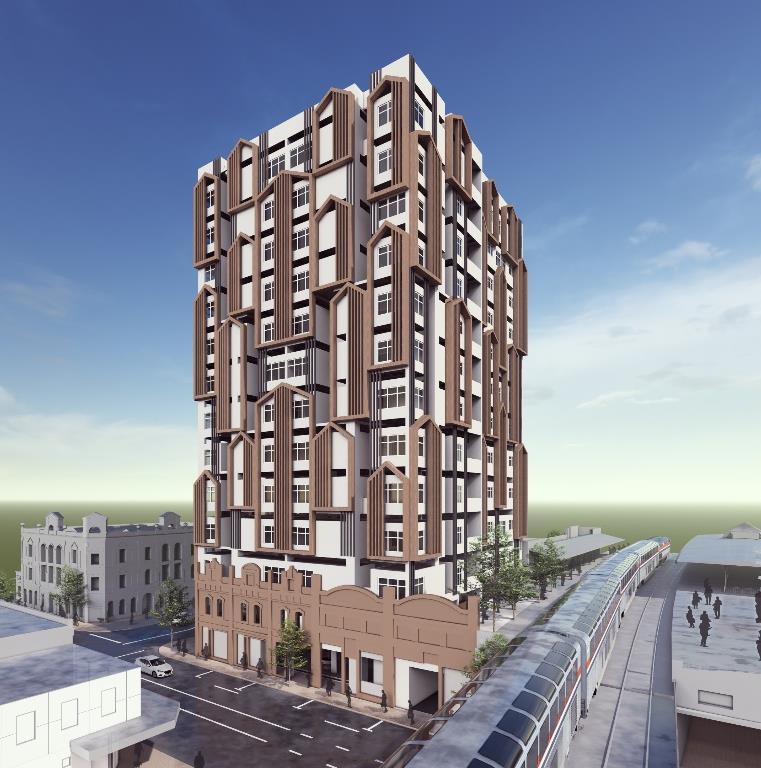
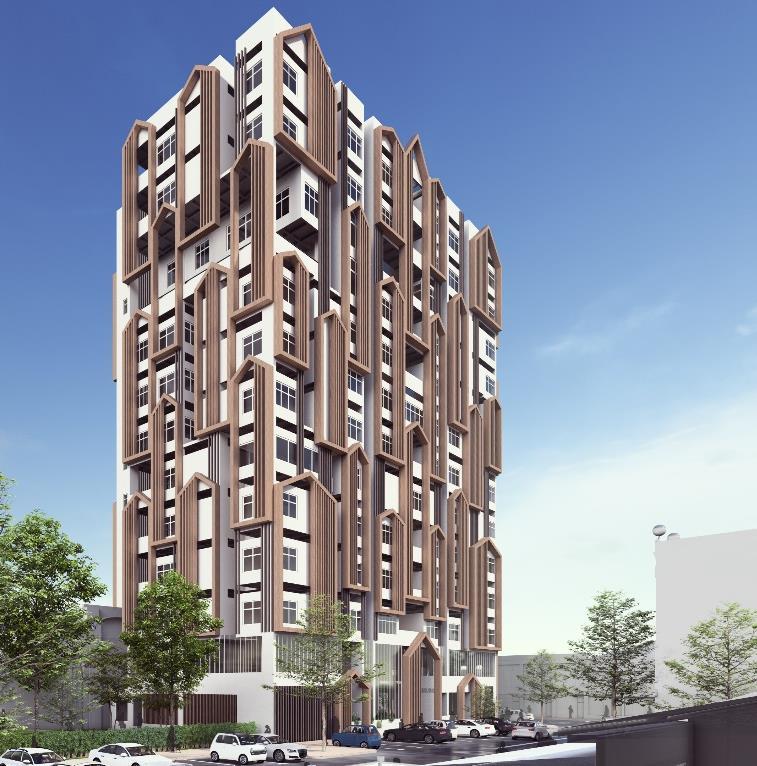
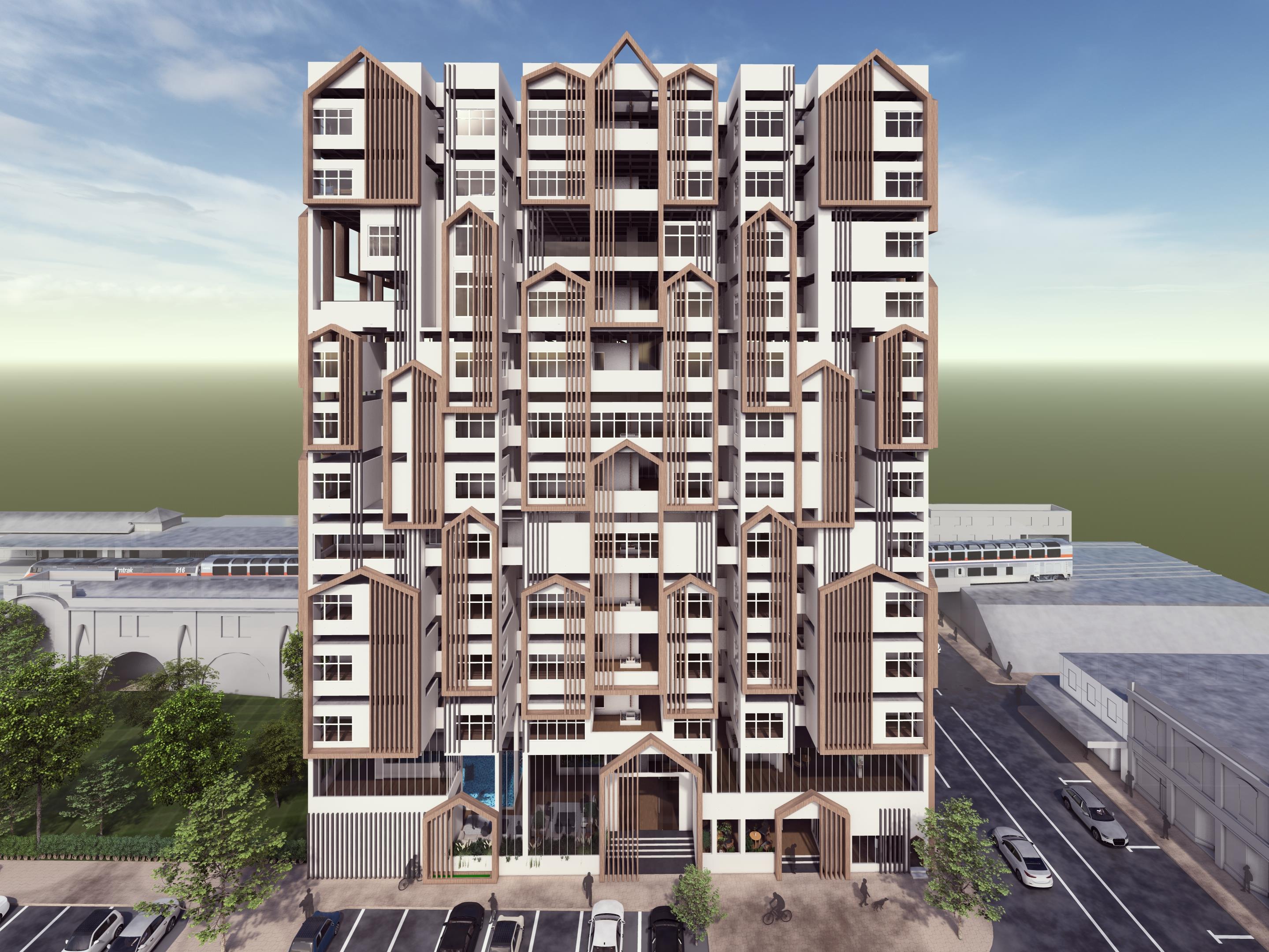
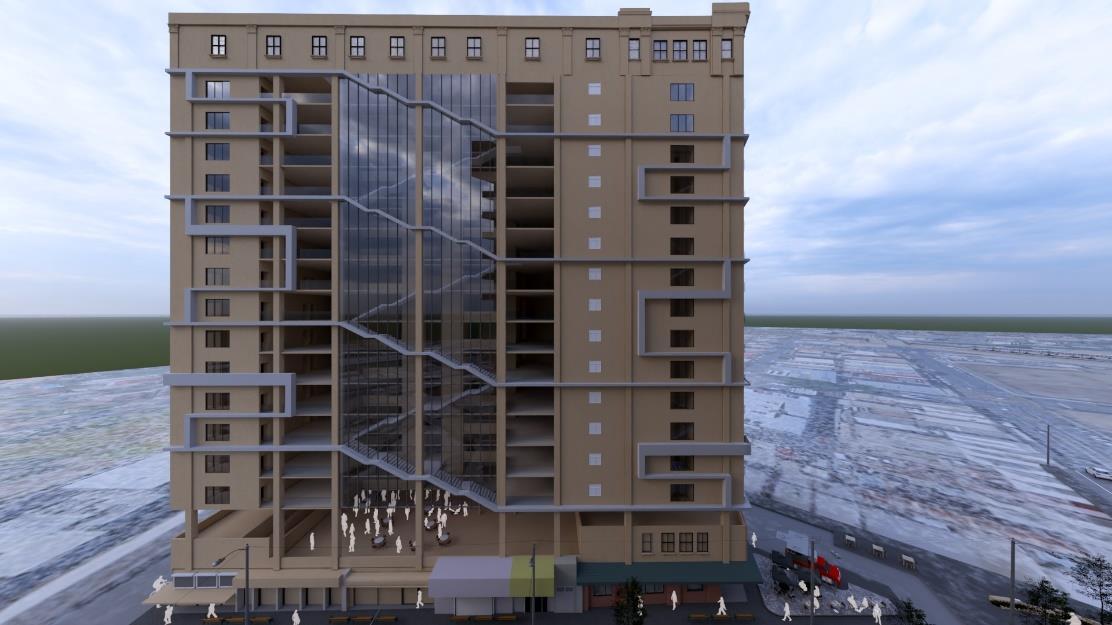
Birdsong is scientifically proven to regulate the central nervous system, alleviating anxiety and improving cognitive function. So, why wouldn’t we want to make spaces more appealing to our feathered friends, while also incorporating nest-like values to housing? A nest represents safety, a secure place, and a nurturing environment.
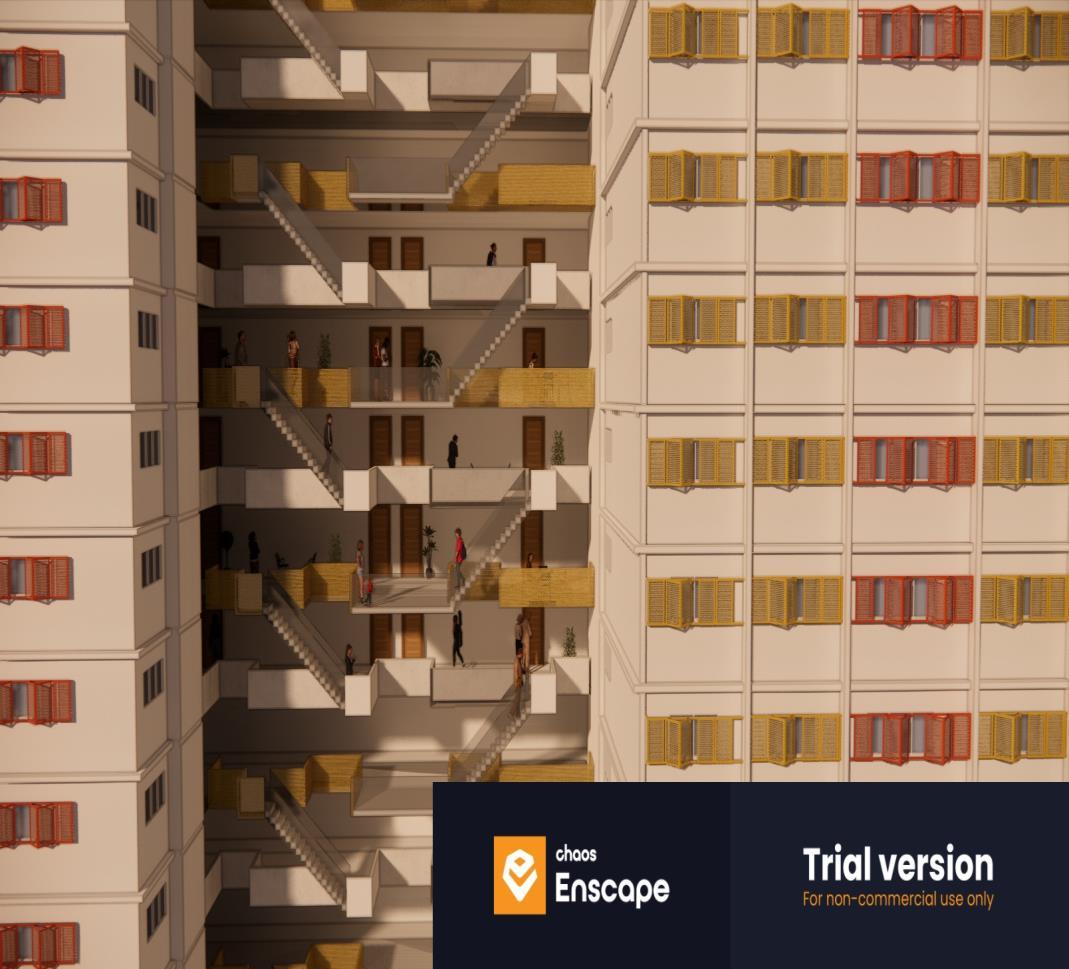
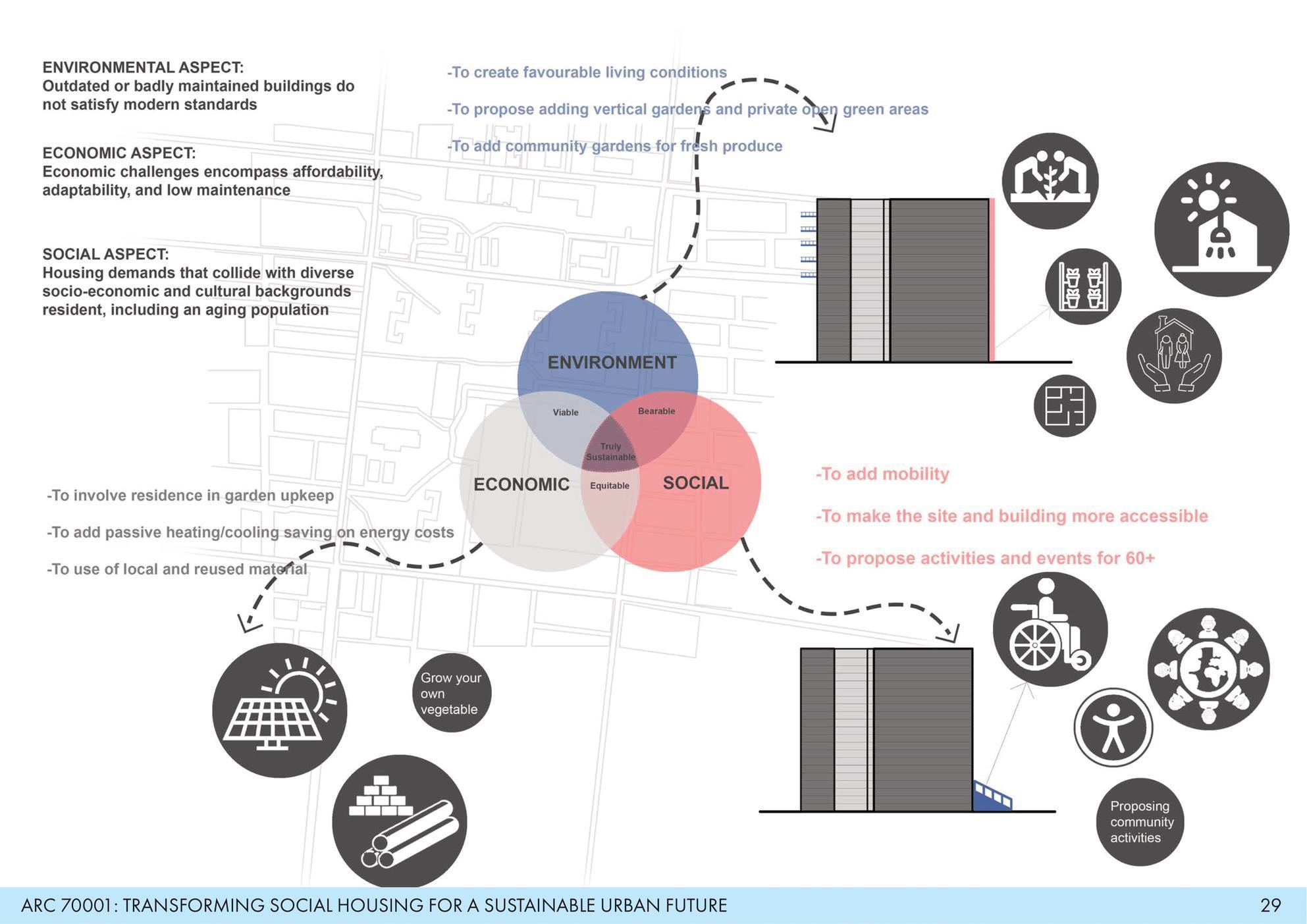
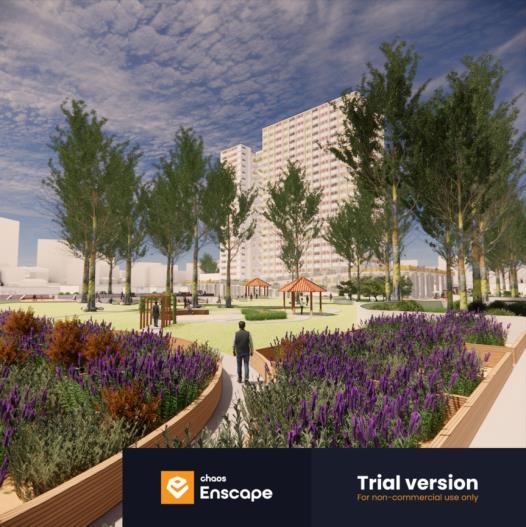
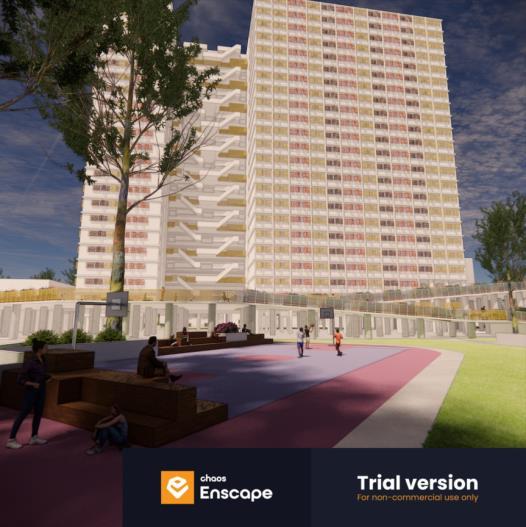
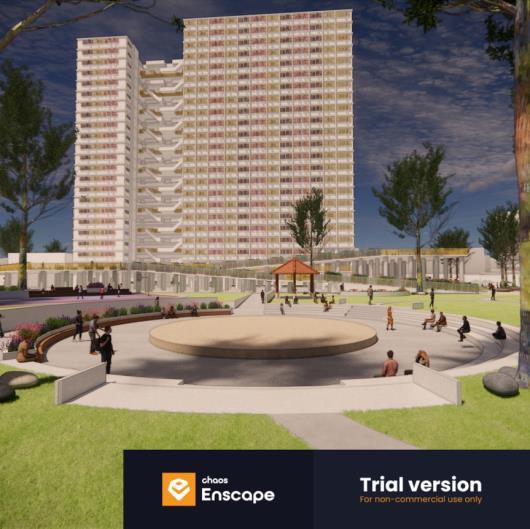
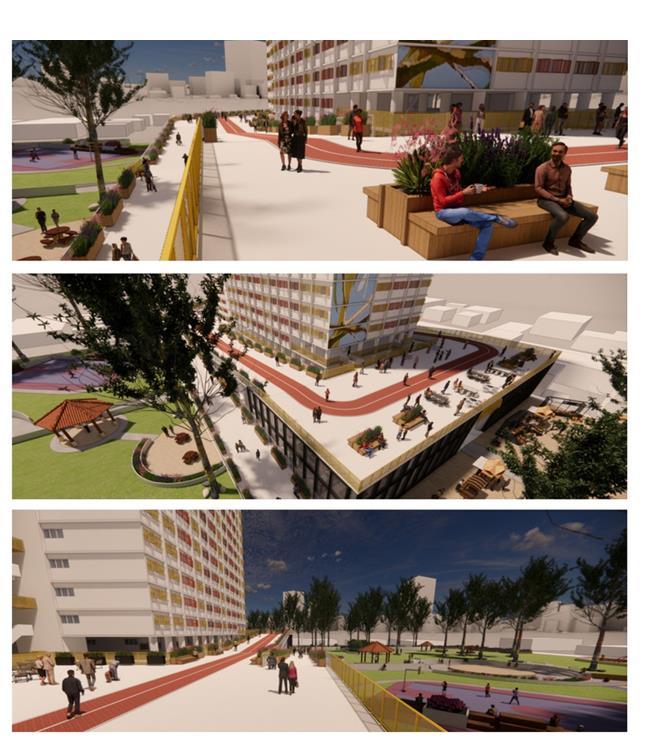
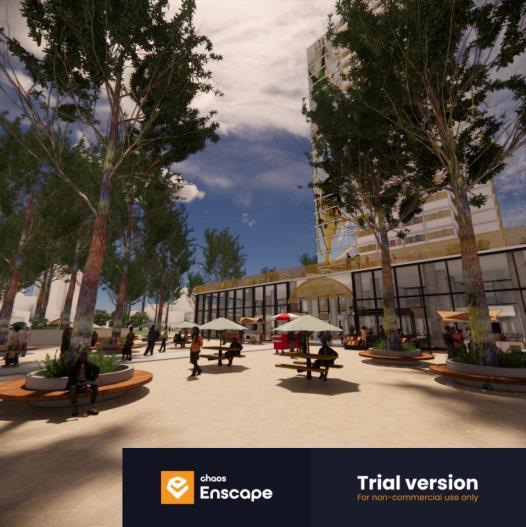
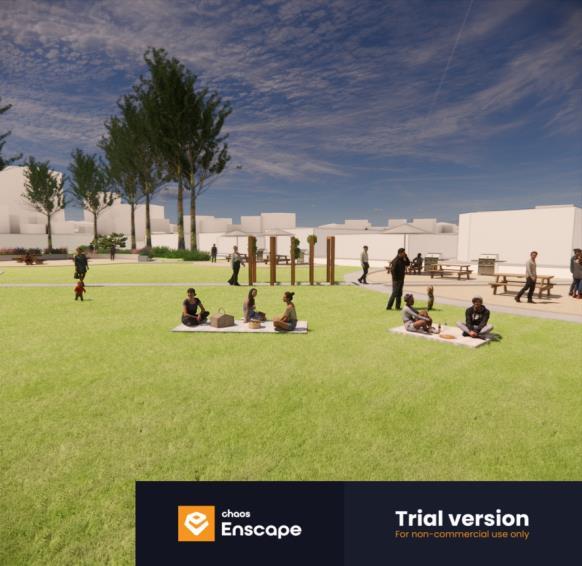
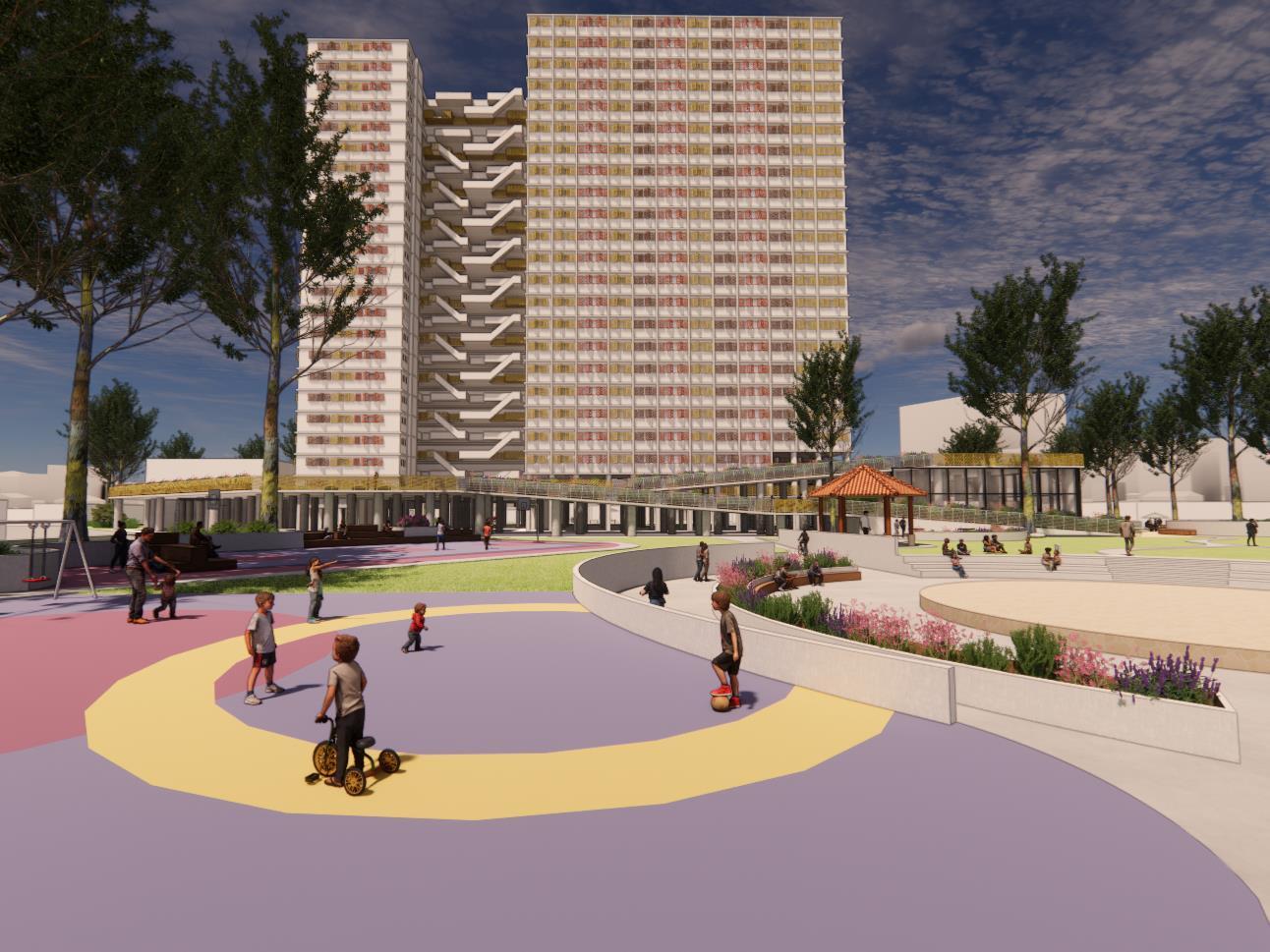
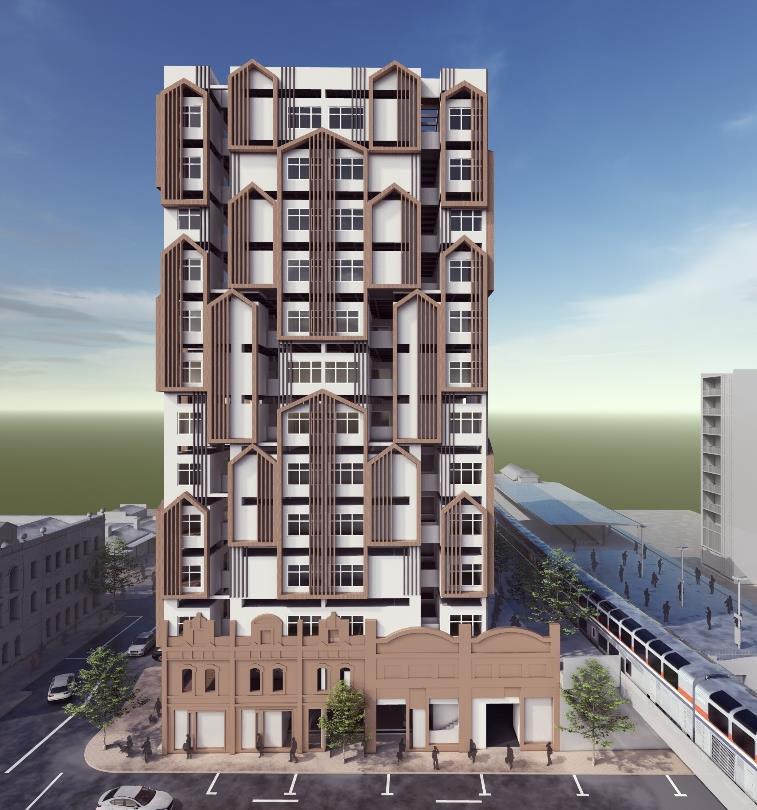
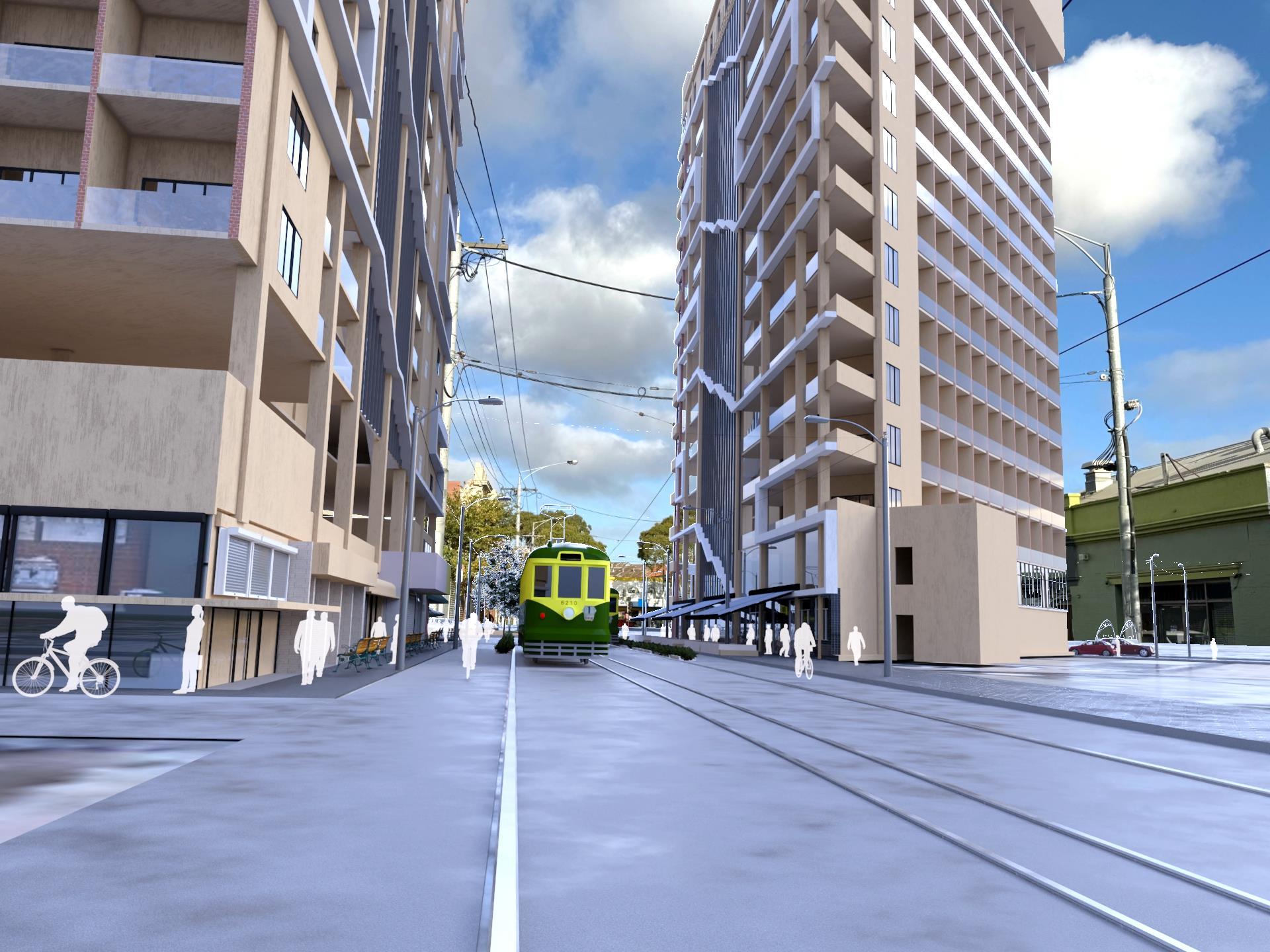
The proposal addresses key issues, including poor circulation, limited surveillance, lack of resident identification, and weak community integration. Through strategic interventions, opening enclosed areas for better airflow and connectivity, adding shared balcony levels, and introducing customizable interiors. We empower residents to take pride in their homes. A colorful retrofitted shutter system enhances both comfort and facade expression, while new communitygrowing spaces at the lower levels promote engagement and social cohesion.
This project seeks to transform the existing structure into a vibrant, inclusive hub that harmonizes residents, architecture, and the wider Richmond community.
Richmond, Melbourne Academic project - 2023
Location
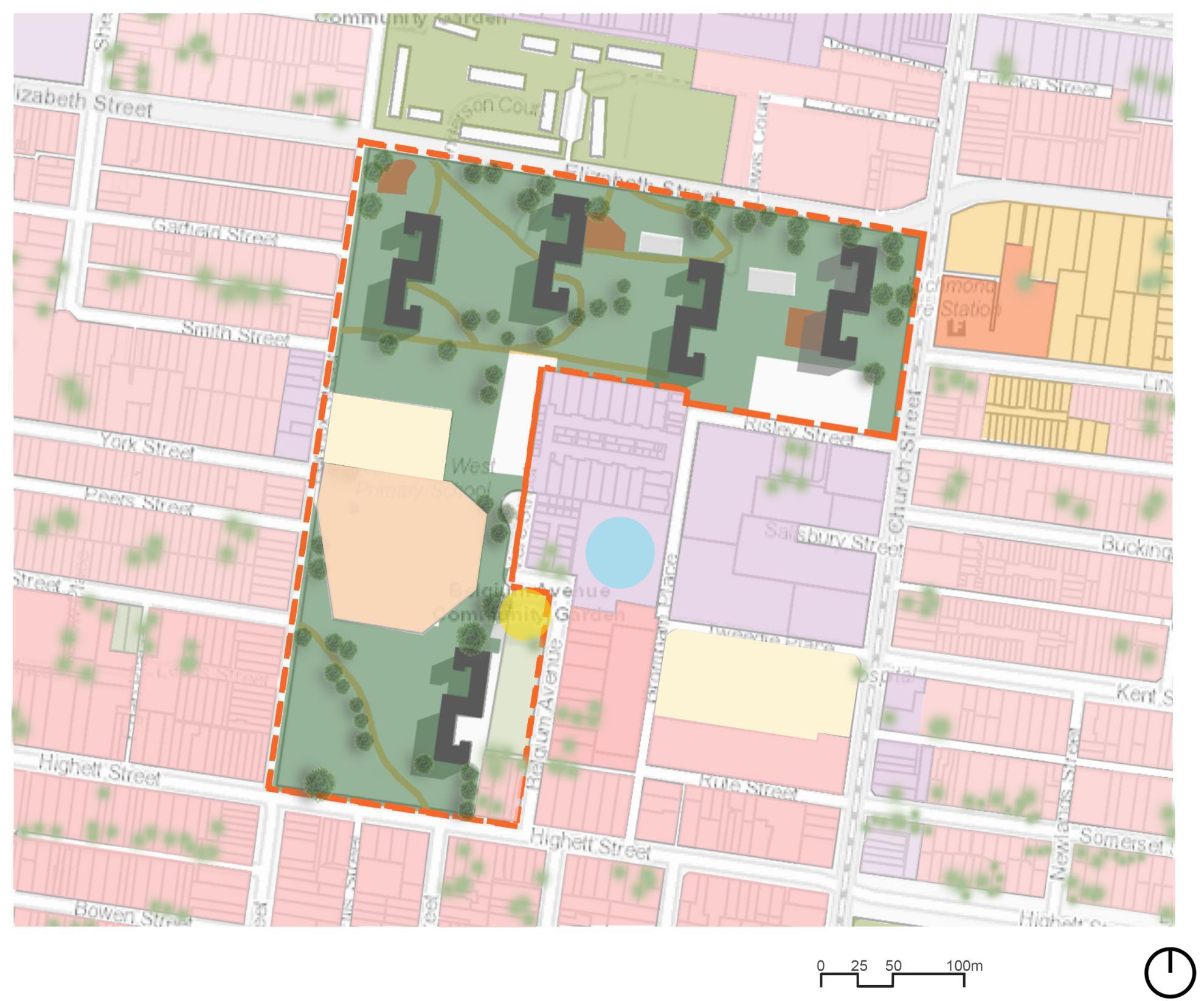
Richmond
Mixed-Use
Educational
Fire Station
Commercial
Healthcare
Residential
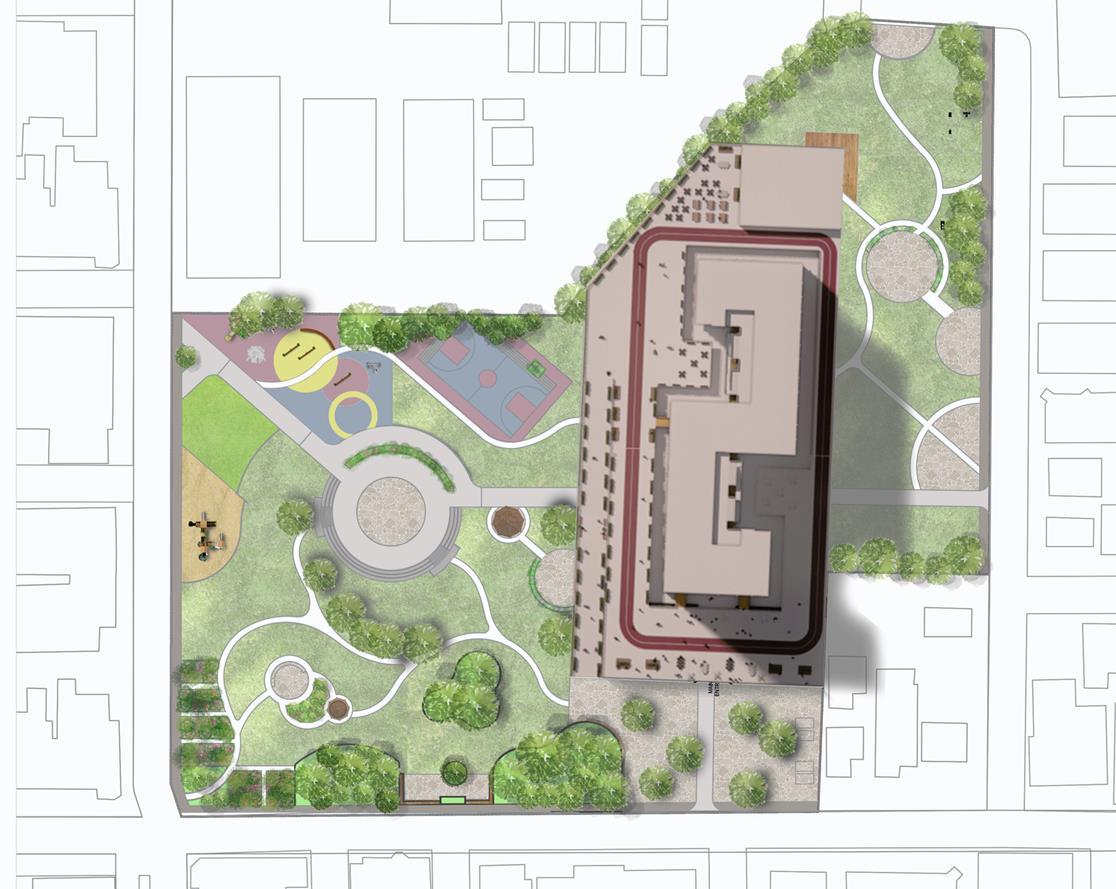
Open green area on site
Green area in the surroundings
Existing Trees on site
Existing Trees in the surroundings
The Gathering Place Twilight Market, Live Music, Friday Caravan Happens: Weekly and Monthly
Community Garden Workshops, Community Cooking, Events Happen: Regularly
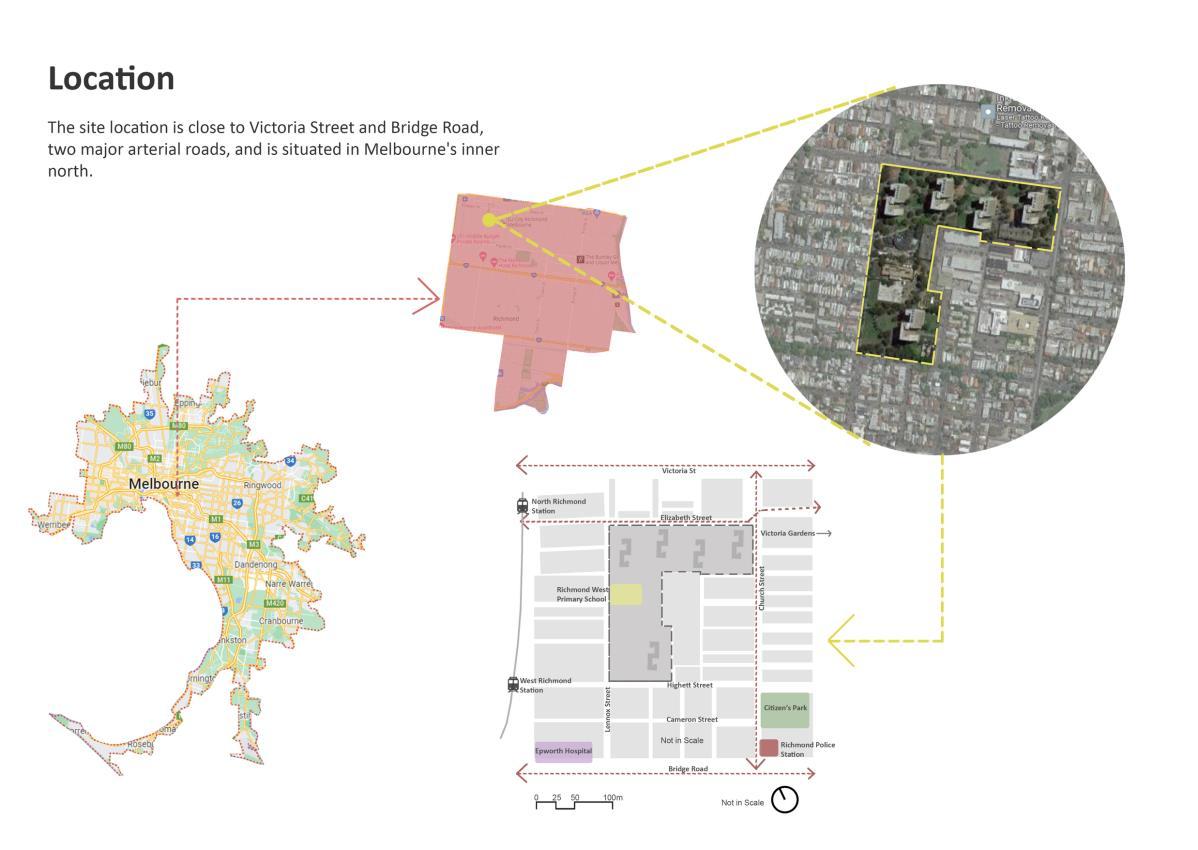
The site location is close to Victoria Street and Bridge Road, two major arterial roads, and is in Melbourne’s inner north.
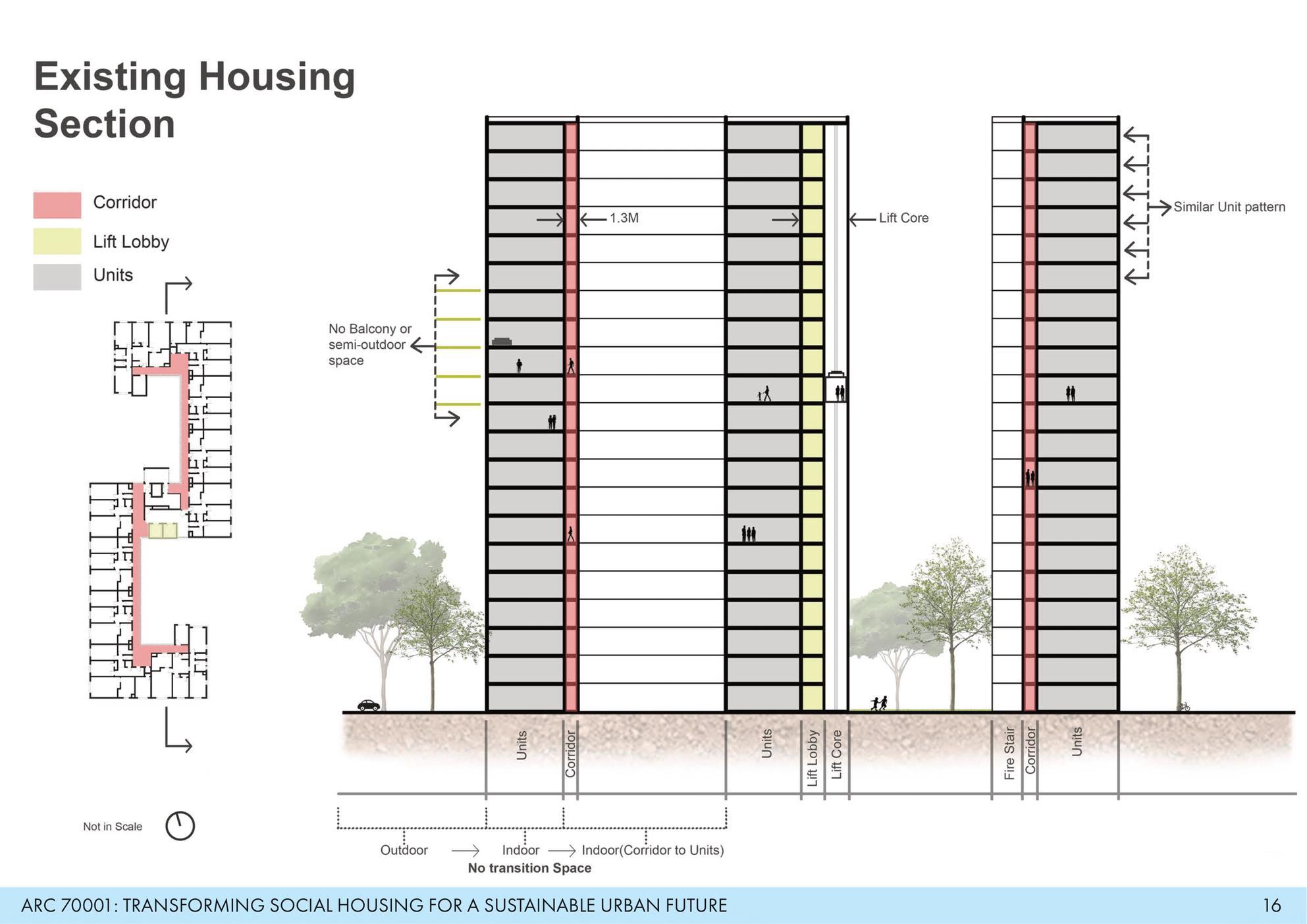
Existing Housing Section
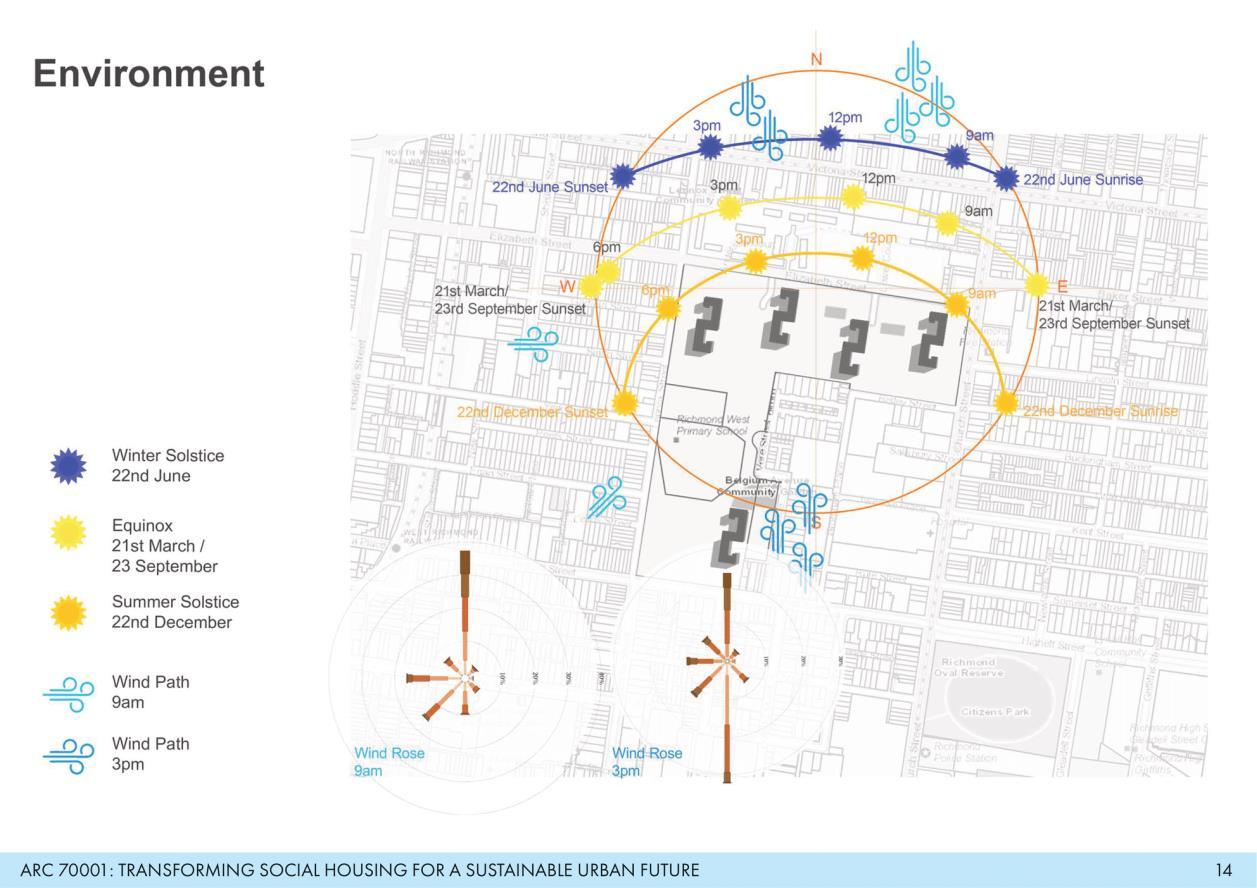
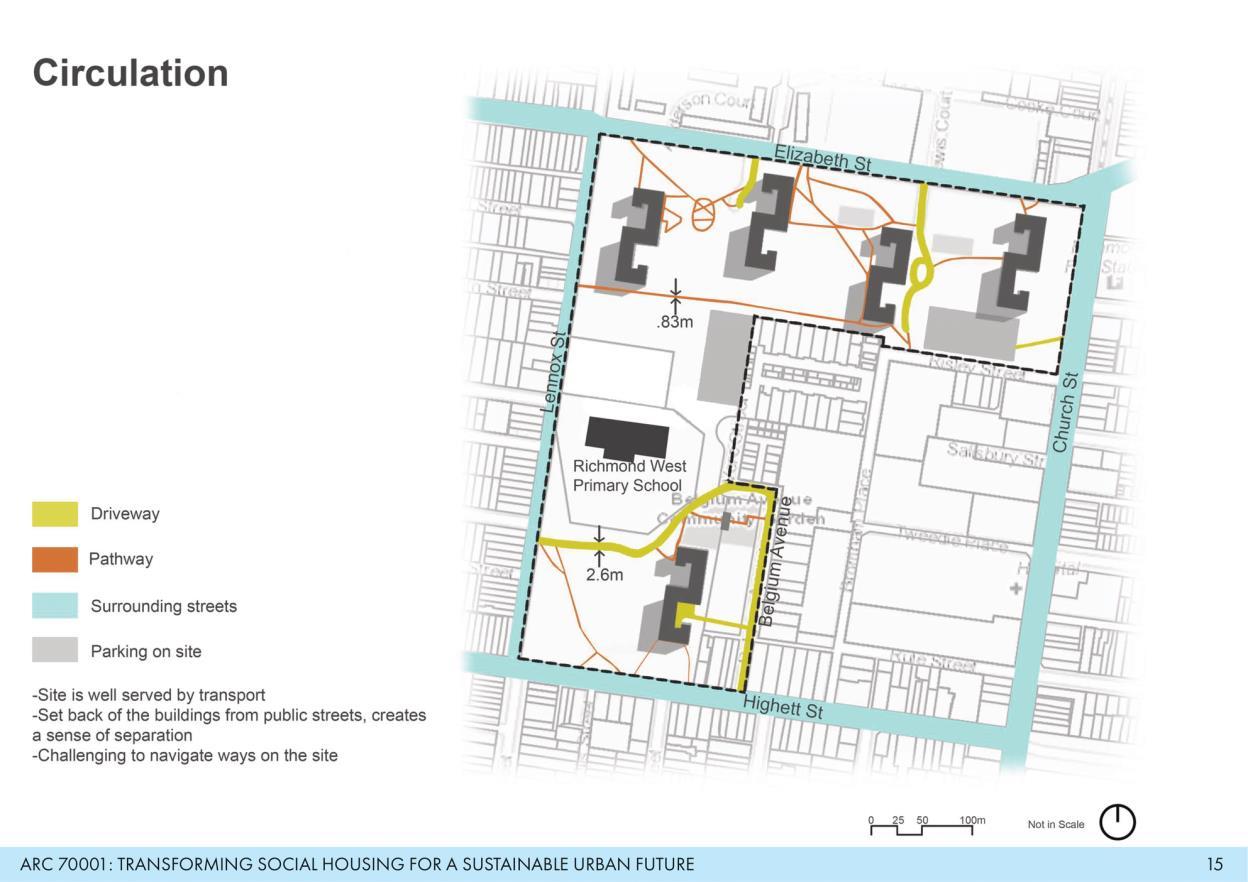
The site is well served by transport, but a setback of the buildings from public streets creates a sense of separation and ma it challenging to navigate the site.
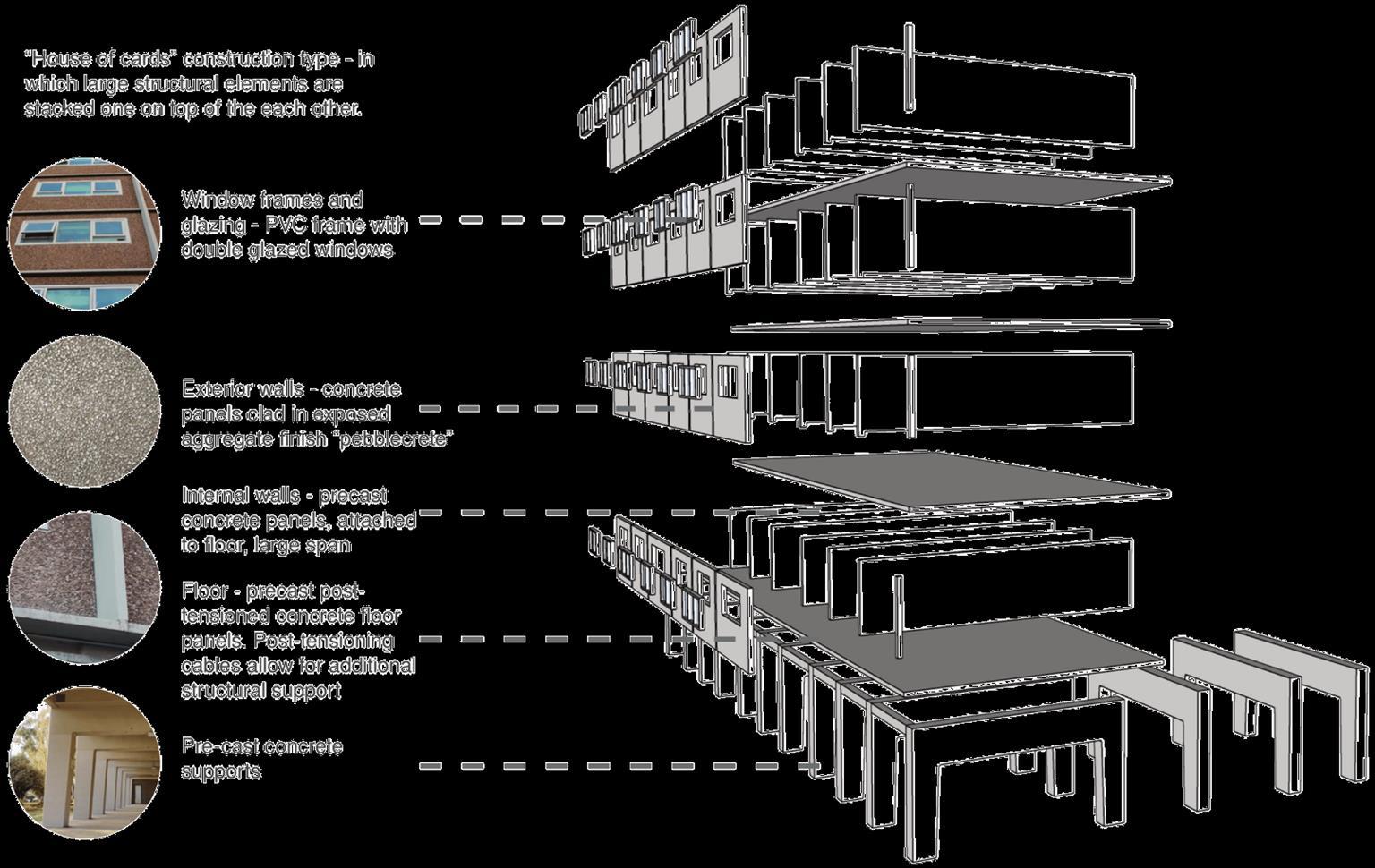
Building Construction
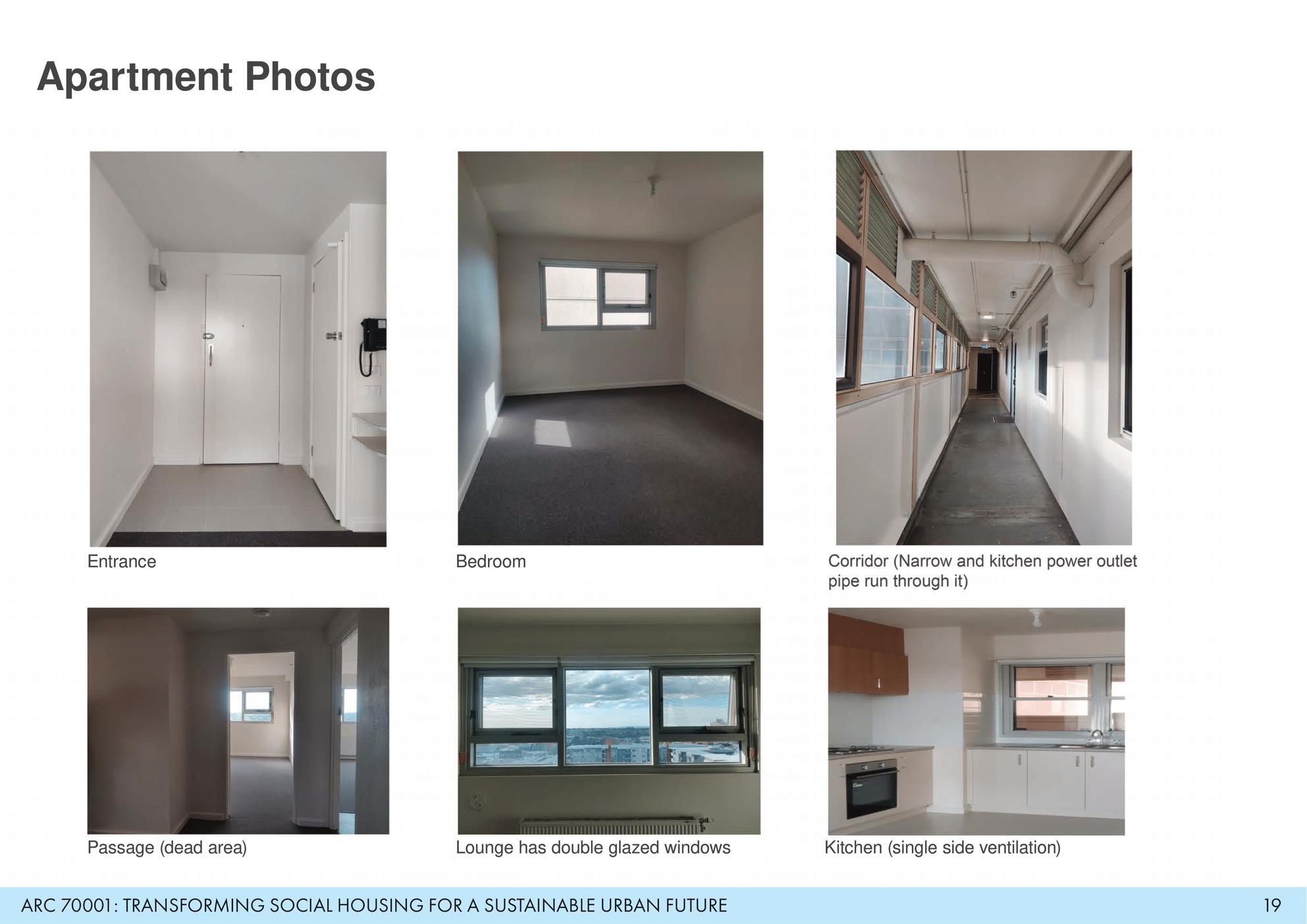
Apartment Photos
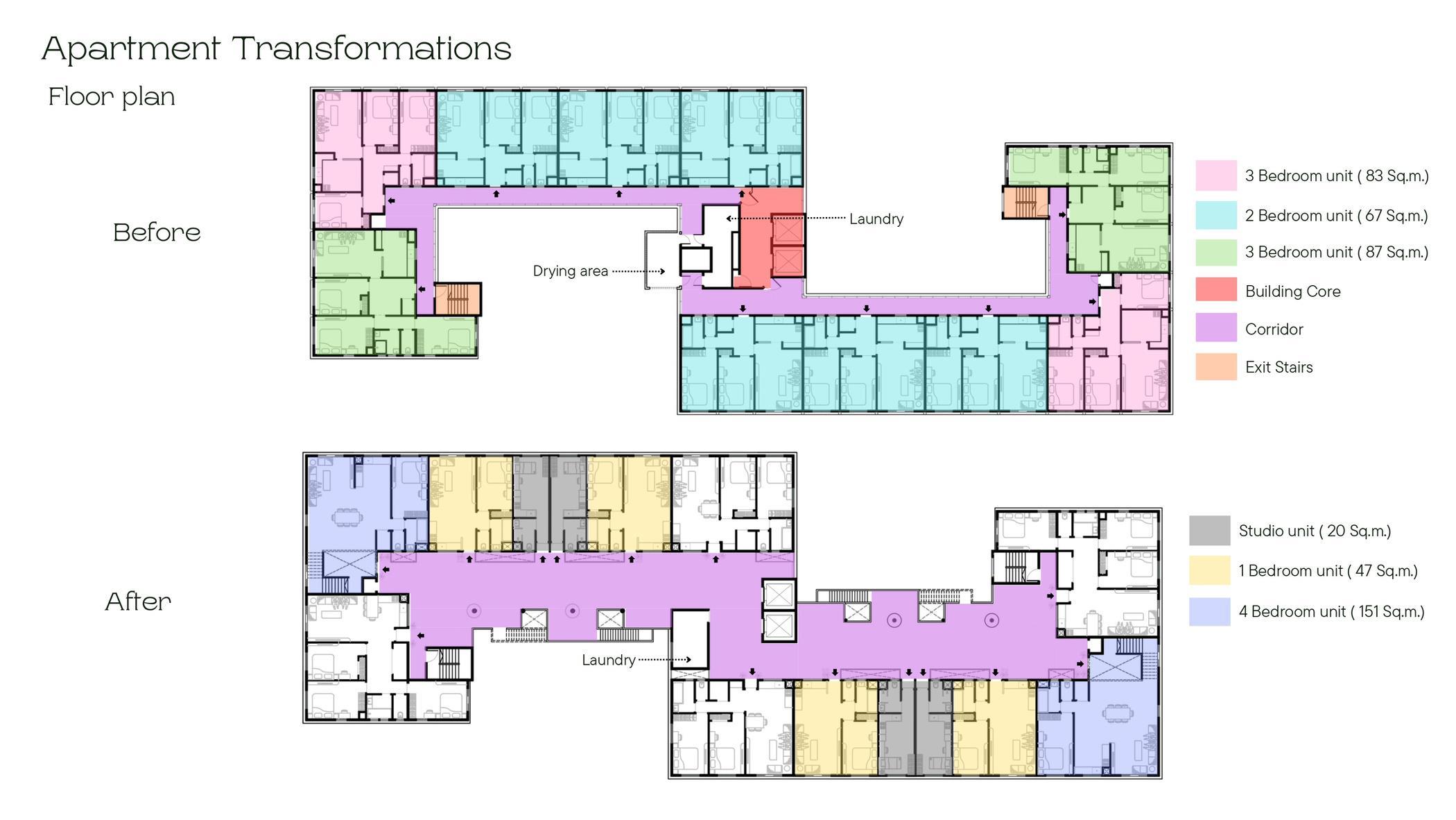
Apartment Transformation
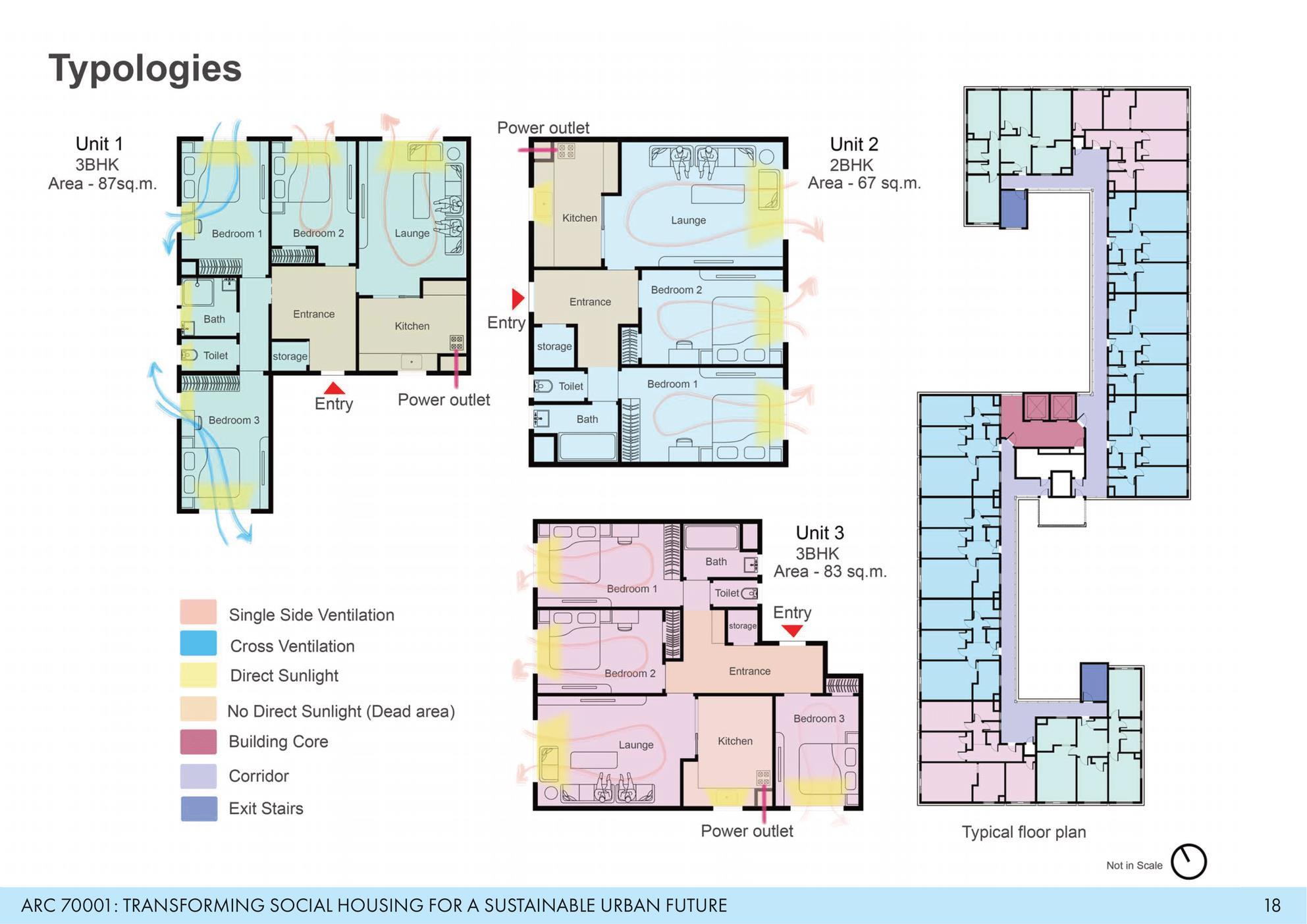
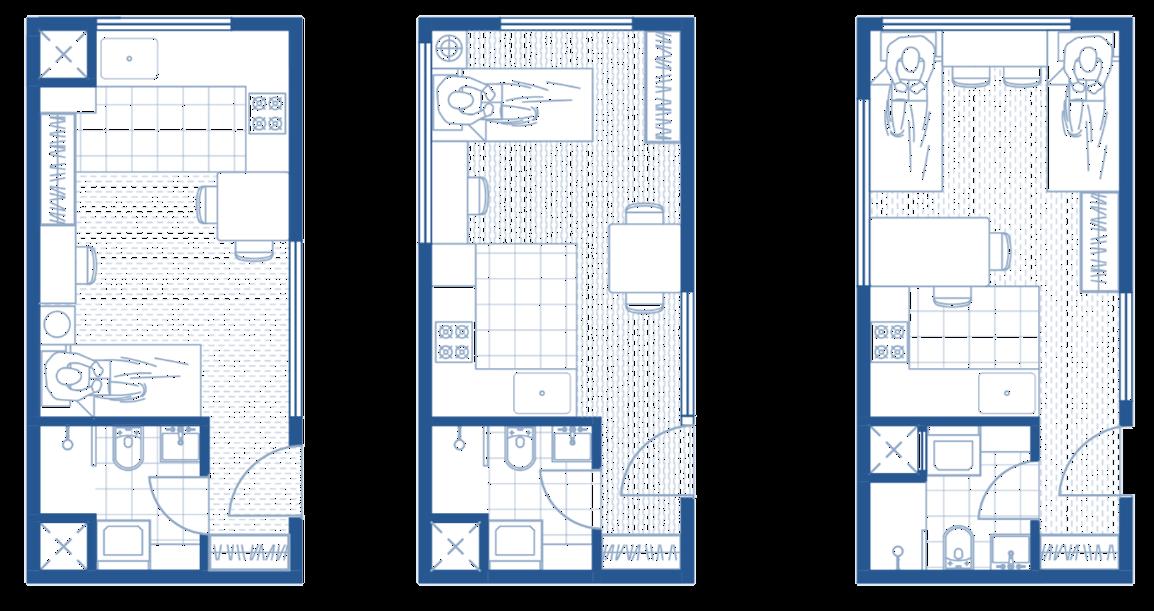
The existing layout revealed several functional challenges, a one-way circulation path limiting movement, the absence of transitional spaces, and no provision for private outdoor areas. The building consisted of only two- and three-bedroom units ranging between 83–87 sqm, leading to a monotonous residential mix with limited flexibility for varied lifestyles.
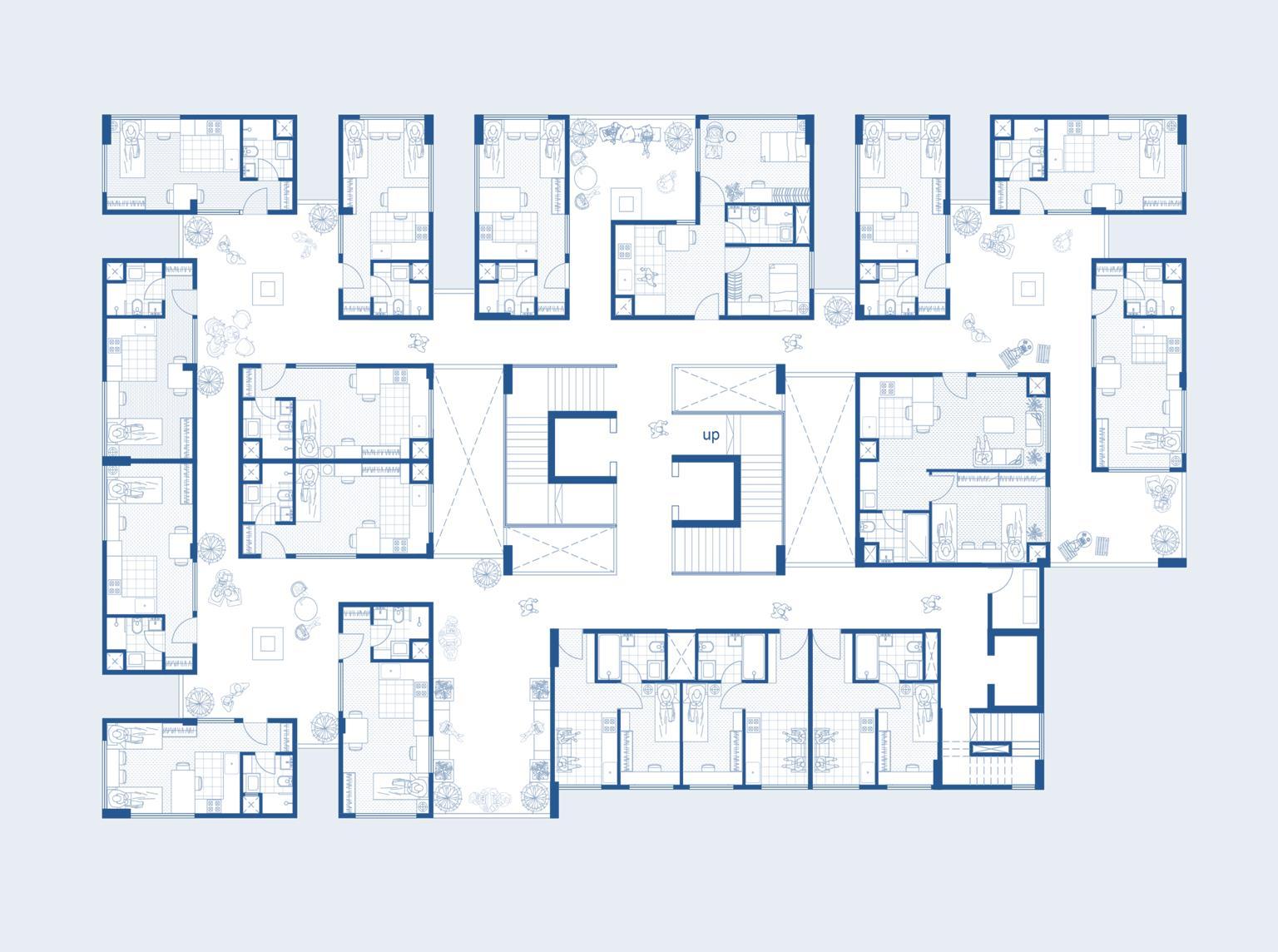
The redesigned plan focuses on spatial diversity and improved livability. Without altering any structural walls, the proposalintroduces studio, one-bedroom, and four-bedroom units, expanding the range of dwelling options. The new configuration integrates semi-outdoor spaces and extended corridors, enhancing natural ventilation, community interaction, and a stronger sense of connection between indoor and outdoor environments.
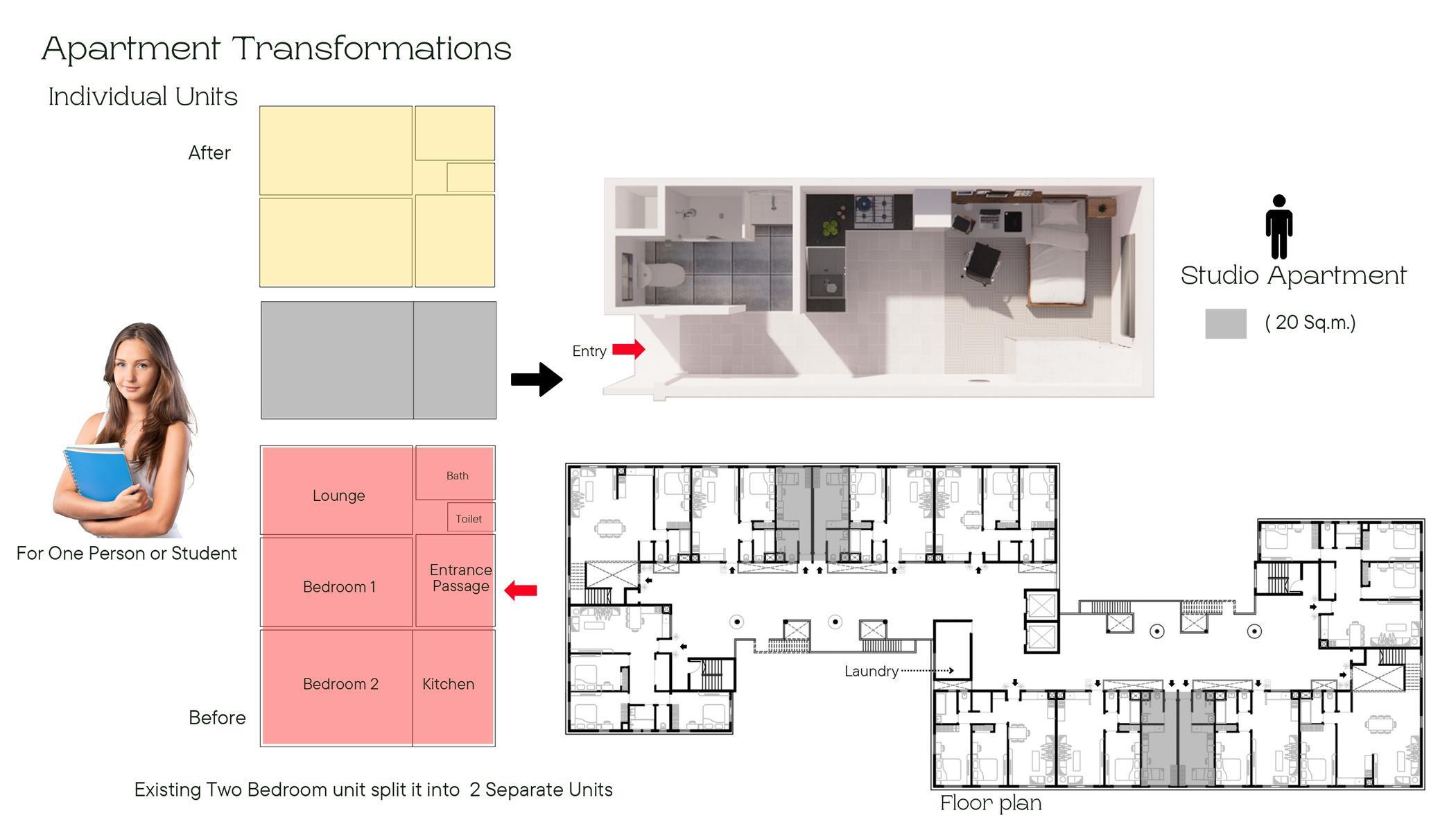
Apartment Transformation
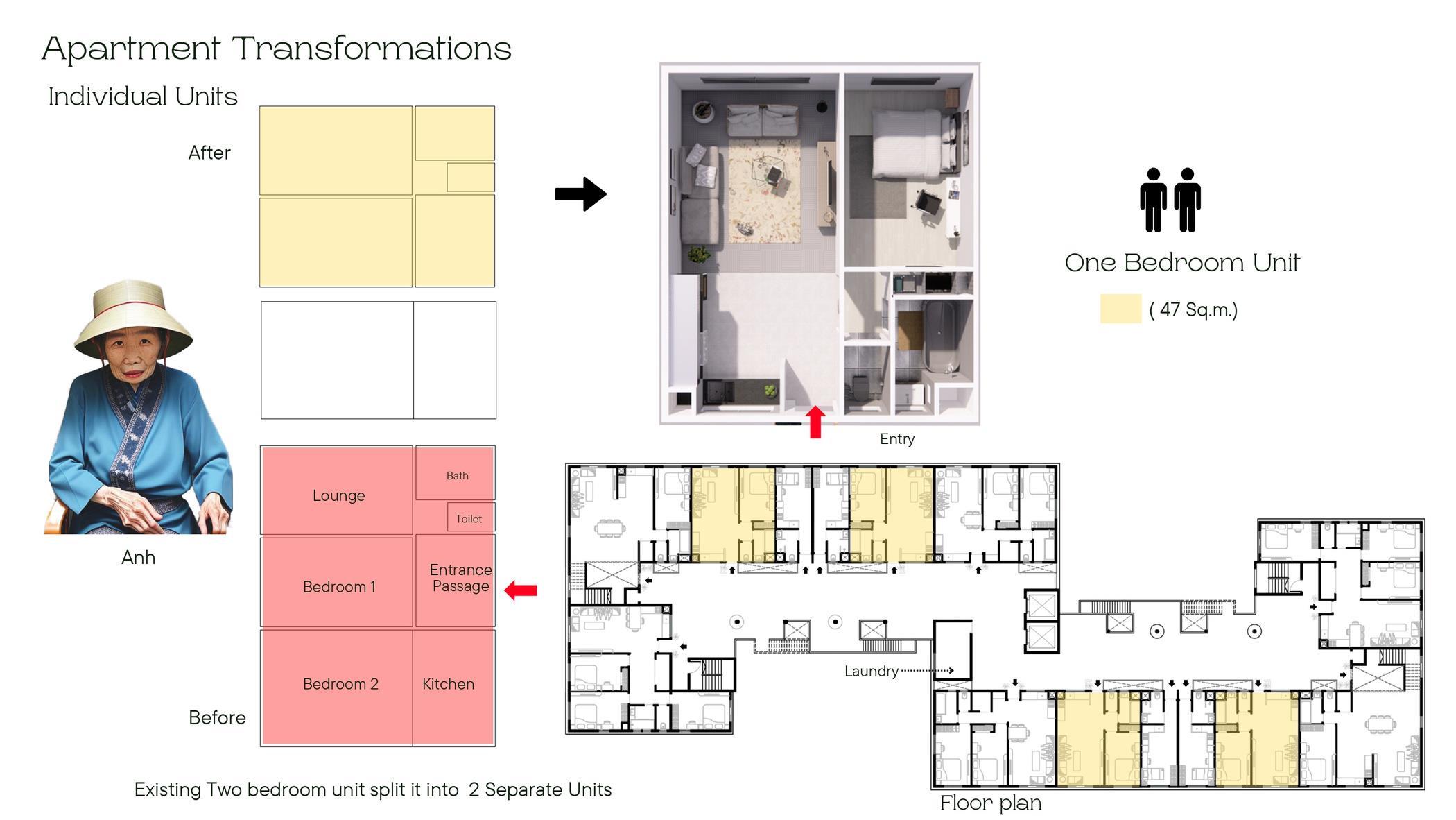
One of the existing two-bedroom units was divided into two smaller homes, a studio apartment for a single person or student, and a one-bedroom unit for a small household. This change makes better use of space and offers more living options for different residents without changing the main building structure.
Based on the lifestyle of our chosen resident, Anh, her existing two-bedroom unit was redesigned into a one-bedroom apartment to suit her daily routine and personal needs better.
One Bedroom Unit
Studio Apartment
Apartment Transformation
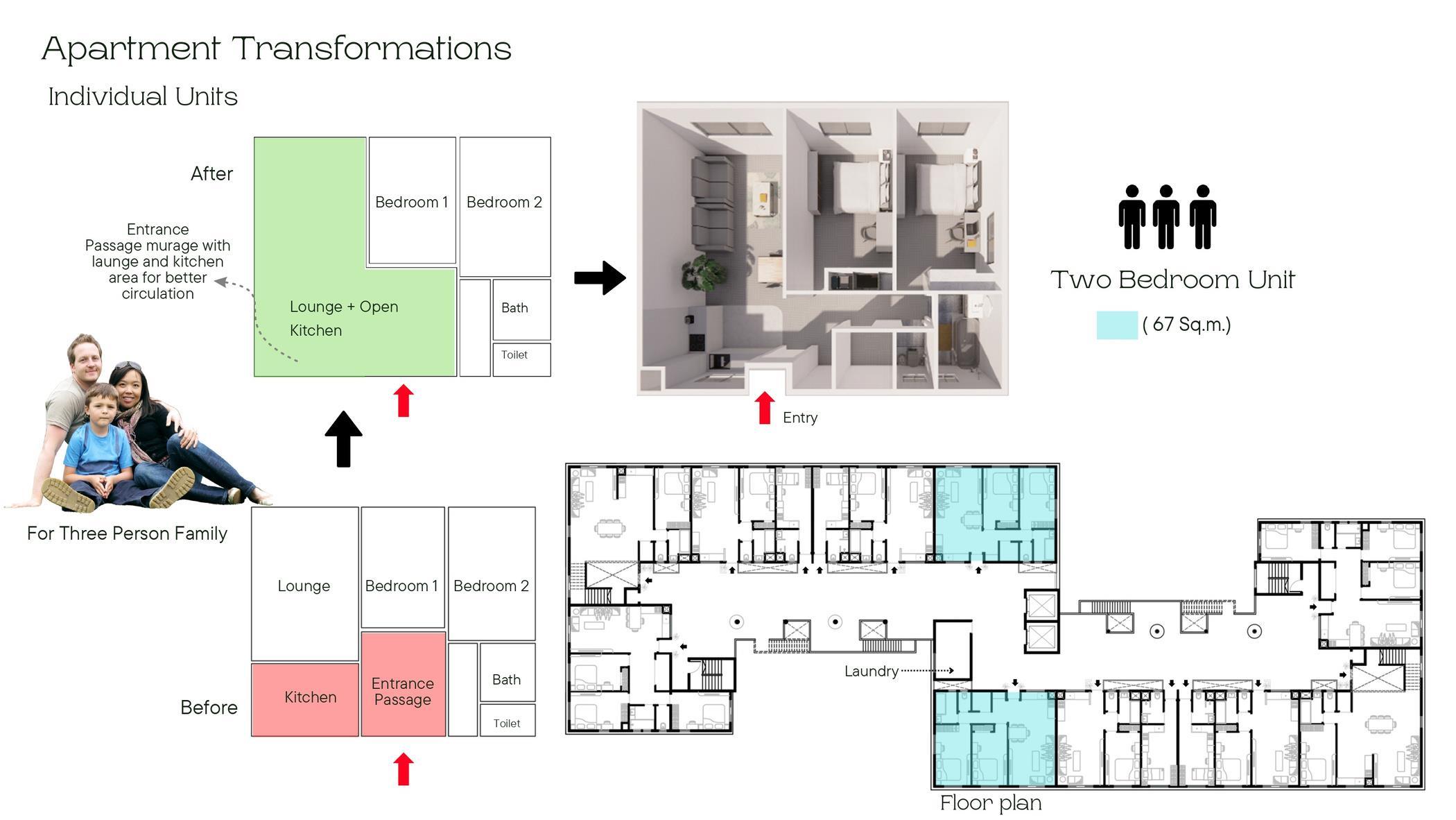
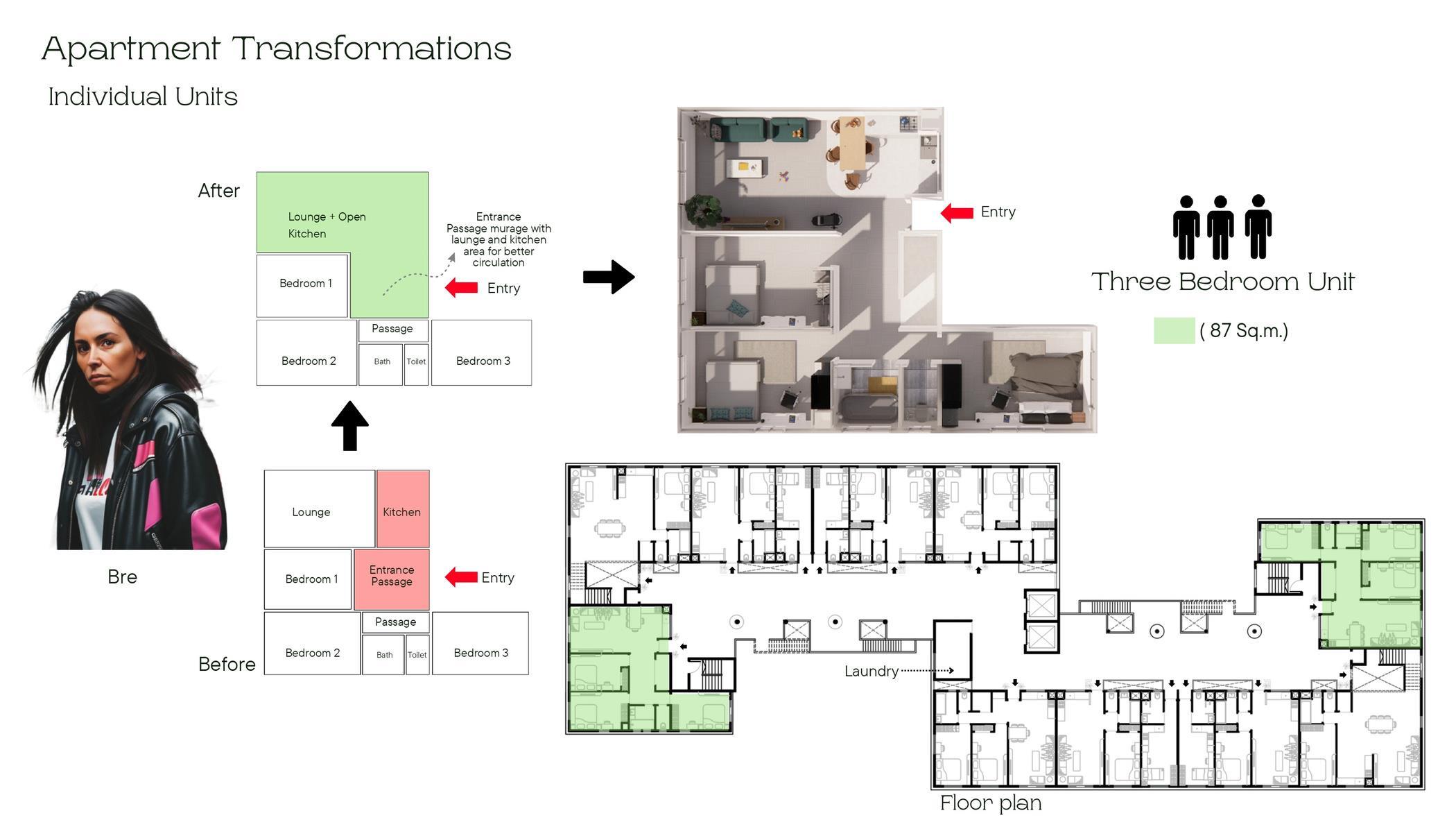
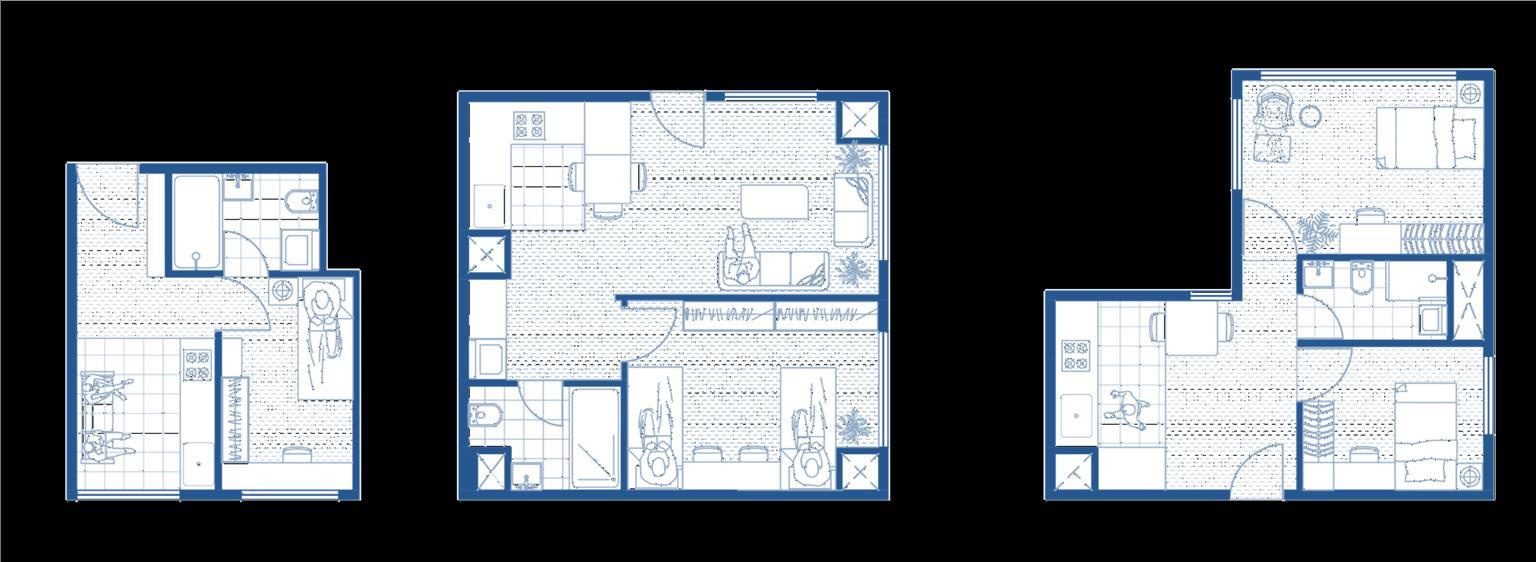
For the two-bedroom unit, the kitchen and entrance area lacked natural light and created a dead zone within the layout. By removing the partition wall, the space was transformed into an open kitchen and lounge area, improving circulation, light access, and overall usability.
Based on the study of our avatar Bre, a mother of two, the existing three-bedroom unit was redesigned using the same strategy that activates unused or underutilized spaces, improving functionality and comfort for family living.
Three Bedroom Unit
Two Bedroom Unit
Apartment Transformation
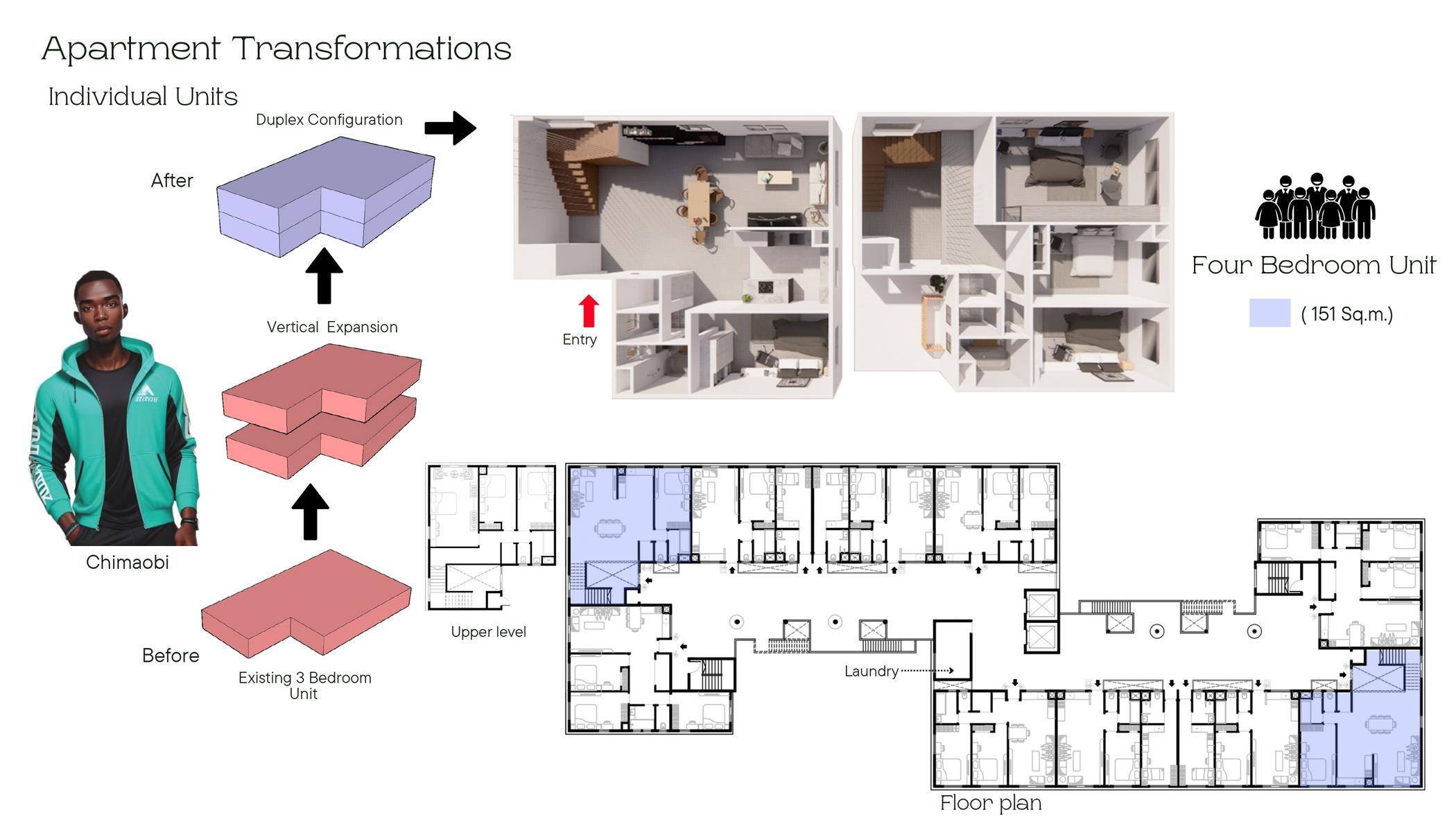
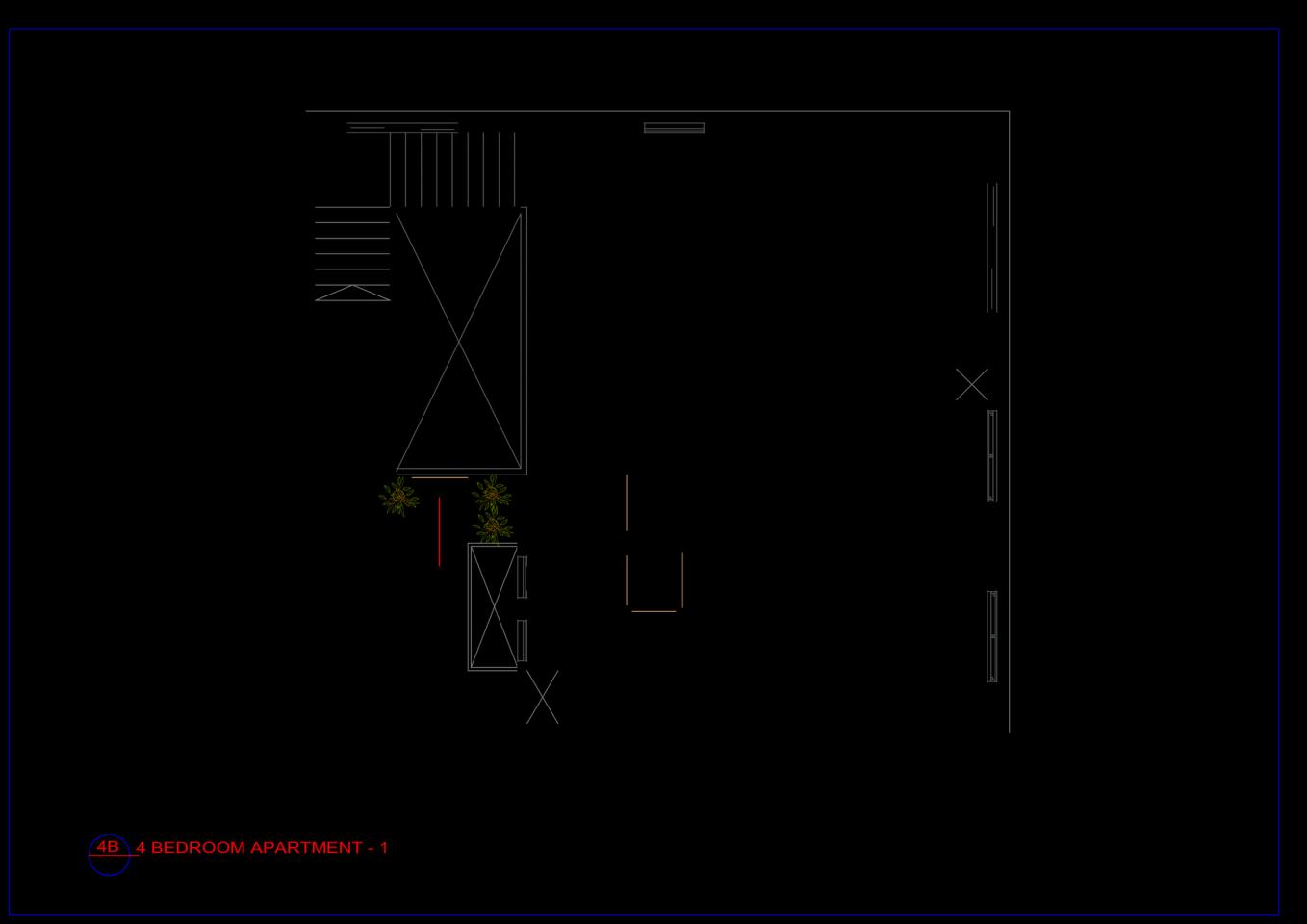
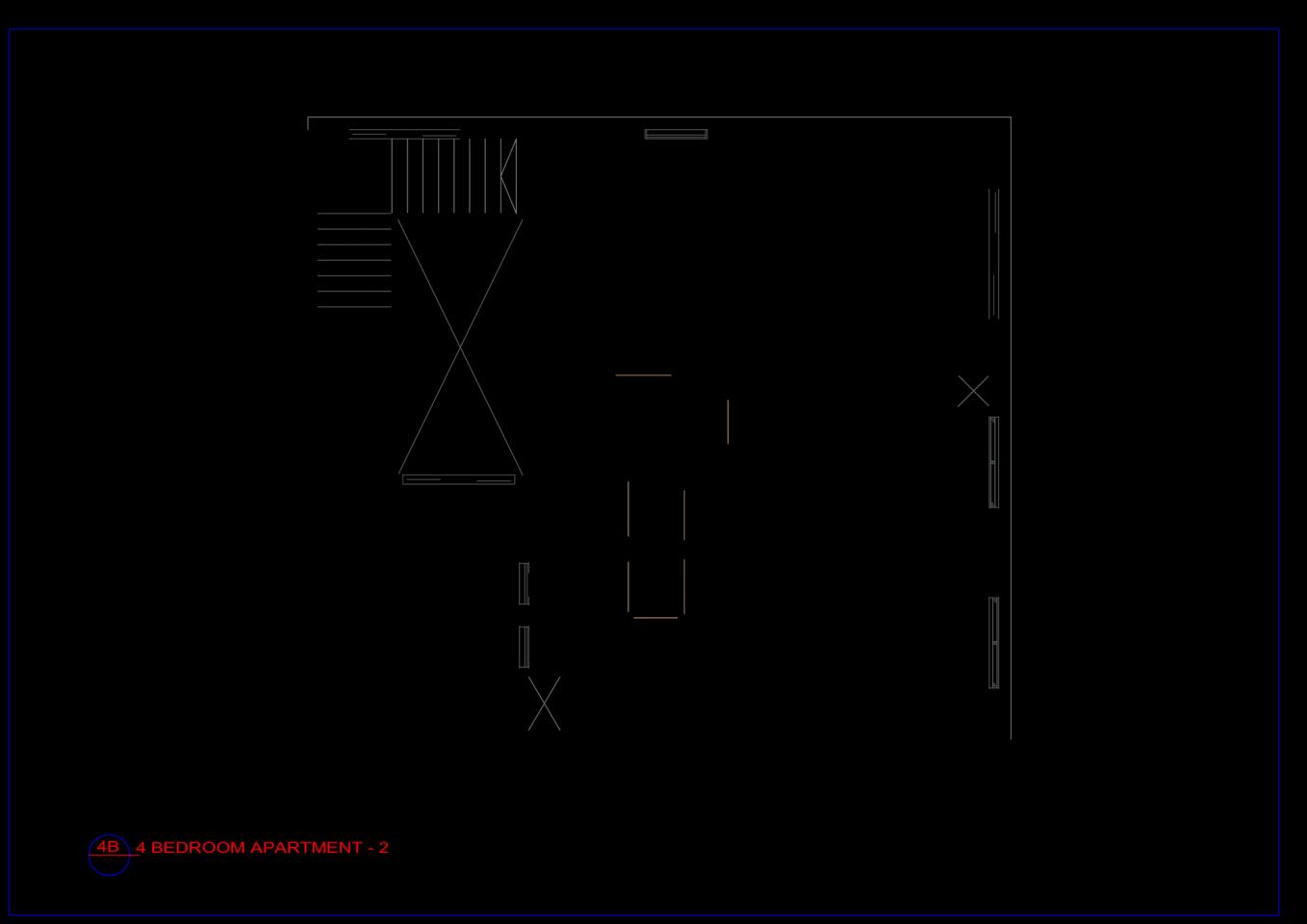
For our avatar Chimaboi, who lived alone in a large three-bedroom unit, we reimagined the layout by combining two existing three-bedroom units vertically to create a duplex four-bedroom apartment.
This transformation introduces a new housing typology that makes better use of vertical space and supports multi-generational or shared living.
Four Bedroom Unit
Four Bedroom Units - Upper level
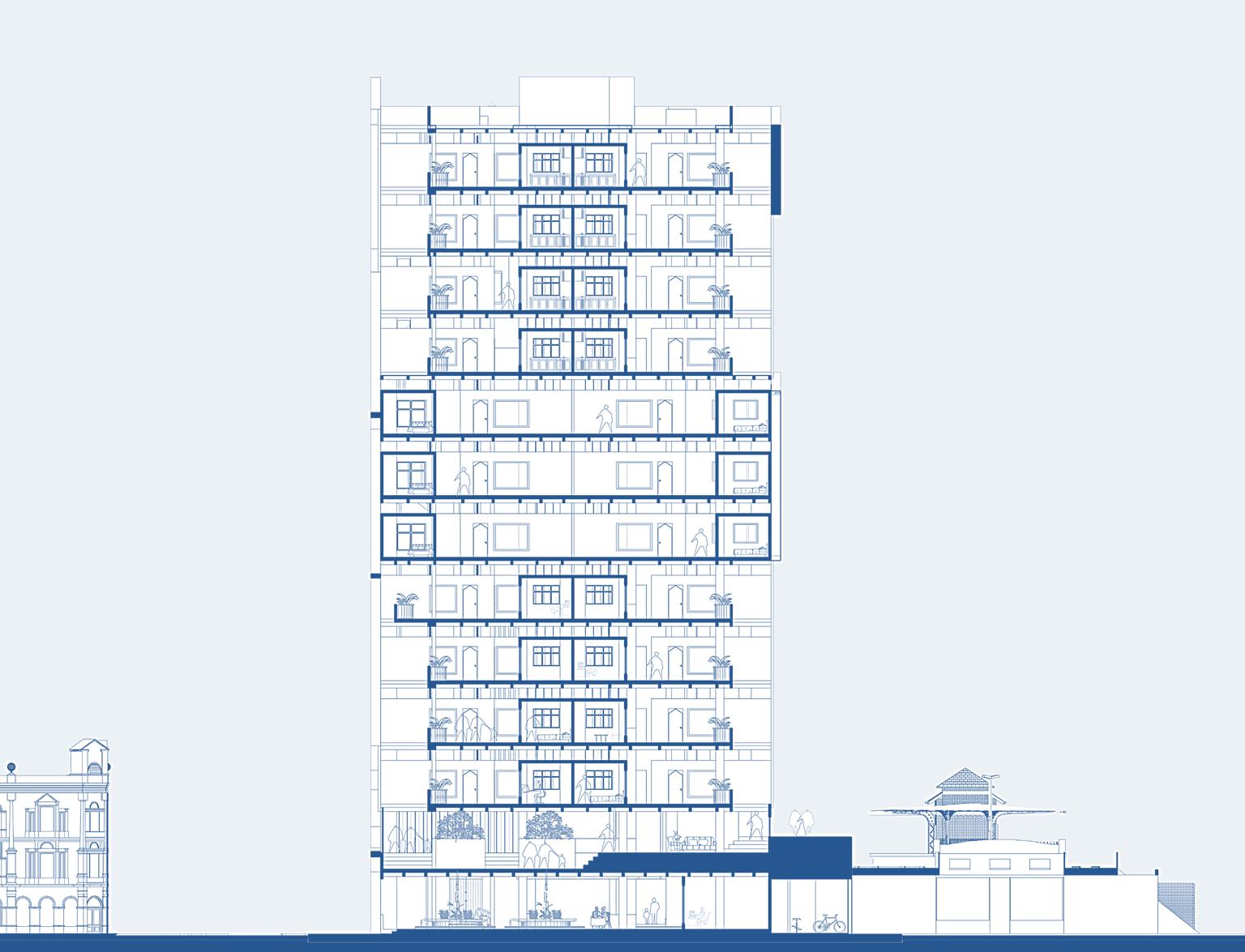
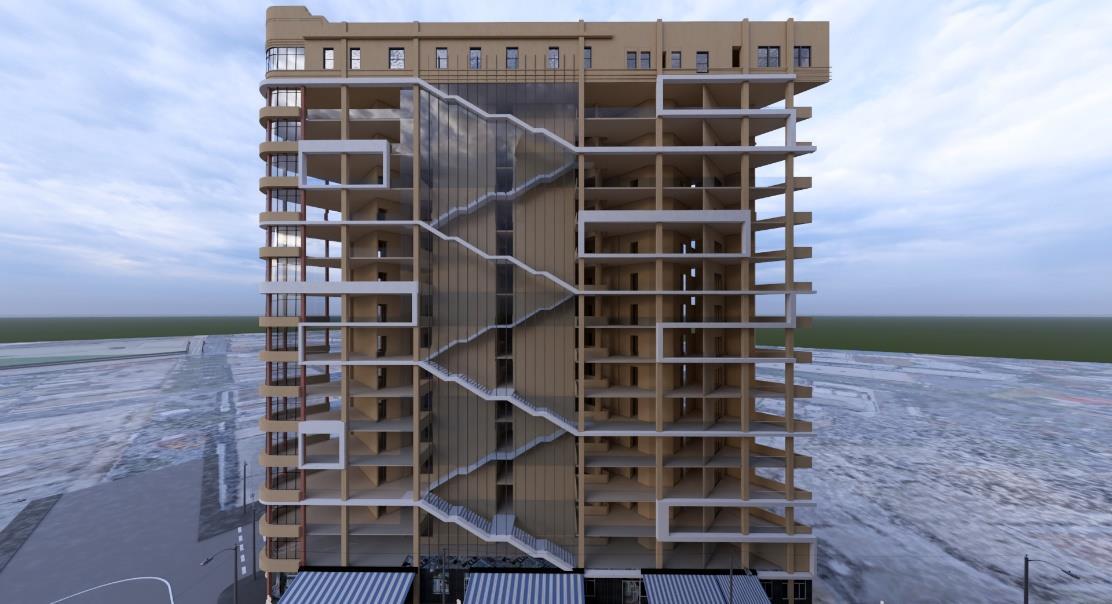
Section
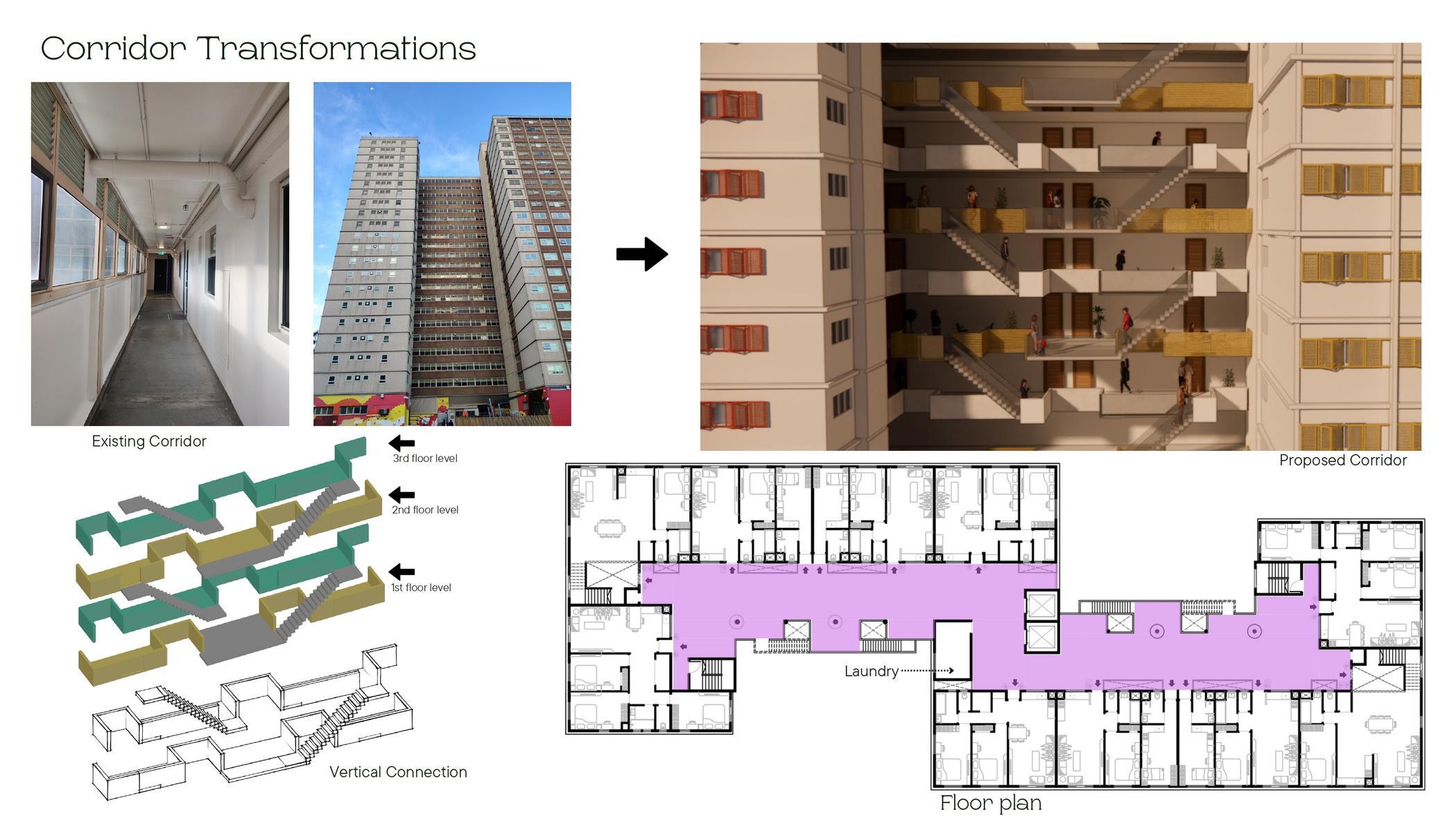
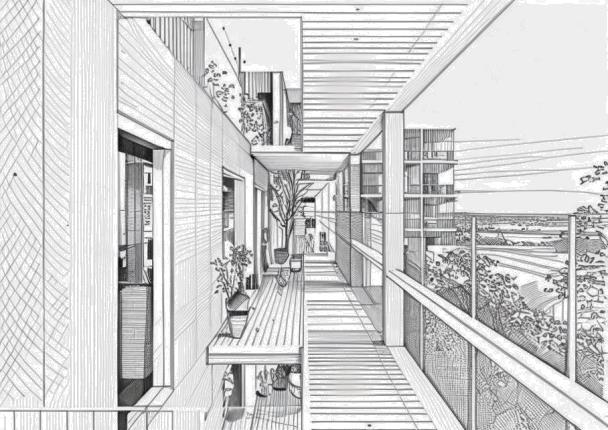
Redesigned the corridor to be wider and more open, allowing smoother circulation and creating small interaction spaces on each floor. This enhances community engagement and strengthens connectivity between units.
Void between the Washrooms and the Corridor for creating a Barrier between private and public space
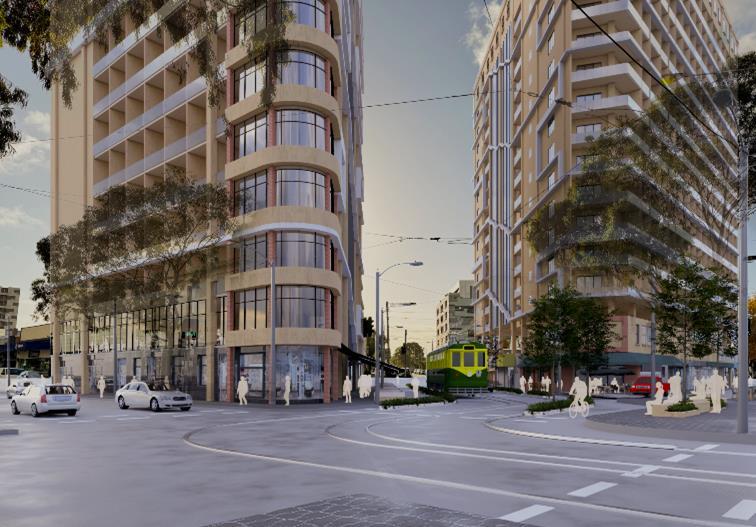
The Nest transforms into a place of belonging and renewal, where residents rediscover pride in their homes and a true sense of community.
Aquwell
“Student Accommodation for Well-being”
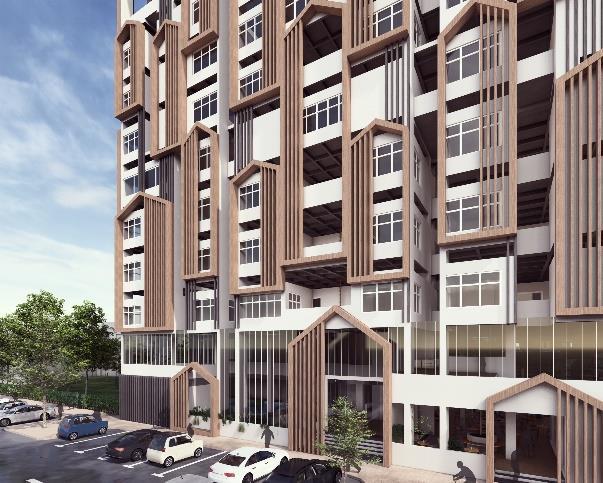
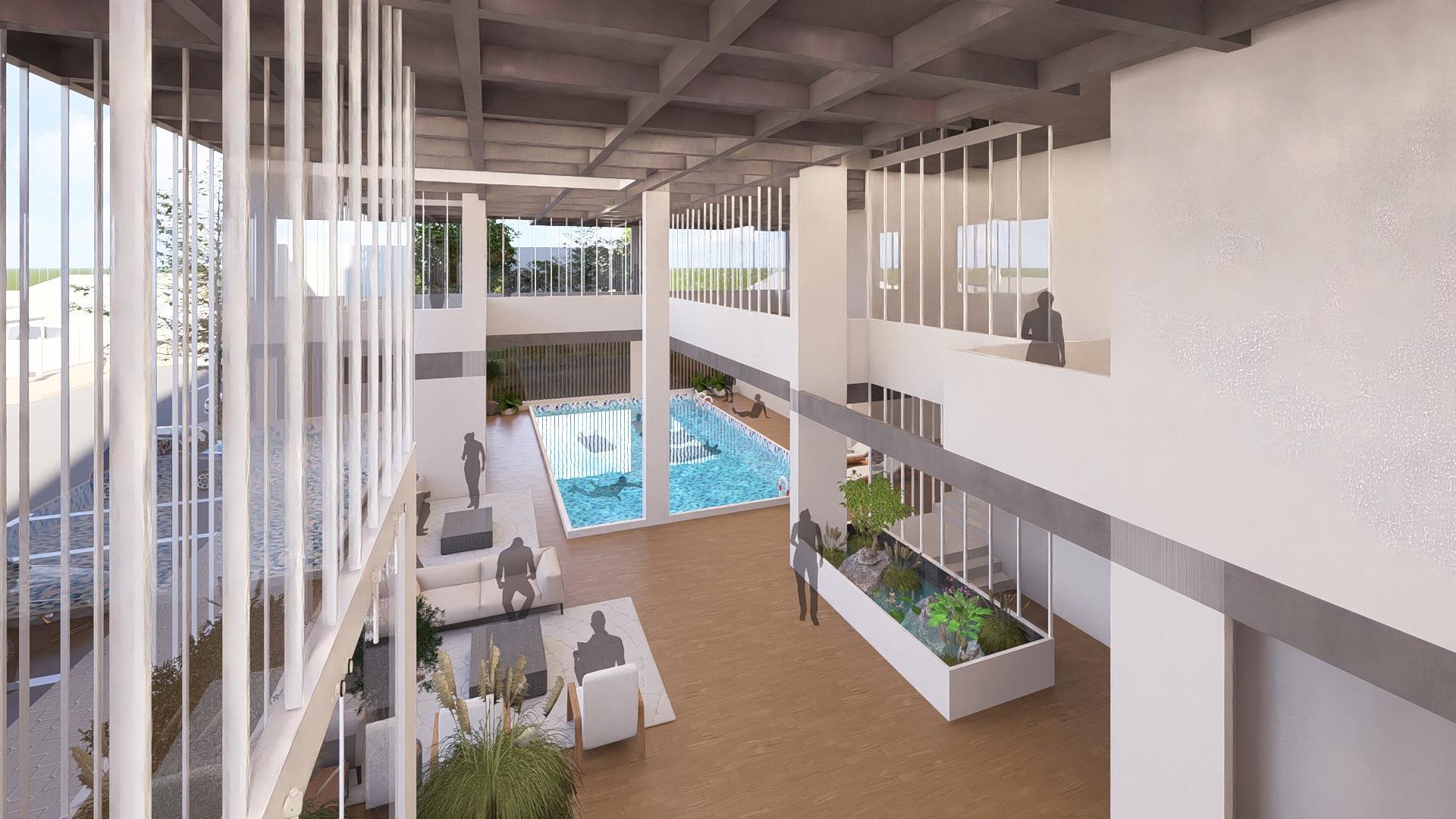
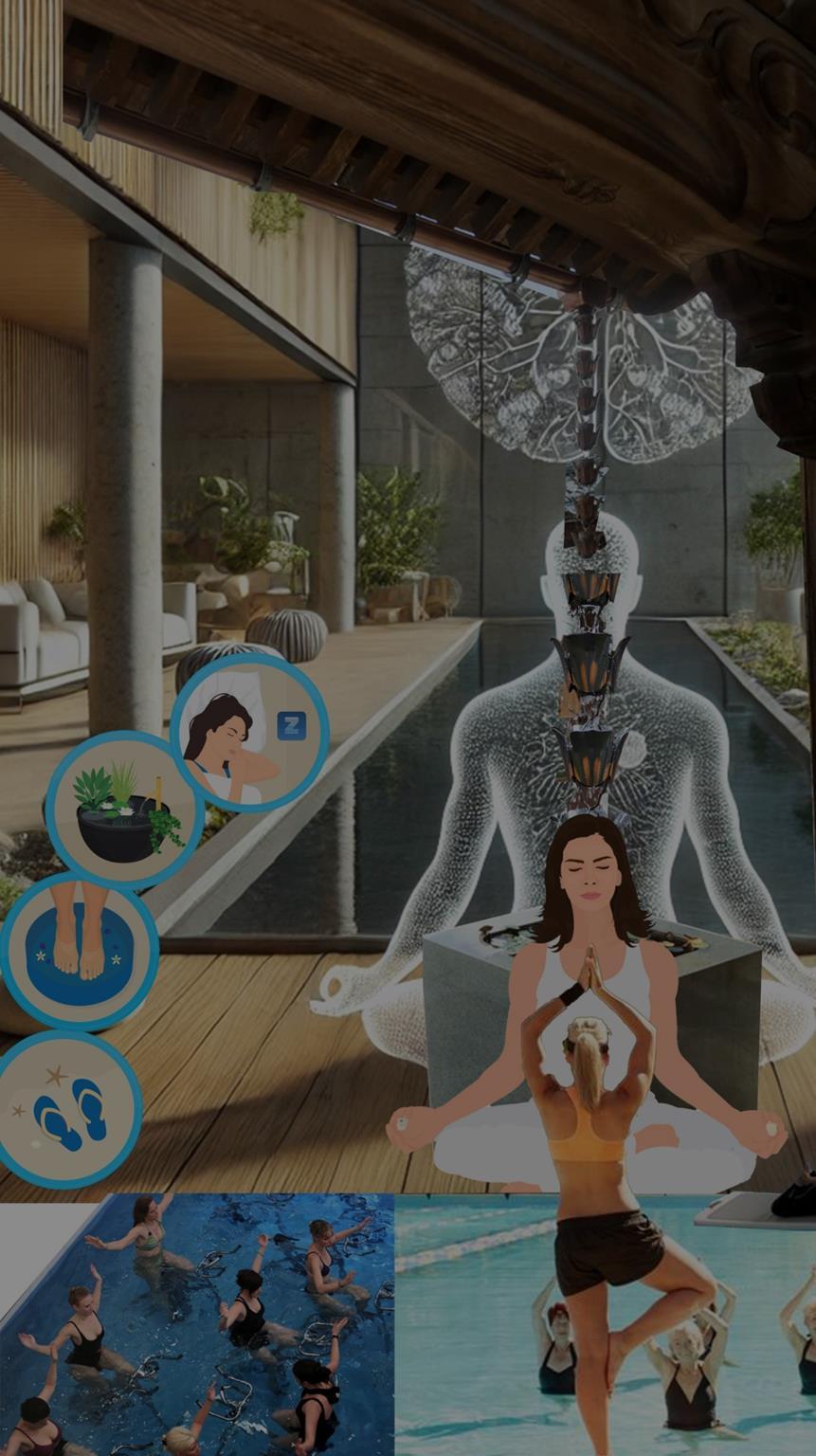
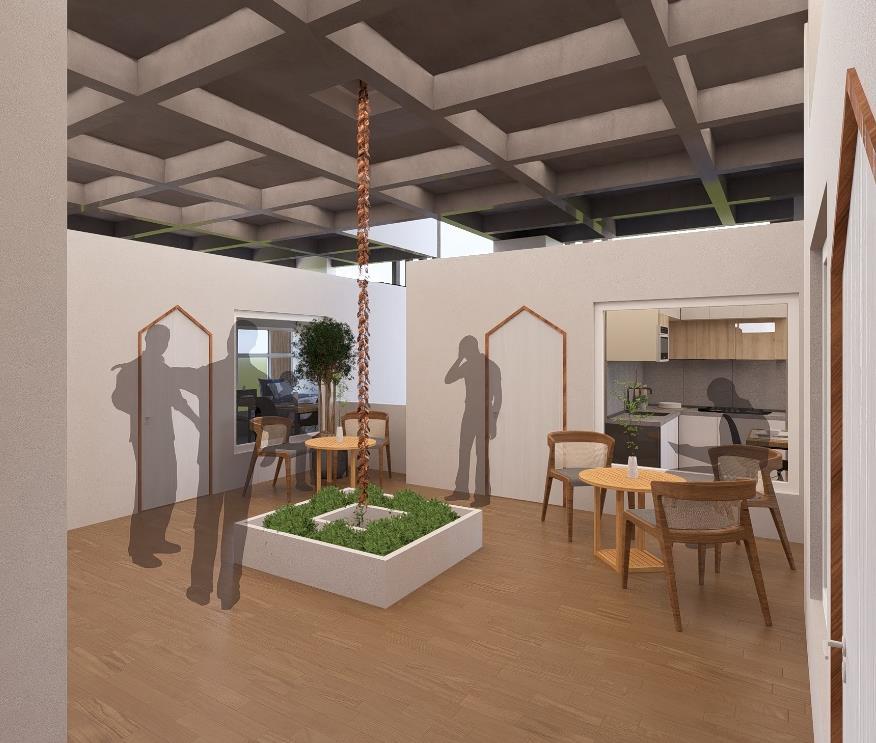
This project introduces a thoughtfully designed student accommodation that integrates water as a core element to promote mental and physical health. Key features include a rain chain cascading from the top to the ground floor, artificial ponds, and ample green spaces. The design incorporates calm colors and quiet areas to foster a balanced environment for students facing the pressures of academic performance, career stress, and social challenges.
AQUWELL aims to support international and graduate students by offering a clean, calming, and personalized space that nurtures well-being. The water elements not only beautify the environment but also enhance relaxation, reduce stress, and provide a serene setting for studying and socializing. Alongside this, the design integrates sustainability through natural ventilation, passive cooling, recycled water for landscaping, and energy-efficient materials. The blend of nature, quiet spaces, calming colors, and low-impact systems creates a sanctuary where students can thrive academically and personally.
Auburn, Melbourne Academic project - 2024
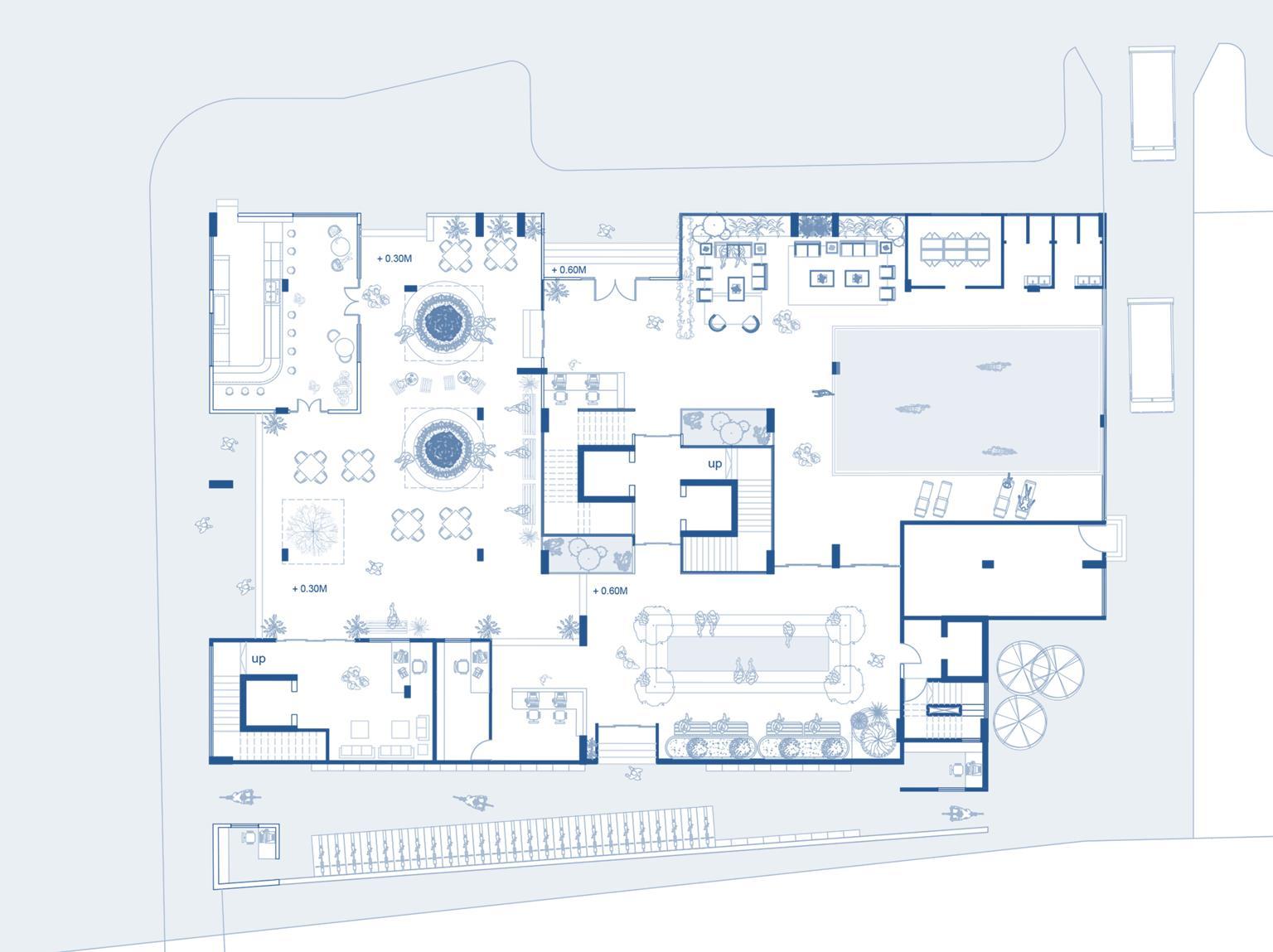
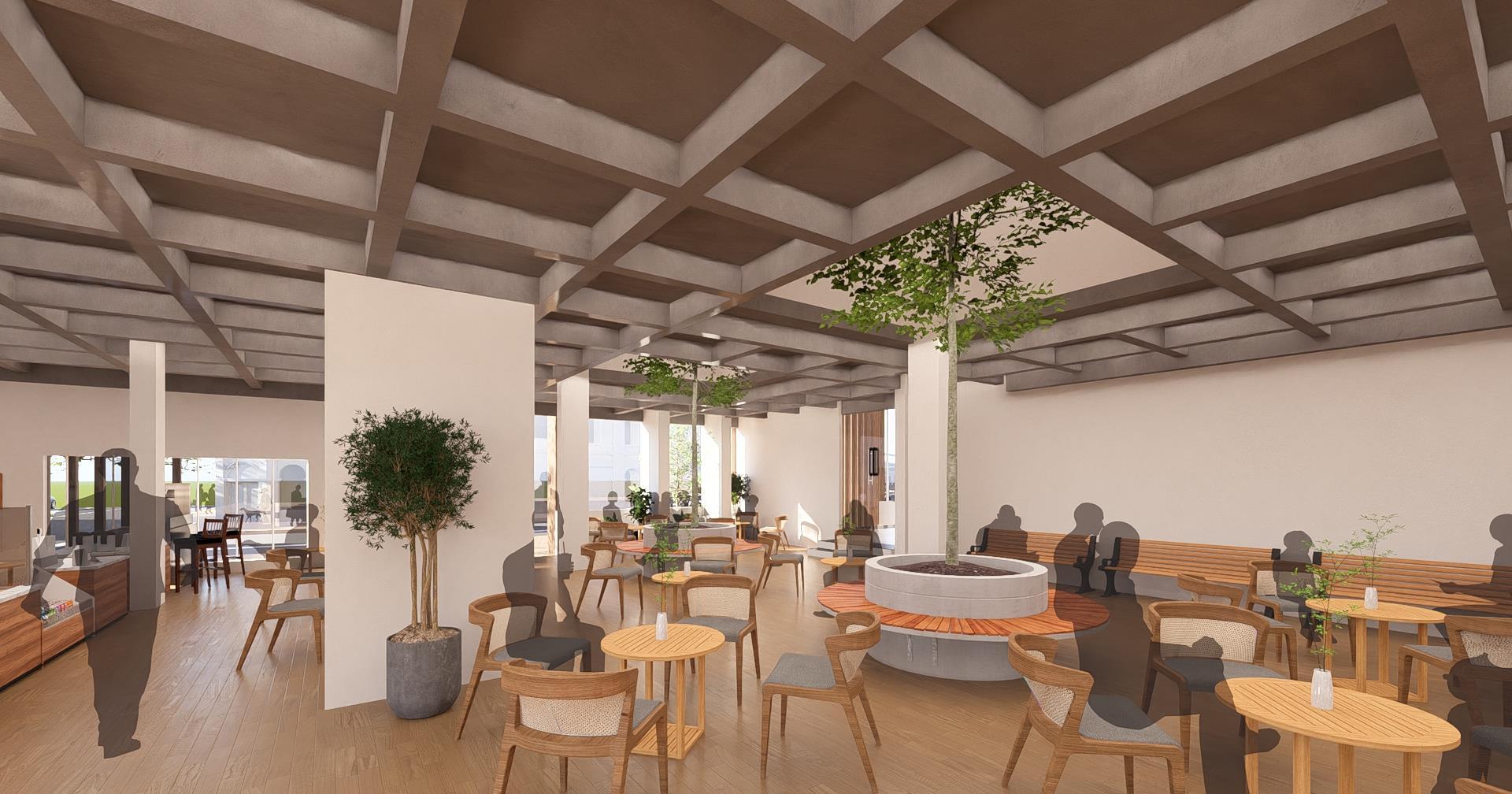
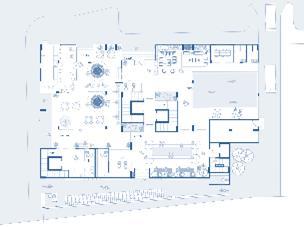
The ground floor is planned to support social interaction, wellbeing, and everyday convenience. Multiple entry points lead into a welcoming lobby that acts as a central meeting space for residents and visitors. Besides, an interaction area encourages casual socialising and strengthens community connection.
A cafe on one side offers a relaxed place for gatherings, while an Aqua Fitness Studio on the other promotes health and activity, supported by an adjacent waiting area. At the center, a Zen garden introduces calm and greenery, creating a quiet retreat within the building. Bike parking near the entrance supports sustainable mobility, and a discreetly placed waste collection zone ensures simple, efficient maintenance.
Cafe and interaction space
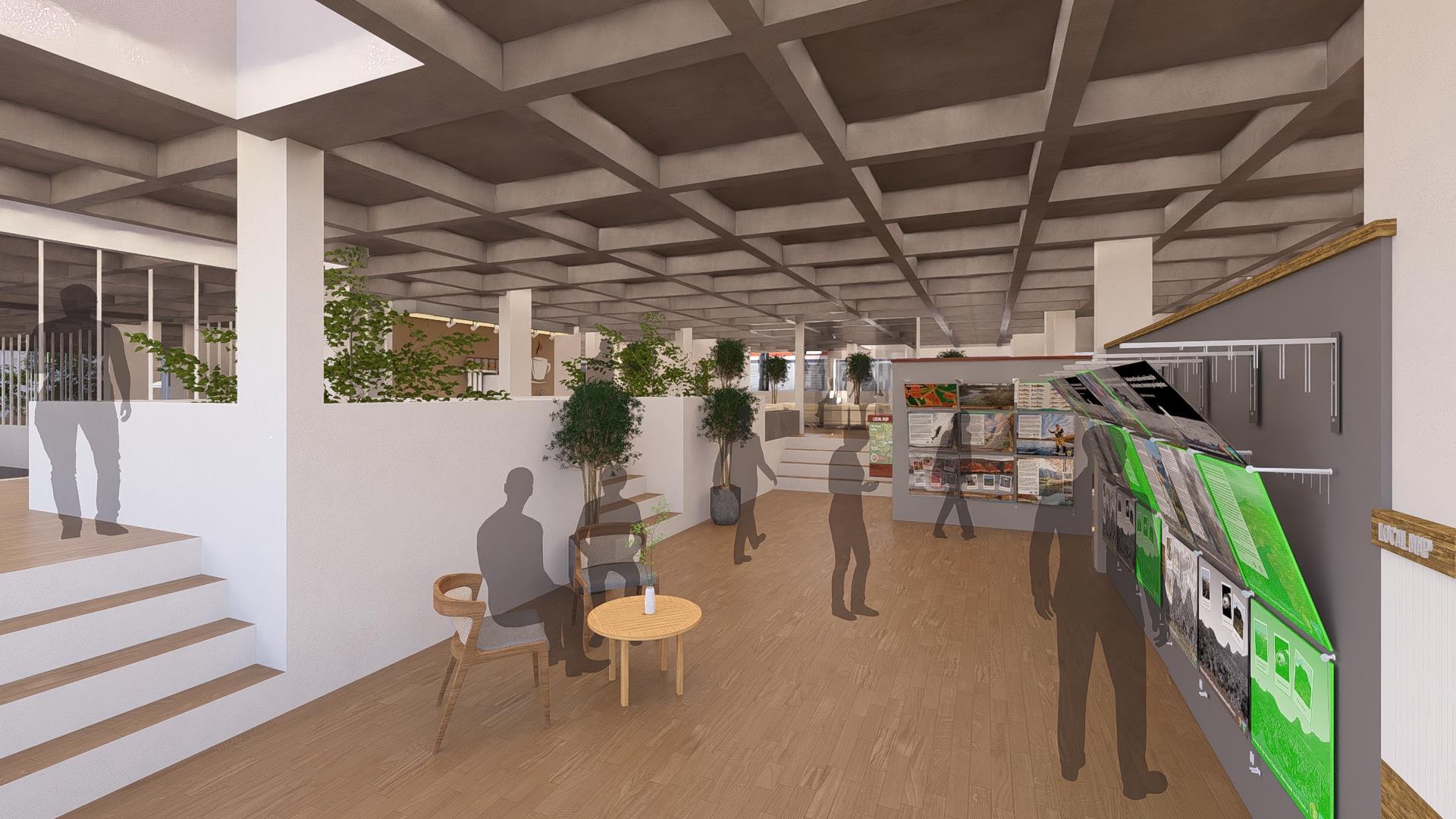
Exhibition space connected from the platform level
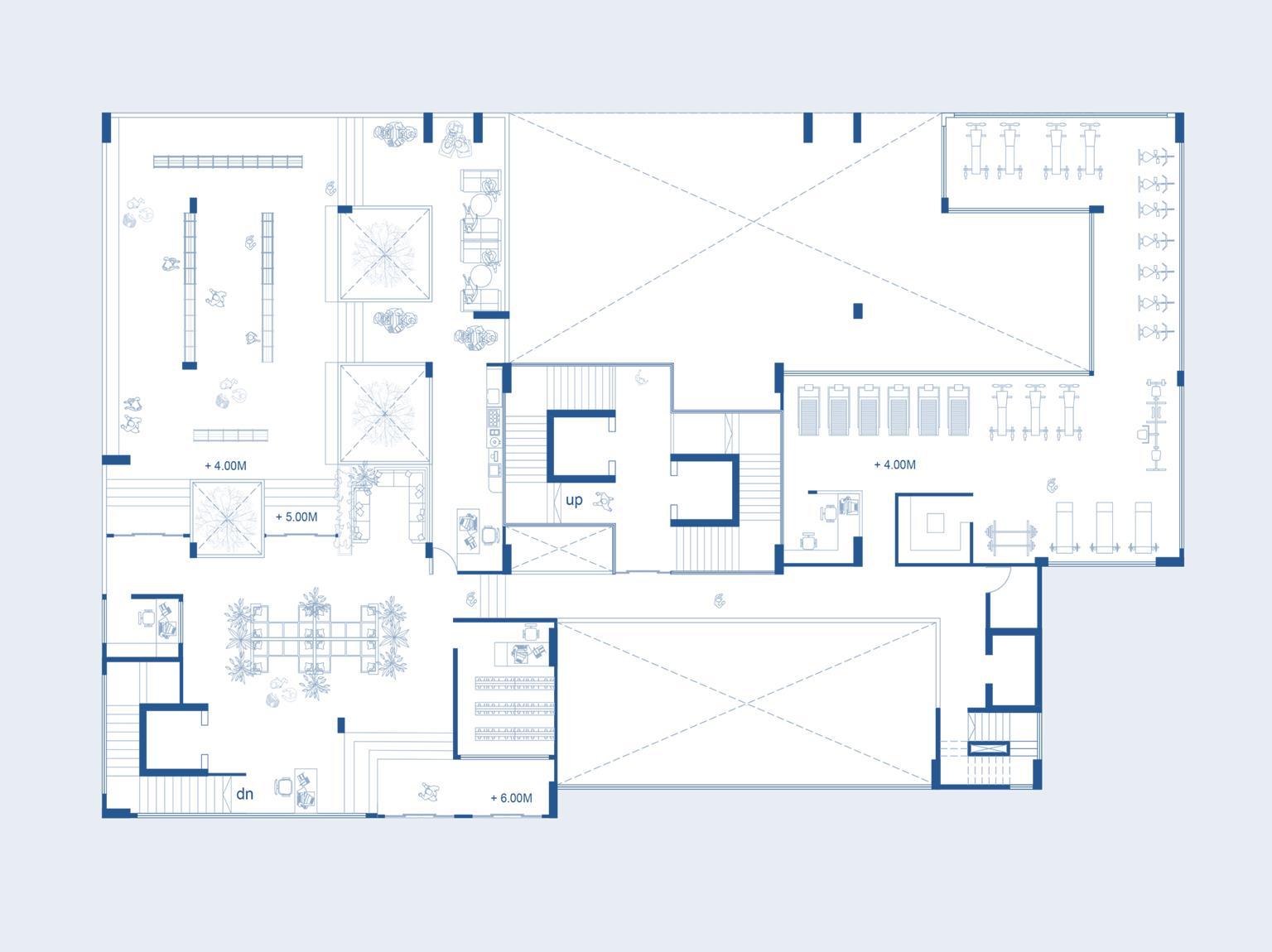
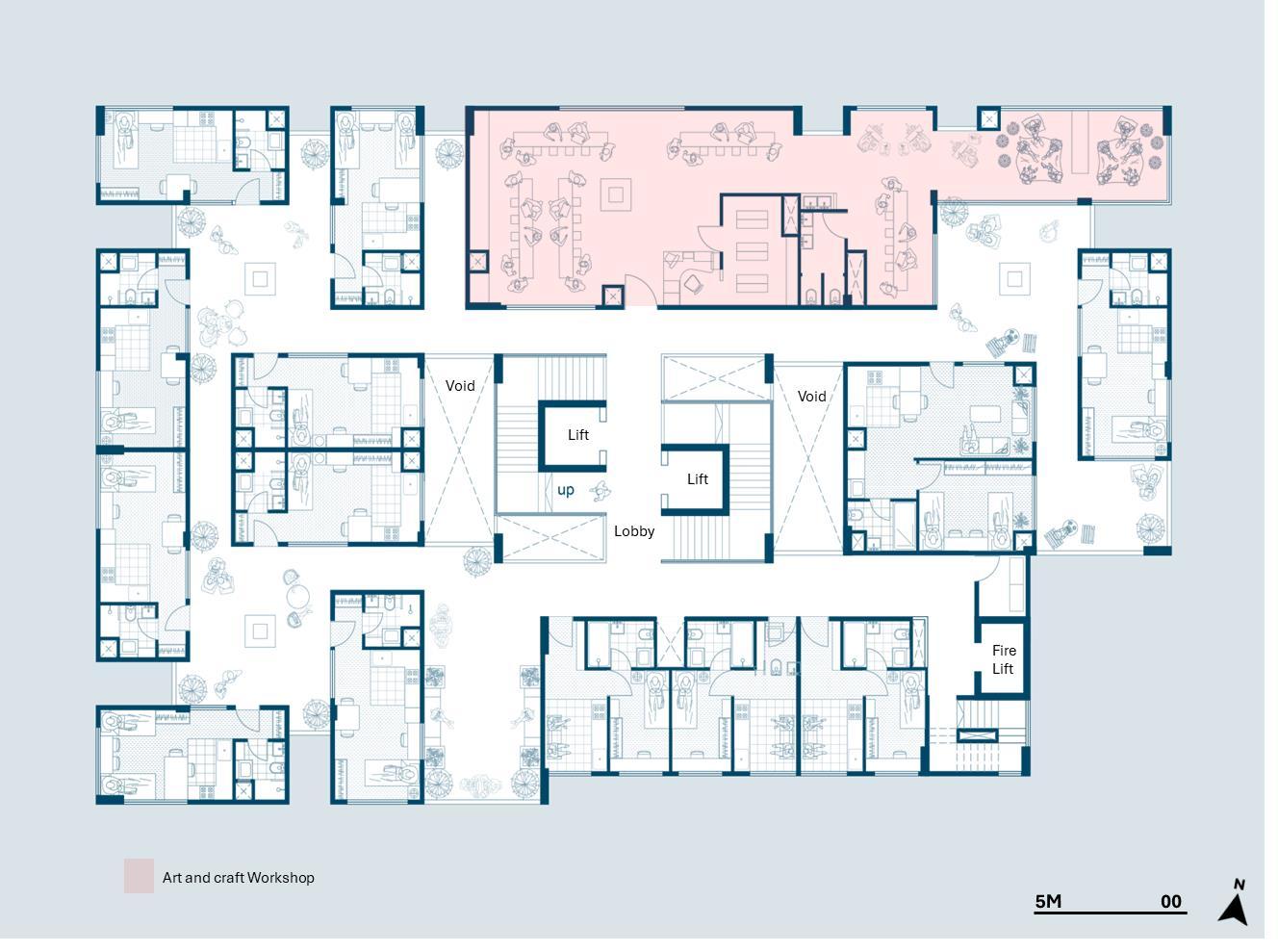
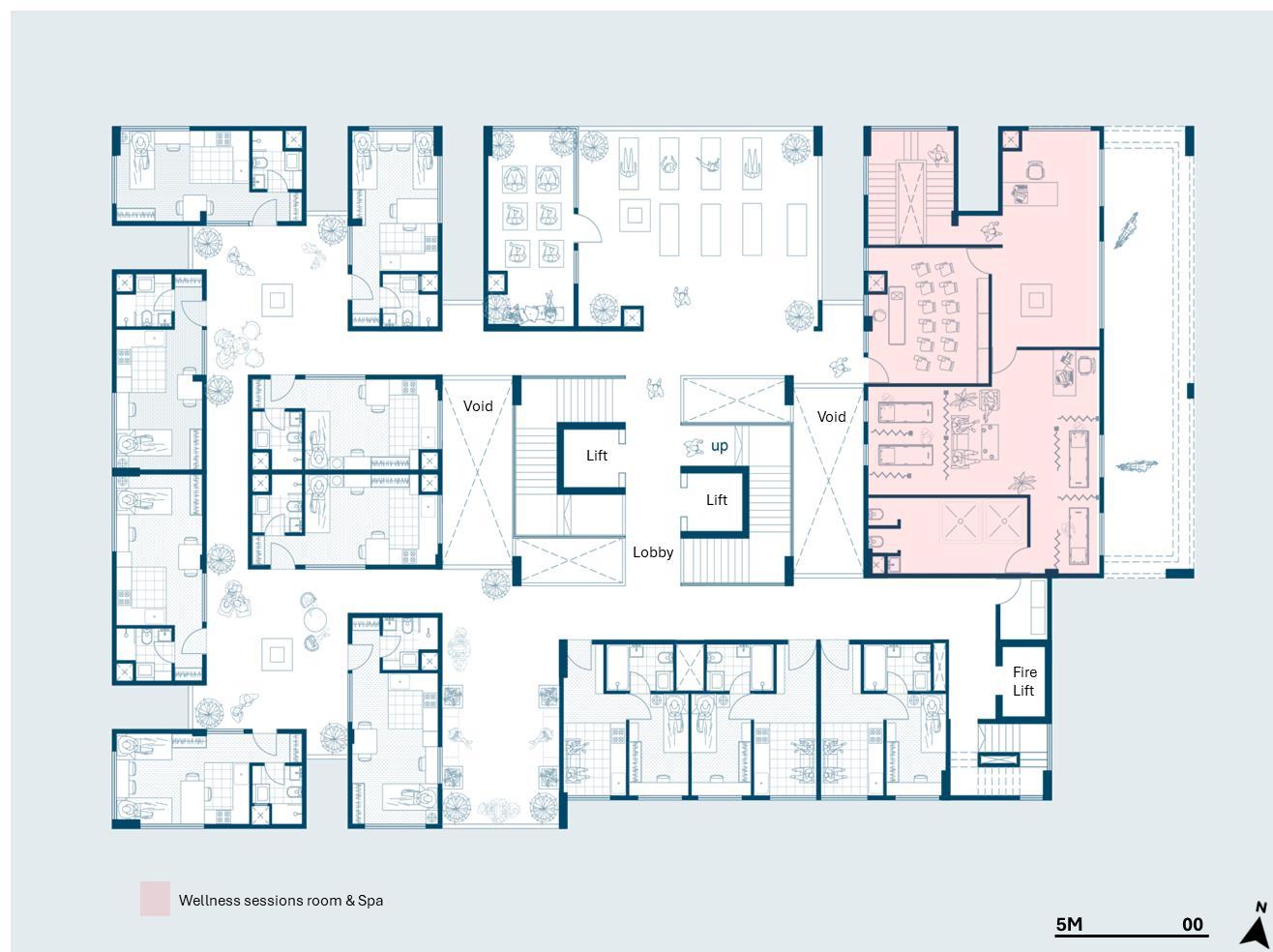
The first floor brings together key amenities and social spaces. A central lobby links directly to lifts and stairs, ensuring smooth movement throughout the building. Near the entry, a convenience store and a shop provide residents with easy access to daily essentials. On the left, an exhibition area, waiting space, and self-serve coffee point create a casual zone for gatherings and small events. A gym on the right provides a dedicated area for fitness and wellbeing. Large floor voids introduce natural light and openness, giving the level a bright and welcoming communal atmosphere.
‘As a life-giving element, water supports mental and physical wellbeing, from calming features within our spaces to restorative moments in nature.”
Placements of units
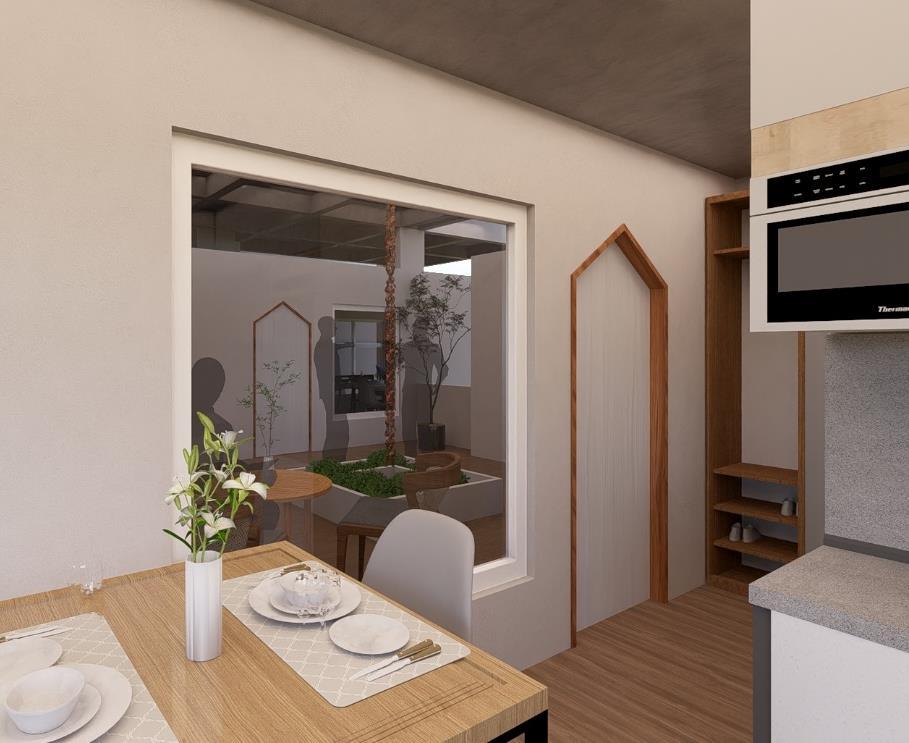
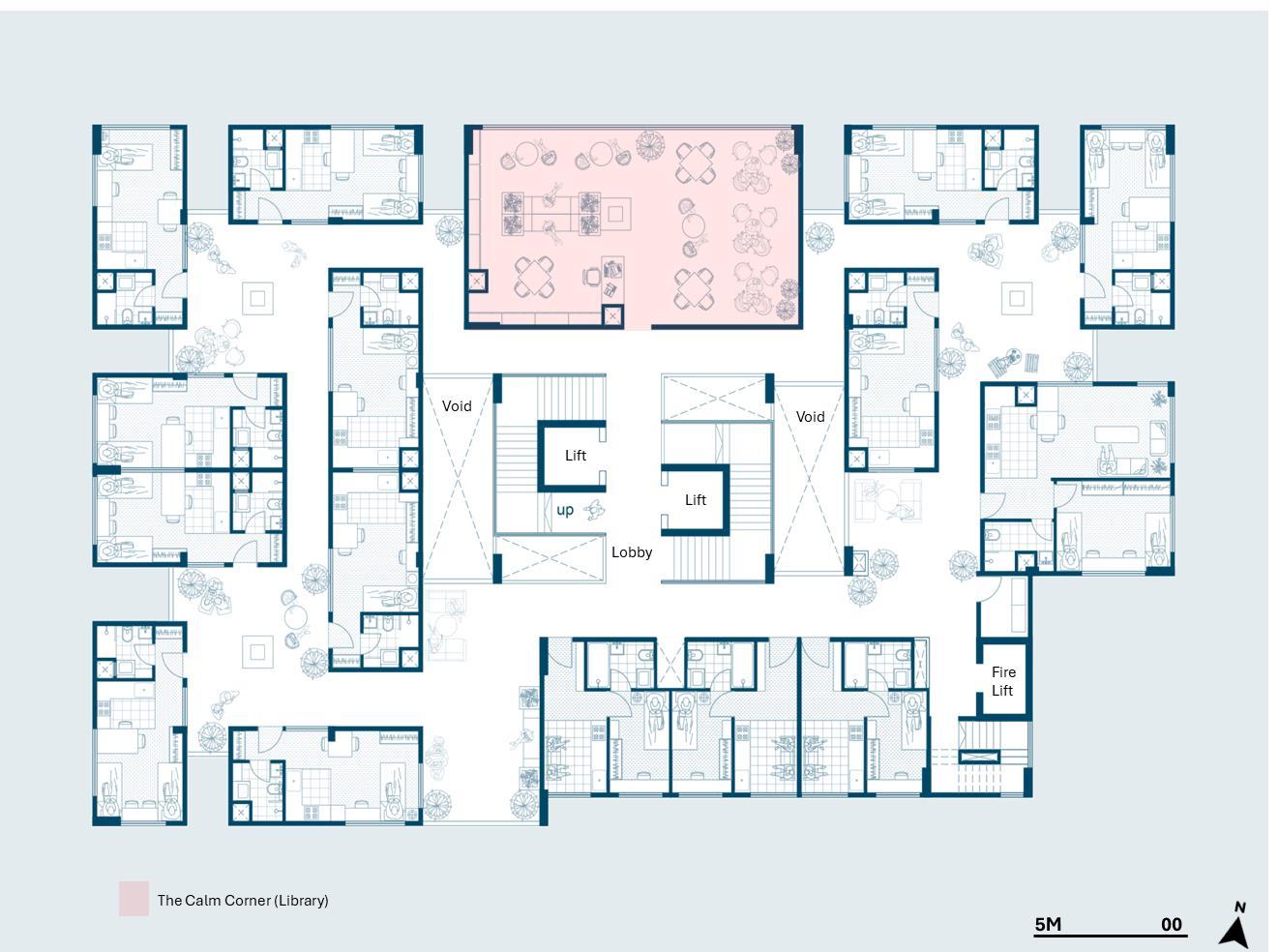
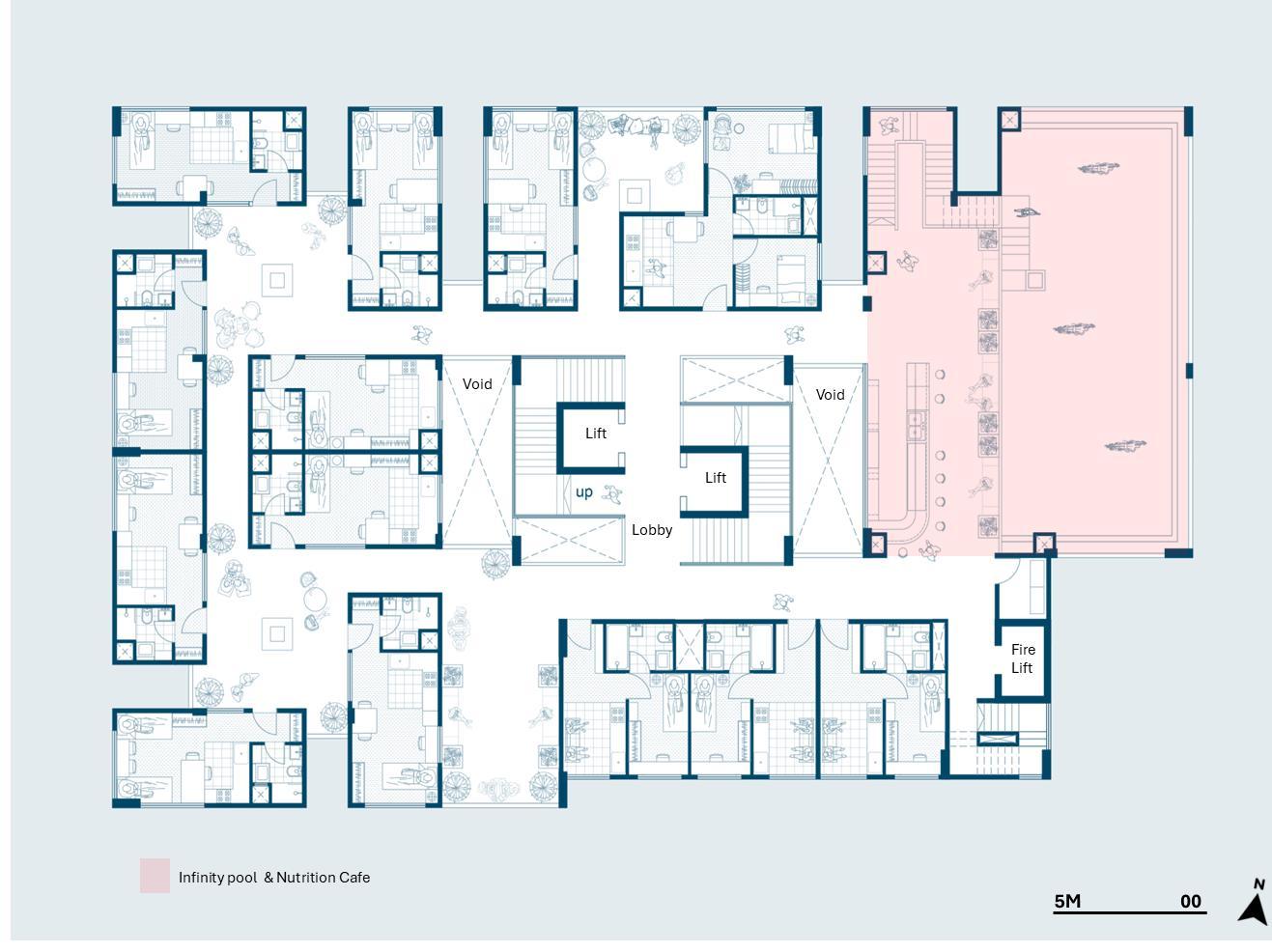
The layout spaces four studio units around a central communal area. Instead of a traditional compact arrangement where studios are directly adjacent, it creates a social hub where residents can gather, dine, and relax. A rain chain in the center catches water droplets, adding a calming, natural element. This setup allows students to see and connect from their studios, fostering community while maintaining individual privacy.
Placements of units :-
Typical Compact organization of studio apartments
Common space in between Four studios
Share Studio
Single Studio Share Apartments
Single Studio
pool & Nutrition Cafe
Wellness session rooms & Spa
The Calm Corner (Library)
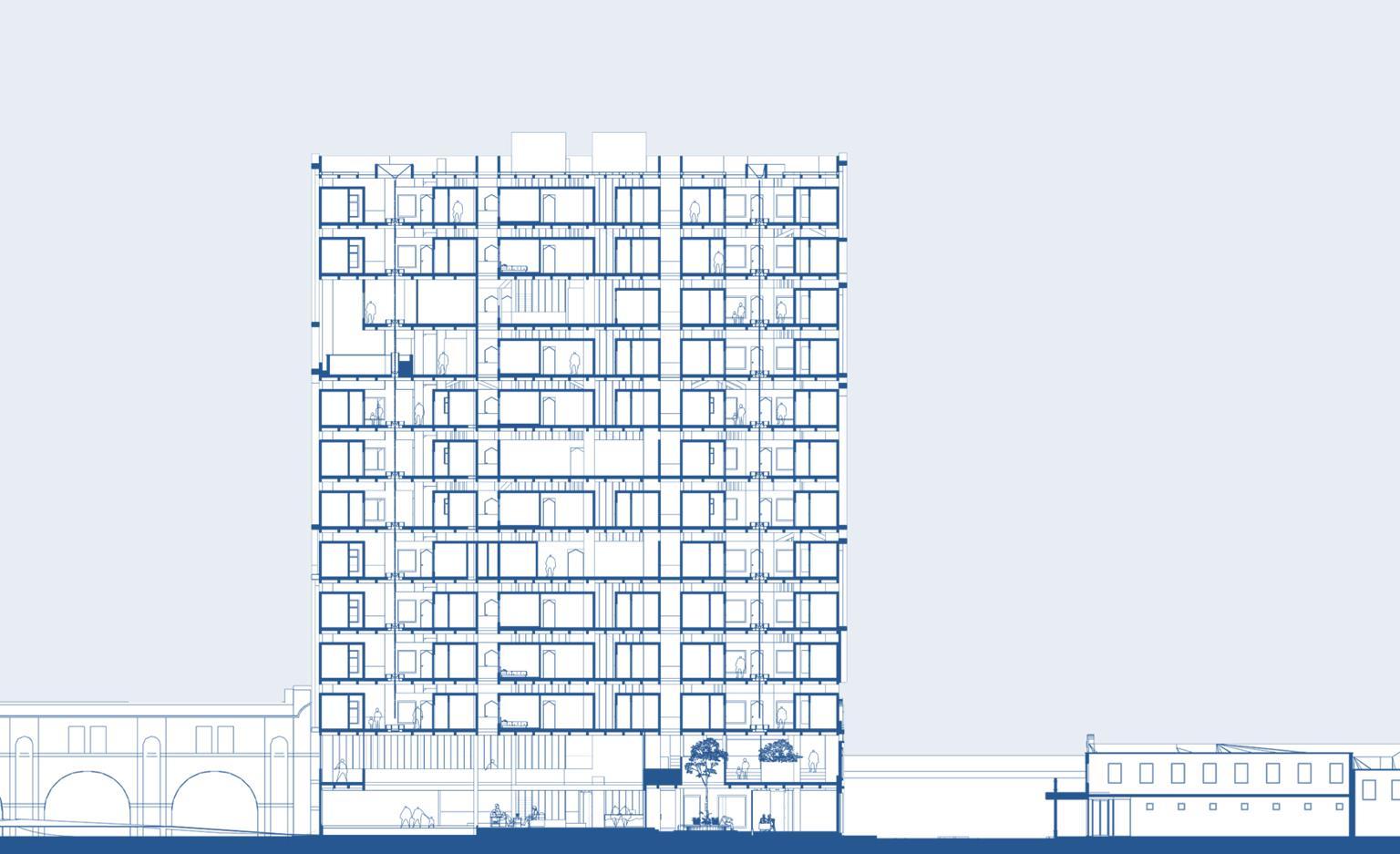
Site section
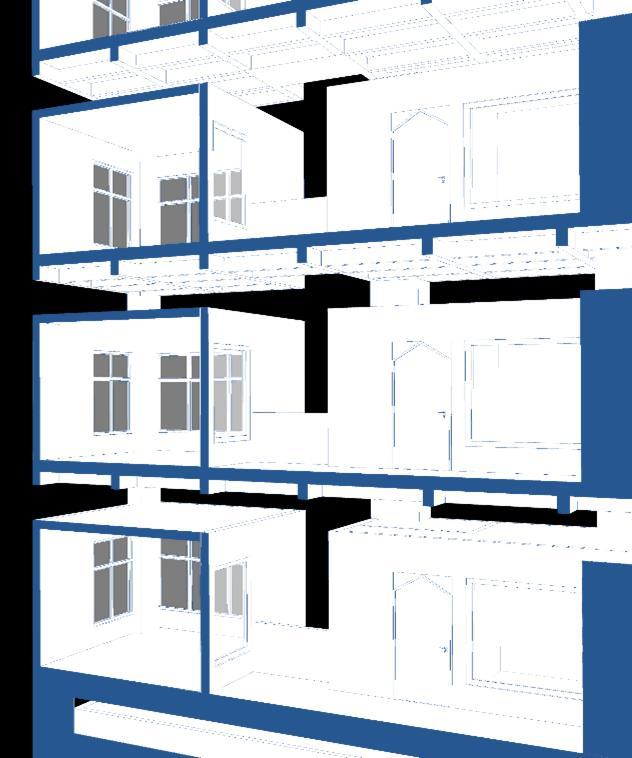
The section shows how the unit layout has been adjusted to create cutouts throughout the building, allowing better ventilation and natural sunlight to reach different areas. These cutouts enhance airflow and bring more light into both shared spaces and individual units, resulting in a healthier and brighter living environment for students
+50.80m
+49.80m
+46.00m
+42.20m
+38.40m
+34.60m
+30.80m
+27.00m
+23.20m
+19.40m
+15.60m
+11.80m
+8.00m
+6.00m
+4.00m
Section BB
Auburn Train Station
Victoria Rd
Auburn hotel
The blend of timber, concrete, and thoughtfully placed cutouts results in a bright, breathable, and inviting home for students.
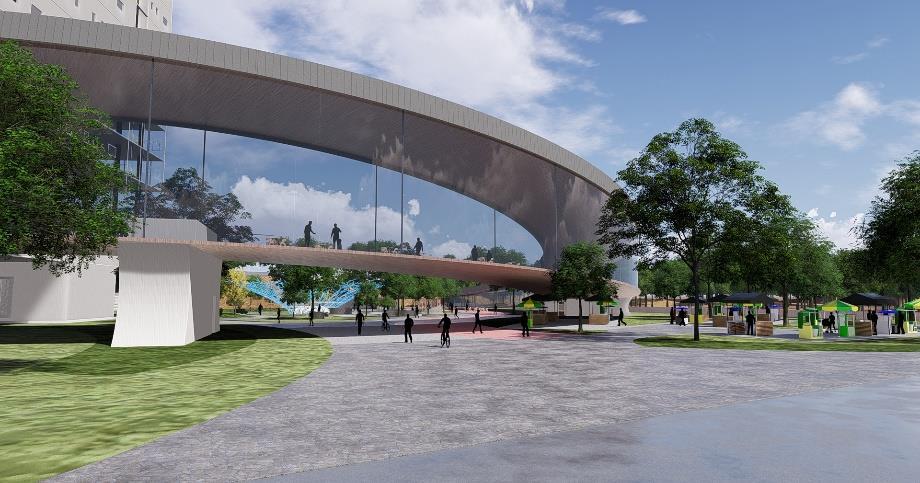
The Loop
“A Looping Pathway From Activity to Retreat”
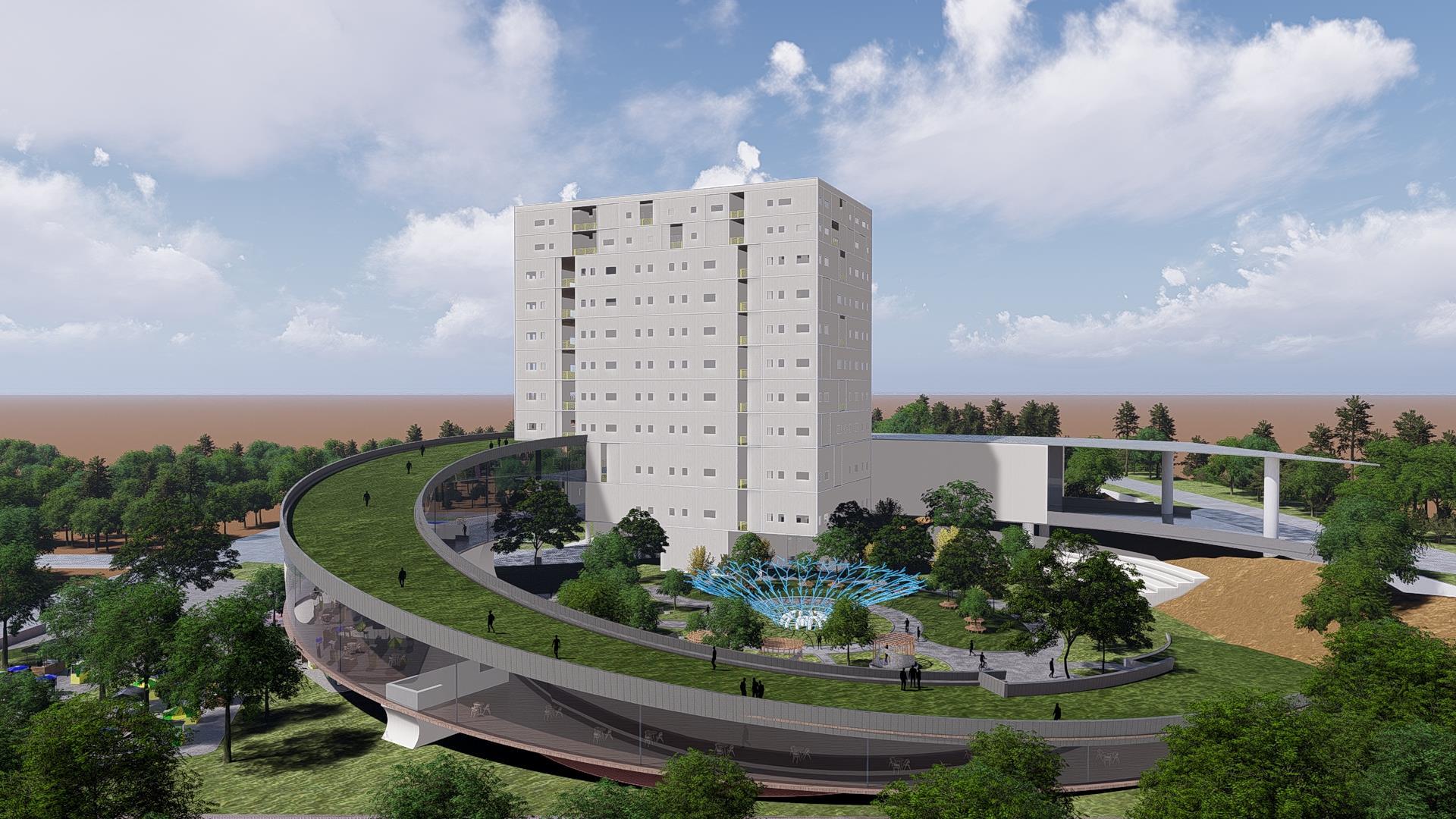
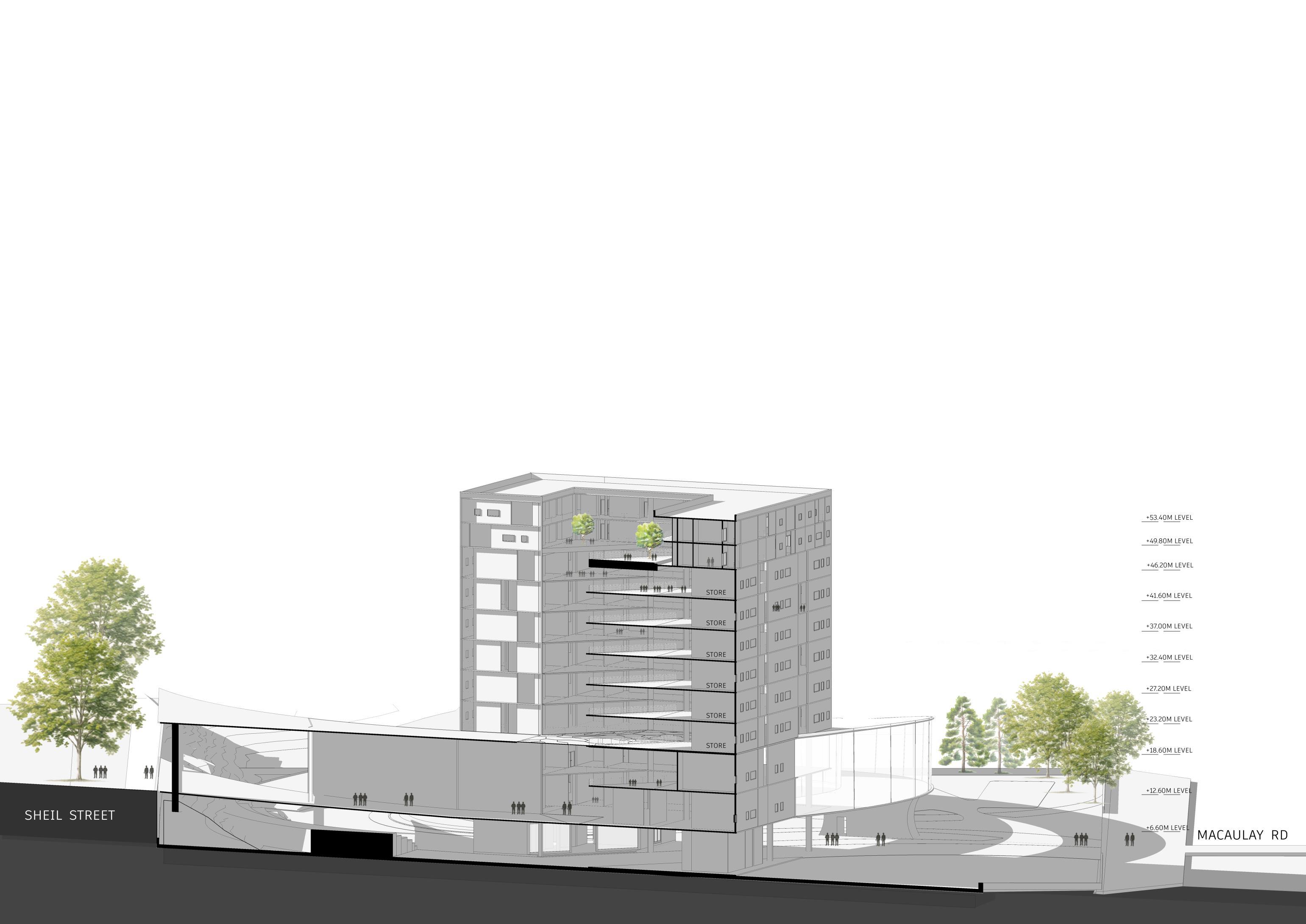
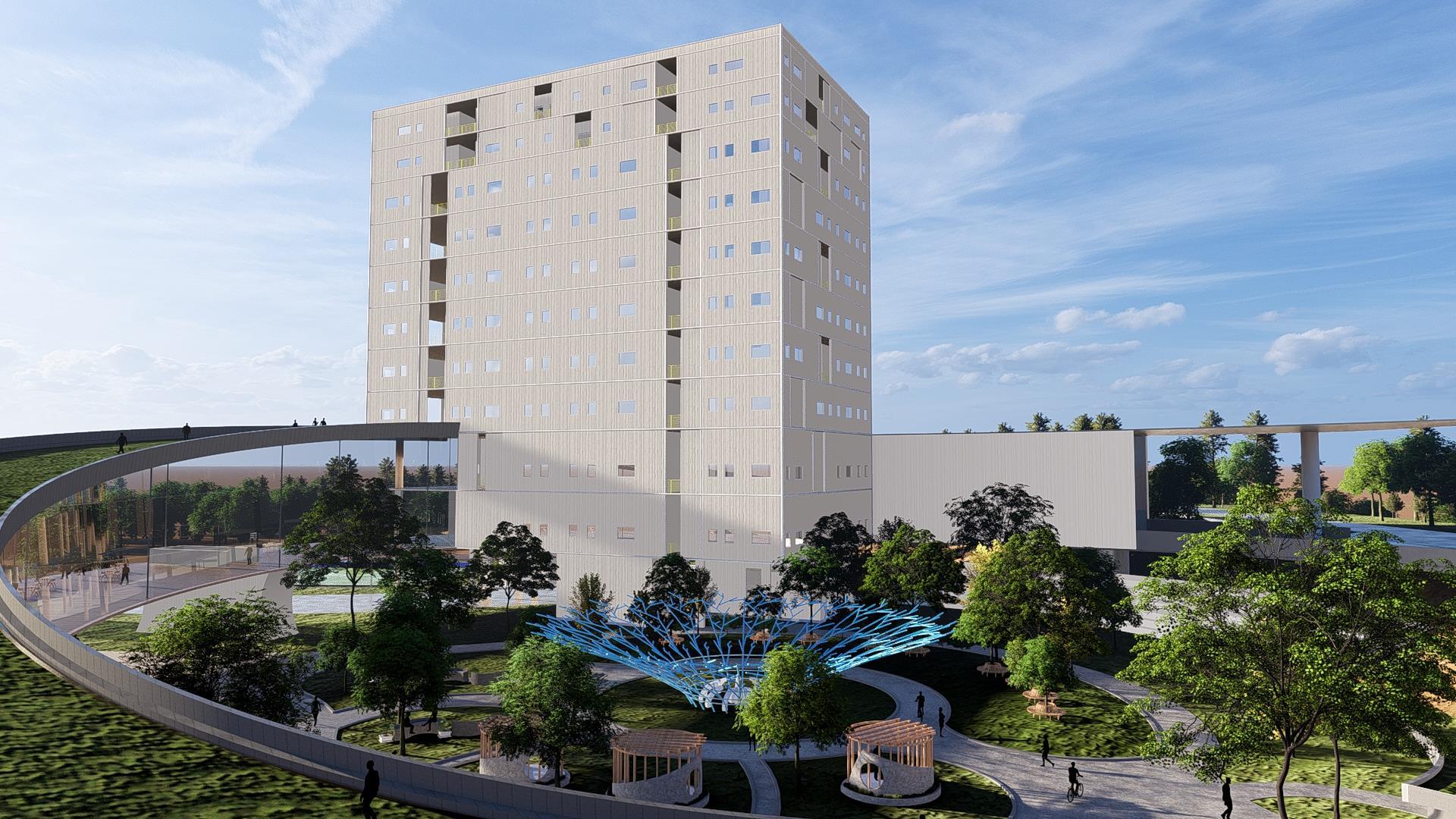
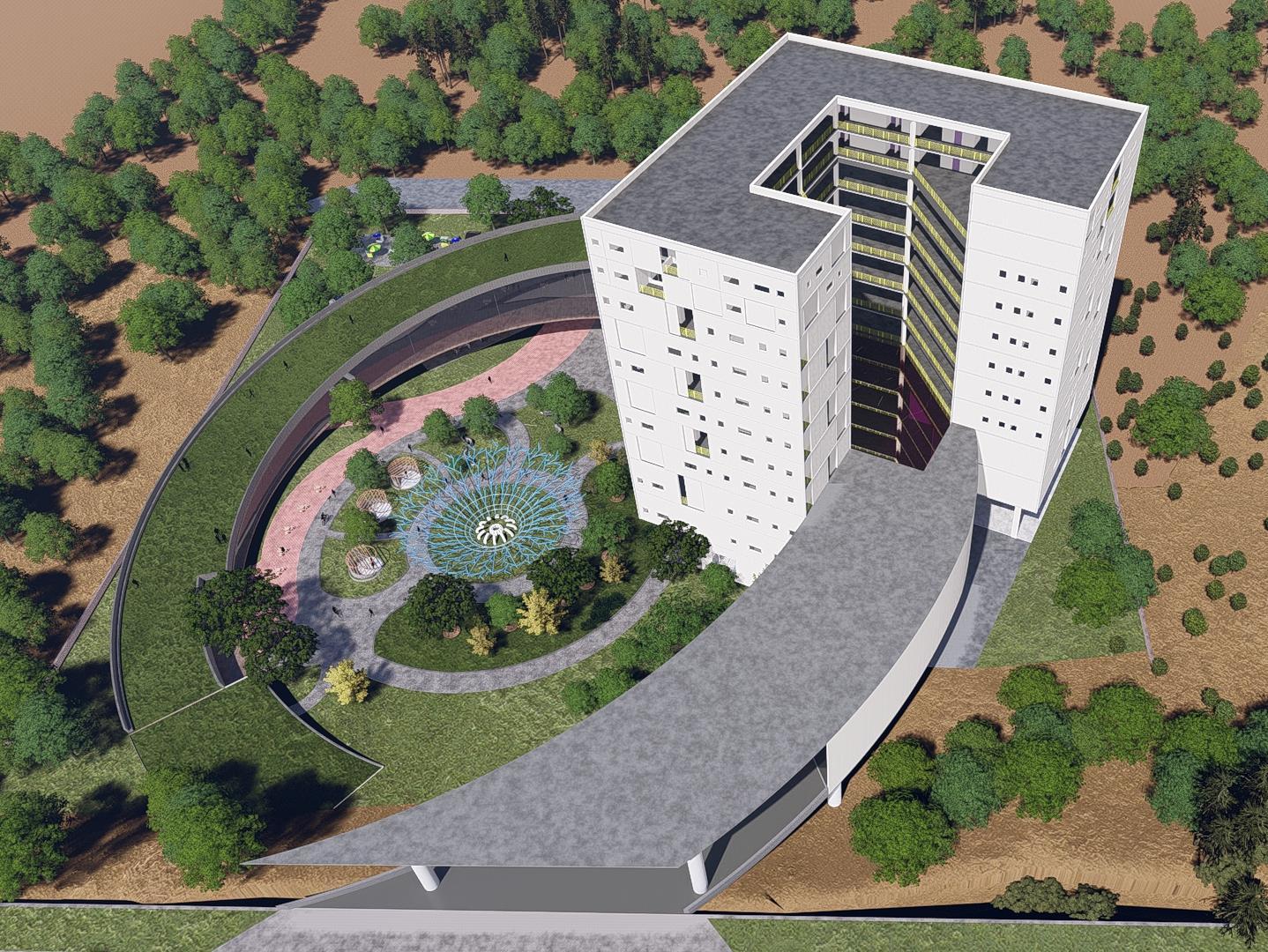
The Loop is a vertical social machine that weaves public, semi-public, and private worlds into one continuous flow, starting with an active ground plane of markets and exhibitions, rising through a looping ramp that hosts cafés, bars, and social spaces, and culminating in quiet studio apartments and storage at the top. The building behaves like a circulatory system, pulling people in, guiding them upward, and gradually shifting from community energy to personal retreat, creating a seamless blend of movement, interaction, and elevated living.
North Melbourne
The Beginning
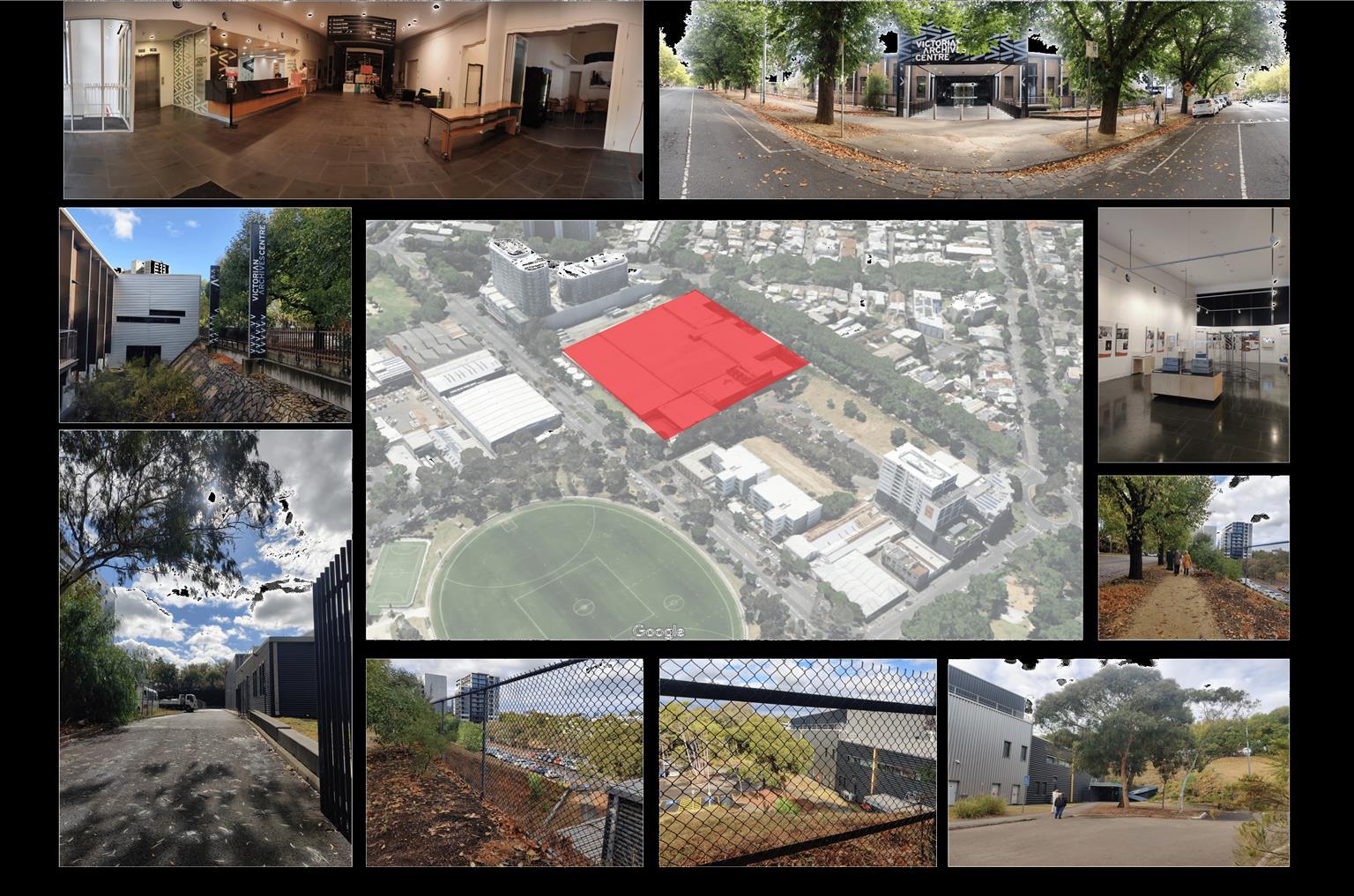
This studio project aims to design a new building for the Public Records Office of Victoria (PROV) that goes beyond traditional archives to become a dynamic urban space for research, exhibition, and public interaction. Situated in North Melbourne, the project challenges conventional notions of a records archive by integrating it into the fabric of contemporary urban life.
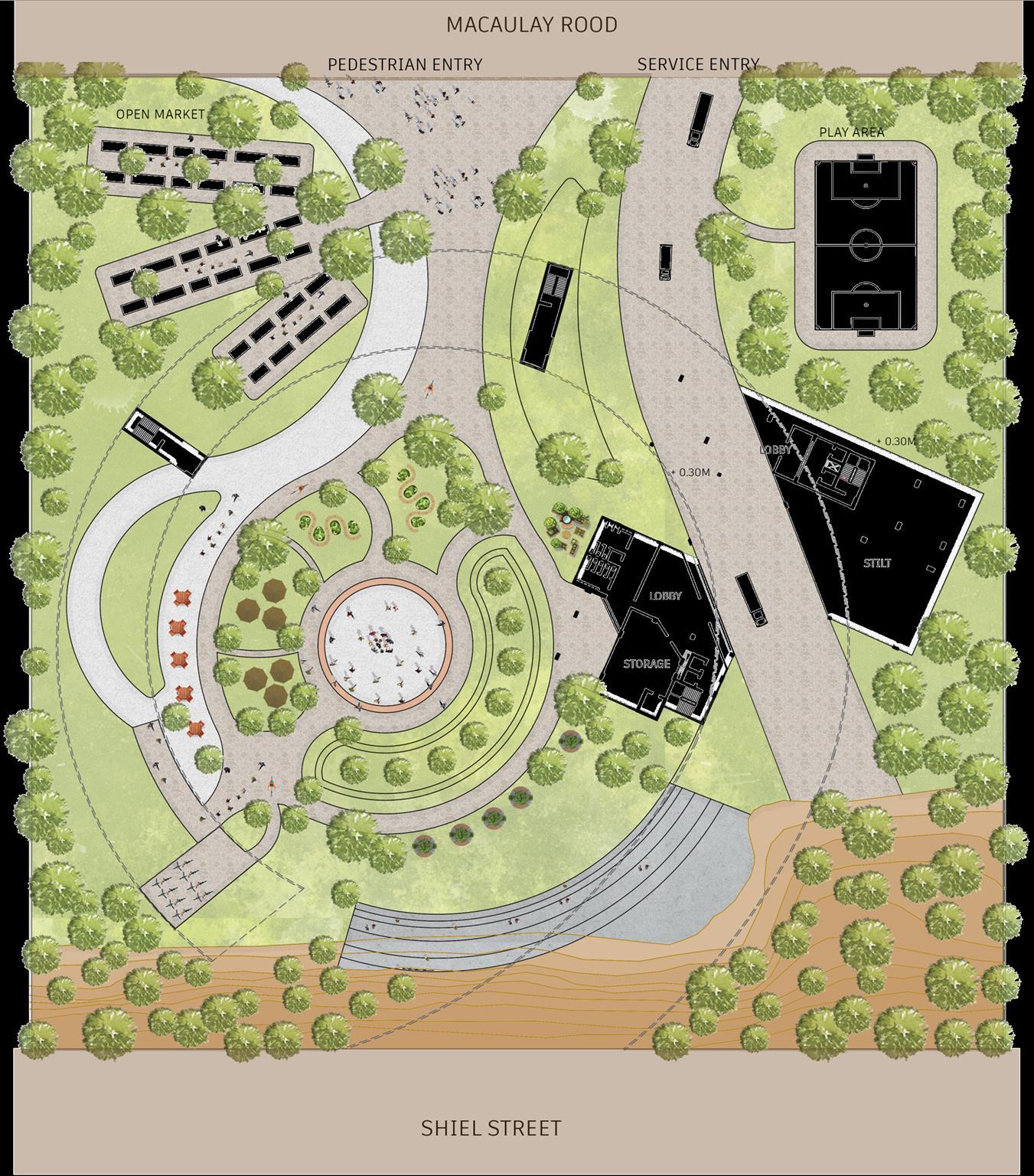
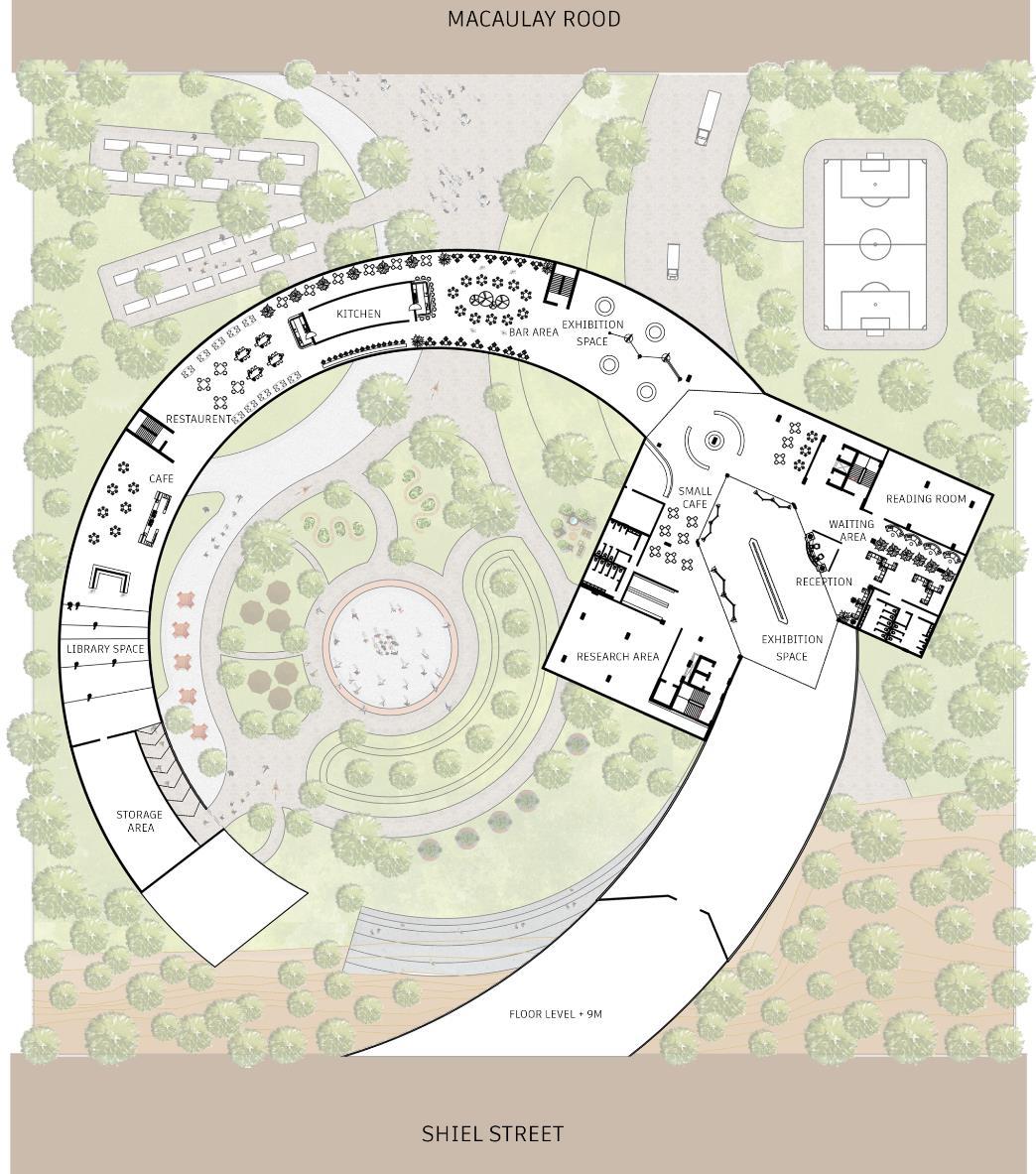
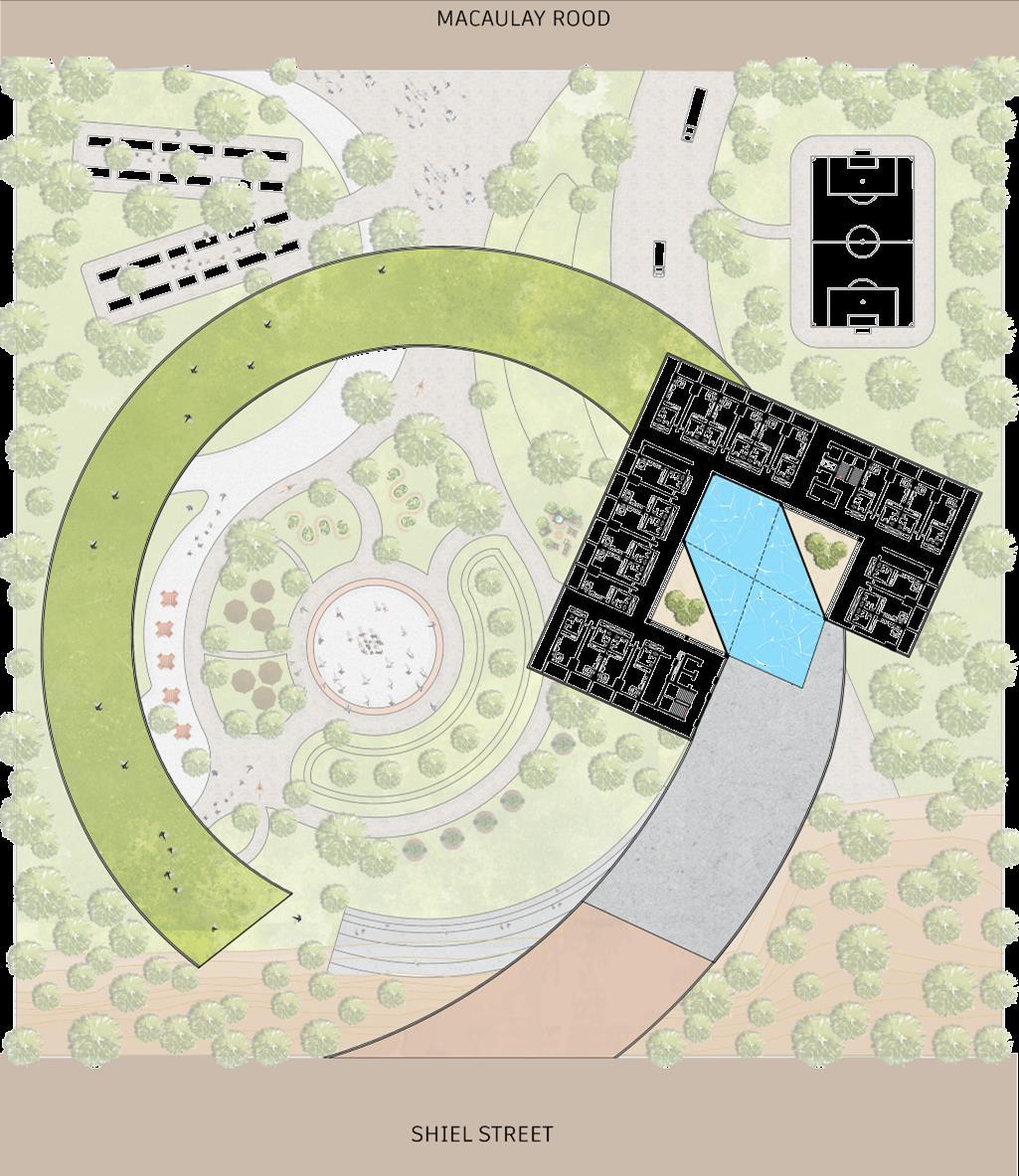
Site Plan
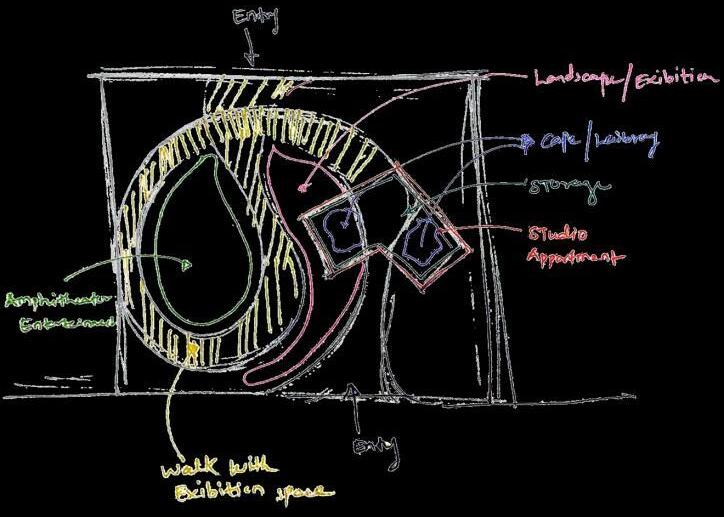
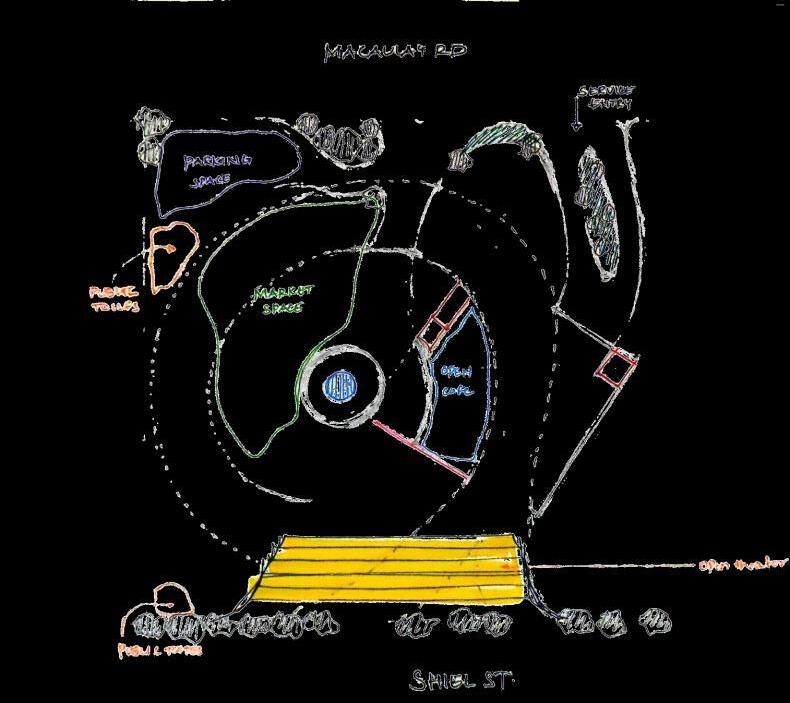
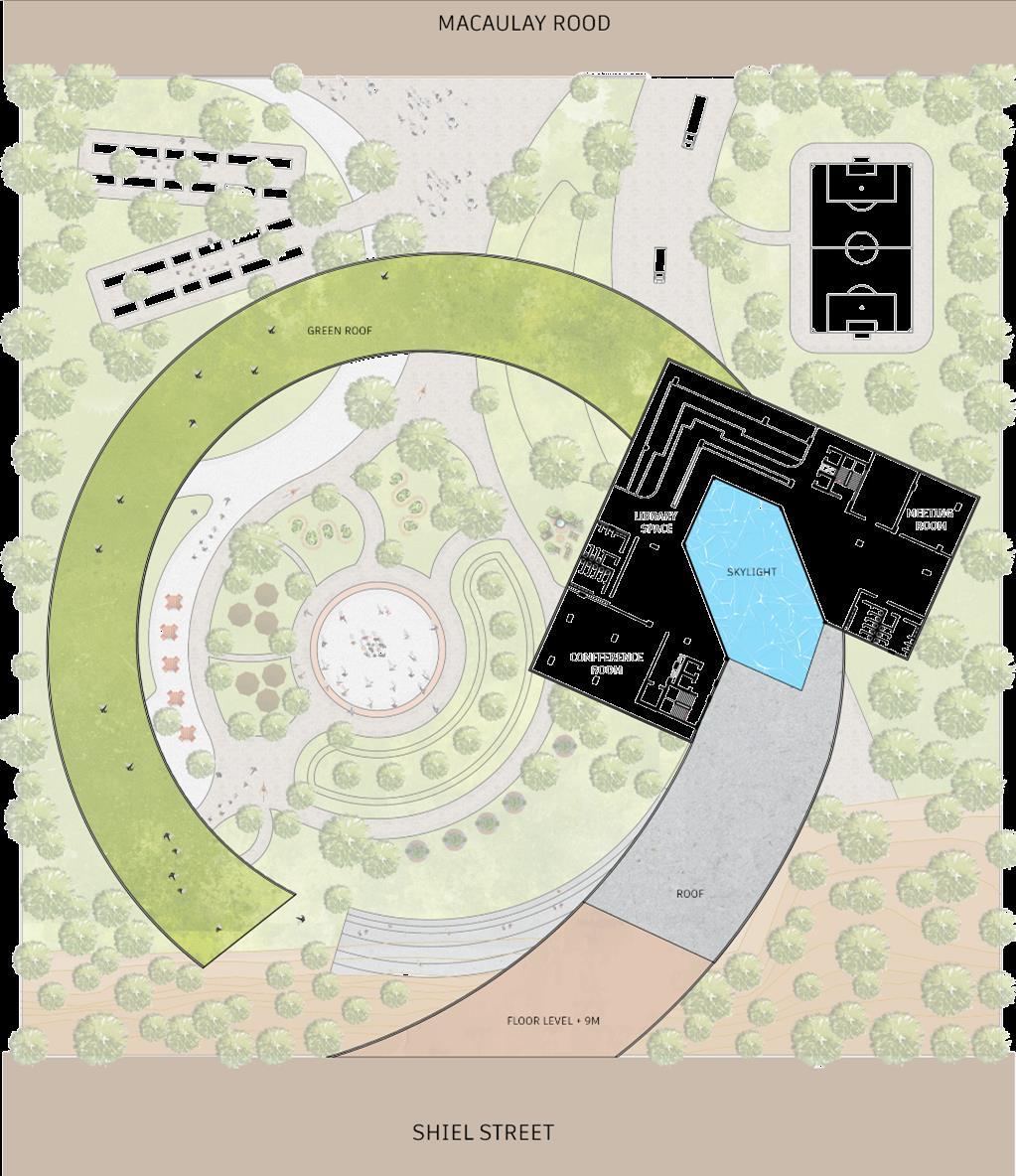
The zoning sketch plans establish a clear spatial hierarchy with easy movement across the site. Entry points from Shiel Street and Macaulay Road lead into the central cutout, forming the main circulation spine. Public spaces, such as the open theatre, market area, and exhibition pathways, activate the ground level. In contrast, semi-public zones, such as the café and leisure pockets, are positioned to support interaction and smooth transitions across the site.
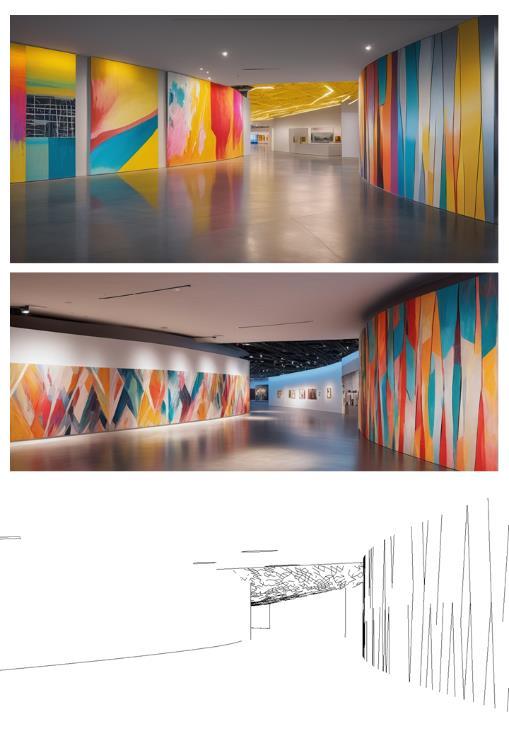
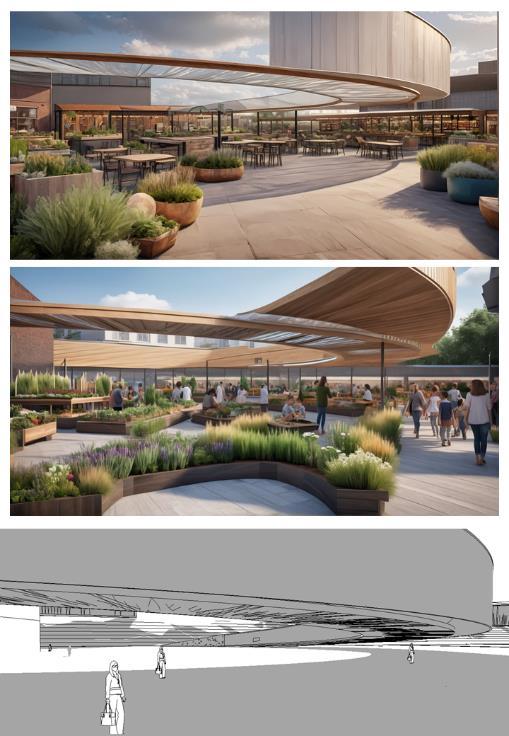
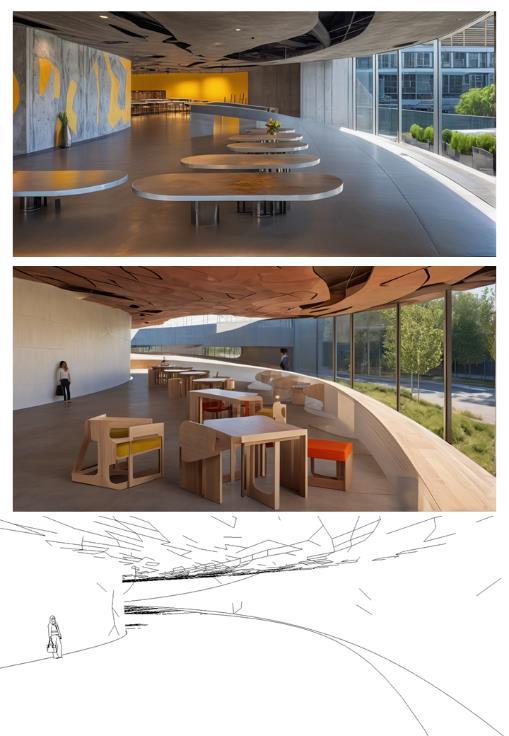
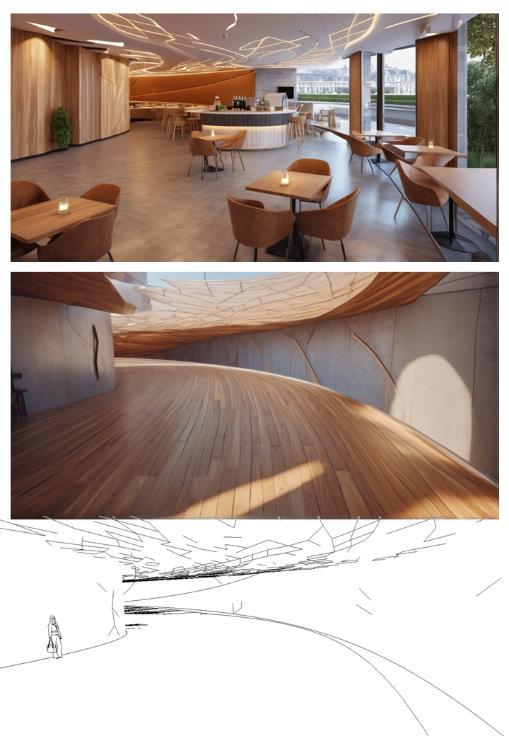
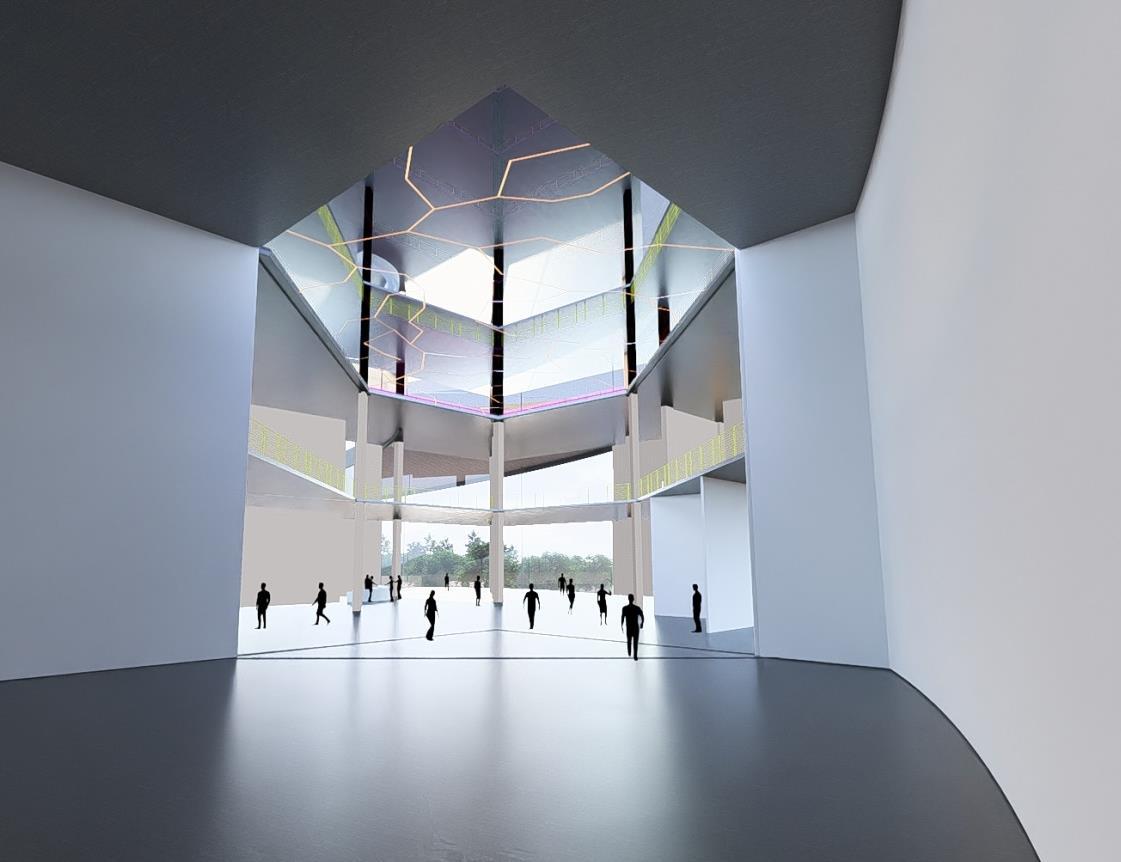
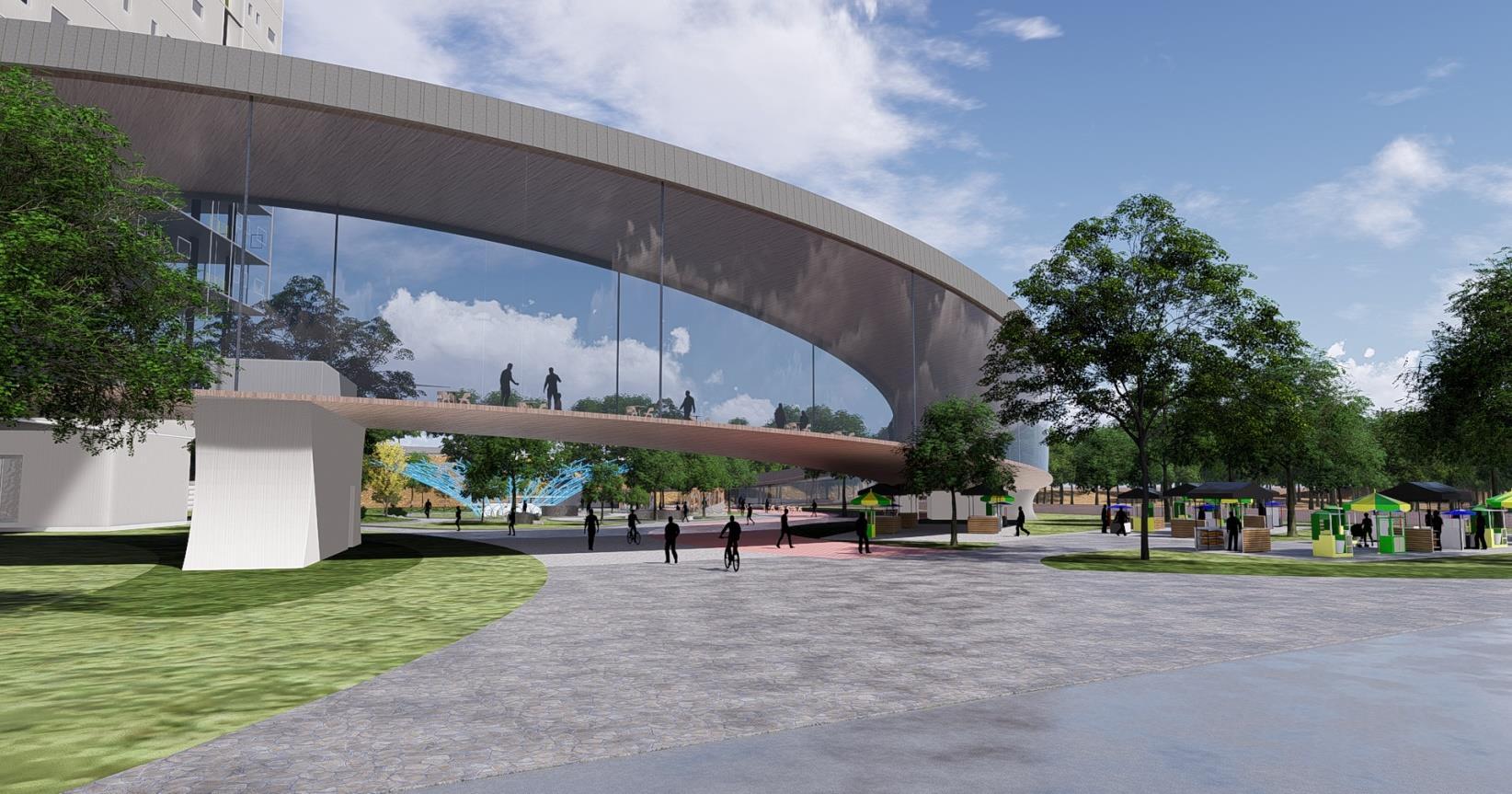
These designs aim to create welcoming and interactive environments both in the market area and within the ramp.
A colorful, vibrant interior space within the ramp. Large murals and spacious, well-lit areas make the space engaging and easy to navigate.
A lively market area with open spaces, seating, and greenery. The curved roof and planters create an inviting atmosphere for socializing and relaxation.
The designs focus on creating inviting, flexible, and visually engaging environments that promote social interaction and seamless transitions between different functional zones.
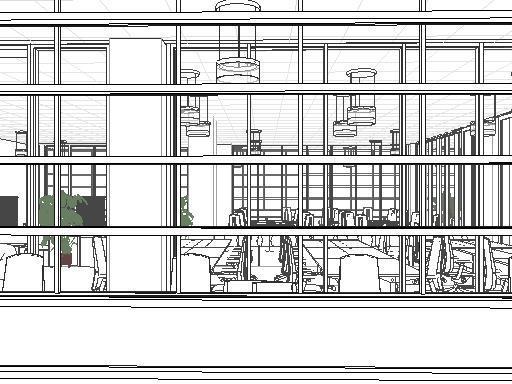
The space combines an open multi-purpose area with a warm, modern café feel. Sleek tables, wooden finishes, and yellow accents make it suitable for dining, working, or relaxing. Large windows brighten the space naturally, and simple geometric lighting adds a contemporary touch.
The Final Touch
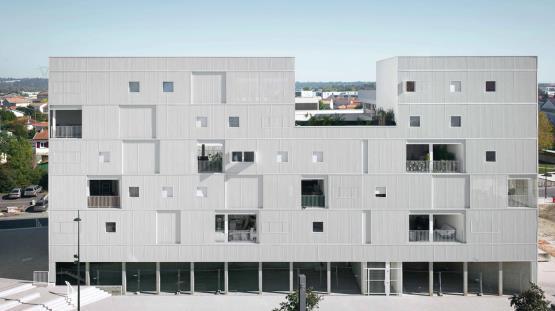
The facade is inspired by the minimalistic, geometric design in the referenced image. It features rectangular and square cutouts that create a dynamic pattern, allowing natural light, providing balconies and semi-private spaces, and enhancing ventilation. The clean lines and consistent material give the facade a modern, cohesive look, while varied cutouts add rhythm and movement. This design balances aesthetics and functionality, ensuring the facade is both visually appealing and practical for enhancing the living experience.
Carré Lumière / LAN Architecture
The Loop's design focuses on creating a dynamic environment that connects various types of spaces smoothly, blending public activity, social interaction, and private living in a functional and aesthetically pleasing way.
BA Building
“Renovation and documentation”
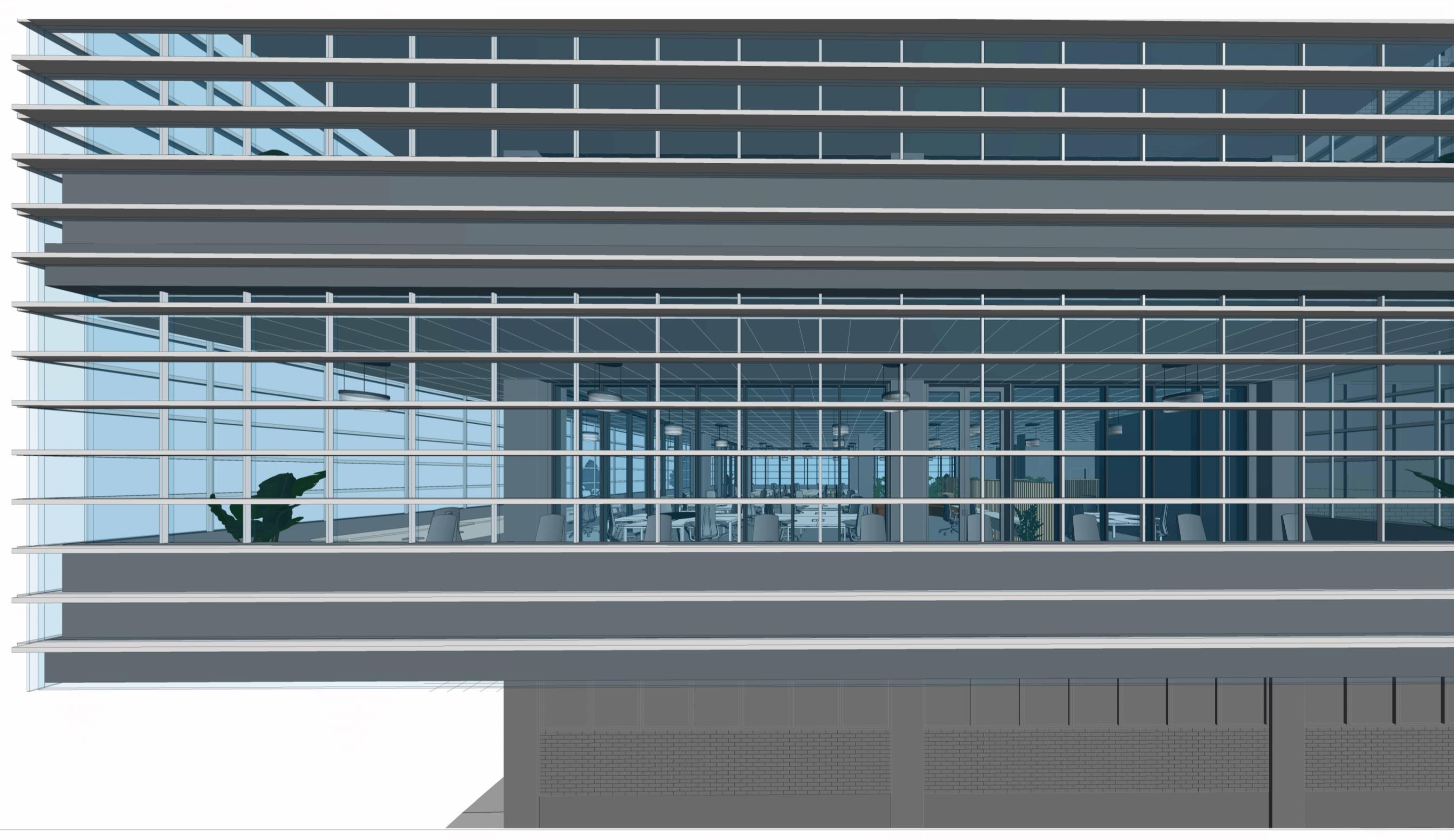
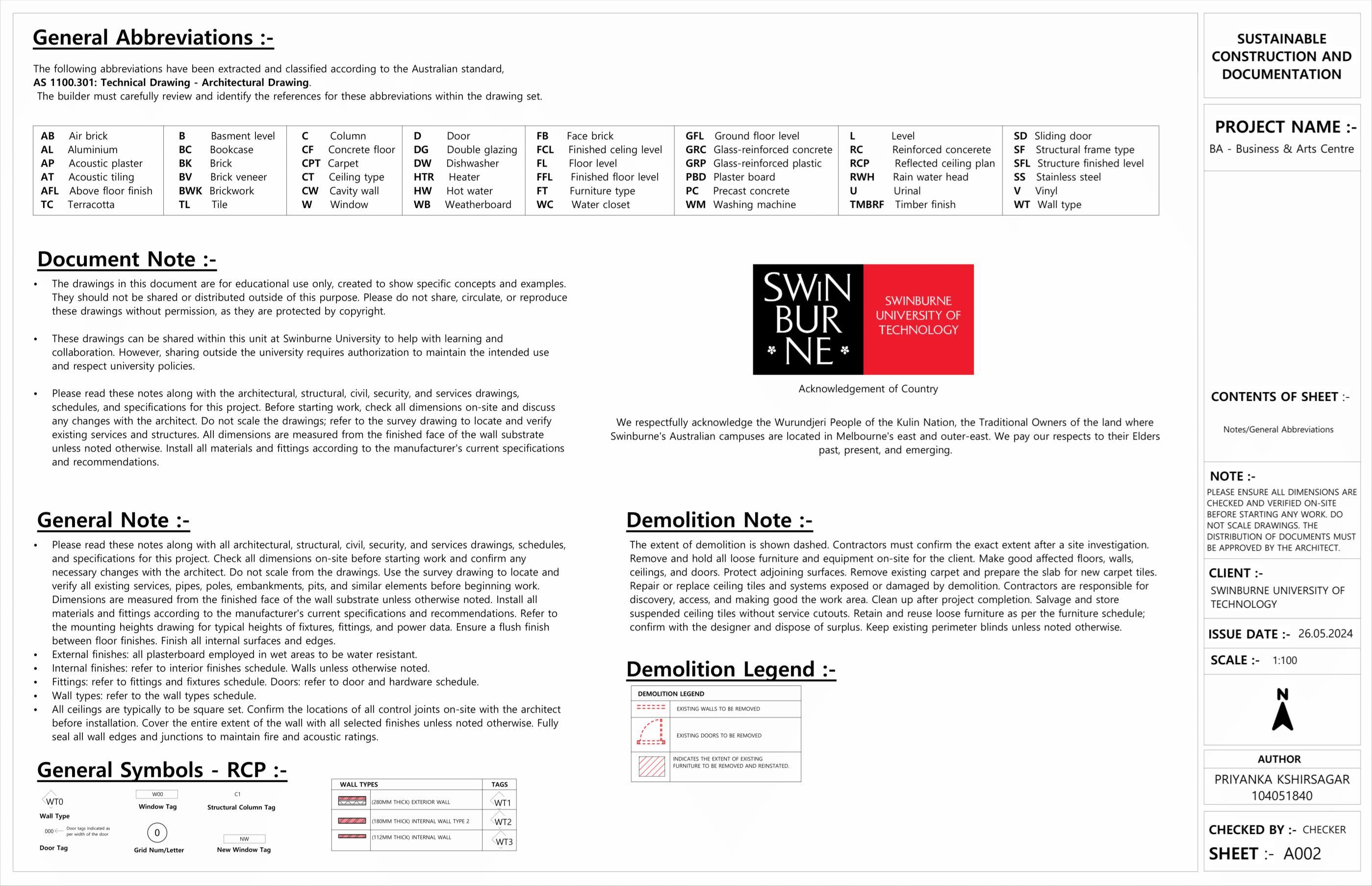
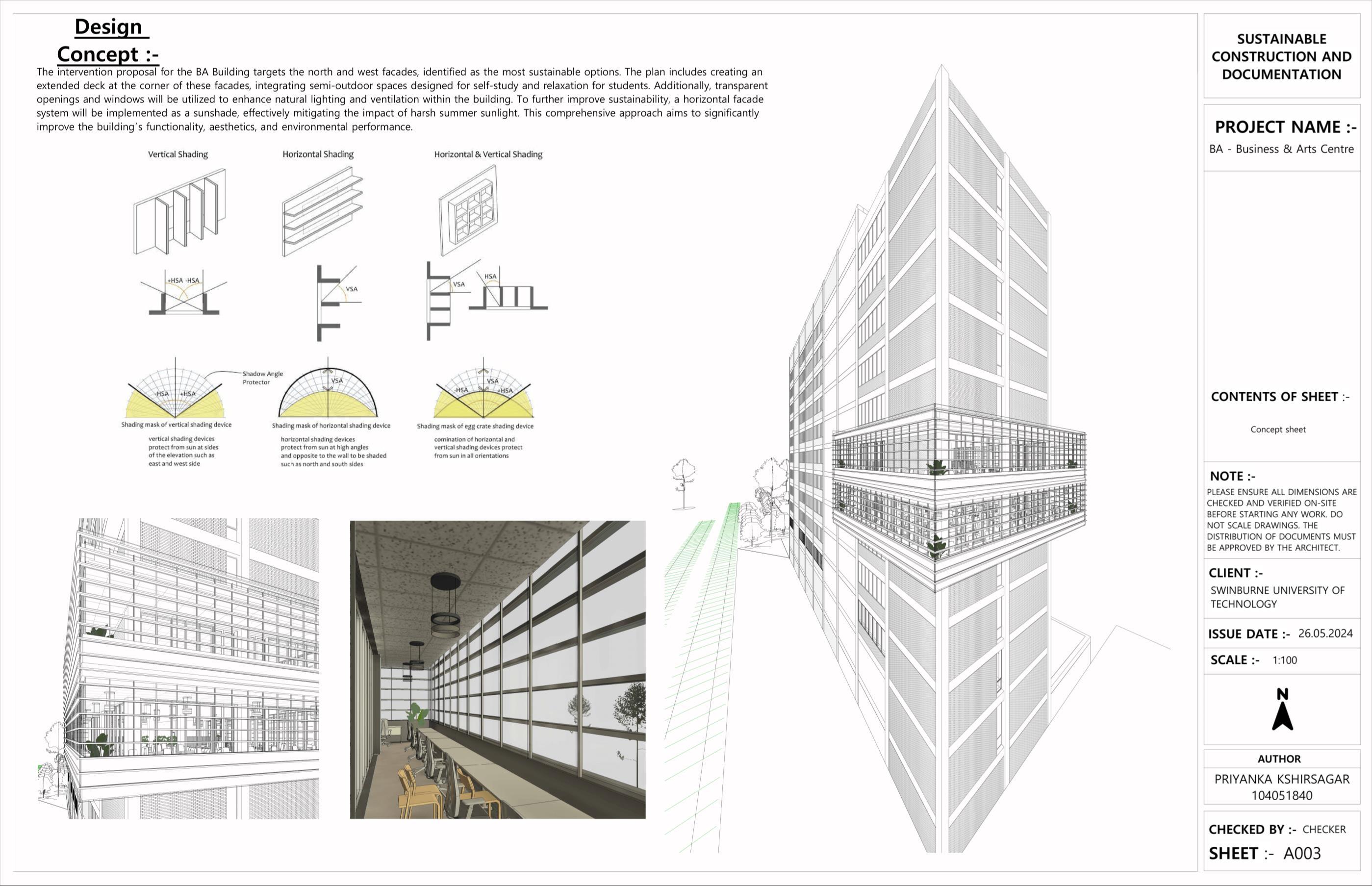
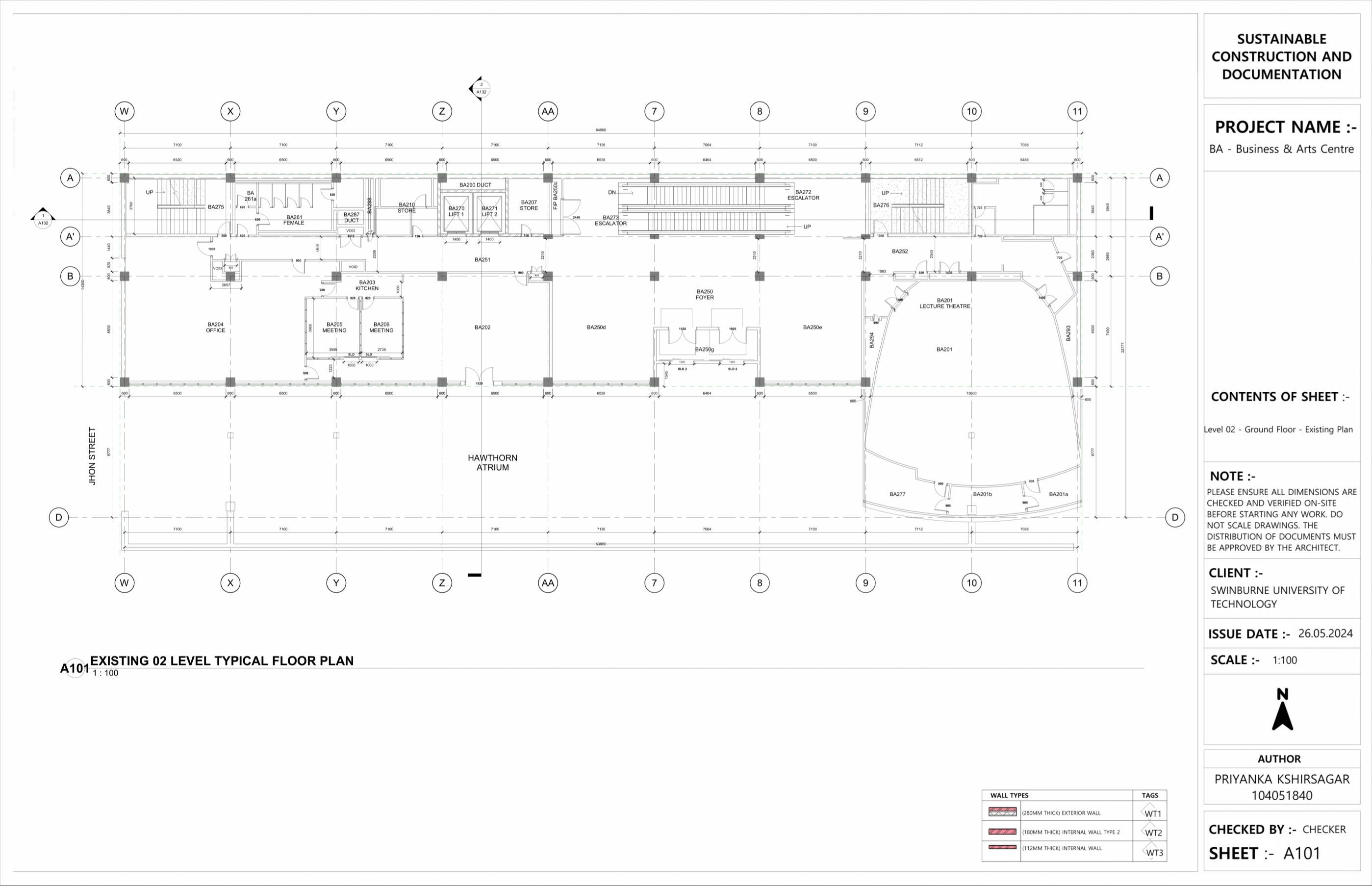
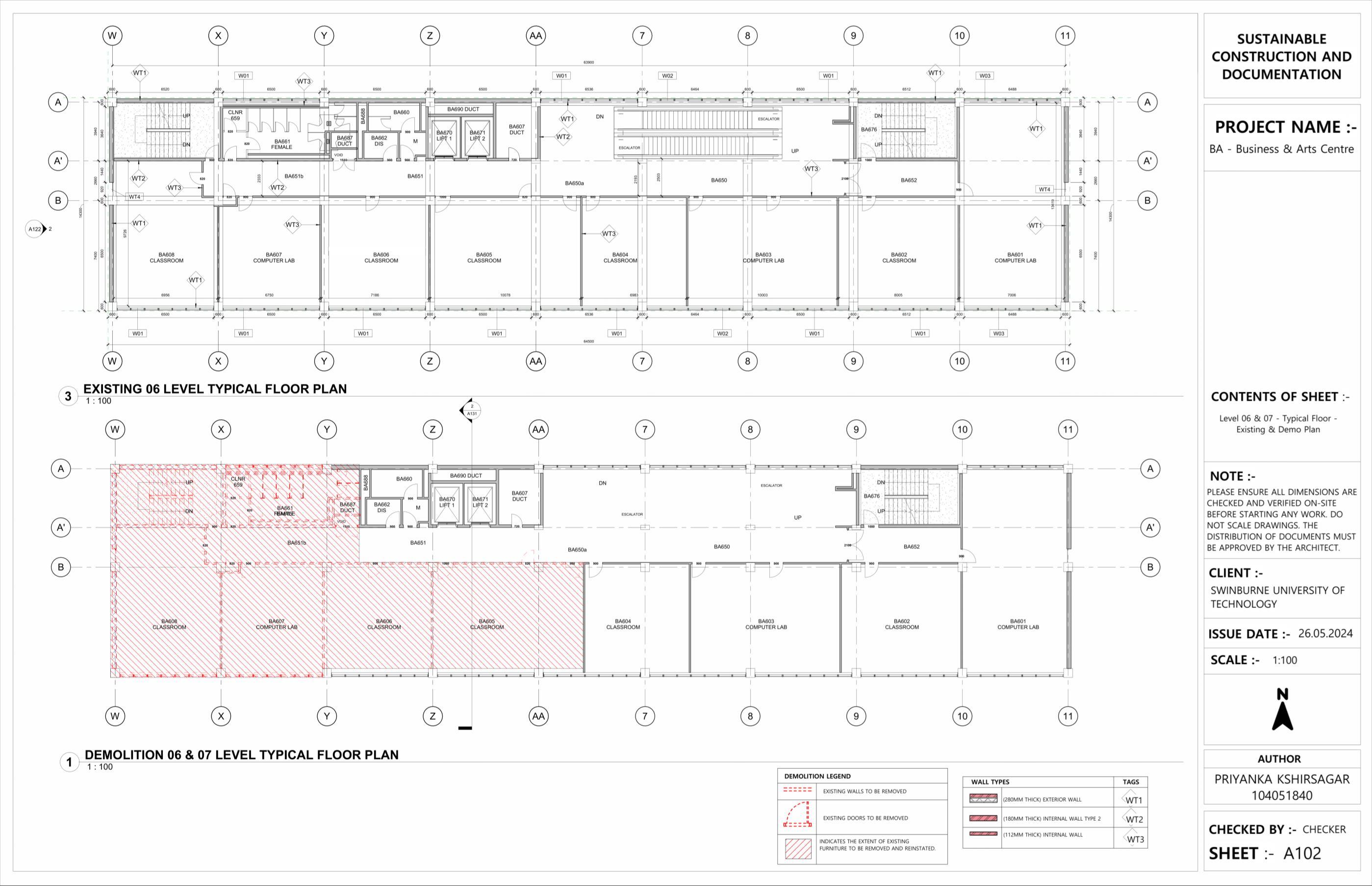
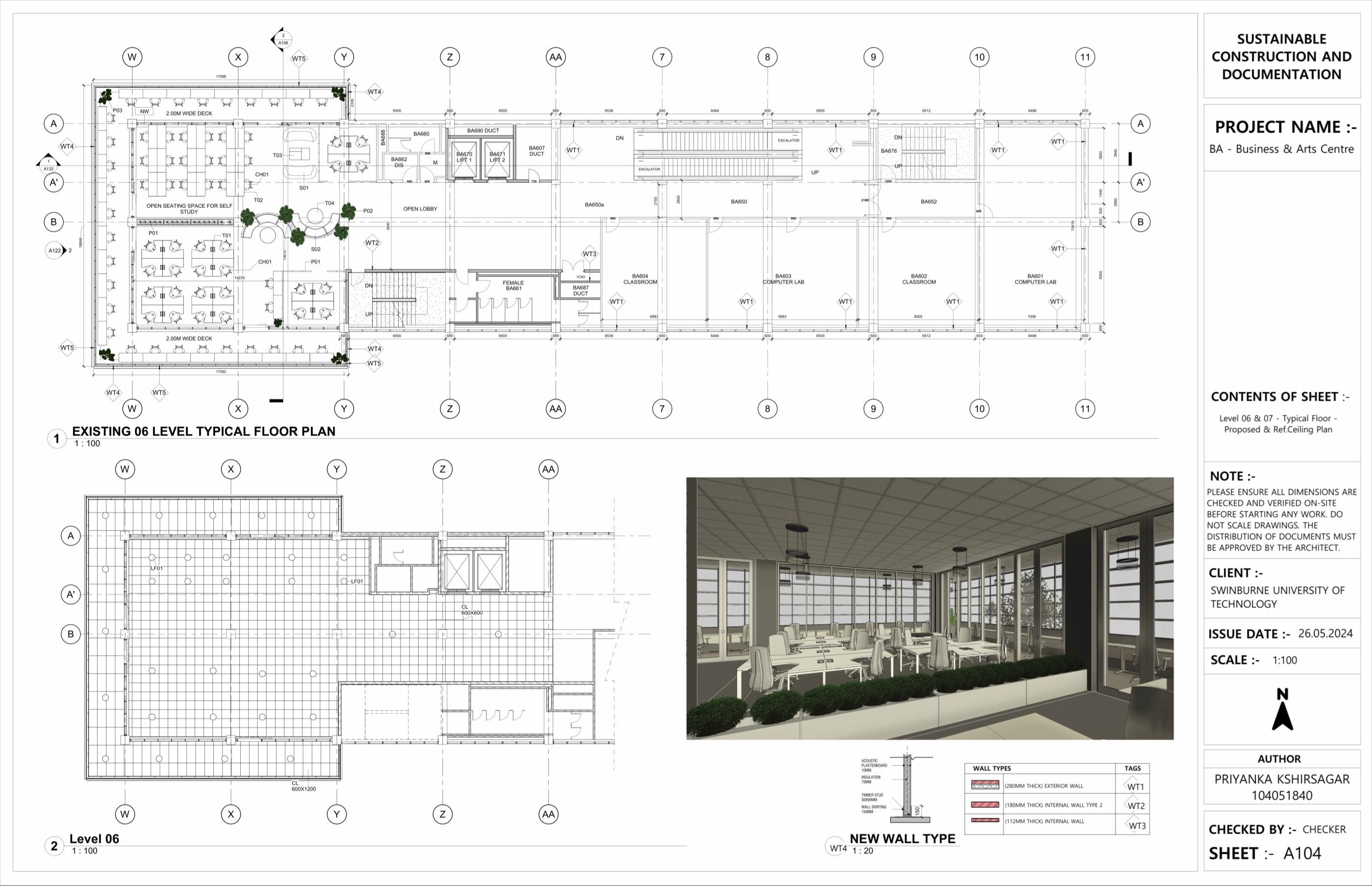
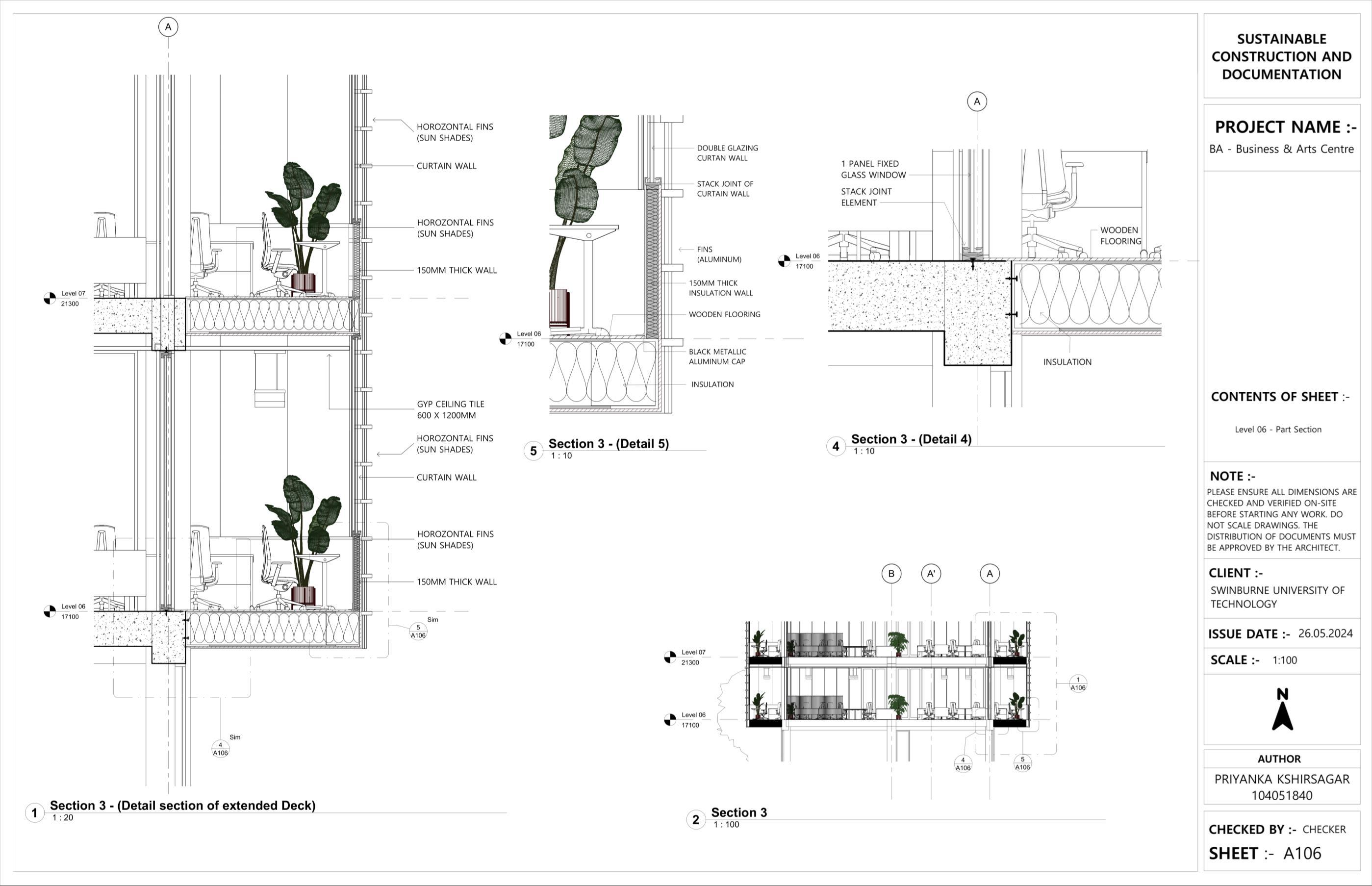
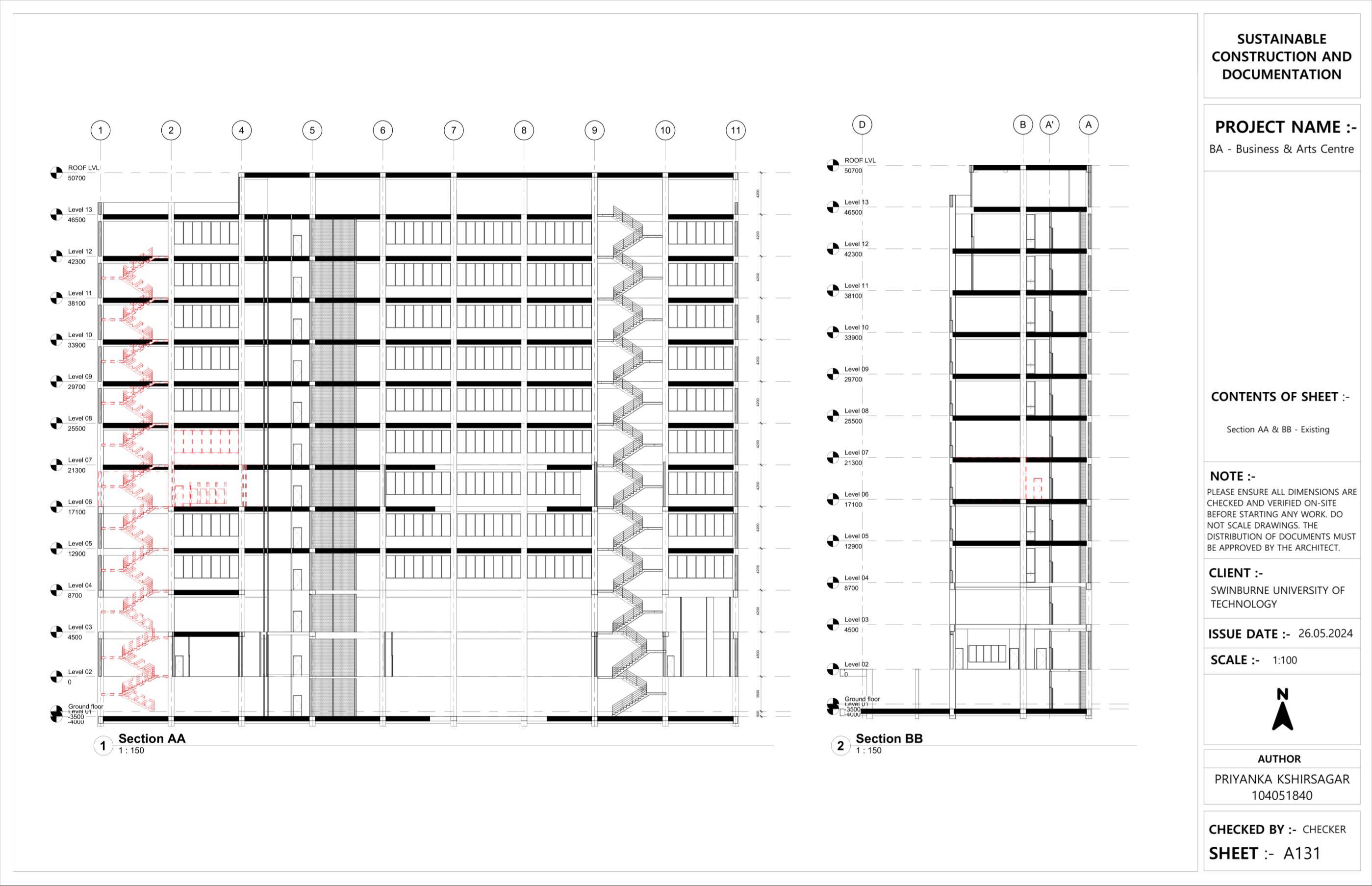
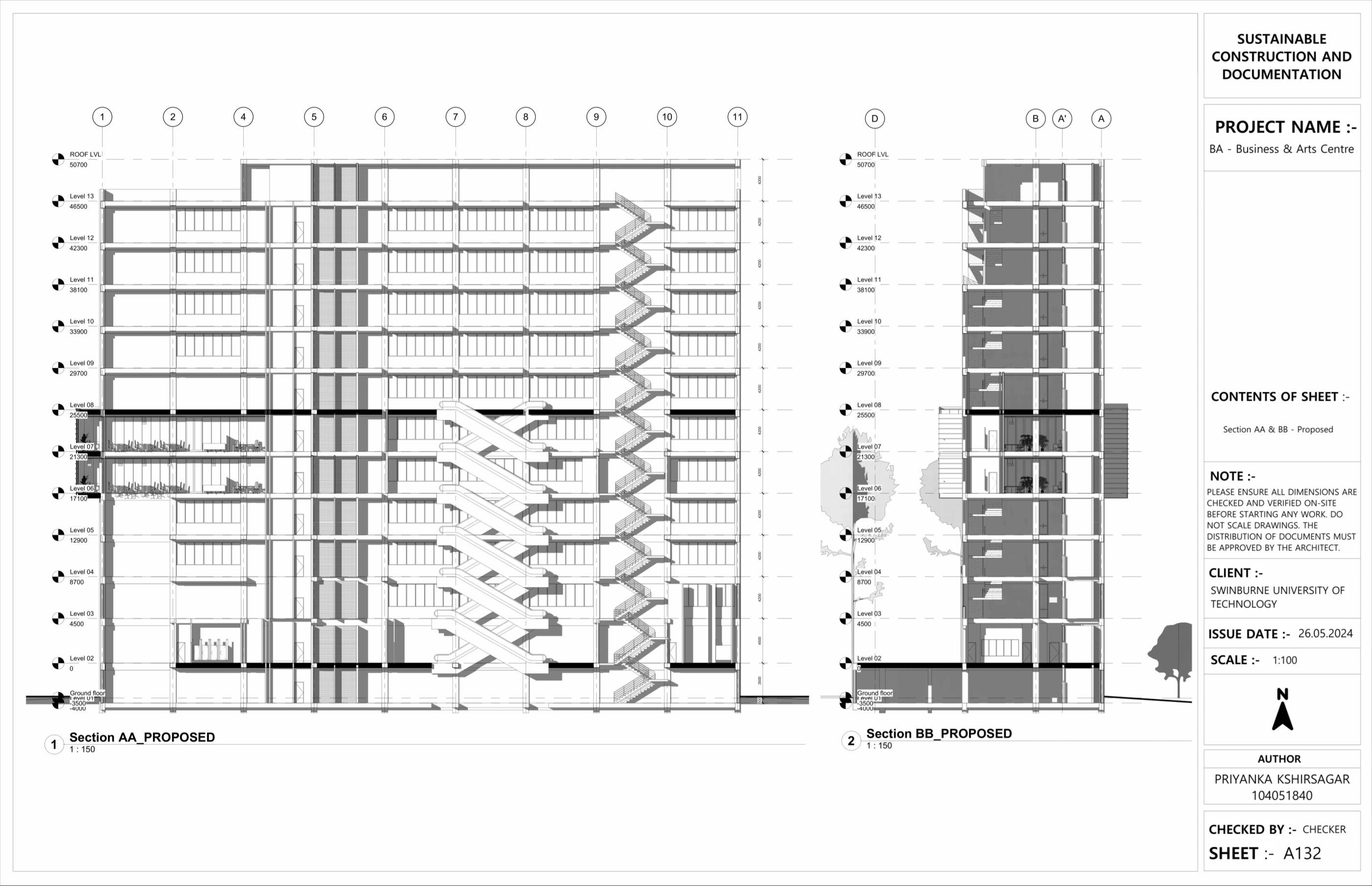
This project uses BIM workflows and professional documentation standards to reimagine an existing academic building at Swinburne’s Hawthorn Campus. The design introduces collaborative learning spaces within a compact footprint, supported by a simplified structural strategy to ensure clarity and buildability. The approach reduces construction complexity and cost, making the proposal feasible as a real-world renovation project.
Wantirna, Melbourne Academic project - 2024
This renovation proposal strengthens the BA Building with brighter spaces, better airflow, and sustainable façade upgrades, transforming an aging structure into a more efficient and student-friendly environment.
Osteotomy Tower
“An urban cut for vertical regeneration”
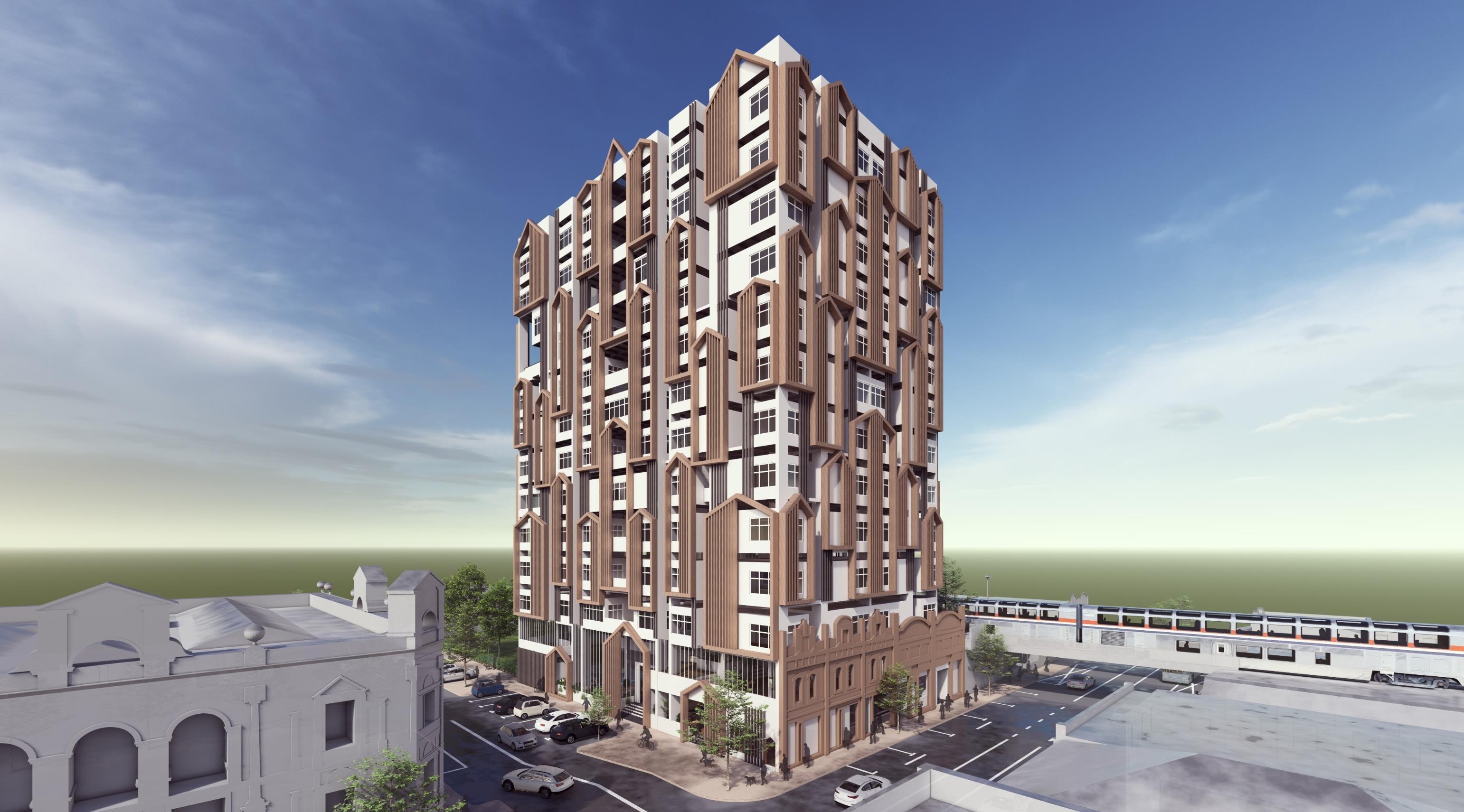
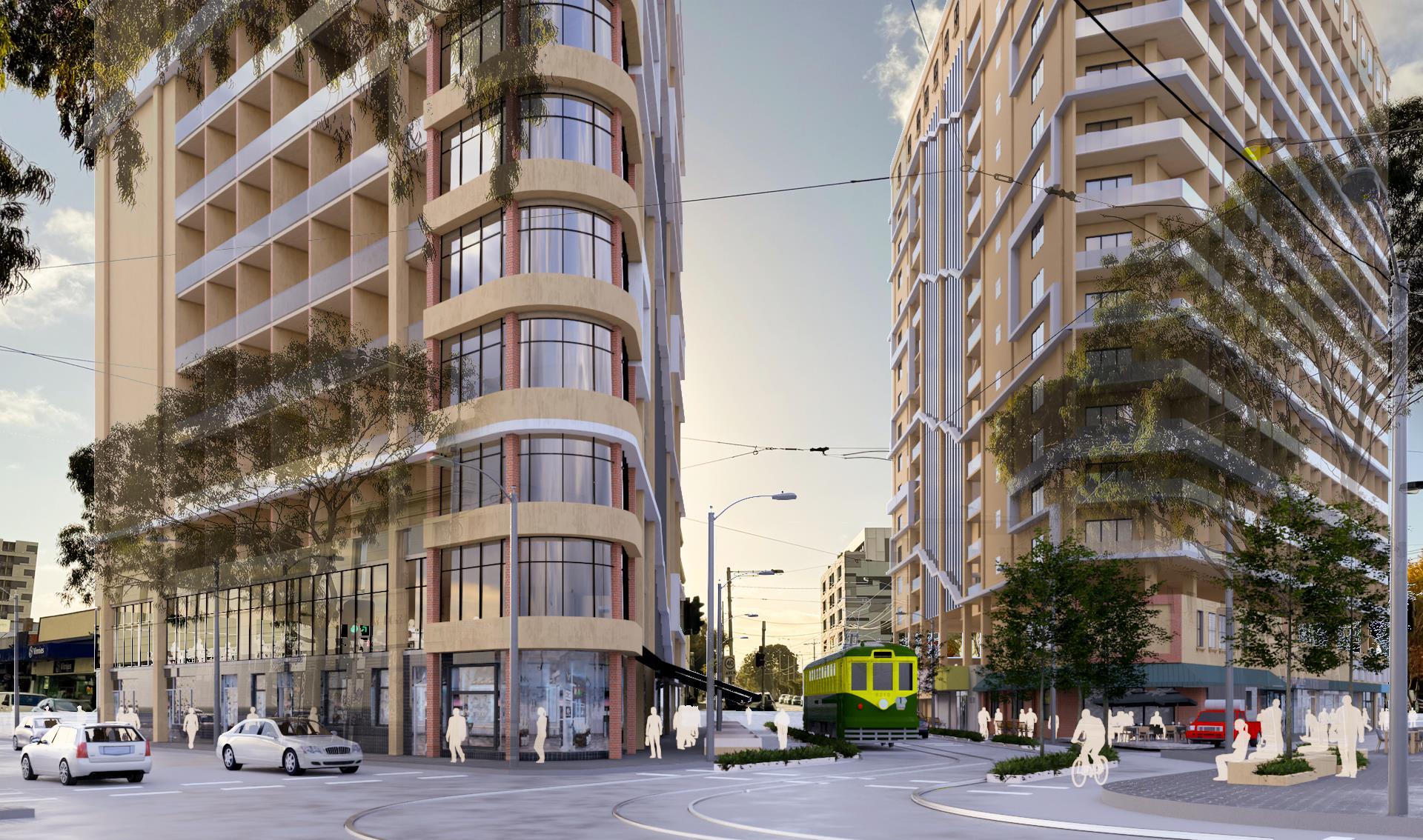
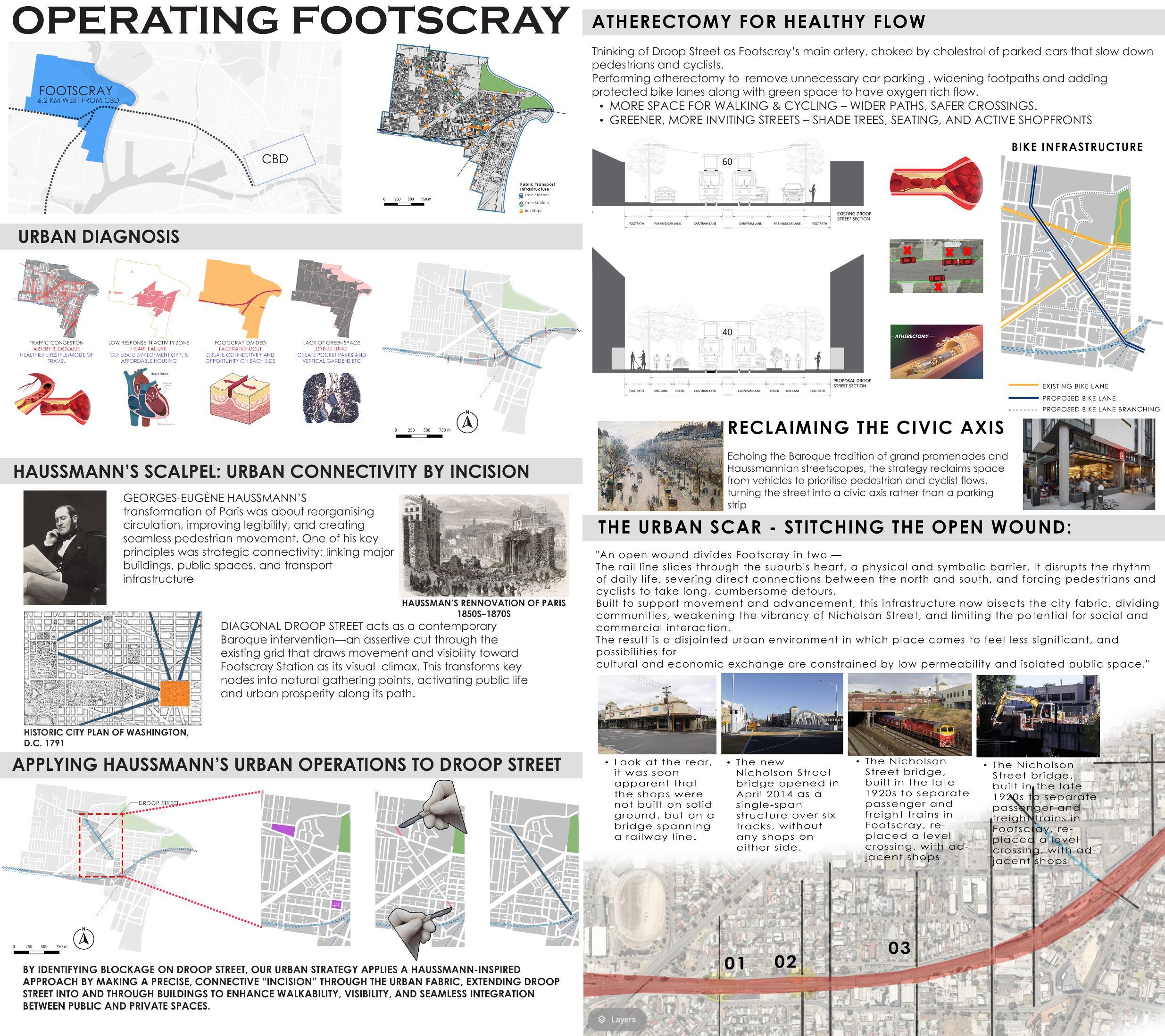
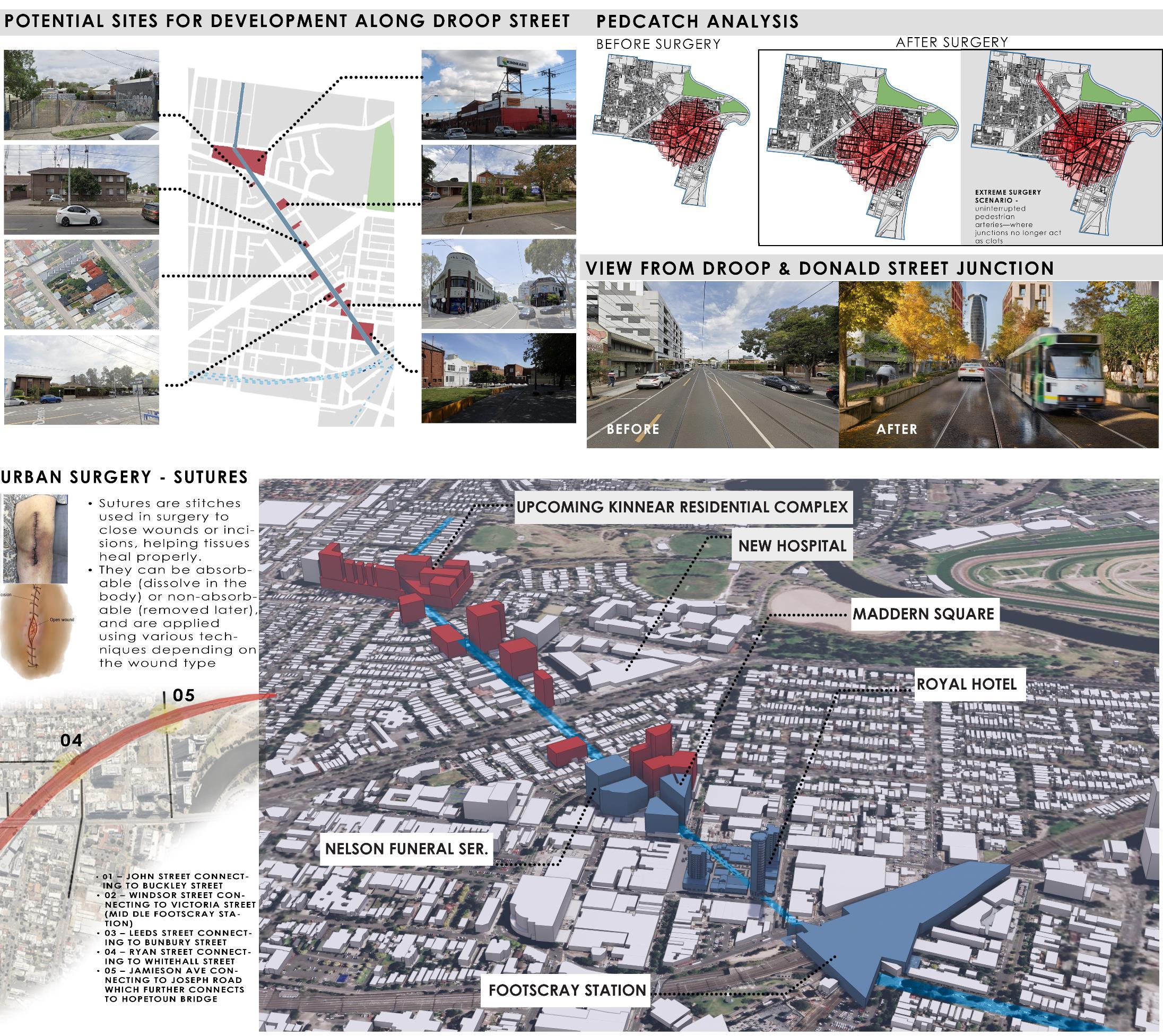
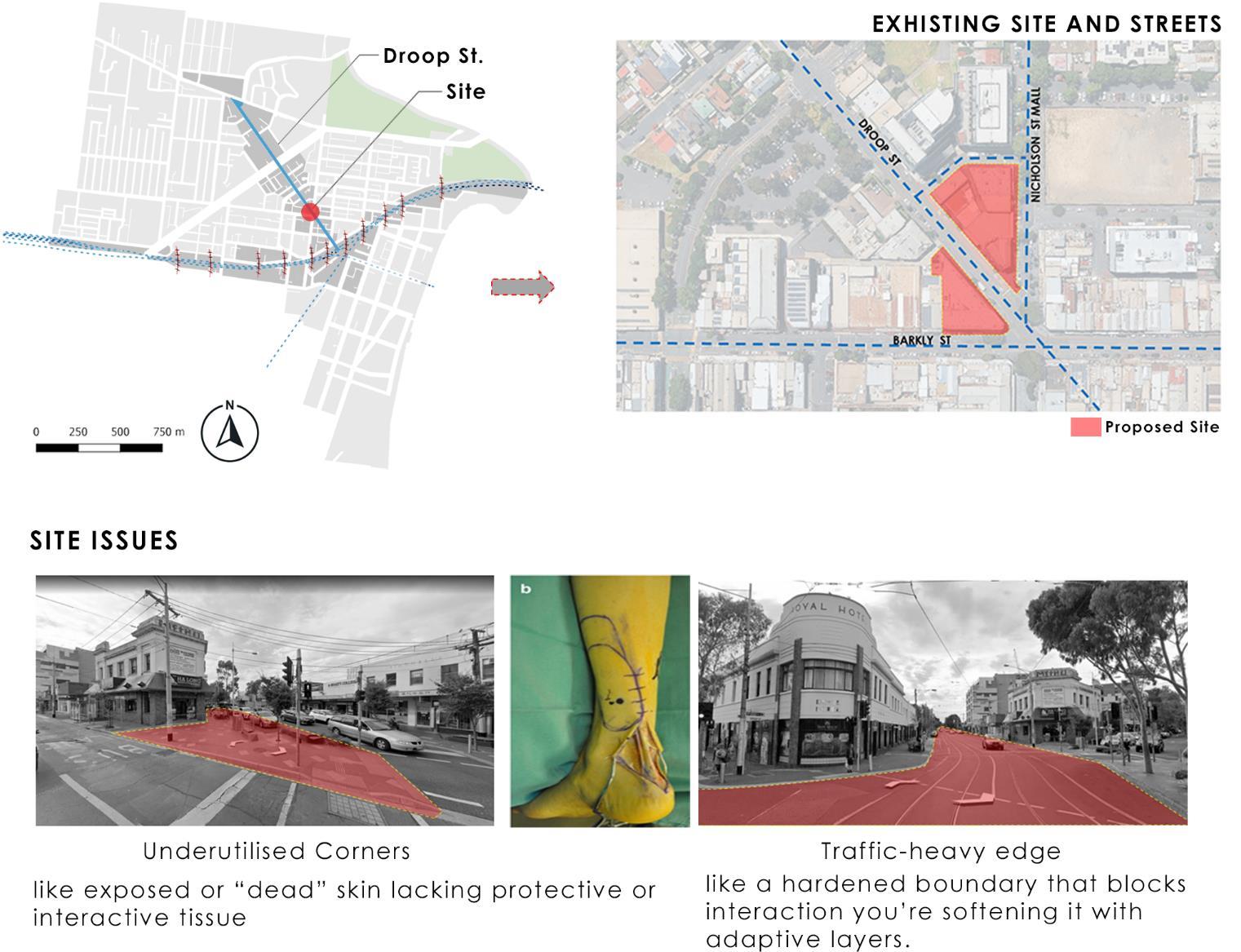
The Osteotomy Tower reimagines a neglected triangular site at Droop Street through a surgical design approach inspired by osteotomy. Using a Haussmann-style urban incision, the project cuts through existing blockages to improve connectivity, activate dead edges, and introduce vertical growth that transforms the site into a vibrant, walkable public space.
Footscray, Melbourne Academic project - 2025
The project site Identification
ROYAL HOTEL
MADDERN SQUARE
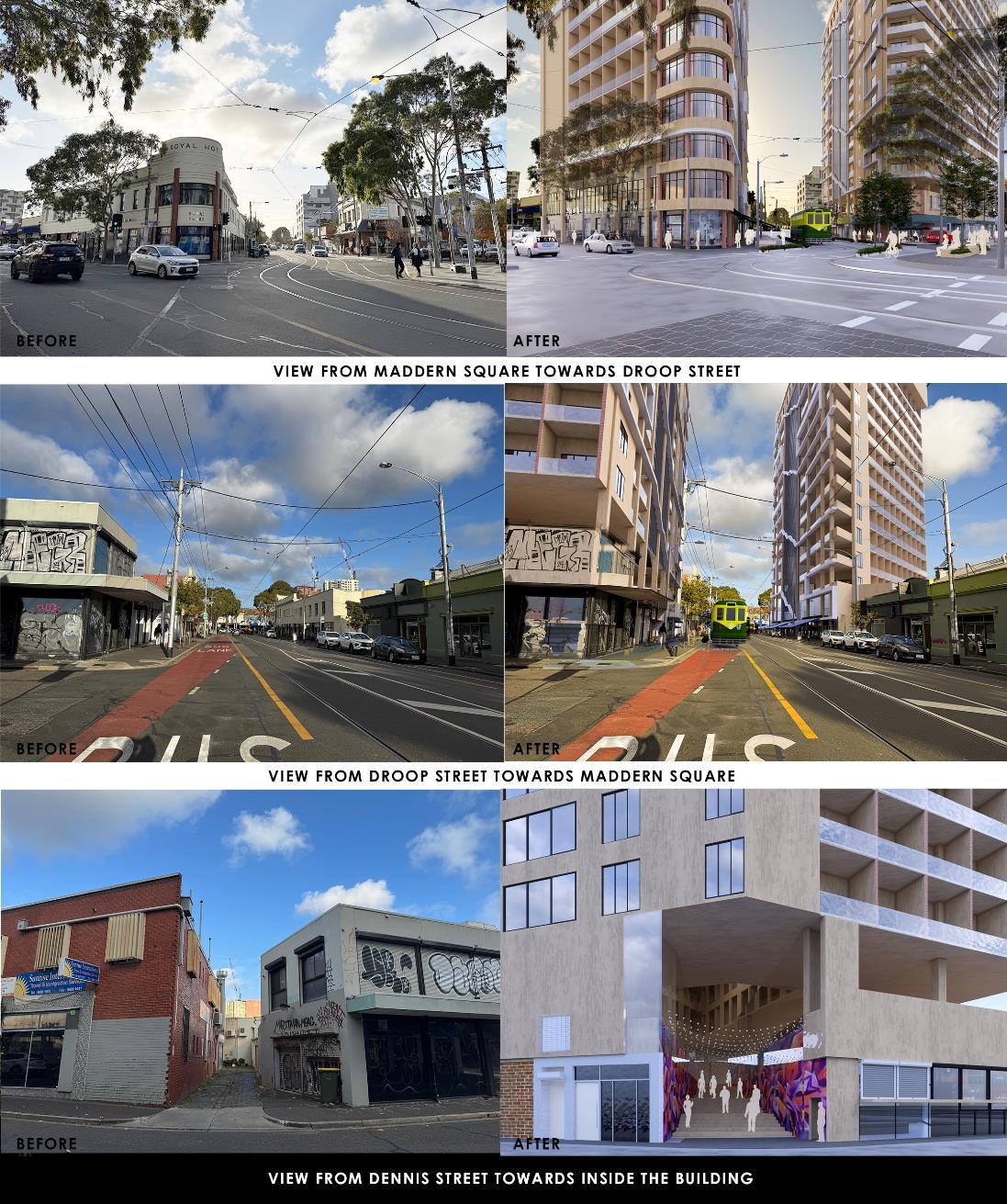
An urban cut that transforms underused corners into vibrant spaces.
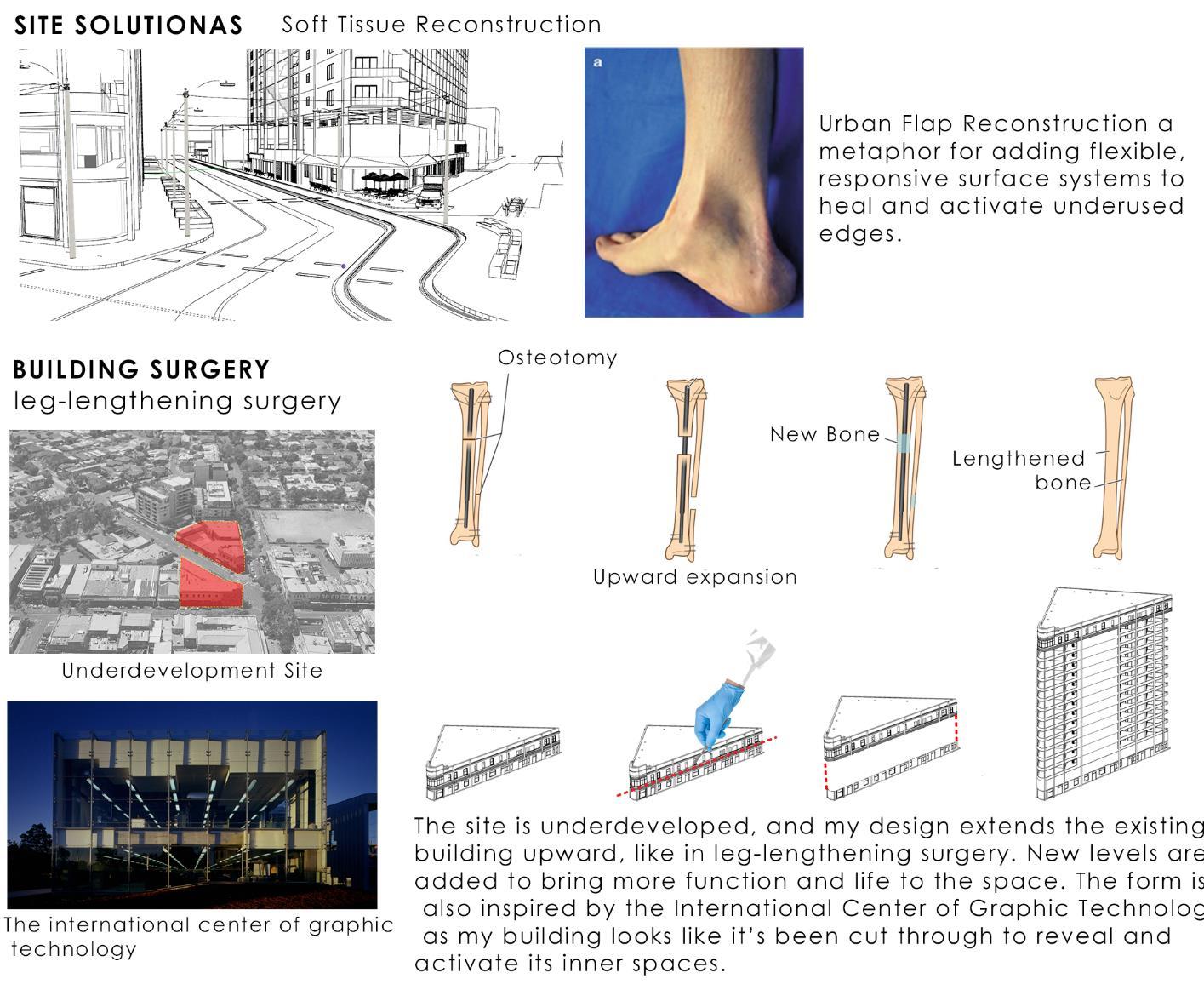
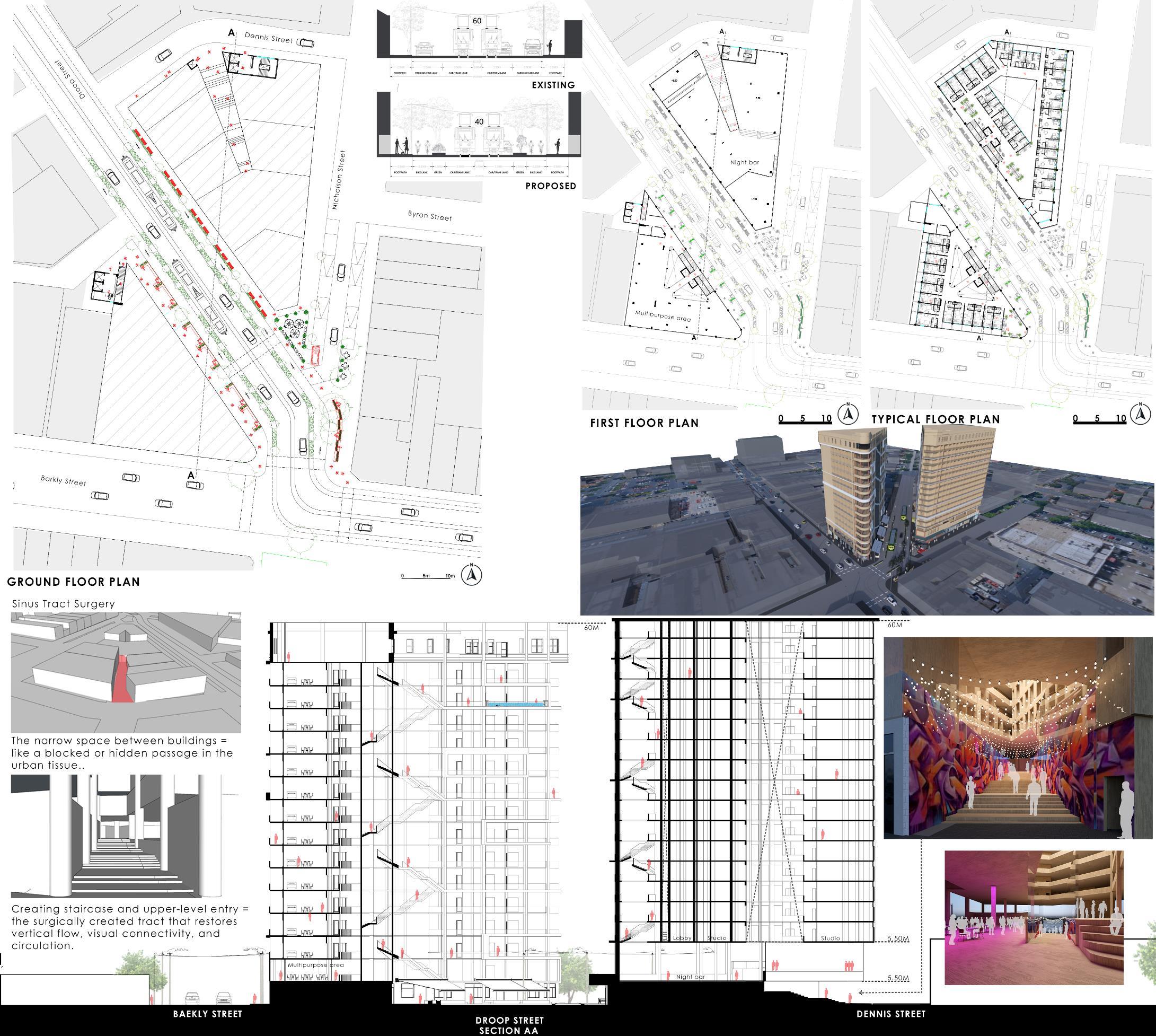
Inspired by osteotomy surgery, this project “cuts” through a neglected site on Droop Street to extend vertical growth and improve circulation. Like leglengthening and sinus surgeries, it reconnects fractured street edges with new stairs, entries, and public spaces, bringing life, housing, and activity back to the area.
The site struggles with dead corners, heavy traffic edges, and unused narrow gaps. My design applies surgical metaphors, leg-lengthening, sinus-tract opening, and soft-tissue reconstruction to extend the building vertically, unlock hidden spaces, and activate inactive edges. These interventions introduce new circulation paths, upper-level access, and livable social layers, transforming the site into a connected and vibrant urban environment.
Architectural strategies
For the cut-through elevation, I was inspired by the International Center of Graphic Technology, known for its sharp, sliced look. reflects the surgical idea of cutting to reveal what’s inside, making the internal functions and structure of the building visible and engaging to the public. blurring the line between inside and outside.
BOTH THE BUILDING ELEVATIONS THROUGH DROOP STREET
So, the Osteotomy Tower isn’t just a tall building; it’s a healing strategy for a broken urban corner. Using surgical metaphors, I’ve reconnected streets, extended vertical life, and turned hidden gaps into active public space. This is how architecture can act like medicine for the city.
Thank you
Priyanka Kshirsagar | Graduate Architect Selected Works | 2023-2025