Contents
Work in Practice
Master of Architecture RIBA Part 2
(Note: Full Portfolio Available Upon Request)
Residential Development
Romford, London, UK
RIBA Part 1 Work Experience - Summer Placement
Description: Design and Access Statement for a mixed use residential development. Produced along with the Urban Design Team at Fletcher Priest Architects.
Softwares Used:
AutoCAD, Sketchup, Rhino, V-Ray, Photoshop, Illustrator, InDesign.
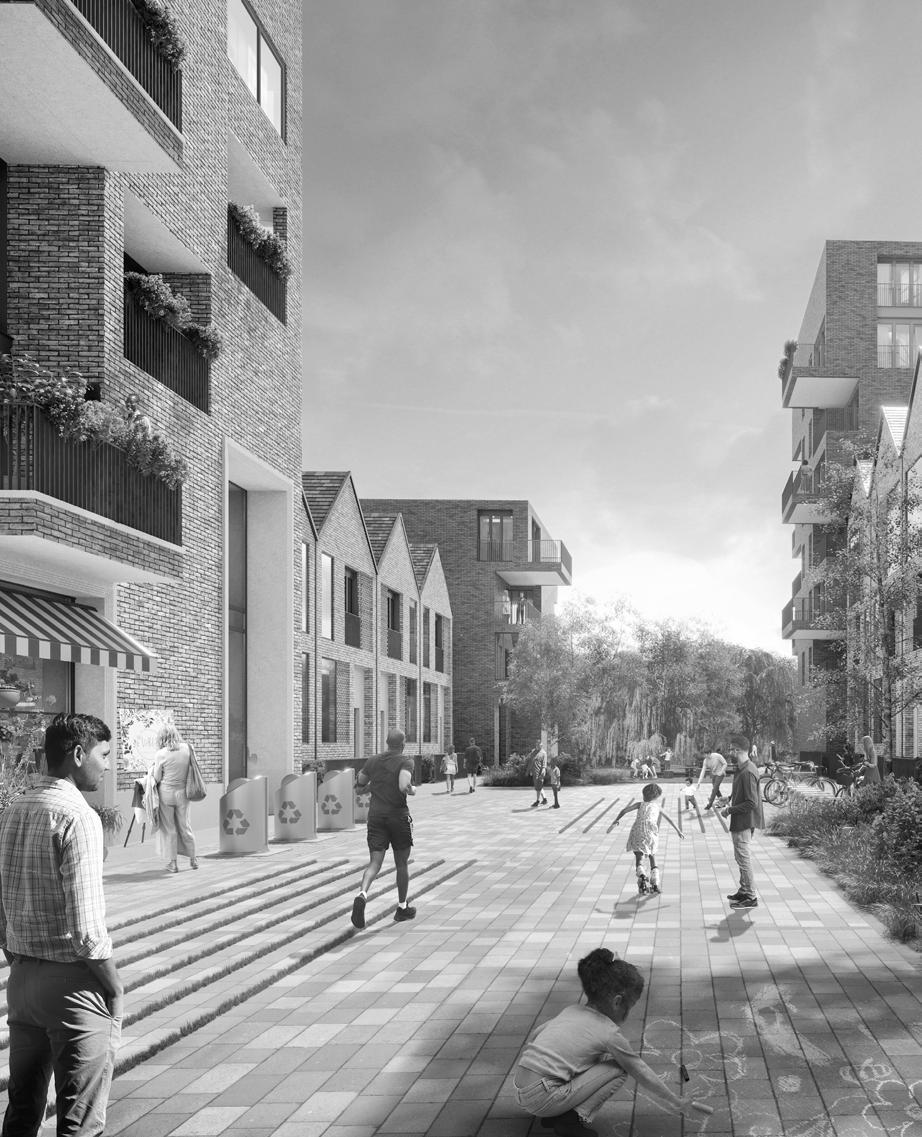
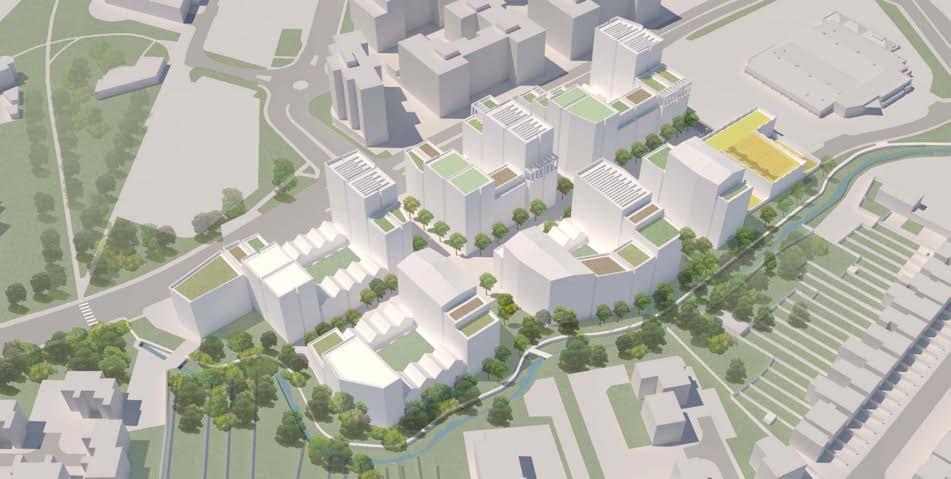
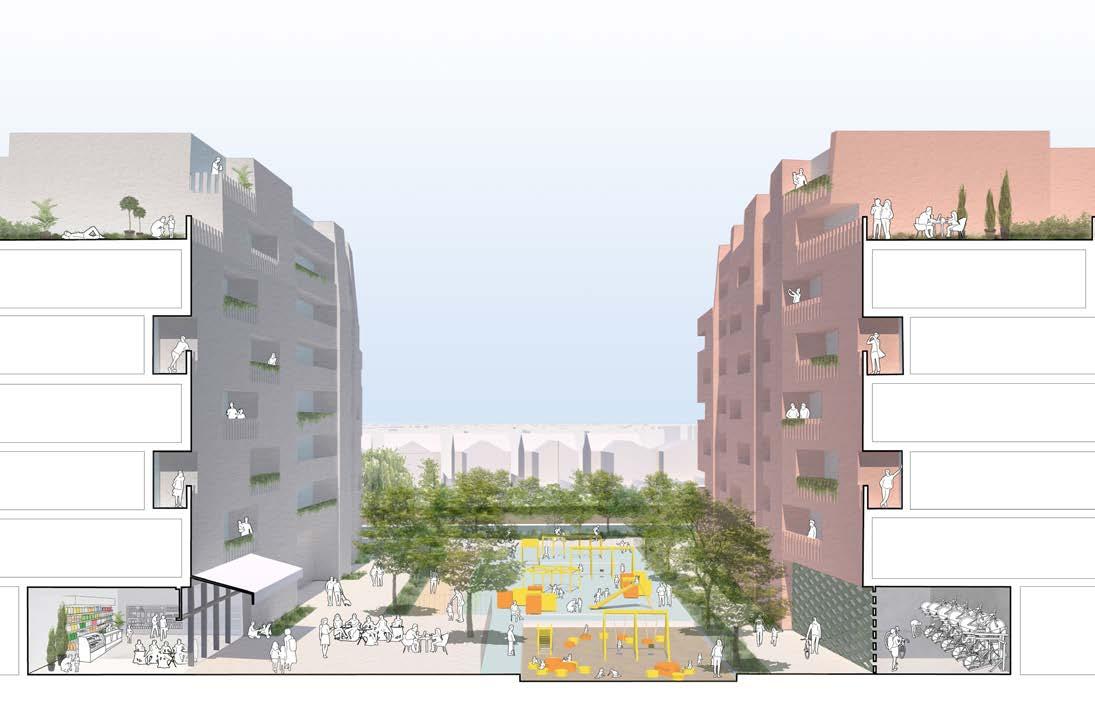
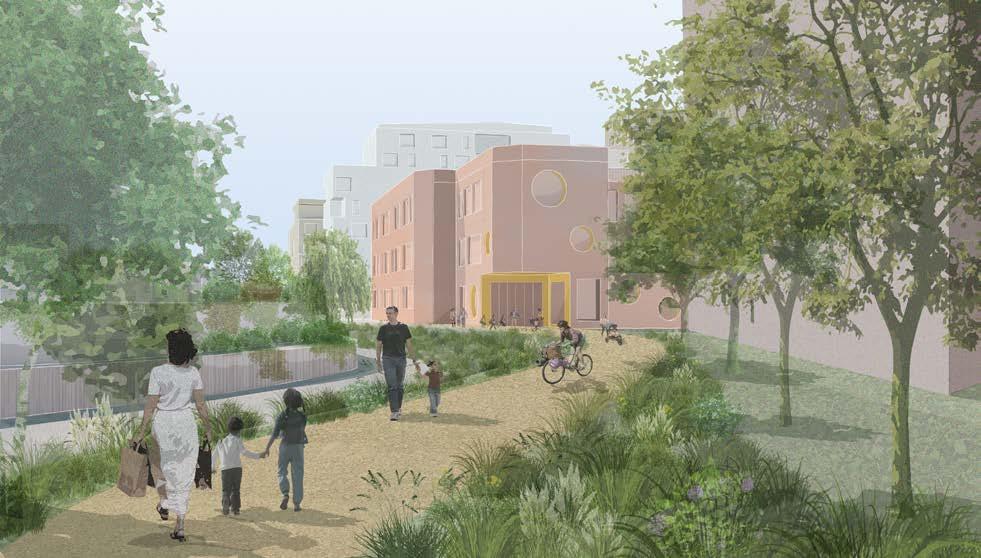
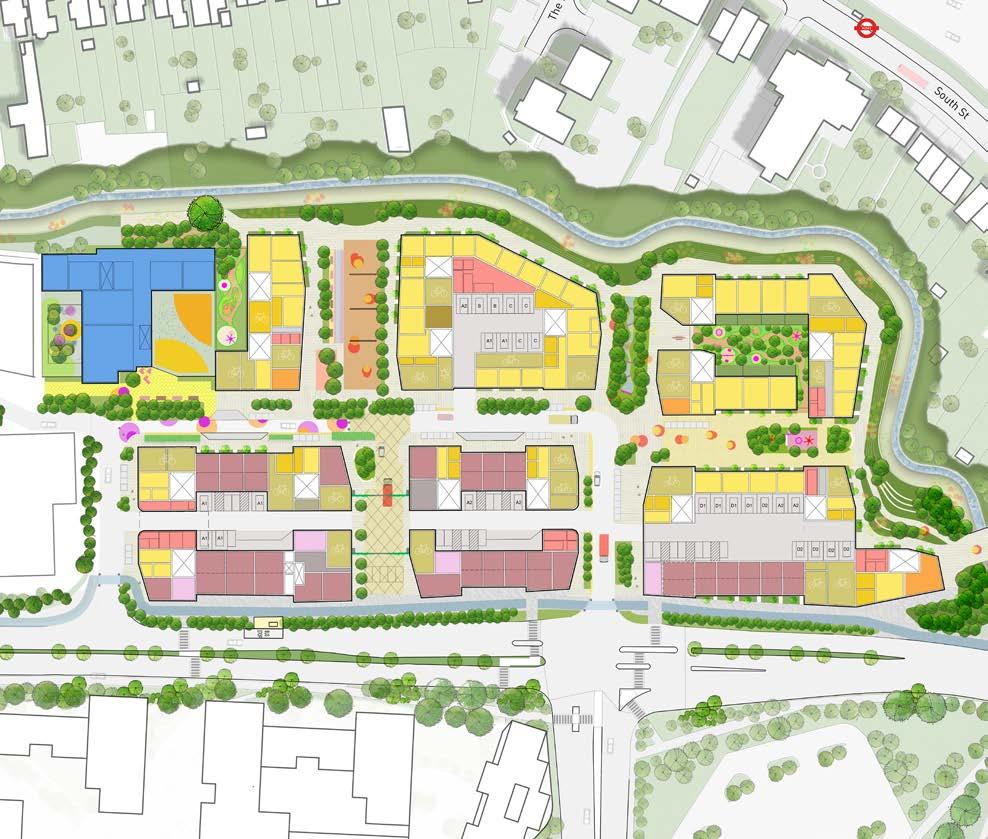
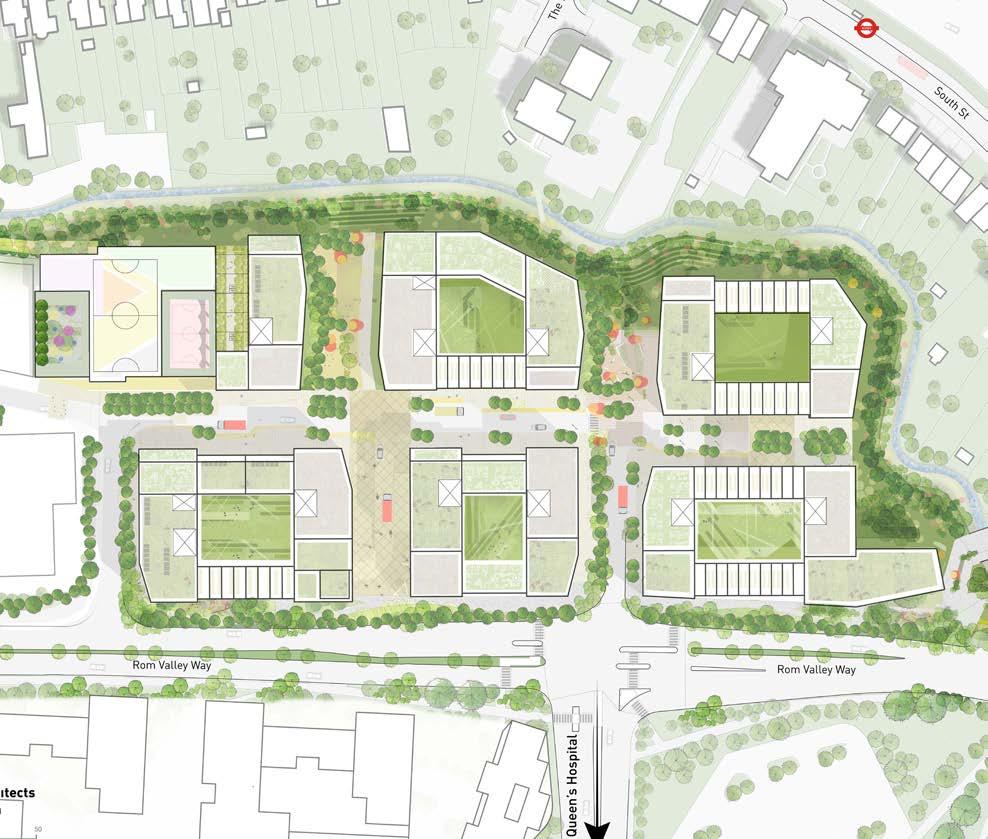
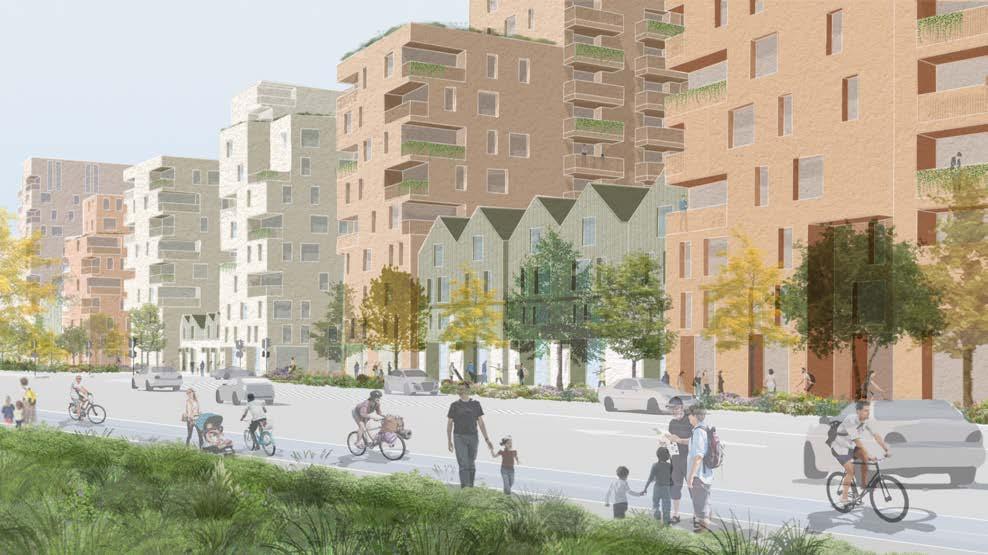
Rom Valley offers an opportunity to support the wider Romford town centre and deliver a thriving living and working new neighbourhood, including a new primary school and important enhancements to the River Rom. The development will deliver up to 840 new homes for the borough, will give a new home to the existing tenants and unlock the potential of the River Rom. FPA’s vision is underpinned by a few core principles that have shaped the proposed masterplan, establishing key qualities for Rom Valley: It will be integrated and connected, at a larger scale, to Romford town centre, London and Essex. It will create a heart for the wider neighbourhood, centred around the new primary school. It will open up the Rom, creating new and exciting open green spaces, completing the last section of the River Rom restoration project. It is a place for local Romford business to start up and grow.
“It will be a new living and working neighbourhood, with high quality homes, local services, businesses and attractive open spaces”
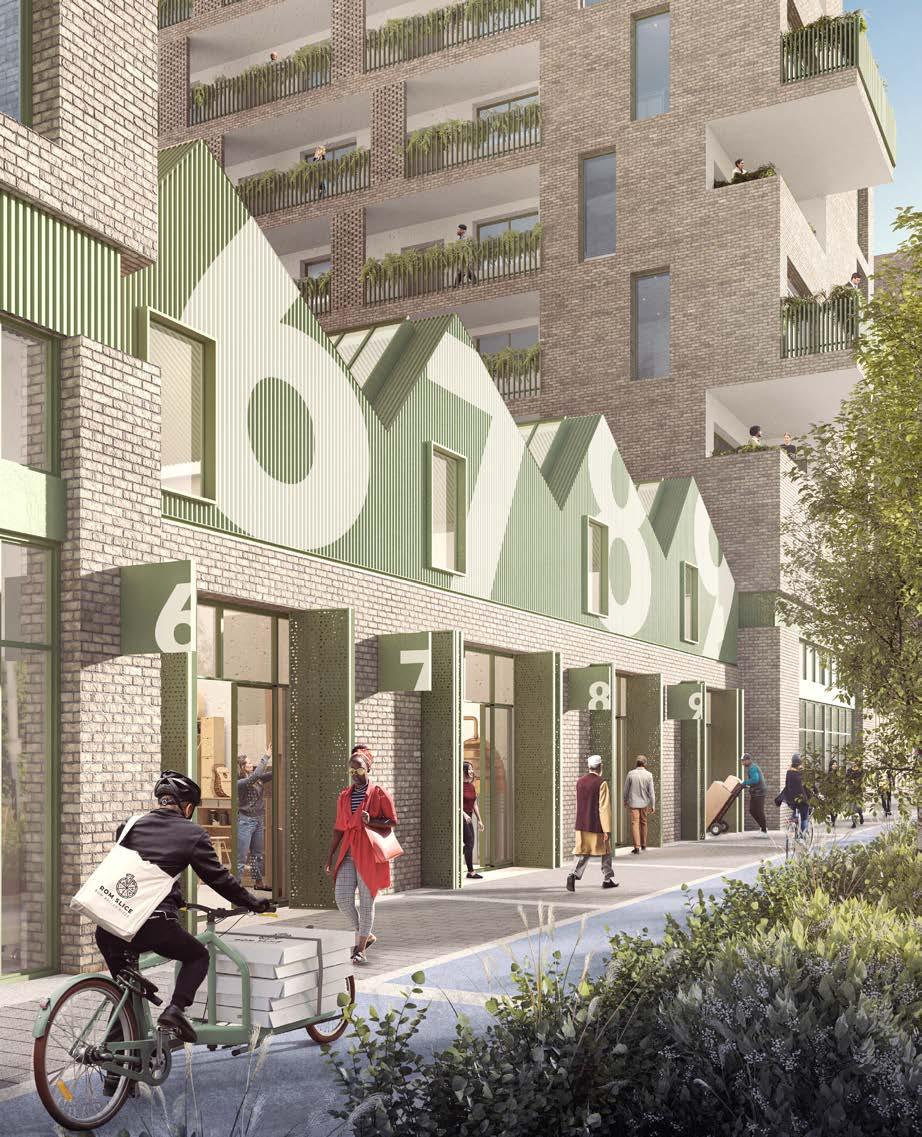
Illustration of ground floor activity within a mixed-use block
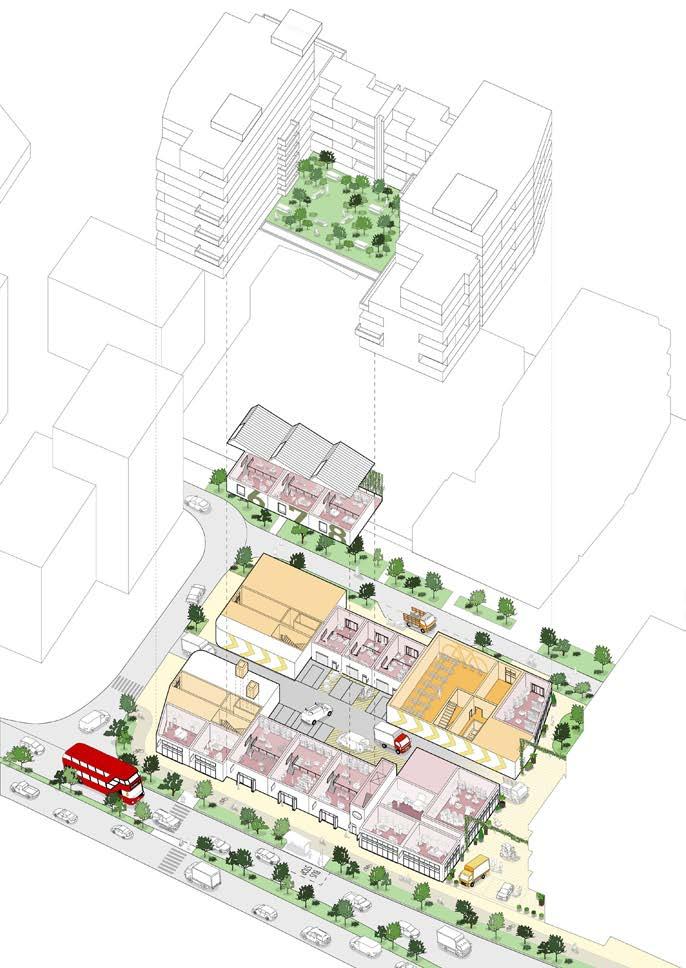
Workspace areas
Residential areas
Exploded Axonometric
Isometric: Massing
Proposed Sections
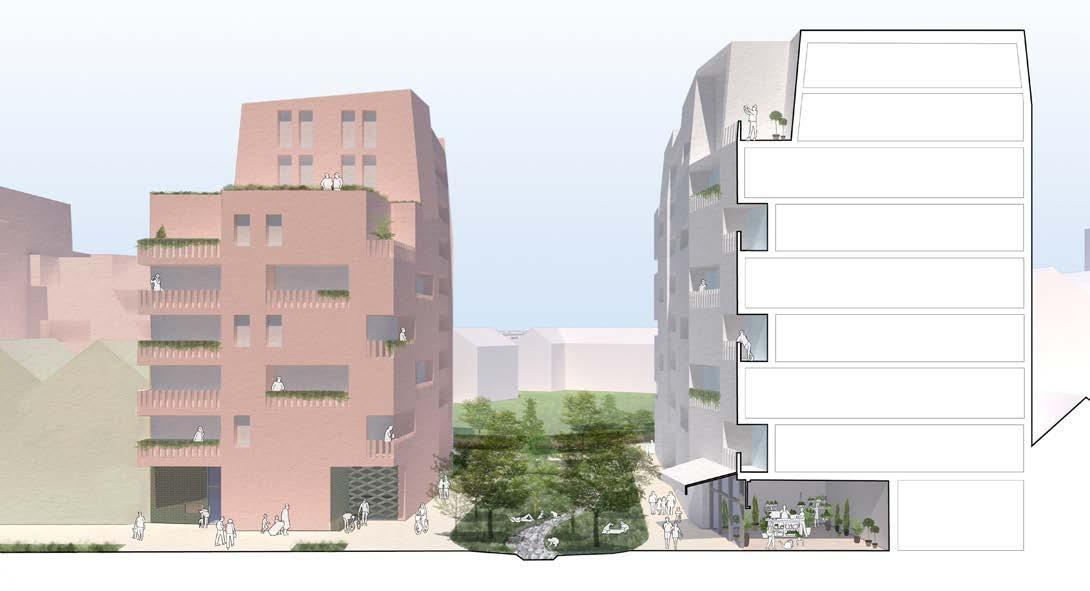
 Indicative illustration of the Local Park
Indicative illustration of the Forest Park
Indicative illustration of the Local Park
Indicative illustration of the Forest Park
Residential Development
Birmingham, UK
RIBA Part 1 Work Experience
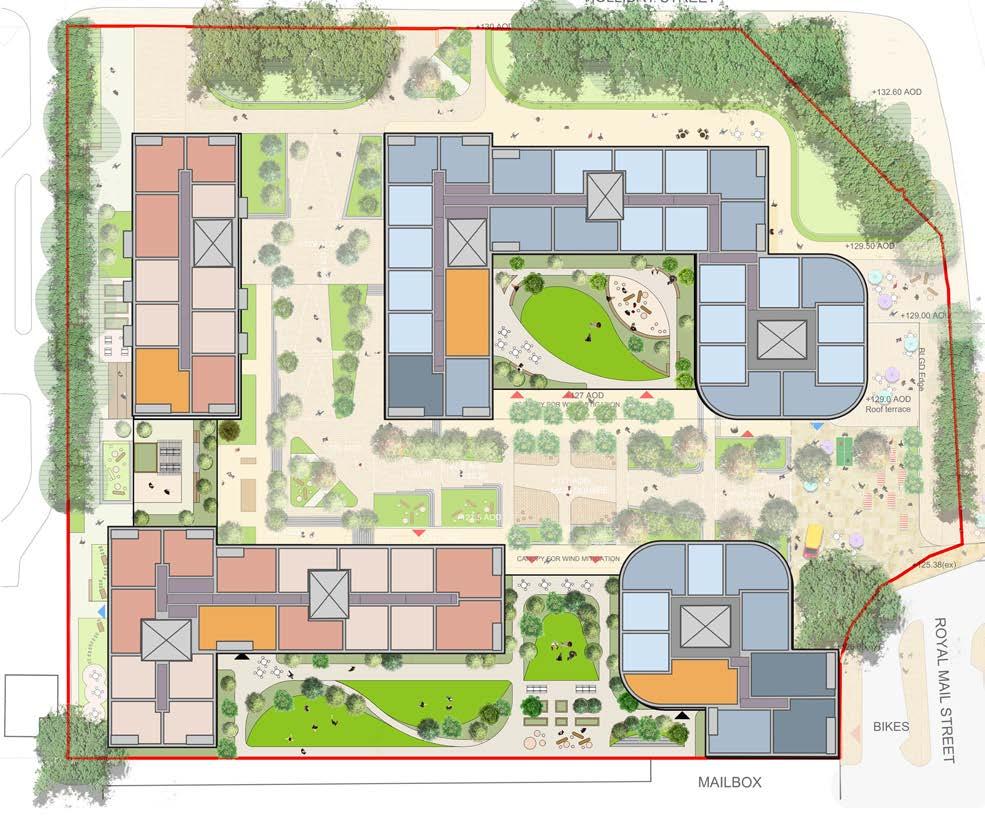
Description: Pre-application and feasibility study for a mixed use residential development. Produced along with the residential team at Fletcher Priest Architects.
Softwares Used:
AutoCAD, Sketchup, Rhino, V-Ray, Enscape, Photoshop, Illustrator.
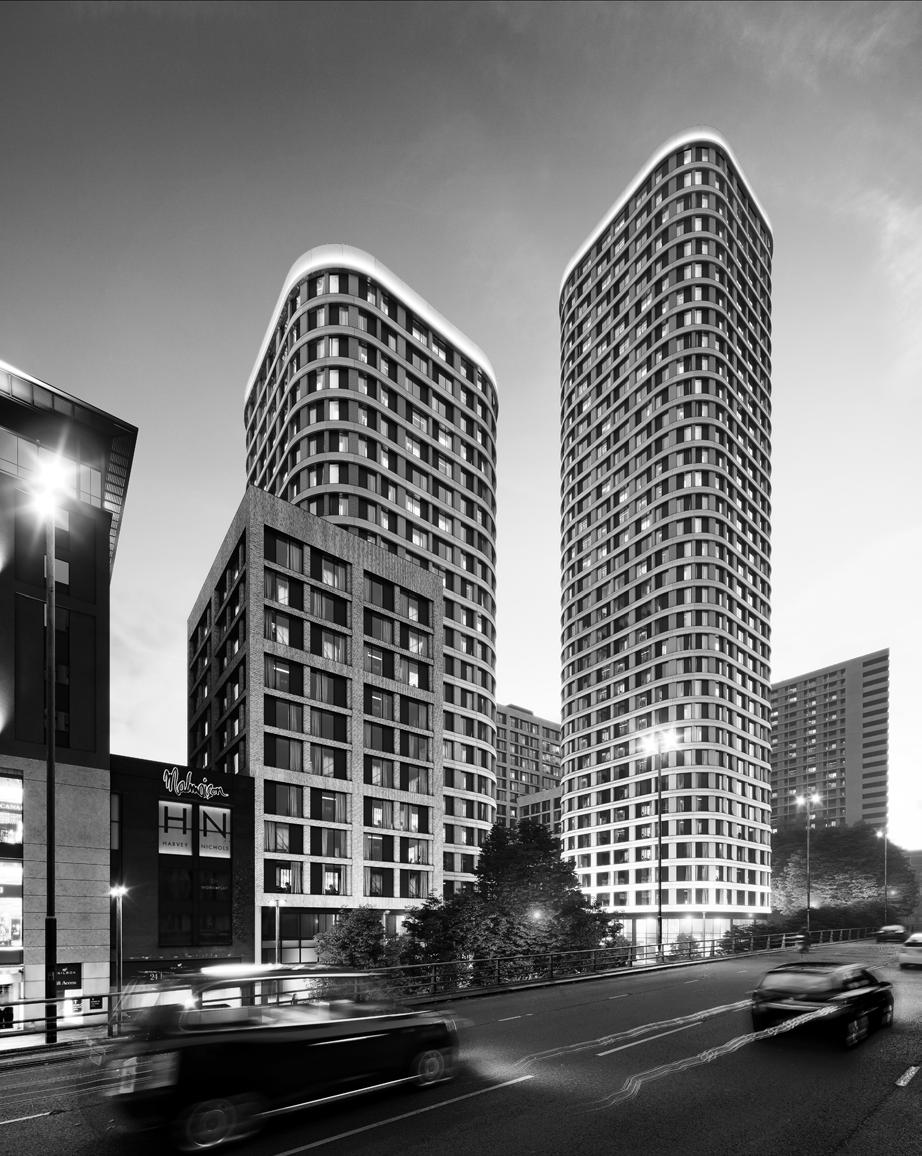
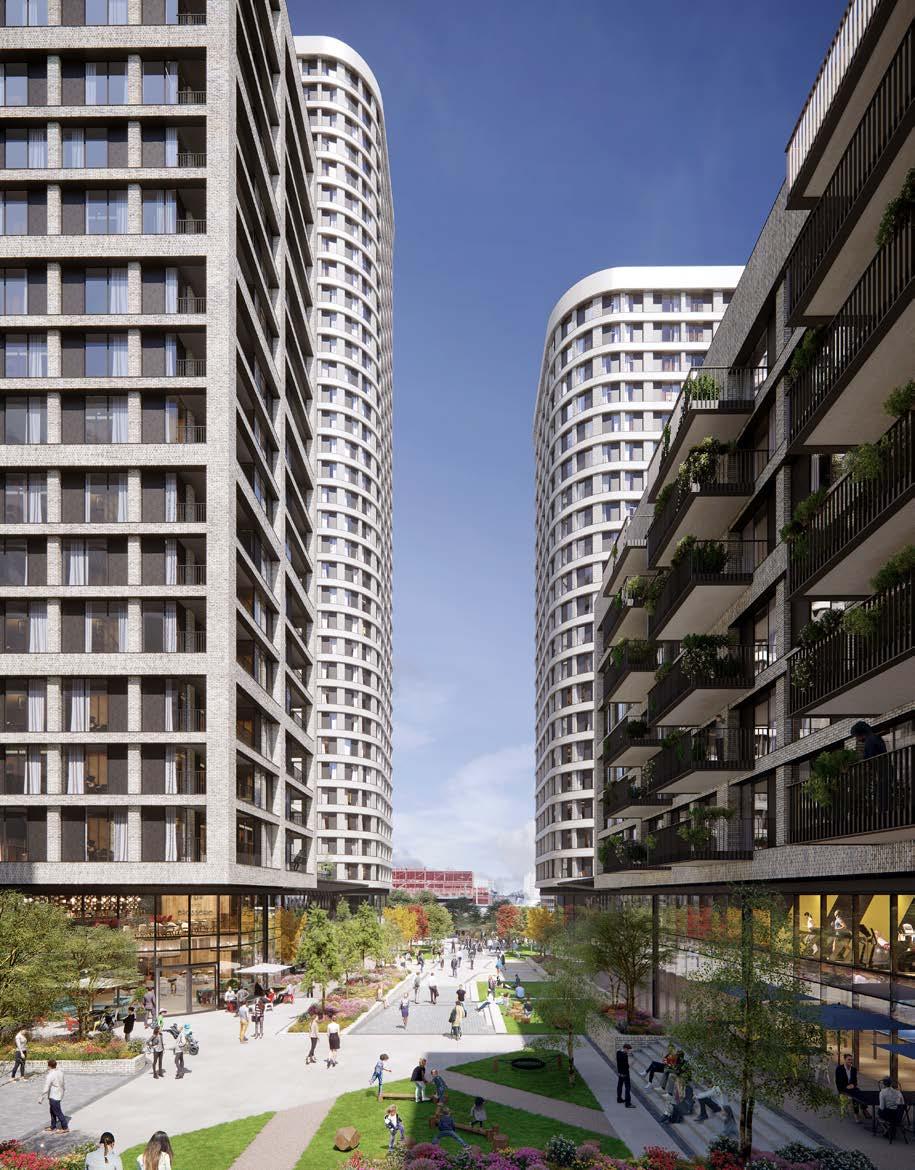
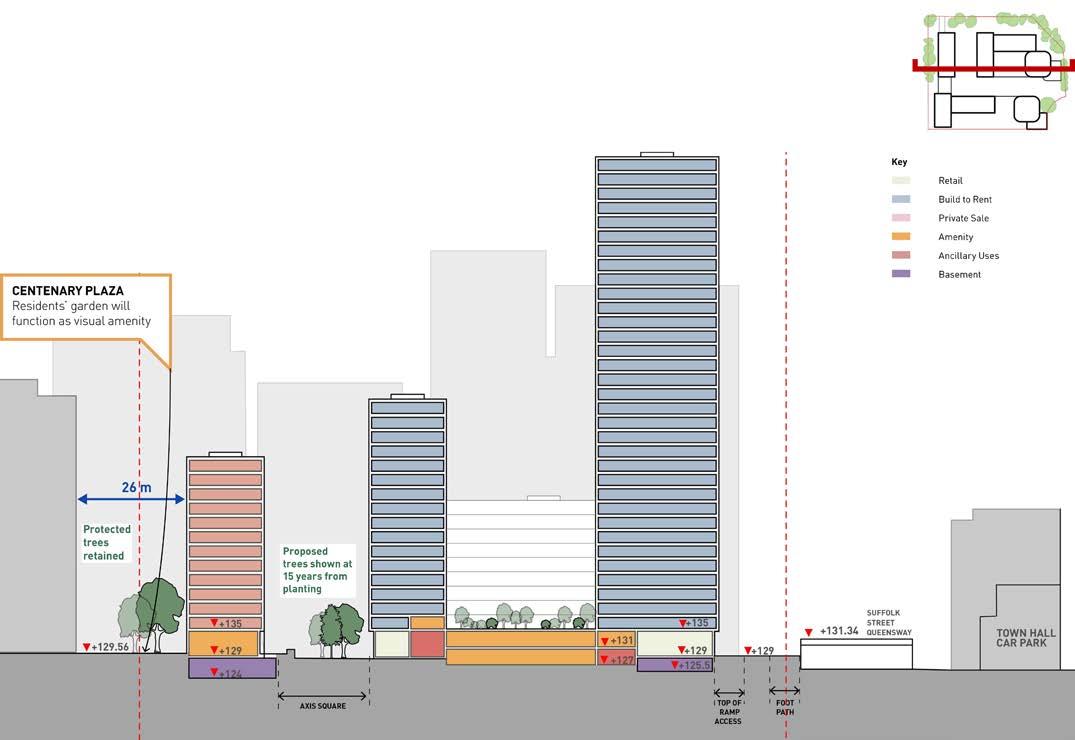
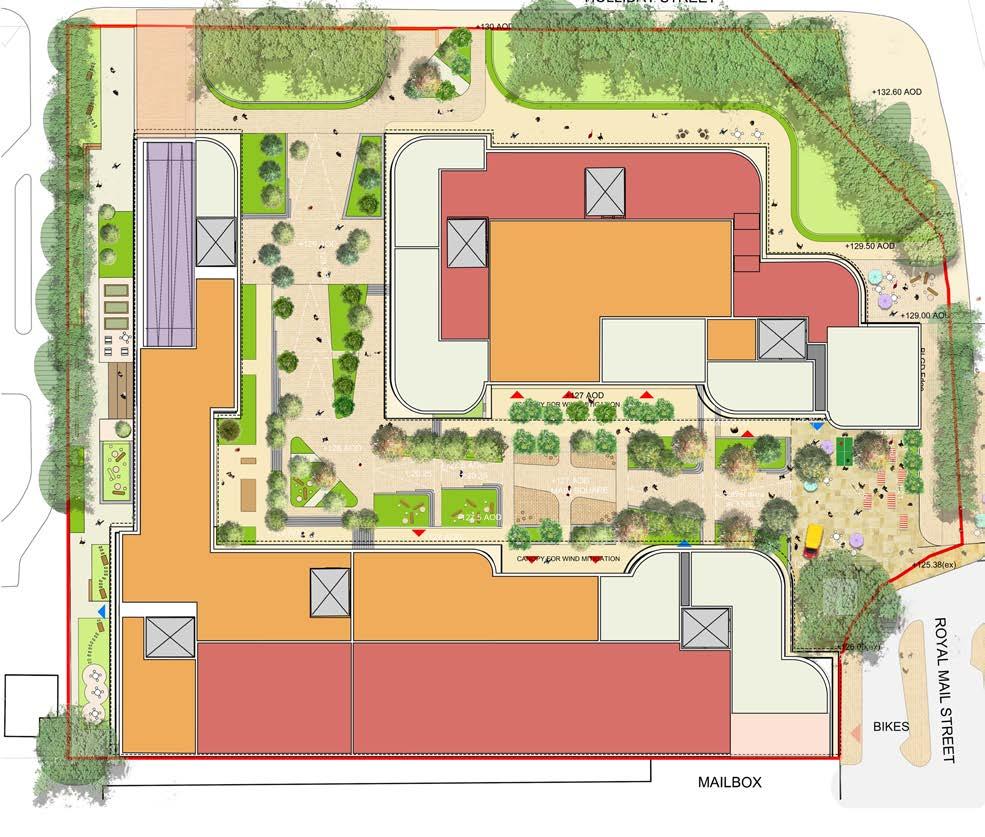
The site is well-placed to increase the supply of housing, help the city centre break through the ring road, connect different neighbourhoods and enhance Birmingham’s green spaces. Its location between Arena Central and New Street Station allows the site to support connected and local living, close to the heart of Birmingham’s economic activity. The site is also a key pocket of greenery in central Birmingham, promoting access to nature through a resilient and adaptable high quality environment. A Major Development Site that will help meet growth needs and increased activity:
“A proactive approach will be taken to develop ideas and proposals for re-imagining and reuse and where alternative development forms could unlock green space, and a broader range of activity and new homes.”
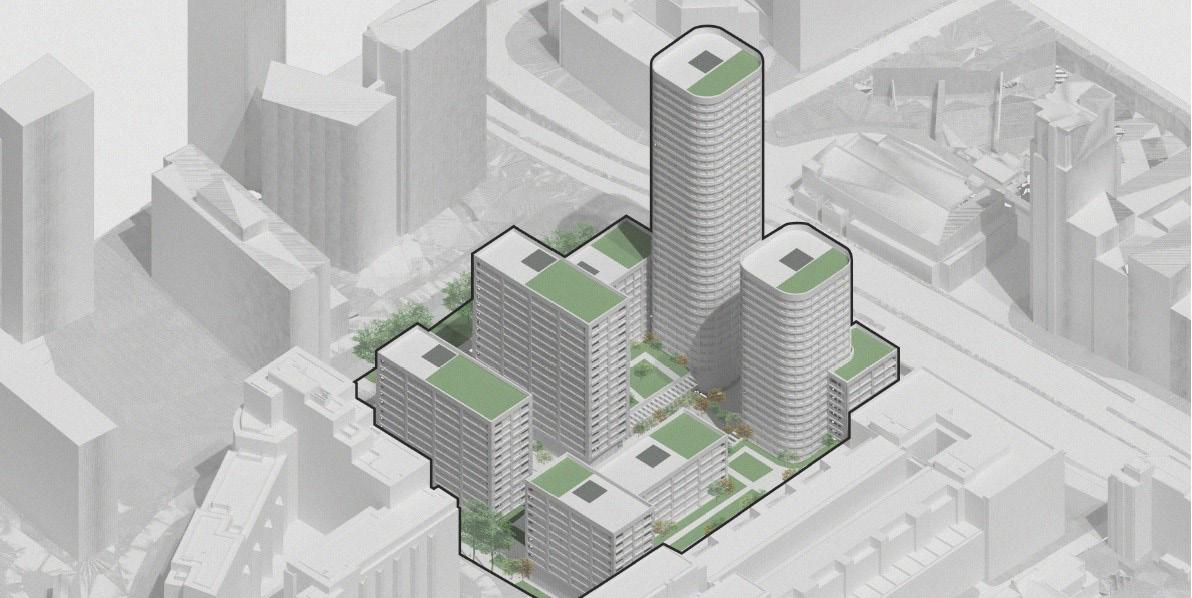
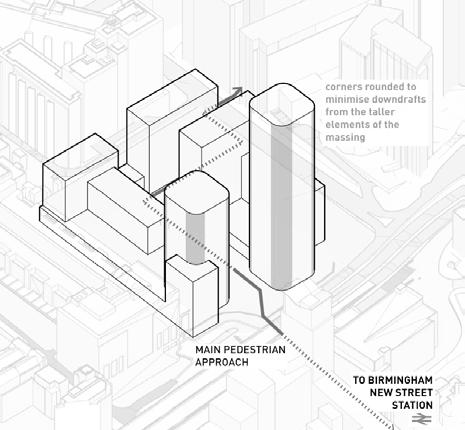
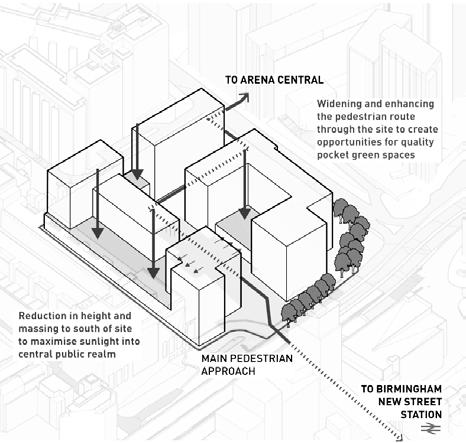
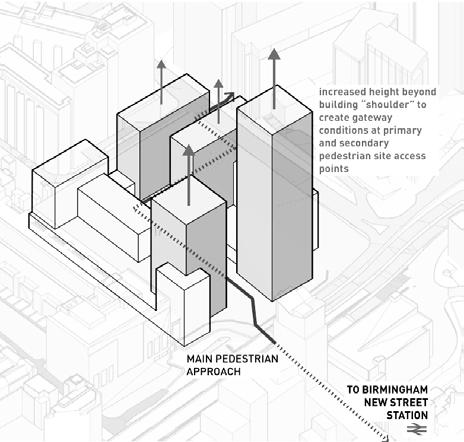
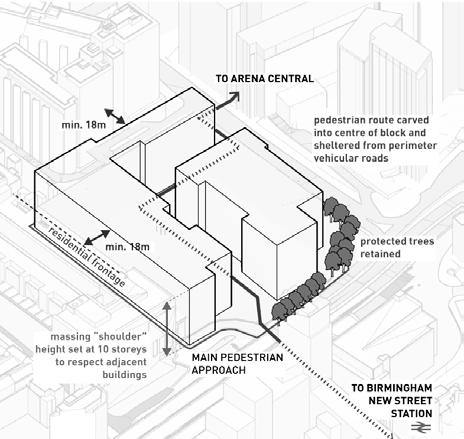
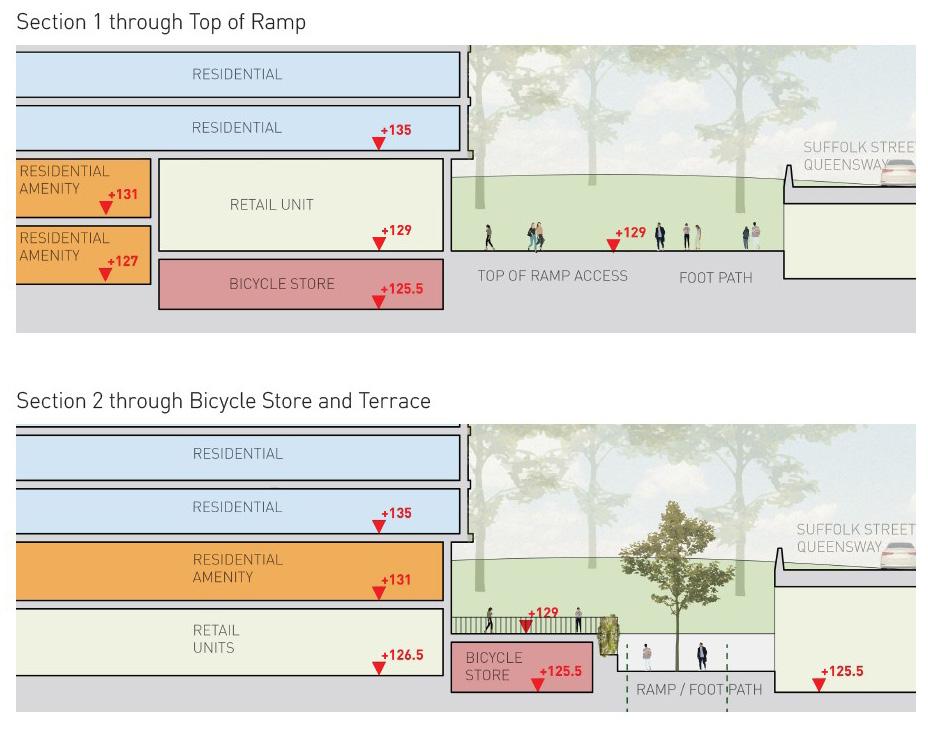
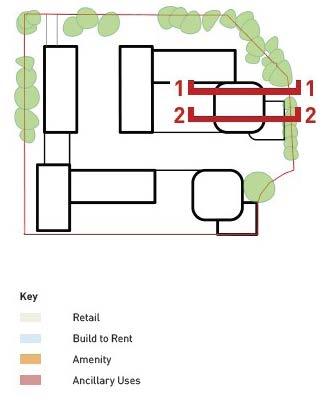
Key Design Moves and Massing Strategy
Ground Floor Plan: Public Realm
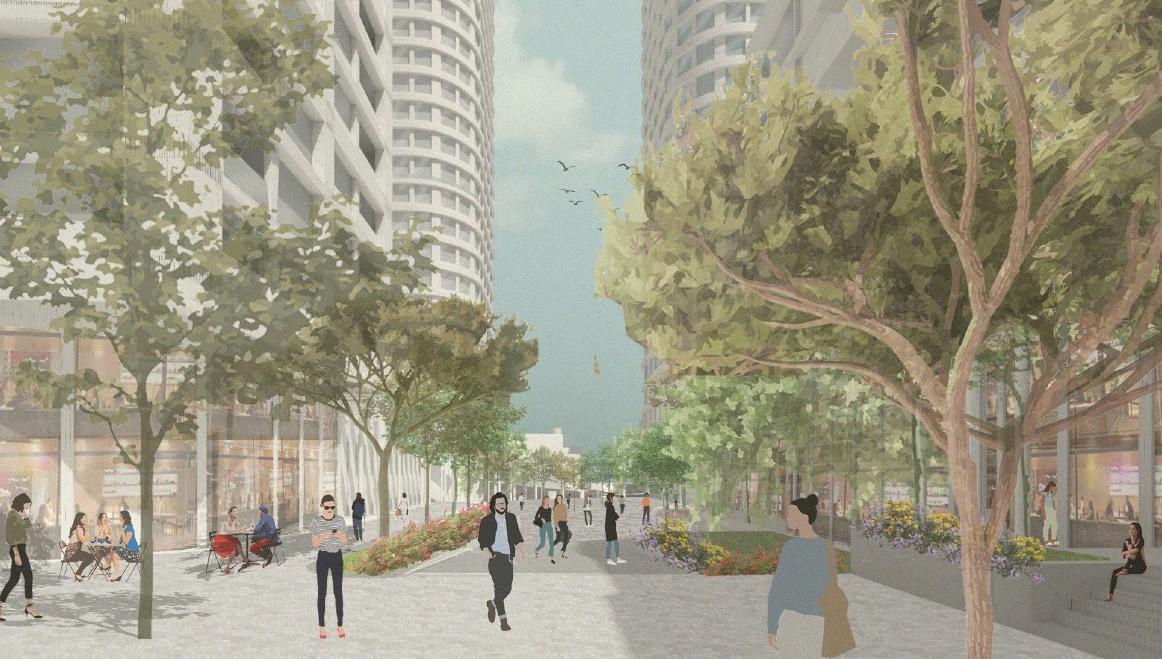 View: Public Realm Toward Navigation Street
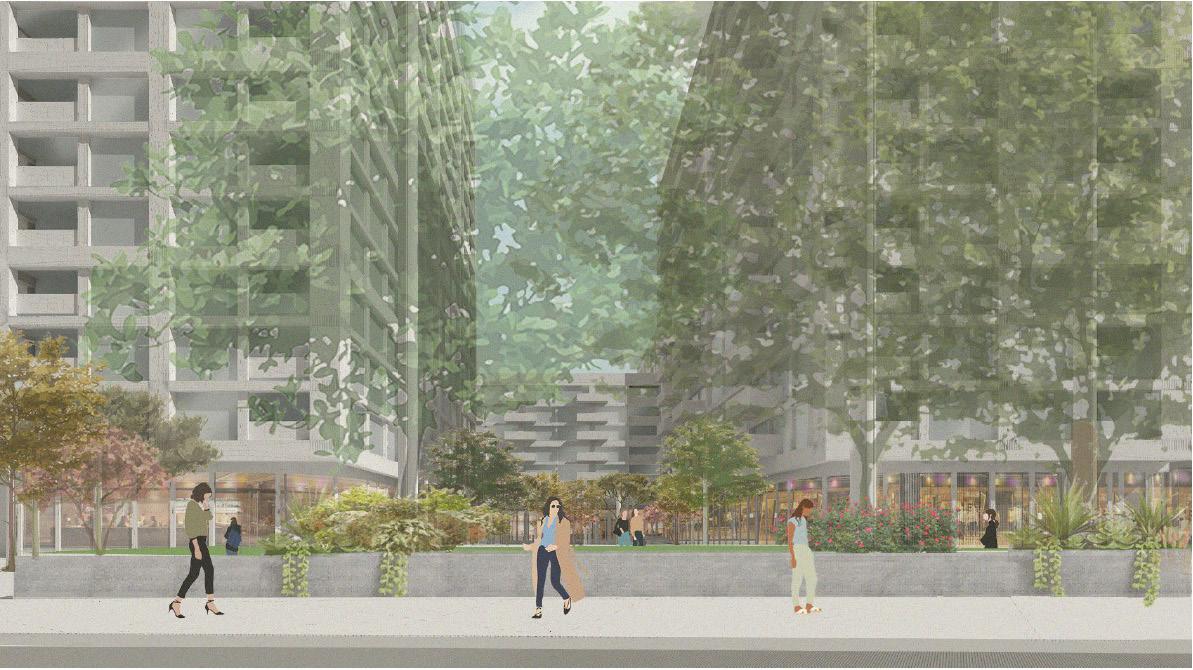
 View: Into The Scheme from Holliday Street
Podium Level Plan: Terraced Garden/Communal Area
View: Into The Scheme from Holliday Street
Podium Level Plan: Terraced Garden/Communal Area
Residential Development
Dublin, Ireland
RIBA Part 1 Work Experience
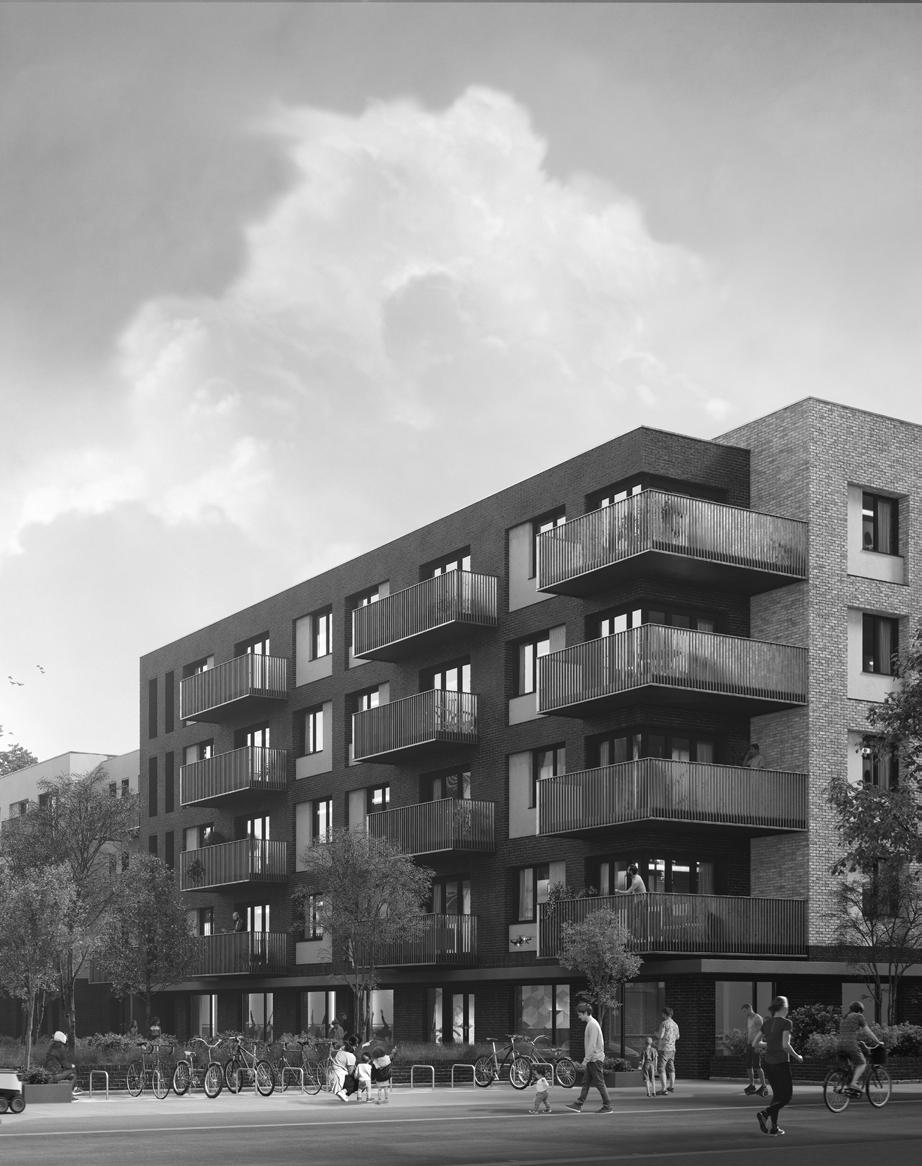
Description: Pre-application and Planning for a mixed use residential development. Produced along with the residential and urban design team at Fletcher Priest Architects.
Softwares Used:
AutoCAD, Sketchup, Rhino, V-Ray, Enscape, Photoshop, Illustrator.
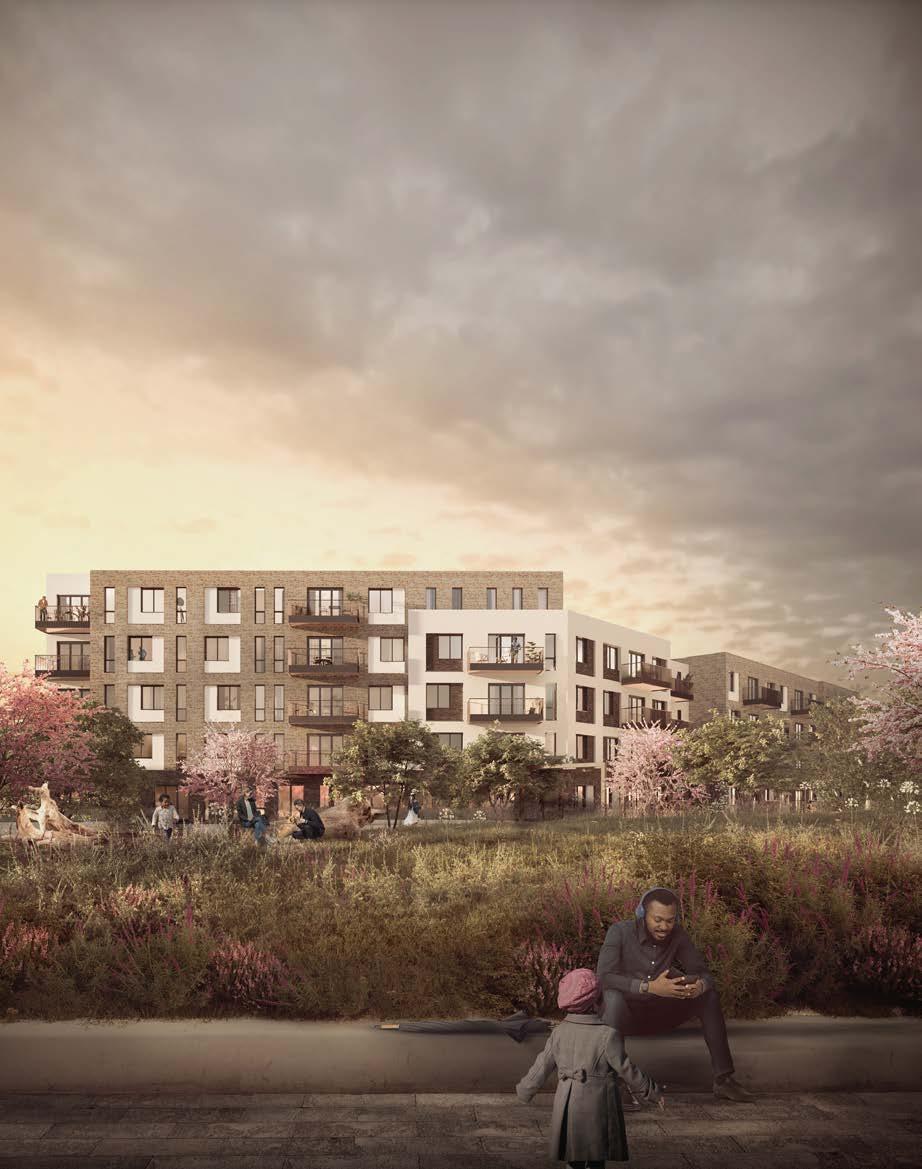
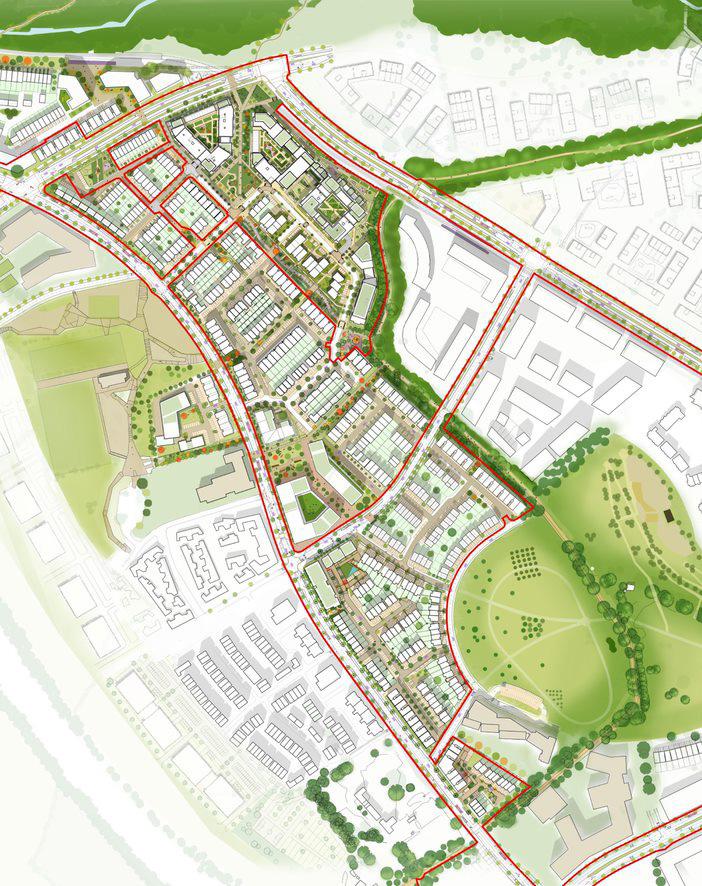
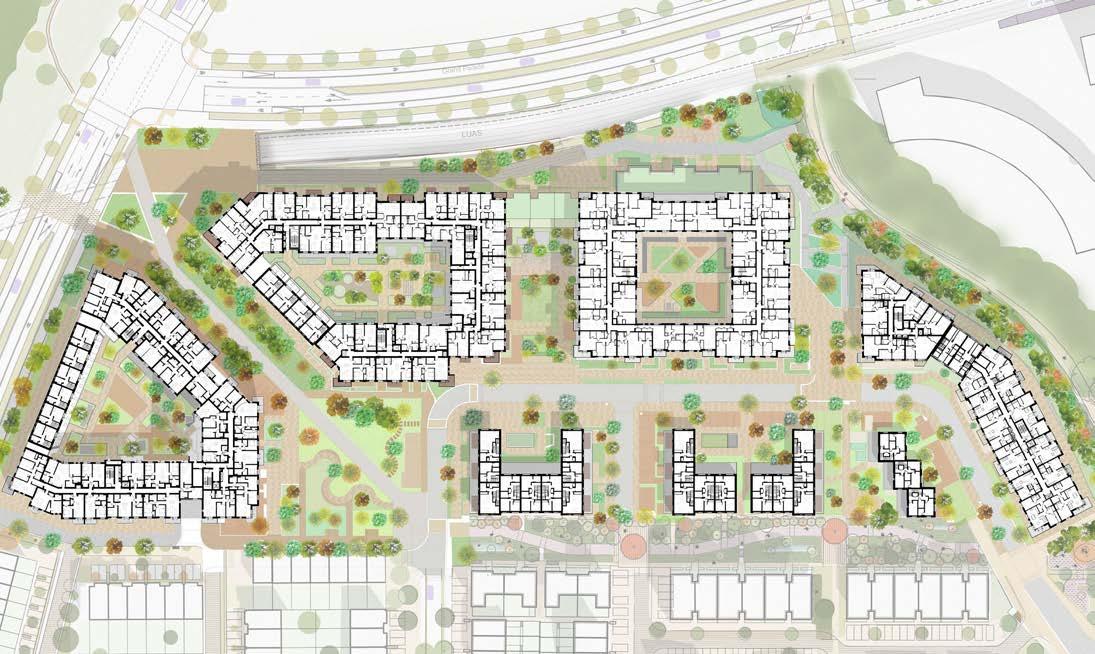
The masterplan for Cherrywood creates a sustainable urban village to the south of Dublin, with over 2,000 new homes connected by public realm and ecological corridors. Approximately 770 of these homes are being designed and will be delivered in two phases. In parallel with the masterplan, the architectural design is also being undertaken for 480 build-to-rent homes within the first phase adjacent to the tram line and a further 290 units in an adjoining phase of the project. There will be a mix of apartments, duplexes and triplexes arranged along a greenway, village green, pocket park and an ecology-rich, historic country lane. The accommodation is arranged in mid-rise residential buildings around generous amenity podium gardens and a series of 3-storey low-rise buildings. At the heart of the scheme is a pocket park aligned with flexible community spaces supporting a variety of amenities for residents.
“The masterplan seeks to create a place that is a hybrid of city and landscape, providing the best of both worlds.”
Masterplan: Cherrywood, Dublin
Masterplan: L1L2 Grand Parade Street Cherrywood
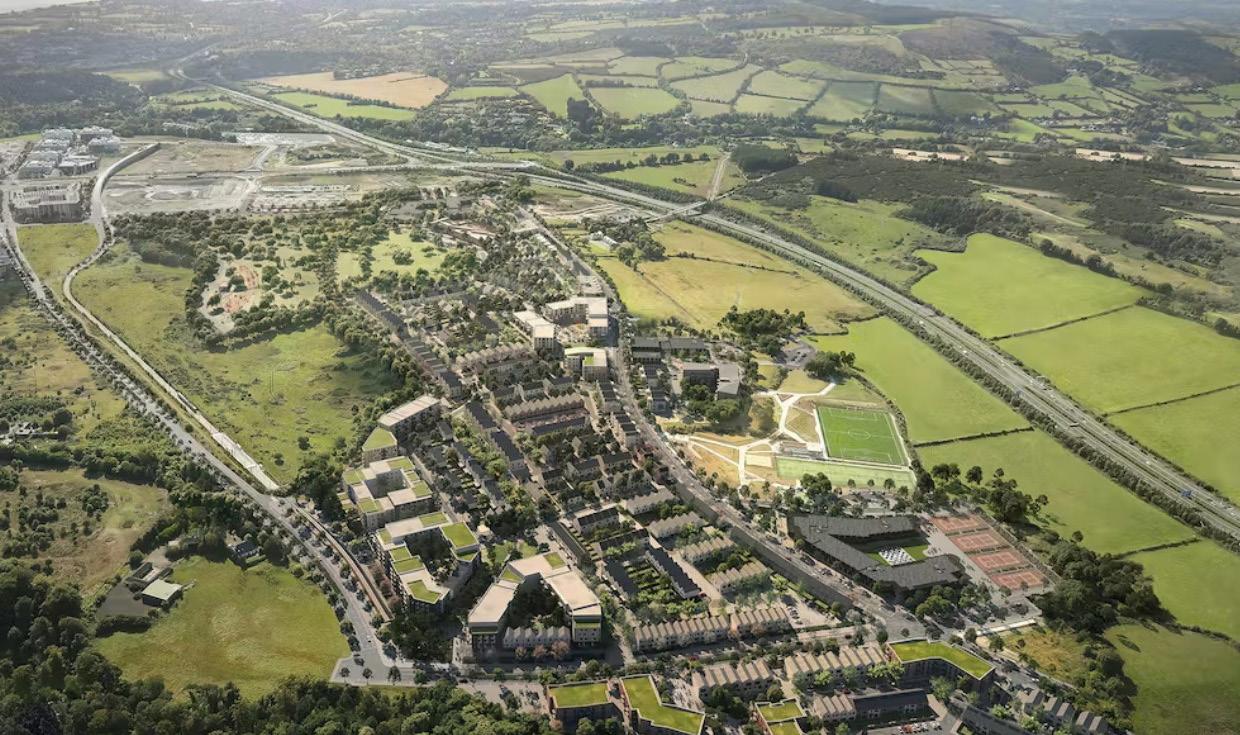
 Aerial View: Cherrywood, Dublin
Studio and 1 Bedroom Flat Typologies
2 Bedroom Flat Typologies
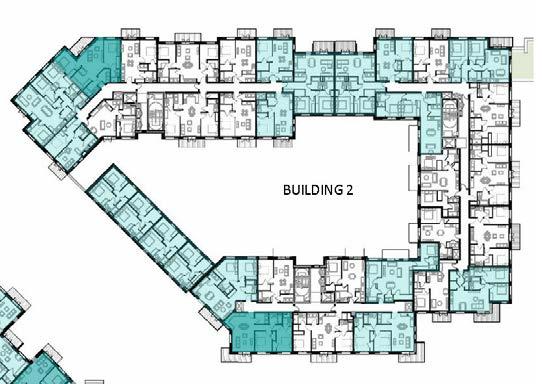
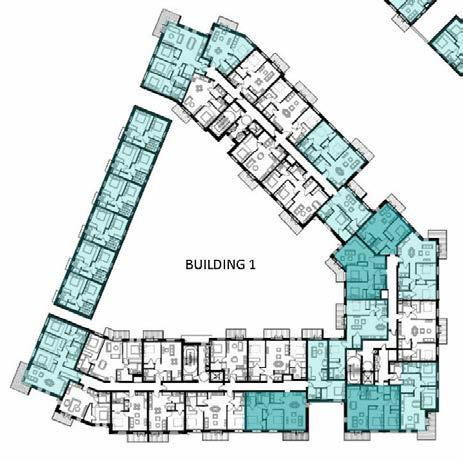
Dual Aspect Proposed Additional Dual Aspect Units
Building 1 and 2 Upper Floor Typical Plans
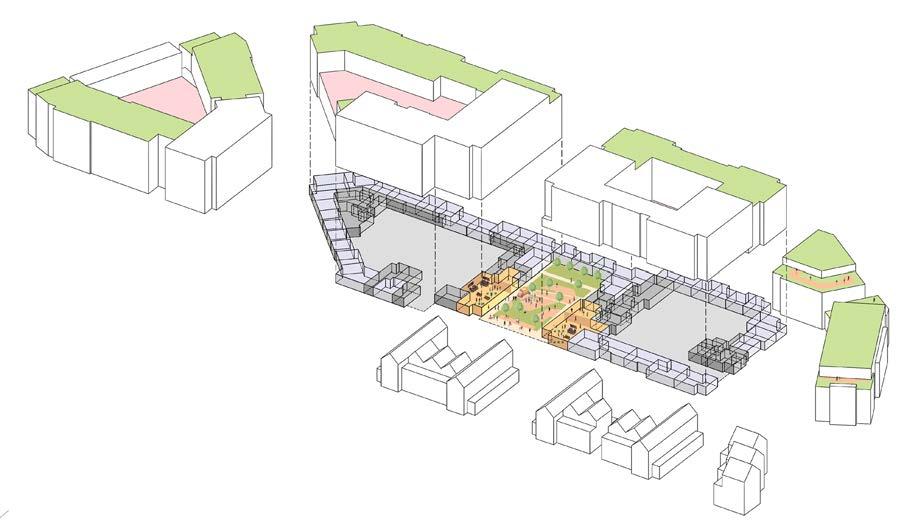
 Exploded Axonometric
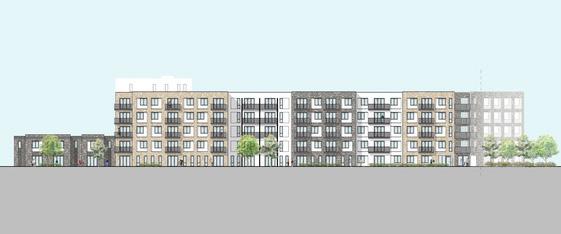
L1L2 Elevation
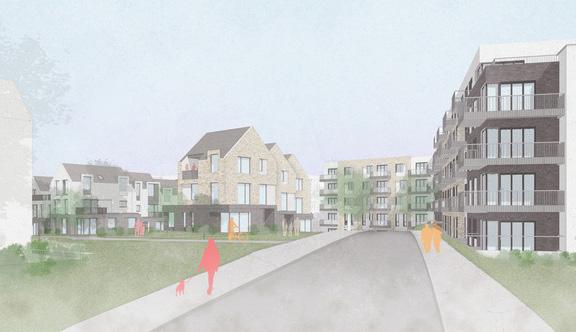
View: Looking into L1L2 Building Types
Exploded Axonometric
L1L2 Elevation
View: Looking into L1L2 Building Types
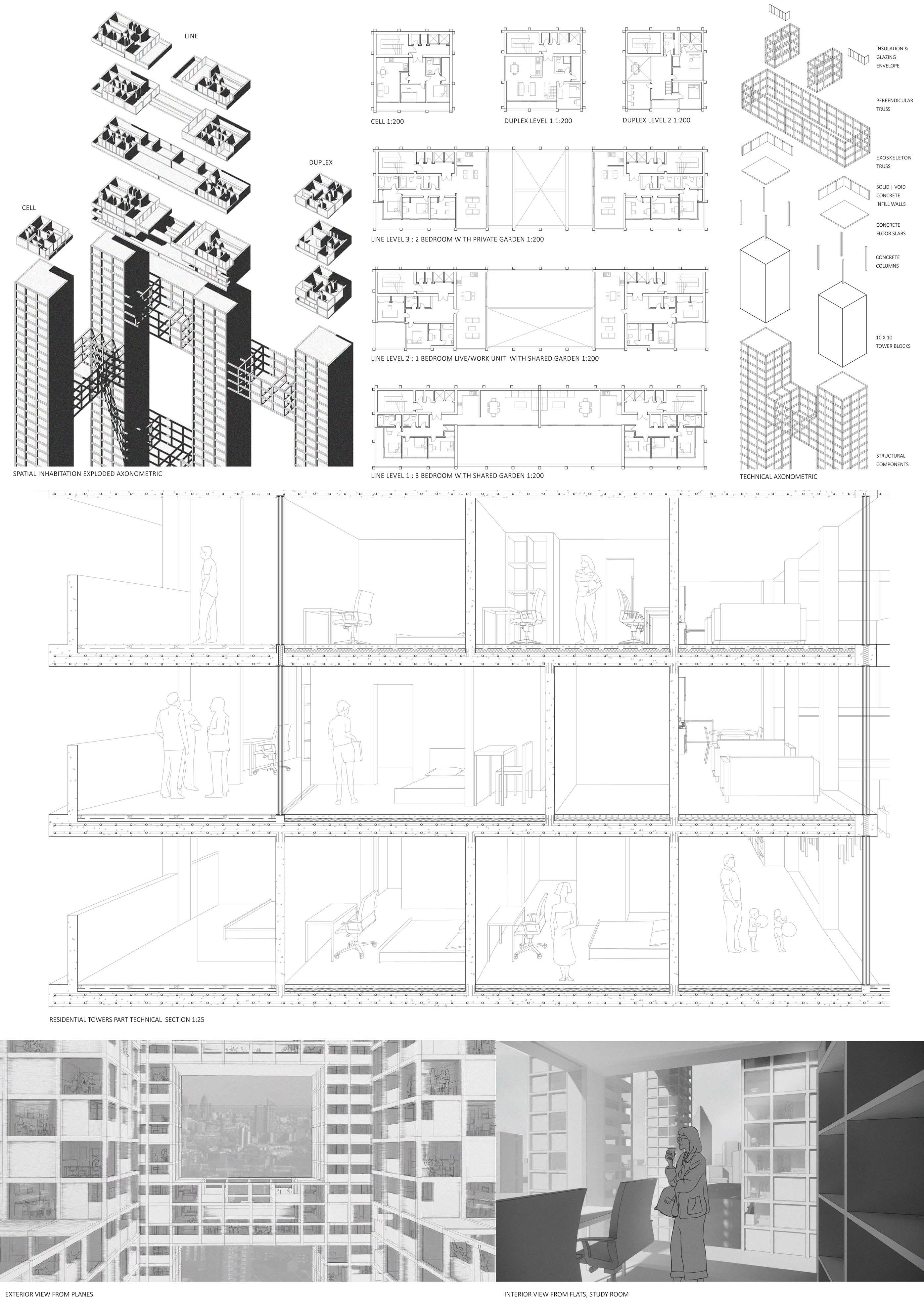
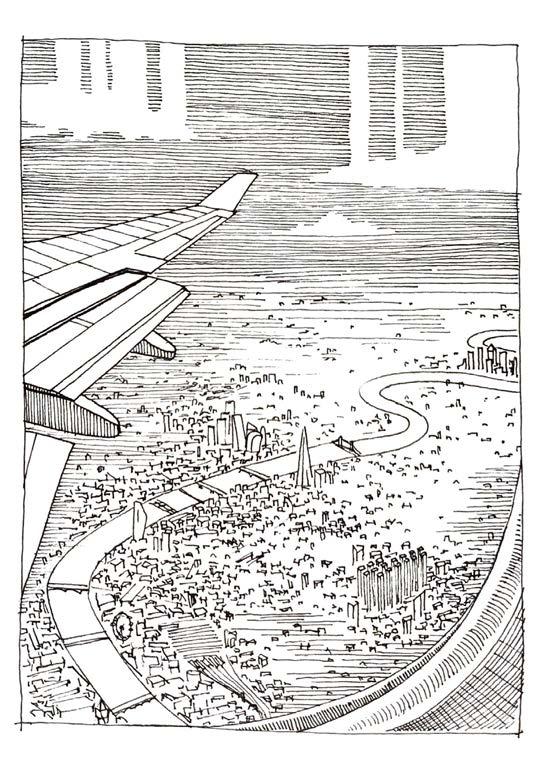
Description: Researched the problems of Gentrification in London. Specifically looking into gentrification processes in the former Heygate Estate. Proposed a GRID of 39 towers to re-house the 3000 people that were displaced during the demolition of the Estate.
Softwares Used: AutoCAD, Sketchup, Revit, Enscape, Photoshop, Illustrator.
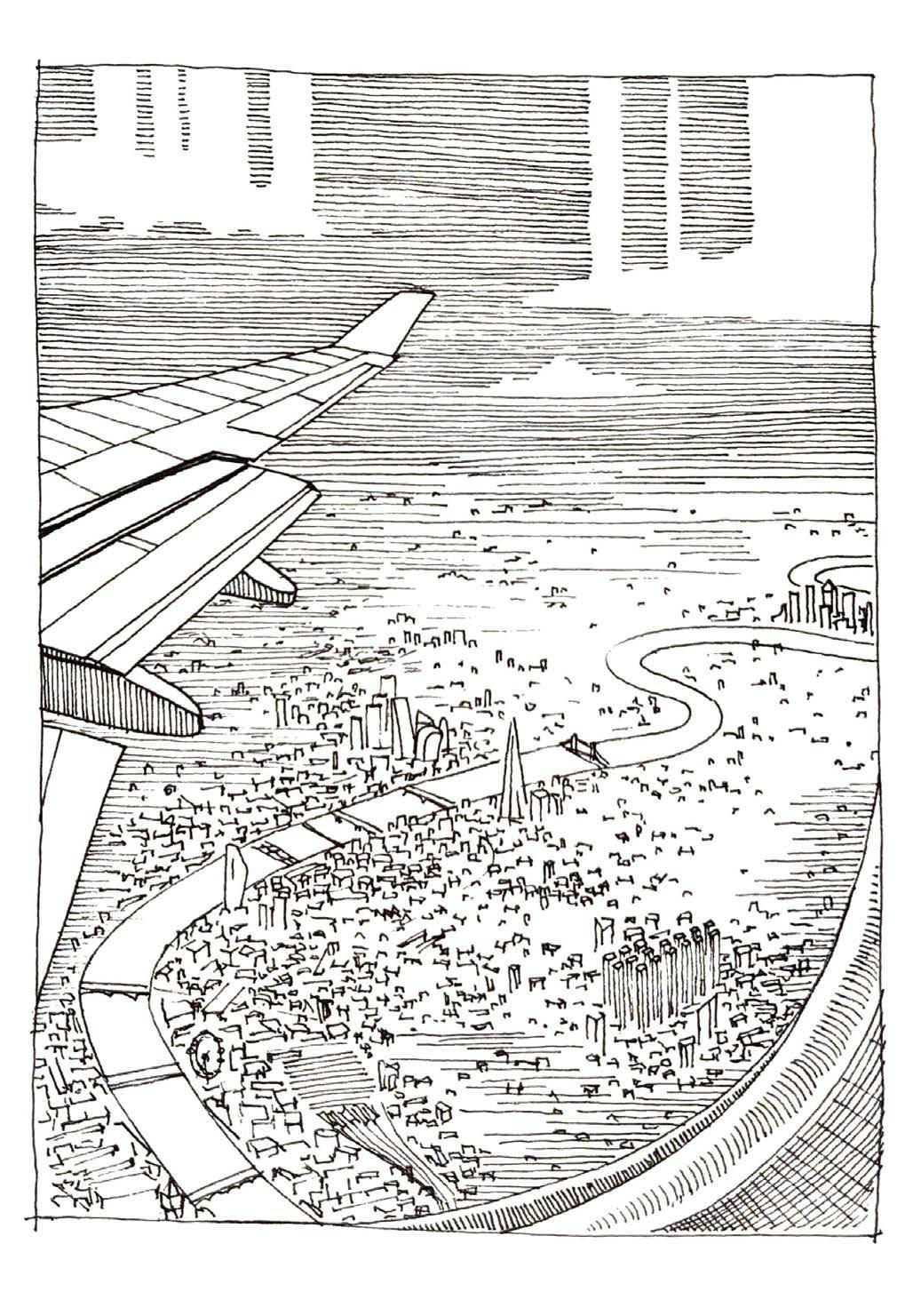
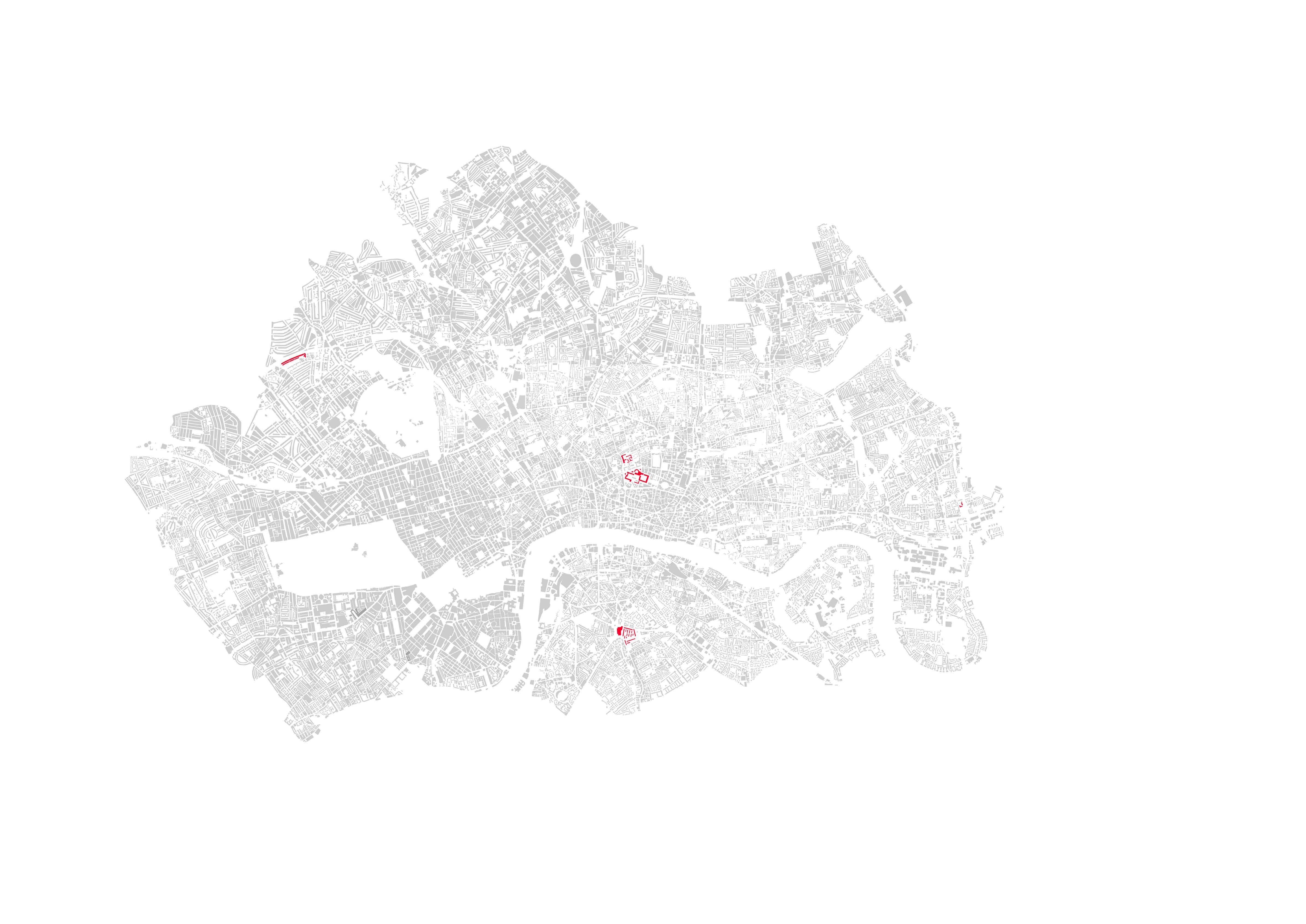 Former Heygate Site Location Map
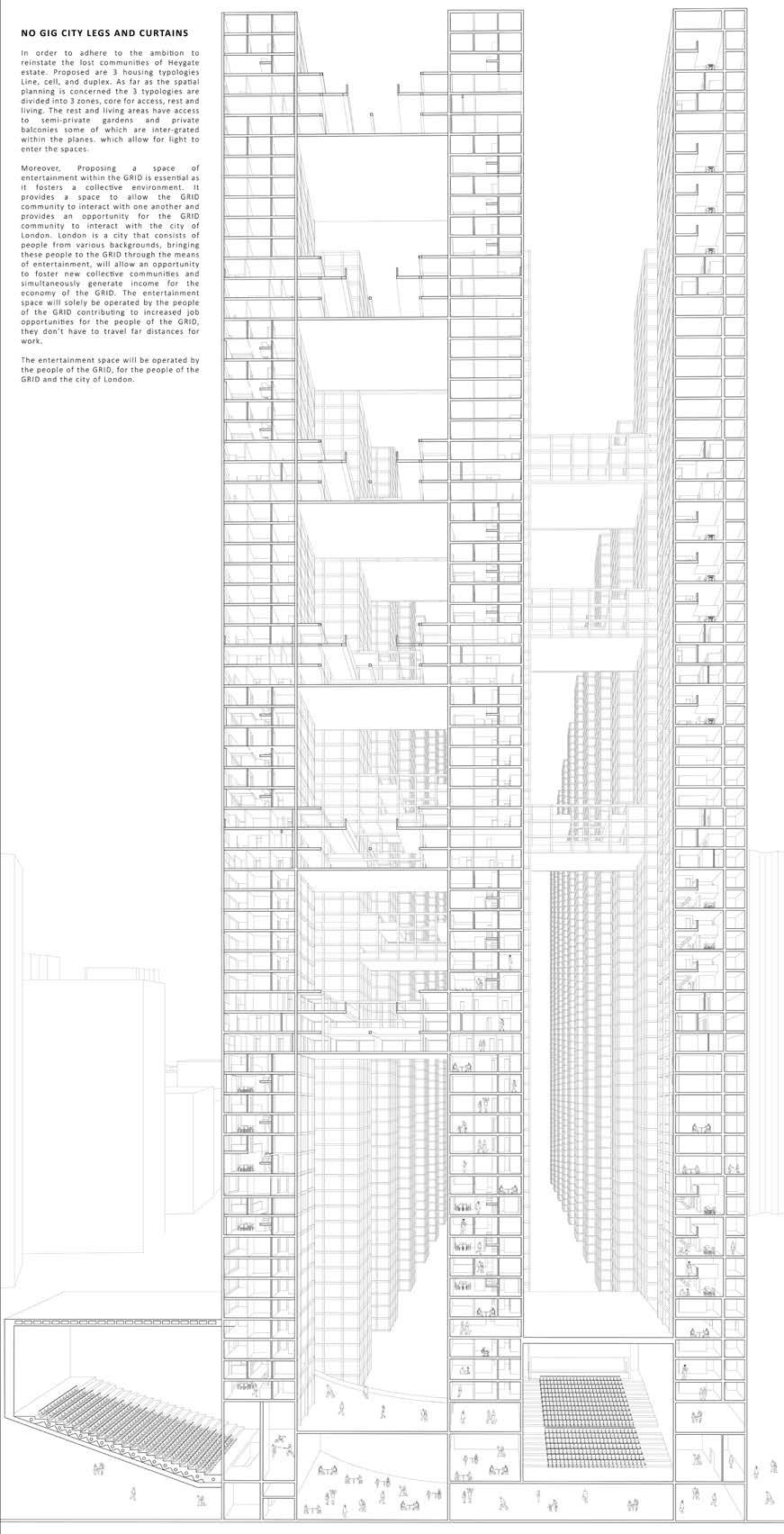
Key Design Moves
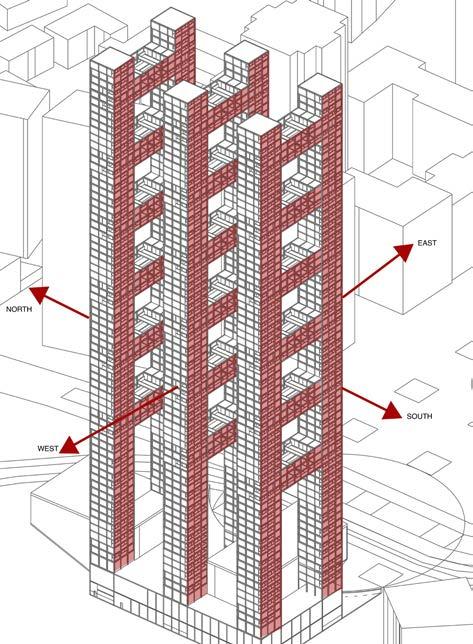
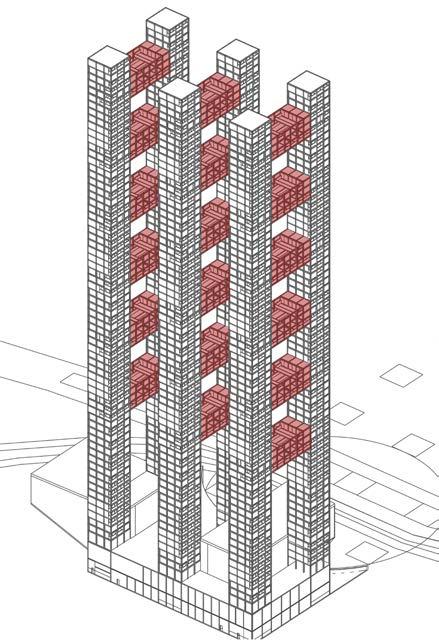
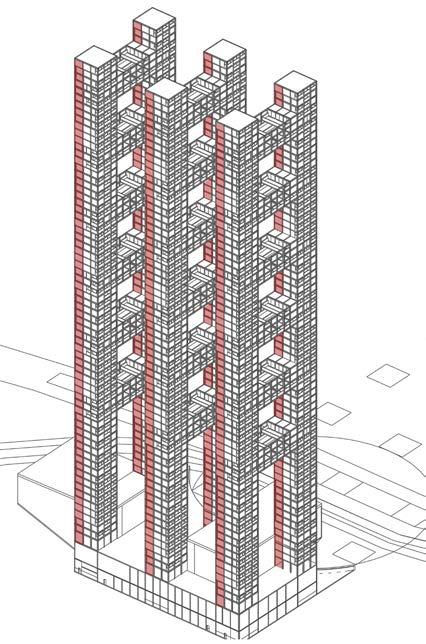
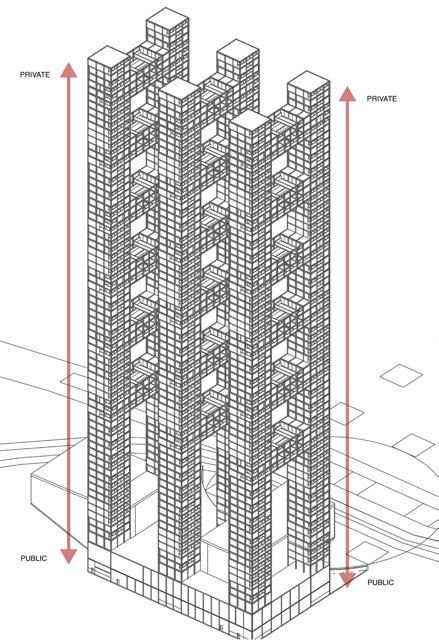 Public and Private
Fire and Service cores
Semi-private palnes
Orientation and Frontage
Public and Private
Fire and Service cores
Semi-private palnes
Orientation and Frontage
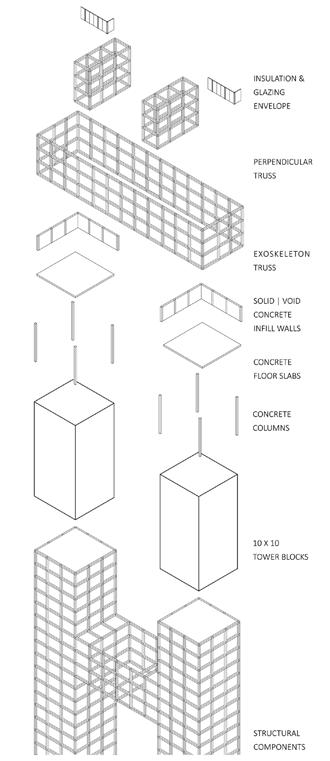
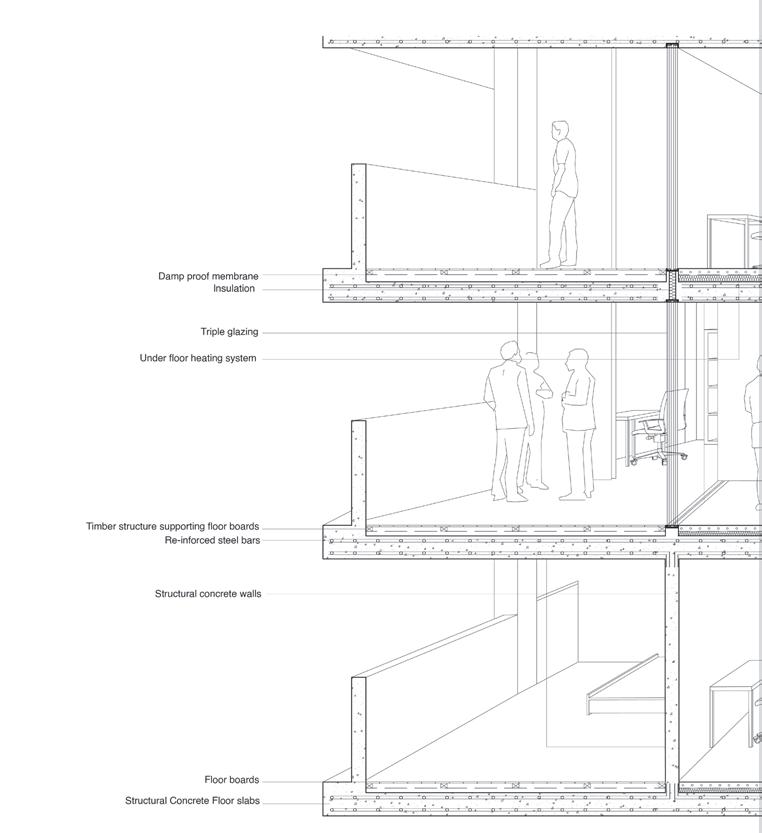 Detail Construction Section
Concept Sketches
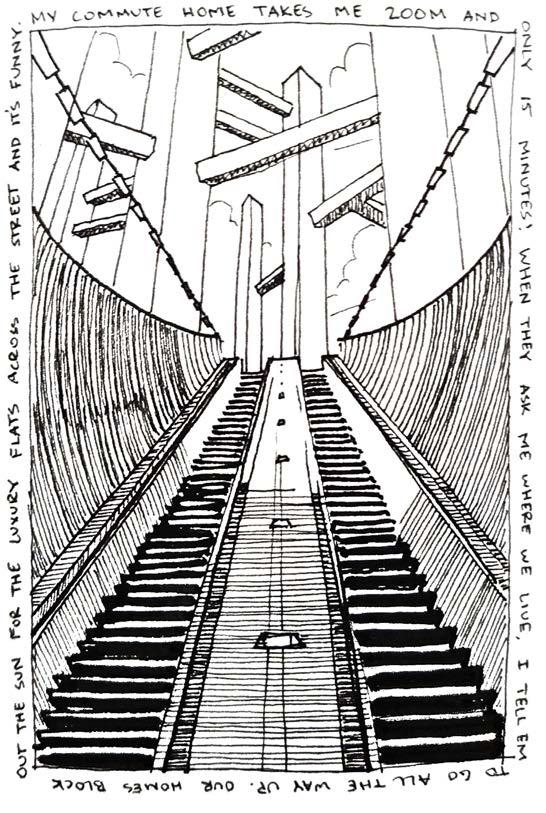
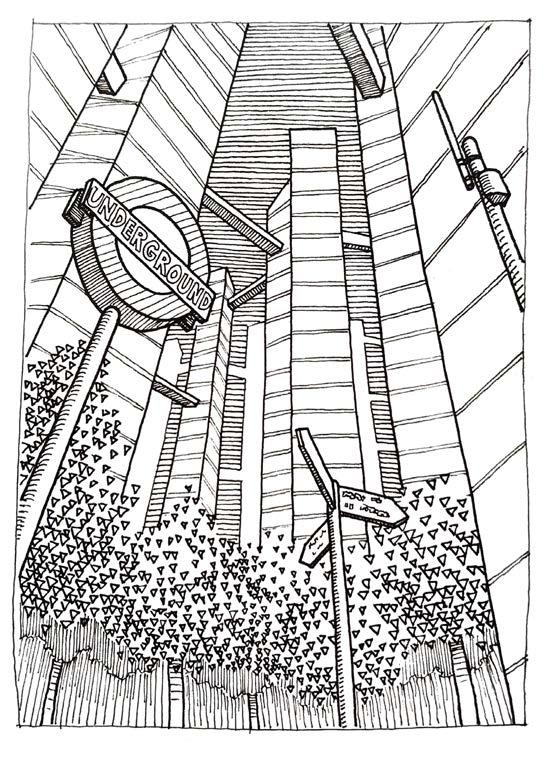
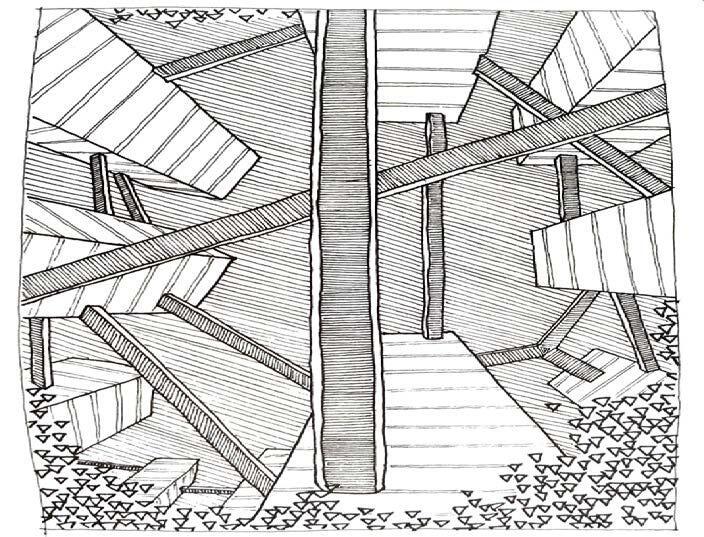
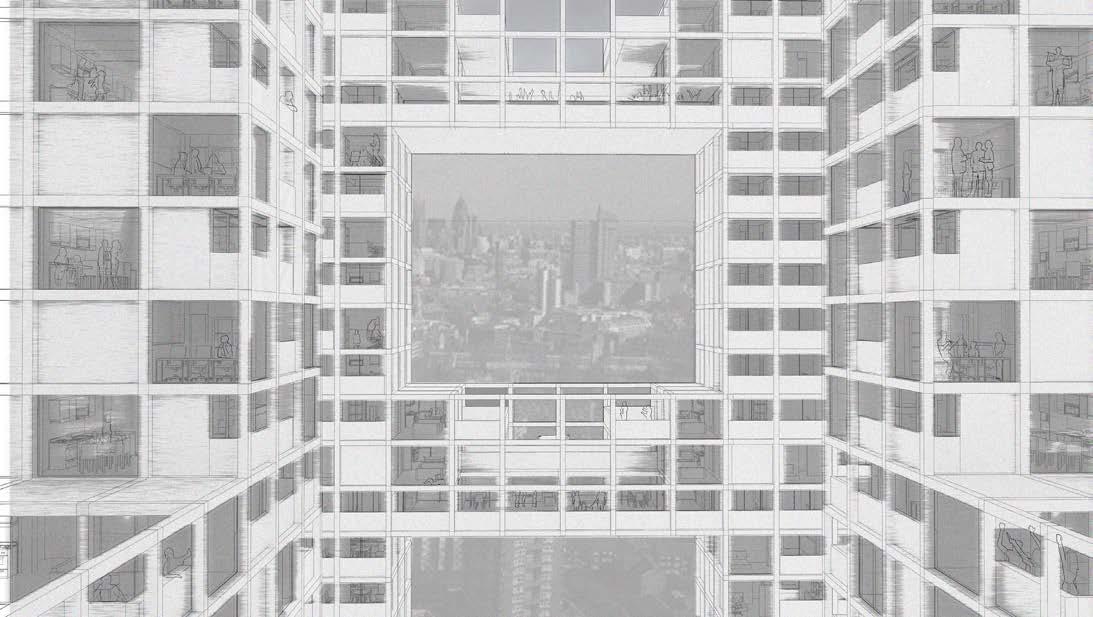
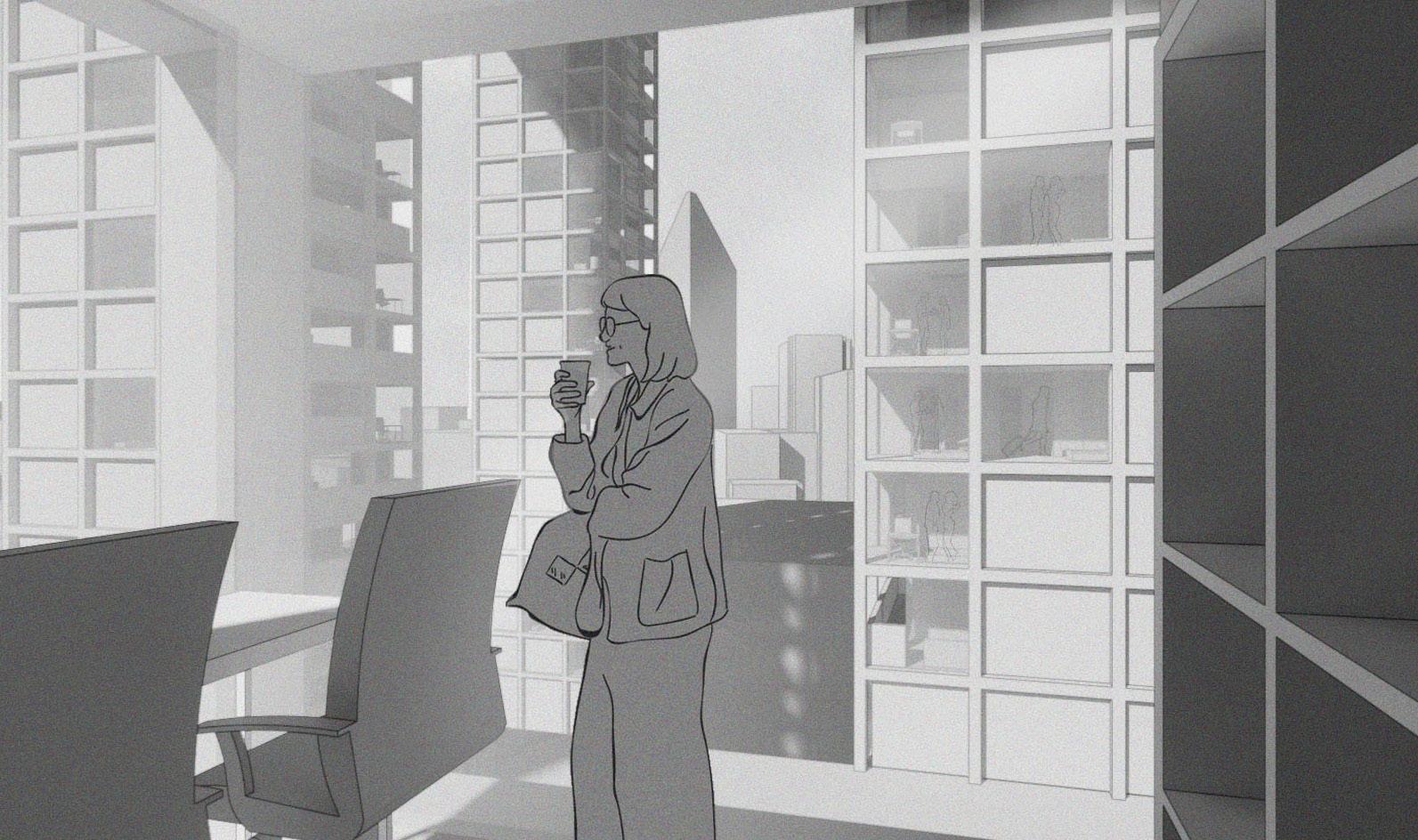 View: From Balcony Into London Skyline
View: Internal From Study Area
View: From Balcony Into London Skyline
View: Internal From Study Area
Applied Sciences University
The Value of Knowledge: Catalysing a Technical Economy in the Hinterlands. Duisburg, Germany
Master of Architecture, University of Dundee
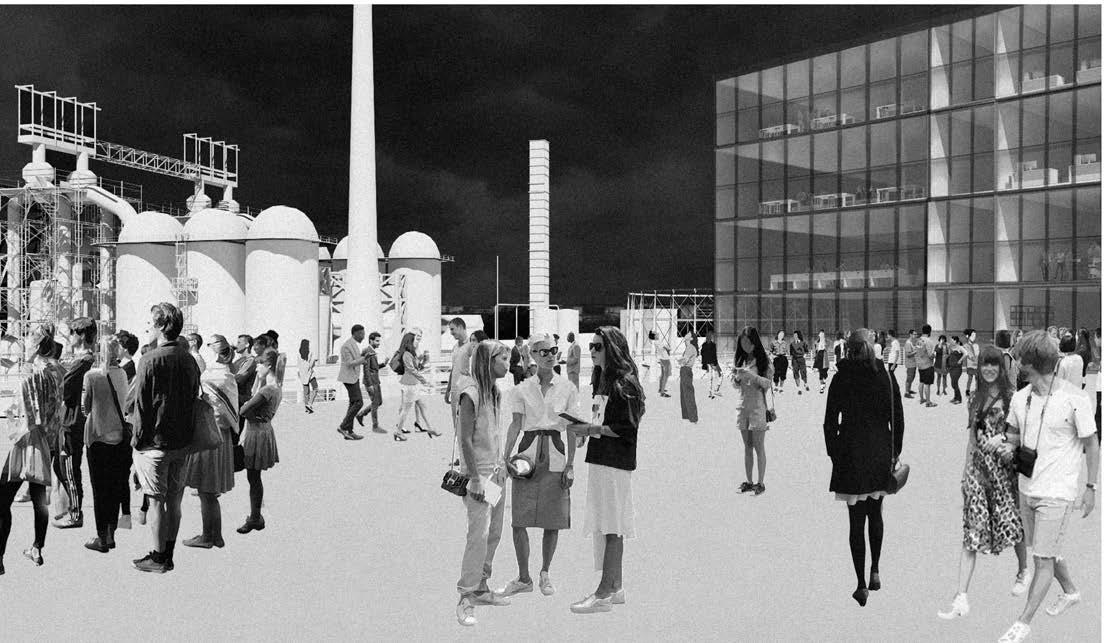
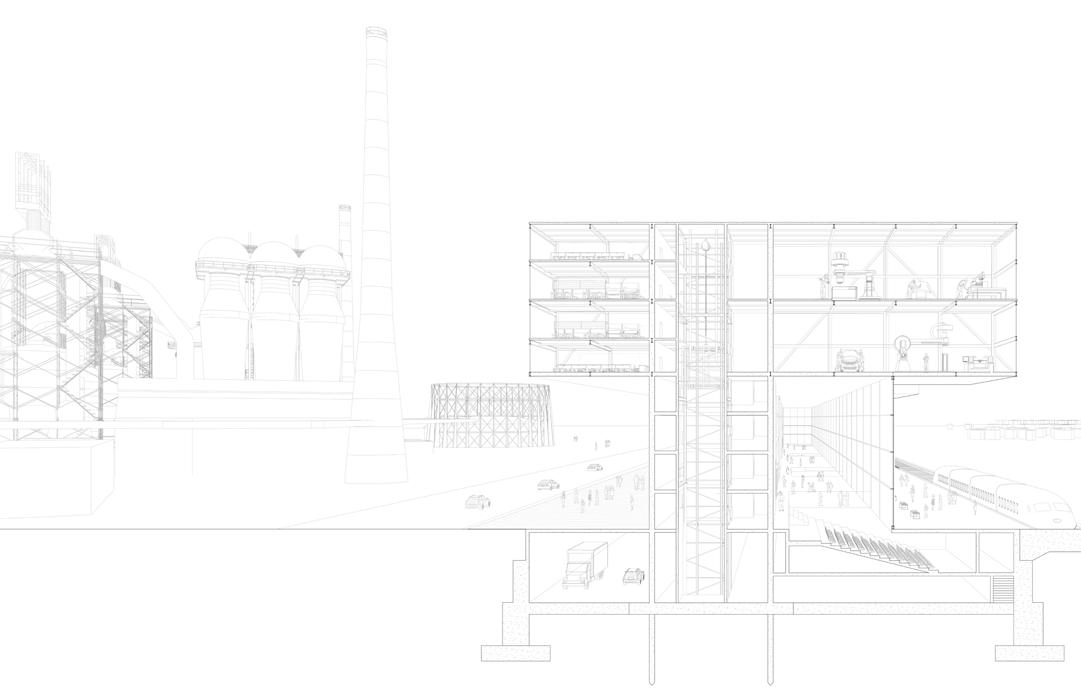
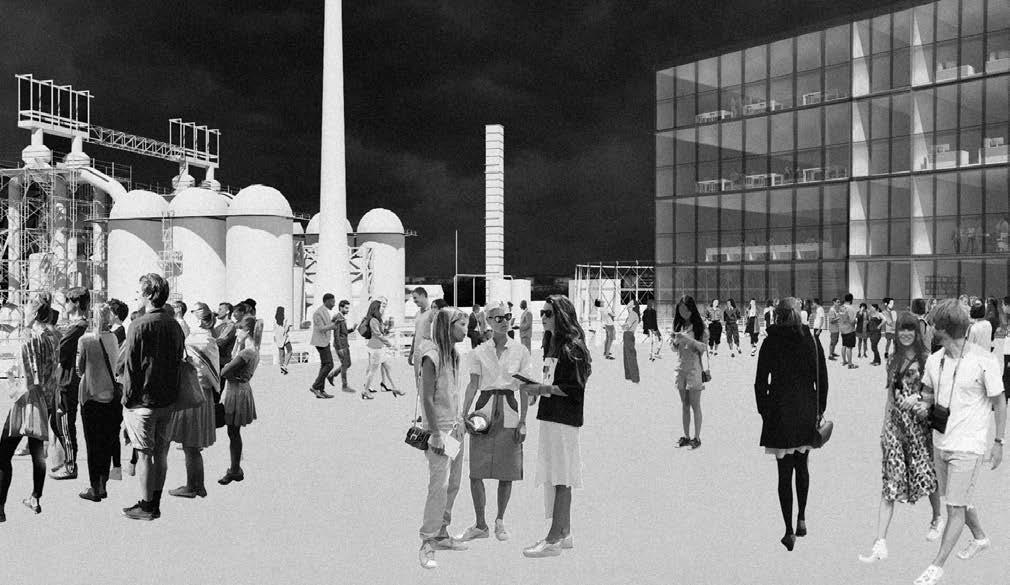
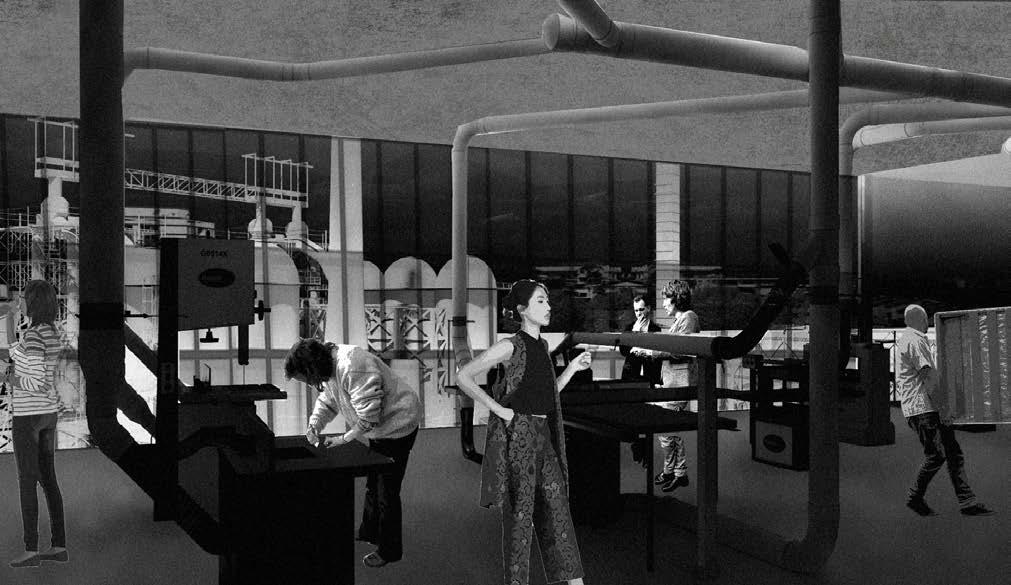
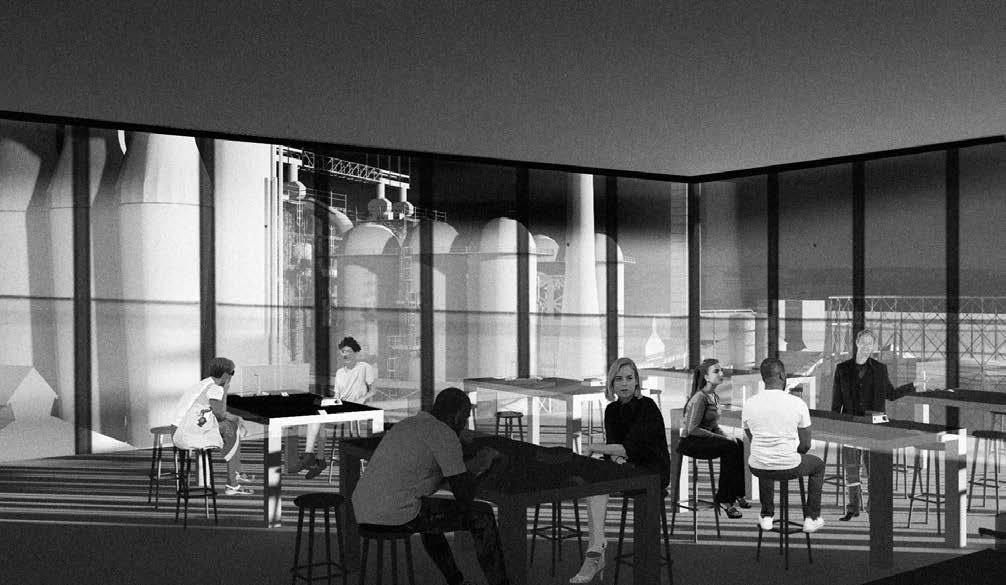
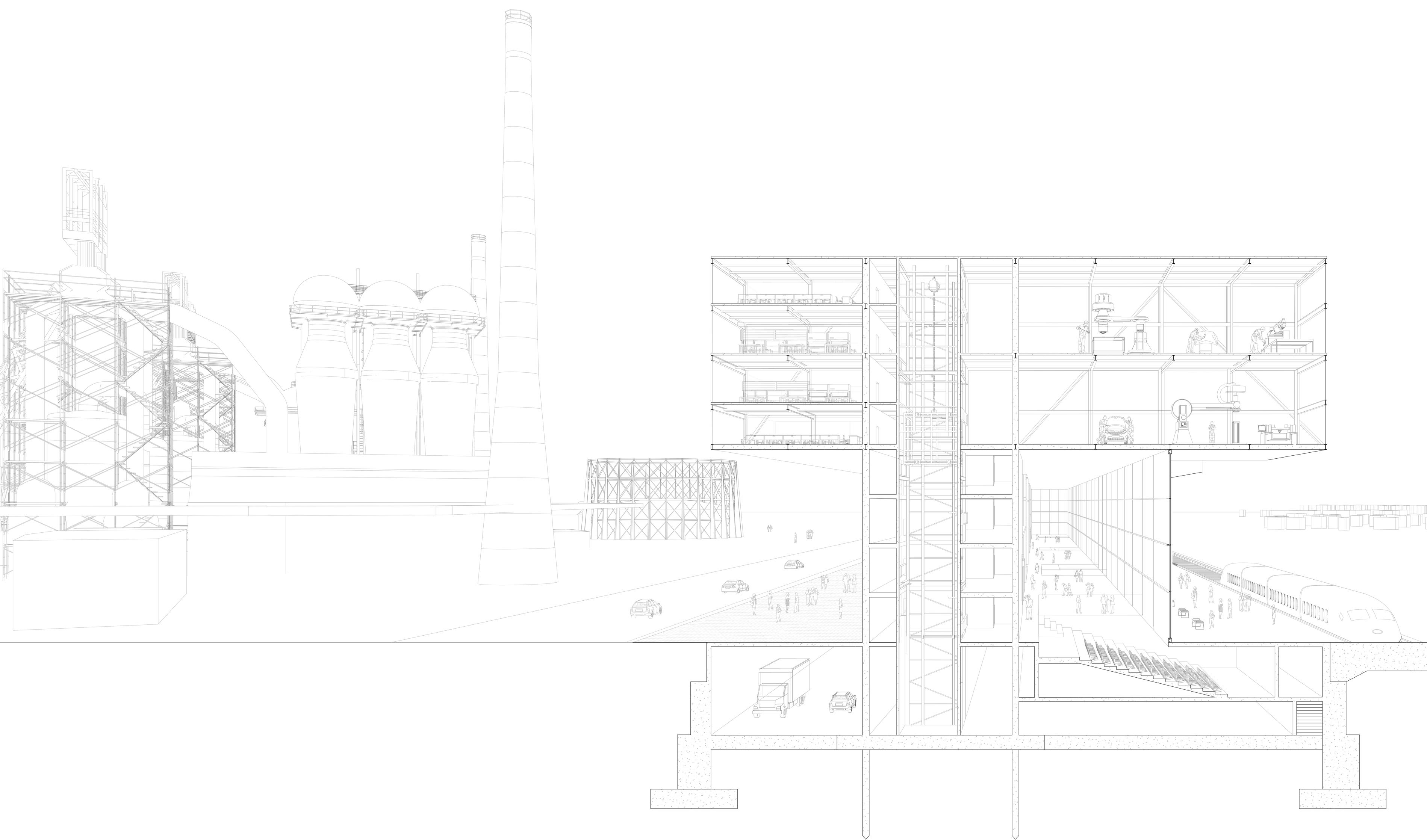
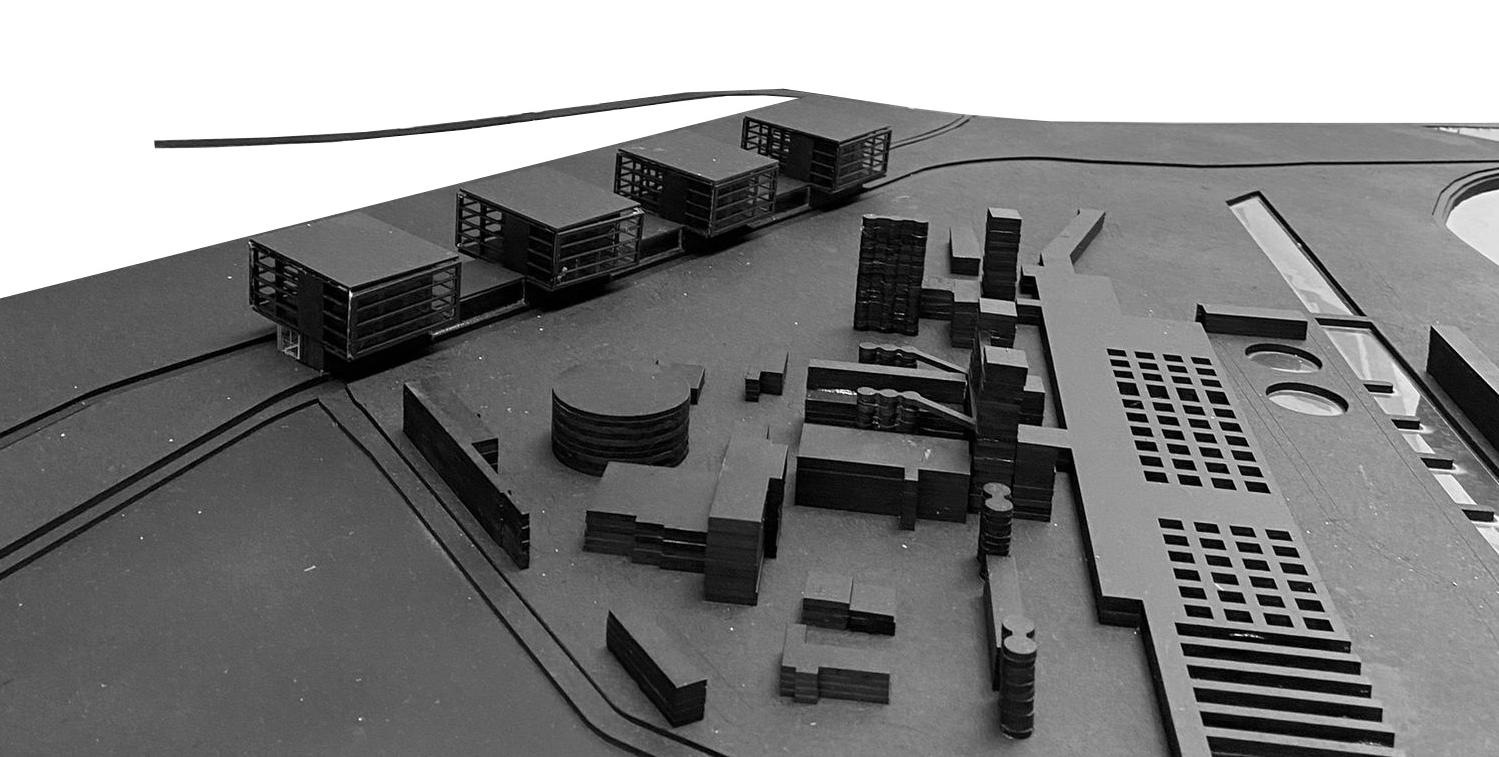
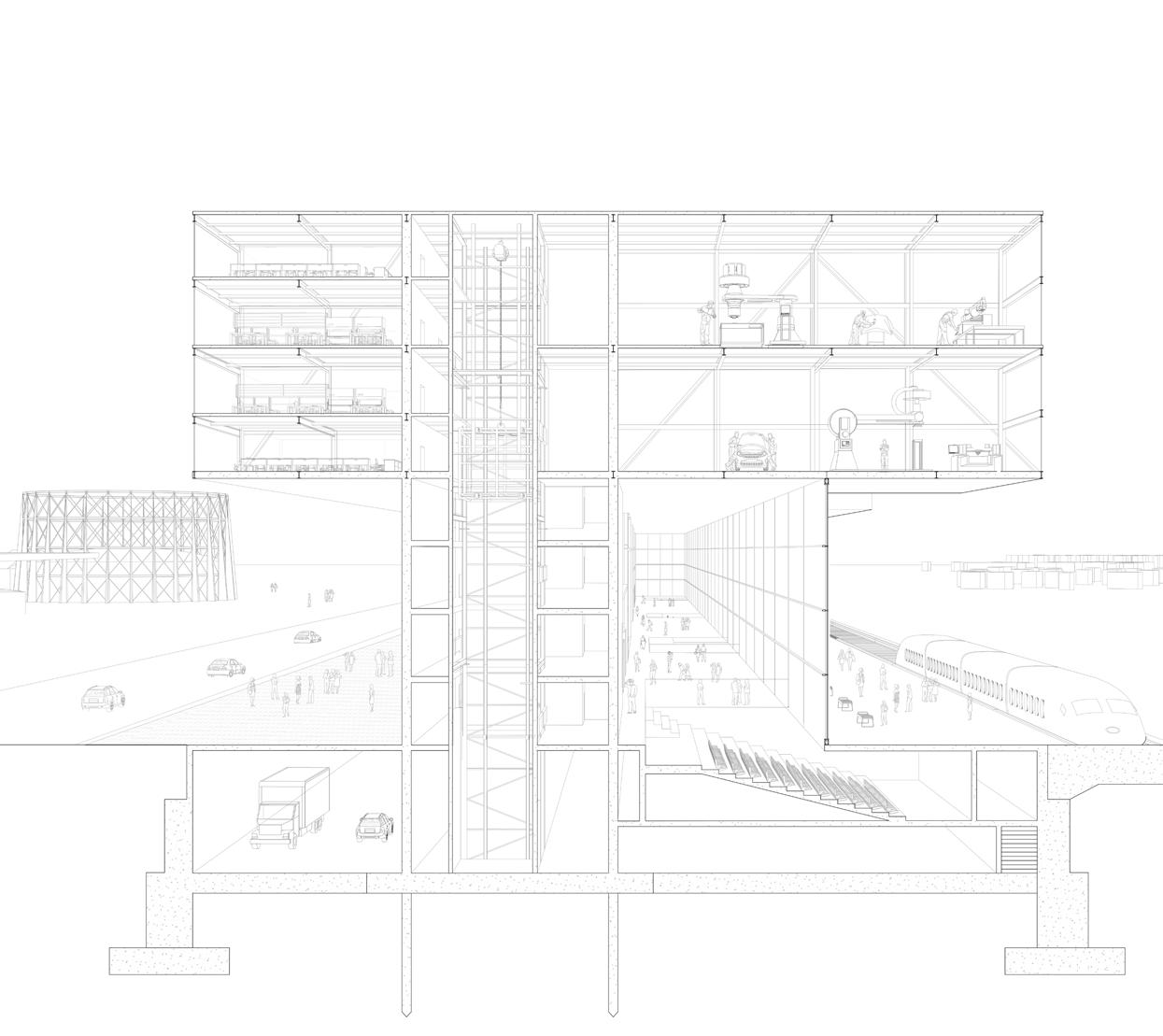
Description: As part of an Architectural Thesis the following was researched: The effect of roll-back economics on education has delivered the ‘entrepreneurial university,’ a competitive institution which normalises the privation of public knowledge and re-calibrates academe as an environment of performance management and return on investment. Geographically, this environment is a natural consignee of the ‘back to the city’ movement that has moulded the post-Fordist city in the form of financial and social capital. The proposal investigates a spatial response to forms of higher education that might question, disrupt or extend the social relations and conditions within which modern higher education operates.
Softwares Used:
AutoCAD, Sketchup, Enscape, Photoshop, Illustrator, InDesign.
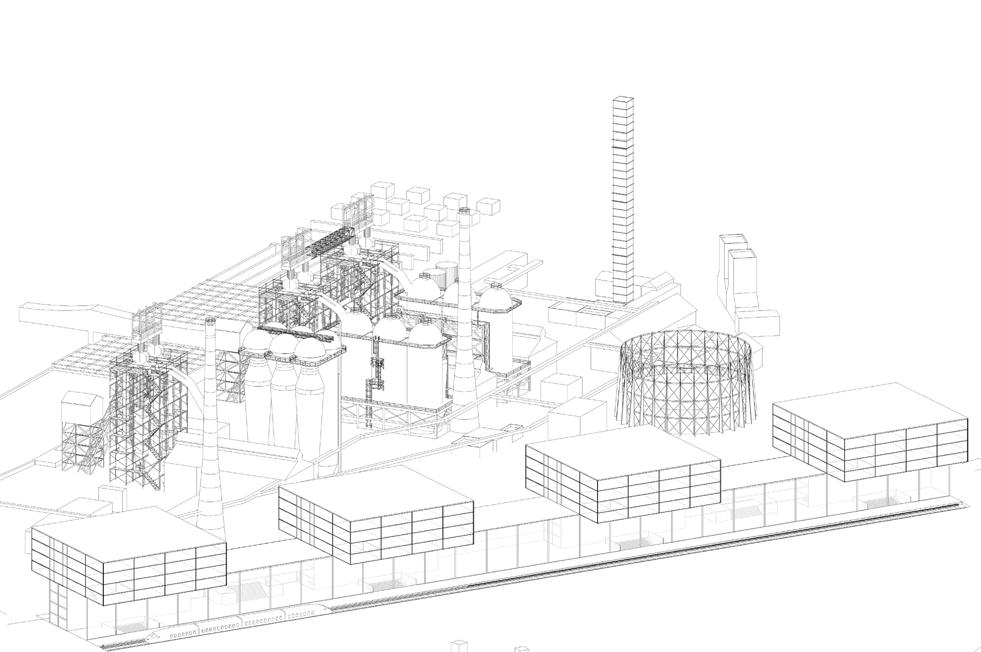
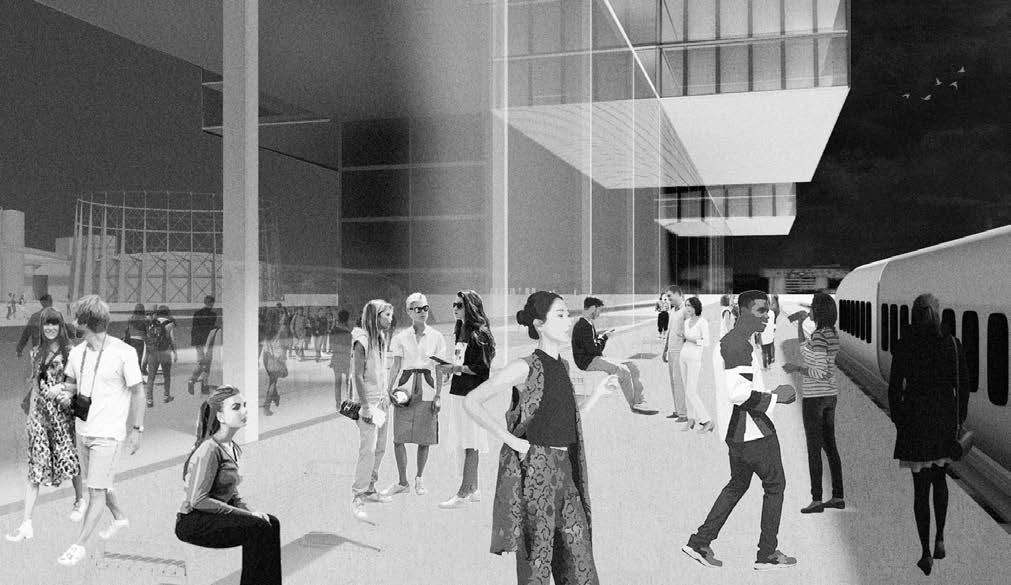
The site for this investigation is the remarkable region of Dusiburg, North Rhine-Westphalia (NR-W) in Germany, a polycentric metropolitan area of around eighteen million people, the largest urban area in Germany and the fourth largest on the European continent. Littered with the abandoned machines and epic-scale infrastructures of Germany’s industrial powerhouse, and connected by the world’s largest inland port, the spaces between the city cores of this once continuous urban plane are becoming empty hinterlands to new city-centric prionities. The Neoliberal University has become an instrument of the market. This market contribution is no longer peripheral to the economy of the university. The shift from education as a public good to a commodity can be attributed to neoliberalism’s hegemonic influence on higher education institutions worldwide. It has eroded practical skills and instead promotes the city as its “natural” ally abandoning the Hinterland economy. However, there is a proposed solution: establishing a Technical University with a focus to invigorate the local economy by introducing new skills that align with the continuously evolving technological landscape, replacing those that were lost due to de-industrialization.
“Education is not just about financial gain but also the development of well-rounded individuals capable of making significant contributions to revolutionize the world.”
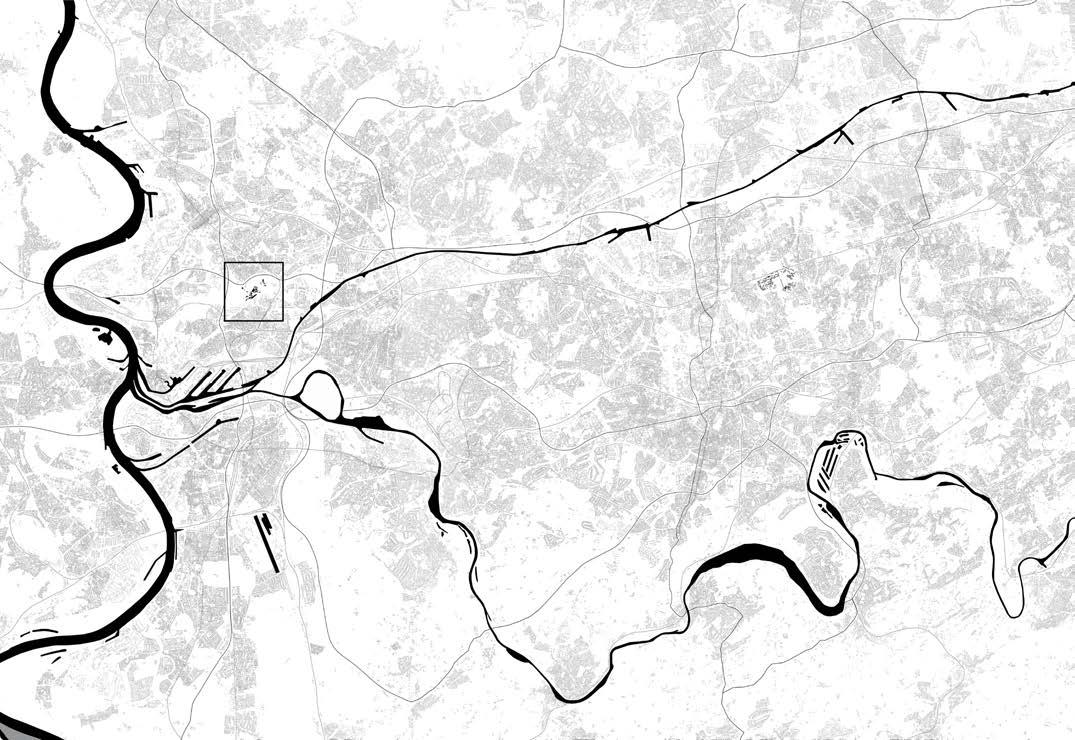
North Rhine-Westphalia Map: Highlighting Duisburg Nord Landschaft park
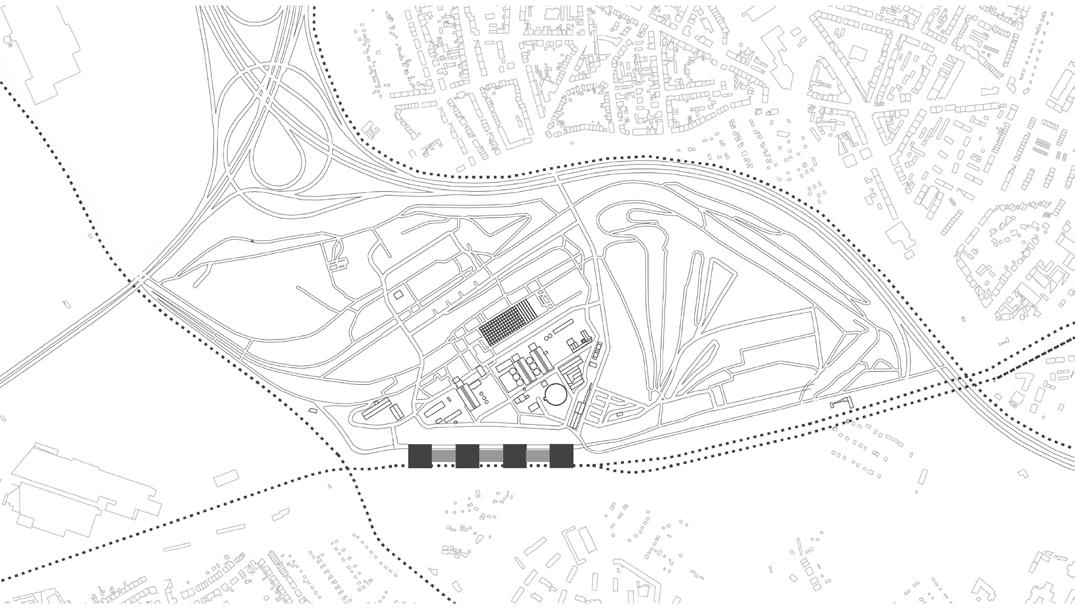
Site Plan: Duisburg Nord Landschaft park
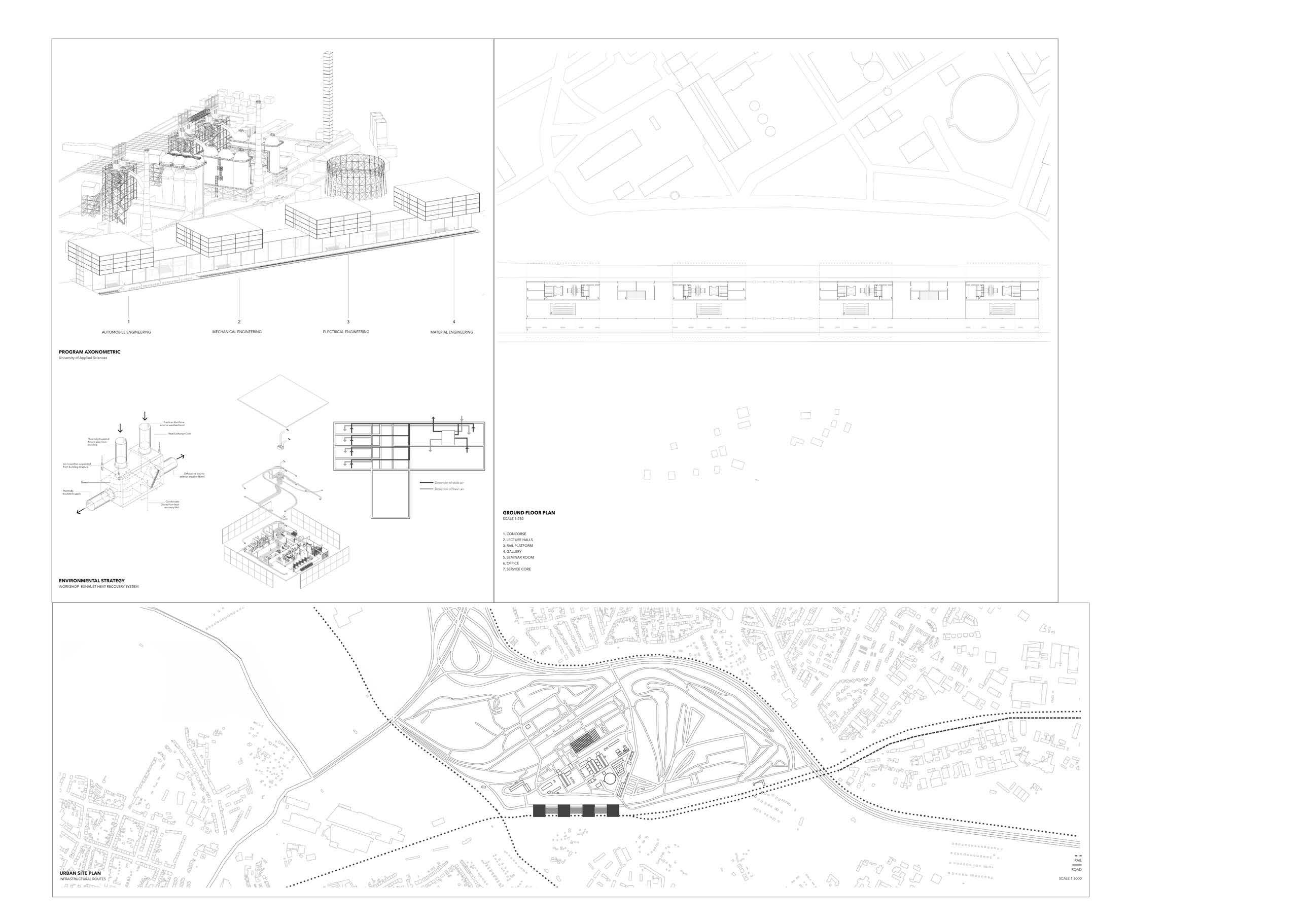
 RAISED WALK-WAY WALK-WAY
SMALL WORKSHOP
RAISED WALK-WAY WALK-WAY
SMALL WORKSHOP

WALL AND SLAB
1 STEEL BEAMS
1 STEEL BEAM TO STEEL COLUMN CONNECTION.
2 STEEL BEAM TO STRUCTURAL CONCRETE WALL CONNECTION.
2 STEEL COLUMNS
SYSTEM GOES THROUGH THE WALLS WHICH MAKE UP ANCILLARY SPACES.
3 STEEL TRUSSES
CONCRETE SERVICE STEEL FRAME HOLD UP CANTILEVERS.
4 STRUCTURAL CONCRETE WALL AND SLAB SYSTEM
5 THE STEEL FRAME SYSTEM GOES THROUGH THE STRUCTURAL CONCRETE WALLS WHICH MAKE UP THE SERVICE CORE AND ANCILLARY SPACES.
6 THE SOLID STRUCTURAL CONCRETE SERVICE CORE ALONG WITH THE STEEL FRAME HOLD UP THE 12.5m AND 25m CANTILEVERS.
PRIMARY STRUCTURE
A. Exploded Axonometric
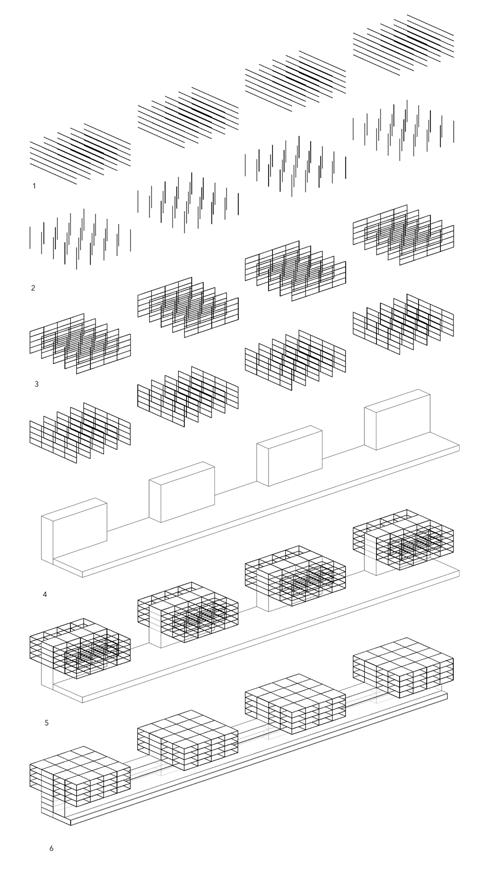
Structural Principles
3 FLOOR MAKE UP- STEEL COLUMNS, STEEL FLOOR JOISTS AND CONCRETE FLOOR SLAB.
1 STEEL BEAM TO STEEL COLUMN CONNECTION.
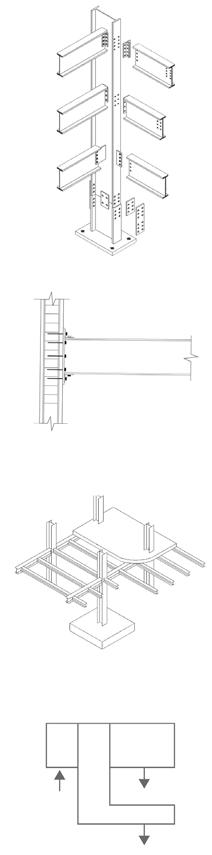
2 STEEL BEAM TO STRUCTURAL CONCRETE WALL CONNECTION.
4 STRUCTURAL PRINCIPLE - DIRECTION OF FORCE DIAGRAM.
3 FLOOR MAKE UP- STEEL COLUMNS, STEEL FLOOR JOISTS AND CONCRETE FLOOR SLAB.
SECONDARY STRUCTURE AND GENERAL STRUCTURAL PRINCIPLE
4 STRUCTURAL PRINCIPLE - DIRECTION OF FORCE DIAGRAM.
SECONDARY STRUCTURE AND GENERAL STRUCTURAL PRINCIPLE
B. Structural Components
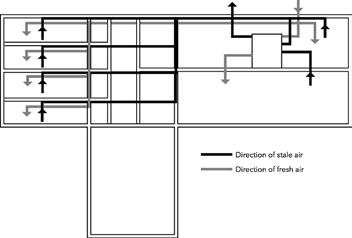
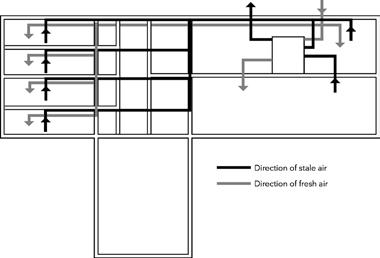
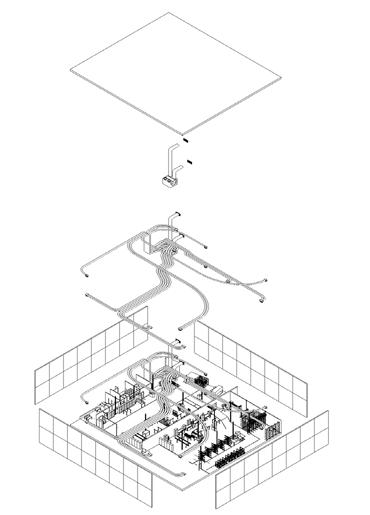
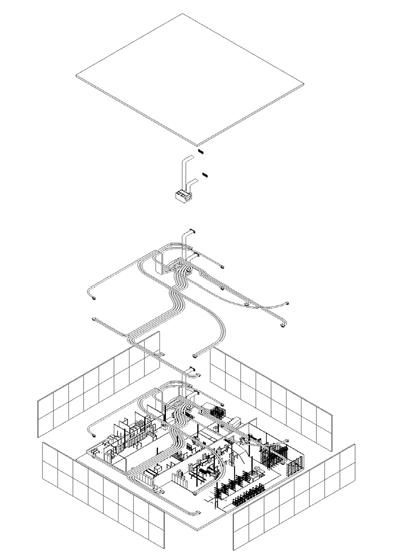
Environmental Principles
Multi-faith Centre
Site:Edinburgh, UK
Bachelor’s of Architecture, University of Dundee
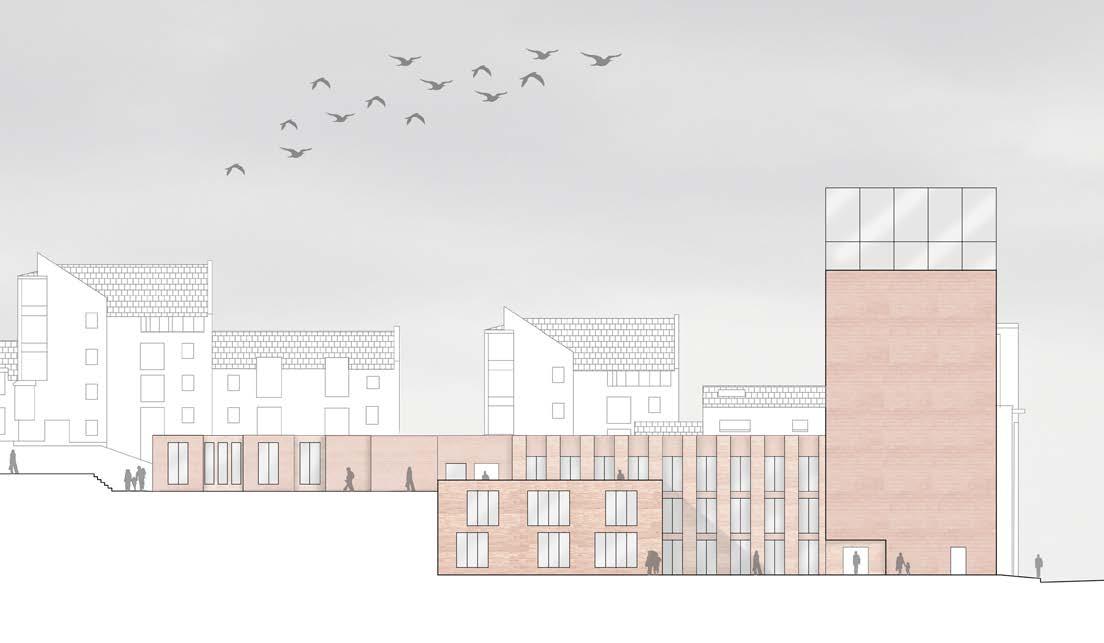
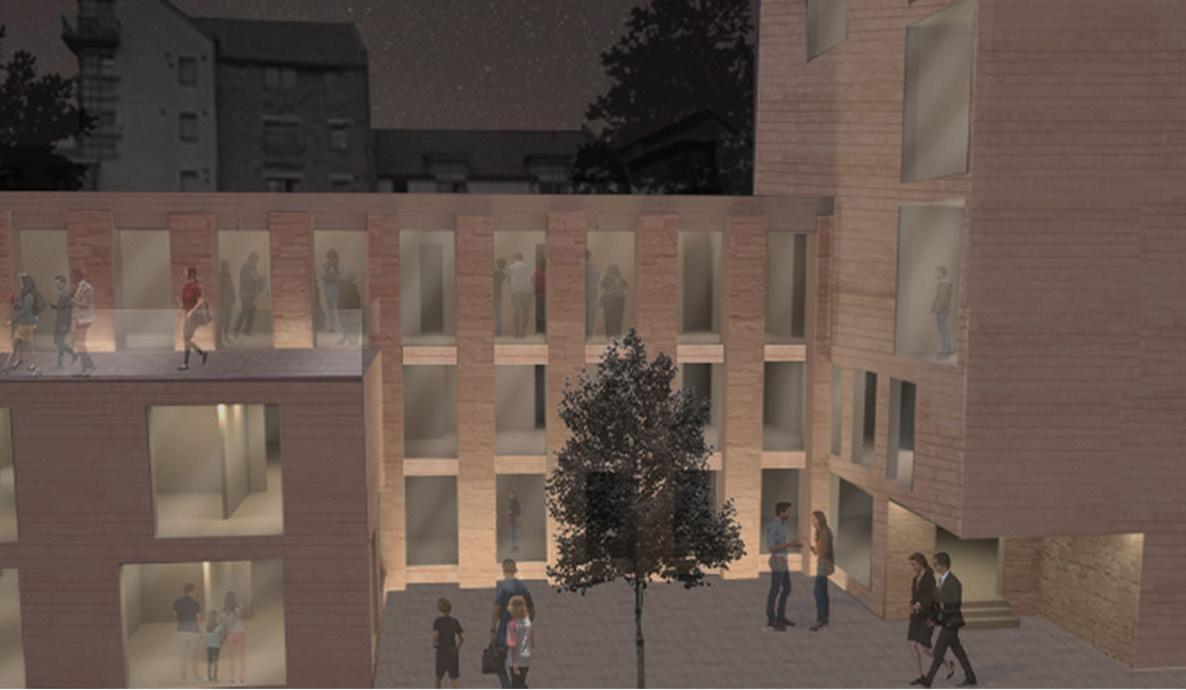
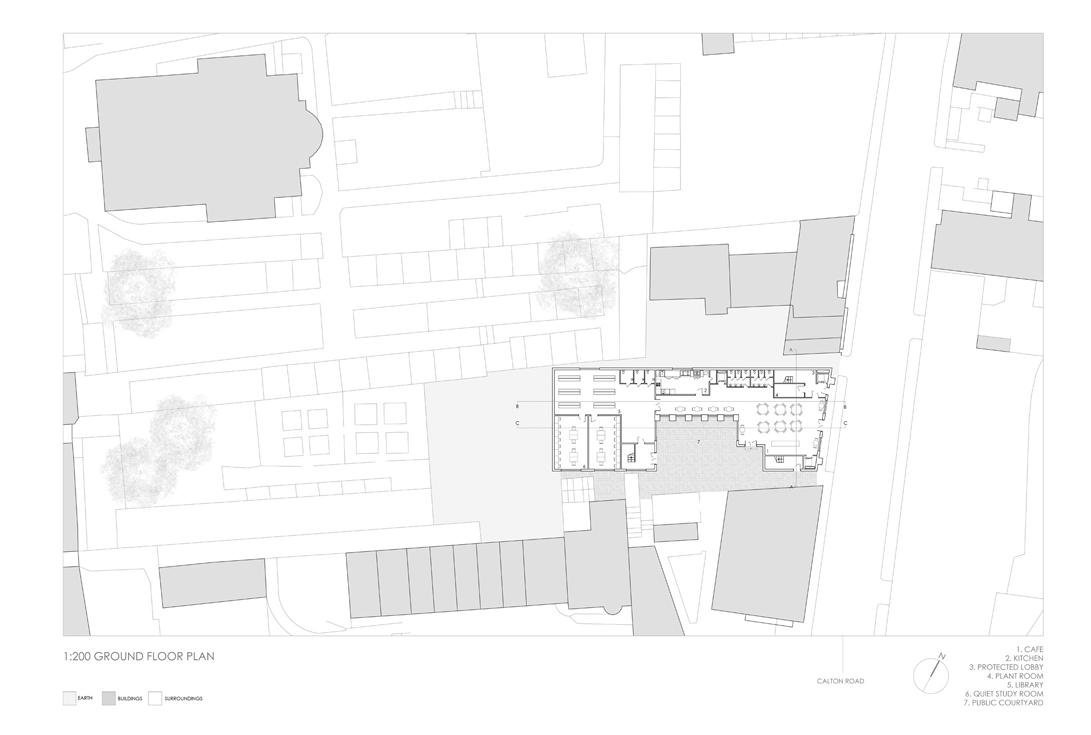
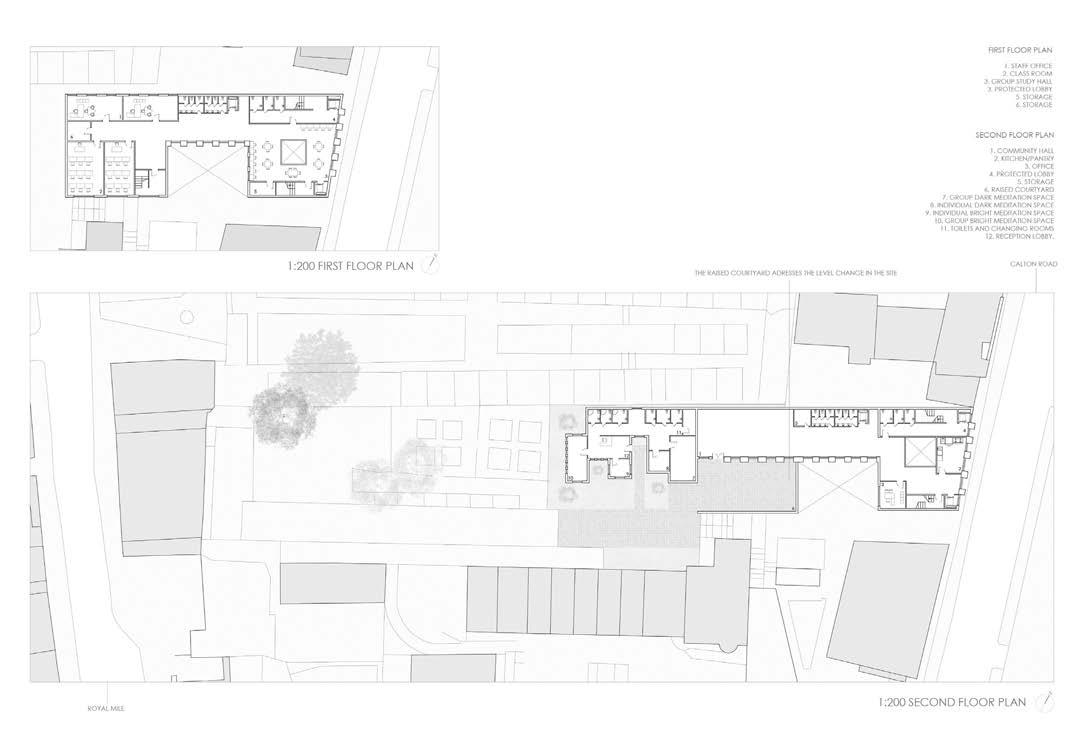
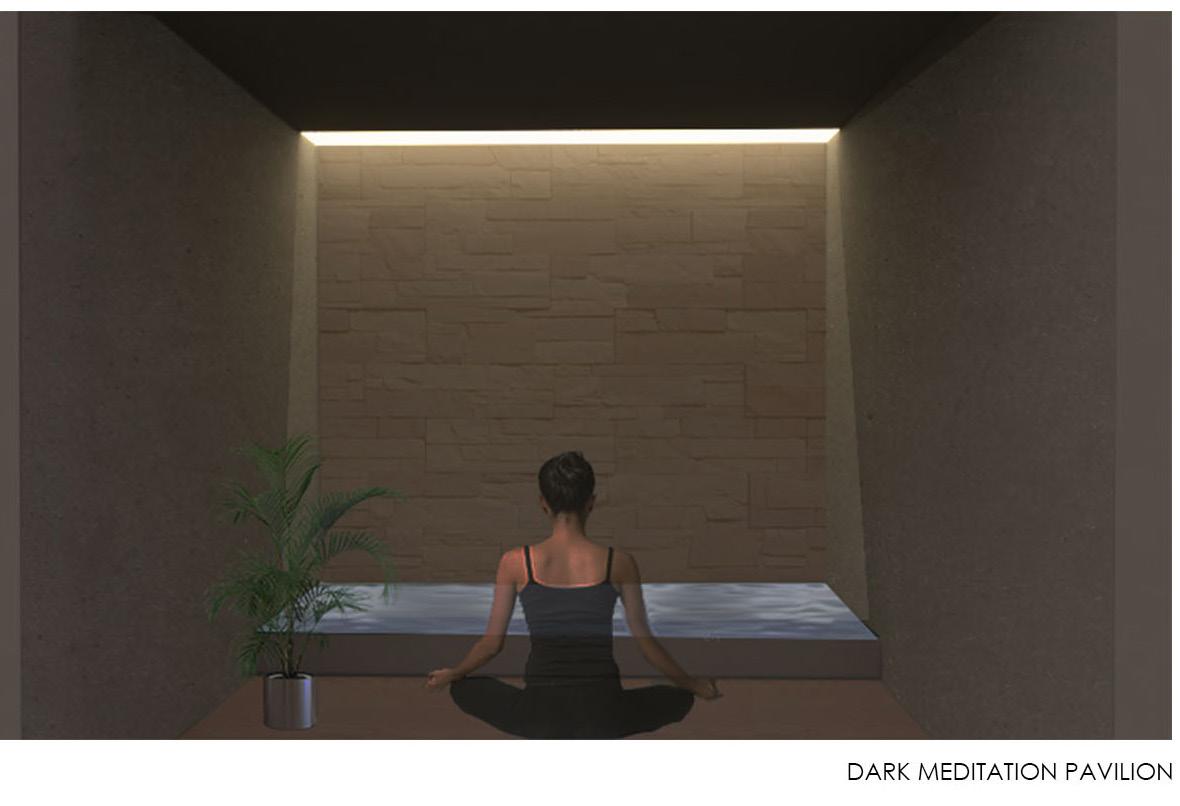
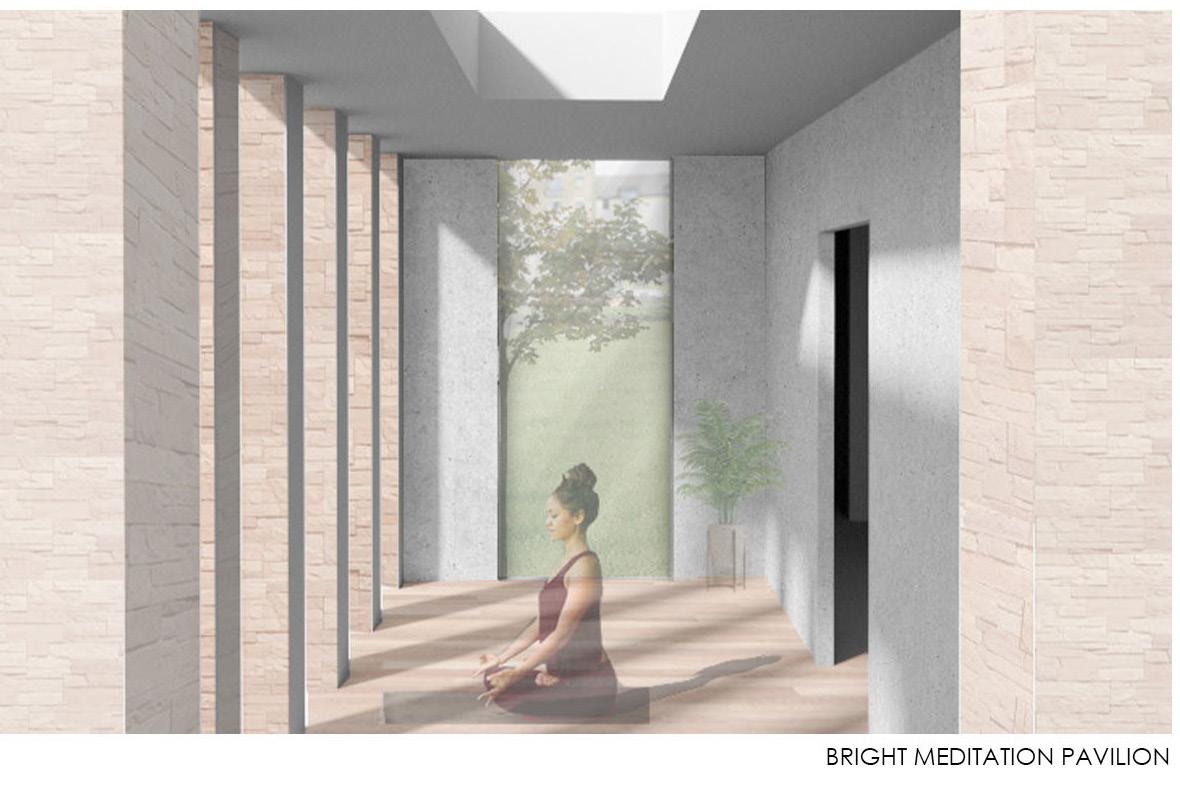
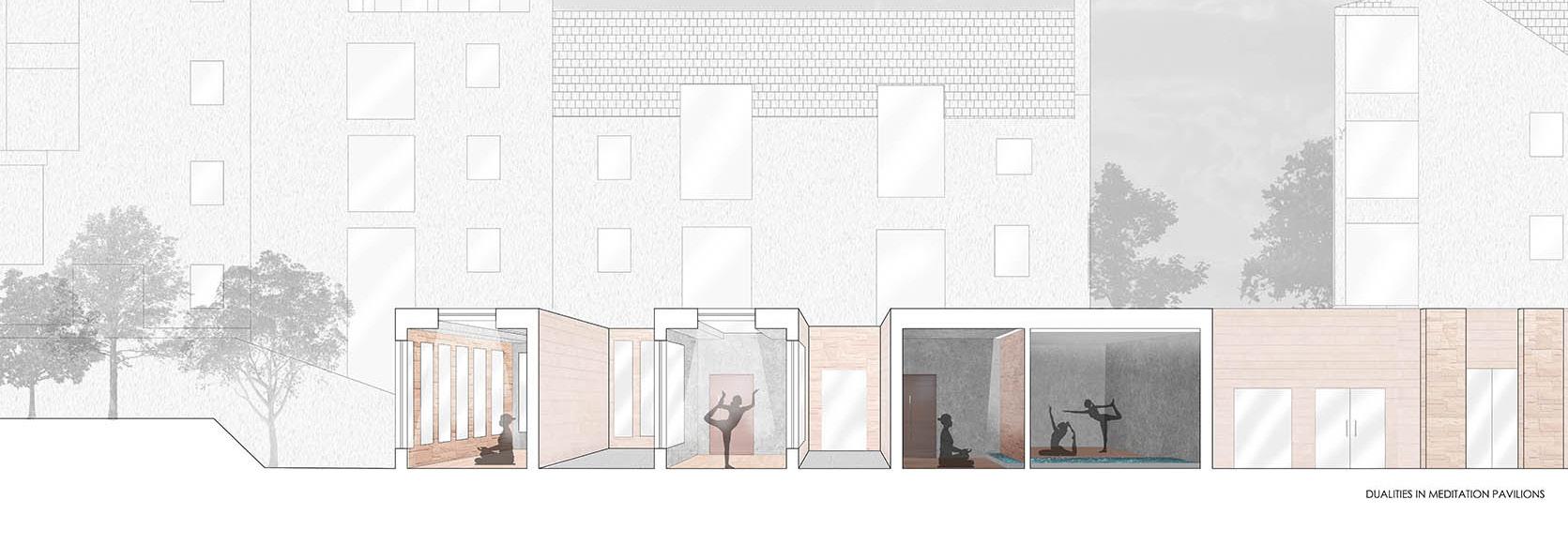
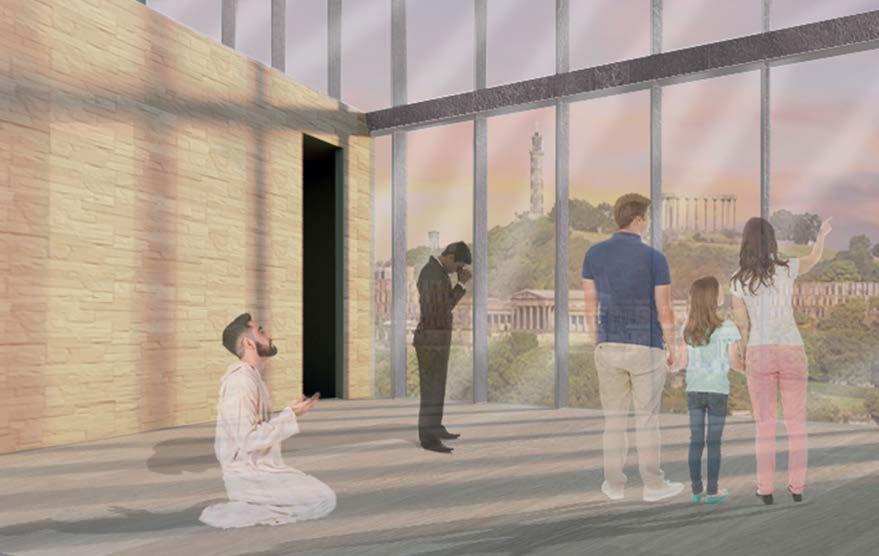
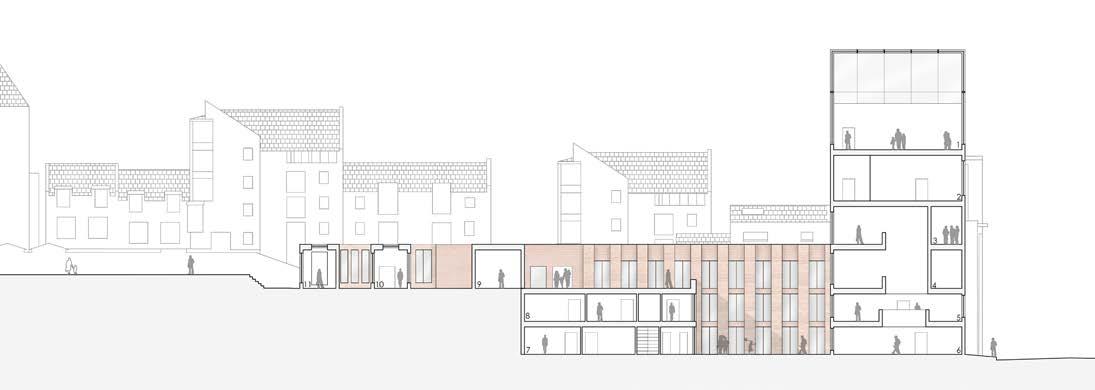
Description: Multi-faith spaces are a new kind of environment in which anyone of any faith can respect and interact with themselves and one another. Although Multi-faith spaces exist, they cannot afford to look like a church or a mosque or a temple. Their design is an open problem. The most common and characteristic type is a windowless white room with a few religious texts on a shelf and the paraphernalia of religion, when not actually in use, kept out of sight in boxes. This project offers a solution that addresses both the social issue of having a lack of evident Multi-faith spaces, as well as the design issue on the aesthetics of multi-faith spaces and the impact they have on society and the built environment.
Softwares Used:
AutoCAD, Sketchup, V-Ray, Photoshop, Illustrator.
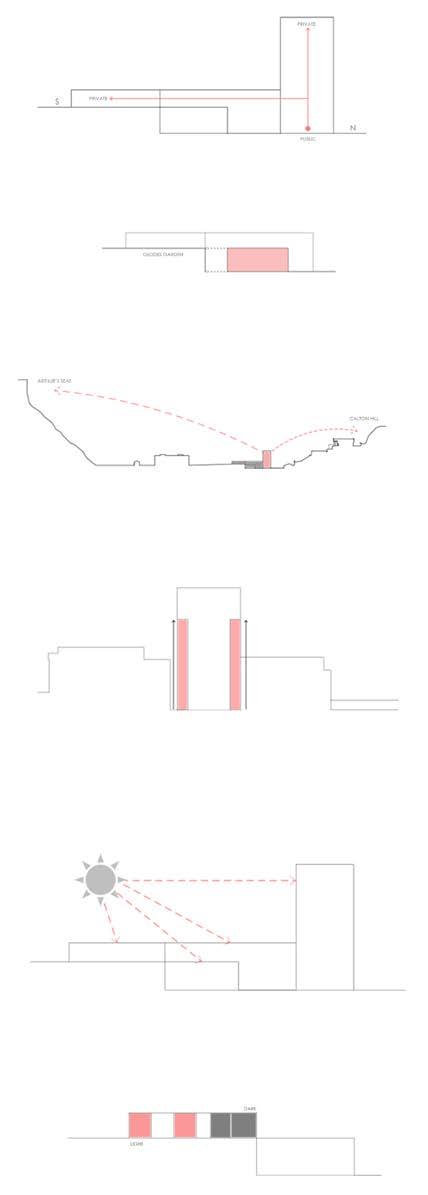
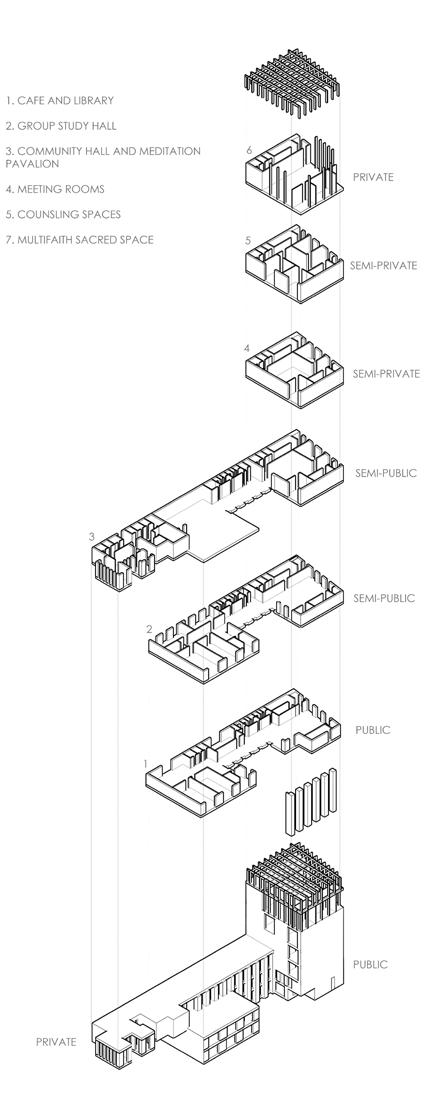
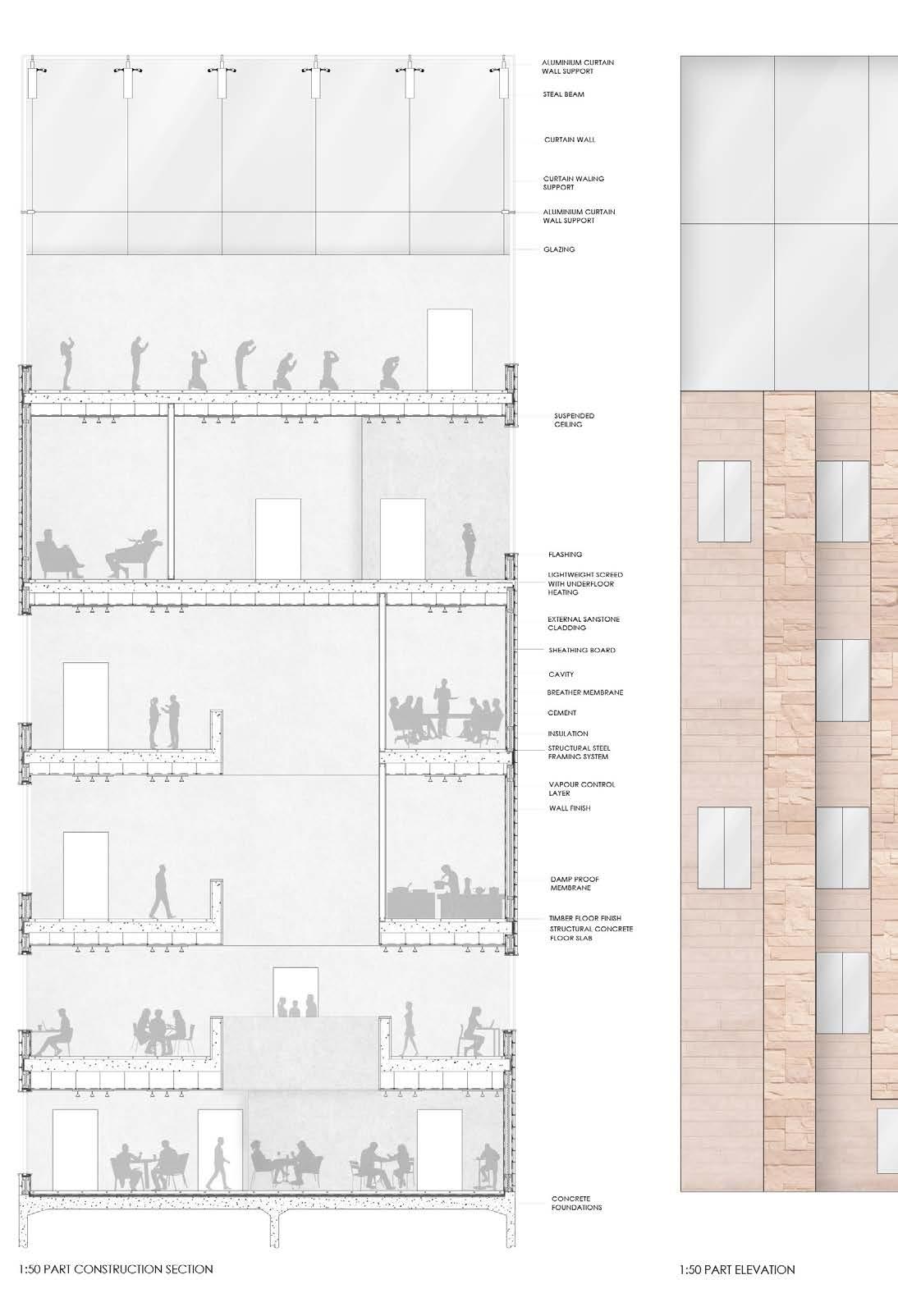
The Multi-faith center aims to transcend “everyday institutions about space (extension, containment, and boundedness)”. It aims to act as a dynamic entity that can be constantly redefined and reaffirmed through active often ritualized engagement. Ritual in this context does not necessarily imply only on religious behavior, but rather repetitious behaviors that are meaningful and are informed by ones identity or faith. Alternatively, they may exemplify a different set of religious or non-religious traditions. In terms of design the proposal offers a celebration to the idea of Multi-faith spaces, by proposing the ‘Building as a landmark’. In terms of identity, the proposal of the Multi-faith Center reinforces the “regimes of power that organize life outside (them).” In ‘them’, people can encounter a self consciously constructed culture together. A space that allows a self profound community through personal beliefs and ideologies is in nature the true faith. The multi-faith center manifests an architecture of self expression.
“Architecture personifies one expression of individual and institutional identity. Architectural program, plan, materials and design aesthetics signify social, economic and political values ideals and goals. Given that, architecture can be an individual and/or institutional expression because it organizes orders and systematizes activities, behavior and movements”.