
SOLAR FOR SOCIETY
BY HANNAH PRINS BRENDAN BRITT ANDREA BODEA KHAYCIE BRYANT20 22
Dual-use Methods of Integrating Solar Energy into Farms Michigan State University Urban Land Management and the Environment TABLE OF CONTENTS 01 05 03 02 06 04 Background & Introduction Regional Analysis Aesthetics of Solar Panels Economics of Solar Panels Conclusion 07 Current Ordinances Refrences 08
BACKGROUND & INTRODUCTION
With growing numbers in population, the current abuse of environmental resources cannot be maintained. There is an aspiration for landscapes to become more eco-friendly, to reduce waste and reuse as much as possible. Alongside the increasing frequency of climate change and extreme weather events, there is uncertainty that has left many cities wondering if current infrastructure is adaptable enough to endure change. Thus, resulting in an increasing interest in resiliency strategies. Power sourcing is a significant area when assessing the general resiliency of a region. It is essential to understand the sourcing, the future use and adaptivity of solar panels. One way of moving towards more environmentally conscious practices is with the use of solar panels. This new alternative to sustainable energy is replacing the environmental burden of fossil fuels. Although the downsides to solar thermal systems (SES) are still prevalent, these systems are much more environmentally friendly than traditional energy sourcing practices. Currently, architects are incorporating SES into the building design; these materials are fully integrated and treated as an additional building material. This report explores the application of community scale solar energy systems on agricultural land in the City of Chelsea, the township of Lima, and the township of Sylvan in Michigan.
Michigan State University Urban Land Management and the Environment
BACKGROUND & INTRODUCTION
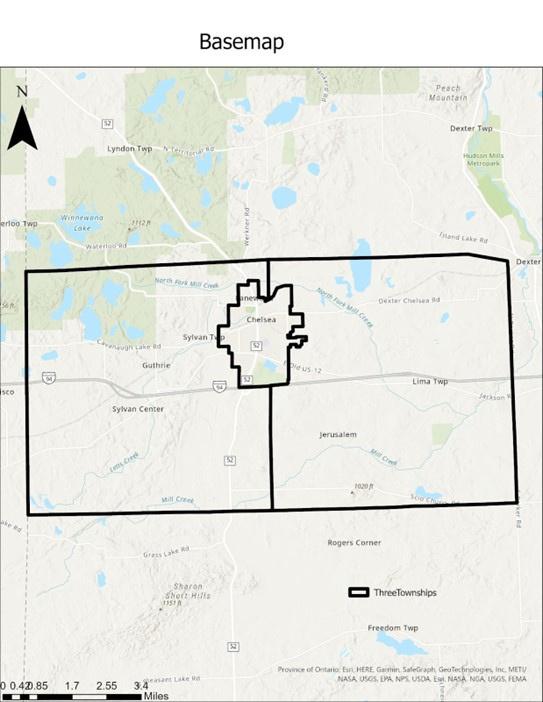
The three jurisdictions are adjacent to one another and are located thirty minutes outside of the City of Ann Arbor in southeast Michigan. The area has historically been mostly low density rural land, but lately it has seen an increased growth in population. Since the last census year, Chelsea area experienced .882% population growth compared to an average population growth of 0.2% in Michigan overall (US Census Bureau, 2022). Much of this boom may be attributed to the area’s proximity to the City of Ann Arbor. As population increases, the current energy systems will have to keep up with the increasing electricity demand. While not enough data are available yet for city level projections of energy consumption, projections can be made for the County as whole. Using data from the U.S. Department of Energy SLOPE tool, total energy use in Washtenaw County is expected to go up by 24% by 2050. In light of this trend, long-term renewable energy sources are more attractive in terms of sustainability as opposed to polluting non-renewables such as coal and natural gas. While the method of energy generation is important, perhaps even more vital is deciding where this new infrastructure is located. There is great potential for solar energy systems in the Chelsea, Lima, and Sylvan regions due to the great expanse of open fields. Rural and agricultural land account for 67% of its total area, and total 31,269.1 acres.
Michigan State University Urban Land Management and the Environment
Basemap
Michigan State University Urban Land Management and the Environment
Michigan State University Urban Land Management and the Environment
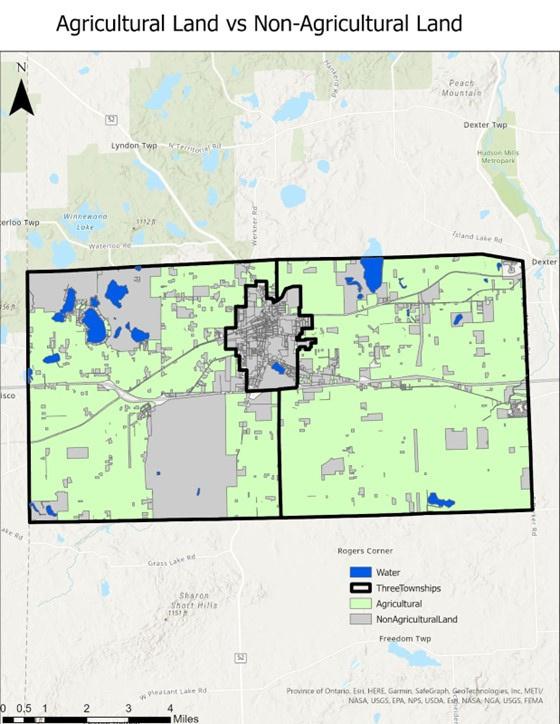
Agricultural Land vs Non-Agricultural Land
REGIONAL ANALYSIS
In the illustration above, the lime green areas are representative of agricultural land, which is considered buildable. Given this information, it can be assumed that solar panels can be placed within the lime green boundary. However, the gray-colored areas are determined to be unsuitable since they are considered as an urban built environment. These types of environments are comprised of impervious paved surfaces, golf courses, industrial buildings, homes, community buildings and many more. According to the GIS data, the area outlined above is approximately 46,349.2 acres consisting of approximately 67% is agricultural land (31,269.1 acres), 30% is nonagricultural land (14,003 acres) and 2% is water (1077.1 acres).
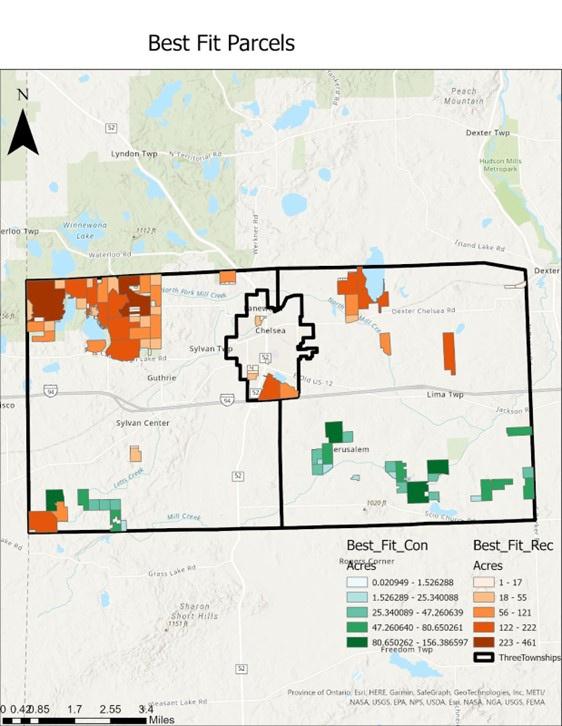
Successively, the parcels suited for solar panels were analyzed and broken down into categories of recreation and conservation parcels followed by the best fit ones. The first step in this process was to find open land parcels in the three jurisdictions. The majority of agricultural land showcased in the previous map is currently dedicated to farming purposes, which could still be utilized for solar panels. The document will further discuss the benefits of solar panels being placed on farming land. To offer an alternative, placing solar panels on open land owned by the county could yield great results as well, with fewer challenges.
Michigan State University Urban Land Management and the Environment
Recreation and Conservation Lands County
Recreation and Conservation Land Parcels
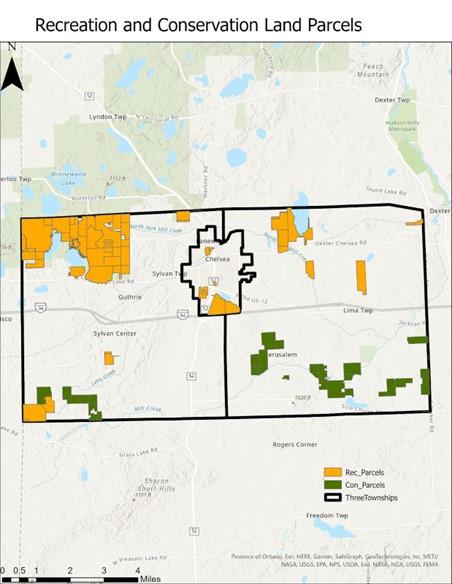
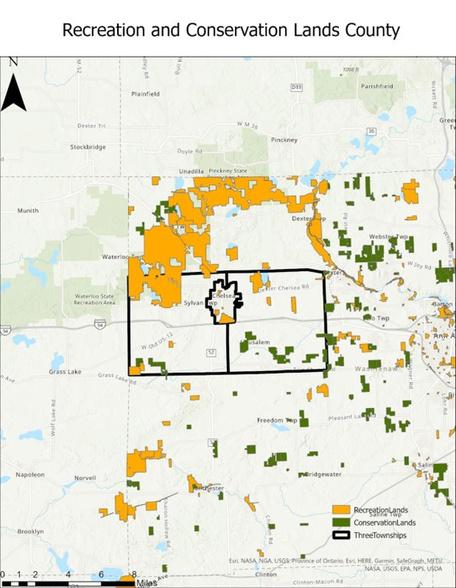
The illustration above identifies the “best fit” parcels for both recreational and conservation lands. In order to calculate the square feet that a potential solar farm would encompass, a hog farm example was used. Although there is uncertainty around the goals of the three entities, this applied method offers a close estimation. On average, 64 acres are needed to operate a substantial farm and with one solar panel measuring around 15 square feet; (64 x 15 = 960), 960 square feet would be required to maintain a solar farm. Given that the open suitable parcels vary in size from averages of 1-17 acres and 223-461 acres, the implementation of solar panels on farmland would occupy little space. In all, there are 105 possible parcels on recreational lands and only 52 suitable parcels on conservation land.
Michigan State University Urban Land Management and the Environment
Best Fit
REGIONAL ANALYSIS
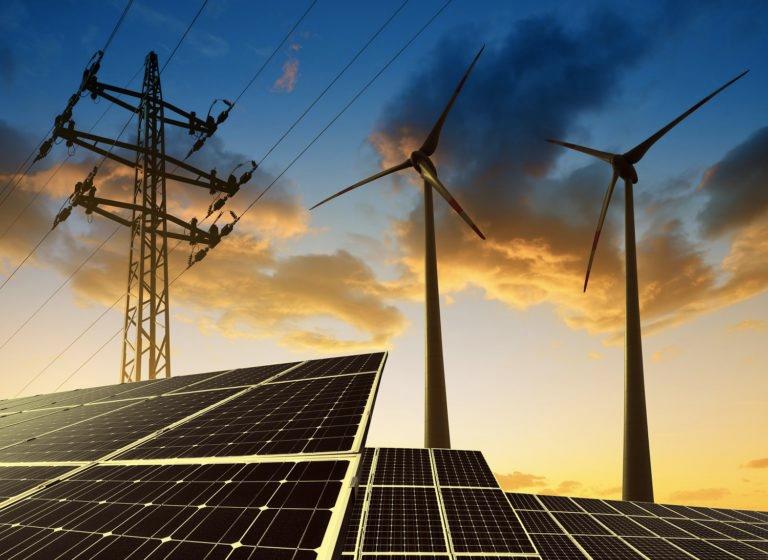
Researchers have been identifying different ways solar fields can be used to provide clean energy, as well as a sustainable habitat for vegetation and species. A study conducted by the Yale Center for Business, discovered that solar farms have the potential of safely sustaining ecosystems through incorporating pollinator gardens. With the state of Michigan being one of the leaders in the United States with regulations for solar field requirements, this opportunity could bring new sustainability practices.
Michigan State University Urban Land Management and the Environment
AESTHETICS OF SOLAR PANELS
The influence of landscape aesthetics has been widely researched, both at the urban and rural level. Generally, landscape perceptions and preferences tend to reflect human needs to survive; this is especially true with the importance of ecosystem services and the intricate way in which they interact with each other. However, perceptions are mostly driven by the negative connotations associated with solar power.
The aesthetics of solar panels play an important role in the public perception of them. A fundamental rule in design theory is that form follows function making the function of aesthetics fundamental to design. However, in the case of solar panels, this does not apply. The current understanding of solar panels is associated with fragmentation of the natural landscape (SanchezPantoja, et al), in Generally, style choices in the landscape differ from region to region; being shaped by individual attributes such as age, gender, occupation, hobbies, academic background and familiarity (Sanchez-Pantoja, et al). The Bishop theory suggests that visual impact is divided into three groups: factors related to the object, the environment, and the observer. Color, being one of the first objective factors, has three subfactors: hue, saturation and brightness. The main visual impact comes from the color of the panels, which has always been a dark blue color for efficiency and absorbance purposes. Second to color is glare, which can be defined as the loss of visual performance due to the sudden intensity of light. One way of solving this issue has been to apply anti reflective coating to help with the excessive glare that would be caused by the sun. In relation to the visual factors observed by the viewer is pattern/texture–the surface appearance of a material. The levels of texture play a role in influencing a person's perception of a built element in the natural environment. Thus, parameters of texture are evaluated in four categories: grain size (relative to total size), density (elements per unit area), internal contrast (coloros, and surface luminosity) and regularity (spatial distribution) (Sanchez-Pantoja, et al). The visual continuity of a natural landscape is influenced by the manner in which the elements mentioned above interact with one another.
Michigan State University Urban Land Management and the Environment
AESTHETICS OF SOLAR PANELS
The average farm grade solar panel size is 78 by 39 inches (Matasci, S., 2022), but with the installation of multiple acres of them, the natural beauty of a landscape could easily become overpowered. This idea is closely related to how skyscrapers tend to overtake the landscape of a city. The term “silhouette complexity” has been coined in reference to the influence that skyscrapers have on landscape perception. However, that concept is closely related to that of fractality–a geometric feature that is incorporated into the aesthetic of a landscape, mainly entails features that repeat at different scale levels. When applying this principle to solar panels, one way of improving the attractiveness is to redesign them to be at a smaller scale. This would lead to less surface area of a field being used and thus the natural landscape and prevent it from being overpowered by the homogeneity of large solar arrays.
The complex objective factors such as visibility, integration degree and visual saliency play a role in the conceptions of the urban landscape along with considerations such as point of view and hours of observation. However, these factors are being assessed only in relation to the visibility of solar panels (Sanchez-Pantoja, et al). The natural landscape is filled with wildlife and unique vegetation which is being challenged by the unorthodox nature and complexity of solar panels. Thus, integrating the solar panels into the natural landscape is crucial to their success post installation. The act of blending the natural with the built environment is of great aesthetic importance. Not only considering the visual aspect, but taking into account the emotions around solar panels. These objects that are foreign to the landscape attract negative attention given the geometrical shape, uncommon color and non-traditional materials. However, there is potential for adaptation to new features of the landscape if implementation is done correctly. This entails finding creative solutions of integrating the labels into the landscape, whether that would be to involve them early on into the construction process, or make them into aesthetic structures post configuration.
Michigan State University Urban Land Management and the Environment
AESTHETICS OF SOLAR PANELS
A common misconception about aesthetics is that they can only encompass that which is beautiful. Arguably, there needs to be a shift in this dated way of thinking; a change to aesthetics of use, rather than just appearance (Törnroth, Suzanna et al). The manner in which solar panels are designed can have a powerful impact on how viewers perceive them. In this case, design is both a tool and a process that can bring about radical change both at the environmental and social level. The aestheticization of renewable energy methods or infrastructure is human-centered. Thus, public engagement is critical to a successful implementation of infrastructure. This theory of involving the public in the intimate design decision making has been tested by Land Art Generator Initiative (LAGI), where artists and architects work together to engage communities in designing public arts with renewable energy (Törnroth, Suzanna et al). The designs are showcased each year at competitions, offering alternative forms of renewable energy infrastructures.
Another approach is to design infrastructure by considering how humans experience the urban environment through walking. This concept is critical to not only the aestheticization but to the shift of previous perspectives on renewable energy sources. It moves the conversation from the predefined experts in the field such as urban planners or energy engineers, to citizen led design. Thus, increasing curiosity, the reflection on deeper issues, the formation of environmentally conscious opinions, and the involvement of residents within his/her own community. If planning is accomplished at the local level and involvement is concluded at the early stages, a new design phenomena would be produced–one that is outside of the regular bounds of thinking.
Michigan State University Urban Land Management and the Environment
AESTHETICS OF SOLAR PANELS
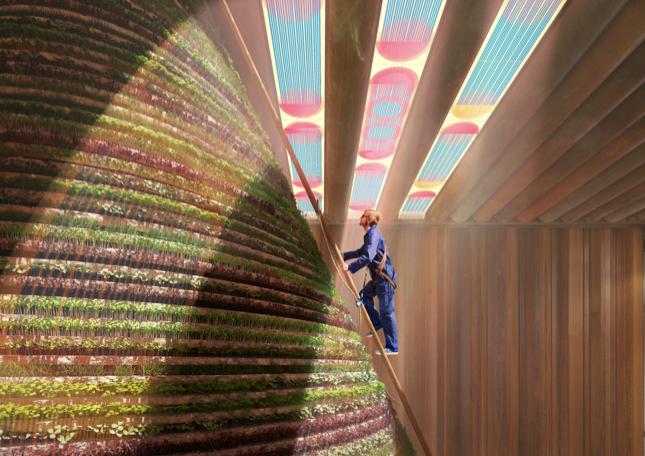
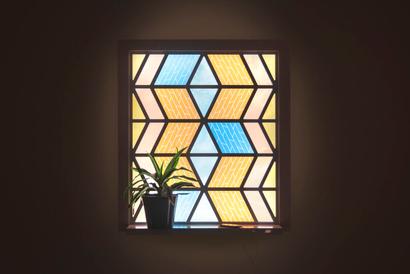
One example where there was a shift in the regular application of solar panels is through the use of solar cells. Designers in the Netherlands, used this technology for the six month long exposition that took place in Dubai, United Arab Emirates. The building was created out of sustainable materials and it included intentional skylights where the solar cells would be placed. These light-weight solar panels are thin, translucent and contain three colors: blue, red and orange. These combinations along with the natural sunlight create beautiful reflections throughout the building while also serving as a renewable energy source (Zaken, M. van B., 2022).
Michigan State University Urban Land Management and the Environment
AESTHETICS OF SOLAR PANELS
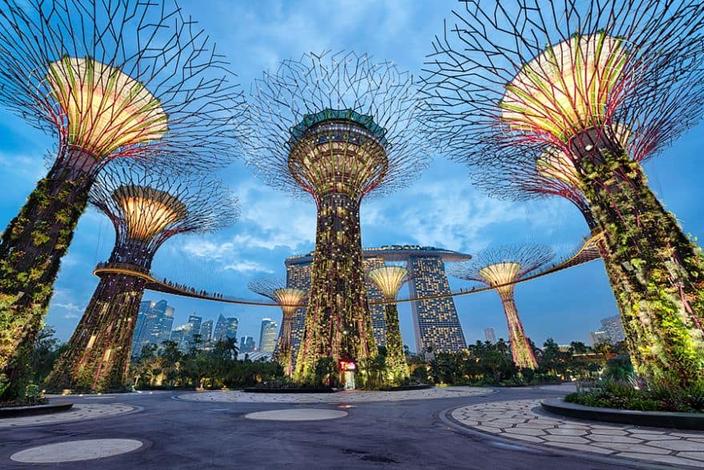
Integration of solar panels through communities could be implemented through the installation of outdoor seating areas with shade structures that are constructed out of solar panels. The solar energy provided could be used to charge electronic devices. The Smithsonian has taken charge of this trend and has implemented several energy-clean outdoor seating areas throughout their properties (Peck, A. et al) The pilot program has been successful and there are other communities investigating ways in which they can make a small implementation as such to save energy. A more modern approach to solar panels is the creation of ‘E-Trees’, these structures are in the shape of a tree with the leaves serving as the solar panels. There are E-Tree gardens located in Dubai testing the ideas of what a plaza that would be dominated by modernized solar panels would look like and how people would interact with these sculptures (Brownell, B). Ultimately, they are testing how the public's perception of renewable energy sources will change based on visual improvement.
Michigan State University Urban Land Management and the Environment
AESTHETICS OF SOLAR PANELS
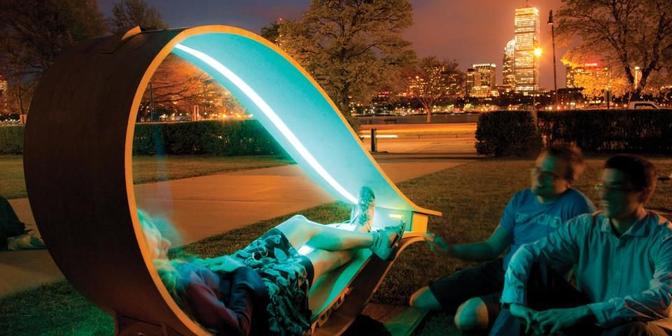
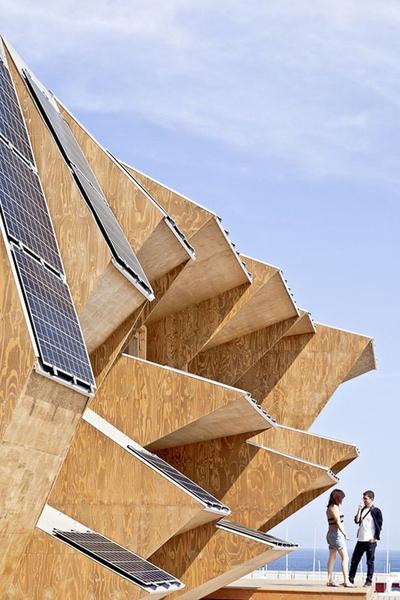
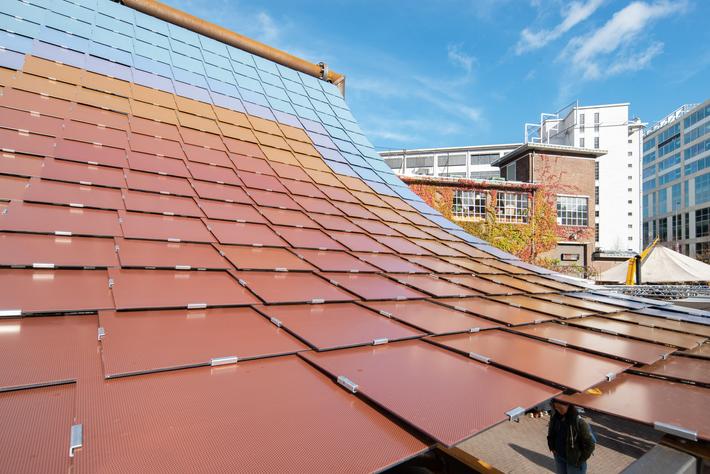
Although the use of solar powered energy sourcing is not well perceived by the public, designers have a great task at hand on how to creatively improve aesthetics, thus leading to redefined perceptions. Given the vast amount of agricultural land between the Townships of Sylvan and Lima as well as the City of Chelsea, there is potential for an aesthetic solar farm. This could be done through the use of solar energy sculptures such as E-Trees, or as small as a shade structure that doubles as clean energy sourcing in many of the parks surrounding Chelsea. Furthermore, there is great community engagement potential in creative solar design such as working with the local school district and designing more intentionally. There should be a strong identity of these panels through their application.
Michigan State University Urban Land Management and the Environment
DUAL-USE METHODS OF INTEGRATING SOLAR ENERGY INTO FARMS
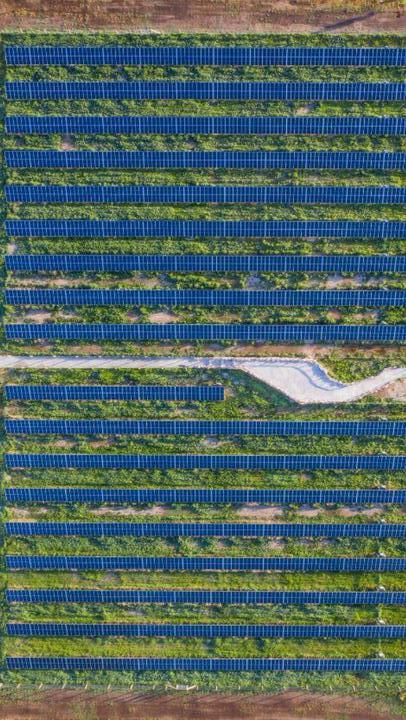
Development is often thought of as having a permanent effect on land usage. This is particularly true when it comes to maintaining the integrity of agricultural land for farming. Solar arrays, however, are surprisingly adaptable and flexible when it comes to future land usage and are minimal in their effects on farmability. Solar arrays have an average lifespan of about 25 years, and upon decommission of the solar array the ground posts can be removed and the land can be returned to its original state. The ability to return to a farmable state is required by Michigan law on PA-116 Agricultural Preservation lands (MDARD, 2022). Further research suggests that not only is farmability protected but that giving the soil a break from farming results in the retaining of long term soil quality. While the arrays maintain the flexibility of future land use, they do not come without valid concerns. Among the major site concerns observed in traditional solar arrays are soil compaction along the driving aisles, erosion gullies, increased runoff, and loss of vegetative habitat. Nearly all of these problems however can be mitigated by site design strategies.
Michigan State University Urban Land Management and the Environment
DUAL-USE METHODS OF INTEGRATING SOLAR ENERGY INTO FARMS


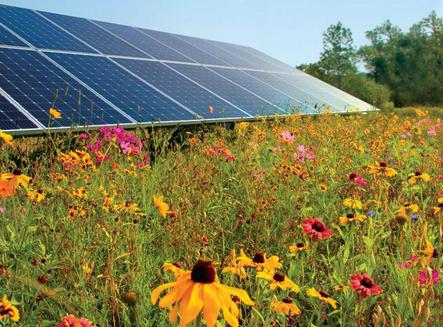
Land owners, governments, and researchers alike have been looking for ways to maximize the benefits and usage of the land underneath ground mounted solar panels. This interest has resulted in several emerging strategies that seek to create dual-use or agrovoltaic solar arrays. The primary goal of these strategies is to ensure the land generates clean energy while simultaneously providing other environmental benefits. This includes pollinator gardens, animal grazing, and specialty crop production. The most common strategy so far has been the creation of a pollinator garden beneath the solar panels.

Michigan State University Urban Land Management and the Environment
DUAL-USE METHODS OF INTEGRATING SOLAR ENERGY INTO FARMS
Due to the effects of pollution and the changing climate, the population of pollinator species has exponentially decreased on a yearly basis. Around 35% of the world’s food crops depend on animal pollinators, and more than 3,500 species of native bees help increase crop yields every year. Thus, making pollinator species essential for human survival. In the article, How Climate Change Has Affected Pollinators, Kylie Johnson explains how climate change has affected blooming seasons for flowers over the years by making them bloom half a day earlier each year; meaning that plants are now blooming a month before they did 4 years ago. This change has impacted the feeding habits of birds and pollinators by shortening their hunting season, since these species normally prefer cooler temperatures. Ultimately, flowers are not getting pollinated, bees are pushed out of the ecosystem and the number of hummingbirds are declining. Overall, the dramatic temperature shift has led species to immense difficulty adapting (Johnson, K., 2020) and to more fragile ecosystems. Solar fields present the opportunity to not only generate clean energy but also provide habitat and promote species regeneration. The pollinator gardens operate by planting a deep-rooted mix of native flowers and grasses around and in between solar panels, providing an abundance of healthy food for pollinators. As solar infrastructure expands to meet growing demand, this would be an intuitive method of optimizing land use. According to the Solar Energy Industry, there has been an estimated annual growth rate of 49% in the use of pollinator gardens over the past decade. Although pollinator-friendly solar fields are becoming popular, Cohen explains that there were no specific standards for what these gardens should look like (Moore, S., 2021). A study conducted by Fresh Energy, a company striving for a carbon-free future, has created guidelines called pollinator-friendly scorecards. These recommendations lay out a set of entomologist-approved criteria for what constitutes to be beneficial to pollinators within the managed landscape of a solar facility.
Michigan requires a solar field on PA-116 lands to achieve a score of at least 76 on the Michigan Pollinator Habitat Planning Scorecard for Solar Sites (MDARD, 2022). The scorecard operates by taking tallies in different categories which include: site planning and management, insecticide risk, blooming season, plant diversity, flowering species, and soil type. These standards are one step forward in the journey to a carbon-free footprint while restoring our essential pollinator species.
Michigan State University Urban Land Management and the Environment
DUAL-USE METHODS OF INTEGRATING SOLAR ENERGY INTO FARMS
Another dual-use strategy on solar array land is the employment of sheep for grazing. The sheep industry in Michigan is holding steady and showing promising growth. Wool production in Michigan is up by 3% from 2020 compared to the country overall which was down by 3%. The dual-use method involves the hiring of a farmer’s sheep herd for grazing and maintaining the land underneath the solar array. Sheep are the preferred animal because they can fit underneath the solar panels and are not destructive to the panels like goats. This grazing practice has been shown to be less expensive in the long term than traditional maintenance methods requiring people and machinery. This arrangement requires preparation before the installation of the array in order to develop a field with the proper vegetative cover for grazing. However it creates a mutually beneficial relationship in which the landowner saves money on maintenance costs and creates an additional source of revenue for the sheep owner. The benefits become especially attractive if the landowner owns their own sheep herd (Gelley 2021, Penn State Extension, 2022).
Lastly, there is an opportunity for the growth of specialty crops such as biogas maize within these solar fields. Biogas maize is corn that can be utilized for the production of fuel. Incorporating a solar field and a biogas maize field has the potential of providing economic opportunities both for the farmer and Michigan overall and it is a recognized opportunity in the Washtenaw County Comprehensive Plan. The crops can be safely planted underneath the solar panels while maintaining decent crop yield and integrity. The solar panels provide shade for the plants and conserve water quantities for the farmers since there is no direct sunlight on the plant to dry out their root systems. While the additional energy production is not completely transformative, landowners would benefit from an increase in income, reduce public consumption of energy, restore ecosystem services to a degree and increase the use of sustainable biogas maize. (Mazurkiewicz et al., 2019)
Michigan State University Urban Land Management and the Environment
DUAL-USE METHODS OF INTEGRATING SOLAR ENERGY INTO FARMS


The communities of Chelsea, Sylvan, and Lima have greatly expressed their desire to maintain the rural small-town character of the area. This is currently enforced in some areas through the implementation of form based codes, though there is currently little to no policy on solar panel development. One concern in the Chelsea region may be that the look and feel of solar panel farms do not match the current rural character. However there are many creative design solutions to this problem.

Michigan State University Urban Land Management and the Environment
ECONOMIC POTENTIAL
While the environmental argument for solar energy systems is strong, it leaves many wondering if implementation is financially feasible. In the early years of the solar industry, manufacturing and installation of panels was known to be extremely costly. This cost has gone down 69% over the last decade thanks to advances in technology and governmental support. Furthermore, The U.S. The Department of Energy’s Solar Technologies Office has identified several additional fiscal benefits when placing solar panels specifically on agricultural lands. They are listed from both the perspective of the solar developer and the land owner and include:
Solar Developer
Reduced installation costs – The use of previously tilled agricultural land may prevent the need for expensive grading to flatten land to a usable level
Reduced upfront risk – Geotechnical risks can increase the cost of solar installation due to increased testing needs. Previously tilled agricultural land was identified as the “least risk option” during a series of surveys with solar installers.
Reduced legal risk – By using previously disturbed land, solar installers can reduce the risk of up front litigation during the environmental review process.
Potential increase PV performance – Vegetation under modules can contribute to lower soil temperatures and increase solar performance.
Land Owner
Reduced electricity costs
Diversification of the revenue stream
Increased ability to install high-value, shade- resistant crops for new markets
Marketing opportunity to sustainability-mindful audience
Ability to maintain crop production during solar generation
Allow for nutrient and land recharge of degraded lands.
Potential for water use reduction
Potential to extend growing seasons
Many of these benefits align with the long term Washtenaw County comprehensive plans to increase economic opportunities for farmers and build a resilient agriculture industry.
Michigan State University Urban Land Management and the Environment
PLANNING AHEAD FOR SOLAR
As demand for renewable energy infrastructure increases, there is a critical need to understand how it can be encouraged and regulated by local governments. If a city has a vision of a renewable future they should consider how this vision is expressed through the local ordinance. This importance for proactive zoning can be seen from examples in the 1990’s with the proliferation of internet cell towers. Many people were initially opposed to them and aggressive reactive zoning followed. This knee-jerk reaction to new technology ultimately resulted in inequitable and undesirable planning outcomes. Recent litigation cases have begun to emerge in a similar way but regarding solar energy systems. For example, in 2019, Benton Township in Eaton County, Michigan experienced this when they were sued over enacting an interim zoning ordinance to stall the development on a large solar array. So the question to be asked around solar energy development is not if but when it will come to each Michigan region. As solar demand soars across the country, Michigan cities have the chance now to be proactive about zoning and establish what is needed and desired in their community. This report has stressed the importance of energy planning for the future and the incorporation of renewable energy. The focus has largely been on the implications of solar energy systems on agricultural land, discussing the benefits, potential problems, and ways of mitigating these problems. This section will now pivot the focus to how solar energy systems may be encouraged or hindered through local laws and ordinances. It will begin by assessing the current zoning ordinances in Chelsea, Lima, and Sylvan and picking out any ordinances that may be encouraging or discouraging to the future development of renewable energy systems on both agricultural and non-agricultural land. It will then go over model ordinances that seek to encourage and define the appropriate development of solar energy systems.
Michigan State University Urban Land Management and the Environment
PLANNING FOR SOLAR
EXISTING ORDINANCES
CHELSEA ZONING ORDINANCE
Solar energy systems are defined as: A solar photovoltaic cell, panel, or array that converts solar energy to usable thermal, mechanical, chemical, or electrical energy.
Solar Energy Systems are permitted in the Public Facilities District (PF).
Agricultural uses are not permitted in the PF district and SES are not permitted in any other district.
SYLVAN
There is no language currently in the zoning ordinance that mentions solar energy systems.
Division 17 of the ordinance describes wind energy systems. Wind energy systems are allowed as a special land use (SLU) on agricultural land that is remaining agricultural in the comprehensive plan per Sec. 30-614 (a)
LIMA TWP ZONING ORDINANCE
There is no language currently in the zoning ordinance that mentions solar energy systems.
The intent description for the agricultural district states that, "The regulations of the district are designed to exclude or discourage uses and buildings that demand substantial public or private services, such as major thoroughfares, water supply and wastewater treatment facilities, drainage, and other public or private utility type services.”
There is language about wind energy systems. small wind energy systems are permitted in the AG-1, AG2, GC, HC, O, and LI Districts as an accessory use only if in compliance with the zoning district height restrictions per Sec. 5.50.2.
Michigan State University Urban Land Management and the Environment
TOWNSHIP ORDINANCE
PLANNING FOR SOLAR
EXAMPLE POLICIES
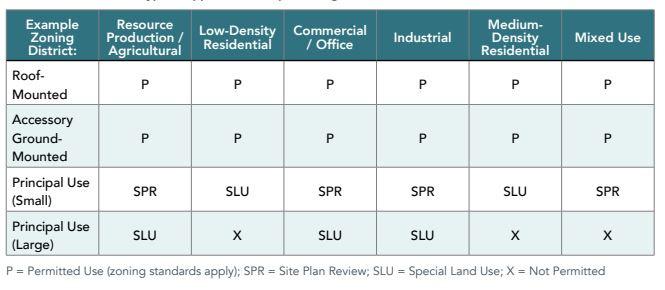
Michigan State University Extension in partnership with the University of Michigan and EGLE created a manual that lays out a framework for solar regulation at the local level. They discuss the importance of adjusting the language to include solar as by right in certain lands to encourage its development and cut out costly and timely permitting procedures. The following is a model ordinance table showing how this might be implemented into an actual zoning ordinance. It specifies both the zoning type and the type of solar panel development that might occur on the land.
RECOMMENDATIONS
Analyze regional energy usage and project future energy usage. Explore options for solar panels as aesthetic agritourism. Encourage the consideration of solar arrays on agricultural land through education on dual use methods and overall environmental and economic benefits.
Develop policy and zoning language that defines and addresses solar energy systems.
Michigan State University Urban Land Management and the Environment
CONCLUSION
As climate change continues to foster instability, it is important to consider how cities can not only preserve the functionality of the land they have but also to maximize its usefulness. The intent of this paper is not to suggest solar energy systems become a primary use on any given farm, but rather that they are seen as a viable secondary or dual use to maximize and boost revenue and resiliency on agricultural lands Land owners will require new opportunities to maintain the viability of their land, and solar energy systems should not be overlooked as a potential asset. While the global future is uncertain, cities like Chelsea, Sylvan, and Lima, can get ahead by openly discussing and considering all of their land use options when it comes to solar energy systems They can secure a renewable and stable energy climate while at the same time maintaining the integrity of their land and its character.
LAND USE
67% of the land in Chelsea, Sylvan, and Lima is zoned agriculturally.
DUAL USE METHODS
Pollinator Gardens
Animal Grazing
Specialty Crop Production
NEXT STEPS
Community education on solar design alternatives and establishing solar policy that aligns with the comprehensive goals for each community and for Washtenaw County.
Michigan State University Urban Land Management and the Environment
REFERENCES
BlueIvoryCreative. (2020, February 24). Calculate how many solar panels you need on your hog farm. Ag Solar Solutions. Retrieved December 7, 2022, from https://agsolarsolutions com/solar-panels-hog-farm/
BRE Group (n d ) Guidance for domestic and small commercial consumers - bre Retrieved December 12, 2022, from
https://www.bre.co.uk/filelibrary/nsc/Documents%20Library/NSC%20Publication s/88031-BRE Solar-Consumer-Guide-A4-12pp.pdf
Brownell, B. (2022, Feb). The Coming Renewable Energy Revolution in the Middle East. Architect Magazine.
City of Chelsea (2021, May 17) City of Chelsea, Michigan Zoning Ordinances City of Chelsea, Michigan Retrieved December 12, 2022, from https://www citychelsea.org/ordinances
Climate-Admin. “Pollinator-Friendly Solar Could Be a Win-Win for Climate and Landowners, but Greenwashing Is a Worry.” Inside Climate News, 7 Dec. 2020, https://insideclimatenews.org/news/28112020/pollinator-friendly-solargreenwashing-risk/.
Data USA (2021) Chelsea, MI Data USA Retrieved December 12, 2022, from https://datausa io/profile/geo/chelsea-mi/
Encore Renewable Energy, 7 Nov. 2022, https://encorerenewableenergy.com/pollinator-friendly-solar-projects-moveforward-with-new-initiative-led-by-encore-renewable-energy-and-greenbackercapital-2/.
“Farmland Preservation ” MDARD, https://www michigan gov/mdard/environment/farmland
Michigan State University Urban Land Management and the Environment
REFERENCES
Johnson, Kylie. “Pollinator-Friendly Solar Could Be a Win-Win for Climate and Landowners, but Greenwashing Is a Worry.” Inside Climate News, 7 Dec. 2020, https://insideclimatenews org/news/28112020/pollinator-friendly-solargreenwashingrisk/#:~:text=Research%20published%20by%20Yale's%20Center,savings%20in%2 0operations%20and%20maintenance
Gelley, C. (2021, June 24). Forage as vegetative cover for utility-scale solar in Ohio. Ohioline. Retrieved December 12, 2022, from https://ohioline.osu.edu/factsheet/cdfs-4106
Lima Township Planning Commission (2018) Township of Lima Washtenaw County, Michigan Retrieved December 10, 2022, from https://www twplima org/wp-content/uploads/2019/02/Ordinance32 pdf
Matasci, S. (2022, November 29). Solar panel size and weight: How big are solar panels? Energy Sage. Retrieved December 12, 2022, from https://news.energysage.com/average-solar-panel-size-weight/
Mazurkiewicz, J., Marczuk, A., Pochwatka, P., & Kujawa, S. (2019, November 22). Maize straw as a valuable energetic material for biogas plant feeding Materials (Basel, Switzerland) Retrieved December 12, 2022, from https://www ncbi nlm nih gov/pmc/articles/PMC6926687/
Michigan Department of Agriculture and Rural Development. (2022). Farmland Preservation. MDARD. Retrieved December 12, 2022, from https://www.michigan.gov/mdard/environment/farmland
Michigan State University Extension, Graham Sustainability Institute, Michigan
Department of Environment, Great Lakes, & Energy (n d ) PLANNING & ZONING FOR SOLAR ENERGY SYSTEMS A GUIDE FOR MICHIGAN LOCAL GOVERNMENTS
College of Agriculture & Natural Resources Retrieved December 12, 2022, from https://www.canr.msu.edu/planning/uploads/files/SES-Sample-Ordinance-final20211011-single.pdf
Michigan State University
Urban Land Management and the Environment
REFERENCES
Moore, Sharlissa. “Michigan Policy Wonk.” IPPSR, https://ippsr.msu.edu/publicpolicy/michigan-wonk-blog/solar-power-and-pollinator-habitat-agriculture-land.
Municode Library (2020) Retrieved December 12, 2022, from https://library municode com/mi/sylvan township, (washtenaw co )/codes/code of ordinances
National Renewable Energy Laboratory. (2022). Slope. Geospatial Data Science Applications and Visualizations. Retrieved December 12, 2022, from https://maps.nrel.gov/slope/scenarios?
comparisonView=false&drawerOpen=true&tabIndex=0&scenarioSettings=%7B%22 scenario1%22%3A%7B%22location%22%3A%22G2601610%22%2C%22res%22%3A %22county%22%2C%22metric%22%3A%22consumption%22%2C%22elec supply%
22%3A%22Reference%22%2C%22electrification%22%3A%22Reference%22%2C%2 2efficiency%22%3A%22Reference%22%2C%22flexibility%22%3A%22Reference%22 %7D%2C%22scenario2%22%3Anull%7D&scenarioLocations=%7B%22scenario1%22 %3A%7B%22id%22%3A%22G2601610%22%2C%22name%22%3A%22Washtenaw%2 2%2C%22extent%22%3A%5B-84.1340790001014%2C42.0715770004802%2C83.5393960006076%2C42.4351660004893%5D%2C%22resolution%22%3A%22co unty%22%7D%2C%22scenario2%22%3Anull%7D&scenarioYears=%7B%22scenario1 %22%3A2020%2C%22scenario2%22%3A2025%7D
Peck, A , Morais, K (2022, April) New Smithsonian Solar-Powered Clean Energy “Recharge Stations” To Debut as Part of “FUTURES” Exhibition. Smithsonian.
Penn State Extension. (2020, August 19). Sheep grazing to maintain solar energy sites in Pennsylvania. Penn State Extension. Retrieved December 12, 2022, from https://extension.psu.edu/sheep-grazing-to-maintain-solar-energy-sites-inpennsylvania
Report on the Implementation and Cost- Effectiveness of the - Michigan https://www michigan gov/mpsc/-/media/Project/Websites/mpsc/regulatory/repo rts/pa295-ren/2022-Renewable-Energy-Standard-Report.pdf? rev=eb9ccb636da145d282692997e95b1a13.
Michigan State University Urban Land Management and the Environment
REFERENCES
Sánchez-Pantoja, N., Vidal, R., & Pastor, M. C. (2018). Aesthetic impact of solar energy systems. Renewable and Sustainable Energy Reviews, 98, 227-238.
Solar Energy Technologies Office (n d ) Farmer's Guide to Going Solar Energy gov Retrieved December 12, 2022, from https://www energy gov/eere/solar/farmers-guide-going-solar
Staff, A. C. (2022, April 14). Michigan's population topped 10 million in 2020. Census.gov. Retrieved December 12, 2022, from https://www.census.gov/library/stories/state-by-state/michigan-populationchange-between-census-decade html
Törnroth, S , Nilsson, Å W , & Luciani, A (2022) Design thinking for the everyday aestheticization of urban renewable energy. Design Studies, 79, 101096.
Washtenaw County Department of Planning and Environment. (2004). Washtenaw County, MI | official website. Retrieved December 12, 2022, from https://www.washtenaw.org/DocumentCenter/View/5779/The-CompleteComprehensive-Plan-PDF?bidId=
Washtenaw County GIS data portal Washtenaw County GIS Data Portal (n d ) Retrieved December 7, 2022, from https://data-washtenaw opendata arcgis com/
“What Are Renewable Energy Credits (Recs)?” EnergySage, https://www.energysage.com/other-clean-options/renewable-energy-creditsrecs/#:~:text=Benefits%20of%20RECs,at%20your%20home%20or%20business.
Zaken, M. van B. (2022, September 26). Smart solutions. United Arab Emirates | Netherlandsandyou nl Retrieved December 12, 2022, from https://www netherlandsandyou nl/your-country-and-the-netherlands/unitedarab-emirates/what-we-do/expo/smart-solutions
Michigan State University Urban Land Management and the Environment