
Hannah Prins Landscape Architecture Portfolio 2023

Page 1

HANNAH PRINS

LANDSCAPE ARCHITECTURE PORTFOLIO

MICHIGAN STATE UNIVERSITY 2023

I am a senior student in the Landscape Architecture program and a first year graduate student in the Urban and Regional Planning program at MSU. I am passionate about improving quality of life through community engaged design. My studies focus on the nexus of landscape architecture and urban planning and with an emphasis on environmental equity and policy systems.

EDUCATION

Bachelors of Landscape Architecture

Expected December 2023

Michigan State University 2018 - Present

Masters of Urban and Regional Planning

Expected December 2024

Michigan State University 2022 - Present

WORK EXPERIENCE

Land Planning Intern | 2022 - Present

Nederveld Inc

Grand Rapids, MI

PERSONAL SKILLS

• Public speaking

• Teamwork and collaboration

• Creativity & problem solving

• Willingness to learn

• Organization

SOFTWARE SKILLS

• Adobe Creative Suite

• AutoCAD | Civil 3D

• Sketchup Pro

• Twinmotion & Unreal Engine

• Arc GIS

• Data Processing
ABOUT ME
TEXT HERE TABLE OF CONTENTS PIERCE PARK 3 MARTIN’S LANDING 5 LANSING RIVER TRAIL 6

PIERCE PARK

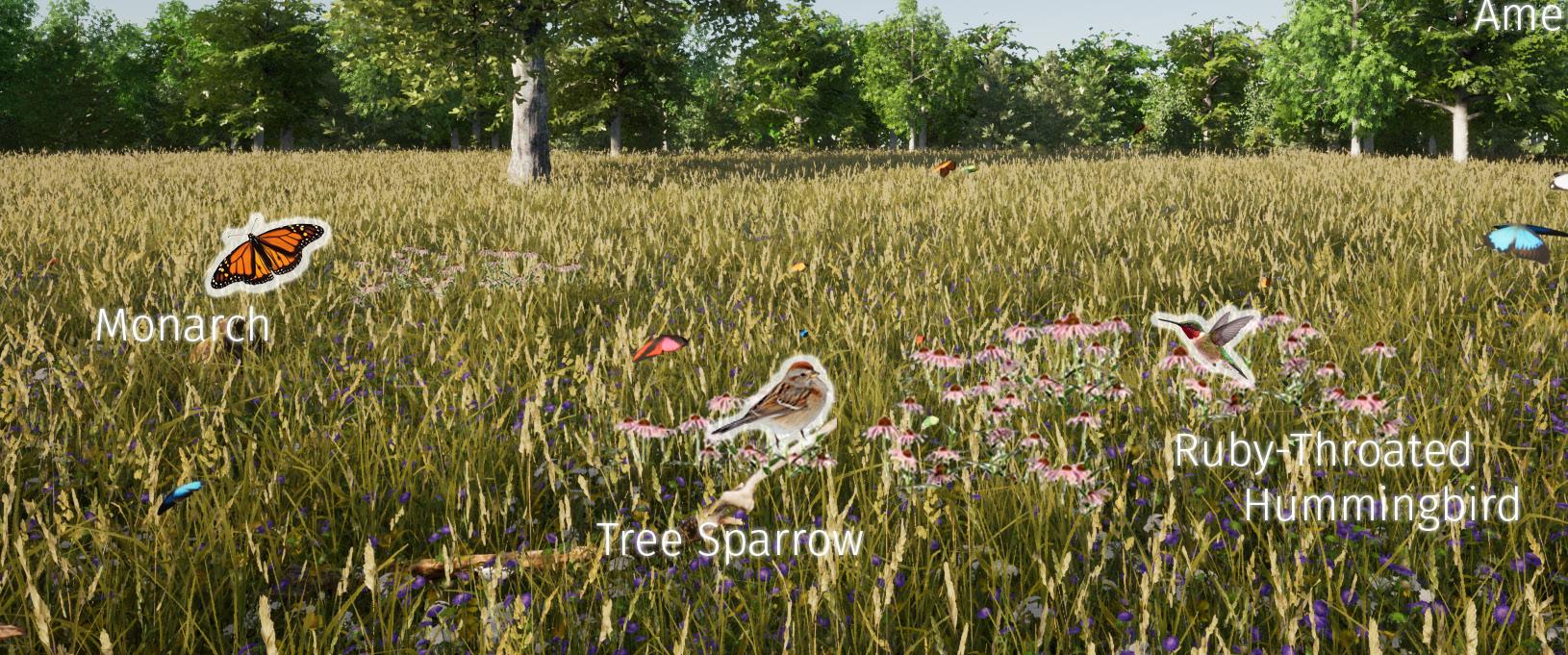
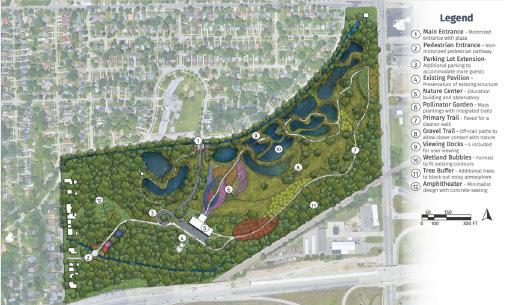
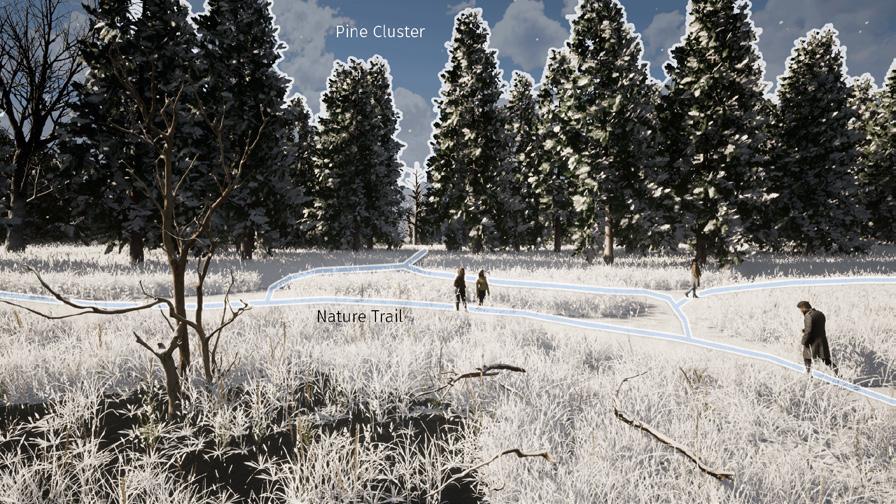
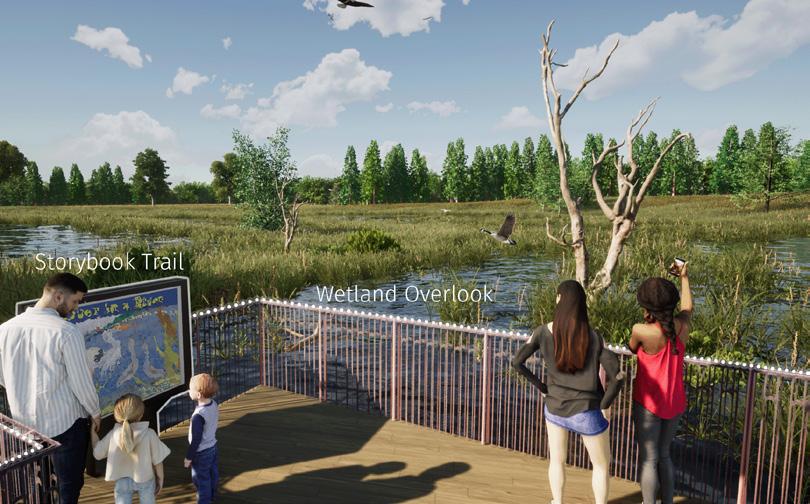
Pierce park is a nearly 80-acre site located just outside downtown in the city of Flint, MI. The site was once a thriving city-owned golf course but was closed after the 2008 recession. While the land has great potential, there are hazards that need to be addressed including flooding, pollution, and contaminated soils. This project was a collaboration between MSU, the City of Flint Michigan, College Cultural Neighborhood, Keep Genessee County Beautiful, and the Pierce Park Nature Preserve. Our student team was tasked with creating a site design to mitigate these problems and reimagine the future of the site. This culminated in a site wide masterplan (rendered by Quenton Bortmas) and several accompaning 3D perspective renders by myself.

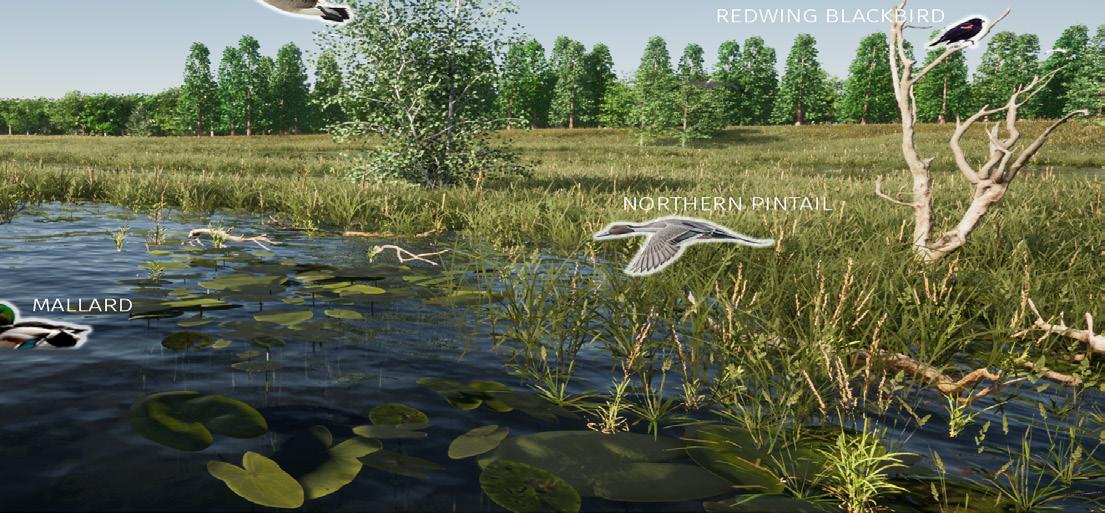
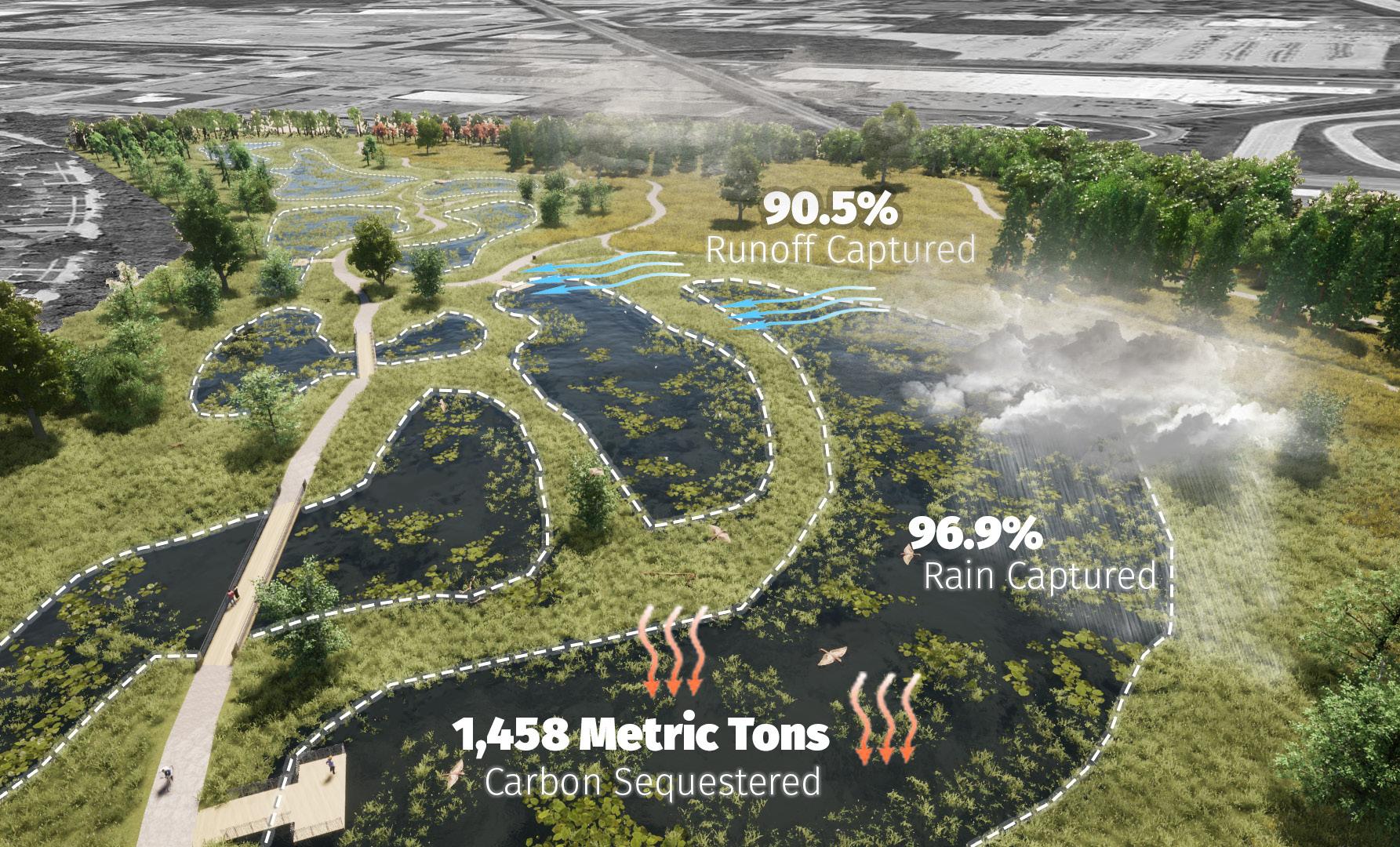
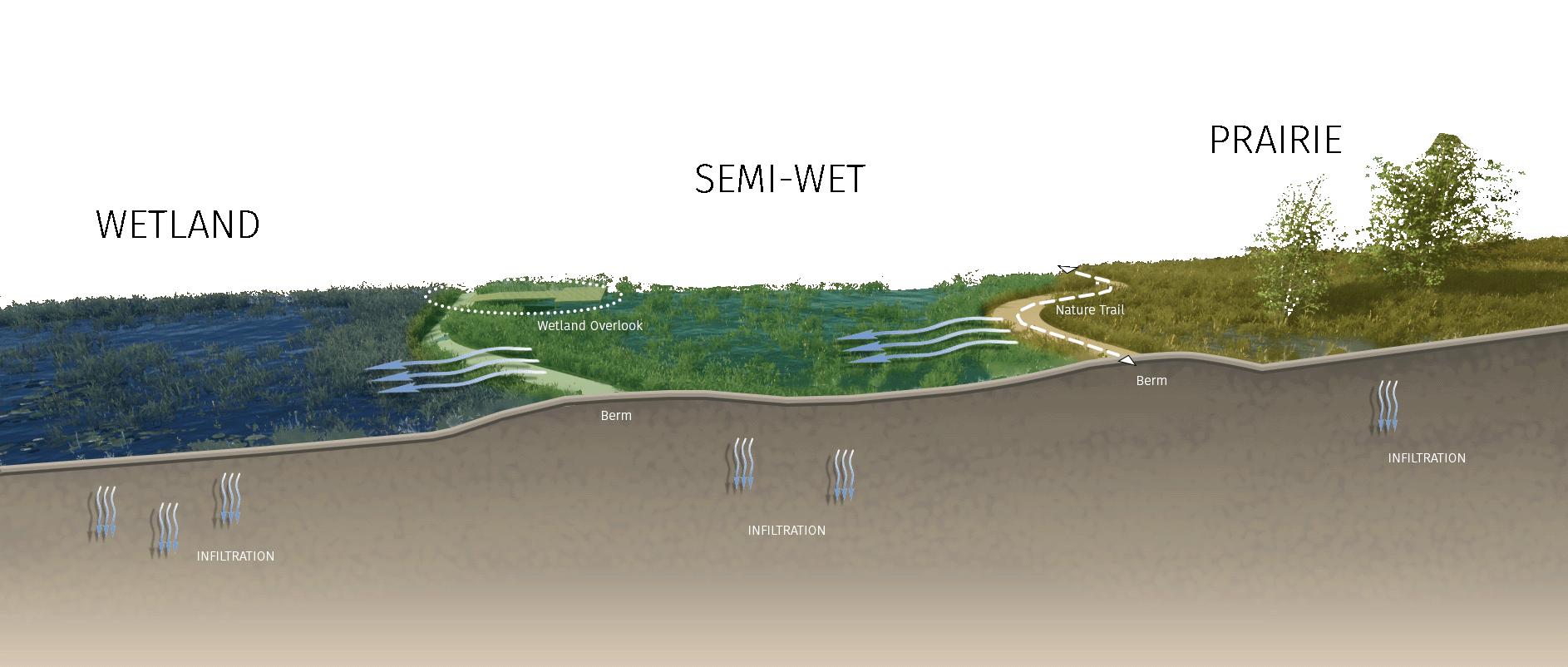
The featured element of the Pierce Park site design was the creation of a unique wetland bubble system. The bubble system was designed to closely follow existing contours to minimize excavation. It is a tiered drainage system that slows water runoff and increases opportunities for phytoremediation. Our team took the time to evaluate landscape performance measures for the site design to illustrate the real environemental and economic benefits of environmental design.

MARTIN’S LANDING

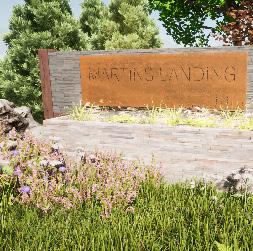
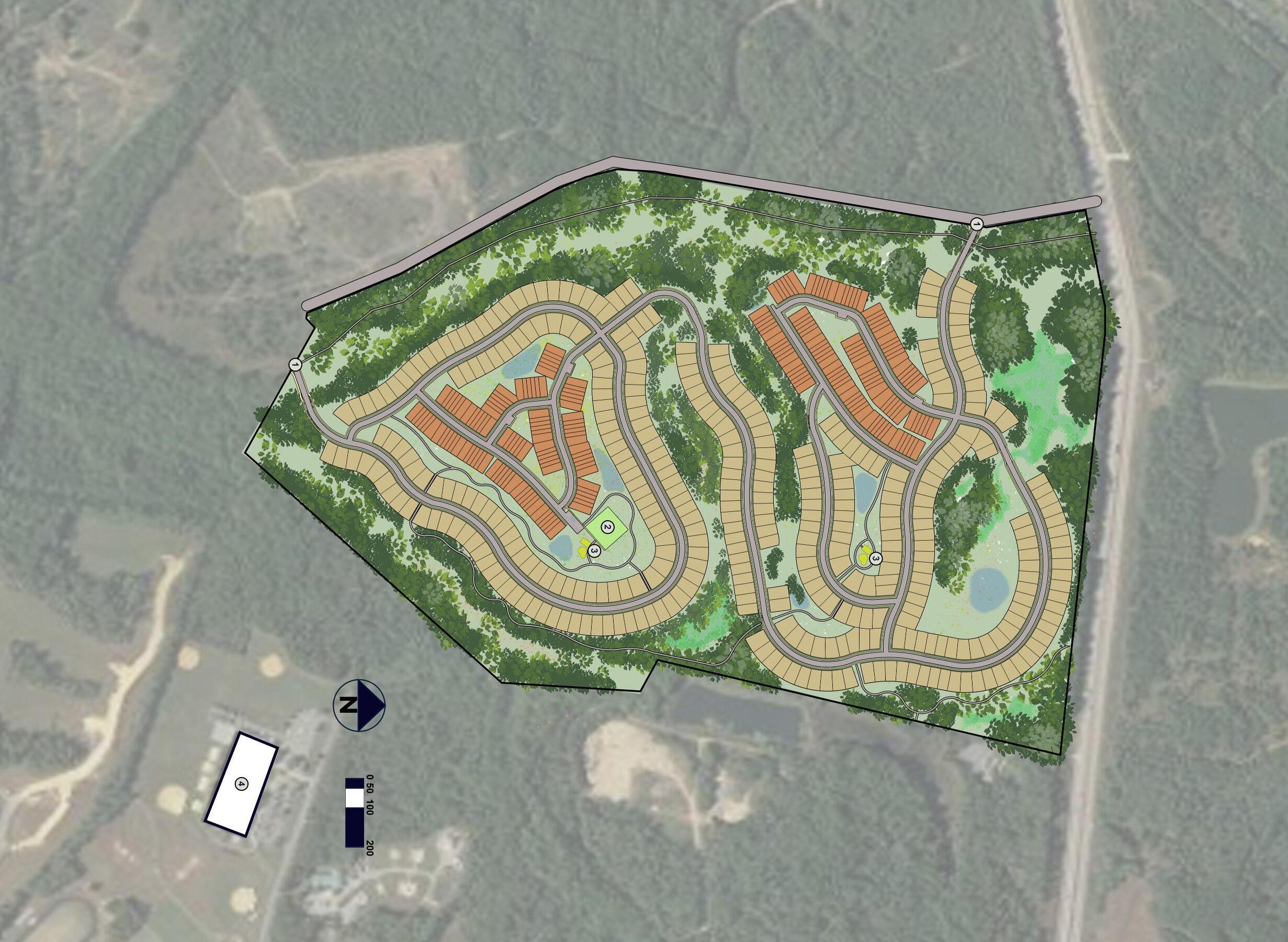
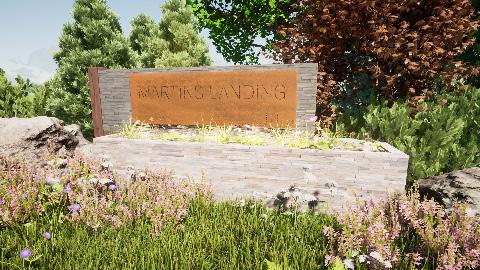
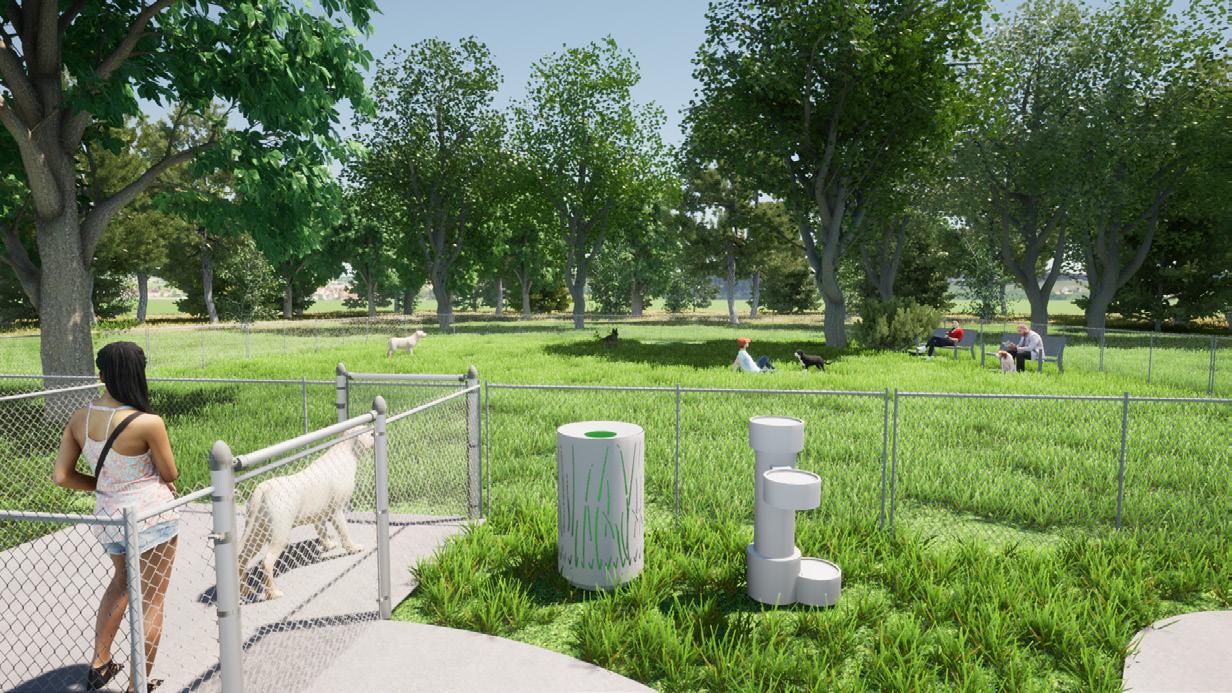
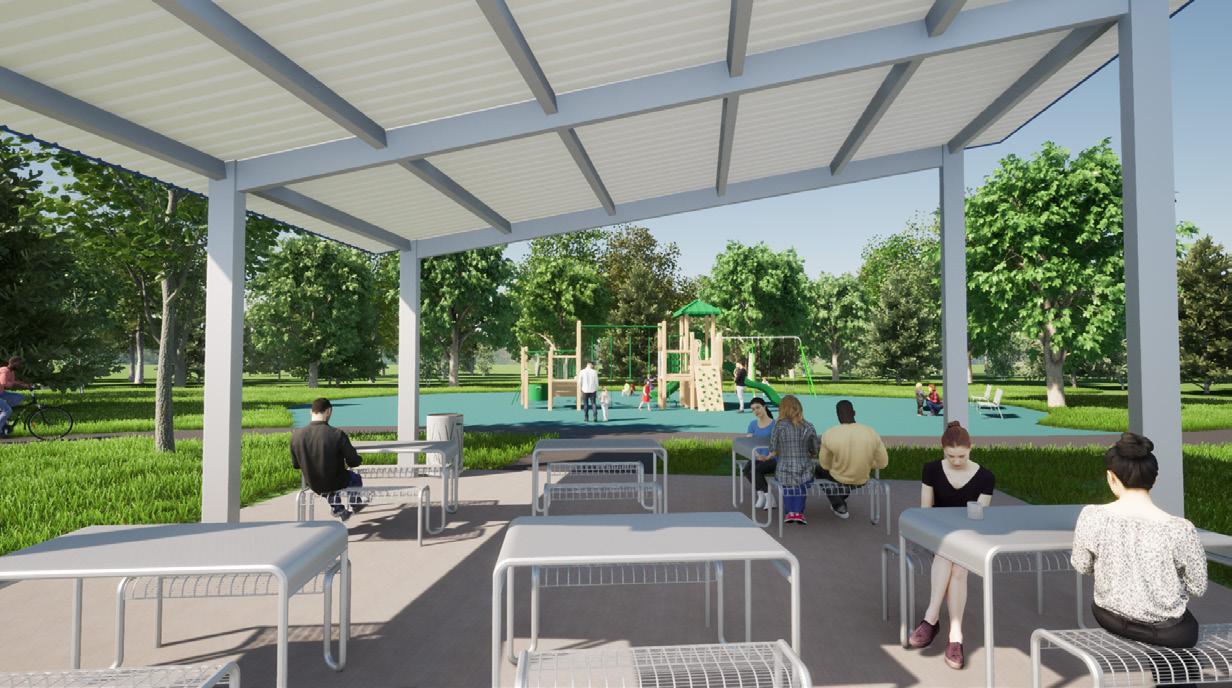
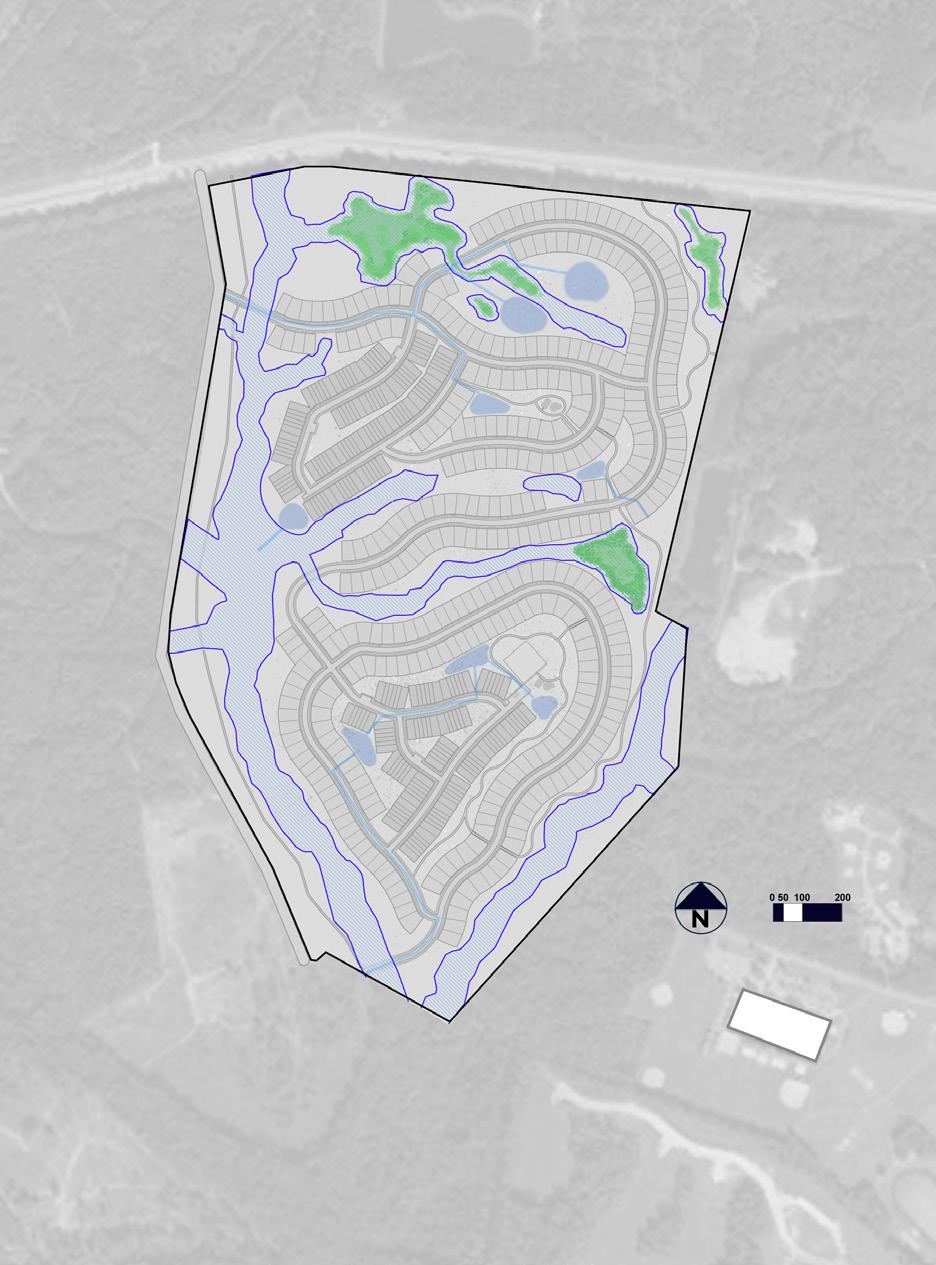
The National Association of Homebuilders hosts an annual student design competition that challenges students to design and generate a full proforma for a housing development using a real site location. At MSU our project is a collaboration between construction management, interior design, and landscape architecture. I competed on our school team for the 2023 competition as the land planning specialist. I led the development of the site design, stormwater management, and related renderings. The Martin’s Landing development is located in La Plata Maryland. Named after the native Purple Martin, the site design took special precautions to preserve the native environment as the land contains a tidal steam and several protected wetlands. The goal was to work with nature and present it as a marketable neighborhood asset. As a result, the site boasts several miles of walkable trail that connects to the existing regional trail network. In order to promote a vibrant and walkable community the neighborhood trail connects to amenity nodes featuring a dogpark, playgrounds, and outdoor gathering spaces.

Treating pollution at the regional level is expensive and damaging to several estuary and riparian habitats along the way. Rather than simply piping water away, the site design allows stormwater to be filtered and treated through retention basins with a native wild grass land cover. This will keep the water clean and free of excess nutrients, waste, and sediment as it enters the nearby creek and eventually makes its way out to the Wicomico River and the Chesapeake Bay.

LANSING RIVER TRAIL

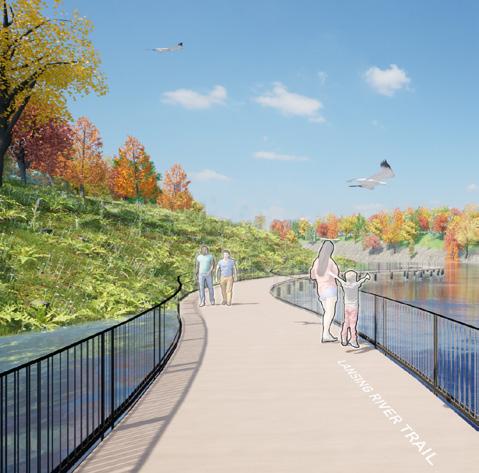
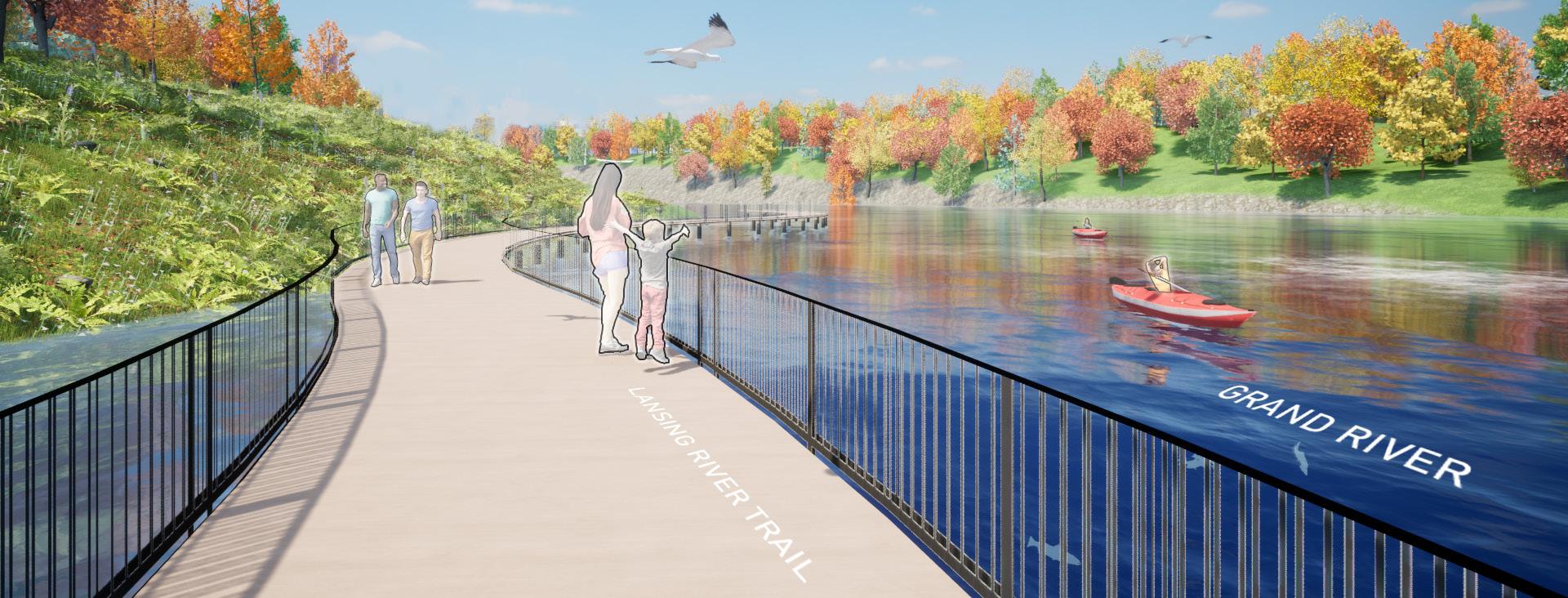
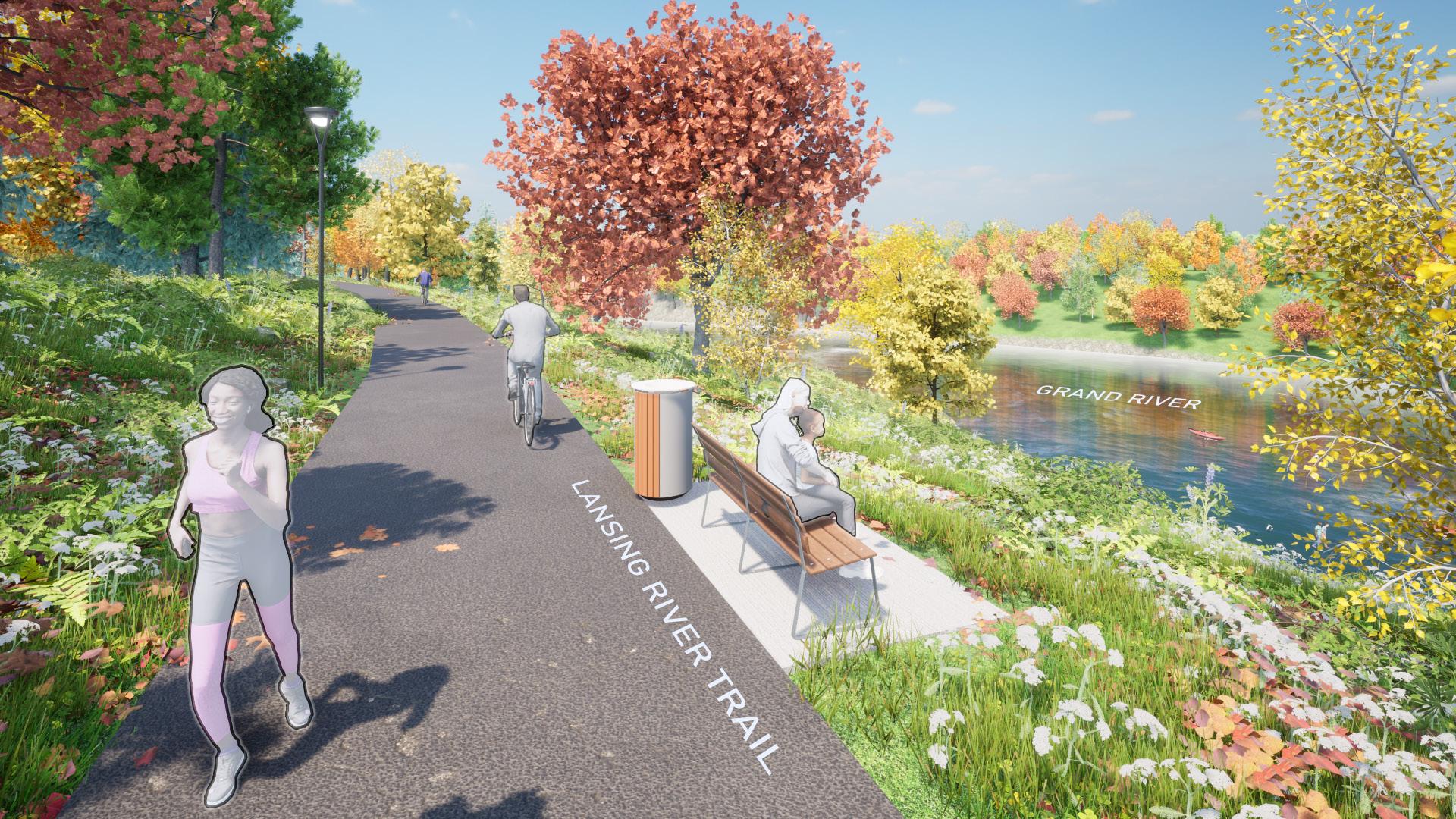
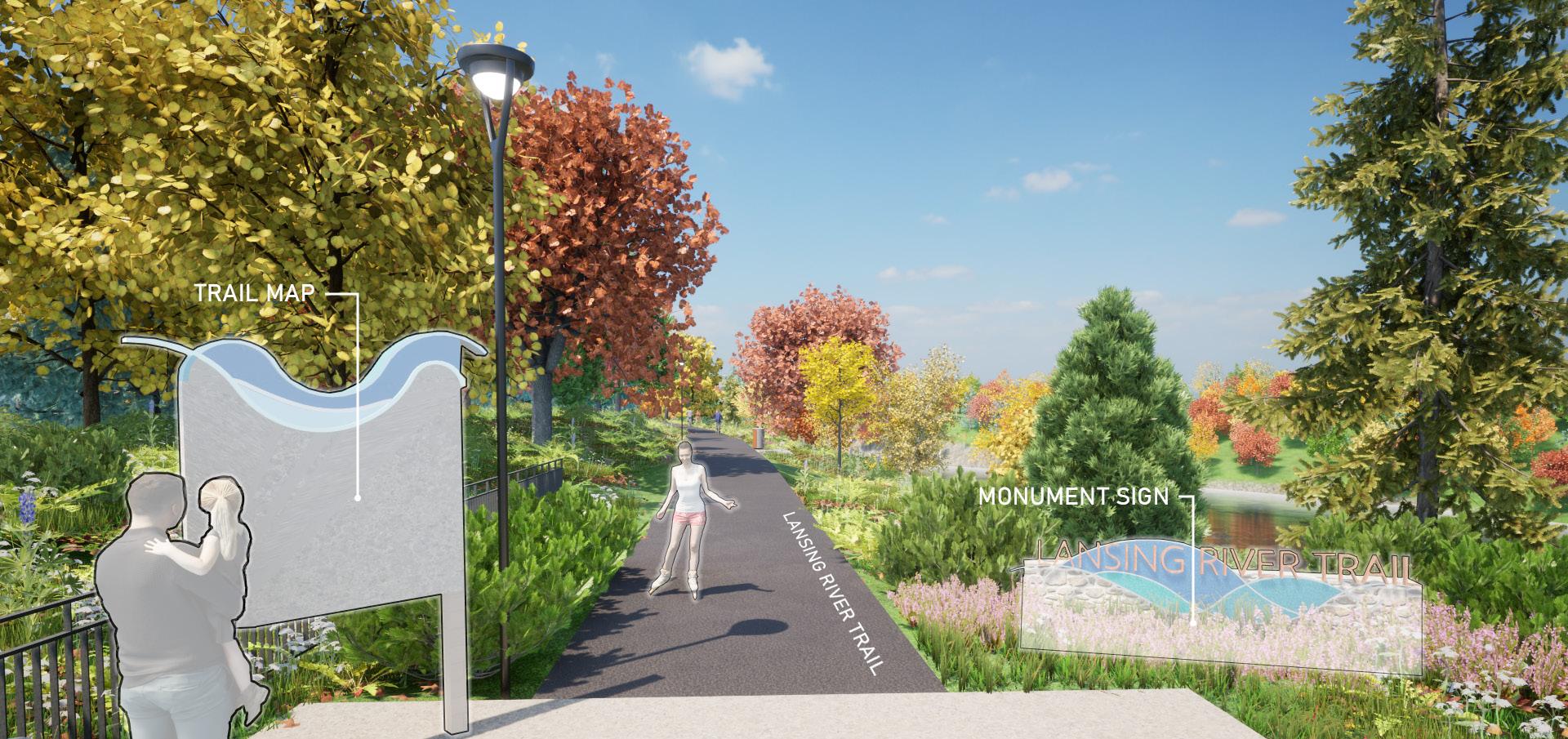
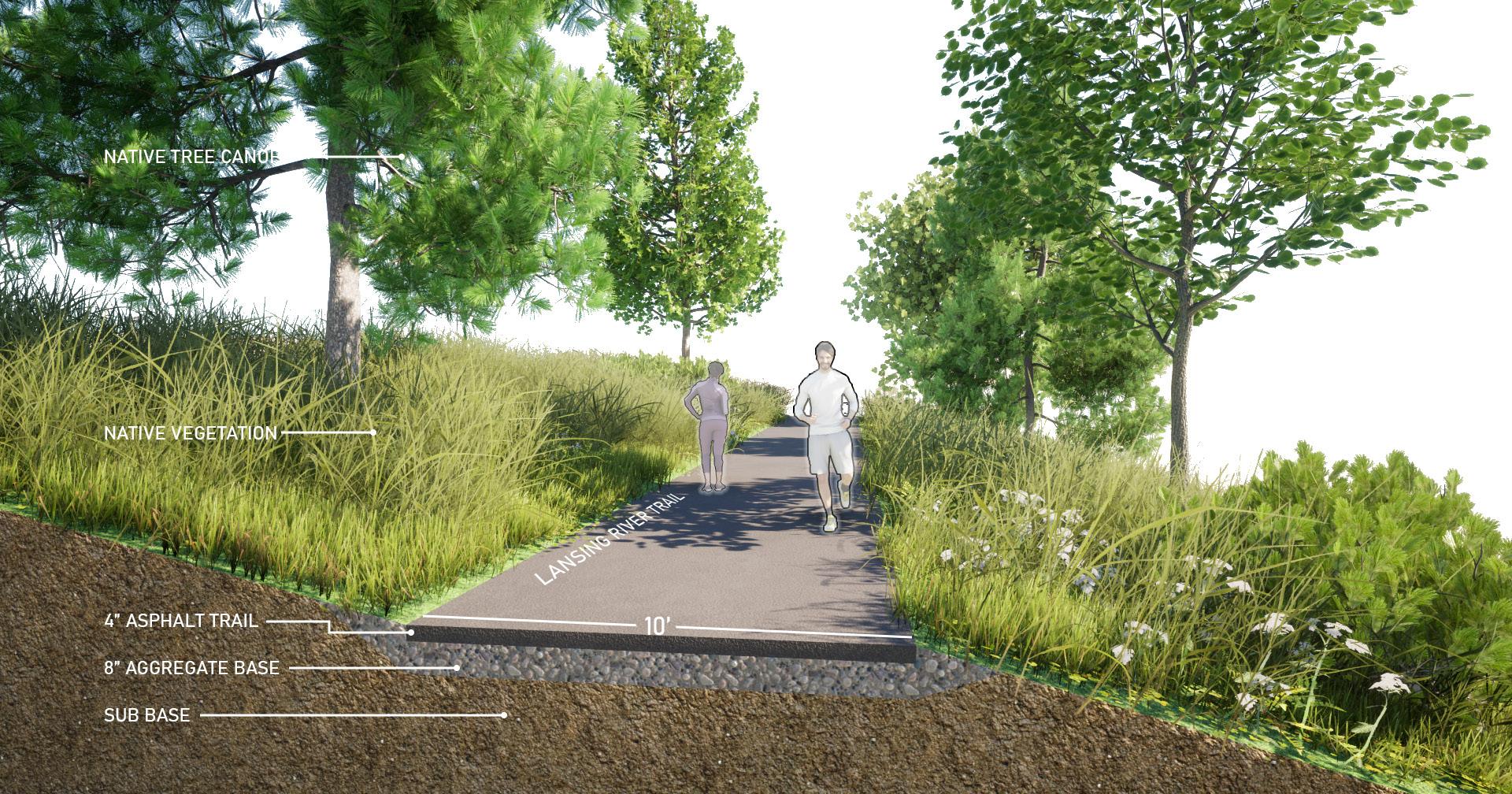
The Lansing River Trail project was completed as part of an assignment to analyze regional greenway connections in the Michigan tricounty capital area. Our team of three chose to focus on the Lansing River Trail that runs along the Grand River. The main goals of this project were to devlep a viable solution to gaps in the trail network, create a sense of place, and mitigate pollution into the Grand River.

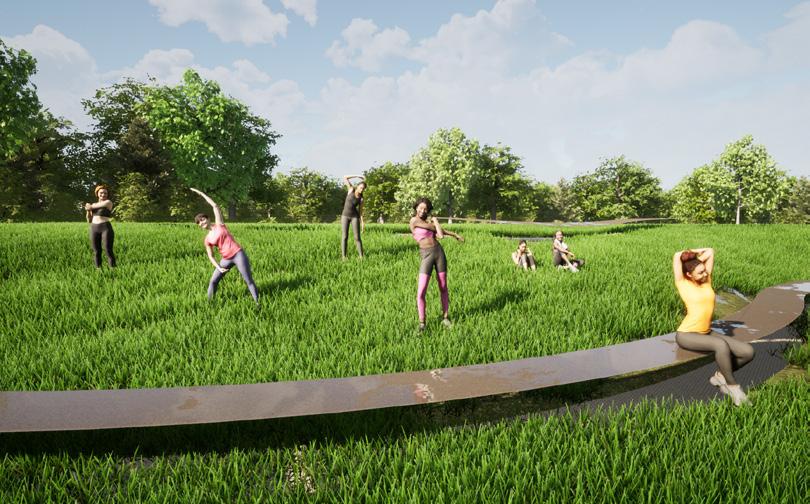
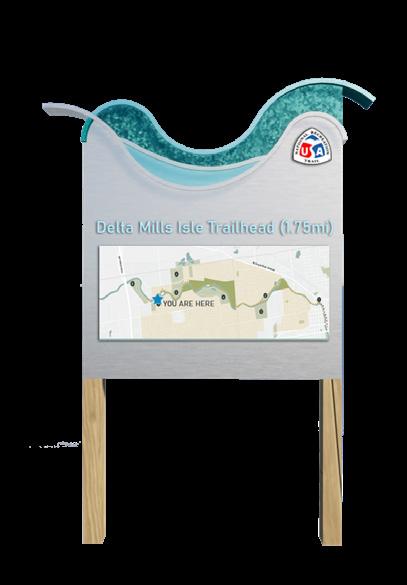
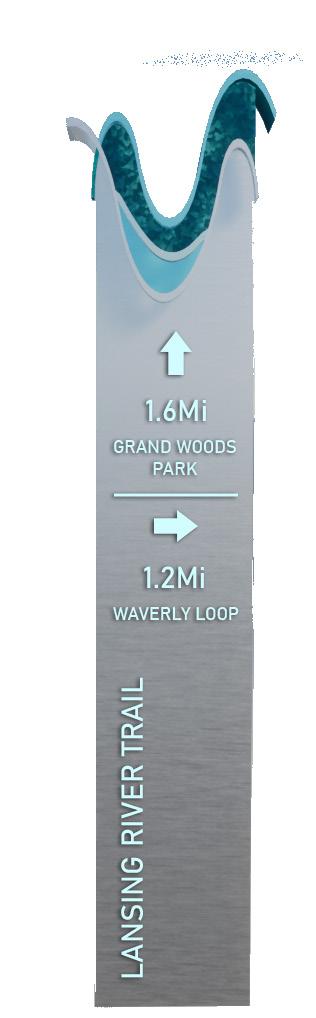
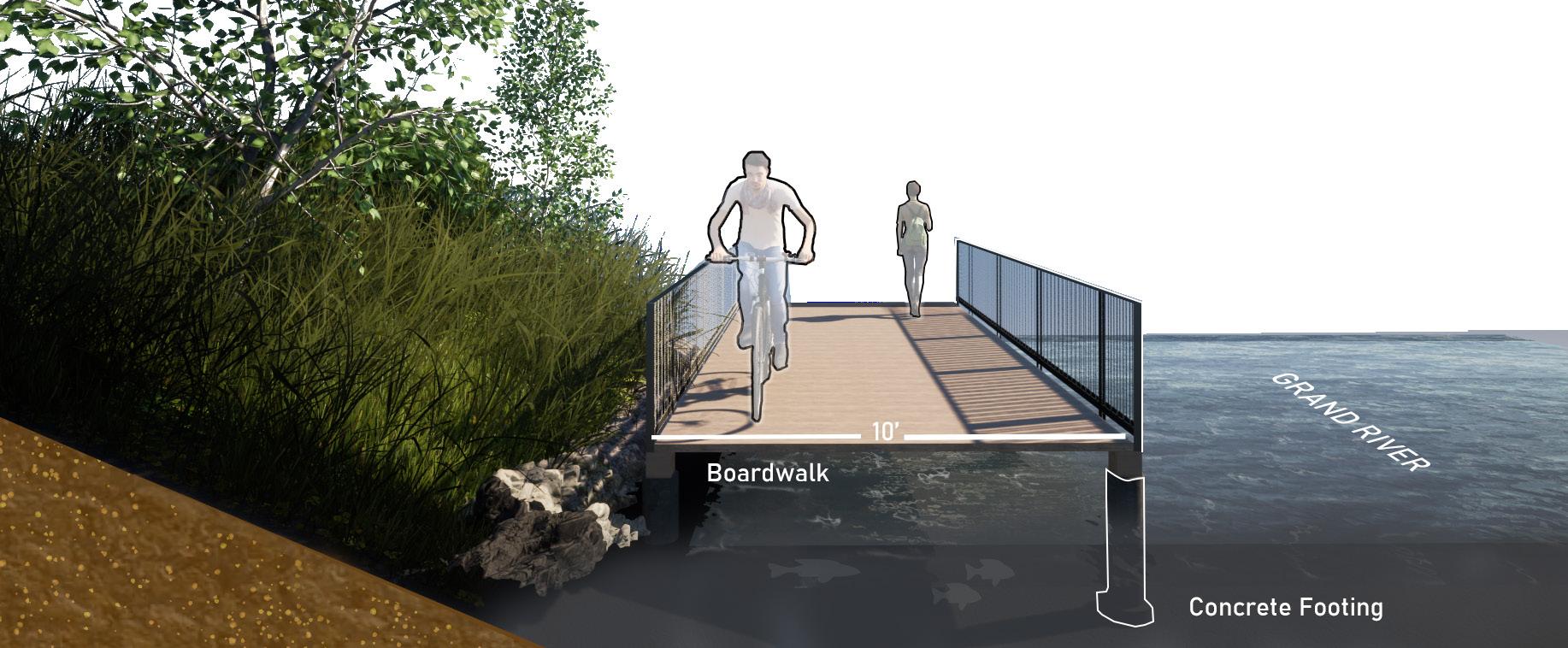
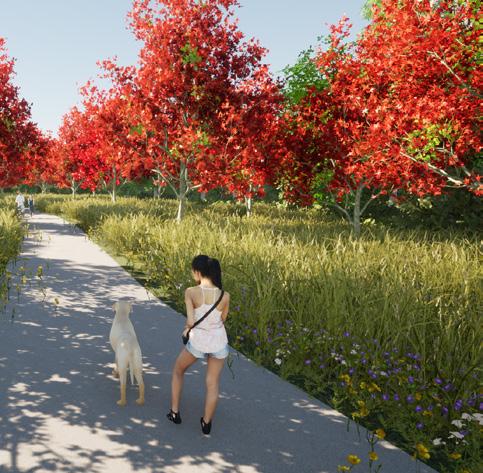
I developed several perspective renderings and created a custom set of navigational signage and welcoming features to give the Lansing River Trail a new sense of identity and place. Our team worked together to connect the regional gaps in trail and position proposed amenties including a boardwalk, fitness spots, and scenic overlooks.

Turn static files into dynamic content formats.

Create a flipbook