MEETING THE MOMENT
Reimagining Systems and Building New Shared Futures

Princeton School of Public and International Affairs
Robertson Hall, Princeton University April 11–12, 2026

Reimagining Systems and Building New Shared Futures
Princeton School of Public and International Affairs
Robertson Hall, Princeton University April 11–12, 2026
On behalf of the Students and Alumni of Color Association, we are honored to welcome you to the 2026 SAOC Spring Symposium.
This year’s symposium could not be more timely. Across the United States and around the world, we are witnessing unprecedented shifts in — and to — long-standing institutions that have shaped our lives. The dismantling of government agencies; attacks on diversity, equity, and inclusion programs; authorization of violent immigration enforcement, and rollback of essential civil rights have left many questioning the direction of our democracy and the durability of hard-fought progress. At the same time, rising costs of living and deepening economic inequality have strained communities and eroded trust in public institutions.
That is why this year’s symposium theme is Meeting the Moment: Reimagining Systems and Building New Shared Futures. It invites us to grapple with one central question: Where do we go from here? After speaking with current students and surveying alumni near and far, we will approach that question from two different, but equally important angles.
First, we ask how systems themselves must evolve across some of the most urgent policy areas impacting our communities today. Our first set of breakout sessions will examine how we might reimagine public health systems to expand health equity and access, strengthen environmental justice for frontline communities, and build more humane systems that uphold the rights and dignity of immigrants and refugees. These conversations invite us to examine not only where systems fall short, but how they might be redesigned to better serve the communities they were meant to protect.
Second, we explore how meaningful systemic change happens across different levels of governance. Our next set of breakout sessions will center coalition-building and development across the Global South, coordinating federal institutions in an increasingly fragmented policy landscape, and strengthening the role of state and local governments. These conversations will highlight the importance of collaboration, coordination, and leadership at every level. Together, they remind us that durable change rarely comes from a single person, institution, or sector - it emerges from networks of people working across issue areas and levels to move our communities forward.
In celebrating SAOC’s 30th year, the Spring Symposium challenges us not only to critique existing systems, or the absence of them, but to reimagine and begin building new ones: systems that are more equitable, more responsive, and more capable of meeting the demands of this moment and those of the future.
We hope today’s conversations spark bold ideas, deepen relationships across generations of students and alumni, and inspire the spirit and action needed to meet the challenges ahead. Thank you for being part of this community and for helping us meet this moment—together.
Signed, Adán Chávez, Faith Gay, Hana Rajap
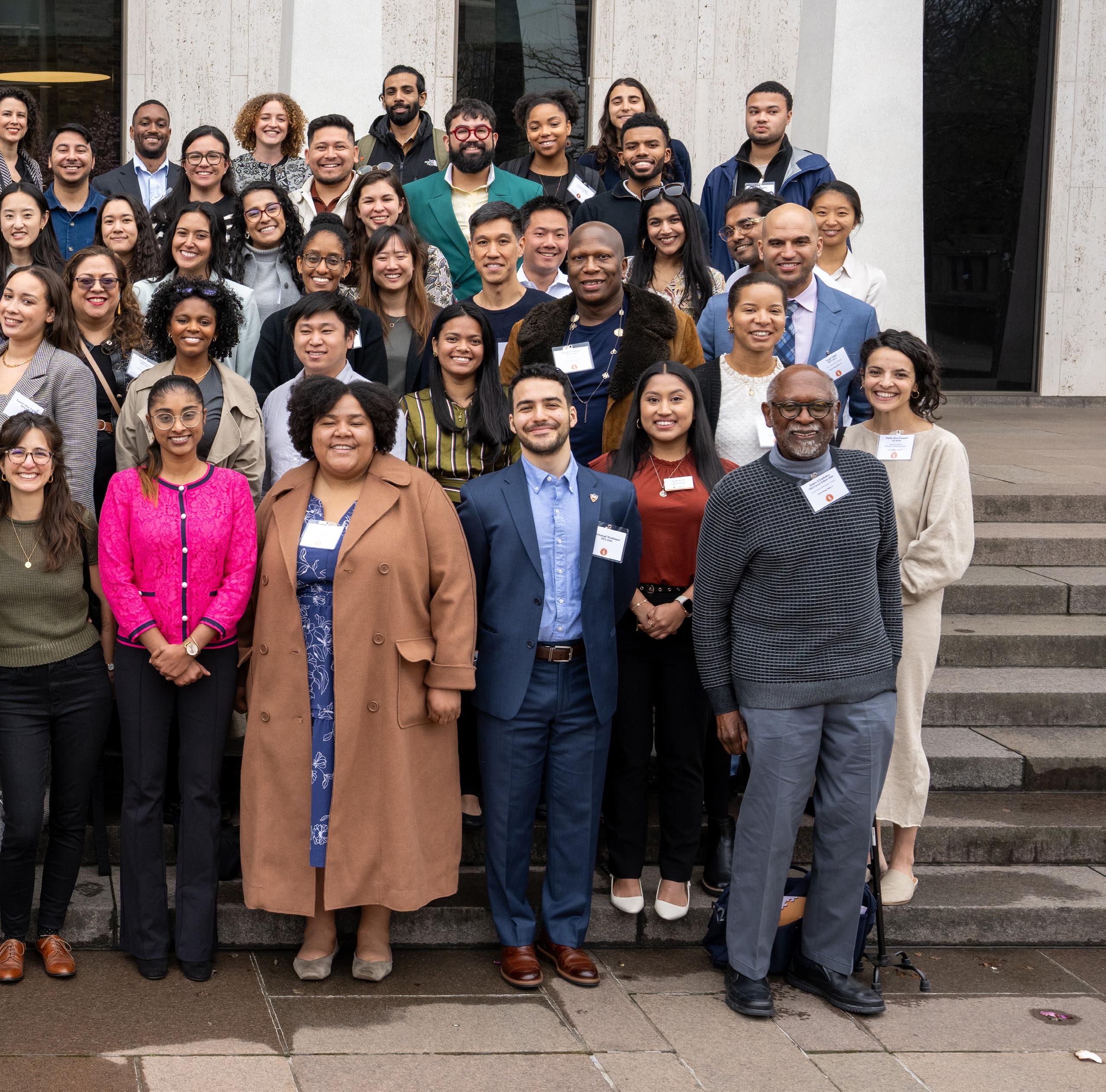
SAOC is an affinity space for students and alumni who identify as Black, Indigenous, Latinx, AsianAmerican/Pacific Islander, Middle Eastern/North African, Sub-Saharan African, South Asian, and/or bi/ multiracial. SAOC facilitates relationships between our students and alumni as well as the various racial, ethnic, cultural, and other communities we inhabit beyond Princeton.
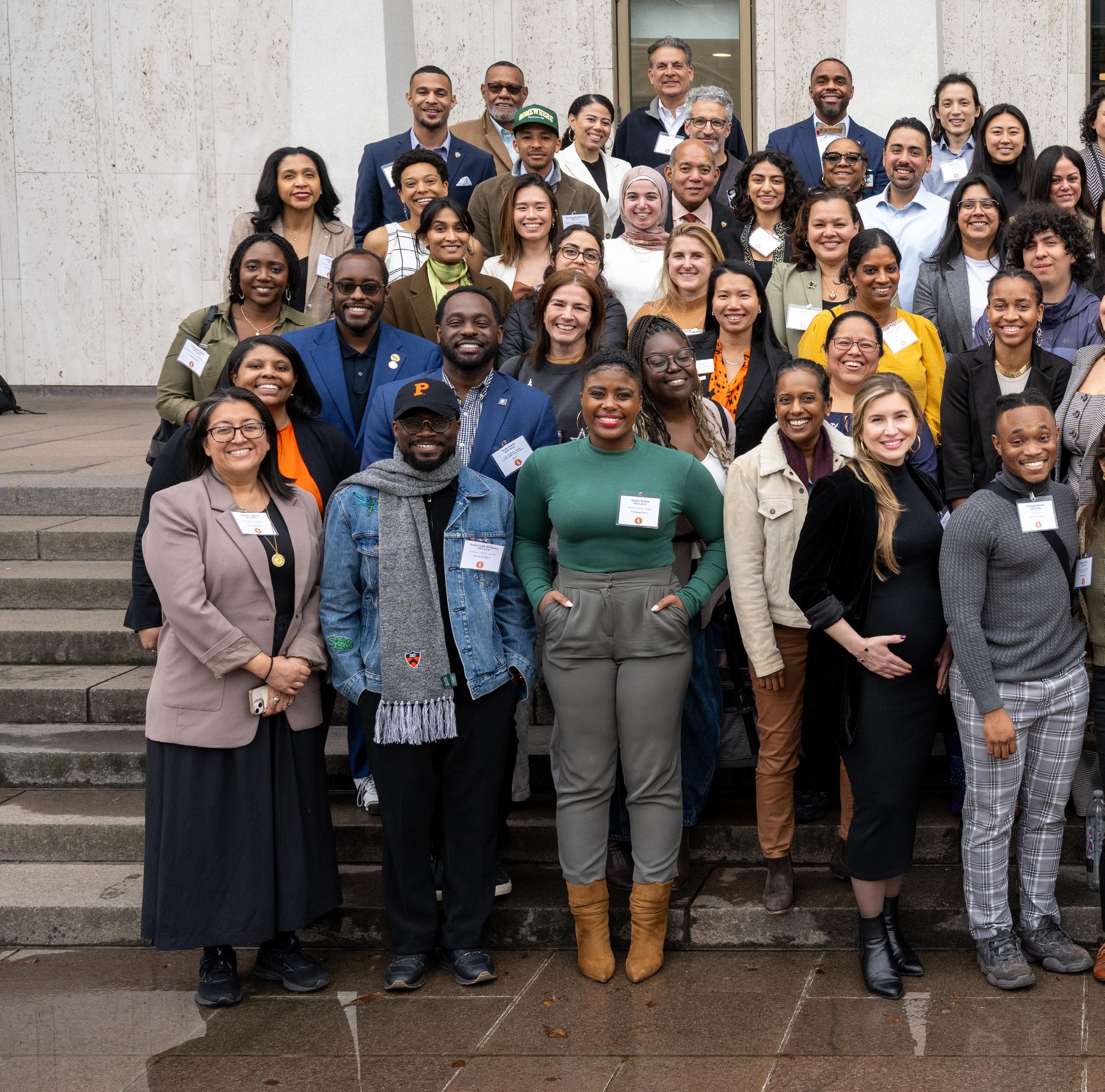
Rooted in anti-racist, anti-colorist, anti-colonial, and intersectional practices, we are dedicated to the social, political, and professional development of our students and alumni as we all grow together.
This organization is open to all Princeton University students interested in supporting our organization’s mission, regardless of identity, such as race, sex, ethnicity, national origin, or other protected characteristics.
REGISTRATION AND BREAKFAST 10–11 A.M. / Dodd’s Atrium
WELCOME AND OPENING REMARKS 11–11:15 A.M. / Arthur Lewis Auditorium
KEYNOTE ADDRESS 11:15 A.M.–Noon / Arthur Lewis Auditorium
OPENING PLENARY Noon–12:45 P.M. / Arthur Lewis Auditorium
BREAKOUT PANELS
PANEL 1 / Reimagining Public Health Systems for Equity and Access / Bowl 001
PANEL 2 / Reimagining Environmental Justice for Frontline Communities / Rob 023
PANEL 3 / Reimagining Human Systems for Immigrant and Refugee Rights / Bowl 002
Panels run concurrently, but split into three sessions. Information is listed on pages 12–17 of this program.
2:15–3:15 P.M.
COFFEE BREAK 3:15–3:30 P.M. / Bernstein Gallery
BREAKOUT PANELS
PANEL 4 / Scaling Solidarity: Coalition Building for Development Across the Global South / Bowl 001
PANEL 5 / Coordinating Federal Systems in a Fragmented Era / Bowl 002
PANEL 6 / Strengthening State and Local Governments for Systems Change / Rob 023
Panels run concurrently, but split into three sessions. Information is listed on pages 18–23 of this program.
POWER HOUR - NETWORKING
3:30–4:30 P.M.
4:30–5:30 P.M.
COMMUNITY CONVERSATION 4:45–5:45 P.M. / Bowl 016
Democracy-Building or Imperialism? Assessing Recent U.S. Foreign and Military Policymaking Power Hour and Community Conversation will run concurrently with attendees having the option to attend either/or.
DINNER AND AWARDS 6–8 P.M. / Prospect House, Alan Turing Garden Room
AFTER PARTY 8–11 P.M. / DBar (Graduate College)
Sunday, April 12
Saturday, April 11 10:30–11 A.M. / Shultz Cafe BRUNCH THE MOMENT IS NOW: WHY
LUGGAGE ROOM, 109 - Shared with SPIA Hosting
FAMILY ROOM, 032
NURSING ROOM, 010
SAOC COMMITTEE AND VOLUNTEERS ROOM, 012




As chief equity officer and director of the Office of Equity and Civil Rights for the City of Baltimore, Amber Greene leads efforts to embed equity across city government and enforce civil-rights protections. A former senior official in the BidenHarris White House and the U.S. Department of State, she spearheaded whole-of-government racial and economic justice initiatives and represented the United States in global human rights diplomacy. Her public service career spans local, state and federal government, with a focus on crisis response, policy innovation and strategic communications in areas including climate resilience, public health, economic justice and voting rights. Greene holds a B.A. from SUNY New Paltz and a master’s in public policy from Princeton’s School of Public and International Affairs, where she serves on the Advisory Council. She is also a senior adviser to the National Urban League, where she coordinated the Demand Diversity Roundtable, a coalition of 20 leading civiland human-rights organizations representing more than 100 million Americans.
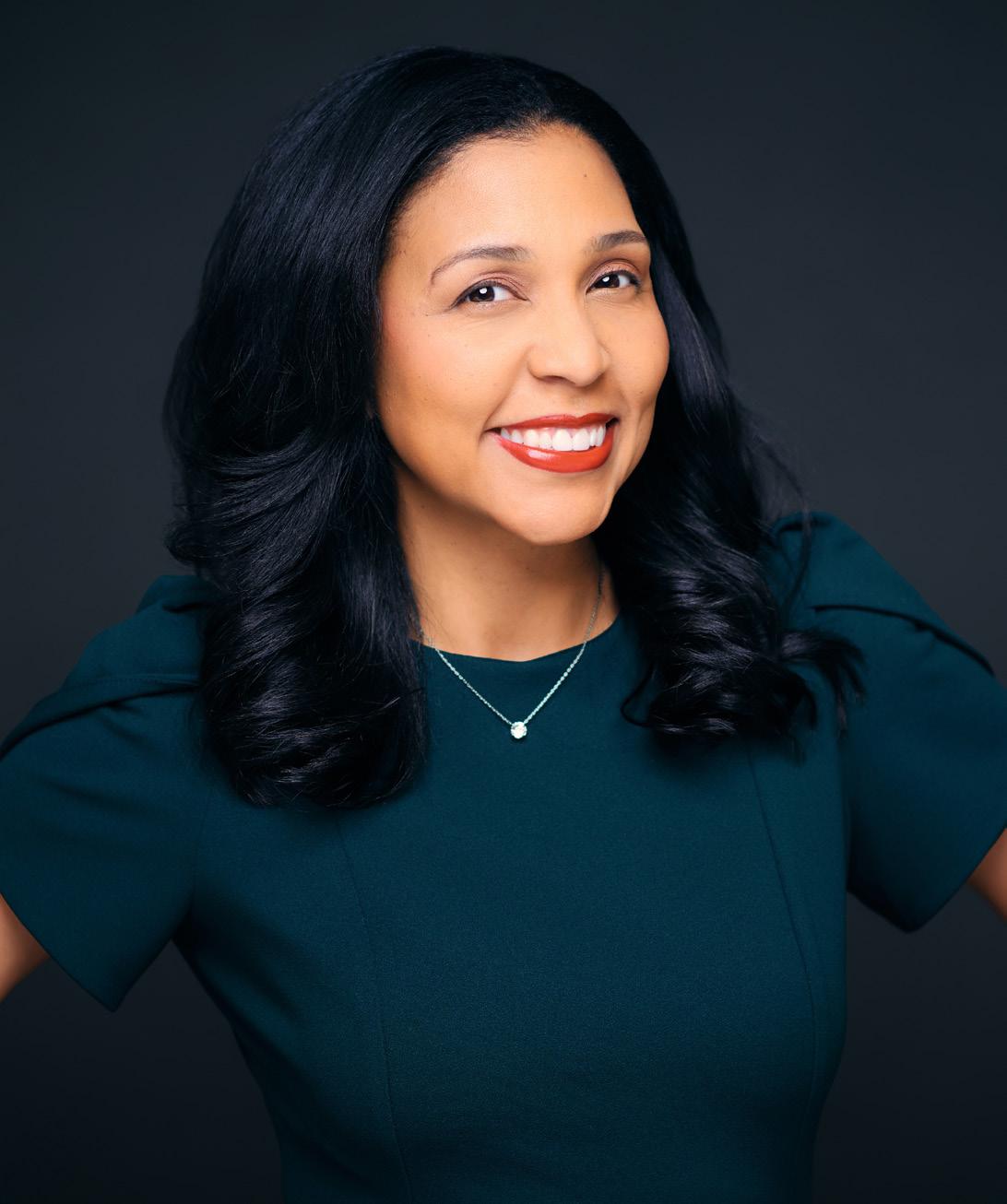
AMBER GREENE MPP '12
Director and Chief Equity Officer Office of Equity and Civil Rights for the City of Baltimore
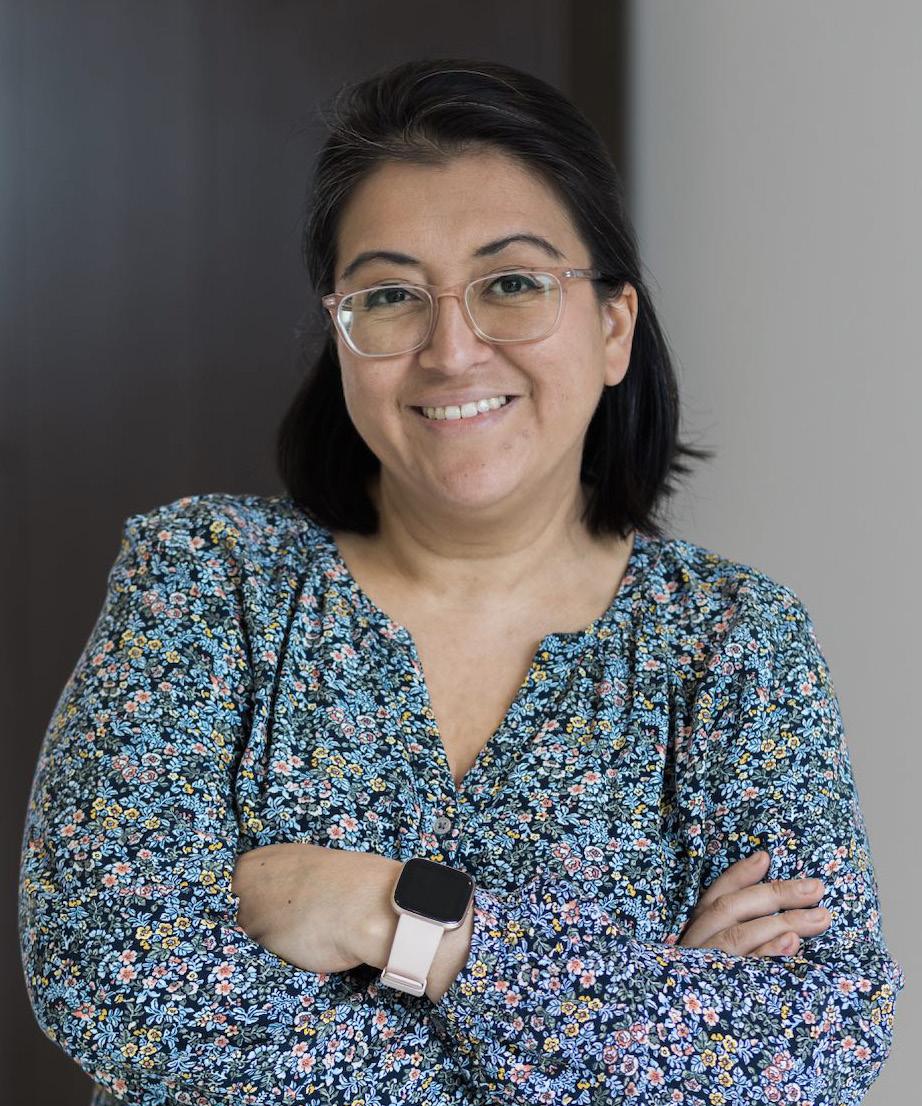
Midori Valdivia believes transportation is an opportunity, and that the systems that move a city must also protect the workers who power it.
In March 2026, she was confirmed by the New York City Council to serve as Mayor Zohran Mamdani’s Chair and Commissioner of the New York City Taxi and Limousine Commission. In this capacity, she oversees more than 180,000 licensed professional drivers and vehicles across the yellow taxi, green cab, for-hire vehicle, and paratransit sectors — one of the largest regulated driver workforces in the country. Her nomination reflects a career grounded in advancing fair labor standards, responsible innovation, and building economic opportunities for working New Yorkers.
Midori has worked at the center of the region’s most consequential transportation institutions, including the New York Metropolitan Transportation Authority (MTA), the New York City Taxi and Limousine Commission (TLC), and the Port Authority of New York and New Jersey. As Chief of Staff at the MTA, serving a workforce of 70,000, she played a key leadership role in advancing congestion pricing as one of the most significant transportation and climate policies in the nation. Working across state legislation, agency implementation, a multitude of partners, and public communications, Midori helped shepherd the legislation and, as an MTA Board Member, defend the successful program against opposition. Designed to reduce traffic, improve air quality, and generate critical revenue for transit reinvestment, congestion pricing represents not only climate action but an economic justice strategy. Congestion pricing directs investment toward a public transportation system relied upon disproportionately by working-class and low-income New Yorkers.
New York City Taxi and Limousine Commission
Her leadership has worked to center the dignity of labor within complex regulatory and fiscal environments. Midori shaped the regulatory framework for the first wage standards for service workers at John F. Kennedy and LaGuardia Airports and advanced the TLC’s first-in-the-nation driver pay study for for-hire vehicle drivers — landmark efforts that strengthened income stability for thousands of predominantly immigrant workers.
Throughout Midori’s career, she has dedicated herself to uplifting the leadership of Black, brown, Indigenous, and immigrant people, as well as women of color, and co-founded the Women of Color Network in Transportation and Climate Infrastructure. Midori was nominated by the former Mayor and appointed by the New York Governor to the Board of the New York Metropolitan Transportation Authority. She most recently served as a Trustee of the Transit Center, and a member of the boards of the Shared-Use Mobility Center and the Regional Plan Association. She is committed to expanding mobility options for people, making public transportation faster and more affordable while centering equity and accessibility in transit. She is a graduate of the Princeton School of Public and International Affairs and Pennsylvania State University. She lives in Brooklyn with her daughter and husband, fellow transit enthusiasts.
In recognition of the many contributions of the late Edward P. “Buddy” Bullard, III. Awarded annually to a Princeton School of Public and International Affairs alumnus, regardless of identity (such as race, sex, ethnicity, national origin, or other protected characteristics), who has served as an exemplary mentor to those within SPIA, SAOC, and their respective communities.
At a time when many long-standing institutions are under strain—from democratic governance and global development systems to public health, immigration, and environmental protections—this plenary invites us to step back and ask a foundational question: What does it mean to reimagine systems in moments of disruption?
This conversation will explore how systems are created, maintained, and ultimately transformed. Panelists will reflect on why many institutions are struggling to meet the needs of today’s communities and how new approaches—grounded in equity, collaboration, and innovation—can help build systems that are more responsive and resilient.
Drawing from experiences across sectors including public service, philanthropy, advocacy, and academia, this plenary will set the stage for the day’s conversations by exploring how leaders and communities can move beyond critique toward the design of more equitable and durable institutions.
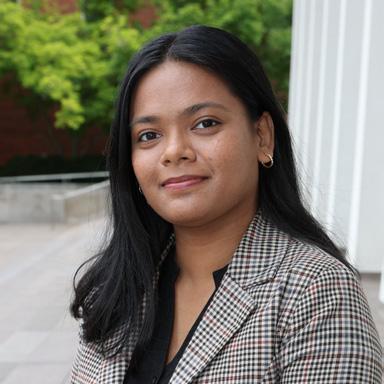
SAOC Co-Chair
Hana is a second-year MPA with a focus on international development. She holds a B.A. from the University of Chicago, where she majored in political science and psychology. Prior to SPIA, she worked at the United Nations Development Programme and the Office of the UN Resident Coordinator in Sri Lanka, where she managed an early warning system tracking political risk indicators, designed programming to address digital harms, and supported strategic coordination across the UN in Sri Lanka's governance portfolio. Last summer she worked with the behavioral insights team at International Rescue Committee's Airbel Impact Lab to design behavioral components of a social cohesion project for internally displaced populations and host communities in northeast Syria.
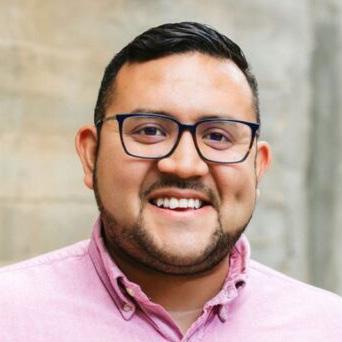
A son of working-class immigrants, Ricky grew up in rural North Carolina, and is a product of public schools. Throughout his career in public service, Ricky has focused on fostering engaged citizens in North Carolina and creating effective public policy to build strong, vibrant communities, primarily through public education.
Ricky is a former nonprofit practitioner and educator. In 2018, he co-founded LatinxEd, an organization working to advance education equity and Latino leadership. He also has taught at the UNC School of Education. His leadership on education issues has led him to serve North Carolina in different ways, including serving on Governor Cooper’s DRIVE Task Force on education equity and teacher diversity and even as a NC House Representative, where he represented Alamance County (District 63) as the only Latino legislator of the 170-member body of the North Carolina General Assembly. His service earned him the Order of the Long Leaf Pine, North Carolina's highest civilian honors.
Most recently, Ricky served as Senior Consultant at Frontline Solutions, where he supported nonprofits nationwide to increase their impact through strategic planning. He is now a Program Officer at the Z. Smith Reynolds Foundation.
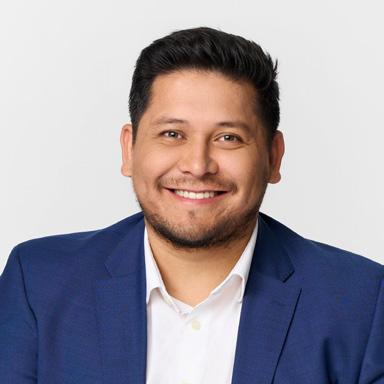
Sergio Rodriguez Camarena is the Senior Program Manager for the Smart Justice Initiative at Michelson Philanthropies, where he advances efforts to expand education, employment, and economic opportunity for system-impacted individuals during incarceration and after release. His work focuses on supporting evidence-based strategies that reduce recidivism and strengthen pathways to successful reentry.
Before joining Michelson Philanthropies, Sergio served as a Research Manager on the Criminal Justice team at Arnold Ventures, where he managed research grants aimed at advancing evidence-based solutions to reduce crime and improve outcomes across the justice system. Earlier in his career, he worked at the Vera Institute of Justice on the Vera California team, supporting Los Angeles County’s efforts to expand alternatives to incarceration, pretrial diversion programs, and community-based systems of care. He also worked in Vera’s Unaccompanied Children Program, where he helped ensure legal representation for immigrant children facing deportation without a parent or legal guardian.
An alum of the Immigrant Justice Corps, Sergio served as a DOJ-accredited representative providing legal services to more than 200 immigrants in Staten Island. He currently sits on the Board of the Orange County Justice Fund, which advocates for due process and equitable legal representation for immigrants in removal proceedings.
Sergio holds a Master in Public Affairs from Princeton University and a B.A. in International Relations from Pomona College.

Fatema Z. Sumar is the Executive Director of the Harvard Center for International Development (CID) and an Adjunct Lecturer in Public Policy at Harvard Kennedy School where she teaches policy design and development diplomacy. She has a distinguished career as a practitioner in the US government and civil society.
In government, Fatema served across four Democratic and Republican administrations. Most recently, Fatema was Vice President of Compact Operations at the US Millennium Challenge Corporation with the rank of Assistant Secretary. Fatema also served as Deputy Assistant Secretary of State for South and Central Asia at the US Department of State leading efforts on regional economic and energy connectivity and as a Presidential Management Fellow (PMF). In Congress, she was a Senior Professional Staff Member on the Senate Foreign Relations Committee focused on Afghanistan, Pakistan, India, and the broader region. In civil society, Fatema was the Vice President of Global Programs at Oxfam America overseeing development and humanitarian programs to fight the injustice of poverty.
Fatema is author of the book, The Development Diplomat: Working Across Borders, Boardrooms, and Bureaucracies to End Poverty. Fatema graduated with a MPA from Princeton's School of Public and International Affairs, where she received the prestigious Stokes Award, and a BA in Government from Cornell.
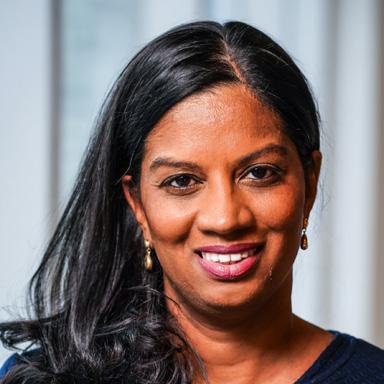
In her role as VP of Programs, Suman works across CWF program areas to guide strategy and collaboration. She brings over 20 years of global experience in philanthropy and inclusive economic development. Suman’s previous work includes supporting renewable energy and jobs investments at the Global Energy Alliance for People and Planet (GEAPP) and economic opportunity in Africa and Asia at the Rockefeller Foundation.
2:15–3:15
Public health systems have long played a critical role in protecting communities but recent crises have exposed deep inequities in access, resources, and outcomes. From pandemic response to chronic health disparities, many communities, particularly communities of color, continue to face structural barriers to quality care.
This panel will explore how public health systems can be redesigned to better serve diverse populations. Panelists will discuss emerging approaches to health equity, community-based care, and cross-sector collaboration, while highlighting opportunities for policymakers, practitioners, and advocates to strengthen systems that prioritize prevention, access, and trust.
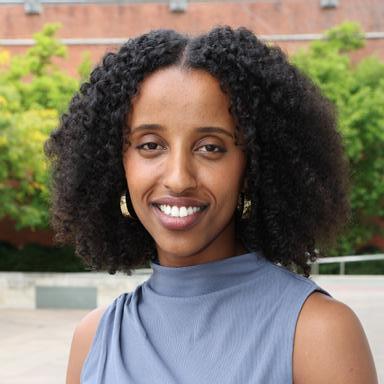
Belan Antensaye is a Master in Public Affairs candidate at the Princeton School of Public and International Affairs, where she focuses on urban policy and public-sector innovation. Her work centers on advancing policy solutions at the intersection of public infrastructure, public health, economic development, and local governance.
Belan is the Co-Founder and Programs Director of the Vermont Health Equity Initiative, where she has led projects focused on integrating equity into emergency response, public health systems, and community resilience efforts. She previously served as Strategy and Innovation Manager in the City of Burlington Office of Racial Equity, where she worked on data-driven policy initiatives to address racial disparities and improve municipal decision-making. During the COVID-19 pandemic, she led cross-sector efforts to expand equitable vaccine access across Vermont.
Her broader experience includes research and civic design work with organizations such as The Lab @ DC and healthcare consulting for St. Paul’s Hospital Millennium Medical College in Addis Ababa, Ethiopia.
Belan holds a B.A. in Biology & Society from Cornell University. She is interested in a career focused on government innovation, housing, and transportation policy to help cities and states work better for the people they serve.
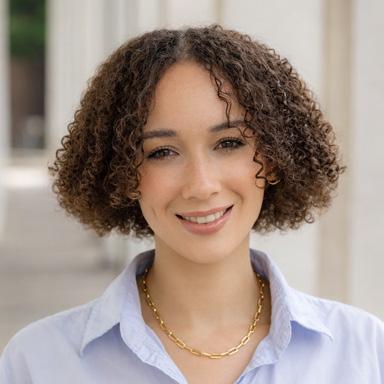
Laurel Cooke is a health policy professional focused on advancing equitable access to affordable, highquality health care. She currently works at AHIP, where she supports national policy initiatives across prevention, maternal health, rural health, and population health. In this role, she analyzes federal health policy developments, supports stakeholder engagement, and produces policy briefs and strategic analyses that inform health system leaders and policymakers.
Laurel holds a Master in Public Affairs from the Princeton School of Public and International Affairs (SPIA), where she concentrated on health policy and equity. While at Princeton, she served as Chair of the Students and Alumni of Color Association. She also co-led a policy research delegation to Rio de Janeiro
examining Brazil’s HIV/AIDS response and coordinated a team advising Arizona’s Medicaid agency on implementation of a Section 1115 Reentry Waiver. Her work focuses on translating policy research into practical solutions that strengthen health systems and improve outcomes for communities.
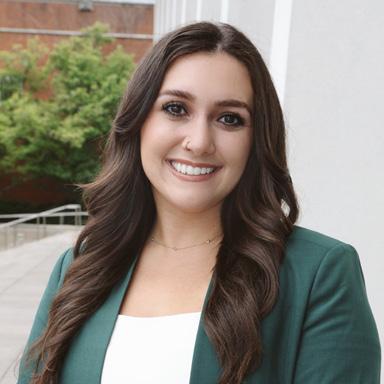
Anna Fedewa is a first year Master in Public Affairs student at Princeton University’s School of Public and International Affairs where her work centers on domestic health policy and disability rights. She is also currently a Social Impact Fellow with the Teaching, Learning, and Tech program at New America where she works to bridge research, policy, and practice to advance inclusive systems that expand access and opportunity for individuals with disabilities.
Prior to graduate school, Anna served as the Senior Manager of Government Relations at the National Down Syndrome Society (NDSS), where she worked with members of Congress, federal agencies, and grassroots advocates to advance policies supporting individuals with Down syndrome and their families.
Anna’s passion for advocacy and disability rights is rooted in lifelong friendships she has made with individuals with disabilities and was further shaped by her time teaching high school special education and her involvement with inclusive postsecondary education programs. She holds a bachelor’s degree in Early Childhood-12 Special Education with a minor in Psychology and a graduate certificate in Nonprofit Management from Texas A&M University.
In her free time Anna volunteers with PALS inclusive summer camps, sits on the board of the 501(c)3 nonprofit STRIDES, and enjoys traveling, reading, and ballet.
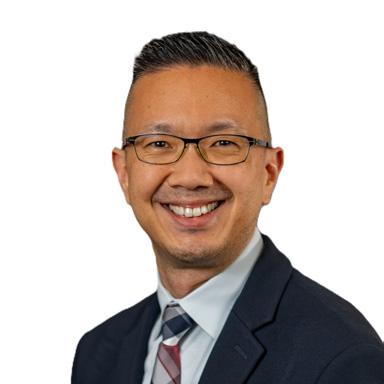
Chief Intergovernmental Relations Officer, Government for the City of San José, California
Han Kang leads as the Chief Intergovernmental Relations Officer for the municipal government of San José, California. He oversees teams based in California and Washington, DC to advocate for funding and legislative priorities. Han retired from the U.S. Agency for International Development as a career member of the Senior Foreign Service. He served as the Deputy Assistant Administrator for Global Health after completing multi-year assignments in Burma, Ethiopia, Nepal, Nigeria, Pakistan, South Sudan, and Zambia. Before joining the federal government, Han worked with the California Department of Public Health as a Regional Surveillance Manager to prevent, detect, and respond to disease outbreaks and other health emergencies in the U.S.-Mexico border region. He graduated from SPIA as a Public Policy and International Affairs Fellow and Truman Scholar with the MPA, focusing on international development. Han is also trained as an epidemiologist from the London School of Hygiene and Tropical Medicine, where he studied as a Fulbright Scholar. He co-authored a book on HIV in South Asia and numerous articles in global health and development. Han enjoys teaching, working out on Peloton, and volunteering as a conflict mediator.
Climate change and environmental degradation are increasingly shaping the lives and livelihoods of communities across the globe, but the burdens are not shared equally. Frontline communities, often communities of color and low-income communities, experience disproportionate exposure to environmental harm while having limited access to decision-making power.
This conversation will explore how environmental justice movements are pushing institutions to rethink how environmental policy is designed and implemented. Panelists will discuss strategies for advancing equitable climate solutions, strengthening community leadership, and ensuring that environmental systems prioritize the health, safety, and resilience of those most affected.
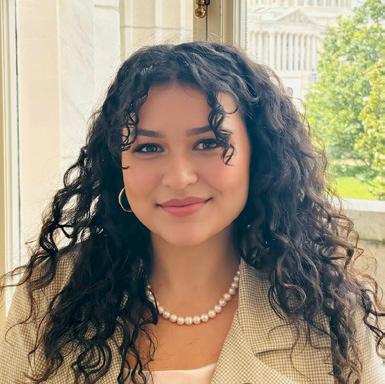
Mariah Lima is an MPA candidate at SPIA where she focuses on climate justice and sustainable development. She was raised in Los Angeles, California and graduated with honors from UCLA, where she majored in political and environmental science. Growing up in California, Mariah experienced firsthand the impacts of worsening wildfires, air pollution, and drought, and witnessed how her community faced disproportionate exposure to environmental risks, sparking her interest in understanding the structural drivers of environmental inequality.
Prior to Princeton, Mariah served as a Sustainable Connected Communities fellow with Enterprise Community Partners, a national affordable housing nonprofit, where she advanced decarbonization and climate resilience initiatives across California’s affordable housing sector. In this role, she supported policy advocacy, built partnerships with local governments and community-based organizations, and helped expand access to Inflation Reduction Act funding for underserved communities.
Mariah has also worked with several international and research organizations, including the climate resilience team at ICF International and the humanitarian affairs office at the U.S. Mission to the UN in Geneva, Switzerland. She is currently a graduate student researcher for the Geneva Centre drafting a report on the nexus of climate change and human rights in the Middle East and North Africa.

Director of Policy and Planning, Bureau of Coastal Resilience, NYC Dept. Of Environmental Protection
Jessica Colon is a seasoned climate justice and public policy leader with over 20 years of experience driving institutional change within government to promote more equitable and just outcomes. Jessica Colon is the Director of Policy and Planning for the New York City Department of Environmental Protection Bureau of Coastal Resilience where she leads long-term, citywide, comprehensive coastal resilience planning. For over a decade Jessica has played a key role at the New York City Mayor’s Office of Climate and Environmental Justice, where she led complex coastal infrastructure projects and advanced community-centered climate resilience initiatives across the city. Before diving into climate resilience after Hurricane Sandy, Jessica’s career focused on criminal justice reform by providing
technical assistance and developing demonstration projects to improve public safety and increase access to justice. Jessica was born and bred in pregentrified Brooklyn and is a product of New York City public schools and public housing. Jessica holds a Master of Public Affairs and Urban and Regional Planning from Princeton University’s School of Public and International Affairs, and a B.S. in Diplomacy and International Relations from Seton Hall University.
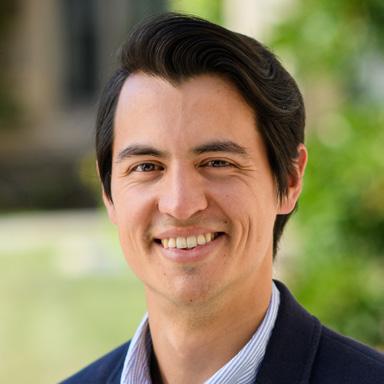
Daniel is currently the Interior West Policy Manager for GRID Alternatives, which is a national non-profit organization that builds solar for low-income households and renters as well as provides workforce development training for the clean energy transition. In his role at GRID, Daniel helped to design a workforce development program alongside the Affiliated Tribes of Northwest Indians and Portland-based community colleges for Native residents of Portland, OR. He also helped to design a community resilience program in Puerto Rico that involved putting solar on community resiliency centers and workforce development training for Puerto Rican residents. Daniel’s geographical focus, however, is on the Interior West, and on the states of Colorado and New Mexico in particular, where he works as part of an environmental justice coalition to intervene in regulatory proceedings at the Public Utilities Commission and advocate for clean, equitable energy legislation. Though Daniel grew up in Altadena, CA – a frontline community by way of wildfire exposure – he is not representing frontline communities himself, and instead works with organizations that do in order to articulate and better advocate for community-centered solutions to the climate crisis.
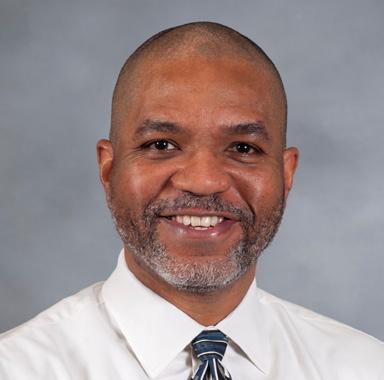
Eric Tate is a SPIA Professor specializing in research and teaching on flood hazards, social inequity, and climate adaptation. His work employs spatial indicators to profile interactions between society and the environment that lead to disasters. He contributes to policy and research as a member of the Board of Directors of the non-profit Anthropocene Alliance and as a chapter lead for the Third Assessment of Natural Hazards. Professor Tate holds a Ph.D. in Geography from the University of South Carolina, an M.S. in Environmental Engineering from the University of Texas, and a B.S. in Environmental Engineering from Rice University.
2:15–3:15
Migration has long been a defining feature of the global landscape, yet many immigration systems remain rooted in outdated frameworks that struggle to respond to humanitarian crises, labor needs, and shifting geopolitical realities.
This panel will examine how advocates, policymakers, and community leaders are working to build more humane and responsive systems for immigrants and refugees. From legal protections and community-based support networks to policy reform and international cooperation, panelists will explore what it would take to create systems that uphold dignity, protect rights, and reflect the realities of a globally connected world.
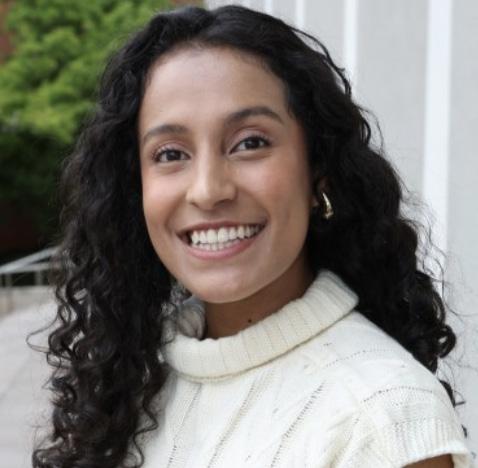
Ana is a second-year MPA student at SPIA, concentrating in International Development. Her expertise is in development finance, migration, and forced displacement policy. She is committed to making public spending and development aid more effective, sustainable, and impactful, improving the lives of vulnerable populations. Before Princeton, she worked at Instiglio, an international advisory firm in Colombia, where she supported governments, multilateral agencies, philanthropies, and NGOs in designing and implementing results-based financing programs in low- and middle-income countries. In particular, she worked closely with local governments, USAID, and the UN Refugee Agency, among others, to develop socioeconomic inclusion programs for Venezuelan migrants, IDPs, and host communities in Latin America. This past summer, she interned at the World Bank’s Development Research Group, contributing to policy research on refugee labor market integration in Ethiopia. Ana holds a B.Sc. in Economics and a B.A. in Political Science from Universidad de Los Andes.

Ileana Cruz-Marden is Director for Global Partnerships at the Tent Partnership for Refugees, a global network of 500+ major companies committed to helping refugees integrate into the labor market. Prior to Tent, Ileana worked at 100 Resilient Cities initiative on a disaster reliance program for Puerto Rico, her home, following the devastation left by Hurricane Maria in 2017. Ileana previously worked at the USA for UNHCR and at the U.S. Supreme Court as Special Aide to Justice Sonia Sotomayor.
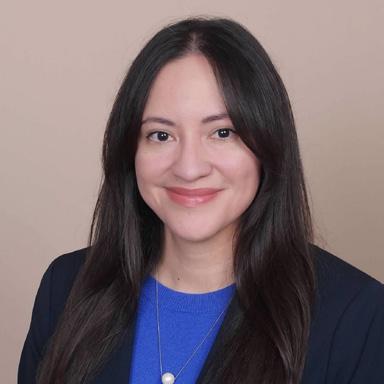
Rita Fernandez is an International Affairs Fellow with the Council on Foreign Relations, hosted by the United Nations’ International Organization for Migration (IOM). She brings extensive experience spanning U.S. immigration policy, international migration, and foreign policy.
Most recently, Rita served as Director of Immigration Policy at UnidosUS, the nation’s largest Latino civil rights and advocacy organization, where she led federal advocacy efforts and shaped immigration policy priorities in collaboration with Congress and state and local stakeholders.
Previously, she held several leadership roles with the City of San Diego, including Executive Director of the Office of Immigrant Affairs, and Director of Global Affairs under Mayor Todd Gloria, overseeing international partnerships and cross-border engagement with Mexico and Tijuana. She was also appointed as the city’s first Immigrant Affairs Manager.
Rita earlier served as Associate Director of Immigrant Affairs in the Office of Los Angeles Mayor Eric Garcetti, where she helped design and implement citywide initiatives to support immigrant and refugee communities, and advised on policies shaping immigrant inclusion and access to services. She also supported Los Angeles’ international engagement on migration through the Mayors Migration Council (MMC), which the Los Angeles helped co-launch as a global coalition of city leaders. She collaborated with counterparts across major cities to help develop the Marrakech Mayors Declaration as part of the process to adopt the Global Compact for Safe, Orderly and Regular Migration, and to strengthen coordination to elevate local perspectives in global migration policy.
She also worked on Capitol Hill for Representatives Juan Vargas and Susan Davis. Rita holds a B.A. from the University of San Diego and an M.P.P. from Princeton University.
3:30–4:30
As global power dynamics evolve and traditional development models face growing criticism, leaders across the Global South are building new coalitions to address shared challenges from economic development to climate resilience and democratic governance.
This conversation will explore how governments, civil society organizations, as well as regional and multilateral institutions can reshape development cooperation. Panelists will reflect on opportunities for solidarity, partnership, and shared leadership to help build more equitable approaches to global development, and weigh in on lessons we can draw when building new forms of collaboration across countries and contexts.
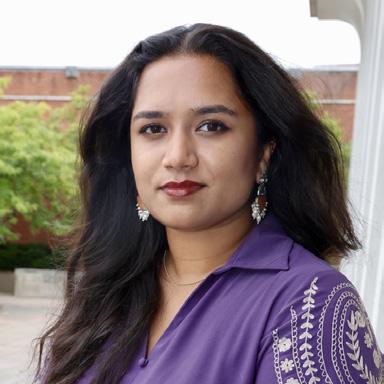
Nudhara Yusuf is an MPA1 at Princeton SPIA. She also serves as Co-Chair of Coalition for the UN We Need (an NGO platform of over 650 organization working toward a stronger UN) and Senior Advisor of the Global Governance Innovation Network (a network of 135 research institutions innovating on multilateralism). She is founder and trustee of several grassroots NGOs and CSOs across India and the UK. Previously, Nudhara worked with the UN Development Programme’s SDG Integration Team and Asia Pacific Strategic Foresight Unit, as well as with the the World Federation of UN Associations. She has supported British and Indian Parliamentarians in social welfare projects and campaign strategy. She is a lead co-author of the annual Global Governance Innovation Report and co-founded the Future of International Cooperation Report series.
In 2024 Nudhara served as Co-Chair of the UN Civil Society Conference in Support of the Summit of the Future, the youngest in history to be appointed to this position by the UN. She is a fellow with the Geneva Centre for Security Policy, Princeton University’s Lichtenstein Institute, and formerly UN University Center for Policy Research.
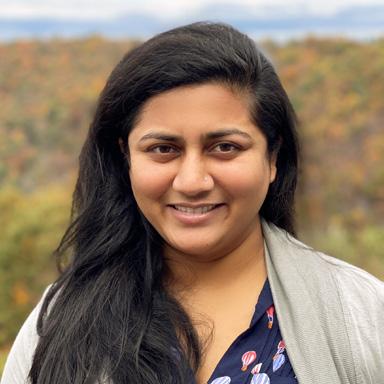
Maimuna Ahmad is a social entrepreneur and leadership advisor with over a decade of experience building organizations and developing leaders working to advance educational equity and social change. She is the Founder and former CEO of Teach For Bangladesh, a nonprofit she launched in 2012 to mobilize a generation of young leaders to expand educational opportunity and strengthen the country’s public education system. Over the next decade, she built the organization into a nationally recognized movement operating across multiple regions and reaching more than 60,000 students through its fellowship and leadership development programs.
Her work has focused on translating global models of leadership development and social innovation to local contexts, building partnerships across sectors, and leading organizations in complex, resource-constrained environments. Through Teach For Bangladesh’s participation in the global Teach For All network, she worked closely with leaders across the Global South to share learning and collaborate on approaches to leadership development and systems change.
Maimuna began her career teaching secondary mathematics in Washington, D.C. through Teach For America. She holds a BA from Mount Holyoke College, an Master's in Teaching from American University and a Master’s in Public Policy from the Princeton School of Public and International Affairs. She currently works with mission-driven leaders and organizations through coaching, facilitation, and advisory work focused on leadership, strategy, and organizational transformation.
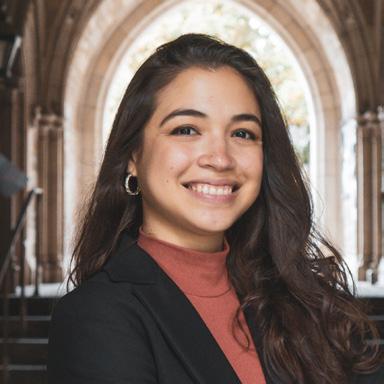
Lizabelt is a public policy professional with experience shaping strategy, conducting policy analysis, and building partnerships to advance international development, foreign policy, and human rights. She currently manages an independent project on the future of U.S. leadership in international development cooperation being incubated at the Center for Global Development (CGD).
Previously, she was a 2024 Presidential Management Fellow at the U.S. Agency for International Development (USAID) in the Office of Policy. During graduate school, she interned in USAID’s Bureau for Latin America and the Caribbean, assessing climate and migration initiatives, and with Instituto para las Mujeres en la Migración (IMUMI) in Mexico City, conducting research on migration and climate displacement. She completed her capstone with the UN Food and Agriculture Organization (FAO), analyzing climate adaptation in Guatemala’s agricultural communities. Earlier, Lizabelt worked at the Washington Office on Latin America (WOLA), managing around $3 million in grants and strengthening partnerships to advance human rights across the region. As a Princeton in Latin America Fellow at The Nature Conservancy, she supported sustainable development programs through regional collaboration and proposal development.
She holds a Master of Public Affairs from Princeton University and a Bachelor of Arts from New College of Florida. She is a Charles B. Rangel International Affairs Scholar, a Newman Civic Fellow, and an ICAP Fellow. A native of Havana, Cuba, she is fluent in English and Spanish, with proficiency in French.
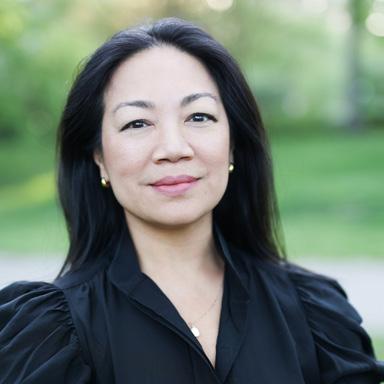
Minh-Thu Pham is a political and policy entrepreneur, activist, co-founder & CEO of the Starling Institute, a think do tank building a multilateral system that works. She is also a Nonresident Scholar at the Carnegie Endowment for International Peace and teaches an undergraduate policy task force on “Multilateralism in Crisis?” at Princeton’s School of Public and International Affairs. She was an advisor to UN SecretaryGeneral Kofi Annan, helping to steer the UN through crisis and renewal amid global threats and challenges. She has built coalitions and led global efforts that resulted in political breakthroughs such as the SDGs, two financing for development agreements, and multilateral reform. She started her career supporting post-conflict peacebuilding and refugees, and was a boat refugee herself, proving what can happen when nations cooperate. Minh-Thu has degrees from Princeton and Duke Universities, is a proud former refugee from Vietnam and a lifelong follower of Thich Nhat Hanh and lives in NYC.
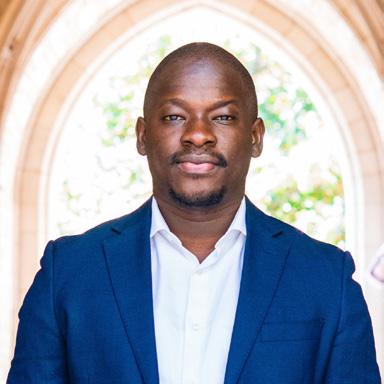
Development & Innovation Policy Specialist with a decade of experience advancing entrepreneurship, data-driven policy, and innovation ecosystems across Africa. As Founder of Sahel Analytics and former UNDP Innovation Lead, I focus on translating research and evidence into actionable strategies that drive structural transformation and inclusive growth.
The challenges facing governments today, from climate change to public health and economic inequality, are complex and deeply interconnected. Yet many federal institutions remain siloed, fragmented, and slow to respond to rapidly changing realities.
This panel will explore how policymakers and public leaders can improve coordination across federal agencies and institutions to better address cross-cutting challenges. Panelists will discuss barriers to effective interagency collaboration, promising models for coordination, and opportunities to strengthen the capacity of federal systems to deliver more coherent and impactful policy solutions.
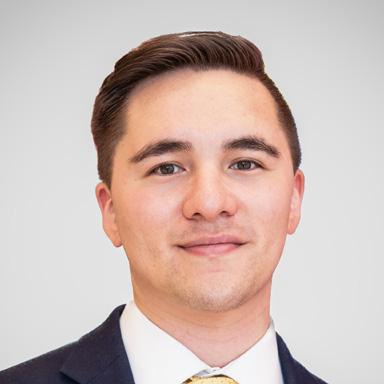
Ryan graduated from Princeton’s School of Public and International Affairs (SPIA) in 2022, where he concentrated on U.S.-China relations, China’s diplomatic engagements in the Caribbean, and CrossStrait dynamics. After graduating in 2022, he began his SINSI fellowship, serving in a range of policy roles: first as a researcher at the United States Institute of Peace, then as an Advisor to the U.S. Executive Director at the European Bank for Reconstruction and Development, and later with the State Department in Washington, D.C. and at the U.S. Embassy Lima, where he coordinated policy on external actors in the Western Hemisphere. A proud native of El Paso, Texas, Ryan draws on his TaiwaneseMexican heritage and is fluent in both Spanish and Mandarin Chinese.
This summer, Ryan will embark on a nine-month journey from Anchorage, Alaska to Ushuaia, Argentina -and nearly every country in between - without flying. From this trip, he will create a documentary and portrait series about the people he meets along the way, exploring one central question throughout his interviews: “In an age of division, what still brings us together?”
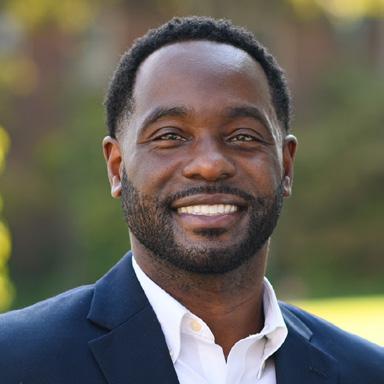
Rody Damis was born and raised in Brooklyn, NY and is an attorney and adjunct professor who now resides in Washington, D.C. Currently, Rody serves the Executive Office of the President of the United States (EOP) as a Senior Legislative Analyst where his duties include drafting memoranda to the President recommending approval or veto of bills that are ready for his action, and leading discussions and negotiations with Federal agencies and White House officials and offices to develop positions for the Administration on legislation concerning: antitrust, intellectual property, bankruptcy, election, and criminal laws. In addition to these duties, Rody is also a Federally certified executive and general life coach primarily coaching staff and Senior Executives within the Federal government. As a coach, Rody helps high achieving individuals overcome internal and external obstacles to effectively reach even higher levels of success. Outside of his Federal service, Rody is also an adjunct professor at American University and University of Pittsburgh School of Law, where he teaches courses on domestic public policy. Prior to his service at the EOP and in academia, Rody was a Presidential Management Fellow initially appointed to the U.S. Dept. of Veterans Affairs where he negotiated, executed, and awarded millions of dollars in Federal contracts to private businesses, many of which are minority and women owned.
Rody holds a Master of Public Policy from Princeton University, and a Juris Doctor and a Master of Business Administration from the University at Buffalo.
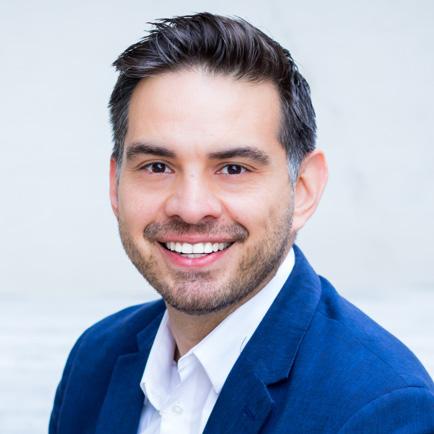
Angel Padilla (he/him) serves as the Vice President for Strategy and Policy at the National Women's Law Center where he helps lead the strategic direction of NWLC and the NWLC Action Fund on federal and state advocacy efforts. In his role, he oversees NWLC’s work on judicial nominations, court reform and democracy, as well as NWLC Action Fund’s electoral program. Prior to joining NWLC, he was a political appointee in the Biden-Harris administration, serving as Senior Policy Advisor to the Assistant Secretary at the Administration for Children and Families at the Department of Health and Human Services (ACF/HHS) where he covered immigration-related issues. He was also a co-founder of Indivisible and served as its National Policy Director where he oversaw all its federal and state advocacy efforts from 2017-2021.
Angel previously served as health policy analyst at the National Immigration Law Center where he led the organization’s advocacy efforts around immigrant access to federal health care programs. He also worked as Legislative Assistant to Congressman Luis Gutiérrez (D-IL), advising on issues related to health care and the Affordable Care Act. He holds a Bachelor of Arts from the University of California at Berkeley and a Master in Public Affairs from the Princeton School of Public and International Affairs.
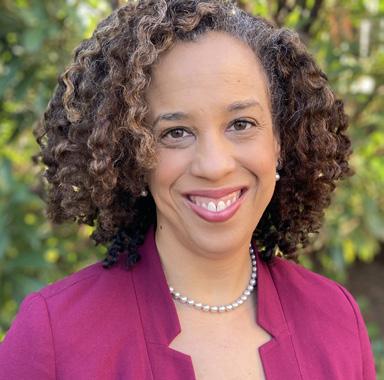
Ashley Quarcoo is executive director of the Election Trust Initiative and oversees a portfolio of investments to advance evidence-based, nonpartisan improvements to U.S. election systems. Previously she directed program, policy, and coalition development at More Perfect and served as a senior fellow with the Carnegie Endowment for International Peace, where she examined threats to democracy and approaches to building social cohesion. Quarcoo has also held leadership positions with the Aspen Institute's Citizenship and American Identity Program, the U.S. Agency for International Development, and the U.S. State Department. She is member of the Advisory Council of the International Center for Not-For-Profit Law and was a 2014-2019 Term Member of the Council on Foreign Relations.
While national debates often dominate headlines, many of the most significant policy innovations are happening at the state and local level. Cities, counties, and state governments are increasingly serving as laboratories for new approaches to economic development, public health, housing, and environmental policy.
This panel will examine how state and local governments can drive meaningful systems change in an era of growing complexity and polarization. Panelists will discuss how local leadership, community partnerships, and cross-sector collaboration can help build more responsive and equitable governance structures.
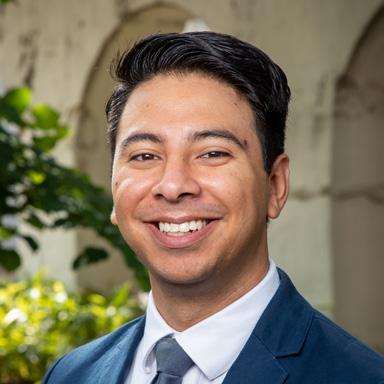
Matteo is a candidate for a Master of Public Affairs at Princeton’s School of Public and International Affairs. He began his graduate education after seven years working for San Antonio’s City Council, primarily as a policy director and press liaison. He is proud to have been involved in establishing a $10M Climate Fund, expanding the Healthy Neighborhoods program, and developing a heat safety ordinance for construction workers. Prior to that, Matteo graduated from the University of Texas at San Antonio with a degree in philosophy. Upon graduating, he plans to work in affordable housing development in New York City.
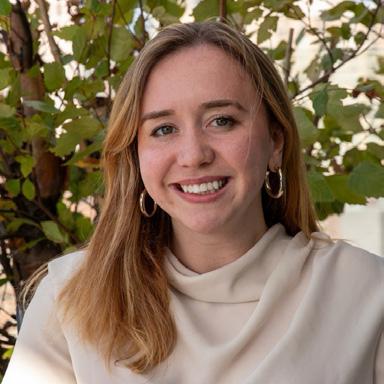
Elena Conde (she/her) is a lifelong New Yorker who works at the intersection of policy, strategy, and community organizing. Currently, she works for Mayor Zohran Mamdani as a Deputy Chief of Staff within the Office of Mass Engagement, a new office designed to elevate the perspectives of workingclass New Yorkers across government. Previously, she served as a Policy Manager on the Mayor’s transition team, covering public safety, education, childcare, healthcare, and workers’ justice.
Before beginning at Princeton, she also worked in progressive politics, serving as a Deputy Chief of Staff with the NYC Council Progressive Caucus. She also worked as a community organizer with Make the Road New York. In her strategy consulting work, she advised clients such as the Bill and Melinda Gates Foundation and USAID on how to build effective philanthropic and nonprofit programs. In all her work, she is motivated to build a better world where all can thrive.
Elena holds a Bachelor’s in Economics from Yale University. She is currently on leave with one semester left to finish her MPA from Princeton University.
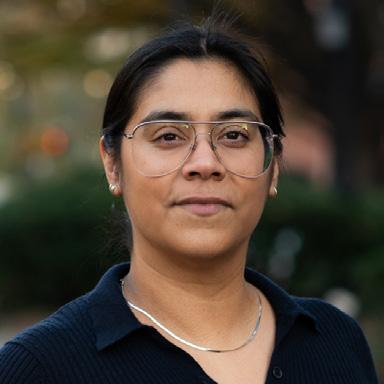
Julieta Cuéllar is the Director of Strategic Initiatives and Implementation at the Maryland Department of Labor, where she has served as an organizational architect for the FAMLI Division since 2023. Her work ensures the program—which will provide job-protected, paid leave for workers to care for themselves or loved ones—is operationally ready for launch. This has entailed everything from designing the hiring systems used to grow the team from 10 to over 70 staff to developing strategies for data analytics, language access, and customer service.
Julieta previously established the policy research function at Propel, a social impact startup helping over 5 million low-income Americans manage their government benefits. She also served as Policy Director for former Prince George’s County Council Member Deni Taveras (MPA ’03) where she focused on immigration, language access, and affordable housing among other issues.
Julieta holds an MPA from Princeton University’s School of Public and International Affairs (’19) and a B.A. from The University of Texas at Austin (’12). A former co-chair of SAOC, she currently serves on the SPIA Advisory Council and lives in Baltimore.
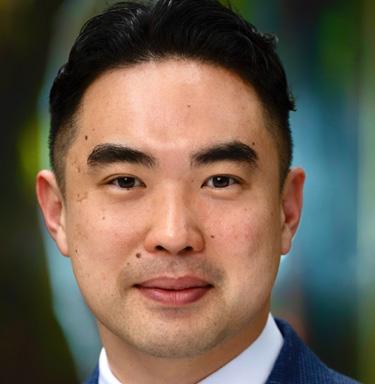
Chief Engagement and Intergovernmental Relations Officer, Los Angeles County Affordable Housing Solutions Agency (LACAHSA)
Seyron Foo serves as the Chief Engagement and Intergovernmental Relations Officer at the Los Angeles County Affordable Housing Solutions Agency (LACAHSA). At LACAHSA, he oversees the Technical Assistance grantmaking portfolio, builds durable relationships with local, state, and federal partners, and advances LACAHSA's mission through regional collaboration. Previously, he led the Conrad N. Hilton Foundation’s programmatic and advocacy goals on realizing a Los Angeles where homelessness can and should be rare, brief and non-reoccurring. Prior to the Foundation, he oversaw public policy and government relations at Southern California Grantmakers and Philanthropy California, where he led initiatives that strengthened philanthropy’s partnerships with state and local governments. He has experience in various government sectors, including the California Senate Majority Leader’s Office and the City of Long Beach. In May 2025, Governor Gavin Newsom re-appointed Seyron to the Board of Psychology, which oversees the practice of psychology and advances mental health policy in California. He earned his master’s degree in public affairs from Princeton University’s School of Public and International Affairs and his bachelor’s degree in rhetoric and political science from the University of California, Berkeley.
Iran. Venezuela. Cuba. Greenland. Over the last several months, the United States has made particularly high-profile demonstrations of its military and economic power across the globe, despite significant objections from affected national populations. In response, some experts say that we’ve entered a new era of U.S. imperialism — one where white nationalists (Hart, 2025) in U.S. political leadership (Cole, 2026) are steering the wheel, and marginalized populations, in both the Global South and the North (Wong, 2026), are paying the price.
The U.S.’s recent foreign policy decisions have sparked global conversations about the uses and limits of power, and SAOC will be one more space for these conversations to take place. This session will begin with brief speaker remarks followed by an open discussion amongst attendees on the implications of current events on people’s work and future policymaking.
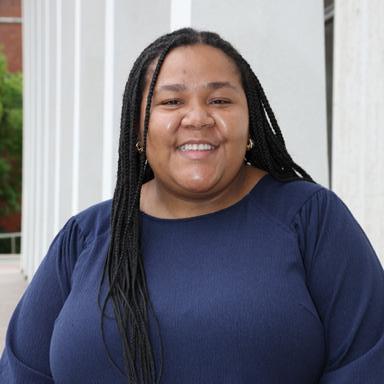
SAOC Co-Chair
Faith is a second-year MPA student born and raised in Los Angeles, CA, and in 2020, she graduated with a B.A. in international studies from American University in Washington, D.C. After graduating, she worked in anti-war organizing as a congressional lobbyist, primarily focusing on advocacy in favor of nuclear nonproliferation, U.S. military spending cuts, and global climate action. From 2024 to 2026, she served on the field-building committee of the Ploughshares Fund, a nuclear nonproliferation fund working to expand and organize the nonproliferation movement. While in graduate school, Faith’s engaged in strategic corporate research on the green manufacturing industry for labor rights organizations, in addition to assisting Southern, frontline, environmental justice groups in campaigns against corporate pollution.
1. Hart, G. (2025, April 13). Trump Tariffs and US Imperialism. Africasacountry.com. https://africasacountry.com/2025/05/trump-tariffs-and-us-imperialism
2. Cole, J. (2026, March 15). The White Nationalism at the Heart of Trump’s Foreign Policy. Inkstick. https://inkstickmedia.com/the-white-nationalism-at-the-heart-of-trumps-foreign-policy/
3. Wong, E. (2026, February 27). Trump’s Foreign Policy: Resurrecting Empire. The New York Times. https://www.nytimes.com/2026/02/27/us/politics/trump-rubio-foreign-policy-empire.html?searchResultPosition=4
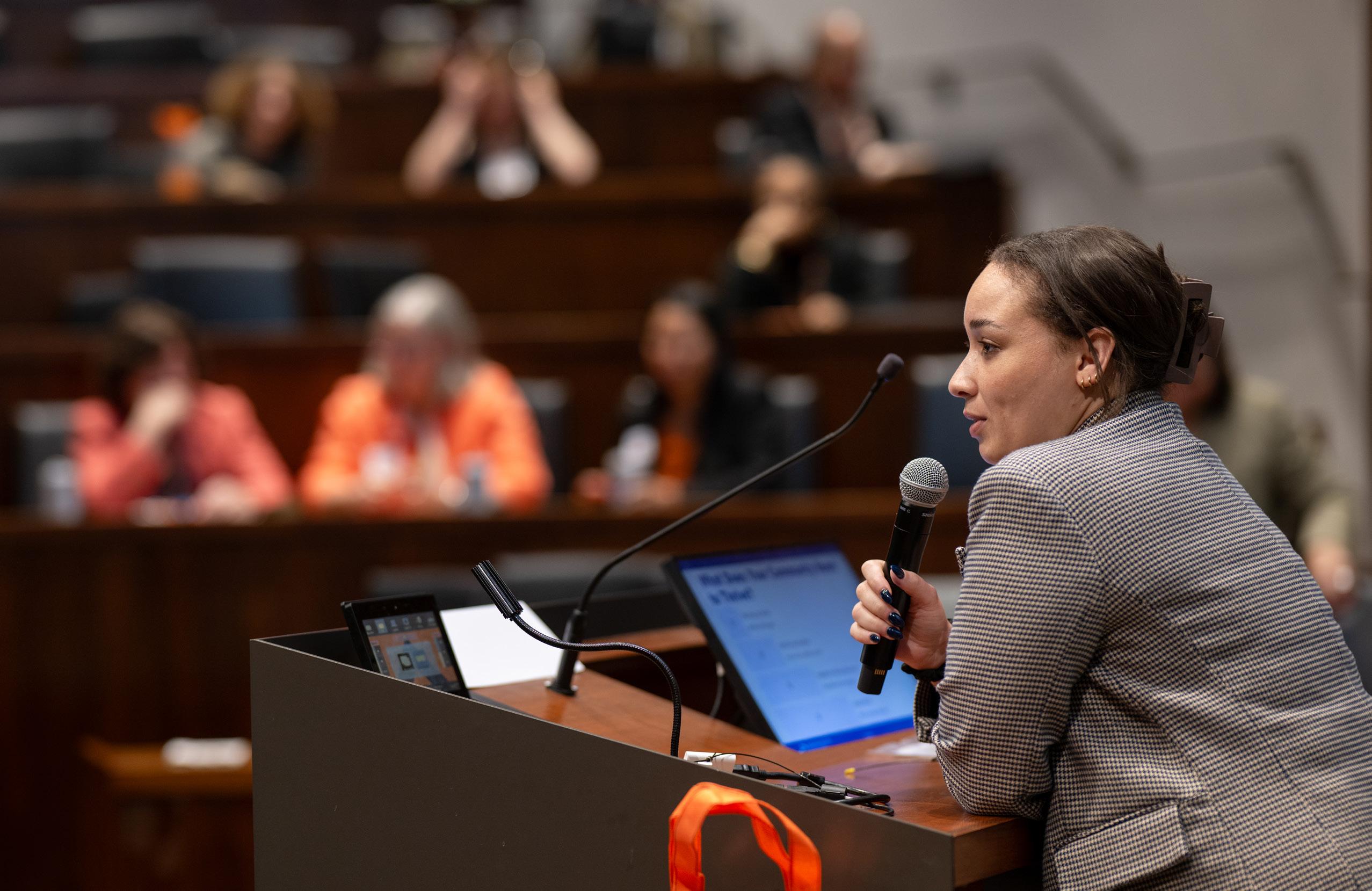
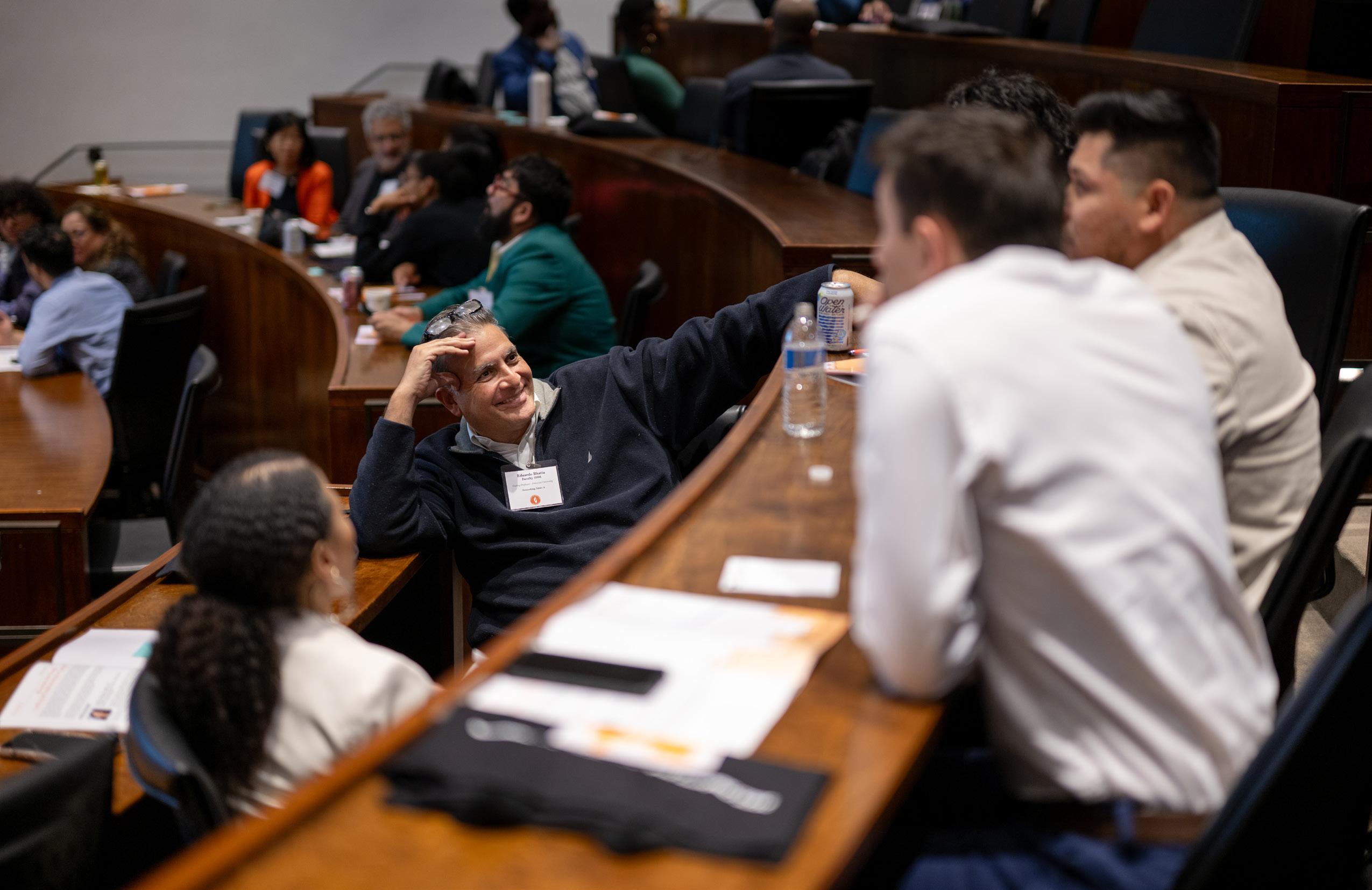
At a time when many students and alumni are questioning the value of public service–amid dismantling of government agencies, attacks on diversity, equity, and inclusion programs, rising costs of living and deepening economic inequality–this closing conversation offers space for honest reflection and a renewed sense of purpose.
In this dialogue, Dean Amaney Jamal will engage directly with students and alumni to explore what it means to pursue public service in an increasingly challenging environment. Together, we will grapple with difficult but necessary questions: Why does public policy still matter in a moment where dominant narratives can feel overwhelming? What does it mean to choose a path in public service when many are discouraged from doing so? And how do we sustain a sense of purpose and possibility in the face of ongoing challenges?
At its core, this conversation will reaffirm that diverse leadership and representation in public service are more important than ever. At a time when institutions are being re-imagined, who participates–and who doesn’t–will determine what comes next. As the conference comes to a close, this conversation invites participants to move forward with clarity, conviction, and a renewed commitment to building more just, inclusive, and responsive systems and societies.
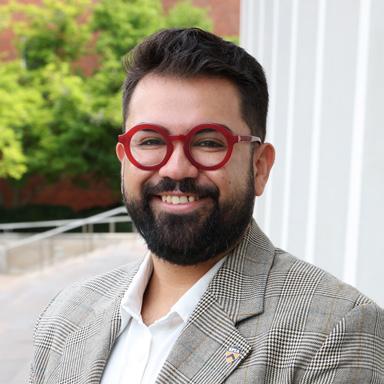
Adán Chávez MPA ’26 SAOC Co-Chair
Adán Chávez has over ten years of rewarding experiences empowering people and bringing them into the democratic and policy-making process. At Meta, Mr. Chávez led and drove the third-party engagement strategy for California state and local external partners, working with the Office of California Governor Gavin Newsom, state agencies, and the California Legislature to address key company-wide priorities such as election integrity, safety, security, disaster preparedness, and combating misinformation. Prior to Meta, Mr. Chávez served as the Deputy Director of Civic Engagement for the National Association of Latino Elected and Appointed Officials (NALEO) Educational Fund — the nation’s leading non-profit, non-partisan organization that facilitates full Latino participation in the American political process, from citizenship to public service – where he led national civic engagement campaigns from the 2020 Census to the 2020 Election. He has also been part of the Strategic Civics Partnerships team at YouTube for Google.
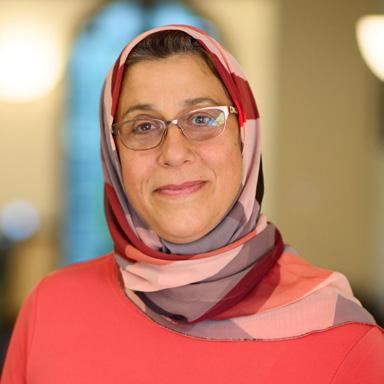
Amaney Jamal
Dean, Princeton School of Public and International Affairs; Edwards S. Sanford Professor of Politics; Professor of Politics and International Affairs, Princeton University
Amaney A. Jamal is Dean of the Princeton School of Public and International Affairs. She is also the Edwards S. Sanford Professor of Politics and a Professor of Politics and International Affairs at Princeton, and directs the Workshop on Arab Political Development and the Bobst-American University of Beirut Collaborative Initiative.
Dr. Jamal’s scholarship covers the Middle East and North Africa, mass and political behavior, political development and democratization, inequality and economic segregation, Muslim immigration, gender, race, religion, and class. Her book Barriers to Democracy, which explores the role of civic associations in promoting democratic effects in the Arab world, won the 2008 American Political Science Best Book Award in the Comparative Democratization section. She is an author or editor of three other books and numerous peer-reviewed articles and book chapters.
Dr. Jamal earned her PhD from the University of Michigan and a bachelor’s from the University of California-Los Angeles. She was named a Carnegie Scholar in 2006 and elected to the American Academy of Arts and Sciences in 2020.

Associate Professor, Thunderbird School of Global Management, Arizona State University
Sophal Ear, PhD, is an Associate Professor at Arizona State University’s Thunderbird School of Global Management and Secretary of the Board of Refugees International. His work examines political economy, governance, and the lived realities of conflict and displacement, informed by both scholarship and personal history as a Cambodian refugee. He serves as President of the International Public Management Network and Vice-Chair of the Public Policy and International Affairs (PPIA) Program. His books include Viral Sovereignty and the Political Economy of Pandemics and Aid Dependence in Cambodia, along with coauthored and edited volumes on China’s global resource strategy and pandemic politics. His TED Talk on escaping the Khmer Rouge has been viewed nearly a million times.
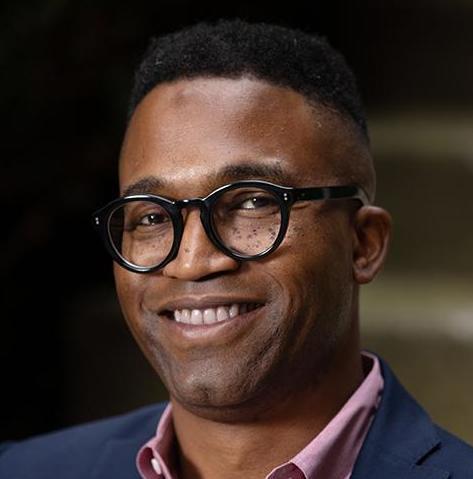
Townsend Martin, Class of 1917 Professor of Sociology. Vice Dean for Development and Inclusion, Director of the Presidential Postdoctoral Fellowship Program in the Office of the Dean of the Faculty
Frederick “Fred” Wherry is the Vice-Dean for Diversity and Inclusion in the Office of the Dean of Faculty and the Townsend Martin, Class of 1917 Professor of Sociology at Princeton University, where he is also an affiliated faculty member in African-American Studies. He is currently writing a book What Debtors Deserve(under contract at Crown Publishing) that examines the rise of mass debt, which now rivals mass incarceration in scale, and exposes the predatory tactics of debt collectors and the court system. He founded the Debt Collection Lab (debtcollectionlab.org) and the Dignity + Debt Network (dignityanddebt.org) where he works on issues of economic justice. He is the author, editor, or co-editor of nine books, including Credit Where It’s Due: Rethinking Financial Citizenship (with Kristin Seefeldt and Anthony Alvarez), The Oxford Handbook of Consumption (with Ian Woodward), and Money Talks (with Nina Bandelj and Viviana Zelizer). He was president of the Eastern Sociological Society and the Social Science History Association. At Stanford University Press, he co-edits the book series Culture and Economic Life.