DEFENDING LISMORE FROM FUTURE FLOODS
Unitywater’s $2 billion network overhaul Ready for Ozwater’26?
DEFENDING LISMORE FROM FUTURE FLOODS
Unitywater’s $2 billion network overhaul Ready for Ozwater’26?
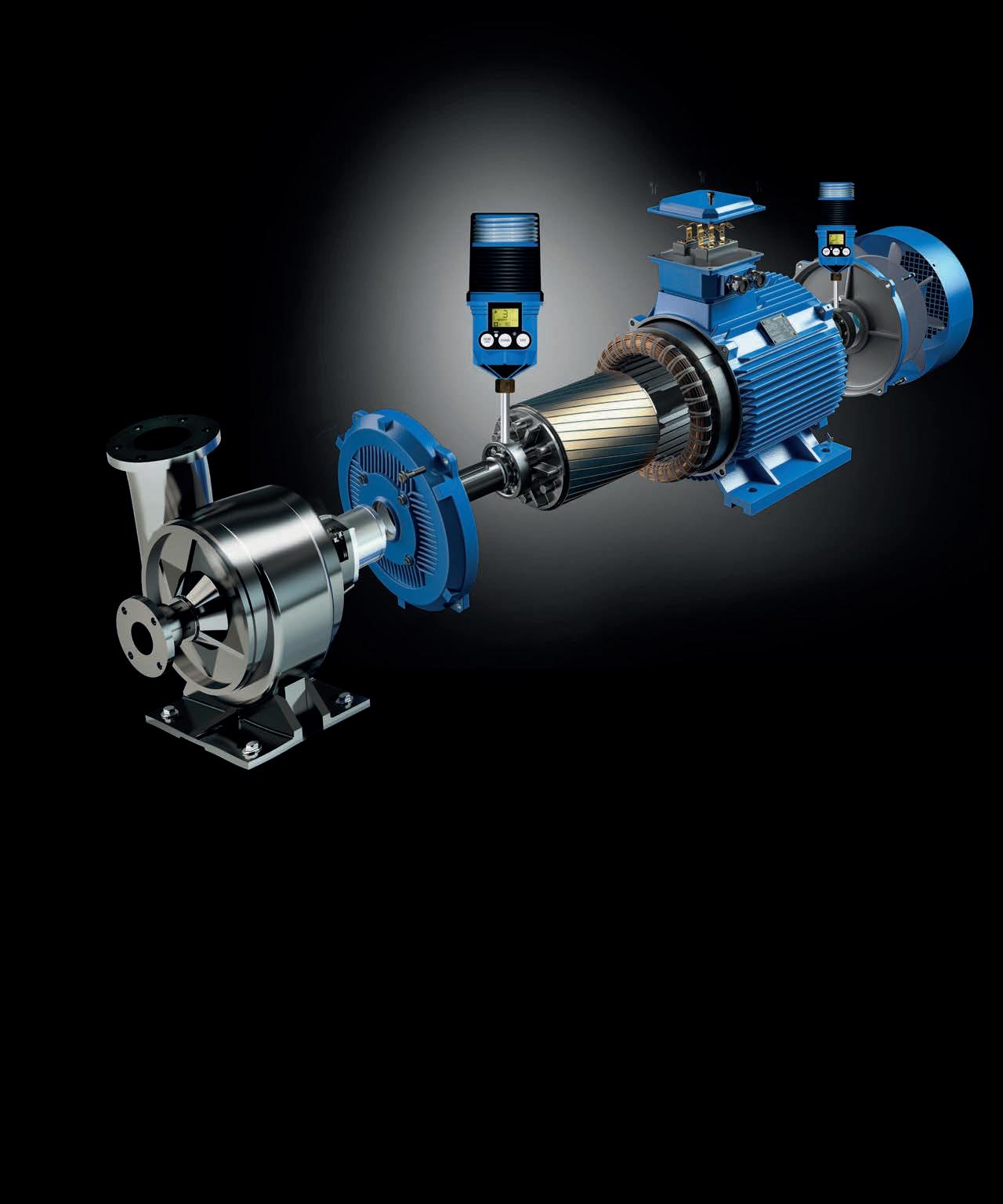
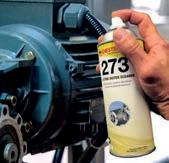
Protecting motor bearings helps safeguard the entire pumping process. Take the guesswork out of lubrication for reliable electric motors and dependable pump operation. This powerful combination offers:
Precise, continuous bearing lubrication
Optimal protection in extreme loads, heat, and wet environments
Reduced pump system downtime and longer bearing life
Lower operating costs with fewer repairs
At a fiberglass manufacturing plant, this solution produced:
Up to 66% reduction in motor vibration
25°C lower operating temperatures
Extended bearing life and improved uptime

Plant-wide rollout to multiple motors after early success

chesterton.com chestertoncustomseal.com.au
Pump Industry Australia Incorporated
Phone: +61 422 757 898
secretary@pumps.org.au
www.pumps.org.au
PIA Executive Council 2026
Kylie Kinsella (Regent Holdings) President
Michael Woolley (Tsurumi Pumps) Vice President
Naomi Lincoln (Regent Holdings) Secretary/Treasurer
Steve Bosnar (Franklin Pumps)
Tim Yakup (Regent Pumps)
Ma Arne (Ebara Pumps)
Luke Biermann (Mechanical Seal Engineering)
Joel Neideck (TDA Pumps)
Alex Calodoukas (Ampol)
Ebi Torabian (Sterling Pumps)
Alan Rowan (Life Member) and Ken Kluger (Life Member)
Dear PIA Members and Industry Colleagues,
It is my pleasure to welcome you to the autumn edition of Pump Industry.
As we transition from summer and as our industry settles into a more measured pace, this edition places a considered focus on Australia’s water sector and the essential role it performs in sustaining our communities, primary industries, manufacturing base and critical services. Water remains one of our most strategically managed resources, and the infrastructure that governs its extraction, treatment, distribution and reuse is fundamental to the nation’s economic and environmental resilience.
The pump industry maintains an integral partner with the water sector across every stage of the water cycle. From raw water abstraction and desalination through to treatment processes, network conveyance and wastewater recycling, pumping systems are indispensable to reliable and e� cient service delivery.
Across metropolitan, regional and remote settings, our sector provides engineered solutions that ensure water is transported safely, e� ciently and consistently to meet community and industry needs.
Ozwater’26, to be held from May 26–28 at the Brisbane Convention and Exhibition Centre, will bring together a broad and diverse cross-section of the industry. Utility executives, regulators, consultants, researchers, technology providers and emerging professionals will convene to exchange knowledge, strengthen collaboration and explore
innovative responses to shared challenges. Energy optimisation, digital integration and infrastructure resilience are expected to feature prominently as the sector continues its transition toward more sustainable and future-focused operating models.
Pump Industry Australia remains steadfast in its commitment to strong industry representation and meaningful member support. The council continues to prioritise strategic advocacy and engagement to ensure the pump sector is well positioned to respond to evolving regulatory frameworks, heightened environmental expectations and shifting market conditions.
The council convened for its � rst meeting of the year in February and looks forward to providing members with ongoing updates as we advance key initiatives and strategic objectives in the months ahead.
With signi� cant investment anticipated in water infrastructure nationally, the pump industry stands prepared to contribute highperformance, energy-e� cient and future-ready technologies. As asset owners increasingly prioritise wholeof-life value, sustainability outcomes and operational reliability, advanced pumping solutions will remain central to delivering secure and resilient water services across the full water cycle.
Thank you for your continued support and engagement. I look forward to connecting with many of you throughout the year.
Kind regards, Kylie Kinsella PIA, President
Scan to subscribe to Pump Industry’s weekly newsle er –delivered to your inbox every Thursday a ernoon.
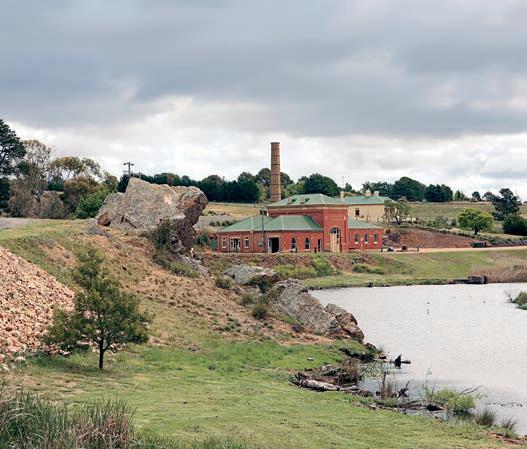
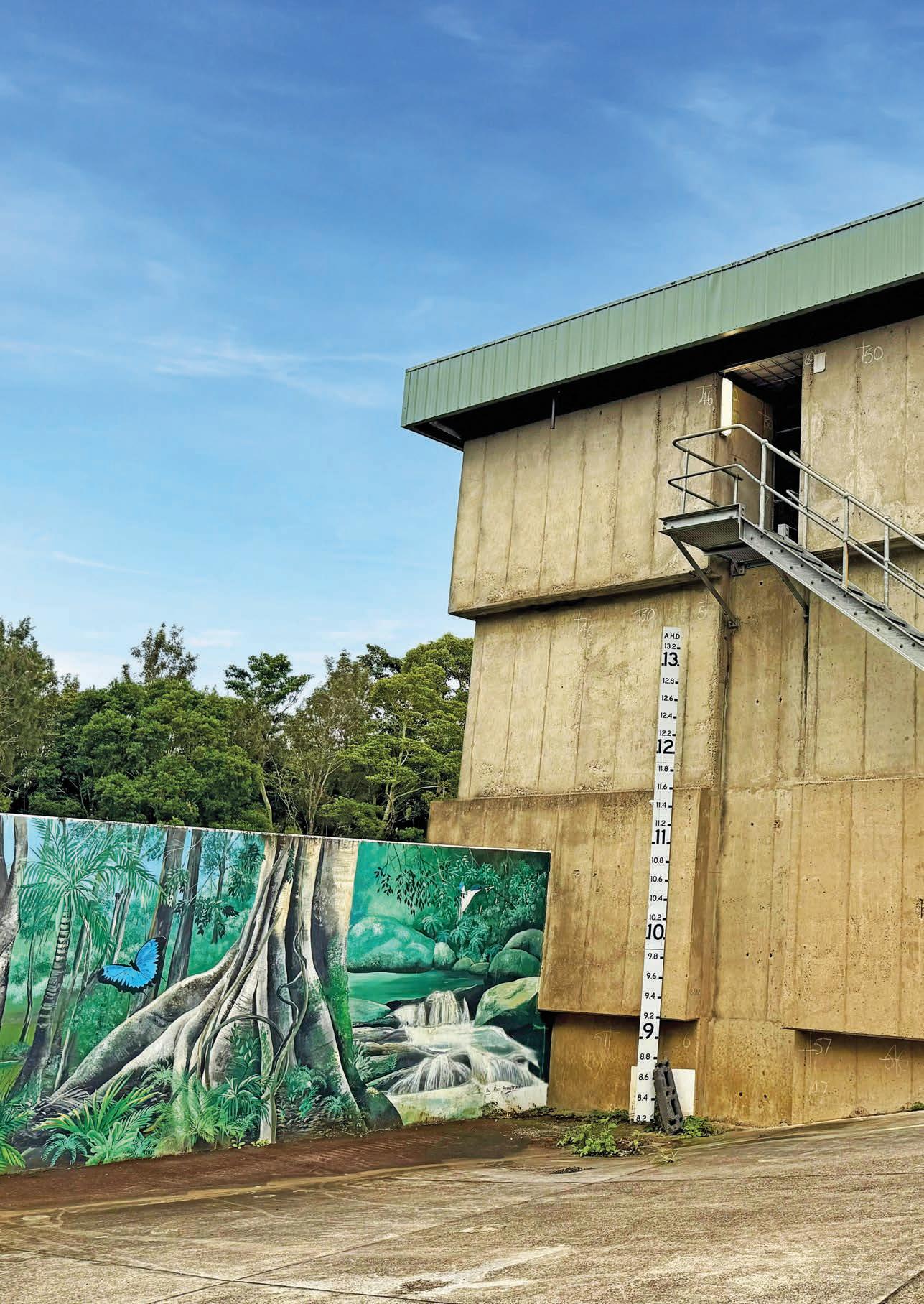
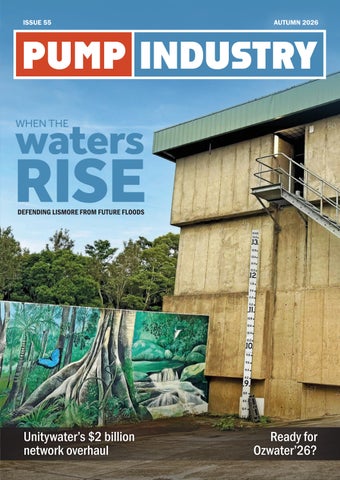
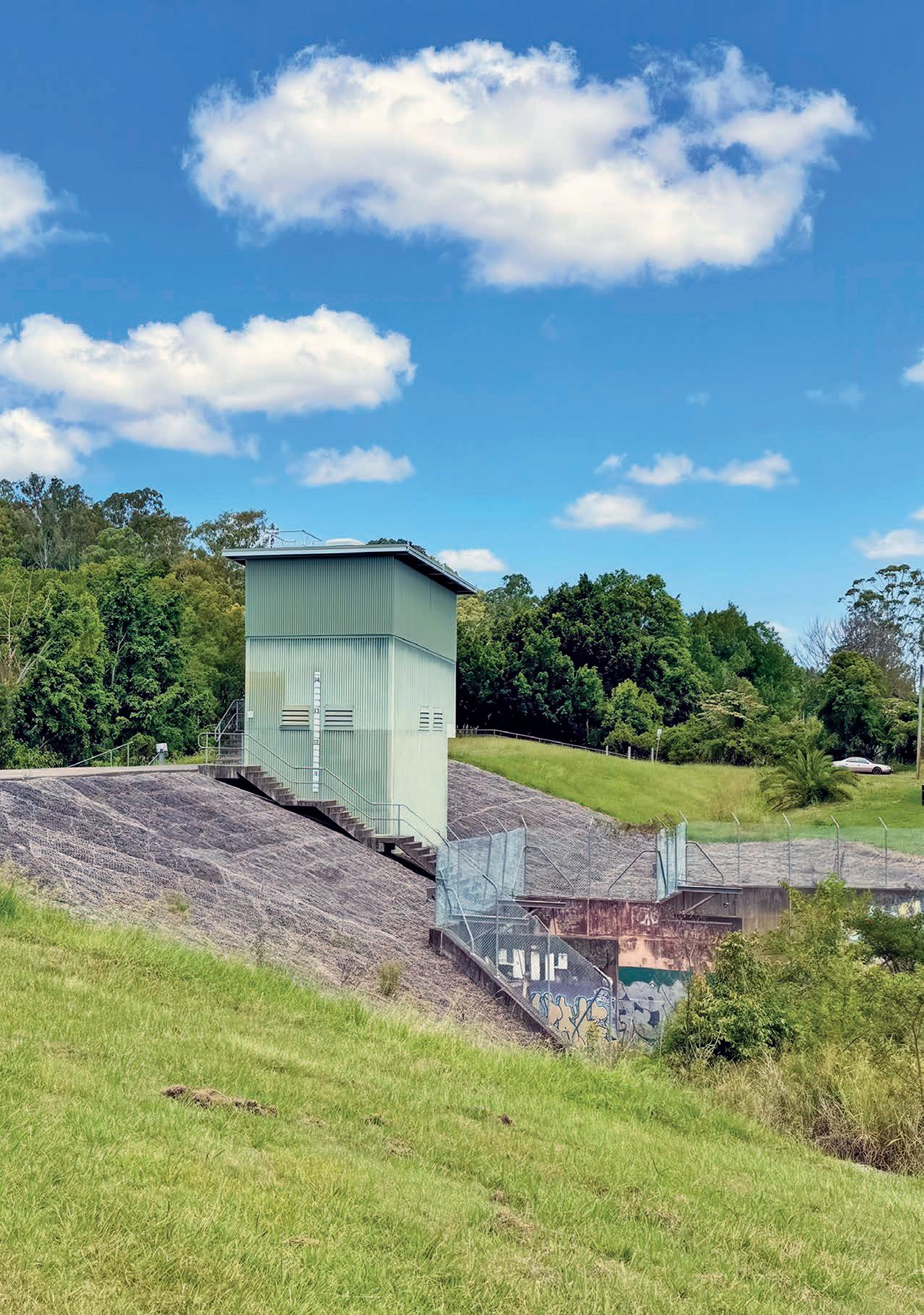
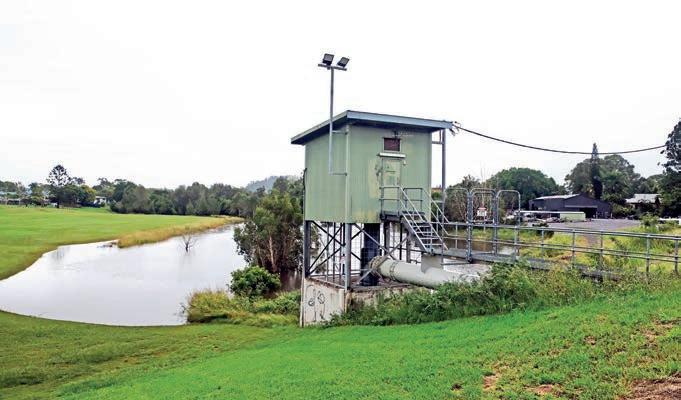
Cover image: The Browns Creek pump station in Lismore.
Image: Lismore City Council
Published by
Chairman John Murphy
Chief Executive O� cer
Christine Clancy
Editor
Tom Parker
Design
Jacqueline Buckmaster
Head of Design
Blake Storey
Business Development Manager
Rima Munafo
rima.munafo@primecreative.com.au +61 413 475 078
Client Success Manager
Cait Pillay
Head O� ce
Prime Creative Media
379 Docklands Drive
Docklands Victoria 3008
P: +61 3 9690 8766
info@primecreative.com.au pumpindustry.com.au
Subscriptions
P: +61 3 9690 8766
subscriptions@primecreative.com.au
Pump Industry is available by subscription from the publisher. The rights of refusal are reserved by the publisher.

COVER STORY
6 Flood saviours
Lismore’s pump stations are being overhauled to protect the city from future �oods. Pump Industry explores the projects taking place.
WATER MANAGEMENT
10 Rede� ning pump longevity
Chesterton is the only company globally that manufactures all three of mechanical seals, packing and specialty coatings.
18 E� cient pumping in Australia’s backyard
Solar pumping systems are becoming an e�cient, future-ready solution for water supply across remote, agricultural and industrial environments.
20 A quantum leap for pump tech
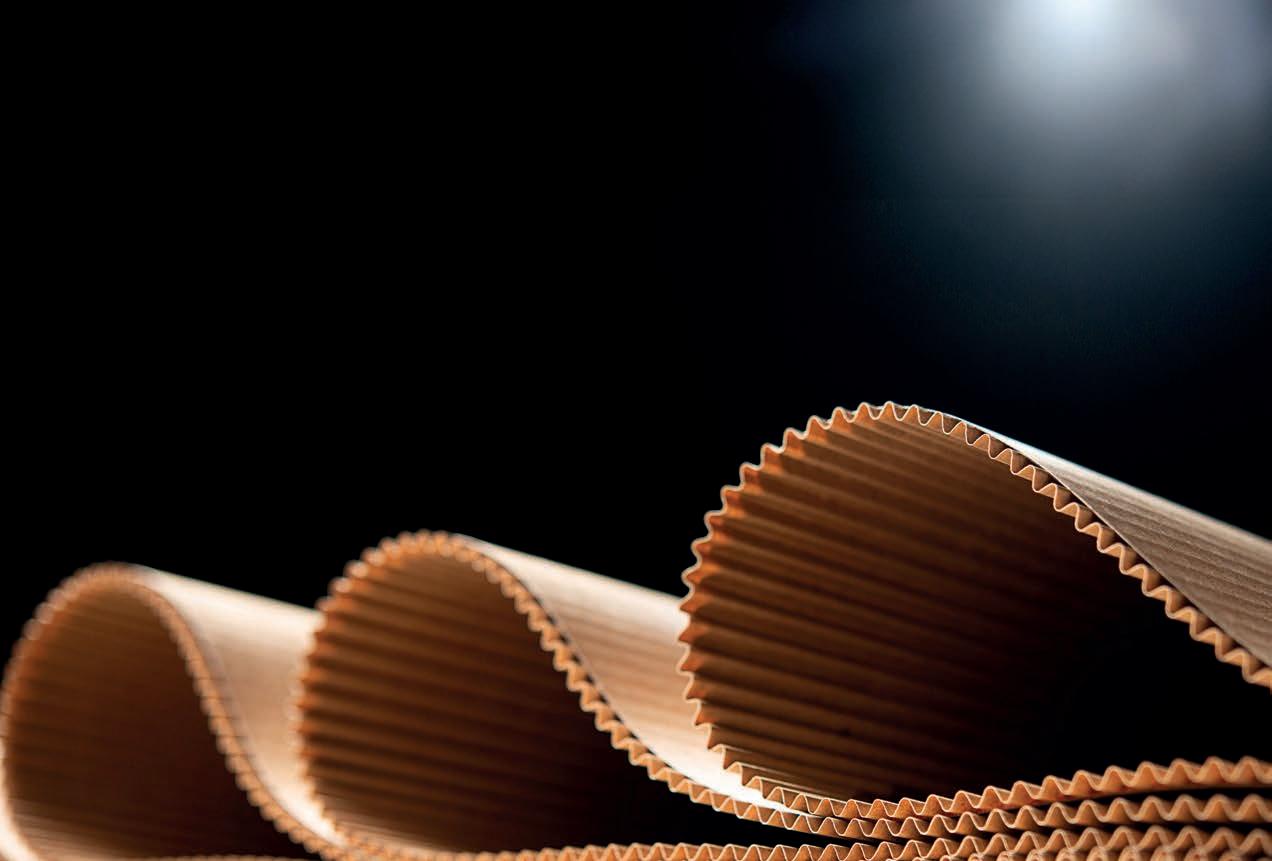
A cardboard manufacturer reduced operational costs by 75–80 per cent by adopting Graco’s QUANTM electric diaphragm pump.
22 Force to be reckoned with A range of industries rely on a powerhouse duo for their pumping needs, and these companies are only getting more innovative and ambitious.
30 Unitywater’s $2 billion project Unitywater will be busy over the next �ve years delivering water and wastewater infrastructure for a ballooning Queensland region.
32 Full steam ahead
Having sold out its past two instalments, the WA Mining Conference & Exhibition returns with signi�cant momentum.
OZWATER’26
34 The water sector reconvenes
The Australian Water Association will host thousands of water industry professionals when Ozwater’26 hits Brisbane in May.
PUMP HISTORY
46 Still steaming after 140 years
The Goulburn Historic Waterworks is steeped with history, boasting a 140-year-old pump station that can still be operated today.
3 President’s welcome PUMP CURVES
50 A weekend at Bernies PUMP HANDBOOK
52 The � rst commissioning run PROJECT WATCH
54 Where the work is
This magazine is published by Prime Creative Media in cooperation with the Pump Industry Australia Inc. (PIA). The views contained herein are not necessarily the views of either the publisher or the PIA. Neither the publisher nor the PIA takes responsibility for any claims made by advertisers. All communication should be directed to the publisher.
The publisher welcomes contributions to the magazine. All contributions must comply with the publisher’s editorial policy which follows. By providing content to the publisher, you authorise the publisher to reproduce that content either in its original form, or edited, or combined with other content in any of its publications and in any format at the publisher's discretion.
Pumps Industry acknowledges Aboriginal Traditional Owners of Country throughout Australia and pays respect to their cultures and Elders past, present and emerging.

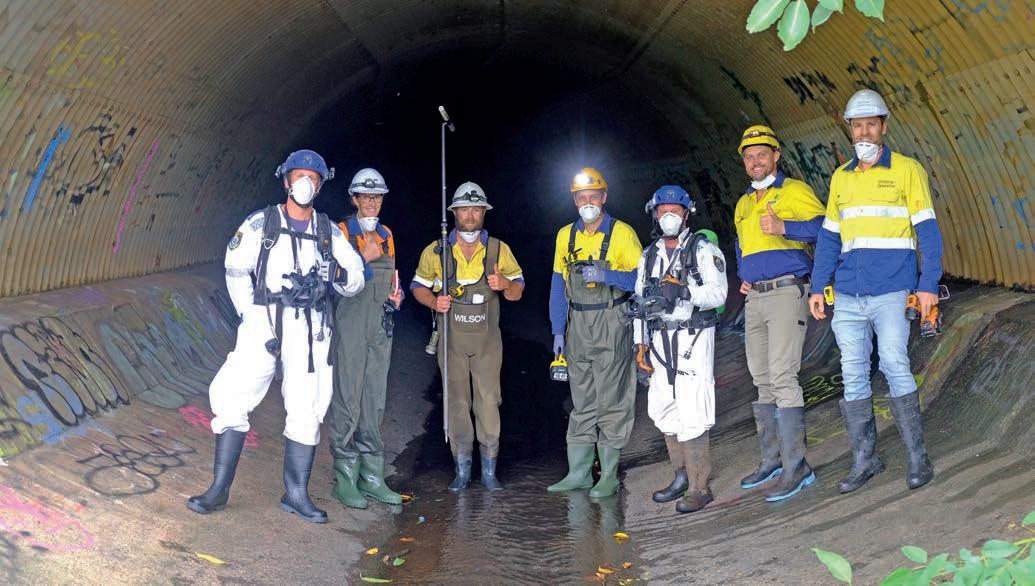
Inspections and GPS mapping of Browns Creek’s 57-year-old concrete culvert were recently completed.
This included impacts to a range of pump stations strewn across the city’s landscape.
After emergency works were completed on Lismore’s pumping infrastructure following the 2022 events, these assets would be tested again, with Tropical Cyclone Alfred bringing heavy rainfall to Lismore in March 2025, causing � ood levels to peak at 9.31m – just below the 10.20–10.95m CBD levee overtopping range.
Now, after successive extreme � ood events, Lismore’s pump stations are being refurbished to bolster resilience.
This forms part of the Federal Government’s Northern Rivers Recovery and Resilience Program (NRRRP), whereby $150 million has been allocated to the NSW Government to carry out � ood mitigation projects across seven LGAs.
In February 2023, $17.2 million was allocated in the NRRRP’s � rst tranche ($50 million all up) to complete seven upgrades to Lismore pump stations.
Pump Industry sat down with Lismore City Council projects director – � ood resilience program Garon Clough to understand the role pump stations play to support the city.
“Lismore has multiple levee systems and associated pump stations positioned along its levees,” he told Pump Industry
“The � ood pump stations manage and dewater stormwater and local � ooding when the river comes up, excluding gravity drainage through town, with the pumps sized to reduce � ood damages in storm events.”
Clough said the pump stations and levee systems must also be aligned, with
some pump stations pre-dating the levee system.
“The levee system was predominantly completed in the early 2000s,” he said.
“Pumping capacity and the required � ow rate didn’t match levee protection, causing localised stormwater � ooding and evacuation routes being cut prematurely. We’re trying to target that with these upgrades.”
Clough said the key goal is to not only align pump station performance but also identify and address de� ciencies within the stormwater network to better service the community.
“This is bene� ted by improved hydrological understanding, where we’re utilising the best information available to determine catchment dynamics and the function of storms,” he said.
“This is helping us size pumps to account for catchment changes, increased � ows, better understanding of the other catchments and local stormwater functions.”
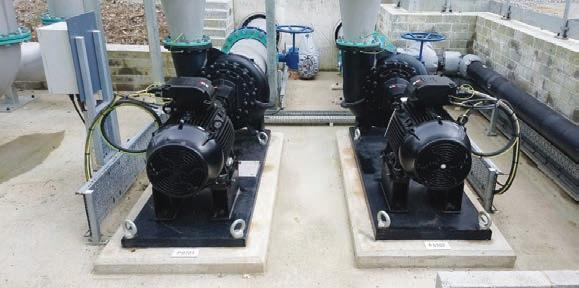
To optimise operational reliability, submersible pumps are being installed as part of the pump station upgrades.
Clough explained the reasoning behind this.
“We have a 10 per cent AEP (annual exceedance probability) levee in Lismore, but we need to protect assets to account for much larger � oods, and we don’t want to see damage to critical components, such as dry-mount motors or switch rooms, during extreme events,” he said.
“These assets are installed above higher � ood levels (than the 10 per cent AEP levee), but we’re implementing submersible pumps to account for site inundation in larger events that
exceed the levee. With operational reliability front of mind, we’ve opted for tried and test pump technologies and performance.”
A 10 per cent AEP levee is designed to protect Lismore from a 1-in-10-year � ood – an important consideration for � ood-resilience e�orts.
Local contractors Steady State and Engineered Project Solutions have been engaged to carry out the works, forming part of the council’s strategy to involve business from Lismore or surrounds.
“Being a regional city, we have drivers and objectives to target local contractors as much as possible, to build local capability and capacity,” Clough said.
“These Northern Rivers contractors were given the opportunity to tender on some works and were in turn successful.
“Where works exceed the capabilities of our local contractors, we’d be looking to utilise larger construction � rms to come in and assist, but in terms of the Gasworks job that Steady State and Engineered Project Solutions have contributed to, they’ve done a great job and met all project objectives.”
With refurbishment of Lismore’s Gasworks pump station completed, works on the Browns Creek, Lower Hollingworth Creek and Magellan Street pump stations are advancing at pace. A new pump station is also being built in South Lismore.
At Browns Creek – the most recognisable pump station in Lismore’s � ood resilience network – a new pump station is being built alongside the existing facility, with four submersible pumps expected to deliver four-to� ve times the power of the existing two systems.

Lismore City Council recently marked a key milestone in Browns Creek’s development, completing detailed inspections and GPS mapping of the creek’s underground path through a 57-year-old concrete culvert beneath central Lismore.
Completion of Browns Creek works is expected in the second quarter (Q2) of 2026, while the new pump station in South Lismore, housing several electric submersible pumps and a new stormwater drainage network, is set for completion in Q2 2026.
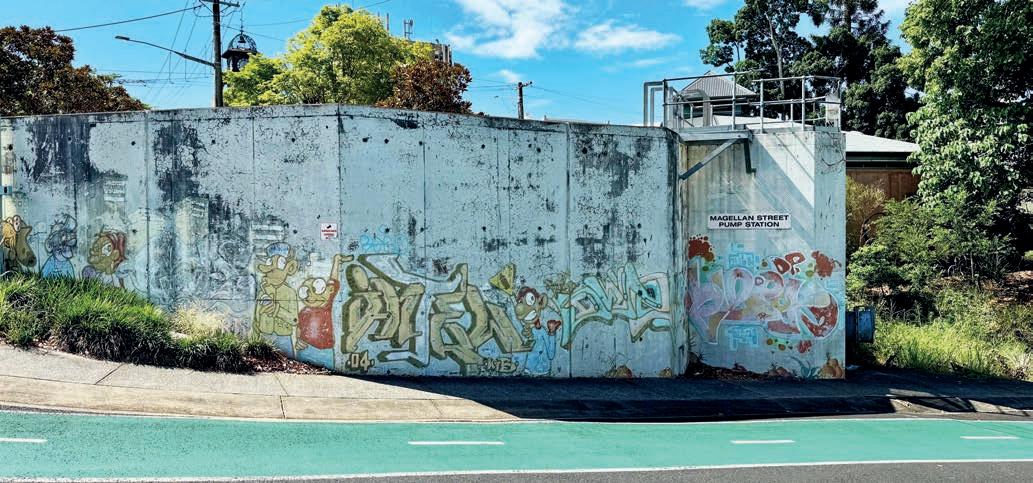
Improved screening and the raising of electricals above the 2022 � ood level are being completed at Lower Hollingsworth Creek, while at Magellan Street, two new submersible pumps will replace a tractor-driven pump, increasing capacity from 600 litres (L) per second to 1000L/second.
These undertakings are set for completion by Q3 2026.
Each Lismore pump station upgrade is being supported by a new � bre optic network to support remote operation, monitoring and surveillance.
When asked about the long-term objectives of Lismore’s pump station upgrades, Clough was de� nitive.
“The pump station upgrades provide a reduction in �ooding e�ects during local storms, increasing the evacuation time in larger catchment �oods that would ultimately exceed levee capacity,” he said.
“The pump assets have been brought up to modern standards and will now be available for back-to-back repeated � oods across the levee system.
“In terms of asset reliability and renewal, the pump stations should now be expected to operate for a considerable length of time.”
Tranche two of the NRRRP was announced in July 2023, with $100 million being distributed across 20 projects, including works to widen the Browns Creek � ood channel.
Beyond that, local council is overseeing numerous restoration projects across Lismore, with all undertakings to ensure the city is better positioned to repel extreme � ood events.

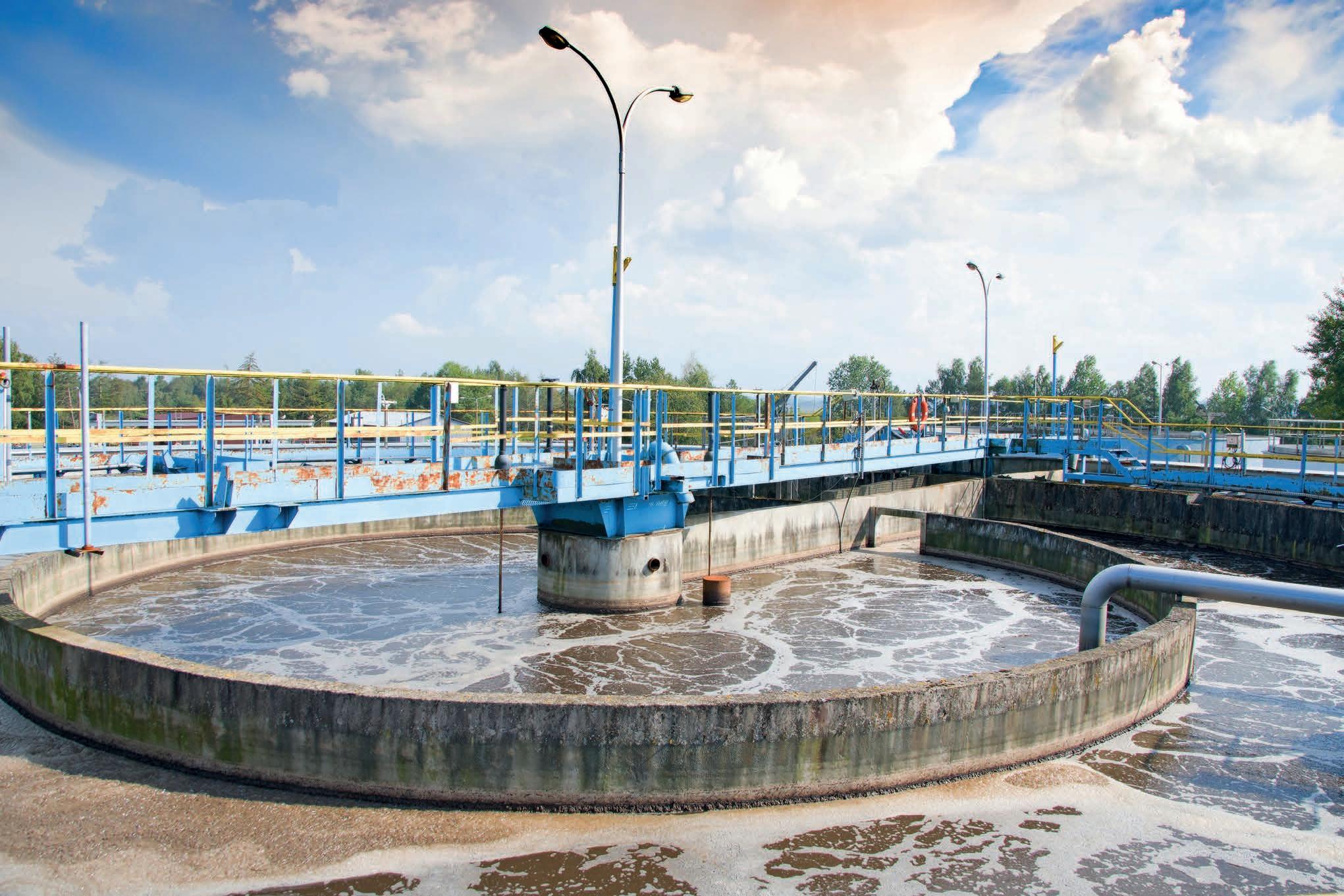
Prolonging the life of pumping equipment can be a game-changer for the economics of a project.
Industrial sealing and pump reclamation not only drives longevity but transforms the e� ciency of an operation, with novel technologies replacing aging infrastructure and opening the door for digital solutions such as condition monitoring.
This is particularly pertinent given end users are facing heightened pressure to unlock more e� cient and environmentally friendly operations
– twin outcomes that can limit footprints and drive down operational expenditure.
A key partner of the water and wastewater sector, Chesterton addresses these challenges every day.
“That notion of doing more with less is becoming increasingly widespread across industry,” Chesterton sales and business development manager – Australia and New Zealand Jorge Mellado told Pump Industry
“This is driven by the fact companies have tighter budgets, less resources, less engineering and less capacity, which
means they’re having to take a step back and think more holistically about their maintenance strategies.”
With the need to spend budgets wisely, end users are increasingly focused on the long-term return-oninvestment (ROI) potential of solutions. This is where Chesterton comes to the fore.
“Chesterton solutions are more than products; they are investments,” Mellado said.
“No matter the longevity of the project, our messaging to distributors
and clients remains the same: ‘How much longer can we get this equipment to run safely and productively without meddling with componentry over time?’.
“This is critical to project success, because as soon as you alter a piece of equipment, you’re then having to alter other parts that are operating optimally and haven’t reached their end of life.”
Solutions specialist
Chesterton is the only company worldwide that manufactures all three of mechanical seals, packing and specialty
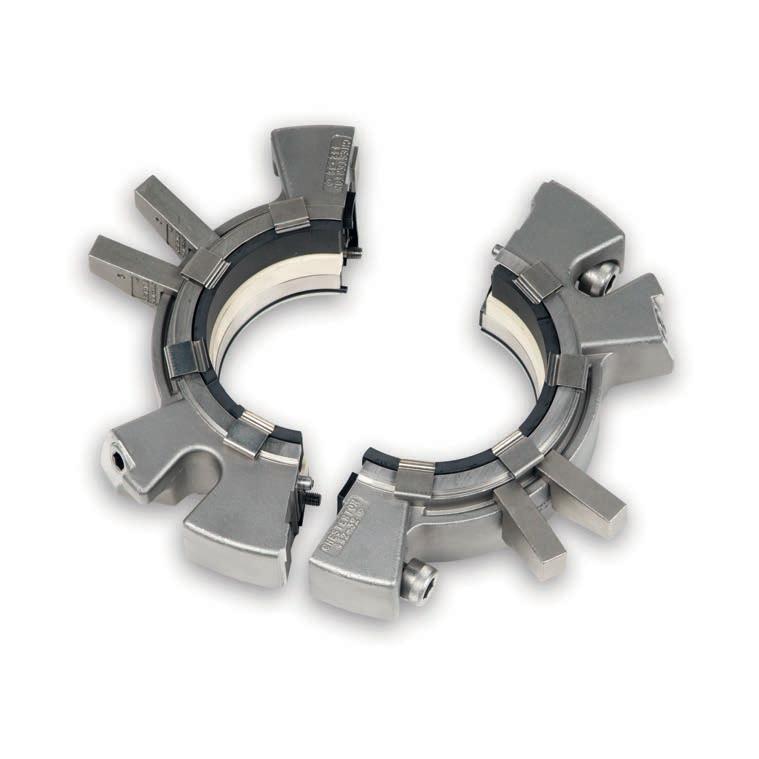
With thousands of installations worldwide – including seals up to 800mm and beyond in diameter – Chesterton has become a global split seal leader.
The company is also a pioneer in injectable packing and Automated Mechanical Packing Systems (AMPS), which o� er pumps constant gland load via pneumatic actuators, reducing leakage and prolonging service life.
“AMPS delivers consistent packing load, which maintains optimal sealing integrity for longer,” Mellado said. “This reduces leakage, limits the embedment of solids and reduces shaft sleeve wear.
“With AMPS, operators can largely deploy a set-and-forget attitude, removing the need for manual packing adjustments and safeguarding themselves from hazards related to rotating shafts.”
AMPS is suited to water and wastewater customers who expect sustained performance and extended service life from their packing solution.
“Optimal pump operation is achieved when operating at or as close as possible to the best e� ciency point,” Mellado said. “This is where the machine runs the smoothest and mechanical loads on the shaft and bearings are at their minimum.”
coatings, the former of which saw the company pioneer in-place installation to revolutionise the way rotating equipment is sealed and maintained.
This sees a split seal clamp around the pump shaft, cutting downtime down to hours while minimising the hazard of large equipment teardown.
“If you’re handling a 25-kilogram Chesterton split seal on a pump, you’re not having to use cranes or erect sca�olding to complete repairs, so it suddenly becomes a lot safer to do that work,” Mellado said.
“As pumps wear, they start to trend away from that best e� ciency point, leading to increased recirculation, further wear and sharp declines in e� ciency.
“But there’s a way out, with operators able to apply coatings to rebuild pro� les and regain e� ciency on older worn pumps.”
Amidst the backdrop of high power prices, maintaining e� ciency is essential to the success of an operation, and coatings, among other solutions, can provide quick wins for a customer. A coating not only restores pump e� ciency, but the longevity of Chesterton ceramic reinforced epoxy
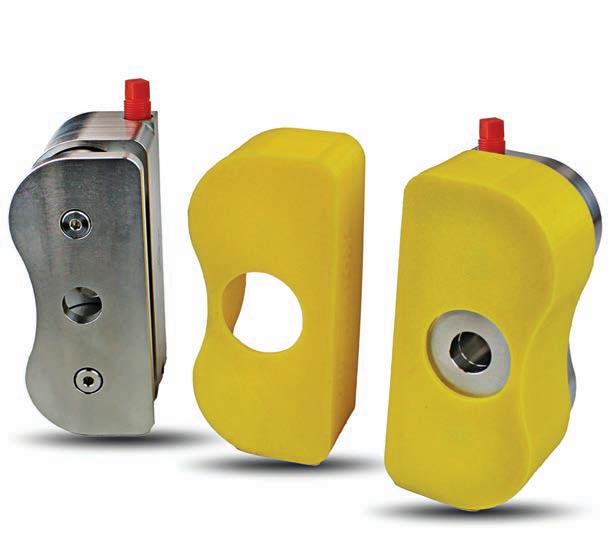
Chesterton’s AMPS automated packing solution o ers constant gland load via pneumatic actuators.
coatings can increase service life beyond that of an uncoated pump.
“Every lost percentage point of e� ciency equates to added electricity usage and costs for an operator, and some coatings projects can pay themselves o� in the power savings alone,” Mellado said.
“While coatings are typically applied on worn equipment, when applied to new equipment, e� ciency gains of 3–6 per cent are not uncommon. With such gains, coatings can be a consideration when initially sizing pumps for a particular duty.”
When Sydney Water delivered its new Partnering for Success (PS4) infrastructure and delivery model in July 2020, consisting of $4 billion of construction works and services between 2020 and 2030, Chesterton distributor FITT Resources successfully tendered to undertake work in three key areas.
Chesterton’s 442 split mechanical seal is ideal for equipment that is time-consuming to disassemble.
This has seen FITT carry out the repair and overhaul of submersible, centrifugal, and positive displacement pumping units, with systems manufactured by a range of di� erent manufacturers.
FITT needed a constant partner to deliver these works and turned to Chesterton for its wide range of sealing solutions.
“Our years of experience and knowledge with this (Chesterton’s) worldclass product means that it will often, if not always, be speci�ed during repair and upgrade opportunities,” FITT Resources engineering manager Daniel Hechter said.
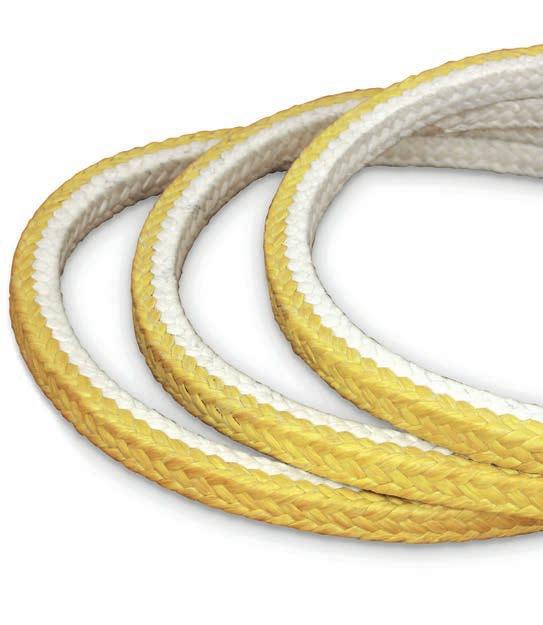
their maintenance strategy holistically, leading to the cost-e�ective deployment of Chesterton’s three core verticals.
“By integrating Chesterton seals, packing and coatings, Sydney Water, through FITT Resources, has had the opportunity to bring its pump units back to OEM standard or better,” he said.
While several seal suppliers have dabbled in packing solutions, Mellado said, none have been able to master the art.
“It provides a complete system for industrial sealing and pump reclamation, and there are a number of key features and products that make Chesterton seals and packing ideal for use in the water and wastewater industries.”
FITT deployed Chesterton’s DualPac 2211 packing on two tunnel pumps experiencing excess gland leakage, with the replacement delivering a rapid uplift in packing strength and resilience.
Chesterton’s 442 split mechanical seals were also deployed on raw sewage pumps, which had originally been � tted with packing and later cartridge seals.
Split seals enabled complete onsite, in-place seal maintenance and replacement, with FITT Resources utilising API Plan 11 or 13 seal set ups alongside close clearance or EnviroSeal SpiralTrac gland bushes.
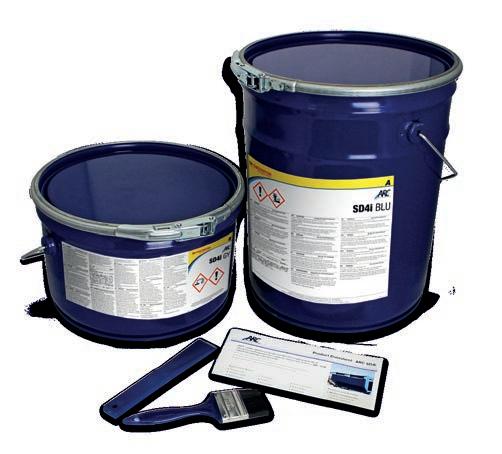
Thirdly, FITT deployed Chesterton’s ARC industrial coatings when rebuilding and reclaiming all sewage units. This prolonged the service life of the pump systems, while o� ering protection against erosion and corrosion.
“Chesterton ARC coatings can be used to treat pump casings and impellers but have plenty of other uses too,” Hechter said. “They prevent against corrosion in tanks and hoppers, heat exchangers, and silos, for instance.”
“No company has the same expertise as Chesterton across all three products,” he said. “We have expertise in seals, packing and coatings as an engineer, manufacturer and supplier.”
And, alongside FITT Resources, Chesterton has an extensive network of distributors to support its products.
“The technical support for our solutions largely comes from our distributors, which understand Chesterton products intimately; however, we can also provide technical support where necessary,” Mellado said. “This has been the case with Sydney Water and countless other end users.”
When Australian utilities face an issue with their pump componentry, given the breadth of its portfolio, one company often gets mentioned in conversations: Chesterton.

The OEM has the track record and industry clout to be regularly requested, through its distributors, to overcome many unique pain points.
And Chesterton doesn’t stand still, constantly evolving its product range to tackle new industry challenges and push the boundaries of what’s possible in process industries.
For more information, visit chestertoncustomseal.com.au



Reduces inspection time without compromising accuracy.
Mining operations demand equipment that handles abrasive, corrosive and shearsensitive emulsions with absolute reliability. The SEEPEX Smart Joint Access (SJA) design enables rapid joint inspection and accurate dosing in the most challenging blasting environments.
WHY SJA MAKES A DIFFERENCE
y Fast, easy access for joint inspection
y Minimized downtime and lower total cost of ownership
y Small footprint for MMUs, skid-mounted, and space-restrained installations
y High-pressure capability enabled by equal wall stator technology
y Gentle, reliable handling of shear-sensitive emulsions
y Short lead times through framework agreements
Techtop Australia’s TTA-2 Eco VSD o ers advanced motor control, high e ciency, and straightforward commissioning.
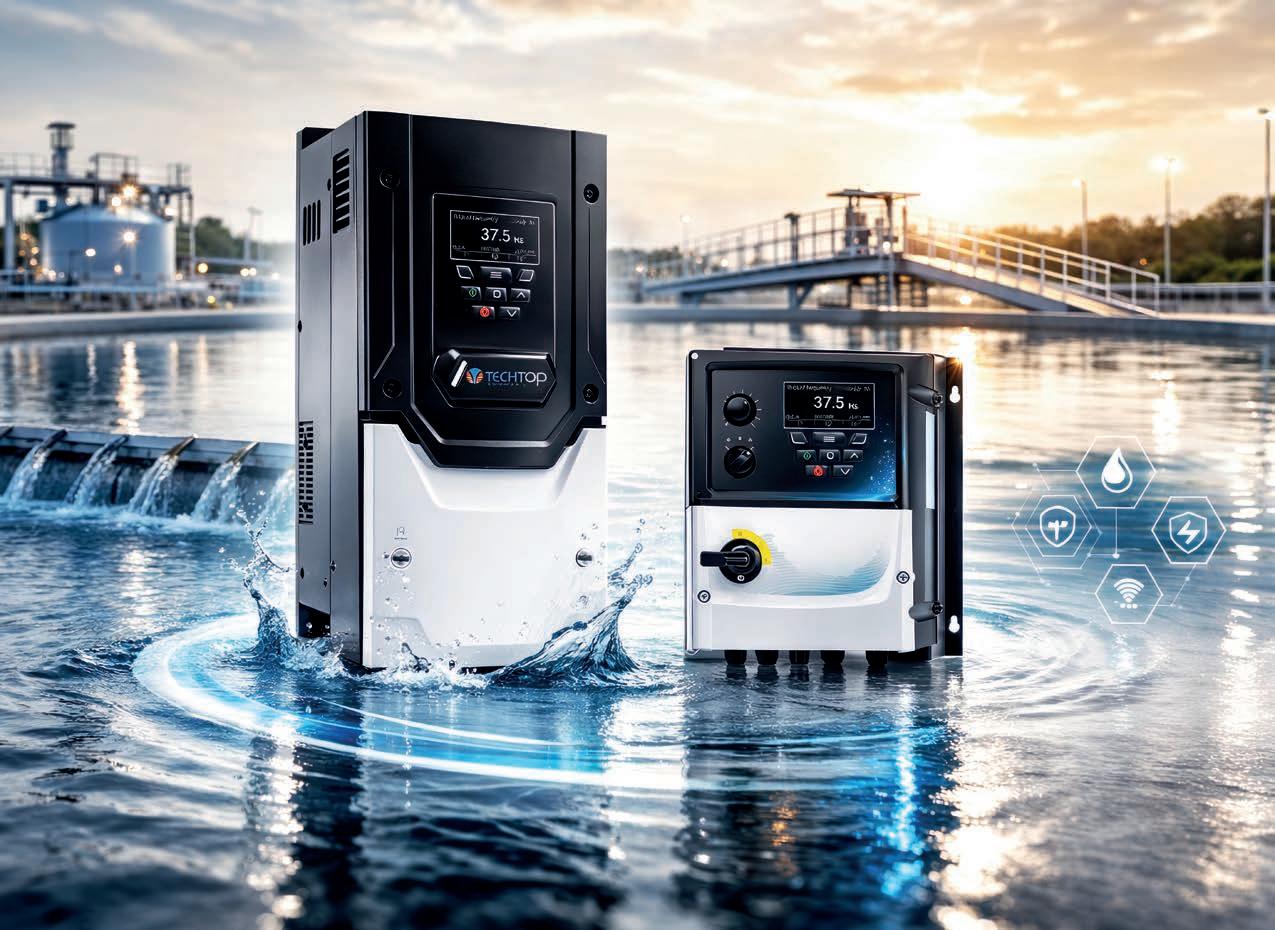
With pump operators requiring equipment that works intuitively and reliably in the field, Techtop Australia has all bases covered.
Across Australia’s water pumping and � uid management sectors, energy has become one of the most signi� cant operating costs.
With electricity prices continuing to rise and infrastructure demands increasing, operators are under growing pressure to extract more e� ciency, � exibility, and reliability from their pumping systems. Variable speed drives (VSDs) are no longer a discretionary upgrade; they’re a strategic necessity and an important factor in reliable, e� cient pumping applications.
VSD technology enables pumps and motors to operate precisely at the required speed for a given duty point, rather than running at full capacity wasting energy and relying on throttling or mechanical control. The result is immediate and measurable energy savings, reduced mechanical stress, and longer equipment life.
In applications where pumps rarely operate at peak demand – which is most real-world installations – VSDs enable energy reductions of 20 to 50 per cent in many cases, leading to a payback time of weeks or months, not years.
As energy costs rise, so too does the focus on total cost of ownership. Modern VSDs deliver value not just through lower electricity consumption, but through improved system performance, reduced maintenance, and greater operational � exibility. For water authorities, irrigation networks and end users, councils, and industrial operators alike, this combination is proving essential.
Techtop Australia’s range of VSDs has been developed with these exact market pressures in mind. Designed for demanding pumping applications, these units combine robust engineering with practical, user-focused functionality. This is exempli� ed by Techtop Australia’s TTA-2 Eco VSD, which o� ers advanced motor control, high e� ciency, and straightforward commissioning in a compact, reliable platform.
Available in ratings up to 250kW in IP55, the TTA-2 Eco VSD supports a wide range of motor installations – from booster stations and treatment plants to agricultural irrigation and industrial pumping systems. Its � exibility allows
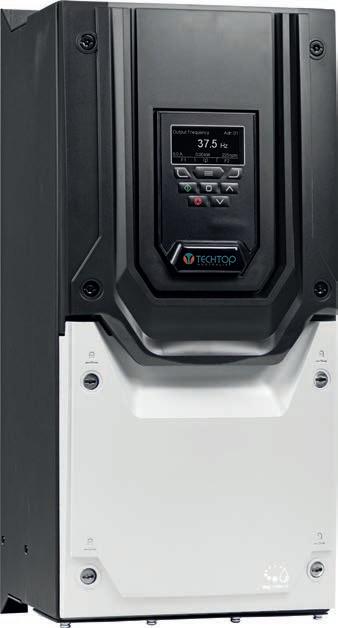
Techtop Australia’s IP55 VSD.
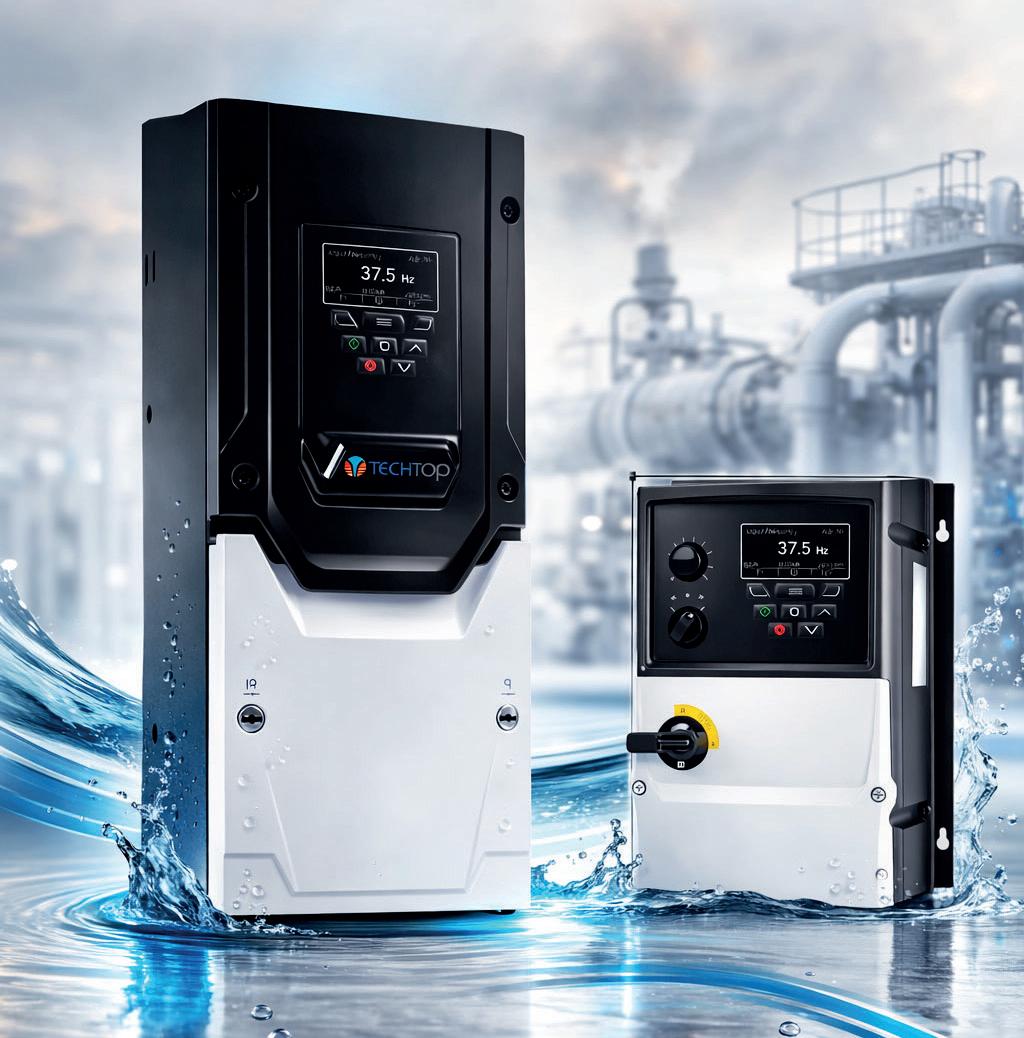
VSDs enable energy reductions of 20 to 50 per cent in many cases.
operators to respond quickly to changing � ow requirements, seasonal demand or system expansions without costly mechanical modi� cations.
“Ease of use is another critical factor,” Techtop Australia national product manager – drives Rod Aumann told Pump Industry. “In the � eld, operators need equipment that works intuitively and reliably, not drives that require specialist intervention for routine adjustments.
“Techtop Australia’s VSDs are engineered to be user friendly, with clear interfaces, logical parameter structures, and built-in protections that simplify operation while safeguarding motors and pumps.”
As VSD adoption increases, Australia is seeing a signi� cant rise in motor installations (expected to double globally by 2040) as infrastructure expands and ageing assets are replaced. This makes local availability and technical support more important than ever.
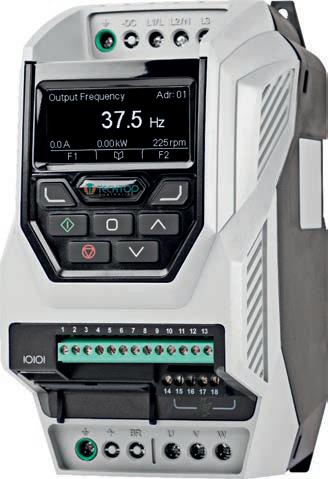
“Techtop Australia holds stock across all major capital cities and throughout New Zealand, ensuring rapid supply and reduced downtime for critical pumping applications. This national footprint is supported by a strong sales and technical team, giving customers across Australia and New Zealand consistent product advice and application expertise,” Mr Aumann said.
“Pump systems are often missioncritical, operating around the clock in environments where failure is not an option. Techtop provides local technical support backed by 24/7 service and support capability, giving operators con� dence that help is available when it is needed most.”
As the industry continues to adapt to higher energy costs, sustainability targets, and performance expectations, VSDs will play an increasingly central role in pump system design. And with Techtop Australia’s TTA-2 Eco VSD already demonstrating how modern drive technology can deliver tangible energy savings while improving operational control, reliability, and longterm value, Australian pump operators are in safe hands.
So ask yourself one question, ‘How much does it cost to run a motor without a VSD?’.
For water pumping professionals, the message is clear: e� ciency, � exibility, and local support are no longer optional. They are the foundations of resilient, future-ready pump systems.
Turn to Techtop Australia for lowvoltage VSDs up to 710kW, mediumvoltage drives and soft starters, and the company’s pioneering range of motors and gearboxes.
Contact Techtop Australia on 1300 832 486 or at techtop.com.au


Solar pumping systems are becoming an e cient, future-ready solution for water supply across remote, agricultural and industrial environments.
For more than 60 years, Franklin Electric Australia has played a vital role in supporting the nation’s essential water infrastructure, drawing on more than 80 years of global innovation and technical excellence from its parent company, the Indianaheadquartered Franklin Electric.
As Franklin Electric quickly becomes a global technology leader dedicated to moving water reliably, sustainably and e� ciently, its Australian subsidiary is growing its reputation for delivering reliable, high-performance water systems tailored to Australia’s diverse and often demanding conditions.
That commitment to performance and sustainability is clearly re� ected in the company’s Electro� o solar-ready pumping solutions – an integrated system designed to combine highe� ciency motor technology with robust pump engineering to deliver dependable results in challenging and remote environments.
Meeting growing demand
From remote livestock watering and rural water supply to mining camps and o�-grid infrastructure, operators face heightened energy costs and stricter environmental targets, directing them to solutions that reduce reliance on diesel generation without compromising performance.
“Franklin Electric Australia’s Electro� o range has been developed speci� cally with these applications in mind,” Franklin Electric Australia national sales manager Stephen Jennings said.
“By integrating advanced drive technology, durable pump construction and high-e� ciency permanent magnet motors, the system o� ers a purposebuilt solar pumping package engineered for reliability, e� ciency and ease of use.”
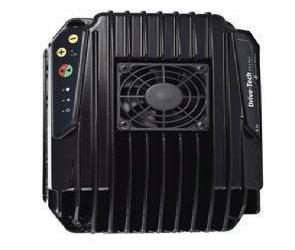
Central to the system is the DriveTech Mini – a compact-yet-powerful variable frequency drive (VFD).
Featuring advanced maximum power point tracking (MPPT) control, the DriveTech Mini optimises the use of directcurrent (DC) solar input power, ensuring the system extracts the greatest possible energy from the solar array throughout the day. This capability is particularly valuable in Australia’s variable climate conditions, where sunlight intensity can �uctuate due to cloud cover, seasonal shifts or environmental factors.
The unit supports both alternatingcurrent (AC) induction motors and permanent magnet synchronous motors, o� ering � exibility across a
broad range of installations. Built-in diagnostics and integrated protection features safeguard the system, while a soft-start function prevents water hammer and reduces mechanical stress on connected equipment – extending overall system life.
“Durability is equally central to the design,” Jennings said. “With a robust IP66 rating, the Drive-Tech Mini is protected against dust, insects, weather and wildlife intrusion – critical considerations for installations in remote or exposed locations.
“As a VFD, it also provides � exible speed control, enabling users to adjust pump output to match demand while improving e� ciency.”
For enhanced usability, the DriveTech Mini is fully compatible with the UnyConnect mobile app, allowing operators to monitor performance, adjust parameters and manage systems remotely. This level of connectivity supports proactive maintenance and reduces downtime – particularly important in applications where site access may be limited.
“With a robust IP66 rating, the Drive-Tech Mini is protected against dust, insects, weather and wildlife intrusion.”
Purpose-built performance
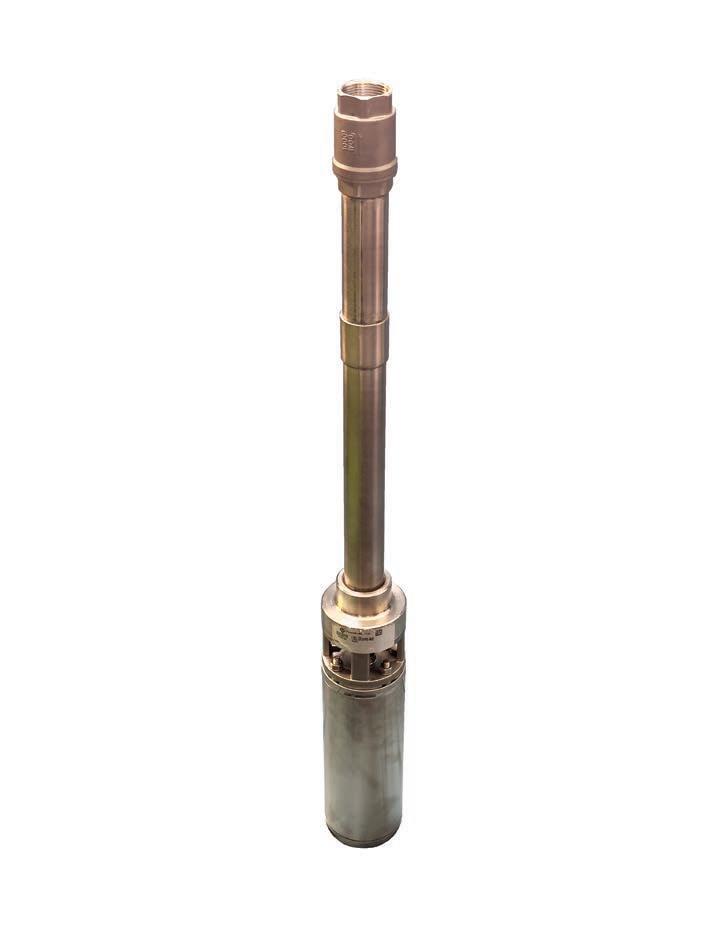
Complementing the drive technology is the Electro� o PD pump, speci� cally engineered for solar operation. Its design focuses on reducing vibration and lowering drive-shaft stress, resulting in smoother, more stable performance and extended component life.
“The Electro PD range boasts enhanced drive-shaft design and a longer, wider seal line to improve durability and pump longevity,” Jennings said. “Constructed with a complete stainless-steel body, the pump o� ers strong corrosion resistance and long-term reliability in harsh or variable water conditions.
“Hydraulic performance has also been carefully optimised. Advanced rotor and stator geometry reduce start-up power requirements – a key advantage for solar-powered systems where available energy may vary throughout the day.
“The result is increased daily water output and improved e� ciency.”
Operational capabilities are equally impressive, with the pump capable of reaching heads up to 220m and delivering � ow rates between 10 and 40 litres per minute. This performance range makes it suitable for diverse applications, from stock watering and bore supply to commercial and light industrial use.
Driving the system is Franklin Electric’s four-inch encapsulated permanent magnet motor, which, due to its advanced electrical design, drives lower energy consumption compared with traditional alternatives, helping operators minimise running expenses over the long term.
“Designed to perform reliably in water with elevated salinity, the motor is well suited to Australian bore conditions,” Jennings said. “The proprietary StatorShield encapsulation system enhances insulation protection, while a pressure-equalising diaphragm helps manage internal stresses.
“With a thrust load capability of 4kN (kilonewtons), the motor is built to handle demanding operational requirements.”
Rated up to 2.2kW at 220V (100Hz), the motor operates across a wide temperature range of –15°C to +50°C and a nominal ambient operating temperature of 30°C with 0.08m/s cooling � ow. These speci� cations ensure dependable performance across varied environmental conditions.
Designed for durability, e� ciency and ease
As industries across Australia prioritise e� ciency, resilience and sustainability, solar-powered water systems will play an increasingly signi� cant role, positioning Franklin Electric Australia’s Electro� o solutions as a robust, dependable and future-ready option.
Pairing the Drive-Tech Mini, Electro� o PD pump and four-inch encapsulated permanent magnet motor creates a cohesive solar pumping solution engineered for long-term reliability.
Importantly, these solutions are designed and supported by Franklin Electric Australia, providing local expertise, technical support and quality assurance stemming from more than more than 60 years of local experience.
For more information, visit franklin-electric.com.au
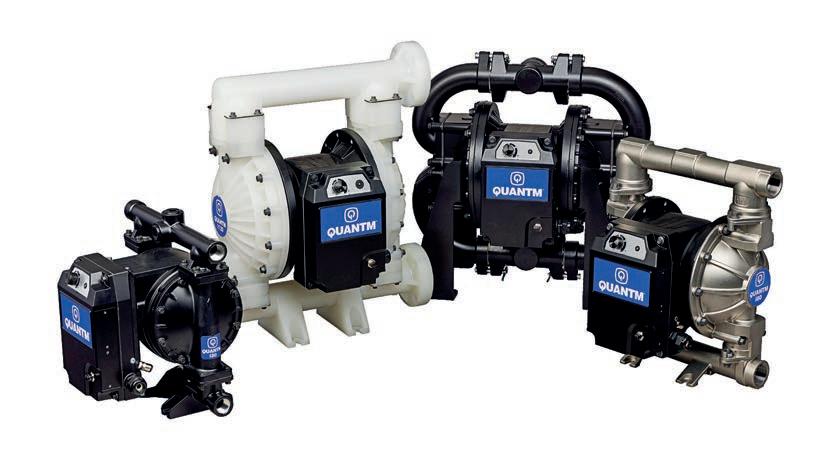
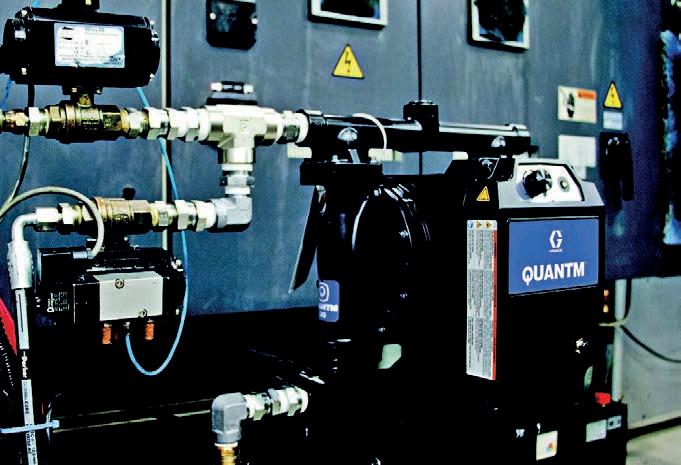
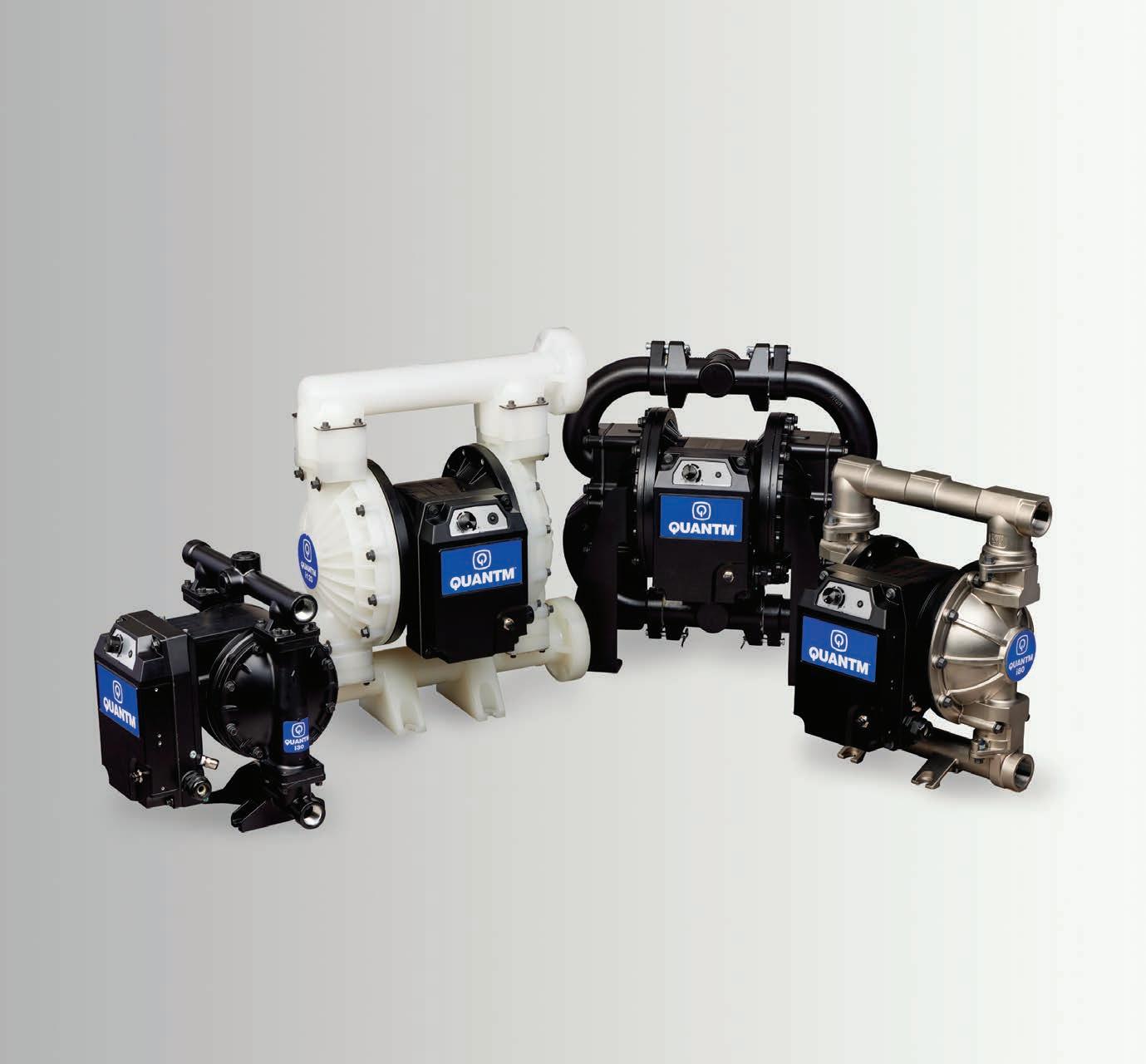
QUANTM pumps meet a range of flow demands, making them suitable to cardboard manufacturing.
The rising popularity of Graco’s QUANTM range of pumps can be illustrated by one key Australian distributorship.
Having worked with Graco for more than 20 years, De.Mem Stevco knew exactly what was needed when clients requested a solution to drive down energy costs in process applications.
The distributor recognised the need to transition from air-powered equipment to electric, with the QUANTM electric diaphragm pump an obvious choice.
“The opportunity for the QUANTM product was based predominantly on
power savings and reduction in process plant costs, because producing air to drive pumping equipment is very expensive,” De.Mem Stevco director Steve Russell told Pump Industry “QUANTM pumps are not only electrically driven but also boast onboard � ow control and can easily interconnect with other plant control systems.”
QUANTM delivers energy e� ciency of nearly 85 per cent – a signi� cant uplift from air-operated diaphragm pumps, which range from 10–15 per cent energy e� ciency.
A cardboard manufacturer reduced operational costs by 75–80 per cent by adopting Graco’s QUANTM electric diaphragm pump. due to the adoption of Graco’s QUANTM pump.
These machines can also handle a range of media.
“QUANTM pumps meet a range of � ow demands, making them suitable to various industries, including pulp and paper and cardboard manufacturing, food processing, pharmaceutical and cosmetic manufacturing, and chemical dosing, which makes them amenable to water and wastewater applications,” Russell said.
“They can also deliver high � ow rates at a low decibel output – a key consideration in plants where noise is a potential barrier.”
QUANTM pumps deliver noise reduction of 23 per cent dBa, reducing sound intensity by 90 per cent. This improves workplace health and safety conditions and ensures compliance.
System advantages can be attributed to QUANTM’s unique design, which does away with gearboxes and variable speed drives (VSDs) to deliver a more compact footprint. The machine, in turn, delivers a broader continuous range as it can generate high torque at low RPM.
After a pulp and paper mill approached De.Mem Stevco to help reduce ongoing pumping costs, the team evaluated various options and found QUANTM to be the clear winner.
The distributor needed to complete initial assessments � rst.
“Among the many pumps in operation at the client’s facility, there were several air-operated diaphragm pumps dedicated to transferring starch – a key component widely used in the manufacture of cardboard,” Russell said.
“We did calculations on the output of those pumps, and what air demand was required to support that output. We compared air-powered generation with electric power and discovered a signi� cant saving by going with QUANTM, which has delivered a quick return on investment.
“In fact, the client has experienced a 75–80 per cent reduction in running costs by opting for the QUANTM pump.”
When asked if the customer was impressed with QUANTM, Russell was unequivocal.
“Yes, absolutely,” he said, “to the extent that they’ve changed over similar pumps at numerous sites across Australia and overseas.
“And word has quickly gotten out of our success, with other end users now enquiring about QUANTM through other Graco distributors.”
Russell said De.Mem Stevco’s longstanding relationship with the client was
“strengthened and consolidated” due to the success of the QUANTM installation.
With proof of QUANTM in action, the pump has now been speci� ed for the application, providing the blueprint for increased adoption.
And with the need for energy reduction increasingly on the lips of end users, Russell foresees a
Graco’s QUANTM electric diaphragm pump is increasingly turning heads across industry.
signi� cant uptick in the adoption of this pump range.
“With the global push for cost savings and working greener,” he said, “this product has great potential to grow exponentially and replace many of the traditional pump forms used in a wide range of applications in a broad range of industries.”
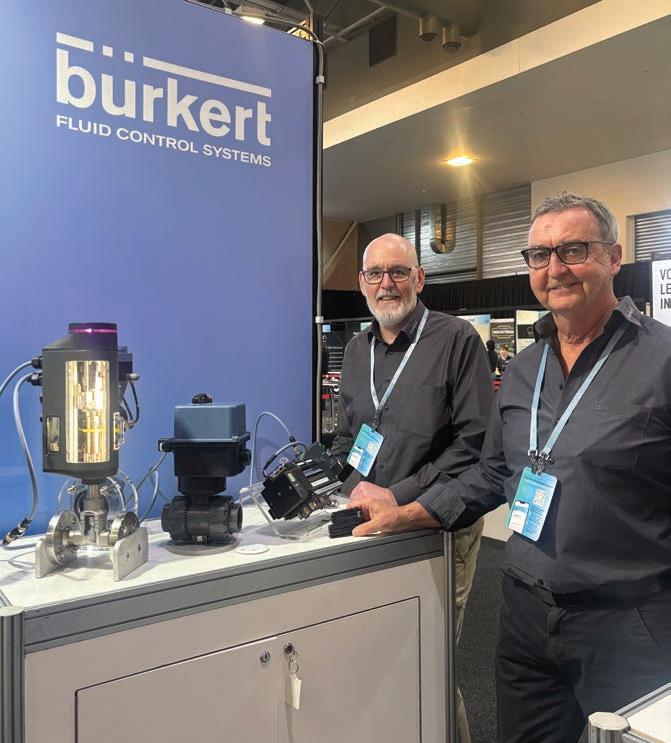
Visit us at Ozwater 2026 and see how the latest Burkert technologies are enabling smarter, safer, and more sustainable water infrastructure.
Book a visit to our stand

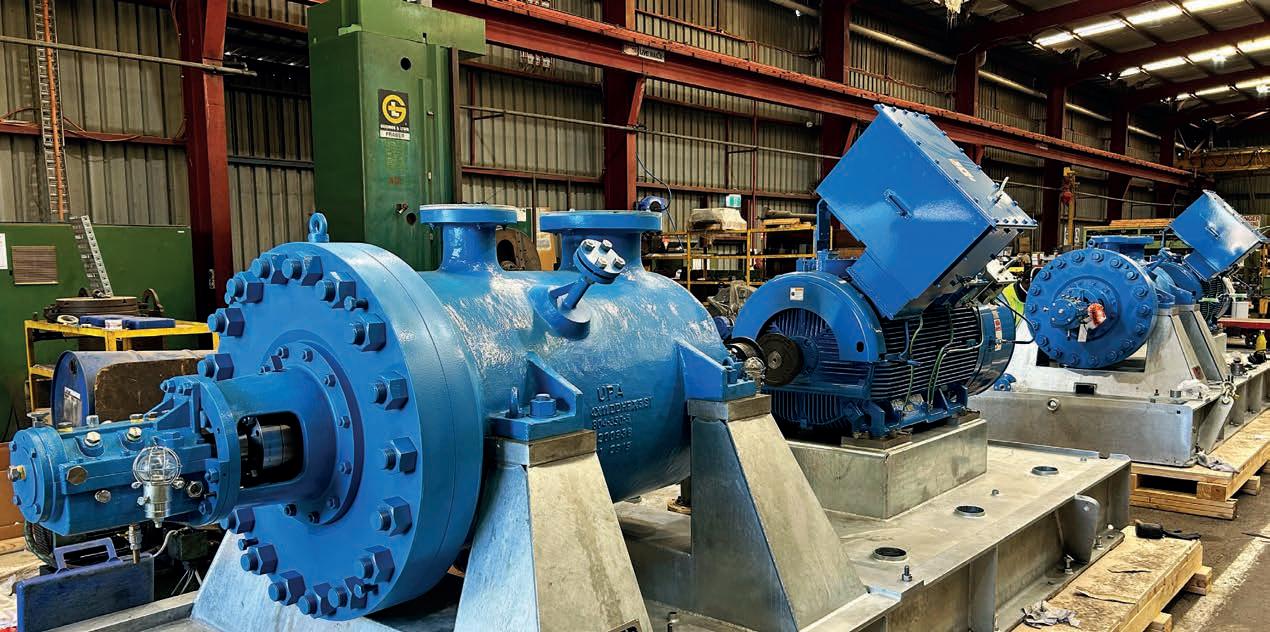
United’s API 610 centrifugal pumps thrive in handling flammable and toxic liquids.
A range of industries rely on a powerhouse duo for their pumping needs, and these companies are only ge ing more innovative and ambitious.
Since forging ties in June 2020, Sterling Pumps and United Pumps have become a force in the water, mining and oil and gas industries.
Founded in 1984, United Pumps has contributed not only a signi� cant footprint in the oil and gas industry but also a large testing facility and extensive technical and manufacturing capabilities.
This is backed by sought-after American Petroleum Institute (API) standard API 610 for centrifugal pumps – a rating the company has held for over 30 years – meaning you’ll � nd United Pumps in many oil and gas operations around the world.
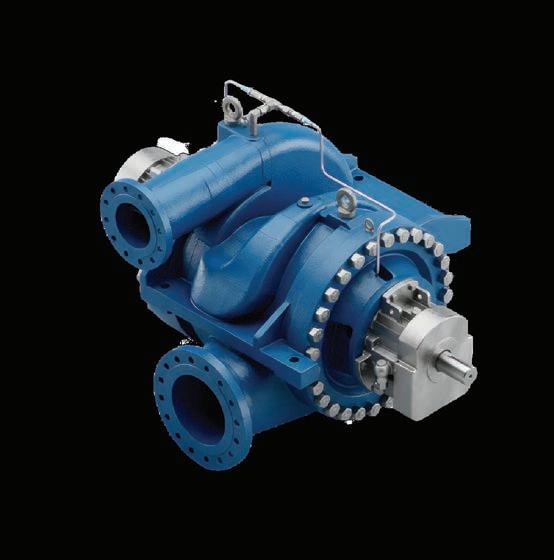
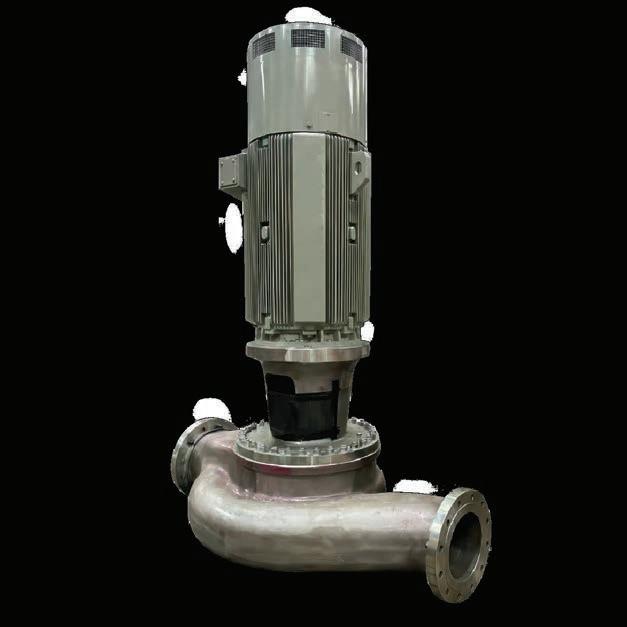
United’s API 610 centrifugal pumps thrive in handling � ammable and toxic liquids or in high pressure and high temperature applications. They are used in oil re� ning, on o� shore oil platforms, and in gas processing, chemical and petrochemical plants, with vertically suspended pumps, overhung pumps, and between-bearing pumps on o� er.
Customers also turn to United Pumps for power generation and boiler feed water applications, among other end uses.
Three United DDHF eight-stage feed-charge pumps with an axially split inner-case design and Plan 53B seal skids were commissioned in an oil and gas application in 2003.
Running at 300m³ per hour with a 1100m di� erential head, 115 bar
maximum working pressure and API 610 S-5 materials, the pumps still operate 24–7, 365 days per year aside from planned shutdowns every 3–5 years. Two of the three pumps are always running.
“These pumps have experienced no failures other than those related to associated equipment such as seals and seal skids,” United senior engineer Ron Astall said.
“In 2014, a pump held together even after a catastrophic motor DE (drive-end) bearing failure which bent the pump shaft. Despite this, the pump didn’t leak or have other signi� cant damage, and it returned to service shortly after.”
United’s proven engineering expertise is fuelling Sterling’s growth in other industries.
By integrating premium materials and by using automated CNC (computer numerical control) machinery for maximum precision, Sterling manufactures a range of pumping products and solutions for municipal water and agriculture sectors.
This includes vertical line shaft turbine pumps, submersible turbine pumps and split case pumps in cast iron, bronze and stainless-steel options, and fabricated stainless-steel pumps in 304SS and 316SS varieties.
As an original equipment manufacturer, Sterling can customise a solution to any application, with no requirement or speci�cation out of reach.
In fact, Sterling has developed over 50 unique submersible pump hydraulics with bowl diameters between 100 and 915mm, with these pumps rigorously tested in the company’s 2500kW or 1000kW test rooms.
This includes a speci� c submersible pump and motor combination, where units are designed to perform as one unit. Furthermore, Sterling has redeveloped its range of six to 12-inch submersible pumps to include cast impellers and di� users, improving the surface � nish of these components and increasing pump e� ciency.
Backed by two manufacturing and testing facilities in Melbourne, Sterling Pumps and United Pumps can provide full support locally without referring to o� shore engineering teams. This enables customers to complete product inspections and pump and system testing in-person.
While the one-megawatt (MW) Pakenham facility is focused on deepwell submersible and vertical turbine pumps, featuring a 15-metre-deep test pit, the 2.5MW Sunshine plant includes two independent sealed test loops and a 400,000-litre underground tank.
Together, these facilities accommodate � ow rates of up to 3000m³/h and heads of up to 1800m, providing unmatched testing capability for pump suppliers and end users.
To learn more, visit unitedpumps.com.au

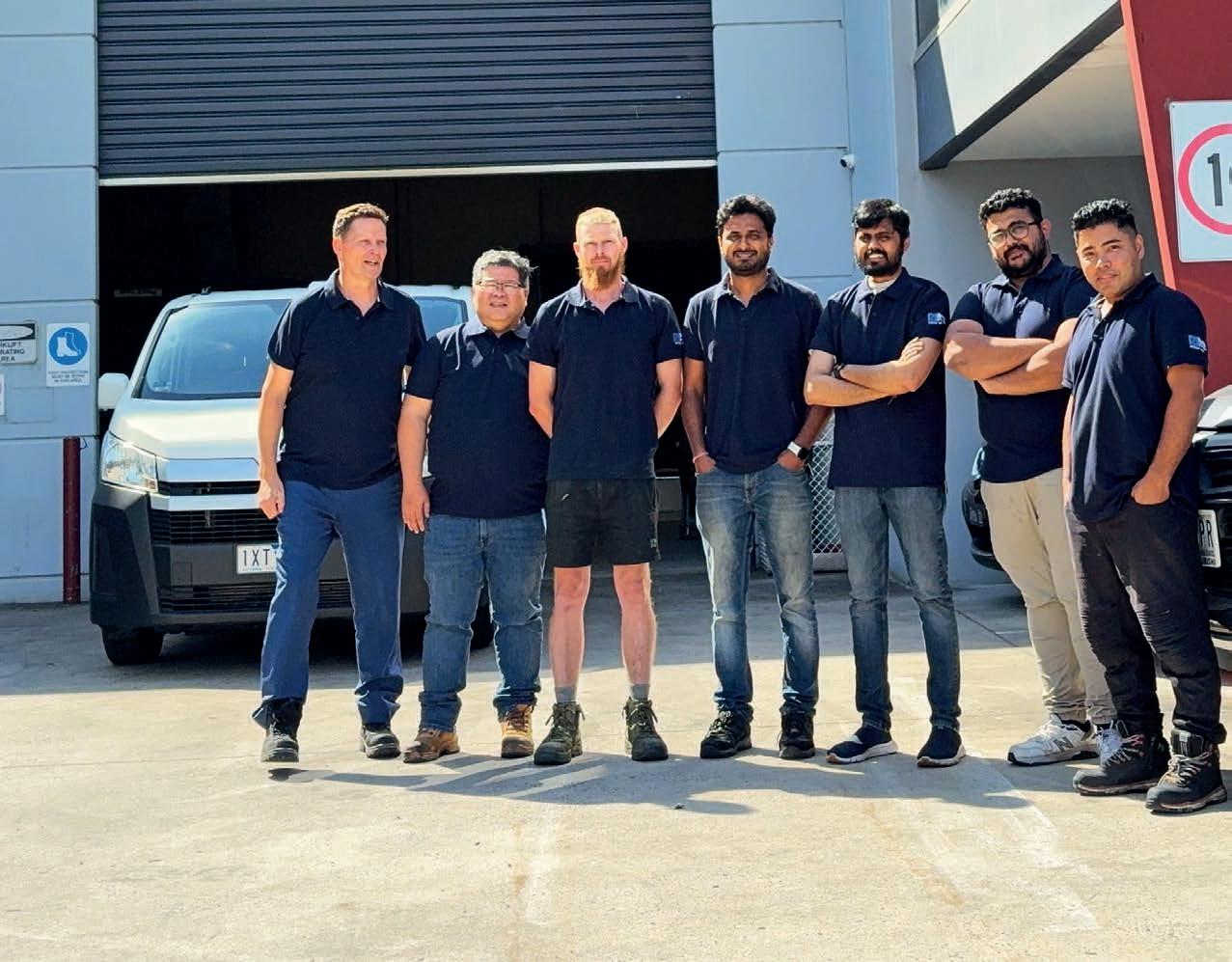
Soon after Roto Pumps’ entrance into Australia in 2001 – its �rst international foray beyond India – it didn’t take long for the company to gain a strong local foothold.
End users increasingly turned to Roto’s distinct o�ering, underpinned by customised engineered pump packages, strong service support and ready availability of pumps and spares.
The company was also recognised for its expertise in application engineering, understanding Australia’s complex pumping requirements, and the process demands that come with that.
Twenty-�ve years on and Roto Pumps has installed thousands of positive displacement pumps and spare parts in Australia across a range of industries such as mining, water and wastewater, food and beverage, chemicals, pulp and paper, and oil and gas.
“We’ve consistently grown our footprint year on year, and we’re now trusted by a range of suppliers nationwide,” Roto Pumps Australia general manager John Wilkins told Pump Industry
“With several shipments coming from India per month, Roto always holds
reliable stockholdings of pumps and parts to ensure a rapid turnaround for our customers.”
Wilkins said, with 25 years behind the company’s involvement in Australia, many Roto Pumps products have “become the standard platform for many industrial OEMs”.
“All our pumps and parts are manufactured in-house, meaning we’ve got full quality control over our products,” he said. “Some manufacturers are increasingly outsourcing capability to China and other international partners, so being able to build a product from top-to-bottom ourselves is a di�erentiator.
“Across 25 years, we’ve been able to establish a solid, reliable footprint in Australia that prioritises product quality and service to our trusted customer base.”
Despite its local foothold, Roto Pumps isn’t sitting still, continuing to evolve its product portfolio and o�erings for local markets.
“We’re doubling our manufacturing capacity in India, with plenty of capital being invested in new machines for international markets such as Australia,” Wilkins said.
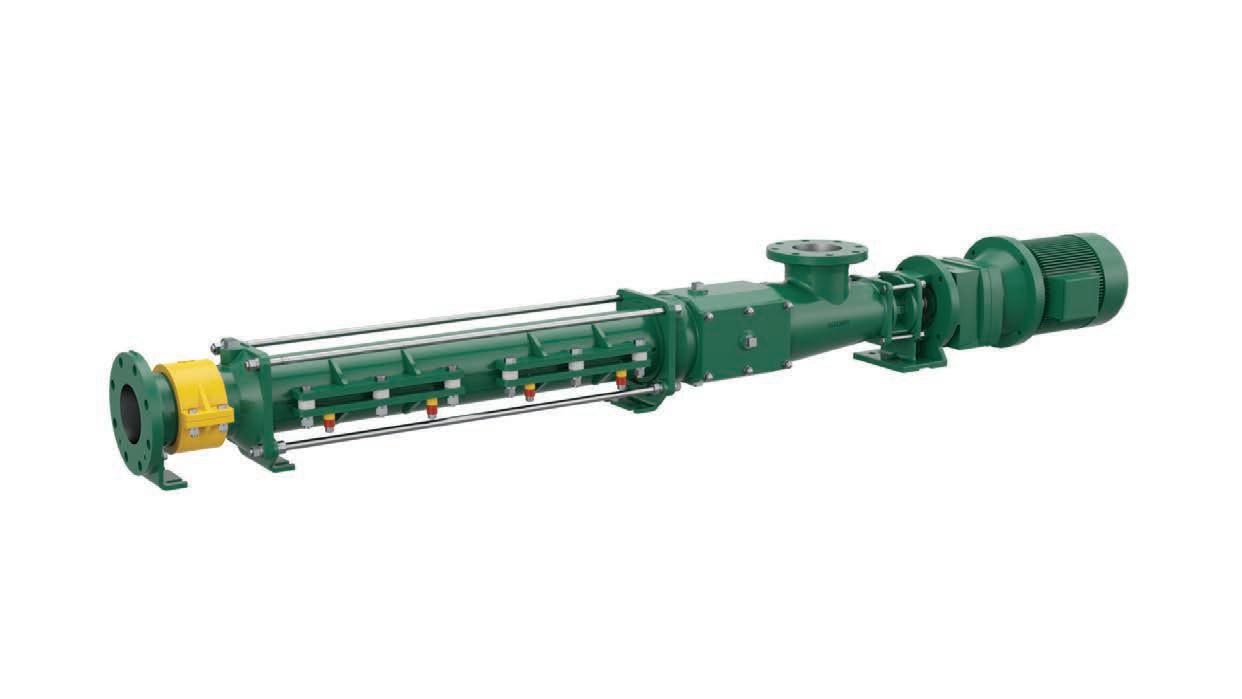
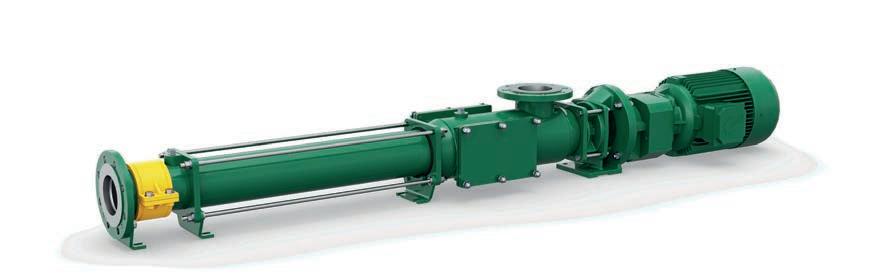
This includes the P-Range of progressive cavity pumps, introduced last year to meet increasing demand for smaller, high-performance equipment in tough applications found in wastewater, mining, and oil and gas industries.
Featuring a unique thrush bush joint, the P-Range packs a punch for its compact design, delivering robust performance and adaptability, achieving �ow rates up to 360m³ per hour at up to 24 bar.
An elastomer seal ring at both ends of the stator prevents corrosion of the stator tube, ensuring pumped media doesn’t come in contact with the stator sleeve or the adhesive. Improved rotor stator geometry minimises wear due to lower rubbing velocities.
The P-Range boasts two large inspection ports enabling quick and easy joint inspection and blockage removal during pumping. This is demonstrated in the Roto KWIK design variant, which o�ers Maintenance-in-Place capability. Here, maintenance on internal rotating components can be completed without dismantling suction and delivery pipelines, removing the need for extra dismantling space.
Wilkins said the P-Range, given increasing market presence and uptake, was becoming one of Roto’s standard pump ranges.
“The P-Range is seeing signi�cantly higher production today than when it was �rst launched, with the product being strategically promoted by Roto Pumps globally,” Wilkins said.
“P-Range inventory is now being held in most of Roto’s major distribution centres around the world, supplying industries in Australia, New Zealand, the UK, the US, South Africa, Europe and beyond.”
While Roto Pumps boasts its core product portfolio, bespoke solutions are being engineered every week to suit speci�c customer requirements. This is particularly the case in the Australian mining sector.
“We’ve made and modi�ed new products to slot into the mining industry, and we’re taking increased market share as we go,” Wilkins said. “This is particularly the case with our dewatering pump range, which has become a wellrecognised product.”
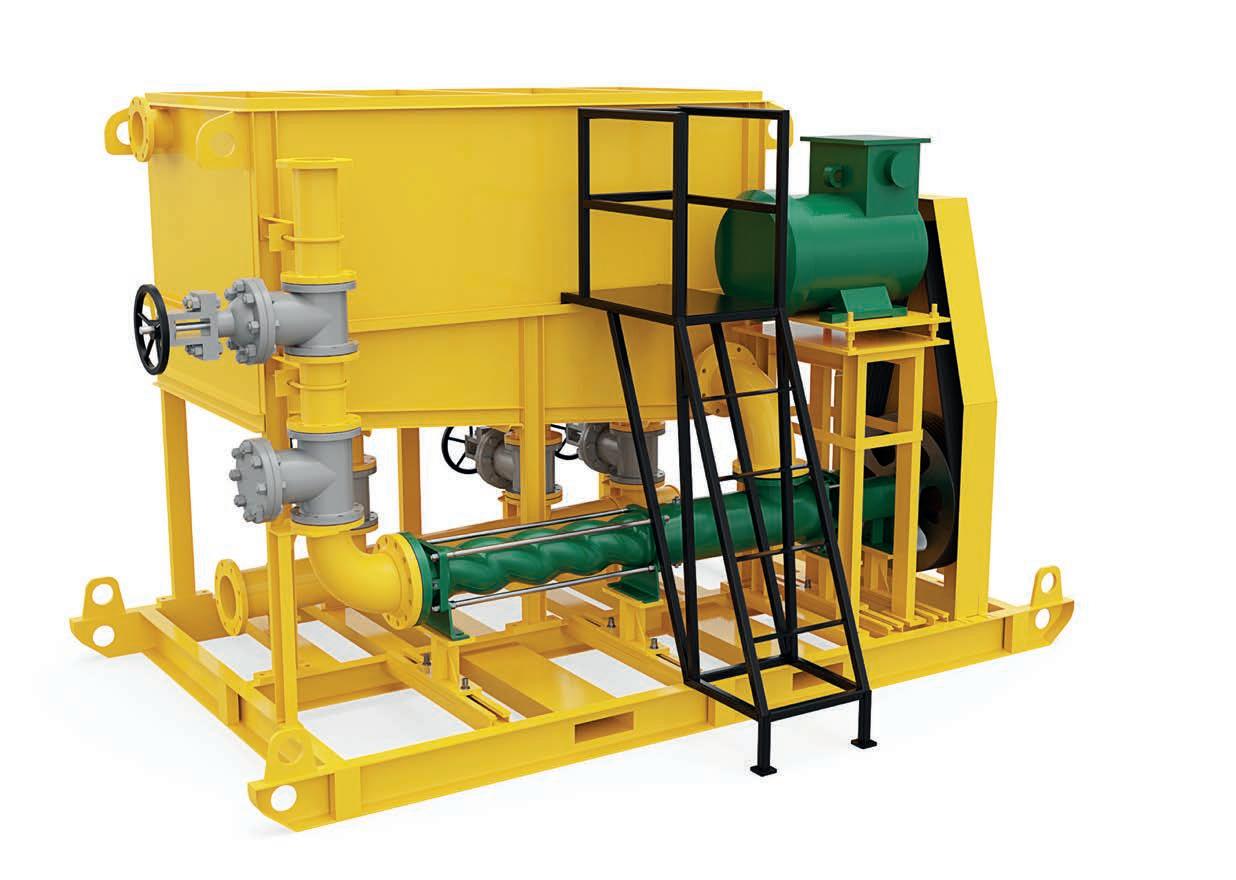
To support this growing mining footprint, Roto Pumps is seeing strong traction with its robust, turnkey Roto
Mining Stations, which are fully equipped with single or multiple Roto FLEX Flexible Shaft Series pumps.
Designed to handle extreme high pressures of up to 48 bar, Roto FLEX pumps utilise an innovative, single-piece �exible shaft, removing the need for traditional universal joints and wearing components like pins and bushes. This unique design eliminates joint lubrication requirements and dramatically reduces maintenance downtime.
“Mine operators are constantly looking for ways to reduce total cost of ownership and maximise uptime in remote, unforgiving environments,” Wilkins said.
“By engineering our mining stations to con�dently operate at 48 bar without the complex wearing parts found in standard joints, we are delivering an incredibly durable, high-pressure solution for transferring highly viscous and abrasive mine water.”
From decades of experience in the �eld, Roto Pumps intimately understands the Australian mining industry’s technical and reliability demands. This inspired the company’s service exchange program.
“Our service exchange program involves our customers returning their existing pump
for assessment and a rebuild, and once done this pump joins our �eet of units available for fast-response breakdowns,” Roto Pumps Western Australia territory manager Graeme Martin told Pump Industry.
“Many things can go wrong with underground pumping equipment, and it is not uncommon to have more than one failure at a time which can build to a critical level over time. Having equipment in stock rather than waiting six weeks for a pump to be repaired can make a huge di�erence to a mine’s operation.”
Leveraging a growing Australian footprint and a 58-year Indian legacy steeped in engineering excellence and ingenuity, Roto Pumps is targeting $US100 million of revenue by 2028.
This is a sweet spot that ensures the company can remain agile to adapt to customer needs, while still having the manufacturing scale to adopt new technologies and methodologies.
“We want to use our technical expertise, product development capability and installed base to provide solutions,” Wilkins said. “It’s that simple.”
To learn more, visit rotopumps.com.au
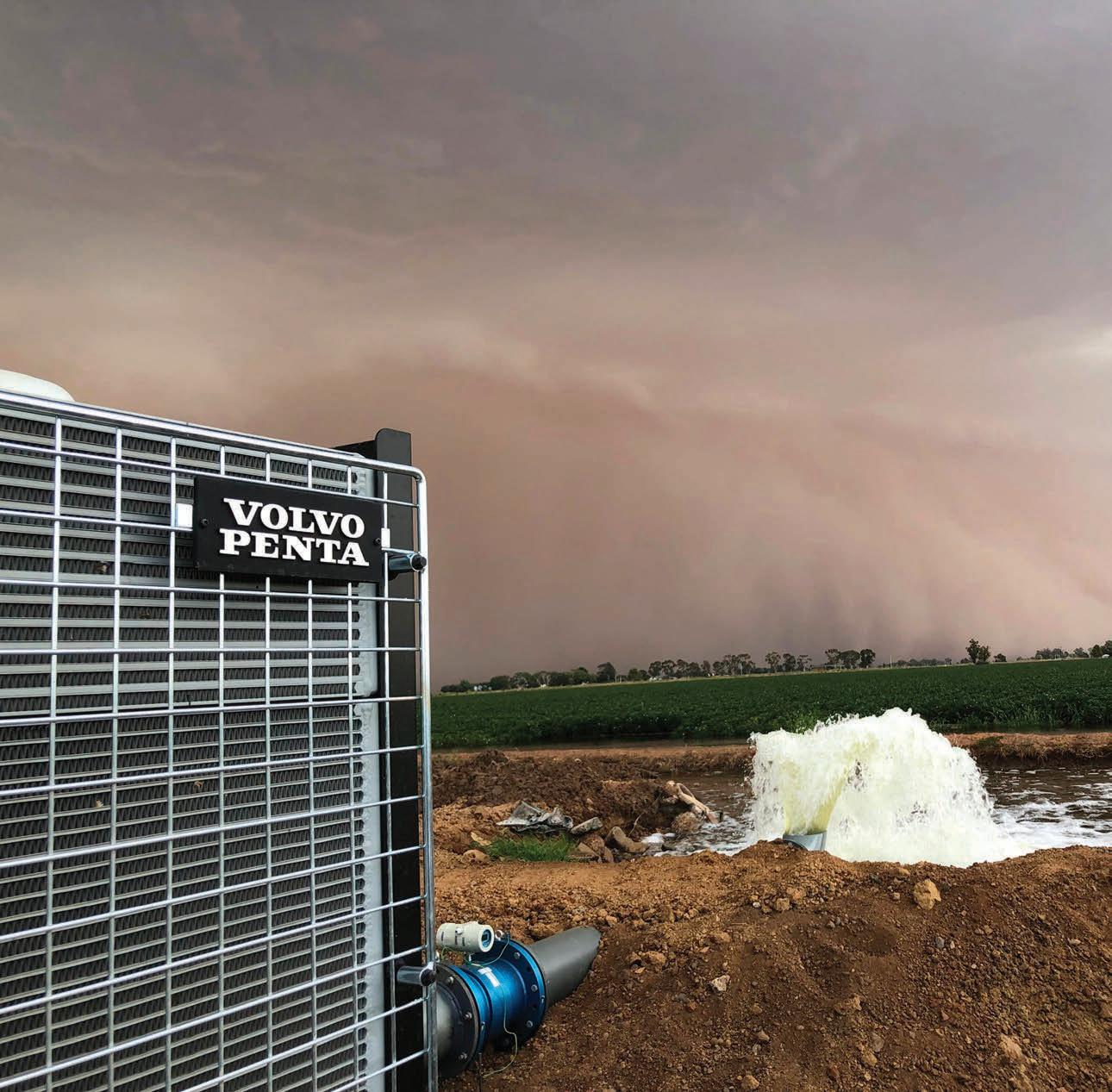
Engines that keep running even in the toughest conditions. Easy to install, operate and maintain. A powerful partnership you can trust all the way from the drawing board throughout the operational life of your engine. Competitively priced complete power-pack units ready for delivery Australia wide with a local support team on hand 24/7. To find your nearest dealer visit volvopenta.com/industrial
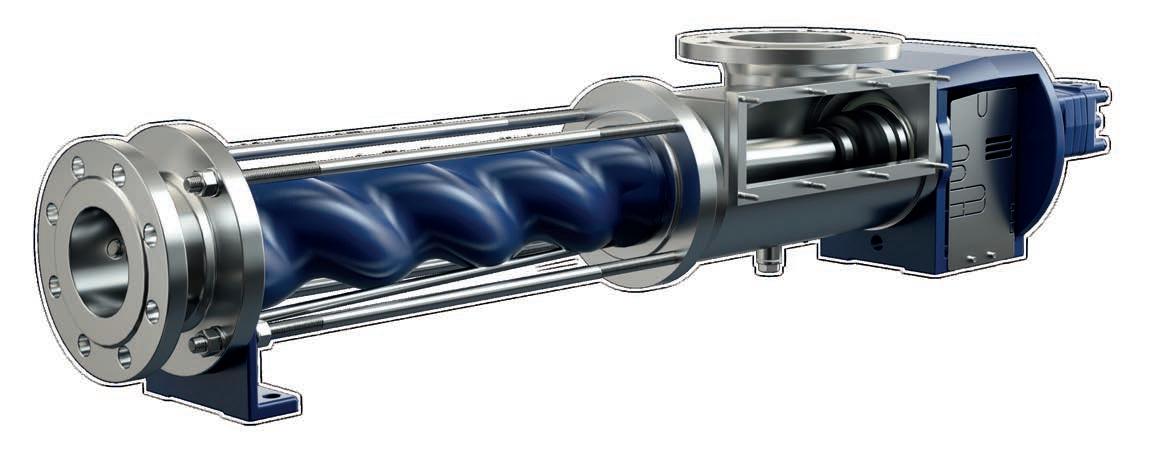
SEEPEX’s Smart Joint Access is engineered to strengthen blasting performance by simplifying inspection.
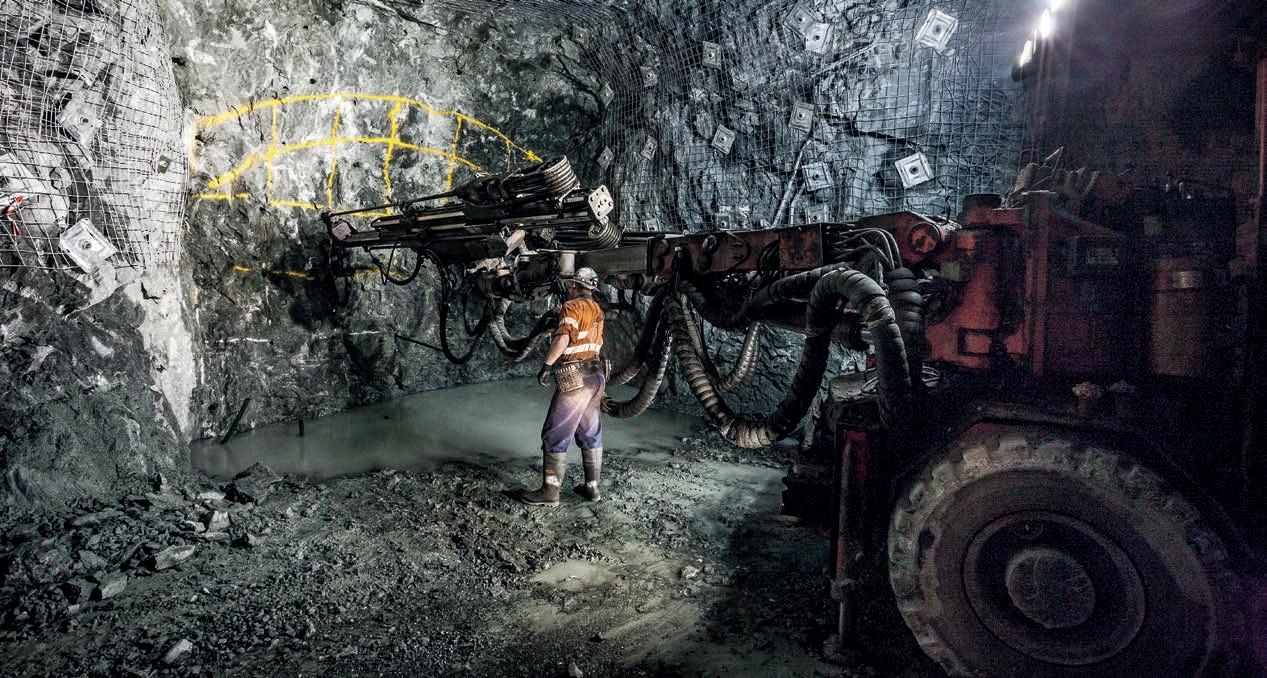
For rock blasting operators calling for accurate and consistent loading of explosive emulsions, SEEPEX has risen to the challenge.
The company, with more than 50 years of experience delivering progressive cavity pump solutions across a range of industries, has now engineered pumps with Smart Joint Access to ensure the precise transfer of abrasive, corrosive, and viscous media.
“Pumps with Smart Joint Access are engineered to enhance equipment availability in demanding mining environments, with a large inspection opening enabling rapid joint checks, supporting consistent performance and maximising uptime,” SEEPEX global business development manager – mining Magalie Levray said.
“Low displacement reduces oil requirements and supports low total cost of ownership, while equal wall stator design delivers high-pressure capability in a small footprint.”
Technicians can inspect the pump joint without disassembling the unit, signi� cantly reducing maintenance time and enhancing equipment availability.
The progressive cavity pump principle helps preserve the integrity of the emulsion while ensuring accurate dosing across multiple boreholes. Reduced
internal leakage and improved heat dissipation further extend the service life of key wearing components.
Combine these capabilities with SEEPEX’s advanced progressive cavity pump technology and operators can achieve continuous, reliable operation even in space-limited, highpressure environments.
“Operators can inspect joints quickly and rely on precise pumping of shearsensitive and abrasive emulsions,” Levray said. “This is particularly critical in rock blasting, where every borehole counts for productivity.
“Even minor deviations in pumping can cause delays or reduce product quality, so Smart Joint Access strives to help operators achieve controlled fragmentation – an essential prerequisite to successful rock blasting operations.”
The Australian mining industry is a global leader in the production of iron ore and gold, with Western Australia hosting some of the world’s largest open-pit operations. In the Pilbara and Gold� elds regions, where iron ore and gold, respectively, are produced at-large, rock blasting is a critical process for ore extraction and pit wall preparation.
Smart Joint Access with electric drive for stationary and factory-based installations. Image: SEEPEX
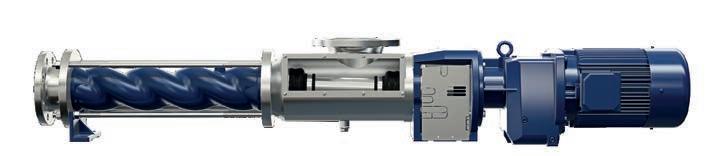
Smart Joint Access provides operational advantages to meet the challenges of large-scale production, where pumps must endure abrasive media, � uctuating pressures and harsh climatic conditions while remaining serviceable.
A compact hydraulic drive means the pumps can be easily installed on mobile units.
And by completing pre-operation inspections of the pump joints, operators can carry out consistent and uniform emulsion dosing during blast hole loading, as part of standard maintenance and setup procedures.
During operations, stable, controlled pumping is maintained, while the mining company bene� ts from customerspeci� c designs.
“With Smart Joint Access, an inspection opening can be con� gured on either side of a suction housing,” Levray said. “This optional design feature allows operators to specify the opening position to suit left or right truck mounting, simplifying installation planning and reducing overall integration costs.”
For technicians, the value is clear: Smart Joint Access enables joint inspections to be completed in minutes rather than hours, reducing uncertainty before blast hole loading.
Controlled pumping preserves emulsion integrity and ensures stable � ow for uniform energy distribution in each borehole. For operations and procurement teams, this translates into higher uptime, predictable maintenance and lower lifecycle costs.
For more information on Smart Joint Access, visit seepex.com
Flo-Max Pumps has become a global name without compromising its Australian DNA.
In 2001, Flo-Max Pumps started from “next to nothing” manufacturing vertical turbine and submersible bore pumps in Blacktown, NSW.
Flo-Max’s vision quickly came to bear, and it wasn’t long before the company secured some signi� cant wins, quickly becoming a leading Australian manufacturer of turbine pumps.
This included manufacturing a 42-inch turbine pump for the historic Hazelwood power station alongside pumps for several Tier 1 mining customers.
After more than a decade of success, Flo-Max moved to its larger Seven Hills premises in 2012 and acquired the Hills & Willis axial � ow pump range in 2015.
Seven Hills was expanded in 2019 and Flo-Max grew its engineering division and in-house 3D printing and scanning capability in successive years.
The company was rapidly expanding its capability but maintaining its Australianmade accreditation, engineering new pump technologies as it went.
Having spent his whole working life designing, manufacturing, installing, commissioning and � netuning pumps, national engineering and manufacturing manager Jack Kirpichnikov has been key to the company’s story. Kirpichnikov is now considered an elder and mentor within the pump industry underlined by his reputation for excellence.
Flo-Max director Mike Bauer has also proven in� uential, having joined the company in 2011.
“Around 90 per cent of our materials are sourced from local foundries and suppliers,” Flo-Max director Mike Bauer told Pump Industry. “We design it, make it, and do the rest in-house, including our own welding and machining.
“This has been key to the success of our vertical turbine pumps – our primary business in Australia.”
Bauer said while many international businesses are “pigeonholed in what they can provide”, Flo-Max is di� erent.
“We’re � exible in that regard, meaning we can customise solutions to a customer’s unique requirements – it’s not trying to force a standard product into a bespoke application,” he said.
Flo-Max not only manufactures and supplies its industrial pump range, made with 100 per cent Australian-made materials, but also other verticals from its Engineered Pumping range.
Flo-Max’s Air Control division is also generating increasing business.
Flo-Max national production manager Alek Kirpichnikov said working with local manufacturers enables the company to expedite spare-part procurement for its distributors and end user customers.
“If a customer was to purchase a product of the same quality from a
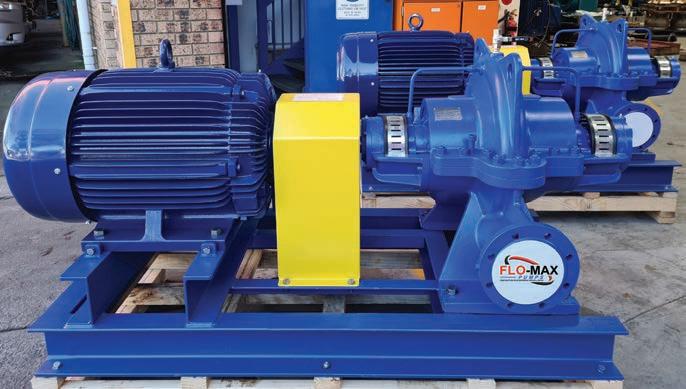
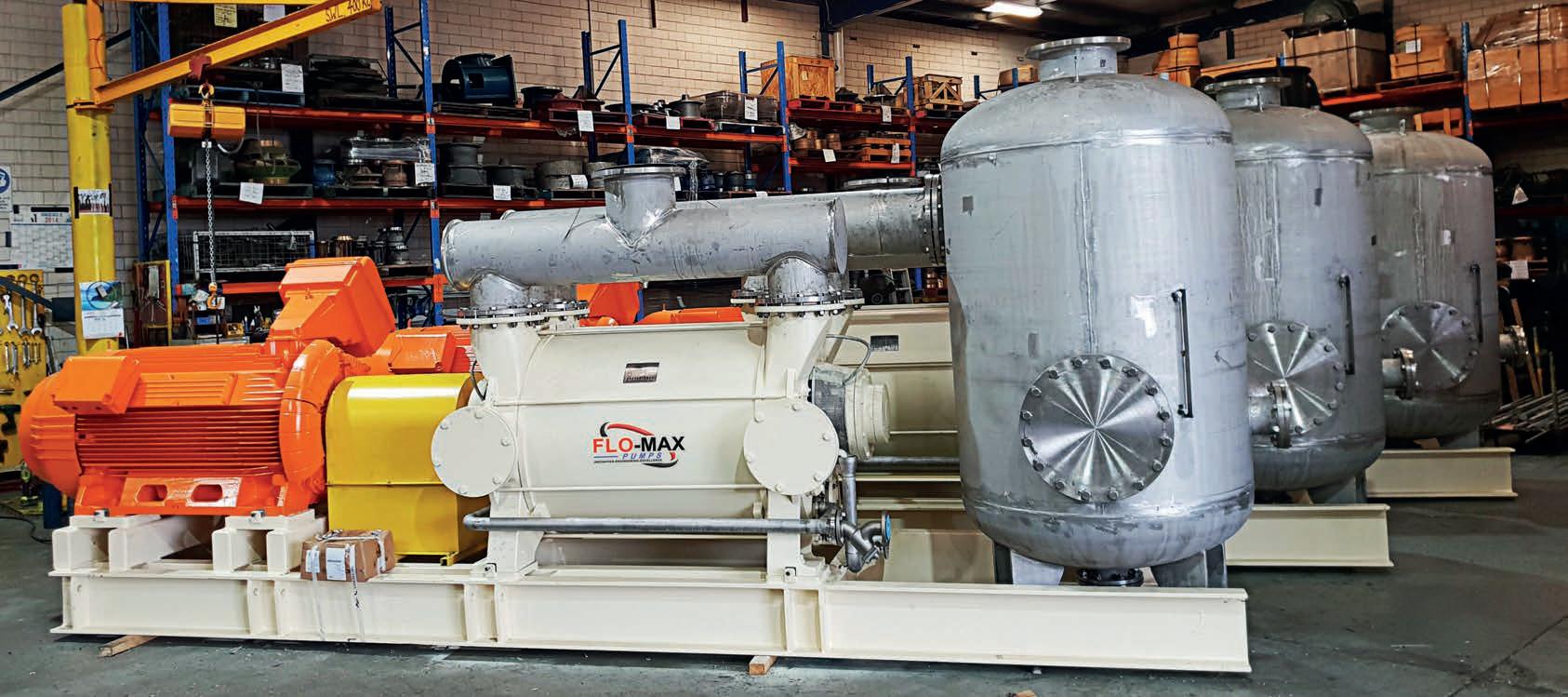
European manufacturer and they needed spare parts, they might be waiting 9–10 months for these to arrive,” he told Pump Industry
“We, on the other hand, can turn around products and spare parts within a week in some cases.”
Having a local footprint also enables Flo-Max to design bespoke solutions for clients.
“Our team of engineers can design and assemble any industrial pump, but also re-engineer or refurbish existing pumps to make them more e� cient and in tune to a customer’s requirements, thereby extending service life and reliability,” Kirpichnikov said.
“This includes centrifugal pumps, split-case pumps, diaphragm pumps, progressive cavity pumps – you name it.
“Like our core Flo-Max business, our Engineered Pumping division has access to a full suite of specialty materials, including stainless steels (duplex and super duplex), bronze, and various grades of cast iron, to develop its products.”
Additionally, Flo-Max can leverage its 3D scanning and printing capability to model the ideal product for its customers, backed by full pump testing and certi� cation to ensure the � nished pump is � t for operation.
“In 25 years, there’s never been a job too big for us,” Kirpichnikov said. “We started with a � ve-inch pump in 2001, and we’re now delivering pumps up to 48-inches in size. This is the di� erence between a few kilograms and 20 tonnes.”
Flo-Max has demonstrated its ability to scale up and down to deliver a range
Flo-Max sources about 90 per cent of its materials from local foundries and suppliers.
of projects, which Bauer said was a feather in the company’s cap.
“We’ve not only demonstrated the engineering capability to deliver projects both large and small, but also the ability to work with di�erent customer types and di�erent-sized businesses – it could be a local farmer or a large oil and gas corporation,” Bauer said.
“Water utilities, municipal councils, mining, agriculture, power generation, oil and gas and petrochemicals are all market segments we engage with.
“We’re always focused on de�ning the best solution for the customer, no matter how unique or predetermined it might be.”
This is evidenced by a recent oil and gas customer.
“We didn’t have a product in the beginning, but we’ve since been able to design eight pumps from scratch to meet a particular application for an overseas terminal,” Bauer said.
“That took about two months to deliver, but it demonstrated us working with our customer, the application and our engineering team to come up with a well-matched solution.”
From one successful project to the next, Flo-Max’s track record is driving more international business.
“We’re currently � nalising the supply of � re pumps for an o� shore oil rig o� the coast of Vietnam – an operation valued just short of $1 billion,” Kirpichnikov said.
“After our pumps underwent stringent testing procedures to ensure compliance, the customer was impressed with the end result, even indicating that other multi-million-dollar
pump companies weren’t able to deliver on what they requested.”
Alongside its robust Australian customer base, Flo-Max has also developed solutions for customers in the UK, the US, Türkiye, Mongolia, India, Kazakhstan, Papua New Guinea, Jordan and the Democratic Republic of Congo.
This isn’t a reprioritisation, Flo-Max is equally focused on its Australian business, where the company has a
strong footprint in agriculture, water and wastewater, manufacturing, food and beverage, and power generation markets.
“We’re an Australian company making waves overseas,” Bauer said.
“This is driving Flo-Max into exciting new territories.”
To learn more, visit � o-maxpumps.com.au
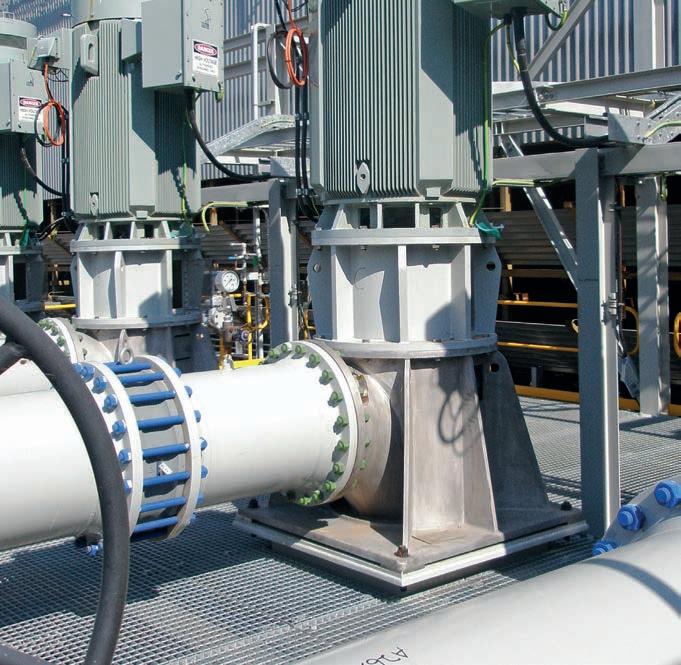
Unitywater will be busy over the next five years delivering water and wastewater infrastructure for a ballooning Queensland region.
One of Australia’s fastest-growing regions is undergoing a water and wastewater overhaul under the tutelage of Unitywater.
The utility will be spending $2 billion across � ve years to ensure infrastructure across Moreton Bay, Sunshine Coast and Noosa meets the needs of an additional 525,000 people and 215,600 new homes by 2046 – the Queensland Government’s projected population growth for the catchment.
This will see the construction of new infrastructure and the refurbishment of existing assets, with several pump stations either being built or restored.
Unitywater executive manager –sustainable infrastructure solutions Mike Baster� eld discussed some of the key projects occurring, which starts with the Aura and Harmony program, consisting of three core projects: Aura Water, Aura Wastewater and Harmony Water.
“The Aura Water project includes construction of a new water reservoir and installation of 12 kilometres of new water pipeline from the Ewen Maddock water treatment plant to Aura in Caloundra South,” he told Pump Industry
“Aura’s water reservoir will be located on the western side of the Bruce Highway, just across from
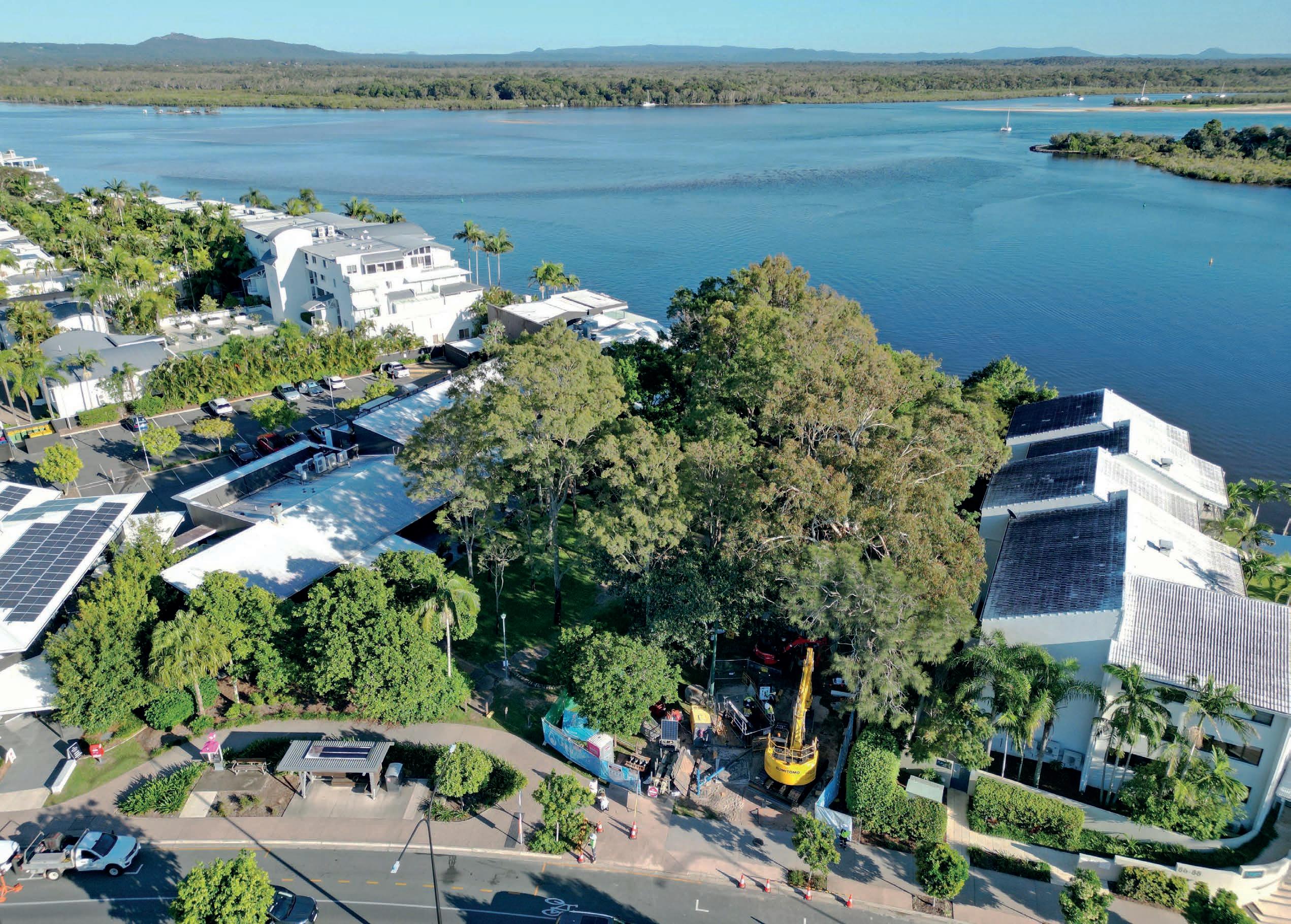
the Aura residential development. Construction commenced in mid-2023 and is expected to be completed by late 2026, weather and construction conditions permitting.”
Similarly, the Aura Wastewater project will include the installation of 12.5km of pipeline to transfer wastewater to the Kawana treatment plant from Aura in Caloundra South. This also involves a new sewer pump station comprising a 15m-deep wet well and two 350-kilowatt (kW) pumps weighing 3.6 tonnes each.
The Harmony Water project will see a new 12-megalitre (ML) water reservoir constructed at Tanawha alongside 2.6km of water pipeline connecting the reservoir to the Harmony residential development in Palmview.
Baster� eld also shined a light on several other projects, including the new Waraba wastewater network, supporting the new city of Waraba and its 30,000 projected homes.
“The project includes construction of a state-of-the-art wastewater pumping station and more than 4.5km of pipeline to connect the pump station to Unitywater’s existing network,” he said.
The wastewater pump station includes a 15m-deep wet well and two 54kW pumps, which will pump 381 litres of wastewater per second through the pump station.
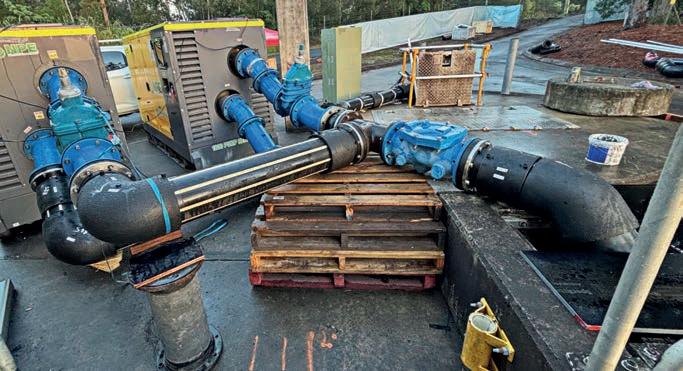
The Yandina wastewater pump station is being renewed.
Then there’s the Moray�eld wastewater network capacity upgrade, which will help unlock about 6000 new homes.
“Stage one (of this) will deliver wastewater services for 26,000 people and includes upgrading two wastewater pump stations on Coach Road West and Buchanan Road and laying nearly three kilometres of wastewater pipeline.”
Unitywater’s capital investment in the coming years will be spread across new projects and refurbishments, with a 70:30 split between the two, respectively.
“Within that is a $450 million replacements and renewals program to improve existing water and wastewater assets over the next � ve years,” Baster� eld said. “This balance between renewals and growth is determined ... to meet the needs of new customers while delivering the required levels of service to existing customers.”
Unitywater has contracted Abergeldie, Downer, Dormway and Elevate – a joint venture between Aurecon and AECOM – for the $2 billion capital investment program.
During tendering, Unitywater used an approved products and suppliers list, placing strong emphasis on capability, safe delivery and product compliance with standards.
Baster� eld said working with more than one partner would expedite delivery.
“Our collaborative delivery partnership improves the ability to deliver our $2 billion capital investment program safely and on time, while improving con� dence for our customers and stakeholders,” he said.
“Abergeldie and Downer are working across Unitywater’s portfolio of wastewater treatment plants and southern distribution networks, Dormway is delivering projects on the northern distribution networks and Elevate supports us with front-end engineering and design services.”
Baster� eld said its partners bring a track record of delivering complex water and wastewater delivery projects, with the “right mix of experience and resources” to boot. This has led to the commencement of 147 infrastructure projects since May 2024.
Abergeldie was added as a delivery partner in February and will be speci� cally tasked with supporting wastewater treatment plant upgrades in Kawana and Coolum.
“Abergeldie brings expertise in complex water infrastructure delivery
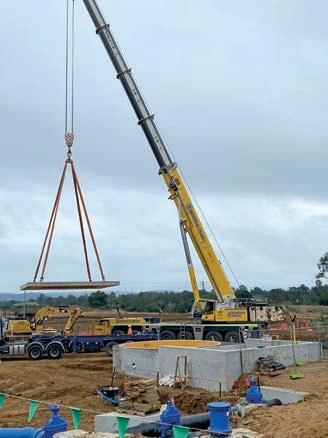
and a strong understanding of Unitywater and our customers, working with us to deliver the Maroochydore wastewater treatment plant upgrade,” Baster� eld said.
When asked which partners brought speci� c expertise in pump projects, Baster� eld said because each company had a long-standing involvement in water and wastewater projects, “pump systems form a routine and well understood part of their capability”.
Pump technologies that prioritise reliability, energy e� ciency and low maintenance are being adopted, including sensors that support condition monitoring processes.
Unitywater must also factor in the unique geographical challenges the Moreton Bay, Sunshine Coast and Noosa regions pose.
“Our region’s topography varies which can create some challenges,” Baster� eld said. “Wastewater networks rely on gravity and in � atter areas, with very little natural fall available, pipes often need to be installed deeper or supported by additional pump stations.
“In contrast, some suburbs in our service area that are hilly like Buderim or Samford can be more di� cult when building infrastructure. When combined with coastal conditions and assets spread across a wide area, planning and delivering water and wastewater infrastructure becomes more complex.”
Unitywater oversees more than $4.3 billion of water, wastewater and recycled water infrastructure to service over 900,000 residents across its catchment. The utility will be hoping to complete many of its $2 billion capital delivery projects by the early 2030s.
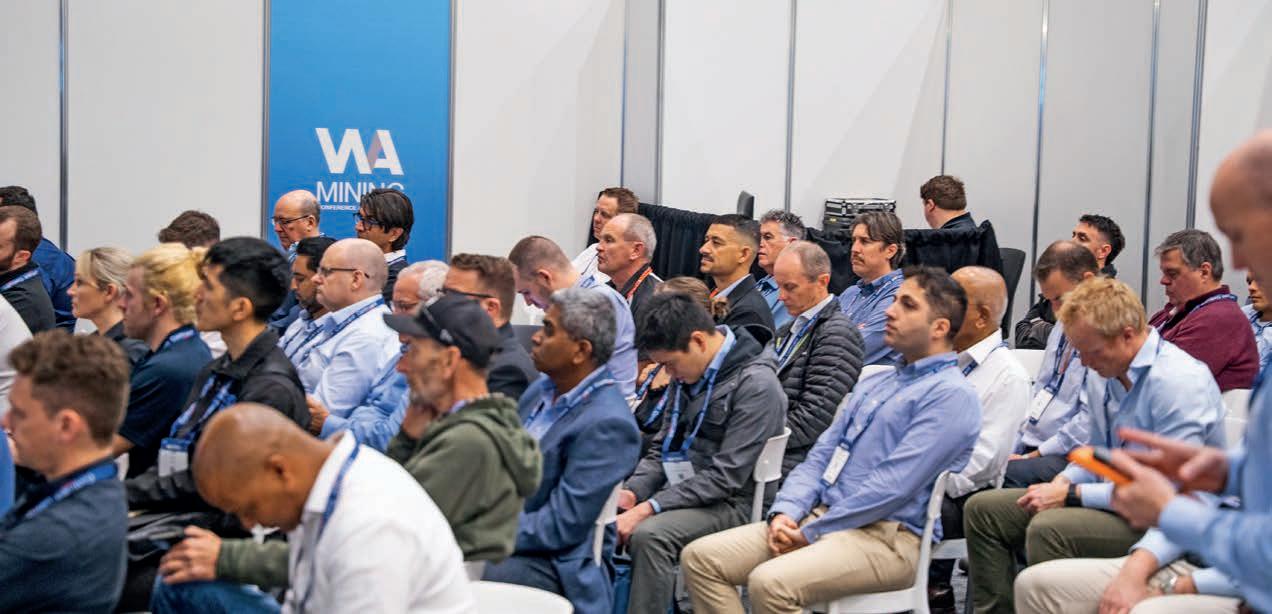
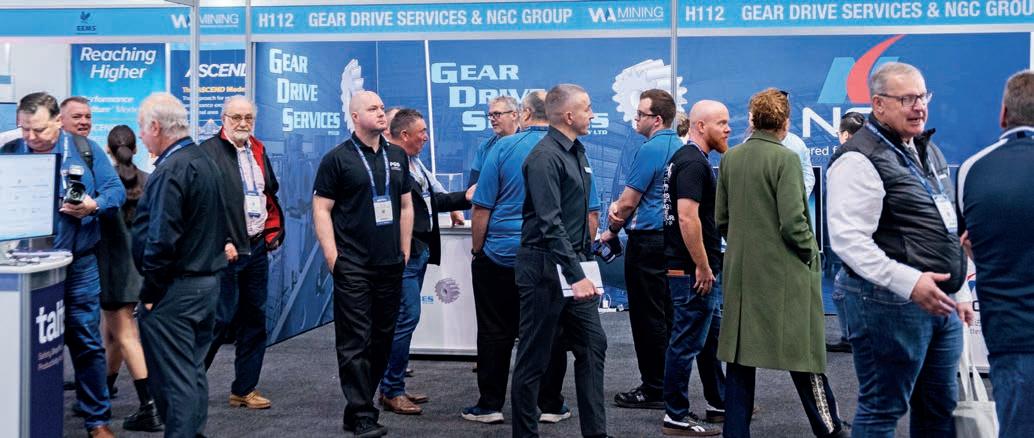
As Perth’s � agship mining and resources event, last year’s WA Mining Conference & Exhibition (WA Mining) welcomed more than 5500 visitors across two days, with over 155 exhibitors showcasing products and services spanning the entire mining value chain.
Last year’s program was stacked with industry-shaping exhibitors such as Tesla, Veolia, SRO Technology, Kinder Australia, and Motion, alongside attending global giants BHP, Rio Tinto, Fortescue, Newmont, Iluka Resources, and South32.
Tsurumi Pump was another exhibitor in 2025, showcasing a selection of trusted pumps, such as 1000V, stainless steel, single phase, sewage and wastewater pumps.
In 2026, WA Mining will once again feature interactive demonstrations, live equipment displays and hands-on technology showcases, giving visitors the opportunity to see innovation in action, while also featuring the popular Mining Pavilion, providing a dedicated
space to engage with mining companies and explore projects shaping the future of WA’s mining sector.
After welcoming representatives from mining companies such as Fortescue, Newmont and Alcoa, and WA Minister for Mines and Petroleum David Michael in 2025, among others, the conference stage promises another jam-packed program, featuring direct insights from industry leaders.
Meanwhile, the exhibition � oor will provide a platform for exploring global trends, investment opportunities and cross-border collaboration.
Prime Creative Media show director – mining events Rebecca Todesco said WA Mining is where the state’s industry comes together to create real opportunities.
“We’re thrilled to invite the key players of Western Australia’s resources sector back to Perth for WA Mining,” Todesco said. “The city will once again become a buzzing hub of innovation and progress as the state’s industry unites for two days of networking,
knowledge-sharing and celebrating the excellence across the sector.
“We’re already seeing a strong response from exhibitors and attendees alike, and we’re looking forward to another fantastic event.”
WA Mining attracts a diverse audience, including mine managers, engineers, procurement professionals, contractors, consultants and business owners. For suppliers, the exhibition provides direct access to quali� ed buyers and key stakeholders operating across Western Australia’s mining industry.
With strong industry backing, WA Mining 2026 is set to once again bring together the state’s mining community under one roof. Industry professionals are encouraged to secure their tickets early and be part of the conversations, connections and innovations driving the sector forward.
WA Mining 2026 takes place from September 16–17 in Perth. To exhibit, visit waminingexpo.com.au/exhibit

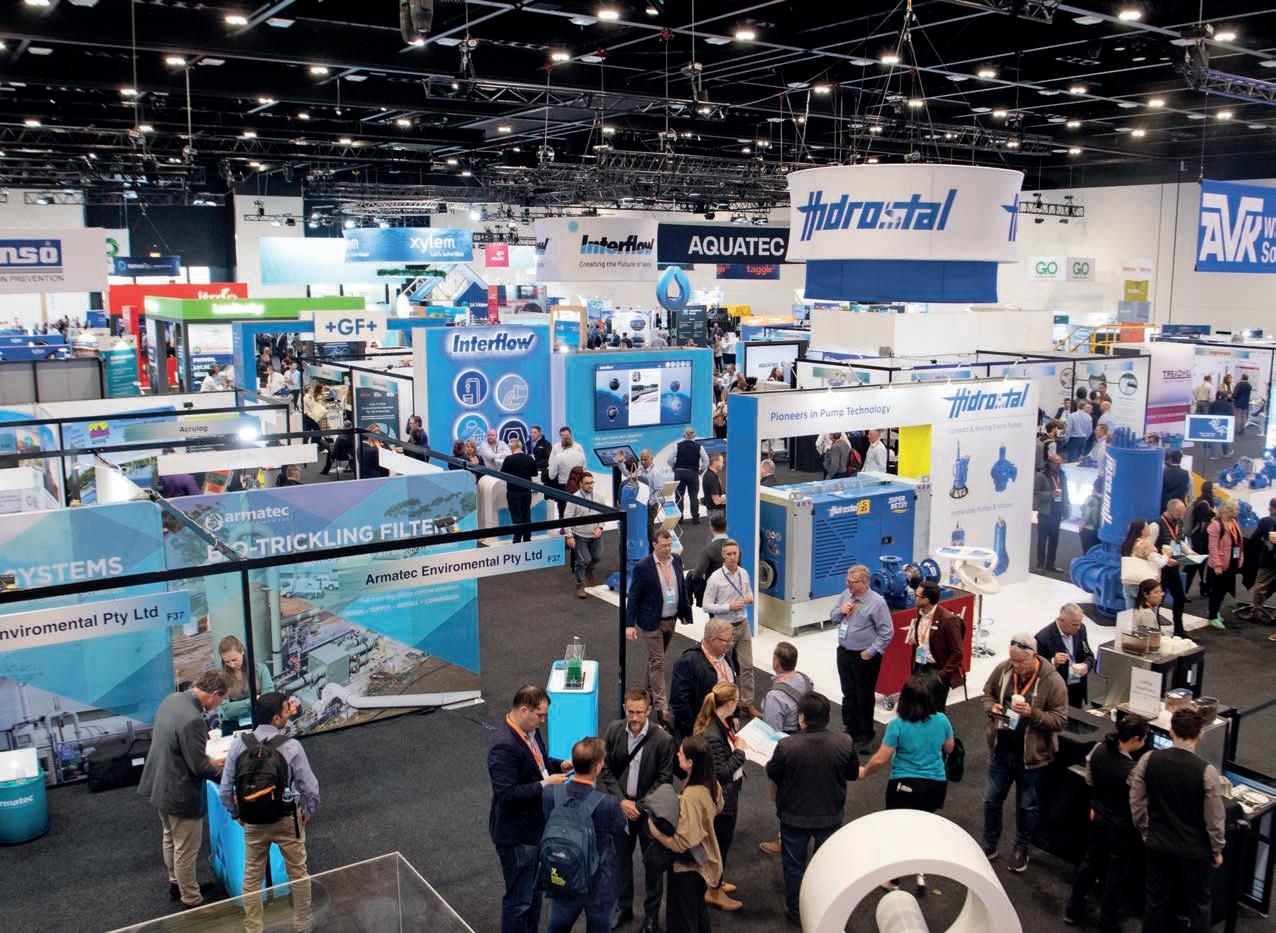
Australia’s esteemed three-day gathering of water industry professionals returns at a pivotal moment.
With population growth, climate variability and evolving community expectations placing added pressure on Australia’s water sector, the Australian Water Association’s Ozwater’26 will tackle key challenges such as climate adaptation, digital transformation, and circular economy principles.
The conference program spans keynotes, panel discussions, technical presentations, and practical workshops, with value lying in the event’s real-world examples of asset management, major project delivery and regulatory compliance.
In accompaniment, the exhibition � oor will showcase technologies, equipment, and service providers who deliver practical solutions across water treatment, network monitoring, digital systems, and asset renewal.
Collaboration underpins these e�orts, with partnerships between government agencies, private sector � rms, research institutions, and communities critical to achieving nationwide water resilience. Ozwater’26 will provide the platform for new partners to meet and existing partners to reconvene.
Among those attending Ozwater’26 is David Thomas, program committee member and managing director – North and West Australia at Sequana.
With decades of experience in project delivery and infrastructure strategy, Thomas sees the Ozwater’26 theme, ‘Our Water. Our Tomorrow’, as a practical reminder that the sector’s success depends on shared purpose.
“I’m excited for the next generation to take control of the future,” he said. “It’s � lled with passionate people driven by the desire to create a positive impact in our industry. When we bring that passion together across utilities, advisers, contractors, and communities, we create outcomes that last.”
This insight demonstrates that collaboration is more than a concept: it informs strategic decision-making and is key to procurement. As utilities deliver complex programs such as recycled water expansions and pump station upgrades, aligning diverse stakeholders around common outcomes becomes critical.
Sequana operates at the intersection of strategy, engineering and delivery in the water sector. The company provides advisory, program management, and delivery management on large-scale
infrastructure programs and projects, enabling utilities to balance cost, resilience and deliver long-term value.
“The water sector faces challenges which no single organisation can solve alone,” Thomas said. “By working together, we can deliver resilient, future-ready infrastructure that bene� ts everyone. Collaboration isn’t optional; it’s essential for creating outcomes that last.”
As the water industry becomes more proactive, digital tools, predictive maintenance, integrated water cycle management, and scenario modelling are enabling utilities to move beyond reactive approaches. The conference provides a forum to test these strategies, share lessons, and explore where innovation drives tangible results.
Amid pressing skills shortages, ageing workforces, and the demand for digital expertise, Ozwater’26 will emphasise workforce development, diversity, and inclusion, recognising that attracting, developing, and retaining personnel is critical to delivering long-term infrastructure outcomes.
“If we want to deliver on ‘Our Tomorrow’, we must invest in our people today,” Thomas said.

“That means creating pathways for young professionals, supporting regional capability, and fostering inclusive cultures that bring di� erent perspectives to complex challenges.”
The strength of Ozwater lies in linking vision to execution. Strategic discussions around resilience and sustainability are complemented by case studies of network renewals, treatment upgrades, and digital transformation projects.
In this context, the event becomes a decision-making framework,
Australia’s water sector has long been recognised for its technical excellence and capacity to innovate. Ozwater’26 o� ers a moment to take stock, recalibrate and set direction.
“We have an opportunity and an obligation to shape the future of water in Australia,” Thomas said. “Conferences like Ozwater bring the sector together to share knowledge, challenge assumptions, and strengthen partnerships. That collective e�ort is what will determine the legacy
�
oor, pump manufacturers, suppliers, and service providers can gain insight into how utilities are approaching asset performance, energy e� ciency, and digital monitoring across operations.
The event also provides opportunities to strengthen relationships with the engineers, asset managers, and project leaders responsible for specifying and procuring pump equipment, with pump professionals able to position their technologies within broader water


As the world’s thirst for digital services grows, so too does the demand for data centres, now among the largest energy consumers globally.
According to the International Energy Agency (IEA), data centres accounted for 1.5 per cent of global electricity consumption in 2024, with annual energy consumption rising by 12 per cent per year in the preceding � ve years.
By 2030, the IEA expects data centres, as a base case, to comprise just under 3 per cent of global electricity consumption. This would equate to a 15 per cent increase in electricity consumption per year – a growth rate more than four times faster than all other sectors.
This presents a signi�cant opportunity for the water and �uid management sectors, of which Burkert Australia is proud to be leading the charge.
Traditional air-based cooling systems, long the standard in data centres, are increasingly being replaced by advanced liquid cooling solutions, which not only increase computational e� ciency but also dramatically reduce the cooling energy required.
Burkert’s expertise lies at the heart of these next-generation systems. At Ozwater’26, Burkert Australia will demonstrate how its � uid control
technologies, valves, sensors, and � owmeters enable precise management of coolant � ow, temperature, and pressure in both direct-to-chip and immersion cooling architectures.
These solutions support stable chip temperatures, higher rack densities, and optimised pump and chiller energy use, all while maintaining safe and reliable data-centre operations.
The sustainability bene� ts of liquid cooling are substantial. Studies show that retro� tting from air to liquid cooling can reduce total power consumption by 11–15 per cent, while also boosting processor performance.
Furthermore, liquid cooling enables e� ective waste heat recovery, potentially capturing between 85 megawatt hours (MWh) and 576MWh per year for reuse in district heating or other applications.
This not only slashes energy bills but helps data centres become active contributors to the circular economy, turning waste heat into a valuable resource.
Burkert’s solutions are designed with e� ciency and environmental responsibility in mind. The company’s portfolio includes compact, directacting solenoid valves for precise chemical dosing and � ow control, electromagnetic � owmeters for realtime monitoring, and pressure sensors for robust system protection.
These components form the backbone of sustainable, scalable, and safe cooling systems within datacentre operations.
While data-centre cooling is a headline act, Burkert’s capabilities extend across the full spectrum of water and � uid management.
At Ozwater’26, attendees will engage with the company’s permeate monitoring solutions, critical for water treatment and desalination, water quality monitoring systems, and advanced cabinet solutions. These technologies are trusted across industries, from food and beverage to pharmaceuticals, manufacturing, and municipal water utilities.
As the world transitions to greener, more e� cient infrastructure, Burkert Australia remains committed to innovation, reliability, and partnership. The company’s presence at Ozwater’26 is an invitation to industry leaders, engineers, and decision-makers: let’s work together to build a sustainable future, one drop at a time.
Visit Burkert at Ozwater’26 (booth 15 and 16 near the Exhibitor Lounge) to discover how the company’s solutions are powering the next wave of sustainable water and � uid management.

No matter if stationary, mobile or submerged, all pump components are selected individually according to the requirements of every single application.
With our three pump series BLUEline Nova, BLUEline Legend and ONIXline, a large selection of equipment and additional parts, we are able to build rotary lobe pumps that are perfectly suited to every single application.
+ 25 pump sizes
+ Capacities from 1 to 1,440 m³/h
+ With and without casing protection plates and liners
+ Self-priming
+ Compact and powerful
+ Various drive options
+ MIP® design for fast, simple maintenance
Engineered for reliability. Designed for longevity.

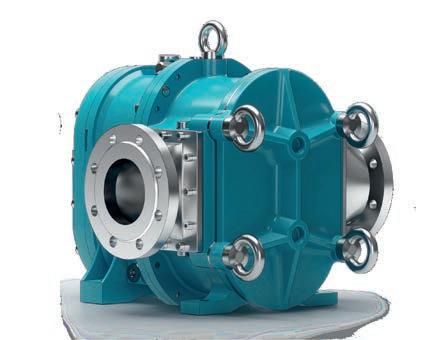
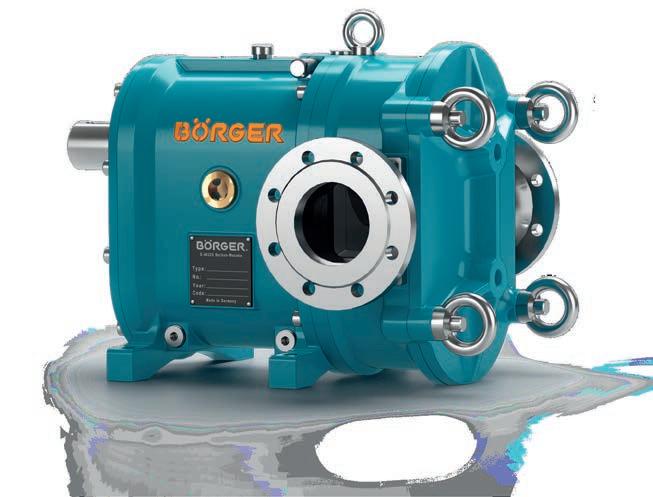
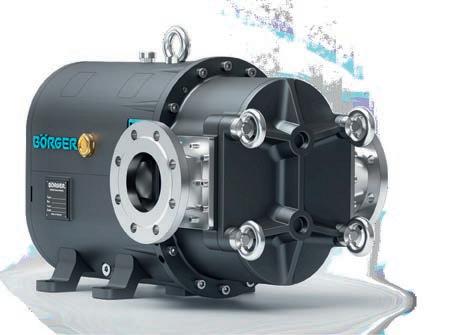

The OrbitGrinder is designed for easy retrofi ing into existing installations.
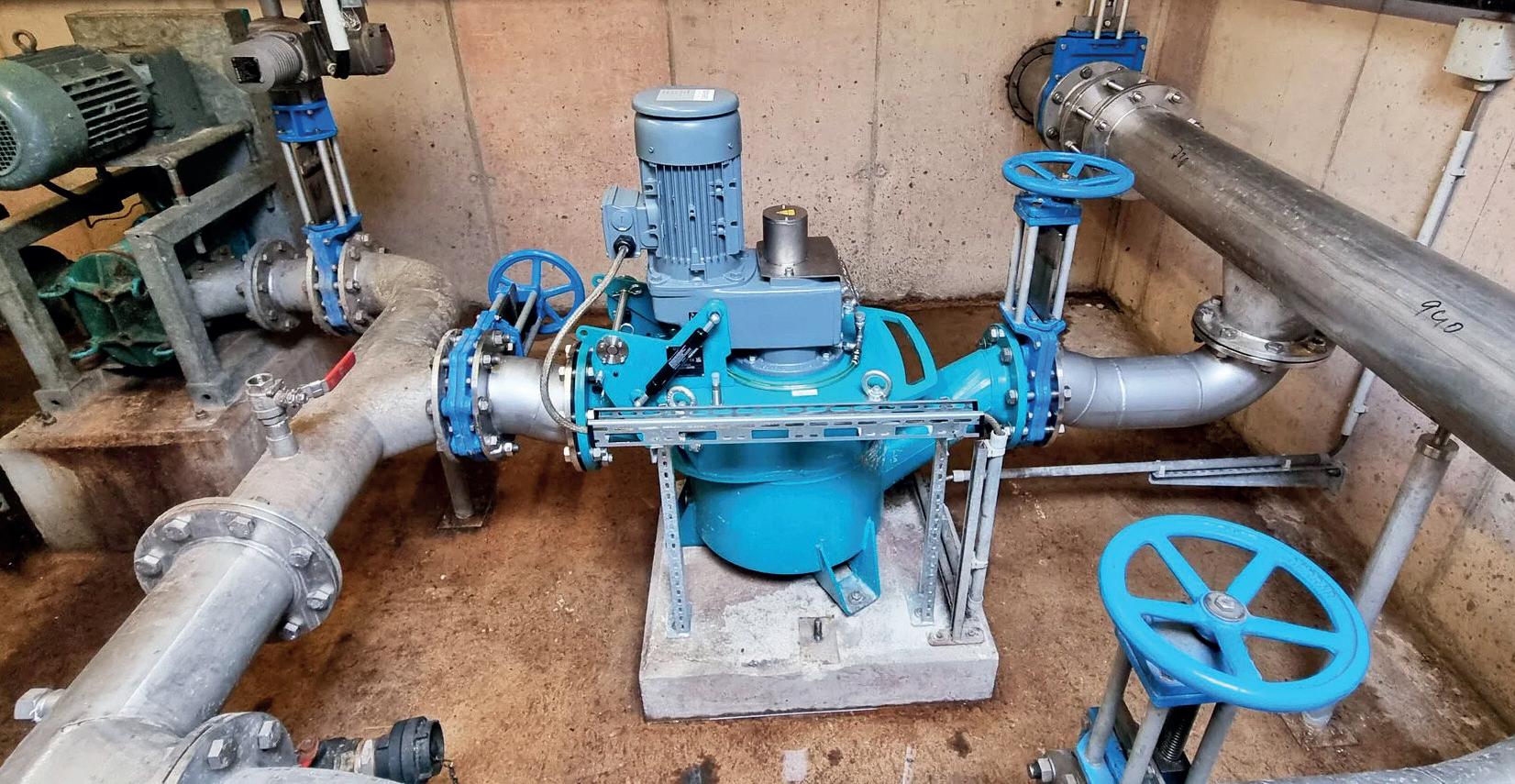
Boerger has pioneered a new macerating concept to be er protect pump systems in wastewater applications.
With 35 years of maceration and pumping esteem, Boerger has continually honed its product portfolio based on extensive � eld experience.
The company intimately understands how solids behave in di� erent processes, prompting its next evolution.
Inspired by an orbit from space travel and astronomy, the OrbitGrinder is based on a completely new macerating concept, where star-shaped cutting blades rotate inside a round cutting basket.
This achieves a constant cutting speed, with pivoted cutting blades automatically adjusting to variations in solids content.
The OrbitGrinder excels in comparison to shear-plate macerators.
“Shear-plate macerators involve a rotational cutting blade operating on a stationery shear-plate or a rotational shear-plate rotating against stationery blades,” Dominik Straetling, managing director of Boerger Pumps Asia, Singapore, told Pump Industry
“The disadvantage of this is that they generate di� erent circumferential speeds. At the outer edge of the cutting plate, the circumferential speed is signi� cantly higher than in the centre, resulting in excessive wear and di� erent cutting torques.
“With identical circumferential speeds at every point of its blades, the OrbitGrinder delivers uniform macerating results and protects the system from blockages, which is essential for demanding wastewater, sludge, and anaerobic digestion applications.”
The OrbitGrinder is compact and designed for easy retro� tting into existing installations. The machine is positioned directly upstream of the pump, enabling solids-laden media to pass through before heading further downstream.
“A macerator cuts and chops larger solids into smaller particles,” Straetling said. “This includes real solids, � ne rags, � bres and wet wipes.
“The OrbitGrinder takes the headache out of this process, leveraging precise maceration to elongate the meantime between failure (MTBF) of downstream pumps and other equipment.
“It acts as an important intermediary in process applications.”
Operators can adjust the maceration degree by selecting cutting baskets with di� erent hole patterns, combined with � ow speed and rotational adjustments. Inlet and outlet connections can be positioned at multiple angles, making the unit adaptable to diverse plant layouts.
Maintenance is fast and convenient thanks to Maintenance-in-Place (MIP) design, which is available on all Boerger macerators and pumps. A gas-strutassisted quick-release cover provides rapid access to wear parts, while a debris collector e� ciently captures impurities.
“Maintenance-in-Place enables all maintenance work to be done quickly and easily where the OrbitGrinder is installed – there are typically just four nuts or eyebolts between you and the wet-end,” Straetling said.
“All critical wear components can be accessed and replaced in just a
few minutes, minimising downtime. Maintenance is safer, cleaner, and faster with MIP – allowing operators to focus on core processes.”
By combining precision engineering, uniform cutting performance, and service-focused design, the OrbitGrinder sets a new benchmark in maceration technology.
The � rst machines are already installed or in commissioning in Australia, demonstrating the initial interest in this solution. Boerger works closely with its customers to ensure each OrbitGrinder is tailored to the speci� c needs of an application.
“We typically don’t supply a pump or a macerator o� the shelf; customers get a speci� c solution to their problem, which is adjusted if challenges appear,” Straetling said.
Boerger will be showcasing the OrbitGrinder at Ozwater’26 in May. See it in the � esh at booth M09.
The OrbitGrinder is based on a completely new macerating concept.
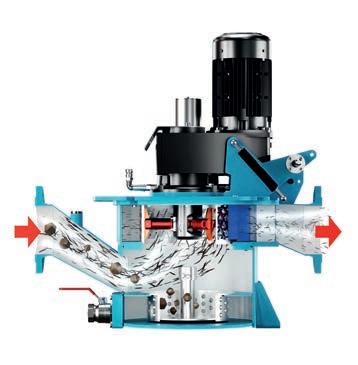
16-17 September 2026
Perth
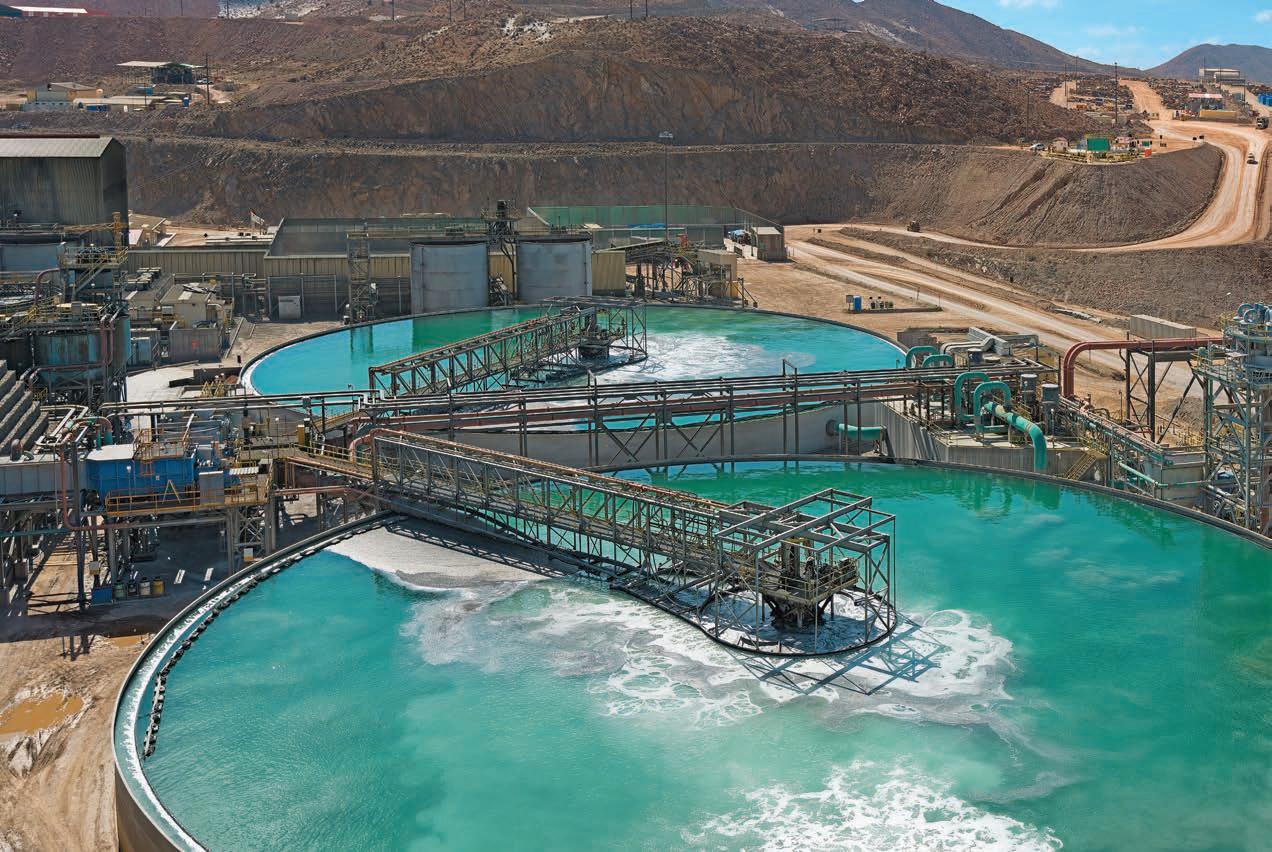
Variable speed drives (VSDs), when engineered correctly, transform industrial motor control by delivering precise operation, systemlevel e� ciency, and reliability.
This article outlines key considerations for EPC (engineering, procurement and construction) and control engineers to achieve predictable outcomes from their motor systems.
A framework for control VSDs are a mature and widely implemented technology across modern industrial control systems.
When applied with rigorous engineering discipline, they provide precise speed and torque control, enhanced process stability, and substantial system-level e� ciency gains – often far exceeding the nameplate performance of the motor alone.
For utilities, EPC contractors, design authorities, and engineering teams, the real value of a VSD is realised not in the device as a standalone component, but in the predictability, reliability, and optimisation achieved when the motor, drive, driven equipment, and electrical network are engineered to operate as a fully integrated system.
This requires a practical, system-level framework for specifying and applying low-voltage VSDs in industrial motor control applications.
Key engineering considerations such as thermal performance, mechanical reliability, electrical insulation integrity, power quality, and network integration
deliver reliable, repeatable, and speci� cation-compliant outcomes across diverse industrial environments.
Drawing on proven drive platforms, this approach transforms VSDs from standalone components into governed elements of engineered industrial solutions, with disciplined engineering elevating these devices from mere components to integral system enablers.
System e� ciency enablers
A VSD does not increase the intrinsic e� ciency of an electric motor. Instead, it enables the motor to operate at the speed and torque required by the process at any given operating point. When speed/torque variations are aligned with load characteristics, particularly in variable torque applications such as centrifugal pumps and fans, VSD-controlled systems achieve signi� cant reductions in total energy consumption.
For centrifugal pumps and fans (quadratic torque loads), power scales with the cube of speed as per the a� nity laws:
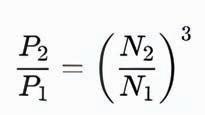
Using a VSD to reduce speed by 20 per cent cuts power to about 51 per cent (0.8³ ≈ 0.512), yielding 49 per cent savings vs. throttling. These
improvements arise from system behaviour, not from motor nameplate e� ciency, and are achieved through controlled speed reduction rather than mechanical throttling or bypass methods (which wastes energy as heat and pressure loss).
For EPC and control system engineers, e� ciency must therefore be evaluated at the driven-system level, ensuring that electrical, mechanical, and process objectives are addressed concurrently.
VSD platforms with wide operating frequency capability and de�ned overload margins allow engineers to implement control strategies based on process requirements rather than drive limitations.
The use of direct-on-line (DOL), soft starters, liquid resistance starters or VSDs all remain valid within modern industrial design practice. The selection of either approach depends on process demands, network constraints, and mechanical system characteristics.
VSD-based systems provide:
• Controlled acceleration and deceleration, often requiring multiple ramp rates to suit process requirements
• Reduced starting current. VSDs typically limit inrush current to 100–150 per cent FLA (full load amperage), where a DOL typically sees inrush currents of 600–800 per cent or more FLA
• Accurate and dynamic speed regulation
• Adjustable torque delivery across the operating range. The ability to control frequency and torque independently of each other is a feature unique to VSD control.
These characteristics are particularly bene� cial where mechanical stress management, frequent starting, or variable speed operation is required. Where controlled transient performance is critical, de� ned overload capability becomes a key design parameter. VSDs typically o� er 110–120 per cent overload for 60 seconds in normal (variable-torque) duty and up to 150 per cent (or 200 per cent brie� y) in heavy (constant-torque) duty, depending on the drive classi� cation. This allows transient process demands to be accommodated without the requirement for excessive motor oversizing or instability due to motor overload limitations at system level.
In VSD-controlled motor systems, thermal behaviour is governed by the interaction between electrical losses, cooling method, and operating speed.
Most standard industrial induction motors rely on shaft-mounted cooling fans, with air� ow proportional to speed. E� ective engineering practice aligns duty cycle, load pro� le, and speed range with the thermal capability of the motor. Where continuous operation at reduced speed is required, cooling strategy and motor selection are treated as integral design parameters.
Drive selection also contributes to predictable thermal performance. The use of VSDs can allow engineers to consider motor designs including higher pole count and look to over-speed them to achieve short-term process requirements. This enables a higherpole-count motor to operate at its more e� cient design speed for most of the duty cycle, while over-speeding brie� y for peak demands.
Modern VSDs generate controlled AC (alternating current) waveforms using high frequency switching techniques. Long-term operational integrity can only be achieved through a coordinated approach encompassing:
• The use of appropriate motor insulation systems, which allow for high dV/dt transients as seen at the motor terminals
• Appropriately designed installation practices for specialised VSD cables
• Controlled inverter switching parameters. Adjustable switching frequencies can o� er improvements to the electrical network, as well as audible and heating e� ects at the electric motor itself.
Alignment between drive characteristics and installation layout is paramount. Cable runs exceeding 50–100m often require mitigation; thresholds vary with drive switching frequency, motor type, and voltage – drive manufacturers can provide precise guidance.
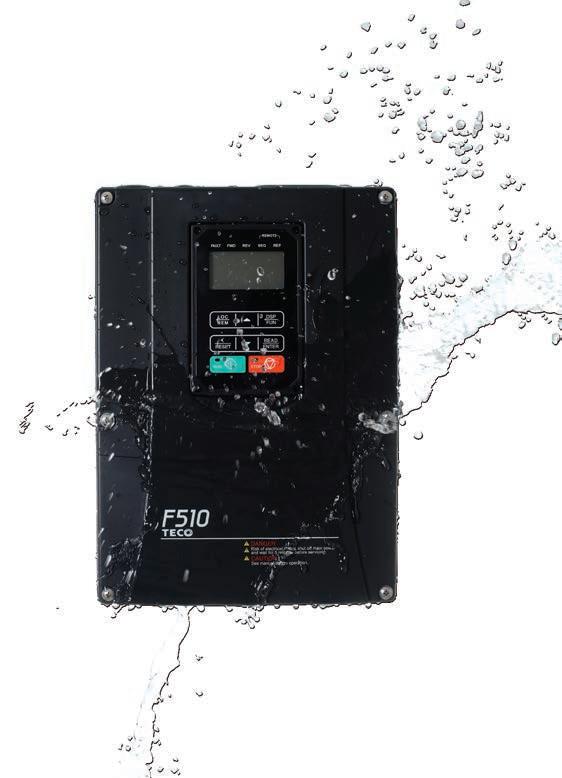
At the system level, mechanical reliability is achieved through coordinated motor and drive selection, grounding practices, and mechanical alignment. Drive platform selection may also be in� uenced by the installation environment and enclosure requirements.
Power quality and network integration
Mitigation may include dV/dt � lters to reduce high-voltage peaks (often used for 100–300m+ lengths), sine-wave � lters (preferred where cables cannot be replaced or runs are very long), and output reactors to mitigate long-cable issues and limit winding stress.
The use of insulated bearings or bearing housings and shaft grounding brushes eliminate the potential of EDM (electrical discharge machining), also known as bearing � uting or EDM pitting, which can lead to premature bearing failure. When these elements are engineered together, inverter-fed motor control systems deliver consistent electrical performance over their service life, supporting predictable operation in industrial duty environments.
Mechanical reliability and component life expectancy
VSD-controlled systems allow torque and speed to be applied smoothly and predictably, signi�cantly reducing mechanical shock during starting and stopping events, as well as varying loads.
This controlled behaviour contributes to the extended service life of shafts, couplings, gearboxes, pipework and driven equipment – factors that aren’t easily quanti� able, but can substantially extend service life (often by a factor of 2–5× or more in high-cycle or shock-prone applications), though exact gains depend on duty pro� le and baseline conditions.
As power-electronic devices, VSDs introduce harmonics, typically reducing THDi (total harmonic distortion) from 70–100 per cent unmitigated to 30–40 per cent with basic line reactors or DC (direct current) chokes, or less than 5–8 per cent with active harmonic � lters or similar advanced mitigation. This ensures motors comply with IEEE 519 limits at the point of common coupling (widely applied in Australia alongside AS/NZS 61000.3.6 for voltage distortion).
Power factor can also be improved with appropriate mitigation. When designing modern electrical systems, managing harmonics e� ciently is critical to meeting distribution requirements, controlling costs, and delivering robust long-term performance.
While low harmonic or active front end (AFE) VSDs have their place, they’re often not the most practical or economical solution for multidrive installations in industrial and infrastructure projects.
AFE VSDs are well-suited to single, high-power dynamic loads, particularly where regeneration is required or where strict point-of-connection limits apply. However, they come with tradeo� s. These drives are typically large and heavy, increasing switchroom size, structural loading, transport complexities and costs. As an inline solution, they operate permanently regardless of load conditions,
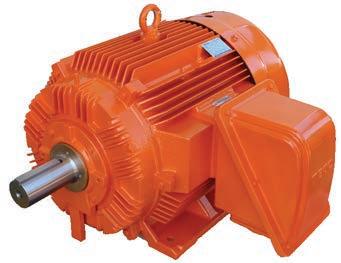
VSDs are an important component for TECO’s electric motor range.
resulting in higher electrical losses, increased heat output, and greater air-conditioning demand.
In many cases, AFEs are overspeci� ed relative to local distribution limits, driving up capital cost without delivering proportional systemwide bene� t.
By contrast, active harmonic � lters (AHFs) o� er a system-level alternative. Installed as a shunt-connected solution, AHFs dynamically mitigate harmonics to prede� ned targets aligned with network and distribution requirements.
A single AHF, which can manage harmonics across multiple VSDs, making it the most cost-e� ective option for complex plants and facilities, deliver higher overall e� ciency, lower heat loads, and reduced operating costs. This approach yields secondary bene� ts, such as smaller switchrooms, simpler logistics, and the ability to specify standard, compact, lower-cost VSDs, reducing both upfront capital and spare parts inventory. They also mitigate plant-wide neutral harmonic currents and can be easily scaled as loads change.
For EPCs and engineers, balancing compliance, constructability, and wholeof-life cost, AHFs o� er a � exible and scalable harmonic mitigation solution engineered for the infrastructure and project requirements, not just the drive.
E� ective system integration considers distribution design, coordination with upstream equipment, and communication with plant automation systems.
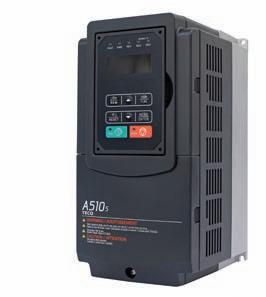
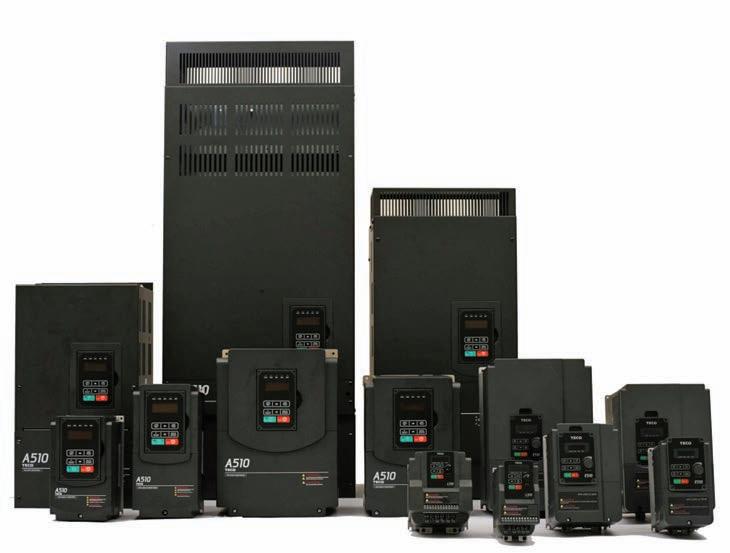
Predictable project outcomes depend on clear de� nition at the speci� cation stage. For VSD-controlled motor systems, this includes:
• Operating speed range and duty pro� le
• Continuous and intermittent load characteristics
• Environmental and installation conditions
• Cooling and thermal performance expectations
• Integration with electrical and mechanical systems.
Where space or simplicity is prioritised, select a VSD supporting both networked (e.g. Modbus, Pro� bus) and hardwired control on a common platform, providing de� ned control behaviour aligned with standard industrial duty pro� les, while remaining consistent with system-level speci� cation requirements.
A uni� ed drive portfolio
Across industrial projects, a consistent engineering approach bene� ts from access to a complete range of VSDs designed for de� ned operating conditions and application requirements.
TECO’s low-voltage VSD o� ering includes models such as the TECO F510 (optimised for pump and fan variable-torque loads), TECO A510 (heavy-duty vector control for demanding applications), TECO E510 (general-purpose with advanced features), alongside the TECO E710 and compact TECO L510s, selected based on installation requirements, environmental conditions, and application-speci� c constraints.
This portfolio-based approach allows EPC contractors and control system engineers to apply a consistent

design philosophy while selecting the most appropriate VSD for each project application.
The successful application of variable speed drives is de� ned by engineering control rather than component selection.
When motor behaviour, thermal performance, electrical characteristics, mechanical integration, and network interaction are addressed as a uni� ed system, TECO VSD-controlled installations deliver reliable, e� cient, and predictable performance throughout their operating life.
A system-level approach, supported by TECO VSD platforms engineered with de� ned operating characteristics, transforms the variable speed drive from a standalone device into a governed element of an engineered industrial solution.
TECO’s uni� ed portfolio enables EPC teams to standardise on reliable, application-matched platforms while maintaining � exibility across project requirements.
To learn more, visit teco.com.au


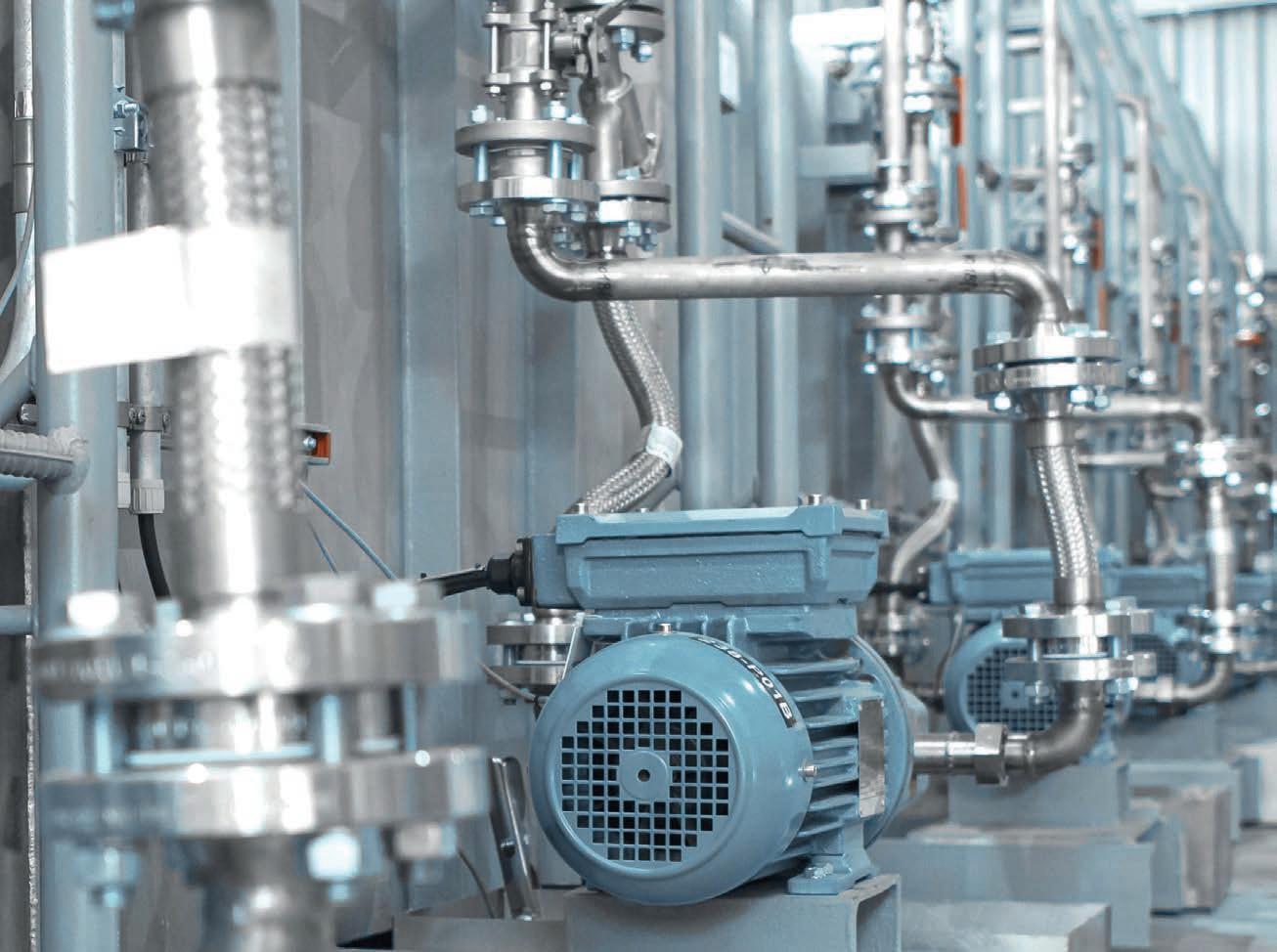

Combining the resources of our respected editorial team with the knowledge and insights of some of the best and brightest minds in the sector, Pump Industry is Australia’s only dedicated pump magazine and provides the latest information about pumps and associated equipment across all industries.
WEG ensures each motor performs as expected throughout its lifecycle, giving clients confidence in their products.
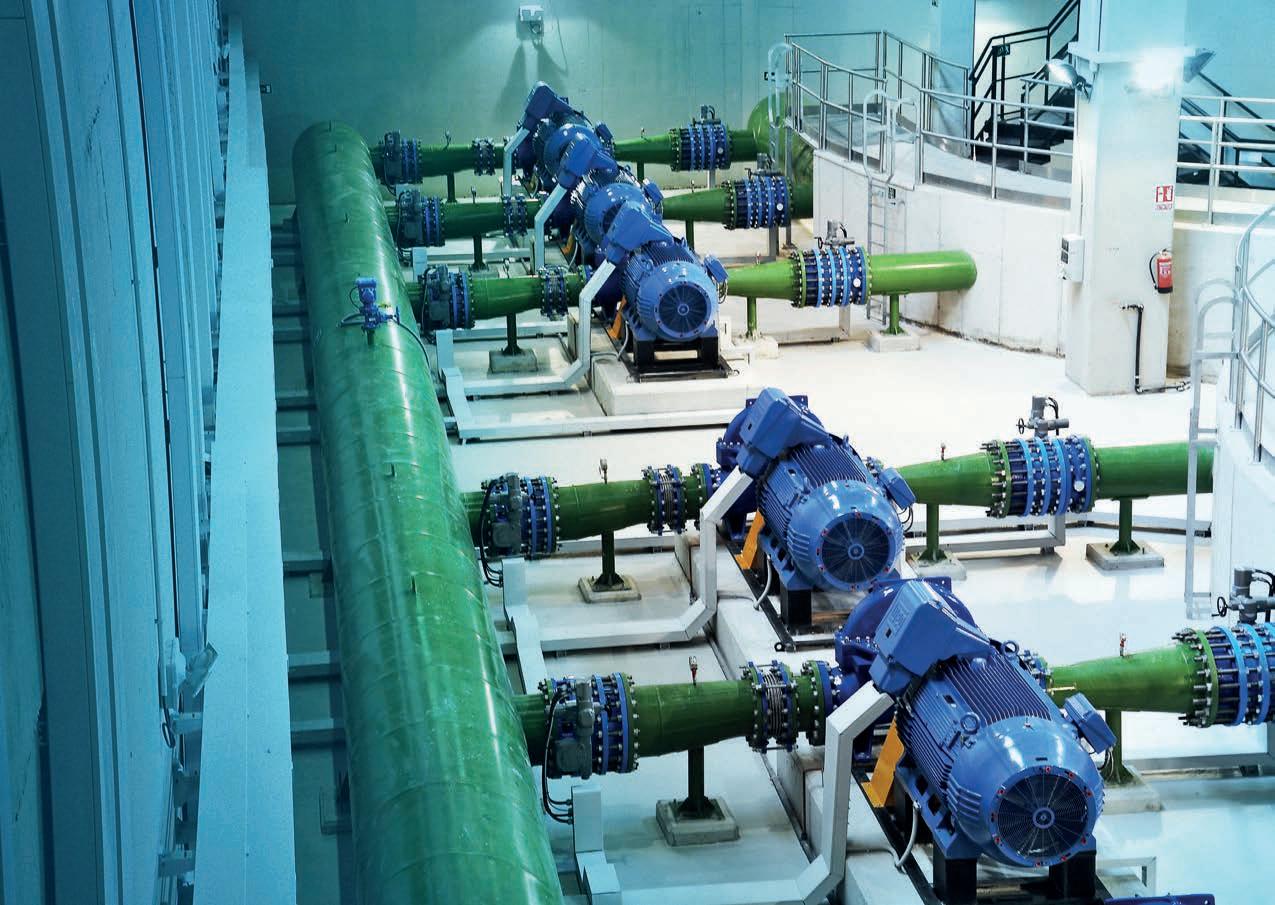
Many pump OEMs turn to WEG for their motor solutions. Why is this the case?
In industrial operations, a single motor failure can cascade quickly – halting production, triggering emergency callouts, and burning through margins in hours. It’s a risk most pump operators know well, and one that WEG has built its entire design philosophy around eliminating.
WEG is recognised for its commitment to innovation, investing in advanced materials, manufacturing techniques, and comprehensive research and development (R&D) to meet and exceed industry standards.
As industrial sectors evolve, WEG ensures that the latest motor technology reaches clients in diverse � elds such as water and wastewater, mining, oil and gas, food and beverage, and industrial automation.
WEG motors are engineered to excel under harsh conditions, thanks to a design philosophy that prioritises energy e�ciency, long operational lifespans, and reduced maintenance requirements.
“Best-in-class R&D ensures that every WEG motor meets the demands of industrial applications, o� ering a blend of performance and durability that is crucial for continuous operation,” WEG national product manager – industrial motors Sean Sill told Pump Industry
“By integrating state-of-the-art technology and addressing the
speci� c needs of various industrial environments, WEG motors deliver a level of quality that aligns with the high expectations of industry.”
In any industrial setting, even the smallest component failure can have signi� cant implications for operations, leading to costly downtime and delays.
WEG addresses this challenge by prioritising consistency in its design, engineering and manufacturing process. This is not just about maintaining high quality, but about ensuring each motor performs as expected throughout its lifecycle, giving WEG clients con� dence that they’re investing in products designed to deliver steady, dependable performance in demanding environments.
WEG’s commitment to reliability extends to its aftermarket service and support, where company experts aid customers at every stage of the motor lifecycle from selection and installation to maintenance and beyond. This holistic approach to quality and service stamps out motor failures, providing peace of mind and minimising the total cost of ownership.
“By consistently delivering motors that perform to the highest standards, WEG reinforces its reputation as a trusted partner in industrial automation,” Sill said.
As industries increasingly prioritise sustainability, WEG motors are designed to help businesses reduce their energy consumption without sacri� cing performance, contributing to a lower carbon footprint while also cutting operational costs.
This focus on sustainability is not just about meeting regulatory requirements; it is about enabling industries to operate more responsibly and e� ciently.
When it comes to powering industrial applications, reliability is non-negotiable.
“By combining advanced technology, rigorous testing, and tailored solutions, WEG stands out as a trusted partner for businesses seeking dependable motors to drive their operations,” Sill said.
“Our dedication to delivering top-tier electric motors ensures industries across Australia can count on consistent performance and long-term durability.”
With a commitment to quality, WEG continues to support the evolving needs of its clients, helping them achieve operational excellence and sustainable growth.
If you’re looking for reliable, highperformance motors for your industrial applications, contact WEG Australia to discover how our motors outrun, outlast and outplay the opposition every day.
For more information, visit weg.net
21-23 JULY 2026

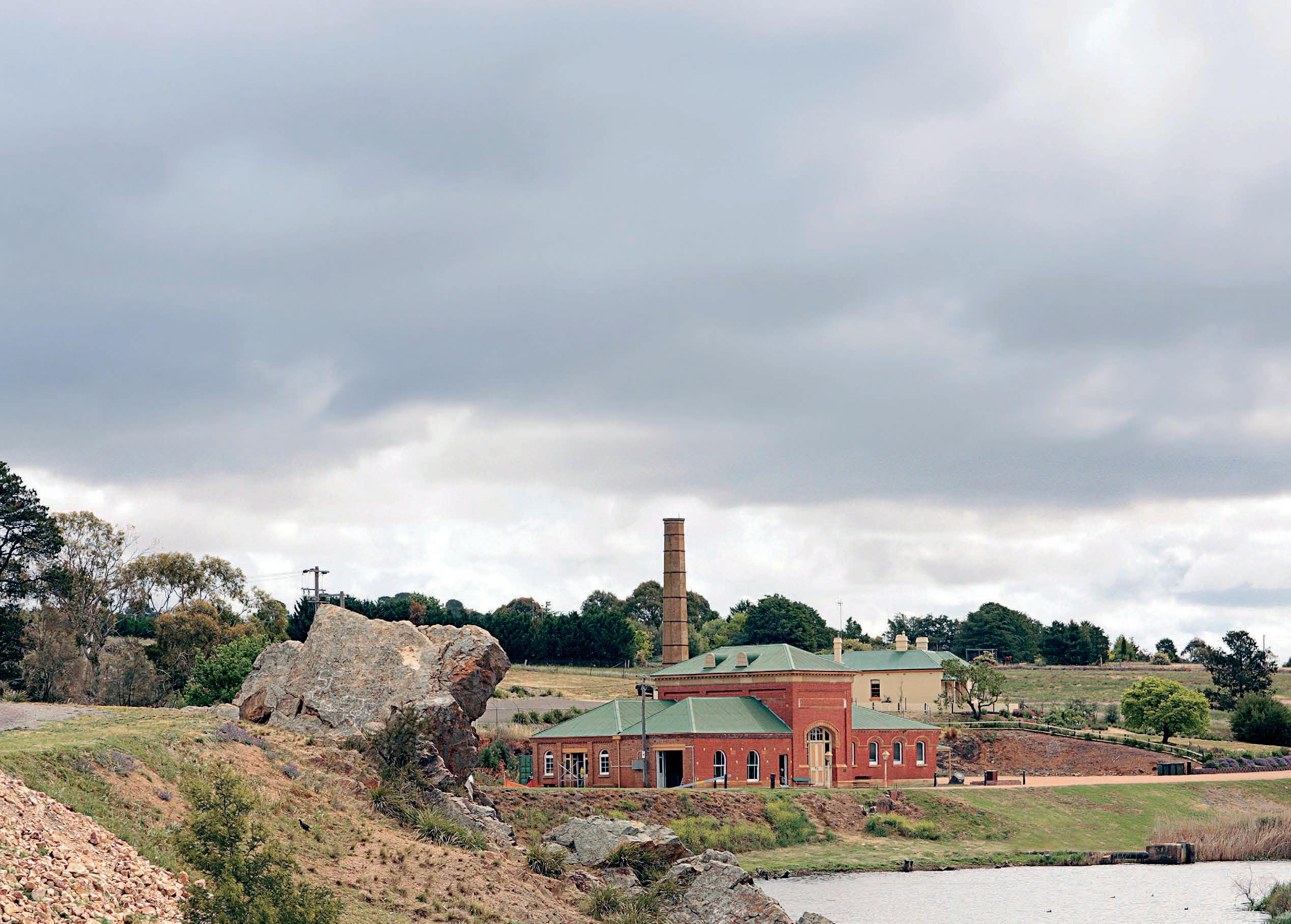
“Naturally, there was higher demand in the summer and less in the winter,” he said. “If it was raining a lot, people needed less water, but in the middle of a drought, demand was higher.
“The pump house could be pumping anywhere between 30 hours a week up to 80 hours a week depending on the demand at the time. The engineer got paid about 200 pounds a year plus accommodation.”
The pump station was in service from 1886 until 1977, with its � rst electric motors installed in 1918.
“The problem with installing electric motors was the electricity supply wasn’t reliable and there were some days where there was no power,” Mulquiney said. “The Appleby beam engine was kept on standby in situations when there was no electricity.”
Reliable electricity supply was sorted in 1918, with the Appleby beam engine decommissioned.
Fast-forward to 1956 and after decades of service, much-needed work was required to restore the facility.
“Bruce Macdonald – who was known in the rail industry for restoring steampowered trams – took an interest in the ageing engine,” Mulquiney said. “This came after the council engineer explained to him that this was the only surviving engine from the four original pump stations in regional NSW.
“Macdonald was afraid that if nothing was done, the engine would soon be sold o� for scrap metal.”
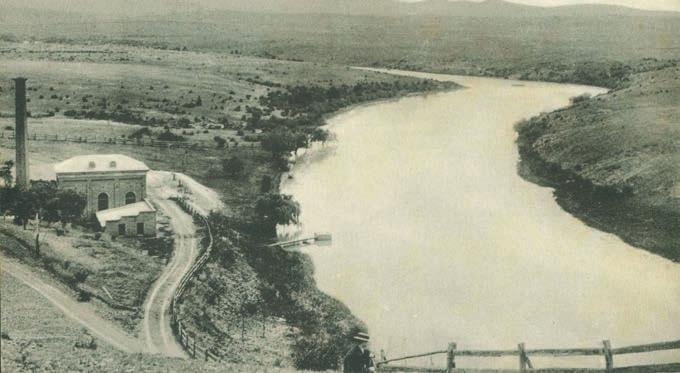
Macdonald would commute from Sydney to Goulburn on weekends to � x the engine, and in October 1958, the Appleby beam engine was demonstrated under steam for the � rst time in 40 years.
“The restored engine had a new lease on life, and to this day, it remains in remarkable condition for an engine that’s 140 years old,” Mulquiney said.
Macdonald moved to Goulburn with his family, and after accruing a large collection of steam machinery, the site’s � rst museum, The Museum of Historic Engines, was opened in 1970.
The Museum of Historic Engines became the Goulburn Steam Museum in 1974, which opened and closed on numerous occasions until the 1990s.
It wasn’t until 2000 that the site became the Goulburn Historic Waterworks it is today, backed by sustained input from Macdonald and his wife Dorothy (41 years after they � rst came to site to restore the Appleby engine).
The museum has been open and steaming regularly since 2000, with
� ve steaming days occurring in 2026 – in March, April, May, September and November.
The 19th century steam-powered pump station, including the Appleby beam engine, 1866 Hicks Hargreaves engine and Galloway boilers, are all turned on to make this happen.
“When we run it as a demonstration, the engine does about 12–14RPM (compared to its 18RPM working capacity), and the pump station only recirculates water as it’s disconnected,” Mulquiney said.
Mulquiney said the Goulburn Historic Waterworks attracts people from across Australia and beyond.
“We get international visitors from the UK, Canada, US, Europe, Asia and beyond, while many people travel from interstate for our steaming days,” he said. “The pump house tells a thousand stories, so I’m sure the museum will remain a key tourist attraction for years to come.”
To learn more, visit goulburnwaterworks.com.au
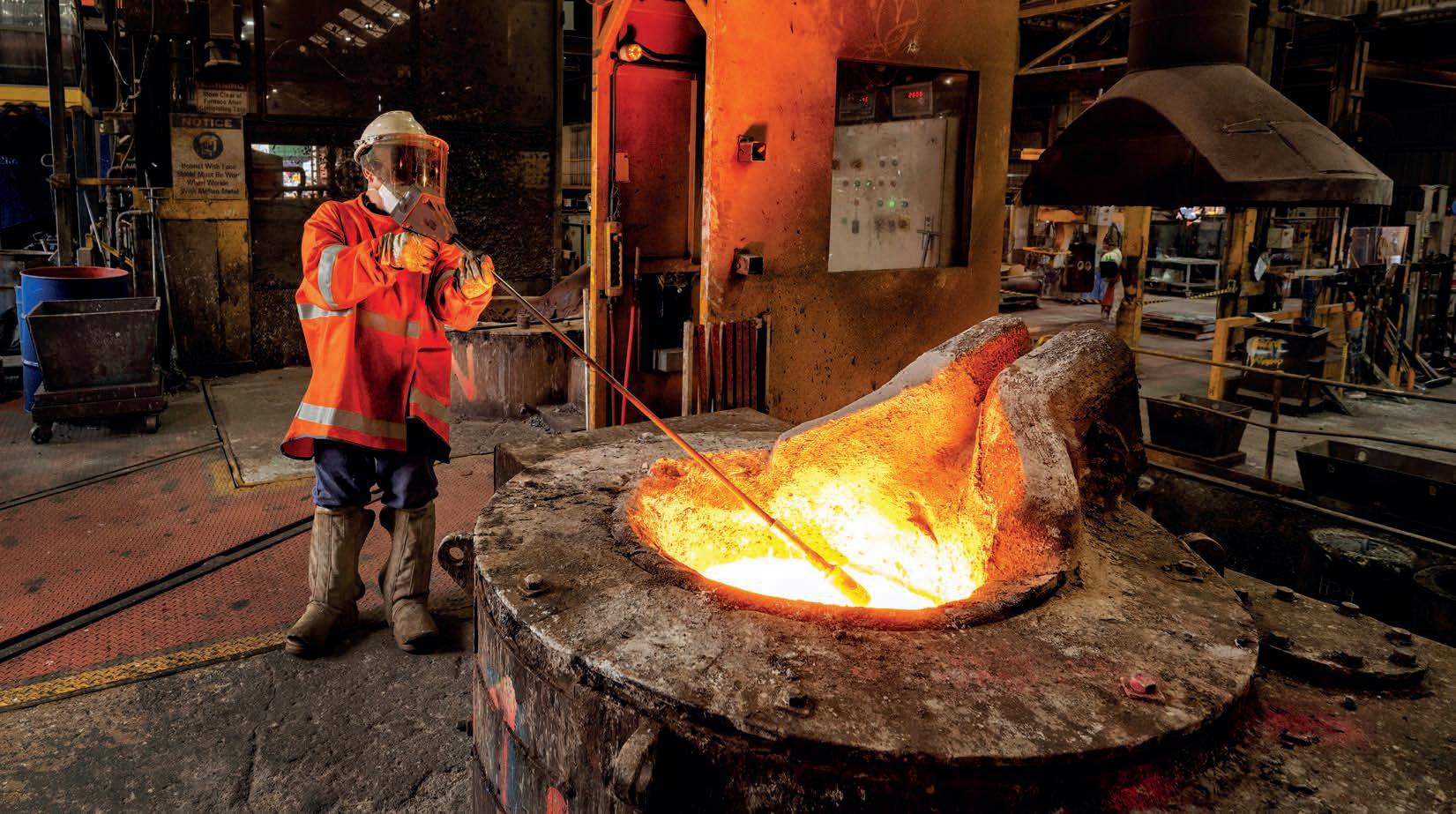
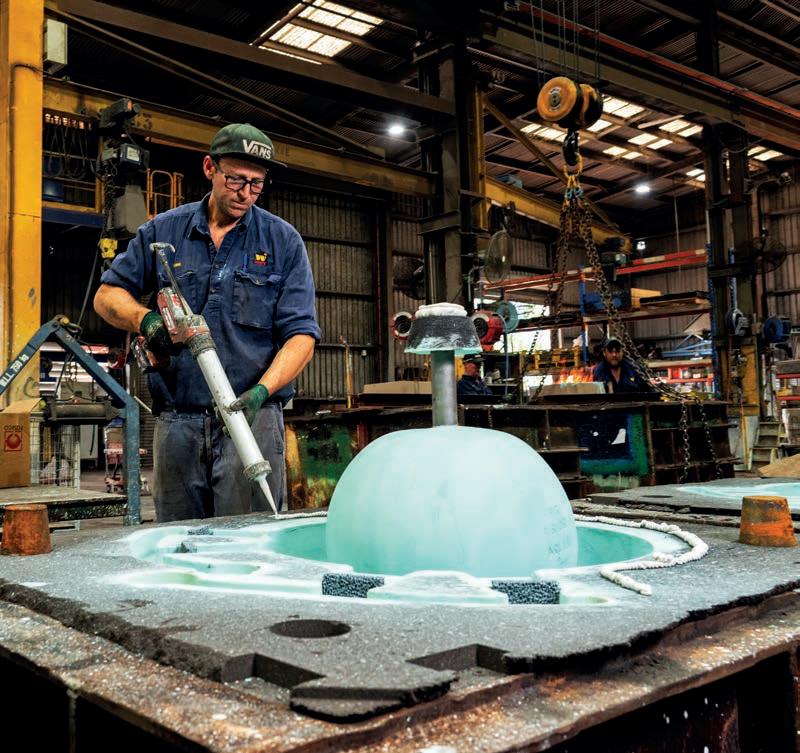
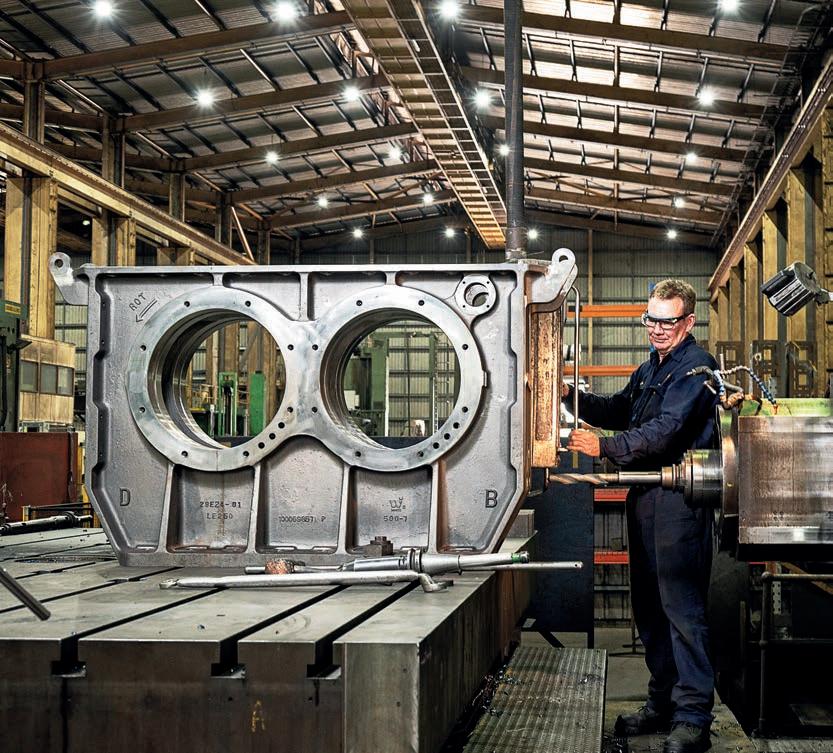
As global supply chain uncertainty grows, White Industries is helping pump OEMs secure reliable, locally manufactured castings.
As a recognised ISO-quality endorsed supplier that has proudly been in business for over 65 years, White Industries manufactures to order coste� ective ferrous and non-ferrous castings at its two manufacturing facilities in Dalby and Ipswich, Queensland.
The castings are available in standard alloys and a diverse range of materials such as stainless steel, manganese steel, low alloy steel, ductile iron, grey cast iron, copper, nickel, gunmetal and aluminium. The Dalby facility can lip pour and bottom pour up to 6.5 tonnes (t), boasting several induction furnaces to suit a range of individual castings and batch sizes comprising 1 x 3t, 2 x 2t, 1 x 750kg and 1 x 40kg units.
For medium- and low-volume products, White Industries customers can rely on dependable supply with intellectual property (IP) integrity, supporting local stockholding needs, lower minimum order quantities and faster turnarounds than overseas supply chains.
In recent times, global supply chains have been further disrupted by rising energy costs, transport uncertainty and the US introducing tari� s on steel and aluminium imports, against a backdrop of � uctuating exchange rates. This is creating greater pricing uncertainty, volatile transport costs and availability and inconsistent imported foundry quality and lead times.
Acquiring its Ipswich site four years ago, White Industries had the opportunity to expand its supply of quality castings from small critical componentry to larger, complex and customised castings the Australian pump market demands.
This facility is supported by 5t and a 2.5t induction furnaces and can lip pour up to 22t and bottom pour up to 12t. Dalby and Ipswich both o� er in-house � nish machining capabilities if required.
When fast turnaround is needed for small volume runs, White Industries has invested in an in-house 3D pattern printing process that can quickly produce a single-use prototype pattern from a customer sample or data � le, which is then provided to the customer for tolerance speci� cation and sign o�.
Once approved, this � le is then printed on a 3D resin printer to manufacture a single-use pattern. This is ideal for one-o� prototypes, and has been well utilised for replicating unique breakdown or superceded components that require urgent deployment.
White Industries’ ability to supply diverse size and alloyed products locally to stand up to the toughest conditions and meet stringent global customer quality standards is well-recognised. This is underpinned by the company’s belief in ongoing cast product performance quality and tailored alloy options, which drive fastresponse, in-country supply and on-site technical support.
As a result, there’s been a surge in pump and mining original equipment manufacturers (OEMs) onshoring parts of their casting requirements for supply surety, faster response times and greater IP protections. White Industries has satis� ed this demand, providing local supply consistency and global certi� cation to become a trusted long-term partner in the Australian mining, power generation and agricultural markets.
But the company isn’t stopping there, with White Industries looking to further expand its proven qualities in pump markets, particularly in defence, mining and energy infrastructure sectors, and grow its delivery footprint across Australia.
To enable this, White Industries is continuing to invest in its facilities and workforce, while helping its customers grow their businesses through longterm partnerships.
“Understanding customer needs and tailoring White Industries o� erings for quality and IP protection are critical to supporting our valued customer base,” White Industries business development manager Geo� Lee told Pump Industry
“By boosting Australian pump OEM partnerships and expanding our defence force supply, White Industries is driving long-term supply surety for our customers and all the local families it supports.”
For more information, visit whiteindustries.com.au
Ron Astall of United Pumps asks whether Bernoulli’s principle is dead or alive in pumping applications.
Why and when do I need to add velocity head into my calculations? Should I include velocity head in my NASHa* (net absolute suction head) calculations.
Bernoulli’s principle, based on conservation of energy, states that when the speed of a � uid increases, its pressure decreases.
The total available � uid energy in a � owing stream at a particular location is the sum of the pressure energy, potential energy and kinetic energy.
Bernoulli’s principle is based on the sound premise that the total energy in a � uid streamline remains constant excluding losses (see � gure 2).
The total available � uid energy at location 1 and 2 will be the same except for the friction losses between those points. If location 2 is at the lower level, the potential energy component will be less, and the pressure reading at this location will be higher by the level di� erence.
This is obvious in any hydraulic circuit. What is less obvious is that if there are changes in pipe cross-sectional area between points 1 and 2, the revised � uid velocities will create a corresponding change in the kinetic energy component. This will also cause a corresponding change in the pressure readings between the two points.
Why do pressure gauges lie?
They don’t, but they only measure the pressure component of the total available � uid energy. Pressure gauges understate the total head because they do not include the velocity head (kinetic energy) component of the total available � uid energy. This is why all recognised pump test codes speci� cally include velocity head corrections for all pressure measurements.
Where there are high local velocities, the velocity head correction can be very signi� cant indeed.
In � gure 3 on page 51, the mean � uid velocity in the 52.5mm bore pipe at a � ow of 60m³/h is 7.7m/s, and the corresponding velocity head is 3.02m, a signi� cant error if ignored.
Only recently, a colleague was troubleshooting a pump that was
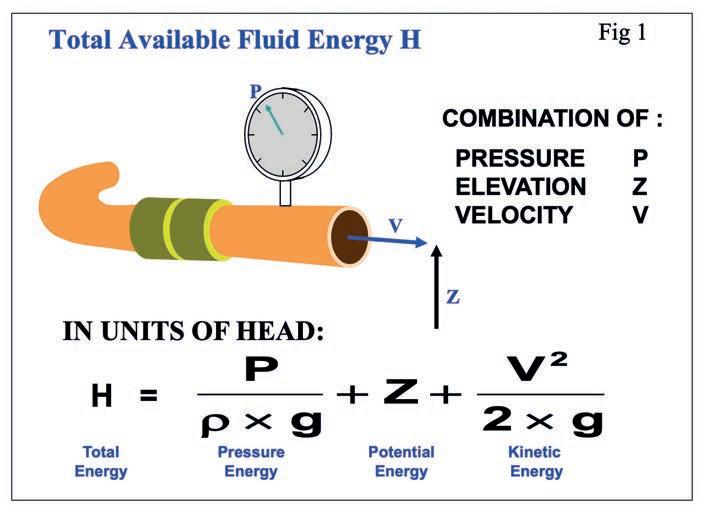
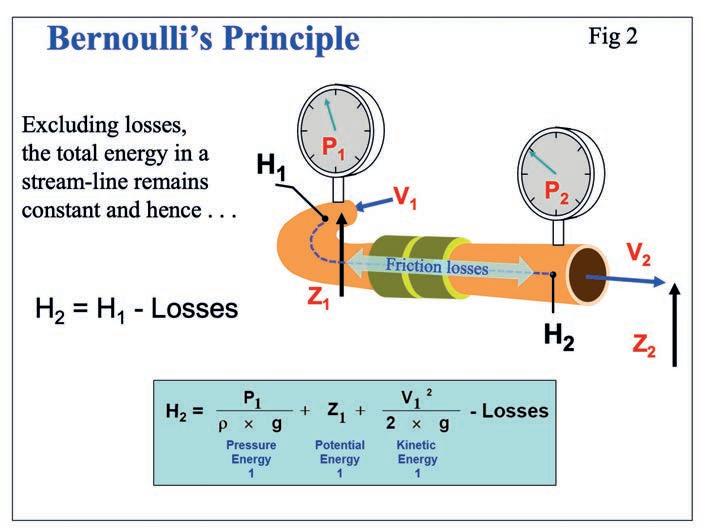
“down in head” based on the client’s pressure readings, only to � nd that with its very small nozzle sizes and high � ow, the velocity head correction was around 11m. When this correction was included, the performance was considered ok.
Perhaps they should have measured the pressure further downstream where the piping was much larger. Nevertheless, velocity head correction ought to always be considered. If the inlet and outlet pressure measurement points are located in the same pipe
diameter, the corrections will cancel out, but while net di� erential will be correct, the absolute values will still be wrong.
Suction performance – NASH testing NASH (previously known as NPSH) measurements will always be incorrect if velocity head corrections are not applied to the gauge readings.
In � gure 3, the ISO 9906 formula for H1 speci� cally includes the velocity head component when calculating the available NASH, after converting gauge pressures to absolute values. This means that pump NPSH/NASH curves, based on performance testing to a recognised code, will have been created based on the total available � uid energy at the pump inlet and hence the NPSH curve will include velocity head.
One example of the importance of including velocity head correction in suction-head measurements is the scenario of high-suction velocities in test loop inlet piping. We have sometimes been able to test down to a theoretically impossible “zero” NASH, based on gauge readings alone.
In these unusual circumstances, the velocity head at the inlet pressure gauge can be around 2m and when added to the gauge reading, a sensible answer is then obtained.
Conclusions
The total available � uid energy in a � owing stream at a particular location is the sum of the pressure energy, potential energy and its kinetic energy. If we are to correctly measure pump performance, we need to always include the kinetic energy component, more commonly known as the velocity head on to our pressure readings.
When assessing NASH, the total energy available must be included, which means that any NASH calculation must include the velocity head.
Where the inlet total head is assessed theoretically, as when using levels and pipe friction loss calculations from a known point in the system, the velocity head is inherent in the calculation and does not need to be added again.
When the inlet total head is arrived at by a direct pressure measurement, then velocity head must be added to the gauge reading.
* NASH is used instead of NPSH throughout this article, following on from the previous Pump Curves instalment in the Summer 2025/26 edition of Pump Industry titled, NPSH, that well-known misprint.
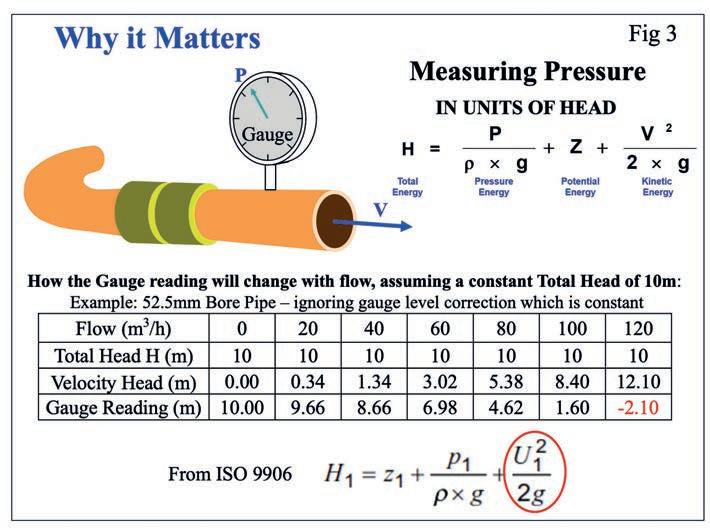
3: Illustrating the significance of velocity head and how it increases at higher flow rates.
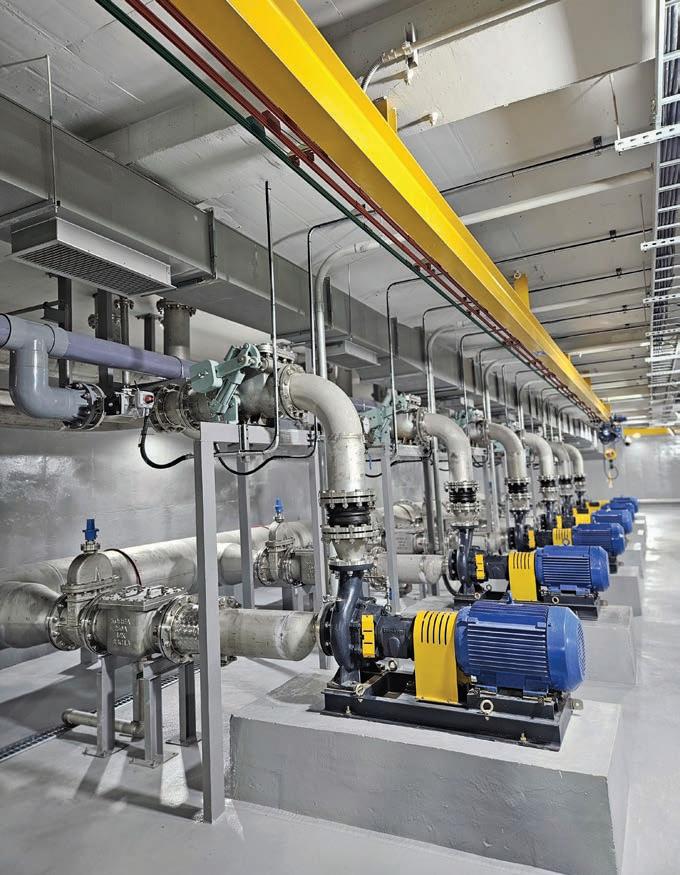
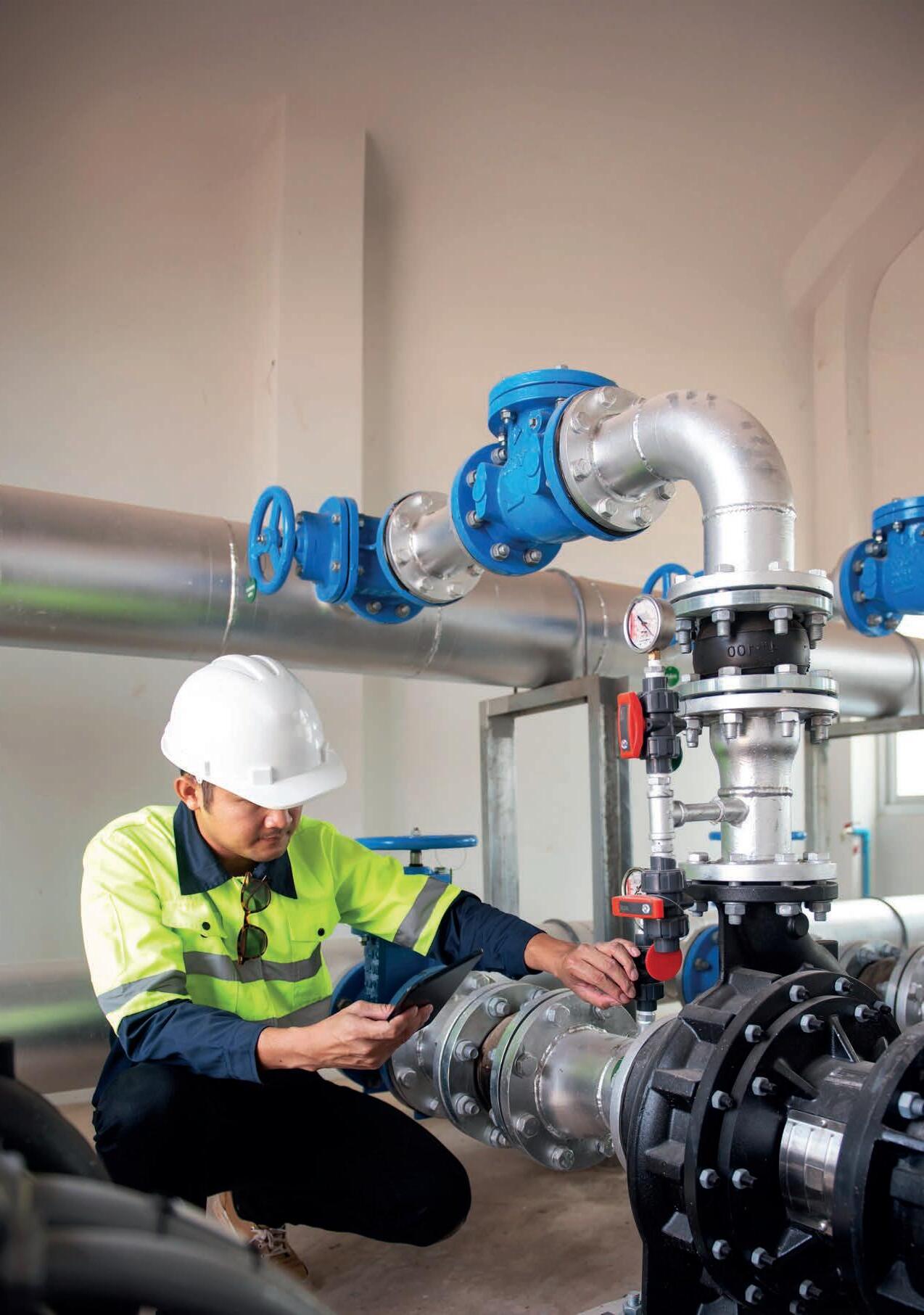
The previous chapter of Pump Industry Australia’s (PIA) Pump Technical Handbook established how to prepare a centrifugal pump for commissioning. This instalment will discuss the commissioning run. Assuming the pump has been started and is running under full load, the commissioning run takes place as follows:
1. When the pump discharge valve is fully open, record the following:
a. Suction and discharge pressures
b. Motor current and voltage
c. Flow rate (if practical).
2. Observe stu� ng box for leakage. If a mechanical seal is � tted, there will be no observable leakage. If a packed gland is � tted, a small amount of leakage is necessary and the gland bolts must be tightened, slowly, until the leakage rate is one drop per minute. Note: over-tightening the gland bolts will result in no packing lubrication and will burn the packing and damage the shaft or sleeve. If steam is observed, back o� the gland bolts immediately.
3. Observe the pump suction gauge to con� rm the expected suction conditions are being met.
4. When the pump set has run up to speed and settled into smooth operation, monitor and record the following:
a. Pump suction and discharge pressures
b. Pump � ow, if practical
c. Pump bearing temperatures
d. Pump vibration levels
e. Pump gland leakage.
Note: The above readings should be taken every 10 minutes for the � rst 30 minutes and at 30 minute intervals thereafter.
5. The following should be monitored and recorded for the electric motor:
a. Motor amps
b. Motor volts
c. Motor temperature
d. Motor bearing temperatures
e. Vibration levels as per the pump data above.
Note: These readings should be taken at the same time intervals as for the pump readings.
6. If the discharge outlet can be seen, check the � ow. This can be done by following instructions in Section 2.13 of PIA’s Australian Pipe Friction Handbook.
7. After a two-hour run, shut the pump down and close the pump discharge valve immediately prior to stopping the pump.
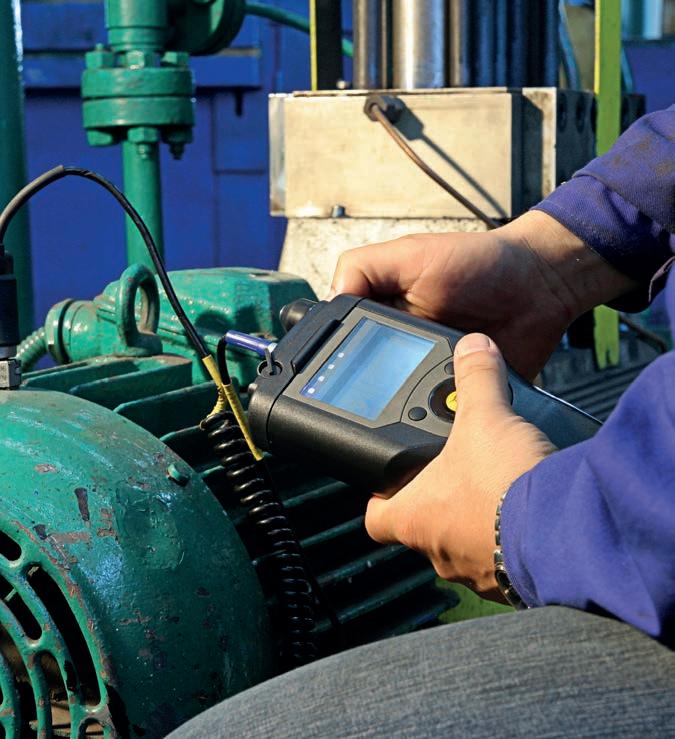
Electric pump set
When a control panel is supplied with the system, check:
1. That both visual and audible alarms and indicators have been activated
2. After the pump has stopped, that the alarms and indicators, both audible and visual, revert to standby status.
Diesel pump set
For a diesel-driven pump, the following is necessary:
1. For radiator water-cooled engines, check the fan is rotating and fan belts are intact.
2. For heat exchange cooled engines, check the raw water � ow and engine cooling water is topped up.
3. Monitor and record the following every 10 minutes for the � rst 30 minutes and at 30-minute intervals thereafter:
a. Engine temperature
b. Lubricating oil pressure and temperature
c. Cooling water temperature
d. Fuel supply
e. Heat exchanger engines, check raw-water cooling � ow and outlet temperature.
Note: the engine temperature and oil temperature and pressure should be within the engine manufacturers recommended limits.
If the unit is a positive displacement pump, � tted with a pressure relief valve,
close the pump discharge valve while the pump is running and ensure the relief valve lifts and bypasses liquid at the correct pressure setting.
Great care must be taken to ensure the pump valve is reopened quickly if the relief valve does not open at the set pressure, as extreme pressures can damage the pump and system pipework.
As the pump-set commissioning run proceeds, an evaluation of the results can be made. For this, a copy of the pump characteristic or performance test curve is required.
This evaluation is required to ensure that the pump is performing optimally and that it is running close to its speci� ed duty.
Note the following:
• The commissioning run is not a pump performance test. The commercial instrumentation used on-site does not have the accuracy for exact testing.
• Standard pump industry units have been used for the readings taken during commissioning i.e. l/ sec and kPa. For conversion units, refer to chapter 21 of the PIA Pump Technical Handbook.
The pump set has now been given a run with the necessary results recorded. This now allows us to evaluate pump-set performance, which will be covered in the next chapter.
From the Northern Territory to Tasmania, pump infrastructure projects are actively under construction right across the country.
In the � rst instalment of Project Watch, Pump Industry outlines � ve notable projects pump industry professionals should be across.
Alkimos desalination plant –Western Australia
Construction is well advanced on Australia’s next major desalination facility at Alkimos, north of Perth. Marine piling works continued through to March to support the installation of intake and outfall structures, while above-ground structural, mechanical and piping works are progressing on-site.
The project includes a 33.5km trunk main pipeline connecting the plant to Wanneroo reservoir, with each 12m section of pipe expected to last around 120 years. In June 2025, Torishima received an order to supply 36 pumps to the plant. First water production is targeted for 2028.
Nyngan–Hermidale pump station upgrades – New South Wales
Construction is underway on new pump stations at Nyngan and Hermidale, bringing much-needed water security for Cobar – one of few NSW towns without its own water source.
The $49 million project, jointly funded by the Federal and NSW Governments, is being delivered by SRG Global Utilities, with the new facilities to incorporate the latest remote monitoring technology to boost operator safety and mitigate downtime. Completion is expected by mid-2027.
Manton Dam return to service –Northern Territory
To support water security in the Top End, Power and Water Corporation is working to bring the historic Manton Dam back online more than 80 years since it served
as an important asset during World War II.
A new pump station has been constructed at Manton Dam to support this, while the 50-year-old Darwin River Dam pump station is also being upgraded. Works also include a pipeline connecting Manton Dam with the new Strauss water treatment plant.
Commissioning of the Manton Dam facilities is expected to commence by mid-2026. Once back online, Manton Dam will provide a further 7300 megalitres of water per year to the Darwin region.
Selfs Point sewer transformation – Tasmania
Described as Tasmania’s largest ever sewerage infrastructure investment, the $314 million Selfs Point project recently reached the halfway milestone in building the state’s largest pump station at Macquarie Point.
The facility will redirect sewage via a 4.3-kilometre transfer pipeline to an upgraded treatment plant at Selfs Point, allowing the existing Macquarie Point treatment plant to be decommissioned. The project is due for completion in late 2026.
Coliban Water water and sewer upgrades – Victoria
Coliban Water is refurbishing a suite of pump stations across its catchment in central and northern Victoria, as part of its Water and Sewer Network Program spanning at least 10 years.
Works are being carried out at Kyneton’s Je� rey Street sewer pump station in 2026, including a new pump, generator and underground storage tanks, while Junortoun’s O’Keefe Rail Trail sewer pump station will be � tted with a new power supply and switchboard, among other upgrades.
Other works include refurbishments to the Ellesmere Place and Chisholm Avenue sewer pump stations in Malmsbury, both set to commence in 2027.
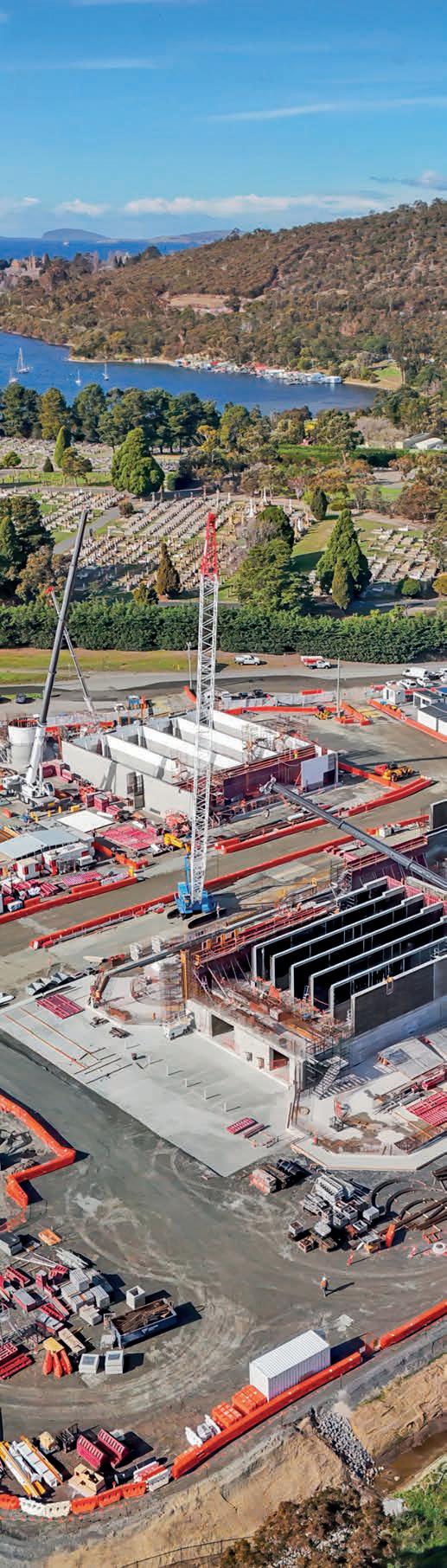
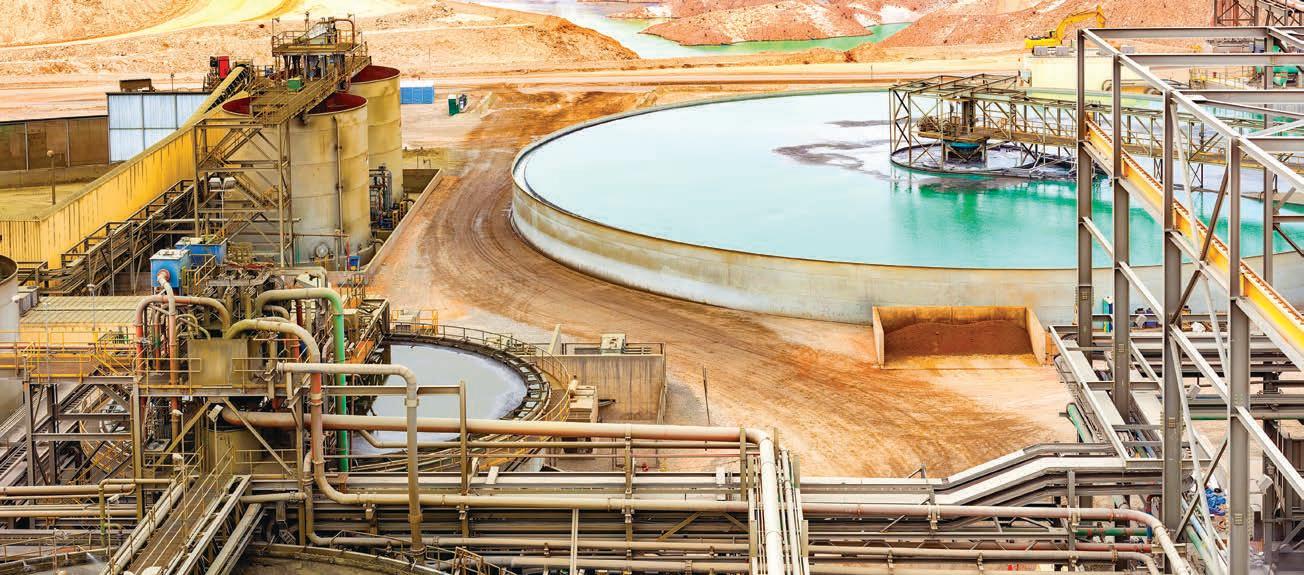
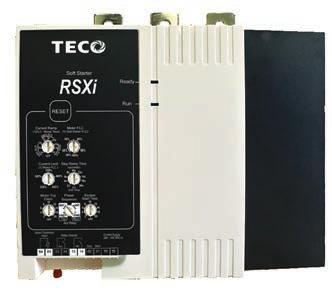
Controlled motor acceleration and deceleration improves stability in pumping installations and water infrastructure systems.
Controlled motor acceleration and deceleration helps minimise hydraulic shock while improving operational stability in pumping installations. TECO soft starters provide controlled motor starting and stopping solutions designed for irrigation systems, water infrastructure and industrial pumping applications.
• TECO RSXi (18–200 A): Compact soft starter for general motor starting applications.
• TECO TSXi (24–1250 A): Industrial soft starter platform with adaptive acceleration, braking capability and diagnostic monitoring and fieldbus communication options (some with Ground Fault Detection as standard).
• TECO TSXi-1200V (202–1092 A): Engineered solution for controlled starting of high-power motors operating at 1000VAC.
Find the right soft starter for your application. Scan the QR code for further information.