


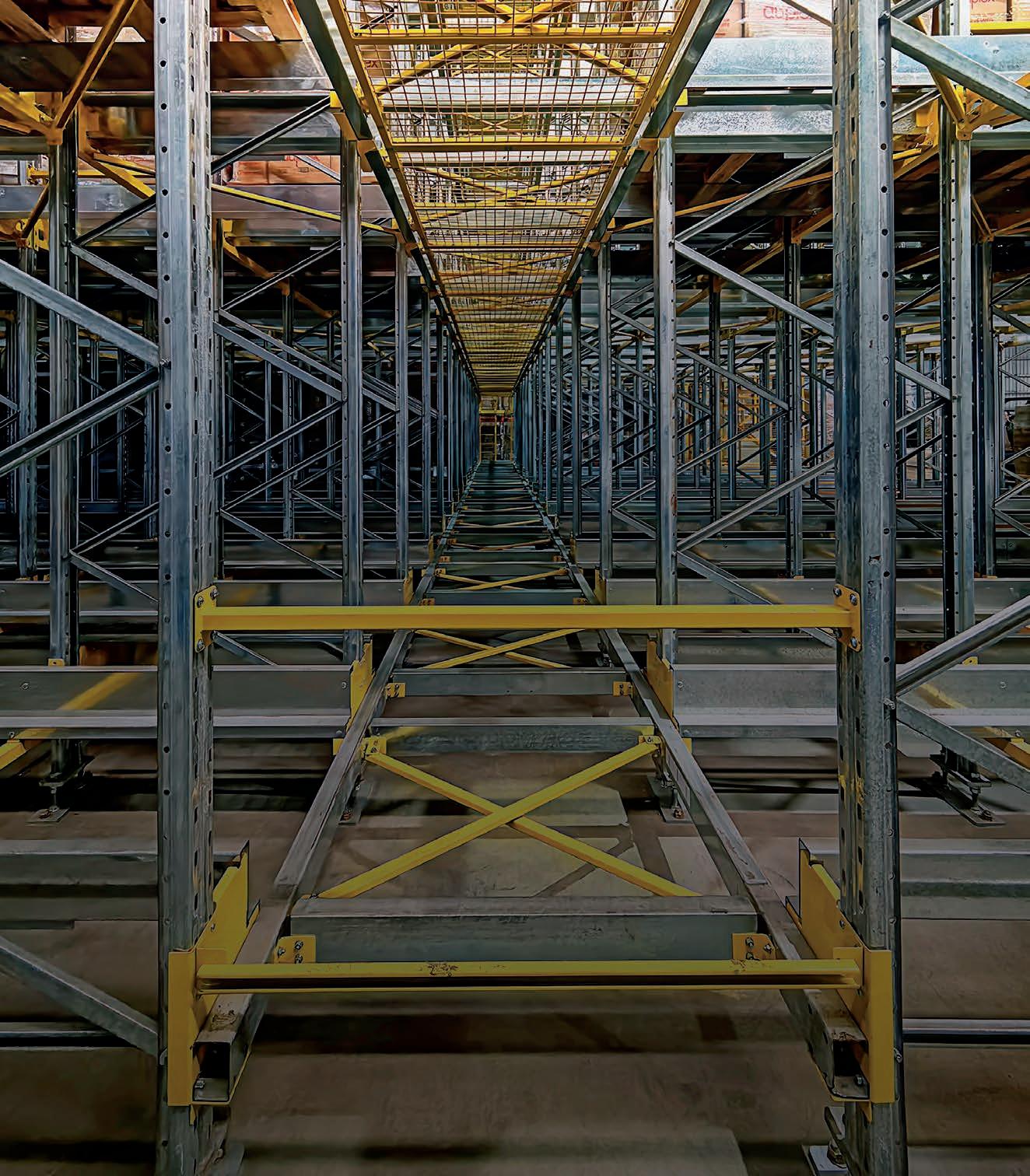

BHD reflects on business growth throughout 2025


Swisslog boosts food supply chains with SynQ SMARTER FOOD AUTOMATION

Argon & Co unpacks the 3PL approach DE-RISKING WAREHOUSE AUTOMATION

























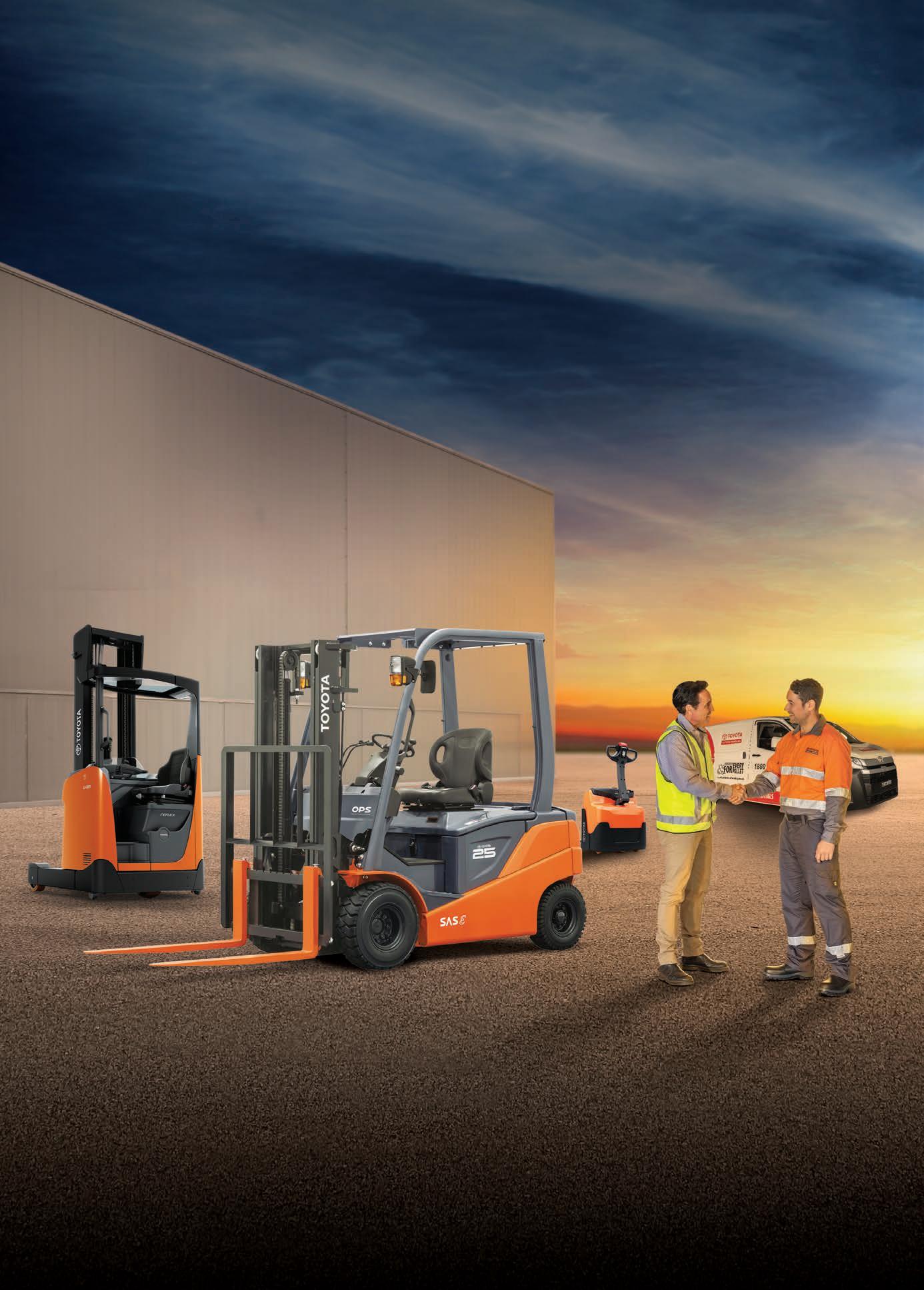
As Australia’s leading forklift company, it doesn’t matter whether we are supplying you with a single spare part, a rental forklift, or helping you manage your entire eet, our objective and commitment remain the same – adding value to your operation. Whether it's the legendary reliability and world leading safety of our Toyota forklifts, the ongoing support of one of Australia’s most dedicated service and parts networks, or the innovations that have made Toyota the World’s number one forklift brand* , you can be assured we’ve got all your needs covered to power your business forward. To nd out more contact your local Toyota Material Handling branch today.
SUPPLY CHAIN
28 tuse owers ront ine ogistics te sthroughuni e obi it 33 i otecstrengthensre enue rotectionwithhigh s ee D
MATERIAL HANDLING
18 o ot st n r isesfleetn tion or D






22 rgon o ies isci ine 25 wiss og e i erssc b e uto tion or oo ogistics
30 B ob ustr i bri ges hinese uto tionwith oc co i nce
ASSOCIATIONS, EVENTS, AND REGULARS 06 s etter
n ustr ews
B 202
eg r ns202
eo eonthe o e
ro uct howc se





SPECIAL FEATURES 36 n ustr res on s to c shr teincre se
essons ro en ec osure
hegrowtho us geinret i
ust in b e rehouse o u n oo worths
BHD reflects on its evolution from cantilever racking specialist into a global supplier, supporting automation-ready warehouse infrastructure through engineering, scale, and vertical integration.
MHD Supply Chain Solutions is published by Prime Creative Media
379 Docklands Drive, Docklands VIC 3008
Telephone: (+61) 03 9690 8766
Website: www.primecreative.com.au
THE TEAM
Chairman: John Murphy
CEO: Christine Clancy
Managing Editor: Mike Wheeler
Editor: Phillip Hazell
Business Development Manager: William Jenkin
Design Production Manager: Michelle Weston
Art Director: Blake Storey
Graphic Designers: Danielle Harris, Jacqueline Buckmaster
Client Success Manager: Caitlin Pillay
FOR ADVERTISING OPTIONS
Contact: William Jenkin
william.jenkin@primecreative.com.au
SUBSCRIBE
Australian Subscription Rates (inc GST) 1yr (11 issues) for $99.00 2yrs (22 issues) for $179.00
To subscribe and to view other overseas rates visit: www.mhdsupplychain.com.au or Email: subscriptions@primecreative.com.au
ACKNOWLEDGEMENT
MHD Supply Chain Solutions magazine is recognised by the Australian Supply Chain Institute, the Chartered Institute of Logistics and Transport Australia, the Supply Chain and Logistics Association of Australia and the Singapore Logistics and Supply Chain Management Society.



All material in MHD is copyright and no part may be reproduced or copied in any form or by any means (graphic, electronic or mechanical including information and retrieval systems) without written permission of the publisher. The Editor welcomes contributions but reserves the right to accept or reject any material. While every effort has been made to ensure the accuracy of information Prime Creative Media will not accept responsibility for errors or omissions or for any consequences arising from reliance on information published. The opinions expressed in MHD are not necessarily the opinions of, or endorsed by the publisher unless otherwise stated.
There’s a quiet shift happening across Australia’s supply chain landscape, and it’s not being driven by one technology, one investment, or one bold government announcement. It’s being driven by a growing acceptance that logistics is no longer just an operational necessity, it’s becoming national infrastructure.

Across this issue, we see the story of Australian logistics unfolding through land, ports, cold chain capacity, and the steady expansion of warehouse networks that are being built to support the next few decades, not just the next few quarters.
In Victoria, C Capital’s acquisition of a 507-hectare landholding in Beveridge is one of the clearest signs yet that freight-linked investment is becoming a long-term play for institutional capital. Developments like these are not simply about warehousing, they are about building future freight ecosystems that align with projects like Inland Rail and the Northern Freight Precinct.
Meanwhile, Western Sydney continues to cement itself as the beating heart of New South Wales’ industrial growth story. With the overwhelming majority of Greater Sydney’s undeveloped employment land sitting in the region, the conversation is no longer about whether Western Sydney will grow, but whether the infrastructure can keep up. The airport, the Aerotropolis, the development pipeline, all of it points to a region reshaping how freight moves across the state.
That same momentum is reflected in this issue’s Most Sustainable Warehouse Feature, Woolworths’ Moorebank Logistics Precinct, a project that represents not only scale, but a clearer vision of what modern distribution centres are expected to deliver. Automation, rail integration, sustainability targets, and a genuine focus on resilience are no longer “nice-to-haves”, they are baseline expectations.
And it’s not just ambient goods driving investment. Queensland’s largest speculative cold storage facility at Brisbane’s TradeCoast is another reminder that cold chain infrastructure is rapidly becoming a competitive differentiator, particularly as demand grows across food and pharmaceutical supply chains.
From ports planning thirty years ahead, to operators building smarter distribution hubs today, the message is clear. Australia is preparing for a future where logistics is not hidden in the background, but recognised as one of the most critical foundations of economic growth.
And the industry is moving faster than ever.

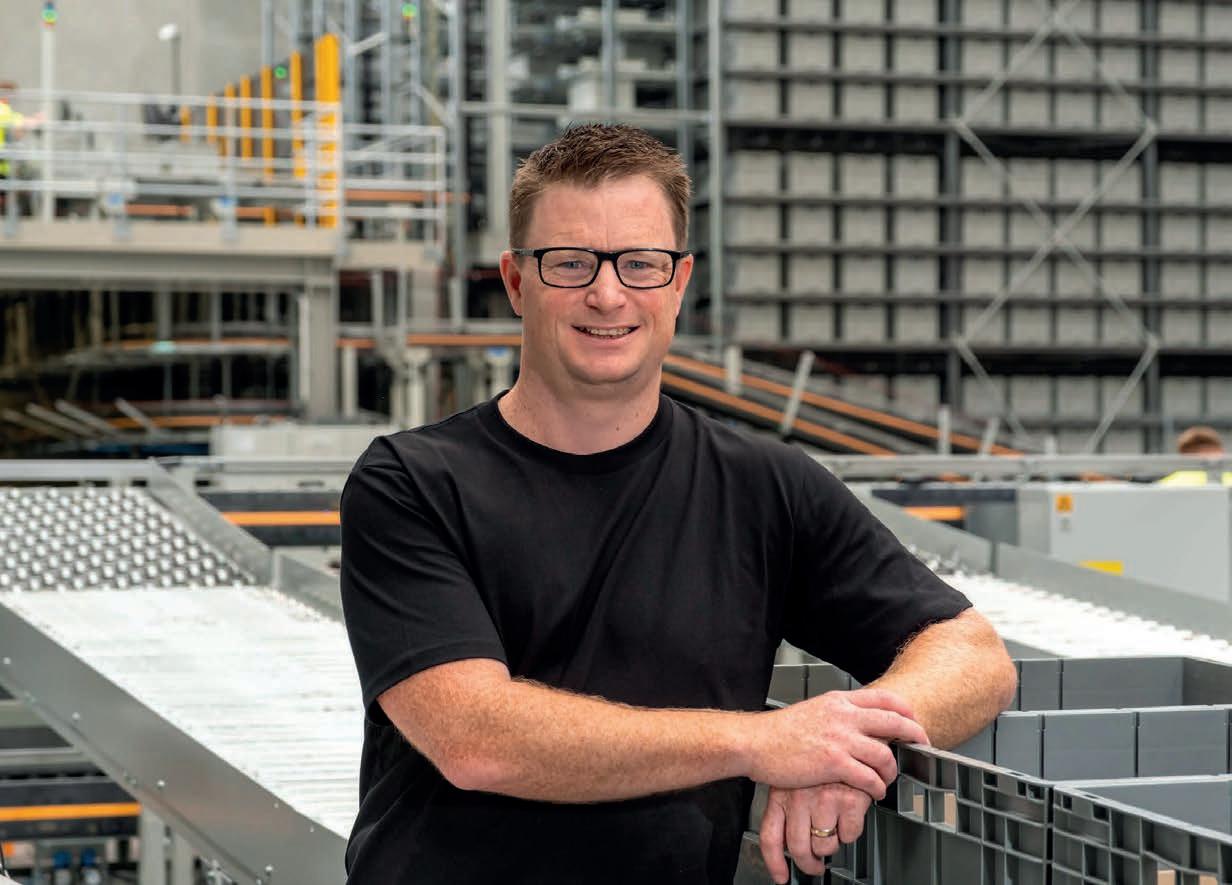
Justin Carnaby Head of Logistics, AS Colour

When AS Colour started out, the trend was for tight tees and baggy pants. But while clothing fashion trends come and go, the trend that doesn’t change is that customers want their orders delivered on time and accurately.
Dematic’s Multishuttle Goods-to-Person (GTP) ful lment system enables AS Colour to process orders with higher productivity, faster and with increased accuracy, down to the sequence of items in the package.
As a result, AS Colour has seen a big increase in sales as customers see how fast and accurately their orders reach them.
Learn more at dematic.com/as-colour




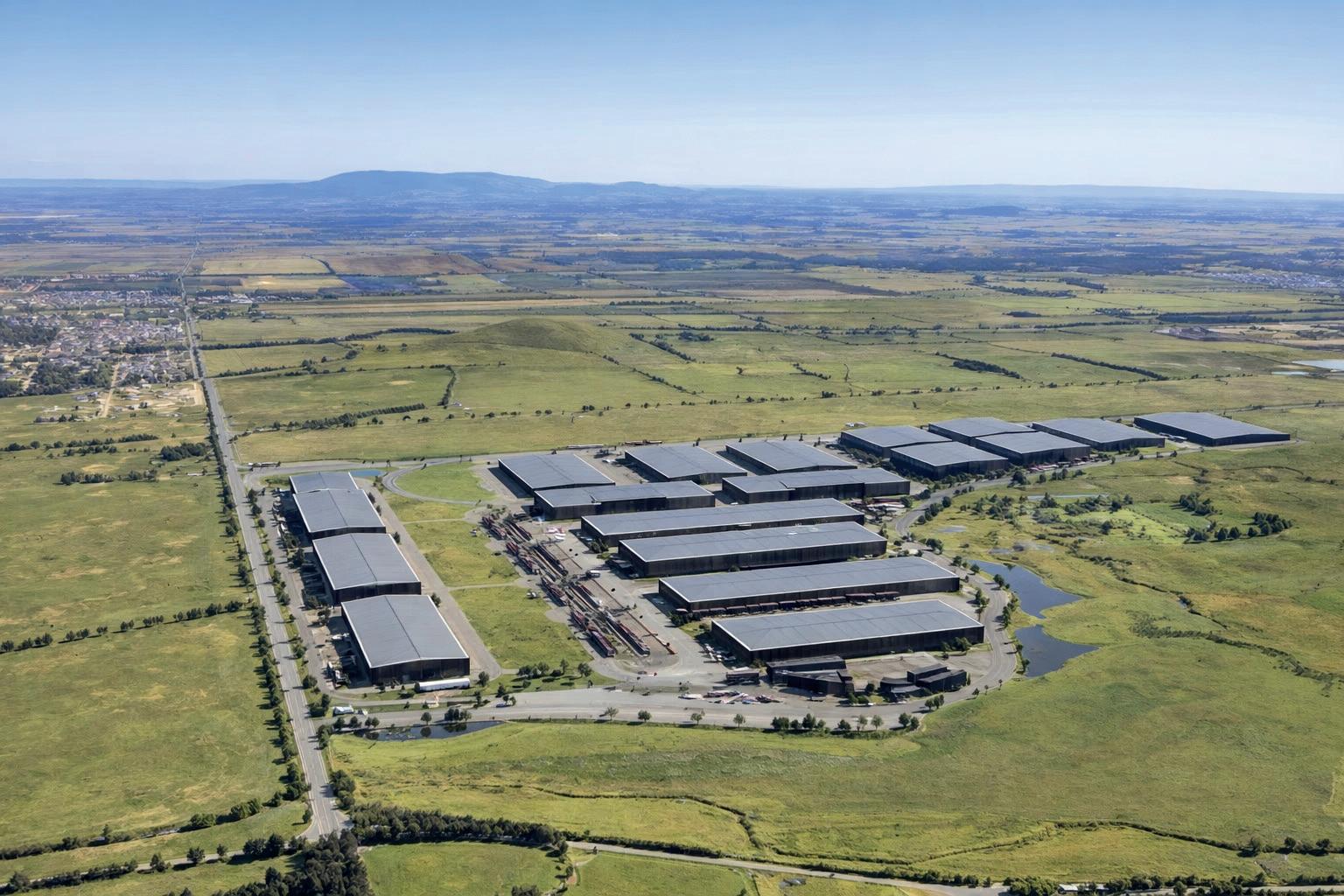
CCapital has announced the acquisition of a 507-hectare strategic landholding in Victoria, marking a major logistics and freight-linked investment within the state’s Northern Freight Precinct.
The landholding is located in Beveridge, one of Victoria’s key connections to the Inland Rail project, and is positioned to support future freight, logistics, industrial and data centre development. The Northern Freight Precinct has been identified as a long-term hub for freight and industrial activity supporting metropolitan Melbourne and interstate supply chains.
C Capital, an APAC private asset manager, has appointed Lendlease as Master Development Partner for the project. Lendlease will act on behalf
of C Capital to progress rezoning and infrastructure enablement to support staged development over time.
Upon completion, the developed land is expected to have an estimated end value of approximately A$4.5 billion, spanning logistics, industrial and data centre assets.
Ben Cheng, CEO of C Capital, says the investment reflects the firm’s longterm focus on infrastructure-linked assets in Australia.
“This investment reflects C Capital’s long-term conviction in Australia as a core market within our pan-Asia strategy,” Cheng says. “As we continue to build a diversified private markets platform, we are focused on deploying patient capital into assets aligned with long-term economic and infrastructure growth.”
Seil Kim, Partner and Co-Head of Australia at C Capital, says the scale and location of the Beveridge site were central to the investment.
“The scale and strategic location of the Beveridge site provide a rare opportunity to develop infrastructure-linked assets at institutional scale,” Kim says. “Working with Lendlease as Master Development Partner positions us well to progress rezoning and unlock long-term value through disciplined execution.”
The acquisition represents C Capital’s first large-scale infrastructure-focused investment in Australia following its acquisition of Richmond Funds Management in February 2025. The firm says the project is expected to contribute to the continued growth of Victoria’s freight and industrial ecosystem. ■
C Capital’s Beveridge acquisition will support future freight, logistics and industrial development in Victoria. Image: C Capital

FedEx has reported strong yearover-year earnings growth for the second quarter of fiscal 2026, supported by higher package yields, rising U.S. domestic volumes and continued structural cost reductions, while reaffirming plans to spin off its FedEx Freight business on June 1, 2026. For the quarter ended November 30, FedEx recorded revenue of US$23.5 billion, up from US$22.0 billion in the prior-year period. On a GAAP basis, operating income increased to US$1.38 billion from US$1.05 billion, while net income rose to US$0.96 billion, compared with US$0.74 billion a year earlier. Diluted earnings per share reached US$4.04, up from US$3.03. On an adjusted basis, which excludes items such as spin-off and business optimisation costs, diluted EPS was US$4.82.
Operating performance improved across the group, driven primarily by strength in U.S. domestic and International Priority package yields, ongoing Network 2.0 transformation savings and higher domestic package volumes. These gains were partially offset by higher wage rates, increased purchased transportation costs, the grounding of the MD-11 aircraft fleet and the impact of global trade policy changes.
The Federal Express segment delivered improved operating results during the quarter, while FedEx Freight reported lower operating income due to reduced shipment volumes and higher labour costs, partly offset by improved yield. FedEx Freight also incurred US$152 million in one-time spin-off related costs during the quarter.
FedEx confirmed that the planned separation of FedEx Freight remains on track, with the business expected to list as a standalone public company on the New York Stock Exchange under the ticker FDXF. An investor day for the new entity is scheduled for April 8, 2026. Reflecting the quarter’s performance, FedEx raised its full-year fiscal 2026 outlook, now forecasting revenue growth of 5 to 6 per cent year on year. The company also increased its non-GAAP earnings guidance and reduced expected pension contributions, while reaffirming US$1 billion in permanent transformation-related cost savings and capital expenditure of US$4.5 billion focused on network optimisation and efficiency improvements. ■
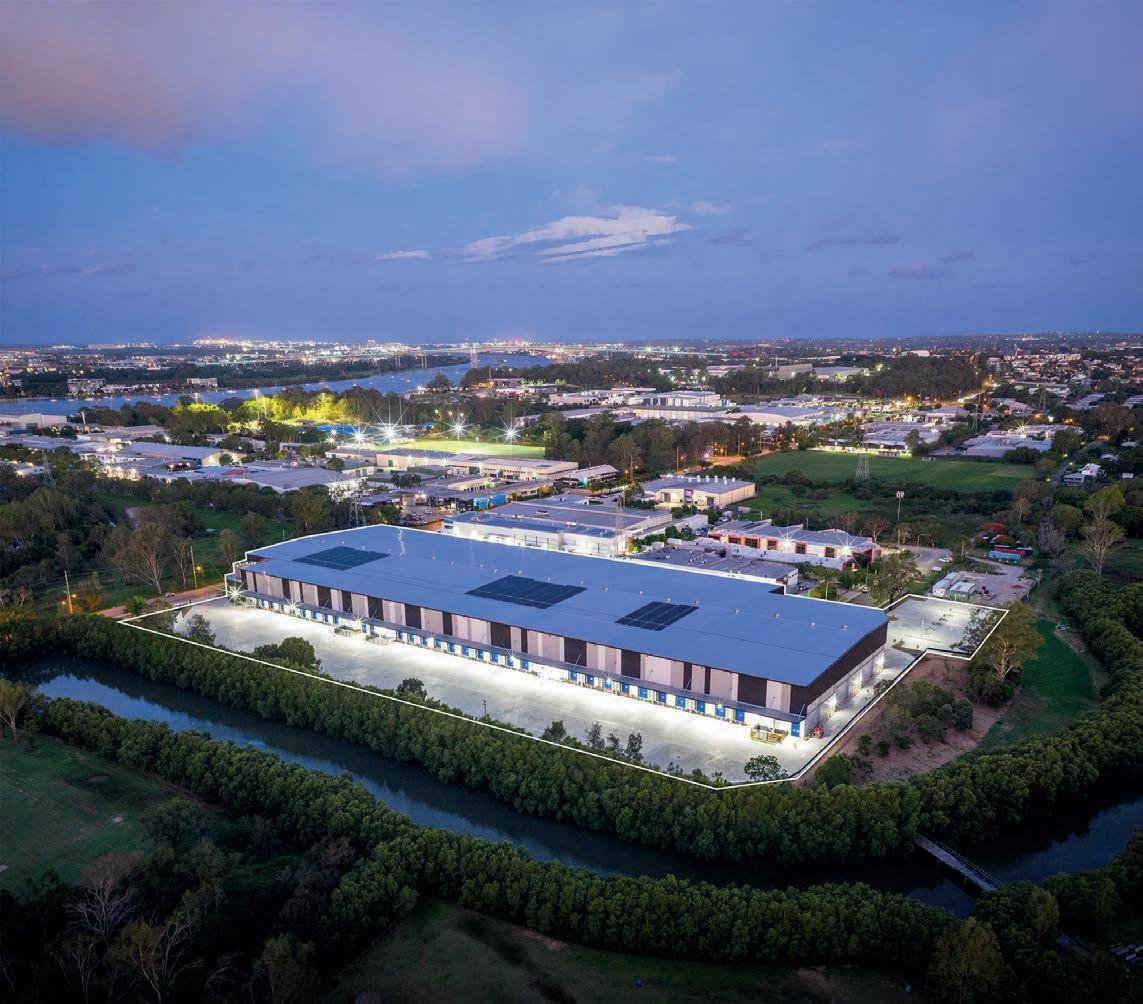
Construction has been completed at CityPort Coldstores, marking a major milestone for Queensland’s cold chain infrastructure and expanding the state’s supply of modern, large-scale temperaturecontrolled facilities.
Delivered by Modus Property Group, CityPort Coldstores is the largest speculative cold storage development ever offered in Queensland. The project responds to growing demand across food, pharmaceutical and logistics supply chains for flexible, scalable cold storage close to key freight gateways.
occupation and can accommodate either a single large occupier or up to three subdivided tenancies, with tenancy sizes starting from approximately 6,200 square metres.
efficiency and margin performance, CityPort Coldstores incorporates a mix
of freezer and chiller environments to meet a wide range of cold chain requirements. The development features a 50:50 freezer and chiller split, internal clearances of approximately 11.5 metres enabling high-density storage of up to seven pallets, and six-metre-wide awnings to support all-weather loading and unloading.
Across the three tenancies, the site provides 29 dock levellers supported by 15-metre-deep ante rooms, allowing efficient handling and throughput while maintaining temperature control and
TradeCoast precinct. The location places the facility between the Brisbane CBD and the Port of Brisbane, offering strong connectivity to major freight and logistics infrastructure.
The site provides direct access to the Port of Brisbane, close proximity to Brisbane’s international and domestic airports, and connections via key arterial routes including Lytton Road, the Gateway Motorway and the Port of Brisbane Motorway. Importantly for cold chain operators, access is provided via a B-Double approved heavy vehicle route, enabling efficient movement new capacity to Queensland’s cold chain
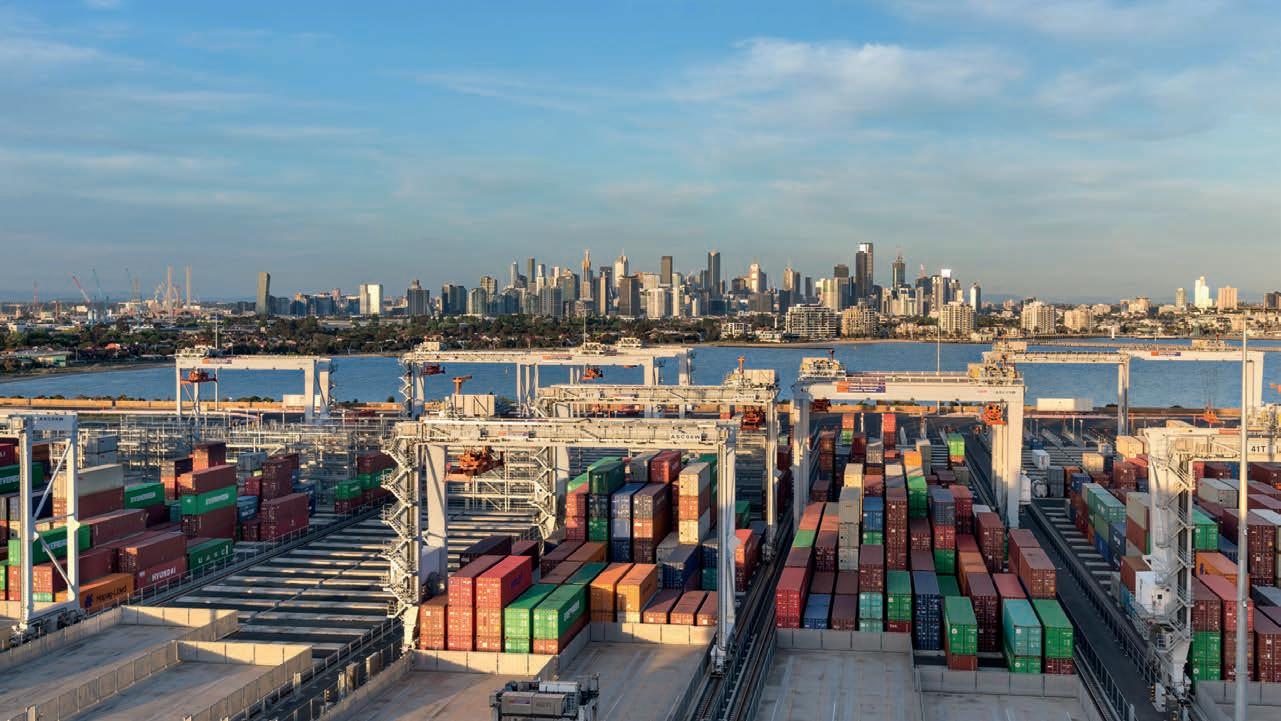
Port of Melbourne has released its 2055 Port Development Strategy (PDS), setting out a 30-year framework to guide future capacity, efficiency and infrastructure planning at Australia’s largest container and general cargo port.
Published on 23 December 2025, the strategy outlines how the Port intends to develop over the next three decades to support Victoria’s growing trade task, while remaining flexible enough to respond to changing economic, technological and community needs. All Victorian ports are legislatively required to maintain a Port Development Strategy under the Port Management Act 1995 (Vic) and to review it every five years.
The 2055 PDS identifies a series of long-term planning directions and potential projects aimed at improving port capacity and supply chain
efficiency as Victoria’s population and freight volumes increase. These include options to optimise existing land and infrastructure within the port precinct, plan for future container capacity, and improve road and rail connectivity to support more efficient landside freight movements.
Port of Melbourne Chief Executive Officer Saul Cannon says the strategy reflects the port’s role in supporting Victoria’s economy. “As the manager of the Port, we are committed to delivering capacity and supply chain efficiencies to meet the growing needs of our economy. As our population increases, the Port’s capacity must grow too, and we will continue to innovate to find the right solutions to the challenges and opportunities we face. This means continuing to engage with our stakeholders about the Port’s future growth and development,” says Cannon.
The strategy has been informed by extensive consultation with government, industry and community stakeholders. According to Port of Melbourne, this engagement was central to balancing a wide range of views on how the port should grow, including considerations around transport connectivity, environmental management and the interface between port operations and surrounding urban areas.
Port of Melbourne says the 2055 PDS is designed as a guiding framework rather than a fixed project list, allowing development priorities to evolve over time. The strategy aims to support Victoria’s competitiveness and economic prosperity, while ensuring the port continues to operate as a critical piece of state infrastructure for decades to come. ■
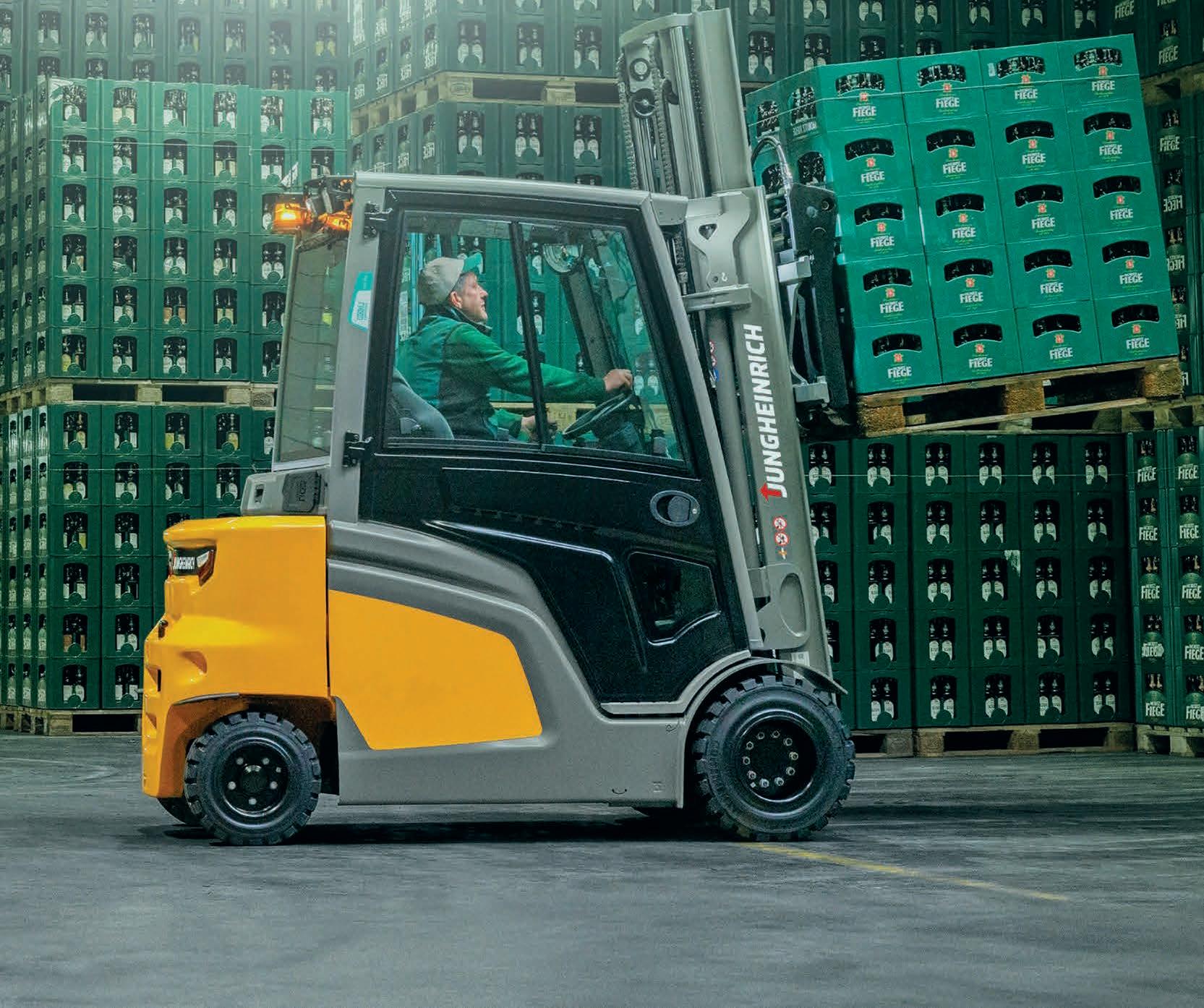
Cut energy costs, lift uptime, and track CO 2
Measurable ROI with Jungheinrich




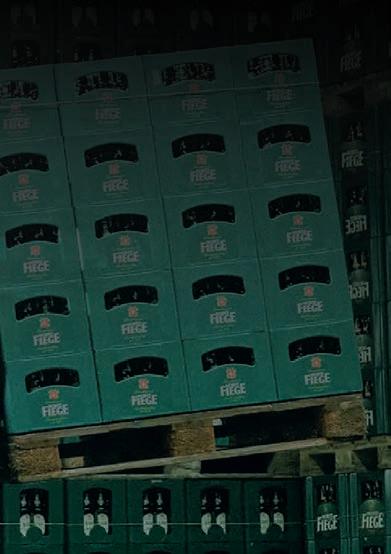
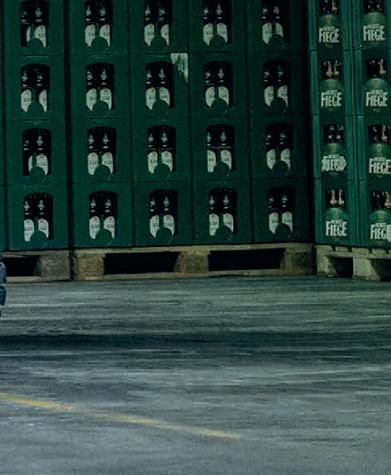


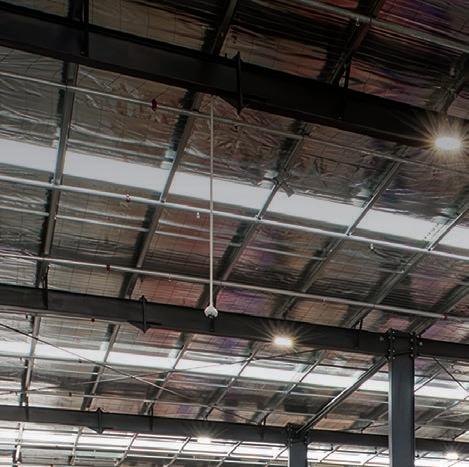
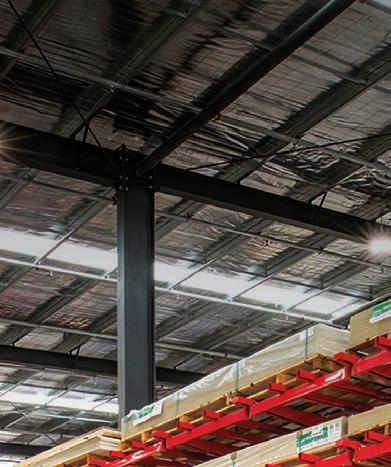
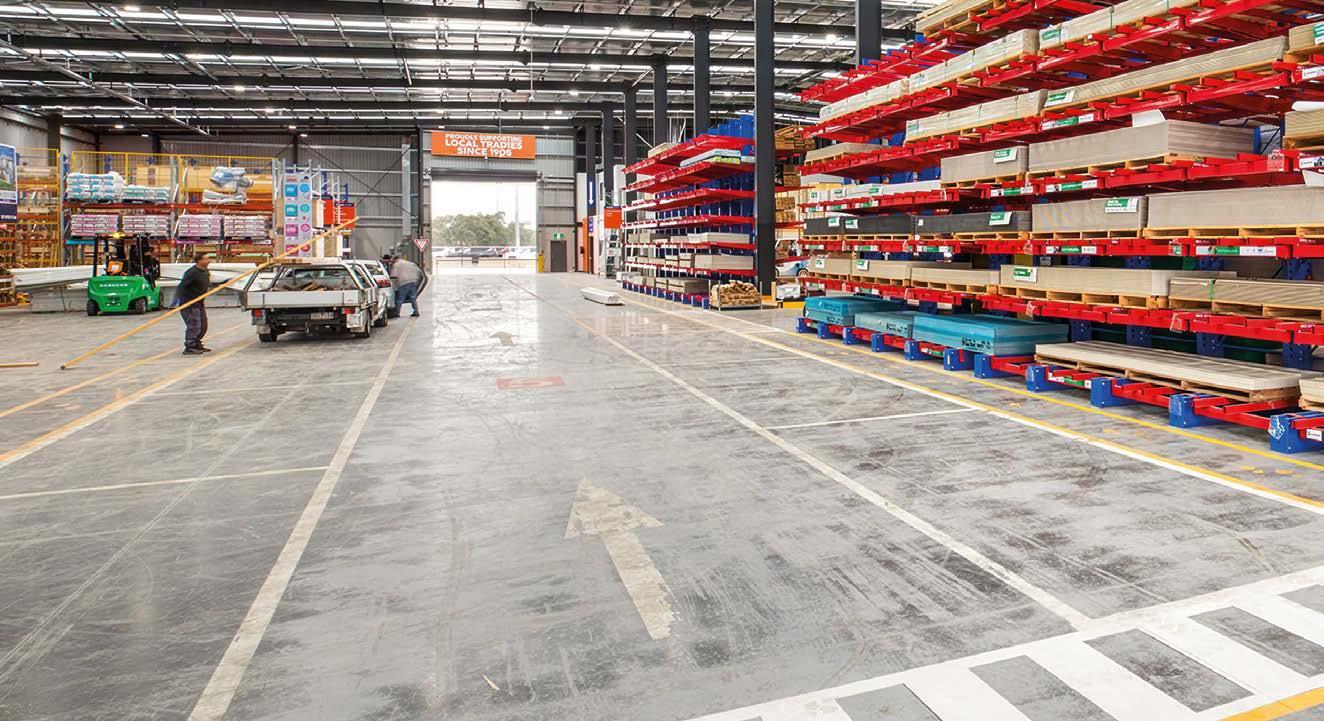
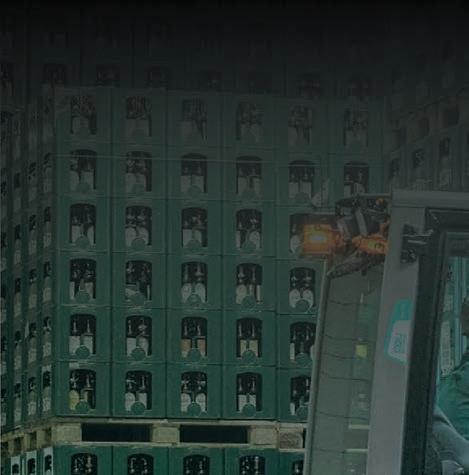
BHD has grown from cantilever racking roots into a global supplier supporting modern, automation-ready warehouse infrastructure.
BHD achieved 40 per cent sales growth in 2025 as it expanded its distributor network and accelerated its move into warehouse automation. The result comes as logistics and warehousing operators continue investing in higher-density storage systems and efficiency-driven infrastructure.
BHD General Manager John Harrison says the company’s performance was driven by a renewed focus on core fundamentals, particularly around pricing, service delivery and product quality.
“Probably the simplest thing is doing the basics well,” John says. “That means being competitive on price, competitive on service, and giving customers a quality product at the right price, backed by the support they need.”
Core product foundation
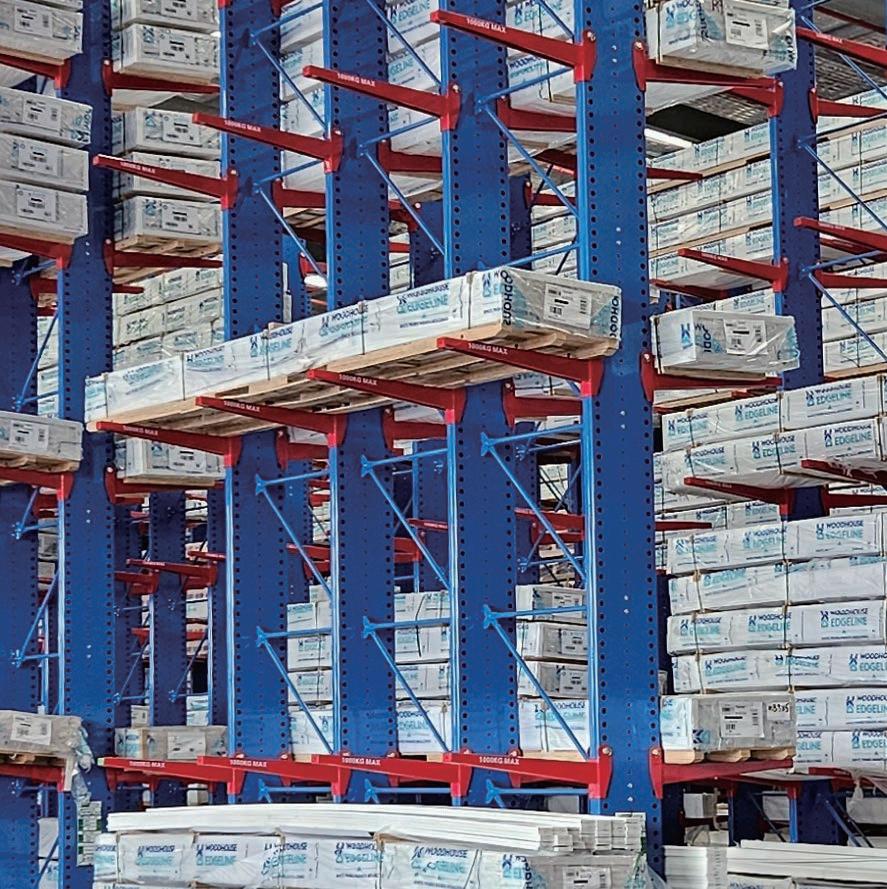
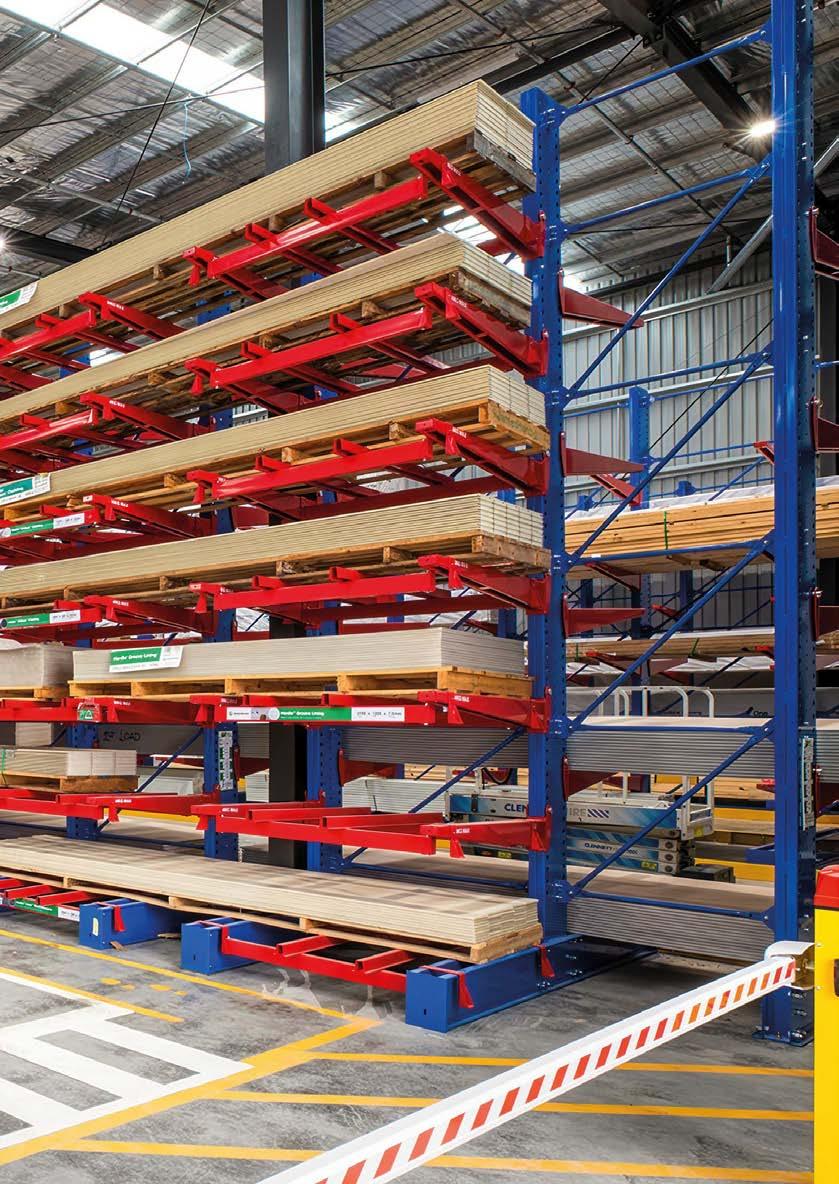
Cantilever racking remains the foundation of BHD’s product portfolio, supporting long-length and oversized materials storage requirements across a range of industries. It remains the
company’s most established product line and a central part of its market identity.
“Cantilever is still one of our most important products,” John says. “It’s the foundation of the business, and it remains our number one.”
That product base has supported BHD’s ability to broaden its scope into more complex warehouse storage systems. Over recent years, the company has delivered a growing number of shuttle racking projects, strengthening its presence in automation-ready infrastructure.
“We’ve also been moving further into the automation space,” John says. “Over the past few years we’ve delivered several shuttle racking projects, and they’ve been very successful.”
Demand for shuttle racking solutions has been strongest in cold chain environments. Food logistics, freezer warehousing and cold storage facilities have emerged as key adopters of automation technology, driven by the need for storage density and operational efficiency. BHD has also seen demand from beverage operators, particularly during peak seasonal periods.
“It’s mainly the food industry, freezer operators and cold storage facilities,” John says. “They’re the ones adopting

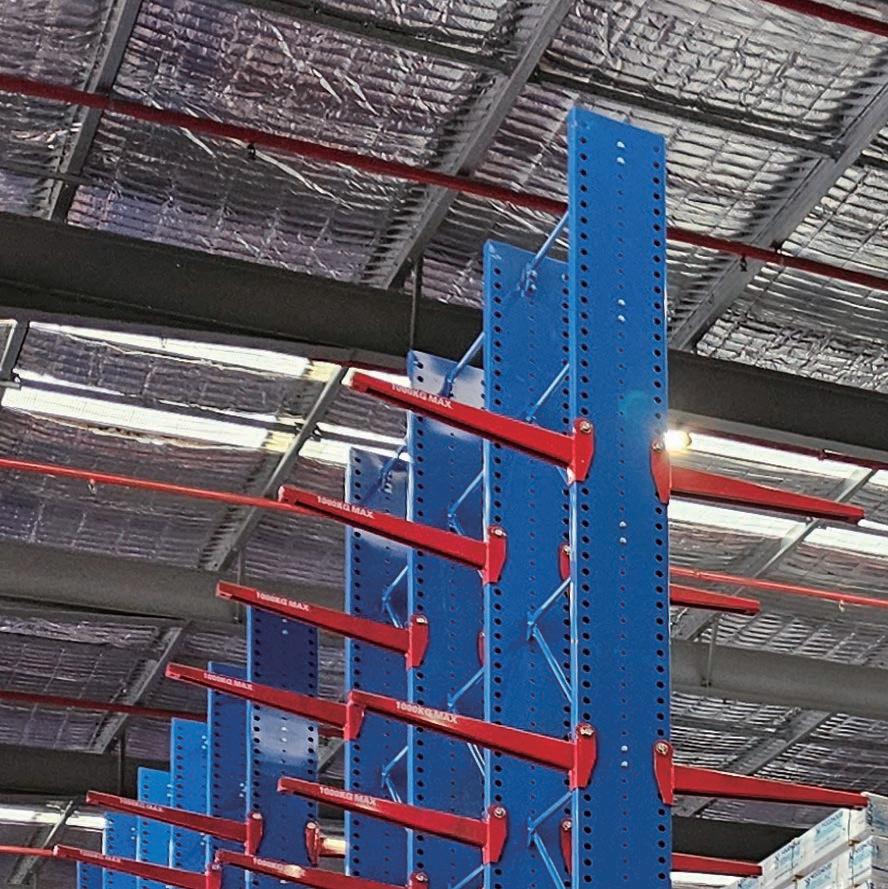
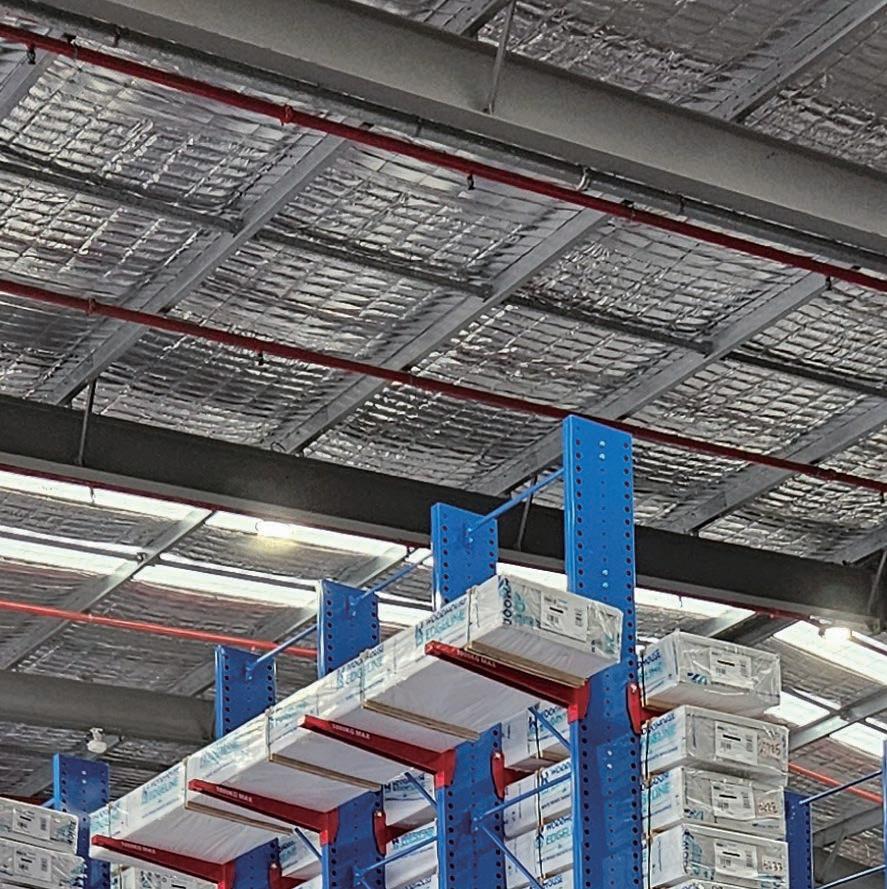
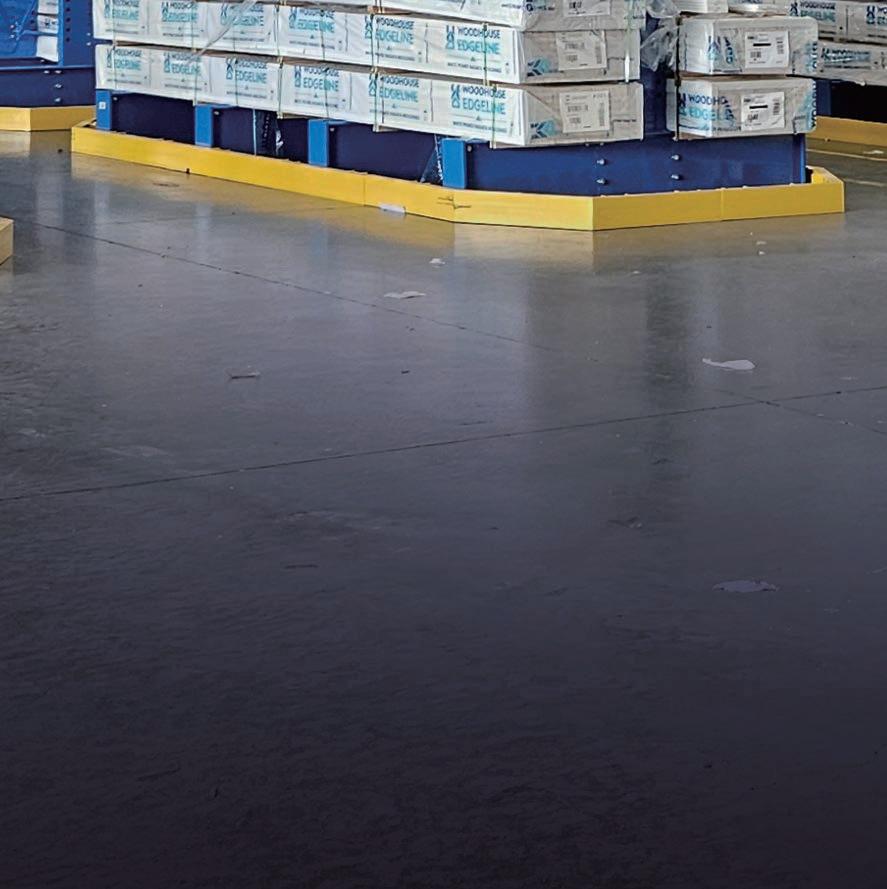
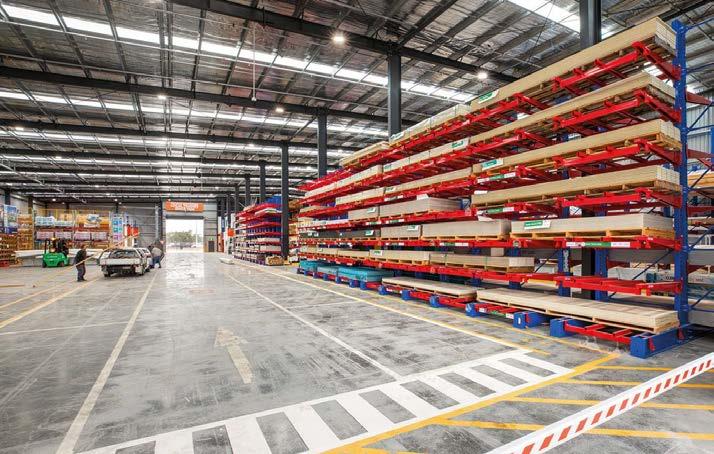
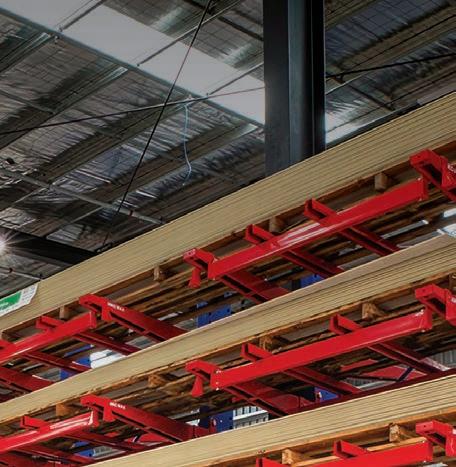
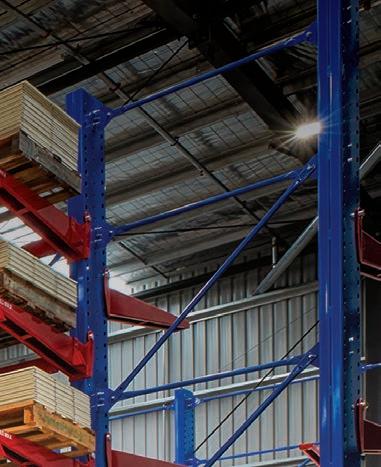
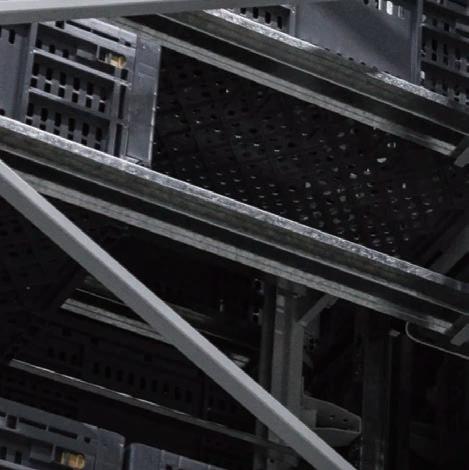
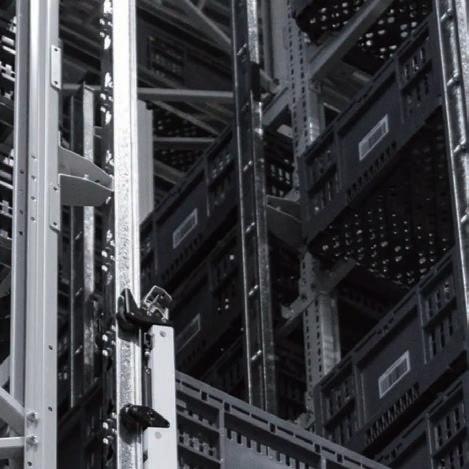
BHD’s cantilever racking systems support long-length storage requirements across high-volume warehouse and timber environments. Images: BHD
technology fastest at the moment.”
One of the company’s largest recent shuttle racking projects was delivered in Queensland, with positive feedback reported from the installation.
BHD’s shift into automation has been building for several years, but 2025 marked a clearer acceleration. A key milestone was the launch of the company’s four-way shuttle program at CeMAT Australia 2025, which helped generate stronger market visibility.
“We’ve been heading in this direction for two or three years,” John says. “But 2025 was really the turning point.”
The CeMAT launch triggered increased customer enquiries and strengthened awareness of BHD’s
direction. It provided a platform to communicate a broader automation strategy to the market, beyond its established racking reputation.
“The launch of our four-way shuttle program at CeMAT in 2025 really kicked things off,” John says. “It sparked a lot of customer interest and helped clarify the direction we’re heading.”
BHD also made a shift in its go-tomarket model during 2025, introducing four distributors into its Australian network. This included two in Victoria, one in Queensland and one in New South Wales.
“In 2025 we brought four distributors into the business,” John says. “Two in Victoria, one in Queensland and one in New South Wales, which has been a major shift in how we operate.”
The expanded distributor network strengthened the company’s ability to support customers across multiple states. It improved access to products and services, particularly for customers requiring local representation and fast delivery.
“That shift has played a major role in supporting our growth,” John says.
Expansion is expected to continue through 2026, both in workforce and distribution coverage. South Australia and Western Australia have been identified as priority markets for further distributor growth.
“Yes, the team needs to grow,” John says. “We also need to expand our distributor network into states where we don’t yet have representation.”
“We’re already in discussions with potential partners in South Australia and Perth,” John says. “Those are two key areas for us.”
Internally, team diversity has been identified as a strength both culturally and operationally.
“Our team is very diverse culturally,” John says. “That mix of backgrounds and experience strengthens the business.”
John describes its culture as growth focused.

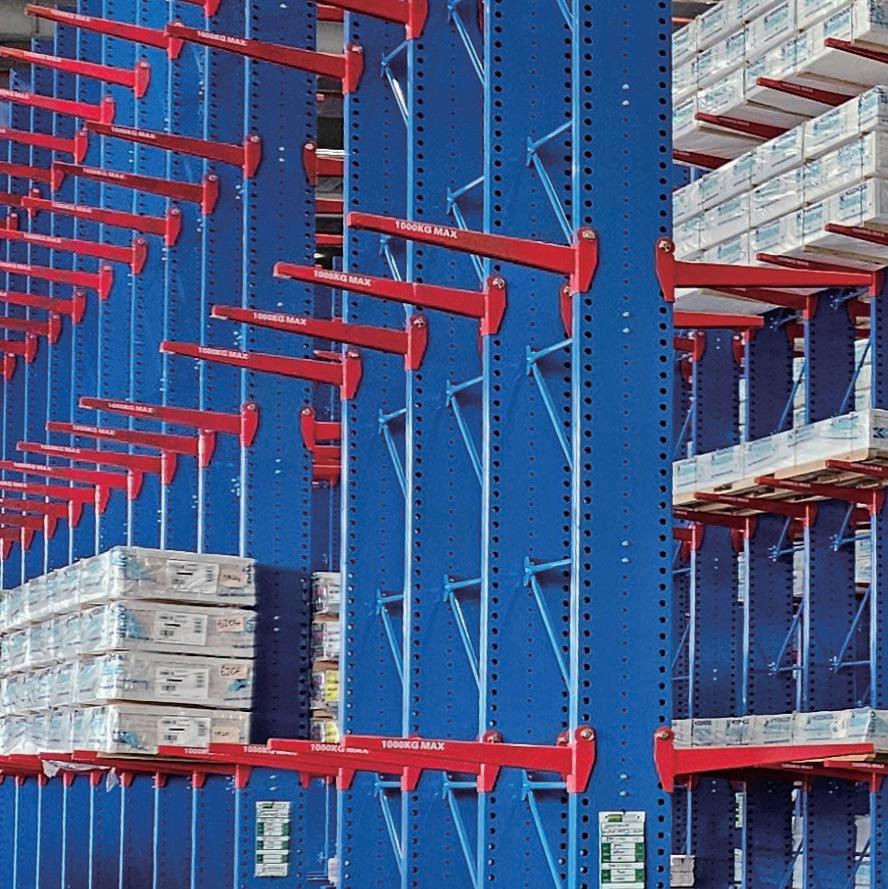
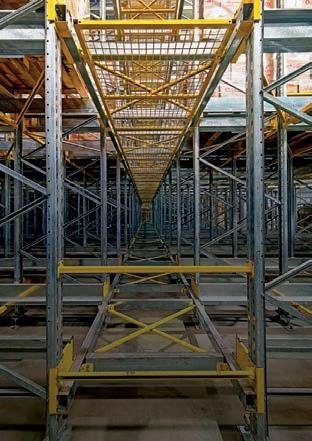
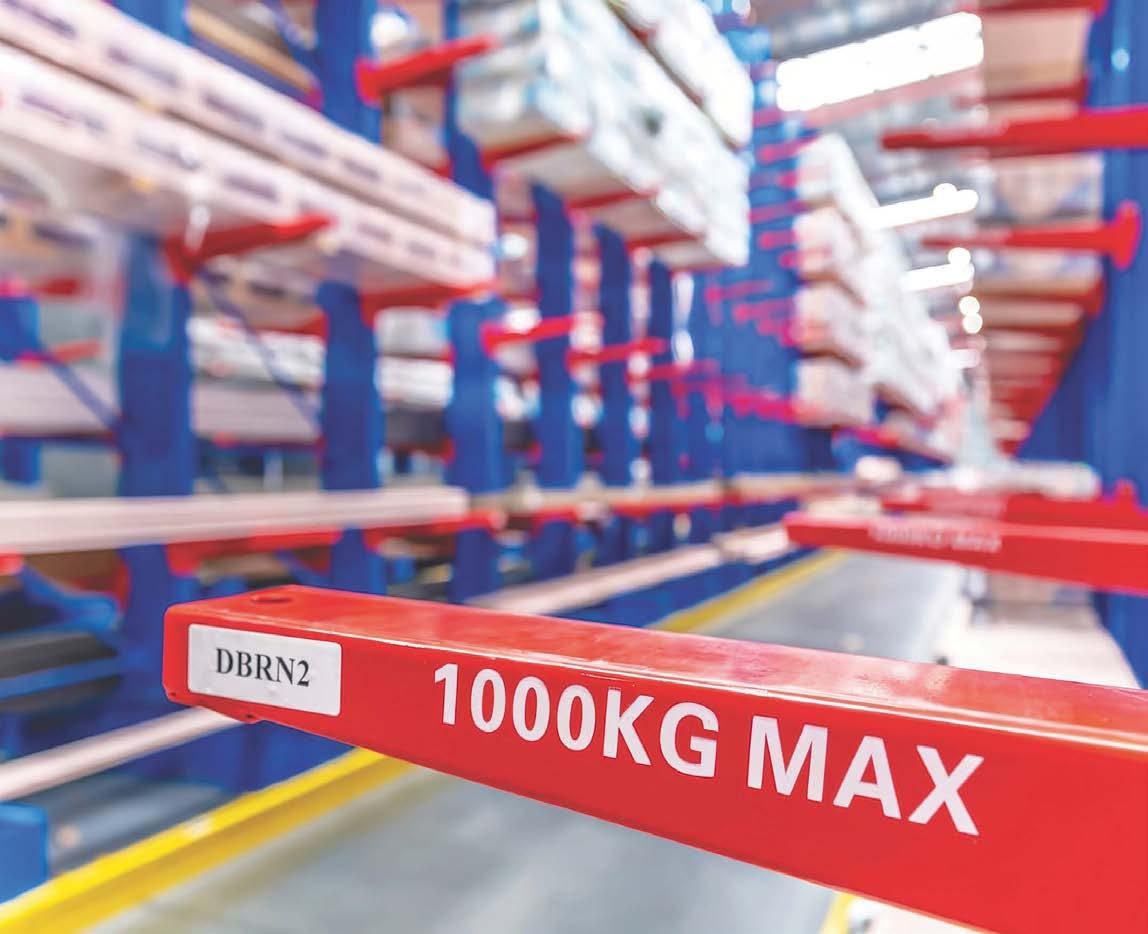
Engineered cantilever arms form the structural backbone of BHD’s modular racking are rated to handle heavy loads.
“The culture at BHD is very positive,” he says. “It’s built around growth.”
BHD has positioned its 40 per cent sales growth as a major result given the competitive conditions across logistics and warehousing.
Cross-department collaboration has also been highlighted as a cultural strength, particularly when pressure increases in one area of the business. Support across departments has been positioned as an important factor in maintaining performance under demand.
“People are willing to help each other,” John says. “If one department is under pressure, others step in and support them.”
International expansion is also underway as the broader business continues growing globally. A facility in the UAE is expected to be established
by mid-2026, initially operating as a distribution site, with longer-term plans to develop manufacturing capability.
“In the initial stages it will operate as a distribution facility,” John says. “Over time, the intent is to expand into manufacturing.”
“Product will continue to be made in China and Vietnam, and stored through a facility in Dubai,” John says.
Warehouse automation remains a major focus as the company expands beyond its traditional racking portfolio. A dedicated automation department is being established in China to strengthen in-house capability.
“We’re establishing a dedicated automation department in China,” John says.
“That will allow us to control the programming, design, manufacturing and supply chain for automation projects,” John says.
The automation team is currently expanding, with staff being added as the department develops. The Tongling factory’s R&D centre is already active as part of this buildout, with further progress expected later in 2026.
“The new R&D centre at our Tongling facility is already in full swing,” John says.
Long-term growth plans also include expanding the company’s reputation beyond cantilever.
“I’d like to see the business become known for more than cantilever,” John says. “That includes other racking solutions and automation.” ■
















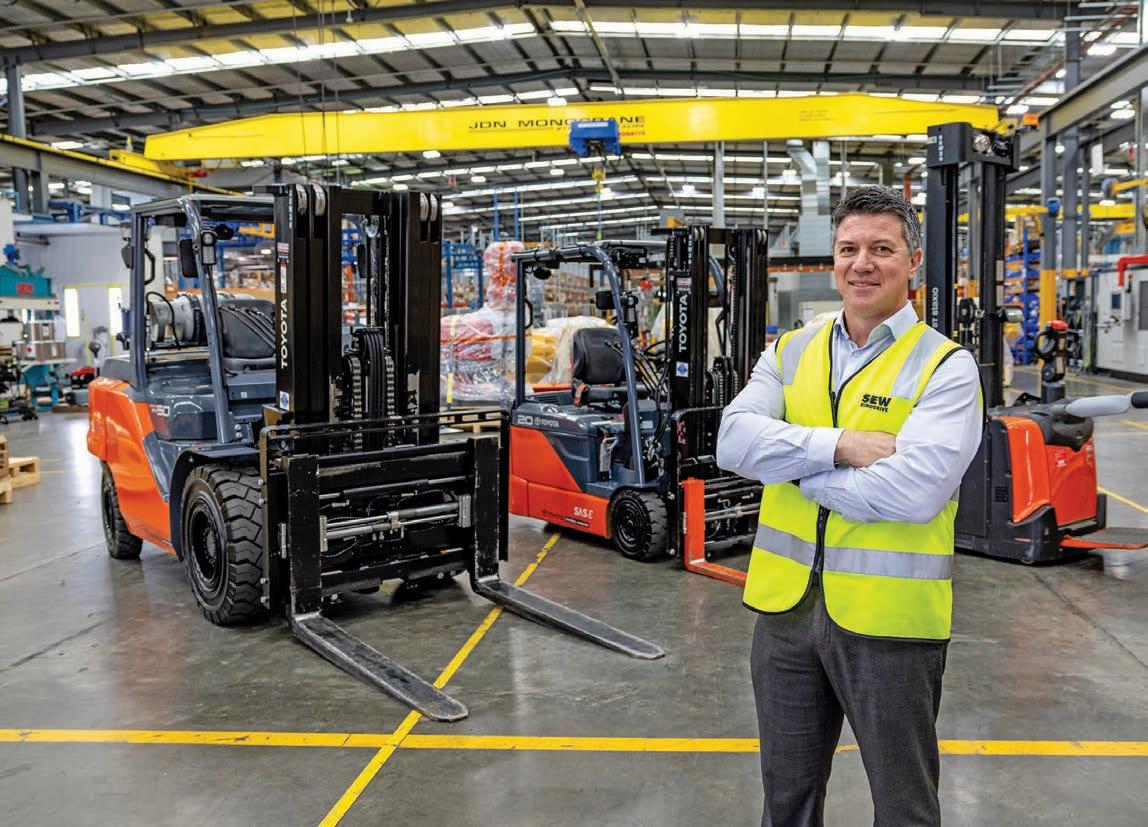
SEW-EURODRIVE standardises its Australian material handling fleet with Toyota forklifts to boost efficiency and visibility
Awell known manufacturer of gearmotors and frequency inverters is partnering with Toyota Material Handling Australia (TMHA) to improve the operational efficiencies of its Australian business.
SEW-EURODRIVE has a warehouse footprint across Australia to service a variety of clients and currently uses a fleet of more than 30 Toyota forklifts, walkie stackers, and pallet movers to assist with its operations.
The company’s national procurement manager, Fred Pizzicara, has been with the company for nearly three
decades and has more than 20 years of experience with TMHA products.
Starting with Toyota walkie stackers, SEW-EURODRIVE has been slowly transitioning from multiple material handling providers to exclusively TMHA, with a goal of standardising its fleet to a single provider in the next 1-2 years. Fred says that SEW-EURODRIVE stood to gain from a standardised material handling fleet, with benefits to operational efficiency and servicing, coupled with Toyota’s I_Site telematics fleet management system.
“That’s the endgame; to have a fleet
that is serviced by Toyota and, where required, have the I_Site program,” says Fred.
With a fleet that spans across Australia’s major cities, having I_Site available to track equipment usage and accidents has been helpful for Fred. TMHA has a history with fleet management systems, allowing customers to track and manage the usage of their machines.
“From a very long time ago, at least 15 to 18 years, Toyota always had a system that you could jump on and see what’s happening with the units and
their hours,” Fred says.
“TMHA’s visibility has always been ahead of the rest, so there’s more to it, particularly through the I_Site program,” says Fred. “Our compliance team has access to it, and so do I.”
Fred explains that if one of the operators has an accident, the truck goes into limp mode and the team must contact TMHA so it can be checked first to ensure it is not severe. If it is something simple, TMHA enters a code and allows the truck to continue operating. Choosing Toyota forklifts is down to multiple different advantages for SEW-EURODRIVE, from durability to compatibility and servicing.
“I think their after service, aftercare
is better – they’ve got some programs that come with the machines, which are not offered by other companies,” Fred says.
“I find Toyota forklifts a bit more robust and can handle a little bit more. And because we deal with European skids in a lot of our assembly facilities, the Toyota unit is a lot more userfriendly for what we do.”
SEW-EURODRIVE has experience with reach and counterbalance forklifts, walkie stackers, pallet movers, favouring Toyota’s battery electric units for indoor use and LPG power for the larger units working mostly outdoors.
Fred and his team have formed a strong relationship with TMHA major
account manager Leigh Odermatt, who has worked with SEW-EURODRIVE for years on their transition to Toyota equipment. Fred said Odermatt has helped in both arranging new orders and answering questions and also putting together a national service agreement for SEW-EURODRIVE, which will see all equipment serviced under the same account.
“We’ve always had a really good relationship – I throw a lot of things at him and he’s always onto it,” Fred says.
“He’s actually the one who’s helping with the national service agreement, which is not easy because there are plants all across Australia.
That national service agreement,
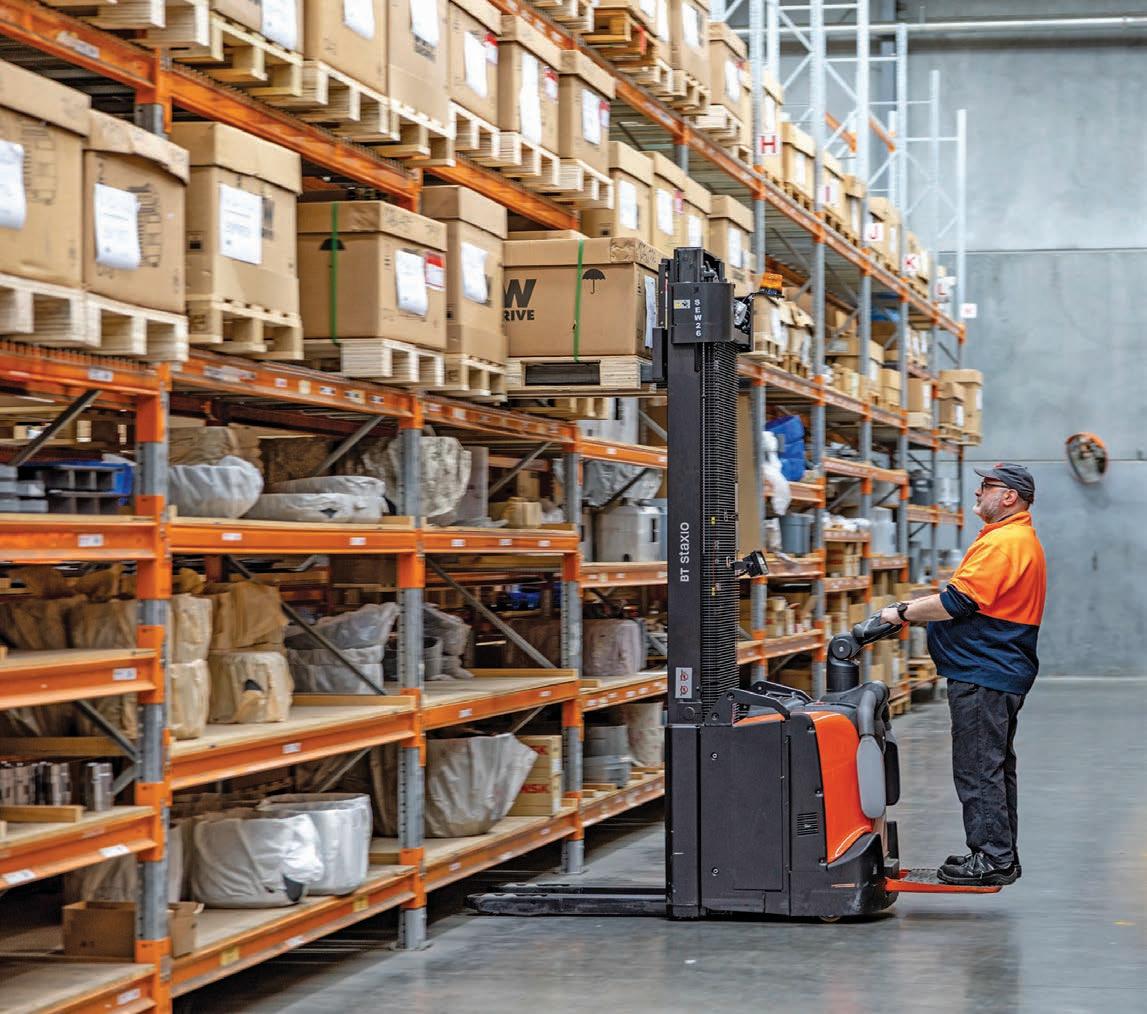

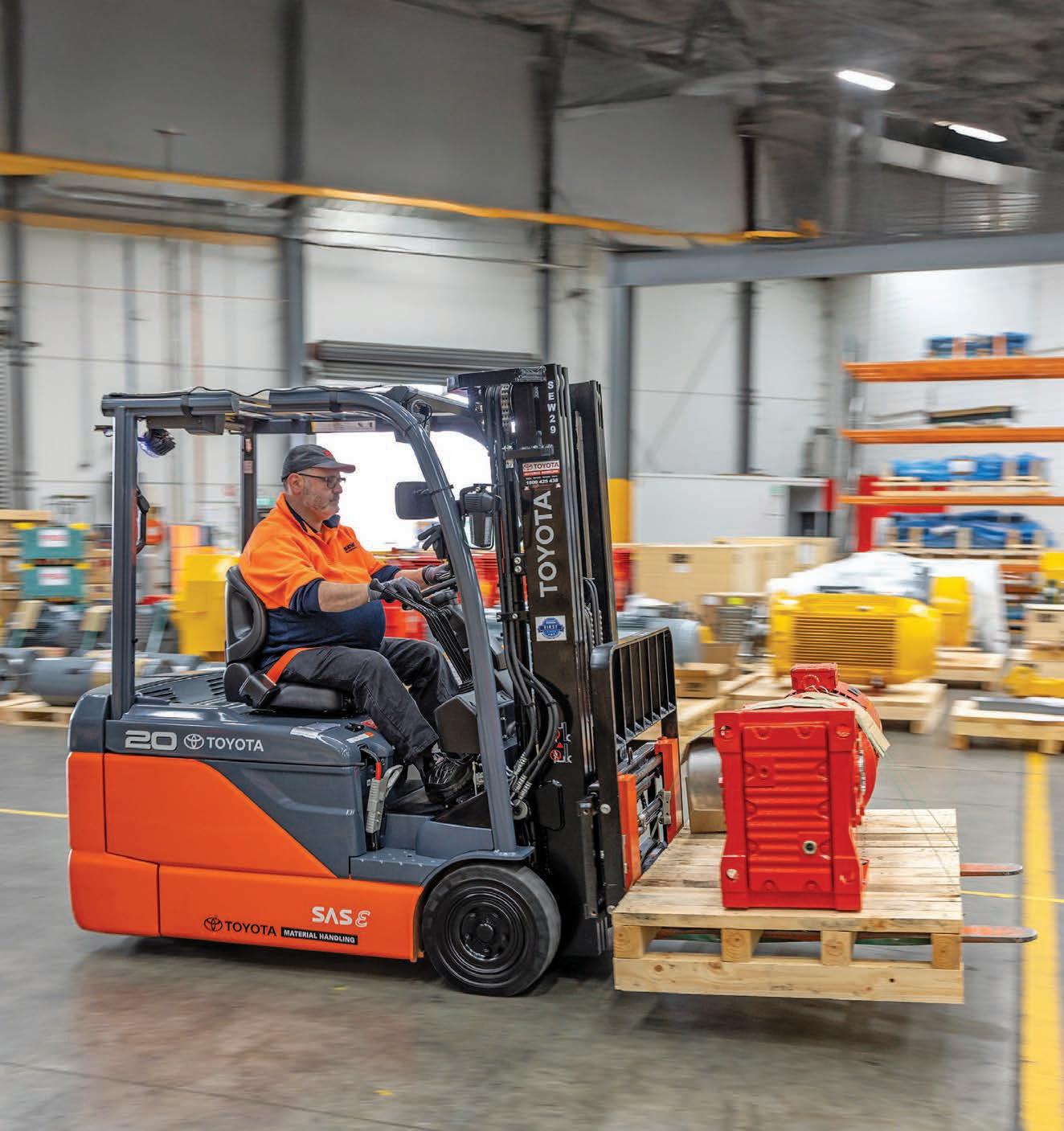
which covers all existing units across Australia, brings everything under a single service framework. Fred points to the breadth of TMHA’s service network and the depth of experience among its technicians as key factors, noting that consistent access to knowledgeable technicians supports reliability and continuity across sites.
According to Fred, the servicing experience to date has been strong. He highlights the value of having regular technicians who understand
the site and its operations, and says he expects those relationships to continue developing as the national footprint expands, with local familiarity maintained in each region.
“I’m extremely happy. For me, it’s more about the happiness of the staff using it,” he said.
“We’ve standardised here in Melbourne on a few models, but in other plants, I asked if Toyota could send out some rentals so they could get a feel for them, and so far I’ve had
forklifts support SEW-EURODRIVE’s

no bad feedback, so everyone has loved what they’ve played around with.
“I think having less downtime is what all businesses try to achieve, and having reliable machinery that can do the job is important. I think Toyota and SEW are a great partnership and hopefully it keeps growing as we grow.” ■
For more information freecall Toyota Material Handling on 1800 425 438 or visit online at www. toyotamaterialhandling.com.au



Your frontline runs your business. Don’t let unsecured devices run the risk.
Protect your people, data, and operations with Optus Frontline Worker Solutions — secure, connected, compliant.
Future-proof your frontline



Scan to learn more.




















GArgon & Co says commercial discipline and real-world performance validation are key to avoiding costly automation missteps. Image: Amy Cooper Wise/stock.adobe.com

Argon & Co says 3PL mindset can de-risk automation investments in modern distribution centres
lobal management consultancy Argon & Co says warehouse automation projects can be de-risked when operators adopt a third-party logistics provider (3PL) mindset, particularly as distribution centres become more capital intensive and complex.
Argon & Co, which specialises in operations strategy and transformation across supply chain, logistics, procurement and digital services, says the 3PL approach is built around commercial discipline, operational validation, and designing for flexibility rather than over-engineering.
Cameron Austin, managing principal at Argon & Co, says 3PLs are consistently more successful than owner-operators when it comes to benefits realisation because their business model forces them to prove
performance before investment.
“The primary reason is that 3PLs make money off running these services, so they have to know exactly what it’s going to cost before they proceed with buying a DC, purchasing automation and implementing it,” says Cameron. “They need to make sure they understand what it costs, and then, once implemented, ensure that it is running that fast and was implemented at that cost, because if they don’t, they don’t make money.”
This commercial discipline forces 3PLs to build rate cards based on accurate modelling, which becomes the benchmark for delivery performance.
“If we compare an individual company, they probably run through this process once every 10 or 15 years,” he says. “Comparing that to a 3PL who put together maybe two to 10 DCs,
maybe two or three of them which are automated and quite expensive each year, you can expect them to be much more proficient at it.”
Bart Gill, Associate Partner, Argon & Co, says boards can underestimate the scrutiny required to properly validate automation business cases before approving major capital investment.
“One of the key things a board can get wrong when approving an automation project is not doing the correct level of due diligence across the business case,” says Bart. “There are pitfalls in having a business case produced by one party without an independent review from a group with end-to-end delivery experience and an understanding of the true implementation costs.”
Underpinning all of this is ensuring that the business requirements to

operate and serve customers have been gathered correctly in the first place.
“This is really the very first step in the journey and once gathered should be carefully reviewed, and used as a baseline for validation of any proposed solution,” Bart adds.
Bart says this is a critical step that is often rushed or resourced with junior level analysts, resulting in gaps in the proposed solution. It is also important to review the requirements and proposed solution(s) against the business strategy.
“As businesses change their operating models, the automation proposed can be impacted,” says Bart.
Having line of sight on strategy will inform the solution in the long run. Bart says 3PLs can move customers and utilise automation assets effectively, while a business going it alone risks being locked into a single solution that is not customisable to future needs. A phased approach with modular deployments can offset this risk if key cost areas are targeted.
“In the bid phase, they’re very good at cost estimation,” Bart says. “In the negotiation phase, they’re also quite good at vendor management, so they’re more experienced at holding a vendor accountable to the performance that was sold to them.”
Integration is another common pitfall, particularly when automation is treated as a standalone solution rather than part of a broader systems environment.
“One of the pitfalls in designing solutions is the lack of detail in the integration of systems at the design phase,” Bart says. “Often, the focus is on interfaces between WMS and ERP but there are multiple systems that can be affected and require change e.g. OMS, TMS. Without a comprehensive review of system architecture to identify full end to end flow and impacts, these gaps can become costly variations as a project build commences.”
“It’s a better approach because it’s more risk averse,” Cameron adds. “We want whoever understands that part of the solution best to own the performance. And we want to start

“There’s a general feel that the more automation you put in, the better the outcome will be,” he says. “That it automatically means more savings, and that you have to have the best. That might sound like a strong message from a marketing point of view, but it’s still quite an emotional view.”
He says a more disciplined approach starts by defining what the warehouse must achieve operationally, then selecting the lowest-risk path to meet those outcomes.

improve cost-to-serve. Cameron says building a rate card naturally enforces a financial checkpoint during the design stage.
“It enforces a real-world benefits check at the point of design,” he says. “If you put automation in and the cost per pick goes up, a 3PL is not going to go with that option, because it’s less financially viable for a customer,” he says.
Cameron adds that owneroperators can be pushed into excessive automation investments due to internal expectations, especially from boards or stakeholders who assume more technology automatically delivers better outcomes.
“What does this business need the warehouse to do?” says Cameron. “If it can do that, then we just need to make sure it can do that at a low risk, low cost way.”
Cameron says one of the most common weaknesses in automation projects is relying on vendor-led testing that validates mechanical performance but does not confirm real operational throughput.
“Automation vendors will show you that the mechanical rates are being achieved, however integrated operational testing is key to ensuring that the business benefit is achieved,” he says. “Its the difference between checking it runs at a rate, and if when operating the customers get their deliveries on time.”
Instead, he says benefits tracking must be built into the process from the earliest planning stages, supported by structured checkpoints through detailed design, testing, and operational ramp-up.
“There should be a few touch points in terms of benefits tracking,” he says. “You need to initially find out exactly what the business needs from stakeholders.”
Cameron also says the exit strategy for automation should be considered early, particularly in how facilities are designed to adapt over time. He says automation maturity plays a major role in how companies approach investment.
“Automating a warehouse really depends on maturity,” he says.
“Less mature companies typically add automation onto an existing facility. On the other side more mature companies might design their warehouse around an automated solution as part of a decade long plan, linked to strategic network design.” ■
our solutions for your challenges
Automation of manual processes, warehouse optimisation and safety solutions for innovative logistics

A high-density AutoStore storage grid supports fast automated order fulfilment.
Images: Swisslog



Swisslog delivers scalable warehouse automation and SynQ software to boost safety, traceability, throughput, and efficiency.
The food and beverage sector operates under some of the most demanding conditions in manufacturing and logistics. Short shelf lives, strict hygiene standards, labour constraints, and rising consumer expectations place constant pressure on supply chains to be faster, safer and more efficient.
“Food and beverage is one of the most complex industries we work in globally, so we have great experience in meeting these challenges,” says Steven Xie, Executive Vice President, Swisslog Asia Pacific (APeC).
“You’re balancing food safety, temperature control, throughput, traceability, and cost, all while
demand patterns continue to change. Automation has become critical to staying competitive,” says Steven.
Designed for hygiene, safety, and reliability
Swisslog’s solutions are designed for hygiene-critical environments, supporting compliance with food safety standards and best-practice hygiene protocols.
Swisslog’s automation solutions are also designed for reliability in temperature-controlled environments, including chilled and deep-freeze facilities. By reducing manual handling in cold environments, automation not only improves operational consistency
but also enhances worker safety and retention, an increasingly important consideration across Australia and New Zealand.
“Cold and frozen environments are where automation really proves its value,” Steven says. “By minimising human exposure and maintaining consistent handling conditions, operators can protect their workforce while improving accuracy and throughput.”
Flexible automation for evolving operations
In the food and beverage sector, seasonal demand, product mix changes, and growth through new channels such
as e-commerce all require systems that can adapt over time.
Swisslog addresses this through modular automation solutions that can scale with the business. Rather than a one-size-fits-all approach, Swisslog focuses on tailoring solutions to the specific characteristics of each operation, including SKU profiles, order patterns, temperature zones, and available footprint.
“Our role is to understand how a customer’s operation really works, and how it’s likely to change,” says Steven. “That insight allows us to design systems that remain valuable long after the initial installation.”
“Enabling greater accuracy and speeds for our customers means they can deliver faster to their customers, and build loyalty,” he adds.
Key technologies supporting food and beverage supply chains
Swisslog’s technology portfolio covers the full spectrum of intralogistics automation. In the food and beverage sector, this often includes:
• Automated Storage and Retrieval Systems (ASRS) for pallets, cartons and totes, enabling high-density storage and rapid access to inventory.
Swisslog integrates AutoStore systems, which offer a compact ASRS option for high-density storage. Its tri-temperature AutoStore solution enables ambient, chilled, and frozen inventory to be managed within a single automated system.
• Shuttle and conveyor systems optimised for high-throughput environments and temperaturecontrolled zones. Swisslog’s PowerStore pallet shuttle has a modular design enables up to 60 per cent more pallets compared to manual systems. Swisslog’s CycloneCarrier dynamic shuttle for small goods is ideal for retail and e-commerce returns, replenishment, and order consolidation.
• Pallet stacker cranes that improve accuracy, reduce manual handling and support labour efficiency.
Swisslog’s Vectura pallet stacker cranes are designed for high-bay warehouses, operating in
Swisslog’s automation supports faster, safer, and more efficient food and beverage warehousing operations.

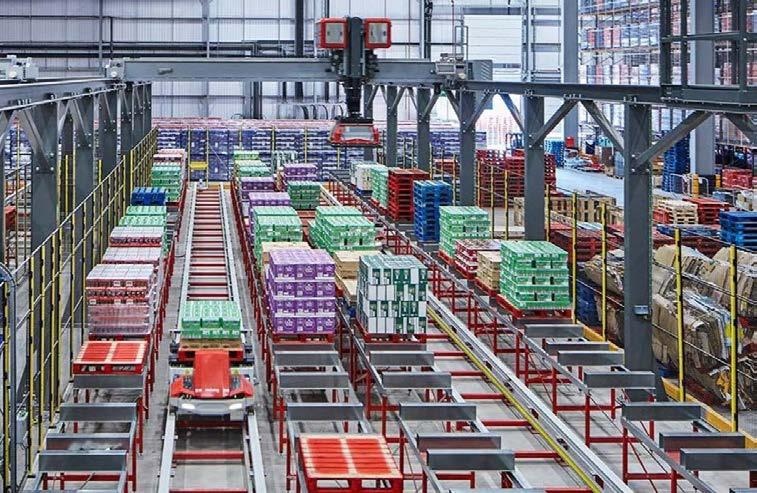
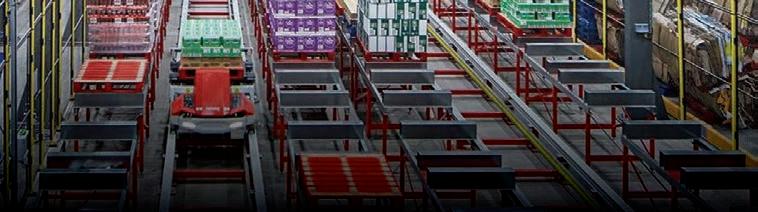
environments from -30°C to +50°C and at heights up to 50m.
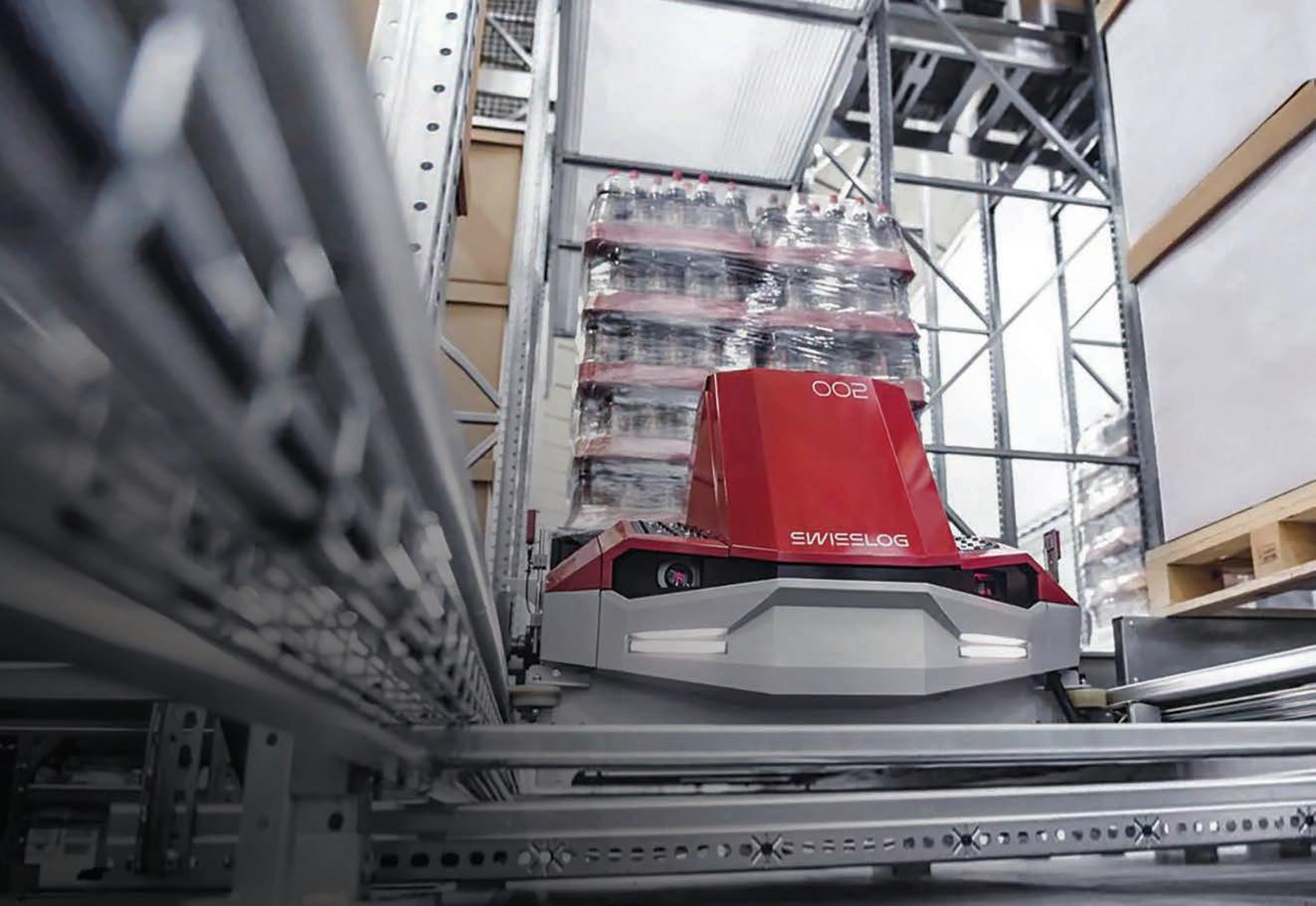
• Autonomous Mobile Robots (AMRs) that connect production, storage and dispatch seamlessly. Swisslog has recently introduced its new IntraMove AMRs, a series of flexible, autonomous mobile robots that transport payloads of up to 3,000 kg with ease.
These technologies help food and beverage producers and distributors improve inventory accuracy, reduce waste and maintain consistent service levels, even during demand peaks.
At the heart of every Swisslog solution is SynQ, the company’s warehouse management and automation control software. SynQ acts as the central intelligence layer, orchestrating material flow, coordinating automated equipment, and providing real-time visibility across the operation.
For food and beverage businesses, this intelligence is particularly valuable. SynQ supports batch and lot tracking, and provides full traceability, critical for food safety and compliance. The software also enables data-driven decision-making by providing insights into performance, bottlenecks, and inventory status.
“SynQ is what brings everything together,” Steven says. “It ensures that systems operate efficiently,
transparently and in line with food industry requirements.”
SynQ’s modular architecture allows it to integrate with existing ERP systems and scale as operations grow, making it suitable for both greenfield developments and brownfield upgrades.
Beyond technology, Swisslog positions itself as a long-term partner to food and beverage businesses. From early concept design and simulation through to implementation, lifecycle support and optimisation, Swisslog works closely with customers to maximise the return on automation investment.
“With supply chains under more pressure than ever, food and beverage companies need partners who understand their industry and can support them over the long term,” Steven says. “Swisslog has established long-term partnerships with major food and beverage names in Australia and New Zealand, and we see outstanding results as our teams consistently work with the customer to optimise and adapt to new changes.”
As food and beverage operations across Australia and New Zealand continue to invest in automation, Swisslog’s combination of technology and software supports businesses operating in environments where precision, safety and reliability are essential. ■























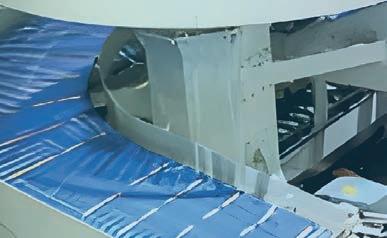











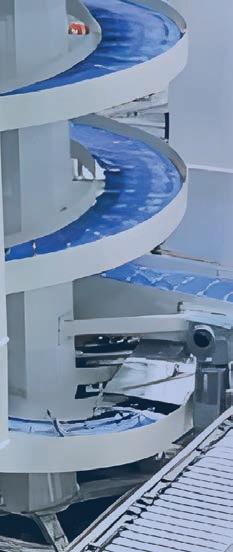


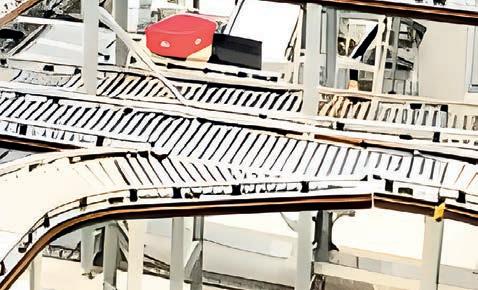







































Mobile technology is helping supply chain and transport teams simplify frontline workflows and reduce reliance on manual processes.Image:



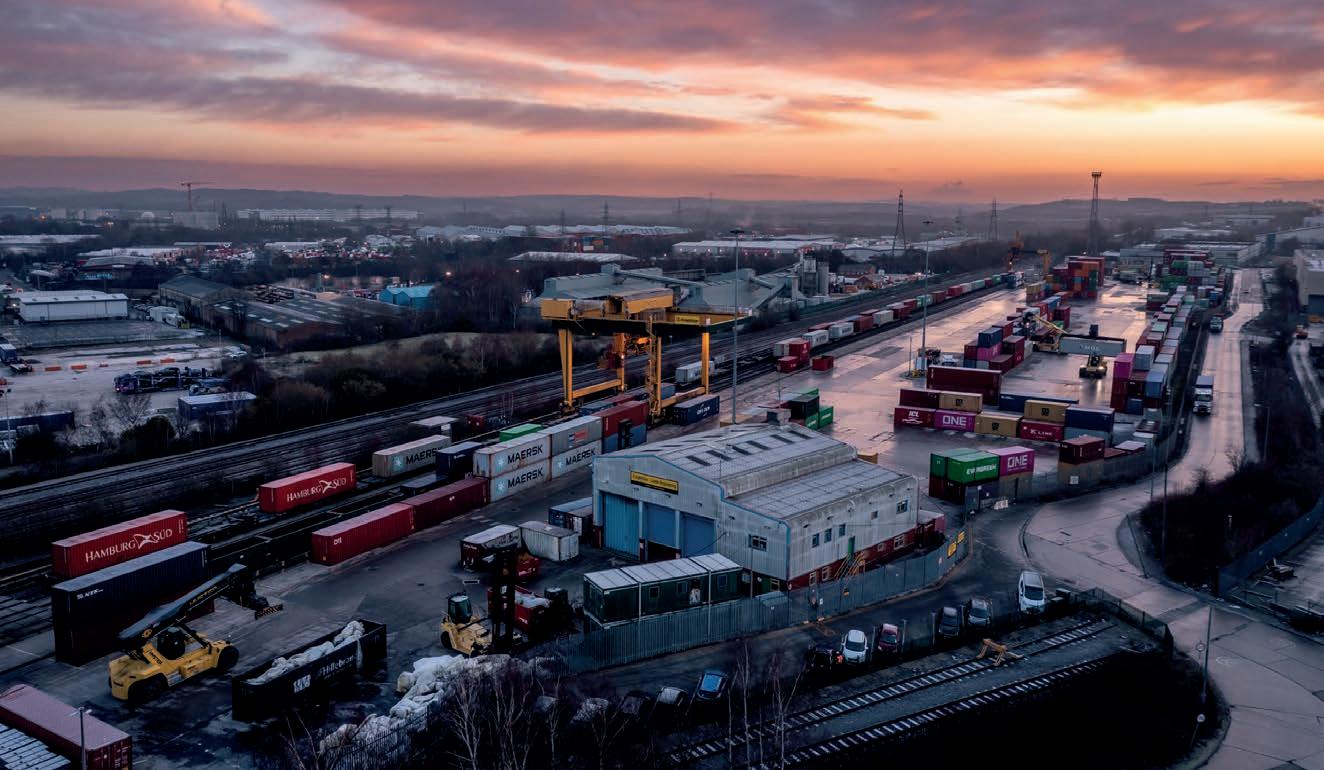
Unified, mobile-led technology is helping supply chain and transport operators overcome fragmented systems, improve frontline visibility, and support safer, more resilient operations across warehousing and last-mile delivery and Optus is at the frontline of this transformation.
Australia’s supply chain and logistics sector is under increasing pressure, with operators facing higher operating costs, labour shortages, shifting customer expectations, and greater volatility across global freight and trade networks.
While many organisations have made progress digitising back-office functions, frontline operations, from warehouses and distribution centres through to transport yards and lastmile delivery fleets, remain constrained by fragmented systems, outdated processes, and inconsistent technology environments.
In many cases, workers still rely on manual workflows, paperbased documentation, disconnected applications, and consumer-grade devices that are not designed for industrial conditions. This lack of integration can reduce real-time visibility across operations, delay decision-making, and create additional strain for frontline teams already operating under tight time and compliance pressures.
Optus believes this is where mobile-led technology is playing an increasingly strategic role, not just as a
productivity tool, but as an enabler of workforce safety, service reliability, and operational resilience.
“There is lots of pressure on frontline workforces which can lead to disengagement, and that’s often driven by insufficient access to digital tools and training’,” says Ben Vella, Vice President Enterprise & Mid Market at Optus.
“Many Australian supply chains are still operating in the past, with fragmented tools, a lot of paper processes and limited real time visibility which is creating operational blind spots, and that’s got a cost to these businesses on time, money and competitive edge.”
Across logistics environments, operational performance is increasingly tied to the ability to connect workers, assets and workflows in real time. However, many organisations still operate across multiple systems and platforms that do not communicate seamlessly, leading to duplicated work, limited data accuracy, and avoidable delays.
In warehouse and distribution environments, this may include disconnected inventory systems,
legacy scanning tools, inconsistent access to live dispatch information, or limited ability to communicate across shifts. In transport operations, the challenge can extend to proofof-delivery processes, vehicle maintenance scheduling, fatigue compliance, route coordination, and incident reporting.
As these demands increase, frontline workers can become the “bridge” between systems, manually entering data or switching between platforms to keep operations moving. Over time, this can contribute to fatigue, reduced engagement, higher turnover, and greater risk of human error.
Optus believes that solving these challenges requires more than individual technology upgrades. It requires a unified frontline approach that reduces complexity and provides a consistent user experience across different environments.
“You’ve got a range of digital maturity across many of these businesses and they might not always be using end to end digital processes where they can, to improve the overall experience,” Ben says.
“Sometimes you’ll have multiple
systems or multiple devices that you actually need to use, and that creates complication.”
Optus has positioned its Frontline Worker Solution as a secure, enterprisegrade platform designed to support frontline environments through a unified, mobile-first model.
The solution brings together Optus 4G and 5G connectivity with ruggedised Samsung devices, enterprise mobility management, and integrated support services. It is designed to provide a single platform for managing users, devices, and service requirements, while supporting frontline workers with reliable access to business-critical applications.
Optus says the modular nature of the offering enables organisations to scale deployments across different teams and sites, while maintaining standardisation across the business.
“Frontline transformation needs to be practical,” Ben says.
“You’re basically taking connectivity, integrated rugged hardware, and securing it through platforms like Samsung Knox.”
A key component of the Optus model is its ability to be delivered as a permonth bundle, reducing the need for large upfront capital expenditure. This approach may be particularly relevant for organisations looking to modernise technology environments while maintaining budget certainty.
“We’re seeing strong demand for models that allow businesses to modernise through predictable operating costs, while still delivering enterprise-grade capability.”
Beyond productivity, technology is increasingly being used to support compliance and safety outcomes in frontline operations.
Across warehousing and transport, organisations are required to manage a wide range of regulatory and operational requirements, from chain of responsibility compliance and fatigue management through to workplace safety reporting and asset inspection procedures.

“Often you’ve got quite thin margins, so maximising the workforce and maximising the profitability and return that you can get from operating as efficiently as possible is very important.”


Optus says mobile-first platforms can help standardise these processes, ensuring frontline teams have consistent access to tools for incident reporting, safety checklists, equipment audits, and task workflows.
For frontline staff, this may also reduce frustration caused by inconsistent technology and manual paperwork, which can impact job satisfaction and retention.
“Frontline workers want technology that makes their job easier, not harder,” Ben says.
“If you can remove unnecessary friction, simplify processes and give teams access to real-time information, you don’t just improve efficiency, you improve the worker experience.”
Optus has also highlighted its partner ecosystem as a key differentiator, enabling businesses to tailor frontline deployments using specialist applications for workforce coordination, compliance, safety, asset tracking and operational analytics.
This ecosystem approach can support a range of operational requirements, from warehouse task management and fleet tracking to field service coordination and real-time performance monitoring.
Optus says this model helps customers avoid piecemeal deployments that increase complexity, instead enabling organisations to integrate frontline technology into a single operational framework.
“Every supply chain business has different operational realities,” Ben says.
By combining connectivity, devices, mobility management, and partnerenabled applications, Optus aims to position itself as a strategic enabler of frontline transformation, rather than simply a telecommunications provider.
As supply chains become more digitised and data-driven, frontline connectivity is expected to play an increasingly central role in performance and resilience.
From inventory accuracy and asset utilisation through to customer delivery outcomes, real-time data and workforce enablement can influence service reliability across the entire logistics chain.
Optus says organisations that invest in unified frontline technology will be better positioned to respond to disruption, manage rising operational costs, and meet customer expectations in an increasingly competitive market.
“Supply chains are becoming faster, more complex and more exposed to disruption,” Ben says.
“Our team takes a consultative approach by spending time in the customers environment through what we call ‘ride-along’s,’” says Ben. “This insight helps us to understand how their frontline workers are currently using technology and what’s working for them and what isn’t”
With its Frontline Worker Solution, Optus is aiming to support this business transformation by offering a secure, scalable, and integrated platform designed to simplify frontline operations across Australia’s supply chain and transport sectors.
“Optus is committed to being a strategic partner for Australian industry,” Ben says.
“Our focus is on helping organisations build more connected, agile and resilient operations, because when frontline workers are empowered, the entire supply chain performs better.” ■
MHD sits down with Malcolm Druce, Managing Partner at BPS Global Australia, to discuss how 30 years of Asian manufacturing connections combined with local expertise is demystifying Chinese automation purchases and de-risking implementation for Australian businesses.
Supply chain operators are looking directly to Chinese manufacturers for innovative, cost-effective solutions. But this route requires expert knowledge in sourcing, installing, and maintaining equipment to Australian standards.
BPS Global Australia is stepping forward as a provider in this area. Malcolm Druce, Managing Partner at BPS Global Australia, says their connections to Asian manufacturing markets and local Australian expertise positions them to solve this challenge.
“We want to be able to demystify purchasing robotics and automation out of China,” says Malcolm. “We don’t want companies to miss out on the opportunity to buy really good quality, cost-effective equipment. But we also want to make sure that they go in with their eyes completely open, and there are no hidden surprises.”
The Hong Kong advantage
BPS Global Hong Kong has been operating for over 30 years, turning over more than $35 million annually and serving over 1,000 clients across engineering and construction, logistics technology, investment and real estate, and robotics solutions. This gives BPS Australia immediate access to Asian manufacturing markets.
“They are connected to just about every single manufacturing organisation in China of any significance,” Malcolm explains. This infrastructure provides BPS Australia with an edge: expertise on Chinese manufacturing capability, quality standards, and emerging technologies. The organisation can assess factories,

understand equipment capabilities, and identify which manufacturers deliver on their promises.
“If necessary, we’ll bring people out of BPS Hong Kong who know the equipment to assist with installations,” Malcolm notes. “We can tap into our factory knowledge, understand market trends, and help clients get the best value from Chinese manufacturers.”
Australian businesses looking at innovative, cost-effective equipment at trade shows or through online research face hurdles when trying to bring that technology into local operations. Often there are language barriers, different compliance requirements, installation challenges and warranty concerns. Malcolm says these roadblocks have

the potential to derail promising automation projects before they have the chance to hit the ground running.
Malcolm emphasises BPS will still maintain an ‘equipment agnostic’ approach, keeping a strong pulse in analytics and operational understanding. In staying neutral, BPS recommends the right equipment for each application rather than pushing specific brands or suppliers.
The full-service offering covers equipment selection, factory quality assessments, design and CAD drawings, Australian compliance management, installation, warranty support, and integration with warehouse management systems. BPS also has deep connections with local suppliers for complementary requirements like racking systems. BPS can work in multiple capacities
depending on client needs: as a consultant providing advice and facilitating connections, as a broker, or as a full-service integrator managing the entire process.
“Some businesses out there know automation really well, and we can support them to make their own decisions. Some don’t know automation very well, and we can offer more guidance in those cases,” Malcolm says.
Essentially, BPS supports businesses through two pathways: purchasing equipment through BPS as part of a full-service engagement, or buying direct from a Chinese manufacturer. In cases where the buyer chooses to purchase direct, BPS can act on the customer’s side – supporting negotiations, due diligence and freight coordination if required, while ensuring the buyer understands responsibilities such as warranty and importer-ofrecord requirements.
Understanding the local landscape
BPS has a deep understanding of Australian business requirements, including the compliance, safety, and physical specifications that can catch overseas manufacturers unaware.
BPS has a deep understanding of Australian business requirements, including compliance, safety, and the physical infrastructure needed to support automation.
Malcolm says the biggest mistakes that derail projects are often basic but costly – overlooking infrastructure requirements such as fire regulations, floor quality and site connectivity.
He also emphasises the importance of safety and compliance during installation. “You need to make sure that whatever you’re buying is manufactured to Australian standards, and that your installation contractors are properly covered with insurance, licences and permits,” he says.
For BPS, de-risking the purchase means ensuring warehouse infrastructure is fit for purpose, verifying factory quality and processes, and putting the right controls in place for installation – whether BPS delivers the installation directly or takes a project management role with
customer-selected contractors.
This is what he describes as de-risking the purchase, ensuring businesses understand and meet all Australian requirements from day one.
Ensuring businesses are prepared for automation means assessing operational processes, IT capability, and physical infrastructure before any equipment arrives.
“When you automate, particularly with robotics, you have to change your operational processes,” Malcolm emphasises. “You can’t do what you’ve always done, throw in equipment and expect to be able to do that into the future. It won’t work and you will fail.”
Part of BPS’s initial assessment involves analysing whether a client’s warehouse management system or ERP could handle the messaging requirements of automated equipment. “You need to be able to send and receive the messages that the robotics and automation require in order to function,” Malcolm explains. “If you’ve got a very basic ERP or an accounting system with no operational capability, you’re going to struggle.”
The business also looks at extracting operational knowledge before automation implementation. “The worst cases are where knowledge sits in the heads of the operators and no one documents the process flows,” Malcolm says.
“Automation gets installed, you realise you missed part of the workflow and all of a sudden you’ve got to rework it or throw it all out and start again.”
BPS’s strength comes from the combined operational experience of its Australian team, many of whom –Malcolm included – have worked their way up through manual and automated warehouses.
This, combined with strong data analytics and design capability, allows BPS to create solutions that work for operational staff, not just procurement teams or supply chain directors. In one of its most recent major projects, feedback highlighted BPS’s innovation, flexibility,
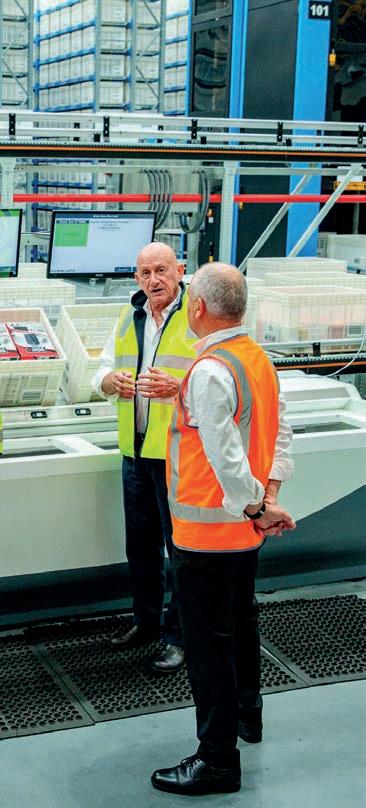
quick understanding of operations, and ability to design solutions that support ground-level workers.
For BPS, success means changing how Australian businesses approach Chinese automation purchases - moving from hesitation to confidence.
“With all our experience, we are best placed to be the Australian face of Chinese equipment manufacturers,” Malcolm says.
With Chinese manufacturers producing innovative equipment at competitive prices and Australian demand growing, Malcolm sees BPS’s role as essentialnot just facilitating sales, but ensuring successful implementations that deliver long-term value.
Malcolm references a colleague from the military’s wisdom. “Time spent in reconnaissance is time seldom wasted.” For BPS, this means thorough understanding of cross-cultural regulations, risk mitigation strategies, and business continuity processes built into every project from the start. ■






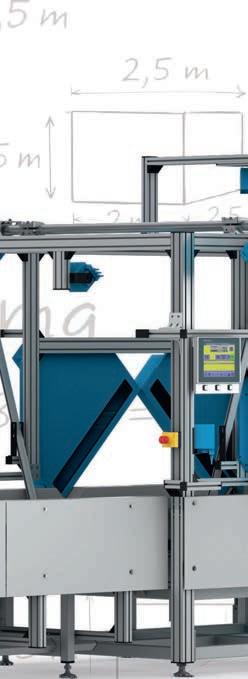
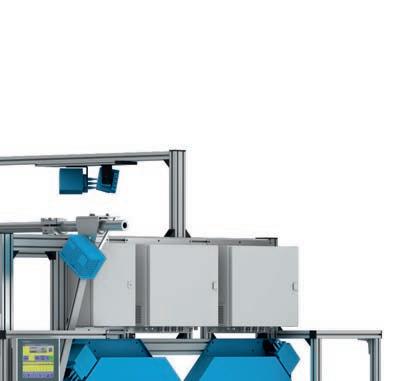
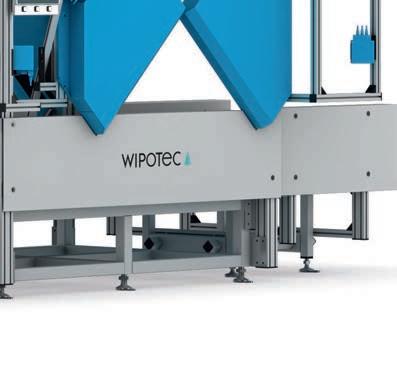
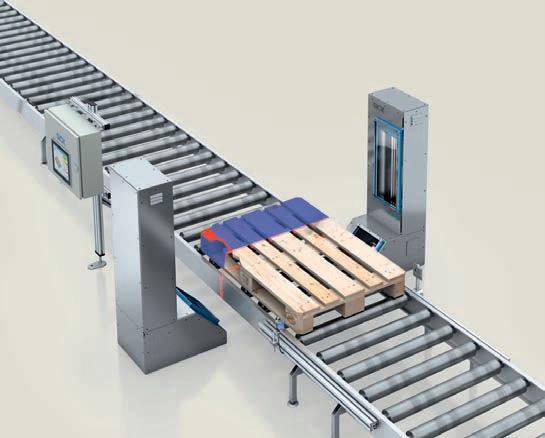
Wipotec provides precision dynamic weighing and DWS systems that enable accurate billing, compliance, and high-throughput logistics operations.
In high-volume mail and parcel networks, every gram and every millimetre matters. Billing integrity, sorter performance, load planning and service compliance all depend on accurate, real-time shipment data. At the centre of this data layer stands Wipotec, a German technology company that has spent decades engineering precision weighing and measurement systems that now support warehousing operations, CEP providers and integrators worldwide.
Engineering precision for global logistics
Founded in Germany and recognised internationally for its expertise in
precision weighing technology, Wipotec has established a strong presence in the mail and logistics sector through continuous in-house development and manufacturing. With nearly 40 years of experience in Electromagnetic Force Restoration weigh cell technology (EMFR), the company controls its core measurement technology rather than relying on third-party components.
Wipotec serves CEP networks, parcel hubs, warehouses, intralogistics facilities and integrators across global markets, and has strengthened its footprint in the Asia-Pacific region through its Australian subsidiary, established in 2022. As part of Wipotec GmbH, the local entity
provides inspection, weighing and traceability solutions tailored to regional operational requirements. From its base in Altona, Victoria, Wipotec Australia supports customers across Australia, New Zealand, the Philippines, Papua New Guinea and Fiji, delivering systems designed to enhance operational safety and endto-end data transparency. This direct operational presence supports project development aligned with regional compliance standards, access to local technical expertise through factorytrained service engineers with over 15 years of experience, and local spare parts stock to help ensure short lead times.
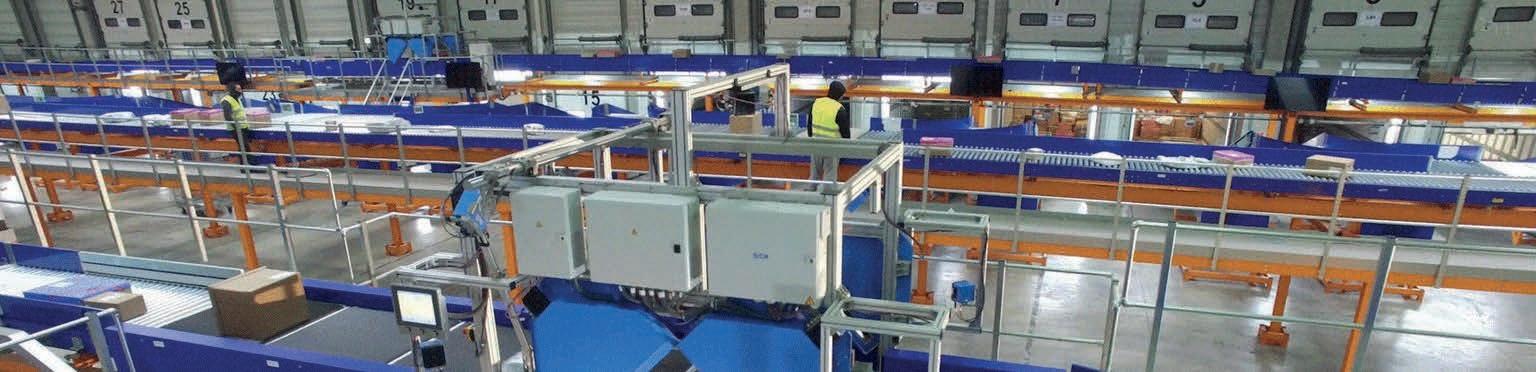
Beyond operational functionality, Wipotec’s systems play a strategic role in digital logistics networks minimising subsystem interfaces and ensuring maximum measurement accuracy.


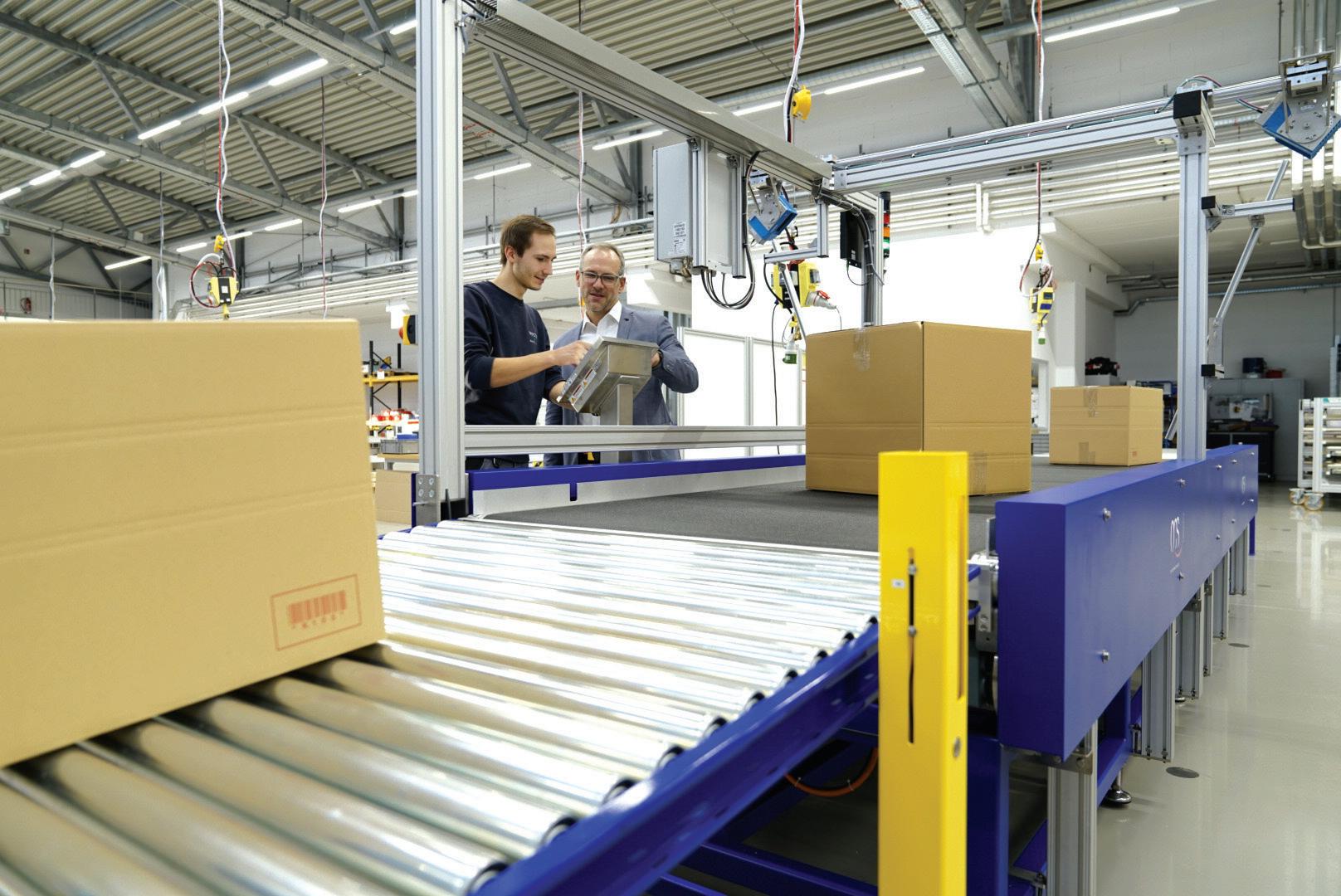
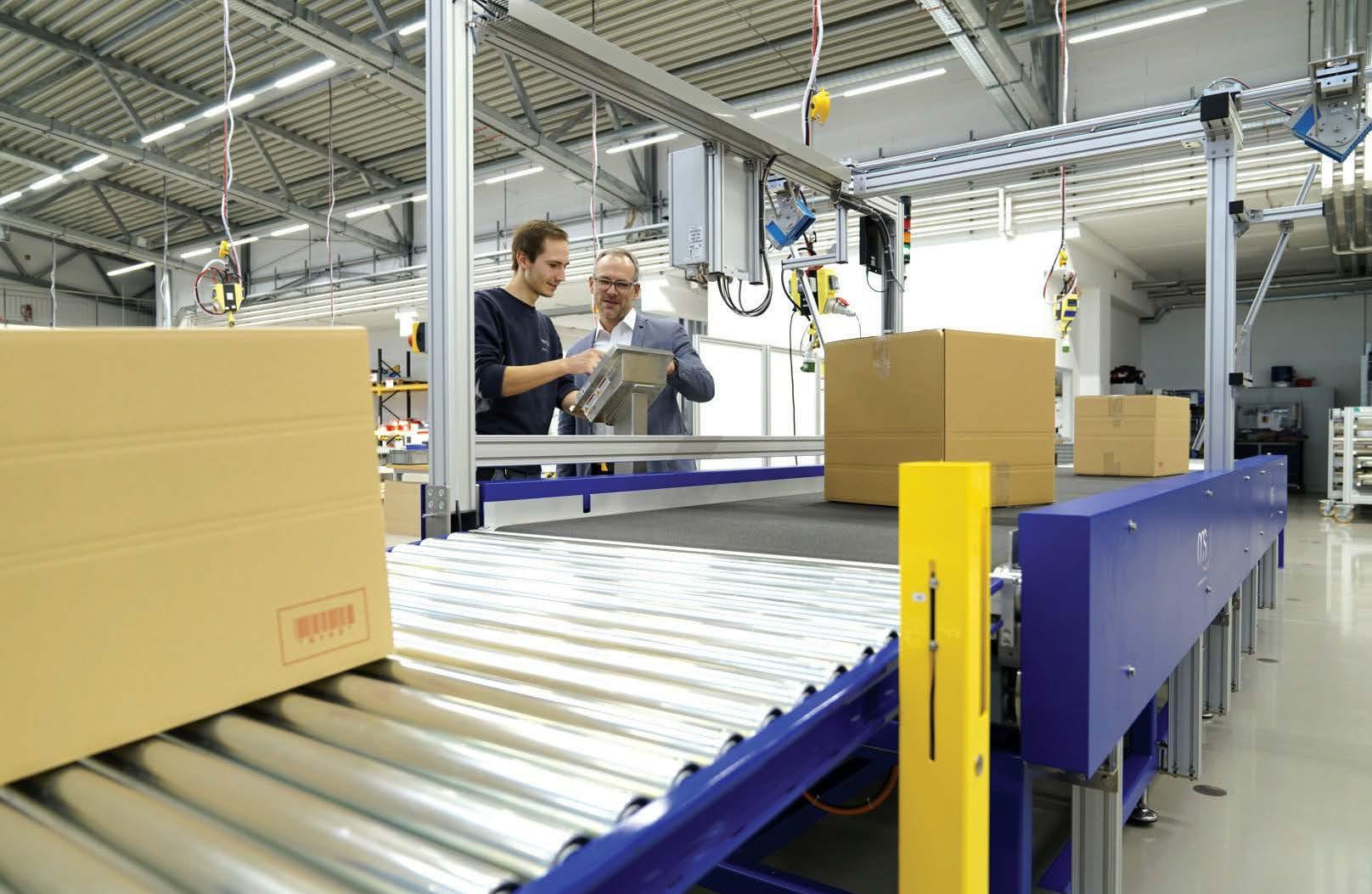
Wipotec’s portfolio for mail and logistics centres on two core solution families: dynamic catchweighers and integrated DWS systems, which together support modern automated sorting centres. These systems are engineered not as peripheral add-ons, but as integrated modules within automated material handling architectures, enabling incorporation into both existing and new logistics infrastructure. Wipotec Australia also maintains a demonstration facility where these solutions can be tested, allowing performance evaluation and validation prior to implementation.
Precision weighing under vibration, minimum parcel gaps, and high throughput
Measurement accuracy is not merely a technical feature, it is an important lever for revenue protection. In parcel networks, under-weighing can contribute to revenue leakage, whereas over-weighing increases dispute rates and regulatory risk. Wipotec’s systems are designed to maintain certified accuracy over long operating cycles, supporting yield management and contractual compliance.
At the heart of Wipotec’s catchweighers is its Electromagnetic Force Restoration (EMFR) weigh cell technology. Unlike conventional strain gauge systems, EMFR enables fast weighing results, strong measurement resolution, and repeatability over extended operating cycles, while reducing the need for frequent
recalibration. This can translate into shorter parcel gaps and higher throughput.
To maintain performance in highenergy sorter environments, where static weighing is no longer viable and parcels travel along conveyors at speeds approaching 3 m/s while being subjected to vibrations from sorters and singulators, Wipotec incorporates its Active Vibration Compensation (AVC) module. By pairing two EMFR cells to isolate and filter interference signals,
even under continuous vibration, helping preserve certified calibration values without slowing conveyor throughput or requiring mezzanine support structures. This supports billing accuracy and regulatory compliance in demanding logistics environments.
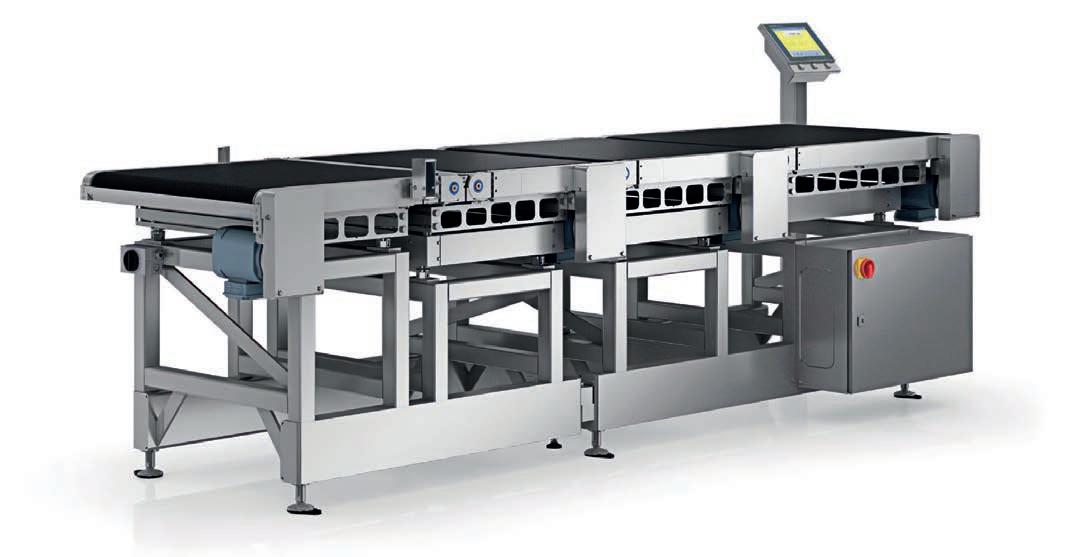
The HC-FL-T Wipotec catchweigher combines 3 hardware scales into 6 virtual scales. All scales are able to work independently of one another. The design feature allows for significantly
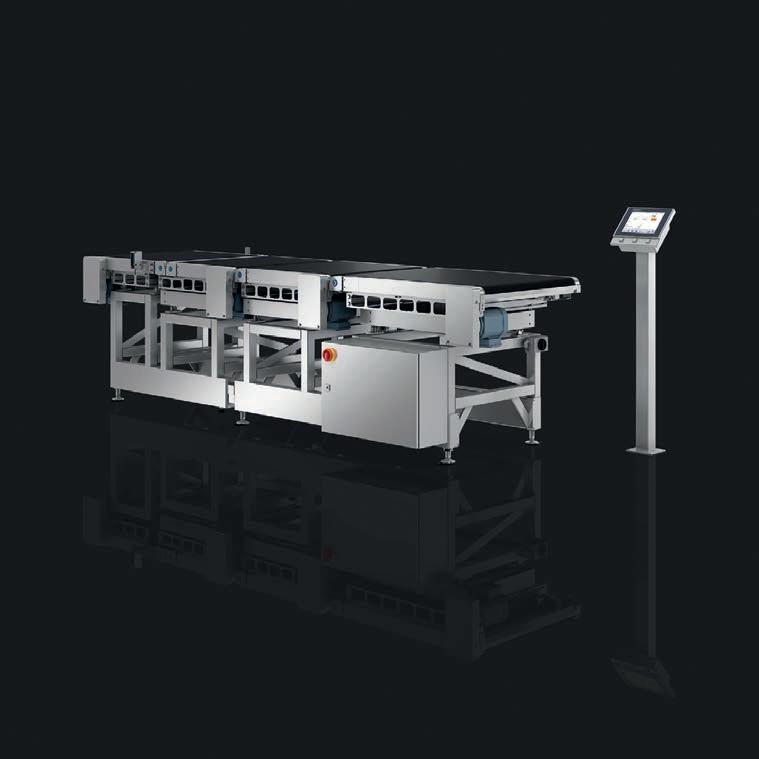
Wipotec’s catchweighers are modular by design, accommodating a wide range of shipment profiles, from letters to CEP consignments up to 150kg. System variants range from entry-level dynamic scales suitable for moderate throughput, to multiplatform solutions designed for primary induction lines and outbound sortation, providing flexibility for both new and retrofit facilities. Systems HC-FL double-scale and HC-FL-T triplescale can be combined into multiple virtual scales, up to six, delivering a maximum throughput of 18,000 parcels per hour. This allows operators to increase throughput density while reducing the gap between products, without expanding conveyor lines or redesigning sorter layouts.
Integration into automated logistics architectures is central to Wipotec’s design philosophy. Modular, conveyorcompatible construction, standardised mechanical mounting points for the installation of frames to support volume measurement and camera technology, industrial communication protocol compatibility, and centralised weighing modules can simplify installation and maintenance while reducing mechanical complexity. Predictive maintenance capabilities can further support uptime. For intralogistics environments, warehouse-oriented configurations prioritise robustness and cost
efficiency, supporting inventory reconciliation, outbound verification, and freight classification.
Beyond operational functionality, Wipotec’s systems play a strategic role in digital logistics networks, minimising subsystem interfaces and supporting consistent measurement accuracy.
Modern logistics networks rely on dimensional weight pricing and synchronised shipment data for routing, billing, and forecasting.
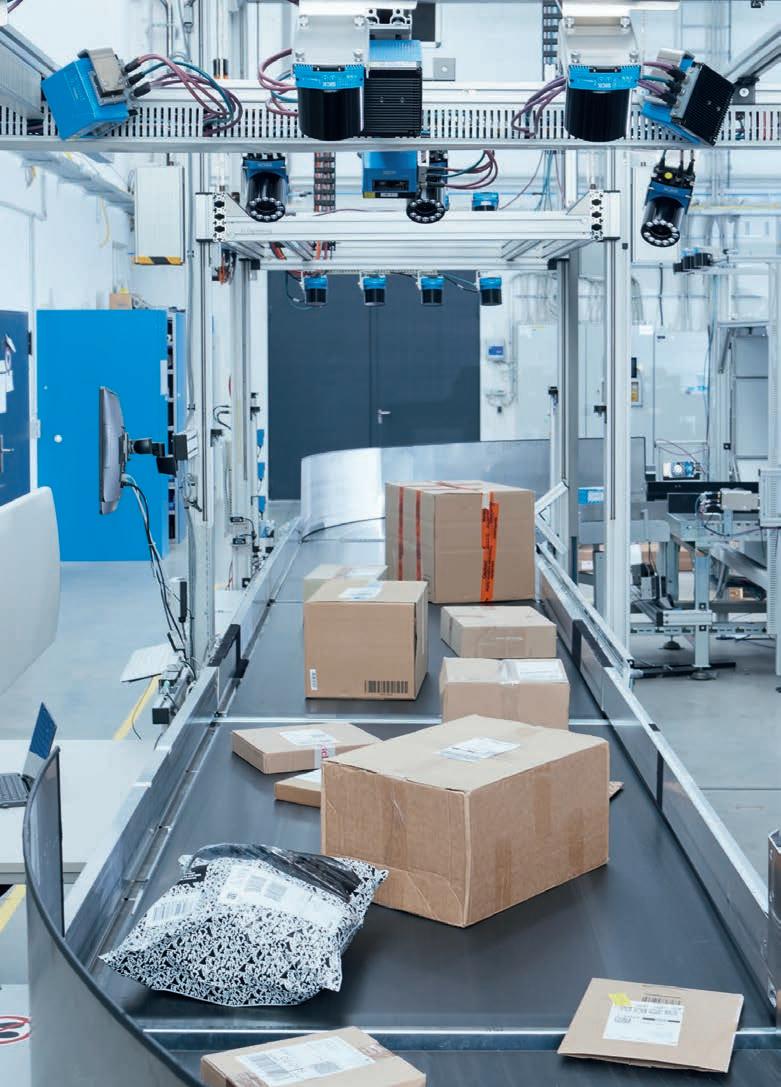
Wipotec’s integrated DWS systems combine optical dimensioning with dynamic weight capture and automated barcode or 2D code scanning within a single inline architecture. This integration reduces subsystem interfaces and supports accurate, unified parcel records for warehouse management, billing engines, and sorter control software. Compact units can often be deployed within a single day, making them suitable for seasonal expansions or converting low capacity systems, while larger multi-sensor systems support continuous operation in hubs handling tens of thousands of parcels per hour.
Beyond operational functionality, Wipotec’s systems also contribute to data-driven logistics networks. As automation density increases across CEP and warehouse infrastructure, catchweighers and DWS units
increasingly function as upstream data generators, enabling more precise linehaul and air cargo planning, dynamic routing, forecasting of sorter utilisation, and automated enforcement of service-level policies. This datacentric architecture supports network scalability, billing integrity, and operational resilience, particularly in markets experiencing rising parcel volumes alongside declining letter traffic.
In this way, Wipotec positions itself not only as a supplier of weighing equipment, but as a technology partner supporting measurement infrastructure for modern logistics networks. Through modular catchweigher design, EMFR weigh cell technology, and integrated DWS systems, the company supports CEP operators, warehouses, and integrators with tools designed to safeguard revenue, maintain compliance, and improve operational efficiency. In an industry defined by throughput pressure and margin sensitivity, accurate real-time parcel data is no longer optional, it is structural. Wipotec builds the systems that help make that data reliable.
Wipotec Australia will be participating in the current edition of CeMAT Melbourne at Stand G29. ■
For more information, visit www.wipotec.com/au
Send your requests to info.au@wipotec.com
Australian Industry Group CEO Innes Willox has responded to the Reserve Bank of Australia’s decision to lift the cash rate target to 3.85 per cent, highlighting concerns around inflation, economic conditions, and the outlook for government spending ahead of the federal budget.
Australian industry has called on the Federal Government to curb public spending growth following the Reserve Bank of Australia’s decision on 3 February to lift the cash rate target by 25 basis points to 3.85 per cent, warning that inflationary pressures remain entrenched and further rate rises cannot be ruled out.
Australian Industry Group (Ai Group) Chief Executive Innes Willox describes the move as “unfortunate but unavoidable”, arguing that the inflation rebound in the second half of 2025 left the central bank with limited options.
“The Reserve Bank of Australia’s decision to raise the cash rate to 3.85 per cent is unfortunate but unavoidable,” he says.
“The inflationary outbreak of late
2025 is clearly broad-based and has given the RBA little choice but to act.”
Innes says controlling inflation through reduced government spending growth should be a central priority ahead of the upcoming federal budget, warning that fiscal policy is adding to inflation risks at a time when the economy is already under pressure.
“Controlling inflation by lowering the growth in government spending needs to again be a top priority in the upcoming federal budget,” he says.
The RBA’s February decision follows inflation, which had eased substantially since its 2022 peak, picking up materially during the second half of 2025. In its statement, the central bank says it has been closely monitoring the economy and judges that part of the inflation increase reflects capacity pressures.
The Board says inflation is likely to remain above its target band for some time, with demand momentum strengthening beyond expectations and labour market conditions remaining tight.
According to the RBA, private demand growth has accelerated more sharply than forecast, driven by both household consumption and investment. The Bank also says activity and prices in the housing market continue to lift, adding further momentum to the economy.
The Board notes that financial conditions eased over 2025 and says it is uncertain whether policy settings remain restrictive. It says credit remains readily available to households and businesses, and that the effects of earlier interest rate reductions are still working their way through the economy.



The RBA also highlights recent movements in financial markets, noting that the exchange rate, money market interest rates and government bond yields have risen following an increase in market expectations for the cash rate.
The labour market remains a key factor in the Board’s assessment. The RBA says indicators suggest conditions remain “a little tight” and have stabilised in recent months, in line with stronger economic activity. It says the unemployment rate has been slightly lower than expected, and that labour underutilisation measures remain low.
While growth in the Wage Price Index has eased from its peak, the RBA says broader wage measures remain strong and unit labour costs continue to rise at elevated levels.
The central bank also flags ongoing uncertainty in the outlook for both inflation and domestic economic activity, particularly regarding the extent to which monetary policy is restrictive. It warns that if demand continues to strengthen while supply capacity remains limited, further capacity pressures are likely to emerge.
Global economic uncertainty is also cited, although the RBA says there has been little evidence so far of global weakness depressing Australian conditions. It says recent growth and trade among Australia’s major trading partners has surprised on the upside.
In its formal decision statement, the Board says a wide range of data has confirmed inflationary pressures picked up materially in the second half of 2025. While some of the inflation lift is assessed as temporary, the RBA says it is evident private demand is expanding more quickly than expected.
The Board also says capacity pressures are greater than previously assessed, and that labour market conditions remain tight, contributing to persistent inflation risk.
As a result, the Board judges it is appropriate to lift the cash rate target, and says it will remain attentive to incoming data and the evolving assessment of risks.
Innes says the Bank’s updated forecasts present a challenging outlook for both businesses and households, pointing to expected inflation persistence and slowing growth.
“Of equal concern are the worrying forecasts issued today by the RBA,” he says.
“Inflation is expected to keep rising until mid-2026, economic growth is forecast to slowly slump back towards 1.6 per cent p.a., while real wages face another year of decline due to high inflation.”
He adds that further tightening remains possible.
“Given current business and broader economic conditions, further rate rises unfortunately can’t be ruled out,” Innes says.
Innes says the latest projections underline the “pernicious effect” of high inflation across the economy and urges the Federal Government to take a more disciplined approach to spending.
“The Federal Government can do its part by better controlling the recent high growth in public spending,” he says.
“As the RBA notes, the underlying budget deficit will continue to widen this year. This will add to inflationary pressures.”
“A more disciplined approach to spending is critical to ensure inflation does not become entrenched, and the budget is returned to balance,” Innes says.
The RBA says its February policy decision was unanimous. ■






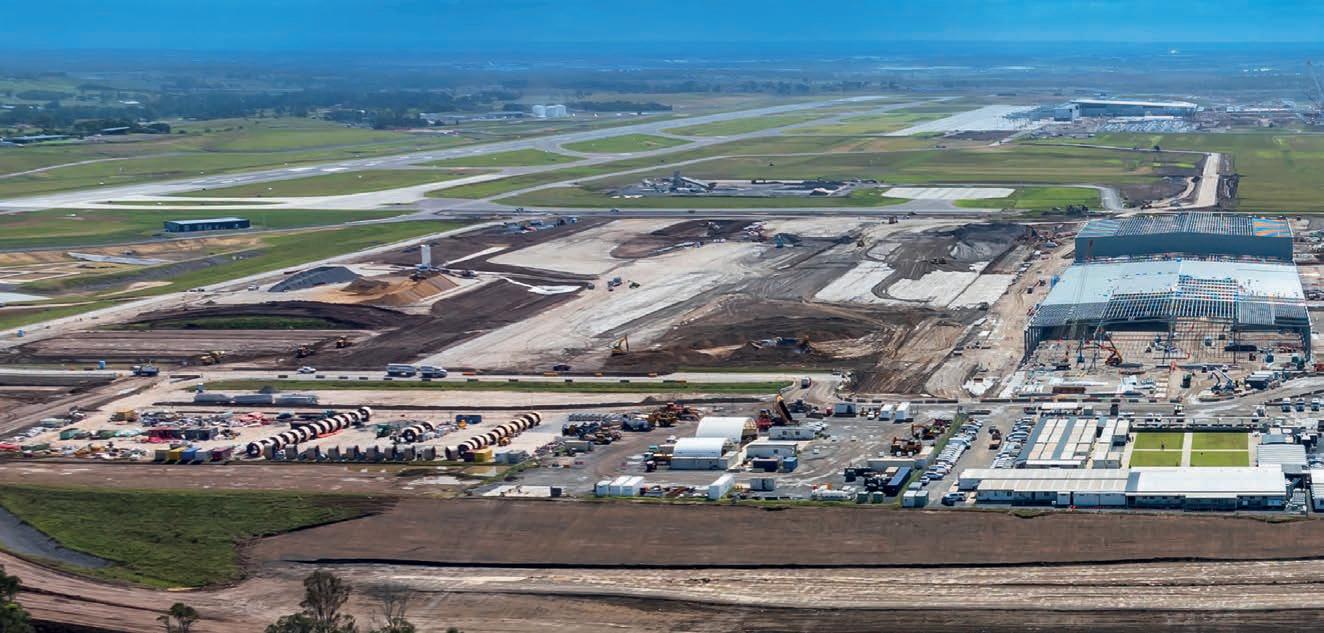


Western Sydney is emerging as NSW’s primary logistics growth corridor, driven by infrastructure, land availability and investment.

estern Sydney is consolidating its position as New South Wales’ logistics and industrial growth corridor, driven by its share of undeveloped employment land, a major construction pipeline, and rising investor activity.
According to the Western Sydney Industrial report (Issue 4, October 2025) from RWC Western Sydney, the region holds approximately 6,940 hectares of Greater Sydney’s 7,169 hectares of undeveloped employment land. This equates to 97 per cent of the total, positioning Western Sydney as the dominant location for future industrial and logistics development.
The report shows the Outer West accounts for 3,776 hectares, while the South West holds 2,765 hectares, meaning these two precincts represent the majority of the region’s future industrial land supply.
However, the report notes that the key constraint is not rezoning, but the ability to deliver supporting infrastructure that converts land into construction-ready industrial sites.
RWC Western Sydney reports that industrial development activity remains substantial across the region, with the Outer West continuing to lead Sydney’s supply pipeline.
The Outer West has 160 projects representing a combined 5.1 million square metres of potential industrial space across various planning stages. Of this pipeline, 76 projects are DA-approved, representing 2.1 million square metres, while 11 projects are under construction,

totalling 347,000 square metres.
In the South West, the pipeline includes 112 projects representing 2.7 million square metres of potential industrial space. RWC reports 58 DA-approved projects totalling 1.1 million square metres, with 302,000 square metres currently under construction.
The Inner Central West pipeline is smaller but still material, with 63 projects representing 1.1 million square metres of potential space. Only 55,000 square metres is currently under construction across five projects, reflecting the land constraints of established industrial precincts.
The North West pipeline remains the most limited, with 34 projects representing 324,000 square metres, with RWC noting that new supply is largely infill-based due to land constraints.
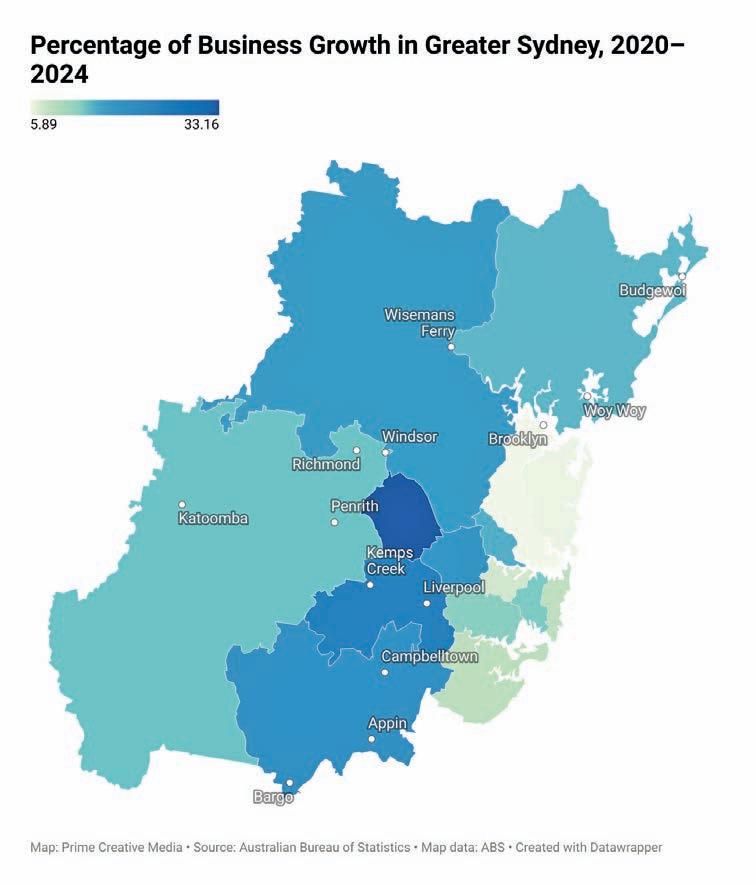
The report indicates Western Sydney is the dominant region for industrial investment activity across Sydney.
RWC Western Sydney reports the region captured 68 per cent of Sydney’s $6.2 billion in industrial transactions in the year ending September 2025, excluding data centre activity.
The buyer mix is also shifting, with cross-border capital increasing to approximately 50 per cent of buyers, compared to around onethird previously, suggesting growing offshore interest in Sydney’s industrial market.
Rental growth across Western Sydney has moderated after several years of rapid escalation.
RWC reports net face rents held flat year-on-year across all four regions through September 2025, following annual growth averaging between 14 and 20 per cent during 2021 to 2023.
In the Outer West, prime net face rents are reported at $218 per square metre, while secondary rents sit at $202 per square metre, both flat yearon-year.
In the South West, prime net face rents are reported at $205 per square metre, with secondary rents at $185 per square metre, also flat year-on-year.
In the Inner Central West, prime net face rents remain the highest across the region at $232 per square metre, with secondary rents at $218 per square metre.
RWC notes that while face rents have stabilised, incentives have increased across most submarkets, softening effective rental outcomes compared to peak conditions.
The report highlights the Western Sydney International Airport, scheduled to open in late 2026, as a major driver of industrial and logistics positioning, particularly for precincts in the Outer West and South West.
The report states that the Aerotropolis Sector Plan identifies 4,448 hectares of land that could become serviceable by 2030, creating a framework for future supply delivery.
RWC also notes growing competition for industrial land from digital infrastructure projects.
The report states that more than 650,000 square metres of data centre development is currently in planning across Western Sydney, driven by increasing demand linked to AI and cloud computing.
In the North West, the report identifies five data centre proposals in early planning stages within Ryde LGA, contributing to increased competition for power-served sites.
RWC reports that Western Sydney’s industrial market has moved into an expansion phase through 2025, supported by improving capital returns.
The Outer West recorded total returns of 7.6 per cent in the year to June 2025, comprising 3.5 per cent capital growth and 4.1 per cent income return.
The Central West recorded total returns of 5.7 per cent, supported by 1.8 per cent capital growth and 3.9 per cent income return.
RWC states that yields have stabilised across submarkets, with prime yields generally ranging around 5.10 to 5.20 per cent, while the spread between prime and secondary assets has widened as investors place greater emphasis on ESG credentials and lease quality. ■
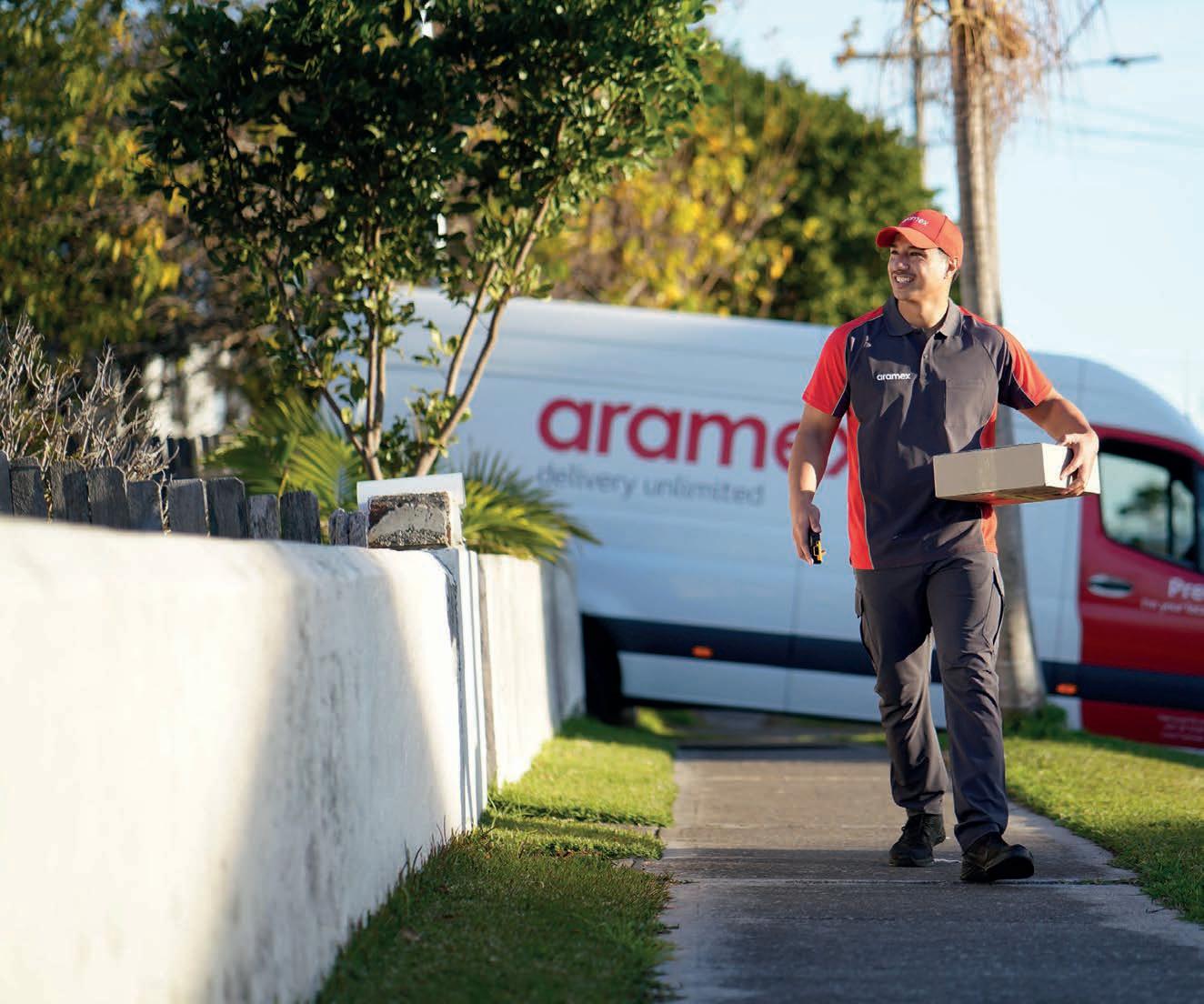

Aramex and PACK & SEND respond as Sendle halts bookings, urging SMEs to secure alternative delivery options.
Aramex Australia has issued a media statement following Sendle’s cessation of parcel bookings in Australia, as logistics providers and small businesses assess the disruption to domestic e-commerce fulfilment.
In a statement dated 12 January 2026, Aramex Oceania Regional Director Mark Little says the company is aware that Sendle has halted all bookings for parcel pick-ups and deliveries with immediate effect, and acknowledges the uncertainty this may create for businesses that rely on Sendle to ship goods.
While Aramex says it cannot comment on the specific circumstances surrounding Sendle’s operations, the courier provider says it is ready to support e-commerce and B2B businesses seeking an alternative delivery partner.
Aramex adds that its operations continue as normal, and encourages
impacted customers to open an aramexConnect account as part of the transition process.
Sendle launched in 2014 and operated as a technology-driven shipping platform that enabled business customers to book courier services through an online interface. The company built a strong presence among small and medium-sized businesses by offering streamlined shipping tools and competitive parcel pricing.
However, Sendle’s sudden operational halt has raised immediate concerns for SMEs that rely on consistent shipping performance to meet customer expectations, particularly in an environment where delivery speed and reliability are increasingly tied to brand trust.
Jake Shaw, Senior VP of Operations at PACK & SEND, says the immediate impact is likely to be felt most sharply by small retailers who do not have the
resources to quickly pivot their delivery networks.
For SMEs that rely on freight services, it’s a reminder that logistics is a critical part of their business,” he says.
If they were using Sendle, they needed to find an immediate solution to keep orders moving, but they also need to look long-term and ask where they can get stability and support to ensure this doesn’t happen again.”
Jake says the disruption will be especially difficult for smaller online retailers operating with limited staff and limited flexibility.
“We’ve seen a number of smaller e-commerce operators reaching out to us for solutions,” he says. “Their customers are purchasing online 24/7, and they need to keep products moving to meet expectations and protect their brand.”
Aramex notes in its statement that Sendle is a technology platform that
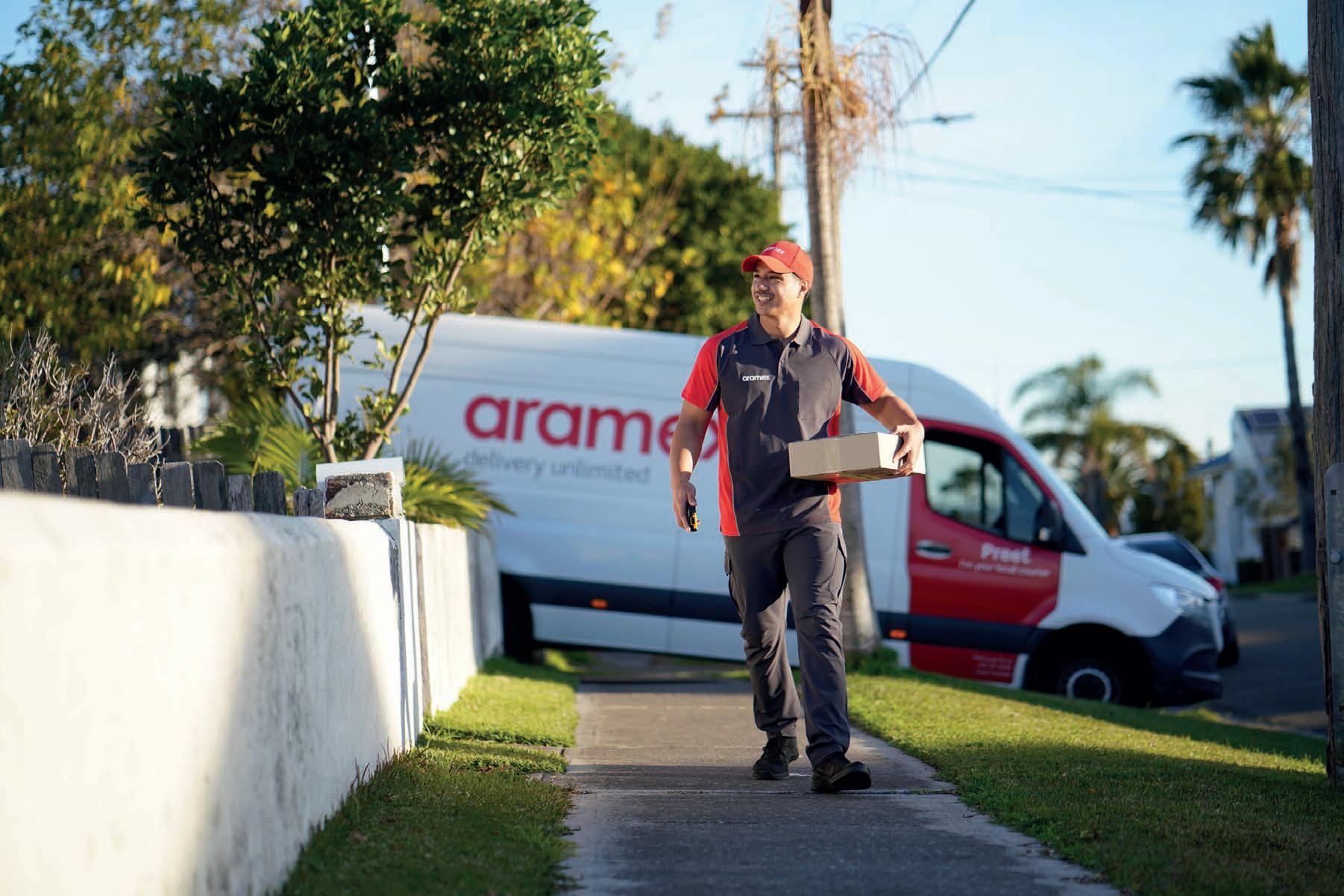
enabled business customers to book courier services, and says it has a long history of delivering for Sendle customers. The comment highlights the structure of Sendle’s operating model, where courier networks were responsible for the physical movement of parcels while Sendle provided the booking and tracking interface.
Jake says that even if delivery partners remain active, the sudden loss of the platform layer can create uncertainty for businesses.
“I think this will cause many SMEs to reassess their logistics set-up,” he says. “They need more than just a low-cost parcel or satchel option. They need reliability, flexibility, and support from a freight partner.”
He adds that many SMEs will be concerned about parcels already in transit, particularly where customers have paid for delivery and expect confirmation.
“You need sustainability and a proven

model that is flexible and consistent, with multiple revenue streams,” Jake says.
Jake says businesses impacted by Sendle’s cessation should take immediate steps to minimise disruption and reduce risk, including switching carriers quickly, prioritising urgent shipments, and proactively communicating with customers.
“That depth and flexibility is what provides a sustainable platform. If you’re operating in this space, you need the ability to generate revenue from multiple streams,” he says. “businesses should also assess their current order backlog and prioritise customers who are most time-sensitive.”
Jake also recommends SMEs reduce reliance on single courier channels moving forward.
“Pack & Send has 138 centres in Australia, and that’s testament to the fact that if you get the model right, you can be sustainable long-term,” he says. “We don’t purport to be the cheapest offering, but that’s also not what we’re offering.”
The event also raises broader questions about long-term stability in the e-commerce logistics market, particularly as Australia’s parcel volumes continue to grow and customer expectations remain high.
Jake says disruptions like Sendle’s halt could accelerate a shift toward more structured fulfilment partnerships, with SMEs placing greater emphasis on service continuity and risk mitigation.
“For businesses affected by Sendle, I’d suggest using it as a chance to review your logistics set-up,” he says. “Look for a partner with scale, multiple carrier options, and real expertise, not just a software platform.”
He adds that the industry may see increased demand for third-party logistics providers and integrated fulfilment models, particularly for smaller online sellers.
“I think SMEs will place more emphasis on continuity and reliability in their supply chain moving forward,” he says. “They want to know that whoever they partner with has the resources to support them long-term, and that they’re dealing with a mature and stable business.”
With Sendle no longer accepting bookings, market attention is now shifting to how quickly the delivery sector can absorb displaced demand. While major carriers may be able to scale, the broader question is whether SMEs will still be able to access affordable shipping rates comparable to what Sendle offered.
Jake says the gap is likely to be filled through a combination of existing courier networks increasing capacity, new aggregators attracting displaced customers, and logistics franchises expanding account onboarding.
“We saw a huge upswing in enquiries, particularly directly to our franchise partners, because businesses needed an immediate solution,” he says.
He adds that pricing could fluctuate in the short term as capacity tightens.
“We can transition customers very quickly through our Pack & Send Live platform, and that’s what we were doing in the immediate days afterwards,” he says. “We’ve also seen some customers return to us after leaving for Sendle, because they were attracted by a cheaper option, and then realised the value of continuity, service and reliability.”
Aramex says its priority is to provide certainty and continuity of service for Australian businesses, and that its team is available to assist customers transitioning their deliveries. ■

CAustralian retailers are expanding AI usage for fulfilment. Image: Daeng1010/stock.adobe.com

Australia’s retail sector expands AI use and online growth amid steady sales, digital transformation, and automation
oles says it has become the first major Australian retailer to deploy ChatGPT Enterprise at scale, as part of a collaboration with OpenAI. The company states the system is being rolled out across corporate teams to support tasks such as research assistance, document summarisation and other internal workflows. Coles characterises the initiative as an enterprise deployment and describes it as a continuation of its broader work with data and automation. The claim to be first is Coles’ own characterisation.
The company has framed the program around responsible and secure use of AI within its operations. Coles also points to existing AI uses across areas such as store operations and fulfilment, and says the new deployment extends AI into daily corporate work. The company notes that AI already underpins rostering, replenishment, and product ranging, as well as automation and computer vision
systems in its distribution centres.
ABS retail trade shows steady growth to June 2025
The Australian Bureau of Statistics reports that seasonally adjusted retail turnover rose 1.2 per cent in June 2025 to $37,906.6 million, up 4.9 per cent compared with June 2024. In volume terms, the seasonally adjusted estimate rose 0.3 per cent in the June quarter 2025 compared with the March quarter 2025. Seasonally adjusted total retail turnover was $106,008.5 million in the June quarter, reflecting 1.5 per cent growth year-on-year.
Online retailing totalled $4,703.8 million in June 2025, seasonally adjusted—up 3.9 per cent monthon-month and 13.0 per cent through the year. Online food sales were $1,449.9 million and non-food sales $3,253.9 million. In original terms, the proportion of online sales to total retail turnover rose from 11.9 per cent in May 2025 to 12.7 per cent in June 2025, up
from 11.6 per cent a year earlier. By category, June results show:
• Household goods retailing + 2.3 per cent; within this, electrical and electronic goods + 3.9 per cent, furniture, floor coverings, houseware and textiles + 3.0 per cent, hardware + 0.3 per cent.
• Food retailing + 0.9 per cent; supermarkets and grocery stores + 1.2 per cent.
• Clothing, footwear and personal accessories + 1.5 per cent.
• Department stores + 1.9 per cent.
• Other retailing + 1.9 per cent.
• Cafés, restaurants and takeaway food services – 0.4 per cent.
The ABS confirms that the June 2025 release marks the final publication of Retail Trade, Australia. Future monthly data will be captured through the Monthly Household Spending Indicator (MHSI), which now serves as the principal measure of household consumption trends. Per capita retail
volumes fell 0.1 per cent in the June quarter following a 0.4 per cent fall in the March quarter and remain 6.0 per cent below the June 2022 peak, though 3.2 per cent above December 2019 levels.
The Australian Retailers Association’s Retail Insights Report 2025 describes retail as generating about $430 billion annually, contributing 18 per cent to GDP and supporting 1.4 million jobs nationwide. The ARA references ABS monthly data showing consumer spending of $37.2 billion in April 2025, up 3.8 per cent year-on-year.
According to the report, online retail rebounded strongly in 2024, with digital sales growth accelerating from 3.7 per cent at the start of the year to 14.3 per cent by year-end, bringing online’s share to “roughly 20 per cent of all retail spend.”
The ARA foreword also notes that price inflation has eased from a 7.8 per cent peak in December 2022 to 2.4 per cent by end-2024, sitting at 2.1 per cent mid-2025. It reports 25,600 job vacancies in the sector and references continuing cost pressures and regulatory change.
Seasonal spending remained resilient: Back-to-School 2025 sales rose 5.9 per cent year-on-year, while Endof-Financial-Year and mid-year sales generated $10.5 billion, up almost 4 per cent over 2024.
The ARA also highlights a surge in second-hand commerce, with 35 per cent of Australians buying or selling pre-loved goods, driven by retailers investing in technology-enabled resale and circular platforms.
NVIDIA’s State of AI in Retail and CPG: 2025 Trends Survey Report surveyed hundreds of industry professionals from September to November 2024. The report states that “nine out of ten companies” are either actively using or assessing AI in operations. It found that:
• four out of five respondents said AI
increased annual revenue, with a quarter reporting revenue gain > 20 per cent.
• Ninety-four per cent said AI helped reduce annual operational costs, and more than a quarter indicated cost reductions > 20 per cent.
• 97 per cent of respondents said AI spending will increase next fiscal year, with
• 52 per cent planning to raise budgets by ≥ 10 per cent.
The report states that 82 per cent of executives and supply-chain professionals plan to increase AI investment for the supply chain, with demand forecasting and prediction listed as the most prominent investment area.
Other priorities include “warehouse knowledge advisor copilots (35 per cent), automated creation of periodic reports (33 per cent), and logistics simulation and optimisation (27 per cent).”
NVIDIA records that four-fifths of companies say AI has reduced supplychain operating costs, with 25 per cent reporting cost reductions > 10 per cent.
On generative AI, the top five use cases are reported as:
• Marketing and content generation (60 per cent)
• Predictive analytics (44 per cent)
• Personalised marketing and advertising (42 per cent)
• Customer analysis and segmentation (41 per cent)
• Digital shopping assistants or advisor copilots (40 per cent).
said their companies will increase
generative AI investment next year, with 51 per cent expecting rises > 10 per cent and 31 per cent > 20 per cent.
The report identifies data privacy (60 per cent), data security (49 per cent), regulatory/legal concerns (49 per cent), and cost to implement (57 per cent) as leading challenges, noting that “retailers aren’t broadly concerned with generative AI as a source of job displacement,” which was cited by only 16 per cent.
Across these data sources, Australian retail shows steady growth, expanding online participation, and continued investment in digital and AI capability. Coles’ enterprise deployment of ChatGPT Enterprise illustrates how major retailers are embedding AI into daily corporate processes. ABS data records solid sales momentum and the final transition of official retail tracking to the Monthly Household Spending Indicator.
ARA figures present a sector valued at $430 billion, employing 1.4 million people, with online retail and circular commerce on the rise. NVIDIA’s global survey quantifies widespread AI adoption, cost reduction and revenue uplift across retail and CPG, with 97 per cent of respondents planning to increase AI spending and 93 per cent increasing generative AI budgets. Each dataset points to an industry that is becoming more data-driven, more automated and more reliant on AI
Woolworths has opened its $1.3bn Moorebank RDC precinct, featuring automation, solar power, rail links, and Green Star sustainability.
Woolworths Group has opened its new Regional Distribution Centre (RDC) in Western Sydney, completing its Moorebank Logistics Precinct.
The $1.3 billion precinct is Woolworths Group’s “single biggest investment” and includes both the new Sydney RDC and the recently opened National Distribution Centre (NDC), which are co-located at Moorebank.
Woolworths says the two facilities will move over five million cartons each week to more than 1,000 stores across Australia, covering a range of 20,000 individual products.
support improved product availability and enable new products to arrive
faster on shelves, particularly during peak seasonal periods.
The Moorebank Logistics Precinct includes direct links to Port Botany, interstate rail and Sydney’s M5 and M7 motorways.
The automated facilities are designed to move food, grocery and everyday items onto shelves faster, with pallets arriving in store “aisle-ready”, suited to individual store layouts.
Woolworths says this is intended to support faster restocking by store teams.
In total, the two distribution centres cover 75,000 square metres of floor space.
The investment has also supported
phase and will employ around 800 team members in ongoing operational roles across the two facilities.
The precinct was officially opened by the Federal Minister for Infrastructure, Transport, Regional Development and Local Government, the Hon Catherine King MP, alongside Woolworths Group CEO Brad Banducci.
“The challenges of the past year have put a spotlight on the critical role our distribution centres play in providing the essential food and everyday needs Australian communities rely on,” says Brad.
“To keep pace with growing
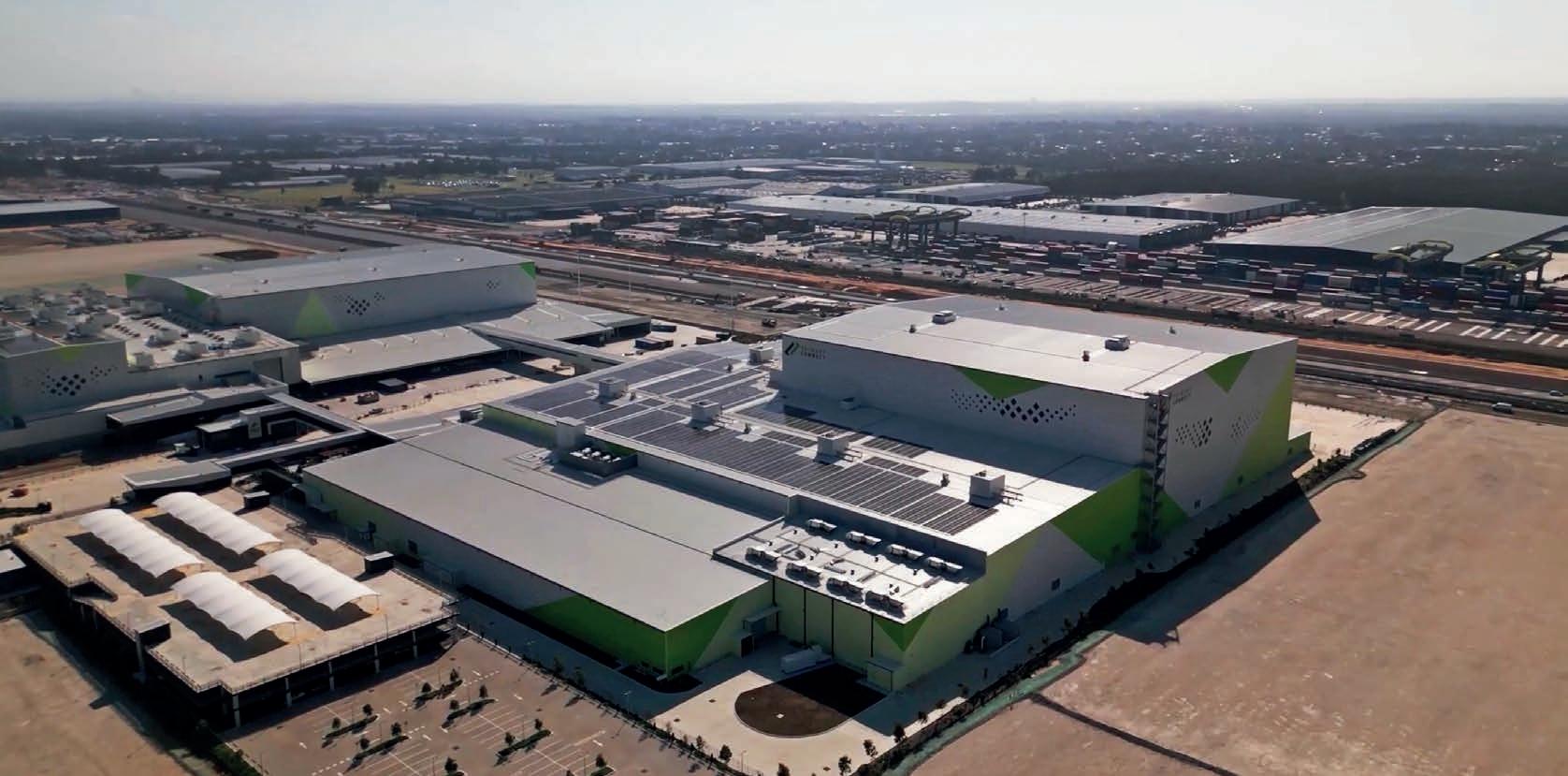
to power our next generation supply chain.”
Brad says the investment will give the retailer greater flexibility to expand its in-store offering by easing existing capacity constraints across its distribution network.
“We have ambitions to offer a more tailored range of products in our stores. This has traditionally been constrained by what we can hold in our distribution centres,” he says.
“Once both centres are up and running, we’ll be able to carry up to 8,000 additional products in our range than we can in our existing facilities. This will help unlock a much better shopping experience for our customers.”
Both distribution centres have achieved a 5-star Green Star rating from the Green Building Council of Australia. Ben Newton, Primary Connect General Manager of Strategy, Development and Partnerships says sustainability was part of the precinct’s
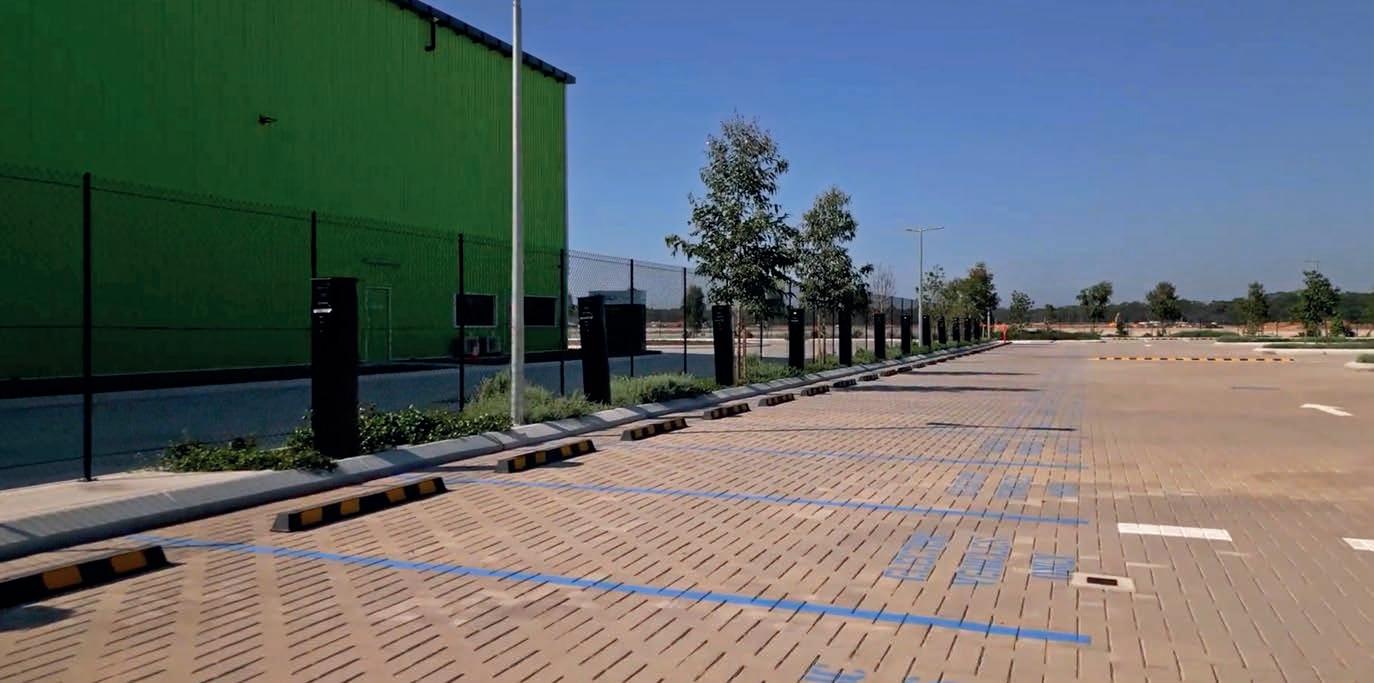
strategic move to shift freight from road to rail, cutting transport emissions and replacing older, less efficient facilities.”
bays for EV prime movers and tugs, and that three EV tugs are already operating out of Moorebank using the charger.
5-star Green Star rating and building in
Ben says the project’s sustainability targets include an estimated “35 per cent reduction in operational emissions through solar panels, LED lighting, and rainwater harvesting.”
He says the precinct’s solar system is expected to generate “5.3 megawatts of energy annually,” providing approximately 25 per cent of the NDC’s electricity. Rainwater harvesting is used for irrigation, truck washing, and flushing toilets.
The precinct’s design also supports lower transport emissions through its proximity to port and rail infrastructure. Ben says the direct rail connection is “a cornerstone of the project’s sustainability advantages,” supporting emissions reduction targets by shifting freight from road to rail. He says the network redesign is expected to remove “an estimated 23,000 truck movements from the roads annually,” enabled through the precinct’s strategic location, co-location of the NDC and RDC, and an airbridge connection that reduces truck movements between the two facilities.
Beyond renewable energy, the precinct has been designed to support electrification. Ben says the site includes more than 40 electric
Solar generation is integrated into day-to-day distribution centre operations. Ben says “on a typical day, the solar generated can provide up to a third of the site’s demand for the entire day,” with excess capacity available during peak solar generation to support operations during high-demand trading periods. He says energy usage and solar generation are monitored through connected systems, supported by Woolworths’ Energy Management Centre, which tracks electricity use in real time to identify peaks, patterns, and unexpected spikes.
Automation also contributes to sustainability outcomes beyond productivity. Ben says the new RDC provides “50 per cent more capacity on a 12 per cent smaller physical footprint,” improving land-use efficiency and reducing energy needs per pallet. He says automation reduces “damage & shrinkage,” helping minimise stockrelated waste, while high-bay storage operates as a “lights-out environment,” meaning these areas do not require lighting compared to traditional warehousing. Woolworths says the RDC is designed to handle packaged groceries and health and beauty products, supporting faster receiving, sorting and dispatch to stores. ■








































Stay ahead of the curve in logistics, warehousing, and supply chain management. MHD Supply Chain Solutions Magazine o ers the latest trends, thought leadership, and actionable insights you need to drive your business forward.


management. MHD Supply Chain








Unlock the ideas, information, and strategies that are shaping the future of supply chain management—only available to MHD subscribers. Don’t miss out on the critical insights that can give your business the edge.
• One-year subscription: $99 for 11 issues
• Two-year subscription: $179 for 22 issues
• Auto-renew subscription: $95 per year Scan to subscribe
Contact: subscriptions@primecreative.com.au
Visit: mhdsupplychain.com.au/subscribe/
Bulk Expo has confirmed SRO Technology as a Platinum Sponsor, supporting the event’s networking program.
ulk Expo has confirmed SRO Technology as a Platinum Sponsor of the event, with the Australian instrumentation and measurement specialist also named Sponsor of the Networking Drinks.
A long-standing provider of bulkmaterials handling measurement and protection systems, SRO Technology’s sponsorship reflects the company’s alignment with the technical and operational focus of Bulk Expo. The Networking Drinks, hosted by SRO
Technology, will provide an opportunity for attendees to connect following the opening day of the exhibition and technical conference.
Founded in 1988, SRO Technology has supported bulk operations across Australia with precision measurement, conveyor protection and materialshandling instrumentation. At Bulk Expo, the company will showcase its revitalised Ramsey product range alongside its latest monitoring and
Siobhan Rocks, General Manager, Events at Prime Creative Media, says SRO Technology is well aligned with the practical and engineering-led audience Bulk Expo is designed to attract.
“Bulk Expo is all about real-world solutions for the challenges operators face every day, and SRO Technology is right there in the thick of it,” Rocks says.
“Their focus on measurement
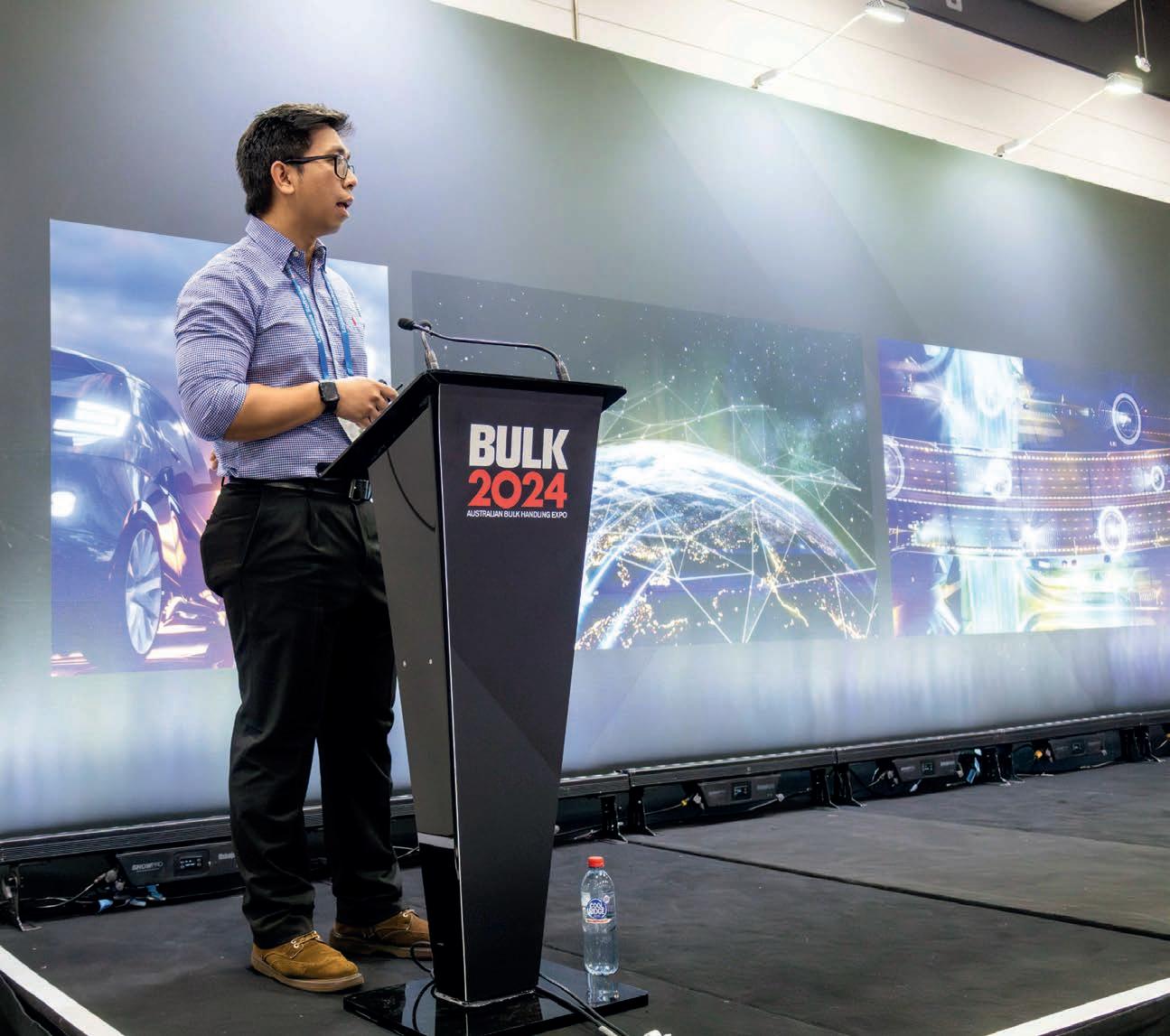
Bulk 2024 enabled attendees to connect with decision makers.
engineering integrity aligns strongly with the audience we bring together.”
Rocks adds that SRO’s support of both the exhibition floor and the networking program will strengthen the overall event experience.
“Having SRO Technology come on board as a Platinum Sponsor and host the Networking Drinks is a genuine win for attendees. It creates meaningful opportunities for connection while reinforcing the technical depth and credibility of the event.”
SRO Technology’s presence also aligns with the technical conference program running alongside Bulk Expo, including the ASBSH technical stream, which will bring together senior engineers, researchers and industry leaders to explore data-driven solutions and operational challenges across bulk handling environments.
David Steel, Chief Operating Officer
at SRO Technology, says the event provides a valuable opportunity to engage directly with industry decision makers and technical stakeholders.
“SRO Technology has always been about more than just supplying parts, we’re about solving complex site-level problems,” Steel says.
“Whether it’s tackling flow properties, dust mitigation, or the latest in conveying solutions, we’re here to provide technical integrity where it matters most.”
Steel says 2026 marks an important year for the company, following a global two-year revival of the Ramsey product range, which he describes as a major milestone for the sector after the product line was discontinued in 2023.
“We’d love for everyone to drop by Stand C17 during the expo to see the new-generation V1.5 Ramsey Flex,
Bulk enables industry experts to gather, share insights, and discuss key issues shaping the bulk handling sector.
Oretronic IV Tramp Metal Detection system and the revitalised Pro-Line Conveyor Protection series in person, and join us for the Networking Drinks hosted by SRO,” he says.
“It’s the perfect time to have a chat about how we can support your operations.”
SRO Technology says it is also looking forward to engaging with conference content focused on flow behaviour, conveying performance and wear challenges, which are central to its on-site engineering work across bulk environments.
Bulk Expo will bring together suppliers, operators, engineers and decision makers from across the bulk-materials handling supply chain, combining a comprehensive exhibition with a technical conference program and targeted networking opportunities. ■
































The VTA will deliver its Alternative Fuel Summit at MegaTrans 2026, expanding decarbonisation discussions across industry.
The Victorian Transport Association (VTA) has announced a major industry partnership with MegaTrans 2026, confirming its Alternative Fuel Summit will be delivered as part of the national freight and logistics event in Melbourne later this year.
The Summit will take place on Day Two of MegaTrans (17 September) and will feature expert speakers, case studies and panel discussions focused on the future of low and zeroemissions transport, including electric, hydrogen, biofuels and hybrid solutions.
The program will place a strong emphasis on industry readiness, infrastructure development and the commercial viability of alternative fuel
pathways for operators across freight, logistics and supply chain sectors.
VTA CEO Peter Anderson says the Association is “thrilled” to partner with MegaTrans and expand the reach of the Alternative Fuel Summit, positioning it within one of Australia’s most prominent transport and logistics industry gatherings.
“We’re delighted to be joining forces with MegaTrans for this year’s Summit,” Anderson says.
“Decarbonisation is one of the defining challenges of our time, and it’s essential that our industry continues to engage in practical, informed and forward-looking discussions about how we transition to cleaner transport.”
Anderson says hosting the Summit
within MegaTrans will allow the VTA to engage a significantly broader and more diverse audience, including operators, suppliers, policymakers and innovators.
“Hosting the Summit within MegaTrans means these conversations don’t happen in isolation, they happen in front of thousands of people who influence, design and operate Australia’s freight and logistics networks every day,” he says.
“It’s an opportunity to share knowledge, accelerate understanding and bring alternative fuel solutions into the mainstream.”
He adds that the partnership aligns closely with the VTA’s broader mission to support transport operators through the national energy transition,
particularly as fleet owners navigate uncertainty around fuel availability, refuelling infrastructure, vehicle cost and long-term policy settings.
“This partnership helps us broaden that mission. By combining VTA’s industry expertise with the scale of MegaTrans, we’re ensuring the sector has access to the information, debate and collaboration needed to navigate the pathway to lower emissions,” Anderson says.
The Alternative Fuel Summit will build on MegaTrans’ wider sustainability agenda, exploring practical transition strategies and emerging technologies across the freight task. With the sector facing increasing pressure to reduce emissions while maintaining service levels, safety and profitability, the Summit is expected to deliver timely discussion on the realities of fleet transition.
MegaTrans organiser Prime Creative Media says the partnership reflects the growing role of peak bodies in shaping the event’s conference agenda, as MegaTrans continues to build its network of industry partners and operational contributors.
General Manager, Events at Prime Creative Media, Siobhan Rocks says alternative fuels are a central
component of the event’s sustainability focus.
“Sustainability is a core pillar of MegaTrans, and alternative fuels are a critical part of that journey for the transport and logistics sector,” Rocks says.
“Partnering with VTA allows us to take that conversation further by bringing together policy, technology and operational insight in a way that is relevant and actionable for industry.”
Rocks adds that the VTA partnership will extend beyond the Summit itself, with the Association also hosting a breakfast on Day One of MegaTrans, designed to create early networking opportunities and set the tone for the event.
“Having VTA involved across both days adds real depth to the MegaTrans program,” she says.
“The VTA breakfast creates a strong platform for connection and discussion, while the Alternative Fuels Summit extends our sustainability narrative into a dedicated forum focused on future transport solutions.”
The announcement comes as MegaTrans 2026 continues to expand its industry partner network, with peak bodies, safety organisations and major
ahead of the Melbourne event.
MegaTrans has confirmed several organisations as official partners, including ICHCA Australia, the Chartered Institute of Logistics and Transport, CLOCS-A and ASCLA, reflecting the event’s intention to represent the full breadth of the freight and logistics landscape across road, rail, ports, intermodal and warehousing operations.
The event’s Operator Hub is also gaining momentum, with major freight and logistics operators such as UPS, Amazon, Wettenhalls, Cold Xpress, SGS Logistics and Centurion confirmed to participate, bringing real-world operational perspectives into the exhibition and conference environment.
MegaTrans will take place at the Melbourne Convention and Exhibition Centre from 16 to 17 September 2026, bringing together suppliers, technology providers, fleet operators, logistics companies, infrastructure stakeholders and government to address the challenges and opportunities shaping the future of freight.
Full program details and ticketing information for the VTA Alternative Fuel Summit will be announced in the
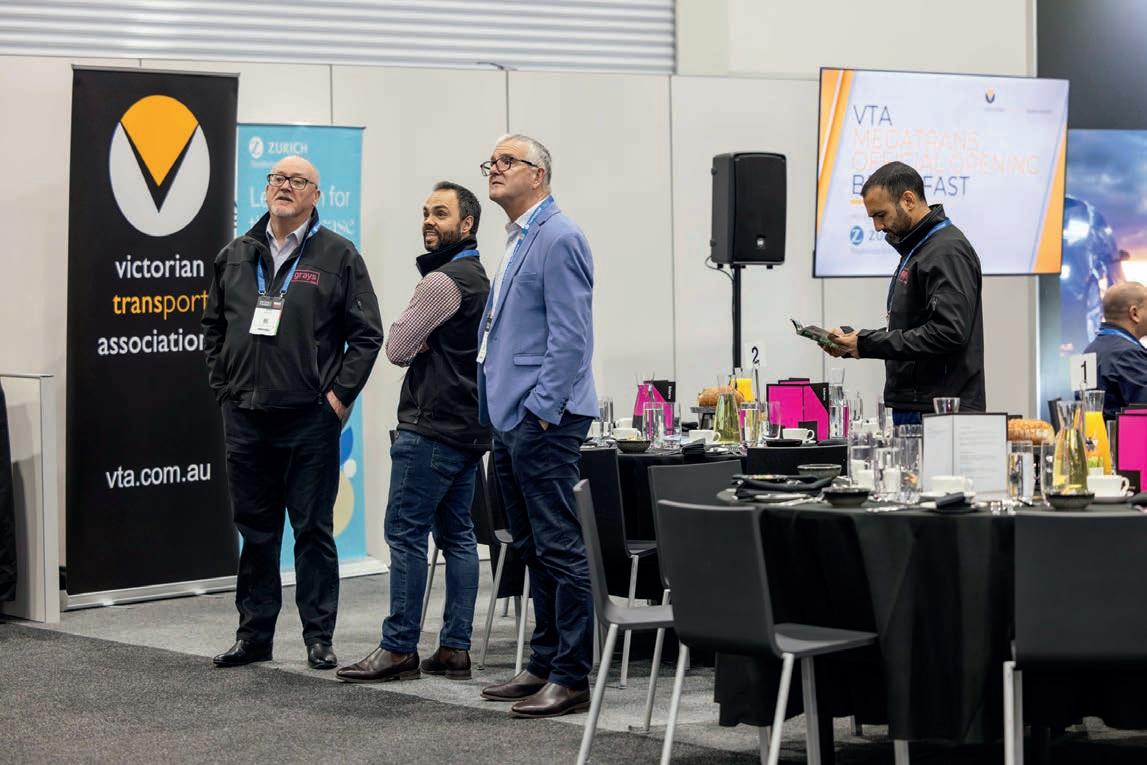
This two-day course is designed to provide participants with the processes, tools, techniques, and performance measures required for production planning and control excellence. It will take place on 26 to 27 May 2026.
The workshop provides an understanding of why integrated planning and control techniques were introduced, and how planning requirements differ across distribution centre finished goods, finished items at manufacturing sites, manufactured and purchased items, and repetitive environments where simplicity in execution is critical. Planning at the aggregate level through S&OP is also addressed, alongside detailed planning methods.
Accountabilities and cross-functional links are examined to support participants in assessing the quality of their current processes against worldclass checklists. Although participants receive three checklists, the primary focus of the course is the Tom Wallace self-assessment, an Excel-based tool.

Production planning and control can support efficiency, quality and delivery performance.
Additional checklists provided include a fundamental checklist and one focused on behaviours rather than processes. Relevant performance measures are also presented to ensure organisations apply the correct measures and formulas.
Classes are conducted daily from 9 am to 5 pm Sydney Time, totalling 16 training hours, delivered via Zoom.
ASCI members can register for $1,950, while non-members can register for $2,350. ■

This practical, hands-on workshop is designed to help participants build better sales forecasts through an effective demand management process. It will take place on 12 May 2026.
Participants will learn how forecasting fits into integrated planning, how actual orders relate to true demand, and how to implement a simple yet powerful forecasting process using existing tools. The course covers key performance measures, forecasting for new products, identifying and correcting forecast bias, and clearly communicating risks, opportunities,
and actions. It also explores how forecasting can be integrated with planning tools, alongside safety stock strategies that help counteract forecast errors and protect customer service.
The workshop takes a stepby-step approach, highlighting common mistakes to avoid and proven techniques that reduce forecasting effort while improving accuracy. Participants will explore accountabilities and cross-functional links, assess current processes against world-class best-practice checklists, and examine practical options for “where to meet the customer.”
This course is suited to demand planners, sales and marketing professionals, supply chain and inventory managers, production and planning leaders, and S&OP participants. It is designed for practitioners in medium to large organisations seeking to improve service levels, reduce inventory, and make better-informed planning decisions.
Classes are conducted from 9 am to 5 pm Sydney Time, totalling 8 training hours, delivered via Zoom.
ASCI members can register for $995, while non-members can register for $1,395. ■

This two-day course is designed to improve the key processes that enable effective inventory management and higher levels of customer service. It will take place on 14 to 15 April 2026.
Participants will learn how to improve individual processes and link them effectively to relevant internal and external workflows. The course also explores how to develop an effective five-step Integrated Business Planning (IBP) process supported by the Master Production Schedule (MPS), along with key IBP performance
measures to ensure accountability across the organisation. Participants will also examine the purpose of MPS and Distribution Requirements Planning (DRP), and learn how to implement safety stock strategies using simple Pareto, complex Pareto, and statistically derived safety stock approaches to improve customer service.
This course is suitable for managing directors of small firms and their direct reports, S&OP and ERP project team members, and personnel across demand management, order entry, customer
service, IT, master scheduling, production planning, inventory control, distribution planning, capacity planning, and purchasing. It is also relevant for key middle managers involved in pre-S&OP meetings, including demand, supply, and integrated reconciliation steps.
Classes are conducted daily from 9 am to 5 pm Sydney Time, totalling 16 training hours, delivered via Zoom.
ASCI members can register for $1,950, while non-members can register for $2,350. ■


Tariffs reshaped China’s trade routes in 2025, forcing global supply chains to adapt. Matrix_3x/stock.adobe.com

By Steven Ballerini, CEO of Australasian Supply Chain & Logistics Association (ASCLA)
Nearly 12 months ago, a renewed round of US tariffs on China was expected to land with real force. The consensus was clear: export growth would slow, shipping volumes would soften, and economic growth would come under pressure. For many observers, 2025 was framed as a decisive test of whether tariffs would finally bite.
They did not, at least not in the way many expected.
By the end of 2025, China had delivered GDP growth of roughly five per cent, recorded a trade surplus close
to US$1.2 trillion, and moved more cargo through its ports than the year before. Rather than a visible slowdown, the data pointed to resilience and adaptation. The outcome surprised policymakers and markets alike.
This was not a story of resistance so much as one of adjustment.
Tariffs did have an impact on bilateral trade. Exports from China to the United States fell noticeably during the year, particularly in consumer categories most exposed to higher duties. But what increased tariffs failed to do was reduce China’s overall role in
global trade. Instead, they accelerated a shift in how and where trade moved. Chinese exporters diversified quickly. Shipments increased to Southeast Asia, the Middle East, Latin America and parts of Europe. ASEAN economies became central to this rebalancing, acting both as growing end markets and as manufacturing and transit hubs. In many cases, production stages were redistributed while the underlying supply chains remained anchored in China. That distinction mattered. While some finished goods were assembled or shipped elsewhere, China continued
to export the components, machinery and intermediate inputs that sit at the heart of those supply chains. These flows helped sustain export values even as direct shipments to the United States declined.
The composition of exports also shifted. Higher value sectors such as electric vehicles, batteries, solar equipment and advanced machinery expanded strongly. Global demand in these categories remained robust and alternatives at scale were limited. As a result, export revenues held up better than expected and in some cases accelerated.
Imports, by contrast, remained subdued. Combined with steady export performance, this pushed China’s trade surplus to a record level. From a macro perspective, tariffs failed to compress the surplus. They changed its shape, not its size.
Economic growth followed a similar
key factors. First, domestic policy remained focused on stabilisation rather than stimulus, avoiding a collapse in confidence without fuelling excess. Second, manufacturing tied to export oriented and technology heavy sectors continued to expand, supported by scale, automation and established industrial ecosystems.
The shipping data tells perhaps the clearest story.
Overall shipping volumes from China increased in 2025. Container throughput at major ports rose by mid single digits, and total cargo volumes also climbed. This was not because trade friction eased, but because trade routes were reconfigured. Volumes to the United States declined, but growth on Asia Europe, intra Asia, Middle East and Global South lanes more than compensated.
For logistics providers, the result
more indirect, and trans shipment activity increased. Capacity was redeployed rather than withdrawn. The widely predicted collapse in China origin volumes simply did not occur.
The broader implication is uncomfortable for trade policymakers. Tariffs did influence behaviour, but they did not materially weaken China’s economic position. Manufacturing remained deeply embedded in global supply chains, even when the final shipping point changed. Value creation stayed concentrated in China, just less visibly so.
The lesson from 2025 is not that tariffs are meaningless. They clearly alter incentives and trade flows. But they are blunt tools in a world where supply chains adapt quickly and efficiently. Rather than slowing global trade, tariffs rewired it.
China adjusted faster than many






September 2026



EXHIBIT IN 2026. BE SEEN. BE HEARD. BE CHOSEN.





and lead nearly 30,000 employees, with a focus on profitable growth, customer experience, and operational excellence. FedEx says Chari brings extensive multi-regional leadership experience, having held roles across the Americas, APAC, and Africa. ■
DHL Express has appointed Lee Kwong Ming as General Manager of its Central Asia Hub, effective 1 February 2026. He succeeds Samuel Lee, who has been named Managing Director for Taiwan. Based in Hong Kong, Kwong Ming brings more than 30 years of experience in express logistics and air hub operations, spanning network planning, automation engineering, and process transformation. Previously serving as the Hub’s Operations Head, he played a key role in multiple expansion phases. DHL says the appointment supports its Asia Pacific strategy, strengthening cross-border e-commerce and regional connectivity. ■
Fast, fully automated and AI-driven, Dexion’s four-way shuttle, the MDS ASRS is designed to optimise intralogistics and material flow within high-density warehouse environments. The MDS is built on a distributed event-streaming backbone using RabbitMQ and Apache Kafka which enables swarm intelligence
and machine-learning decision logic with low-latency coordination between shuttles and central intelligence. Real-time data optimises routing, task allocation and traffic flow. Each shuttle also runs on an opportunistic charging strategy guided by predictive analysis to balance operational demand and charging
cycles. Modular and scalable by design, the MDS ASRS sets a new benchmark in high-performance, sustainable material handling operations. The system enhances productivity, reduces energy costs, and supports Industry 4.0 transformation and sustainable smart logistics.
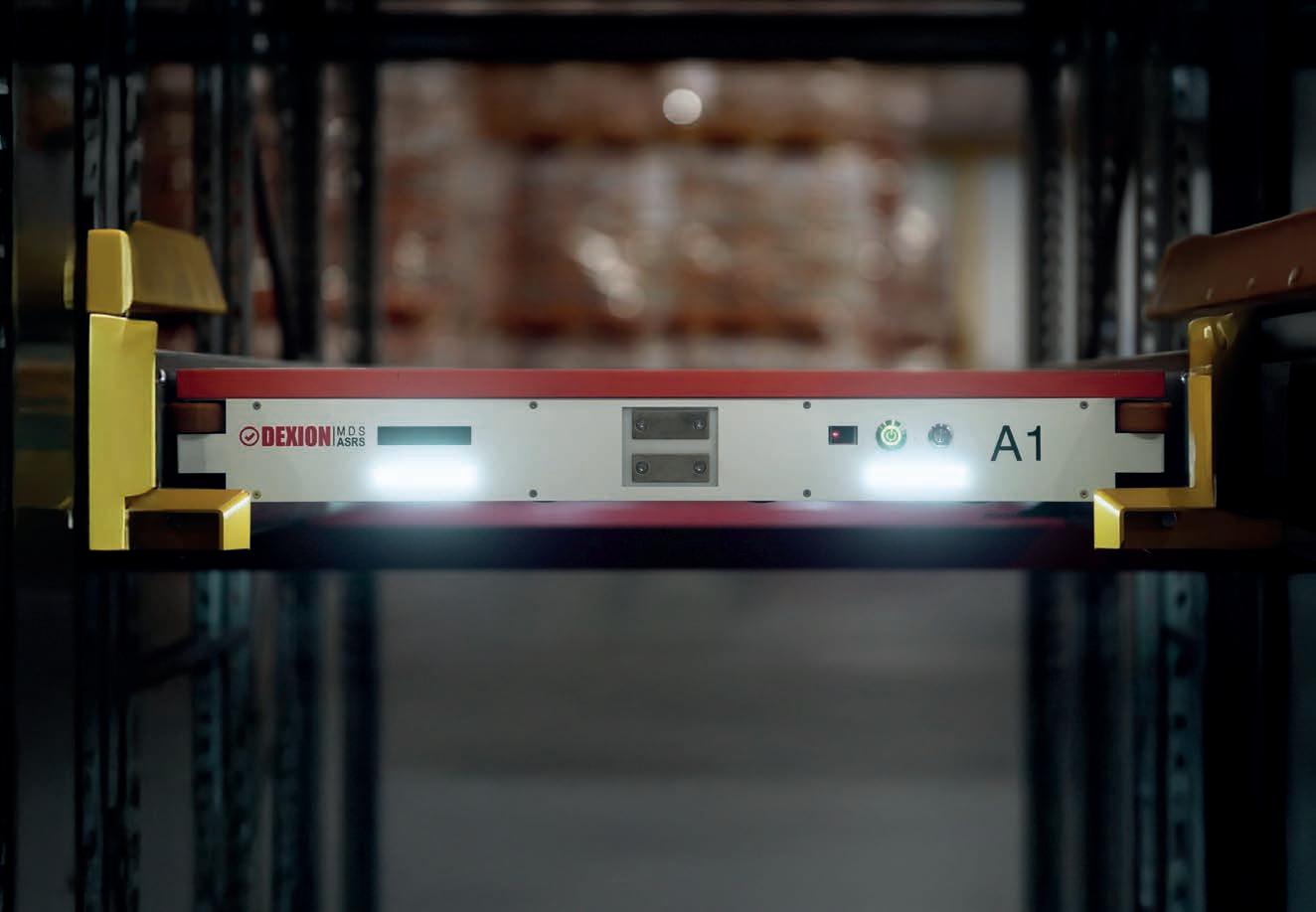

The HELI’s G Series Internal Combustion
Tow Tractor delivers powerful, reliable towing performance for demanding industrial and logistics environments. Designed for 2-3 tonne applications, it combines a robust China IV-compliant engine with smooth, responsive handling to ensure consistent performance across long shifts. Operators benefit from a comfortable, ergonomic cabin layout, hydraulic power braking and fully hydraulic steering for superior control. With flexible configuration options including
enclosed cabins, safety lighting and multi-layer traction seats, the G Series adapts seamlessly to warehousing, airports, ports and manufacturing sites. Built for durability and efficiency, it’s a trusted choice for high-duty towing operations.