

For over 50 years, UAA’s award-winning Mobile Plant and Machinery insurance solutions have powered the cranes and lifting industrytrusted by professionals who keep Australia moving.
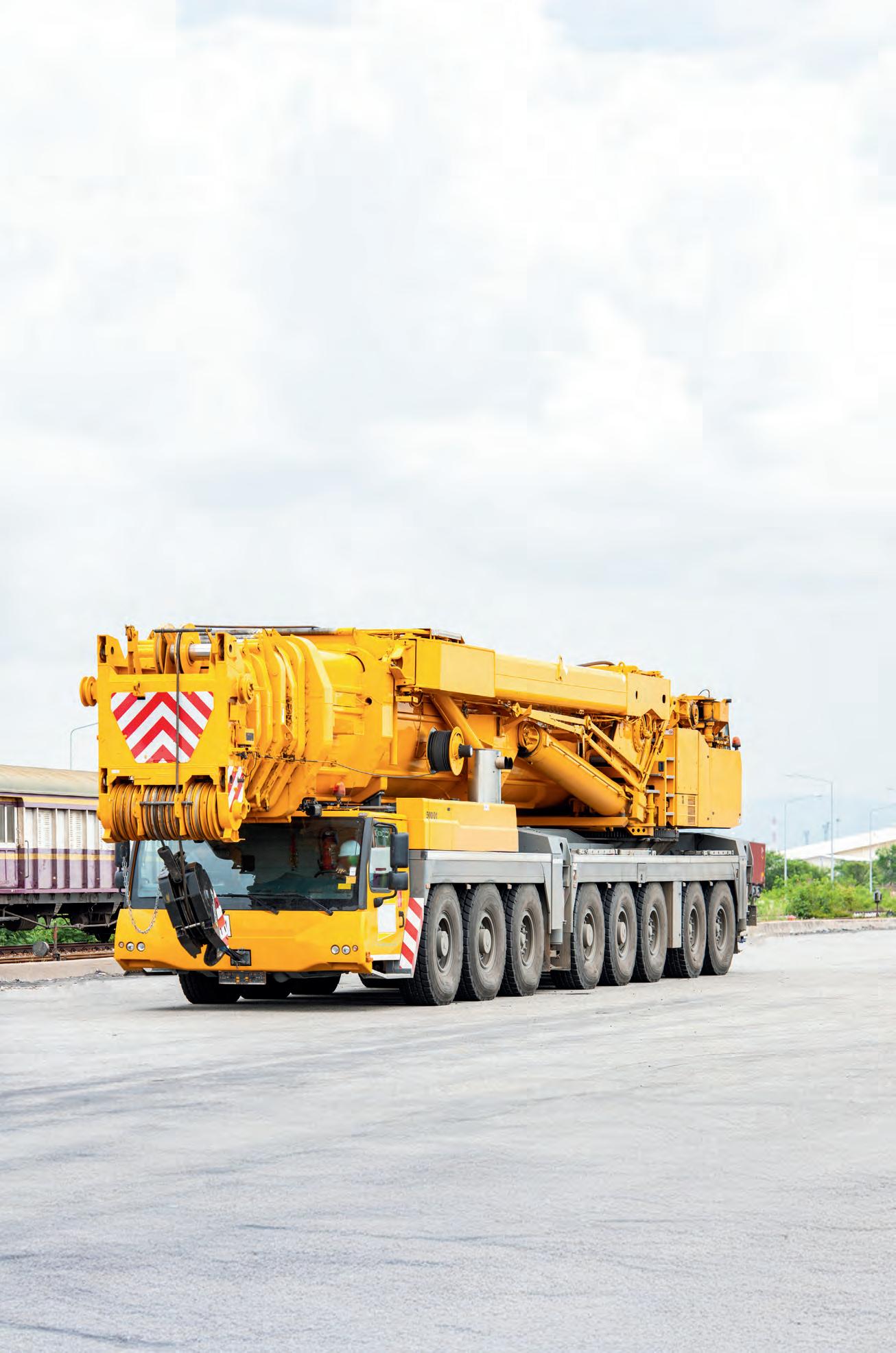
We are trusted for our extensive knowledge, operational capability, and capacity to cover a diverse range of plant and machinery across numerous industries.
Our seasoned claims team has access to a network of experienced industry repairers, assessors, and suppliers who are well-regarded for their high-quality service.
Scan below to find out more:

12 CICA CEO report
Continuing the build on 2025 momentum.
14 CICA Member Profile
Two Way future proofing.
18 CANZ CEO report Making positive inroads.
20 LEEA
Importance of training in lifting.
23 Liebherr Game of Cranes
Aussie crane operator shines on global stage.
27 Falcon A soaring success.
31 Roborigger
Importance of automation in construction.
34 Austlif t
Australian innovation leads the way in load pre-tensioning.
37 All Cranes
Focusing on a confident start to 2026.
41 Nationwide Machinery Group When seeing is believing.
45 DLL Group
Backing the lift, behind the scenes.
48 Complete Crane Solutions CCS opening Perth facility.
50 Freo Group
The strength behind Australia’s biggest lif ts.
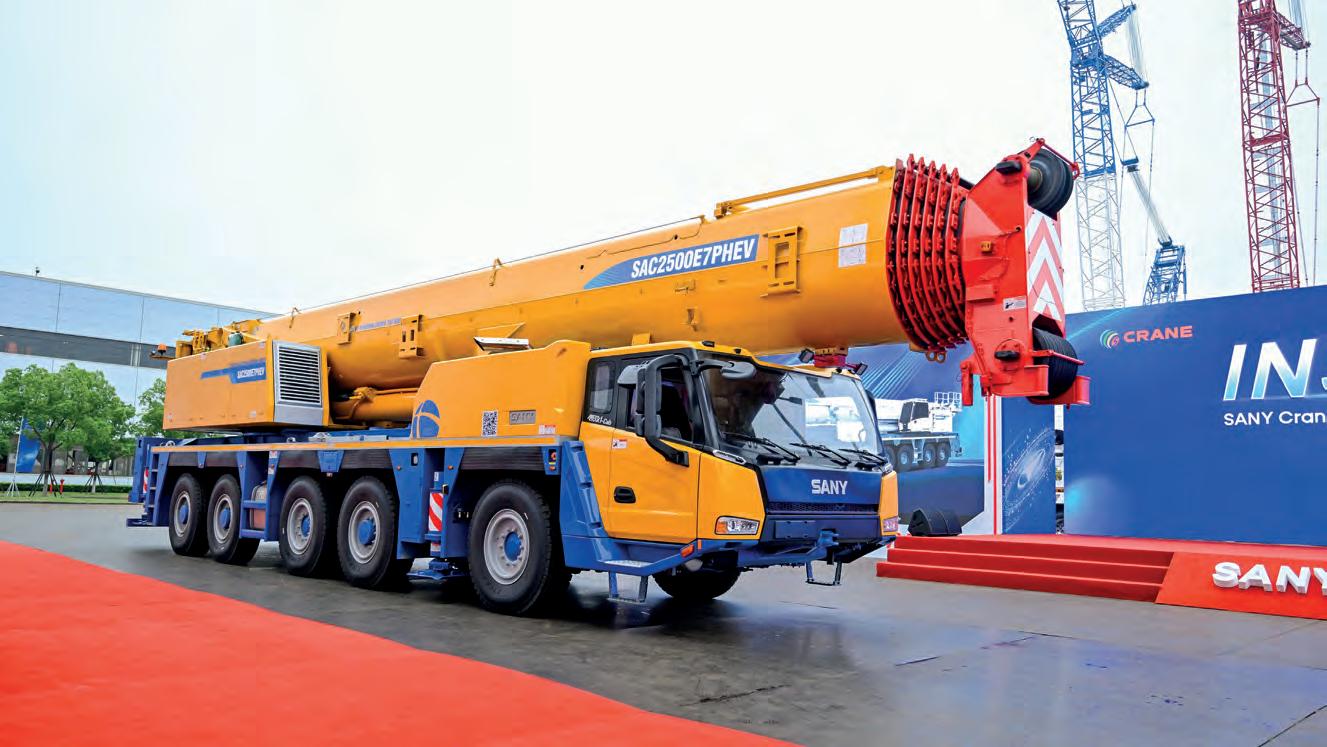
53 Sany and Tutt Bryant
A big leap in hybrid crane technology.
57 TRT and Kobelco
Empire Cranes invests in new Kobelco crawler.
60 Viper Wire Rope Lubrication Viper solves major crane fleet issue.
73 Crane Auctions Australia A new rhythm in used cranes.
76 Dotmar When plastic outperforms steel.
78 UA A Universal Cranes awarded inaugural UAA Safety Award.
80 Visual Dispatch Fleet management that just works.


Rider Levett Bucknall’s (RLB’s) Q4 2025 Construction Market Update shows that cost escalation will stay high through 2026, as Australia’s construction industry remains at historically strong activity levels.
A busy pipeline driven by public infrastructure, defence, and energy projects keeps capacity tight, while shortages of skilled labour, low productivity, insolvency risks, and limited Tier 1 competition put further upward pressure on prices and procurement outcomes.
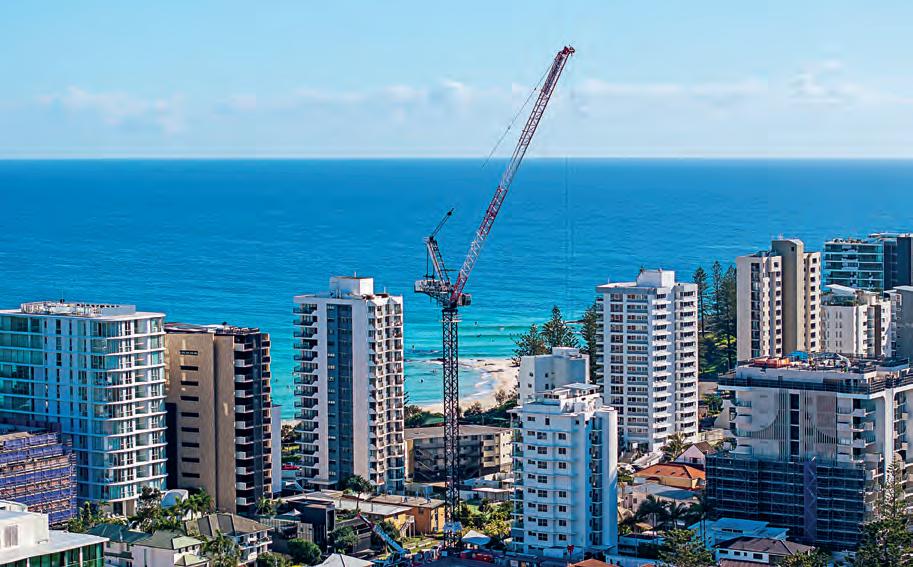
Although cost escalation has eased a bit in certain parts of the market during 2025, tender price growth still remains above pre-pandemic levels. In some regions, there may be a narrow window for well-prepared projects to move quickly to tender and secure resources, especially in south-east Queensland, before capacity tightens again.
Building approvals for new apartments and townhouses increased by 27 per cent over the nine months to September 2025, with Western Australia, South Australia and Queensland showing particularly strong pipelines.
Infrastructure Australia forecasts continued growth in construction activity driven by housing, energy projects and major public works, although delays in large programs are pushing peak activity further into the future.
Despite the strong pipeline, delivery risks are rising. Skilled labour shortages, low productivity, insolvency risks and limited competition among Tier 1 contractors and subcontractors are contributing to persistent pricing pressures and procurement challenges.
Cost increases slowed across most regions during 2025 but are still well above pre-pandemic levels. The national Tender Price Index continues to grow faster than historical norms.
RLB forecasts construction cost growth in 2026 of 4.0 per cent in Sydney and
Melbourne, 5.0 per cent in Brisbane, 5.5 per cent on the Gold Coast, 5.3 per cent in Perth, 5.1 per cent in Adelaide and up to 6.0 per cent in Townsville.
Conditions vary across Australia, but cost pressures remain widespread.
Adelaide continues to experience elevated baseline pricing due to defence and infrastructure demand. Brisbane and the Gold Coast face ongoing productivity challenges, insolvency risks and industrial relations constraints. Melbourne is contending with rising insolvencies, labour shortages and inflated baseline costs driven by megaproject overruns.
Perth is operating near capacity, with regional projects exposed to cost volatility. Sydney has seen a temporary improvement in tender competitiveness due to increased subcontractor availability, although cost risks are expected to return by late 2026.
In Darwin and Townsville, defencedriven demand and limited Tier 1 competition continue to push prices higher.
While some easing in cost escalation has occurred, RLB expects pressure to remain elevated as major projects progress and new work enters the pipeline. Olympic-related construction is expected to further intensify cost growth in Brisbane, the Gold Coast and Townsville in coming years.
This issue contains our annual SHOWCASE, which is more comprehensive than ever, as well as the usual mix of industry developments, projects and trends. The team at Cranes and Lifting takes this opportunity to wish you all the very best for 2026.
Booms Up
Simon Gould Editor, Cranes and Lifting
Published by:
379 Docklands Drive, Docklands VIC 3008
T: 03 9690 8766 www.primecreativemedia.com.au
Chairman John Murphy E: john.murphy@primecreative.com.au
CEO Christine Clancy E: christine.clancy@primecreative.com.au
Publisher Sarah Baker E: sarah.baker@primecreative.com.au
Managing Editor Lisa Korycki E: lisa.korycki@primecreative.com.au
Editor
Simon Gould
E: simon.gould@primecreative.com.au
T: 0404 865 109
Assistant Editor
Danny D’Cruze
E: danny.dcruze@primecreative.com.au
T: 0429 187 751
Business Development Manager
Emily Schlegel
E: emily.schlegel@primecreative.com.au
T: 0466 317 555
Client Success Manager
Ben Sammartino
E: ben.sammartino@primecreative.com.au
Art Director Bea Barthelson
Imaging Assistant Paul Breen
Subscriptions
Frank Rapone
T: 03 9690 8766
E: frank.rapone@primecreative.com.au
The Publisher reserves the right to alter or omit any article or advertisement submitted and requires indemnity from the advertisers and contributors against damages or liabilities that may arise from material published.
© Copyright – No part of this publication may be reproduced, stored in a retrieval system or transmitted in any means electronic, mechanical, photocopying, recording or otherwise without the permission of the publisher.
Fully-qualified
Latest diagnostic equipment to ensure fast and accurate repairs
Only original parts used 3 months warranty on workmanship
24/7 urgent breakdown phone support
12 months warranty on all new parts Mobile field servicing nationwide Service

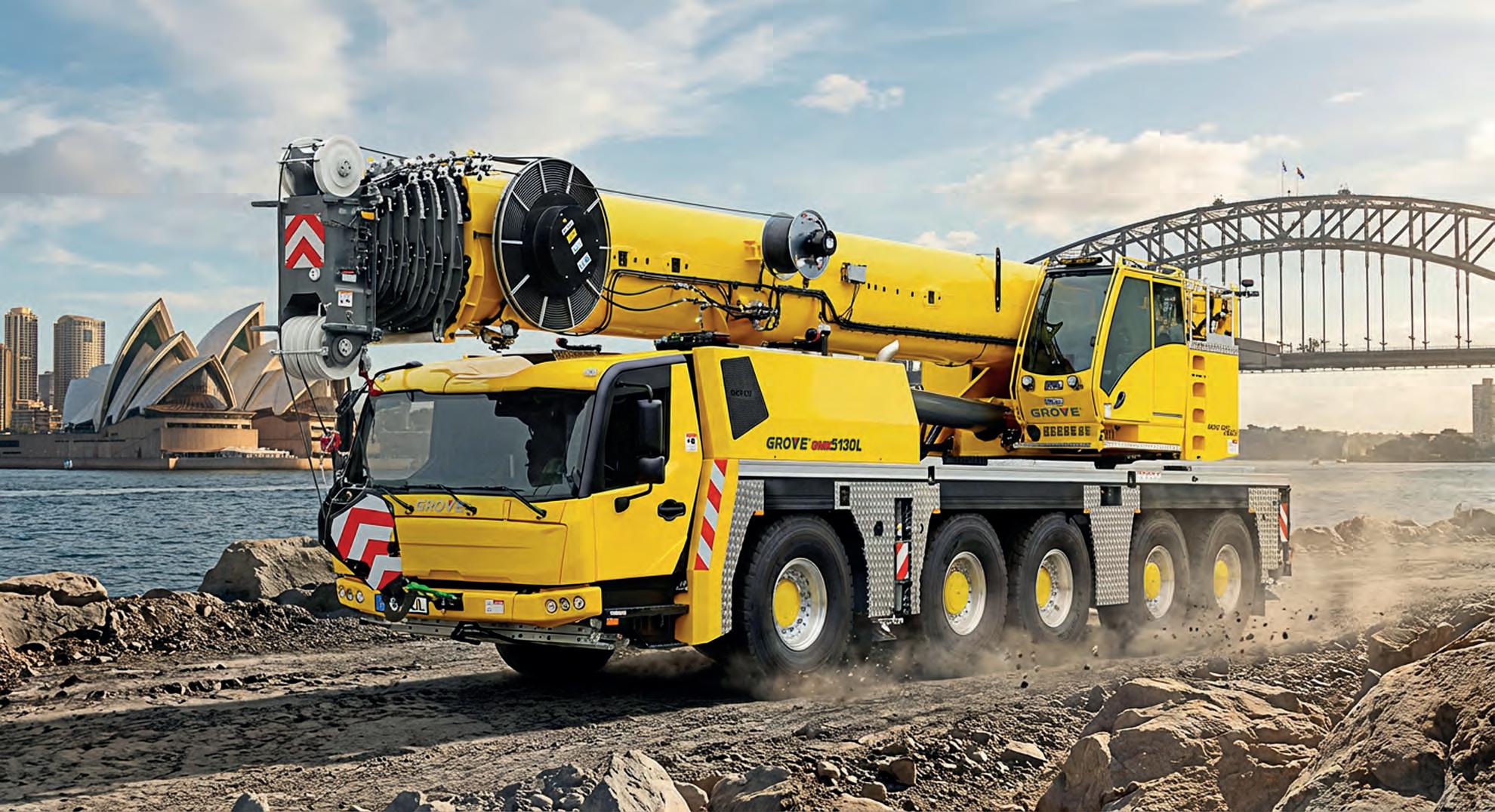
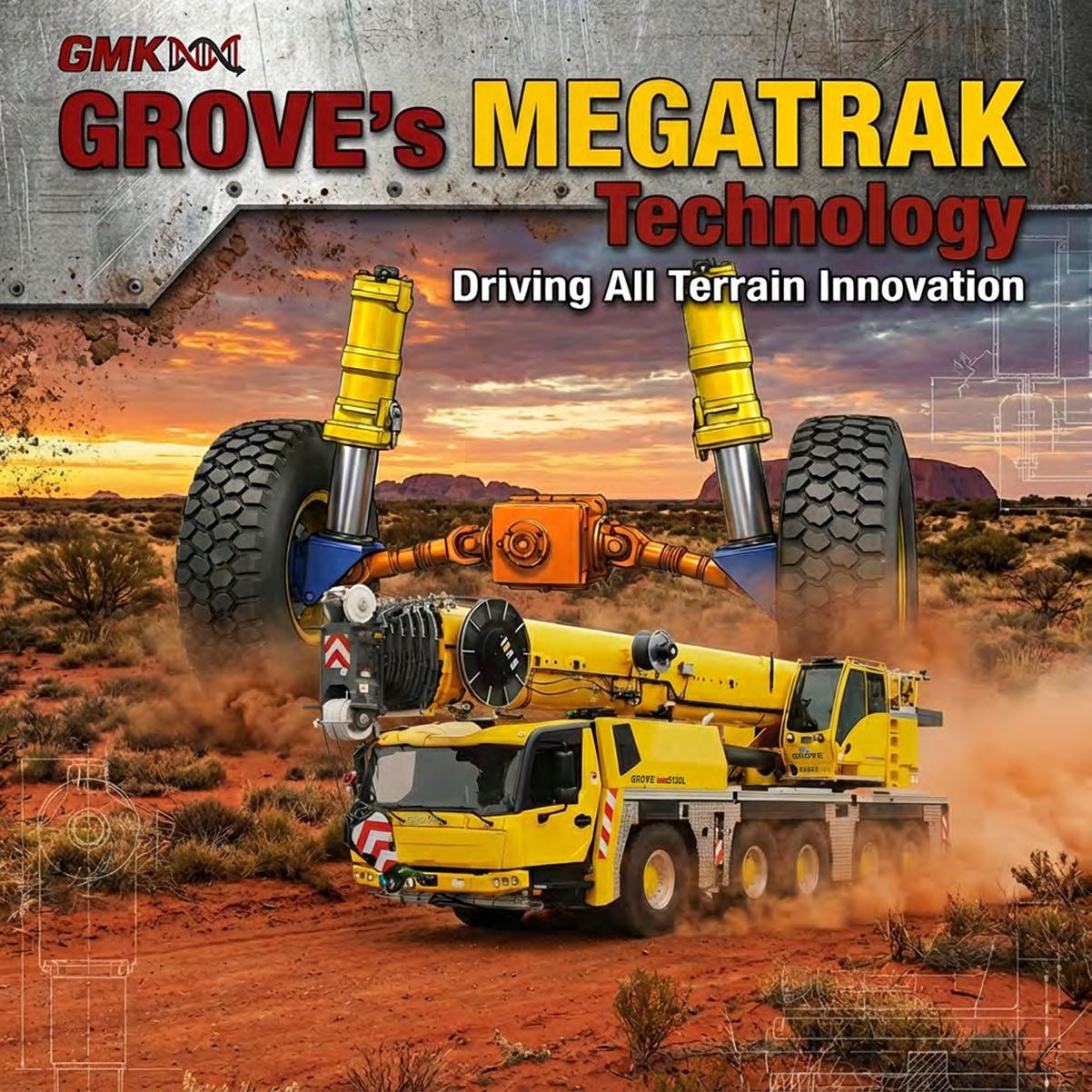
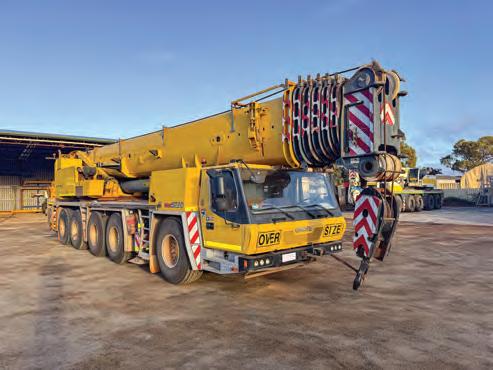
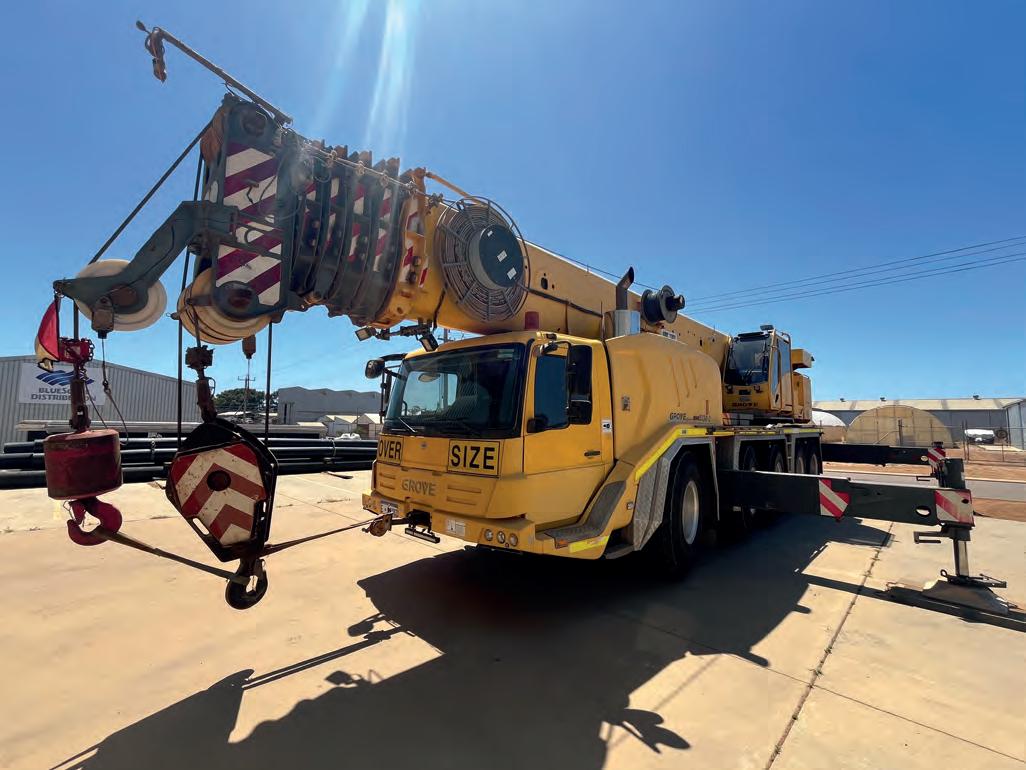
A key reason for the global success the Grove GMK brand has experienced for the past 40 years is in main due to the unique features and benefits of the MEGATRAK® suspension system. John Stewart, VP and General Manager for Manitowoc Cranes Australia walks us through the development history of the Grove GMK brand.
ACCORDING TO GROVE, THE MEGATRAK® suspension system is the optimum driveline available on the market today. It’s revolutionary design features an independent hydropneumatic system with hydraulic lockout acting on all wheels. The suspension can be raised 170 millimetres or lowered 130 millimetres both longitudinally and transversely and features an automatic leveling system for on-highway travel.
Key benefits of the MEGATRAK® include:
• Unmatched highway performance
• E xcellent job site manoeuvrability with all-wheel steering
• C ommonality among almost all models
• A d riveline that remains aligned at all times
• A s teering linkage system that is protected against damage
• C onstant tyre contact for equal tyre wear
• Reduced maintenance
The MEGATRAK® independent suspension, all-wheel steering system and steer by wire technology provides increased ground clearance, adjustable suspension and reduces tyre-wear to provide maximum manoeuvrability in all terrains.
The MEGATRAK® suspension was initially developed by Krupp, launched at Bauma, Germany in the late 1980s and was a real step change in the crane industry in the early 1990s.
“MEGATRAK® provides greater ground clearance because the differential is actually pinned to the chassis. The system is very much like an aircraft’s landing gear moving up and
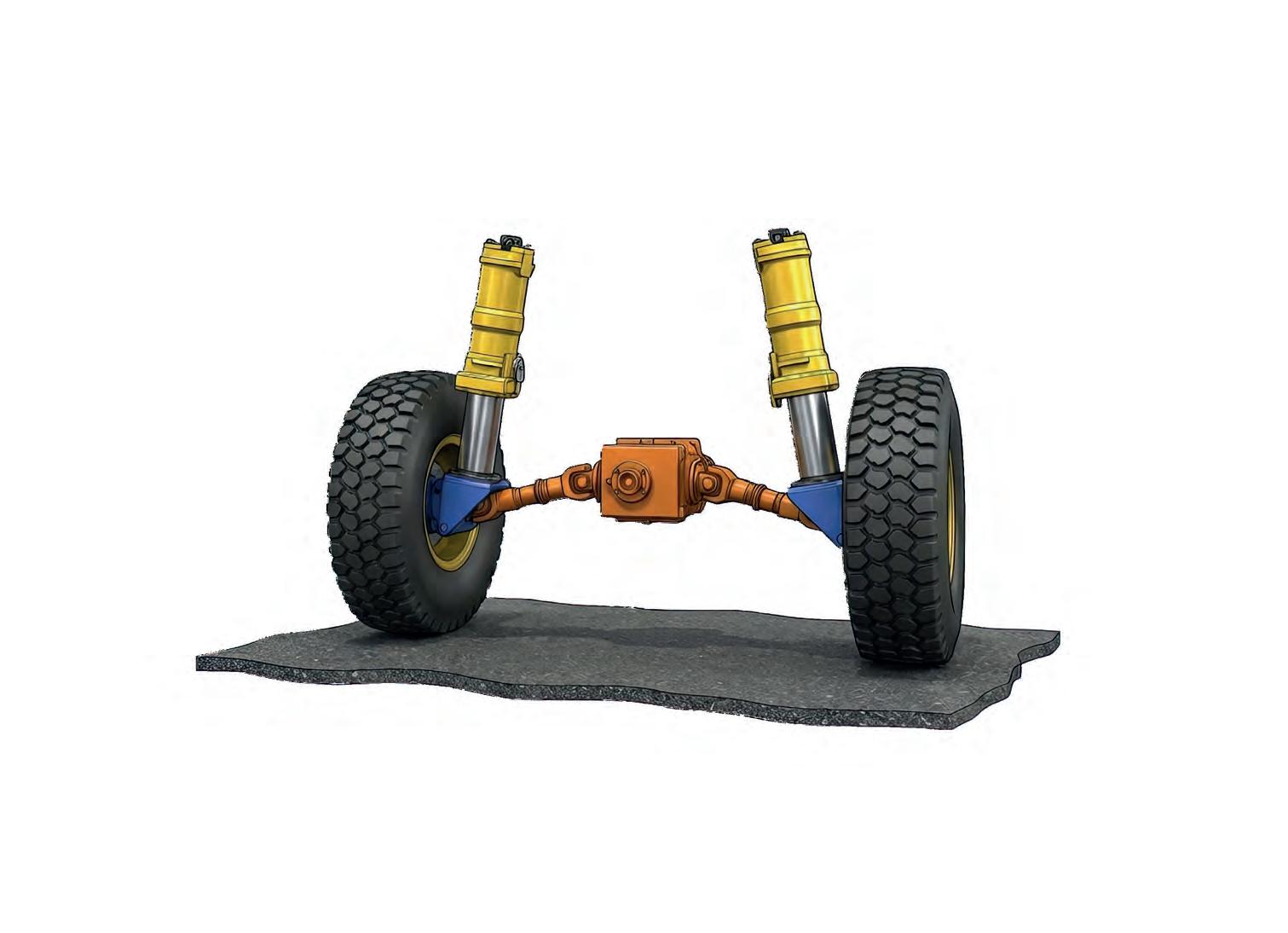
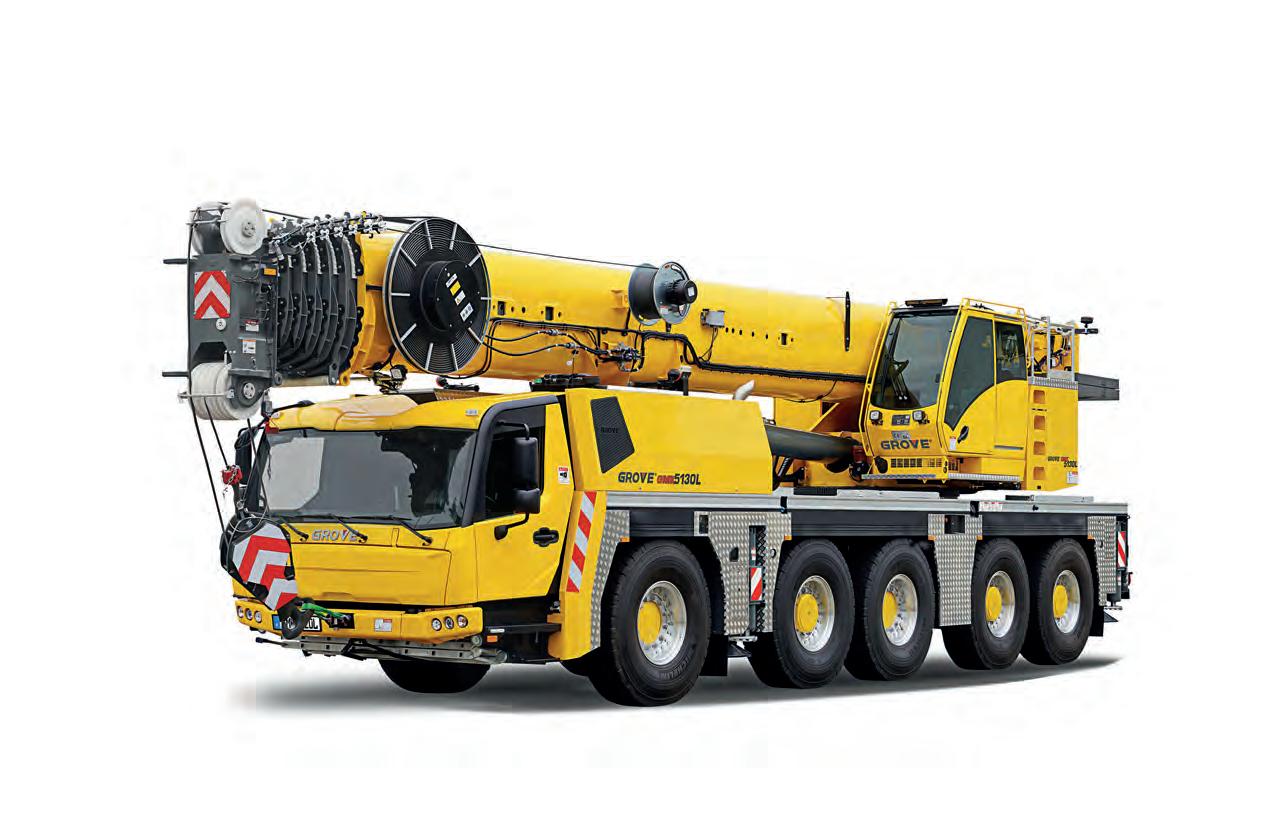
MEGATRAK’s ® revolutionary design features an independent hydro-pneumatic system with hydraulic lockout acting on all wheels. The Grove GMK5130L has proved popular with Australian crane hire companies.
down as it drives. Back in the early ‘90s there were a few teething issues, that were quickly resolved. The channel on the original wishbone system wasn’t big enough and a number of cooling holes were added to provide more air flow to help with cooling. Another issue related to the lack of greasing customers were undertaking so an automatic lubricating system was included on every crane. With a couple of materials changed and small dimensional alterations, MEGATRAK® became a ‘suspension rockstar,’” said John.
With MEGATRAK® each wheel is independent so when one side of the crane oscillates there isn’t an axle causing both sides of the crane to be affected. This provides for better wear on tyres and better efficiencies all the way around.
• D eeper, lighter carrier frames
• De eper, longer and stronger booms
• Fla t carrier deck
• R educed axle weights
According to Grove GMK, the MEGATRAK® suspension system is the optimal driveline available on the market today.
“If the crane hits a rock for example, you only have worry about a drive shaft, everything else still works. If you damage the differential, it can be removed on the site, and you can still move the crane. Whereas if you damage a solid axle, it has to be floated to a repairer,” said John.
MEGATRAK® allows the crane to be lighter due to there being no axle housing.
“With the weight saved on the axle housings you can put that material in other places. We are using it for longer booms with stronger capacities. It allows for higher tensile steels in the boom. We were the first to install laser welded booms, which saved enormous amounts of weight and allowed us to have wider and deeper booms and our design provides more capacity and less deflection.
“We are able to provide customers with longer booms. Our 150 tonne features 69 metres which is over two metres longer than our competitors in the same package with the same weight. Also, with a four metre limit on the travel height of cranes, the MEGATRAK® system allows for a lower chassis, flat deck which is not only safer but also allows for deeper booms within the overall height,” said John.
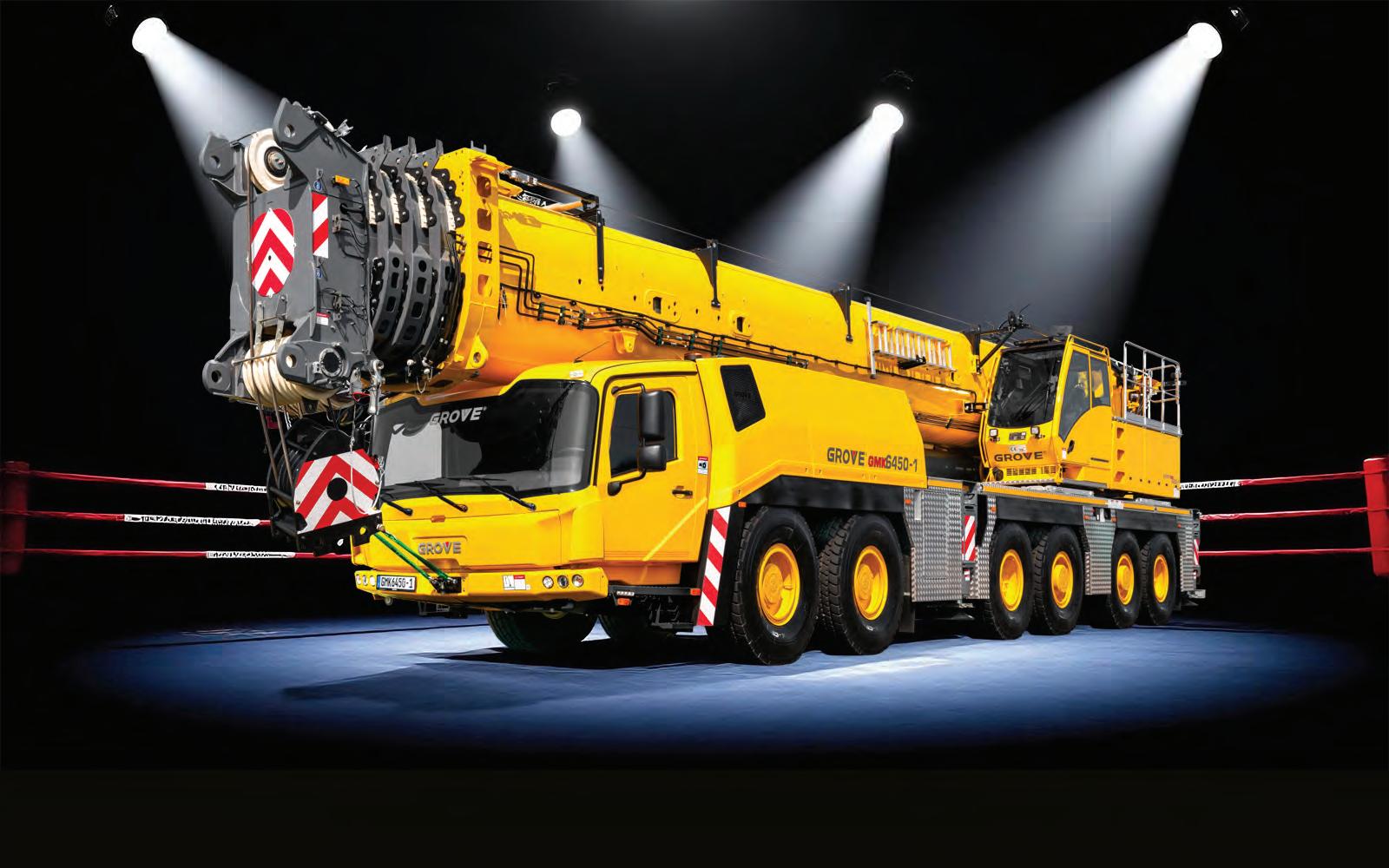
“We think it is important to remind the industry that the MEGATRAK® system is unique to Grove GMK and it has allowed our engineering teams to design and engineer today’s all terrain models.”
MEGATRAK® provides the opportunity to include other weightsaving features which includes the carrier frames.
“Our carrier frames are made from one large piece of steel which we wrap and bend which means it has less weight compared to welding plates of steel together, it’s a very different approach to manufacturing compared to our competition.
“It provides us with more advantages in terms of weight. If we can save 20 kilos of welding and reinforcements per metre of chassis, that’s up to 20 kilos x 20 metres, weight we can put into other areas of the crane which will enhance performance and lifting capabilities,” said John.
Another feature of Grove GMK’s DNA is Twin Lock boom pinning.
“When you look at the design of the boom, its intention is to lift and as it does there’s a neutral area that doesn’t experience as much force.
Some competitors use a large single pin and a hole in the tension member at the top of each section, whereas we have two smaller horizontal pins in the neutral zone, which is an advantage, certainly in terms of boom loading and maintenance,” said John.
“During conversations with new customers, we obviously highlight the features and benefits of the Grove brand and include the MEGATRAK® system in the conversation, frequently the response is ‘Oh yeah, what’s that?’
“We think it is important to remind the industry that the MEGATRAK® system is unique to Grove GMK and it has allowed our engineering teams to optimise the design of today’s all terrain models.
“We will be releasing an exciting new model during ConExpo in March which would not have been possible without MEGATRAK®.”



Welcome to 2026. This year is shaping up to be a significant one in CICA’s recent history, with major developments across standards, road access, safety programs, and workforce capability. The momentum we built in 2025 has positioned us well, and the work ahead gives us every reason to be optimistic.
ONE OF THE HEADLINE AREAS THIS year will be the continued evolution of industry standards. We are expecting several updates across crane operation, inspection, and competency frameworks. These aren’t simply technical revisions, they are part of a broader shift toward clearer, more consistent national expectations that support both safety and productivity. The Crane Industry Council of Australia (CICA) will continue to represent members throughout these reviews, ensuring that the lived experience of crane owners and operators directly shapes the standards that govern our industry.
On road access, there are big movements underway, particularly with the development of the Heavy Vehicle Safe Access Policy System (HVSAPS) in Victoria and the NAAS (National Automated Access System). This work has the potential to make access more predictable, transparent, and aligned with real-world crane configurations. It’s encouraging to see regulators leaning into a more modern, data-driven approach to access, and we will maintain strong engagement to ensure cranes are not left behind in heavy vehicle reform. We’ll also be working to ensure that HVSAPS feeds into the broader NAAS, so that we have an authentic National Road Access System.
This ties closely to the Productivity Commission’s National Heavy Vehicle Reform Study, which will continue throughout early 2026. CICA’s submission to the Commission
covered duplication, delays, and the structural issues that make heavy vehicle regulation and movement more complex than it needs to be. CICA has been contributing actively to this process, as there is a real opportunity here to push for a regulatory system that recognises the unique nature of cranes while reducing administrative burden for businesses.
At the heart of all of this, of course, remains our absolute commitment to safety. CraneSafe, CrewSafe and StartSafe continue to be major pillars of our work in 2026. These programs have become trusted tools across the industry because they are practical, consistent, and focused on what matters most: ensuring everyone goes home safely. This year you will
see further refinements, technology upgrades, and improved support for businesses implementing them across multiple sites.
We also continue to invest heavily in developing the capability of our workforce. The Articulated Mobile Crane on Road Safety Course and
the National Training Model will both remain major focus areas. These initiatives were built in response to what our members told us they needed most: nationally consistent expectations, highquality training, and clear pathways for operators and employers. In 2026 we will continue to refine and expand these programs as we work toward a better aligned national training landscape.
Finally, we are excited to share that CICA is developing a suite of new training resources for pre-cast concrete operations, responding to a growing need for clearer guidance and better competency tools in this high-risk area. These resources are well underway and expected to be available by mid-2026. They will support crane crews and precast teams, helping to reduce incidents and lift overall capability in the sector. 2026 is a year of opportunity to influence reform, strengthen safety, support our workforce, and continue building an industry equipped for the future. Thank you for the commitment you bring to your teams, your clients, and to CICA. I look forward to the year ahead and the progress we will make together.
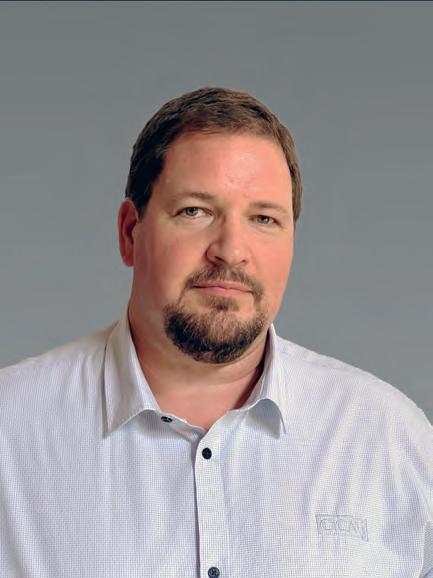
Brandon Hitch CICA CEO
Marcus Ferrari – President
Karli Sutherland– Vice President
Danny Adair – Director
Danny Black – Director
David Solomon – Director
Anthony Grosser – Director
Andrew Esquilant-Director
Grant Gjessing- Director
Brandon Hitch Chief Executive Officer 0428 228 048 ceo@cica.com.au
Julie Turner
CICA Executive Assistant / Board Secretariat Julie@cica.com.au
Alice Edwards Road Technical Engineer 03 8320 0440 alice@cica.com.au
Patrick Cran
CICA Site Operations Advisor 0488 004 274 pat@cranesafe.com.au
Sharon Pearce
Crane Crew Competency Officer 0491 134 533 sharon@cica.com.au
Damien Hense
CICA Road Policy Advisor 0488 007 575 damien@cica.com.au
Thomas Webber Communications Coordinator thomas@cica.com.au
Kate Galloway Traineeship & Industry Engagement Coordinator
0491 047 118 kate@cica.com.au
Michelle Verkerk Communications and Special Projects Advisor michelle@cica.com.au
Just ina Blackman
Member Events and Engagement 0403 717 626 justina@cica.com.au
Shane Coupe
CraneSafe & CrewSafe Administrative Assistant Officer 0491 047 134 shane@cica.com.au
Unit 10, 18–22 Lexia Place, Mulgrave Vic 3170 Phone: 03 9501 0078
Email: admin@cica.com.au
Website: www.cica.com.au
For information, please visit our website or call the CICA office.
Having secured their crane yard in the middle of Glendenning – Western Sydney’s ‘crane central’ – Two Way Cranes’ Frank and Nichole Zammit have turned their attention to the future by implementing new business processes, receiving ISO 9001 accreditation and welcoming more family members into the business.
“SECURING OUR CRANE YARD LONG TERM has been a priority for many years and we finally managed to do that this year. But it’s already full and we are in the process of looking for more space to house our trailers and prime movers and other pieces of equipment,” said Frank.
The ISO 9001 accreditation has been a 12-month project for the business and will help the Two Way Cranes team as it increasingly tenders for Tier One work.
“The process we have been through for the ISO 90001 accreditation provides us an A to Z of systems and processes which are now in place,” said Frank. “As the business grows you don’t always think that is important, but now we are at the size we are, you can see why it is.
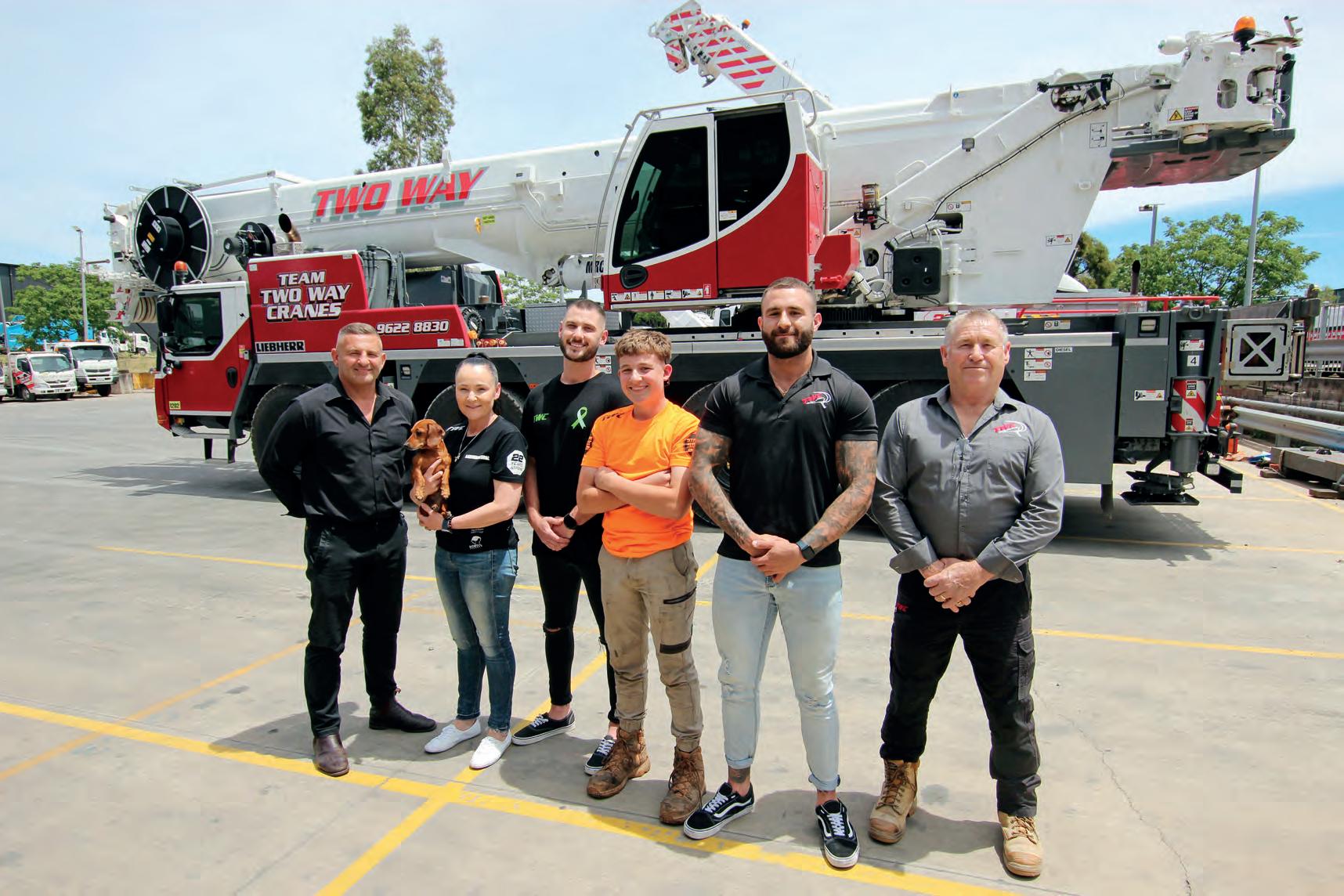
But he said the exciting development for Two Way Cranes is the number of second generation Zammits now working in the business.
THE NEXT GENERATION
“We recently implemented the EQUIPR Software which specialises in plant and mobile crane hire and this has helped streamline the allocations and invoicing in the business. Wherever we can, we are trying to go paperless.”
Blake Zammit first joined Two Way Cranes almost 10 years ago.
“I worked for a couple of years and left to finish my carpentry apprenticeship. I came back three years ago and there had been a massive
amount of change, including lots of new cranes, new faces and a big yard,” he said.
“I spent the first two years out on the cranes, but Frank had been trying to get me to work in the office and I kept knocking him back. Then I was asked to help Andre in the office just for a week or two while Gemma, the other allocator was away, and I never really left.”
Working in allocations is very much a pressure cooker situation and it takes a
certain type of personality to cope with the pressure.
“If Andre and I weren’t family, I think we would have murdered each other by now,” Blake laughed. “We can scream at each other all day and then walk out and high five each other, then come back and do it again the next day. The key to dealing with stressful situations is not to over think the problem and usually we find a way to work things out.
“There are times where Andre solves a problem at one or two o’clock in the morning, and we do it. That’s what you do for family. Frank and Nichole have played a big part in making me feel appreciated in the company and I am prepared to go that extra mile as a result.”
Andre Zammit left school just as he was turning 16 and started in the workshop where he stayed for two years. Aged 18 he attained his Dogman
ticket and was dogging for three years. After that, Andre felt he had earned his stripes, so took his operators ticket and jumped into of a 40 tonne all terrain and moved up in capacities operating a 260 tonne all terrain for a while.
“Dad then asked me to move into the office and I moved into the Fleet Management team. There wasn’t much for me to do there and so I moved to allocations and immediately loved it,” Andre said. “Allocations is really the hub of the business, we are dealing with cranes, support vehicles and most importantly, our people. We also work closely with our administration staff in terms of compliance and inductions, and they do a wonderful job.
“You have to care about what you do because it is 24/7 job. When something doesn’t go according to plan – someone calls in sick, a crane breaks down and we’ve got to get another one out there, or it might be midnight and a crane blows a tyre and we’ve got to get a mechanic out of bed and to site – somehow, we always manage to get it done, every time.
“You can only ever plan a couple of hours ahead, maybe a day ahead at the most. Anything planned further out than that, simply throw it in the bin because it’s always going to change.”
Andre talks about the advantages and disadvantages of being the son of the business owner and how it took time to be accepted by the team.
“When I first started it was a disadvantage, because no one really wanted to talk to me or trust me. They are not bad guys, they were just wary that I was Frank’s son and that I would be relaying back to him what was being said in the yard,” he said.
“I kept my mouth shut, kept work away from home life and after 18 months I’d earned the trust of the guys, and they took me in. The fact that I had earned their trust and respect made the transition to the office and allocations a lot easier because if I wasn’t respected in here, it would make the job almost impossible.
“Ultimately, and with more experience, I would like to move into
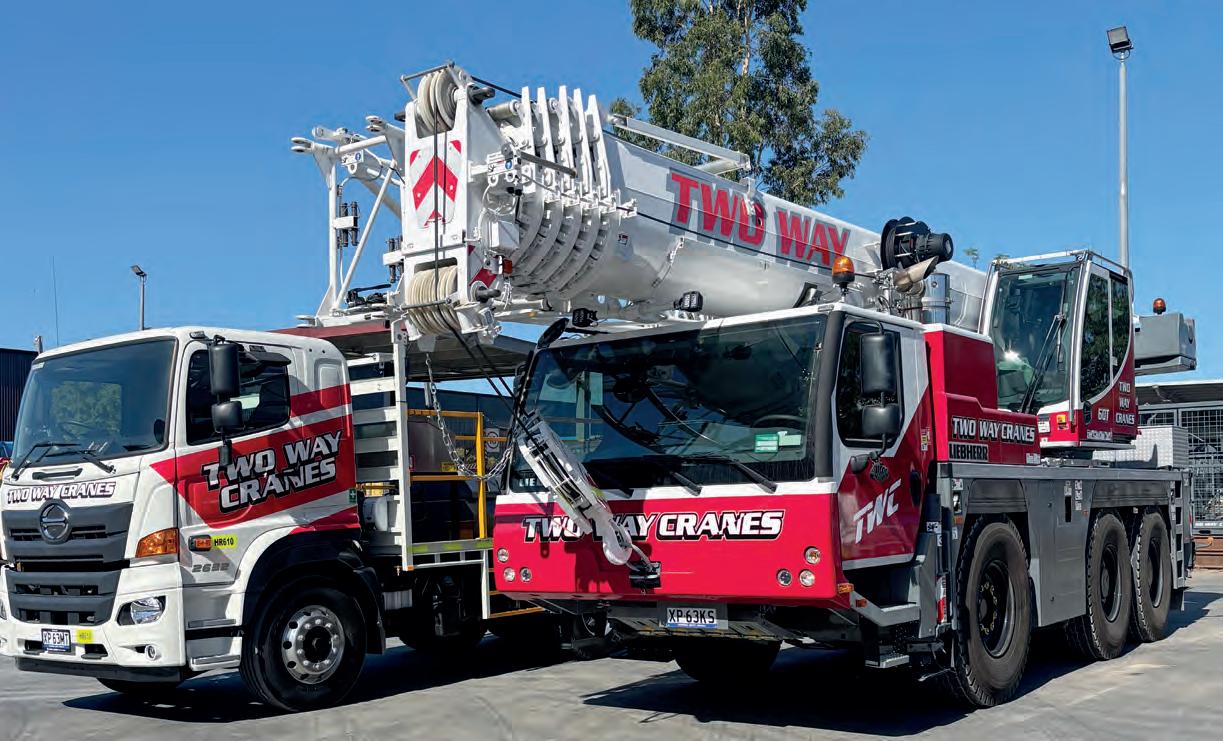
Two Way’s new Liebherr LTM 1060-3.1 and brand new support vehicle.
a supervisor role and eventually work alongside Dad, Nichole and Jackson and really share the load in terms of running the business.”
Jackson Zammit left school in October of 2025 and he is very excited to be working in the family business.
“I love being an apprentice, it’s exciting and definitely different. Waking up early, all the new people I meet working with different personalities, especially out on site. You run into so many different people it just makes every day different,” he said.
“I was in the workshop for the first six months and this gave me a good understanding about the mechanics of cranes, which is important. But I’m definitely enjoying being a dogman, being out there on site with the crane and the team is challenging but it is awesome.
“I understand it’s a high risk industry and I am that set of eyes working with the operator, and telling him about things he can’t see. I know
it’s a big responsibility, but I’m not intimated. The most important lesson I’ve learnt so far is communication. When I get to site with the team, the first thing we discuss with the client is the plan, ask them what they want to see and work with them and not around them.”
Despite all the lift plans, preparation and planning there are occasions when the team gets to site and there are unexpected changes.
Jackson explains how he deals with this situation.
“It is always about communication. You might get to site and there is a utilities pit where you are meant to set up which means we’ve got to set up another 10 metres away. We communicate with the supervisor to see if the engineering and lift plans will still work in that new position,” he said.
“It’s challenging but we are always focused on getting the job done for the customer in the most efficient and safe way.”
Jackson explains how joining the family business has been for him and where he sees his future.
“Of course, the guys know who I am, and I did get a ribbing at the start, in the nicest possible way, but that comes with being an apprentice and learning about the business from the bottom up, and not from being a Zammit. I just blend in and get on with the job in front of me.
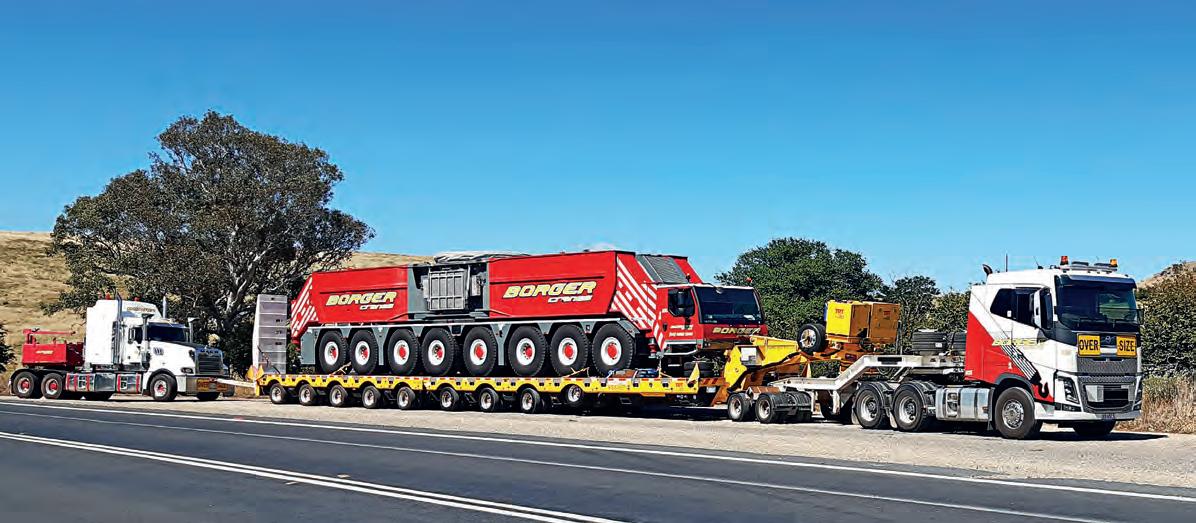
“I’m at TAFE studying the Certificate 111 in Cranes which is really interesting and good fun. There are 15 in the class including Harry Borger (of Borger Crane Hire and Rigging), so the next generation is definitely coming through the ranks.
“For now, I’m enjoying dogging and eventually I’d like to be operating the cranes. Dad and Andre reckon I’ll want to come into the office eventually, but I don’t see it. I’m enjoying being out with the teams on site working and with our customers. But both have been here before me and so maybe they know something that I don’t, we’ll see.”




As we closed out 2025, two major pieces of work reached milestones that will have a lasting impact on the crane and lifting industry in Aotearoa New Zealand. Both speak directly to capability, professionalism, and the collective responsibility we share to keep lifting operations safe, consistent, and future-focused.
THE FIRST WAS THE APPROVAL OF THE new skills standards for cranes, which have now been formally added to the New Zealand Qualifications Authority (NZQA) framework. This has been a long-anticipated and, at times, complex process, but it is an essential one. Skills standards are not just a compliance exercise – they shape how people enter our industry, how they are trained, and how their experience is recognised over time. Modern, fit-for-purpose standards provide clarity for employers, confidence for operators, and assurance for clients and regulators that the work being done on site is being carried out by people with verified competence.
Just as importantly, these standards support the development of sustainable career pathways. In an industry that continues to face workforce pressures, attracting and retaining skilled people is critical. Clear training and assessment frameworks help ensure that new entrants see crane operation and lifting as a viable, respected, long-term profession not just a job.
The second major milestone was the long-overdue refresh of the Approved Code of Practice (ACOP) for Cranes. This work is now moving into the formal review, drafting, and consultation phase in partnership with Ministry of Business, Innovation and Employment (MBIE) and WorkSafe. Early in 2026, we will begin this process with an industry workshop to review the
first draft, providing an opportunity for practitioners, businesses, and stakeholders to engage directly with the content and shape of the final document. What is worth acknowledging is how this work began. The initial draft of the ACOP was written by one person –someone who saw a clear gap, recognised a need within our industry, and simply decided to do something about it. There was no fanfare and no obligation – just a willingness to step up and invest an extraordinary amount of personal time and expertise for the benefit of the wider sector.
That fact has caused me to reflect on our 50th anniversary, now behind us but still very present in my mind. Over the past year, we spent time looking back at the people and moments that shaped the Crane Association of New Zealand. One thing stood out above all else: the extraordinary dedication of our Life Members. Their contribution over decades – through leadership, advocacy, technical expertise, and mentorship – laid the foundations we continue to build on today. Without them, much of what our association has achieved simply would not have been possible.
What struck me is how little has changed in that regard. Progress in our industry has always been driven by individuals who are prepared to step forward, often quietly, and contribute beyond their own business interests. The ACOP work is a modern example
of the same principle. Significant change doesn’t always come from large committees or formal mandates; sometimes it starts with one person deciding that something matters enough to act.
As we move into 2026, there are also encouraging signs emerging in the wider economic landscape. After two extremely challenging years for the New Zealand economy – particularly for construction and infrastructure – we have finally seen growth return. The September 2025 quarter recorded 1.1 per cent economic growth, exceeding expectations and marking a shift many in our sector have been waiting for.
Those two years of slowdown were felt acutely by our members. Construction activity stalled, infrastructure investment was delayed, and pipelines of work became worryingly thin. For many businesses, this period required resilience, adaptability, and difficult decisions. The latest figures provide cautious optimism. Growth has been led by manufacturing and business services, with construction rising by 1.7 per cent – a welcome signal that activity is beginning to lift.
While we should remain realistic about the challenges ahead, this moment reinforces the importance of being prepared. When demand returns, it will reward those who are ready with skilled people, strong systems, and a commitment to best practice. The work completed in 2025, from skills standards to regulatory guidance, positions our industry well to respond confidently and safely as activity increases.
Ultimately, cranes lift heavy loads, but industries move forward because of people. The past year has been a powerful reminder that progress is built not just through policy and process, but through individual commitment, shared responsibility, and a genuine desire to leave the industry better than we found it. As we begin 2026, that spirit of contribution remains one of our greatest strengths – one I am confident will continue to carry our industry forward.
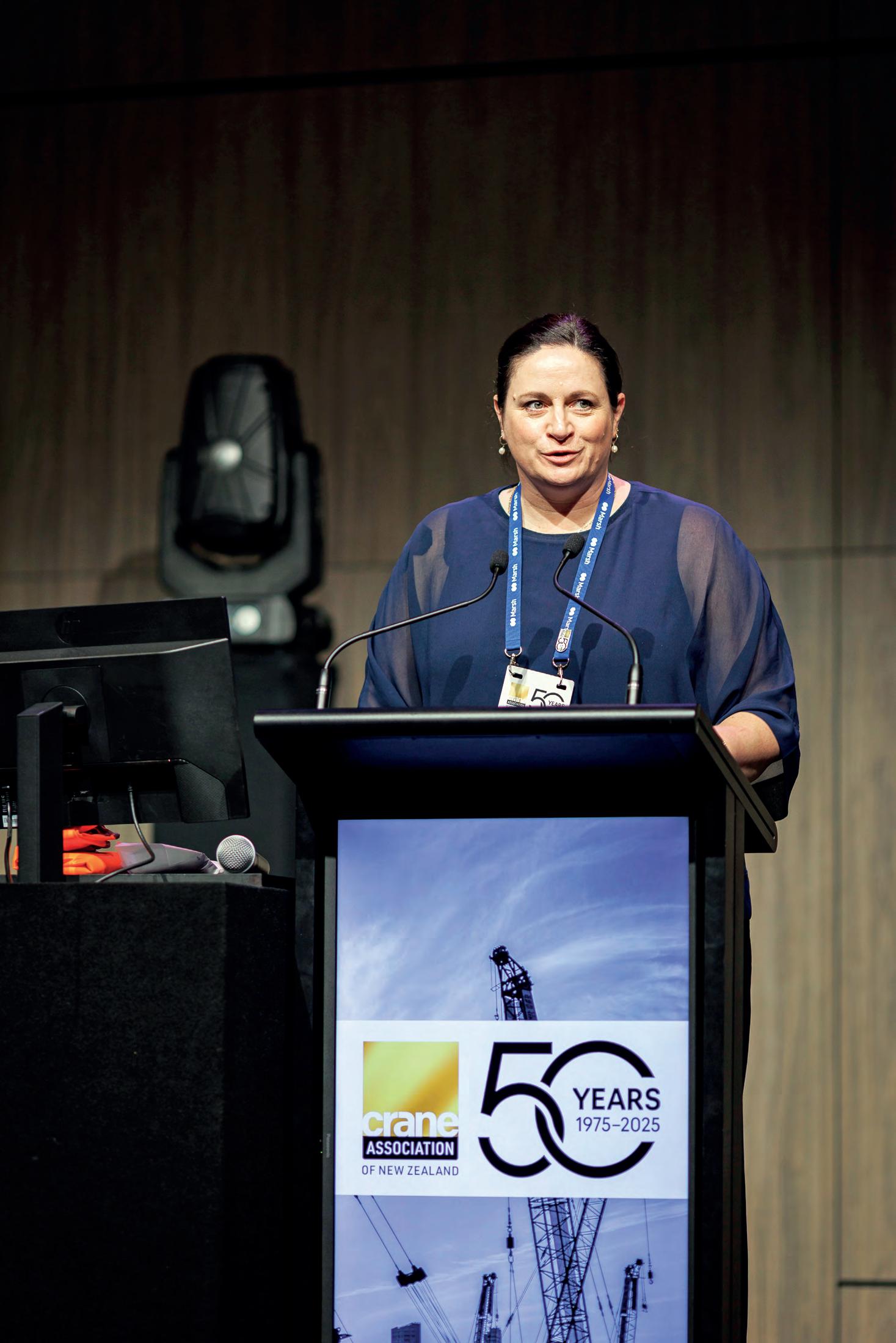
“The past year has been a powerful reminder that progress is built not just through policy and process, but through individual commitment, shared responsibility, and a genuine desire to leave the industry better than we found it.”
All forecasts indicate the Lifting Industry is in for a busy 12 months. LEEA’s Justin Boehm explains why the focus on safe lifting practices must remain a priority.
industry finds itself at a crucial crossroads. Demand for product and services continues to be strong, and lifting is a constant presence on sites from Perth to Wellington New Zealand and everywhere in between. Yet the operating environment remains challenging, characterised by persistent cost pressures, a shortage of skilled labour, and an ever present exposure to high consequence risk. The volume of work can tempt even disciplined organisations and diligent workers to trade precision for speed. That is why the conversation about safety must move from compliance rhetoric to daily practice – because our industries social licence to operate depends on it.
As a Wollongong local, the tragedy at Port Kembla Steelworks in November remains planted in my memory. A contractor in his mid twenties was fatally struck by a steel beam during a crane lift. Whilst at the time of writing, the investigation is yet to reach it’s conclusion, this incident should focus our attention to make the industry better. Rather than feed conjecture and finger pointing on what should have happened, his death is a stark reminder that safety is not merely a slogan; it is the discipline that keeps our people alive and our businesses sustainable.
As an industry, we must make the memory of this young worker a lesson and implement immediate action. We can’t talk about saving lives, if workers are willing to run risks daily. Investigations into fatal lifting industry incidents almost always reveal a combination of technical failures, procedural drift, and human
factors. Global safety bulletins repeatedly stress the importance of thorough lift planning, drop zone control, clear signalling, and importantly product integrity. Each of these elements is vital in reducing the risk of load lifting, pinch points and crush hazards. But when we take a hard look at our own practices – particularly around equipment compatibility, and capability, we often find room to strengthen controls before a lift begins. Where can we as the Lifting Equipment Engineers Association help take a leading role?
While the formal findings at Port Kembla will take time, there is no need to delay action. We must re-evaluate what is
it”) to ensuring they are done correctly to keep the team and yourself safe. The safest lifts are the best prepared, and preparation is both technical and cultural.
There is widespread understanding about the importance of pre use inspections, but post use inspections are equally critical. Both pre use and post use inspections of lifting equipment should be non negotiable. Users/operators have a duty of care to remove any damaged equipment from service; returning damaged gear to stores after use, not only endangers individuals as well as colleagues who may unknowingly select it for the next job. One more check won’t hurt anyone, but not checking could.
We should also be honest about the pressures that drive shortcuts. If someone wants to finish quickly and they rush, the
“The “plan pause proceed” mindset belongs in every role in the lifting industry and stop work authority should be visible
in practice, not only on posters;
empowering people to pause work is the fastest way to save lives and the surest way to protect against preventable incidents.”
considered “acceptable” across the industry. Safety leadership and ensuring LEEA Members are trusted advisors in the planning cycle is one opportunity that resonates. Often, I hear that lift planners require specific products, yet I regularly hear these are “substituted” for “equivalent” products. We must always ensure there are questions asked about where, what and how products are being used before “making a sale”.
Safety is not a tick box exercise; it demands a shift in mentality from completing tasks (because “the boss needs
belief is that “small changes” are harmless – and forget that consequences can be dire. The reality is, many incidents begin with a minor deviation that cascades.
The majority of lifting related accidents do not occur due to carelessness or sub standard products. They often happen when individuals, under pressure, choose speed over precision. This ranges from just taking a quick sale of lifting equipment and not asking question about
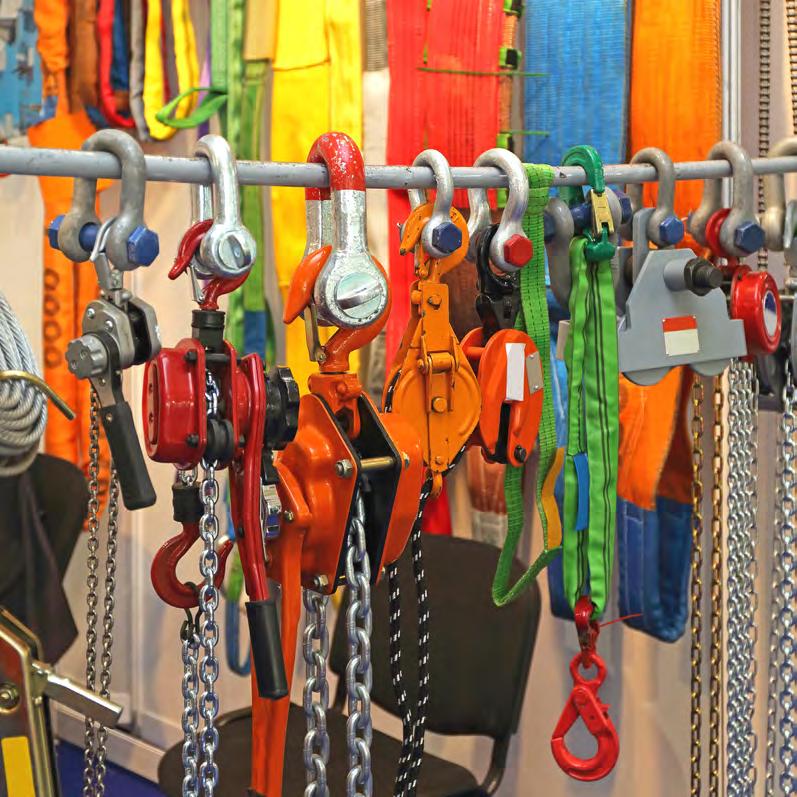
what a product is going to be used for, to a supervisor not slowing down a lift to double check rigging, or even an operator not questioning a plan change – deliberate pauses are tangible demonstrations of a positive safety culture. Introducing a short pause to review what’s happening can significantly reduce downtime and prevent harm.
This year, cranes and lifting equipment will be in high demand at sites across Australia. High utilisation inevitably increases exposure to risk, which is why safety must be embedded into rhythm and routine. The “plan pause proceed” mindset belongs in every role in the lifting industry and stop work authority should be visible in practice, not only on posters;
empowering people to pause work is the fastest way to save lives and the surest way to protect against preventable incidents. In high-risk environments, the willingness to stop a job is not defiance; it is leadership.
Practical training is essential for everyone who works within lifting operations. For more than a decade, LEEA has delivered training for lifting equipment inspectors in Australia and New Zealand, and in 2026 we are transitioning our programs to a competency-based assessment model that reflects the hands on skills this industry demands. Competency cannot be proven on paper alone; it must be demonstrated in real world
scenarios. For users and crane operators it’s difficult to inspect wire rope for broken wires, verifying lifting tackle condition and operability, and to check the pawls on a hoist making the specialist skills of Lifting Equipment Industry Technician essential. Crane operations are difficult at the best of times and for all the reasons above, the time pressure, site difficulties and access constraints, critical components of safety – like lifting equipment should be inspected and tested by trained professionals and supported by companies who know why products are being used in difficult environments and how they interact across their lifecycle. This is why industry specific training with competency-based assessment is a crucial piece in the safe operations supply chain.
During the coming year, I will be speaking at industry events across the region to ensure that lifting equipment safety remains an industry priority. Safety is fundamental to us – LEEA’s vision is ‘Lifting and height safety industries which have eliminated accidents, injuries and fatalities. By engaging with people in their work and by speaking to their industry– we aim to make training, standards, and culture work together to reinforce safety.’
Too many people regard lifting equipment as inherently safe and inspection services a cost, but it is critical to understand both user and reseller are responsible for keeping workers safe. Opting for alternative products may feel like cost saving, yet it can erode the margin of safety built into design and inspection regimes. The tragic events at Port Kembla are a painful reminder that our industry is dangerous, but harm is not inevitable. Through disciplined planning, skilled operators and inspectors, fit for purpose equipment, and strong leadership, we can move heavy loads and raise the standard of safety. If we commit to doing the right things – first time, every time – then 2026 can be remembered, not for its tragedies, but for the resolve we showed to change the industry for the better.
Australia’s crane community had plenty to cheer about when Johnson & Young Cranes’ operator Joey Fisher finished second in the international Game of Cranes, a global competition created by Liebherr to spotlight operator skills and expertise.
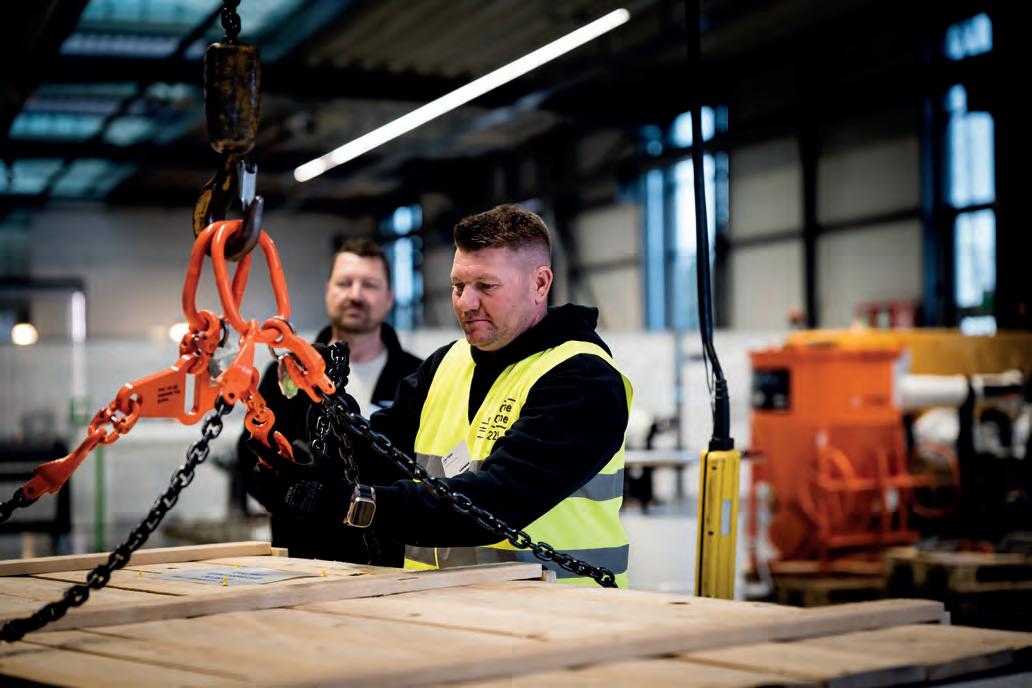
HELD AT LIEBHERR’S EHINGEN PLANT in Germany, the two-day final brought together the top operators from five regions.
Competitors faced five stations designed to test everything from loadcapacity calculation to rigging accuracy and millimetre-perfect control. Tasks included lifting a steel plate over an obstacle, threading components through tight frames and a tricky “hot wire” challenge that required guiding a slewing ring over a pipe structure with two hooks without touching anything. Conditions were freezing, nerves were high and every mistake cost points.
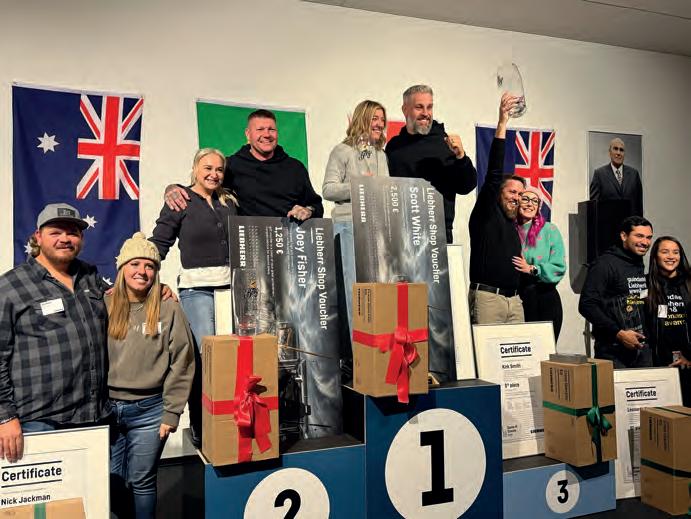
The United Kingdom’s Scott White took the crown. Joey was close behind, ahead of operators from New Zealand, the
United States and Brazil. For someone who didn’t even put his own name forward, the result still felt surreal to Joey.
“I wasn’t even planning to enter,” Joey said. “One of the riggers nominated me without telling me. Next thing I know I’m getting messages saying I’m in the running. I honestly thought it was a stitch-up.”
Joey’s entry story sets the tone for everything that followed. A mate from work submitted videos, photos and a short bio on his behalf. “He’s known me for about 20 years, so he wrote this whole thing about me,” Joey said. “I was embarrassed at first. I didn’t want people thinking I reckon I’m the best in the world.”
But the votes rolled in, and Joey went on to win the Australian qualifier in Adelaide. Even then, he didn’t let
excitement get the better of him. “I treated it like a fun day out. I didn’t even tell the family to come because I thought it’d be over in a few hours,” he said. “Then the scores started getting read out and I went dead quiet. I thought, hang on, I might be doing all right here.”
Germany was a different world altogether. From local regulations to the rigging gear available, Joey quickly learned that not everything matched Australian practice. “I was reading too much into it. I kept thinking, ‘I’m going to get in trouble for doing it like this.’”
Instead, he adapted. “It was freezing, and everything had to be spot-on, but once I settled in, it was actually pretty fun,” he said.
He did squeeze in a last-minute practice session back in Australia. “I took my son down to the yard the weekend before,” he said. “We had one of the LTM 1100s there, similar to what they used in Europe. I just wanted to make sure I didn’t look inexperienced.”
For Joey, one of the biggest takeaways was how seriously Liebherr values operators, not just machines. “They made us feel like royalty,” he said.
families. The girls loved it. They probably had a better time than we did!”
He also had the chance to test Liebherr’s latest electric and hybrid cranes, as well as climb into many of the machines lined up on the test pad. “If you wanted to know something, they’d pull a crane out for you. That’s how welcoming they were,” Joey said.
Joey came home with a silver trophy, official certificates, limited-edition gear, a model crane, and a €1250 Liebherr voucher. But the biggest reward was something less tangible.
“It made me proud of myself,” he said. “You miss a lot in this job –birthdays, family stuff, dinners. Sometimes you wonder if it’s all worth it. Coming second in the world… it felt like everything I’ve put in over the years meant something.”
someone in the factory. They treated us all the same.”
That respect came through during the final ceremony as well. “They said if it wasn’t for the operators, they wouldn’t be around. Hearing that from them, a company like Liebherr, it has a big impact,” Joey said.
The camaraderie among competitors surprised him too. He had already been messaging UK winner Scott White before the event.
“Talking to him was like talking to one of the boys at work,” Joey said. “Same stories, same problems on site, same passion. It didn’t feel like we were from opposite sides of the world.”
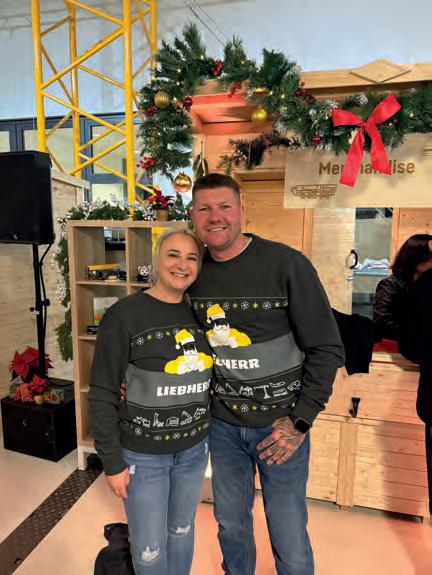
While the competition was the main event, Liebherr made sure the finalists and their families experienced far more. Joey travelled with his wife Nicole, and the couple quickly discovered the schedule went well beyond scoring points on the crane.
“They took us on factory tours, history tours, Christmas markets, even brewery tours,” he said. “When we were doing training, they organised day trips for the
“It made me proud of myself,” he said. “You miss a lot in this job – birthdays, family stuff, dinners. Sometimes you wonder if it’s all worth it. Coming second in the world… it felt like everything I’ve put in over the years meant something.”
It has also changed how he sees his work back home. “I’ve been more relaxed. I let the other boys drive a bit more now,” he said. “People want to learn from me, and I’m happy to teach them.”
His crew hasn’t let the moment go unnoticed either. “The boys have been telling everyone: ‘We’ve got #2 in the world here.’ It’s funny hearing that on site.”
With the next Game of Cranes set for 2027, Joey has one message for operators across Australia: give it a shot.
“It was one of the best trips I’ve ever had,” he said. “Even if you don’t think you’re the best, do it for the experience. You learn heaps, meet great people and see things you’d never get to see otherwise.”
He pauses for a moment, thinking back to Germany, the nerves, and the pride.
“It still feels unreal,” he said. “Second in the world… who would’ve thought?”
• control the load by remote control
• keep your lifting team safe
• work in winds 5 m/sec stronger
• capture lift data and stream the video
• do 130 lifts in the time you previously did 100 Contact us and we will send you a commercial case for using Roborigger on your project. Roborigger International Pty Ltd busdev@roborigger.com.au ww w.roborigge r.com.au
www.falconcranes.com.au
www.totalequipmentsales.com.au www.falconfab.com.au
falconmobile.com.au


When Alex Macklin entered the crane industry in 2005 as an electrician and technician, he had no plans to start a business.
BUT YEARS ON MAJOR PROJECTS, GROWING technical skills and spotting clear market gaps eventually led him to build Falcon Cranes into one of Queensland’s fastestgrowing crane businesses.
Alex spent his early years in the field learning the machinery inside and out. “I completed my electrical instrumentation trade in the industrial sector before moving into cranes. I started as an electrical technician and was responsible for diagnosing faults, repairs and maintenance, and over time gained extensive experience in the mechanical and rigging sides of tower cranes,” he said.
As he worked his way from technician to Queensland state manager at Titan Cranes between 2007 and 2014, he realised there was a clear gap in the Queensland market. “Back then, there were only two companies really focused on the smaller city cranes,” he said. “Most of the larger companies only had a couple of small cranes in their fleets, there was a real opening there.”
That opportunity pushed Alex to take the leap. He left Titan and purchased two cranes, a Potain MC85 city crane and a Potain HD40 self-erecting crane, from what was meant to be for a house deposit.
“We started with two cranes, then three, then four, and away we went,” he said. Falcon Cranes was formally established in late 2016, meaning the company will celebrate its 10-year milestone this year.
Falcon’s early years were focused on assembling a used crane fleet to support its growing client base. Between 2016 and 2019, Alex sourced equipment locally and internationally. “By the end of 2019 we had about 16 cranes after four years of operating,” he said.
Those early cranes were mostly hammerheads and flat-tops that suited the type of projects Falcon was delivering at the time. But as job sites tightened and developers pushed buildings higher, demand began shifting toward luffing cranes to minimise over sail of neighbouring properties. Alex moved quickly to adapt.
In 2019, he travelled to China multiple times to explore smaller luffing crane options suited to the mid-rise market. During this process he was heavily involved in the design, engineering reviews, and ensuring full compliance with Australian Standards. Those trips also paved the way for a strategic
partnership with BQ Tower Cranes, for which he now acts as the Oceania agent through Total Equipment Sales. The company went on to order a new line of sixtonne and 10-tonne luffing cranes, which quickly became highly popular with Falcon’s client base. “Between 2020 and 2023, we imported 16 of those cranes,” Alex said.
This focus on matching equipment to expanding project scales has been one of Falcon’s biggest strengths. As Alex described it, Falcon’s growth followed the growth of its clients. “A lot of these clients started with four-storey walk-ups, then eight to 10 storeys,” he said.
“Now we’re taking on projects 25 storeys and above for the same people we were working with nine years ago. Our business has grown alongside them.”
Falcon now supports a diverse mix of long-established builders and fast-growing developers across Queensland.
One of the most notable is Graya, an award-winning builder-developer known for luxury residential projects across Southeast Queensland, and renowned for innovative design.
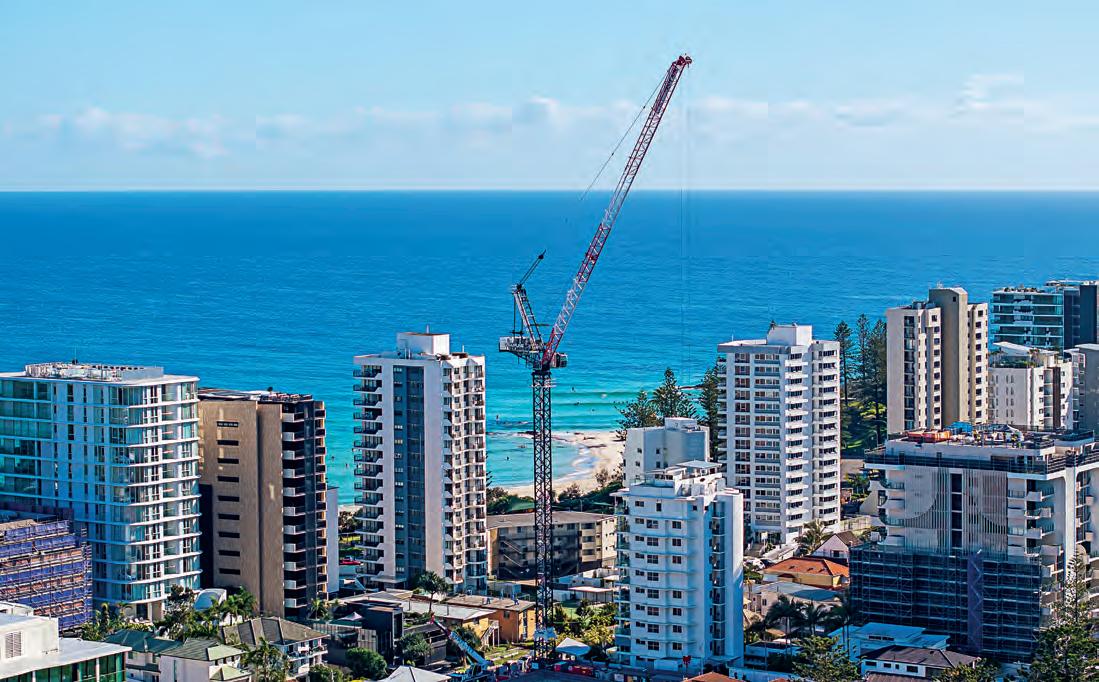
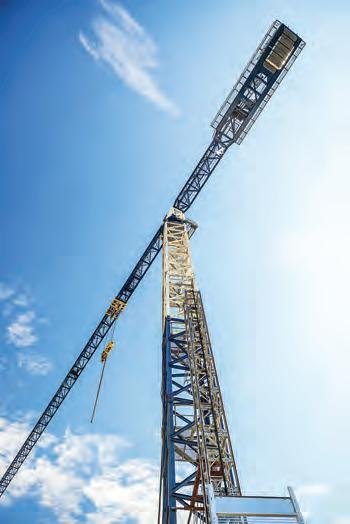
“I’ve known Rob and Andrew for over 15 years and have experienced their success firsthand,” Alex said. “We delivered their first multi-res project in 2021 with a small Potain MC85 city crane. Most recently, we erected a new Potain MCR 305A for a 25-storey tower close to 100 metres high.” That evolution, from mid-rise beginnings to true high-rise construction has happened in just four years with several successful projects in between.
Another long-term client, 5Point Projects, tells a similar story of growth.
Falcon’s first major engagement with 5Point more than eight years ago involved operating three tower cranes concurrently across Queensland and Northern New South Wales on a series of low-rise projects. These initial projects set the foundation for an ongoing relationship, with Falcon since engaged in multiple 5Point Projects developments.
In 2026, Falcon will deliver four new cranes to 5Point – a Potain MCH175A, MCR305A, MCT385A, and MCT565A.
“This reflects not only the increase in project scale and the resulting need for higher-capacity machines, but also Falcon’s ongoing commitment to supporting our clients with class-leading equipment as their requirements evolve,” Alex said.
Falcon is also working with Homecorp, a Gold Coast developer/builder backed by Japanese investment and planning several significant projects through to 2030. The
first of those projects is underway, with twin tower cranes on site and four new hoists scheduled for delivery in early 2026.
Construction sites, particularly on the Gold Coast, are becoming significantly smaller, creating new challenges for site establishment, including tower crane positioning and foundation design.
Larger-capacity machines require larger foundations, making customised approaches increasingly essential. Alex said this demand led to the creation of Falcon Fabrication; a dedicated division focused on engineered solutions and custom fabrication to complement its equipment and support site requirements.
In its first six months, Falcon Fabrication has delivered structural steel work, customised platforms, grillages, crane and hoist ties, access structures and onsite repair and maintenance services.
The company has also expanded its dedicated hoist division, which will operate 22 hoists by the end of February 2026. This division now integrates remote monitoring capabilities and busbar power systems, enhancing safety, reliability, and efficiency across all installations.
Falcon Mobile Cranes is scheduled to begin operations in early 2026. With a 130-tonne mobile crane, a 25-tonne Franna, and dedicated transport services, the initial plan is to support Falcon’s internal requirements while also offering general hire to the broader market.
“Any tower crane business that starts in mobiles tends to grow quickly, and I expect the same for us,” said Alex.
Falcon’s growth has also extended into equipment sales through Total Equipment Sales (TES), a business Alex established in 2020 to supply cranes, spare parts, and specialised machinery. The idea emerged from seeing builders and developers wanting to own cranes for long-term pipelines rather than hire for every project.
“We handle everything from procurement and commissioning to ongoing maintenance and storage, ensuring each crane is ready for seamless deployment across successive projects,” Alex said.
TES has built a dedicated service division, with its technicians highly sought-after for their factory-trained expertise and ability to support all types of plant and equipment.
A GROWING TEAM AND A LONG RUNWAY
Falcon’s workforce has expanded rapidly alongside its operations.
“We’re over 100 staff now,” Alex said. At the beginning of 2025, the team was closer to 70. The management structure has also matured, evolving from a small family-run setup to a 15-person leadership team overseeing cranes, hoists, fabrication, operations and business functions”.
This investment strategy is driven by Alex’s assessment of Queensland’s ongoing development pipeline. “The market provides the depth and runway needed to invest with certainty,” he noted. “It’s not about shortterm returns; it’s a long-term plan built for sustained growth.”
Looking back, Alex sees the foundation for the next decade already taking shape. The platform is firmly in place to service a growing pipeline of projects and support the businesses long-term vision. Falcon remains committed to improvement and innovation, consistently refining its systems, capabilities, and culture.
With a stronger fleet, deeper client relationships and growing capability, Falcon Cranes enters its tenth year built on steady growth and alignment with key suppliers.
From small beginnings, Falcon has grown into a multi-discipline crane business.


SUPERFLEX SLINGS
SUPERFLEX STROPS
DOUBLE ENDED STROPS
STEEL FLAT WOVEN SLINGS
DEAN-0 SLING
“ YOUR FIRST CHOICE IN LIFTING ” SUPERFLEX SLINGS
“YOUR FIRST CHOICE IN LIFTING”

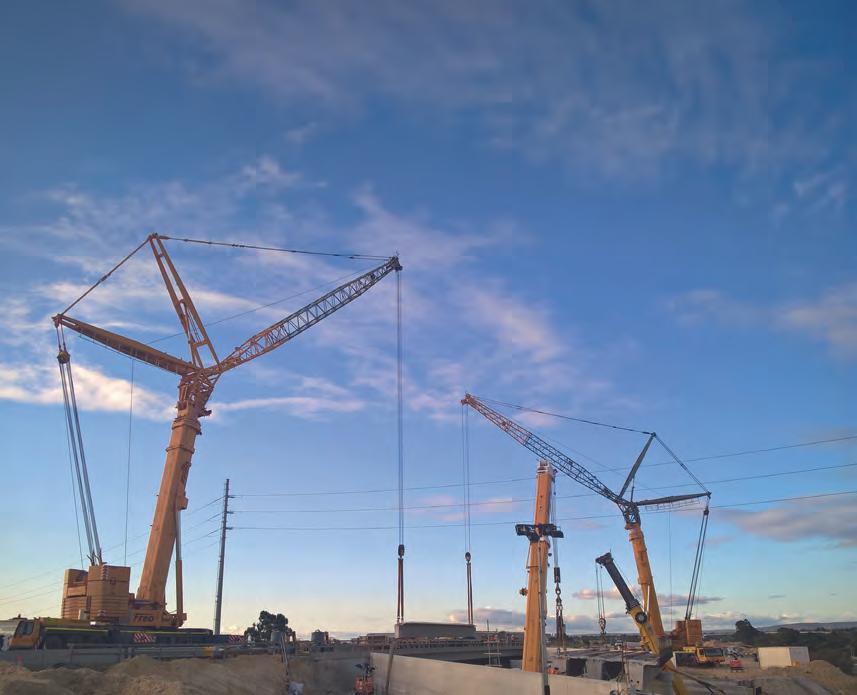
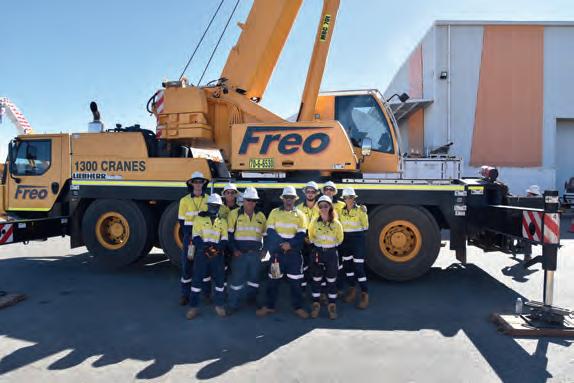
Freo Group is well positioned for a successful year. We are geared up and confident in our ability to exceed all expectations.
We are Australia’s leading crane hire and logistics service provider.
We are a proud Australian business backed by Marmon Crane Services Inc.; a Berkshire Hathaway owned company.
We operate a well-maintained, modern crane fleet of more than 500 cranes across 21 branches throughout Australia, ranging from 3T to 800T in lifting capacity.
Our Cultural and Social Responsibility Management Plan provides equal employment opportunities and respect for Indigenous Australians. We encourage diversity in our workforce, and our Community Sponsorship program supports the towns and communities where we work.
We have access to research and development on the cutting edge of innovation and safety and are committed to “The Journey to Zero Road Map” regarding safe work practices.
‘We lift the weight off your shoulders, Safely.’
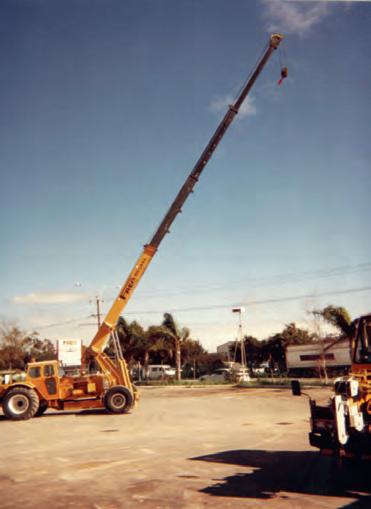
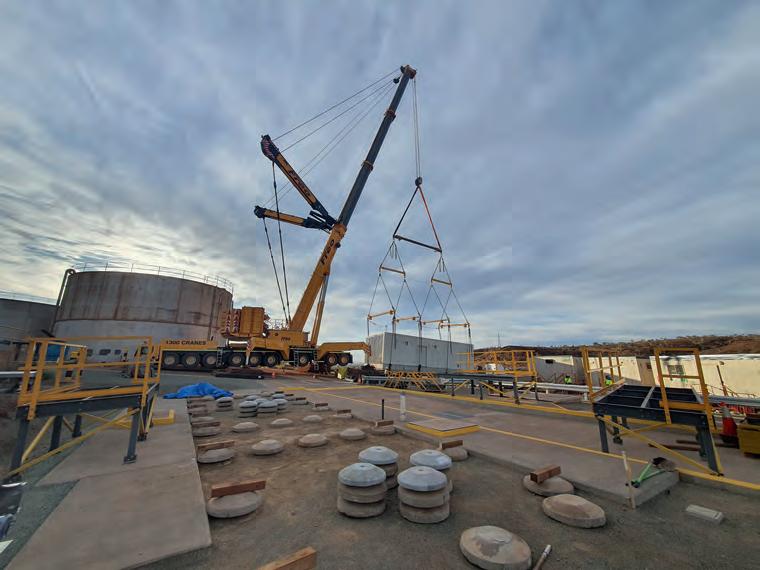
Roborigger explains why automated lifting offers a solution to an ageing workforce while delivering improved productivity, safety and lower costs.
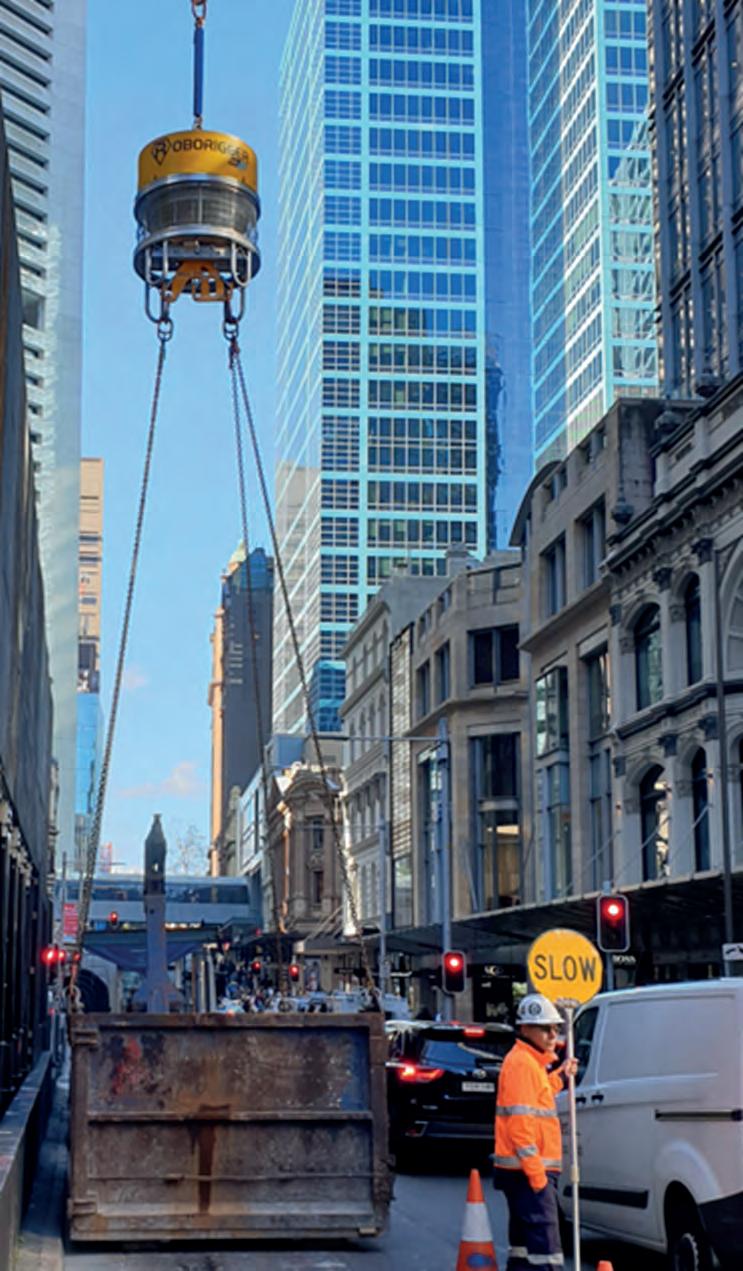
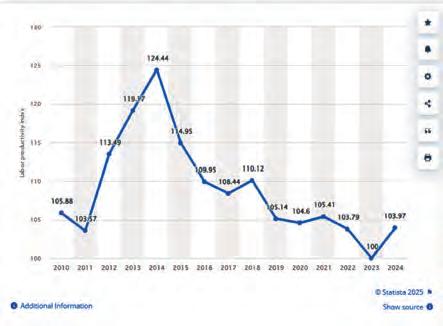
THE CONSTRUCTION AND LOGISTICS industries are desperately in need of efficient solutions that allow them to do more with their workforce. The developed countries have reached or are approaching zero population growth and are being impacted by workforce shortages. In addition, productivity in the Australian construction industry has fallen 14 per cent since 2014 and is currently falling at around 1.8 per cent per year. Construction costs are rising at around five per cent per year. We need to change! Roborigger is developing a range of automation solutions to address these issues by allowing more work to be done by less people in a shorter time at lower cost.
Aspects of the solution are obvious says Roborigger’s Derick Markwell.
• We must use efficient machines to do more of the work.
• We must use the workforce that is available more effectively. This includes being able to do the work with a more diverse workforce.
• We need to change the way we construct – more modularisation and offsite work
Safety improvements will come naturally from the above.
What are the stages towards achieving this in the crane and lifting industry? There is a suite of hardware, software and operational technologies that are needed. Most deliver a benefit in their own right. Others require operational changes in order to reap the benefit. For instance if the crane operations become more efficient, the materials need to be supplied at a faster rate and the manning needs to be adjusted.
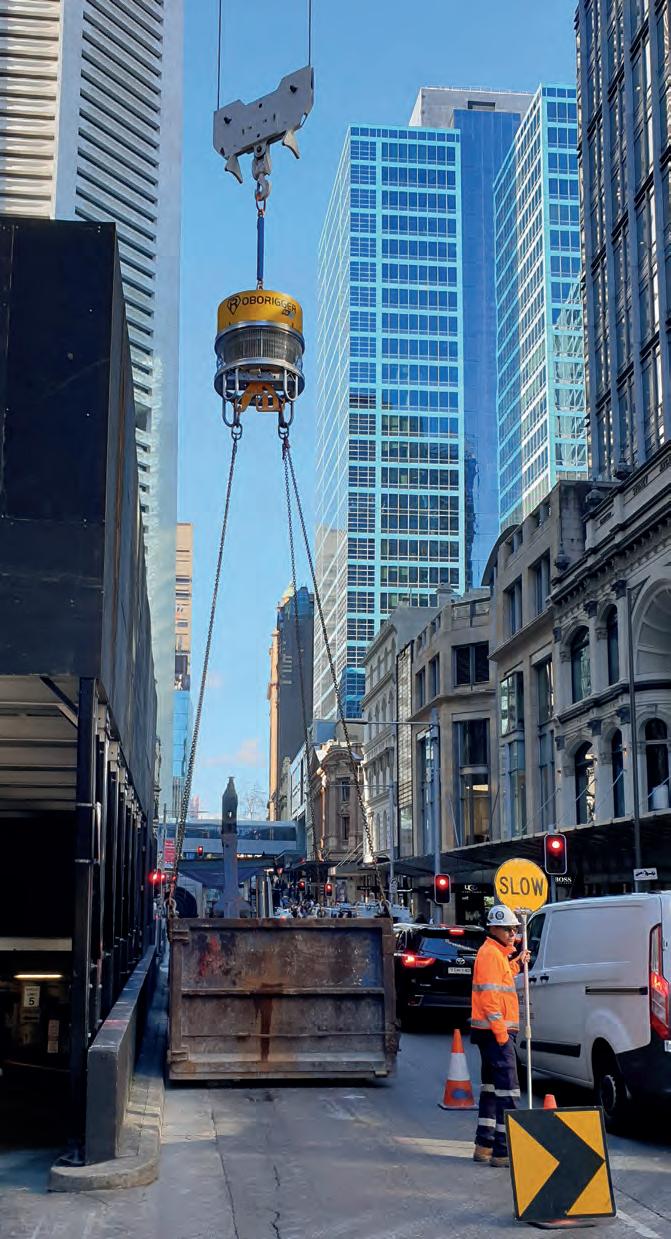
Stage 1 – build electric cranes that can be controlled and monitored remotely –use sensors, cameras and “control by wire” control systems. This is already happening.
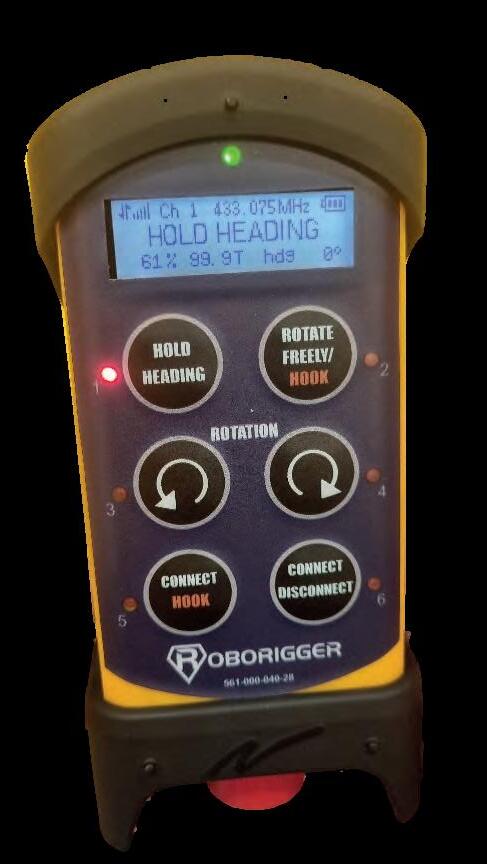
Stage 2 – Develop lifting devices that can control orientation, connect/disconnect remotely, control sway, upend and align. Load orientation: Roborigger has developed its unit that controls orientation using a remote control and without taglines. It does this by accelerating a flywheel to create a reaction in either direction that is used to orient the load.
Disconnection and Connection of the load: There are a number of hook manufacturers that make wireless hooks, particularly in the range less than 20 tonne working load limit (WLL). The Roborigger hooks cover a range up to 85 tonne WLL and are designed for the lowest standard of user care and maintenance. Connection of the load is more challenging. Elebia hooks use a magnet which can grab an oblong link such that the hook can then capture it. The Roborigger hooks can be lowered onto a link or loop that is standing up and the hook will latch onto it. Both systems need to have the lifting arrangement thought through to allow this very significant advantage to be used.
With regard to anti-sway and upending in the air without using a second crane, there
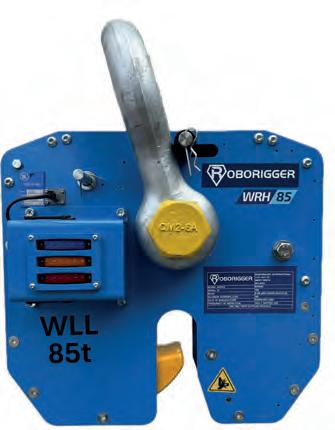
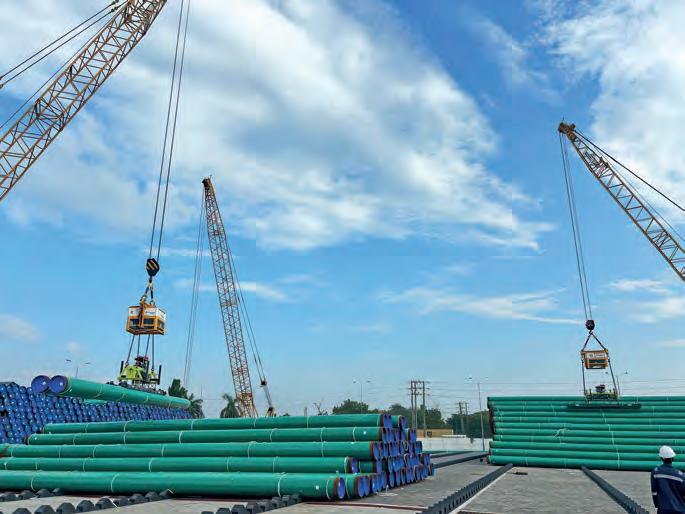
are Roborigger products under development that will hit the market in 2026.
Stage 3 – Develop intelligent instrumentation, cameras and Lidar sensors that can recognise objects and create spatial awareness. Crane to crane anti collision systems already exist but these are not at the level yet to allow autonomous operation where they can reliably prevent injury to personnel or detect rogue objects and take appropriate evasive action. They do provide “operator assist” features that allow an operator to make decisions. Products from Ultrawis and Skyline Cockpit have highly advanced optical products while Amlab has a proven Lidar system that is currently used for port operations. Roborigger includes a camera with personnel detection that can blow a horn or allow the crane operator to activate the horn or use a loudspeaker to warn personnel in the danger zone.
Stage 4 – Relocate crane operator to an office. This will deliver a very significant immediate benefit. Validate systems with a cabin at ground level on site. In the future, the operator could be located anywhere provided communications are reliable. This is already happening overseas and will happen soon in Australia. The other benefit is that the workforce can include more personnel who may not be able to climb the tower or work the full day in the crane cabin. Multiple operators can sit side by side or one operator could run two cranes if both are not needed at the same time.
Putting lifts on tower cranes is the wrong solution for the long term. Skyline Cockpit has a system that is currently in use in Hong Kong. Other crane manufacturers are also developing systems.
Stage 5 – Change the design, construction methods and operational procedures. Maximise precast / offsite prefabrication, build in lifting points on loads to allow autonomous connection and remote release, use vacuum and magnetic lifters, plan tasks differently such as emptying rubbish skips autonomously at night. Lifted items can be identified with RFID and the lift trajectories can be preprogrammed. The automation opportunities are greatly simplified when offsite fabrication and modular construction are employed.
Stage 6 – Supervised autonomous operation leading to full autonomous operation
In a manner similar to the development of autonomous vehicles, an operator will still be available to monitor and assist in the case of system failure at least for the next few years. Over time, with Artificial Intelligence, the input will reduce and this monitoring may be done remotely.
Some example where a small amount of automation has very significant and immediate commercial benefits
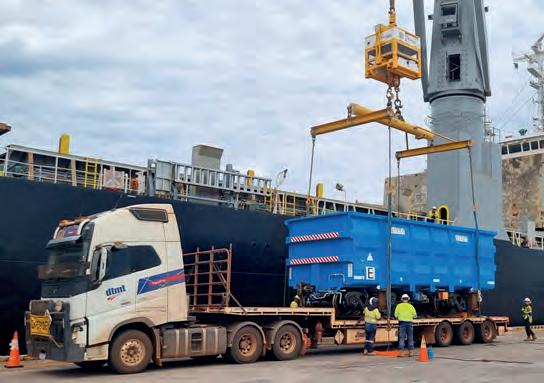
A Queensland vessel operator is loading on average 130 containers on their vessel in under 11 hours in a single shift with Roborigger to orient the load. There are no
personnel in the vicinity of the load and no tag lines being used. Previously this took more than 13 hours and ran into two shifts.
A United Kingdom façade installation company installs 30 per cent more façade panels in a day with Roborigger in a manner that is safe, requires less personnel and it can work on days when the wind would previously have stopped work.
Both these projects pay off the equipment cost in about six months. These are the sort of wins that companies can have when they implement a well thought out system of automation.
Every aspect described above is being worked on. Autonomous lifting is already being trialled. Sumitomo Mitsui has built six floors of a building with a crane in autonomous mode in Japan and BBL demonstrated its crane running in autonomous mode during Bauma. Both used Roborigger for load orientation. Much more work is still required to address the “what happens if…” cases that allow work to be totally safe and to adapt when there is an error in the planning or someone on site does something stupid.
The components needed for autonomous crane and lifting operations will develop incrementally in the same way that cars developed cruise control, then lane keep assist, then collision avoidance before even thinking of fully autonomous operation. It’s likely that 80 per cent of the benefits will come from the first 20 per cent of development effort. It is already proven that the currently available systems deliver a good financial return as well as delivering the safety improvements. As manpower resources shrink, the companies that have embraced automation will be the survivors.



The course instructors are seasoned professionals who will mentor course participants through real-life scenarios, preparing them for the challenges and responsibilities of a Crane Lift Supervisor.
Crane Lift Supervisors are in high demand globally. Completing this course enhances employability and opens doors to a wide array of job opportunities and career growth.
The curriculum covers a wide range of topics, including lift planning, load calculations, safety protocols, communication strategies, and legal compliance.

Scan the QR code to book or to fill out an EOI to help to determine next year's course dates.
The course gives participants the confidence and skills to take control of lifting operations safely and effectively.
—Brandon Hitch, CEO, CICA
* Dates subject to change – See CICA Website for latest information
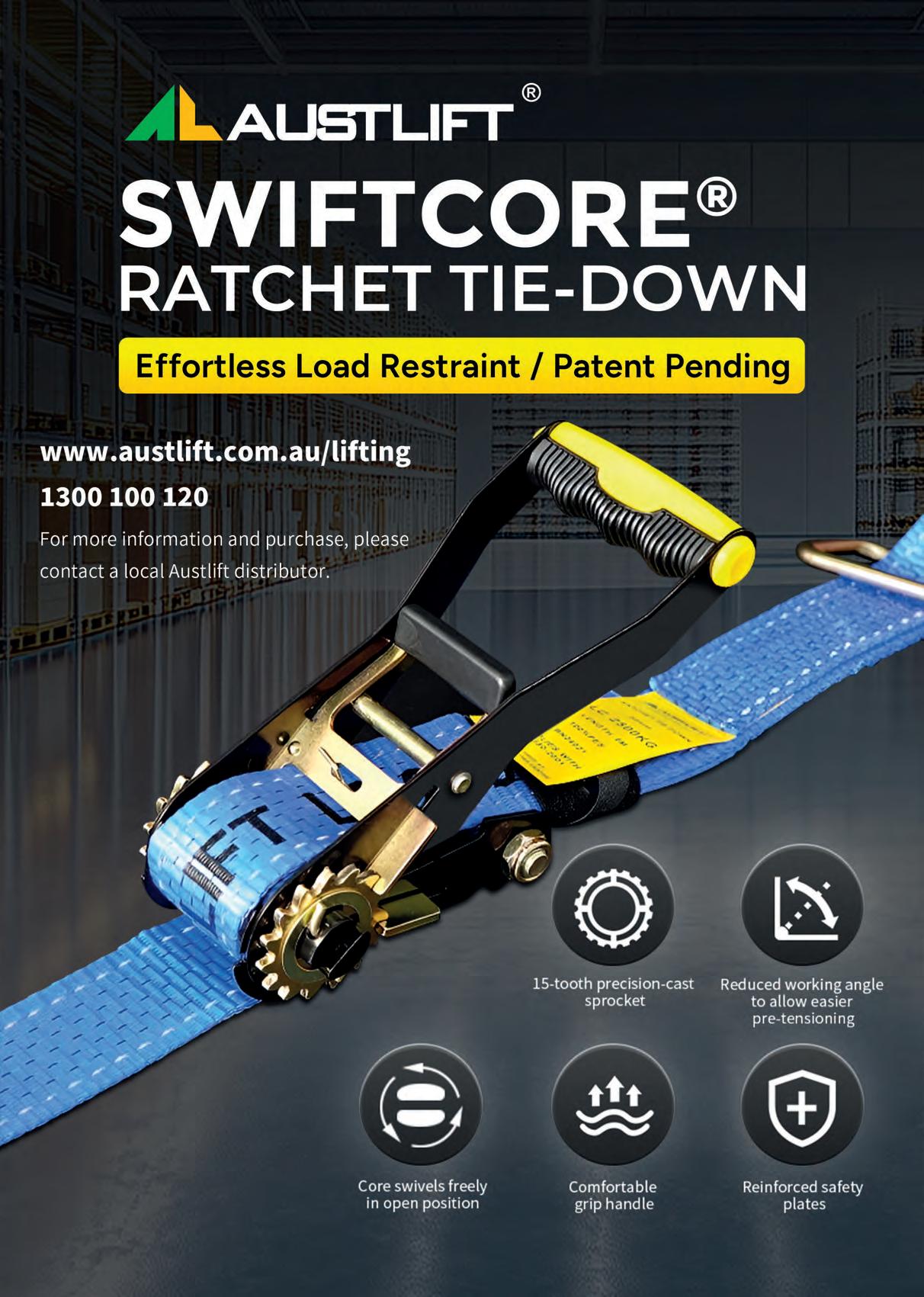
Ratchet tiedowns are one of the most common load restraint devices used during the transportation of any loads. Shang Wang, Managing Director of Austlift, a designer and manufacturer of load restraint systems, explains how his business has taken the ergonomics
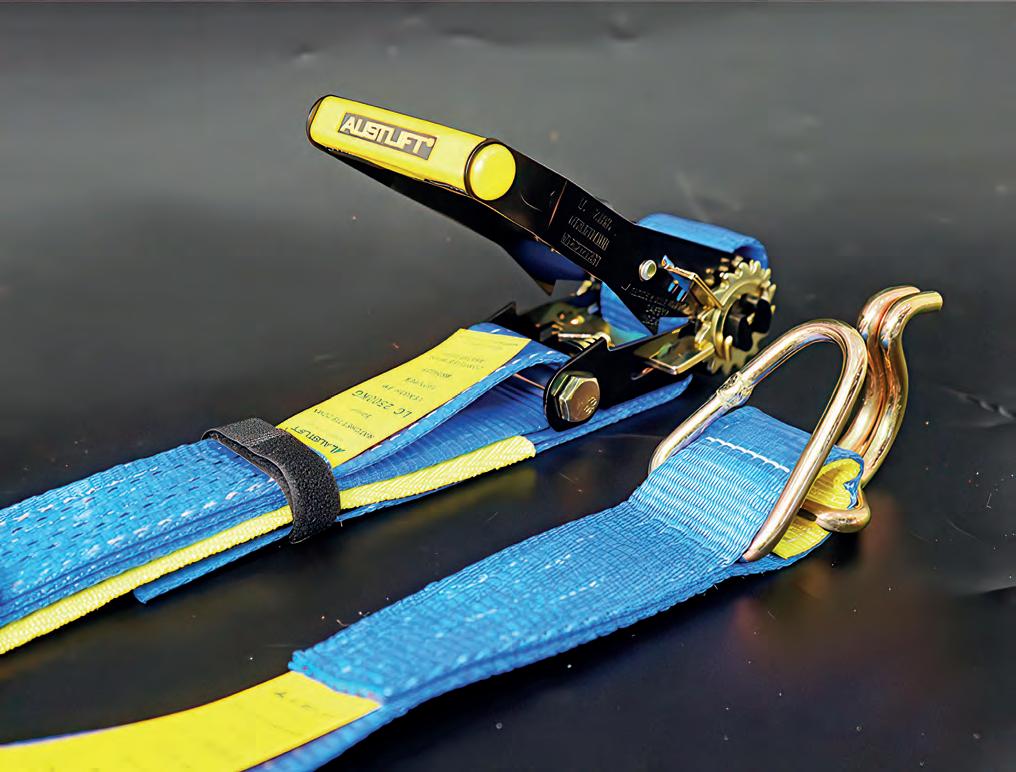
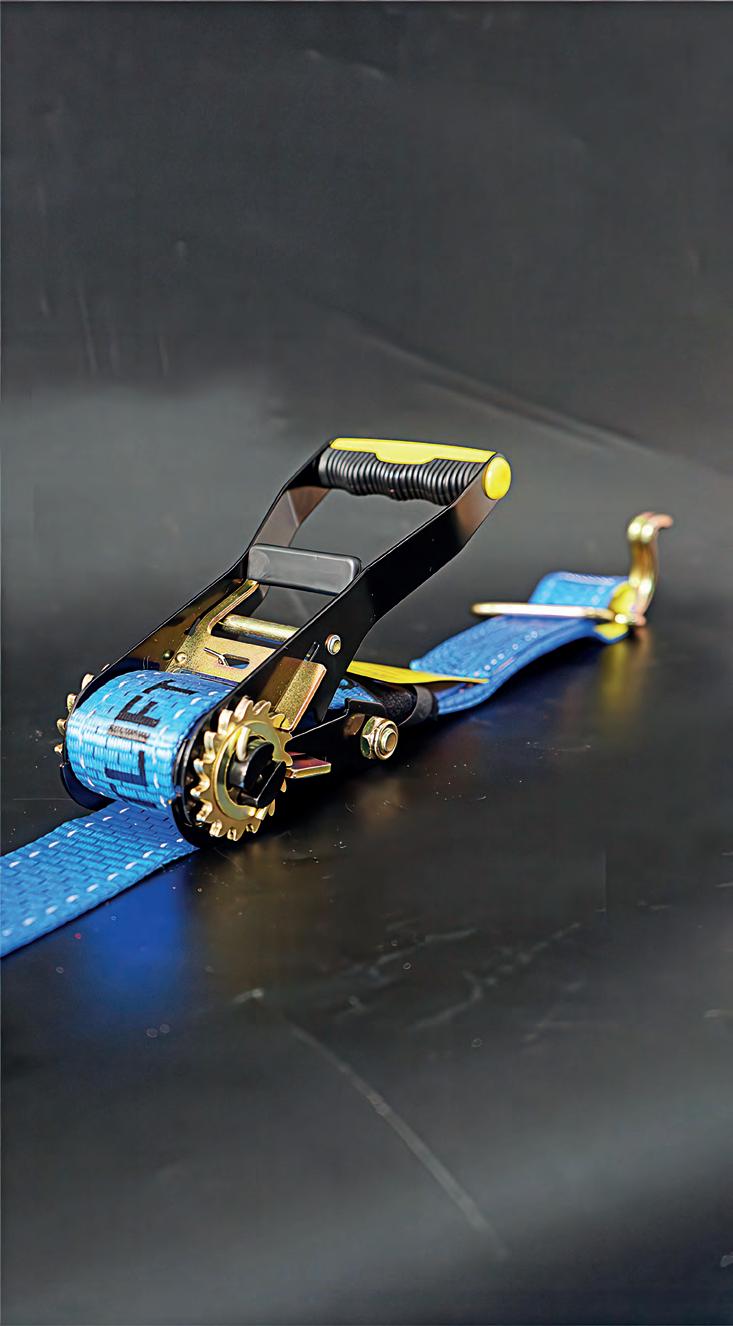
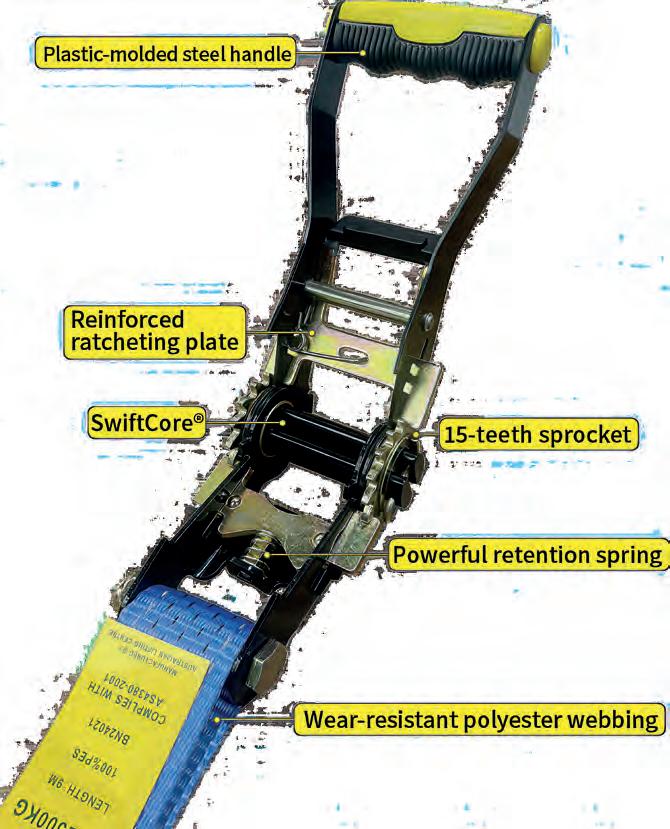
SwiftCore ratchet tie-down is an innovative product which now includes a number of significant improvements:
1. Increasing the ratchet gear teeth from 11 to 15 teeth dramatically improves pretension.
“Traditionally, a ratchet tiedown features nine or 11 teeth, where the angle between the teeth is 33 degrees (360*/11). With 15 teeth, the angle is reduced to 24 degrees making it easier for the driver to
achieve the next click to increase the pretensioning,” said Shang.
“Pretension is an important part for load restraint; it must maintain a minimum of 500 kilogram by Australian Standards. Due to the truck shaking and webbing elongation, the webbing frequently becomes loose during transportation; so it is important to apply more pretension before starting the trip. Austlift’s 15 teeth ratchet can achieve up to 1000 kilogram pretension with its robust metal framework.”
2. Austlift redesigned the ratchet handle to enable quicker, easier release of the webbing.
“Feedback from truck drivers included how difficult they found releasing the webbing on traditional ratchet tiedowns when the job is finished. The webbing became jammed within the handle. This is because the half-moon spindle is in a fixed position making it hard to rewind. We redesigned the handle’s mechanism so the spindle can be moved into a freewheel
position when you want to release it. We call it ‘SwiftCore’, and our system has been patented.”
The SwiftCore comes with a recognisable black core and features a wider ratcheting plate, making the unit stronger during pre-tensioning. The thicker retention plate adds to the overall safety of the system by preventing slippage. It also features a strong steel handle covered with a comfortable moulded grip.
The SwiftCore is easy to use and once the load is ready to be released, these unique features ensure the unloading and removing of the straps is quicker, smoother, and easier.
3. The SwiftCore ratchet strap also comes with herringbone protective sleeves. This new design has 40 per cent more abrasive resistance than standard protective sleeves. This product also comes with high-quality webbing, which features reflective stitching to aid users during nighttime loading.
The Flip ‘n’ Stick tailpiece can be used to secure the tail neatly in place and keep it tidy when not in use. Each unit comes with an identification tag which includes all the main information required by the standard, such as the latching capacity, batch
number, and the standard that applies.
4. “Another small change to the design relates to the excess webbing. When you secure the load and finish the tiedown, there is always excess webbing. With previous tiedowns, the truck driver would tuck this webbing into the back of the load, but when they are driving, that webbing comes loose, and you see it flying around on the freeway. We added small velcro belts to webbing which you use to secure the remainder of the webbing which makes the load much tidier and stops the webbing from coming loose and flying around,” Shang said.
“Austlift’s approach to innovation has always been driven by the people who use our products every day. Our continuous commitment to listening, collaborating, and engineering solutions with industry partners ensures that every new design is safer, easier to use, and truly makes a difference in the field. SwiftCore is the latest example of how customer feedback and real-world challenges shape the future of load restraint systems at Austlift.”



As Australia’s crane sector moves into another year of shifting demand, extended project pipelines and tightening asset supply, All Cranes is heading into 2026 with a rare blend of confidence and humility.
“Our unit sales were the highest we’ve recorded in a calendar year since the business began,” Peter said. He said that the volume and market reach expanded, especially through their consignment model.
The company’s dry hire fleet also reached its highest utilisation, averaging 90–95 per cent across 25 cranes, reflecting not only demand but strong customer loyalty.
“We think we’re servicing the right clientele,” Todd said. “They’re happy, and they keep coming back.”
The Shelton philosophy, prioritising relationships over transactions, continues to be central. Todd recounted instances where All Cranes connected two parties to finalise a sale despite earning nothing from the deal.
“All we’re trying to do is meet them in the middle,” Todd said. “In the future, they’ll most likely come back. That’s what we’ve prided ourselves on since we started the business 10 years ago.”
That approach paid off in 2025. Wordof-mouth referrals strengthened, the auction business expanded its influence,
and the consignment model proved crucial in navigating a used crane market affected by interest rates, supply pressures and fluctuating global manufacturing output.
“We don’t blow our own trumpet,” Peter said. “But we know we’re a good, solid company with an exceptional team around us. We focus on finding the right crane for the right person – that’s what we do well.”
The Sheltons believe used crane activity in 2025 reflected a mix of economic caution and rising new-crane prices.
“Whilst the price of new cranes remains high, people are starting to look at alternatives,” Todd said. Availability has also played a role, with European manufacturers reducing production as costs rose and demand softened.
Peter noted a growing pool of later-model used cranes emerging – something not typical in past years. He also pointed to a “bubble economy” effect, with some regions performing strongly while others slow.
Through that landscape, the consignment model delivered clear advantages. With most cranes sold on behalf of owners, All Cranes could scale inventory without heavy capital exposure. Customers benefited from transparency, a wider selection and the assurance of dealing with a specialist business deeply familiar with Australian compliance and

lightly – an honesty that has become part of their identity. “I wish I had a crystal ball,” Peter said. “Who knows what’s going to happen this year?” But beneath the humility is a clear strategic direction.
1. Enhancing precision and confidence
All Cranes is committed to refining its processes to deliver faster, more efficient outcomes without compromising quality. Every step – from sourcing and profiling machines to capturing the best possible images – is designed for precision and clarity.
The team prioritises accuracy in listings and transparency in communication, ensuring customers receive reliable information and prompt responses to any request. The focus on efficiency and service reflects All Cranes’ core promise: making it easy for clients to find the right crane with confidence.
2. Strengthening the dry hire fleet
The hire business is performing at record utilisation, and both Peter and Todd see room to consolidate and refine their fleet. They remain committed to specialising in mobiles, crawlers and rough terrain units – segments where the company has deep technical expertise.
3. Limited but strategic refurbishment opportunities
All Cranes will continue refurbishing select machines when the right opportunity arises. These efforts remain tightly focused and low volume, reinforcing their integritybased approach.

The Sheltons’ market view is pragmatic and grounded in daily activity across Australia. As Peter noted, trends move quickly – runs on crane classes come and go. Businesses should be prepared to act decisively when suitable assets appear.
Above all, both Peter and Todd agree that buyers will continue to become more value-driven, more considered and more focused on long-term fleet planning than impulse purchases.
Despite growth, auction success and record numbers, the company’s identity hasn’t changed. “We’re not trying to be the best in the game – we just play the game the right way,” Peter said. “Word of mouth built the business, and it still drives us today.”
Todd puts it even more simply: “We’re just there to help the industry the way we think it should be helped.”
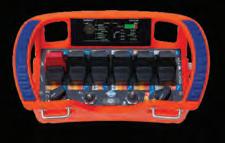
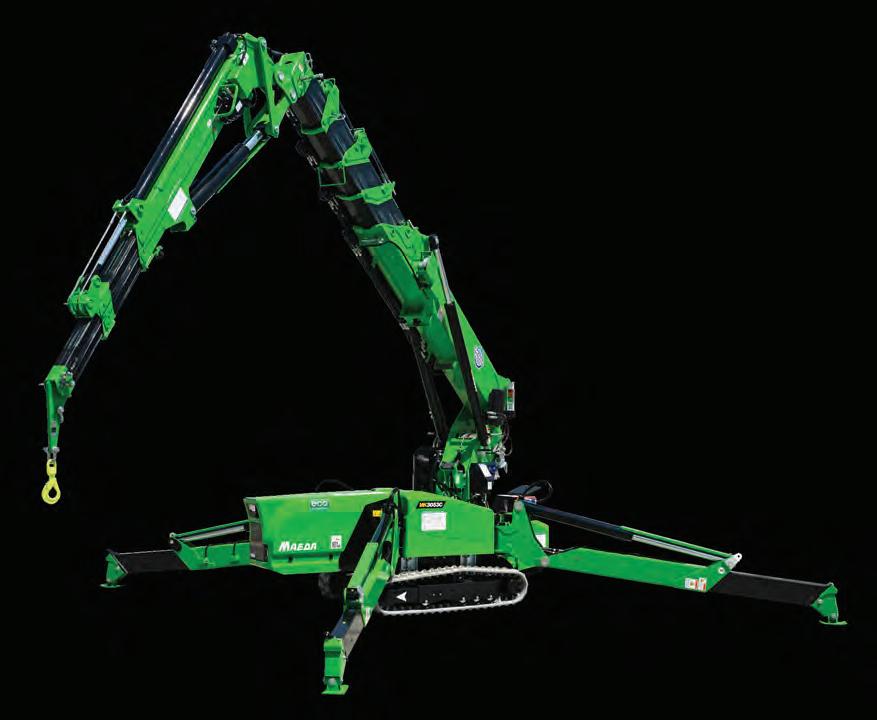
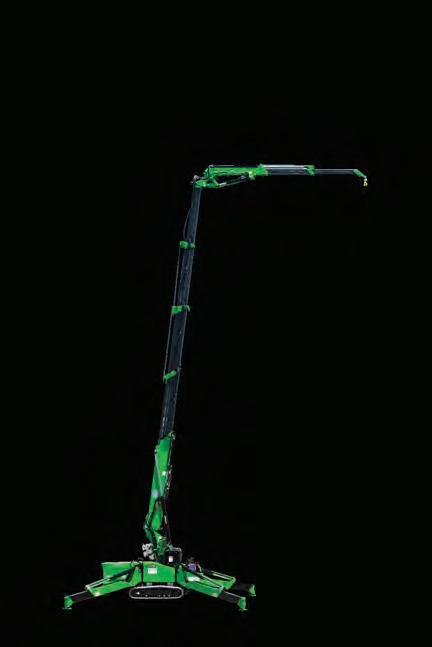
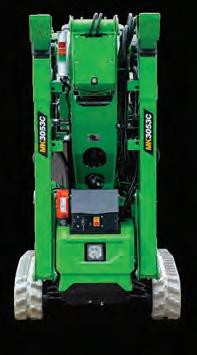
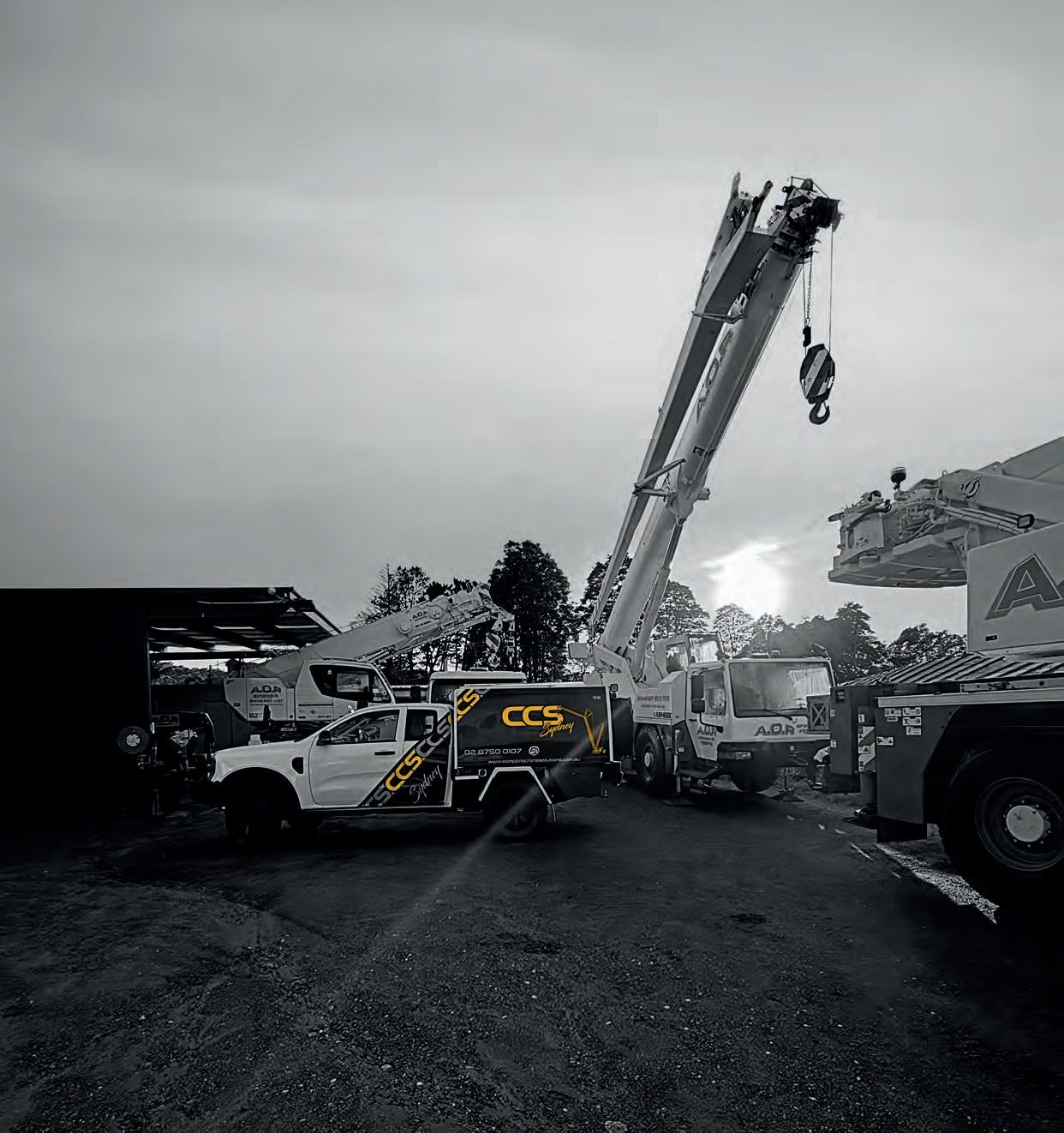
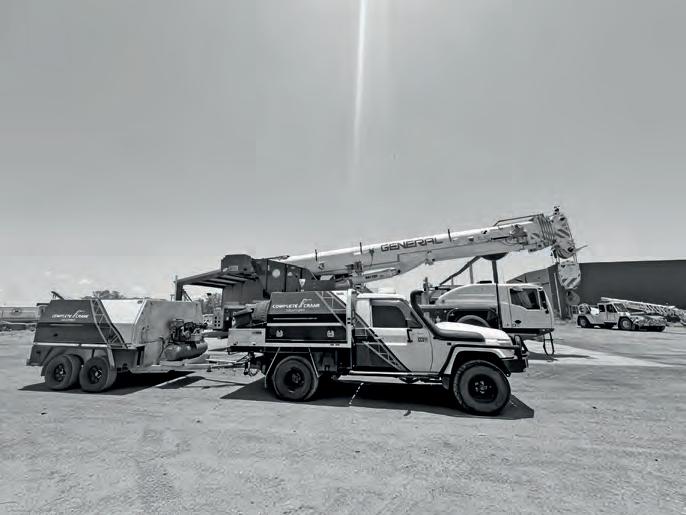
From heavy industry and mining in the Pilbara to marine and infrastructure projects on the East Coast, our team of expert technicians and parts specialists deliver around-the-clock, on-site support you can count on.
We’re more than a service provider — we’re a true partner in keeping your operations moving. OUR SERVICES
Mobile crane repairs & diagnostics
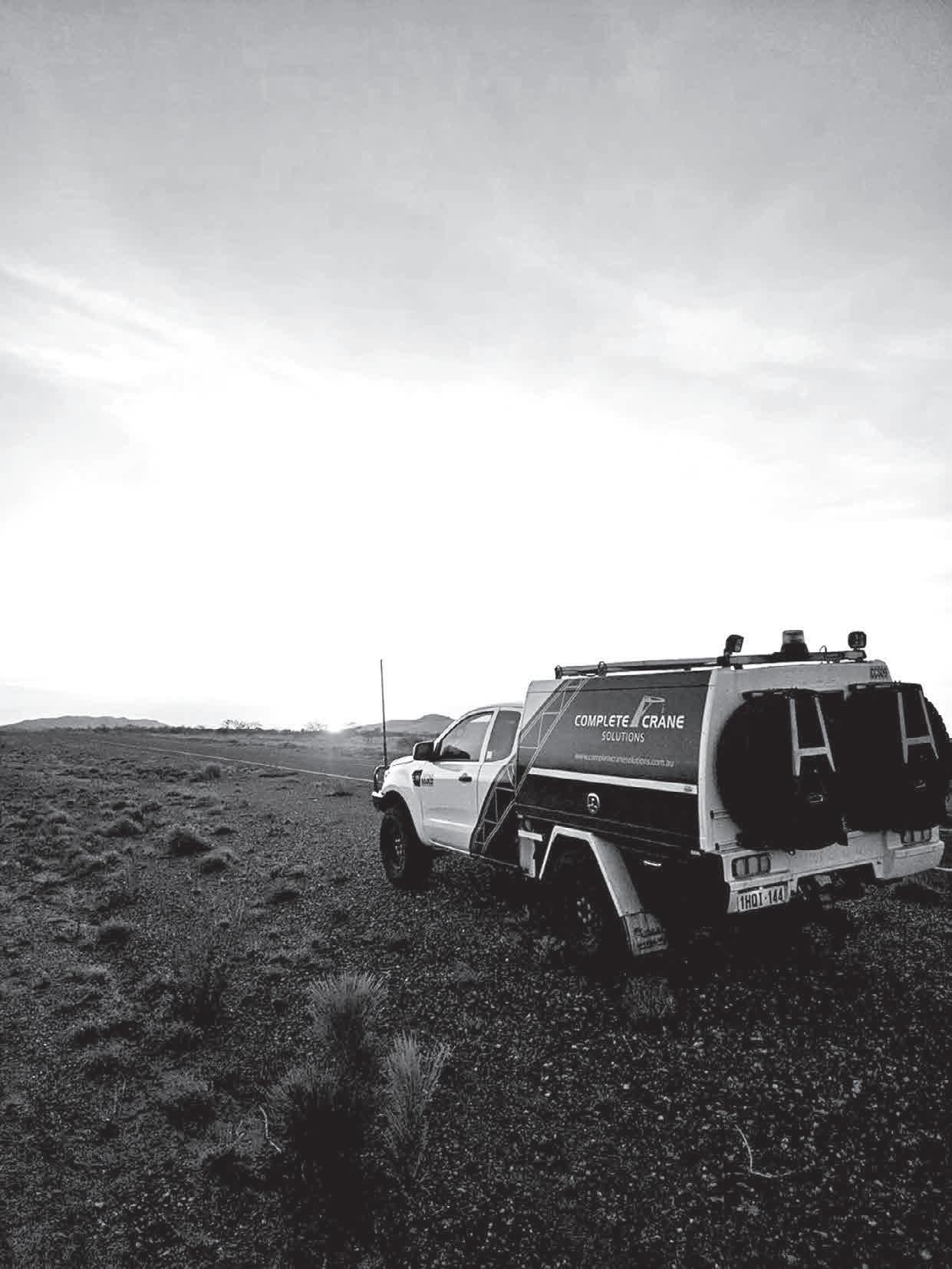
With operations based in Karratha (WA) Perth Metro (WA) Sydney (NSW) & SEQ (QLD), we offer rapid mobilisation and local expertise to meet the demands of Australia’s most challenging worksites.
NEW DIRECTION. EXPANDED CAPACITY. SHARPER FOCUS. As CCS enters a new chapter of national growth, we’re investing in the people, systems, and scale to support major projects, port authorities, and private fleets across Australia.
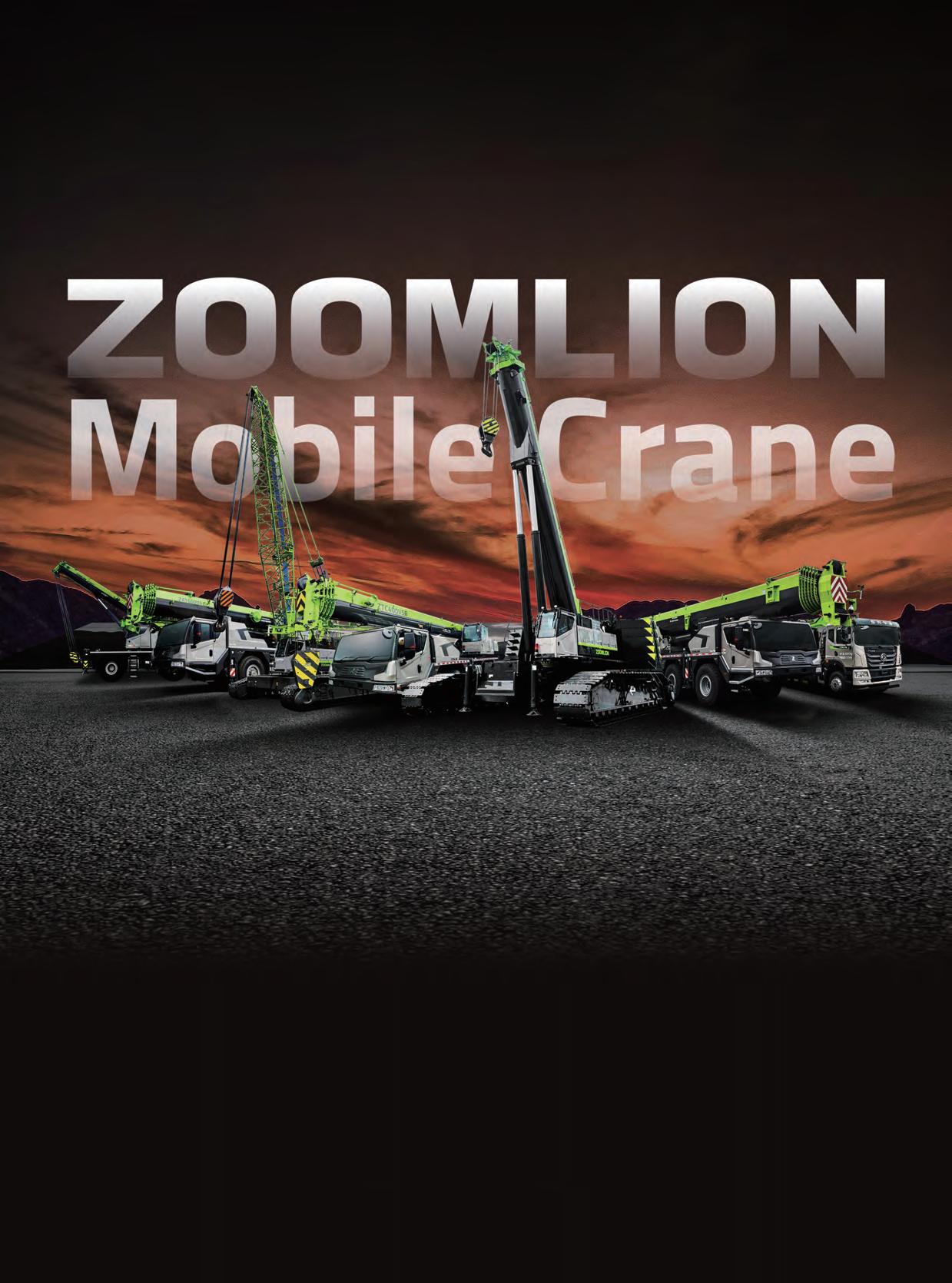
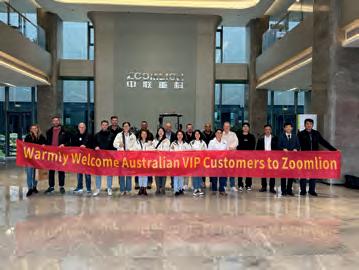
Zoomlion has opened its Smart City to the Australian crane industry, providing unprecedented behind-the-scenes access to its manufacturing operations, research and development capability, and direct, unfiltered engagement with its engineering teams and global design leadership.
THE SCALE OF THE OPERATION WAS immediately apparent, and the message equally clear: Zoomlion is committed to working alongside industry to deliver value, performance and future-ready capability for Australian crane owners and operators.
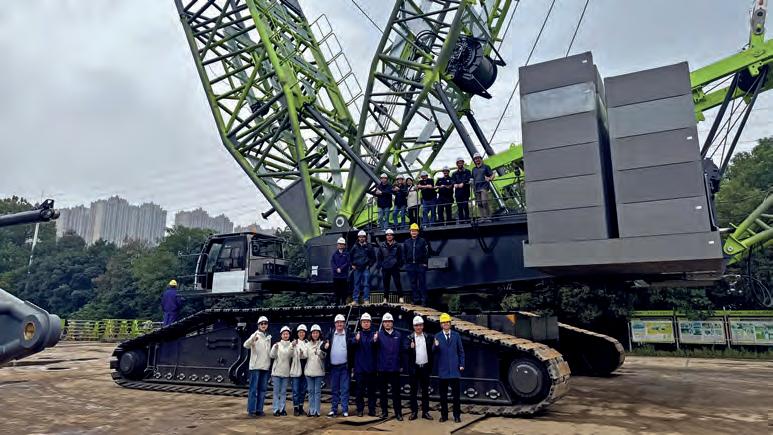
Twelve delegates from Australia’s crane, construction and heavy-lift sectors took part in the tour. Representing a broad range of operational requirements, the group was granted unrestricted access to production lines, automated assembly cells, research and development (R&D) facilities and engineering workshops. Importantly, delegates engaged directly with Zoomlion’s people, including the global heads of design, engineering and manufacturing
who were open, accessible and focused on understanding the specific needs and expectations of the Australian market.
For Nationwide Machinery Group, the authorised dealer for Zoomlion in Australia and New Zealand, the China showcase tour was deliberately centred on transparency, providing industry stakeholders with a clear, evidence-based understanding of Zoomlion’s capabilities and directly addressing entrenched perceptions surrounding the safety and quality of Chinese-manufactured cranes. Delegates were given first-hand insight into how Zoomlion designs, engineers, tests and builds its cranes,
while establishing a direct connection between Australian operators and the teams responsible for developing the machines at factory level.
That philosophy shaped every aspect of the visit. Access was the key driver: access to engineering teams, senior management and the decision-makers guiding future product development. No topic was off-limits. Delegates were encouraged to ask questions, request demonstrations, observe testing processes and provide unfiltered feedback, positive or negative, all with the sole purpose of building trust and long-term credibility within the Australian market.
Organised by NMG, the showcase tour took place at Zoomlion’s Smart City in Changsha, China, a manufacturing and testing precinct spanning an astonishing seven million square metres.
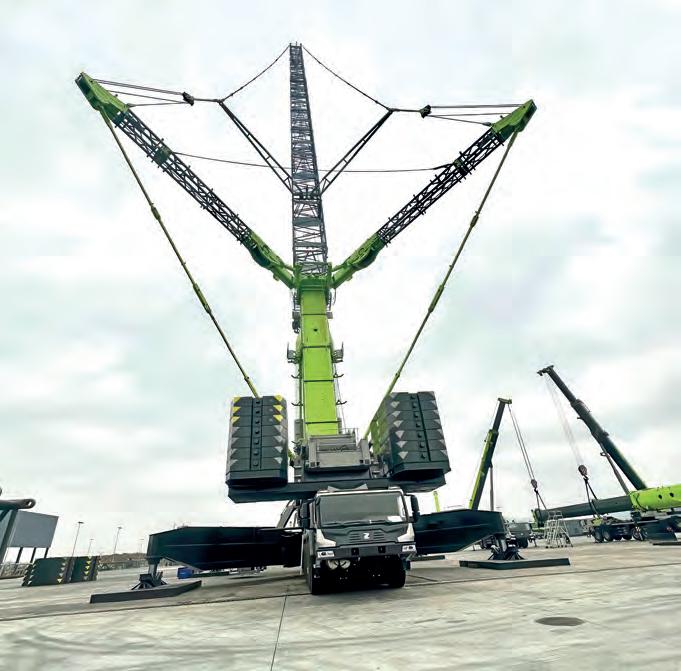
Over five days, delegates were taken deep inside Zoomlion’s operations, covering access equipment, crawler cranes and all terrain cranes, including unrestricted access to the manufacturing line and test pad. This included direct exposure to live testing demonstrations of the world’s largest allterrain crane, the 4000-tonne model.
Zoomlion openly acknowledged that its historical presence in Australia has been limited. Domestic demand within
China has long absorbed production capacity, while the Australian market has traditionally been cautious about Chinese manufacturers and perceptions around safety and quality standards.
That reality is now changing. Zoomlion’s leadership made it clear that the company is taking a tailored, market-specific approach to Australia, underpinned by global design input, international standards compliance and long-term service and support considerations. The showcase tours are a key part of that strategy allowing industry to see the processes first-hand rather than relying on assumptions.
The message from the factory floor was consistent: growth is not about competing on price alone. Quality, compliance and reliability were repeatedly reinforced as non-negotiable priorities, even if that means abandoning designs that cannot meet internal standards without compromise.
NMG understands that crane purchasing decisions are driven by confidence, service and long-term support, not simply cost. The tour did not seek to promote product, but rather to allow delegates to form their own conclusions based on evidence.
Delegates were walked through design and production workflows and shown how compliance with ISO (International Organization for Standardization), Australian and European standards is achieved and verified. Open, detailed discussions covered steel grades, material sourcing and global supply-chain auditing. Insight was also provided into how Zoomlion has adopted and integrated European manufacturing practices through international acquisitions of highly
respected specialist businesses, particularly in boom design and fabrication, significantly strengthening its engineering capability and quality systems.
Each day was structured around technical engagement, with the agenda largely dictated by delegate interest and questions.
Day one included an overview of manufacturing processes and design philosophy led by Liu Jianhua, head of the design department, who welcomed direct dialogue with Australian industry representatives. This set the tone for open discussion rather than scripted presentations.
Throughout the tour, delegates observed cranes undergoing rigorous load testing and validation programs designed to meet international compliance requirements, with no restrictions placed on access or participation. The group also met with Luo Kai, General Manager of Mobile Cranes, to discuss product direction and longterm strategy.
An in-depth technical forum was held with Zoomlion’s engineering and design teams, covering topics such as wind capability, design upgrades, superlift systems, lift-planning software, transport limitations, lift performance and identified market gaps. Feedback was encouraged and well received.
Among the Australian delegates was Conan Jenkins, heavy lift specialist at John Holland. Like many in the local industry, he arrived with a degree of scepticism which quickly shifted.
“It blew my mind,” Conan said. “I walked in with all those preconceived ideas
and walked out absolutely gobsmacked. What stood out most was Zoomlion’s commitment to research, development and technology. Their willingness to invest in R&D, and the way they’ve embraced robotics and automation, was far beyond what I expected,” he said.
From a technical standpoint, Conan was impressed by the depth of engineering engagement and openness to feedback. “They were willing to listen. We spent a lot of time discussing how things could be improved and how systems could change the way cranes are used and maintained.”
Looking ahead, he sees potential for Zoomlion in Australia, particularly in telescopic crawler cranes and higher-capacity machines. “In ten years’ time, I wouldn’t be surprised if they hold a meaningful share of the Australian market,” he said.
For Zoomlion and NMG, the showcase tour reinforced a broader strategy: building confidence through transparency. By giving Australian stakeholders direct access to Zoomlion’s engineers, executives and testing facilities, the conversation shifted from perception to proof.
Engagement with the Australian market is ongoing, with feedback from the tour already feeding into future discussions around machine configuration, compliance alignment and serviceability for local conditions.
Rather than asking the market to accept claims at face value, NMG and Zoomlion are opening their doors and inviting scrutiny. For many delegates, that openness proved to be the most powerful takeaway of all.
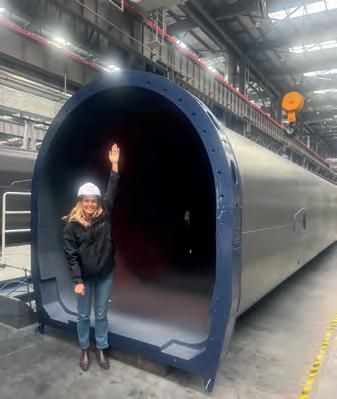
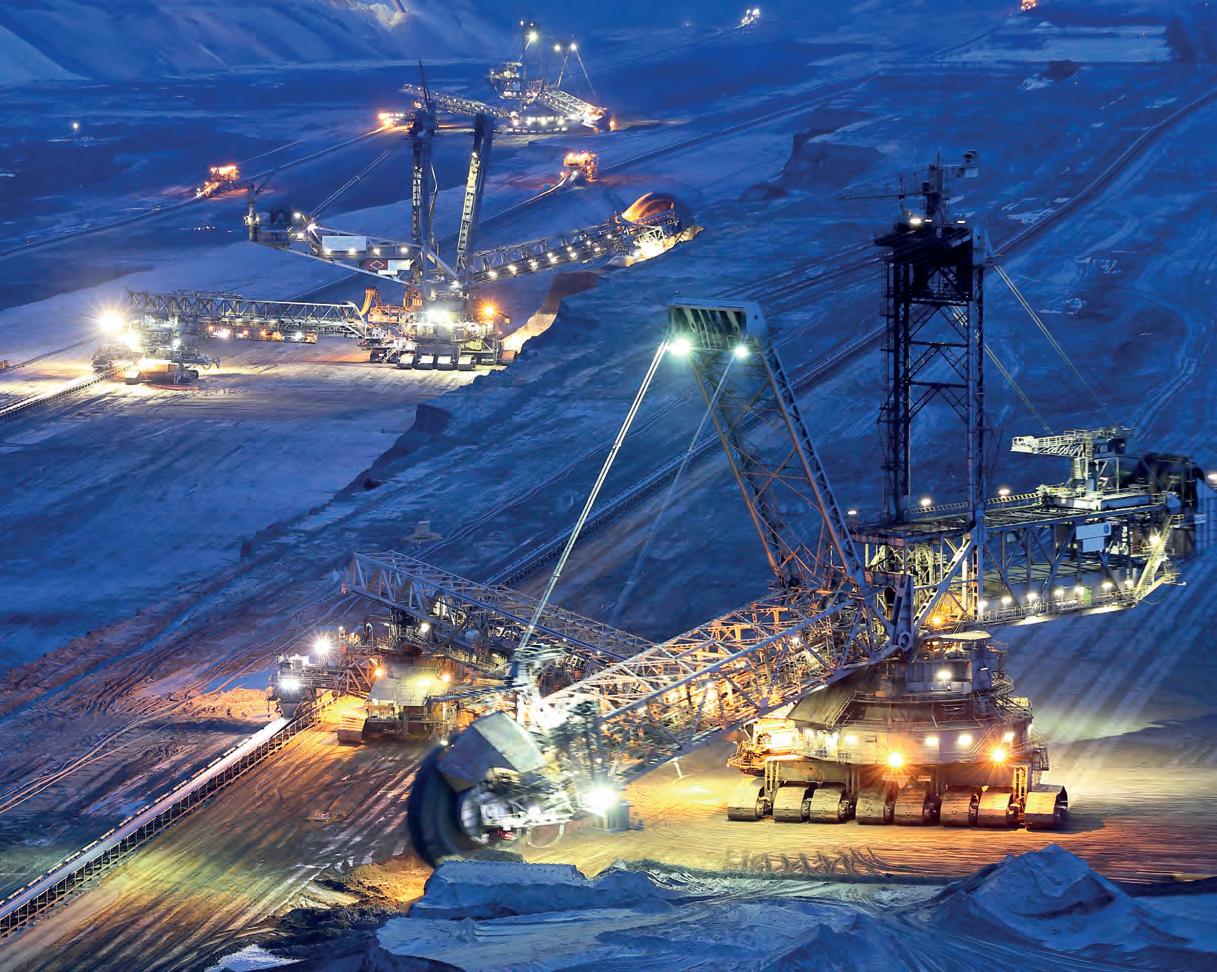
90
say operators will need new skills in the next 12 months
60
report gaps in knowledge, safety behaviours, or legal compliance
79 % % %
struggle to recruit skilled lifting operators


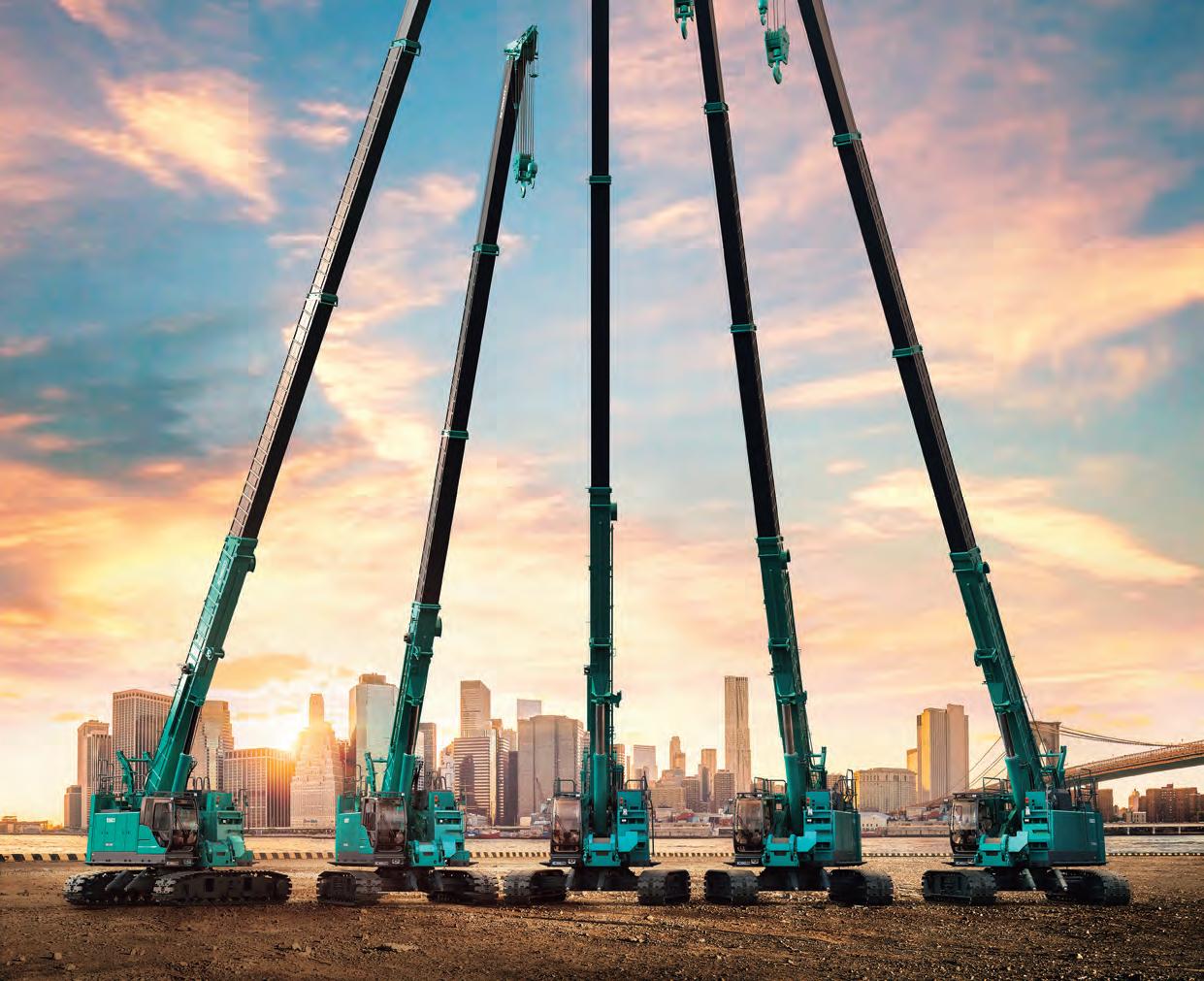
Standard independent track adjustment, optional translifters, and self-assembling counterweight.
PURPOSE-BUILT TELESCOPIC BOOM
Side-deflection-resistant boom, reinforced superstructure, enhanced slew bearing, powerful Stage V engine.
SUPERIOR LIFTING PERFORMANCE
High stability, compact vertical winch layout, and improved rated loads across key working radii.
READY FOR PILING & FOUNDATION WORK
Easy auger operation with optional 3rd/4th winches and a wide range of compatible attachments.
OPERATOR-FIRST DESIGN
Modern G-Series cab with intuitive controls, improved visibility, and optional multi-camera monitoring.
SMARTER FLEET MANAGEMENT
Equipped with KCROSS for real-time diagnostics, safety assistance, and connected fleet oversight.
CONTACT THE TRT TEAM TODAY TO LEARN MORE.

DLL has supported Australia’s crane and lifting market for more than 20 years.
For more than two decades, DLL has played a steady, behind-the-scenes role in Australia’s crane and lifting industry.
ACTING AS A TRUSTED PARTNER, IT helps businesses obtain the equipment needed to grow through flexible finance solutions. With operations in 25 countries and a model built around long-term original equipment manufacturer (OEM) partnerships, DLL has shaped a niche that blends global reach with local understanding.
Country Sales Manager Sean Tuxford, who has been with DLL for 17 years, has watched the business evolve alongside the market. He began as an account manager, moved through materials handling and access equipment portfolios, and eventually took on leadership of DLL’s Construction, Transport and Industrial division for Australia and New Zealand.
Today he also oversees the materialshandling portfolio and works closely with
DLL’s global vendor partners, including its long-standing crane relationships.
“Our model has always been simple,” Sean said. “We align closely with OEMs or distributors to deliver custom finance solutions that help facilitate and sell more equipment. That’s how we’ve grown our portfolio and our customer base. While in recent years we have expanded to include a direct channel, vendor and dealer relationships remain at the core.”
A BROADER VIEW OF THE LIFTING SECTOR DLL has supported the crane and lifting market in Australia for more than 20 years, supporting customers working across construction and infrastructure, mining services, energy, transportation and logistics.
“We support a full range of equipment through our partners – all terrains, crawlers, mobiles, and tower cranes,” Sean said. “If our partners distribute it, we can support it.”
DLL has a direct team that works with larger corporate customers and supports businesses whose fleets extend beyond cranes.
“For many of our customers, cranes are just one part of what they do,” Sean said. “They might also run aerial work platforms, trailers or industrial equipment, and we can help across that whole mix. It’s important to us that customers see our broader capability, not just one slice of it.”
He also noted DLL’s long global relationships with access-equipment manufacturers, along with strong alignment with transport and trailer

suppliers – all parts of a crane businesses day-to-day operations.
While DLL is a financier, it does not see itself as a traditional bank. Its strength comes from deep industry knowledge, internal capability, and a hands-on understanding of the assets it funds.
“Our industry expertise is a major difference,” Sean said. “We know the true value of the equipment we finance through its entire lifecycle. This helps us understand risk and provide structures that a standard bank may not be able to.”
DLL also operates with internal assetmanagement, legal and credit teams, which speeds up decision-making.
“Large corporates love to negotiate terms,” Sean said. “We can do that quickly because we’re not sending anything external. It’s another value-add, especially when timing matters.”
This approach is grounded in relationships and trust – something Sean said is essential in the crane industry.
“If we build trust, we build relationships,” he said. “Every customer’s needs are different. Our job is to interpret those needs and execute the right solution, not just offer a one-size-fitsall model.”
DLL’s international footprint gives local customers stability, especially those with operations or procurement plans that stretch across borders.
“For some of our larger customers, we’ve been able to assist them in multiple countries,” Sean said. “Having one financier across Australia, New Zealand, Europe or the United States gives consistency and certainty.”
It also strengthens internal collaboration. DLL teams across the world share structures and solutions that have worked in different markets.
“We learn from them and they learn from us,” he said. “It creates a more consistent experience for both our OEM partners and their customers.”
Electrification has become one of the most talked-about topics across lifting and access equipment. “Electrification is probably inevitable,” Sean said. “The uptake has been slower, but we’re ready. These assets are more expensive, and the value cycle is different, so we need to adapt.”
DLL’s strength in asset-value forecasting plays an important role here. With decades of crane-lifecycle data behind them, the step into new technology is measured and methodical. The company expects more clarity and product-specific detail to emerge at global industry events.
As crane fleets become more connected, telematics and diagnostics are reshaping asset management.
“It’s fantastic for the end user,” Sean said. “You can identify issues before they occur. For us, especially with operating leases, the more insight we have into how an asset has been used the better.”
Well-managed equipment supports stronger resale values, safer operations and smoother transitions when an asset is returned at end of term.
With long lead times on new cranes and currency pressures affecting pricing, the
used-equipment market has become an essential part of the industry. DLL has adapted accordingly. “Sometimes, used equipment is the more attractive option for a customer, and we absolutely support it,” Sean said.
He notes that OEMs are also leaning further into trade-ins as a way of keeping new sales flowing while helping customers upgrade their fleets.
For DLL, the crane and lifting market will always come back to people. Sean calls it a relationship industry, one where loyalty, trust and familiarity carry as much weight as financial structures.
“It’s a space full of family-owned businesses, and you’re dealing directly with the decision-maker,” he said. “Being present matters.”
That presence will continue globally as DLL strengthens its partnerships and expands its capabilities across cranes, access equipment, transport and industrial assets.
“We want customers to see the broader DLL picture,” Sean said. “We’re here to support the industry with flexibility, expertise and a global network behind us.”
Heading over to CONEXPO-CONN/ AGG in Las Vegas from March 3-7, 2026? Say hi to the DLL team at booth N12715 in the North Hall.
CURIOUS
FIND
HOW DLL CAN HELP YOUR BUSINESS GROW? SCAN THE QR CODE TO LEARN MORE OR CONTACT THE TEAM.

Disclaimer: Finance is provided by De Lage Landen Pty Limited (ABN 20 101 692 040) (DLL). Equipment to be used for business purposes only. Subject to DLL’s standard credit criteria, fees and terms and conditions apply.
Flexible finance solutions built for crane professionals.
DLL delivers flexible finance solutions that help you grow your fleet, upgrade technology, and stay ahead of the competition. Backed by Rabobank and active in 25+ countries, DLL combines global expertise with local ANZ insight.
DLL is more than just a financing partner - we support your growth, safety, and sustainable investment in next-generation equipment.
Let’s build the future together!
Partner with DLL, finance built for the crane industry.
Scan the QR code to learn more:
Meet our team at CONEXPO-CONN/AGG in Las Vegas from March 3-7, 2026!
Come and say hi to our DLL team at the DLL booth in the North Hall (N12715)
Complete Crane Solutions (CCS) recently confirmed it was opening a workshop facility in Perth Metro. Up until now CCS has been providing customers with a mobile service. Lead Technician and Supervisor Jack Tollarzo explains the reasons for the expansion of services.
“UP UNTIL NOW, WE HAVE BEEN OPERATING four mechanics with fully equipped service vehicles and providing customers with a mobile service. But as the Perth business continues to grow, we realised we needed a permanent workshop facility to manage some of the larger projects we are being asked to work on,” said Jack.
“Finding the right facility in the right location has been a work in progress and we are currently considering a couple of options .We should be in a position to secure one of these early in the new year,” he said.
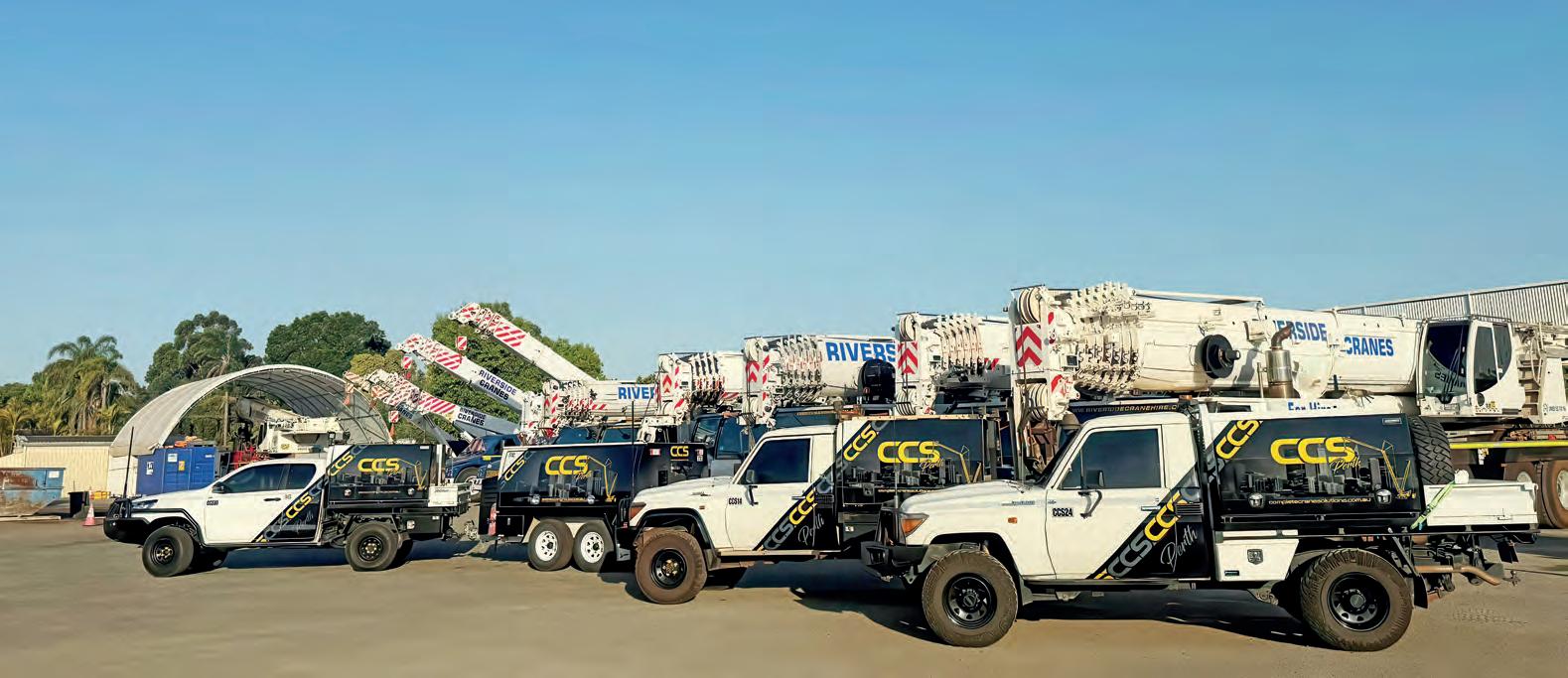
Jack has been working with cranes for 15 years and before this he was working with heavy earthmoving machinery and also road transport.
“I’ve always been interested in how machines work, and I’ve always enjoyed the technical side of servicing and
maintaining heavy equipment. I was running the Karratha workshop before moving back home to Perth and hopefully once we get a bit more established with the new workshop, I will come back off the tools and take on a supervisor/manager role for the Perth region,” he said.
CCS has been servicing Perth metro customers with four mobile service technicians.
“We have four fully equipped mobile field service units as well as a fully kitted field service trailer. We have been conducting routine servicing, ranging from the 250 hours all the way though to 2000 hour services. We’ve also managed a couple of major inspections as well. We are currently working on a life extension for a customers’ LTM 160 and we’ve just completed a seven year life extension on an LTM 55. So the work is varied.
“As I’ve said, we are providing a fully mobile servicing, covering breakdowns and repairs, we’re on call seven days a week, 24 hours a day. Obviously, we specialise in cranes, but we’ve also been working drill rigs, construction equipment also road transport,” said Jack.
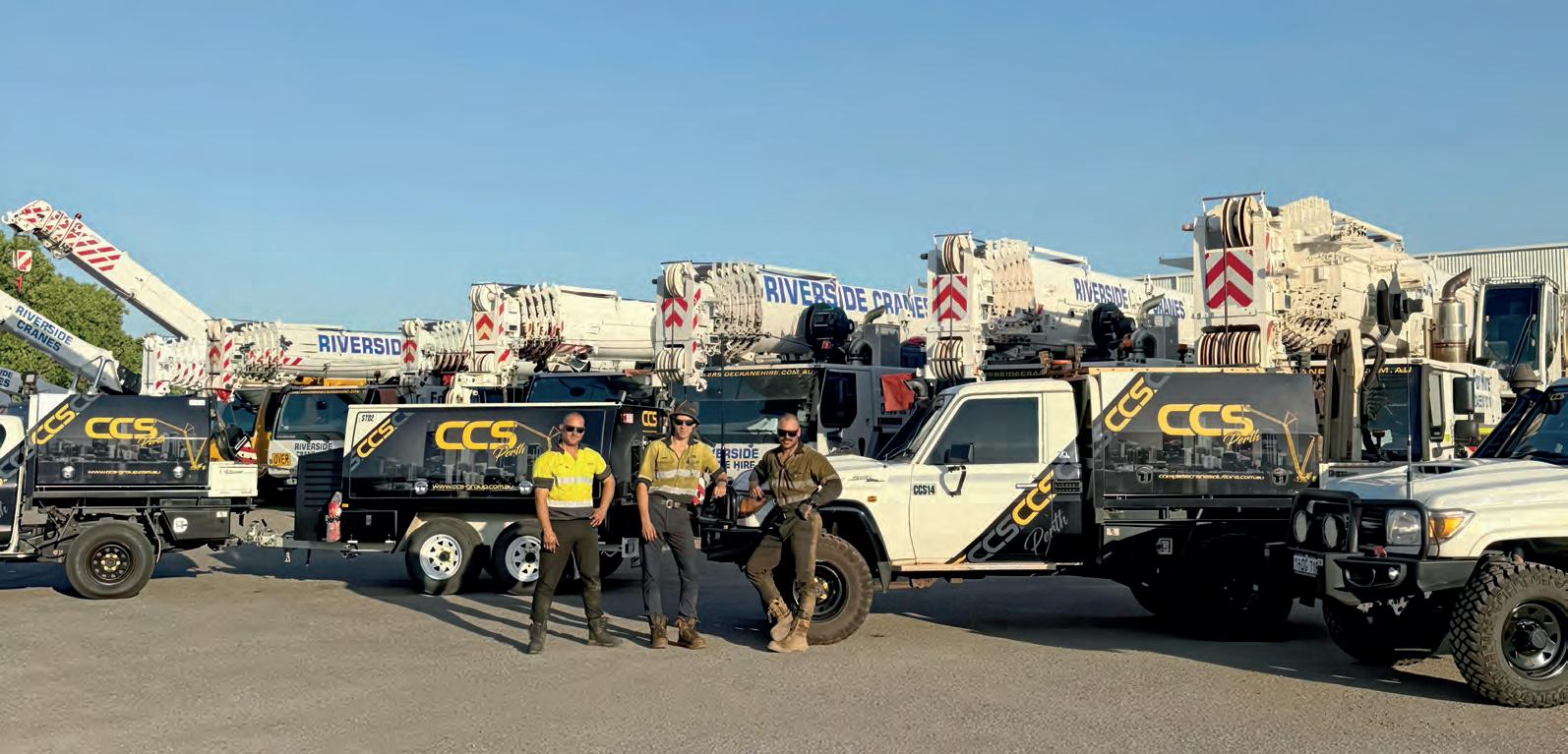
He goes on to talk about the experience he has in the Perth team.
“Most of us have crane OEM (original equipment manufacture) backgrounds. Ryan Rushforth and myself are ex Tadano, Terex Demag and Josh Katalinic are exLiebherr. Digby Ellis has been working his way up through the ranks working for Complete Crane Solutions,” said Jack.
He highlights why customers are increasingly choosing Complete Crane Solutions to conduct the servicing and maintenance of their crane fleets.
“One of our biggest clients in Perth would be Riverside Crane Hire. They prefer to use us because we are reliable, we deliver what we say we will deliver, and they know that if there is an emergency, we will do everything we can to get the crane up and running as soon as possible. They also know there is no such word as ‘NO’ in CCS’s vocabulary. Other customers like Avo Piling and Generals know we will accommodate their work in the best possible way we can.
“We pride ourselves on delivering top quality work and always adhering to whatever they need from us. If it’s an after hour call-out or support over the phone or
immediate breakdowns, we try and deliver the best to all of our clients, no matter who they are, from the ‘one man bands’ to the big Tier One clients.”
Jack confirms the Perth team has the same work culture as the other CCS operations. All are very focused on customer requirements, with the teams working around them, and team members are very motivated.
“The word ‘NO’ isn’t in our vocabulary and we pretty much take on everything and anything whenever needed,” he said. “That’s the way we run the business and it’s the same for Karratha, Perth and Sydney. We all work hard and strive to deliver the best product that we can.
A permanent base is going to make life easier and there’s obviously an expectation that a permanent facility is going to increase capabilities said Jack.
“We’re looking for a workshop that’s adequate for us to take on our bigger jobs, including 10 year, Major Inspections. Operating from our own facility will mean we can plan for and manage these major projects more efficiently.
“When we secure the right facility, the plan is to increase the labour
and potentially bring in the younger generation and start training them, and get more crane technicians into the world and obviously teaching them the right way from the ground up. That way we’ll continue to work with a highly-skilled and motivated work force,” said Jack.
“Encouraging apprentices is an important strategy for the business, encouraging the youngsters to come in and learn about the business and the industry from the ground up.
“Obviously we have a number of senior guys in our teams and they lead the way. We want to bring in the younger team members and teach them what we know and provide them a diverse range of equipment to work on.
“We are very diverse, we work on a range – obviously from any make and model of crane through the earthmoving equipment trucks, trailers, road transport. We do a lot of work for TRT, including Kobelco as well, which is good. There’s a huge variety of work and we know we have the support and backing of our knowledge leadership team, who help make all of this possible, every day.”
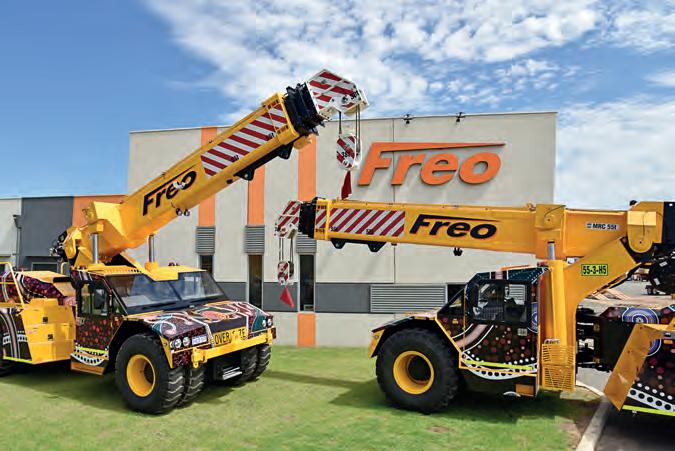
For more than 50 years, Freo Group has been a trusted partner to Australia’s largest mining and resources companies, civil construction, and renewable energy organisations.
AS ONE OF THE NATION’S LARGEST crane hire providers, it operates a fully maintained fleet of over 480 mobile and crawler cranes. Its capability is strengthened by more than 1000 highly skilled operators, riggers, and support staff, working from 21 strategically located branches nationwide.
What sets Freo Group apart is the depth of experience and financial backing through Marmon Cranes Services Inc., a Berkshire Hathaway company. With an uncompromising commitment to safety, quality, and reliability, it consistently delivers solutions that meet the most complex project requirements.
Freo Group is at the forefront of the crane hire industry in Australia, establishing a leading benchmark for safety and operational performance.
Fundamental to its operations is a rigorous commitment to health, safety, environment and quality assurance.
Brian Adams, President of Freo Group, emphasises that the organisation is currently attaining some of its most favourable safety statistics it has seen in recent years. This notable progress
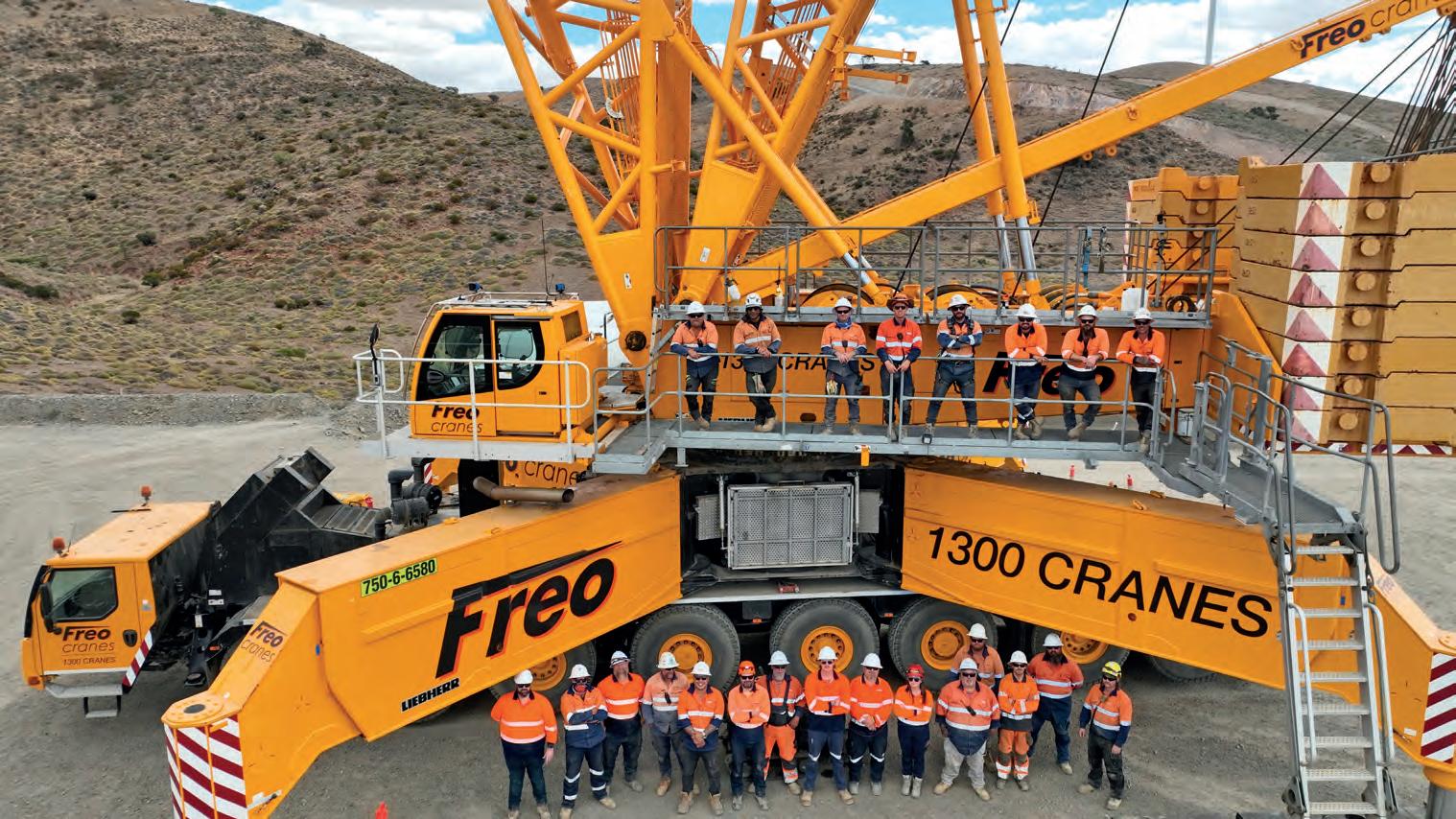
is primarily driven by effective infield leadership and the cultivation of strong communication practices with personnel on site. By prioritising these elements, Freo Group ensures a comprehensive approach to fostering a culture of safety and accountability throughout the organisation.
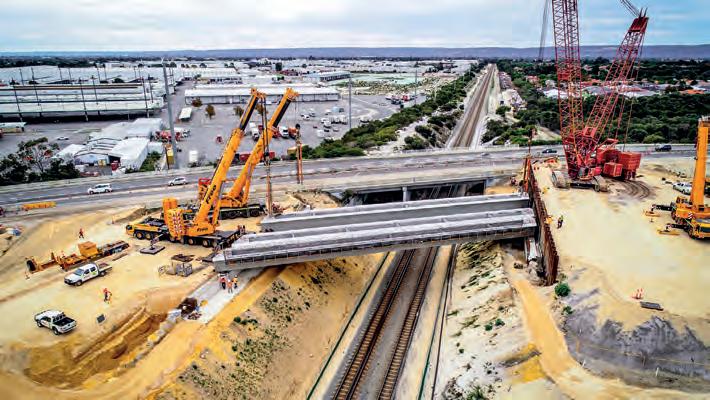
Freo Group is set for a strong year ahead, confirming new contract wins and renewals across the mining and resource sector, along with continued growth in the renewables energy market.
Craig Spector, General Manager for Business Development, said “the company’s results reflect the strength of our long-term customer relationships and our continued ability to deliver in key market segments. We are seeing a strong demand for the renewable energy sector, with several large-scale projects coming up in the next five years.”
Freo Group’s cultural and social responsibility framework is firmly dedicated to a range of initiatives, including impactful community sponsorship, strong commitment to diversity in the workplace and a targeted approach to increase
Indigenous engagement and workforce.
Brian said, “At Freo Group, we proudly embrace our shared accountability for social responsibility and expectations that connect us to our employees, clients, and the local communities we serve.”
Freo Group recently celebrated its 50th anniversary, marking five decades since the company acquired its first crane – a second-hand 5-tonne BHB Wobbly Tractor Crane.
The milestone was celebrated at Perth Zoo with clients, staff and former owners, including a panel reflecting on the company’s history. The event recognised Freo Group’s growth into one of the country’s leading crane hire businesses and highlighted the resilience, innovation and collaboration that have underpinned its achievements over the past half-century.
As Freo Group looks to the future, its vision is firmly anchored in building on more than five decades of trusted service while embracing the opportunities of a rapidly evolving market. With strong demand anticipated across mining and renewable energy sectors, the company is well positioned to play a pivotal role in supporting Australia’s transition to a more sustainable economy.
Guided by a clear commitment to safety, innovation, and social responsibility, Freo Group will continue to invest in its people, its fleet, and the communities in which it operates. As the crane hire industry adapts to meet new challenges, Freo Group’s legacy of reliability and forward-looking approach ensure it remains a trusted partner for Australia’s critical industries in the decades ahead.
Sany’s hybrid SAC2500E7PHEV combines performance with low emissions.
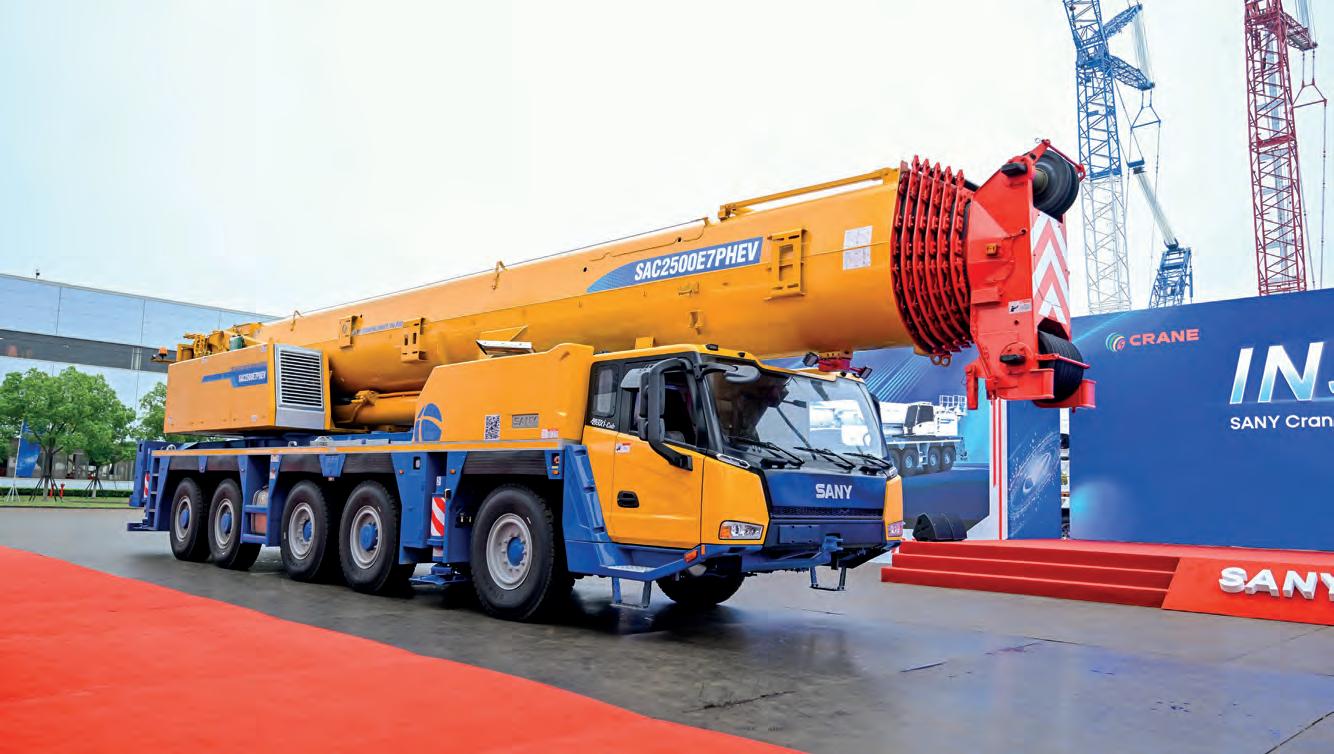
Sany’s push into low-emission lifting technology continues to gather pace, and its newest release – the SAC2500E7PHEV – signals how aggressively the company is moving toward hybrid power at scale.
FIRST PREVIEWED TO AUSTRALIAN AND global visitors during the INSANYTI 2025 tour, the crane builds on the themes showcased at the event: cleaner powertrains, quieter construction sites, and smarter operator environments that reduce fatigue and lift overall productivity. For the Australian market, the model can form part of the broader Sany crane portfolio supplied and supported locally by national distributor Tutt Bryant Equipment (TBE).
Sany has already shown that hybrid systems are central to its next chapter. The new 250-tonne all terrain model is a practical demonstration of that strategy, combining a parallel hybrid drivetrain with a fully electric superstructure.
A HYBRID SYSTEM DESIGNED FOR REALWORLD USE
The SAC2500E7PHEV runs a dual-power architecture – hybrid drive in the chassis
and a dedicated electric motor in the upper works. The chassis supports both pure electric and hybrid driving, allowing the crane to enter restricted sites and urban work zones. When operating, the superstructure runs in pure electric mode, delivering zero emissions at the point of lift.
The hybrid setup isn’t just about compliance; it’s engineered for performance. The engine and motor work together to improve acceleration and offroad capability, while the hybrid controller optimises engine efficiency and recovers braking energy. The crane can charge through DC fast charging in about one hour, or via AC charging in roughly three, and it can also self-charge through the onboard engine to maintain working continuity.
In total, operators can choose between two driving modes and three operating modes: pure electric, range-extender, and plug-in. This offers flexibility across
long-distance travel, site crawling, and high demand lifting.
A NEW GENERATION OF OPERATOR COMFORT
One of the standout themes at INSANYTI was Sany’s investment in the operator environment, and the SAC2500E7PHEV reflects that shift.
Inside the new iCab driver’s cabin, Sany has laid out a fully updated interior with a multi-function air-suspension seat, heating and cooling built into the driver’s seat, a 12.1-inch automotive-grade display, electric heated mirrors, and fully automatic climate control. The co-driver area includes dual seats and a foldable berth, supporting long-distance mobilisation. Up in the operator’s cab, Sany has pushed comfort even further. Armrest spacing is increased by 10 per cent, with multi-directional electric seat adjustments, electric tilting up to 20 degrees for long-
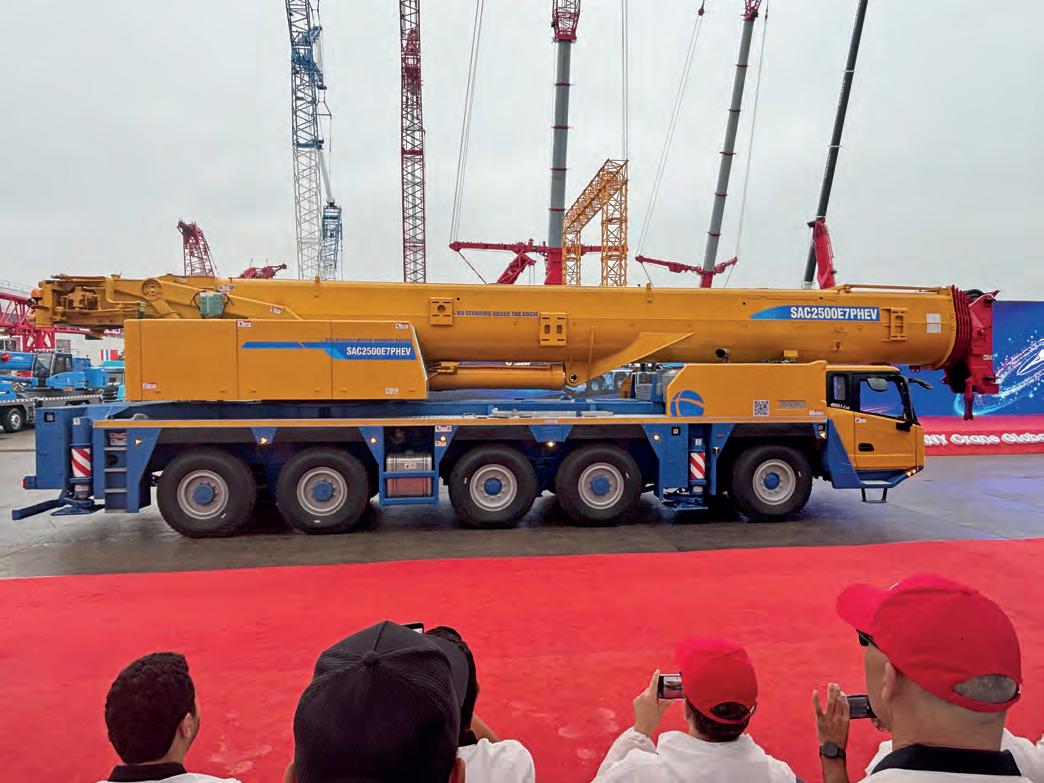
Sany and Tutt Bryant
customers were impressed by the intelligent SICON2 control suite that provides real-time operational feedback.
boom work, a large 110-degree openable front window, and dual 10.1-inch frameless displays running a refined user interface. Ventilation, visibility, and ergonomic access to controls have all been improved – a continuation of the “high-end cockpit” concept Sany showed during INSANYTI.
INTELLIGENT SYSTEMS AND SAFETY BAKED IN Sany has paired the new hybrid architecture with its next-generation control suite, SICON2, which delivers stronger processing power and more detailed operational feedback to the operator. The system supports real-time equipment visibility, smart alerts, and operational data. For Aussie operators, these systems will be backed by TBE’s local support and service.
Safety is reinforced through a mix of mechanical and digital systems, including:
• Automatic counterweight recognition to prevent mis-set configurations
• Automatic counterweight installation and removal, allowing single-person setup
• Variable outrigger span with 360-degree real-time load calculation
• Wireless remote-control capability for all major functions
• Anti-electromagnetic interference protection for work near substations, aluminium plants, or clustered highpower equipment (tested up to 20 volts per metre (V/m) within 500 metre (m) of a source)
Beyond the control system, Sany’s hardware lineup includes balance valves, relief valves, two-way hydraulic locks,
length-and-angle sensors, and automatic cut-off for unsafe motions, the kind of redundancy expected in a premium allterrain class.
STRONG LIFTING PERFORMANCE ACROSS A VERSATILE CONFIGURATION
The SAC2500E7PHEV is built around a seven-section, 75 metre U-shaped boom,
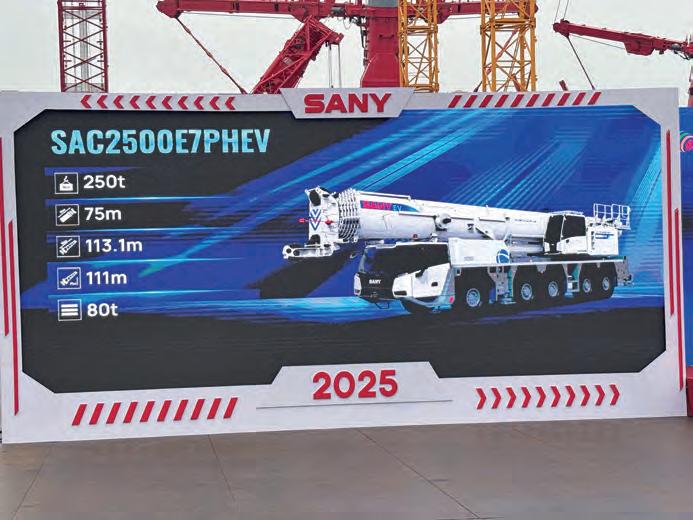
with a maximum boom height of 74 metres and up to 111 metres when paired with the longest fixed jib combination. Its maximum lifting moment reaches 6509 kilonewton metre (kN·m) on the basic boom and 2699 kN·m on the full extension, reinforcing its position in the 250-tonne class.
The crane offers 15 counterweight combinations, ranging from 0 tonne to 80 tonne, and features efficient singlecylinder, automatic-pin boom telescoping. The outrigger system is designed around an H-type layout with high-strength steel, and operators can choose from six steering modes – from standard highway steering to crab, all-wheel, and independent axle steering – giving the machine agility in plant rooms, congested metropolitan sites, and wind-farm pads.
Power comes from a Benz OM470LA six-cylinder diesel and a chassis motor delivering 110 kilowatt (kW) rated / 200 kW peak, while the superstructure uses a
150-kW rated / 250 kW peak permanentmagnet synchronous motor. The onboard 140.95 kilowatt hour (kWh) battery is designed for high safety, long cycle life, and resistance to puncture, extrusion, and drops.
The SAC2500E7PHEV’s ability to run silently in pure electric mode gives it an edge for night-time projects, hospital zones, campuses, and built-up urban locations where diesel engines are often restricted. In Australia, Tutt Bryant Equipment expects that interest will grow among contractors seeking lower-emission lifting solutions.
The crane also fits neatly into a broader narrative emerging from Sany’s recent INSANYTI program: electrification where it matters, coupled with operator-centric design and a data-driven approach to crane management.
The company’s roadmap points toward cleaner, modular lifting equipment that gives contractors flexibility across fastchanging regulatory environments.
The SAC2500E7PHEV isn’t just a new model in Sany’s catalogue, it’s an indicator of the direction heavy lifting is taking globally.
Contractors are increasingly looking for machines that combine full performance with reduced fuel burn, lower noise, and future-proof compliance. Sany has produced a crane that aligns well with market expectations on both sustainability and productivity.
This model is expected to arrive in Australia soon, giving local contractors the chance to experience hybrid lifting at scale. For more information, contact your local Tutt Bryant Equipment branch.
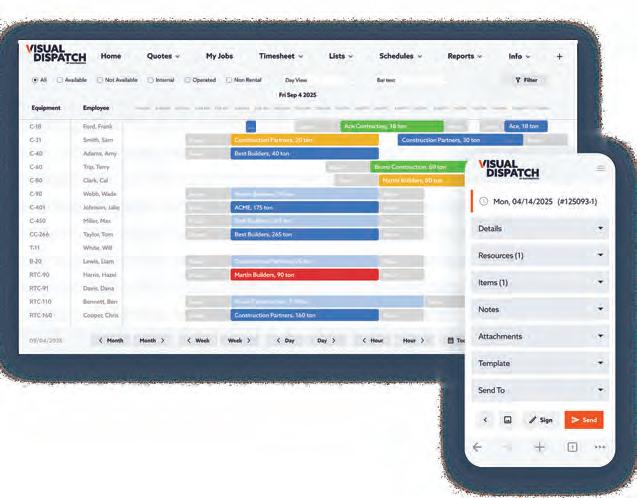
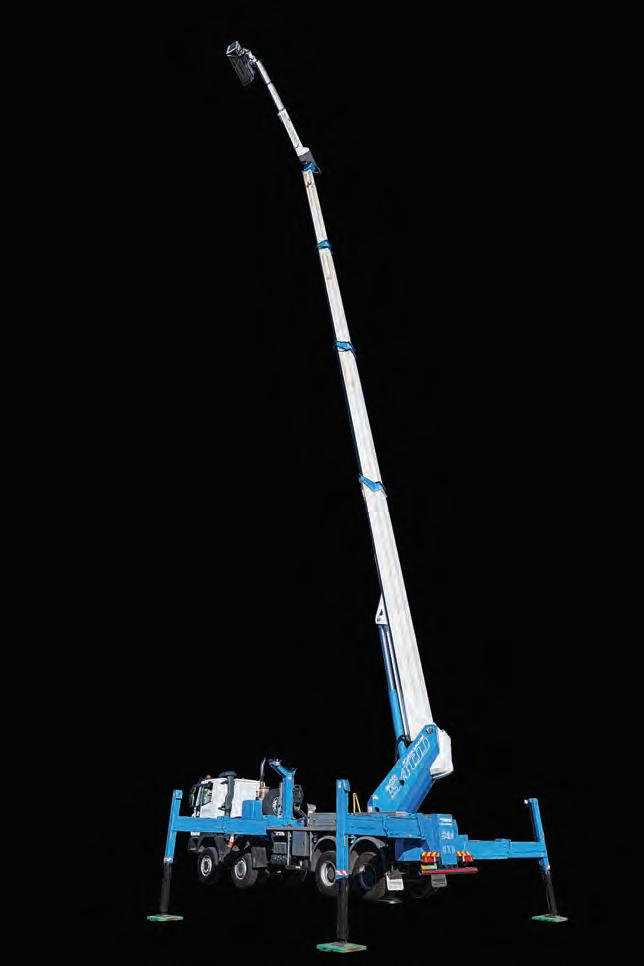
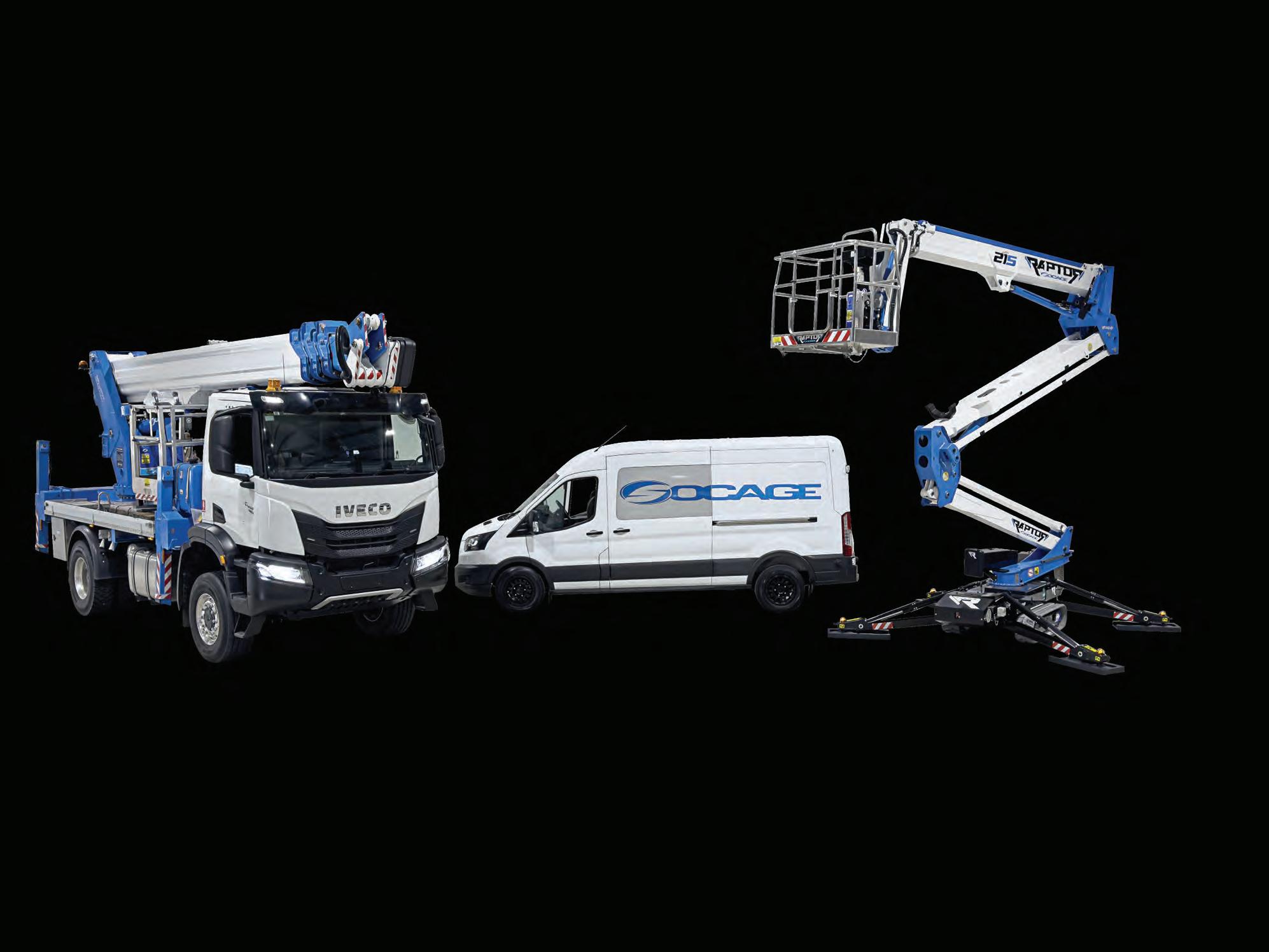
Empire Cranes has expanded its fleet with the addition of its first Kobelco lattice boom crawler – the 130-tonne capacity CKS1350 – marking another step in the company’s continuous growth trajectory. Empire Cranes owners and directors, Jarrod Belsey and Jared McDonald explain more.
DIRECTOR JARROD BELSEY SAID DEMAND from major projects across the country has been the primary driver behind the expansion.
“We’ve experienced significant growth over the past few years. With the new Kobelco and a number of other potential acquisitions – including a 220-tonne all terrain and a 60-tonne unit–we’ll soon have 30 cranes in the fleet, with further major purchases planned in 2026.
“As a dry-hire business, we respond directly to the needs of our customers. We listen to what they require for specific projects and invest accordingly. We have active cranes all over Australia, most in New South Wales and Victoria on major projects, and we are exploring options to expand into South Australia, Queensland and out west; Our 220-tonne crawler is currently working on a wind farm in Western Australia,” he said.
“Long-term projects are always our preference, but in reality it is a mix of short- and long-term work. Once a project
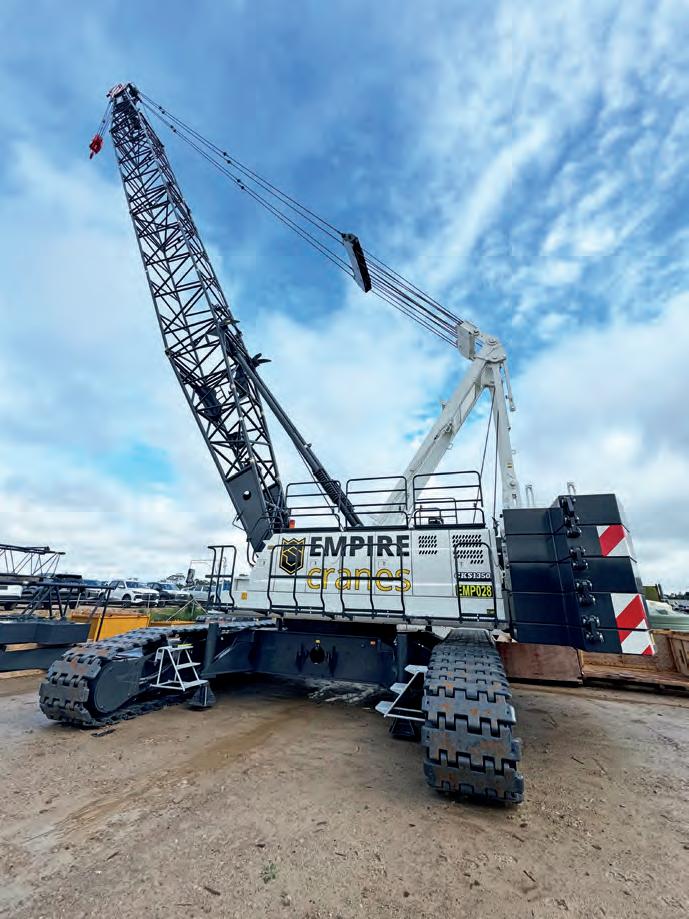
Empire Cranes chose the Kobelco CKS 1350, specifically for the Metro project. It’s a versatile machine which can be upgraded to 150 tonne capacity with the right modifications through Kobelco.
concludes, we look to redeploy the cranes quickly. Maintaining high asset utilisation is critical to our business model.”
Fellow Director Jared McDonald said crawler cranes have increasingly become a focal point for the company over the past three to four years.
“Crawler cranes have become highly sought after across a range of projects. We’ve invested accordingly, and the new Kobelco reflects that shift in the market,” he said.
“We chose the Kobelco CKS 1350, specifically for this project. It’s also a great crane to add to our fleet mix, it’s a versatile machine, which can be upgraded to 150-tonne capacity with the right modifications through Kobelco. The project team we worked closely with specifically requested cranes with capacities between 135 to 150 tonne. Following detailed conversations with TRT’s Troy Hand, Kobelco emerged as the ideal option for us. It is also the first of hopefully many more Kobelco cranes into our fleet,” says Jared
He said the brand’s reputation for reliability and engineering excellence was a decisive factor.
“Kobelco is an extremely well regarded and respected brand in Australia and around the world for that matter. It’s a trusted Japanese brand with strong credentials in design, engineering and manufacturing. Coupled with Troy’s exceptional product knowledge, we are given high level of confidence and trust in his recommendations. Availability and competitive pricing –particularly with the current exchange rate – also aligned with our needs”
The Kobelco CKS1350 has been operating on the Sydney Metro project since 1 July 2025 and is expected to remain on site until October 2026. Initially deployed for kibble work, the crane will transition to formwork, concrete operations and, later, station fit-out duties. Operating seven days a week on 11-hour shifts, it has already surpassed 700 operating hours.
As
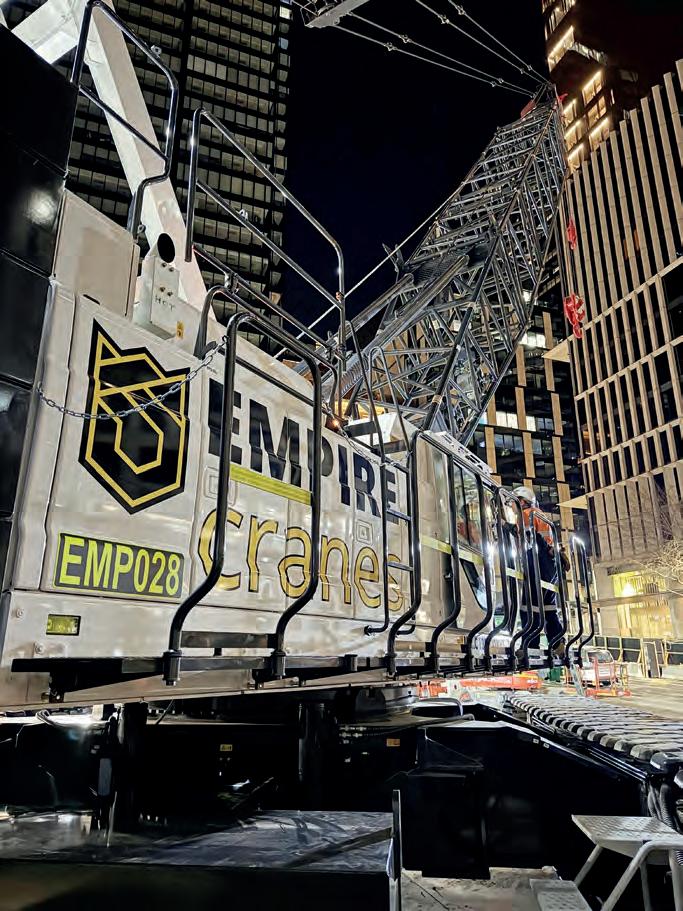
The Kobelco CKS1350 features a maximum lifting capacity of 150 tonne at 4.4 metres and 36 tonne at 12 metres with luffing jib. There are several other configurations available including maximum luffing boom length of 47.9m, maximum long boom length of 82.3m, maximum fixed jib combination 61m +30.5m and maximum luffing jib combination 47.9 + 32m and 44.8m +53.3m.
The upper structure is torsion-free precision-machined with all components located clearly and in service friendly positions. The Hino P11C engine provides plenty of power with low noise level. The boom hoisting system is powered by a hydraulic motor through a planetary reducer. A spring-set hydraulicallyreleased multiple-disc brake is mounted on the boom hoist motor and operated
through a counter-balance valve. The lower structure features independent hydraulic propel drives built into each crawler side frame. Each drive consists of a hydraulic motor propelling a driving tumbler through a planetary gear box.
Hydraulic motor and gear box are built into the crawler side frame within the shoe width. Crawler brakes are spring-set, with hydraulically-released parking brakes built into each propel drive. The steering mechanism features a hydraulic propel system which provides both skid steering (driving one track only) and counterrotating steering (driving each track in opposite directions). Track rollers are sealed for maintenance-free operation.
The cab and controls are totally enclosed within a full vision cab with safety glass, fully adjustable, high-backed seat with a headrest and armrests, and
intermittent wiper and window washer (skylight and front window).
“The operator centric design not only make these cranes more comfortable and easier to operate, it also provides better safety outcomes. And, for our more environmentally conscious operators, Kobelco has made huge environmental considerations in the design, this is evident with the new ‘G Mode technology’,” Jarrod said.
G Mode is a recent innovation from Kobelco and available across the CKE range. It’s an energy and fuel saving system that allows tangible returns through the life of the crane, including reduced fuel consumption and CO2 emissions in three key areas of operation – the winch, engine and the new auto idle stop function – all managed by the operator.
“The ‘G Engine’ function includes a clean diesel system, a low emission engine and particulate filter. Not only does it reduce CO2 emissions and nitrogen oxide (NOx), it also shows reduced fuel consumption by as much as 25 per cent. Not to mention the quieter function reduces the noise pollution on site too.”
The ‘G-Winch’ is designed to maintain high speed lifting and lowering without increasing the engine RPM’s, again contributing to overall fuel use reductions.
“Kobelco was the first in the industry to introduce an Auto Idle Stop or AIS. This also reduces fuel consumption as it promotes engine shut off automatically when the machine is idle. But it has also added a manual stop without the need to turn the key, handy when you are waiting for the next lift, trailer or breaking down the machine.
“The crane has performed exceptionally well. It hasn’t missed a beat, and the reliability we were promised has been evident from day one,” Jarrod said.
In parallel with its fleet expansion, Empire Cranes has also developed its internal service and maintenance capability through Empire Service, established 12-months ago.
“As the fleet grows, ensuring timely and quality maintenance becomes increasingly important,” Jared said. “We brought in a highly experienced technician with
decades of industry experience, including time with major manufacturers. His knowledge has been invaluable to our small team.
“Empire Service provides us with more control over the repairs and maintenance but given the size and geographical location of the fleet, we will continue to utilise the services of our crane subcontractors, both in Victoria and New South Wales.”
Looking ahead, Jarrod said the business will continue to invest in new cranes to support long-term customer requirements.
“The addition of the new Kobelco further confirms our commitment to modernising the fleet and ensuring we can meet the expectations of both existing and new customers,” he said.
“When clients identify long-term project needs, we’re prepared to go straight to market and purchase new cranes necessary to support them.”
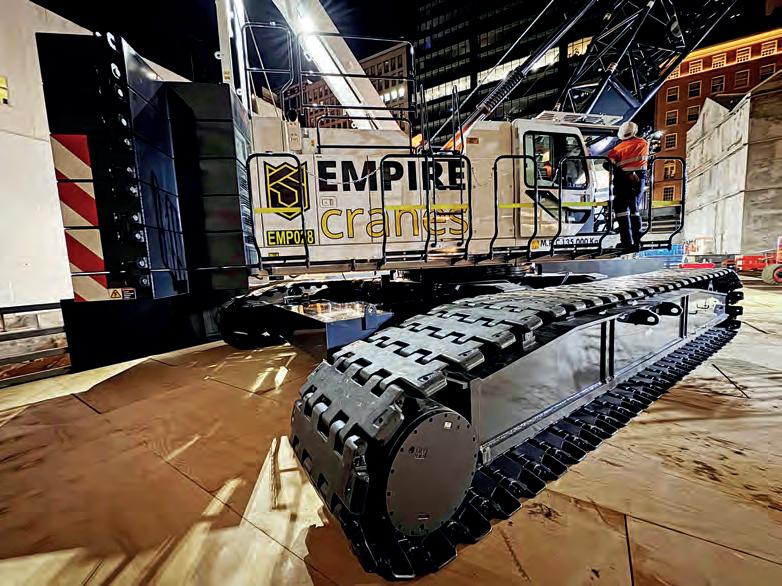

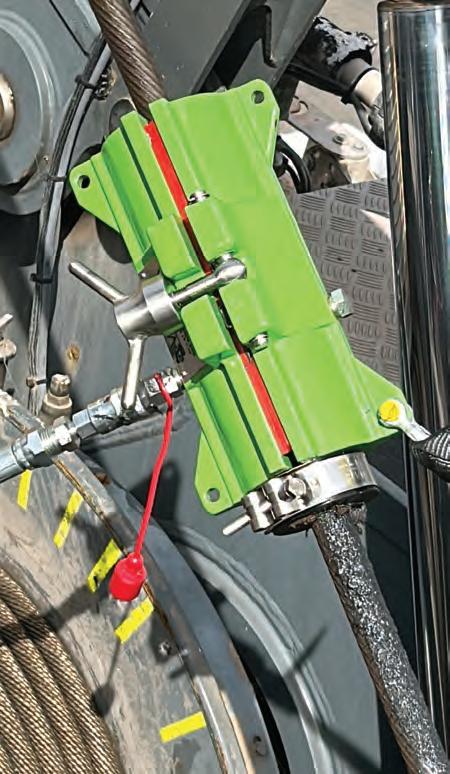
When rope reliability is non-negotiable, innovation makes all the difference.
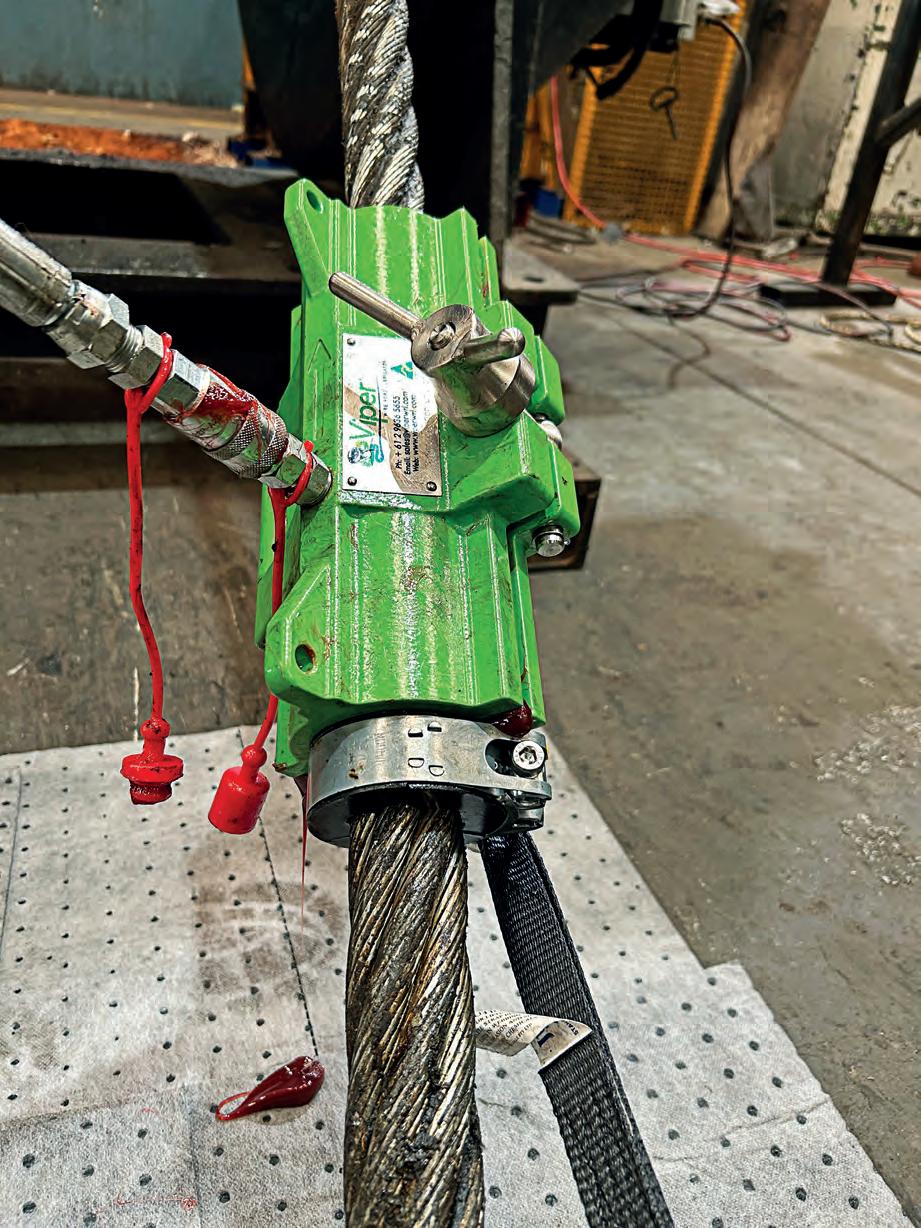
A MAJOR CRANE HIRE COMPANY, OPERATING one of Australia’s most diverse fleets, spanning tower, mobile, and crawler cranes, faced a critical challenge: maintaining wire ropes under high operational demands. With a strong presence in rental, lifting solutions, and full-service maintenance, it knew rope performance was essential for safety and efficiency.
THE CHALLENGE: WEAR, BUILD-UP, AND INEFFECTIVE LUBRICATION
Before engaging the Viper Wire Rope Lubricator team, the company relied on traditional oil and solvent-based products. These methods fell short, creating multiple issues including:
• Premature rope wear due to poor lubrication
• Excessive surface build-up of old lubricant and contaminants
• Hardened lubricant trapped deep in rope valleys, proving impossible to remove
• Shortened rope life, driving up maintenance costs and downtime.
The result? Inefficient maintenance and reduced crane availability
THE TURNING POINT: A LIVE DEMONSTRATION THAT CHANGED EVERYTHING
To tackle the problem, the Viper Team conducted an on-site demonstration using the Viper Mini MK3 system on a heavily contaminated 40 millimetre, six-strand wire rope. The impact was immediate.
The Viper Mini MK3, paired with the Viper Rope Cleaner, cut through years of hardened build-up, removing old lubricant down to the rope’s valleys and delivering fresh lubricant deep into the internal strands. The speed and thoroughness impressed everyone on-site.
The operations manager summed it up: “We could see instantly how much old, dead lubricant was still sitting in the rope. The Viper not only removed it, but it also relubricated the rope properly. The

improvement was obvious straight away.”


Following the demonstration, the company ordered the Viper Mid MK 2 system for ropes six millimetres to 67mm, along with multiple cleaners and seals for its larger ropes.
EARLY RESULTS: FASTER, CLEANER, CONSISTENT ROPE CARE
Although implementation is still in its early stages, the benefits are clear:
• Significantly faster and cleaner lubrication



• Improved maintenance efficiency, reducing labour-intensive cleaning

• Extended lubrication intervals, ensuring better protection
• Lower environmental impact, thanks to controlled lubricant delivery
SEEING IS BELIEVING
Images from the demo reveal the dramatic difference: heavy build-up removed, ropes restored, and lubrication delivered deep into the core. Even in tough operating conditions, Viper Wire Rope Lubricator proves that ropecare can be efficient, safe, and sustainable.

specific checklists are in line with the CraneSafe program.
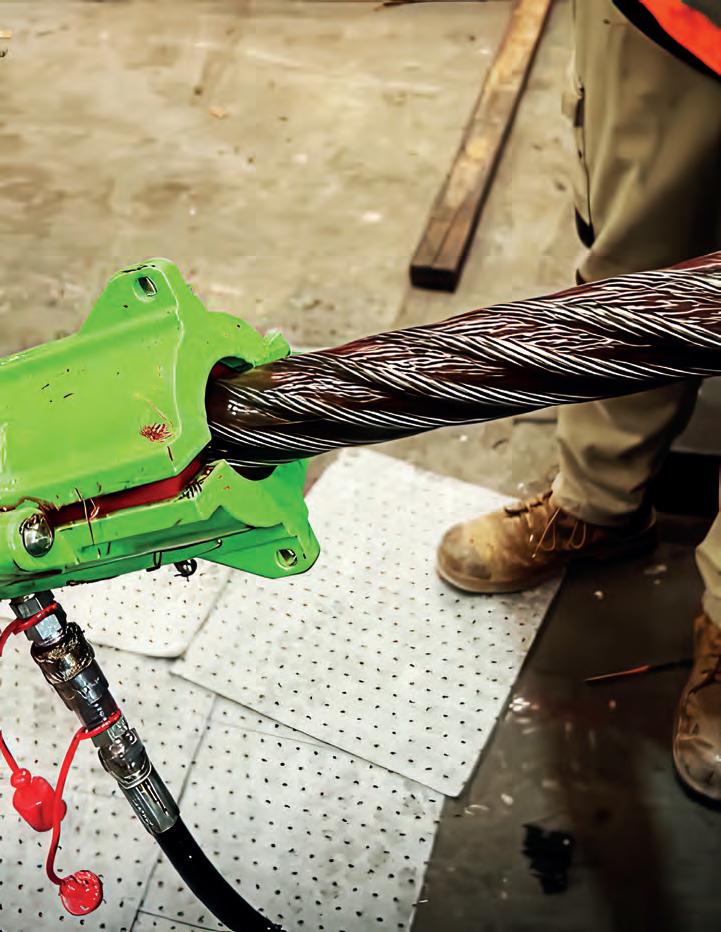
tell the story.
More than just a pre-start checklist


Although implementation is still in its early stages, the benefits are clear and include significantly faster and cleaner lubrication.
StartSafe streamlines the process for collecting pre-start information, with instant data retention to a central location for the crane owner to access.
StartSafe is comprehensive tool designed to streamline your crane operations, enhance safety, and ensure a ountability.
Machine specific checklists are in line with the CraneSafe program.
StartSafe streamlines the process for collecting pre-start information, with instant data retention to a central location for the crane owner to access.
a faulty item is recorded by the operator, the maintenance team is notified of the issue by email, which includes photo evidence of the fault.
Photos tell the story.
When a faulty item is recorded by the operator, the maintenance team is notified of the issue by email, which includes photo evidence of the fault. This also assists with gathering major inspection data.


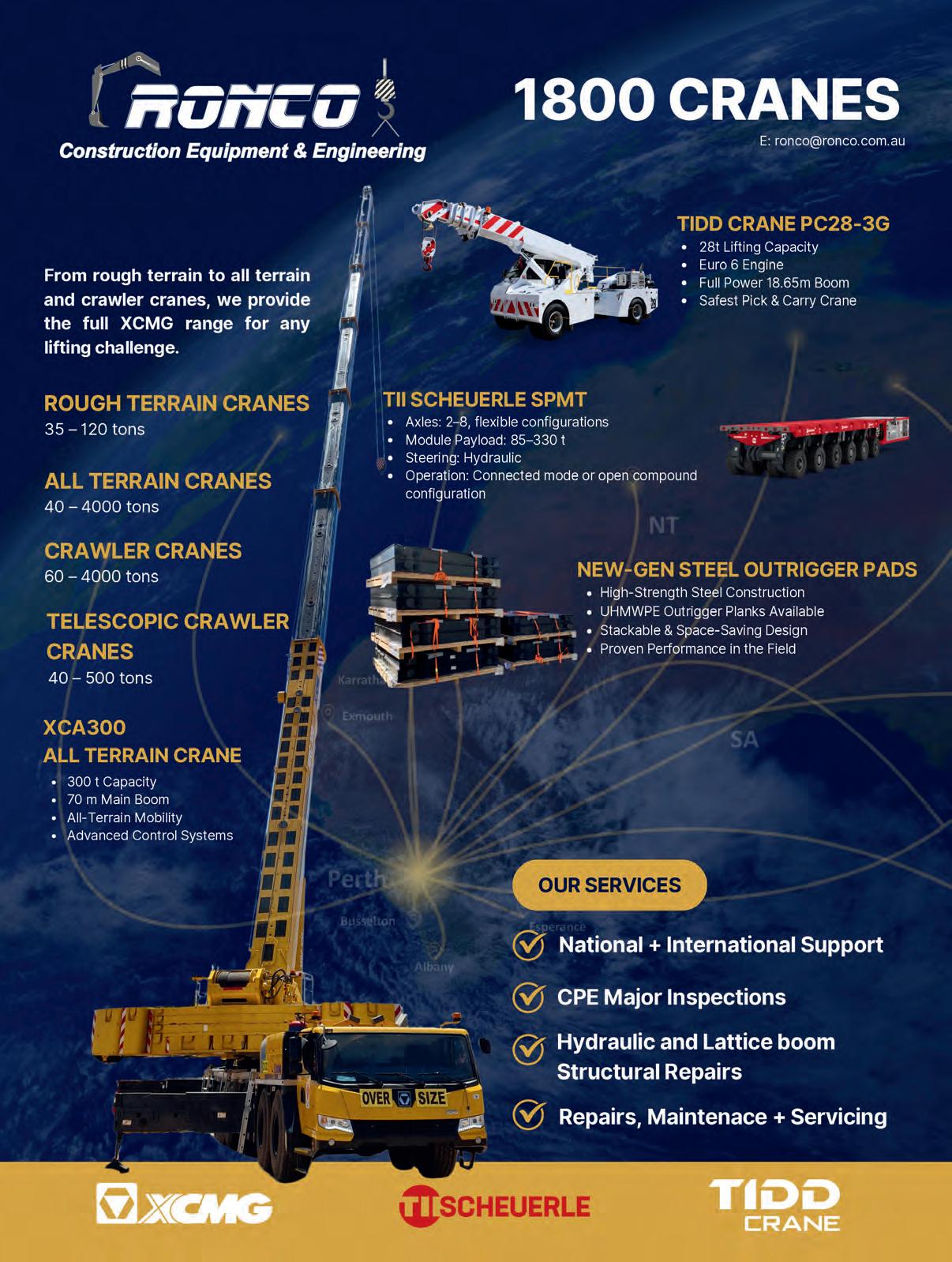
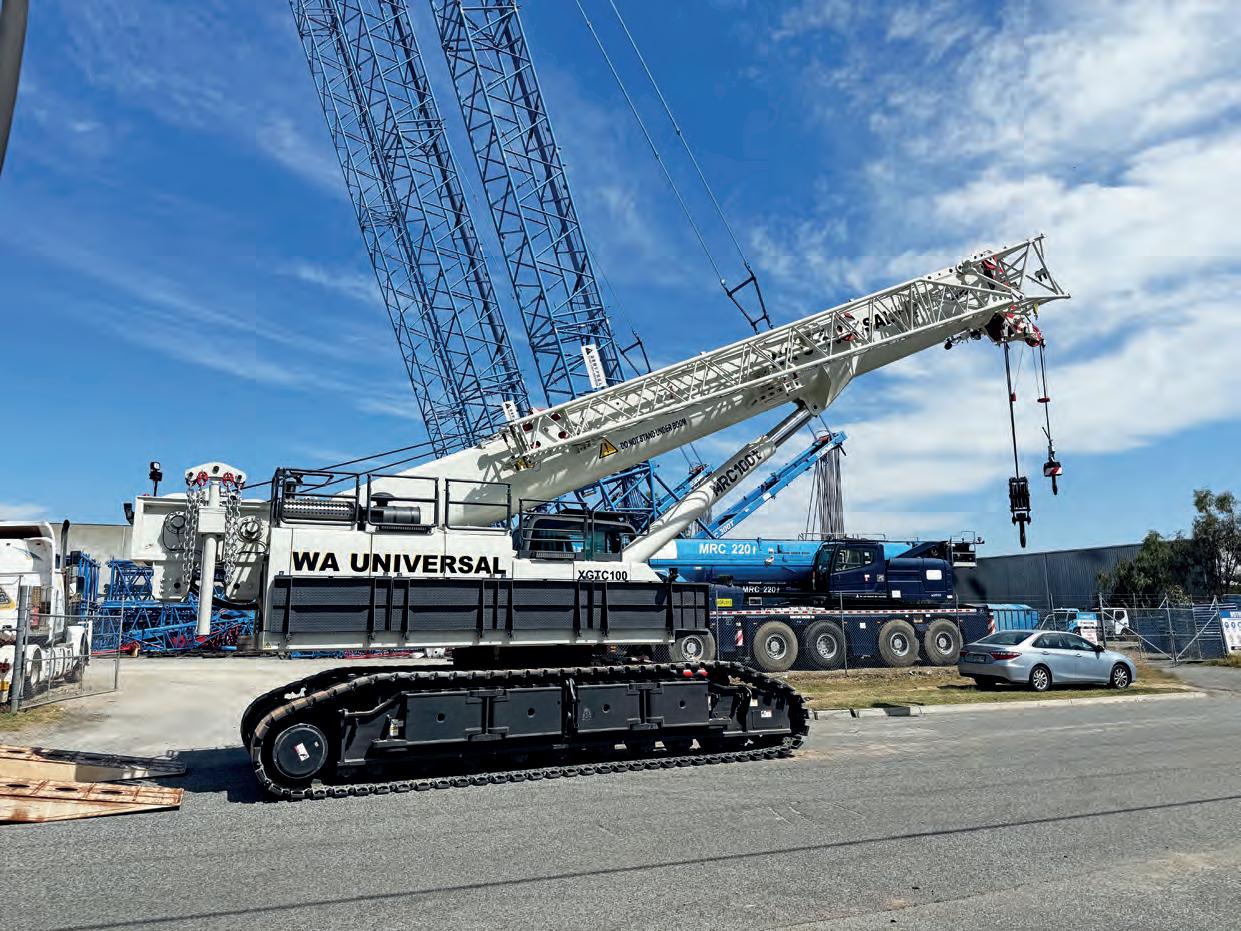
WA Universal has steadily expanded its mobile-crane operations over the past decade, strengthening its presence across construction, infrastructure and heavy industry in Western Australia.
WHAT BEGAN AS A FLEET BUILT TO support the company’s rigging division has since evolved into a standalone mobile-crane business with a broad mix of equipment. The latest addition – a new XCMG XGTC100 telescopic crawler crane supplied by Ronco – marks an important step in that growth.
Managing Director Aaron Holding said the mobile fleet has grown alongside the rigging work.
“We started with cranes that supported the rigging side of the business, but over the years the mobile division has become its own operation. It now services both our internal work and a range of external clients,” he said. The company runs everything from city cranes used on smaller residential jobs through to 400-tonne
all terrain units for major industrial work. As activity in infrastructure and commercial construction increases across the state, Aaron said the business has been exploring equipment that helps it enter projects earlier and work more efficiently. Telescopic crawler cranes fit that direction well.
“We’ve been looking at how to service piling contractors and early-stage construction projects more effectively. Telescopic crawlers allow us to move, reposition and set up quickly, which makes them a strong fit for those environments,” he said. “They also suit the Northwest, where ground conditions are generally good and you want a crane that can handle storms or changing weather without major downtime.”
Ronco is the dealer for XCMG cranes across Western Australia (WA), South Australia (SA) and Northern Territory (NT). For Capital Sales Manager Luke Davis, the XGTC100’s design and performance make it well matched to WA Universal’s needs.
“The XGTC100 is a strong fit because its 100-tonne capacity, telescopic boom and crawler undercarriage suit the diverse work WA Universal takes on,” Luke said. “The crane offers excellent stability on uneven terrain, versatile reach, and lifting charts that work well for remote or challenging sites. It sits neatly between a mobile crane and a larger crawler, which broadens their operational capability.”
Built around a Cummins engine and a high-strength telescopic boom system, the XGTC100 is engineered for durability and stable lifting. Its five-section boom extends to 51 metres, with a 17-metre jib for added reach. Its crawler tracks provide a low ground-pressure footprint and strong traction, making it suitable for soft ground, prepared pads and long travel paths on large job sites.
The cab design focuses on operator comfort and visibility, with large windows, improved sightlines and integrated diagnostic systems. Safety functions – such
The XCMG XGTC100 combines a 100-tonne capacity with a 51 metre five-section boom.
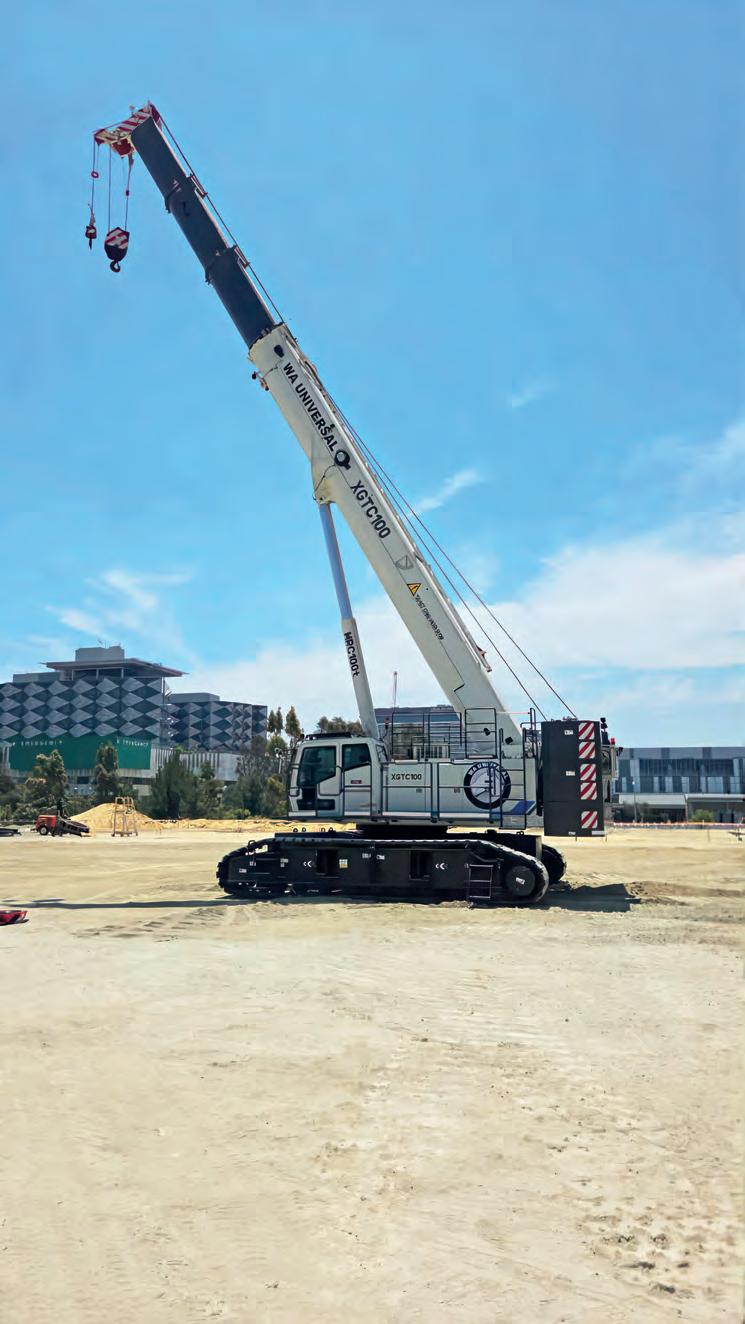
as slew limiters, load monitoring and travel cut-off systems – are included as standard, supporting compliance on major civil and mining projects.
Ronco supports all crane deliveries with a detailed pre-delivery process designed to ensure equipment arrives fully tested and site-ready.
Aaron said, “Every crane goes through mechanical, hydraulic, electrical and safety inspections, followed by full functional testing. We verify compliance with Australian standards and then complete a handover that covers operator familiarisation, maintenance guidance and certification. The goal is that the crane is ready to work from day one.”
“There were a few key factors for us: Ronco’s support network, the warranty, and the speed in which they could deliver
the crane,” he said. “We’ve worked with Luke before and always found him extremely helpful. That support, both before and after the sale, is important when you’re adding something new to the fleet.”
WA Universal’s first XGTC100 went straight from handover to a major project – the New Women’s and Babies Hospital in Perth.
“It’s already out on the job, and we’ve received positive feedback from the site,” Aaron said. “On projects where you’re moving often or working in tight spaces, the ease of repositioning makes a real difference.”
The crane’s telescopic boom allows operators to retract quickly during storms or changing conditions – an advantage for Northwest mining work, where weather interruptions can be sudden. The crawler
undercarriage also means minimal ground preparation, reducing downtime and mobilisation costs.
Ronco is seeing rising demand for telescopic crawlers across the state, driven by the flexibility they offer.
“Interest has grown across construction, infrastructure, mining and industrial projects,” Luke said. “These cranes combine the stability of a crawler with the reach and efficiency of a telescopic boom. They’re ideal for uneven or remote sites, which aligns well with WA project conditions.”
He said that the increase in rental and wet-hire work is shaping purchasing decisions for many fleet owners. “Clients are looking for versatile, high-performance solutions without the commitment of longterm ownership. Telescopic crawlers fit that space well.”
While this is WA Universal’s first telescopic crawler, Aaron sees it as a strategic addition that opens new opportunities for the business.
“This crane helps us service earlystage construction and piling work more effectively. It gives us another avenue to enter infrastructure projects from the start,” he said. “For the size and its capability, it’s a very handy machine to have in the fleet.”
From a dealer perspective, Ronco’s focus remains on long-term support for customers adopting new crane types.
“We maintain regular follow-ups with operators and ensure the crane continues performing as intended,” Luke said. “Training, after-sales support and reliable delivery are all part of giving customers the confidence to deploy the crane across their projects.”
As WA Universal’s work grows across both metropolitan and regional WA, the company is looking for equipment partners who can respond quickly and provide dependable backup.
“It was the right crane available at the right time, backed by a dealer we trust,” Aaron said. “It’s already proving its value on site, and that’s what matters most.”


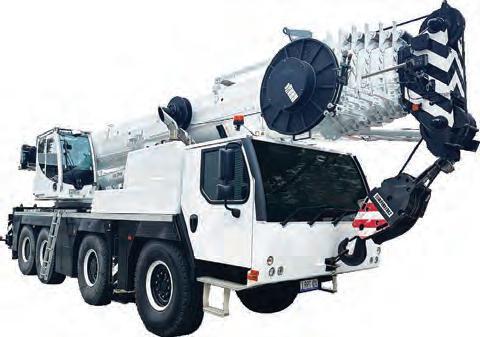

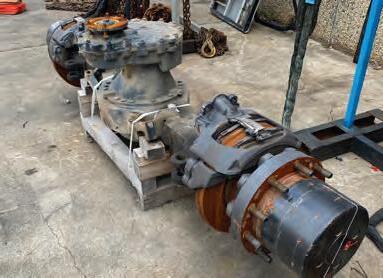
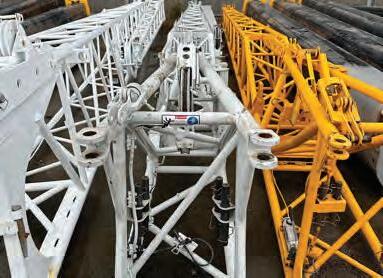
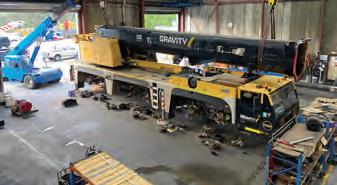
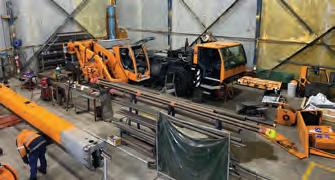
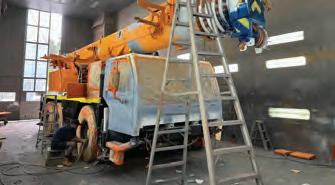
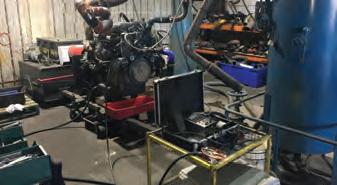
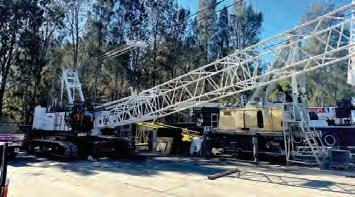
Ben Baden Services has been conducting 10-year major inspections across Freo Group’s fleet for more than two decades. Over this time a strong partnership has developed – built on professionalism, technical expertise and trust. Ben Baden shares insight into the specialist services his business provides to Freo Group and a wide range of clients across the industry.
“WE HAVE BEEN DEVELOPING THE relationship with Freo Group for more than two decades and dating back to when the business was owned by Tony Canci. Over the years, this partnership has continued to strengthen to the point where we are regularly engaged on multiple major inspections at the same time – often across some of Freo Group’s largest and most complex equipment,” Ben said.
“Right now in our workshop, we’re working on Freo Group’s Liebherr LG1750, a Liebherr HS 8100 heavyduty crane, a Manitowoc M8500 and a Liebherr LR1250. All of these, except the LG1750, will be painted in our paint shop.
“You can certainly say our relationship has grown over the years to the point
where we trust one another implicitly, and it’s developed into a strong and successful long-term partnership.”
Ben discusses the complexities involved with a major inspection for the LG1750 and how his experienced team successfully manages the process.
“This is not the first LG1750 we’ve worked on, in fact we’ve worked on a number of Liebherr LTM1750s in the past, and numerous LTM1500s. Sure the LG1750 is a large, heavy and cumbersome crane, but you just have to break it down, compartmentalise everything into the critical components and focus on them one at the time.
“With this model, probably the most critical element of the major inspection
involves the winches. As far as the rest of the crane is concerned, whilst the super structure and carrier are large, as far as the major inspection goes, they are not complex. The obvious issues relate to the logistics around the size and weight of everything and this requires a high degree of coordination and planning in terms of workflow through the workshop and the yard,” said Ben.
He explains the importance of detailed planning for major inspections and how he works closely with Freo Group, and other customers, to minimise crane downtime while ensuring inspections are completed efficiently and to the highest standard.
“We’ve been discussing and planning this particular major inspection for a good
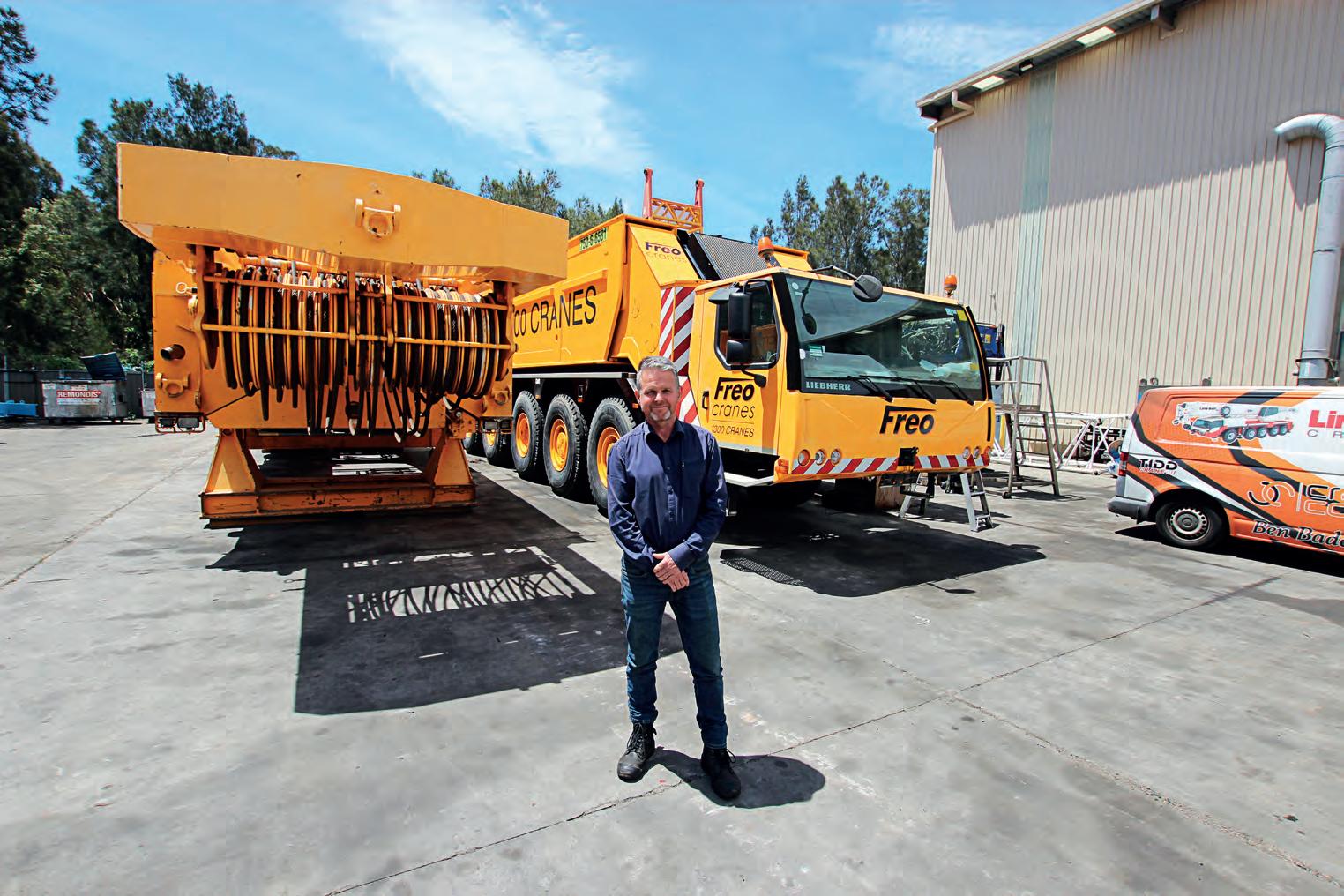
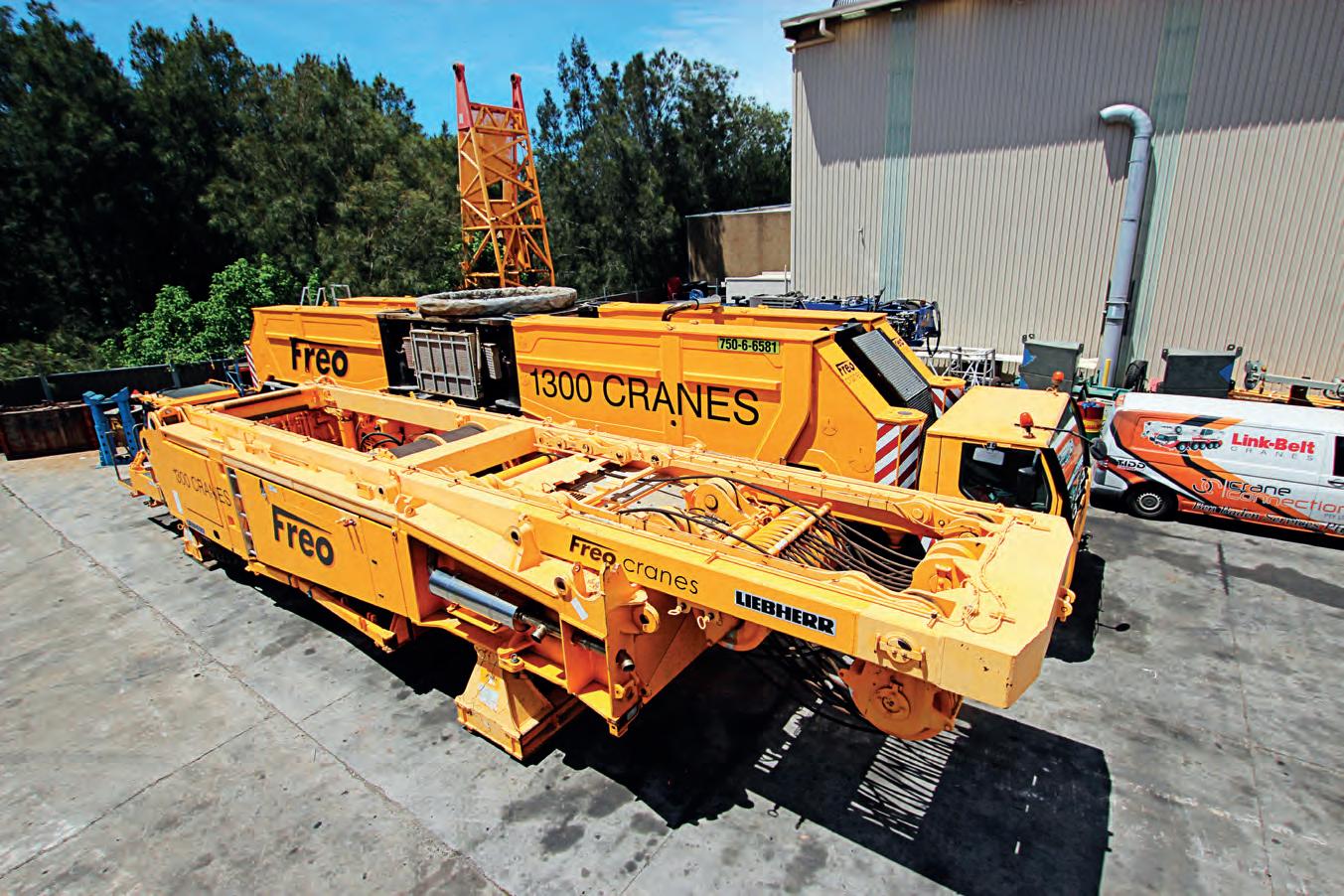
nine to 12 months in advance. Freo Group could see there was an extended period of downtime coming up for the crane and wanted to lock it in, knowing that in Q2 of 2026 it will be back out working on another project,” said Ben.
“For large-capacity cranes, major inspections must be planned well in advance, and we work closely with Freo Group on every detail. While the inspection work is carried out in our yard, final assembly and testing are completed at Freo Group’s holding yard in Orange, where there is more space.”
Ben goes on to highlight the depth of the long-standing relationship between his business and Freo Group.
“Freo Group is committed to keeping its fleet in the best possible condition, with 10-year inspections forming a critical part of its maintenance strategy. The reason we work so well together comes down to trust – after two decades of working together, there’s an implicit trust between our businesses, and Freo Group knows that I’m here to do the right thing by them.
“Freo Group is one of our largest customers, and I’m not going to do the wrong thing by them. We quote fairly and work hard to deliver within the timeframes we commit to. That transparency is why we’ve completed so many major inspections for Freo Group –across
everything from Frannas through to the LG1750 – with the vast majority delivered on time and on budget.
“That’s what builds trust. Whether it’s your crane repairer or your local plumber, you just want someone to do what they say they’ll do. And if unforeseen issues arise – as they sometimes do –you need to be clear and transparent about it.
“The
Ben Baden Services employs specialist technicians dedicated to key crane components. One technician specialises in winches because with every major inspection they are a critical focus.
“When it comes to the undercarriage, we don’t see it as overly different to heavy vehicles,” Ben explained. “I recently employed two long-term Scania
reason we work so well together comes down to trust–after two decades of working together, there is an implicit trust between our businesses, and Freo Group knows that I’m here to do the right thing by them.”
“In that instance I’ll call and explain that we’ve pulled this apart and found this, or we need this part and it’s not available for whatever time frame it is, or whatever the case may be,” he said.
“We believe communication helps build trust and because the vast majority of major inspections we do for Freo are on budget and on time, we have a proven track record over many years.
“They feel comfortable with us, particularly with the larger capacity cranes. I really appreciate the trust that they put in me. And by the same token, I’ll always do the right thing by them.”
technicians with 10 to 15 years’ experience. They’ve been with us for five months now and are performing exceptionally well, quickly building their understanding of crane superstructures.
“With the depth of experience in our team, we’re trusted by crane hire businesses across Australia, many of which send their cranes to us from interstate.
“We approach every major inspection the same way – clear communication at every stage, transparency around findings, and building trust as the work progresses.”
For more than two decades, Titan Lifting Technologies has partnered with Taiwanese manufacturer Wirop to supply high-precision swaging, testing and wire-rope processing equipment to the Australian market.
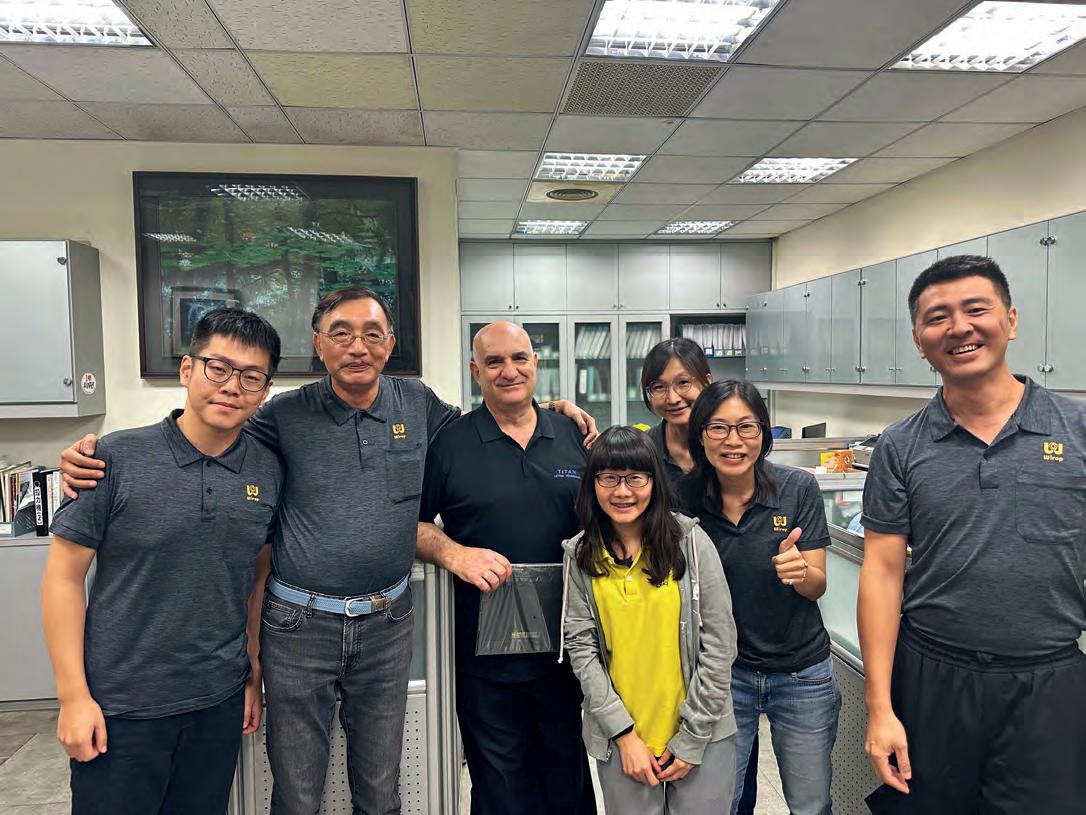
IT IS A RELATIONSHIP BUILT ON TRUST, technical capability and a shared focus on safety, that continues to grow as both companies expand their product offerings.
Titan Lifting, part of the Allan Marketing Group (AMG), has been designing and distributing lifting and rigging equipment for more than 25 years. Its portfolio ranges from chain and lever hoists to electric chain hoists, trolleys, lashing equipment, shackles, rigging hardware, slings and wire-rope products. Wirop complements this by bringing global expertise in swaging presses, hydraulic test beds, ferrules and aluminium sleeves, Flemish eye fittings and wire-rope handling systems.
A PARTNERSHIP THAT BEGAN DECADES AGO
Titan Lifting founder and Chief Executive Officer Ian Allan first met Wirop founder Ben Chiu more than 30 years ago, long before Titan Lifting began distributing Wirop products. “Ben was just starting out with a very simple factory and limited capital,” Ian said. “Over the years he’s
grown the company into one of the world’s leading manufacturers of hydraulic testing and swaging equipment.”
When Titan Lifting launched its own brand, Ian approached Wirop to formalise a partnership for the Australian market. At the time, Wirop sold directly to various customers across the region with no appointed distributor. That changed when the companies signed an agency agreement.
Chief Operating Officer, John Di Michele added that Wirop has since expanded globally by opening its own offices in the United States and Germany. “But in Australia, they’ve trusted us to operate on their behalf,” he said.
Wirop’s technology is built around wirerope fabrication and testing – a field central to the crane, lifting and rigging sectors.
The product portfolio includes:
• Swaging presses and sleeves Wirop manufactures aluminium and copper
ferrules, Flemish eye sleeves and oval steel sleeves, all designed to meet European, DIN (German Institute of Standardization), JIS (Japanese Industrial Standards), Australian and international standards.
“These fittings are integral to making wire-rope slings,” John said. “They form the eyes and terminations used across crane and rigging operations.”
Wirop also builds both traditional H-frame presses and its unique C-type swaging presses, which offer improved operator access. “The C-frame is much easier and safer for the operator,” Ian said. “You can get the sling in and out more efficiently, and the machines won’t overload because the system cuts off automatically.”
• Horizontal test beds
These machines, widely used in hoisting shops and testing facilities across Australia, are known for their sophistication and build quality. “The Wirop test beds are computerised, fully databased and feature
protective functions such as safety covers and real-time load monitoring via the software,” John said. “The major players in the industry prefer them because of the reliability, safety and functionality.”
Test beds can be configured for a range of capacities and can test wire-rope slings, chains, fittings, hoists and various tensionloaded components.
• Wire-rope reelers and handling systems
Wirop produces a complete range of reelers capable of spooling, storing and measuring wire rope that Titan Lifting has also supplied into local workshops.
• Load-cell technology
A more recent addition to the range is Wirop’s wireless load-cell system. Offered in both rectangular-shaped load cells and shackle-integrated variants, capacities range from two tonnes up to 500 tonnes.
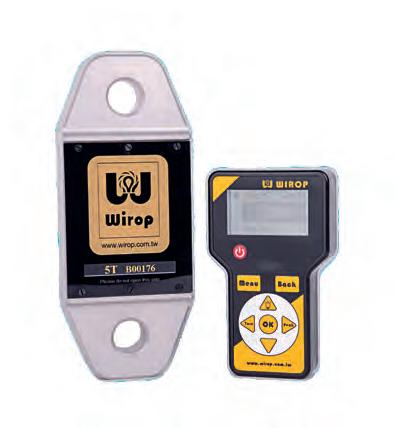
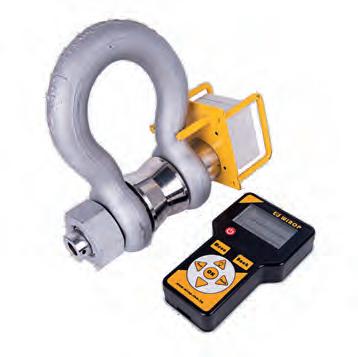
“The software enables users to log and track every lift,” he said. “If something goes wrong, they can go back and see exactly what weight was applied.”
“They’re growing quickly in popularity,” Ian said. “Crane crews don’t always get the load exactly right, and these cells help ensure operators know precisely what they’re lifting.” John added that up to eight load cells can be connected using software.
Safety underpins Wirop’s engineering approach, and Titan Lifting ensures every unit installed in Australia meets both local and international compliance requirements.
On test beds, automatic interlocks prevent the machine from operating unless the covers are fully closed. Emergency stops are positioned on both the main console and hand-held pendant. “And training is key,”
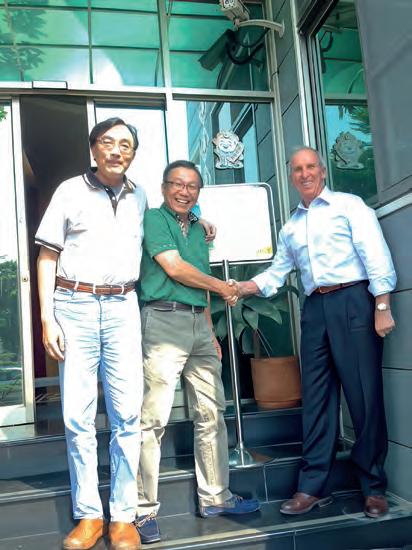
“Crane crews don’t always get the load exactly right, and these cells help ensure operators know precisely what they’re lifting.”
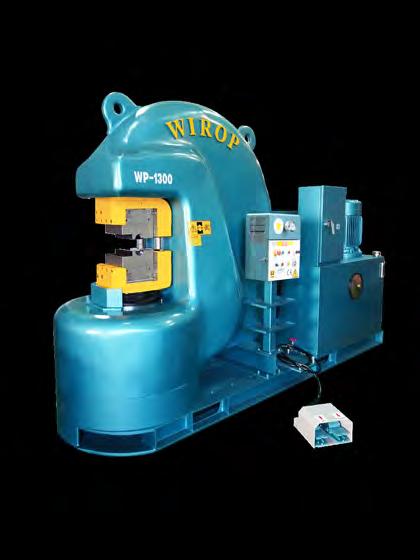
John said. “We always show clients how to set up the rigging correctly, secure the assembly and operate the tester.”
Swaging presses also include builtin safeguards to avoid overloads. Wirop performs extensive internal testing to ensure their ferrules do not crack under pressure.
“They press them one way, rotate them, press them the other way. It’s the ultimate test to make sure they perform safely in the field,” John said.
Wirop’s manufacturing is ISO 9001 certified and adheres to major global rope and lifting standards. “These products are sold worldwide, including in the US where compliance is incredibly strict,” Ian said.
Wirop’s investment in automation, including robotic picking systems and in-house aluminium extrusion for ferrules, has reduced lead times significantly. Smaller components can be picked, packed and shipped within two weeks, while equipment such as swaging machines typically carry a two-to-three-month delivery window. Test beds, depending on complexity, may take longer.
Titan Lifting supports every installation locally. “If customers need help, we support them by phone or in person. And if it’s something more complex, Wirop technicians can dial in remotely,” John said.
With cranes using wire rope across almost every lifting application, the demand for reliable swaging, testing and loadmonitoring equipment remains strong.
“Wirop’s manufacturing is aligned directly with the wire-rope industry,” Ian said. “It’s been a successful partnership for both sides.”
Altequip’s presence in the Australian Elevated Work Platform (EWP) market continues to strengthen, with new handovers, expanding service capability and growing demand for the Socage range across multiple sectors
SINCE FORMING TO INTRODUCE SOCAGE’S global product line to Australia, the Brisbane-based business has focused on pairing European engineering with local support – a combination that is now driving steady growth.
Sales Manager Robbie English said the past few months have been marked by new activity, new customers and positive feedback across the board.
“We’ve had a really solid run,” he said. “We’ve expanded our team, delivered several new machines and heard great things from clients about reliability, service and affordability. That sort of feedback tells us we’re heading in the right direction.”
A key step has been strengthening the company’s service network. Altequip recently added a new technician to its Brisbane depot, supporting its role as a servicing hub for both Socage machines and other EWP brands.
Supported in Sydney and Melbourne by Access Service Australia, the company provides factory-level support, diagnostics and maintenance – a service model that Robbie said remains central to the brand.
“We want customers to feel confident that choosing Socage means choosing strong after-sales support,” he said.
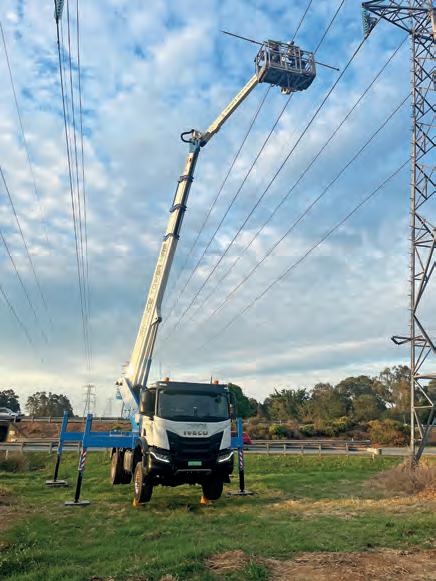
“Carrying consumables and critical parts locally, and being able to tap into express factory supply when needed, means downtime stays low and machines stay on the job.”
That approach is reflected in recent client activity. Glascott Group has taken delivery of a Raptor 24S and trailer, while HQ Hire received a Socage ForSte 14A on a Ford Ranger 4x4. A series of tracked platforms have also gone into the arboriculture sector, with Acclaim Tree Care, Independent Tree Services and Eden Tree Services adding new Raptor units to their fleets. Two larger units, a Raptor 35S for Independent Tree Services and a Raptor 24S for Eden Tree Services, are already scheduled for delivery in early 2026.
Among the latest additions is the Socage 54TJJ, delivered to Performance Tower Hire. The 54-metre telescopic aerial
platform brings a new level of reach and capability to the Australian market.
With a horizontal outreach of 40 metres, a 600 kilogram (kg) platform capacity and 700-degree rotation, the unit is designed to reduce repositioning and increase overall productivity. Its seven-inch LCD display provides live data on work area limits, stabiliser status and operating conditions, helping operators work with greater visibility and confidence.
Robbie said the off-road capability is another standout feature. “The 54TJJ comes on an 8x8 Astra, so it’s incredibly capable in rough terrain,” he said. “It also has a boom-mounted winch capable of lifting 1500kg. That opens up a lot of applications in the Australian environment.”
The tracked Raptor 35S, selected by Independent Tree Services, is also becoming a highlight in the market. Compact, powerful and highly mobile, the 35-metre unit combines a 21-metre outreach with a 300kg basket capacity and a 20-metre up-and-over point. With auto-levelling, auto-closing and the ability to work in negative positions down to 11 metres, it is positioned as a machine that can adapt to almost any site.
“The Raptor 35S brings genuine versatility,” Robbie said. “It’s easy to use, it has great reach and it suits both rental companies and specialist operators. The addition of a 500kg winch only adds to its appeal.”
Another significant development is the introduction of Socage’s SE range
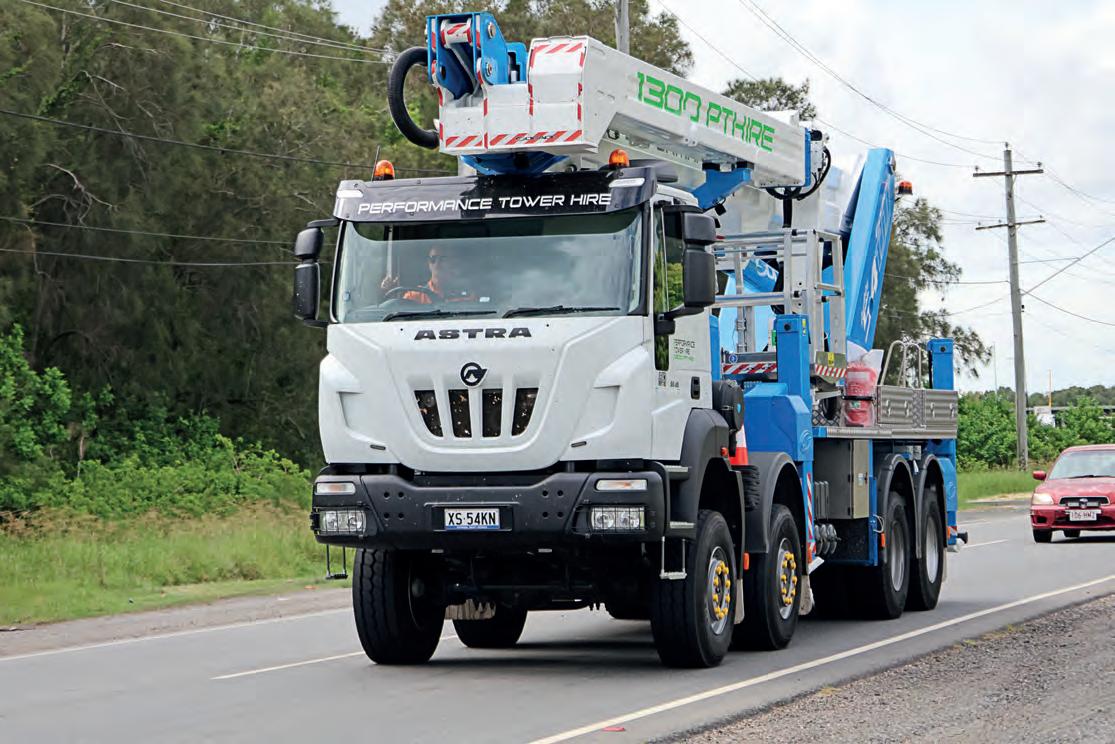
of fully electric tracked platforms, a step forward in low-emission access technology. Designed for indoor, restricted or environmentally sensitive zones, the SE models run on lithium batteries and deliver full performance without noise or exhaust emissions.
“These machines are ideal for places like hospitals, airports, shopping centres and indoor sports facilities,” Robbie said. “They’re quiet, they’re clean, and they charge quickly, up to 60 per cent in four hours and fully in eight. You can even operate them with the power cable connected.”
The SE platforms align with Socage’s broader push for energy efficiency and reduced operating impact. Their battery system is engineered for long autonomy, low consumption and flexible use, and Robbie expects strong interest from contractors seeking modern, compliant equipment for night works and urban projects.
While the machines draw attention for their engineering, Altequip’s growth is
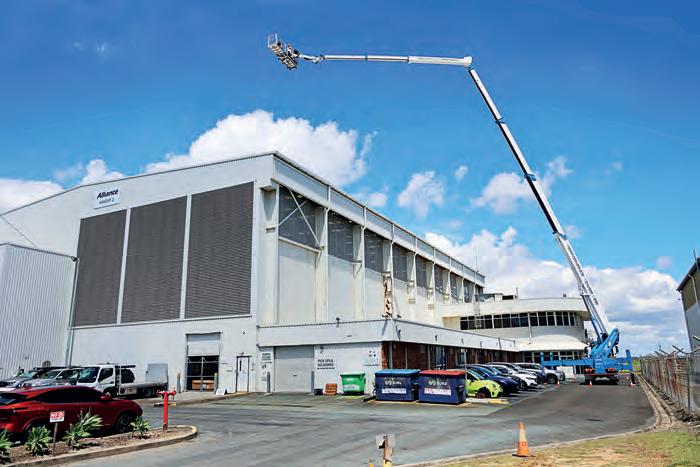
equally tied to its service-first philosophy. The company was founded with a simple premise: bring a high-quality product to Australia and support it with local expertise. That approach is reflected in its close customer relationships, warranty backing and parts network.
Robbie said the priority remains unchanged. “Our goal is to make sure every client has a positive experience –from choosing the machine to operating it
on site,” he said. “We want them to know that we’re here to support them, and that choosing Socage through Altequip means choosing a partner who understands their work.
“There’s a lot of interest in the Socage range, and we’re committed to supporting that interest with experience, capability and reliable products. It’s been a great start, and we’re only getting stronger.”
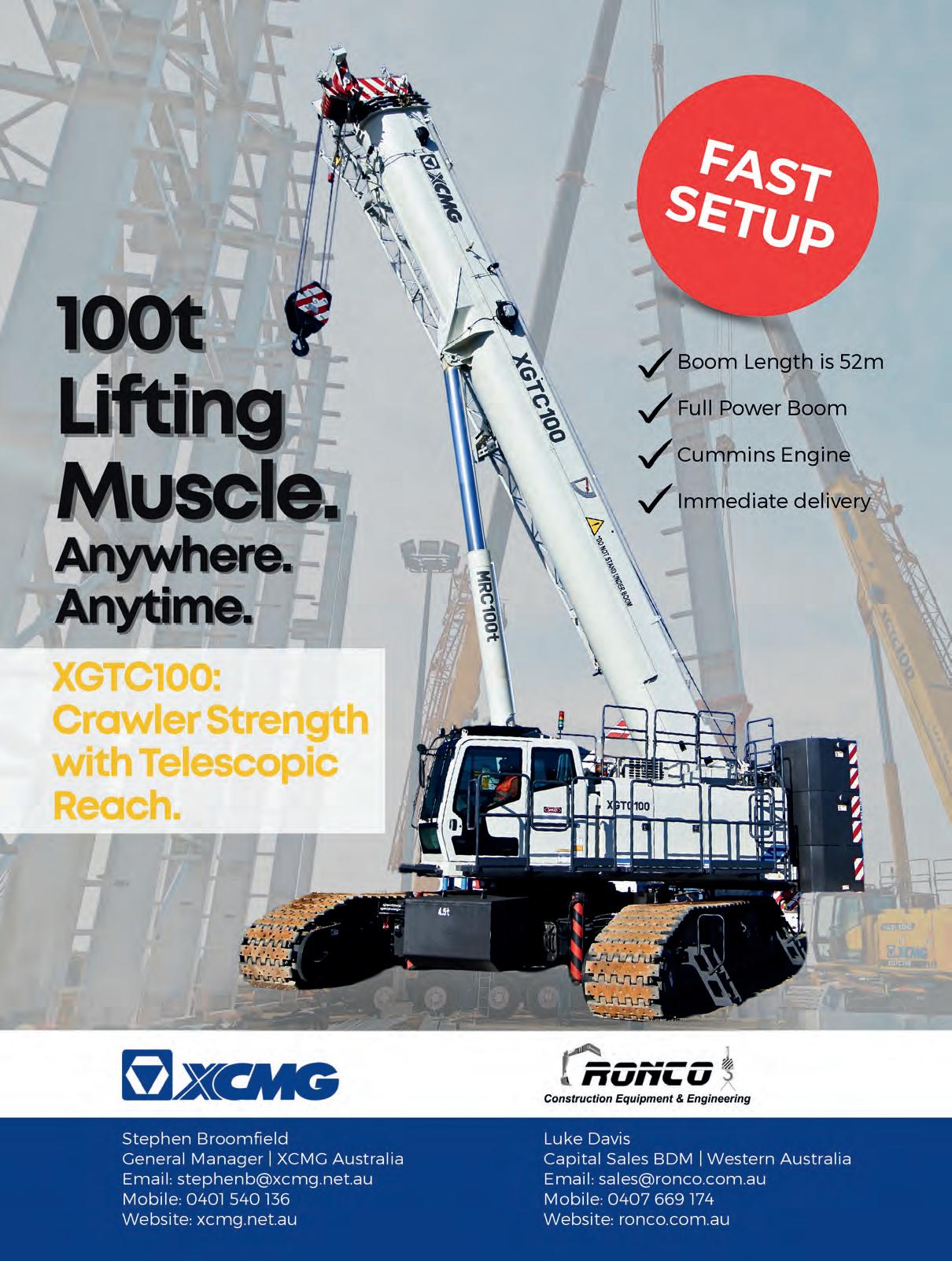
Crane Auctions Australia (CAA), a joint venture between All Cranes and MCT Equipment with Todd and Peter Shelton working alongside Anthony and James Grosser, has completed its second national crane auction.
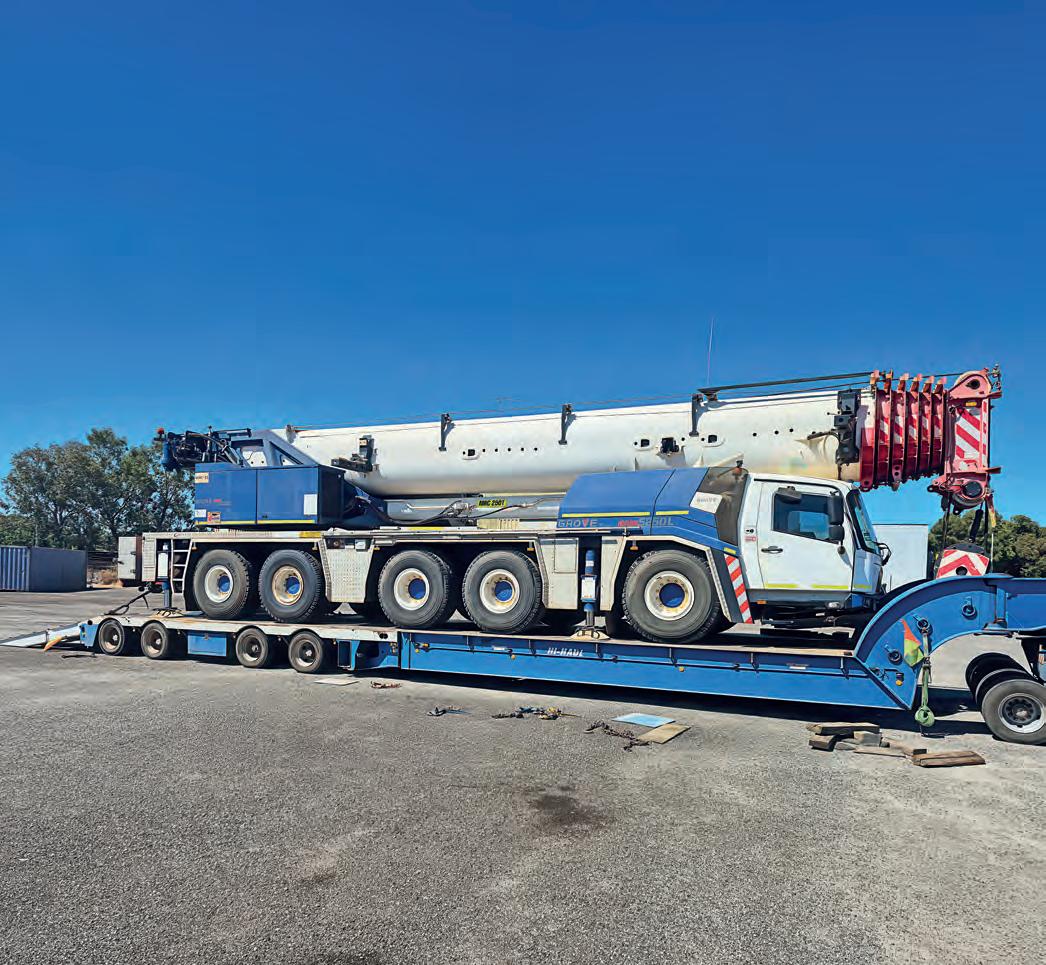
THE TEAM SAYS THE RESULTS SHOW THE business is heading in the right direction. CAA entered the crane auction market in June 2025 with its first event, followed by a second in September. Both auctions attracted strong interest in the used crane market. The experience has given them a much clearer picture of what buyers want ahead of the next auction in February.
James said the second auction showed that the interest from June was not a oneoff. “We had roughly the same amount of registered bidders and bidding interest as the first auction,” he said. He noted that the performance was strong despite the tougher conditions.
Crane Auctions Australia achieved solid results, recording a clearance rate of about 50 per cent through a mix of auction-day interest and steady post-auction follow-up. James said the team worked closely with buyers and sellers in the days after the event to keep the momentum going.
The September auction also gave the team a clearer view of how buyers are operating in a market that is still adjusting. Todd said activity has been uneven across the country, with some regions busy and others noticeably quiet. “You’ve got two operators two minutes apart and one is quiet while the other is tremendously busy,” he said. He said the broader market remains volatile and buyers are weighing up their options more carefully than before.
Todd said buyers are becoming more considered in how they assess long-term value. He believes customers are now looking more closely at what their cranes will be worth later in the machine’s life and are factoring residual value into their decisions.
James said cranes from emerging brands will naturally build confidence over time as more units enter the field and prove themselves in different working conditions. He said buyers are simply waiting to see
how these machines perform over the long term before forming strong views about their resale value.
Most buyers in September were established crane hire companies. One startup took part, and the rest of the interest came from crane hire fleets and, increasingly, from construction and rigging businesses.
One of the main reasons the September auction delivered results was the mix of cranes. The catalogue included all terrains, truck cranes, city cranes and crawlers.
“Having that spread is the reason we sold anything,” James said. “It provided what the market needed at the time rather than trying to force a certain type of crane.”
Much of the success, however, came from what happened after the auction closed. Todd said the team’s industry understanding helped move several
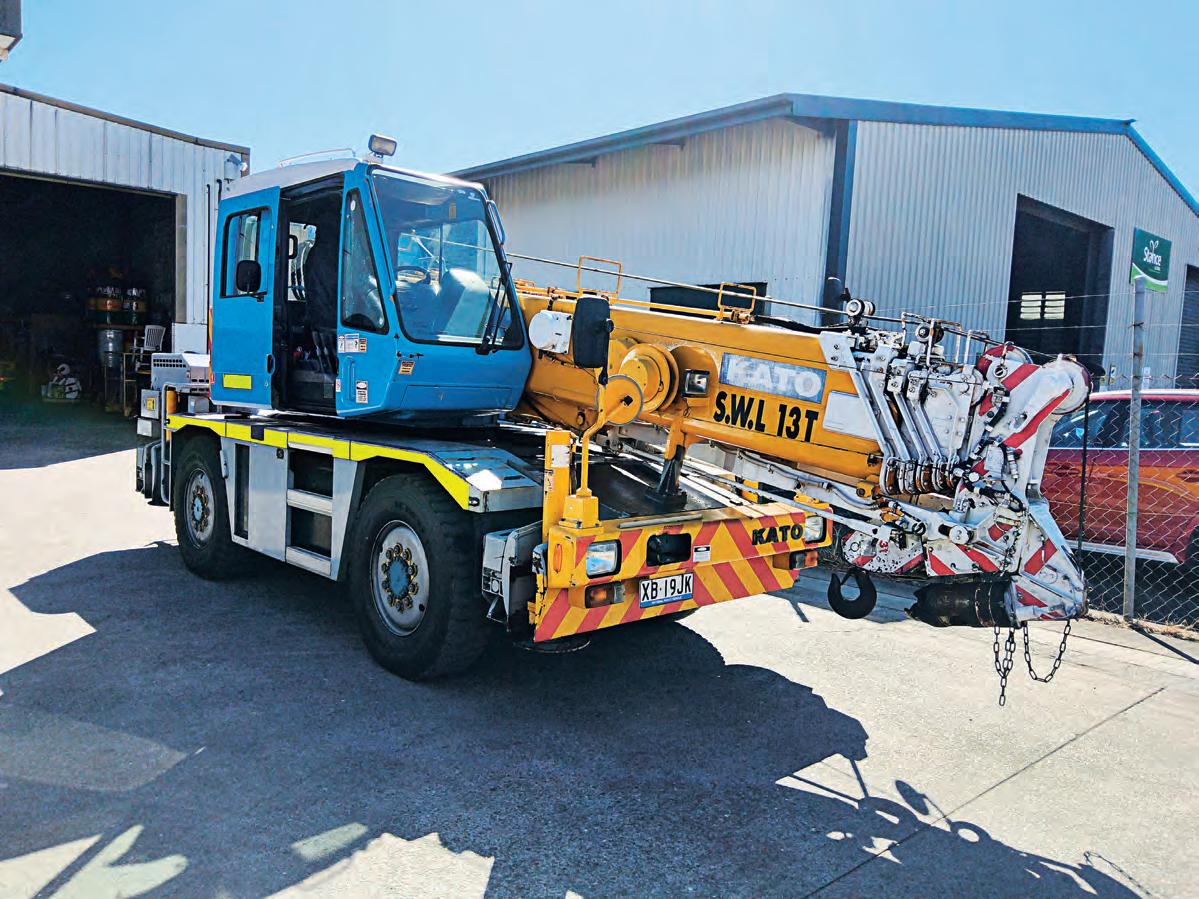


machines. “We were able to provide accurate transport quotes because we actually know what they cost,” he said. “We also contacted manufacturers to get pricing on state registration differences. Once we gave buyers the real cost of getting a machine on the road, we got the deals across the line.”
Their existing network also played a role. James said, “Two of the cranes we sold weren’t even listed on the auction. Buyers rang us directly because they know us.”
“It’s only our second auction and we’re already getting people coming through our website trying to give us cranes.”
Even though the second auction has only recently finished, the team is already receiving direct enquiry from sellers. Todd said, “It’s only our second auction and we’re already getting people coming through our website trying to give us cranes.”
what people are chasing in the new year,” he said.
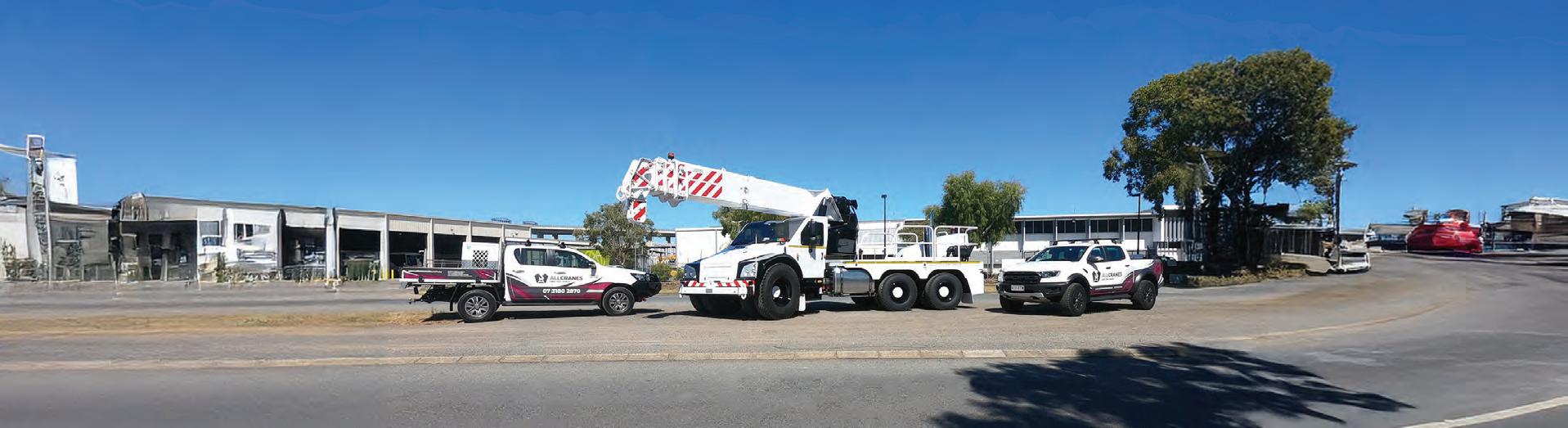

Todd and James said they avoid putting the same crane through multiple auction cycles because it usually drives the price down. James explained with an example where a crane was listed five times. “The first bid was nearly $300,000. Eighteen months later the buyer paid $122,000,” he said. “That’s what happens when you run it again and again.”
Todd said their approach is aimed at avoiding that outcome. “Not every crane suits an auction. When they don’t sell on the day, we filter them through our network and our sales channels properly,” he said.
James said the supply pipeline is growing quickly. “There’s no shortage of cranes coming our way,” he said. “We’ve turned away a lot.”
Attention has now shifted to the third national auction, planned for February 2026. While listings are still being finalised, Todd expects it to reflect earlyyear buying patterns. “It’ll probably be smaller and more specialised, matching
James expects most demand to come from companies preparing for confirmed projects. “Coming into the start of the year, it’ll be project based,” he said. “People will buy to bolster fleets for jobs they already have lined up. We’re aiming for around 10 to 15 cranes that strengthen fleets rather than a full spread.”
With two auctions completed and a third underway, Crane Auctions Australia is finding its place in a competitive market. The June launch put the business on the radar, the September auction showed it could hold its ground, and the February event is shaping up to carry that momentum into 2026.
You can find the link to the auction using the QR code on top of this page.
Rethinking traditional materials can deliver longterm performance gains.
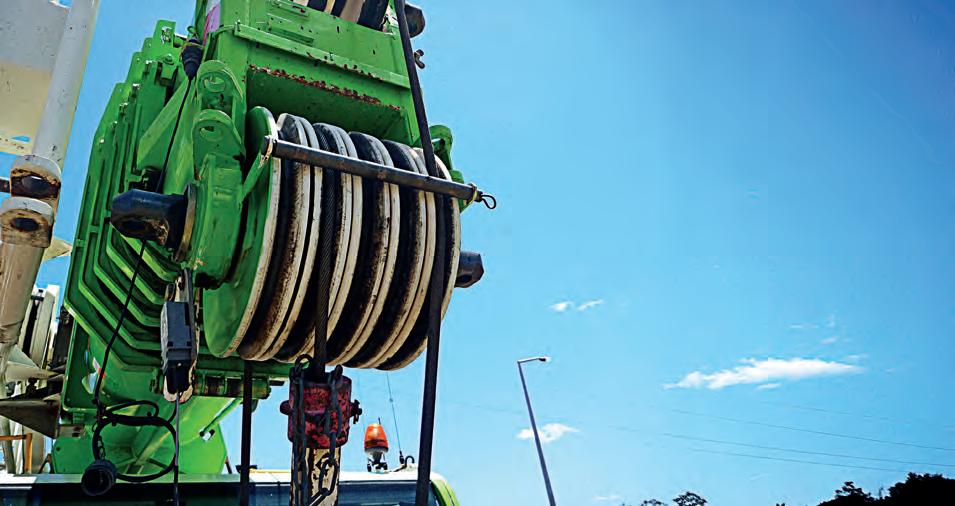
Reducing downtime and maximising the life of crane assets with engineered plastics.
CRANES AND LIFTING SYSTEMS OPERATE in environments that demand constant reliability – high loads, abrasive surfaces, and harsh weather conditions. While steel has traditionally been the material of choice for wear components, advances in polymer engineering are changing the equation. Today, high-performance plastics are helping crane operators reduce maintenance effort, protect critical steel structures, and unlock real cost-ofownership improvements.
Dotmar Engineering Plastics has been at the forefront of this shift, supplying engineered materials and machined components that deliver smoother, cleaner, and longer-lasting lifting performance.
SELF-LUBRICATING PROTECTION WHERE IT MATTERS MOST
Products such as Dotmar’s Polystone® M
Ultra – a premium ultra-high molecular weight polyethylene (UHMWPE) grade – naturally offer a very low friction profile. Unlike steel, these materials don’t rely on grease to slide smoothly. They reduce drag and galling in telescopic boom systems and keep wear surfaces clean, even in areas where lubrication access is difficult.
This naturally low-friction behaviour improves movement, reduces the frequency of pad changeouts, and keeps crane sections running smoother for longer – with fewer shutdowns interrupting operations.
NO CORROSION – EVEN IN AUSTRALIA AND NZ’S HARSHEST ENVIRONMENTS
Coastal ports, mining operations, and exposed construction zones take a toll on
metal components. Moisture, salt, grit and UV exposure can pit and seize steel over time. Plastics, by contrast, remain dimensionally stable and free from rust.
Grades such as Polystone® FM (Fender), which is a recycled UHMWPE, retain predictable wear behaviour throughout their lifespan – meaning parts wear down gradually instead of failing suddenly. For operators, that makes maintenance planning easier and safer.
Metal-on-metal contact transfers surface damage to the most expensive parts of the crane – the boom structure, the chassis, or the wire rope running through sheaves. Polymer parts act as a sacrificial layer, absorbing abrasion and shock while preserving high-value steel components underneath.
In practice, it means booms last longer before refurbishment, ropes stay in service longer, and sliding sections move more quietly and consistently – improving both safety and operator experience.
In mobile cranes, replacing steel slider pads with Polystone® M Ultra pads has eliminated lubrication needs for some fleets. Operators who were previously grappling with surface scoring on boom extension points have seen replacement intervals extend significantly, alongside cleaner movement and a marked reduction in noise during lifts.
In overhead gantry applications, nylon sheaves paired with acetal bushings have helped double the lifespan of wire rope in busy manufacturing plants. With lower friction and zero corrosion, cranes operate more smoothly while requiring less intervention from maintenance teams.
Outrigger pads are another strong success story. Plastic outrigger plates from Dotmar are noticeably lighter and easier to handle than steel equivalents, with no rust issues and excellent impact resistance. For crews working on soft
or uneven terrain, this makes for safer deployment and greater ground protection.
Every hour a crane is offline is costly. With engineered plastics:
• Maintenance cycles become less frequent
• Grease systems and lubrication points can often be simplified
• Component handling becomes safer due to reduced weight
• Major steel components suffer less w and last longer
• These savings accumulate over years of lifting service – turning polymer upgrades into a strategic investment, not just a maintenance decision.
Dotmar is Australia and New Zealand’s largest supplier of semi-finished engineering plastics, with more than 50 years of materials and machining expertise. It supports both original equipment crane manufacturers and maintenance teams by selecting the right polymer for every load case, machining replacement or upgraded parts to precision tolerances, and ensuring fast delivery from a nationwide footprint. With ISO 9001 certification, Dotmar provides confidence that every part will perform exactly as specified.
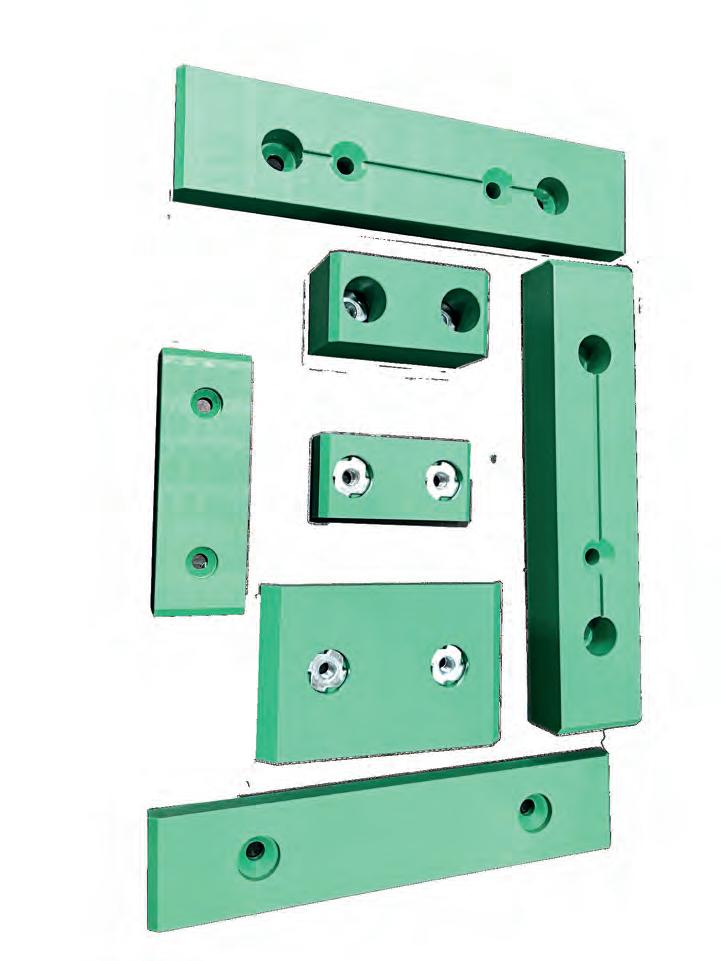
Replacing metal wear components with engineered plastics isn’t about cutting corners – it’s about protecting the most critical parts of lifting equipment. With smoother operation, reduced downtime and enhanced asset longevity, plastics are now the proven path forward for crane performance.
To assess wear components across a fleet or discuss a custom-machined solution, Dotmar’s engineering team is available to offer support from concept through to installation.
For more information visit Dotmar at www.dotmar.com.au, www.dotmar.co.nz or contact your local office on 1800 170 001 (Australia), 0800 650 750 (New Zealand).
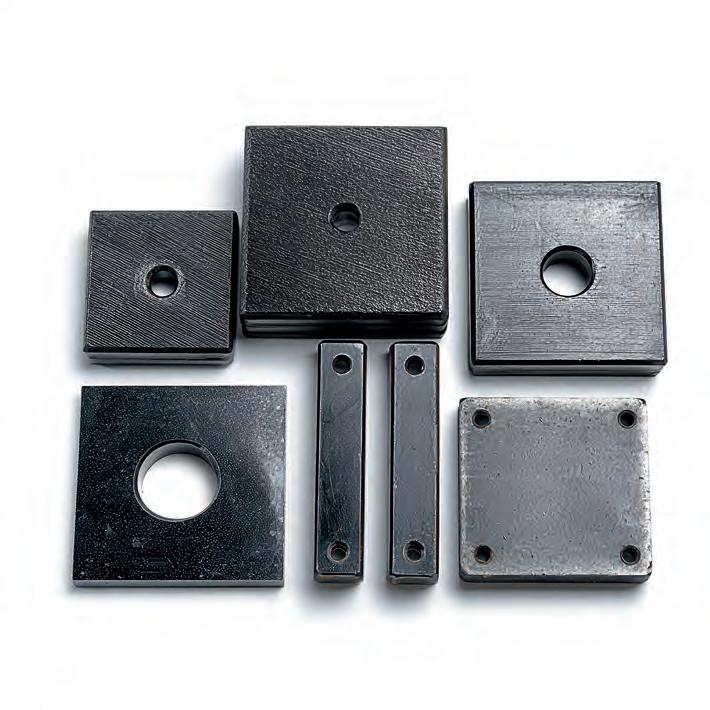
A highlight from October’s Crane Industry Council of Australia (CICA) National Conference and Exhibition was the awards section of the Gala Dinner. It featured a new award which has been some years in the making. Awarded by CICA, the UAA Safety Award acknowledges a consistent commitment to safe work practices. The inaugural winner is Universal Cranes.
GEORGE GRASSO UAA’S EXECUTIVE
General Manager, Claims and Procurement provides the background to the award.
Over many years of attending CICA Conferences, George has been impressed with the development of the industry which is reflected in the quality of entries in the CICA Lift of the Year Awards sponsored by Cranes and Lifting
“The incredible achievements of our industry are well reflected in the quality of the entries we see each year in the various categories of the Lift of the Year Awards. The lifts can be months and months in the planning, involve a high degree of precision and engineering to deliver the projects on time and in full,” he said.
“While watching a presentation a few years ago, we reflected on what CICA represents: a commitment to continuous industry improvement. That’s when it became clear that the awards were missing something truly meaningful.
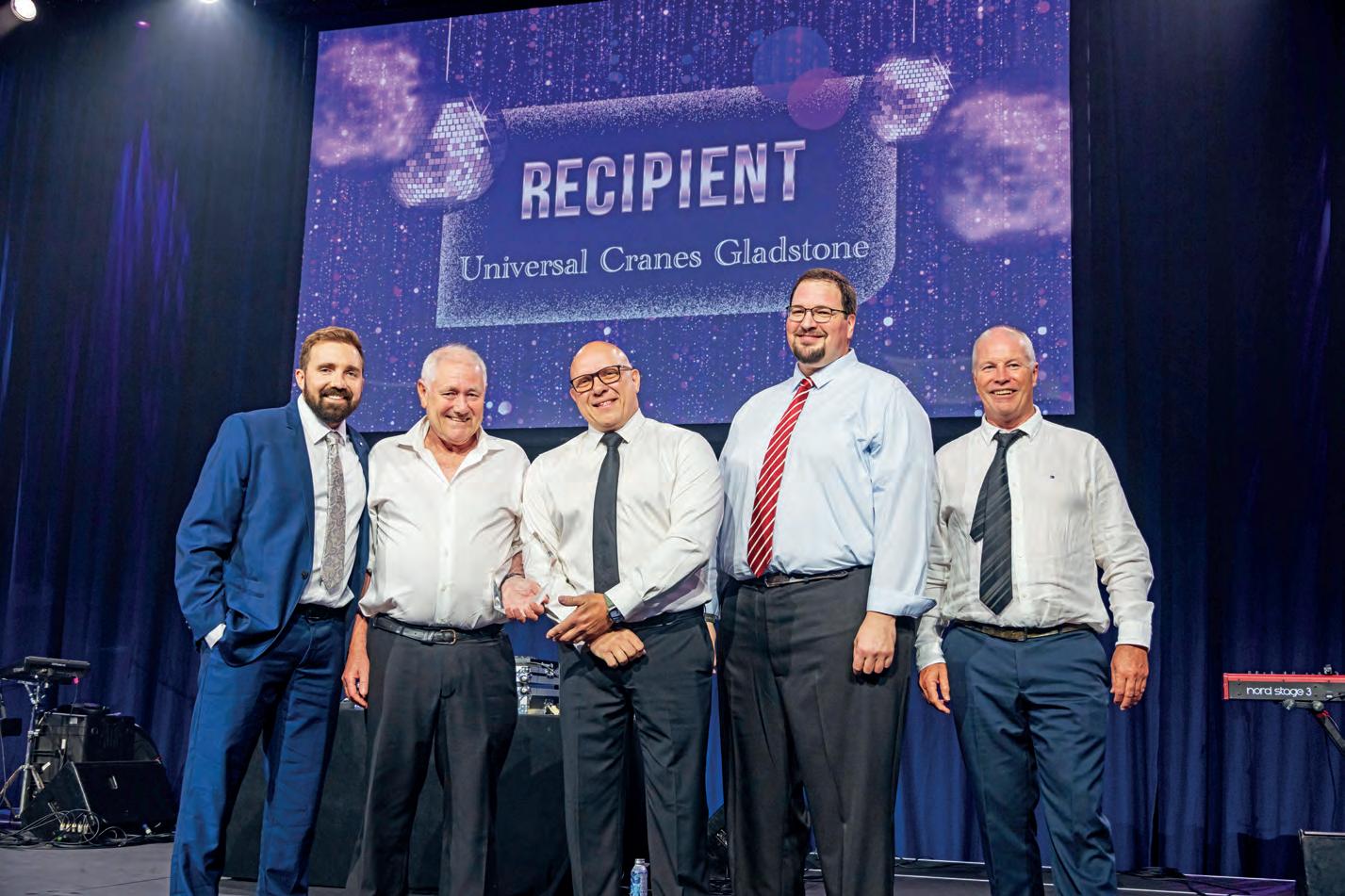
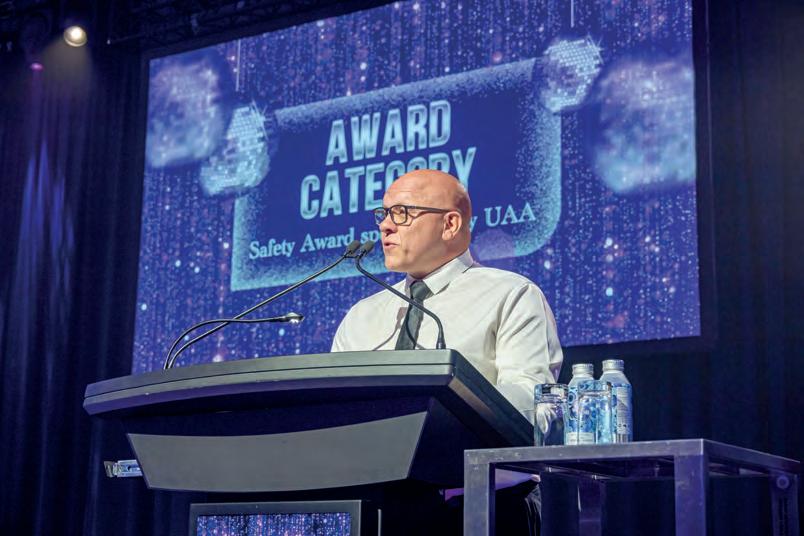
CraneSafe and StartSafe. Although CraneSafe is voluntary, it has become so well recognised by principal contractors, that cranes aren’t allowed onsite without the ‘CICA Green sticker.”
“The inception of CICA was brought about by the industry saying, ‘We need our own association to work on the many industry issues we need to tackle. We need to make sure we reduce the risks that occur, ensuring wherever possible, workers who leave early for work, return home safely at night, every day.”
“There are so many policies, processes and procedures which have been tested and trialed over this time and have proven to work and improve safety standards,” George said. “These include CICAdeveloped initiatives such as CrewSafe,
George then began thinking about UAA’s value propositions and what they stand for in the industry.
UAA is not just about providing an insurance product and policy, although they do it very well. It’s not just about charging premiums or helping customers through the claims process and then paying claims.
UAA is also focused on reducing risk and helping the industry identify trends and developing risk mitigation strategies for entities to adopt and reduce exposure. George concluded there was a significant alignment between UAA’s culture and ethos and CICA’s.
“I felt an award was missing that acknowledged the true ethos of safety awareness and the award should recognise a business for best practice when it comes to workplace safety. I shared the idea with CICA Chief Executive Officer Brandon Hitch, and he was supportive. We then needed to define the right criteria for selecting the winner and determine how best to recognise the chosen candidate,” said George.
He and UAA concluded there would be a monetary value and that this should be used to support ongoing CICA initiatives such as CraneSafe, Crewsafe and StartSafe.
“We agreed to fund a voucher to the value of $5000 which the winning entity can use to reduce some of their expenses around utilising CICA’s safety initiatives. We left it with CICA to determine which
entity utilises those initiatives and is focused on best safe work practices. This year CICA determined Universal Cranes should be the first recipient of the UAA Safety Award and we congratulate Albert, Ben, Joe and the entire team.
“We hope the UAA Safety Award will help sharpen the industry’s focus on safety. Insurance premiums are a direct relation to losses that occur in the industry and as the leading insurance company we want the industry to mitigate against risk. When this happens, we can contribute to the sustainability of the industry by reducing insurance costs wherever possible,” said George.
Hitch said that from CICA’s perspective the award recognises and strengthens a culture where safety isn’t just a tick box exercise but a shared responsibility, taken seriously.
“It’s about looking out for your team, having the confidence to speak up when something doesn’t feel right, and recognising that nothing is more important than people going home to their loved
ones at the end of the day,” he said. “We appreciate UAA sponsoring this award to honour those who go the extra mile to reinforce and lift safety standards in their business.”
Luke Brushe, Branch Manager for Universal Cranes Central Queensland said the company was proud to be the inaugural recipient of the UAA Safety Award.
“For us safety isn’t a box to tick, it means going home to our loved ones every day,” Luke said.
“In general hire, every job is different. No two sites, lifts, or setups are ever the same, so the crew always needs to be thinking ahead. And it’s not just about the lifts we do, the trip to and from the job is just as important. How we plan, how we load up, how we travel, how we arrive on site, how we complete the lifts… it all matters.
“A big part of that is living our Life Saving Commitments every day, stopping work when something isn’t
right, following road rules, assessing risks properly, making sure we’re fit for work, managing vehicle loads, and never working under a suspended load without verified support. These commitments help guide how we operate and keep our people safe.
“We’re strong supporters of industry safety initiatives like CICA’s CraneSafe, CrewSafe, and the On Road Articulated Mobile Crane course, because they keep our operators sharp and our equipment compliant. Receiving this award is great recognition for the Gladstone crew. It shows that the work we put into doing things the right way, and sticking to our safety commitments is being recognised, and it motivates us to keep improving.”
George hopes the UAA Safety Award will help sharpen industry focus on safety.
“Insurance premiums are a direct relation to losses that occur in the industry and as the leading insurance company we want the industry to mitigate against risk. When this happens, we can contribute to the sustainability of the industry by reducing insurance costs wherever possible,” he said.
Automated job scheduling replaces paper dockets and manual processes.
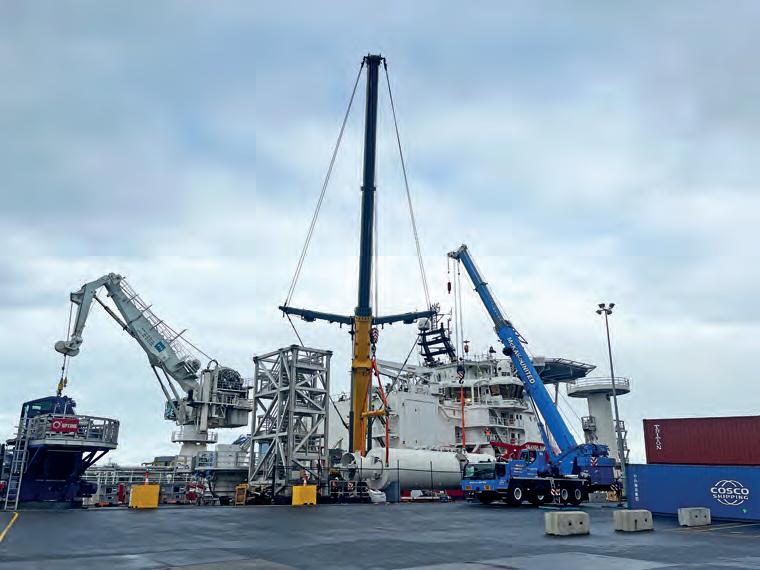
McKay United has been a familiar name in Victoria’s crane hire sector for more than 30 years. The business began in 1987 and has grown into a group that includes Williamstown Crane Hire and East Side Crane Hire.
of all sizes across Victoria, handling general hire, inspections, engineering work, emergency services, plant movement, transport and heavy haulage.
Over the years, McKay United has focused on building a strong team, maintaining safe work practices and keeping its operations running smoothly. The fleet works across refineries, gas projects, wharf facilities and major construction sites, which means the business needs systems that can handle fast changes and busy workloads.
This focus on improvement led the company to move away from manual, paper-based processes and adopt a digital platform. The shift to the new Visual Dispatch system has changed the way McKay United schedules jobs, manages records and keeps track of daily work.
General Manager Simon Atkins said the older system had become outdated and was barely used.
“We’d run that for eight or nine years, but it was virtually like a typewriter,” Simon said. “You’d just type the job in, and we didn’t use it for anything else. It was basically a typewriter.”
As the fleet grew and the work increased – including new Frannas and regular shutdown projects – the team needed a system that could keep everything organised. After reviewing other options, it decided the new version of Visual Dispatch was the right fit.
The new system was rolled out during a major refinery shutdown.
“It has been two years. We chose to implement this when we were in the middle of a shutdown,” Simon said. “I just thought, if we can get through that, we’ll be doing ok.”
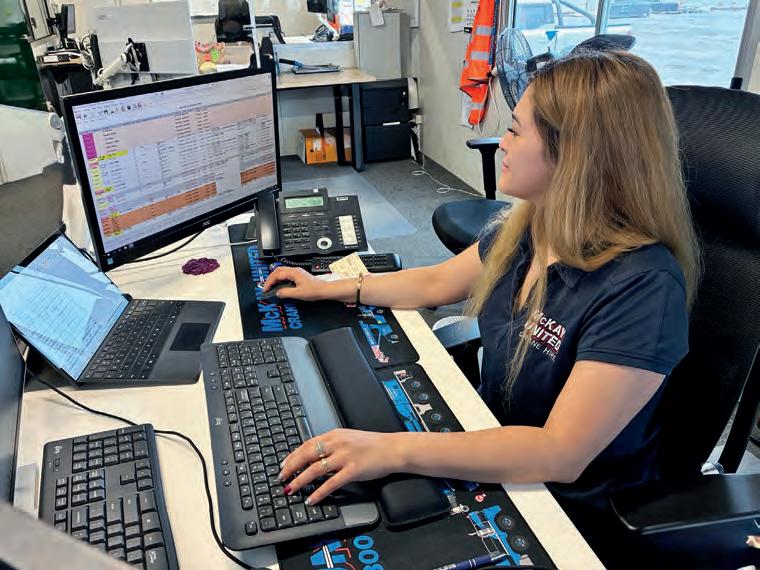
Allocator Hanna sees the benefits clearly in her daily work.
“For me as a main allocator in operations, I feel like Visual Dispatch is doing the job for me,” she said. “Sometimes you do the job for the system instead of the system doing the job for you. Visual Dispatch does it all for me.”
She can now allocate cranes, people and trucks much faster and track past job details easily.
“I could go back to a list of where we went to this street before and who were the crew,” she said. “It keeps records of everything.”
The business still uses a digital whiteboard to see where cranes and crews are located, but it is now just a visual aid.
“To allocate these jobs to the crew, you need a system that’s automated and it can do a job for you in one click,” Hanna said. “You want to work smart and manage your time effectively. This system doesn’t just save time, it helps you work smarter and finish every day strong.”
Another major shift has been the move to digital timesheets. When Hanna first joined McKay United, the business was still changing from paper to digital.
Daniel McBride, National Manager, AU & NZ Cranes at Visual Dispatch supported the team during the transition.
“When that got implemented, we had Daniel’s full support,” Hanna said. “He came in here a couple of times to show us how to run the digital timesheets and he was always available through phone calls and emails to resolve issues.”
“The product is only as good as their support, and their support’s very good,” Simon said.
The system also stores induction cards, tickets and equipment records. If something is expired, the allocator is notified instantly. “It’ll show a popup message that this registration has expired,” Hanna said. “That’s when we update the information.”
Maintenance tracking is still done through another system for now, but
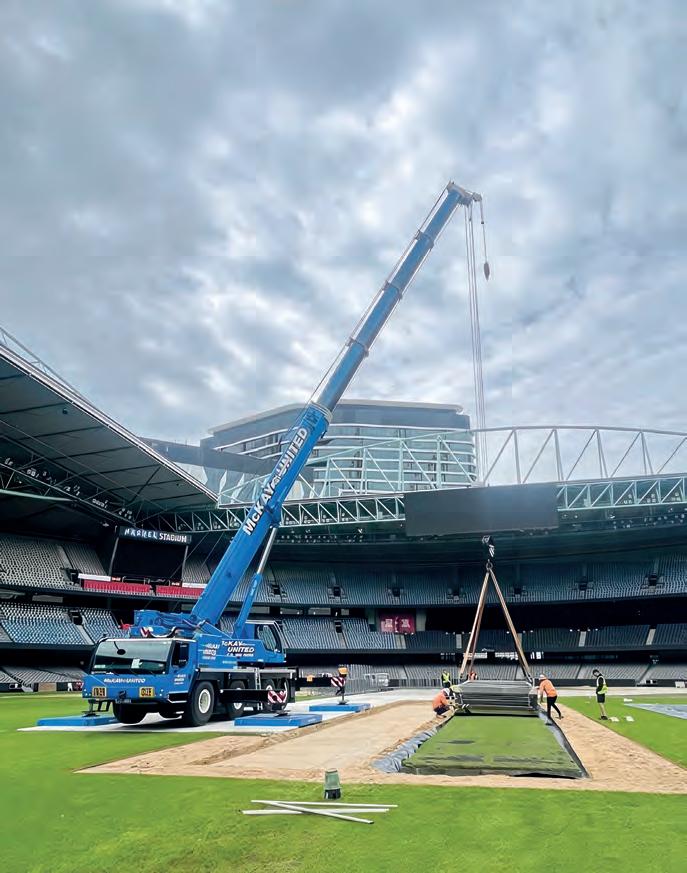
Simon said the company plans to use the new maintenance features once Visual Dispatch releases them.
Simon said the system has also improved the administration and quoting process.
“I used to type every quote on our letterhead. Now, I can go back to a job six months ago, copy it and just change time and date,” he said. “Anything you put in there, you can always go back and look at.”
He has also seen a reduction in paperwork and related costs.
“It’s reduced some cost across the board,” Simon said. “The massive amount of paper dockets that would be lying around has decreased dramatically.”
Many crane hire companies still rely on whiteboards. Hanna believes moving to a digital system is now essential.
“With the booming technology nowadays, we have to be resourceful,” she said. “It keeps operations running smoothly, allowing you to complete critical tasks in minutes while staying free to focus on everything else.”
The team still sees value in having a visual board in the office, but only for quick reference.
“It’s to see where the cranes and the guys are allocated,” Hanna said. “But you need a system that’s automated.”
McKay United’s move to Visual Dispatch shows how a long-running crane hire business can update its systems without losing sight of what works.
The company’s fleet, experienced team and strong relationships remain its foundation. Now, with a clear and efficient digital workflow, McKay United is prepared for the growing demands of the industry.
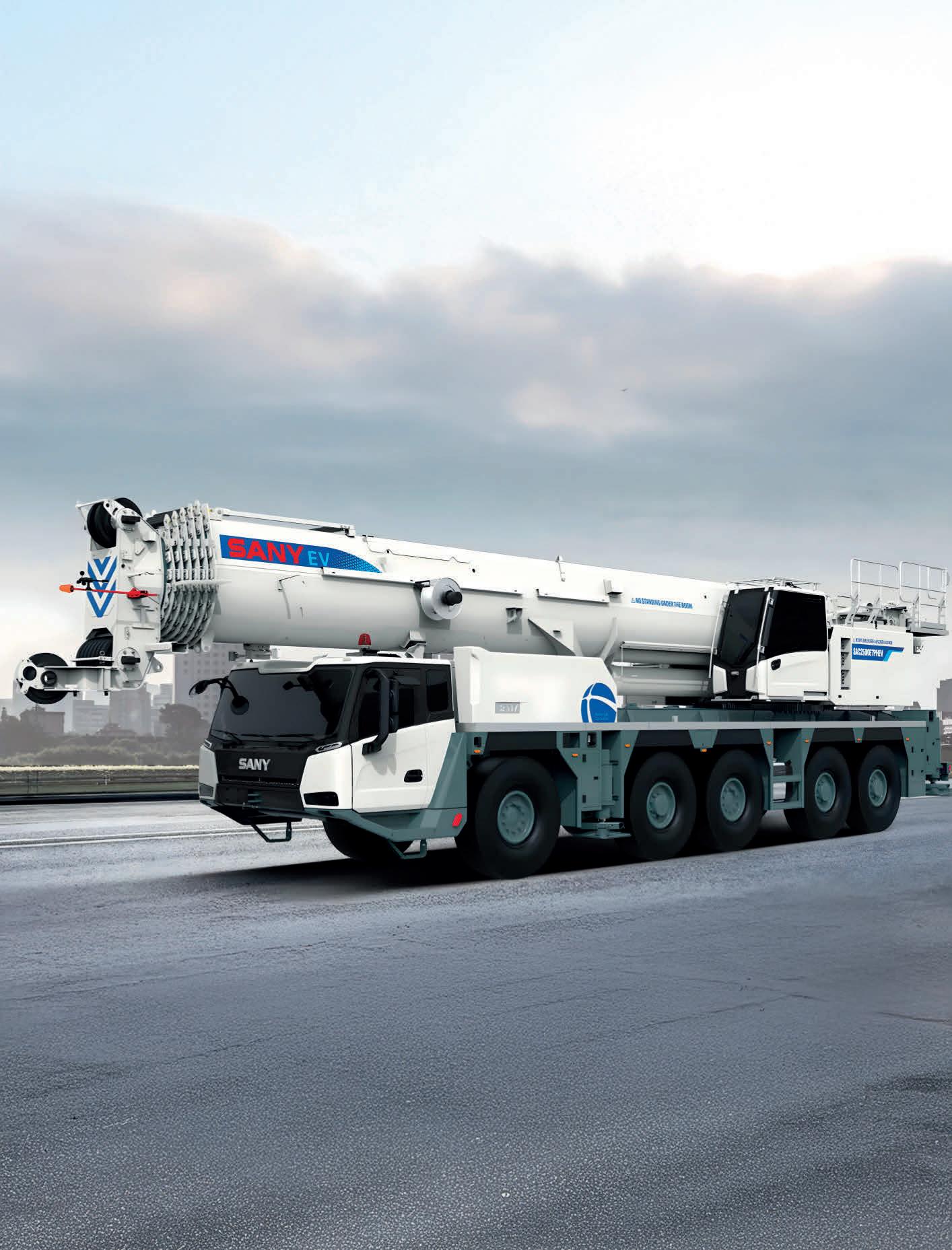
Equipped with a 7-section 75m main boom, the SAC2500E PHEV delivers impressive reach and lifting versatility for large infrastructure, wind, and heavy industrial projects. Its dual-engine power system ensures exceptional efficiency whether on the road or on-site.
The crane is fitted standard with DC fast charging, 1 hour recharge, and AC charging in 3 hours. In addition to these user-friendly features it also comes with onboard engine power generation to ensures continuous operation.
Inside, SANY’s newly designed iCab transforms comfort and control, featuring intuitive interfaces and ergonomic refinements for long shifts. The employment of electric mode is ideal for applications that are in noise sensitive environments.
The SAC2500E PHEV isn’t just powerful, it’s intelligent, efficient, and ready to take Australian lifting to new heights.



2025 was a big year for Andromeda Industries with interest in the Australian made and designed Superflex steel cables and slings, as well as the flat woven steel slings, growing domestically and in significant international markets. Customer Relations Manager Geoff Bower, and Company Director, Annette Williams provide more details.
“A KEY STRATEGY FOR THIS YEAR WAS TO expand our footprint overseas and I’m delighted to say we’ve achieved this,” said Annette. “We attended the Big 5 Construct in Saudi, we attended the Crane Association of New Zealand’s (CANZ) conference and exhibition, The International Distributors meeting for the Global Lifting Group in Thailand, as well as the Associated Wire Rope Fabricators (AWRF) conference and exhibition in Denver, Colorado. As a result of these events, we have generated a lot of interest from these markets as well as from countries like Singapore, Taiwan, and Malaysia.
“The United Arab Emirates (UAE) is our biggest export market, and we have a network of resellers and distributors there, which we are looking to grow as well as expanding our footprint in other large markets like the US, where the use of wire rope in lifting is far more prolific,” she said.
The marketing of the Andromeda Industries brand and the various product lines it represents has also been a strong focus throughout 2025 said Geoff.
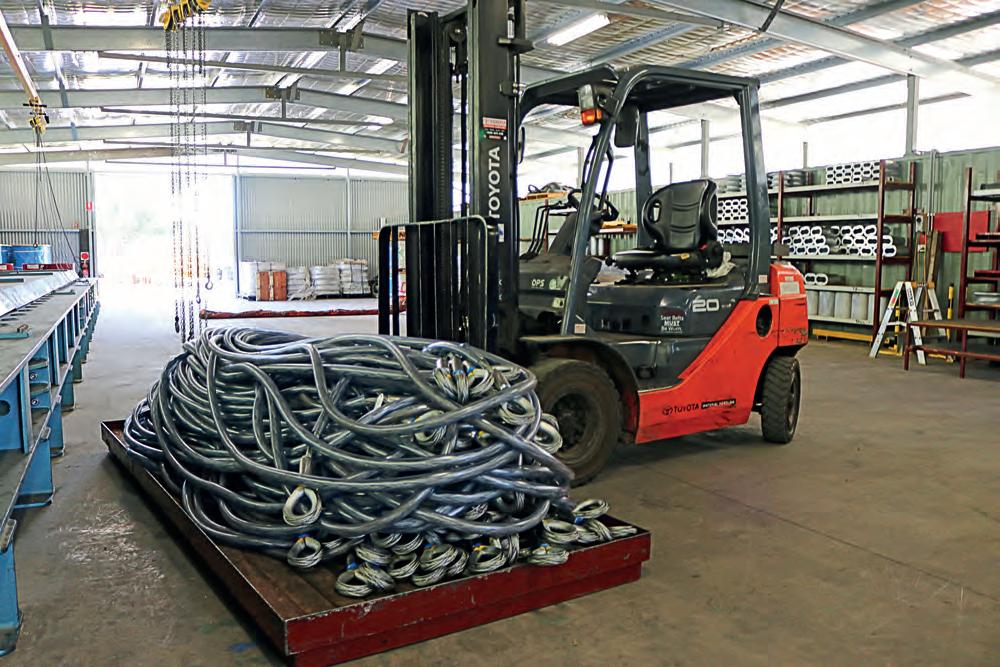
“We’ve brought together a dedicated marketing team which has been a real success. Everything that leaves the factory has the same branding and messaging which is really helping, and we’ve now got our Australian Made certification and the logo on all our lifting gear, which we are fiercely proud of,” he said.
“The Australian Made certification and use of the logo benefits in so many ways. It has been well received by the market and customers are now seeing it on all of our products. It reinforces that we do manage the design, engineering and manufacturing processes in-house providing that level of quality assurance.
“With major government, Tier One and mining projects, there has to be a certain percentage of local content. With the renewable sector, projects are requiring up to 50 per cent local content. The Australian Made certification reinforces the point that we are designing engineering and manufacturing Australian products by our local team. This year, we’ve taken this strategy a step further with local community engagement,” he said.
During the year Andromeda Industries embarked on a local community engagement program designed to promote Tamworth’s manufacturing capabilities as well as the employment opportunities within the crane and lifting industry.
“We worked with a number of manufacturers, as well as CICA, and
invited local high schools to tour our facility. With each group we explained more about the local manufacturing community and distributed CICA material which explain the career opportunities and the available apprenticeship and training opportunities within the crane and the lifting industry. The strategy has been working really well, and we have generated a lot of interest from the students,” said Geoff.
The Andromeda Industries team has also focused on its manufacturing capabilities and invested in a new 800 tonne hydraulic Swaging Press from Talurit®. It’s a medium range swager which comes equipped with several valueadding features as standard. It is a safe and easy-to-use all-around machine which is perfect for medium-size wire ropes.
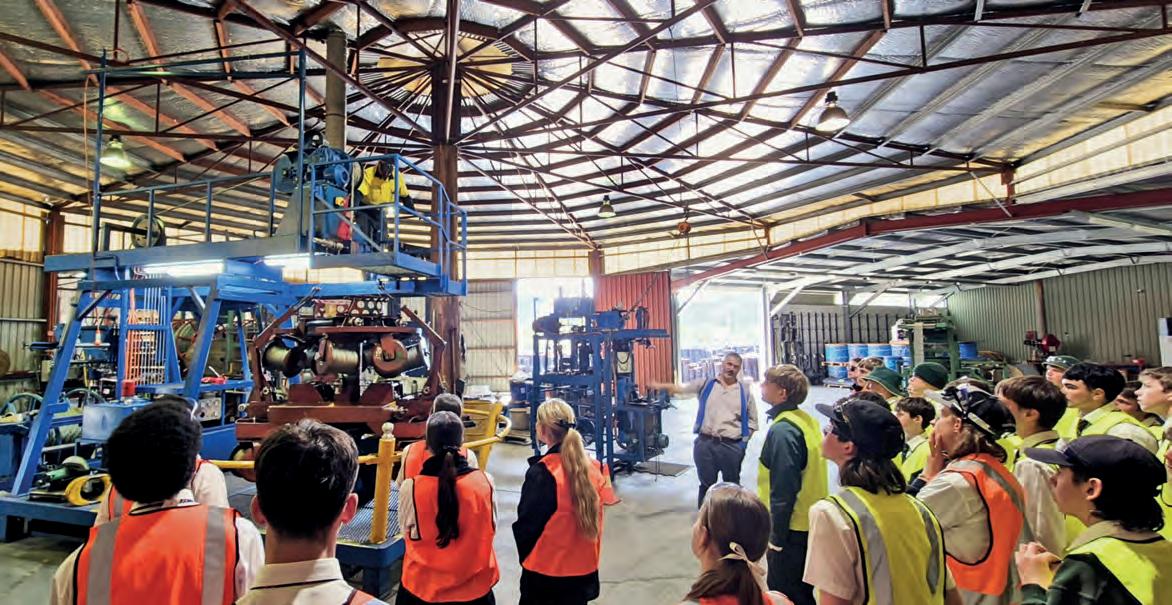
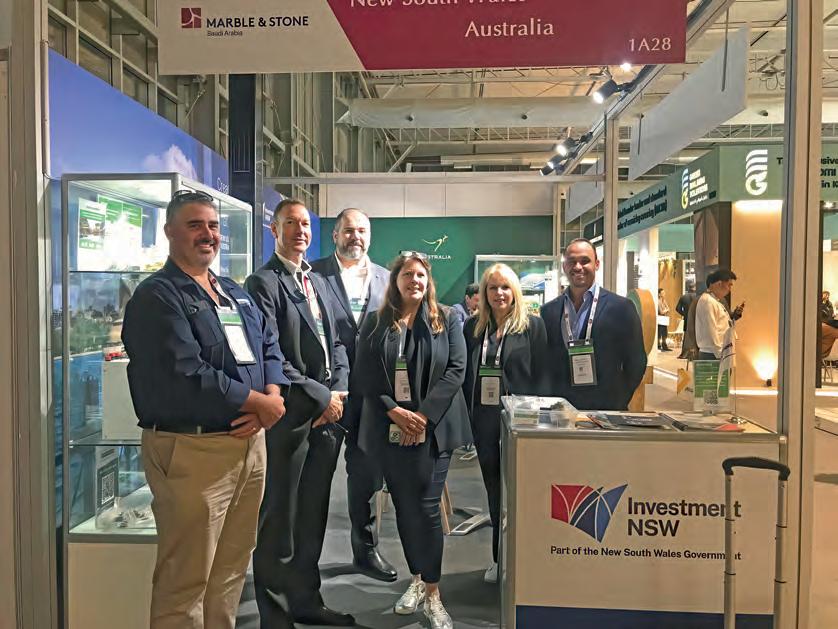
“With the new 800 tonne Swaging Press we have doubled our capacity for our medium-sized range of slings. This is important because we can see the combination of exports and domestic demand will require a significant increase in productivity, which we now have,” said Geoff.
“We are also in the process of implementing the M1 ERP Manufacturing Software which will provide real time operational visibility and cut costs while increasing productivity. With this allin-one solution, we can minimise costly mistakes and leverage more accurate
scheduling and material ordering (well that’s what the brochure says), so we have been focused on our manufacturing processes and capabilities.”
Throughout 2025 Andromeda Industries has attended important events successfully promoting the range of products to the various industry sectors including Defence, manufacturing and the energy sector.
“With the transition to renewables we have been receiving enquiries from the electrical services industry and in fact, we recently received two of our largest orders ever from this sector.
“We’ve been receiving enquiries for our specialised products including our platted wire ropes, so the enquiries are not specifically about lifting, which is interesting,” said Geoff.
“There’s a lot happening in the Defence sector both in Western Australia, with the expansion of the Henderson Defence Precinct, and in South Australia with the Osborne Naval Yard. There’s a lot of lifting going to happen with these projects through there and we are seeing a lot of our heavy-lift products going in to service that demand.
“The level of enquiry isn’t dropping off either, in fact the first four days of December saw our quotes at their highest level ever.
“There hasn’t been a spike and then nothing, they have been consistently high. We know the events work for us because we saw a significant increase in enquiries from New Zealand following the CANZ event in Wellington and our distributors there, including Cookes and Shaws, have kept us busy, which is great.
“2026 will bring more development, including an increase in the heavy-lift range of products and investment in the engineering division. That really is a case of the Phoenix rising from the ashes and a lot of what the engineering team is working on will be really interesting.”
Dotmar Engineering Plastics offers high-performance load distribution materials tailored for the crane industry.
Our lightweight, durable solutions replace traditional steel and timber, delivering superior strength and reliability. Backed by engineering calculations, Dotmar products are designed to protect ground surfaces and support heavy lifting in all environments.
Engineered to perform. Trusted to support.
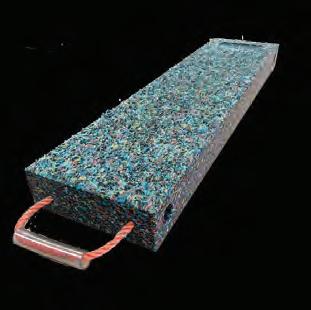
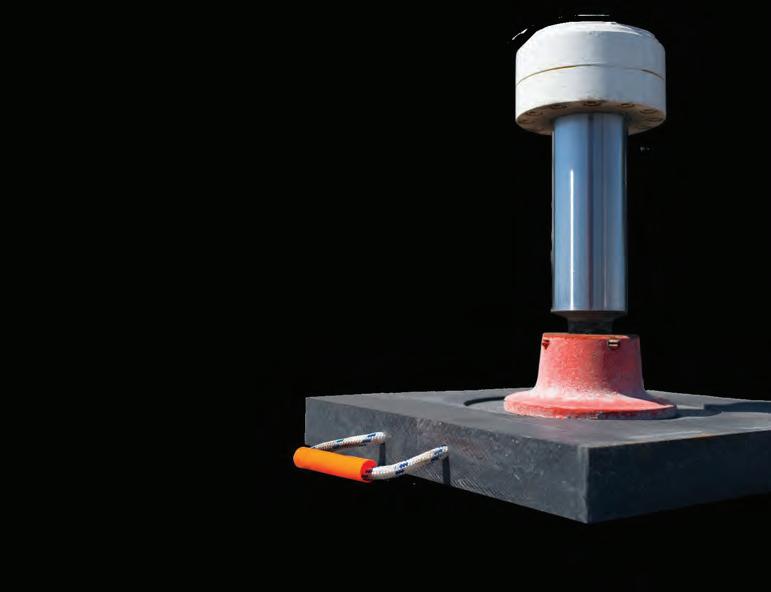
Polystone Confetti Grade Recycled UHMWPE
A sustainable and economical alternative that provides reliable strength and durability for everyday crane operations. Confetti grade plates are lightweight, corrosion-resistant and suited for general load distribution.
Ertalon/ Nylatron Nylon
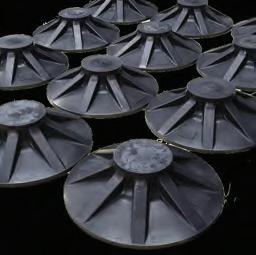
A premium engineering plastic offering excellent mechanical strength and wear resistance. Nylon outrigger plates are ideal for applications requiring high load-bearing capacity, dimensional stability, and long service life under repeated use.
Both materials can be also used to manufacture stackable Dunnage Blocks , designed for ground levelling and height adjustment on uneven or sloped terrain, working alongside outrigger plates to ensure safe, stable footing.
Confetti Recycled
Nylatron
Safe working loads are per outrigger, based on the smallest contact area on flat, even ground. For application-specific calculations, contact Dotmar Engineering Plastics. Custom sizes available.
Zoomlion Access used its Sydney Customer Day to show exactly where its focus is heading in Australia: access equipment that is ready for local sites and backed by stronger local support.
HELD AT ZOOMLION ACCESS’ SYDNEY branch, the event brought together customers, operators and rental companies for a practical, hands-on look at the company’s growing Mobile Elevating Work Platform (MEWP) and telehandler range. Rather than a showroom-style display, the day was built around test drives and live demonstrations, giving attendees time in the seat and space to ask direct questions.
Frank Zhou, Zoomlion Access Sales Manager of Australia, said the aim was simple. “We wanted open and honest conversations with our Australian customers and partners,” Frank said. “At the same time, we wanted to clearly show our commitment to this market.”
That approach set the tone for the day, with Zoomlion’s local team walking visitors through machines, safety features and service plans, while also listening closely to feedback from rental businesses.
The Sydney event featured a line-up of machines selected specifically for Australian conditions. On display were the ZTH4525, ZTH4014 and ZTH4018 telehandlers, along with the ZS1323RT rough-terrain scissor lift.
“These machines cover what Australian customers are really asking for,” Frank said. “Good reach, strong rough-terrain performance and dependable productivity. They’ve also had the right level of investment to make sure they suit local working conditions.”
The ZTH4525 telehandler was one of the main talking points. With a 4500 kilogram (kg) lifting capacity and a reach of up to 24.8 metres, it is aimed squarely at construction and infrastructure work. Four-wheel drive and strong traction make it suitable for uneven ground, while its overall layout is designed to be practical and easy to operate.
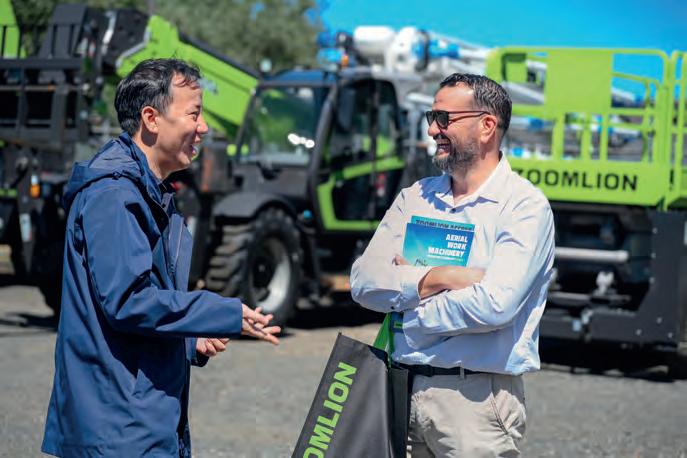
Alongside it, the ZS1323RT rough-terrain scissor lift showed why it is gaining interest from rental fleets. With a working height of up to 15 metres and automatic levelling at the push of a button, the machine demonstrated stable operation on uneven surfaces – an everyday reality on many Australian sites.
All the machines on show were configured to meet Tier 1 site expectations. That includes items such as battery isolators, fire extinguishers, squawkers, reflective tape, wheel nut indicators, wheel chocks and platform safety mesh.
“These are not afterthoughts,” Frank said. “They’re part of making sure the machines are genuinely ready for Australian jobs.”
While the telehandlers and scissor lift attracted steady interest, it was the ZT58J boom lift that really stood out during the hands-on sessions.
Operators experienced its 58.8-metre working height and 25.5-metre horizontal outreach first-hand, along with its ability to handle challenging ground conditions.
“Once operators got into the machine, the feedback was immediate,” Frank said. “They could feel the stability and control straight away.”
During demonstration runs, the ZT58J showed a gradeability of 45 per cent, along with a platform capacity of 300kg in unrestricted mode and 454kg in restricted conditions. Powered by a Cummins engine and carrying full Australian Standards certification, the boom lift was positioned as a serious option for high-rise construction and large-scale projects.
“The message was clear,” Frank said. “This machine is designed for Australian work, not adapted as an afterthought.”
Feedback from the day was positive, particularly around build quality and technology. Rental companies were keen on the direction Zoomlion is taking with its newer generation of machines.
At the same time, attendees were clear about what matters most when it comes to long-term investment.
“Customers told us they need faster parts availability, more local technical knowledge
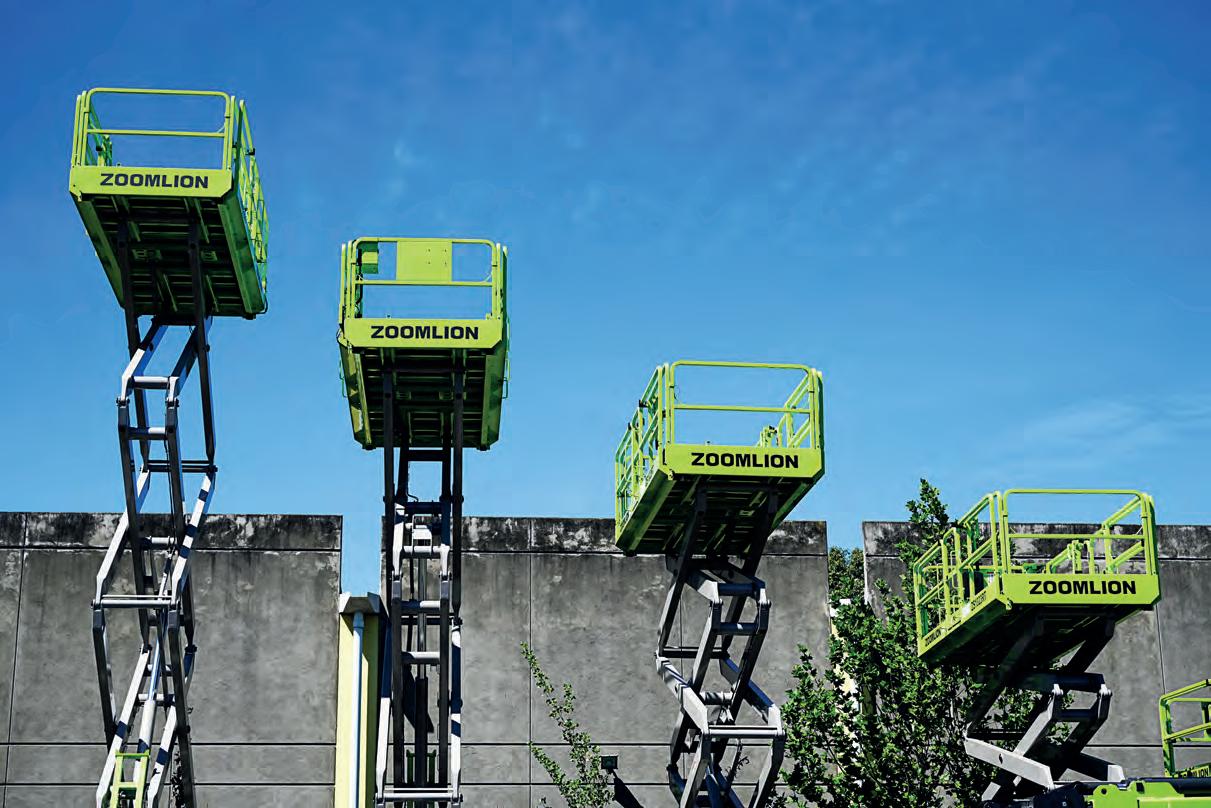
Machines were configured to meet Tier 1 site requirements from day one.
and quicker service response,” Frank said. “That’s what gives them confidence in their fleet decisions.”
That feedback is already shaping Zoomlion’s next steps in Australia. After-sales support has been elevated to the company’s number one local priority.
Zoomlion is expanding its national parts warehousing network across Melbourne, Sydney, Brisbane and Perth, with plans to more than double the stock of fast-moving
parts. The goal is straightforward: shorter lead times and less downtime for customers.
The company is also growing its local technical team, with more field service technicians and product support specialists being recruited and trained. On top of that, Zoomlion is upgrading its digital service systems to improve parts tracking, service requests and access to technical information.
“These changes are about being easier to deal with and faster to respond,” Frank said. “That’s what the market expects.”

Looking ahead, Zoomlion confirmed that more access equipment designed with Australia in mind is coming. One of the key additions will be the ZA10J diesel articulated boom.
The 10-metre machine offers a maximum working height of 12.54 metres, a centralised boom design for smoother movement, and strong obstacle-clearing ability. A large 1.52-metre platform with a 275kg capacity allows operators to carry tools and equipment safely, while its ground clearance and offroad capability suit rough sites.
“This model fits the way Australians work,” Frank said. “Durability, reach and load capacity are critical.”
Beyond machines and service, Zoomlion is also focusing on how it works with rental partners. The company is developing more flexible support and finance options to suit fleet operators and is introducing dedicated key account management for major customers.
From the feedback received at the Sydney Customer Day, Frank said customers can expect to see changes quickly.
“A stronger local team, faster response times and better product support are all coming,” he said.
Australia’s bulk solids handling industry will once again come together in Melbourne in September for the Bulk Handling Technical Conference & Expo 2026 (BULK2026), the country’s only dedicated exhibition and conference focused entirely on bulk handling.
HELD ON 16-17 SEPTEMBER 2026 AT THE Melbourne Convention and Exhibition Centre, BULK2026 is set to be the ultimate meeting point for everyone involved in moving, storing, processing, or managing bulk materials. Engineers, operators, consultants, and project managers from mining, agriculture, manufacturing, ports, terminals, and logistics will all descend on Melbourne to explore new technologies, discover practical solutions, and connect with industry peers.
Returning in 2026, the event will once again bring together the biggest names, brightest minds, and most innovative technologies shaping Australia’s bulk handling sector. The expo floor will showcase equipment, systems, and services designed to improve efficiency, safety, and performance across the bulk materials supply chain.
A major addition for 2026 is the launch of the Bulk Handling Technical Conference, which will run alongside the Bulk Handling Expo for the first time. This new technical forum will deliver a world-class program
of advanced technical content curated by the Australian Society for Bulk Solids Handling (ASBSH). It is designed to attract senior engineers, researchers, consultants, and global specialists, further strengthening BULK2026’s position as Australia’s premier destination for innovation, leadership, and knowledge exchange in bulk handling.
The event offers a rare opportunity to hear directly from key decision-makers who are shaping the future of bulk
Below: BULK2026 will be held on 16 and 17 September 2026 at the Melbourne Convention and Exhibition Centre.
materials handling. Attendees can expect valuable insights, practical learnings, and open discussions about the challenges and opportunities facing the industry, all in one place over two focused days.
“Bulk 2026 is all about bringing the industry together, showcasing innovation, sharing knowledge, and celebrating the people and projects driving bulk handling forward,” General Manager – Events at Prime Creative Media Siobhan Rocks said.
“Whether you’re an engineer, operator, or supplier, Bulk 2026 offers insights and connections that you simply can’t get anywhere else.”
For exhibitors, BULK2026 delivers direct access to a highly targeted audience of professionals who are actively looking for bulk handling solutions. Exhibitors can expect real conversations, real leads, and real projects, with the chance to showcase their capabilities in front of one of Australia’s largest industrial audiences. The event is also an ideal setting to strengthen existing relationships, reconnect with clients, and build new partnerships, while gaining valuable insights into where the market is heading.
Co-located with MegaTrans 2026, BULK2026 will benefit from increased foot traffic and broader industry crossover, making it an even more powerful platform for business development and collaboration.
If your business plays any role in the movement, storage, processing, or management of bulk materials, BULK2026 is the place to be. With strong demand expected, exhibitors are encouraged to secure their space early.
To enquire about exhibiting or attending, visit https://bulkhandlingexpo.com.au/
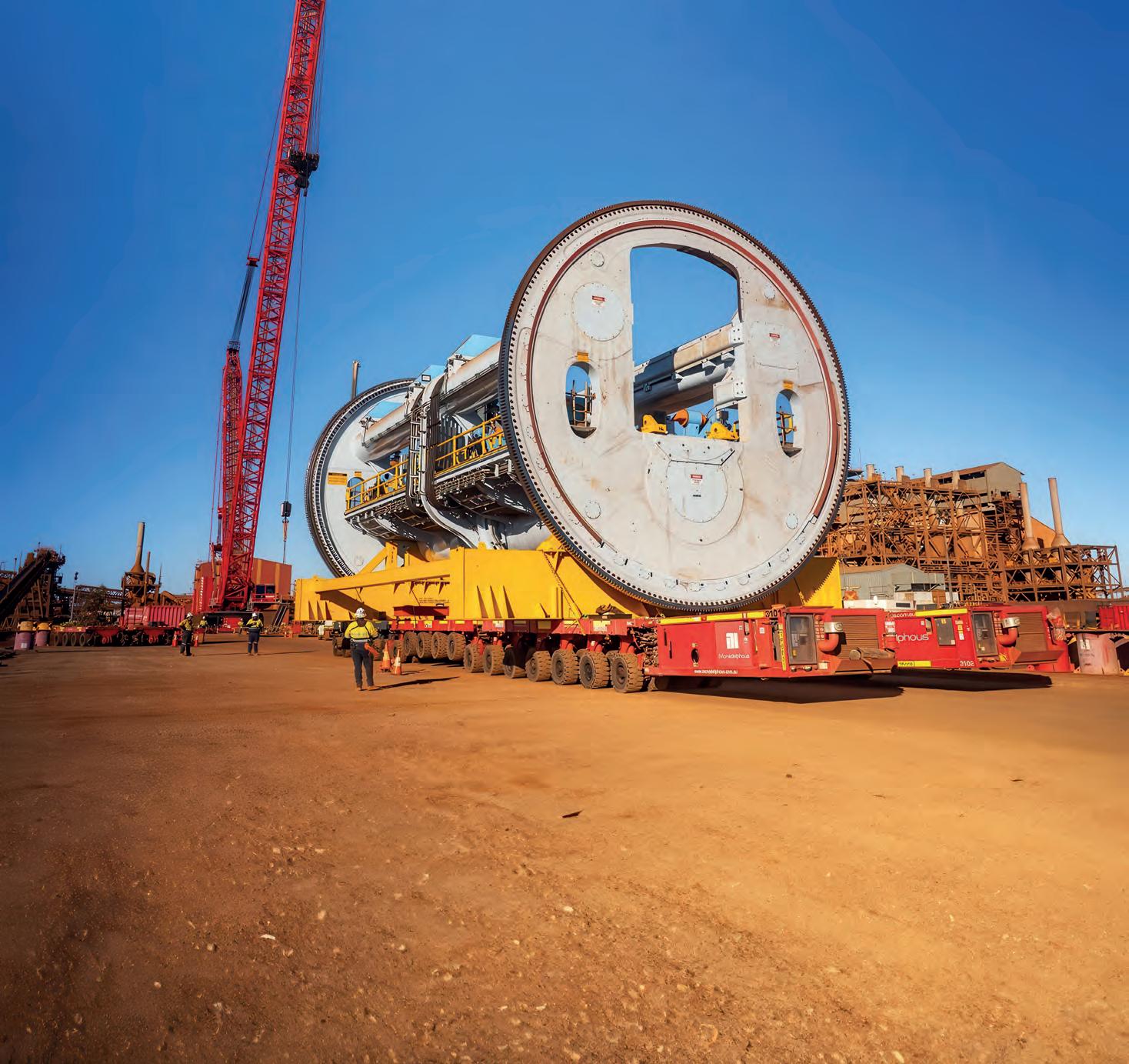


Rubino: Monadelphous redefines heavy lifting with a historic debut.
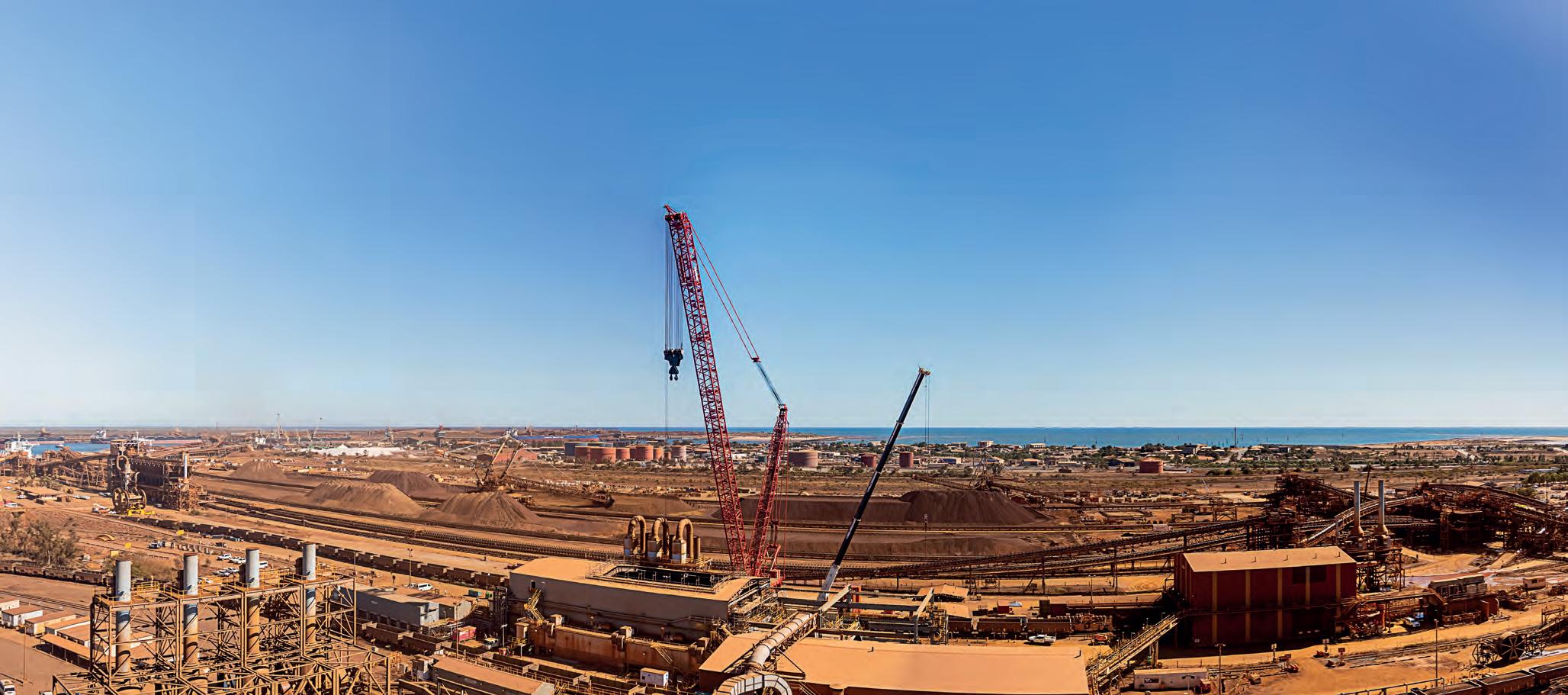
WHEN MONADELPHOUS SET OUT TO DELIVER one of the most complex and high-impact shutdowns in its history, it needed more than experience and planning – it needed power on a scale rarely seen in Australia. Enter Rubino, a 1600 tonne Tadano CC88. 1600-1 crawler crane that has redefined heavy lifting in the Southern Hemisphere.
Named in honour of the late John Rubino, Monadelphous’ longtime chairman and the driving force behind the company’s growth for more than three decades, this crane is more than a machine – it’s a statement of capability, ambition, and engineering excellence.
Rubino’s operational debut came on a project that underscored the sheer scale of Western Australia’s iron ore operations: BHP’s Car Dumper 3 (CD3) Renewal at Port Hedland. As one of five car dumpers operating across BHP’s Nelson Point and Finucane Island sites, CD3 plays a critical role in maintaining seamless ore flow from pit to port. Extending its operational life required a mega maintenance effort, and a crane capable of lifting loads beyond ordinary limits.
The scale of the renewal meant success hinged on Rubino’s unrivalled strength and precision. Commissioned for the project and contracted through Monadelphous, Rubino boasts a staggering 1600 tonne load capacity – equivalent to lifting three Boeing 747s –supported by 1155 tonnes of counterweight.
Across a meticulously planned 50-day shutdown, Rubino executed the hero lift: a 452.5 tonne rotary cell at a 37.5 metre radius. The result was a flawless lift and a shutdown completed 92 hours ahead of schedule, delivering additional throughput and setting a new benchmark for execution.
“Standing next to one of these rotary cells really puts the scale of what we do into perspective – it’s absolutely massive,” said Simon Mollica, BHP Head of Asset Projects WAIO. “Seeing Rubino lift it into place makes you realise just how much muscle it takes to keep the Pilbara firing. The team did an incredible job – it’s the skills, the planning and the teamwork that comes together to make it all happen.”
Monadelphous has a long history of delivering multi-disciplinary engineering
construction projects and maintenance projects to BHP with many of these projects requiring significant craneage.
The project aimed to replace ageing rotary cells and critical electrical infrastructure with a newly designed Single Tandem Rotary cell to extend the life of CD3 and support production by maximising productivity for future ore types. The Monadelphous and BHP project teams jointly developed an innovative and scalable solution during the planning phase of the CD3 Renewal Project. At the heart of this solution was the strategic procurement of a 1600-tonne Tadano crane, one of the largest in the Southern Hemisphere.
“Rubino represents our commitment to innovation, safety, and productivity, and it sets a new benchmark for heavy lifting in Australia,” said Lorna Rechichi, General Manager Strategy and Growth, Monadelphous.
This lift demanded millimetre tolerances, a bespoke rigging arrangement, and absolute control from hook-up to set-down. Site constraints added complexity: the crane’s
Rubino’s operational debut came on a project that underscored the sheer scale of Western Australia’s iron ore operations – BHP’s Car Dumper 3 (CD3) Renewal at Port Hedland.
location had to avoid critical underground services, limiting the footprint and demanding careful choreography.
“Our engineering team spent months refining the approach, producing detailed 3D models and lift studies, and working closely with BHP to align on every detail,” said Lorna. “That collaboration ensured the lift was executed safely and seamlessly.”
Preparation began months in advance. Practice runs and radius checks confirmed clearances for the hook and Superlift tray. Once connected to the cell, Rubino took the weight and lifted just clear of the transport frame, holding steady while teams verified all weights and ensured the orientation was perfect for installation.
“Every lift we undertake is backed by detailed lift studies and engineered methodologies,” Lorna said. “For Rubino’s debut, we developed a comprehensive sequence, reviewed and approved by the client, and communicated it to everyone involved. Before the lift, the crew met to confirm roles, positions, and responsibilities, and we established trunked radio comms between the operator and rigging team. The lift was executed exactly as intended –with no surprises.”
Commissioned for the project and contracted through Monadelphous, Rubino boasts a 1600 tonne load capacity – equivalent to lifting three Boeing 747s – supported by 1155 tonnes of counterweight.
Monadelphous deployed a highly skilled operations team, backed by experienced engineers, to ensure every move was planned, verified, and precise. Rubino performed flawlessly. “The crane’s precision, stability, and reliability validated our decision to invest in this capability,” Lorna added.
Feedback from operators has been overwhelmingly positive. Crews praised Rubino’s smooth operation, advanced safety features and overall reliability, and take pride in its upkeep and maintenance, ensuring Rubino remains in peak condition.
Monadelphous and Tadano have enjoyed a strong working relationship for well over




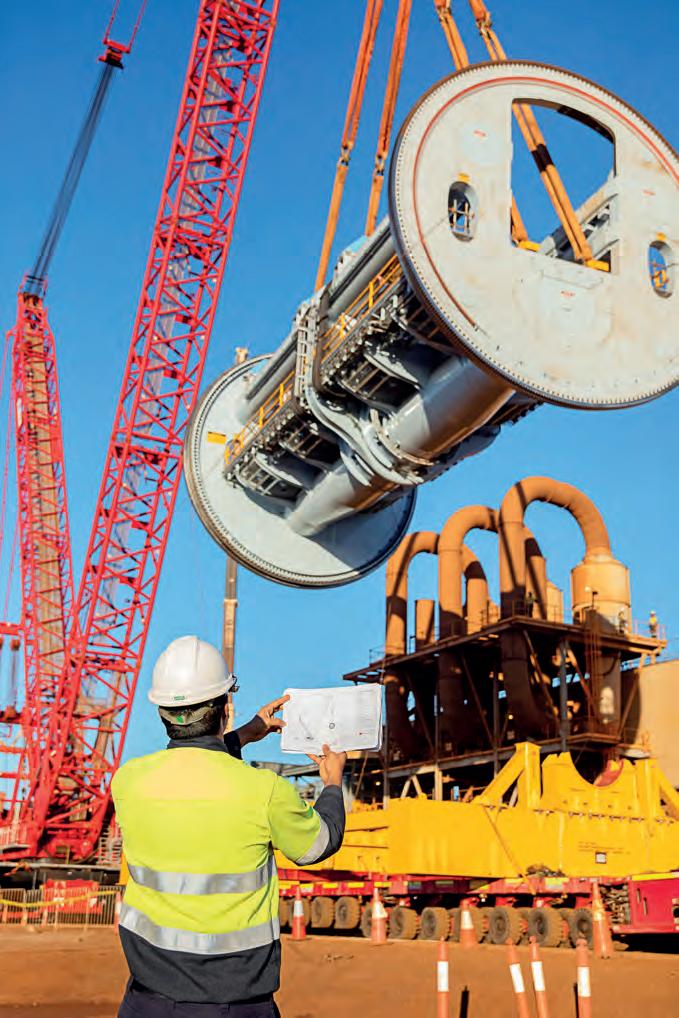
a decade. Over that time, they’ve built a partnership based on trust, technical expertise, and a shared commitment to delivering safe and innovative lifting solutions.
“That history gave us confidence when selecting Tadano as OEM (Original Equipment Manufacturer), knowing we could rely on their support throughout the entire process,” Lorna said.
She said what Monadelphous values most about Tadano is its responsiveness and depth of expertise.
“From an engineering perspective, their support is outstanding. They’re always available, proactive, and quick to provide technical input when needed. That level
of accessibility and collaboration gives us confidence that we can tackle complex lifts safely and efficiently.
“For the CD3 Renewal Project, the Tadano team worked with us from the outset, responding to technical queries and helping develop the crane specifications we needed to deliver this scope and beyond. They provided comprehensive training to our team and have continued to offer support whenever required.”
Tadano’s technical expertise was integral to the success of the project. From planning through execution and post-lift support, the team worked closely with Monadelphous to ensure every aspect of the lift was safe, precise, and aligned with project requirements.
“That level of collaboration gave us confidence in both the equipment and the strategy, and it was a key factor in delivering such a complex lift flawlessly,” said Lorna.
“When evaluating options, we needed a crane that could deliver exceptional
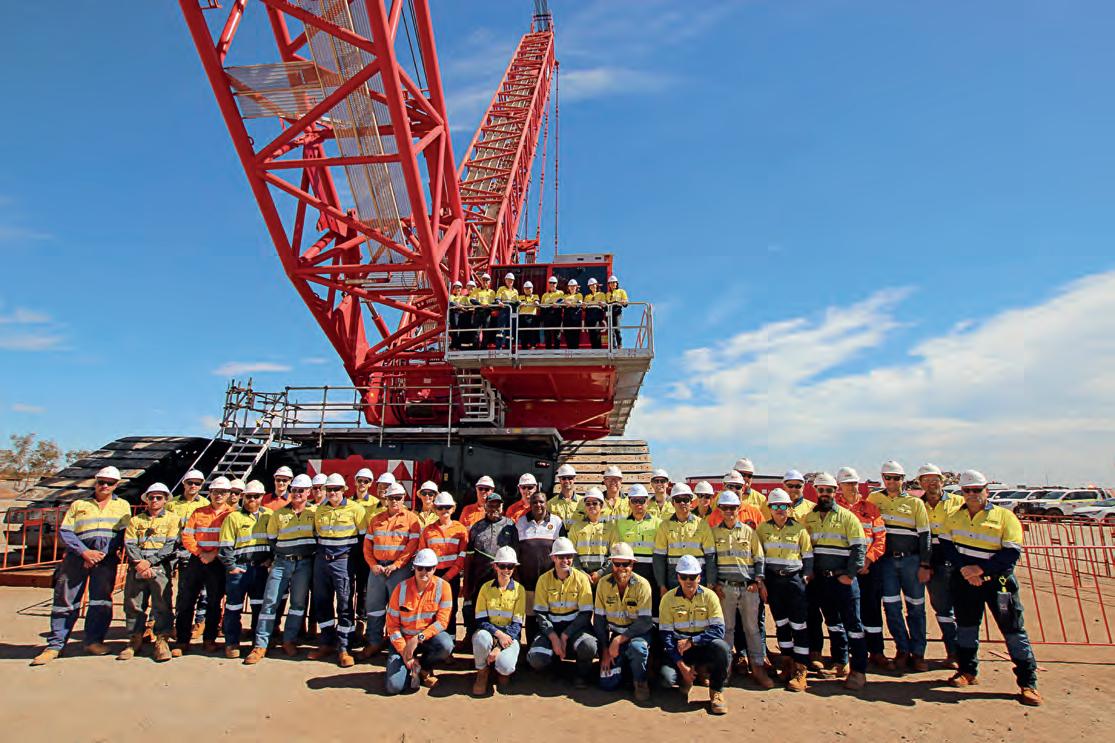
capacity, reliability, and safety for one of the most complex lifts in our history,” Lorna explained. “The Tadano CC88.1600-1 stood out for its proven performance, advanced safety systems, and adaptability for large scale projects.
“Combined with Tadano’s comprehensive support, Rubino was the clear choice, not just for CD3, but as a long-term asset for future heavy lift work.”
Rubino’s debut has positioned it as a cornerstone of Monadelphous’ heavy lift capability.
“We see strong demand for this crane in upcoming car dumper upgrades and largescale infrastructure works,” said Lorna. “Rubino’s versatility makes it ideal for sectors where complex lifts are critical – power generation, heavy industry, major infrastructure, and renewable energy including onshore and offshore wind.
“From acquisition to operational debut, Rubino not only delivered exactly what it was brought in to do, it raised the bar. It has
Crews praised Rubino’s smooth operation, advanced safety features and overall reliability, and take pride in its upkeep and maintenance.
proven Monadelphous’ strategy of investing in capability, partnering deeply with OEMs, and self-performing high-risk, highimpact lifts that unlock schedule, safety and productivity benefits for customers.”
But, she ssaid Rubino is more than a crane – it’s a symbol of Monadelphous’ vision and capability.
“John Rubino was passionate about cranes and believed that investing in our own fleet would allow Monadelphous to self-perform, demonstrate leading capability, and be a source of pride for our workforce,” Lorna reflected. “This crane embodies that vision.”
As Monadelphous looks ahead – from major mining and energy developments to renewables and infrastructure – Rubino stands ready to deliver lifts that were once unimaginable and creating a blueprint for future upgrades. It signals a new era for heavy industry in Australia, built on decades of experience, engineering excellence, and the pursuit of innovation.
“Rubino isn’t just lifting loads – it’s lifting expectations.”






The crane industry is in the middle of an extremely dynamic period where there are significant ‘disruptors’ changing the landscape for crane hire companies. As always, the team at Finlease has its collective finger on the industry’s pulse. Senior Partner, Chris Burke provides insights into the challenges the industry faces.
THE INDUSTRY IS facing a few disruptions which are adding complexities to decision making processes for crane owners. As a result of this dynamic environment the future is not clear around new purchases, for example.
“A significant disruptor is the continual advancement of technology. Increasingly we are having conversations around driverless cranes and being able to sit in one state and operate a crane in another. As we saw at Bauma, this technology is here and already playing a role in the tower crane sector locally.
“The second disruptor relates to supply. No longer do we have a concentration of European-dominated cranes, we are seeing cranes from all over the world, and the Australian market seems to be a real ‘pocket’ for this activity.
“The third significant disruptor relates to wealth transfer within family businesses. In the past 12 to 24 months, we have seen the second generation in a family-owned crane business looking to step up and take the reins. Although this succession planning is viewed in a positive light, the process causes significant disruptions to the normal everyday crane business operations,” said Chris.
Remote control technology has been around in the construction and mining sectors for many years, said Chris.
“The adaptation of technology is probably best demonstrated in the Australian mining sector. I have seen mining operator’s room, where you
have everyone lined up in chairs, operating the dump trucks and other equipment servicing the mine. The work environment is comfortable, more efficient with the management of staff more streamlined, which helps the mine operate at optimal levels.
“The technology is already here for tower cranes. It was displayed at Bauma and looks like a simulator, but it’s a remote-control cabin. You can operate the crane from anywhere at anytime. This technology opens employment markets.
“You can employ experienced operators that perhaps can no longer climb the ladders, you can employ
The supply of cranes has never been more competitive. Crane owners, who in the past have said they would never move away from recognised European brands have done just that and the emerging brands are making considerable inroads. Chris has interesting insights into how this plays out.
“The emerging international brands are increasingly ‘being considered as a viable alternative’. The machines are proving to stack up, with investments in support networks being established across Australia including after sales service and
“For me, indications highlight a straighter road for 2026. Interest rates and currency have stabilised, which always helps. If you examine the bank data, we are going to see modest growth over the next two years, so conditions are improving.”
disabled operators that may have issues with the lower half or even the top half of their bodies. The technology is here, I just don’t think we’ve seen it applied in practice just yet. Change is always slow to be adopted,” said Chris.
“This technology probably, for now won’t work in the taxi crane space where operators are moving from site to site, but you would think it is coming to applications where operators can be in one place and operate the crane somewhere else. People I speak to about this technology are most excited about the employment opportunities it opens.”
spare parts support. These were all considerable concerns five years ago and now they are being addressed.
“The financing of cranes has also changed with a vast majority of banks no longer preferring brands but now focusing on the borrowers’ financial capabilities. Some banks historically had concerns about financing certain brands with concerns about the value of the secondary market. There used to be some risk parameters in place, but with the fullness of time these are now diminishing.
“Banks are becoming more comfortable in supporting a
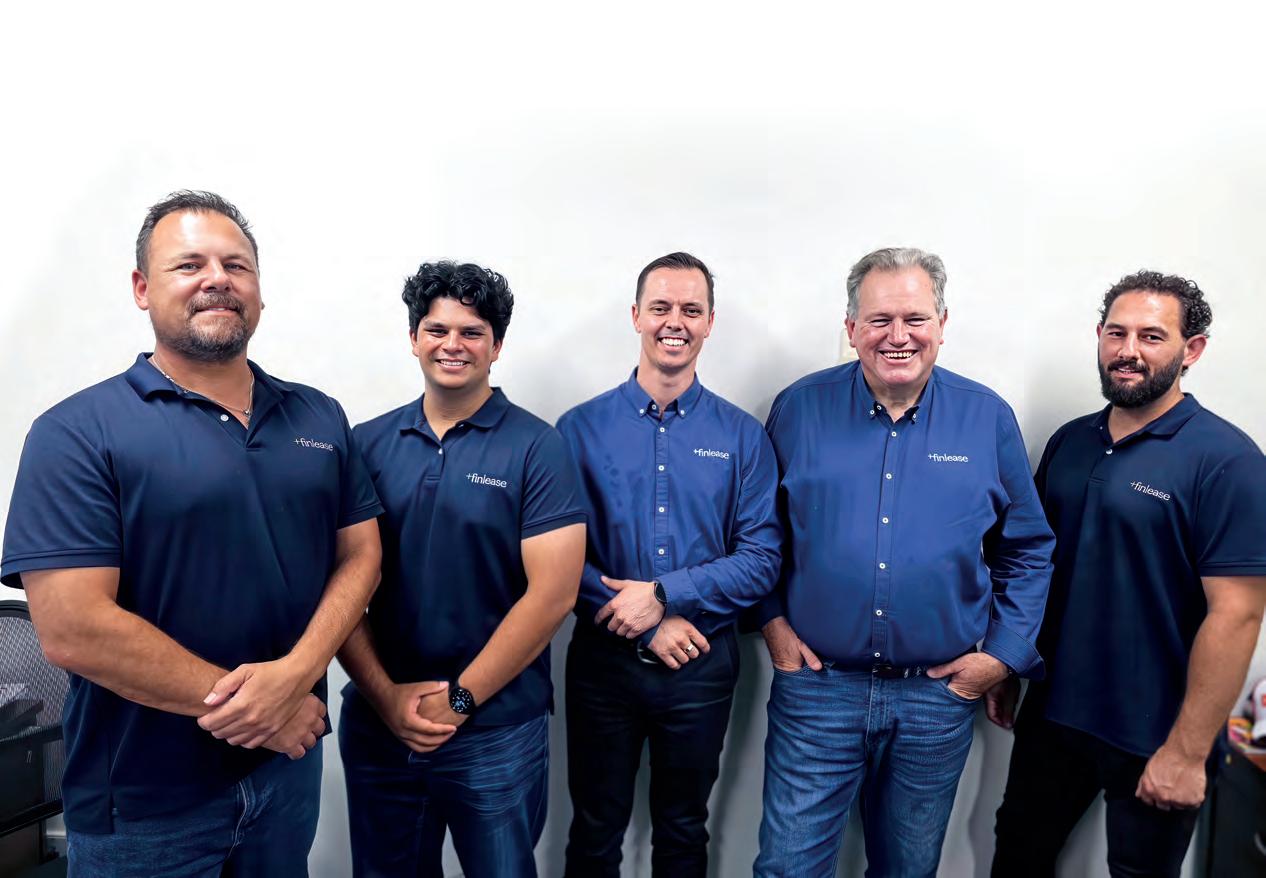
wider range of brands because the financing is becoming more frequent and there are more buyers. The secondary market is becoming more established and as such the banks can be more aggressive with their funding structures”.
Two years ago, Finlease’s Jeff Wilson wrote an article entitled The Winds of Change which highlighted a significant disruptor for familyowned crane businesses. He identified how succession plans were being implemented with the second generation taking over the business.
He also highlighted scenarios where the business founders didn’t have a succession plan and were realising the value in their assets by auctioning them off. The article generated high levels of interest which continue to this day said Chris. “I blame Jeff. The Winds of
Change article has been the catalyst for numerous conversations about succession plans and wealth transfer. It is not a simple process of saying to the next generation ‘here are the keys and off you go,’ it can get very complicated.
“You have the younger generation that is working in a business, gently pushing for the next move and often thinking about taking over the business from Mum and Dad and what does that actually look like?
“There is never a one-size-fits-all model when it comes to taking over. There are different ways for this to be assessed and executed. We have the experience to discuss several different options with families and often look to include accountants, financial advisers ect – to ensure the best outcome,” said Chris.
“The younger generations bring a fresh outlook on how business should be done. They’re talking about
different technologies and different suppliers. If you’re a family business that’s been trading for 30 years and you don’t have succession lined up, that’s a risk. You might have to think about a sale and there are two ways of doing that, someone buys your business, or you auction the assets.”
“For me, indications highlight a straighter road for 2026. Interest rates and currency have stabilised, which always helps. If you examine the bank data, we are going to see modest growth over the next two years, so conditions are improving.
“Works for the Brisbane Olympics will be released in due course and there are several, long-term projects being released across the country. We think crane businesses have navigated the tougher times, and we are now pushing onto a brighter horizon.”


COOMA CRANE HIRE
COSMO CRANES
DEBNER CRANES PTY LTD
EVERWILLING CRANES
FAVELLE FAVCO CRANES P/L
EDWARDS CRANES
SPIDER CRANES
PRESTON HIRE
REGIONAL CONTRACTORS
VICTORIAN CRANE HIRE (VCH)
MAXbase Equipped




The GMK4080L is an outstanding four-axle taxi crane that, with its 60-meter-long boom, offers both the longest boom and the lowest gross vehicle weight in its class. Within 10 t per axle, the crane can carry 5.2 t counterweight and even 13.3 t counterweight with 12 t axle load.
•60 m boom length and capacity matches the 90-100t class (4.8 t @ 60 m)
•Main boom: 11,3m - 60m, 7-section
•Bifold swingaway jib: 8,7 m /15 m (optional)
•Minimum width 2,55 m and overall length 12,82 m
•Carrier cab: Latest generation of Grove carrier cabs
•Increased safety and flexibility with MAXbase variable outrigger system
•Faster Intuitive set-up with CCS (Crane Control System)
•Engine: Mercedes-Benz OM470LA, 300kW


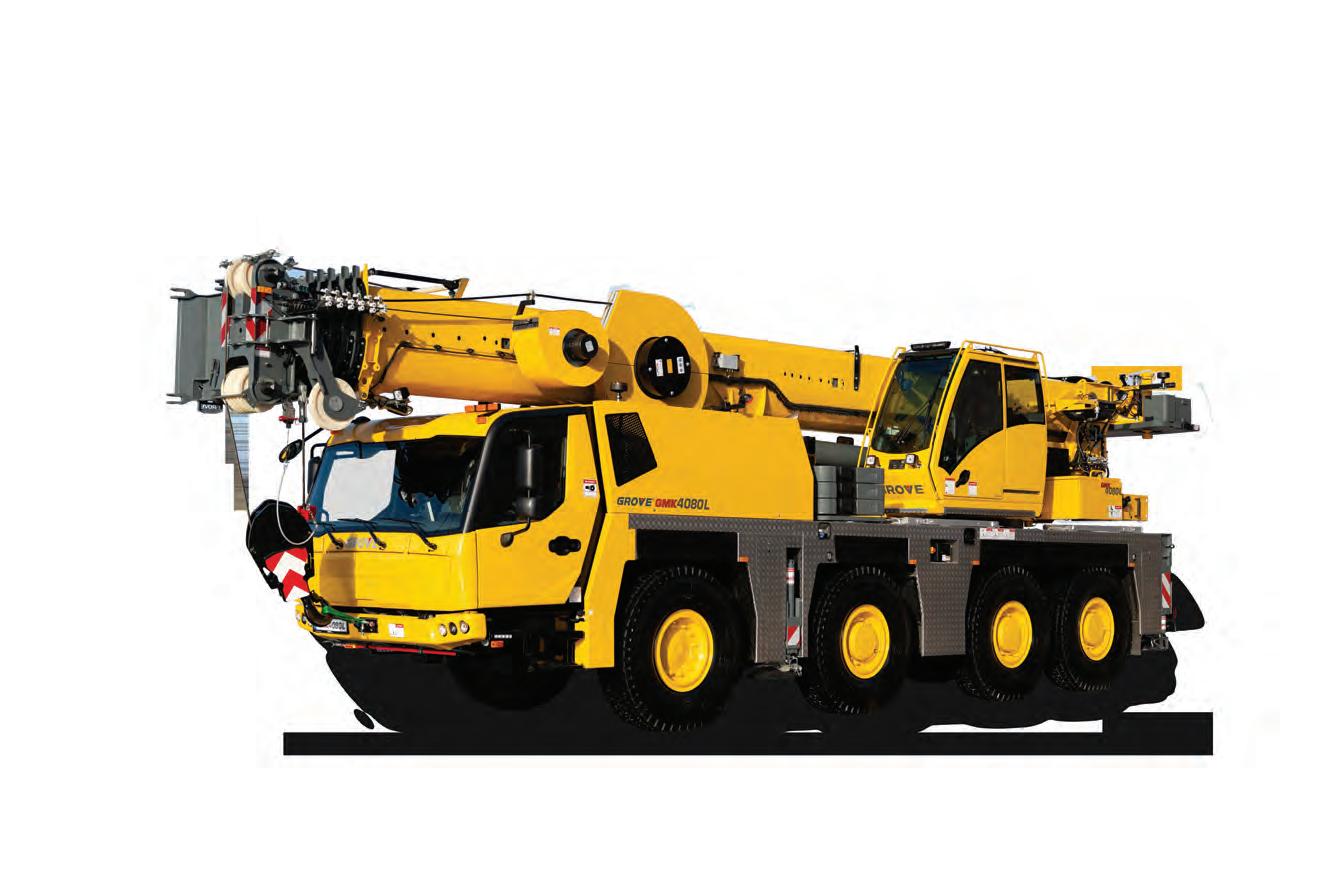


•Capacity: 80 t
•Main boom: 60 m
•Maximum jib: 15 m (0°-40° luff)
•Maximum tip height: 77 m
•GVW: 48000 kg 3
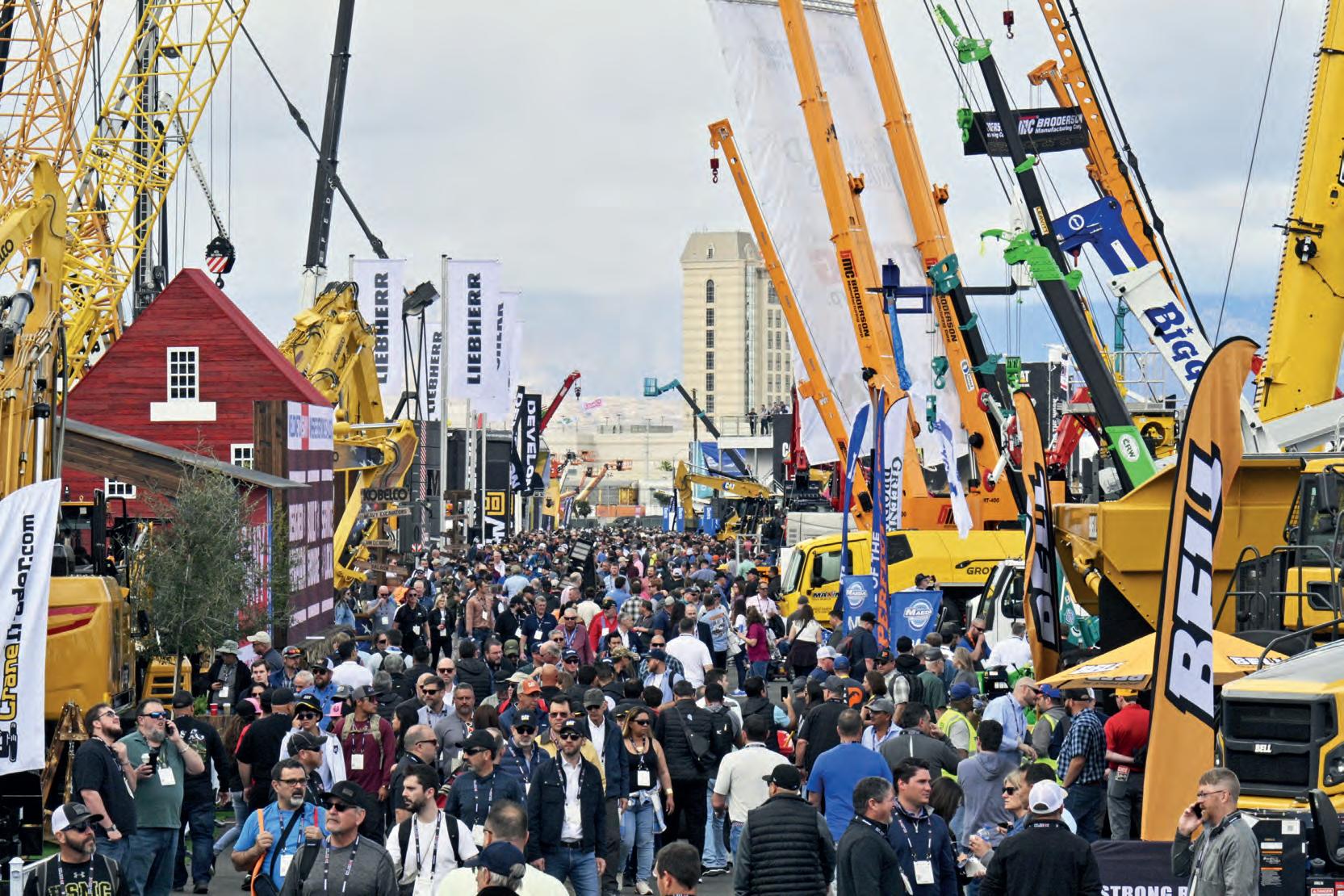
BeyondthispageliesanessentialresourceforAustraliansattending CONEXPO-CON/AGG2026,oneoftheworld’slargestconstruction tradeshows,takingplace3-7March2026inLasVegas,UnitedStates. Planyourvisitaroundthiscomprehensivelistingofcompanies exhibitingatCONEXPOwithconfirmeddistributioninAustralia.
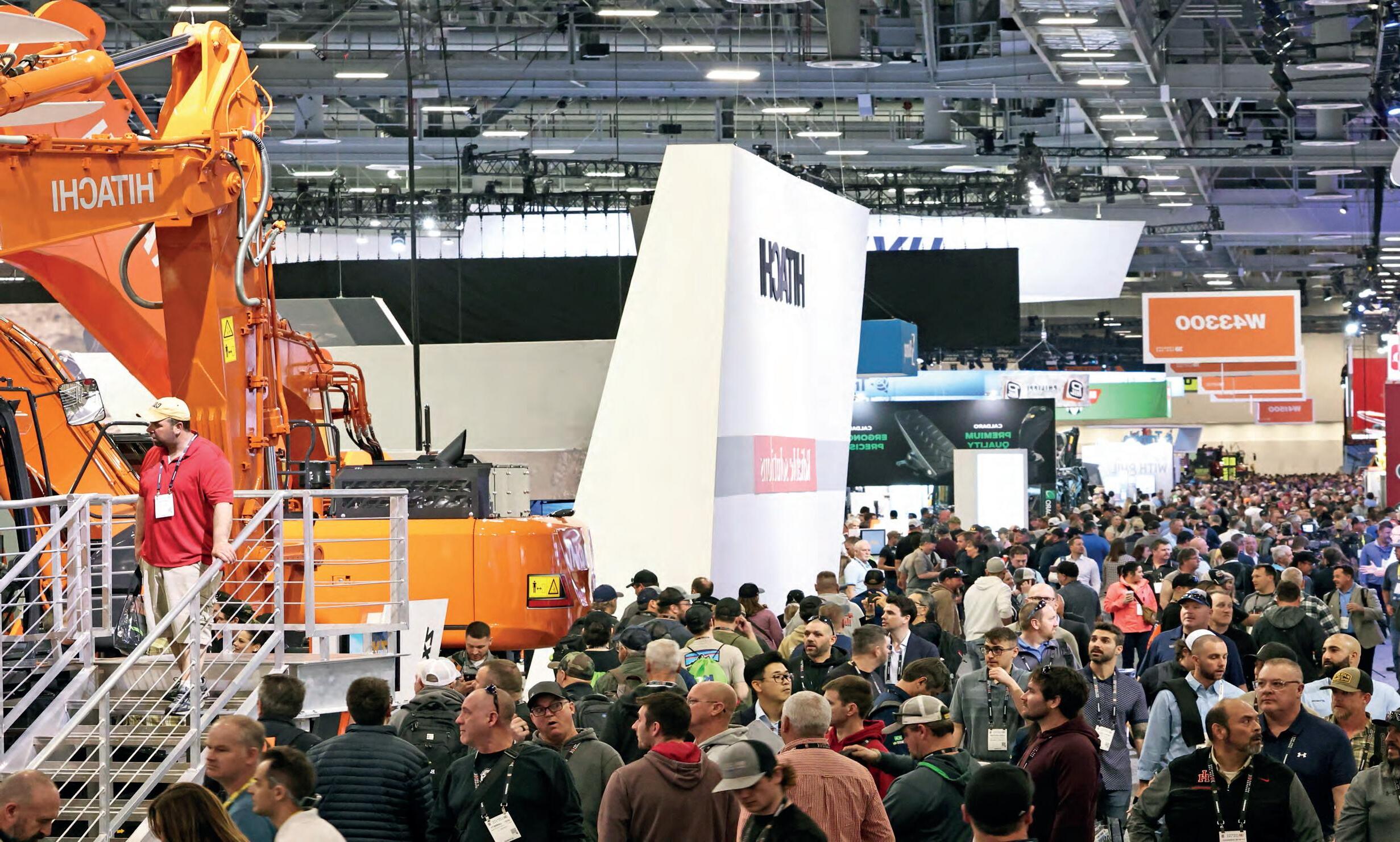
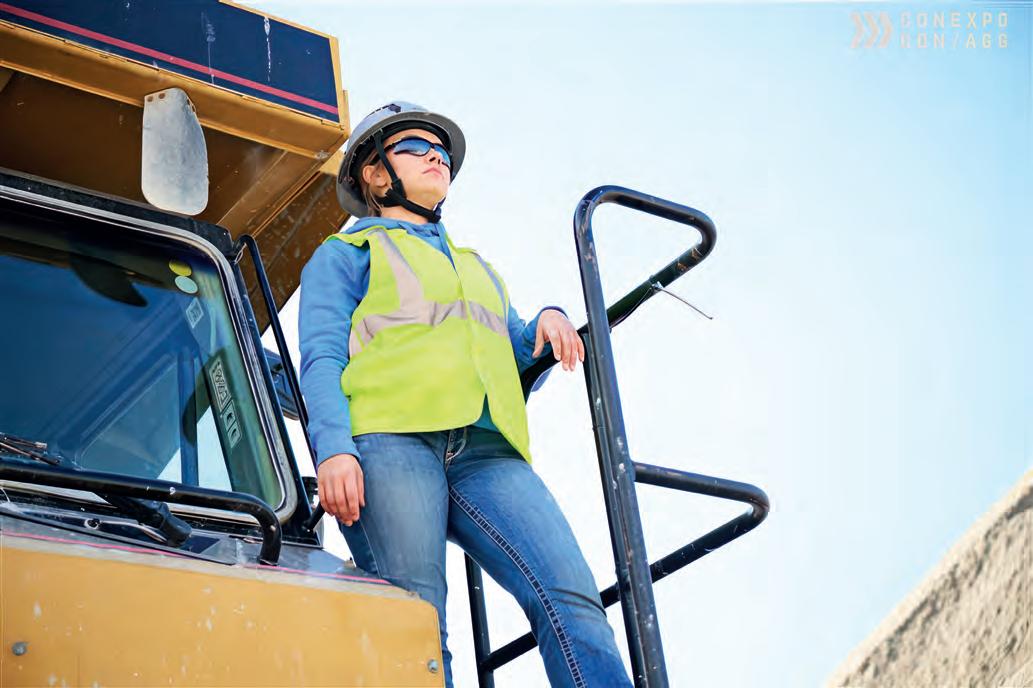
The Empowerher workshop unites women leading the future of construction.
WOMEN ACROSS THE CONSTRUCTION industry will unite at the international construction trade show CONEXPO CON/AGG in Las Vegas for the EmpowerHER Workshop, March 6-7, a two-day program designed to inspire, educate, and connect women leading the industry forward.
The workshop will take place during National Women in Construction Week, organised by the National Association of Women in Construction (NAWIC). The timing underscores a shared mission to celebrate and advance the growing number of women shaping the future of construction.
“EmpowerHER is more than professional development,” said Dana Wuesthoff, Show Director of CONEXPO-CON/AGG. “It is about
building a stronger, more inclusive industry where women lead, innovate, and thrive. This workshop creates space for connection and collaboration among women who are transforming the construction industry.”
Women now make up 11 per cent of the construction workforce, reflecting a 32 per cent increase since 2016. EmpowerHER aims to continue that momentum by providing practical tools, mentorship, and shared experiences that help women strengthen their presence and influence in the field.
The EmpowerHER workshop at CONEXPO CON/AGG includes peer-led panels, motivational keynotes, networking sessions, and interactive discussions that address the unique opportunities and challenges facing women in construction. Topics range from operational strategy to leadership and wellness.
Attendees will engage directly with industry experts and peers who have
The EmpowerHER workshop welcomes owners of womenled construction companies, women in leadership or decision-making roles, and those seeking mentorship or professional development.
navigated similar paths. The sessions are designed to help participants develop new strategies for business growth, workplace inclusion, and community building.
EMPOWERHER WORKSHOP: A TWO-DAY EVENT, MARCH 6-7
The workshop welcomes owners of women-led construction companies, women in leadership or decision-making roles, and those seeking mentorship or professional development. Participants will explore how to apply best practices that expand their network, elevate visibility, and strengthen long-term career resilience.
EmpowerHER Workshop key takeaways:
• Effective tools to expand presence in the construction industry.
• New approaches for problem solving.
• Ways to balance professional growth with personal wellbeing.
• Gain access to resources and peer support networks.
The workshop is open to all registered CONEXPO-CON/AGG attendees. Tickets are priced at $199, with limited seating available. Visit www.conexpoconagg.com.
PLEASE SEND YOUR LIFT OF THE MONTH ENTRIES TO SIMON.GOULD@PRIMECREATIVE.COM.AU
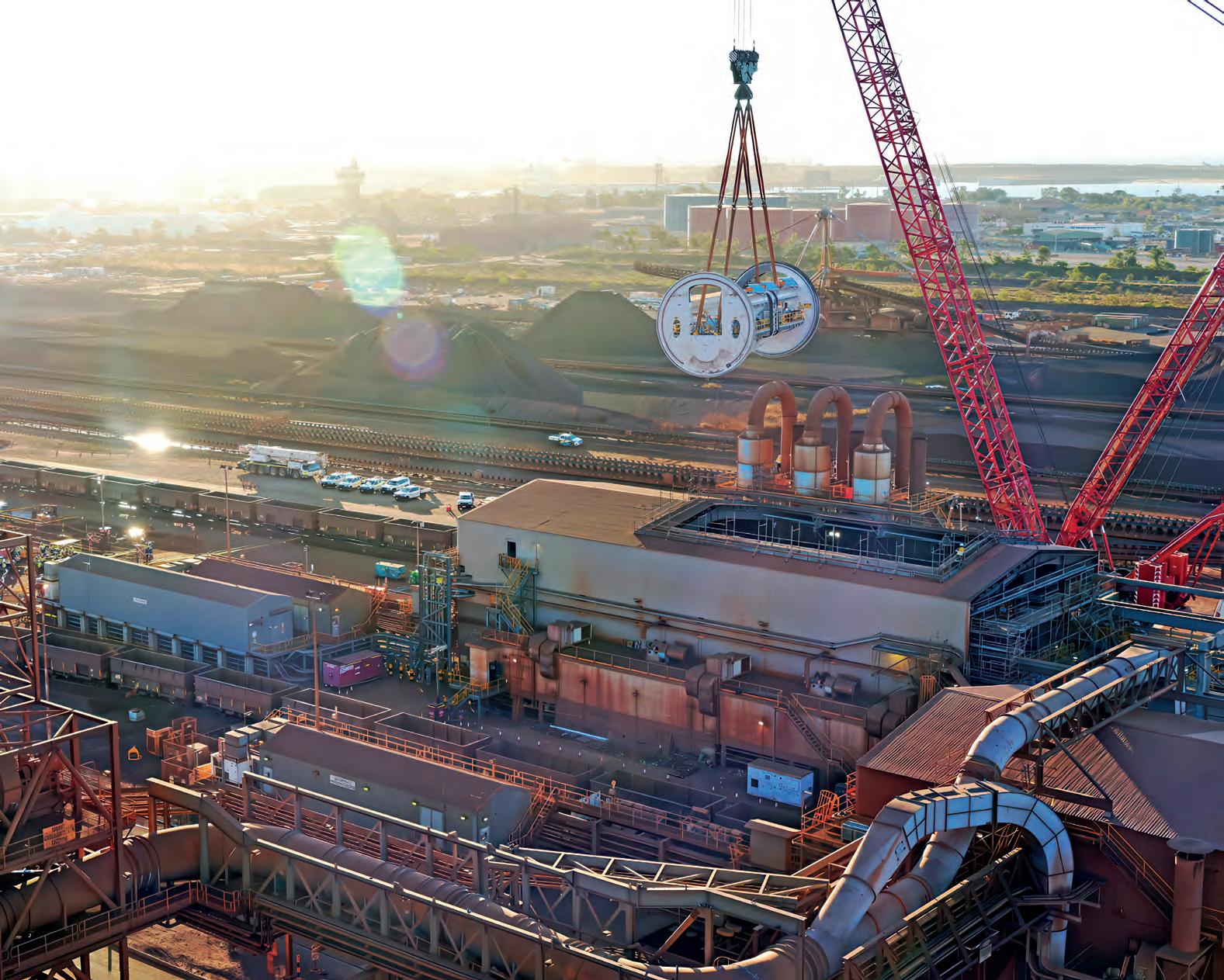
WHO: Monadelphous Group Ltd
WHICH CRANE: Rubino, Monadelphous’ 1600 tonne capacity Tadano CC88.1600-1 lattice boom crawler.
THE LIFT: During a meticulously planned 50 day shutdown, Rubino executed the hero lift: a 452.5 tonne rotary cell at a 37.5 metre radius.