Spring 2026

Spring 2026
Ginger Stewart
Founder & Editor-in Chief
Celeste McCauley
Special Projects Editor
Shawnelle Eliasen, Jody Evans
Contributing Writers
Visit us online: www.pretty-magazine.com Email us: editor@pretty-magazine.com
Pretty, the magazine for your beautiful life, is available online at www.pretty-magazine.com. All rights reserved. No part of this publication may be reproduced, distributed, or transmitted in any form or by any means, including photocopying, recording, or other electronic methods, without the prior written permission of the publisher, except in the case of brief quotations embodied in digital and print reviews.
Copyright © 2026 Pretty Media

When America first met Whitney Miller, she was a 22-year-old college student with a whisk and a dream of becoming the inaugural winner of MasterChef US. Today, the mother of three and thriving entrepreneur reflects on the seasons of her life and the sweetness she’s learned to savor. (22)
(Whitney Miller photographed exclusively for Pretty by Tina Cornett)

Pretty Inspiring

Often dismissed as a minor irritation, eczema is a complex, chronic disease that affects the skin, immune system, and patients’ daily lives.
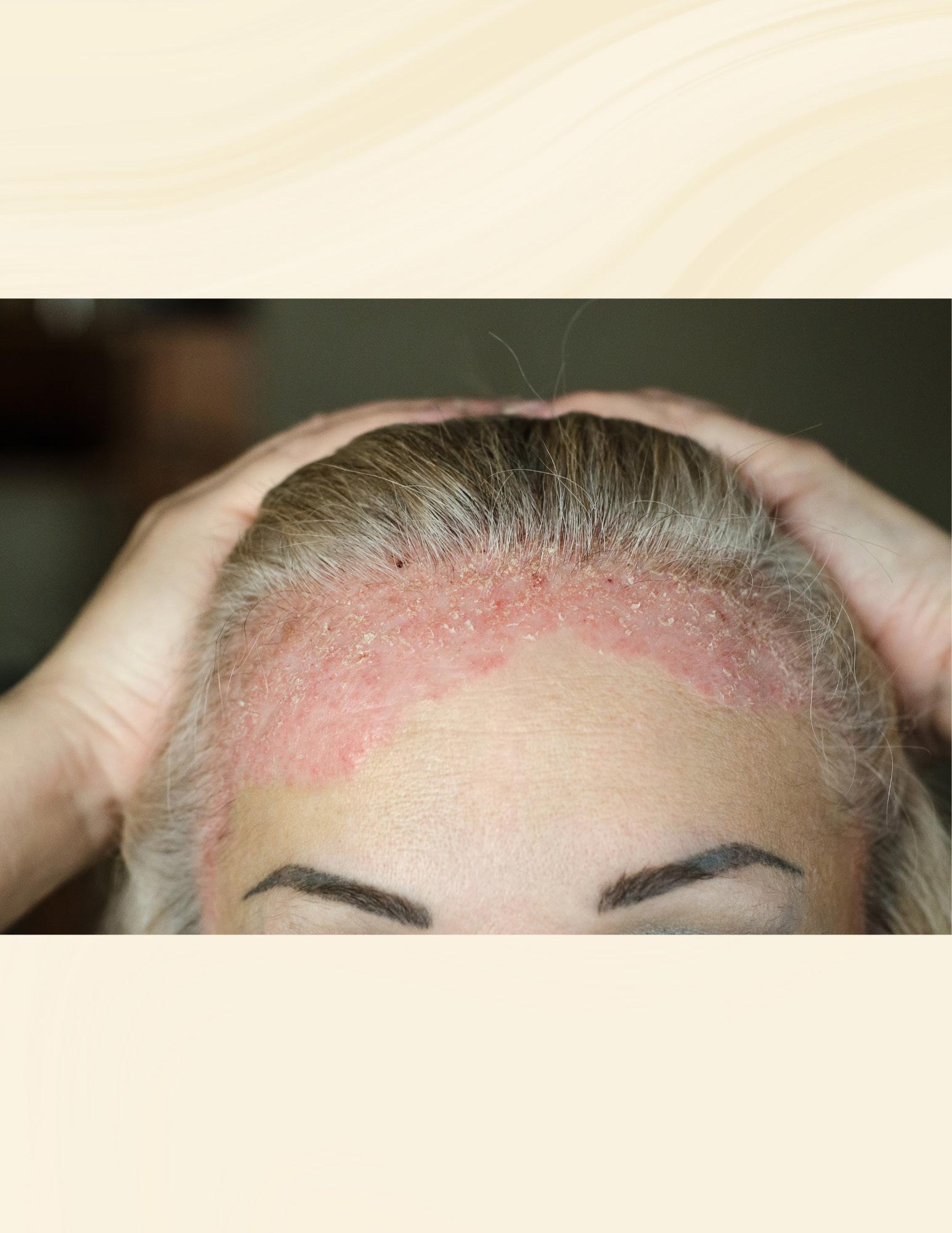
Relentless itching. Inflamed, dry skin. A routine shaped by effective medications, fragrance-free products, and constant vigilance.
Eczema is often described casually—as dryness, sensitivity, or irritation—but for the millions of people who live with it, the condition is far more complex. And for some, it can be life-altering.
“Eczema is a complicated skin disease,” says Kate V. Viola, MD, MHS, FAAD, a board-certified dermatologist practicing in Sparks, Maryland, with a special interest in atopic dermatitis. “Your genetics, your environment, and your immune system play a significant role.”
Clinically, eczema is rooted in a defective skin barrier—a problem that can begin at the genetic level.
“There is a known genetic mutation involved,” Dr. Viola explains. “A protein called filaggrin plays a crucial role in maintaining the skin barrier. When it isn’t functioning properly, the skin becomes dry and vulnerable.”
involved, including genetics, immune response, and emotional triggers.
“Genes are the foundation,” Dr. Viola says, “but the immune system, the environment, and emotional stress all interact. That’s why one person may experience mild, intermittent flares, while another lives with severe, persistent disease.”
Fragranced detergents, soaps, dyes, preservatives, and even seemingly benign products can act as triggers. For skin already compromised by eczema, minor irritants can be interpreted by the immune system as serious threats— setting off inflammation disproportionate to the exposure.
Stress plays a powerful role as well. “Mental health absolutely affects the skin,”
dermatologic care has evolved significantly.
“The most important change is that we now have FDAapproved non-steroidal topical medications that directly block the inflammatory pathways driving eczema,” Dr. Viola says. “Because of that, I rarely rely on topical steroids.”
These newer options target inflammation at its source rather than suppressing symptoms broadly. In Dr. Viola’s experience, they consistently outperform traditional steroid creams while avoiding long-term concerns associated with steroid use.
Some older approaches have also been reconsidered. Bleach baths, once commonly recommended, have largely been debunked by research showing that regular use
“Your genetics, your environment, and your immune system play a significant role.”
That vulnerability allows irritants and allergens to penetrate the skin more easily, triggering an exaggerated immune response. Inflammatory cells rush in, producing redness, itching, and the characteristic rash associated with eczema.
Severity varies widely because multiple systems are
Dr. Viola notes. “We see eczema flare during periods of emotional strain, just as we do with psoriasis, acne and rosacea.”
For decades, topical steroids were the default first-line treatment for eczema. While they can be effective,
of emollients, such as traditional Vaseline or Aquaphor, is more effective for maintaining skin health.
When it comes to moisturizers, simplicity matters. “Everything that touches eczema-prone skin should be gentle, for sensitive skin, and fragrance-free,” Dr. Viola says. She frequently recommends products such
as Vanicream, La RochePosay’s Lipikar, and Avene’s XeraCalm line, noting that affordability and consistency matter just as much as formulation.
For patients with moderate to severe eczema who don’t respond adequately to topical care, systemic therapies may be considered.
Over the past decade, injectable biologic medications have transformed eczema treatment by targeting specific immune pathways involved in inflammation. “These medications block interleukins—signaling proteins in inflammation regulation—that are central to eczema’s development,” Dr. Viola explains.
The result is a more precise approach to treatment, often with fewer side effects than older systemic options. Some of these medications are approved for use in infants as young as six months, underscoring their safety profile when prescribed appropriately.
The Emotional Toll of a Visible Disease
Eczema’s impact isn’t limited to physical discomfort.
“It’s a chronic disease with
no cure at this time,” Dr. Viola says. “That reality can be emotionally exhausting.” She sees patients—especially children and teenagers—who arrive anxious, discouraged, or deeply self-conscious. Some engage in skin picking or avoidance behaviors. Parents often struggle alongside them. However, she believes that with the newer medications as well as stellar research on the horizon, “We are entering a brighter future for patients with eczema.”
“I tell families that this is something we manage together,” she says. “When patients understand that there’s a plan, that improvement is possible, the emotional burden often lightens.”
Addressing stress, anxiety, and self-esteem isn’t optional, she emphasizes. “This isn’t just about what’s happening on the outside of the body,” Dr. Viola emphasizes. “It’s about what’s happening inside as well.”
Many patients explore dietary changes, supplements, or herbal remedies in hopes of easing symptoms. Dr. Viola believes there can be room for complementary approaches—with important guardrails.
“The concern is when families rely solely on alternative treatments that aren’t working, especially for children with severe disease,” she says. “At that point, medical care becomes essential.”
Ironically, many products marketed as “clean,” “natural,” or “plant-based” pose particular risks for eczema-prone skin. Research conducted at Stanford with the American Contact Dermatitis Society found that nearly 90 percent of such products contain at least one potential allergen or irritant.
Dr. Viola recalls a case in which an infant was hospitalized after lavender oil—chosen with the best of intentions—dramatically worsened severe eczema.
“Weak skin barriers react strongly to allergens,” she explains. “Natural doesn’t mean safe.”
Diet can influence inflammation, though changes take time. Dr. Viola often points patients toward anti-inflammatory eating patterns, such as the Mediterranean diet, emphasizing whole foods, omega-rich fats, and reduced sugar and processed foods. Probiotics may help some patients, though research is ongoing and strains vary widely.
“The key,” she says, “is working with a boardcertified dermatologist to make thoughtful, individualized choices.”
Eczema is not contagious. It is not caused by poor hygiene. And it is not a failure of selfcare.
It may be genetically driven and is an immunemediated disease that requires patience, flexibility, and increasingly precise medicine.
Ultimately, effective eczema care begins with understanding the condition as it truly is — complex, chronic, and deserving of thoughtful care. ❧
By Ginger Stewart, with additional reporting from KB Cooper
PRODUCTS MENTIONED BY DR. VIOLA:
Vanicream
La Roche-Posay Lipikar
Avène XeraCalm
(Links provided for reader convenience.)
Natural doesn’t automatically mean safe — especially for skin with a compromised barrier.

By Dianne Boyer dianneinstyle.com
intage-inspired track pants are an elevated version of athleisure, with a touch of nostalgia. Here’s how to get in on the look regardless of your age. ( All looks from Amazon)

A step up from a hoodie or sweatshirt: Cropped bomber jacket, $29.99.

Low-profile sneakers, rather than chunky running shoes, keep the look sleek. Adidas Originals Women’s Tokyo Sneakers, $97.96.

A fashion “do” for all ages: Wideleg Track Pants , $28.99.
You can match your tank to your sneakers...or not.
Loose fit tank top, $17.99.


Add a dash of texture in a fun yet functional way with a Quilted Puffer Bag, $28.99,

A cropped trench coat adds sophistication to the look, and helps keep the outfit’s proportions in check. $39.99
A dainty, layered necklace and small earrings add just the right amount of polish and shine. Kendra Scott Medallion Triple Strand Necklace, $88.50, and Kendra Scott Mikki
Metal Huggie Earrings , $55.




This crescent bag’s smooth texture keeps the entire look chic and intentional. $22.90
To help simplify spring dressing, we turned to wardrobe stylist Solita C. Roberts, founder of Style to Impact, who encourages women to consider how clothing feels as much as how it looks. Her five picks focus on comfort, ease, and the subtle lift that color and thoughtful design can bring to everyday outfits.
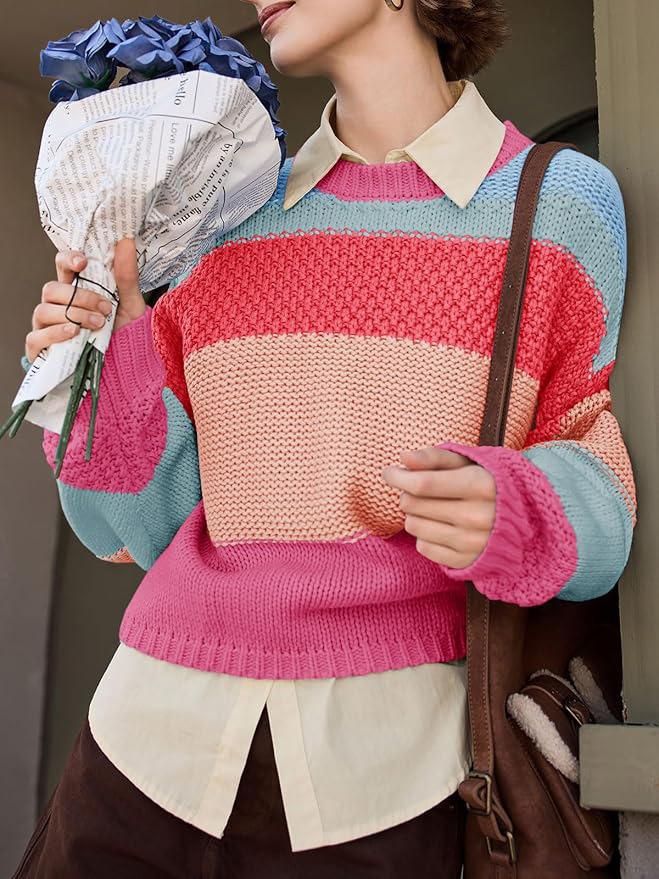
A colorful sweater earns its place by offering flexibility rather than commitment to a single shade. Roberts suggests choosing a lightweight knit with multiple tones woven in, making it easier to build outfits from pieces you already own. “When there’s more than one color at play, you have more options without buying more,” she says.


Comfort starts with what you wear closest to your body, and Roberts says a wireless bra can make a noticeable difference. Without underwire or heavy padding, it offers support while staying smooth under clothing. “If something underneath is uncomfortable, it affects how everything else feels,” she notes. “Replace about every six months for proper fit.”


Instead of defaulting to a white button-down, Roberts recommends introducing color through a striped linen shirt. The breathable fabric keeps the look grounded, while color adds interest without feeling overwhelming. “Linen already feels laid-back, so color doesn’t feel intimidating,” she explains. Wear open, sleeves rolled for a laidback look.

Wide-leg denim offers a relaxed alternative to more restrictive silhouettes while still feeling polished. Roberts points to the ease of movement as a key benefit, noting that comfort often translates into confidence. “Wide-leg jeans feel more relaxed on the body, and that changes how you move through your day,” she says.
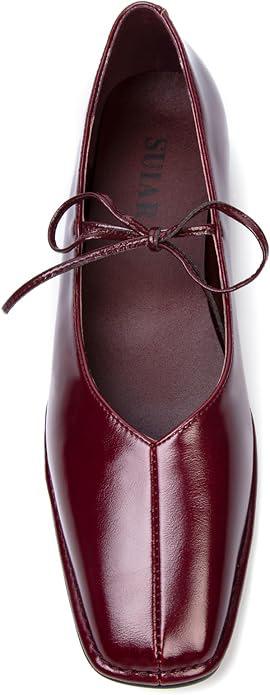
Ballet Flats
Rather than owning dozens of pairs, Roberts believes one reliable shoe matters most. A modern ballet flat, she points out, bridges casual and dressy with ease. “It’s the shoe you don’t have to think about,” she explains. Comfortable enough for everyday wear and polished enough for multiple settings, it’s a piece that earns repeat use. ❧
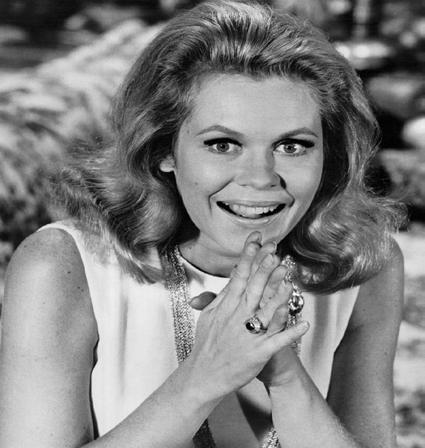
Everyone’s favorite witch next door, Montgomery’s natural beauty and of-the-moment style were woven seamlessly into her spell.
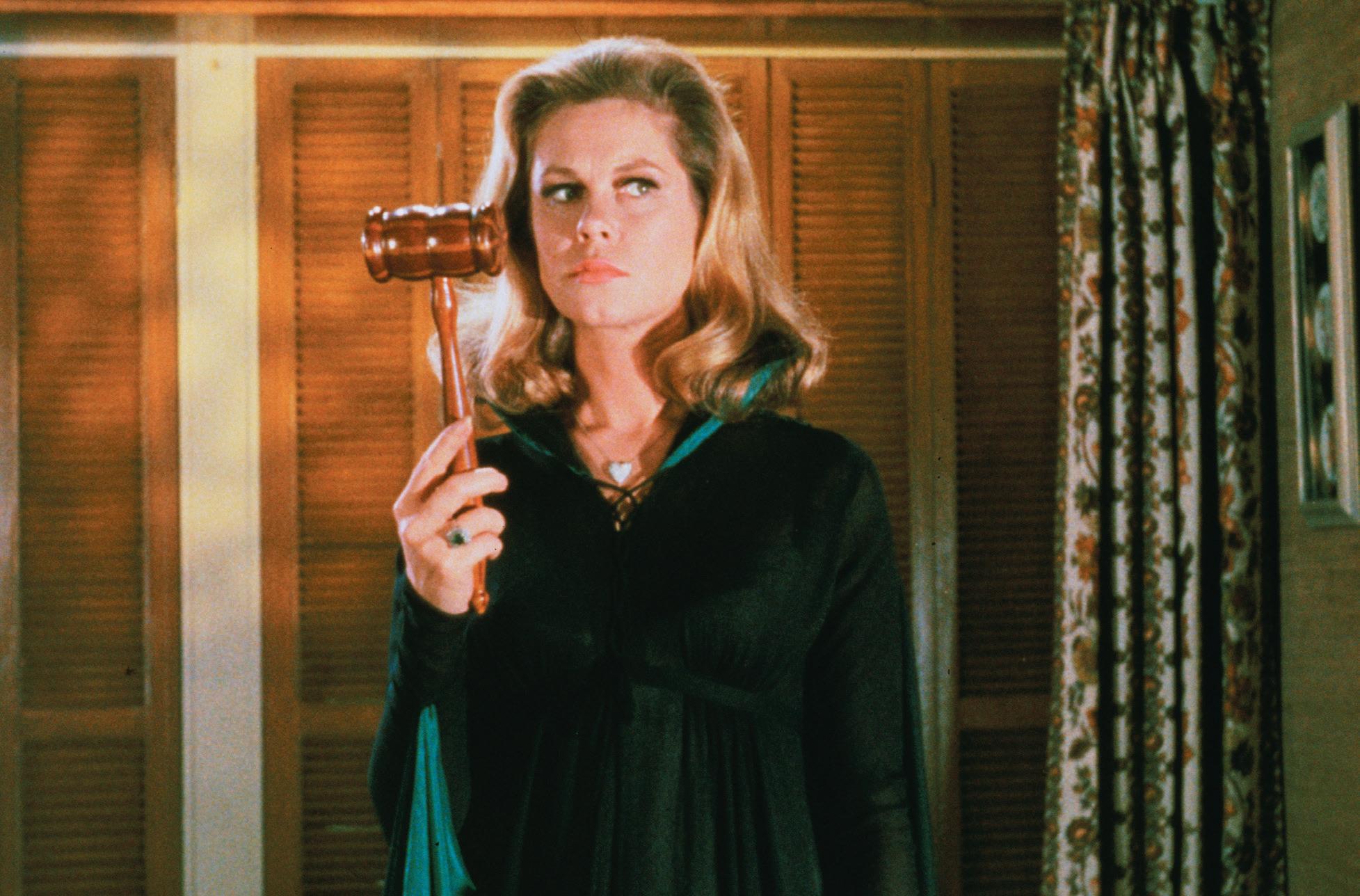
Sedat Gurel of NYC’s Abby Haliti Color Studio says the ’60s voluminous, turned-under blowout Samantha wears here was likely achieved using “a classic brush-based styling technique of the era.” To recreate the look today, a smooth blowout still works, balanced with soft layers.
Gurel suspects that Samantha’s warm, golden blonde from roots to ends is likely the actress’s natural color, possibly enhanced with a gloss for added shine. To achieve the look today, he recommends warm-toned French balayage with gentle face-framing highlights.
Makeup artist Natalie Moore loves this eyeforward look, a hallmark of 1960s beauty. While that emphasis still feels current, she recommends a lighter shade in the crease, with liner and shadow focused on the outer corner instead of the inner. Keep the soft peach lip to balance the strong eye, but trade the powderheavy foundation finish typical of the time for a more luminous look by using a setting spray to melt the makeup into the skin. For this, Moore prefers One/Size Beauty’s Powder Melt Spray. “It’s a secret weapon in my kit,” she says.
From Jackie O–era A-lines and polished heels to bold prints and flats, Samantha’s style evolved alongside Bewitched from the mid-’60s into the early ’70s. Here’s how to get the look now.

Samantha’s early style reflected her desire to blend into the mortal realm.
Simple A-line dresses fit the bill elegantly. $45.99, Amazon.

This cropped, collarless jacket still tracks today over a simple A-line—minus the era’s wristlength gloves. $19.99, Amazon.
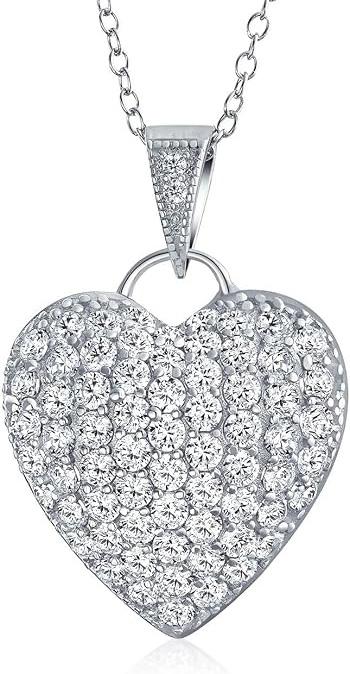
Fans of Bewitched will recognize the diamond pavé heart pendant Samantha often wore onscreen. The necklace was a gift from Elizabeth Montgomery’s thenhusband (and the show’s producer), William Asher, given as a symbol of their love. As their marriage deteriorated, the pendant appears less and less frequently. It’s said that Montgomery later gave the necklace to a prop master’s wife. Onscreen, though, the symbol continues to sparkle.
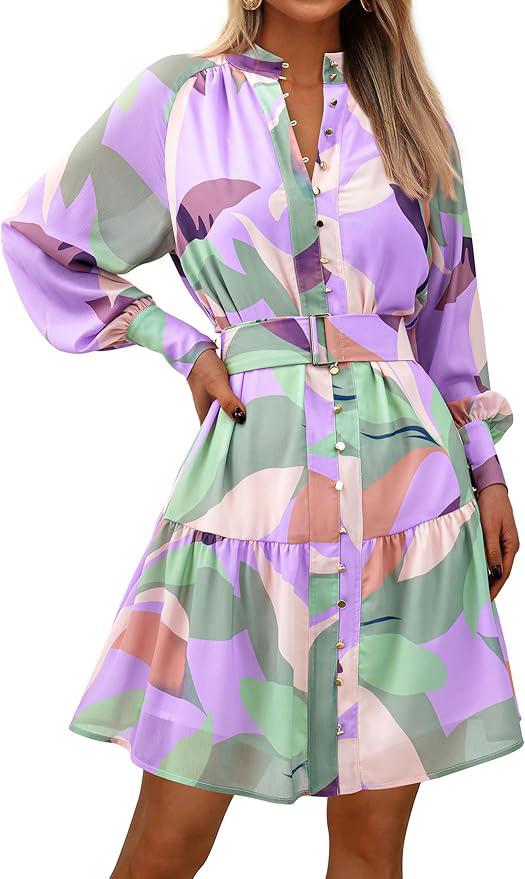
The line between proper Samantha and freespirited Serena became blurred toward the show’s end. Flowy mini dress, $24.99, Amazon.

In both time periods, Samantha preferred low heels or flats. These sling back kitten heels are similar to a pair she wore. $43.98, Amazon.
By Ginger Stewart

Iwouldn’t say I love being pale. But I recognize it as part of who I am. That feels like progress—because I wasn’t always comfortable in my own fair skin.
In my youth, “healthy tan” was a catchphrase, as if the sun itself were a multivitamin. Bain de Soleil ads featured women bronzed to the color of strong coffee. In the 1970s and 80s, everyone looked like they’d just stepped off a boat.
Except for me.
I hated tanning—not just because I fried instead of browned, but because the whole process felt miserable. Alabama summers were humid and relentless, and the idea of peeling myself off a plastic lounge chair in my backyard—one of those rubbery ones that carved red stripes into your skin and made a noise when you turned over—held no appeal
whatsoever. Tanning at the beach or by a pool, where you can jump in the water, is one thing. But alone on a deck, slowly sticking to furniture? That felt like punishment. I would have preferred air conditioning and a good book.
Still, I longed to fit in. I remember an ad in Seventeen magazine of a tanned surfer girl coming out of the water, her long blonde hair in waves. Since I had blonde hair, too, I thought maybe—if I just tried harder—I could look like that.
The summer before my senior year of high school, I managed to build up a semblance of a tan. I did it slowly and carefully. I hated every minute of it, but I liked the result. Self-tanners back then were obvious and orange, so this was the real thing. For the first time, I wore shorts without feeling embarrassed.
Before that, kids had called me Casper the Ghost. People loved holding their arms up next to mine to show how much darker they were— as if being tanner than I was heralded some great achievement. (It’s like bragging that you’re stronger than a flea.)
Then something shifted.
By the time I was in college in the 1990s, dermatologists were sounding alarms about skin cancer and premature aging. And suddenly, there were women in the public eye who were unapologetically pale. Nicole Kidman and Julianne Moore might never be in a Hawaiian Tropic calendar, but that made them no less beautiful. Could it be that there were looks besides “beach babe”?
with a friend of mine who teaches high school anatomy that I could serve as a visual aid for the circulatory system.
It’s not glamorous, exactly—but it is useful. And at a certain point in life, usefulness starts to feel underrated.
But just because I learned to lean into my fair skin doesn’t mean the rest of society did. The comments never fully stop.
When I was a young teacher, some of my students had, let’s say, insights to offer. Even a colleague told me I reminded him of someone on television. The punchline? A vampire from Buffy the Vampire Slayer –very funny. (It’s not like he was Brad Pitt.) It’s strange to me how people
“I’m a phlebotomist’s dream come true.”
Thankfully for those of us prone to Casper comparisons, fake tans have evolved nicely. I do think tanned limbs simply look more toned, so I’ve made friends with tanning mousse for occasions that show leg. But I consider it an accommodation more than an aspiration.
Looking back, I’m grateful that I was forced to mostly shun the sun. People tell me I look young for my age, and I suspect it’s because I started wearing sunscreen daily at nineteen and consciously avoided the sun—at least on my face.
My arms and hands tell a slightly different story. I didn’t realize, back then, that skipping sunscreen there would catch up with me. Now they show hyperpigmentation and brown spots my face doesn’t. It’s a quiet reminder that protection—or the lack of it—adds up.
There are also practical perks to being pale— something I didn’t appreciate until adulthood. I never get stuck twice during a blood draw. My veins are clearly visible, right there for the taking. I always tell the person drawing my blood that I’m their dream come true. I joke
who wouldn’t dream of making a comment about someone’s weight or height or anything else seem to think it’s fine to comment on my skin color.
Last summer, after a family trip to the British Virgin Islands, I spilled something on myself at the airport. The only clean options in my carryon were a pair of shorts or cat pajama pants. Given that my fake tan had faded by then, I very seriously considered the pajamas, but I told myself I was just being self-conscious and silly.
I wasn’t.
My brother-in-law, the family jokester, offered a quip. At first, it stung, just like I was in junior high again. Then I remembered that he teases only the people he’s closest to. I decided to take it as proof that I was fully family now. As we snaked through security, I stuck my leg out in his way and said, “That’s right. Drink it in.”
Maybe that’s what learning to love something about yourself looks like—not pretending it’s your favorite feature, not insisting it’s perfect, but owning it with humor and perspective. This is my skin. It’s carried me this far. And that’s enough. ❧

My dermatologist recommended I try Dr. Brenner’s 20% Vitamin C Serum, promising that it’s as good as more expensive brands. It takes out redness and smoothes skin, and I’d swear it has made my pores smaller. –Tammie, professional hairstylist (Amazon, $23.99 for 1 oz)
In a world of influencer kickbacks and sponsored content, whom can you believe about which products actually deliver? That’s why, in each issue, we ask...
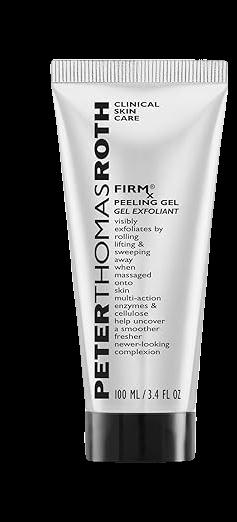
I use Peter Thomas Roth | FIRMx® Peeling Gel all over my face after cleansing and before moisturizing. It rids my skin of any dryness and gives me a smooth canvas for additional skincare products and makeup. –Jeanie, singer/ actress (Amazon, $49 for 3.4 oz)
...what really works for them.

I just started using Vanicream Daily Facial Moisturizer, and I’m obsessed! It quenches my skin’s thirst and has made my skin like glass: smooth, smallerlooking pores, and always glowy. This is my FAVE! –Ashby, healthcare worker (Amazon, $13.97 for 3 oz)
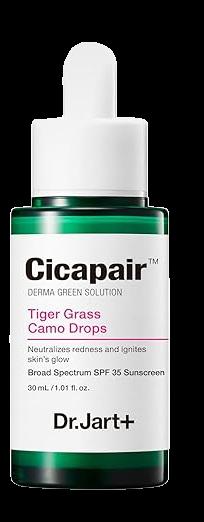
I’m always looking for products that calm my rosy complexion. (Yes, that’s a euphemism for rosacea!) Dr.Jart+ Cicapair Tiger Grass Camo Drops gets the job done like none other. –Leigh Ann, executive for a nonprofit (Amazon, $49 for 1.01 oz)

My dermatologist recommended K18 AirWash Dry Shampoo because it provides some volume and fullness without leaving a residue. I’m sure it cleans as well, but that’s not why I use it! –Kay, retired teacher (Amazon, $48 for 4 oz)
I use It’s a 10 Miracle Blowdry Volumizer every time I dry my hair. Just a few sprays at the roots just below my part give me the right amount of lift without being sticky or overdone. –Elizabeth, marketing instructor (Amazon, $16.78 for 6 oz)


The Cali Contour Palette from Smashbox is my go-to. I’m very low maintenance, so I use this mostly as eyeshadow, but for special occasions, I also use it for blush and highlights. The shades are neutral, so I can look natural instead of “made up.” –Betsy, communications consultant (Amazon, $46)

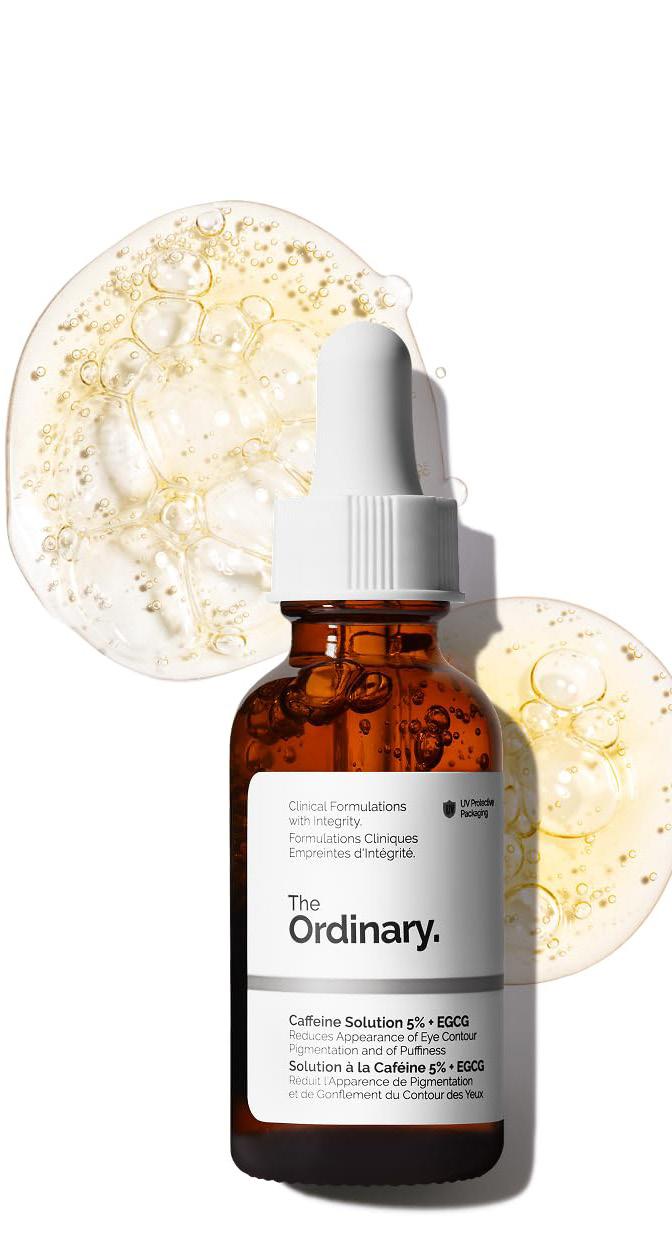
I have chronic dry eye, which causes my eyes to get extremely puffy each morning. The Ordinary Caffeine Solution 5% + EGCG Serum works miracles calming that puffiness. I use it every day. –Kendra, paralegal (Amazon, $9.20 for 1 oz)
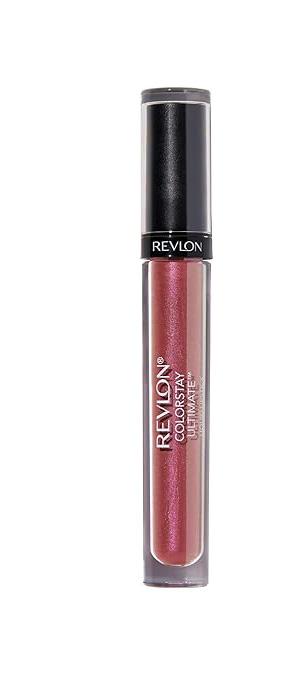
I love Revlon ColorStay Ultimate Liquid Lipstick because it gives color but not too much color. It has a natural look and really does stay on all day. –Irene, author (Amazon, $15.49 for 0.1 oz)
VI DERM Growth Factor Repair Cream is my daily go-to to restore and maintain my skin’s health. It reduces the appearance of wrinkles and makes my skin feel firmer by actually stimulating collagen and elastin production. –Alice, Realtor® (Amazon, $110 for 1 oz)

ETHEREAL YET STRONG. WARM BUT MYSTERIOUS. UNDENIABLY CAPTIVATING.
“Michelle Pfeiffer, that white gold...”
In the 2014 hit song
“Uptown Funk,” Michelle Pfeiffer’s name serves as shorthand for a very specific type of glamour — polished, rare, and a little untouchable. It’s a reference that requires no explanation.
Pfeiffer’s beauty is, by any standard, extraordinary. Perfectly balanced features. High cheekbones. Clear blue eyes that make her gaze impossible to ignore. Her face holds a rare balance of angularity and softness, a symmetry that feels both striking and approachable.
Hollywood has never lacked beautiful, blue-eyed blondes. But few have registered quite the way Pfeiffer does. Her beauty feels ethereal, but never fragile. Luminous, without being showy.
Beauty, Tempered by Restraint
And yet beauty alone doesn’t explain longevity. Plenty of actresses have checked the same boxes. What sets Pfeiffer apart is not just how she looks, but how she seems to relate to it.
Film critic Richard Corliss once described her as “a Jean Harlow who taught herself to be Carole Lombard.” The comparison draws on two very different classic Hollywood archetypes. Jean Harlow embodied raw, unapologetic sensuality—brash, funny, and a little dangerous. Carole Lombard, by contrast, was known for her wit, sophistication, and impeccable comedic timing. Corliss’s point was not that Pfeiffer resembled one or the other, but that she combined both: the magnetism of a bombshell, shaped by intelligence, restraint, and control.
“There is nothing simple about being a beautiful blonde.”
He sharpened the idea further by calling her “Marilyn Monroe carrying off a masquerade as Grace Kelly.” Again, two opposing energies: Monroe’s vulnerability paired with Kelly’s cool composure and authority. Pfeiffer’s beauty, in this reading, is neither loud nor needy. It is contained, deliberate, and quietly powerful.

As Elizabeth Coffman, a professor of communication at Loyola University Chicago, has noted, “there is nothing simple about being a beautiful blonde” in Hollywood. Coffman explains that, rather than fighting against admiration, Pfeiffer often plays characters who acknowledge being looked at, then pull away from it, redirecting the audience’s attention toward the story rather than her beauty.
That same quality appears offscreen as well. When Pfeiffer was asked about the “Uptown Funk” lyric during an appearance on The Graham Norton Show, she laughed and brushed it off, joking about how cringeworthy her son found the whole thing. There was no sense of her taking any of it too seriously—just an easy awareness that this is how she’s perceived.
Media strategist and cultural commentator Tracy Lamourie believes that restraint has been central to Pfeiffer’s enduring appeal. “Michelle Pfeiffer understood that mystery creates longevity,” Lamourie says. “She didn’t constantly narrate her life or chase relevance. She simply remained Michelle Pfeiffer —and that decision set her apart.”
It’s a choice that has aged extraordinarily well. Today, Pfeiffer continues to resonate as a figure of elegance and control—a woman whose authority comes not from accessibility, but from selfpossession.
In an industry overflowing with beautiful faces, Michelle Pfeiffer became iconic not by insisting on her beauty, but by quietly teaching us to look past it. ❧
When life feels loud, singer and songwriter Katy Nichole reaches for products that feel soothing, familiar, and genuinely comforting. Because she lives with eczema, she’s intentional about what she uses—favoring gentle formulas, trusted staples, and a few small luxuries that make everyday routines feel special.
“You find something you love, and suddenly you’re paying forty dollars for lip oil.”
From soft hair care to calming skincare and feelgood beauty favorites, these are the products she turns to again and again.

“My hair is really thick, so I use their anti-frizz products. They make my hair so soft and silky, and even the dry shampoo doesn’t leave residue. Honestly, all of it is good.”
Vanicream Moisturizing Cream

“I have very sensitive skin and deal with eczema, so I had to find products I could truly trust. Vanicream has been a lifesaver.”
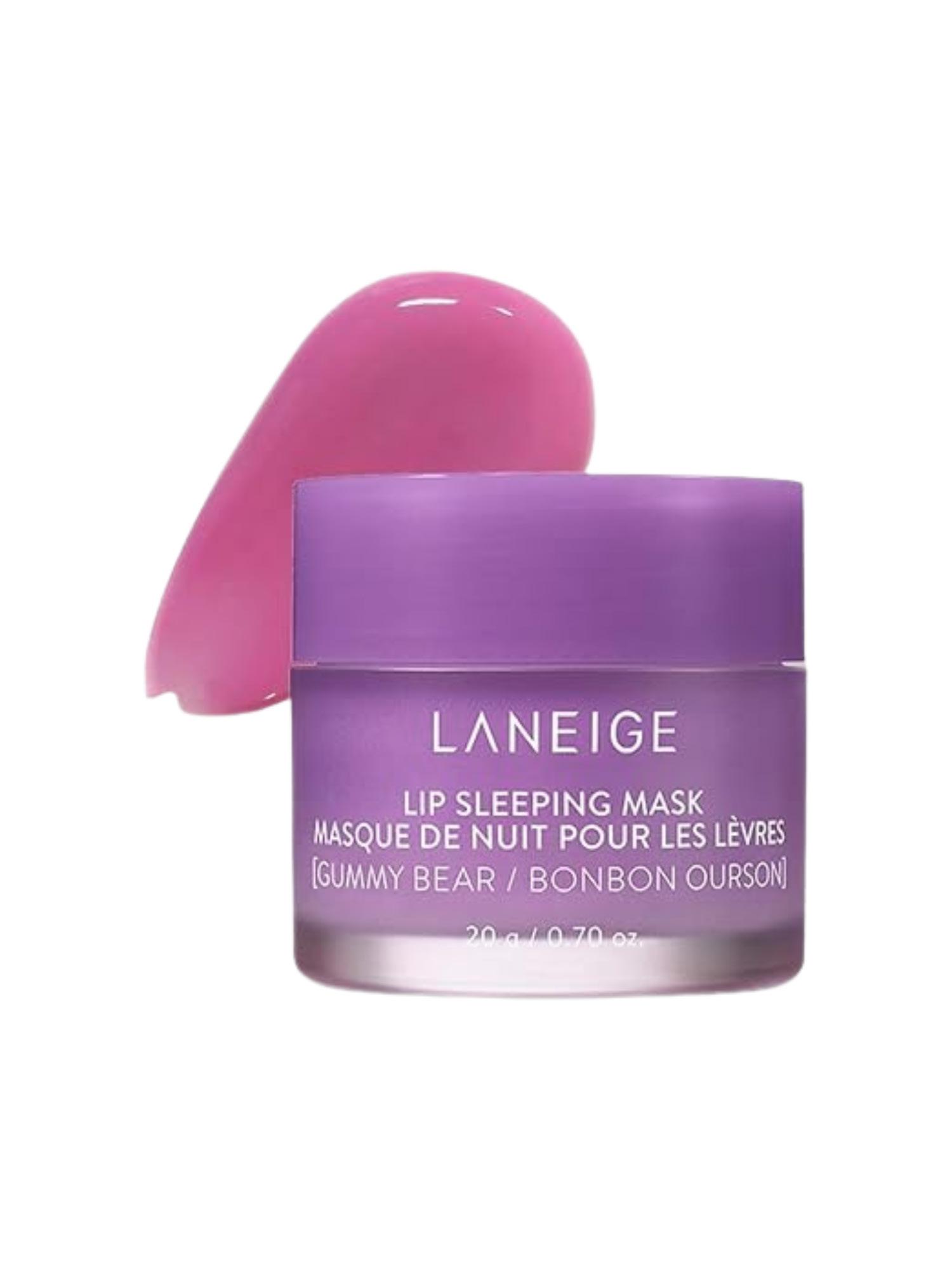
Laneige Lip Sleeping Mask (Gummy Bear)
“It smells so good, and my lips feel so soft. I use it all the time.”
TheraBody TheraFace Mask Glow

“I’m big into red light therapy. This is something I actually use and love.”

Revlon One-Step Volumizer Plus Hair Dryer and Styler

“It’s easy, it works, and it gives me the kind of blowout I actually want.”
bareMinerals Translucent Powder
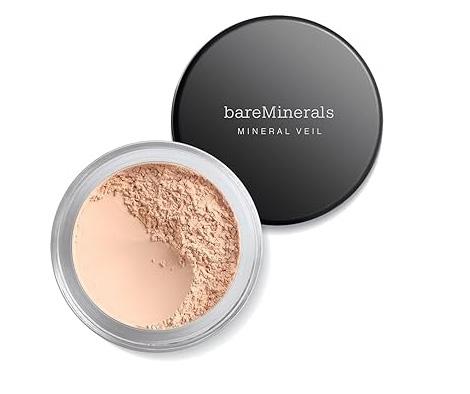
“It’s
incredible. Lightweight, natural, and never looks heavy on my skin.

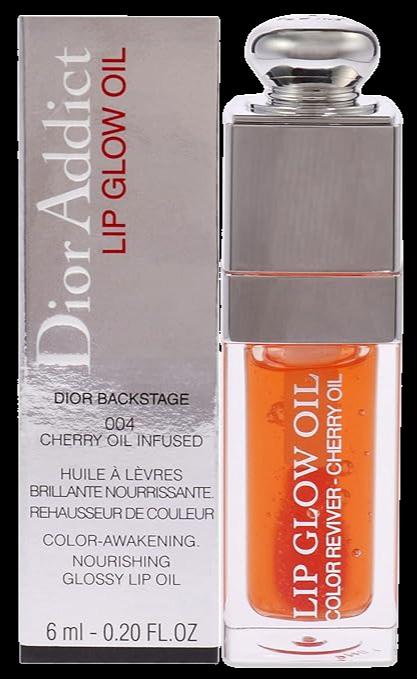
Dior Lip Oil
“This is one of my bougie items—but once you try it, you can’t go back.” ❧

By Ginger Stewart
We pulled into Thompson’s Station on a late February morning that felt like the first true exhale of spring. The air was warm enough to leave coats behind, and along the drive, daffodils stood fully open—bright and unapologetically yellow. Poets are warned against the pathetic fallacy—the idea that nature shares our feelings— but magazine editors may be forgiven for believing those daffodils knew exactly what we needed for a spring issue shoot.
Homestead Manor rises from 48 pastoral acres like
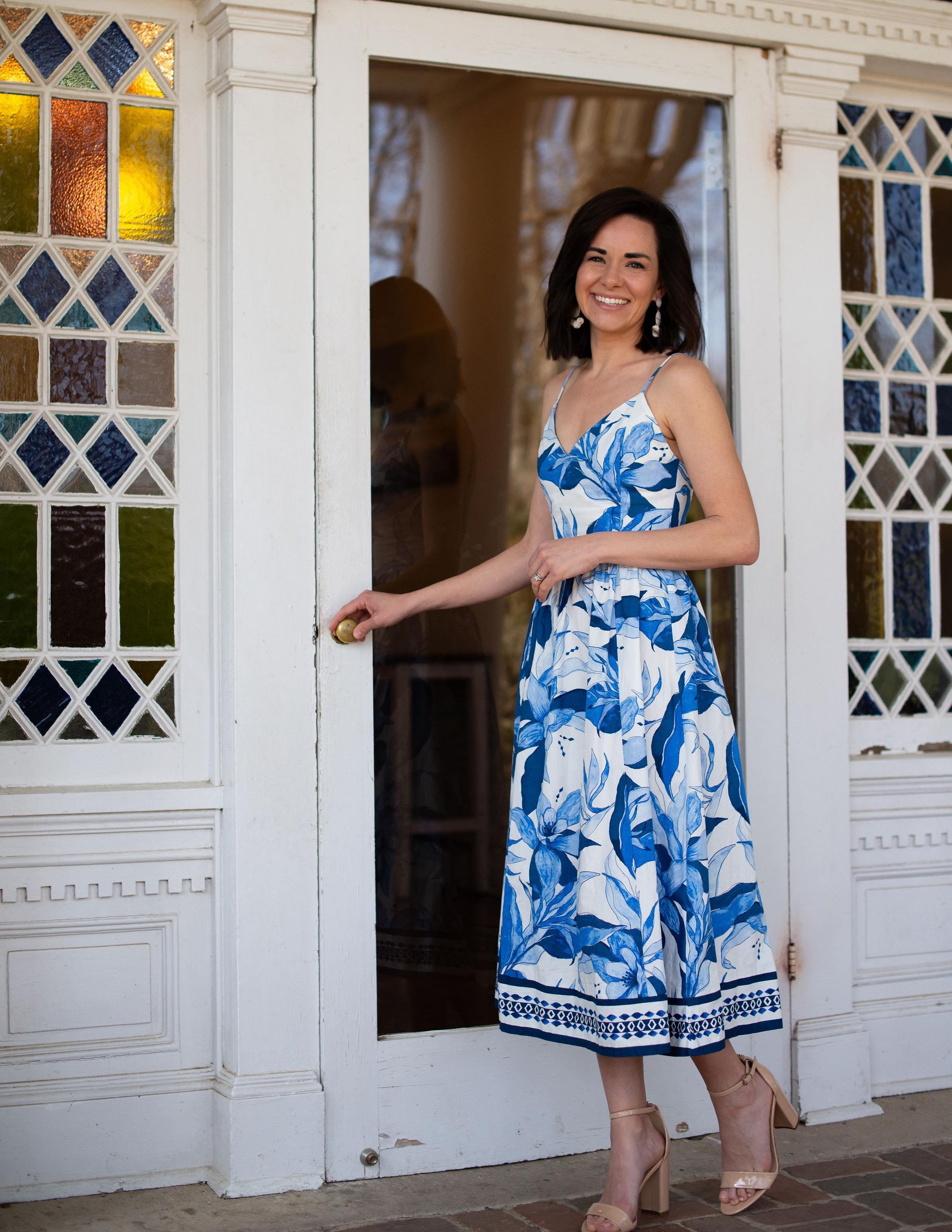
first season of MasterChef U.S. But there are subtle differences now. The hair she wore long when she won the competition at 22 has given way to a polished lob, and she carries the quiet self-assuredness of a woman whose college-student chapter has given way to life as a mother of three and a business owner.
She styled herself for the shoot—soft blue, structured but feminine, perfectly at home against winter grass and white architecture. The look leaned subtly Draper James. When I mentioned it, she laughed and told me she’d
Her culinary instincts reach further back.
Her great-grandmother gardened in a bonnet and cooked for dozens on Sundays. Another, shaped by the Depression, stretched ingredients with quiet ingenuity — saving apple peels and finding ways to make something nourishing from what was on hand.
Hospitality wasn’t aesthetic. It was practical, generous... expected.
When Whitney stood at a MasterChef station staring into a mystery box, that
something out of another century. Built in 1819, the white-columned house anchors the property, flanked by a restored schoolhouse and a glass conservatory coffee shop.
Against that backdrop stood Whitney Miller—still more ballerina than chef at first glance, carrying the same sweet Southern composure and bold culinary instincts that charmed America sixteen years ago on the
been given.
once gotten to meet Reese Witherspoon at a Nashville event connected to extended family (Whitney’s greatgrandmother was the great aunt of actress Laura Dern). Just a small story in a city where creative circles often intersect.
Whitney grew up in Mississippi, the daughter of two educators—her father a coach, her mother an English teacher. Discipline and language were both valued.
same instinct surfaced— assess what’s in front of you, think creatively, make something memorable from the ingredients you’ve been given.
The throughline in Whitney’s story is inheritance—women who make things happen with what they have.
On the show, during a romantic challenge, Whitney shared that she hadn’t really dated much. She had
“Pretty, to me, is a girl or woman with grace, confidence, and femininity.”
been focused on school and, suddenly, on winning. And win she did. The victory took her around the country and overseas for cooking demonstrations and events, experiences she would later write about with gratitude.
Eventually, in Florida, life shifted from whirlwind to something more personal.
Whitney was guest chef at a food gala, returning for her second year. A photograph ran in the newspaper. The
event coordinator casually mentioned she might make a good match for the photographer’s son. His mother agreed and showed him the picture.
He bought a ticket.
Whitney met Ryan that night. She was 26. They married at 27. Today they are raising three children while running their respective businesses— his in chiropractic care, hers in baking. When I asked Whitney what

her daughter is like, she smiled.
“She loves her dress-up clothes, or her ‘twirly dresses,’ as she calls them,” she said. “I tell her all the time how pretty she is.”
To Whitney, “pretty” isn’t about glitter or surface: “Pretty, to me, is a girl or woman with grace, confidence, and femininity.”
It’s not about ornament. It’s about identity.
Whitney didn’t initially plan to build a business around cookies. They felt too simple.
But after a family friend raved about a brownie cookie from her second cookbook—suggesting it was good enough for corporate gifting—she reconsidered. She began testing. Again and again.
The cookies had to taste just as good the next day as they did fresh from the oven. That was non-negotiable.
Color became its own challenge. She didn’t want artificial dyes, but natural substitutes often brought unwanted flavors. Beet powder offered vibrancy but introduced taste she had to balance. Freeze-dried strawberries provided both
hue and brightness without overwhelming the recipe. It became a careful dance— adjusting for shade and flavor at the same time.
She doesn’t use imitation extracts. She doesn’t use artificial coloring. What she serves customers is what she would feel comfortable serving at her own table.
That careful dance of color and flavor became the foundation of Whitney’s Cookies, the Nashvillebased bakery she founded with the same composure that once won her a national competition.
After the shoot, I realized I’d left my phone behind and walked back toward the kitchen. Inside, Whitney was sweeping the floor, gathering stray sprinkles from the shot where they’d rained down around her. The cameras were packed away.
Whitney moved as easily between historic columns and stainless steel counters as she did between cover and clean-up.
In her kitchen, balance matters—sweetness against salt, color without artificiality, flavor without excess. In her life, the balance looks similar: ambition without spectacle, success without self-importance, grace without fragility.

What she serves customers is what she would feel comfortable serving at her own table.
She has learned to adjust carefully—in recipes, in business, in motherhood—until everything holds.
And then she sweeps the floor. ❧

Her chocolate chip cookie recipe may be closely guarded, but this springtime favorite, she’s happy to share.
“Traditional English-style scones with my Southern addition of buttermilk are my favorite. If you’ve never made scones, don’t be intimidated— it’s just like making biscuits.” –WHITNEY MILLER
YOGURT CREAM:
1 cup whipping cream
¼ cup Greek Yogurt
BUTTERMILK SCONES:
Olive oil, for greasing
1 2/3 cups self-rising flour
¼ teaspoon fine sea salt
1/3 cup cold butter, cut into cubes
2 1/2 tablespoons pure cane sugar
2 large eggs, divided
4 tablespoons buttermilk
Butter for serving
Preserves or Jam for serving
• To make the cream, pour the whipping cream into a deep bowl. Using an electric hand mixer beat until soft peaks form. Fold in the yogurt until blended. Use immediately, or store in an airtight container in the refrigerator for up to 1 day.
• To make the scones, preheat the oven to 425 degrees F. Grease a baking sheet with oil.
• Sift the flour and salt into a large bowl. Add the butter, and using a fork, cut it into the flour until the mixture resembles coarse crumbs. Stir in the sugar.
• In a bowl, beat 1 egg and the buttermilk until combined. Stir the egg mixture into the flour mixture until just incorporated. Using your hands, lightly knead the dough to form a soft dough.
• Place the dough on a lightly floured surface, and shape into a ball. Pat the dough into about a 3⁄4- to 1-inch thick round. Using a floured 2-inch cutter, quickly push the cutter down through the dough, and lift without twisting. Place the scones on the prepared pan. Reshape the dough, and repeat until all the dough has been used.
• Beat the remaining egg in a bowl. Brush the tops of the scones with the beaten egg. Bake the scones for about 7 minutes. Transfer them immediately to a wire rack to cool.
• Serve warm with the Yogurt Cream, butter, and jam.
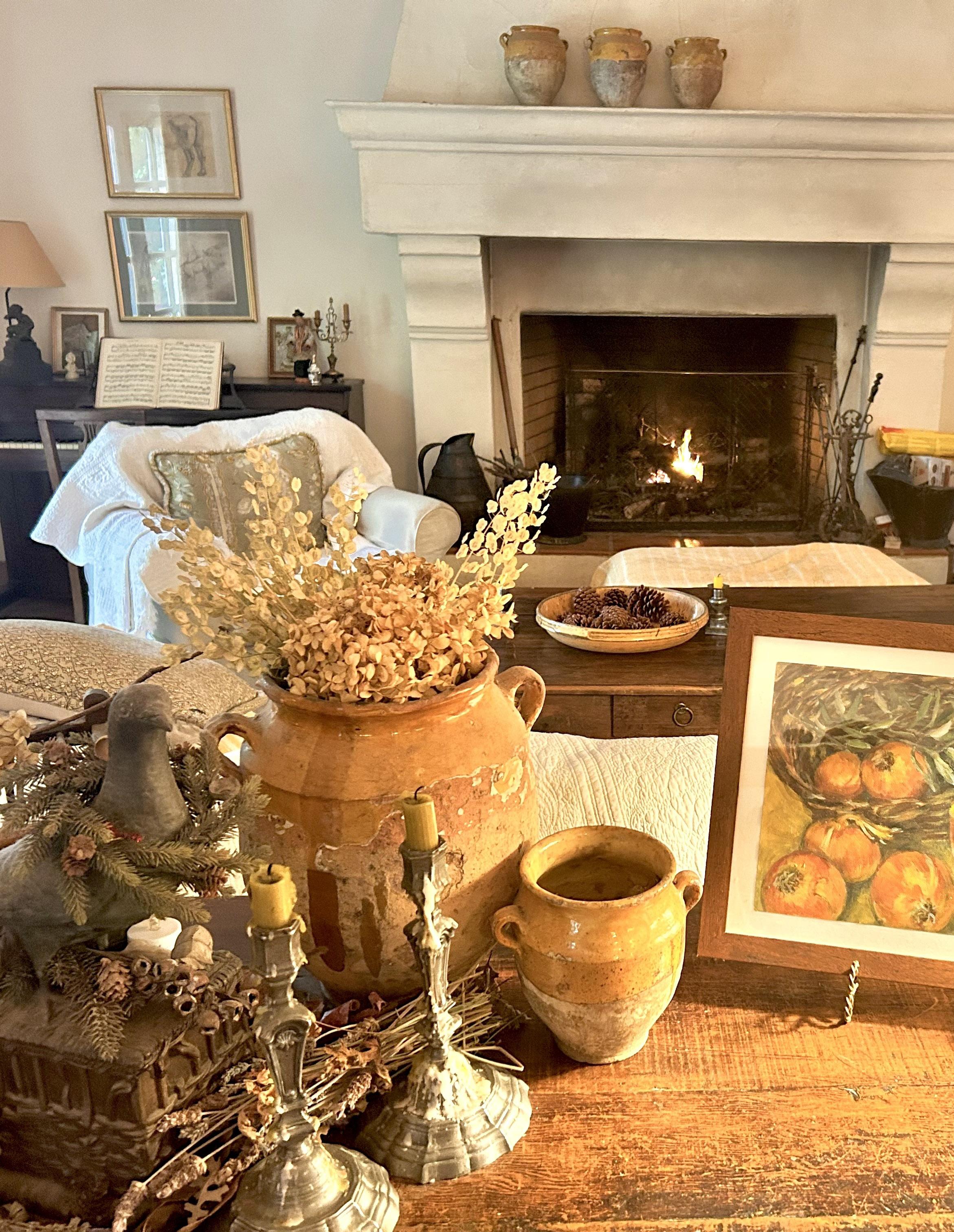
In California’s Wine Country, Patricia Samoun has created a home shaped as much by the life lived inside it as by the influences that inspired its design.
The house was designed from the ground up after Patricia and her husband purchased a large property with the rare zoning to build. Rather than adapting their lives to an existing structure, they created a space centered on openness, hospitality, and time spent together— an approach that feels intentional without ever feeling overworked.
Architecturally, the home draws from early California style, a natural fit for the region, with an upstairs balcony and generous proportions throughout. But the spirit of the interiors is unmistakably French. Many of the furnishings and objects were collected over time, including pieces brought back personally from France, where the couple lived for many years. “My husband is French,” Patricia explains. “I fell in love with it all.”
That influence is felt more in atmosphere than in adherence to rules. Nothing feels overly curated or carefully planned. In fact,
Patricia is quick to dismiss the idea of careful intention altogether. “Nothing is carefully planned,” she says with a laugh. “Including my life.” The result is a home that feels layered and personal— curated through living rather than decorating.
At the heart of the house is an open-plan living space designed for connection. “When there’s company, we
can all be in contact while I’m cooking,” Patricia says. High ceilings lend a sense of scale, while a substantial fireplace anchors the room, creating a feeling that is both grand and deeply comfortable. It’s a space meant for conversation, lingering, and everyday life unfolding naturally.
The couple moved to Calistoga more than twenty years ago, drawn
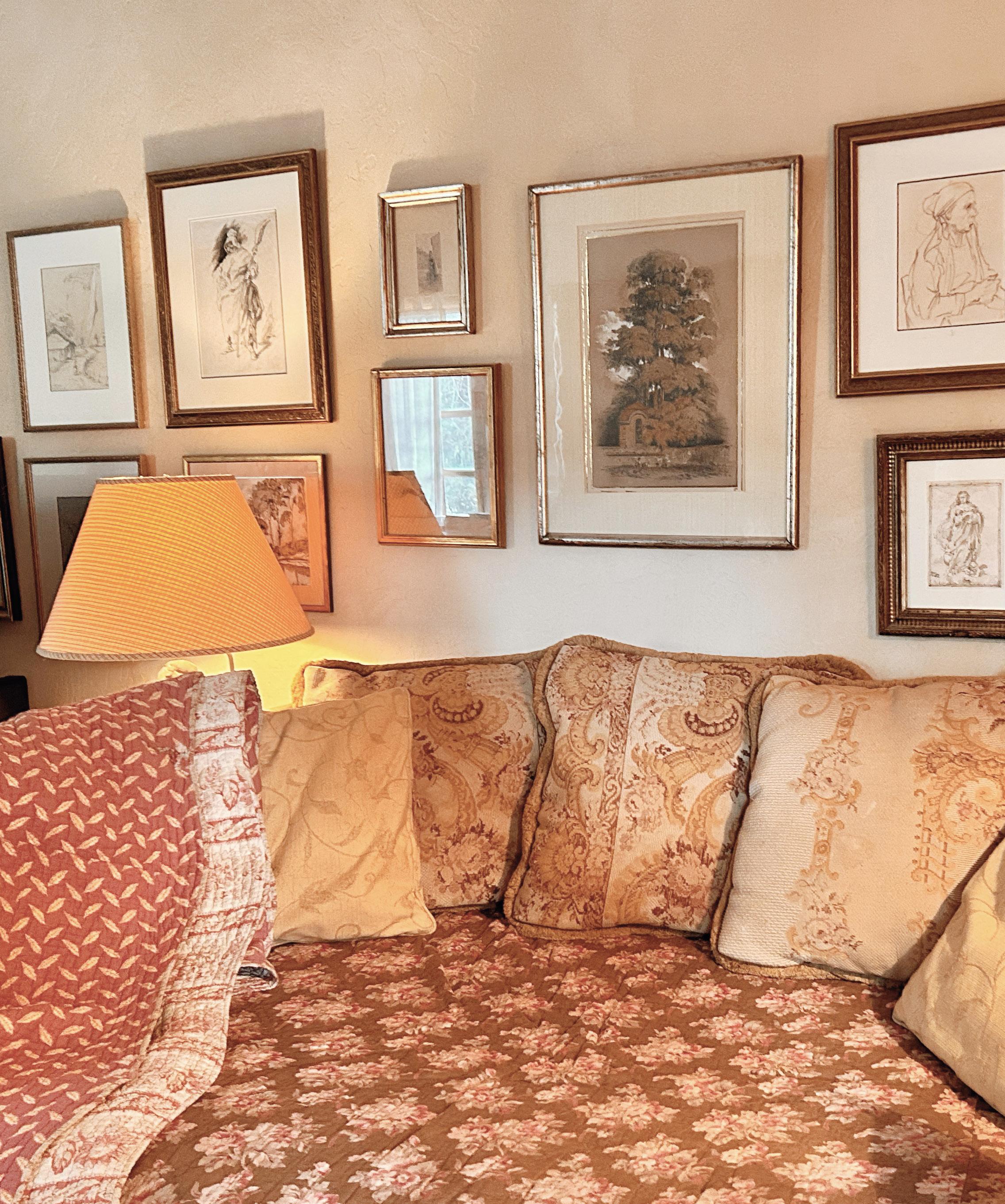
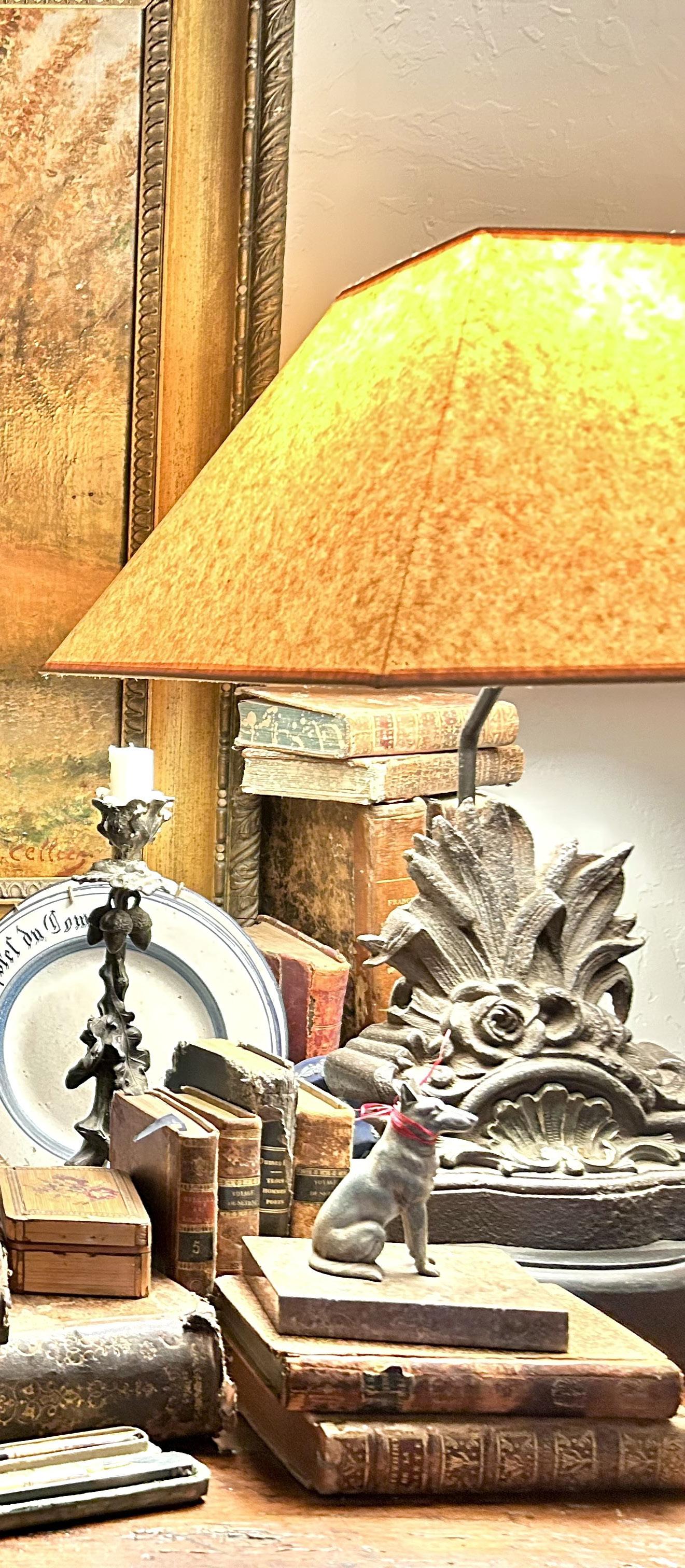
my life,” Patricia says.
by its walkability, small-town ease, and proximity to family. While the area’s spas and restaurants were familiar pleasures, it was the slower pace that ultimately made it home. For Patricia—whose professional life centered on French Country antiques—the setting felt like a continuation rather than a departure.
Above all, she wants her home to feel welcoming and unique. “I want people to feel a little like they’ve been transported to another world,” she says—one where things are quieter and more relaxed. It’s a sensibility shaped by years abroad, long collecting journeys, and a life lived with openness. The house doesn’t ask to be admired so much as experienced, offering visitors a gentle pause from the outside world. ❧
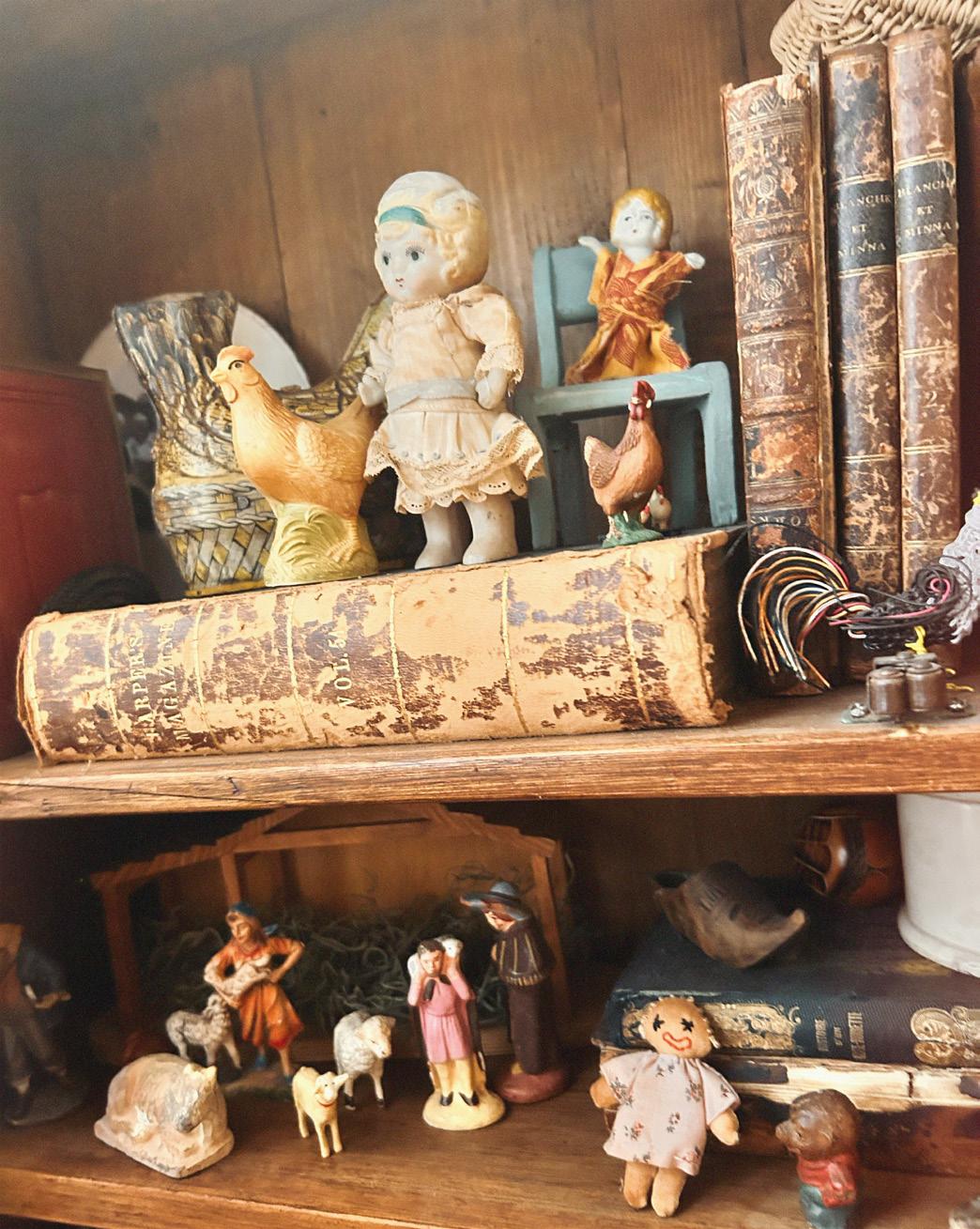
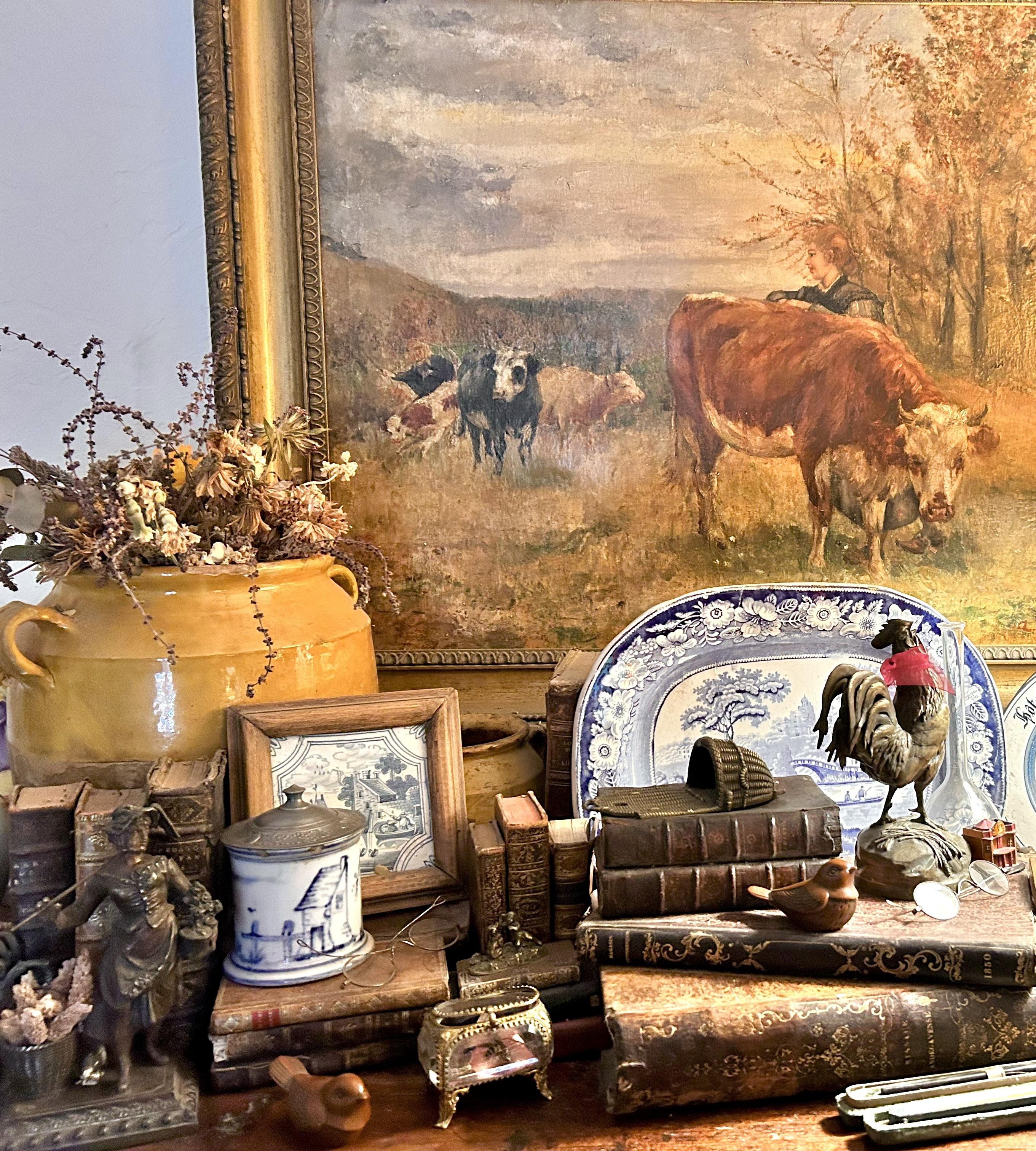
Right: Filled with heirlooms and found objects, the shelves reflect a life gathered over time rather than styled all at once.

Layered, collected, and deeply personal— nothing here feels overly curated, and that’s precisely the point.
Opposite page: A traditional four-poster bed anchors the room, softened by gauzy drapery and layers of blue-and-white linens. Warm lamplight and timeworn wood floors keep the space intimate rather than formal.
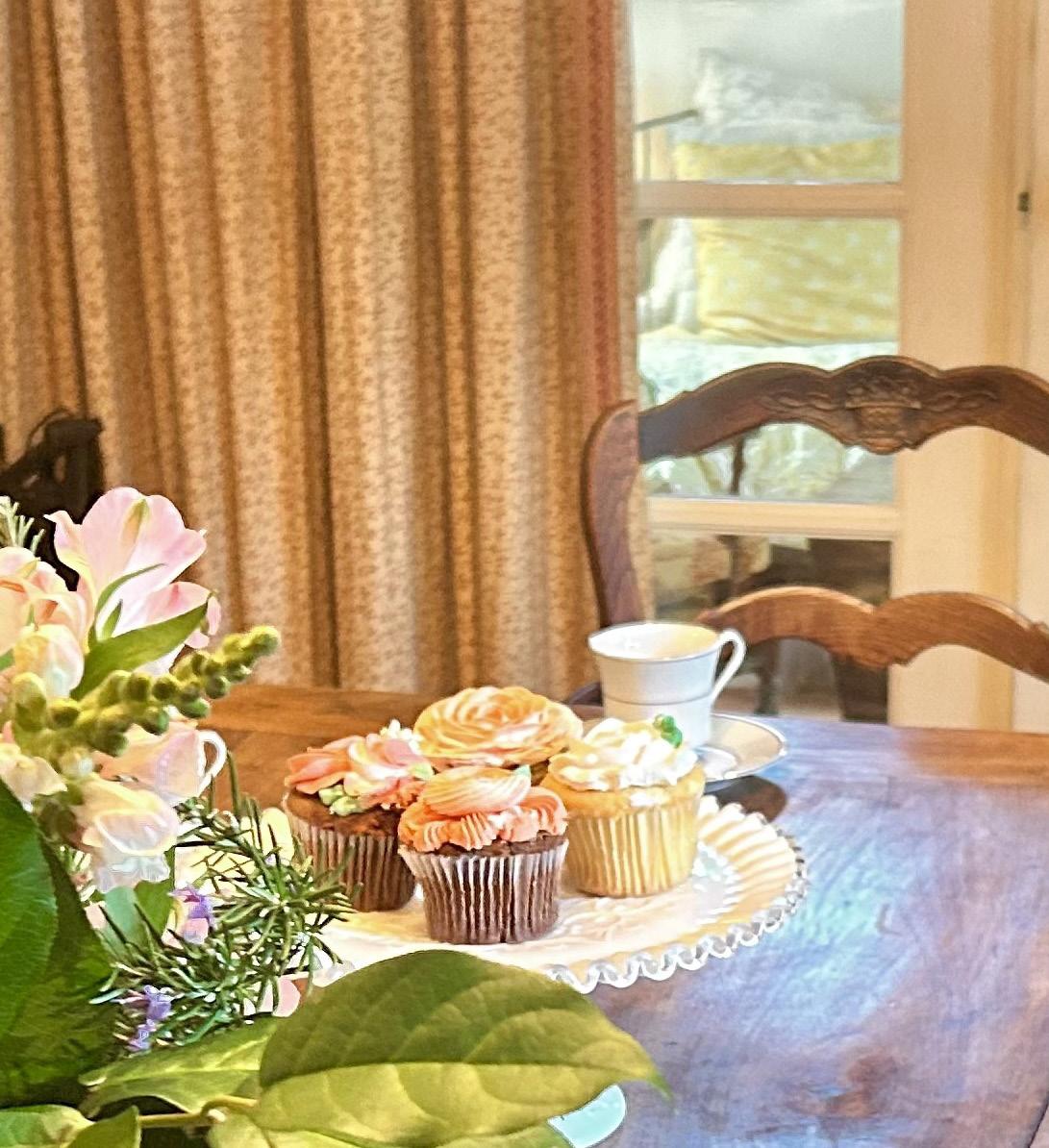
Top left: Fresh flowers and teacups turn an everyday table into an invitation—proof that hospitality here is instinctive, not staged.
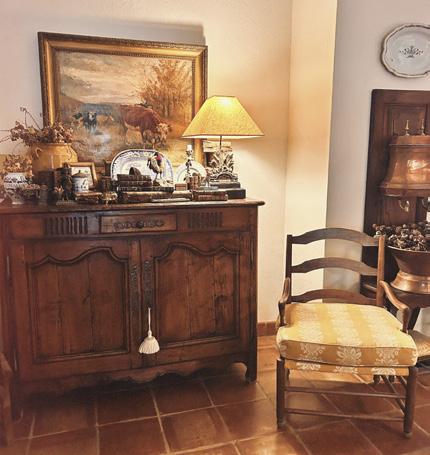
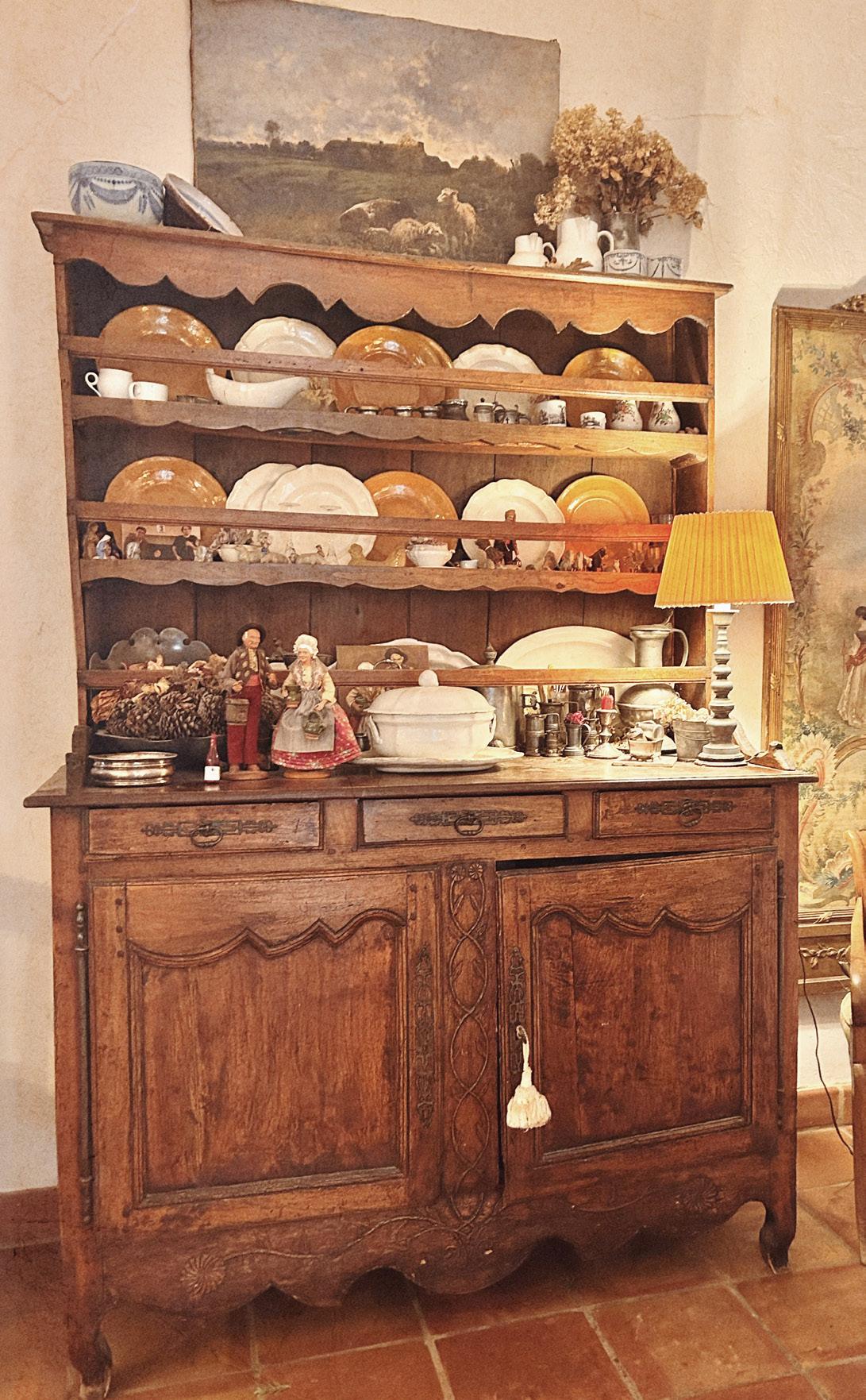
Bottom left: A French country hutch layered with earthenware, figurines, and aged wood finishes reflects Patricia’s love of pieces gathered over time rather than purchased all at once.
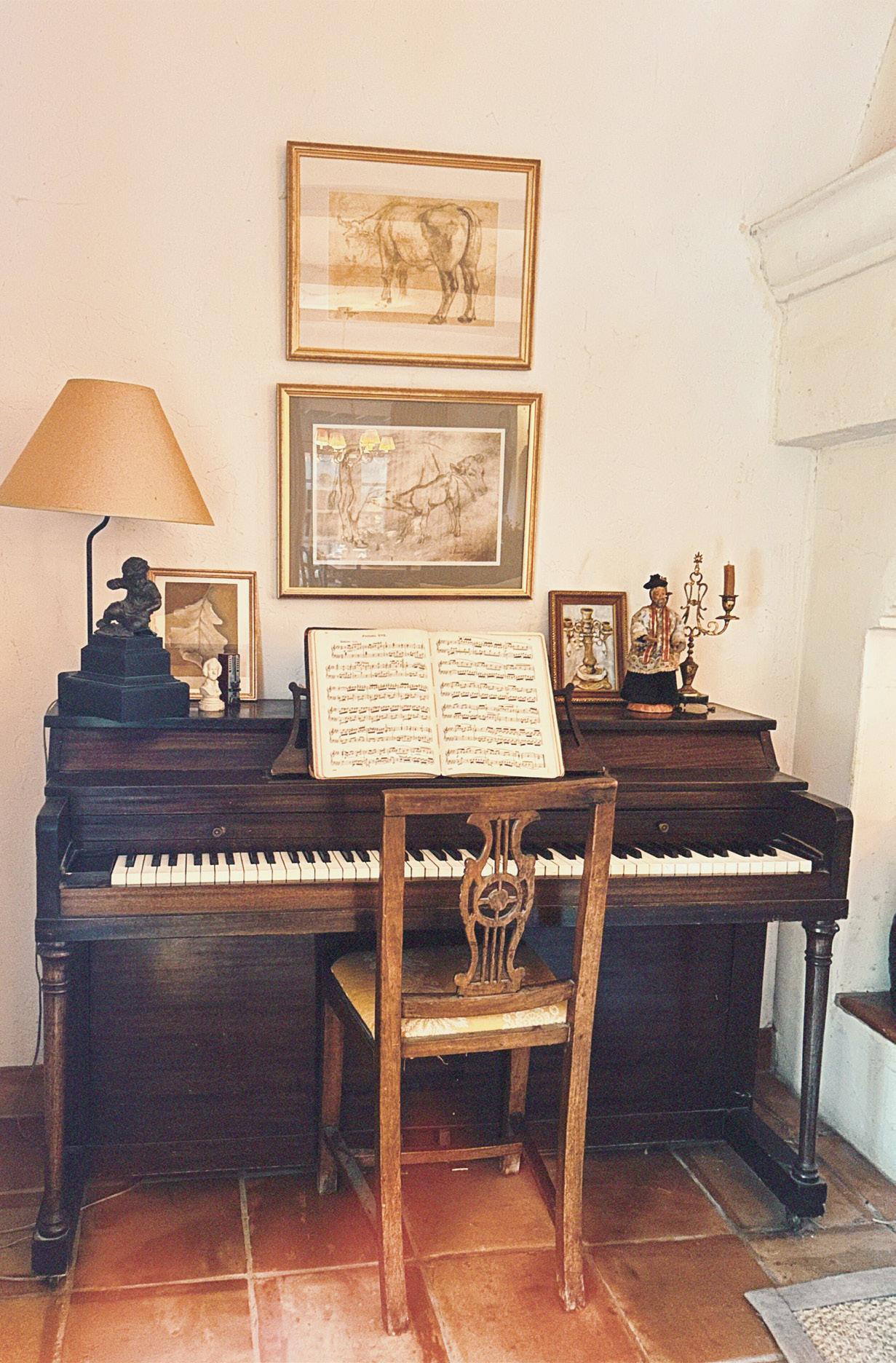
Above: Collected artwork and candlelight turn a simple piano into a moment—less performance space, more personal vignette.

By Drew Scharfenberg

“I don’t want to learn a foreign language— that’s stupid!”
That was my reaction when I learned that a second language would be required in high school. Spanish in pre-K was a distant memory, and I couldn’t imagine needing another.
Then my high school began offering German for the first time.
Most students chose Spanish or French. German felt different, less expected. I was curious, too, about my family name, Scharfenberg, which translates to “sharp mountain.” It felt like a whim at the time. In retrospect, it was a turning point.
From the very beginning, I loved German. Its structure made sense to me. English is a Germanic language, and the connections were immediate—Haus and “house,” Bruder and “brother.” Studying Latin alongside German deepened my understanding of grammar and made concepts like declensions and grammatical gender feel less intimidating.
I sought practice beyond the classroom—immersion weekends and conversations

with native speakers that built confidence. Over time, German stopped feeling like a requirement and instead like part of who I was becoming.
But language is never just vocabulary. It carries history, tradition, and identity.
Celebrating St. Martins Tag with lanternlit processions and traditional dishes, experiencing Oktoberfest festivities, and observing how language shapes culture deepened my connection to it. Long before college, I knew I wanted to continue studying German more seriously.
That hope became reality when I was accepted to study at Heidelberg University.
I arrived more than a month before classes began to take an intensive language course with other international students. Those early weeks were filled with rapid conversations, new friendships, and the quiet satisfaction of realizing I could function entirely in German. By the time the semester officially started, the

language no longer felt like something I was studying but like something I was living.
Germany’s university towns carry their intellectual heritage lightly but unmistakably. Heidelberg is often associated with the phrase Dichter und Denker —poets and thinkers. Lecture halls echo with centuries of scholarship; streets wind past façades shaped by history.
Outside the classroom, daily routines became their own study—trains, cafés, and conversations reshaping my sense of both difference and familiarity.
Learning German began as a requirement. It became a passion. And here, among poets and thinkers, it has become something quieter and more enduring: a recalibration of where I stand in the world. ❧
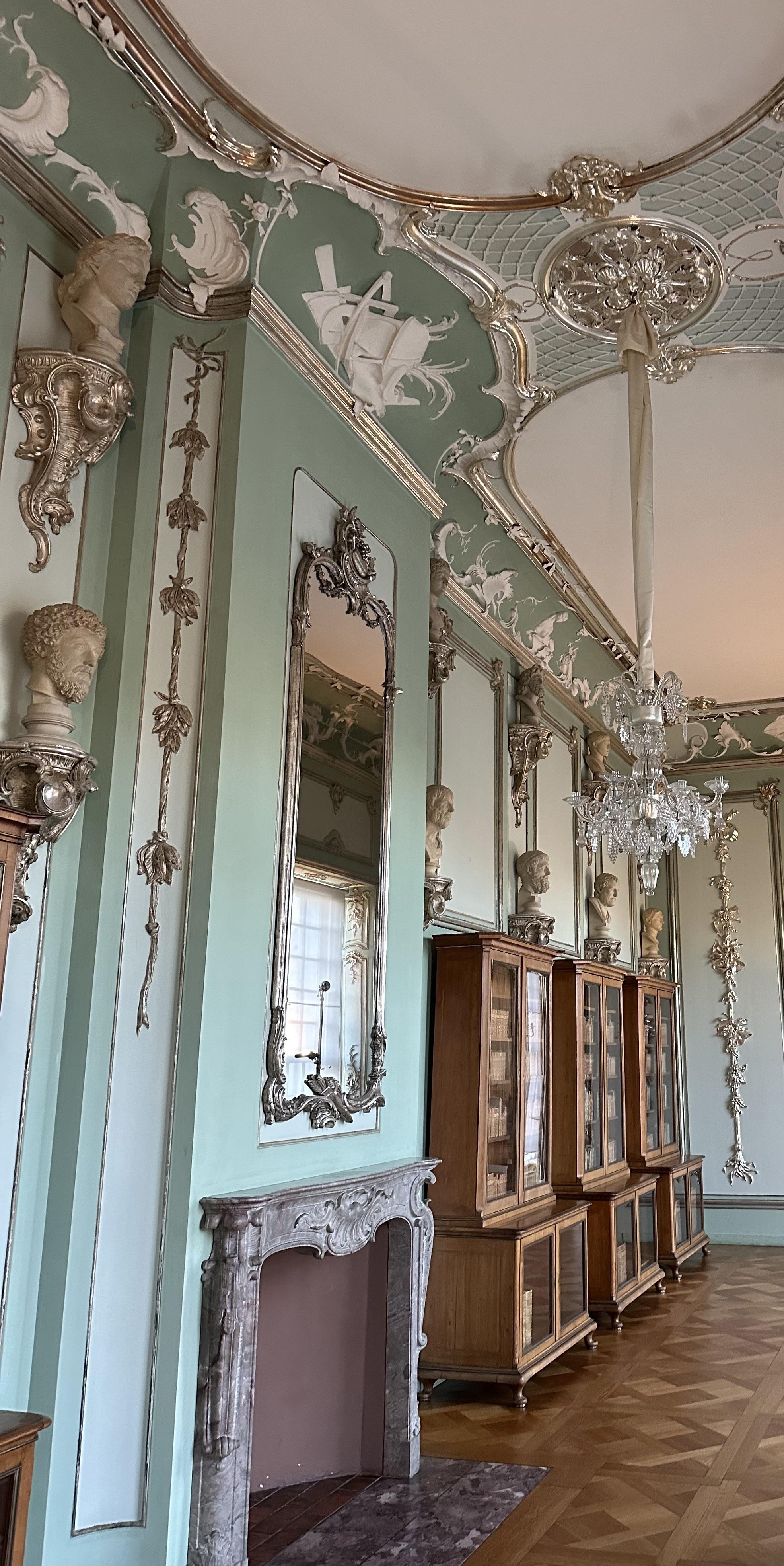
Rococo salon at Charlottenburg Palace
Heidelberg Castle above the Altstadt
A quiet street in Heidelberg
With clean-lined foundations and a few intentional accents, you can create a space that feels quietly magical—not themed, not fussy, just timeless. By Jody Evans
Achieving an enchanted, storybook feel doesn’t require turning your living room into a castle — or replacing everything you own. A whisper of fairytale can live comfortably alongside modern furniture, if it’s layered thoughtfully.
Interior designer Leslie Cobble, founder of Interiors of Destin in Destin, Florida, says the key is restraint.
“The secret is to let modern furniture do the heavy lifting and allow the storybook elements to act as subtle accents rather than the focus,” she says.
In other words, start with clean-lined, functional pieces — a tailored sofa, simple wood tables, streamlined seating — so the room feels livable and current. Then layer in one or two classic or whimsical elements that feel organic and intentional: an arched mirror, a sculptural
lamp, nature-inspired wallpaper, or natural materials like stone or raw wood.
“When modern pieces anchor the space, these softer, story-driven details add warmth and character without tipping the room into a themed look,” Cobble says. “The result feels elevated, personal, and quietly magical — not staged.”
Color plays a quiet but powerful role. It sets the emotional temperature of a room long before the eye registers individual pieces.
“Muted, layered palettes work best,” she says, suggesting mossy greens, warm taupes, inky blues, soft charcoals, and aged neutrals. These tones create depth and emotion without overwhelming a space. Wallpaper can enhance the mood, too — especially designs with a watercolor softness, faded mural quality, or subtle metallic thread that catch the light.
Cobble advises choosing patterns that suggest nature and movement rather than literal illustration. Botanical silhouettes, woodland scenes, abstract florals, and handdrawn motifs evoke magic without feeling costume-like.
Lighting is equally essential.
“I always suggest warm, layered lighting to give a glowing, cozy vibe,” she says. Lamps with character — not generic fixtures — help tell the story. String lights or layered accent lighting can offer a gentle ambient glow that feels magical without veering into fantasy.
To deepen the atmosphere, Cobble recommends incorporating raw or lightly finished wood and other honest materials.
“The most effective way is through layering authentic textures with intention, rather than introducing overtly rustic pieces,” she says.
Imperfect, handmade elements add charm without clutter. When natural textures rest on a simple, modern foundation, the room feels like a refined cottage — warm, inviting, and timeless — rather than overly nostalgic.
A fairytale home, it turns out, doesn’t require towers or turrets. Just a few thoughtful details — and the courage to let a little magic in. ❧
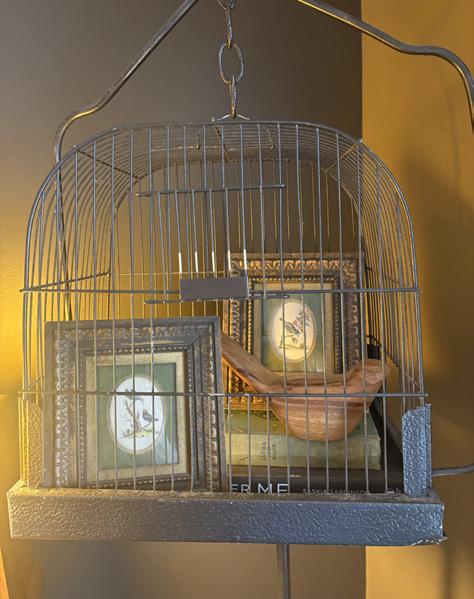
A nod, not a theme:
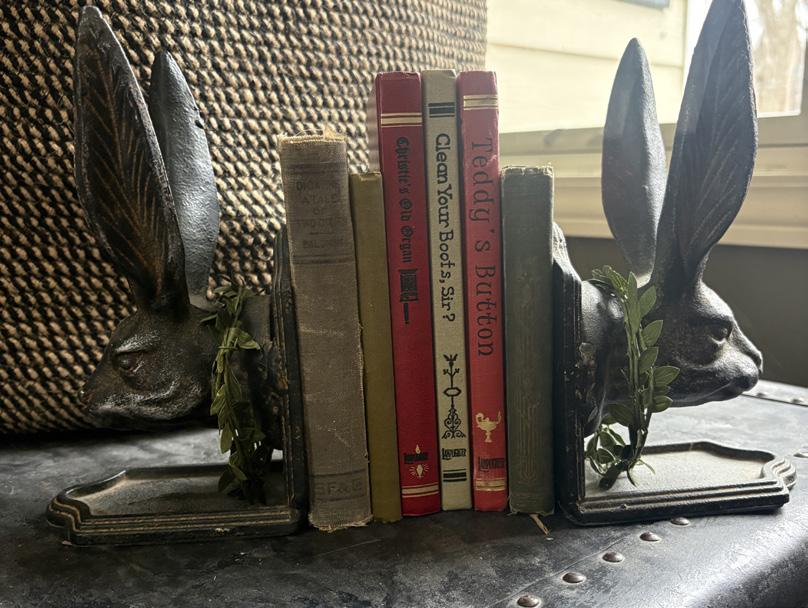
Collected books, aged metal, and whimsical silhouettes create magic in small, intentional doses.
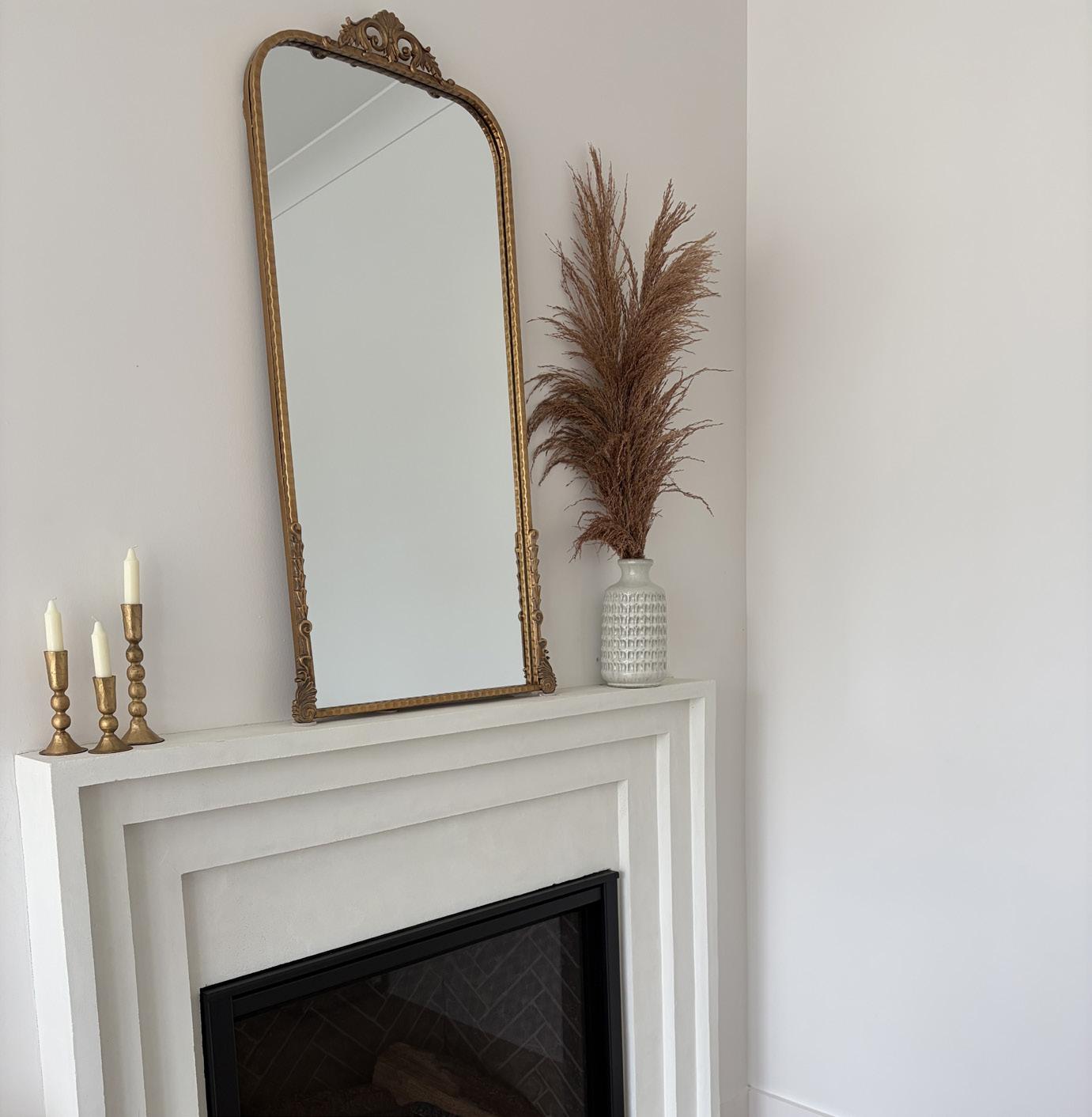
Let one classic element do the whispering: An arched mirror over clean-lined millwork adds storybook elegance.
AQShould curtains just touch the floor — or pool at the bottom?
“It depends on the look you’re trying to create. For a clean, tailored feel, I recommend panels that just barely dust the floor. I like to hang rods higher — closer to the ceiling — so the eye travels upward first. That alone can make a room feel taller and more polished.
Pooling still has a place, but it reads softer and more romantic — perfect for bedrooms or formal sitting rooms. In everyday living spaces, most people prefer a structured finish.
One of the biggest mistakes I see is reusing curtains from a previous home without rethinking height and proportion. Ceiling heights vary, and panels that are too short can make a room feel visually chopped up.
When curtains are properly sized, they finish a room the same way tailored jeans finish an outfit — everything looks intentional.”

–Brittney Luedecke, Founder, Signature Styles by Brit

By Jody Evans
Magical and mysterious best describes the kind of backyard many of us remember—mimosa trees to climb, hidden nooks beneath cascading roses, mosscovered paths waiting to be explored. A garden like this feels less like landscaping and more like a story unfolding.
Creating that kind of enchantment doesn’t happen overnight. But with thoughtful planning, layered lighting, and a willingness to embrace a little wildness, any yard can begin to feel like something out of a fairytale.
Here’s how to begin.
Before selecting plants or materials, step back and imagine movement.
Landscape designer Tricia Keffer, owner of Summertime Landscape Designs, suggests starting with the overall layout. Print a satellite image or property survey and sketch potential paths—curved or straight—giving yourself a reason to walk somewhere.
“Remember, it’s easier to erase a circle than to dig a hole,” Keffer says.
An enchanted garden invites exploration. A winding path, a tucked-away bench, or a small sculpture gives the eye—and the feet— somewhere to travel.
Every fairytale garden begins with a theme and a point of view.
“Choose your mystery and theme before selecting plants,” Keffer advises. “Are you fairy tale? Mystery writer? Spy novel? Melancholy?”
That theme becomes the invisible thread tying everything together. Winding paths with partially hidden turns create intrigue. Small enclaves set back in shrubs suggest secrecy. A monochrome palette in cool tones can feel hushed and contemplative; warm tones feel romantic and nostalgic.
The plants are important—but the mood comes first.
A garden without a focal point feels unfinished.
“A focal point is always necessary for any design,” Keffer says. “Otherwise, it’s like reading a novel without a plot.”
That focal point could be a sculptural perennial, a vintage garden ornament, a large urn, or even a carefully placed small tree. Rather than rushing to fill space, Keffer encourages patience—explore antique markets, yard sales, and local nurseries until something truly resonates.
“Find a piece and then plan the rest of the garden space around that point,” she says.
When the anchor is strong, the surrounding elements fall naturally into place, allowing negative space and texture to do their quiet work.

Enchantment rarely looks perfectly manicured.
According to Oliver Burgess , a garden designer in Chislehurst, a suburb of London, a little “controlled mess” is essential to fairytale charm. Letting a few seedheads stand, allowing moss to gather in shady corners, and keeping leaves beneath shrubs creates softness and texture while supporting wildlife. It allows the garden to breathe and settle into itself.
The goal isn’t neglect—it’s intention.
Keffer agrees that achieving a wild look still requires planning.
“It’s not difficult to achieve a ‘wild’ look,” she says. “It does, however, take planning and a proper maintenance schedule.”
The magic lies in balance—enough structure to guide the eye, enough looseness to feel organic.
Nothing feels more storybook than a narrow pathway that disappears around a bend.
Burgess recommends creating stepping-stone paths and allowing low plants to spill gently over their edges so the walkway feels discovered rather than constructed. The slight encroachment softens hard lines and makes the space feel intimate.
Paths should slow you down. They should invite wandering rather than rushing.
Even a small backyard can hold a sense of mystery when sightlines are layered and movement is intentional.
While fairy lights are a lovely choice, Burgess suggests considering warm, low path lights paired with one or two uplights aimed at a small tree or multi-stem shrub. The interplay of light and shadow creates depth and a gentle glow.
Keffer adds that lighting should remain practical and simple. Solar lights approved for outdoor use can add charm without complicated wiring, and keeping illumination
closer to the house prevents extensioncord chaos.
A water feature can deepen the sense of tranquility, but restraint is key.
Keffer suggests starting modestly with solar-powered fountains or small pumps for pots or birdbaths. “Start with something small and then add more later,” she advises.
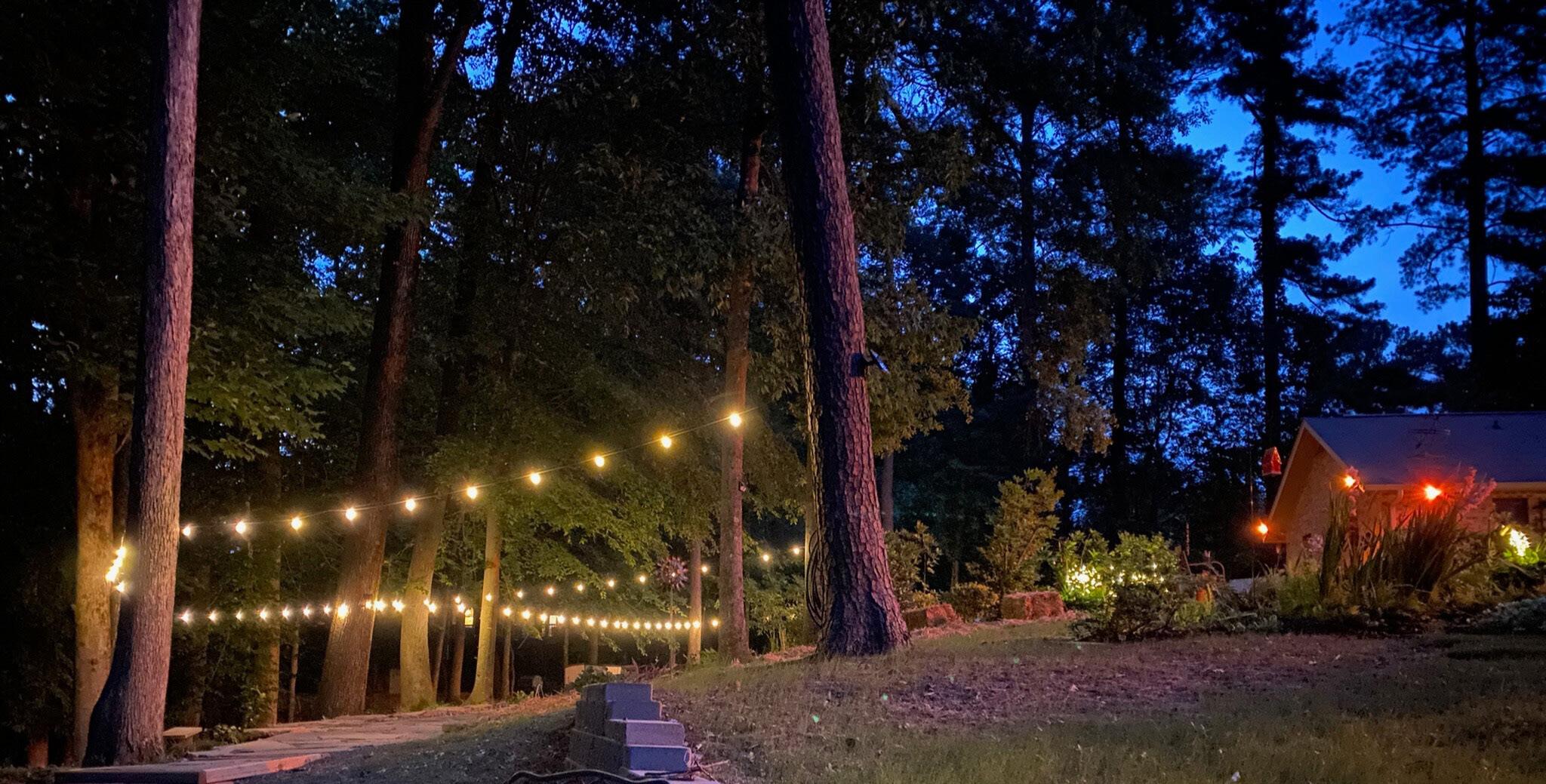
A subtle trickle can be far more enchanting than a grand installation.
Ultimately, an enchanted garden is less about scale and more about intention.
“Sometimes the most enchanting gardens are the ones that feel as though they’ve always been there—quietly waiting to be discovered.”
“What are your favorite books?” Keffer asks. “What colors did they paint? What moods did they create?”
A garden becomes magical when it evokes a feeling—when the path curves just enough to suggest possibility, when light pools softly at dusk, when the space feels less like a yard and more like a world.
Perfection isn’t required. Planning twice and installing once, as Keffer puts it, simply ensures that the magic lasts.
Sometimes the most enchanting gardens are the ones that feel as though they’ve always been there—quietly waiting to be discovered. ❧
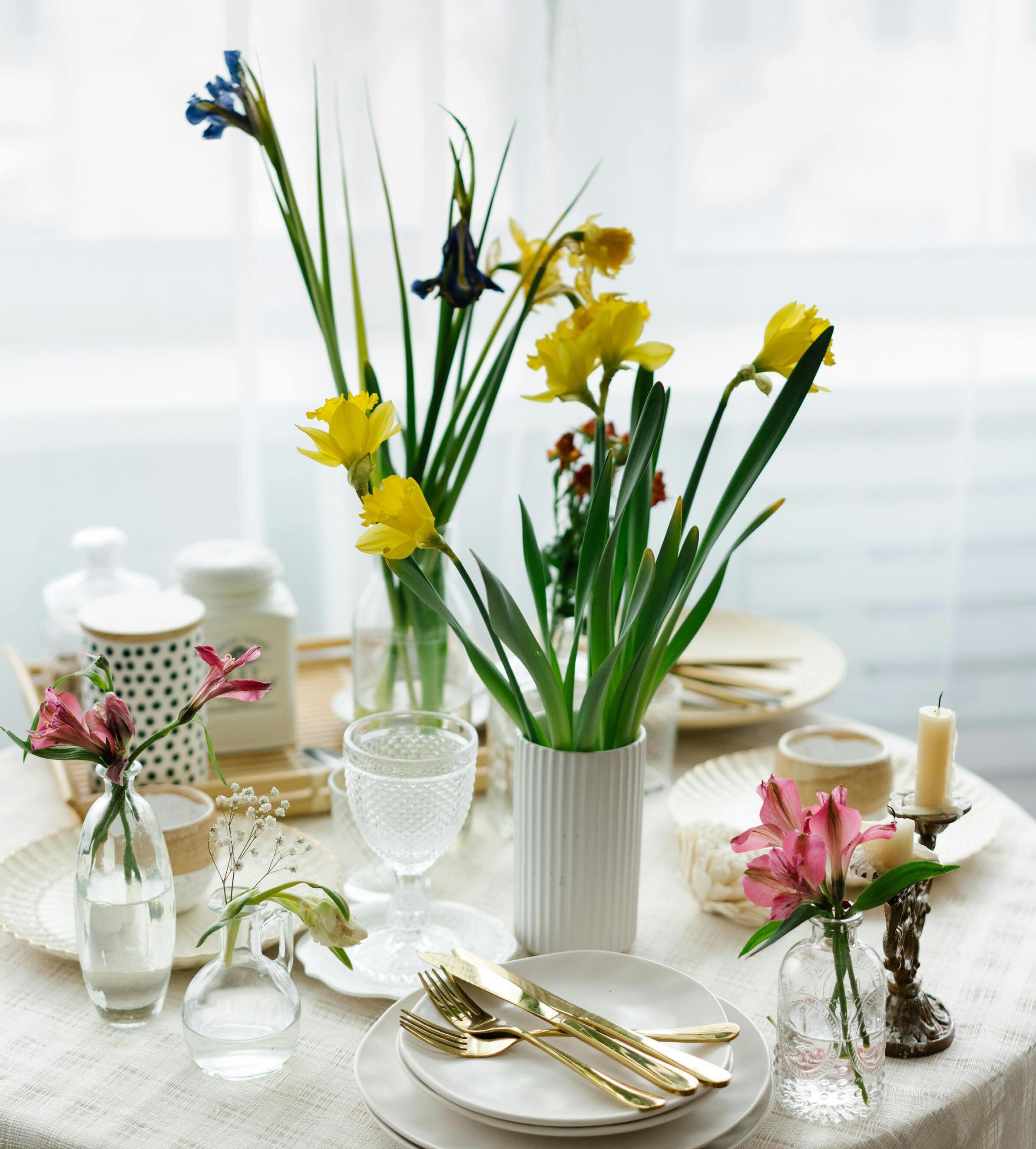
You don’t need a ballroom, a catering staff, or a signature dessert that requires a kitchen torch. You just need a little intention — and a few smart rules from someone who knows her way around a table.
There is a myth that entertaining requires exhaustion. That hosting well means you should be breathless in the kitchen while your guests sip something sparkling and pretend not to notice. It doesn’t.
Country artist and cookbook author Hannah Dasher has built a reputation on making hospitality feel spirited and unfussy. In Stand By Your Pan, she reminds us that gathering people isn’t about perfection— it’s about presence.
“You don’t want your guests to see you in a tizzy,” she writes. “It adds tension to what should be a fun event.”
Exactly.
Here’s how to host—or attend—with grace.
Ahead (So You Can Enjoy)
The most relaxed hosts are the most prepared ones.
Choose guests who will mix well. Plan your meal with dietary needs in mind. Keep the
Cloth napkins, simply folded, instantly elevate even a relaxed meal. Keep the folds neat. Keep them consistent.
As for the meal itself, Dasher is delightfully firm: “Well-seasoned meat shouldn’t require anything but eating.”
Serve with confidence.
A few seasonal stems—even clipped from your own yard—bring life to the table. Greenery in the house (yes, even the
“You don’t want your guests to see you in a tizzy. It adds tension to what should be a fun event.”
menu colorful and balanced—something hearty, something green, something comforting, and always dessert.
If friends offer to contribute, let them. Assign side dishes or beverages in advance so no one arrives with three identical salads.
Time dinner about thirty minutes after guests arrive—long enough for conversation, not so long that energy dips. When the doorbell rings, you should be ready to greet, not scramble.
“Plan ahead so you’re not stressed when guests arrive.”
The calm of the host sets the tone for the room.
Set the Table Like It Matters
Because it does.
You don’t need heirloom china or a twelve-piece place setting to create something beautiful. The basics are timeless: forks to the left, knife and spoon to the right, blade facing inward. Glassware sits above the knife. The bread plate rests above the fork.
bathroom) makes everything feel intentional. Mason jars and simple vases work beautifully. The point isn’t grandeur; it’s warmth.
Flowers signal welcome before you say a word.
Let the Music Do Its Work
Music is invisible décor.
Play something upbeat while guests arrive. Avoid long silences between songs. Keep the volume high enough to energize but low enough to allow conversation.
“Music controls the mood of your party,” Dasher advises.
Build your playlist ahead of time so you’re not fumbling with your phone. If the crowd is right, let guests queue a favorite. It becomes part of the evening’s rhythm.
Good guests make good gatherings. The best ones bring warmth with them.
Bring a small gift: wine, flowers, or a candle. Ask how you can help. Remove your hat at the table. Cut one bite at a time. Rest your knife between bites. Resist the urge to request steak sauce or leftovers unless they’re offered. Put your phone away after the obligatory photo.
Hospitality is generosity. Gratitude is its echo.
Entertaining isn’t about impressing people. It’s about making them feel seen.
When you greet guests warmly, introduce them thoughtfully, and create space for conversation to flourish, you’ve already succeeded.
The magic isn’t in extravagance. It’s in intention. ❧
Stand By Your Pan
Hannah Dasher
Hardcover | $32.99
In her debut cookbook, Hannah Dasher delivers 100 easy, affordable comfort food recipes with vintage soul. Designed for busy hosts, these nostalgic favorites pair bold flavor with smart, budget-friendly shortcuts.


A Sweet Sampler (Everyone Can Enjoy)
Perfect for those with dietary restrictions, this sampler offers red velvet, chocolate, cookies & cream, and banana pudding that are all keto and diabetic friendly. $69.99, Andyanand.com .
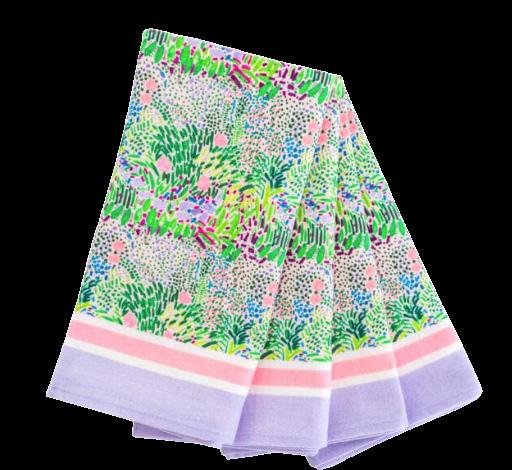
Statement Napkins (The Good Kind)
Bring the charm without bringing clutter. A gorgeous set of reusable napkins says, “I thought about this,” which is the whole point. $75, Evelynandkate.com
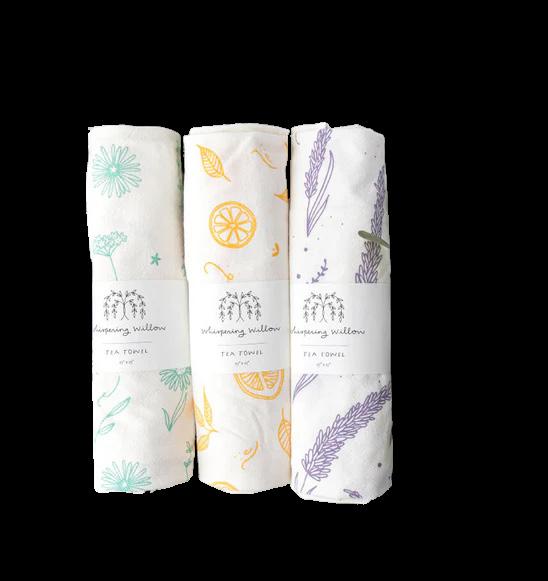
Citrus Tea Towel
A fresh, practical gift she’ll reach for long after the party. $15 each, WhisperingWillow.com
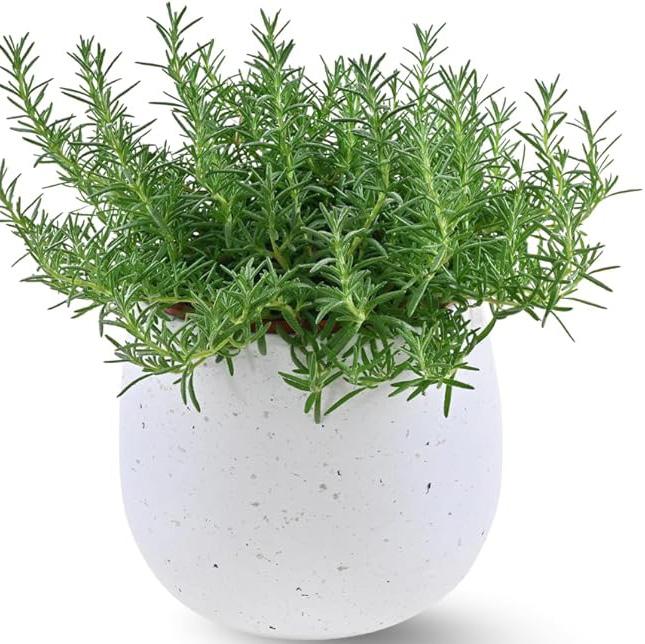
Fresh from the Windowsill
A living hostess gift that smells divine and earns its keep—snipped into roasted potatoes, folded into fresh bread, or simply adding greenery to the room. Rosemary plant, $24.99, Amazon.com.
Spring is the season of fresh starts and thoughtful gestures— the pastel baskets, the proud tears at graduation, the quiet breakfast-in-bed mornings.
In this Spring Gift Guide, we’ve gathered ideas for Easter, graduation, and Mother’s Day that feel meaningful without being overcomplicated. A little something sweet. A little something useful. A little something she (or he) will actually love.
Because the prettiest gifts aren’t always the biggest ones—they’re the ones that say, I saw this and thought of you.

By EMMA CAROLINE BROWN

Moon + Cloud Pillows, $86 Soft, dreamy cushions that make Easter morning—and bedtime— extra cozy.
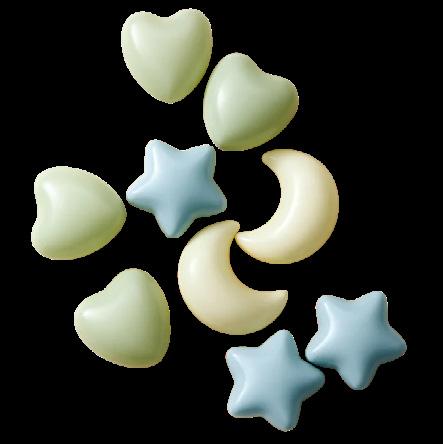
Ocean Ball Set , $51.99 Lightweight, colorful balls that turn any room into instant playtime.

Xbox Wireless Controller, $64.97 For leveling up long after the egg hunt.


Kids’ Walkie Talkies (2-Pack), $19.99
Instant adventure, no Wi-Fi

Warmable Bunny or Cat , $75.40
An organic cotton lovey that can be warmed or cooled for comfort on sniffly days.

Hershey’s Milk Chocolate Bunnies, $5.97
A classic for a reason. And with six in a pack, there’s plenty of room for Dad Tax (or Mom Tax).

e.l.f. Squeeze Me Lip Balm , $5 Too old for jellybeans. Still here for lip gloss.
Bose QuietComfort Headphones, $359. Noise-canceling comfort for study sessions and beyond.

Study Caddy Bundle, $116.98 A cozy, supportive setup for latenight study sessions.
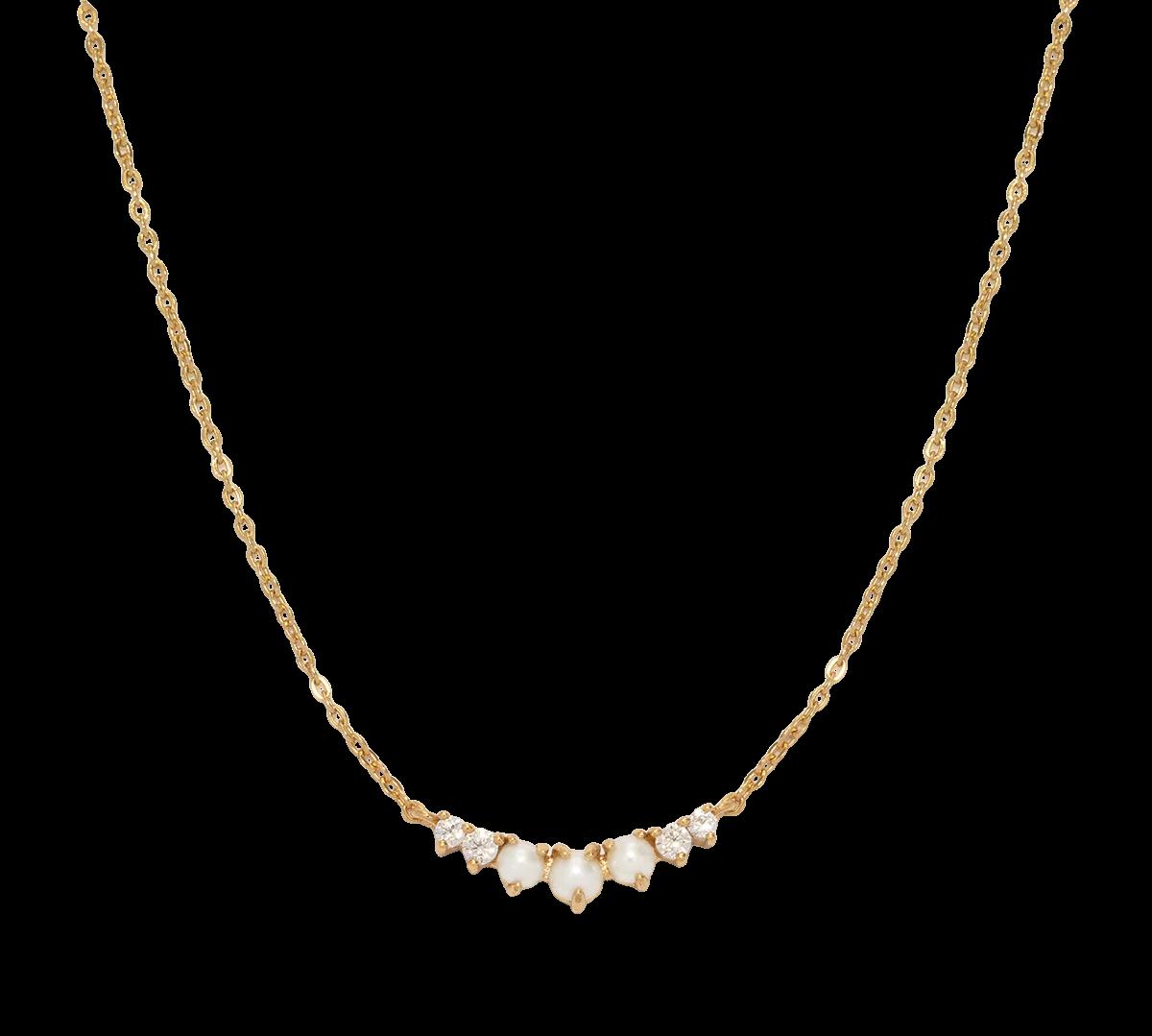
Crescent Pearl Necklace, $98 Understated. Unforgettable.
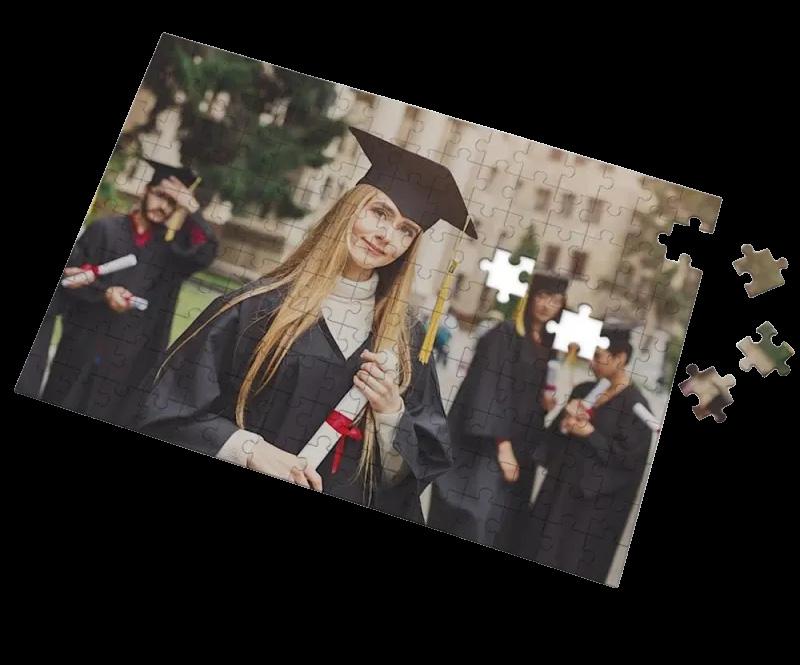
Custom Photo Puzzle, $15.95 Because the next chapter is built one piece at a time.
Citizen Eco-Drive Leather Strap Watch , $173.95 Time well kept.
Modern Desk Lamp, $54.99 Light for late nights and early ambitions.


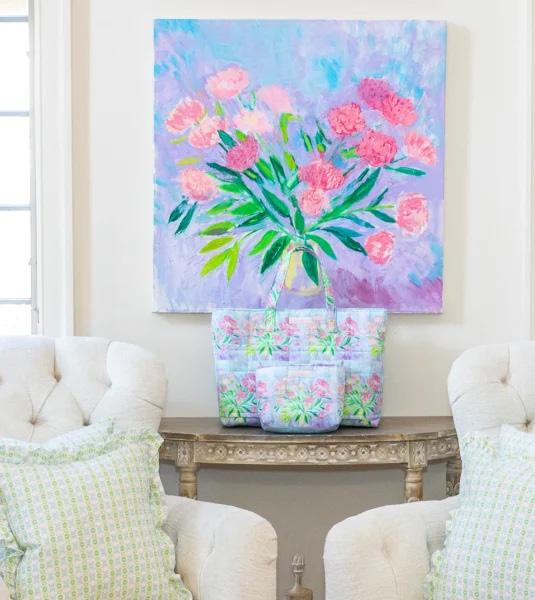
Pink Peony Oil Painting , $1,500
A fresh, feminine pop of color for dorm walls or a first apartment.
Leather Duffle Bag , $368 Weekend trips. Job interviews. What’s next.
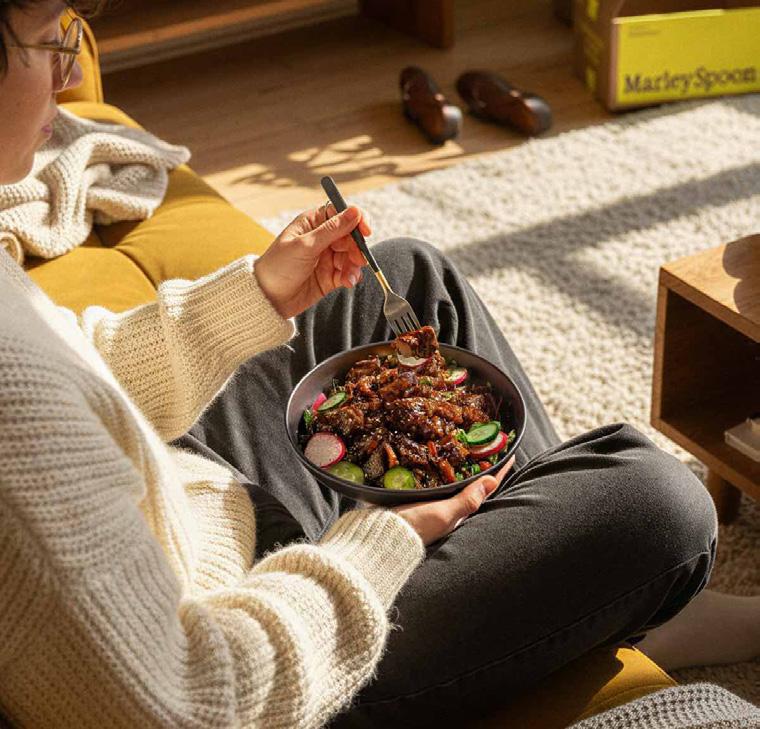
Prepared Meals
Subscription , Prices Vary
Ready-to-heat meals that make busy weeks easier.

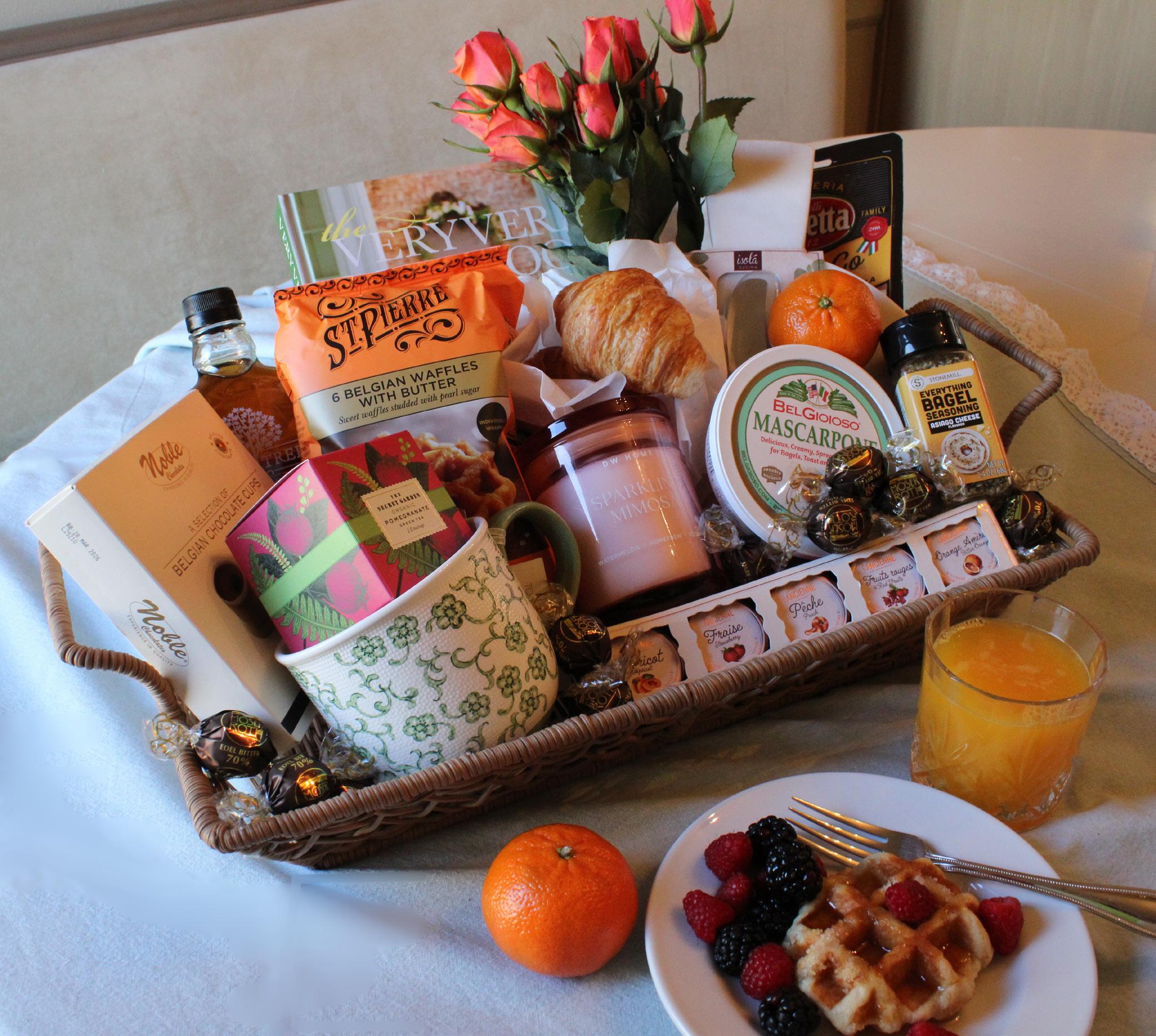
You don’t have to live at home to make breakfast in bed feel special again. A thoughtfully gathered tray—flaky pastries, fresh juice, flowers from the market, a pretty mug, a new cookbook, a candle lit before she wakes—turns an ordinary morning into something memorable, simple, and full of gratitude.

Pure Maple Syrup | $5.56
The real thing. Worth the drizzle.
, $14
A little something sweet to linger over.


The VeryVera Cookbook: Occasion s |$45
From a friend of Pretty, filled with timeless recipes worth savoring.
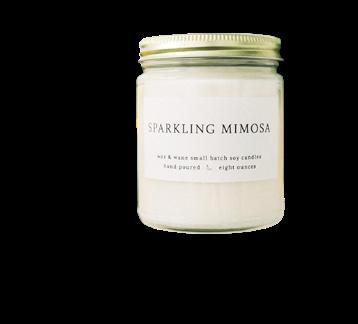
Sparkling Mimosa Soy Candle | $24 Orange zest and morning light.
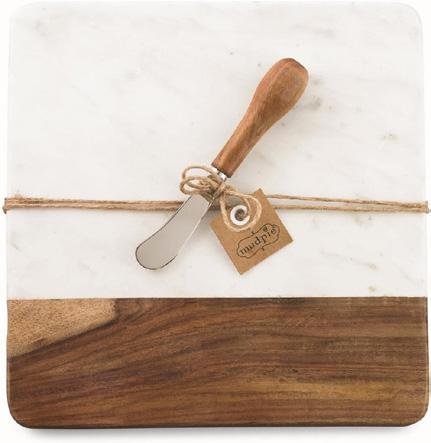
$31
For pastries, fruit, or whatever feels worth savoring.
Ribbed Stoneware Mug | $16.99
Substantial, unfussy, and made for lingering.

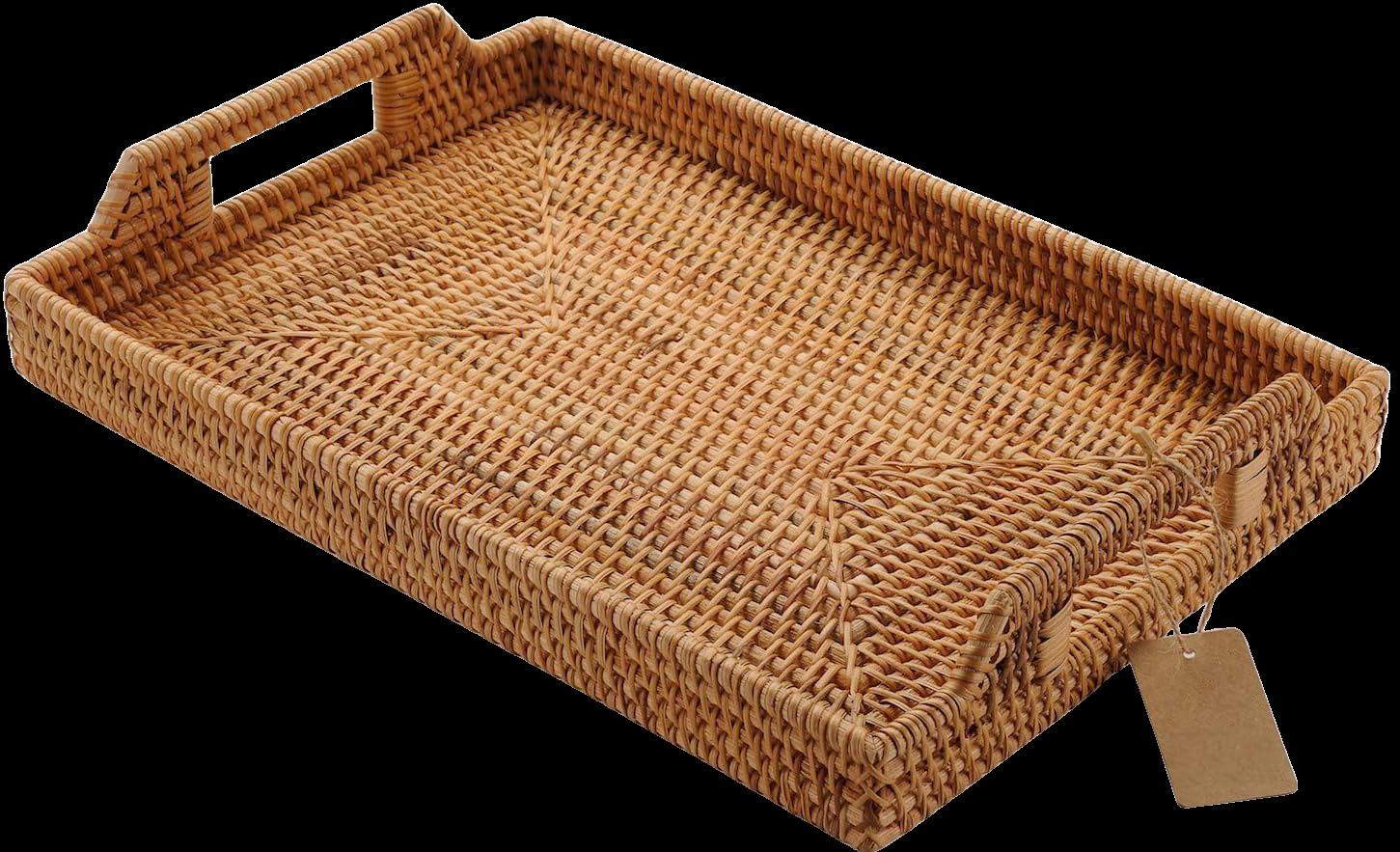
Hand-Woven Rattan Serving Tray | $28.99
The foundation of a beautifully gathered breakfast.


Everything Bagel Seasoning (Asiago) | $8.49
For the savory side of brunch.
Glass Bud Vase | $65. Fill with flowers. Repeat regularly.

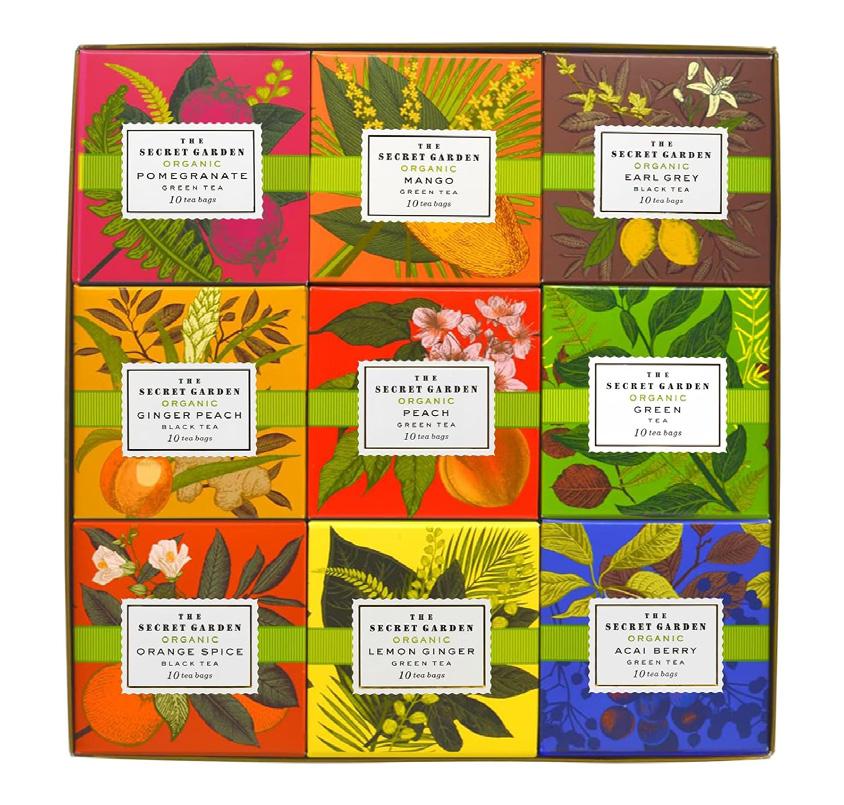
Nine flavors for slow mornings.
St. Pierre Belgian Waffles with Butter | Studded with pearl sugar, these are nothing like the frozen waffles you remember.
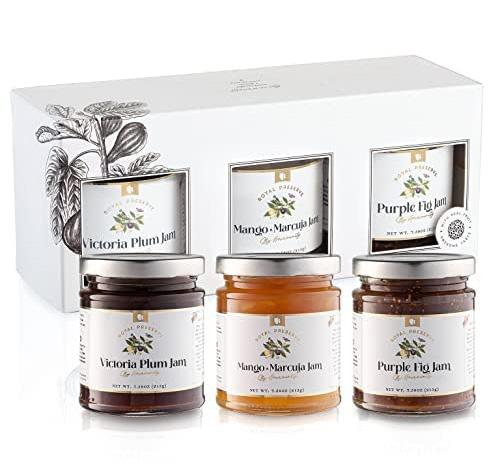
| $25.99
For toast, scones, and second helpings.
A Victorian home, five sons, and the magic that lingers long after the doors close.
Istill dream about the 1864 Victorian, even though I haven’t lived there for years.
During the day, I don’t let my thoughts wander there. But at night, I walk through that fairytale home. I rise from the four-poster bed my husband and I shared and let my feet glide over honey-colored hardwood planks. I walk softly, though I don’t know why. The house is solid. A creak in the slanted floorboards won’t wake the five sons sleeping upstairs.
I move down the hall, through the dining room, where moonlight gleams on the diamond-cut prisms of the chandelier. I sweep past the piano and the Jacobean buffet that holds my grandmother’s china and make my way to the living room. Through windows strong and straight as gentleman callers, I see the Mississippi. Some nights her waters are smooth—cool and dark as black granite. Other nights they are harsh and choppy, like a tantrum. Either way, the lights along the riverwalk cast a glow that spills into the house and settles on the marble fireplace, ornate and proud in the corner. A few of the hearth’s handmade tiles are loose. My pirate-boy sons once slipped crisp, folded two-dollar bills into the spaces.
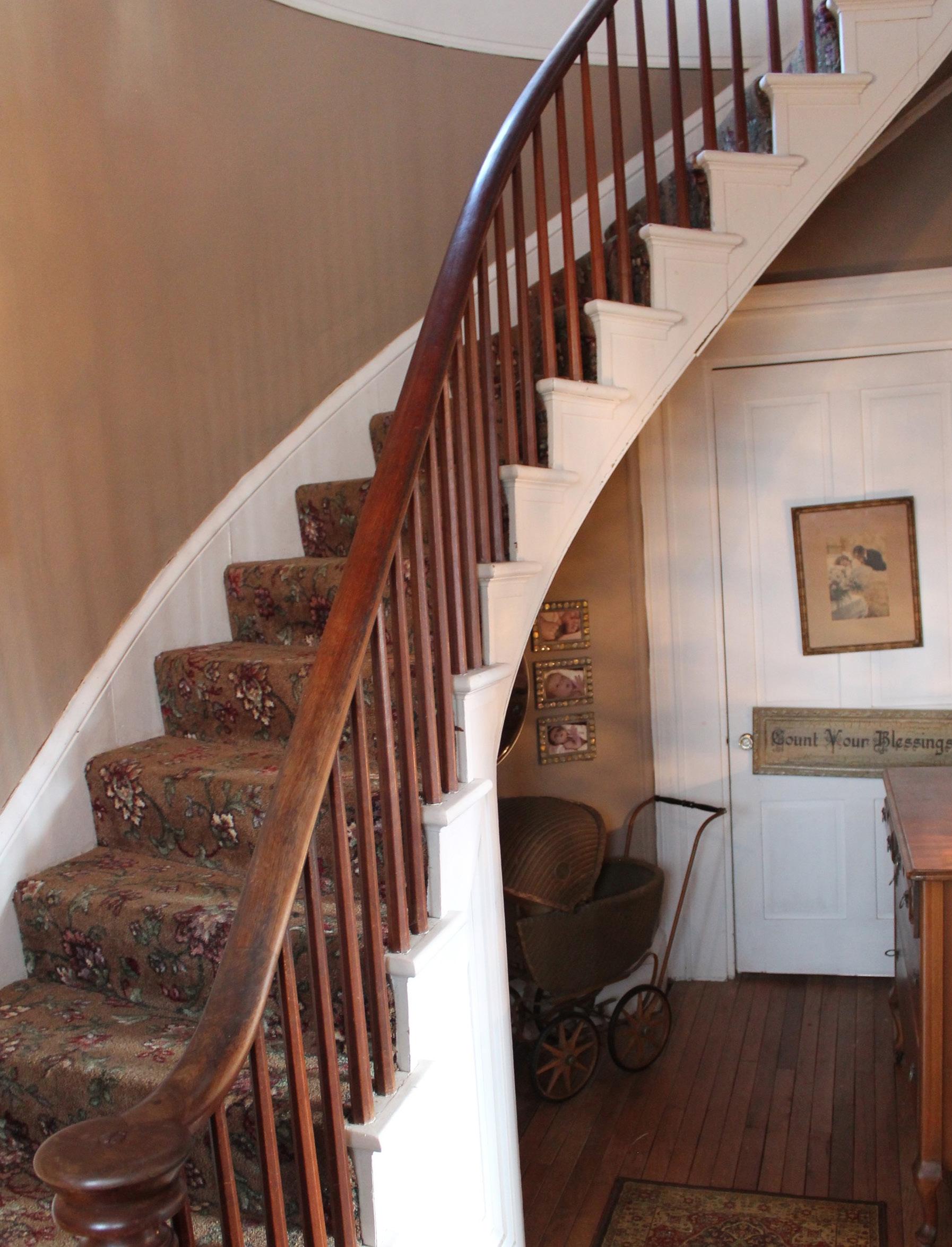
My favorite part of that grand old home was the staircase. Wide. Sweeping. The steps curved, and the sleek wooden handrail unfurled like a comma or the fiddlehead of a fern. I like to imagine long-ago ladies descending in Civil War–era gowns. But in my dream, as I travel up the stairs in the darkness, I duck. The stairwell has become a flight zone for Batman and Robin. Long strands of yarn stretch from top to bottom, and my gold hoop earrings catch on the Dynamic Duo’s clasped hands.
There are seventeen steps—some rectangular, some cut like slices of pie. I know exactly where to place my feet. Many nights I wafted up and down those stairs like a breeze, a newborn baby in my arms.
At the top is the gathering place of our family. Games, art supplies, and stacks of books once dappled the floor. Tall windows stand along the walls, though in my dream the curtains are drawn, keeping the evening hushed like a secret. Around the room are the bedrooms— white doors crowned with knobs etched in centurion soldiers. I crack one open. These rooms are where I want to linger. Two are square, as square as a room in a historical home can be. One has a rounded wall that curves with the swell of the stairs.
These rooms hold my sleeping children, and in my dream I move from one to another. By night, my sons are angels. By day, their energy brings the sleeping beauty of that structure to life.
We homeschooled our children, and on the other side of the house—through the kitchen and down the butler’s stairs—was our schoolroom. There we read great books, filled test tubes, recited poetry, and painted on canvas with brushes crowded into a green glass jar. A great map hung on the wall beside a chart of the elements. Bookcases strained to hold all we had read.
I tried to raise modern-day Prince Charmings, and many say I did. My sons understand chivalry and practice walking the narrow path of the noble. They honor women and greet other men with handshakes solid and strong.
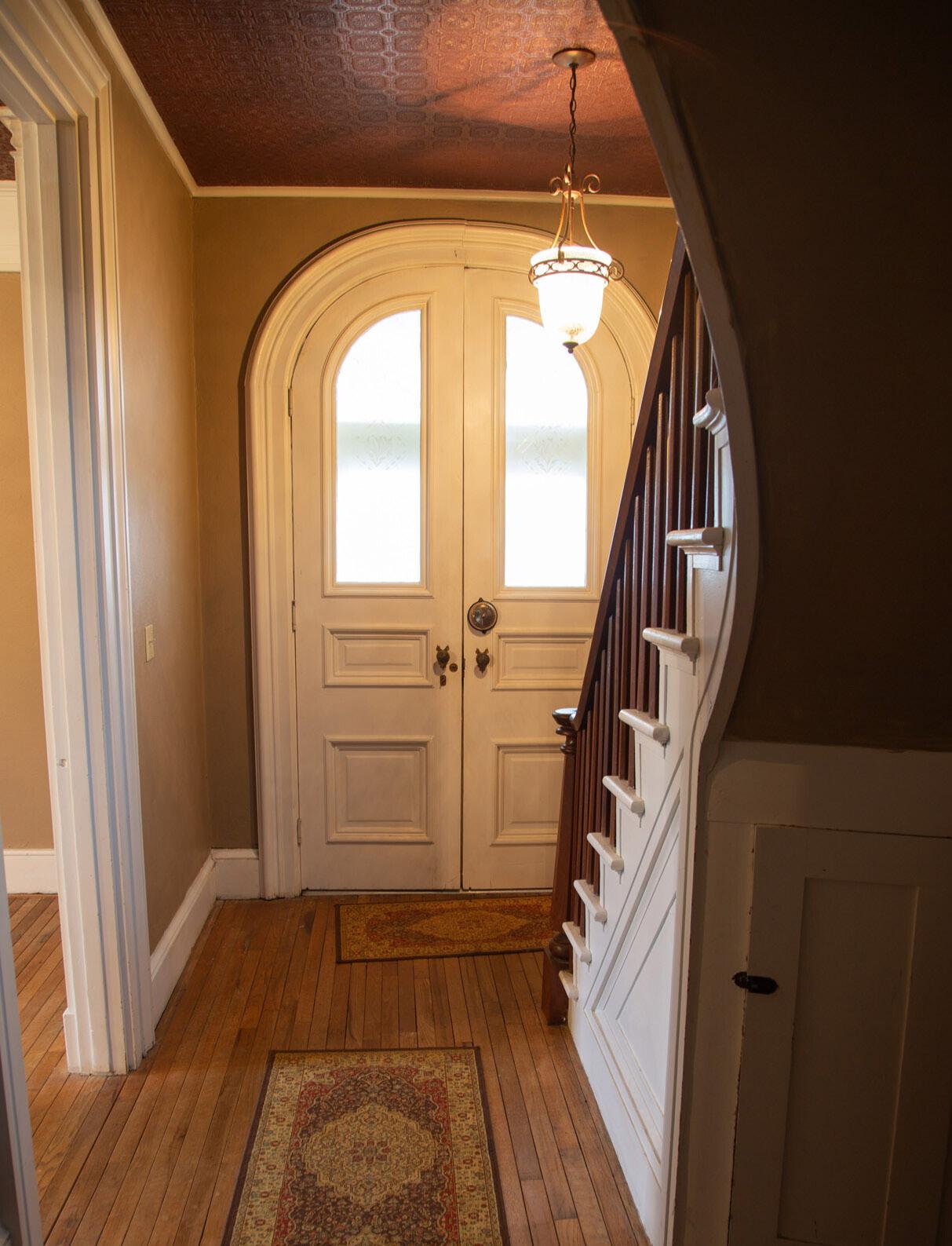
Somewhere in real time, I know it is almost time to wake. But before I descend the staircase, I stand over each child, scattering prayers and kisses across his sleeping blond head.
But they also understand the magic of boyhood.
Our backyard was a land to be conquered. Pirates sailed the great swing-set sea-ship, and sometimes I played along. We were Captain Curry (my grandfather’s surname), Blacktooth (after a fall from the helm), Oceanus (the first baby born on the Mayflower—though I was never quite sure how that fit), and Mama Red.
The pirates wielded swords and buried booty in the soft river dirt beneath two-hundredyear-old maples planted before the town itself. Other days the sea became the Wild West. We had explorers. Mountain men. Soldiers. Our fairytales were of knights and kings and castles—of strong men who conquered and protected, wore the knees from their Levi’s, and left dirt rings in the tub at night. They climbed branches with binoculars, slung smooth stones through windowpanes, carved hobbit caves beneath the front stairs, and donned coonskin caps to defend the porch stockade.
Somewhere in real time, I know it is almost time to wake. But before I descend the staircase, I stand over each child, scattering prayers and kisses across his sleeping blond head.
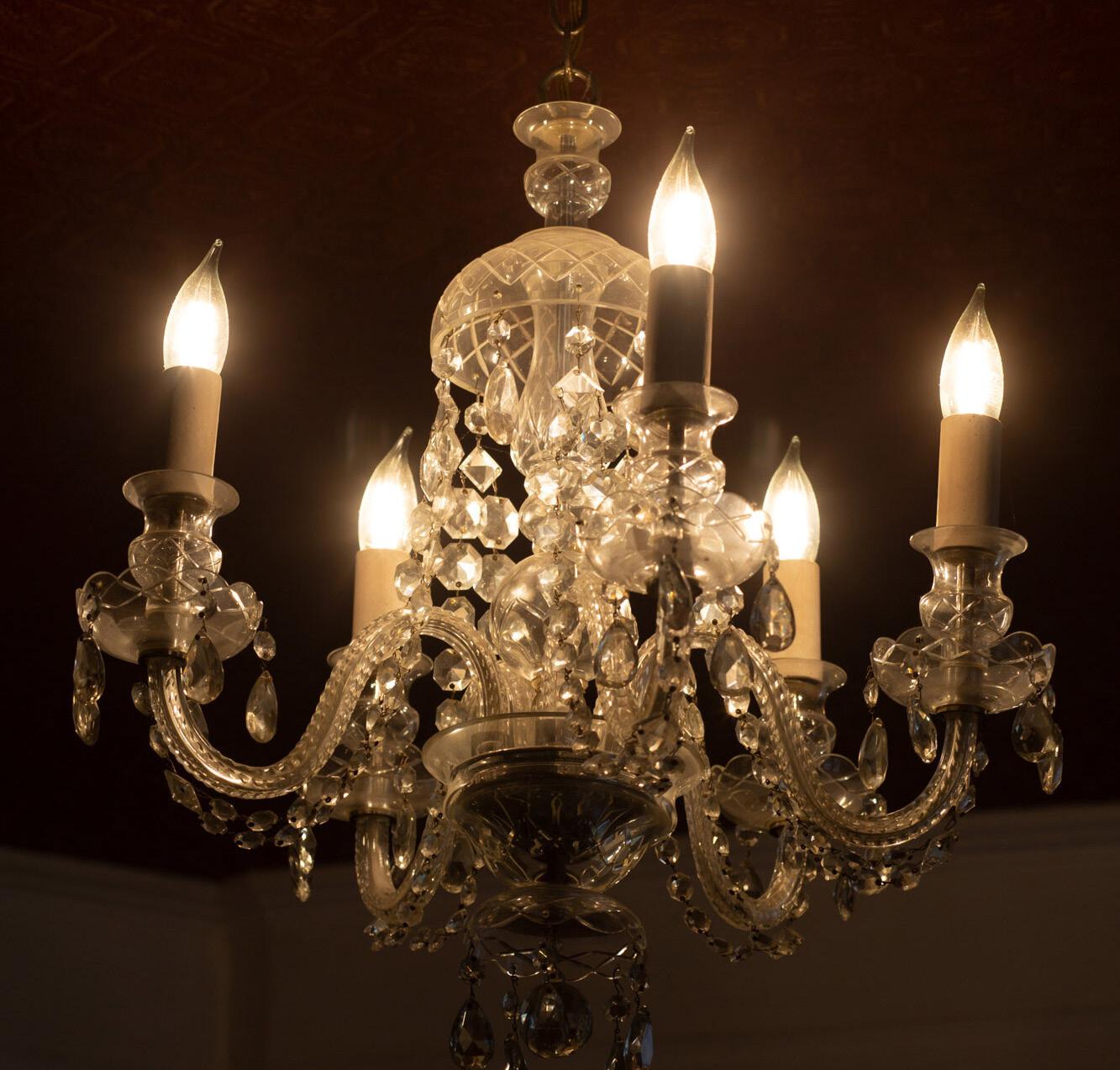
“I love you, young princes,” I whisper into the dark hall.
And I wake.
The mornings after such dreams can feel sad and startling. My children are grown now. The Victorian is no longer mine. That fairytale life has closed like the worn cover of a beloved book.
But perhaps that is where the truest magic lives.
When the fairytale ends, yet we are changed by it. When we have traveled to distant lands with young princes. When we have held treasure as real as gemstones in the sun. When we carry forward what we gleaned from those pages— with eyes trained to see beauty, with courage to live gallantly, and with souls open to new enchantments.
Writing new fairytales along the way.
Fairytales of the young boy’s heart.
And dreams let me join the adventure.
Shawnelle Eliasen writes from Iowa, where she lives with her husband, Lonnie; the youngest of their five boys, Isaiah; and their dog, Hazel.
Lab Essential: Hot coffee and a good team. “Nothing I do exists without others,” she says. “I also love anything chocolate!”
At Home: “I’m not at home that often,” she explains, “and usually when I am, I’m sleeping!”
Brain Food: “I listen to a lot of classical jazz when I write and when I code,” she says. “It helps to have something melodic in the background.”
Most Challenging Moment: Switching research from Alzheimer’s to epilepsy: “It’s important to know when to pivot.”
Sailing Lesson: “Trust the people in the boat with you. It applies to sailing. work, and life in general.”
Fun Fact: “I love rainy days because everyone’s inside together, commiserating about the same thing.”
Most Admired: “The female scientists who paved the way for me.”
Favorite Book: Island of the Blue Dolphins, which she’s read several times since childhood.

Birmingham, AL

Using math and algorithms to “decode” the brain’s response to electrical stimulation, her work helps physicians know which brain tissue is healthy and which is part of a seizure network in patients with epilepsy.
The only girl among four brothers, she grew up in a house full of noise, negotiation, and motion. Systems thinking came early—learning how people move, react, and influence one another.
Outside the lab, Helen Elizabeth sails. Wind and current demand constant adjustment— not unlike the neural systems she studies—and both reward patience, pattern recognition, and steady hands.
Whatsoever things are lovely...think on these things. (Phil.4:8, KJV)

“Life doesn’t have to be perfect to be beautiful.” –Annette Funicello
The reward for conformity is that everybody likes you except yourself.
–Rita Mae Brown
Be a good friend. Love freely, even if you are likely–almost guaranteed–to be hurt, betrayed.
–Tennessee Williams
Never
be limited by
other people’s limited imaginations.
– Dr. Mae Jemison
Above all, be the heroine of your life, not the victim.
– Nora Ephron
Aging is a privilege: along with it comes the power of wisdom and experience. –Paulina Porizkova
You carry the passport to your own happiness.
–Diane von Furstenberg
does not always roar. Sometimes courage is the quiet voice at the end of the day saying, “I will try again tomorrow.”
–Mary Anne Radmacher
“The best way to get started is to quit talking and begin doing.”
–Walt Disney
OPPORTUNITY is missed by most people because it is dressed in overalls and looks like work.
–Thomas
Edison

The most difficult thing is the decision to act; the rest is merely tenacity. –Amelia Earhart

A person who never made a mistake never tried anything new.
–Albert Einstein