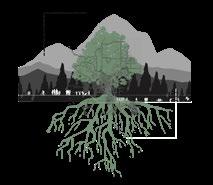
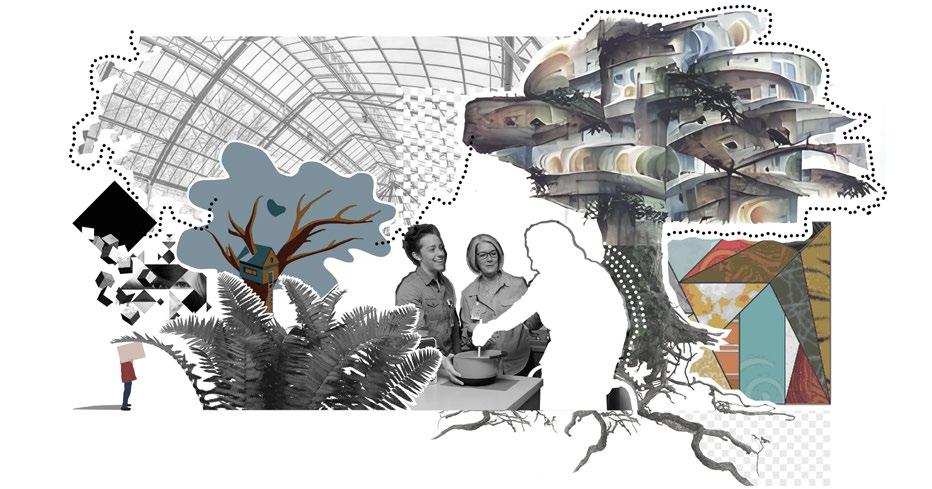
In my architectural practice, I am deeply inspired by the principles of biomimicry, worldbuilding, environmental stewardship, and cultural integration. My designs strive to replicate the efficiency found in nature, envision sustainable environments, and respect diverse cultural stories. My goal is to create communities that exist in harmony with their environment, promoting resilience, inclusivity, and timeless beauty for generations to come.
The ECCS Project / Lead Architectural Designer Tempe, Arizona
Overseeing design elements like energy systems, thermal storage, and water purification. Managing documentation, collaborating with engineers, and aligning with sustainability goals. Supporting code compliance and contributing to grant proposals.
Worked closely with Professors Stephanie Surjan, Zoe Cope, and Angie Nguyen in an academic setting, facilitating student learning through assessment, office hours, and grading.
‘23- Aug ‘23
Arizona State University / Graduate Research Aide
Music and Lighting Experiment
Collaborated with Prof. Dongwoo Jason Yeom on research focused on the interplay between indoor environments, human physiological responses, and productivity, contributing to data collection and experimental analysis.
‘21- July ‘22
‘20- Dec ‘20
Ochre Architects / Junior Architect Bangalore, India
• Spearheaded the renovation and expansion of a 60x120 ft residence, from schematic design through to construction.
Handled design development, detailed drawings, 3D visualization, and client coordination, ensuring project success and client satisfaction.
Ochre Architects / Architectural Intern Bangalore, India
Contribted to the architecture and interior design for a clubhouse within an apartment complex, encompassing design development, working drawings, and construction details. Led presentations, facilitated client meetings, and conducted site visits, ensuring seamless project execution and stakeholder satisfaction.
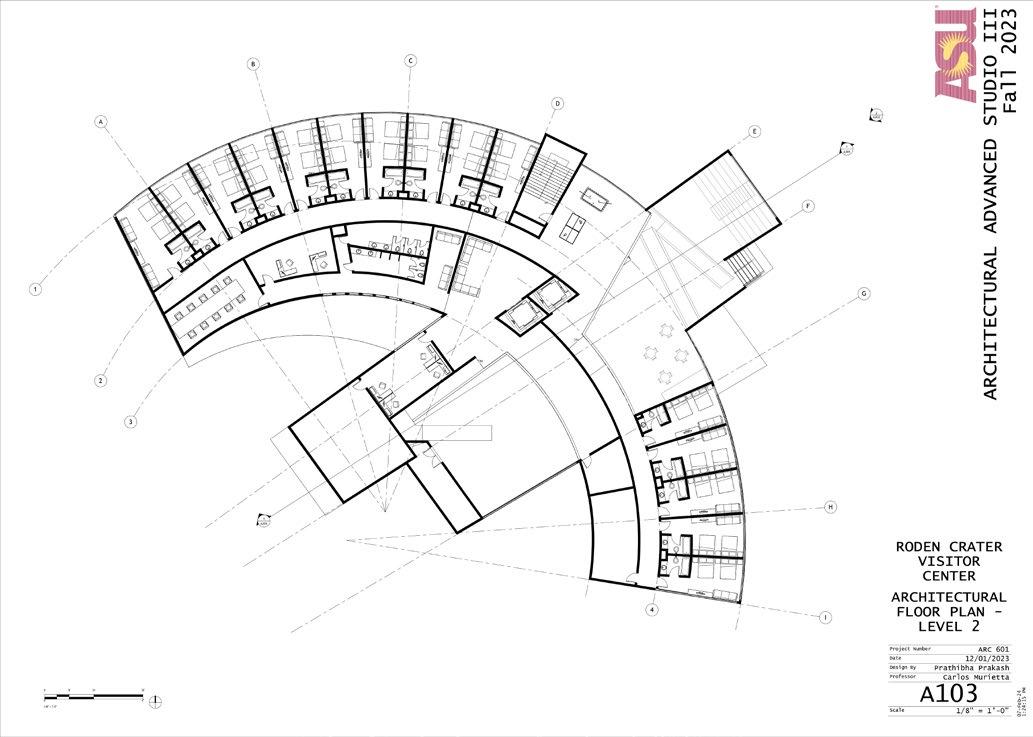
Course: Architectural Studio III Instructor: Carlos Murietta
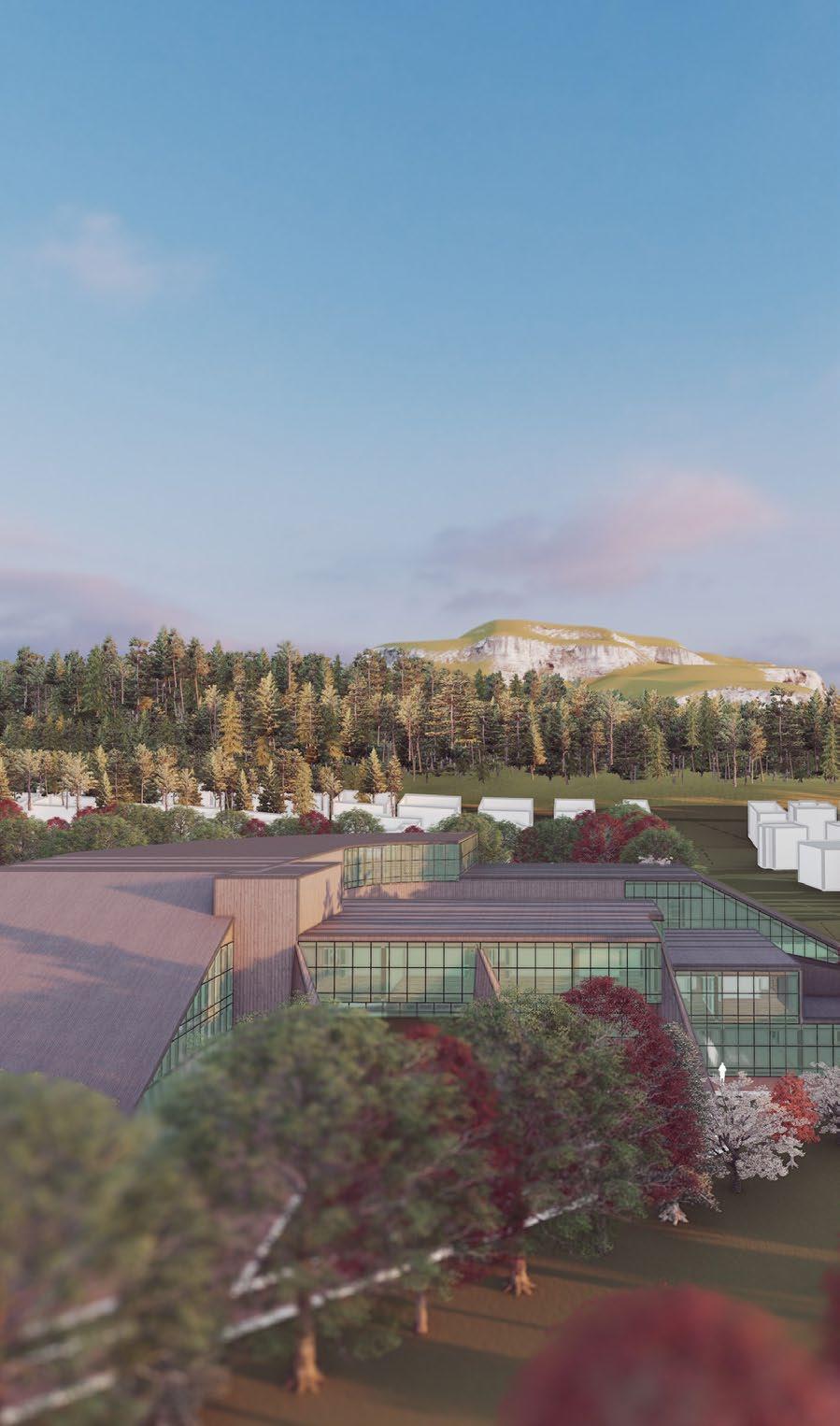
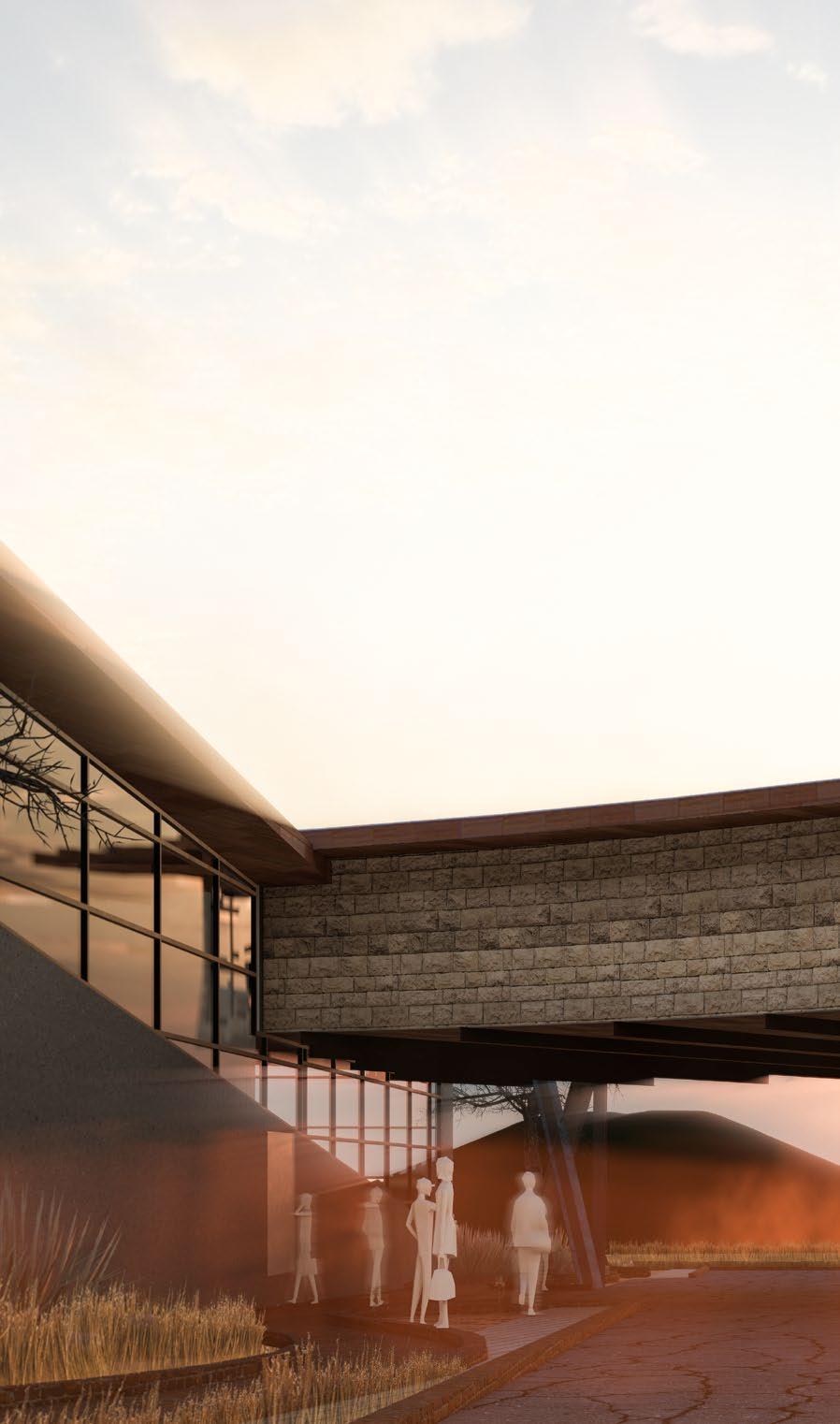
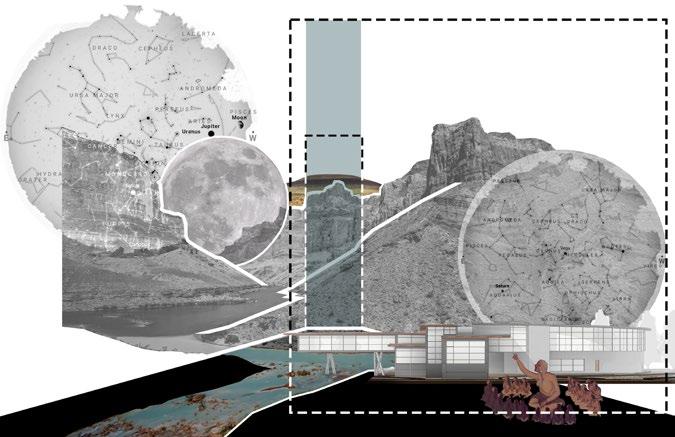
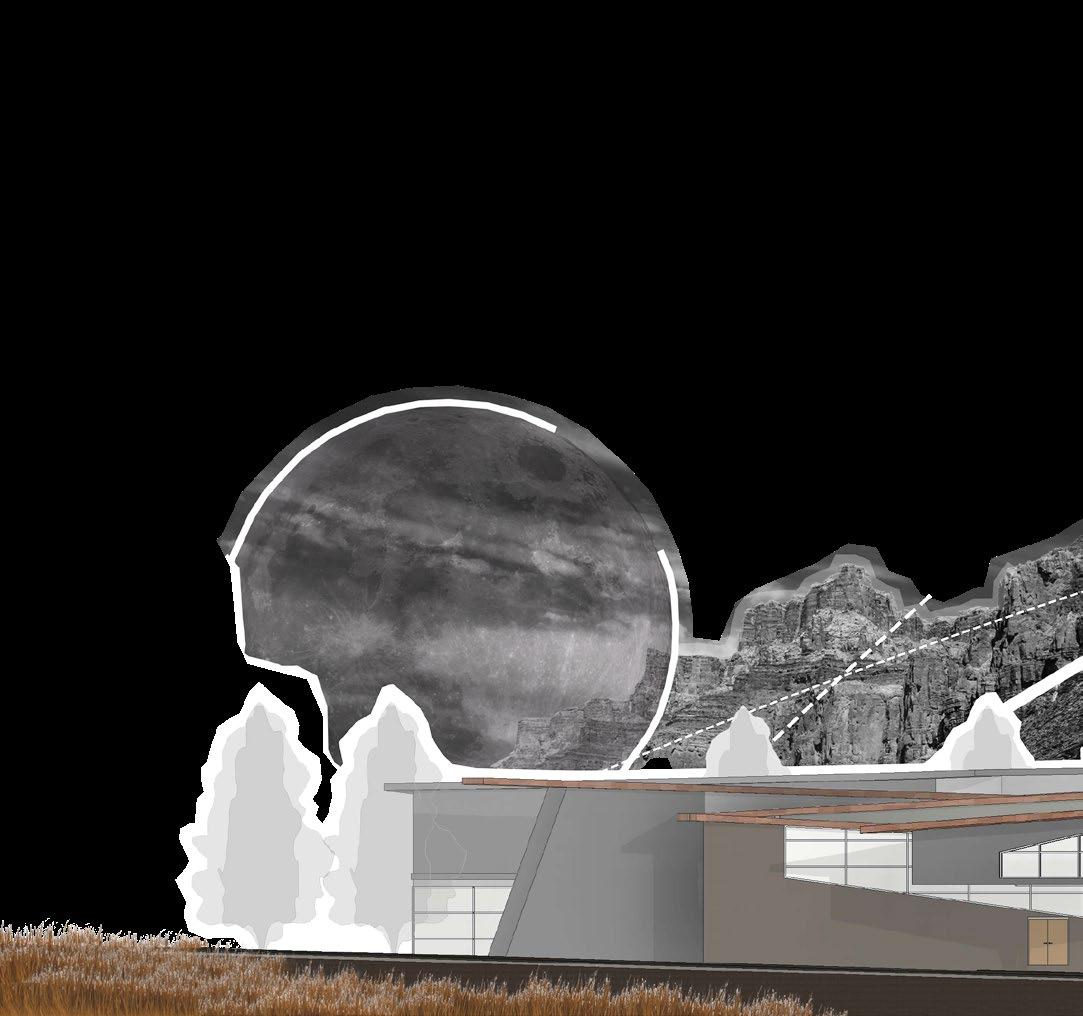
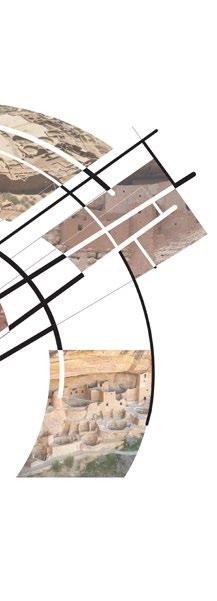
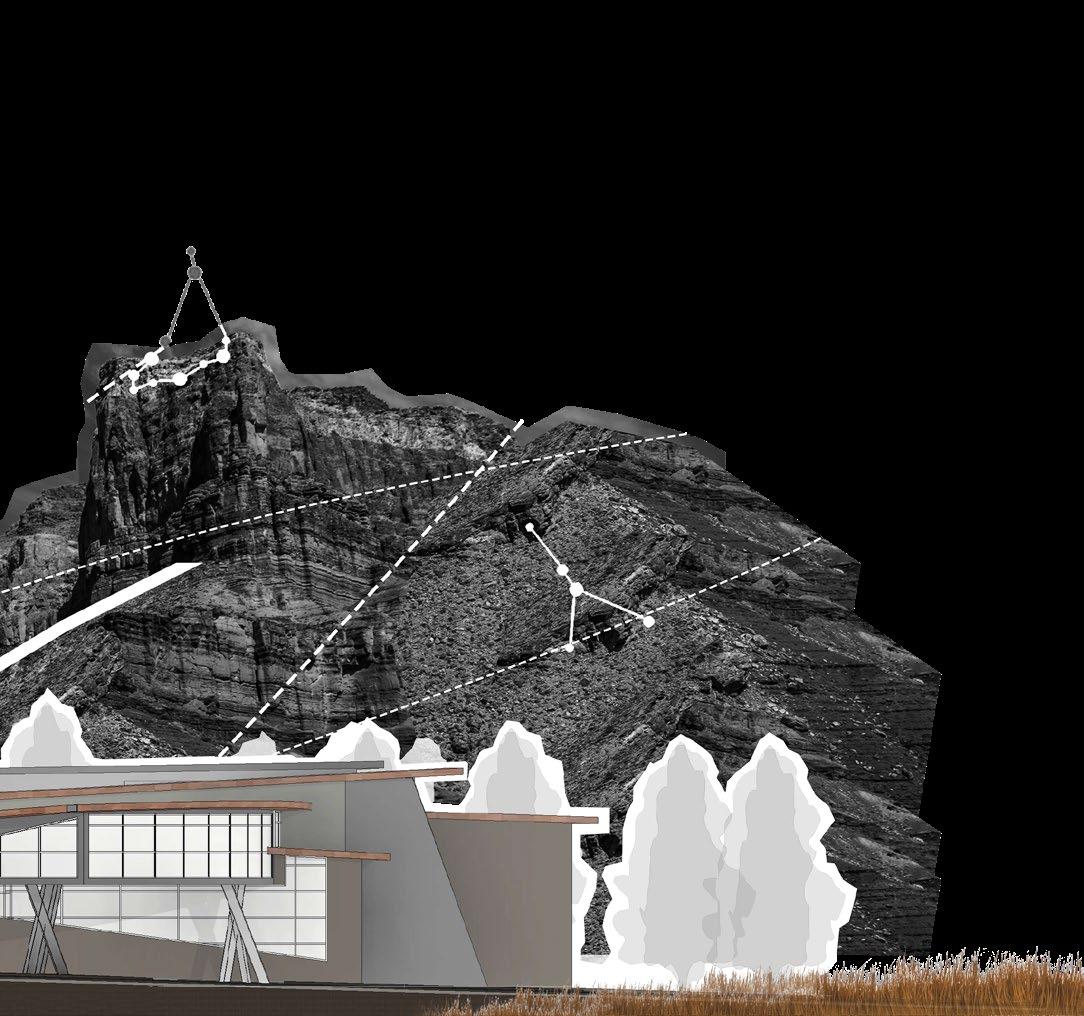
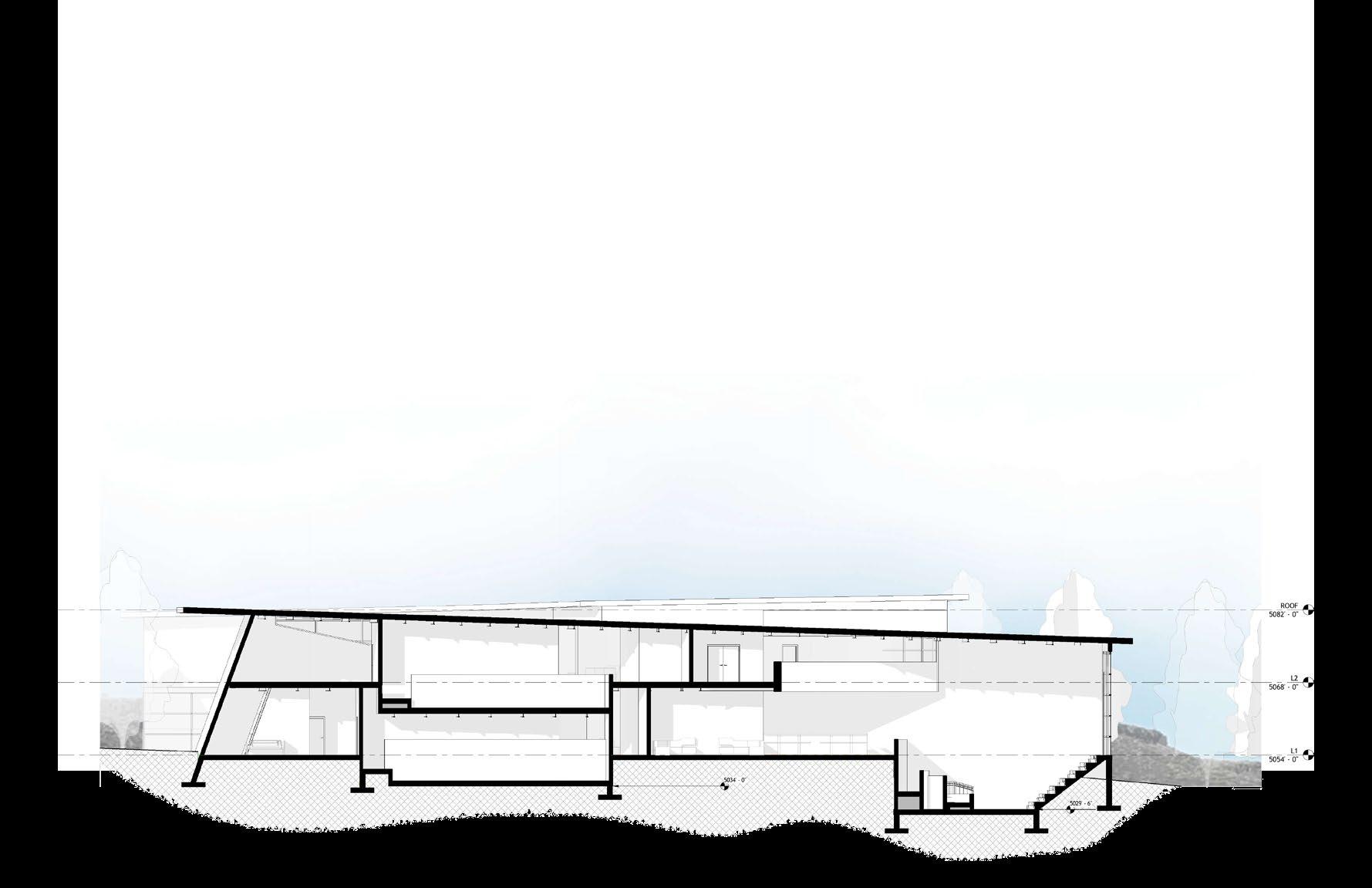
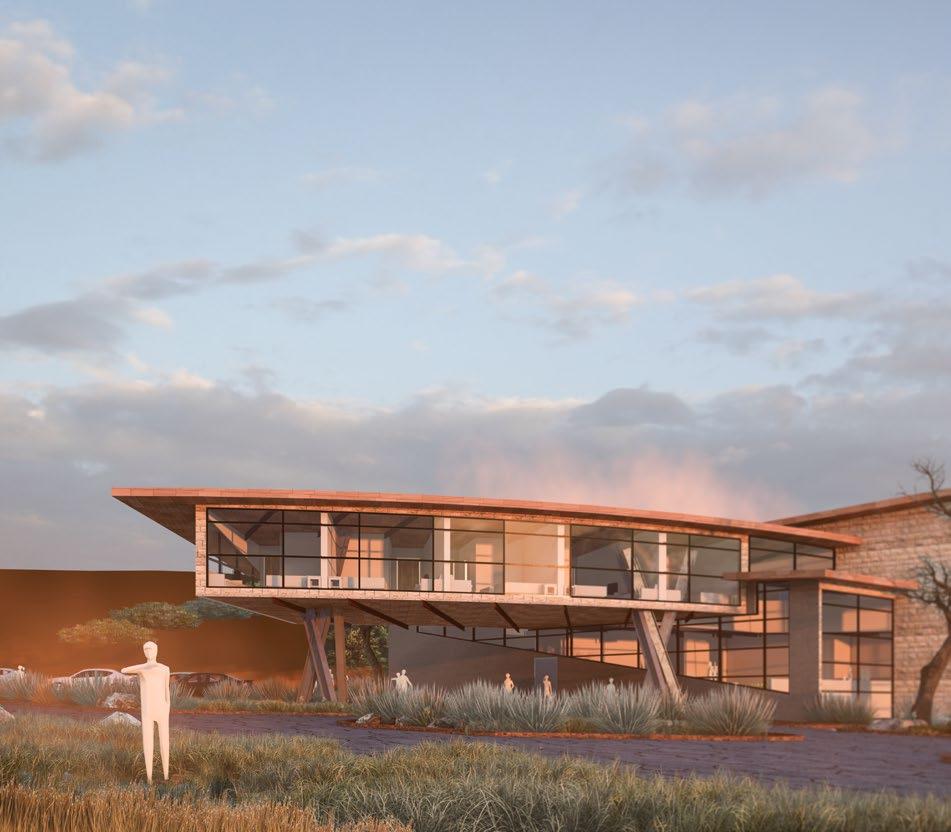
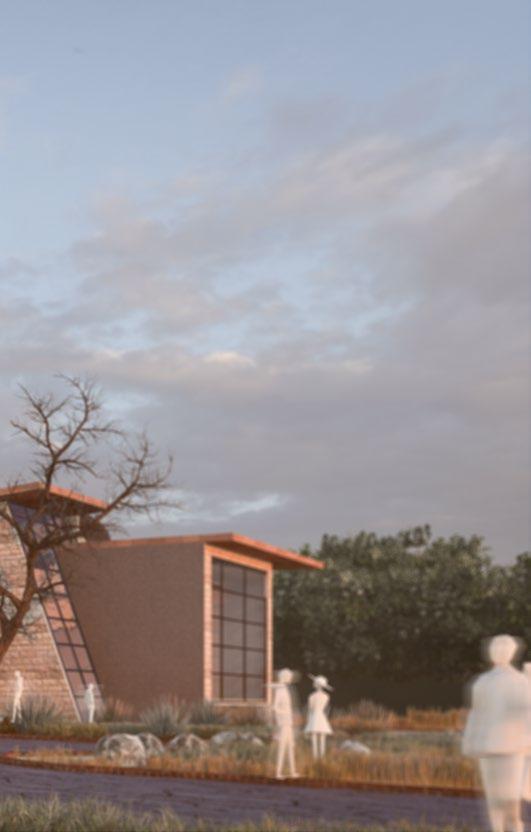
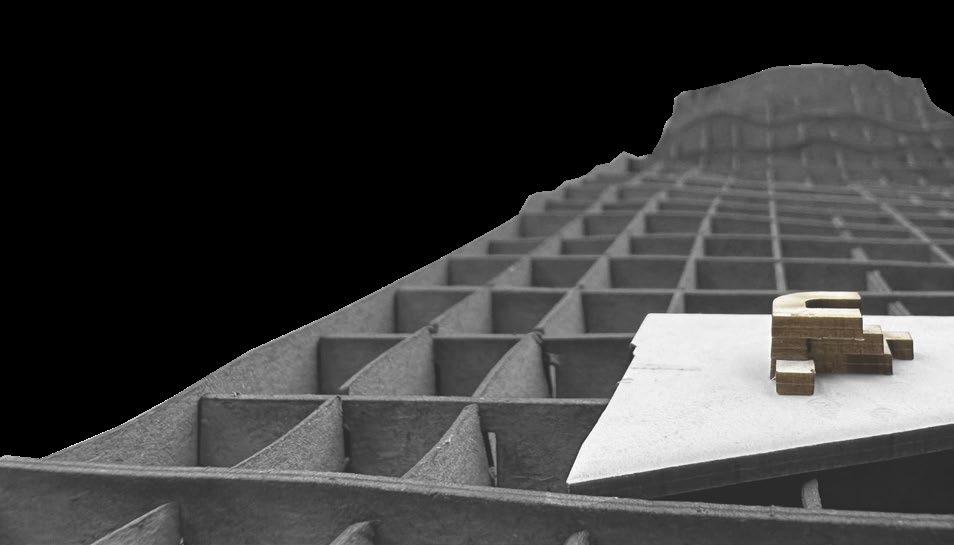
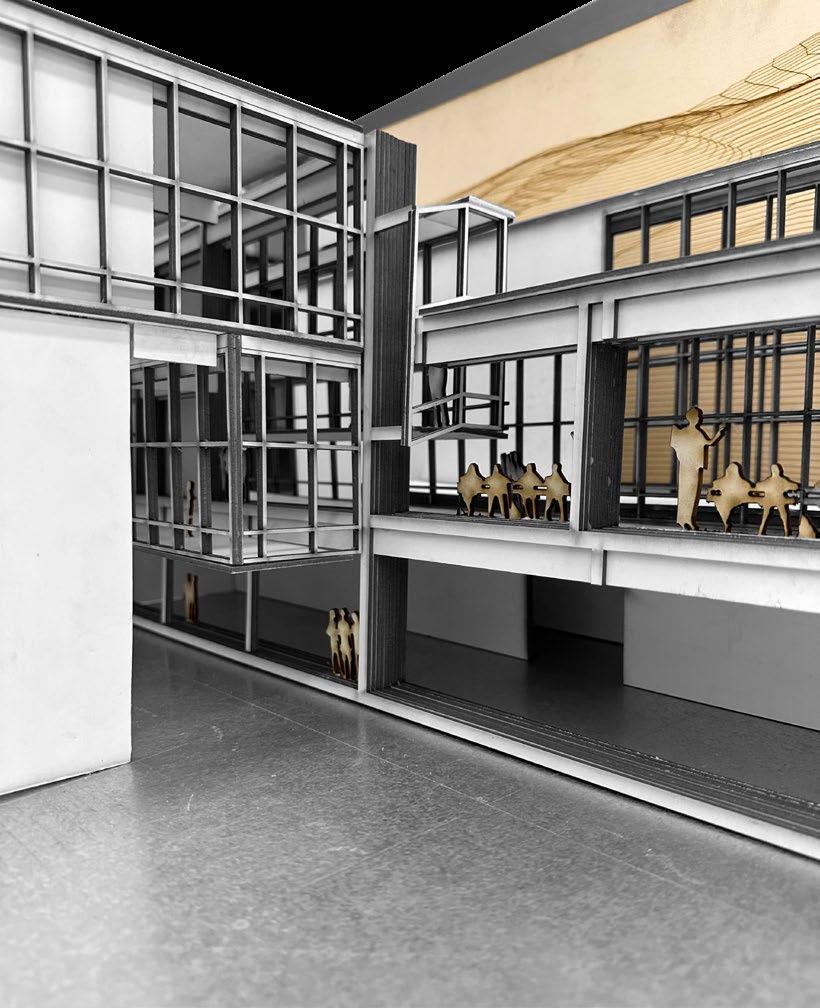
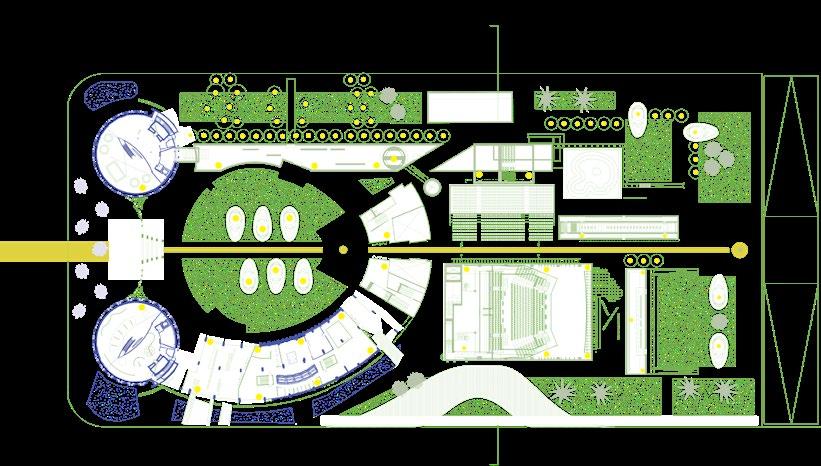
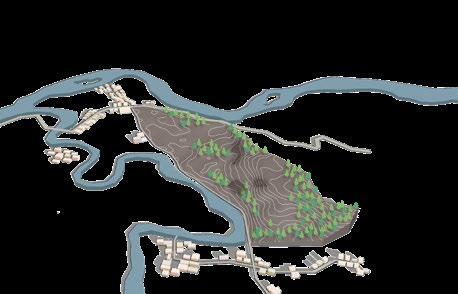
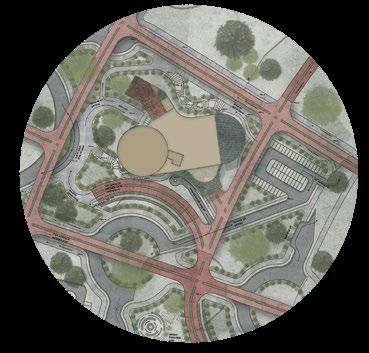
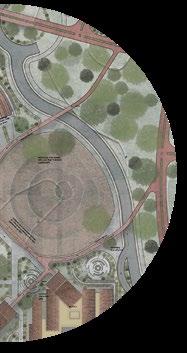
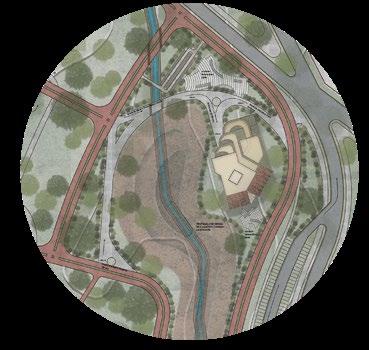
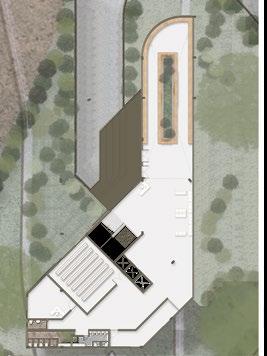
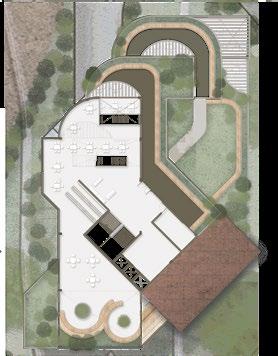
The Roden Crater visitor center is a project that revolves around Roden Crater by James Turrel- an immersive artwork created within a volcanic cinder. This project focuses on the history and culture of the region of the native tribes that surrounds the site.
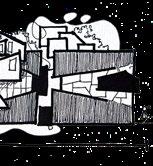
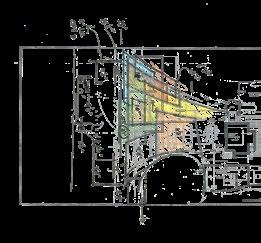
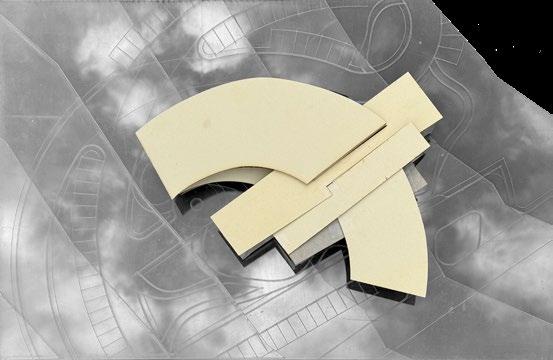
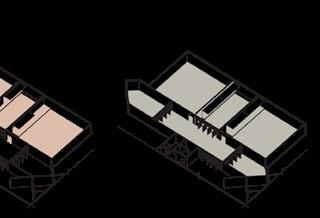
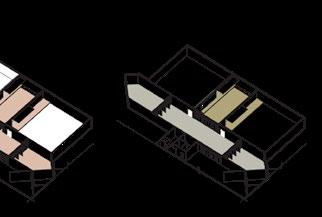
The zoning is inspired by the history of the region being a cultural crossroads of immense importance. The programming and form is developed using the functionalities that the tribes (Anasazi and Sinagua) were known for.
south-west colorado
lodging observation decks
lodging plaza ball courts trade display gifting plantations dd central america gulf of california colorado plateaue
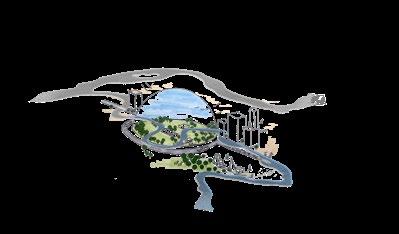
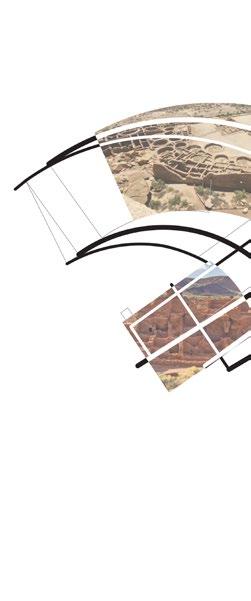
There is a ton of history about the Little Colorado River basin and its significance to the native Americans. From hundreds of years, this particular valley is known to have been the origin point of all the stories that have been told across generations. The basin also has a lot of native herbs growing. Combining these ideas in the form which is intersecting, combining linear and curvilinear geometry, with the programs and the nature attached to the history of the place. anasazi route
north-east arizona
sinagua route
Wherestoriesmeettradition+architecture LITTLE COLORADO RIVER BASIN
chaco canyon
Wupatki
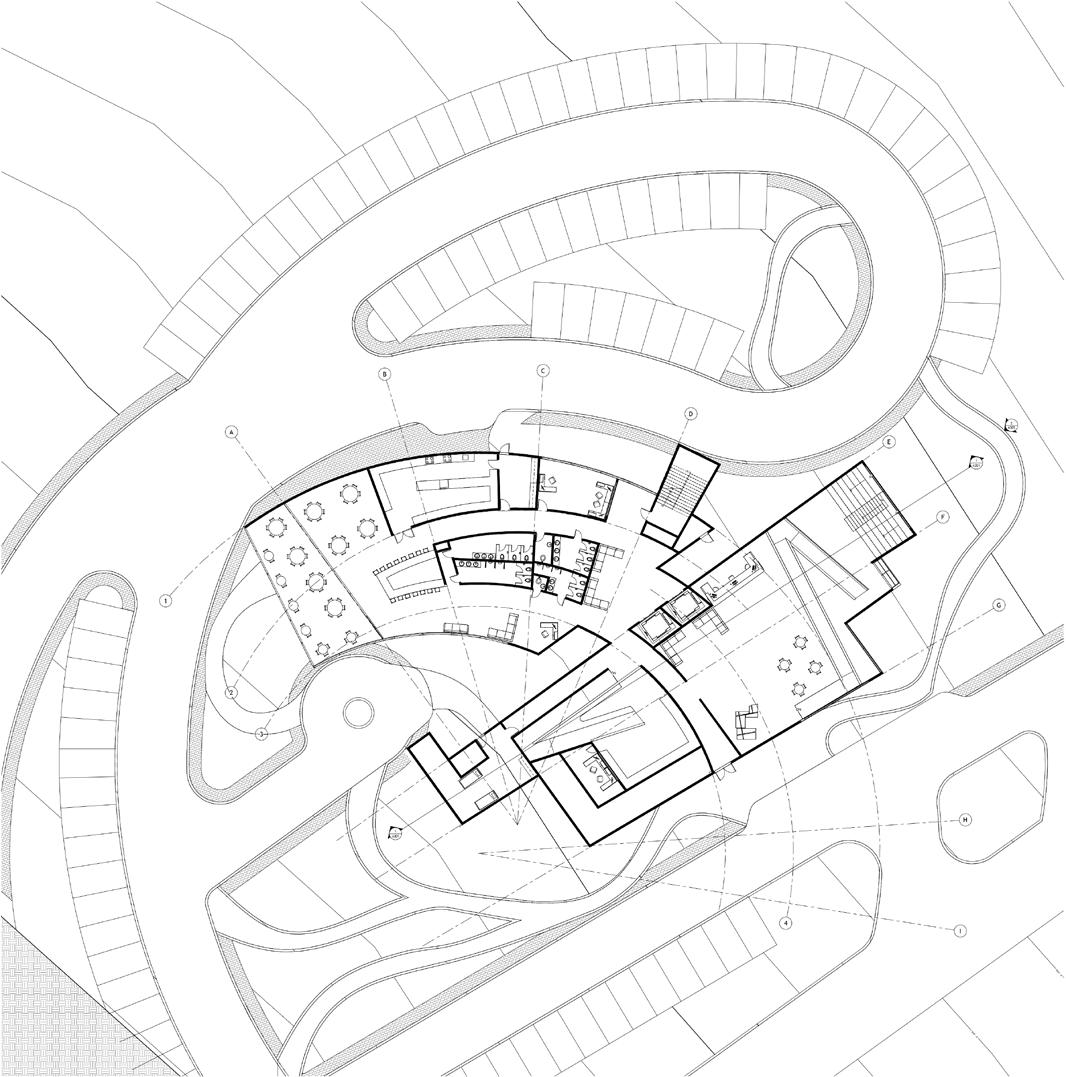
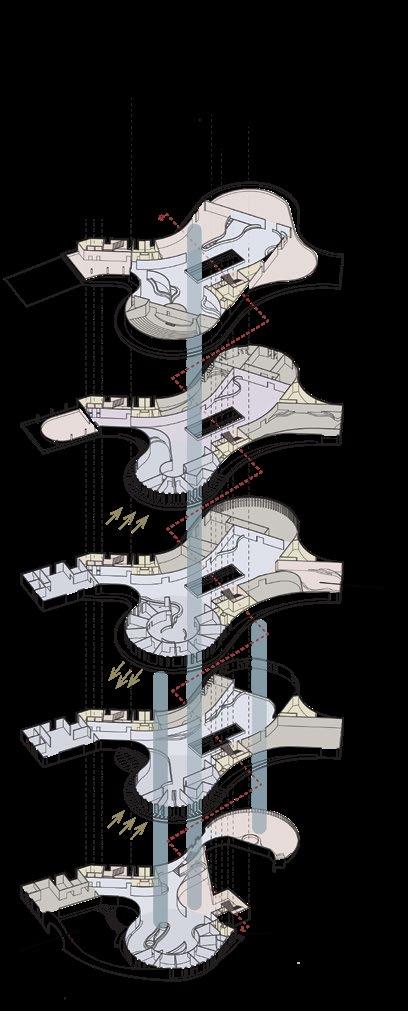
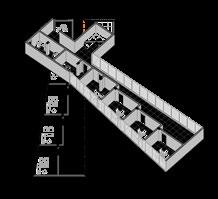
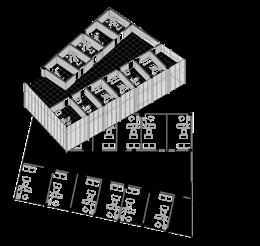
1. Entrance vestibule
2. Main lobby 3. Tour desk
4. Auditorium
5. Gift store
6. Emergency room
7. Restroom
8. Gift store office
9. Storage
10. Elevator lobby
11. Waiting area
12. Reception
13. Lodging waiting area
14. mdf
15. Lodging office
16. Kitchen storage
17. Commercial kitchen
18. Indoor seating
19. Outdoor seating
20. Bar
21. Restrooms
22. Elevator lobby
23. Museum
24. Museum office
25. Archive
26. Video alcove
27. Storage
28. Bedding storage
29. Lodging lobby/ entertainment
30. Office waiting
31. Office
32. Meeting room
33. Lodging rooms
34. Restrooms
A cultural crossroads of immense importance to both Hopi and Navajo, the confluence of Little Colorado River and Colorado River in the heart of the Grand Canyon is one of the most revered places of which the elders speak- A homeland where myths and legends were born.
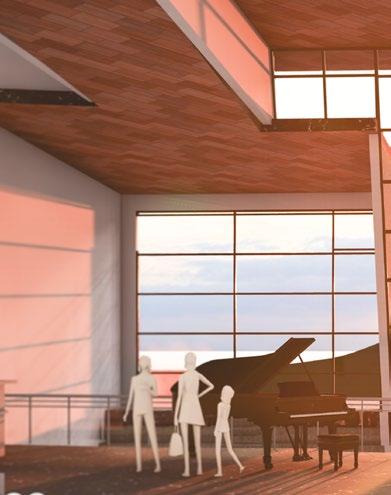
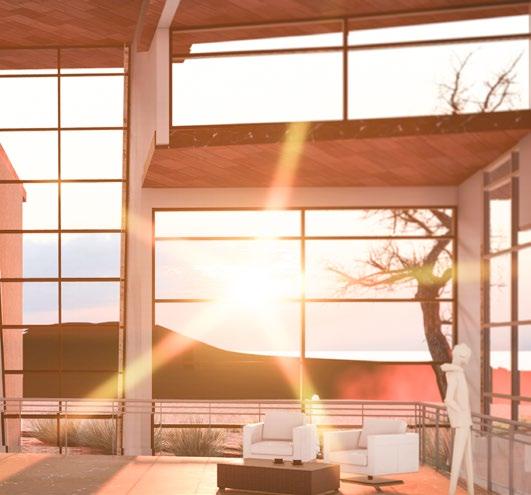
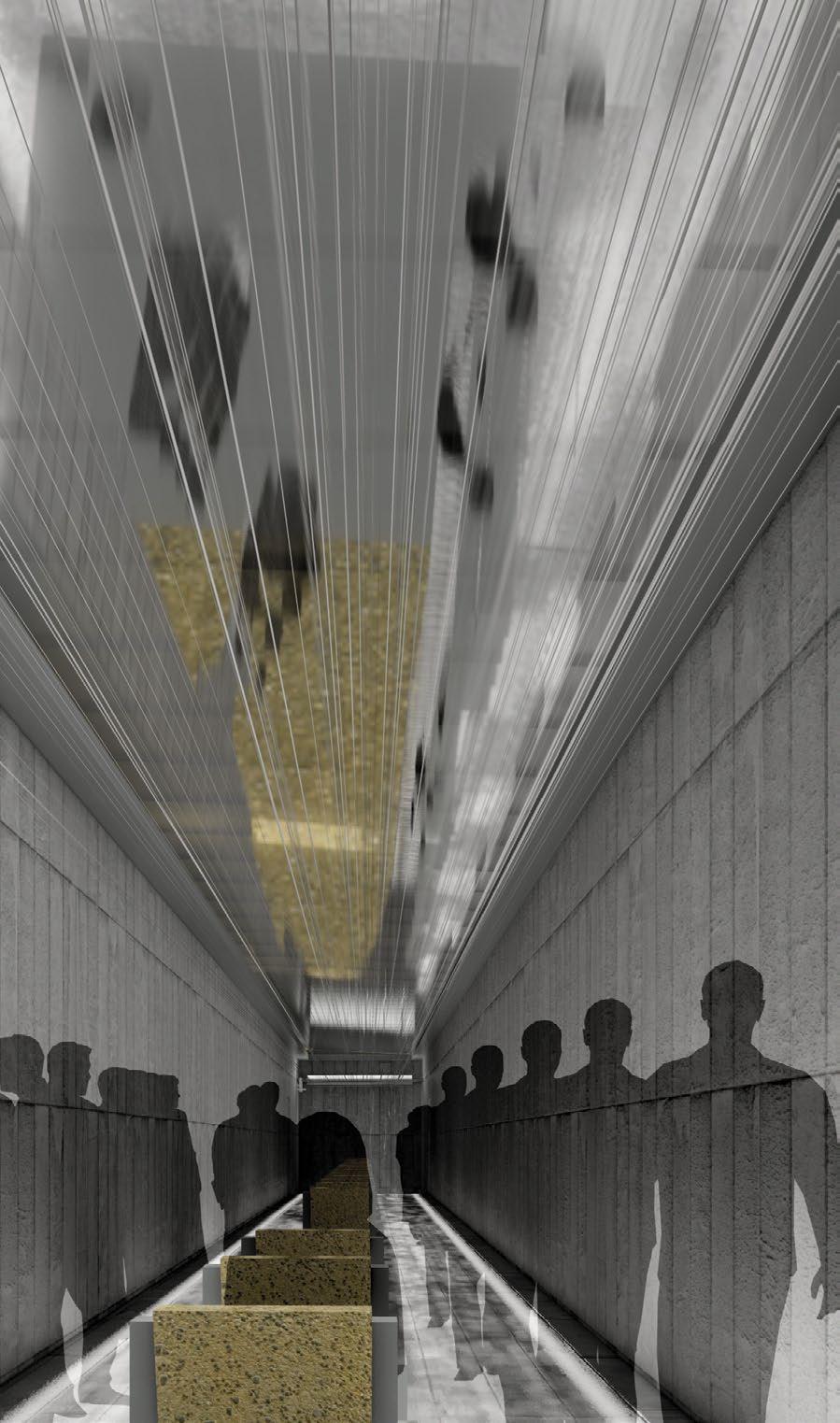
This visitor center is a collection of those legends in one building, for people of all ages to reconnect with the roots of this region. It is a bridge between past stories and future innovation attached to this context- a bridge between Anasazi sky-watchers and Roden Crater, between traditionally utilized plants of the past and AERA’s teaching herbarium. Traversing towards and through the visitor center is an experience that is a mix of having a stroll at the LCR basin valley and through the ancient dwellings of Sinagua and Anasazi, connected visually to the crater from all spaces.
View towards the Flat Irons
NEW VISTA COMMUNAL ROOTS ACADEMY
Academic Project- Spring 2023
Boulder, Colorado
Course: Architectural Studio II
Instructor: Phil Horton
Team: Jackson H Flagal
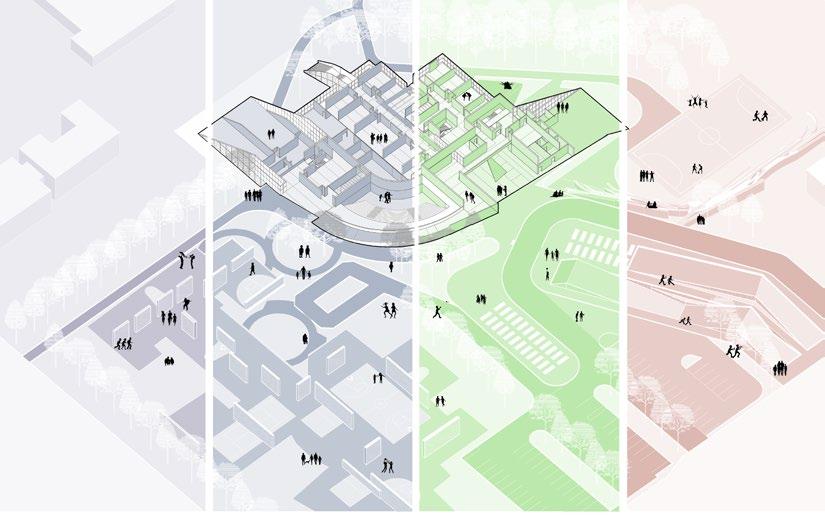
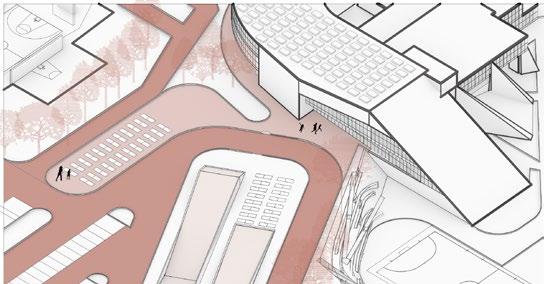
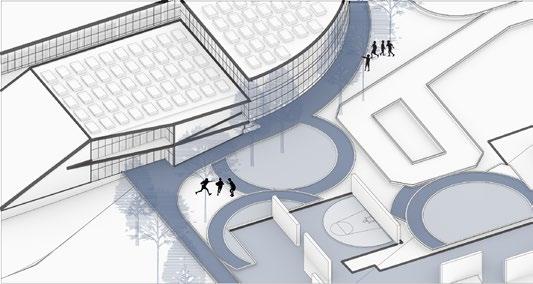
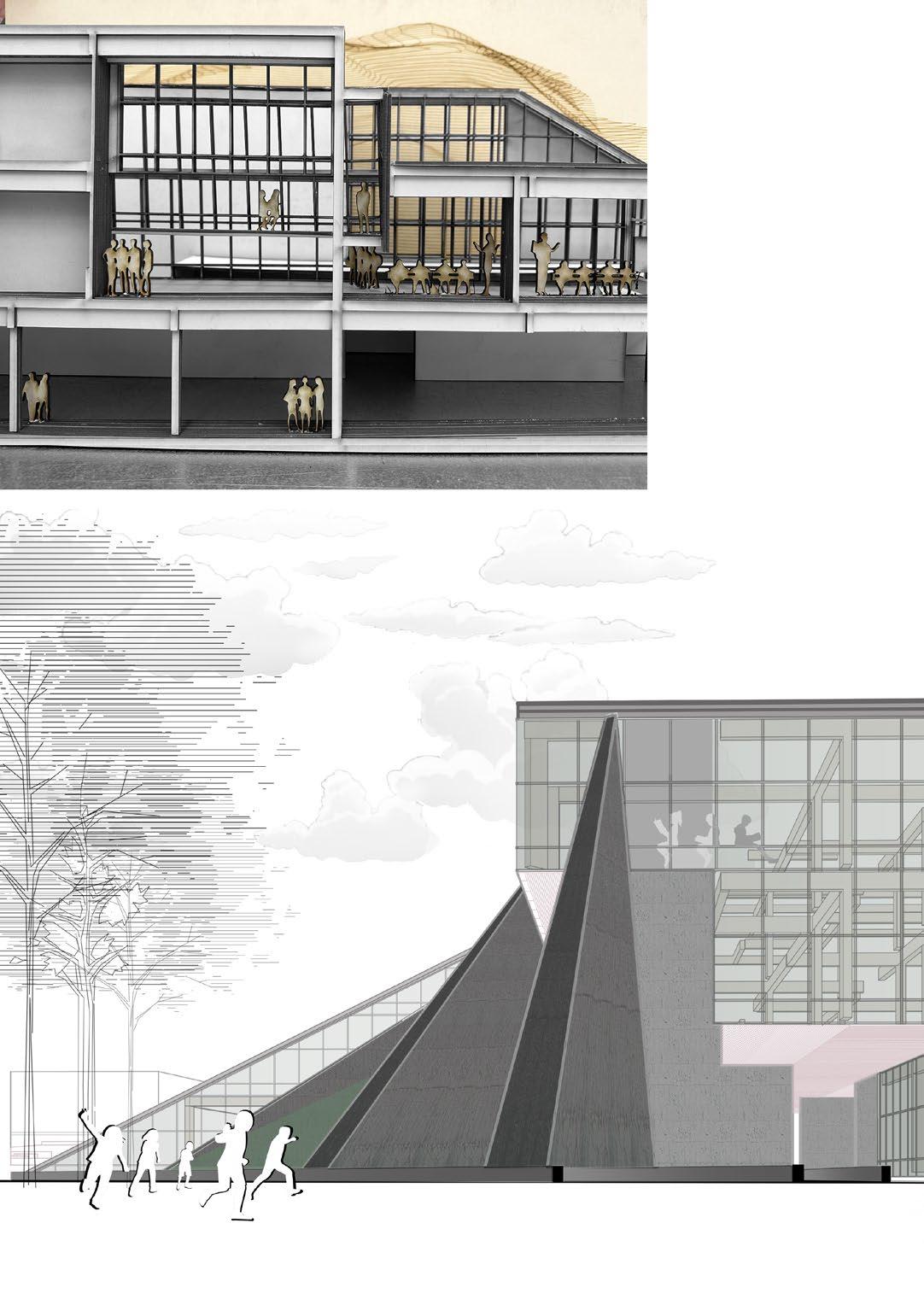
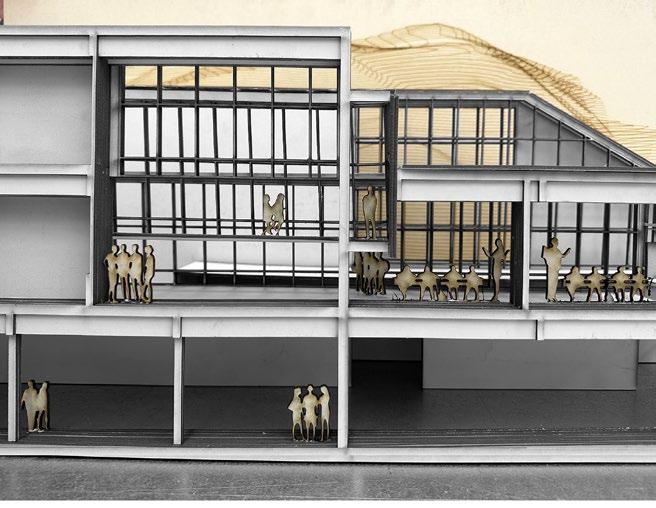
We have the beautiful Rockies mountain range including the Flat Iron 2.4 mi to the west, in front of the ranges sits a residential neighborhood whose student population feeds into the school. On the other side of the campus exists the CU Boulder with the Faculty of Education right at the edge.
An added challenge for this site was the presence of an existing school with an existing curriculum. In this design we chose to highlight that curriculum as it is unique and allows the students to engage with the community in all directions.
Outdoor spaces for learning Increased bike parking (high demand)
Biochar concrete walls New event auditorium Structural walls from old facility Pathway to residential
Library open to community DLT mullions and framing
New maker and art spaces
Pathway to CU Boulder Main access
Communal kitchen area
Pathway to CU Boulder
Upon close inspection of the existing building by BVSD, they published that the existing building was inadequate, and they found that it was not feasible to not only suit the needs of the students, but also the school and its unique curriculum. This meant that the building needed to be replaced. One of the major drives of the project was the City of Boulder Urban Forest Strategic Plan. Through research, it was found that this is one of the ways we can sustain the communal engagement and keep the existing program and curriculum centered around community going forward with the building’s relation to the landscape and natural context.
Pathway to residential community
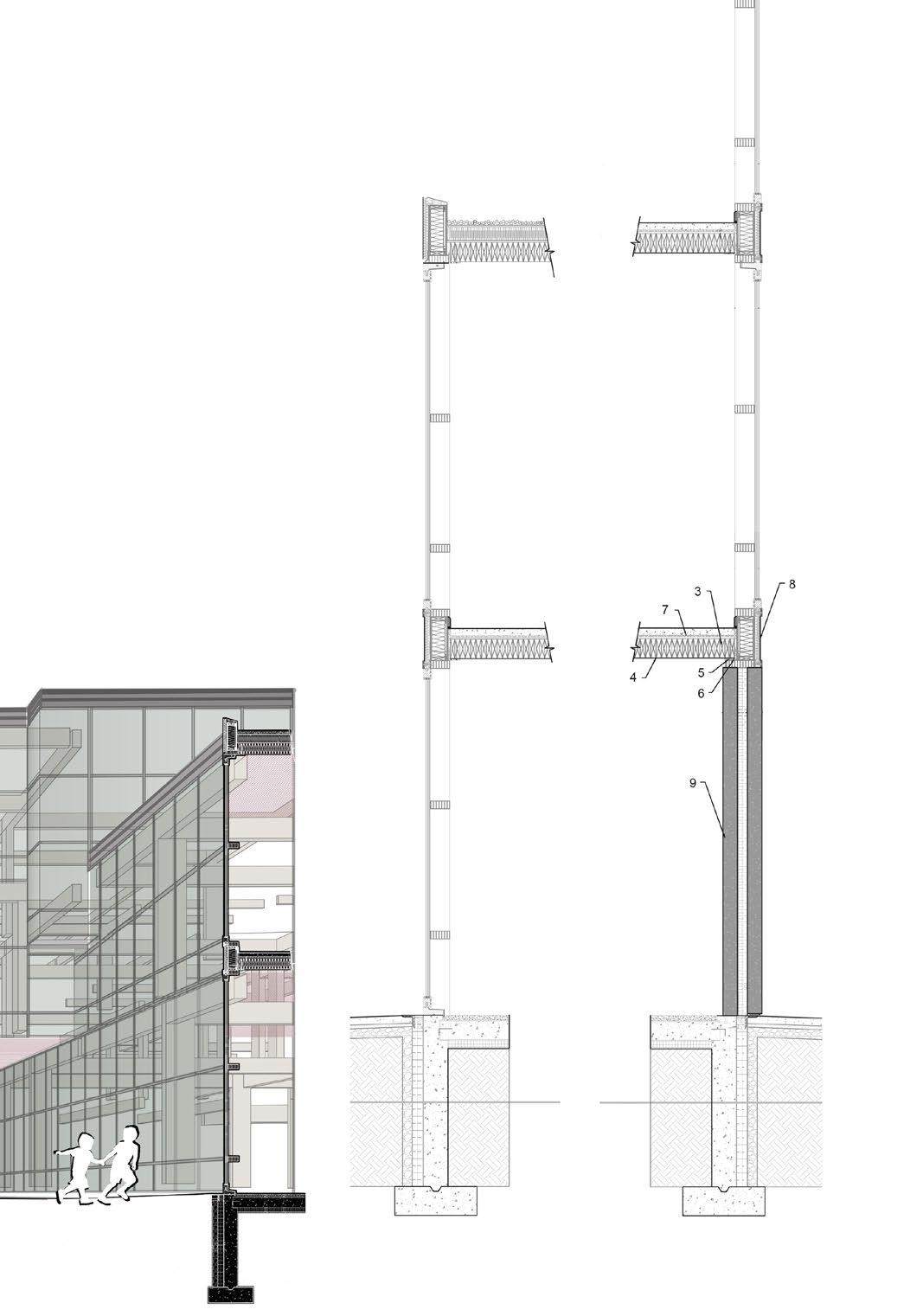
1. Rounded roofing ballast stone
2. 2 Layers of Polyiso, in butt edge, loose laid over vapour retarder
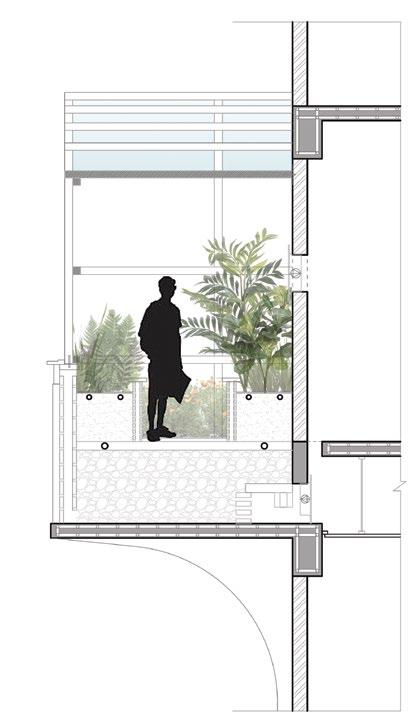
Shading/ Green/ Interaction device detail Parti Diagram
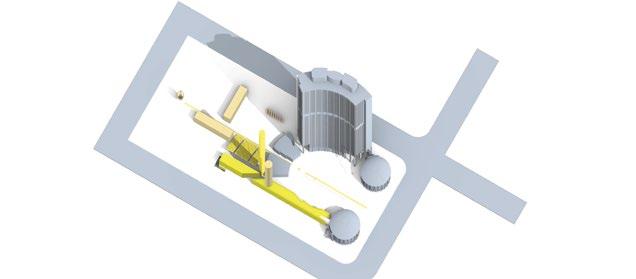
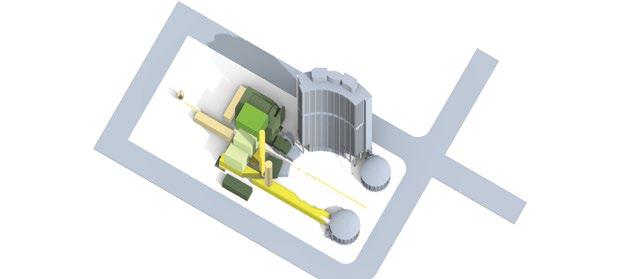
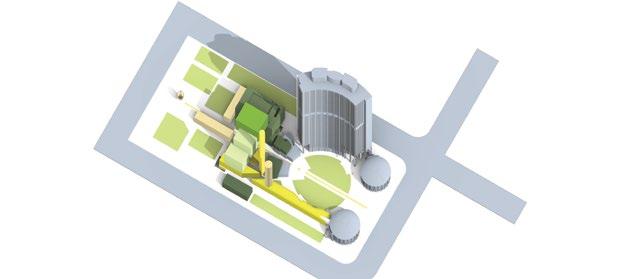
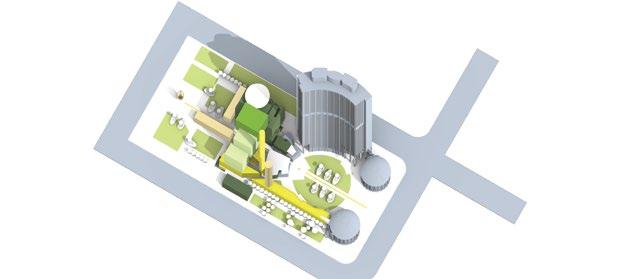
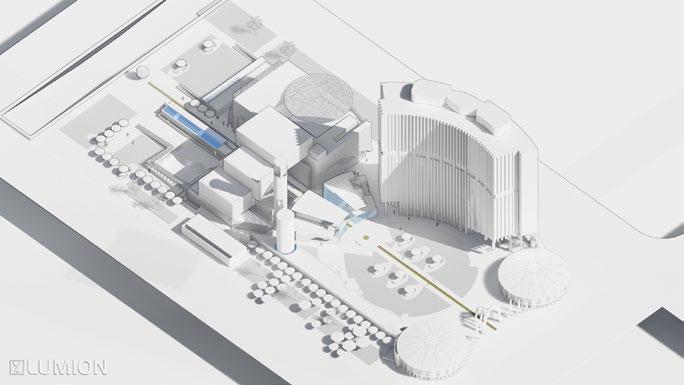
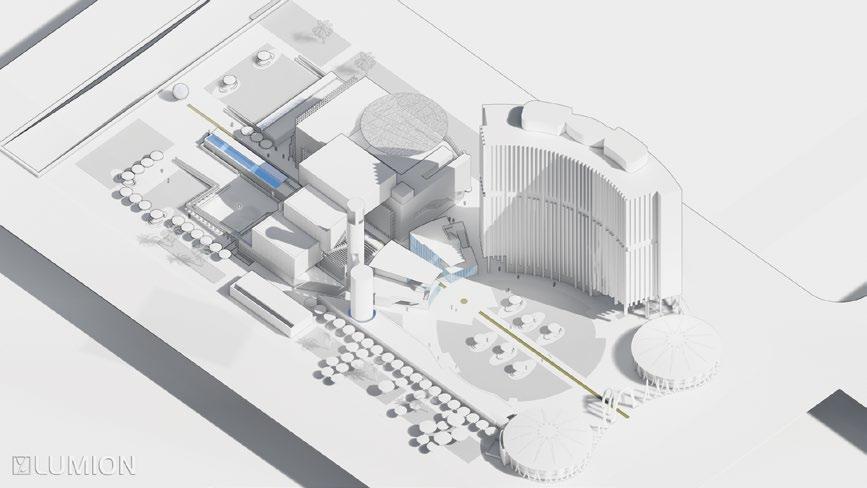
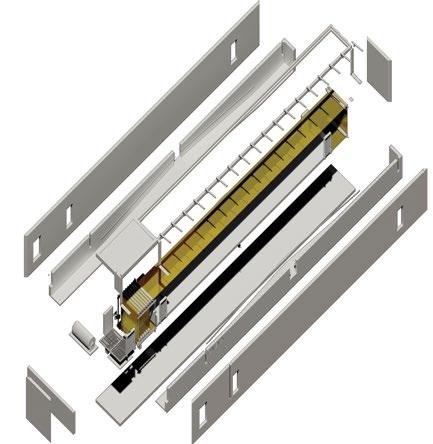
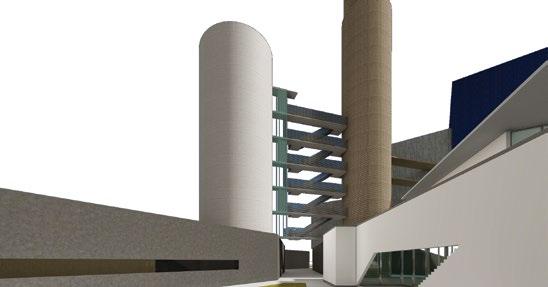
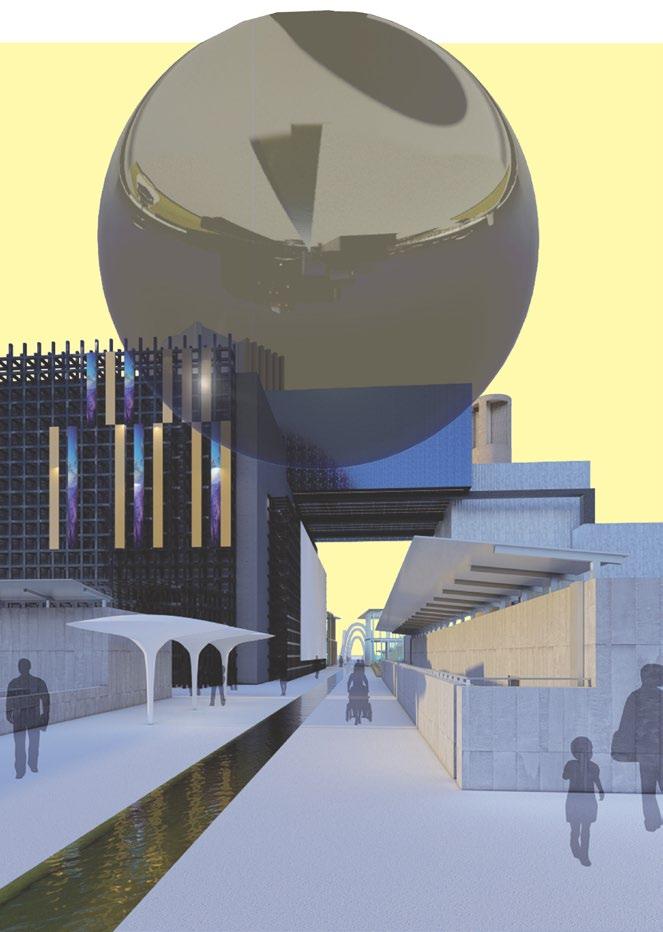
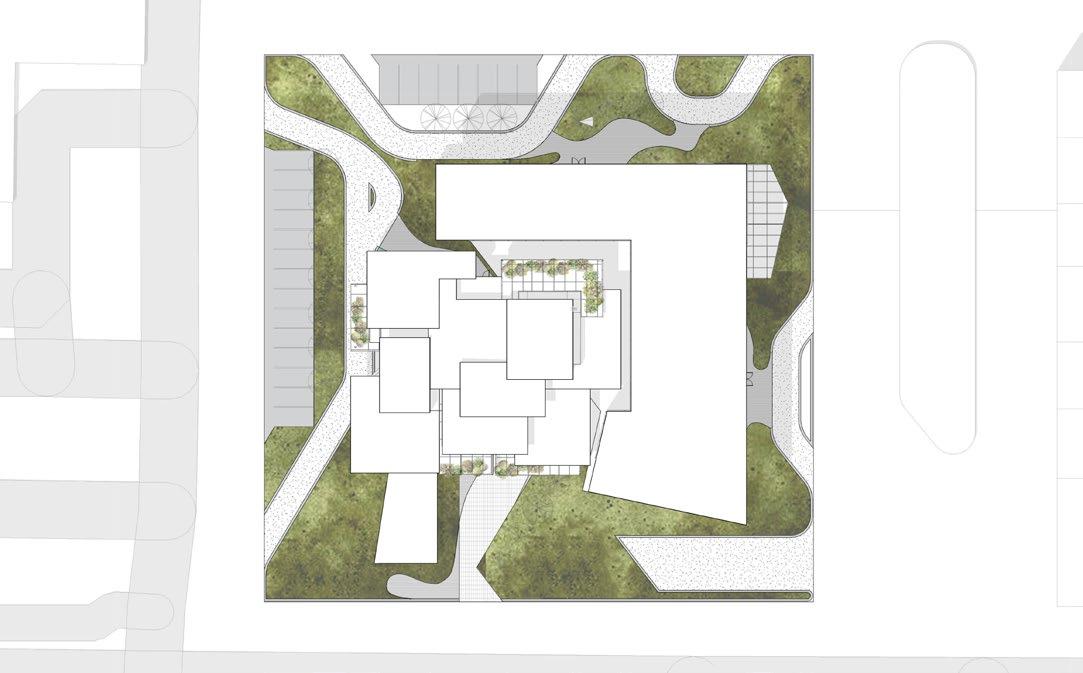
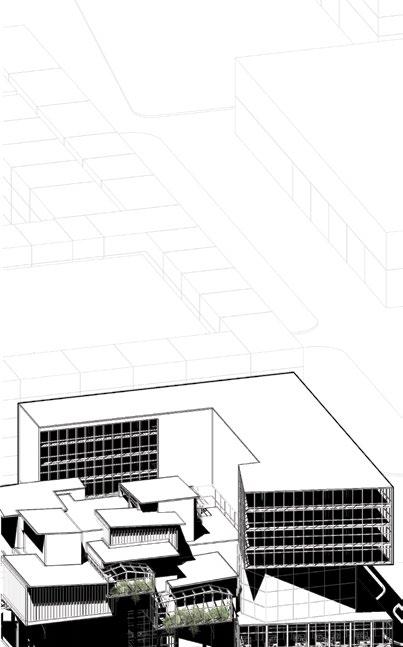
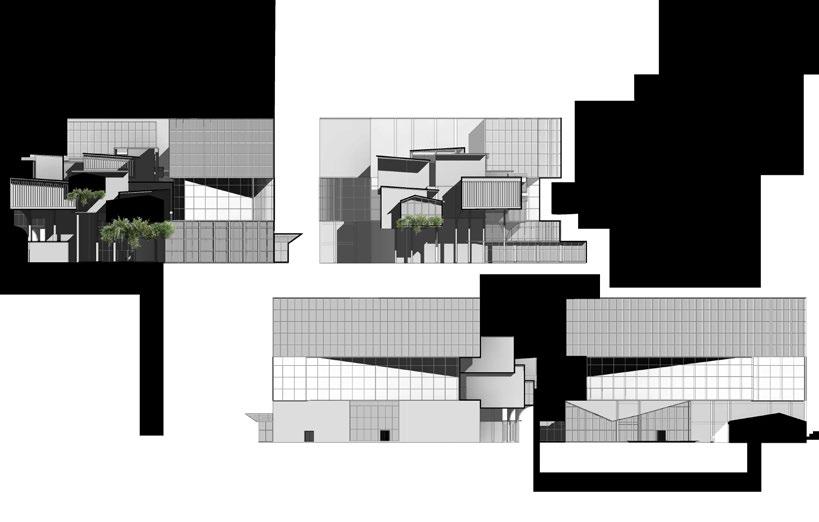
The focus of this project is on amputectural intervention and introduction of prosthetic devices for the existing office building- the Phoenix Financial Center- giving it a second life of transforming into Phoenix Cinema Center using bioclimatic and sustainable approach.
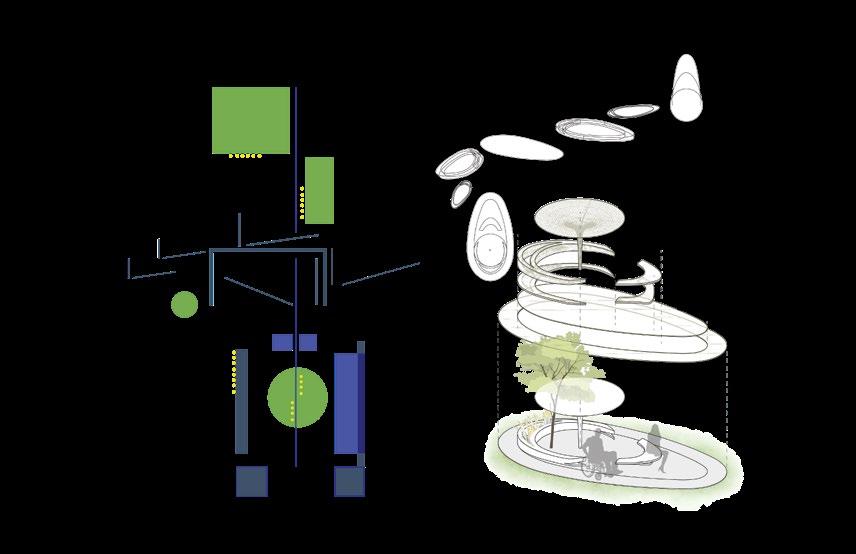
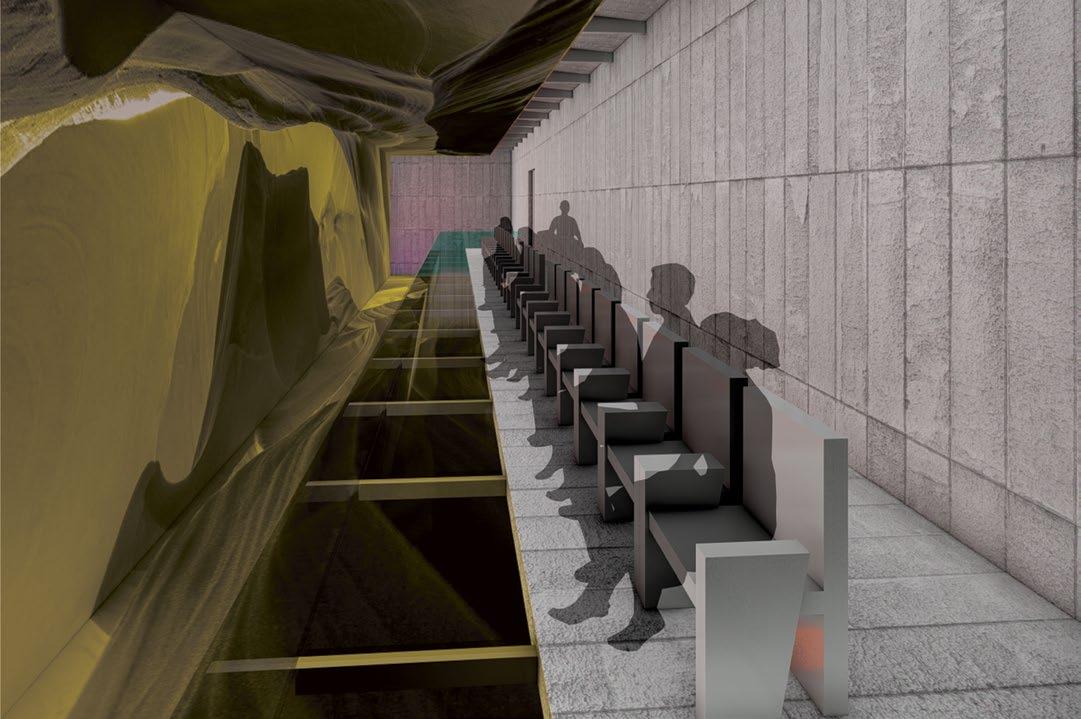
The emphasis lies on axial planning incorporating an ecological element that is well suited to Arizona’s climate. That is the use of a bioswale. What makes it relevant to Arizona is that it behaves/ adapts its form based on the climatic conditions.
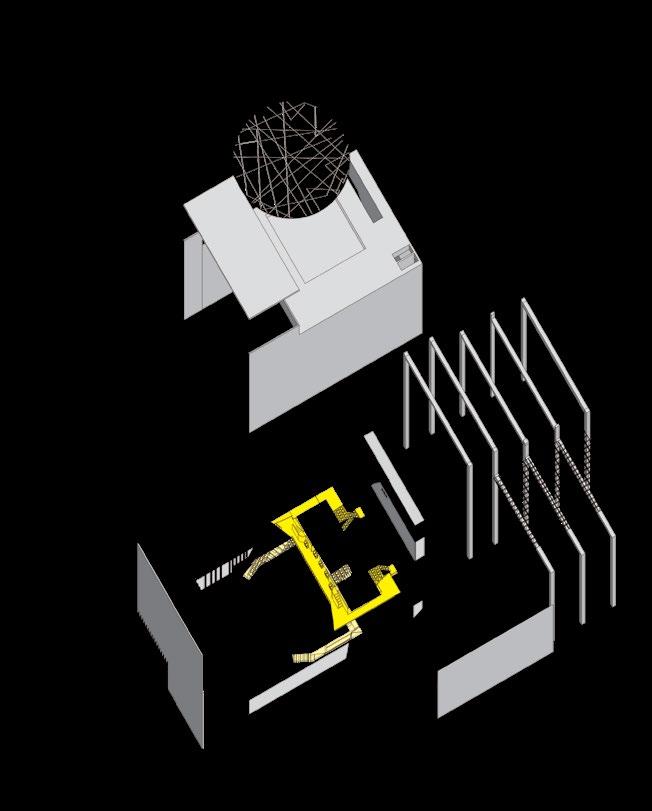
By creating an axial promenade timeline and breaking it with different pockets of spaces with these points, lines and masses- different points of interests are made. The goal is “breaking the frame” visually and the components alike, ultimately breaking the conventional frame of cinema viewing.
concrete skeleton
LARGE CINEMA
shading structure
concrete structure
outdoor screen
scaffolding art canvas/ structure
circulation ramps
scaffolding structure
outdoor screen
spacframe structure
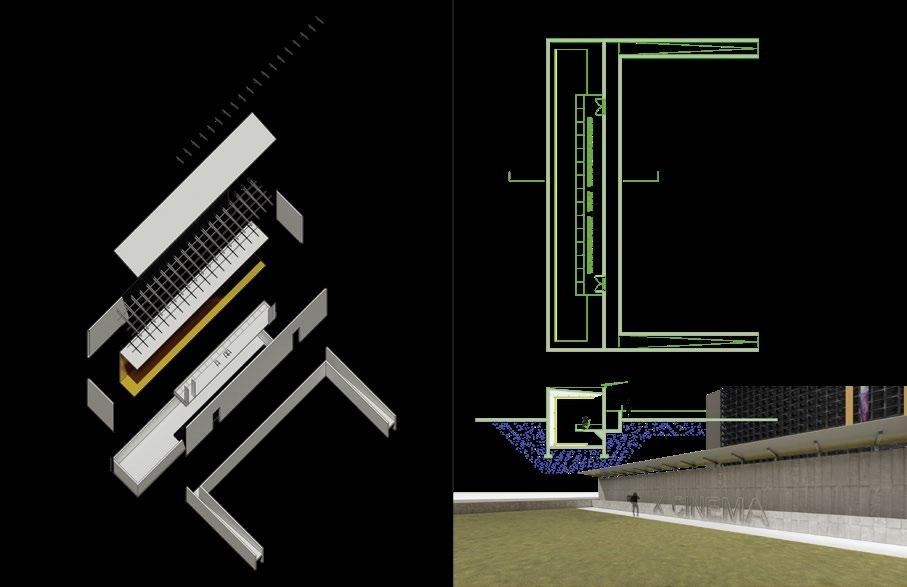
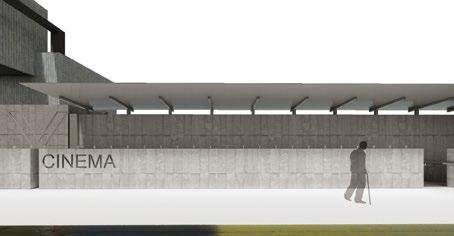
View from X cinema
EXPERIMENTAL CINEMA
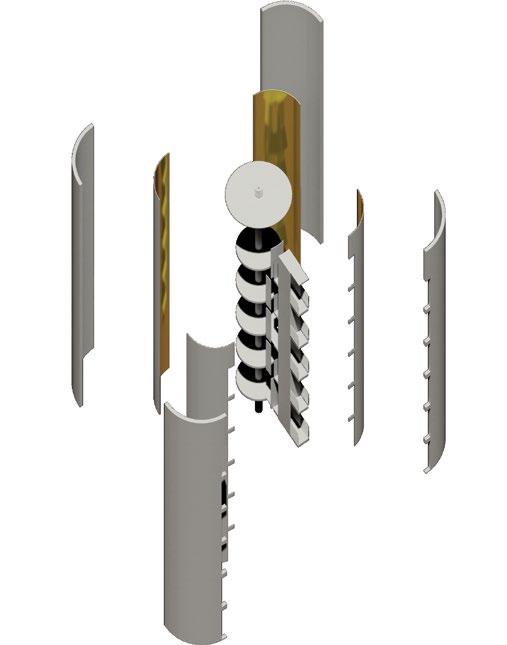
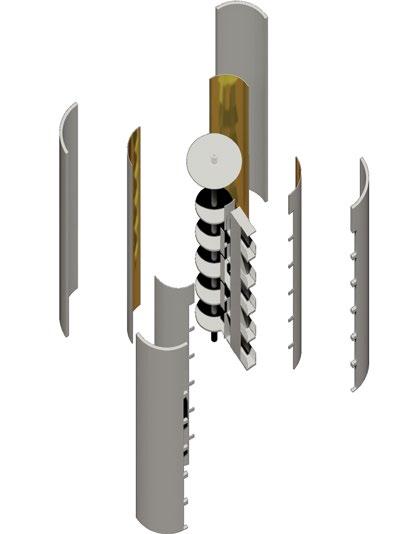
Apart from the traditional cinema viewing experiences designed, there are 4 Experimental cinemas- the X cinema, Y cinema, Z cinema and Point cinema.
translucent film on machine room for
X Cinema
water collection
Point cinema
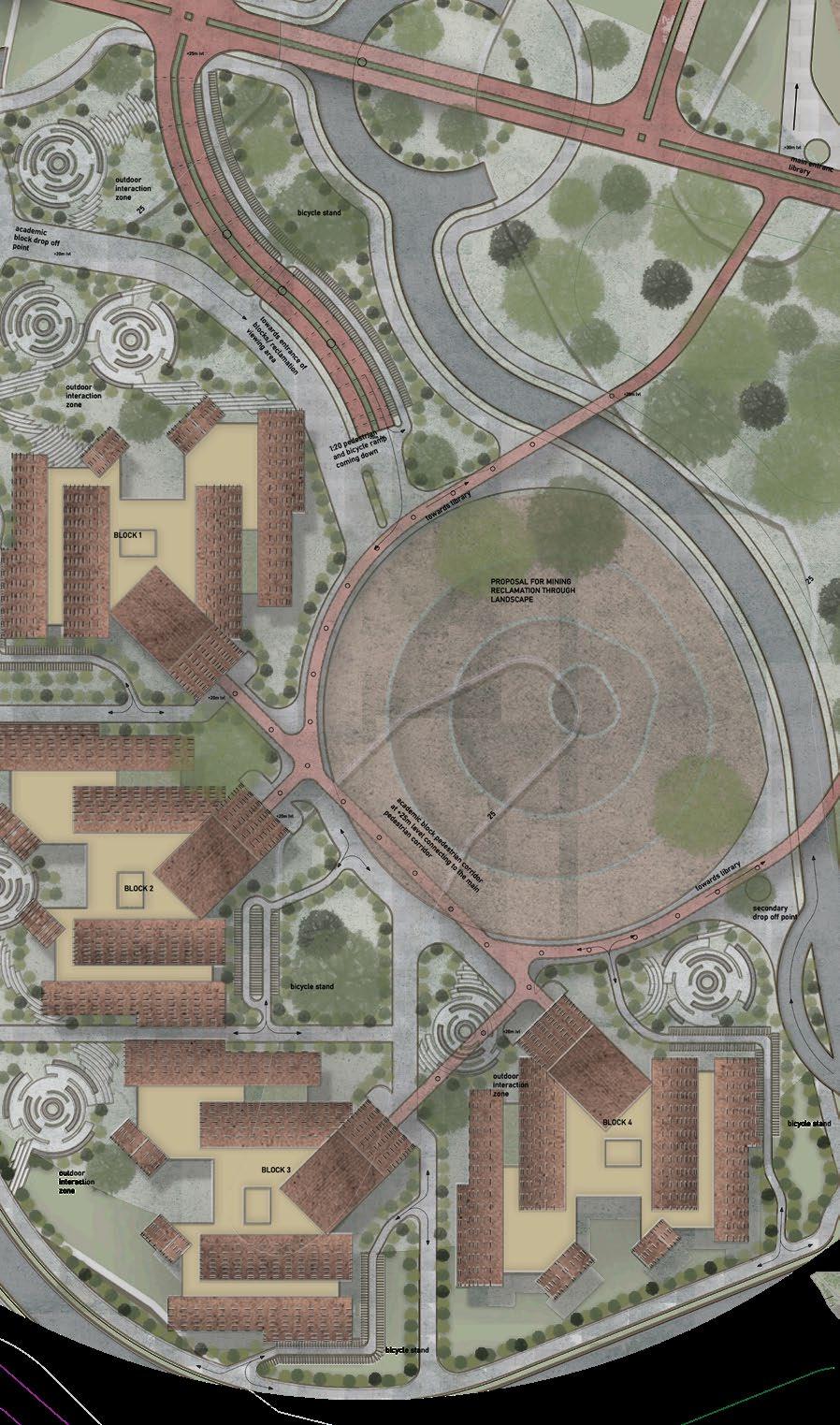
Masterplan of the academic block
INDIAN INSTITUTE OF TECHNOLOGY, GOA
Thesis Project 2021 || Reclamation of Local Ecosystem
Goa, India
Architectural Thesis 2021
Course: Architectural Design Project
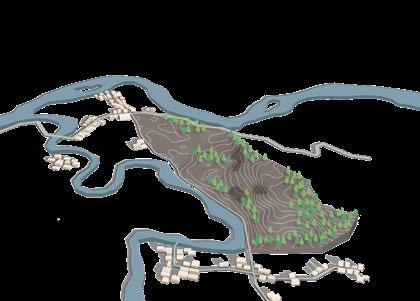
At present, there is a proposal to establish the campus of IIT Goa at a 240 acre revenue land owned by the government.
To plan an institute of such scale, it is essential to recognize the reason for local resistance and understanding where the Goan sentiment towards nature and history lies. By providing measures to restore balance of the local ecology and paying homage to their traditions, impetus is given to the local population to support the development.
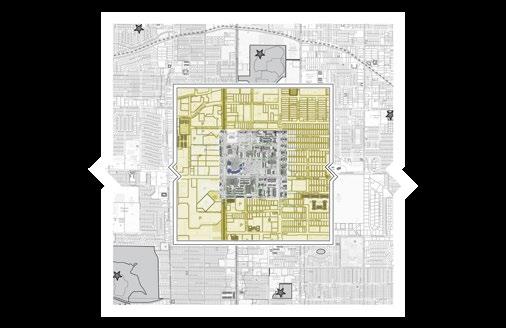
The macro planning is centered around the revival of the local ecosystem. Water corridor pathways are created by the means of swales, and the main central axis passes through the interaction zones between the abandoned quarries. This way, measures to increase water in the catchment area as well as reclamation of the abandoned quarries are addressed since the main buildings are directed towards them.
ADMIN BLOCK
Interior View
BRANDING AND INTERIOR DESIGN
Academic Project- 2019
Bangalore, India
Academic Project 2019
Course: Interior Design
meeting room/ private seating pantry
high table working area/ bar counter booth seating/ private booth seating
collab area/ performance zone
collab area/ performance extension
working area/ seating area
enquiry desk/ reception desk
experience zone/ informal seating zone
Coworking (daytime) function Pub (evening) function
Key plan
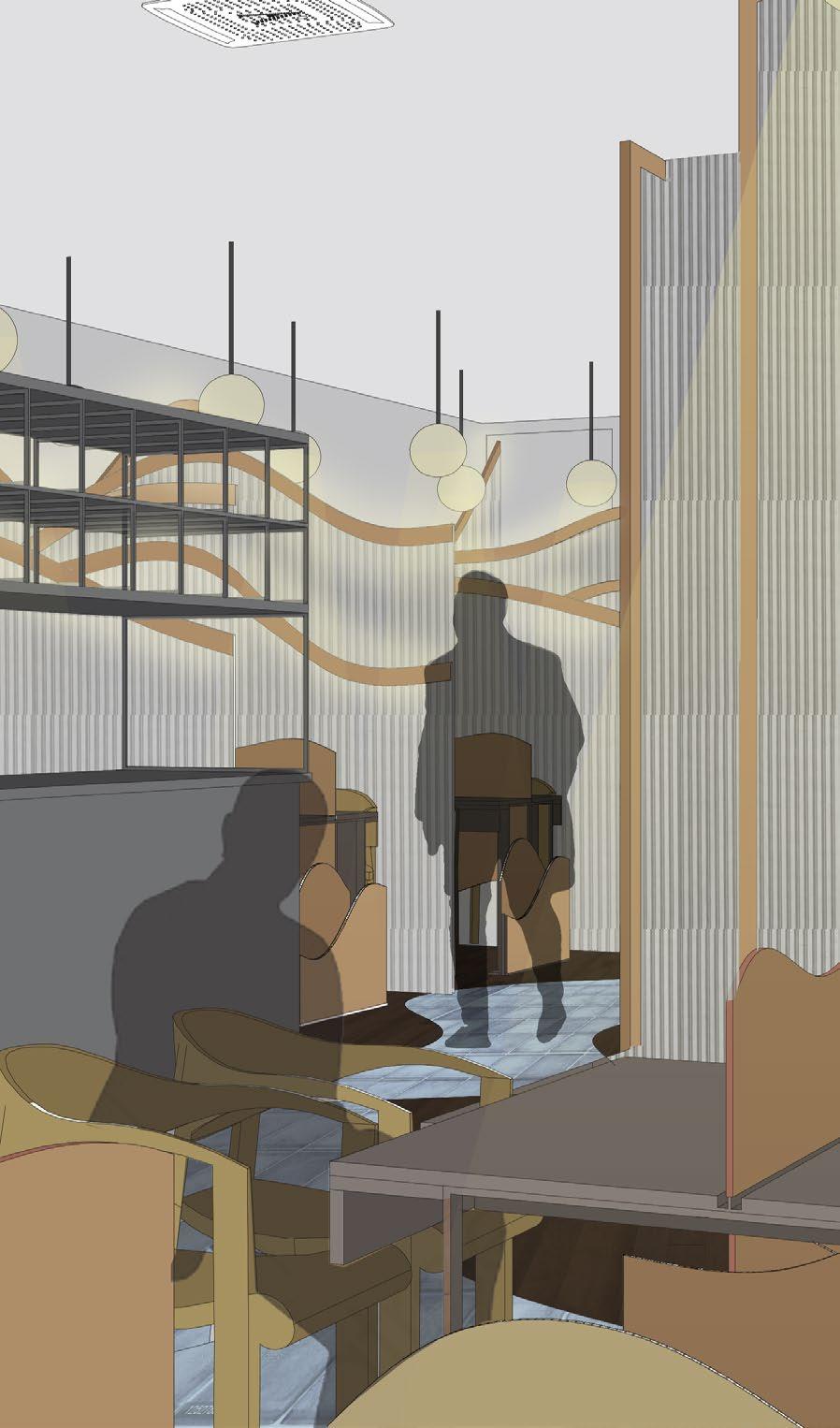
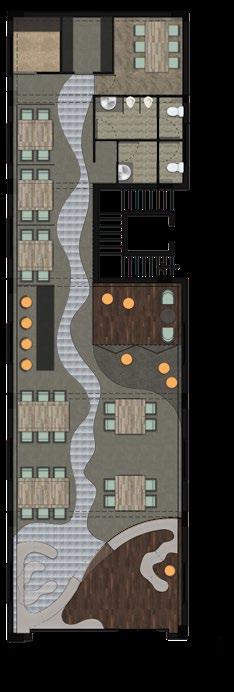
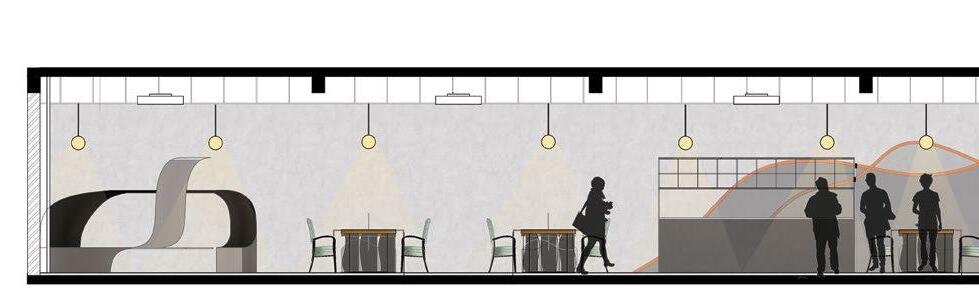
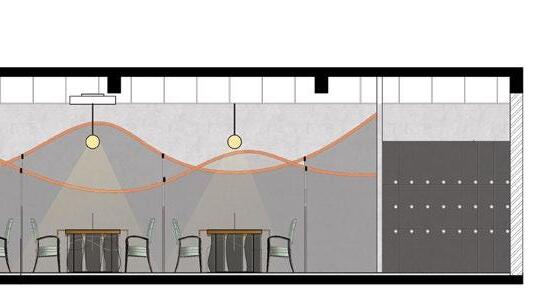
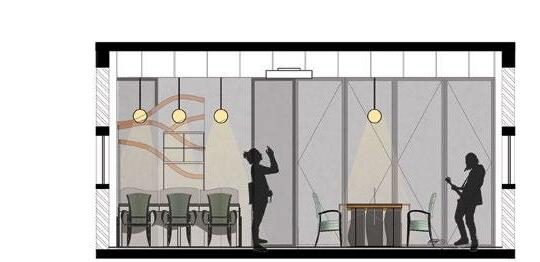
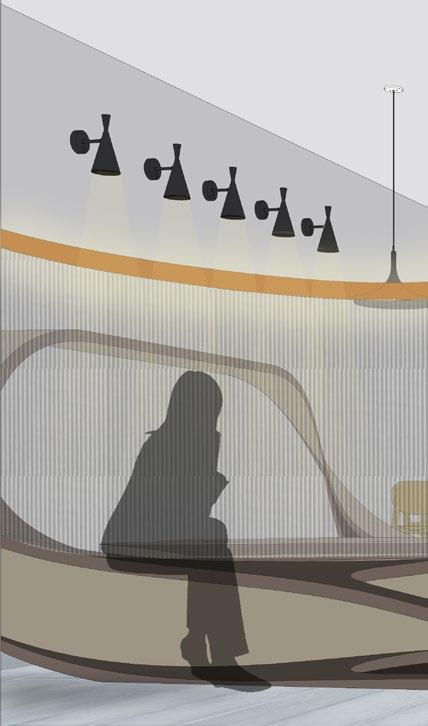
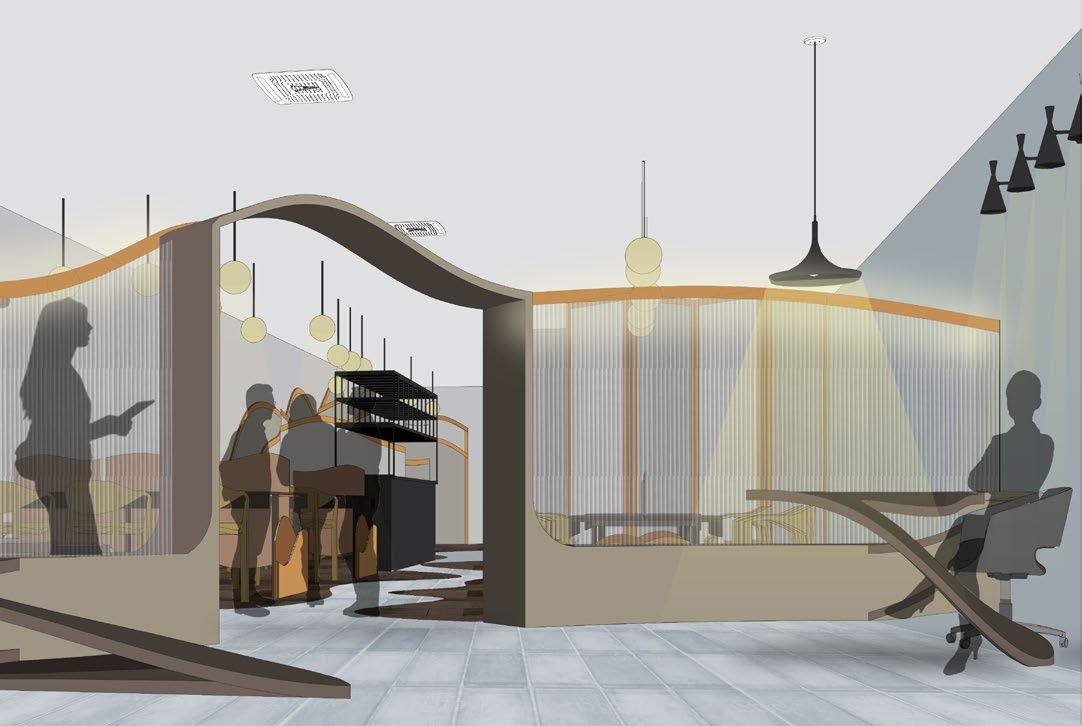
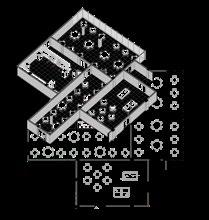
The project explores how two functions of ‘work’ and ‘eat’ can be incorporated to create a brand and how that influences the interior design of the given space. For this purpose, a brand named ‘Harbor’, has been created which is a collaborative co-working space for artists during daytime, which transforms into a live performance pub by the night.
The logo resembles a boat that is floating on water, with its reflection depicting the dual nature of the brand. The two elements together also resembles a spinning top, which conveys the dynamic transitions possible through the elements that make up the design.
DAY TO NIGHT
TRANSITION
NIGHT
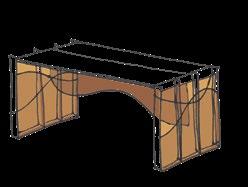
Table in normal position
Table as a dining table
Lacquered glass panels to be used as serving sliders
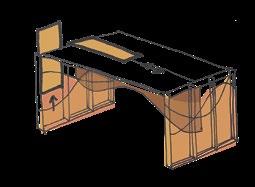
Extension pull-out is still in normal position
Table as a workstation
Lacquered glass panels to be used as desk partitions
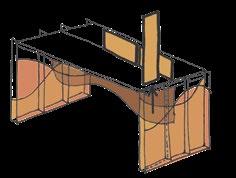
Extension pull-out is still in extended position
DAY
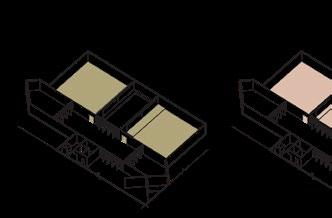
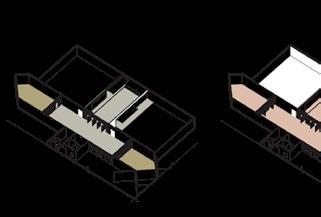
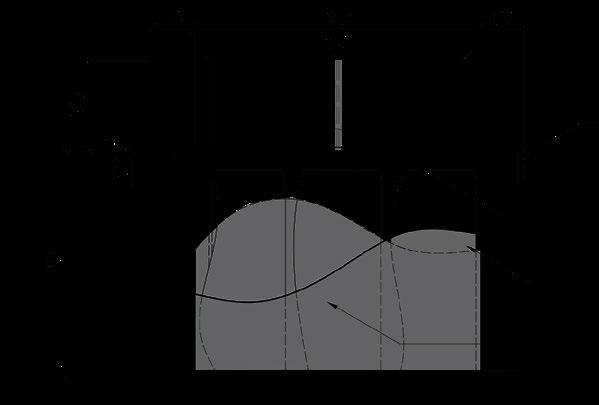
The dual function of space requires zoning and furniture placement that serves both purposes for hassle-free transition from day to night. The transition is then made possible with the use of multiple sliding doors and custom furniture design.
solid crylic entrance feature
bar counter/ high table working desk
honeycomb polycabonate sheet+
C channel wall panelling and partitions
hidden desk extension pull-out
19mm thk wooden plank on two ends to support the channel
8mm thk lacquered glass for partitions/ sliders
2x 10mm thk polycabonate sheets
DINING
CO-WORKING
Desk extention detail
spring lock system sliding track
locker room
bar counter/ high table working desk
sliding-folding door with polycarbonate shutter polycabonate partitions
Section aa’ Section bb’
Monolithic
View from the entrance
Looking towards the greenhouse
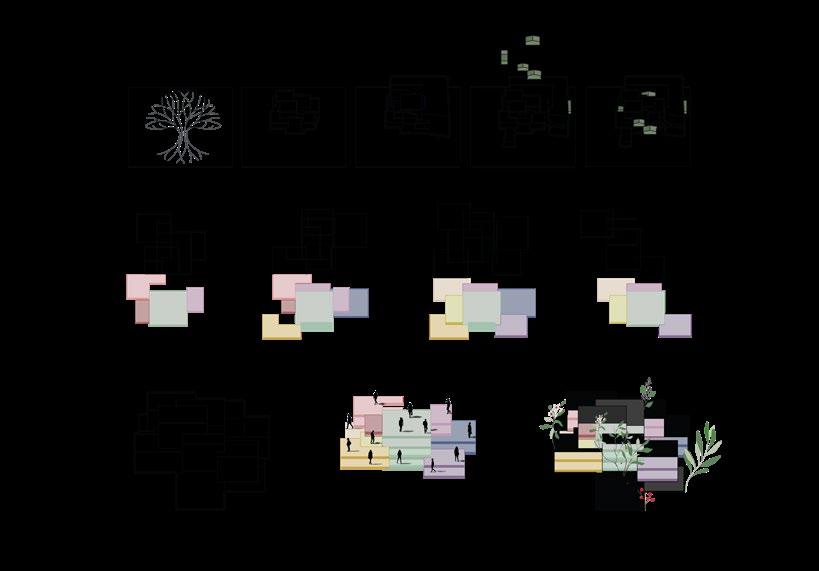
TREE OF HOUSES
Academic Project- Spring 2024
Phoenix, Arizona
Course: Architectural Studio IV
Instructor: James Wesala, Caroline Lobo
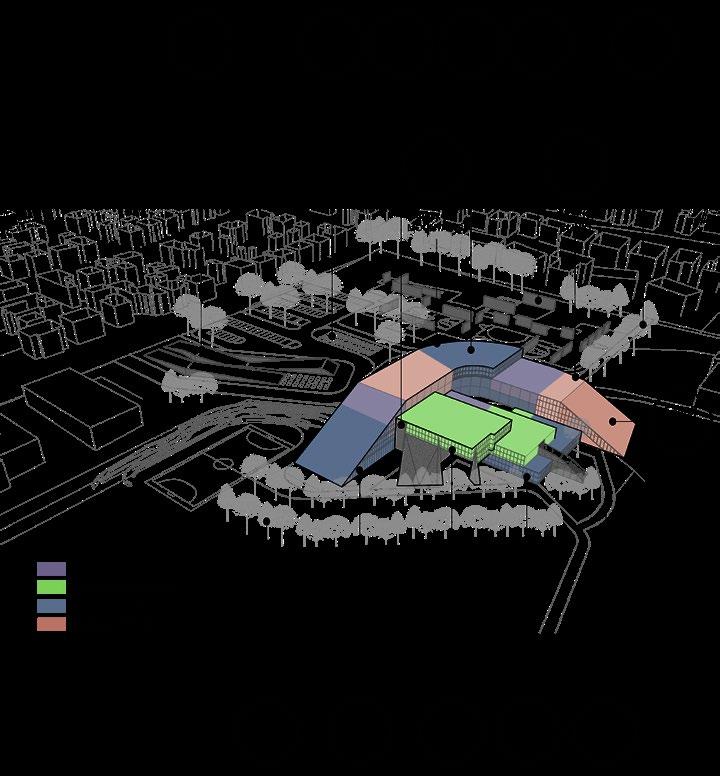
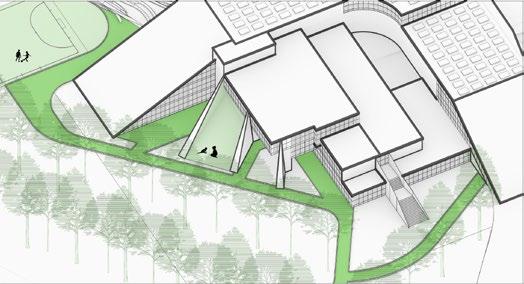
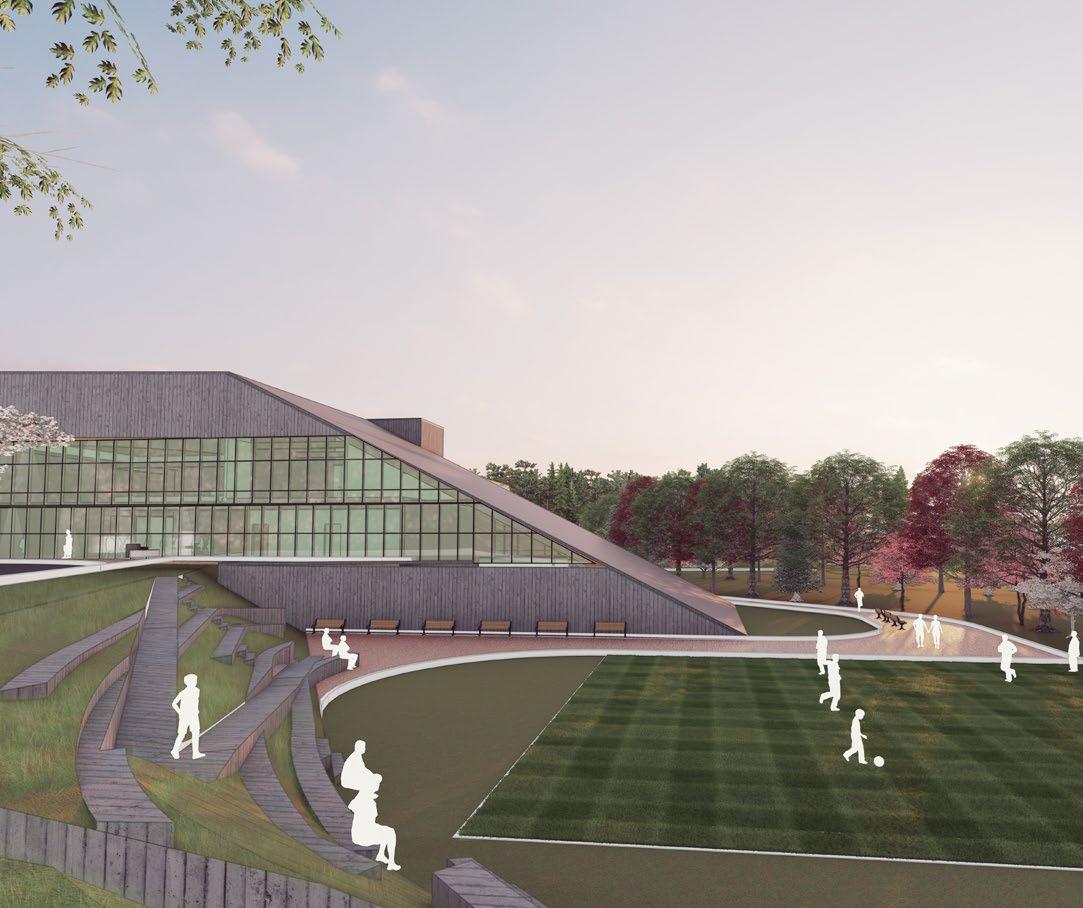
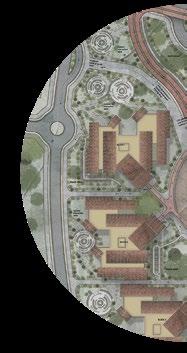
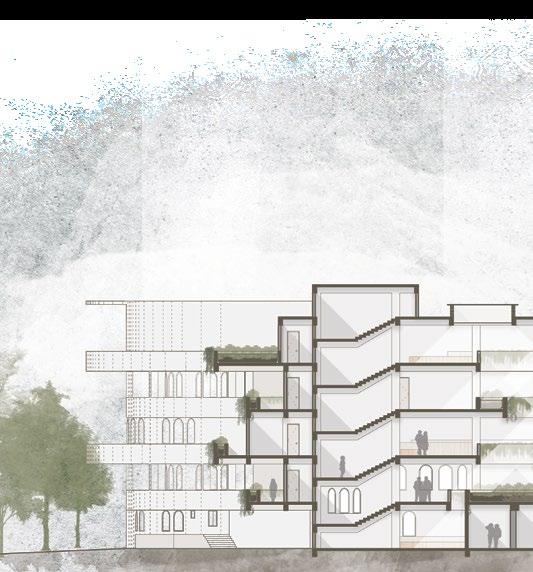
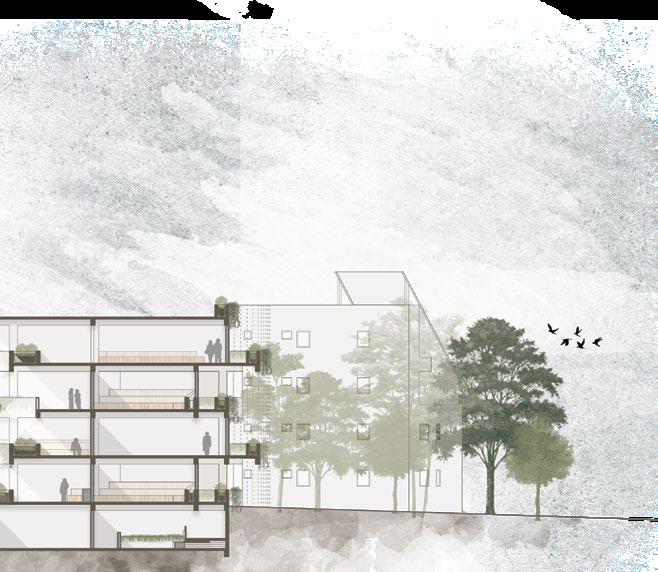
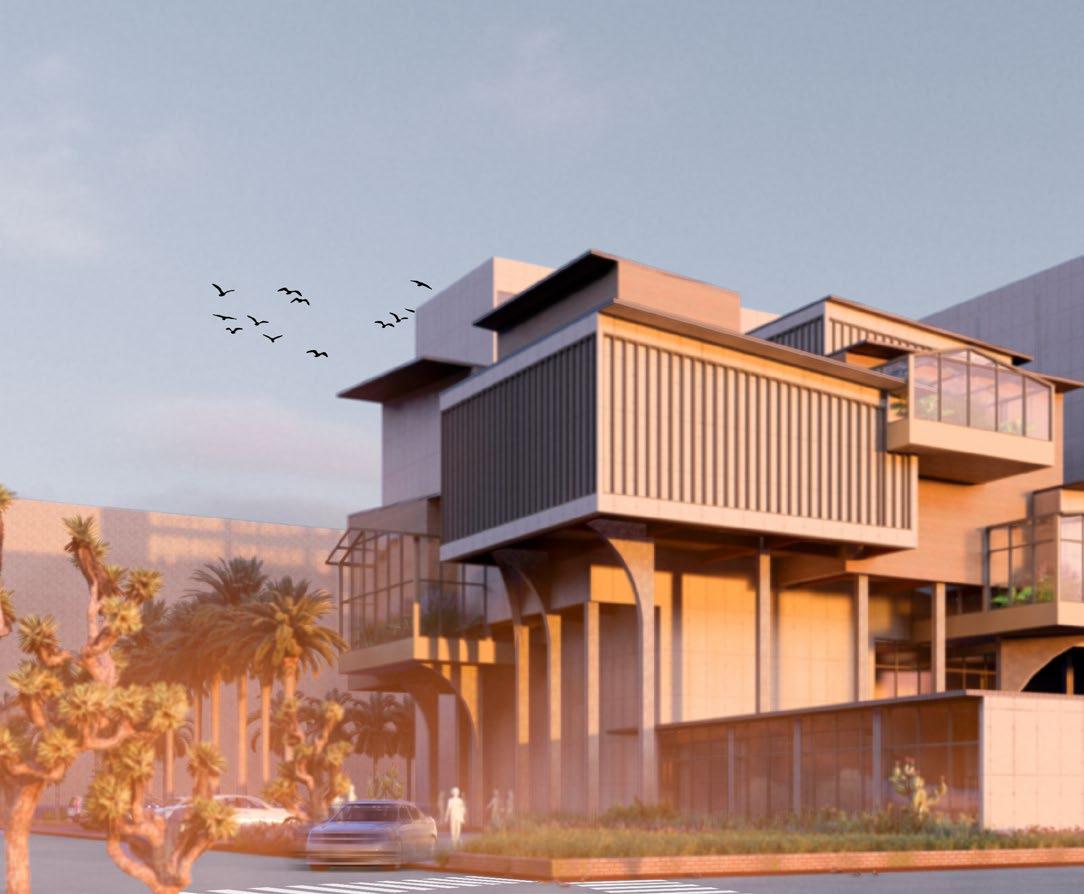
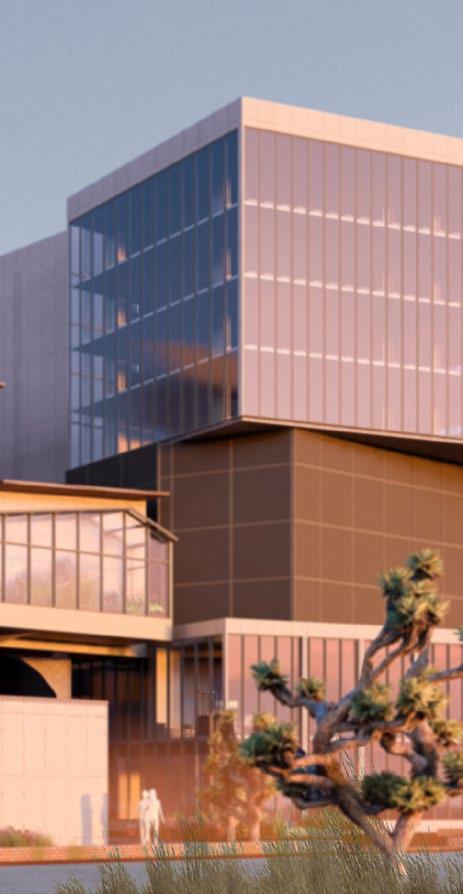
The project aims to establish a healthcare center tailored specifically to address the diverse health challenges faced by individuals experiencing homelessness. This initiative acknowledges the complexities involved in managing health issues while simultaneously navigating the process of securing housing within the community.
Occupational therapists play a crucial role in this endeavor, offering invaluable insights and perspectives to address both healthcare and housing concerns. By leveraging their expertise, occupational therapists contribute a unique understanding of how health conditions and social factors intersect with individuals abilities to engage in tasks independently or with community support.
Through a strength-based approach and an occupational lens, these therapists facilitate opportunities for individuals experiencing homelessness to access essential healthcare
services and address their housing needs. The underlying concept of this initiative is to guide individuals experiencing homelessness through a journey from homelessness to housing stability.
SOLVING THE PUZZLE
Recognizing Patterns
Solutions that Stimulate
Learning through Spatial Relationships
Site plan
W montebello Ave
Pedestrian entrance towards the center
GREENHOUSE
Active cooling/ passive heating greywater irrigated greenhouse systems are proposed for this project.
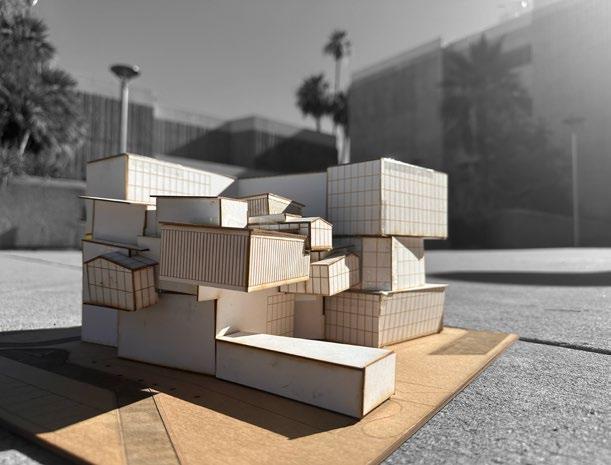
Drawing inspiration from the analogy of puzzle pieces coming together to form a coherent picture, this project recognizes the significance of each individual component in the larger process of integration into the community. Ultimately, the goal is to support individuals in seamlessly integrating themselves into their communities.
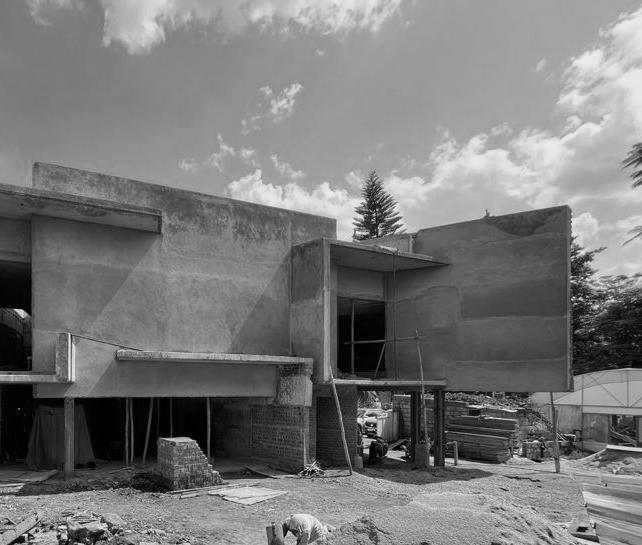
Site construction images
MR. ROY’S RESIDENCE
Professional Work- 2021 || Ochre Architects
Bangalore, India
Massing and resultant view from west (extension) end
The extension
swimming pool gym home theatre
The existing building, under renovation
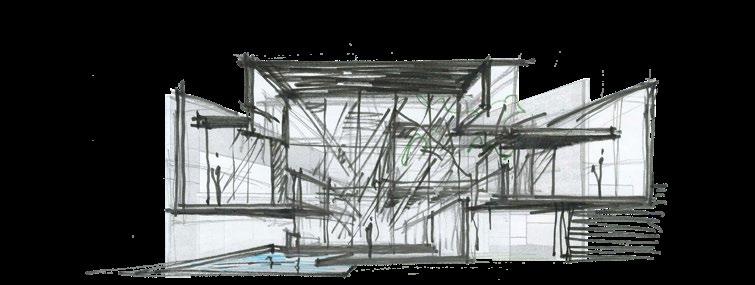
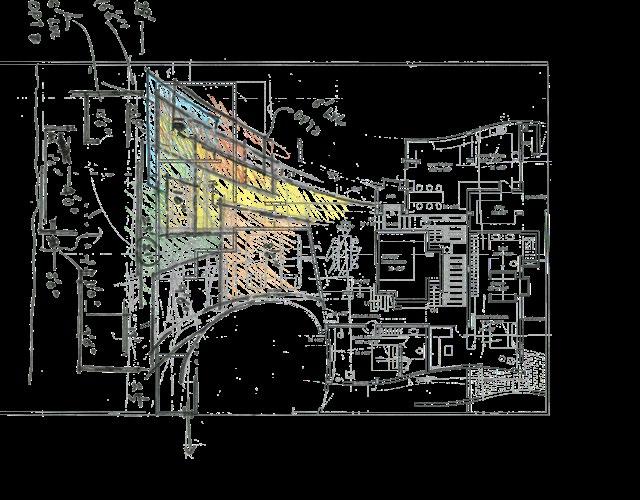
Conceptualizing the levels of the extenstion in relation to the existing building
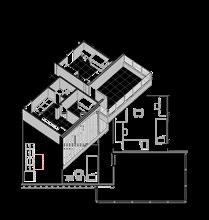
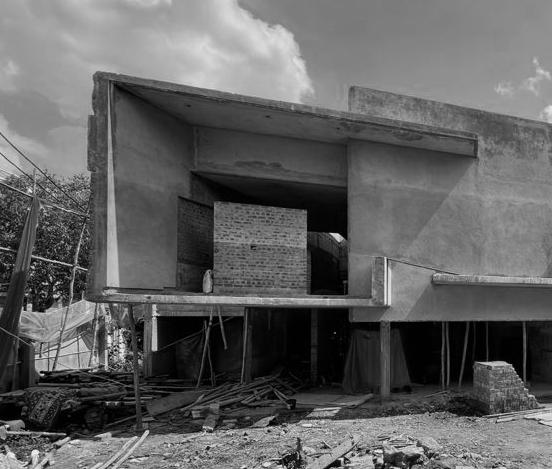
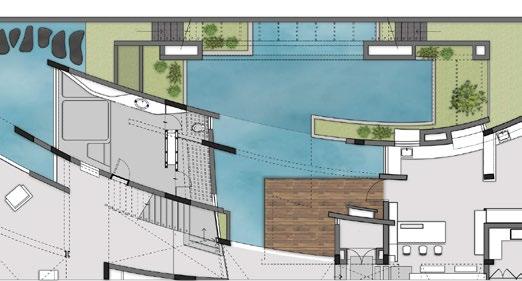
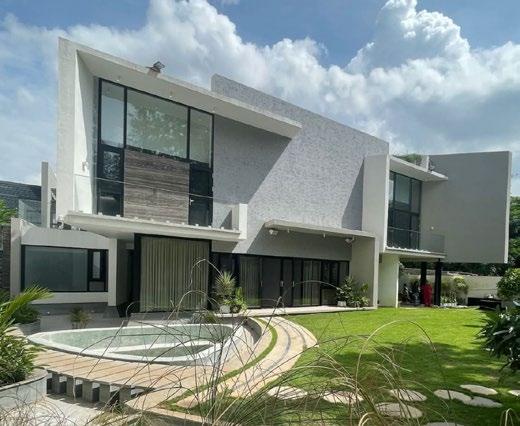
This project consists of renovation of a residence along with an extension in the adjacent plot. The old house, completed in 2006 by the same firm. The extension sees the continuation of the curvilnear structural expressionism in a more exaggerated form. The curves intersect one another to create multiple spaces such as the gym, home theatre and swimming pool at different levels.
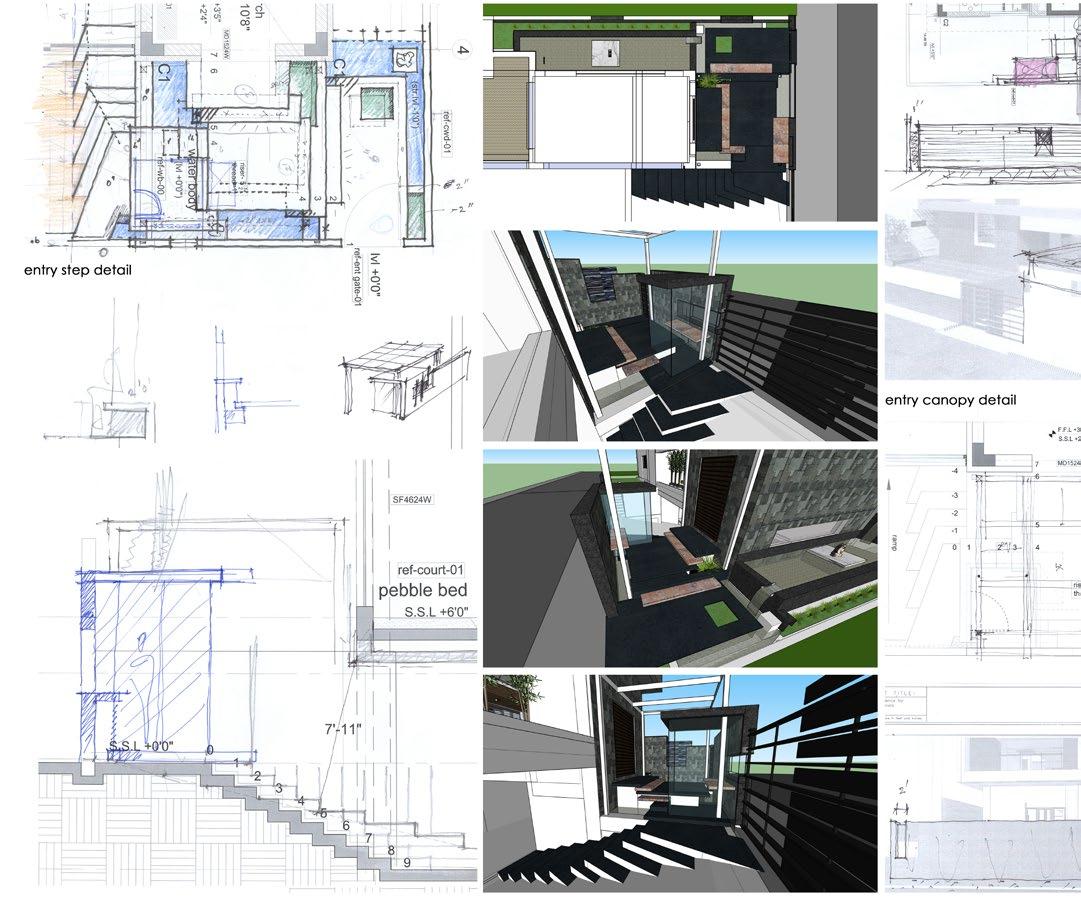
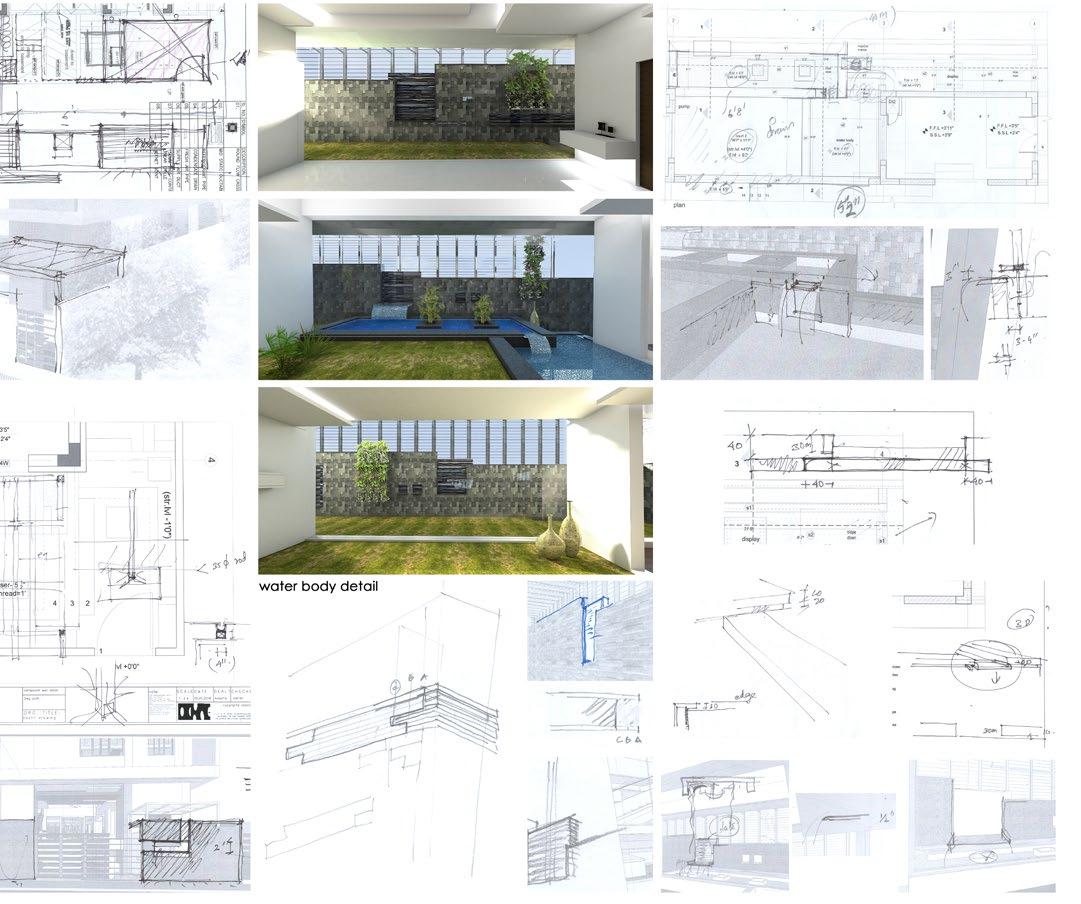
My role as a junior architect was to visualize the designs that were discussed to produce views and plans for client meetings, and also to provide detailed drawings for execution and coordination on site . I worked on designs of the swimming pool, kitchen and bedrooms.
DESIGN DEVELOPMENT
Entry step detail
Entry canopy detail
Water body detail
SWIMMING POOL
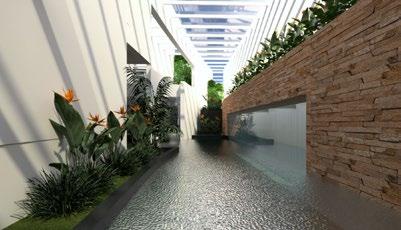
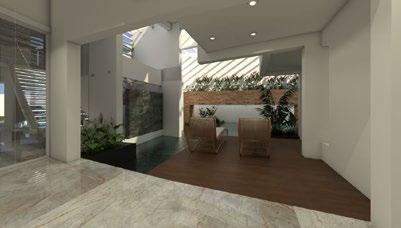
The living room opens out to the dining room, which in turn opens out to the pool and outdoor landscape. This unobstructed view and access that the living area on the southern end of the building has with the pool on the northern end gives the house an indooroutdoor relation.
Site image post completion (Image Credits- Tushar V)