
PPHit Factor!
6401 Martins Mill Road
(Wellness) www.pphfamily.org Philadelphia, PA 19111
(Aquatics)
A Publication from the PPH Wellness and Aquatic Center

What’s New in PPH Wellness and
Aquatics!
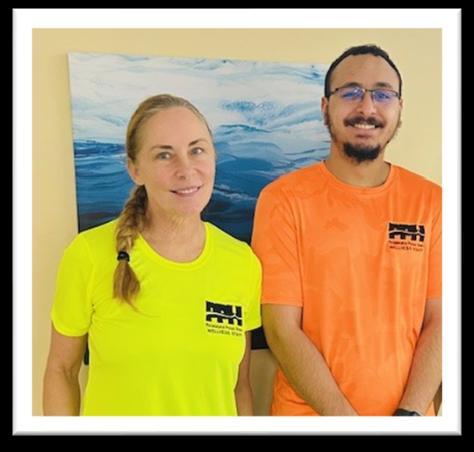
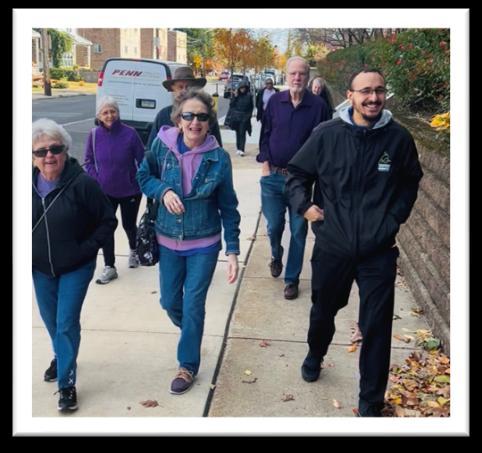
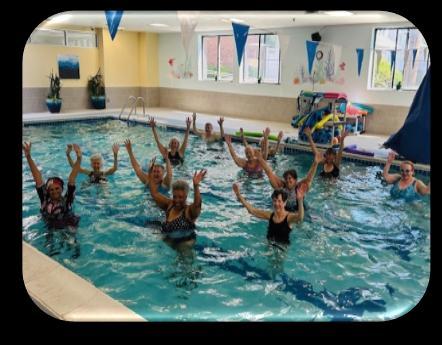
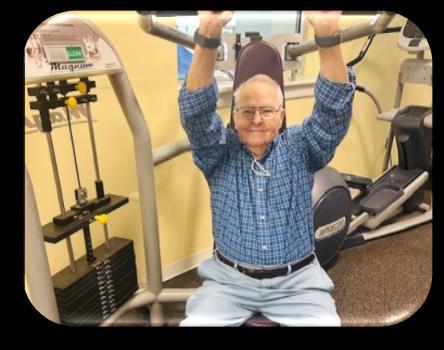
Winter is here! Don’t miss a workout because of cold snowy weather! When possible, get outside as much as you can by walking or just enjoying the chill & sunshine! If you’re unable to get outside, the wellness center is open 7 days a week with supervised hours 8:305:30 Mon-Fri and the pool is open 8:30-4:30 Mon-Fri unsupervised These extended hours are perfect for increasing your exercise routines!
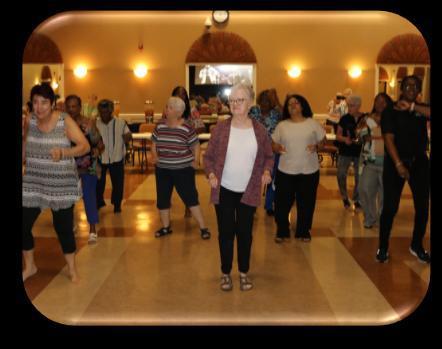
Line dancing is still offered in the Social Hall, Tuesday nights from 6pm-8pm. These classes are taught by Jamal Evans who has a wealth of experience and energy!
Classes are held Tues, Weds, Thurs in Gateway’s lower level. Check the Wellness class schedule to join exercise strengthening classes, Yoga, and Tai Chi.
TEDTalks and smoothie Fridays are now alternating months. TEDTalk topics not predetermined. Keep an eye out for what we will be presenting or serving. Open to all. If you have a topic you are interested in seeing presented, call x8007.
Tune into WBCB1490 every Thursday afternoon at 1:35pm for “UPwords.” Radio host, Chris Ermer is joined by PPH Wellness Director, Maureen Solomon to discuss health related topics!
Did You Know…
February is Black History Month
• Black History Month celebrates the achievements, culture, and contributions of Black Americans throughout U.S. history.
• Black History Month was officially recognized by the U.S. government in 1976, but its roots trace back to Dr. Carter G. Woodson’s work in the 1920s.
• Woodson founded the Association for the Study of African American Life and History (ASALH) in 1915 to promote scholarship and publications on Black history.
• His legacy includes creating academic journals, professional presses, and laying the foundation for what became Black History Month.
• Each year, BHM has a theme set by ASALH, highlighting key aspects of Black history and culture. This year’s celebrates a century of Black History.

Strong Feet for Daily Living
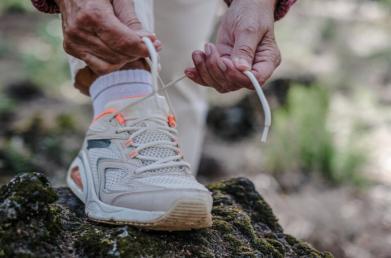
Your feet are the foundation of movement. With dozens of bones and joints and hundreds of muscles and nerve endings, they play a critical role in balance, stability, and overall mobility. Every step, lift, or change in direction starts at the feet. As we age, stiffness, pain, numbness, and loss of sensation in the feet become more common. While some age-related changes are unavoidable, one major contributor to foot problems loss of strength and mobility in the lower legs is preventable. Weak feet can alter how you walk, increase strain on the knees, hips, and spine, and significantly raise fall risk. Strong ankles, arches, and toes improve proprioception the body’s ability to sense position and react quickly to stay upright. Because feet act as the link between the ground and the brain, maintaining their function is essential for confidence and independence with movement.
Two key areas to focus on are: Ankle mobility to allow smooth, stable movement and Toe strength to improve balance and control.
Try incorporating these into your routine daily or a few times per week:
• Toe Spreads: Sit or stand with your feet flat on the floor. Slowly spread your toes apart as wide as you can without lifting or curling them, then relax back to neutral. 10–15 times per foot.
• Toe Waves: With feet flat on the floor, lift all toes. Press only the big toe down while keeping the others lifted, then switch by lifting the big toe and pressing the remaining toes down. For an added challenge, try lowering and lifting each toe one at a time. 5–10 waves per foot.
• Step Downs: Stand on a step or low platform facing forward. Holding a railing if needed, slowly lower one foot to tap the step below while keeping the standing foot fully planted, then return to the starting position with control. 8–12 times per foot.
Quick Self-Check
If you struggle to spread your toes without curling them, your feet may need strengthening. If your heels lift during squats or your knees can’t touch the wall without heels lifting, ankle mobility may be limited. Consistent foot-strengthening and mobility work can help improve balance, reduce pain, and support long-term movement starting right from the ground up.
Whole-Body Benefits on a Plate
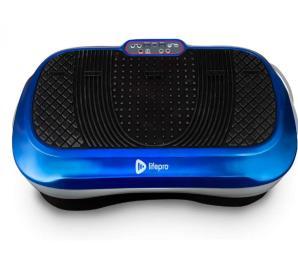
PPH Wellness offers whole-body vibration (WBV) platforms, the Lifepro Waver Vibration Plate, which transmit mechanical vibrations through the body to stimulate muscle contractions and neuromuscular responses. These devices are often used in fitness and rehabilitation settings and offer a range of health and performance benefits when incorporated into a broader wellness routine. Research shows that WBV may improve muscle strength and balance, particularly in older or sedentary individuals, and can enhance circulation, flexibility, and even bone health. Studies suggest it may also help reduce muscle soreness and support recovery after exercise. While WBV is not a replacement for conventional strength or cardiovascular training, it can complement other forms of exercise, especially for those seeking low-impact options or additional muscle activation. Some people have reported relief from tight muscles or back discomfort, improved core strength, and a general sense of feeling more energized after using a vibration plate. Others have noticed reduced swelling or increased mobility when incorporating short daily sessions. Good news: Our Wellness Center has a vibration plate ready for you! Whether you want to strengthen muscles, improve balance, or just feel more energized, this easy-to-use tool is a fun, low-impact way to complement your workouts. Stop by PPH Wellness, to try a session, and see how it can support your fitness and wellness goals. Beginners should start with short sessions at lower intensity, gradually increasing duration and vibration levels while monitoring their body’s response. Incorporating vibration plate sessions into your routine is an easy, low-impact way to boost strength, balance, and overall wellness so step on, feel the vibrations, and give your body a whole new way to move!
Restore Your Balance
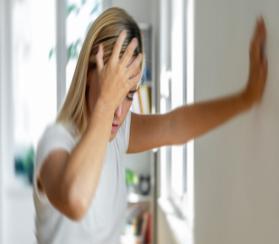
Dizziness and vertigo are among the most common reasons people seek medical care, yet many continue to experience symptoms even after testing shows no ongoing injury or disease. When dizziness persists without a clear medical explanation, the cause may lie not in the body itself, but in how the brain processes balance and sensory information. Chronic, unexplained dizziness is increasingly understood as a neuroplastic issue, sometimes called “neural-circuit or neuroplastic dizziness.” Even once an initial problem resolves, the brain may remain in a heightened state of alert, continuing to interpret normal movement as a potential threat. This can lead to ongoing sensations of spinning, unsteadiness, lightheadedness, or motion sensitivity. Balance depends on the coordination of three major systems: the vestibular system in the inner ear, vision, and proprioception the body’s awareness of position and movement. When incoming signals don’t align with what the brain expects, a sensory mismatch can occur, producing dizziness. Over time, fear of symptoms or avoidance of movement can reinforce this mismatch and keep the nervous system stuck in a cycle of hypervigilance. Importantly, this type of dizziness is not psychosomatic. It reflects the brain’s ability to learn patterns and sometimes mislearn them. Recovery often focuses on retraining the brain and calming the
Resident Highlight
Names: Kevin O’Keefe – Alpha Building
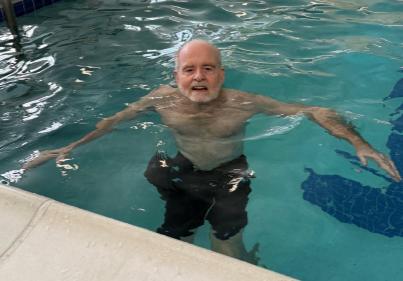
Activity: Kevin has lived at PPH for nearly 2 years and since joining the wellness center he has swam every single day he can. Kevin earned his PhD in psychology in 1973 and went on to work as a school psychologist for 27 years in the Miami area. Kevin later moved to Philadelphia to be closer to his daughter. He LOVES to swim and would swim daily even before moving to PPH. He also enjoys playing ping pong and was instrumental in starting a PPH ping pong Club.
Kevin’s best advice for others is to “Stay Fit, it makes everything better!”
nervous system, and education that symptoms are reversible can reduce fear. Several evidence-based strategies may help support recovery once serious medical causes have been ruled out. Gentle, consistent movement encourages the brain to recalibrate balance signals, while specialized vestibular rehabilitation can improve gaze stability, coordination, and confidence with movement. Mindfulness and somatic-tracking techniques help the nervous system recognize these sensations as safe. Managing stress is critical, as it can amplify dizziness and delay recovery. Practices such as breathwork, grounding exercises, EFT, and other relaxation techniques, alongside adequate sleep, stable blood sugar, regular breaks from screens, and balanced nutrition, help regulate the nervous system and support brain health. When symptoms persist, working with specialists including vestibular therapists, functional neurologists, or trained audiologists can provide targeted guidance. With time, education, and the right strategies, the brain can relearn how to process balance information accurately, restoring stability, confidence, and quality of life.
Employee Highlight
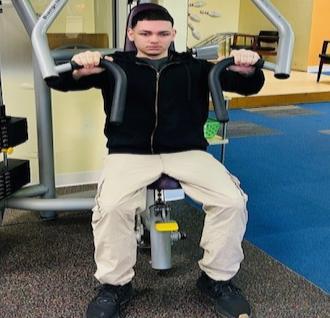
Name: Adrian Pomales – Dining Services/Utility
Activity: Adrian has worked for PPH dining staff for a year and a half and has just recently become a member of the Wellness center. Adrian comes to the gym every day sometimes twice a day and does a variety of strength training exercises and cardio Adrian’s ultimate goal is to join the United States Airforce. Adrian states that joining the gym was a step he took to prepare himself for his eventual military service. He says the cable machine is his favorite machine in the gym because it is so versatile. We are so happy Adrian has chosen PPH Wellness to work on his fitness goals!
Health
Tip: Better Sleep Hygiene
Sleep hygiene refers to habits and routines that promote consistent, restorative sleep:

• Keep a schedule: Go to bed and wake up at the same time every day, even on weekends, to regulate your body’s internal clock.
• Create a sleep-friendly environment: Make your bedroom dark, cool, and quiet; remove distractions like phones or TVs.
• Adopt pre-sleep routines: Wind down with relaxing activities like reading, stretching, or deep breathing, and avoid caffeine or heavy meals close to bedtime
Stuffed Bell Peppers
Bright, flavorful, and protein-packed, these stuffed peppers turn a simple weeknight dinner into a healthy, satisfying meal everyone will love!
Prep: 20 min Cook: 45 Min | Makes 4 servings
Ingredients
• 4 large bell peppers
• 1 tbs. olive oil
• 1 lb. lean ground turkey
• 1/2 onion, diced
• 1 tbs. chili powder
• 1 tsp. paprika
• Salt to taste
• 2 cups quinoa, cooked
• 1 lime, zested and juiced
• 1 cup fresh cilantro, chopped
Directions
1. Preheat oven to 350°F and spray a 9×13 baking dish. Halve bell peppers, remove seeds, spray, and bake 25 minutes until tender and lightly browned
2. Heat olive oil in a skillet. Cook turkey with onion, chili powder, paprika, and salt until done.
3. In a bowl, mix cooked quinoa with lime juice, zest, and salt. Stir in turkey mixture and cilantro
4. Stuff peppers with the mixture and bake uncovered 10 more minutes

A Look at PPH Wellness
Aquatics 8:30-4:30 Mon-Fri
Wellness 7 days a week

TEDTalks 1x /month