
This issue brings together the latest insights, research and guidance shaping the legacy and charity sector. We start by exploring how charities can make a compelling case for legacy investment, sharing strategies to secure long-term commitment and build the sustainable support they need to fund their future.
• Collaboration and peer-led learning remain central to sector growth. Building on this, the Excellence in Legacy Administration conference brought legacy professionals together to share expertise, offering discussions on sector trends, efficiency strategies and ways legacy pipelines can be strengthened.
• Corporate support continues to make a tangible difference. Star Platforms has celebrated its fundraising achievements, raising over £90,000 for charities through initiatives such as the ‘We Rise’ charitable scissor lift, demonstrating how businesses can create a lasting impact for both local and national causes.
• Research by the Charities Aid Foundation has found that engaging clients on philanthropy would bring significant benefits for wealth management firms. At the



same time, many high earners remain unaware of the tax relief opportunities on their charitable donations.
• Meanwhile, growing financial pressures on bereaved families are highlighted, with proposed changes to inheritance and pension taxation placing personal representatives at greater risk.
• Looking ahead, recognition and achievement within the sector will be in focus, with the Smee & Ford Legacy Giving Awards celebrating the dedication and achievement of legacy professionals nationwide.
• The ILM Conference promises another day of expertled sessions, networking and practical insights, while the Legacy Festival 2026 is also set to bring fundraisers together to learn and share best practice over a wide range of topics. Remember a Charity announced the programme and sponsors of the event taking place in London as this publication goes to press.
• Rounding off, Enthuse’s annual Charity Pulse report offers a snapshot of charities’ expectations, highlighting how the sector is responding to change and preparing for the year ahead.


The photograph on the right of border collie Nipper was taken on the same day that he’d been taken to a vet’s to be put to sleep. Purchased as a ‘surprise’ gift, he was unwanted. This beautiful puppy was just eight weeks old and is just one of almost 10,000 animals rescued by Friends of the Animals.
There was a happy ending as –now renamed Stanley – he was rehomed with one of the charity’s voluntary drivers, who adores him.

Friends of the Animals began in March 1990 and had very humble beginnings. Veterinary treatment is invariably the charity’s biggest outgoing and to date they have spayed or neutered 45,000 animals. Thousands more have been wormed and inoculated – often for the first time in their lives!
Founder Helen Sinclair MBE, who was honoured for Services to Animal Welfare in 2014, takes up the story: “There have been many memorable cases, where we’ve saved animals’ lives against all the odds. Animals such as the puppy who slipped under the railings of a balcony – luckily bouncing off the conservatory roof which broke her fall. Then there was the dog who fell down a manhole in the road after someone had removed the cover, and poor Marshall, who had three broken legs and a severed ear.
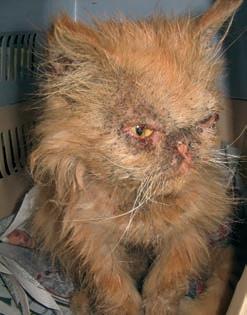
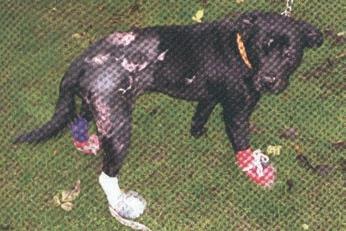
“Susie, a Labrador/Staffy cross (pictured above), was badly burnt in a house fire, but made a good recovery; and the dear little cat above had everything wrong with him, but survived and thrived.
“When 11 month old Border Collie ‘J.J.’ came into our care, she had a pin / plate poking through
a badly infected front leg, a paw so badly crushed the bones had fused together and a stab wound.
“Her original owner pleaded guilty to causing unnecessary suffering to a protected animal and was fined £2,000 and banned from keeping an animal for ten years.
“As you can see from the wonderful photo below, ‘J.J.’ went on to much better things.”

Gifts in wills fund one in two veterinary treatments and so legacies are an absolute lifeline to the rescue and spaying/neutering work carried out by Friends of the Animals.
The charity has a policy of non-destruction, unless an animal is sick or injured with no hope of recovery, and they keep admin costs to a minimum. Very importantly, 90% of their staff are volunteers, which ensures as much of your gift as possible is spent on saving animals.
Pitted against that constant battle to save lives was the action of the person who set fire to the front of the Charity’s base.
“But, happily,” said Helen, “we're a resilient team and together with the help of supporters, we barely skipped a beat and just kept on going.

“We truly appreciate that people have many choices regarding charities to support, but no one appreciates it more, or tries harder than we do, to get the very best possible use from every penny donated. Thank you for your consideration.”
[THE UK’S MEDICAL ROYAL COLLEGES play a pivotal role in safeguarding the standards of healthcare – and the Royal College of Surgeons of England (RCS England) is our cornerstone of surgical excellence.
Established by Royal Charter in 1800 and growing to become an international membership organisation, RCS England has evolved into the central authority in surgical education, training and professional development.
Setting rigorous standards for surgical practice and accredited training programmes, the college advises government and healthcare institutions on clinical effectiveness – always and only focused on advancing good surgical outcomes for patients, their health and their quality of life.
For legal professionals navigating clinical negligence, personal injury or regulatory cases, understanding the role of RCS England offers valuable insight into a vast range of activity underpinned by care for the patient.

RCS England’s fundraising team said: “For many supporters of RCS England, their appreciation of our work takes the shape of a legacy or in-memory gift, and every year, an extraordinary range of our work is made possible by this generosity. With a tried-and-trusted record of working with pledgers to understand and guarantee their wishes, and showing our appreciation, the college is a safe pair of hands for any size of gift and every personal interest.”
Even the cultural heritage of RCS England has been strengthened by pledgers’ generosity. The oldest painting in the college’s collections is King Henry VIII and the Barber Surgeons (pictured), attributed to the studio of
Hans Holbein the Younger. This 1541 group portrait commemorates the union of the Barbers and Surgeons, with Henry VIII presenting a charter to Thomas Vicary, the first Master of the Company. The college’s version is a preparatory cartoon for the final painting, confirmed by radiographic evidence revealing transfer marks beneath the surface.
The work features prominent royal physicians and surgeons, set against a backdrop of Tudor London. Professor Bertram Cohen CBE’s research authenticated its provenance, and his legacy gift ensures its preservation. Returned to public display in 2022, the painting is a reminder of the intertwined histories of visionary scientists and their patrons. q
[ AT A TIME when charities face immense financial pressure and growing need from beneficiaries, legacy fundraising remains one of the most powerful opportunities for income generation. Yet, making the case for legacies can be challenging when short-term funding demands are front-of-mind.
That was the focus of Remember a Charity’s members’ webinar in January, which brought together three experts: Sam Devlin, specialist legacy fundraising consultant and author of their Making the Case for Legacy Investment toolkit; Chris Millward, Head of Legacies at Princess Alice Hospice; and Jess Bayliss Head of Legacy Marketing at the RSPCA. Together, they explored how charities can secure organisational buy-in and investment in their legacy programmes.
Some of the key insights and tips shared throughout the session included:
• Lead with the scale and long-term opportunity
Highlighting the sheer scale of the legacy opportunity, the webinar highlighted that legacy income has trebled over the past 25 years, providing charities with much-needed stability and resilience. Legacy gifts can indeed be transformative for an organisation, and Sam Devlin emphasised the power of an established legacy pipeline in providing a steady flow of often sizable income.
Despite this, she noted that charities have historically underinvested in legacies, with one study indicating that charities spend just 6% of their fundraising budgets on legacies – when it drives around 44% of their voluntary income. As Sam pointed out, this gap shows just how much untapped potential there is for charities to invest in and grow their legacy programmes.
• Tell a compelling story grounded in evidence
A strong case for investment combines the ability to paint a picture of the future, using compelling data and emotive storytelling that depicts the potential impact of legacy growth. For charities that are new to legacy fundraising and don’t yet have their own legacy stories to tell, Sam encouraged them to make good use of the market benchmarks, such as average gift values, and to share the predicted rise in sectorwide legacy income from £4.5bn to £5.1bn by the end of the decade.
But numbers alone aren’t enough, as each speaker conveyed. Chris Millward highlighted that supporters leave gifts because they feel emotionally connected to a charity’s mission. Storytelling and sharing meaningful, human narratives about why legacies matter, should sit at the heart of both internal and external communications. Even organisations yet to receive legacy gifts can tell powerful ‘future stories’ showing how a gift in a will could change lives.
• Recognise the importance of timing and demographic trends
The intergenerational transfer of wealth from baby boomers is underway, paving the way for a ‘golden age’ for legacy giving. This boomer audience is financially savvy, charitably-minded and often holds significant wealth in the form of property or pensions.
Senior leaders may be tempted to focus solely on short-term returns,
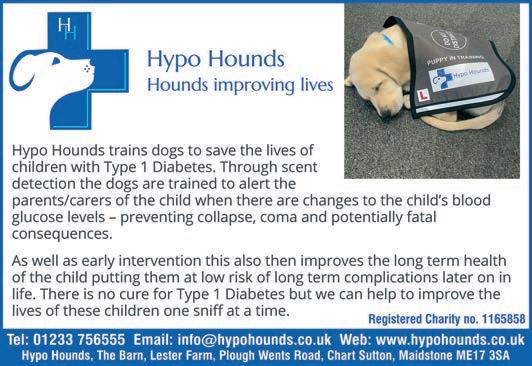
[ HYPO HOUNDS provide a viable health care alternative for children and their families by training a Diabetic Alert Dog to detect the subtle changes in the child’s blood sugar levels.

The dogs are trained to alert parents when the child’s sugar levels drop dangerously low or rise too high. This not only impacts on the child but also on the family’s ability to function as a unit, with the registered carer becoming the dog.
Hypo Hounds work is becoming nationally recognised and is literally saving the lives of children – one sniff at a time. q
but failing to invest now risks missing this unique window of opportunity. As Sam put it: if you’re not talking to supporters about legacies now, another charity will be.
• Bring colleagues with you, internal engagement is essential
Both Chris Millward and Jess Bayliss stressed that gaining investment in legacy fundraising isn’t a one-off exercise, it’s a longterm journey that relies on proactive internal engagement and timely reminders along the way. Structured engagement plans can raise awareness across teams, foster a network of legacy champions and keep legacies on the agenda.
Jess explained how this is put into action at the RSPCA, where internal communications about legacies have become the norm. By providing regular updates, stories, results and cross-team celebrations, this ensures legacies are both visible and valued throughout the organisation.
• Demonstrate impact through clear, understandable metrics
Legacy fundraising can be misunderstood, especially when income is realised years after activity takes place. Jess outlined how her team tackles this by building ROI models that place an estimated monetary value on inquiries and pledges.
This allows stakeholders to see clearly how today’s activity contributes to tomorrow’s income. Where detailed data isn’t available, simple key performance indicators such as increases in legacy enquiries or pledges can still be communicated with context to show the direction of travel and strategic value.
• Prepare to overcome objections
Common pushbacks, such as the need for immediate income or concerns about the sensitivities of discussing legacies, came up throughout the session. The speakers encouraged fundraisers to anticipate these challenges and consider their counter arguments, continuing to weave in both data and storytelling to strengthen the narrative.
Reframing discussions around empowerment, supporter choice, longterm sustainability and portfolio-wide benefits helps shift perceptions. Where capacity is a barrier, co-creating investment proposals with colleagues was recommended. This can ensure operational needs such as extra headcount are considered from the start and reflected in the plans. It helps everyone see legacy programmes as a team effort.
The webinar’s key message was clear – legacy fundraising is not niche, but a strategic imperative. With demographic trends, market growth and supporter behaviour aligning, this is a strong time for charities to invest and increase their focus on legacies.
By combining insight, storytelling, internal advocacy and clear measurement, fundraisers can make a compelling case that secures the support they need to build sustainable legacy programmes, funding their future. q
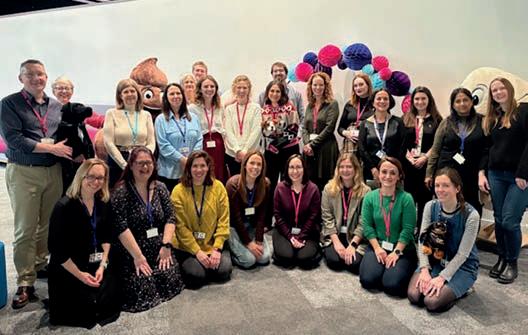
[ IN JANUARY, Cancer Research UK (CRUK) hosted a joint training and co-working day at the CRUK offices for the legacy teams from CRUK, BHF, Battersea and Marie Curie. Becky Massey, Legacy Management Lead at CRUK and ILM Board Member, describes the event: “We saw this day as a great opportunity to bring everyone together, share expertise and strengthen our collaborative approach to ex gratia requests.
“We were delighted to be joined by Michelmores, one of the ILM’s corporate partners, who delivered an ex gratia refresher session alongside Megan Paul, a legacy management specialist at CRUK.
Lisa Benham, from Michelmores, and Megan are speakers on the Legacy Essentials course and regularly provide ex gratia training to the sector.
“The session focused on the recent changes to the legislation and what these mean in practice. We also explored best-practice guidance for preparing Charity Commission applications and discussed practical tips to ensure our submissions are as clear and robust as possible.
“We worked through several real life case studies, comparing our approaches and identifying ways we can continue to improve consistency and cooperation across our organisations. These conversations were incredibly valuable and highlighted the benefits of sharing learning and tips across the sector.
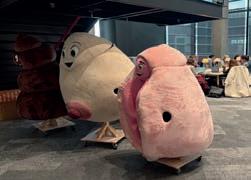
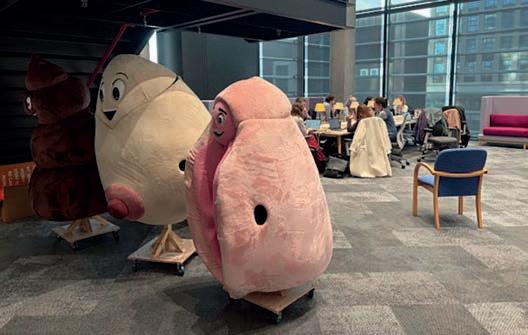
“We rounded off the day with a lovely lunch and an afternoon of co-working – whilst being watched over by the wonderful CRUK mascots, which added a bit of fun to the atmosphere!” q
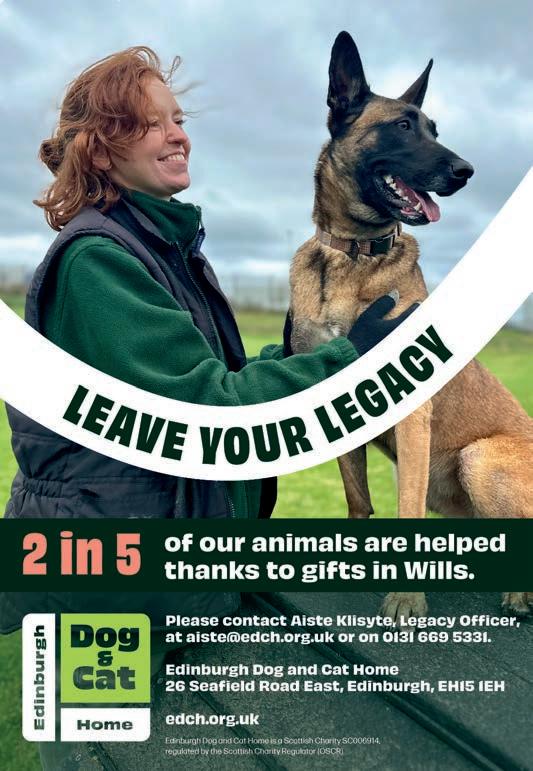
For 140 years Edinburgh Dog and Cat Home has been there for the dogs and cats who need us.
From food and veterinary care to training, enrichment and love, we give everything we can to help our animals find their forever home.
Two in five animals cared for at the Home are supported by the generosity of legacy gifts. Thanks to these funds, hundreds of dogs, cats and their owners have had the chance to form bonds that last a lifetime.
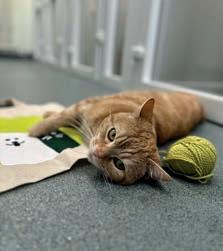
By leaving a gift in your Will to Edinburgh Dog and Cat Home, you’ll be part of something extraordinary. You’ll help give vulnerable, lost or struggling animals the second chance they deserve, leaving a legacy of love.
The Home works with solicitors and executors to ensure every gift is managed with transparency, respect and a deep appreciation for those who have chosen to support our work in this lasting way.
If you’re considering a gift in your Will, we would be honoured to talk it through with you, with no pressure and no obligation. It’s your legacy, and we’re here to help you shape it.
For further information, including a short video, please visit edch.org.uk/gifts-in-wills
[NOW IN ITS 8TH YEAR, the Excellence in Legacy Administration (ELA) conference – held online on 10 February – brought together leading professionals to share expertise and insights on the latest challenges in legacy administration.
With increasing pressure on legacy teams to maximise income and manage cases efficiently in challenging times, administration professionals need to stay informed on changes to charity law, developments in government policy, probate notification timelines and industry best practice.
In addition to offering the very latest sector updates, ELA provided a unique opportunity to hear directly from charity peers – who shared their experiences and practical insights into the challenges of working in legacy administration – as well as the latest analysis of legacy income trends.
Key themes this year included:
• Sector Trends & the 2026 Landscape
Smee & Ford and Legacy Futures insights on donor behaviour, estate values and how economic and political changes will shape legacy giving.
• Productivity & Efficiency
Practical tips to save time, streamline administration and manage workloads with limited resources.
• Building a Strong Legacy Pipeline
Simple strategies for smaller teams to integrate and refresh legacy fundraising approaches.
[ZANE: ZIMBABWE A NATIONAL EMERGENCY is a UK registered charity working to help the most destitute, vulnerable and impoverished people in Zimbabwe. It is the largest supplier of financial aid to elderly people in Zimbabwe who lost their life savings and pensions in the economic collapse and subsequent hyper-inflation.
This includes over 440 frail veterans and their widows who fought for the Crown.
ZANE assists with rent, medical bills and food –and, crucially, also provides comfort, advice and support.
In addition, ZANE funds a clubfoot correction programme, successfully treating over 6,600 children to date. ZANE also funds education programmes including the provision of pop-up classrooms in a high-density township for children who would otherwise not receive an education. It runs creative therapy workshops for women living in extreme poverty who are victims of political violence and trauma.

• Stewardship & Impact Reporting
Learning how transparent communication demonstrates how legacy gifts are honoured and their lasting impact.
• Navigating Property Gifts
Guidance on setting realistic expectations and managing complex or slow-moving property legacies.
• Rethinking Legacy Administration
A forward-looking discussion on overcoming sector challenges and improving processes for greater efficiency.
Combining panel discussions, data analysis and real-world case studies, the day provided both inspiration and first-hand solutions on strategy and best practice, while also highlighting the challenges for the year ahead. q
•
Zimbabwe remains a country in crisis. With some of the highest inflation and unemployment rates in the world, Zimbabwe’s economy teeters on the brink of collapse. Coupled with a woefully inadequate healthcare system, the need for ZANE is greater than ever for the most destitute people in Zimbabwe. q

[
PROMOTING AND ASSISTING in access to justice in the Family Court is the aim of Parenting Together, a charity set up by former youth worker Gerry Hannah.
Gerry points out suicide is the most common cause of death among young people – often prompted by the depression caused by family break-up. He believes that in many cases the break-up of the family is avoidable if parents are able to present their version of events.
Said Gerry: “British Family Courts sit in private and they convict parents merely on the ‘balance of probability’. In some cases a judge is persuaded to make a misinformed decision based on race, gender, heritage, beliefs and social status – often causing serious depression which can have lethal consequences.”
Gerry formed his association with humanitarian experts and professionals to ensure low-income, disadvantaged parents involved with social services or Family Court proceedings receive fair and equal justice.
He added: “We mostly provide specialist legal services, advocacy and reports for disadvantaged parents in Family Court proceedings. Our experts, professionals and associate solicitors often work pro bono to help us resolve exploitation and unlawful abuse of the family
law and child protection systems. We framed our projects on the government’s Every Child Matters report, published in 2003, that recommended engaging families in the care and protection of children.”
He points to cases of parents with learning difficulties asking people on social media for advice when they cannot understand the legalese, acronyms and procedures.
“They are usually misguided, posting views and comments that go against them in court. Their social media ‘friends’ are often predators who exploit single parents with young children. We recently submitted evidence to the CPS against a few of these sexual predators targeting our vulnerable parents and their children.”
The current project is a continuation of Honeypot Families, a work-in-progress study comparing families in the safest happiest regions of the UK with families in what Gerry describes as ‘the most dangerous city in Europe’.
“We concluded that Judeo-Christian families functioned efficiently to provide the best outcomes for everyone because they are based on a mutually agreed contract where adults vow to love, care and respect each other until death.” q

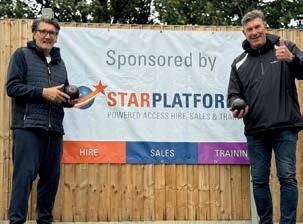
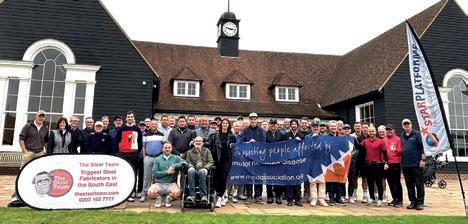
[CHARITABLE CONTRIBUTIONS made by Star Platforms and its teams have risen past £90,000, allowing the access hire specialist to provide impressive support for charities and community groups across the UK.
National charities that have benefited in the last 12 months have included Alzheimer’s Society, Prostate Cancer UK, MND Association, Cardiac Risk in the Young, and Miles for Smiles.
Local organisations supported include Hft Bedfordshire, which provides services for adults with learning difficulties and family carers, and other projects that hold deep personal significance for the team and its customers.
Alongside matching colleague fundraising, the company continues to champion its flagship initiative ‘We Rise’. Launched in 2020, the programme centres on a dedicated SJ3219 DC scissor lift, supplied through Skyjack’s charitable scheme.
Rather than generating standard hire revenue, this machine raises funds exclusively for charity, providing a reliable source of support throughout the year.
This year’s fundraising highlights included four members of the head office team, Chris Foster, Charlie Goulbourn, Reece Hipgrave and Josh Jell, completing the Macmillan Longest Day Golf Challenge (top right).
Playing 72 holes in a single day at Stockwood Park Golf Club in Luton, they walked more than 26 miles and clocked over 50,000 steps to raise money for cancer support.
Contributions also helped fund the end-of-year prom at Woodlands Secondary School in Luton, giving students a memorable, welldeserved celebration.
Star Platforms also supported the Miles for Smiles Charity Golf Classic at the Belfry Golf Club, near Birmingham, in September through

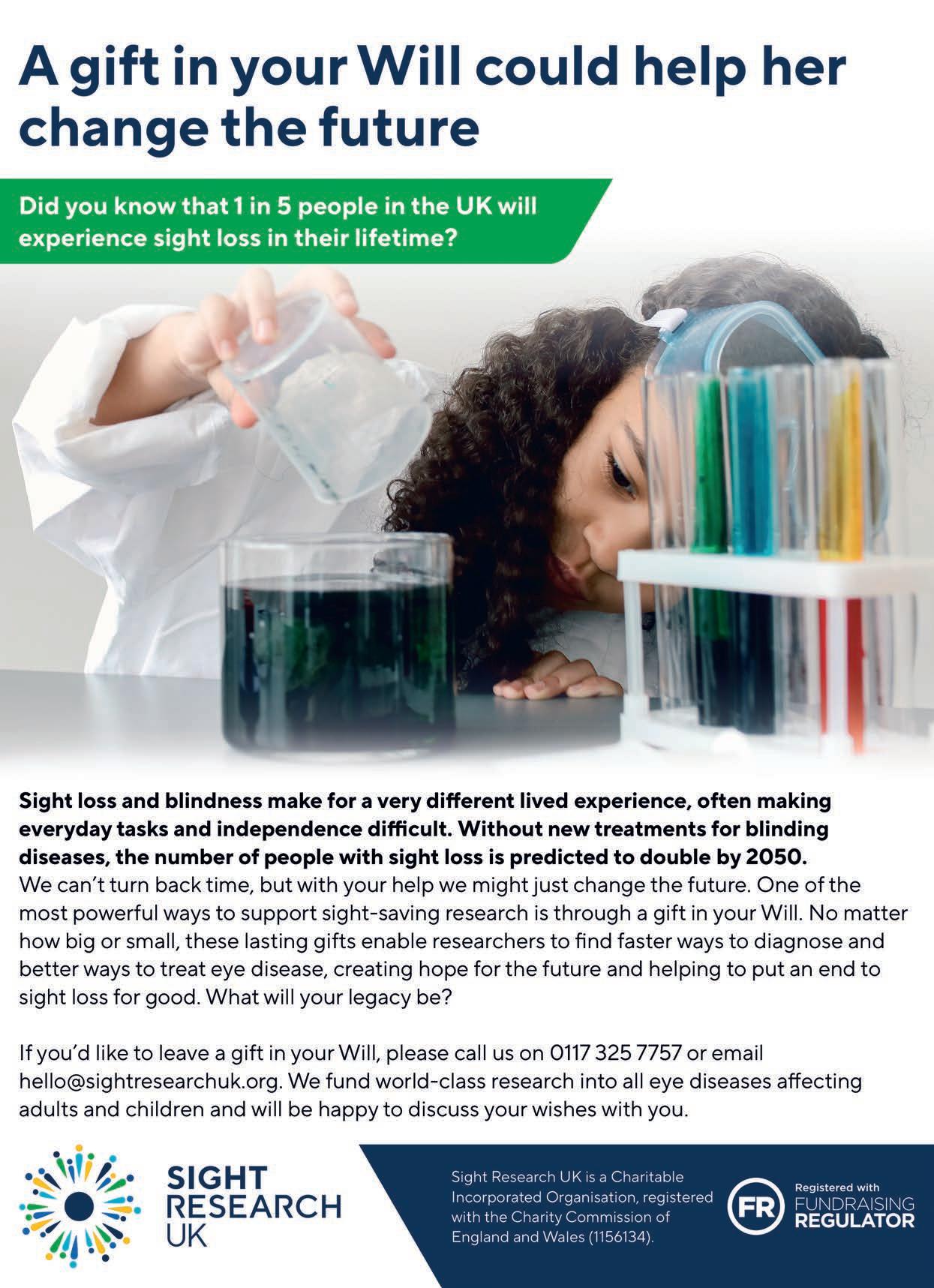
[FAILING EYESIGHT is nothing short of a personal catastrophe. Do you have a family member, friend or neighbour who is gradually losing their sight?
Reading, recognising friends and living skills are all affected as your sight is going – and it’s much harder if you live alone.
The National Federation of the Blind of the UK (NFBUK) keeps its members in touch with general information, help and updates on what’s going on.
The charity produces bi-monthly news magazines and circulars in audio, braille or electronically, which members can read independently. It also encourages blind and partially sighted people to play a fuller part in society. q
• For further information contact NFBUK on 01924 291313, email admin@nfbuk.org or visit www.nfbuk.org

participation, sponsorship and involvement in the event.
Richard Miller, managing director of Star Platforms, said: “Reaching over £90,000 in charitable contributions is something the whole company can be proud of. It shows the generosity and commitment of our people, customers and partners, and demonstrates the difference we can make when we work together.”
Star Platforms, sales director Bryan Freeman added: “The variety of charities and projects we’ve supported shows how far-reaching this initiative has become. From major organisations to local community causes, ‘We Rise’ continues to make a meaningful impact, and we look forward to seeing even more charitable groups benefit.”
The Skyjack SJ3219 DC electric scissor lift powering ‘We Rise’ is available for hire and offers a working height of 7.80m, which is ideal for indoor projects.
To date, the many charities to have benefited from Star Platforms’ fundraising initiatives have included: The Hospice of St Francis, The Alzheimer’s Society, Emily’s Star, CRASH, Association of Ukrainians in Great Britain, Wildlife Aid, MacMillan, Horizon Andy’s Club, Prostate Cancer UK, TeamJed, iCARP, British Heart Foundation, Keech Hospice, Forever Stars, Gaddesden Place Riding School, Midshire’s Search and Rescue, Miles for Smiles, Cardiac Risk in the Young and MND Association. With further fundraising initiatives planned, the company, supported by its generous colleagues, remains committed to expanding its charitable impact and supporting the communities it serves. q
• For more information about Star Platforms’ charitable efforts or to hire the ‘We Rise’ machine, visit the charity page on the company website at www.starplatforms.co.uk

[
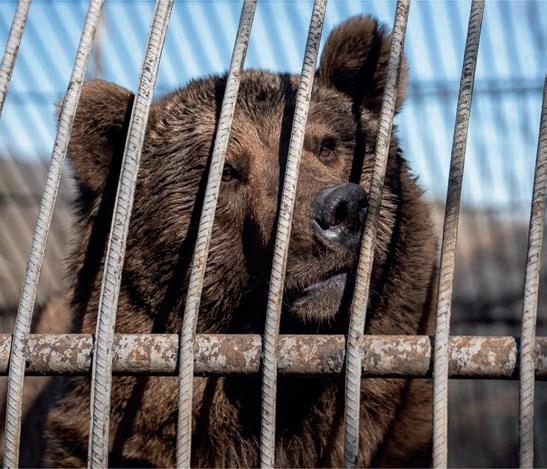
BEAR BROTHERS Benji and Balu only ever knew a life of misery in a tiny concrete cage on the side of a restaurant in Azerbaijan. Fed on srcaps of food from the kitchen or by curious tourists, they were malnourished and suffered physical and psychological issues as a result of their 13 years of confinement. They would chew on the bars of their cage out of desperation to escape and, as a result, Balu had to have two teeth removed. Rescued by the Wildheart Animal Sanctuary, these bears now flourish in a purpose built sanctuary where they have 3,500 sq m of ponds, trees,

streams and caves to explore, providing them with everything they need to live out their days in peace.
At Wildheart they work tirelessly to ensure forgotten animals, like Benji and Balu, have a second chance at life – one in which they are free from fear and distress. q
• Watch these bears daily on their live webcams on the website at https://wildheartanimalsanctuary.org/webcams/

[ NEW RESEARCH commissioned by the Charities Aid Foundation (CAF) has found that engaging clients on philanthropy would bring significant economic benefits to wealth management and advisory firms as well as charities.
Economic modelling by Public First finds that offering advice on philanthropy could increase client lifetime value – the revenue a firm expects to earn over the course of their relationship with a client –by nearly 25% by 2035.
Providing advice on philanthropy also helps wealth managers grow their assets under management. Over ten years, firms providing philanthropic advice could see their assets under management grow by 15% more than those not offering this service. This is the first time the benefit of philanthropy conversations to UK advice firms has been quantified.
In a market where wealth management businesses face challenges with client attrition and net outflows, philanthropy can help firms retain clients and their investments. Against the backdrop of the ‘Great Wealth Transfer’, there is also the potential to attract new clients who want their investments to have a positive impact.
The findings follow a recent CAF report which showed that many financial advisers are not meeting their clients’ needs. Just 36% of advisers believe it is important to discuss philanthropy with clients, contrasting with 60% of high-net-worth (HNW) individuals who believe it important to discuss the topic with their adviser.
At a time when charities’ incomes are squeezed and demand for their services is increasing, the research reveals that improved
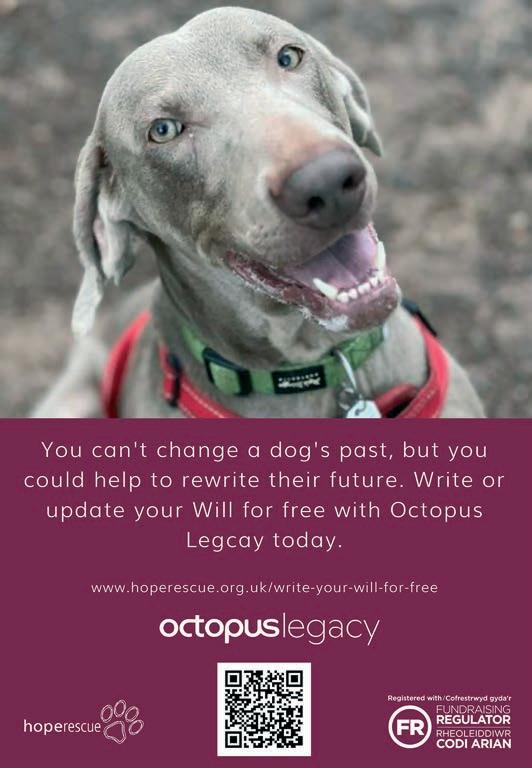
[CARING FOR UNCLAIMED stray dogs can be challenging – and the rising numbers are having an impact on Hope Rescue’s already stretched resources. Many of these dogs have been deliberately abandoned and Hope Rescue has committed to never leaving a dog behind regardless of age, breed, health or behaviour. This means that many of the dogs that come to Hope Rescue need additional care, be that through veterinary treatment, behaviour and training support, or both.
Hope Rescue are committed to taking all the stray dogs from six Local Authorities in South Wales - Caerphilly, Merthyr Tydfil, Blaenau Gwent, Rhondda Cynon Taf, Bridgend and the western half of the Vale of Glamorgan, resulting in around 1,000 dogs a year entering the rescue centre.
Vanessa Waddon, CEO and Founder, said: “We’re living through an animal welfare crisis and there is no end in sight, with the impact of lockdown followed by the cost-of-living crisis bringing more dogs than ever through our doors. We’re always at capacity, struggling to pay rising costs and impacting our ability to raise money.
“It currently costs around £3m each year to keep Hope Rescue afloat, so we need your support now more than ever.
“This crisis is not ending any time soon, and we urgently need your support to not only take in these dogs but reduce their length of stay – which both improves welfare and enables us to help more dogs that need us.” q
• Find out more about how you can support Hope Rescue at www.hoperescue.org.uk or contact fundraising@hoperescue.org.uk

advice could increase donations from HNW individuals by £820 million on average each year. Over a decade, this could mean an additional £8bn in donations for the charity sector.
Mark Greer, managing director for the Charities Aid Foundation, said: “Philanthropy in the UK has considerable untapped potential for wealth management firms, charities and wider society. An increasing number of wealthy individuals are interested in impact capital, and while leading wealth managers and advisers appreciate the value of raising philanthropy with clients, some are behind the curve.
“There has been some reluctance among advisers to talk to clients about giving away money out of a fear they will reduce funds under management – this modelling shows that the opposite is true, and a philanthropy offer increases the value of client portfolios.”
CAF is calling on the FCA to develop a strategy for training financial advisers on philanthropy, including adding it to advisers’ continuing professional development, and embedding impact capital options into regulated financial planning conversations, as recommended by the Treasury appointed Social Impact Investment Advisory Group to boost the impact economy.
Shivani H Menon, economist at Public First, said: “For advisers squeezed by regulation and market shifts, philanthropy is not the asset drain they fear. Rather, it offers a convenient path to secure client loyalty and drive financial growth. This research shows that there is a clear business case for wealth managers to raise philanthropy with clients.” q
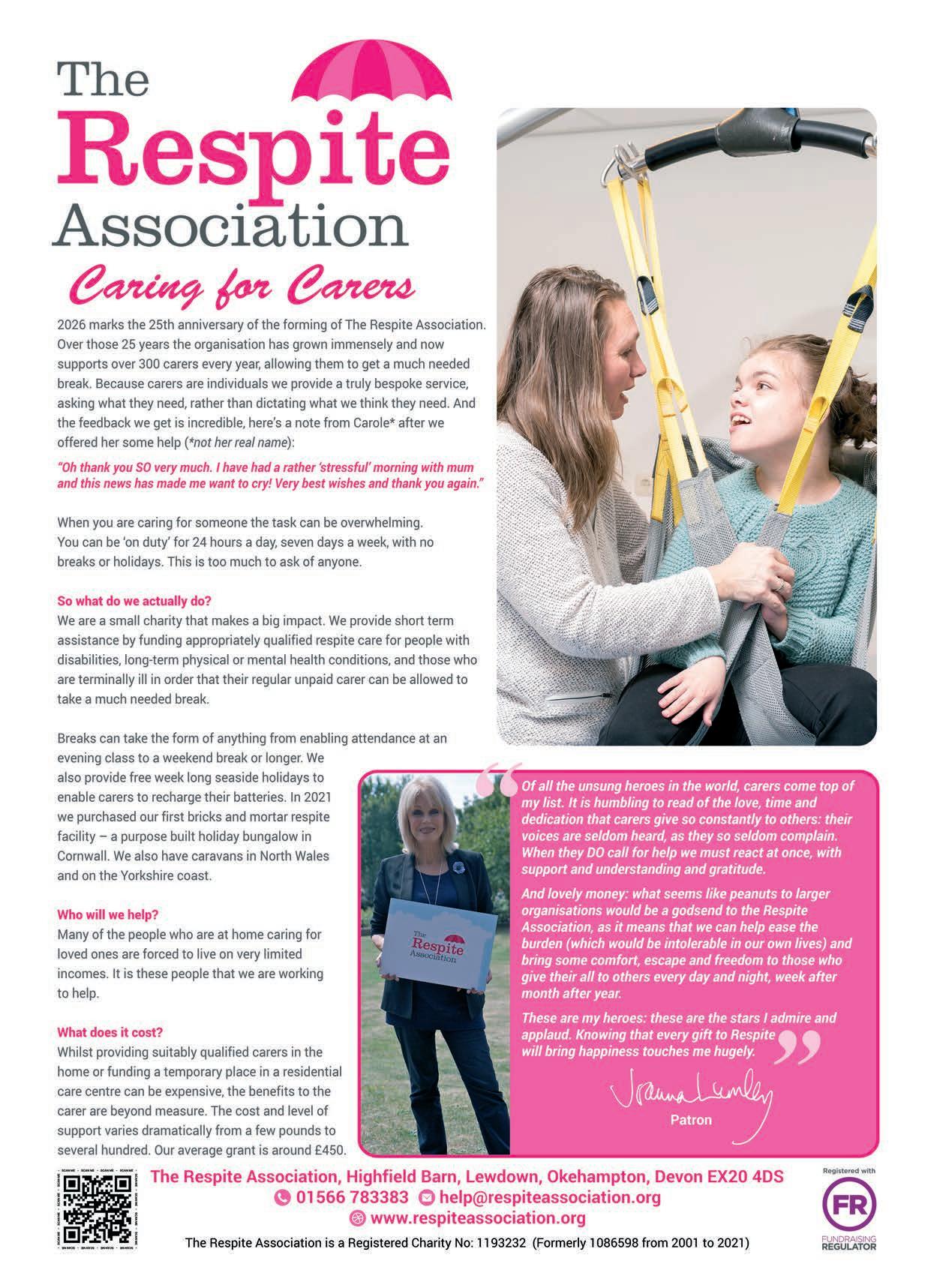
[ JOANNA LUMLEY, Patron of The Respite Association (TRA), recently paid this tribute to carers: “Carers are my heroes: caring 24/7, week-in and week-out, often for years on end, with no breaks or holidays and no complaints.”
Across the country there are thousands of unpaid carers; and since its formation in 2001 TRA has been supporting them to get a desperately needed break.
John Turner, one of the charity’s two part-time staff, explained: “It doesn’t take a great deal to have an enormous impact on the lives of carers. They don’t see what they are doing as a burden because they are caring for someone that they love; but they just need a little rest.”
“One lady, whose son is on the autistic spectrum, explained that he only sleeps for two hours per night, so that is all the sleep she gets, too. That lady just wanted a normal night’s sleep to catch up – while a gentleman in his seventies, caring for his wife who has dementia, wanted a weekend so he could go to his granddaughter’s first piano recital.”
TRA also have three holiday facilities - in Cornwall, Wales and Yorkshire - where they give carers a week-long break by the seaside. A carer who had a break in the charity’s caravan at Rhyl


wrote: “We had the most amazing time on holiday – gutted to be home in fact. Whilst I was there I couldn't help thinking of you and what an amazing opportunity you gave us. Me and my family are extremely grateful and always will be.
“The caravan was filled with lots of board games and books for both adults and children and we loved it. I usually don’t have time to read with my children or sit and do a jigsaw with them, but on holiday I did – everyday. And instead of dishing out medication of an evening I spent that time in the park with my family.
“It was so good to just be out in the fresh air and actually taking in the sky! You allowed me to have uninterrupted quality time with my children and for that I’m truly thankful.”
John explained “TRA offers something that you and I take for granted: a little bit of normality; enough to recharge the batteries and carry on caring. We have been incredibly fortunate that people have been very generous to us over the years, which has helped us to support thousands of carers and their families, and has provided a legacy of hope.” q

[ RESEARCH BY the Charities Aid Foundation (CAF) has found that 47% of higher and additional rate taxpayers are unaware they can claim back money on the taxes they have paid on their charitable donations.
CAF, which provides giving services to individuals and donors, has found this lack of awareness has increased from 39% at the end of 2024.
Around 12 million people, including those who are self-employed or earn over £100,000, completed a Self Assessment tax return before the deadline on 31 January 2026.
Besides claiming Gift Aid for the charity to receive, higher and additional rate taxpayers who donated to charity in the previous year can claim personal tax relief in their tax return. The difference between their tax rate and the basic rate of tax on the value of their donations can either be claimed as personal tax relief or donated to charity.
For example, if a higher rate taxpayer donates £100 to charity, the charity claims Gift Aid, effectively making the donation worth £125. The donor pays 40% tax so they can personally claim back £25 or donate this to charity.
Yet almost three quarters (71%) of higher and additional rate taxpayers do not claim money back on their taxes for their charitable giving.
Higher and additional rate taxpayers are more likely to have donated to charity in the past 12 months than the UK average (65% donated vs 55% average) and their average donation is
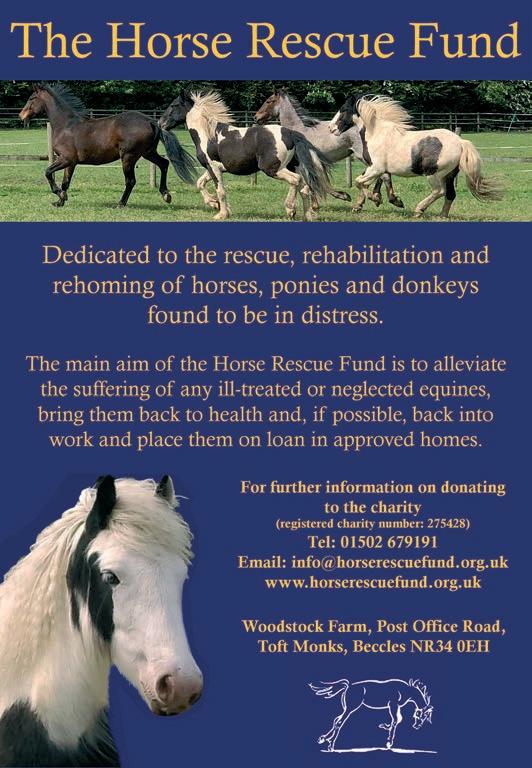
[THE HORSE RESCUE FUND is a long-established equine charity which, in 2025, celebrated 75 years of service to equine welfare. Founded when many deliveries were still using horses, the charity stepped in to save many from a bleak fate rather than imaginary happy retirement. The charity has a colourful history of pioneering work in changing attitudes towards equine welfare and transportation.
In the years since the Walbancke family established the charity, hundreds of horses have been given a second chance at life. From beginning in their back garden to the purpose-built yard occupied today, the ethos has remained the same – Rescue, Rehabilitate, Rehome.
The charity currently has over 60 horses out in homes and can house up to 20 horses, ponies or donkeys on the yard. These horses, once in their care, are treated as individuals – staying at the yard until they are emotionally and physically ready for rehoming. As a smaller charity, although not trying to turn over numbers they can make a real difference to the individual horse, offering a lifetime of ongoing care and support.
This winter, due to the poor harvest, the price of both hay and straw has rocketed, quickly using the extra funds raised in its 75th anniversary fundraising campaign, so the charity is now extending its Winter Hay Appeal. Support, via donations and legacies, is even more vital for the continued well-being of the horses in its care at present and those yet to arrive.
The charity has recently launched its monthly lottery, with big prizes and free membership of the Gourmet Society on offer. Full details of the lottery or how to simply donate can be found on the Horse Rescue Fund social media and their website. q
nearly twice as much. Despite not knowing about the tax relief available, more than two-thirds (69%) of higher and additional rate taxpayers always claim Gift Aid when making donations, ensuring the charity can claim an additional 25% of the value of the donation. This compares to 60% of basic rate taxpayers.
25% of higher and additional rate taxpayers are aware of the tax relief on offer and utilise it. Almost a third (30%) of those in this group who claim the tax back do so to donate extra money to charity.
Nearly a quarter (24%) claim it back because their accountant or financial adviser recommended it, emphasising the importance of advisers in raising awareness of the tax incentives available to charitable donors.
Almost a quarter (24%) of higher rate and additional taxpayers are aware of the incentives available but don’t claim anything back. The most common reason given is that they haven't kept a record of their donations (33%).
Mark Greer,managing director at the Charities Aid Foundation, said: “As the number of people donating falls, and charities are under increasing strain, it’s important that more people understand the tax incentives available when giving to charity.
“With more people expected to enter higher tax brackets, knowing this relief is on offer to them could encourage higher rate taxpayers to consider donating more, unlocking additional funds for these crucial services. It’s great that advisers are raising the topic with their clients and we encourage more to do the same.” q
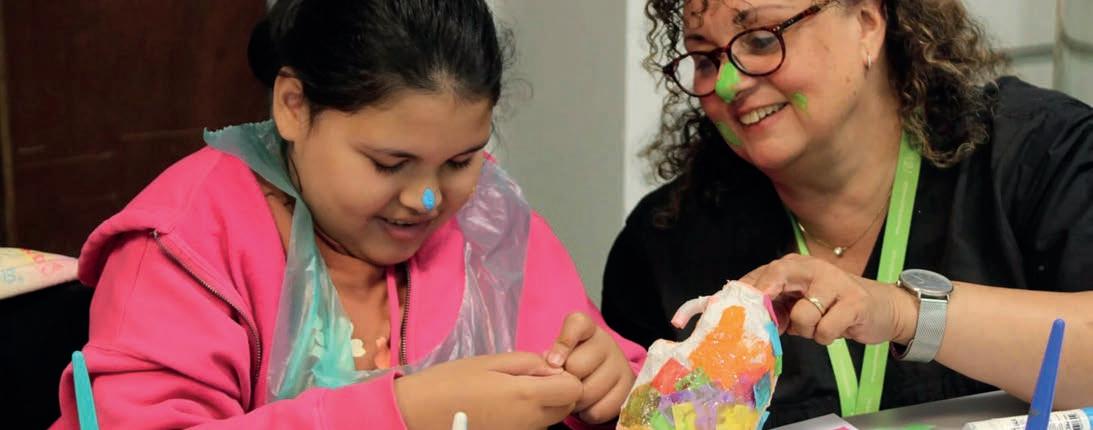
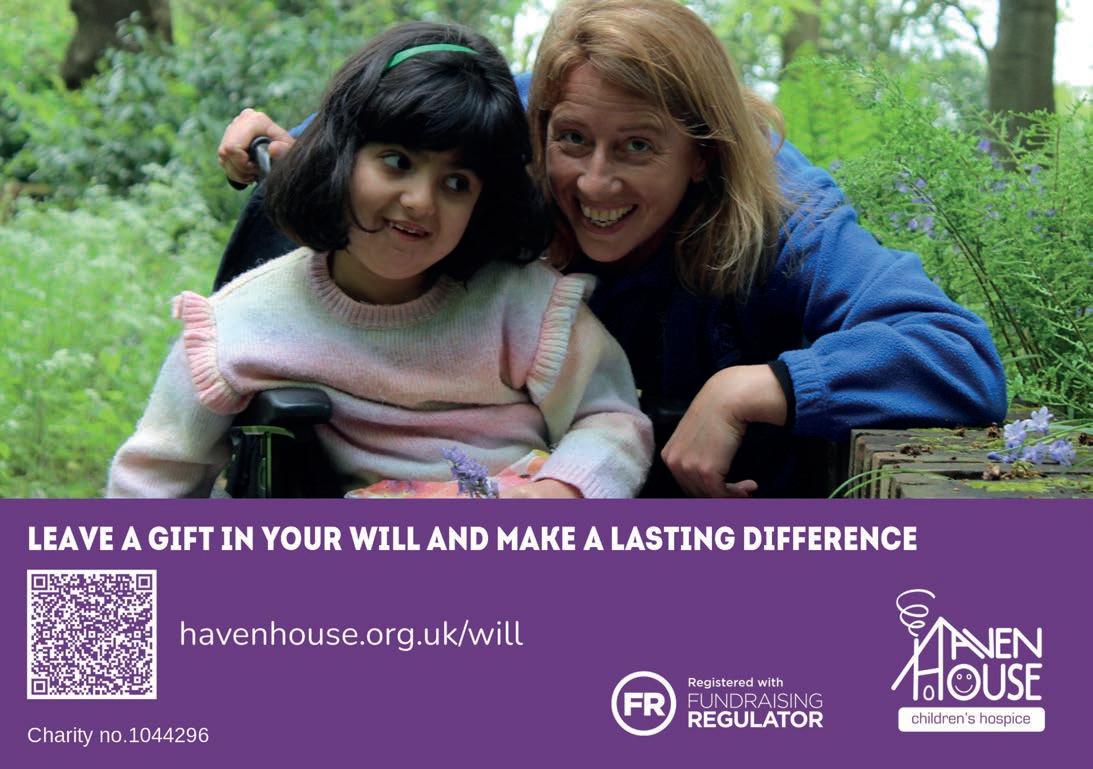
[PEOPLE THINK OF A LEGACY as organising finances to look after their loved ones. What we normally don’t think about is that a legacy is also the impact we have on people’s lives – the wonderful memories we create over our lifetimes.
Will you write a gift in your will to Haven House Children’s Hospice? You would be leaving a lasting legacy to local families who we support. Being told that your child is seriously ill is devastating. That is why Haven House is here. Our support is a vital lifeline to 438 children and their families in our local community. Our care is unique, just like our families. Our compassionate, physical and practical care helps these extraordinary children make the most of every day. Many families are left to cope on their own, which can place immense strain on them, compounded by the anxiety that accompanies a serious illness.
After remembering your loved ones, a gift in your will to Haven House will make sure that, for families who feel alone, we are there so they will have the best possible support.
No matter how big or small, a gift in your will is a wonderful act of kindness that will enable families to have the support they desperately need.
Everyone who leaves a gift in their will to Haven House is acknowledged with a gold leaf on our tree of recognition, along with a message of thanks.
Make your will for free online in three easy steps. By leaving a gift in your will, we will be able to continue supporting seriously ill children. q
• To find out more please visit www.havenhouse.org.uk/will or call 020 8505 9944
[ THE Smee & Ford Legacy Giving Awards 2026 will take place on 29 April 2026 at 8 Northumberland Avenue, Charing Cross, London. The awards celebrate the talent, dedication and achievements of UK legacy giving professionals – and highlight the vital impact gifts in wills have on charities.
New for this year is a brand new afternoon format designed to make the awards the must-attend networking and celebration event of the legacy sector calendar.
There will be extended opportunities for networking with inspiring expert speakers, exclusive new insights and data from the 2026 Legacy Giving Report and the celebrated Awards Ceremony, where the sector's great legacy achievements will be acknowledged.
This refreshed format replaces the formal sit-down meal with drinks and good food in a relaxed, welcoming setting, bringing the legacy community together to connect, exchange ideas and celebrate excellence.
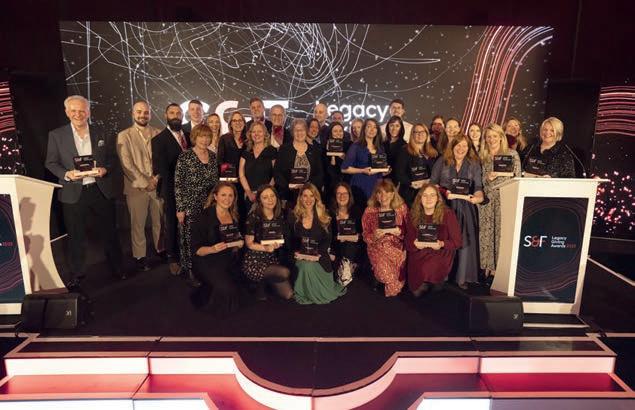
The Legacy Giving Awards 2026 offer two bursary opportunities designed to support professional development across the legacy sector.
• The Future Leader Bursary Award: created to support individuals who are new to a legacy or in-memory role, the Future Leader Bursary helps develop the next generation of legacy leaders through dedicated mentoring and practical support.
Successful applicants will benefit from structured group mentoring, expert guidance and opportunities to build confidence and skills for career progression.
• The Crispin Ellison Bursary Awards: now in its 10th year, the
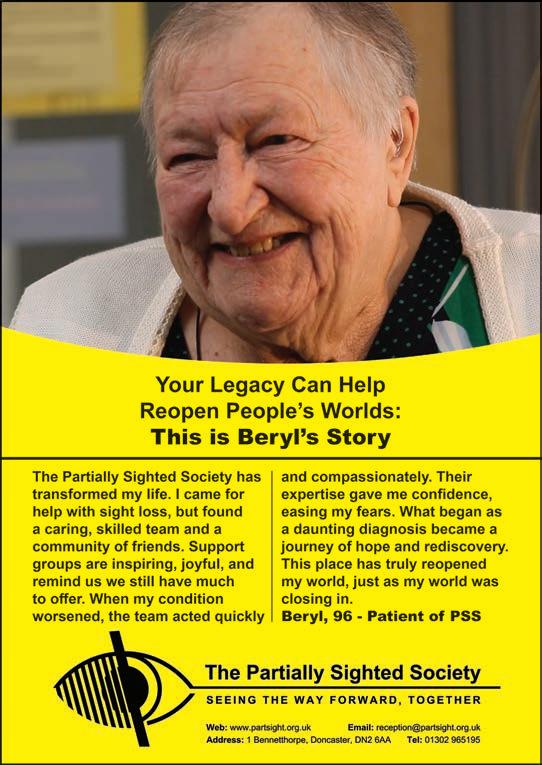
[OVER TWO MILLION
PEOPLE in the UK are living with sight loss – and that number is expected to double by 2050. A diagnosis of sight loss is lifechanging, not just for the individual, but for their families too.
The Partially Sighted Society understands the challenges that come with sight loss – because they’ve been supporting people through them for over 50 years.

As a national charity, they provide specialist services that make a real difference every day. From custom-designed school exercise books for children to low vision assessments, assistive equipment and emotional support, their goal is simple: to help those affected by sight loss live as independently and fully as possible.
They also offer a range of social activities and support groups to combat the loneliness and isolation that often accompany sight loss – because no one should face it alone.
By leaving a gift in your will, you can help ensure that no one has to navigate sight loss without the support they need. Your legacy could bring hope, dignity and independence to thousands of people for years to come.
Even a small gift can make a powerful difference. Please consider remembering The Partially Sighted Society in your will – and help them continue transforming lives, long into the future. q
Crispin Ellison Bursary supports professional development in legacy administration and management.
In 2026, multiple bursaries will be awarded, each providing access to recognised training and development opportunities to help strengthen skills and best practice across the sector.
The Legacy Giving Awards offer a valuable opportunity to connect with colleagues, peers and experts from across the sector – a chance to celebrate your team’s dedication and the vital role they play in your charity’s success. q
• To book your place visit smeeandford.awardsplatform.com

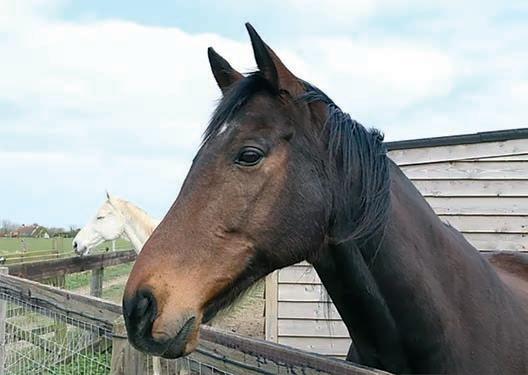
[ THE HEARTBEAT HORSES now live in a new home at Sink Farm in Woodbridge, Suffolk and are cared for alongside the wonderful Suffolk Punch horses.
Sink Farm is the colony stud for the Suffolk Punch Trust charity, who continue their important and essential work in preserving this unique breed. q
• For more information on either charity please contact Tracey Pettitt, stud manager or David Clarke, finance director, on 07768 025128. Heartbeat Homes for Horses, Sink Farm, St David’s Lane, Hollesley, Woodbridge, Suffolk IP12 3JR
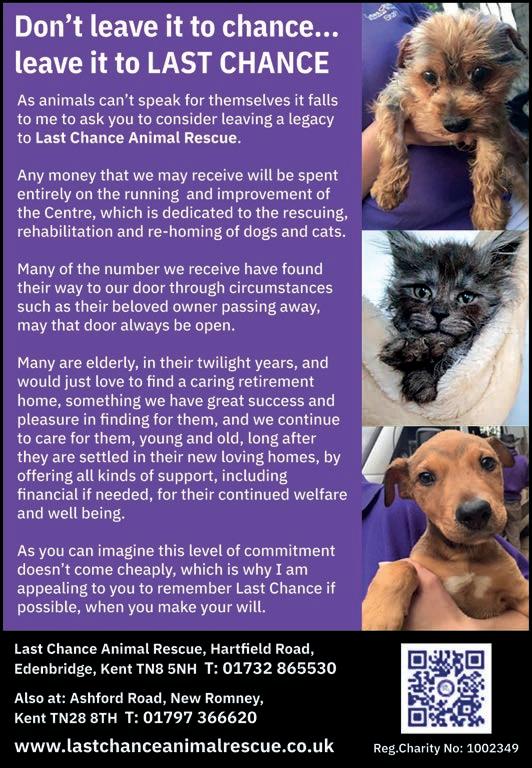
[LEGACIES MEAN SO much to the team at Last Chance Animal Rescue. These wonderful gifts have helped them to rescue, rehabilitate and re-home so many abandoned, abused and unwanted dogs, puppies, cats, kittens, rabbits and guinea pigs who otherwise would have had no future.
The charity understand the wishes of its kind benefactors who have considered them in their Wills. A spokesperson said: “We know they want their generous gift to us to be used directly to save lives, provide the very best of care and to find loving homes.
“Legacies really do provide the gift of life and Last Chance Animal Rescue can now, after much planning and prudent use of funds, offer our life saving services to so many more needy pets. We are delighted to announce we now have a second rescue and rehoming centre in Kent, giving hope and a true last chance to so many.
“Sadly we cannot thank those who have enabled this wonderful achievement but are extremely grateful to all those who are currently considering helping us now and in the future to continue our work.” q Pixie

[THE PROPOSALS laid out in the Finance Bill 2025-26 could put personal representatives – often family or friends of the deceased – at greater financial risk, the Law Society of England and Wales said as the Lords’ Subcommittee published its report on the Bill on 28 January.
The Finance Bill sets out proposals for reforms to inheritance tax, unused pension funds and death benefits. These proposals were first announced at the Autumn Budget on 30 October 2024 but have since been revised several times.
The new report, published by the House of Lords’ Finance Bill Subcommittee, raises concerns about what these reforms will mean for personal representatives (PRs) who will be made responsible for IHT on pensions and urges the Government to take significant steps to ensure these measures can work in practice.
In its response to the draft legislation published and a call for written and oral evidence last year, the Law Society raised concerns about the proposed responsibilities of PRs, also known as an executor/administrator.
This included:
• Lack of control over assets: PRs are taking on responsibilities for assets such as pensions or death benefits which they cannot control.
• Liquidity challenges: if PRs are liable for inheritance tax on these assets, they could face financial difficulties, especially if the assets have already been spent or are difficult to recover.
• Reluctance to act: family or friends may no longer want to act as PRs, or they may require costly advice if things go wrong.
Professionals might not be willing to accept executorship appointments either.
• Unfair tax liability: the responsibility to pay inheritance tax should apply based on where assets are held. Making PRs responsible for tax on assets they do not control places them in a risky and potentially difficult position.
Law Society vice president Brett Dixon said: “The death of a loved one is never easy, and managing their estate is an important process designed to distribute assets according to the individual’s wishes.
“The role of a personal representative – the person legally responsible for administering the estate of someone who has died – is extremely important.
“Inheritance tax should, wherever possible, be applied based on where it is held. Making personal representatives responsible for tax on assets they do not control, places them in a risky and potentially difficult position.
“We are pleased that the House of Lords’ Finance Bill Subcommittee has listened to evidence from stakeholders, including the Law Society, and has recommended that the UK government consider approaches that better support and protect personal representatives.
“It is essential that the government recognises the complexities personal representatives face when handling an estate and takes our recommendations into account as the Finance Bill progresses through Parliament.”
The Institute of Legacy Management’s CEO Matthew Lagden commented: “We welcome the inquiry from the House of Lords’ Finance Bill Subcommittee and are pleased that concerns which have been raised are being considered as the Bill passes through Parliament.
“This report highlights our concerns that the IHT reforms proposed in the Finance Bill will have clear consequences for legacy income such as more complex estate administration and delays to charitable income.
“Based on the findings of the report, the key message for our members is this: charities will still receive legacies – but they might receive them later, after more complex estate administration, and sometimes from smaller residual estates. Legacy teams should plan on the basis that administration will be harder, not easier, from April 2027 until the initial issues in dealing with this are resolved.
“We are working with our partners to do everything we can to mitigate these issues, and will continue to update you as the situation develops.”

[HESSILHEAD WILDLIFE RESCUE TRUST is situated near Beith, in North Ayrshire. It was set up as a charity in 1986, although its founders Andy and Gay had been caring for injured and orphaned wildlife since 1970, when they rescued a fox cub from a gamekeeper and his dogs. As the number of casualties increased year on year, Andy and Gay needed financial and practical help.
Once the trust was set up, new aviaries and enclosures were built. A membership scheme proved popular and many volunteers were recruited. The Centre now occupies a 20-acre site, including woodland, marsh and open water, this gives a variety of release sites for its patients.
Approximately 3,500 wildlife casualties are now treated each year, with the aim of returning them to the wild. Among the many hedgehogs, foxes and familiar garden birds, there are deer, otters, badgers and seals. In addition, swans are treated regularly, along with buzzards, peregrines, herons and sea birds.
The centre operates a 24-hour rescue service and there are more than 60 enclosures and aviaries, a hedgehog hospital, a seal/swan unit and intensive care facility. It also offers training courses on the handling, care and treatment of wildlife casualties.
Spring and summer are especially busy, with hundreds of nestling birds being hand reared. Care is taken to rear all youngsters with minimum human contact. That prevents wild birds and mammals becoming too used to people, so giving them a good chance of survival in the wild.
Hessilhead is primarily a voluntary organisation. Its volunteers help in many ways: fundraising, building and maintenance, driving patients to the centre and daily cleaning and feeding. q
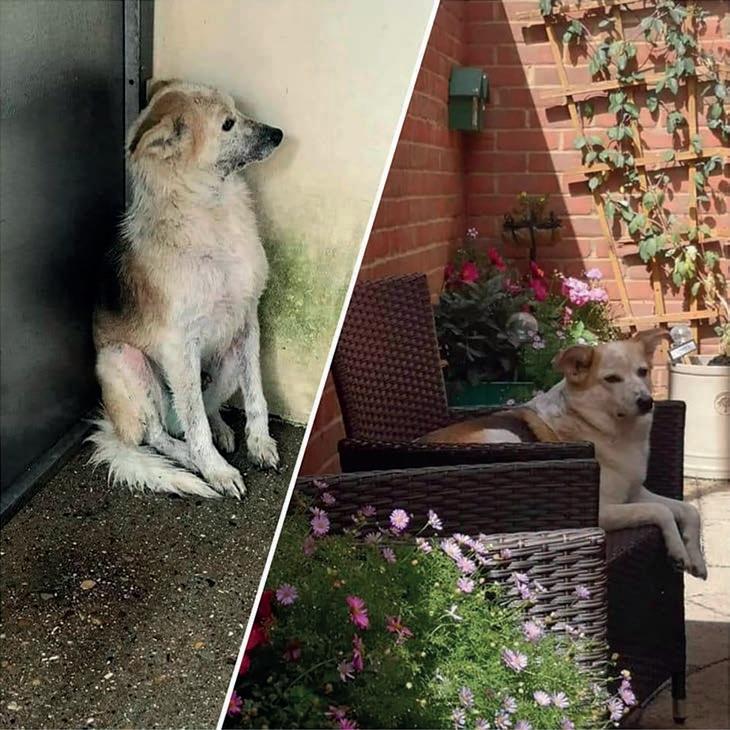
[PAWS2RESCUE has a simple mission: to help animals in need, wherever they are. Because the charity is entirely run by volunteers, every penny raised helps them continue this important work. If you'd like to help create a kinder world for all creatures, remembering Paws2Rescue in your will means you’ll be helping to ease the suffering of animals for many years to come.
The charity’s Alison Standbridge said: “Even though we’re based in the UK, we know that so many animals overseas face terrible neglect and cruelty. That’s why, along with finding loving homes for over 7,000 unwanted dogs and cats in the UK, we also run international projects to help reduce animal suffering, especially in places like Romania, Moldova, Ukraine and Peru where animals often endure awful conditions.
“Our goal is to ease the daily struggles these animals face by providing food, medical care and shelter. We also support rural shelters that really need help in areas where resources are limited and we’ve built our own sanctuary, to ensure traumatised animals can find peace, and set up our own vet clinics in areas where medical treatment was previously unavailable.”
But unlike charities that simply rehome, their mission is to truly end this suffering. That’s why Paws2Rescue offers free neutering for stray and owned animals, helping to prevent unwanted puppies and kittens and encouraging owners to look after their pets’ health.
To date, the charity has spayed an incredible 18,000 animals. Assuming each animal would have twelve puppies a year, that has prevented well over two million unwanted animals being born since their inception in 2013! So, while being focused on helping animals in need wherever they can right now, their dream is to create a world where there simply are no more unwanted animals.
Alison added: “Education is a big part of our mission. If young people grow up with the same old attitudes that allow cruelty to
continue, nothing will change. Our schools programme helps break this cycle by teaching children to love and respect all living creatures. Plus our veterinary scholarship programme helps young students in Romania by funding their qualification, so more vets are available to work in rural areas where animals need the most care.
“If you choose to leave a gift to Paws2Rescue, no matter how small, you can be sure that every penny will go towards helping dogs, cats and other animals in need, both now and in the future. Thank you.” q

[ TAKING PLACE ON 8 MAY at 133 Houndsditch, London, the Institute of Legacy Management (ILM) Conference brings together the greatest minds across the full breadth of legacy-related fields to provide expert insights and share best practice for a day of learning and networking.
After the success of their biggest ever conference in 2025, the ILM is pleased to bring back all the elements that made it such a huge success.
Once again, the agenda has been selected by a committee of ILM members to provide an insightful and varied day of expertled discussion. Focusing on member needs, talks will cover a huge range of topics including estate administration, a mediation masterclass, collaboration and the ever popular State of the Nation.
The ILM Conference 2026 also brings back the hugely popular break-time interactive rooms, which offer delegates a chance to see and hear from sponsors in a less formal environment.
With the ever-popular exhibition area and drinks reception both returning, there will be multiple networking opportunities throughout the day. And to top it all off, the ILM will once again acknowledge legacy professionals who have shown an outstanding contribution to the sector, in the awards ceremony.
ILM CEO Matthew Lagden said: “We were absolutely thrilled with the success of last year’s conference, which saw more members than ever before joining us for an inspiring day of talks and networking. We can’t wait for this year’s conference, which we hope will be an even bigger success.
“The conference is a highlight in the professional calendar for many of our members, and for us here too, so we are always working to ensure that we provide true value throughout the entirety of the day.
[ THE BRITISH CHELONIA GROUP publishes six newsletters a year containing details of meetings, short articles, news items and veterinary notes. Their journal Testudo is published annually and contains original articles and reviews on all aspects of turtles, terrapins and tortoises – their biology, conservation, welfare, veterinary care and husbandry. The group also organises symposia.
As well as the yearly appeals in aid of specific international causes in chelonia research and survival, the BCG assists other worthy causes in support of its aims with grants. They invite grant applications from organisations and individuals engaged on the work of chelonia conservation – such as zoos, universities, zoologists and students in this country and overseas. q
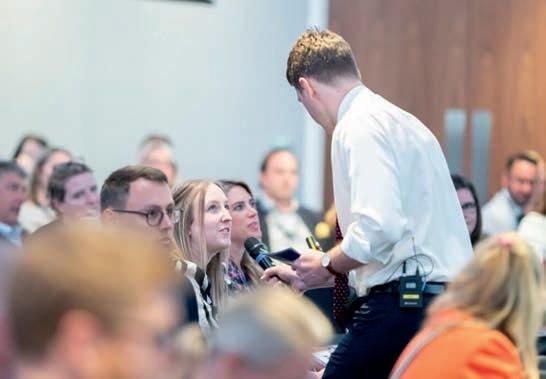
“Our focus is always on providing opportunity for members to not only gain valuable CPD hours, but also talk to one another to share their experiences. We like to talk about the community that has been built in the legacy sector, and there is no time where this is more apparent than at our annual conference, so we are looking forward to catching up with old faces and new!
“We know how much members value our amazing line-up of speakers every year and we firmly believe that this year’s panelselected line up is one of our best yet. We are confident that delegates will leave feeling motivated to apply their learnings to continue leading the way in promoting excellence across the sector.” q

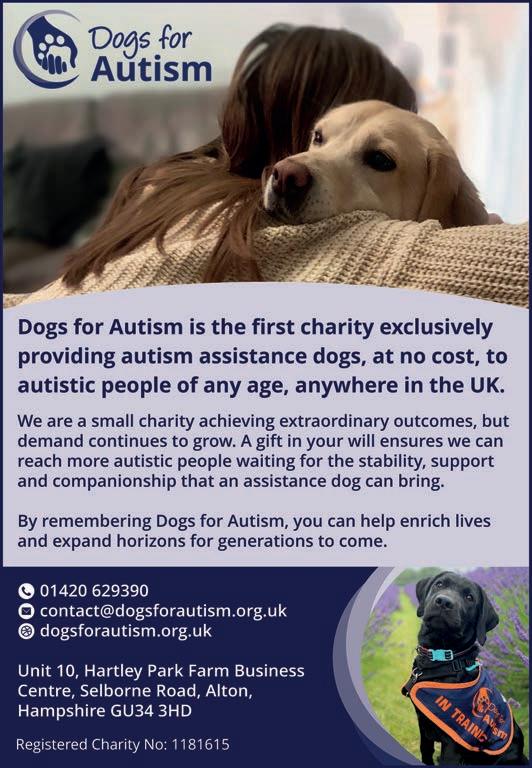
[DOGS FOR AUTISM is a pioneering charity transforming the lives of autistic people through highly-trained assistance dogs. Based in Hampshire, we provide life-changing partnerships to autistic children and adults across the UK, free of charge and tailored to each individual’s needs.
Although understanding of neurodiversity is increasing, many autistic people still face daily barriers affecting confidence, communication and independence. Our assistance dogs offer consistent, practical support, accepting their handler exactly as they are and helping everyday life feel calmer, safer and more predictable. Our dogs are trained to support a wide range of needs, from road awareness and safety to deep pressure therapy during periods of overwhelm. They can interrupt repetitive behaviours, help their handler leave overwhelming environments and provide reassurance during heightened anxiety.
Our dogs are also trained to sense emotional changes early, giving a subtle cue before a meltdown so situations can be managed before reaching crisis point. Each dog is carefully prepared for their future partner, ensuring every partnership is built to last.
The impact is far-reaching: calmer homes, safer outings, fewer crisis moments and renewed confidence, opening up everyday experiences once thought impossible. By providing practical early intervention, we also help reduce pressure on public services.
As a small charity with increasing demand, gifts in wills are crucial to our long-term impact. By leaving a legacy to Dogs for Autism, you help secure the future of our work, enabling more autistic people to receive highlytrained assistance dogs and lifelong support. q
• For further information visit dogsforautism.org.uk or call 01420 629390
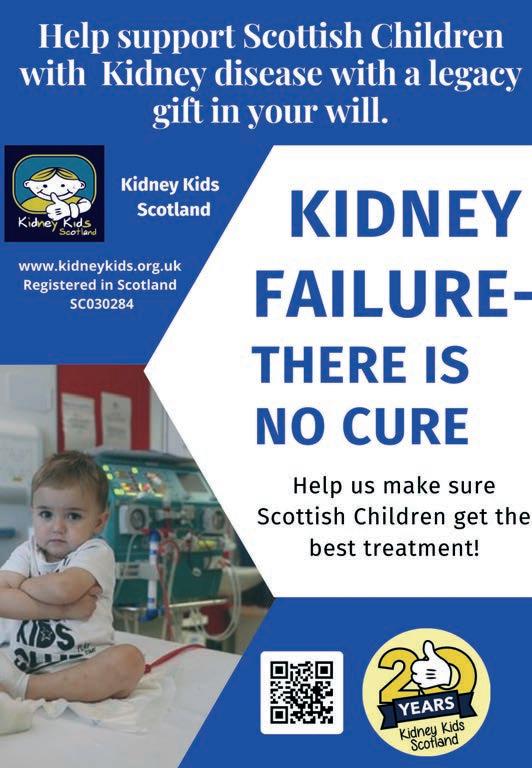
[KIDNEY KIDS SCOTLAND, a very small charity with a huge heart, has for the last 26 years supported Scottish children with renal and urology conditions. The main aim of the charity has always been to enable these children to receive treatment as close to home as possible and minimise disruption to the family unit.
In addition the charity helps hospitals all over Scotland, supplying them with much needed equipment and funding posts recognised as being essential. Chronic Kidney disease is a condition that has no cure and that children and their families must learn to live with.
IMAGINE your child only being able to drink 400mls in one day. That’s less than two cartons of juice – a can of juice is 500mls.
IMAGINE being a parent where you must be home before 8pm every single night to ensure your child gets their daily home dialysis.
IMAGINE not being able to take your family abroad or too far away from the hospital because your child cannot go without their dialysis. This HAS to happen in hospital 3 or 4 times EVERY week.
IMAGINE your child missing out on school education, social activities, family members’ birthday celebrations, a sibling’s sports day or a family wedding because you need to make sure they receive their life saving dialysis treatment.
IMAGINE your child spending their birthday and/or Christmas Day in hospital and not being able to see their friends from week to week. q
IMAGINE LIVING WITH KIDNEY DISEASE
For more information about Kidney Kids Scotland please visit our website at www.kidneykids.org.uk, call 01324 555843 or email office@kidneykids.org.uk
Kidney Kids Scotland can help in many ways
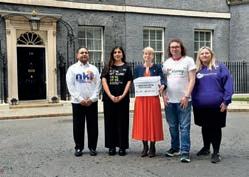
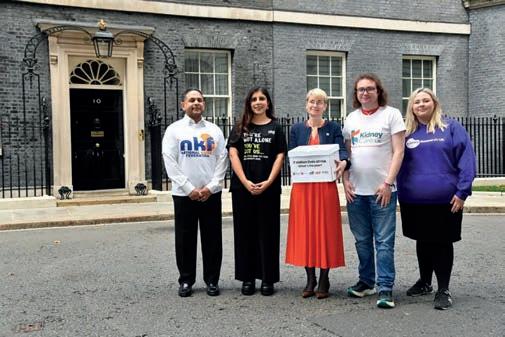
[PATIENTS AND CHARITIES have joined forces to demand the government take action on the escalating threat from kidney disease, delivering an open letter directly to Downing Street.
Patients representing five major UK kidney charities delivered an open letter to the Prime Minister, calling for urgent government action to address the growing crisis in kidney disease, a condition that already affects around 10% of the UK population.
Representatives from the UK Kidney Association, Kidney Research UK, Kidney Care UK, the National Kidney Federation and the Polycystic Kidney Disease (PKD) Charity handed the open letter to the Prime Minister. It was signed by over 10,000 petitioners calling for a national kidney disease strategy to improve early detection, prevention measures and fair access to treatment.
The letter, signed by kidney patients, clinicians and supporters across the UK, warns that kidney disease now affects more than seven million people, yet remains overlooked in national planning. Without a national strategy to tackle kidney disease across the country it will continue to have a devastating impact on patients, families and the NHS.
Around 30,000 people in the UK currently rely on dialysis treatment to stay alive, with numbers projected to reach 143,000 by 2033. Dialysis costs the NHS over £34,000 per patient each year, totalling several billion pounds annually. Almost 7,000 people in the UK are waiting for
a kidney transplant according to the latest figures from NHS Blood and Transplant, an 11% rise in a single year, with six people dying every week whilst waiting.
The charities warn that while early detection and intervention can delay or prevent kidney failure in many cases, services remain inconsistent and under-resourced. New medications exist to slow disease progression, yet too few people are diagnosed early enough to benefit.
Dr Katie Vinen, consultant nephrologist at King’s College Hospital and president of the UK Kidney Association, said: “As the professional voice of the UK’s kidney healthcare community, we see first-hand the pressures on kidney services and the consequences of continued under-prioritisation.
“Kidney disease is a growing health challenge that intersects with many other long-term conditions, yet it remains largely absent from national strategic planning. We have repeatedly called for a clear national approach to support consistent, high-quality care. This letter reflects the strength of feeling across the kidney community: change is urgently needed, and our members stand ready to help deliver it.”
The charities point to the World Health Organisation’s recent resolution recognising kidney disease as a global public health priority, and are calling on the UK Government to show similar leadership by developing a strategy that integrates prevention, early detection, innovation and equitable access to care. q


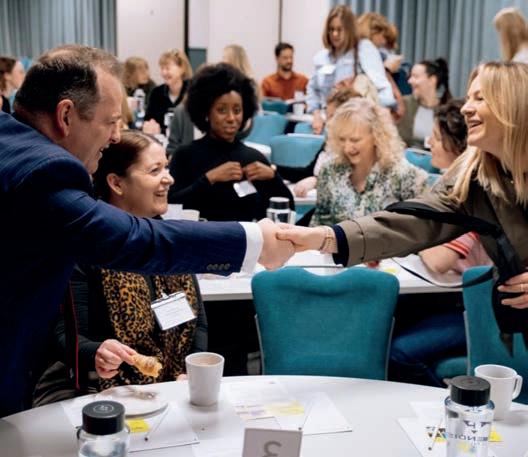
[ REMEMBER A CHARITY have announced the programme and sponsors for the Legacy Festival 2026 – the one-day member event that brings fundraisers together to connect, learn and be inspired.
Taking place in London in March, the Legacy Festival is supported by an impressive line-up of sector partners, led by headline sponsor National Free Wills Network.
Exhibiting at the event, fellow sponsors and supporting partners include Co-op Legal Services, Yoyo, Fastmap, formyENCORE, Institute of Legacy Management, Smee & Ford | Legacy Futures and The Saltways.
Katie Roberts, business development manager at the National Free Wills Network, said: “We’re immensely proud to be sponsoring Remember A Charity’s Legacy Festival, supporting the nation’s movement for legacy growth. It’s a fantastic opportunity to celebrate the power of charitable legacies and to bring the legacy fundraising community together. We’re hugely looking forward to being part of such an inspiring event.”
The programme features new market data, inspiring speakers and case studies, fundraising clinic sessions and numerous networking opportunities. Attendees will learn how strategies from behavioural science can enhance their fundraising and supporter journeys, and explore creative ideas for legacy marketing.
An interactive day, the festival encourages members to exchange ideas and learn from their peers, while hearing updates on key campaign developments for 2026.
Director of Remember A Charity, Lucinda Frostick, added: “This
[ESTABLISHED IN 2001, the Suffolk Owl Sanctuary – known affectionately as S.O.S. – operates a comprehensive facility for the rescue, care and rehabilitation of owls and other birds of prey across East Anglia. It also promotes the need for the conservation of threatened raptor species throughout the UK with its Saving Britain's Owls initiative.
The S.O.S. Raptor Hospital at Stonham Aspal is unique in the region. It is specially equipped for the care and treatment of the many injured wild owls and other birds of prey it receives every year as a result of road traffic accidents, mishaps, starvation, trauma, disease, poisoning and sometimes even shooting or trapping.
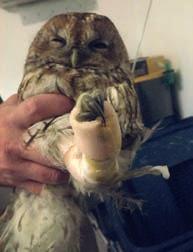
Many of the birds can be given a recuperative, short-term pick-meup before being re-released into the wild, whilst those that are more seriously injured but stand a chance of recovery are given medical aid and/or surgery, as determined by their vet.
The birds are then allowed space and time to fully recuperate in one of the secluded recovery aviaries before being carefully returned to the wild.
S.O.S. operates a wild owl nest box scheme that includes building, locating, curating and repairing environmentally friendly nest boxes in appropriate locations to replace the gradual erosion of natural nesting sites.
S.O.S. is funded purely by donations and, as a small charity, the legacies it receives play an important role in enabling it to sustain the resources needed to actively promote the conservation of owls and other birds of prey throughout the UK. q
year’s Legacy Festival celebrates the growing power of gifts in wills across our sector, and the key role of collaboration in accelerating legacy giving. This is a great opportunity to come together to learn, share and feel inspired about the impact we can create for future generations.” q
[IN A RECENT BLOGPOST, Mazeda Alam, head of guidance and practice at the Charity Commission, explained how the commission had updated its guidance on fundraising (CC20) and emergency appeals (CC40) to help trustees clearly understand their responsibilities, especially at a time when charities may need to work harder for donations while also seeing increased demand for their services.
“Fundraising is vital to the charity sector,” she wrote, “enabling organisations to raise the funds they need to deliver their missions and thereby support the communities they serve. Getting it right protects public trust and ensures charities can continue to attract the financial support they need to make their desired impact.”
Both pieces of guidance are now more concise and accessible, making it easier for trustees to understand their responsibilities.
Why the commission has revised the guidance
“We chose to refresh our fundraising guidance in response to the on-going challenging financial environment for many charities, and also to better complement the separate role of the Fundraising Regulator,” says Mazeda Alam.
Analysis of annual returns indicates the generosity of the public accounts for almost a third of charity income through donations and legacies, which was valued at £31.4bn in 2023. However, public research for 2025 indicates the proportion of people donating or raising funds for charities had fallen in the previous five years. As a result, Alam says, charities may find they need to work harder to attract and retain financial support from the public.
“One way of reassuring donors is to fully comply with the law on fundraising and follow best practice, which charities can do by registering with the Fundraising Regulator and following its now wellestablished Code of Fundraising Practice. Our refreshed guidance complements the code, which was updated in November, to help trustees better understand their legal duties and responsibilities in this important area.”
What’s changed?
Both guides are now shorter reads, enabling trustees to understand core messages to improve their practice. At the same time, the new fundraising guidance explains how trustees’ management of fundraising should dovetail with how they minimise fraud at their charity and manage other risks.
CC20 continues to focus on key areas, such as planning fundraising, supervising fundraisers and what to include in fundraising material.
The revised CC40 emergency appeals guidance, meanwhile,
[THE MISSION of Three Counties Dog Rescue is to accept, care for and find homes for unwanted, lost and stray dogs and cats and to ensure their wellbeing afterwards. The charity was founded in 1971 and since then they have improved the lives of over 7,800 dogs and cats.
Before rehoming, all animals are vet checked, neutered, vaccinated, microchipped and kept in suitable conditions. Rehabilitation costs are a major part of the charity’s annual expenditure of over £200,000.
Healthy animals are never put down. As part of that non-destruction policy, several elderly dogs are kept in long term foster care. However, this means that the charity can incur large veterinary costs to maintain a dog’s health while they await a new permanent home. They now provide boarding and cremation services with profits supporting the Rescue.
Every penny raised goes to improving the lives of dogs and cats. Three Counties Dog Rescue is run entirely by voluntary and unpaid helpers, who also meet their own expenses. q

recognises the essential role that charities play in emergency situations. Aid charities raising money to carry out expert humanitarian work worldwide is a clear example. But emergencies happen closer to home too, where charities and other agencies work together to meet immediate and longer-term needs of communities in the UK. The Southport Stronger Together Appeal is a recent example, supporting those affected by the shocking knife attack which took place in that community in 2024.
Whether delivering relief directly, fundraising or supporting in other ways, trustees should understand what their charity can and cannot do, and what is the best way to help.
“It is understandable to want to set up an appeal in the face of a crisis, disaster or other emergency. And it is easy to do this using online giving platforms,” commented Alam, “but the revised CC40 guidance sets out important considerations that will enable trustees to understand how they can help while also avoiding potential issues later.”
As an example, the guidance reminds trustees to check if their charity’s purposes enable it to raise funds for the emergency. And if they do raise funds, there’s guidance on being clear and transparent about what they will use the funds for, while ensuring compliance with the law and the Code of Fundraising Practice.
Both pieces of guidance emphasise trustees’ fundamental duties when fundraising generally or for an emergency appeal.
“Taken together,” Alam writes, “we hope that our redesigned guidance will help trustees fulfil their responsibilities, protect their charities and help maintain the public’s trust in the sector’s essential work.” q
Contains public sector information licensed under the Open Government Licence v3.0.

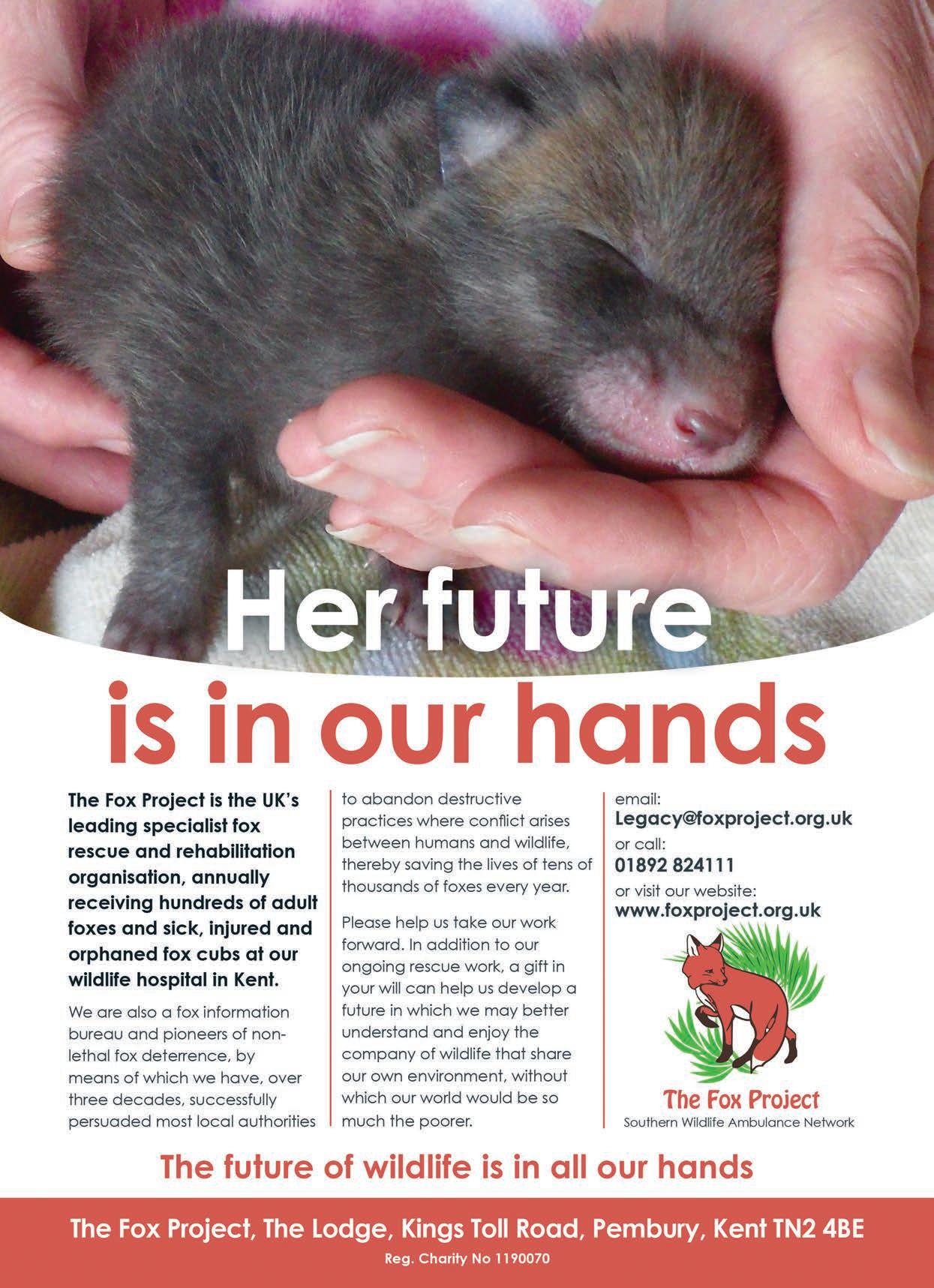
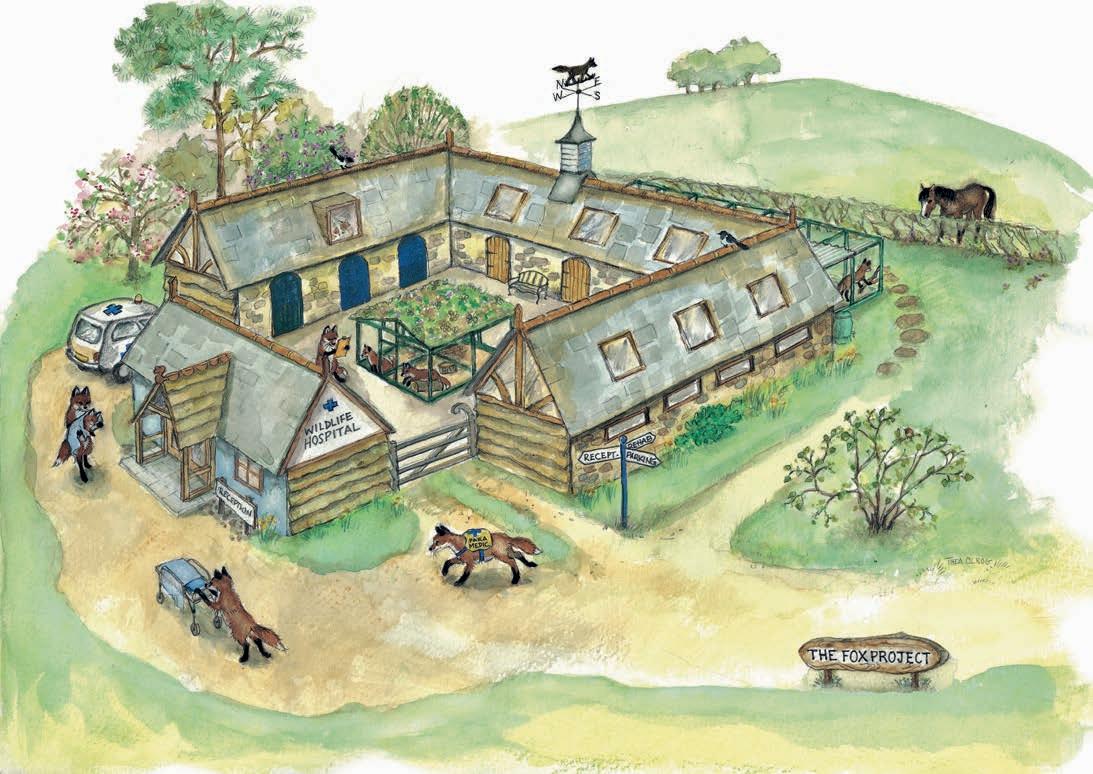
[ IN THE BEGINNING, The Fox Project operated from a garden shed where, if they were hard pressed, two or three fox cubs might be under their care. Fast forward 34 years and you find them spread over multiple sites with an annual rescue total of over 1,400 foxes.
Currently, the operation revolves around a hospital unit in Paddock Wood near Tunbridge Wells in Kent and a cub unit at nearby Pembury – both rented – plus around 20 home foster units run by volunteers. The system works well, but capacity is reaching its limit and building their own hospital would allow the charity to bring together the main units with a small office, overnight staff quarters, storage space and a workshop.
While the hospital project is vital to their future, and to the futures of countless sick and injured foxes and orphaned cubs, they have no illusions that some of them will have more grey hair at the end than they started out with! Just finding a place to call home will be the first hurdle. Affording it will be the next.
Although the proceeds of a couple of significant legacies have been ring fenced for the purpose, the charity find themselves competing for land that keeps rising in value – and against housing developers and property investors who, inevitably, have more funds and resources available than they do.
Your legacy could help swing the odds in their favour and guarantee The Fox Project and its many patients a secure future. q
[FOR OVER 60 YEARS, Animal Action Greece has been a lifeline for thousands of animals across the country. Every day, we rescue, treat and protect Greece’s most vulnerable animals, including street cats struggling to survive, abandoned dogs, and working donkeys, mules, and horses suffering from neglect and overwork.
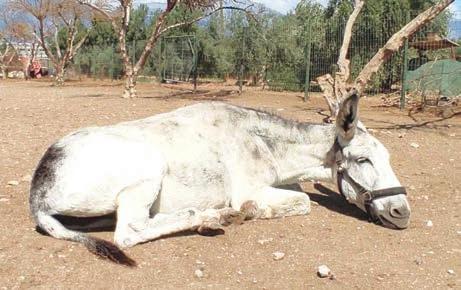
Many animals, like Dorothèa the donkey (pictured above), face unimaginable challenges.
Dorothèa, whose name in Greek means ‘gift from God’, has been through more than most of us can imagine. This resilient donkey once worked tirelessly transporting tourists in a gorge. But when she was no longer wanted, she was handed off to a hoarder, where she suffered neglect and maltreatment. Later, she was used and then abandoned by an American film crew after filming a movie.
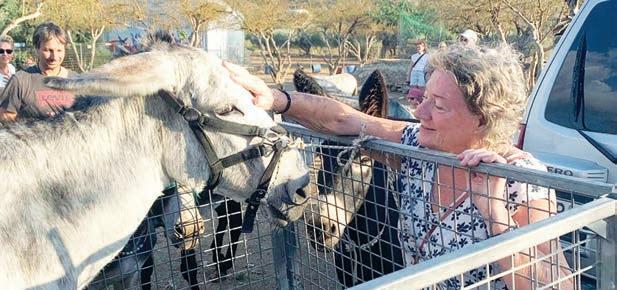
Her journey has been incredibly tough, but we are happy to share that Dorothèa was rescued and now lives in a donkey sanctuary in Crete, where she is finally safe and able to live out the rest of her days.
But our work is never done. The challenges animals face don’t disappear overnight, and without support, many will continue to suffer.
That’s why leaving a gift in your will is one of the most powerful ways to ensure that our vital work carries on long into the future.
By choosing to leave a legacy, you can help us:
• Provide urgent veterinary care to stray animals who have no one
• else to turn to.
• Support community neutering programmes, preventing thousands
• of unwanted kittens and puppies from being born into hardship on
• the streets.
• Ensure that donkeys, horses and mules receive the farriery, dental
• and veterinary care they need to live free from pain.
• Respond to emergencies, offering lifesaving treatment and shelter
• to animals affected by disasters such as floods and forest fires.
Every gift, no matter the size, has the power to change lives.
Your kindness today can shape a better tomorrow – one where no animal is left to suffer alone.
Will you help us create a future where every animal gets the care they deserve? Please contact us via the details below to find out more. q
[UK FINANCE has updated the estate administration banking protocol that gives probate practitioners clear guidance on how to engage with regulated financial services when representing bereaved families.
The Law Society of England and Wales supports the updated protocol, which aims to help probate professionals support bereaved families during a stressful and confusing time following the death of a loved one. The guidance:
• Provides a transparent framework for how banks and probate practitioners should exchange information during estate administration
• Defines exactly what documentation a bank requires to verify the authority of a probate practitioner
• Reduces delays by setting a 15-working-day aim for banks to respond to initial information requests
Law Society president Mark Evans said: “UK Finance has greatly improved the estates administration protocol. The relationship between probate practitioners and financial service providers is a delicate one as both parties must try to accurately and efficiently convey the wishes of the deceased and the best interests of the family.

“This protocol is a good opportunity to improve the communication and consistency about how estates are administered.
“This updated protocol will help practitioners and financial service providers to work together, simplify the process and reduce avoidable delays.”
Ian Bond, a member of the Law Society’s Private Client and Estates Committee, provided significant input in the protocol.
The Law Society previously agreed to the banking practices protocol, prepared by the British Banking Association (which eventually merged into UK Finance) in 2012. q
[FOR horse welfare charity
World Horse Welfare, every horse matters. For almost 100 years, its global mission has been to put the horse at the centre of how people think, act and care for them.
World Horse Welfare’s work tackles every aspect of horse welfare for every kind of horse. As well as being at the forefront of the rescue, rehabilitation and rehoming of vulnerable horses across the UK, the charity is also active among local communities across the globe who rely on working horses, ponies, donkeys and mules.
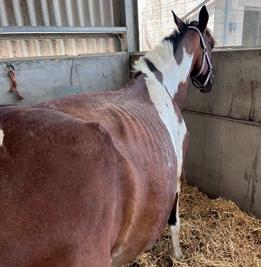
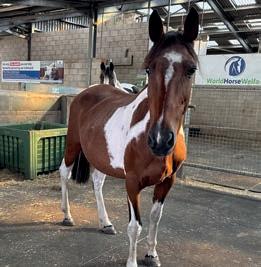
Furthermore, its research and education helps shift perspectives on how the world thinks about horse-human relationships and is at the forefront of shaping better, fairer policy for horses tomorrow.
This work matters for horses like Jean. Discovered earlier this year abandoned and vulnerable she was severely underweight, suffering from the painful skin condition rainscald and on the edge of survival. Worse still, Jean was pregnant.
She was taken to World Horse Welfare’s Penny Farm Rescue and Rehoming Centre near Blackpool – one of four centres run by the charity throughout the UK – where staff mobilised everything to give her and her unborn foal the chance of life. It quickly became apparent that the level of neglect that Jean had suffered had a catastrophic impact on her foal, who sadly didn’t make it. But thanks to the dedication of World Horse Welfare’s team, Jean is on the road to recovery and has a
lifelong promise of security as part of the World Horse Welfare family.
The charity’s vision is for a world where every horse is treated with respect, compassion and understanding. But the rising costs of caring for horses like Jean – from emergency veterinary treatment to much-needed nutrition and day-to-day care –have increased from an average of £5,000 a year to over £7,000.
The charity receives no government support but depends entirely on voluntary donations to help the more than 300 horses that it rescues each year as well as to fund its global mission advocating for horses worldwide.
Founded in 1927 by Ada Cole (right) as a campaigning organisation to prevent the live export of horses from Britain for slaughter, it remains a leading voice for horses, taking great pride in being realistic, compassionate and forwardthinking. The charity is steadfast in its goal to improve the lives of horses in the UK and around the world through care, research, education and influence. It needs those who care about animals to join them in that mission. q

• For further information please visit www.worldhorsewelfare.org
[ THE CHARITABLE PURPOSE soft opt-in provision of the Privacy and Electronic Communications Regulation (PECR) came into force on 5 February.
The Information Commissioner’s Office (ICO) is currently in the process of finalising its guidance on the safe and responsible use of charitable soft opt-in following its public consultation last October. The guidance will be published on the ICO website in the coming weeks.
Until the ICO publishes its guidance, it is uncertain how soft opt-in will apply in practice to charities, particularly in more complex situations. The Fundraising Regulator has strongly advised charities to approach the use of soft opt-in now with caution until ICO guidance is available. This is to avoid inadvertently using the provision unlawfully and being in breach of the Code of Fundraising Practice (‘the code’).
The regulator has reminded all charities that the code requires that ‘fundraising must be legal, open
honest and respectful’ (rule 1.1.1) and ‘you must act reasonably and carefully in all matters relating to fundraising’...including ‘making sure your fundraising keeps to data protection requirements’ (rule 2.1.1).
In the meantime, they state: “The ICO has published draft policy positions on the new provision and the Fundraising Regulator’s blog on balancing opportunity with caution also provides some useful background reading for charities. Once the ICO has published its own guidance, the Fundraising Regulator will be producing guidance specifically aimed at the use of charitable soft opt-in fundraising.

[BIRMINGHAM DOGS HOME is a charity that has been serving the West Midlands community for over 130 years since it was founded in 1892, and they have always provided homeless dogs with a refuge and a place to feel safe. From humble beginnings it is now proud to be the largest dog rescue charity in the region, operating from two rescue centres.
The charity’s gifts in wills and in-memory officer Jilly Winstone said: “We care for over 2,000 homeless dogs every year, and our vision is for every dog to be cared for with kindness and empathy, so that they can lead a happy, fulfilled life, feeling safe and loved.
“We believe that every dog matters, which is why our teams work tirelessly, every day, to relieve suffering and help every dog we can, whilst providing medical care, emotional support and training as well as food, shelter and love. Most of the dogs we care for have been abandoned and come to us as strays through the local community and local authorities.
“Birmingham Dogs Home do not receive any government funding and rely solely on the generosity and kindness of the community we serve.
“We are very proud of all we have achieved, but are only able to continue providing these life-changing and life-saving services thanks to the very special people who kindly remember us in their wills, as a cause close to their heart.
“We have now also launched our Forever Friends service which can provide you with the reassurance that our charity can continue to care for your dog in the event of your passing. This is a free service and many supporters who sign up also choose to leave a gift in their will to Birmingham Dogs Home.
“Every dog matters – thank you for helping to make the world a better place for them.” q
“The introduction of soft opt-in represents an opportunity for charities to strengthen relationships with supporters and potentially facilitate greater fundraising. However, as these opportunities get underway, charities must avoid using charitable purposes soft optin in ways that could damage public trust in charitable fundraising.” q
• See the statement from the ICO at ico.org.uk
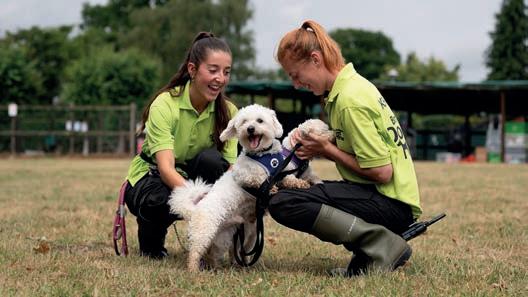
• Please be a part of our future by remembering us in your will today Visit birminghamdogshome.org.uk/support-us/leave-a-gift-in-your-will/

[IN MARCH Enthuse published its annual Charity Pulse report, offering an ‘in-depth view of the current state of the third sector’. From digital innovation to events, it’s an opportunity to find out how charities are likely to fare this year.
Enthuse’s digital platform helps organisations strengthen supporter relationships. This year’s is the fifth edition of its Charity Pulse report and comes packed with insights and analysis.
Introducing the report, Enthuse states: “So how are charities navigating today’s uncertainty? What lies ahead for the rest of the year? And where is the sector focusing its energy next? Our latest research answers these questions and more.”
The findings, the report says, are positive, with ‘renewed optimism around fundraising and a clear picture of how charities are adopting technology across the sector’.
“Digital continues to fuel optimism,” it continues, “with 69% of charity leaders saying increased digital opportunity makes them feel optimistic about the year ahead.”
In his foreword to the report, Enthuse’s
founder and CEO Chester Mojay-Sinclare writes: “Despite operating against a difficult economic backdrop, I’m delighted to see that nearly eight in ten (77%) charities reported fundraising income has stayed the same or increased in 2025. A promising 2025 has also led to charities feeling confident about 2026.”
Following a turbulent time for trust in charities, 82% of charity leaders now feel trust in their cause is robust.
Chester Mojay-Sinclare continues: “It’s encouraging to see that charities also believe there’s greater awareness of their cause and its need for support.”
A recurrent theme of the Charity Pulse reports over the years has been the importance charities place on events, following the austerity of the COVID years. Chester writes: “Charities tell us that 2026 is looking like another big year for events. More than half (53%) of good causes expect to see income growth from fundraising events in the year ahead. And after record-breaking years for the TCS London Marathon and AJ Bell Great Run in 2025, mass physical events will be a focus for many too.”

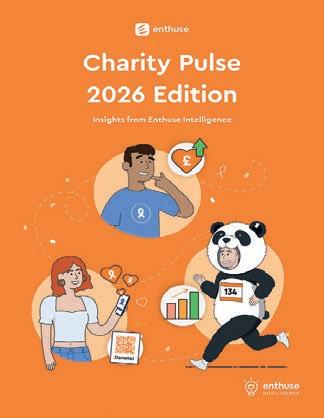
On the subject of AI, a subject all charities are engaged with, he writes: “Lastly, the data shows that AI hasn’t been widely adopted by the sector yet, but the interest is there. Over a third of good causes are investigating the potential of AI when it comes to personalising donor journeys – so charitable organisations are keeping an open mind.”
This year’s Charity Pulse report can be downloaded for free from enthuse.com/ insights/charity-pulse-report-2026 q
The range of charities which depend on legacies to carry out their valuable work is a broad one. Those that are represented in this publication are listed below, grouped according to the area of activity in which they operate.

Friends of the Animals 4/5
Essex Horse and Pony Protection Society 8
The Retreat Animal Rescue 8
Edinburgh Dog and Cat Home 9
Wildheart Animal Sanctuary 14
Hope Rescue 15
Catholic Concern for Animals 18
Tiggywinkles 18
The Horse Rescue Fund 19
Heartbeat Home for Horses 22
Last Chance Animal Rescue 22
Hessilhead Wildlife Rescue 23
Paws2Rescue 24
WECare Worldwide 25
British Chelonia Group 25
The Lord Whisky Sanctuary Fund 28
Suffolk Owl Sanctuary 29
Southern Thailand Elephant Foundation 30
Beneath the Wood Sanctuary 30
Three Counties Dog Rescue 31
The Fox Project 32/33
Animal Action Greece 34
Ferne Animal Sanctuary 35
World Horse Welfare 36
Birmingham Dogs Home 37
Shire Horse Society 38



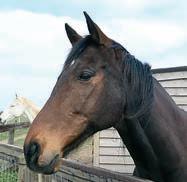
Prostate Cancer Research 1
Pain Relief Foundation 2
The British Association for Cancer Research 2
CLEFT 10
Cancer Prevention Research Trust 10
Hospice Aid UK 28
Brain Research UK 38
Sight Research UK 40
Hypo Hounds 7
Parenting Together 12
Haven House Children’s Hospice 20
Kidney Kids Scotland 26
World Child Cancer 28
Royal College for Surgeons 6
National Federation of the Blind of the United Kingdom 13
The Respite Association 16/17
The Partially Sighted Society 21
Dogs for Autism 26
Independent Diabetes Trust 27