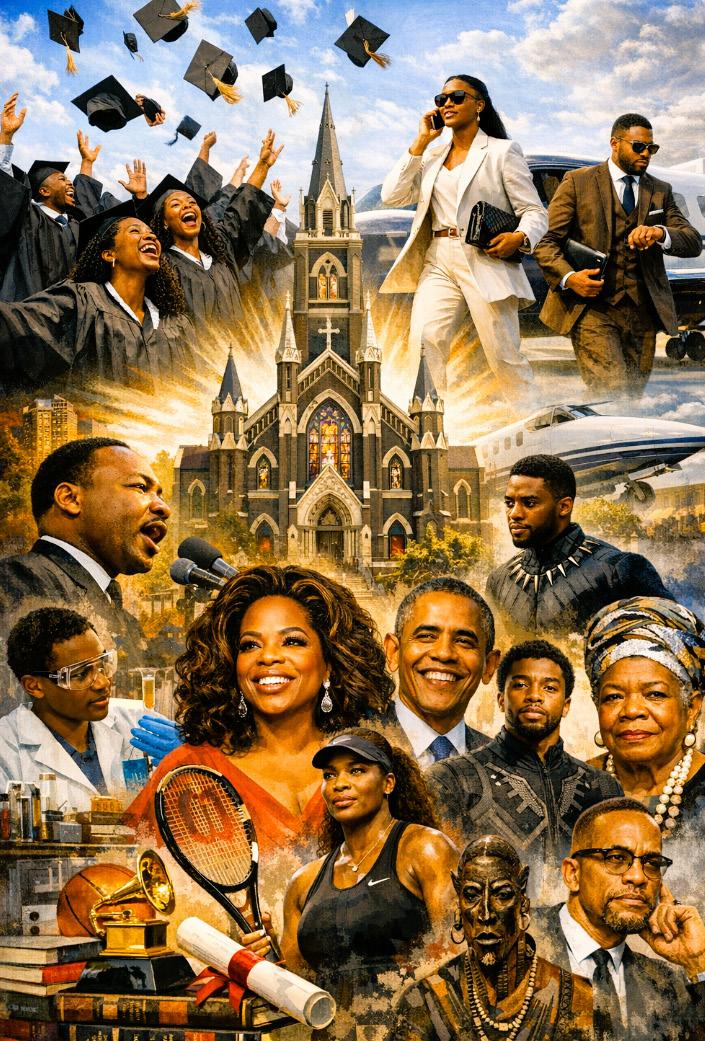
a new the kind of narrative that strengthens the BLACKMAN BLOG POST SERIES — a post that doesn’t just counter negative narratives, but replaces them with a panoramic, data driven, culturally grounded vision of who we really are and what we actually possess.
Frank Porter, PhillyGhostWriter LLC
“America’s Black community is not defined by deficit — it is defined by capacity.”
For generations, America has been taught to see the Black community through a narrow lens — a deficit lens, a crisis lens, a lens that reduces 47 million people to a handful of stereotypes. But when we widen the frame, when we look at the full picture, a different truth emerges:
America’s Black community is not a burden. It is one of the most powerful, educated, economically dynamic, culturally influential populations in the nation. This post brings together two overlooked realities — Black achievement and Black institutional power — to reshape the national perception of who we are and what we possess.
BLACK POWER BLACK AMERICA
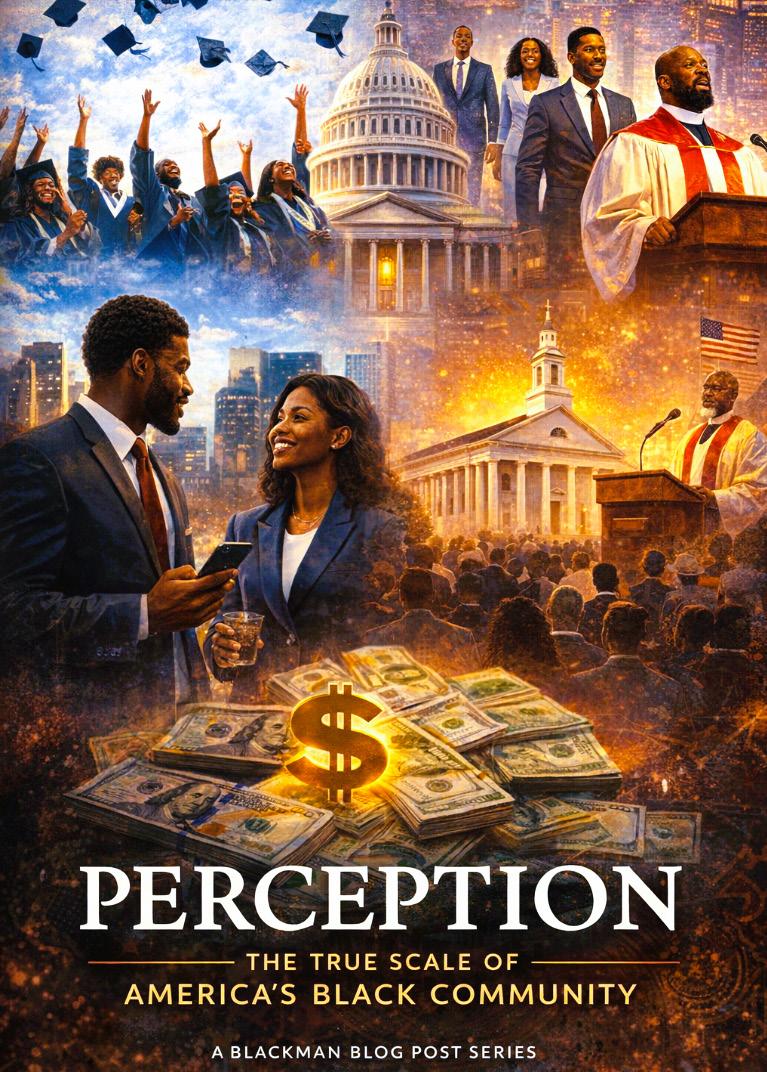
BLACKMAN WHITE PAPER SERIES PERCEPTION
Reimagining the Black Narrative Through Education, Economic Empowerment, and Community Achievement
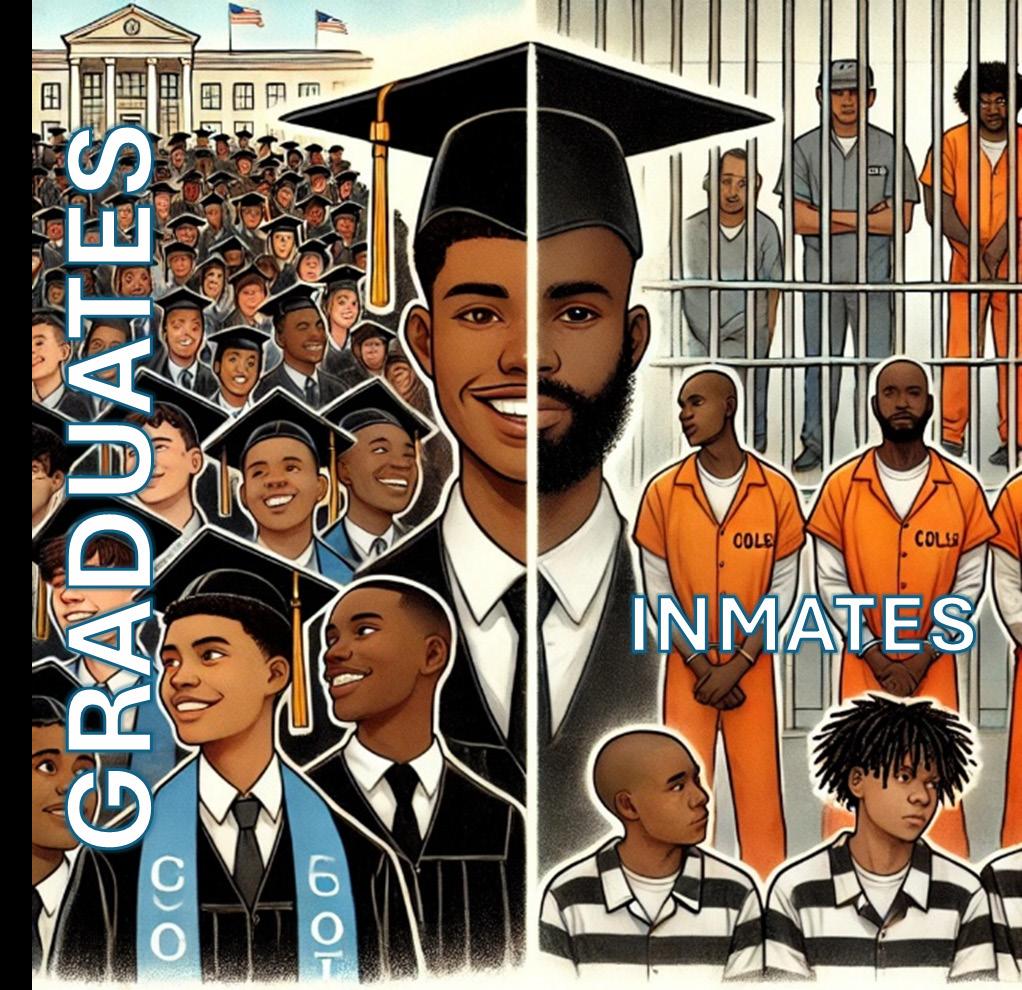
There are over 600,000 more Black Men
Aged 18 to 25 in College than in Prison.
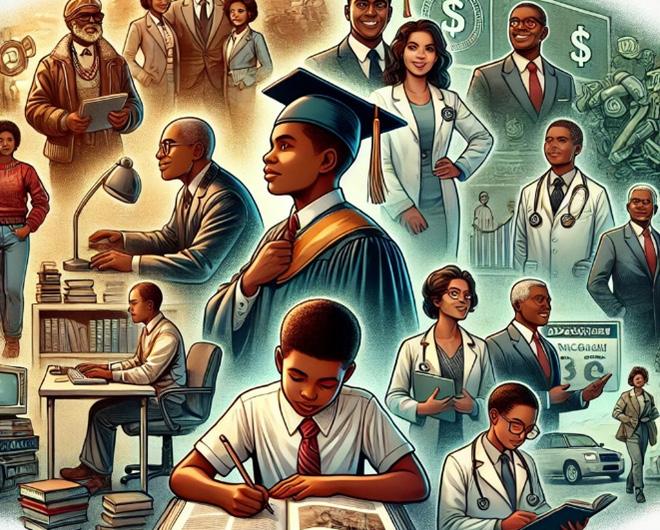
The narrative surrounding the Black community in America is often shaped by stereotypes and negative images that dominate mainstream media. However, the truth is far more complex and positive. The past few decades have seen remarkable strides in education, economic empowerment, and overall community advancement among African Americans.
This article explores these significant developments, aiming to reshape perceptions and highlight the richness and diversity within the Black community. A New Perception:
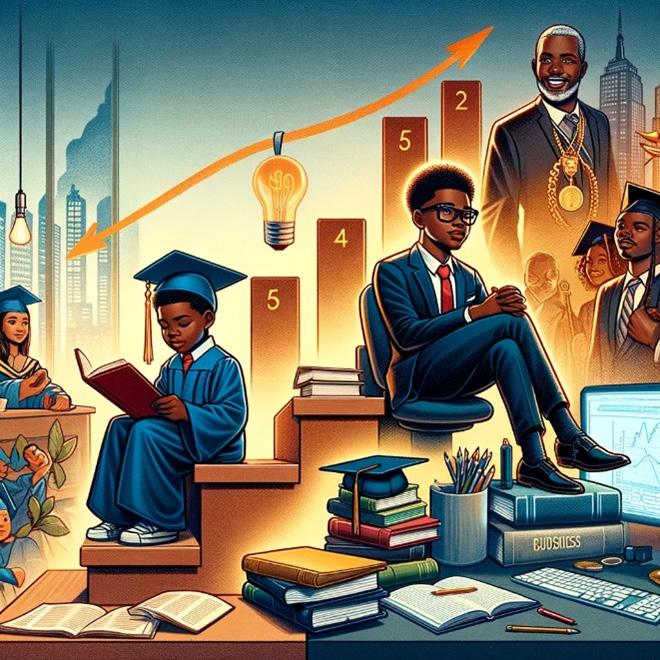
The Evolution of Black Higher Education: A Journey of Triumph and Growth
The journey of African Americans in higher education is one of resilience and progress. Over the past fifty years, the number of African Americans enrolling in college has grown substantially. In 1976, African Americans made up approximately 10% of the total college enrollment in the United States. By 2019, this figure had risen to about 12.7%.
This increase is not just a matter of percentage points; it represents the expansion of opportunities and access to higher education for millions of Black students.
THE BLACK COMMUNITY
ON THE MOVE
PERCEPTION
BLACKMAN WHITE PAPER SERIES
The New Era of American Black Community Reality
Total African American Population: Approximately 47.8 million. Percentage with Four Years of Higher Education: 26%. (more than one-in-four) Total Number of Graduates: 12.4 million
The Rise of America’s Black Middle Class: A Testament to Economic Empowerment
Parallel to the growth in education is the rise of the Black middle class—a development that has transformed the economic landscape of America’s African American community. In 1971, the share of Black adults in the middle class was significantly lower compared to other racial groups. Fast forward to 2021, and we see a substantial increase, with the percentage of Black adults in the upper-income tier growing from 14% in 1971 to 21% in 2021.
Black Millionaires: A Reflection of Broader Economic Progress
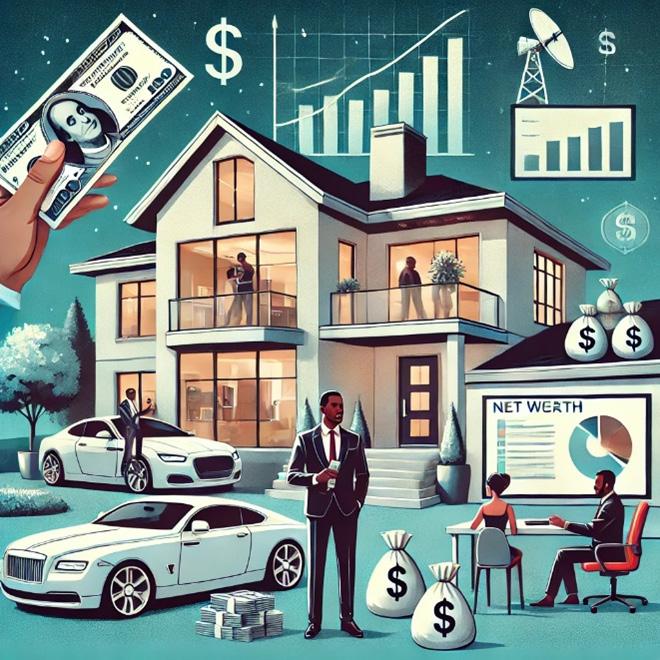
One Million Black Households Generate An Economy Worth More than 1.5 Billion Dollars
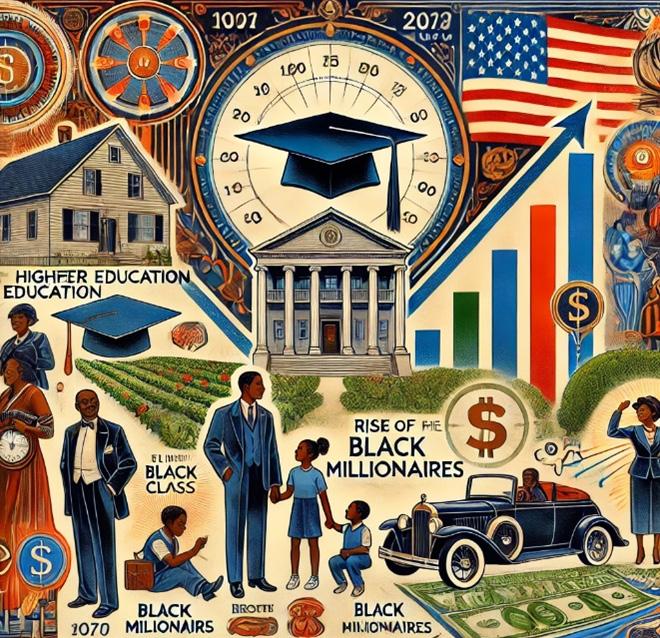
The number of Black millionaires in America has grown dramatically over the past few decades. In 1976, there were only a few thousand Black millionaires.
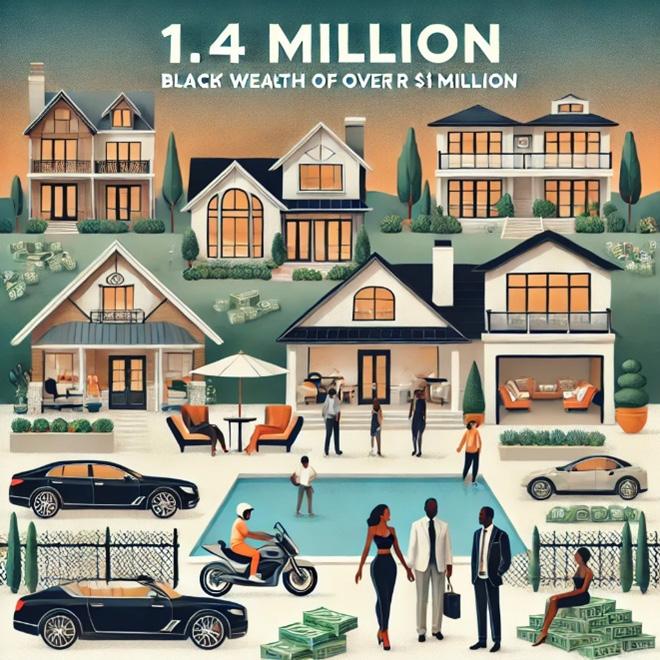
Today, there are approximately 1.4 million Black households with a net worth of over $1 million, representing about 8% of the total millionaire households in the United States.
This growth is a clear indication of the significant economic strides made by African Americans.
• 1976: The Beginnings of Wealth Creation
• Number of Black Millionaires: A few thousand.
• 2023: A New Era of Prosperity
• Number of Black Millionaires: Approximately 1.4 million.
This increase in wealth among African Americans is not just a reflection of individual success but also a testament to the resilience and ingenuity of the Black community.
From entrepreneurship to savvy investments, Black Americans have carved out a space for themselves in the broader economic landscape, often in the face of systemic challenges.
The Role of Sports in Economic Empowerment
The sports industry has played a pivotal role in the economic empowerment of African Americans, producing numerous Black millionaires who have used their wealth to uplift the community.
The income earned by Black athletes in professional sports has not only transformed their lives but also contributed to broader economic growth within the Black community.
Economic Mobility: Many Black athletes have moved from lower-income backgrounds to the upper-middle class or higher, thanks to lucrative sports careers.
Wealth Creation: Successful athletes like Michael Jordan and Magic Johnson have accumulated significant wealth, investing in businesses, real estate, and other ventures.
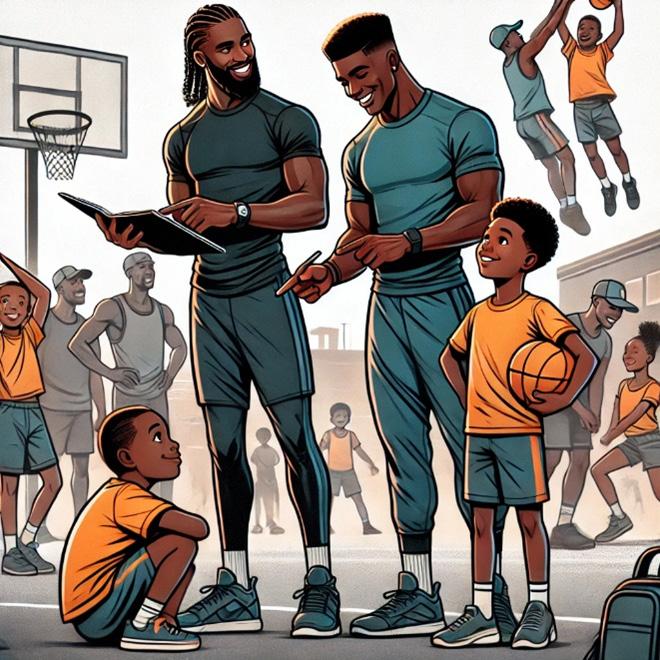
Role Models: These athletes serve as powerful role models, inspiring younger generations to pursue their dreams, whether in sports, education, or business.
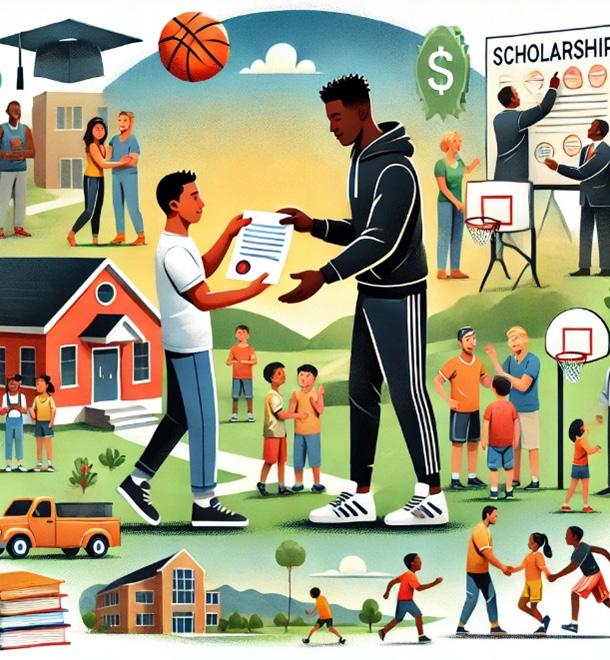
Philanthropy: Many Black athletes actively engage in philanthropy, funding educational programs, scholarships, and community development projects.
The impact of these athletes extends beyond their financial success. They are symbols of what is possible when talent, opportunity, and determination converge.
Their stories inspire and provide a roadmap for future generations of African Americans.
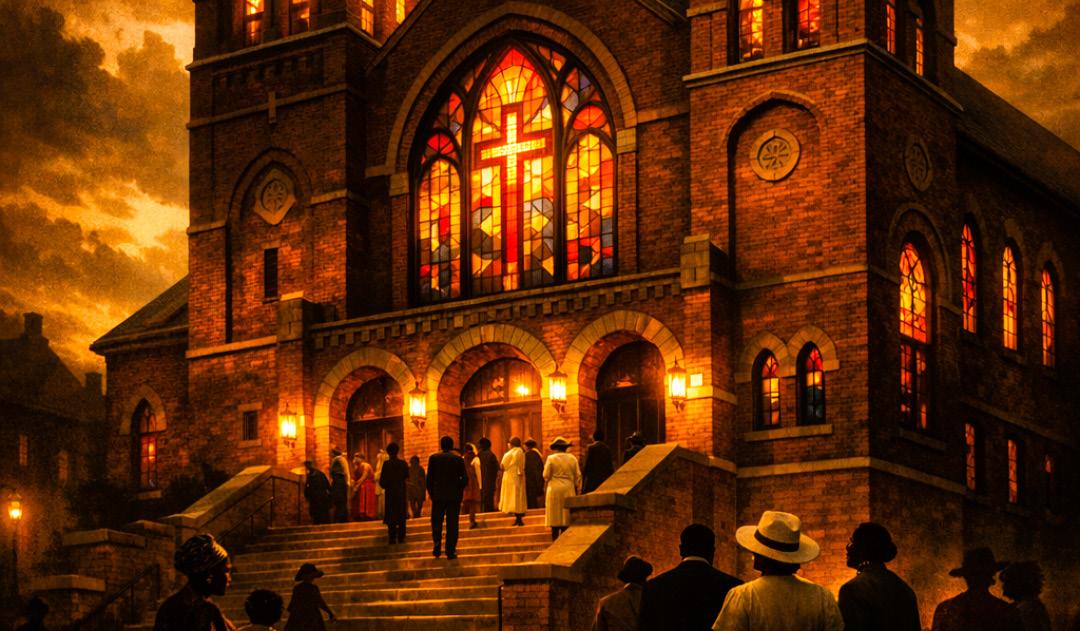
THE BLACK CHURCH: A $13 BILLION ANNUAL ECONOMIC FORCE
Black churches generate $11.5–$13 billion annually and have collected over $420 billion since 1980.”
The Black Church is not just a spiritual institution — it is:
1. A real estate empire with 65,000 locations
2. A social service network
3. A business incubator
4. A community bank
5. A cultural archive
6. A leadership pipeline
THE BLACK CHURCH
With an estimated $1.6 trillion in community spending power, the Black Church stands as one of the most influential socio-economic institutions in America.
Annual Revenue: $11.5–$13 billion from tithes and donations w— rivaling the U.S. Hip Hop industry
Historical Giving: Over $585 billion collected from 1980 to 2025
Infrastructure: 65,000 churches nationwide, many owning high-value real estate
Social Impact: Food banks, daycare, job training, housing, and more
Economic Reach: Serves as a central hub for organizing and influencing Black capital
This isn’t just faith — it’s infrastructure, investment, and institutional power.
THE BLACK CHURCH
ON THE MOVE
A LEADERSHIP PIPELINE
BLACK PEOPLE ON THE MOVE
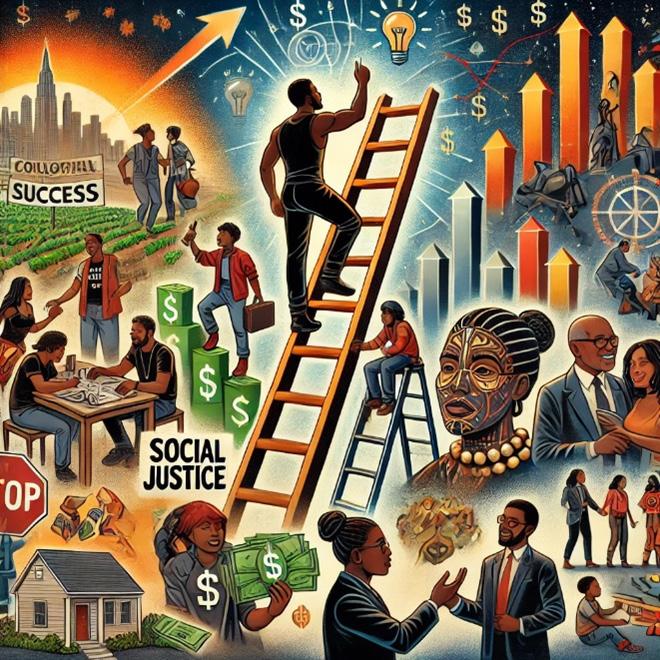
Redefining Success: Beyond the Numbers
While the statistics on Black educational and economic progress are impressive, they tell only part of the story. The true measure of success lies in the ability of African Americans to shape their own narratives and
build communities that reflect their values and aspirations. This includes not only financial success but also cultural, social, and political empowerment.
1. Cultural Empowerment: African Americans have made significant contributions to American culture, from music and art to literature and film. These cultural achievements are an integral part of the community’s identity and success.
2. Social Empowerment: The growth of Black-led organizations and movements has strengthened the community’s social fabric, promoting solidarity and collective action.
3. Political Empowerment: The increasing representation of
4. African Americans in political offices at all levels of government has given the community a stronger voice in shaping policies that affect their lives.
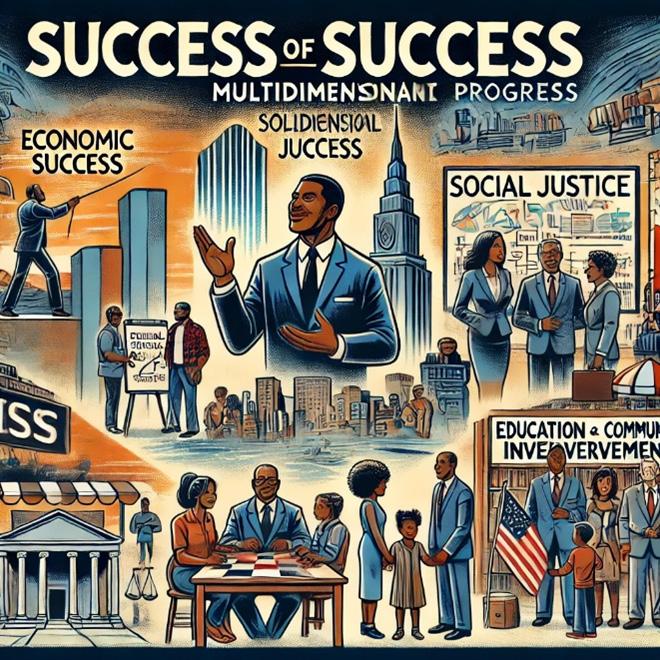
This broader definition of success underscores the multidimensional nature of progress in the Black community. It is not just about climbing the economic ladder but also about creating a more just and equitable society for future generations. The road ahead is challenging, but the progress made over the past fifty years provides a strong foundation for continued advancement. By building on these achievements and addressing the remaining barriers, the Black community can continue to thrive and contribute to the broader American society.