CHUCKWALLA
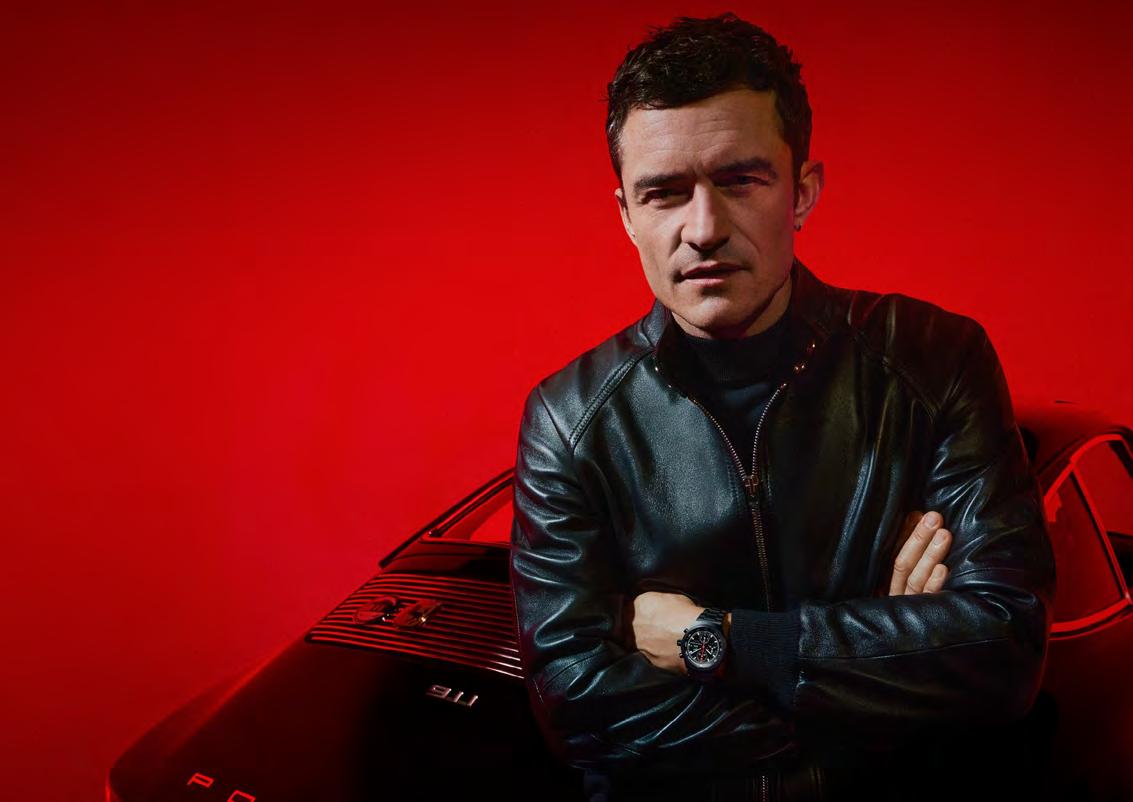

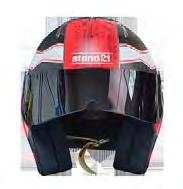
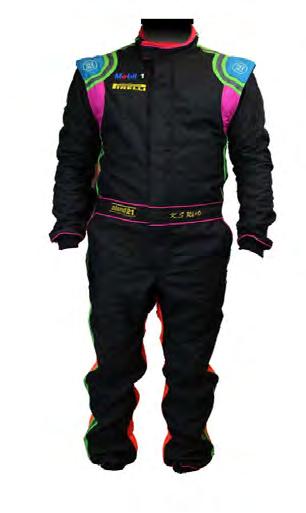
Worn by Orlando Bloom.
From the Editor:
Chuckwalla was so much fun! New track records were set and several championships were determined. Nigel Maidment covers all the Orange and Red Group action for us while Steve Eisler details the Time Trial groups. Yasin M. Almadani dives into the history of the GT3 and Moze Cowper takes us on an adventure to Magarigawa. I’m happy to share my chat(s) with GT3 driver Mick Yanoschak and Dr. Dyno dispenses some valuable advice. It’s another killer issue featuring the graphic artistry of Don Matz and the eagle-eyed photos of Luis Vivar. As always, thank you sponsors! Enjoy the ride.
Questions? Comments? Suggestions?
VELOCITY Staff Editor
Andrew Weyman
Art Director
Don Matz
Contributing Writers
Andrew Weyman
Steve Eisler
Nigel Maidment
Moze Cowper
Yasin M. Almadani
Contributing Photographers
Luis Vivar
Don Matz
Steve Eisler
Moze Cowper
Yasin M. Almadani
Karen Robinson
Nigel Maidment
Brian Mayfield
Mick Yanoschak
POC Board of Directors
John Momeyer President
Karen Robinson Secretary
Jim Salzer Treasurer / PDS Chairman
Joe Wiederholt Member at Large
Dwain Dement Chief Driving Instructor
Eben Benade VP Motorsports, TT Director
Steve Town Sponsorship
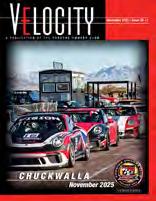
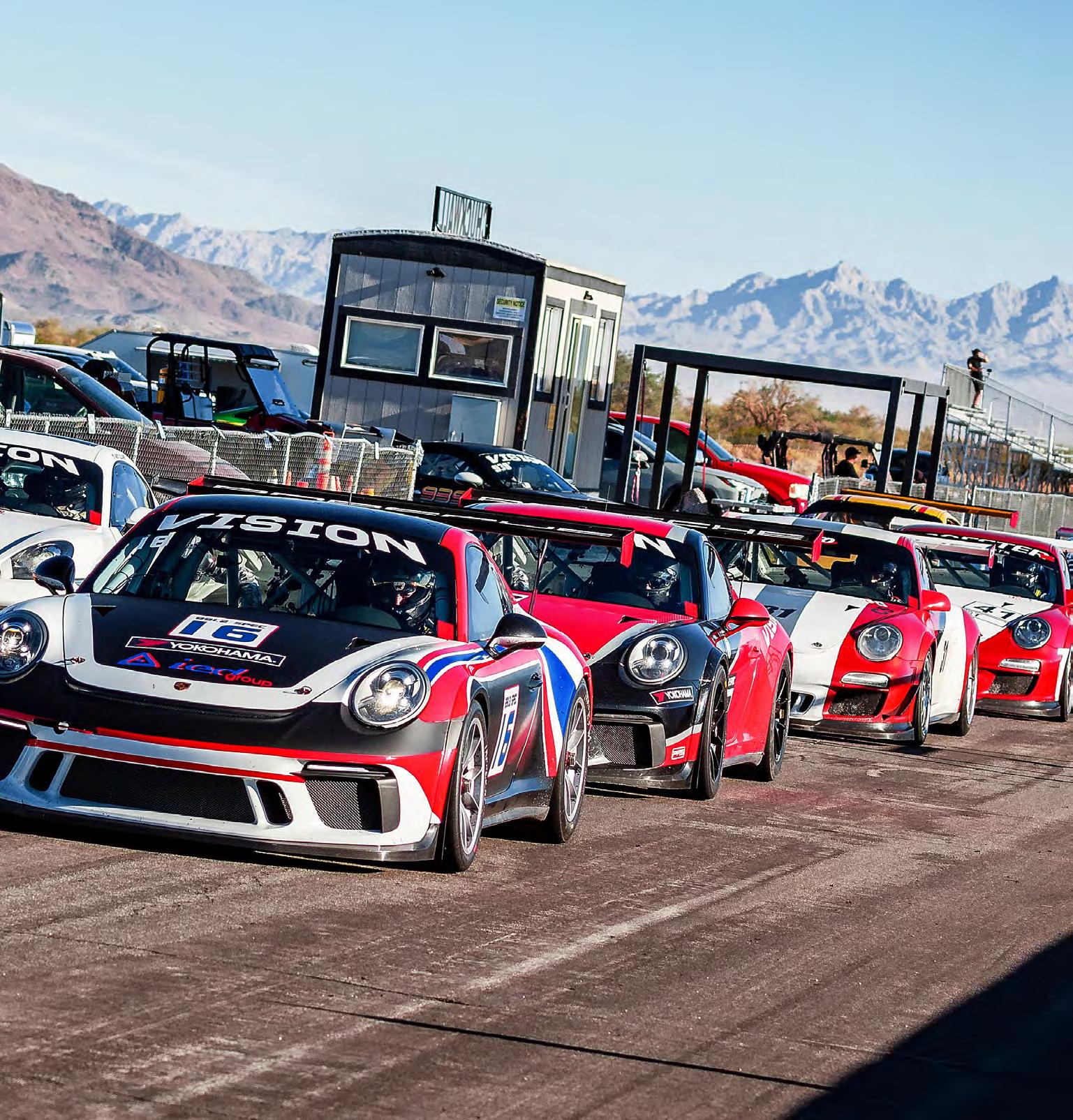
Cover Photo: Luis Vivar
Porsche Owners Club 2026 Event Schedule
Nov 8-9 Chuckwalla Valley Raceway
Dec 13-14 Willow Springs Int’l Raceway
Jan 10 Streets of Willow / Motorsport Safety #2
Jan 17 Awards Banquet at PECLA
Jan 30-Feb 1
Mar 7-8
11-12
May 16-17
Sep 12-13
Oct 10-11
Oct 31-Nov 1
Dec 12-13
Buttonwillow CCW
Willow Springs Int’l Raceway
Willow Springs Int’l Raceway
Buttonwillow Circuit
Chuckwalla Valley Raceway
Willow Springs Int’l Raceway


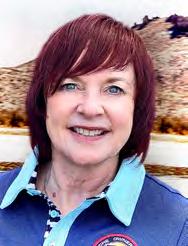
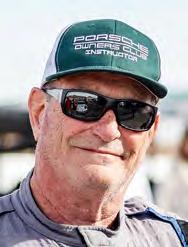
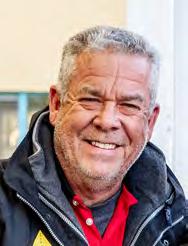
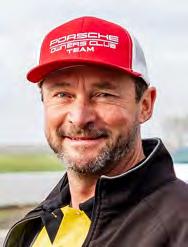


















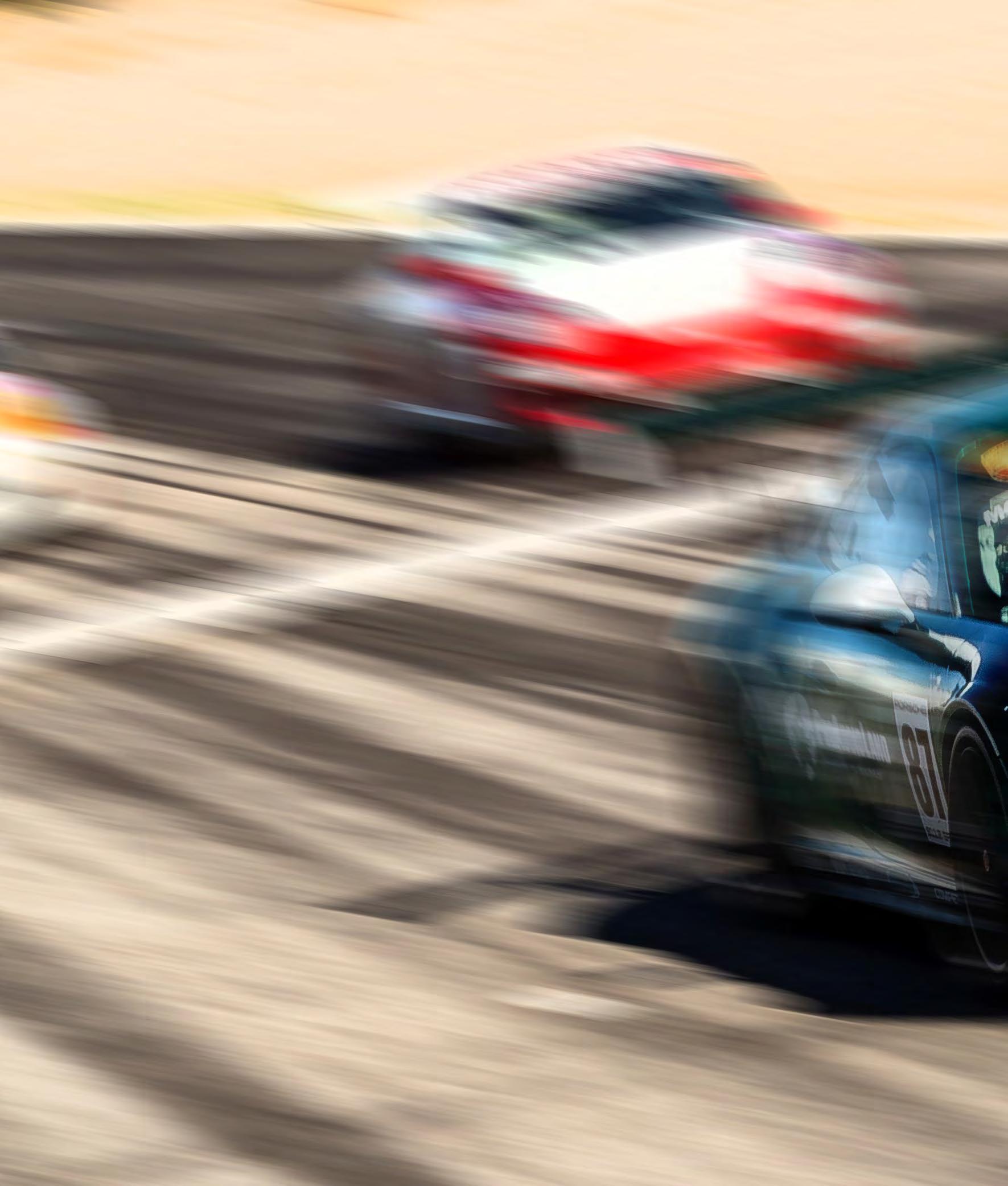
CHUCKWALLA
CHUCKWALLA
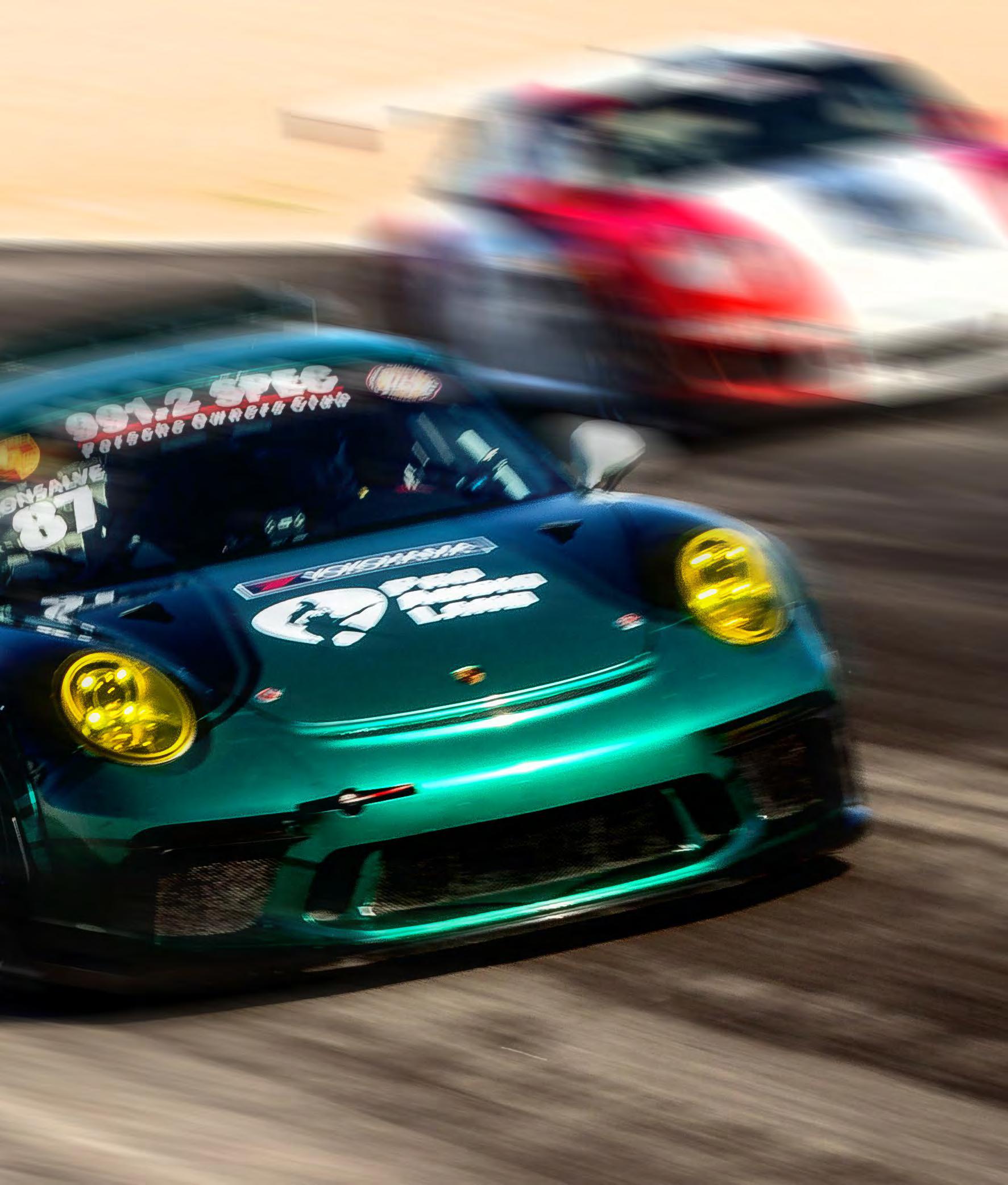
Image: Luis Vivar / Don Matz
GriLLBaby,
NIGEL MAIDMENT
The November Chuckwalla event is one of my favorites on the POC calendar, not so much because of the circuit (I frequently struggle here, and this weekend continued that trend), but more because of the location. Nestled in the desert, 50-plus miles from the nearest motel, it is sufficiently set back from the I-10 to provide some peace and tranquility in the evenings at the end of a hectic day on track. The option to stay in well-appointed trackside cabins encourages more people than usual to hang out on-site overnight, which means there’s plenty of opportunity to engage in storytelling of passes made and crashes survived while enjoying tasty offerings served up by the many grill meisters among us. And the ever-expanding sea of solar panels engulfing the track reminds me to make the most of what may be dwindling opportunities to blast around a track propelled by our beloved internal combustion engines, unless “alternative fuels” become an affordable reality. Come to think of it, even propane-fired grills may soon be a thing of the past!
I arrived Thursday afternoon ready for a full day of practice on Friday; I figured I needed as much practice as I could get as the last time I ran in the counterclockwise direction here was in 2014, my first full season with the POC. Reviewing videos of that event brought back fond memories of close battles with old friends in BSR, inevitably ending with Nathan Johnson passing us all, having started at the back “for fun.” (Some things haven’t changed, read on). After being introduced by Karen Robinson to her friend, another handsome cool cat named Nigel who recently joined the club, I embarked on a late afternoon track walk with my buddy, Branimir Kovac, the value of which turned out to be somewhat limited. What only takes about two minutes to drive takes considerably longer to walk (who knew?), and the downside to all that remoteness I was telling you about is that it gets dark very, very quickly once the sun goes down. Oh well, maybe it’ll be useful if we run a floodlit Tribute to Le Mans here someday?!
With sundown came the first grilling opportunity, and I elected to join Branimir at his trailer for some gourmet sausages while I watched him work on prepping his car. There’s nothing I enjoy more than watching other people work and Branimir never disappoints. He may be the most accomplished, well-equipped, self-sufficient one-man driver-mechanic operation in the club; or so he tells me, and who am I to argue?
Friday practice went better for me than I expected, at least initially; I beat my personal best from 2014 by over three seconds. Must’ve learned learnt something during the past 11 years, I thought to myself, perhaps a little too smugly. But then, of course, I had to


Grill!
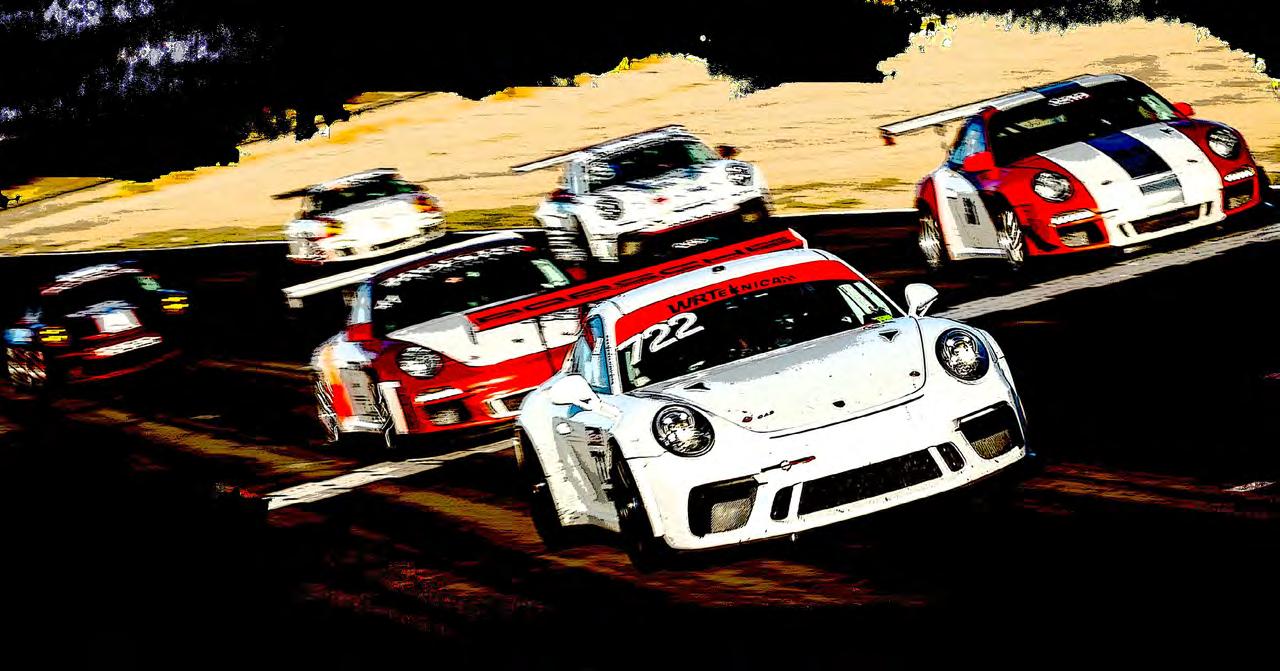
Image: Don Matz / Luis Vivar
push my luck in the final session, going four-off and breaking my power steering lines in the process; some habits die hard. Still, I wasn’t alone; our illustrious president, John Momeyer, suffered a similar fate earlier in the day in his Spec 2.7. Now, it’s been said many times before (because it’s true) that everyone is super generous in the club, always willing to give freely of their time and spare parts to help others get back on the track. But I was at a distinct disadvantage because John had already beat me in the race to Dwain Dement’s Vision Motorsports’ only spare line, and I had managed to break both of mine. So, I got on my (borrowed) bike and began my search around the paddock. First stop was Mr. Kovac, of course, recognized supplier of parts to the needy, but alas, he was ‘out of stock.’ I was ultimately successful in finding one, however, (thank you Rob Walker Racing Team for your generosity) and Vali was kind enough to cannibalize one of his many cars for the other one. Vali’s team made short work of the repair Friday evening, and I was good to go. Problem solved, time for dinner.
I was fortunate to be invited to join Don Matz, his son, Scott, and their technical support team Fabian Prato and Gaston Principiano of Prato Motorwerks for dinner in the paddock. Now, Fabian and Prato hail originally from Argentina and there’s nothing the Argentinians don’t know about raising and preparing red meat that’s worth knowing, so we were treated to a veritable feast. I also enjoyed learning more about the famous Matz father-son racing team – Scott regularly flies in from Pennsylvania especially for POC race weekends. Turns out they have a history of success not only in racing but also in soccer, another passion of mine, and apparently Don’s and my professional careers are more closely linked than either of us previously appreciated. Thanks for a very pleasant evening, team Matz and Prato Motorwerks.
The Saturday morning’s drivers meeting was going well so far, I was thinking to myself. After all, Eben surely wasn’t going to bring up the “don’t be that guy” phrase again after Laguna Seca. Nope, he’s done, I got away with it this time. Oh no, wait a minute, Joe’s grabbed the mike, here it comes… “remember, keep the speed down in the paddock, ask Nigel why.” Sigh. To quote the punchline of a favorite joke of mine “naye, but yae s##g one sheep!” (Ask Joe, he will explain).
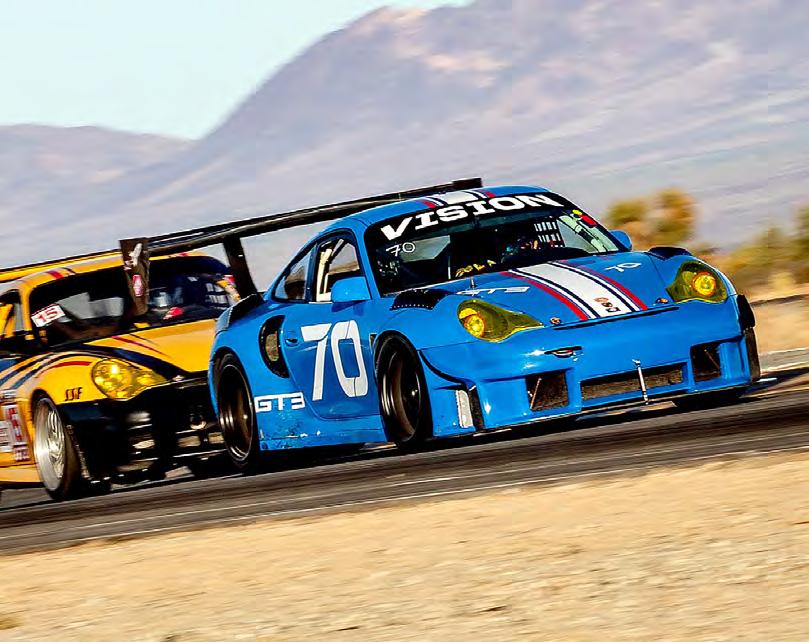
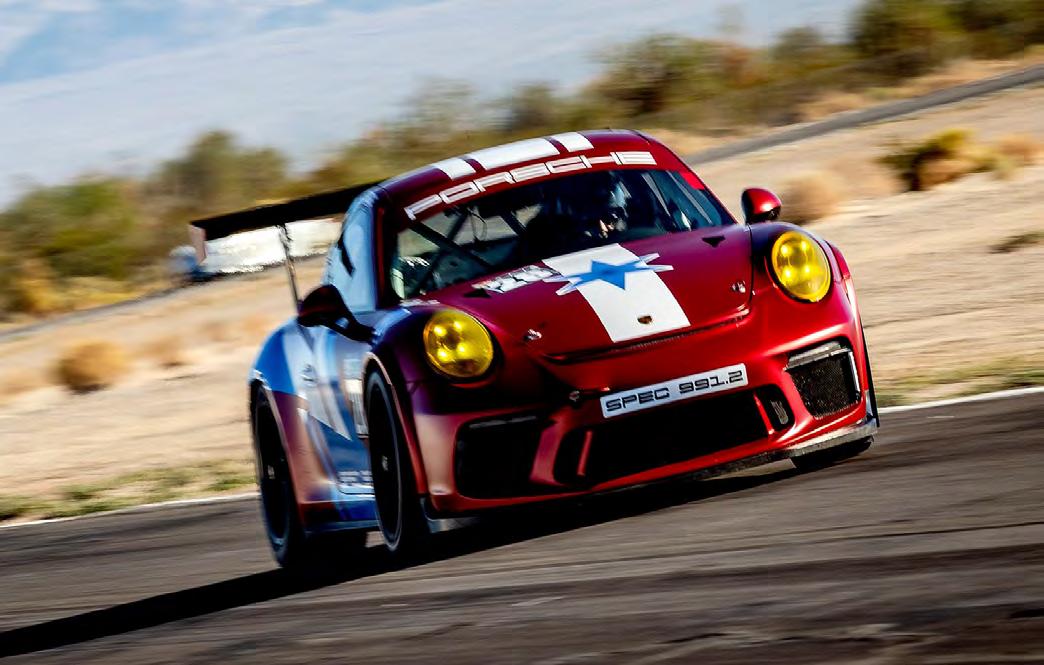
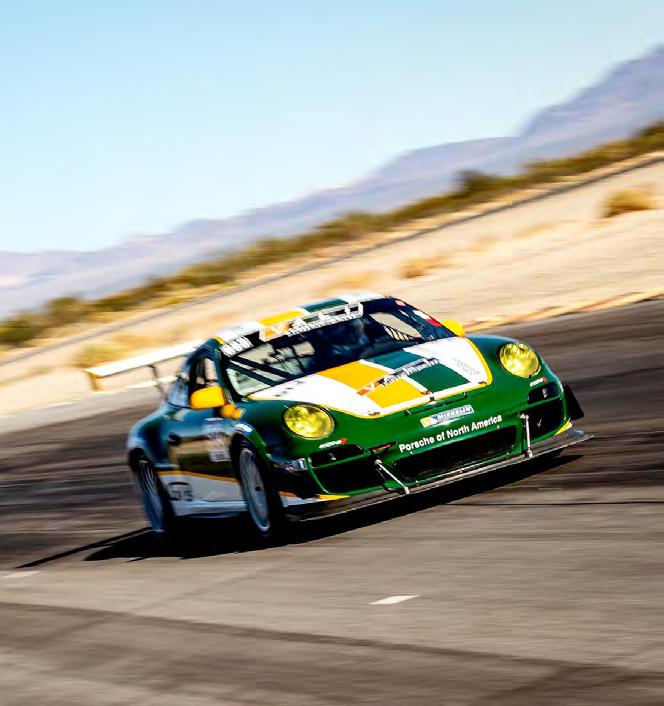
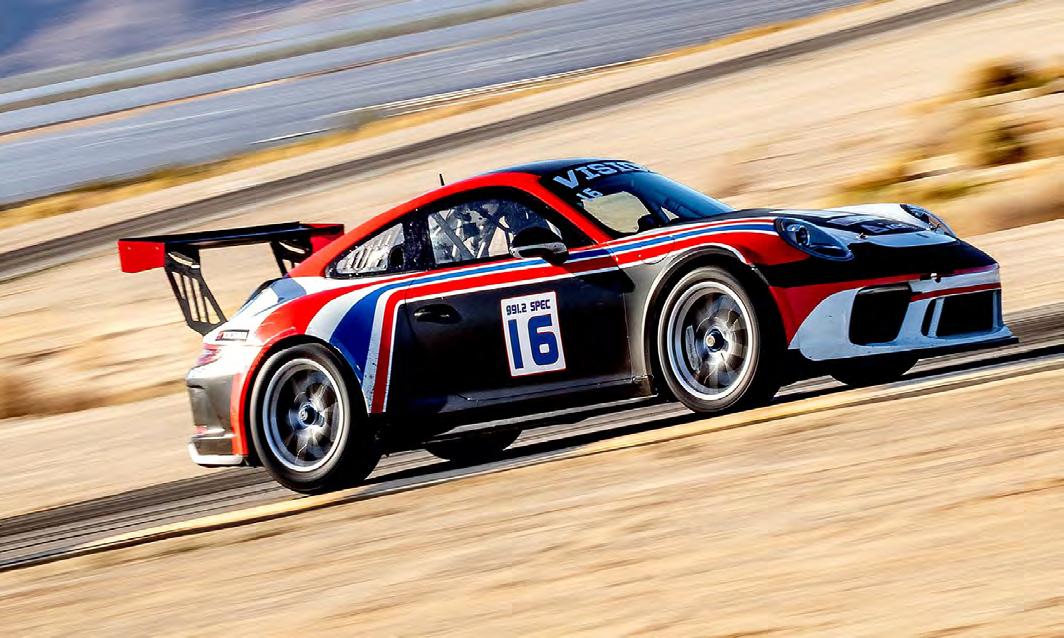
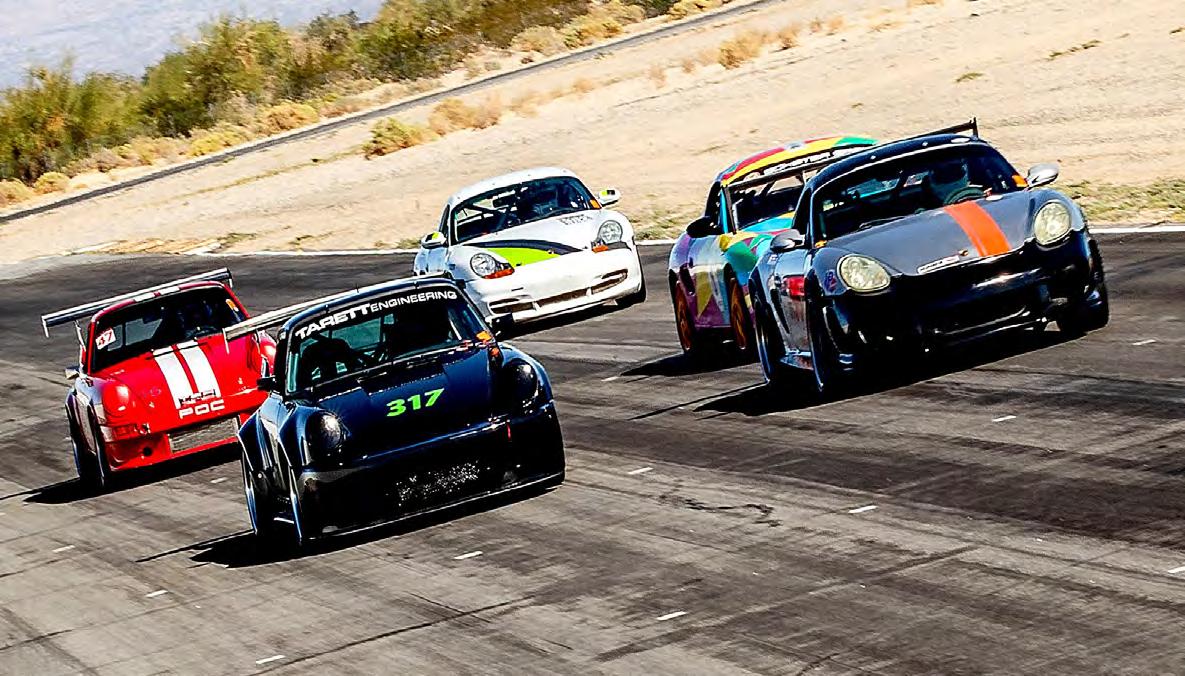
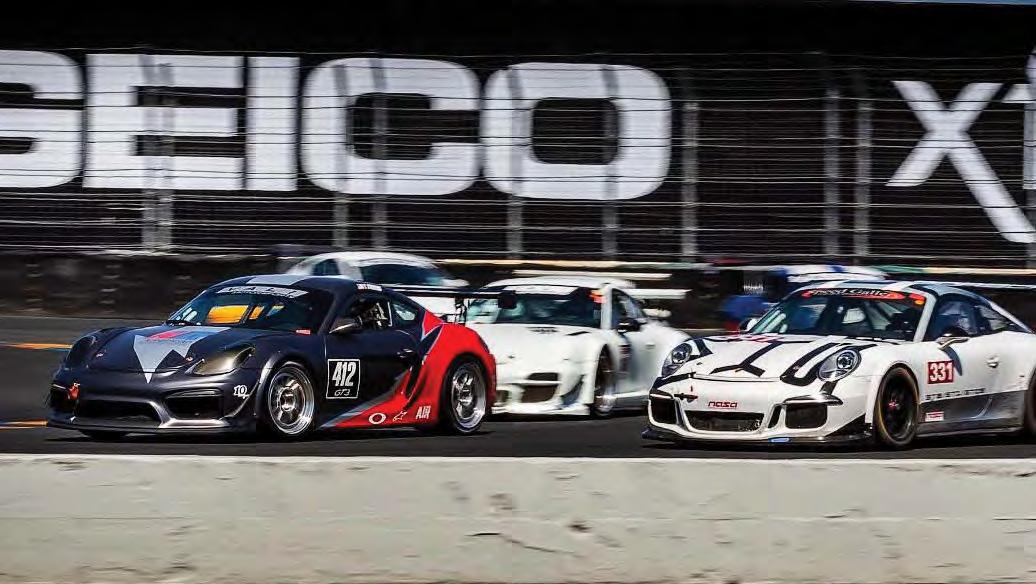
Saturday was a day for breaking track records. In the Orange Group, Rob Walker handily beat Anders Hainer’s record in BSR of 1:58.9 with a 1:58.110 in Qualifying, putting him on pole for Race #1. (Apparently, he ran more than one second faster than that in practice when the temperatures were lower, but the track timing system malfunctioned!) Carl Vanderschult set a record in GT5 with a 1.55.062 in Race #2 and Mike Porteus set a GT7 record of 2:04.129 in Qualifying. In the Red group, Mike Monsalve established the first record in the relatively new Spec 991.2 class with a 1:45.162 in Qualifying.

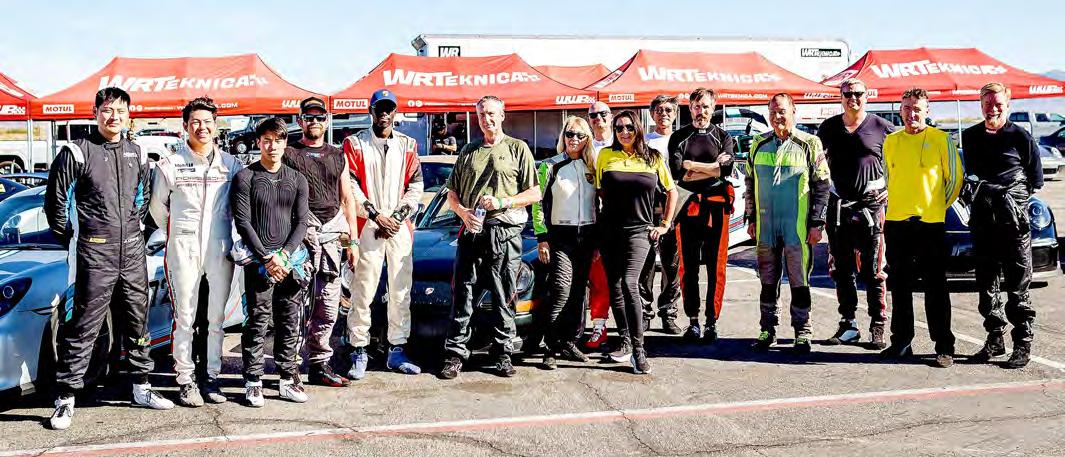
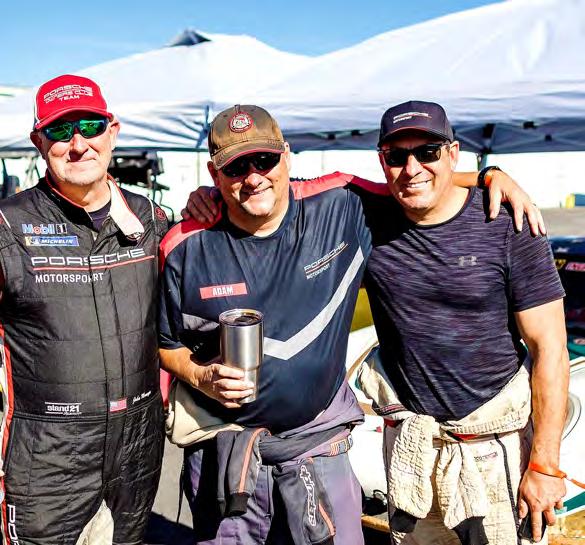

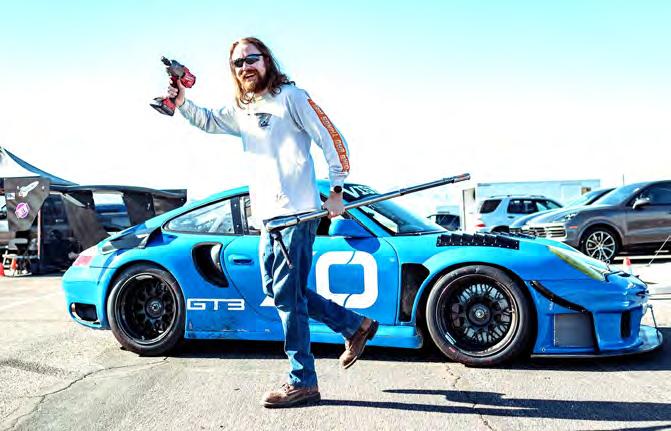
Photos: Luis Vivar
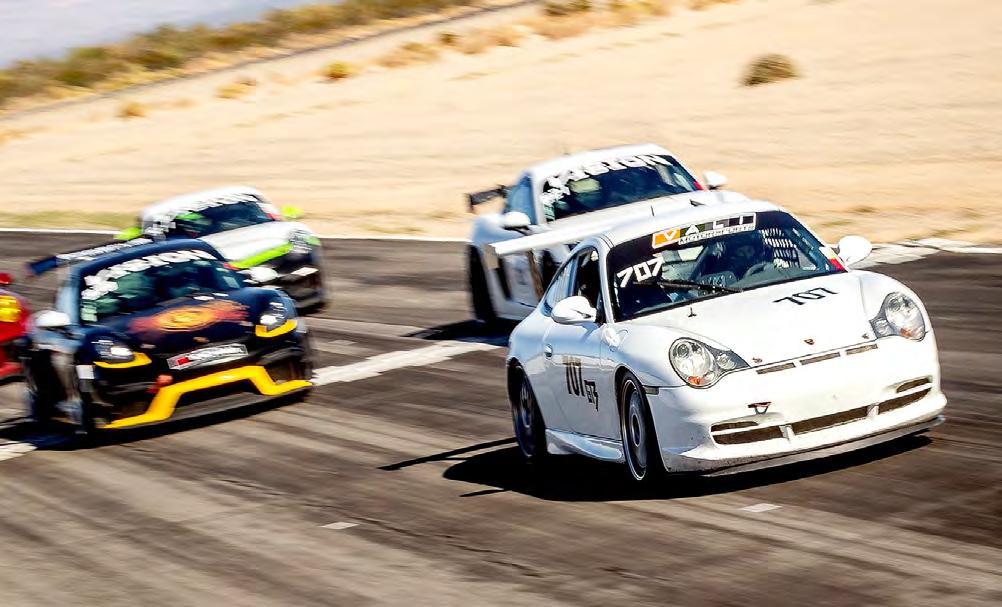
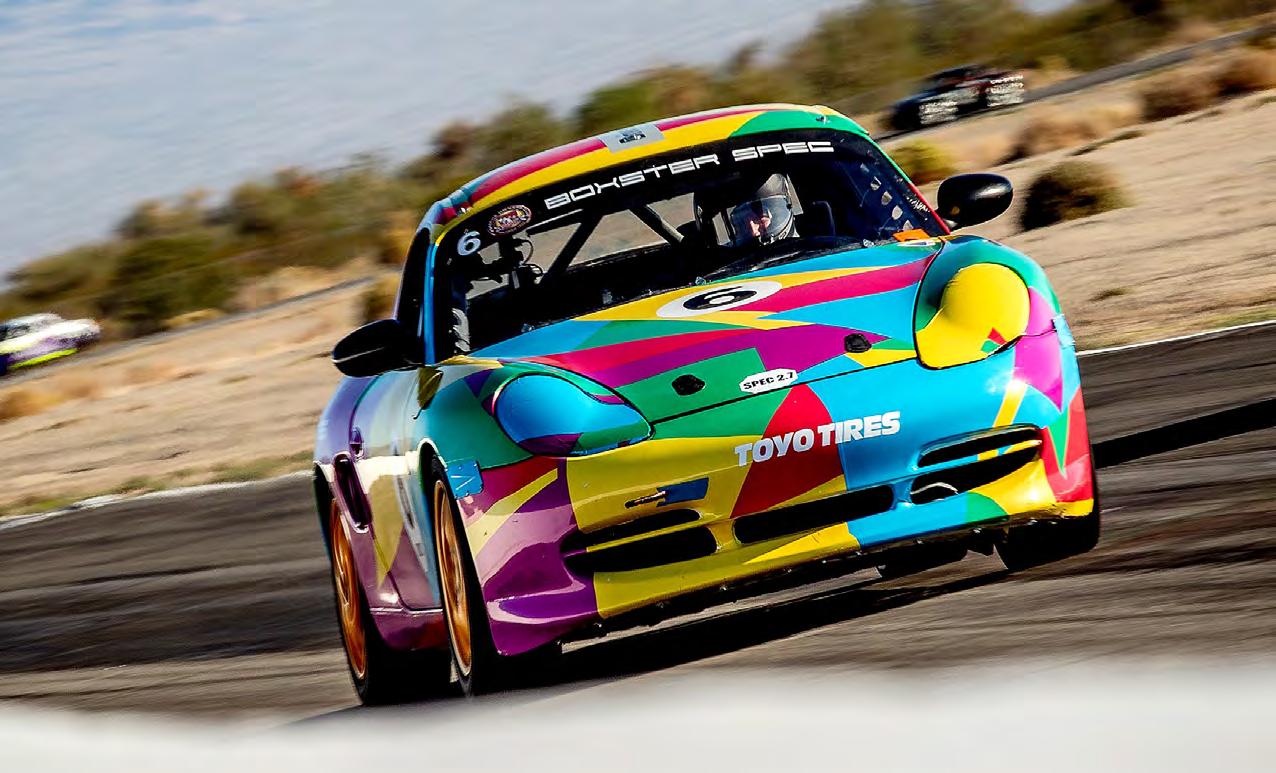
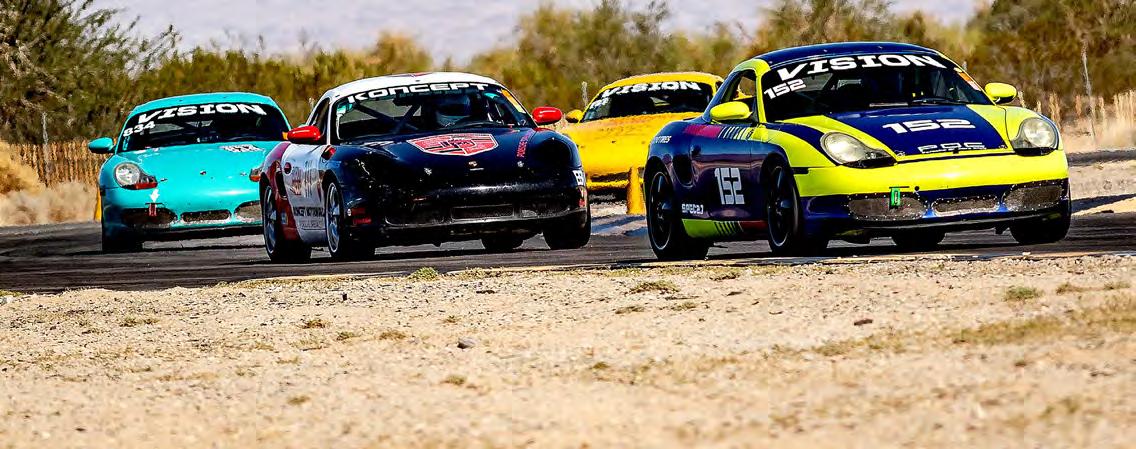
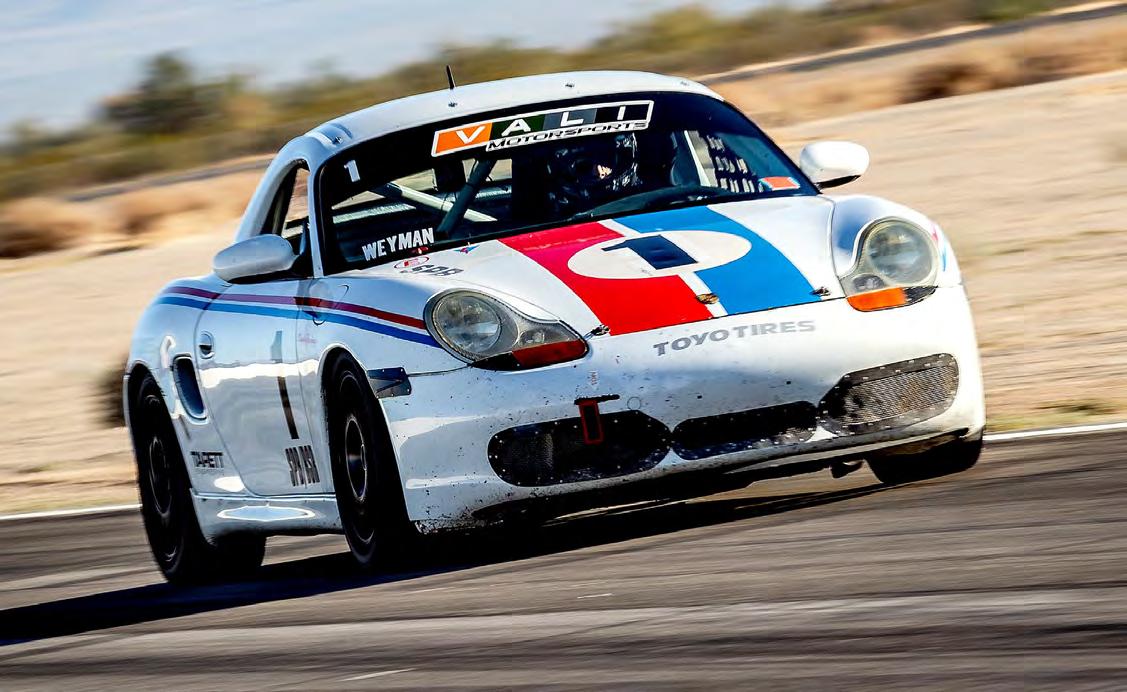
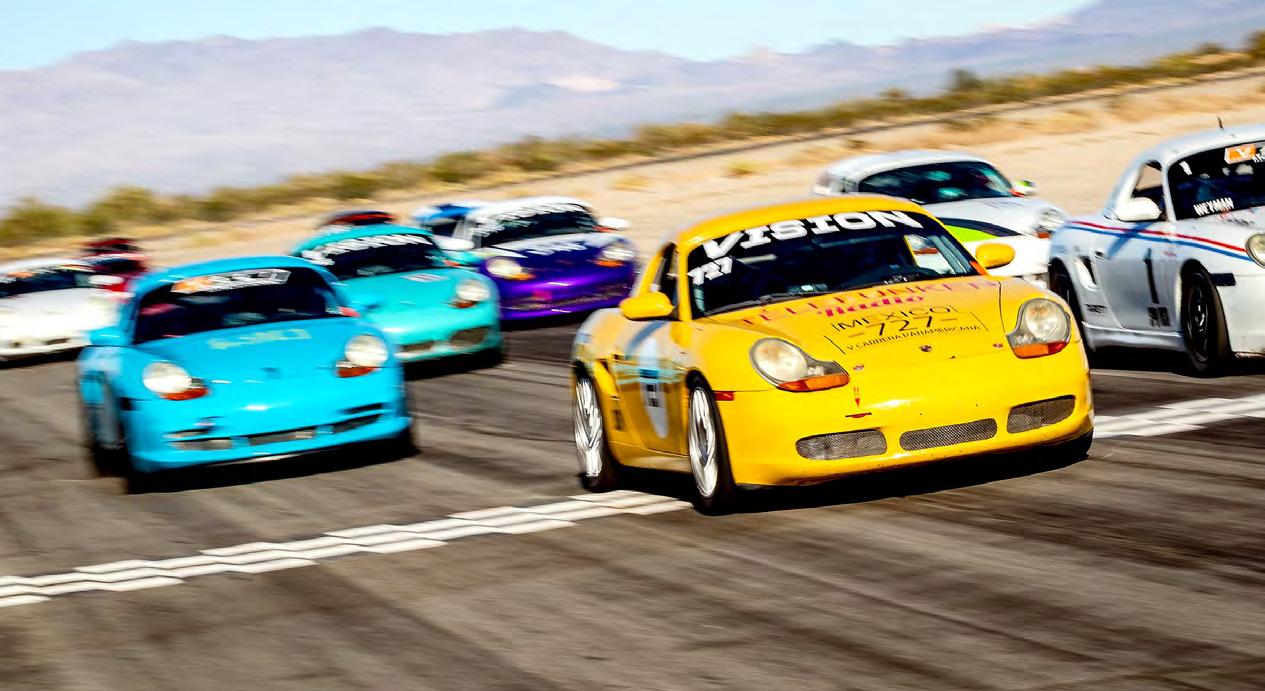
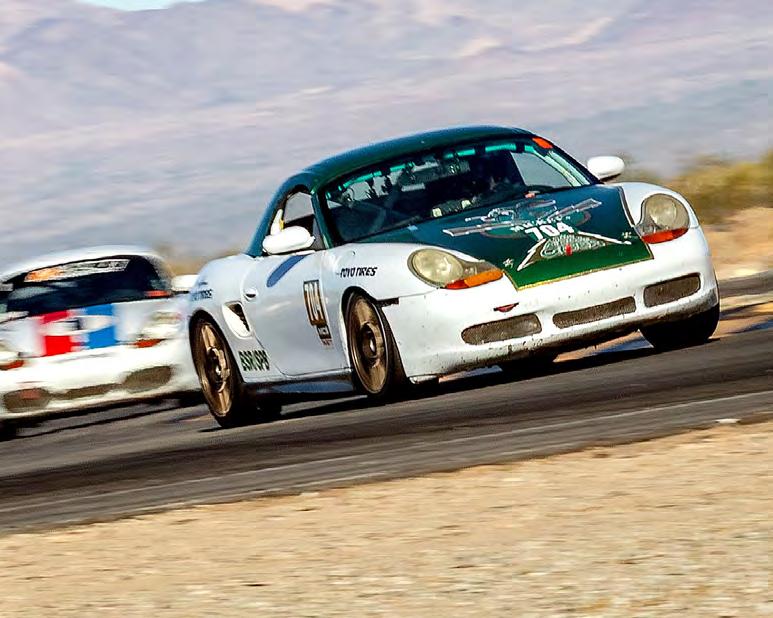
Being the penultimate event on the calendar, a picture of the contenders for the various class championships had already emerged, making the prospect of the weekend’s racing all the more exciting. In the Orange group, Boxster Spec has seen a surge in interest in recent years; more than 50 drivers have competed in this class throughout the 2025 season, 20 of whom entered this event. Rob Walker has been dominant, particularly in recent events in the absence of Anders Hainer through injury (collective healing vibes heading your way, Anders; we miss you!). Rob had an 80-plus-point lead over his closest rivals entering this event. While being caught was not a mathematical impossibility, nobody was going to bet against him sealing the Boxster Spec championship at this event. The battle for first of the losers was much tighter, with Murray Wunderly, Nick Maloy and yours truly all in with a shot for that dubious honor. Nick didn’t race this weekend, unfortunately removing him from contention, and Wunderly improved his chances by finishing second behind Walker in Race #1. Chris Keefer and Chad Carnevale had an epic nose-to-tail battle for the third spot on the podium, Chris ultimately holding Chad at bay by less than half a second at the finish line. Branimir Kovac and I had a similarly tight battle for the fifth spot, which Branimir claimed, much to his delight! Well driven, Brandy. As always, places were hotly contested throughout the field but a special shout-out is due Jim McLaughlin, who finished P7, a personal best finish for the season. I’m not sure if he realizes it might have been even better - a glitch in timing and scoring on the live stream had him leading for much of the race! The comp committee is on standby for the appeal, Jim.
The GT5 class has undergone something of a resurgence with 13 cars competing this year. Unfortunately, though, only one competitor, Bill Durant, is set to compete in the minimum 16 events for trophy contention, and neither he nor his close competitor, Phil Town, were registered for this event. Of the five competing this weekend, Carl Vanderschult prevailed in Race #1, with Ed Muscat and Behr Salehi filling the other two spots on the podium.
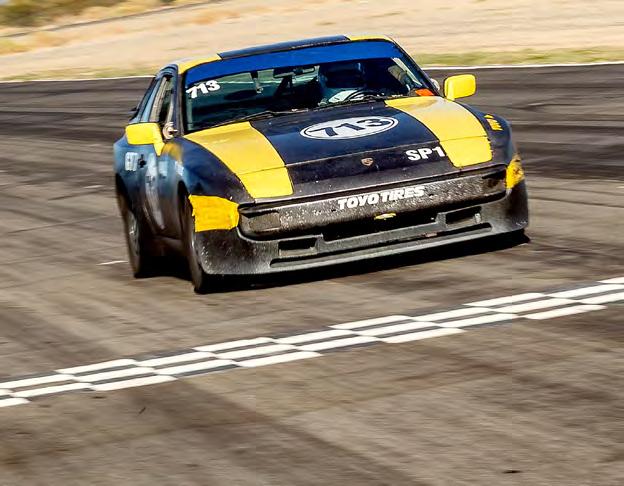
GT7 may be a small class but the battle for the championship between Randy Bergum in his 944 and Mike Porteous in a Miata is intense; only 19 points separated them entering this event, but Mike got the better of Randy by some margin in Race #1. Spec 2.7 similarly has only two contestants, and seasoned competitor, John Momeyer, drew first blood in Race #1 to extend his lead in the championship over our relative newcomer, Vivek Hazari.
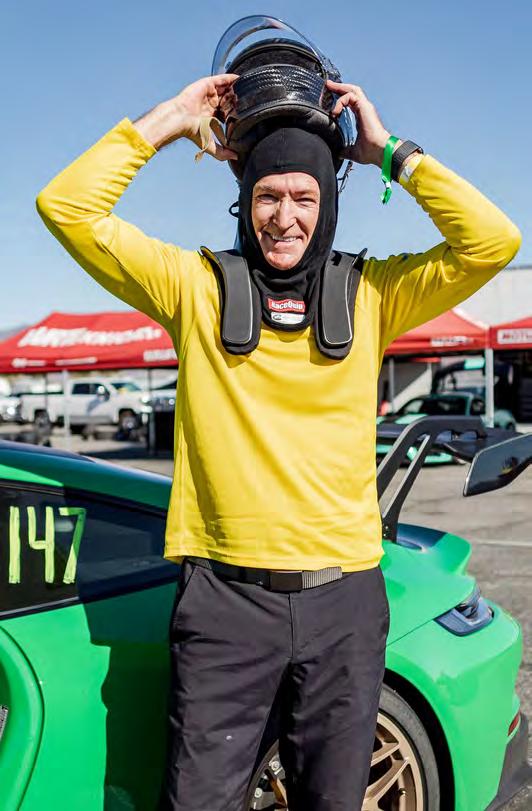
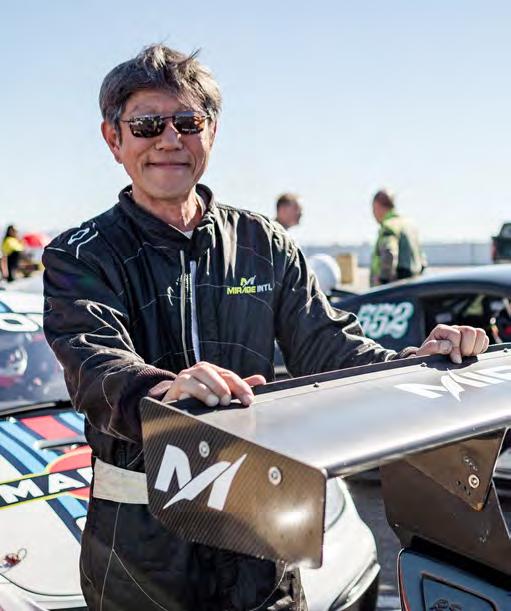
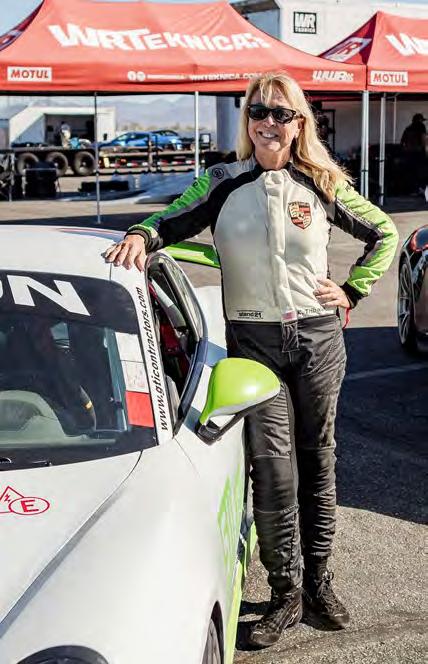
Photos: Luis Vivar
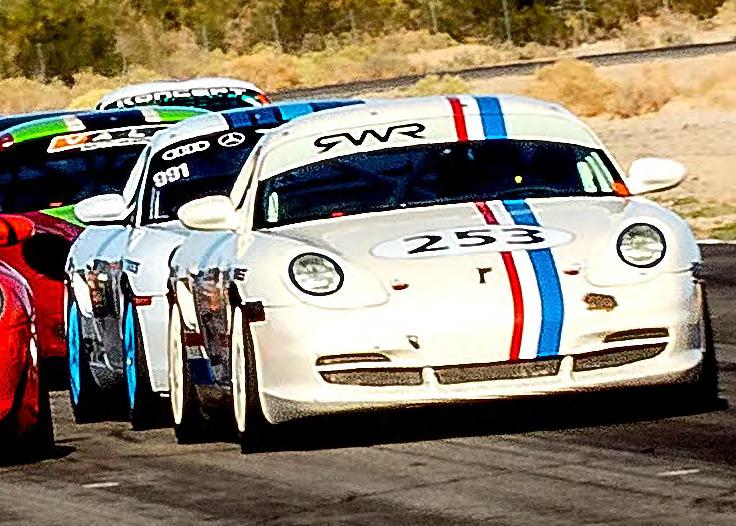
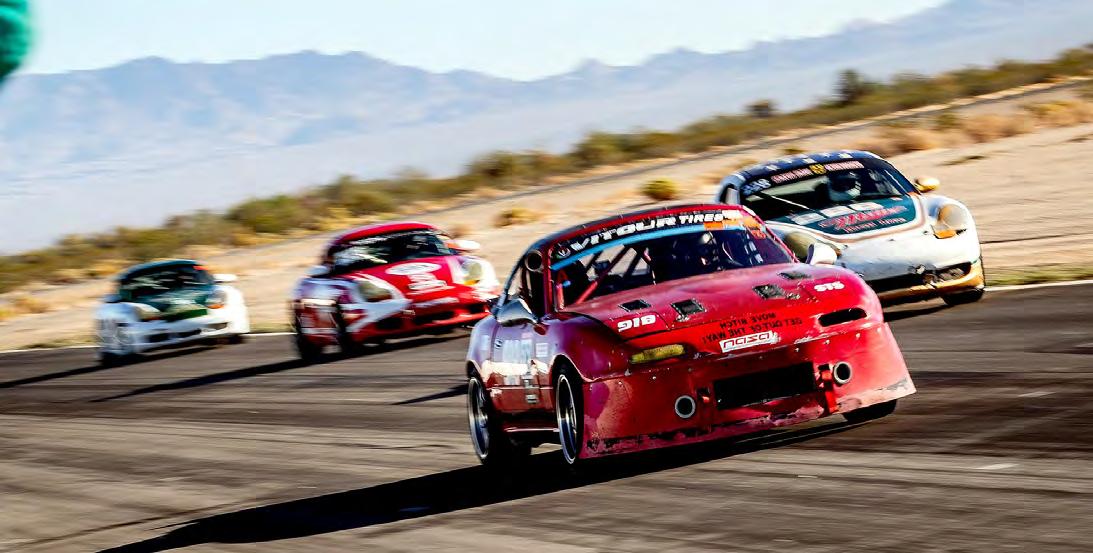
The second race in the Orange Group saw Rob walk away with another victory in BSR (I know, that one was as predictable as the race result itself, but I couldn’t resist), no doubt leaving Murray (ahem) wondering if he’d ever be able to get the better of him, as he finished second again. Chris and Chad continued their tussle for the third step on the podium; this time around, though, Chad came out ahead after a neat pass to the inside of turn 11 early in the race. I managed a pass on Branimir this time, which was met with the sight of the
customary Kovac salute in my rear-view mirror. Love you, too, Branimir. Carl Vanderschult again dominated GT5 finishing over a minute ahead of Ed Muscat, who had a similar lead over third place finisher, Behr Salehi, replicating the top three order from Race #1. In contrast, both GT7 and Spec 2.7 classes saw a reversal of fortunes, Randy Bergum and Vivek Hazari coming out on top, respectively, as both Steve Porteous and John Momeyer failed to finish.
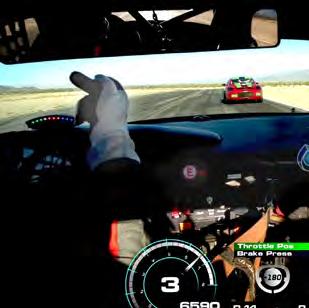
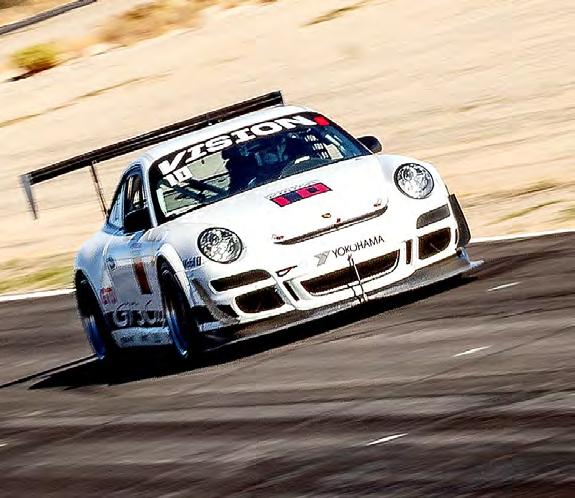
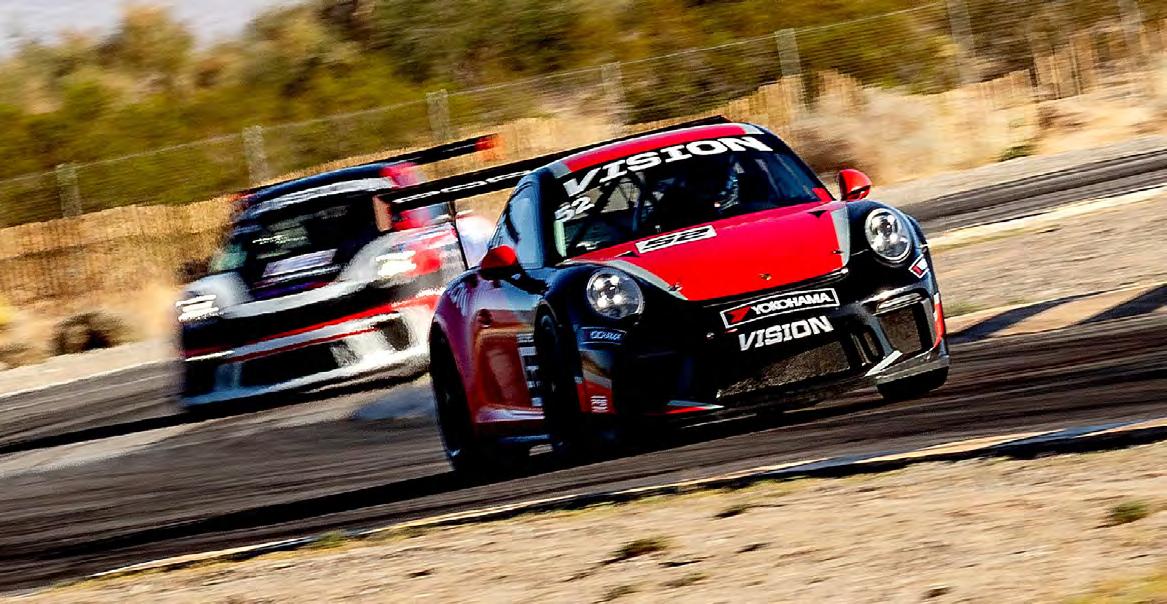
In the Red group, the GT3 class has seen 18 cars competing this season. Brett Gaviglio was looking good as we entered this weekend with a healthy, but by no means insurmountable, 30-point lead over Ryder Liu, with 80 points to play for over the final four races of the season. Jim Salzer, Paul Wren and Brad Keegan also looked to be in with a fighting chance of the title. All except Brad Keegan were registered for this event, so expectations were high for some close racing. Unfortunately, Ryder Liu failed to qualify due to mechanical issues. The front row in Race #1 was filled by Gaviglio and Salzer, with Paul Wren and Mick Yanoschak Jr. behind them. Bayan Salehi pulled off a dramatic victory starting from P5 on the grid taking advantage of traffic to pass Gaviglio for the lead in T3 early in the race. Wren and Salzer had a similarly close battle for third place, Wren ultimately coming out on top.
Spec 991.2 is another hotly contested championship this season. While Mike Monsalve looked to have it sewn up at the start of the weekend, it was not a mathematical impossibility he could be caught, and the fight for the other two trophies among those
Photos: Luis Vivar
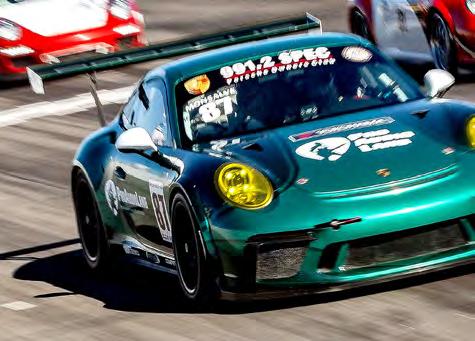
set to complete the minimum 11 events was intense, with Bob Mueller, Duane Selby, Ana Predescu, Gerrit Wesserling, Eben Benade and Tom Mueller separated by 47 points. Monsalve and Predescu qualified P1, P2, respectively, with Duane Selby and Eben Benade on row two. Unfortunately, Selby and Predescu got a little too close together on lap one, ending their races early and leaving Monsalve to coast to another victory ahead of Eben Benade, followed by Gerrit Wesseling in the third spot. I got a chance to chat with Ana soon after the race. She was naturally disappointed but was taking it all in stride. I had asked her earlier what she thought about her chances of filling the second spot in the championship. Like the true champ she is (Ana won the GT3 championship by a considerable margin last year), she hadn’t even looked at the standings, instead taking each race as it comes; she is a busy young woman after all!
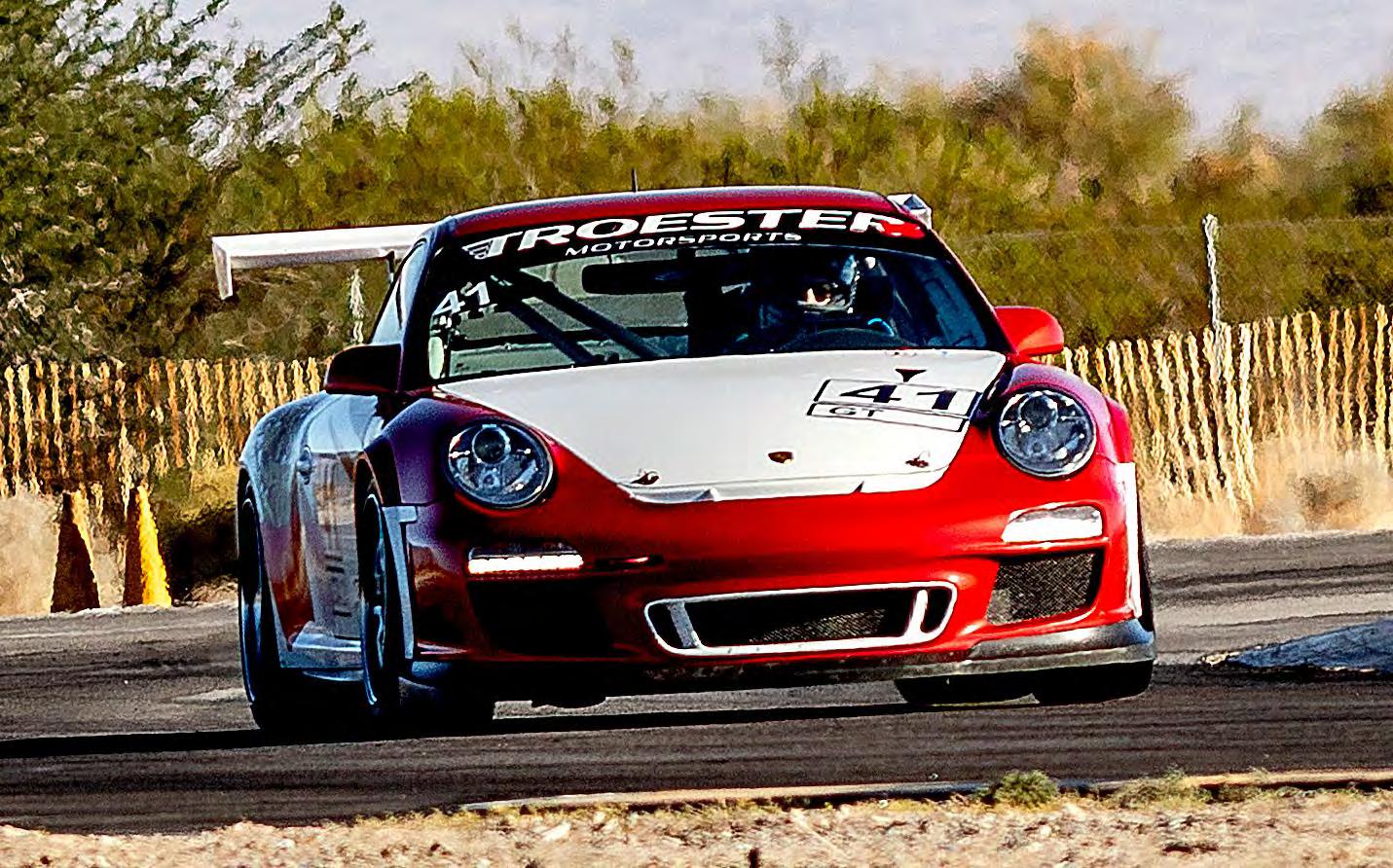
Twenty points separated Darrell Troester and Paul Barnes in the GT2 championship Saturday morning, nobody else looking set to complete the minimum 11 races to qualify for a third place trophy. Roland Schmidt completed the field of contestants in Race #1 and qualified on pole. He also prevailed in the race, finishing just two seconds ahead of Barnes, with Troester finishing P3.
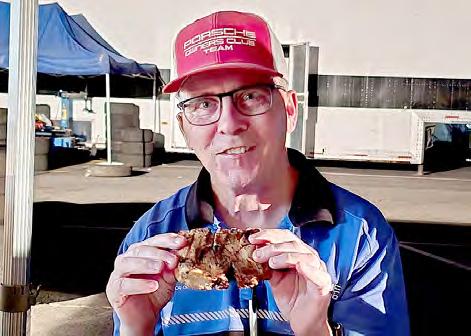
Saturday evening presented another opportunity to sample some fine dining in the paddock, this time courtesy of Vali Motorsports. As is tradition at the Chuckwalla event, Ana Predescu, Sr. laid on a splendid spread, featuring pork chops as the main dish, at Joe Wiederholt’s request, which, as usual, met with his approval.
And, what Chuckwalla event wouldn’t be complete without a photo of Joe eating a pork chop?
We were greeted with another clear blue sky on Sunday morning with the promise of a second great day of racing. The Orange group race saw Murray Wunderly on pole in BSR after Rob Walker elected to start at the back to spice things up a little. That promoted Chris Keefer to the front row ahead of Chad Carnevale and Alan Watts on the second row. Murray stretched out a healthy lead early on, but it wasn’t enough to prevent Walker catching and passing him with just two laps to go, Carnevale finishing in third. Carl Vanderschult made it a clean sweep in GT5 finishing ahead of Jane Scarcello followed by Behr Salehi in third. Randy Bergman was the only finisher in GT7. The Spec 2.7 finish was made interesting by some extraordinarily selfless driving by John Momeyer. Finding himself in the middle of a group of battling BSRs he elected to slow down, allowing several of them to re-pass him to avoid interfering with their race, and in so doing severely compromised what was until that point a comfortable lead over his in-class competitor, Vivek Hazari, who ultimately crossed the line just one tenth of a second adrift of him. Now, that is a president we can all be proud of!
Ryder Liu returned to the GT3 grid in the Red group, qualifying P2 alongside Brett Gaviglio on the front row. But it was Bayan Salehi who again crossed the line first in front of Liu in second and Gaviglio in third. Ana Predescu started on pole in Spec 991.2 next to Eben Benade, Mike Monsalve having elected to start from the back of the grid. Mike quickly moved up into second place by the end of the first lap and despite a determined effort by Ana to hold him off, managed to pass her half-way through the race for another first-place finish, Eben Benade finishing third. Barnes was able to reverse Saturday’s loss to Schmidt in the GT2 class, Troester again finishing third.
So, where does that leave the various championship races heading into the season finale at Willow Springs? Well, in the Orange Group, Rob Walker has cemented his place as the Spec Boxster champion with an insurmountable 100-plus point lead over his nearest rivals. Congratulations, Mr. Walker! That leaves Murray Wunderly and yours truly fighting over the scraps with only eight points between us, after accounting for the mandatory four dropped races. We’ll do our best to make that exciting to watch, but I hope not quite as exciting as the last time we raced at Willow Springs! The battle for the GT7 championship is still alive, although Randy Bergum has the edge with a 19-point lead over Mike Porteous. John Momeyer is inaugural Spec 2.7 champion with an insurmountable lead over Vivek Hazari. Congratulations Mr. President! As noted above, Bill Durant wins GT5 by default, being the only driver in that class to compete in the minimum 14 races this season, in addition to having a commanding points lead over his competitors. Way to go, Bill!
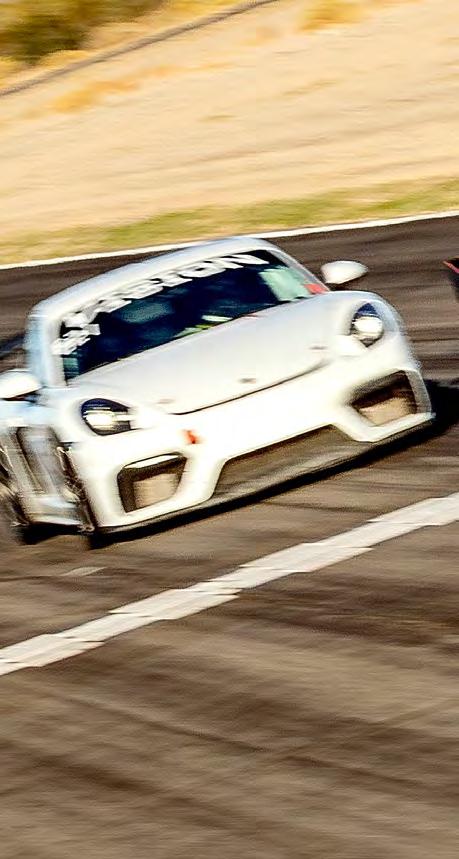
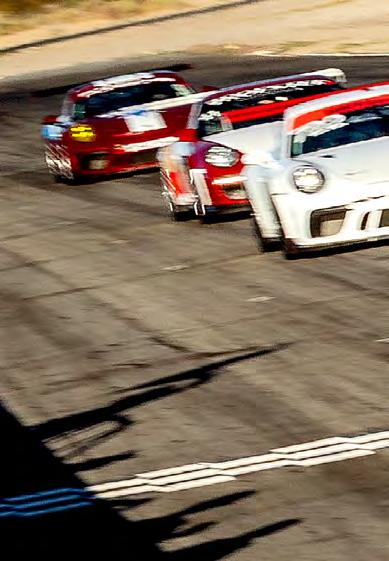
In the Red race group, Bret Gaviglio nailed the GT3 championship with his second and third place finishes at this event. The second and third place trophies are still up for grabs with little to choose between Jim Salzer, Ryder Liu and Paul Wren. Mike Monsalve is uncatchable (again!) in 991.2, but the outcome of the battle for the remaining trophies remains anyone’s guess with little separating Ana Predescu, Gerrit Wesseling, Duane Selby and Eben Benade. We’ll have to wait for Willow Springs to name the GT2 champion; the gap between Darrel Troester and Paul Barnes narrowed to 10 points at the end of this weekend with 40 points on the table. That should be worth watching!
See you at the (newly refurbished) Fastest Track in the West in December.
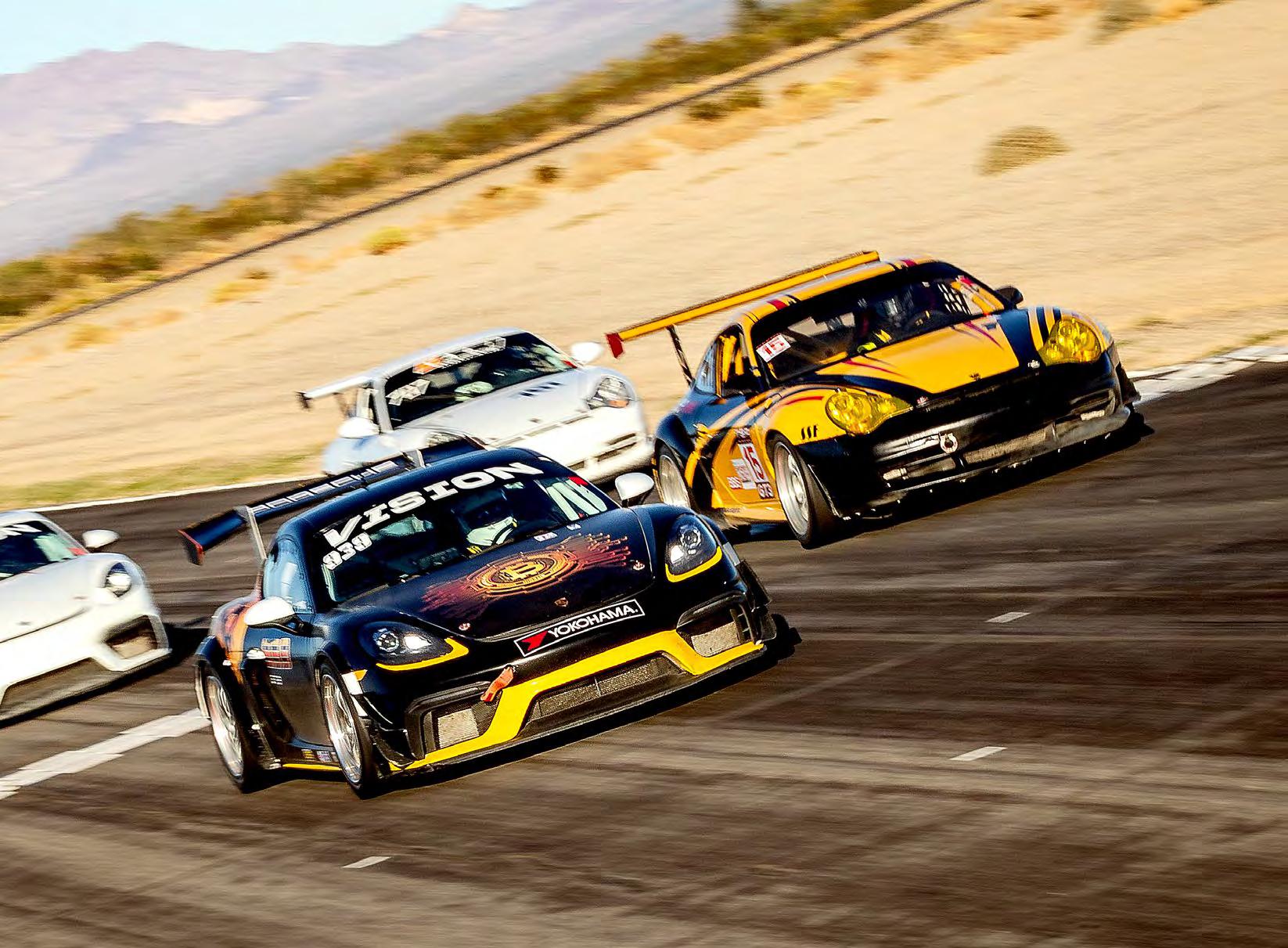
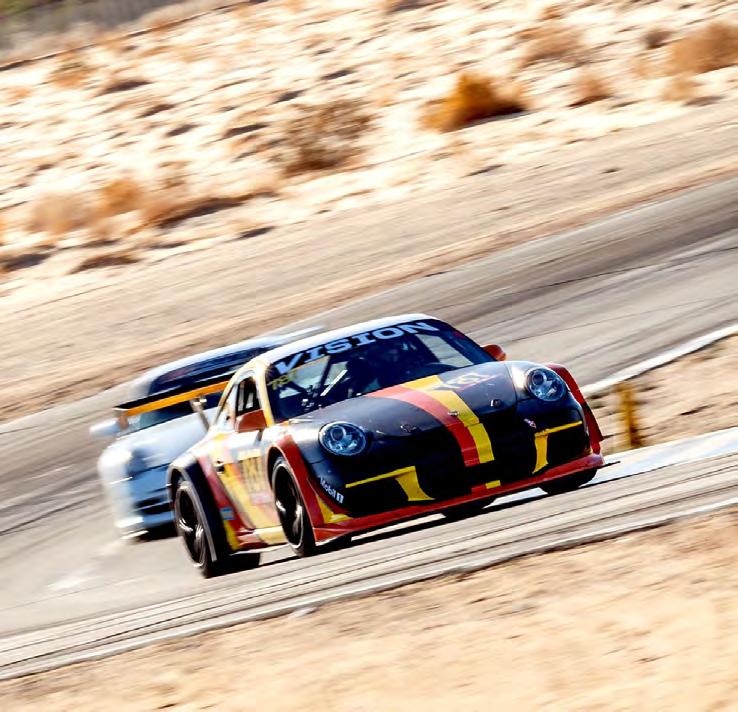

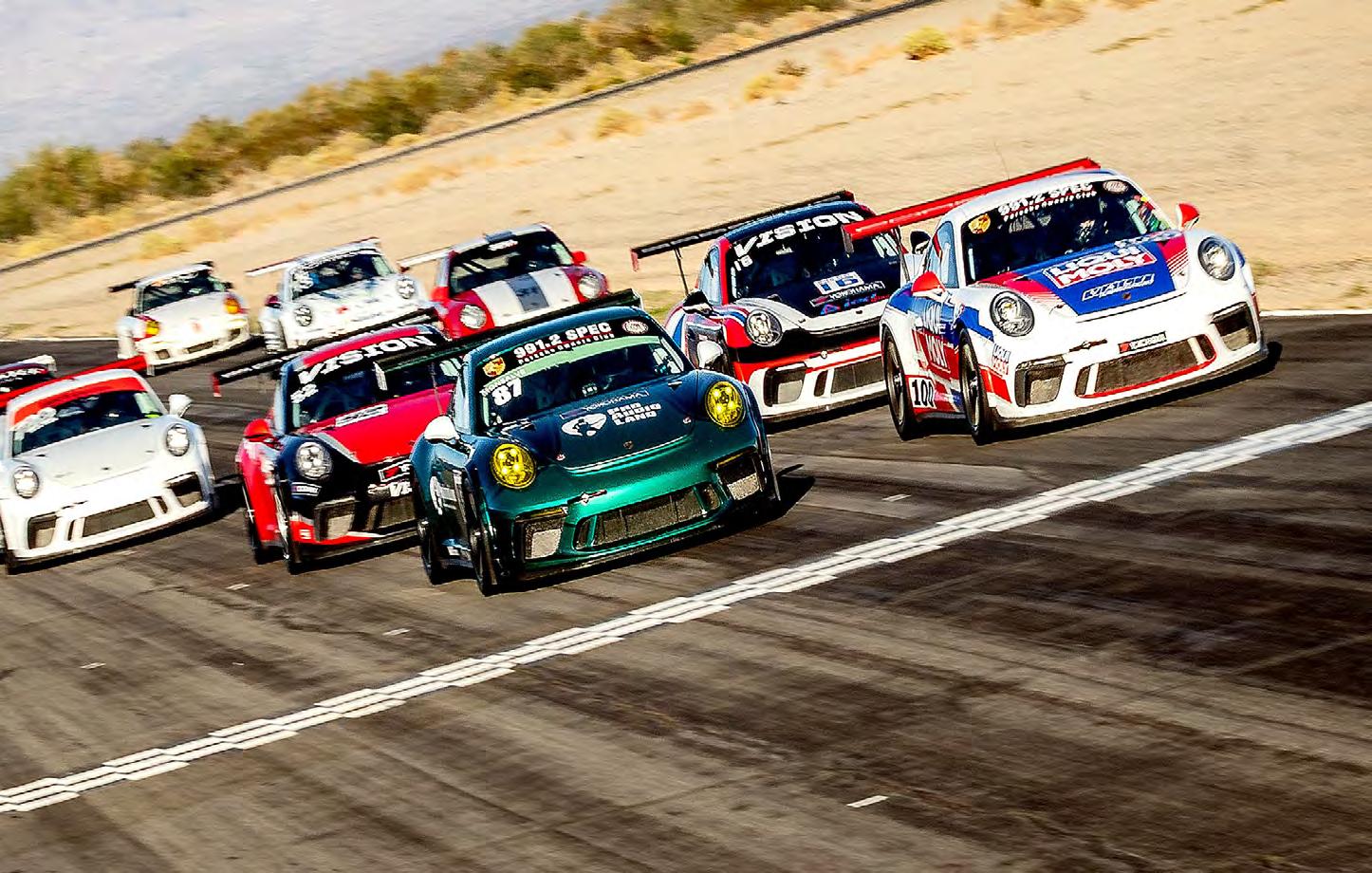
Photos: Luis Vivar

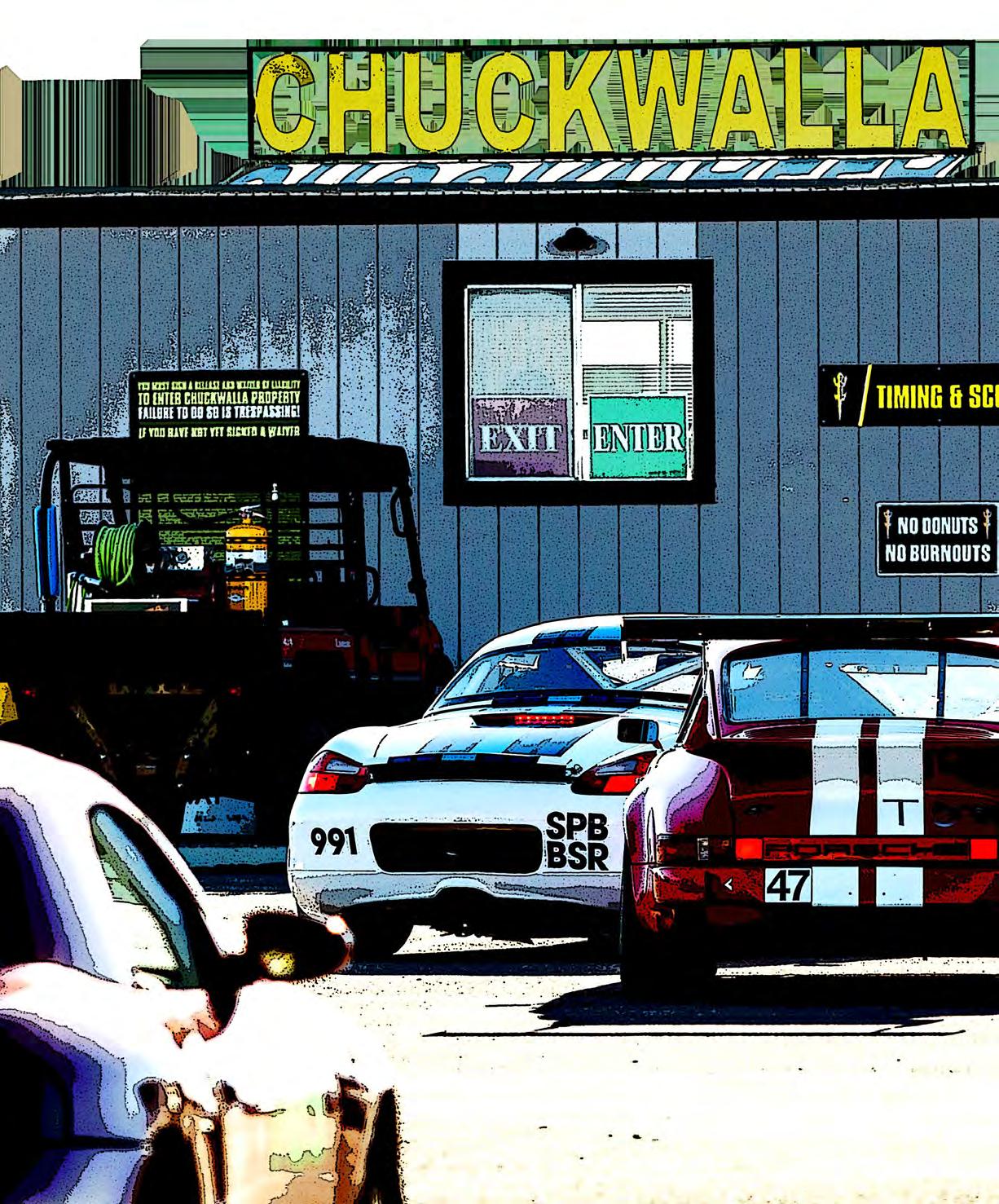
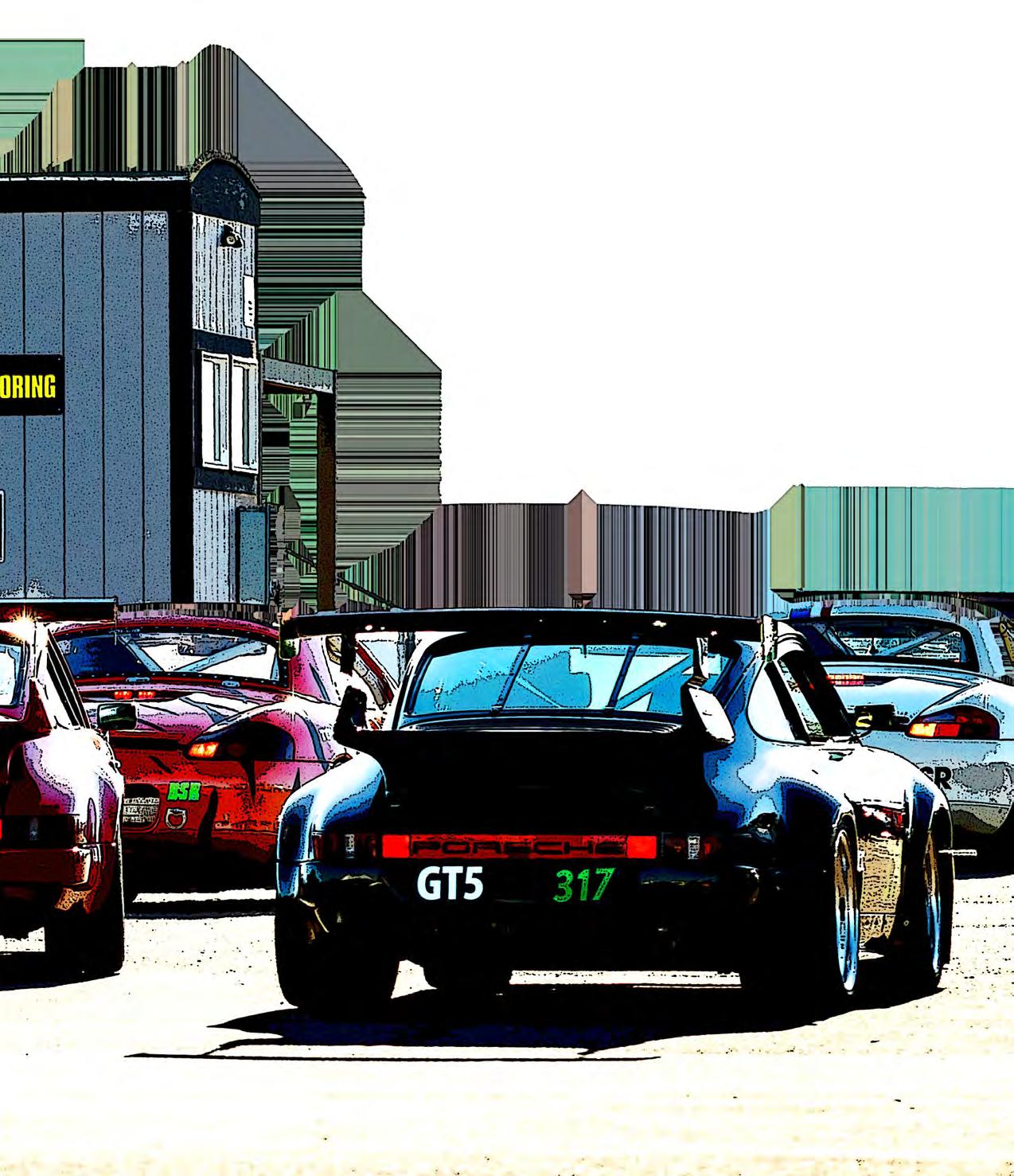
Image: Don Matz / Luis Levar
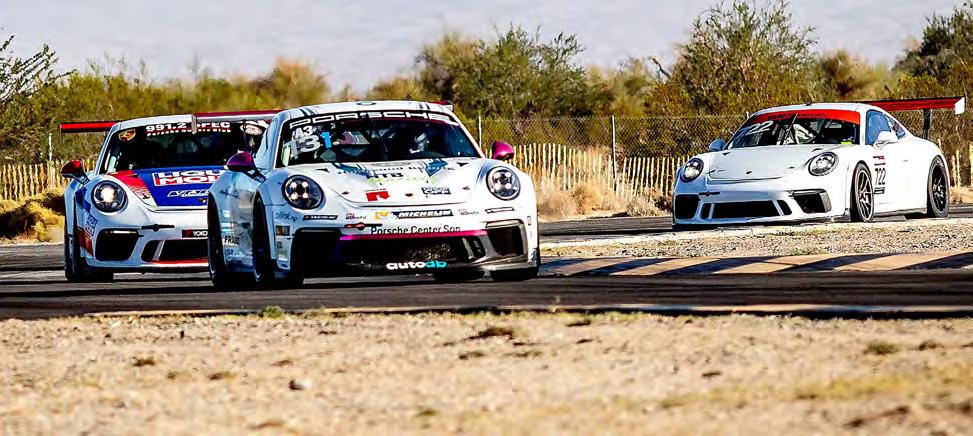
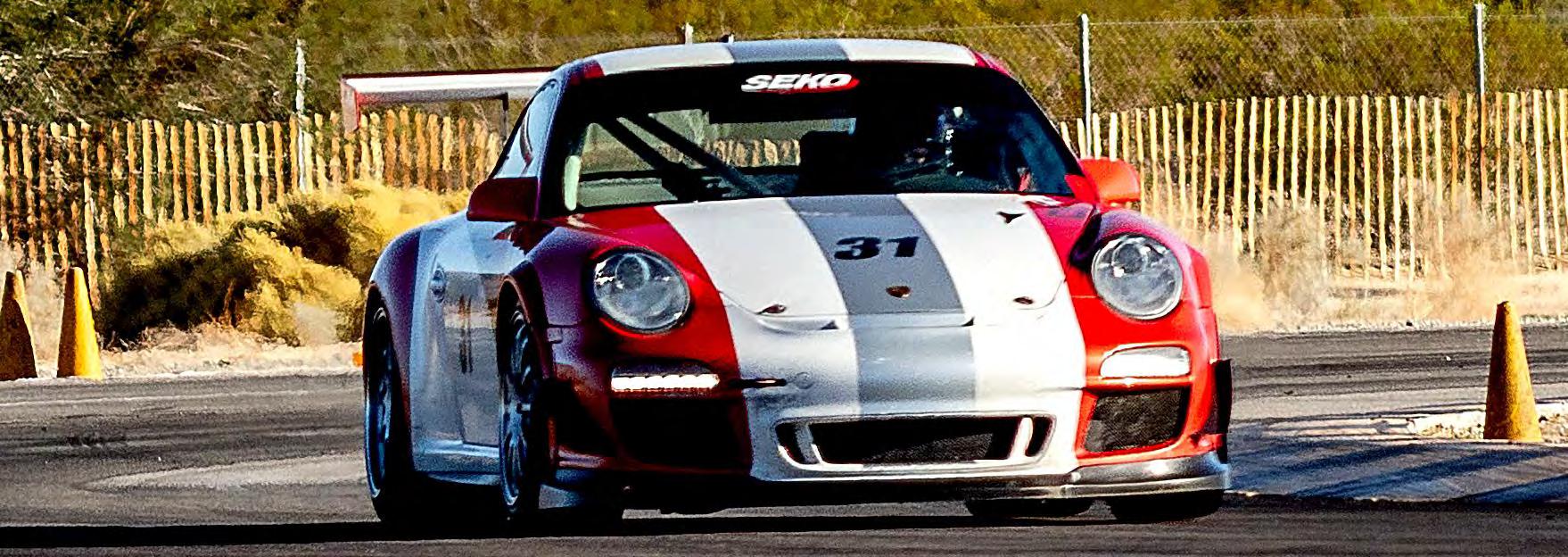
Photos: Luis Vivar

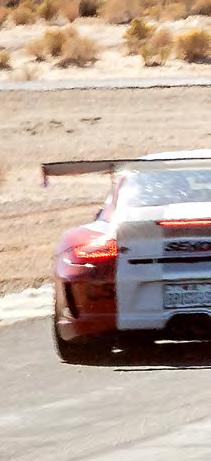
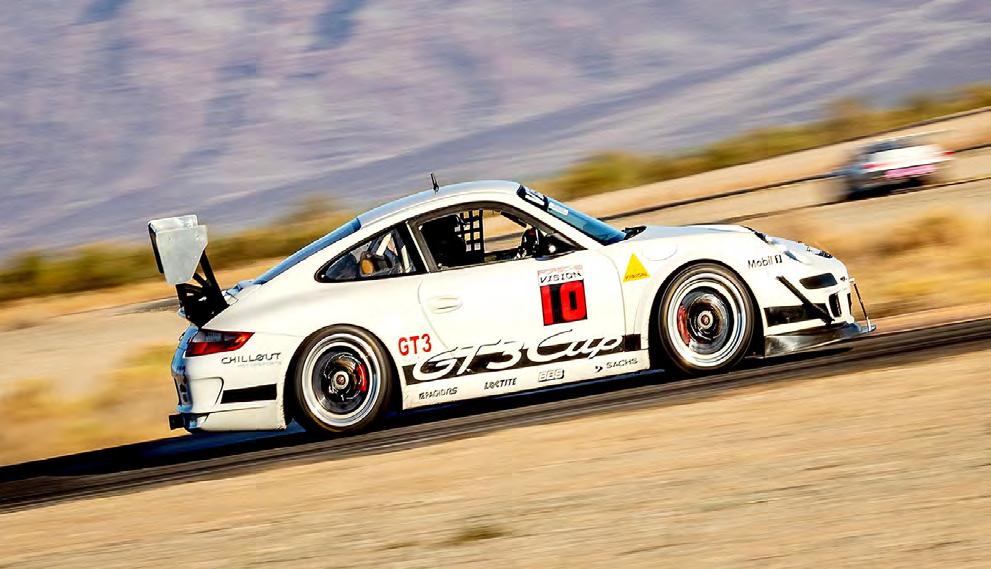

Photos: Luis Vivar
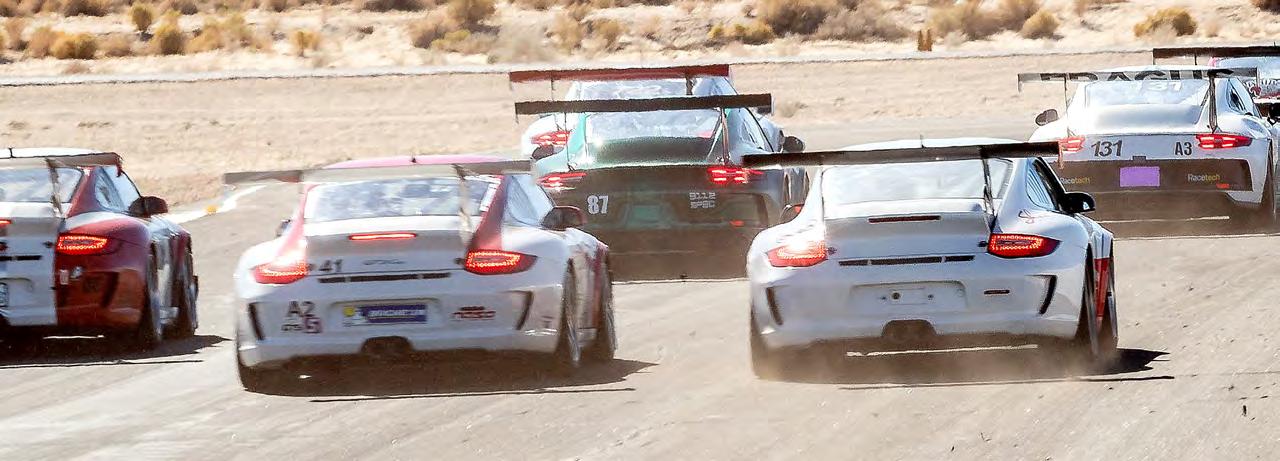
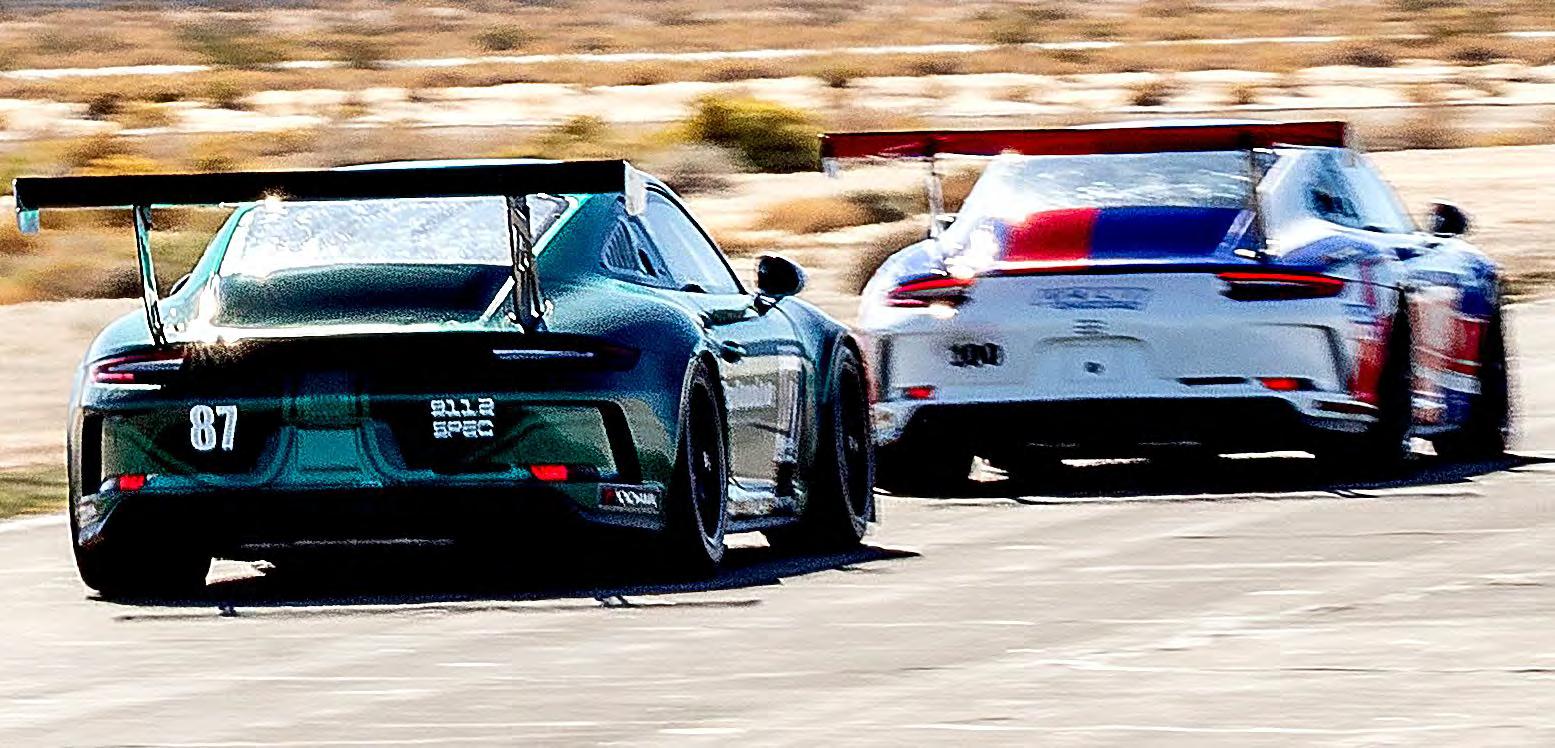

Photos: Luis Vivar

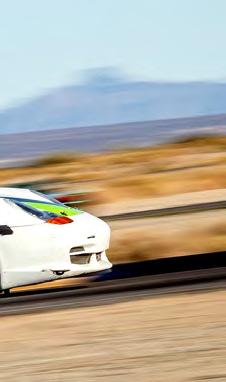
Photos: Luis Vivar
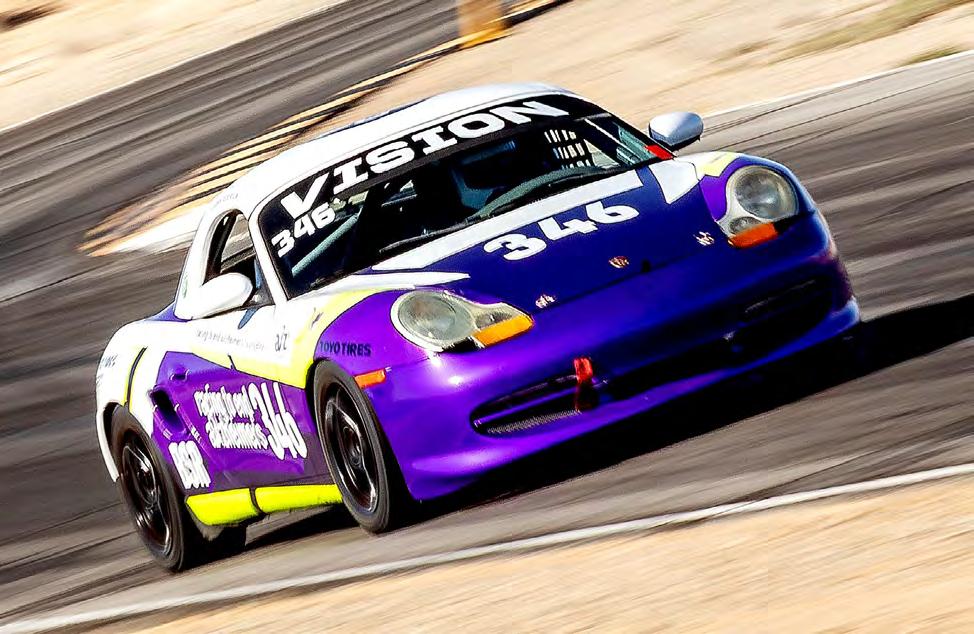
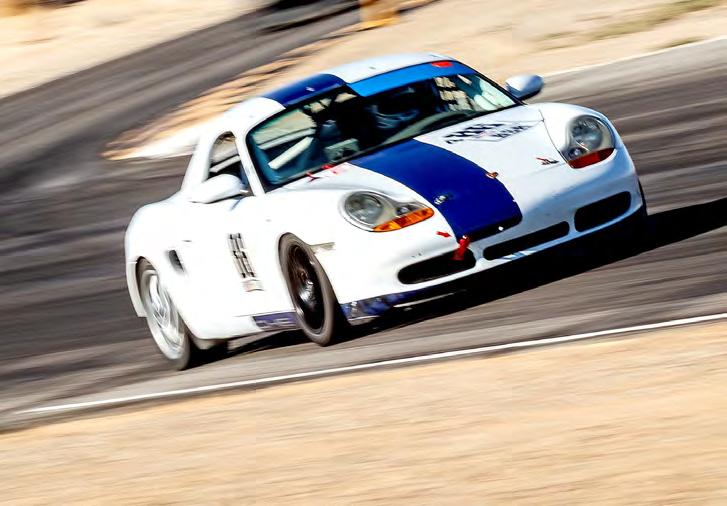
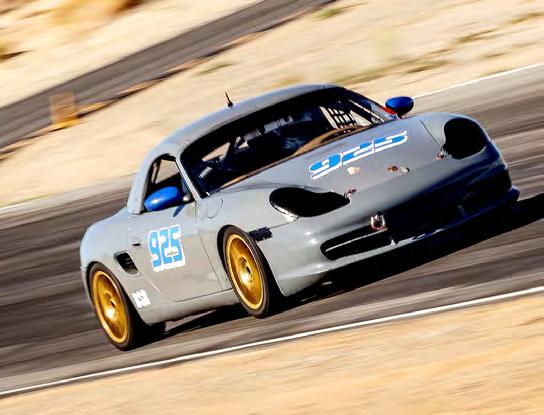
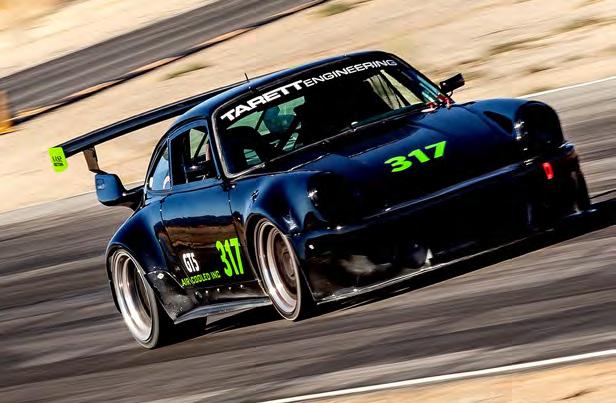
Photos: Luis Vivar

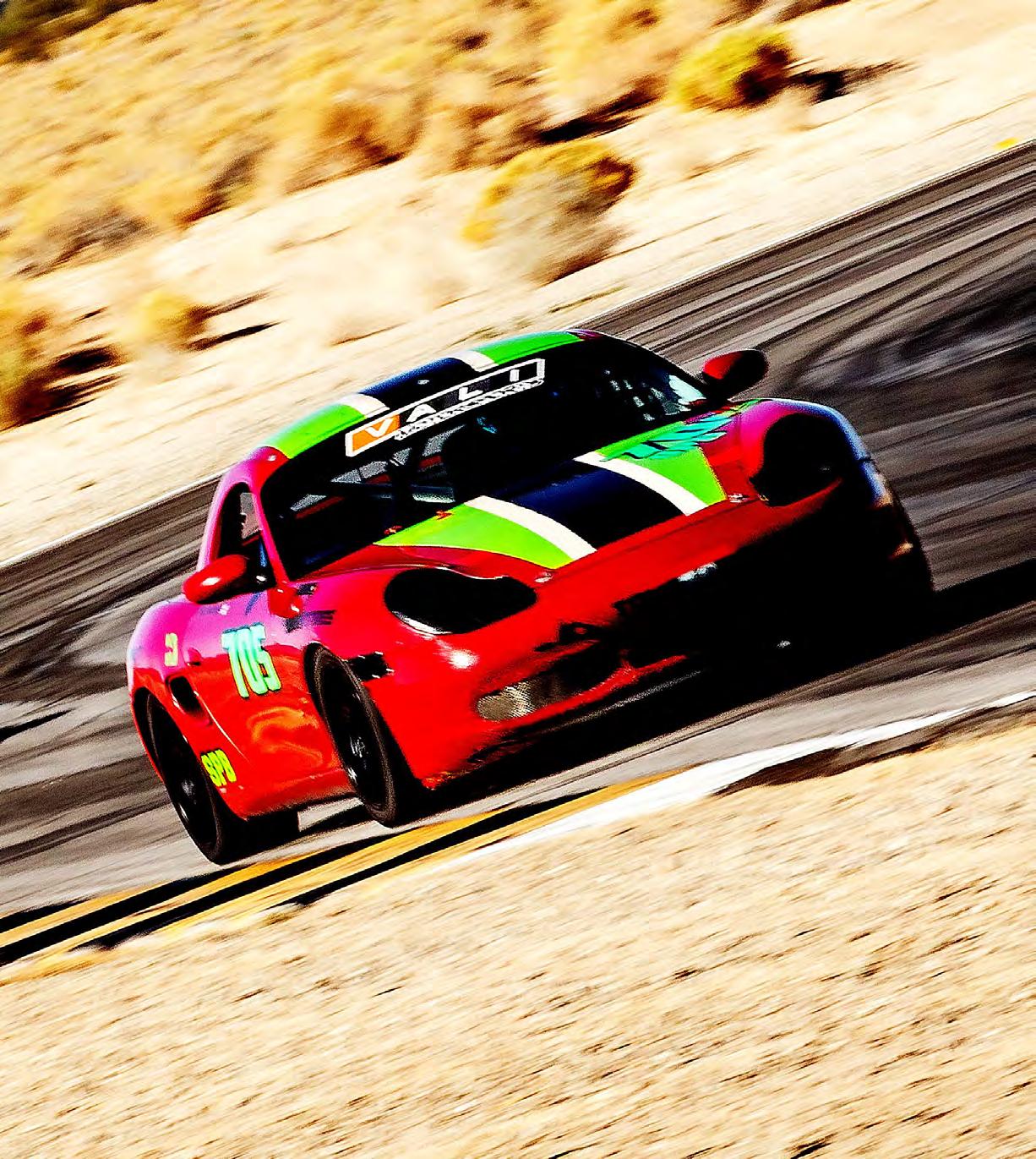
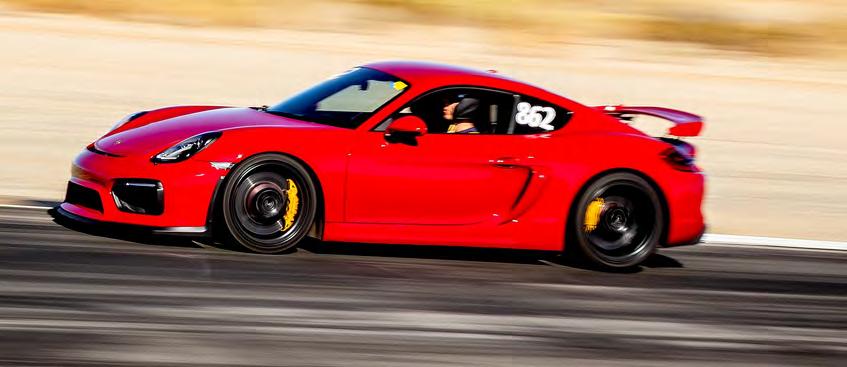
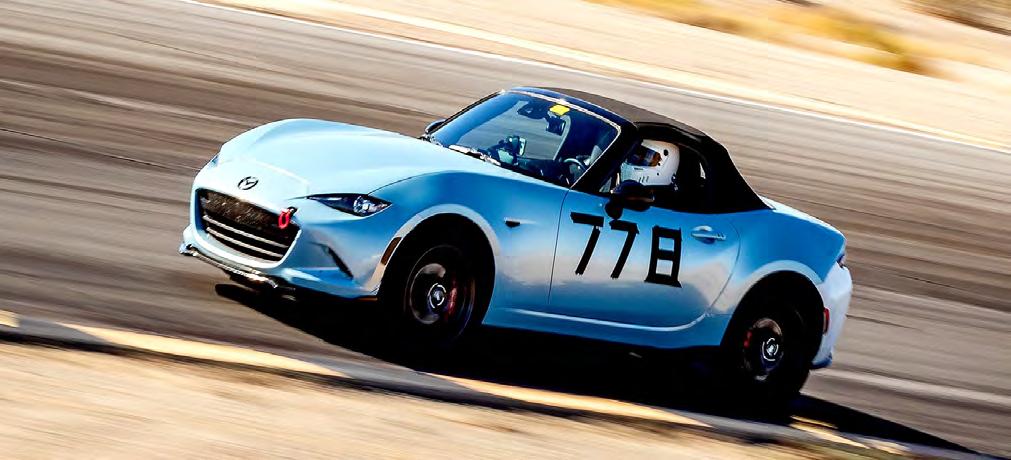
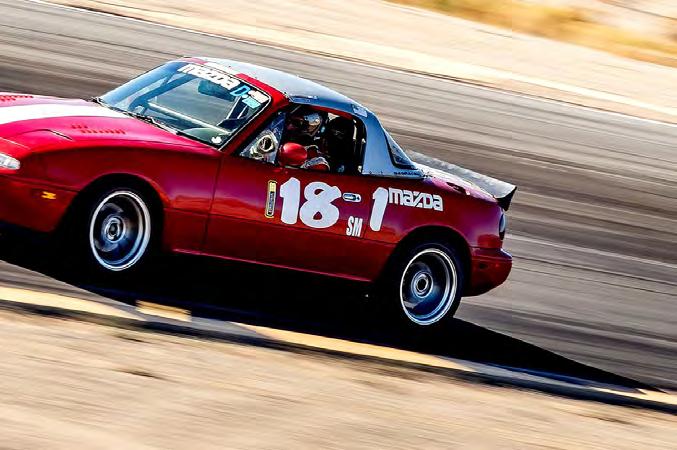

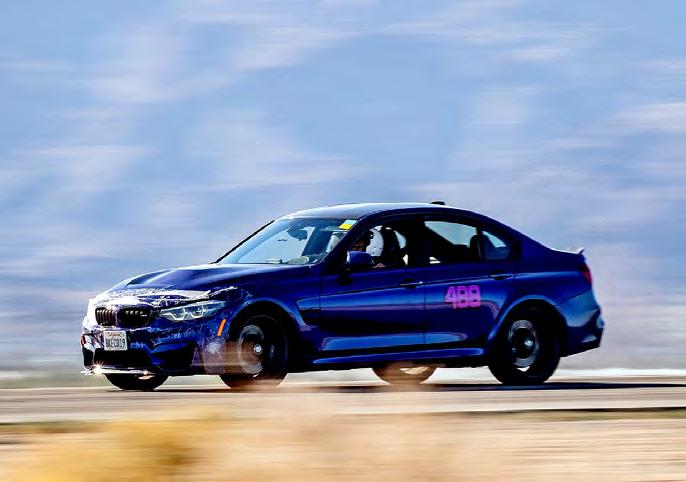
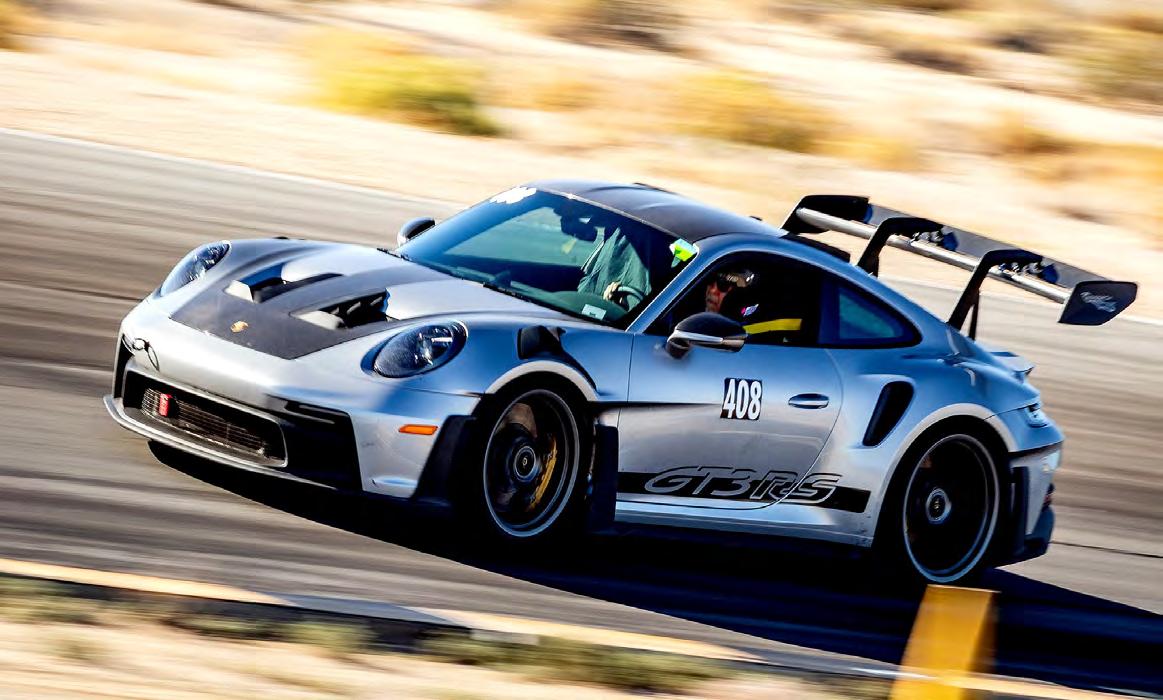
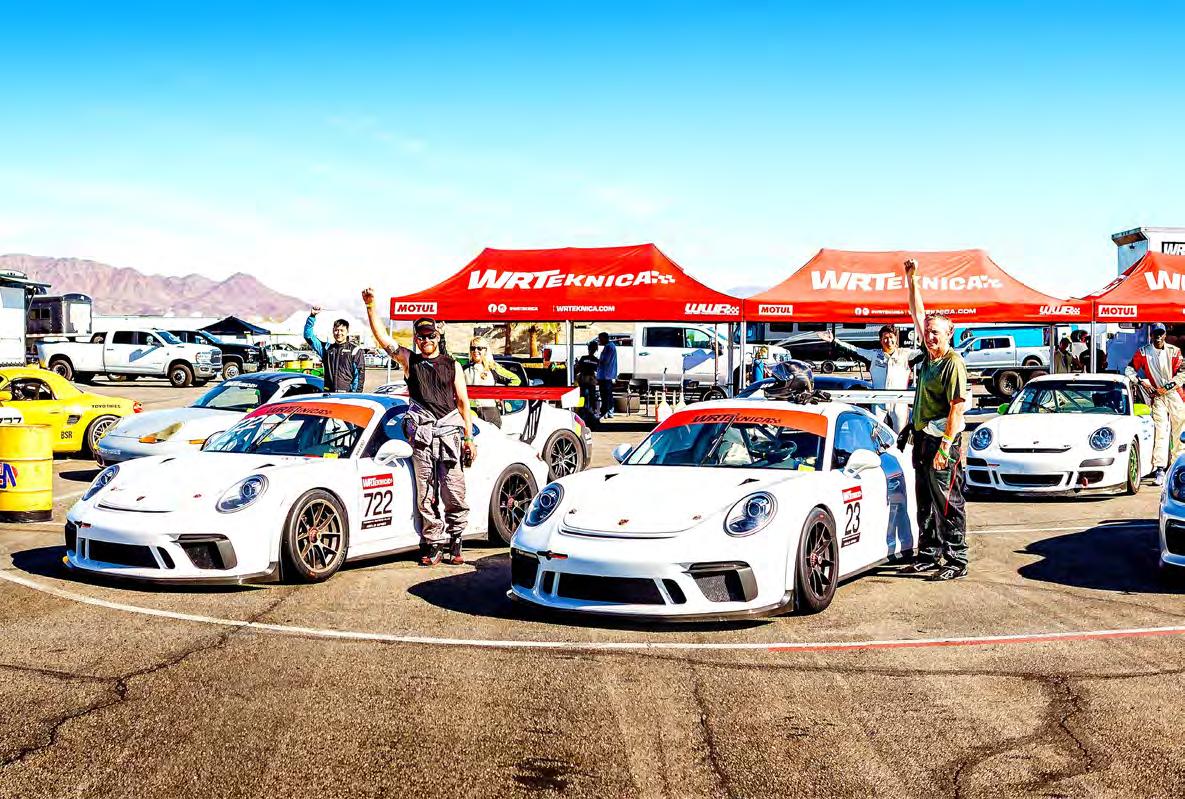
Chuckwalla Time Trial Impound
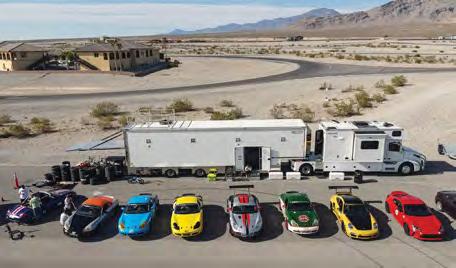
Time Trial drivers enjoyed the camaraderie of impound at Chuckwalla. Steve Eisler suggested the idea to Martina Kwan and she ran with it. It was a huge success. Let’s keep doing them at all our events!

Photos: Luis Vivar
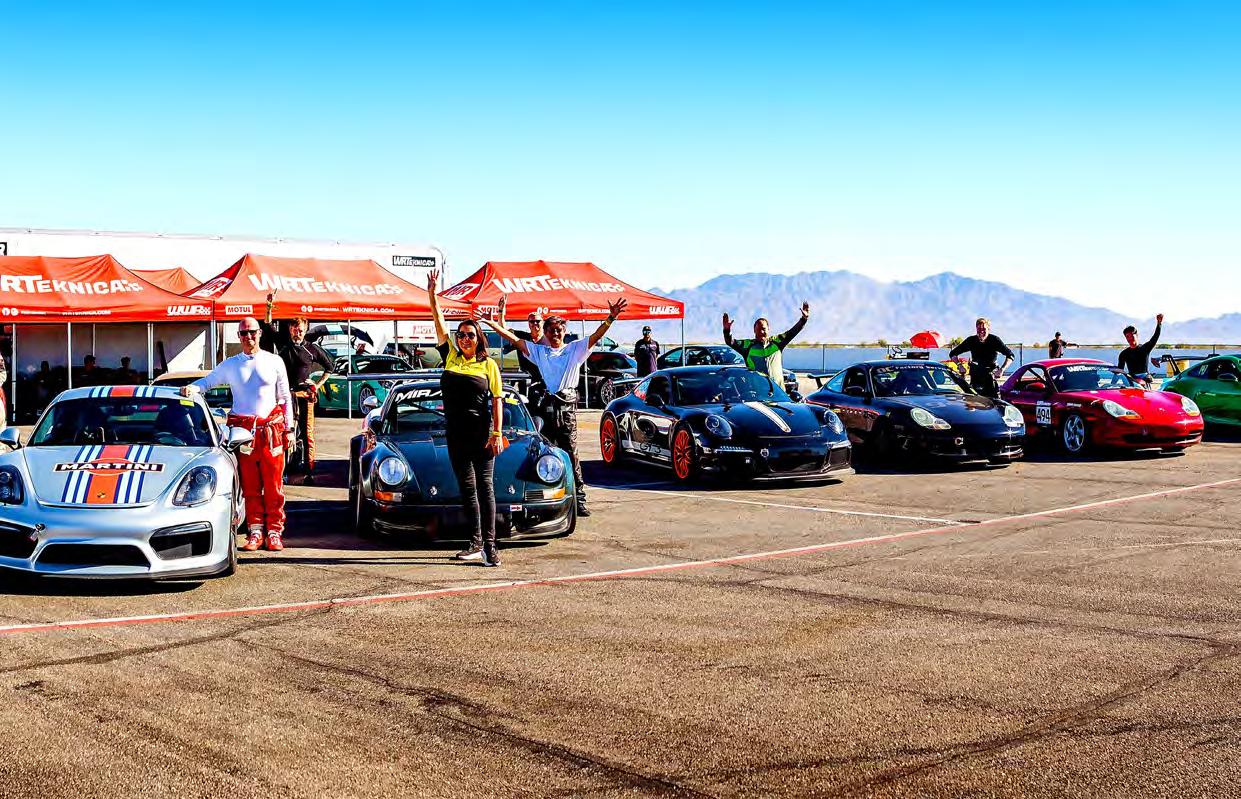

Front row, left to right: Justin Bodonaro, James Williams, Anders Truelson, Martina Kwan, Jae Lee, Terry Van Noy, Owen Cudney, Dominic Ong, Mark Barry
Back row, left to right: Jerry Chen, Kelly Tribolet, Vianh Nguyen, Osei Appiagyei, Jeppe Jarnit-Bjergsoe, Moze Cowper
STEVE EISLER
CVR CCW TT
It’s been almost six months since I used my trailer to tow my race car, Stan, to the track. The destruction of my ’18 Tahoe and the subsequent problems getting a replacement to run properly meant that I had to pay for transport and rent a large SUV for my last four race weekends. I decided to load Stan on the trailer and hitch it to the newer Tahoe and do some test drives before we left for Chuckwalla. The trailer bed was covered with pine needles. There were spider webs attached to every edge and protruding surface. The tire pressures were down about 7 psi, and a mummified mouse was in the trap inside the storage box on the trailer tongue! The trailer height was lower than it had been with the older rig, so a new hitch had to be purchased and the trip to Desert Center was, thankfully, uneventful.
There was a great turn-out for the practice day on Friday, November 7th. In the morning, they split us into three groups starting on the hour, 20 minutes after the hour and 40 minutes after the hour. After the lunch break they changed to open track for the rest of the day. I was working on maintaining a decent entry speed into turn 16 and not over slowing in the bowl. It was quite warm on Friday and got into the high 80s on Saturday and Sunday so I was a few seconds slower than my personal best which I did in the cool of January in 2024. I am working hard on breaking some of the old habits that I have developed in the last 10 years and initiating more rotation around the y-axis at corner entry.
As the temperature increased, my Cool Boxx showed that it was cooling the water, but I did not
feel the cool water in the vest. Fortunately, I had a vest that I bought for Kathy that had cooling packs that fit into the vest. It had been in the car for two days, but the packs were still frozen, and it was an efficient backup body cooler. One of the reasons I need a large SUV tow vehicle is that I carry a lot of spare parts and equipment so that I rarely go home early due to equipment failure. I left a message with Matt from Cool Boxx on Sunday and by Monday he had responded and sent me a new vest before I left for Buttonwillow on Thursday. It’s nice to deal with companies who provide excellent support!

The top three drivers were the same on both Saturday and Sunday, and they each improved their times on Sunday. Justin Bordonaro in Spec 991.2 had the TTOD of 1:44.729, followed by Jae Lee, GT1, with a 1:48.112. James Williams secured the third fastest time of 1:48.875 driving a GT3 car. Daniel Barry was fourth on Saturday, clocking 1:52.592 followed closely by Mark Barry with a 1:52.616. Mark was fourth on Sunday, improving to 1:52.484, and Robert Yanik completed the top five with the fastest time in the hotly contested Modified 2 class — 1:52.723. With just next month’s race at Willow Springs remaining, Mike Avitt has wrapped up the Modified 2 class with points, and he is followed by his wife, Angela with 129 points. Terry Van Noy is within striking distance with a score of 123 points. In Modified 3 Thomas Kenna and Vianh Nguyen are tied with 230 points.
If you check the POC RBIS table, you will see that most of the drivers were driving Chuckwalla counterclockwise for the first time. They have
new time was over 30% closer to the Fastest Time than their previous best. Vianh Nguyen set a new Fastest Time in Modified 3 with a time of 1:54.861, and Justin Bordonaro broke the Spec 991.2 record on Saturday and again on Sunday. There was no track record for Stock 1 for this track so Michael Harmon’s time of 2:29.600 established a new track record and his Sunday time of 2:24.834 lowered the record by another 4-plus seconds. Unfortunately, my database was not calculating his improvement scores correctly, so his scores are not printed in the RBIS report. I will get the problem sorted and have his results included in the future.
One of the things I like most about POC racing is watching the interactions in the impound area after a race. People are congratulating the winners and hugging the driver that they battled for 20 minutes to see who would get 14th place. You get to meet and know the person who is in the number 327 car. You can compliment a driver on a well-executed pass, get advice on car set-up, and offer ‘gentle reminders’ on track etiquette or safe passing. It is something that makes POC special and I wanted to experience that camaraderie after a TT event. With the help of Martina and the support of the Board, an Impound was scheduled after one of our sessions each day. I got to meet the new drivers and have conversations with other people. Carolyn
can continue to have at least one TT impound for each group each track day.
Finally, I like to leave my readers with something I have learned that might help them in their TT adventures. After this event Stan went in for new brake rotors. When the brakes were disassembled, my front brake pads were shiny, like glass. Although the pad thickness was adequate for another weekend of racing, these pads were ineffective and needed to be replaced. Excess heat can turn the pad material into glass, like high heat can turn sand into glass. Brake pad thickness, pad compound, airflow to the brakes, rotor thickness, and style (vented, cross drilled, slotted, or solid), tire compound, and the heat at the tracks can all play a role in the degradation of the brake pads. Even though your pads pass tech inspection with proper thickness, if you feel a difference in braking efficiency you may want to check the inside of the brake pads!
If you have questions or suggestions for improvement, please contact me at seisler@cox.net
Time Trial Record Based Improvement Scores (RBIS)
POC Record Based Improvement Score (RBIS) Created by: S. Eisler

Photo: Luis Vivar
Your RBIS score compares how many seconds you have improved to the number of seconds you could have improved to equal the track record. RBIS Track Records are the fastest time recorded since 2021 for each class in a POC race, Qualifying run, or Time Trial timed run.
· If this is your first day on this track there can be no previous best so that and the next 3 columns are all blank.
· The exception is for drivers who are faster than the record time on their first day. They are given an RBIS score of 100 points plus one point for every sec that they were under the record.
· If the Finish time is slower than the PREVBest, the Improve sec column will be a negative number and the Record diff column will show the difference between the previous best and the record time. The RBIS score will be zero.
· If the Finish time for the day is faster than the PREVBest, the Improve sec will be positive. The Improve sec is divided by the Record diff to get a percentage of improvement. Multiplying that percentage by 100 yields the RBIS score in bold type.

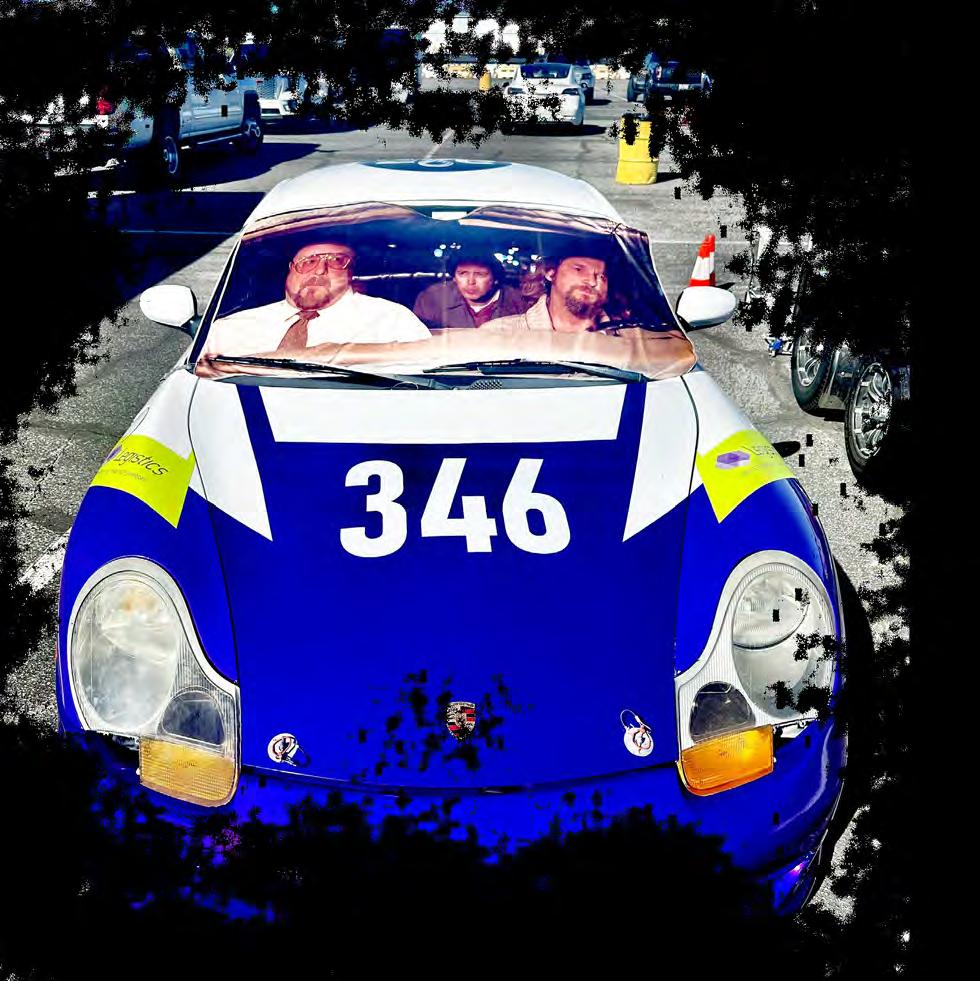
Karen Robinson let The Dude take the wheel
Finding Harmony at MAGARIGAWA
MOZE COWPER
The first thing you notice about Japan isn’t the speed. It’s the silence.
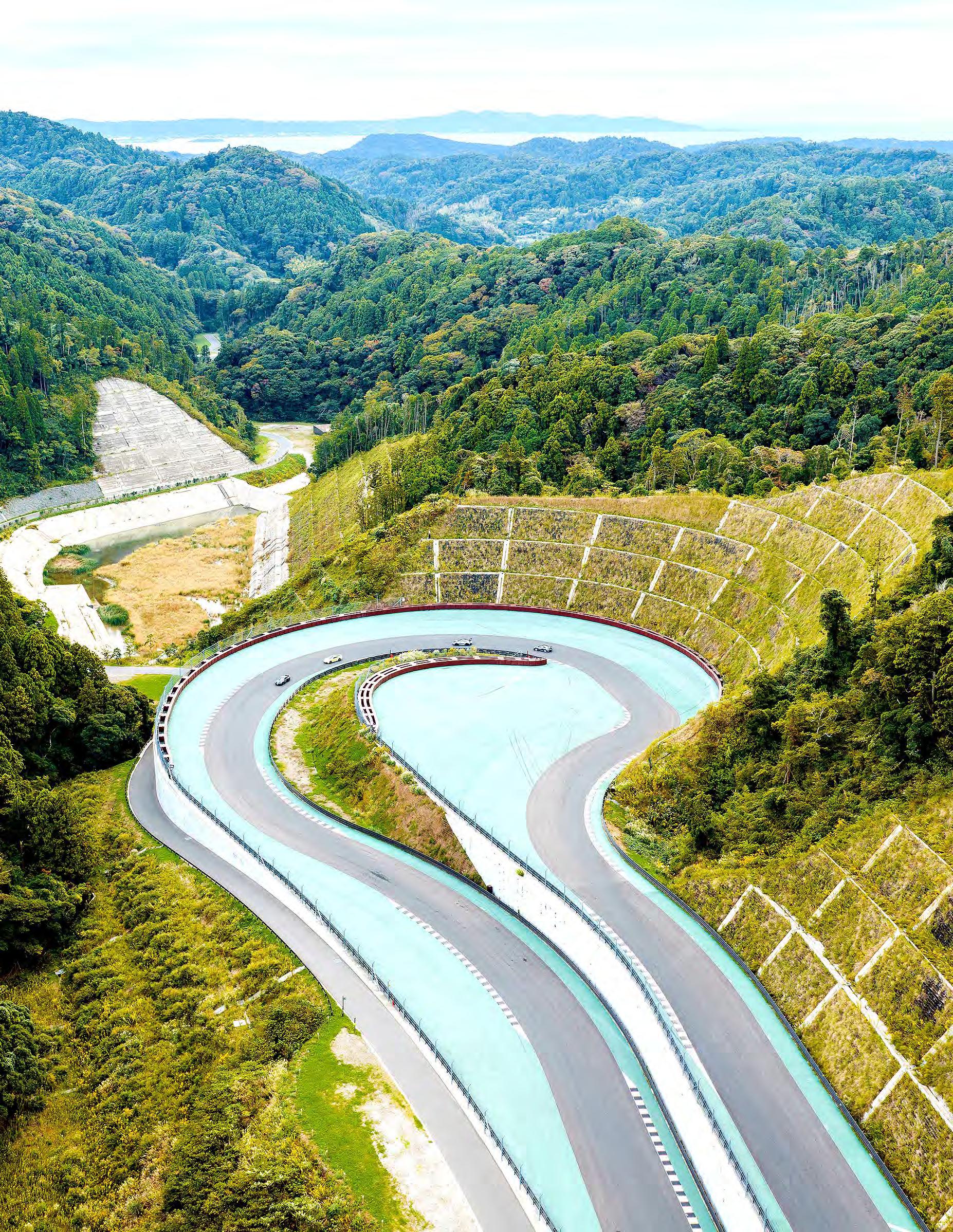
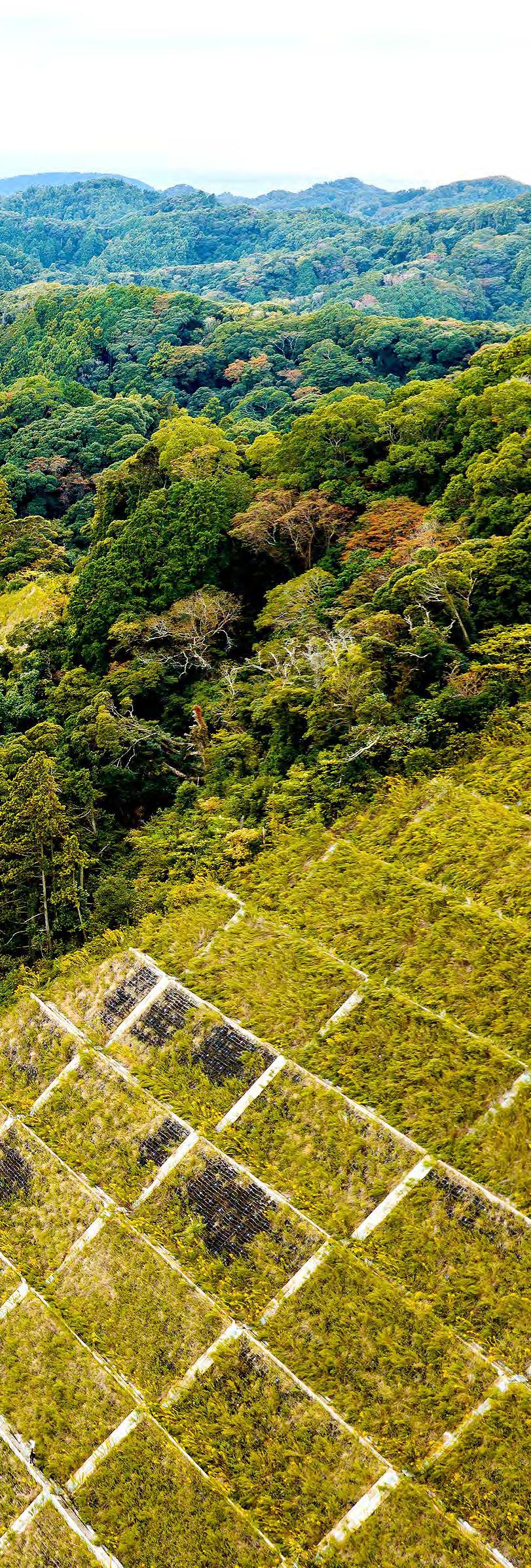
Even at Magarigawa — the most exclusive members’ circuit in the country, and perhaps the world — there’s a kind of quiet precision that defines everything. The track is carved into the lush hills above Tokyo, where the air is cool and the asphalt smooth enough to make a Beverly Hills plastic surgeon jealous. But what really stands out is the atmosphere. There’s no bravado, no noise of ego. Just a deep respect — for the machine, the line, the craft.
This is my first trip to Japan. I came here for the first ever Porsche GT Circle event in Japan, joining twenty Porsche GT owners from across the world at this remarkable circuit. I happen to be the only American in the group — and one of just a few people who actually race. And that alone makes for an interesting dynamic. Back home, most track days buzz with adrenaline, talk of lap times, and a subtle competition that fills the paddock air. Here, it’s different. There’s a calm discipline in how everyone approaches the day. Instructors bow to drivers before each session. Conversations are soft but purposeful. It feels less like a competition and more like a ceremony. But this is no Japanese tea ceremony.
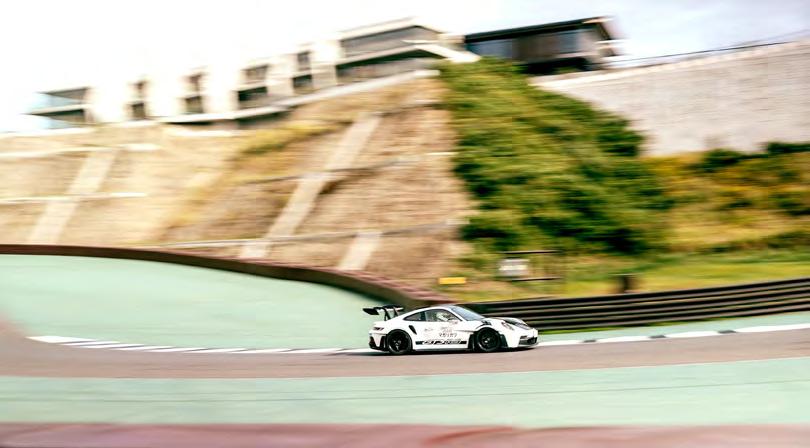
The Magarigawa Club, created by a Japanese billionaire who wanted a place he could bring his wife and two young daughters (the guy is only 47 years old) and designed by Tilke Engineers (the same firm behind F1 circuits from Yas Marina to Austin), is something out of a dream. The layout stretches 3.5 kilometers with 22 corners, 250 feet of elevation change, and views that look straight out to Tokyo Bay. One moment you’re cresting a blind uphill section that feels like the Corkscrew at Laguna Seca. The next, you’re diving into a downhill sweeper that demands absolute faith in the car beneath you. I have had the privilege of driving on a lot of different tracks around the United States, but this track is unlike anything I have ever seen. Because it’s perfect.
The paddock was filled with familiar companions like the GT3RS, GT3s with the Manthey Racing package, and the new 911 Carrera 4 GTS (which might be my new favorite Porsche). At Magarigawa, these marvels of engineering and design reveal another side. The track rewards rhythm, not aggression. Smooth inputs, gentle transitions, letting the car breathe between corners. It’s a place that teaches restraint as much as it celebrates performance. While there is plenty of “run off” on each of the corners, the track is built into the top of a mountain which means that on one side you have a stone wall and on the other you have a steal girder and fence. This is not a desert track in California or Nevada. Mistakes matter more here; patience is rewarded differently.
I’ve spent decades in and around racetracks in the United States — places where speed equals identity, and victory validates effort. But this trip has shifted something in me. The Japanese philosophy of kaizen — continuous improvement through precision — feels like the perfect metaphor for both driving and aging. At fifty years old, I rarely chase perfection anymore. Instead, you refine. You harmonize. You strip away everything that’s unnecessary until only the essential remains: car, road, focus, and flow.
The design of Magarigawa reads like a deliberately composed encounter between traditional Japanese building logic and high-performance and modern engineering — a clubhouse and guest complex that settles into the hillside while the track threads dramatic elevation changes through the surrounding forested topography. Pit lane, for example, is not your average pit lane – because it’s an enclosed building that looks like Frank Lloyd Wright and Frank Gehry made a baby. Its walls are made of mostly glass with a cantilevered roof and under-lighting bleeds out from each beam.
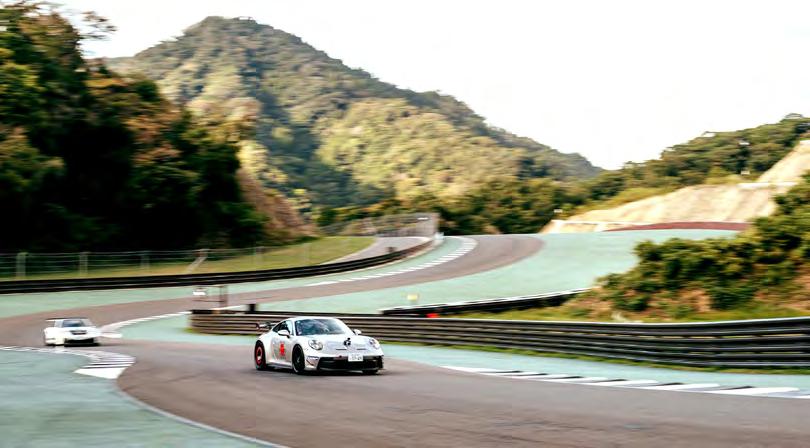
Between each driving and coaching session, the entire group was buzzing with adrenaline and strong macha. There were the Germans: fastidious and funny. The eastern Europeans: reserved at first but deeply sarcastic and witty. The Australians (via Hong Kong) with their: “everyone should have a go” attitude. And finally, the Chinese practicing their rén or as Confucius described it: the inner goodness that motivates us to treat others with care, empathy, and respect. They moved in a pack.
After four days of rain, on the last evening, the clouds began to finally clear and the sun set over the hills so you could see the Tokyo Bay. The track lights came on, and I took one last drive. The sky turned a light blue, and the sound of the flat-six echoed off the mountain walls. For a brief moment, I wasn’t an American tourist, or a race car driver, or a 50-year-old reflecting on time. I was simply a driver — immersed in the pure experience that Porsche has always represented: the perfect blend of engineering and emotion. Magarigawa isn’t just a track. It’s a philosophy built in asphalt and elevation. It’s the idea that driving can be art — that performance and peace can coexist. The Japanese have a word for what I felt: mushin, or literally “no mind.” As we say here: total flow.
When I parked the car and stepped out into pit lane, one of my Japanese coaches smiled and bowed slightly. “Harmony,” he said, pointing to the car, then to the mountains. I bowed back – a smile chiseled into my face like the granite I had just roared past. I felt this sense of deep gratitude come over me. Gratitude and harmony, I thought, now that’s something worth chasing — no stopwatch required.
Mick Yanoschak
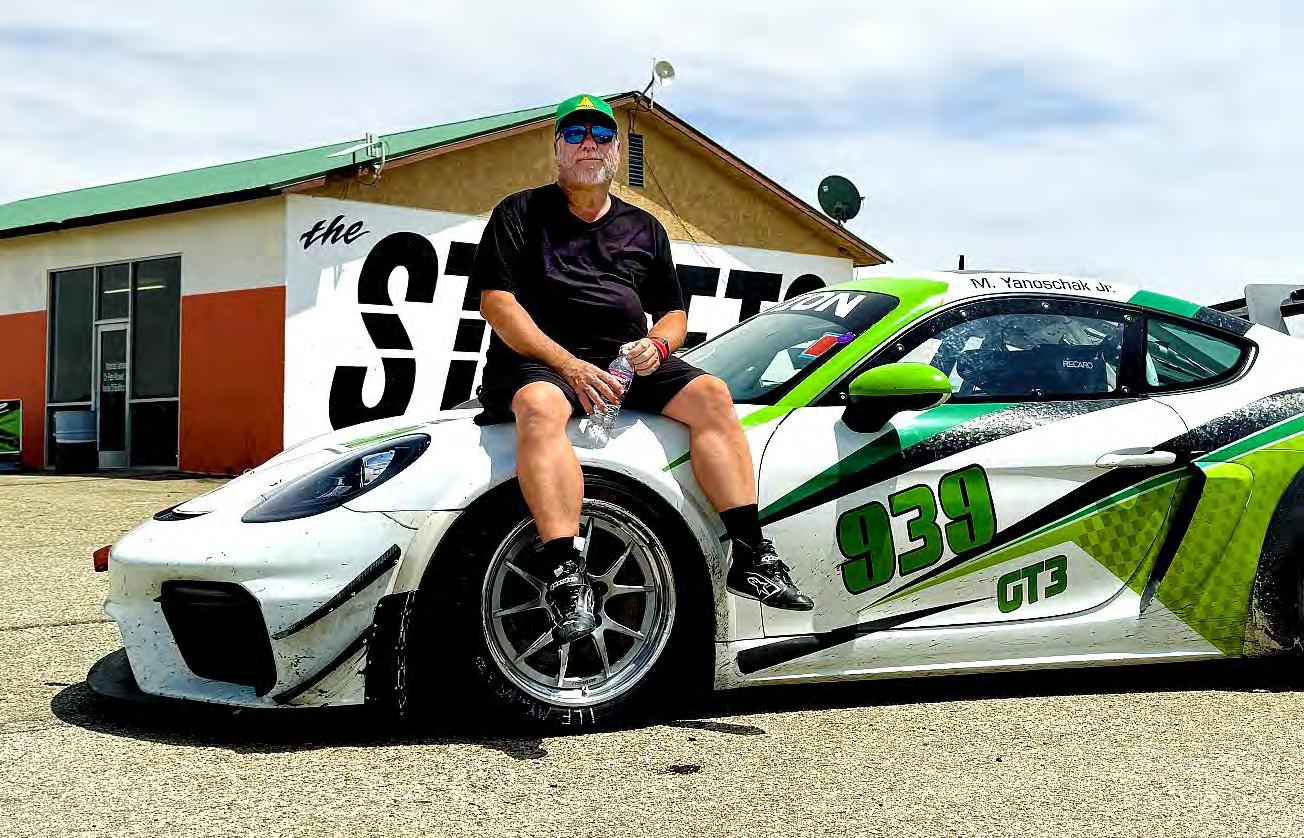
Photo: Brian Mayfield
ANDREW WEYMAN
After a very fun, interesting and informative phone interview with Mick Yanoschak I went to playback our conversation on my digital recorder so that I could transcribe it. I discovered that the darn thing didn’t digitally record. Isn’t that what a digital recorder is supposed to do? It would be highly unusual for me to have made a mistake. Okay, I made a highly unusual mistake. I had no record of our conversation. Enthusiasm and positive energy flowed in my first interview with Mick. I was hoping the same would be true for my second attempt. It was.
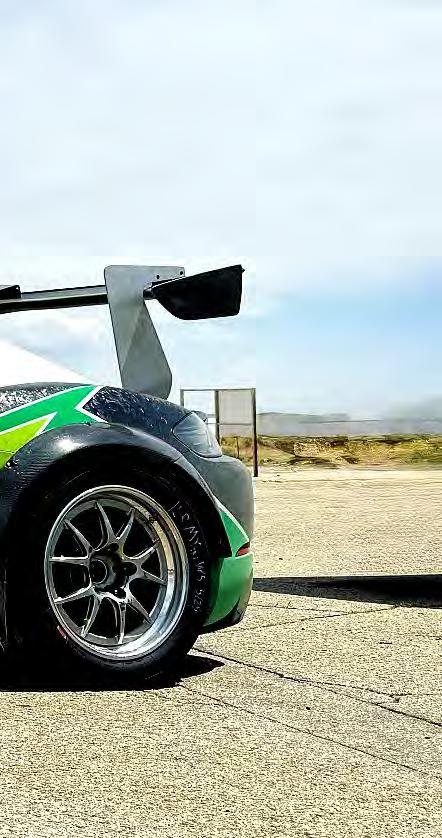
Here’s take two of what Mick had to say…
Thanks so much for agreeing to do this. Again. It’ll be fun. Again.
(Laughs)
When did you join the POC?
Around 2020. My friend Tristan Zafra introduced me. He’s a longtime POC member. I started with an Autocross event at El Toro. Remember those? My first track day was at Auto Club Speedway in my Ferrari. That was really fun. Really scary but really fun. Then I went to a BMW M8 which was a very powerful, fast car. Way faster than the Ferrari. At some point, I took Dwain (Dement) for a ride in my BMW. I wasn’t fast but I was having a lot of fun. Dwain was laughing his ass off and said, “You need a racecar.” And that’s what I did.
AW: That was your Boxster?
MY: Yes. I talked it over with Dwain and a few other people and decided to get the Boxster. I was told that it was a great car to learn how to drive. Tristan had wanted to buy a trailer, and he found a seller who wanted to sell his
Boxster with his trailer. Tristan sent me a picture of it. I told Tristan I’d buy it. Tristan said he was buying it. But he only wanted the trailer, not the car. I said the trailer is yours. I’ll buy the car. I looked at it. I didn’t know if it was a good car or a bad car. I thought, buy it. I overpaid but it didn’t matter. I had a lot of fun with it.
AW: And now you’re driving in GT3. What was the transition like going from the Boxster to GT3?
MY: It’s a different kind of car. It’s definitely faster and it takes a different kind of driving. So far, it’s been great. There are some cars that are faster, some that are slower, some that are the same. At the end of the day, it’s the most fun you can have with your pants on.
AW: Do you have a favorite track or favorite corner at any track?
MY: Turns eight and nine at Big Willow. I’ve trimmed the brush out there. The whole side of my car was covered with green tumbleweed juice. I started out scared going through eight and nine. Not anymore.
AW: You can be scared and courageous at the same time. I love those turns.
MY: It’s exciting. Being aware of everything around you. Using the water tank in the distance as a reference point.
AW: Is there anything about your work that parallels your experiences on the track?
MY: Patience. I’m a trader. I spend most of my time looking, waiting and watching for that one good trade instead of several bad ones. Driving is similar. It takes patience. It’s not as easy as it looks on TV. How much to brake. Where to brake. How much that makes the car move. What it does to the car. A small mistake can make a big difference as to whether you make the turn or don’t make the turn. I’d say, patience. Both in finance and on the track most of things that you’ve been taught are wrong. You’ve got to forget the things you were taught your entire life.
AW: I love learning how much I don’t know.
MY: That’s the whole thing. You don’t know what you don’t know. There’s a lot to learn.
AW: You spent some time at Dwain’s shop at Willow, right?
MY: Dwain had knee replacement surgery so he couldn’t do much. It was a big benefit for me. I was having issues with my car. It was oversteering, understeering, all kinds of things. He taught me how to recognize those things. He told me what to do and I learned how to do it. Now, I understand how the car works and use that in my driving. During the summer of 2024 I was going there four, and sometimes five
days a week. I don’t know what got into me. I drove every day. Sometimes I was on the track all by myself. I must have driven over 1,500 laps. I drove in the rain. On slicks. In frigid cold. Wicked heat. Everything you can imagine. One particular day it rained in the morning. I asked Dwain, “What do I do? I don’t have rain tires.” Dwain told me to go out and drive. So, I did. I drove for about an hour in the rain. Coming out of nine I must have spun at least a handful of times. I was going round and round down the front straight. After that, my car looked like I had just done the 24 Hours of Le Mans. That’s how dirty it was.
AW: All that track time you did is invaluable. I had a mentor/mentee relationship with Marty Mehterian. He taught me so much. Better understanding how the car works is a huge advantage. The best drivers in the world know how to communicate with their engineers. They know how to identify the problem, the terminology to use. Having that vocabulary is so helpful.
MY: If you can’t describe what’s happening with the car it’s hard for someone else to know what to do to fix it.
AW: So true. Do you have an archrival?
MY: Everyone. Including myself. I’m probably my worst enemy.
AW: What do you enjoy most about POC events?
MY: The camaraderie. Everyone’s having a good time. Everyone’s willing to help with
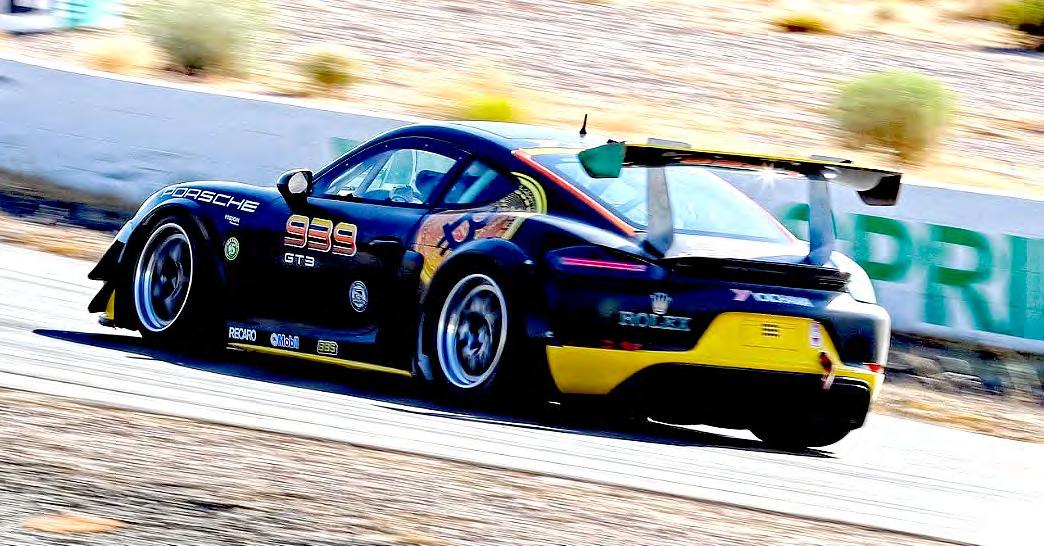
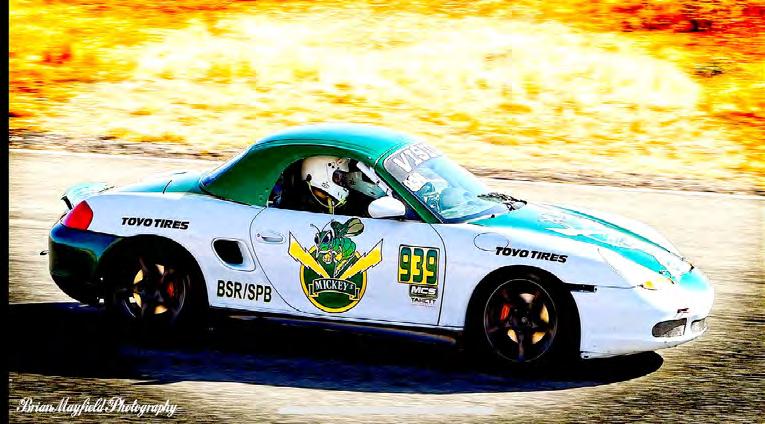
Photos: Brian Mayfield
AW: What was the first car you ever owned?
MY: A purple AMC Gremlin X. (We both laughed) It was fast!
AW: I love that!
MY: We called it “Purple Haze.”
AW: A brilliant choice for a first car.
MY: It was what my parents had as a second car. I started driving when I was a little younger than 16. My parents were at work all day. The keys were there. It had gas in it. So, I drove it.
AW: When I took my daughter out for her first driving lesson, she got behind the wheel and drove like she’d been driving all her life. I asked her if she had been taking the car out of the garage without my knowing. She said, “No.” I said, “You’re kidding me. Have you driven anyone else’s car?” She glared and said, “No.” She was such an incredible athlete. A great baseball player. A great soccer player. All her sports skills just came together - her depth perception, peripheral vision, hand/eye coordination. Driving came naturally to her.
MY: That’s a lot of it. Your feet, your hands, your eyes. That’s awesome. Are you going to be at Chuckwalla?
AW: Hell yeah.
MY: Great. I’m looking forward to seeing you there. I’ve only driven there a few times, so I’ve got some work to do.
AW: We all do!
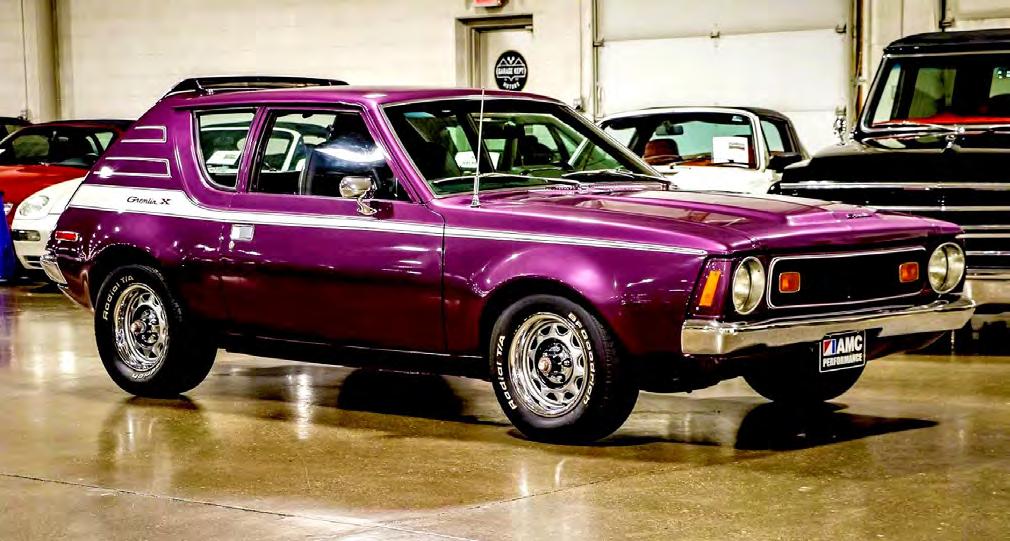
Photo: Mick Yanoschak
Ask
Dear Dr. Dyno,
Advice to Keep You on Track
I’m a rookie Time Trial driver and I’m not sure about what to do with my tire pressures at the track. I’m driving my street car, not a race car. I lower the pressure by three or four psi before going out but I’m not sure if I’m right. How do you know the right amount of air to have in your tires at the track?
Not sure in Newport Beach
Dear Not Sure,
Good question. Tire pressure affects handling, braking, fuel efficiency, and wear. Underinflation can cause slower steering response, increased braking distance, uneven wear and excessive sidewall flex. Overinflation causes a harsher ride, poor handling, and uneven wear as well.
Lowering your pressures by three or four psi probably isn’t enough. The heat that builds up in your tires while you’re on the track will likely cause pressures to increase much more than that. If it doesn’t, you’re driving way too slowly. You can start by asking other drivers in your car class what they do. Deciding on starting pressures depends on the car you’re driving, the tires you’re using, the circuit you’re driving and your driving style. I know. Lots of variables. That being said, experiment with small changes at first. Feel how the car handles. Check your pressures at the end of your session. Keep notes. Were you faster? Slower? Did you experience better handling? Worse? How was your braking? Notice any unusual tire
wear? Eventually, you’ll find what works best for you.
Don’t forget to re-inflate those puppies to manufacturer specs for the drive home!
Dear Dr. Dyno,
My wife and I enjoy racing together. We’re both very competitive. I always finish before her. I was thinking that I might have her finish before me. Your advice?
Happily Married in Malibu
Dear Happily,
I assume that you’re referring to ‘racing together’ as something you do on the track and not in the privacy of your bedroom. Let me remind you that there’s a time and place for competition. But whatever turns you on….
Most of the photos included in the previous article were provided by our official POC photographer, Luis Vivar
For access to these photos and all previous event photos, just click on this ad.
C all Luis Vi v ar at:

.lunapic092918.smugmug.c om
The GT3 Chronicles The Launch of a Legend and How it Reinvigorated
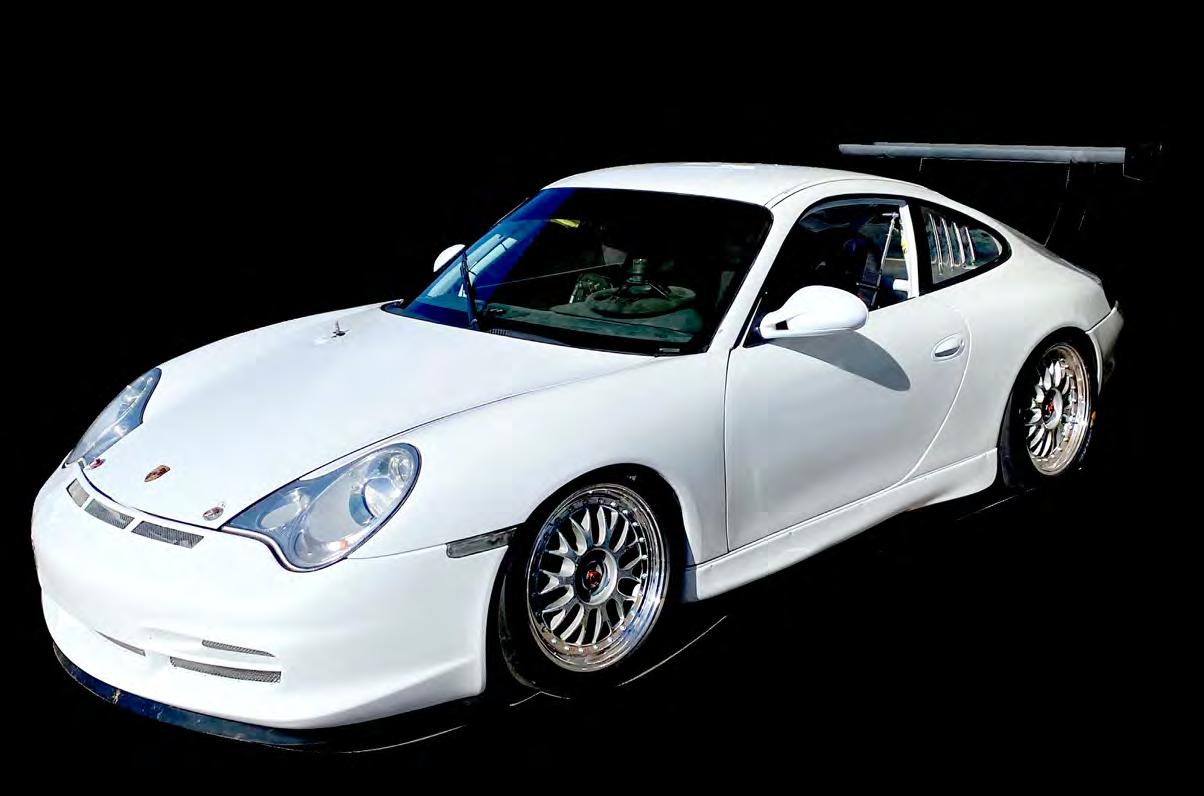
Photo: Don Matz
Yasin M. Almadani
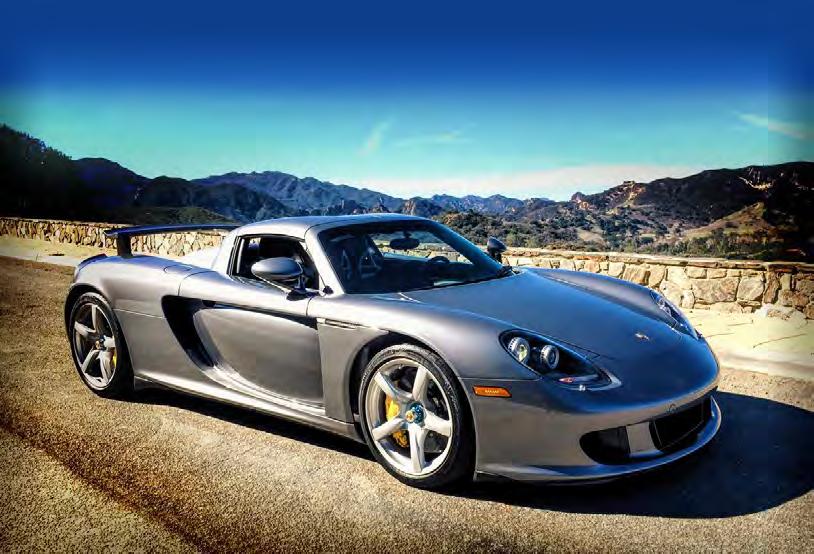
When Porsche introduced the 911 GT3 in 1999, few anticipated that it would become one of the brand’s most influential and beloved model lines. Today, the GT3 is synonymous with razor-sharp engineering, motorsport-derived performance, and a purist driving experience that defies both trends and technology creep. Yet, the GT3 did not emerge from thin air. It was a direct response to changing motorsport regulations, internal brand pressures, the need for a new roadgoing competition platform, and a carefully preserved philosophy of connecting Porsche’s racing division to its commercial identity.
The first street-legal GT3—the 996-generation GT3—was more than just a new performance variant. It was the car that re-established Porsche’s motorsport credibility at a moment when the company was undergoing massive industrial and financial transformation. It sparked the beginning of the modern GT program and helped define Porsche’s performance identity for the next quarter-century.
To understand the GT3’s creation, we need to look at the late 1990s. Porsche had built road-going “RS” and “Club Sport” models to homologate competition cars for decades, most famously the 1973 911 Carrera RS 2.7. However, by the late 1990s, motorsport regulations had evolved. The FIA’s GT racing classes required manufacturers to base their race cars more closely on series production models. Porsche needed a new platform that could compete in GT racing without relying on the ultra-limited 911 GT1–style homologation specials, which were expensive and not aligned with regular street car design.
At the same time, Porsche was undergoing financial restructuring. The company had introduced the 996-generation 911, sharing some components with the Boxster to reduce manufacturing cost—controversial among enthusiasts. Porsche needed a car that would prove the company was still dedicated to motorsport and mechanical purity.
Rather than being developed by the standard road-car team, the GT3 project was handed to Porsche Motorsport in the Weissach under the direction of the now celebrated Andreas Preuninger, who would later lead the entire fabled GT model line. This was crucial. The GT3 was built for racing first—the street car was the homologation requirement.
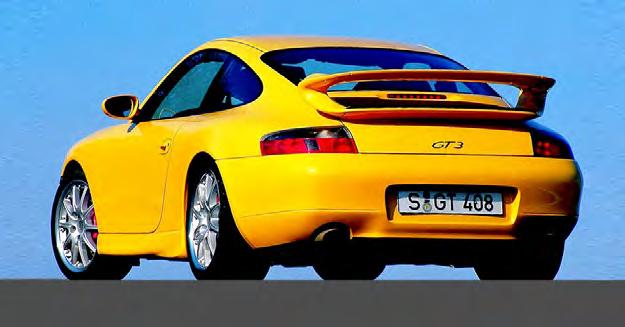
The 1999 Porsche 911 GT3 was not just another variant of the 996. It used the race-proven “Mezger” flat-six engine, derived from the 911 GT1 Le Mans car—not the new M96 watercooled engine used in the standard 996 Carrera. The Mezger engine would later become legendary for its durability and responsiveness.
The 1999 GT3 was beast for its time with a 3.6-liter naturally aspirated flat-six Mezger engine making 355 horsepower at 7,200 rpm and 273 lb-ft torque with redline of 7,800 rpm. The car clocked in at a conservative 0-60 time of 4.7 seconds, and a top speed of 187 mph. The engine was mated to six-speed manual gearbox allowing the driver to shift with motorsport speed and precision. With a curb weight of 2,976 the car felt nimble and agile around corners.
Unlike the standard 996, the GT3 received revised suspension geometry with adjustable components, larger brakes derived from 993 Turbo hardware, reinforced gearbox casing and longer gear ratios, weight reduction through minimized sound insulation and optional removal of rear seats, and aerodynamic revisions with a functional fixed rear wing and deeper front bumper.
This was indeed a road car engineered like a race car, not a road car adapted for racing.
Nothing sold the GT3’s legitimacy like its lap time. When Porsche tested it on the Nürburgring Nordschleife, it recorded a sub-8-minute lap—7-minutes, 56-seconds to be precise—a benchmark that, at the time, was reserved for only the most exotic supercars. This achievement became central to the GT3’s legend. It wasn’t just fast in a straight line; it excelled in endurance, precision, and chassis balance—traits that defined Porsche Motorsport.
The first GT3 was initially offered only in Europe. North America would not receive a GT3 until the 996.2 GT3 in 2004. Still, demand was immediate and strong.
Enthusiast loved it because it was it was driver-focused: no all-wheel drive, no turbochargers, no automatic transmission options. It was raw but usable. Stiff and loud, yes—but reliable, daily-drivable, and not temperamental like some track specials. It preserved Porsche’s motorsport identity. At a time when enthusiasts were skeptical about water-cooling and cost-cutting, the GT3 was proof Porsche still cared about the purist driver. It introduced the modern GT philosophy: lightweight, naturally aspirated, race engine and manual transmission.
The car developed a near-cult following. Track-day enthusiasts found it durable and addictive. Purists praised its steering feel and power delivery. Porsche itself took note. They had created not just a homologation tool, but a new brand identity pillar.
The 996 GT3 did more than win races—it showed Porsche there was a profitable market for track-focused road cars. The GT3 became the foundation of yet even more specialized models from the GT3 RS known for its lighter, sharper, more extreme dynamics, to the GT2, a turbocharged rear-wheel-drive track monster, to the GT3 Touring, an understated track
demon with grace and subtlety. This ecosystem of performance variants would become hugely profitable and deeply influential to the Porsche brand.
Before the GT3, Porsche was facing identity uncertainty. The introduction of the Cayenne SUV in 2002, while financially necessary, worried enthusiasts who feared Porsche would drift away from motorsport-bred engineering. The GT3 prevented that. It reaffirmed Porsche’s core values engineering excellence, racing heritage, driver connection, and mechanical honesty It became the car that said, “Porsche still builds sports cars for people who care about driving.”
The GT3 also helped Porsche expand its track-car offerings into major revenue generators, including track-day packages, Porsche Experience Centers, Clubsport packages and factory roll cages, and customer racing programs such as the GT3 Cup.
In essence, the GT3 not only satisfied the purists who valued motorsport, it turned Porsche Motorsport into a commercial engine. Every GT3 since—996.2, 997, 991, 992—traces its DNA to the 1999 original with high-revving naturally aspirated flat-six engines, lightweight construction with motorsport components, manual transmission availability, and purpose before luxury.
Even today, when the automotive landscape is shifting toward electrification and automation, the GT3 remains a symbol of resistance to the loss of mechanical purity. It is the model that keeps Porsche tied to its racing soul.
The 1999 Porsche 911 GT3 (996) was far more than another performance trim—it was the car that re-anchored Porsche to its motorsport heritage at a crucial moment. It proved that a street-legal car could be engineered with intentional race-car purity and still succeed commercially. It launched one of the most respected and enduring performance nameplates in automotive history and reshaped Porsche’s identity in the modern era.
The first GT3 didn’t just influence Porsche. It helped define what a driver’s car is supposed to be.
Photo: Yasin M. Almadani
CELEBRATING SEVENTY YEARS
January 17, 2026
Porsche Experience Center Los Angeles
You’ll want to save this date!
Photo: Luis Vivar
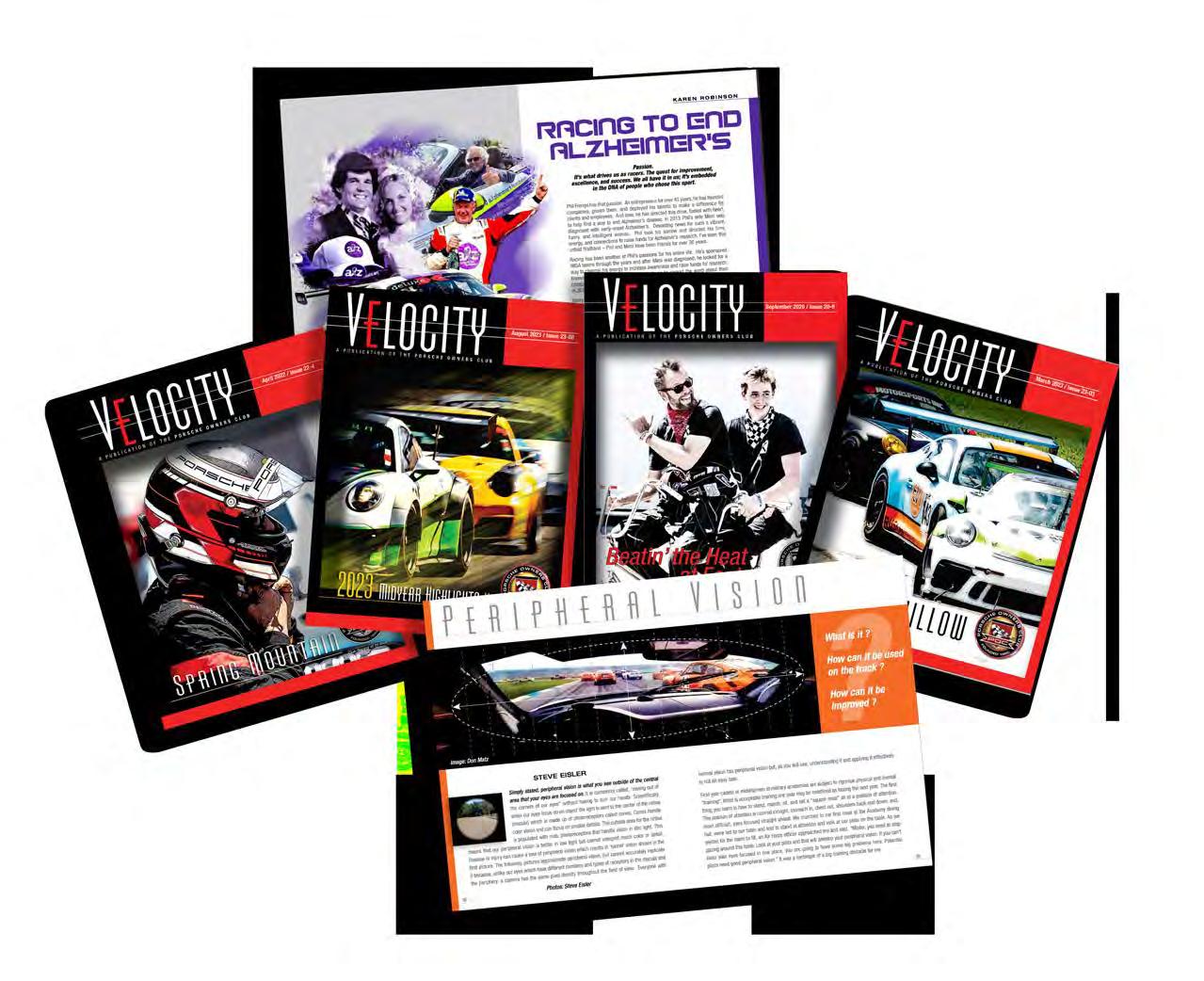

New Manthey Kit for Porsche News
New components optimized for track use
11/21/2025
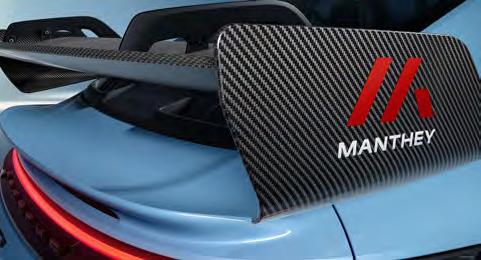
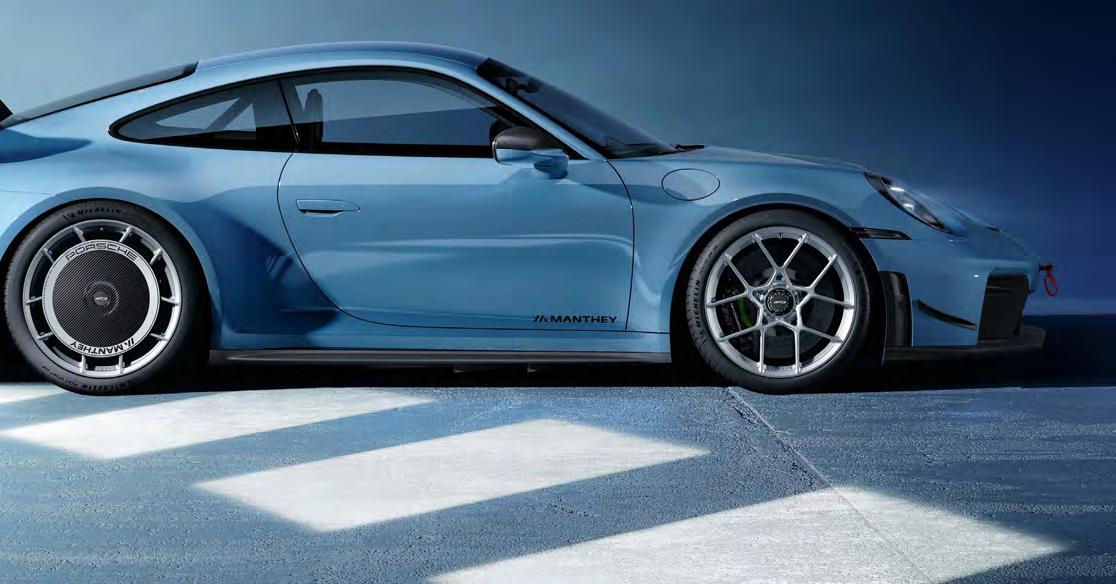
Hardly any other production car is used by its customers as often on track days as the Porsche 911 GT3. With the new Manthey Kit available for the 992.2 generation car, Porsche offers high-performance components specifically aimed at customers with a keen passion for driving on track.
These include extensively revised aerodynamics to significantly increase downforce and modified suspension and brake components. The 911 GT3 with Manthey Kit lapped the Nürburgring Nordschleife in 6:52.981 minutes – 2.756 seconds quicker than its predecessor with the Manthey Kit.
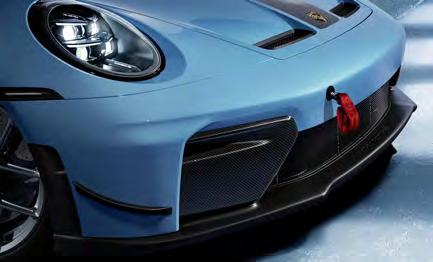
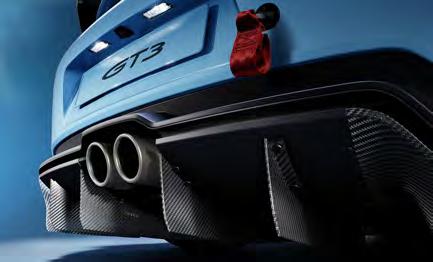
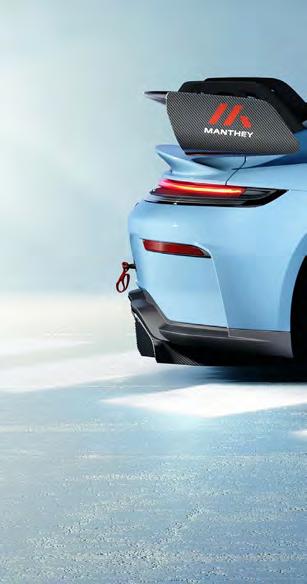
911 GT3 sharpens track focus
Atlanta: Porsche now offers a Manthey kit for the current 911 GT3 (992.2) for even better performanceon the racetrack. The kit generates significantly greater downforce and, as a result, allows higher potential cornering speed. The suspension has been specially adapted for track use, and the brakes are designed for the particularly high demands of track days. The new Manthey Kit was developed in close collaboration between the Porsche Development Center in Weissach and the engineers from Manthey in Meuspath. The components, which are optimized for track use, will be sold and installed by Mantheycertified U.S. Porsche Centers and do not compromise the existing factory warranty of the subject vehicle.
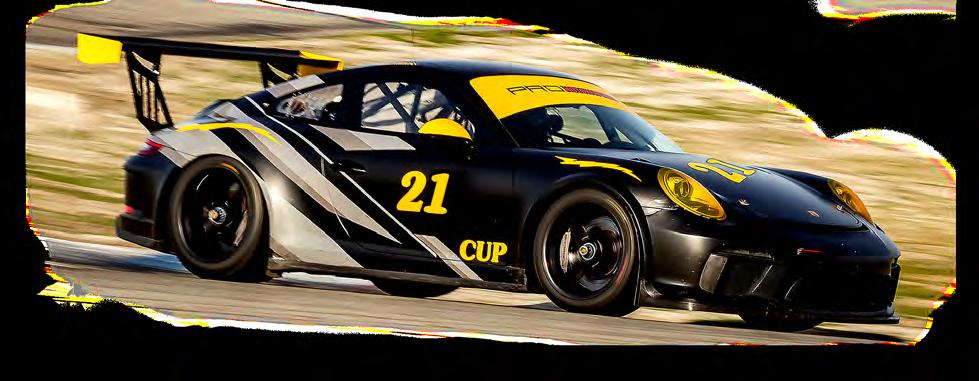
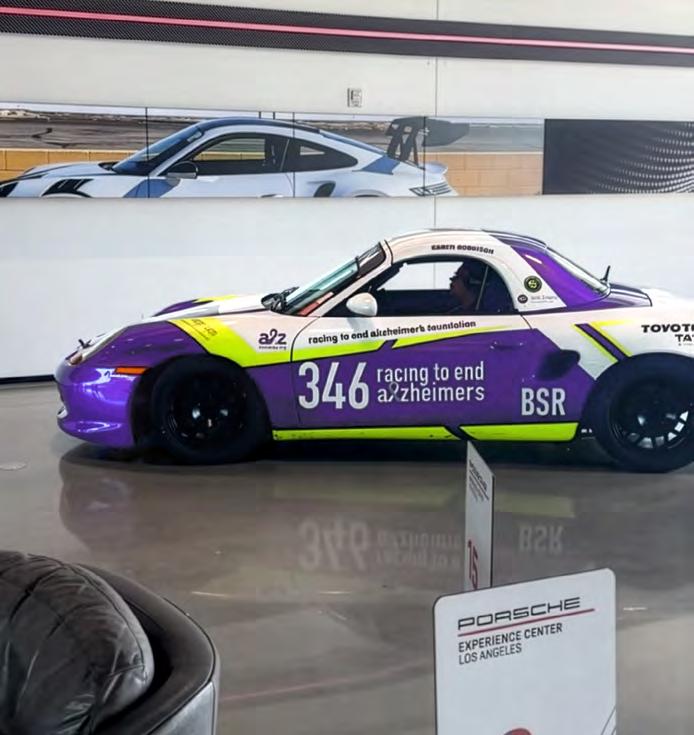
• Up to 1,190 lbs. of downforce
• Adjustable coilover suspension
• Extensive range of accessories for even more individuality
• Almost three seconds faster on the Nürburgring than its predecessor


SIMRACING SIMRACING
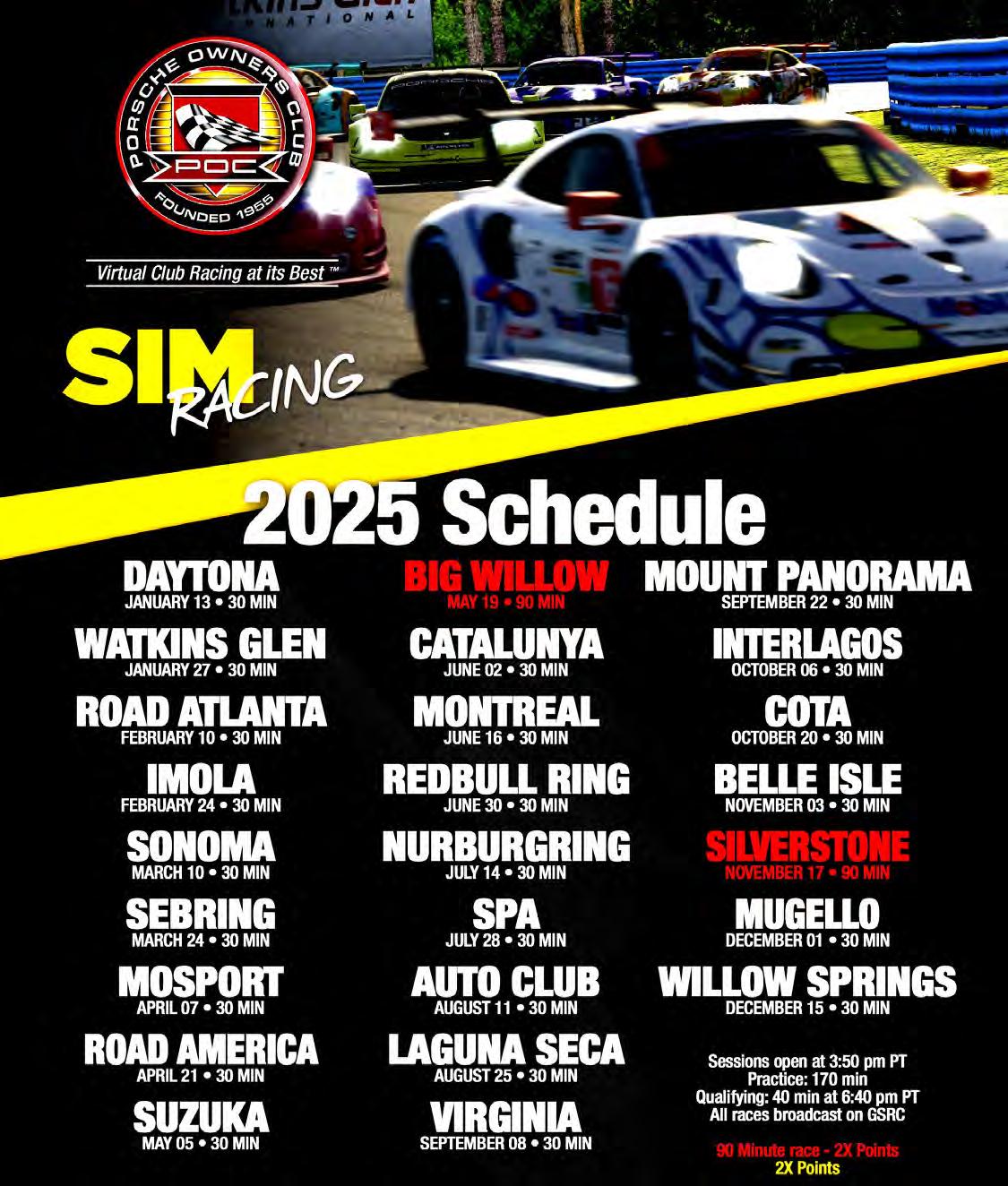
2025 Season Results
June 30 Redbull Ring
July 14 Nurburgring
July 28 SPA
Aug 11 Auto Club
Aug 25 Laguna Seca
Sept 08 Virginia
Sept 22 Mount Panorama
Oct 06 Interlagos
Oct 20 COTA
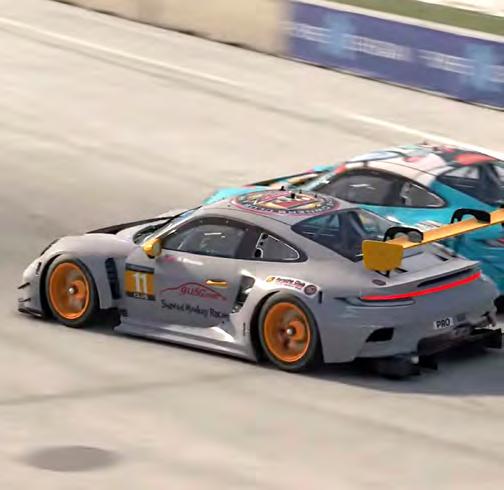
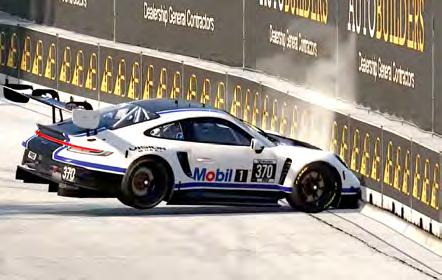
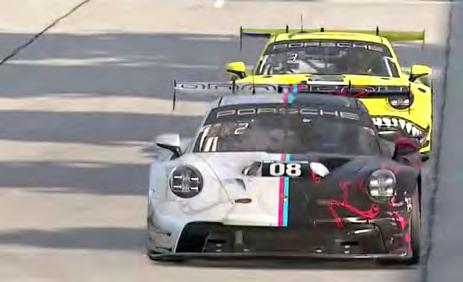
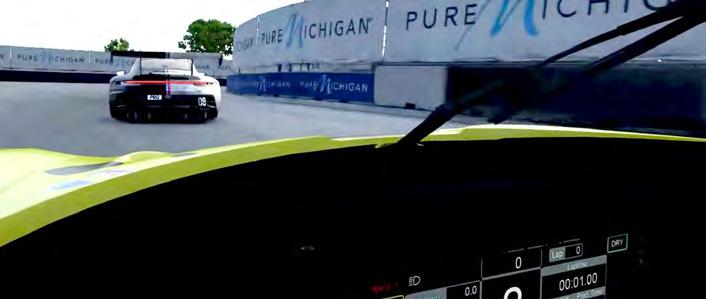
Nov 03 Belle Isle
No v 17 Silverstone
Dec 01 Mugello
Dec 15 Willow Springs
1st Dylan Scott
1st Kristopher Marciniak
2nd BJ Fulton 2nd John Momeyer
3rd Michael Bolten 3rd Adam Abrahms
1st Michael Johnson 1st Matt Steele
2nd Ezra Kelderman 2nd Mark Rondeau
3rd BJ Fulton 3rd Frederico del toro
1st Michael Bolten 1st Kristopher Marciniak
2nd BJ Fulton 2nd Larr y Haase
3rd Thomas Isabel 3rd John Momeyer
1st Michael Bolten 1st Matt Hollander
2nd Dylan Scott 2nd John Momeyer
3rd Frederico del toro 3rd Larr y Haase
1st Dylan Scott 1st Kristopher Marciniak
2nd Michael Bolten 2nd Adam Abrahms
3rd Thomas Isabel 3rd Doug Boccignone
1st Dylan Scott 1st Kristopher Marciniak
2nd Michael Bolten 2nd Jim Ghahremani
3rd BJ Fulton 3rd John Momeyer
1st Dylan Scott 1st Jim Ghahremani
2nd BJ Fulton 2nd Alan Watts
3rd Jad Duncan 3rd Adam Abrahms
1st Dylan Scott 1st Kristopher Marciniak
2nd Michael Bolten 2nd John Momeyer 3rd Jad Duncan 3rd Jim Ghahremani
1st Frederico del toro 1st Kristopher Marciniak
2nd Robert Leclercq 2nd Alan Watts
3rd Dustin Heindl 3rd Adam Abrahms
1st Michael Bolten 1st Jim Ghahremani
2nd BJ Fulton 2nd Kristopher Marciniak
3rd Dylan Scott 3rd Larr y Haase
1st Frederico del toro 1st Kristopher Marciniak
2nd Dylan Scott 2nd Jim Ghahremani
3rd Jad Duncan 3rd Larr y Haase
1st 1st 2nd 2nd 3rd 3rd 1st 1st 2nd 2nd 3rd 3rd
HERE for YouTube SIM RACES
All club members with track experience or online sim racing experience are invited to participate – however, you will need an iRacing Membership and a simulator.
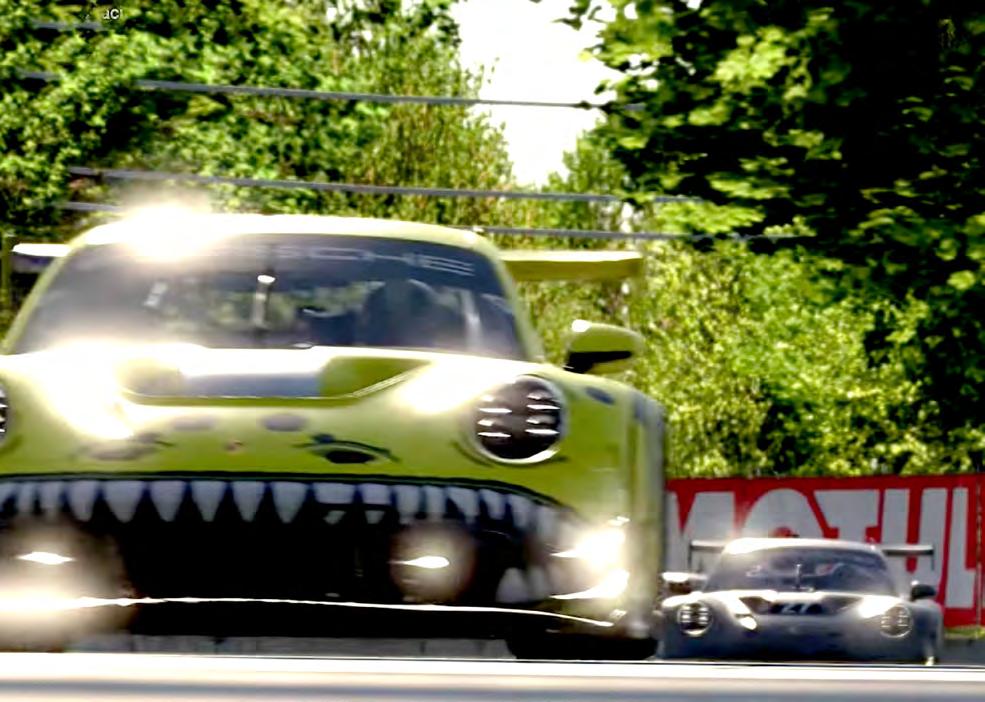
Belle Isle
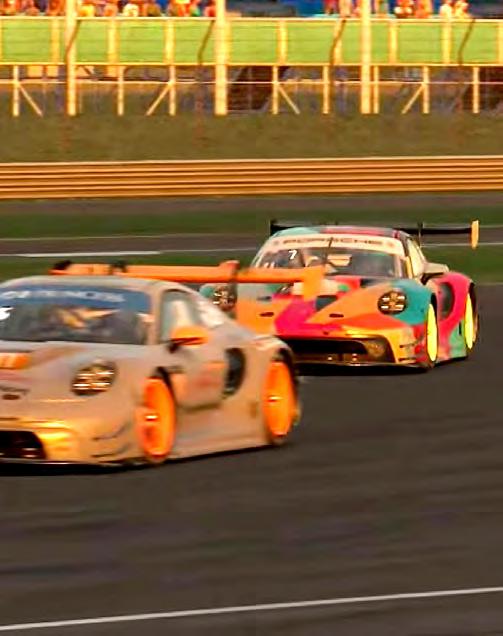
Silverstone
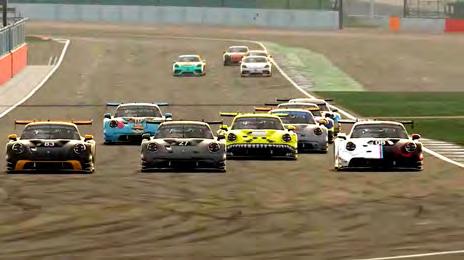
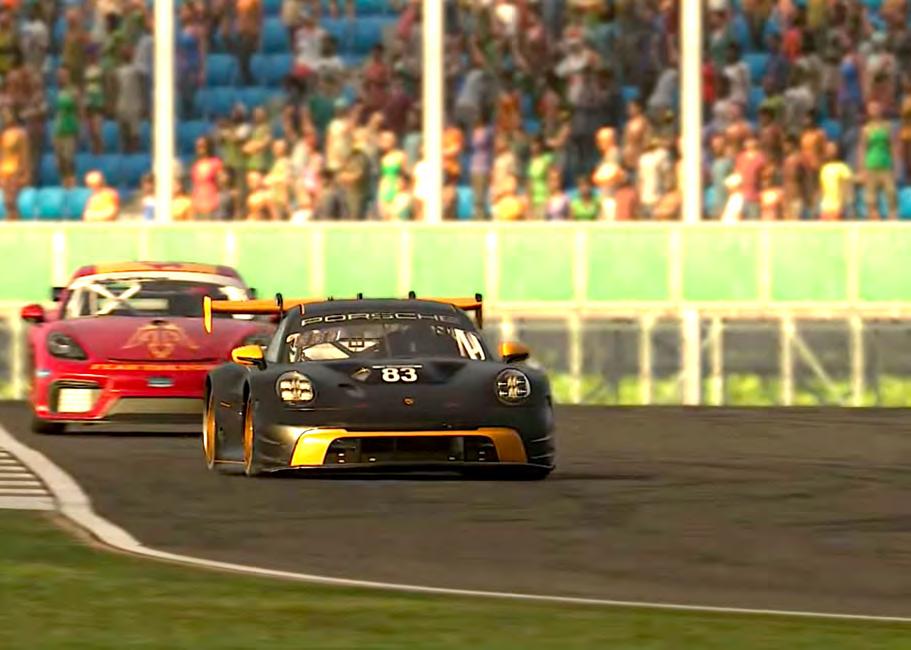
SIMRACING

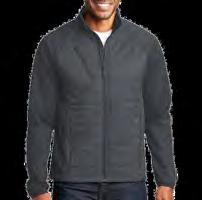















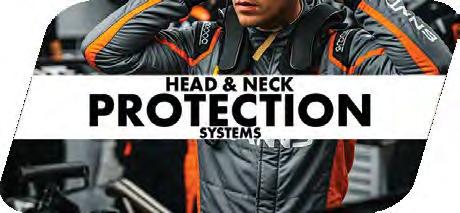
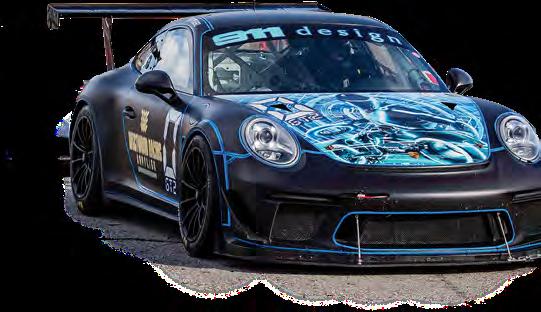
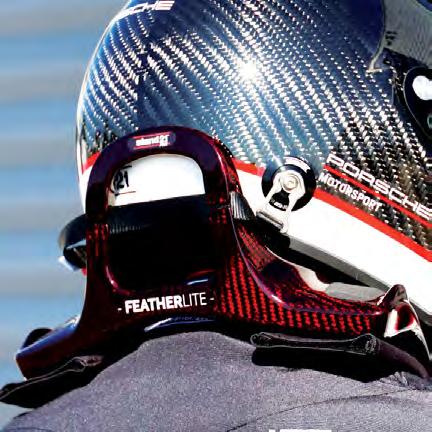
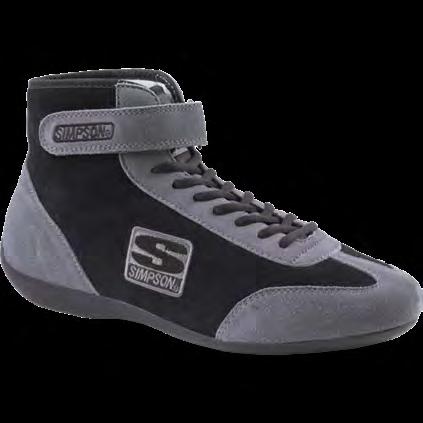
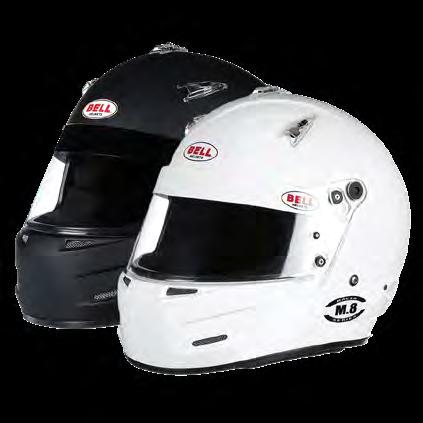
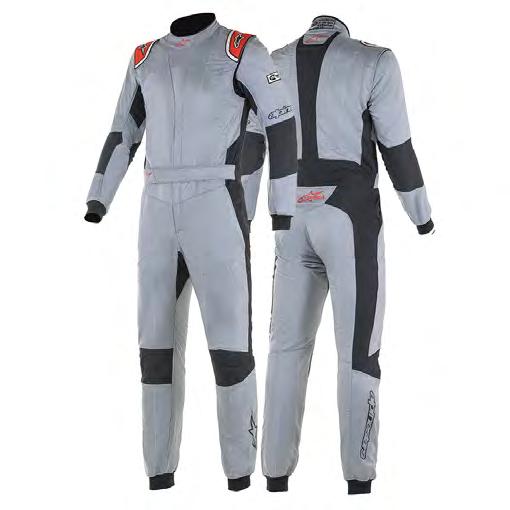
Now you can order your favorite POC garments and other specialty items “Online” simply by clicking on any one of the above photos!














UPCOMING EVENTS
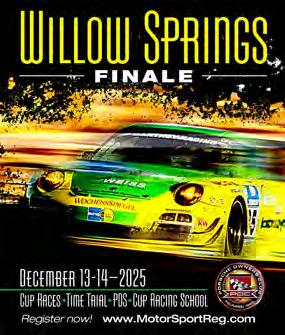
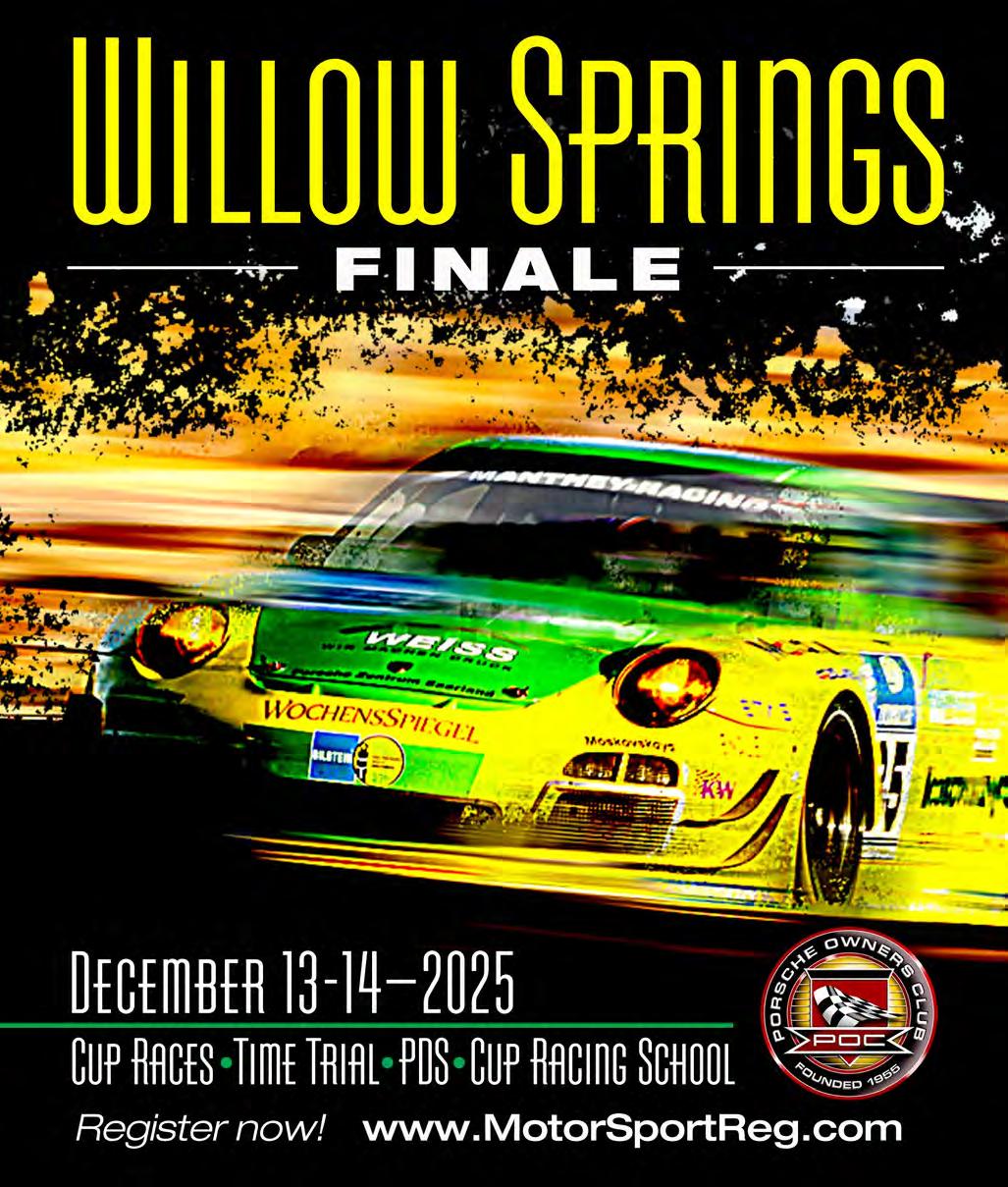
WILLOW SPRINGS
December 13-14, 2025
Our Grand Finale back home at the New Willow! PDS, TT, Cup and Racing School!
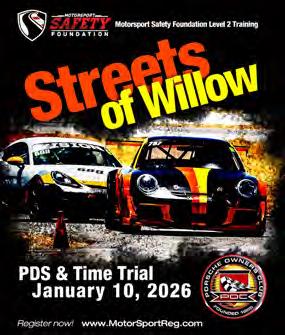
STREETS of WILLOW
January 10, 2026
The best track in the west to learn how to race. This event will feature our classroom: Motorsports Safety #2
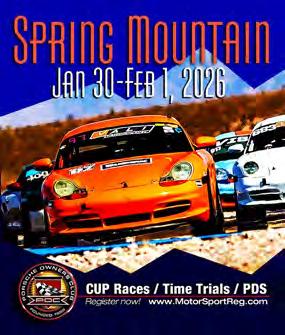
SPRING MOUNTAIN
Jan 30 – Feb 1, 2026
Let’s head out to Pahrump and run what has become one of our favorite tracks...Charleston Peak at Spring Mountain
2026 Awards Banquet at PECLA January 17, 2026