

Through research, service,and practice, collaboration isour compass.

Myfellowshipprovidedmewithakeyunderstanding: Don't admire the problem. Find a solution. Andwithmostproblems,improvingpolicy isthefirststeptowardschange.
MOLLIE PING ‘26, MS IN URBAN PLANNING AND POLICY
The Policy School is redefining public service. We need more momentum around creating positive handprints and less focus on the negative footprints we leave behind. Collaborative public servants bridge the gap between knowledge and action to meet challenging moments with urgency.
Students and scholars work alongside communities facing real dilemmas and test solutions in actual policy environments. This year, our research has influenced billion-dollar climate investments at the World Bank, shaped global environmental treaties, established anti-discrimination policies that protect Boston residents, and pioneered digital tools that put communities at the center of urban planning. Policy School students hone their vision and skills by navigating complex systems and engaging directly in the craft of changemaking.
We do not just study policy, we shape it.


Policy
Thriving




47 full-time faculty
30 of whom are jointly appointed with another department and/or college

FACING REAL DILEMMAS
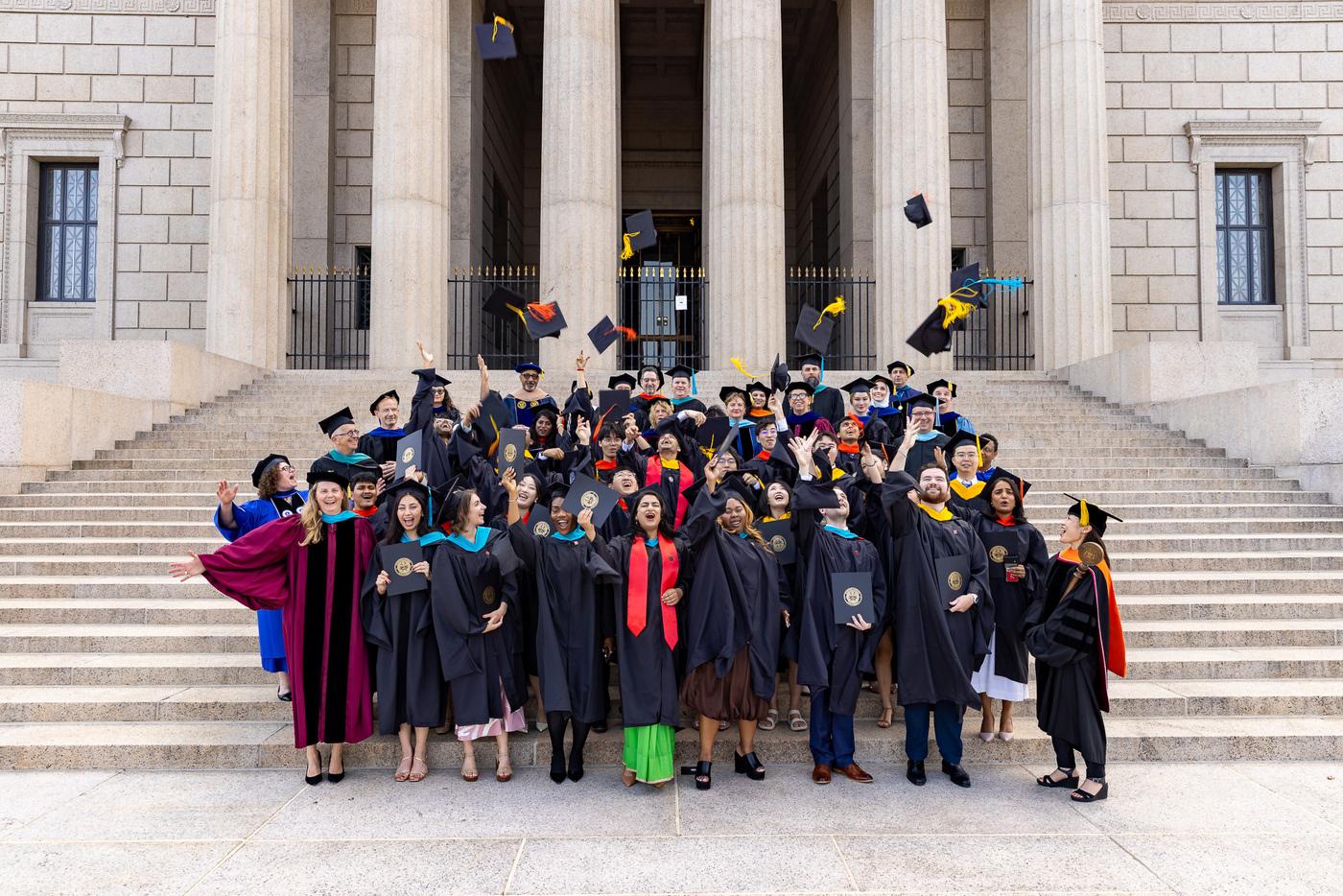
The Capstone course is the pinnacle of the Policy School master's degree programs. Graduating students collaborate with public service and non-profit partners to create meaningful policies and practices that strengthen local communities.


PROJECT SPOTLIGHT
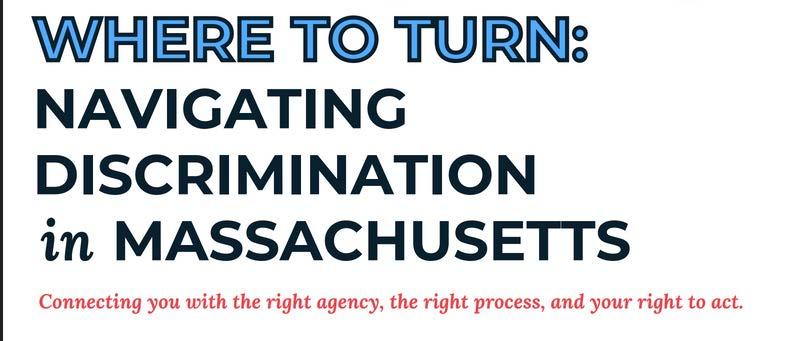
City of Boston - Mayor's Office of LGBTQIA2s+ Advancement (MOLA) & MA Commission Against Discrimination
Resource guidebook, co-created as a Northeastern Capstone project, receives mayoral citation


From preserving cultural heritage through the South End Jazz Oral History project, to designing community-centered art installations in Boston’s Chinatown, to tackling educational inequities impacting young people in Boston Housing Authority settings, to developing green retrofit strategies in Mattapan, Policy School students have addressed critical needs spanning housing, education, healthcare, and community development.
Projects have ranged from hyper-local initiatives such as creating an Asian American Cultural Community Center in Malden and supporting rent control campaigns in the Fenway, to broader systemic reforms such as modernizing Massachusetts's public benefits enrollment process and improving municipal liquor licensing systems.
Whether developing GIS mapping tools for community organizations, crafting advocacy strategies for healthcare legislation, evaluating municipal policies for LGBTQ+ advancement, or investigating public sector technology hiring practices in Chicago, these Capstone projects showcase students' ability to deliver academic rigor with real-world impact.

Policy is the bridge between urban landscapes and the people who bring them to life. At the Policy School, our scholars engage in and with communities, making urban planning research tangible. We build resilience in the systems that animate city spaces: transportation, housing, health, education, and economic development.
We explore innovative technology solutions while ensuring that community voices always lead the way. Our students present findings at government agencies, our faculty brief legislators, and our partnerships span from local neighborhoods to international consortiums. Breakthrough research leads to breakthrough impact.
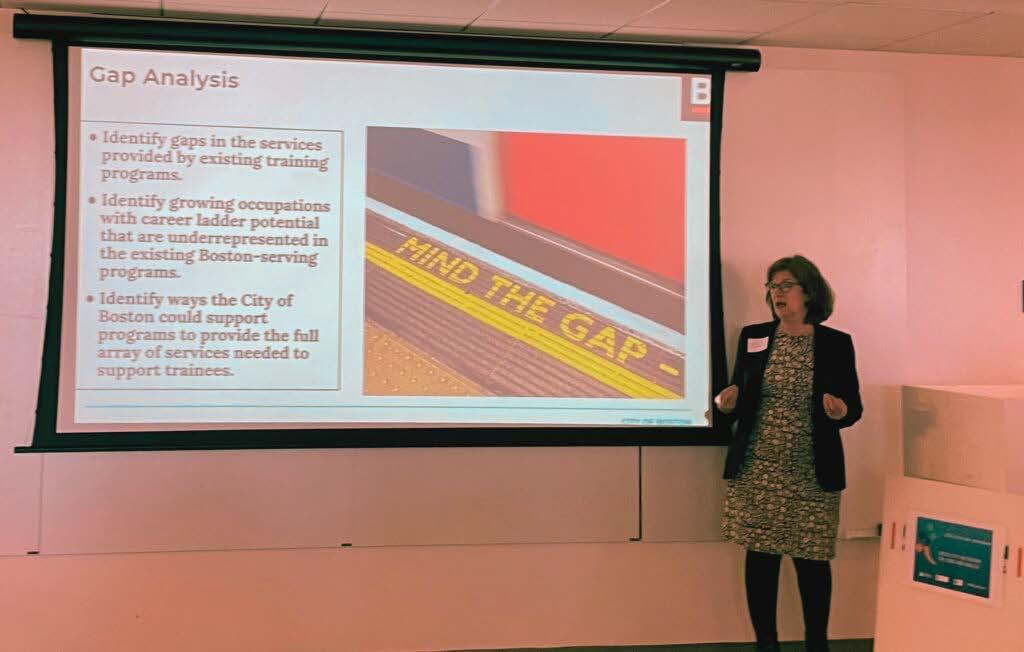
The City of Boston hosted representatives from the Organisation for Economic Co-operation and Development (OECD) and six European cities with each city sharing insights on its initiatives. Prof. Joan Fitzgerald presented research from Northeastern’s C2C and Dukakis Center identifying the specific occupational and skill requirements needed for climate action. The research advances the city's ambitious environmental goals create real jobs and economic opportunities for residents.
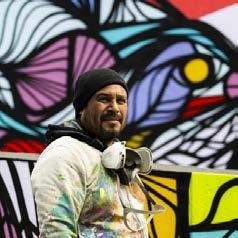
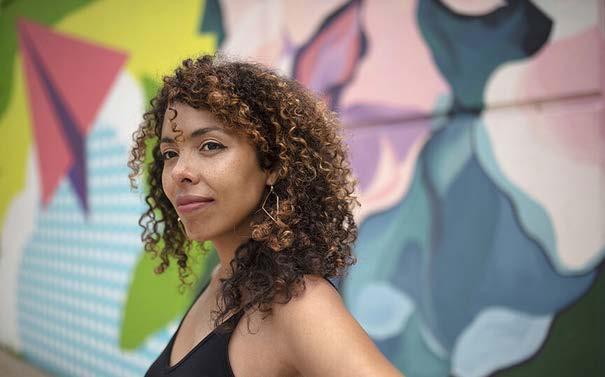
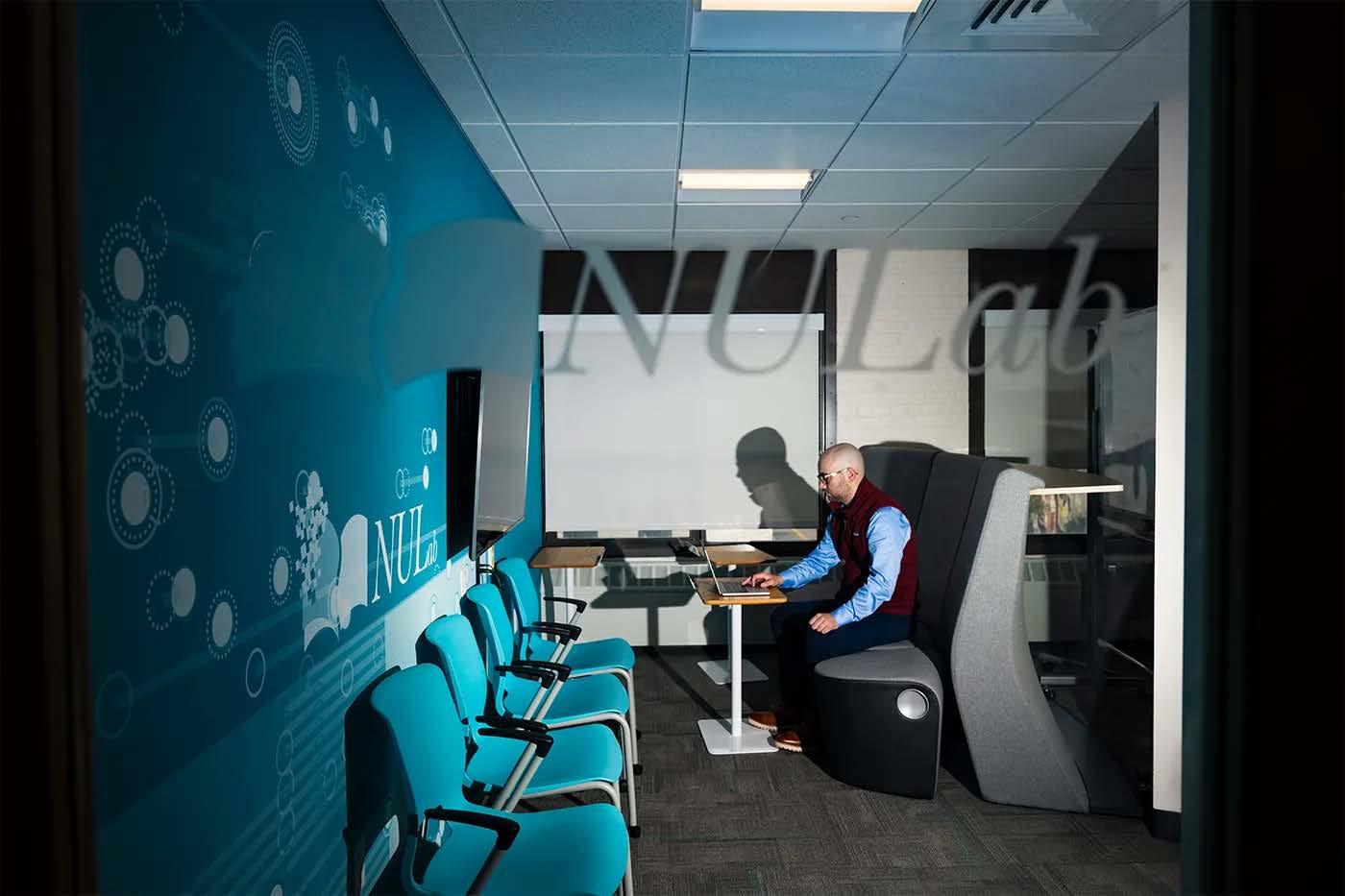
The NULab for Digital Humanities and Computational Social Science, co-directed by Prof. Moira Zellner, transforms policy research by enabling deeper understanding of public attitudes. Prof. Zellner’s community-led digital twin technology revolutionizes urban planning by centering residents in green infrastructure decisions. Through computational and digital tools, the lab develops solutions addressing key policy questions while creating more equitable outcomes for communities. NULab's 8th annual interdisciplinary conference explored topics including digital community archive projects, participatory modeling methods, collaborative algorithm development, and digital resources for collaboration and learning.
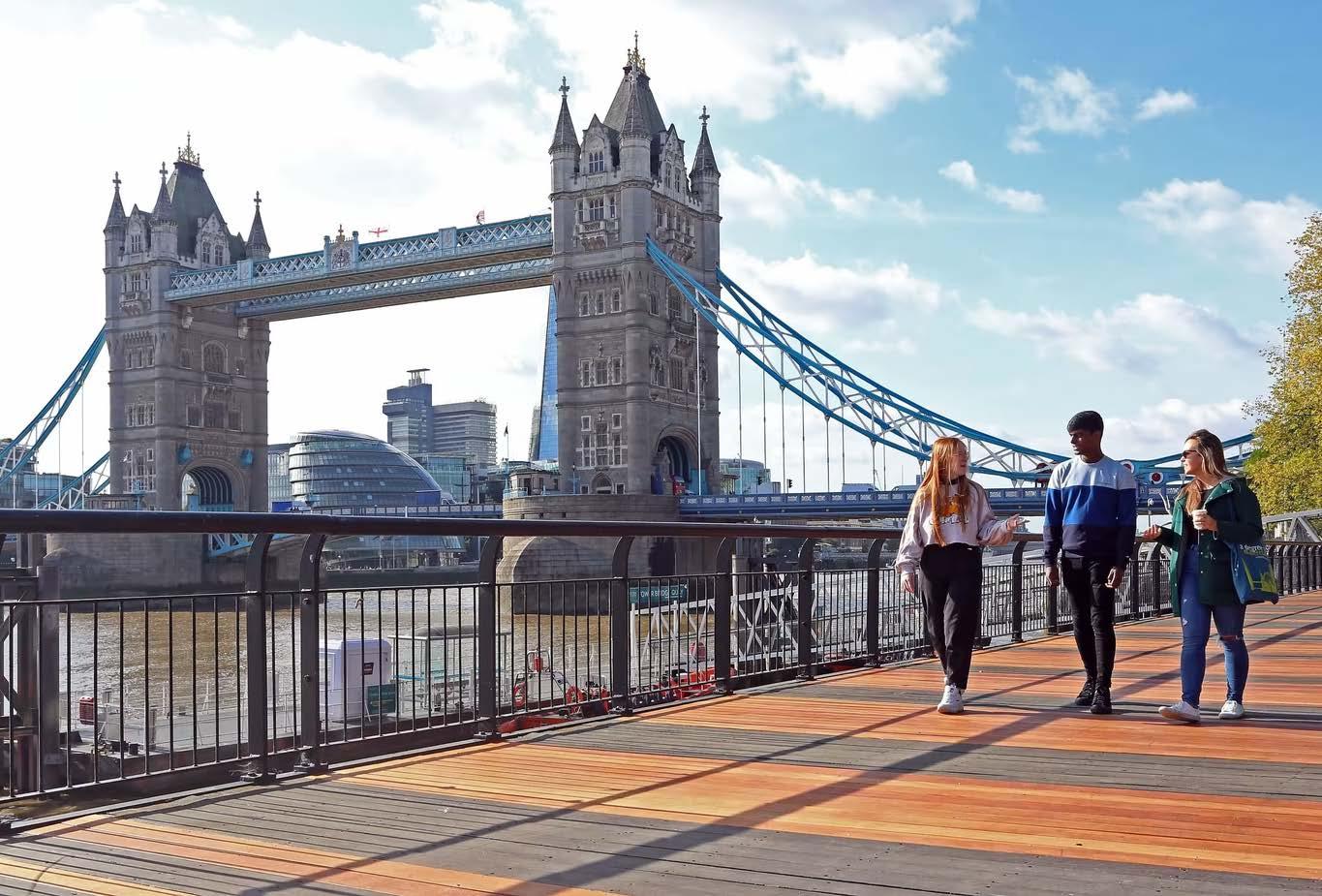
When cities across continents share green economy strategies, real change accelerates. Prof. Joan Fitzgerald's dialogue with the Greater London Authority and Lewisham Council has created a knowledge network that helps local governments worldwide implement more effective environmental policies.

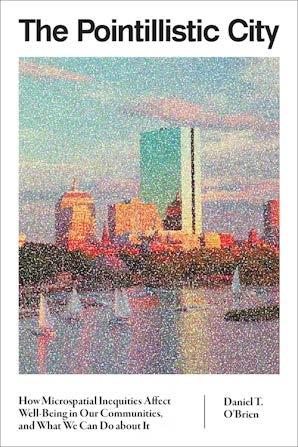
ThePointillisticCity (MIT Press)
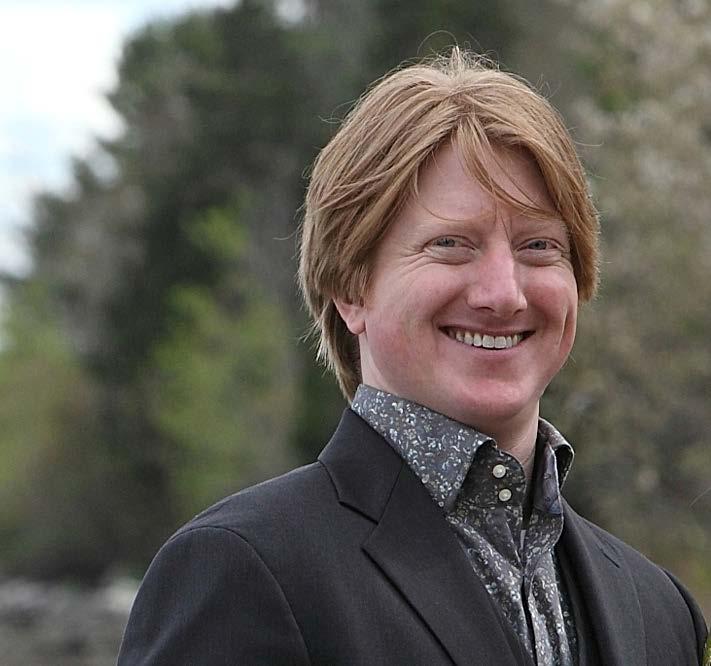
Daniel T. O’Brien
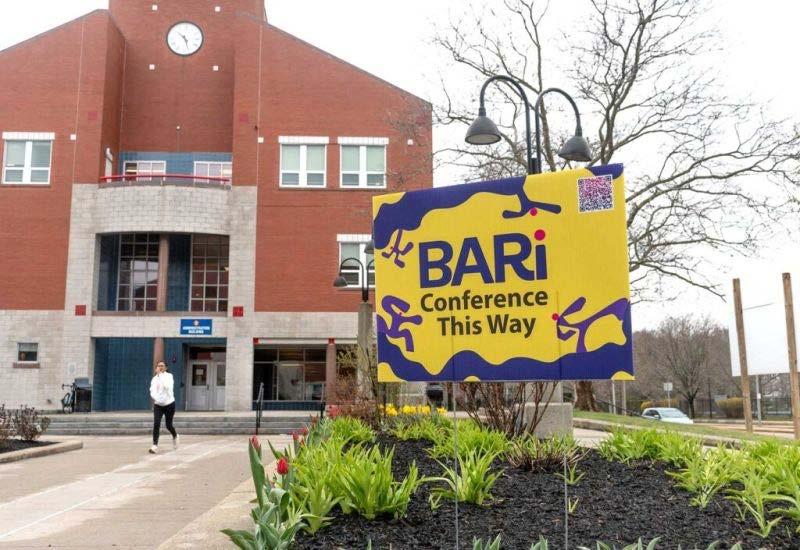
The groundbreaking work of Boston Area Research Institute (BARI) included receiving a prestigious PIT-UN Network Challenge Grant to develop communityand youth-led public interest AI frameworks, organizing civic technology workshops for low-income and BIPOC youth in Boston Public Schools, and creating civic technologist internships. The initiative's research has delivered measurable environmental impact; it helped reduce methane emissions from gas leaks by 46% between 2021 and 2024, evaluated Salem's $685,000 Guaranteed Basic Income pilot program affecting 100 low-income residents, and developed new financial tools to accelerate affordable housing production for moderate-income homeowners. Through the Boston Data Portal, community consultation services, and annual conferences that bring together researchers, policymakers, and community leaders, BARI drives real-world solutions to urban challenges while building a more equitable and sustainable region.
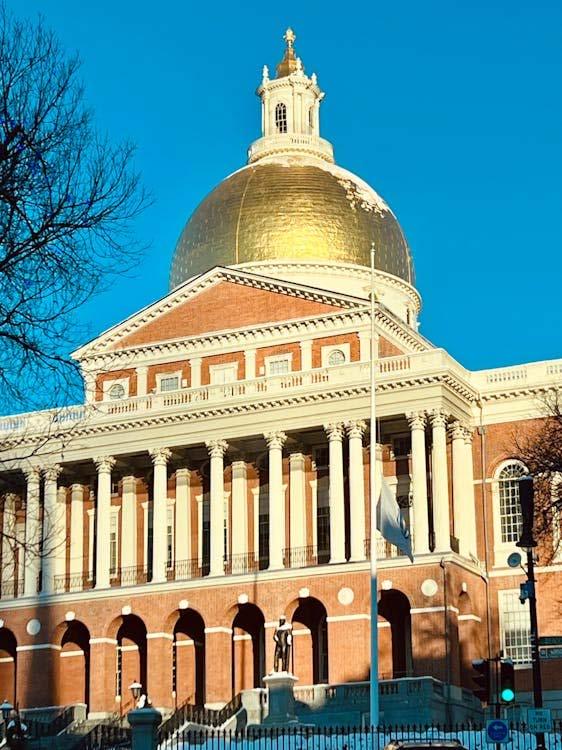
Prof. Dan O’Brien testified in front of a Boston State House legislative briefing, which featured firsthand testimony and expert opinions on the importance of indoor and outdoor air quality and healthy living spaces, particularly in environmental justice communities.

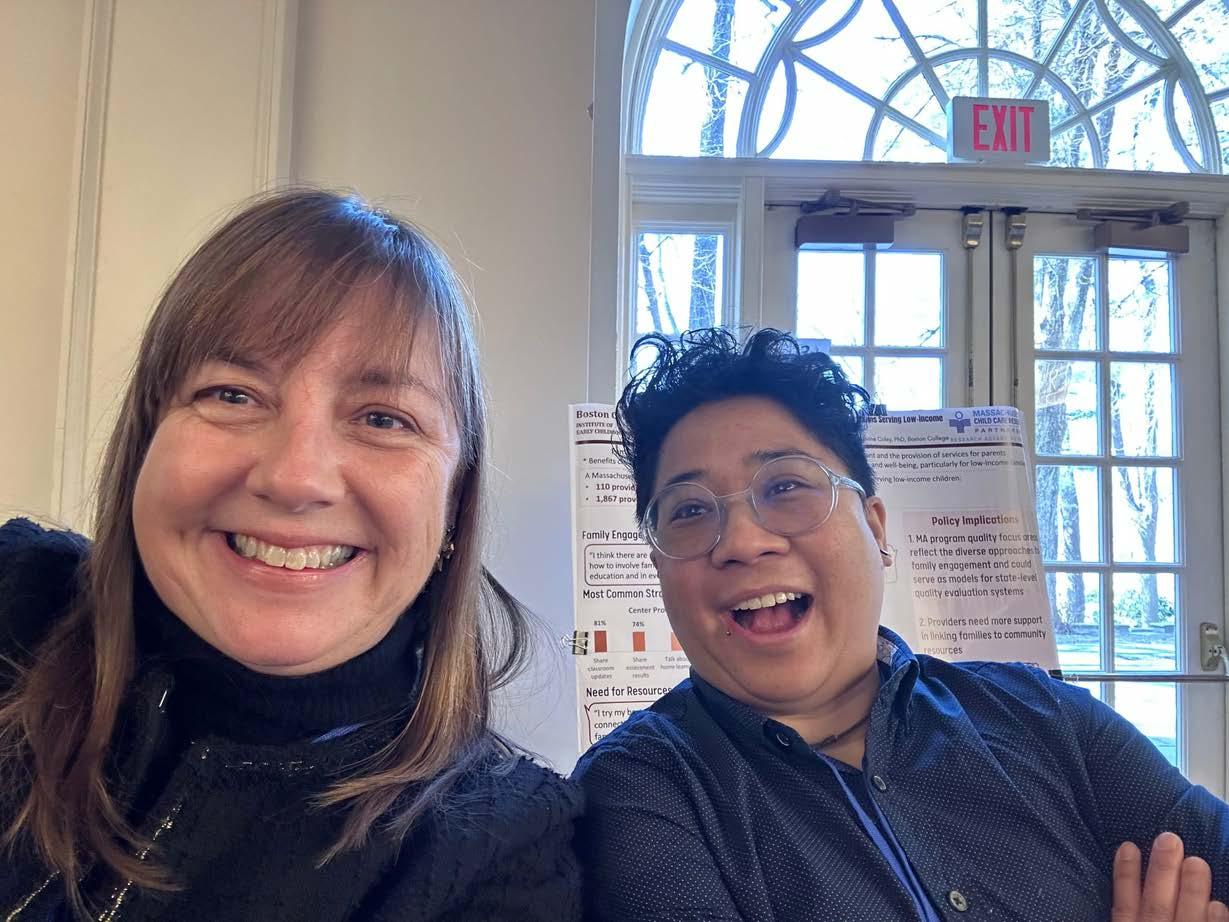
Prof. Kimberly D. Lucas and colleagues launched the first-ever MA Early Childhood Policy Research Summit, which brought together more than 100 researchers, policymakers, practitioners, students, and funders to think about ways to support young children, families, and early educators across the Commonwealth. Prof. Lucas spoke to the importance of “creating spaces for other people to surprise you,” inviting area experts to co-create the kind of research, data, and design infrastructure that would best support the Commonwealth’s youngest learners, their families, and their early educators for bright futures.
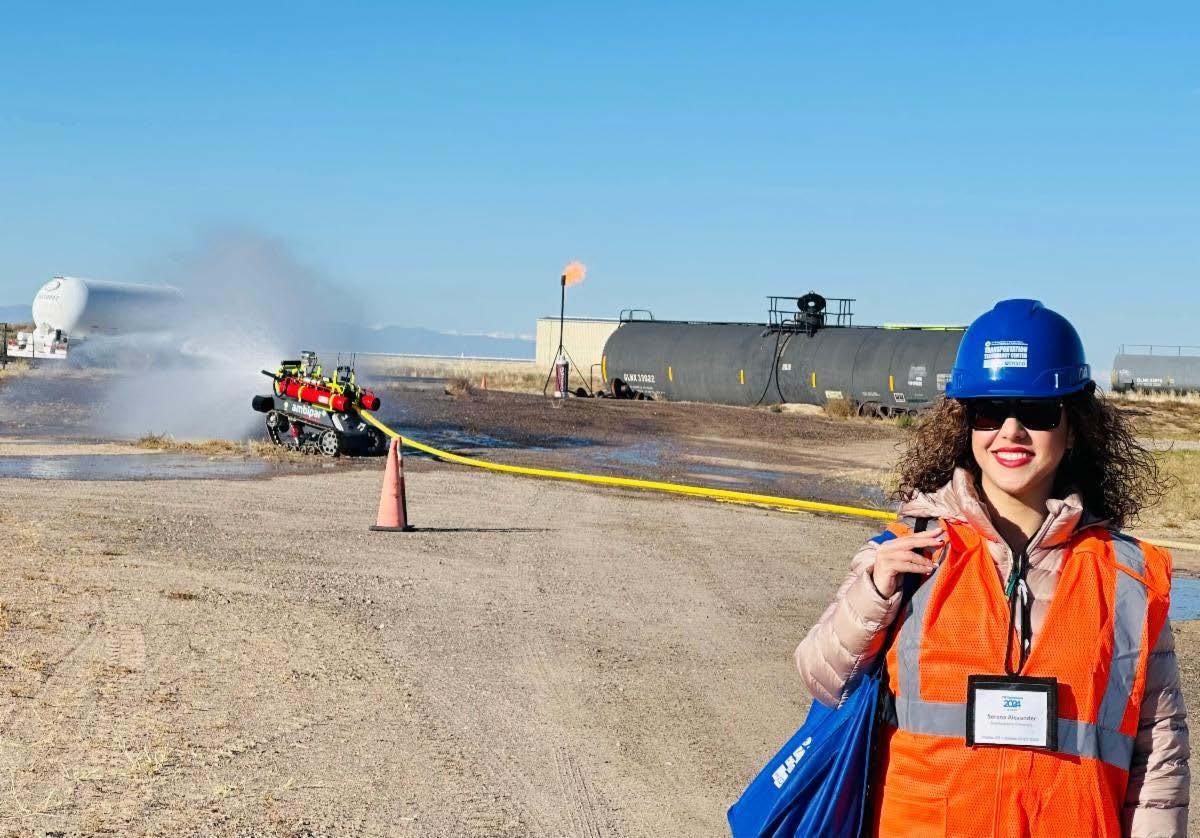
Prof. Serena Alexander and PhD student Carmella Uwineza are strengthening America's freight and rail infrastructure through their resilience planning research cunducted directly with the Federal Railroad Administration at the Transportation Technology Center in Pueblo, Colorado. Their research helps the nation's critical transportation networks better withstand climate challenges and economic disruptions.


Prof. Damon Hall along with engineering and science professors Samuel Muñoz, James Dennedy-Frank, and Geoffrey C. Trussell partnered directly with flood-prone communities to create breakthrough decision-support tools that predict local flooding risks and guide resilience planning. By combining community knowledge with cutting-edge earth system science they protect lives and infrastructure from increasingly severe flood events.

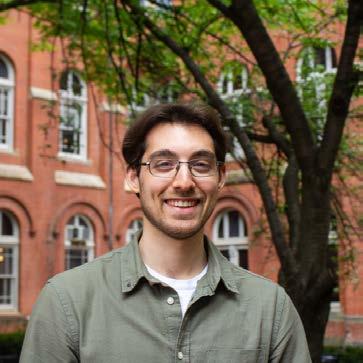
PhD student Josh Rosen's collaboration with the University of Houston reveals how digital rideshare services reshape urban development. This research helps cities understand and plan for the changing ways people move through metropolitan areas.
PhD student Maddie Craig-Scheckman presented "Driving the Future: Leveraging Regional Cooperation for Inclusive, Sustainable, and Resilient Electric Vehicle Battery Supply Chains" at the Third Senior Officials Meeting (SOM3) and Automotive Dialogue in Lima, Peru, directly shaping dialogue on equitable clean transportation infrastructure across the Americas.
STUDENT-LED PROGRAM
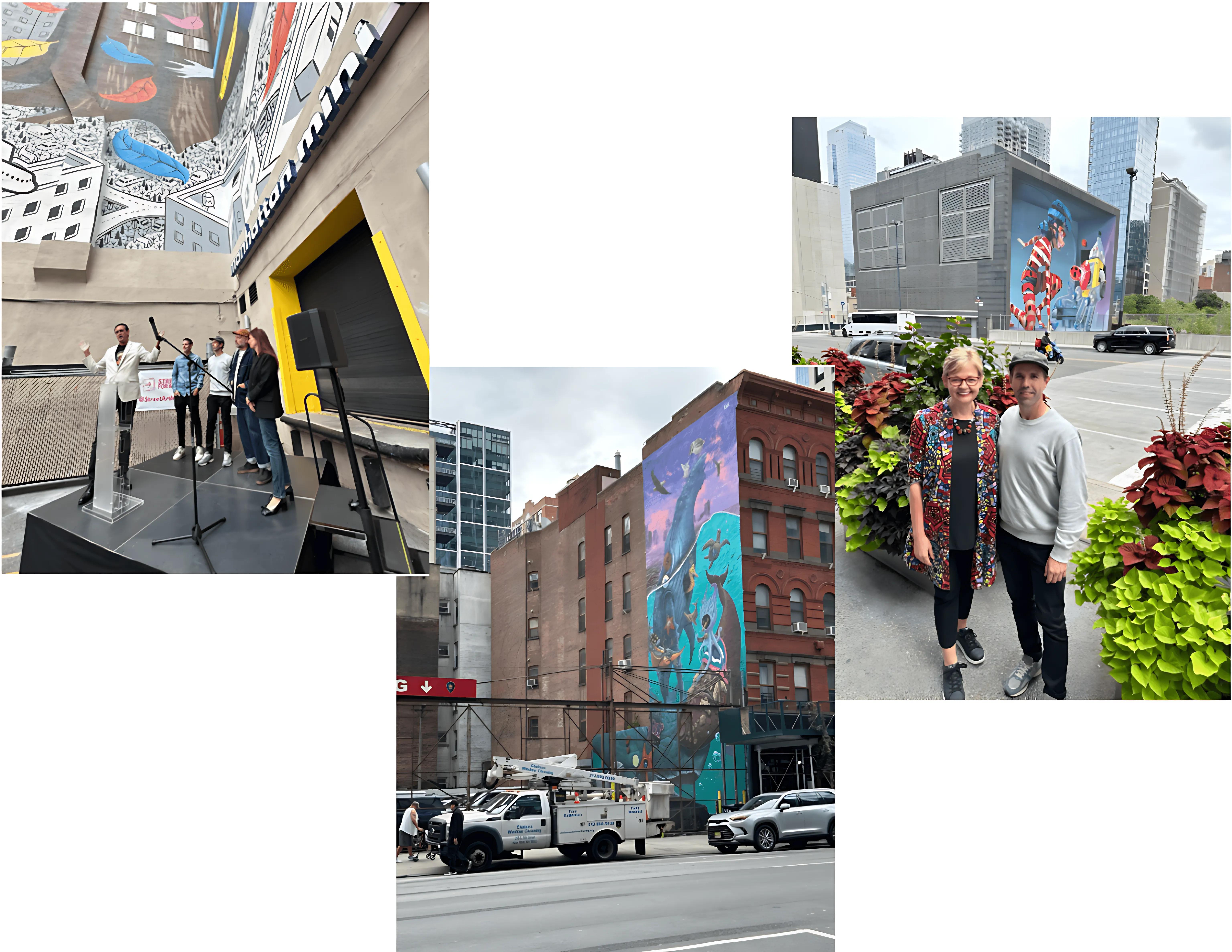

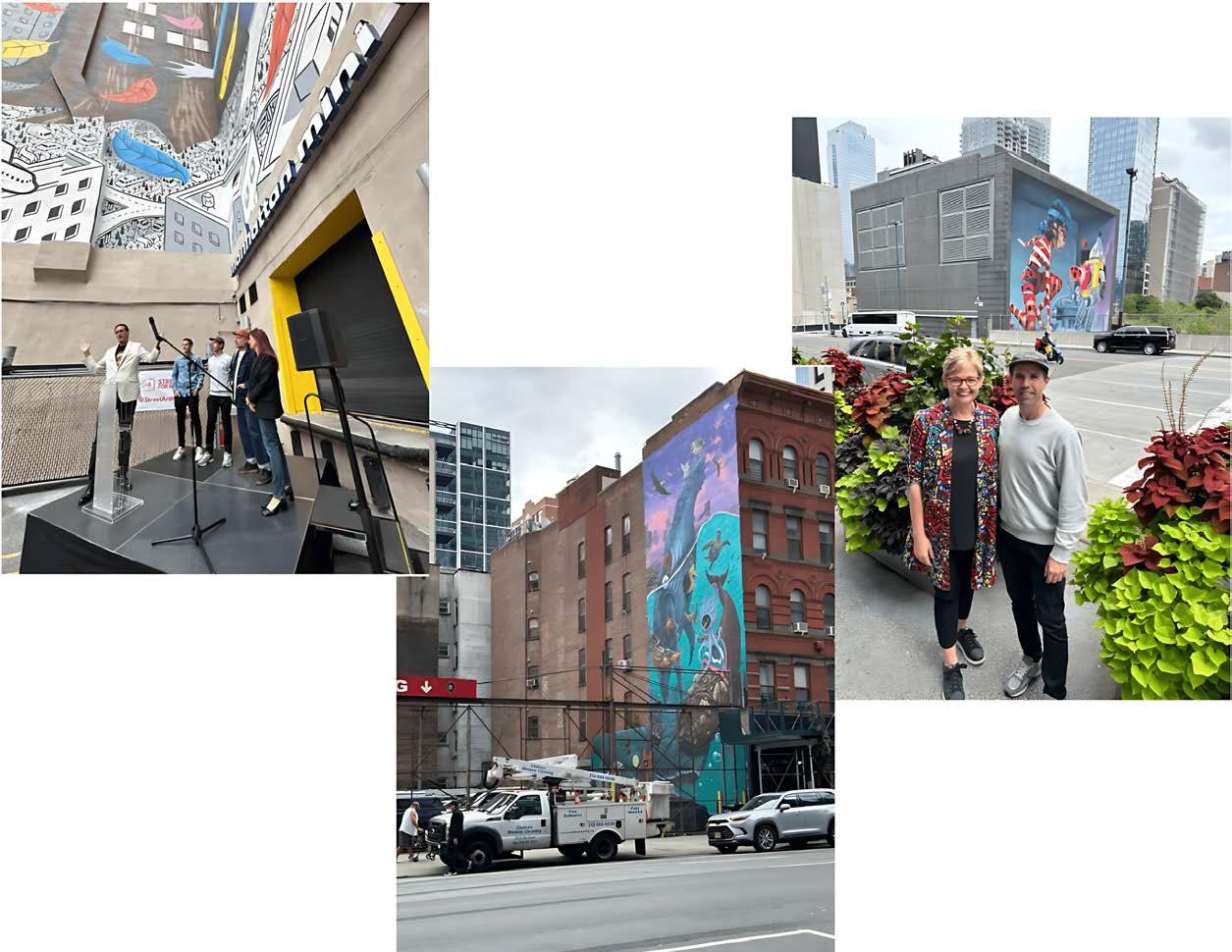
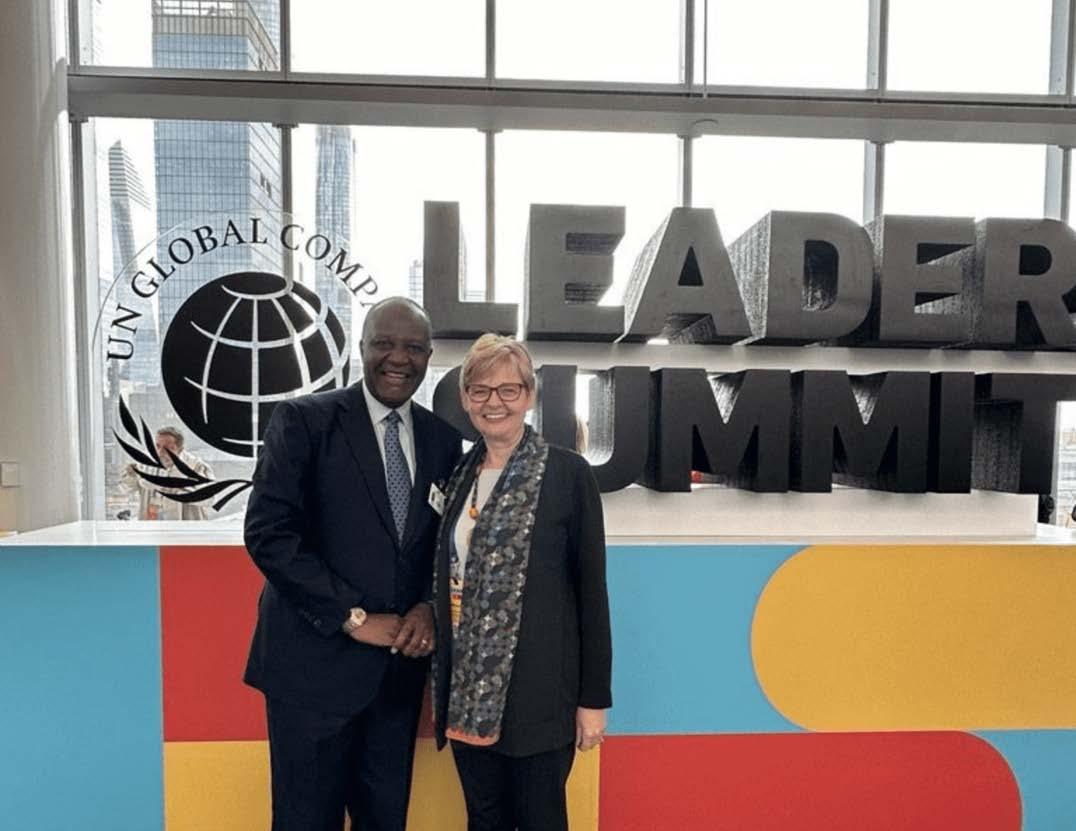
Northeastern's Global Environmental Governance Project (GEG), led by Policy School Director Maria Ivanova, engaged in multiple spaces during Climate Week 2024 in New York City including the Green Schools Conference, Street Art for Mankind, the Climate Action Outdoor Museum, and the UN Global Compact Leaders Summit.
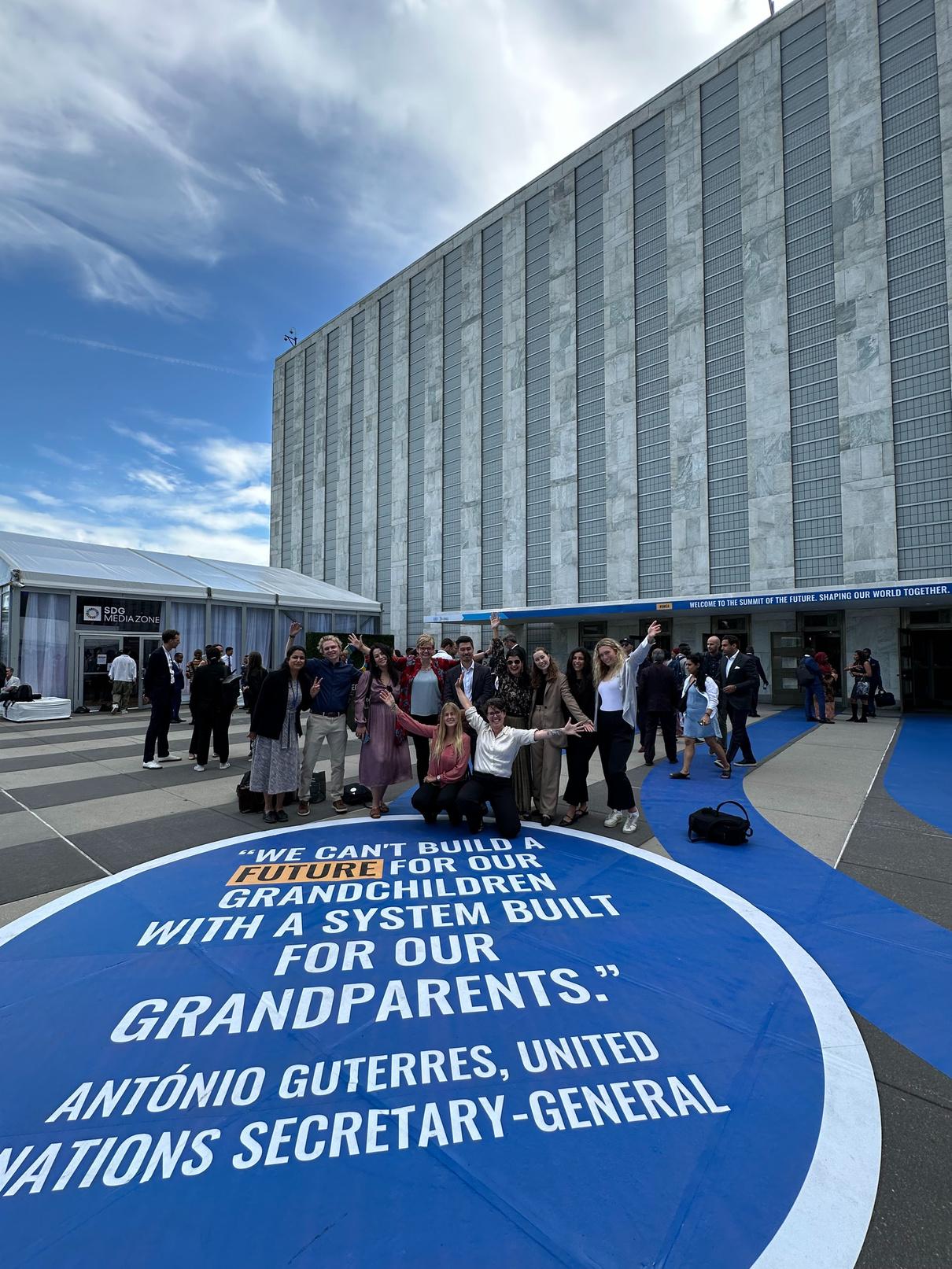
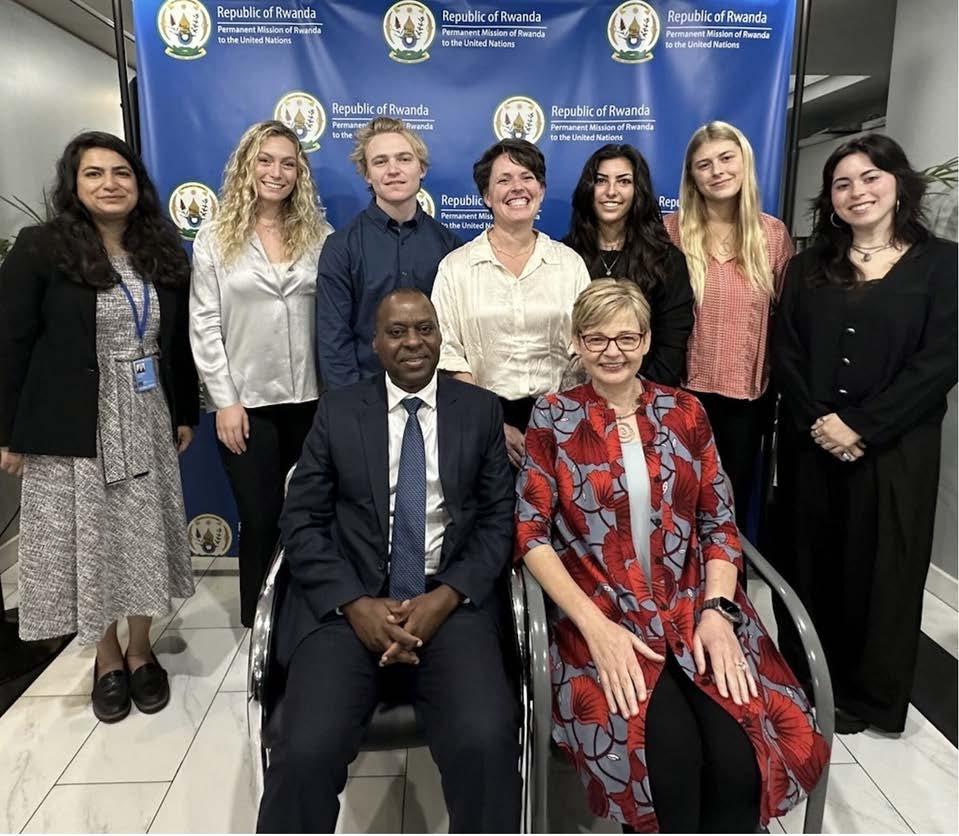
The Policy School and the GEG team hosted an official side event at the Permanent Mission of Rwanda to the UN during the UN Summit of the Future and Action Days to engage in discussions and discuss solutions for deepening and accelerating global commitments.
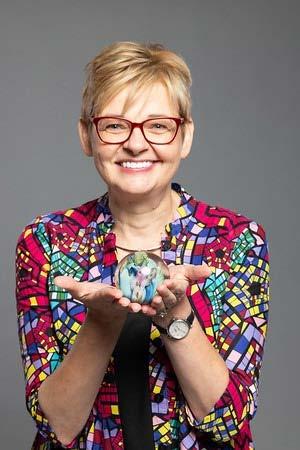
At the World Economic Forum in Davos 2025, Prof. Maria Ivanova spoke about critical environmental challenges, drawing on her decades of research in global environmental governance and her active engagement in the UN’s plastics treaty negotiations. She brought the perspective of both a scholar and a practitioner, showing how collective action, informed by science and anchored in institutions, can drive transformative global agreements. By connecting academic insight with policy practice, Prof. Ivanova underscored how universities can shape solutions with the potential to eliminate plastic pollution.
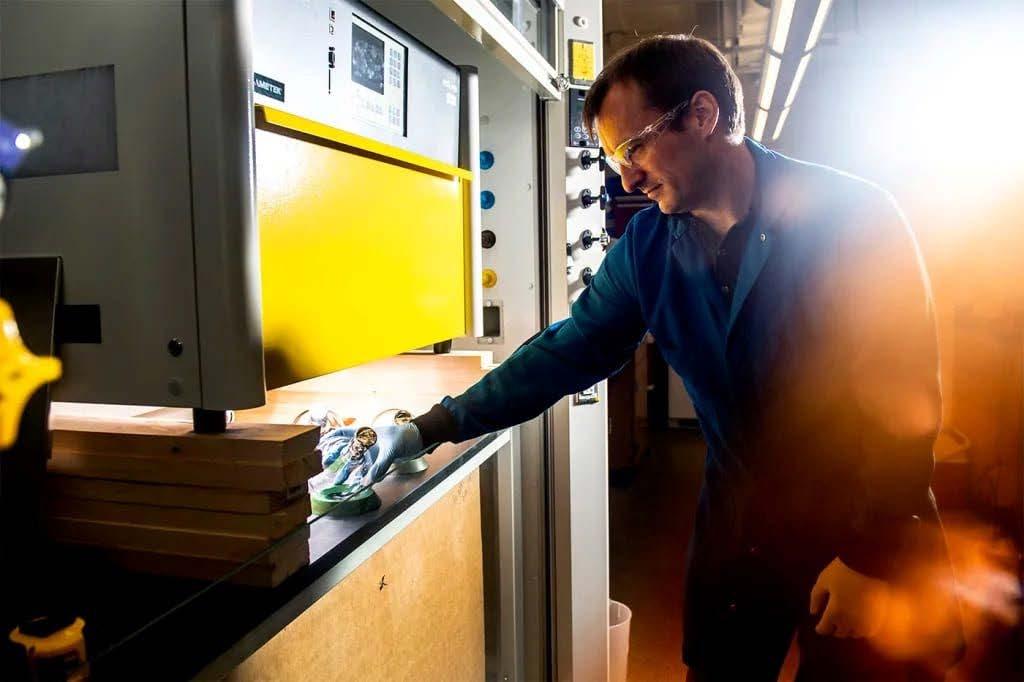
Policy School Director Maria Ivanova and Prof. Aron Stubbins from the Colleges of Science and Engineering have launched The Plastics Center, an impactful initiative at Northeastern University. Bringing together expertise from the sciences, engineering, policy, and the arts, the Center will serve as a hub for interdisciplinary collaboration among faculty, students, industry leaders, and policymakers. Its mission is to develop sustainable, systems-based solutions for plastic production, use, and disposal, ensuring that plastics can continue to serve society’s needs while minimizing their negative impacts on the environment and public health. Plastics are integral to modern life, yet their widespread use and disposal pose a threat to both human health and the environment.
The strategic Ambuli Dialogues focused on small state leadership in multilateral governance and laid the groundwork for meaningful participation in global plastics treaty negotiations. Conversations in Washington D.C. and at the Rwandan Mission to the U.N. brought together experts, students, and practitioners to explore how smaller nations can effectively engage in complex multilateral processes. This preparatory work proved instrumental at INC 5 and 5.2, where the Northeastern delegation demonstrated the power of stakeholder engagement. These efforts, extending from the Summit of the Future through multiple UN events, culminated in the creation of the Plastics Center, transforming dialogue into tangible policy infrastructure.

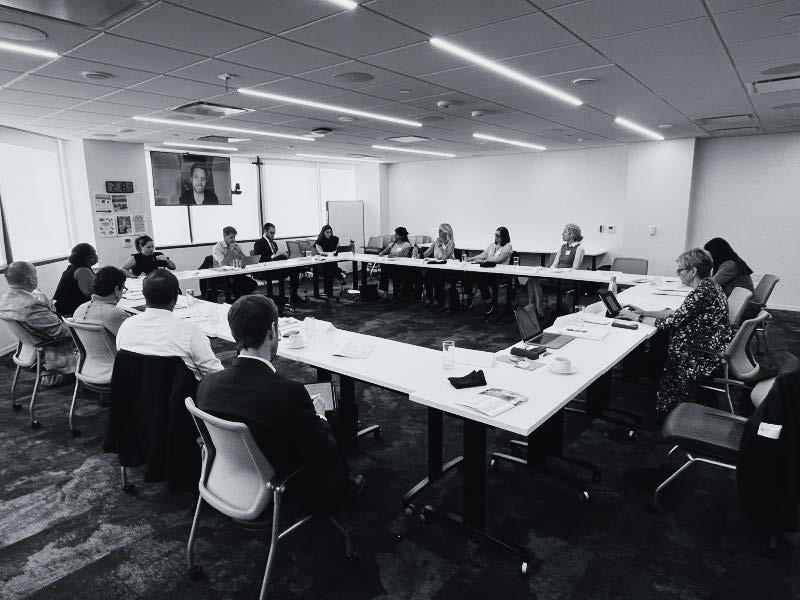
Policy School Director Maria Ivanova led the Northeastern delegation’s participation at the Intergovernmental Negotiating Committee’s fifth session (INC-5.1), which sought to create a legally binding global treaty on plastics. Eight faculty and students traveled to Busan, South Korea, to engage in these historic global negotiations. They hosted a side event on the importance of disclosure and reporting in the new agreement in collaboration with CDP Worldwide, a think tank in the UK.
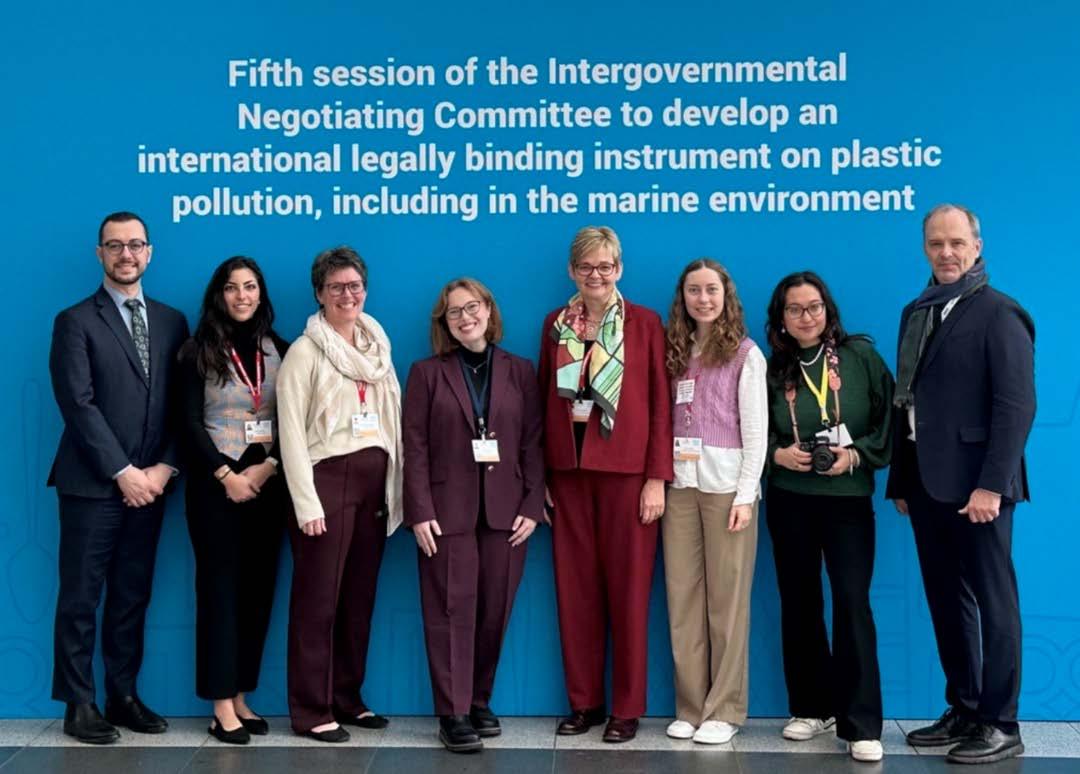
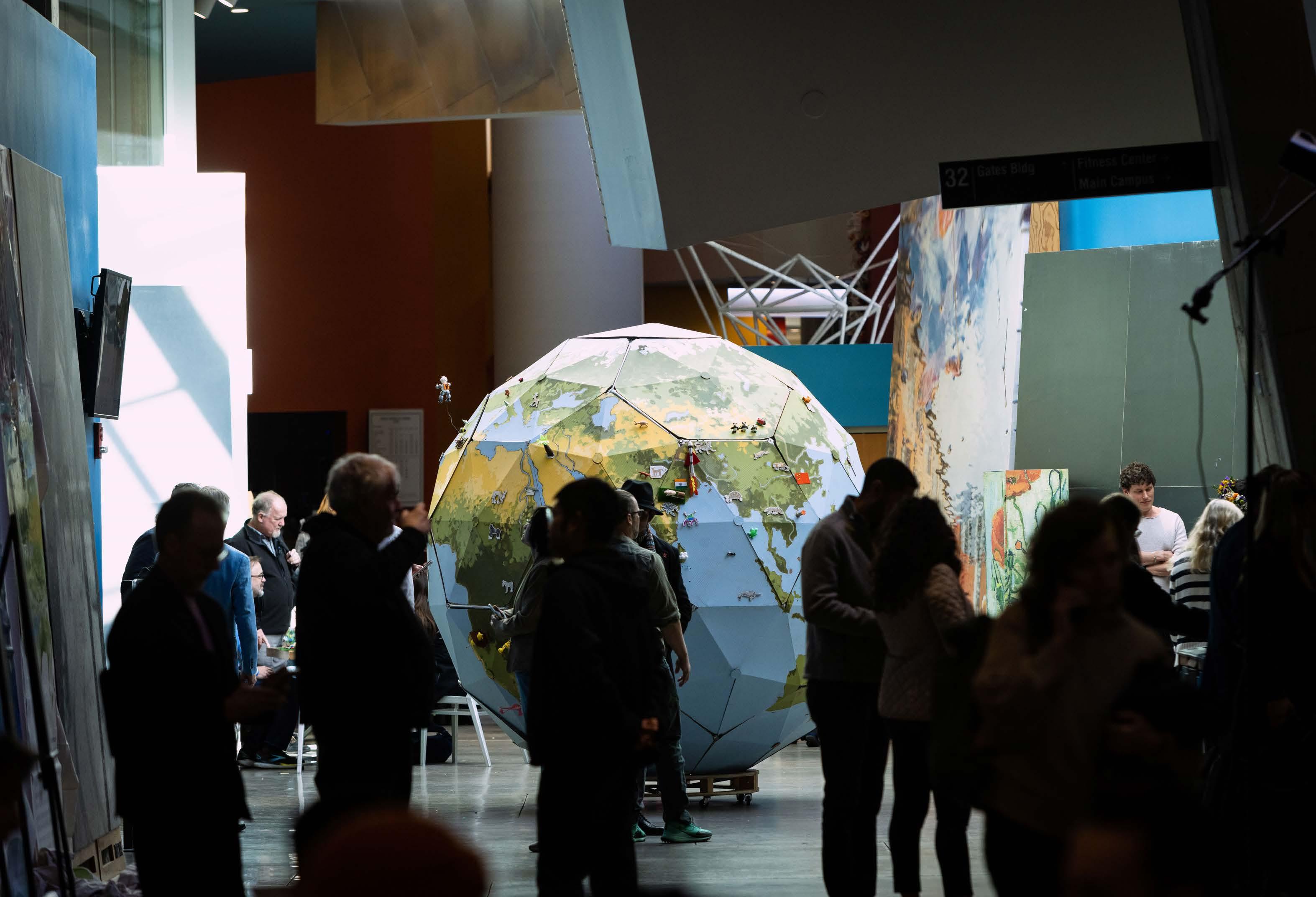
Adjacent to the negotiations, Policy School students Alexandra Carlotto, Marcello Fischer, Clara Copp-LaRocque, and Olga Skaredina collaborated with College of Arts, Media, and Design’s Kylee Hendrie ‘25, and College of Science’s Nicole Vandale to host Beyond Promises: Delivering on Plastics Commitments, Leadership from the Middle-Out. Under the leadership of Profs. Maria Ivanova and Aron Stubbins, diverse voices explored the transformative role of non-state actors in advancing plastics policy.
At the Planet Action 2024 summit held on the MIT campus, Policy School Director Maria Ivanova delivered a TEDx talk on “The Plastic Paradox.” In addition to examining our growing plastic footprint, Prof. Ivanova underlined the hazards microplastics pose to both human and planetary health and the role of art in raising awareness, She urged cities, companies, and campuses to lead the change that urgently needs to happen.
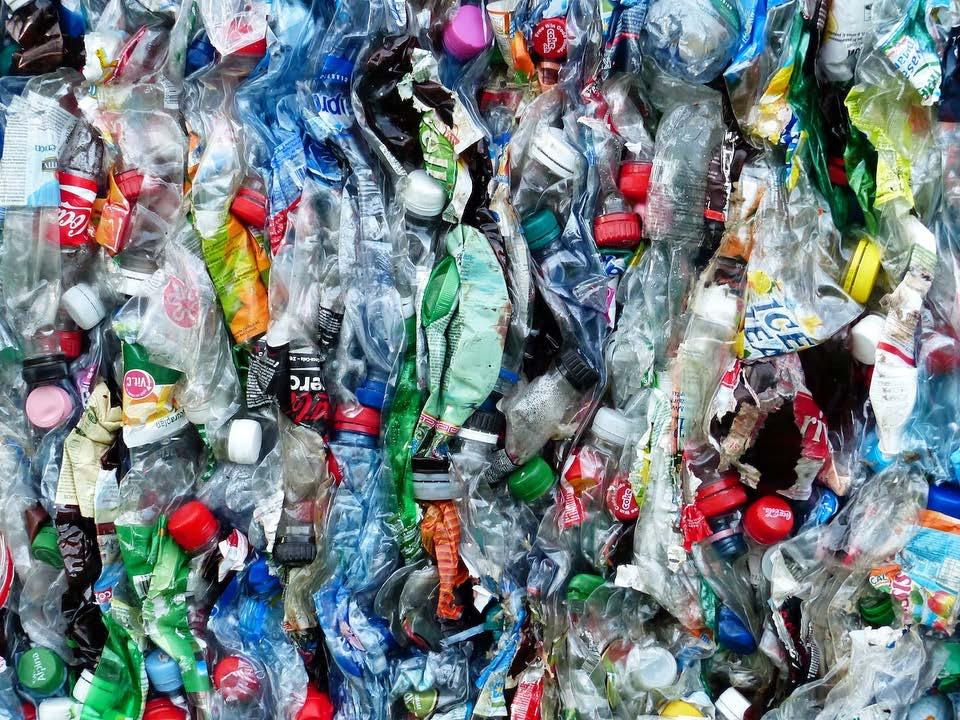
Plasticbottlesgenerate enoughwasteannuallytofill alineof40-tontrucks stretchingfromNewYorkto Bangkokand91percentof plasticsisneverrecycled.We needcollectiveaction.
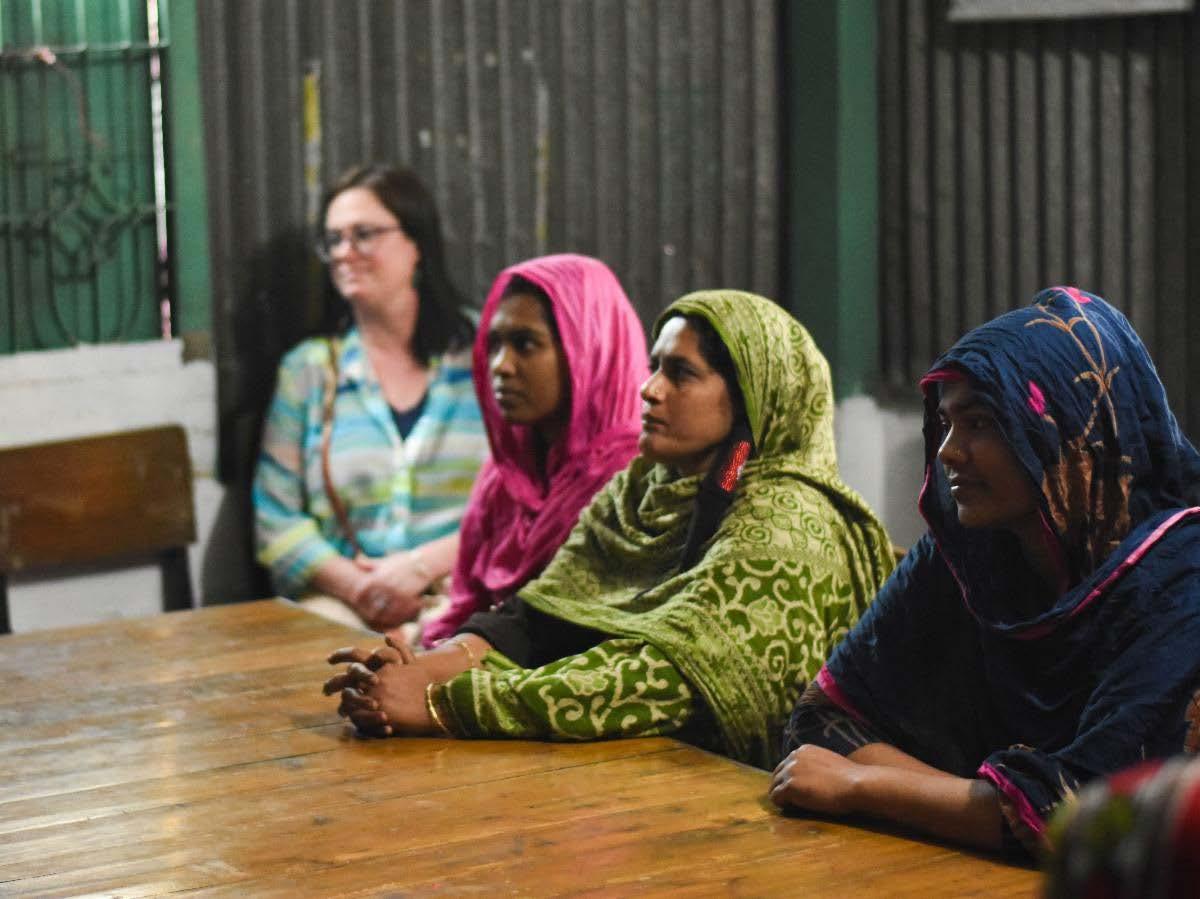
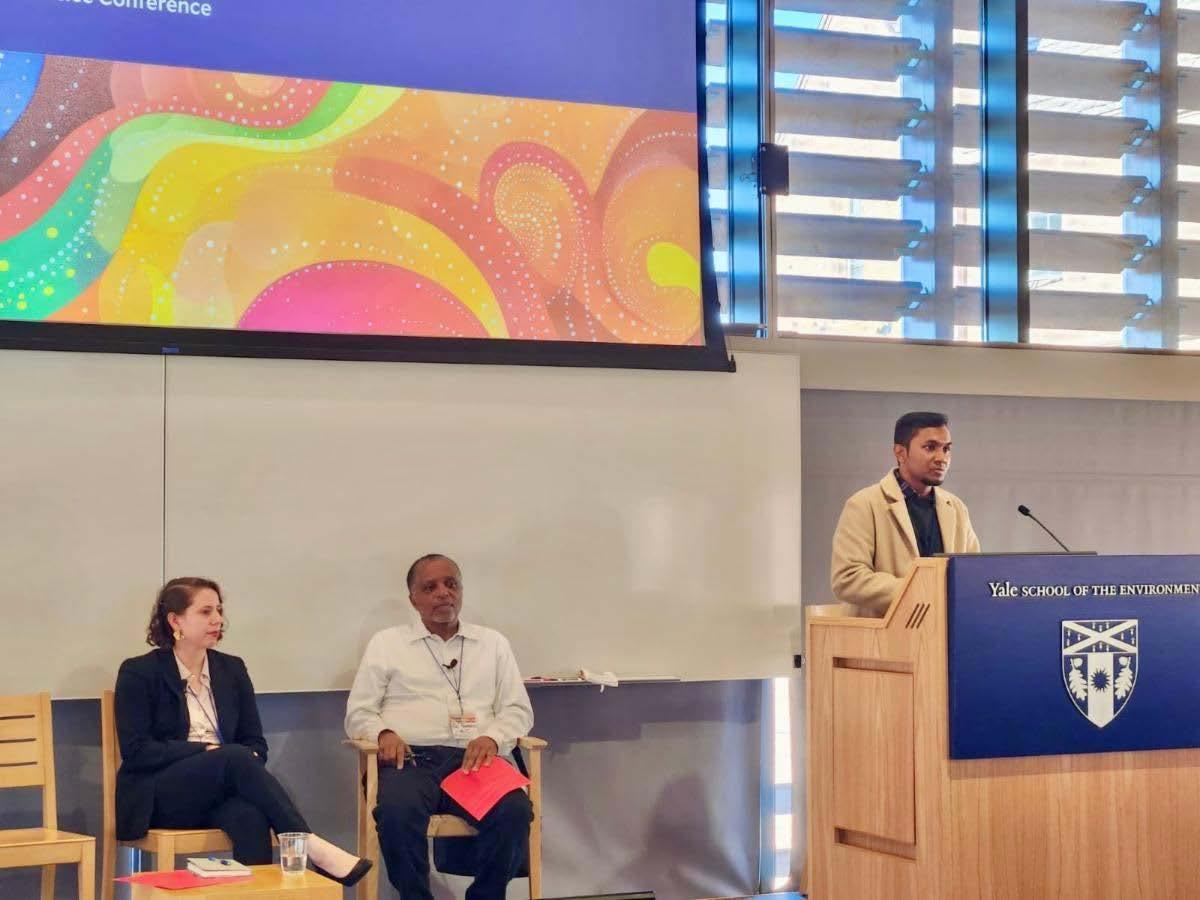
Prof. Laura Kuhl spent February in Bangladesh as a visiting researcher with the International Centre for Climate Change and Development (ICCCAD), exploring synergies and research collaborations on locally-led adaptation and loss and damage. She met with government officials, academics, and NGO and think tank leaders, and joined ICCCAD teams for fieldwork across the country. She also provided capacity-building sessions and lectures for
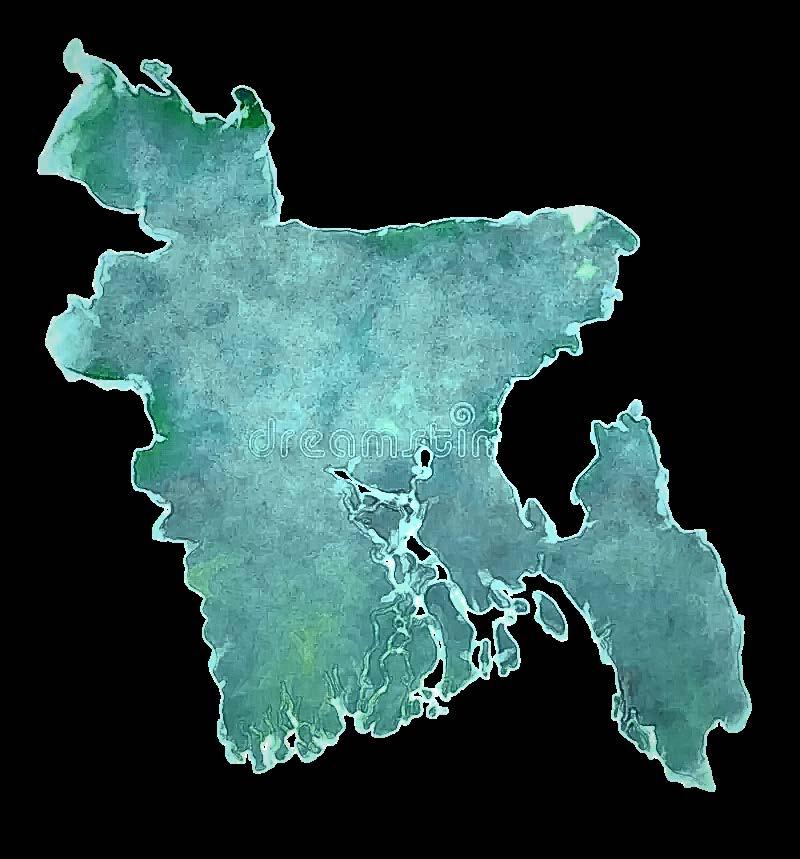
PhD student Istiakh Ahmed gave a talk on "Powering Justice: Climate Finance for Change in Tumultuous Times" at the Environmental Joy: Roadmaps for Resistance, Resilience, and Thriving conference at Yale University.
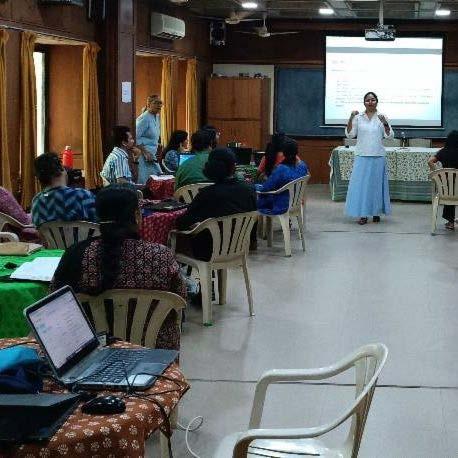
PhD student Vaishali Kushwaha launched a pilot workshop aimed at integrating digital proficiencies into environmental education and education for sustainable development through collaboration with community members.
Prof. Moira Zellner, speaking at a keynote panel on “AI and the Future of Climate Innovation” during Northeastern’s Sustainability Week, emphasized the importance of placing computational science within a humanities framework and engaging people in the computations so that humans and AI together generate solutions.
Technologyalone willnotsaveus,if technologyjust keepsperpetuating theexploitation ofresources,of otherhumans.
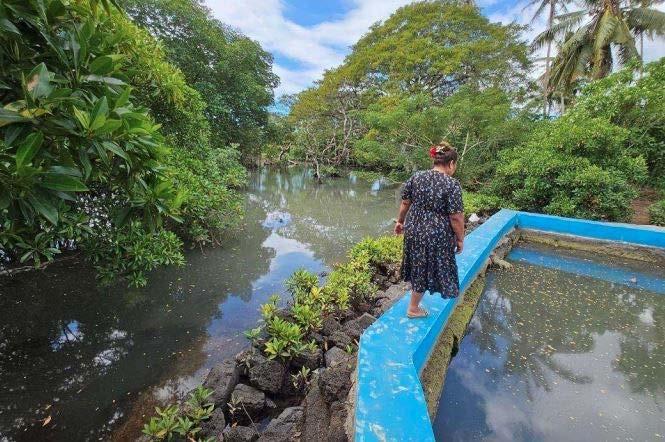
Prof. Laura Kuhl and PhD candidate Istiakh Ahmed were part of the independent evaluation team for the World Bank's Pilot Program on Climate Resilience (PPCR). This comprehensive evaluation examined more than a decade of climate adaptation work, analyzing a $935 million portfolio spanning 64 projects across 18 countries and two regions (the Caribbean and the Pacific).
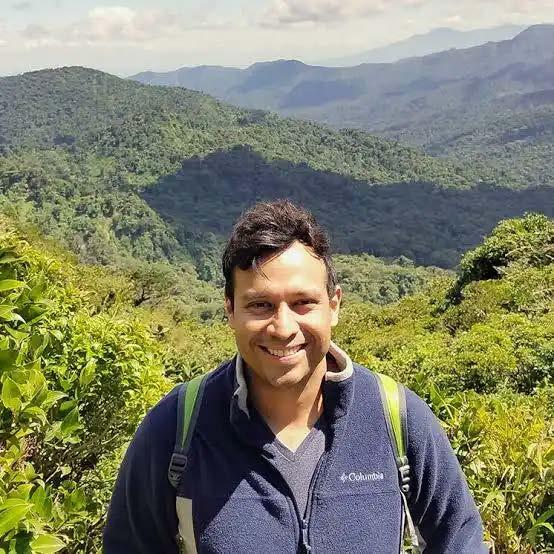
PhD student Johan Arango-Quiroga traveled to Cali, Colombia to attend the 16th meeting of the Conference of the Parties to the Convention on Biological Diversity (COP 16). He focused on environmental action led by Indigenous Peoples and local communities, and observed negotiations seeking to strengthen the linkages between climate change and biodiversity.

STUDENT-LED PROGRAM
The Northeastern Association for Public Policy Students (NAPPS) hosted its first Urban Sustainability Simulation. organized by Tayte Adderley ’25 (MPP). Student teams competed in a game scenario focused on an urban water crisis occurring in fictional Freeport City. Participants were charged, as the Freeport Water Task Force's policy analysts, to implement policies that would bring about water sustainability in the city.
our stories our stories
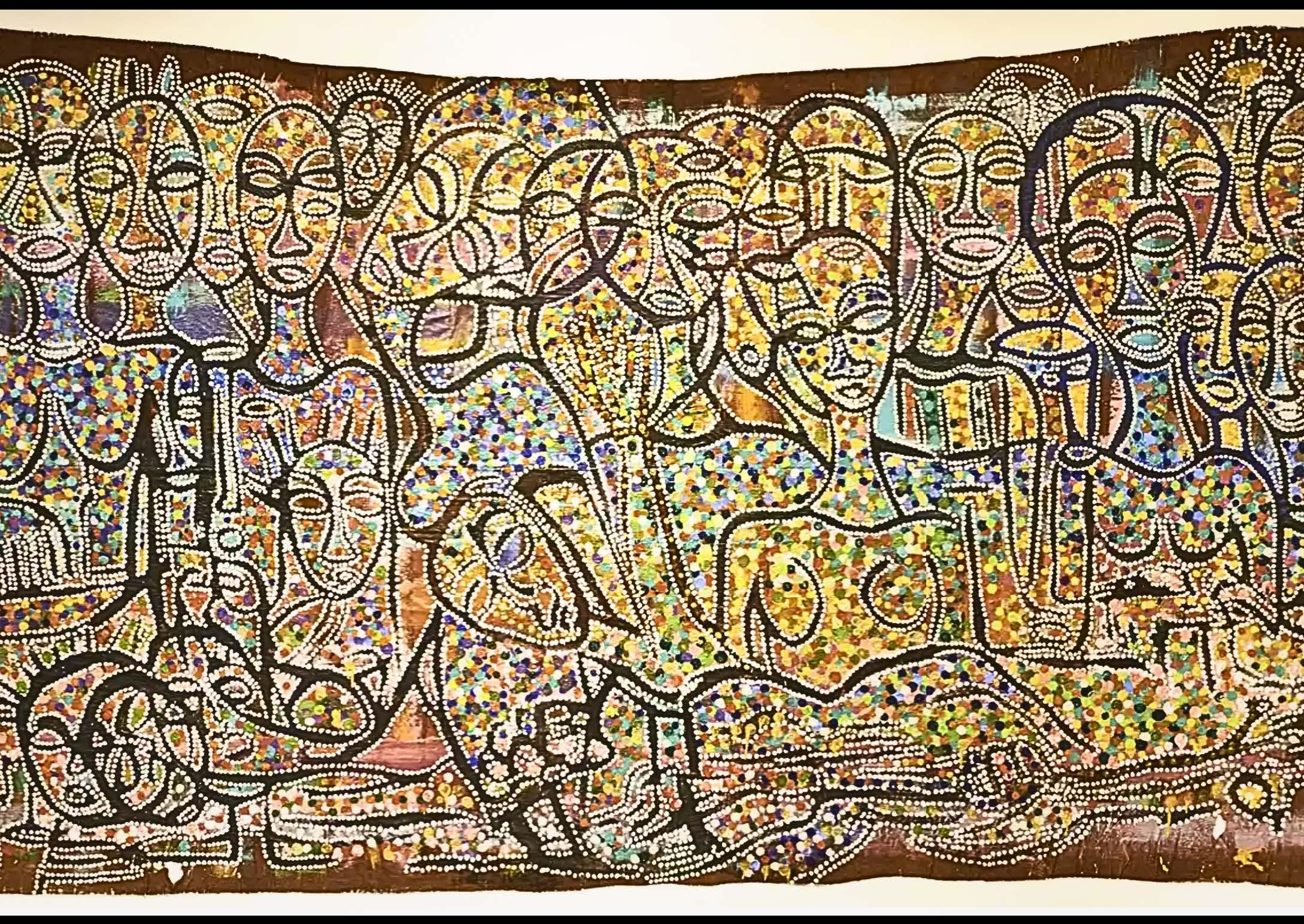
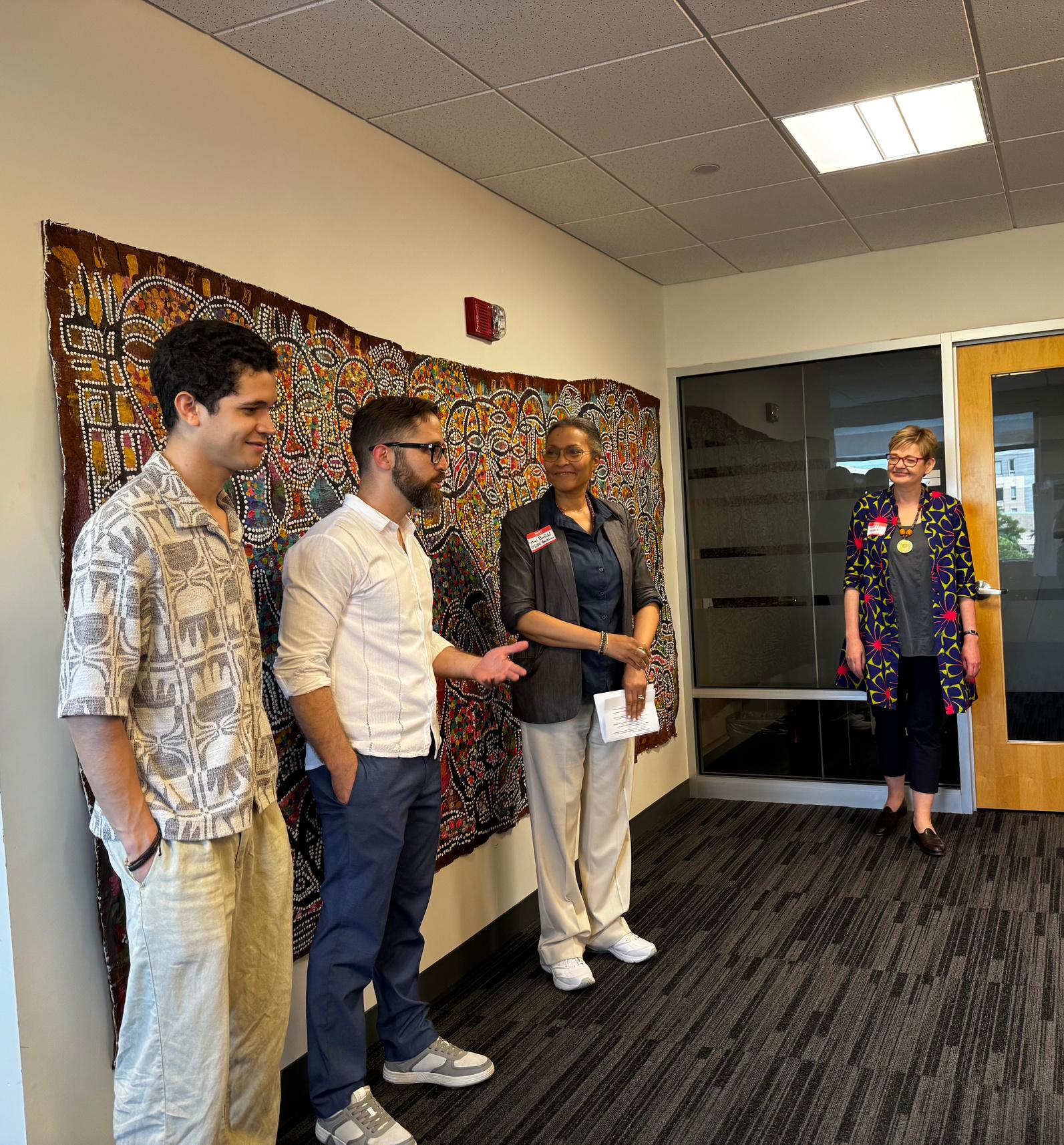
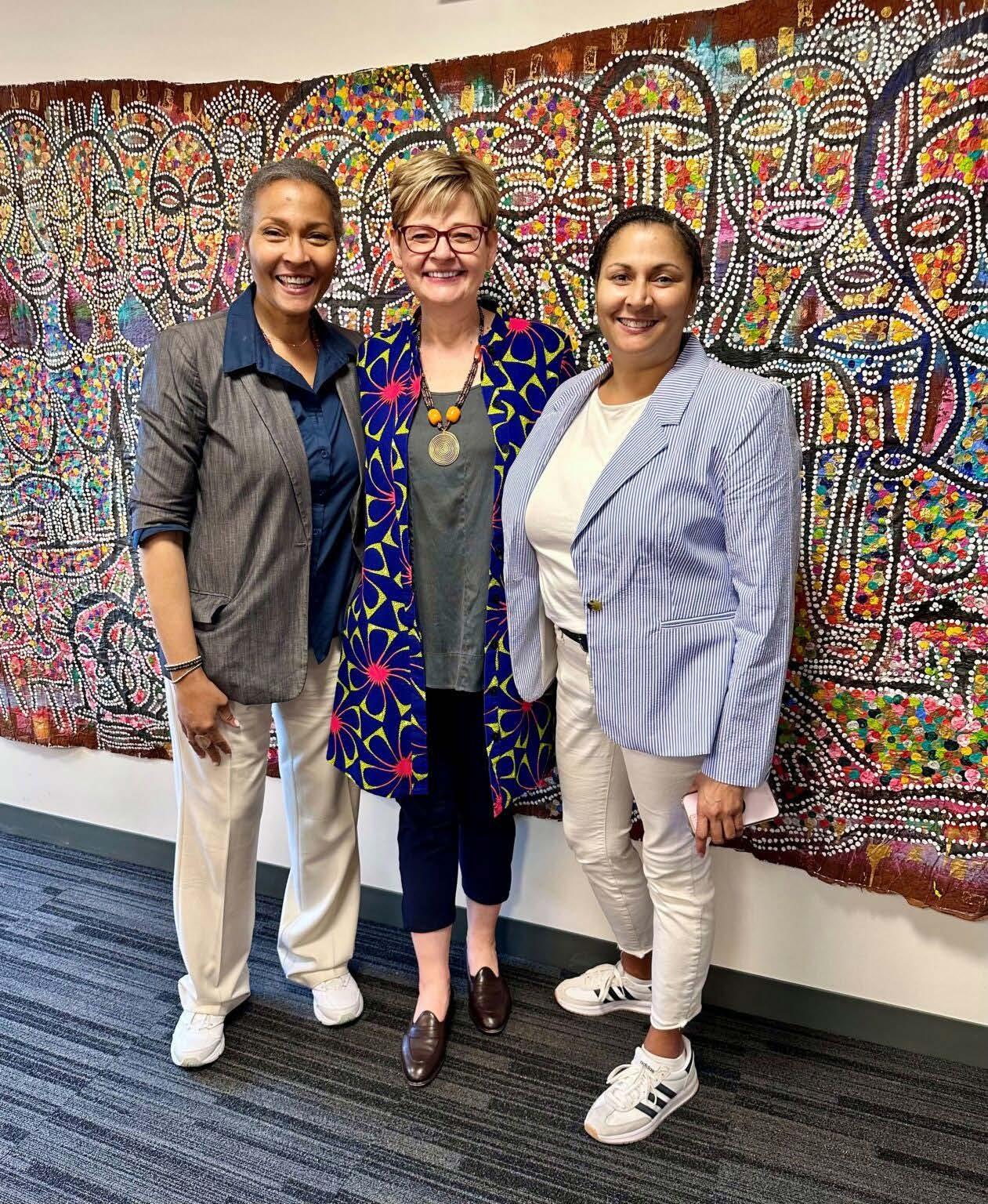
Makers & Shakers: an Arts and Policy Gathering showcased how the Policy School integrates creativity with policy innovation to drive meaningful social impact. Co-hosted with the Berklee College of Music, the evening featured live performances from Berklee musicians. We showcased works by Rwandan artist and environmental advocate Innocent Nkurunziza, who harvests his own paints from nature and uses sustainably sourced tree bark in place of canvas.


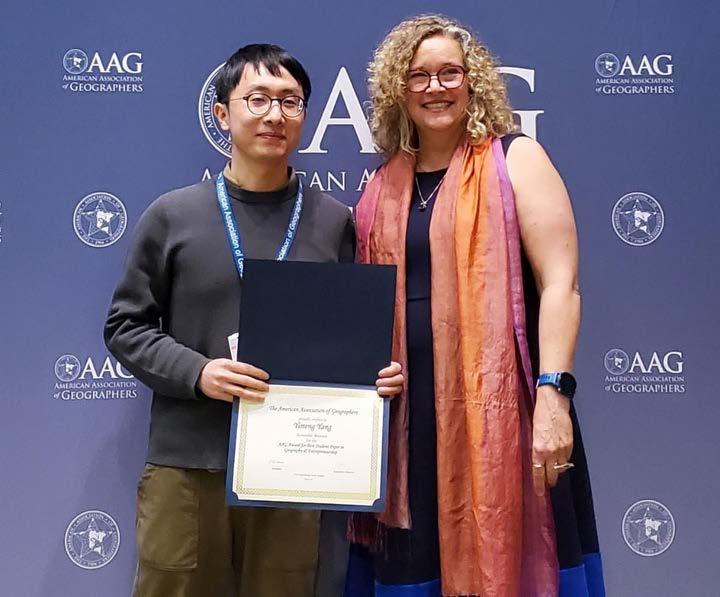
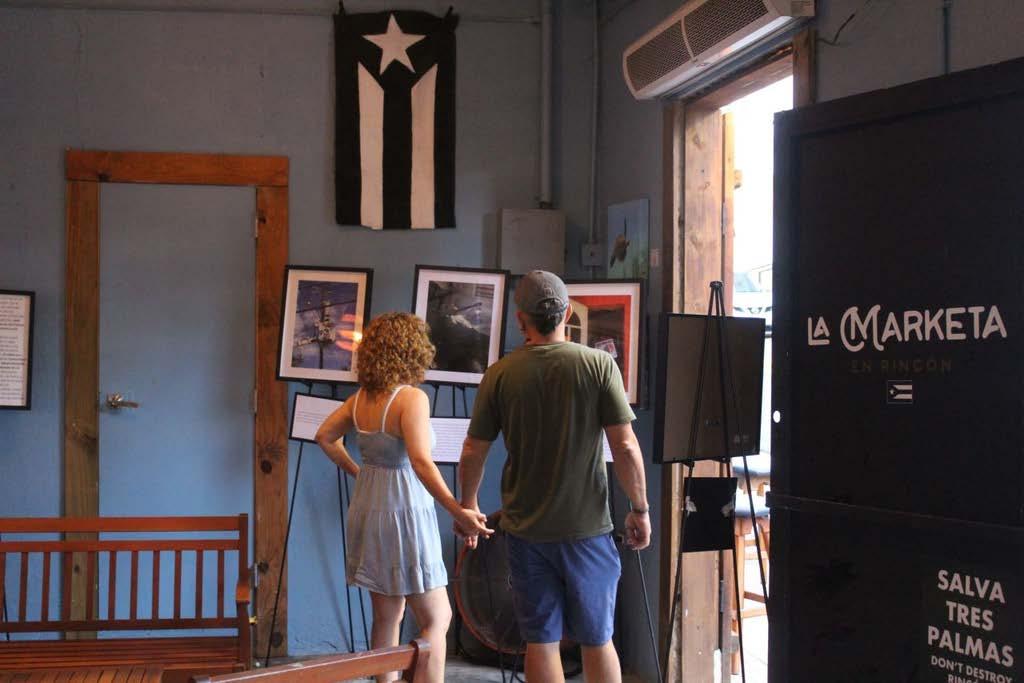
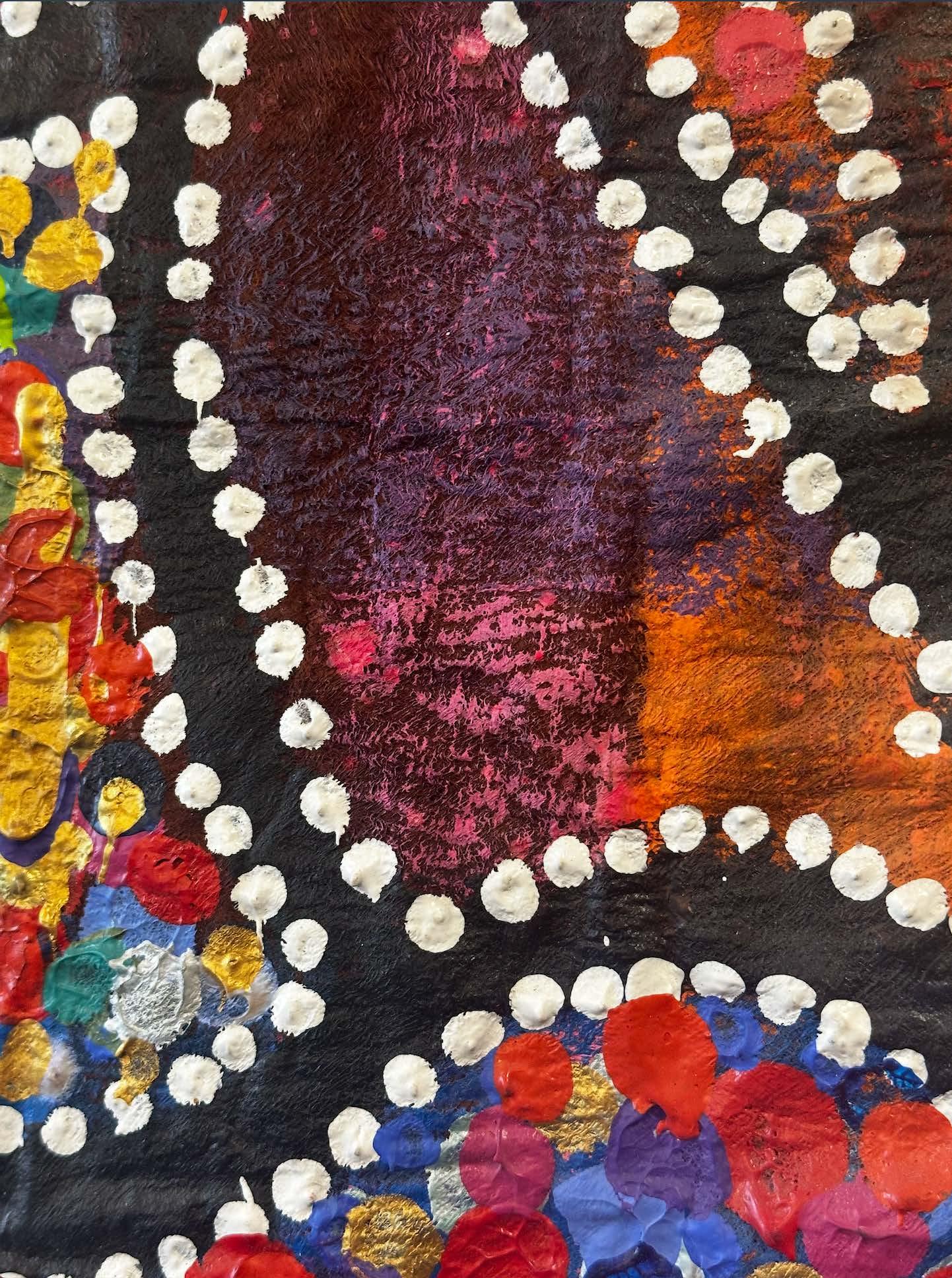

At the American Association of Geographers (AAG) annual meeting in Detroit, PhD student Yimeng Yang placed as a runner-up in the AAG Best Papers in Geography and Entrepreneurship Award. He also received Honorable Mention in the Urban Geography Group’s Student Paper Award and was a Judge’s Choice Winner in a photography competition of the Cultural Geography Group. Yimeng’s photo will be published in the Journal of Material Culture.
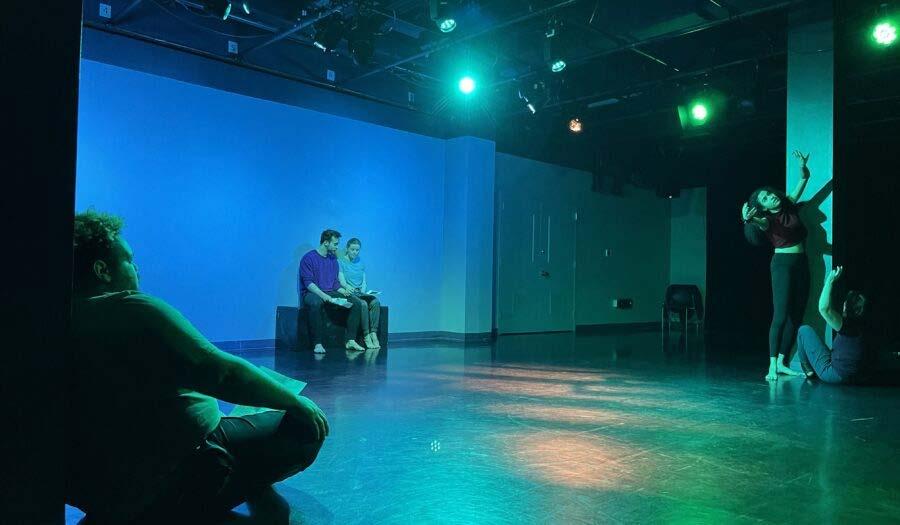

Data Theatre Collaborative awarded Mellon Foundation grant
Prof. Moira Zellner is part of the interdisciplinary Northeastern team behind the Data Theatre Collective, led by Prof. Dani Snyder-Young. The initiative was awarded a Higher Learning Open Call grant from the Mellon Foundation, the nation’s largest funder of the arts, culture, and humanities. The team received a grant funding for their project on Data Theatre for Civic Deliberation, to translate quantitative data into embodied storytelling through data theatre workshops and participatory performance events. This engaged community stakeholders in decision-making about local issues like gentrification and urban green space development.
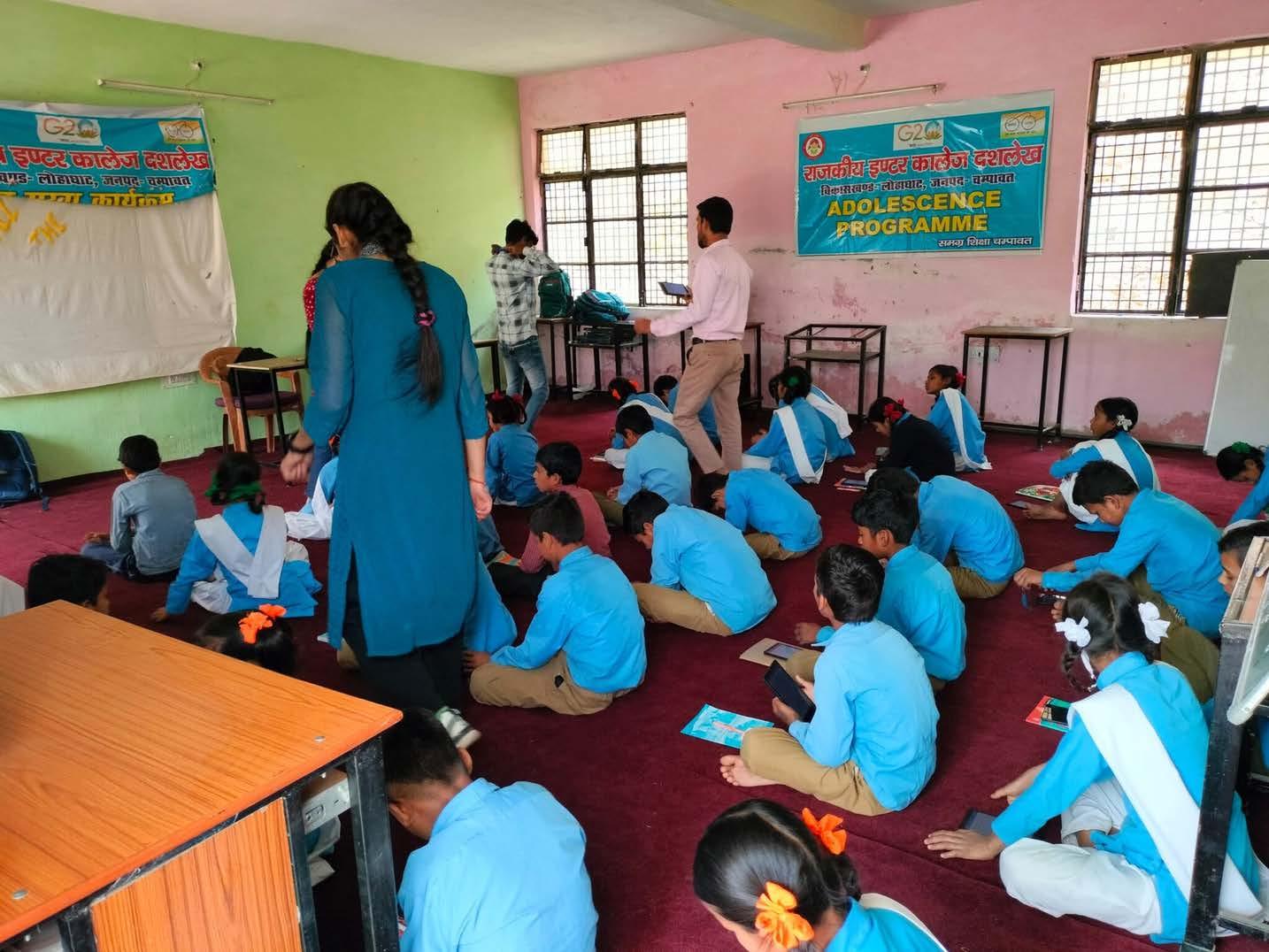
In an ongoing project in India, Prof. Shantanu Khanna, together with Prof. Nishith Prakash and others, is examining how a novel and multifaceted curriculum using a theatre-centered pedagogy impacts middle school students’ acquisition of crucial foundational skills to navigate their personal, social, and academic lives.
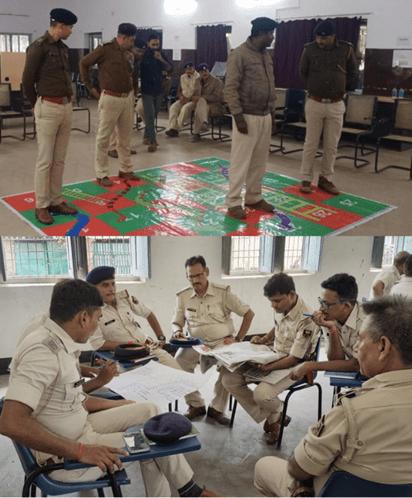
Tapping expressive arts interventions to fight gender-based violence in India
Prof. Nishith Prakash’s initiated a study evaluating a novel, theatre-based training intervention designed to reduce gender bias and improve gender-based-violence response among police officers in Bihar, India. The intervention was delivered to more than 1,800 officers across 217 treatment police stations in a randomized controlled trial covering 42 million people.

“Peopledon’tchangetheir mindsbecauseoffacts. Theydobecauseoffeelings. AndthisiswhereIthinkart isabsolutelycriticaltoshift theneedleonpolicy.”
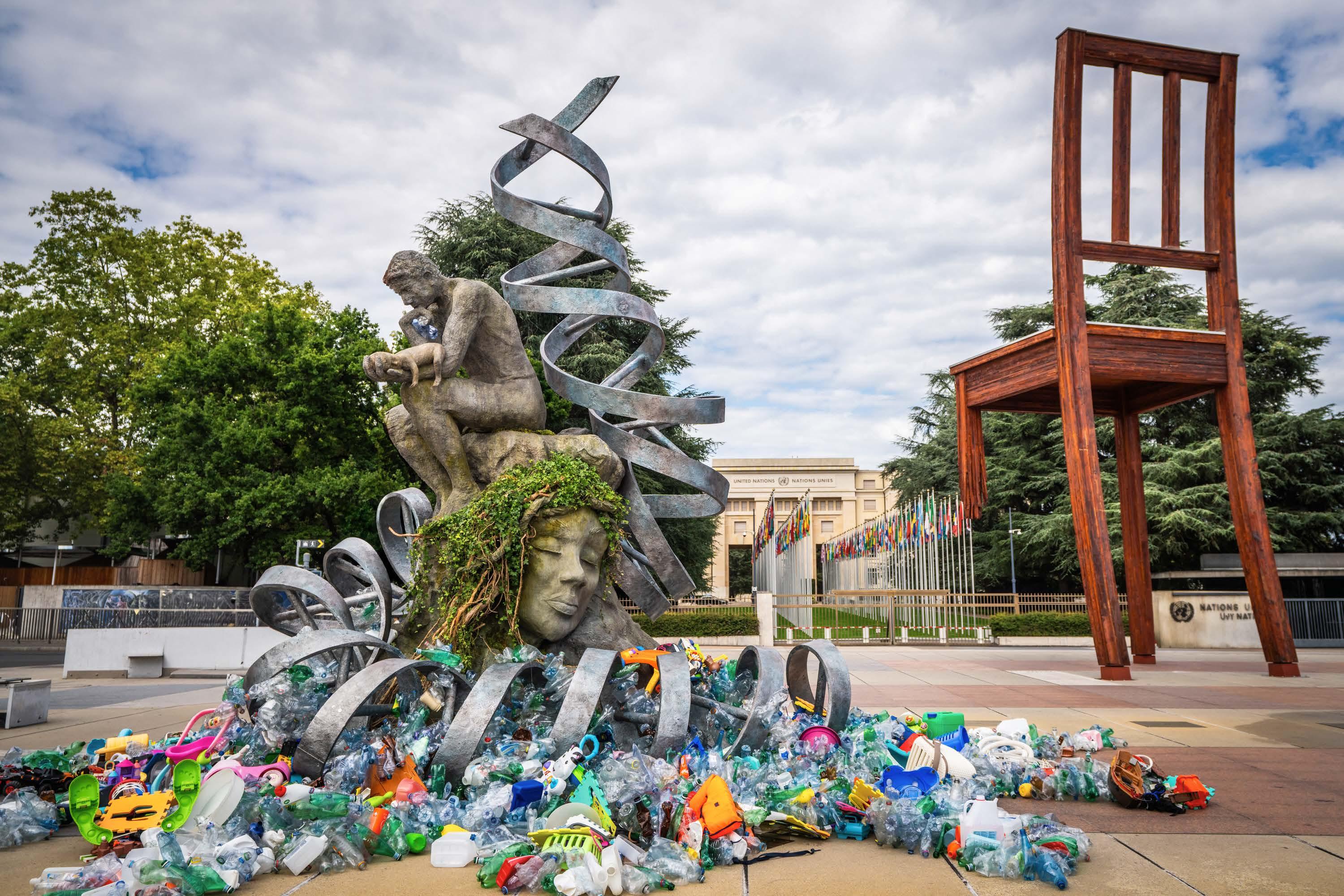
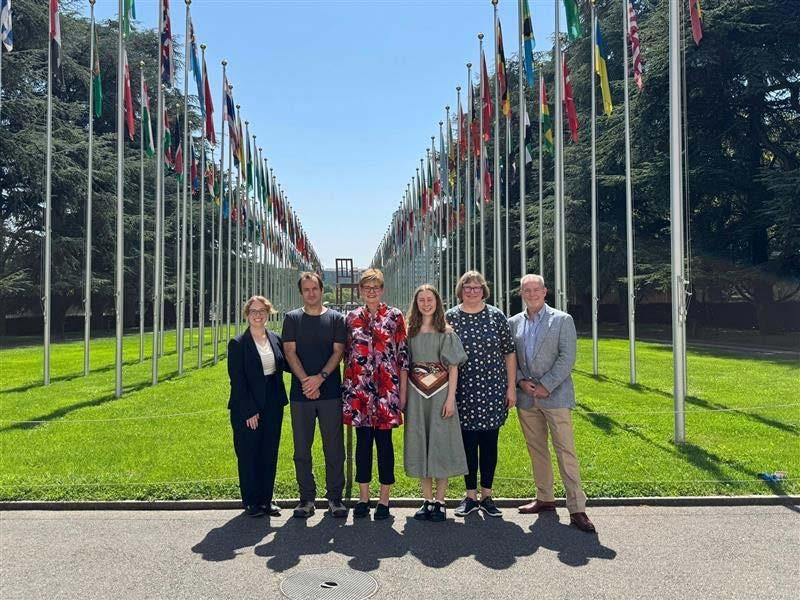
At the plastics negotiations, INC-5.2, in Geneva, governments failed to agree on a global treaty, but Northeastern’s delegation underscored the critical role of academia in tackling global challenges. Led by Prof. Maria Ivanova, the delegation engaged UN officials, business leaders, NGOs, and US congressional staff to share their interdisciplinary vision for eliminating plastic pollution. The delegation included Nicole Vandale, Prof. Aron Stubbins, Prof. Maria Ivanova, Olga Skaredina, Prof. Kirsten Rodine-Hardy, and Davis Bookhart. The team left with renewed urgency and momentum, building partnerships to position the Plastics Center at Northeastern as a catalyst for lasting solutions.
Prof. Dietmar Offenhuber and his team created a project that makes otherwise imperceptible climate impacts visible by conceiving the city of Venice itself “as a computer, as an environment that processes information.” The water computer installation was presented at the Biennale Architecttura in Venice, the largest festival of its kind.
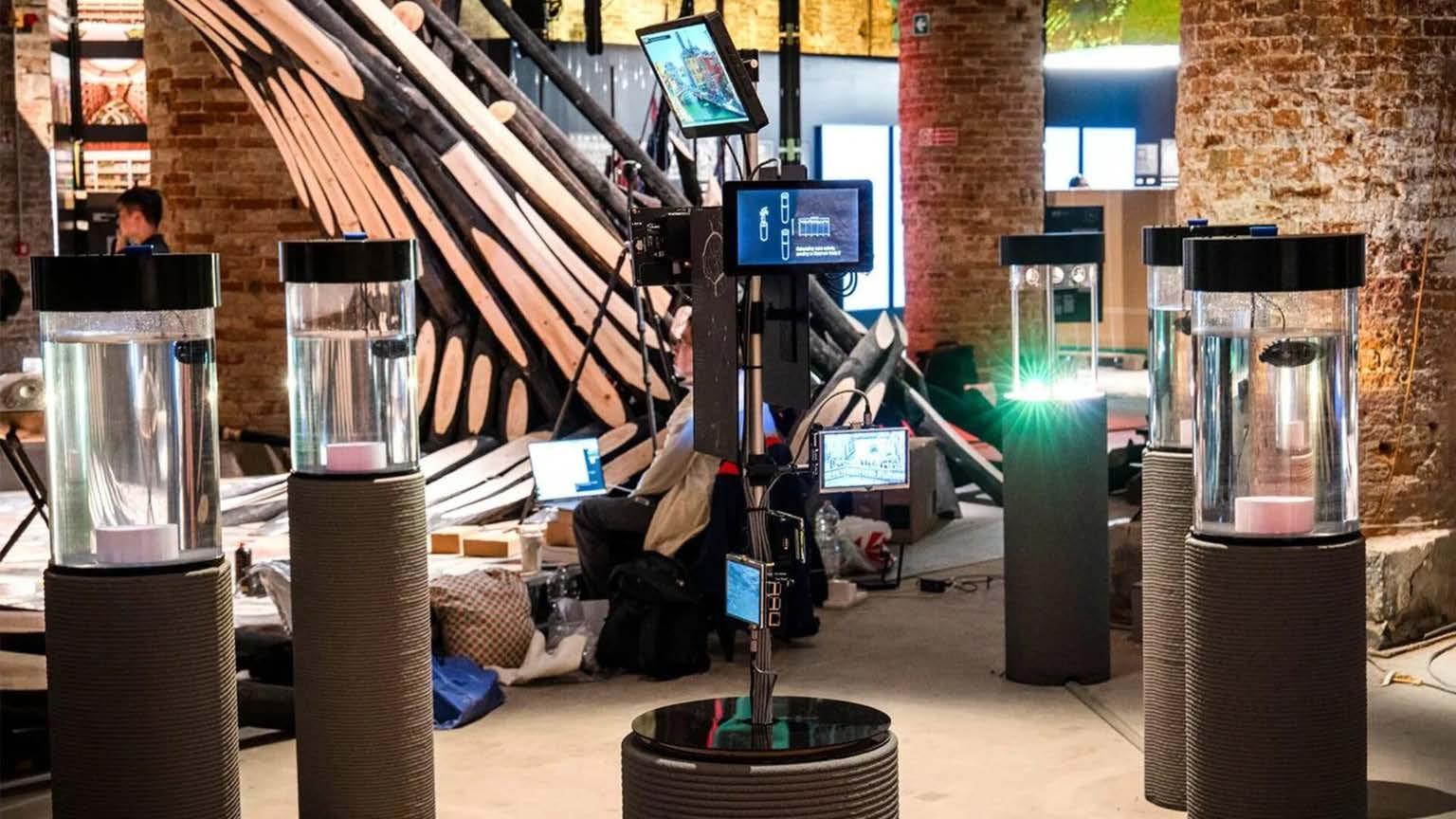

Wecanlookat environmentalprocesses onamuchbroaderscale. Ifyoulookattheseslow changes,youcan’t reallyperceivethem.We canharnessenvironmental systemstomakethose changesmoreapparent.
oursystems oursystems oursystems
our systems our systems
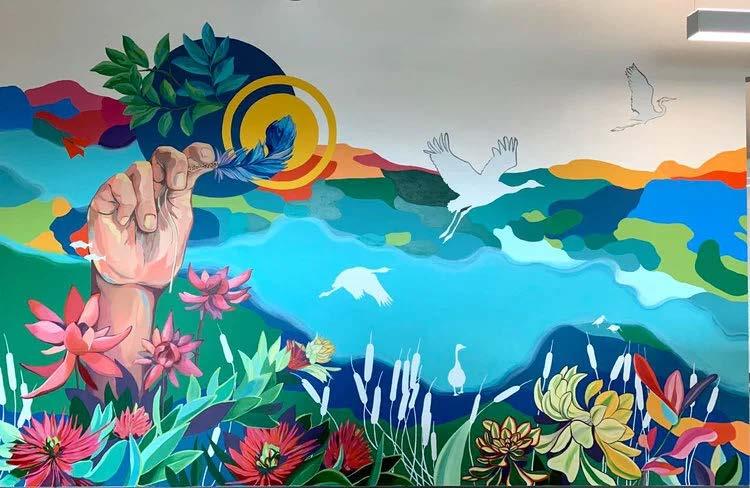


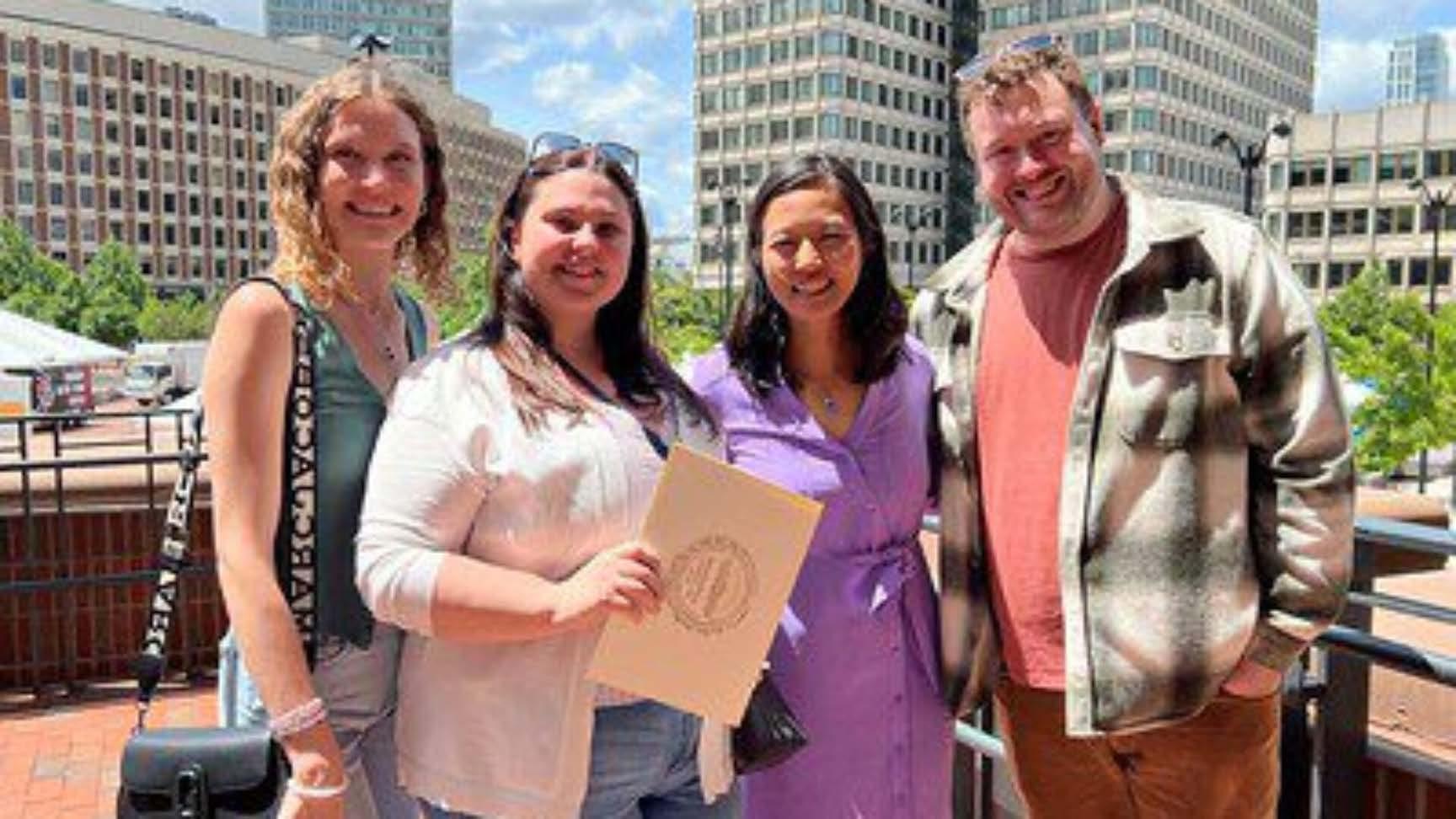
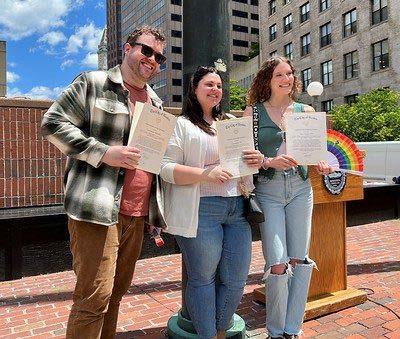
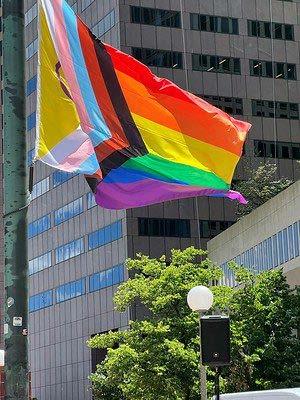
Policy School 2025 alumni Lucas Sensius (MPA), Alexandria Bethune (MPA), Alyson Mullings (MPA), and Marie Stephens (MPP) received a Mayoral Citation from Boston Mayor Michelle Wu. They received the citation during the June LGBTQ+ Pride flag raising and celebration at City Hall Plaza. The honor recognized their Capstone project, a comprehensive guidebook on navigating discrimination in Massachusetts, developed in partnership with the Mayor's Office of LGBTQIA2S+ Advancement (MOLA) and the Massachusetts Commission Against Discrimination (MCAD). The resource embodies the Policy School mission of conducting civic research for the greater good. This guidebook will serve not just the LGBTQ+ community but all residents facing harassment and discrimination based on their identity.
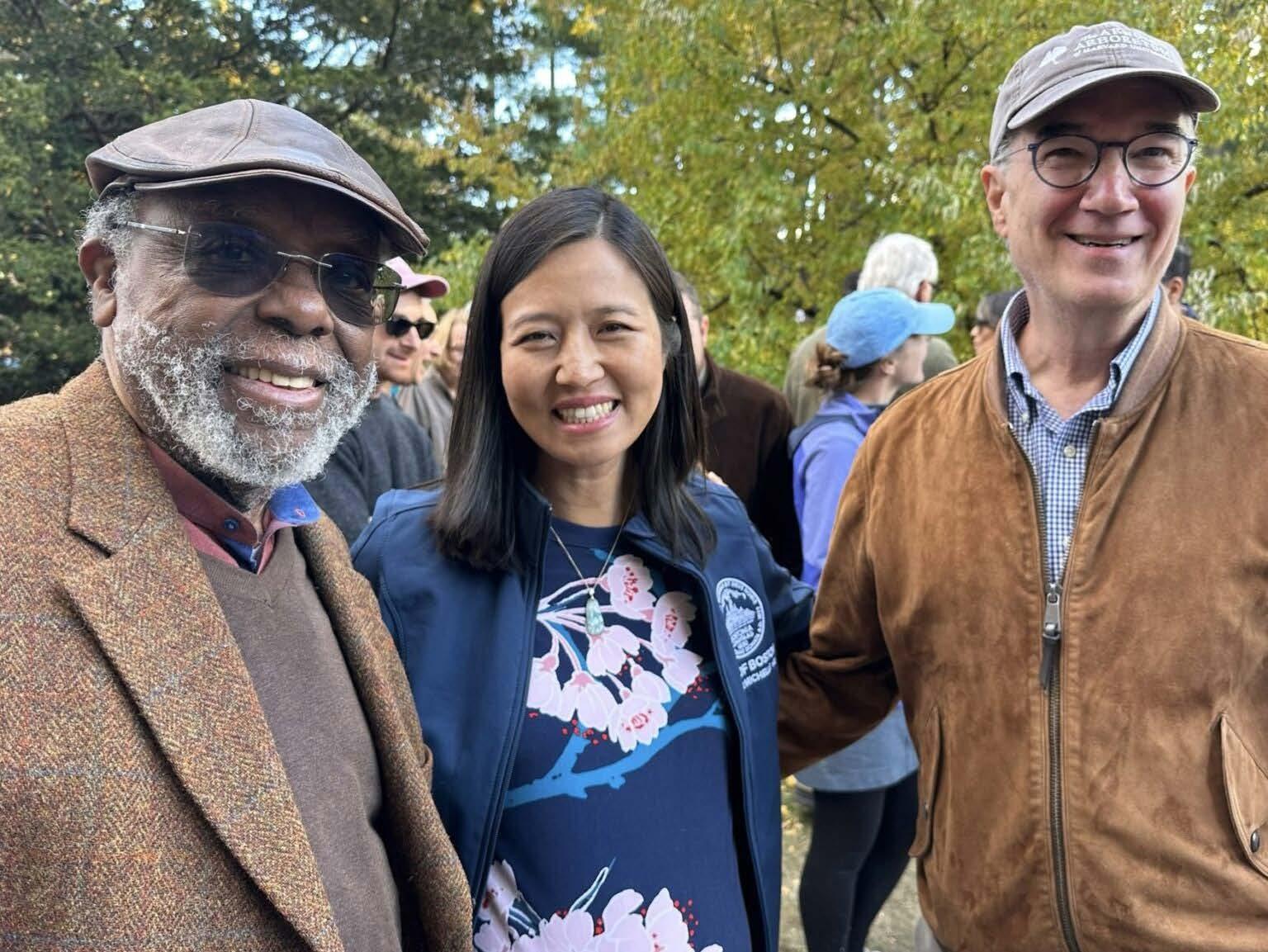
Prof. Ted Landsmark joined Boston Mayor Michelle Wu in a moment of restorative justice and reconciliation as the city renamed Flora Way in honor of an 18th-century Black woman who was enslaved in Boston. The ceremony highlighted the importance of acknowledging and commemorating Boston’s complex history.
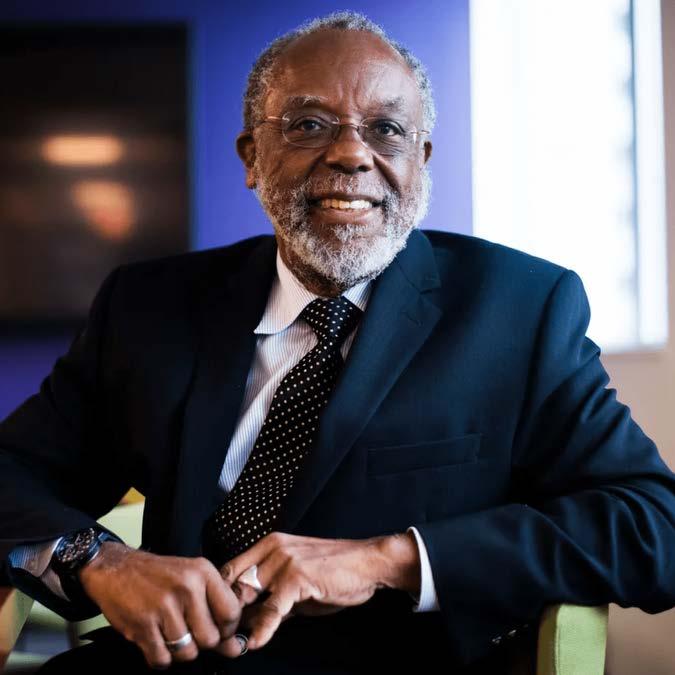
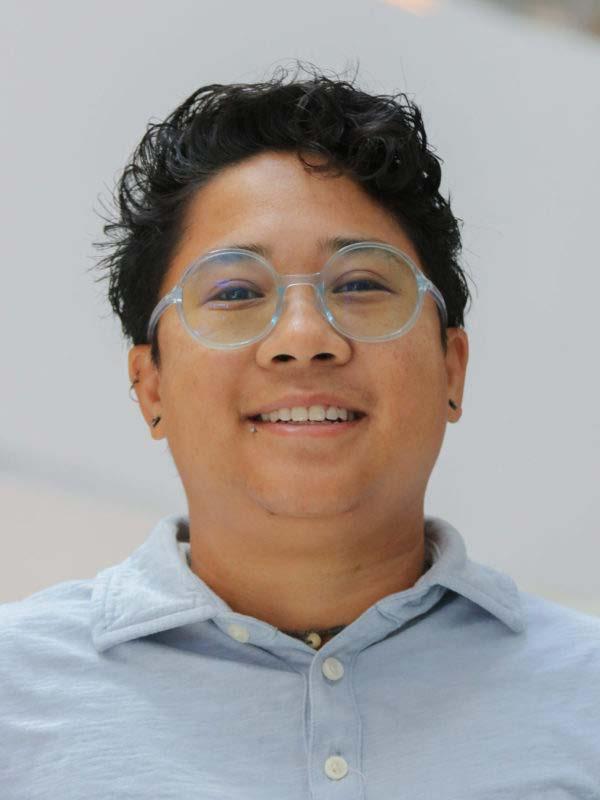

On the 50th anniversary of the court-ordered decision that mandated busing, a panel brought together community members, practitioners, policymakers, and researchers to reflect on educational equity. Prof. Ted Landsmark joined the MIT Blueprint Labs-curated conversation "50 years after Garrity: School integration and performance in Boston Public Schools."
In Spring 2024, Prof. Kimberly D. Lucas teamed up with students Khaing May Oo '26 (MPP), Zoe Madu ‘25 (MPP), and Innocentia Ashai ’25 (MA International Affairs) to co-author a report titled “Understanding ‘Post-Pandemic’ Family Child Care Providers: Why New Providers Entered the Field and Why Others Left.” The project, conducted in partnership with Dr. Wendy Wagner Robeson and her undergraduate team at the Wellesley Centers for Women, sheds light on the motivations and challenges faced by family child care providers in the aftermath of the pandemic.

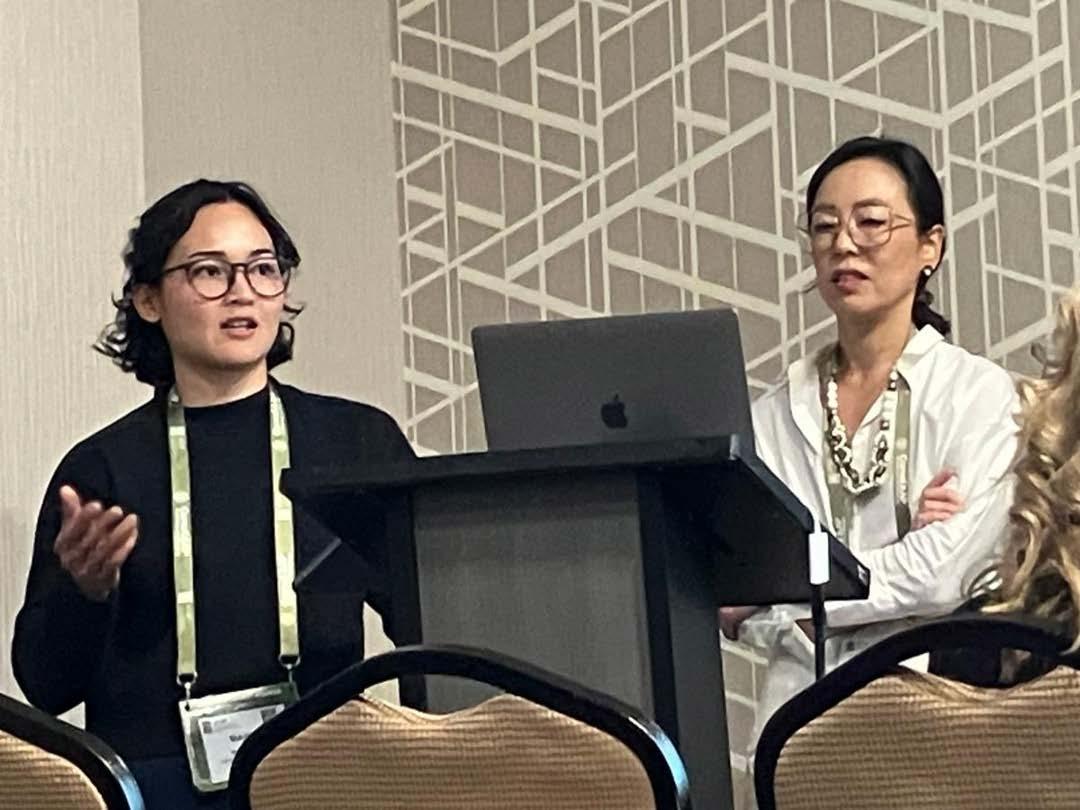
MUPP student Maria Salim and Prof. Lily Song jointly presented their research at the Association of Collegiate Schools of Planning (ACSP) 2024 Annual Conference in Seattle. The title of their presentation was "Unsettled Accounts: Participatory research on Black property ownership and unjust takings in Boston."
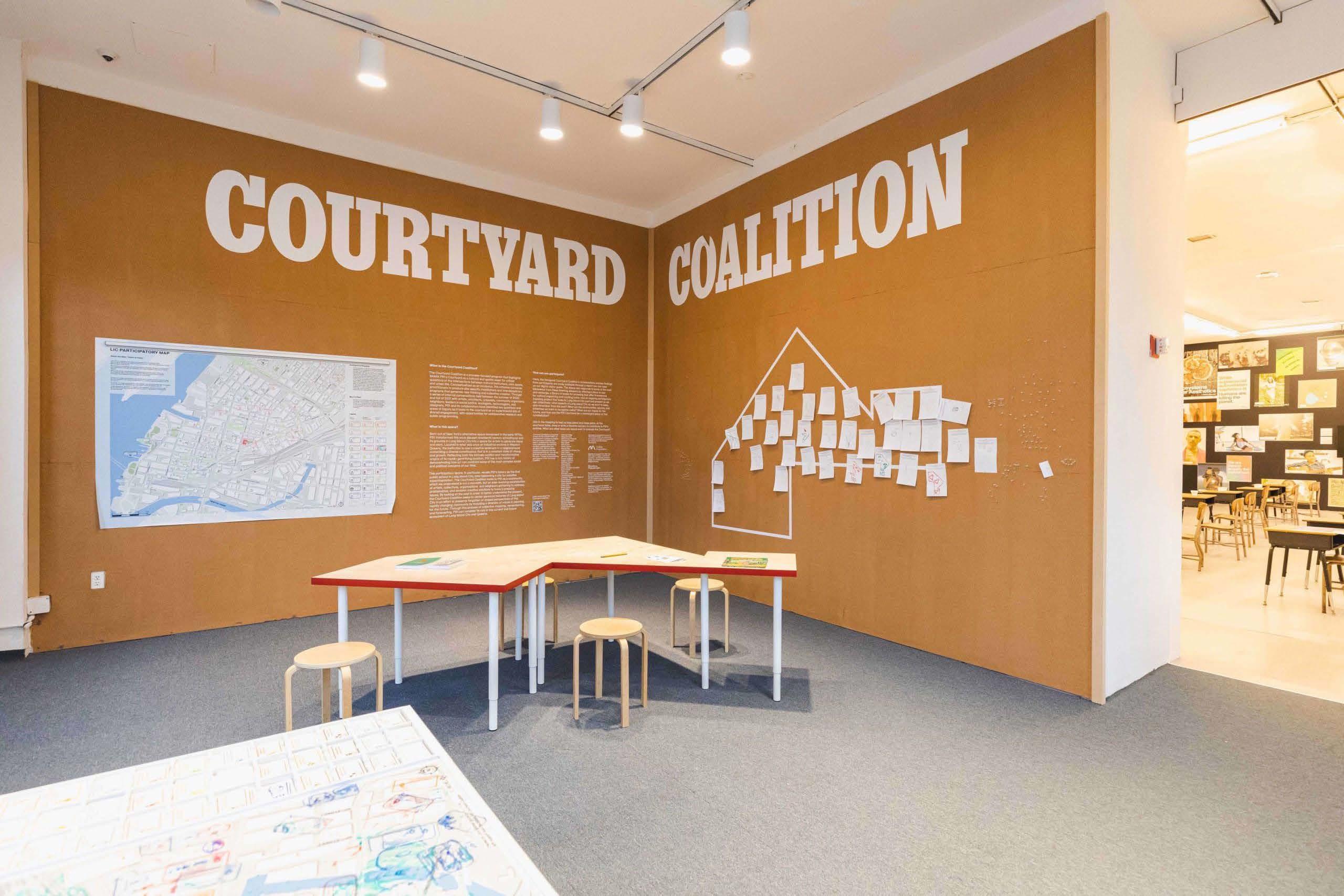
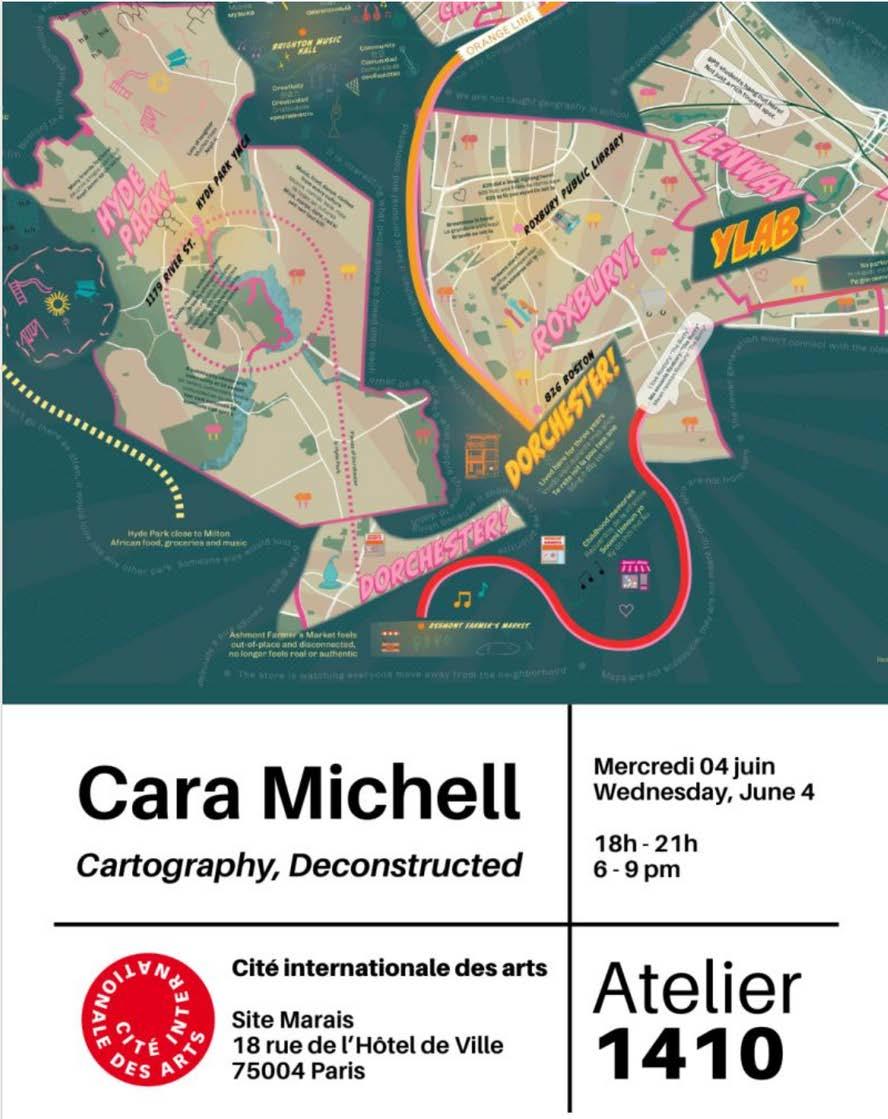
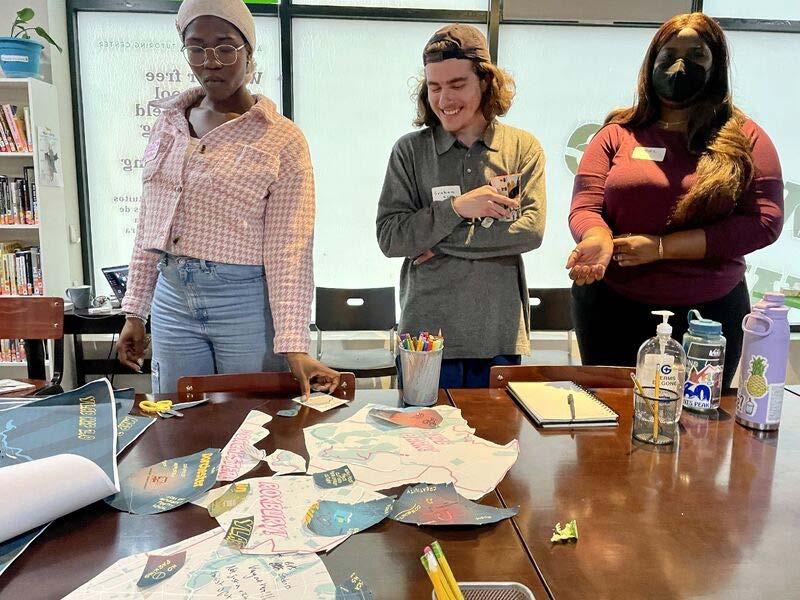
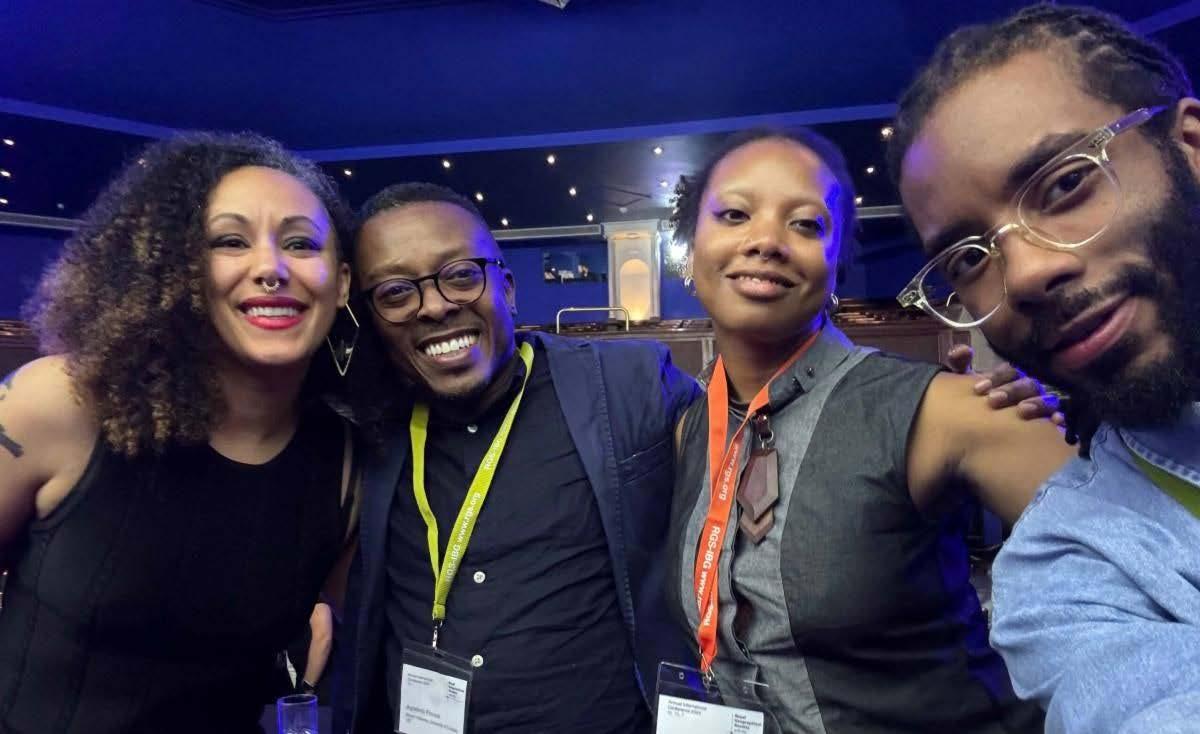
Prof. Cara Michell presented cutting-edge research at the prestigious Royal Geographical Society conference in London. Prof. Michell shared her ongoing participatory mapping work at the Flatbush African Burial Ground with Shanna Sabio of Grow House Community and Urban Development on the panel "Intellectual Gaslighting: Mapping the Decolonial Erasures and Recovery of Global Black Geographies in Europe". This work was generously funded by a C2C Policy Fellowship.
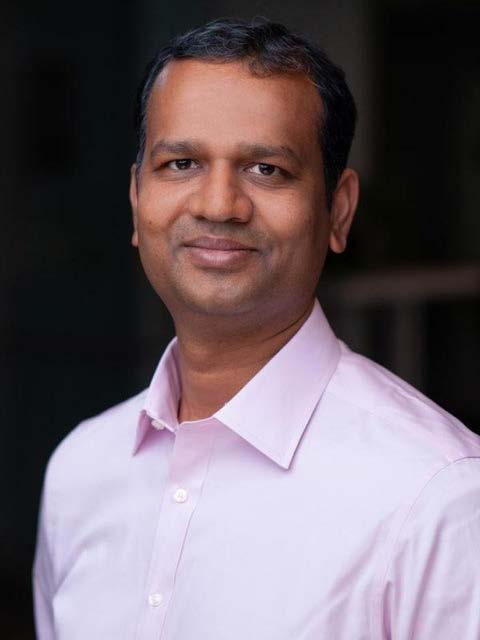
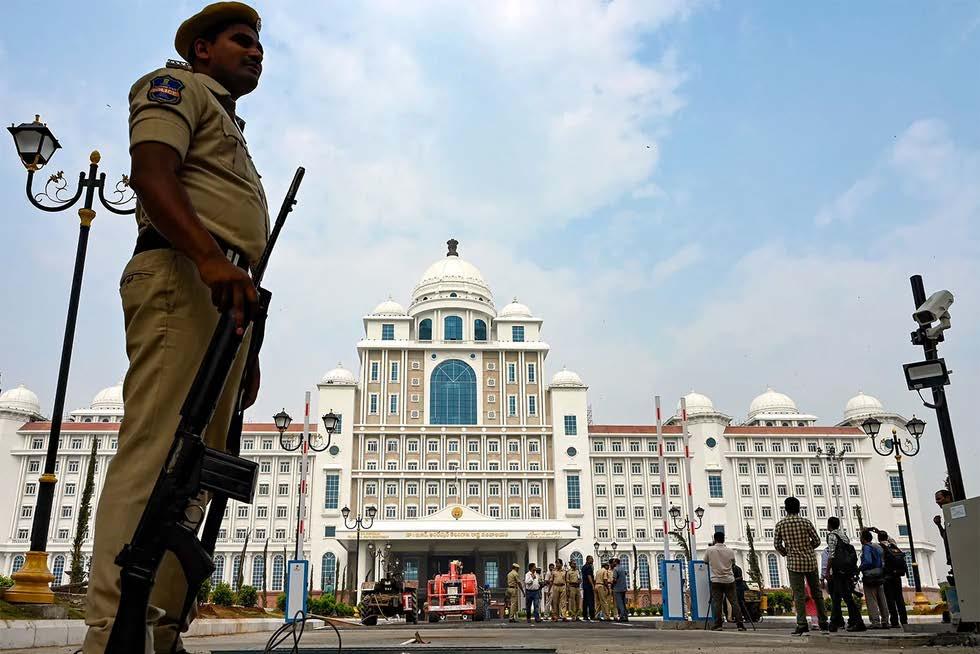
In collaboration with the Hyderabad City Police, Prof. Nishith Prakash evaluated the effectiveness of their Safety, Health, and Environment (SHE) Teams in combating sexual harassment in public spaces. His paper on this topic was accepted for publication in the Quarterly Journal of Economics.
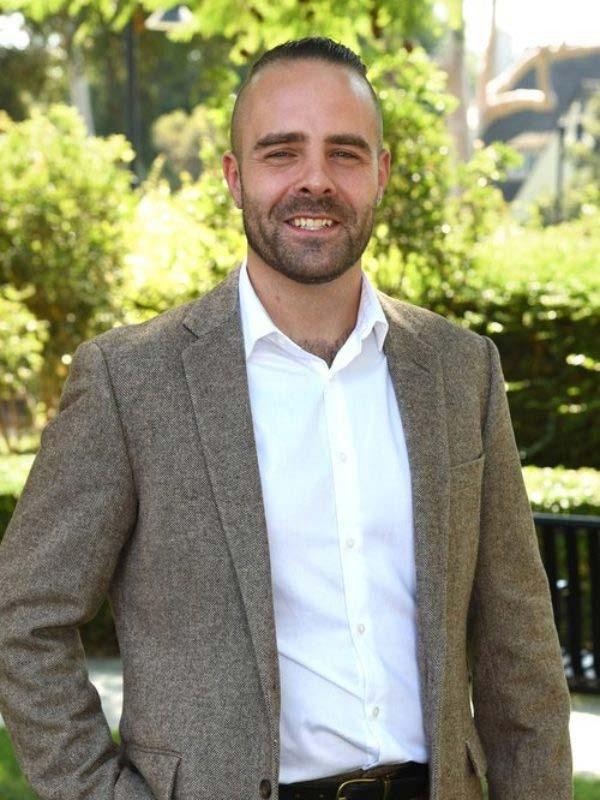
Prof. Daniel Aldrich's groundbreaking research reveals how interconnected global crises from pandemics to climate disasters to geopolitical conflicts are creating unprecedented "polycrises." These demand transformative "polysolutions," fundamentally reshaping how institutions and decision-makers must approach systemic resilience in an increasingly complex world.
Prof. Matthew Ross, Criminal Justice Research Fellow at Arnold Ventures, is collaborating with leading experts at the Urban Institute to develop breakthrough strategies that strengthen support systems for victims and transform how the justice system responds to violent crimes.

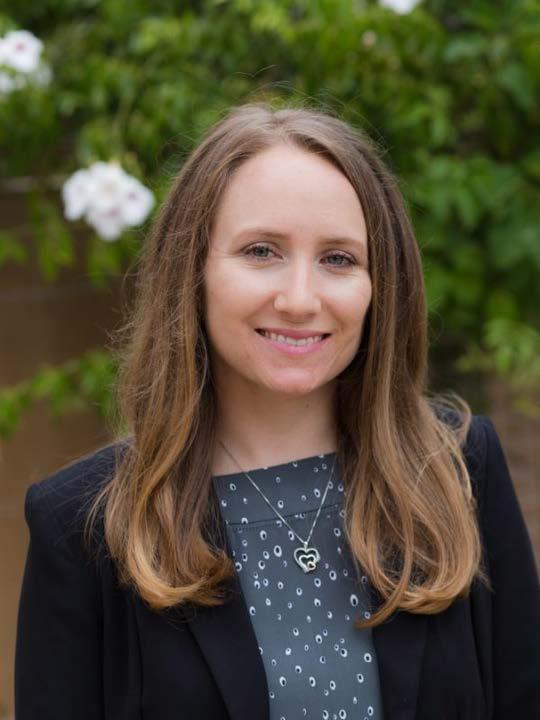
Kaitlyn Alvarez Noli launched the Worker Protection Lab, a new initiative within the Social Science and Environmental Health Research Institute (SSEHRI). It focuses on occupational health in agriculture by studying the structural and regulatory conditions that shape pesticide safety and influence the health of immigrant farmworkers. This new lab addresses critical gaps in occupational health protection by studying how structural and regulatory conditions affect worker safety. Generating evidence to inform policies could protect thousands of agricultural workers nationwide and improve food system equity.


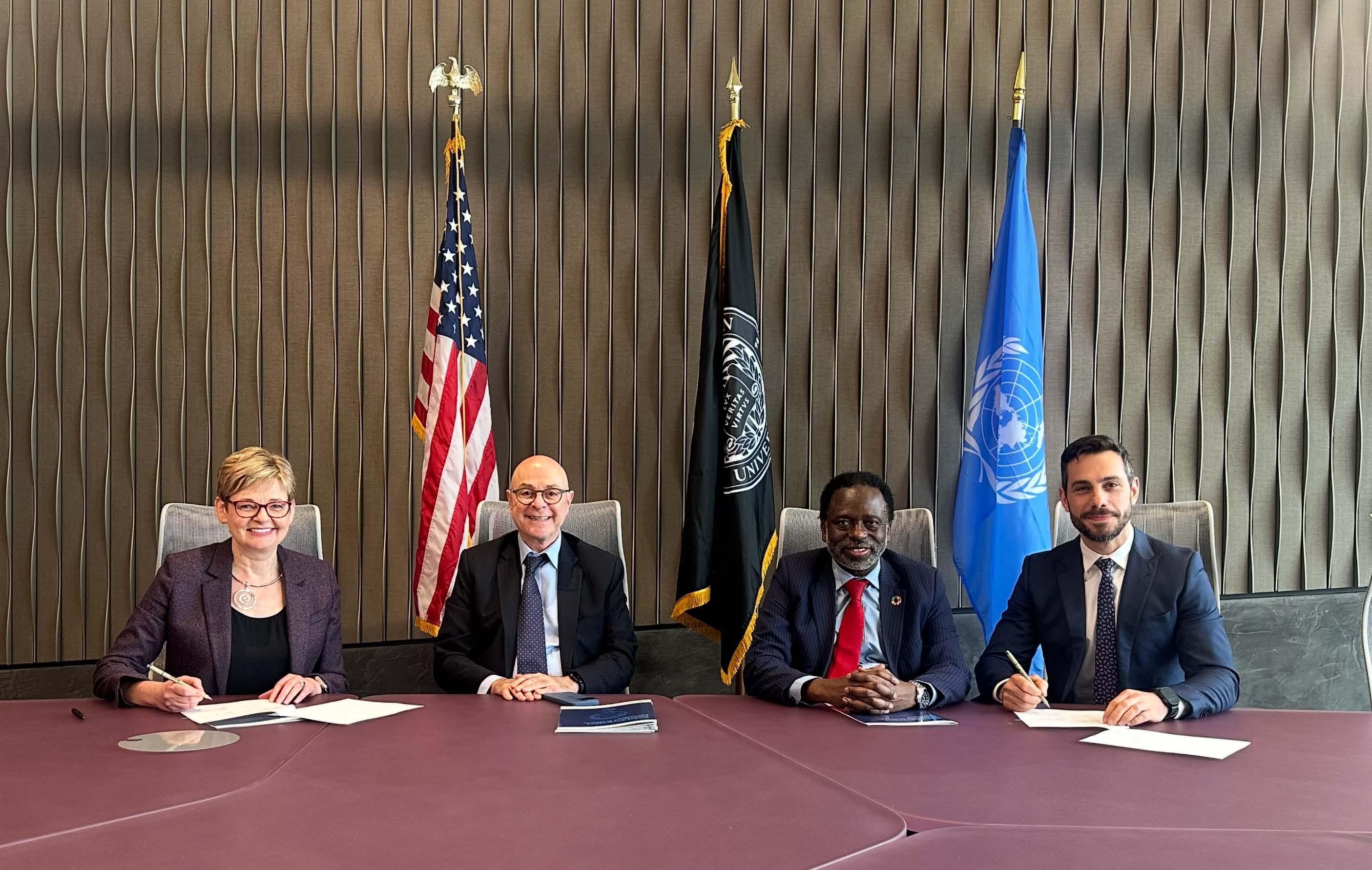
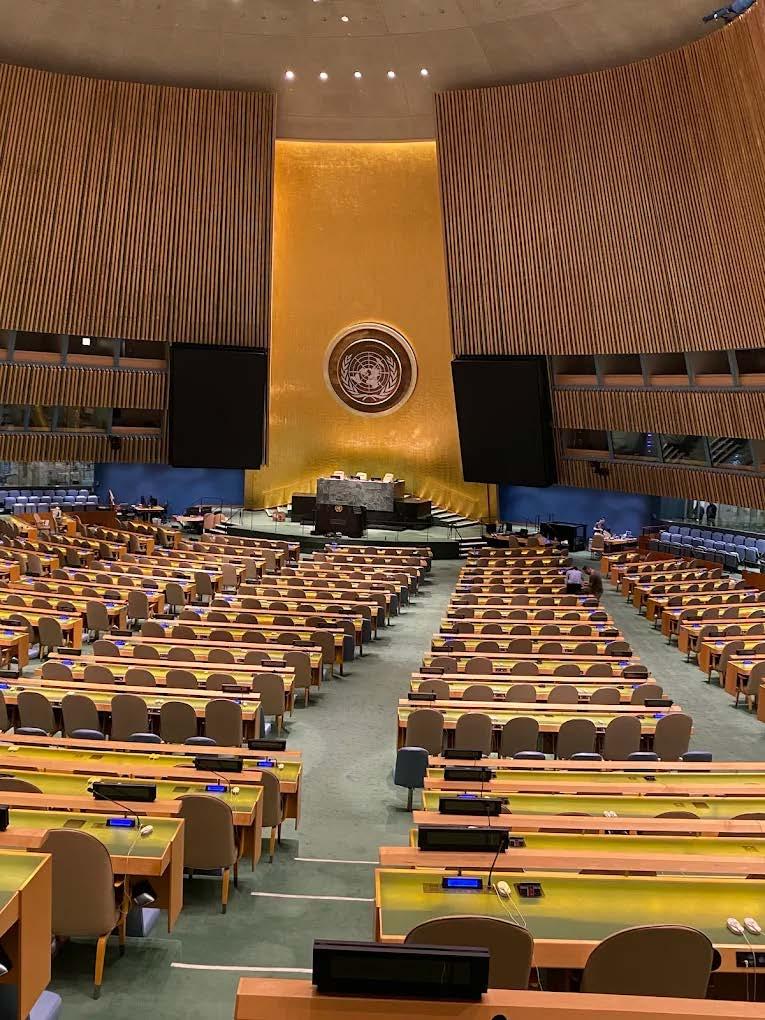
Three students worked at the United Nations: Manushi Sharma and Nidhi Polekar at the United Nations University Centre for Policy Research (UNU-CPR) in New York and Daniella Tesfaye at the UN Population Fund (UNFPA) in Addis Ababa, Ethiopia.
These UN co-op opportunities were made possible through the generous support of the Policy School Advisory Council.




Transformative policy emerges from the intersection of lived experience and global perspective. For nearly two decades, the Policy School community has championed a distinctive approach: co-creating solutions with local participants while drawing on worldwide insights to generate positive impact in the communities we serve.
Effective policy cannot be crafted in isolation. Our groundbreaking research, deep community partnerships, and unwavering dedication to public service values create a more just, resilient, and sustainable world onepolicy,onepartnership,one communityatatime.
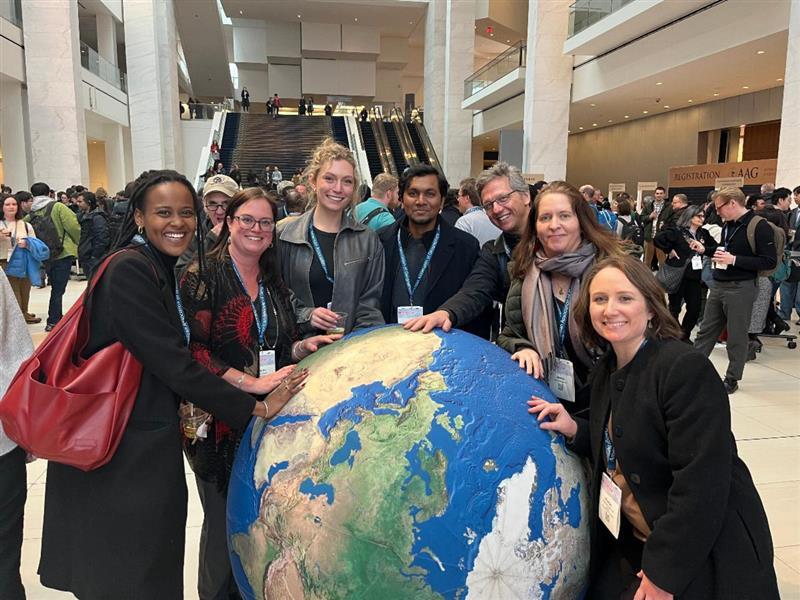
Northeasternreally istheschoolof‘Yes.’
We are researchers, practitioners, students, and community members united by a shared commitment to social justice, sustainable development, and public service. Our work reverberates across neighborhoods and nations, proof that rigorous scholarship and community engagement can drive lasting change.








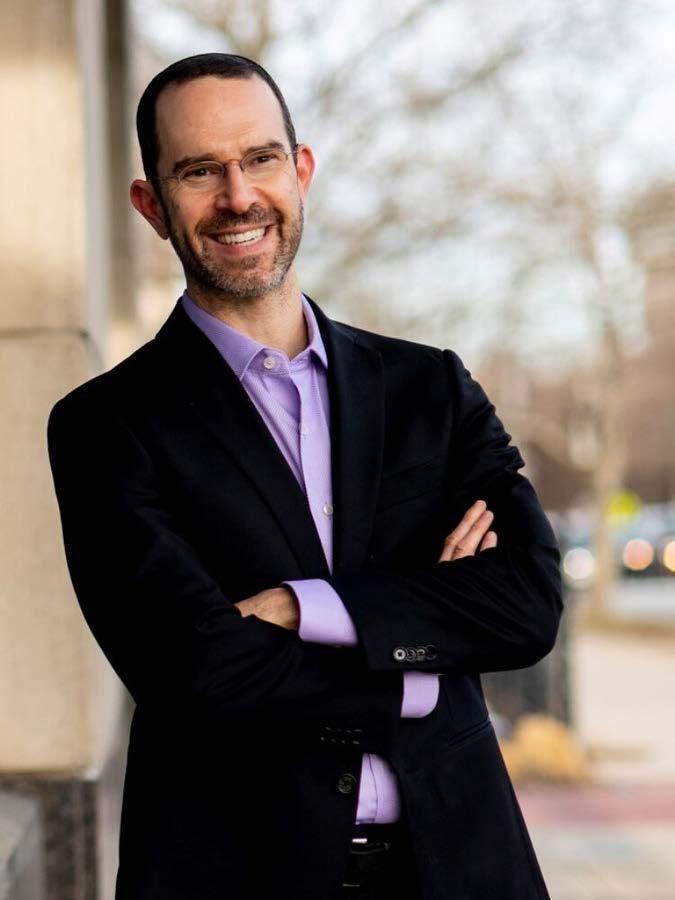
Daniel T. O’Brien

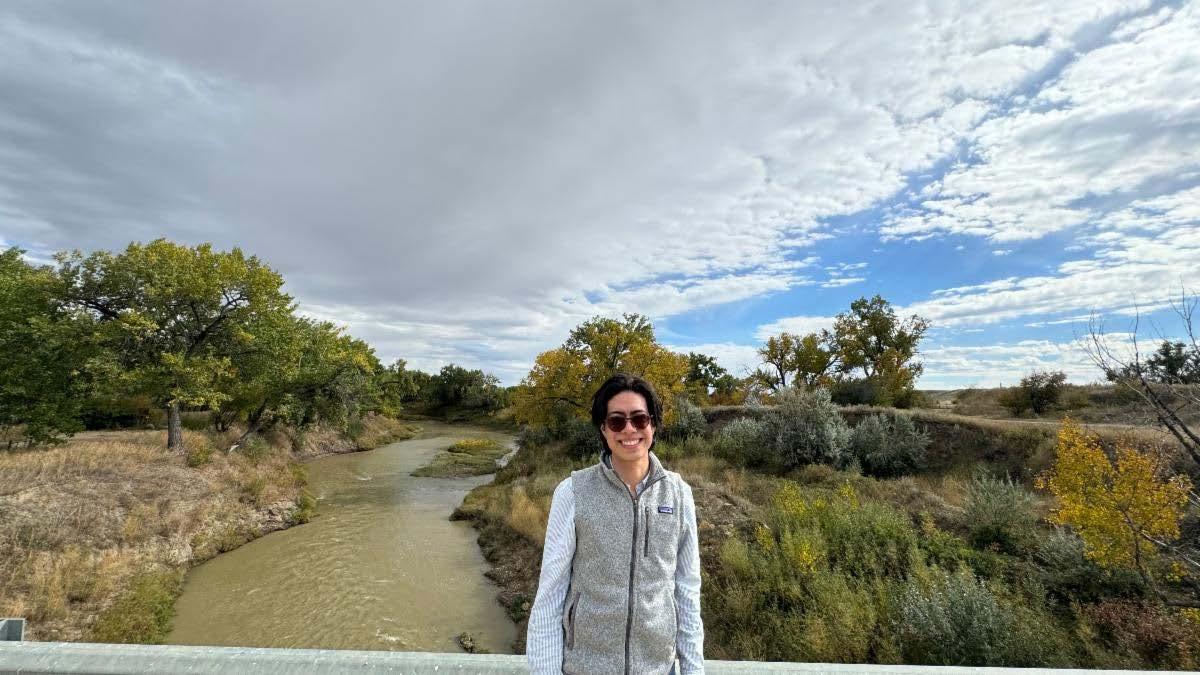
PhD student Gerardo Gentil conducted field research throughout the Missouri River valley and co-authored with Prof. Damon Hall a paper in Environmental Management on local perceptions of flooding and river management in the Lower Missouri River Basin. He co-authored a book chapter on transboundary water. The book is part of the World Scientific Handbook of Transboundary Water Management. The chapter is titled "Transboundary Water Organizations: Mechanisms and Challenges for Managing Evolving Disputes" and explores the role of binational institutions in managing shared bodies of water and resolving transboundary water conflicts.

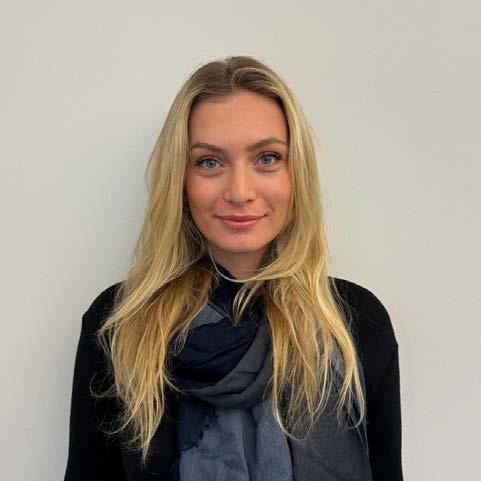
PhD student Maddie Craig-Scheckman coauthored, together with Prof. Daniel Aldrich and Mikio Ishiwatari, an article “State, Market, or Community? Exploring Public Perceptions of Disaster Management Strategies” in Natural Hazards Research.
PhD alumna Gloria Schmitz '24 published a sole-authored article “Investigating the ‘Stickiness’ of Waste-Inducing Behaviors
Before and During the COVID-19 Pandemic in Massachusetts, USA: A Geospatial and Machine Learning Analysis” in the Journal of Cleaner Production.
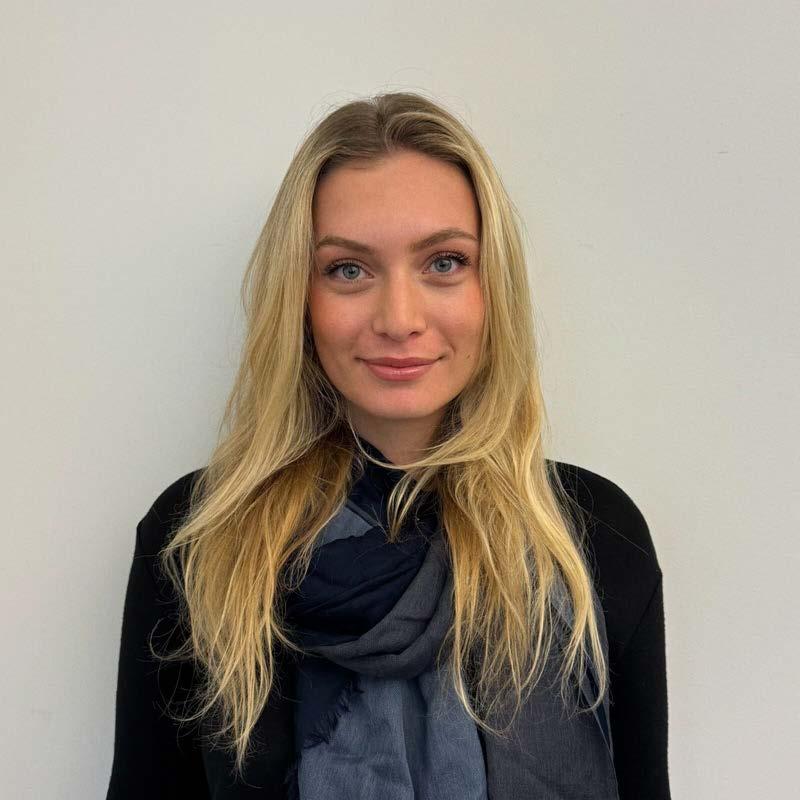
PhD student Maddie CraigScheckman won a $50,000 National Bureau of Asian Research Chinese Language Fellowship to study Chinese in Taiwan from August 2025 to May 2026.
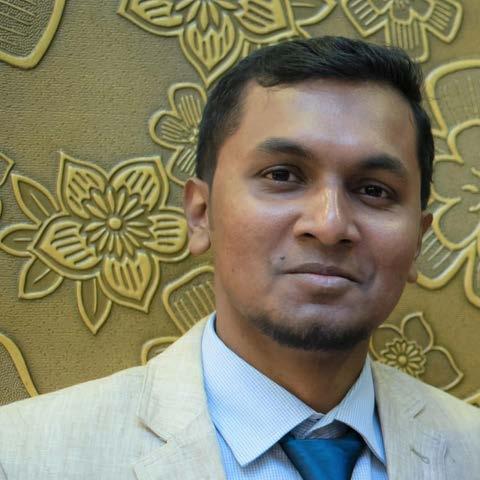

PhD student Istiakh Ahmed was awarded an American Institute of Bangladesh Studies (AIBS) fellowship, which supported the initial phase of his fieldwork in Bangladesh in Summer 2025.

Transformation begins with leaders who can envision a different world. The Policy School is committed to nurturing the next generation of changemakers who will reshape the policy landscape from local communities to the global stage.
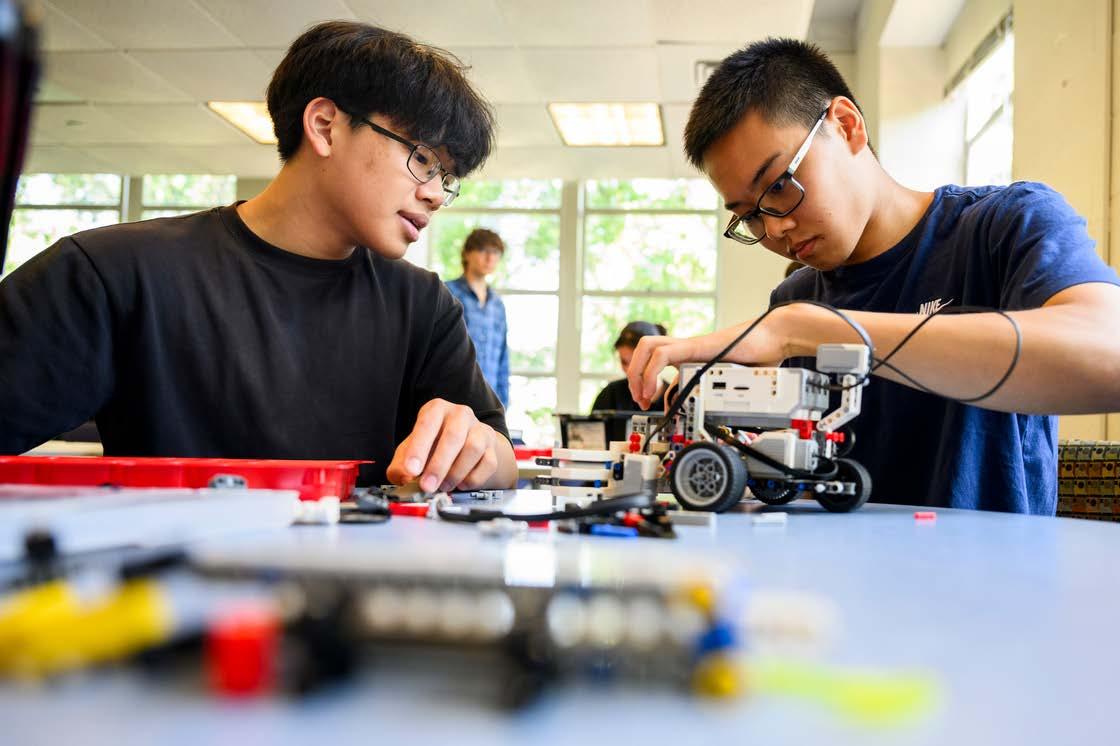
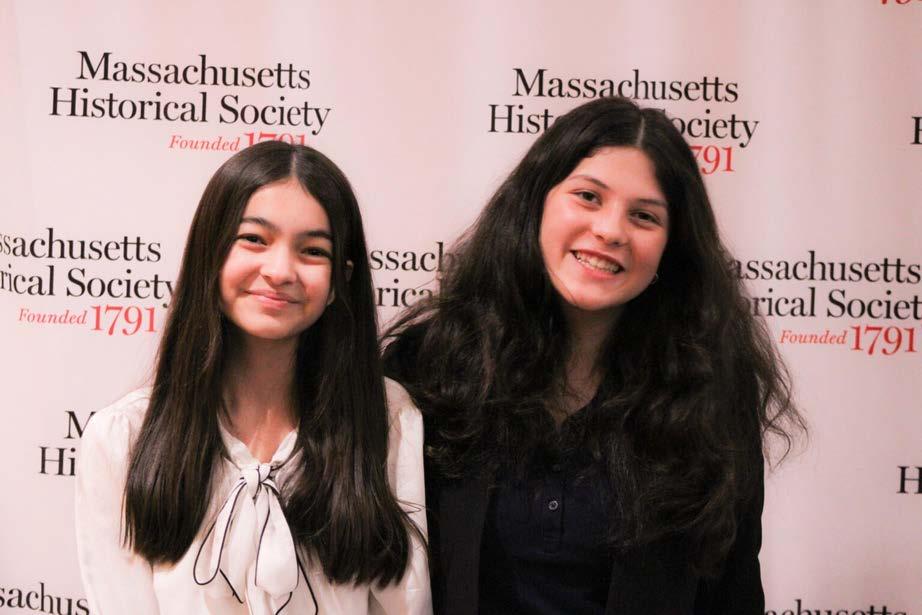
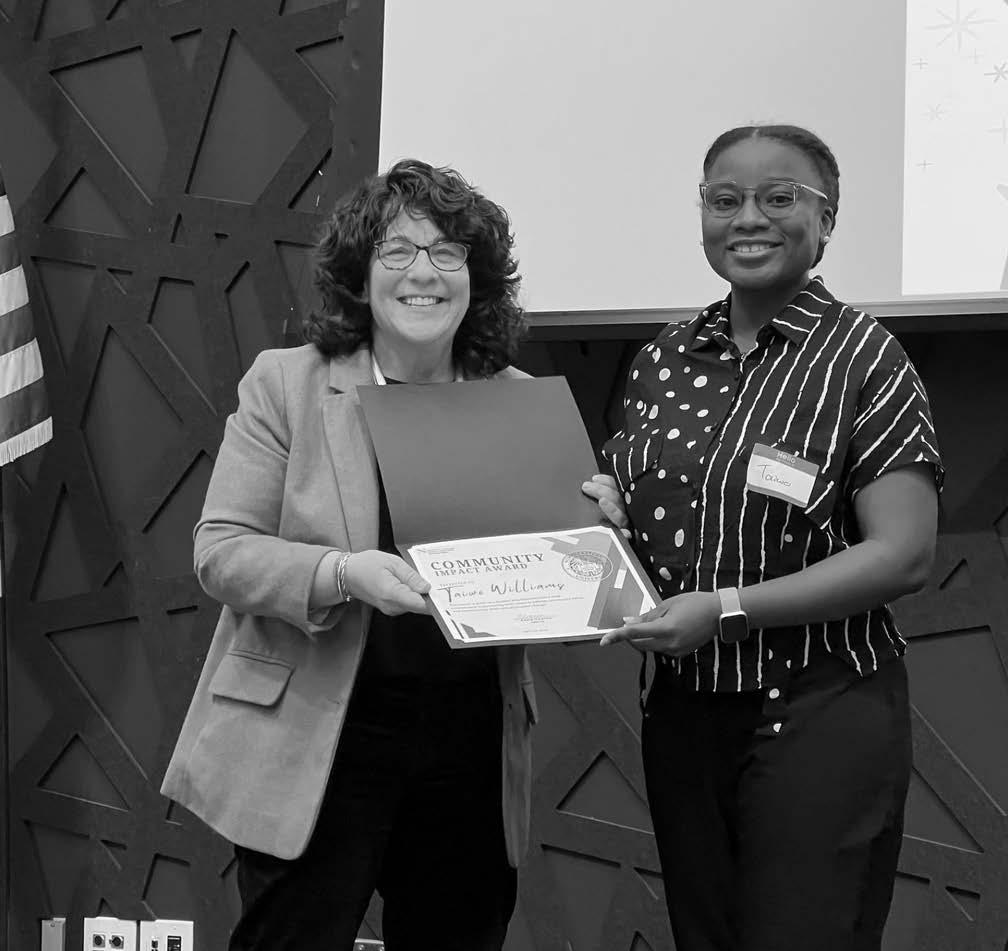
The 2025 winners of The Professor Ted Landsmark “Good Trouble” Award for the Massachusetts National History Day (NHD) Best Project in Civil Rights History were eighth-graders Adrianna Balderas and Sara Lay for their project "Plyler v. Doe: Securing the Constitutional Right to Education for Undocumented Children.”
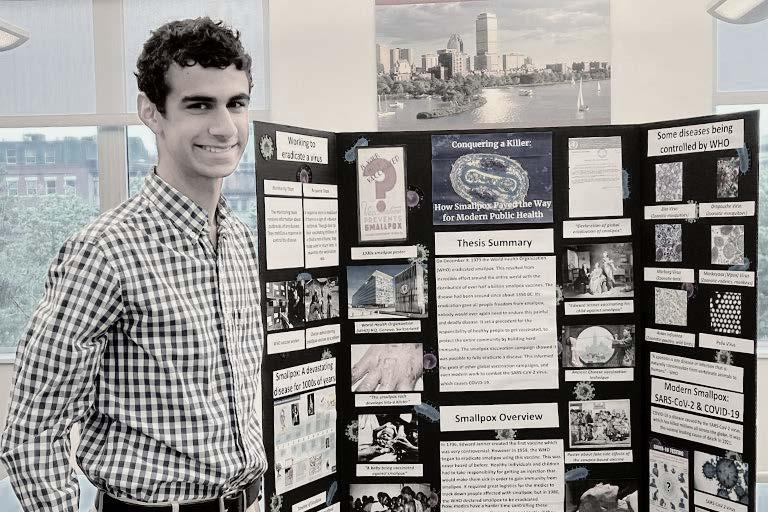
Fourteen-year-old Sebastian Limpaecher was the 2025 recipient of the Massachusetts History Day Special Prize for Outstanding Project in Public Policy, Environmentalism, or Sustainability sponsored by the Policy School. Sebastian presented his project entitled “Conquering a Killer: How Smallpox Paved the Way for Modern Public Health” to faculty members. He also filed a patent for sustainably building watercraft using synthetic, lightweight rocks made from recycled glass for use in islands facing the effects of climate change and sea level rises.
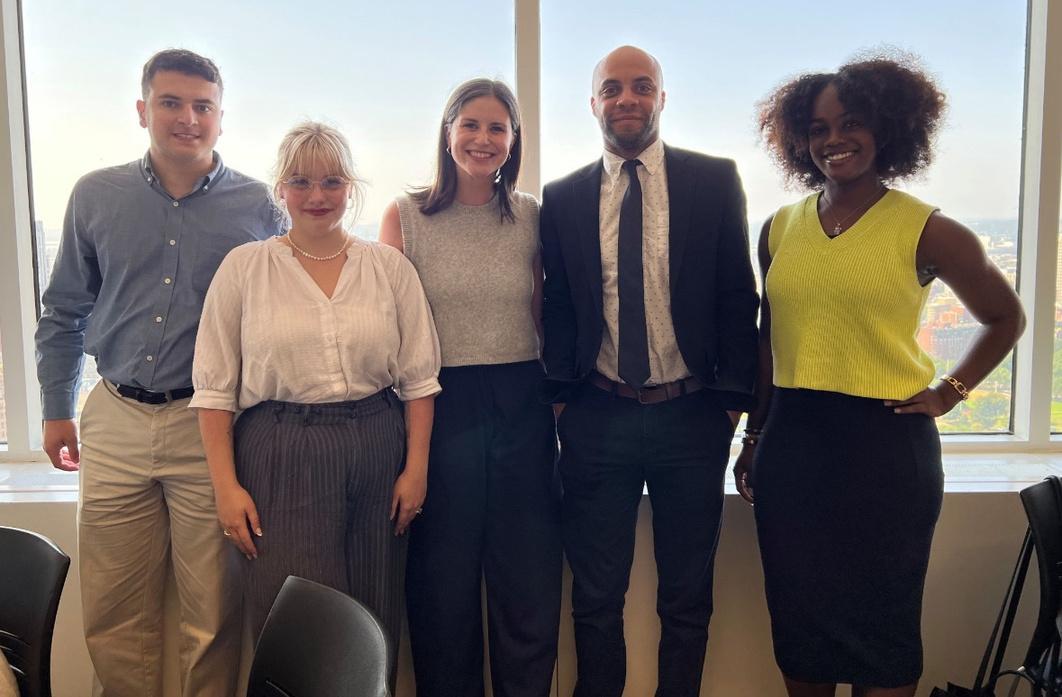
The Civil Action Project (CAP) Fellows Program transforms graduate students into effective civic leaders through a 10-week summer experience. CAP combines paid policy internships with weekly roundtables featuring prominent policymakers, equipping students with the practical skills and professional networks essential for driving real change in public policy.
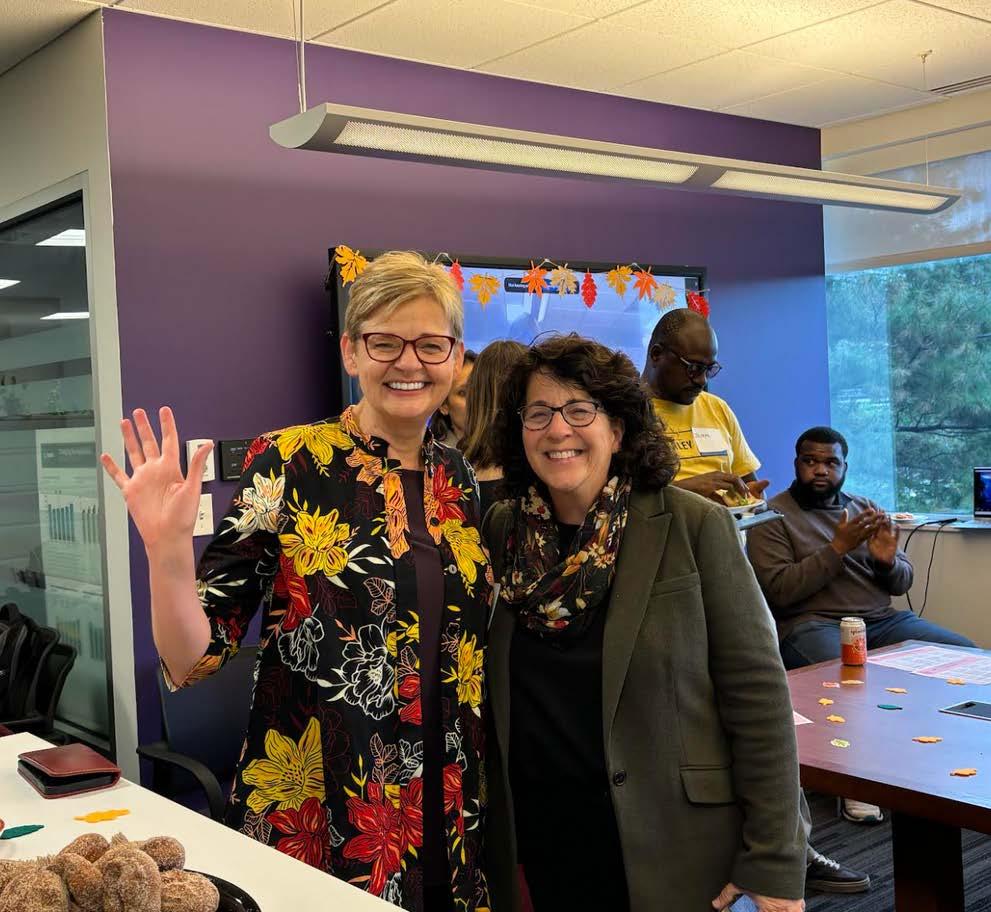
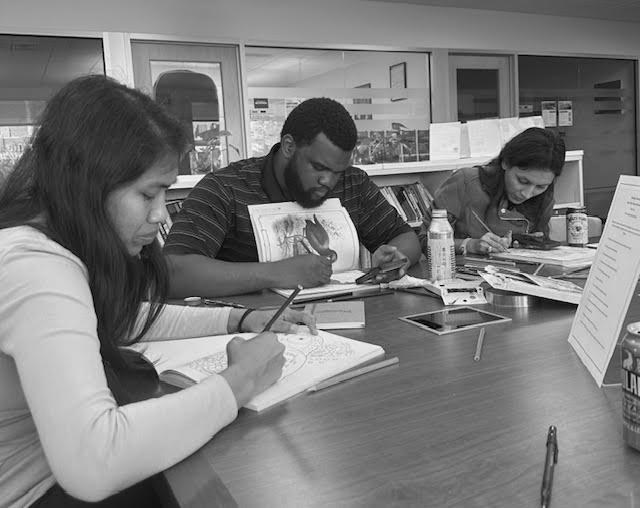
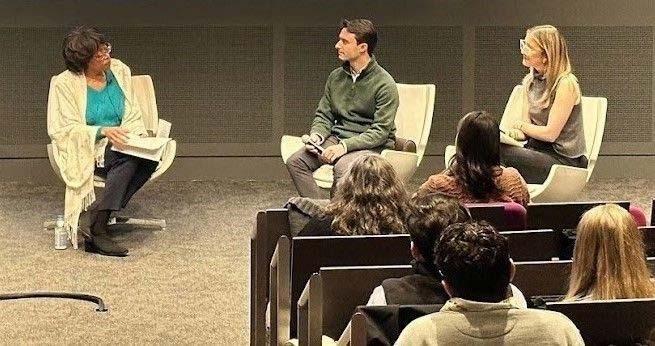
Prof. Gavin Shatkin, MS in Urban Planning and Policy Program (MUPP) students, along with representatives from planning schools across Massachusetts, attended the Third Annual Massachusetts Distinguished Planner Lecture featuring Gail Latimore, a leading voice in neighborhood planning in Boston for more than 25 years.
The Northeastern Association for Public Policy Students (NAPPS) is a dynamic organization that gives future policymakers hands-on leadership experience through event programming, faculty collaboration, and real-world project work. NAPPS creates a vibrant community where students build essential skills, forge meaningful connections with professionals and peers, and discover their voices as changemakers.
Outlet to establish community and connections for students who work full time
Networking opportunities with Policy School alumni Research collaboration and sharing of ideas
Student-led programs included the inaugural NAPPS Policy Hour titled “Tackling the Housing Conundrum in the U.S.” (detail: page 14) and “Simulating Urban Sustainability” (detail: page 20) as well as a student-centered Town Hall and Election Day dialogues.

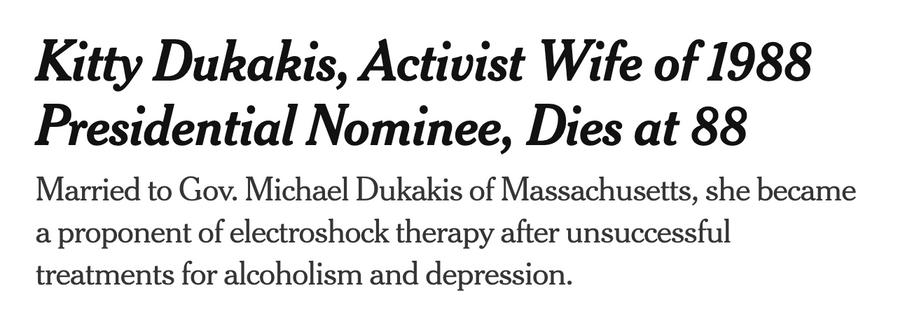

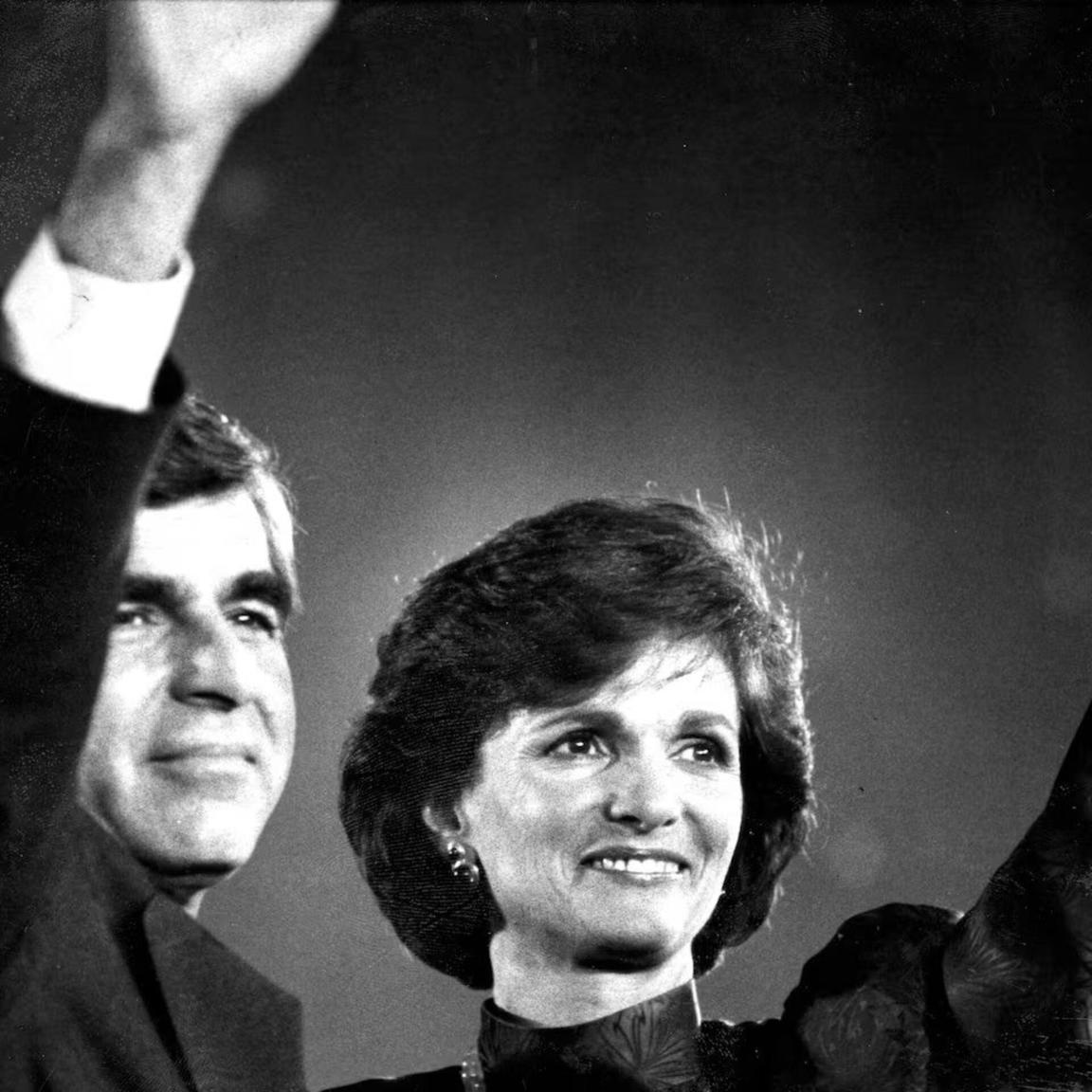
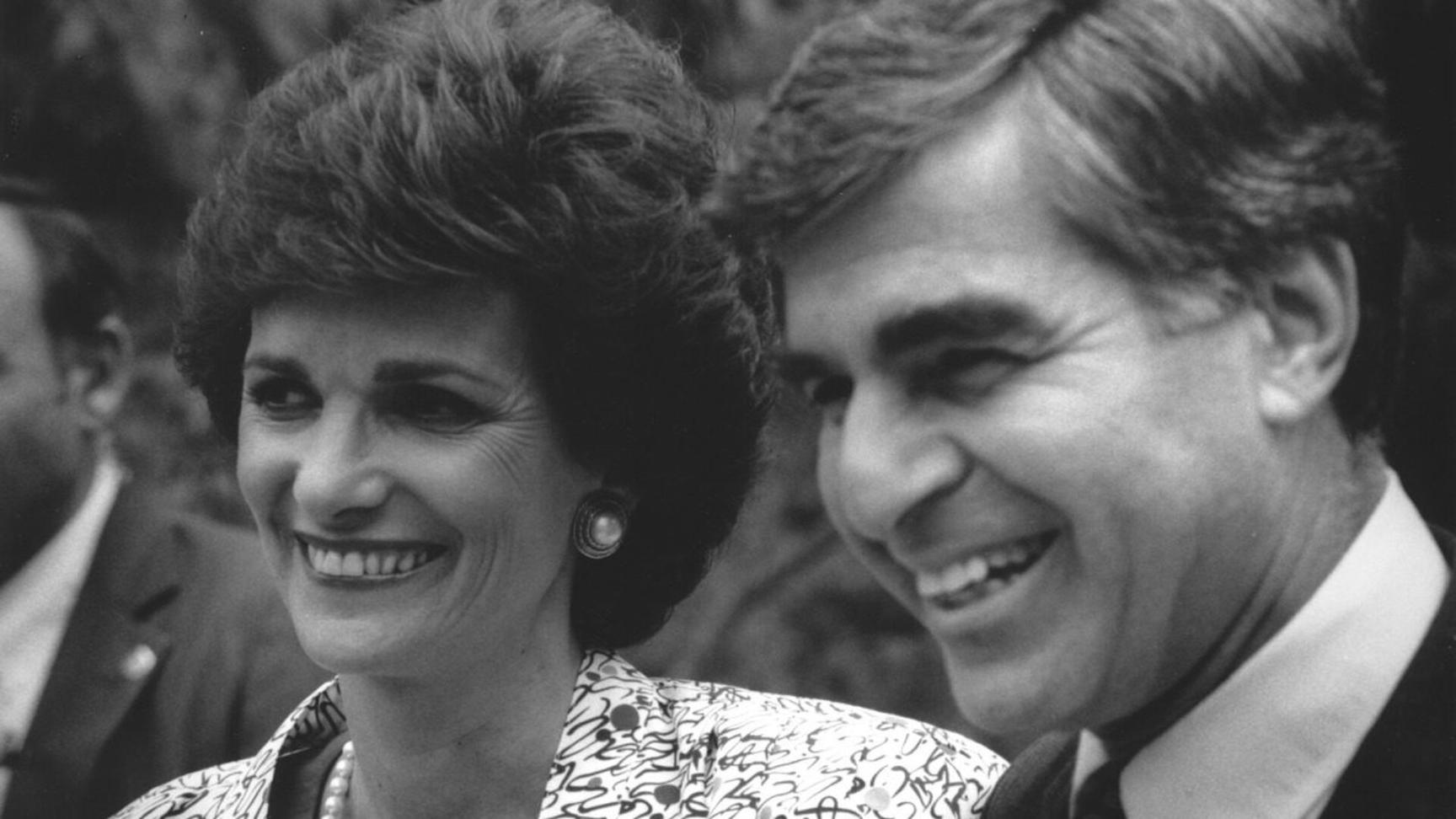
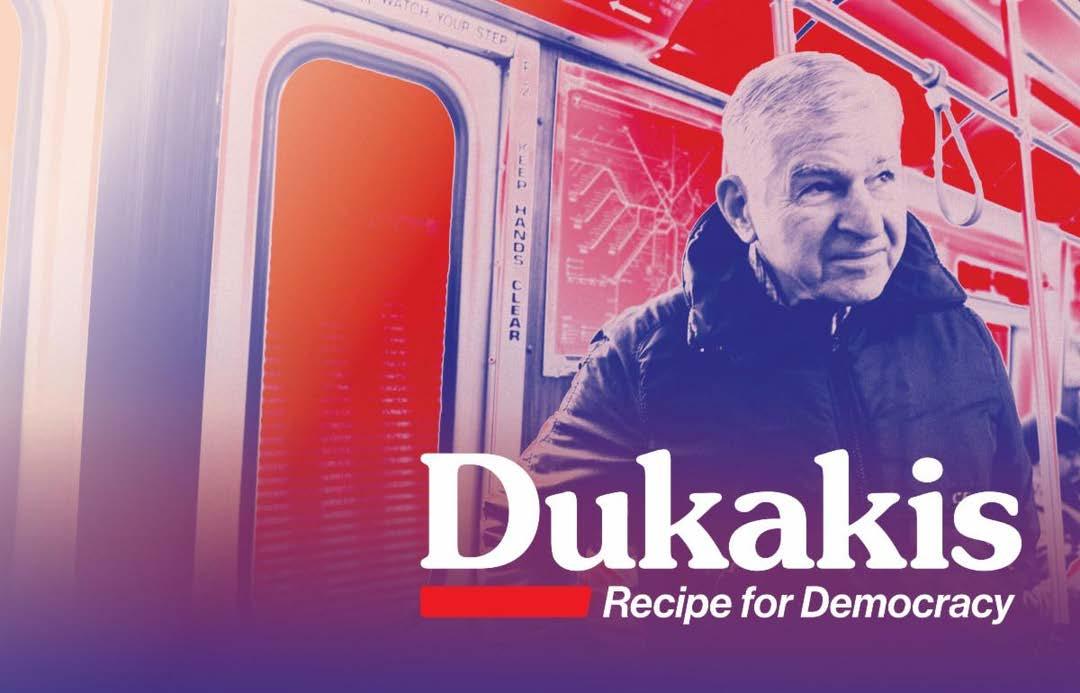
“Democracy is a work in progress, a precious gift that needs constant nurturing,” says former Massachusetts governor, presidential candidate, and retired Northeastern Distinguished Professor Emeritus Michael Dukakis in the documentary Dukakis: Recipe for Democracy. Gov. Dukakis was the guest of honor at a March screening at the Policy School of the 28minute documentary, which takes viewers on a journey along Gov. Dukakis’s long arc of leadership.

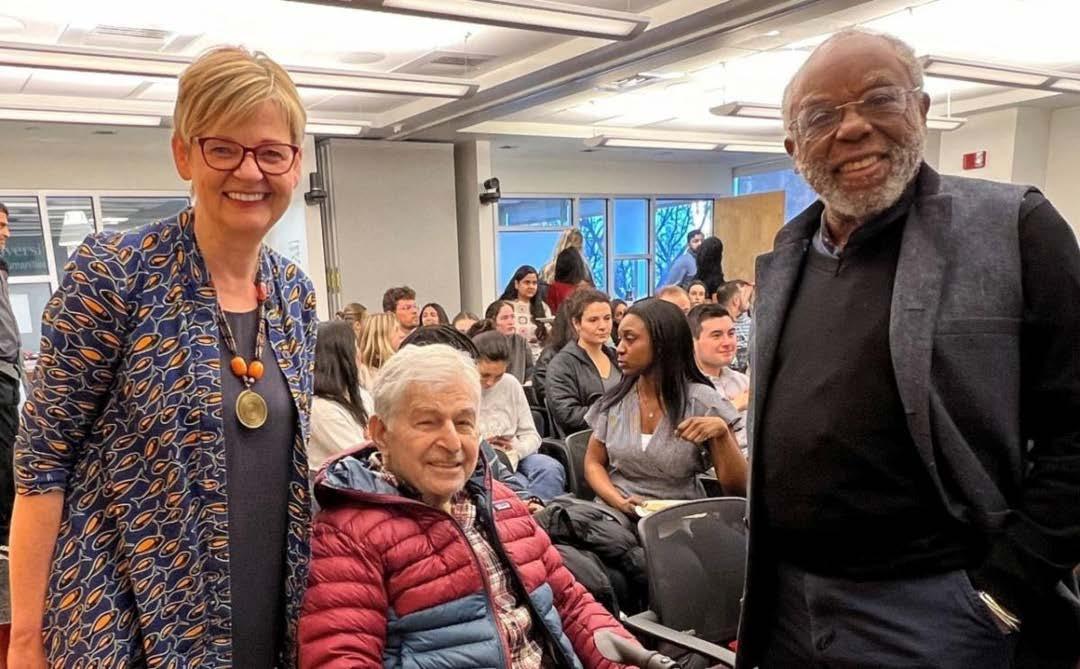


The Advisory Council serves as a vital bridge between the Policy School and the broader community and plays an essential role in advancing the Policy School’s mission, vision, research, and educational objectives. Its dedicated volunteer members serve as trusted representatives who can authentically communicate the School’s core values and value proposition.
As advisors, they provide valuable insights and strategic guidance through regular meetings and ongoing engagement that help shape institutional priorities. As ambassadors, they represent the Policy School within their professional and personal networks, expanding awareness and building meaningful connections. As advocates, they champion the Policy School’s mission and amplify its impact across diverse communities and sectors. As contributors, they provide financial support through annual giving and leverage their networks to secure additional resources that directly enhance the student experience. The Advisory Council transforms individual expertise and commitment into collective institutional strength, creating lasting impact that extends far beyond the campus boundaries.