




Our Solution Is Always the Perfect Fit Because It’s Built for You.
Solve your toughest packaging challenges with our automated solutions








Our Solution Is Always the Perfect Fit Because It’s Built for You.
Solve your toughest packaging challenges with our automated solutions
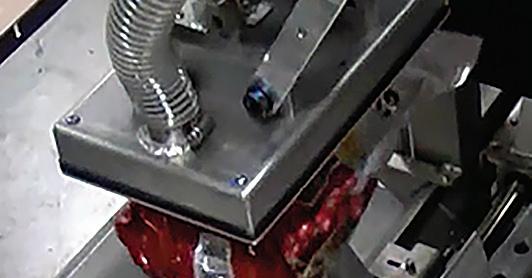
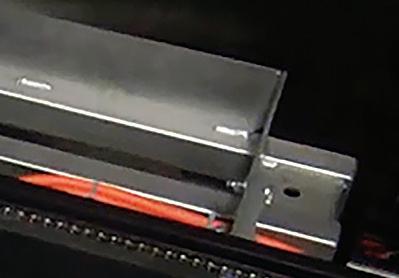
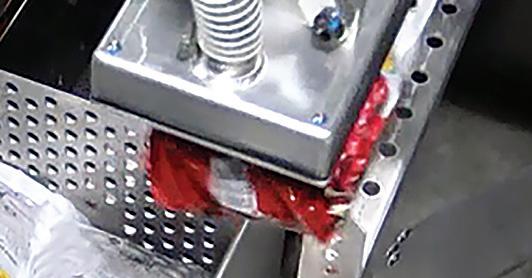
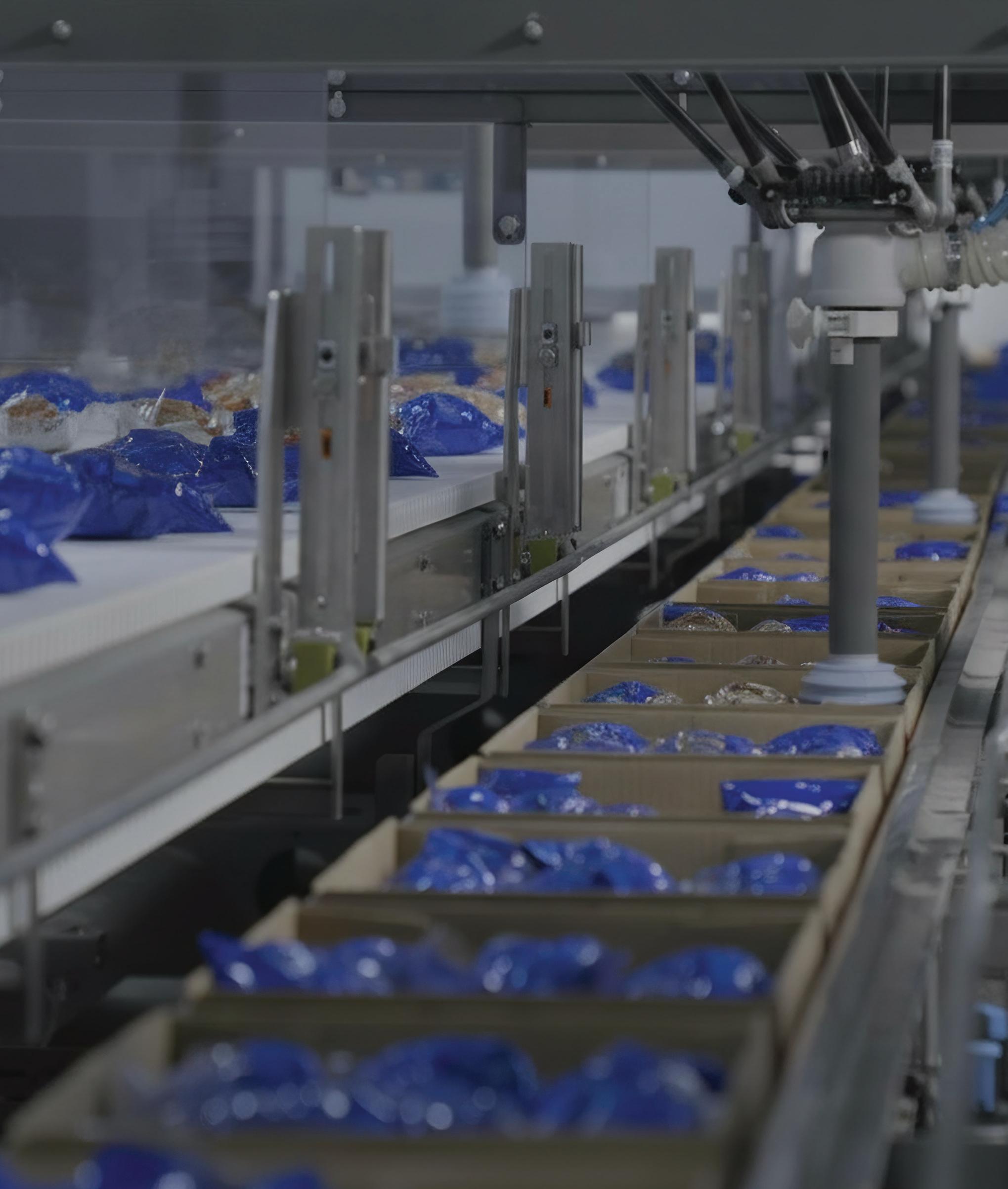
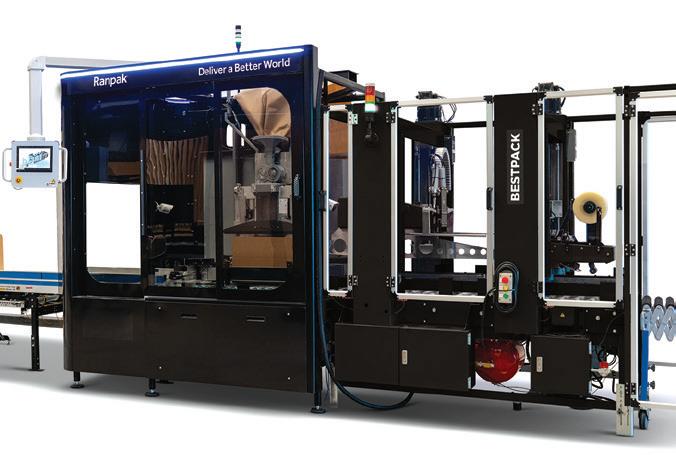
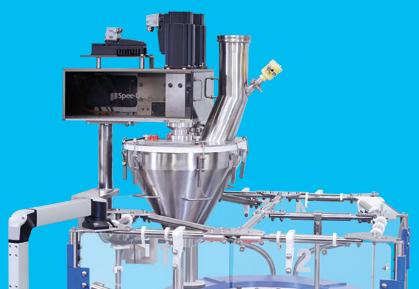
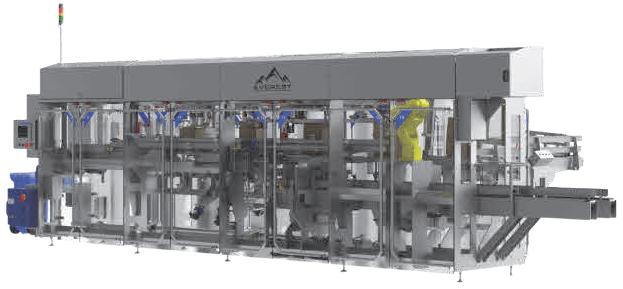
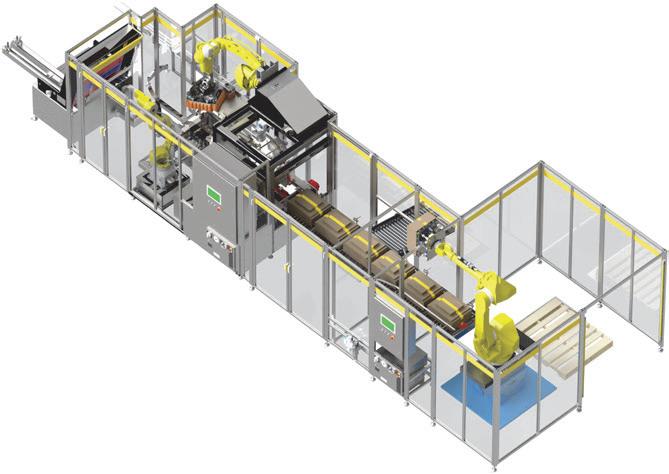
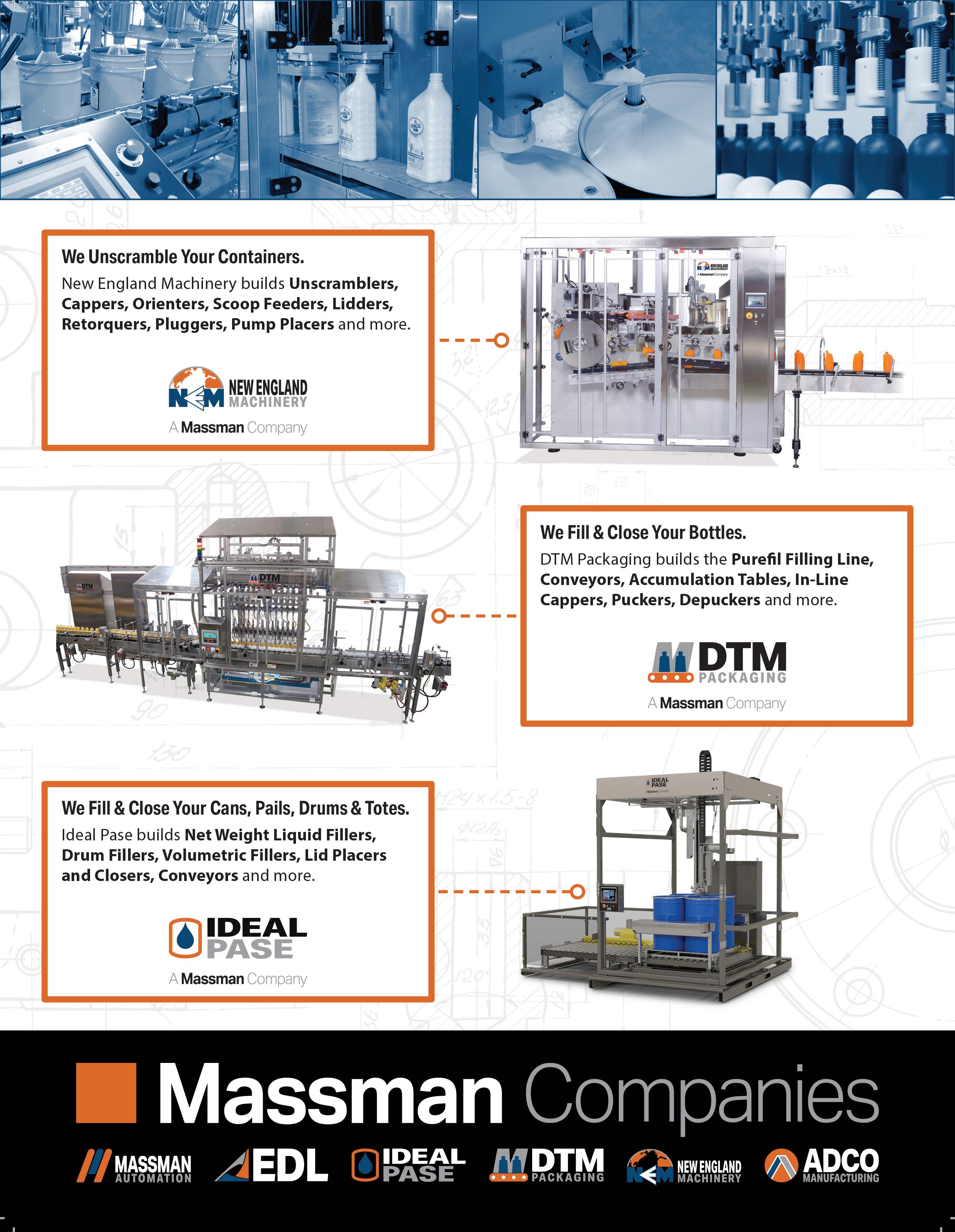
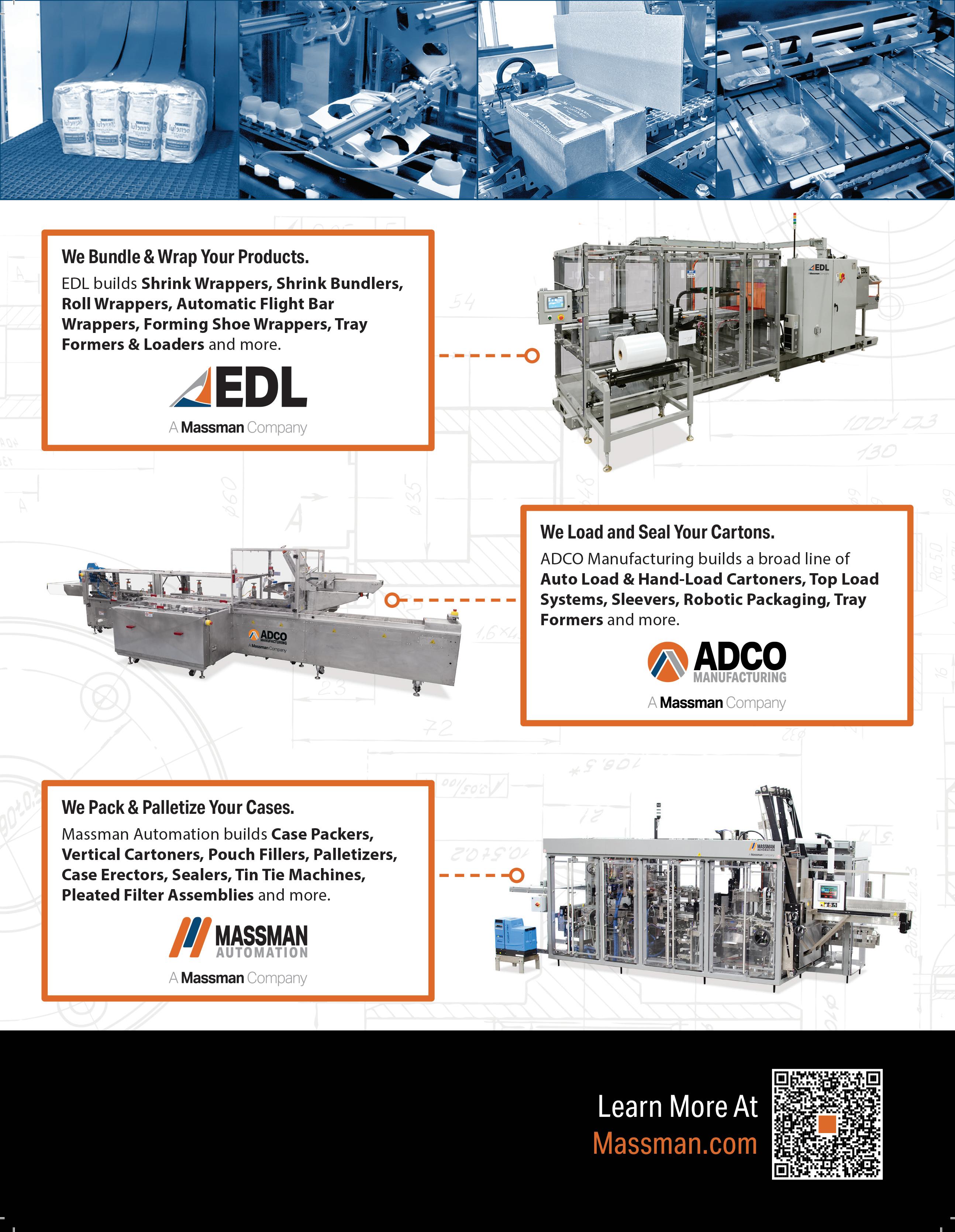
BPA loads your packaged and naked products into cases, cartons, trays, shelf-ready displays, master bags and various secondary containers including your hffs machines, wrapper chain in-feeds and indexing thermoform machines.





















AI Selects Bio-based Paper Wrap for Vegan Ice Cream Bar
Czech ice cream producer Rawito partners with one.five to apply AI to material selection, resulting in a recyclable paper wrapper that meets consumer expectations and product requirements.
36
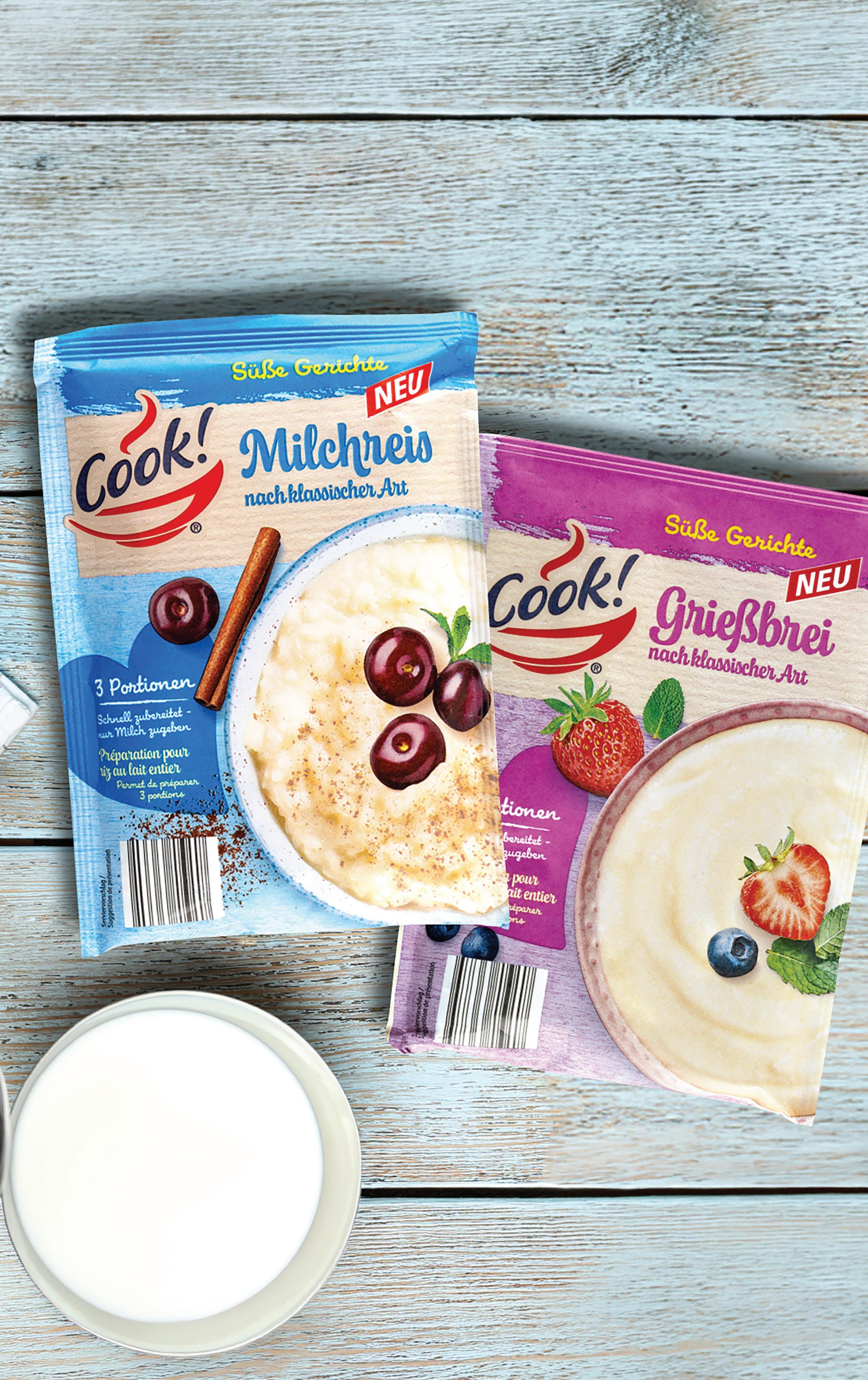
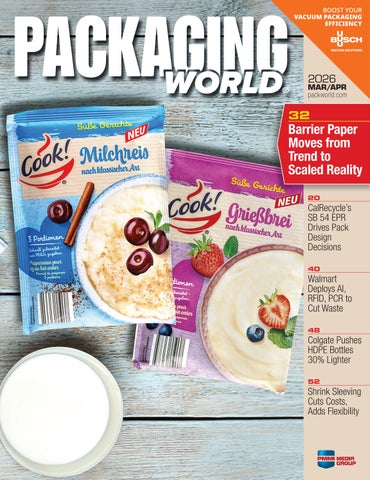
Dry Cream of Wheat, Rice Pudding Move to Recyclable Paper Pouch
European grocery chain NORMA moves its private-label cream of wheat and rice pudding into recyclable paper pouches that provide barrier through a water-based dispersion coating.
38
A Selection of Commercialized Launches in Barrier Paper Packaging
A curated look at commercialized paper barrier packaging across formats, highlighting how brands are balancing performance, recyclability, and real-world production demands.
40 SUSTAINABILITY INITIATIVES
Walmart Taps AI, RFID, and PCR to Cut Waste Across its Operations

Three recent initiatives at the e-comm and retail level show how AI-enabled automation, digital identification, and recycled-content material are helping the retailer reduce food and packaging waste and improve operational efficiency.
• 40 AI-powered Void-fill System Cuts Packaging Waste
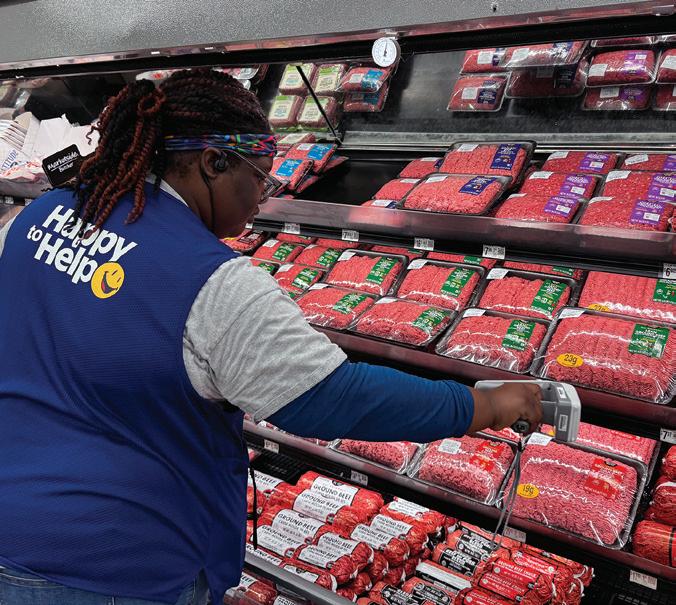
• 44 ‘First-to-Market’ RFID in Fresh Categories Reduces Waste, Labor
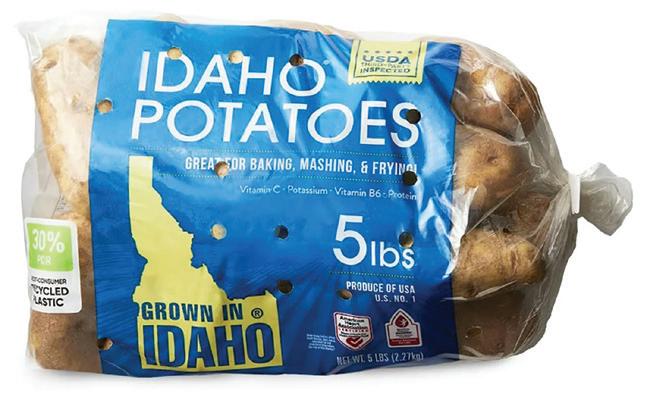
• 46 Spud Supplier Wada Farms Rolls out 30% PCR Bags
48
How Colgate-Palmolive Pushed a Familiar Resin Into New Territory
At The Packaging Conference this week, Polyplastics and Colgate-Palmolive detailed how high-Tg cyclic olefin copolymer (COC) can enable HDPE bottles to run in ISBM at low concentrations, achieving 30% lightweighting while maintaining drop performance and recyclability.
52
Shrink Sleeve Labeling Brings Savings and More
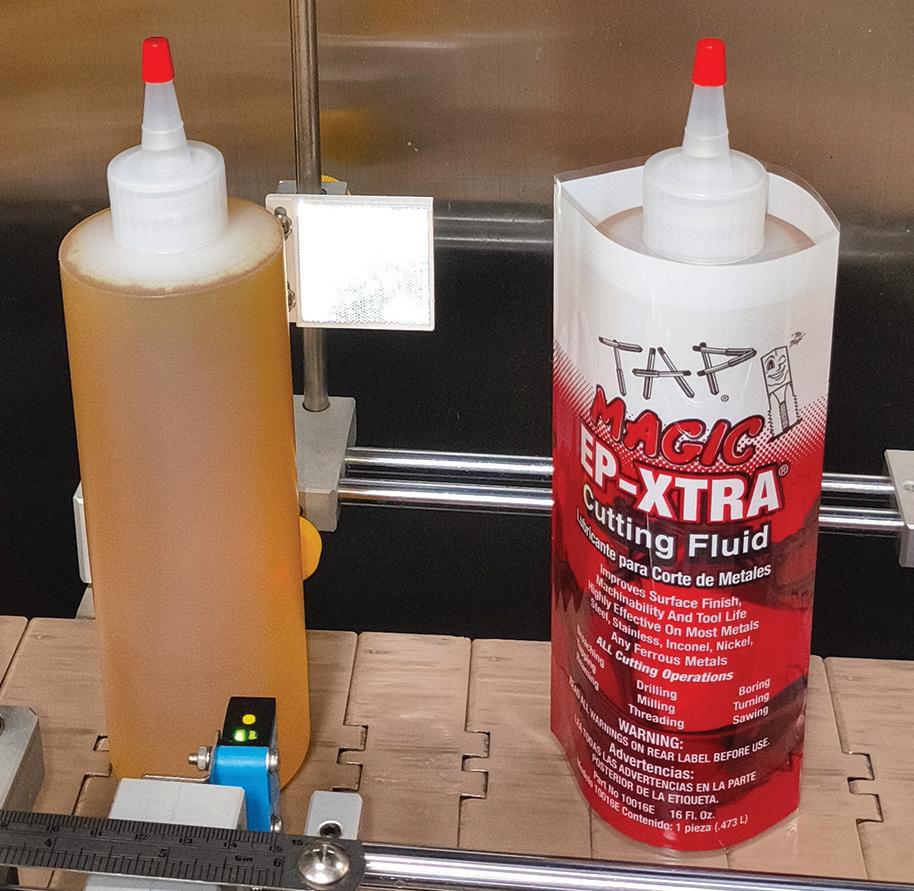
Installed originally to solve a problem with decorating costs on one bottle size, Tap Magic found its new in-house shrink sleever brings big advantages where two other sizes are concerned.

Jan Brücklmeier Technical Application Group Packaging Technology Expert, Nestlé
M. Shawn French Director – Innovation & Packaging Engineering (Beverage), Danone North America
Patrick Keenan R&D Packaging Engineer, General Mills/Annie’s Organic Snacks
Tim Lehman Sr. Engineering Manager, Supply Chain, GOJO Industries, makers of Purell
Mike Marcinkowski Director of R&D Material Science, Packaging & Sustainability – Nature’s
Shannon Moore Director Global R&D Packaging Sustainability, Kellanova
Andrew Seys Senior Director, Global Operational Excellence, Spectrum Brands
David Smith, PhD Principal, David S. Smith & Associates
Brian Stepowany Packaging R&D, Senior Manager, B&G Foods, Inc.



Packaging World ’s 2026 Annual Outlook Report Spans the Packaging Universe pwgo.to/9052
Packaging World ’s Interactive PACK EXPO Innovations Reports Capture New Tech pwgo.to/9079
Packaging World ’s Packaging Recycling Summit Teaches CPGs to Design for Packaging Recyclability pwgo.to/9080




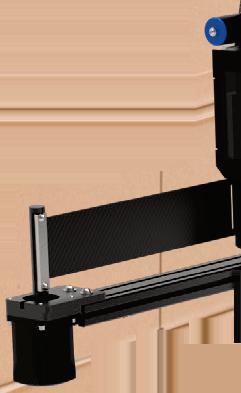

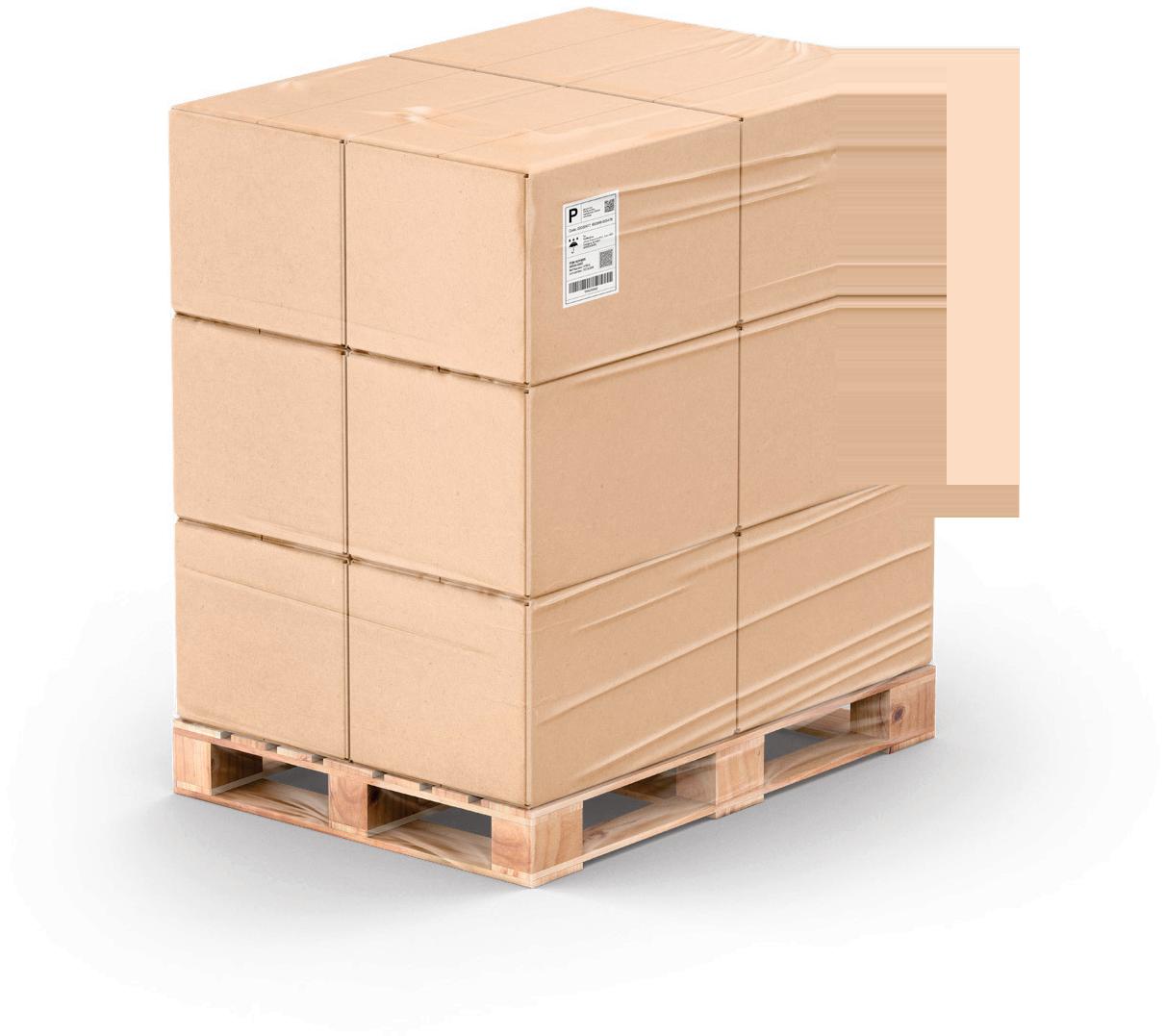

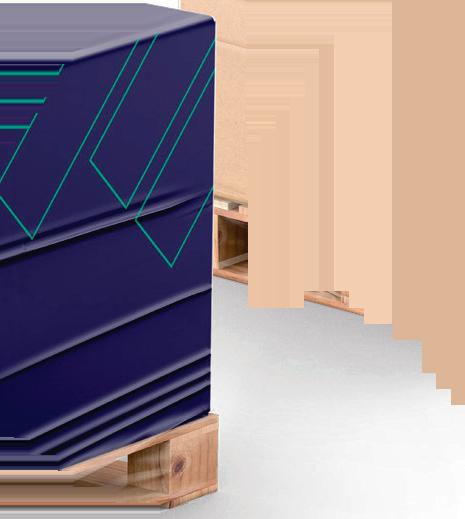
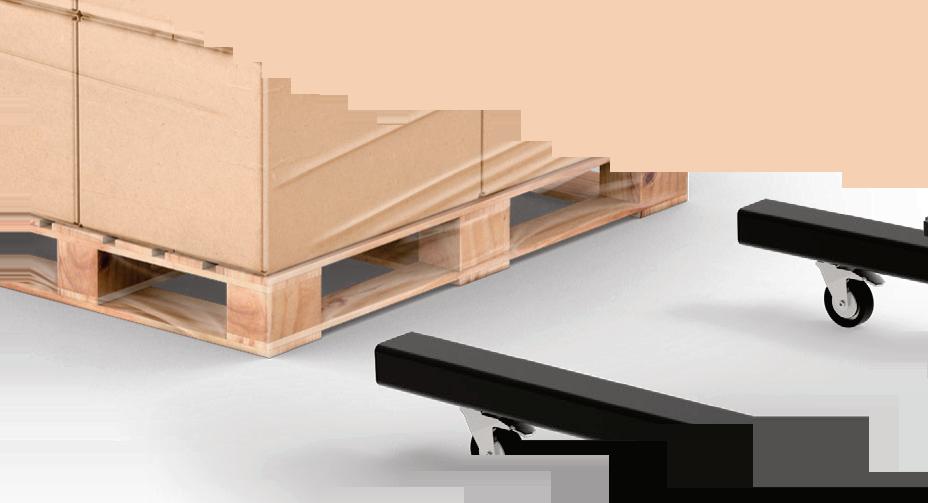


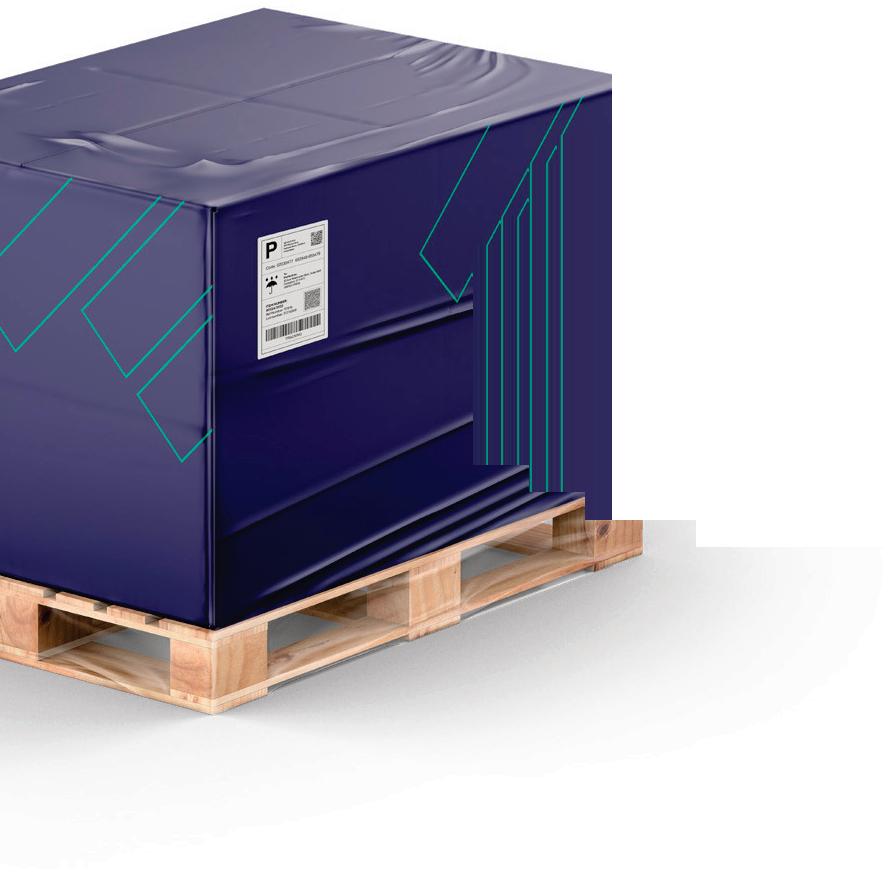
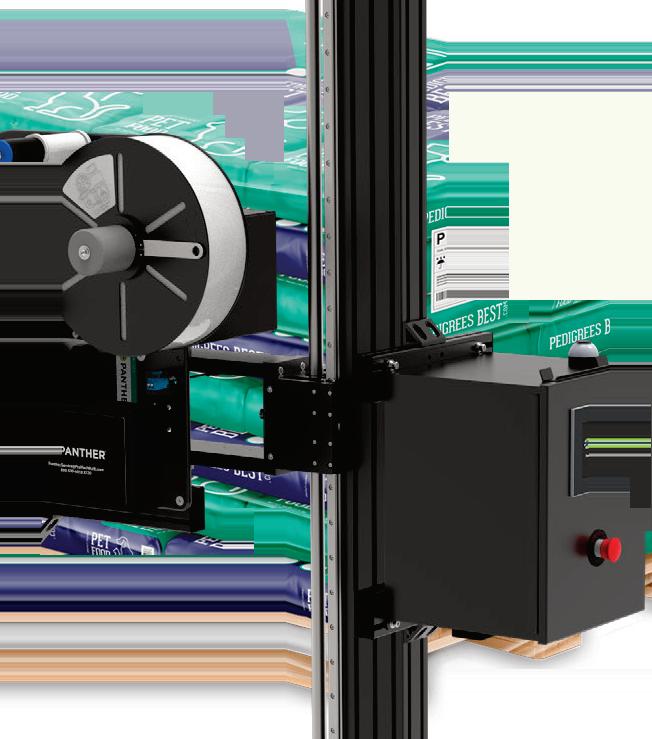
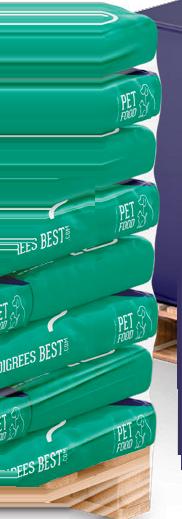
DESIGNED FOR PERFORMANCE AND ADAPTABILITY
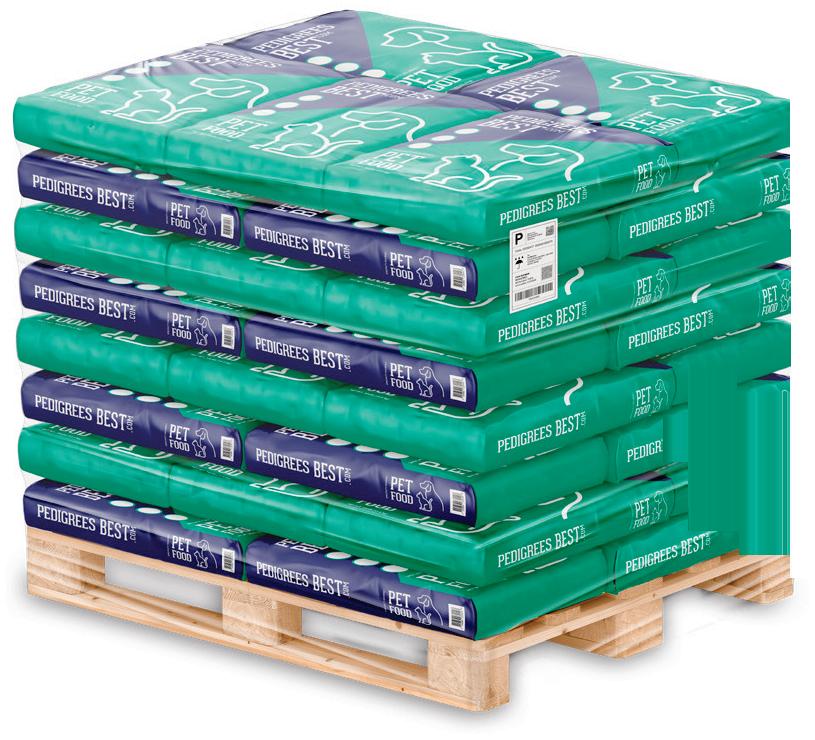
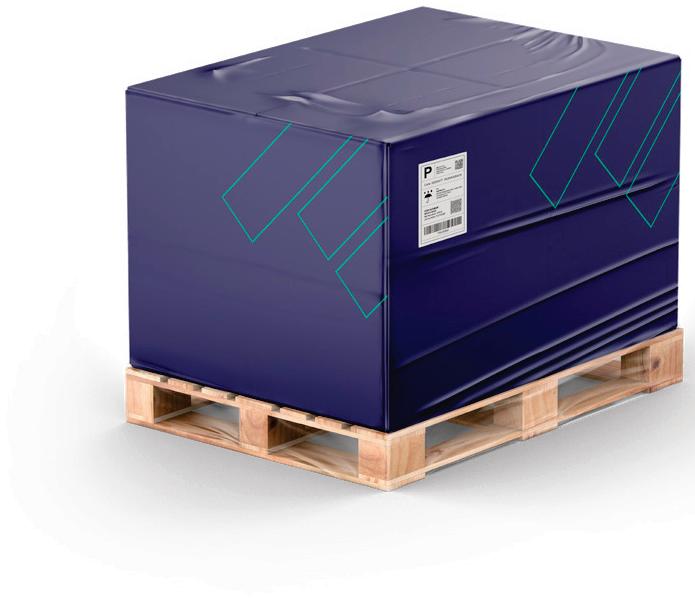
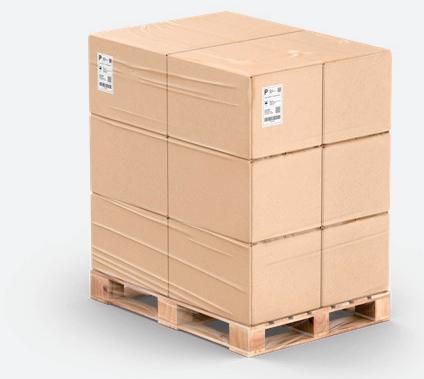
VARIABLE HEIGHT CASE AND PALLET LABELING FOR COMPLIANCE

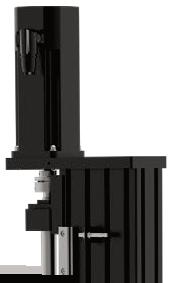
Designed for new or existing production lines, Panther’s all-electric Auto-Height Servo Stand enables precise variable-height labeling for cases, trays, and pallets—helping ensure compliance with major retailer labeling requirements. All within a compact footprint that improves flexibility, efficiency, and throughput.
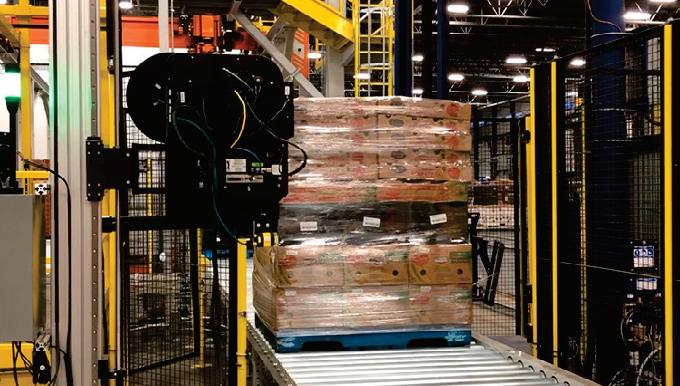
AUTOMATED VERTICAL ADJUSTMENT
Programmable variable speed adjustments – up to 12” vertical adjustment per second.
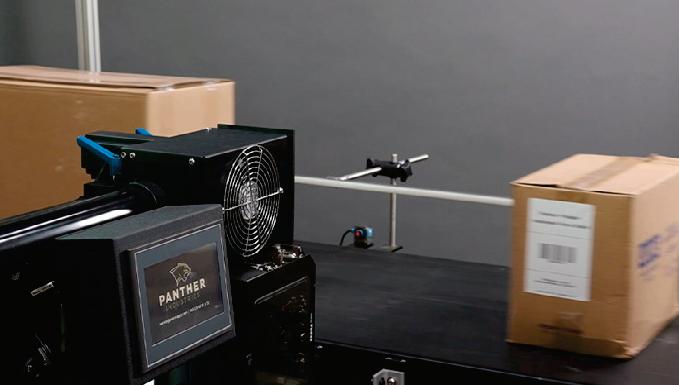
PRINTER APPLICATOR ADAPTABILITY
Integrates with Panther all-electric and pneumatic print-and-apply applicators for flexible production line integration.
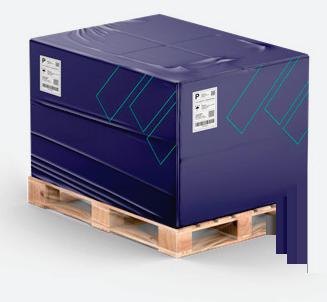
MULTI-PANEL COMPLIANCE LABELING
Apply compliance labels to single or multiple panels on variable height cases and pallets with precision and accuracy.
CONTACT
Matt Reynolds Chief Editor
Anne Marie Mohan Senior Editor
Sean Riley Senior News Director
Casey Flanagan Associate Editor
Kim Overstreet Director of Content
Pat Reynolds, Sterling Anthony, Eric F. Greenberg Contributing Editors
David Bacho Creative Director
Reggie Lawrence Vice President, Sales rlawrence@pmmimediagroup.com
Courtney Nichols Director, Client Success & Development cnichols@pmmimediagroup.com
Lara Krieger Senior Manager, Print Operations lkrieger@pmmimediagroup.com
Janet Fabiano Financial Services Manager jfabiano@pmmimediagroup.com
David Newcorn President
Elizabeth Kachoris Vice President, Digital
Jen Krepelka Senior Director, Digital Media
Amber Miller Director of Marketing
Joan Jacinto Director, Ad Tech and Search
Joseph Angel Founding Partner and Executive Vice President, Industry Outreach, PMMI
Questions about your subscription or wish to renew? Contact circulation@pmmimediagroup.com.
PMMI Media Group
500 W. Madison, Suite 1000, Chicago, IL 60661 Web: www.pmmimediagroup.com
PMMI The Association for Packaging and Processing Technologies 12930 Worldgate Dr., Suite 200, Herndon, VA 20170
Phone: 571/612-3200 • Fax: 703/243-8556 • Web: www.pmmi.org

It was all the way back in 1999 that P&G’s Kevin Ashton coined the term Internet of Things (IoT), reminded Steve Statler, CEO of Ambient Chat AI, on a recent webinar on connected packaging hosted by the Active and Intelligent Packaging Association (AIPIA), now part of Alexander Watson Associates (AWA). The full AIPIA Congress is in Amsterdam in May.
But if you’ve been keeping an eye on smart packaging, it has felt like a slow burn, with adoption in fits and starts. RFID has been expanding for years, following Moore’s Law to a threshold price point where Walmart has finally taken the leap (more on page 44). Meanwhile, GS1 Digital Link is working its way onto packs everywhere via a 2D barcode, and Digital Product Passports are coming to Europe whether brands who sell there are ready or not.
For all that time, connected packaging has been a conditional proposition. Add a tag, hope the supply chain can read it. Or add a code, hope a consumer scans it. It depends on consumer behavior or supply chain infrastructure that’s aspirational at best.
Artificial intelligence is changing that, and not because it replaces any of the underlying technologies. What AI’s changing is how the data behind them gets used. Instead of building destinations—microsites, campaigns, landing pages—the interaction starts to look more like a question and answer. A consumer doesn’t navigate, they ask. The system responds.
That interaction tends to get framed in consumer terms, but that’s only part of the story. The same data infrastructure is being driven by less visible pressures—traceability, authentication, and regulatory compliance. Digital Product Passports in Europe are one example, but even outside regulation, brands are already dealing with retailer mandates and recall risk.
That only works if the product data is in shape. Most brands already have much of what they need. It’s just not organized in a way that makes it usable outside the system it was created for.
As CEC technologist Sarah Doery put it, the focus now is on “ensuring you have structured data… optimized to be absorbed by these LLMs.”
Dominique Guinard at Digimarc took a similarly practical approach. “Choose a product identity… that is standard… (and nobody gets fired for selecting a standard)… and then start building APIs to access the data.”
It’s not exciting advice, but it’s useful. The standards are largely in place. What’s missing is the connective tissue, and the discipline to keep that data current as suppliers shift, formulations change, and claims evolve. If packaging becomes a gateway to live product information, stale data quickly becomes a liability.
Connected packaging has largely been a closed loop, but AI opens that up. Now product data can be pulled into broader systems and surfaced alongside competing products. “It’s basically all about the data and who controls it,” Statler says.
Billions of products, each with some form of digital identity, are feeding data into supply chains and consumer-facing systems. Getting them to work together has largely eluded us. But now, “AI can actually master the billions of IDs that are floating around now,” Statler says.
The industry has spent years trying to drive scans. That’s still relevant, but it may not be the only model going forward. For brands and CPGs in the U.S., none of this requires a reset. Most of the building blocks are already available; AI stands to connect in a way that supports what’s coming. So where does product data live today? How fragmented is it? Can it be reused outside its original system? And who is responsible for keeping it accurate over time?
That last one is a biggie since it doesn’t sit neatly in packaging, much less any single function. Stephen Tagg of Markem-Imaje said on the webinar that it spans packaging, IT, data integration, and supply chain. “Not one department, but a cross-functional effort linking the physical and digital product.” It’ll also include legal, added Klaus Simonmeyer, VP at Identiv
Speaking of legal, there’s a tendency to treat mandated tech like Digital Product Passports, or (rumored) retailer mandates on 2D barcodes, as compliance exercises. I get it, but it undersells what’s being built. A single infrastructure will support traceability, recall execution, authentication, and even consumer-facing use cases. Guinard sees this as pure opportunity, and his advice is to “start on what you know today and don’t try to boil the ocean.” PW

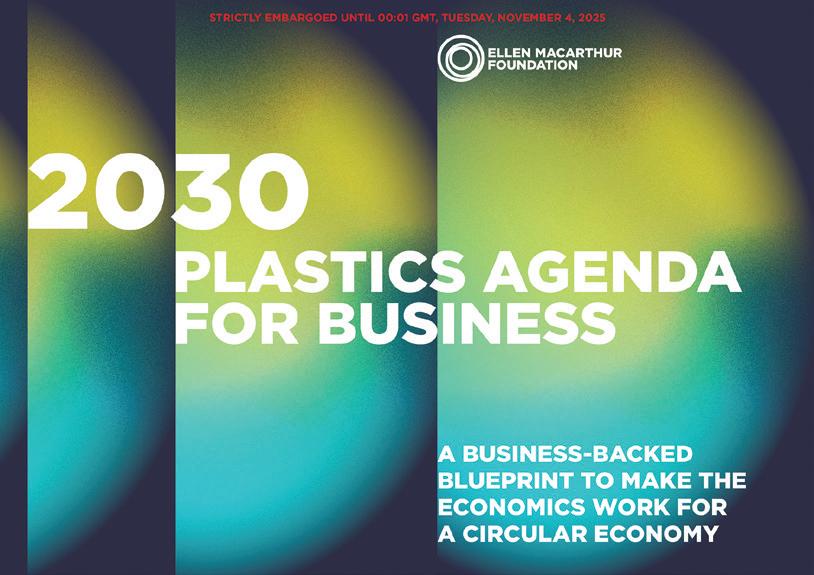
The Ellen MacArthur Foundation (EMF) released a new 2030 Plastics Agenda for Business, calling on brands and consumer packaged goods companies to shift from individual commitments toward coordinated action to scale circular packaging systems.
The agenda builds on EMF’s 2018–2025 Global Commitment, which drove measurable reductions in virgin plastic use but fell short of broader system change. The new framework focuses on three areas: collaborative projects, collective policy advocacy, and continued action within individual companies.
“Many business leaders ask me what comes next,” says Rob Opsomer, executive lead for Plastics and Finance at EMF. “My answer is simple: don’t wait. The companies that act now can help shape effective policies and make circular solutions the new normal.”
Between 2018 and 2024, Global Commitment signatories reduced virgin plastic use by about 15.4 million U.S. tons, tripled the share of recycled content in packaging, and eliminated roughly 854,000 tons of packaging identified as problematic or unnecessary. Even so, EMF’s most recent progress report found that only about one-third of brands were on track to meet their 2025 targets.
“Flexible plastic packaging has become ubiquitous and is the fastest growing category of plastic packaging — yet it is also the hardest to manage after use,” Opsomer says.
The report frames paper-based flexibles as a potential option in highleakage markets, while noting that material substitution alone will not address the underlying challenges.
Current paper-based alternatives face technical and economic constraints. Many flexible applications require barrier properties delivered through coatings or multilayer structures, which can complicate recyclability or compostability. Cost is also a factor, particularly for small-format packaging with thin margins.
“From a brand perspective, we see potential in paper-based flexibles, but scaling them will require advances in material performance, cost competitiveness, and infrastructure alignment,” says David Allen, vice president of sustainable packaging at PepsiCo.
For converters and machinery suppliers, those material shifts introduce practical trade-offs. Paper-based webs typically behave differently than plastic films in forming, sealing, and handling, which can affect runnability on existing horizontal and vertical form/fill/seal equipment.
Together, the two releases reflect EMF’s broader emphasis on scaling solutions through coordinated action, while continuing to evaluate specific material pathways that could contribute to reducing plastic waste in hard-to-recover formats.
Brand owners backing the 2030 agenda point to the need for greater alignment across the value chain, particularly as regulation expands.
“Nestlé will continue to contribute towards the common vision of a circular economy for plastics,” says Antonia Wanner, chief sustainability officer at Nestlé. “Building on years of effort to evolve our packaging, we look forward to collective action on the 2030 Plastics Agenda for Business, working with the Foundation and value chain partners.”
At Unilever, the focus is on coordinating innovation with infrastructure and policy.
“Ending plastic pollution and keeping plastic in circulation requires innovation, infrastructure, and enabling policy—combined with focused, collective action and advocacy right across the plastics value chain,” says Pablo Costa, Unilever’s global head of packaging, Digital and Transformation.
EMF says the agenda is intended to align corporate action with policy momentum already underway, including extended producer responsibility programs and packaging regulations in the EU, the U.S., and Asia.
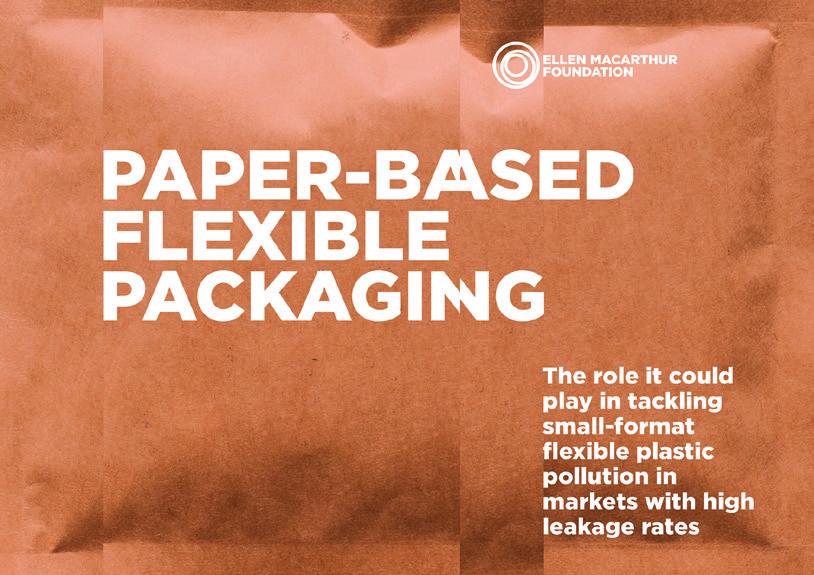
Alongside the agenda, EMF also released a report examining one potential pathway toward reducing plastic use: paper-based flexible packaging for small-format applications such as sachets, wrappers, and pouches.
These formats are widely used in food, personal care, and household products, particularly in markets with limited waste collection infrastructure. Their small size and low material value make them difficult to recover once discarded.
Heat-seal windows may be narrower, and barrier coatings can introduce variability in seal strength or dwell time, potentially reducing line speeds or requiring adjustments to temperature profiles. Multilayer paper structures or coated substrates can also create challenges in cutting, folding, and maintaining package integrity at high speeds. On the supply side, material producers are working to balance fiber content with functional coatings, often requiring new coating technologies or hybrid structures that meet both performance and recyclability targets.
The report also highlights environmental tradeoffs associated with paper, including fiber sourcing, water use, and end-of-life outcomes, particularly in landfill conditions.
To guide development, EMF outlines six criteria for what it calls “responsibly designed” paper-based flexible packaging, including responsible sourcing, minimized production impacts, performance requirements, compatibility with local recycling systems, avoidance of hazardous chemicals, and alignment with broader circular economy strategies.
Brand participants say progress will depend on coordination across suppliers, converters, and policymakers.
“Progress will depend on collaboration across the value chain, from material innovation to collection systems and policy frameworks,” says a representative from a global consumer packaged goods company participating in the initiative.
For more on the 2030 plastics goals, visit pwgo.to/9030, and visit pwgo.to/9044 for more on the flexible paper report. —Matt Reynolds


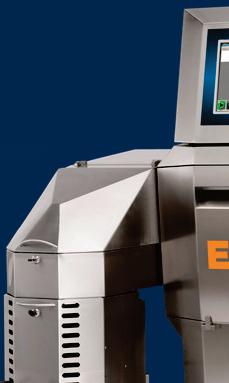
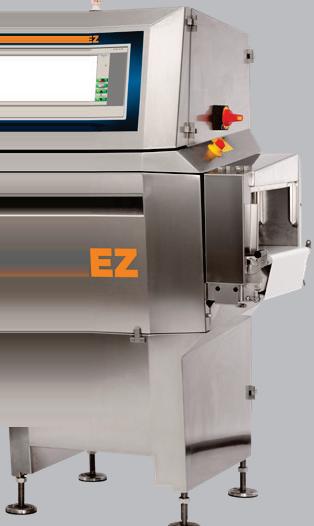
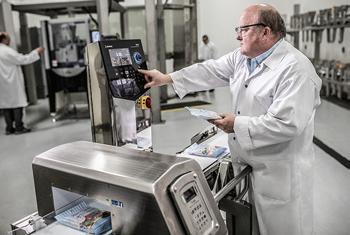
Detect contaminants, foreign objects, and product irregularities with the Eriez X-ray Inspection System. Designed to meet and exceed industry standards, our equipment sees what you can’t. Eriez. Always the Right Choice. High-definition image processing provides superior detection for incoming material feeds or packaged items, protecting your brand and prioritizing safety.




Laundry care is a routine that rarely receives the same design attention as other homecare categories. A new brand aims to change that with a refillable, reusable system that combines premium materials, a wellness-driven formulation, and a container designed to live on the countertop rather than under the sink.
Launched in 2025, Ripl Efek is a wellness-rooted lifestyle brand founded by Shawnique Alexander that approaches laundry as an extension of personal care. The California-based company introduced the skincare-grade laundry system in a packaging system that comprises a reusable stainless-steel vessel paired with aluminum refill canisters designed to reduce waste while maintaining product integrity.
Alexander says the concept grew out of a desire to rethink the relationship between home care and wellbeing. “Skin is a very big part of Ripl Efek, because what we wear and what we sleep on is our first point of contact,” she says. “But it’s more than just skin. It’s a holistic approach to health. It’s what I’m breathing in. It’s what my body is absorbing. It’s the energy in my space.”
The brand’s detergent formulas combine enzymatic cleaning

with skin-supportive ingredients, including algae oil and other moisturizing actives. These ingredients are intended to help lift residue from fabrics while supporting skin hydration and barrier protection. The detergent is offered unscented or in the brand’s signature Ase (As-Shay) scent.
Packaging plays a central role in the product system. According to Alexander, material selection was guided by both performance and sustainability considerations. “Every decision, from material to function to form, was intentional,” she says. “It was about staying


true to the essence of Ripl Efek and making a [reusable] vessel that works with you, not just holds the product.”
The reusable container is constructed from stainless steel and paired with a screw-on base made of medical-grade silicone, a zinc spout, and a glass cap/measuring cup. It’s designed to last for years with regular use. As Alexander explains, extensive iteration and new tooling was required to develop the custom-designed container. “The vessel evolved countless times until I said, I can work with this one,” she says.
The refill package, a 16-oz aluminum can supplied by Ball, also reflects the brand’s sustainability priorities.
Alexander says she evaluated several alternative materials before determining that aluminum provided the best balance of durability, recyclability, and compatibility with laundry detergent. “Aluminum lasts, it can be endlessly recycled, and it keeps reinventing itself across brands, purposes, and uses,” she says.
To assemble the system, users remove the lid of the aluminum refill can via a pull tab, unscrew the silicone base of the reusable vessel, and insert the refill can into the reusable container until the can clicks into place. After the base is secured, the detergent can be dispensed into the glass measuring cup. Each refill provides approximately 45 loads of laundry.
In addition to function, Ripl Efek also designed the vessel with help from an outside partner to elevate the visual experience of laundry care. The sleek metal container and minimalist graphics of the refills are intended to encourage consumers to keep the system visible rather than stored away.
“The current graphic elements on the refillable cans are very intentional and tied to the brand message and effect,” explains Alexander. “For the unscented can, the design is meant to take you to a fresh, nostalgic space, like a breath of fresh air. Even though there isn’t an actual scent, you get the feeling of the breeze. Ase represents/means the power to make things happen, a place of peace and stillness, and that’s what the image reflects. Both cans are designed for you to take a moment, pause, and connect.”
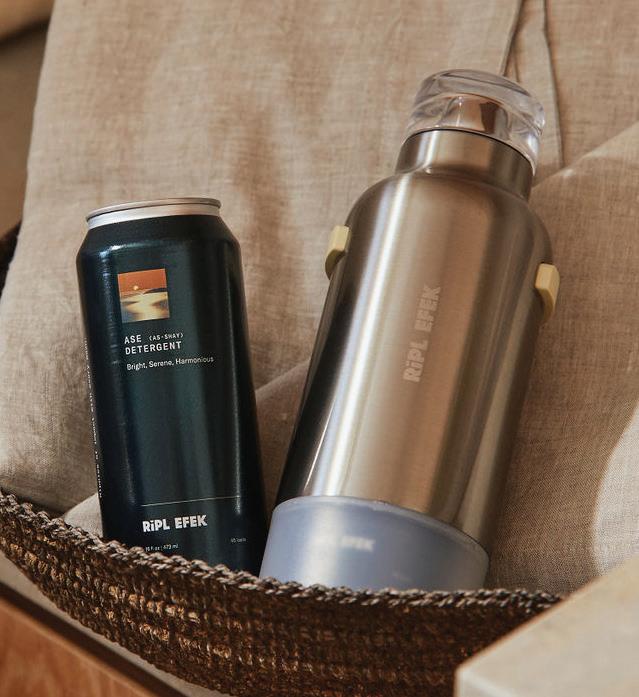
Alexander says the response from early customers has been positive, particularly around the sensory experience of the product and the design of the refill system. “People don’t just notice how clean their clothes are,” she says. “They talk about the experience.”
The Ripl Efek system currently sells online through the brand’s website. The starter set, which includes the reusable vessel and detergent, is priced at $78. Refill canisters begin at $28. —Anne Marie Mohan
• Engineered to Last
• Easy Integration
• Great Value!

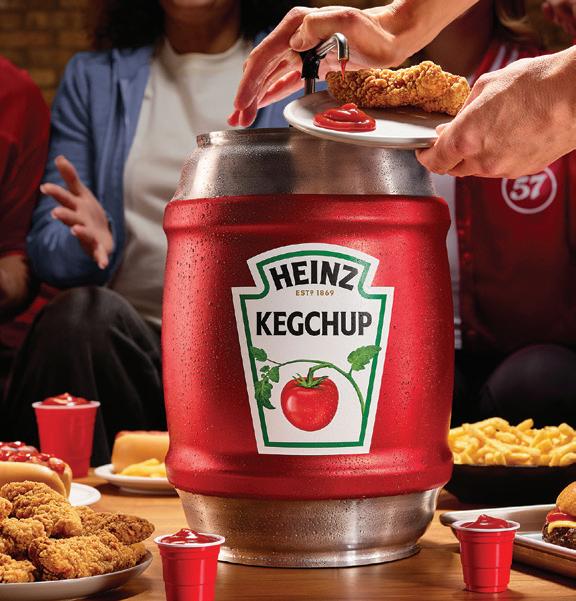
In the run up to Super Bowl Sunday, Heinz used the moment to spotlight how limited-edition packaging can drive fan engagement, introducing the Heinz KegChup, a novelty ketchup keg timed for the Big Game and designed to turn a familiar condiment into a conversation piece at watch parties.
The aluminum KegChup stands 19.5 in. tall, holds 114 oz of Heinz ketchup, and dispenses from a spigot. The format borrows from beer culture, a staple of football gatherings, and applies it to ketchup, one of the most common items on game day snack tables. Heinz positioned the product as a playful way to stay top of mind during one of the largest food occasions of the year.
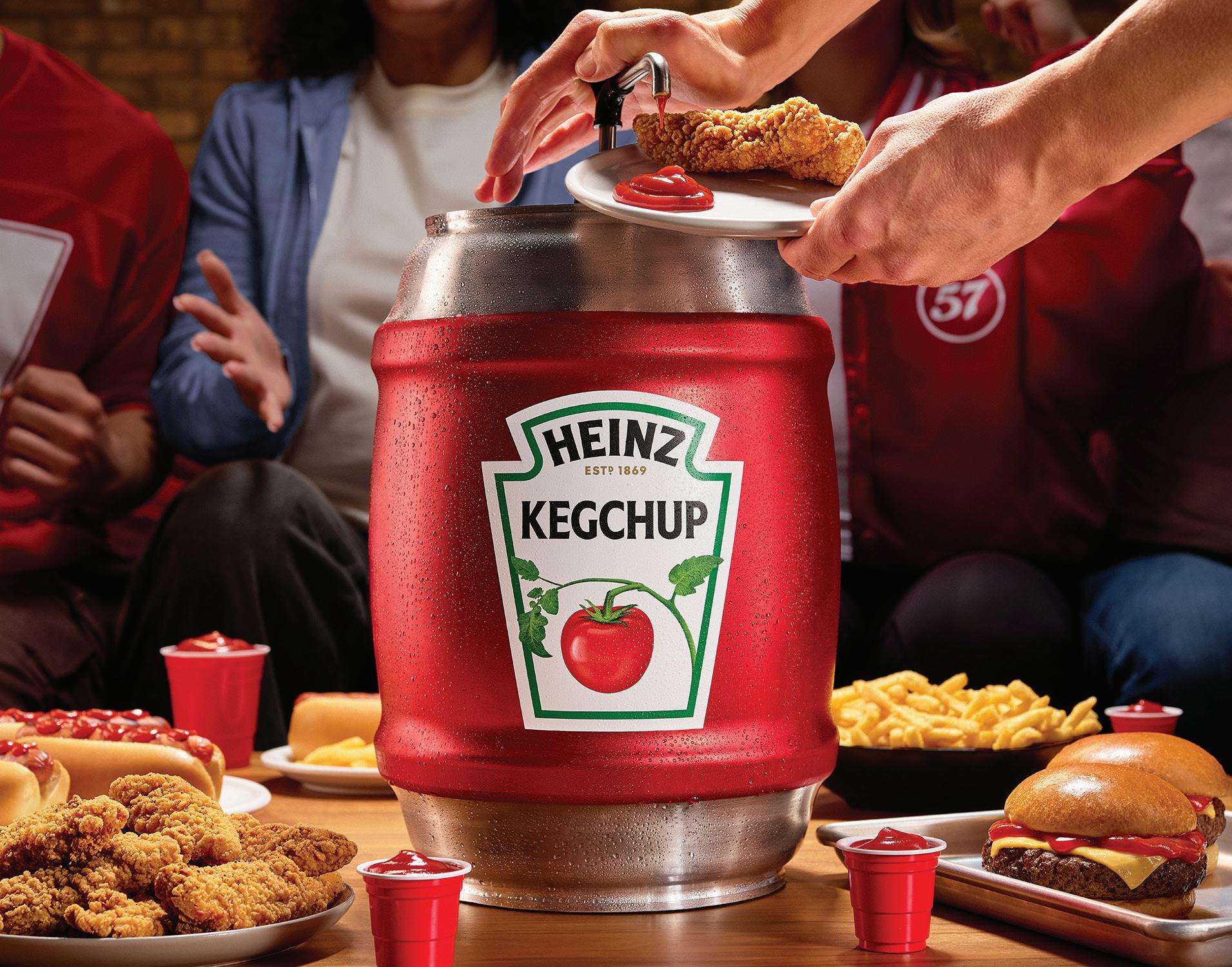
According to a spokesperson for The Kraft Heinz Company, limited-edition packaging activations like the KegChup help the brand connect with fans in new ways. “For decades, beer has been the MVP of football watch parties, yet the Big Game is the second-largest food holiday of the year and a key sales window for Heinz Ketchup,” the spokesperson says. “By reimagining the familiar beer-keg moment, the Heinz KegChup creates an unmistakable ketchup moment that amplifies the Heinz taste in a playful, crowd-friendly format.”
That approach appeared to resonate. After Heinz teased the KegChup concept on Instagram last fall, the post drew nearly 1 million views and thousands of interactions. The initial response translated into more than 10,000 waitlist sign-ups and requests for the product.
Heinz extended that engagement in the days leading up to the Super Bowl by giving a select number of fans the chance to win a KegChup through Instagram. Fans who did not receive one can still join a list for exclusive order access ahead of a broader rollout later this year.
Jamie Mack, associate director of brand communications for Heinz U.S., says the activation taps into fans’ enthusiasm around game day rituals. “On game day, fans unleash their unbridled passion for their teams, and their love for Heinz ketchup is no exception, making it a must have for every watch party spread,” she says. “That’s why we’re kicking it up a notch with the Heinz KegChup, the ultimate game-day companion that gives people the freedom to dip responsibly, with our unmistakably rich sauce flowing all four quarters long.”
Heinz says the KegChup is designed to keep ketchup fresh and cold through the entire game. More broadly, the brand frames the activation as an example of how limited-edition products can spark attention, social sharing, and deeper engagement during key cultural moments like the Super Bowl. —Anne Marie Mohan

Curbside recyclability meets operational efficiency.
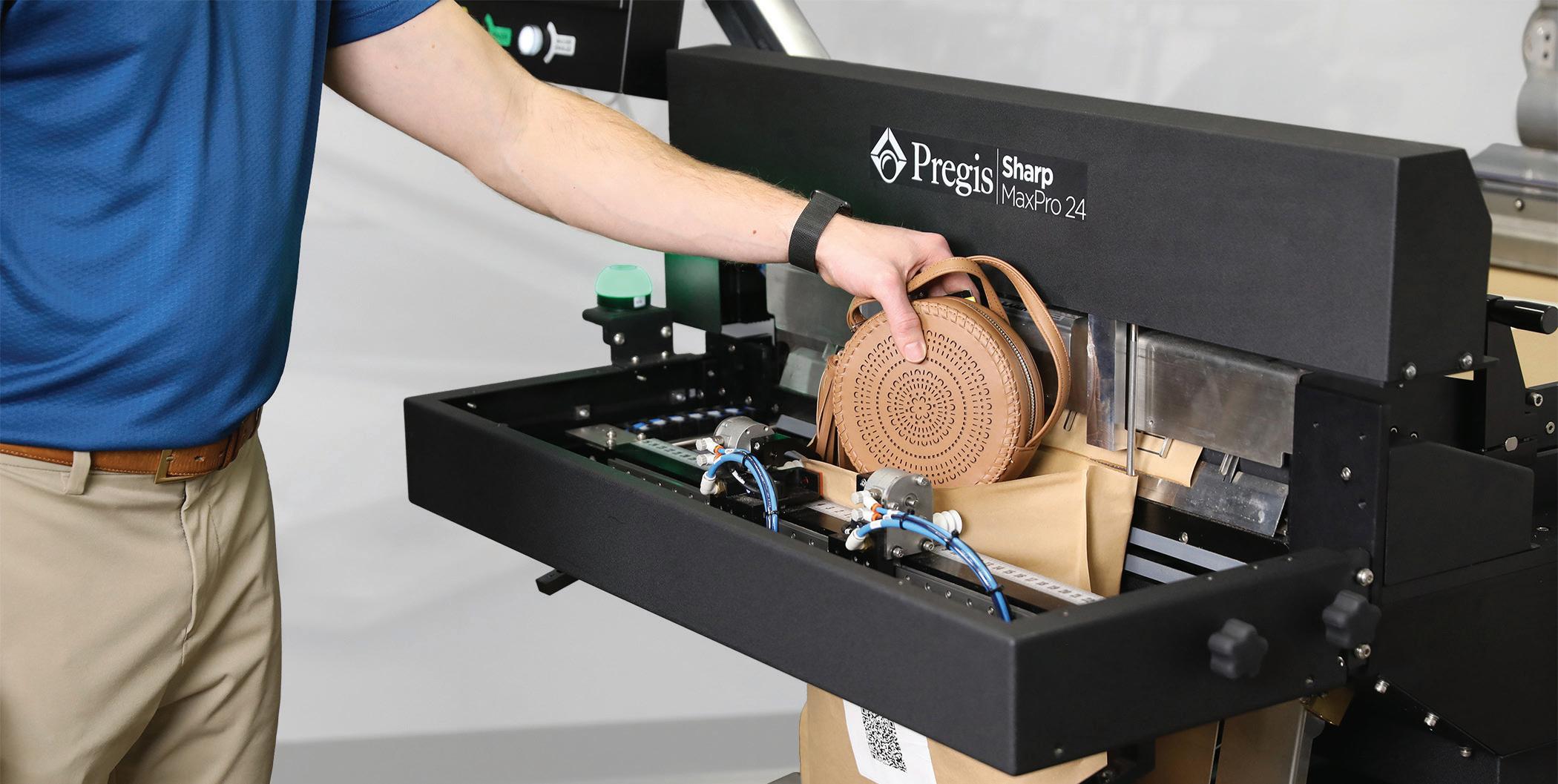
Looking to maximize operational output and enhance your customer experience?
Meet the Pregis EverTec Automated Mailer.
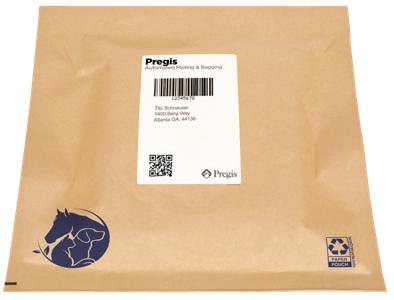
Exceed consumer expectations and streamline fulfillment with the Pregis EverTec Automated Mailer—a curbside recyclable solution designed for speed, durability, and effortless efficiency.
Engineered to withstand the rigors of the parcel network, EverTec Automated Mailers protect shipments while delivering a sustainable alternative for ecommerce fulfillment.
Compatible with the industry-trusted Pregis Sharp™ MaxPro Series, the system that allows you switch between poly and paper jobs in just minutes, this latest Pregis solution amplifies your output by 4x without missing a beat.
Products worth protecting deserve Pregis.
Take sustainable packaging to the next level.


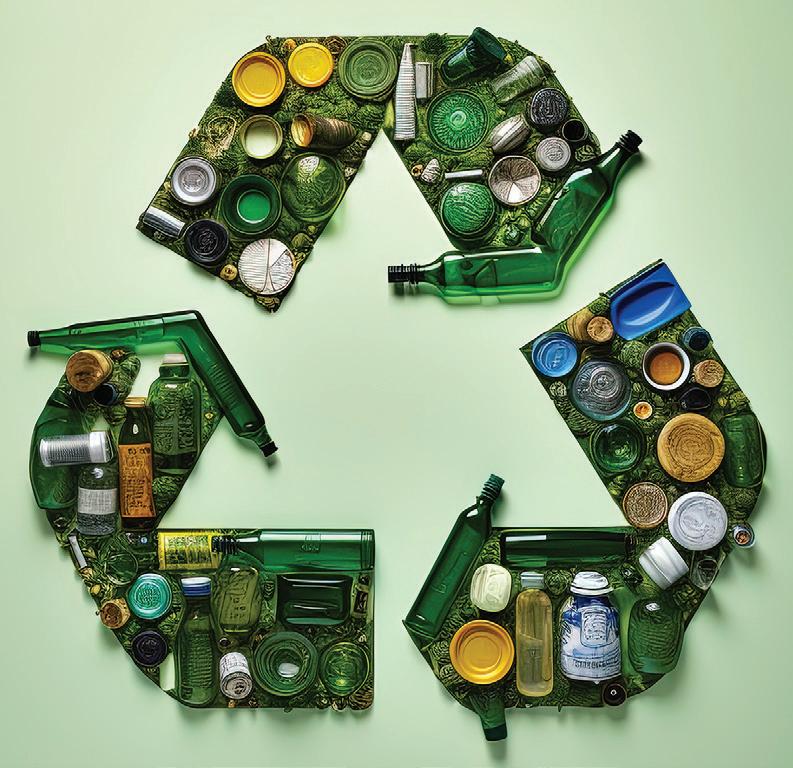
The U.S. Plastics Pact (USPP) has released a comprehensive position paper clarifying the appropriate role of physical and chemical recycling within a circular economy for plastic packaging. The guidance emphasizes that these advanced processes must complement—not replace—reduction, reuse, and mechanical recycling.
Grounded in months of research and cross-industry collaboration, the paper aligns recommendations with the EPA Waste Management Hierarchy. Mechanical recycling remains the preferred pathway due to its lower environmental impact. Physical and chemical technologies, the USPP says, should be reserved only for materials that mechanical systems cannot effectively process, such as flexible films, multilayer formats, and certain food-contact applications requiring highpurity recycled content.
USPP President and CEO Jonathan Quinn notes that advanced recycling technologies are often viewed in extremes. The Pact’s goal, he says, is to bring stakeholders together to establish “datadriven real-world solutions.”
To ensure physical and chemical recycling support true circularity, the USPP outlines several key requirements:
• Environmental and health protections: Facilities should adopt ISO 14001-aligned environmental management systems, transparently report emissions, and avoid siting in environmental justice communities. Cumulative industrial impacts must be evaluated before development, and community engagement is required throughout the siting process.
• Transparency and traceability: The Pact calls for chain-of-
custody certification under ISO 22095, clear mass balance accounting, and separate reporting of post-consumer and pre-consumer recycled content. Wasteto-fuel processes are explicitly excluded from the definition of recycling.
• Consistent measurement: Independent, third-party-verified lifecycle assessments should include all relevant inputs, including transportation and fossil extraction.
• Operational clarity: Recyclers should disclose yield losses and align bale specifications to improve packaging design compatibility across all recycling pathways.
While acknowledging that physical and chemical recycling can help recover hard-to-process materials and produce high-purity outputs, the USPP stresses they are not substitutes for foundational circularity strategies. Better sortation, improved consumer labeling, expanded collection systems, and consistent demand for recycled content remain critical to enabling a functioning circular economy.
Notes the paper, physical and chemical recycling can expand circularity only when deployed responsibly and within clearly defined boundaries. As Tamsin Ettefagh, chief sustainability officer and EVP of government and industry relations for physical recycler and USPP member PureCycle Technologies, notes, the paper helps establish “responsible parameters” that give companies confidence to innovate.
Crystal Bayliss, USPP’s director of strategy and engagement, adds that with appropriate safeguards, these processes can “unlock new circularity pathways for materials that today have no viable end-of-life solution.” —Anne
Marie Mohan





































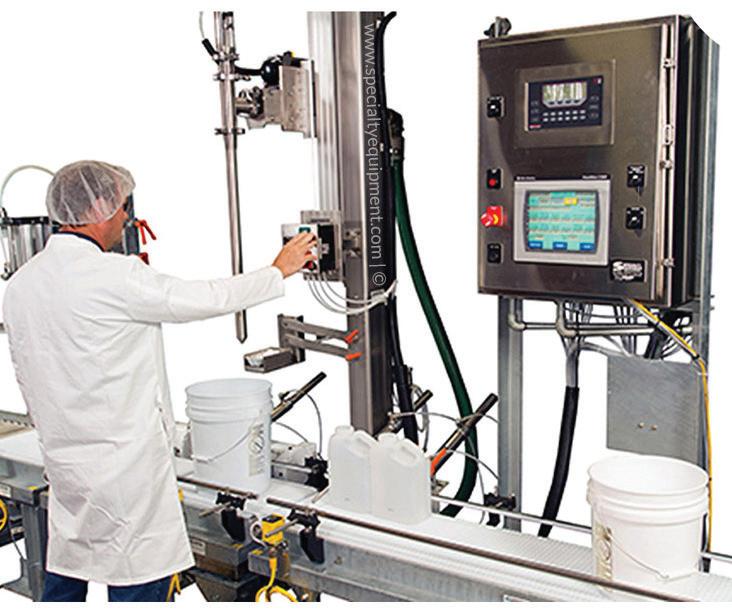
Designed for food grade environments, this allstainless semi-automatic pail filling system delivers accurate, clean filling across a range of container types. With both top and sub-surface filling capability, it accommodates varying viscosities while maintaining wash-down ready performance. Integrated powered conveyors with sanitary belt construction ensure smooth container handling throughout the filling process.
Benefits
» Fills 1 to 7 gallon pails, jugs, and cans
» All stainless steel, wash-down ready construction
» Top and sub-surface filling
This solution has a variety of product options available to meet your needs. To learn more, contact us by calling 833-467-3432.








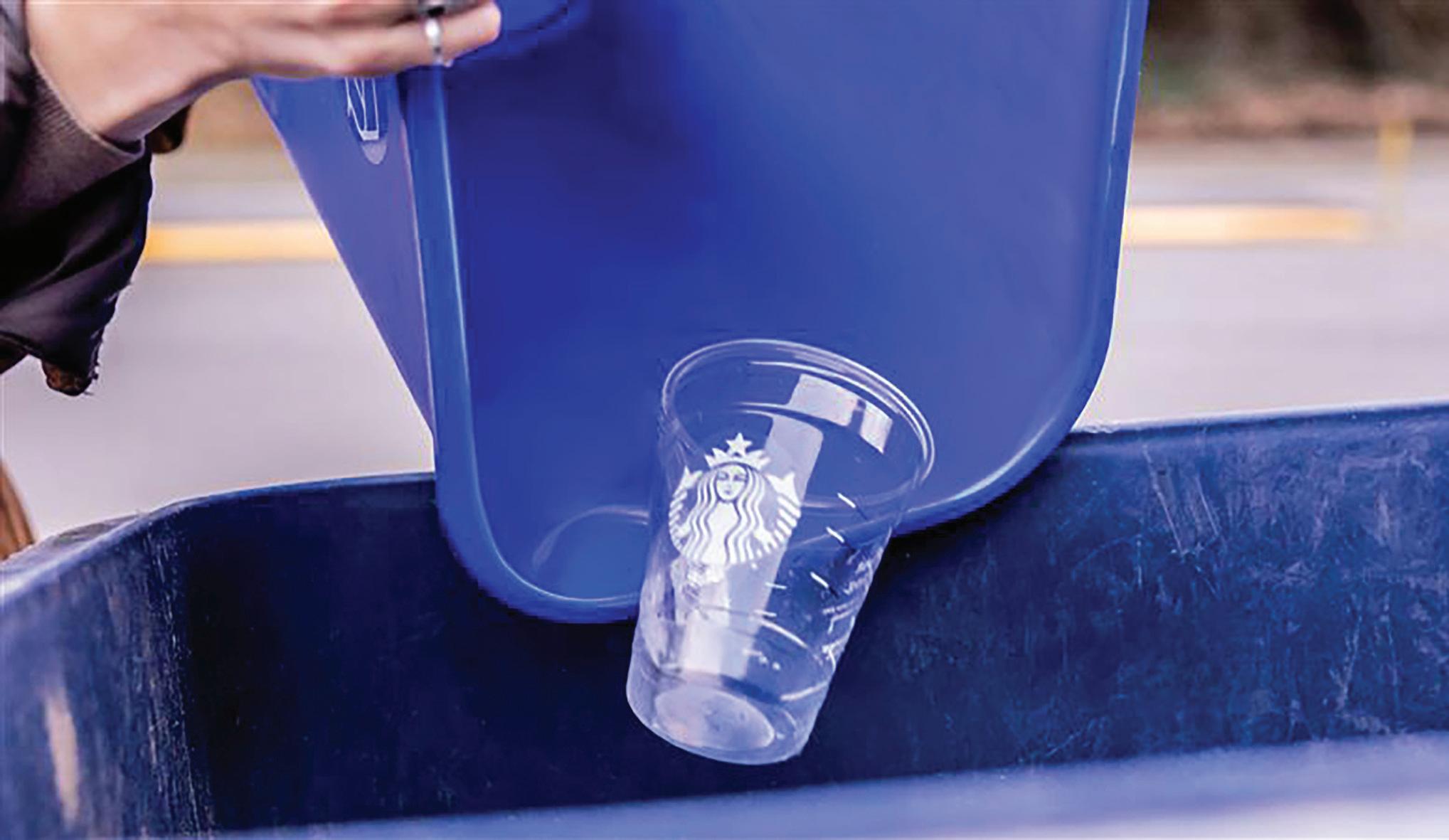
Polypropylene to-go cups have earned the “Widely Recyclable” designation from How2Recycle, North America’s on-pack disposal label. The designation means more than 60% of U.S. households can now recycle these cups through curbside or drop-off programs, expanding access for one of the most widely used forms of foodservice packaging.
The designation is the result of a collaboration among Starbucks, How2Recycle, the NextGen Consortium managed by Closed Loop Partners’ Center for the Circular Economy, The Recycling Partnership, and WM. Together, the partners worked to improve infrastructure, consumer education, labeling standards, and end markets to make large-scale recycling of PP cups possible.
In the last four months alone, new programs added recycling access for more than 2 million households. Overall access has grown more than 10% over the last several years, for a total of 7.5 million households now with access, reflecting what the coalition describes as an unprecedented level of collaboration across the industry.
“Achieving the Widely Recyclable designation for polypropylene cups is a significant milestone,” says Marika McCauley Sine, chief sustainability officer at Starbucks. “It reflects what’s possible when businesses, recyclers, and communities work together to create solutions that can reduce waste and make recycling easier for customers who opt for to-go beverages. We’re committed to continuing our collective effort to build a circular system that can benefit people and the planet.”
According to Paul Nowak, executive director of GreenBlue, the non-profit behind How2Recycle, the designation reflects a system-level change rather than a single technical fix. “Expanding access, improving infrastructure, and strengthening consumer communications takes collaboration across the value chain,” he explains. “No single organization can do this alone. The work we’re doing today has benefits beyond any single material. By investing in infrastructure and consumer-tested communications, we’re driving industry and behavior change at scale.”
For its part, the NextGen Consortium, managed by Closed Loop Partners’ Center for the Circular Economy, brought together major businesses including Starbucks to advance solutions that improve the circularity of foodservice packaging. The Recycling Partnership supported the effort through its Polypropylene Recycling Coalition, which invests in infrastructure, provides education guidance, and supplies real-time data on recycling performance.




















Kate Davenport, chief impact officer at TRP, says this is meaningful progress for PP recycling, adding that while it’s a first step worth commending, access alone is not enough. “Only 20% of PP packaging is currently captured, and 76% of all recyclables are still lost at the household level,” she explains. “That’s why our focus remains on what it takes to move the system forward, clear communication, stronger engagement, and continued investment in communities.”
WM contributed to the project by expanding processing capacity and developing end markets with KW Plastics. KW Plastics played a key role in creating demand for recovered material.
Industry data show households generate roughly as much PP as high-density polyethylene, yet PP’s recycling rate remains about one third that of HDPE. Coalition members say closing that gap requires continued investment in infrastructure, education, and end markets. —Anne Marie Mohan













“We are trying to pursue [sustainable] objectives while making sure the packaging is as elevated as possible. So sometimes actually it works together depending on how you design things and what materials you choose. You can get out of plastic and use more glass, and that’s more elevated. You can use metal aluminum that’s like monomaterial, aluminum caps that are recyclable, or these kinds of things that are actually elevated. So, the whole game for us in the cosmetics and beauty industry is to try to achieve those goals while continuing to elevate and premiumize, so to speak, the package and make the brand perception be as elevated as possible.”
–Herve Buzot, director, global packaging development, The Estée Lauder Group of Companies, in a Milliken & Co.-hosted webinar produced by Marcus Evans, titled, “Roadmap to 2030: Milestones and Material Innovation in Packaging Sustainability”


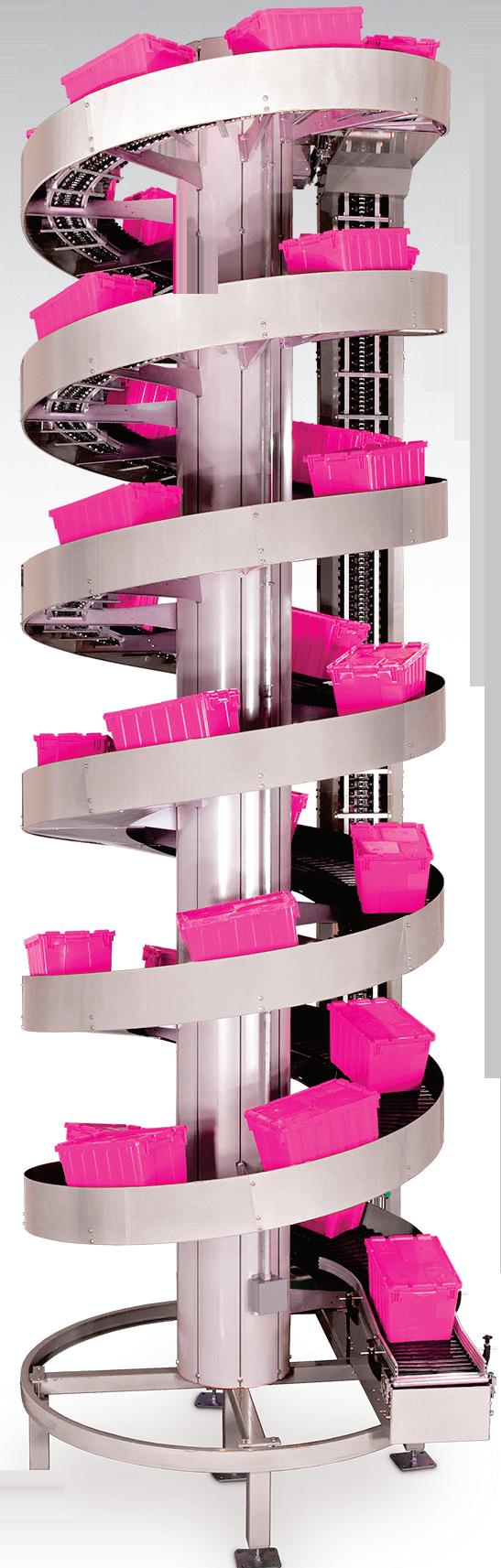
Small F prin . L w ain enance. Reliable Ver ical C nveying...
From cases, trays, and packs to bottles and cans— single file or mass flow—Ryson Spiral Conveyors help you move product upward with less space and less hassle.
Ryson Spirals require far less floor space than conventional conveyors and deliver faster, more reliable vertical transport than elevators or lifts— while supporting your sustainability goals.
Every spiral is built to your exact specifications and can be field-modified if your needs change. Thanks to a modular design, Ryson Spirals are also an ideal solution for replacing aging equipment with minimal downtime and a quick efficiency boost.
All products are manufactured in the USA. We also stock a full inventory of replacement parts and support every system with a dedicated service team. For bulk material handling, we offer a complete line of Bucket Elevators. For application assistance or additional information, call us or visit us at www.ryson.com
“It’s not just about collecting material. It’s about designing packaging so it actually works in the recycling system. Producers have to think very carefully about their design choices and the materials they use. In California, for example, producers must demonstrate recyclability and achieve sourcereduction targets. That means design decisions become central to compliance. You have to design for the shelf and design for the recycling system at the same time.”
–Jeffrey Fielkow, CEO, Circular Action Alliance (CAA), in a session titled, “Fireside Chat: What Lies Ahead for PROs?,” at the Plastics Recycling Conference
“The expectations of today’s workforce are changing, especially among younger employees entering manufacturing. Many people want to work with modern tools and technology, not equipment that feels decades old. If a company operates with outdated systems, it becomes less attractive to potential employees. Robotics and automation signal that a company is investing in the future of its operations and workforce. In that sense, automation isn’t just about efficiency, it’s also about attracting talent.”
–Alex Shikany, executive vice president, Association for Advancing Automation (A3), in an interview with Packaging World on A3’s recently released data on the 2025 robotics and automation market

Zoe Heller, director of CalRecycle, the state agency responsible for implementing and enforcing California’s SB 54 EPR law for single-use packaging and the state’s SB 343 “truth-in-recycling” labeling law, discusses how these policies will affect packaging design, recyclability claims, and compliance strategies for brands selling into one of the nation’s largest markets.
If you had to summarize SB 54 for a national brand owner selling into California, what’s the biggest misconception about the law, and what does it change about packaging design beyond simply paying EPR fees?
One misconception about California’s packaging producer responsibility law is that its ambitious timelines make compliance overly challenging. In reality, SB 54 gives producers [brands] considerable flexibility in determining how they’ll comply, and CalRecycle is taking a compliance-assistance approach to help businesses succeed.
For producers, this is a transformative opportunity to rethink their systems and products to supply a more circular economy for packaging and food serviceware. By reevaluating materials and formats, producers can design for less waste and ensure their materials are collected and turned into new products to address the cost and pollution burdens for consumers.
Given that rulemaking is still evolving, what does designing for compliance in California look like in practical terms, and what actions should brands be taking now versus waiting for final regulations?
Some immediate steps producers can take include registering with the Circular Action Alliance, which is California’s producer responsibility organization [PRO] and engaging with them to align their compliance strategies. Brands should also assess their portfolios to understand which formats may require additional investments, innovation, or alternatives to meet future targets. Another step they can take is to explore design innovation opportunities and consider how material choices, changes to components, and reuse or refill systems can better position them for success. Brands need to start planning now. Early action can help reduce risks and position them as innovation leaders.
What packaging counts under SB 54, and what parts of packaging do companies often overlook when they think about compliance? Does the law treat primary, secondary, and tertiary packaging differently? Single-use packaging, or “packaging routinely recycled, disposed of, or discarded and typically not refilled or reused by a producer,” applies to all covered material types. Primary, secondary, and tertiary packaging all count if they are single-use covered material and sold in or into California. Tertiary packaging may include things like plastic film used for transport packaging or large packaging used to contain smaller packaging for bulk items.
Under SB 54, how does California define recyclable and compostable, and how does that differ from industry norms or marketing usage? What packaging features most often disqualify a format from meeting those definitions?
California’s SB 54 defines recyclable and compostable based on what’s actually collected and processed at scale, not just what’s technically possible. For recyclability, SB 54 refers to the state’s truth in labeling law (SB 343, Allen, 2021) criteria, including packaging that’s accepted for collection by local recycling programs that serve at least 60% of the state’s population, sorted into defined streams by facilities that serve 60% of the state’s recycling programs, and sent to reclaimers that meet Basel Convention requirements [a 1989 international treaty designed to reduce, control, and manage the transboundary movement of hazardous and other wastes]. It also includes packaging that meets design and composition requirements such as those meant to reduce harmful chemicals.
For compostability, the law relies on AB 1201 (Ting, 2021) compostable labeling standards that require materials to be allowable agricultural organic inputs under the USDA National Organic Program, among other requirements.
Some covered materials don’t yet have strong markets or face other challenges that inhibit their recycling or composting at scale. Because of this, changing how products are designed can make a big difference in whether these materials can actually be recycled or composted.

How will California evaluate alternative compliance pathways such as compostable packaging or emerging recycling technologies like chemical or advanced recycling when determining recyclability and program compliance?
It’s premature to provide a definitive answer to this question since the rulemaking process is ongoing. That said, SB 54 provides an avenue for materials to be considered recyclable if a clear trend toward meeting the criteria I outlined in my response to the last question can be shown. Additionally, emerging recycling technologies are processing methods that might be considered “recycling” pending processes and performance standards that are part of the proposed regulations and identified in the law.
What constitutes an “indicator of recyclability” under SB 343, and how should brands reconcile national labeling strategies with California’s restrictions? What documentation should companies retain to substantiate recyclability or compostability claims?
For manufacturers to sell products and packaging in California that include recycling claims like the chasing arrows symbol or other indicators of recyclability, they must demonstrate that the products and packaging meet the labeling criteria established in SB 343. CalRecycle can’t speak to national branding strategies or legal substantiation of marketing claims. We don’t review and approve labels, nor do we take enforcement action related to the use of labels on product or packaging. We’re required by law to help manufacturers determine the appropriate labeling for their products by providing data on the collection and processing of that material in California.
Compliance with SB 54 concerns whether materials are considered recyclable in the state. How packaging is actually labeled isn’t relevant to our enforcement of SB 54. CalRecycle doesn’t determine whether labels violate SB 343.
Will SB 54 fees be eco-modulated, and what packaging attributes or design decisions are most likely to increase or reduce a producer’s financial obligation under the program?
SB 54 gives CAA the ability to establish and adjust eco-modulated fees to incentivize safer and more sustainable materials, including malus fees that may apply to materials that contain toxic heavy metals, pathogens, or additives. It can also provide credits or reduced fees based on the use of PCR content, reduced plastic content, a transition to reuse and refill systems, and derivation from renewable materials.
How should brands think about strategies such as PCR content and reuse or refill systems within SB 54 compliance pathways?
Producers must achieve a 25% reduction in single-use plastic by 2032. At least 10% of that must come from shifting from disposable packaging to reusable or refillable systems. The rest will be reduced by shifting to non-plastic materials, rightsizing, optimization, the elimination of components, concentrated products, and large or large-format packaging. Source reduction may include a limited credit for the use of PCR content in lieu of virgin plastic.


What audit, verification, and enforcement approaches should brands anticipate as the program rolls out?
Producers of covered materials should anticipate a compliance-assistance-first approach as SB 54 ramps up. This includes educational material, guidance documents, and outreach from CalRecycle on producer obligations. We may conduct audits, verify reported data, and follow up with producers as we deem necessary to support compliance.
More formal enforcement actions remain available. However, we may use discretion in accordance with the statute and regulations, once they’re approved, to determine the best approach to facilitate producers coming into compliance.

Given the withdrawal and revision of the proposed SB 54 regulations, what’s the current anticipated timeline for final rules, PRO approvals, and producer obligations?
The rulemaking process doesn’t change the overall direction of SB 54 and its statutorily mandated obligations or timelines. We withdrew the proposed regulations from the Office of Administrative Law Review to make targeted clarifications. We held a 15-day comment period on the proposed revised regulations from January 29 through February
13, and we’re currently in the process of reviewing and responding to those comments.
CalRecycle remains committed to implementing this bold recycling law in a way that achieves its goals of reducing plastic waste and supporting a circular economy, while minimizing costs for businesses as well as consumers and working families as much as possible.
—Anne Marie Mohan





By Sterling Anthony, CPP, Contributing Editor
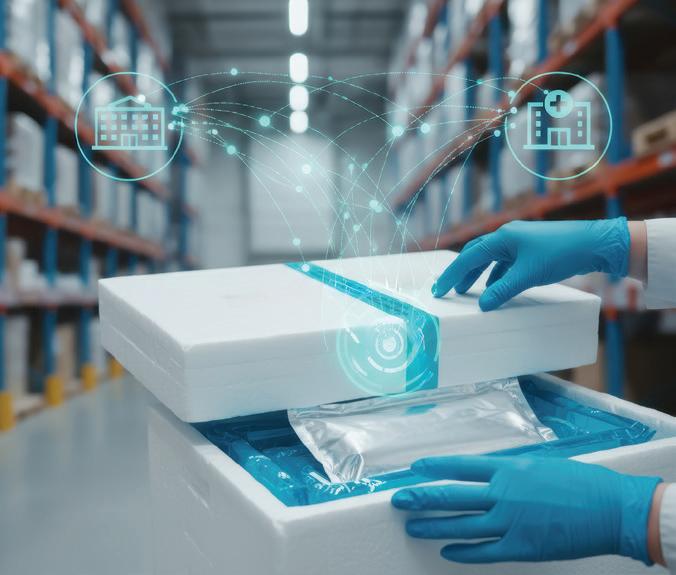
Cold supply chains protect the quality, safety, and efficacy of a diverse category of temperature-sensitive products. Examples include perishable foods and beverages, pharmaceuticals, biologics, chemicals, and flowers. Packaging is an indispensable logistical component of cold supply chain management. Leveraging packaging for cold supply chains requires an understanding of the options, along with the factors that bear on decision-making.
Cold chain packaging is classified as active or passive. The former is powered by electricity—refrigeration for example. The latter, which is the focus of this article, relies on insulation, in combination with such additions as ice, dry ice, and gel packs.
Tapes designed for cold chain use are used to seal boxes, under refrigerated or freezing conditions. The tapes remain flexible, without the stiffening that can cause conventional tapes to lift along the edges. Closure-security protects the insulating capabilities of a container.
Stretch wrap engineered for cold chain use provides high cling and good tear resistance. Conventional stretch wrap becomes brittle at low temperatures and the resulting loss of holding strength can compromise the stability of palletized loads. Cold chain stretch wrap is produced as a blown film, because of its superior performance over cast film.
layer barrier envelope, evacuated in a vacuum chamber, and sealed. Because of their thinness, the panels leave more utilizable space.
Other options that are promoted on sustainability are made of paper, cellulose, cotton, cornstarch, just to name several. They take the forms of inserts, liners, and panels. Their various claims include recyclable, biodegradable, compostable, and reusable.
While the preceding is not offered as an exhaustive list, it more than implies this question: How should a decision-maker choose the right cold chain packaging? The answer is: “With a stepwise systems approach, based on product-specific considerations.”
Step 1: Determine the temperature setting involved. Refrigerated temperatures, around 40°F, for example, impose temperaturecontrol requirements that are different than those imposed by freezing temperatures of 32°F and below. The setting will need to be maintained continuously.
©newlifestockstock.adobe.com
Wax-impregnated corrugated cases combine insulation with structural strength and water resistance, for such applications as seafood, meats, and produce. Applied on the interior and exterior of the box, the wax coating protects the cases’ fibers from the weakening effects of melting ice and condensation. This allows the cases to be stacked without threat of collapsing.
Expanded polystyrene (EPS) provides lightweight, inexpensive insulation, whether as a formed container or as a liner (e.g. inside a corrugated shipper). But EPS has low impact resistance and is easily damaged, which can compromise its insulation capabilities, and it is criticized by environmentalists. The industry’s responses stress that the material is 98% air and is recyclable but claims of being biodegradable or compostable are challengeable.
Expanded polyethylene (EPE) is valued for its cushioning properties. It is a better insulator than is EPS, while providing better impact and moisture resistance. But like all petroleum-derived materials, it’s attacked on grounds of sustainability.
Polyurethane foam (PUR) is superior to EPS and to EPE as an insulator, having a higher thermal resistance (R-value) than them. It also has good cushioning properties, whether in the form of inserts or injected.
Vacuum-insulated panels (VIPs) are thin structures that are placed inside containers for insulation and thermal resistance. Their construction consists of a core material, embedded inside a multi-
Step 2: Model the other logistical components—namely, transportation mode, warehousing/storage, and material handling. The three are performed under conditions of temperature (and humidity) that affect packaging’s insulation and control requirements. The trio also impose physical forces (e.g., vibration, shock, compression) that test the packaging’s resistance.
Step 3: Determine the time span during which temperature-control is needed. Is it a mere 24 hours? What about 48 hours? What about 72 hours or longer? The correlation between time and packaging is direct: the longer the time, the more enduring packaging’s temperature-control capabilities need to be.
Step 4: Identify plausible candidates. This is where solutions are formulated, ranging from a single option to a customized combination of those discussed.
Step 5: Calculate true costs. Options come with varying prices, making the challenge one of cost-optimization. It’s false economy for high-value products, such as vaccines and biologics (blood, plasma, tissues, organs), to be packaged in lower-priced packaging that permits product losses. It’s also false economy for lower-value products, such as certain produce, to be packaged in higher-priced packaging that yields no or negligible losses.
Step 6: Document and monitor. Technology exists that enables real-time visibility and accountability throughout the supply chain. Vested parties don’t need to wait for nor guess about information concerning the performance of their cold chain packaging. Sophisticated sensors and data loggers track temperature, humidity, and location. Want feedback down to the item-level and not just at pallet-load-level? There are smart labels that can provide it. Hightech documentation and monitoring provide the added advantage of facilitating compliance with federal regulations, such as those of the FDA and FSMA (Food Safety Modernization Act). PW

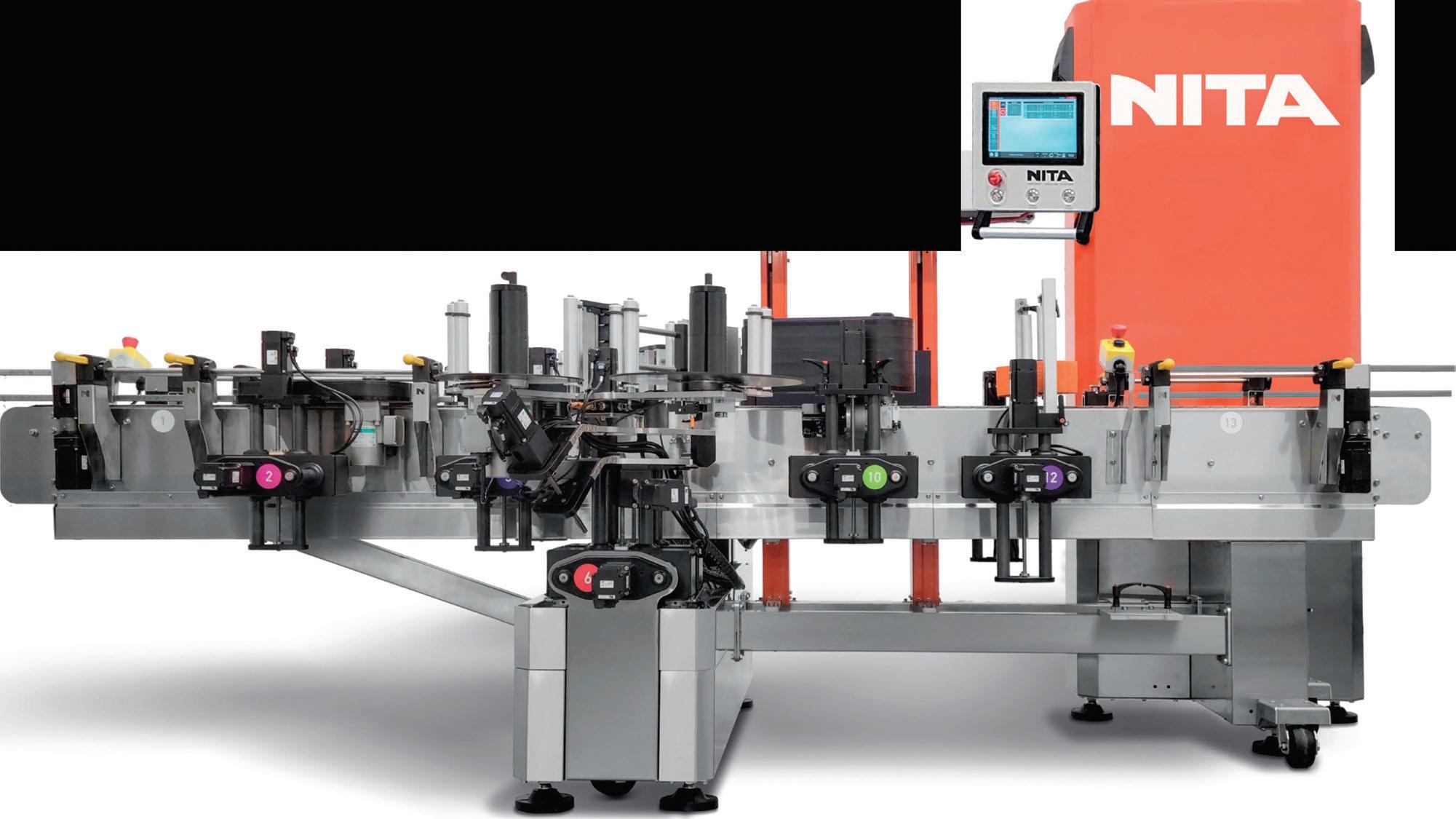
The method to our madness is simple:
Build ultra-rugged labelers to withstand your actual working environment. (Hint:They're BEASTS)
Infuse them with cutting-edge technology that makes bad operators good. ( e even built in HMI videos to teach the newbies how it's done. Yep!)
Support every system to ensure you are always running! (NitaCare connected internet login servicing. Consider your problem resolved)


By Danielle Waterfield, Policy Director & General Counsel, AMERIPEN
For packaging professionals, labeling decisions are not abstract policy debates. They are operational realities. Artwork approvals, material specifications, regulatory reviews, and national distribution strategies all depend on clarity.
Today, achieving that clarity is increasingly difficult when it comes to environmental marketing claims on packaging. States are enacting differing rules governing the use of the terms “recyclable,” “compostable,” and “reusable.” While well-intentioned, this growing patchwork creates compliance challenges for companies operating across state lines. Definitions, substantiation standards, and enforcement approaches vary, forcing packaging teams to evaluate whether to redesign labels, eliminate claims altogether, or absorb additional regulatory risk.
For companies managing hundreds or thousands of SKUs across national distribution networks, even minor variations in state standards can introduce version-control challenges, packaging redesign costs, and supply-chain inefficiencies. Divergent substantiation requirements may require separate artwork approvals, segmented inventory, additional regulatory review, and longer time-tomarket. The operational impact is real and growing.
The root of the problem is structural. In the U.S., the Federal Trade Commission manages environmental marketing claims through its Green Guides, but those guides serve as advisory guidance and do not carry independent, enforceable authority. Without a harmonized federal framework, states are stepping in to regulate packaging claims independently, creating inconsistent standards across the country.
to ensure alignment with broader environmental objectives.
A key feature of the bill is a mandatory third-party certification requirement for companies that choose to make recyclable, compostable, or reusable claims. Certification must be provided by an accredited independent body demonstrating compliance with FTC standards. The bill does not require companies to make claims; it establishes clear substantiation requirements when they do.
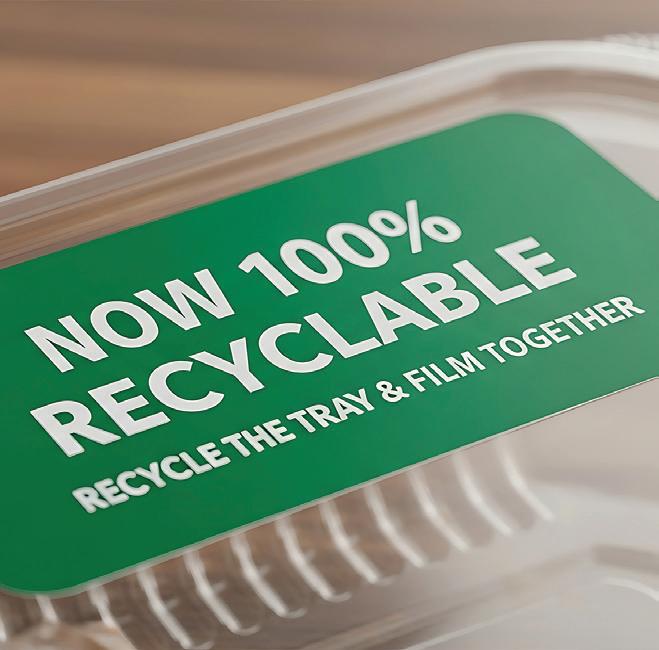
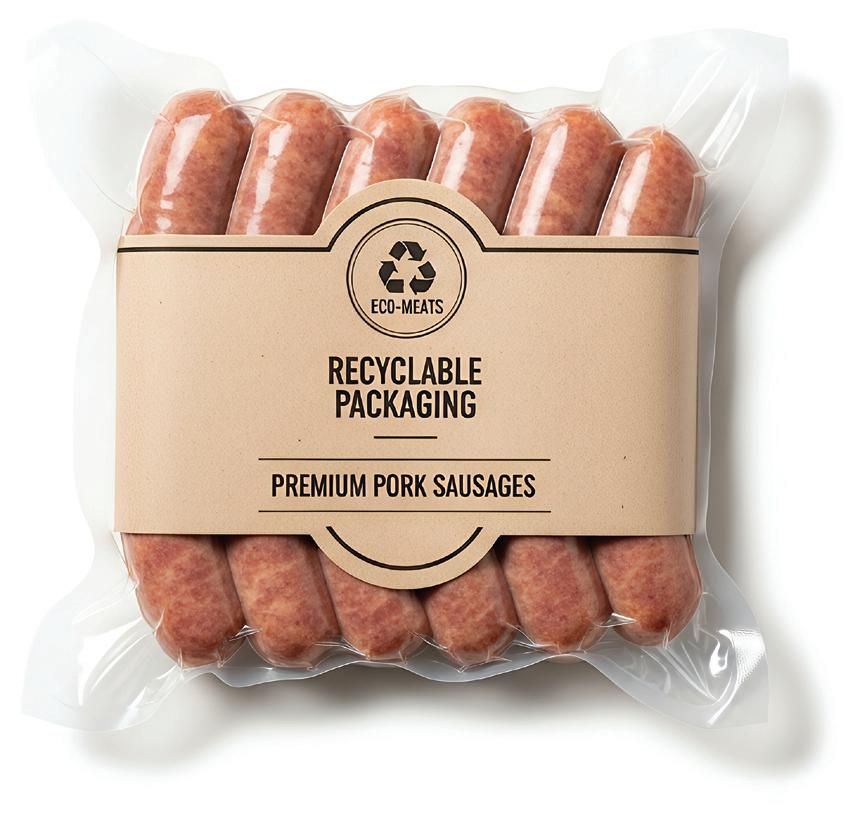
The Packaging and Claims Knowledge Act, known as the PACK Act, offers a practical solution. Introduced by U.S. Representative Randy Weber (R-Tex.), the bipartisan bill directs the FTC to establish a clear federal framework governing recyclable, compostable, and reusable claims on consumer packaging. The goal is not to expand regulation, but to replace fragmentation with consistency.
The PACK Act strengthens the FTC’s authority by formalizing enforceable standards for these three specific claims. It also directs the agency to coordinate with the Environmental Protection Agency
The most significant operational benefit is targeted preemption. States would be preempted from enforcing labeling requirements that differ from the federal framework. For companies managing packaging design, print runs, inventory, and nationwide distribution, a single standard reduces compliance risk, simplifies execution, and restores predictability.
Importantly, the PACK Act is narrowly tailored. It does not alter extended producer responsibility programs, recycled content mandates, or other packaging policies. It focuses exclusively on labeling consistency for three defined environmental marketing claims.
Clear and consistent claims also support circularity. When consumers receive accurate disposal information, contamination decreases and material recovery improves. Inconsistent labeling undermines both trust and system performance.
The PACK Act offers Congress an opportunity to restore clarity, protect interstate commerce, and strengthen consumer confidence. Without federal action, the patchwork will continue to grow, increasing complexity for companies and confusion for consumers.
AMERIPEN is working with a coalition of organizations across the packaging value chain to advance the PACK Act and support its passage. A harmonized national framework will only move forward if companies demonstrate that consistency matters.
To learn more about the legislation or how your organization can engage, please visit https://www.ameripen.org/pack-act/ PW


By Anne Marie Mohan, Senior Editor
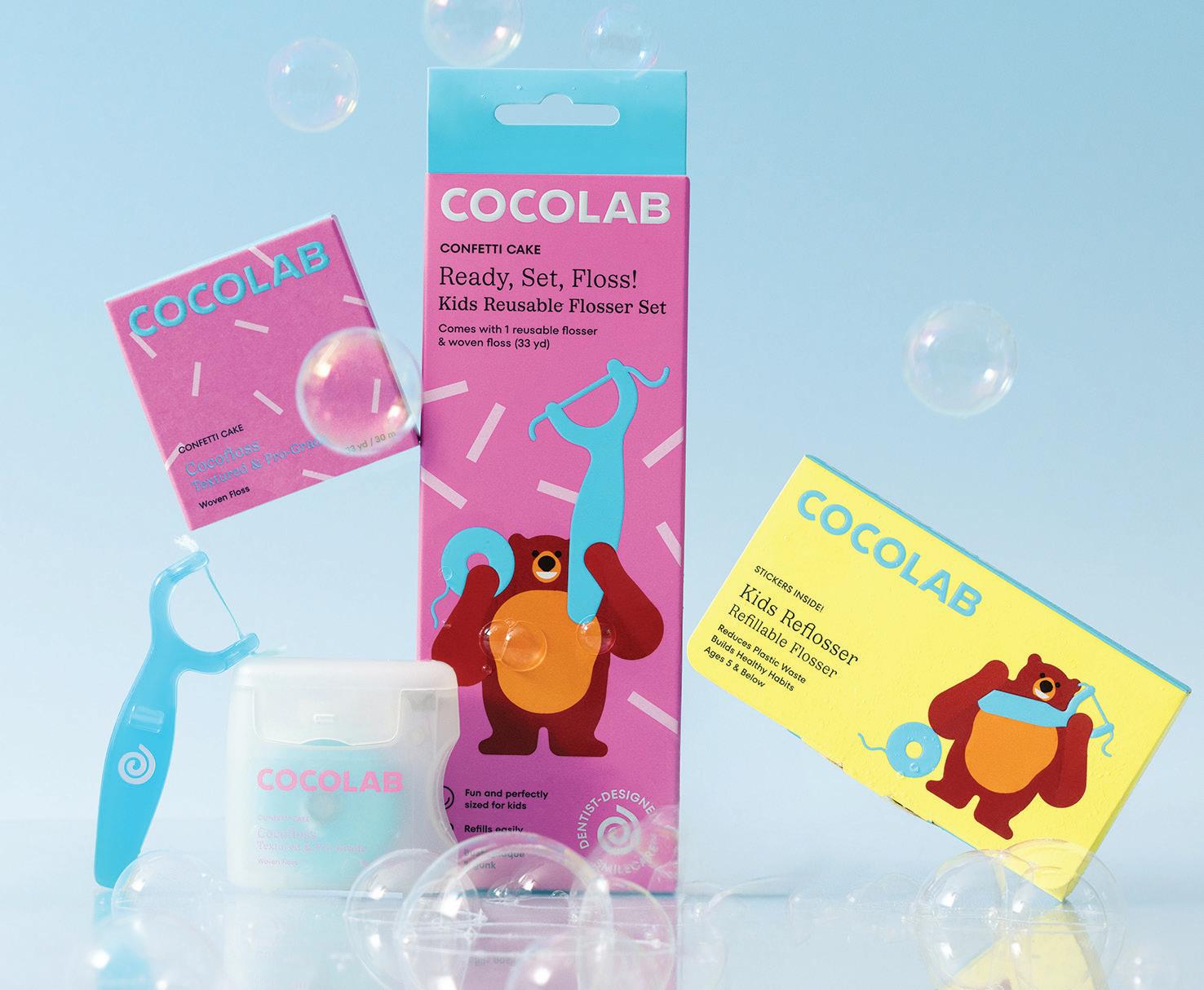
Flossing may be one of the most recommended habits in oral care, but it’s rarely one people look forward to. According to Catherine “Cat” Cu, it was this reality that inspired her and her sister, dentist Chrystle Cu, to launch oral care company Cocolab. Their goal was to rethink oral care through a combination of clinical performance, sensory appeal, and thoughtful product and packaging design.

The idea grew out of Dr. Cu’s experience in dental practice. “My sister, Chrystle, had been practicing dentistry for eight years and was frustrated that so few patients cared about flossing,” says Cat Cu. “We noticed a disconnect. Patients feared the dentist and struggled with gum disease, yet no one cared about the one habit that could prevent it. More than half of cavities form between teeth, the exact place brushing can’t reach and flossing matters most.
“While my sister was toiling in the dental practice, I had left my job in finance to start an online art company. As I struggled to get traction, Chrystle urged me to look at the floss problem with her. We asked ourselves a question: Could we get people to floss if we made it irresistibly joyful and rewarding? We teamed up on this challenge, and Cocolab was born.”
The San Francisco-based company launched in 2015 with its first product, Cocofloss, a woven dental floss designed to clean more effectively while delivering a sensory experience that feels closer to a beauty or lifestyle product than traditional oral care. Today the company’s portfolio includes floss, toothbrushes, toothpaste, and children’s products designed to work together as part of Cocolab’s SmileCare System. Each product combines clinical performance with sensory details, such as bold product fragrances—for example, Delightful Mint, Young Coconut, and Wild Strawberry—and soft-bristle toothbrushes, intended to encourage consistent use.
From the beginning, the founders embraced distinctive packaging that blends vibrant graphics with sustainability-minded materials. In the early days, Cat Cu designed all the brand’s packaging. Today the company has an in-house creative team and works with independent copywriters, photographers, designers, artists, and agencies, as well as the creative team at Wedge
The brand’s visual language departs from the traditional clinical
aesthetic of the oral care aisle, leaning instead toward the bold colors and expressive graphics more often associated with beauty and lifestyle brands. That approach is intentional. “Our design expresses a simple belief. Oral care should feel like joy, not obligation,” Cat Cu says.
Color plays a central role in creating that feeling. The palette, which Cu describes as “dental dopamine,” uses bold, warm hues meant to spark delight and curiosity while still signaling freshness and dentist-designed trust. The typography and logo design follow the same philosophy, with the system blending modern clarity with subtle personality. Clean, confident letterforms communicate performance, while small expressive details add charm and approachability.
Together, these elements shift how consumers interact with oral care products at home. Rather than being hidden away in a drawer or cabinet, the packaging is designed to be counter-worthy. “The system reframes oral care as something you’re proud to display—highperformance products that look beautiful, feel joyful, and elevate daily rituals,” says Cat Cu.
Material selection is another defining element of Cocolab’s packaging strategy. As the company has grown, it has placed increasing emphasis on environmental responsibility. “At Cocolab, our goal is to help folks achieve better health, and we can’t do this without considering the health of our planet,” says Cat Cu. “A healthy mouth supports a healthy body, and both depend on a healthy planet.”
To reduce its environmental footprint, the company incorporates a range of more sustainable materials across its packaging and product components. Recycled ocean-bound plastics are used where durable plastic parts are required, including toothbrush handles and toothpaste tubes. FSC-certified paper is used for cartons and printed packaging, while compostable materials replace polybags used to merchandise and transport products.
Another strategy is the use of refillable formats. Cocofloss refills allow consumers to reuse the primary dispenser rather than discarding it after a single use. The refill system has become one


of the brand’s most popular offerings while also significantly reducing packaging waste and emissions.
Some of the company’s recycled plastic components are sourced through Oceanworks, which collects plastic waste from coastal regions where it’s at risk of entering marine ecosystems. The material is sorted, sanitized at high temperatures, washed, and pelletized before being molded into toothbrush handles at a manufacturing facility in Switzerland.
According to Cat Cu, the use of these materials introduces additional complexity, particularly in oral care where components must meet strict regulatory requirements for food contact. To meet those standards, Cocolab collaborates with material suppliers and manufacturing partners to ensure safety, compatibility, and consistent performance.
Cost presents another challenge, since verified recycled and ocean-bound plastics are typically more expensive than conventional virgin resins. Rather than compromise, the company has made those materials part of its broader product narrative. As Cat Cu explains, the brand integrates these choices directly into its product identity and value proposition.
To communicate the sustainability features of its packaging, Cocolab uses simple icons and visual cues on-pack. QR codes and digital channels provide additional detail for consumers who want to learn more about the materials used and how to properly recycle or dispose of them. The brand also partners with organizations such as PACT Collective and TerraCycle to provide recycling options for harder-to-process beauty and personal care packaging.
For Cat Cu, the relationship between product design, packaging, and sustainability reflects the company’s broader philosophy about health. “If we’re asking people to invest in daily wellness rituals,” she says, “we have to ensure those rituals are designed responsibly.”
Cocolab products are available through the company’s website, through online retailers such as Amazon, Target.com, Anthropologie.com, and Bloomingdales.com, and at Target and CVS stores nationwide. PW

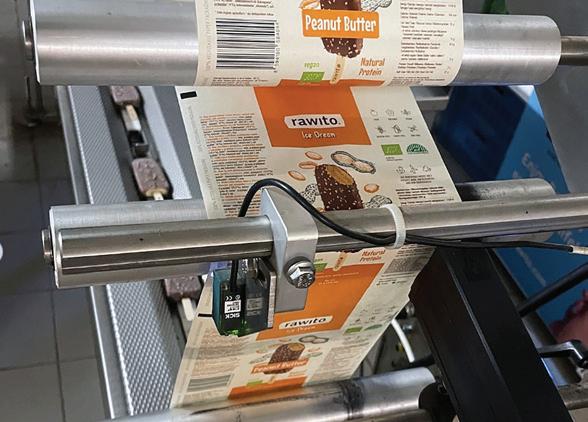
Czech ice cream producer Rawito partners with one.five to apply AI to material selection, resulting in a recyclable paper wrapper that meets consumer expectations and product requirements.
By Anne Marie Mohan, Senior Editor
Artificial intelligence is becoming a practical tool in packaging development, helping companies work faster and make more informed decisions. In many cases, AI is used to quickly evaluate design options, refine graphics, or predict how a package will perform before physical testing begins. What is changing now is where AI is applied in the process, moving from late-stage refinement to earlier decisions that shape materials, performance, and sustainability outcomes.
At Hamburg-based one.five, AI is embedded directly into the process of matching products with materials that meet performance, sustainability, and economic requirements. The company uses its AI platform to assess how packaging materials behave in real-world conditions and how they align with regulatory and operational constraints. That
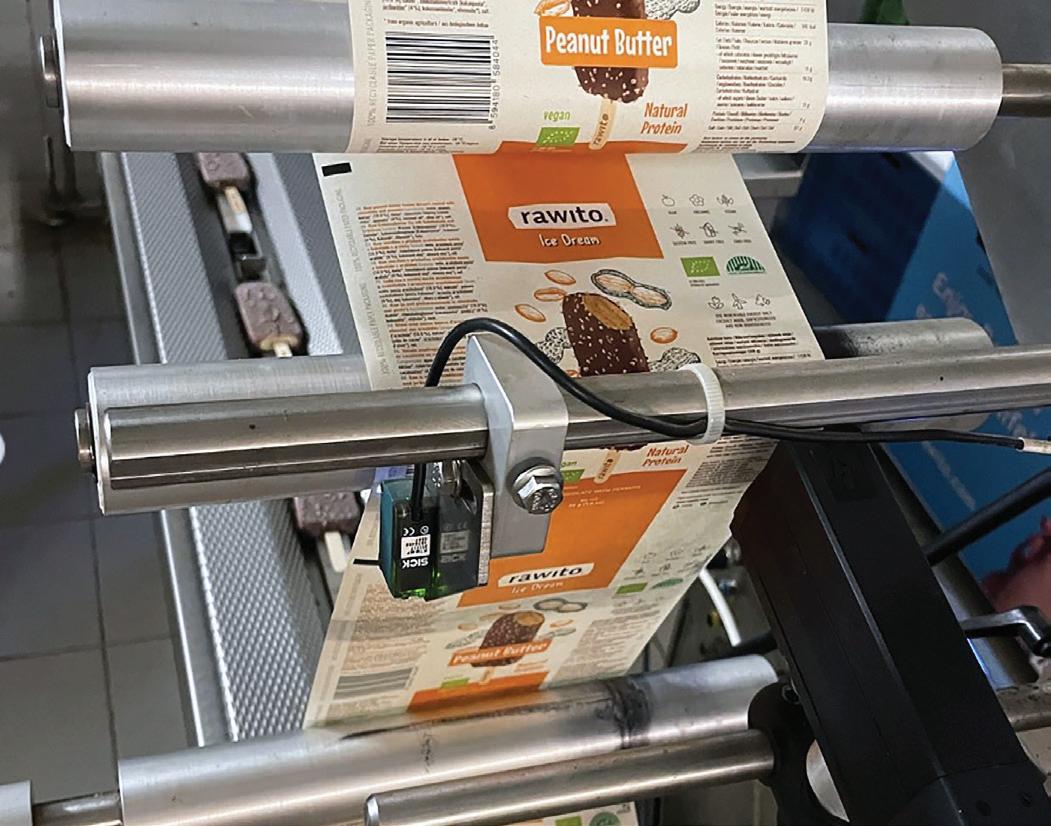
The packaging is printed at a Czech printing house using highresolution offset printing. One.five supplies the flexible material directly to the printing partner to minimize transportation distances and emissions.
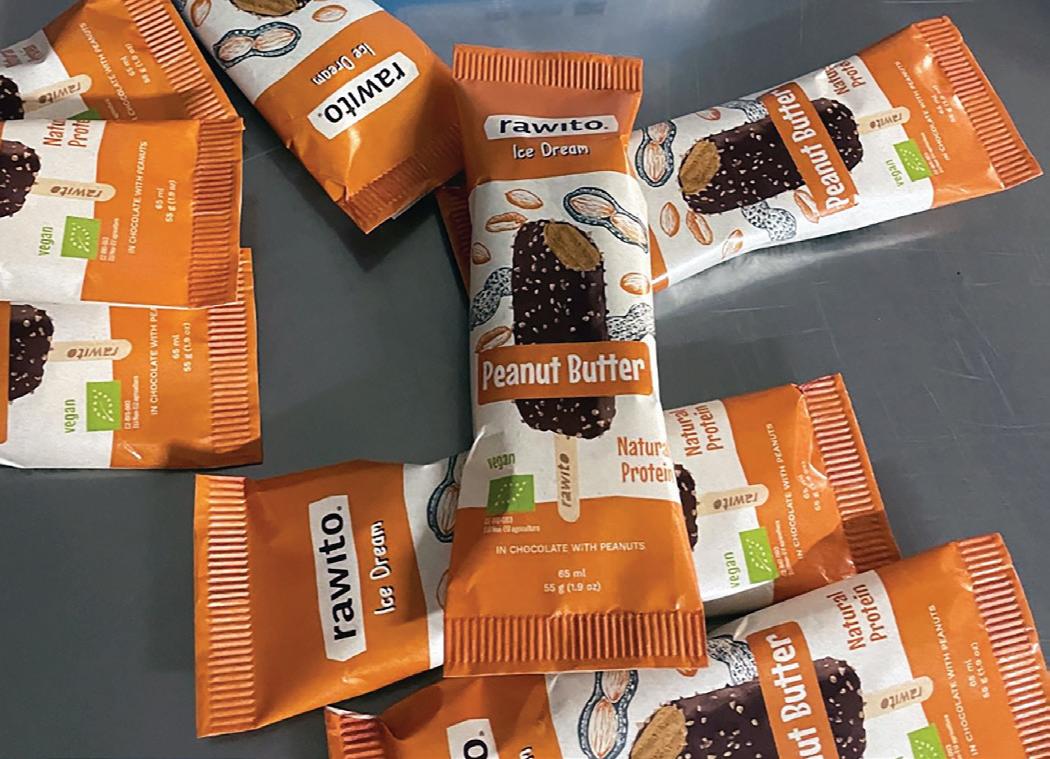
approach is now on shelf in the form of a new recyclable, paper-based solution for ice cream bars made from one.five’s Hazelsun material.
The packaging was designed for Rawito, a Czech producer of organic, vegan ice cream, using a data-driven development process applied to a category traditionally dominated by plastic. AI played a central role in balancing barrier performance, low-temperature durability, recyclability, and production efficiency.
Rawito first connected with one.five at the Biofach fair in Nürnberg at the beginning of 2025. The discussion centered on the pressure brands face to move toward genuinely sustainable packaging and the practical limits of existing solutions.
“Rawito’s consumers place a strong emphasis on sustainability and expect the packaging to reflect the same values as the product itself,” says Martin Weber, co-founder of one.five. “It was clear Rawito was looking for a next-generation solution that fit both the brand identity and the expectations of a highly sustainability-aware customer base.”
Says Ondrej Horácek, CEO of Rawito, “Our mission is to create ice cream indulgence at the highest level of quality, in harmony with nature. Our vegan ice creams are BIO-certified to European standards. Because packaging makes a decisive contribution, a 100% circular solution was important to us long before new reforms.”
At the time, Rawito was using a compostable foil wrapper for its bars. While the material represented a step away from petroleum-based plastics, both Rawito and one.five recognized the limitations of composting infrastructure for flexible packaging in Europe.

“This opened the door to explore whether a recyclable, paper-based alternative could be the next step, given that the recycling infrastructure for this material stream is far more established,” explains Weber.
Ice cream presents a demanding use case for paper-based packaging. The material must perform at low temperatures, tolerate condensation, and maintain barrier integrity without slowing line speeds or increasing costs.
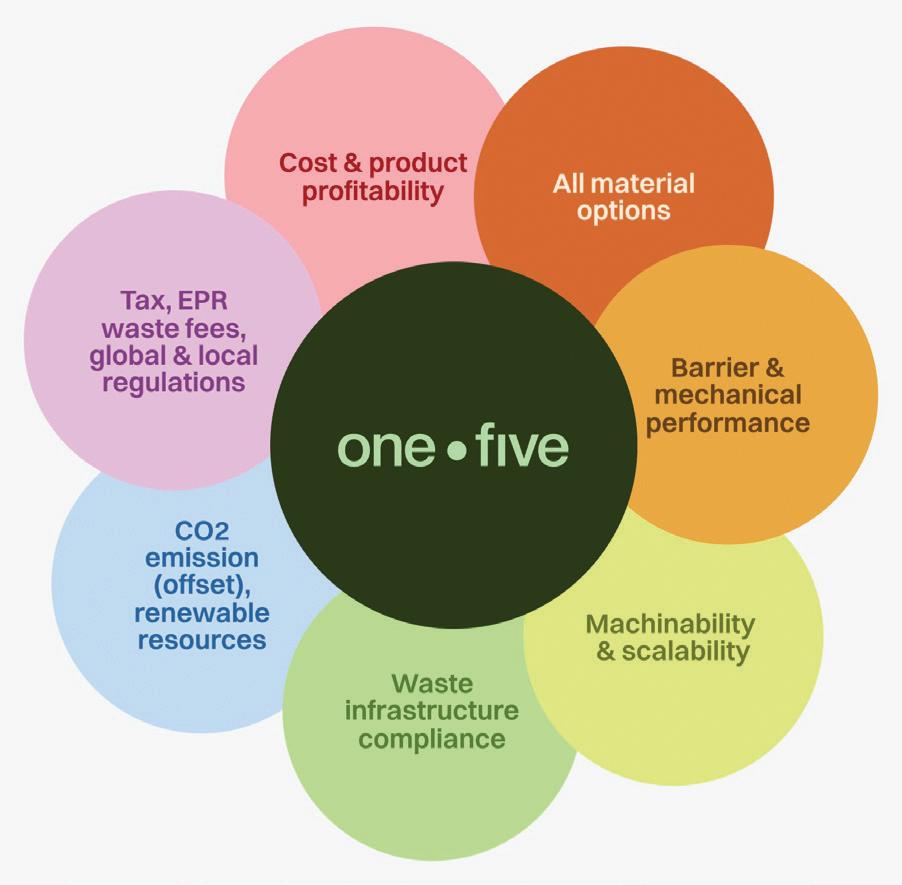
“For ice cream packaging, we began by profiling the product and gathering data on aspects like shelf-life, compatibility with the customer’s preferred filling line, quality assurance tests that the material needed to pass, sustainability targets that needed to be met, pricing, supply chain, the list went on and was very comprehensive,” says Claire Gusko, co-founder of one.five.
She adds, “The material had to perform reliably at low temperatures and withstand condensation and temperature fluctuations, remain lightweight and run at the required line speed to maintain product economics, and achieve a high degree of recyclability at scale to ensure compliance with the incoming PPWR [EU’s Packaging & Packaging Waste Regulations] and allow the customer to optimize their EPR fees.”
That data was then fed into Qt.Master (pronounced Quartermaster), one.five’s AI platform. “Qt.Master takes the detailed product profile and translates these into material requirements,” says Gusko. “It then evaluates all of the materials in our technology repository to identify those
that match the requirements the most.”
She adds that the platform goes beyond static data comparisons. “It can do this by predicting how certain materials could behave in different environments, for example, a customer’s filling line,” Gusko says. “With these predictions, it shortlists the materials that have the highest likelihood of meeting the product’s needs, and these are shortlisted for testing.
“Given the sheer volume of factors to take into account, this would be a highly time-intensive and complex task to undertake manually. This is why we saw the need to integrate AI into our development platform, so it could manage such a complex decision-making process.”
The AI process shortlisted Hazelsun, a paper-based barrier material made from agricultural byproducts rather than wood pulp. The substrate is produced from residual biomass using 100% green energy.
“From this agri waste, we recover cellulose, the key raw material for paper,” Weber says. “Instead of using wood pulp, we rely on the residual biomass from crops like sugarcane and corn.”
One.five conducted cradle-to-grave life-cycle assessments comparing Hazelsun with conventional polypropylene ice cream wrappers. According to Weber, Hazelsun’s footprint per kilogram of material is more than 30% lower than conventional PP. Adds Gusko, even when compared per square meter, where paper typically has a higher basis weight, Hazelsun achieves a 24% better Environmental Footprint Score than a 50-micron PP foil.
Hazelsun incorporates a bio-based polymer barrier that supports product protection while maintaining recyclability. While the exact chemistry is proprietary, Gusko says the coating is engineered to preserve fiber recovery.
“It delivers the necessary technical performance while keeping the material recyclable,” she says. “It doesn’t negatively impact the repulp yield and can be applied at low coat weights, so the maximum amount of pulp can be recovered.”
Recyclability testing conducted according to CEPI (Confederation of European Paper Industries) standards shows that the repulped fiber quality is comparable to conventional wood pulp.
The packaging is printed at a Czech printing house using high-resolution offset printing. The material uses CMYK plus Pantone inks to achieve consistent, vibrant colors on natural paper. One.five supplies the flexible material directly to the printing partner. “This setup not only minimizes transportation distances and emissions, but also allows short, reliable lead times,” Weber says.
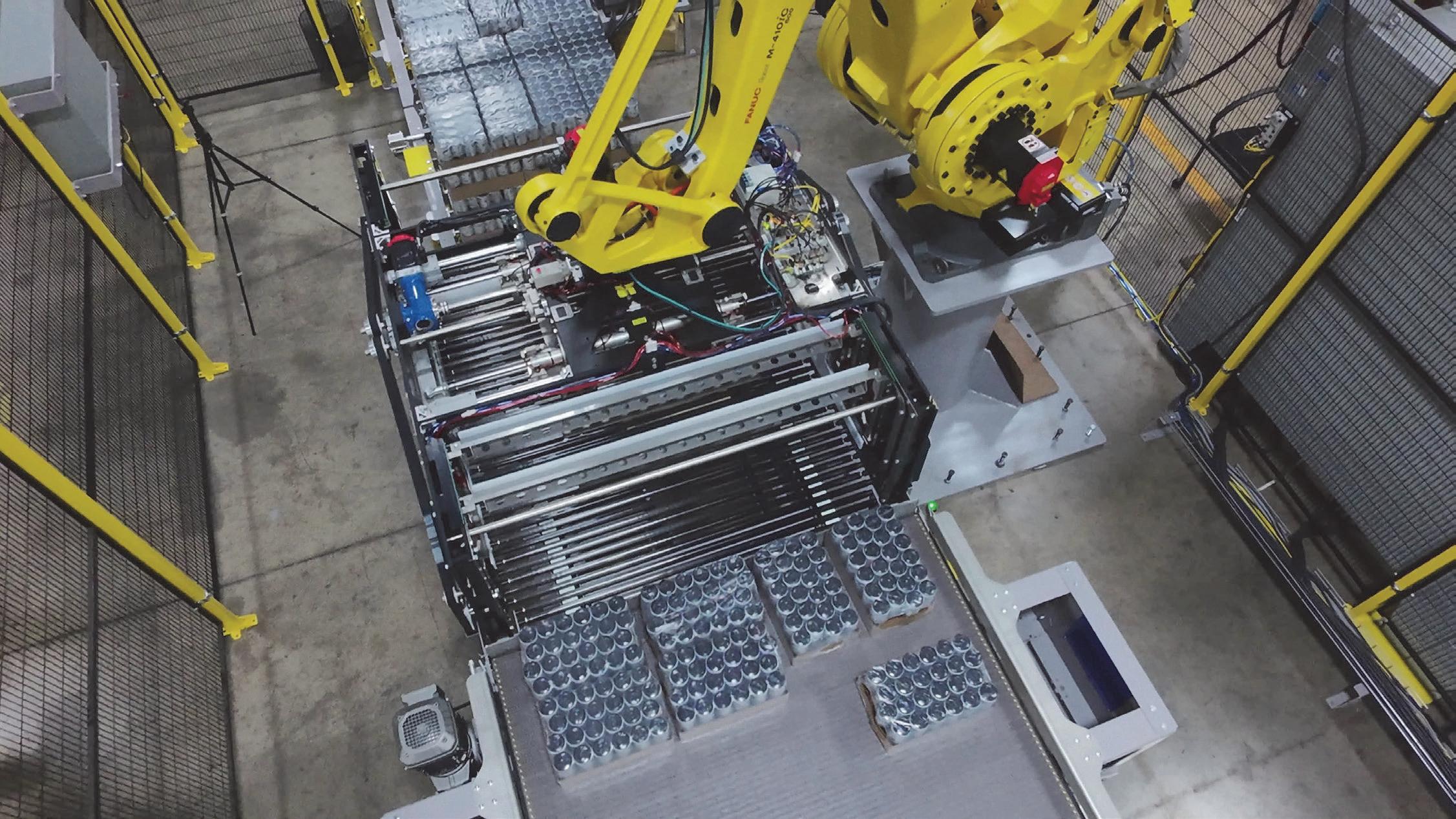
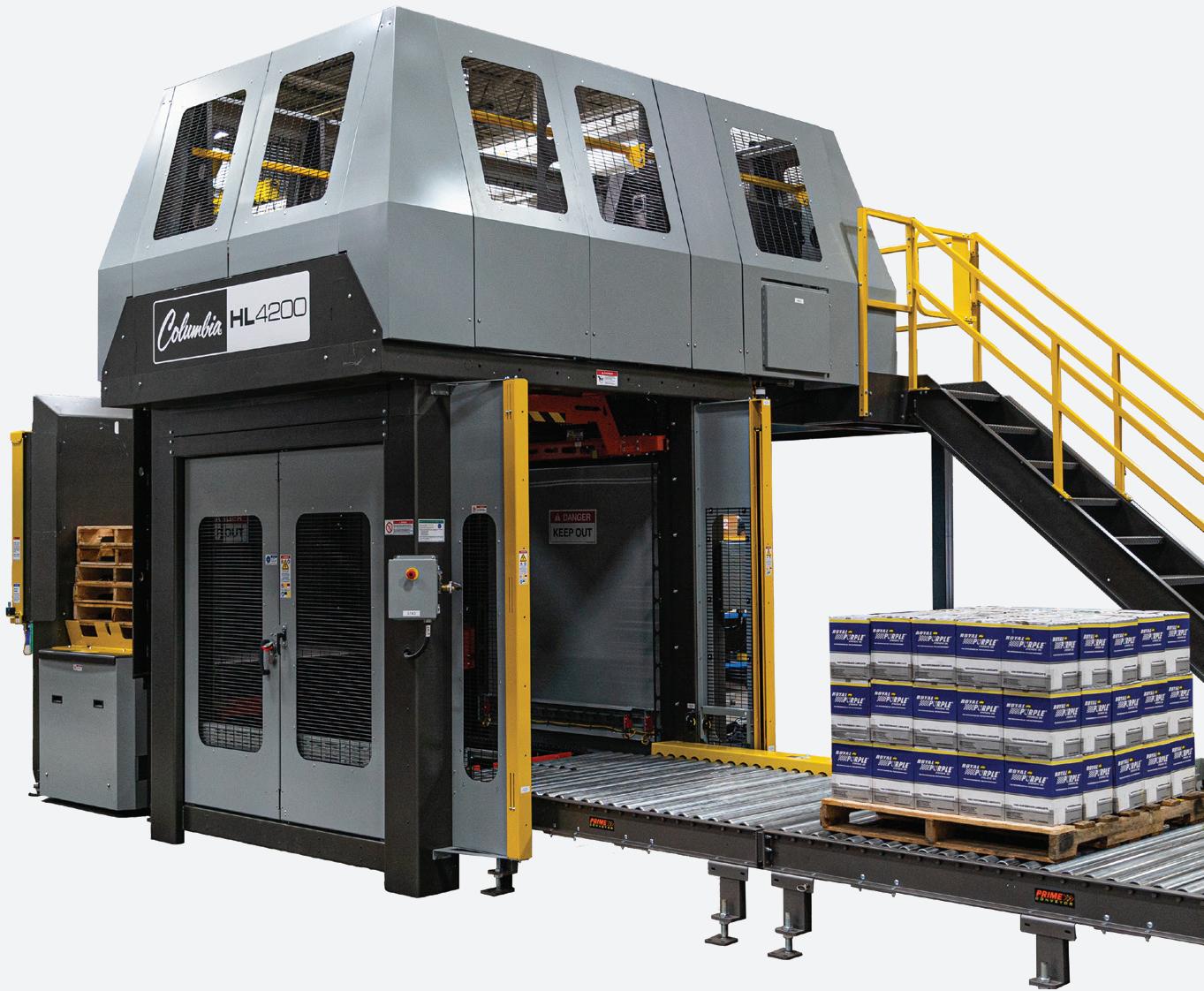
A single Columbia palletizer can handle all of these products and more with ease.
One.five’s AI platform evaluated and balanced multiple, often competing factors when developing packaging for Rawito’s ice cream bars.
Hazelsun is designed to run on standard packaging machinery, keeping transition costs low. “That makes sustainable packaging accessible without requiring new equipment or major capital investments,” says Weber.
For Rawito, the new packaging supports both environmental and brand objectives. Says Rawito CEO Horácek, “With Hazelsun from one.five, we have not only improved our CO2 footprint, but also combined our design ambitions with efficient, economical production.”
The project illustrates how AI-driven material development can move beyond incremental improvements, enabling paper-based packaging in categories traditionally dominated by plastic. In the case of Rawito’s ice cream bars, AI helped align performance, recyclability, and brand values in a format consumers immediately recognize. PW
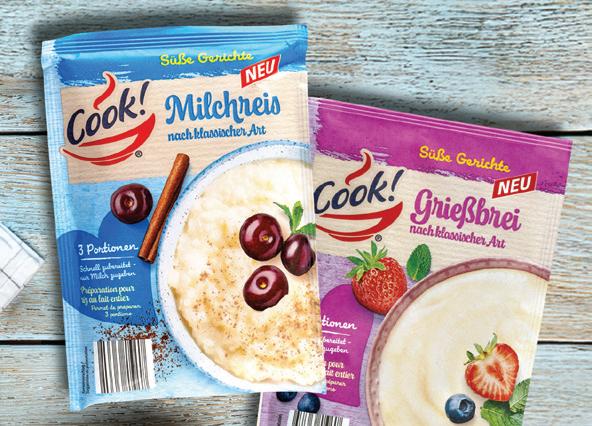
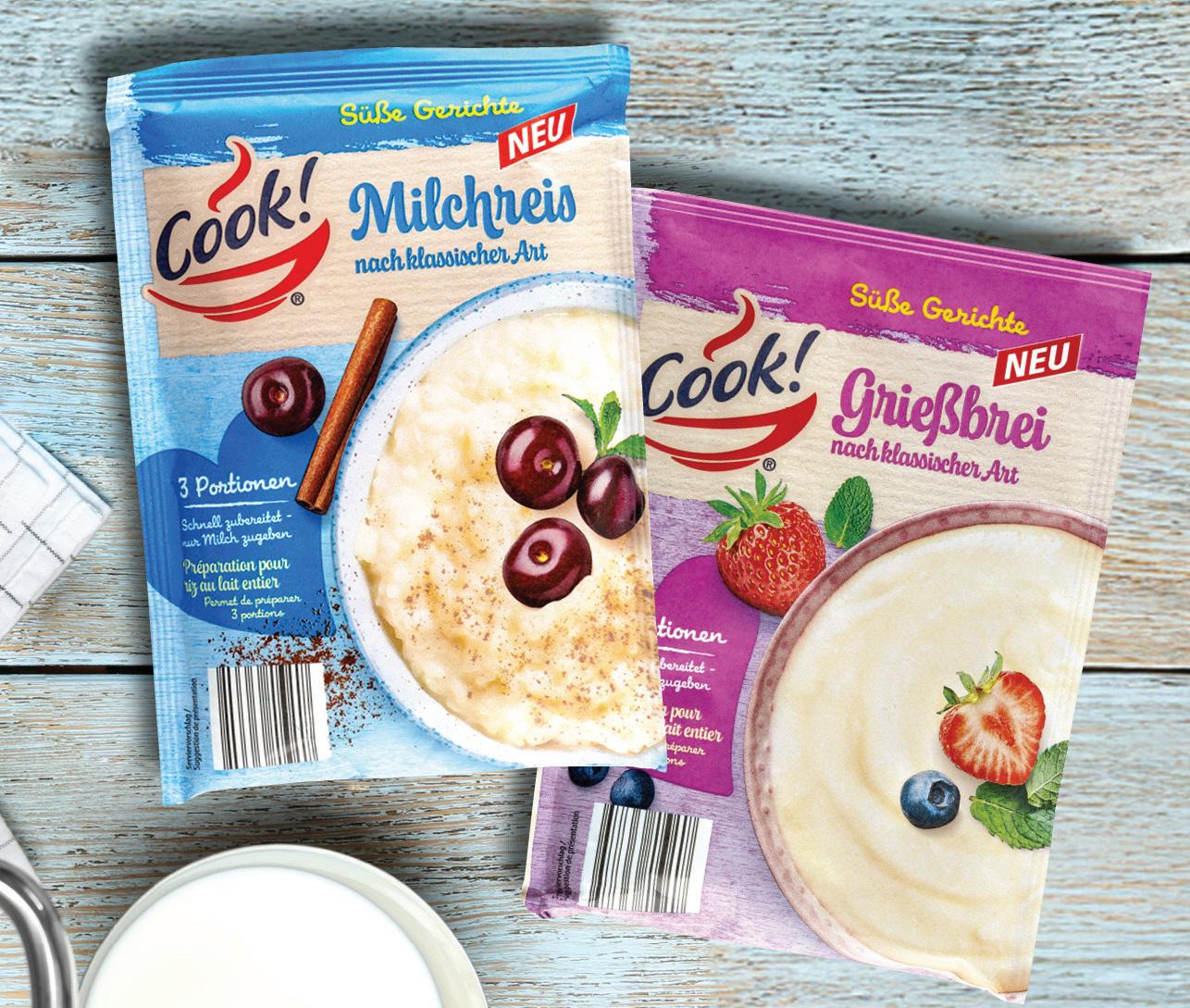
European grocery chain NORMA moves its private-label cream of wheat and rice pudding into recyclable paper pouches that provide barrier through a water-based dispersion coating.
By Anne Marie Mohan, Senior Editor
The recent paperization trend is not just a U.S. phenomenon. European brand owners, like their American counterparts, are also moving away from plastic in favor of paper to align with recycling regulations and evolving consumer expectations. In Fürth, Germany, discount grocery store chain NORMA recently embraced “fiberization”—as it’s referred to there—adopting a recyclable barrier-paper pouch for its private-label line of dry cream of wheat and rice pudding products.
Produced and supplied by German grain-based food manufacturer Friessinger Mühle, the products were previously packaged in a paper composite, comprising paper, plastic, and aluminum. Explains Alexander Gurr, packaging purchaser for Friessinger Mühle GmbH, the change to the new pouch material was done in collaboration with Koehler Paper at the request of NORMA for “sustainable, monomaterial packaging.”
Says NORMA’s head of central advertising and communications, Katja Heck, “Here at NORMA, we’ve set concrete goals when it comes to packaging. First of all, we want to reduce unnecessary packaging material. To do that, we’re taking a very close look at the packaging we’re using for our private label and analyzing which packaging materials are needed and which aren’t. Secondly, we want to check all our packaging to see whether we can replace it and use environmentally friendly materials instead. Our goal here is to make sure that we conserve resources along our entire value chain—all the way from production to sales.”
The new material was selected for its recyclability as well as its ability to deliver the same performance as the existing material. Explains Gurr, products such as cream of wheat and rice pudding require packaging that provides barriers against grease, mineral oil-saturated hydrocarbons (MOSH), and mineral oil aromatic hydrocarbons (MOAH). “Naturally, the paper must be easy to print on and also easy to seal in the packaging machines,” he adds. “The processability in the packaging machine is also very important.
“This requires getting to grips with the new material, gaining experience, and possibly making changes to the machine.”
To meet these specifications, Friessinger selected Koehler NexPlus Advanced barrier paper. NexPlus Advanced eliminates plastic in favor of a water-based dispersion coating on the inside of the pouch to provide barrier. “This established process in paper manufacturing gives us
considerable leverage to reduce plastic consumption,” explains Alexander Stöckle, corporate director of marketing and communications and press spokesperson for Koehler Group. “The dispersions we use are compatible with recycling systems, and the paper’s recyclability has been verified in conformity with the Cepi standard [the Confederation of European Paper Industries recyclability test method and evaluation framework for paper and board standard].”
Stöckle adds that an in-house lifecycle analysis of NexPlus Advanced for chocolate bars indicated that the material offers a 50% smaller carbon footprint than biaxially oriented polypropylene for the same product. “We have additionally calculated the carbon footprint for all our barrier paper,” he says.
Friessinger is using NexPlus Advanced to create a three side-sealed pouch for the cream of wheat and rice pudding products for NORMA. The material is gravure-printed in six colors by European-based converters. According to Gurr, “In the end, the adjustments [to the packaging machinery] were minor, and the process of switching was closely supported by Koehler Paper.”
NORMA’s discount grocery stores are located in Germany, France, the Czech Republic, and Austria. PW













Maintain



Brand & Product
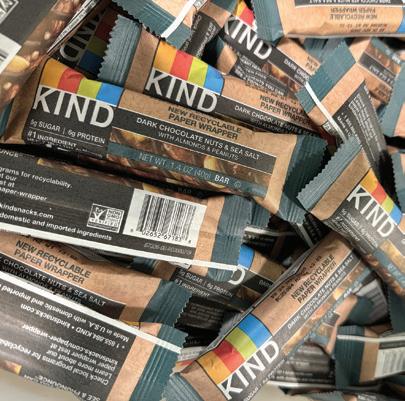
Kind Snack Bars (Mars)
MadeGood Granola Bars (Riverside Natural Foods)
Supplier
Balisto Chocolate Bars (Mars Wrigley)
Nestlé YES! Snack Bars
KitKat Paper Wrapper Trial
Ritter Sport Chocolate Bars
Panda Milk Chocolate (Orkla Snacks)
Cadbury Sharepack Bars UK Pilot (Mondelez)
Loacker Wafer Products
Walkers Chocolates
Awfully Posh Peanuts (UK)
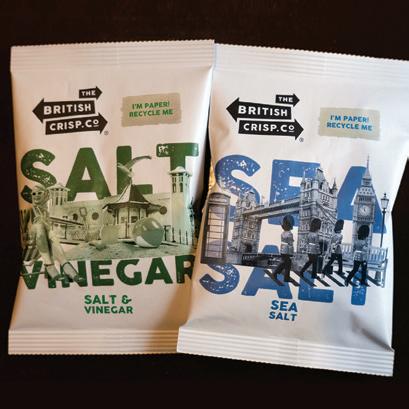
British Crisp Co. Potato Chips
nucao Chocolate
QCHEFS Dental Care Pet Products
IRIS Bio Organic Pasta
pack&satt Ready-to-Eat Meals
Coopenoix Organic Walnuts
Marks & Spencer (UK) Vanilla Fudge Bar
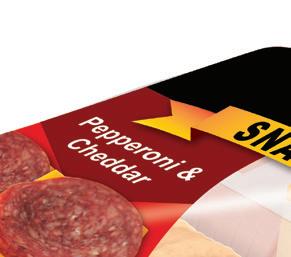
Recyclable high-barrier paper flow wrap designed to protect nut bars from oxygen and moisture while remaining compatible with curbside paper recycling streams.
Amcor’s AmFiber paper-based wrapper providing oxygen and moisture protection required for granola bars while reducing plastic content.
Paper flow wrap incorporating a protective grease barrier coating to maintain shelf life (inferred).
Paper wrapper pilot replacing plastic snack-bar packaging while maintaining machinability (barrier coating not disclosed).
Paper wrapper pilot exploring alternatives to plastic confectionery packaging (barrier coating not disclosed).
Paper-based wrapper pilot exploring fiber alternatives to plastic packaging.
Heat-sealable flexible packaging paper protecting chocolate from grease and moisture.
Printpack
Amcor
Syntegon (machinery development partner)
Not publicly disclosed
Not publicly disclosed
Not publicly disclosed
UPM Specialty Papers
Paper-based wrapper replacing plastic film; designed to maintain oxygen and grease barrier performance for chocolate while enabling recyclability. Not publicly disclosed
NexPlus Seal Pure MOB barrier paper delivering oxygen and grease protection. Koehler Paper
Barrier paper combining UPM Solide Lucent base paper with EvoPak coating technology incorporating Aquapak Hydropol polymer.
Recyclable paper wrapper incorporating Aquapak Hydropol polymer barrier layer.
Paper crisp packet using Hydropol polymer barrier with thin vacuumdeposited aluminum layer.
UPM Specialty Papers/ EvoPak/Aquapak
EvoPak/Aquapak
EvoPak/Aquapak
NexPlus Advanced barrier paper providing oxygen, mineral oil, and grease protection. Koehler Paper
NexPlus barrier paper providing oxygen, grease, and mineral oil barrier properties. Koehler Paper
Heat-sealable barrier paper replacing plastic pasta bags. Koehler Paper
High-barrier paper providing oxygen, grease, and mineral-oil protection for dehydrated foods. Koehler Paper
Barrier paper bag with heat-sealable paper and fiber mesh window. Koehler Paper/ Multisac
Recyclable paper wrapper replacing plastic confectionery film; designed to maintain product quality while being curbside recyclable (specific coating chemistry not disclosed). Not publicly disclosed

Brand & Product
Starbucks Takeaway Cup
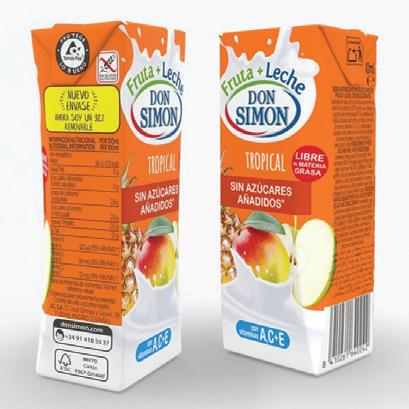
Don Simón Juice Carton
Fazer Chocolate Advent Calendar
Paper Technology
Dispersion-coated paperboard barrier replacing polyethylene-coated paper cups. Metsä Board
Aseptic carton structure featuring a paper-based barrier replacing aluminum foil. Tetra Pak
Dispersion-coated barrier paperboard replacing plastic-coated board. Metsä Board
Brand & Product Barrier Paper Technology Supplier
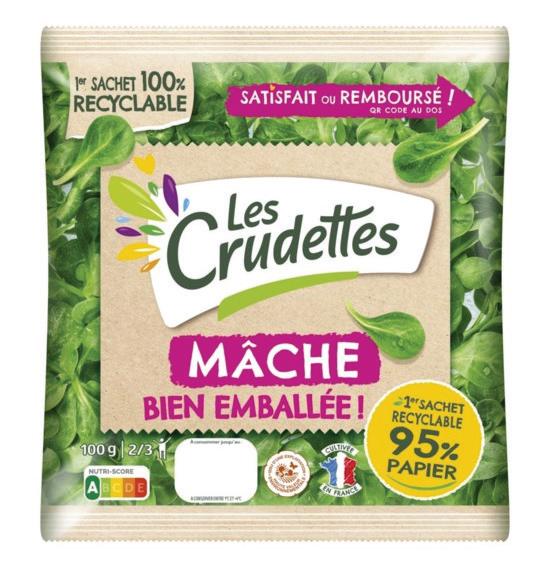
Les Crudettes Fresh Salad Packaging
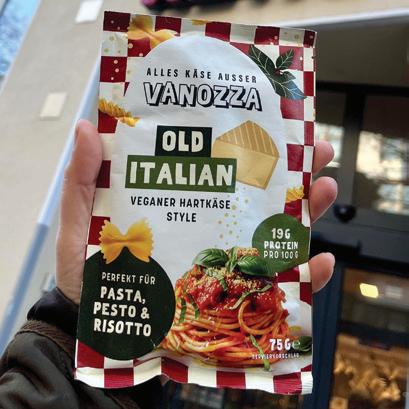
VANOZZA Vegan Cheese – Old Italian
Ja! Natürlich (REWE Private Label) Cheese Packaging
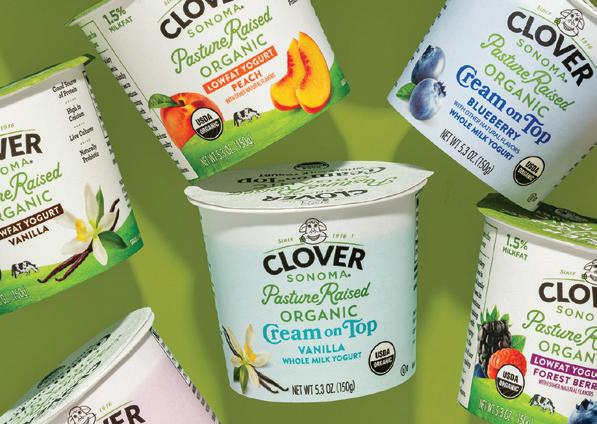
Clover Sonoma Organic Low-Fat and Cream-on-Top Yogurts
Brand & Product
Lamb Weston Frozen Fries
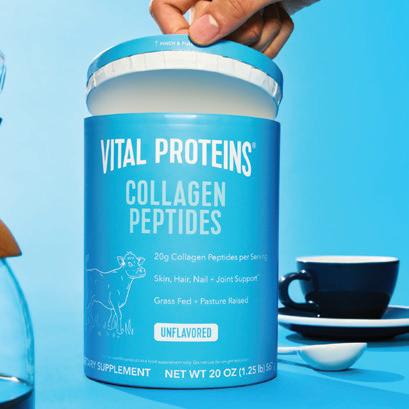
Vital Proteins Collagen Powder
Mentos Pure Fresh Chewing Gum
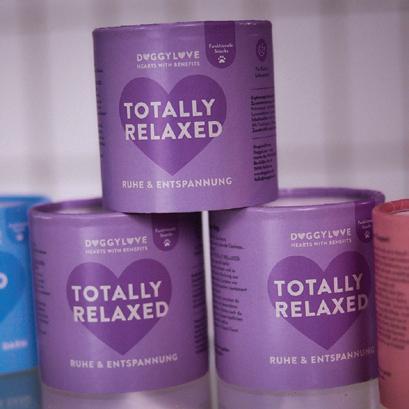
DoggyLove Pet Snacks
Origins Sample Packs
Functional barrier paper delivering grease and moisture protection. Mondi
Bluemorph high-barrier paper providing aroma, grease, and moisture barrier. one.five
Formable kraft paper with barrier coating used for thermoformed trays protecting cheese slices (paper-based packaging replacing rigid plastic trays).
Paper yogurt cup (~80% paperboard) with thin LDPE inner barrier layer and foil lid; reduced-plastic fiber cup developed with Huhtamaki (likely ProDairy platform). Huhtamaki
Paper Technology
Grease- and freezer-resistant paper bag. Not publicly disclosed
Paper-based canister called Boardio, with internal barrier liner.
Boardio paperboard bottle with internal barrier liner replacing rigid plastic bottles.
Composite paper can designed to protect dry pet snacks. Sonoco
Packaging
(GPI)
Packaging
Paper-based sample sachet replacing foil laminate packaging. Not publicly disclosed
Scotts Natural Lawn Care Products Heavy-duty moisture-resistant paper sack replacing plastic bags. Not publicly disclosed

Three recent initiatives at the e-comm and retail level show how AI-enabled automation, digital identification, and recycled-content material are helping the retailer reduce food and packaging waste and improve operational efficiency.
By Anne Marie Mohan, Senior Editor
Walmart has long used its scale to push sustainability efforts across retail and consumer goods packaging. For decades the company has encouraged suppliers to reduce waste, redesign packaging, and improve supply chain efficiency. One of its most visible initiatives is Project Gigaton, launched in 2017 to work with suppliers to reduce or avoid 1 billion metric tons of greenhouse gas emissions across global product value chains by 2030. The program spans several focus areas, including packaging and waste reduction.
Recent efforts show how the retailer is applying automation, digital technology, and supplier collaboration to support those goals.
In its e-commerce fulfillment centers, Walmart is deploying an AI-
enabled system that measures empty space in shipping cases and dispenses the precise amount of paper void fill required, reducing material use while streamlining packaging operations.
Innovation is also taking place in its retail stores and across the supplier network. In its fresh food departments, Walmart is testing RFID-enabled labels to improve inventory visibility and help reduce food waste. At the same time, it collaborated with one of its suppliers to introduce a flexible film bag made with 30% post-consumer recycled resin. Together, these examples illustrate how Walmart is applying new technologies and packaging materials across different parts of its operation to reduce waste and improve efficiency.
Inside Walmart’s e-commerce fulfillment centers, packaging is becoming more automated, more data-driven, and more tightly integrated into the retailer’s broader fulfillment strategy. As part of a multi-year agreement, Walmart is deploying Ranpak’s AutoFill automated void-fill and case-closing system across its five Next Generation Fulfillment Centers, which have been designed specifically to support high-volume online order fulfillment.
The rollout follows an initial pilot deployment of the AutoFill at Walmart’s McCordsville, Ind., Next Generation Fulfillment Center. The system automates a traditionally manual end-of-line task, using AI to measure empty space in each case, dispensing the precise amount of paperbased void fill, and closing and sealing the case in a continuous process.
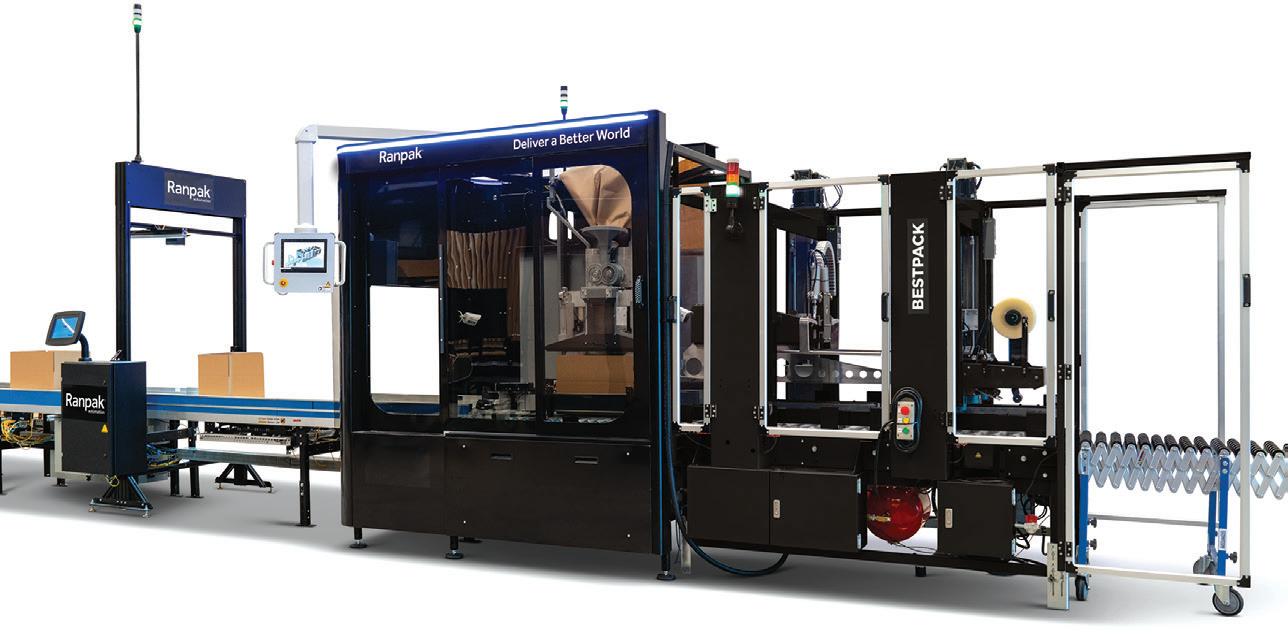
The AutoFill system relies on machine vision, electric servomotors, and an integrated conveyor to handle the random box sizes commonly seen in e-commerce fulfillment.
“At Walmart, we are constantly seeking solutions that increase speed of service for our customers and simplify work for our associates,” says Vik Gopalakrishnan, SVP, supply chain automation engineering at Walmart. “Ranpak’s AutoFill system offers us a meaningful way to reduce packaging waste and get our products into our customers’ hands faster.”
Walmart plans to expand installations of the AutoFill to its Next Generation Fulfillment Centers in Greencastle, PA, Joliet, IL, Lancaster, TX, and Stockton, CA, in addition to McCordsville. Installations are underway as part of a multi-year phased rollout.
Walmart’s Next Generation Fulfillment Centers are designed to increase speed to customers while simplifying work for associates. Highly automated by design, the facilities are a key part of Walmart’s strategy to support e-commerce growth. Combined with the company’s traditional fulfillment network, the Next Generation Fulfillment Centers allow Walmart to reach 95% of the U.S. population with next-day or two-day shipping.
This initial implementation served as a pilot to validate performance during peak periods. The results exceeded expectations in speed, efficiency, and sustainability, paving the way for expansion to four additional facilities.
McCordsville was Walmart’s first opportunity to evaluate how the AutoFill performed at scale within its Next Generation Fulfillment Center environment. According to Walmart, the deployment functioned as a test-and-learn pilot, allowing the company to validate throughput, reliability, and material use under real operating conditions.
“McCordsville was the first to deploy AutoFill as part of a multi-year
collaboration with Ranpak,” Gopalakrishnan says. “This initial implementation served as a pilot to validate performance during peak periods. The results exceeded expectations in speed, efficiency, and sustainability, paving the way for expansion to four additional facilities.”
AutoFill is designed to operate continuously, filling and closing cases at a speed of nine cases per minute. The system relies on machine vision, electric servomotors, and an integrated conveyor to handle the random box sizes commonly seen in e-commerce fulfillment. Once items are placed into a box, the AutoFill measures the remaining void space using its Decision Tower, dispenses the paper filler, and applies tape to close the case before it moves downstream.
The Decision Tower is a key component of the system, adding an AI-enabled layer of intelligence to the packaging process. Using a combination of 2D and 3D computer vision supported by AI, the DecisionTower captures the dimensions of each case and its contents before void fill is dispensed. The system identifies mispacked or out-of-spec boxes and can reroute them to a manual triage lane, helping prevent issues from moving further downstream. It also captures order-level data that supports order verification, loss prevention, and ongoing analysis of packaging quality.
When paired with AutoFill, the Decision Tower ensures that every box receives the optimal amount of paper-based void fill. According to Gopalakrishnan, the system reduces paper use by up to 20% by eliminating unnecessary filler, while also reducing the damage associated with underfilled boxes.
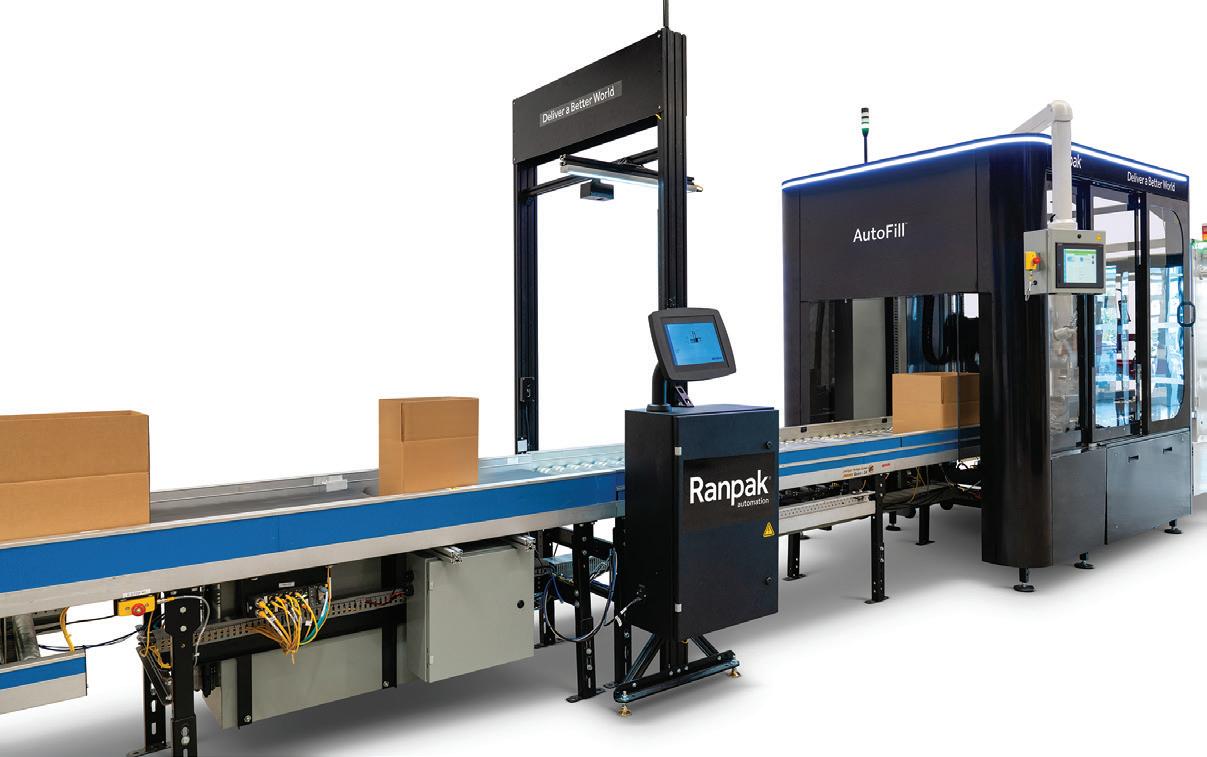
The Decision Tower adds an AI-enabled layer of intelligence to the packaging process. Using a combination of 2D and 3D computer vision supported by AI, it captures the dimensions of each case and its contents before void fill is dispensed.
Ranpak has positioned the AutoFill as a way to reduce labor requirements at the end of the packaging line, noting that automating manual void filling can allow one to three full-time-equivalent roles to be reassigned to other tasks.
Walmart describes the impact less as labor reduction and more as a shift in how work is performed. “For Walmart’s operations, we see
automation as a way to improve the associate experience and enhance customer service,” Gopalakrishnan says. “Thanks to this technology, associates who previously focused on repetitive manual packaging tasks now have the opportunity to support other areas of the operation and further exceed customer expectations.”
The AutoFill’s interface is designed to be intuitive. According to Gopalakrishnan, Walmart operators need only basic training to handle monitoring and material reloads. “Reload frequency varies depending on order volume, but the process is designed to minimize interruptions to production flow,” he adds.
AutoFill is not a standalone initiative. Walmart also uses Ultra5 machines from Packsize to produce right-sized corrugated cases ondemand within its fulfillment centers (see pwgo.to/9057). According to Gopalakrishnan, the AutoFill complements these systems by automating filler dispensing and case sealing once the appropriately sized case is formed. “The AutoFill ensures precise filler amounts and automates box closure, complementing Walmart’s broader right-sizing strategy to minimize waste and shipping costs,” he says.
Together, these systems support Walmart’s efforts to reduce packaging waste while maintaining product protection during shipment. As the AutoFill machines are deployed across its additional sites, the retailer is continuing to refine how automation fits into its end-of-line packaging operations, balancing speed, material use, and labor efficiency. PW





Walmart is expanding the use of RFID technology into one of retail’s most operationally complex areas, fresh food. In October 2025, the retailer announced a collaboration with Avery Dennison to deploy RFID-enabled labels in meat, bakery, and deli departments to improve inventory visibility and reduce food waste.
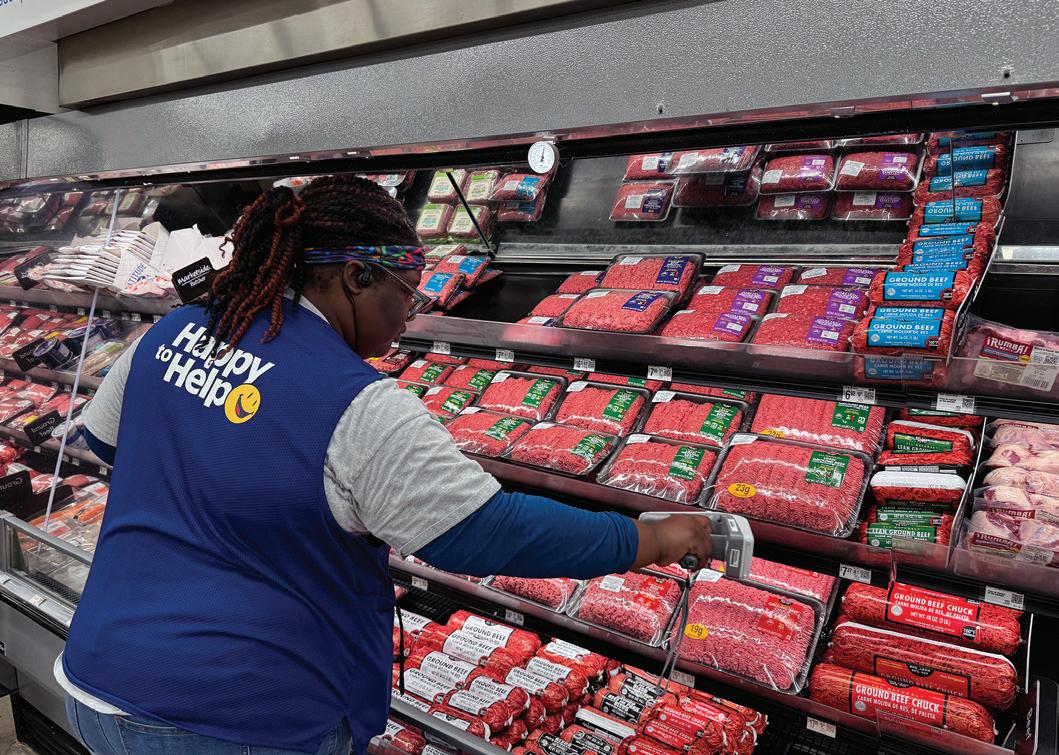
The system introduces item-level digital identification in categories where short shelf life and frequent stock rotation have traditionally required manual checks. Each product carries an RFID tag embedded in the label, allowing store associates to capture inventory information with handheld scanners. Instead of scanning items one by one, associates can scan an entire shelf or display section and instantly identify products and their use-by dates.



























The approach provides faster visibility into what products are on hand and which items require attention, while reducing the amount of time spent on routine inventory tasks.
“We believe technology should make things easier for both our associates and our customers,” says Christyn Keef, VP of front end transformation for Walmart U.S. “By cutting down on manual work, we’re giving our associates more time to focus on what really matters—helping our customers.”
RFID has been widely adopted in categories such as apparel, but applying the technology to fresh food has proven more complex. Refrigerated cases combine cold temperatures, moisture, and dense products that can interfere with signals and label performance.
Julie Vargas, VP and GM of enterprise intelligent labels growth at Avery Dennison, says these conditions historically limited reliable RFID use in fresh departments. “Ensuring RFID labels are readable and remain fixed to packaging was a longstanding industry challenge in more harsh, fresh environments, particularly within meat categories,” she explains. “The high moisture content, density, and cold temperatures often led to difficulty picking up RFID signals consistently or the labels becoming detached altogether.”
Avery Dennison addressed those issues with a redesigned RFID inlay and label construction engineered for refrigerated environments. Vargas says the company combined materials science expertise with extensive testing to develop the solution. “Avery Dennison’s combination of materials science and deep technology expertise was critical to unlocking this innovation,” she says, noting that the process involved extensive data collection on packaging, products, merchandising, and RFID performance to model real store conditions.
The final design proved capable of delivering consistent read rates in cold and high-moisture environments. Says Vargas, the new inlay design and more durable labeling solution have been able to deliver
















Electronic position indicators with fieldbus connection for comparison of target / actual value and intuitive operation
Compact actuators for fully automated changeover - ideal for frequent positioning and high quality requirements
Easy upgrade options due to mechanical compatibility of all SIKO positioning systems
IO-Link in the most compact position indicator
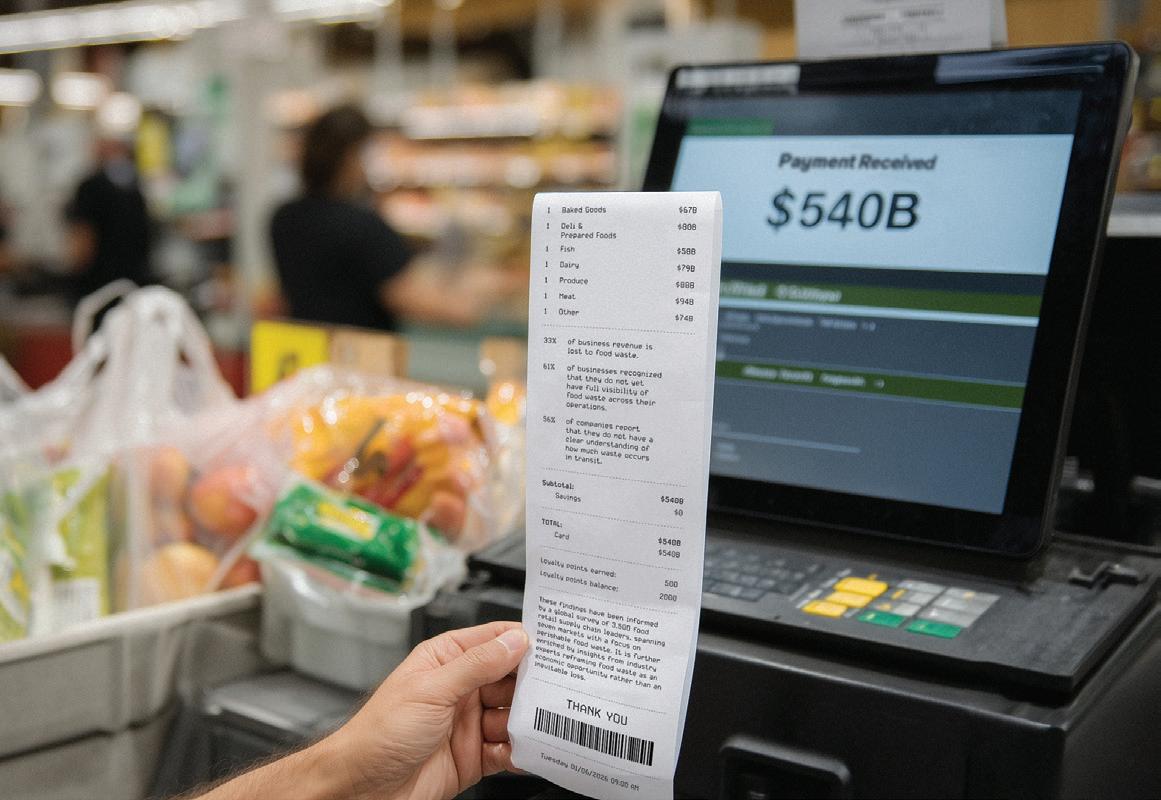
A report developed by Avery Dennison in collaboration with the Centre for Economics and Business Research estimates that tackling food waste across the global food supply chain could unlock $540 billion by 2026.
consistently high read rates, while withstanding harsh conditions.
The RFID tags are integrated into label rollstock that is used by Walmart in store-level labeling processes. That design choice ensures the technology fits into existing workflows rather than introducing additional operational steps. According to Vargas, “This first-tomarket solution was designed to fit within existing retailer standard operating procedures, avoiding any disruption or additional labor burden.”
Fresh food departments require constant monitoring to ensure items remain within their shelf life. Traditional inventory checks rely on manual counting and visual inspection of dates, tasks that can take significant time in high-volume categories such as meat.
RFID scanning changes that process. Instead of checking packages one at a time, associates can scan an entire section and quickly review item-level inventory. The system identifies products approaching their expiration dates and highlights items that should be rotated or marked down. The added visibility helps reduce unsold product while keeping shelves stocked with fresh items.
Improving this level of visibility is increasingly important as retailers work to address food waste across the supply chain. A report developed by Avery Dennison in collaboration with the Centre for Economics and Business Research estimates food waste will cost the global retail supply chain $540 billion in 2026. Meat accounts for nearly one-fifth of that total, at $94 billion. The report also found that 74% of businesses surveyed say inflation has complicated meat demand forecasting, while 67% expect meat waste costs to reach a record high this year.
For Walmart, the RFID initiative supports broader sustainability goals tied to waste reduction. The company has set a target to cut global operational food loss and waste intensity in half by 2030. As of 2024, Walmart reported that it had reduced its operational food loss by 21% versus a 2016 baseline. PW
By Matt Reynolds, Chief Editor
Walmart has partnered with grower brand Wada Farms and suppliers Idaho Package (IPAK) and Emerald Packaging to introduce what the companies say is the first 30% post-consumer recycled food-contact bag in the retail potato market. The project was developed in response to Walmart’s Project Gigaton.
“At Walmart, we are committed to reducing our environmental impact and offering our customers more sustainable choices,” says Laura Himes, VP of produce sourcing for Walmart. “We are proud to collaborate with Emerald Packaging, Idaho Package, and Wada Farms to introduce the first 30% post-consumer recycled [PCR] bag for the potato category. This initiative directly supports our goal to minimize waste with the integration of PCR content for retail packaging and demonstrates our dedication to working with suppliers who share our commitment to a more sustainable future.”
Idaho Package and Wada Farms began trialing the PCR potato bags in mid-2024 and launched the product with Walmart later that year. Today, a dozen Wada SKUs use PCR resin, reducing virgin polyethylene by more than 100,000 lb, as of June 2025.
For Wada Farms, the initiative began with both retailer collaboration and an internal goal to close the loop on packaging waste. Says Eric Beck, director of marketing at the grower, “There are a multitude of reasons [for moving to 30% PCR]. A need to reduce plastic waste and support from the Walmart team led us to make this work. EPR is still up in the air, but the potential ‘off ramp’ to excessive fees is a factor to using PCR.
“We feel good about limiting the plastic waste going to landfills and reusing that waste to deliver product to market economically and with food safety, shelf life, and quality of product as targets.”
Walmart and Wada also share ambitious sustainability goals. “Both companies are committed to working to reduce plastic waste,” Beck adds. “Gigaton gives us the ability to quantify our efforts that help meet the set criteria.”
Beck described the switch from traditional PE film to PCR as operationally seamless. “You can go from traditional poly to PCR with no adjustments,” he explains, noting that the film’s appearance was slightly different in bulk but otherwise indistinguishable in performance.
“Bags together appear ‘cloudier,’ but in each bag alone [which is what the consumer experiences], it is hard to tell a difference in clarity,” Beck adds. “There is no noticeable difference of print quality or color brightness from virgin PE.”
The company chose to communicate the sustainability story directly on the packaging. “There is a logo declaring 30% PCR content conspicuously on the face and back of the bag,” Beck says. “We want people to know we are diverting five pounds of landfill waste for every 1,000 bags used.”
The format is still a little too new on the market to have garnered
much by way of consumer feedback at this point, “... but from a retailer perspective, there have been accolades for meeting the sustainability milestones they are pushing vendors to hit,” Beck says.
“Most large retailers have a focus on sustainability initiatives as part of their long-range planning to reduce their carbon-footprint impact.
The PCR helps take a big leap towards hitting those milestones,” he adds. “As the momentum for a sustainable supply chain remains a priority for most retailers, the demand for PCR will continue to increase. Wada remains committed to help our retail partners push for a sustainable, carbon-neutral landscape for future generations.”
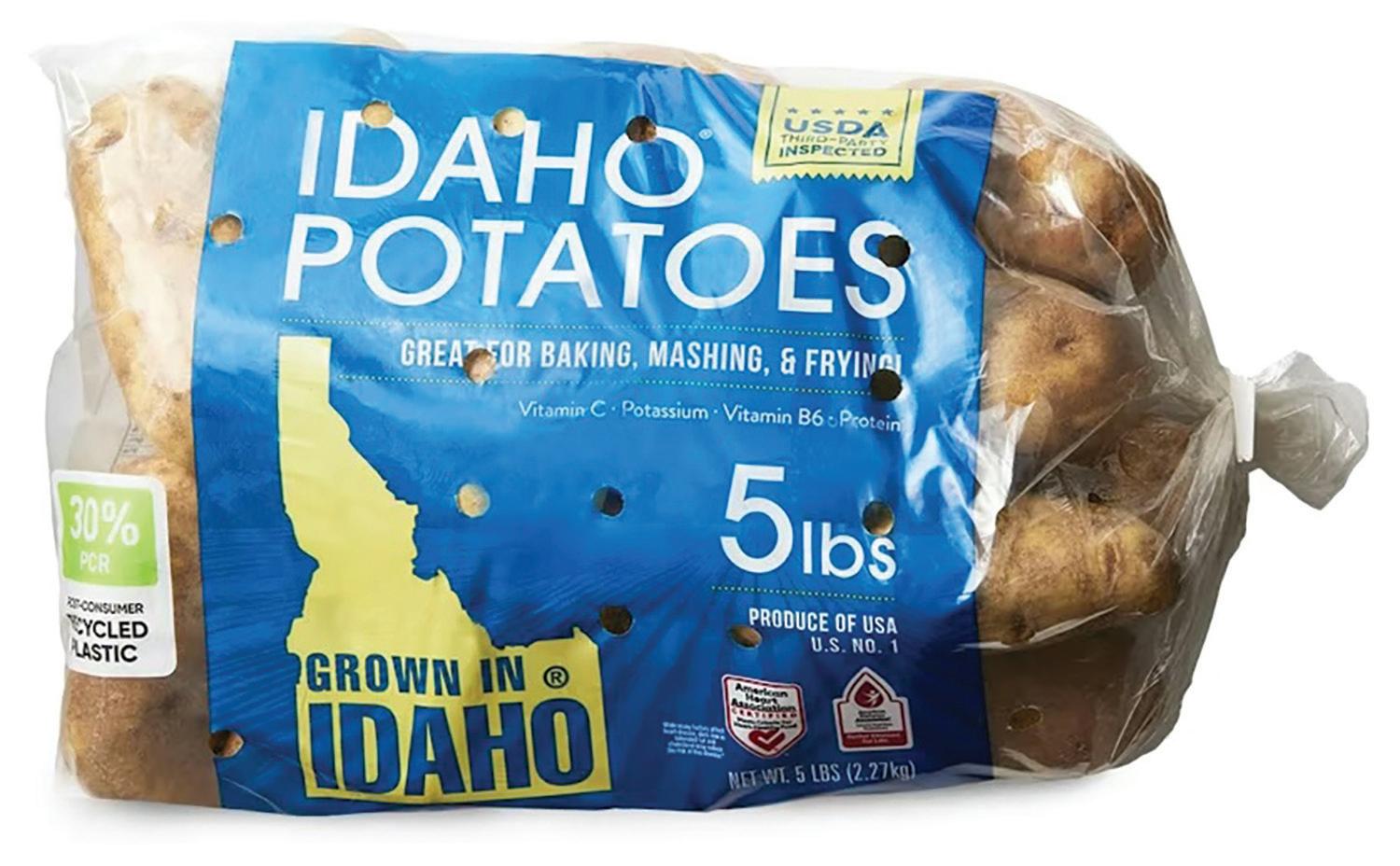
Wada Farms’ new 30% PCR potato bag for Walmart is the first known food-contact PCR film in the retail potato market. The bag maintains performance and print quality comparable to virgin PE while reducing virgin plastic use by more than 100,000 lb annually.
Wada views the project as part of its broader responsibility to improve plastic circularity. “We feel it is very important to do our part to find a solution to plastic waste,” Beck says. “Plastics are a beautiful thing for delivery and food safety. We must create a true recycle stream to lessen our landfill usage.”
Also of note, this isn’t Wada’s first rodeo with sustainable film solutions. The new film follows an earlier experiment with biopolymer packaging (see pwgo.to/9997) that “never worked properly from a film standpoint, and the price point was higher than using PCR,” Beck says.
Emerald led the material’s development and extrusion. Says Emerald Packaging CEO Kevin Kelly, “We’ve worked on sustainable packaging initiatives for over 20 years, and PCR has emerged as the first affordable option ever. We built a supply chain and launched a product that met or exceeded the PCR targets of major retailers. We did so without compromising product performance and a nominal cost impact. Our commitment to PCR aligned perfectly with Walmart’s goal to incorporate it in their packaging.”
Kelly credited collaboration among all three companies for helping bring the product to market efficiently, saying they “are moving the plastics industry in the right direction.” PW
Polyplastics and Colgate-Palmolive detailed how high-Tg cyclic olefin copolymer (COC) can enable HDPE bottles to run in injection stretch blow molding at low concentrations, achieving 30% lightweighting while maintaining drop performance and recyclability.
By Matt Reynolds, Chief Editor
At The Packaging Conference, held in Austin, Texas, in February, Polyplastics and Colgate-Palmolive shared a technically detailed case study exploring how highTg COC can expand HDPE’s viability in ISBM and unlock significant lightweighting potential.
While Packaging World wasn’t able to attend in person, an audio recording provided by event organizer John Maddox allowed us to follow the session in detail. What was revealed is a remarkable new technology in HDPE blow molding that could stand to benefit any brand owner who deals in bottles, especially colored bottles.
HDPE is widely used in rigid packaging because of its chemical resistance, durability, and recyclability. However, it has historically been difficult to run in reheat injection stretch blow molding (ISBM). The difficulty stems from thermal behavior—HDPE melts at approximately 132–135°C. In ISBM, preforms are reheated into a narrow temperature band (typically 118–128°C) and
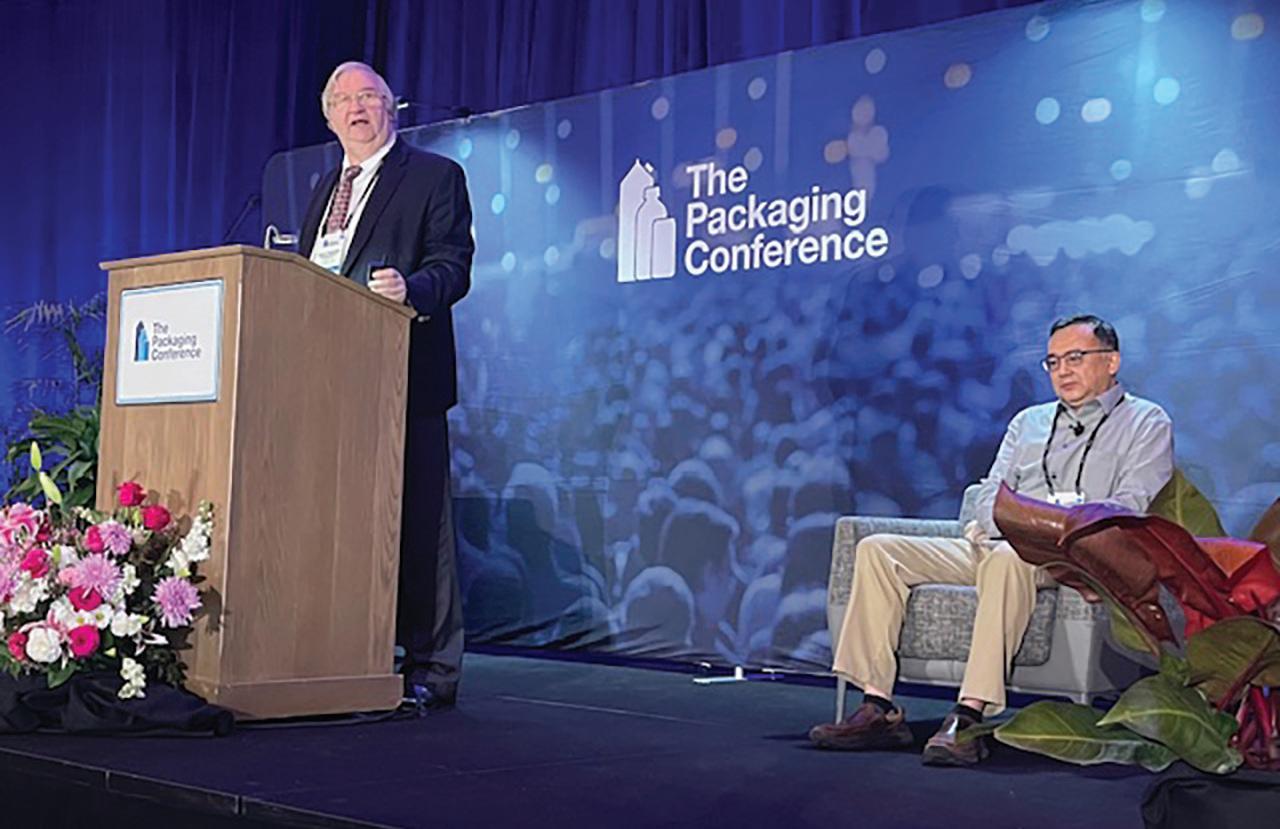
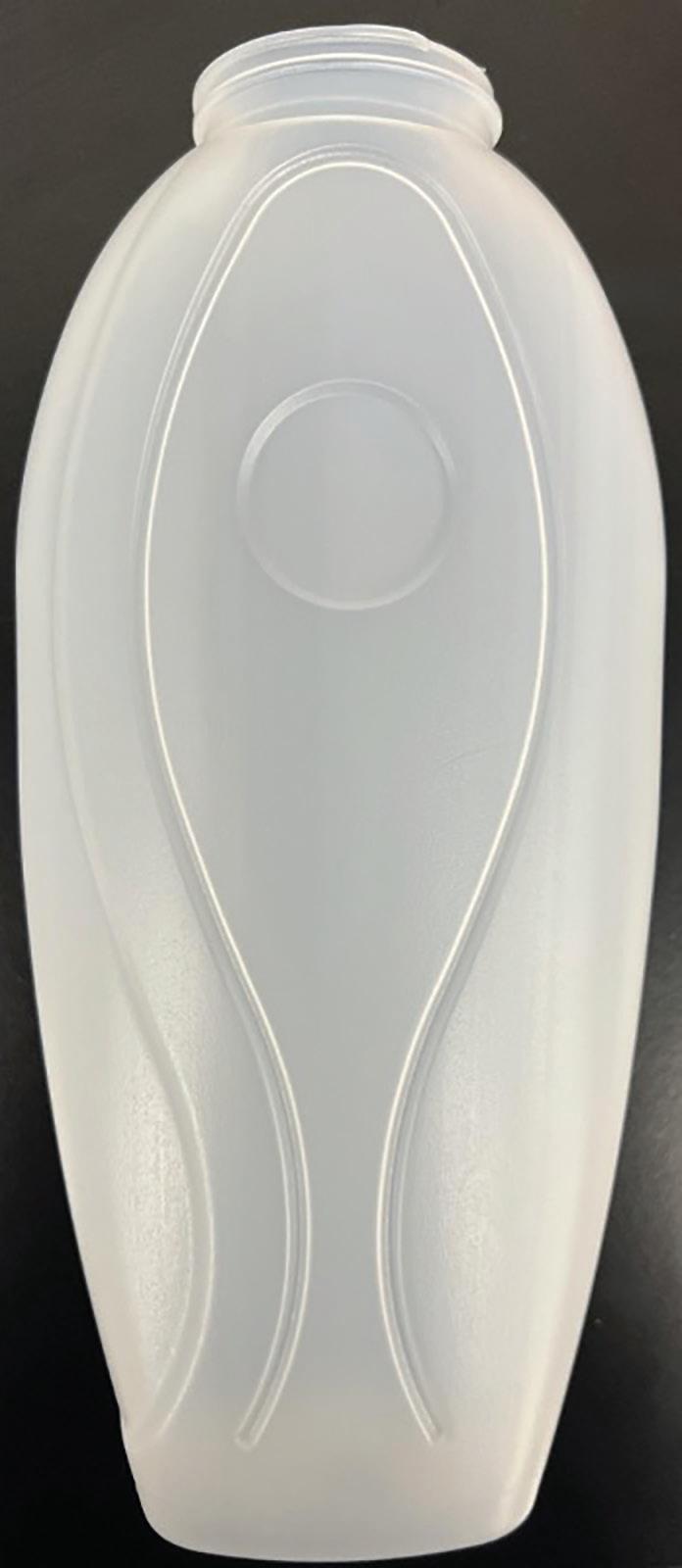
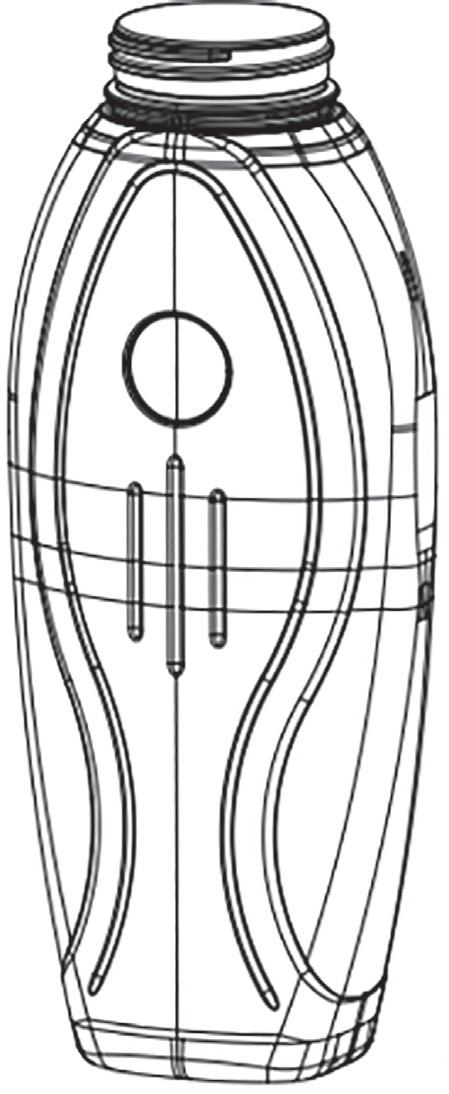
ISBM-molded HDPE/COC bottle (8–12% high-Tg COC) achieving 30% weight reduction. The bottle exhibits a uniform thinwall structure and opaque appearance without added pigment, resulting from the fibrous distribution of high-Tg COC within the HDPE matrix under biaxial orientation.
then axially stretched and radially blown into a mold cavity. PET performs well in this process because it strain hardens during stretch. As the material is elongated, molecular chains orient and increase resistance to further thinning. That strain hardening stabilizes the bubble during blowing and allows uniform wall distribution at low thickness.
HDPE does not behave the same way. It loses mechanical integrity at blow molding temperatures and does not exhibit meaningful strain hardening in the required temperature range. Because its melting point is close to the stretch temperature, the processing window becomes narrow. Preforms can distort during reheating, and wall thickness variation becomes difficult to control. That’s why presenter Paul Tatarka’s company, Polyplastics, proposed blending HDPE with cyclic olefin copolymer (COC), an amorphous polymer defined by its glass transition temperature (Tg). Unlike HDPE, COC does not have a crystalline melting
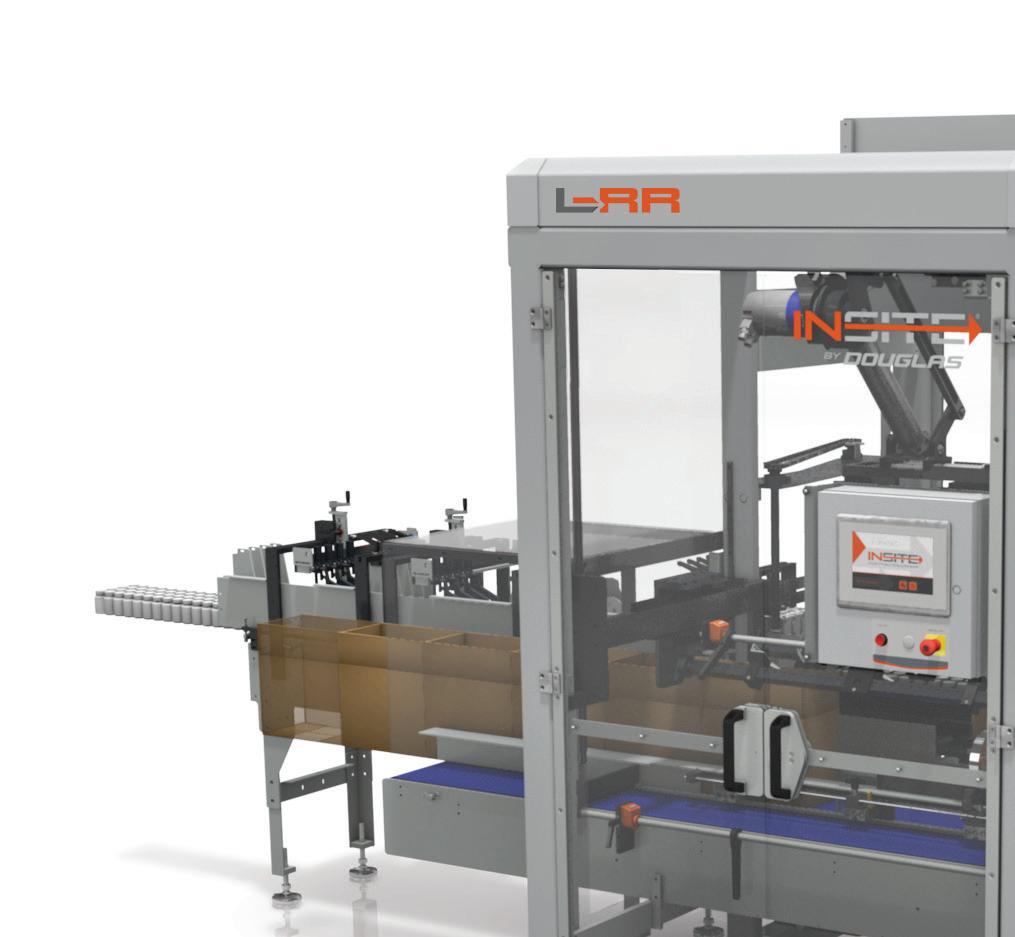

Loaded with advanced features yet remarkably simple & affordable, INSITE ® Robotic Case Loaders offer next-level performance & reliability in a compact modular design.
Easy to configure, easy to integrate and ready when you are, all INSITE Erectors, Loaders and Sealers areavailable quickly and bring true plug-and-play simplicity to your new or existing rigid-product case packing operations.

Open Design with 40% Fewer Parts
Smooth, Quiet SCARA Robotics
Simplified Parameterized Set-up & Changeover
Durable, Sanitary Construction
Choice of Innovative Product Handling Options
Reduced Maintenance Requirements Compact Footprint
And when you’re ready to scale further, Douglas offers over 60 years of packaging leadership to guide the way. INSITE by Douglas. Next level simplicity & support for YOUR next level. Are you IN ?



Got a minute?
Connect with an application specialist today or visit INSITEpackaging.com/case-loader/ for complete details, helpful resources and a quick budgetary quote!
• Tel: 320.762.7830 • email: InfoConnect@INSITEpackaging.com
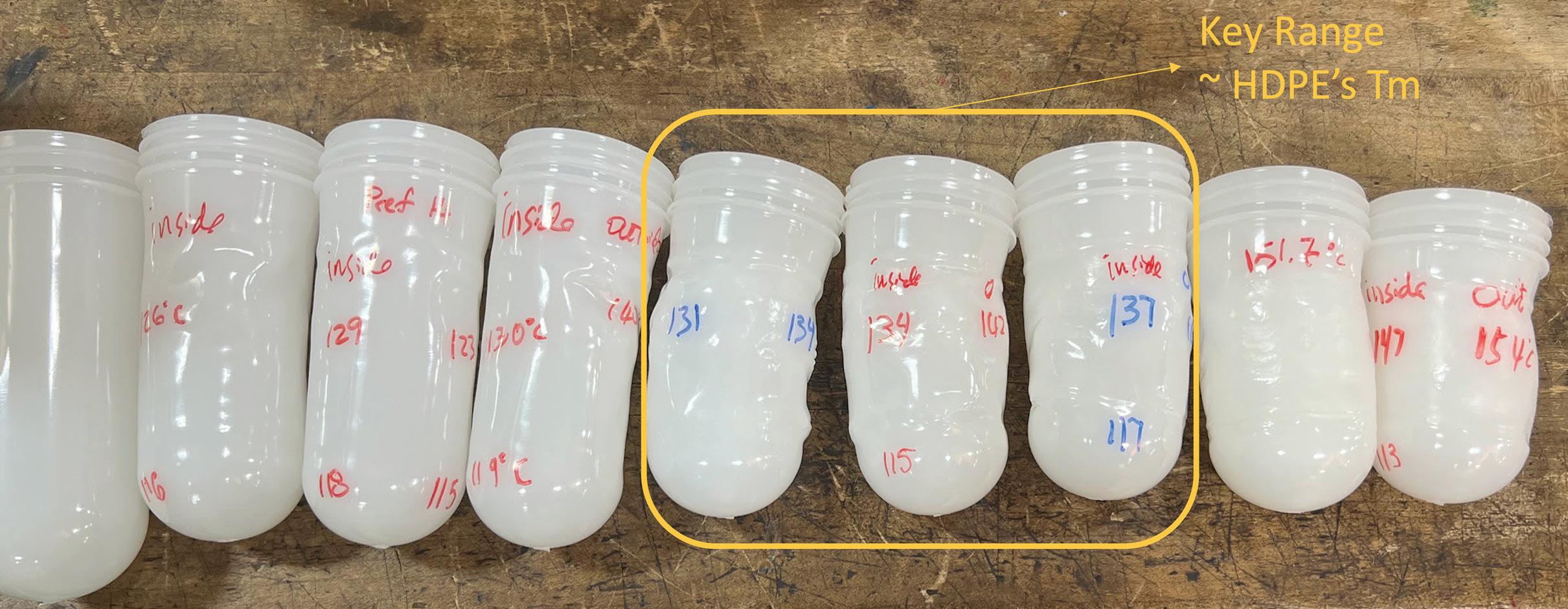
Series of ISBM-molded HDPE/COC bottles produced at increasing preform reheat temperatures. The highlighted region (~131–137°C), near HDPE’s melting point, shows the optimal processing window where bottle formation is stable and wall distribution is uniform. Bottles outside this temperature range exhibit distortion or instability, illustrating the narrow thermal alignment required for successful HDPE/COC ISBM processing.
point. Instead, it transitions from glassy to rubbery at Tg, and that Tg can be adjusted by formulation.
Dynamic mechanical analysis data presented during the session showed that adding COC increases the storage modulus of HDPE blends at elevated temperatures. In effect, the COC phase helps maintain stiffness in the temperature range where HDPE alone would soften rapidly. Colgate-Palmolive evaluated this approach as part of a broader sustainability initiative.
“Four or five years ago we set up a very aggressive goal. We wanted to reduce the weight of our HDPE bottle by 30%,” said Dr. Jun Wang, Director of Global Packaging Innovation.
That 30% reduction aligned with the company’s objective to reduce virgin plastic usage. PCR was part of the plan, but Colgate also pur sued technical lightweighting solutions. The first step was conventional


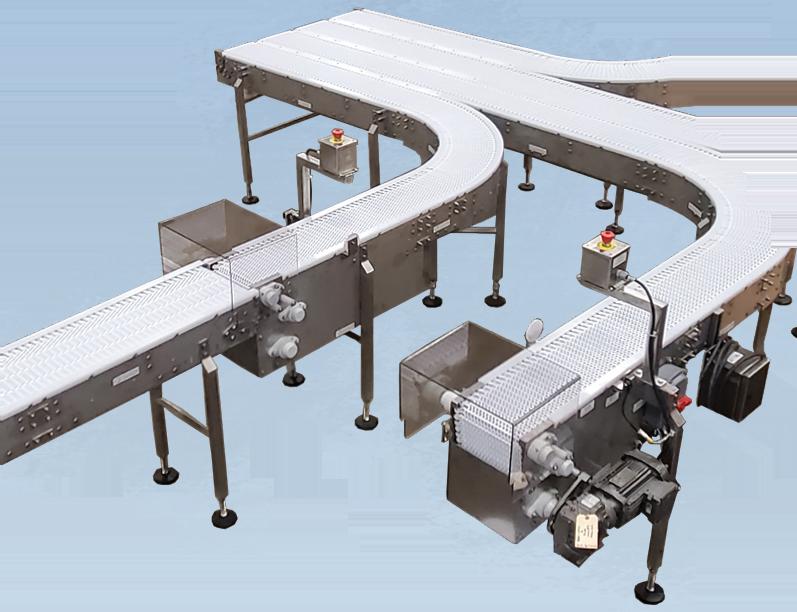


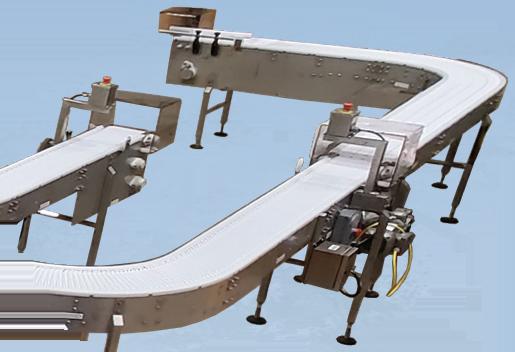


design optimization—structural geometry, ribbing, base and neck refinement, and material distribution. Those efforts yielded incremental gains but did not reach 30%.
The next step was material reinforcement. “COC is 100% compatible with HDPE. You can think of COC as a stronger HDPE,” Wang said. Colgate blended a high-modulus COC into HDPE and processed the material via extrusion blow molding (EBM). This approach achieved approximately 15% weight reduction. Further reduction led to drop test failures. The limitation reflects EBM process physics. In EBM, a molten parison is extruded and inflated. Orientation is limited, and material distribution depends on parison programming. Wall thinning beyond a certain point compromises mechanical performance. D f





In practical terms, EBM limits lightweighting because mechanical performance declines as wall thickness drops. ISBM, by contrast, increases strength through orientation, allowing thinner walls without proportional loss of stiffness. The constraint historically has not been the ISBM process itself, but HDPE’s inability to tolerate reheating and stretch. By stabilizing HDPE with high-Tg COC, that barrier is reduced. To move beyond 15%, Colgate evaluated ISBM. “PET bottles are much thinner. The reason is the ISBM process,” Wang said. ISBM introduces controlled axial stretch followed by radial expansion, creating biaxial orientation. Orientation increases stiffness and strength per unit thickness. If HDPE could be stabilized during reheating and stretching, thinner walls could be achieved without sacrificing performance.
In addition to enabling lightweighting, ISBM offers manufacturing advantages. The process enables controlled neck finishes, eliminates flash trimming, and allows preforms to be stored and blown on demand. For brand owners already operating ISBM platforms for PET, extending capability to HDPE could consolidate equipment and increase production flexibility.
The key variable was Tg selection. “Melting point of HDPE: 133°C. Tg of COC: 132°C, almost the same temperature. That is actually the trick,” Wang explained. When the Tg of the COC phase is close to the melting point of HDPE, the COC remains mechanically stable as the HDPE approaches its softening point. This helps the blend retain modulus during axial stretching. Colgate selected a high-Tg COC for this reason. Lower-Tg grades softened earlier in the reheat cycle. In testing, low-Tg blends produced translucent bottles and failed drop tests at higher lightweighting levels. Colgate deliberately reduced COC concentration from the 15–20% levels initially explored to 12% and 8% blends to control cost. Wang emphasized that concentration mattered commercially as much as technically. Achieving 30% lightweighting at 8% COC significantly improves the economics of the blend and makes large-scale implementation more realistic.
Regular monomaterial EBM-grade HDPE was used rather than specialty bimodal grades. The decision was intentional: it avoided introducing a new resin platform into Colgate’s supply chain and demonstrated that the ISBM approach could be implemented without fundamentally changing resin procurement or qualification practices. Materials were twin-screw compounded to ensure uniform dispersion.
Reheat testing identified a processing window between approximately 131°C and 137°C that produced stable bottle formation.
The outcome of these trials appears to be a success that other brands can replicate.
• 30% weight reduction achieved in ISBM
• 8% and 12% high-Tg COC blends passed drop testing
• The same resin system in EBM achieved 15% weight reduction and failed drop testing at higher levels
An additional outcome was opacity. “The bottle made from this process is opaque. We didn’t add any pigment,” Wang said. Morphological analysis showed that during ISBM stretching, the high-Tg COC phase elongated into fibrous structures within the HDPE matrix. This morphology was not an inherent property of the blend; it was created by ISBM’s biaxial stretching. Under elongational flow, the high-Tg COC domains elongated and aligned within the matrix. In EBM samples, where stretching is limited and less controlled, this fibrous structure did not form. The oriented microstructure contributes to mechanical reinforcement and light scattering, producing opacity without added pigment.
That’s important because opacity without pigment carries recycling implications for brand owners. The Association of Plastics Recyclers (APR) discourages certain pigments—particularly in PET, where colored bottles disrupt high-value clear recycling streams. HDPE streams are more tolerant of color, and achieving opacity structurally rather than through additives further improves recyclability alignment. In that context, morphology-driven opacity becomes more than aesthetic—it becomes strategic. The work demonstrates that with appropriate Tg selection and concentration control, COC can enable HDPE to perform in ISBM at commercially relevant levels, achieving 30% lightweighting while maintaining drop performance and recyclability compatibility. PW

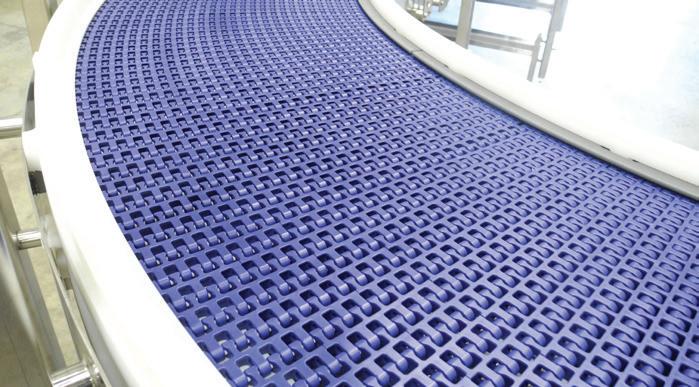
Table Top Systems


Mat Top Systems Accumulation

Modular, pre-engineered solutions, built-to-last using in-stock components for a quick turn-around.

Conveyor Designed by Nercon
Installed originally to solve a problem with decorating costs on one bottle size, Tap Magic found its new in-house shrink sleever brings big advantages where two other sizes are concerned.
By Pat Reynolds, Contributing Editor
Little Rock, Ark.-based Tap Magic, a division of The Steco Corp., is a leading maker of industrial cutting fluids used by a variety of machinists and metal fabricators for drilling, tapping, and milling. Some of its most popular products come in a 4-oz rectangular high-density polyethylene bottle that, for many years, was decorated with a screen-printed label. Recently the firm switched from that method of decoration and installed a shrink sleeve labeler and shrink tunnel from Sleeve Seal plus a Sneed Coding Solutions ink-jet coder. The goals: reduce cost and gain valuable flexibility in the firm’s approach to purchasing and inventorying these bottles.
The problem with screen printing, says company president and CEO Ken Gaines, stemmed from the bottle’s rectangular shape. “It required two-color process on front and back,” says Gaines. “That meant it had to go through four passes, and that’s what made it unavoidably expensive.”
So Gaines and colleagues began looking for an alternative. “We liked the rectangular bottle and didn’t want to change that,” he notes. “When we came across shrink sleeve labeling as an option, we looked first at having a vendor do the sleeving for us. Eventually the trail led to Sleeve Seal, and they were the ones who asked if we’d consider doing our own labeling in-house. It quickly became evident that this would be the way to go.”
Part of the attraction is that by installing its own shrink sleeve labeling system, the firm also solved an ongoing problem it was having on a 16-oz HDPE cylindrical bottle also in use. Tap Magic was decorating these with a pressure-sensitive paper label having a surface coating that was supposed to resist label degradation that
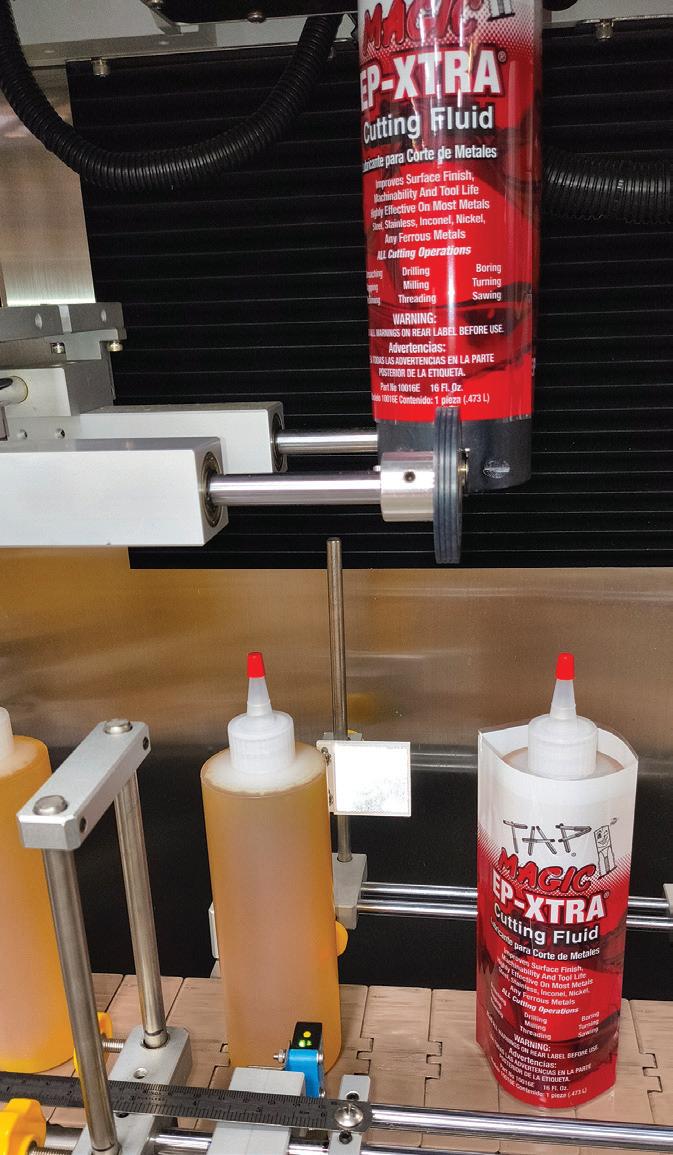
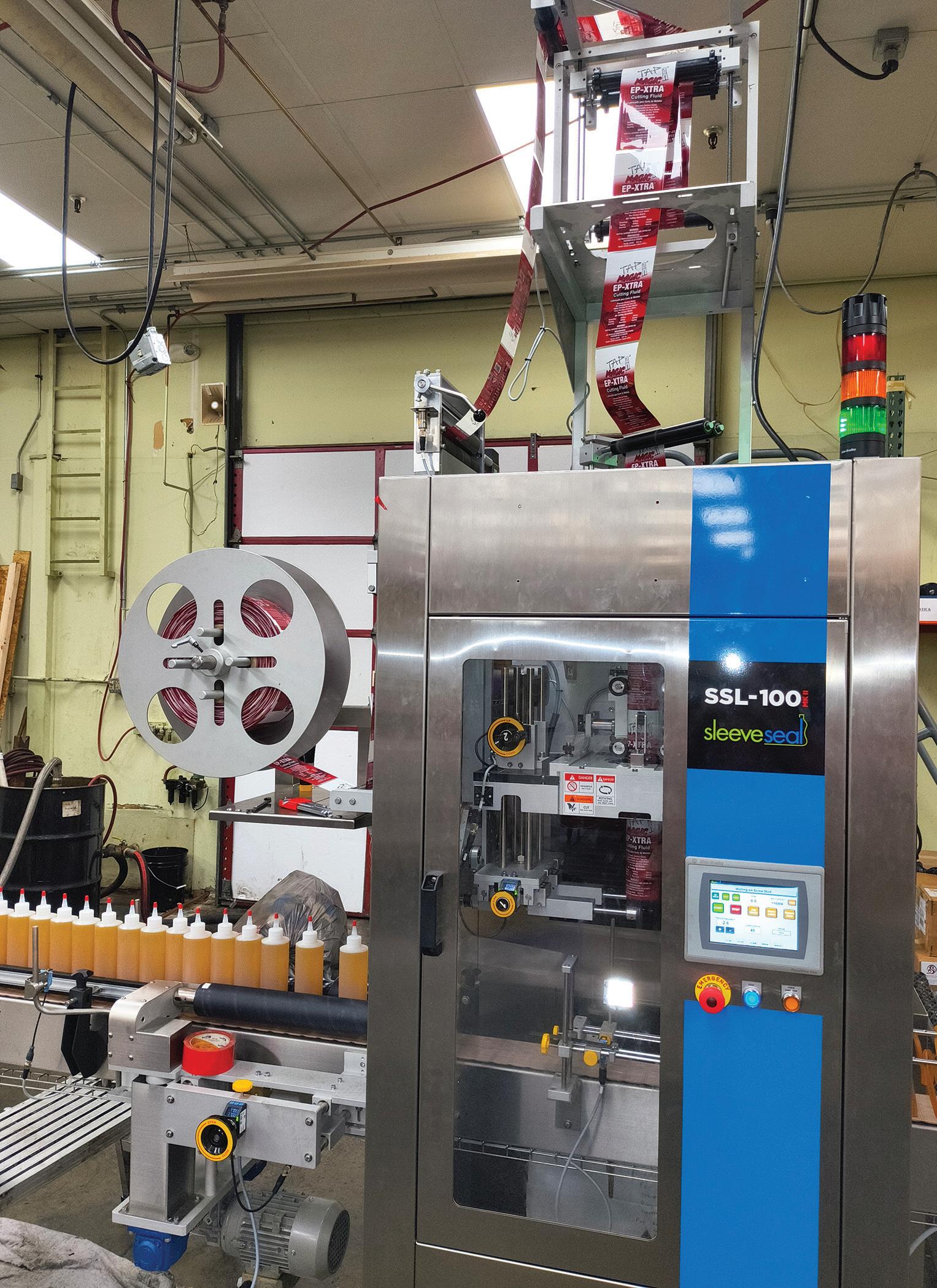
Tap Magic has found the shrink sleever to be a great solution for three different container formats. Shown left, 16-oz HDPE bottle in production at Tap Magic: Application of a shrink sleeve on the Sleeve Seal machine.
might be caused by the oil-based products inside the containers. The problem was that once the bottles were out in the rough-and-tumble world of metal fabrication, some degradation was almost inevitable. “That meant directions for use printed on the bottle could become illegible,” says Gaines. “So now we run those bottles through the shrink sleever, too, and the sleeve label does a much better job of resisting the kind of degradation we were seeing with the coated



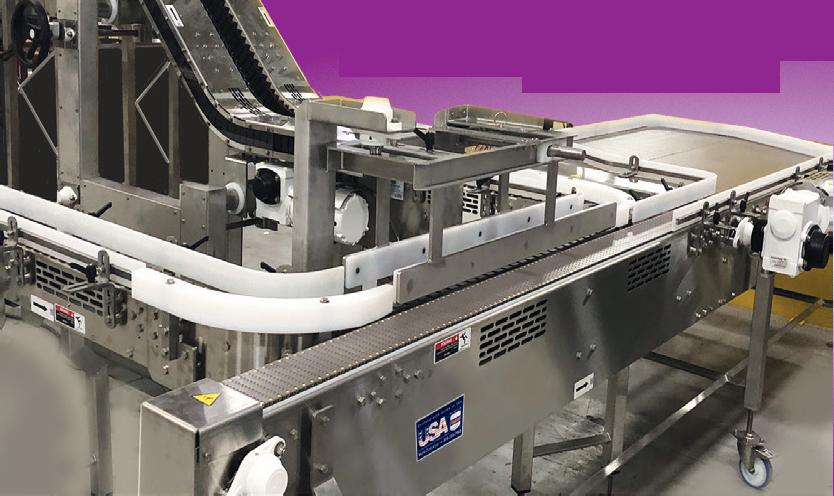






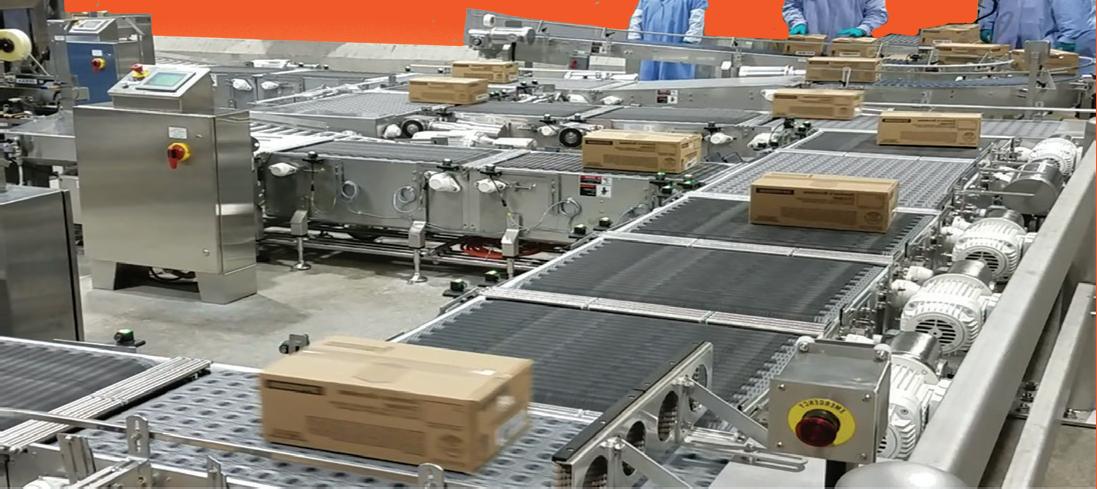


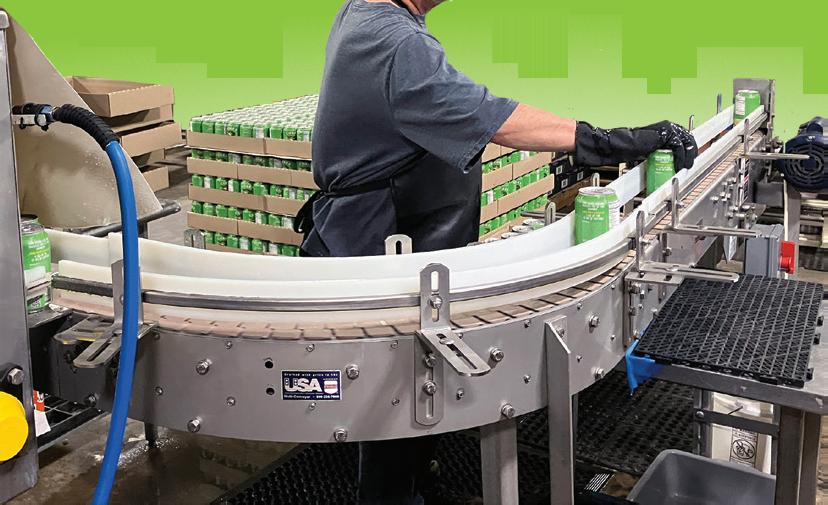

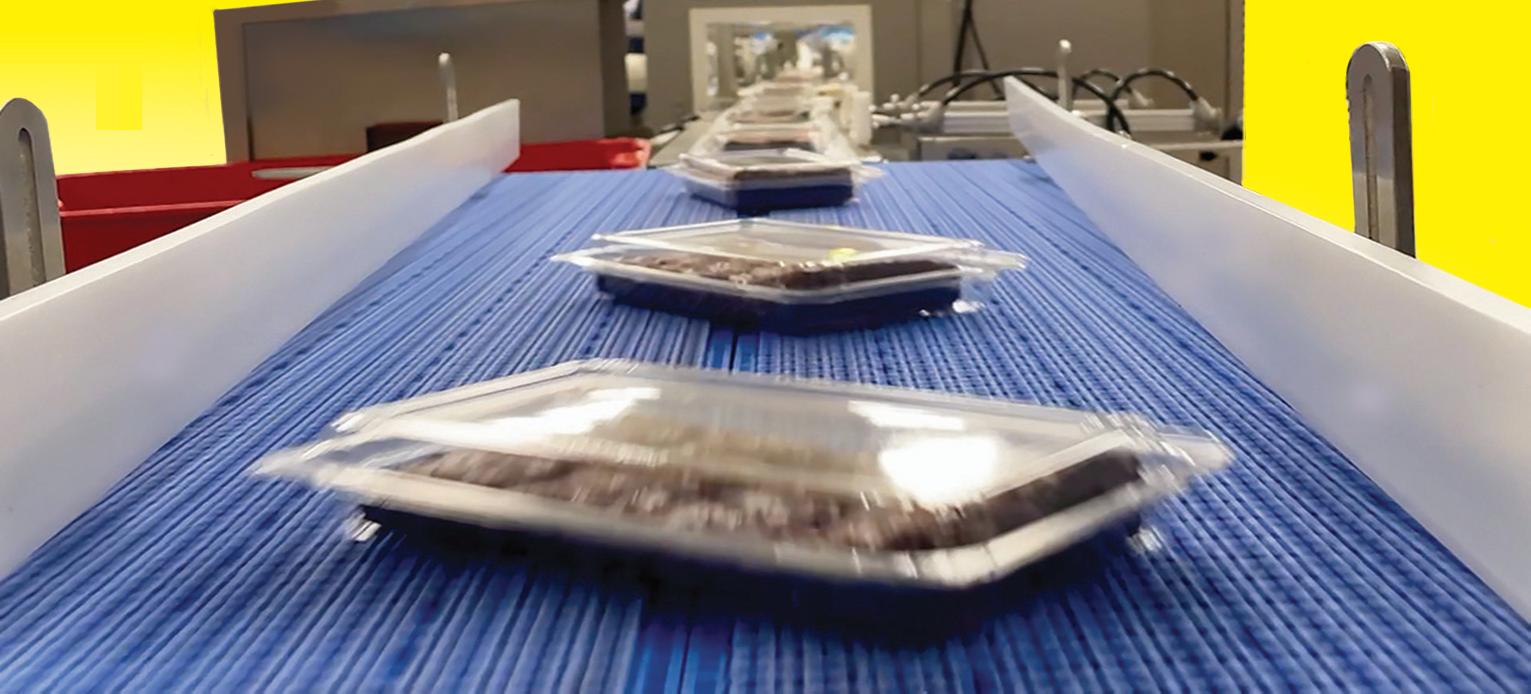

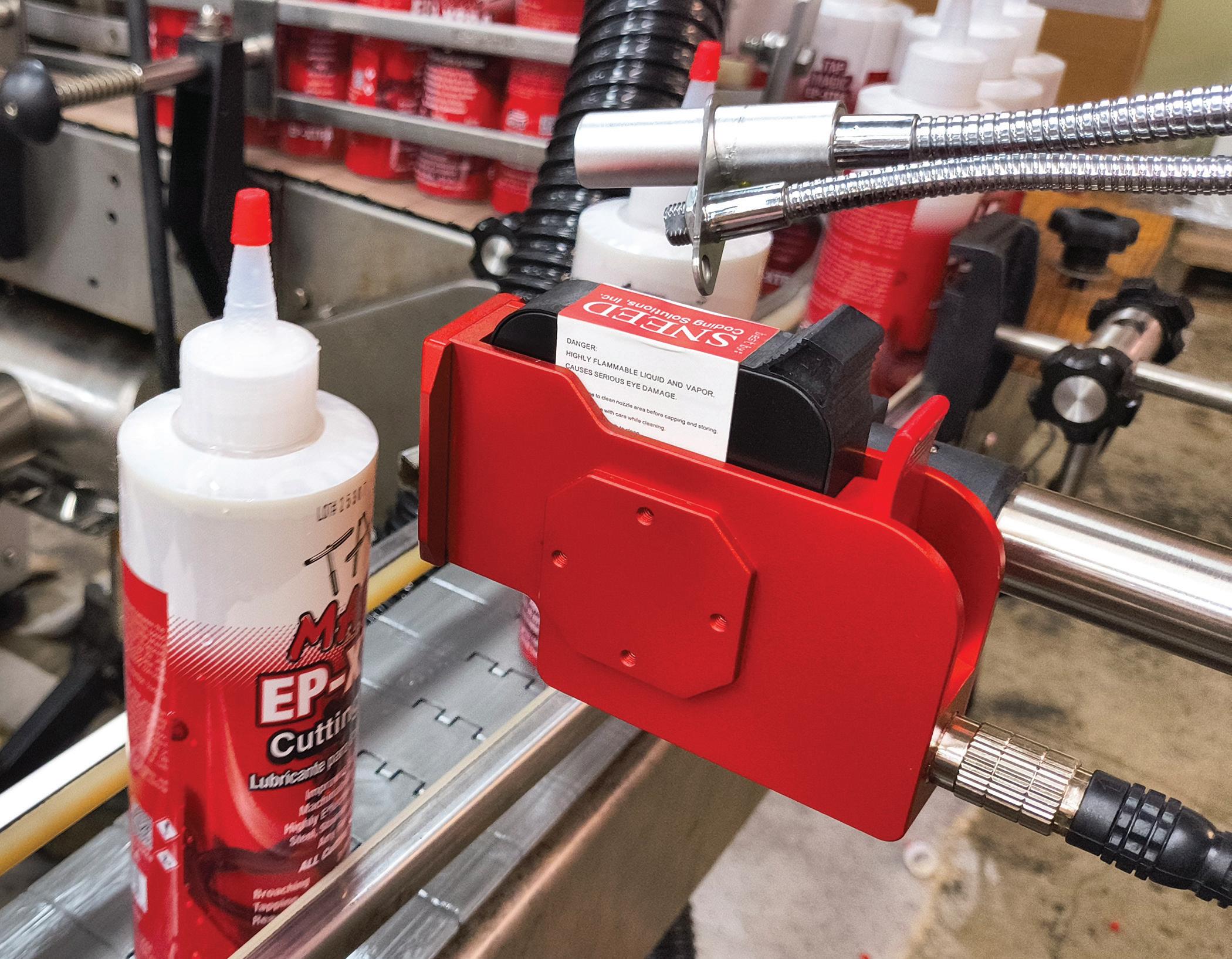
paper label we were using. This switch brought another cost savings, since the shrink sleeve labels cost less than the paper labels we replaced.”
The other benefit brought by the new approach to bottle decoration is that because it’s all done in-house, the firm has far better control over inventory. “One of the problems with having a third party decorate your bottles is that it makes it more difficult to adjust to marketplace demand,” says Gaines. “If Product A is in greater demand one month than Product B but we have lots of labels for product B in inventory, that means we’re carrying more inventory than we need, which always represents an added cost. By labeling in-house we change quantities on demand and run whatever we need to run in any one week.”







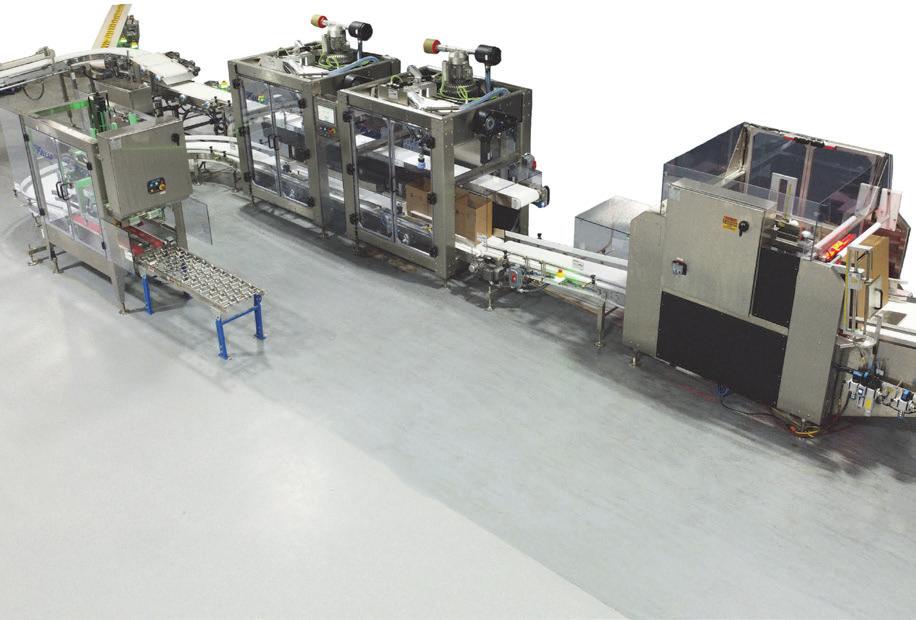
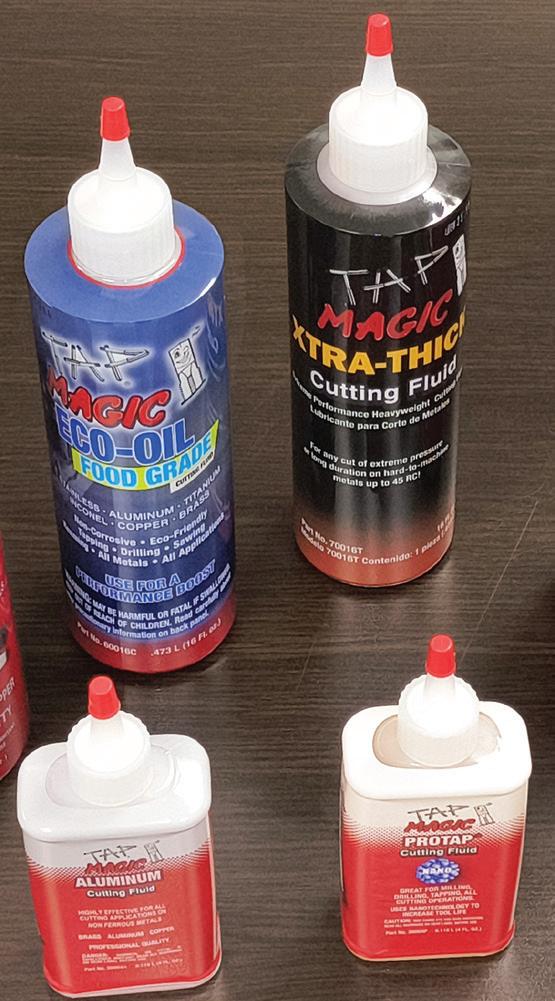
Supplied by Spectrol, the labels are a 50-micron PETG. Most of them are reverse-printed UV Flexo, though some that come in smaller quantities are printed digitally.
The sleeve labeling has been operational at Tap Magic since around March of 2025. Shortly after it arrived, the firm found a third container format for which it was suitable. “We’ve gone on to using sleeve labels for a package that wasn’t even on our radar initially,” says Gaines. “It’s a 12-oz grease tube we use for a lubricant we sell. Once again it lets us get away from preprinted packaging, which has all kinds of cost and inventory advantages.”
Tap Magic typically runs one shift a day five days a week, and it’s not uncommon to change several times a week from one container format going through the Sleeve Seal labeler to another. Gaines figures it takes about 30 minutes to do so. “That includes conveyor lines and guide rails and such,” he adds. “Speaking of which, we got a lot of really great technical support from Sleeve Seal on that part of the installation, too. For example, we didn’t have a boiler to run the steam tunnel, and they helped us source that and tie our conveyor controls in with the sleever itself so the timing would be right as the bottles move from label application to shrink tunnel to ink-jet coding to discharge of finished bottles.”
Looking back over the whole transition, though, Gaines remains most pleased by the cost savings. “Our payback on this investment will be about two years,” he says. “So by sometime next year, the system will have paid for itself.” PW
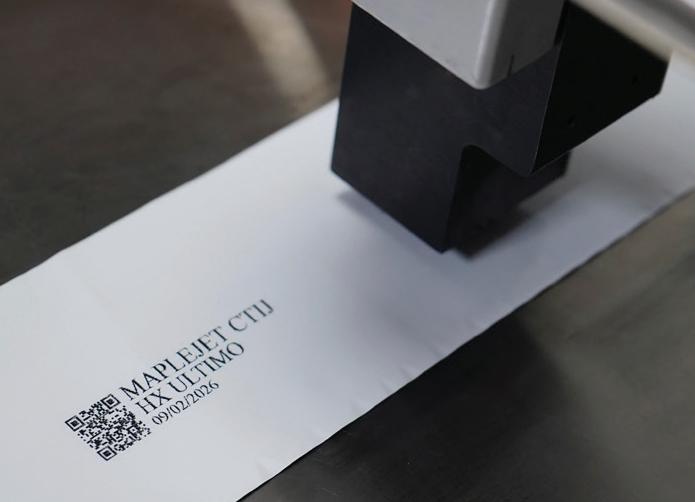
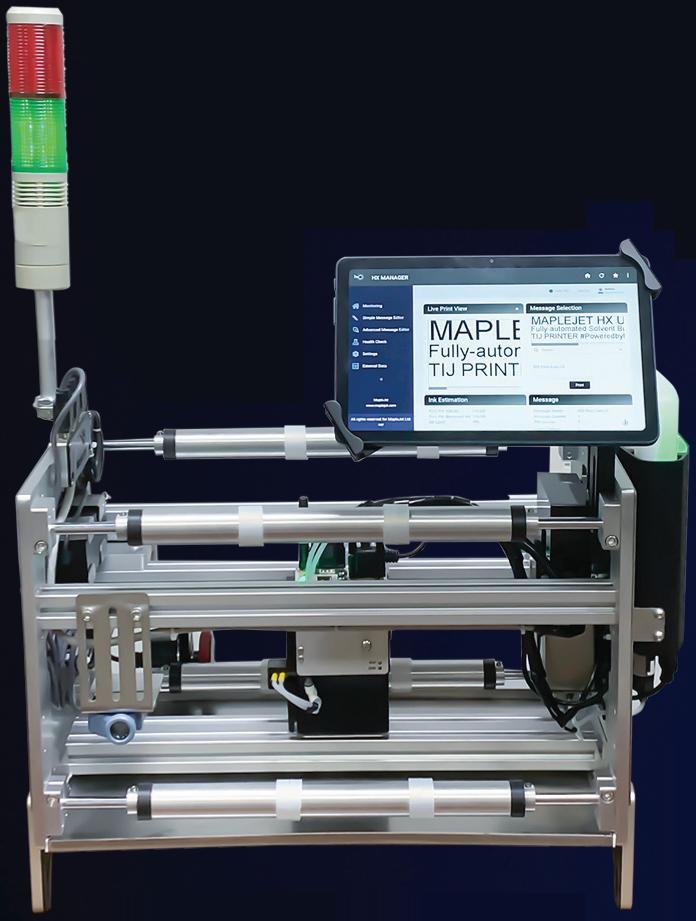





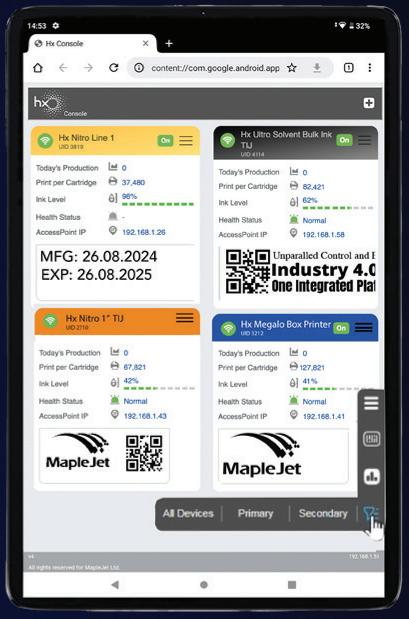
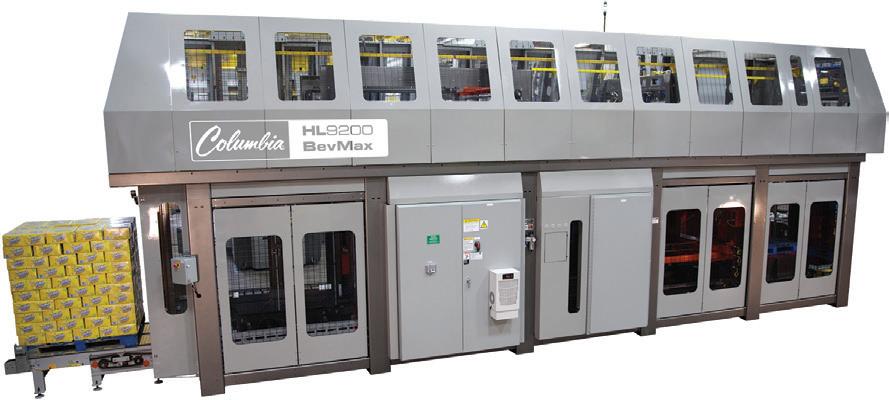
Columbia Machine’s high-speed HL9200 BevMax Palletizer features advanced servo-controlled automation, intelligent pattern management, and Category 3 safety compliance to deliver advanced throughput, exibility, and load integrity.
Columbia Machine pwgo.to/9061
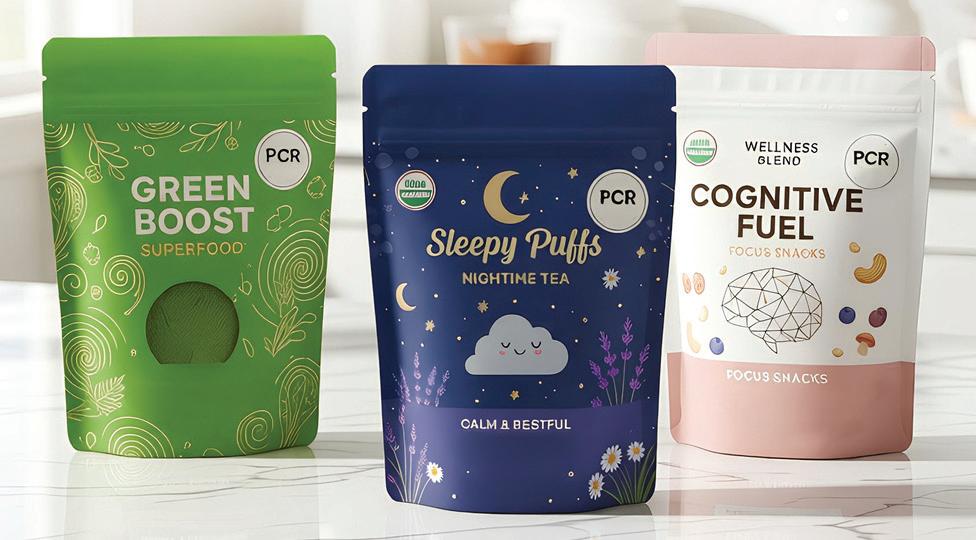
S-OneLP’s 3.5-mil Metallized PCR 36% Stand-Up Pouch Web is a high-barrier, sealable lm with recycled content that delivers high-quality printability, supports both digital and analog printing, and runs ef ciently on most pouching equipment.
S-OneLP pwgo.to/9065
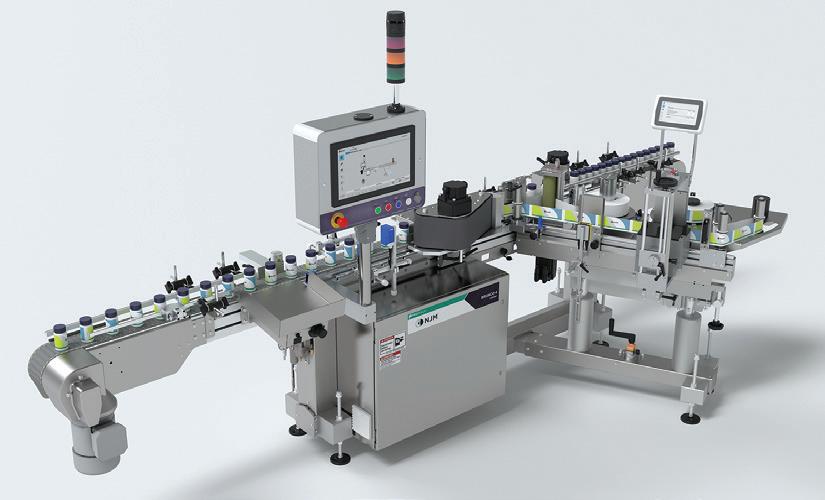
NJM’s Bronco 4 servo-driven inline labeler applies multiple label formats to various bottle shapes at speeds up to 250 bottles per minute, with operatorfocused controls, integrated inspection and printing options, and compliance-ready functionality. NJM, a ProMach product brand pwgo.to/9068
Eagle Product Inspection’s Pack 430 PRO with PXT helps food processors maintain stable, high-speed detection, reduce false rejects, and support FSMA- and USDAaligned inspection across increasingly complex packaging formats.
Eagle Product Inspection pwgo.to/9063
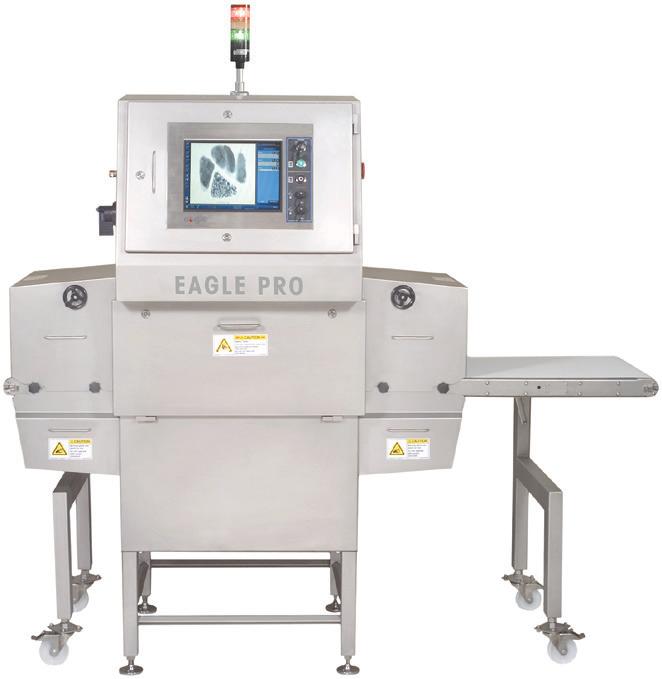
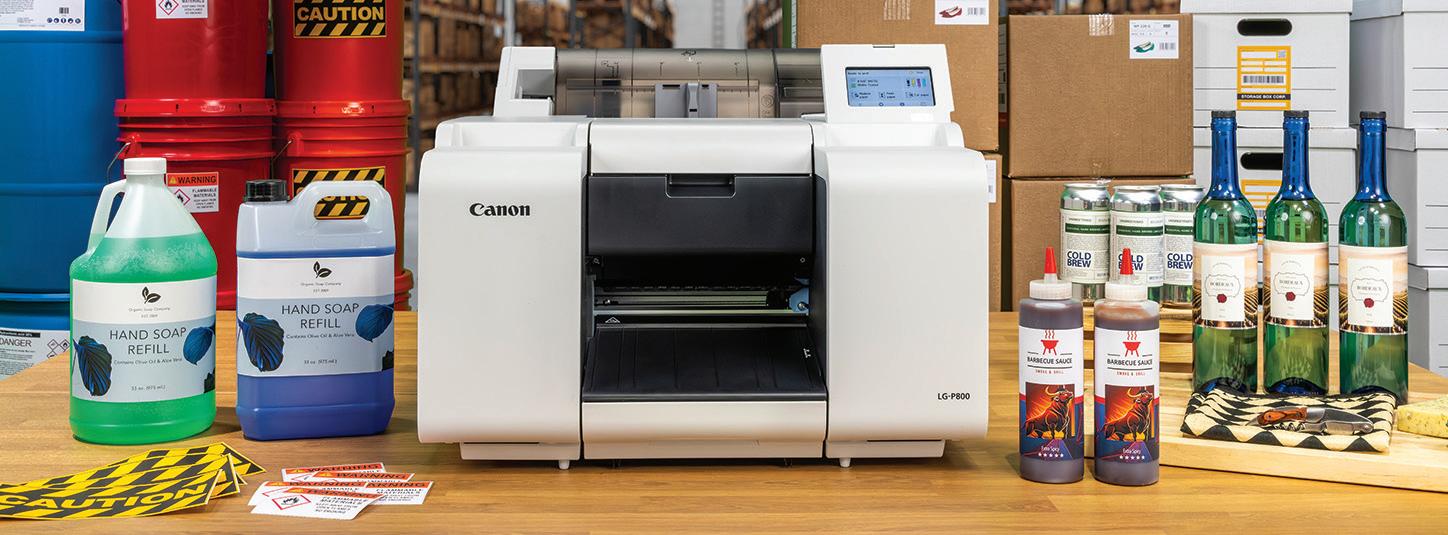
Canon’s LG-P800, which produces high-resolution labels up to 8 inches wide with pigment-based inks that are designed for durability, can adapt to a wide range of tasks such as product, inventory, shipping, and certain food packaging labeling. Canon pwgo.to/9070
Husky’s HyCAP SecuRE+ is a monomaterial PET closure system for beverages that improves recyclability, boosts rPET yield, and enhances performance and tamper-evident security without requiring changes to existing production lines.
Husky Technologies pwgo.to/9075
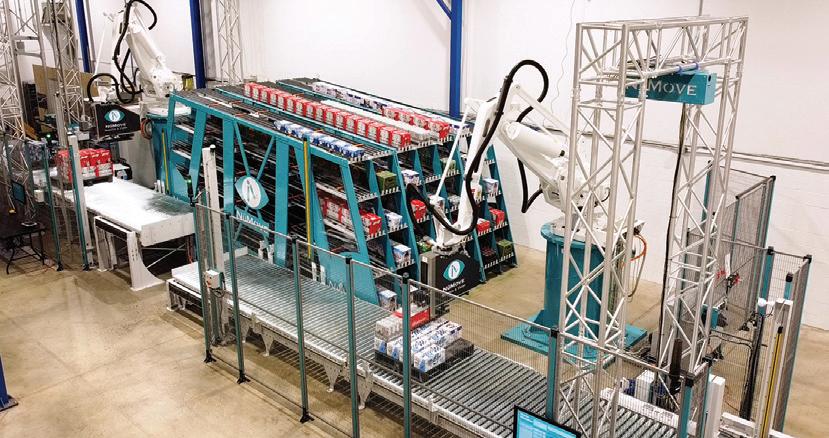
NuMove and KPI Solutions partner to develop RAPTOR, a vision-guided dual-robot system that automates depalletizing, buffering, and mixed-SKU repalletizing to improve speed, exibility, and ef ciency in high-volume beer and beverage operations. NuMove Robotics & Vision / KPI Solutions pwgo.to/9077
HUGO BECK is a world leading specialist in horizontal film packaging machines, flowpack and paper packaging machines as well as automation solutions with the range of 3,000 to 18,000 cycle-per-hour. Our machines are used worldwide across many different sectors, including pharmaceutical & medical technology, confectionery, e-commerce, household goods, wood & long parts.
We aim to make packaging as resource-efficient as possible. From extremely tight packaging that minimizes the use of film and paper to flexible machine solutions, which allow the production of film and paper packaging on just one machine or pure paper packaging machinery – we have all sustainability needs covered.
BESPOKE SOLUTIONS FOR PHARMACEUTICAL & MEDICAL TECHNOLOGY
n High-grade customized installations
n Validation and qualification services, GMP certification
n Safe and hygienic, airtight and high-barrier packaging
n Meeting clean room specifications
n Track & Trace capability
n Minimal film and paper use across the packaging process
n Automatic adaptation of the shipping bag size to varying product dimensions in length and width
n Optimized user-friendliness and accessibility
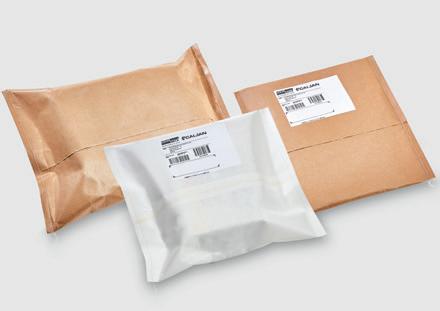
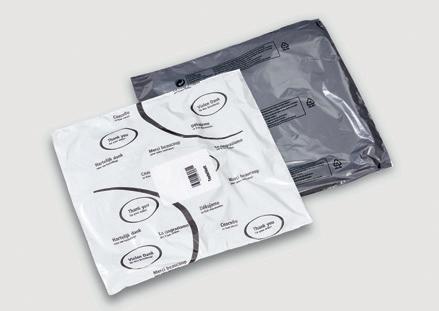

CONFECTIONERY & MORE: PERFECT PACKAGING APPEARANCE AND PRODUCT PRESENTATION
n High quality, extremely tight packaging with minimum use of resources
n Maximum machine uptime
n High packaging speeds of up to 18,000 cycles/h
n Wide range of packaging types and films processed
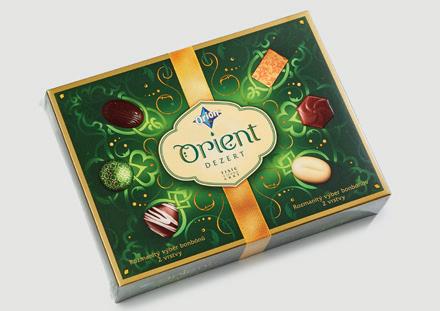


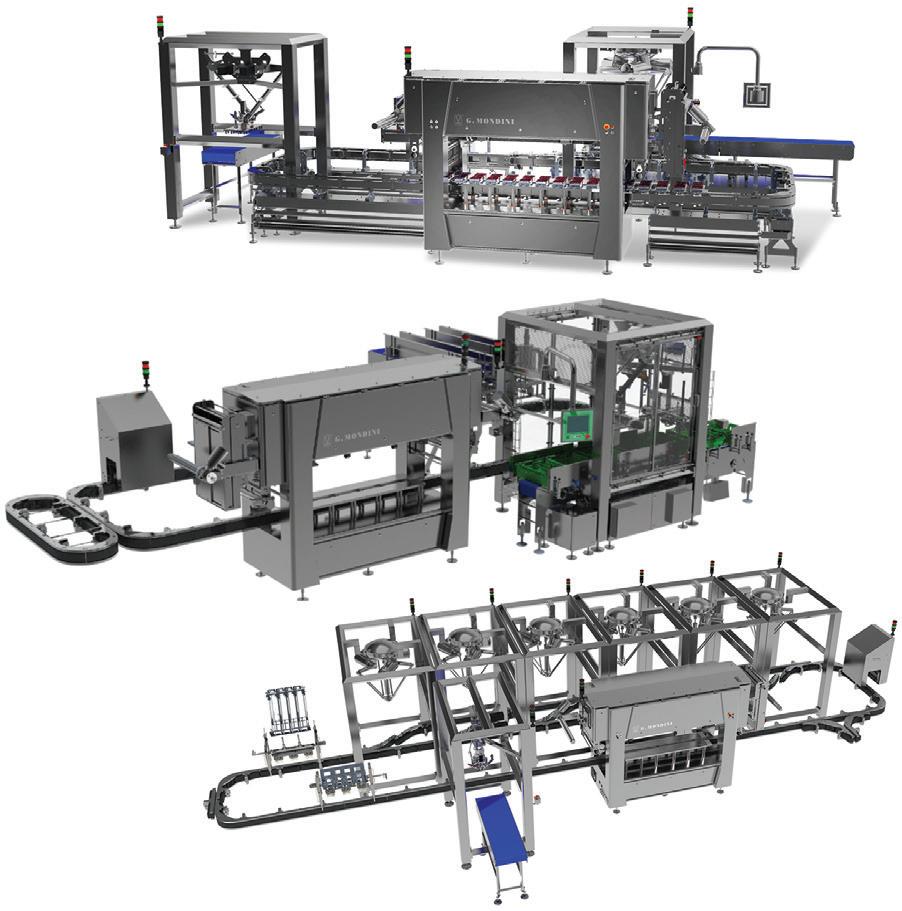

Pregis’ EasyPack Strata is a high-speed on-demand paper system, which produces structured paper pads up to 60 inches per second for void fill, light cushioning, and full cushioning applications in high-throughput fulfillment and packing operations.
Pregis pwgo.to/9071



Harpak-ULMA’s Mondini Trave Sinfonia application uses software-controlled magnetic transport technology to independently move trays, increasing packaging output from about 120 to up to 200 packs per minute for ground meat and more.
Harpak-ULMA pwgo.to/9057
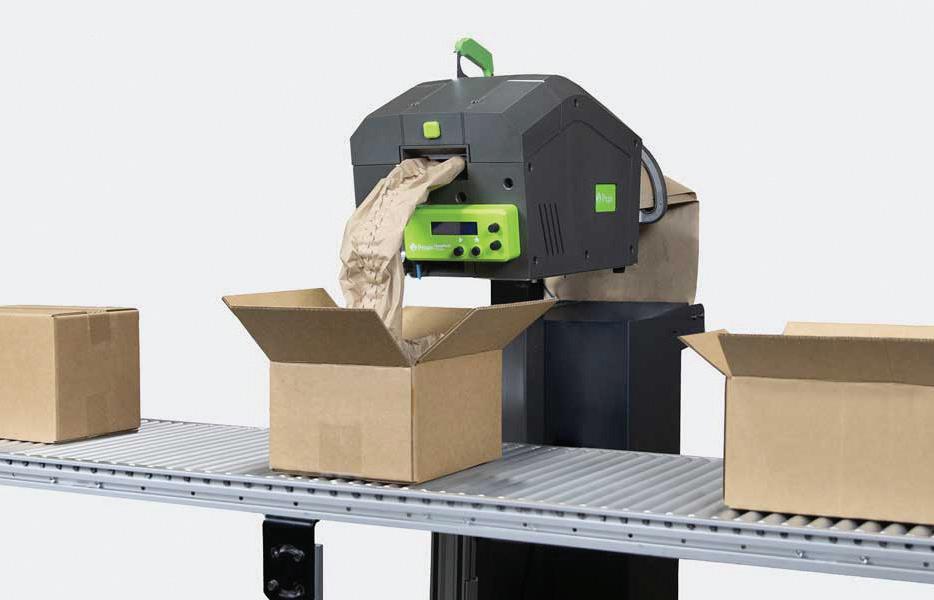
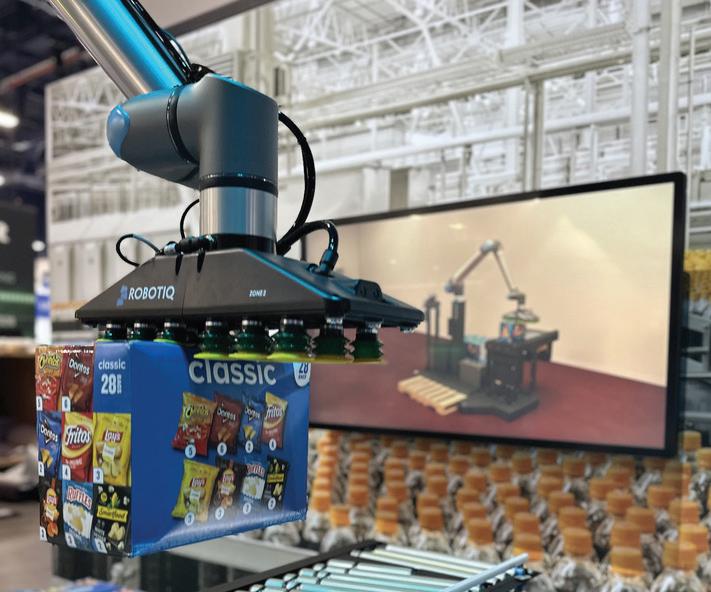
Ahlstrom’s Acti-V RRF Natural is a double-sided, silicone-coated paper release liner for Pressure Sensitive Adhesive (PSA) tapes that is recyclable with paper while reducing basis weight and carbon footprint without compromising converting efficiency.
Ahlstrom pwgo.to/9067
This Universal Robots, Robotiq, and Siemens collaboration integrates a UR20 robot and Robotiq PAL Ready cell with Siemens automation hardware and Digital Twin Composer software to optimize palletizing and provide real-time operational insights.
Universal Robots
Robotiq
Siemens pwgo.to/9042




Sleever and Avery Dennison launch INVENTRA, a shrink sleeve label with integrated RFID technology that enables item-level traceability, inventory accuracy, and anti-counterfeiting for beauty products without compromising design or efficiency.
Sleever
Avery Dennison pwgo.to/9059
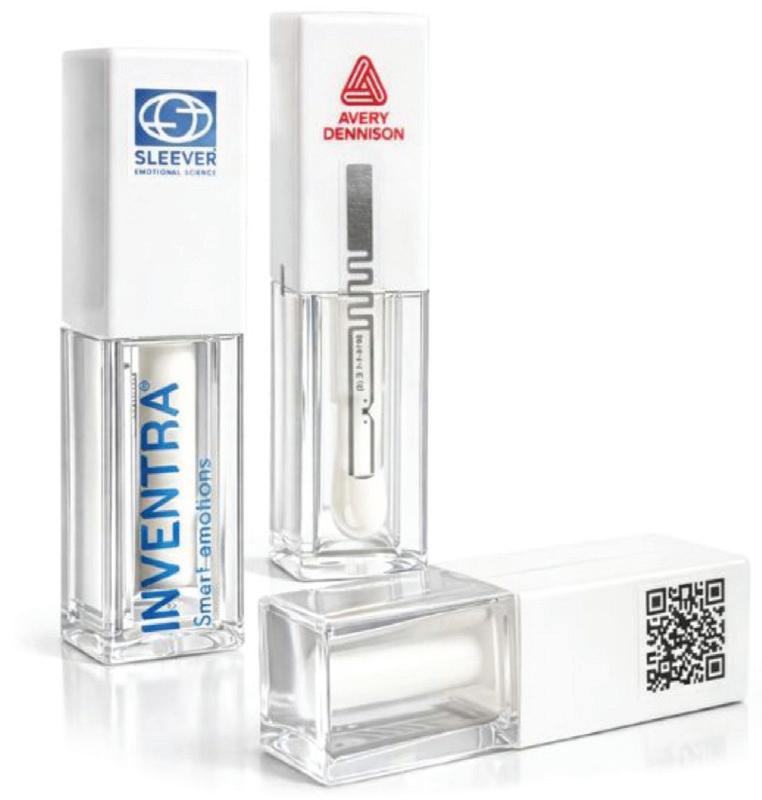
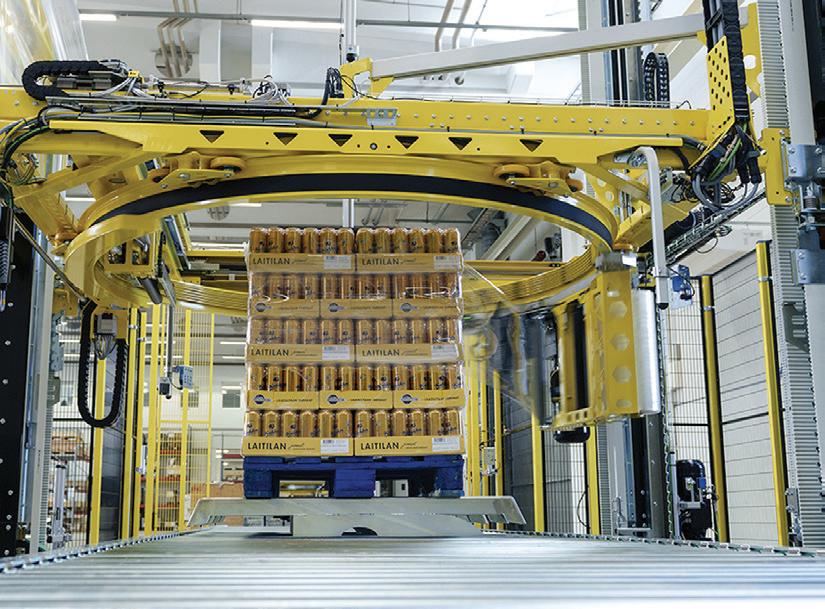
Sealstrip’s SealAcross for trayed products is a flexible packaging solution that provides fullface access, tamper evidence, and reliable reseal performance while reducing material use and supporting high-speed flow-wrap operations.
Sealstrip Corporation pwgo.to/9064
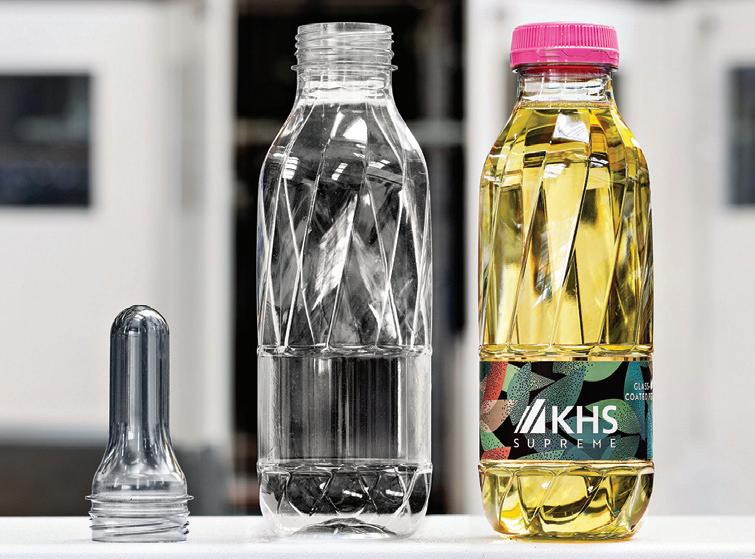
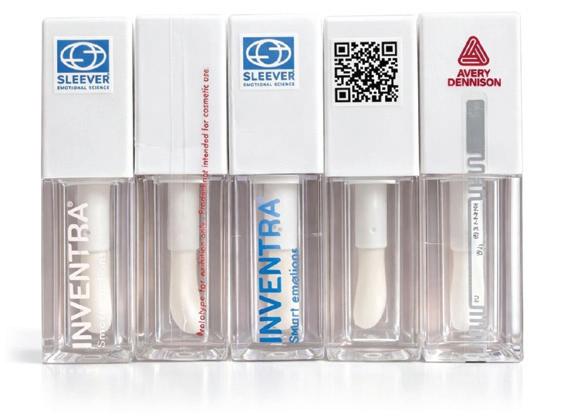
Signode’s solutions combine conveying, robotic palletizing, strapping, and automated storage integration to improve throughput, load stability, and plant-wide predictability for producers of aluminum cans, bottles, jars, and other rigid formats.
Signode pwgo.to/9058
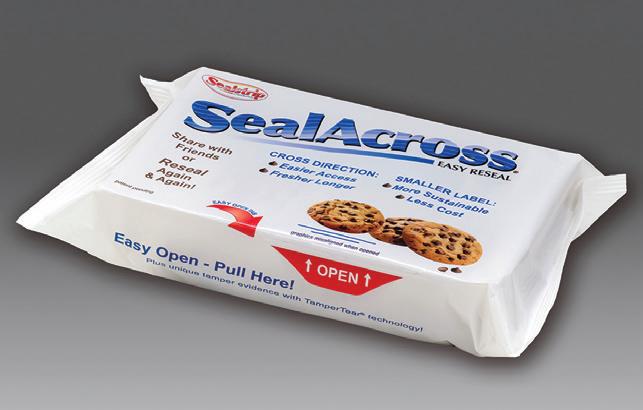
The KHS SUPREME uses Plasmax barrier technology to provide glasslike protection for oxygen-sensitive beverages, extending shelf life while maintaining recyclability and supporting high-speed production up to 60,000 bottles per hour.
KHS Group pwgo.to/9072
Continue your search for the right packaging solution. Visit prosource.org
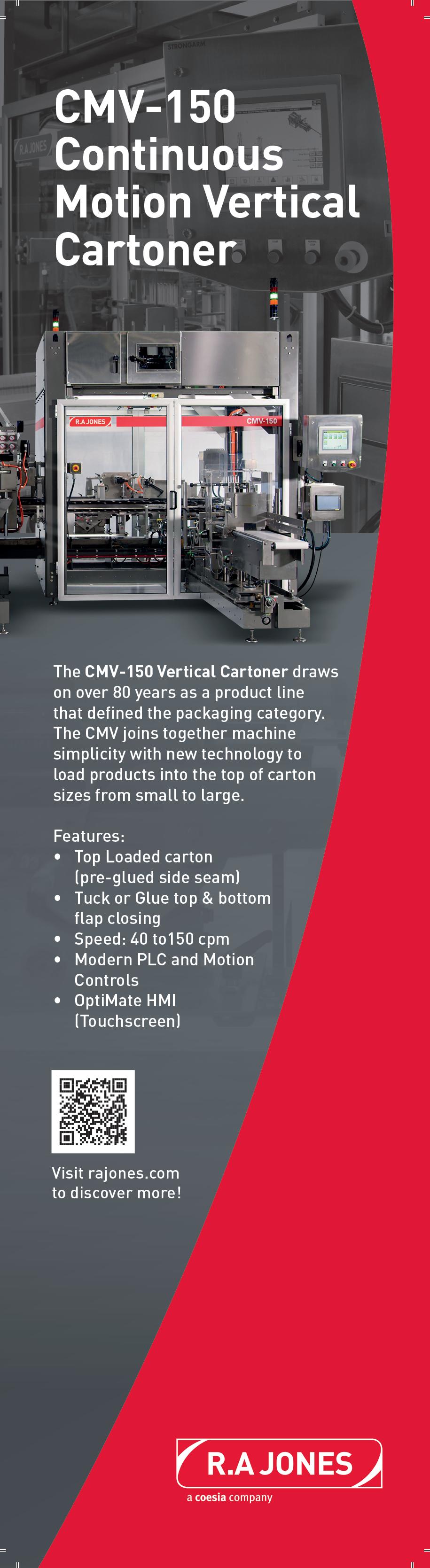
ProAmpac completes its acquisition of TC Transcontinental Packaging
ProMach acquires Lako Tool & Manufacturing.
ProSys Fill LLC acquires Pendergraph Machines.
SupplyOne, Inc. acquires Connecticut-based packaging solutions distributor Specialty Packaging, LLC
Weber Packaging Solutions acquires AT Information Products
System integrator Precision Automation partners with IMA Labeling
ORBIS acquires thermoforming provider Robinson Industries
Henkel agrees to acquire specialty coatings company Stahl
Tavoron acquires DP Technologies Group and DP Brown of Saginaw
Metsä Board acquires the Winschoten Sheeting and Distribution Hub in the Netherlands.
Guala Closures agrees to acquire Vinventions’ screwcap production facility in Mexico.
Altamont Capital Partners invests in New England–based corrugated box manufacturer
Key Container Corporation
Siegwerk says it is the first to receive RecyClass technology approval for UV/LED-curable inks on PE films.
Kuraray America, Inc. (KAI) receives APR Design Recognition from the Association of Plastics Recyclers (APR) for its EVAL ethylene vinyl alcohol (EVOH) high-barrier resin.
Charter Next Generation joins the US Flexible Film Initiative to accelerate scalable recycling solutions.
Circular Action Alliance (CAA) is selected by the Washington Department of Ecology as the producer responsibility organization to implement the state’s Recycling Reform Act for residential paper and packaging, bringing the number of states CAA now serves as the approved PRO to six.
Fortress Technology celebrates 30 years in food inspection.
Bartelt, HMC, and Matrix—which form ProMach’s Flexible Packaging Group—name Adam Chapis as regional sales manager for the Northeast.
ARMOR-IIMAK promotes Alejandro Cuomo to vice president, North America sales.
Spee-Dee Packaging Machinery appoints Derek Klein director of sales and expands the role of Mark Navin to vice president of business development.
Can Manufacturers Institute (CMI) appoints Roxanne Sharif as director of sustainability.
Jonathan Quinn departs as president and CEO of the U.S. Plastics Pact while Crystal Bayliss is named interim executive director.
Bruno Negri announces he is taking a voluntary step back from his active role with P.E. Labellers, a company he founded in 1974 and now a ProMach product brand.
Industrial Physics appoints Andrew McCauley as chief executive officer, succeeding Barry Lyon.
Marjorie Murphy returns to Equator as senior client service director.
Women-owned pallet supplier Rose Pallet appoints Darcy Simonis as vice president of sales.
Dart Controls names John Burch as president.
Craig Souser, JLS Automation president & CEO, is appointed to the Executive Committee of the National Association of Manufacturers (NAM).
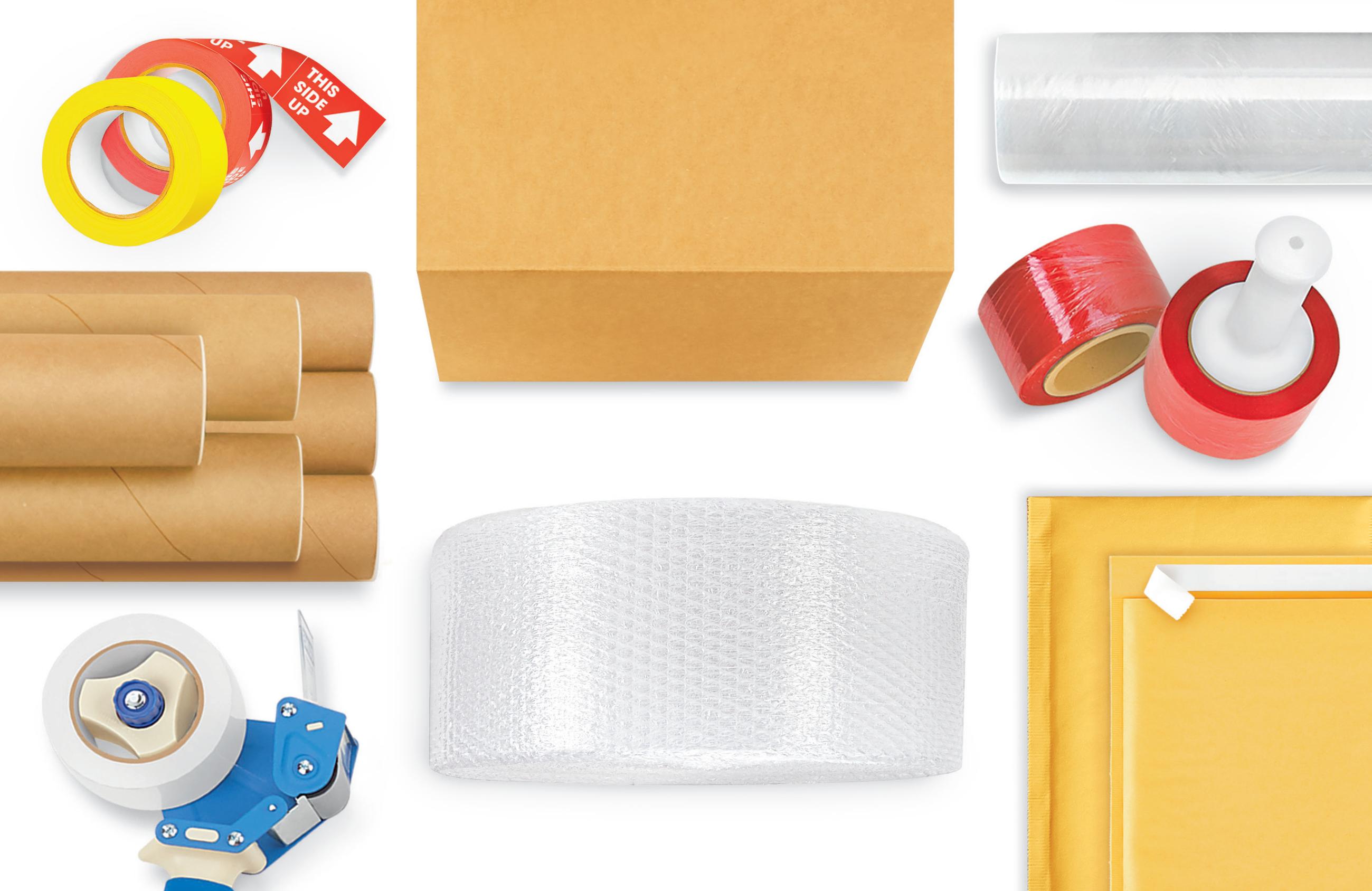


By Todd Bukowski, Principal, PTIS, LLC
As the packaging sector accelerates toward 2035, industry leaders are signaling a decisive shift. The future will be shaped as much by data and digital intelligence as by materials and machinery. Insights from the triennial PTIS Future of Packaging Thought Leader Survey – 2035 reveal an industry undergoing signi cant change, where AI, sustainability, and circularity dominate the strategic agenda. With responses from 183 global leaders in industry, academia, consulting, and the full packaging value chain, the ndings provide a broad view of what’s coming next.
In the last survey cycle, Artificial Intelligence barely registered. Today, it stands firmly as the top impact force for the decade ahead, cited by more than 40% of respondents. This rapid rise reflects the sector’s recognition that AI is moving out of the experimental phase and into operational use.
Leaders expect AI to reshape packaging development end-to-end, from accelerated design iterations to production automation, logistics optimization, and enhanced consumer engagement. Among the most powerful applications is AI-enabled sortation at Material Recovery Facilities, where machine learning improves material identification and boosts recycling accuracy, throughput, and quality.
AI is poised to shorten packaging development cycles, improve the ability to simulate performance, and unlock supply chain efficiencies that reduce waste and cost. The industry is under pressure to innovate quickly while also reducing environmental impact. AI offers a way to address both.
Although environmental sustainability has defined the last decade of packaging, the survey reveals a subtle but important shift. Sustainability still dominates most categories, including opportunities, risks, and science and technology priorities. But the tone has matured.
Leaders point to design for recyclability as the top opportunity for the third consecutive survey cycle, with advanced MRF technologies and material simplification close behind. Yet despite its prominence, sustainability dropped in perceived importance among future workforce skills, overtaken by technical expertise, adaptability, and collaboration.
This signals an evolution: Sustainability is no longer a specialty—it is an embedded expectation. What organizations need most now is the talent capable of executing it in an increasingly technical and digitally enabled environment.
Achieving circularity was cited as the single greatest risk facing the industry between now and 2035. Respondents worry that circular systems may not mature fast enough. If they fail, the result could
be material shortages, regulatory backlash, consumer distrust, and escalating waste crises.
But with risks come rewards. Circularity also represents one of the industry’s most significant opportunity areas. Respondents pointed to several enablers for circularity, including chemical or advanced recycling to process hard-to-recycle materials, better consumer education around recovery systems, improved sorting technologies at MRFs, and simpler material structures that are easier to recycle.

The leaders expected to drive this transition? Brand owners and the EU, followed closely by industry associations and consumers. Brand owners and policymakers were identified as key drivers of the transition. Many respondents also pointed to consumer pressure.
More than half of respondents said their organizations are not yet ready for the future, citing short-term focus, lack of strategic investment, and insufficient leadership alignment with long-term sustainability and circularity goals.
Leaders also emphasized several steps companies can take now. These include embedding foresight into strategic planning, strengthening technical packaging capabilities, and forming more cross-industry collaborations. Respondents also pointed to the need to prepare for accelerating regulation and to design packaging with both consumer behavior and real-world recovery system limitations in mind.
Respondents say companies that move early and invest in technical capability will be better positioned for the decade ahead.
It appears that the 2035 horizon will not be defined by a single technology or material, but by the convergence of AI, sustainability, and circularity. Packaging systems are becoming more data-driven and more connected to broader environmental and economic systems. PW