Social Work Edition
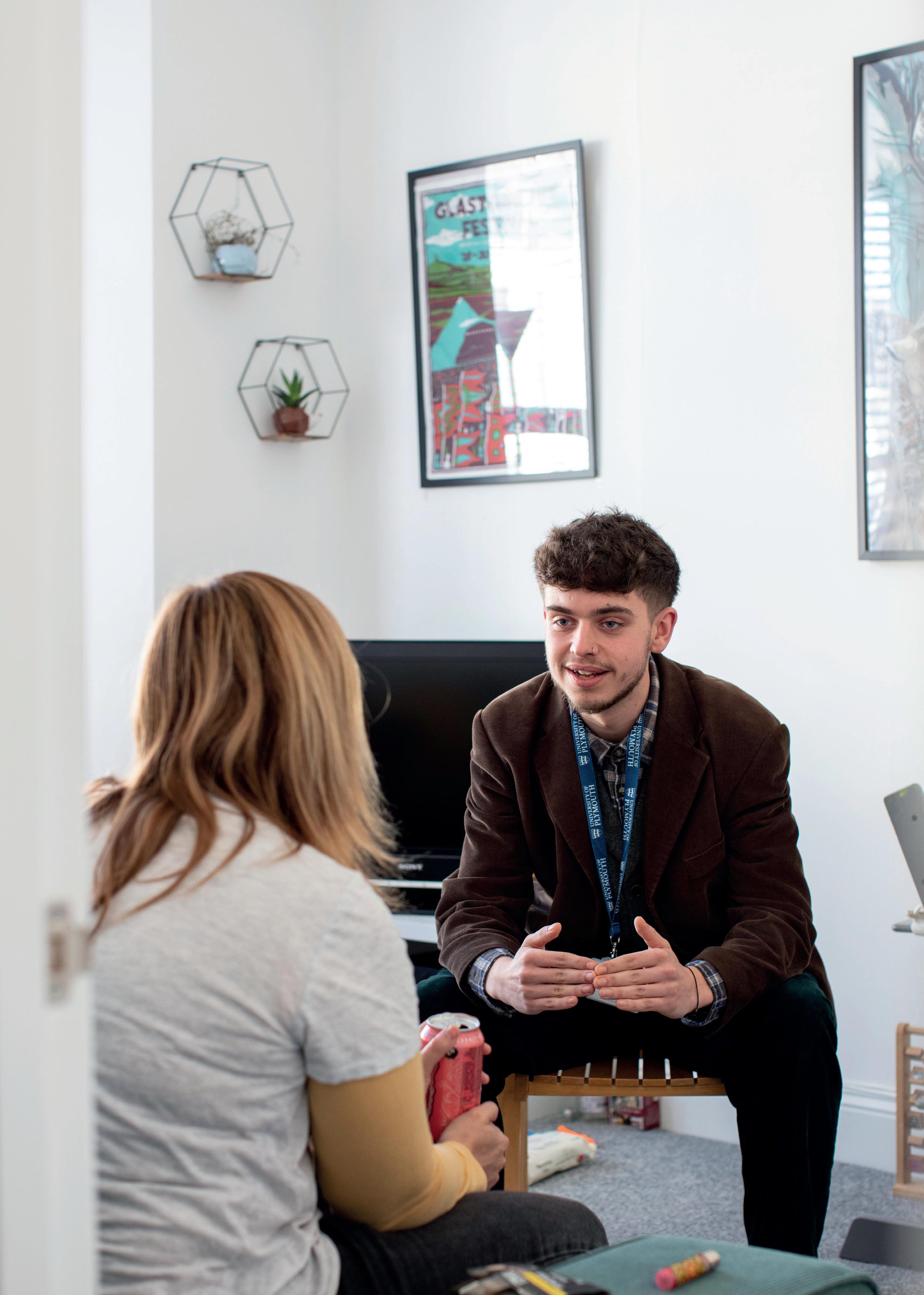
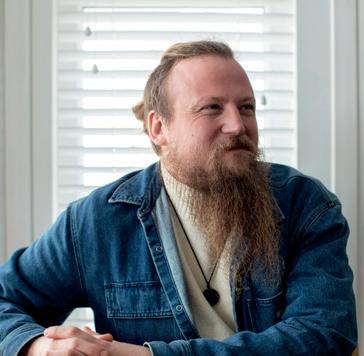
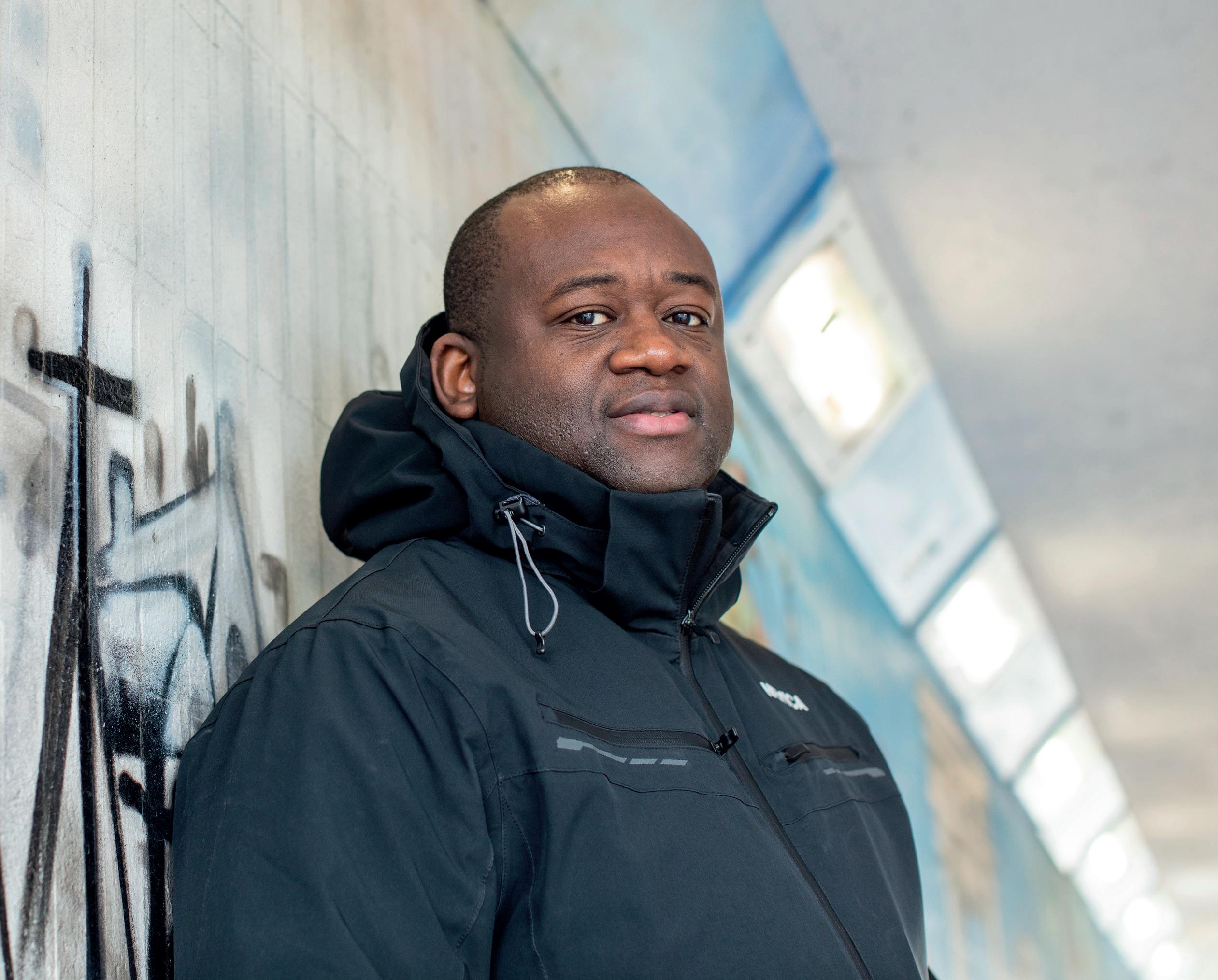
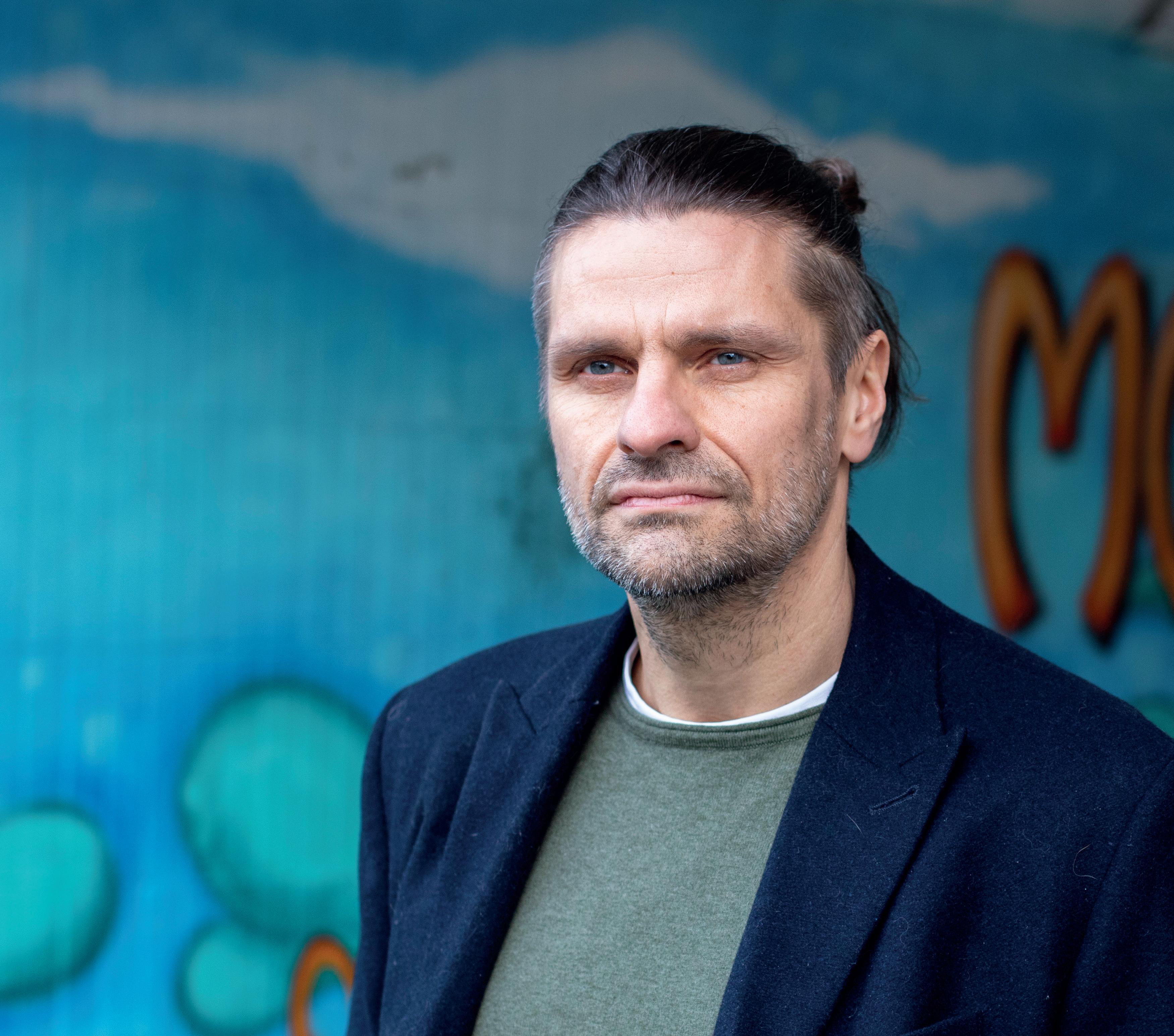
LECTURER DR BARTOSZ ZANIEWSKI TALKS ABOUT HIS EXPERIENCE AS A MALE SOCIAL WORKER
SOCIAL WORK STUDENTS DISCUSS THEIR TIME AT PLYMOUTH
RESEARCH SPOTLIGHT: MIGRATION
Social Work Edition
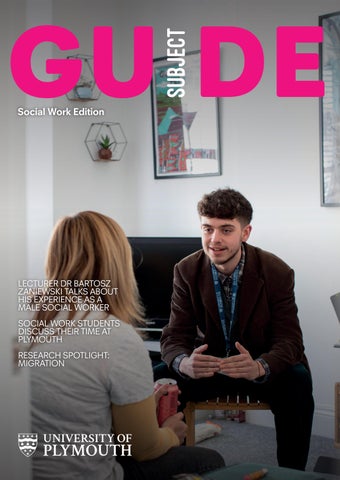
LECTURER DR BARTOSZ ZANIEWSKI TALKS ABOUT HIS EXPERIENCE AS A MALE SOCIAL WORKER
SOCIAL WORK STUDENTS DISCUSS THEIR TIME AT PLYMOUTH
RESEARCH SPOTLIGHT: MIGRATION
Admissions
+44 (0)1752 585858 admissions@plymouth.ac.uk plymouth.ac.uk
Schools & Colleges Outreach Faculty of Health healthoutreach@plymouth.ac.uk
University of Plymouth Drake Circus Plymouth Devon PL4 8AA United Kingdom
Follow us on social media @PlymUniApply
It’s never too early to start thinking about what you would like to do after school or college, or if you are thinking of a career move! At Plymouth, we know that choosing a university and course is a big decision. If you have a career aspiration or an inkling of which profession or industry you would like to enter into but are unsure of what to do next, then this is where our handy subject guide comes in.
FEATURES:
P. 4 10 Reasons to study at Plymouth
P.10 Men in social work
P.14 Sara Rodrigues Francisco Social Work Interview questions
P.18 Where will your degree take you?
Meet some of this issue’s contributors:


Start exploring –take a virtual tour
When it comes to finding out if university feels right for you, nothing compares to an open day. Talk to current students and quiz lecturers about your course. Register to attend at: plymouth.ac.uk/open-days
Our virtual tour allows you to experience first-hand what it is like to be on campus and explore the environments and facilities that inspire and shape our learning every day. virtual.plymouth.ac.uk
P.20 Jonathan’s first year on the Social Work degree
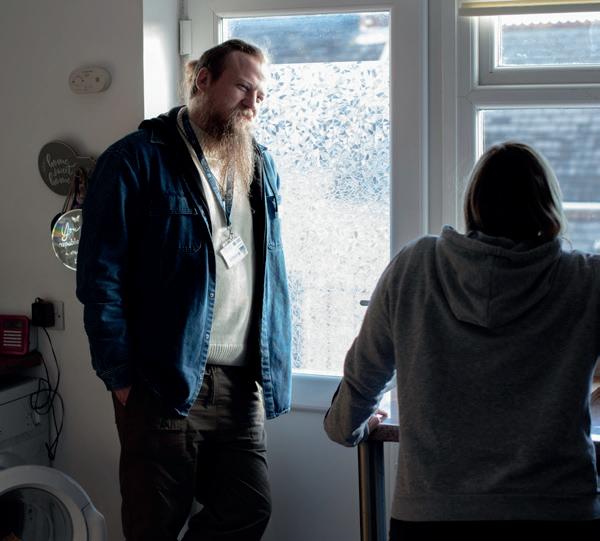
P.22 The placement experience
P.24 Research around migration

P.26 InterCity Place

“I would recommend studying Social Work at the University of Plymouth because of the fantastic staff who underpin the course and the vital links they have with practice learning opportunities throughout the South West. Without these, a social work degree counts for very little.”
Karl Nill, BA (Hons) Social Work graduate
We have a strong social work identity with solid relationships with social work and social care agencies and providers across the entire South West peninsula. We pride ourselves on an inclusive learning community involving students, service users, carers, practitioners and staff into the continued development of our courses, ensuring that our graduates meet the needs of the future workforce.

You will gain real life experience with placements across all years of your degree. We have a wealth of varied and vibrant placements across the South West. More information on placements is provided on pages 22-23.


We pride ourselves on our friendly and supportive learning environment and are driven by our dedication to student-centred learning. Throughout your time here you have a personal tutor who supports you individually and has an open-door policy so you can meet them whenever you need to. You also have access to a wealth of support and wellbeing services through the Student Hub.
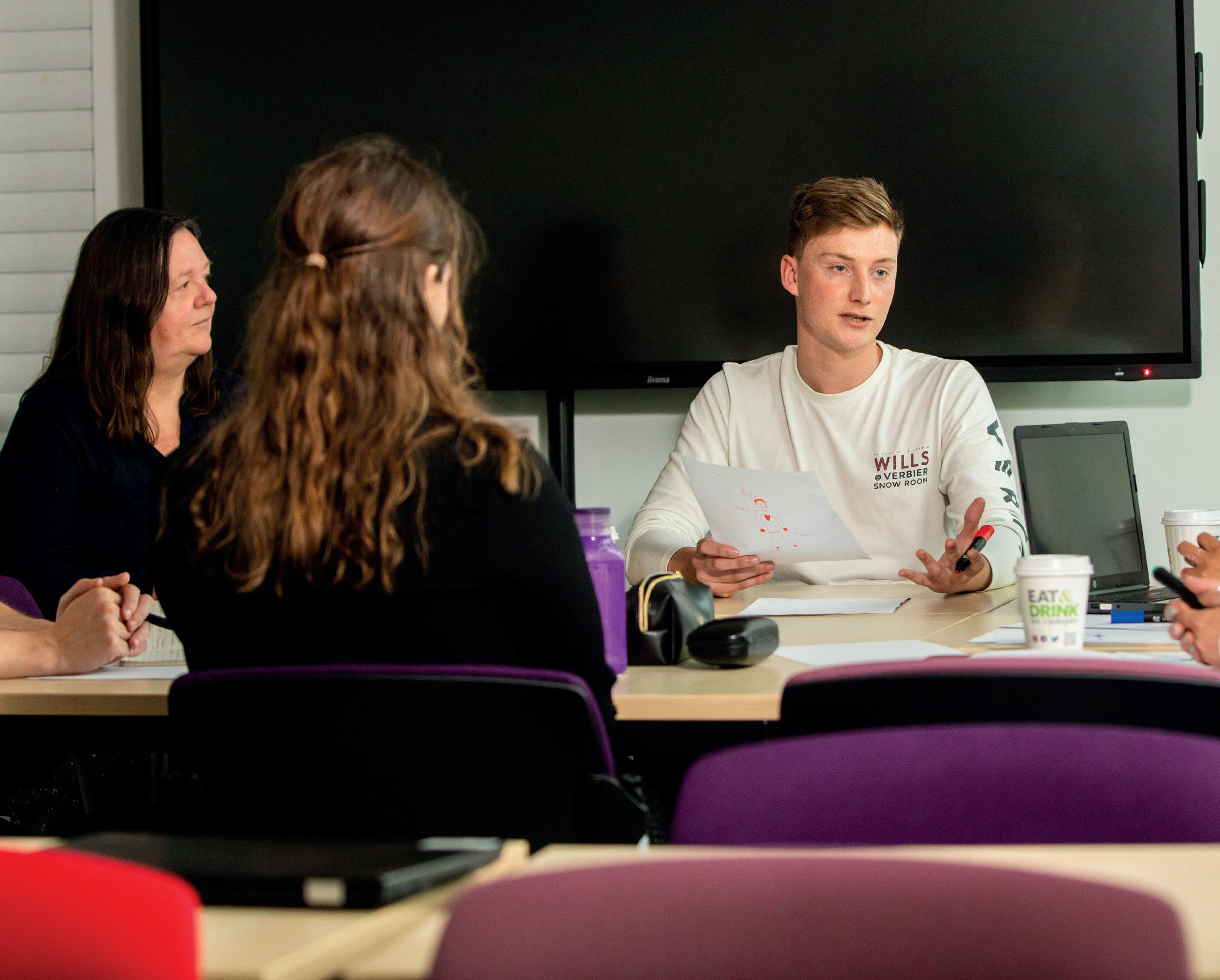
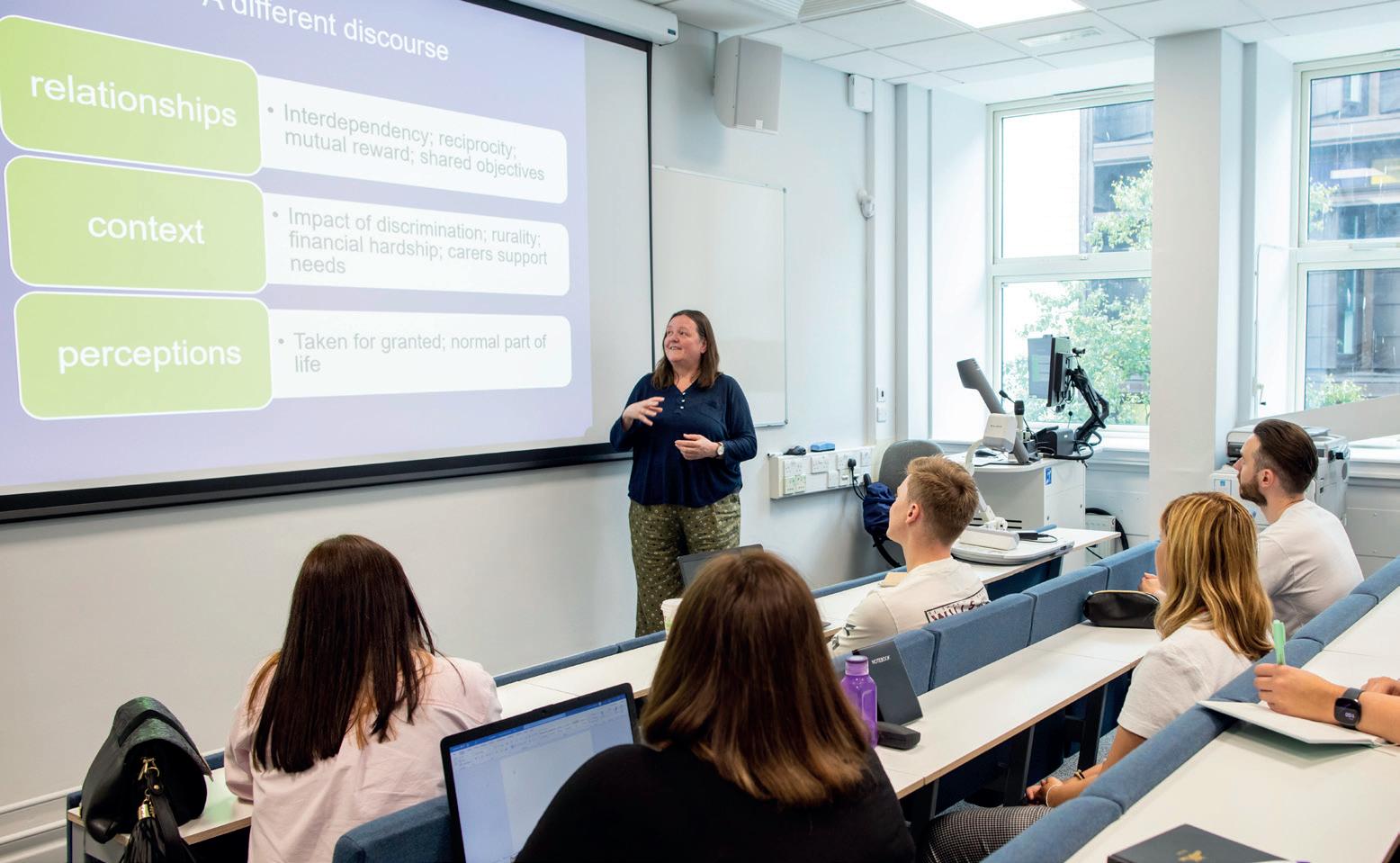
Our team has expertise spanning the whole range of social work settings, so you will have a grounding in the full range of social work roles. Whatever your future plans, we will give you the skills to build your social work career through practical placement-based learning, and classroom-based lectures and study groups. Our department is part of an interdisciplinary school, so as well as learning about social work, you will have opportunities to learn alongside other allied professions, and in our new purpose designed learning spaces at InterCity Place.
Through an evidence-informed knowledge base and practice, our staff are active in research, which feeds directly into our curriculum. We have regular external speakers and associates ensuring our teaching is current and relevant, ensuring you develop as a confident practitioner.
The department often runs exciting events for World Social Work Week, such as the Social Work Film Festival and Social Work and the Sea Symposium, with many more to come. Many of our students get part-time and voluntary positions through their placements during university breaks. Students are also often involved in community and charity events.
“The University was very supportive and nurturing, and allowed me to leave feeling confident in my ability to perform as a social worker; this had a significant impact on my career aspirations. Further to this, the placements that I went on during my time at Plymouth gave me the experience I needed to take the next steps in my career.”

Plymouth is a stunning seaside location with a rich cultural heritage. Our students are given the unique opportunity of really immersing themselves into the local culture, through placement experiences and guest lectures. The South West has rich and diverse population, which offers varied cultural experiences and opportunities to practice skills learnt over the duration of the course.



You will have access to an Information Specialist for the School of Health Professions. Within the new InterCity Place building, you will have access to the purpose-built Community Home Suite, and other hospitallike settings for practice
simulation activities. Our library provides access to a variety of specialist resources including books, journals, databases, full-text collections, special collections and electronic library guides.

We have a number of overseas partners in Switzerland, Germany, Norway, and others. We regularly host exchange students, and there are often potential opportunities for exchange yourself. Opportunities may include international events and other experiences abroad.


Our degree is accredited by Social Work England, the social work regulatory body. You can apply to become a Registered Social Worker with them on successful completion of your course.

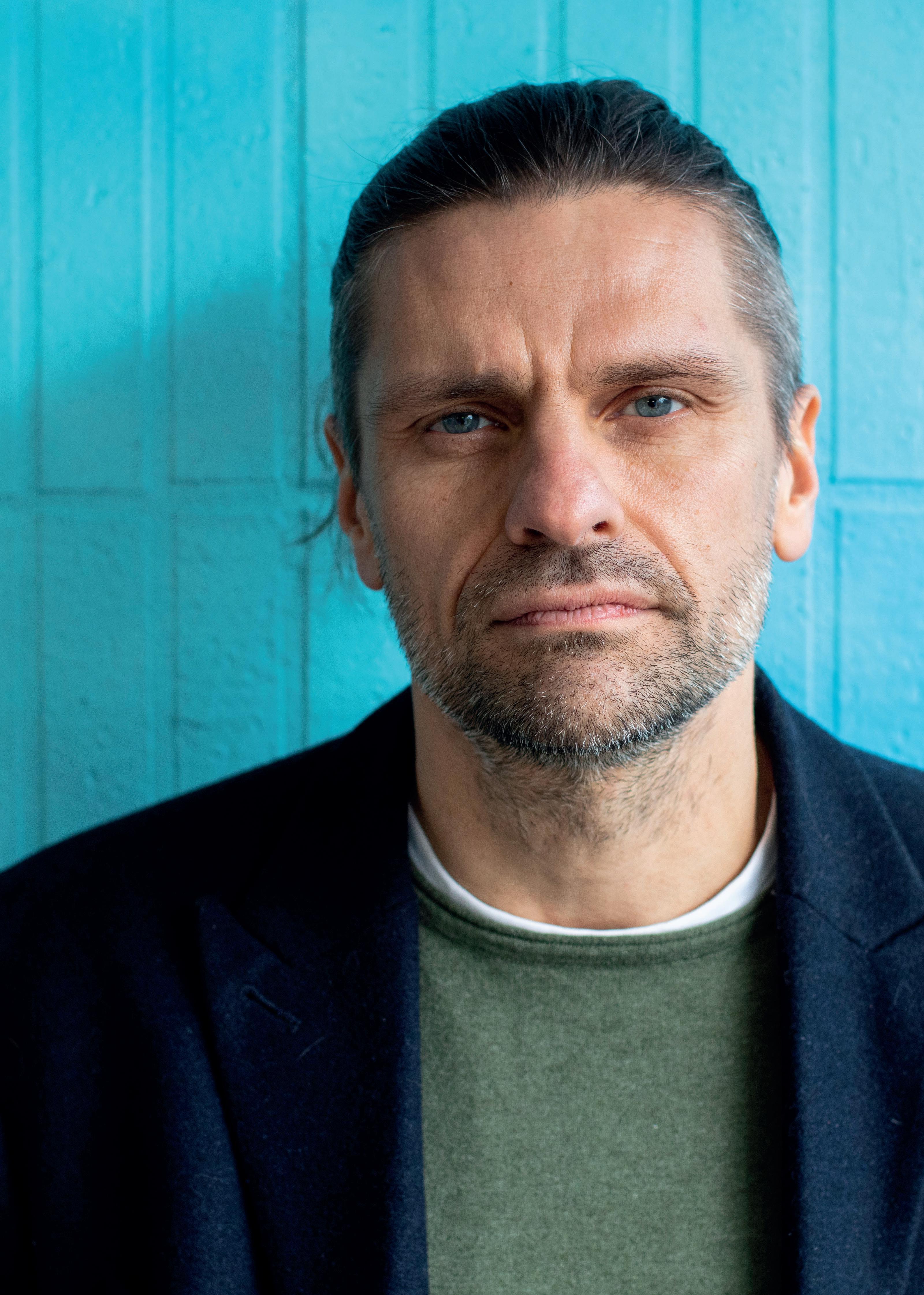
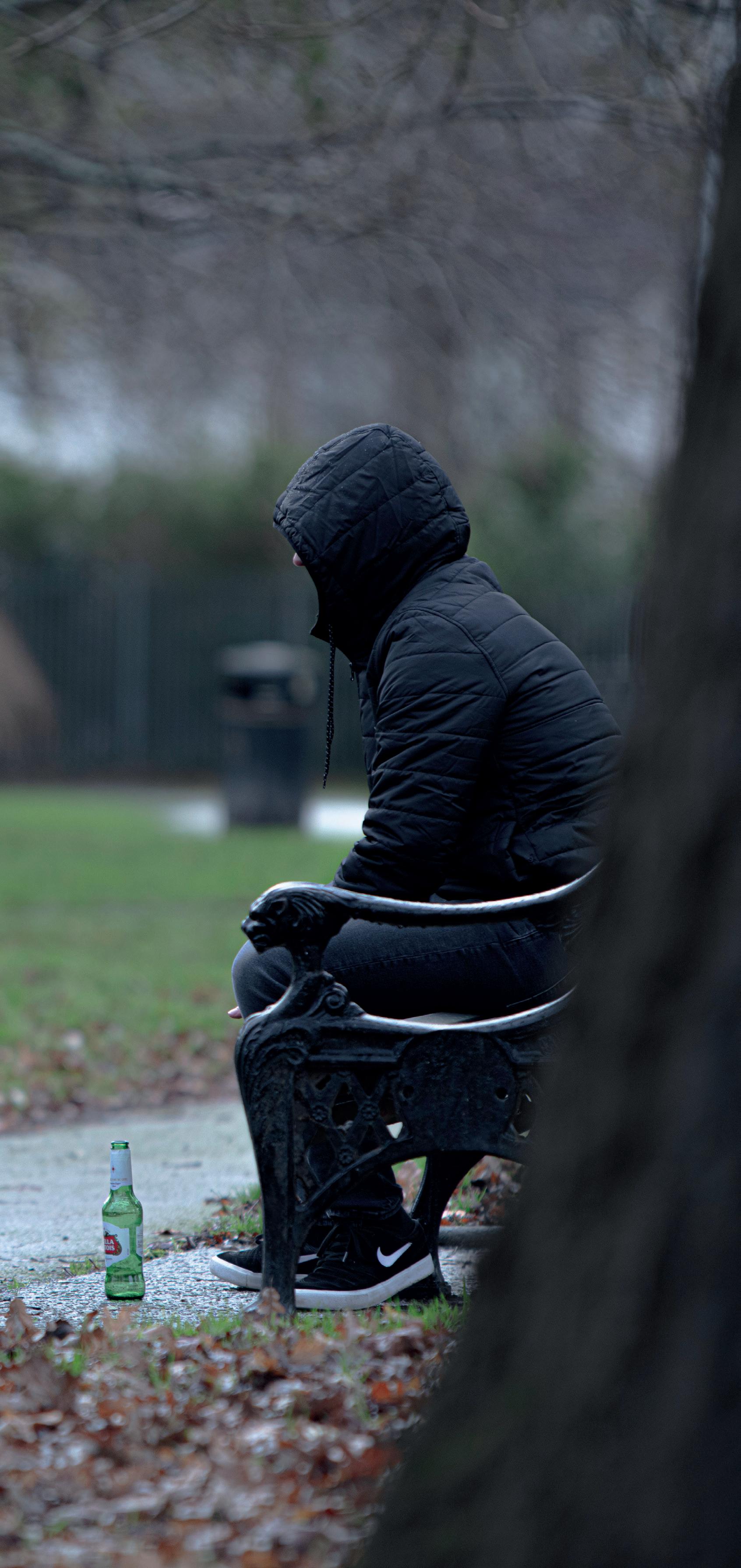
“As a social worker you are likely to work in various contexts, from statutory and health services to specific areas in the third sector. As a male social worker, you can offer young boys a possibility to relate to a positive male role model and enable them to overcome some stereotypes which create barriers for their healthy development and to achieve their full potential.”

Social work is female dominated
profession. Recent
Social Work
England
statistics shows that only 17.3% of the workforce are males. I can definitely relate to this whether I think about social work teams I have worked for, or work Christmas dos I have attended – often being the only man on the dancefloor.
Child social care statistics tells us that over 50% of children and young people who have a Child Protection plan are boys; while 54% of children open to children social care under a Child in Need plan are boys. Furthermore, there are 28% more boys than other genders in care of local authorities. Boys are more likely to be groomed into crime, gangs and extreme beliefs and behaviours. They are more liable to be victims of violence, which is more likely to be perpetrated by other males. Men also account for around three quarters of all suicides in
UK, but the social work workforce consists of only 17.3 % male workers. As a social worker you are likely to work in various contexts – from statutory and health services to specific areas in the third sector. As a male social worker, you can offer young boys a possibility to relate to a positive male role model and enable them to overcome some stereotypes which create barriers for their healthy development and to achieve their full potential. Traditionally, boys and men believe that they need to ‘man up’ and ‘be
tough’. Subsequently, they externalise their difficulties through aggressive or violent behaviours, which in turn reinforce a stereotype of ‘tough man’. Adult men find it difficult to seek support and talk about their problems because it could be seen as a ‘sign of weakness’ and risk to their masculinity. Furthermore, they feel like others do not listen to them.
Men also play a vital role in their children’s development and wellbeing. However, analysis of serious case reviews highlights that fathers, male partners and caregivers are often ‘unseen’ by services. Frequently, there is not enough effort put into engaging them in work.
“Why do you do a woman’s job?” asked a man in his 40s. “So we could have a chat about how you’re getting on and how you see your role as a father in your child’s life.’’
They often feel ‘invisible’ to professionals. However, the lack of visibility of men in social care is one of the barriers in engaging male beneficiary.
“Why do you do a woman’s job?” asked a man in his 40s.
“So we could have a chat about how you’re getting on and how you see your role as a father in your child’s life”,– I said. But for the next few visits we mainly talked football, fishing, and relationships.
We were connecting, building a relationship. This is also relevant to adult social care as in that age group a significant number of males experience loneliness, but they do not talk about it. They experience mental health difficulties and also physical health problems, and they need support but it is not manly to ask. Having a visible man in the workforce can destigmatise this.
My social work background is in child protection and safeguarding. Throughout my career I have worked in frontline child protection services but also, for many years, I have worked in a centre preventing child sexual abuse, mainly working with
young men who sexually harmed others. A majority of these young people have experienced trauma and abuse themselves. I also have worked with girls who have been sexually and physically abused. Male social workers are important in context of working with both young females and young males. Social work is a relational profession. Male social workers can offer a vital experience of having a relationship and experience of a caring and supportive adult man, which can provide balance to often adverse experiences of males which they have had in their life.
Sometime ago, I read an essay written by one of my
students. He described his lived experience which included lots of danger in his community, something what in social work terms we describe as ‘contextual safeguarding’. He talked about having a female worker who was very dedicated but for some reasons she never managed to get through to him. He reflected he probably needed a man who he could relate to and look up to for some reasons. This was one of his main driving forces to study social work, to become this person for many young people facing similar issues in his community. There is a need for male social workers since they can make a difference.
TELL US YOUR NAME, THE COURSE YOU’RE STUDYING AND WHAT YEAR YOU ARE IN.
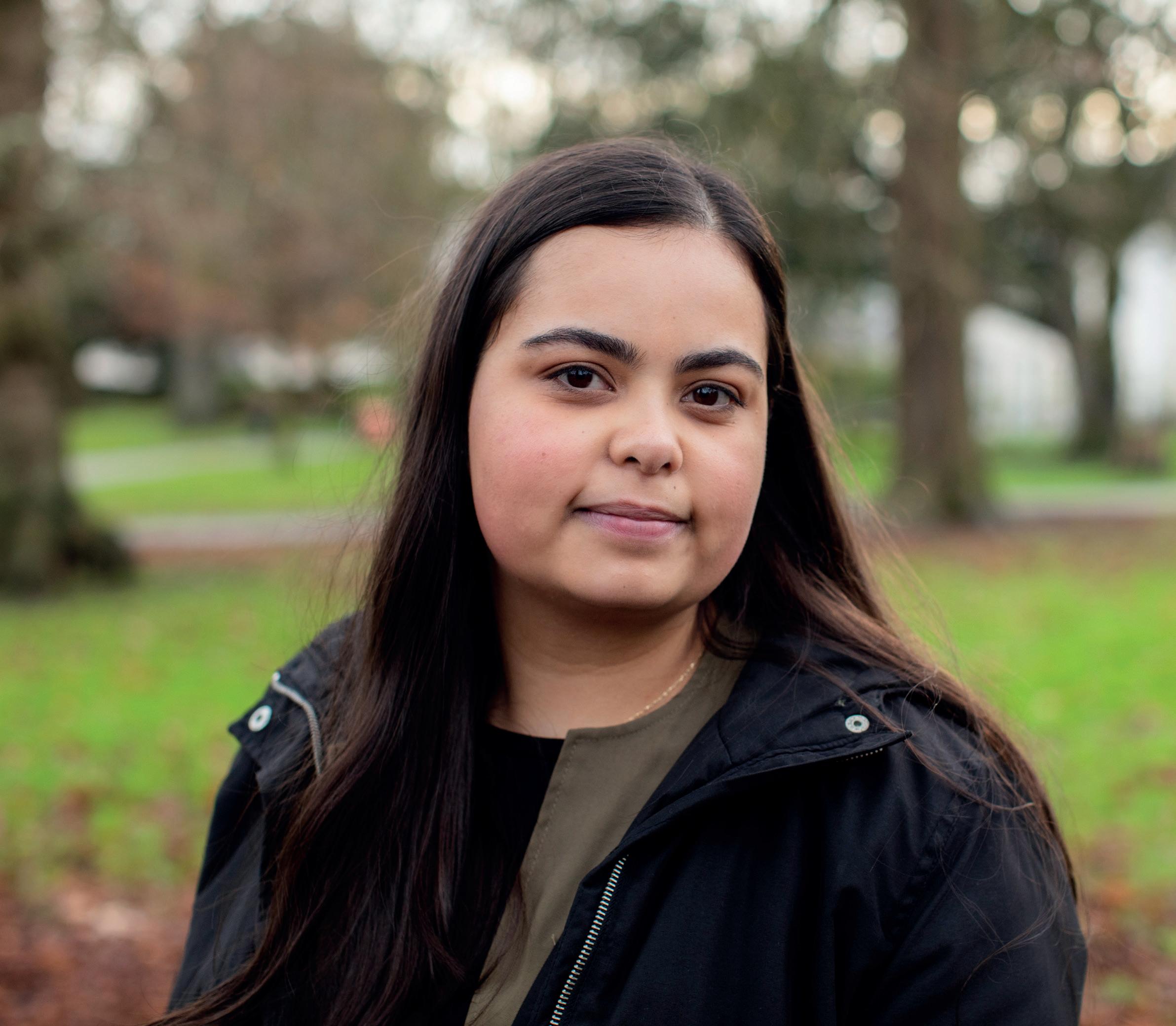
My name is Sara Rodrigues Francisco, and I am currently in my second year of the BA (Hons) Social Work degree.
WHY DID YOU WANT TO BECOME A SOCIAL WORKER?
When I arrived in the UK I was 18 years old, and to be honest I was very lost, not knowing which path I should take. What I did know was that I wanted to work and study in an area that I know could make a real difference to people’s lives. All my life I watched my grandmother dedicate her life to the care of others, and I found this to be a huge inspiration to me. She worked as a domiciliary care worker for 30 years, and in more recent years she became
a full-time carer to my grandfather, who unfortunately suffered a stroke. Watching her commitment, compassion and empathy for others really influenced my decision to become a social worker.
WHY DID YOU CHOOSE PLYMOUTH?
I’m originally from Madeira, a Portuguese island, and I lived with my grandparents during my adolescence. Living on such a small island I felt that there weren’t many opportunities for me. As my parents already lived in the UK, moving here was more of a light at the end of the tunnel, providing me with an opportunity to make a real difference in people’s lives.
My parents lived in Cornwall, so when I searched for Social Work degrees this one was relatively close to home, and when I saw the curriculum, I saw a diverse
learning opportunity that would allow me to experience a wide range of social work services. For example, in my first year I worked both in children’s services and with adults with learning disabilities.
The location of Plymouth also really reminds me of home. As I mentioned, I grew up on an island, so being in a coastal city surrounded by nature really sold it to me.
TELL US ABOUT THE WORK YOU DO ON PLACEMENT.
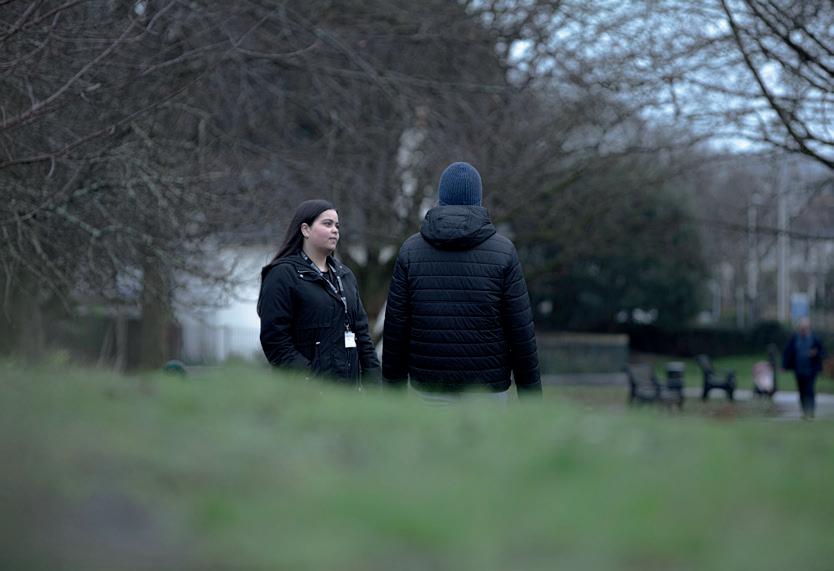
In year two we have to complete 70 days of placement, which works out to around three days a week. My placement is at an asylum seeker and refugee charity based in Plymouth. They provide advocacy advice, support, education and most
importantly, a welcoming space for asylum seekers in the South West region. My day-to-day placement is about assisting immigration caseworkers, which can include providing general information on the asylum systems to service users; directing service users in need of immigration advice to an immigration caseworker or solicitor; make referrals to English lessons at the local college or in-house wellbeing activities. I can also book travel assist for service users to attend Home Office appointments, and various other tasks. Of course, every day is different and brings with it its own challenges and opportunities.
Engaging with numerous service users during the drop-in service gives me a valuable opportunity to provide direct support in various areas. This could involve explaining a Home Office letter asylum seekers have received or addressing concerns related to safeguarding incident within their residences.
HAS PLACEMENT LED YOU TO THINK DIFFERENTLY ABOUT YOUR FUTURE CAREER, AND IF SO, WHY?
I remember writing on my personal statement that I wanted to work with refugees and asylum seekers. This was an area that I felt I wanted to explore. I felt I was able to show empathy based on my own experiences, for example show them from personal experience that you are allowed to make mistakes while learning English as a second language because it is part of the learning process. The course has absolutely shown me that it is important to advocate for the rights of individuals and communities and make people more involved in important decisions about their life.
WHEN DID YOU REALLY FEEL LIKE YOU WERE BECOMING A SOCIAL WORKER?
Whenever I am working with a service user on my placement, I feel like I am actively doing social work. Everything that I learn
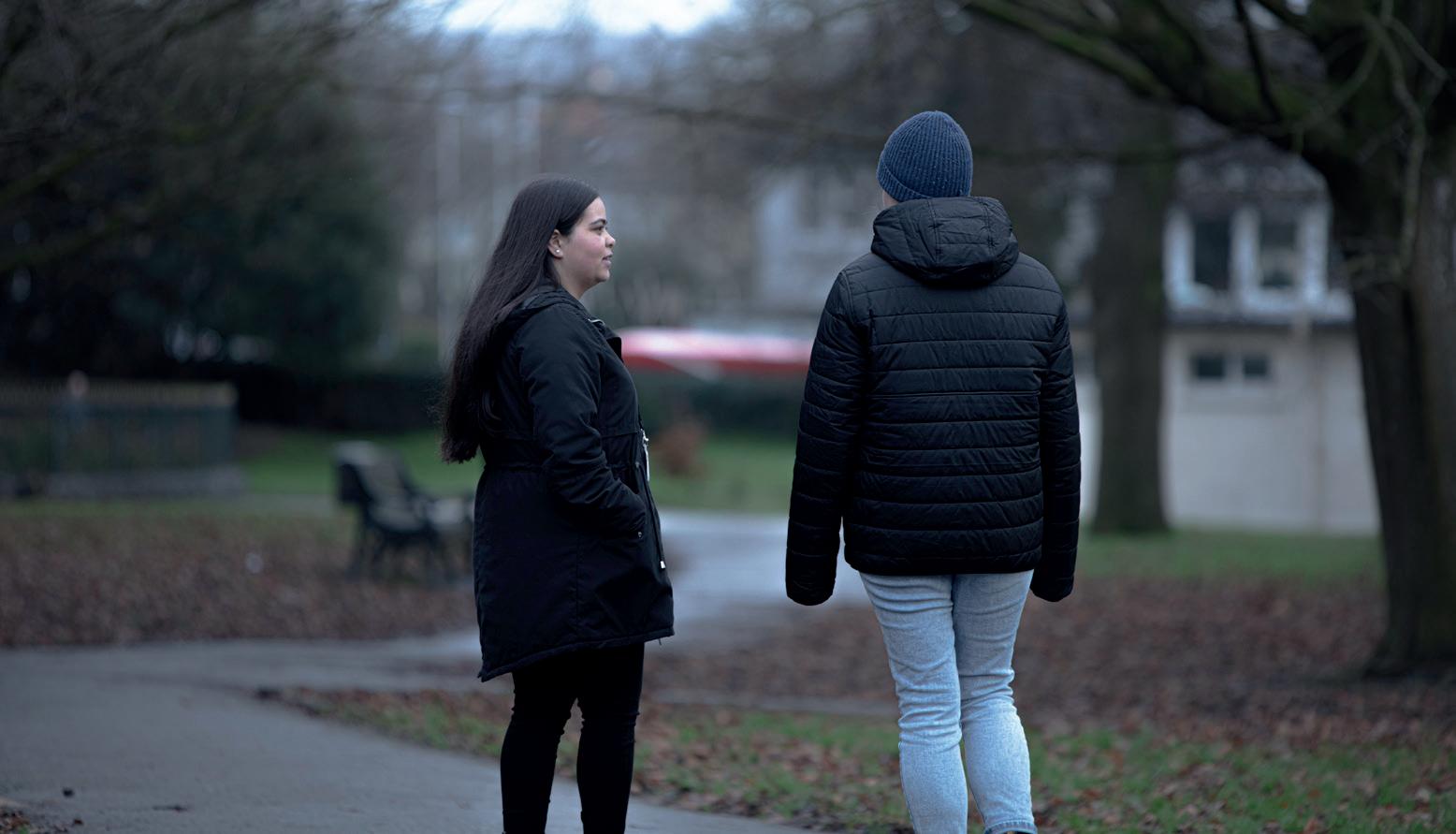
“The location of Plymouth also really reminds me of home. As I mentioned, I grew up on an island, so being in a coastal city surrounded by nature really sold it to me.”
during my lectures I can put into practice there, and it really does makes me feel like I am building my knowledge base and becoming a real social worker. When I am in meetings on my placement and I am asked what my opinion is on real cases, it makes me feel like my voice is really being heard. On placement I am not simply just a student, I am a colleague.
HOW HAVE YOU FOUND THE MIX OF THEORY TO PRACTICAL WORK?
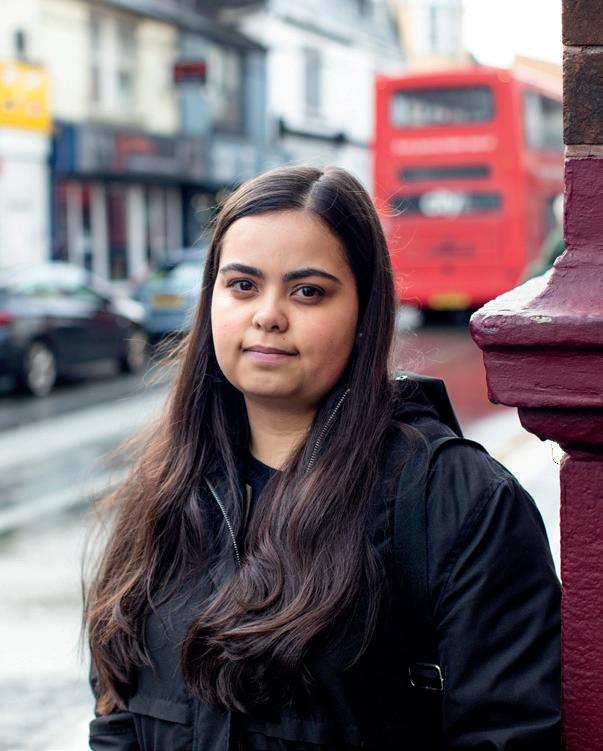
Being able to meet and discuss our experiences with other students in a collaborative setting allows us to share best practice.
DO YOU FEEL PREPARED TO WORK IN YOUR CHOSEN PROFESSION?
Definitely. I’m a confident person but I feel that doesn’t always come across. The placement opportunities allow me to develop this more, allowing me to learn as both a student and a colleague.
FIND OUT MORE
About Sarah’s story
Although it can be hard sometimes to balance academic deadlines with placement, I feel the mix of theory to practical work gives you the perfect opportunity to apply learned knowledge practically, in a real-world setting. I find that something I have learned in a lecture one week, can apply on my placement the following week.
I think you need to be prepared to put your wellbeing first. Sometimes it can be easy to forget about looking after ourselves, but it is so important to allow yourself to take breaks. The course itself is fantastic, you have the opportunity to really push yourself and learn new skills. I feel this course makes you fully prepared for a life in social work.
At Plymouth we have excellent relationships and links with all of our local authorities, nongovernment organisations (NGOs), third sector, and private social work and social care agencies. we have opportunities for careers fairs in your final year, where you get to meet employers and hear all about your potential first year of employment. Many students gain employment within their first or final placement setting.
• Childrens social care
• Adult social care
• Children and adolescent mental health services
• Adult and older people mental health services
• Prisons, probation and criminal justice
• Drug and alcohol services
• Asylum seeker and refugee services
• NGO and charity sector work with children, adults and older people
• Specialist support services
• Practice education
• Aid and relief work
• and many more!
“While my passion has remained to work directly with children and young people, my studies at Plymouth equipped me both theoretically and practically through varied lectures and a range of placement opportunities. The transferable skills gained through such learning experiences have been a huge asset to my professional development.” Harrison, BA (Hons) Social Work graduate

Once you graduate you can become a qualified social worker and register with Social Work England. We aim to empower you to follow your passions and create a future ready workforce for social work.

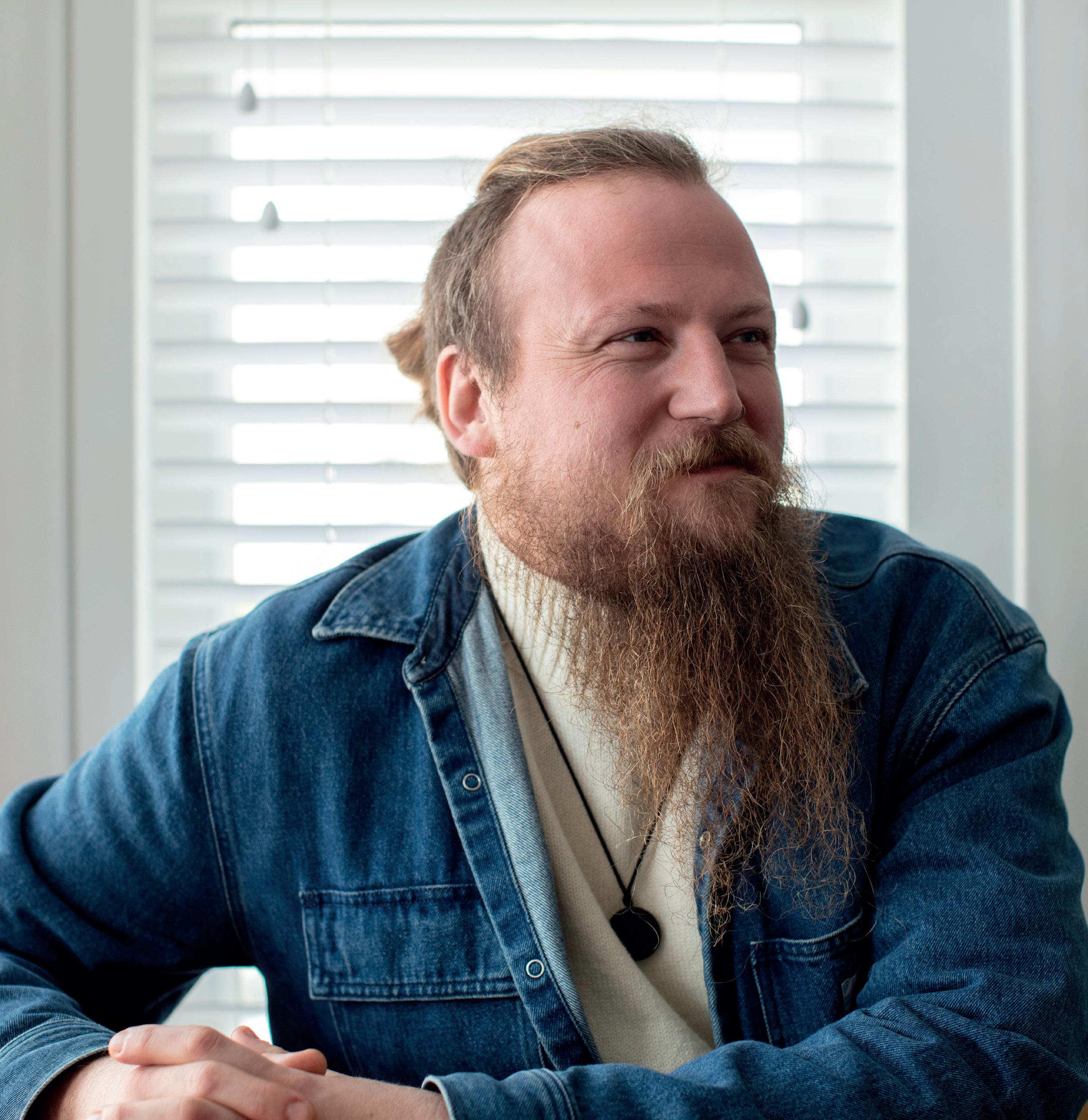
I WANTED TO HAVE A POSITIVE IMPACT ON THE COMMUNITY
Becoming a social worker was a long time coming for me. I haven’t really had a linear work path, and because I had kids young I sort of just fell into work. I didn’t really find a calling until later on. I toyed around with the idea of doing social work for years, but it never really worked out that way. My mum worked as a SENCO at a school, so I always had that element of helping children with learning disabilities; because of this I spent a lot of time in that environment. It was actually moving down to Devon
and experiencing proper community that made me strengthen my resolve and decide what I wanted to do, and that was to have a positive impact in the community. I grew up in London but it wasn’t until I moved to Devon that my eyes were opened to how different the community feel was. Working at a café in Dartington, being part of that community there, was quite inspiring. It was interesting to be exposed to people who are more community minded, and it helped me become more self-aware, really made me feel like a part of it all.
BEHIND THE SCENES OF SOCIAL WORK
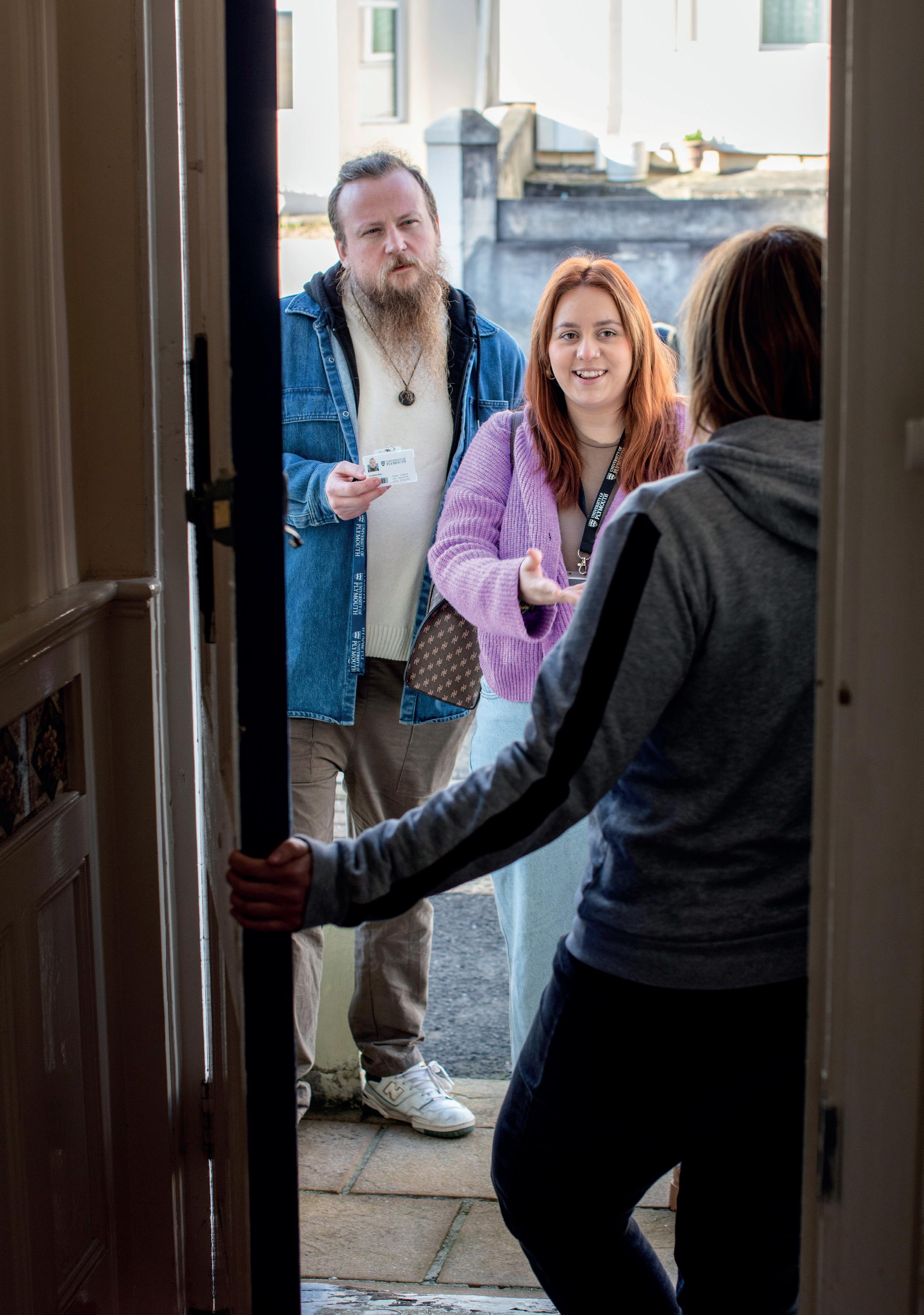
We have been taking part in shadowing within a local authority setting. I’ve been with a children’s services initial response team, which I have found really interesting. A lot of the work happens at the drop of a hat, being ‘initial response’, and the kind of work I have been doing has been very engaging. I have been involved in multidisciplinary team meetings, legal planning meetings and strategy meetings. I have also had the opportunity to shadow
an age assessment of an unaccompanied child asylum seeker. This was a tough situation, as the person in question had fled their country of origin. This experience really opened my eyes to what statutory social work can look like, and all the different avenues that you can go down. These experiences have been incredibly eye opening for me as you really get to experience behind the scenes work of social work, and to see the amount of support social worker’s offer each other in practice.
I quite like the idea of getting us straight into the practice from year 1. Theory is very relatable to what we would be doing in the real world, but the early practice experiences enable us to experience the reality of being in the field with real service users. I believe it to be important for first years to get this experience as it can feel quite daunting for some people. I’ve come into this at the age of 30, with three children and a bunch of life experience and I feel quite comfortable speaking with people, but I know that’s not widely felt across the course. I feel the University has a really good approach to getting people ready for practice. The University also bring real service users into the course, and this is a great way to break barriers down as you come to learn that these users are in fact just people. Once you realise this, it makes life so much easier.
FIND OUT MORE
Discover our BA (Hons) Social Work degree:
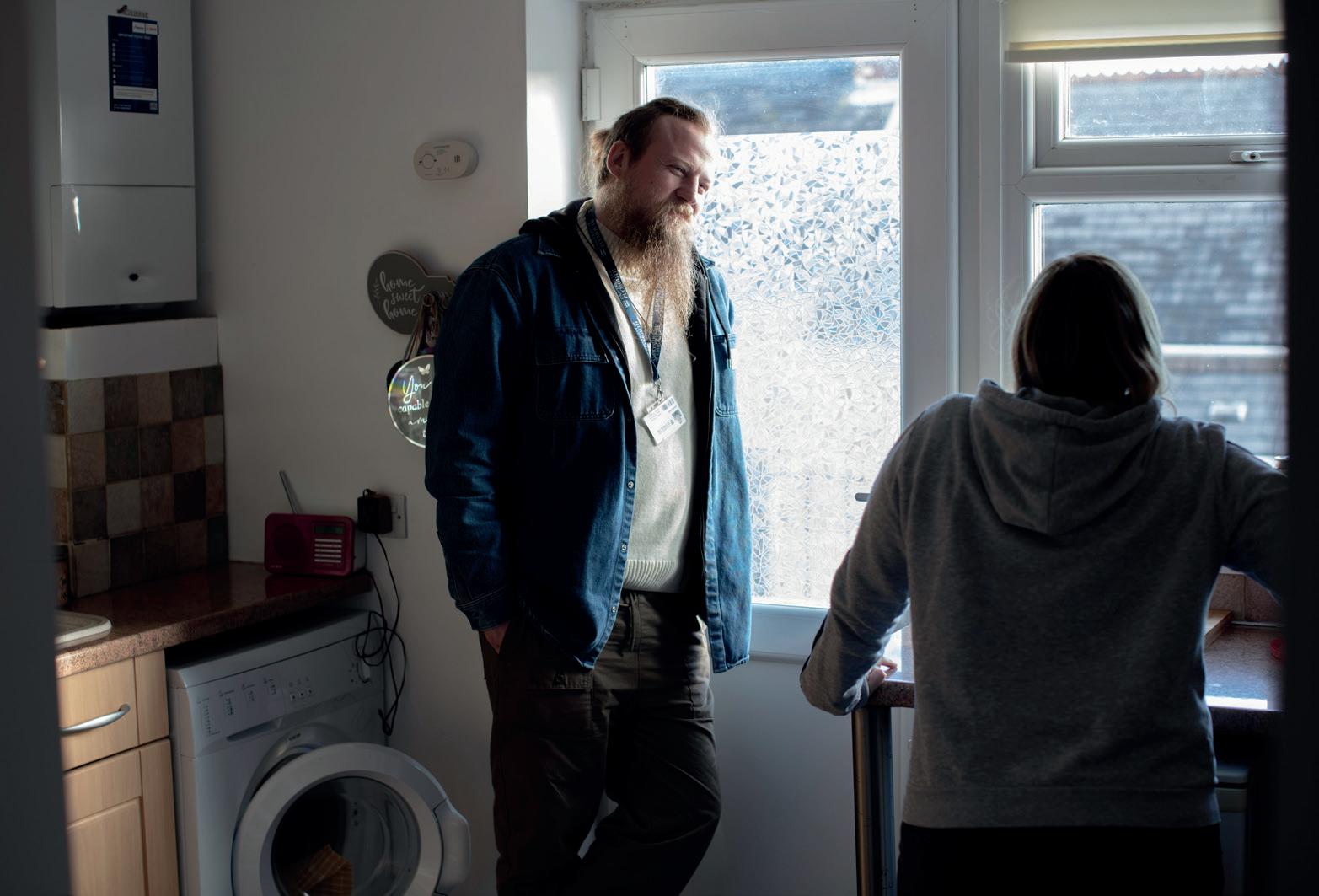
“My mum worked as a SENCO at a school, so I always had that element of helping children with learning disabilities; because of this I spent a lot of time in that environment.”
I would definitely recommend that you come into the course with your eyes open, ready to learn not just about the profession, but also about yourself. I believe a social worker’s greatest resource is themselves. A big take away from my practice experiences so far is ‘How are we supposed to take care of other people if we can’t take care of ourselves?’, so being really hot on your own sense of wellbeing and being able to manage that is really important. You are exposed to a lot of second-hand trauma in the role, so being able to do this is a key skill.
The teaching staff are all brilliant, and the Writing Café at the University has been a big help for me. I have dyslexia,
and I feel they have really been able to help me hone down my essay structuring and my waffle, and allow me to be critically reflective of my own work. I would recommend them to anyone who was thinking about joining Plymouth.

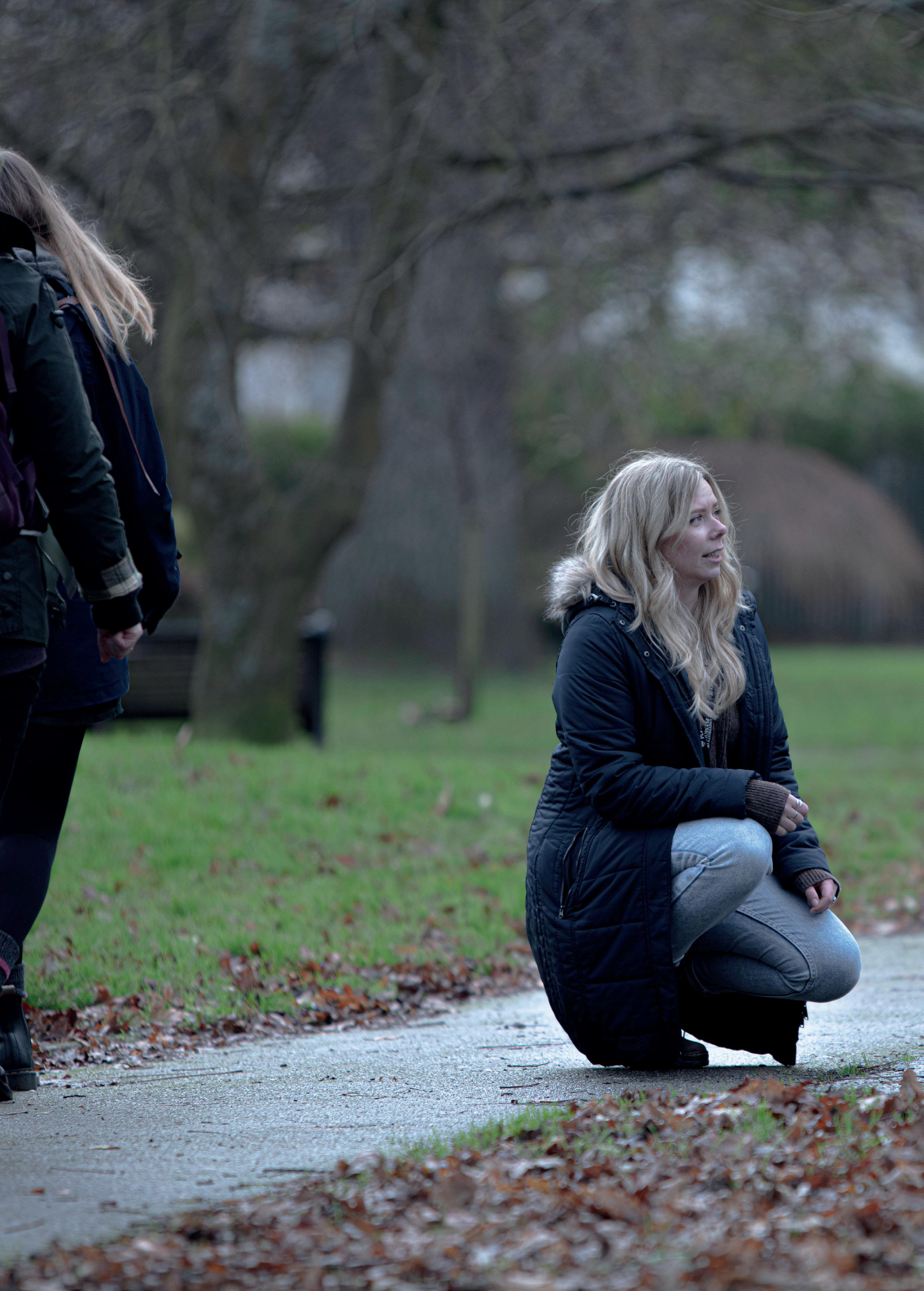
Placements are important teaching and learning opportunities where you are supported by qualified professionals to develop values, knowledge and skills.
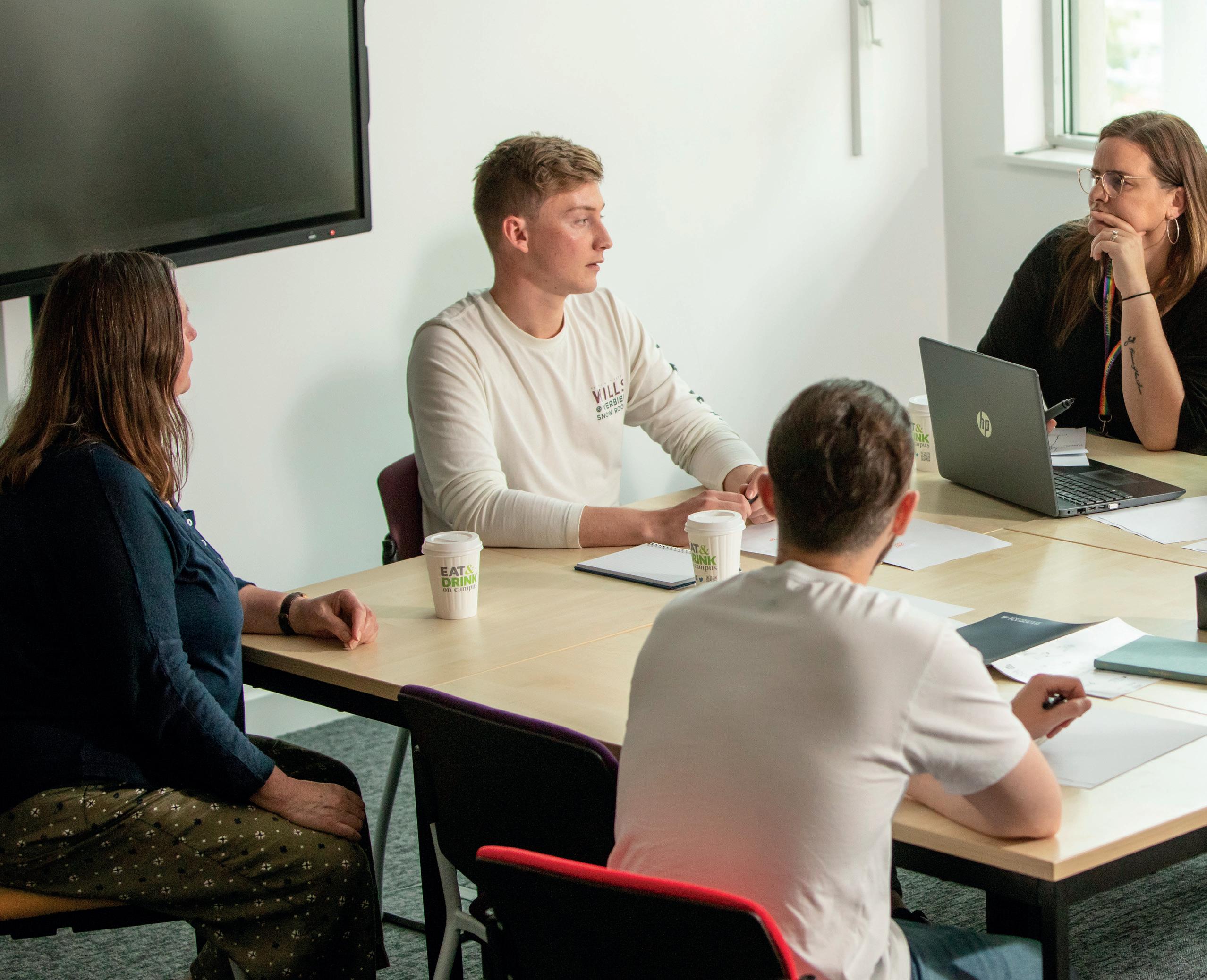
A distinctive feature of the course is the quality of practice learning cross all three years, commencing in the first year as part of the ‘Readiness to Practice’ requirements. We offer placements across the South West including local authority teams in Devon, Torbay, Plymouth, Cornwall and Somerset. We also provide placements in non-statutory agencies working with a wide variety of service user groups. These include support for people experiencing issues with drugs or alcohol; homelessness; mental health issues; refugees and asylum seekers; families, older people, fostering and adoption, and many more.
Social Work England require students to spend at least 200 days (including up to 30 skills days) gaining different experiences and learning in practice settings. Each student will have placements in at least two practice settings providing contrasting experiences, and one placement taking place within a statutory setting providing experience of sufficient numbers of statutory social work tasks involving high-risk decision making and legal interventions. You will do placement activity in each year of your degree. You will undertake 30 days of preparation for practice in your 1st year – this includes shadowing local authority social workers and practice experience opportunities. In year 2 you will spend 70 days in a placement setting. In your final year you will spend 100 days in a statutory social work setting.
Find out more:
Our dedicated Careers Service provides opportunities to gain work experience either via internships, placement years, part-time work, mentoring and more.
DR ANDY JOLLY
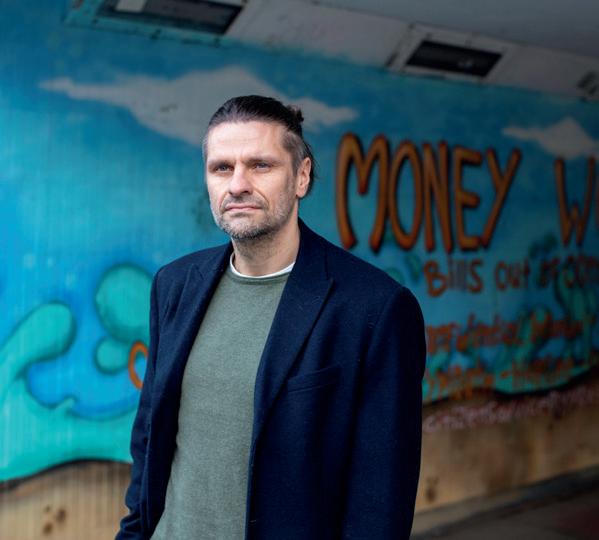
Social workers have always had a role in promoting social justice. The International Federation of Social Workers’ global definition of social work asserts that ‘principles of social justice, human rights, collective responsibility and respect for diversities’ are central to social work, and the Social Work England professional standards commit social workers to ‘promote the rights, strengths and wellbeing of people, families and communities’.
However, there are some areas of social work where it is more difficult to promote human rights and social justice, and where users of services are easy to ignore. One of these areas is safeguarding the welfare of migrant children and families.
This area can create strong ethical challenges for social workers, where our values of social justice and human rights sometimes conflict with restrictive policies that seek to prevent access to welfare support for families with a temporary migration status. One example is the No Recourse to Public Funds (NRPF) rule, which prevents most temporary migrants from accessing welfare support including most social security benefits and homelessness assistance.

My research focuses on the experiences of children and families who are subject to the NRPF rule, and reveals three key insights for social work practice.
First, there are significant numbers of children and families with a temporary or irregular migration status in the UK. We estimated that there are 215,000 children with an irregular migration status, all of whom would be subject to the NRPF rule. Social workers should be aware of the extent of this issue, and look out for children in their caseloads who might be subject to the rule.
Second, nine out of ten families I interviewed as part of the research were food insecure. In other words they did not have enough resources for a balanced diet. Social workers should be aware that migrant children might be at particular risk of food poverty and insecurity.
Finally, despite the poverty they were experiencing, migrant families had networks of support from friends, family and local organisations. Social workers have a key role in strengthening existing supportive relationships.

Most of you will have had some form of experience with the healthcare system in your lifetime. While our programmes at Plymouth are designed and delivered with a single goal in mind - be that to become an Adult Health Nurse or an Occupational Therapist, for example - your experience will have shown you that healthcare is a collaborative, interprofessional environment.
PIHC, or The Plymouth Integrative Health and social care education Centre, is a new initiative within the Faculty of Health that supports interprofessional learning (IPL) across our suite of healthcare programmes, so that our students are given opportunities to learn with, from and about each other.
IPL is an effective tool in equipping students with transferrable skills that are valuable for their future careers. We want the next generation of healthcare professionals to step into the workforce as confident practitioners from day one, so by drawing on the diversity of programmes within the faculty allows us to facilitate this by putting various disciplines together - from Diagnostic Radiography to Dietetics, Dental Surgery to Clinical Physiology, and from Psychology to Child Health Nursing.
PIHC embeds these opportunities for all stage one students studying a health and social care programmes, and continues to develop the initiative throughout your degree. PIHC ultimately allows you to feel supported, feel valued and develop cross-collaborative skills in
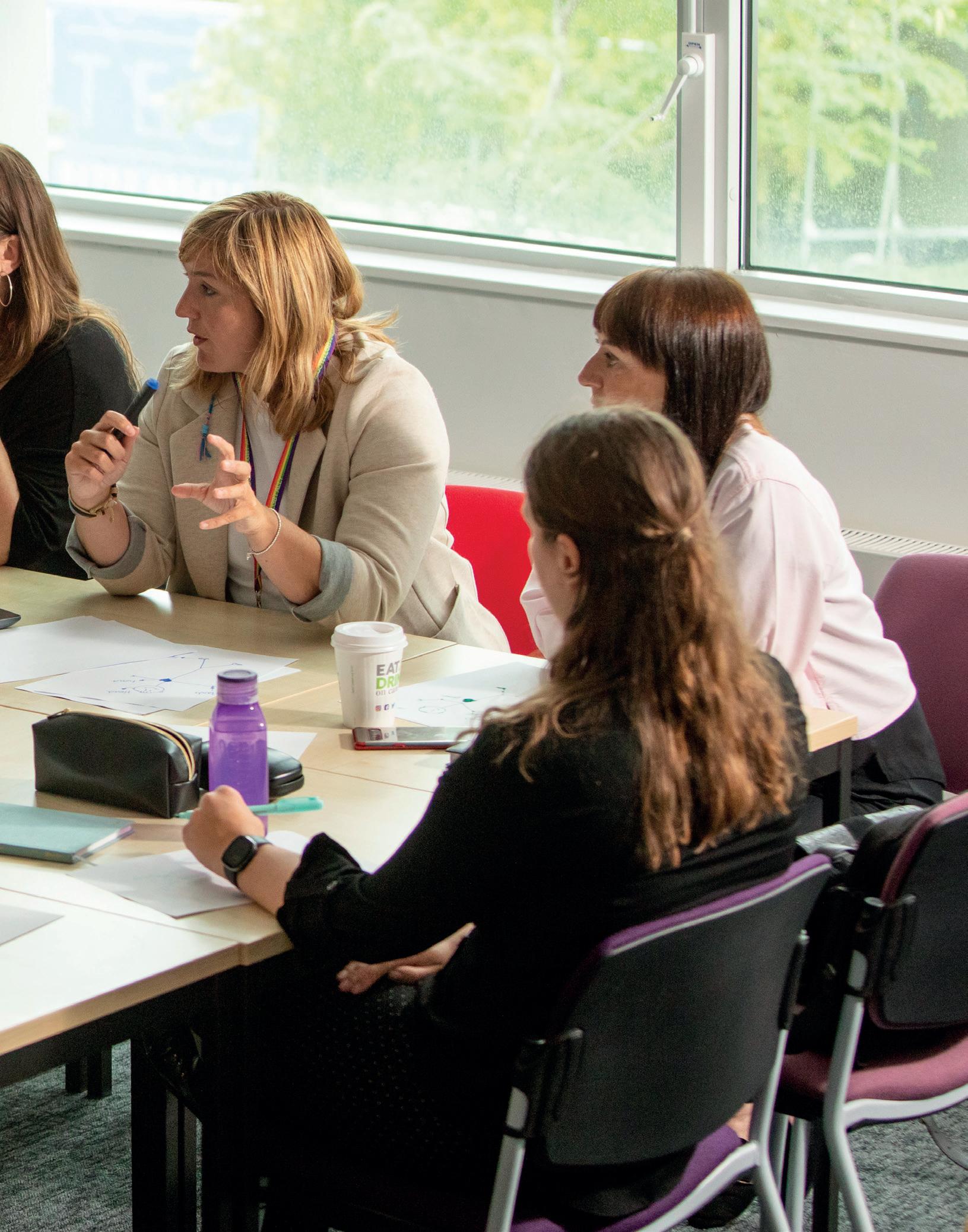
a safe and risk-free environment. In addition to embedded IPL, PIHC supports further opportunities for students across the Faculty to come together such as:
• Schwartz Rounds: a confidential forum for students and staff to talk about the emotional impact of their work and studies
• C4CHEd: an international collaboration promoting compassion in health and social care education
• Tea-Time Teaching: a series of student-led sessions where students present to their peers on a topic of their choice
• Ad hoc events, including a simulation day for midwifery and paramedicine students.
“The webinar allowed attendees to have an understanding not only of the processes that they may encounter in their career in medicine, but also the experiences of other professionals involved.”
General Medical Council feedback for Synergy: Oral Cancer with stage one students
“It was so interesting to hear about healthcare roles outside of medicine and what other members of the MDT do”
Stage one BMBS student
“Healthcare systems always require improvement, it’s easier to know how to improve your area if you know how other areas work too”
Stage one adult nursing student
“It is great to know how to ensure all of our professions can work effectively together. This benefits the service user and staff”
Stage one adult nursing student
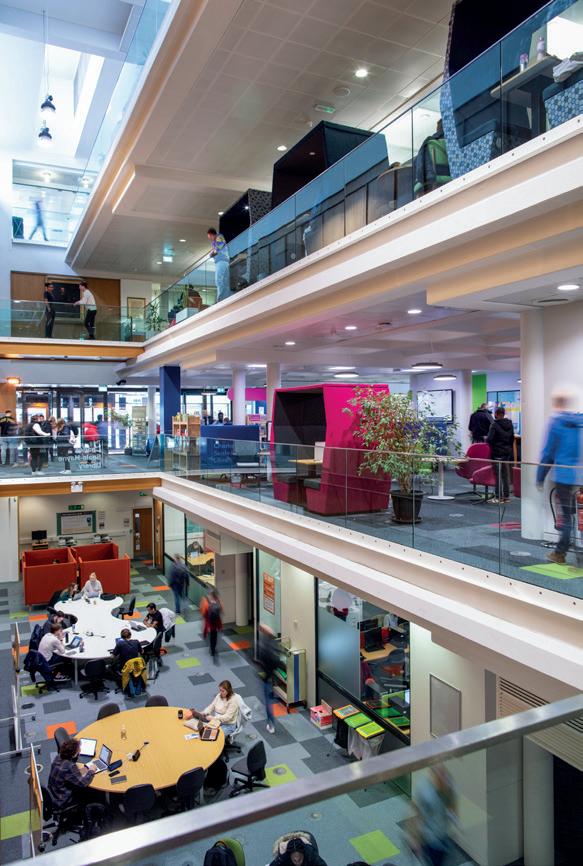
InterCity Place is our brand-new space to train and develop the next generation of nurses, paramedics and allied health professionals.
The building offers outstanding interprofessional clinical skills facilities to prepare you for a career in health and social care. There will be opportunities for social work students to be involved in different interdisciplinary events within the community space and the hospital/ emergency areas for simulated practice.

Students will graduate with the knowledge and skills needed for 21st century healthcare, but also the experience of working alongside other practitioners just as they will in their future careers.
InterCity Place has a wide range of teaching areas, study places, a café and social learning spaces, so there is always somewhere to study learn, socialise and relax.
After a lesson at InterCity Place, take a five-minute walk back to the main campus where there is a hive of activity including social spaces, cafés, lecture theatres, the Students Union and easy access to the library and support services.
InterCity Place is adjacent to the train station and with just a short walk to the bus station in the city centre, travelling to placements and days out is easy for our students.

InterCity Place: facilities for health professions, nursing and midwifery
Discover the new learning environments that will give students the knowledge, skills and experience to build careers in healthcare

Over 95% of our graduates are in work or further study*