Physiotherapy Edition
Physiotherapy Edition
Admissions
+44 (0)1752 585858 admissions@plymouth.ac.uk plymouth.ac.uk
Schools & Colleges Outreach Faculty of Health outreach@plymouth.ac.uk
University of Plymouth Drake Circus Plymouth Devon PL4 8AA United Kingdom
Follow us @PlymUniApply
It’s never too early to start thinking about what you would like to do after school or college, or if you are thinking of a career move! At Plymouth, we know that choosing a university and course is a big decision. While you may have an idea of a profession, career or industry that you’re aspiring towards, if you’re unsure of exactly what you want to do or are keen to find out more – this is where our handy subject guide comes in.
Meet some of this issue’s contributors:
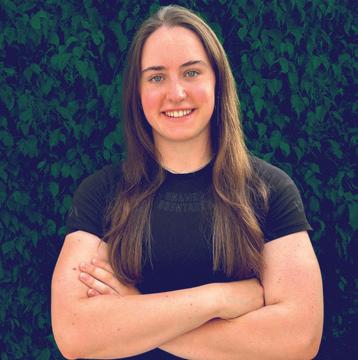
Emilia Martin Year 2 MPhysio student Talks about her time studying at Plymouth so far P. 10
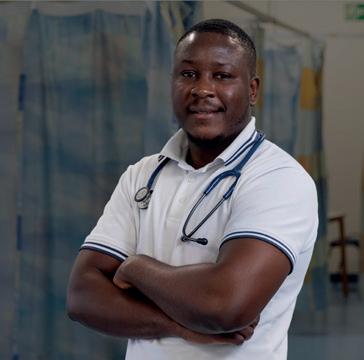
David Mbinga BSc (Hons) Physiotherapy Graduate Tells us about his career path after graduation P. 24
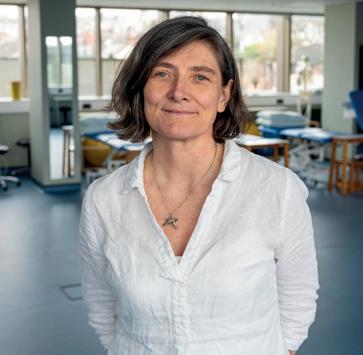
Kath Donohue Associate Head of School (Student Experience and Inclusivity) discusses her research on people living with long term respiratory conditions (LTRC) P.28
When it comes to finding out if university feels right for you, nothing compares to an open day. Talk to current students and quiz lecturers about your course. You can register to attend here: plymouth.ac.uk/open-days
FEATURES:
P. 4 10 reasons to Study at Plymouth
P.14 Where will your degree take you?
P.16 Which degree is right for you?
P.22 Placements
P.24 Alumni Interview – David Mbingaa
–
Our virtual tour allows you to experience firsthand what it is like to be on campus and explore the environments and facilities that inspire and shape our learning every day. You can take a virtual tour here: virtual.plymouth.ac.uk
P.32 InterCity Place
P.34 PIHC
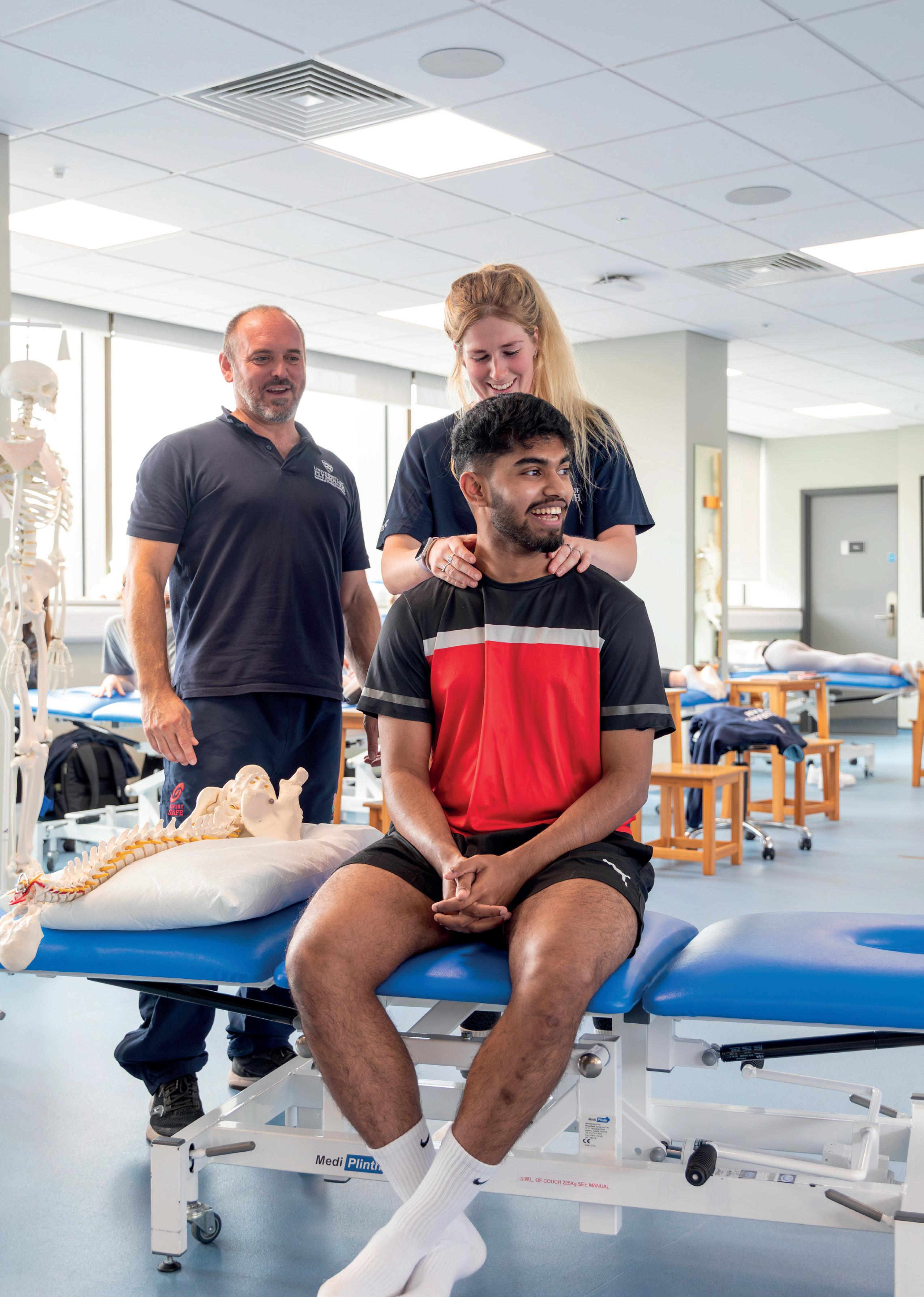
Physiotherapy is a hands-on healthcare profession that uses physical approaches to promote, maintain and restore physical, psychological and social wellbeing.
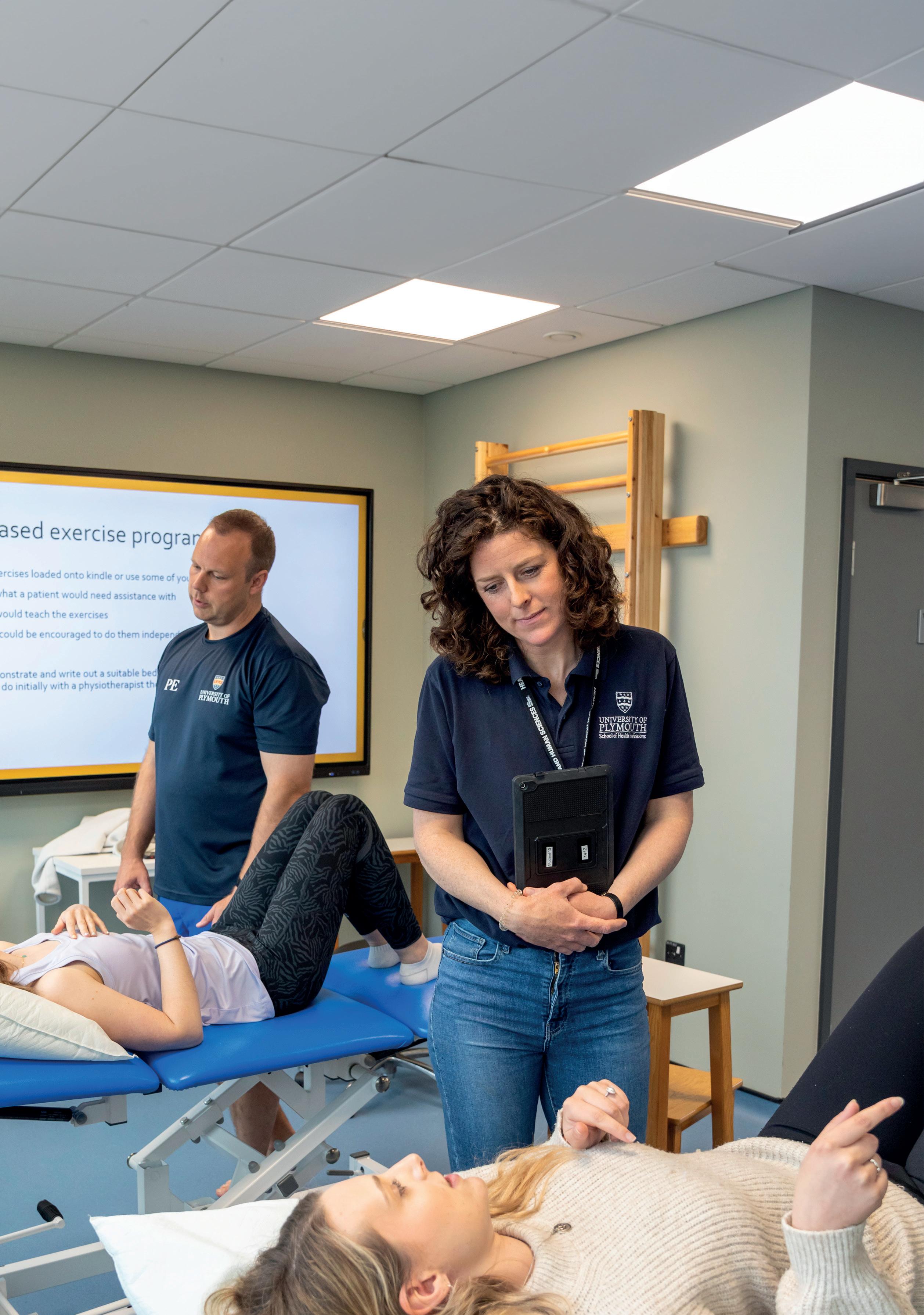

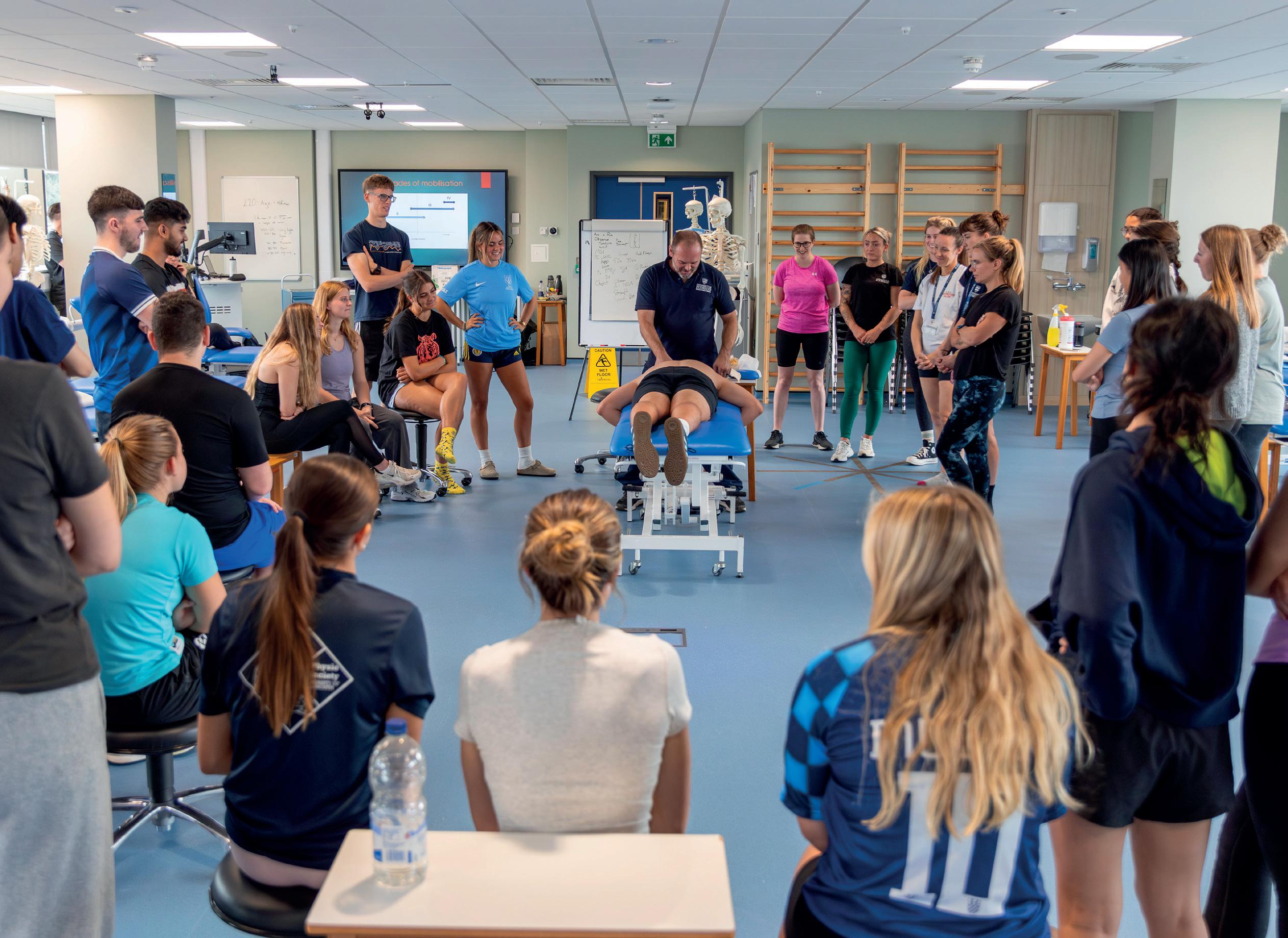
We pride ourselves on an inclusive learning community involving students, service users, carers and clinicians into the continued development of our courses, ensuring that our graduates meet the needs of the future workforce. Our students have an active society (Physio Soc) which arrange social events, fund-raising for charity as well as additional training events.
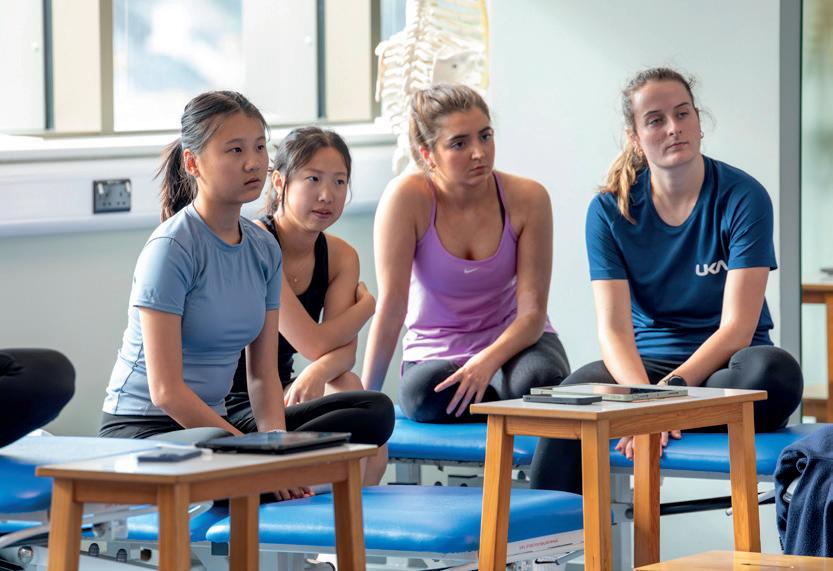
You will gain real life experience with placements across all years of your degree. Providing a placement in year one of your degree is key aspect of our programmes allowing you to contextualise your university learning at an early stage. We have a wealth of varied and vibrant placements across the Southwest. More information on placements is provided on pages 22-23
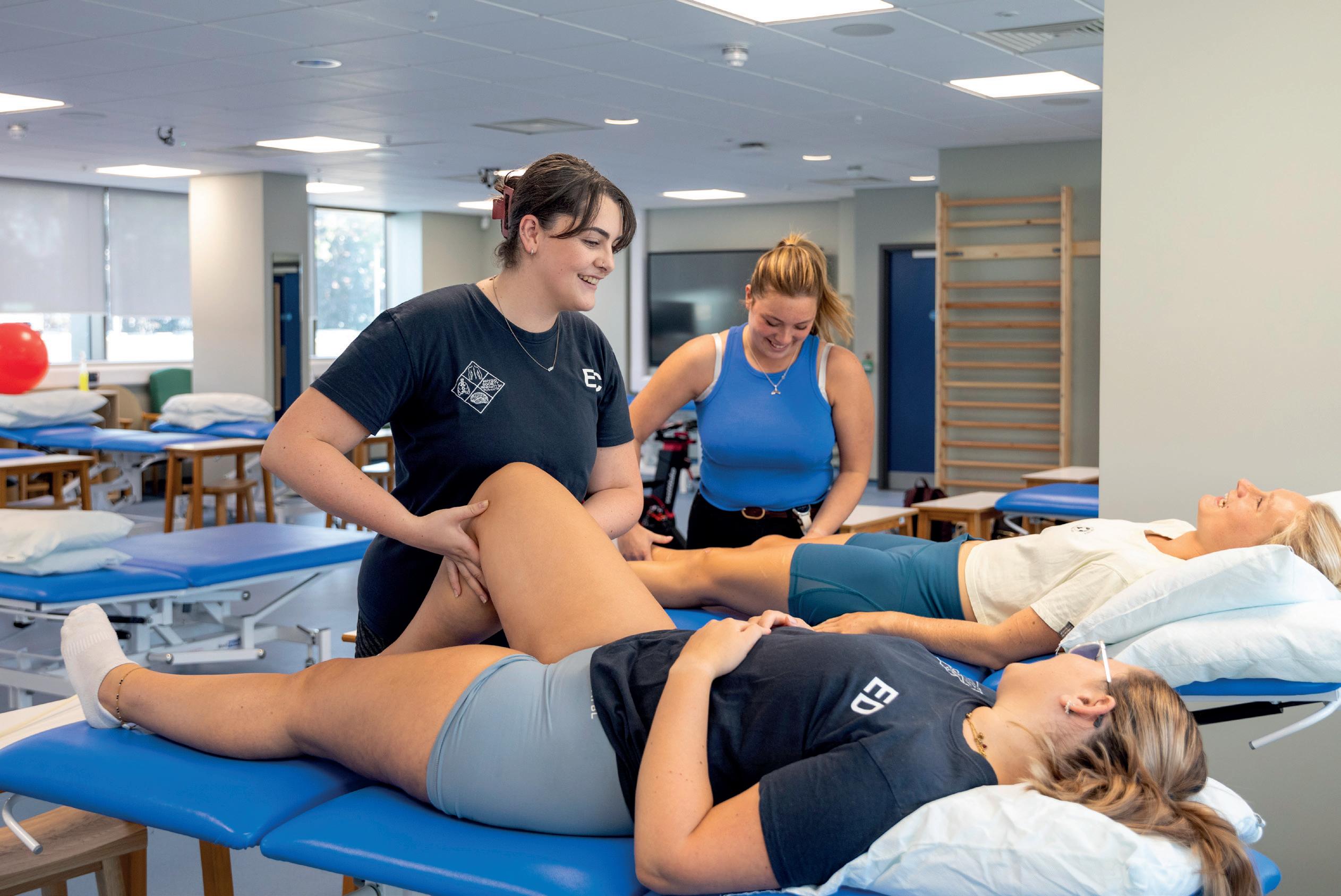
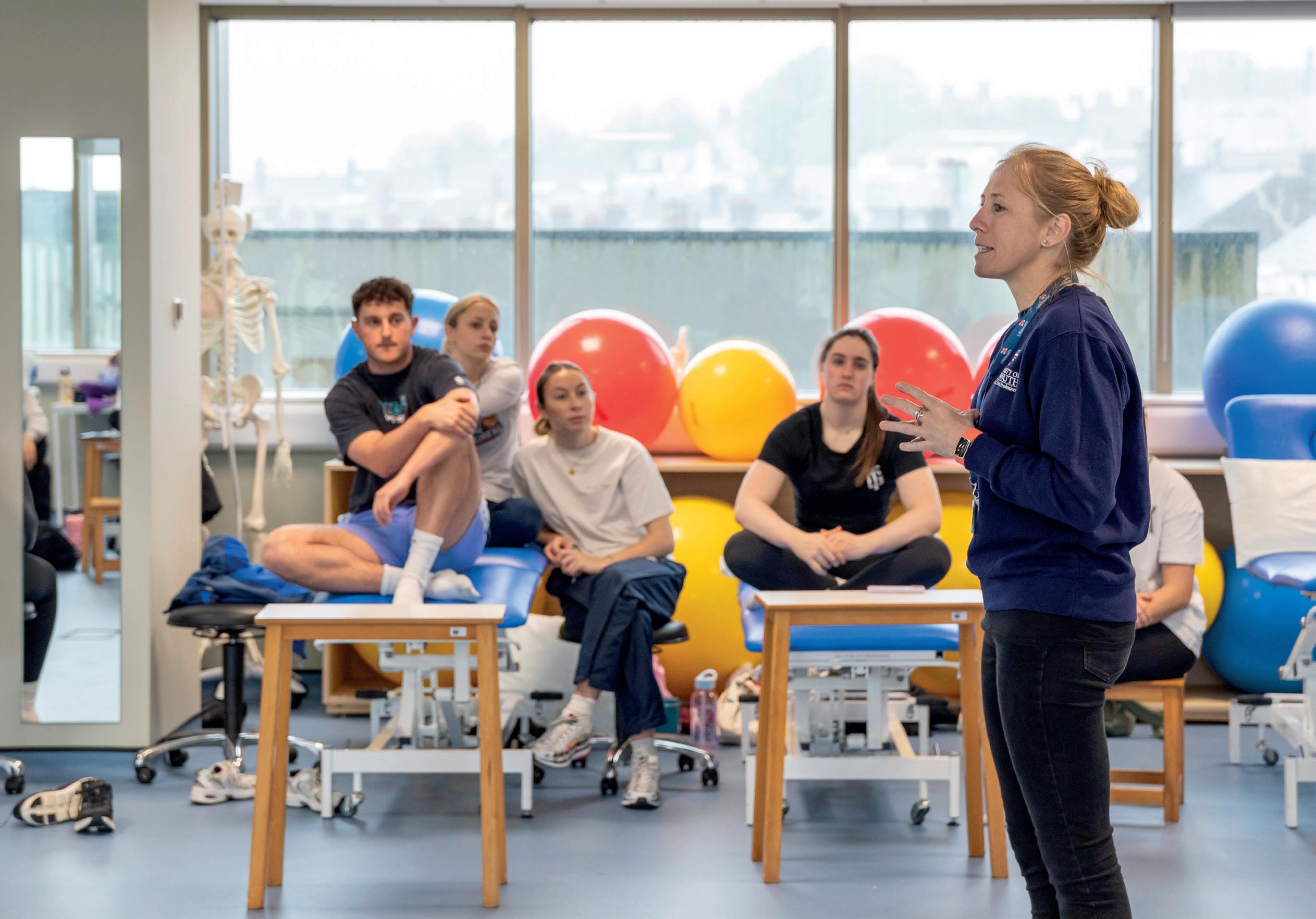
We operate a friendly and supportive learning environment and are driven by our dedication to student-centred learning. Throughout your time here you have a personal tutor who supports you individually and has an open-door policy so you can meet them whenever you need to. You also have access to a wealth of support and wellbeing services through the Student Hub.
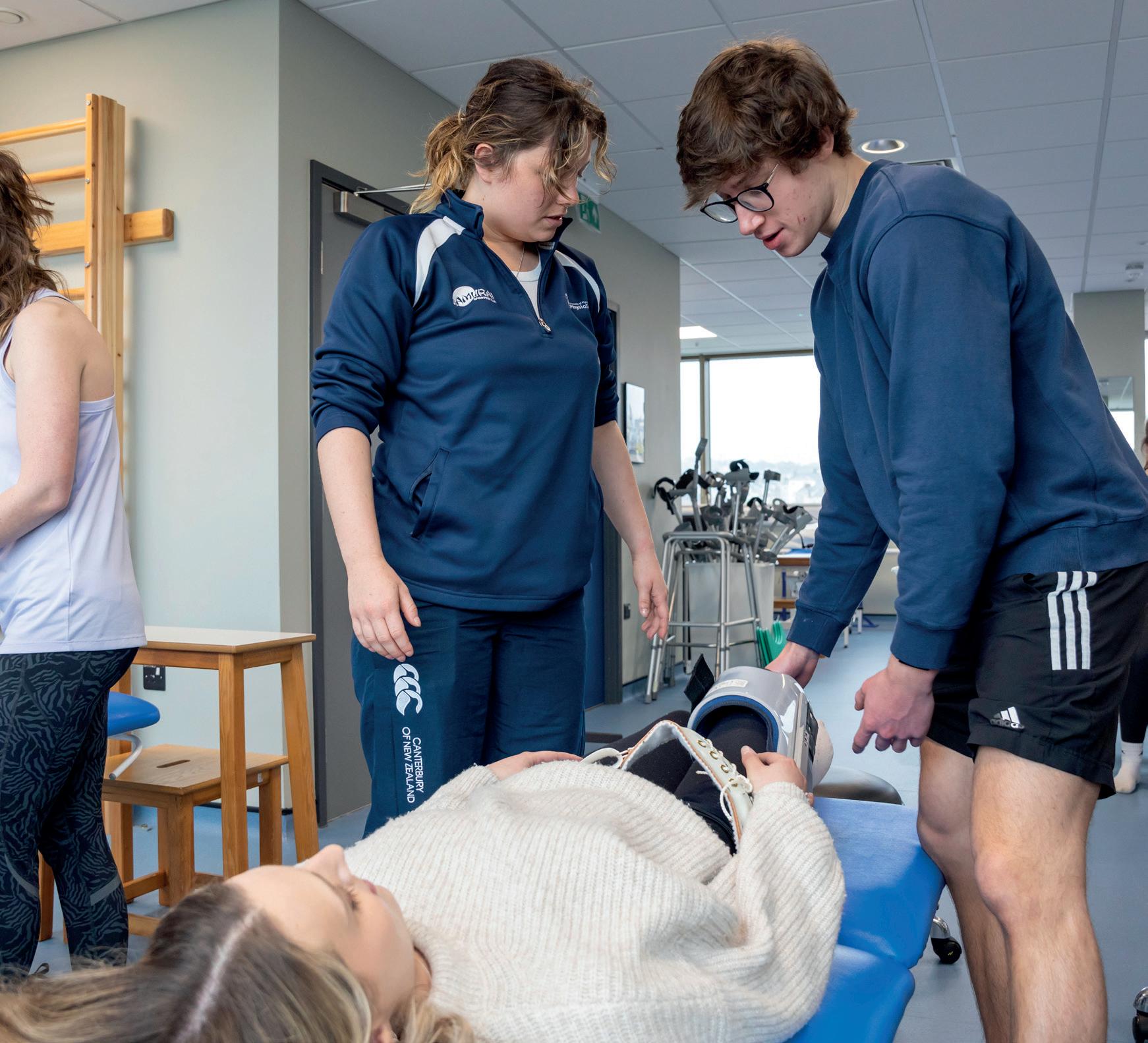
Through an evidence-informed knowledge base and practice, our staff are active in research, which feeds directly into our curriculum. Our students are provided with the opportunity to engage in real-world research enabling you to gain a sound understanding of how research is conducted. We have regular external speakers as well as input from service users ensuring our teaching is current and relevant, ensuring you develop as a confident practitioner.
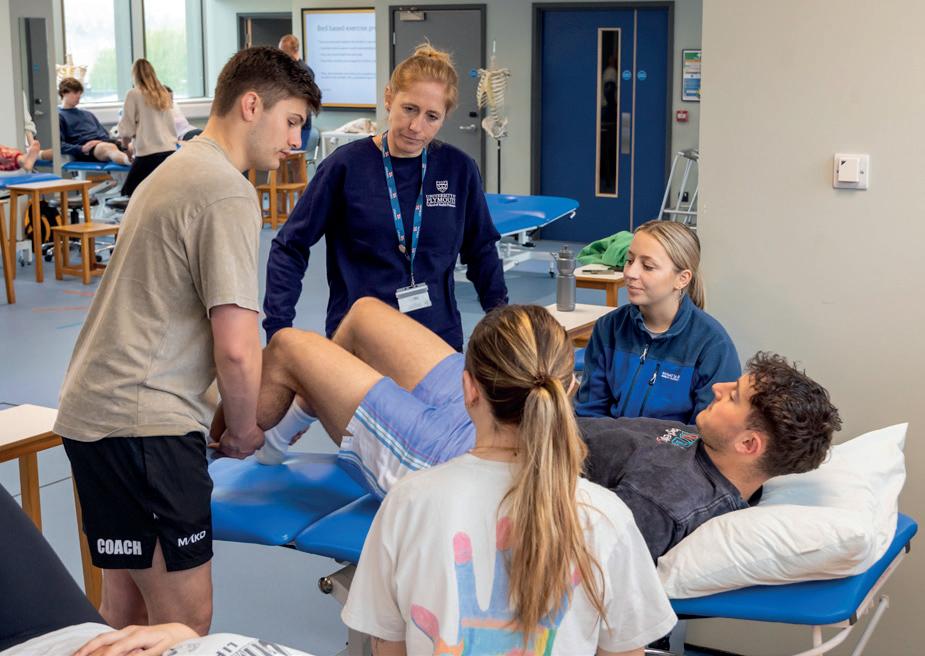

Our programme team has a widerange of clinical expertise, enabling us to facilitate your development as a well-rounded professional. Whatever your future plans, we will give you the skills to build your physiotherapy career through practical placement-based learning, and classroom-based lectures and study groups. Our department is part of an interdisciplinary school, so as well as learning about physiotherapy, you will have opportunities to learn alongside other allied professions, and in our new purpose designed learning spaces at InterCity Place.
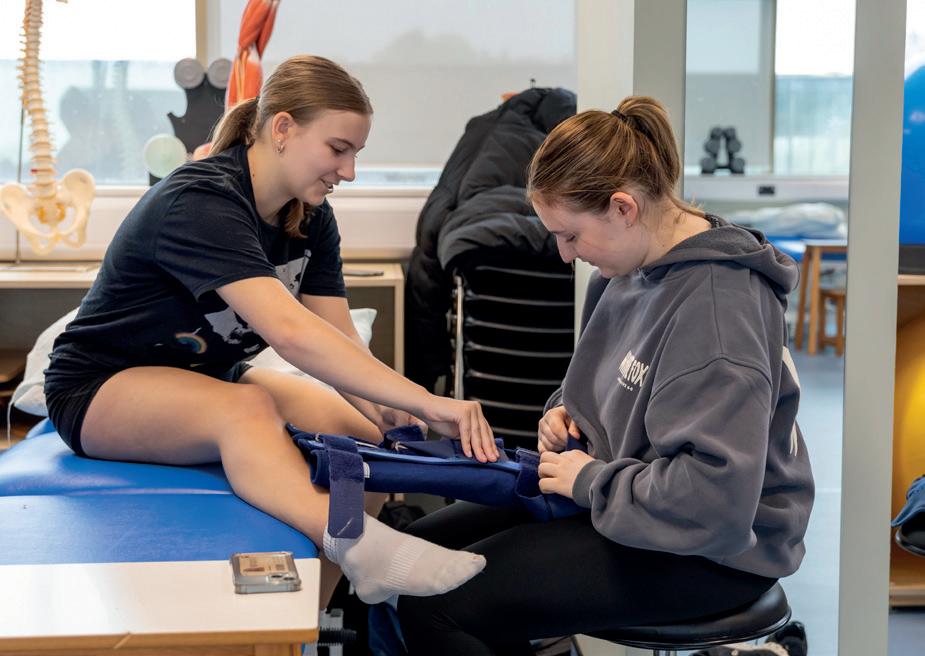
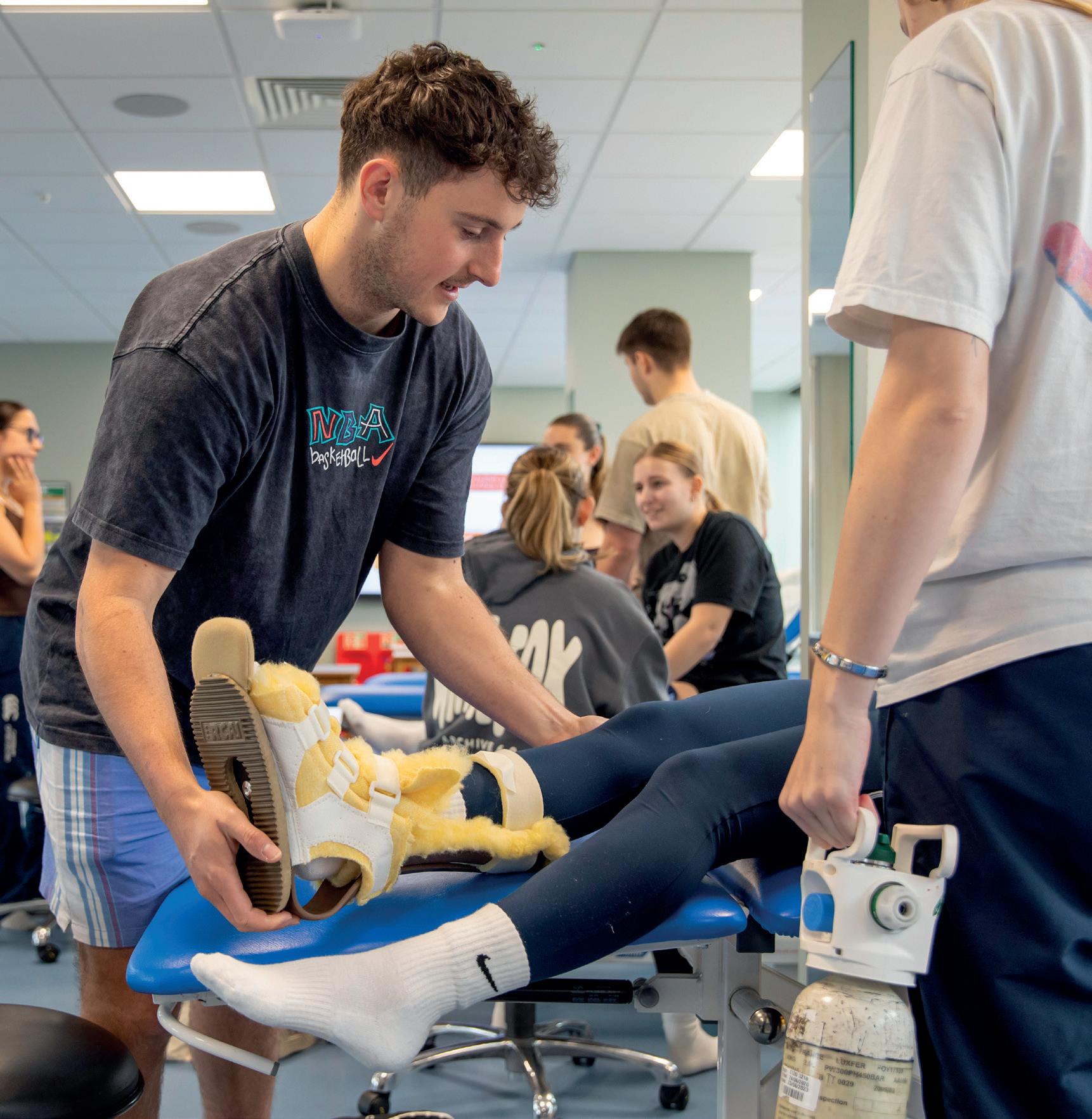
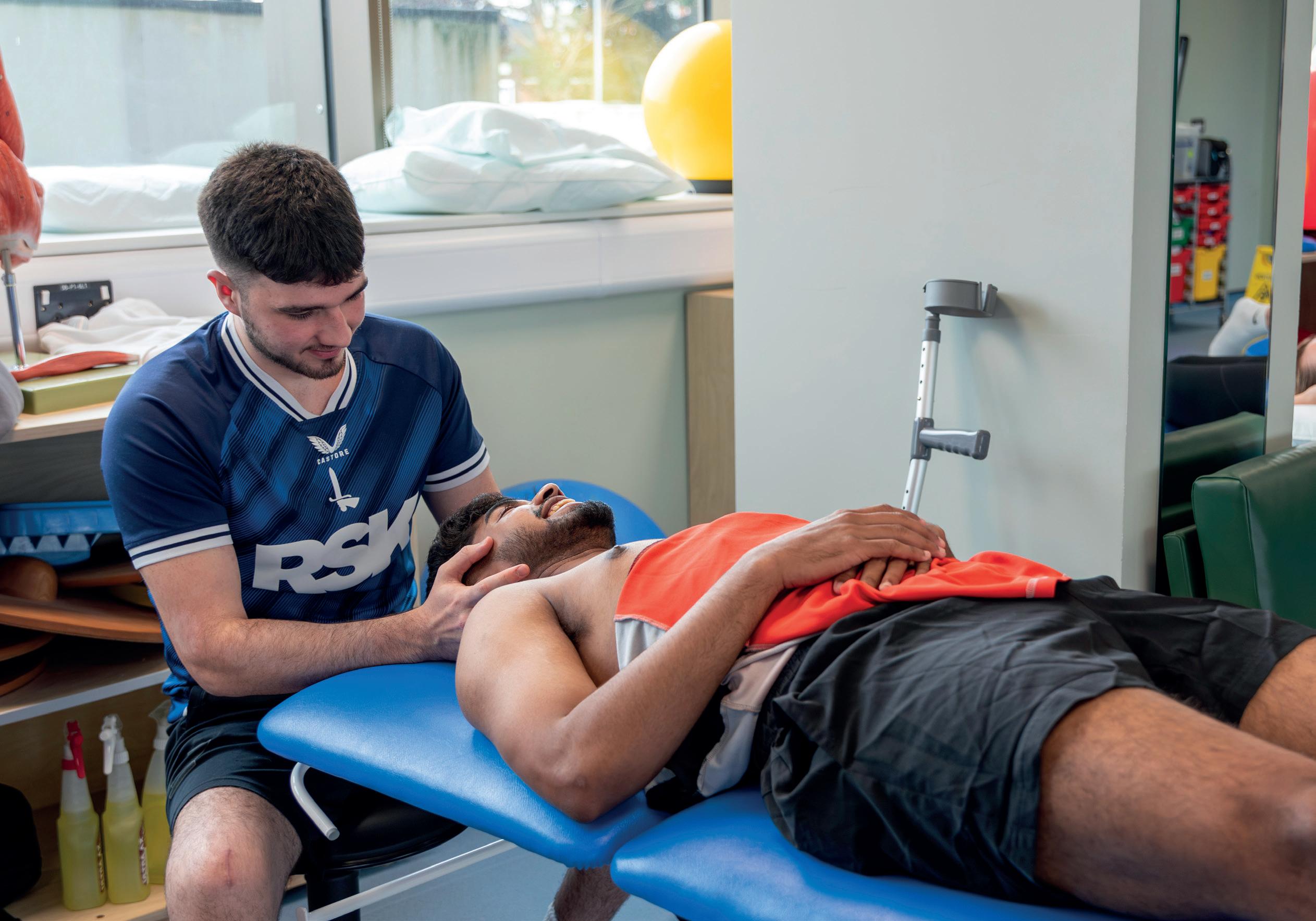
Qualifying as a physiotherapist, through either our BSc, MPhysio or Pre-reg MSc routes provides you with a diverse range of career opportunities in a variety of specialisms. Emerging roles in primary care and public health and advanced practitioner posts are being developed in the public sector. Alternatively, you may explore opportunities to work in sports clubs, private practice, armed services and education.
Plymouth is a stunning seaside location with a rich cultural heritage. Our students are given the unique opportunity of really immersing themselves into the local culture, through placement experiences and guest lectures. The South West has a diverse population, which offers varied cultural experiences and opportunities to practice skills learnt over the duration of the course.

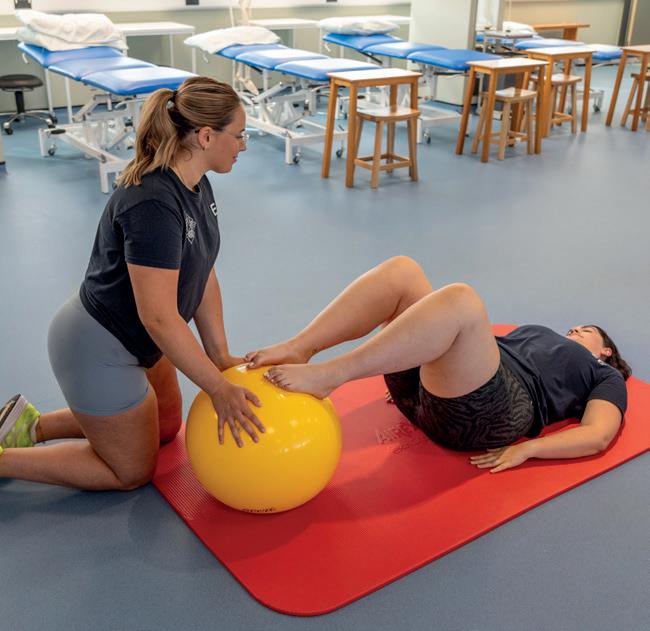
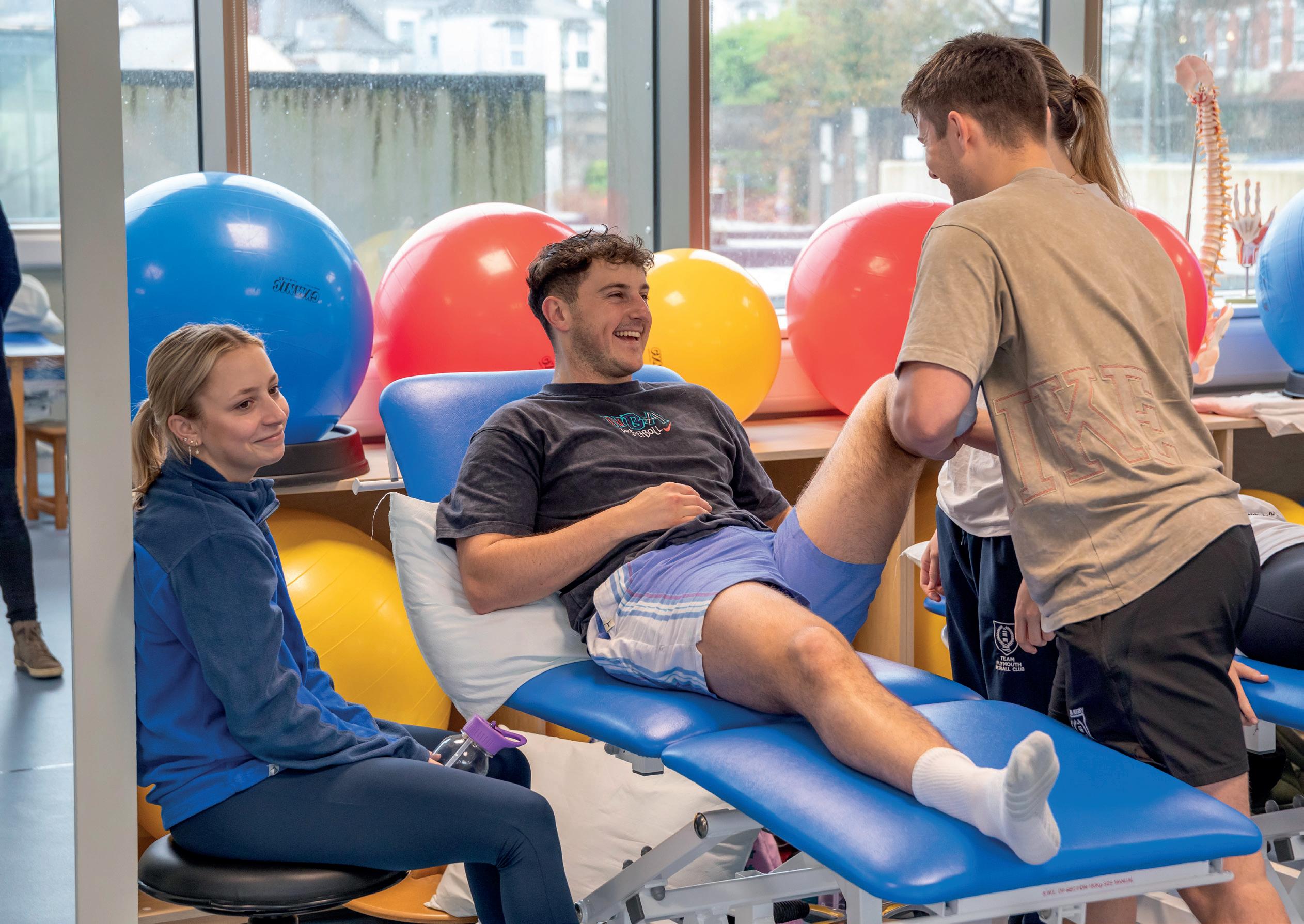
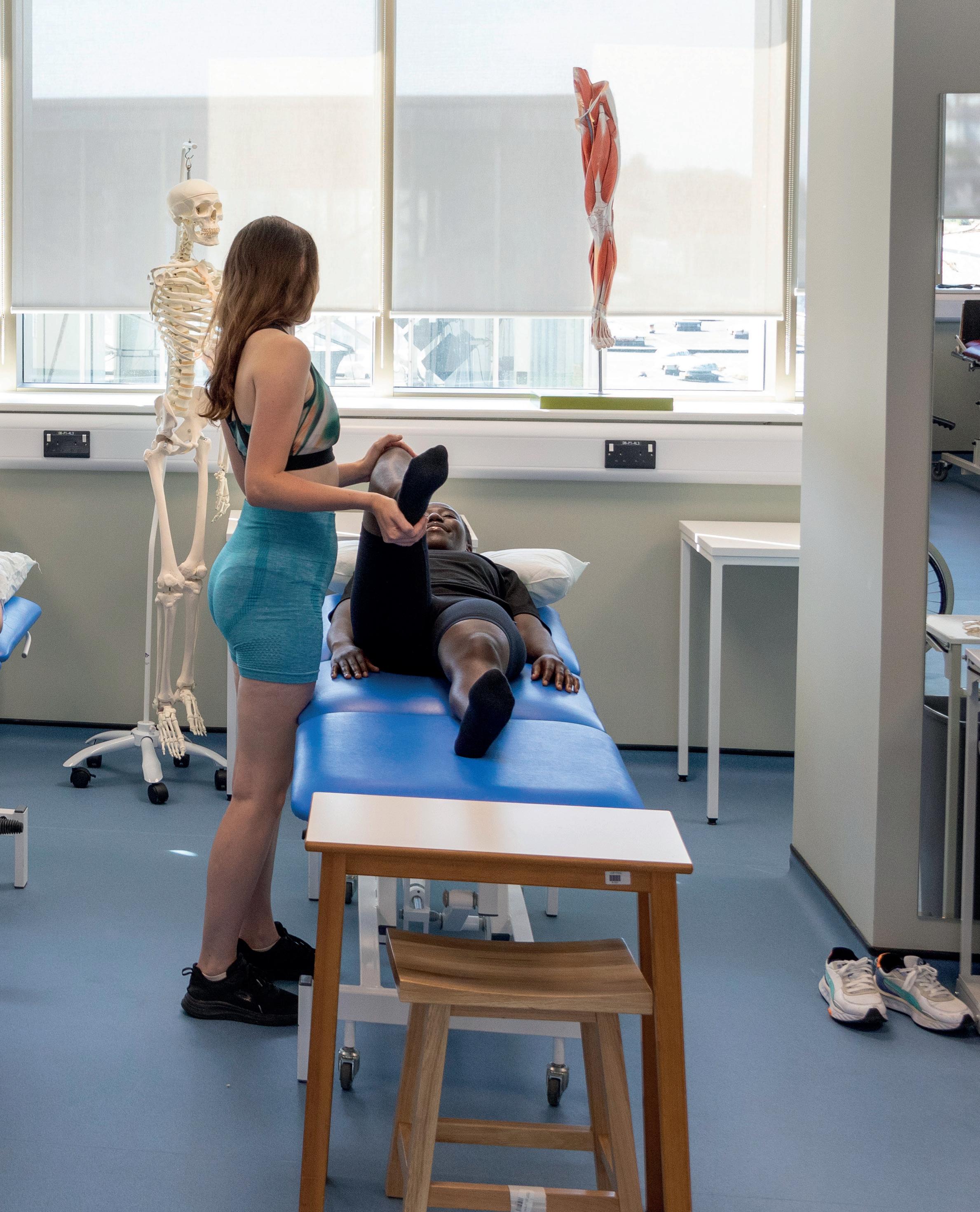
Your practical skills sessions will take place in our state-of-theart clinical facilities in our new building, InterCity Place. As well as a fully equipped physiotherapy gym, you will also be taught in our community home and ward simulation suites. Additionally, you will have access to all the facilities our campus provides including the Charles Seale-Hayne Library, open 24/7 for all students, and a vibrant Student Union.


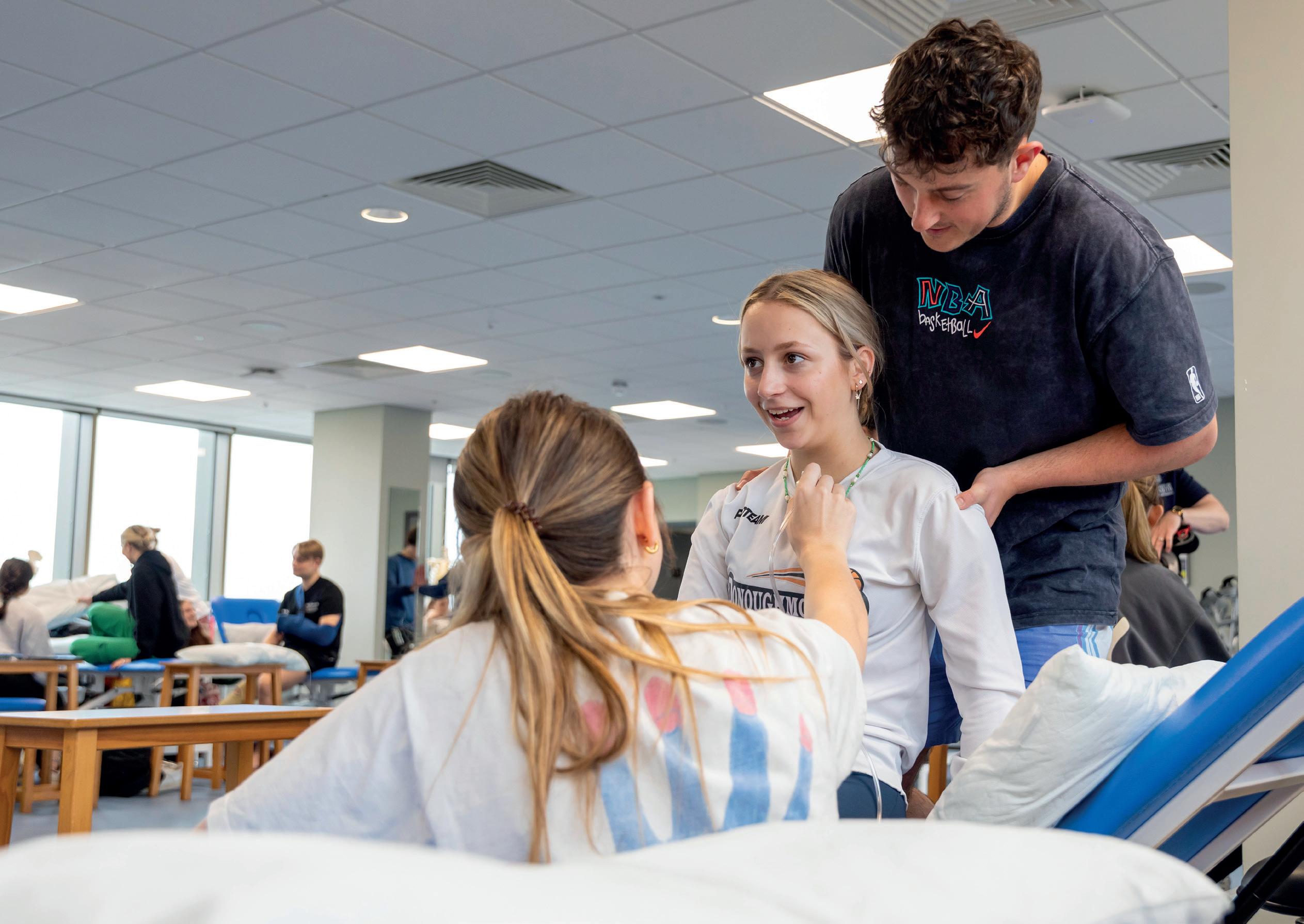
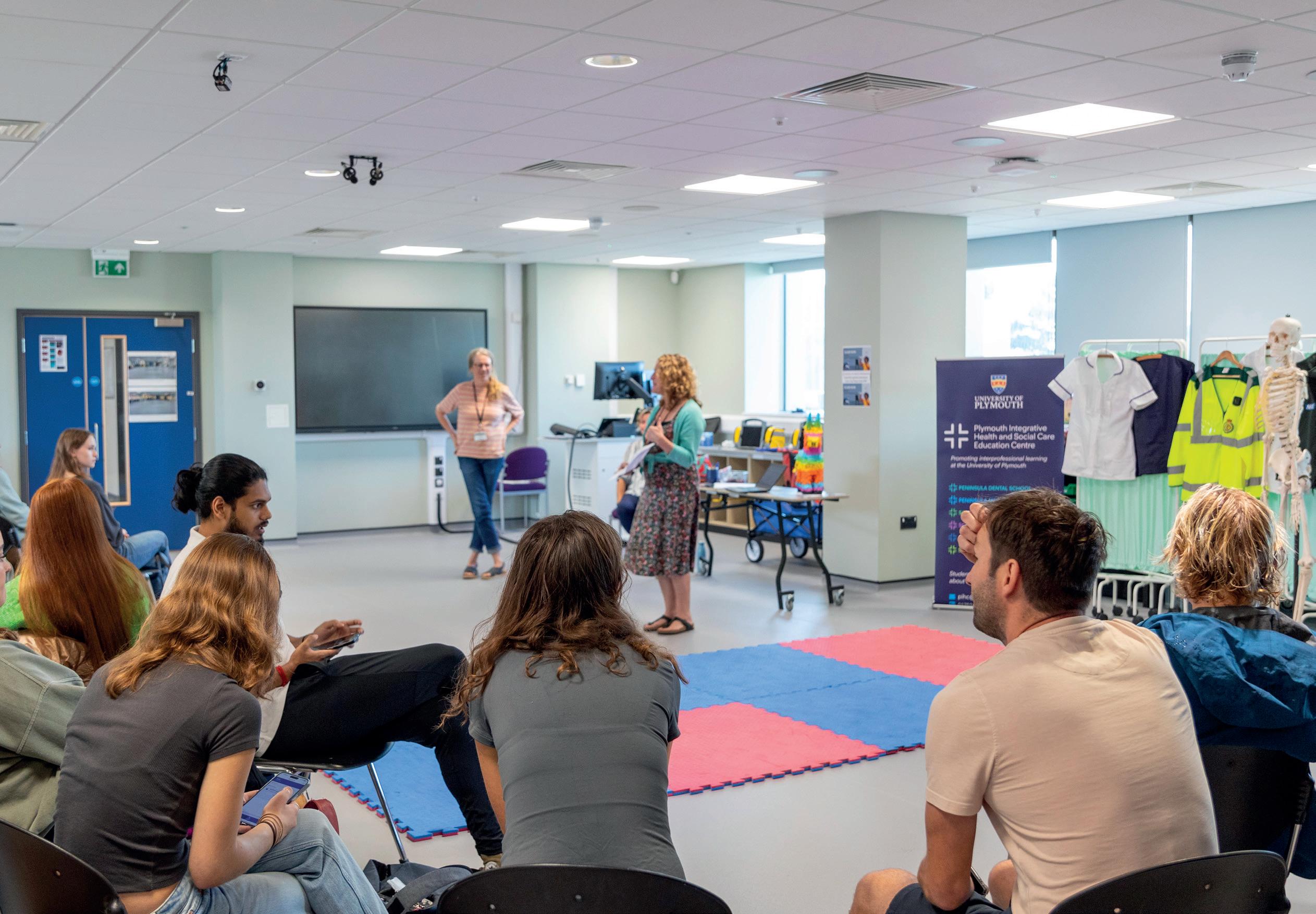
PIHC, or the Plymouth Integrative Health and social care education Centre, is an initiative within the Faculty of Health that supports interprofessional learning across our suite of healthcare courses. Our students are given opportunities to learn with, from and about each other. More information can be found on page 34.
10. BECOME A QUALIFIED PHYSIOTHERAPIST
Our degrees are accredited by the Chartered Society of Physiotherapy and following successful completion of the course, leads to Health and Care Professions Council (HCPC) registration. Employability on graduation is very high.
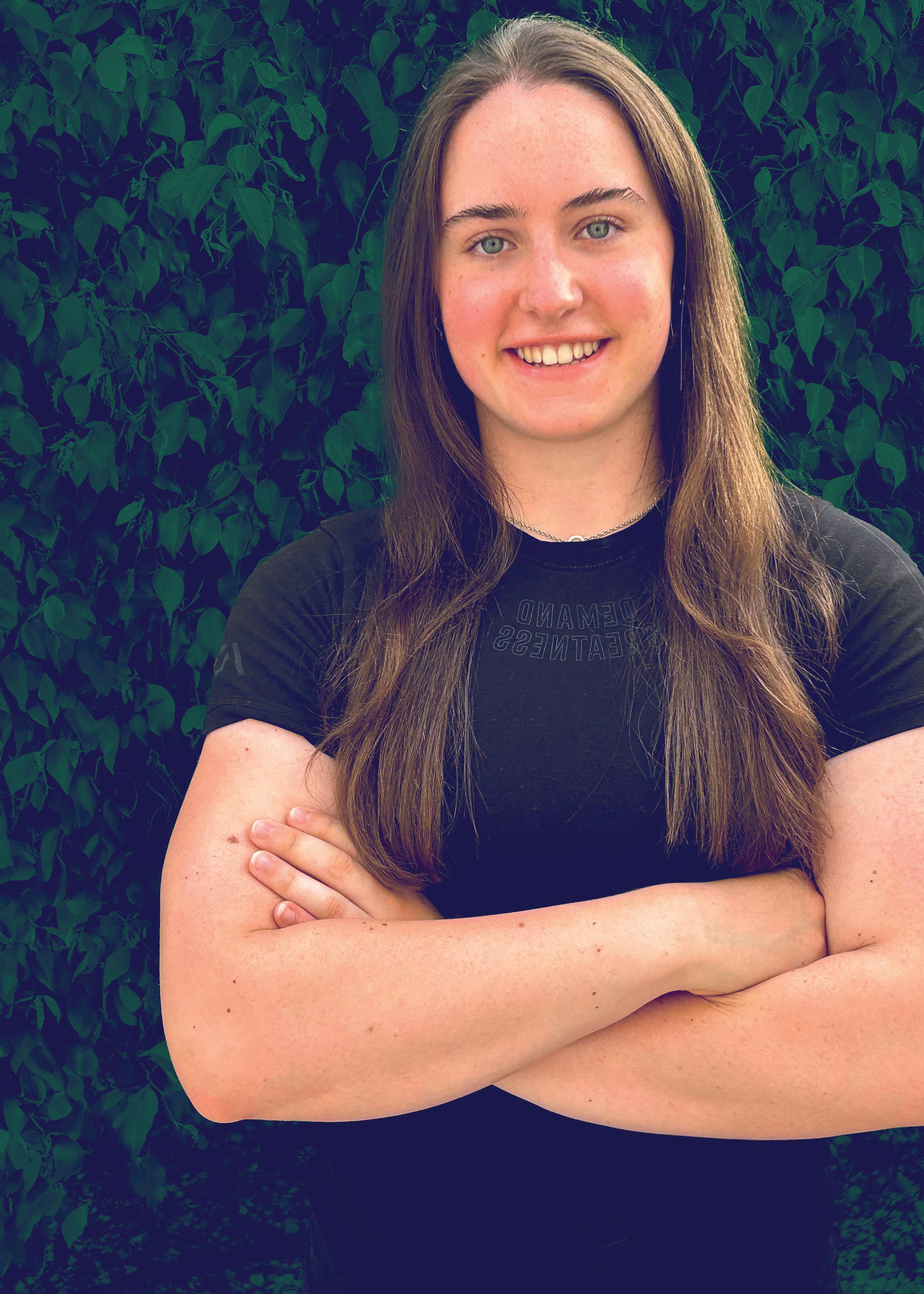
Before I started university I was at college studying biology, PE and psychology. I had gotten into powerlifting as a hobby just before I made my A level choices, so this was me tying all of that together. Studying these, it made me consider physiotherapy as a viable career choice.
I’ve always wanted to help people, I just never knew the exact route I wanted to go down. I had previously done some work with children with disabilities participating in athletics, and they brought their physiotherapists with them. Seeing how much of an impact these physiotherapists had on the children’s lives and allowing them the ability to take part in the athletics activities I was coaching made me seriously consider a career in physiotherapy.
I had offers from all five of my university choices, but it was coming to the open day at Plymouth that really sold it to me.

I fell in love with the area straight away. Having grown up near the sea, Plymouth helped with my longstanding desire to be near the coast. Christie Robinson, one of the lecturers, spoke with me on the day, and her supportiveness told me everything I needed to know about the environment here. It was Christie that informed me of the MPhysio pathway. I was planning on doing the BSc, but to come away with an integrated masterslevel qualification really suited me. I went home that very day and made Plymouth my first choice.
I would 100% recommend to anyone who’s thinking about it to come to an open day. Plymouth does them so well and their scheduling is perfect. In addition to the programme drop-ins they also do course-specific talks and coach tours around the city. Out of all the open days I attended, I certainly found Plymouth to be the best for me.
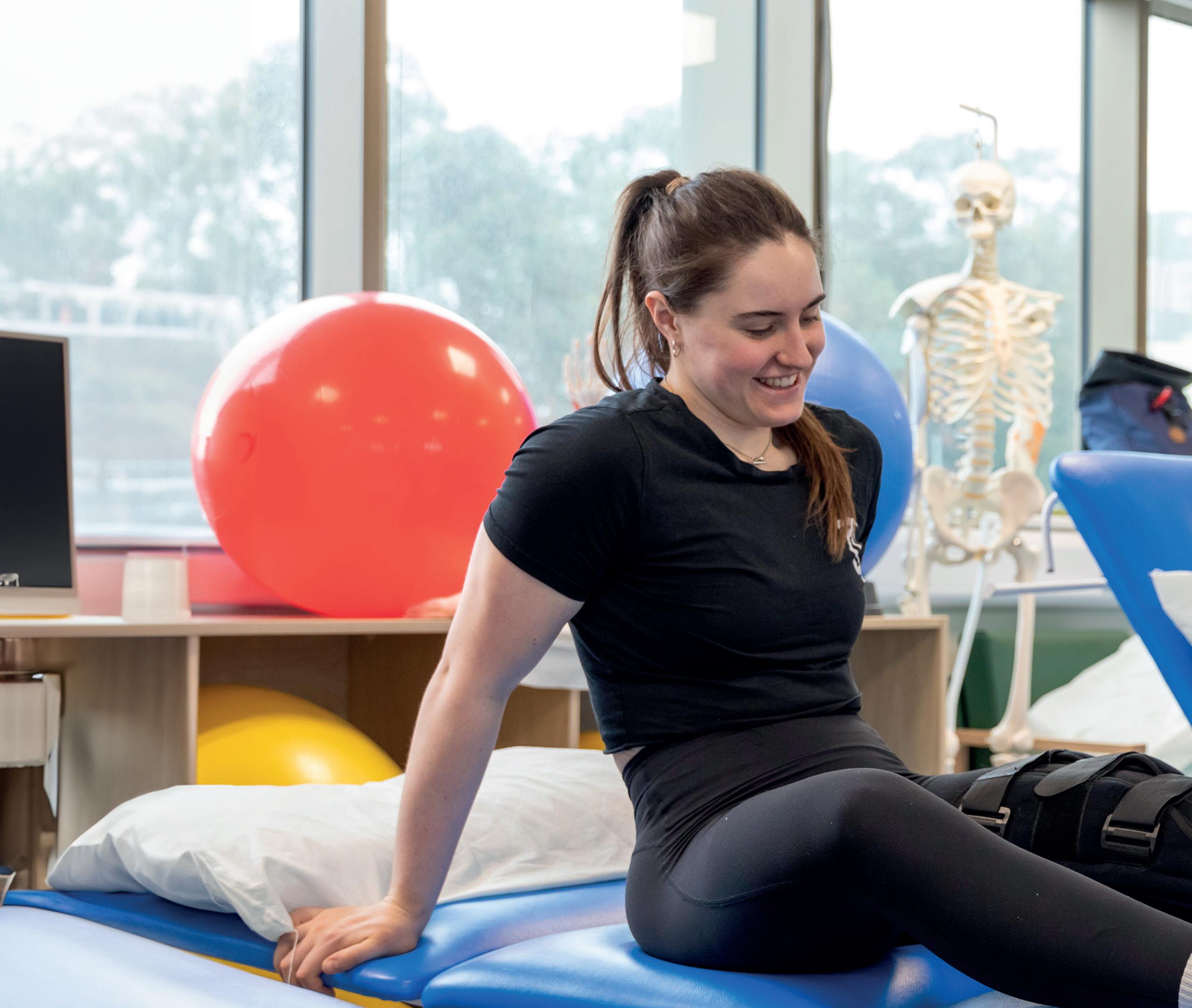
COMING ONTO THE PROGRAMME AS A NEW STUDENT, I ABSOLUTELY FELT SUPPORTED.
We were all told straight away that if we ever needed any help, do not hesitate to get in contact with any of the lecturers. We also have an extensive DLE, or Digital Learning Environment, where we can access everything from timetabling, course materials and even submit our coursework. I also managed to find a great circle of friends within the course itself.
PLACEMENTS CAN BE CHALLENGING. I won’t sit here and pretend like they’re not. You’re going out into the big wide world from only your first year, but that’s all part of the learning experience. Placements are where you learn the most, and everyone would agree with me on that, I’m sure of it. My most recent placement was in Exmouth as part of a Community Physiotherapy team, and I
thoroughly enjoyed my time there. Here I was able to do something I love while applying all the skills I’ve been learning over the past two years. The team were the most supportive people, giving me any feedback I needed, as well as any help and resource they could provide. I certainly felt so much more confident.
On the course you’re given a placement based on the options that you choose. For my first two options I put Plymouth which, luckily, I was given, but on my third one I was placed in Exmouth. Given the distance I at first thought this would be quite challenging being away. I managed to find an Airbnb there, which meant that I had a five-minute commute into work. I worked Monday – Thursday 9:00-4:30 in in Exmouth Community Physiotherapy team. My educator would pick me up from the office and we would go around to patients houses rehabilitating cases, such as fractured joints from
falling down their stairs, to long-term medical conditions such as multiple sclerosis. Basically, treating people in the outpatient phase. On the Friday I would have a study day. Here I would be able to assess my week through a reflection, getting feedback from my educator and being able to research what I’d seen on that week, allowing me to apply these skills further.
When I first came to the course, I was very much in the headspace of, as I think lots of people are, wanting to be a sports physiotherapist, which is quite a narrow view of physiotherapy as a whole. Since being on my first placement in A&E, I have certainly broadened my view. While A&E wasn’t for me, I never would have expected that I’d be in love with the idea of rehabilitating the elderly like I did on my last placement. It was so fulfilling being able to spend time with the older generation and hear all about
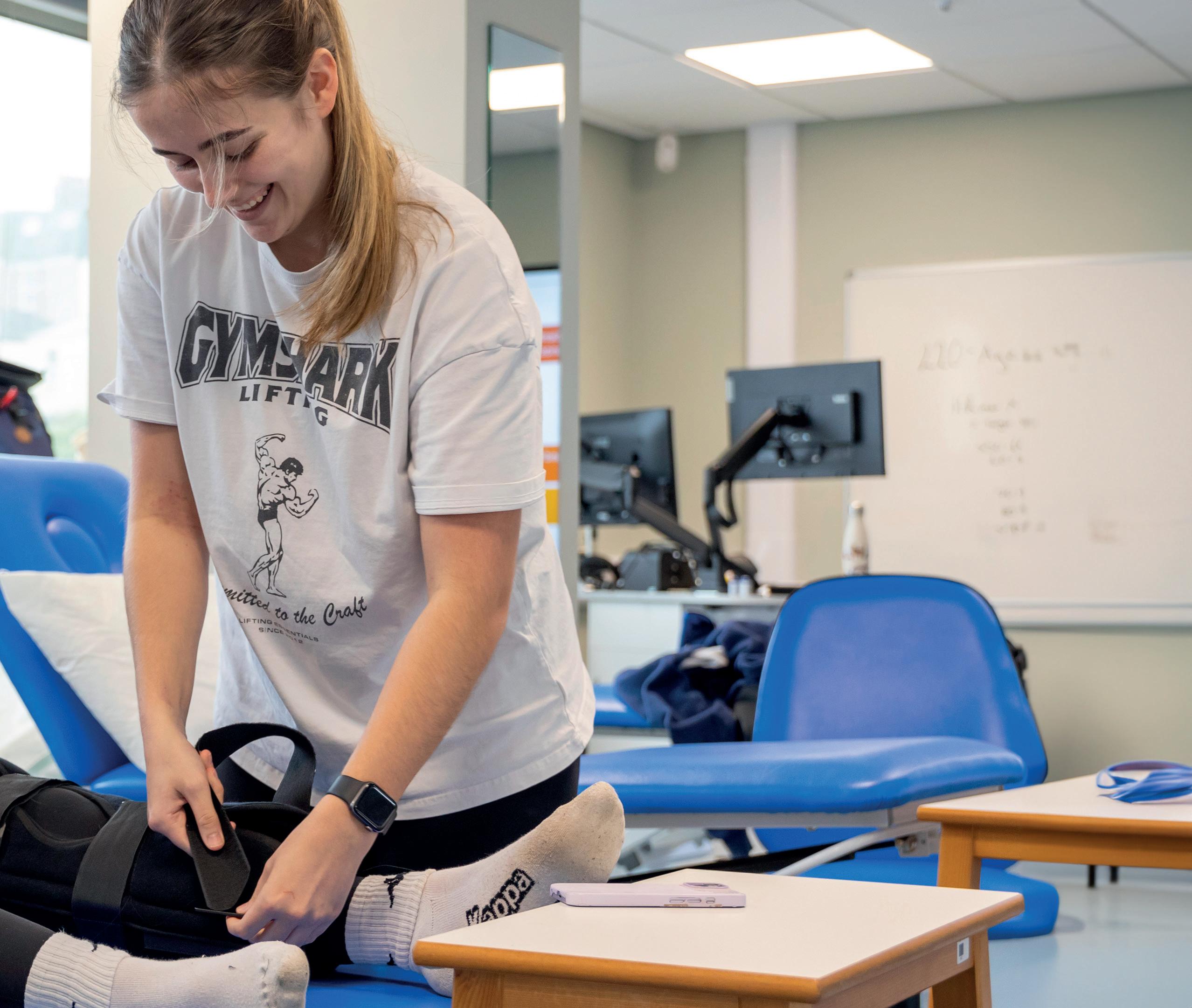
their life stories while helping them keep their independence. I still have two placements left so I am very open minded as to what these will bring. On my most recent placement I ran a strength and balance group for the community every Wednesday. Being able to design it myself and then get feedback from the patients, being told after the six weeks were up that I had done a really good job, you’re like “oh my goodness, I must be doing my job well”. Getting feedback like this is such a confidence booster as it makes me feel like I’m becoming a real physiotherapist.
I FIND THE MIX OF THEORY TO PRACTICAL WORK THE COURSE PROVIDES TO BE A GREAT BALANCE. Practicals are, of course, everyone’s favourite, as our natural disposition as physiotherapy students is to be very hands-on. But this doesn’t mean the theory side isn’t great. The lecturers
here at Plymouth strive to make them as enjoyable as possible, and it really shows in the quality of the teaching. In our last module, for example, one of our lecturers, Amy Souster, set up one of our practical rooms into an escape room experience, where we had to apply the theoretical knowledge from the module so far in order to complete it. So it’s not just theory all the way through, they really break it up for you. The great thing about learning theory is we are able to then take what we have learned onto our placements, allowing us to really put it into practice. I am currently involved with the Physio Society. This is a great way to connect with all stages of the course during your time here, as we can all get together outside of lectures. We take part in various events throughout the year, and recently we even had a rounders tournament between us and the Occupational Therapy society.
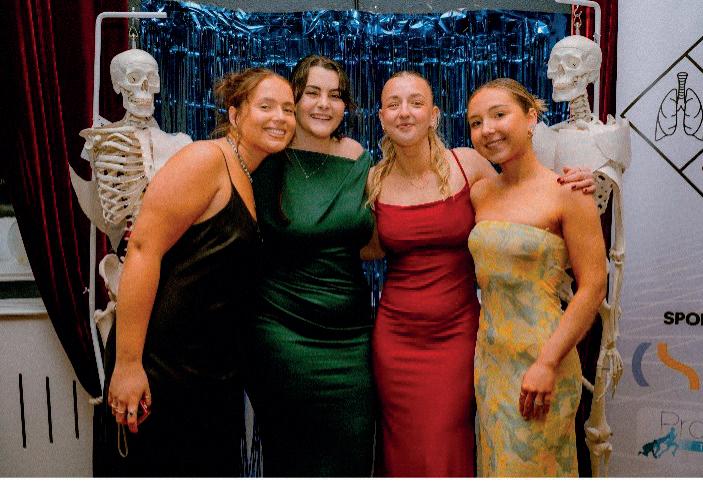
We also have a yearly Physio Ball which is a great way to all get together.
I FEEL THAT THE COURSE IS ABSOLUTELY PREPARING ME FOR LIFE AS A PHYSIOTHERAPIST. If you are thinking about applying to physiotherapy then I would say absolutely, 100% go for it. Just make sure you have a genuine passion for the field and are ready to work hard. If you have both of those things, then there’s no reason you won’t do extremely well on the programme.
On successful completion of your course, you will be able to register as a Physiotherapist with the Health and Care Professions Council (HCPC) and will be eligible for full membership of the Chartered Society of Physiotherapy (CSP). Employment rates for graduated physiotherapists are extremely high at nearly 100% - with local trusts very keen to receive job applications from our graduates.
CAREER OPPORTUNITIES AS A PHYSIOTHERAPIST
Physiotherapists work in a wide variety of clinical settings in both the public and private health sector, for charities, in the armed services and with sports clubs. The majority of graduates start their careers in the NHS at band 5 on the pay scale. As you develop your practice you will choose to specialise in a particular field of physiotherapy. Examples of specialities include neurological rehabilitation, paediatrics, cardiorespiratory, community work and musculoskeletal.

There are new and exciting roles developing for physiotherapists in the NHS with the creation of First Contact Practitioner, Advanced Practitioner and Consultant Physiotherapist positions as well as career progression in managerial roles. Physiotherapists in these roles work with a high degree of autonomy, treating patients with complex conditions, working across the health and social care system to enable quality and integrated care. You may also choose to return to higher education by becoming a lecturer in Physiotherapy or a researcher.


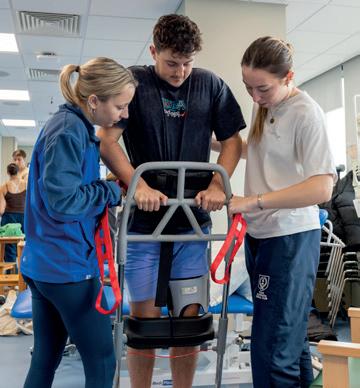

BSc (Hons) PHYSIOTHERAPY
Physiotherapy is a hands-on healthcare profession that uses physical approaches to promote, maintain and restore physical, psychological, and social wellbeing. It takes a holistic approach that involves the patient directly in their own care.
Our innovative curriculum uses an enquiry-based learning approach where you will study real clinical scenarios designed to bring your studies alive and develop your clinical reasoning. We offer diverse practice settings to support your development and prepare you for contemporary physiotherapy practice. These range from neurological rehabilitation to acute respiratory care; outpatient services to non-traditional areas of practice. Graduates are armed with the skills and experience to find employment in a variety of environments including NHS, private practice, charities, armed services and sports clubs, working locally or internationally.


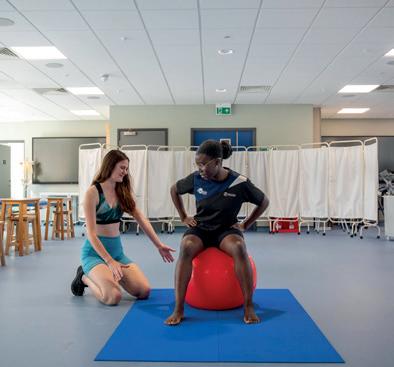
BSc (Hons) PHYSIOTHERAPY WITH INTEGRATED FOUNDATION YEAR
Our integrated foundation course aims to provide an alternative route into the highly successful University of Plymouth BSc (Hons) Physiotherapy. The course is specifically aimed at students whose academic potential has been negatively affected by educational and social factors or impacted by adversity. This course is designed to enable students to adapt to the learning environment of higher education by developing an independent, reflective and managed approach to learning and professional development.
Students will be provided with a foundation of knowledge and understanding of human anatomy and physiology from gene to whole body systems, including the structure and function of the human body in health and disease. A particular feature will be interdisciplinary and interprofessional learning, whereby students will work alongside other Foundation programme students in shared modules, highlighting the various roles of healthcare practitioners within the multi-disciplinary team. Taught by University lecturers on campus, you’ll be part of the University from day one. Students completing the BSc (Hons) Physiotherapy with Integrated Foundation Year course will normally progress to year 1 of BSc (Hons) Physiotherapy.
Students completing the BSc (Hons) Physiotherapy with Integrated Foundation Year course will normally progress to year 1 of BSc (Hons) Physiotherapy.
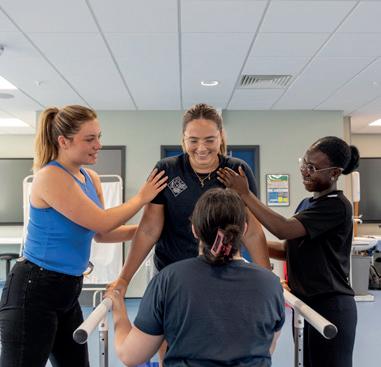
Our four-year integrated master’s degree in Physiotherapy provides an excellent platform from which to progress your career, allowing you to combine undergraduate and postgraduate-level study in a single course, but utilising undergraduate student finance. By enhancing your clinical, leadership, management, and research skills, this course will enable you to become a reflective and resourceful physiotherapist. This will equip you to thrive in a rapidly evolving healthcare environment and could provide you with the potential to progress to roles at higher managerial levels more quickly. Undertaking this programme may increase your ability to work within global contexts where master’s level training may be required.
During your fourth year you will work with a member of the physiotherapy team engaged in research at a national and international level to develop your own individual research project. You will also undertake a negotiated work-based experience in a physiotherapy field of your choice. Two optional modules will enable you to explore either preparation for practice internationally or to develop a business plan for the creation of new service: providing you with increased choice for your future career direction.
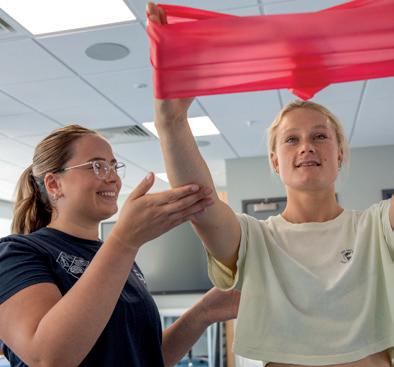
This fast-track course enables graduates with a BSc in a relevant subject area to register as a physiotherapist in two years with a masters level degree. You will cover the required 90 weeks of preregistration study in two years, instead of the usual three years, on the full-time accelerated programme, to qualify and gain employment more quickly.
This accelerated programme enables you to integrate physiotherapy theory with practice, providing you with the skills and experience to treat a wide range of conditions including complex multi-morbidities. Our enquiry-based learning approach develops your critical thinking, clinical reasoning, and leadership skills to develop you as an autonomous practitioner, promoting progression within your Physiotherapy career. You will develop your research skills working with a member of the physiotherapy team engaged in research at a national and international level to develop your own individual dissertation.
You will be joining an enthusiastic team of physiotherapists and undergraduate, postgraduate and PhD students who are pushing forward the boundaries of knowledge on physiotherapy and rehabilitation research.

Before I decided to study physiotherapy, I completed a bachelor’s degree in kinesiology back in the United States, where I’m originally from. Kinesiology is the science of body and movement, so you learn all about human anatomy, biomechanics etc. I always knew I wanted to be a physiotherapist, but in the US this is only offered as a doctorate. I ended up looking at schools in the United Kingdom and stumbled across Plymouth. It ticked all my boxes.
I’ve been active in sport since I was 6 years old, so over the years I’ve had my fair share of injuries. I was a gymnast, and I also took part in diving, so you could say I was always hurting myself. My dad is a paediatrician, so I was immersed in the healthcare world from a very early age. It always fascinated me just how amazing and interesting the human body is.
While I was on my undergrad back home, my best friend on my course was actually from the UK. I ended up visiting the country on my first ever trip outside of the states and fell in love with the place. Plymouth, specifically too. I’m originally from Phoenix, Arizona, so I basically grew up in the desert. Plymouth for me was a complete change of scenery. I absolutely love being by the sea, being so close to an area as beautiful as Dartmoor, being able to go surfing in Cornwall at a moment’s notice – I just love it.
I felt the lecturers here were very supportive, especially compared to my previous degree. Unlike my experience in the US, the lecturers here seem to genuinely want to support you and see
that you succeed. They really seemed to want to get to know you on a personal level, which made it so much easier to work with them. If I ever felt like I was struggling on one of the modules I could easily go and talk to them.
To register as a physiotherapist, you need a total of 1000 hours of placement time as per the HCPC (Health and Care Professions Council) and CSP (Chartered Society of Physiotherapists) requirements. On the MSc programme this is broken up into five placements, with your first placement block being five weeks long, and six weeks each for the remaining four. Physiotherapy has three main domains. There’s musculoskeletal, respiratory and neurology. Within these there is a huge variety of different areas and departments that you can work in.
I found the mix of theory to placements great. The programme is structured in a way so you don’t usually get any assignments at the same time as your placement, so this way you can fully focus without dividing your attention. The master’s programme has a lot of self-study, but that doesn’t mean you’ll necessarily be working alone. My cohort were very good at forming study groups, and everybody was always helping each other. The lecturers help by pointing you in the right direction and telling you about any resources that may be available.
I had a very memorable experience on my very first placement. This was in neurosurgery, which going into I found quite daunting, but I soon found it really rewarding. I was helping people that had
brain tumours or were going through traumatic brain injuries. These are huge life changes, but just being able to see them start the recovery process, being a part of that recovery, it really made me feel like I was making a real difference. I even got to watch two brain surgeries!
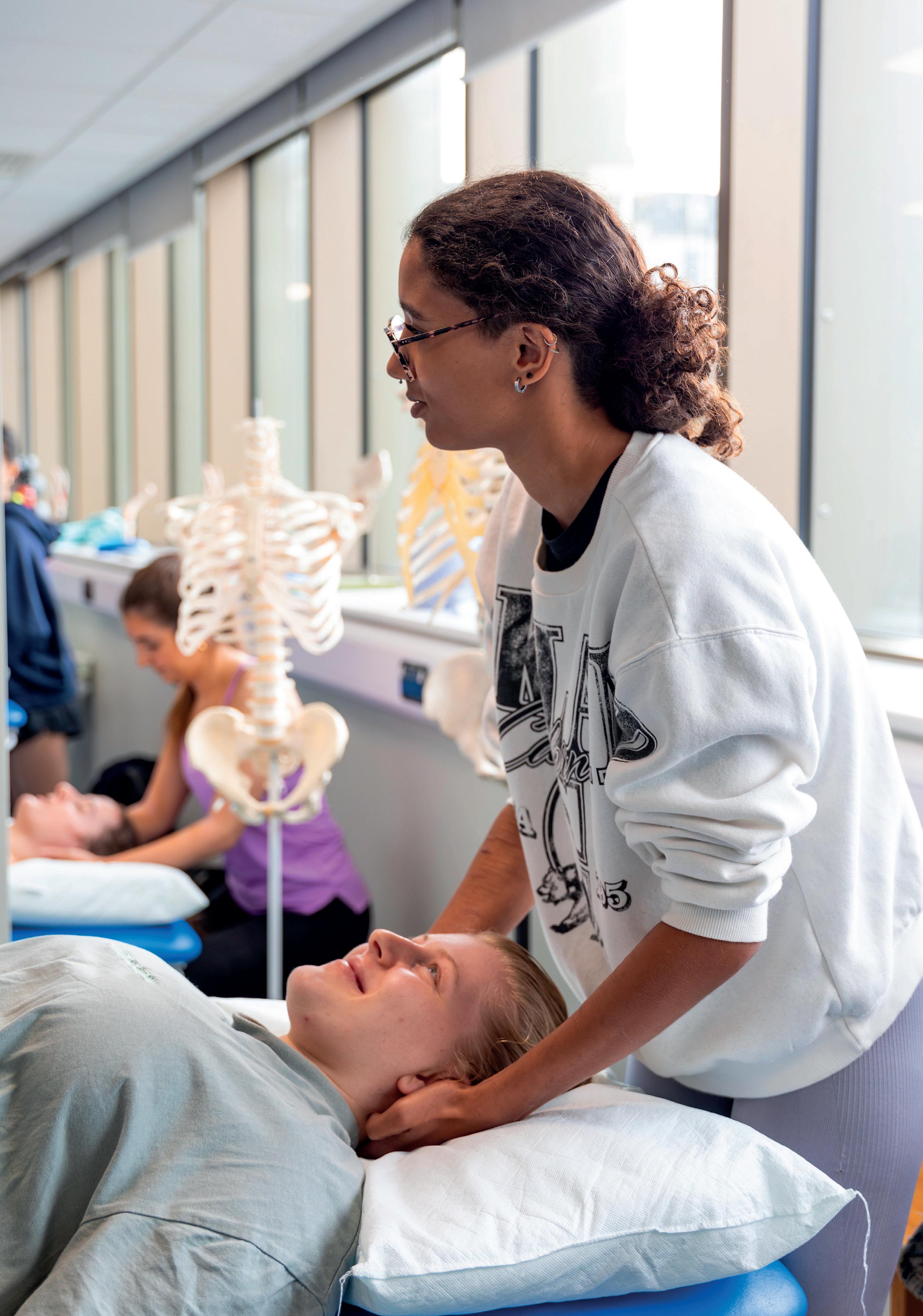
A typical day for me while not on placement would involve one class around late morning, lunch, then a further class in the second half of the day. The later class would tend to be a practical session, where we would take what we’ve learned in our lectures and try these new techniques on one another. It was certainly very hands on, which is what you would expect from this programme.
By the time I got to my last placement I didn’t even really feel like a student anymore, being able to work completely independently and take charge of my own workload. It’s kind of amazing thinking back to my first placement, just how timid I was and how much I’ve grown over these two years.
If you were considering applying, I would say to research all the areas that a physio can work in. People tend to assume physiotherapists only work in sport or tend to just work on general muscle and joint pain, but there are tonnes of areas that are available. There are a huge variety of ways you can specialise, so you can really find your niche. The programme here really made me feel prepared to enter the world of work as a fully qualified physiotherapist.

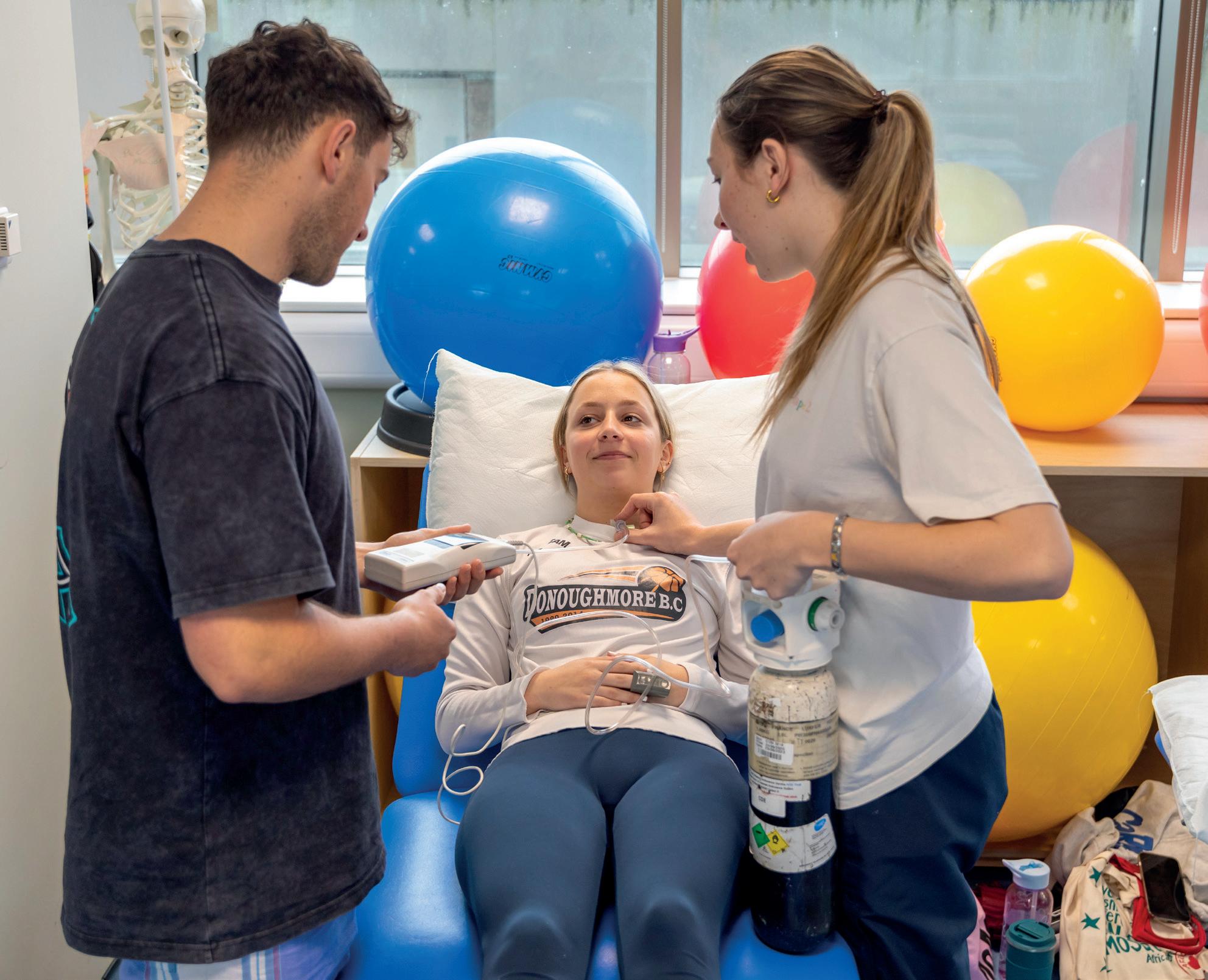
At the Physio Society we understand the challenges of studying Physiotherapy, whether you’re pursuing a BSc or MPhysio, because our committee members are in the same boat. Our mission is to enhance your university experience while you navigate this rewarding but demanding journey.
As a physiotherapy student, you’ll have the unique opportunity to connect with a large cohort of peers who share your passion. Recognising that communication is a critical skill in empowering patients, we offer a range of fun and inclusive
social events. From BBQs, local hikes, and sea swims to joint socials with other healthcare societies, Christmas dinners, Spring Balls, and MDT Sports Days, there’s something for everyone. These events provide more than just entertainment—
they foster friendships and create a supportive network that will carry into your career. Starting your first job is far less daunting when you’re already friends with your colleagues!
A special feature of studying in Devon is the community you’ll build here. Many students come to the area and find it hard to leave. With our society, you’ll explore the stunning coastline, Dartmoor, and even Cornwall, discovering for yourself why so many fall in love with this region.
Beyond social experiences, we’re here to support your education. We know how intense practical exams can be, so we host a fun and engaging ‘pub quiz-style’ revision session. These quizzes help you consolidate your learning, boost your confidence, and provide valuable hints and tips to ensure success.
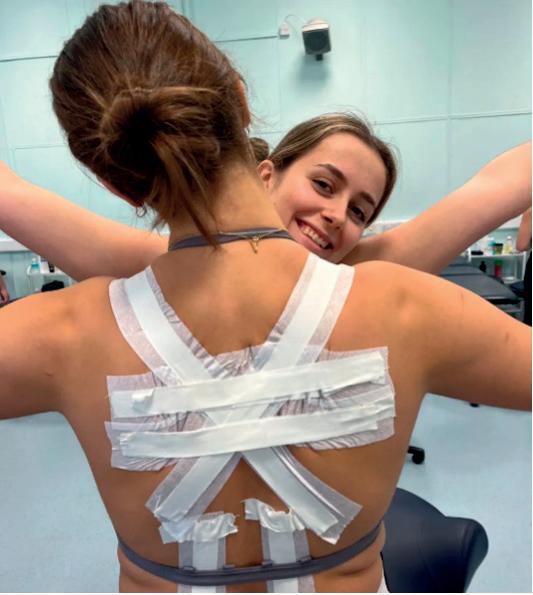
To further supplement your BSc or MPhysio, we partner with ProActive CPD to organise discounted courses in areas such as sports and kinesiology taping, sports massage, spinal mobilizations, and strength and conditioning. These additional skills not only enrich your learning but also make your CV stand out to prospective employers.
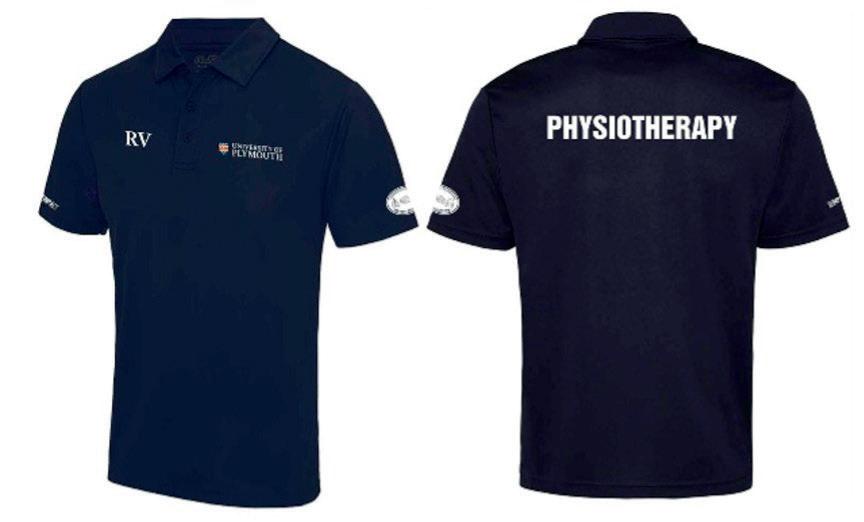
You’ll also have access to discounted professional kit— perfect for clinical placements and your budding career. And if you’re looking to gain leadership experience, joining the committee is a fantastic opportunity to enhance your CV while helping to organise events.

Don’t worry; you’ll receive full support from our experienced team throughout your time with us.
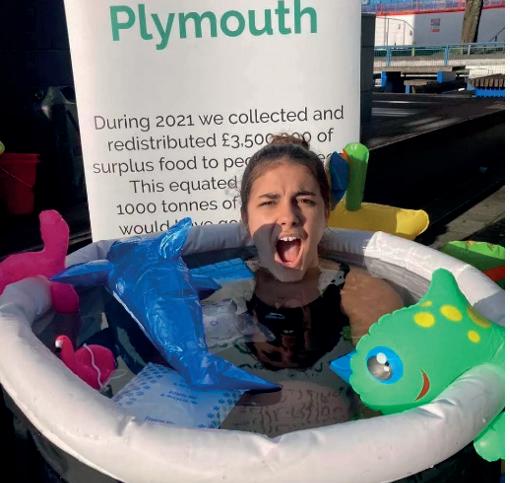
We also give back to the community. Each year, we raise money for incredible causes through fundraising events like bake sales, cold dips, 24-hour cycling challenges, and raffles. Past charities include Devon and Cornwall Food Action and The Wave Project, and we hope you’ll join us in making a positive impact.
Your membership fee helps us bring you these amazing experiences and opportunities. It’s a bargain, wouldn’t you agree? The Physio Society is here to support your development, help you succeed in your course, and ensure you have the best time at the University of Plymouth. Let’s make your university journey unforgettable, from your first day to your future career!
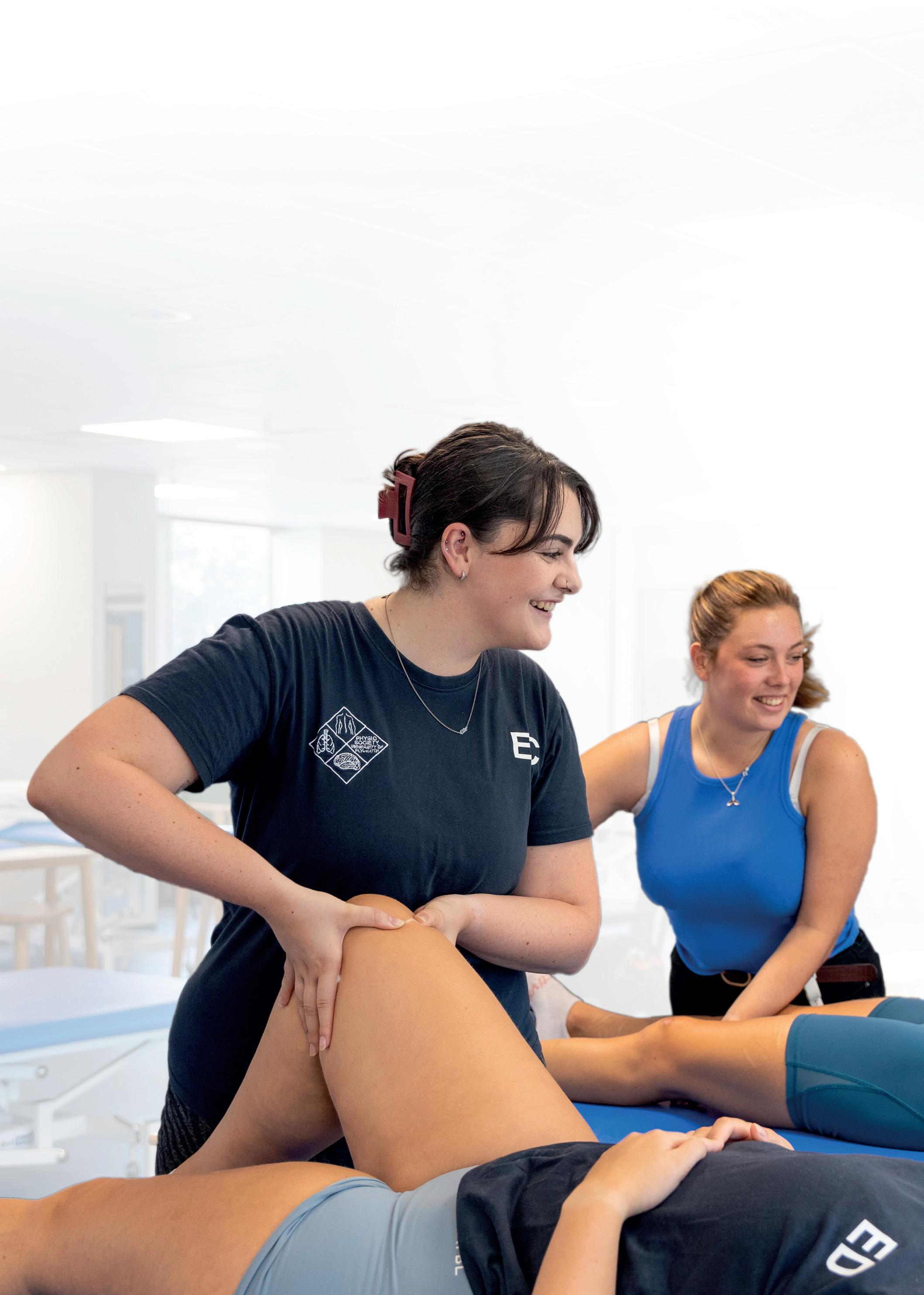
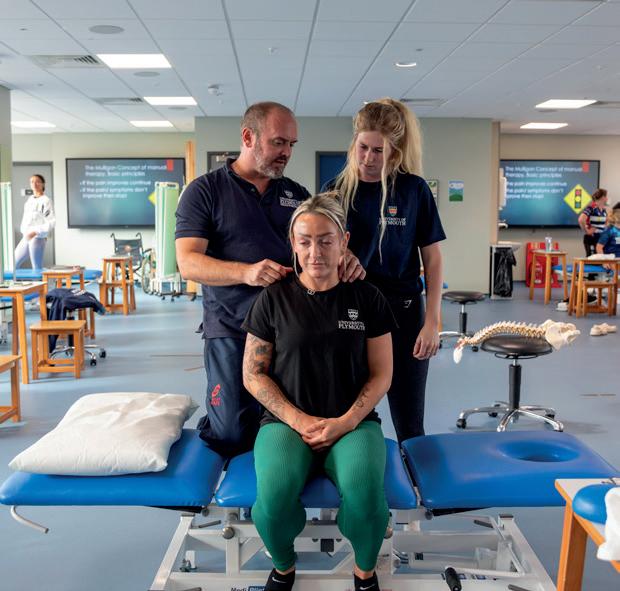
Whether you are a student on the BSc, Integrated Masters or the Pre-Registration Masters Physiotherapy programme, placements are an integral and exciting part of the course.
All students must complete a minimum of 1000 placement hours in line with HCPC and Professional body regulations. On our physiotherapy programmes this is split into 5 placements interspersed throughout the programme. This approach allows students to apply knowledge and skills learnt in University to practice and bring back newly acquired skills relevant to the practice setting to support their learning in academic modules too.
For our BSc and Integrated Masters students, you will complete a 5-week placement in year 1, two 6-week placements in year 2 and two 6-week placements in year 3. Integrated Masters students will also undertake a negotiated practice-based experience in year 4. For our Pre-Registration Masters students, you will undertake a 5-week and 6-week placement in year 1 and three 6-week placements in year 2.
Placements are currently located across the South West of England, including Cornwall, Devon and Somerset. Over the course of the program, all students should expect to have to travel or relocate for placements. Students need to be aware of and prepared for the additional costs associated with placement. Advice on financial support available for health care students on placement can be obtained from the NHS Business Services Authority website.
Students on placement are supported by HCPC registered Physiotherapists who have undertaken specific educator training. Educators are motivated and committed to supporting students develop their physiotherapy knowledge and skills and their own professional development needs. Students can also expect to be working with and supervised by other members of the health and social care team, enhancing their knowledge and understanding of the role and scope of physiotherapy and other professions in delivering quality health care.
“My leadership placement with NHSE has allowed me to understand what makes a good leader and how to draw upon my own and others’ skills to achieve team goals. My confidence in applying leadership skills in all areas of work has greatly improved which has set me up with skills for life that I feel I regularly draw upon in my new NHS career.”
Lauren
“My educators were so supportive throughout and ensured my placement experience was tailored to give me maximum exposure to a variety of patients and conditions. I attended band 5 in-service training and was provided with the opportunity to work jointly with other therapies in the department. In addition to this I was also able to represent Physiotherapy in the daily ward meetings, which further increased my experience of MDT working.”
Amy
“I think I had the best combination of placements, and although I was away a lot, it was such a great opportunity to work within three different trusts, explore the south west, and stay in some nice accommodation!”
Emma

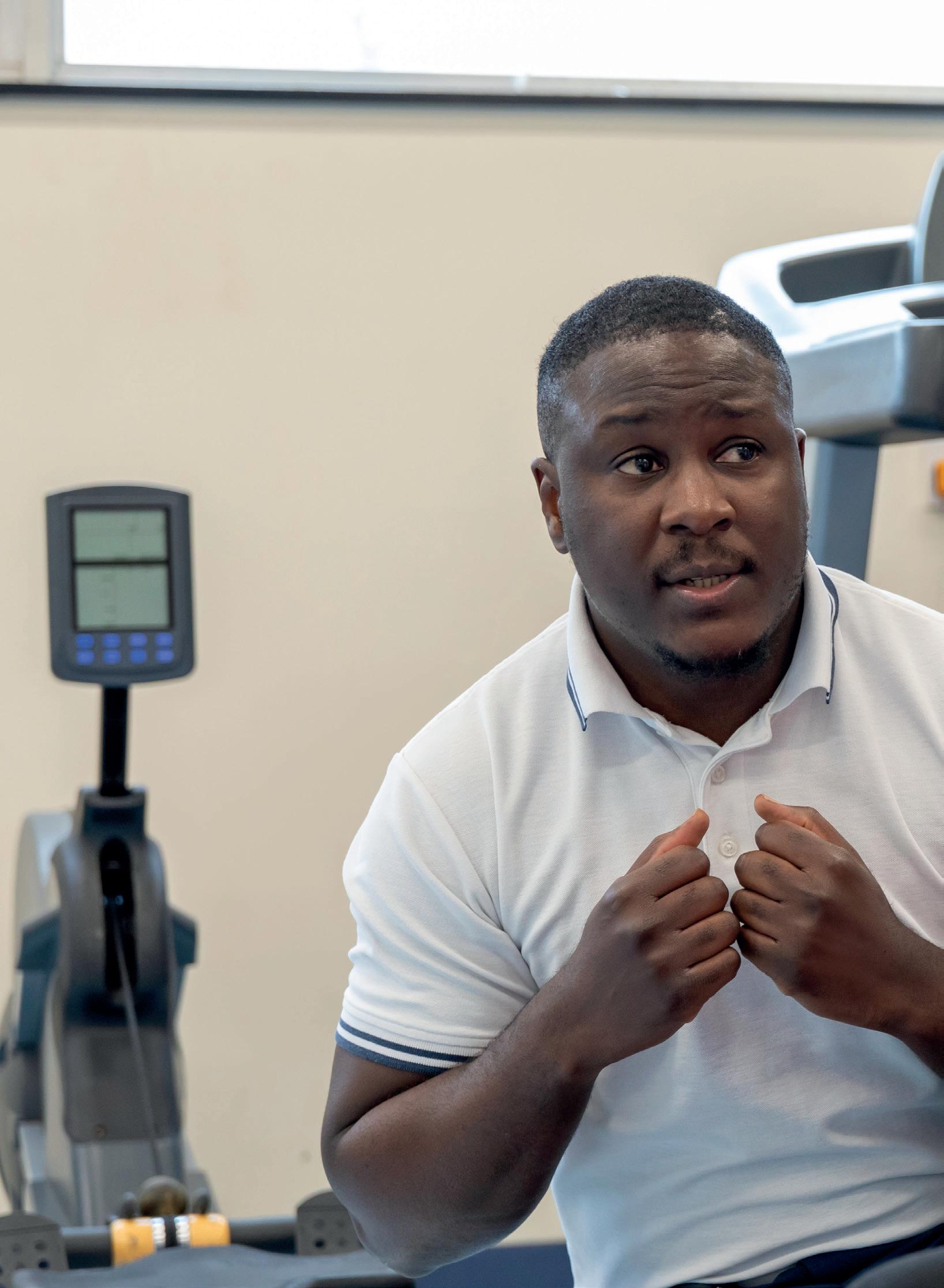
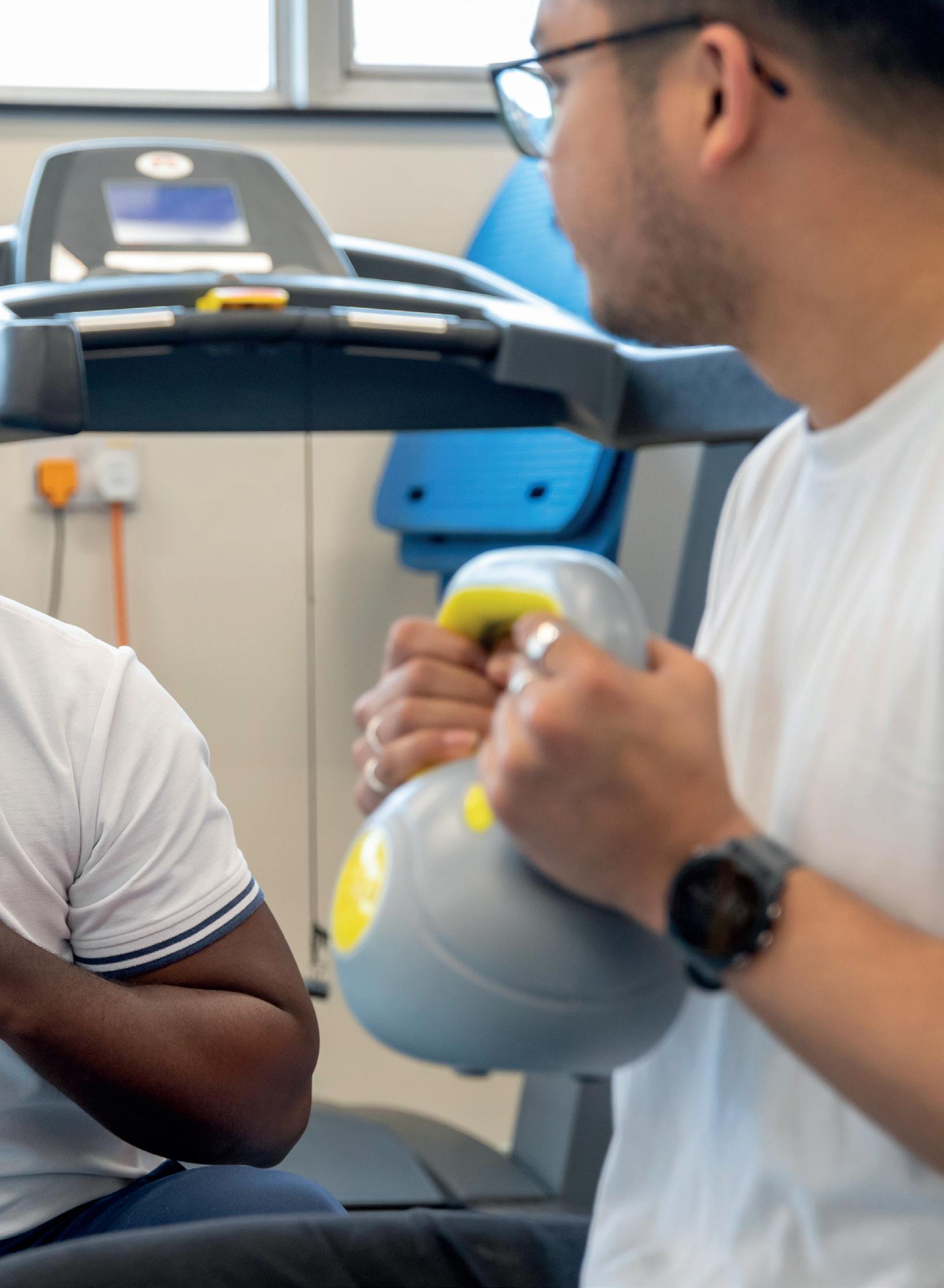
FOLLOWING HIS DEGREE, DAVID IS NOW A PHYSIOTHERAPIST AT DERRIFORD HOSPITAL, WHICH IS PART OF THE UNIVERSITY HOSPITALS PLYMOUTH TRUST
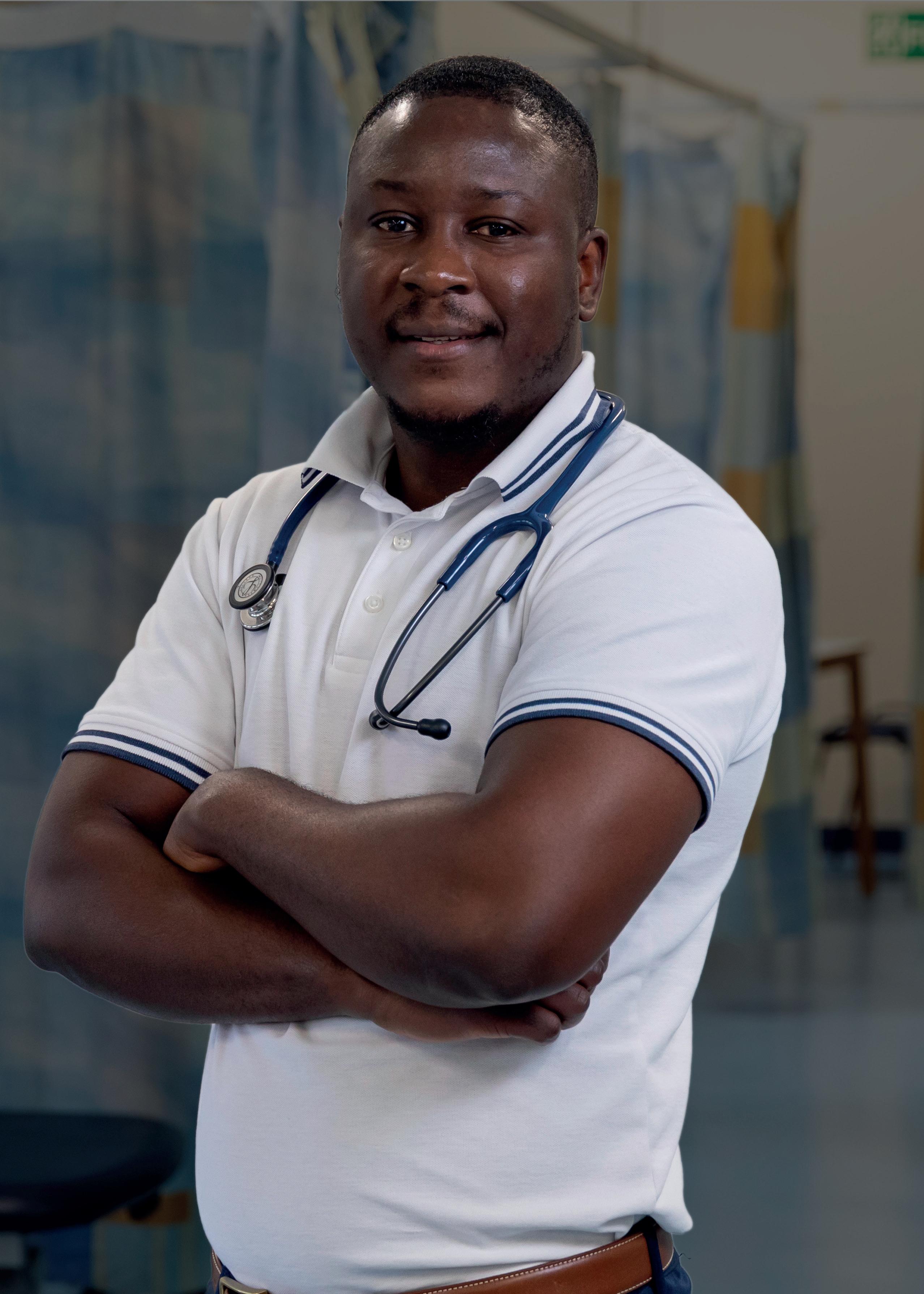
I ALWAYS FELT LIKE I HAD THE POTENTIAL TO MAKE AN IMPACT AND MAKE A DIFFERENCE IN PEOPLE’S LIVES.
Currently, my day is generally seeing patients that are coming in through outpatient referrals. This includes assessing new patients, diagnosing new patients, and involves me managing quite an extensive caseload. I mainly deal with patients that come in with musculoskeletal conditions.
My duty is to diagnose, prescribe exercise, and send them on an appropriate pathway. I am also a Chartered Society of Physiotherapists (CSP) Steward for my department, my role involves representing and supporting colleagues in various aspects of their practice but more importantly help promote healthy working relationships.
Career wise, before deciding to study, I’ve been all over the place. I started by working in the leisure and tourism sector, then I became an entrepreneur, running my own businesses. After this I went on to work in the transport sector in Plymouth for a time. But throughout my whole life I have always expressed a keen interest in human rights, so I’ve also been an advocate for social justice.
I always felt like I had the potential to do something to make an impact and make a difference in people’s lives. I’m quite an autonomous person, so I also I like to oversee what I’m doing. I looked at the careers available that would take me to the next stage and help me unlock the potential that I’ve always felt was there, and physiotherapy was the one that ticked all the boxes.
Coming in as a mature student was quite a challenge from a financial perspective because you are having to sacrifice a little bit of income transitioning into full-time study. On the course itself you have a good mix of mature students, along with those who are coming directly from school or college. This meant there
was a good balance, and I didn’t feel out of place. We also had very, very supportive lecturers throughout the process, so I didn’t really feel the heat of that transition because of this.
The support and respect that I received from the lecturers, and even the admin staff, was extraordinary. I think that was the greatest highlight of my time at Plymouth. Without that, it was going to be a tough mountain climb to get through the course. Even when I was out on placement, you always have a placement tutor constantly checking in and keeping in touch with you, supporting you the whole way through.
When I did my first placement it was a new environment for me, especially being in a hospital setting. I was very fortunate in that I managed to have a wide variety of different placement experiences. I had a chance to work in stroke rehab, trauma and orthopaedics and respiratory, and a musculoskeletal placement to name a few. The one that stands out the most for me was when I had a placement at Hinkley Point C Nuclear Power station looking after the employees there, which at the time was probably the largest construction site in Europe.
On the last placement I had, I was running my own caseload with very
minimal supervision. Here I was actually treating patients, having positive outcomes and receiving positive feedback saying that I had made a difference in their lives. That was when I started to feel like I was ready for that transition from being a student to a fully qualified physiotherapist.
ABSOLUTELY PREPARED ME FOR LIFE AS A QUALIFIED PHYSIOTHERAPIST.
My placements were incredibly wellrounded, which meant I picked up a wide range of experiences. Being awarded ‘Good citizen award’ at graduation, for the student who made
the greatest contribution throughout the duration of the course, was such an honour and had a positive impact on my confidence.
The personal tutors support you throughout the course, and on top of this you have a placement tutor who supports you throughout the placement experience. You know you are receiving that support, and building relationships while on placement, which also helps you to settle into a new team when you start employment.
I’ve been in Plymouth for the past 10 years, so it’s basically my home now,
and obviously my family is here and I wanted a university which was closer to home. Plymouth was probably the best option for me, in terms of choosing the right university. For me, coming in as a mature student I have no doubt that I wouldn’t have picked any other institution.
Before making my university choice, attending an open day helped guide me and reaffirm my decision to apply to the physiotherapy programme. Seeing the facilities, and speaking with the lecturers and the student ambassadors, allowed me to confirm I was making the right choice in coming to Plymouth.
As a student I was also a member of the Physiotherapy Society, Physio Soc, and in my second year I was the Health & Safety officer which I found to be a very rewarding experience. Being a member of the society even allowed me to gain skills I would never have gained otherwise, such as event management.
I would definitely encourage anyone to apply to BSc (Hons) Physiotherapy. It’s a challenging course, but you’re supported by a great teaching culture, and there’s also a very good improvement culture within the physiotherapy department – the lecturers are always seeking feedback from students, such as how they feel about a particular module, how they feel about a particular style of teaching etc.
Working in physiotherapy is an incredibly rewarding career, and each and every day you are making a difference to people’s lives.

Singing For Wellness – a charity led initiative to support people living with long term respiratory conditions (LTRC) to participate in local singing groups.
For people living with LTRC, for example, Chronic Obstructive Pulmonary Disease (COPD) and Long-Covid, the negative impacts of these conditions are widespread and significant. Physical health declines through loss of lung function and resultant breathlessness, psychological and mental health is affected through fear of breathlessness and embarrassment of coughing and clearing sputum in public and these challenges often result in individuals losing their confidence to engage in their usual social activities. They can become socially isolated which then adds to this cycle of decline in health and confidence.
One strategy that has shown great benefits, in both the short and long term, for people living with LTRC, is group singing. These benefits include:
• modifying breathing patterns, resulting in a renewed sense of control of breathlessness
• improving voice intensity
• improvements in measurable lung function
• improved exercise capacity
• improvements in Quality of Life (QoL) and social and psychological wellbeing.

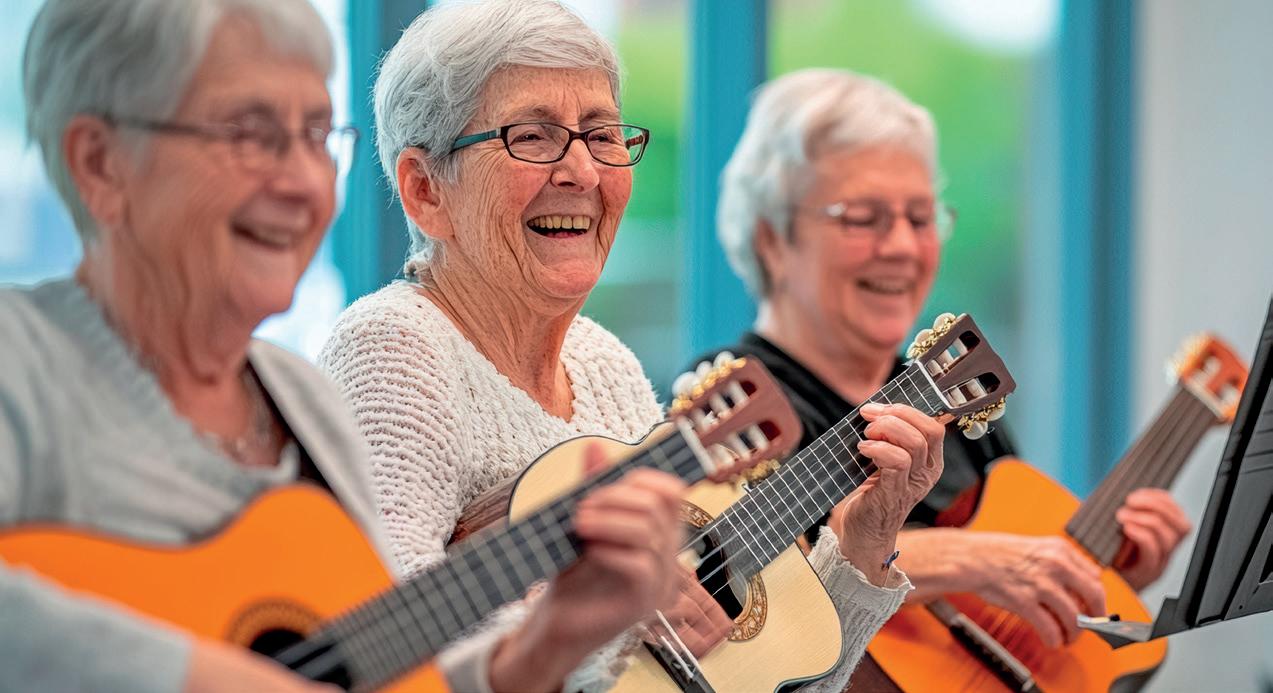
A local Devon based music charity, Wren Music, who specialise in sharing their musical talents with their community decided to explore the setting up of local singing groups to support those people in their local communities living with LTRC. They reached out to the University of Plymouth for partnership support in setting up and running this project. Through this partnership, Wren Music and the University of Plymouth secured Lottery funding for a 3-year project and have successfully set up 3 Devon based choirs for individuals in Devon living with LTRC. Singing for Wellness was born.
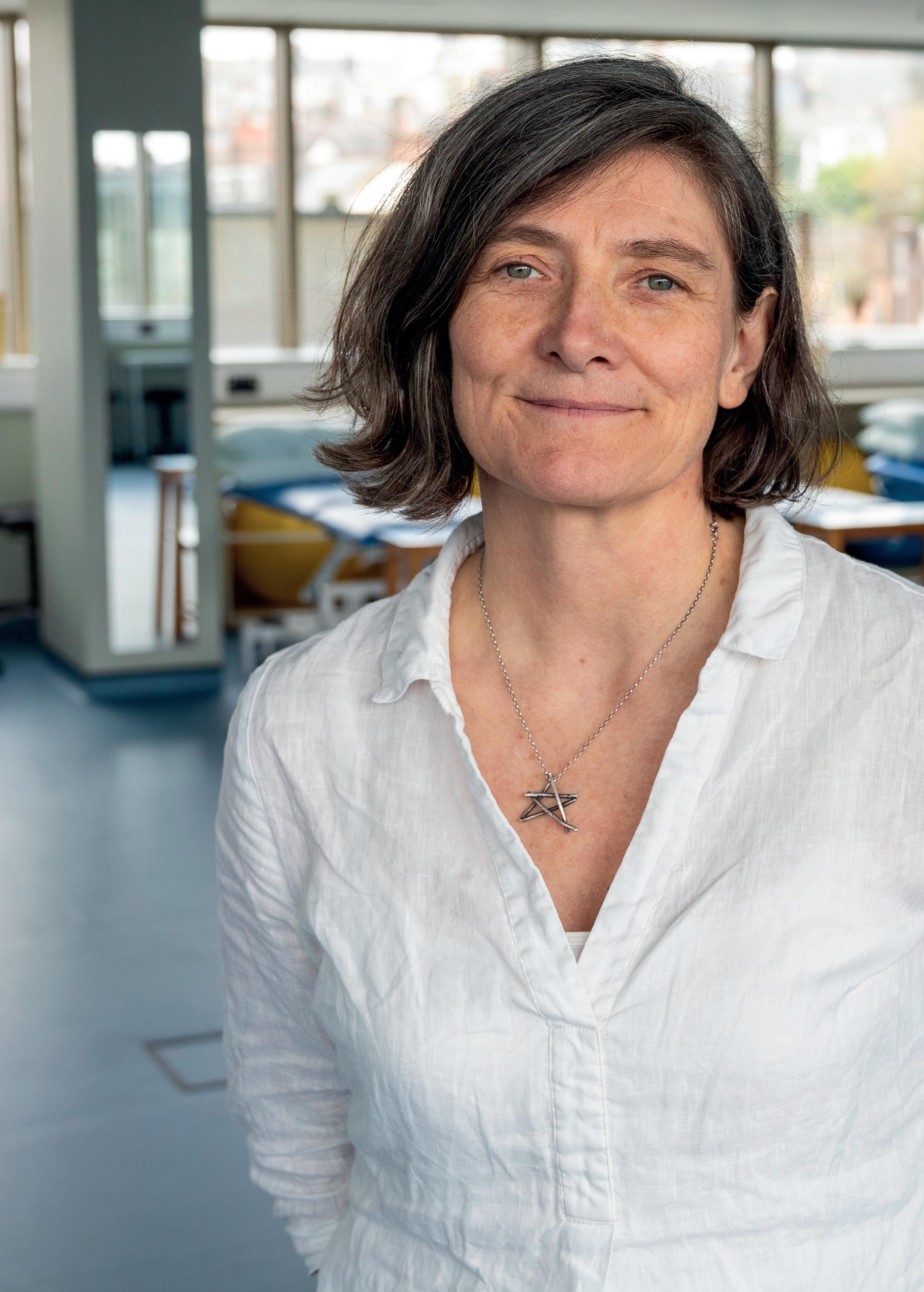
Kathryn Donohue, Lecturer in Physiotherapy at the University

“I used to love singing, but I lost my voice. I’m coming to Singing for Wellness because I’m trying to strengthen my voice and they absolutely have helped. Even after only a few sessions, I’m already feeling the benefit. The exercises we do at the start are brilliant.”
of Plymouth’s School of Health Professions, has a clinical background and specialist teaching role in LTRC. Her passion for seeking innovative ways to improve the lives of people living with LTRC merged seamlessly with the ambitions of Wren Music’s project and our partnership was established. Kathryn has delivered annual training sessions to choir
leaders and volunteers, ensuring that they have appropriate knowledge and understanding of the conditions and symptoms that their choir members are likely to have. This has improved their confidence and skills in the delivery of choir sessions. Working alongside the Trustees of the charity, she has ensured the annual audit of activities is inline with the funded project and is leading on:
• the development of a future toolkit to ensure continuity of the project
• the development of an outcome measure for use in expressing the level of effort required for any given song or singing technique.

“The exercises and the singing definitely help with my breathing. I notice that it’s much better
in
the
days after the sessions, and then it starts to deteriorate as the week progresses until the next choir session. If there were two sessions a week, I’d come to both.”
Through this initiative, the additional plan to develop a ‘toolkit’ for set up and sustainability of singing groups will strengthen its applicability. Work is also underway with the choirs to develop ‘Song Scales of Effort’ to help singers understand the effort required for certain songs or singing techniques, helping them to choose suitable songs to match their current health status and potentially develop a tool to highlight their individual improvements over time. These combinations of tools and techniques aim to help singers develop their own individualised self-management strategies to help improve their future quality of life. Kathryn has established research plans, aimed at evaluating the project, offering

current and future students and staff the opportunity to undertake real-world research, involving choir leaders, volunteers and participants, aimed at building on the growing body of evidence to support the setting up and running of singing for wellness groups around the country.
Through the skill of the choir leaders, and the training they have received, the choir members are benefitting from the physical and social changes through the act of singing as well as the social dynamics of support and shared experiences that are evident within the groups.
Through this work, we will have a better understanding of the
facilitators and barriers to the set up alongside the physical, psychological and social benefits, for people living with LTRC, of singing in a group, that will enable this initiative to be rolled out nationally and maybe even globally.
“The singing does improve my breathing, it’s very noticeable the following day. But it does more than that. It gets me out to meet people. It cheers me up.”
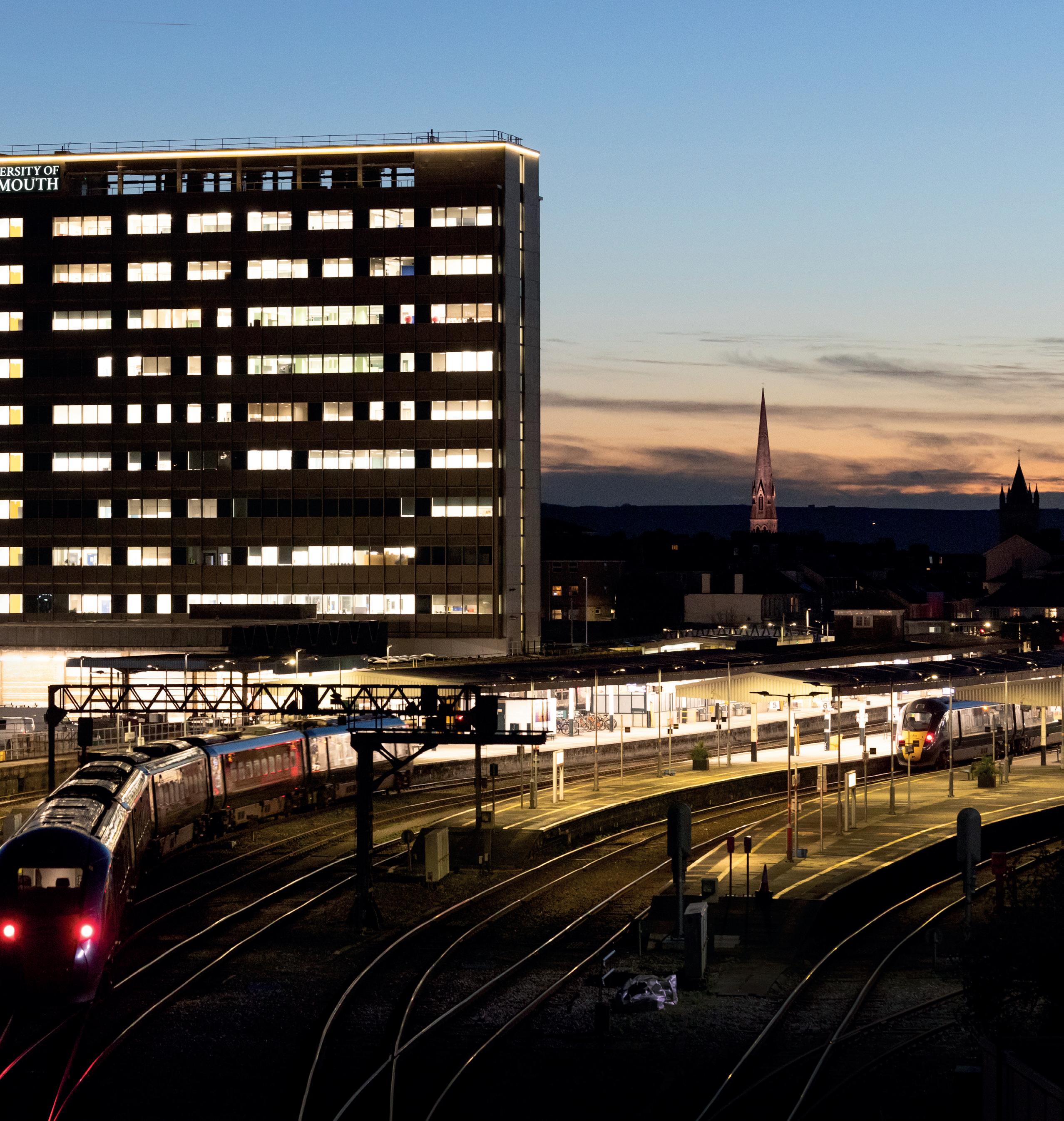
The building offers outstanding interprofessional clinical skills facilities to prepare you for a career in health and social care.
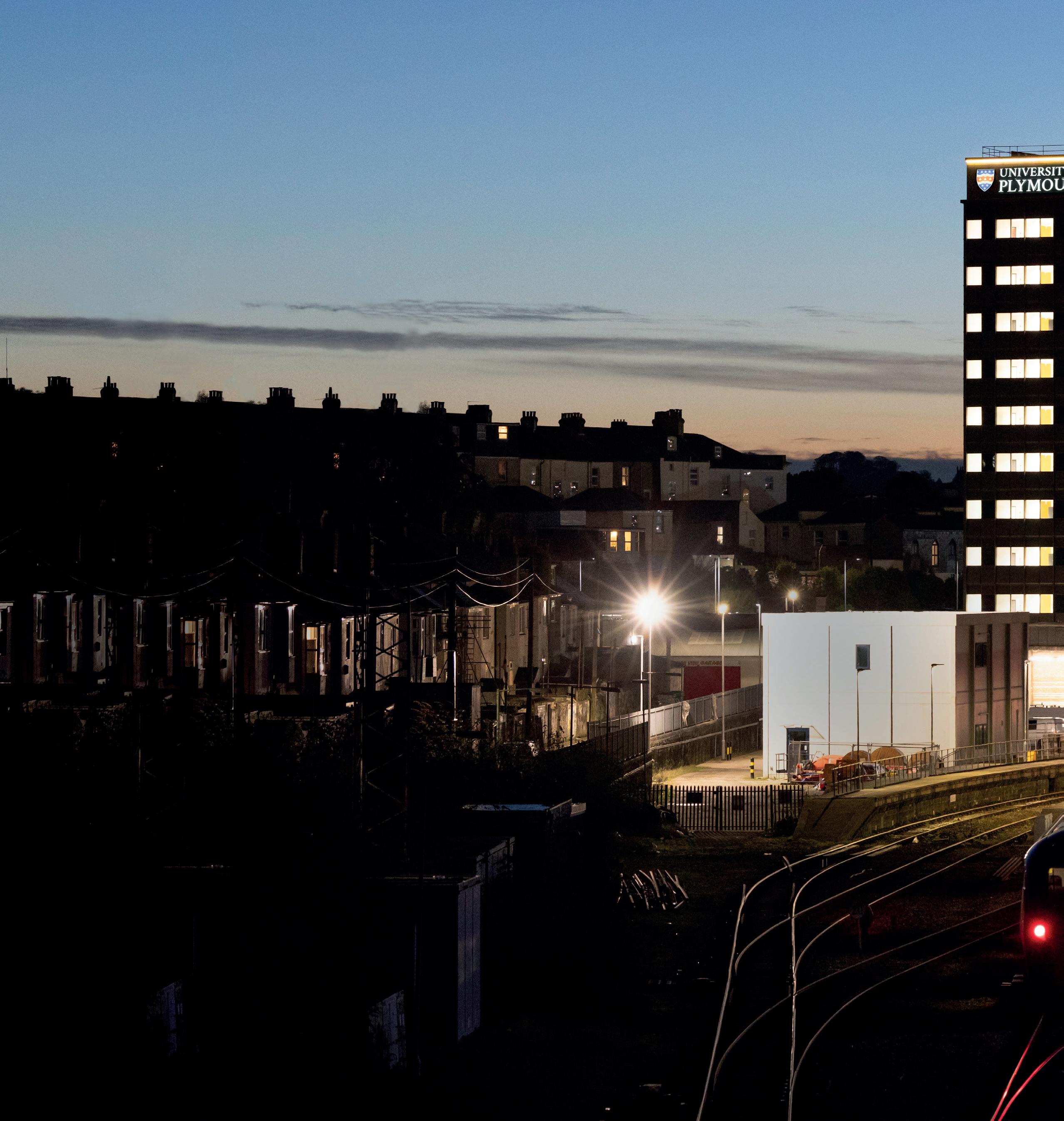
Students will graduate with the knowledge and skills needed for 21st-century healthcare, and the experience of working alongside other practitioners, just as they will in their future careers.
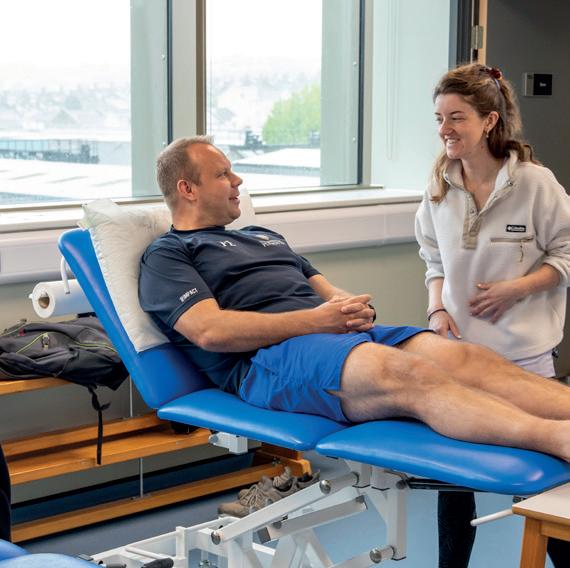
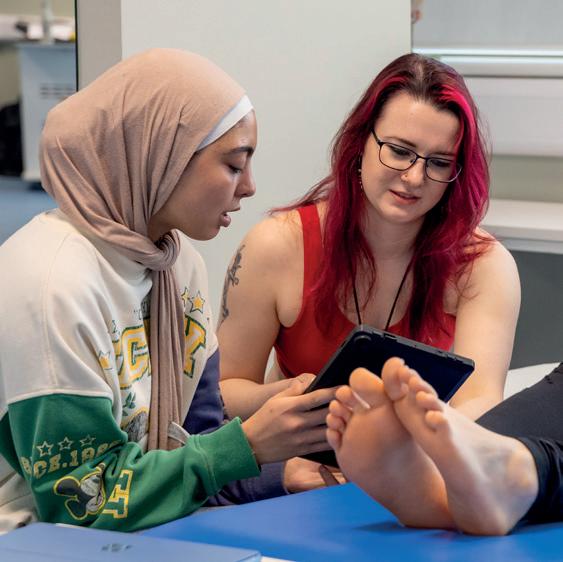
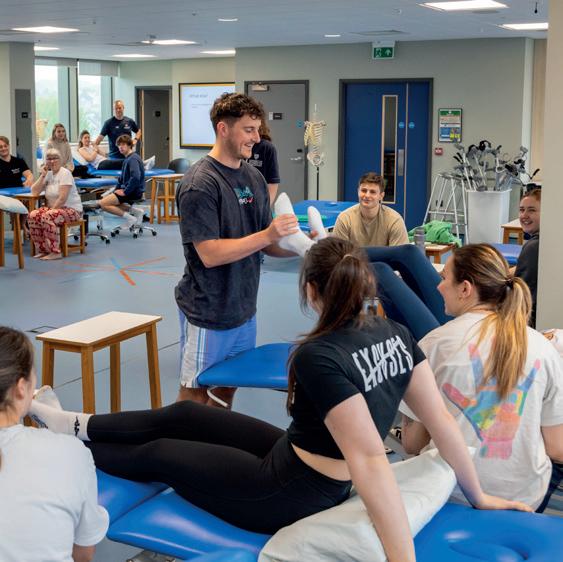
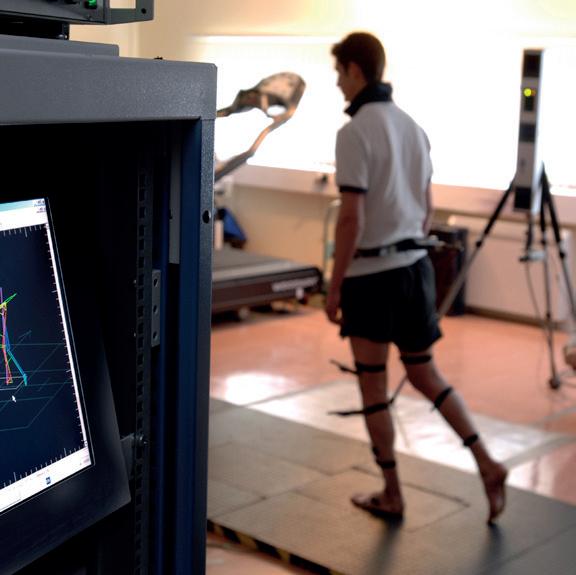
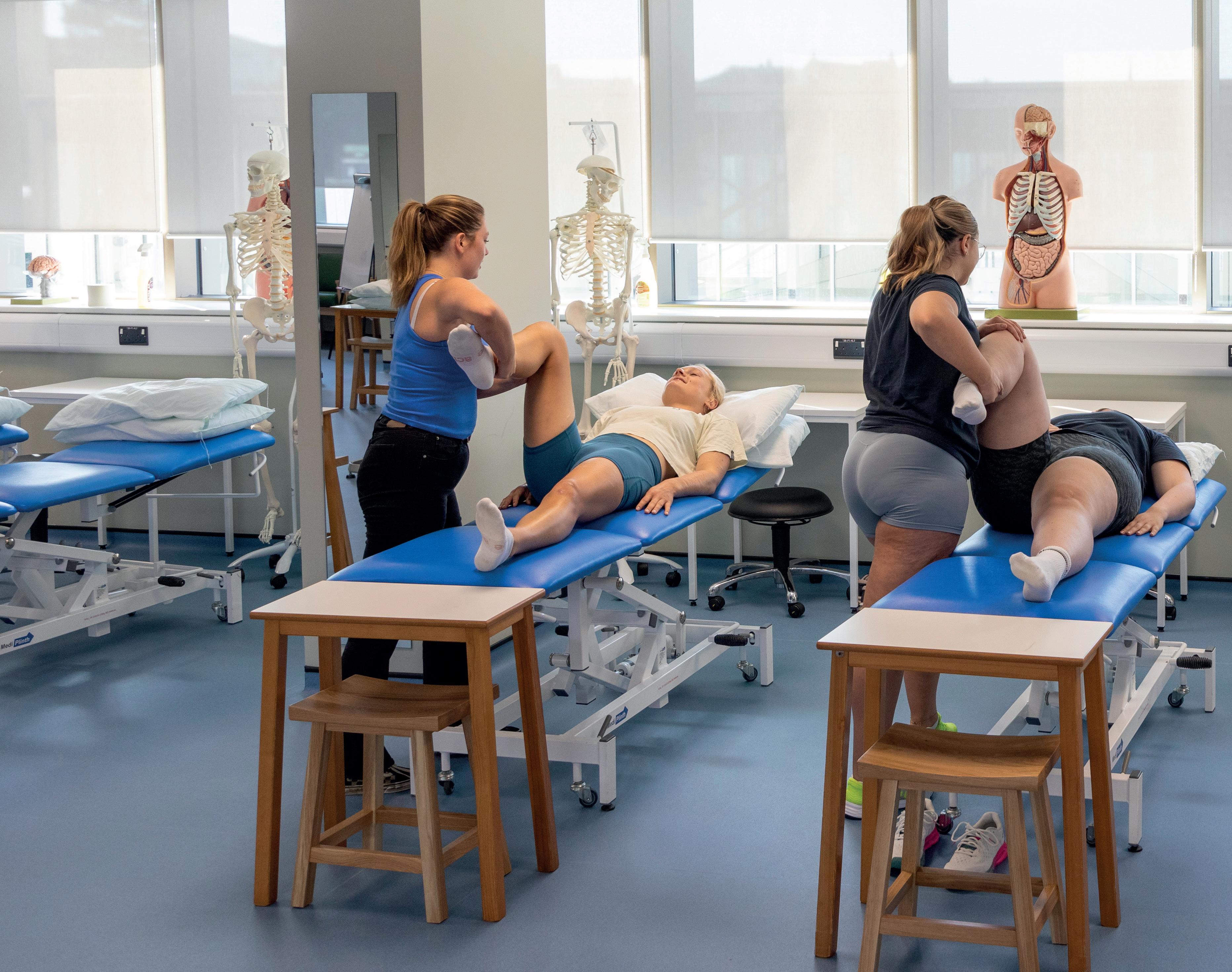
InterCity Place provides students with a physiotherapy gym, community flat and hospital simulation suites for teaching, as well as study areas, a café and social learning spaces, so there is always somewhere to study, learn, socialise and relax.
After a lesson at InterCity Place, take a short walk to the rest of campus where there is a hive of activity including social spaces, cafes, lecture theatres, the Students' Union and easy access to the library and support services.
InterCity Place is adjacent to the train station, near to the bus station in the city centre, travelling to placements and days out is easy for our students.
FIND OUT MORE
InterCity Place: facilities for health professions, nursing and midwifery. Discover the new learning environments that will give students the knowledge, skills and experience to build careers in healthcare.
Most of you will have had some form of experience with the healthcare system in your lifetime. While our courses at Plymouth are designed and delivered to let you excel at a single profession – be that to become an adult health nurse or an occupational therapist, we want to offer you the additional skills and knowledge that will enable you to thrive within multidisciplinary teams.
PIHC, or the Plymouth Integrative Health and Social Care Education Centre, is a new initiative within the Faculty of Health that supports interprofessional learning (IPL) across our far-ranging suite of healthcare courses, so that our students are given opportunities to learn with, from and about each other. IPL is an effective tool in equipping students with transferrable skills that are valuable for
their future careers. We want the next generation of healthcare professionals to step into the workforce as confident practitioners from day one, and perhaps the diversity of courses within the faculty allows us to facilitate this by bringing various disciplines together –from diagnostic radiography to dietetics, dental surgery to clinical physiology, and from paramedics to child health nursing.
PIHC embeds these opportunities for all year 1 students studying our health and social care courses, and continues to develop the initiative throughout your degree. PIHC ultimately allows you to feel supported and valued, and develop cross-collaborative skills in a safe and risk-free environment. In addition to embedded IPL, PIHC supports further opportunities for
students across the faculty to come together such as:
• Schwartz Rounds: a confidential forum for students and staff to talk about the emotional impact of their work and studies
• C4CHEd: an international collaboration promoting compassion in health and social care education
• Tea-Time Teaching: a series of student-led sessions where students present to their peers on a topic of their choice
• ad hoc events, including a simulation day for midwifery and paramedicine students.
“The webinar allowed attendees to have an understanding not only of the processes that they may encounter in their career in medicine, but also the experiences of other professionals involved.”
General Medical Council feedback for Synergy: Oral Cancer with year 1 students
“It was so interesting to hear about healthcare roles outside of medicine and what other members of the MDT do.”
Year 1 Medicine student
“Healthcare systems always require improvement, it’s easier to know how to improve your area if you know how other areas work too.”
Year 1 Nursing (Adult Health) student
“It is great to know how to ensure all of our professions can work effectively together. This benefits the service user and staff.”
Year 1 Nursing (Adult Health) student

Over 95% of our graduates are in work or further study*