Occupational Therapy Edition
Occupational Therapy Edition
Admissions
+44 (0)1752 585858 admissions@plymouth.ac.uk plymouth.ac.uk
Schools & Colleges Outreach Faculty of Health outreach@plymouth.ac.uk
University of Plymouth Drake Circus Plymouth Devon PL4 8AA United Kingdom
Follow us @PlymUniApply
It’s never too early to start thinking about what you would like to do after school or college, or if you are thinking of a career move! At Plymouth, we know that choosing a university and course is a big decision. While you may have an idea of a profession, career or industry that you’re aspiring towards, if you’re unsure of exactly what you want to do or are keen to find out more – this is where our handy subject guide comes in.
Meet some of this issue’s contributors:
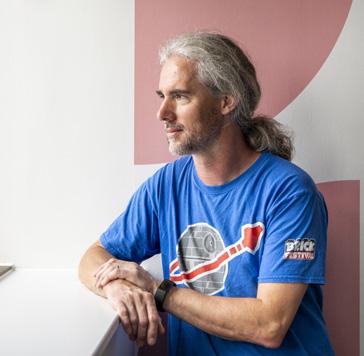
Shares how his life experiences led him to a career in Occupational Therapy. P.10

What does an Occupational Therapist actually do? P.18 Anton
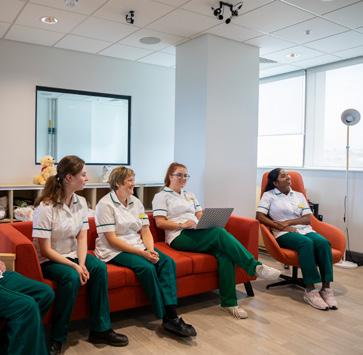
How you grow your skills as an Occupational Therapist through practice P.20
Start exploring –take a virtual tour
FEATURES:
P.4 10 Reasons to Study at Plymouth
P.14 Which degree is right for me
P.22 Where will your degree take you?
P.26 Community engagement
P.33 Undertaking Research
P.36 Alumni stories
P.40 OT society
When it comes to finding out if university feels right for you, nothing compares to an open day. Talk to current students and quiz lecturers about your course. You can register to attend here: plymouth.ac.uk/open-days
Our virtual tour allows you to experience firsthand what it is like to be on campus and explore the environments and facilities that inspire and shape our learning every day. You can take a virtual tour here: virtual.plymouth.ac.uk

P.42 InterCity Place
P.46 PiHC
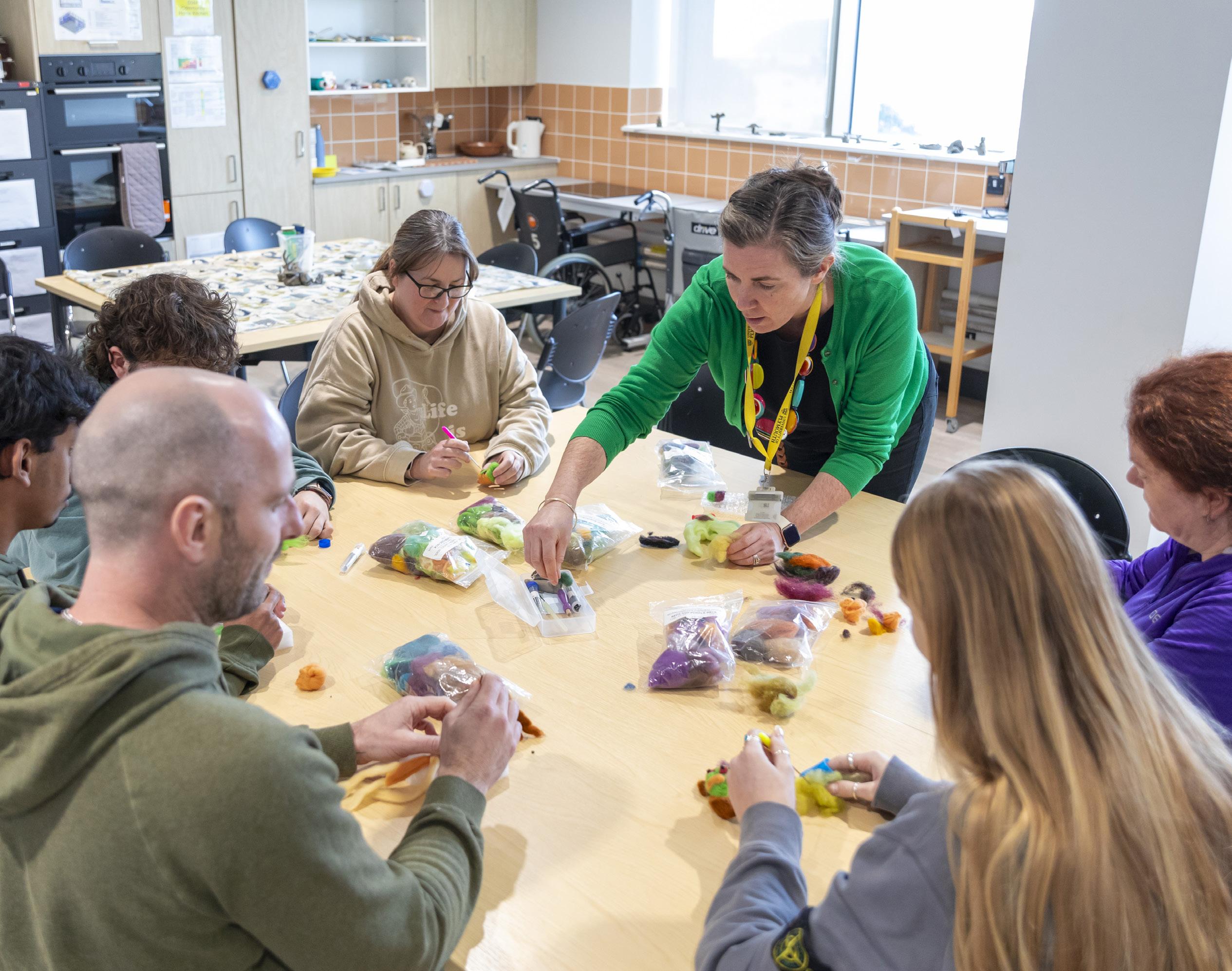
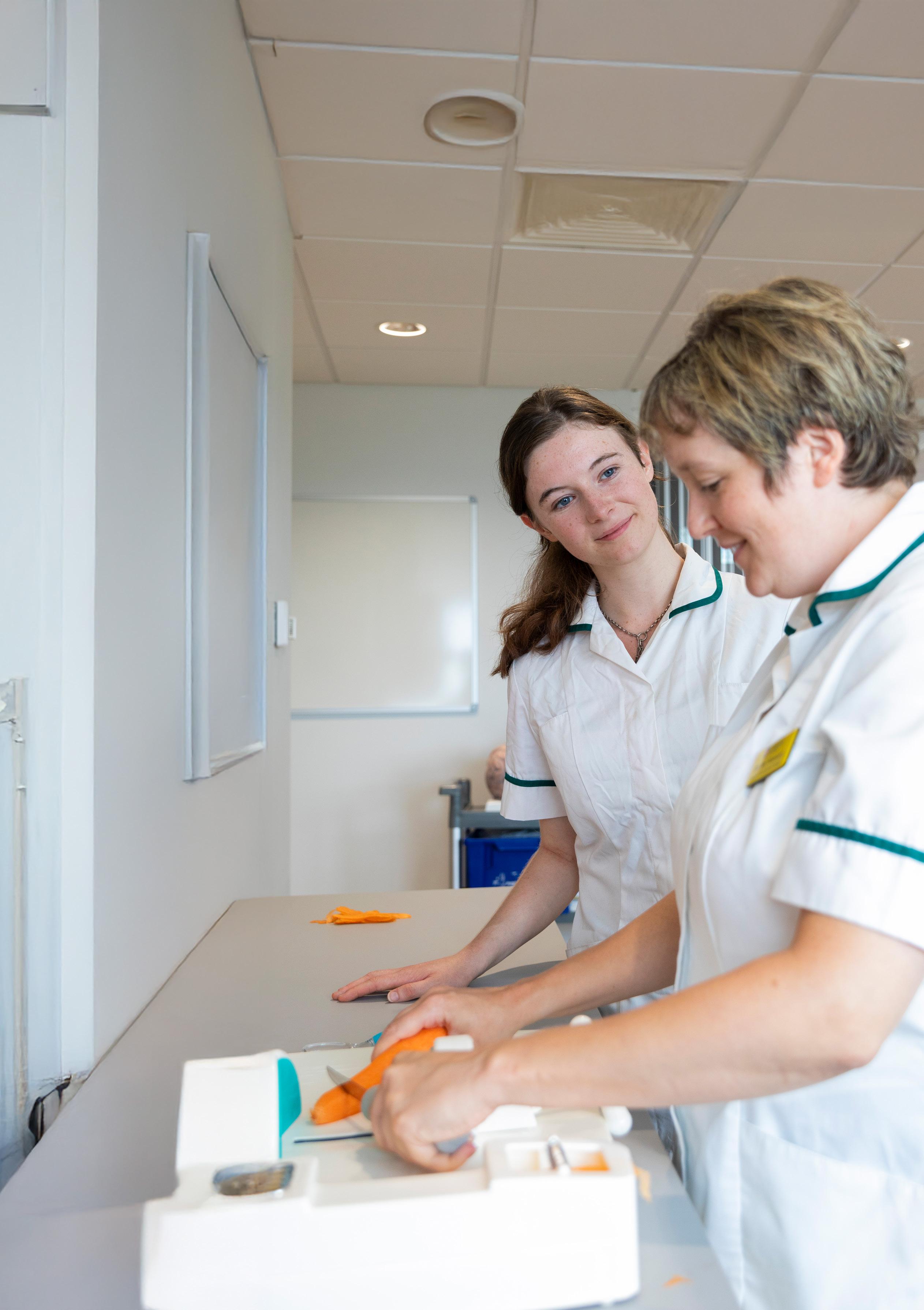
Placement experiences take place across all three years of your undergraduate degree. We have a vibrant and varied pool of placements across the South West to prepare you for the diverse employment opportunities available to you after graduation.
“The placements develop along with your competency as you go through the course. The first year is purely spent shadowing occupational therapists during their work. The second year was more autonomous so I could do more. In my final year the first few weeks were spent shadowing. I had my own caseload as I was progressing through this. I saw patients, did follow-up work and wrote my own notes which is much more what working as an occupational therapist will be like in the workplace.”
Danielle, BSc (Hons) Occupational Therapy student
We have strong relationships with occupational therapy, health and social care agencies, and providers across the entire South West peninsula. We pride ourselves on an inclusive learning community involving students, service users, carers, practitioners and staff in the continuing development of our programmes to ensure that they meet the needs of the future workforce.
“Settling into the first year has been a really positive experience for me! The resources on the digital learning environment (DLE) and the lecturing team were amazing in helping me adapt to the workload. It was daunting at the start: a new environment, learning a lot of new information and meeting new people, but everyone was in the same boat and it never felt as though I was experiencing any of it on my own!”
Rosina, BSc (Hons) Occupational Therapy student
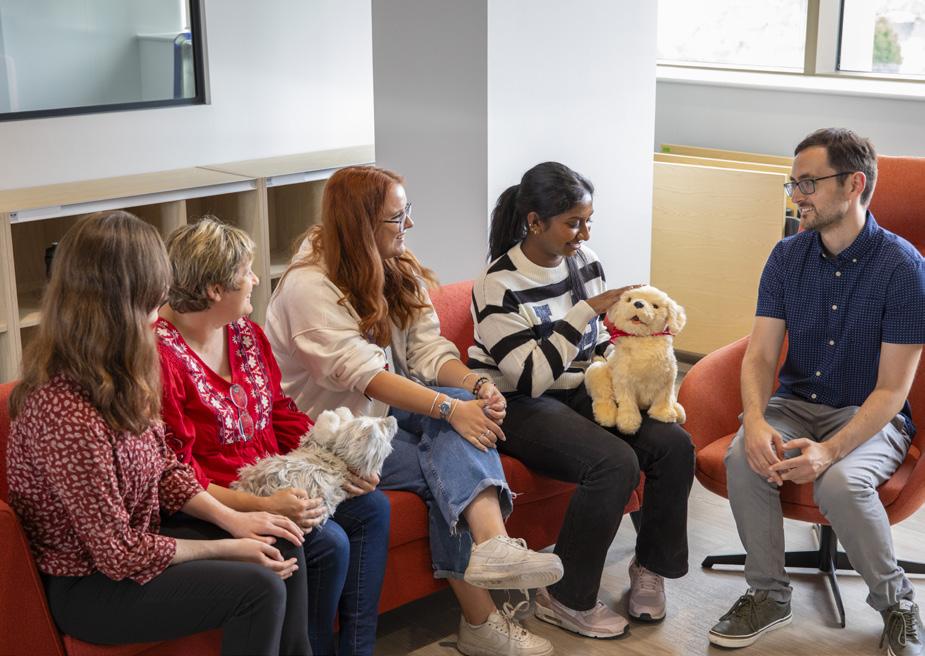
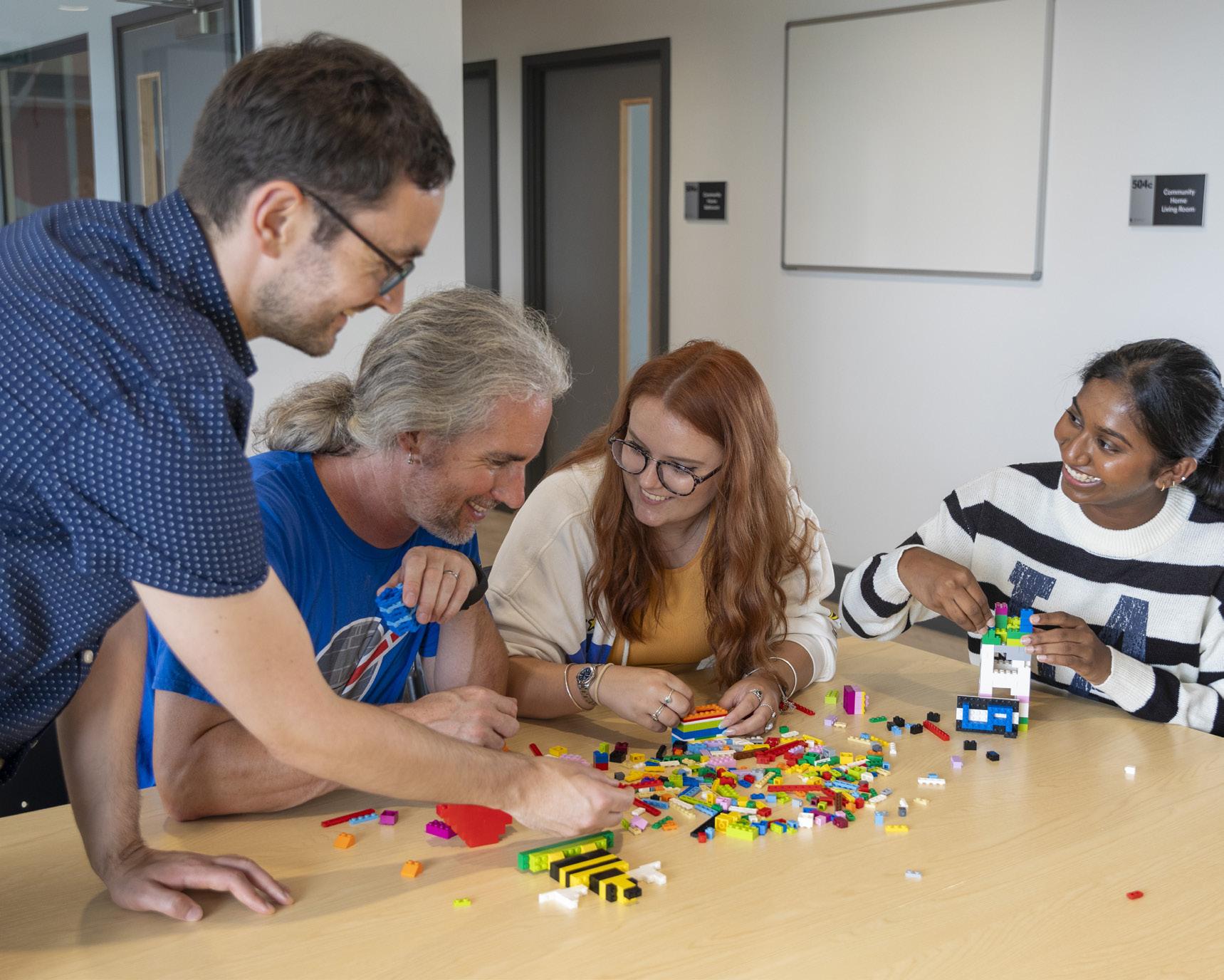
Our friendly and supportive learning environment is run by internationally recognised staff. We are driven by our dedication to student-centred learning. Throughout your time here you have a Personal Tutor who supports you individually and is happy to meet with you outside seminars, workshops, and lectures to talk through your work oneto-one. In addition, students can access support with academic and writing skills, health and wellbeing, and careers.
“There are so many opportunities for support at the University. In terms of personal support, you are allocated a tutor for any issues or queries you may have; alongside student services. For academic support the lecturing team are amazing at providing information and answering questions while also providing a module handbook and updating the DLE regularly.”
Rosina,
BSc (Hons) Occupational Therapy student
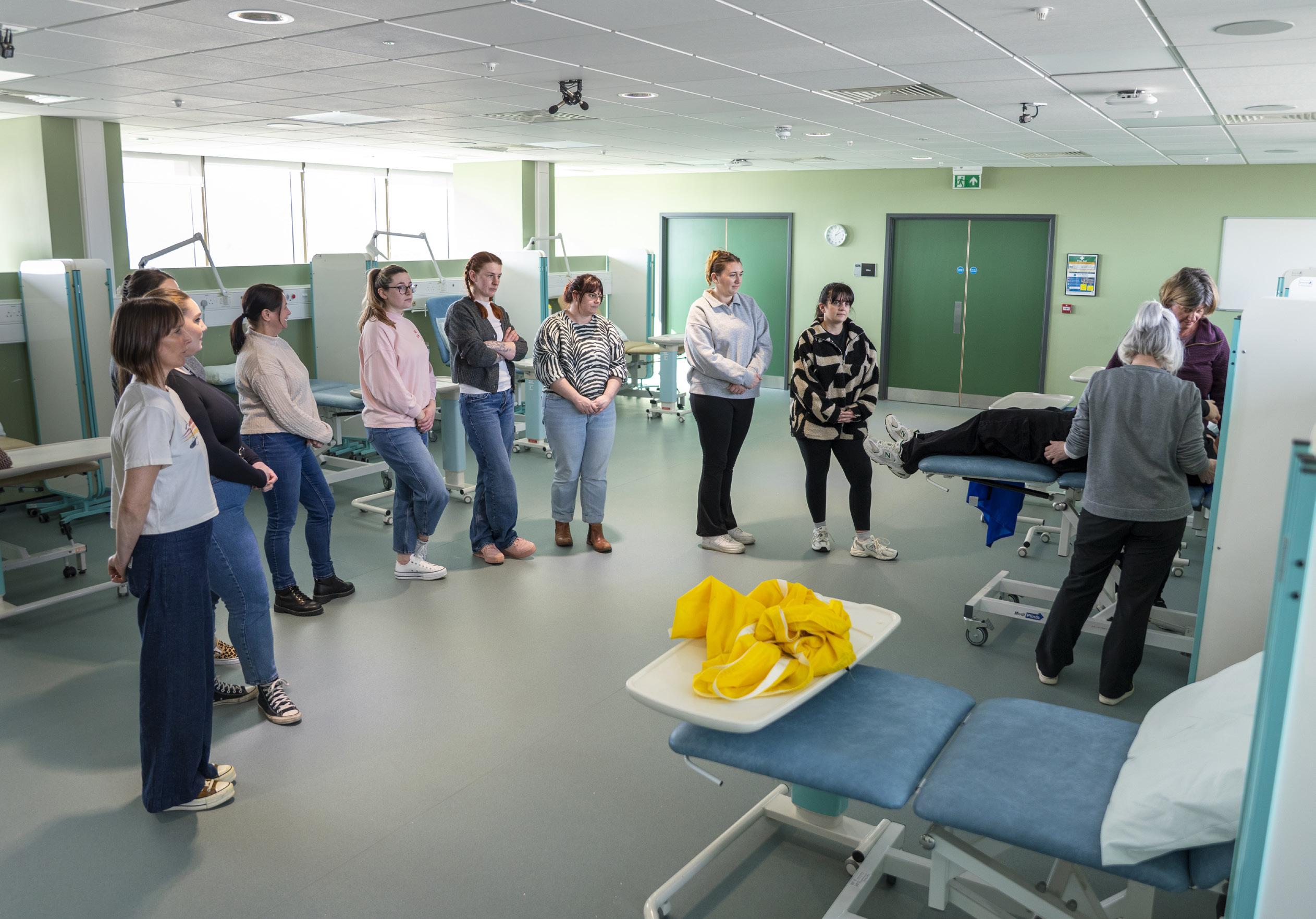
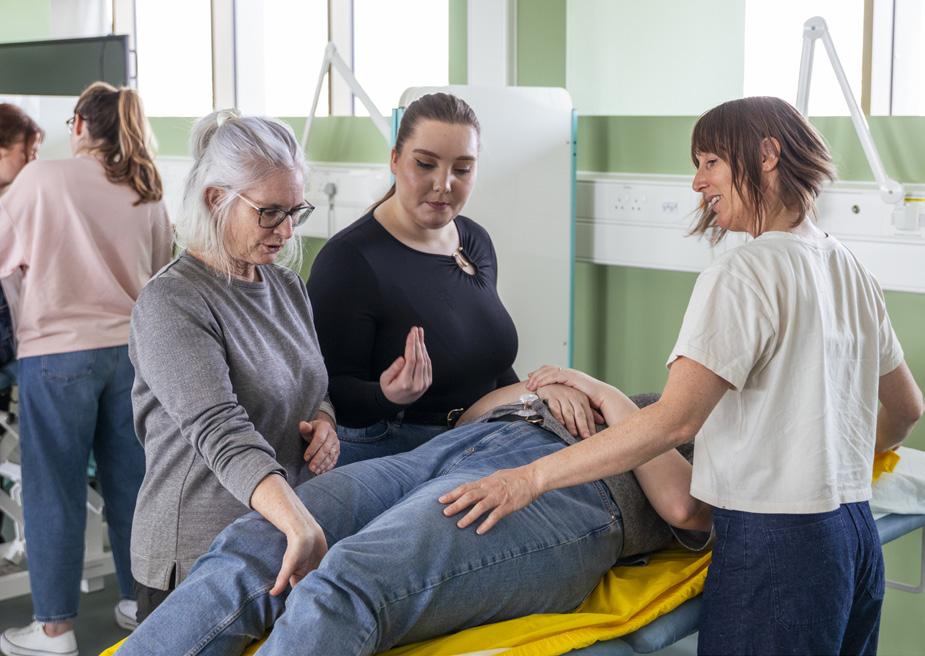
Our Occupational Therapy staff have a strong record of engaging in research in a wide range of areas including primary care, neurorehabilitation, mental health, outdoor activity, and occupational therapy education. Students on the BSc and apprenticeship courses are supported to complete a group research project in their final year while those on the integrated masters programme complete an individual research project.
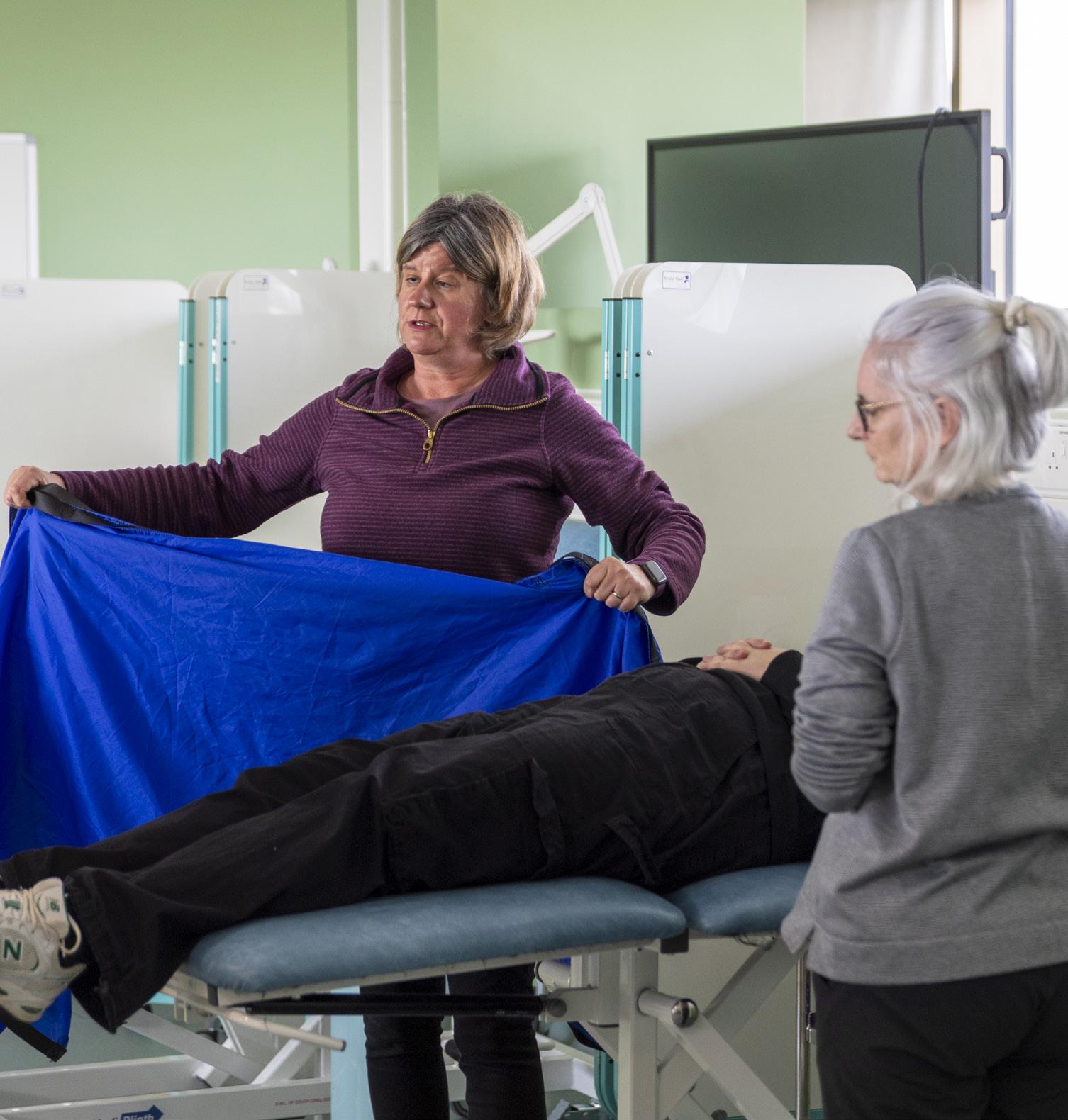
Our team has expertise and experience spanning a wide range of occupational therapy settings, so you will have a grounding in the diverse and expanding range of occupational therapy roles. Whatever your future plans we will give you the skills to build your career through practical placement-
based learning, classroom-based lectures and study groups.
We are based in an interdisciplinary school, so as well as learning about occupational therapy, you will have opportunities to learn alongside other allied health professions in our purpose designed learning spaces at InterCity Place.
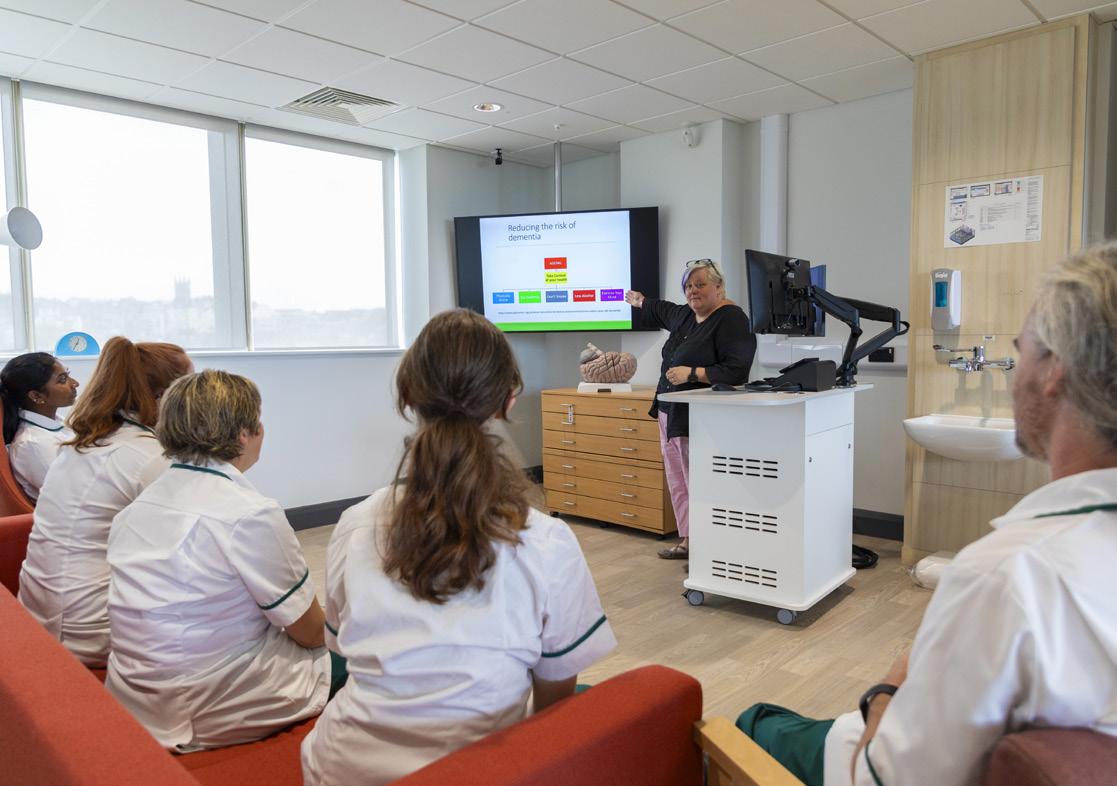
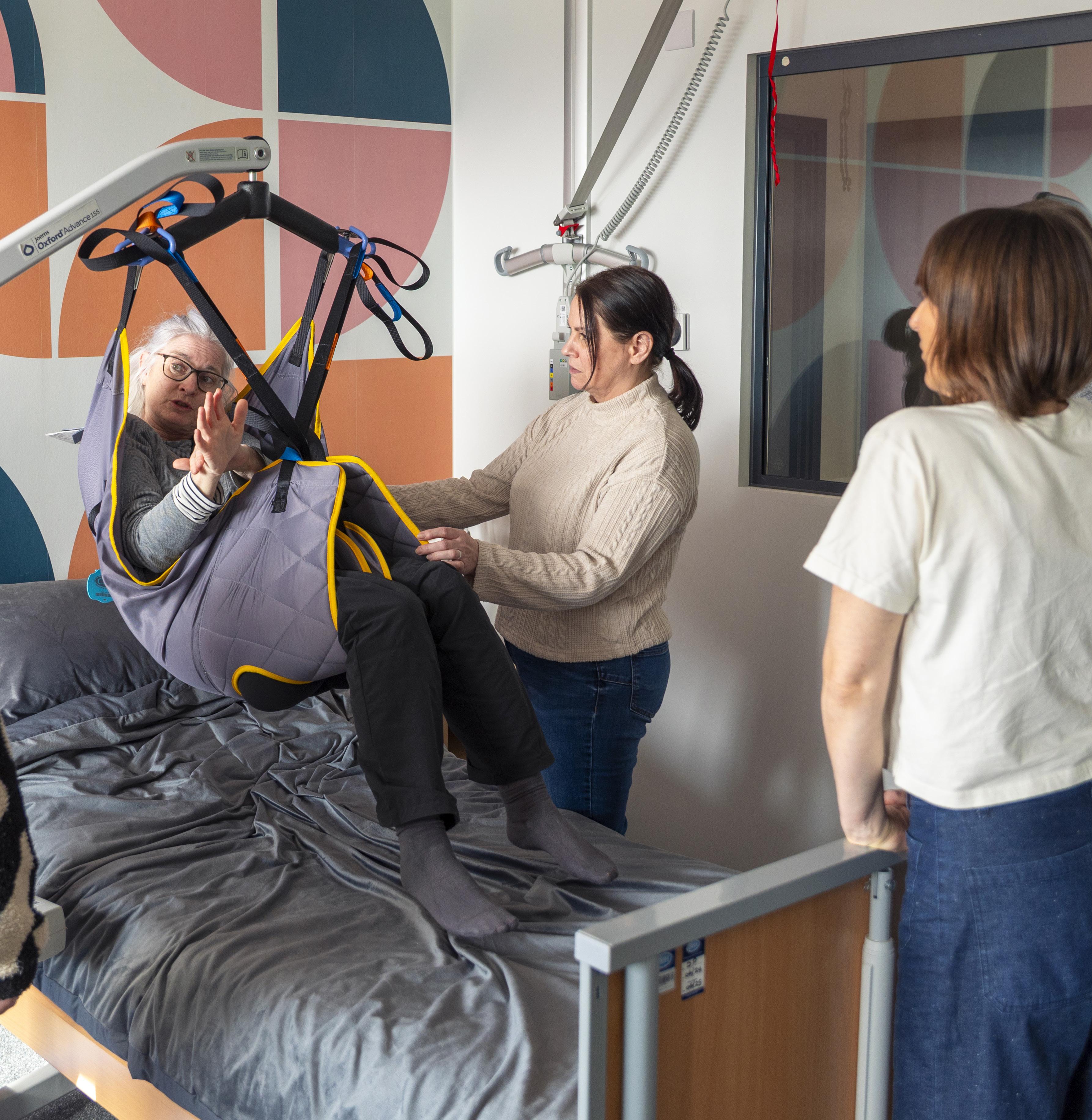
Our InterCity Place building includes a community simulation flat that allows you the opportunity to practise your skills and apply your learning in a secure simulated environment. It supports you to develop your clinical reasoning, communication skills and confidence in supporting service users to live meaningful lives in their own homes.
“I like the community simulation suite in InterCity Place. The design fosters a relaxed and supportive learning environment that is really beneficial at masters level as you
are encouraged to use creative problem solving and teamwork to generate, critique and develop ideas.”
Oesa, MOccTH (Hons) student
Our library is open 24 hours a day, 7 days a week, 365 days a year, enabling you to access a wealth of resources whenever you need them, including online journals, subjectspecific databases, online archives and, of course, books! There’s also specialist support on hand when you need guidance, and our enthusiastic subject librarians are always happy to help.

Our city is a stunning seaside location with a rich cultural life, with Cornwall and Dartmoor nearby to explore. Our students are given the unique opportunity of really immersing themselves into the local culture through placement experiences and guest lectures. We also have an active OT Society run by students who organise a range of events across the academic year.


Our range of occupational therapy programmes are tailored to your educational needs. At undergraduate level, you can apply for our BSc (Hons) degree or progress onto the course via our integrated foundation pathway if additional preparation is needed. You may be eligible for our apprenticeship pathway if you’re already employed in an appropriate setting. Learning can be taken to the next level on an integrated masters (MOccTh) programme. Our MSc preregistration programme is available if you have a 2:1 degree, and you can further your studies by completing a PhD.
Whatever programme you choose you’ll learn alongside students from diverse backgrounds taking a range of routes to qualification and postregistration education.

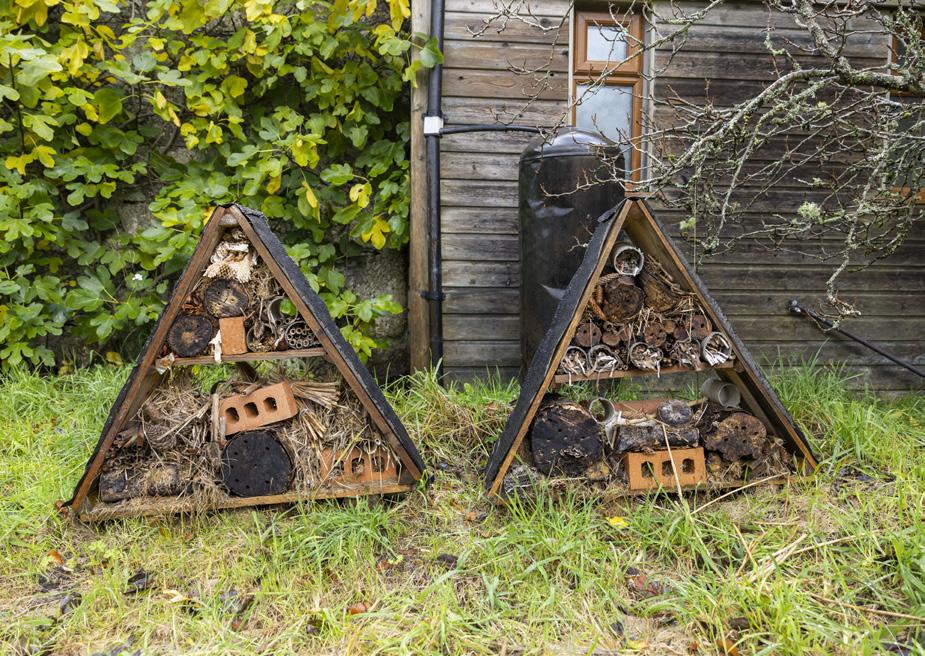
The University was the first university in the world to be awarded the Social Enterprise Mark in recognition of working as a genuine social enterprise, caring for communities, and protecting the planet. The Occupational Therapy team has conducted research on occupations in green and blue spaces, and the link between the natural environment and wellbeing. We increasingly consider sustainability in occupational therapy practice across our modules.
Once you have qualified you can register with the Health and Care Professions Council, the occupational therapy regulatory body. Our BSc (Hons), MOccTh (Hons) and MSc programmes are accredited by the Royal College of Occupational Therapists (on behalf of the World Federation of Occupational Therapists). Our graduates work in a wide range of settings both in the UK and internationally.
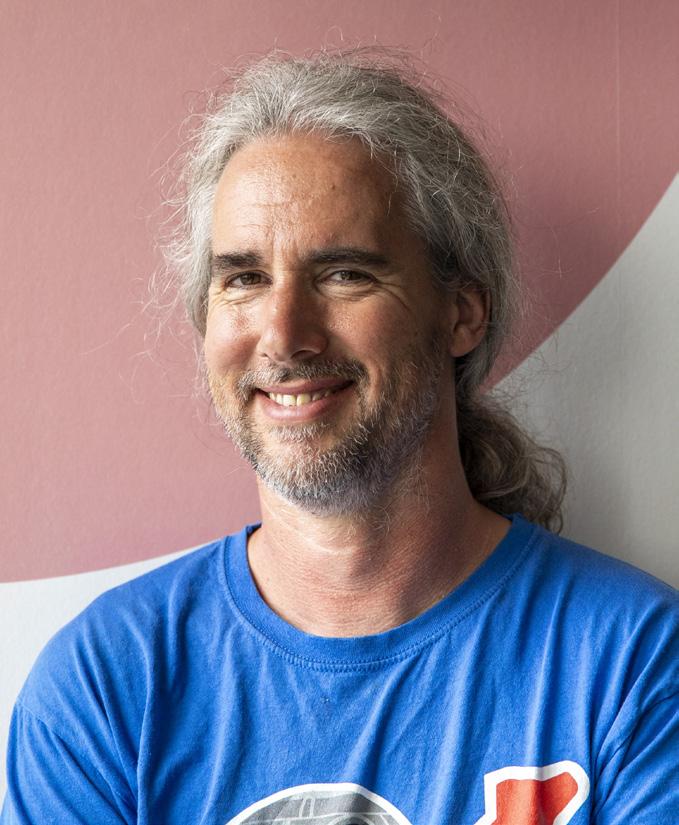
“Initially I thought I’d want to work with children in a mental health context but there’s an absolute wealth of things that I’ve since discovered, other career pathways I’ve become aware of and have experienced.”
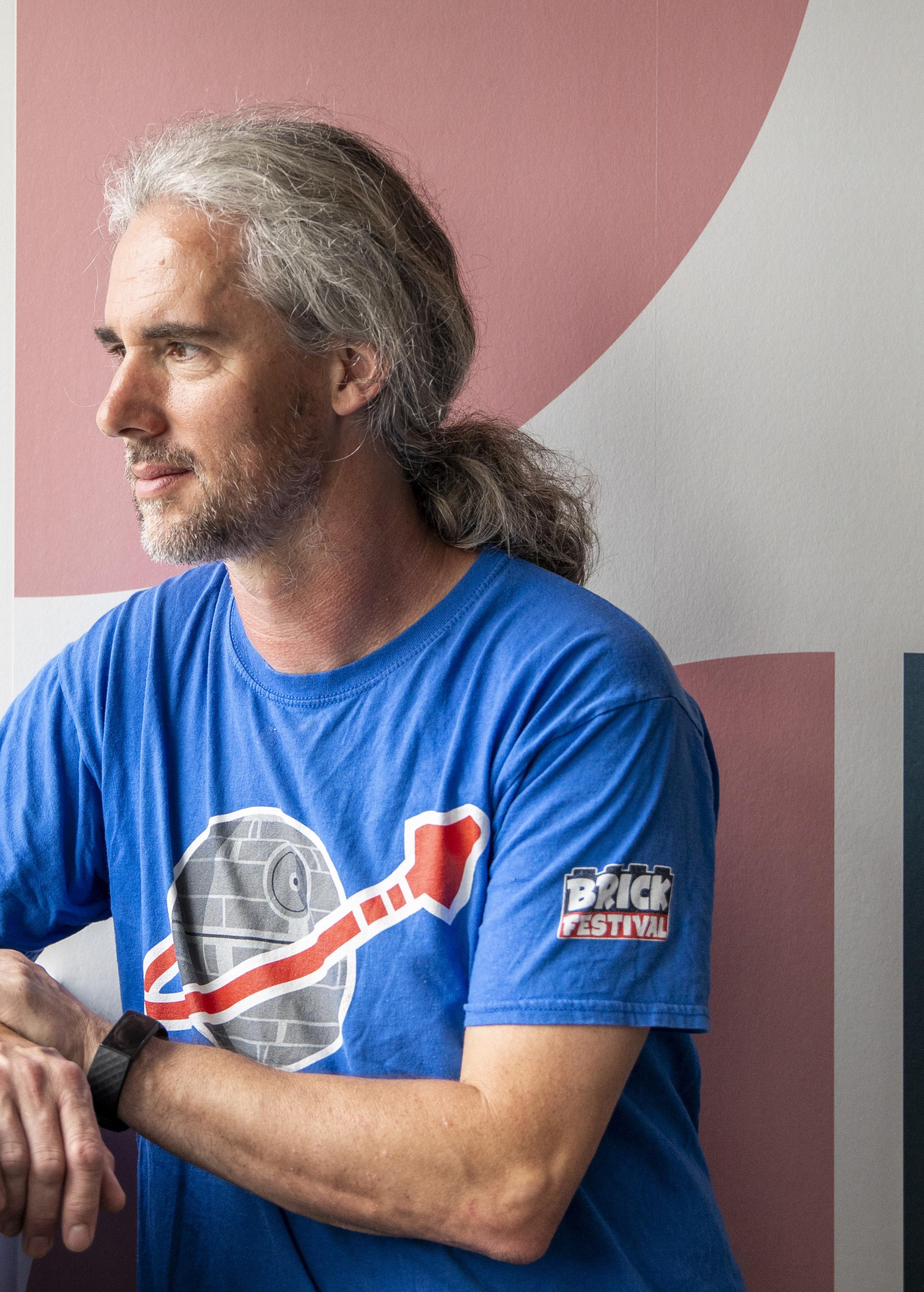
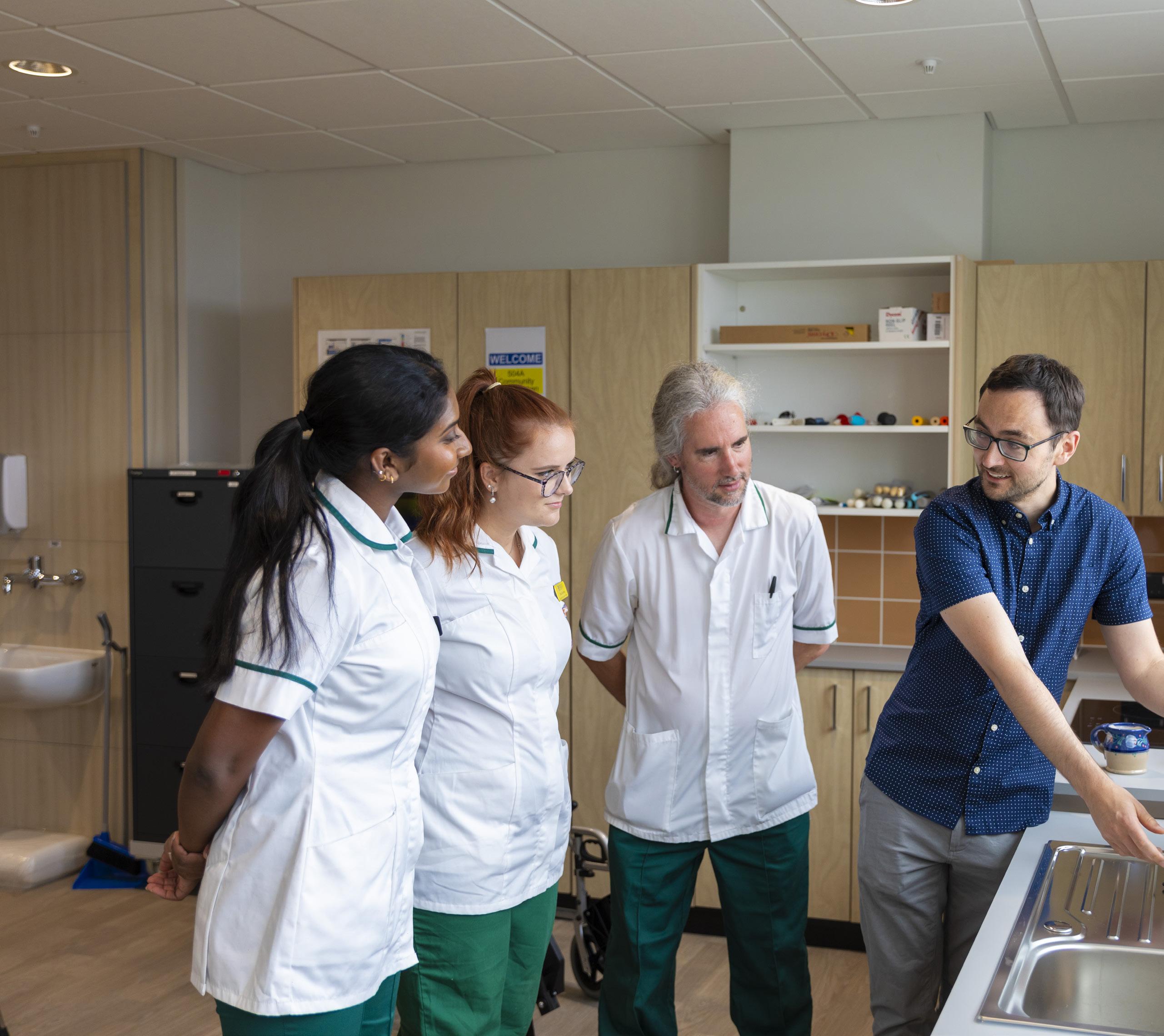
After a successful career as a marine engineer Anton enrolled on the MOccTh (Hons) Occupational Therapy course to find a career that was more challenging and personally fulfilling.
WHAT MADE YOU THINK OF A CAREER IN OCCUPATIONAL THERAPY?
Well, how I found it was very interesting. My dad wasn’t very well. His right arm was plated and causing significant pain when he used it so I moved all the tables to the left of the chairs to stop him automatically reaching with his right. I also modified and attached an old motorcyle lifter (with a large extendable bar that raises up) to the side of the bed to help him get in and out.
My experience as an engineer helped me to look at various things in the house
and adapt them to make moving around easier for him and the problem-solving element appealed to my nature. When my father’s occupational therapist came around to assess his home they were impressed and didn’t need to do much to help him.
After that I mentioned to some friends who are nurses and a health professional that I was interested in occupational therapy and they just turned around, said ‘You’d be bloody brilliant, go look into it’ so I did, and that set me on the path.
Learning to be self-reflective is a critical skill that you develop as part of the course. I would say it’s been a really big part of my journey because I reflect
on a lot of what I’ve done in my life and within my experience and I’ve been able to apply those learnings in this course. Without being reflective we don’t learn, without making mistakes we don’t learn, and we need to see the value in that. Being a mature student it’s been important for me to recognise that I have valid experiences and by reflecting on them I can learn, and subsequently in lessons I have been able to share those experiences with my peers, what I’ve learned from them and in turn that experience and reflection has helped others learn too.
My placements have been varied; I’ve been in acute adult inpatient mental health wards, worked in the community with elderly patients and also in child
and adolescent mental health services (CaMHS). I’ve loved the variety and really enjoyed building relationships with other staff and service users, it’s given me so much to choose from for the future!
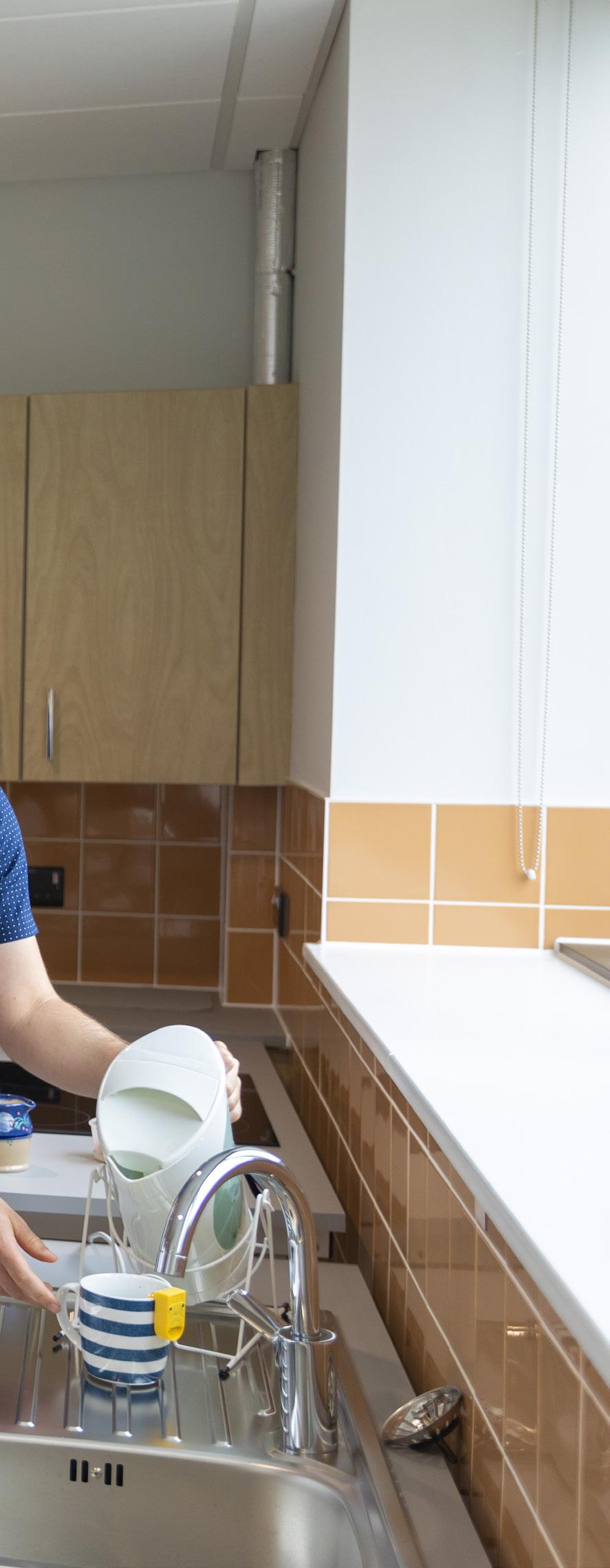
The CaMHS placement was incredible, really life affirming. I was working with a young person who was sectioned, dealing with a variety of issues and was finding it difficult to function in that environment. I did a lot of environmental work with them, to make them feel more comfortable in their immediate environment. Utilising the occupational therapy process in a way so she was getting the most out of it, we were able to do a kitchen assessment with this young person. I set up a space in the kitchen on the inpatient unit, I’d get ingredients and then we would cook
together, eat together and create a safe place. From this we progressed onto other therapies and the kitchen also became an environment that we could introduce her to other people and help her interact with others around her, including other professionals that she would need to deal with once released. There was no pressure. It was very casual. We created that environment so that she could begin to function. It culminated with her being able to cook a meal with her mate, who was also in the unit.
The experience for me was in helping them to open up and see the value and strength in themselves, and empowering them with that.
I’ve got so many ideas. Initially I thought I’d want to work with children in a mental health context but there’s an absolute wealth of things that I’ve since discovered, other career pathways I’ve become aware of and have experienced. So now I have so many ideas about where I want to go. I have no idea what I want to do! Having undertaken masterslevel study, the MOccTh (Hons) course has put me well and truly on the path to pursuing whichever career path in occupational therapy that I choose.

Occupational therapy is a vibrant and compassionate health profession, concerned with providing people with the ability to live their life as independently as possible, despite illness, disability, disease or the impact of ageing. The possibilities for your future career are endless due to the dynamic nature of occupational therapy and the roles we play in areas such as hospitals, communities, schools, prisons, mental health settings, rehabilitation, veteran services and many more. If you have a drive to support people when they need it most, could occupational therapy be the profession for you?
We offer a range of routes to professional qualification, and successful completion of our accreditated programmes will allow registration with the Health and Care Professions Council (HCPC) as an Occupational Therapist and membership of the British Association of Occupational Therapists.
BSc (Hons) OCCUPATIONAL THERAPY
This course will prepare you to help people deal with life challenges including ill-health, disability, and social problems. You’ll learn how everyday activities can be used and adapted creatively to promote health, wellbeing and a satisfying lifestyle, so that you graduate with the skills and knowledge needed to be an effective occupational therapist.
Find out more
About our BSc (Hons) Occupational Therapy
MOccTh (Hons) OCCUPATIONAL THERAPY
Stand out from the crowd with our integrated masters degree. This full-time, four-year course offers a challenging and rewarding study experience that will develop your practice, and enhance professional reasoning, leadership, management and independent research skills. Explore the philosophy of the profession and the underpinning sciences that guide practice, while developing skills in reflection and an appreciation of lifelong learning ready for a rewarding career.
Find out more
About our MOccTh (Hons) Occupational Therapy

MSc OCCUPATIONAL THERAPY (PRE-REGISTRATION)
Do you want to promote and restore people’s health and wellbeing? On this two year masters programme you’ll learn how to enhance people’s occupational engagement in everyday life in order to meet their biological, psychological, social and spiritual needs through exploration and adaptation. You will become a highly skilled, reflective and confident occupational therapy practitioner, able to critically evaluate the importance of occupational engagement for every stage of an individual’s life.
Find out more
About our MSc Occupational Therapy (Pre-Registration)
BSc (Hons) OCCUPATIONAL THERAPY WITH INTEGRATED FOUNDATION YEAR
Our integrated foundation course provides the understanding and basis to prepare you for the undergraduate degree in BSc (Hons) Occupational Therapy. Taught by University lecturers on campus, you’ll be part of the University from day one. If your current qualifications don’t allow you direct entry to degree level, this course is for you. Students successfully completing the foundation year will normally progress to year 1 of the BSc (Hons) Occupational Therapy.
Find out more
About our BSc (Hons) Occupational Therapy with Integrated Foundation Year
“After being on the reciprocating end of occupational therapy and experiencing the benefits on my own health and wellbeing, I naturally developed a huge love for the profession! As I learnt more about OT, I realised just how broad and diverse it can be and that was exciting for me! I think I’ve always wanted to help others and out of all the healthcare professions the principles of occupational therapy and the profession’s values was, and is, something I really felt passionately about and believed in.“
Rosina, BSc (Hons) Occupational Therapy student
A foundation year forms part of a four-year degree and provides the understanding and basis needed to embark on the full degree. It offers students from a variety of backgrounds and skill sets an avenue into a wide variety of degrees that have traditionally been out of reach.
Whether you are returning to education after a break or if you come with qualifications other than A levels, a foundation pathway allows you to:
build your confidence, regardless of your educational background.
grow academically and personally in a university environment.

develop research, utilise digital resources, essay writing, academic argument, presentation, independent study and referencing skills.
be supported via tutors, resources, and subjectspecific skills training to prepare you for progression onto your chosen degree.
join a community of like-minded students and make friends for life.
Do you want to help people to live the lives they want? This course will prepare you to help people deal with life challenges including ill-health, disability and social problems. You’ll learn how everyday activities can be used and adapted creatively to promote health, wellbeing and a satisfying lifestyle, so that you graduate with the skills and knowledge needed to be an effective occupational therapist. Our foundation course prepares you for entry into the first year of our BSc (Hons) Occupational Therapy degree.

Occupational therapy is a valuable and diverse allied health profession, yet there are a few misconceptions surrounding it. Here are some common myths about occupational therapy and the facts that dispel them.
1: OCCUPATIONAL THERAPY FOCUSES ON HELPING PEOPLE FIND JOBS.
FACT: While “occupation” can refer to a job, in occupational therapy, it means any meaningful activity that occupies a person’s time. This includes participating in daily living activities (such as eating and dressing), as well as vocational, leisure and social. Occupational therapists help individuals of all ages engage in these activities despite social, physical, mental or cognitive challenges.
2: OCCUPATIONAL THERAPY IS THE SAME AS PHYSIOTHERAPY.
FACT: Although occupational therapists and physiotherapists often work closely together, they have distinct roles. Physiotherapy focuses on improving physical mobility, strength and function, whereas occupational therapy focuses on enabling people to perform daily activities through adaptive techniques, tools, and strategies.
FACT: Occupational therapy is beneficial for people of all ages, from babies to older adults. Occupational therapists work in various settings, including neonatal units, hospitals, schools, the community, the voluntary sector, care homes, and nursing homes, as well as outpatient clinics, addressing the specific needs of each age group. For this reason, students on the BSc (Hons) and MOccTh (Hons) programmes study modules on young people, adults and older adults.
FACT: Occupational therapy aims to enhance the overall wellbeing, quality of life and independence for anyone who finds daily activities a challenge, whether this is due to disabilities or for other reasons. For example, occupational therapists may work with marginalised communities or people recovering from surgery.
FACT: Occupational therapy addresses not only physical but also cognitive and psychosocial aspects of functioning to perform meaningful occupations. This includes helping people with mental health needs, cognitive impairments or learning disabilities to improve their skills and participate to their greatest potential in their daily lives. For example, occupational therapists may work in mental health units or community mental health teams.
FACT: During the First World War, occupational therapists worked with soldiers who were experiencing both physical and mental health challenges. The therapists focused on rehabilitation through therapeutic activities, including basket weaving, a functional activity that can be graded to be made easier or harder, based on the individual’s ability. The profession is continuously evolving to address the changing needs of individuals and communities to support them to overcome barriers and live fulfilling lives. We’re all different and so are the occupations that matter to us. By understanding these myths and the corresponding facts, we can better appreciate an occupational therapist’s role in improving lives across a variety of settings and with diverse populations.
Placements are an integral part of your training as an occupational therapist. In order to be eligible to register as an occupational therapist with the Health and Care Professions Council (HCPC), you must complete a minimum of 1,000 hours on practice placements.
You will complete three placements to ensure a variety of placements on your profile once you graduate across a variety of settings throughout the South West.
“Having experienced three completely different placement settings made me stand out from other applicants when I applied for a graduate job.”
Charlotte, Occupational Therapy student
Examples of placement include:
• Hospitals in Devon, Somerset and Cornwall
• Devon, Somerset and Cornwall Councils
• Community hospitals
• Community rehabilitation
• Community mental health
• Inpatient mental health
• Learning disability services
• Charities for homeless people or refugees
• Dementia day services
• Equipment services.
“The placement opportunities I was allocated from the University provided me with a wide breadth of experiences and opportunities to reflect and learn, developing my skills and confidence to practise as an occupational therapist. In each placement my educators were experienced and knowledgeable, and I was able to learn from their different ways of working. For me, the placement experience has been positive and insightful, and although challenging at times, I was provided with insights into the realities and rewards associated with working in healthcare as an occupational therapist.”
Alice, Occupational Therapy student
Hannah Robson is a Paediatric Occupational Therapist who regularly volunteers as the student coordinator for her clinical team. She has been supporting students to successfully navigate their placements for a number of years now.
WHAT IS YOUR WORKPLACE AND JOB TITLE?
I am an occupational therapist in the children and young people’s neurodevelopmental partnership (CYPNP). We complete the children autism and adhd assessment and post diagnostic pathway.
WHAT KIND OF ACTIVITIES MIGHT STUDENTS UNDERTAKE ON A PLACEMENT?
We are a team including occupational therapists, SLT, clinical psychologists, educational psychologists, children’s nurses, psychiatrists, and paediatricians. We assess and diagnose neurodiversity (including autism and ADHD) in young people aged 5–18. Most contact is in person or online via Microsoft Teams; however, we may go on a school or home visit if agreed by the multidisciplinary team (MDT).
We work on a ‘formulation’ basis to therapeutically understand a young person’s life experiences and their ways of thinking. We also run the Understanding Neurodiversity post diagnostic course and support package.
HOW DO PLACEMENT STUDENTS INTEGRATE WITH THEIR WORKPLACE COLLEAGUES ON PLACEMENT?
Students become part of the clinical MDT, engaging in joint clinical discussion at our complex case discussion meeting every week. Students are supported to share their observations and analysis to work together to conclude the right diagnosis for a young person and their family. I have had feedback that the team is incredibly friendly, and we often have shared lunch breaks which students are welcome to join to gain the social benefits of being part of a larger team.
WHAT STEPS CAN A STUDENT TAKE TO PREPARE AND OR UNDERTAKE A SUCCESSFUL PLACEMENT?
I feel that students benefit from a preplacement visit where they can ask questions and be shown around the workplace to help them prepare for their placement (for example, in my setting, students need to have appropriate smart-casual clothing for clinics with young people or school observations).
In addition, I encourage students to email their educator with any questions prior to placement, as well as asking questions during, to ensure they understand the boundaries and expectations of the placement.
Completing the learning contract with detailed consideration is another fantastic way to open conversation with your educator to establish the realistic expectations of you throughout your placement. In my clinical area, I support my students to understand that it’s unlikely they will be independent in managing their own caseload due to the complexity of the placement. However, we discuss the ways that they can still demonstrate their skills to still meet the marking criteria and engage with personal, professional development during placement.
WHAT SATISFACTION DO YOU GET FROM BEING A PLACEMENT SUPERVISOR?
I’ve been qualified for three years now and I still remember the feeling of being a student on placement myself. I’ve learnt so much from both my memories of being a student, and also through being an educator. I believe the process of having students is a symbiotic interaction, that benefits both parties and the wider occupational therapy context. Students have a unique perspective that they can offer clinical staff while on placement. Having students also helps me remain connected to the academic world of occupational therapy and evidence-based practice, and provides opportunities for in-depth discussions about why we make our clinical decisions – therefore supporting best outcomes for our service users.


I have most recently been with the community rehabilitation team supporting people that have been discharged from hospital and people living with long-term conditions, making sure that they’re coping at home. At the most basic level that might be a commode next to the bed if they’re finding it difficult to get out of bed in the middle of the night. Rails up the stairs if they’re struggling to get up and down stairs.
The placements develop along with your competency as you go through the course. The first year is purely spent shadowing occupational therapists during their work. The second year was more autonomous so I could do more. In my final year the first few weeks were spent shadowing. I had my own caseload as I was progressing through this. I saw patients, did follow-up work and wrote my own notes which is much more what working as an occupational therapist will be like in the workplace.
As well as my specified course placements, I have approached other teams to do a day or two of shadowing and placements to get a wider experience of what different roles involve. I’ve been able to spend time with the older mental health team, intermediate care and on the ward in hospital.
My placements have made me think differently about what I would like to do when I finish. I started the course thinking I would like to do palliative care. My second placement was with a wonderful community mental health team and I really enjoyed it. I’ve just spent time with the older adult’s mental health team in this trust who are brilliant as well. The work is really therapeutic and makes a longterm difference to the service user. I want to get a variety of experience in the field when I graduate then I think that in the longer term that is what I would like to be doing.

My second occupational therapy placement was a role emerging placement with a refugee charity in Plymouth called START. This placement enabled me to step out of my comfort zone and challenge the classic systems of occupational therapy working and expand on my skills in a non-typical way. This gave me the confidence to ‘back myself’ and my occupational therapy knowledge by establishing my role in a role emerging setting.
I learnt a lot about different communication methods, verbal and non-verbal, as I was working with individuals and families with English not as their first language. I had my own caseload from week 2 and this enabled me to develop my organisational skills to work and meet with the families when it suited them, and be flexible with my additional workload and contacting additional services. These skills developed during the placement as I grew in confidence and expanded my workload to support additional refugees with more complex families. My caseload varied from families and individuals from Ukraine, Sudan, Eritrea, Pakistan, Iran and Iraq. To support the families and enable their children to access education, this involved working with social workers and local schools to ease this transition. This built my confidence with interprofessional working.
My case study was an elderly gentleman who was living in Plymouth with his family. This gentleman was recently bereaved and was living with an eye condition, so he found adjusting to life in Plymouth very challenging. When his host reached out to START for support, I worked closely with them and the gentleman and his family to enable him to access hospital appointments to seek treatment, in addition to sourcing accessible English lessons. I worked with a ROVI (Rehabilitation Officer for Visual Impairments) to find suitable aids to enable him to complete independent tasks around the home, so that he could continue to enjoy his usual pastimes and hobbies.
An integral part of this placement was developing my advocacy and leadership skills through taking part in START’s groups and leading activities. Every Tuesday afternoon we hosted a women’s group with a drama company called Playback, which enabled the women to express their worries, concerns and any traumas through creative mediums. This was empowering to be part of and experience this form of emotional outlet.
My stage 3 placement was working with the Hand Therapy team at Derriford Hospital; and I was fortunate to spend 12 weeks split between two complex specialities – Rheumatology and Burns & Plastics.
Placement is the perfect opportunity to build upon existing knowledge of the theory underpinning the profession, by learning the practical skills that are required and necessary for clinical practice in the real world. Although Rheumatology and Burns & Plastics may fall under the umbrella term of hand therapy, they are both specialities that require their own core skills, with those of a bespoke nature. My initial few weeks consisted of taking in lots of new information through observing the occupational therapists (OTs) in both areas as they conducted initial assessments, came up with intervention plans and then treated and rehabilitated patients with acquired conditions and/or traumatic hand/upper limb injuries. As the weeks progressed, I continued learning about various conditions and injuries, and built up my confidence in conducting initial assessments for patients and making a range of splints. I was able to enhance my understanding of both areas through regular discussions with the OTs and weekly supervision with my educator, both of whon encouraged the facilitation of my learning and professional development within practice.
Furthermore, as my placement progressed, I confidently carried an independent caseload within both specialities, which allowed me to demonstrate in-depth understanding, clinical reasoning and high levels of autonomy. This was reflected through positive feedback from the OTs and patients as well, who complimented my approach and professionalism in practice. This placement allowed me to build strong professional relationships with the wider multidisciplinary team, including the consultants, nurses and physiotherapists, who were kind enough to let me shadow them individually, as well as observe relevant surgeries.
Two of my favourite moments from this placement included receiving a ‘learning through excellence’ recognition card from a patient, and making a custom splint for a consultant who had a hand injury. Finally, this placement gave me great insight into an area of occupational therapy I previously knew very little about, and has inspired me to pursue my OT career within areas I believe I belong within.
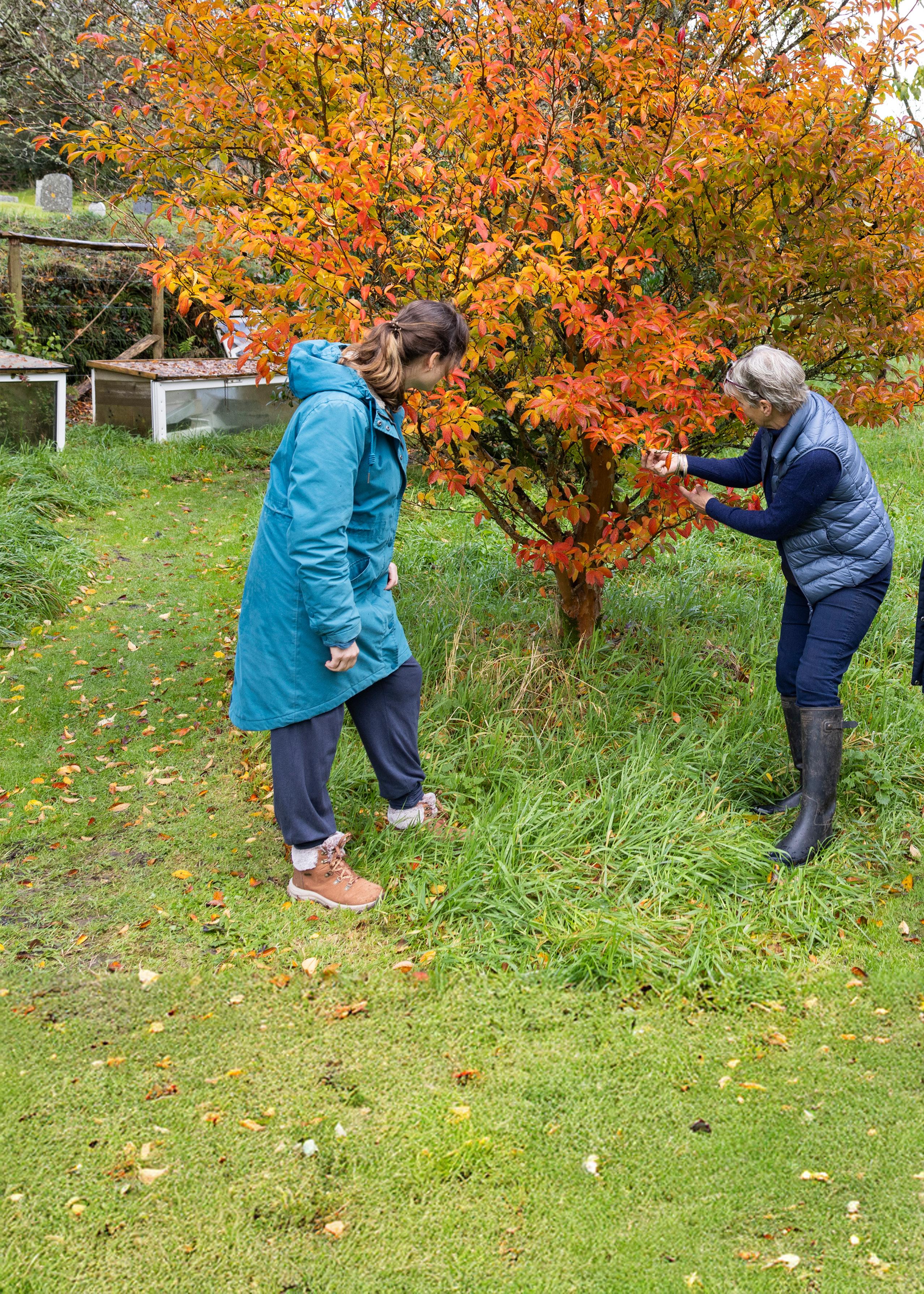
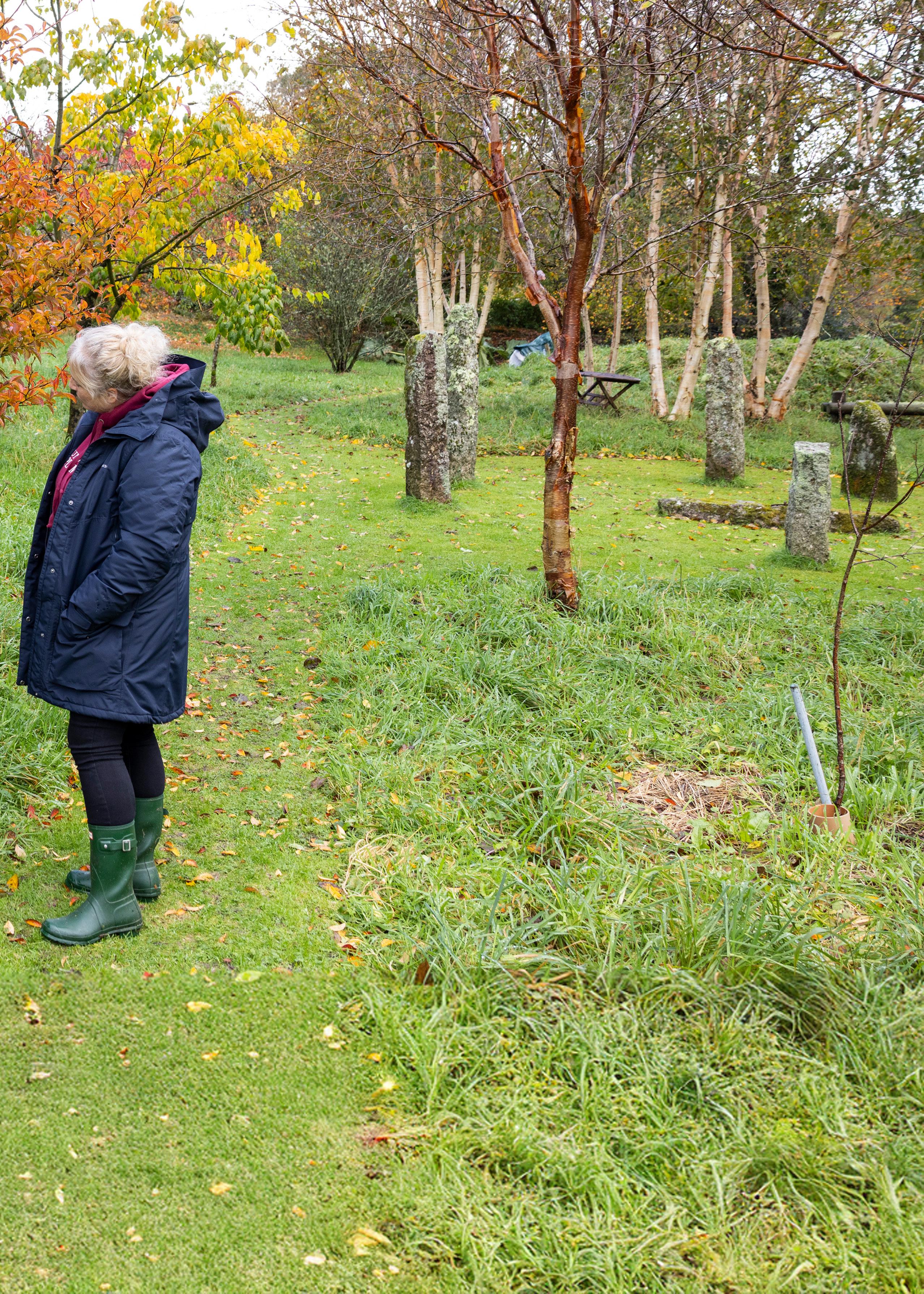
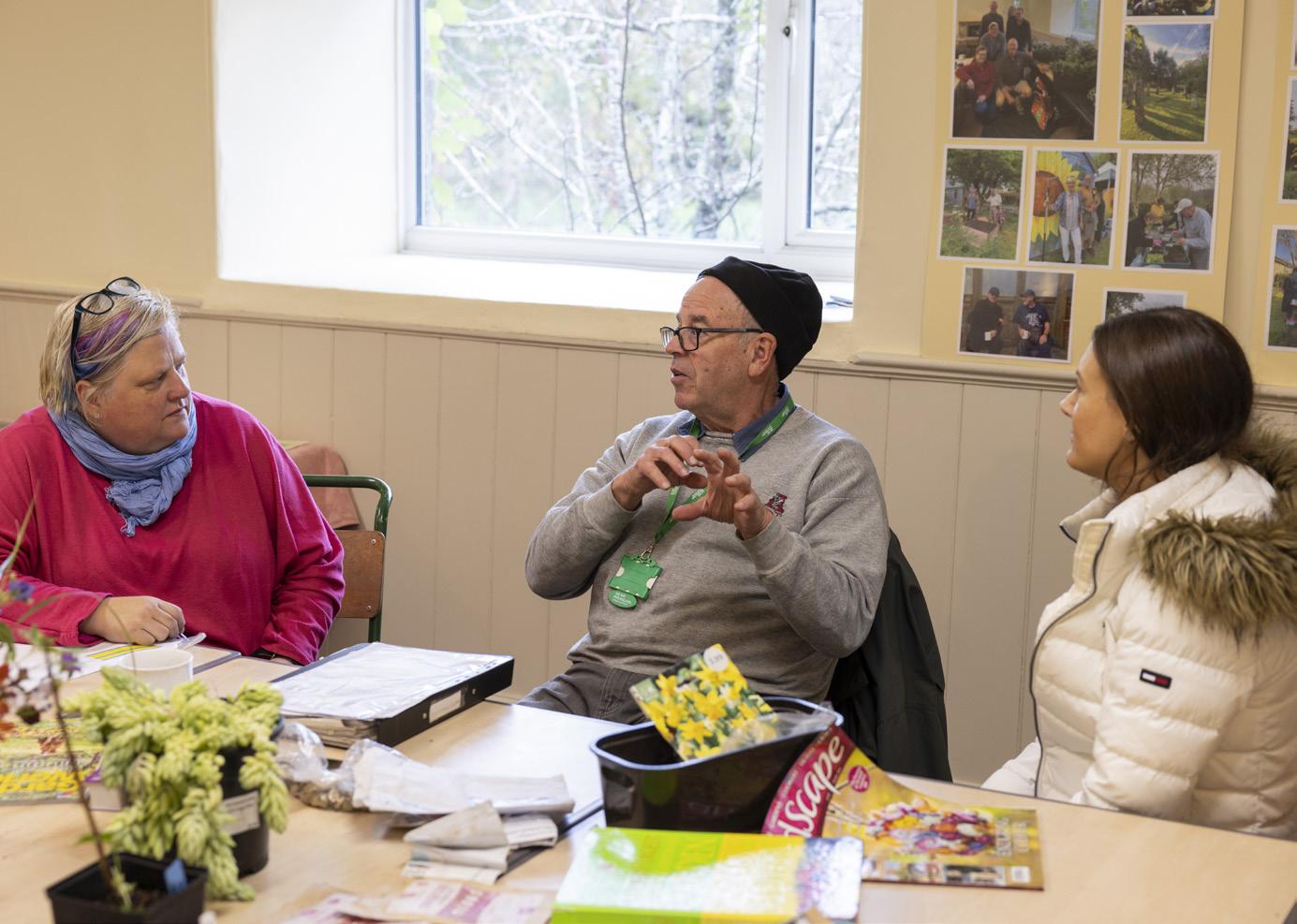
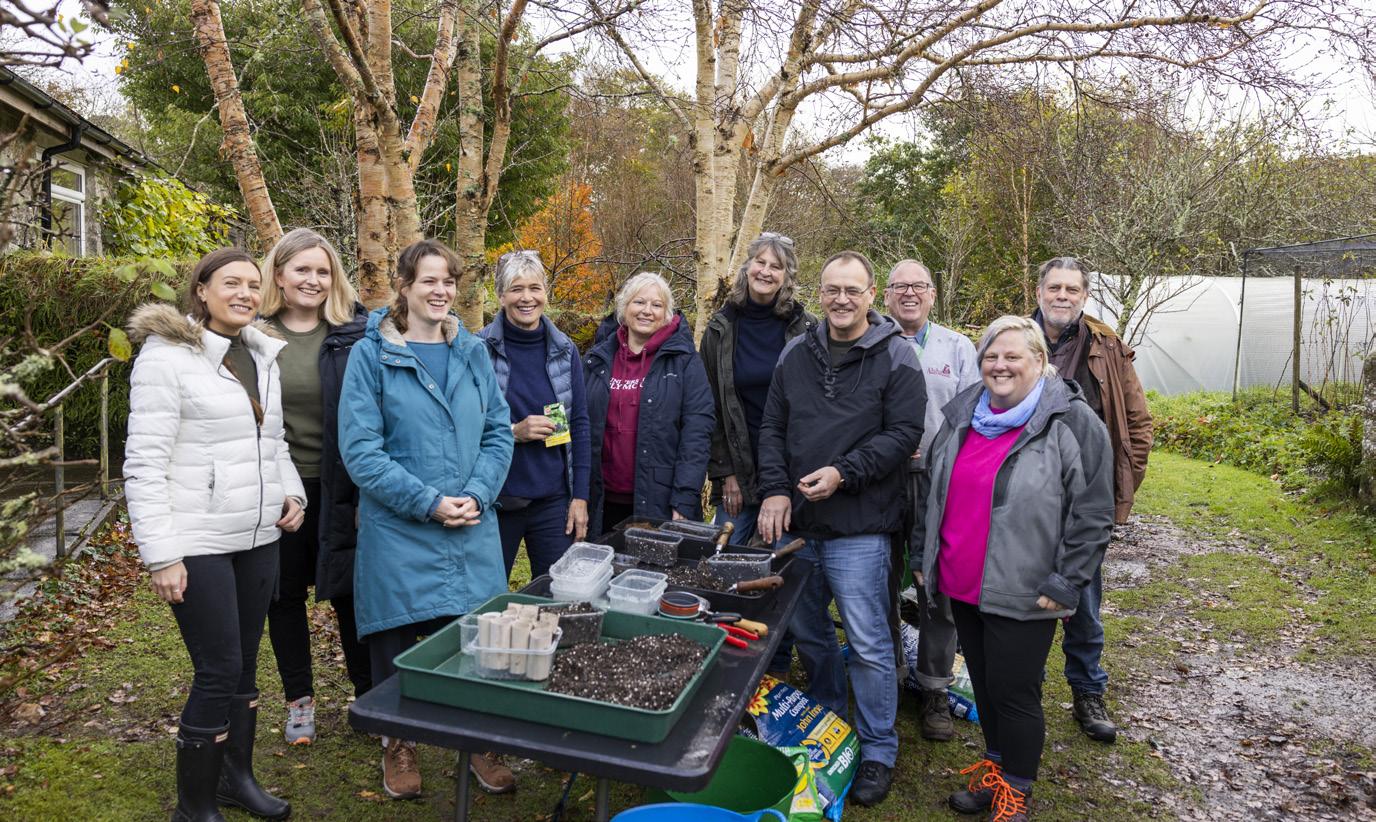
The first year module ‘Humans as occupational beings through community engagement’ gives students the opportunity to explore the relationship between health and wellbeing for individuals, groups and communities. Student Rosina shares insight into one of these community engagement projects.
HOW DID YOU GET INVOLVED WITH THE BLOOMING WELL PROJECT?
As part of my community engagement module, I was required to participate in a day’s volunteering, looking at how occupation enhances the health and wellbeing of communities. As a cohort we were provided with numerous volunteering opportunities and Blooming Well was the option I chose!
CAN YOU DESCRIBE WHAT THE PROJECT DOES?
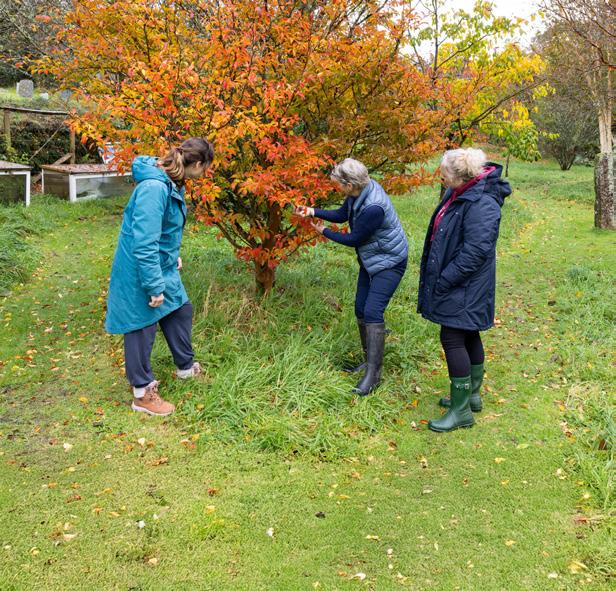
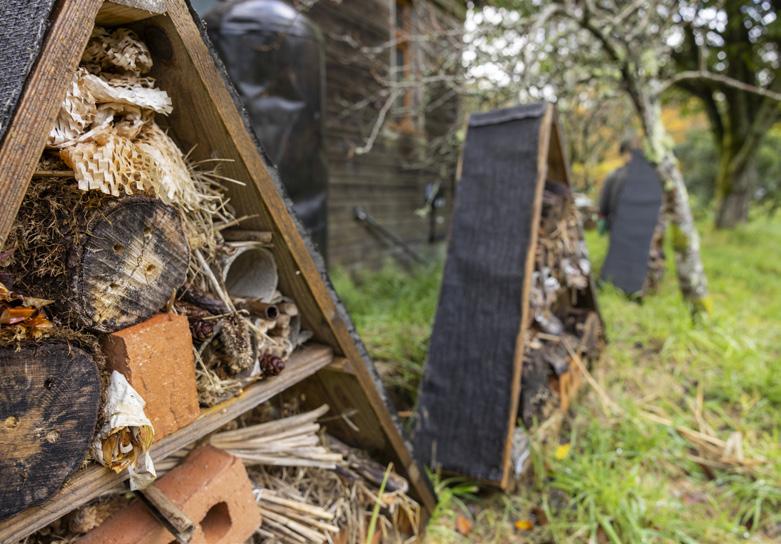
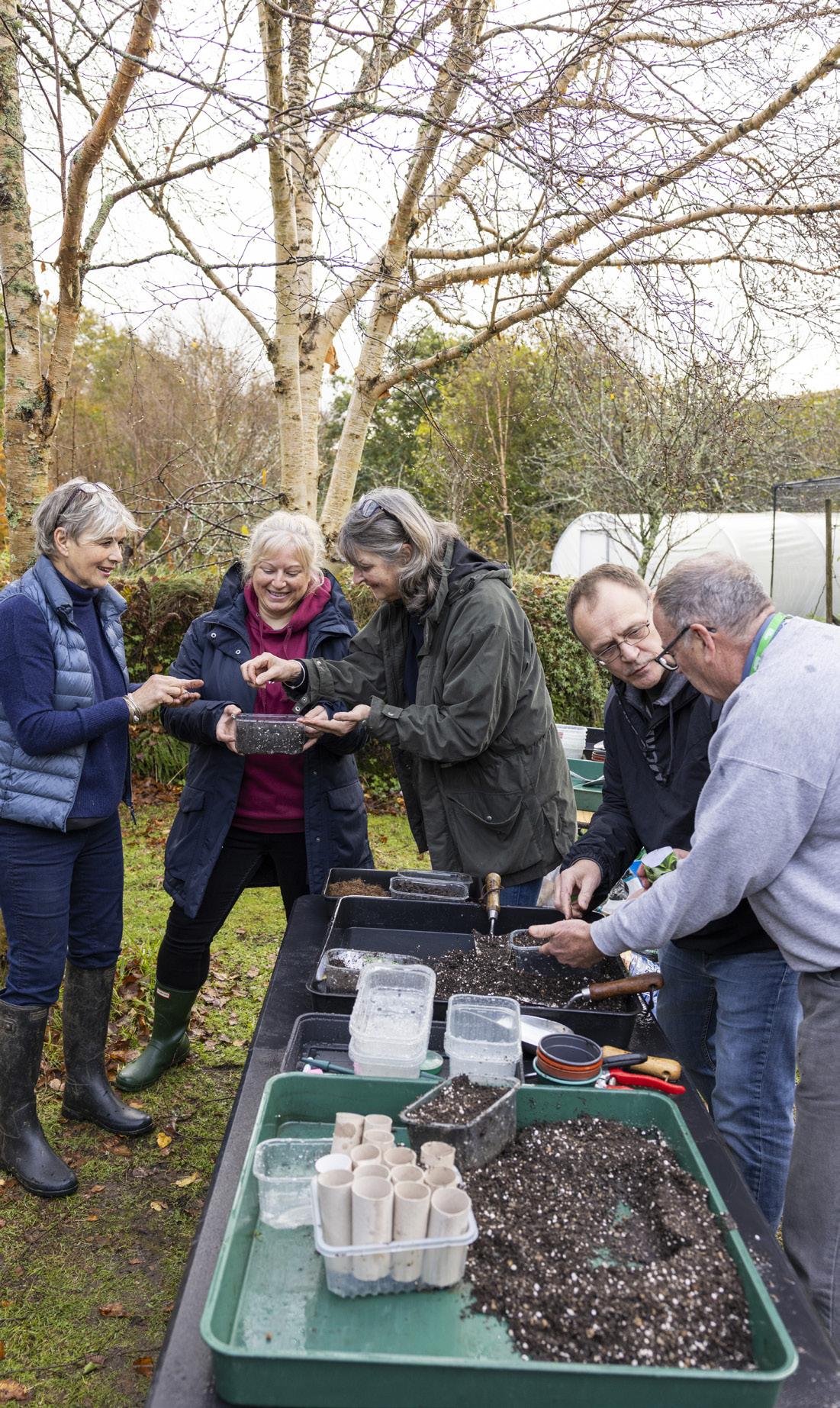
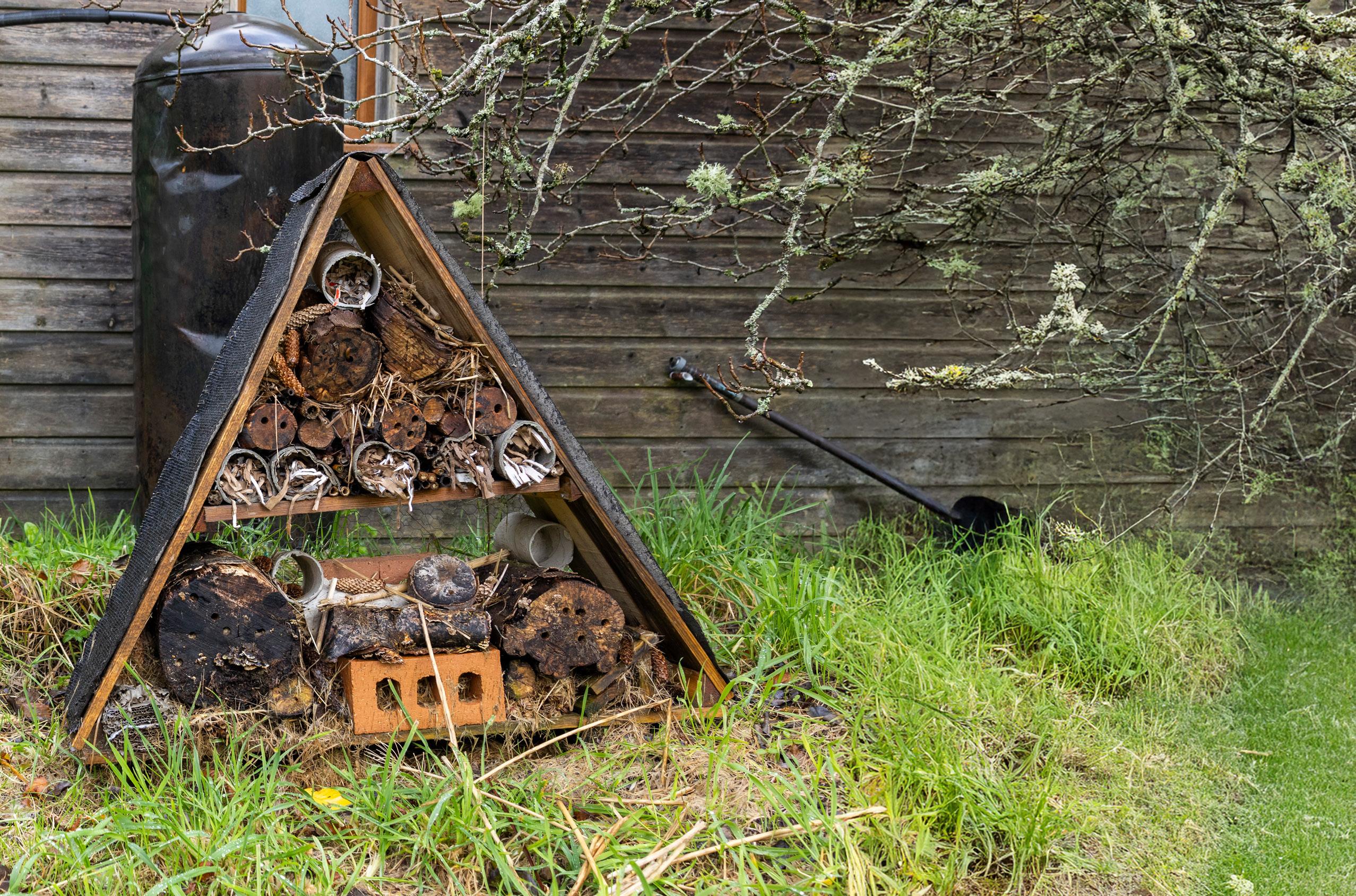
Blooming Well is a gardening therapy group, provided for free by the Mustard Tree, for individuals recovering from cancer. Participants of the group learn a wide range of gardening skills such as planting and sowing seeds, raising beds, using tools, propagation techniques, composting, gardening maintenance, and so much more. Not
only do participants learn practical skills but they experience the benefits of being absorbed in nature and building friendships with a mutual understanding of their diagnosis, in a safe and nurturing environment.
AS AN OCCUPATIONAL THERAPY STUDENT WHAT DO YOU GET OUT OF BEING INVOLVED IN THE PROJECT?
I was fortunate enough to be able to speak with previous participants of Blooming Well who were very open about their experiences with cancer and how the project helped them in their recovery. These conversations were vital to my learning experience, providing me with real life examples of how community engagement in an occupation improves quality of life. These conversations also gave me an insight into their experiences with other healthcare professionals,
guiding me on what worked and what didn’t work in their recovery, allowing me to build on my own skillset as a future healthcare professional. Due to the world of occupational therapy being so diverse and broad, it’s essential – as a student –that I experience and learn from as much as I can! Blooming Well was an incredible start to my ‘real life’ learning journey.
DOES BEING INVOLVED IN THE PROJECT SUPPORT YOUR CAREER ASPIRATIONS?
Although I am in the very early stages of studying occupational therapy and don’t know what specific area I would like to work in, if I create an environment or provide a service that makes the individuals I work with feel the way they do at Blooming Well, I’ll know I’m doing something right!

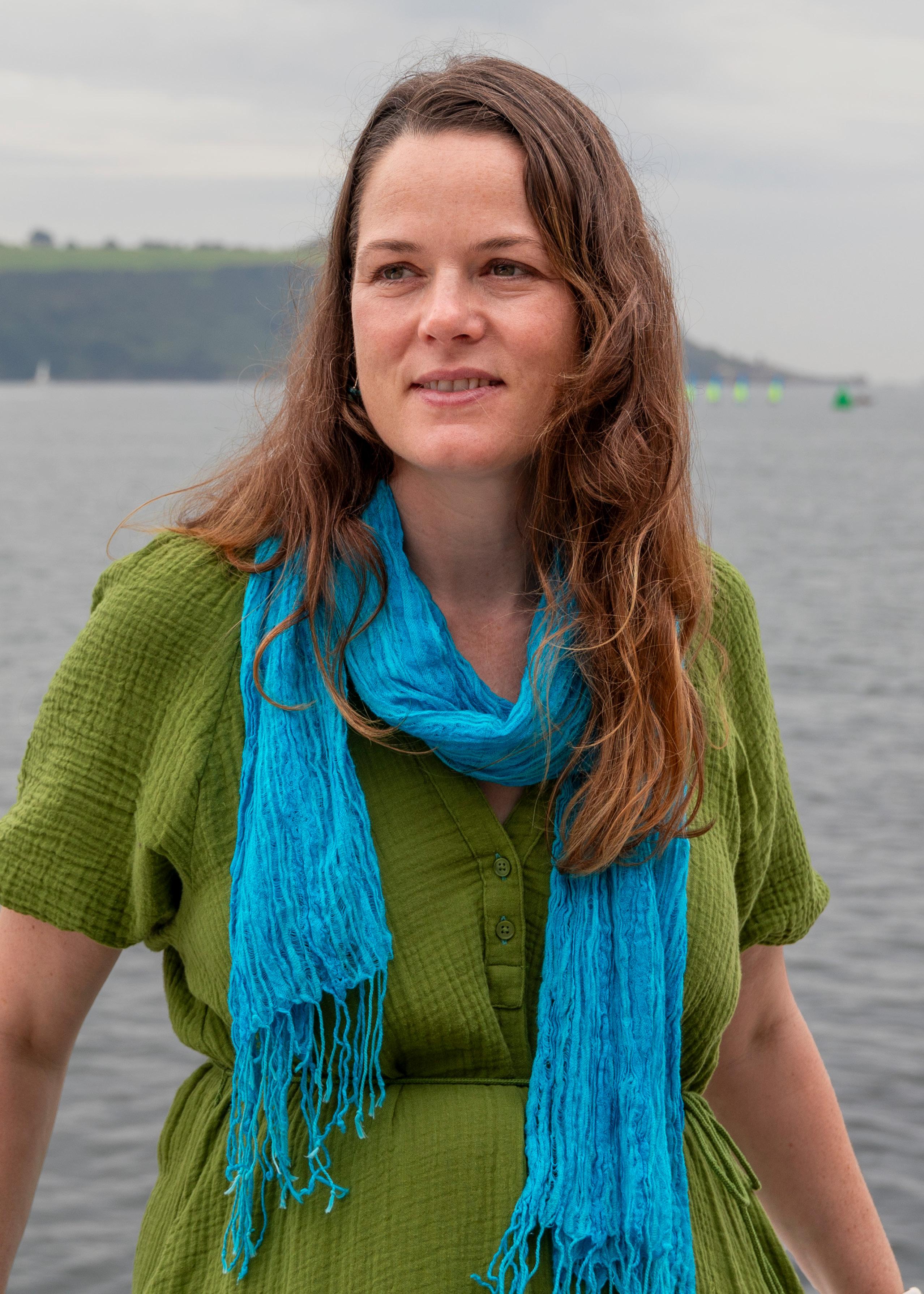
As Melissa travelled the world after university, little did she know that her time in Vietnam would ignite a profound calling within her— to become an occupational therapist.
WHAT MADE YOU DECIDE TO BECOME AN OCCUPATIONAL THERAPIST?
My first degree was in sociology, but to be honest I wasn’t completely sure what I wanted to do straight after school. So, I went travelling around the world, stopping for a month in Vietnam. I absolutely loved Vietnam, but at the same time I saw a lot of amputees, a haunting reminder of the war and landmines that were still in the country. I knew then I wanted to do something to help, but I really didn’t know quite what.
Upon returning to the UK, I started looking for not-for-profit jobs and occupational therapy came up a few times… but I had no idea what it was. I started googling and almost instantly my heart started racing and I thought this sounds perfect for me, so I embraced my true calling as an occupational therapist and have never looked back!
TELL US ABOUT YOUR ROLE AT THE PROSTHETICS CENTRE?
After graduation I worked in a couple of different roles, including working in paediatrics at Great Ormond Street Hospital. While I was there, I worked with a couple of amputees which I absolutely loved, especially since it was my time in Vietnam that had inspired this career path. One night at a dinner party someone mentioned that there was a job opening at the Prothetics Centre, which is very rare. I applied, got the job and spent the next ten years working there!
It was such a diverse role, working with adults and children. It could range from meeting soon to be parents whose unborn baby had been diagnosed in utero as having a limb difference, to someone who’d lost the very tip of a finger, to a person who’d lost all four limbs due to septicaemia… and everything in between.
DO YOU HAVE ANY PARTICULAR HIGHLIGHTS DURING YOUR TIME THERE THAT REALLY STAND OUT TO YOU?
There are so many, it’s hard to pick just one. I remember one little girl, who was born without her left hand, who just couldn’t hold the controller of her computer game properly. We adapted the controller for her and that was all she needed – she was so happy!
The one that is probably closest to my heart was a lady who needed to have her leg amputated after an accident, and one of the things she really wanted to do was get home for Christmas. It was a couple of days before Christmas when we went to do a home visit. She had to successfully walk across the gravel driveway with the prosthesis on, to determine whether she could return home or not. She walked across the drive, up the steps and hugged her husband and it was just the most moving moment, and we knew she was going to be home for Christmas.
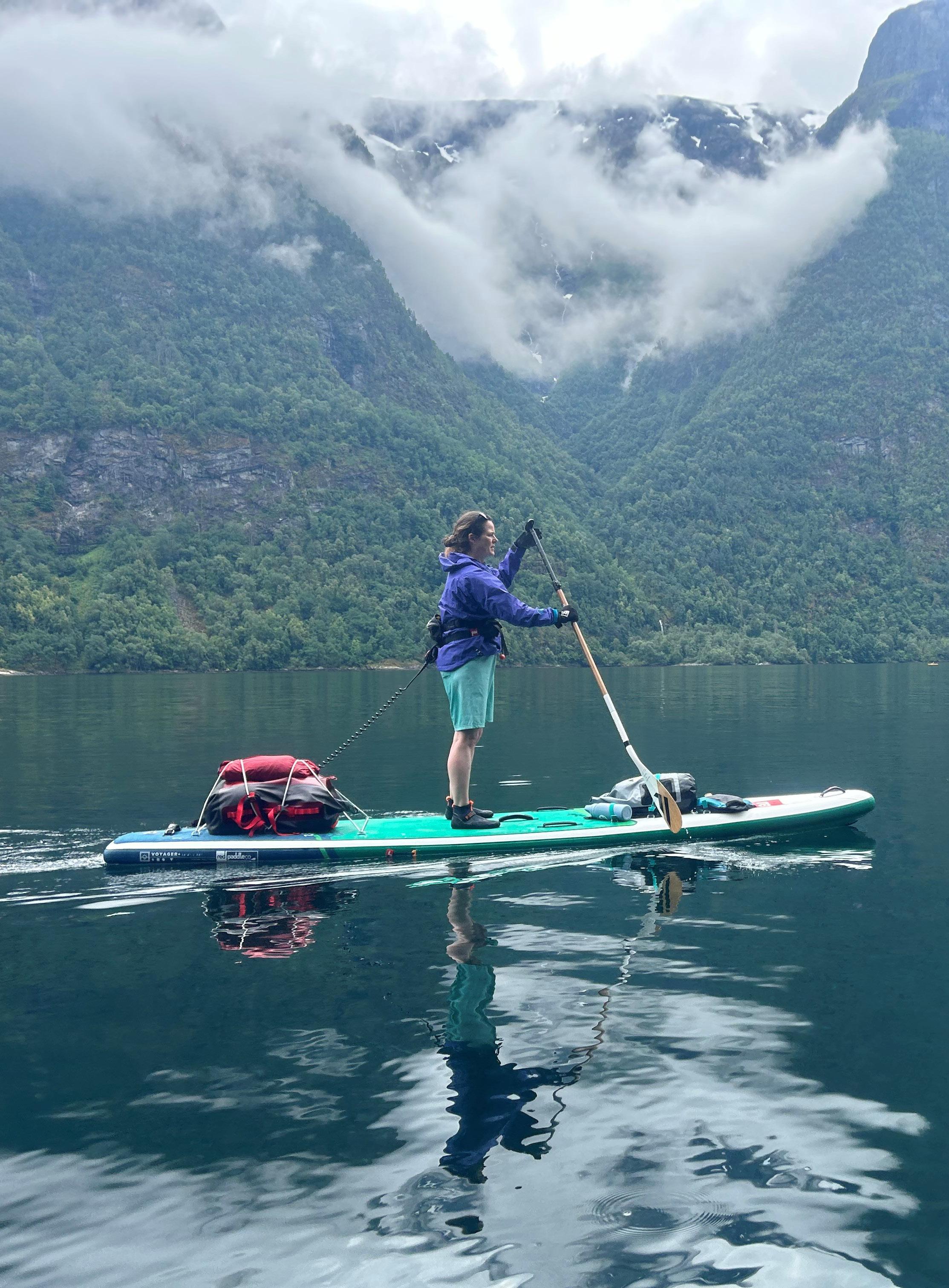
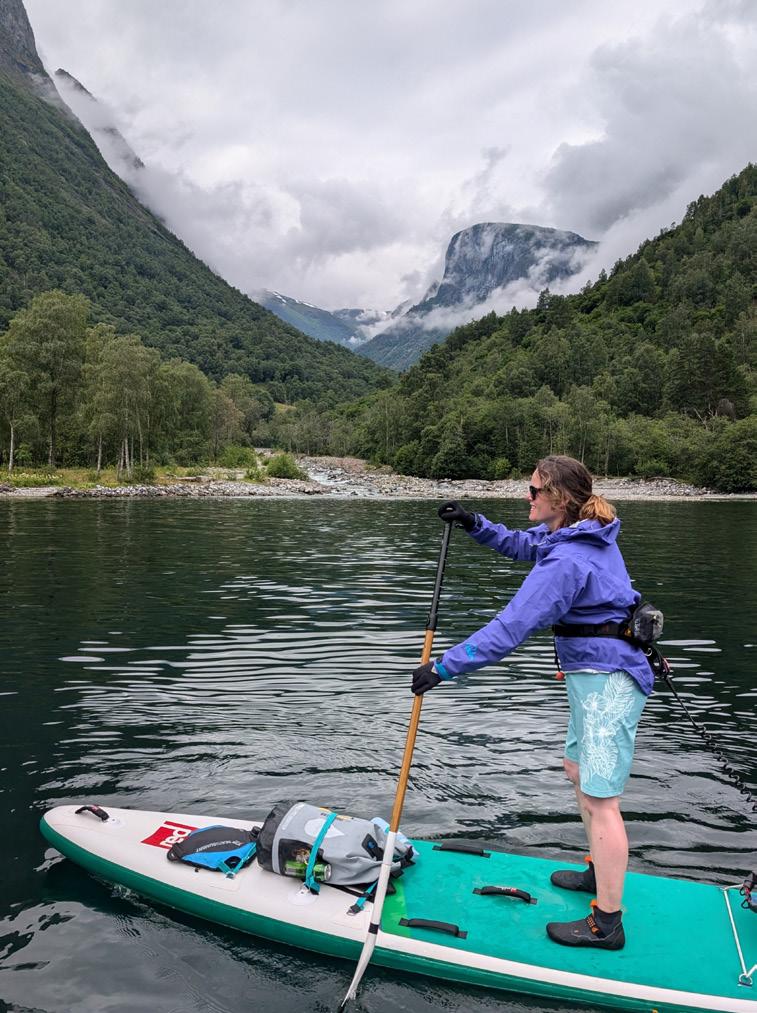
I had completed a masters in research as I wanted to get more involved in developing occupational therapyspecific research. I also had a strong desire to move down to Devon and Cornwall, and when I saw the lecturer position advertised at the University everything came together. So, I’m now involved in research projects to do with what we call blue space occupations – things like wild swimming, surfing and paddleboarding, and green space occupations – such as gardening

and hiking. We are researching why people pursue these activities, why it’s meaningful to them and the health and wellbeing benefits.
WHAT DO YOU THINK ARE THE OPPORTUNITIES FOR NEW GRADUATES?
In both the South West and nationally, there’s a shortage of occupational therapists… internationally as well. Students may be going into the NHS or social care, but are also involved in primary care and social prescribing. One of my placement students ended up

working for a gaming charity for people who needed adaptive gaming equipment, which was not a role I would have ever considered when I started my career. The opportunities are just massive!
Students across all three pre-registration programmes will have the opportunity to complete a research project as part of their studies. Students on the BSc (Hons) Occupational Therapy course will complete a group research proposal in their second year and complete their research in their third year. Students on the MOccTh (Hons) will complete an individual proposal and project in their third and fourth years respectively. Students studying on the pre-registration MSc will complete a proposal and project across their two years on the programme.
Students can explore a wide range of topics and are given the opportunity to explore something that is of interest to them. Alongside their supervisors, students will design and conduct either primary or secondary research. Current projects include topics such as how the menstrual cycle disrupts students’ academic performance, the meaning of cold water swimming to adult men, the experiences of international students transitioning to the UK, the psychosocial benefits of hippotherapy for children with learning difficulties, and how racing drivers experience risk taking in professional motorsport.
OESA ASTLEY MOccTh (Hons) OCCUPATIONAL THERAPY
I am doing qualitative research focused on exploring students’ lived experience of menstruation and how it affects their academic performance. Drawing upon my knowledge of occupational therapy and occupational science theory I am conceptualising how symptoms of menstruation and menstrual hygiene management tasks, such as changing sanitary products, disrupt an individual’s occupational profile. I have a focus on disruption caused to academic performance as a core productive occupation.
WHAT LED YOU TO WANT TO CARRY OUT THIS PIECE OF RESEARCH?
Literature on women’s health issues is contemporary; however, the narrative does not always reflect the lived experiences and often diminishes the reality of associated challenges. I wanted to challenge this and in doing so, give the student population a voice. I have a passion for topics which integrate health, wellbeing, and human interaction/ socialisation. I think occupational therapy is a powerful link between these areas and I believe the multifaceted nature of menstruation provides a strong example.
I have a good working relationship with my research supervisor who has shared my passion for the subject. They have provided me with feedback and her own examples of the expected direction for research written at a masters level. I have also massively benefitted from peer support sessions. These sessions foster a supportive environment to share the ups and downs of conducting research
as well as strengthening our critique and writing skills.
WHAT HAVE YOU FOUND MOST CHALLENGING ABOUT UNDERTAKING THE RESEARCH?
Understanding methodology theory was very difficult at first. It is vast and you must build knowledge on the various avenues before deciding which to adopt and how it will shape your own research design and data collection process.
HOW HAVE YOU BEEN SUPPORTED WHILE UNDERTAKING THE RESEARCH?
I have used the library resources including primo advance searcher and have been granted access to specific research articles. I have received really positive feedback and structural guidance form the Writing Cafe when writing up my research findings and discussion.
WHAT HAVE BEEN THE BENEFITS TO YOU IN UNDERTAKING THE RESEARCH?
I have learnt and applied skills in advanced literature searching, and I have gained writing skills. For example, I have built confidence to critique literature and an ability to synthesis literature to provide a balanced argument.
HOW WILL UNDERTAKING THIS RESEARCH PROJECT BENEFIT YOUR CAREER ASPIRATIONS?
The findings from this research have reminded me of the importance to actively listen to service users and be appreciative that everyone’s lived experience is different. In addition, I now feel confident to conduct research and present my knowledge and understanding to others, this may help me in future to develop services.


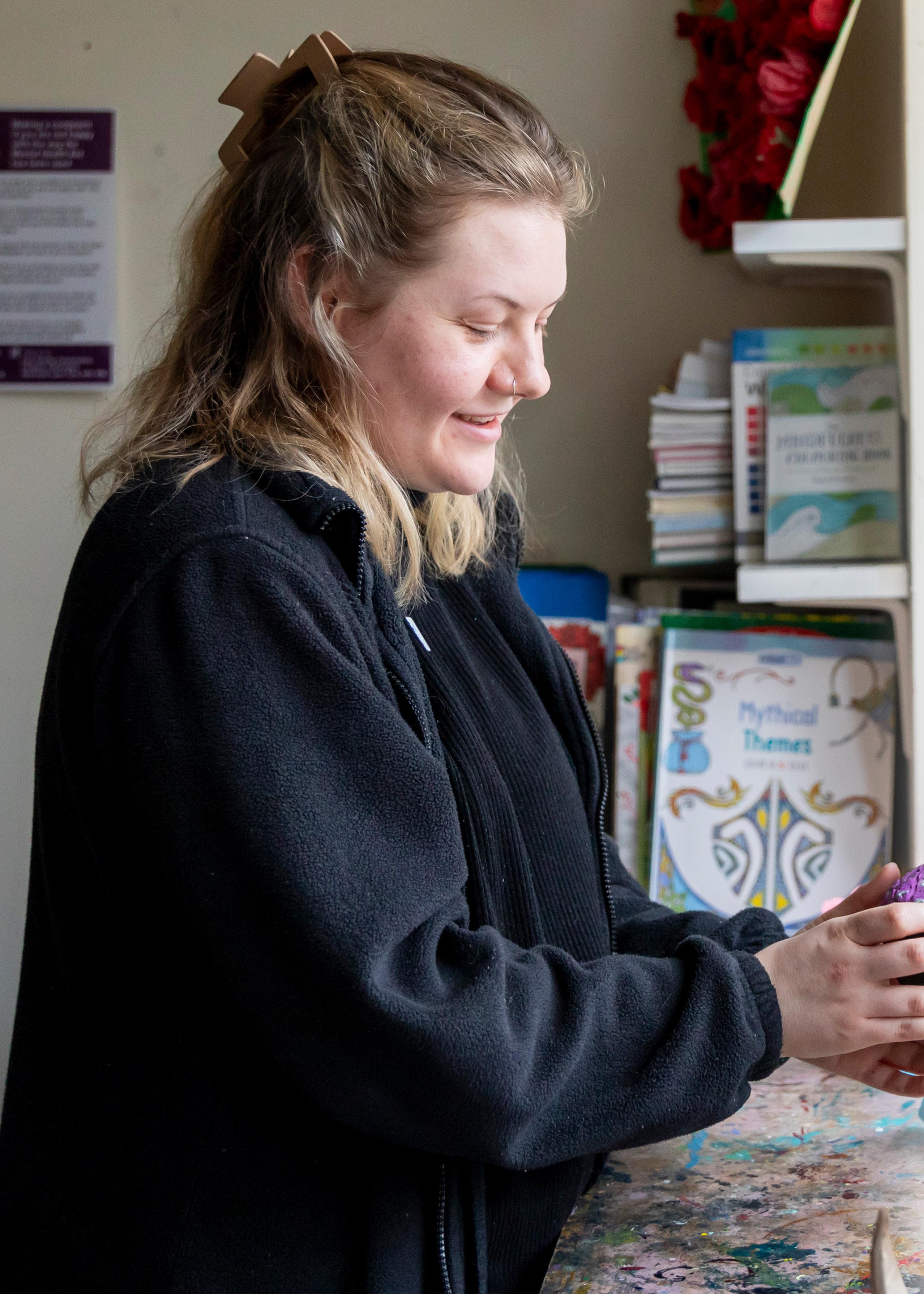
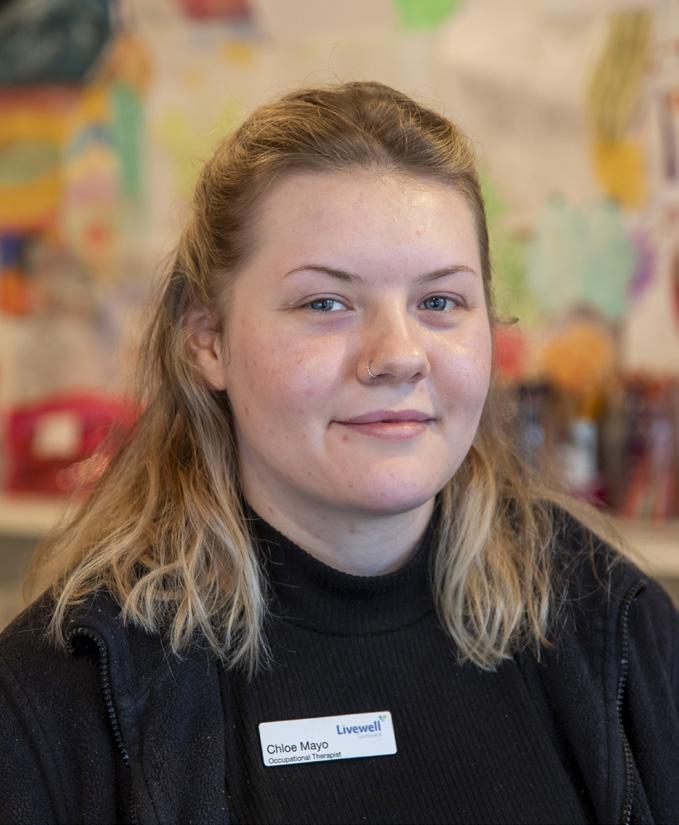
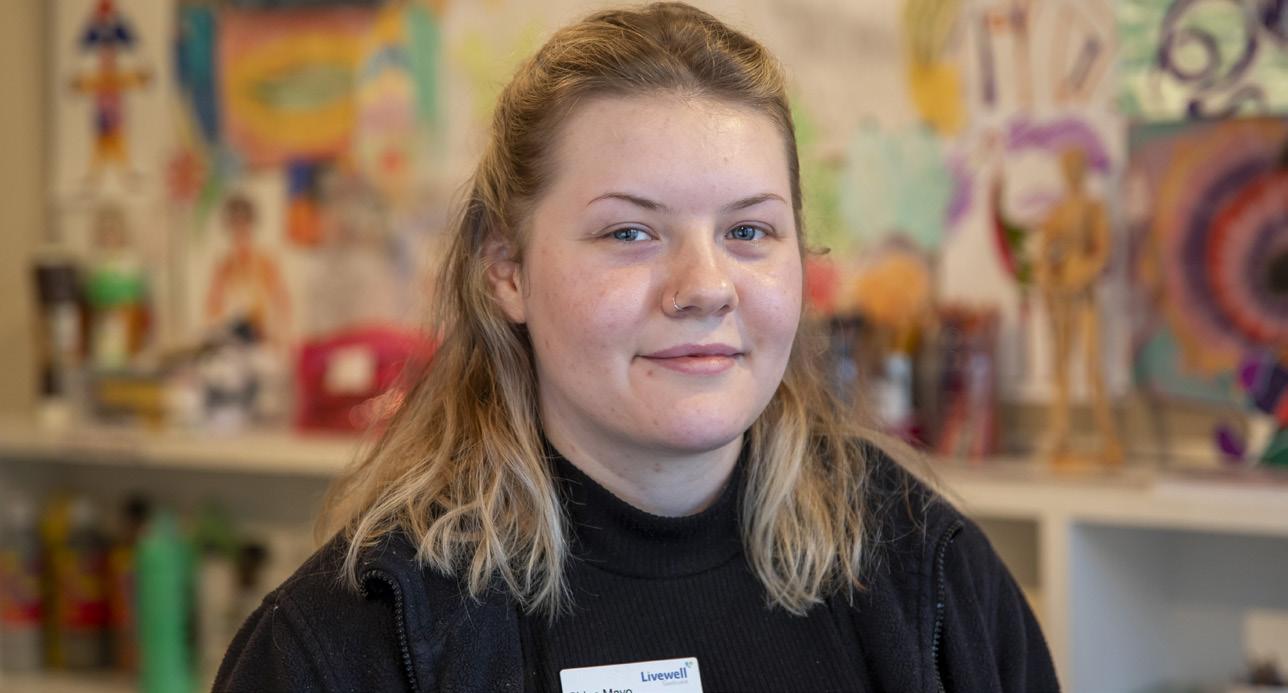
Role: Occupational therapist at the Glenbourne Unit Organisation: Livewell Southwest Location: Derriford Hospital, Plymouth
WHAT IS YOUR CURRENT ROLE AND WHO ARE YOU EMPLOYED BY?
I am an occupational therapist at the Glenbourne Unit, employed by Livewell Southwest.
WHAT MADE YOU DECIDE TO UNDERTAKE A CAREER IN OCCUPATIONAL THERAPY?
I first did a BSc (Hons) Psychology degree after working at a care home before university. I always wanted to work in mental health although wasn’t sure how. An occupational therapist did a talk about how psychology could lead into an MSc Occupational Therapy degree. After more research I decided this was the perfect role for me and therefore I did the Pre-registration Occupational Therapy masters degree.
HOW HAS YOUR CAREER DEVELOPED SINCE GRADUATION?
I’ve had amazing opportunities working at the Glenbourne Unit including a robust preceptorship with lots of training and peer supervision. We have ‘turbo teach’ every Thursday to enhance our CPD to include cannabis training, the Mental Capacity Act, physical health in mental health and more. I have had the opportunity to attend conferences and engage in specialist training including eating disorder training delivered by SEDCAS (specialist eating disorder consultation and assessment service) and dialectical behaviour therapy (DBT) training with the Association for Psychological Therapies (APT). I have also had the opportunity to be a placement educator and a line manager for an occupational therapy assistant.
CAN YOU TELL US A LITTLE BIT ABOUT YOUR CURRENT ROLE AND RESPONSIBILITIES?
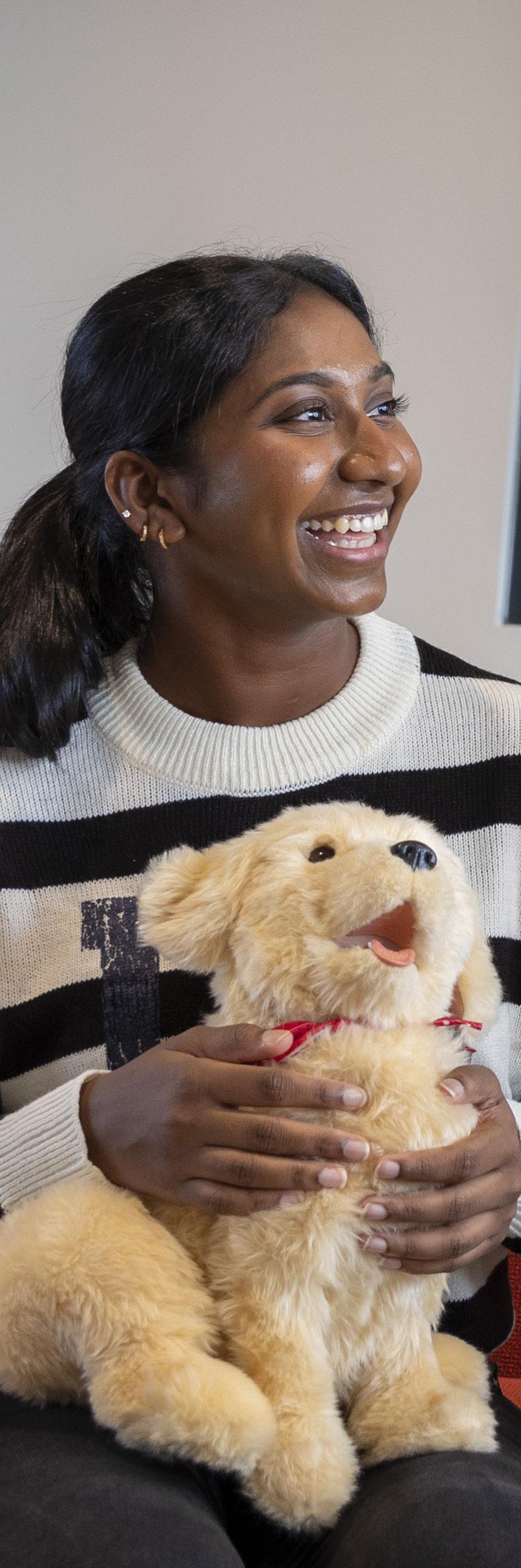
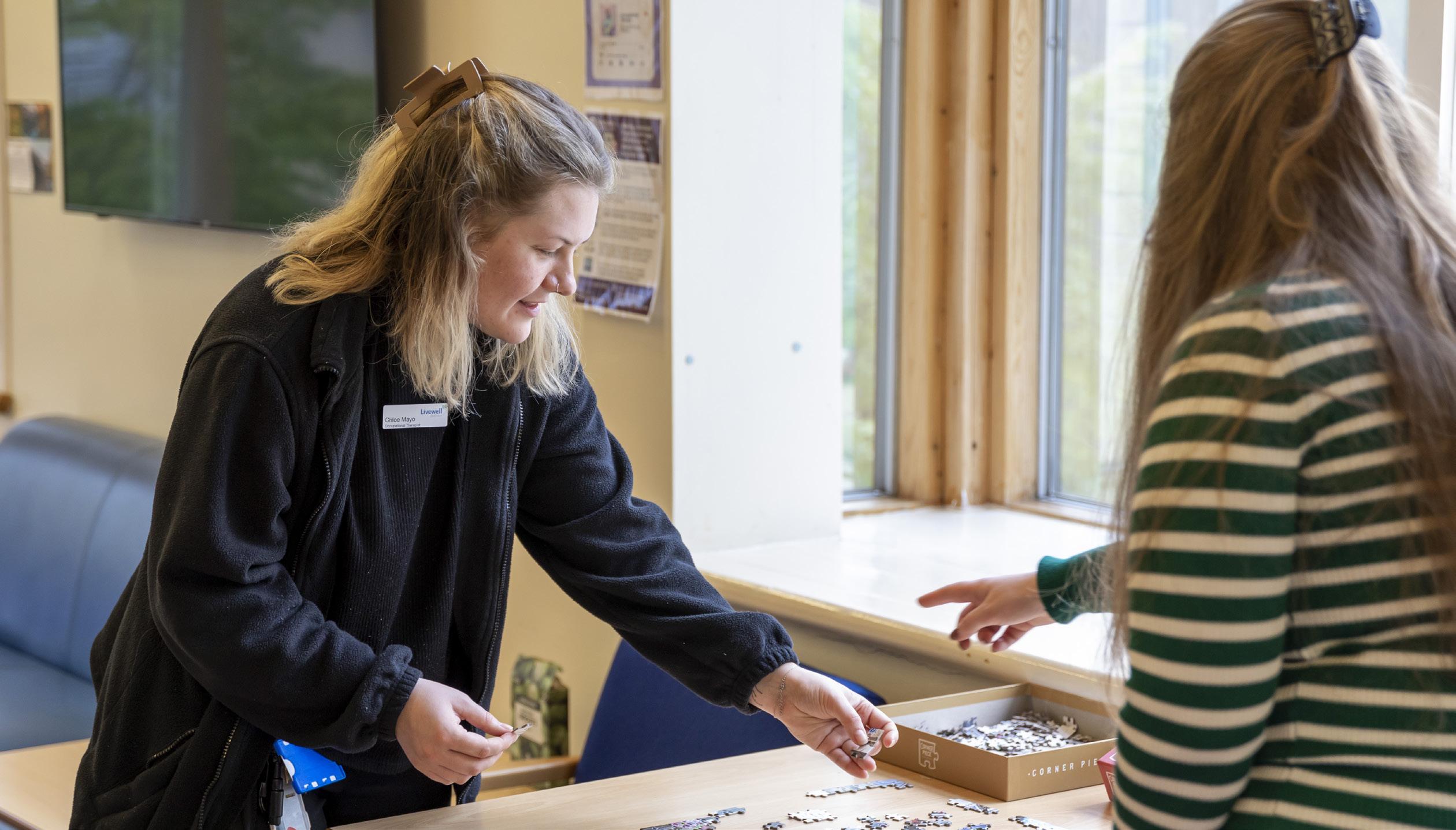
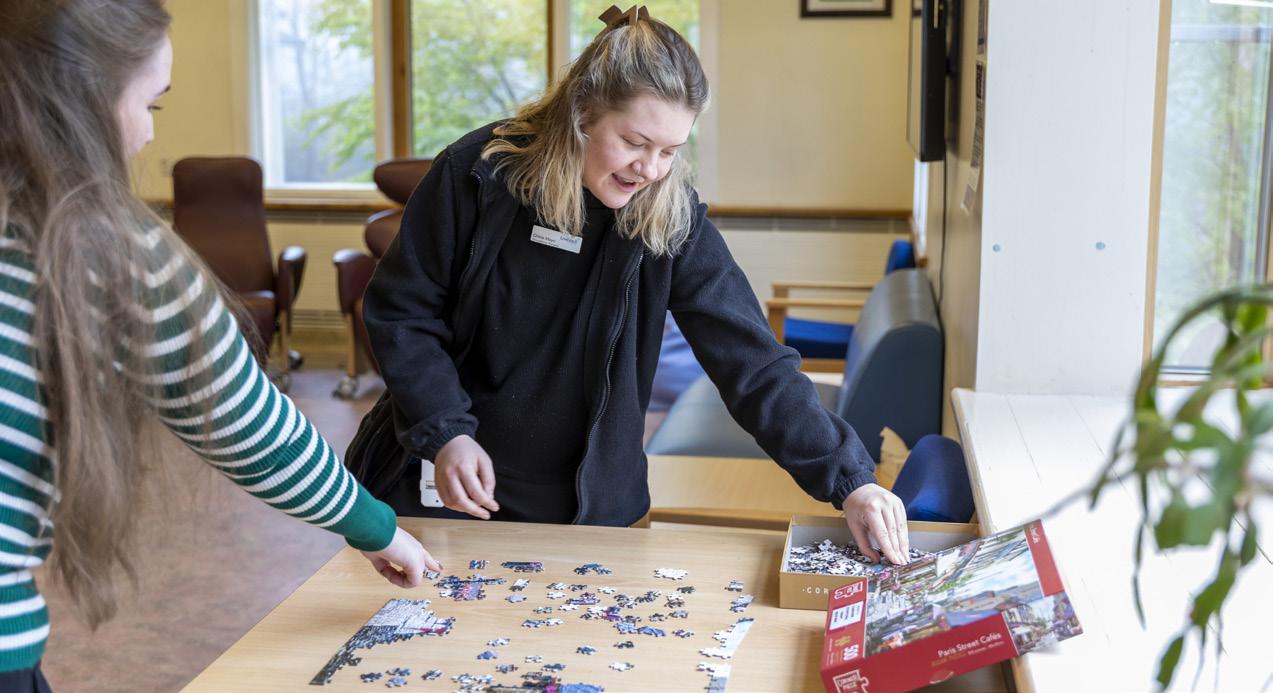
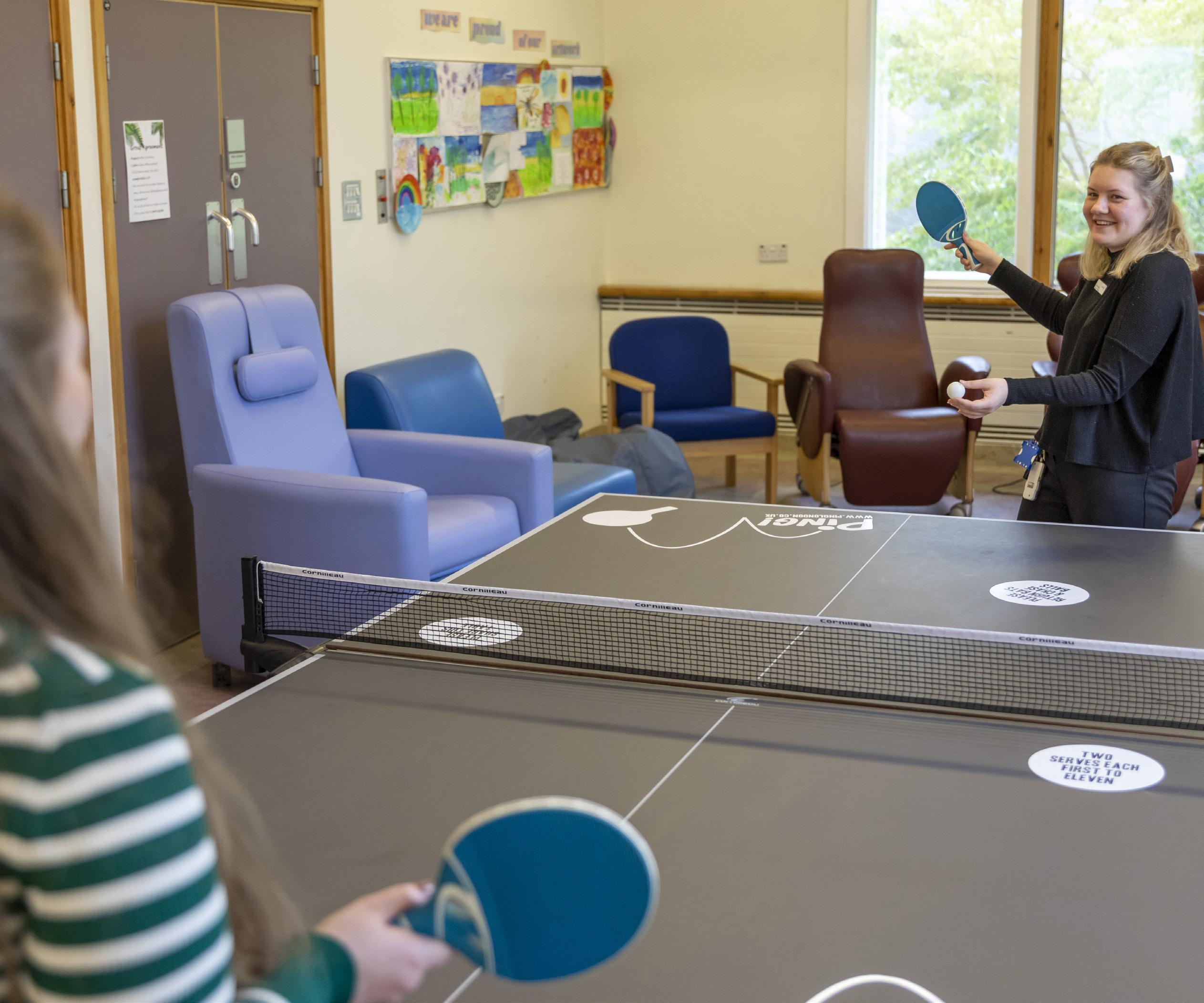
My role is to assess new admissions for any required assessments and interventions. I complete kitchen assessments, home assessments, sensory profiles, and run therapeutic groups such as cooking, relaxation, creative sessions and physical exercise. I also do psychoeducation and work with the clinical psychologist to create formulations. I create 1:1 goal plans such as graded exposure plans, engage patients in social rehabilitation and bus work, and undertake community engagement work such as accompanying patients to addiction community groups and farm groups. My responsibilities also involve vocational rehabilitation such as supporting patients to the achievement training centre. I provide handover to other units a patient may be discharged to, and provide a ‘pets as therapy’
therapy dog service. I attend our multidisciplinary team meeting weekly to discuss each patient and their plan, advocate for patient needs and handover their therapeutic progress. I attend discharge meetings with community teams such as Community Mental Health Team (CMHT) and home treatment team, and check individual packages of care to ensure patients have the required support on discharge. I provide assessments to adult social care for their needs assessment. I complete mobility assessments and provide or order any equipment required. I also delegate work to our two occupational therapy assistants.
WHAT DO YOU LIKE BEST ABOUT YOUR JOB AS AN OCCUPATIONAL THERAPIST?
The best thing about my job is being part of a patient’s journey from acute illness to discharge. I love seeing patients progress and being part
of a team that has patient-centred care and the recovery model at the heart of everything we do.
WHY DID YOU CHOOSE TO STUDY AT THE UNIVERSITY AND DO THE COURSE YOU DID?
I chose the University because I liked that the campus was enclosed, and I could access everything in the University and city in a short walk. I enjoyed areas like the Barbican and Plymouth Hoe and the social life in Plymouth. I attended a postgraduate open evening after completing my Psychology degree and was given a brochure for occupational therapy which confirmed my decision.
HOW PREPARED FOR YOUR ROLE AS AN OCCUPATIONAL THERAPIST DID YOU FEEL WHEN YOU GRADUATED?
I felt really prepared due to my placements and having a mental health placement where I had the opportunity
to visit the Glenbourne Unit before I secured my graduate job there. I also had a robust preceptorship with Livewell Southwest which prepared me further and made me more confident.
DID YOU HAVE ANY SUPPORT FROM THE UNIVERSITY IN GETTING YOUR ROLE?
I had support from my dissertation tutor who had worked as an occupational therapist at the Glenbourne Unit before and gave me some topics to research before starting my mental health placement.
HOW DID YOUR EXPERIENCE ON PLACEMENT WHILE STUDYING INFLUENCE YOUR CURRENT ROLE?
My placement at a mental health unit confirmed my decision to work within mental health as an occupational therapist. I enjoyed my physical community and stroke rehabilitation placement; however
I felt that my passion was always within mental health, which worked well with my Psychology degree.
IS THERE ANYTHING YOU WOULD LIKE TO SAY OR ADVICE THAT YOU COULD GIVE TO SOMEONE CONSIDERING APPLYING TO STUDY OCCUPATIONAL THERAPY?
I would say email around to lots of occupational therapy teams for shadowing experience, and ensure you’re going into the role for the right reasons – which is to support the patient. Ensure you are passionate about the work of an occupational therapist. It doesn’t matter if you don’t know which area of occupational therapy you want to work in as there are loads of graduate rotations within the job role that are open to you after graduation.
WHAT WAS THE BEST THING ABOUT BEING AN OCCUPATIONAL THERAPY STUDENT AT THE UNIVERSITY?
The cohort of students I was with on my course were all lovely and so supportive throughout the degree as well as the amazing patients I met while on placement.
WHAT ARE YOUR CAREER ASPIRATIONS FOR THE FUTURE?
I would love to complete more training and some postgraduate programmes. I plan to attend more conferences across the UK. In my current role I am hoping to support a better link between inpatient and community teams for therapeutic engagement to make positive culture changes. I would love to eventually become a lead occupational therapist within a secure inpatient setting and create a more occupational therapy focused way of treating patients’ mental health.
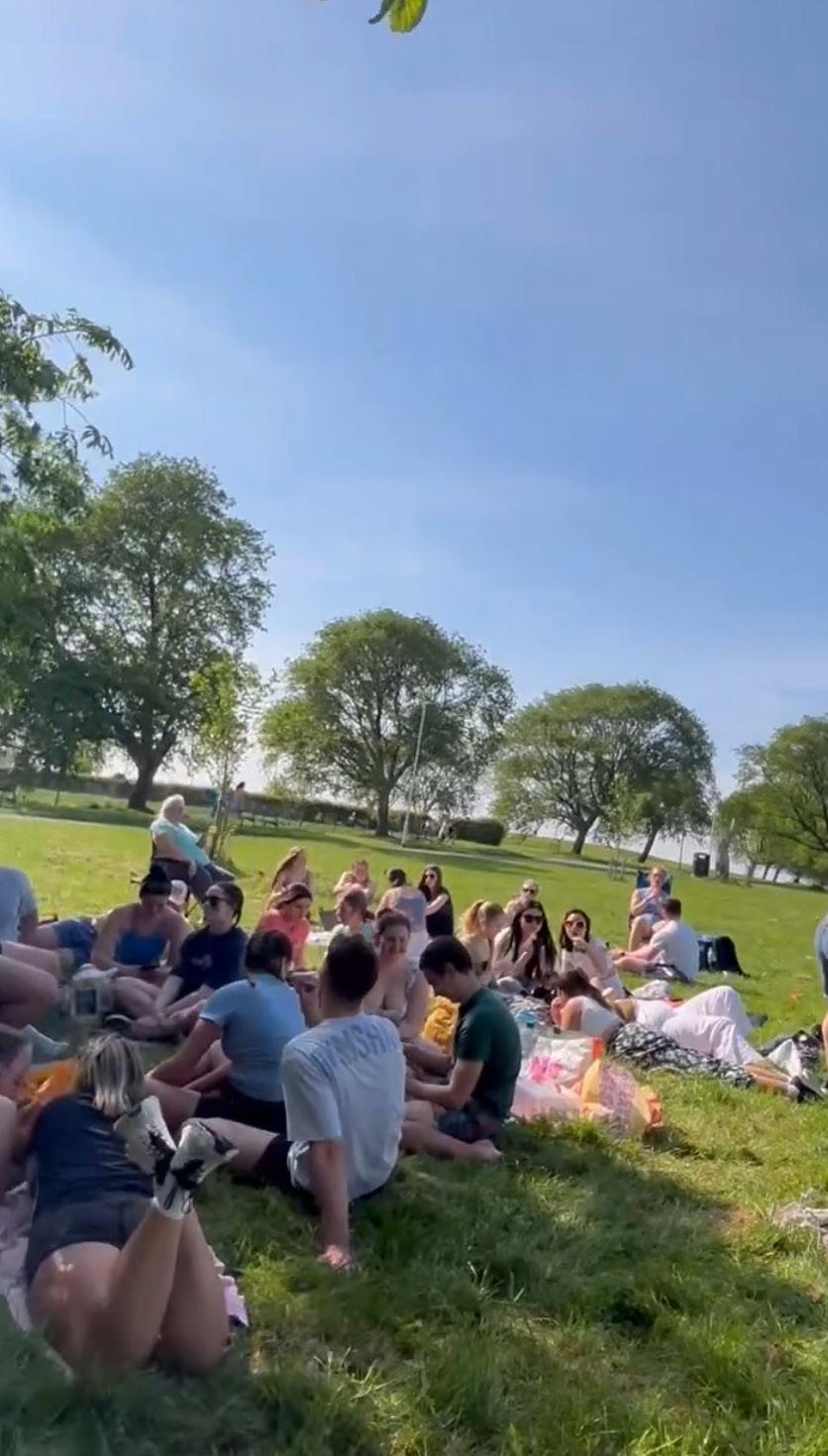
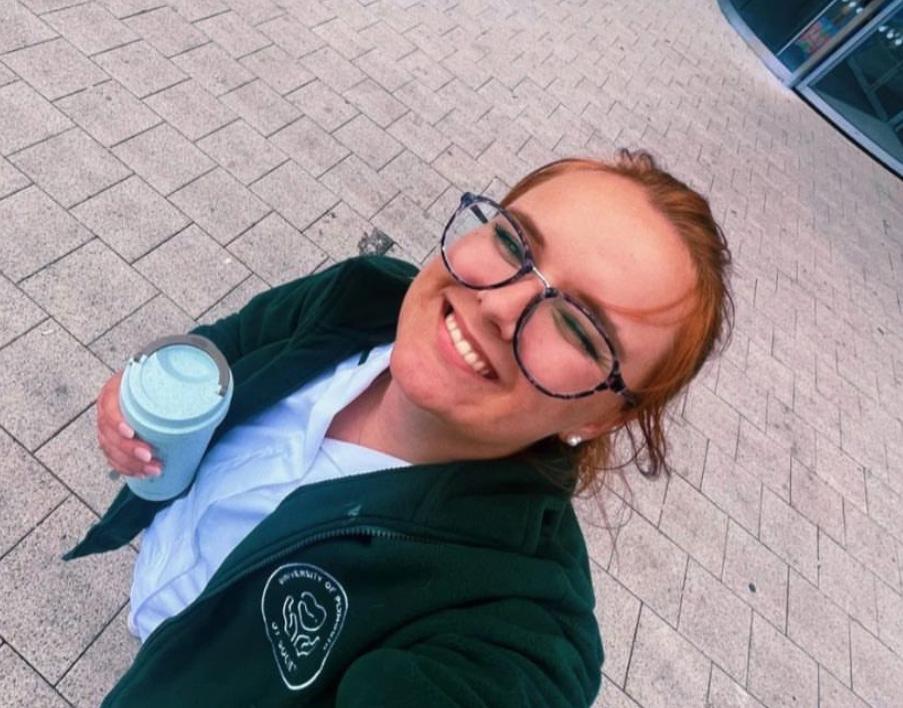
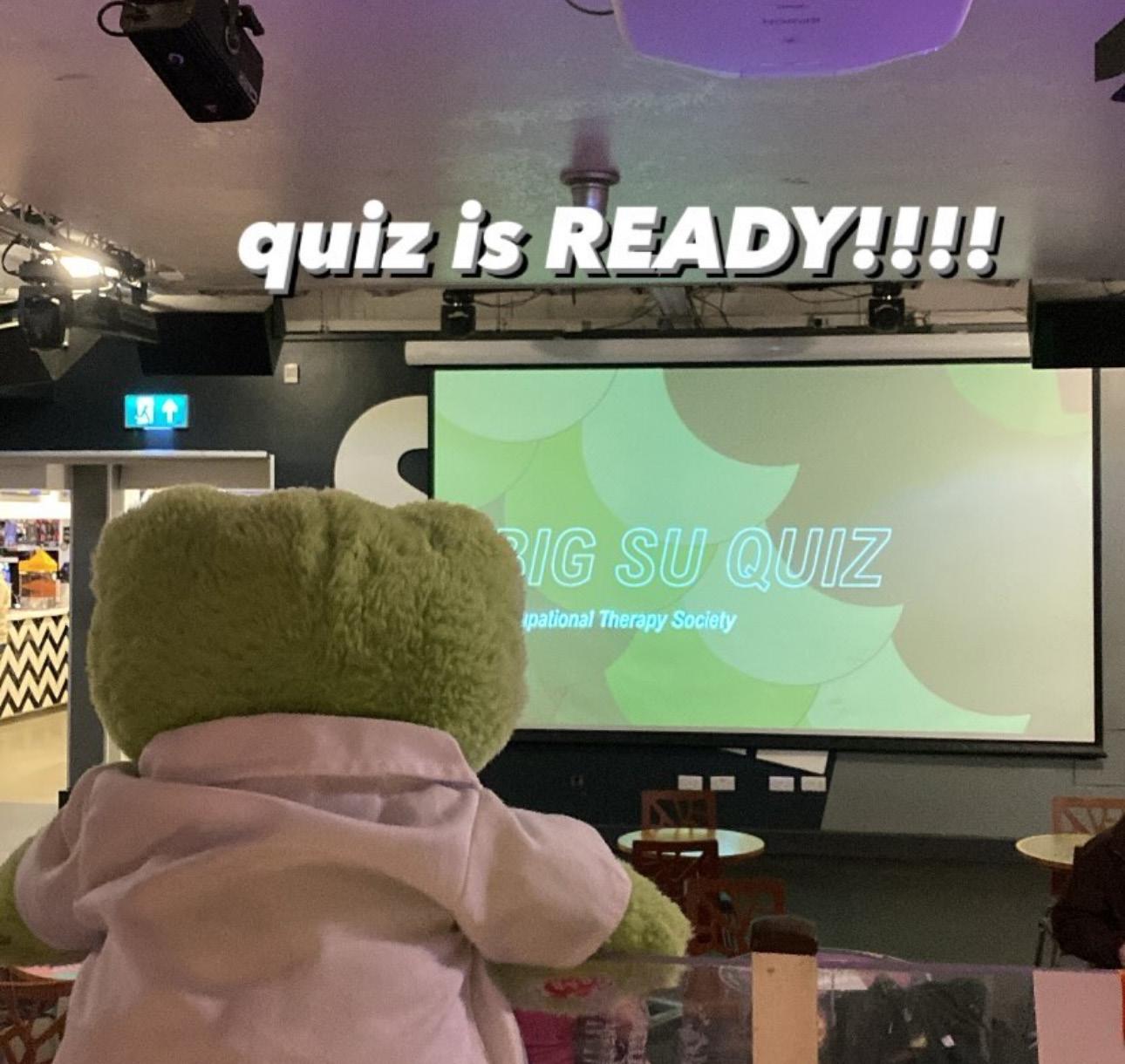
The OT Society is a great way to meet other students across the range of occupational therapy programmes that the University offers. The society run Continued Professional Development (CPD) sessions include inviting guest speakers from around the UK and organising trips annually to the Occupational Therapy Show in Birmingham. We can be easily spotted on campus with our signature green fleeces!
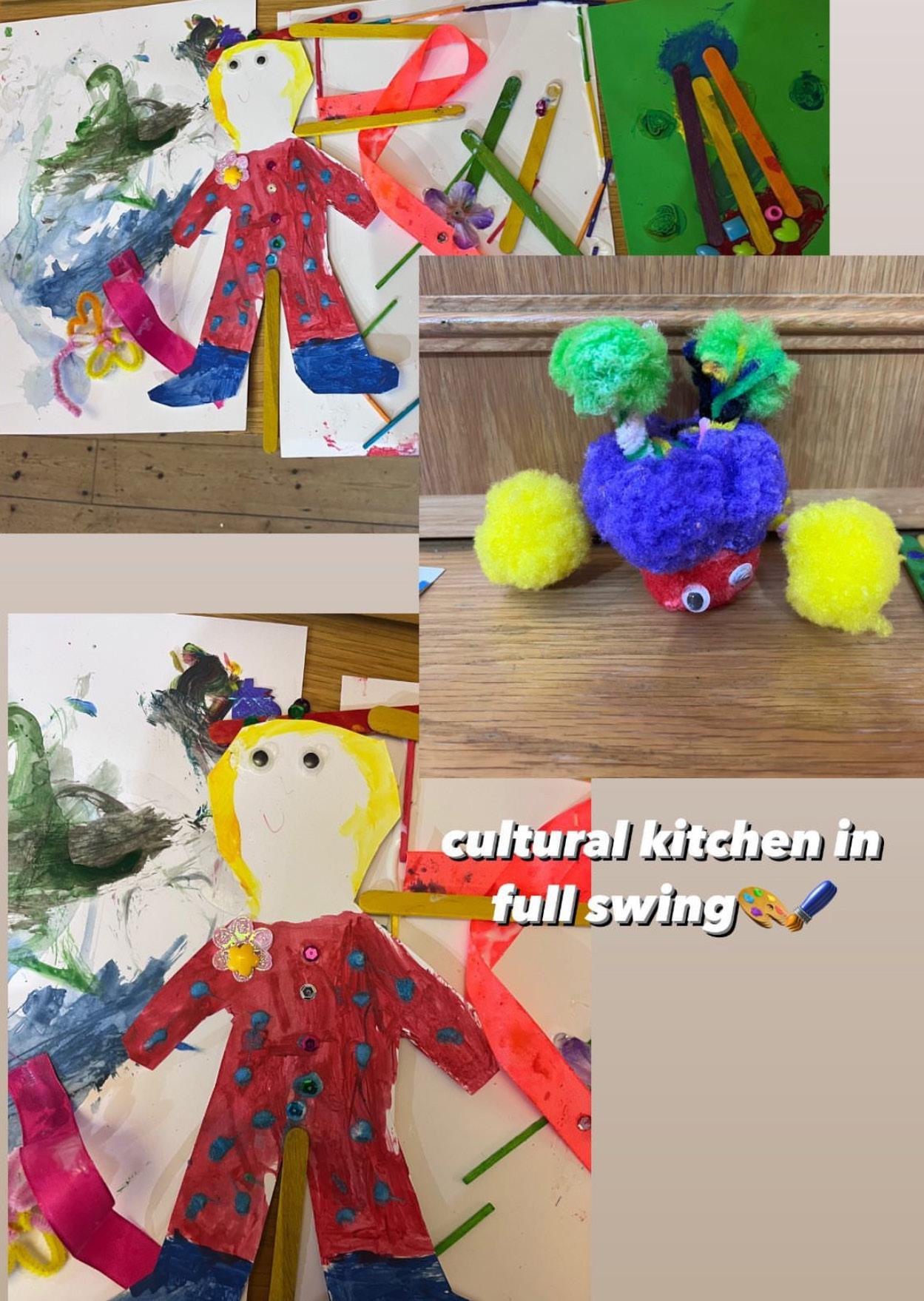
We run wellbeing events such as creative activity sessions, aquarium yoga and monthly volunteering opportunities at Cultural Kitchen through a Plymouth-based refugee charity, and much more! This aims to promote balance and the opportunity to form friendships outside of the academic courses to support each other through our various clinical placements.


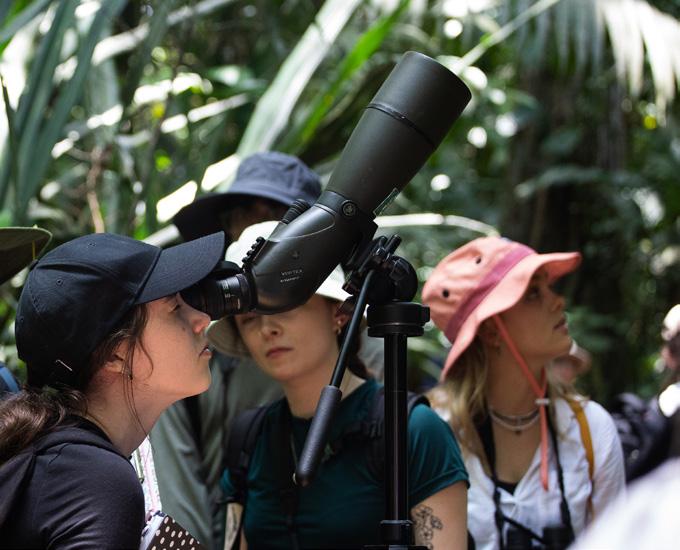

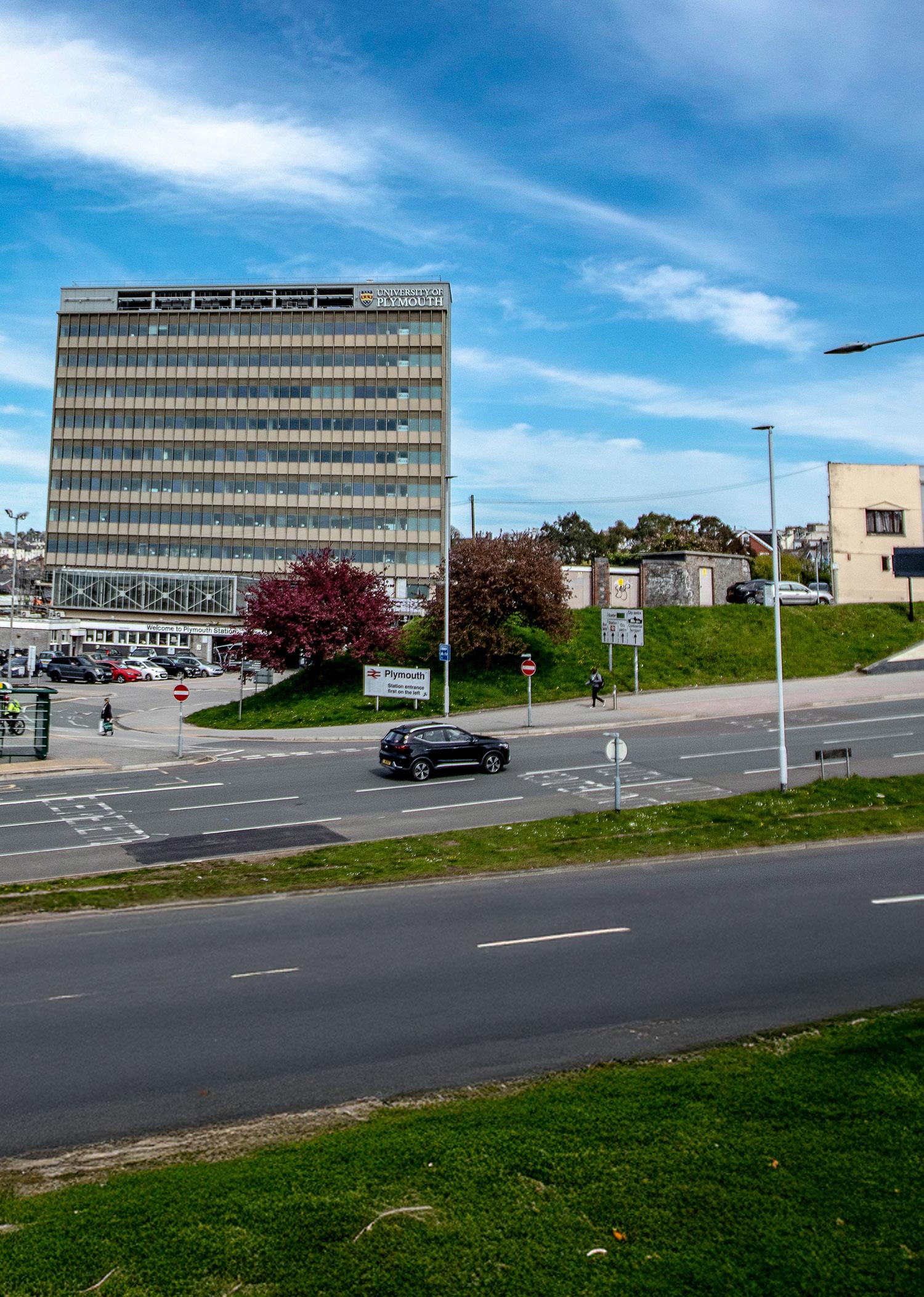
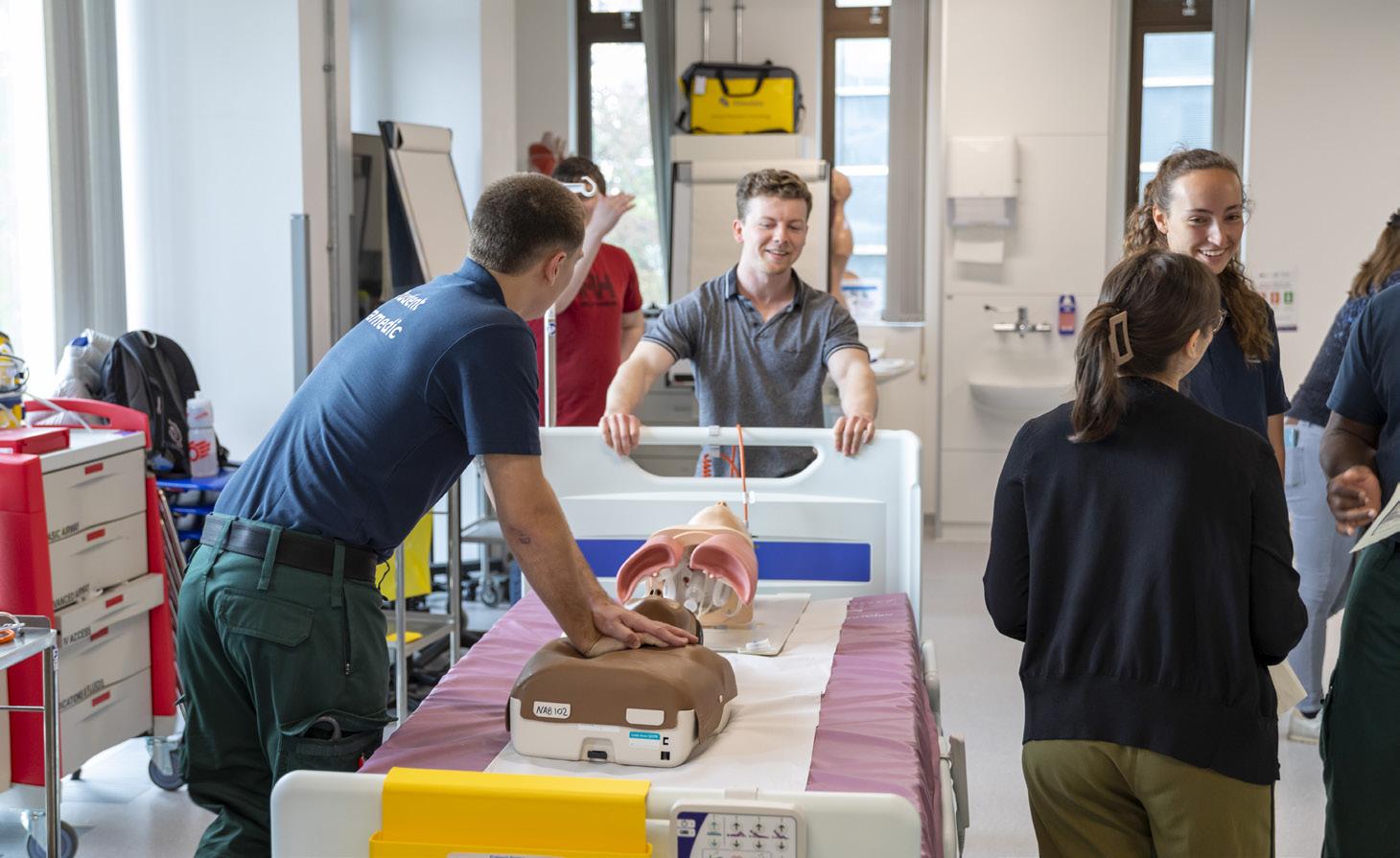
InterCity Place is our bespoke space to train and develop the next generation of nurses, paramedics and allied health professionals. This building offers outstanding interprofessional clinical skills facilities to prepare you for a career in healthcare.
Students will graduate with the knowledge and skills needed for 21st century healthcare, but also the experience of working alongside other practitioners just as they will in their future careers.
InterCity Place has a wide range of teaching areas, study places, cafes and social learning spaces

so there is always somewhere to study, learn, socialise and relax.
After a lesson at InterCity Place, take a five minute walk back to the rest of campus where there is a hive of activity including social spaces, cafes, lecture theatres, the Students’ Union, and easy access to the library and support services.
InterCity Place is adjacent to the train station and with just a short walk to the coach station, travelling to placements and days out is easy for our students.
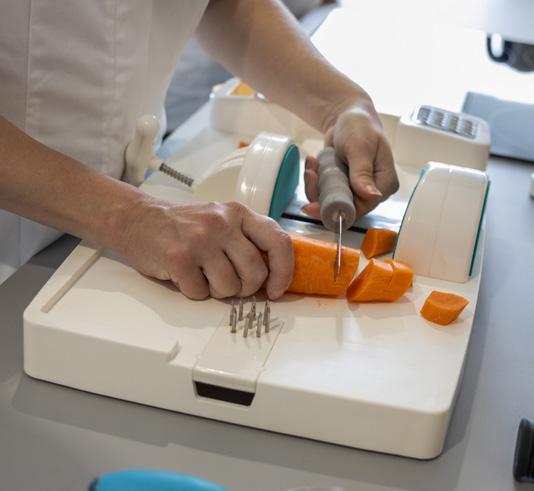
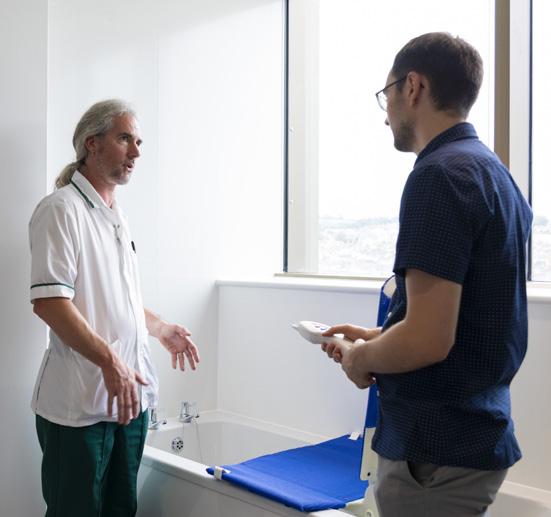
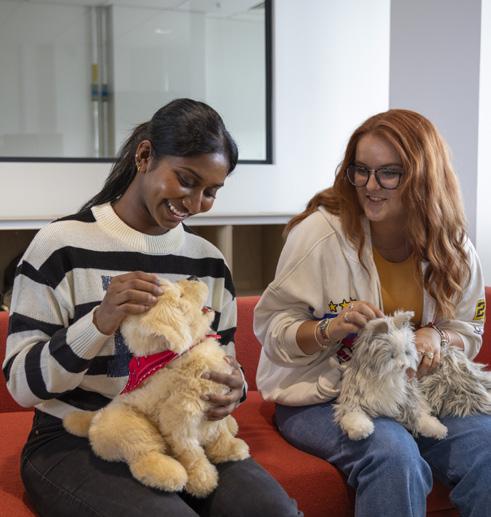
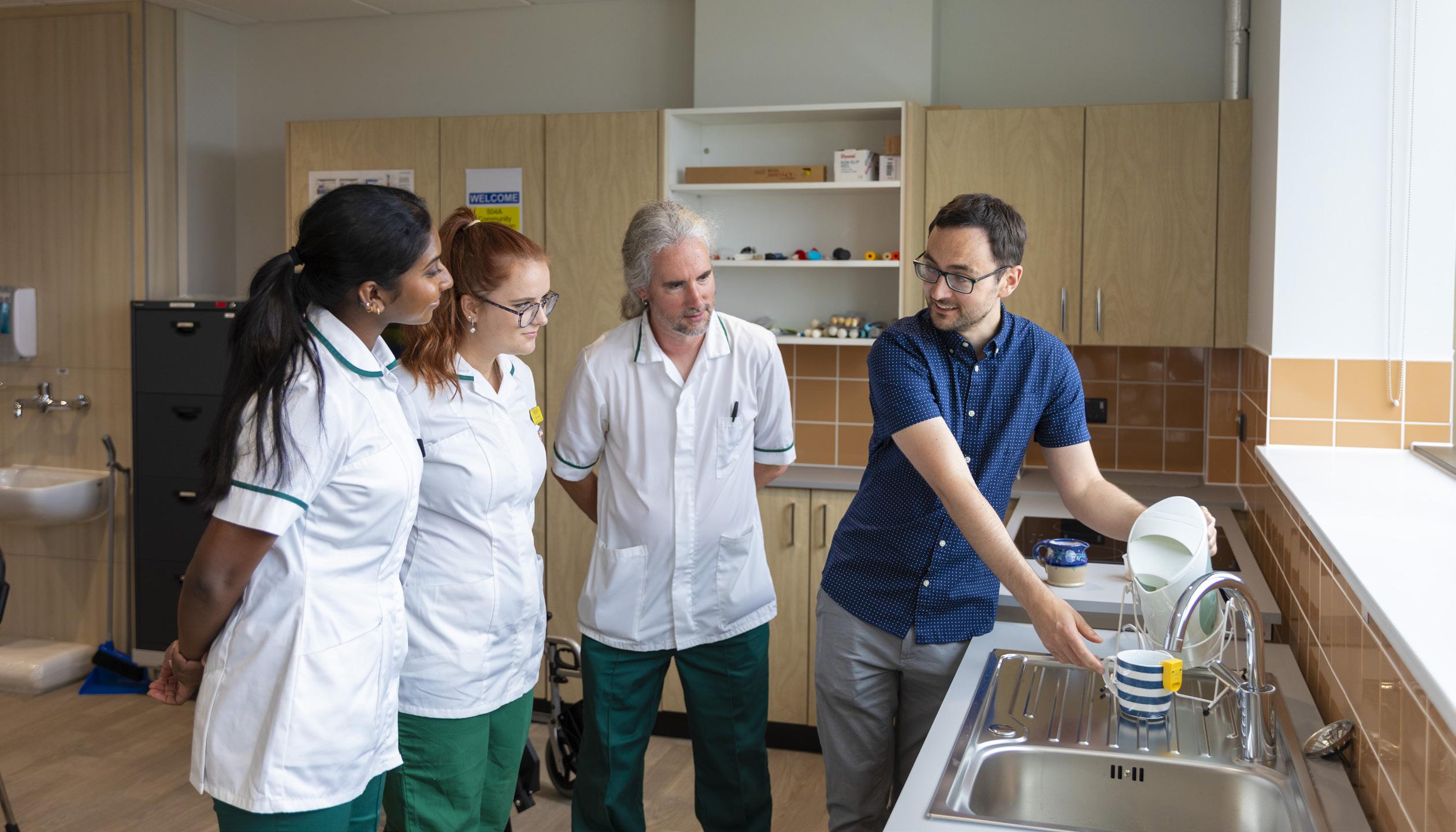
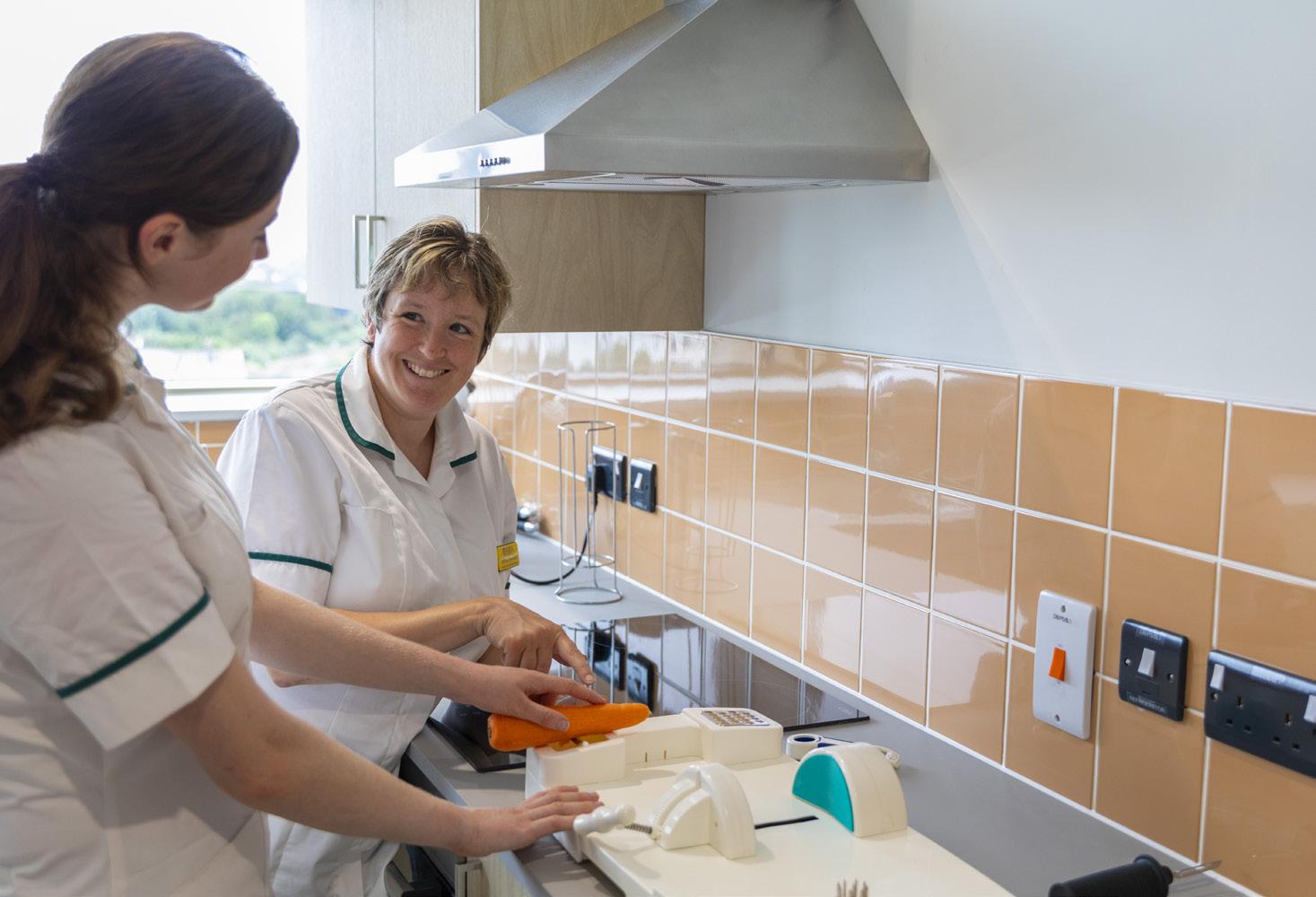
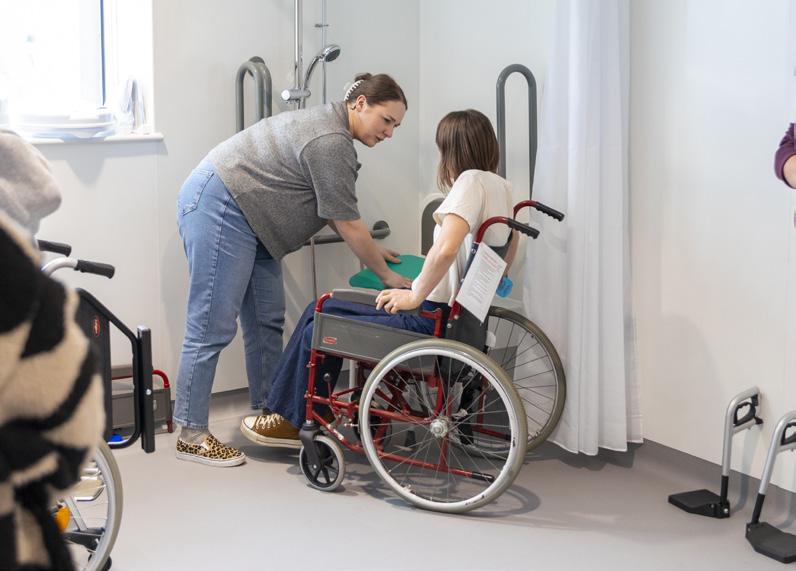
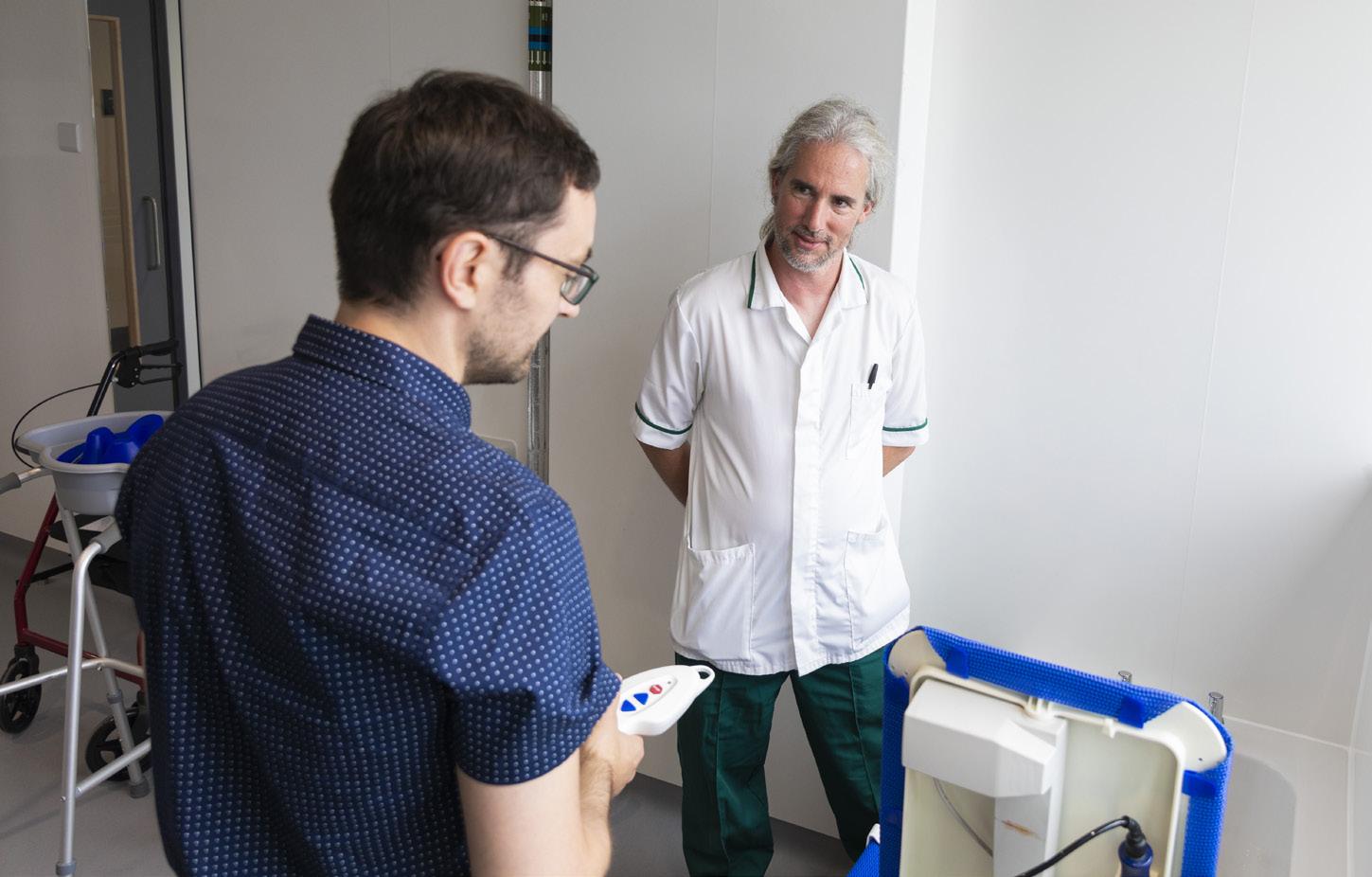
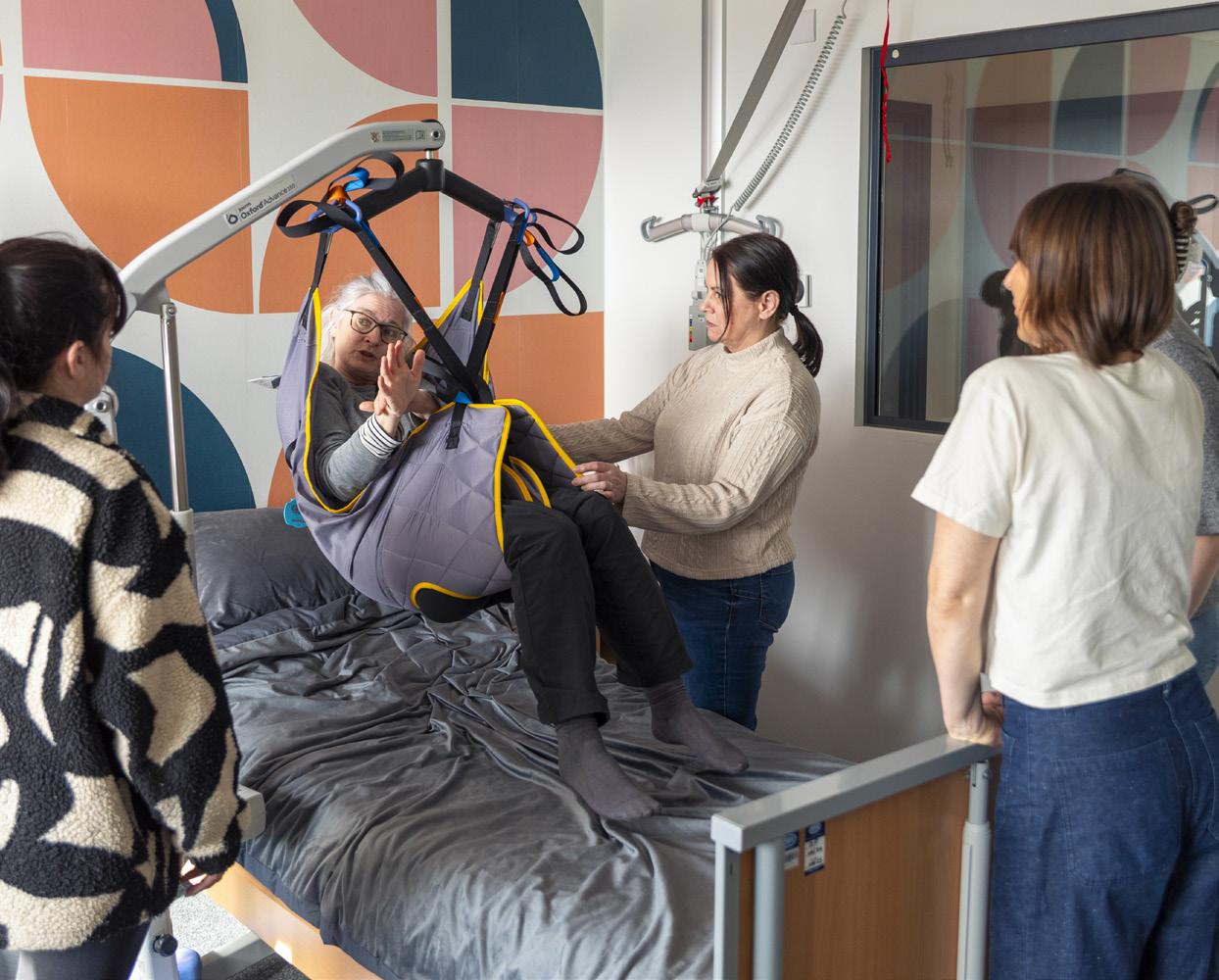
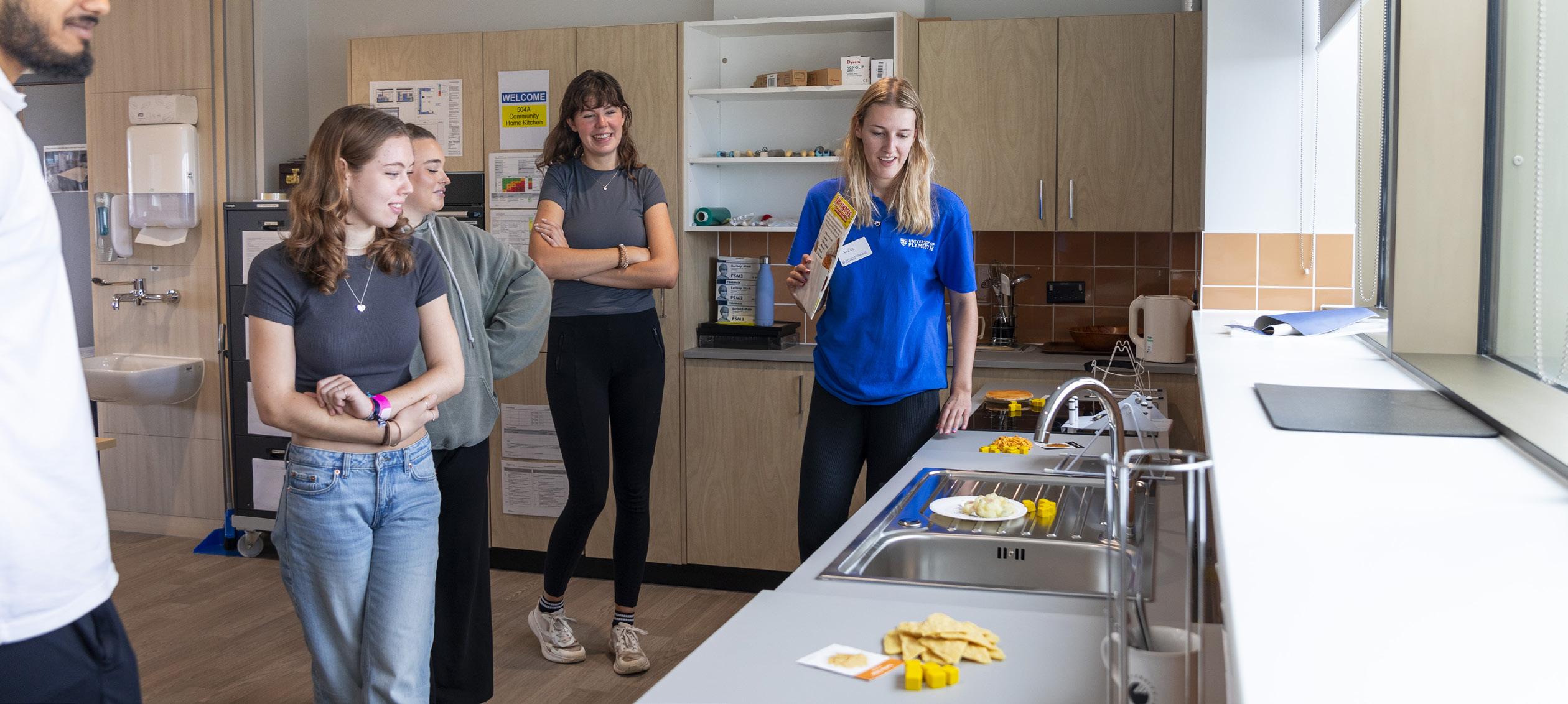
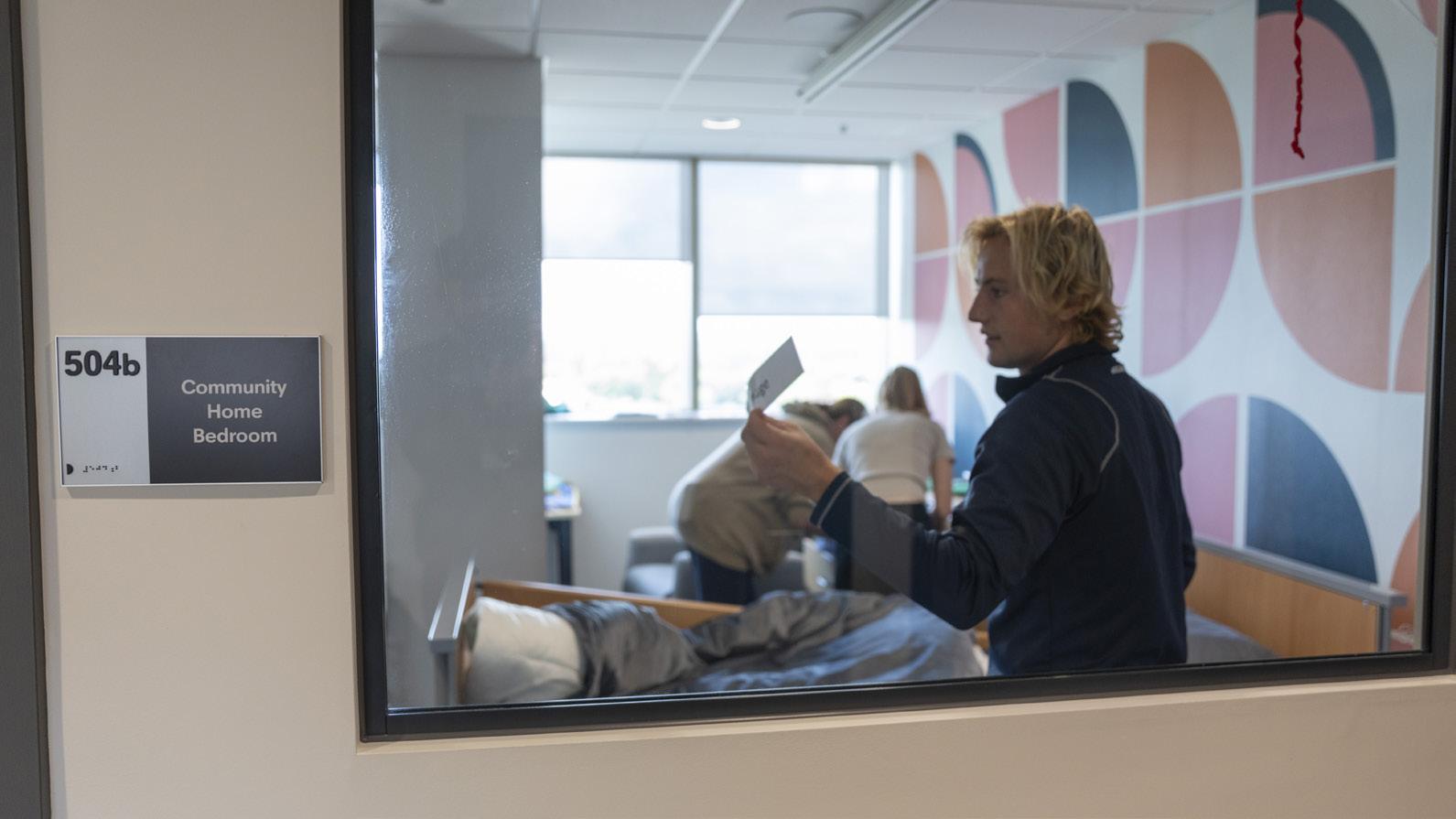
The Community Home Suite comprises a kitchen and living room area, bathroom and bedroom, and includes a wide range of assistive equipment and technology.
Situated in InterCity Place, the suite offers occupational therapy students the opportunity to practise their skills and apply their learning in a secure simulated environment. The space can be adapted to replicate a wide range of situations that may be encountered in professional
practice, such as completing various assessments and using assistive technology.
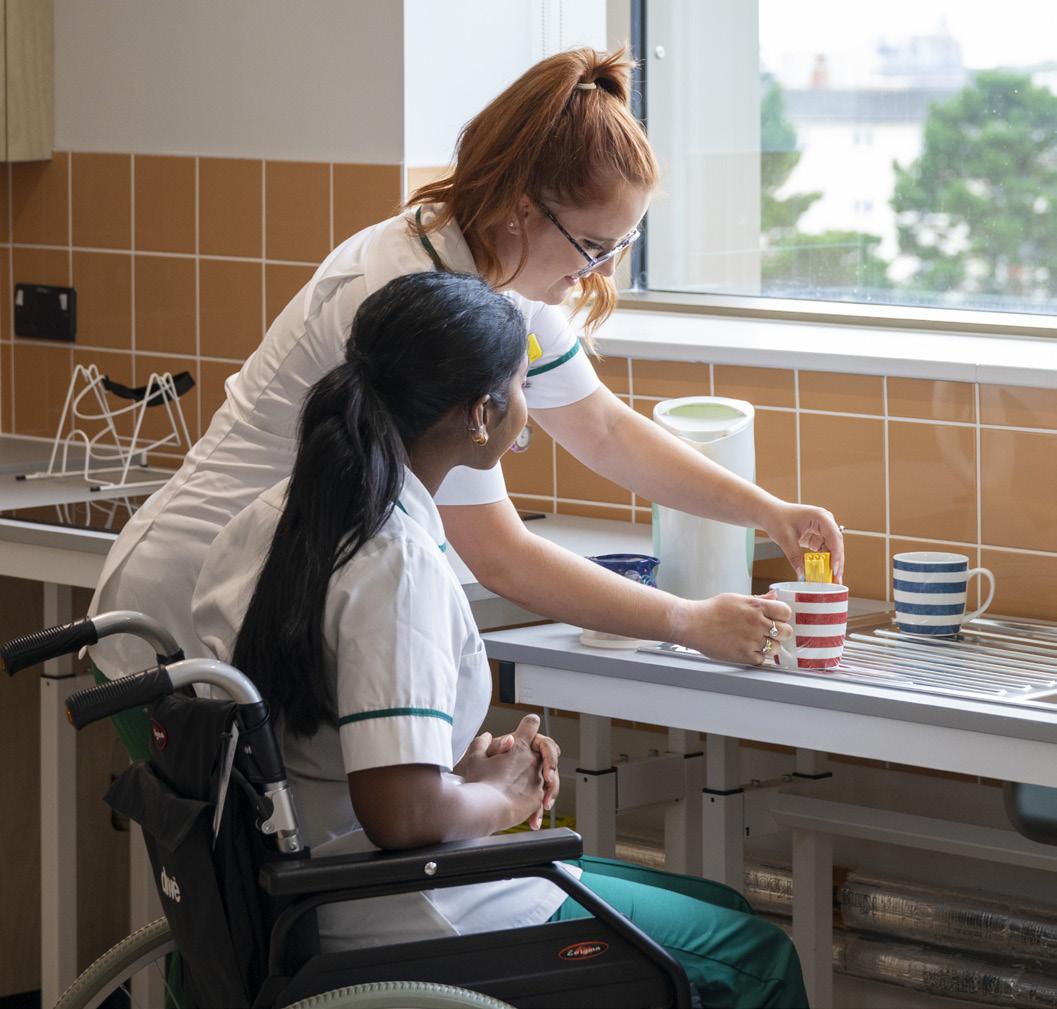
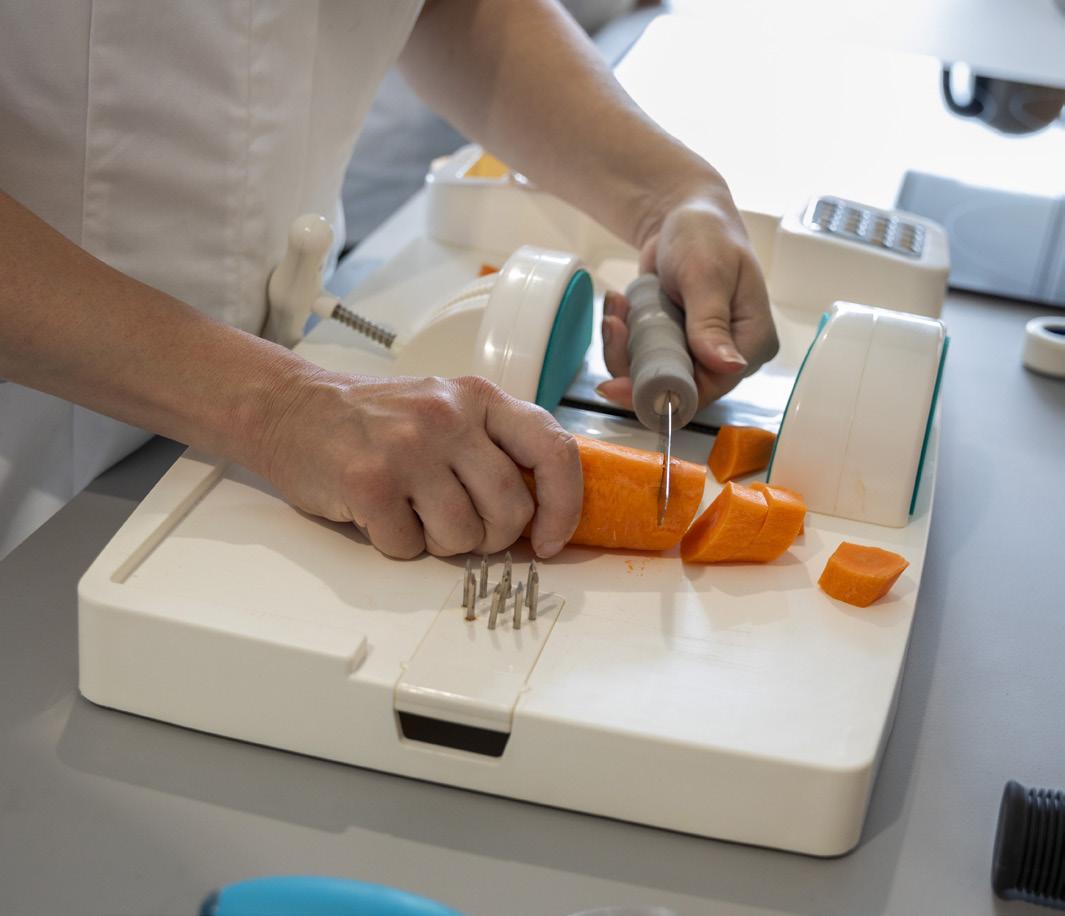
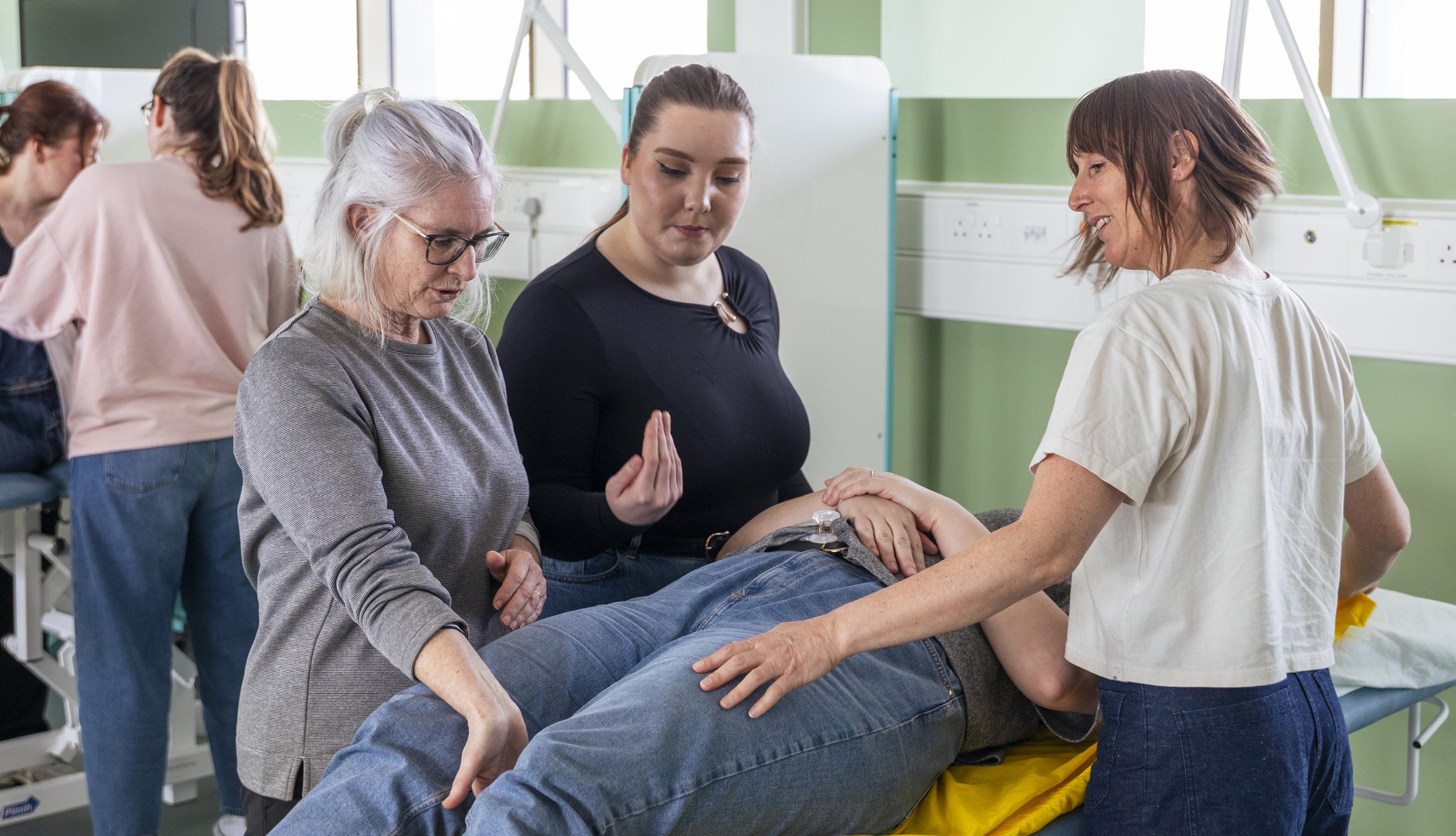
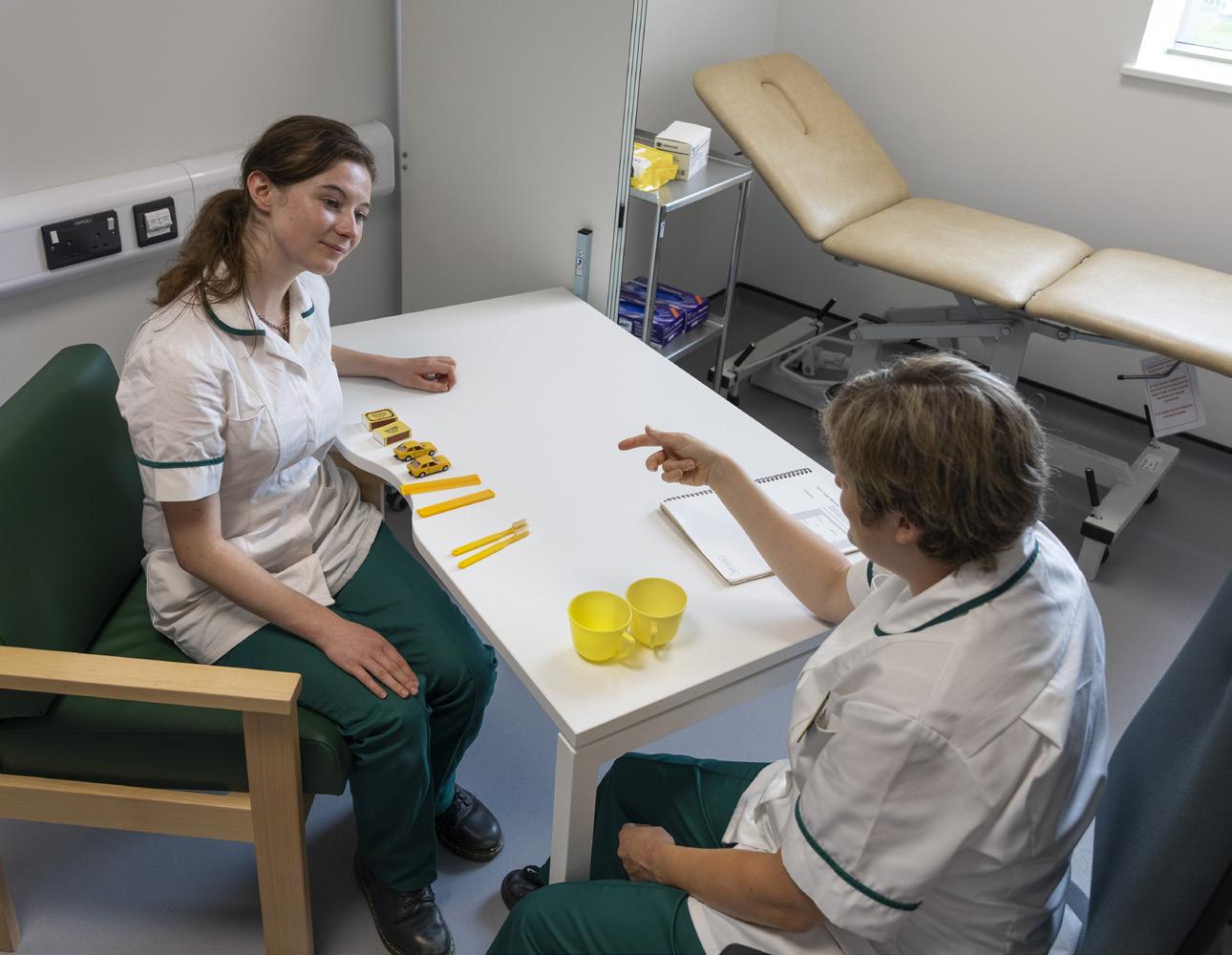
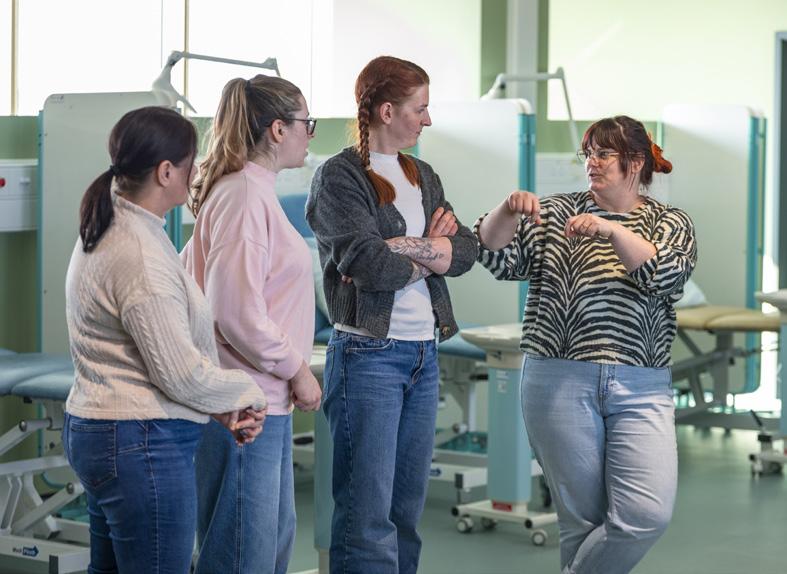
Providing a range of training opportunities, including oneon-one training with academic experts. , our consultation rooms recreate the experience of treating and reflecting upon patient experience.
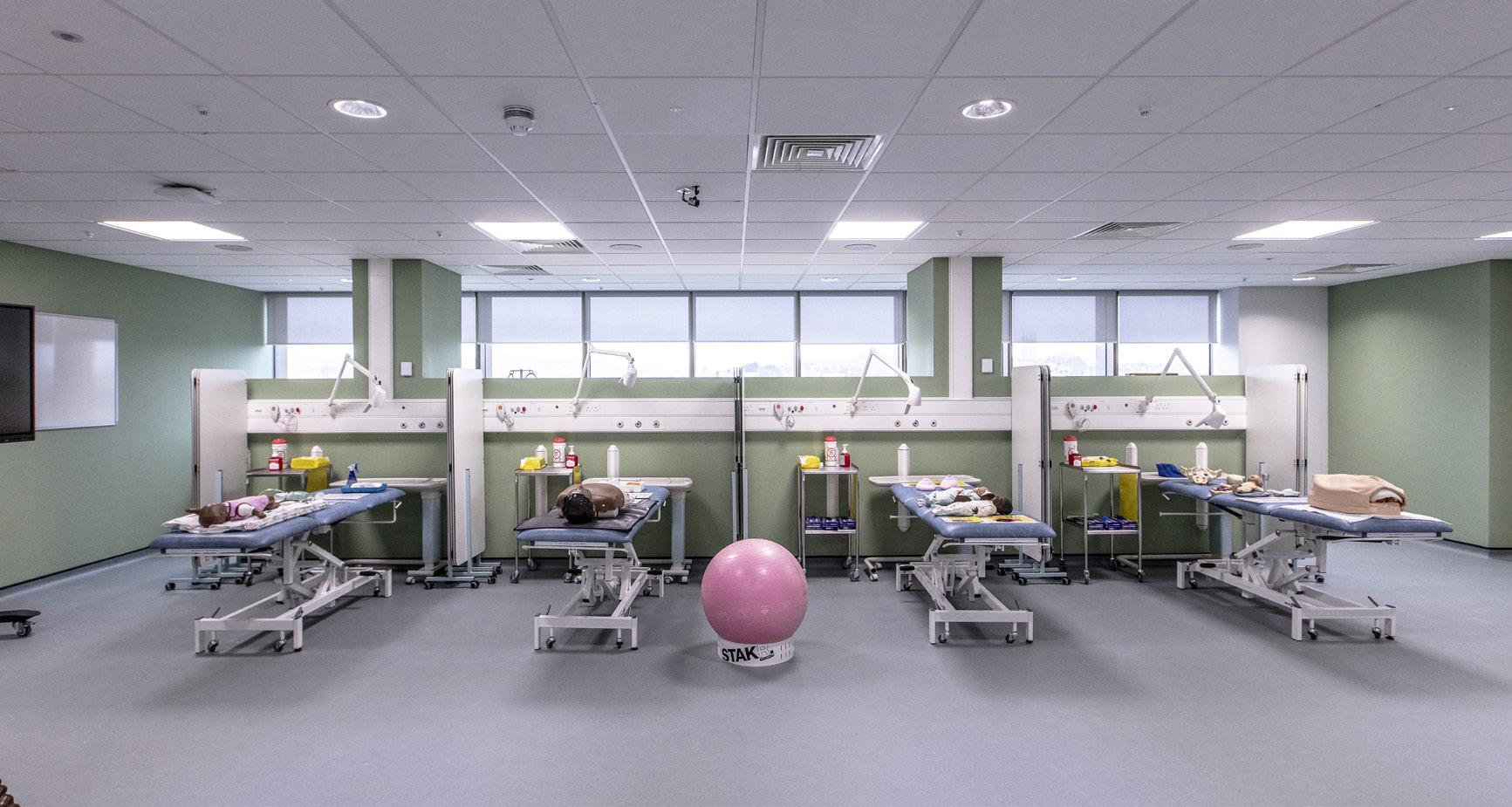
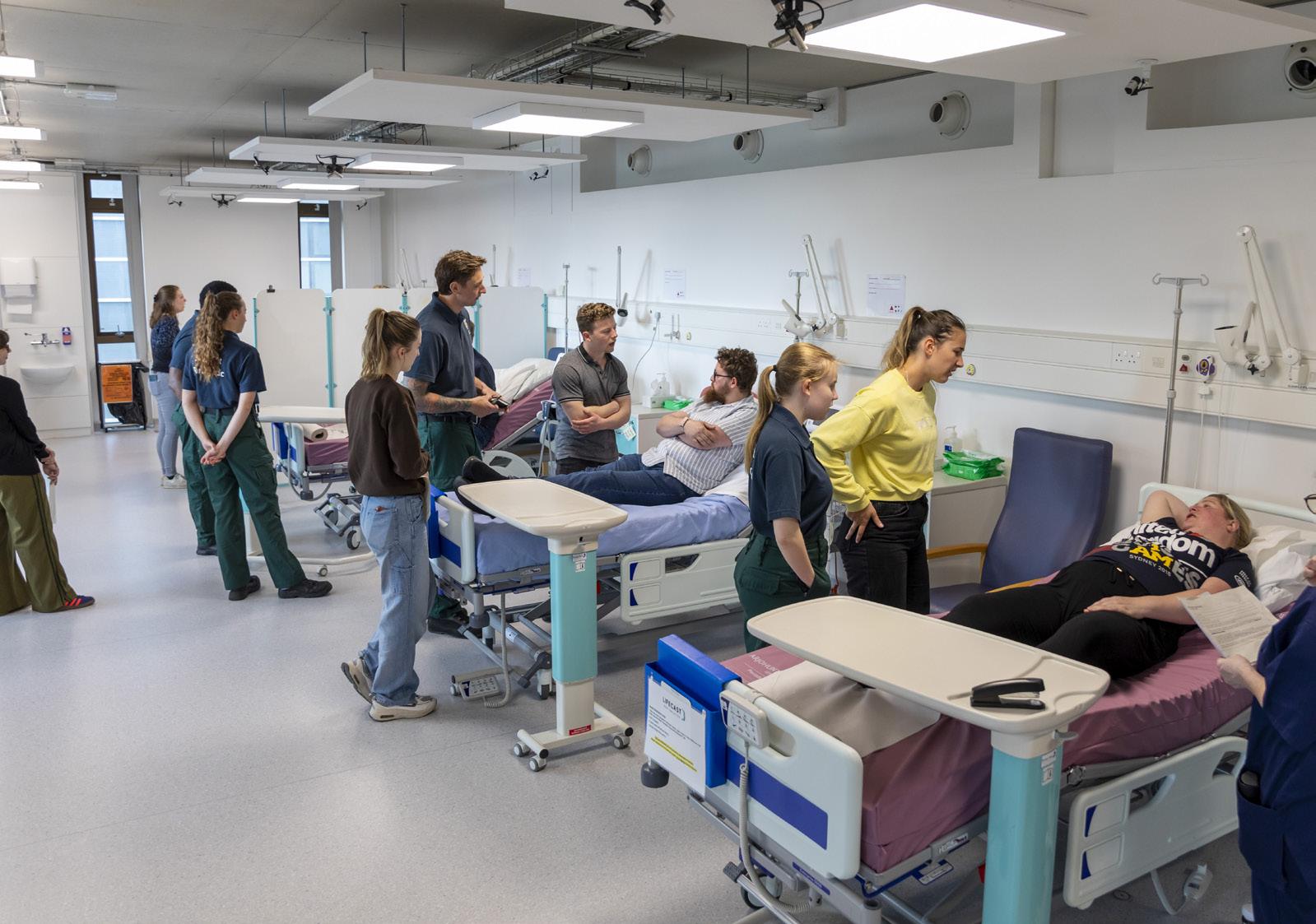
The ward gives students confidence to enter their placements with realistic training and preparing to familiarise them with hospital situations.
Most of you will have had some form of experience with the healthcare system in your lifetime. While our courses at Plymouth are designed and delivered to let you excel at a single profession – be that to become an adult health nurse or an occupational therapist, we want to offer you the additional skills and knowledge that will enable you to thrive within multidisciplinary teams.
PIHC, or the Plymouth Integrative Health and Social Care Education Centre, is an initiative within the Faculty of Health that supports interprofessional learning (IPL) across our wide range of healthcare courses, so that our students are given opportunities to learn with, from and about each other. IPL is an effective tool in equipping students with transferable skills that are valuable for their future careers. We want the next generation of
healthcare professionals to step into the workforce as confident practitioners from day one, and perhaps the diversity of courses within the faculty allows us to facilitate this by bringing various disciplines together – from diagnostic radiography to dietetics, dental surgery to clinical physiology, and from paramedic to child health nursing.
PIHC embeds these opportunities for all year 1 students studying our health and social care courses, and continues to develop the initiative throughout your degree. PIHC ultimately allows you to feel supported and valued, and develop cross-collaborative skills in a safe and risk-free environment. In addition to embedded IPL, PIHC supports further opportunities for students across the faculty to come together such as:
• Schwartz Rounds: a confidential forum for students and staff to talk about the emotional impact of their work and studies
• C4CHEd: an international collaboration promoting compassion in health and social care education
• Tea-Time Teaching: a series of student-led sessions where students present to their peers on a topic of their choice
• ad hoc events, including a simulation day for midwifery and paramedic students.
Today I experienced hoarding and self-neglect training experience in InterCity Place. We went into a fictitious environment that was set up to reenact a real life hoarding situation where a gentleman portrayed by an actor was pretending to be a hoarder experiencing self neglect. Myself and other students went in to do a fictitious assessment if you will. I was there as an occupational therapist, alongside a student nurse and a student optometrist, and we all explored how we would go about it in a real life scenario.
Ben, BSc (Hons) Occupational Therapy
I really enjoyed working alongside other healthcare professionals. There was a student paramedic and as I haven’t really worked with paramedics much in my placements or previously, it was really interesting to see their perspective and approaches to various scenarios. There was another OT student who had experienced quite different placements to me so again, it was really interesting to see the perspective they bought in. Phoebe, MSc Occupational Therapy

Over 95% of our graduates are in work or further study*