Schools & Colleges Outreach Faculty of Health outreach@plymouth.ac.uk
University of Plymouth
Drake Circus Plymouth Devon PL4 8AA
United Kingdom
Follow us on social media @PlymUniApply
Nursing Edition
It’s never too early to start thinking about what you would like to do after school or college, or if you are thinking of a career move! At Plymouth, we know that choosing a university and course is a big decision. While you may have an idea of a profession, career or industry that you’re aspiring towards, if you’re unsure of exactly what you want to do or are keen to find out more – this is where our handy subject guide comes in.
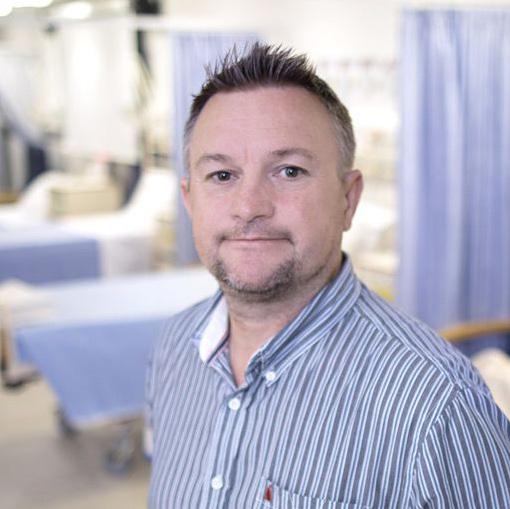
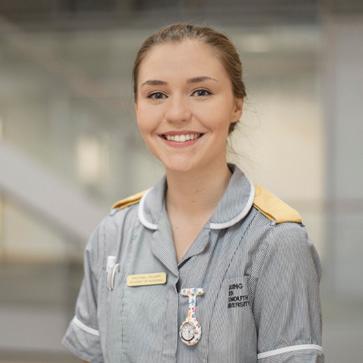
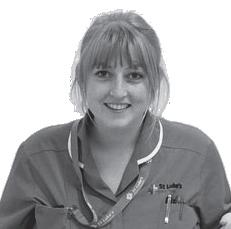
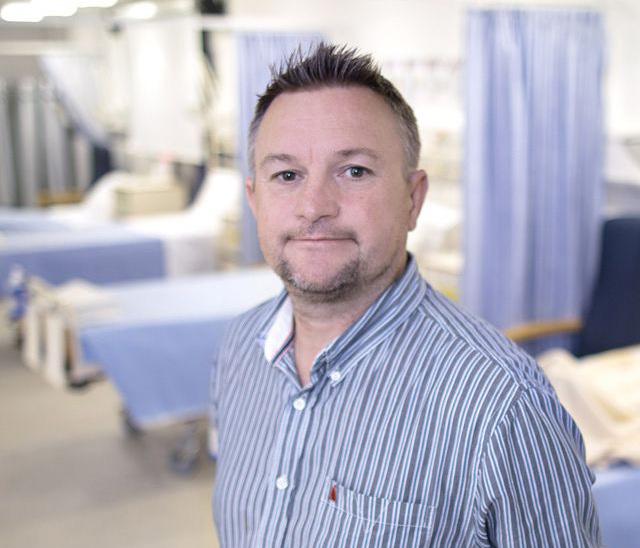
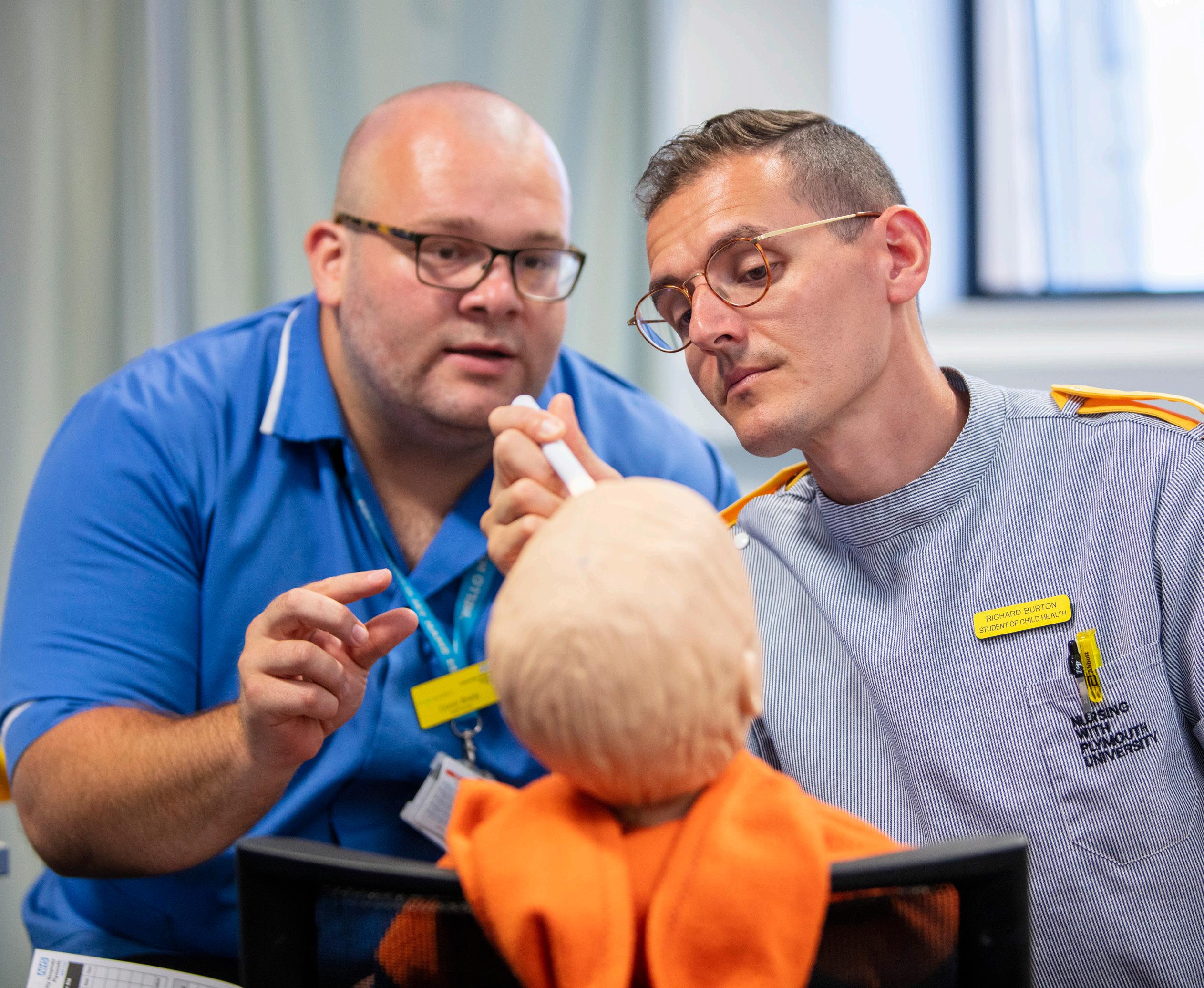
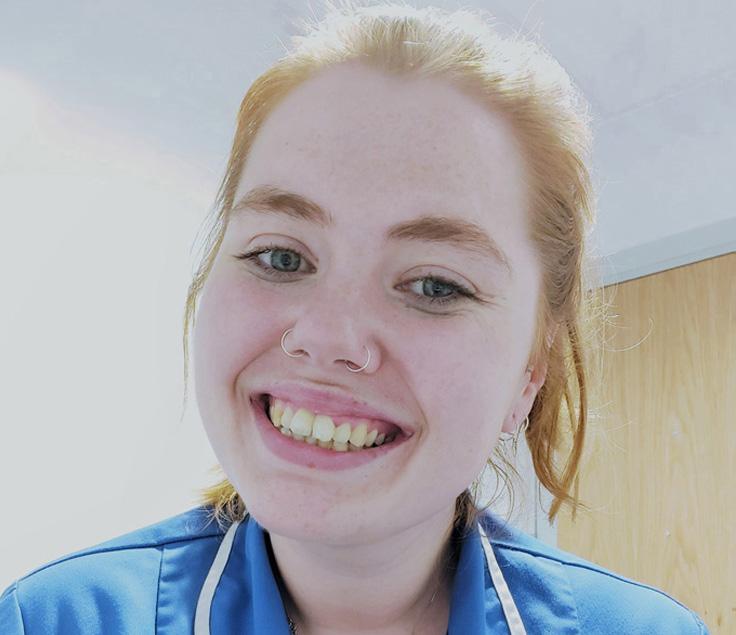
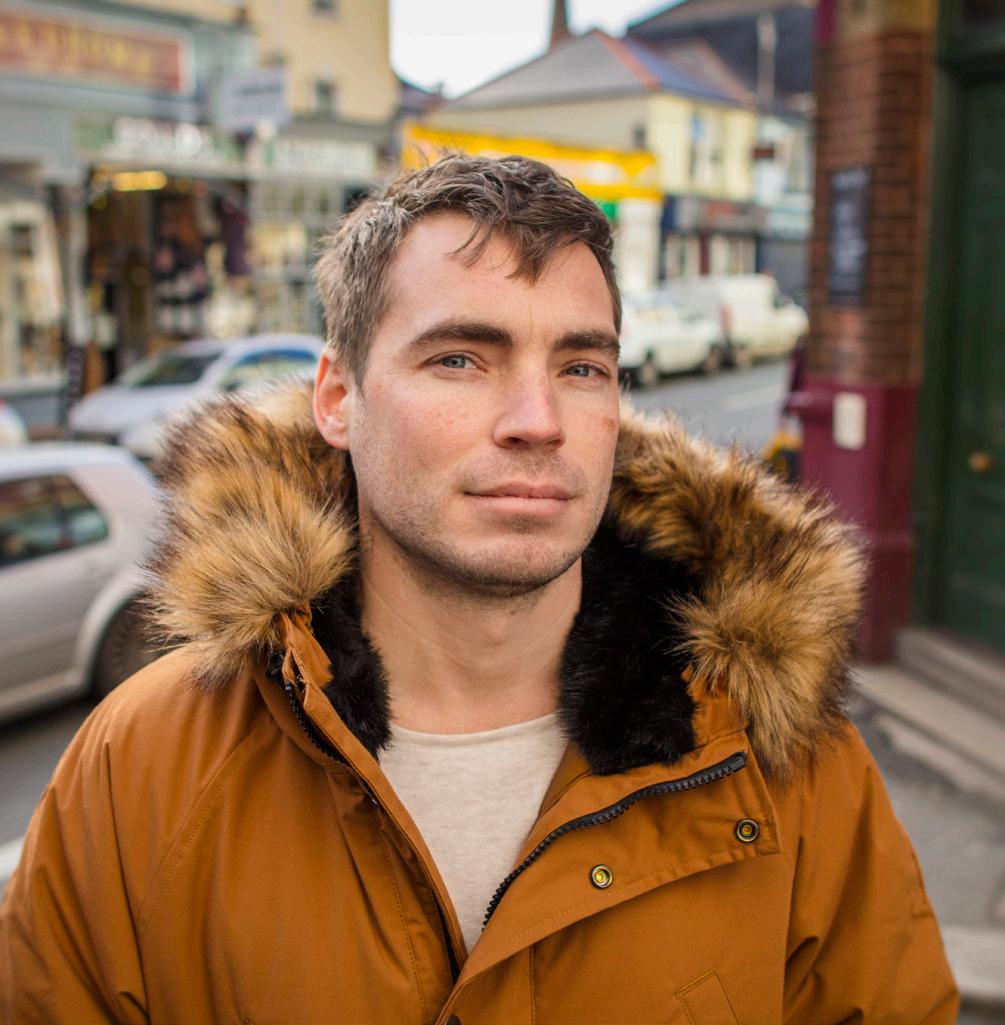
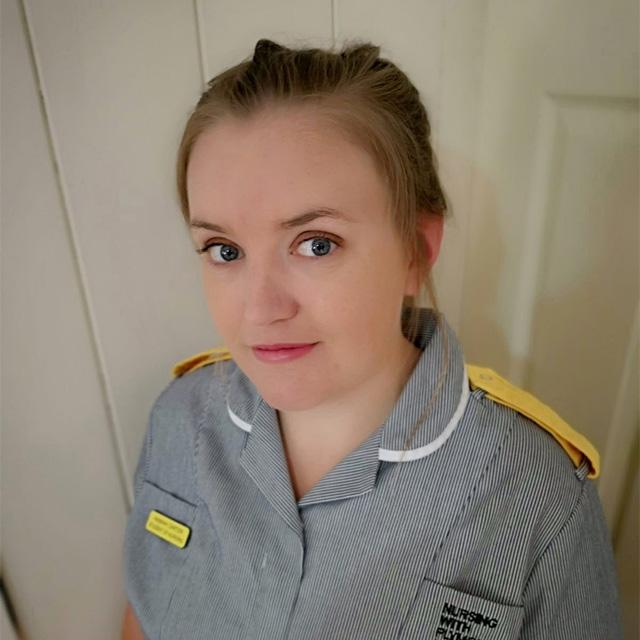
Meet some of this issue’s contributors:
P. 4 10 reasons to study at Plymouth
When it comes to finding out if university feels right for you, nothing compares to an open day. Talk to current students and quiz lecturers about your course. You can register to attend here plymouth.ac.uk/open-days
“I would recommend the University to anyone. The staff are supportive and so knowledgeable on their subjects, and the balance of theory and placement meant that I had some fantastic experiences to put into practice what I had learnt during the theory sessions.”
Amie,
BSc (Hons) Nursing (Adult Health) graduate
1. PLACEMENTS AND EXPERIENTIAL LEARNING
We have a strong nursing community with solid relationships with our placement providers across the entire South West peninsula. You will have placement experiences across all years of your degree and 50% of your course is spent in clinical practice. You will be allocated your placements across a range of specialities in the community as well as inpatient areas. You can also take the opportunity to apply for a three-week optional placement of your choice, which will count towards your 2,300 required placements hours. You could choose to go to a specialist area you want to experience, for example emergency care or a forensic settling locally. Some students decide to organise their placement outside of the South West or even overseas. We have had students study all over the world; for example in 2023, students took optional placements in Vietnam and Sri Lanka.
3. COMMUNITY AND USER INVOLVEMENT
We pride ourselves on an inclusive learning community involving students, service users, carers, practitioners, and staff into the continued development of our courses, ensuring that they meet the needs of the future workforce, and so public and patient engagement is central to our programmes. We value lived experience, and many of our modules have direct input from experts by experience both in the design and delivery of programme content. Our programmes have been designed in association with service user representatives and of course many of our staff and students also bring their own direct experience of healthcare.
2. INTERDISCIPLINARY LEARNING
Students will come together over the course to bring a range of perspectives to their learning. You will work both with students from your specific field of practice and with students from other fields to share learning in theoretical modules to ensure that you consider the needs of patients across the lifespan and from the perspective of physical, psychological, mental health and learning disabilities.
4. SUPPORT
We provide a friendly and supportive learning environment, and we are driven by our dedication to student-centred learning. In addition to your personal tutor, you will have a tutor for each module you take who will provide support. You will have practice-based clinical supervisors and assessors, as well as an academic assessor to support you in clinical practice.
Literacy and numeracy are essential components of nursing practice, each year in skills sessions you will receive support to enable you to safely calculate the correct medication doses via a range of routes. The University also provides a range of support including a writing café, academic writing sessions and numeracy support.
5. RESEARCH-INFORMED TEACHING
We pride ourselves on our cutting-edge, research informed curriculum which ensures that you are equipped with the latest evidence, as well as the research skills to support patients’ recovery.
Our staff are registered nurses engaged in active research, bringing with them a wealth of knowledge and clinical experience into the classroom, which you will apply in clinical practice.
6. PIHC
PIHC, or the Plymouth Integrative Health and social care education Centre, is an initiative within the Faculty of Health that supports interprofessional learning across our suite of healthcare courses. Our students are given opportunities to learn with, from and about each other. More information can be found on page 26.
7. BEYOND THE CLASSROOM
There are a variety of opportunities for extracurricular activities. Many of our students tell us they’ve made lifelong friends on their course, and most students find that peer support is one of the best aspects of training to be a nurse. Our students have set up and run an active and socially inclusive Nursing Society. Our peer assisted learning scheme (PALS) sees senior students supporting and meeting regularly with students in the years below, and many of our students work as health support workers during holidays and breaks across the South West, and for organisations such as Citizens Advice and Shelter.
8. LOCATION
Benefit from a work-life balance in Britain’s Ocean City. Our students are given the unique opportunity of really immersing themselves into the local culture. You will be spoilt for choice with the thriving nightlife within walking distance of our city centre location, sandy beaches of Devon and Cornwall and swathes of Dartmoor’s picturesque countryside and landscapes. Study with us to enjoy a healthy quality of life surrounded by the ocean and the moors.
9. FACILITIES
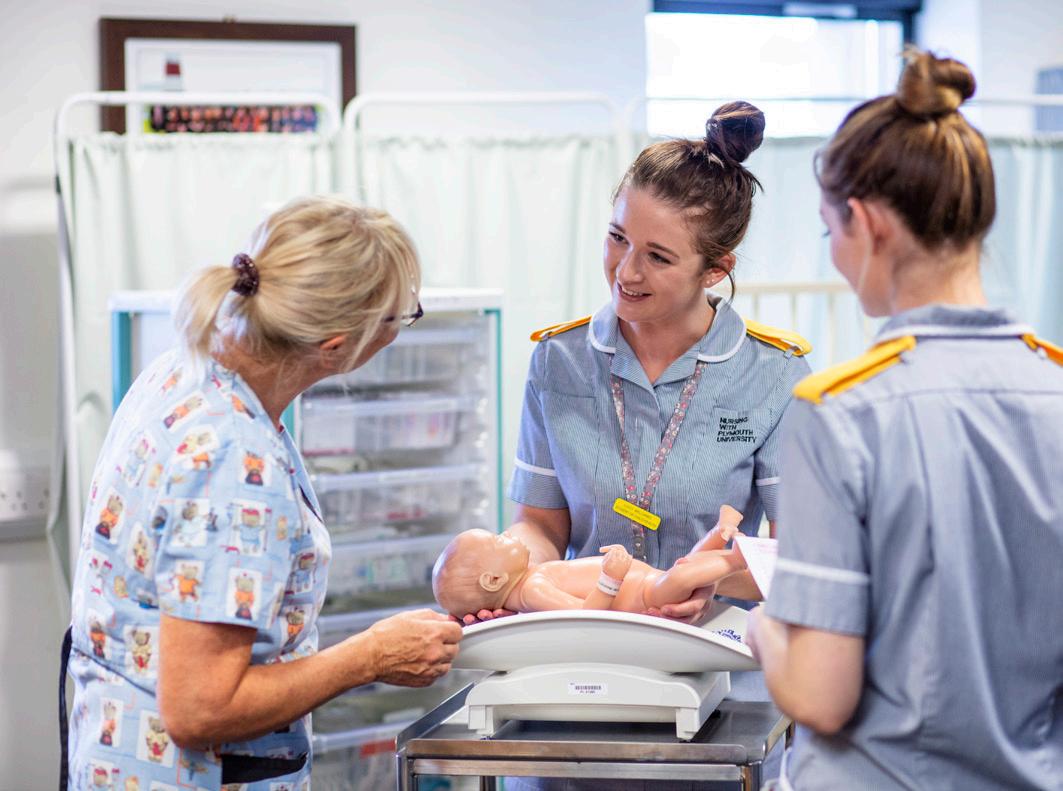
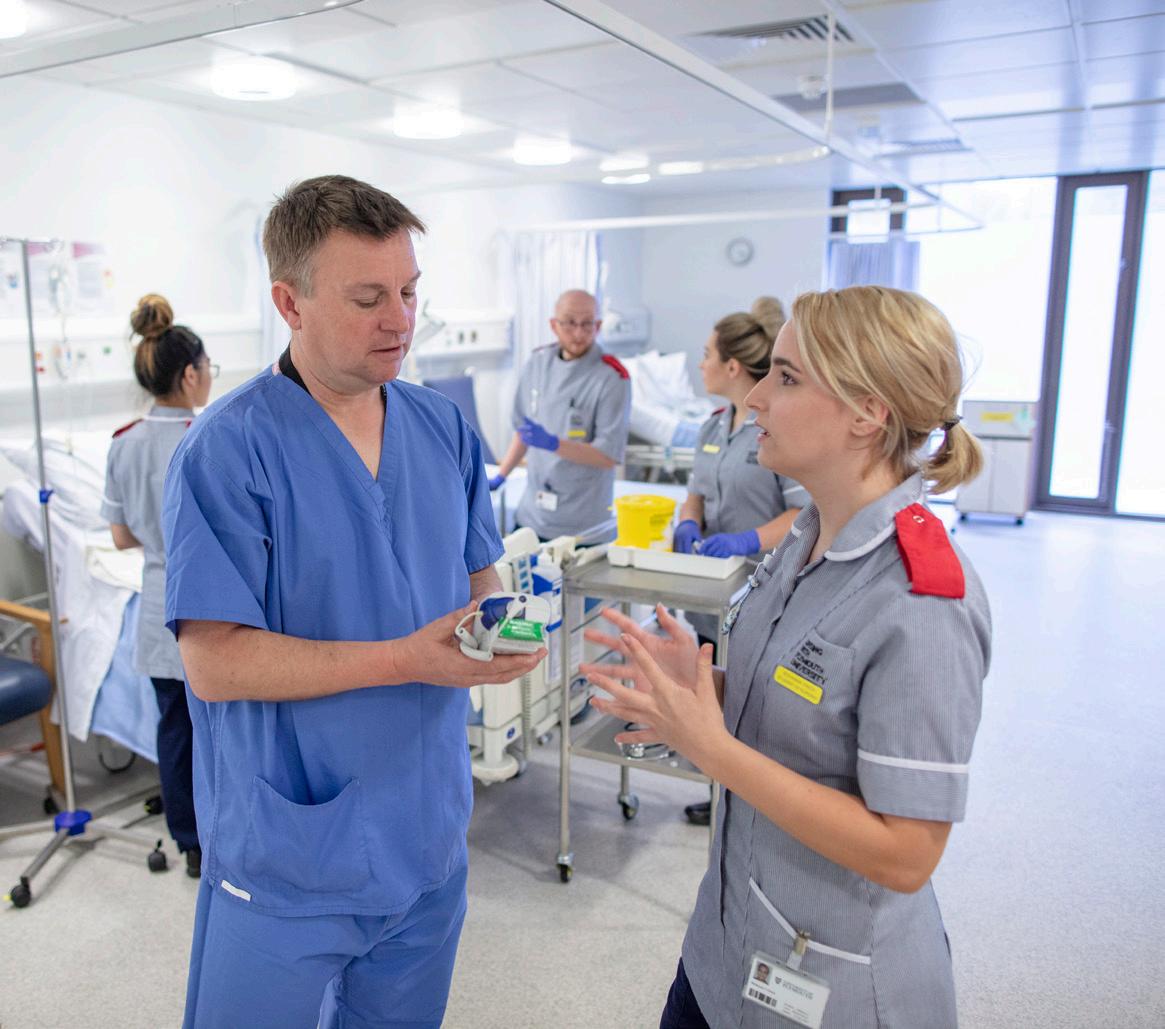
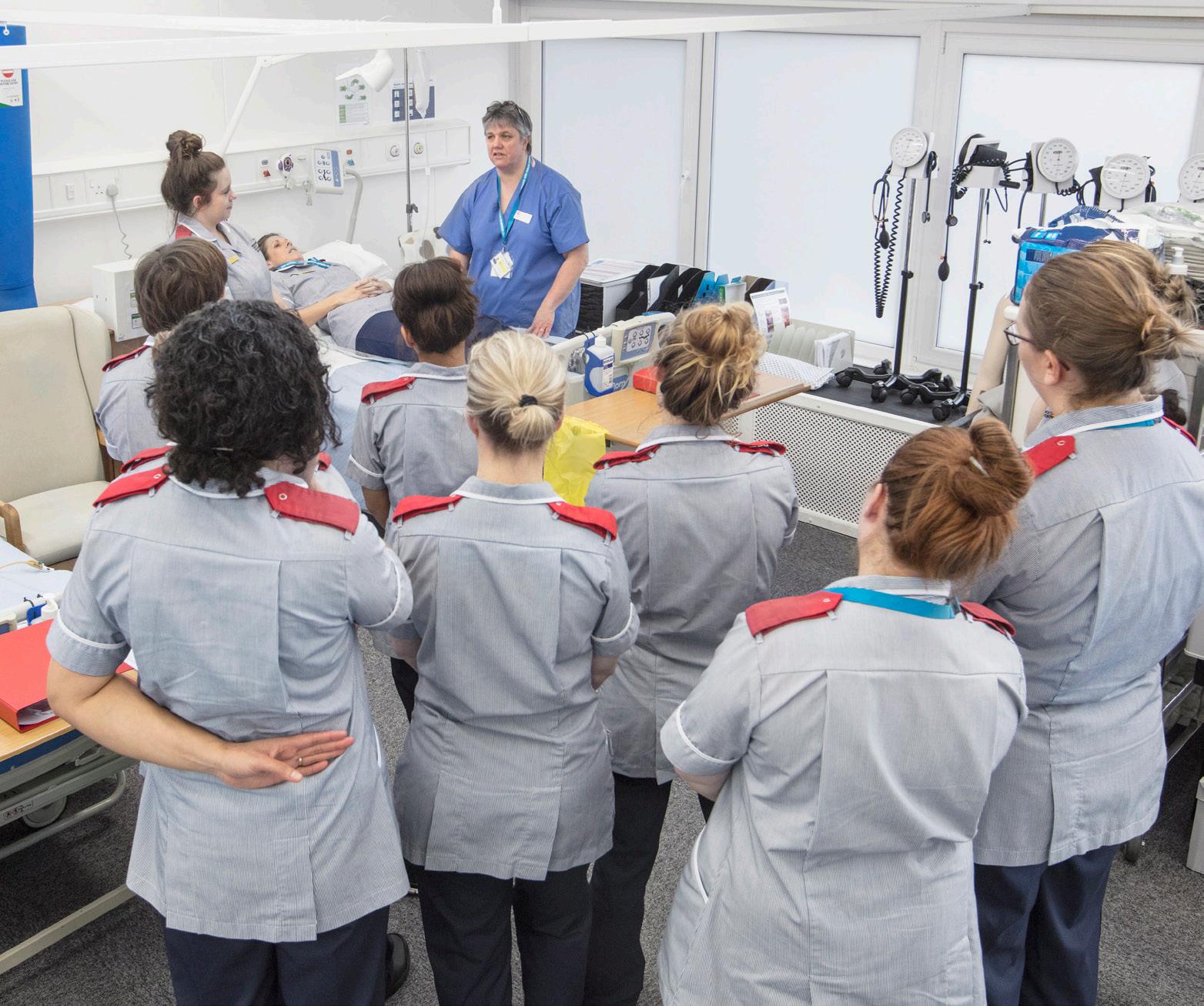
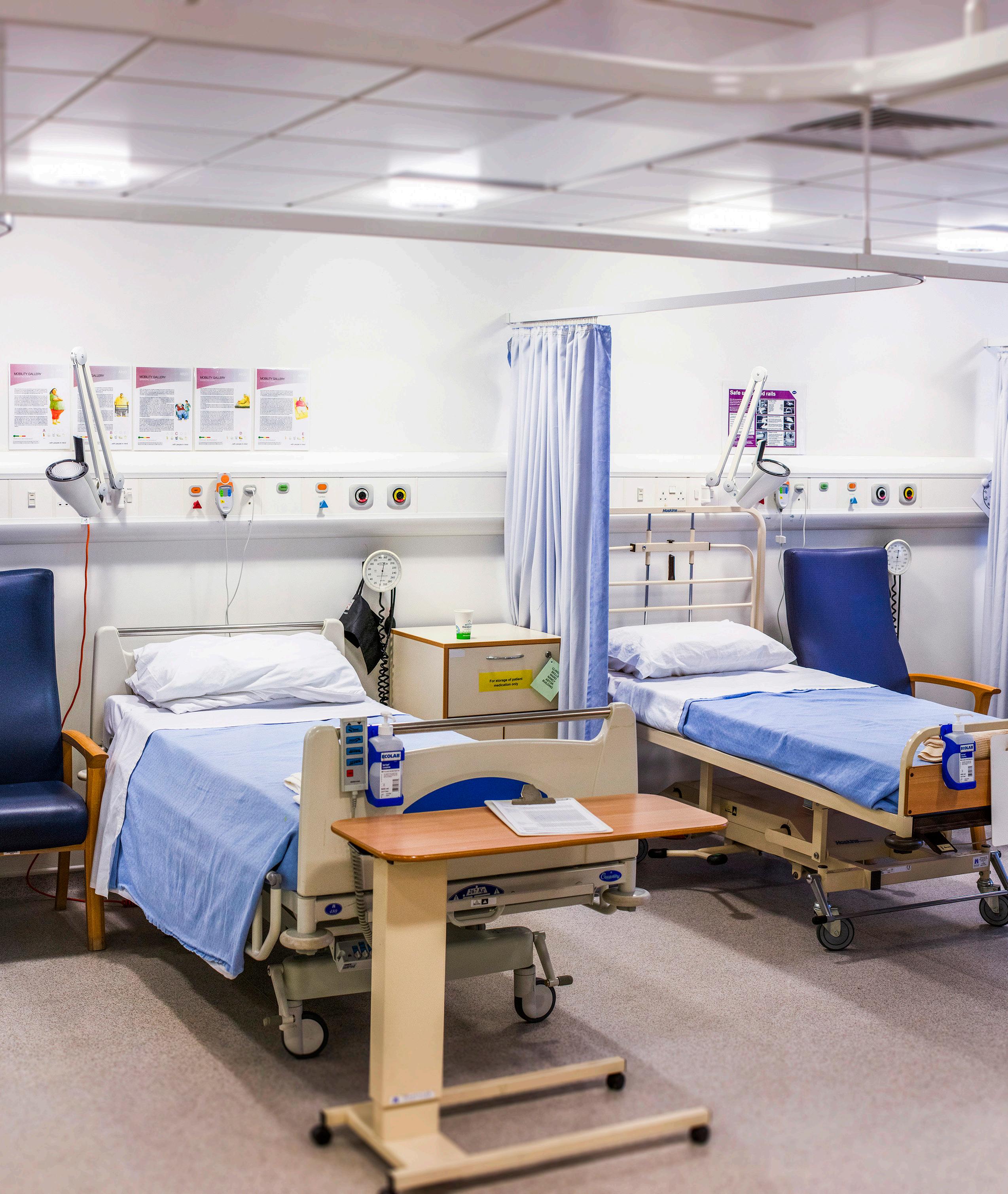
The Nancy Astor building houses our modern, purpose-built, stateof-the-art Clinical Skills Resource Centres (CSRC) which is the training hub for our adult health nursing, child health nursing and mental health nursing students. Students will learn a whole range of skills specific to the profession they are entering and a variety of basic health related skills, and will have the opportunity to build upon the theory they have learnt, putting this into practice, to become ready to perform these on real patients during practice placements. Teaching will also take place in InterCity Place, our brand-new space at our main city-centre campus designed to train the next generation of nurses, midwives and allied health professions.
10. BECOME A REGISTERED NURSE
Once you have successfully completed your course you can register with the Nursing and Midwifery Council (NMC), the nursing regulatory body.
“Studying at Plymouth has allowed me to go on and get my dream job as a paediatric nurse at Bristol Children’s Hospital.” Emily, BSc (Hons) Nursing (Child Health) graduate
WHERE WILL YOUR DEGREE TAKE YOU?
“On completion of my degree I secured a job as a Staff Nurse on an acute cancer care ward (oncology and haematology). It was here that I furthered my desire to specialise in end-of-life care and was able to be involved in various courses which helped extend my knowledge and experience. After a year of working on the ward, I successfully joined the St Luke’s Hospice’s Crisis Team, specialising in end-of-life care which is where I currently work. I have continued to develop my skills and completed a module at masters level in Enhancing Palliative Care. This has led to career progression and I am now a palliative specialist nurse.”
On successful completion of your course you will be eligible to apply to register with the NMC as either a Registered Nurse in one or more of the fields we offer, or as a Nursing Associate. We have close to a 100% employment rate for students who successfully register, and each of our courses offer you a broad, varied career pathway with a wide variety of opportunities for career development and further study.
THE LIST OF CAREER OPPORTUNITIES IS ENORMOUS
.
Nurses work in a wide variety of clinical settings and specialities, in the public and private sector, and in higher education institutions. If you work for the NHS as a nursing associate you will start your journey on Band 4 of the pay scale and as a Registered Nurse at Band 5. Pay scales go up from here to Band 9 (over £100,000 per year) and senior executive nurses earn beyond this. Nursing isn’t just about money. Your registration may enable you to join the military or work overseas, and your critical thinking and analytical skills will be valued by all employers.
Examples of roles include cardiology, emergency care, intensive care and primary care. You might work in a mental health specialist in-patient role or forensic setting, or perhaps you will go on to work in neonatal intensive care or as a school nurse.
As your career develops you may well become an advanced practitioner, leading the care and treatment for a group of patients by becoming an independent prescriber, or you may become a surgical care practitioner. You could eventually become an executive director of nursing for a large NHS trust or manage a range of healthcare services. Your choices are vast and varied as you will never stop learning, and when it comes to your future, the sky really is the limit.
plymouth.ac.uk/careers for more information. FIND OUT MORE
+44 (0)1752 587456
WHICH DEGREE IS RIGHT FOR YOU?
Nursing at Plymouth comes in three distinct fields – Adult Health, Child Health and Mental Health. We offer a three-year BSc in any discipline, as well as a four-year MNurs programme which allows you to specialise in two fields of practice.
Each field is also available as a two-year pre-registration MSc programme (open to graduates of any discipline who have 750 verified hours of clinical practice experience in a healthcare setting) or as a four-year BSc (Hons) with Integrated Foundation Year (enabling those with a lower grade profile the opportunity to advance on to one of our nursing degrees).
BSc (Hons) NURSING (ADULT HEALTH)
Adult nurses are specialists in assessing, planning and managing care for adults with a range of physical health conditions. They work in a very wide variety of clinical settings, in both community and hospital environments. Adult nurses can be found supporting patients in areas such as cancer care, cardiology, intensive care and emergency departments as well as GP surgeries, in the military and even on cruise ships.
Registered adult nurses don’t just care for people, they are trained to be critical thinkers who, as well as being technically proficient, can work with people to promote and empower them to maximise their own health outcomes. As with other nurses, there are a diverse range of career opportunities from advanced practice roles to surgical care practitioners. Senior nurses work in a range of management, leadership and research roles, and many of our graduates go on to study in specialist fields of practice at masters and PhD level.
ANGELA
BSc (Hons) Nursing (Adult Health) graduate
“I think this course has taught me so much more than nursing alone: it really was a journey of self discovery. Embracing the variety of opportunities available definitely enhances future prospects and opens doors you would never have known existed.
BSc (Hons) NURSING (CHILD HEALTH)
Caring for children and young people with a wide range of needs can be a challenging and fulfilling career. From newborns to adolescents, children’s nurses specialise in caring for the health and wellbeing of children, young people and their families during periods of great change. There is a strong focus on holistic care, working in partnership with children, young people and their families to maximise healthcare outcomes. Employment prospects are excellent in a variety of settings such as acute care within children’s hospitals, NHS district general or private hospitals, children’s community nursing, public health and in specialist areas such as neonatal or paediatric intensive care. Many of our graduates go on to study and research in specialist areas of practice at masters and PhD level.
ELLIOT
BSc (Hons) Nursing (Child Health) graduate
“The course layout is one the best that I have come across, due to its 50% placement and 50% theory, which are in separate blocks, allowing for three months of placement with limited theory in between.”
BSc (Hons) NURSING (MENTAL HEALTH)
Mental ill health is the single largest cause of disability in the UK, contributing up to 22.8% of the total burden, compared to 15.9% for cancer and 16.2% for cardiovascular disease.
Registered mental health nurses assess, plan and coordinate care working with people from childhood to older age who are suffering from serious mental health problems in a range of community, specialist and inpatient settings in the NHS, and for the private sector. Mental health nurses empower and support people to recover and thrive using a range of specialist skills. There are a wide variety of clinical, education, leadership, management, research and advanced practice roles available for registrants. Learning and developing never stops with many nurses going on to masters and PhD-level study.
IAN
BSc (Hons) Nursing (Mental Health) student
“Plymouth is convenient to me as I live there, but I think what made my mind up was the Guardian newspaper which said that Plymouth was one of the top universities for nursing. I think now that I’m in my final year, I can see why. The teaching here and also the structure of the course is absolutely brilliant.”
MNURS
Our four-year integrated masters degree enables successful graduates to register in two of the three fields of nursing we offer. This exciting pathway opens the door to working across a broader range of clinical specialisms as well as developing advanced knowledge to enable registrants to support patients effectively. You can study the degree in the following combinations:
• MNURS (H ons) NURSING (ADULT HEALTH AND CHILD HEALTH)
• MNURS (H ons) NURSING (ADULT HEALTH AND MENTAL HEALTH)
• MNURS (H ons) NURSING (CHILD HEALTH AND MENTAL HEALTH)
Fd S c NURSING ASSOCIATE
Being a nursing associate is a relatively new but growing role which provides a range of career opportunities. On successful completion of our two-year course, you will achieve a foundation degree and be registered with the Nursing and Midwifery Council as a nursing associate. This role bridges the gap between health support workers and registered nurses. Nursing associates work across all fields of nursing practice (adult, child, mental health and learning disabilities), often in specialist areas to deliver care. Nursing associates have a wide range of clinical skills and work with nurses and the wider multidisciplinary team, patients and their families to maintain and improve people’s health. There are a wide range of roles available in specialist, inpatient and community healthcare settings. Many nursing associates go on to take our standard BSc (Hons) Nursing degree which they can complete in 18 months via direct entry midway into year 2.
This programme is also available as an apprenticeship route via partner organisations.
BS c (H ons) NURSING WITH INTEGRATED FOUNDATION YEAR
Our BSc (Hons) Nursing programmes are available as a four-year programme with integrated foundation year. These courses are designed to widen access to our nursing programmes; the reduced academic entry requirements will enable students with a range of qualifications and backgrounds to develop their academic and professional skills to step into a career in nursing. On successful completion students will be awarded a BSc (Hons) Nursing with eligibility to apply to the Nursing and Midwifery Council for registration in one of the three fields of nursing we offer.
We offer the following pathways:
• BSc (Hons) NURSING (ADULT HEALTH) WITH INTEGRATED FOUNDATION YEAR
• BSc (Hons) NURSING (CHILD HEALTH) WITH INTEGRATED FOUNDATION YEAR
• BSc (Hons) NURSING (MENTAL HEALTH) WITH INTEGRATED FOUNDATION YEAR
MS c PRE-REGISTRATION NURSING
This fast-track two year programme enables graduates from any discipline who have substantial healthcare experience to register as a nurse on a masters-level degree. This course is open to graduates in any subject area who have 750 hours of verified clinical practice experience. This intense but rewarding course is eligible for funding for most students to the same level as undergraduate courses.
You can study this MSc on any of the following pathways:
• MSc PRE-REGISTRATION NURSING (ADULT HEALTH)
• MSc PRE-REGISTRATION NURSING (CHILD HEALTH)
• MSc PRE-REGISTRATION NURSING (MENTAL HEALTH)
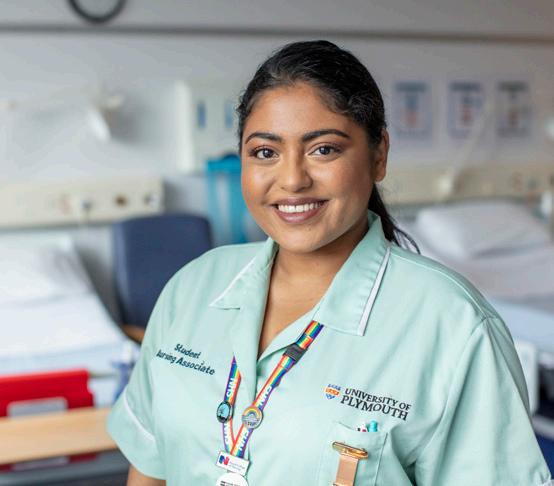
Nursing Associate student “I feel empowered to continue with my work and hopefully inspire future generations of Nursing students in the South West and the rest of the country.”
JENITA
WHERE CAN YOU STUDY?
In addition to studying at our main Plymouth campus, we also offer several of our nursing courses at our Exeter and Truro campuses, giving you more flexibility in where you can study. If you’re studying at Exeter or Truro, you will receive the same high-quality teaching and curriculum as your peers in Plymouth, with all courses accredited by the NMC.
EXETER SCHOOL OF NURSING
Based at InFocus, a short distance from the centre of Exeter, the Exeter School of Nursing provides modern facilities to ensure excellent delivery of health education and training. This school enables students who are beyond the commuting distance to the Plymouth or Truro campuses to enter onto select nursing courses, without having to commit to long travel times.
“Studying at the Exeter School of Nursing has helped me feel part of a community. As our cohort is smaller you are able to really get to know your fellow students. We are all able to support each other and work together to get through the examinations and theory work. The campus is also in a location that makes commuting easy as it is on the outskirts of the city of Exeter with easy access to the motorway.”
Hannah, BSc (Hons) Nursing (Adult Health) student
TRURO SCHOOL OF NURSING
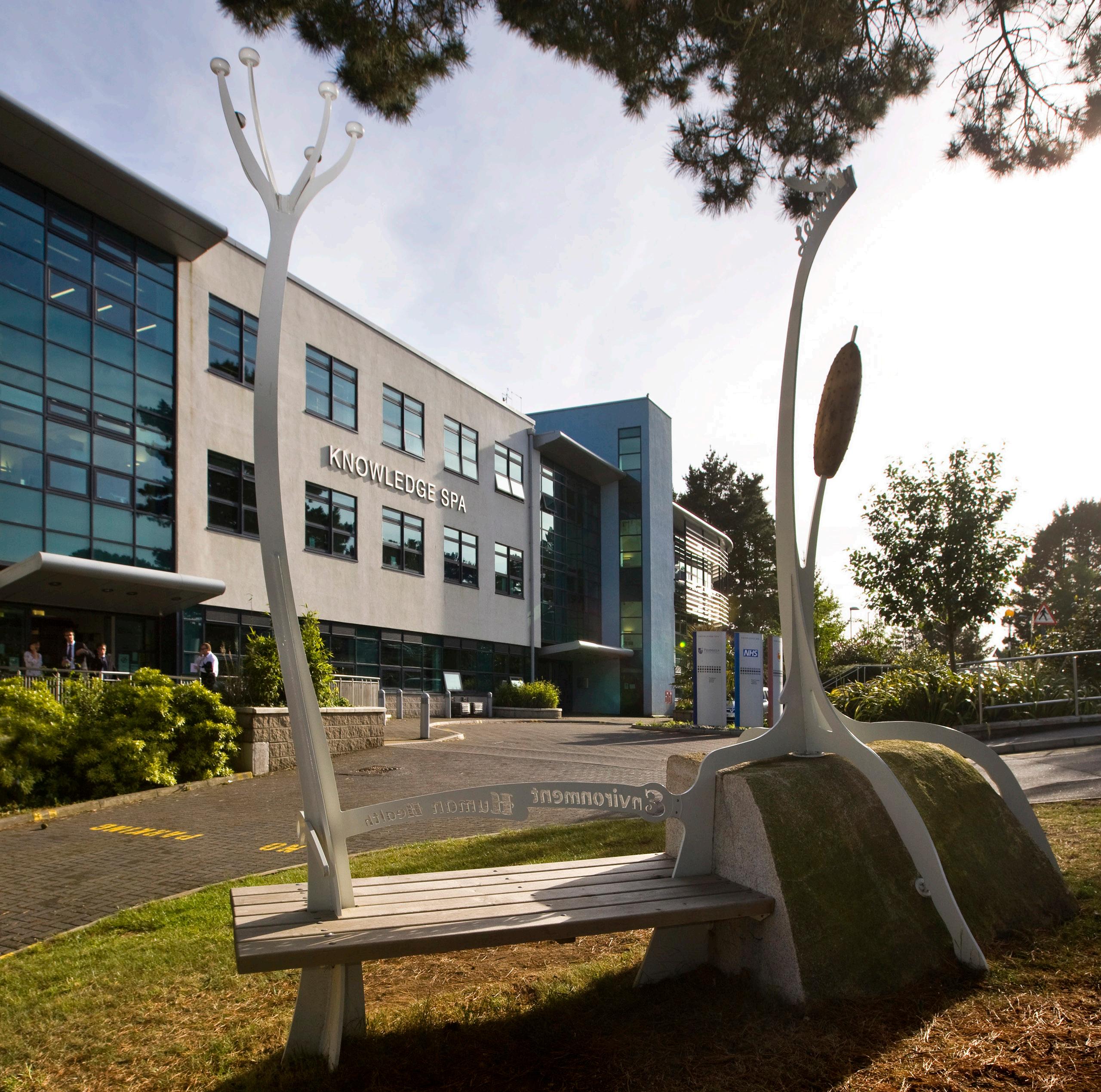
Opened in 2004, the purposebuilt Knowledge Spa provides modern, high-quality facilities to ensure excellent delivery of health education and training for the next generation of nursing students.
Based on the site of the Royal Cornwall Hospital, Treliske, the Truro School of Nursing intends to better serve students and placement partners in Cornwall by delivering excellent nurse education in an accessible location, as it enables students who are beyond commuting distance to the Plymouth or Exeter campuses to enter onto select nursing courses.
“The Knowledge Spa is such a great learning environment, so focused and everyone is very supportive. I am thrilled that I opted to study here, even if it has meant an hour’s travel each day. The extra hour on the train gives me valuable reading time. I am loving every second of studying for this degree. It is incredibly challenging, but that is what I signed up for.”
Joy, BSc (Hons) Nursing (Adult Health) student
“Smaller groups enabled better learning and more opportunities to work in groups, with lecturers being very supportive.”
LIFE OF A NURSING STUDENT
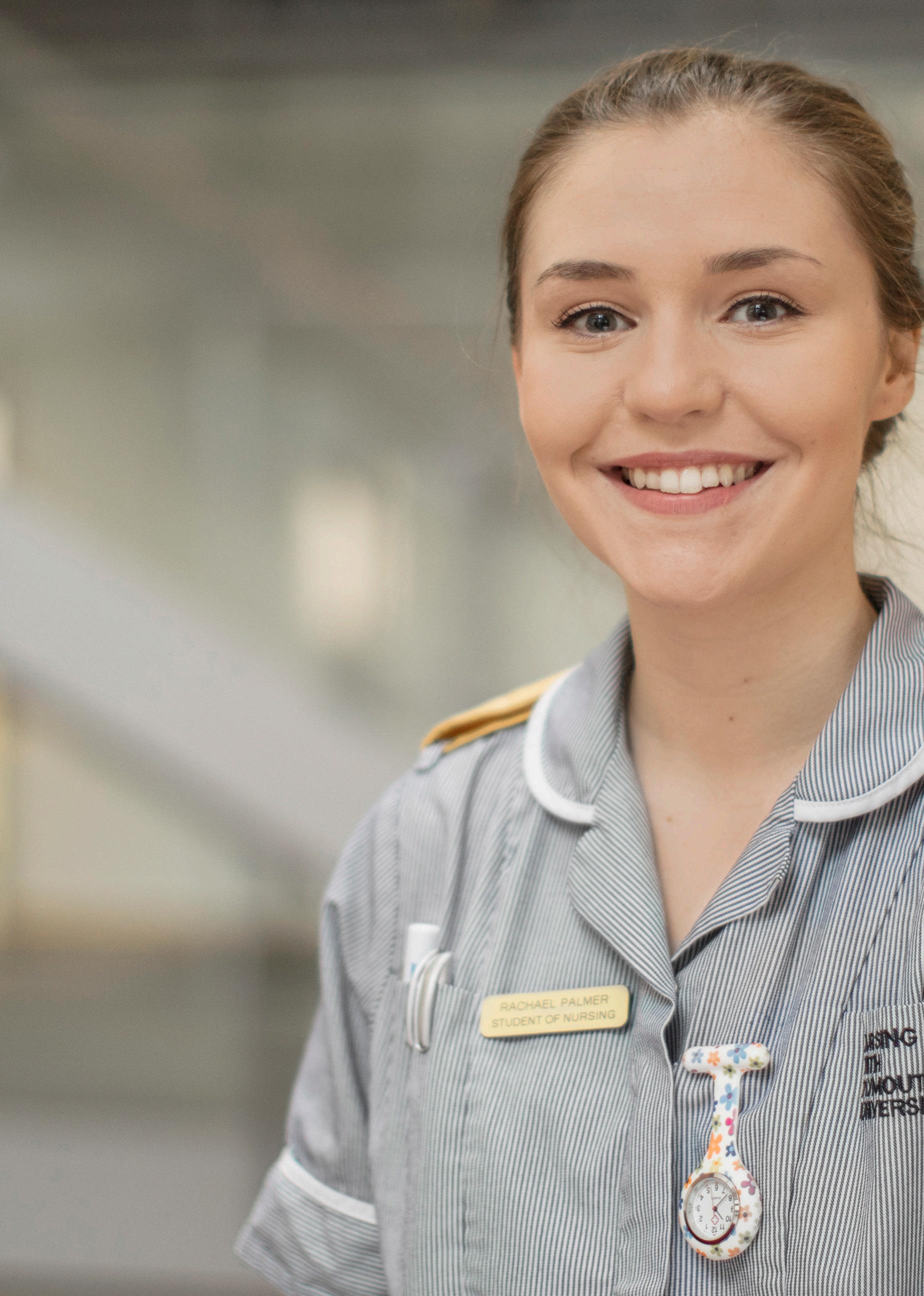
GRADUATE RACHAEL PALMER TALKS TO US ABOUT HER EXPERIENCES OF BEING A NURSING STUDENT AND HER TIME ON PLACEMENT.
“My most challenging moment so far has been when myself and another member of staff were re-positioning a patient, a man in his 90s who had a stroke. I looked down and he had started to turn purple and was struggling to breathe. I suspected his airways may be obstructed by vomit because he’d been feeling nauseous that day. I pulled the emergency bell and we put him into the recovery position.”
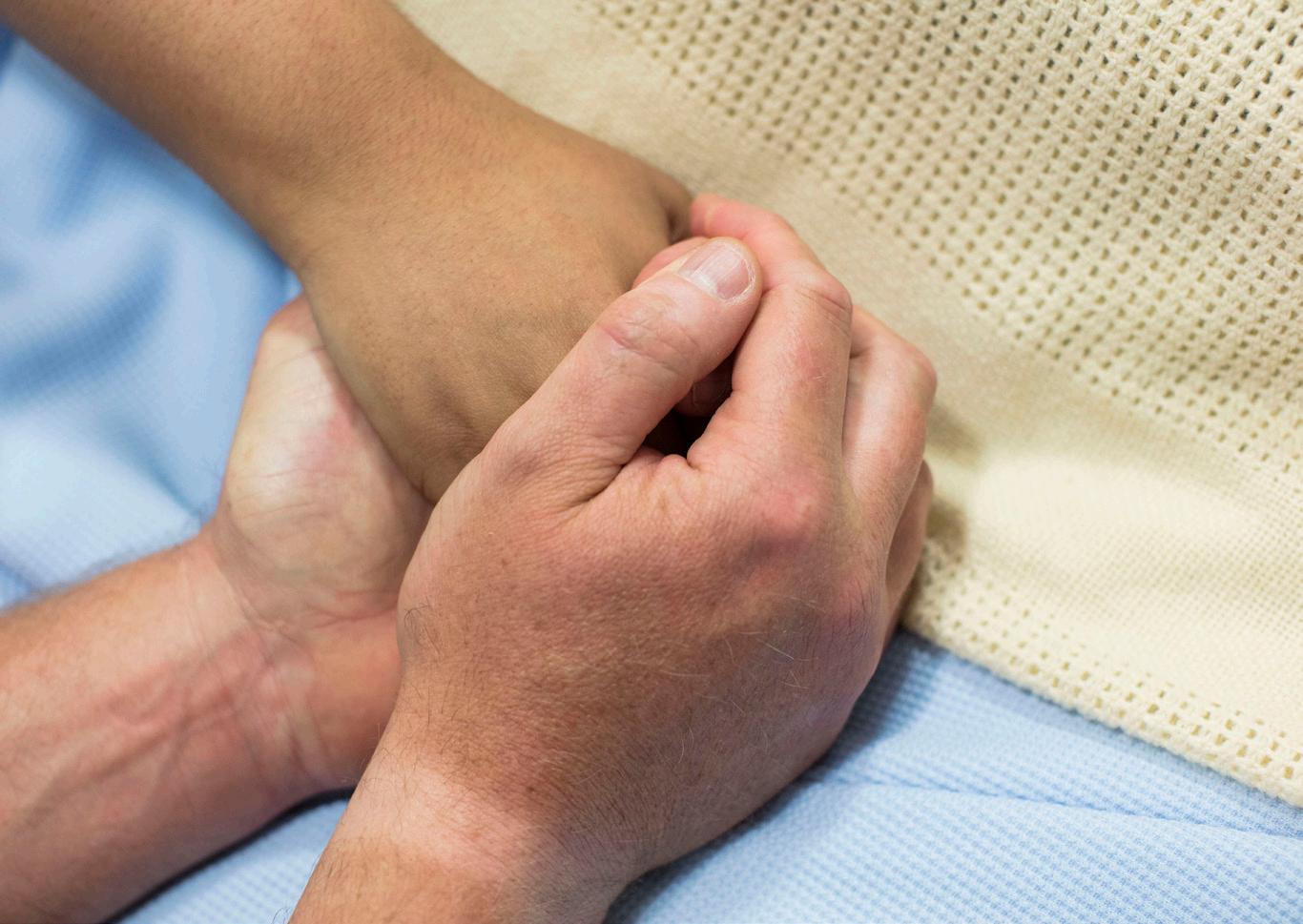
He recovered with some intervention but afterwards when doing his observations and holding his hand he was really scared and wouldn’t let go. I realised then how privileged we are as nurses to be with people at their most challenging times and that’s really special to me. That experience made me think of nursing as a human profession at the most basic level. Regardless of age, gender, ethnicity and sexual orientation, we care for all people from all walks of life. There were 75 years between that man and me, but there I was holding his hand and helping him through. Unfortunately he passed away a couple of days later but I will never forget the kind words that his wife said to me about the differences we made.
Through both the personal and professional development made by studying at the University, I was able to demonstrate a passion for holistic nursing care and a determination to be the best nurse I could be.
During my varied clinical placements from acute stroke to community nursing to gynaecology, I got a taster of the huge diversity in nursing both between roles but also within roles. Nursing is more than sometimes the public perceives it to be. Nurses are researchers, leaders, educators and coaches, and it was hugely inspiring. I learnt how to be a safe, effective and compassionate nurse, but I also learnt through placements where that could lead. Being a student nurse is both physically and mentally demanding, but it prepares you for the constant learning you will always be undertaking as a newly Registered Nurse and beyond. Through practice-based learning, you are able to demonstrate
cumulatively, the knowledge, skills and attributes required for nursing today. You are expected to take on more responsibility and autonomy as you progress through the course so that by the third year, you are practising as a nearly qualified nurse with confidence and increasing capability.
I am a newly registered staff nurse working on a haematology unit at the Royal Devon University Healthcare NHS Foundation Trust. Our patients may be having chemotherapy, blood product support and autologous stem cell transplants, but we also provide palliative and end-of-life care. After having a placement on the haematology unit as a third-year student, I enjoyed getting to know our patients over the long periods of time they would often be with us or visit the unit and providing holistic nursing care.
The pathophysiology and pharmacology of haematological diseases and their treatments were also fascinating, and I was forever asking questions or looking things up. I learnt a huge amount, and really looked forward to going to placement, with a team that went above and beyond for those in their care. The best bits of my role are the relationships we develop with our patients. Seeing them come into the day case unit after a long in-patient stay living well beyond treatment and in remission will always be a highlight, but it’s also a privilege to look after patients and their families in their last days of life, and doing our utmost to make them as person centred and comfortable as possible.
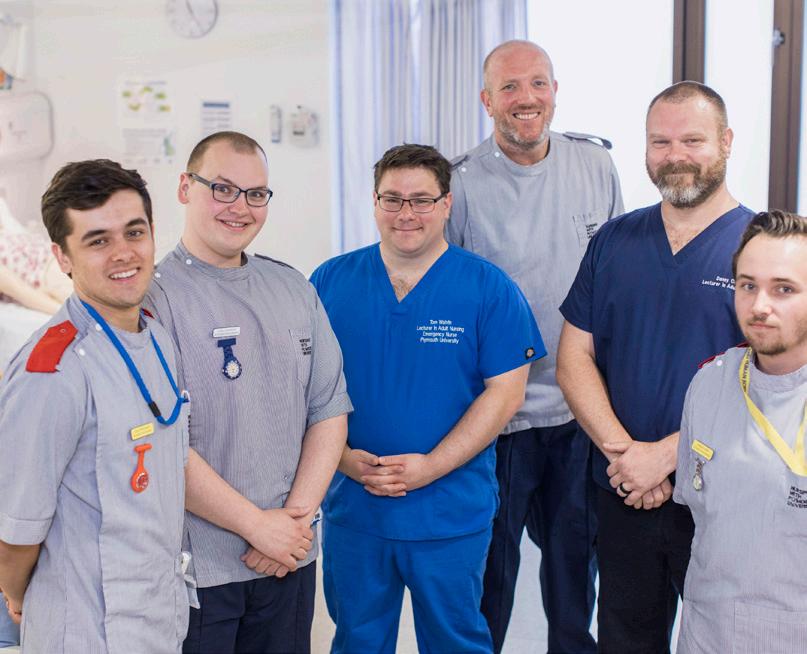
MEN INTO NURSING
If someone asks you to picture a doctor, it’s likely you’ll picture a man. If someone asks you to picture a nurse, it’s more likely you’ll picture a woman.
This unconscious bias is on the way to being addressed on the medical front as female medical student numbers have escalated in recent years – with women now accounting for over half of medical professionals at a training grade. Yet the number of men training to become nurses has plateaued for decades at between 8–11%. Why is this? There is a misconception that Florence Nightingale ‘invented’ nursing, yet men have historically cared and nursed people as far back as ancient Rome and Greece, on the medieval battlefields, within monasteries and during the European plagues.
Despite the history, there are many suggestions for why this gender imbalance exists within nursing, and societal opinion is certainly one of them. The stereotypical view of nurses being female handmaidens to doctors, as opposed to autonomous skilled practitioners, has been widely held both within professional settings and the general public.
Outdated job titles such as ‘Sister’ and ‘Matron’ have not really helped the profession encompass men within nursing. The perception that nursing is a low-paid vocation and not a career may
also have deterred men from entering the profession. People are living longer, the NHS is stretched and we need more nurses to meet a national need, but public misconceptions mean that we as a society are already alienating 50% of a potential workforce.
The truth is that nursing is not only a caring role, but a fantastic career path – and we need more people to go into it. In addition, men are often portrayed on television as not capable of being caring and empathetic, and this simply isn’t true. Throughout my journey I have always believed that caring and empathy are not exclusively female characteristics, especially as more and more men are taking on a caring and hands-on fathering role within families with each generation that passes. This is supported by many studies which show that patients see no difference in the quality of care given by female and male nursing personnel.
There is also the fact that men who nurse are promoted and hold many top positions within nursing, which is way out of proportion to the number of men within the profession. So it’s certainly not the low paid vocation that some people still envisage.
Nursing is a dynamic, exciting, stressful, enjoyable, wonderful, fulfilling career and at the University we have helped to educate and prepare thousands of student nurses and midwifes over the past 25 years for the nursing and midwifery profession. We aim to ensure our nursing and midwifery cohorts replicate the diversity of our society, and are refreshing our marketing materials to reflect this. If looking at options after leaving school or considering a career change in later life, I would genuinely encourage everyone to consider nursing.
It is time that we grasped the nettle and busted the myth that nursing is only a career for women. The medical profession gender imbalance has changed in recent times, so it is time that the gender imbalance within nursing followed suit.
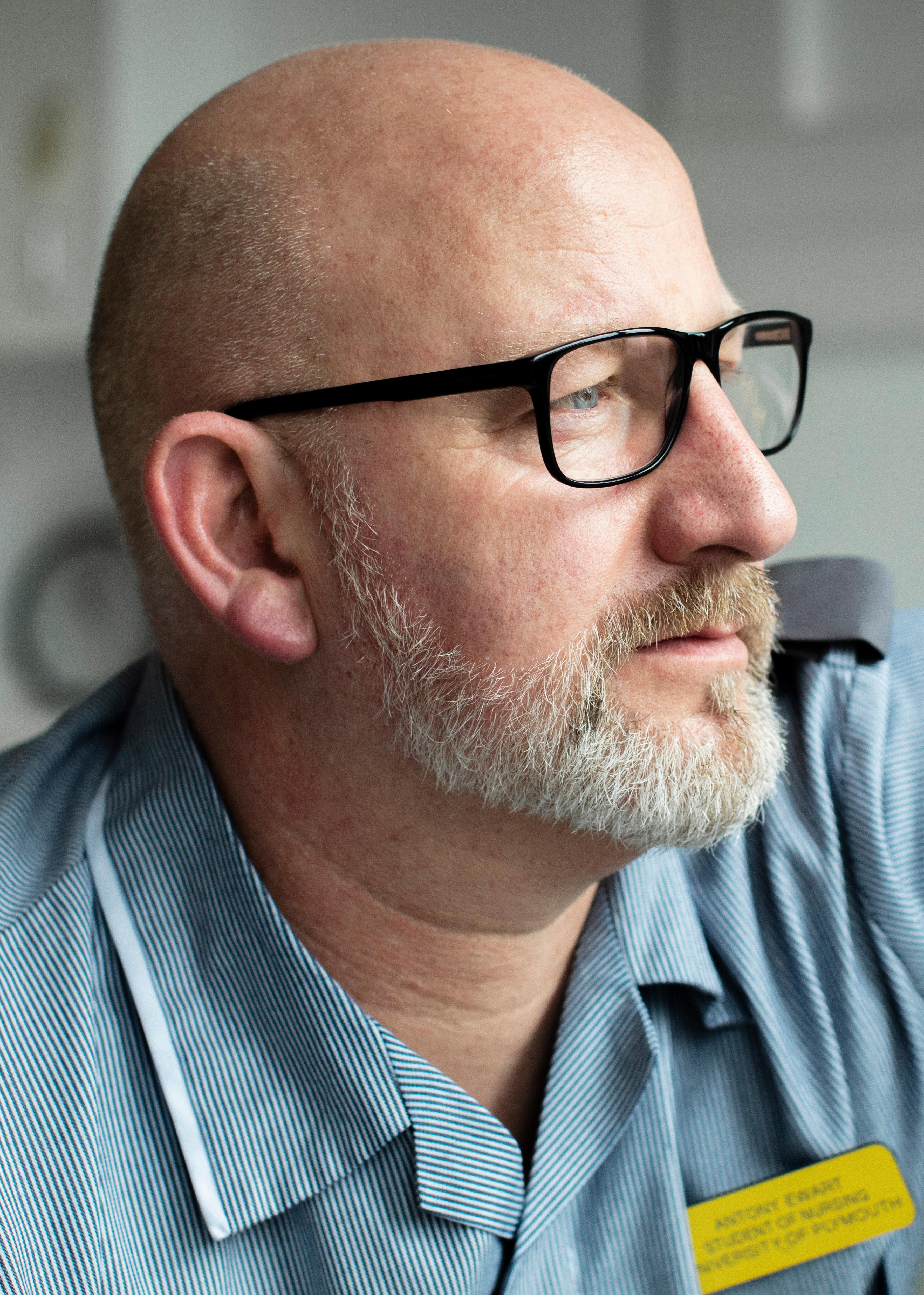
Dr Kevin Hambridge Lecturer in Adult Nursing
OUR PLACEMENTS
Practice experience is a critical part of all of our pre-registration courses. Student nurses spend 50% of their time in placements and need to accrue at least 2,300 practice hours across a three-year BSc degree (hours vary depending on course type). We work with practice partners in the NHS, private and voluntary sector across the South West peninsula to offer nursing students a wide range
of clinical practice experience as an integrated part of the course. You will be supported in practice by nurse supervisors and assessors and an academic assessor based at the University. In placements you will work with the full range of the multidisciplinary team. Nursing students work with everyone from clinical psychologists to occupational therapists and doctors.
Learning in a real clinical environment will ensure you will gain experience in the full range of healthcare conditions that affect people every day. You will be fully supported to develop a range of clinical and personal skills to prepare you to work with people and their families with a focus on your specialist fields of practice.
“Placements throughout my three years were all different and each provided their own quirks and experiences that shape you as a registrant, providing me the chances to become more autonomous and manage the care of my patients effectively.”
“My favourite part of the role is when you see clients’ lives improving. Placements can be challenging and emotionally draining, but when you see someone making steps in their recovery it’s so rewarding. It could be witnessing someone cracking a joke for the first time after months of depression, or someone being able to make personal re-connections that make an improvement in the quality of their life. In these moments you know that you are making a difference to the people’s lives and it is all worthwhile.”
“Following six months of intense theory, which I absolutely loved, I was excited but anxious about my clinical placement. I’d built up big expectations that I was worried weren’t going to be fulfilled, but I’m so happy to let you all know that my clinical placements and my community placements were absolutely incredible. I was so supported by my mentors and I was given the opportunity to do so much more than could ever have imagined.”
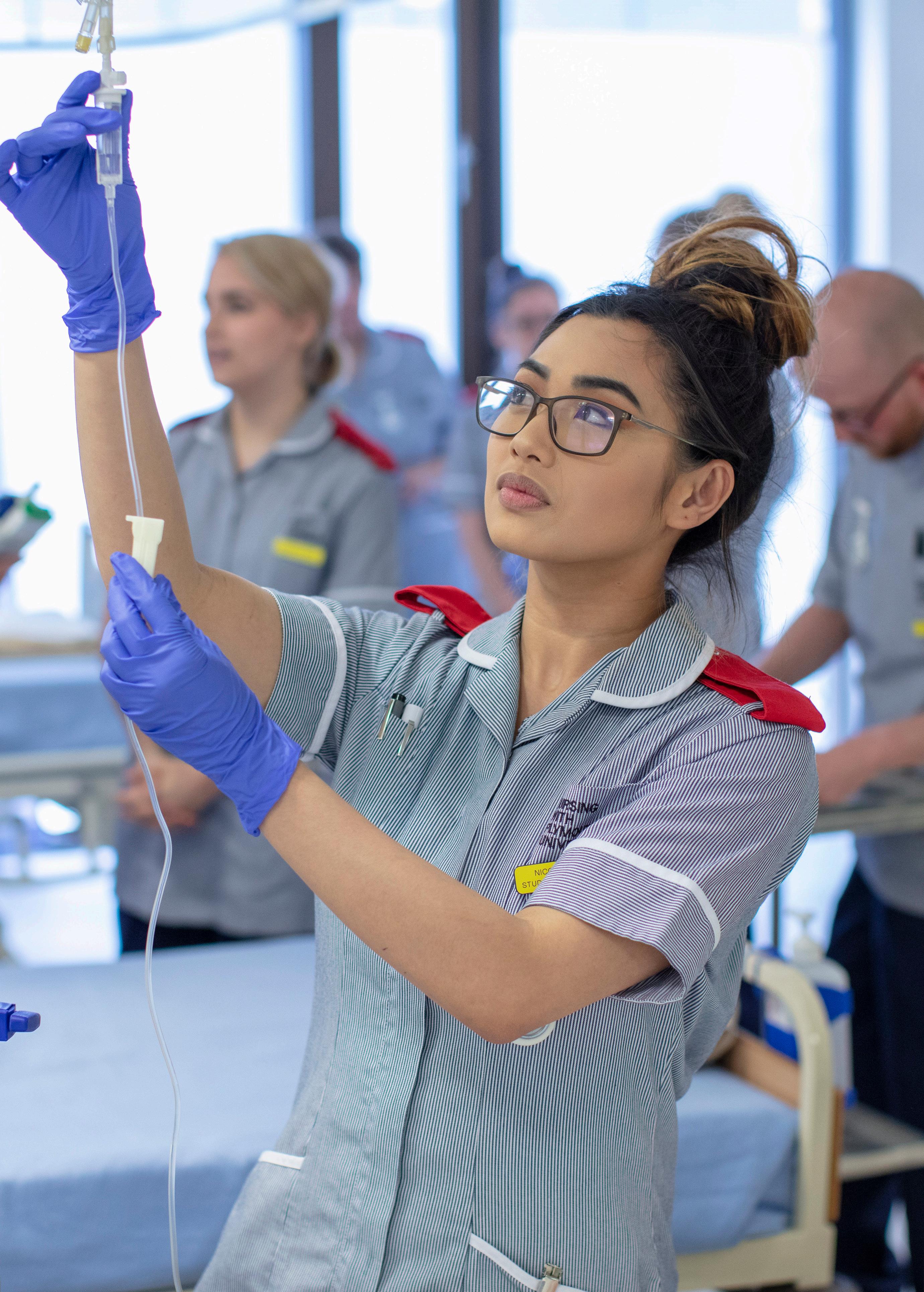
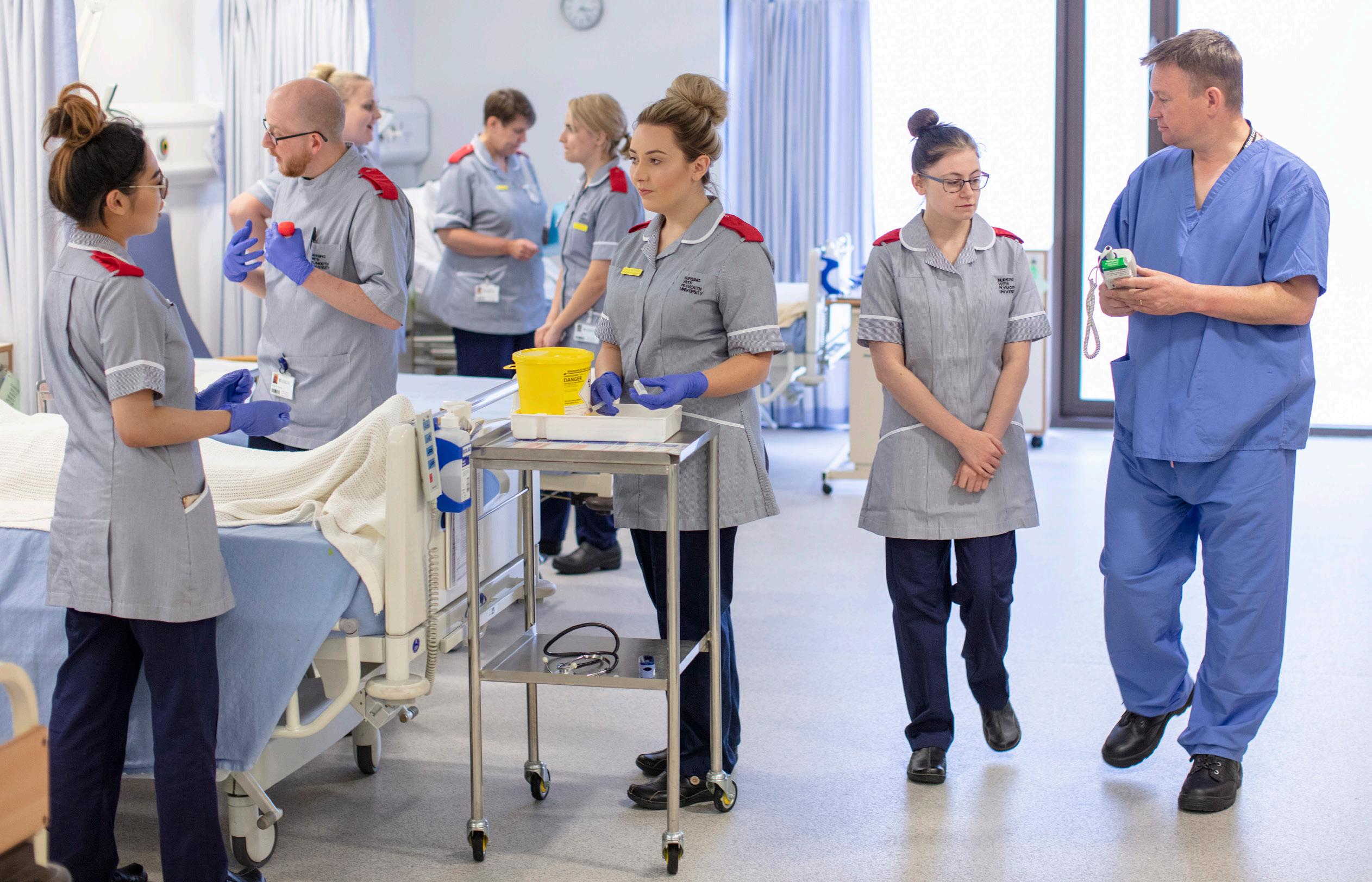
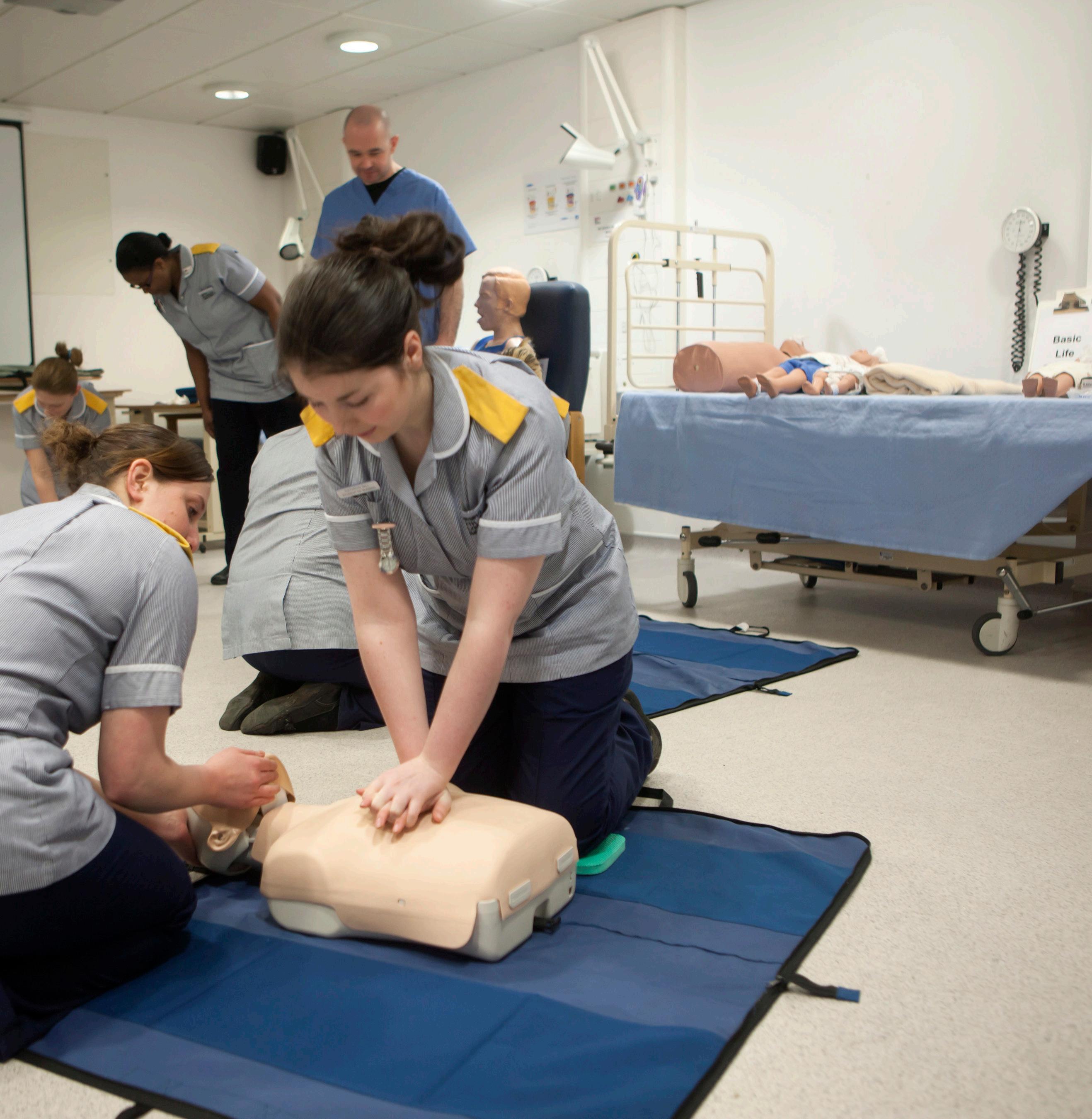
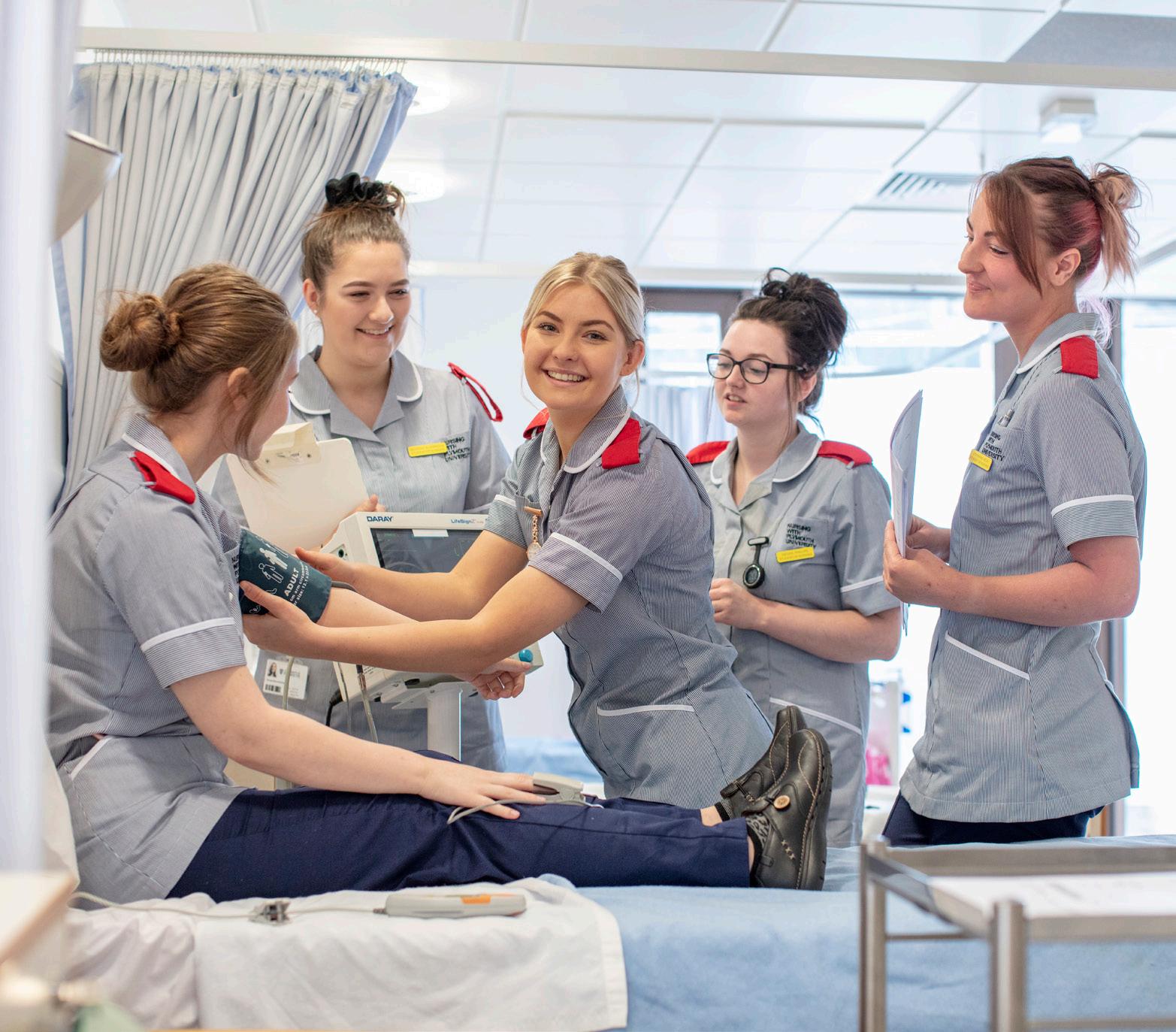
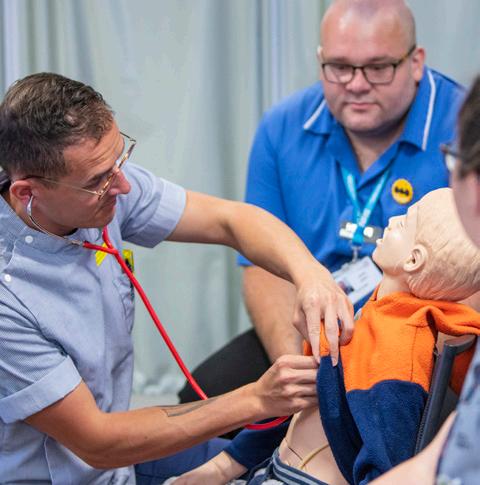
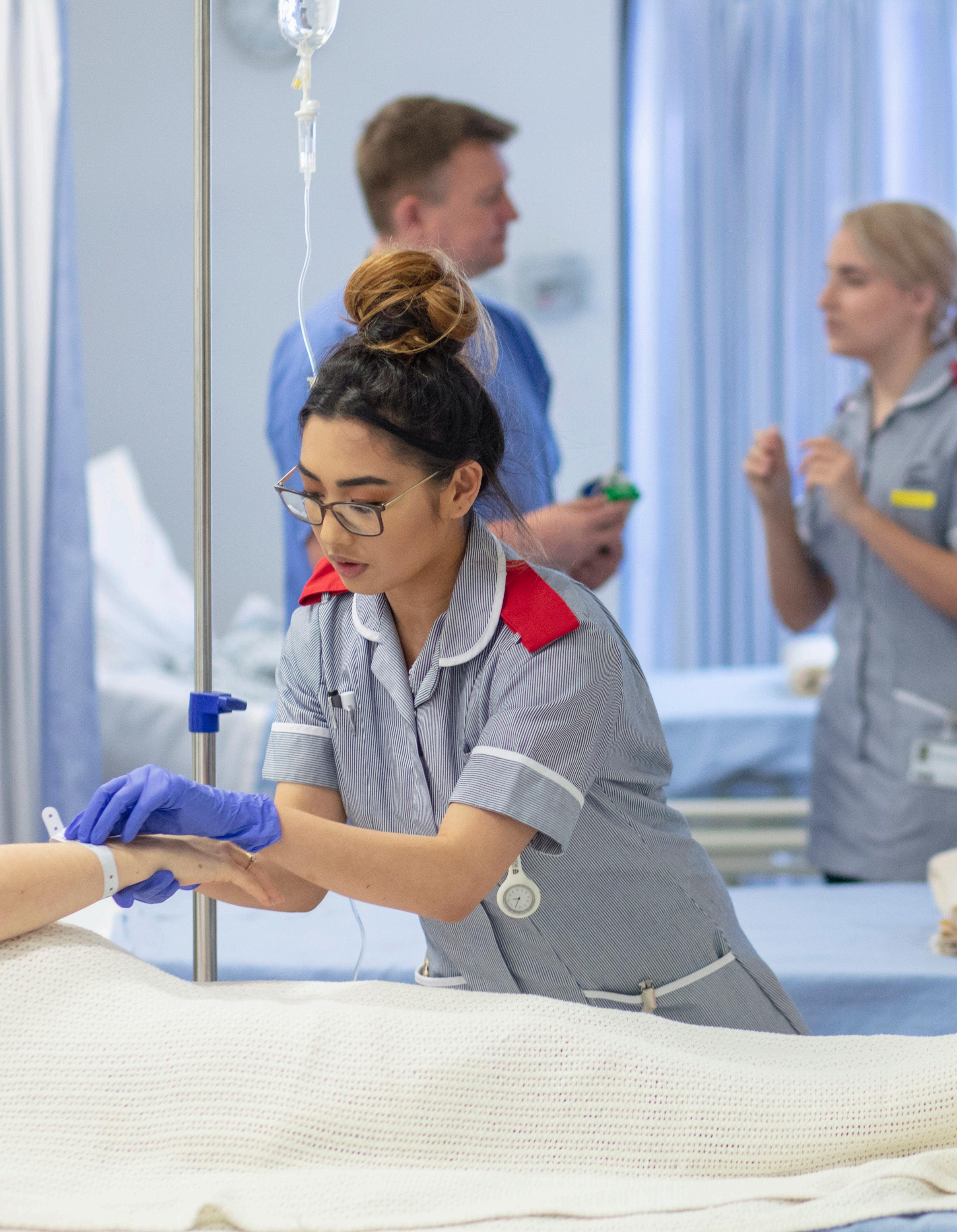
Nurses are busy. They are always doing something. It might be listening to a person’s story, assisting a person in getting dressed, providing medications, assessing someone’s mental health or administering a blood transfusion. Whatever a nursing student is doing, they need to do it with an understanding of why, when and how best that action is carried out. This will keep our patients safe and well, and requires a combination of theoretical knowledge and practical skills. You can develop your knowledge and skills during placement practice and through simulated practice. This is where our Clinical Skills Simulation Ward comes in.
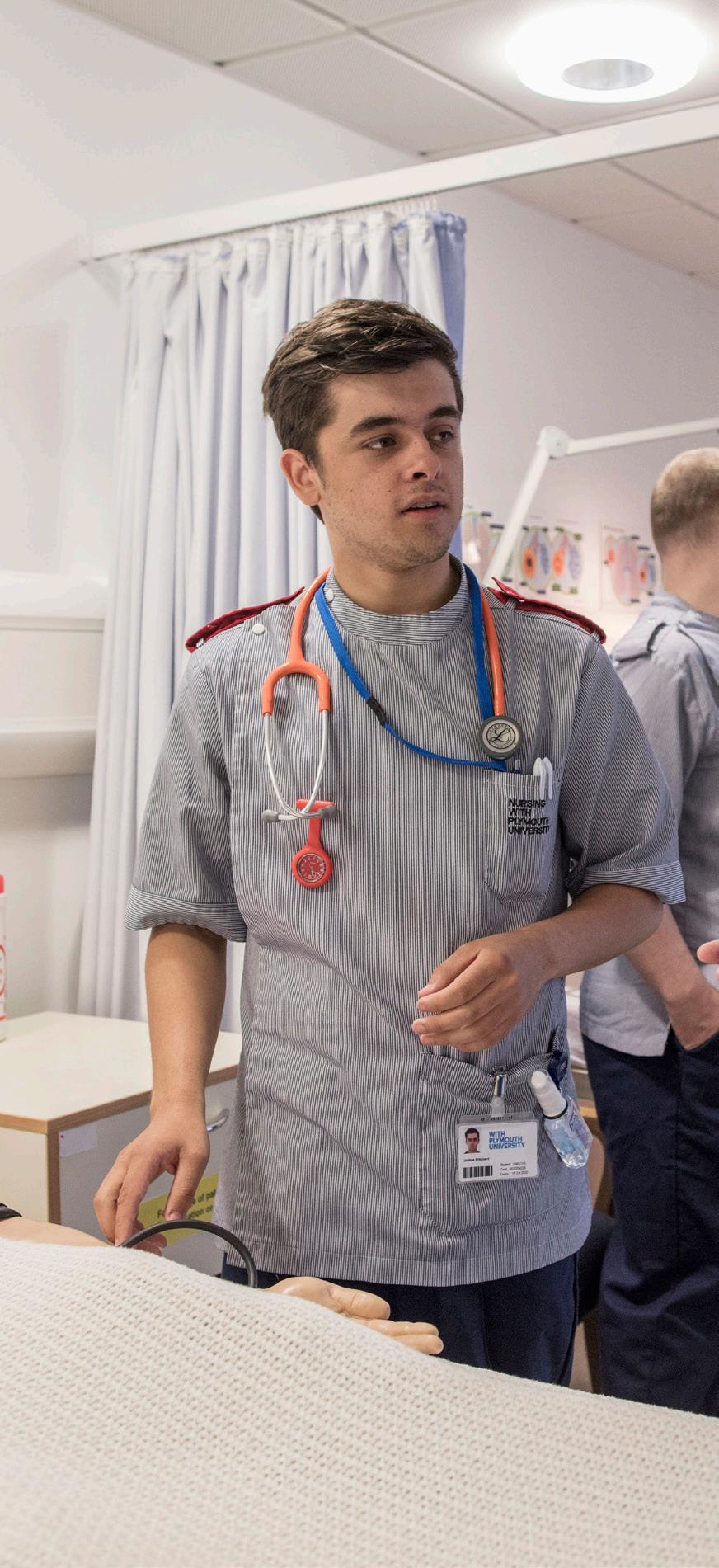
Simulated practice offers many advantages over practice placement, as learning a brand-new skill can be easier without the pressure of having to get it right first time. It enables you to do things at your own speed with the support of not only our lecturers, registered nurses, and other healthcare professionals, but also your peers. An example of this are the interprofessional simulation sessions, where nursing students practise collaboratively with other nursing and medical students. Simulation can also enable you to experience and learn from situations that may not occur very often, that you will want to become proficient in. Simulated practice, in combination with your placement experience, will work together to enable you to become the best nurse you can be.
Examples of skills includes:
• Physical examinations
• Patient and family interviews
• Diagnostic skills
• Washing hands
• Manual handling
• Observing and monitoring
• Blood pressure reading
• Injections
• Medication administration
“One of the best experiences I have had as a student nurse has to be working in the simulation laboratory when learning nursing clinical skills. These are invaluable for our learning and are also a lot of fun. You can learn the skills you need in a safe environment with your fellow students. One particular occasion was an in-hospital arrest simulation. This was a really fun experience as we were left to act on our own and then debriefed. We watched ourselves back on video and then were thrown straight back in to do the simulation again. This was not only a good learning experience but helped me to enjoy these sessions and make the most of my time in the simulation laboratory.” and opportunities in each clinical area.”
Jenita, BSc (Hons) Nursing (Adult Health) student and Nursing Associate graduate offers her top recommendations on how best to get ready for your first placement.
Perhaps you’ve had some clinical experience previously, or maybe this is your first foray into the world of clinical practice. Either way, it is good to be prepared with a few essentials so that you can jump into your first placement experience ready and raring to go!
Pens Notebook
An absolute essential regardless of your placement area. Though it may be tempting to splurge on a set of pens which you love and that write really well, prepare for heartbreak if you do happen to lose them (which happens more than you might think!).
You’ve got to write those acronyms and long fancy words down somewhere, right? Not only is it good for jotting things down in, but a great way to reflect on your day and what you’ve learnt.
Fob watch
Unfortunately, there are not always clocks everywhere you go, and most clinical areas don’t like you having your mobile phone in your pocket so a fob watch is ideal. Not only can it come in useful when you’re counting patients’ pulses and respiratory rates, but you can count down the hours until lunch! Speaking of food...
Plenty of snacks!
Placement is hungry work so make sure you pack a little more sustenance than you think you might need. A solid cold lunch that doesn’t necessarily need to be microwaved or refrigerated for your first day is ideal - then you can suss out what facilities the staff room has and go from there. Those long shifts can really wear you out and you’ll want some energy boosts throughout your shift too. Whatever floats your boat: fruit, protein bars, or even some chocolate. We don’t judge.
Water bottle Coffee
We always hammer home the importance of hydration to our patients, so let’s set them a good example. Warm, busy shifts can definitely get you working up a sweat so a nice big water bottle is essential.
As you step onto the ward for the first time, you will mostly likely find the smell of coffee filling the air. So if caffeine is your thing, then come equipped with a coffee cup (ideally a lidded one to keep your drink warm and to avoid spillages), and your favourite coffee. There’s something really comforting about sipping away at a cup of joe on your break (or chugging it as the case may be when you realise you’re due back in 2 minutes).
Pick me ups Medication Documentation
A couple of items that can make a world of difference when you’re spending 12+ hours in a hot and sweaty clinical area. Whether that be a nice, hydrating lip balm, a nourishing hand cream, or just some deodorant/body spray to help freshen you up, you will thank yourself later when you can make yourself feel that tiny bit more human again.
If it’s medications you need throughout the day, or some as-youneed-it pain relief, make sure you keep some on standby. You never know when you might need to get rid of a headache - especially when you have information overload on your first day! If you have any pre-existing medical conditions, make sure to inform your placement area beforehand so they are aware and can make any necessary arrangements if required.
Whether you have it printed out physically on paper or you access it digitally via a laptop/ tablet, make sure you always have access to your portfolio/Practice Assessment Document. You never know when you might get a piece of feedback or get a proficiency signed off! Having access to your timesheets is pretty handy too (we don’t want to be missing out on valuable practice hours!).
Your student uniform and a change of clothes Bag
Your uniform may include: a dress or tunic and trousers, epaulettes, a name badge/ID, and black, wipeable shoes. At the end of your shift, it’s not good practice to leave your placement area in your uniform (nor would you want to depending on what you’ve been doing during your shift!) so make sure to pack a comfy change of clothes to change into at the end of your shift to travel home in.
And of course, last but not least, a trusty bag to put all of your belongings in. Whether that be a backpack, a satchel or a tote, make sure it has plenty of room (think Mary Poppins).
And that’s it!
Those, in my humble opinion, are your trusty essentials for your first day of placement. As you navigate your way through, you’ll soon work out what works for you and what doesn’t. Have a chat with colleagues and peers to see what they bring with them on a day-to-day basis - you might be inspired or find yourself inspiring others! But most of all, don’t forget to have fun - it’s all part of your rich learning experience and your overall journey so make the most of it.
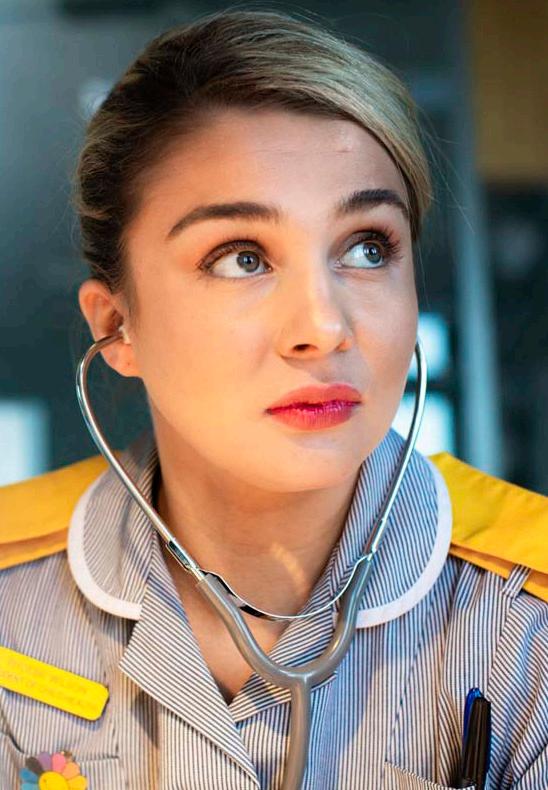
MY ROLE AS A PAEDIATRIC NURSE
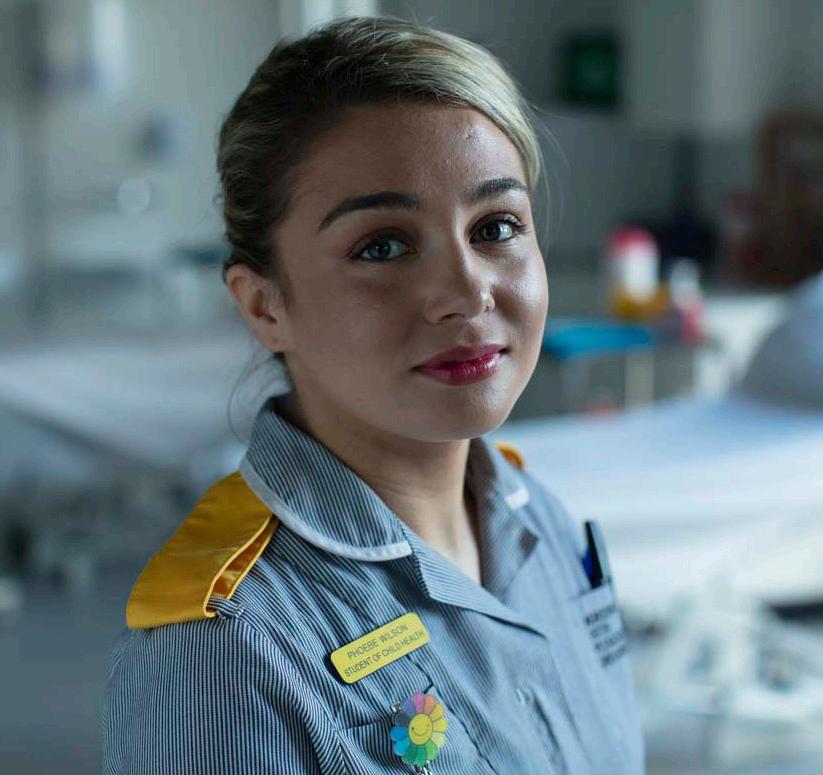
UoP Alumni and Paediatric Nurse Phoebe Wilson tells us all about her passion for nursing and her experience here at the University of Plymouth.
I decided to become a paediatric nurse for many reasons, but the fundamentals are: I wanted to help, heal and be part of a team that provided meaningful work that contributed positively to improving children’s outcomes.
The NHS is a huge asset to the country, recognised in recent months more so than ever, but working within that system gives you a sense of pride and achievement that I could not see myself finding anywhere else.
As a nurse your role is diverse, sometimes fast and sometimes slow, but it is always a privilege and I feel very lucky to have this as a career.
“I am now half a year into my new role as a newly qualified paediatric nurse at Bristol Royal Hospital for Children. On the day of my interview, 8 months before qualifying, I was asked where in the hospital I would like to work and without hesitation I said “the emergency department”.
Through the variety of placements offered at Plymouth, and my additional working as a healthcare assistant, I found myself in love with the fast pace, rapid decision making and energy that underpinned emergency medicine.
I am truly delighted to be a newly qualified nurse in the Children’s Emergency Department at Bristol and feel very lucky to have been given this opportunity.
The best part of this new journey has been working within such a supportive team, exploring new situations, developing competencies, and continuing to engage in academic work provided by the department.
As a major trauma centre for paediatric patients, Bristol offers the chance to observe, assist and engage with a variety of emergency cases and work within a multidisciplinary team to provide high quality care. With specialist teams working within the hospital, the
access to rapid care is phenomenal and as a NQN my experience has been that experts within their field welcome questioning and enthusiasm, to explain what they are doing and why.
My journey to becoming the nurse I hope to be is still in its infancy, but I hope to develop my knowledge and skills within the hospital through secondments and courses.
My aim within the next five years would be to undertake a masters, but I am happy to see what opportunities arise and most importantly, enjoy the journey ahead!
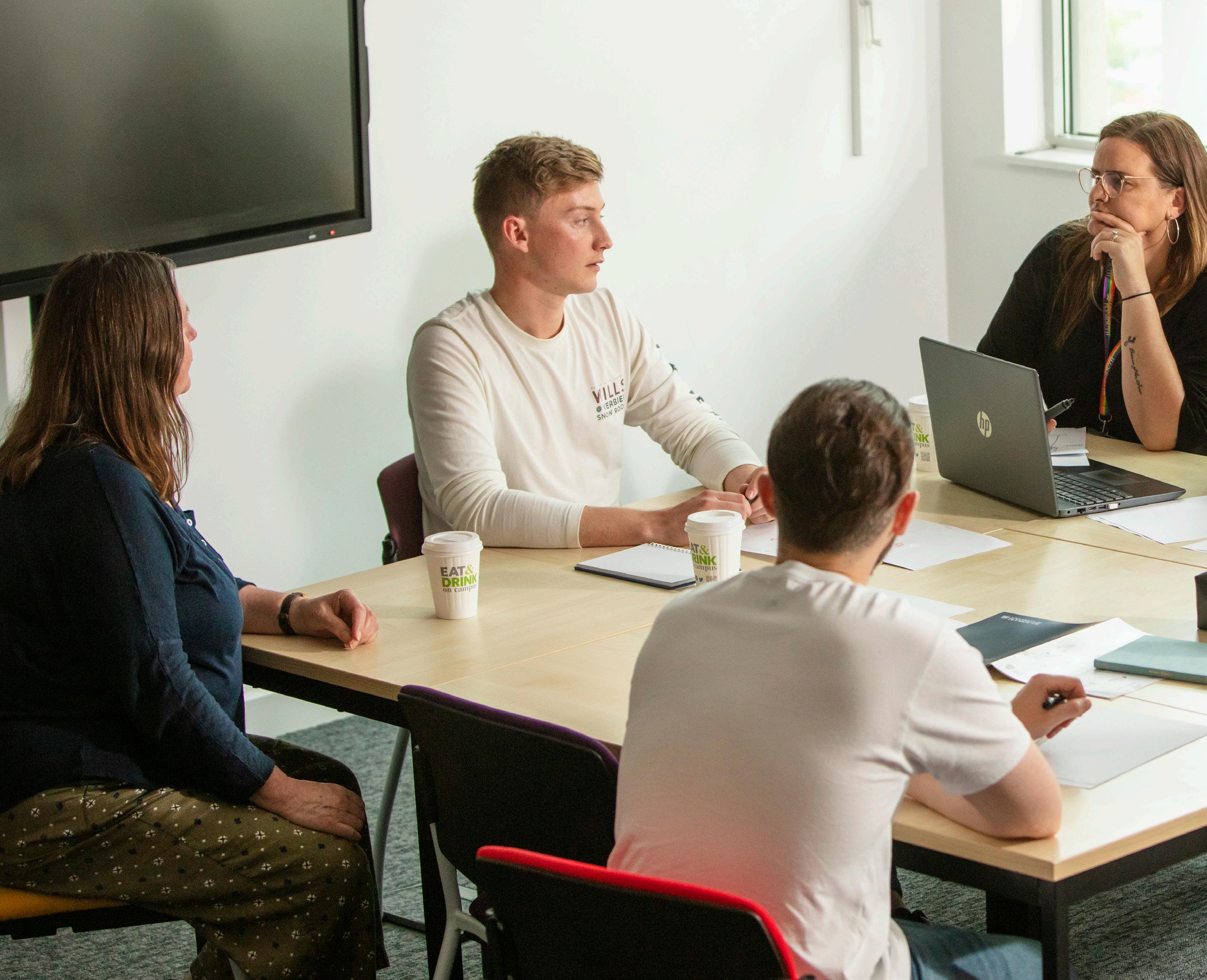
Most of you will have had some form of experience with the healthcare system in your lifetime. While our programmes at Plymouth are designed and delivered with a single goal in mind - be that to become an Adult Health Nurse or an Occupational Therapist, for example - your experience will have shown you that healthcare is a collaborative, interprofessional environment.
PIHC, or The Plymouth Integrative Health and social care education Centre, is a new initiative within the Faculty of Health that supports interprofessional learning (IPL) across our suite of healthcare programmes, so that our students are given opportunities to learn with, from and about each other.
IPL is an effective tool in equipping students with transferrable skills that are valuable for their future careers. We want the next generation of healthcare professionals to step into the workforce as confident practitioners from day one, and perhaps on the diversity of programmes within the faculty allows us to facilitate this by bringing various disciplines together - from Diagnostic Radiography to Dietetics, Dental Surgery to Clinical Physiology, and from Psychology to Child Health Nursing.
PIHC embeds these opportunities for all stage one students studying a health and social care programme, and continues to develop the initiative throughout your degree. PIHC ultimately allows you to feel supported, feel valued and develop cross-collaborative skills in
a safe and risk-free environment.
In addition to embedded IPL, PIHC supports further opportunities for students across the Faculty to come together such as:
• Schwartz Rounds: a confidential forum for students and staff to talk about the emotional impact of their work and studies
• C4CHEd: an international collaboration promoting compassion in health and social care education
• Tea-Time Teaching: a series of student-led sessions where students present to their peers on a topic of their choice
• Ad hoc events, including a simulation day for midwifery and paramedicine students.
“It was so interesting to hear about healthcare roles outside of medicine and what other members of the MDT do”
Stage one BMBS student
“Healthcare systems always require improvement, it’s easier to know how to improve your area if you know how other areas work too”
Stage one adult nursing student
“It is great to know how to ensure all of our professions can work effectively together. This benefits the service user and staff”
Stage one adult nursing student
IT’S YOUR FUTURE MAKE IT COUNT
Over 95% of our graduates are in work or further study*
*(Excludes those travelling, retired or caring for someone, out of all UK domiciled, full-time first-degree graduates.”) Apply now