Schools & Colleges Outreach Faculty of Health outreach@plymouth.ac.uk
University of Plymouth
Drake Circus Plymouth Devon PL4 8AA
United Kingdom
Follow us on social media @PlymUniApply
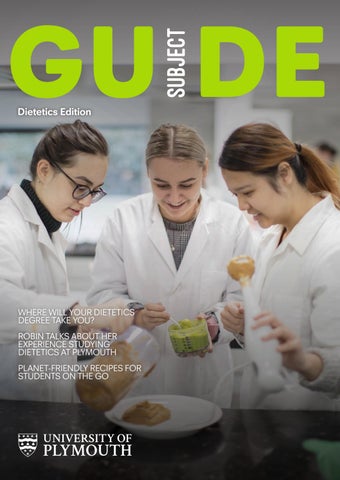
Dietetics Edition
SUBJECT
It’s never too early to start thinking about what you would like to do after school or college, or if you are thinking of a career move! At Plymouth, we know that choosing a university and course is a big decision. While you may have an idea of a profession, career or industry that you’re aspiring towards, if you’re unsure of exactly what you want to do or are keen to find out more – this is where our handy subject guide comes in.
Meet some of this issue’s contributors:
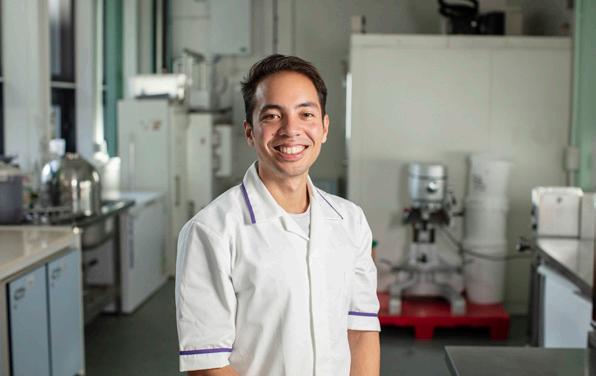
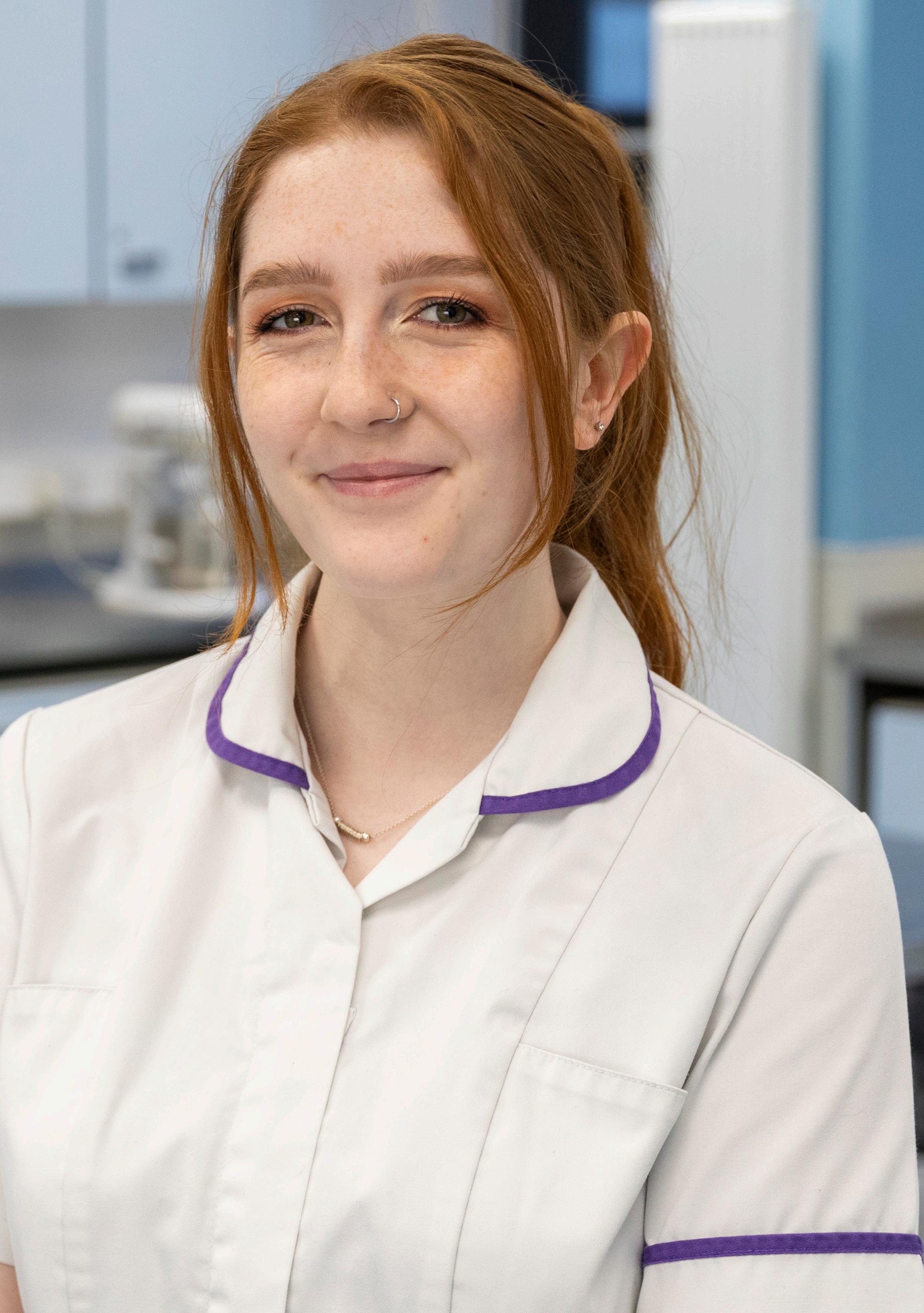
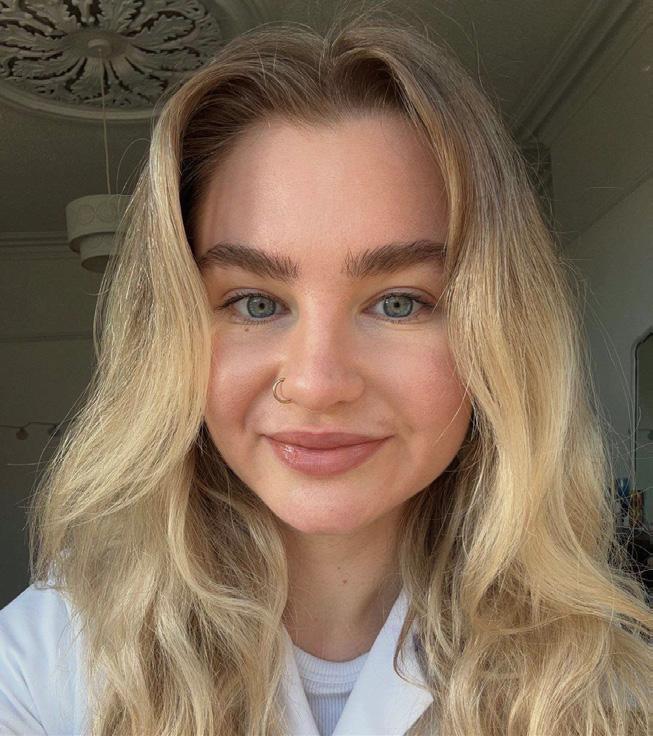
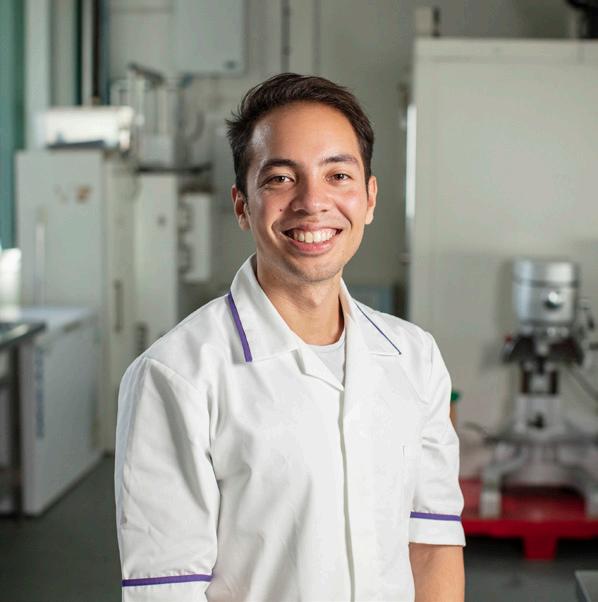
Heather BSc (Hons) Dietetics
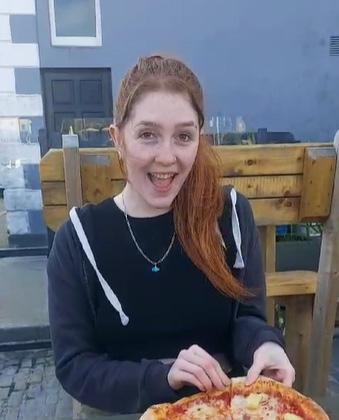
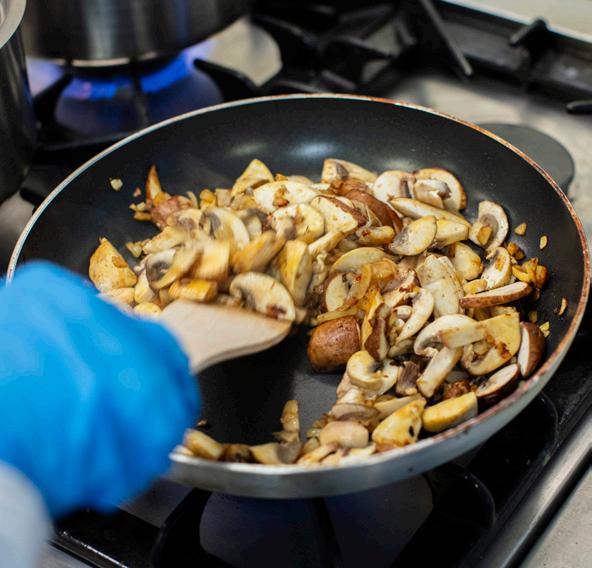
See how Heather helps first year university students living in halls gain confidence in their cooking skills P.28–29
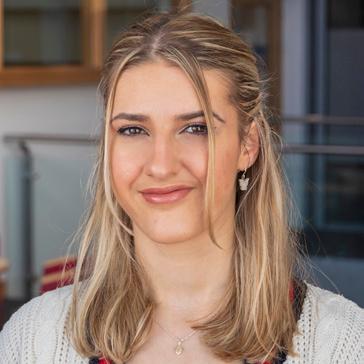
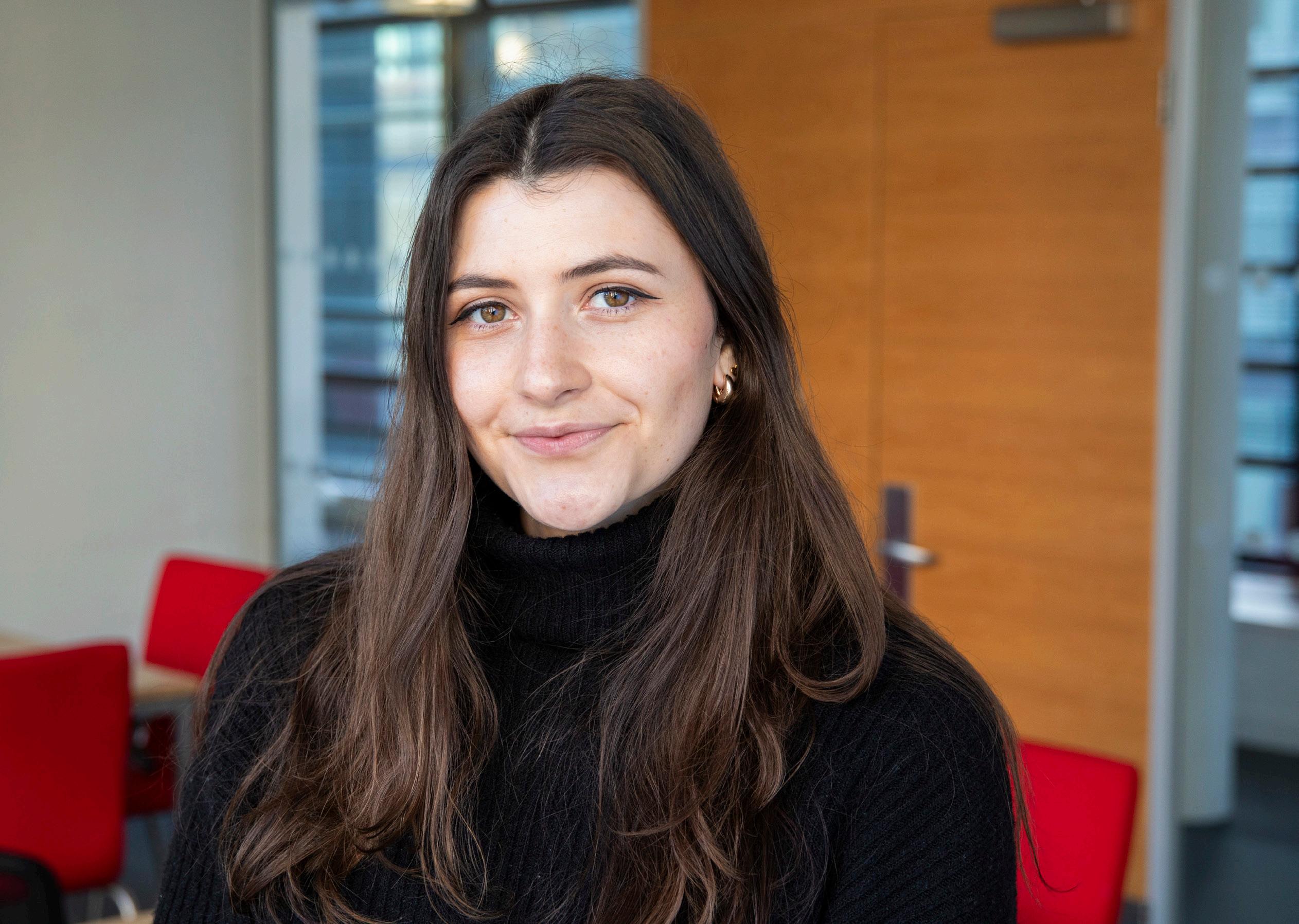
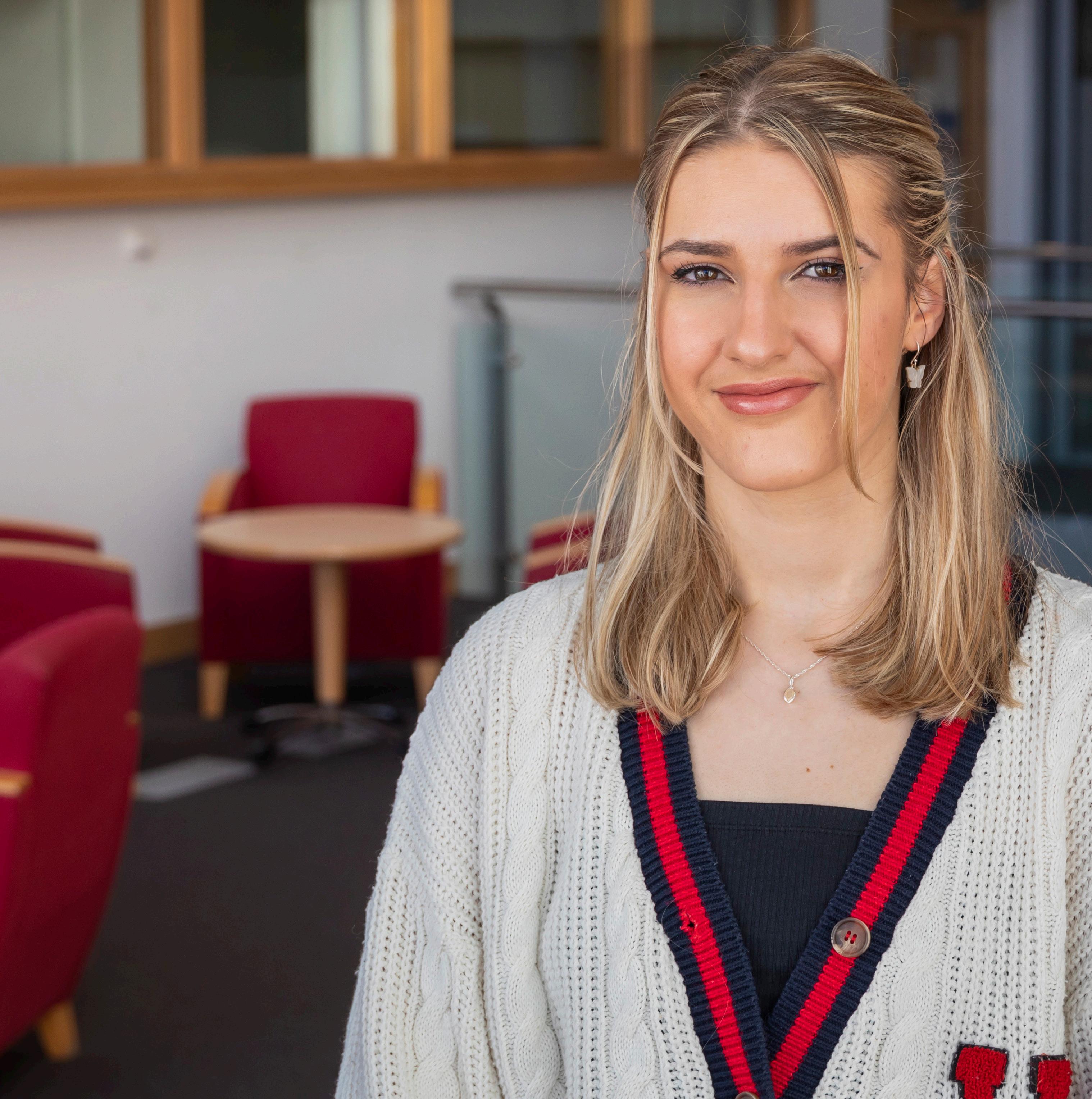
Amélie
BSc (Hons) Dietetics Student
Amélie shares tips on how to settle into university life P.32–33
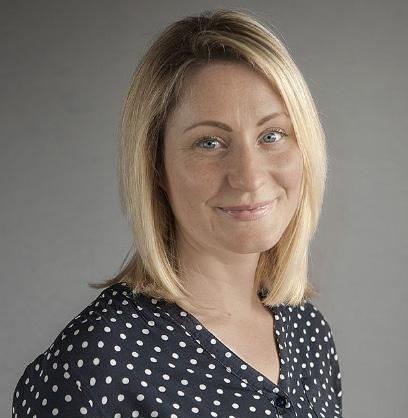
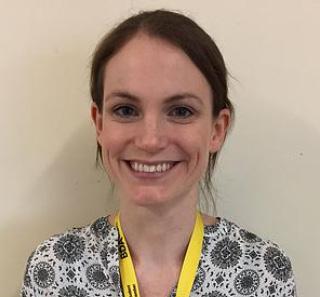
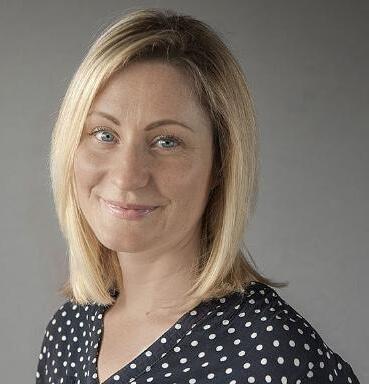
Dr Louise Mole Lecturer in Dietetics
Louise shares the reason for her career change to dietetics P.34–35
EXPLORE YOUR FUTURE HOME
Visit us at an Open Day
When it comes to finding out if university feels right for you, nothing compares to an open day. Talk to our current students and quiz lecturers about your course. You can register to attend here: plymouth.ac.uk/open-days
Start exploring –take a virtual tour
Our virtual tour allows you to experience first-hand what it is like to be on campus and explore the environments and facilities that inspire and shape our learning every day. You can take a virtual tour here: virtual.plymouth.ac.uk
Inside...
FEATURES:
P.8–9 Which degree is right for you?
Find out more about the Dietetics courses available
P.12–13 Where will your degree take you?
Learn more about what careers are available in Dietetics
P. 16-17 Our facilities
Take a look at the facilities Dietetics students can benefit from.
P. 22-25 Placements
Find out more about placement, Indra, Gary & Isabella share their experiences.
P. 38-39 Hear from our Alumni
Past students Jonathan & Claire share the exciting experiences they have had since graduating and how the Dietetics course benefitted them.
10 REASONS TO STUDY AT PLYMOUTH
Realise your potential at Plymouth and change lives through dietetics.
Healthy eating, nutrition and lifestyles are key issues in today’s society. By focusing on the impact of food and nutrition on health, you’ll use your knowledge and skills to make a difference to people’s lives. Through combining theoretical modules with real-life clinical placements, you’ll gain the skills you need for your future career.
3. SUPPORT
100% of our students felt their learning was well supported by staff (National Student Survey, 2023). Our staff support our students to understand how to use their knowledge and skills to make a difference to people’s lives. We pride ourselves on being progressive and forward thinking regarding the future needs of the dietetic workforce.
“The Dietetics teaching team has been incredibly supportive, approachable and encouraging throughout my studies. The quality of teaching is excellent, engaging and interactive.”
Molly, BSc (Hons) Dietetics student
We also have a Peer Assisted Learning Scheme (PALS) where students can learn alongside other students on the course helping you to broaden your knowledge, gain confidence and make friends.
1. STUDENT SATISFACTION
We’re proud to be ranked second in the Food Science subject league table (Complete University Guide 2024). By choosing to study dietetics at Plymouth, you join a course with cutting-edge nutrition researchinformed teaching with world-class academics who are developing the future dietetic profession, putting theory into practice.
2. PLACEMENTS
“Placement really is a great opportunity to put all of the skills and knowledge that you have learnt over the course of the year into practice.”
Tanisha, BSc (Hons) Dietetics student
Thrive during placements in a range of clinical and community settings, facilitated by experienced and dynamic dietitians, including unique specialist placements in paediatrics, mental health, learning disabilities, primary care, and our online nutrition clinic.
See pages 20–21 for more information about placements.
4. FACILITIES
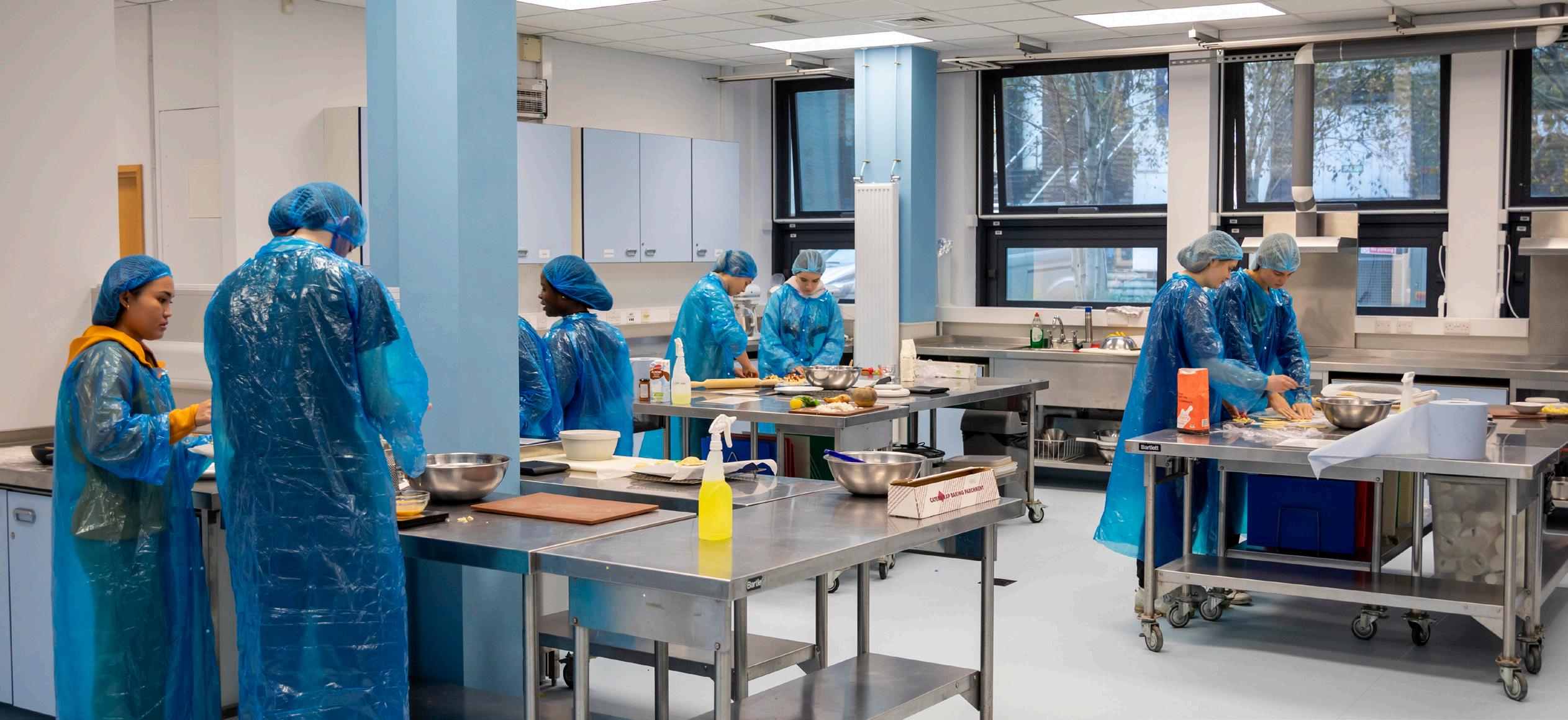
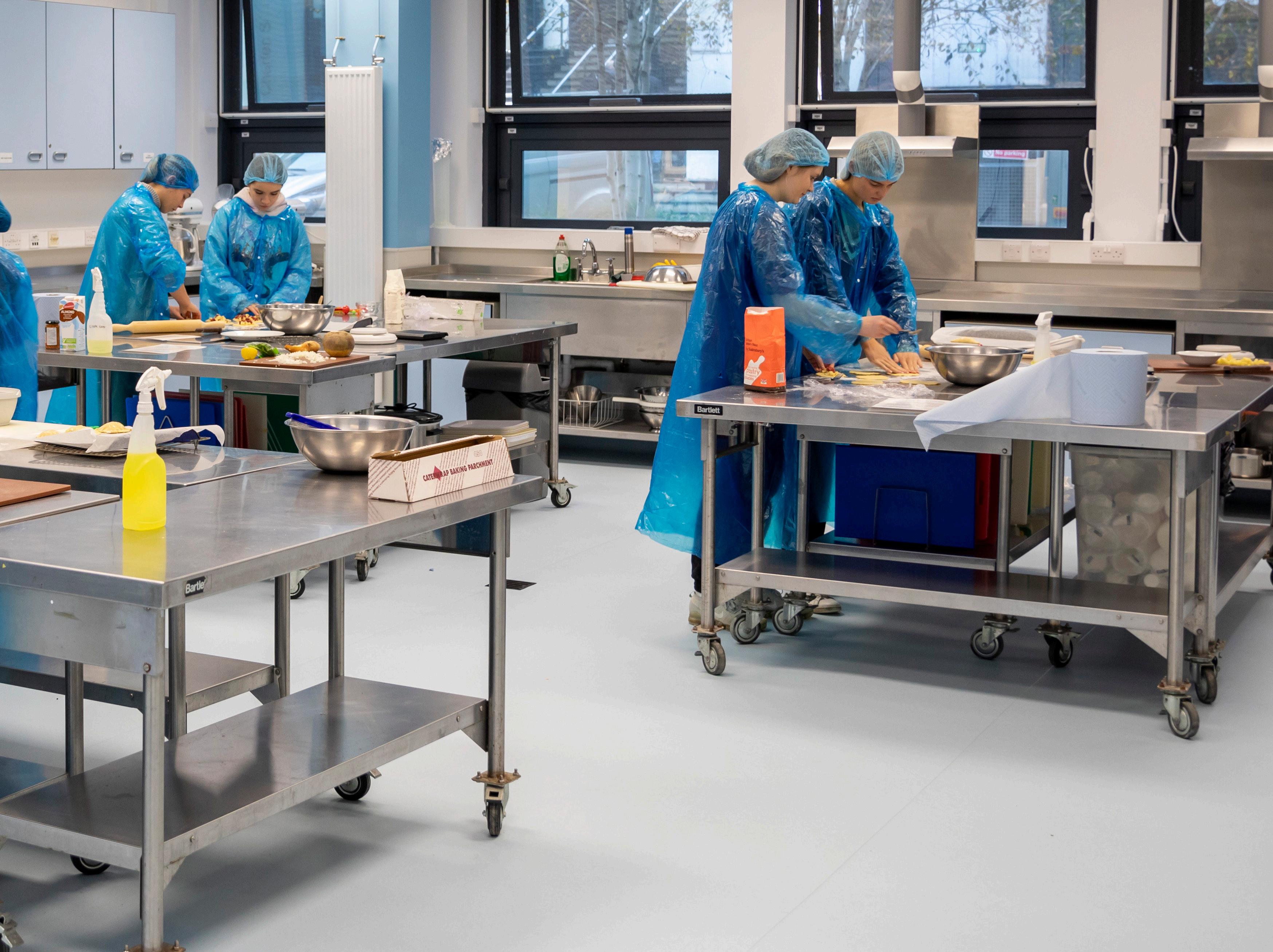
Our dietetics space includes a kitchen where you can develop culinary skills, understand nutritional principles in the context of meal preparation, and learn how to tailor diets to meet specific health and wellness goals. There are then research–based labs including a phlebotomy lab, level 2 containment lab, analytical lab and exercise lab. Where you have the opportunity to run research projects or take part as participants, helping to develop a deeper understanding of the processes involved in evidence-based practise key to your future work as a dietitian or nutritionist.
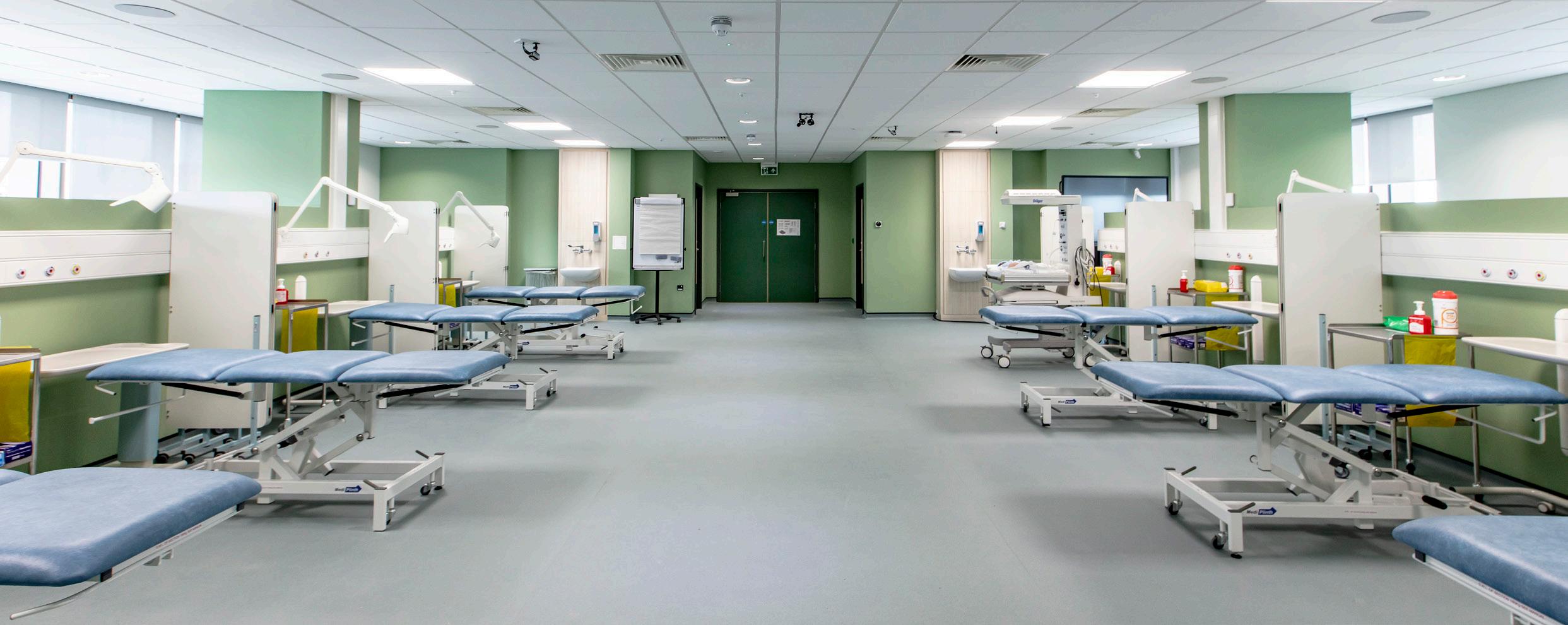
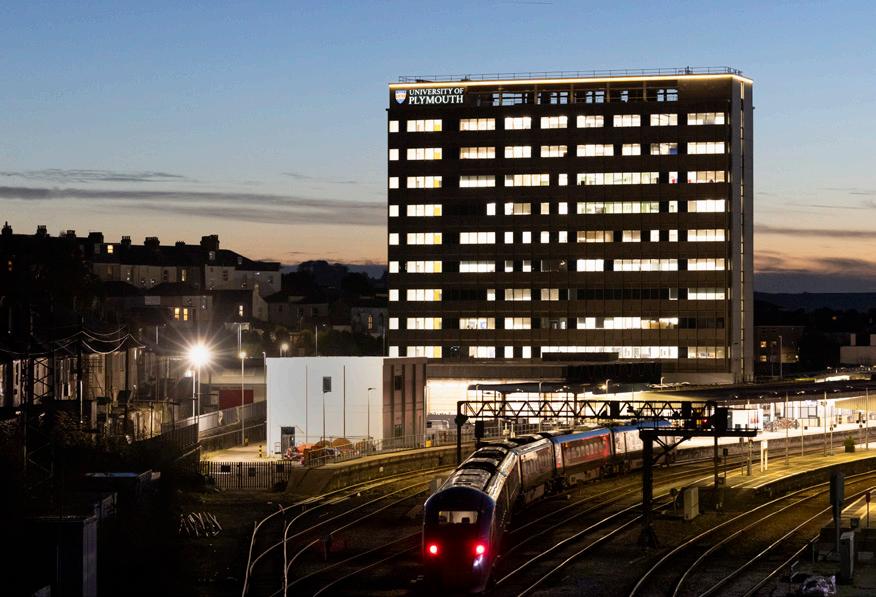
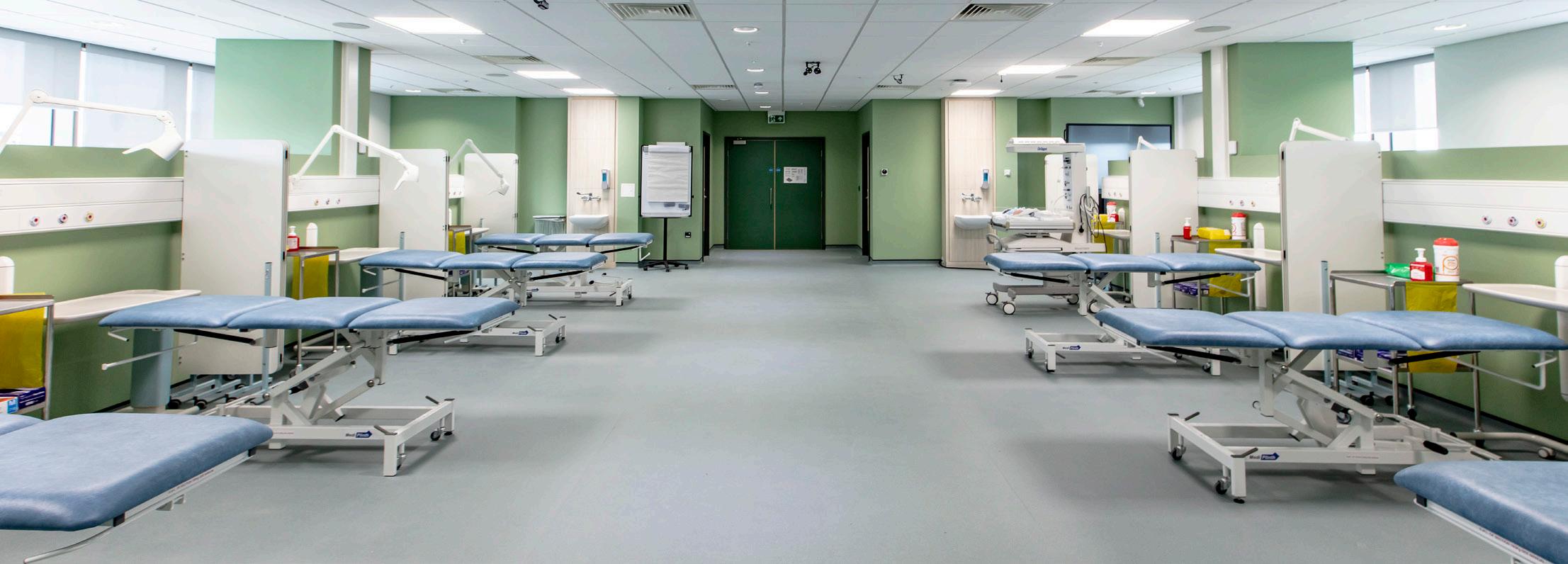
Benefit from the space in InterCity Place, to prepare for placement, engaging in role-play activities using the wards, consultation rooms and community home environment to practise skills and consider the impact of these different environments on patients.
Find out more about our facilities on pages 16-17
5. CAREER OPPORTUNITIES
As a student on our BSc (Hons) and MDiet (Hons) Dietetics courses, you benefit from a forward-thinking and research-informed curriculum that fully prepares you for entry into the dietetics profession. The courses allow you to explore beyond the traditional role, including private practice, freelance, the world of media and social enterprise.
See pages 12-13 for more information on career opportunities.
6. PROFESSIONAL ACCREDITATION
Our dietetics courses are accredited by the British Dietetic Association (BDA) and the Health and Care Professions Council (HCPC) which means on successful completion, you can register with the HCPC to use the title Dietitian/Registered Dietitian. This is a legally protected title used by healthcare professionals that treat dietary/nutritional problems in individuals and the public.
9. LOCATION
Benefit from a work-life balance in Britain’s Ocean City. You’ll be spoilt for choice from the thriving nightlife within walking distance of our city centre location, to the sandy beaches of Devon and Cornwall, and swathes of Dartmoor’s picturesque countryside and landscapes. Study with us to enjoy a healthy quality of life, surrounded by the ocean and the moors.
“Plymouth is an amazing city, with so many beautiful sights and places to explore with the beaches, moors and walking trails on your doorstep, along with a vibrant social scene in the centre.” Ben, MDiet (Hons) Dietetics student.
7. TRAINING GRANT
UK (national) health students may be eligible to receive an additional £5,000 each year. The NHS Learning Support Fund provides additional funding for eligible healthcare students, intended to support students while they train and gain professional registration.
Find out more about the bursary :
8. KNOWLEDGE
At Plymouth, our team of researchactive staff pride themselves on delivering innovative and engaging dietetics courses.
“The lecturers are all experts in their fields and find the teaching sessions really interesting and engaging.”
Jess, MDiet (Hons) Dietetics student
Our Dietetics, Human Nutrition and Health research group encompasses major aspects of nutritional research and collaborates across professions (e.g., nursing, physiotherapy, occupational health) promoting interdisciplinary research between the areas of nutrition.
10. RESOURCES
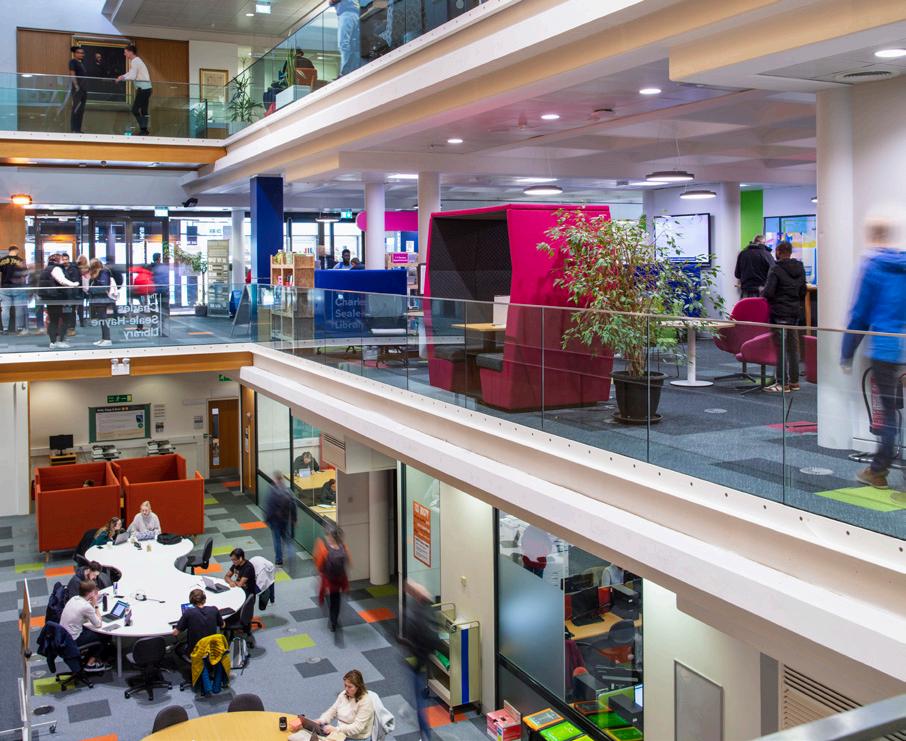
Our library is open 24 hours a day, 7 days a week, 365 days a year, enabling you to access a wealth of resources whenever you need them, including online journals, subject-specific databases, online archives and of course, books! There’s also specialist support on hand when you need guidance, and our enthusiastic subject librarian is always happy to help.
WHICH DEGREE IS RIGHT FOR ME?
Dietetics is a rapidly evolving and expanding healthcare profession and we want all our graduates to be at its forefront. For this reason, our BSc (Hons) and MDiet (Hons) Dietetics degrees have been developed in consultation with experts in the field. These courses build your professionalism, core clinical skills and theoretical knowledge right from the start.
BS c (H ons) DIETETICS
3 YEARS
Accredited by the British Dietetic Association.
The course has a strong evidence base, and a practical focus, providing plenty of opportunities to develop skills needed to work effectively in practice. The BSc provides the communication skills and underpinning psychology needed to effectively motivate and engage people in changing their behaviour. Sustainability and public health nutrition also have a strong theme within the course.
You’ll thrive during placements in a range of clinical and community settings, facilitated by experienced and dynamic dietitians, including unique specialist placements in paediatric, mental health, primary care and our online nutrition clinic. All will encourage you to gain the communication skills and the core skills and behaviours required to work effectively with individuals and groups.
You’re eligible to apply for registration with the Health and Care Professions Council (HCPC) on successful completion of the course.
MD iet (H ons) DIETETICS
4 YEARS
Accredited by the British Dietetic Association.
This is a four-year integrated masters degree aimed to further develop clinical, leadership and research skills.
The course offers a challenging and rewarding study experience that will develop your practice, leadership, management, and research skills to promote progression in your dietetic career.
The MDiet is committed to inter-professional collaboration in both education and practice, and allows you to begin your career with enhanced clinical reasoning and critical thinking skills. You’ll experience practice placements in each of the first three years, gaining experience in a range of different clinical and community settings.
In the additional fourth year of your studies, you’ll focus on leadership and mentorship skills exploring innovations in healthcare, so preparing you to be leaders of the future. You’ll have the opportunity to develop new knowledge through a six month research project in different fields of dietetics, including clinical nutrition, food sustainability, food composition, the microbiome, and more.
“As a dietetics student you are constantly growing and developing as an individual. Personally, I have improved in confidence with communication, inter-professional teamwork and professionalism – all of which are very transferable skills for any future roles.”
Jordyn, BSc (Hons) Dietetics graduate
“The MDiet allows me to pursue an integrated masters degree in the field of dietetics. I am someone who is inclined towards research, and the final year provides me with the opportunity to further explore my project and delve deeper into researching the area of my interest.”
Halimat, MDiet (Hons) Dietetics final year student
FIND OUT MORE
About our BSc (Hons) Dietetics course.
FIND OUT MORE About our MDiet (Hons) Dietetics course.
FIND THE RIGHT ROUTE FOR YOU VIA OUR FOUNDATION COURSE!
Our integrated foundation course provides the understanding and basis to prepare you for the undergraduate degree in BSc (Hons) Dietetics. The course offers students from a variety of backgrounds and skill sets an avenue into a wide variety of degrees that have traditionally been out of reach. Taught by University lecturers on campus, you are part of the University from day one. If your current qualifications don’t allow you direct entry to degree level, this course if for you.
Students completing the BSc (Hons) Dietetics with Integrated Foundation Year will normally progress to year 1 of the BSc (Hons) Dietetics degree.
Whether you are returning to education after a break or if you come with qualifications other than A levels, a foundation pathway allows you to:
build your confidence, regardless of your educational background.
grow academically and personally in a university environment.
develop research, utilise digital resources, essay-writing, academic argument, presentation, independent study and referencing skills.
be supported via tutors, resources and subject-specific skills training to prepare you for progression onto your chosen degree.
join a community of like-minded students and make friends for life.
FIND OUT MORE
About our BSc (Hons) Dietetics with Integrated Foundation Year course.
WHERE WILL YOUR DEGREE TAKE YOU?
As a dietetics student, you benefit from a forwardthinking and research-informed curriculum that fully prepares you for entry into the dietetics profession, and equips you with the clinical ability, confidence and personal growth needed to be a successful dietitian at the forefront of your profession. Dietitians interpret the science of nutrition to improve health and treat diet-related diseases and conditions. They educate and give practical and personal advice to patients, carers or colleagues.
DIETITIANS MAY WORK WITH THE FOLLOWING PHYSICAL DISORDERS:
• neurological
• diverse patient groups
• physical conditions
• dietary conditions
• mental health conditions
• developmental conditions
SOME COMMON CAREER DESTINATIONS FOR OUR GRADUATES INCLUDE:
• NHS hospitals
• public health, policy making and media
• communities
• sports nutrition
• food industry
• private practice
• GP surgeries
• care and nursing homes
• education and academia
• research
• leadership roles
• voluntary roles
• freelance
• social enterprise
FIND OUT MORE
Get in touch! Follow us on X-TWITTER @uniplymcareers
careers@plymouth.ac.uk +44 (0)1752 587456 plymouth.ac.uk/careers for more information
WHAT SKILLS WILL YOU GAIN?
• Interpret and incorporate recent nutritional advances into practice through nutritional science and evidence-based practice learning
• Develop the communication skills needed to work effectively as a dietitian with individuals and groups
• To support behaviour change, work collaboratively and gain effective leadership skills
“After Graduating I gained a Band 5 post at Morriston Hospital, ABMU Health Board, then left to pursue MSc Applied Sport & Exercise Nutrition at Oxford Brookes University alongside a bank dietetic role at Great Western Hospitals NHS Foundation trust. After completing the MSc I spent three months volunteering with sport dietitians in Australia/New Zealand”.
Felicity, BSc (Hons) Dietetics graduate
“The Dietetics degree allowed me to register and work as a dietitian, which would not have been possible without it. It taught me the skills to confidently enter my first role as a dietitian and equipped me to continuously learn and develop. My degree introduced me to evidencebased practice and the importance of research, encouraging my curious mind. It opened up multiple career pathways and postgraduate qualification options.”
Lynsey, BSc (Hons) Dietetics graduate
LIFE OF A DIETETICS STUDENT
ROBIN, MD iet (H ons ) DIETETICS STUDENT TALKS ABOUT WHAT YOU CAN EXPECT FROM THE COURSE.
FIND OUT MORE
Robin’s student journey with Plymouth:
“I have recently been offered my first band
5
Dietitian job in a mental health and learning disabilities rotational position, which is my dream dietetic job.”
WHY PLYMOUTH?
Plymouth felt like the perfect place for me. Not only was the course and the University itself very impressive, but the actual city really stood out to me. During my interview, I found Plymouth so friendly and welcoming, and the lecturers I spoke to all seemed genuinely passionate about dietetics. Plymouth is 400 miles away from my hometown, but there was absolutely no doubt in my mind when I selected Plymouth as my first choice.
HOW HAVE YOU FOUND THE MIX OF THEORY TO PRACTICAL WORK?
Perfect! There is a great blend of dietetics theory and hands-on teaching sessions to reinforce these skills in practice.
The theoretical elements of the degree are vital in underpinning the more practical aspects of learning: both complement each other and provide students with a well-rounded plethora of skills to equip them to enter the workplace, when they qualify as a HCPC registered Dietitian.
WHAT DOES PRACTICAL WORK INVOLVE?
There is a real mix of different skills and learning, which changes and adapts as you progress through the course. This can be laboratory practicals, cooking and tasting sessions, as well as role play with your peers and real actors. Practical work can involve multidisciplinary learning, practising assisted feeding on each other, getting to have a look at different equipment, and preparing fortified foods and nutritional supplements in the kitchens.
CAN
YOU DESCRIBE
THE STRUCTURE OF YOUR WEEK?
A typical week studying dietetics is varied, with a mix of lectures, practical sessions, seminars and self-taught learning. There are usually regular, structured teaching sessions interspersed with more independent and collaborative learning– role playing or case-based learning workshops, giving you the opportunity to bounce ideas between your peers to get the most out of the sessions. While on placement you will be working 9–5 every weekday – whether this be the acute setting such as a hospital, or out in the community.
WHAT DO YOU GET UP TO IN THE LABS?
The Labs have different rooms and resources which provide a very hands-on learning experience. For example, you could be up in one of the laboratories measuring dietary compounds in food, or you might be down in the kitchens creating texturemodified meals or gluten-free bakes. The facilities are all up to date and give you the opportunity to try lots of new things, experiencing more of the practical side of dietetics.
WHAT DO YOU ENJOY ABOUT STUDYING
AT PLYMOUTH?
Not only does the University provide an exciting, well-rounded course with excellent new facilities, but the city itself is a beautiful place to live and study. You have the benefit of being right by the sea, while still having all the perks of living in the city. Everything you could possibly need is right on your doorstep. I have also found it really handy to
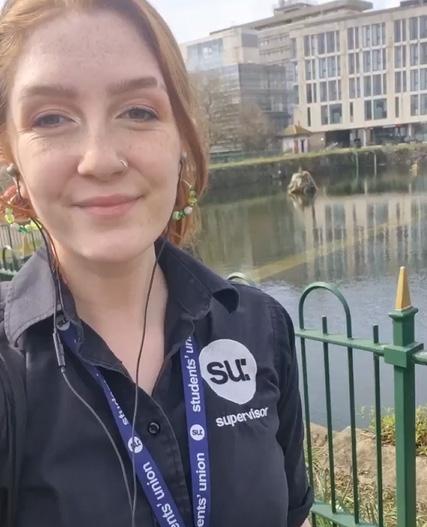
be able to work part time for the University while studying, as I have been a Student Ambassador since my first year and a sales supervisor at the Students’ Union shop since second year. The Careers Service is very forthcoming with providing support and advice when needed, and the student support services in general are amazing and have helped me a lot in my journey.
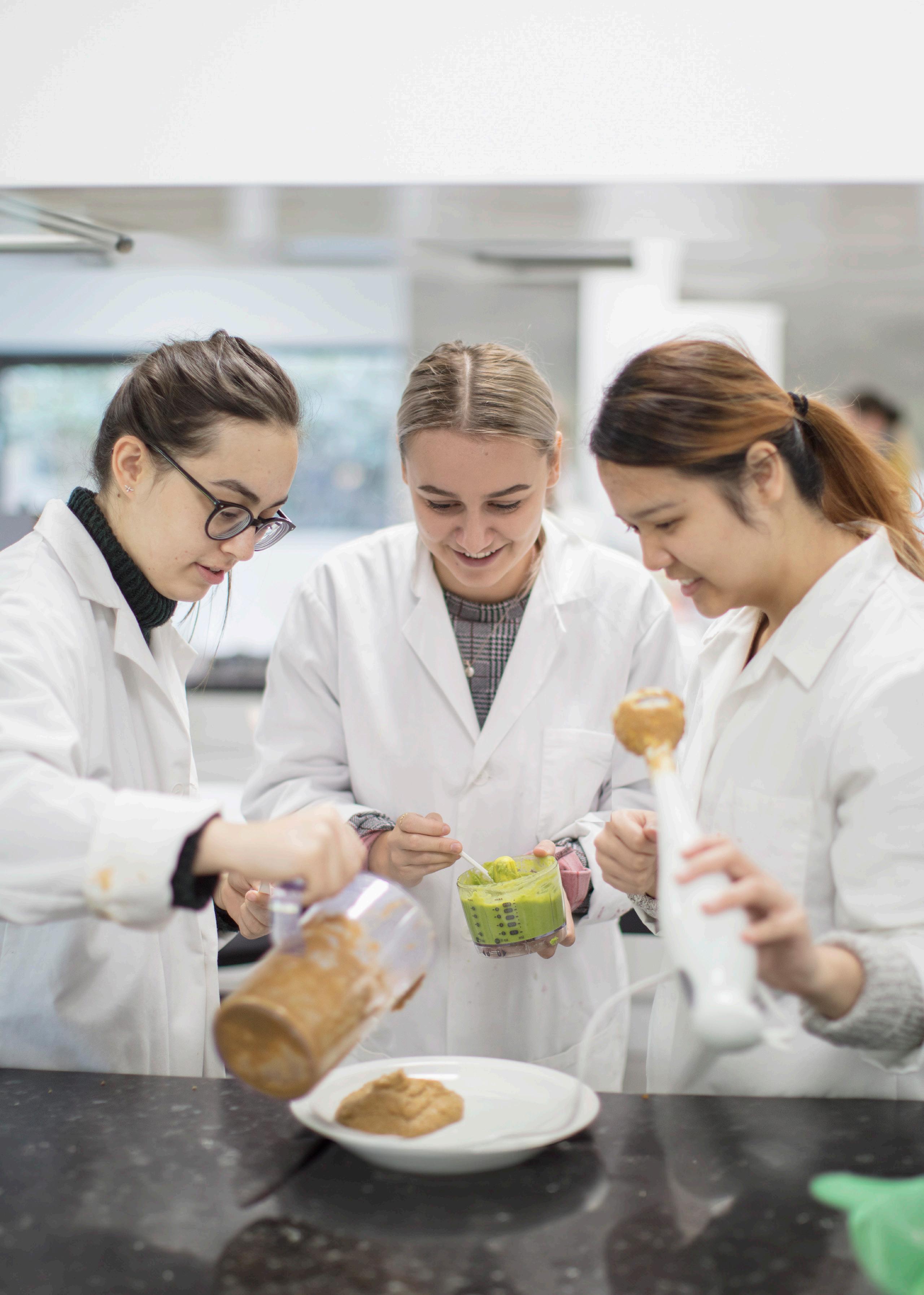
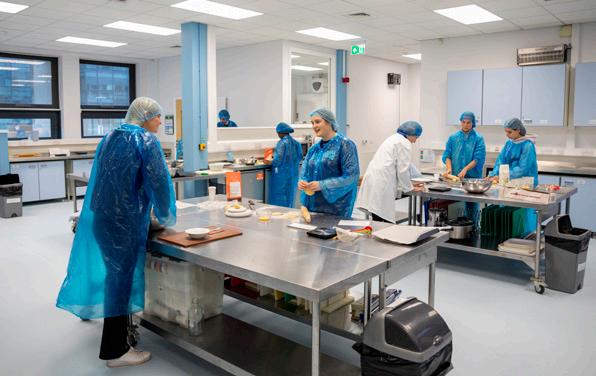
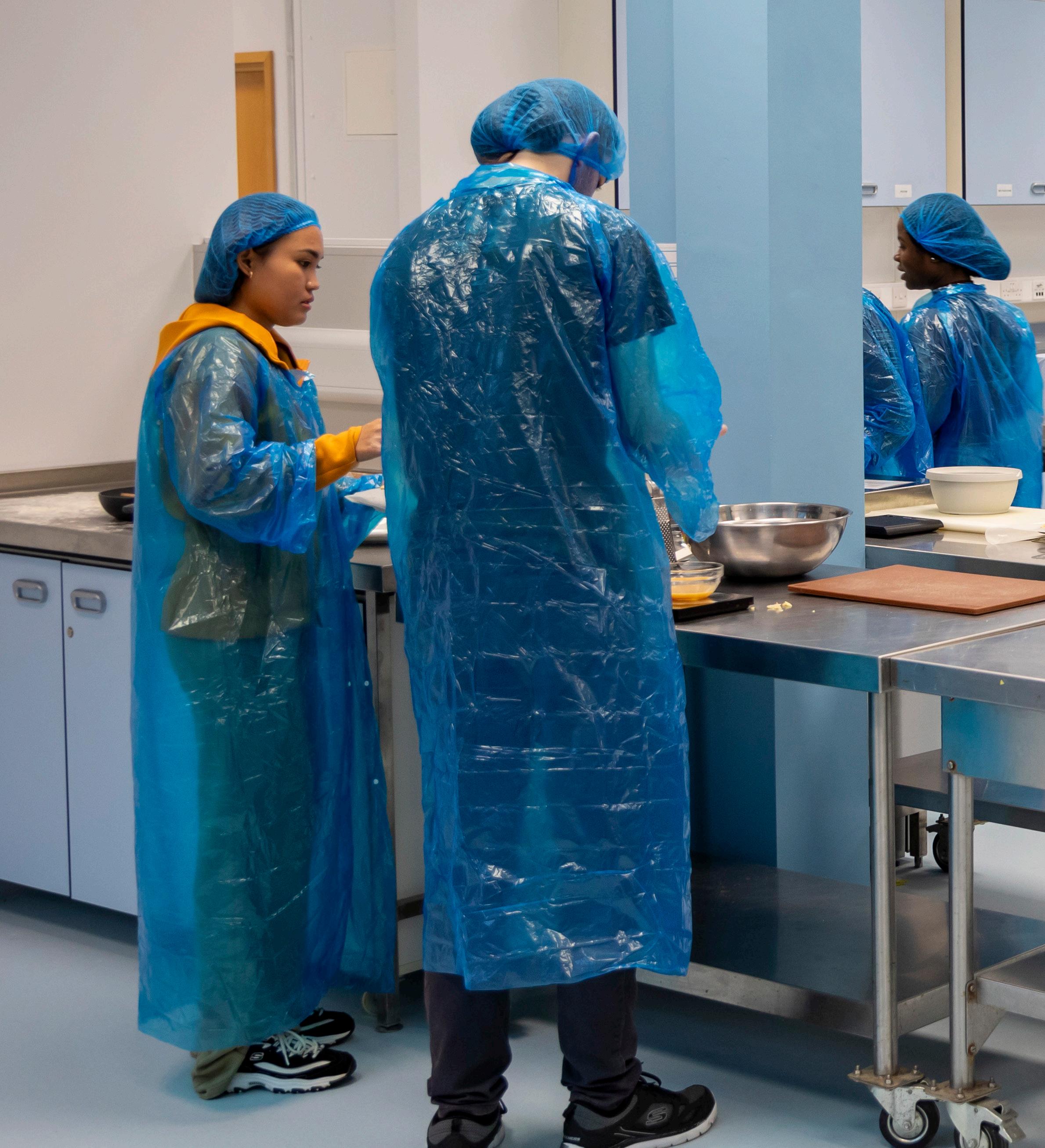
KITCHEN LAB
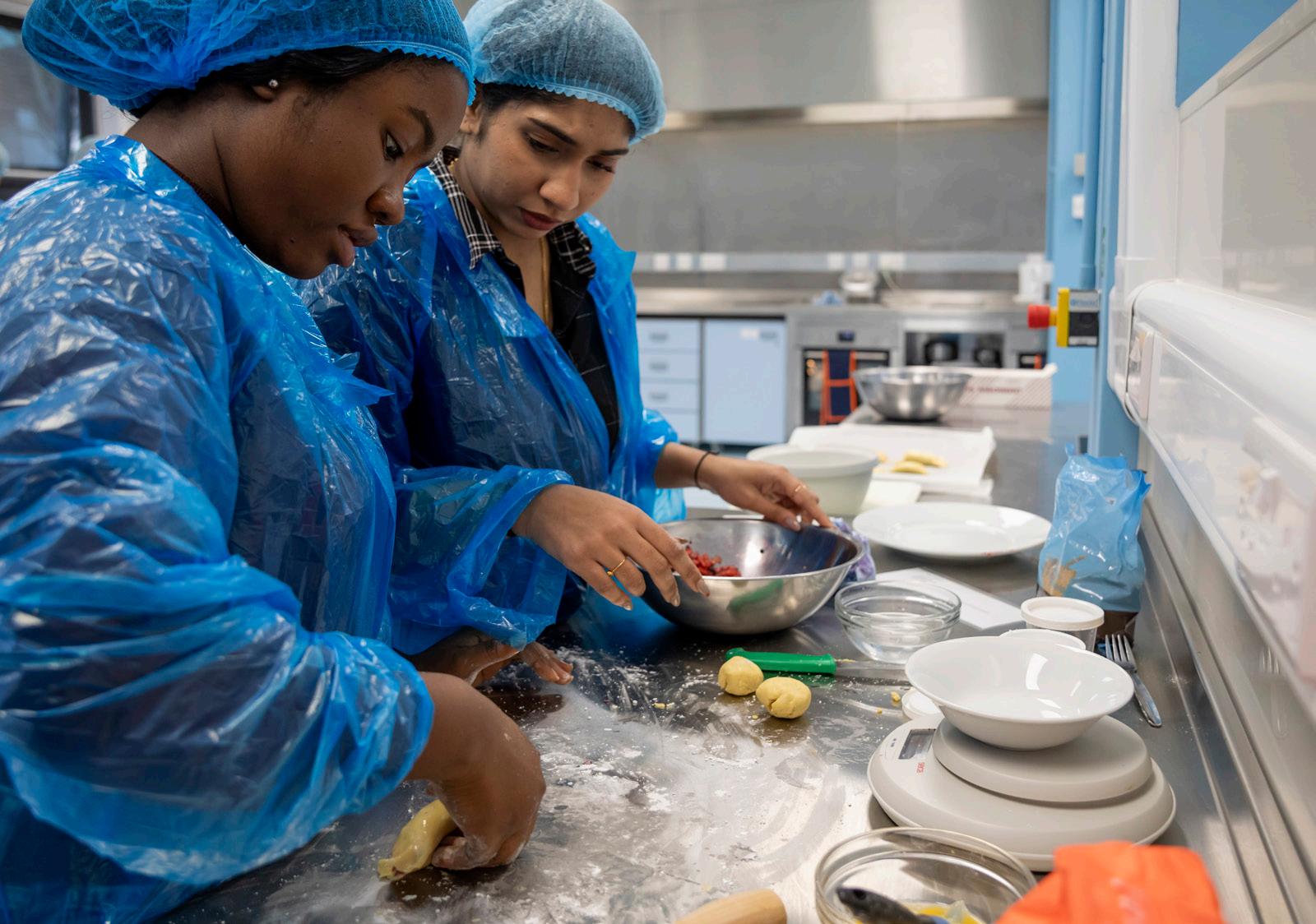
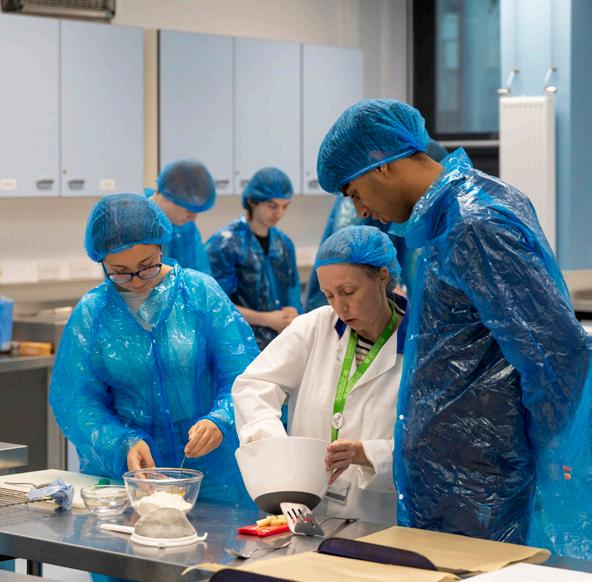
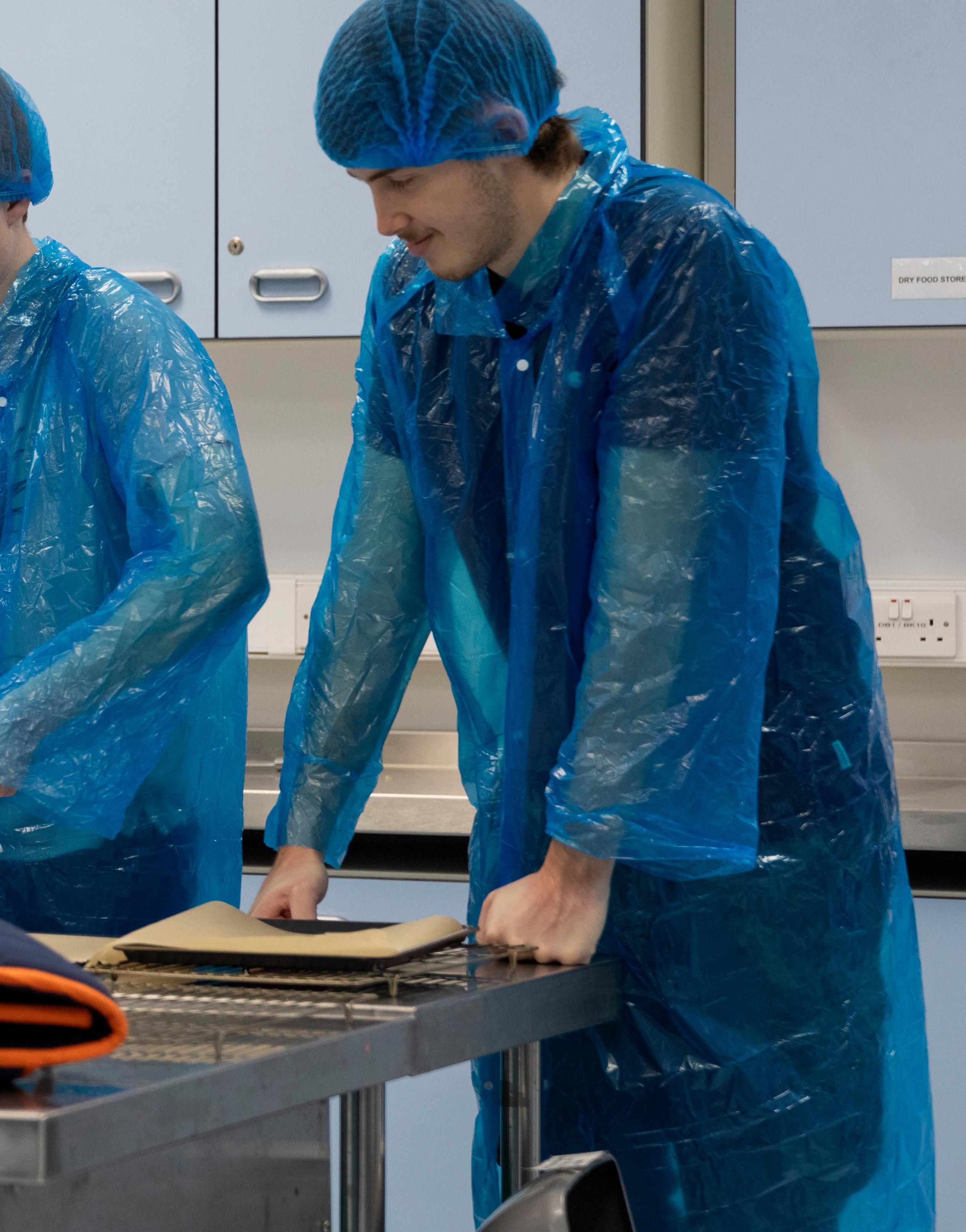
This hands-on learning environment will allow you to gain practical experience in cooking and preparing food, and focus on creating and implementing diets for various purposes, including those for healthy individuals, sports nutrition and therapeutic diets. This facility encourages you to understand nutritional principles in the context of meal preparation and learn how to tailor diets to meet specific health and wellness goals.
EQUIPPED WITH A WIDE RANGE OF SPECIALISED INSTRUMENTS, YOU CAN DEVELOP THE SKILLS NECESSARY FOR WORKING IN VARIOUS CULINARY AND NUTRITIONAL SETTINGS. THE EQUIPMENT INCLUDES:
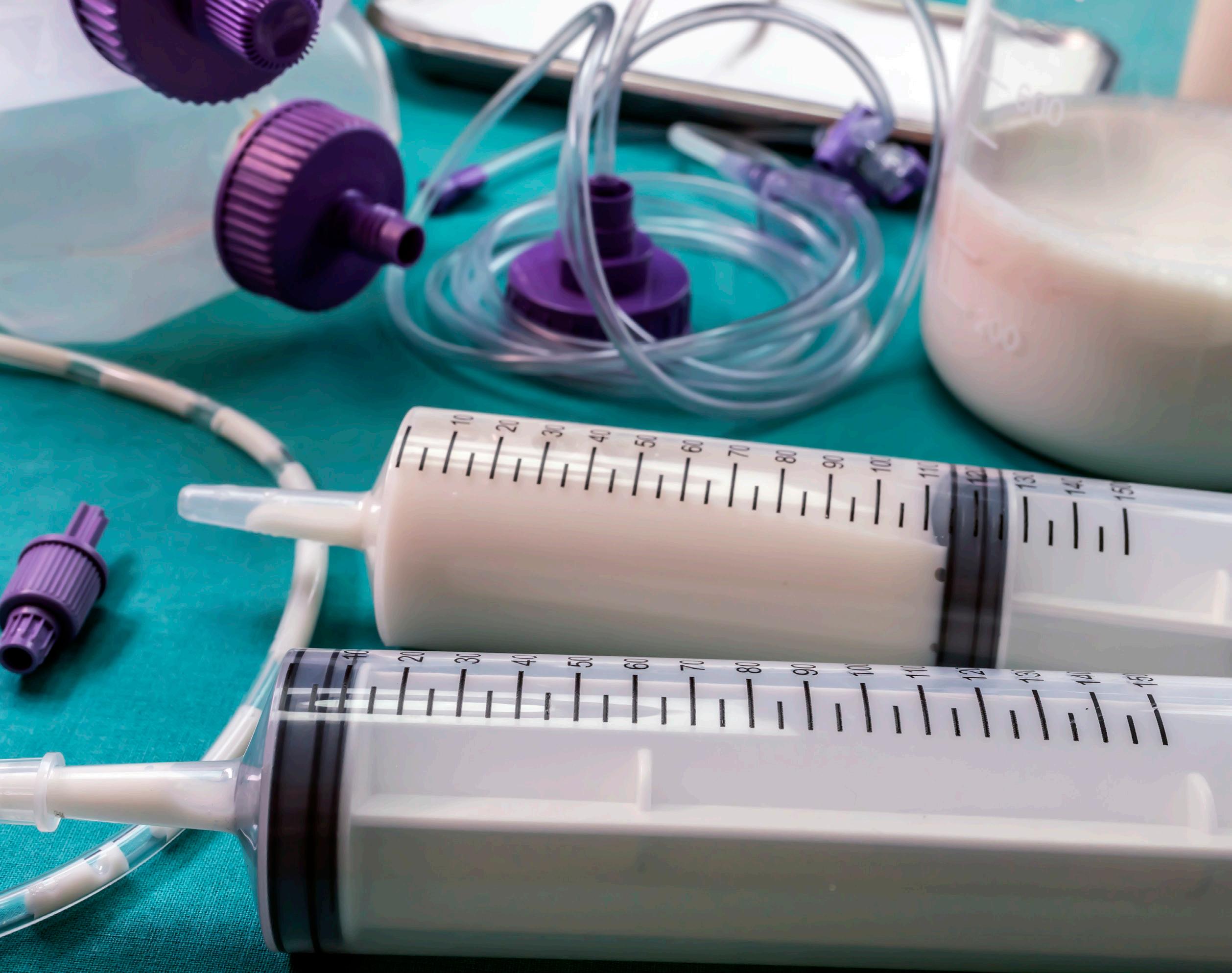
This free online clinic offers dietary advice to help people improve their health and wellbeing. This service is offered to University staff, the local community and wider afield through social media.
The students run the clinics with supervision from registered dietitians, providing advice on areas such as food and mood, gut dysfunction, nutrition in later life, nutrition for a healthy heart, nutrition and the menopause, healthy eating on a budget, nutritional adequacy and weight management.
When people sign up, they are asked to complete and return a three day food diary and provide some information on the advice they would like to receive prior to their online appointment. The clinic supports the development of leadership and mentorship skills in our students as well as allowing the students, to practise their consultation skills and gain placement hours.
INTERCITY PLACE
Students undertake a range of activities in clinical skills areas such as wards, consultation rooms and a community home environment in InterCity Place. The majority of these activities are role play, allowing students to practise and consolidate skills while considering the impact of these environments on patients– helping to prepare students for placements and their future role as a dietitian.
RESEARCH LABS
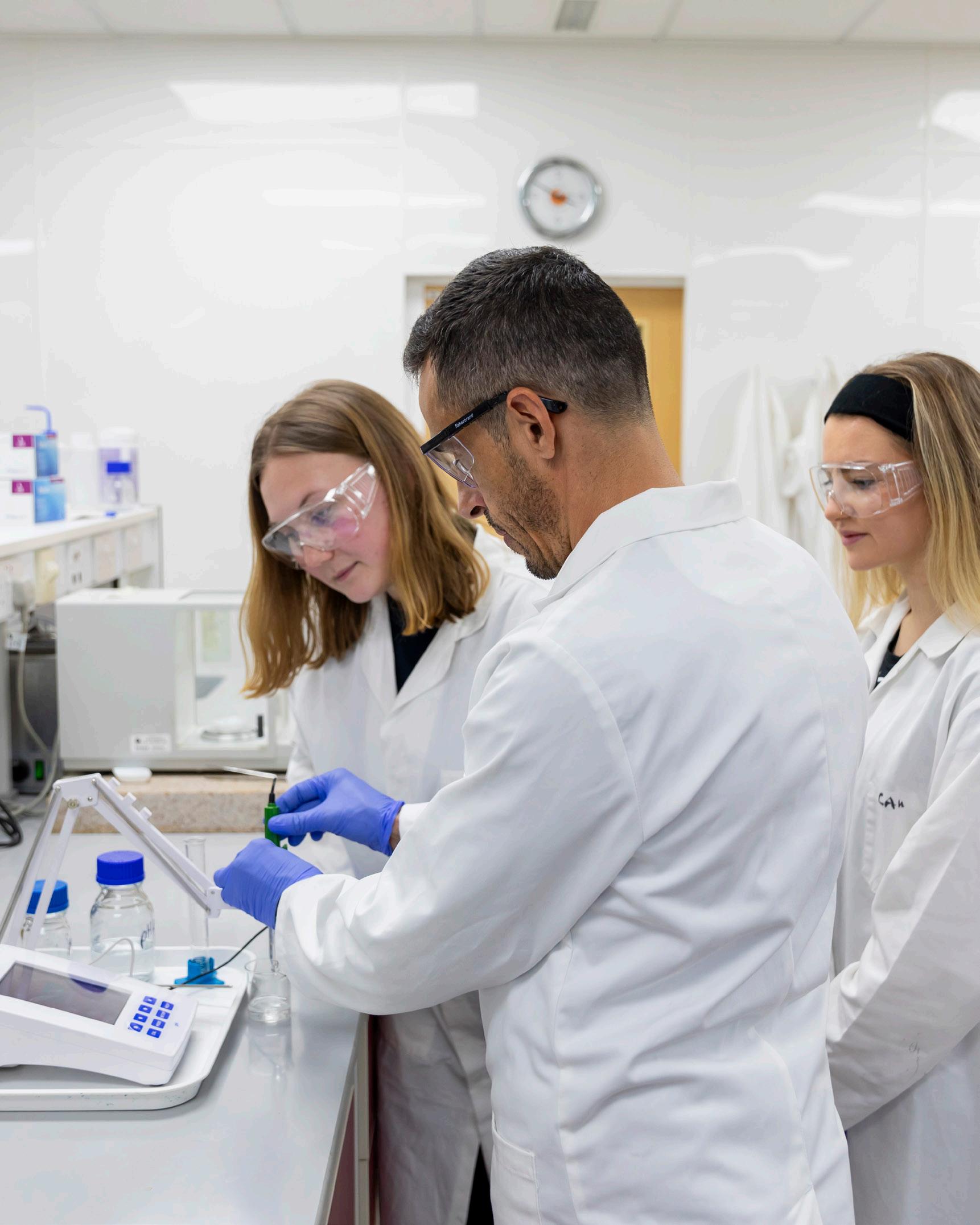
STUDENTS MAY HAVE THE OPPORTUNITY TO USE THE ANALYTICAL LAB, EXERCISE LAB, PHLEBOTOMY LAB, AND LEVEL 2 CONTAINMENT LAB TO RUN THEIR RESEARCH PROJECTS, DEVELOP A FOOD, TEST FOODS AND EXPLORE HOW THE BODY IS RESPONDING TO FOOD.
STUDENTS CAN TAKE PART AS PARTICIPANTS, IN THESE LABS TO SEE WHAT IS INVOLVED AND BE PART OF THE RESEARCH PROCESS. THIS HELPS THEM DEVELOP A DEEPER UNDERSTANDING OF THE PROCESSES INVOLVED IN EVIDENCE-BASED PRACTICE – KEY TO THEIR FUTURE WORK AS DIETITIANS AND NUTRITIONISTS.
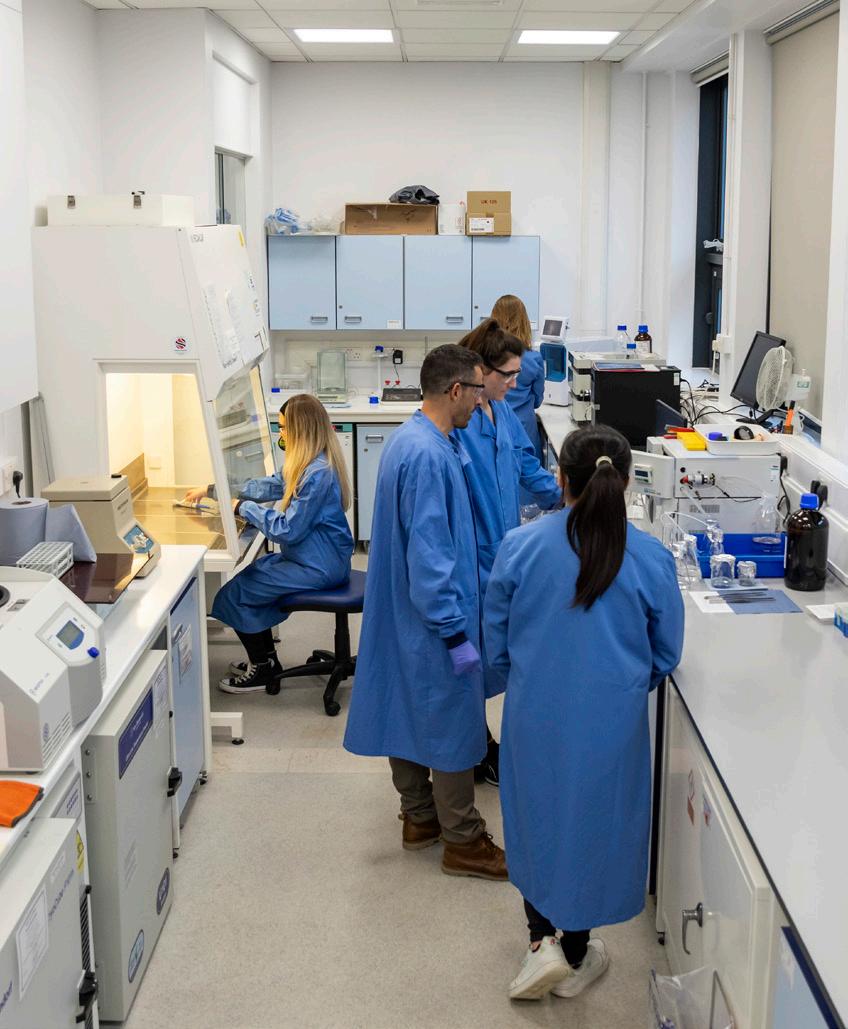
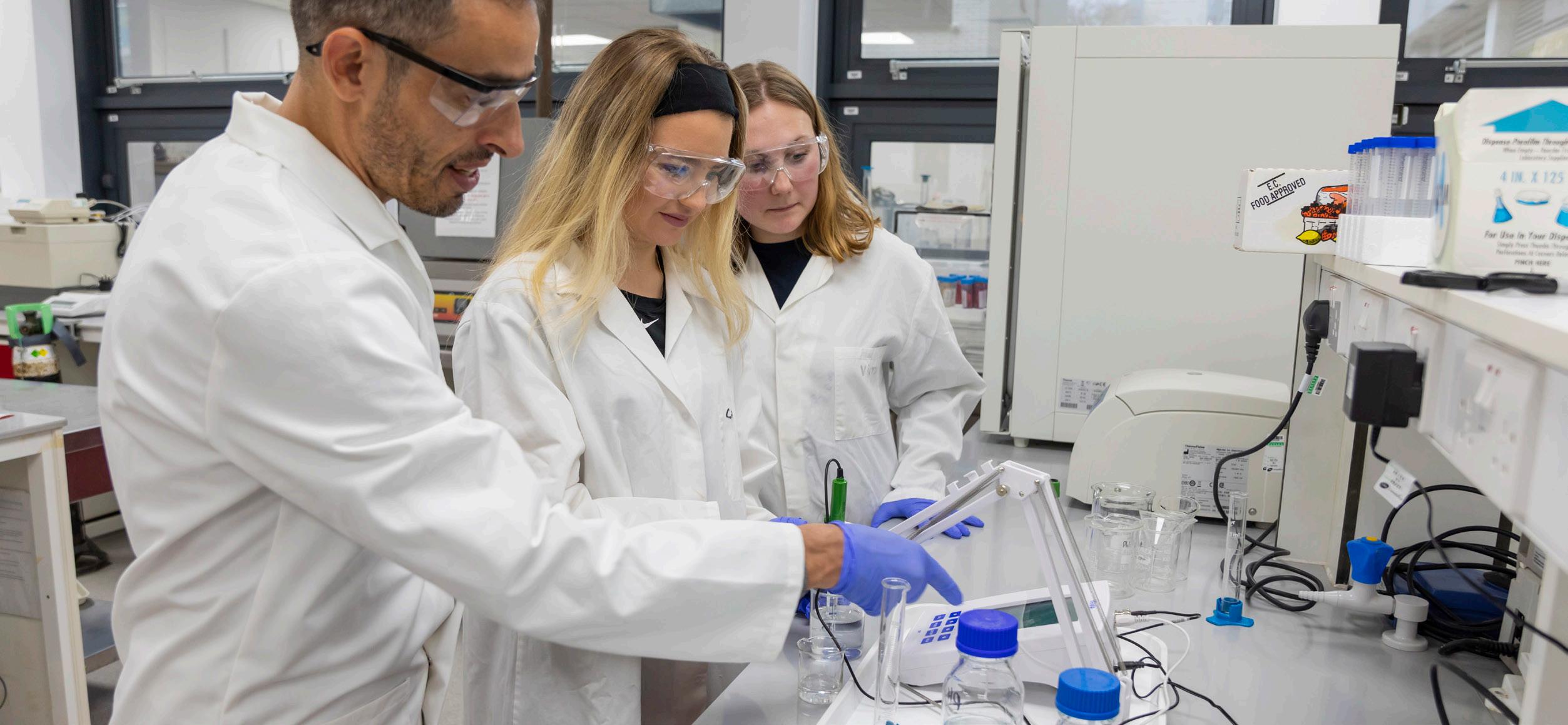
ANALYTICAL LAB
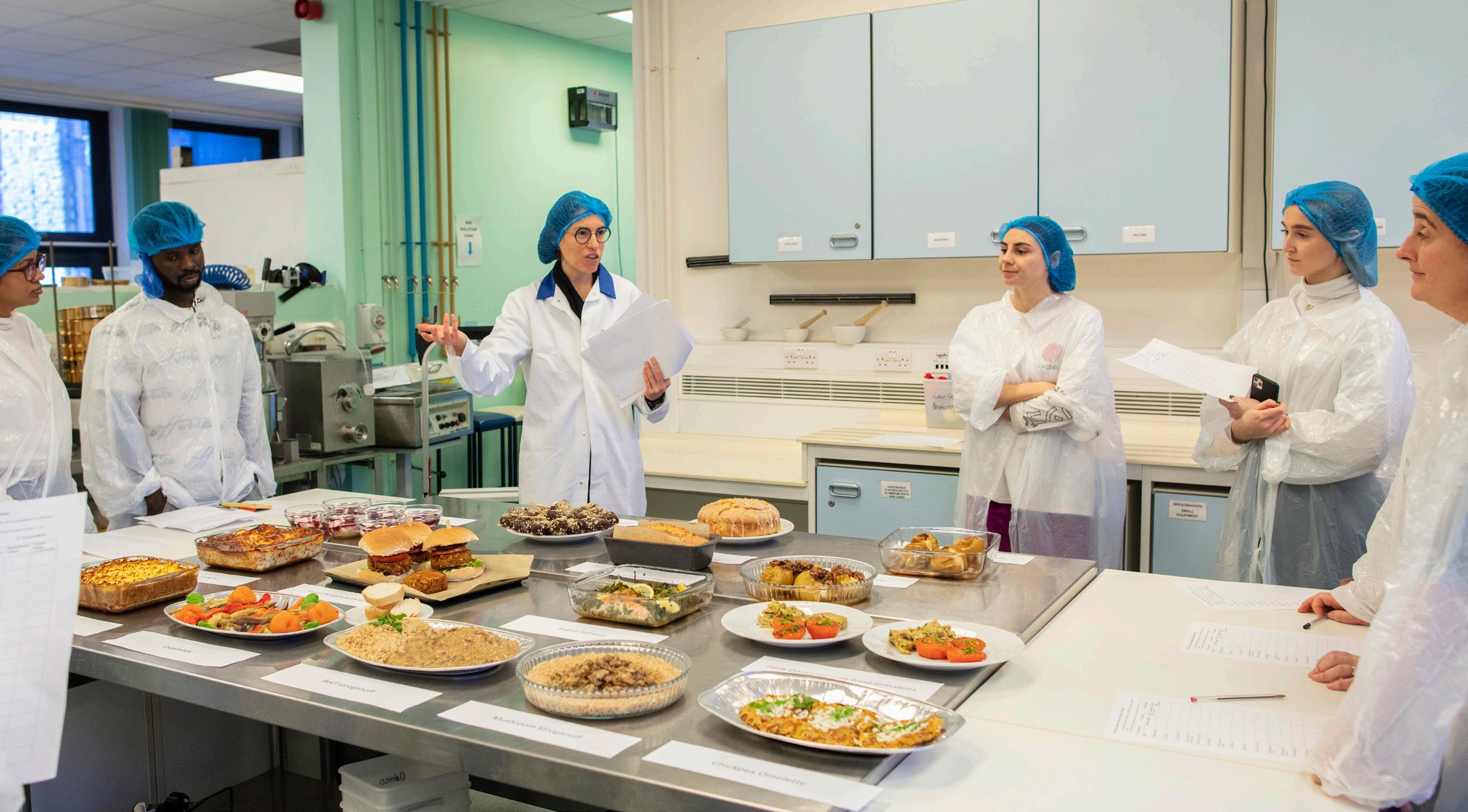
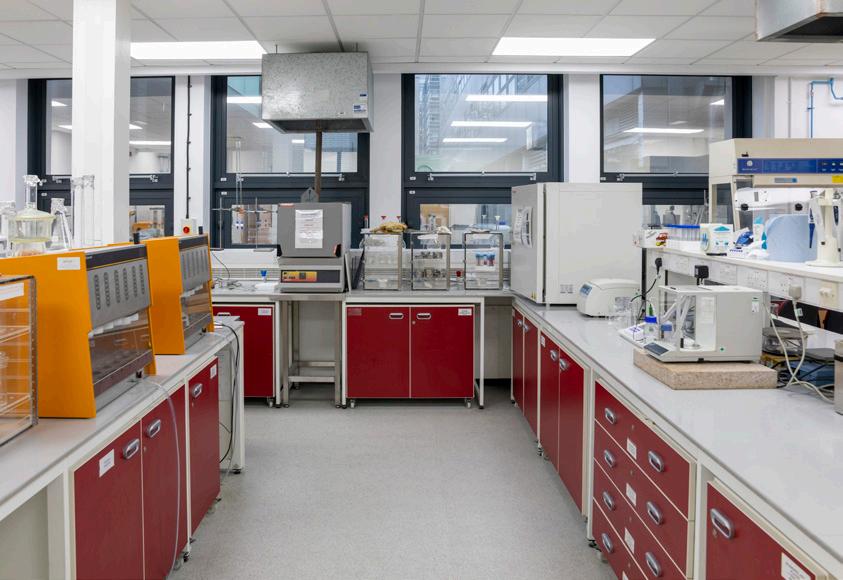
This lab is specifically dedicated to the testing, analysis and evaluation of food products, and will allow you to process and analyse food samples ensuring the safety, quality and compliance of food items. The lab is equipped with a wide range of specialised instruments and analytical techniques are employed to determine the chemical composition of food products. This lab often supports research and development of new ingredients, formulations, and processes to help companies develop innovative and safe food products.
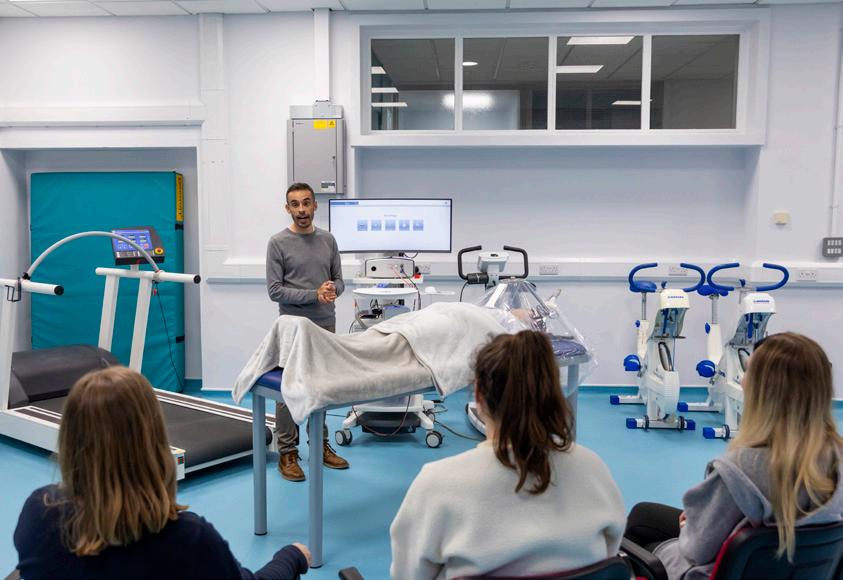
EXERCISE LAB
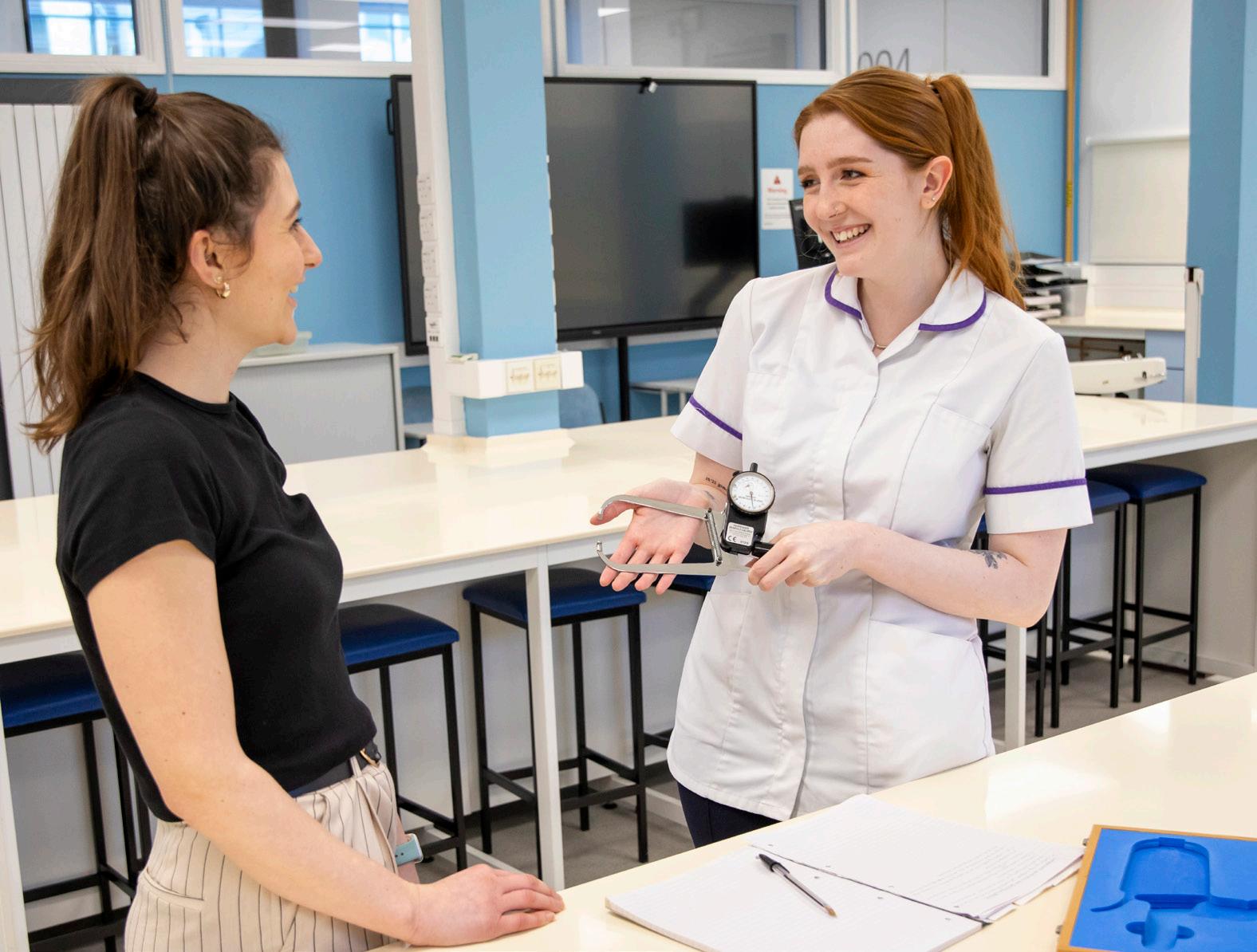
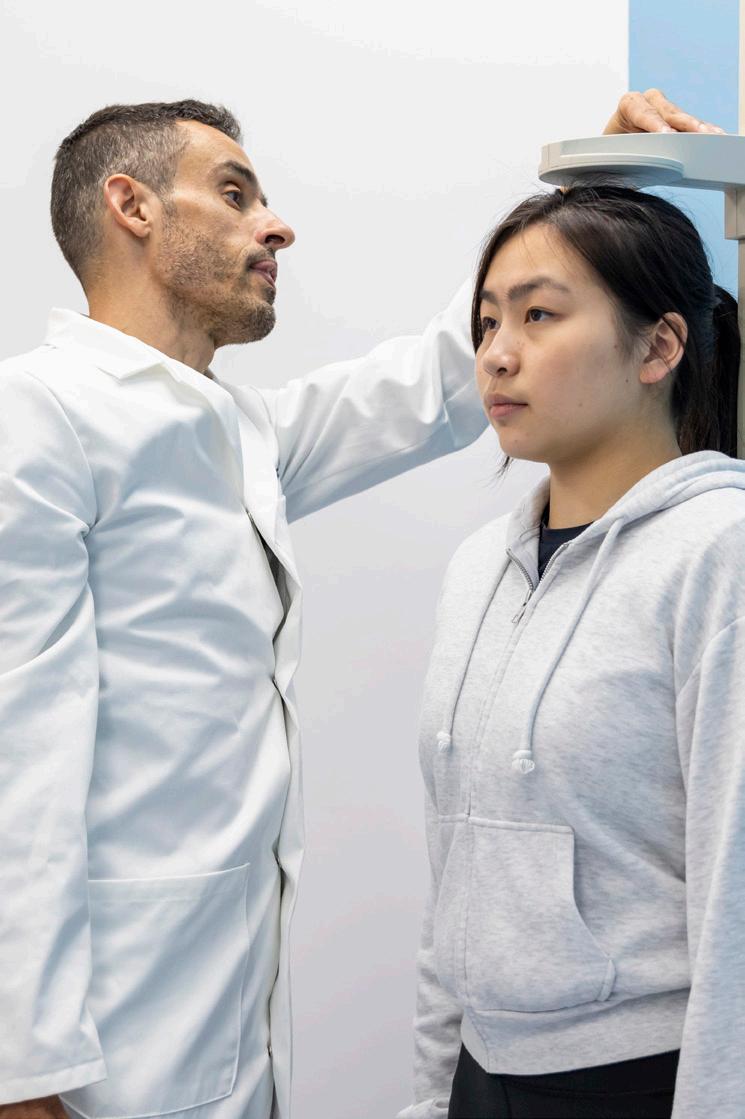
In this facility you can analyse the physiological responses and adaptions to exercise and diet enabling you to apply theoretical knowledge, conduct experiments and gain practical skills in physiological assessment. The space is equipped with state-of-theart equipment, featuring several metabolic cards and Douglas bags, a near-infrared spectroscopy device (NIRS), blood pressure monitors with an automated cuff inflator, biochemistry analysers and bioimpedance devices.
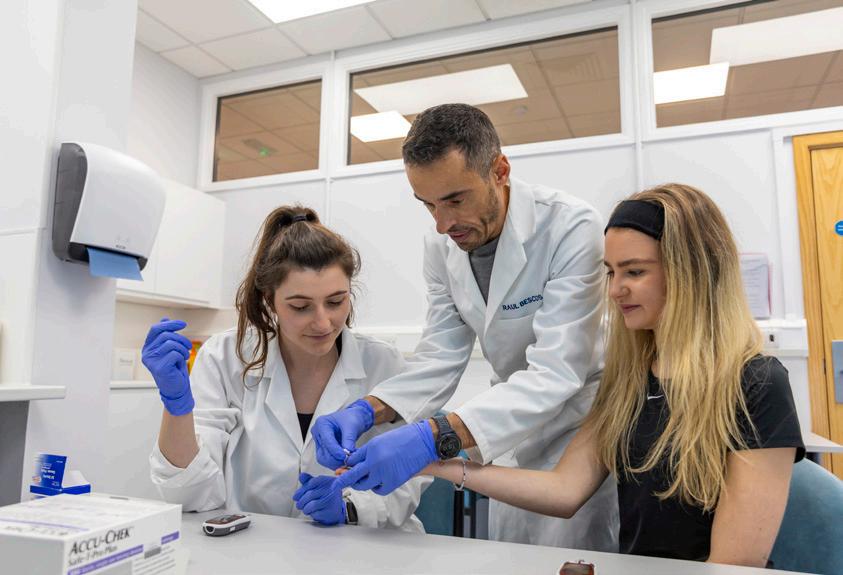
PHLEBOTOMY LAB
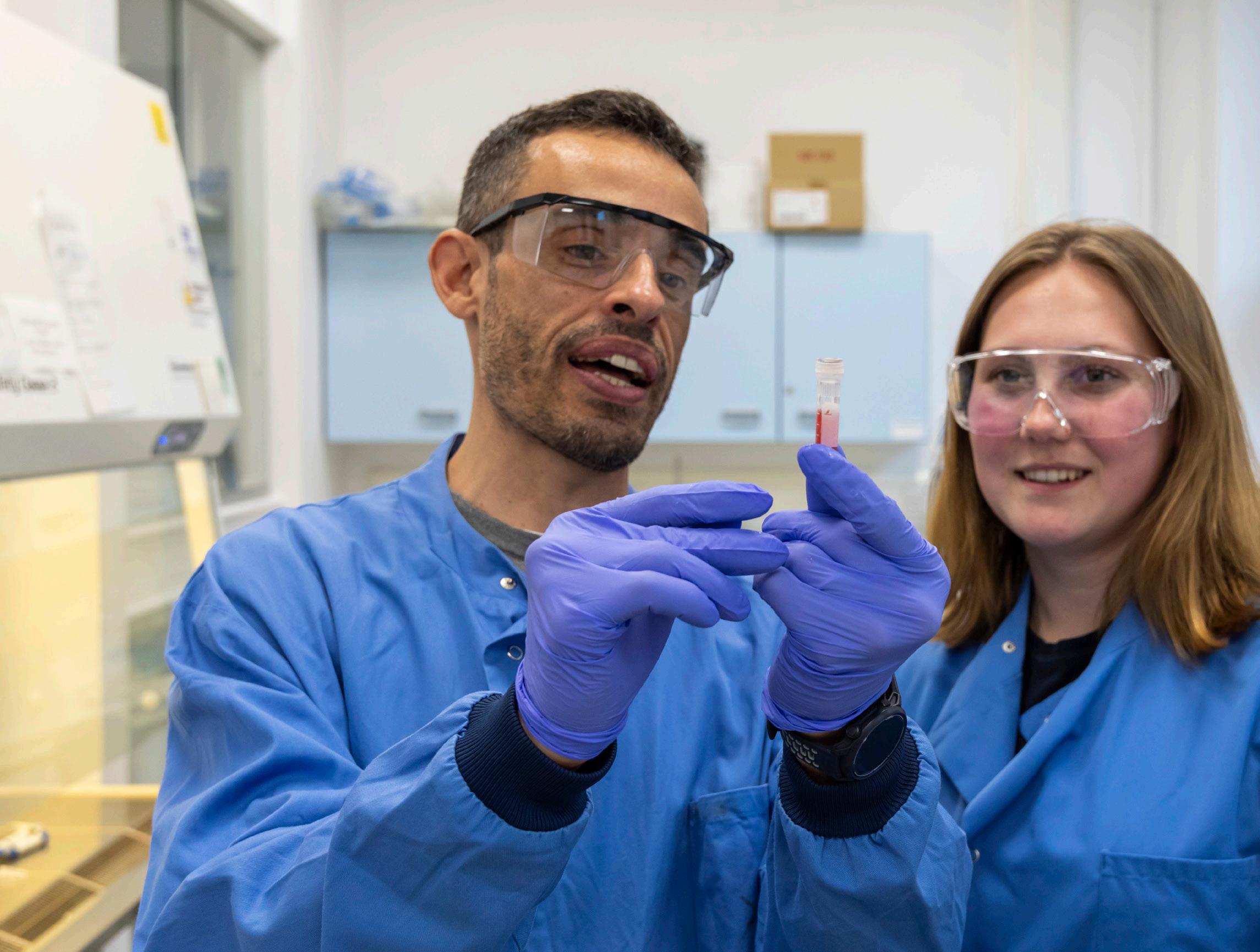
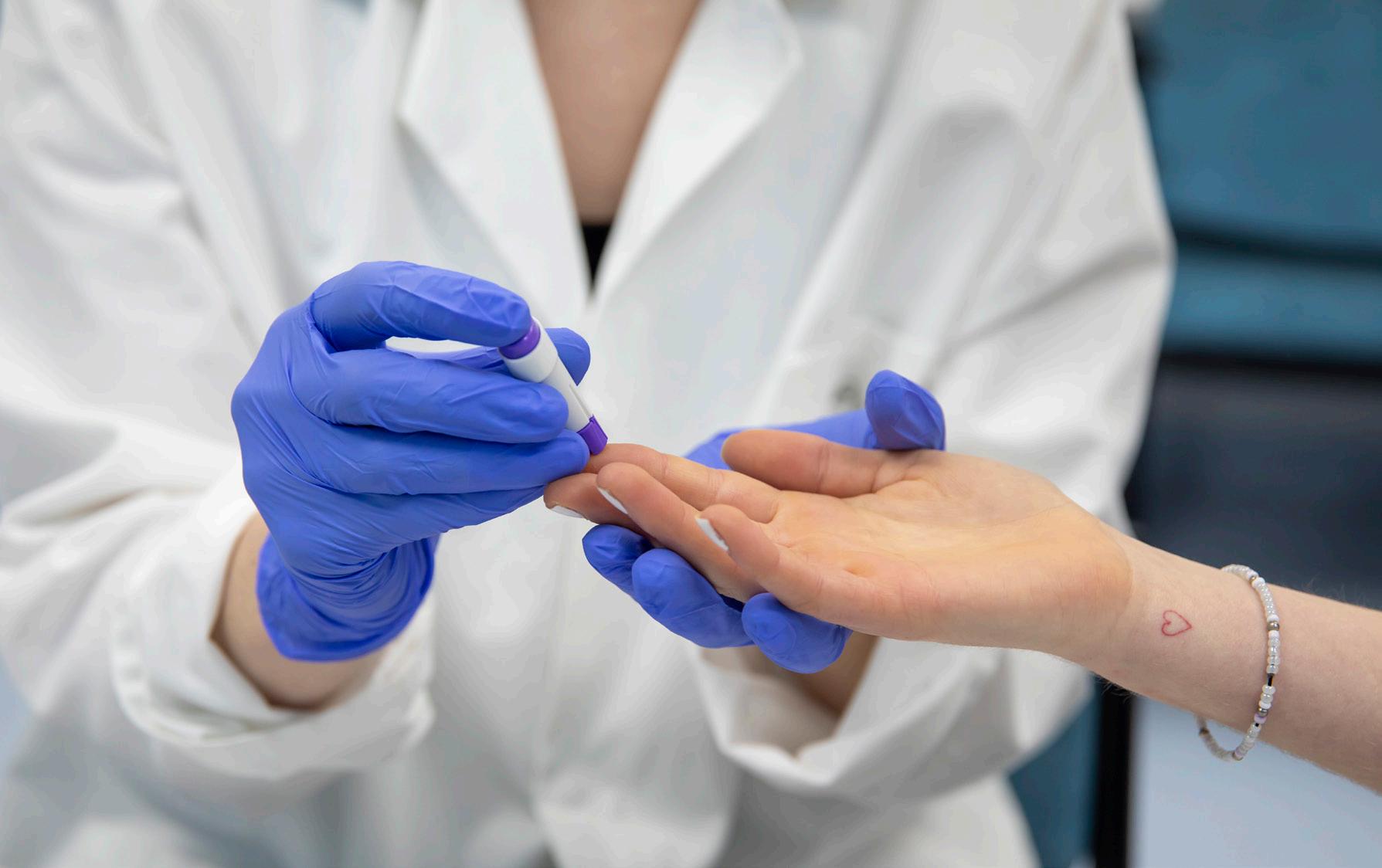
The phlebotomy lab is a specialised facility designed for the collection of biological samples including blood and saliva samples. It plays a crucial role for teaching and research, serving as the workspace for students who are trained to measure blood glucose, and for researchers who are trained to draw blood and saliva from patients for various diagnostic purposes.
LEVEL 2 CONTAINMENT LAB
This is a specialised facility designed for working with moderate-risk biological agents. It plays a crucial role in teaching and research, serving as the workspace for students and researchers who are processing and analysing biological samples that pose a moderate hazard to personnel and the environment. The lab is designed with features that facilitate containment and prevent the accidental release of infectious agents. Students and researchers using this facility are required to undergo specific training that covers safety, handling of biological agents, emergency procedures and the proper use of personal protective equipment (PPE).
OUR PLACEMENTS
Placement learning is an integral part of the experience of training to become a dietitian.
Your placement will allow you to apply the theory learnt on your course into a variety of different specialist, clinical areas and settings including:
• Tertiary, primary and secondary care based in the following environments:
• Acute hospital wards and outpatients
• GP surgeries/health centres
• Patients’ homes and nursing/ residential homes.
• Virtual and university-based simulations.
• Industry setting such as catering.
Placements will take place in the South West (Devon, Cornwall, Somerset, Dorset, Avon, and Wiltshire). Some of the specialist placement areas we currently work with are:
• Adult and Paediatric Dietetics
• Acute and Community Dietetics
• Mental Health
• Oncology
• Learning Disabilities
• Weight Management
• Diabetes
• Leadership.
“It was really an eye-opener for me when I went out on placement. There is something magical about applying the dietetics knowledge that I have learnt in real life. I feel that it is my mission to help people who have diet or nutrition needs, which is what I am passionate about in life.”
“I loved how the supervising dietitians really helped to develop my confidence over my placement through gradually supporting me to be involved in more stages of the consultations. By the end of the placement I felt really prepared to manage my own small caseload”.
Find out more about the placement structure on our dietetics courses.
EXPERIENCE PLACEMENT
Isabella’s Stage 3 placement experience
Royal Cornwall Hospital
I carried out my 12 week stage 3 placement at the Royal Cornwall Hospital.
ONCOLOGY CASELOAD
During the first three weeks of this placement, I was based in the oncology team. This involved seeing a variety of patients with different diagnoses (including lower and upper gastrointestinal cancer) who are undergoing treatments including radiotherapy, chemotherapy and immunotherapy. I saw patients in both hospital wards and clinic settings. This part of my placement allowed me to shadow current oncology dietitians, as well as have my own patient caseload. Some of the dietetic advice I provided included oral nutrition support (nutritional snacks, meals, fortifying food, supplements), low-residue diets, stoma advice and prescribing artificial feeding regimes.
GAINING EXPERIENCE
The next three weeks I spent in critical care on the intensive care unit. This involved seeing a variety of patients admitted to the critical care wards, but also outlier patients who had since stepped down to the acute hospital wards. The first week, I was shadowing the specialist dietitians, learning how to interpret the patient spreadsheet, and understanding the equipment used and medications the patients were on (ventilators, sedatives, continuous renal
replacement therapies). In the second and third weeks, I began to pick up my own patients. This area of specialism allowed me to develop my confidence in more complex dietary management advice (NG feeds) and communication skills. Many of the patients were sedated or unable to communicate properly, so I worked closely with speech and language therapists and physiotherapists.
COMMUNICATING DIETARY ADVICE
I then got the opportunity to work in the acute team, which encompassed seeing a diverse patient caseload across different wards, including renal and endocrine, surgical, cardiac, care of the elderly and respiratory. This section of the placement gave me the opportunity to provide a range of dietary advice, including artificial feeding regimes (NG and PEG), advice for those with reduced appetite and support for those with breathlessness or chest pain while eating. I got the opportunity to advance my communication skills and ability to work within a multidisciplinary team.
TUTORIALS
Throughout the 12 weeks, I also carried out a variety of tutorials, including biochemistry, calculating nutritional requirements, gastrointestinal and renal, calculating artificial feeding regimes
and documenting in the medical notes. Additionally, I planned and conducted an audit on the appropriateness of ONS prescriptions with the other student dietitian and gave two patient case study presentations.
READY TO PRACTICE
My 3rd-year placement allowed me to experience a range of different specialist areas, including oncology and critical care, while also exposing me to a range of acute wards. I got the opportunity to develop my confidence in communicating with patients, carrying out dietetic consultations and delivering a variety of different dietary advice and interventions. My favourite memory of my 3rd-year placement was delivering my first full outpatient clinic to oncology patients. I felt proud of myself as I was able to complete the full consultations, from the nutritional assessment to delivering advice and answering the patient’s questions.
At the end of the placement, I felt confident in my ability to practise as a Band 5 dietitian.
Indra’s Stage 1 placement experience
Bristol Royal Infirmary Hospital
My stage 1 placement was two weeks long and it was with the dietetic team at the Bristol Royal Infirmary hospital. This placement was based in a large acute hospital which involved working with adults who were inpatients and outpatients.
CLINICAL EXPERIENCE AND PATIENT CARE
This placement allowed me to build confidence communicating and listening to patients. I obtained clinical experience in oncology, cystic fibrosis, stroke and gastroenterology. I got the opportunity to shadow specialist dietitians around wards, as well as receiving lots of tutorials from different dietitians involving head and neck dietetics, feeding tubes and food policy. As well as gaining a lot of clinical experience, I got the opportunity to take meal orders, this gave me a chance to build my interpersonal skills. It was eye-opening to see the variety of options there were for patients with different dietary requirements.
LEARNING FIRST HAND
This placement provided me with the chance to expand my academic knowledge and gain first-hand knowledge of what it’s like to work as a dietitian in an acute hospital. The placement involved shadowing a variety of dietitians who have areas of expertise in different fields, so I was constantly learning new things and getting a taste of the areas in which I want to specialise in the future. Additionally, this placement gave me a sense of what it’s like to work in a hospital and how dietitians interact with their patients to give them the best care possible.
WORKING WITH OTHER PROFESSIONS
My favourite part of this placement was shadowing an outpatient clinic for cystic fibrosis patients. I had the opportunity to chat with a patient and ask them some questions about their nutrition while being supervised by a dietitian. Another highlight was having the chance to shadow a speech and language therapist. It was interesting to see how they work alongside the dietitians, especially the head and neck dietitians to provide care for patients, thus showing their role within the multidisciplinary team.
Gary’s Stage 2 placement experience
Royal Devon and Exeter Hospital
I was based at the Royal Devon and Exeter Hospital with two other students. We were given an amazing experience by the team in Exeter and they structured our weeks so that we spent time with all the areas of the hospital including community, renal, oncology, acute and paediatrics. We also spent time in primary care at a local surgery.
DIVERSITY OF DIETITIAN ROLES
By spending time in such a variety of settings it gave me an insight into the diversity of roles that dietitians have and allowed me to get a taste of what I like and dislike for my career after graduation. We were given the opportunity to conduct consultations with inpatients at the bedside, and create interventions for them. I gained so much confidence from this in my clinical skills and reasoning as to why you should make certain decisions.
COMMUNICATION AND CASELOADS
Once a week, we were also in an outpatient clinic which was a mixture of face to face and telephone consultations. This gave me more opportunities to practise consultations, but in a different environment, and develop my skills in communication. Feedback from the supervisors was always valuable and given in a constructive manner to allow for my development. The final two weeks of placement were consolidation where we were allowed to manage our own caseload independently and this was a brilliant experience.
GAINING CONFIDENCE
The benefits of this placement were vital in my development as a healthcare professional. There is only so much you can learn in a classroom before you need to roll your sleeves up and have a go in ‘real life’. Being placed in situations where you must think on your feet gives you confidence to make decisions for yourself but safe in the knowledge that you have the support there from your supervisor if required. After 12 weeks on placement at RD&E, I feel that my consultations skills as well as my overall clinical knowledge has improved and regarding dietetics, I am unrecognisable from the person that I was before.
MY CASE STUDY PATIENT
During each placement, you are required to present a case study of a patient that you met. This was my best memory of placement. I first met my case study patient in ITU after surgery to remove a tumour from his face. My initial assessment was to amend an NG feeding plan after being transferred onto a ward for recovery. Over the next three weeks
I was fortunate enough to be able to manage all feeding plans for this patient independently (with supervision) through their recovery. This involved moving from NG to full oral diet. It also involved lots of MDT interaction and most importantly getting to know the patient and making the experience more personal for him to offer the best care possible. It was invaluable to get this experience but also an amazing feeling to know that you had been part of a team that had aided this patient’s recovery and was able to see them walk out of the hospital well on the road to recovery.
NUTRITION PROFESSIONALS
NOURISHING HUMAN AND PLANETARY HEALTH
Food and nutrition professionals are ‘perfectly placed’ to interpret complex nutrition science, and communicate national and international guidance to help the public understand what they need to do to improve their own health and the health of the planet. Want to make a real impact on both your health and the planet’s wellbeing? Food and nutrition professionals are the modern superheroes society needs to interpret complex nutrition science and guide us all towards healthier lifestyles whilst protecting the planet.
Dr Clare Pettinger – Associate Professor in Public Health Dietetics
Did you know that the climate crisis is also a health crisis, and this links tightly with our food choices? What we eat affects our health and has a direct impact on climate change. But don’t worry – there’s hope! Since the United Nations Sustainable Development Goals and Global Nutrition report pointed out the crucial role of nutrition in nourishing our planet, it is now becoming a top priority for nutrition experts.
Registered Dietitians have the chance to play a vital role in driving forward this sustainable food agenda. With excellent communication skills, we’re perfectly positioned to spread the
word and inspire others to make ‘greener’ food choices. But here’s the deal: to be real changemakers, we need to step up our game.
Research at the University has highlighted the need for stronger leadership, learning and collaboration among nutrition professionals in this field. We need a new kind of leadership to make sure our voices are heard loud and clear as advocates for environmentally friendly diets and food systems. The good news is that dietitians are already leading the way in championing the ambitious NHS net zero agenda – they’re transforming healthcare towards a greener future.
Professional bodies (e.g. the British Dietetic Association) are backing us us too. They’re supporting changes in training curricula to make sure sustainability is at the core of our education. This means you’ll gain the skills and knowledge needed to be a trailblazer in this emerging area of practice.
So, if you’re passionate about your own health and the health of the planet, this is your time to shine and create a healthier and greener world for all of us!
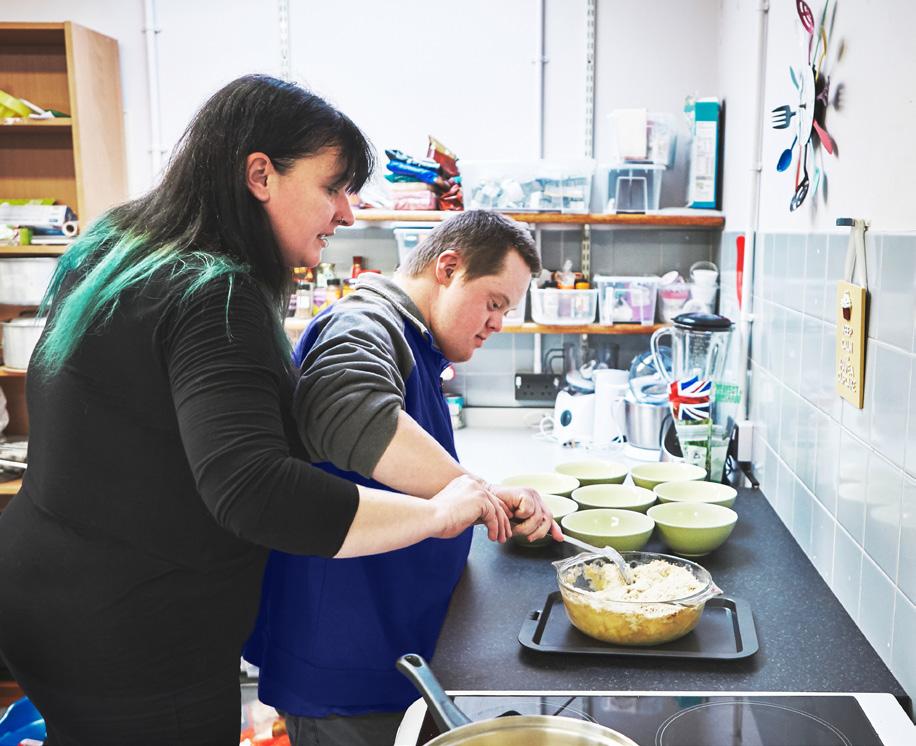
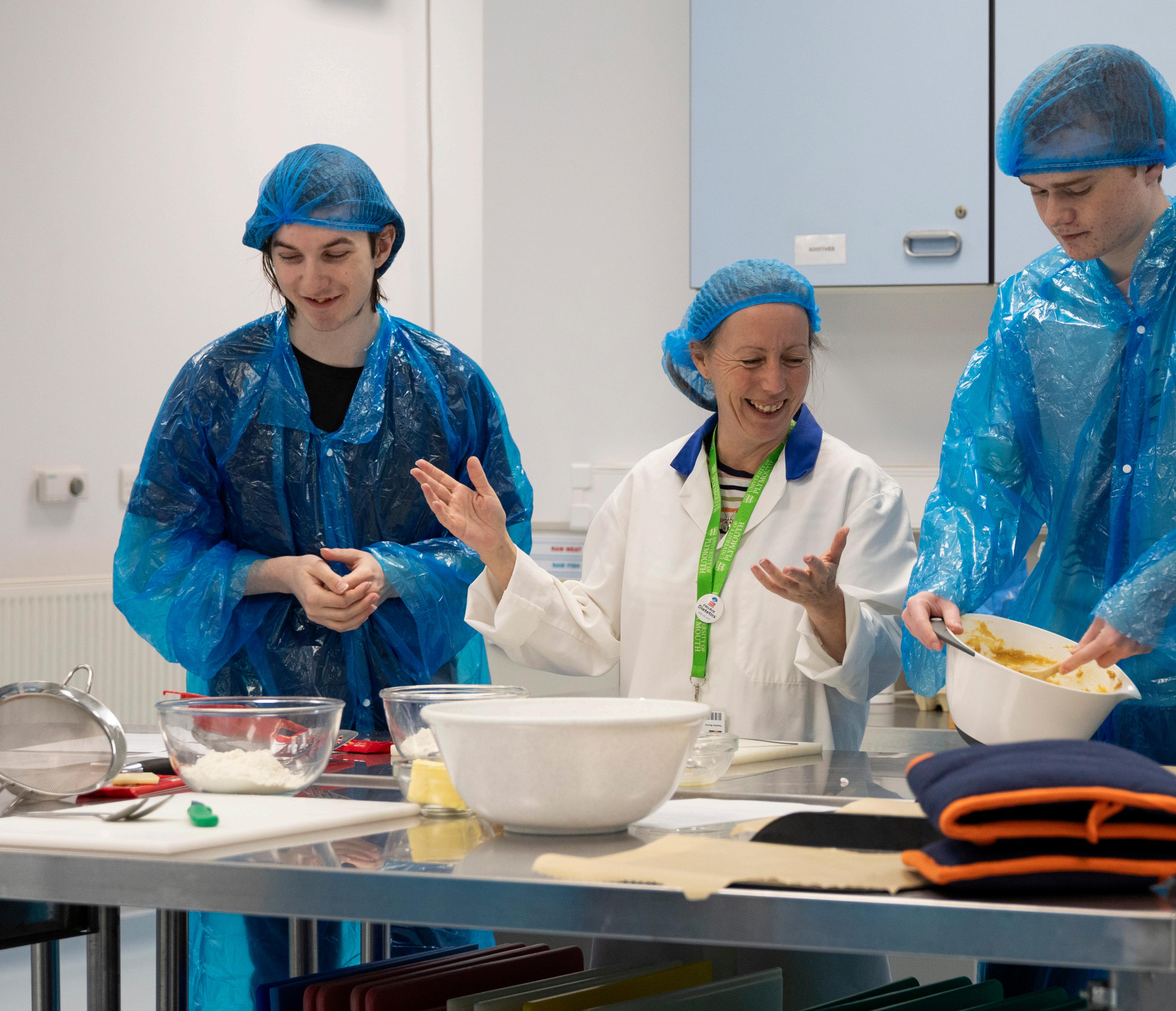
CLASSES FOR FIRST YEAR UNIVERSITY STUDENTS LIVING IN STUDENT ACCOMMODATION.
These classes help encourage them to feel more confident to cook nutritious meals in their kitchen while living away from home.
HOW DID YOU GET INTO RUNNING THESE SESSIONS?
I put my name forward to the Events and Accommodation teams to run these classes as my background is in the cooking industry. As a mature student, I had a previous career before becoming a dietetic student working in the catering industry for 25 years. When I left school I trained as a chef in West Bromwich and went on to work in different areas of catering including pubs, hotels and nurseries. I then went into the education sector and become a catering manager for high schools.
Using my experience, I wanted to help new students gain cooking skills, so feel they can make
themselves healthy and nutritious meals while living in student accommodation.
Cooking a varied diet is better for students’ health and wellbeing. It can improve their mood, concentration and prevent illness by boosting their immune system. For many students, this is their first time away from home and it is easy to have takeaways and convenience food, but over time this can affect your health.
WHAT WERE YOUR AIMS?
With the class, I wanted to give the students some basic skills and knowledge that they could improve on. I wanted to show the students that you
can eat healthier meals on a small budget by using the same ingredients to make two different meals.
I also wanted to demonstrate that fresh, frozen and tinned products can be used while making meals to suit their tastes and budget.
WHAT HAVE YOU LOVED TO SEE WHILE TEACHING THESE CLASSES?
All the students had different abilities when starting the classes and from the first session, I enjoyed their enthusiasm of wanting to learn new skills from chopping an onion to opening a tin of green beans. As each week passed they gained confidence and had been cooking in their hall’s kitchens that week.
HOW DO YOU FEEL THESE CLASSES WILL IMPACT ON A STUDENT’S WELLBEING?
I think they will go on to think about the food they eat and know that it doesn’t have to cost a fortune to eat a varied diet. I hope they will continue to cook and improve their skills, as cooking is great fun and time away from study that can help with health and wellbeing.
WHAT IS THE IMPORTANCE OF TEACHING STUDENTS THESE COOKING SKILLS?
I feel cooking is a life skill that everyone should have as it provides independence, saves money, improves health and better eating habits can be established. Learning basic cooking skills gives the student a starting point and confidence to prepare meals for themselves. Being reliant on takeaways and convenient food can cost a lot of money and can be very unhealthy. Being able to cook a few simple meals will allow them to make different choices in the food they eat.
PLANETFRIENDLY RECIPES ON THE GO
Ingredients:
• ½ cup oats
• ½ cup plain flour (or alternative flour)
• 1 tsp baking powder
• ½ tsp ground cinnamon
• ½ cup milk
(any – COW’S milk or plant based)
• 1 egg
• 1 peeled banana
BREAKFAST
Fruit and fibre waffles/pancakes
Makes 4 waffles
Method:
1. Pop the egg, banana and milk into a blender and blend until well mixed. If you don’t have a blender, mash the banana well, and mix into the egg and milk.
2. Add the liquid mixture to the rest of the ingredients in a bowl and whisk.
3. Add to waffle machine or fry in a frying pan to make little pancakes.
4. Add fruit and any toppings you like, a favourite in our house at the moment is full-fat Greek yoghurt for dipping and strawberries!
Ingredients:
• 125g long grain rice
• 1 vegetable stock cube (see method point 2 below)
• 1 onion diced
• 1 tbsp curry powder
• 1 tbsp garam masala
• 200g mixed vegetables
• 70g frozen edamame beans
• 1 tsp vegetable oil
Optional extras:
• 1–2 sprigs of spring onion finely sliced
• Handful of chopped cashew nuts
• 1 tbsp of natural yoghurt to put over the top of the spicy rice
LUNCH
Spicy rice with mixed vegetables
Serves 2
Method:
1. Heat the oil in a pan, add the diced onion and cook until soft then add the curry powder and garam masala, and cook for 1 minute.
2. Add the long grain rice to the pan with 300ml of vegetable stock, bring to a boil then simmer for 8 minutes, stirring every couple of minutes.
3. Stir in the frozen mixed vegetables and edamame beans with the last 100ml of vegetable stock, place a lid on the pan and continue to simmer for a further 8 minutes until the rice has absorbed most of the stock and the vegetables are soft.
4. Plate up and add any optional extras to the top.
Heather has created some healthy, planet-friendly recipes for busy schedules.
“It is often said that preparing meals can contribute to a healthier diet. As a student, life can be busy, I have created some planetfriendly, nutritious recipes which I hope can help provide some inspiration to students. Planning meals in advance can help save money and improve health and better eating habits, I love creating healthy and nutritious recipes and hope students enjoy taking some time out of their busy schedules to give these recipes a go, enjoy a nutritious meal and fuel their bodies.”
Heather, BSc (Hons) Dietetics student
Ingredients:
• 1 bunch of fresh kale
• 1–2 tbsp olive oil
• Salt, to taste
SNACK
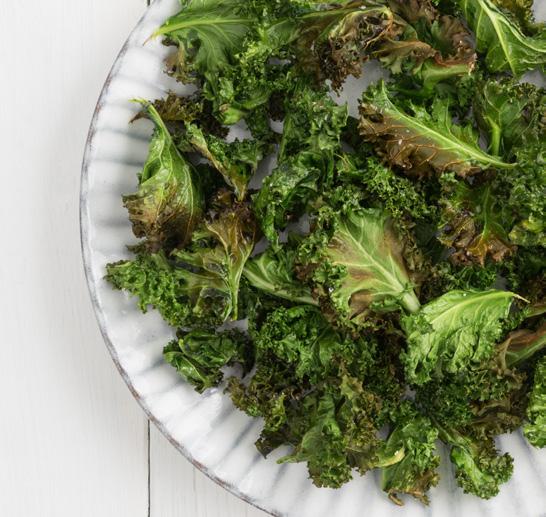
Baked kale chips
Serves 4
Method:
1. Preheat your oven to 350°F (175°C). Wash the kale leaves thoroughly and pat them dry with a paper towel. Remove the tough stems from the kale leaves and tear the leaves into bite-sized pieces.
2. Place the torn kale leaves in a large bowl. Drizzle the olive oil over the kale.
3. Massage the oil into the leaves, ensuring they are evenly coated. Sprinkle salt over the kale to taste. You can also add other seasonings like garlic powder, onion powder, paprika for extra flavour.
4. Line baking sheets with parchment paper. Arrange the kale pieces on the baking sheets in a single layer, ensuring they are not overcrowded. This helps them crisp up evenly.
5. Bake in the preheated oven for about 10–15 minutes or until the edges of the kale are browned and crispy. Keep an eye on them as they can burn quickly.
6. Remove from the oven and let the kale chips cool on the baking sheets for a few minutes.
Ingredients:
• 1 diced onion
• 1 yellow pepper
• 1 small courgette
• 75g cherry tomatoes chopped in half.
• 1 400g tinned chopped tomatoes
• 1 tsp garlic purée
• 1 tsp mixed herbs
• 160g penne pasta
Crumble topping:
• 50g rolled oats
• 50g cashew nuts
• 25g grated cheese
DINNER
Vegetable pasta bake with crumble topping.
Serves 2
Method:
1. Preheat your oven to 180°C/gas mark 5.
2. Place the chopped pepper, courgette and cherry tomatoes onto a baking tray drizzled with oil. Season with salt and pepper and cook for 15 minutes.
3. Bring a pan of water to a boil. When boiling add the pasta and bring it back to the boil and simmer for 5 minutes. (to be partly cooked). Drain the pasta after 5 minutes.
4. While the pasta is cooking, heat the oil in the pan and add the diced onion and garlic purée gently until golden in colour.
5. Add 1tsp of mixed herbs and stir into onion and garlic, then continue to cook for 1 minute.
6. Stir the chopped tomatoes into the onion mix, bring to the boil and then simmer on a low heat for 5 minutes.
7. Stir the sauce into the chopped vegetables and mix in the drained pasta.
8. Place the pasta into an ovenproof dish.
9. Chop the cashews and mix into the oats, then pour mixture over the top of the pasta.
10. Sprinkle over the grated cheese and place in the oven for 10–15 minutes.
SETTLING INTO UNIVERSITY LIFE
AMÉLIE
Stage 2 BSc (Hons) Dietetics Student.
LIVING AND STUDYING IN PLYMOUTH
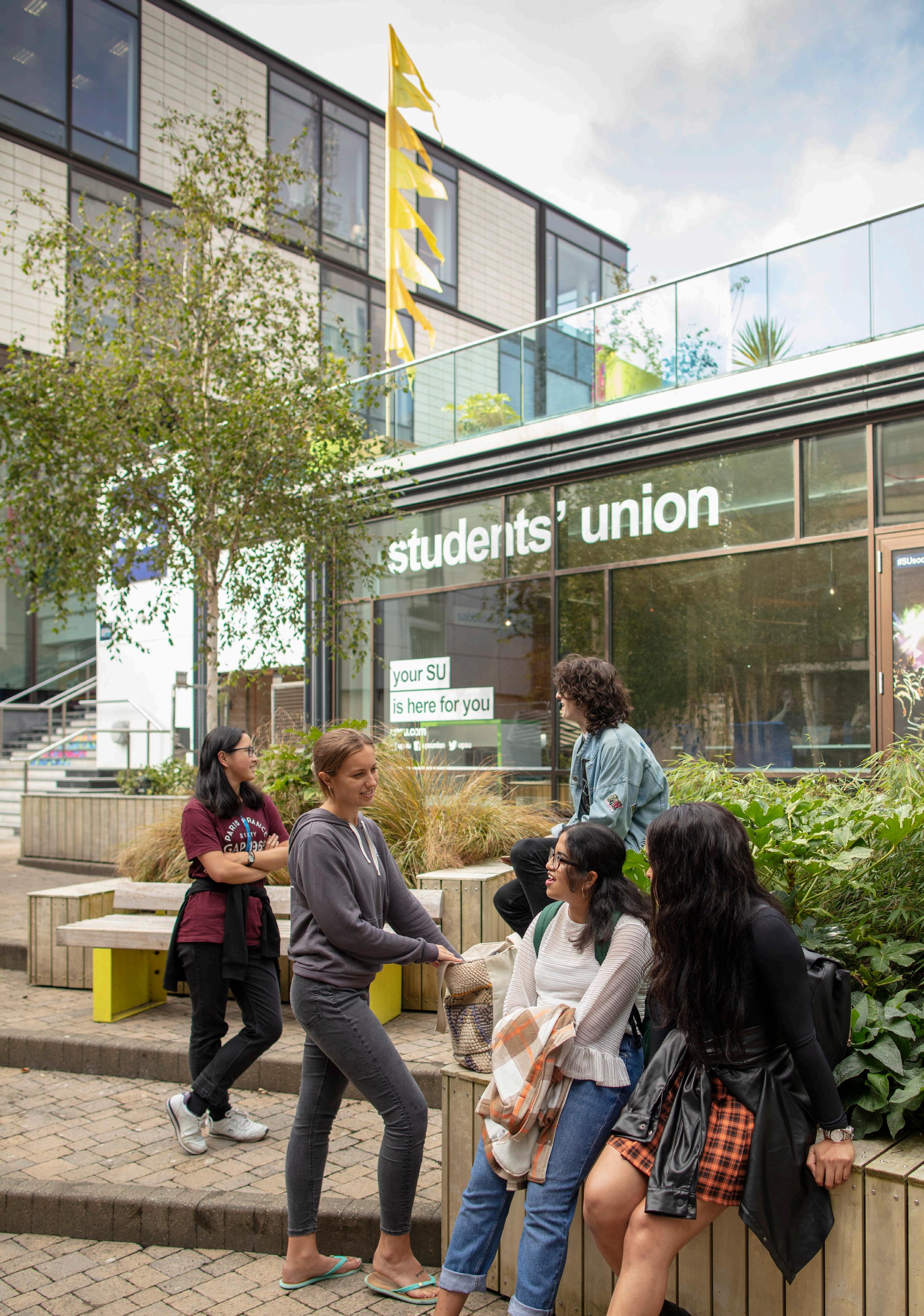
I love living in Plymouth, it is the perfect balance between being in a city and being close to the sea. The sea view at the Barbican has a calming effect which can’t be found in most cities. Plymouth is filled with many fun activities to do such as pottery, bowling and mini golf. One of the things I enjoy most about Plymouth is that everything is close together so you can walk everywhere, which makes shopping and going out with friends easy.
MAKING FRIENDS
I stayed in halls for my first year and the questionnaire they gave me to fill out meant that I was put into a flat with other students who had similar interests to me. We got on really well and I am
still living with one of them this year. Everyone at the University is so friendly which makes it easy to get involved in events happening and meet people through these. I have also found that working for the University as a student ambassador provides an opportunity to work a variety of events where you can meet lots of different people.
The Dietetics course has a small cohort which makes it easy to get to know everyone on the course. There is a lot of group work, so you get a chance to talk to lots of different people. You can organise to go out and do things, go to the library, set up a study group and meet up before lectures.
SUPPORT
The University library is great for studying as there is so much space. It contains everything you need such as plugs, computers and even a cafe with student-priced food and drink which is open 24/7. I have used the Writing Cafe there before, which has been very useful for my essay writing assignments. They also offer this service online via Zoom, therefore you can join from the comfort of your own home to get advice on structuring your essay. Additional study support is provided on the University’s app with videos on paragraph structuring, critical evaluation and all the skills needed for academic writing.
SOCIETIES
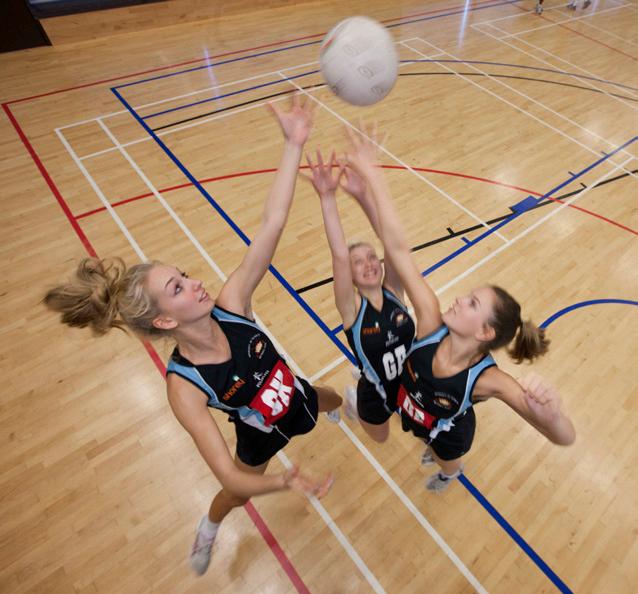
I am a part of the University’s Netball Society, which runs socials every Wednesday alongside training and matches throughout the week. I found it very welcoming and easy to make friends. I have made some strong connections through netball since societies usually have people with similar interests. Fitness is important to me, so I enjoy socialising with others while getting exercise through playing matches.
STUDENTS SUPPORTING STUDENTS
I am a student ambassador as well as a PALS ambassador for dietetics. PALS is the peer-assisted learning scheme set up by the University to provide support for students on the course. As a second-year, I run sessions for first-year dietetic students to help them settle into the course and complete their assignments. These sessions aim to answer any questions the students have using our experiences of our time in the first year. It is really helpful to be able to source work at the University and this extra money helps during my studies.
FAVOURITE MEMORY SO FAR
At the end of the year, the Students’ Union always hosts a summer ball to celebrate. They have music acts on various stages, a silent disco, fairground rides and a massive red carpet to walk along where you can take pictures to capture memories that last forever. It’s an opportunity to dress up nicely and hang out with your University friends before going home for the summer.
Lecturer in Dietetic Practice
Dr Louise Mole
WHAT MADE YOU DECIDE TO BECOME A REGISTERED DIETITIAN?
This was not my initial career path. I completed my first degree in electronics and joined BT on a graduate training programme. I spent seven years working in a variety of roles and learnt some incredible skills at BT, but I began to realise what I loved and where my strengths lie, were in communication and helping people and I felt that my career was not fulfilling this side of me.
Around this time, I had just started running and looking at my diet and how nutrition could help me improve. I found I really enjoyed learning about nutrition and a conversation with a friend, who was a Registered Dietitian, made me realise that this could be the change in direction I was looking for! It was a complete leap of faith applying to the Dietetics course at Plymouth as a mature student, but I was accepted and that started off my journey and I really haven’t looked back!
TELL US ABOUT YOUR CAREER AS A DIETITIAN.
Studying dietetics at Plymouth provided me with an invaluable opportunity: placements that exposed me to the vast scope
of a dietitian’s work in both clinical and community settings. This led me to choose a career as a community dietitian after graduation. Some might perceive it as less glamorous compared to working in hospitals, but, in my view, it’s the most impactful and rewarding path, where one can truly make a difference in people’s lives.
Entering people’s homes, engaging in meaningful conversations while seeing their unique living situation and dietary challenges is incredibly helpful. Drawing on my engineering background, I have that drive to uncover the root cause of an issue, which greatly aids me in identifying ways to support those who may be facing minor struggles. Ultimately, the goal is keeping people out of hospital and maintaining their overall wellbeing in the comfort of their own home. To me this is deeply rewarding work.
WHAT
PROMPTED YOUR MOVE INTO ACADEMIA?
My journey began with an exciting opportunity to pursue a PhD, focused on enhancing nutritional care for individuals with dementia, particularly helping them eat well at home. Leveraging my technical expertise, I created a series of educational podcasts to equip
carers with essential knowledge and skills. We collaborated with a diverse range of experts, including occupational therapists highlighting adaptive mealtime equipment, speech and language therapists addressing mouth care and swallowing issues, and a senior nurse discussing dehydration.
The podcasts were well received, and I realised how much I loved sharing my knowledge and being able to educate others on a topic I am so passionate about. I was also fortunate to publish three of my PhD studies. Amid my PhD journey, an opportunity as a lecturer on the Dietetics course emerged, and I leapt at the chance. The role has proven to be the perfect fit for me, as I am genuinely enthusiastic about continuous learning.
WHAT
DO YOU LOVE MOST ABOUT BEING A LECTURER?
I absolutely love working with students and seeing them develop as they progress through their studies. I see myself as a lifelong learner. I find gratification in nurturing and empowering the next generation of dietitians, and this role fills my heart with pure satisfaction. I’m always excited to see where our students go from here!
Most of you will have had some form of experience with the healthcare system in your lifetime. While our courses at Plymouth are designed and delivered with a single goal in mind – be that to become an adult health nurse or an occupational therapist, for example – your experience will have shown you that healthcare is a collaborative, interprofessional environment.
PIHC, or the Plymouth Integrative Health and Social Care Education Centre, is a new initiative within the Faculty of Health that supports interprofessional learning (IPL) across our suite of healthcare courses, so that our students are given opportunities to learn with, from and about each other. IPL is an effective tool in equipping students with transferrable skills that
are valuable for their future careers. We want the next generation of healthcare professionals to step into the workforce as confident practitioners from day one, and perhaps the diversity of courses within the faculty allows us to facilitate this by bringing various disciplines together –from diagnostic radiography to dietetics, dental surgery to cinical physiology, and from Psychology to child health nursing.
During my undergraduate degree in Dietetics, we had lots of opportunities to get involved in interprofessional learning.
We had joint sessions with nursing students, which involved teaching them about MUST (Malnutrition Universal Screening Tool) and learning more about their profession. Another opportunity was to work with the year three dental students in an engaging workshop, which covered 3 different case scenarios and assessed the impact of oral health status, medications and dietary intake on the patient. These sessions allowed us to engage in conversations that considered different aspects of patient care (that might not have previously been considered) and how we can work collaboratively to care for all aspects of our patients.
The inter-professional learning was useful to understand the intricacies of other professionals’ roles, as well as explain to other professions the scope of our practice. It also increased confidence, when approaching these professionals on placements to discuss our patients care and problem solve together. The opportunity to teach to other professionals increased my confidence in explaining complex concepts that people may have never heard of before, which is such an important skill required as a dietitian. These inter-professional learning opportunities also highlighted to me the variety of careers that you can enter with a dietetics degree. The opportunities to learn from other professions can spark interests in areas you may have never considered and can open lots of different pathways!
ALUMNI PAGES
JONATHAN
“Has there ever been a day where you don’t hear a friend talk about food, nutrition, and the dietary management of a certain condition? Knowing the evidence behind them makes people trust you and gives them hope that they can confidently enjoy their relationship with food and enjoy life”.
TELL US ABOUT YOUR CAREER SINCE GRADUATION.
Since graduating, I started my first year as a preceptorship dietitian in Yeovil District Hospital in Somerset, where I had a wide array of experience learning about different specialties ranging from gastro medical and surgical, stroke, neuro, respiratory and oncology. I am now working in Derriford Hospital in Plymouth hitting my two year mark working as a gastro-specialist dietitian!
HOW HAS YOUR DEGREE HELPED / INFLUENCED YOUR CAREER PATH?
Dietitians are the champions of evidence-based care for nutrition in the world! One of the great things about being a dietitian is that no one can become a dietitian without a degree. In a world of confusing nutritional information, knowing that I know the evidence behind the trends,
fads and medical management of certain conditions makes me so proud to be a dietitian.
WHAT IS THE MOST EXCITING OR FUN THING YOU HAVE DONE IN YOUR CAREER?
I absolutely love teaching! I have taught doctors, nurses and students how to manage dietetic problems for people including from eating disorders, IBS, IBD, liver conditions, cancer, coeliac disease, diabetes… and the list goes on! Nutrition is so personal physically and mentally that I believe dietitians are here to stay and will be needed more than ever in the future!
WHAT DID YOU LIKE ABOUT STUDYING AT PLYMOUTH?
I loved being around the sea and nature so knowing that after a big day of lectures, I can go for a nice walk or swim around the Hoe, go to
Dartmoor for a forest walk, or even just have a lovely chat with lecturers to wind down and feel like I’m holiday!
WOULD YOU RECOMMEND UNDERTAKING THE DIETETICS COURSE AT PLYMOUTH?
150%. The lecturers are highly professional, empathetic and well known in the dietetics field. Dietetics is a close-knit community and Plymouth provides lots of opportunities to network with other dietitians and student dietitians!
Find out more about Jonathan’s journey.
CLAIRE
“From early on in my degree, I developed an interest in dietetics and oncology – how important the role of the dietitian is for patients going through intensive treatments and to their recovery.”
TELL US ABOUT YOUR CAREER PATH SINCE GRADUATION.
After graduating, I worked as a Dietetic Assistant in Truro. Once I had received my HCPC registration, I moved to Poole Hospital to begin a role as a Band 5 Dietitian. This was a split role, working three days a week supporting the Specialist Head and Neck Dietitian and the remaining two days in the community. I then had the opportunity to move to London to begin a position as a Band 6 Oncology Dietitian at North Middlesex Hospital.
After two years working in London, I returned to the South West to my current position at Derriford Hospital, as a Band 7 Specialist Head and Neck Dietitian.
HOW HAS YOUR DEGREE HELPED INFLUENCED YOUR CAREER PATH?
At Plymouth, I gained confidence and
hugely improved my communication skills – the effect of this extends beyond my working life. The demanding nature of the course has instilled in me an intrinsic motivation and a discipline I did not previously have. The regular requirement to reflect on practice, especially on placements, has encouraged me to learn from my experiences and to constantly strive for improvement.
WHAT IS THE MOST EXCITING OR FUN THING YOU HAVE DONE IN YOUR CAREER?
While working at North Middlesex Hospital I had the opportunity, alongside the Band 7 Oncology Dietitian, to set up and run an oncology dietetic service for both inpatients and outpatients. This was exciting because previously there had been only very limited dietetic input for these patients.
We were funded by Macmillan Cancer Research and given the remit to build the service in order to improve patient care. Over time we were able to develop and expand both the service and the dietetic team, which was a very rewarding experience.
WHAT DID YOU LIKE ABOUT STUDYING AT PLYMOUTH?
The team of lecturers were supportive, friendly, approachable and encouraging. The teaching was inspirational and engaging, the course was well organised and structured. I look back at my time at Plymouth as a time of enjoyment and personal development.
Find out more about Claire’s journey.
IT’S YOUR FUTURE MAKE IT COUNT
now Over 95% of our graduates are in work or further study*