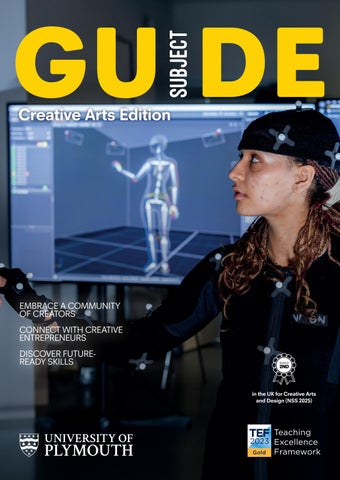
Start your extraordinary story. It’s never too early to start thinking about what you would like to do after school or college, or if you are thinking of a career move! At Plymouth, we know that choosing a university and course is a big decision. While you may have an idea of a profession, career or industry that you’re aspiring towards, if you’re unsure of exactly what you want to do or are keen to find out more – this is where our handy guide comes in.
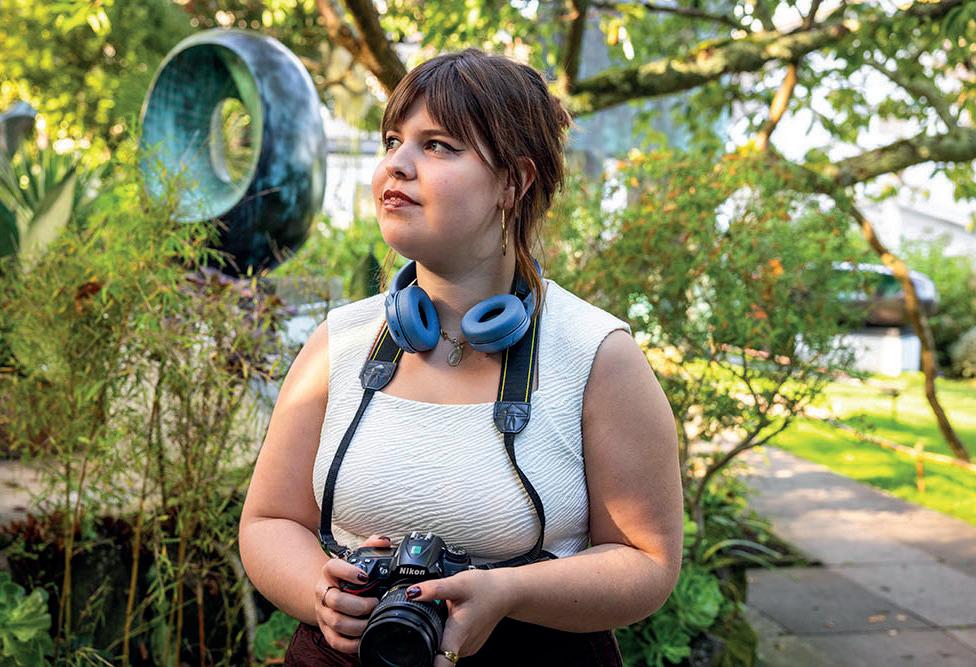
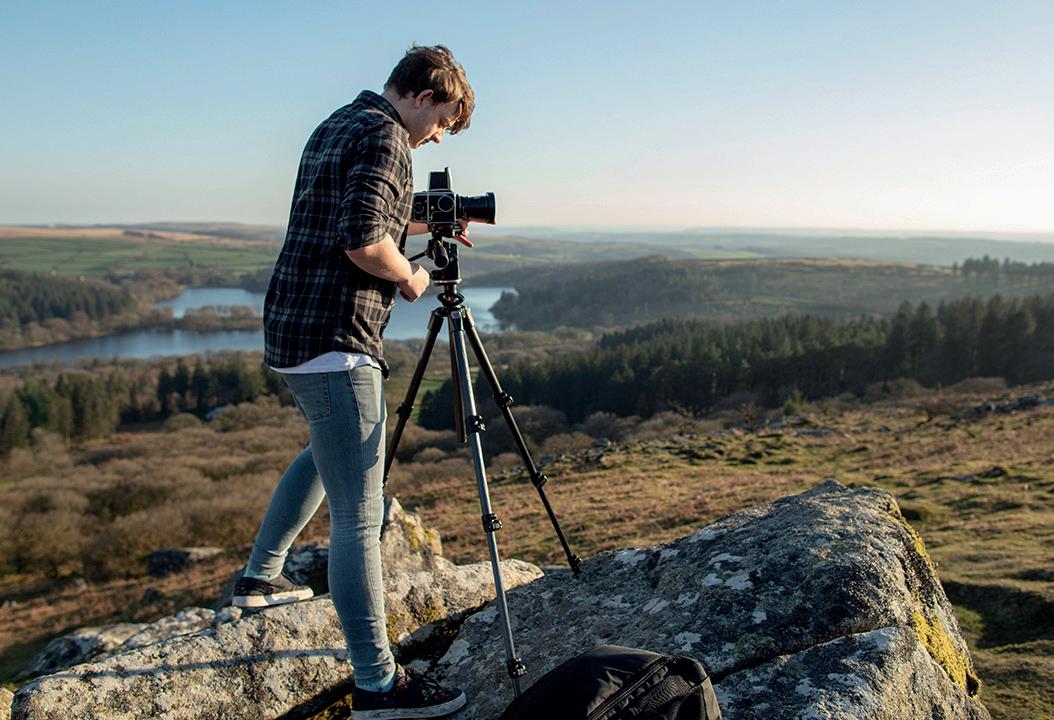
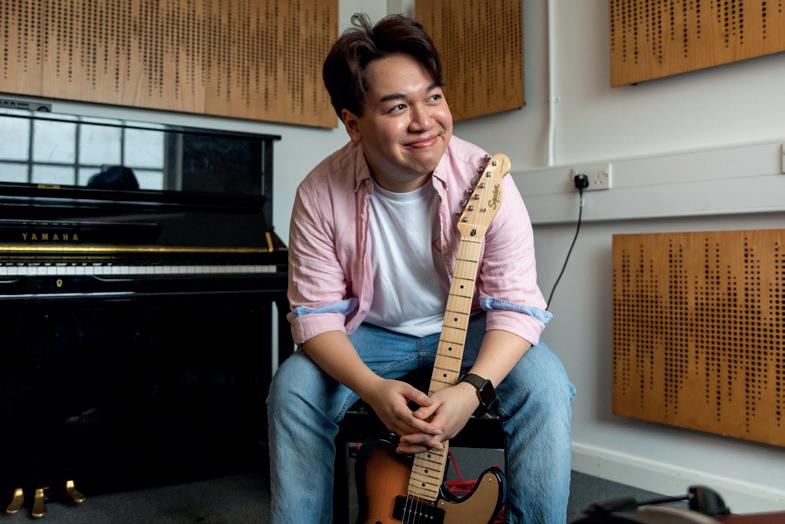
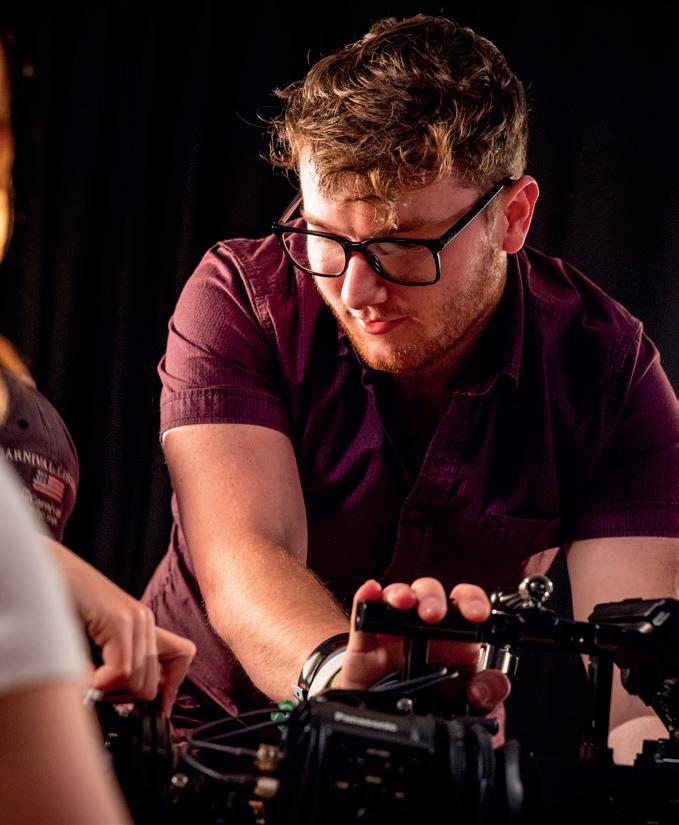
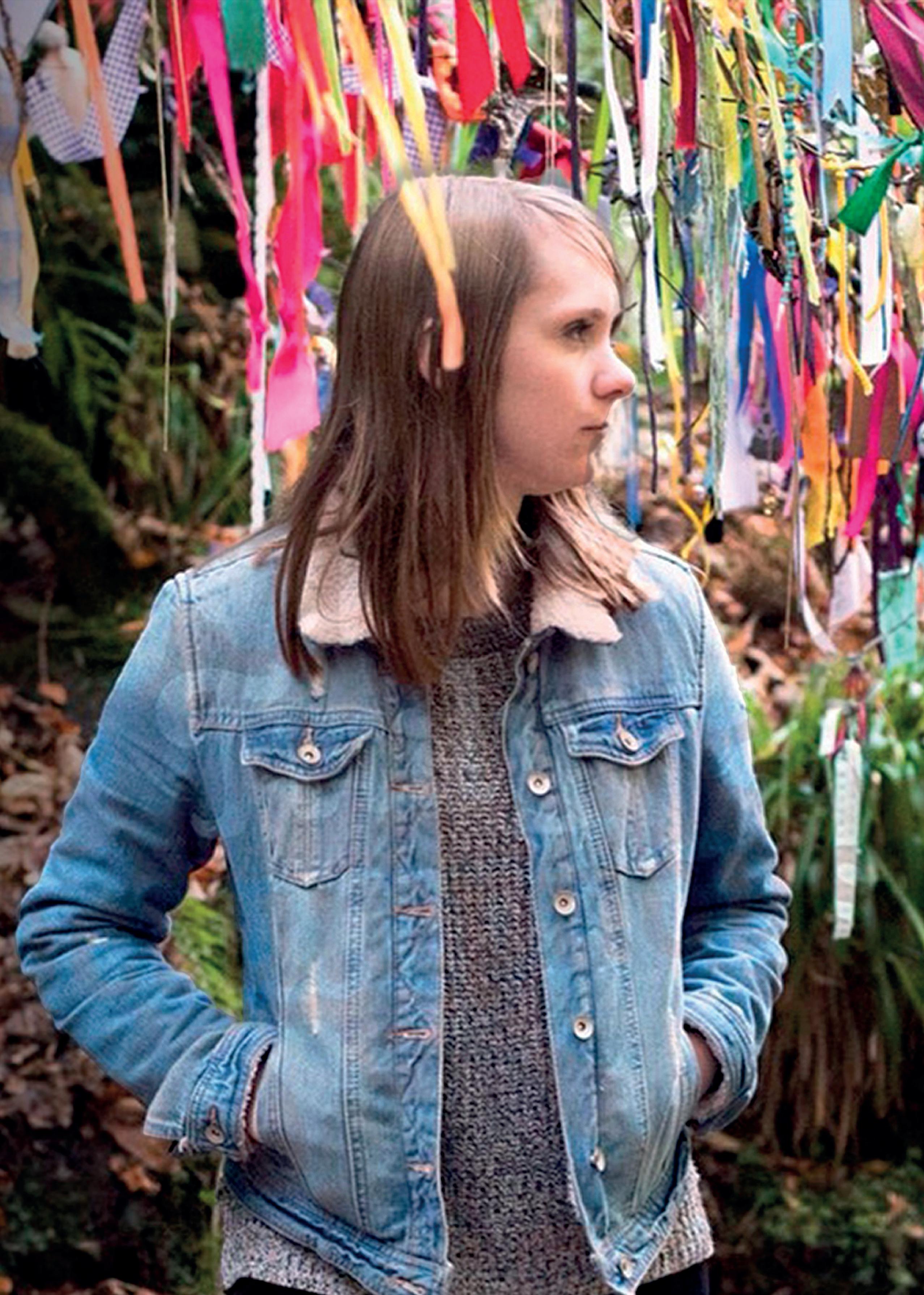
Meet some of this issue’s contributors:
Inside...
FEATURES:
P.4 10 reasons to study at Plymouth
From creating with emerging digital technologies, to preparing for a future in the creative industries, discover why Plymouth is the place for you.
P.10 Which degree is right for me?
Explore, experiment, excel in your creative career.
P.12 Where creativity comes to life
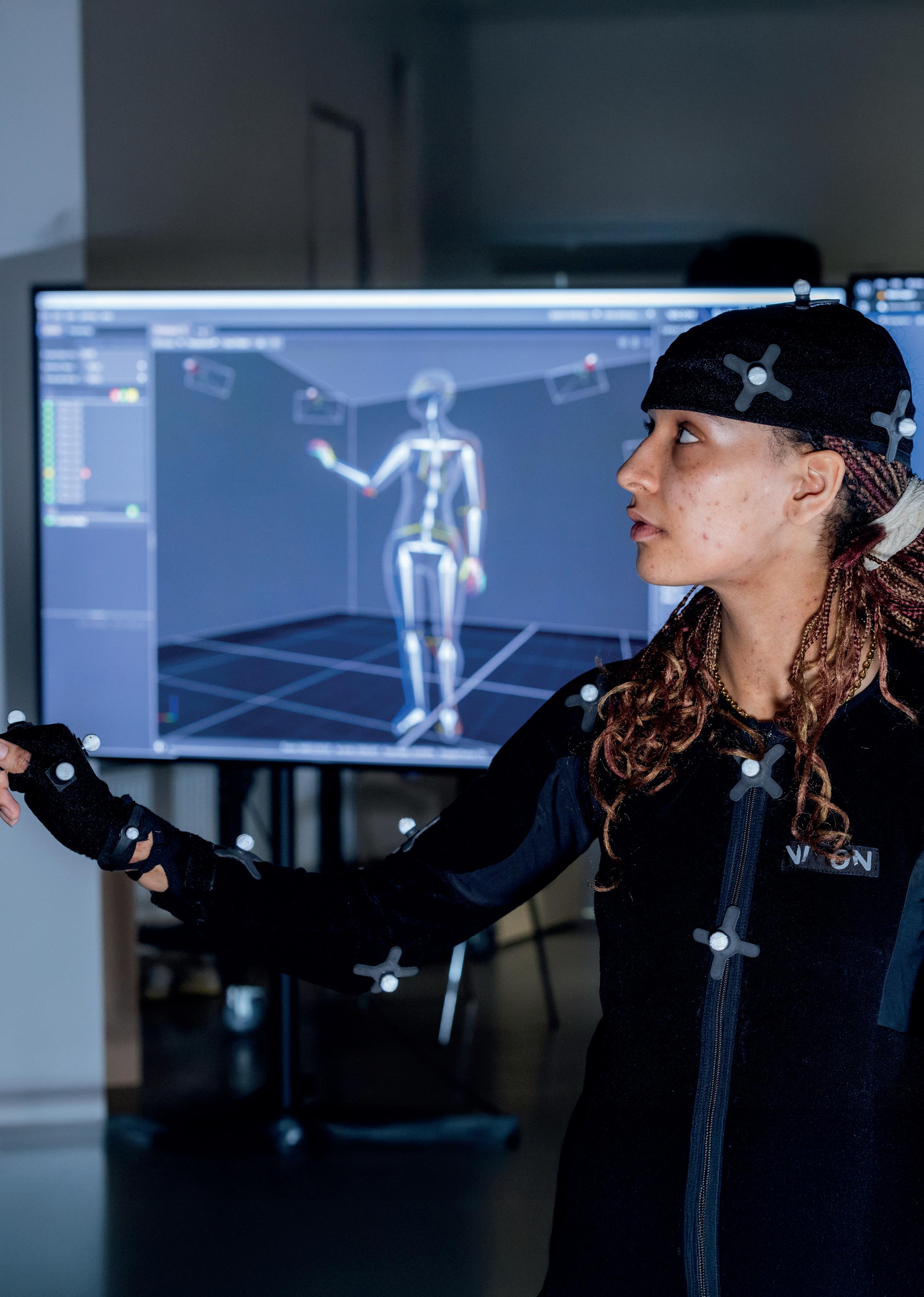
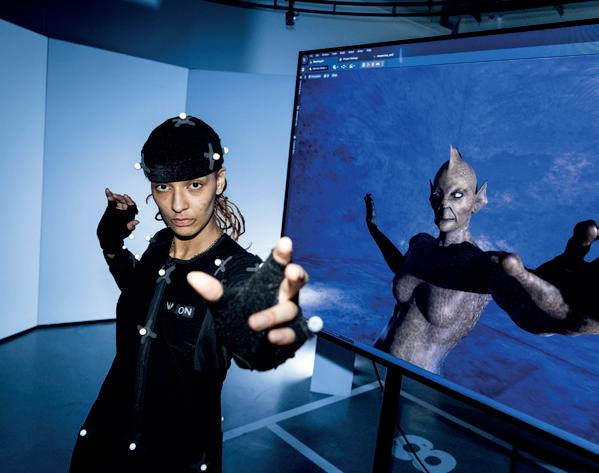
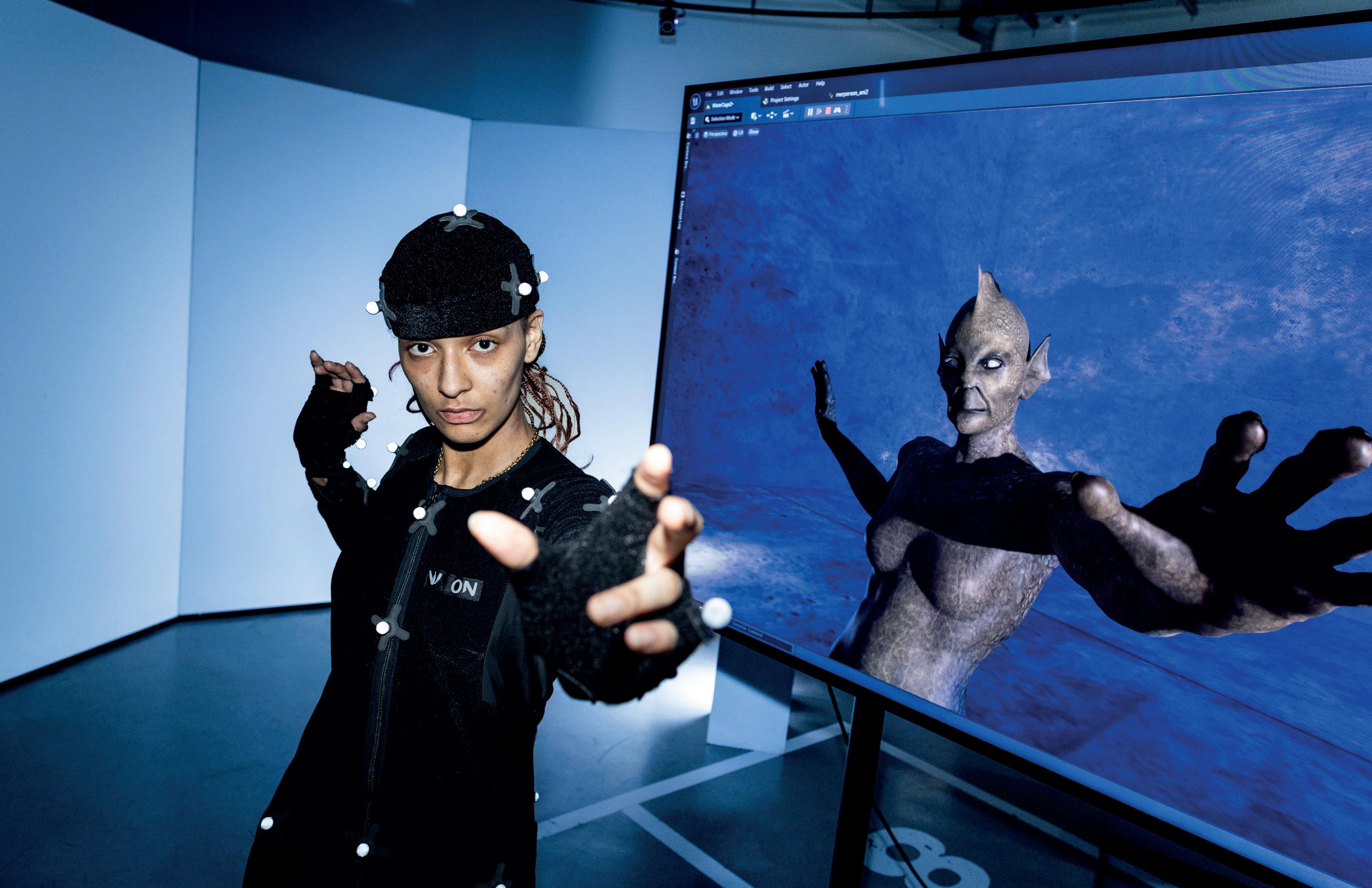
Explore emerging technologies to bring your creative visions to life – your studio, your stage, your story.
P.26 Where will your degree take you?
EXPLORE YOUR FUTURE HOME
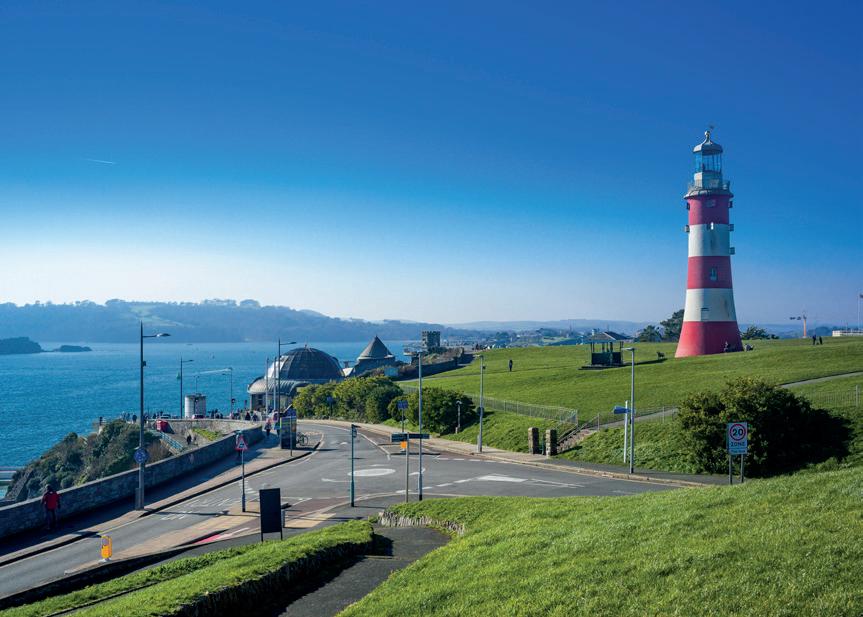
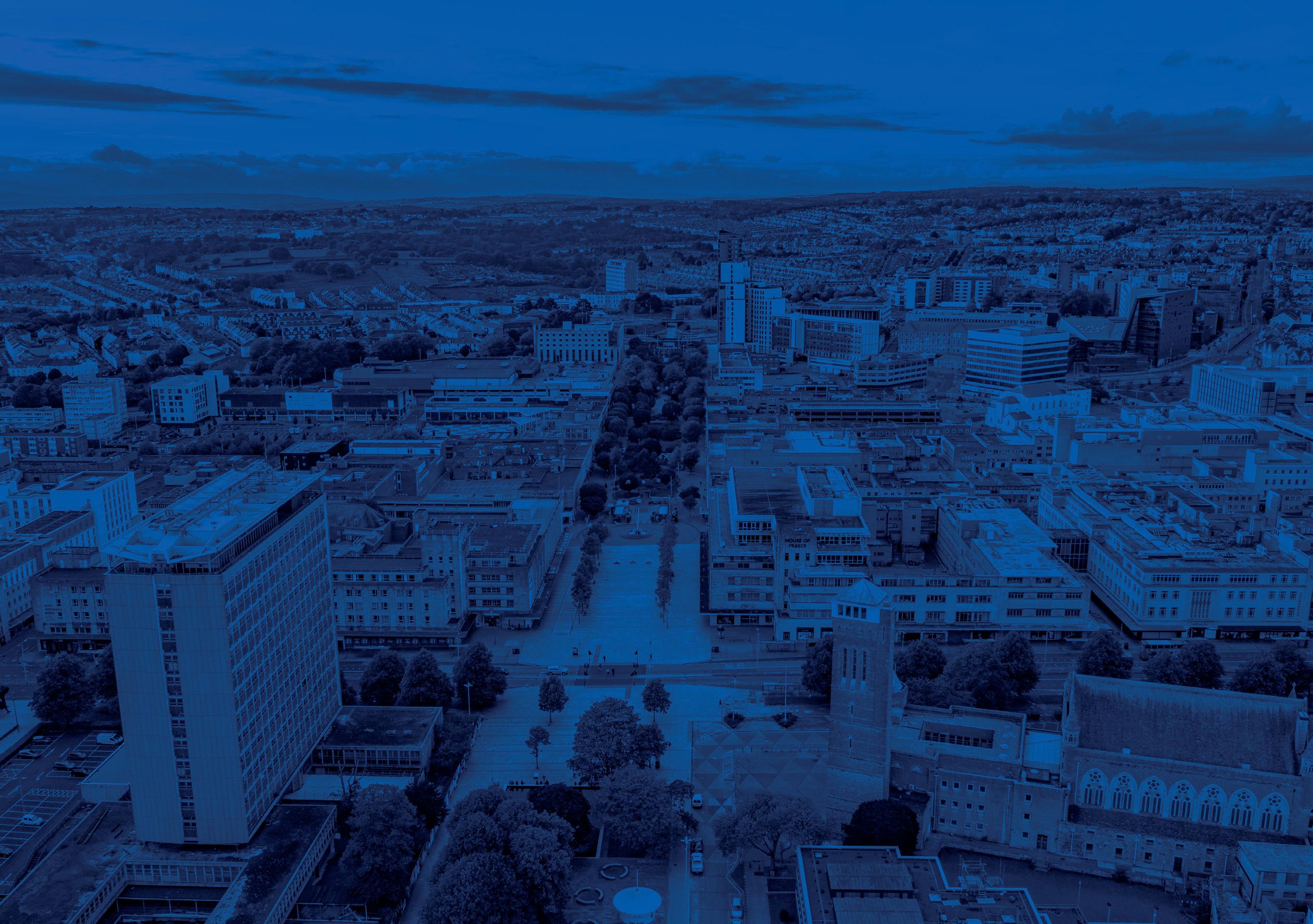
Our city-centre campus is the focal point for student life at the University of Plymouth. Picture yourself studying here with us – we know you’ll enjoy the view Visit us at an Open Day Discover our city by the sea
When it comes to finding out if university feels right for you, nothing compares to an open day. Talk to current students and quiz lecturers about your course. Register to attend here at plymouth.ac.uk/open-days
Alongside your studies, we’ll support you in the realisation of your career goals and help you get to where you want to be.
P.40 Take your talent beyond the classroom
Every project, every performance, every placement –one step closer to your career.
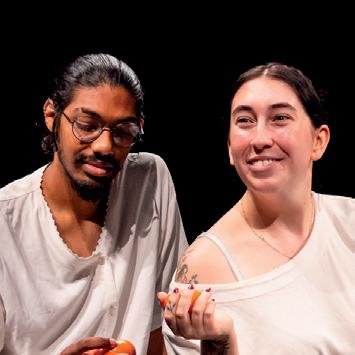
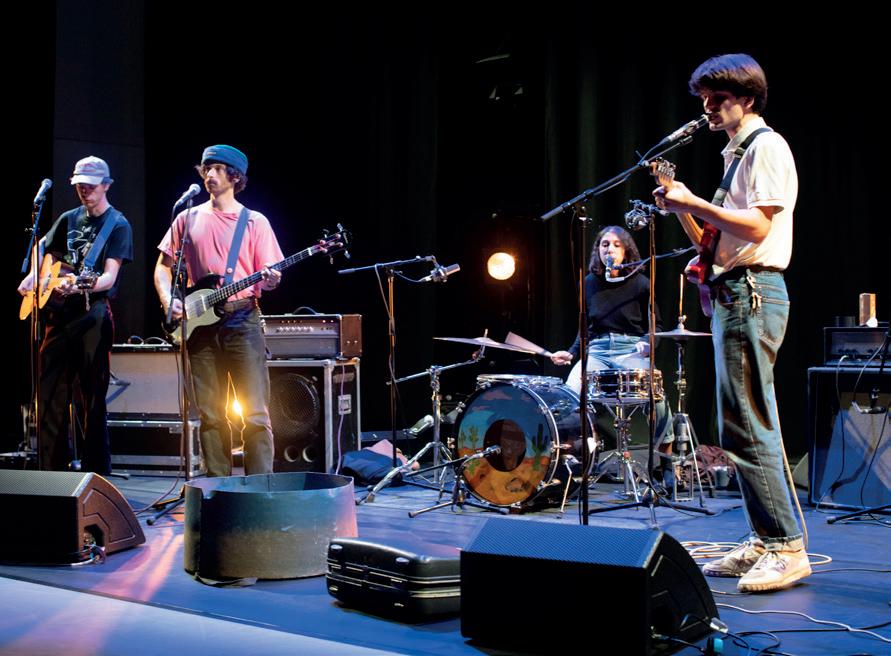
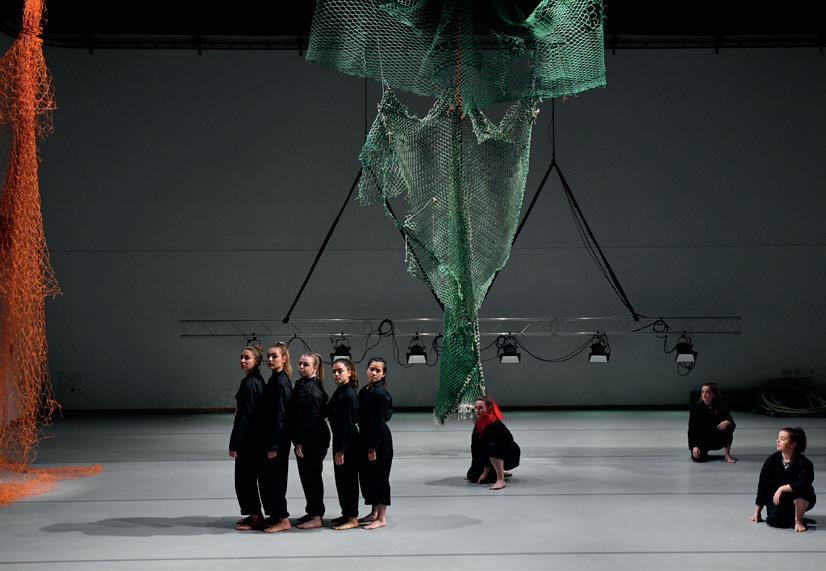
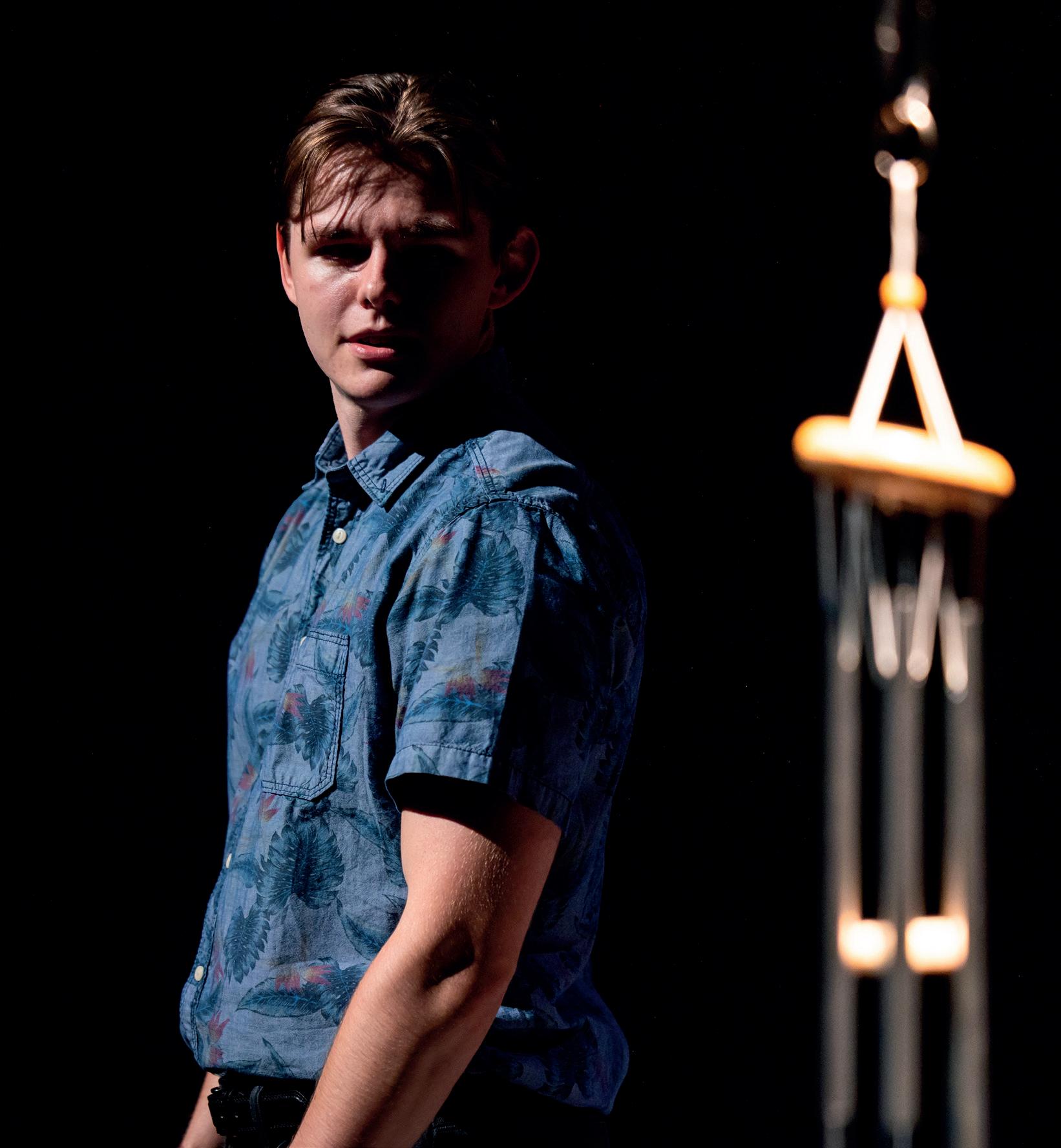
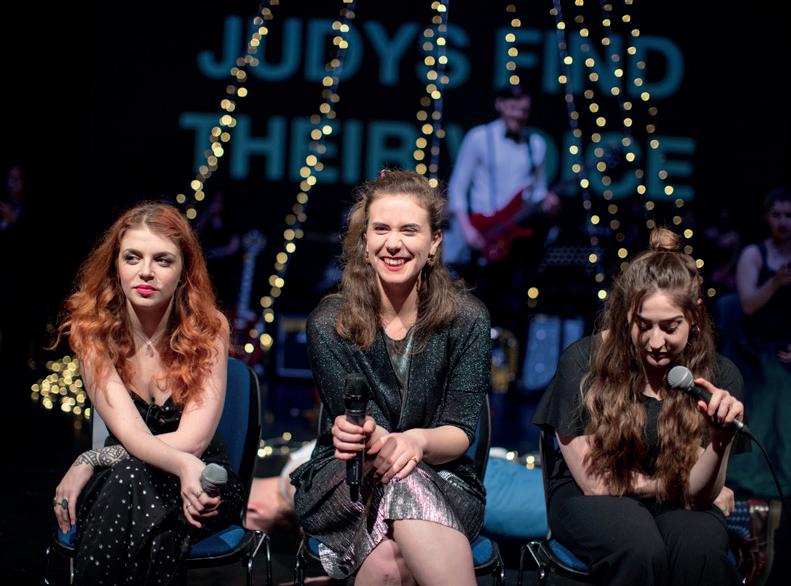
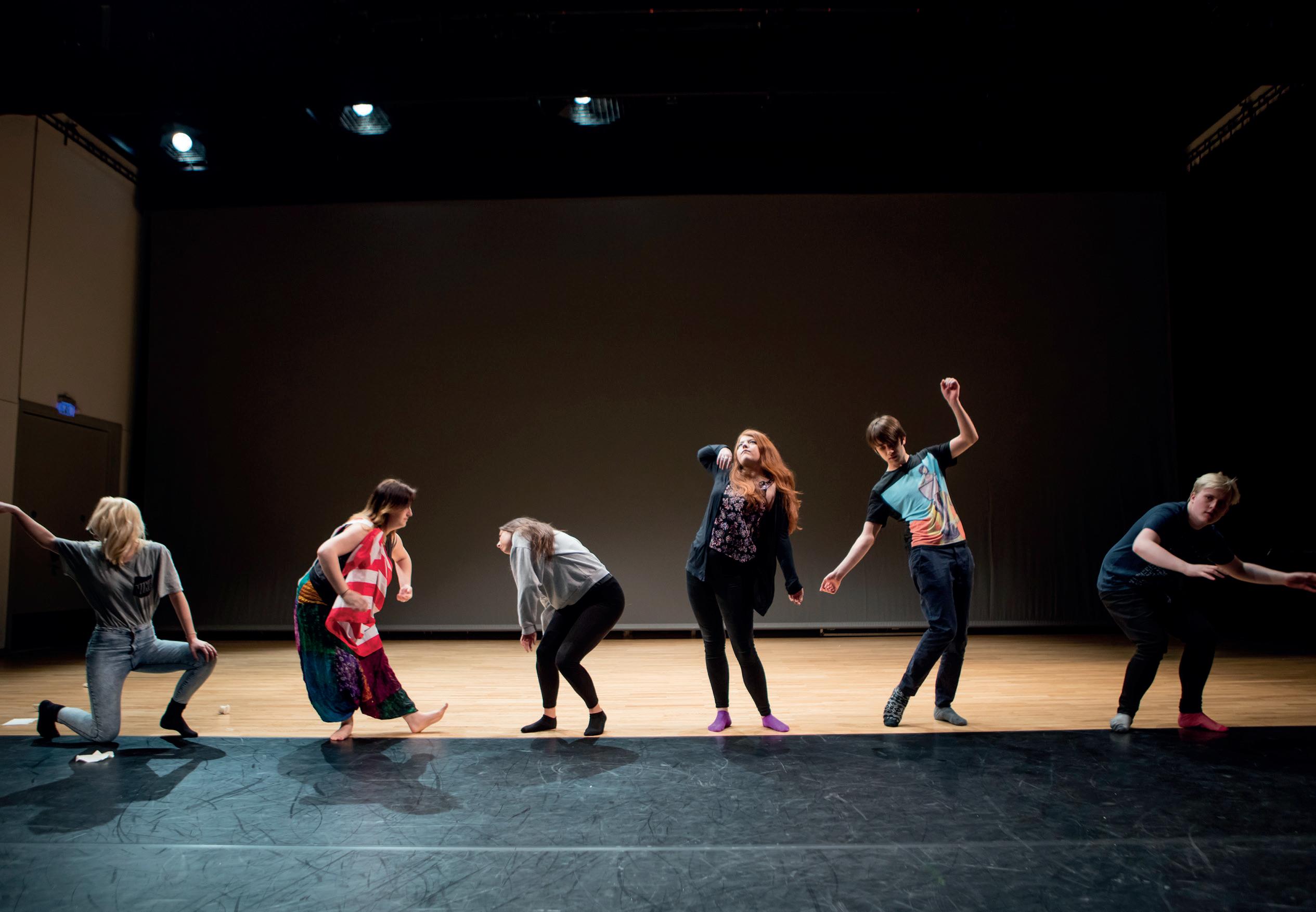
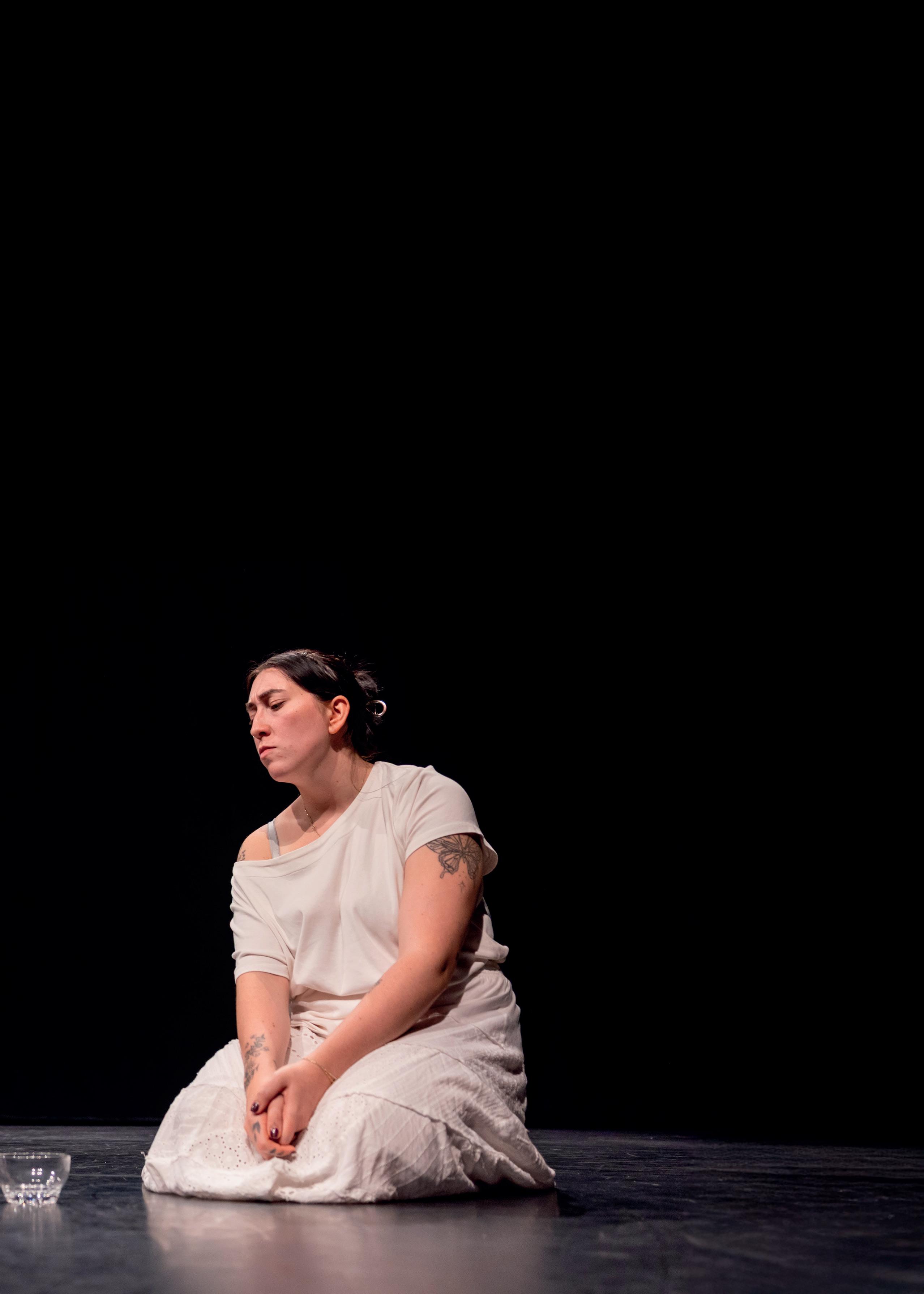
Amber and Bradley Performing Arts* Turning ideas into extraordinary performance P.28
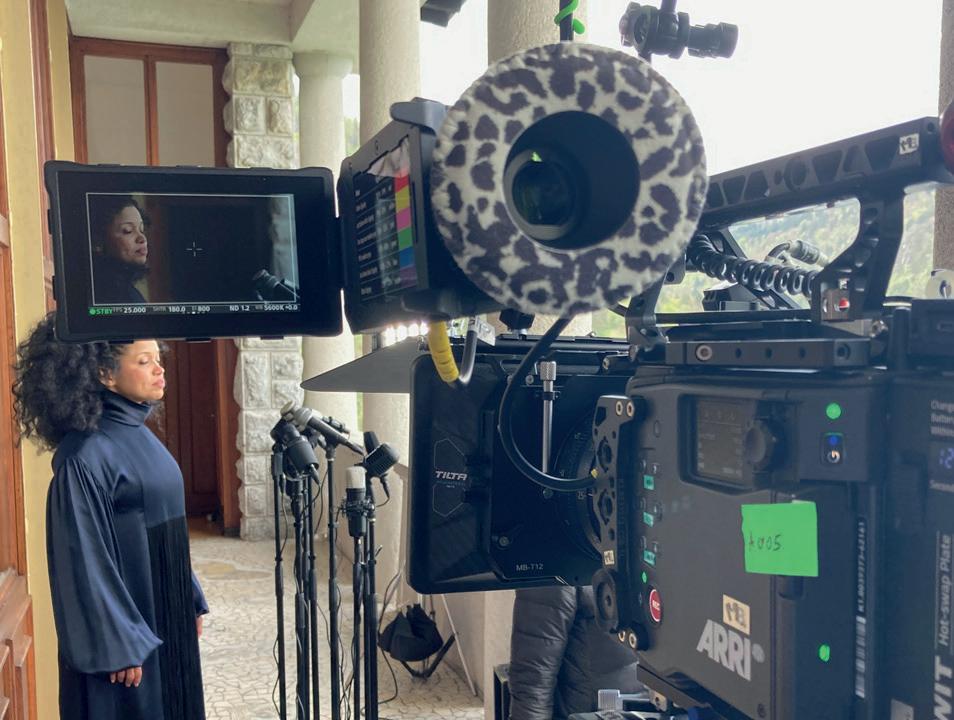
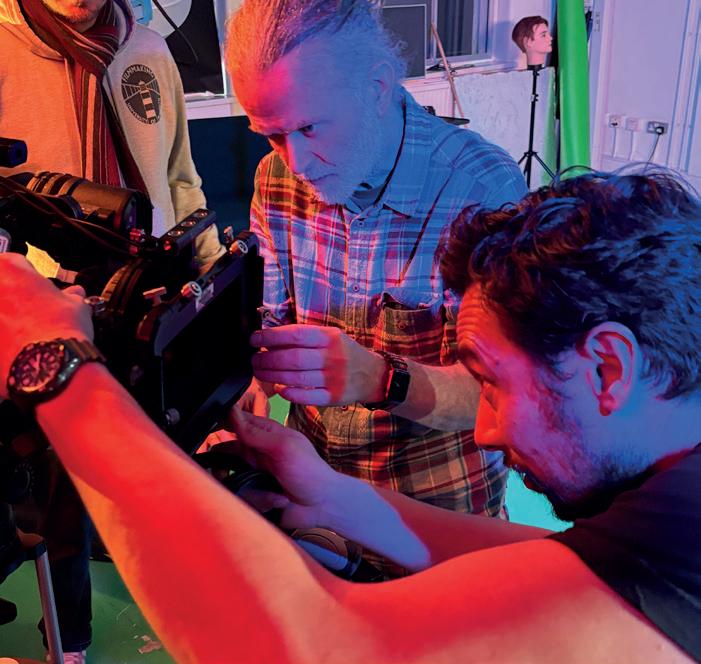
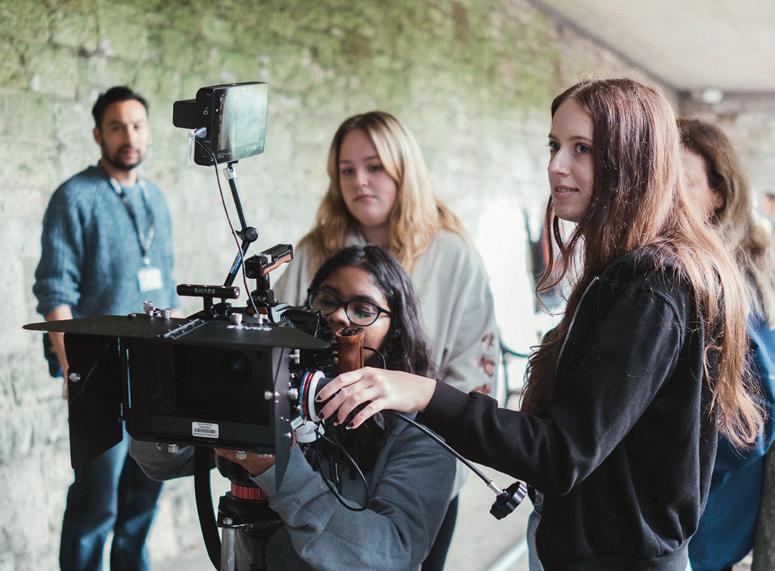
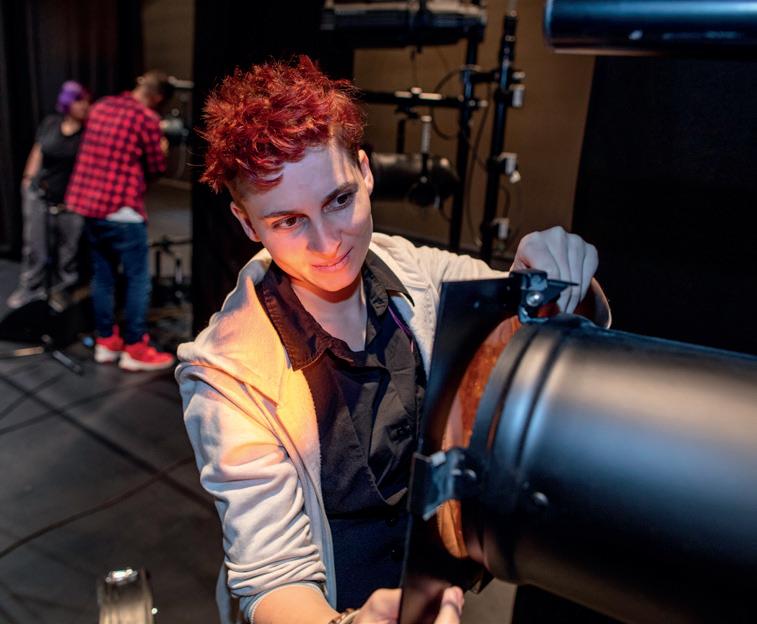
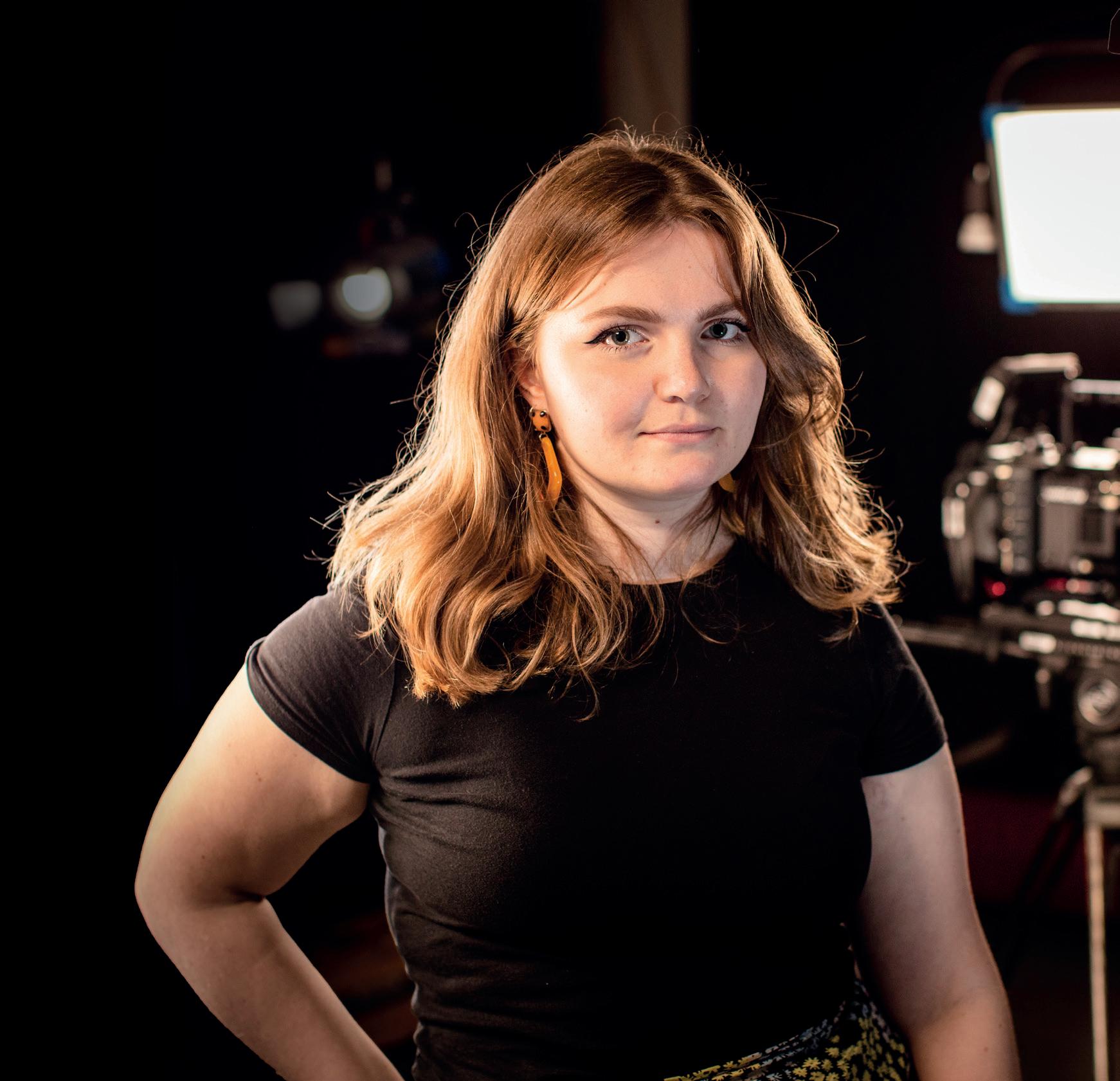
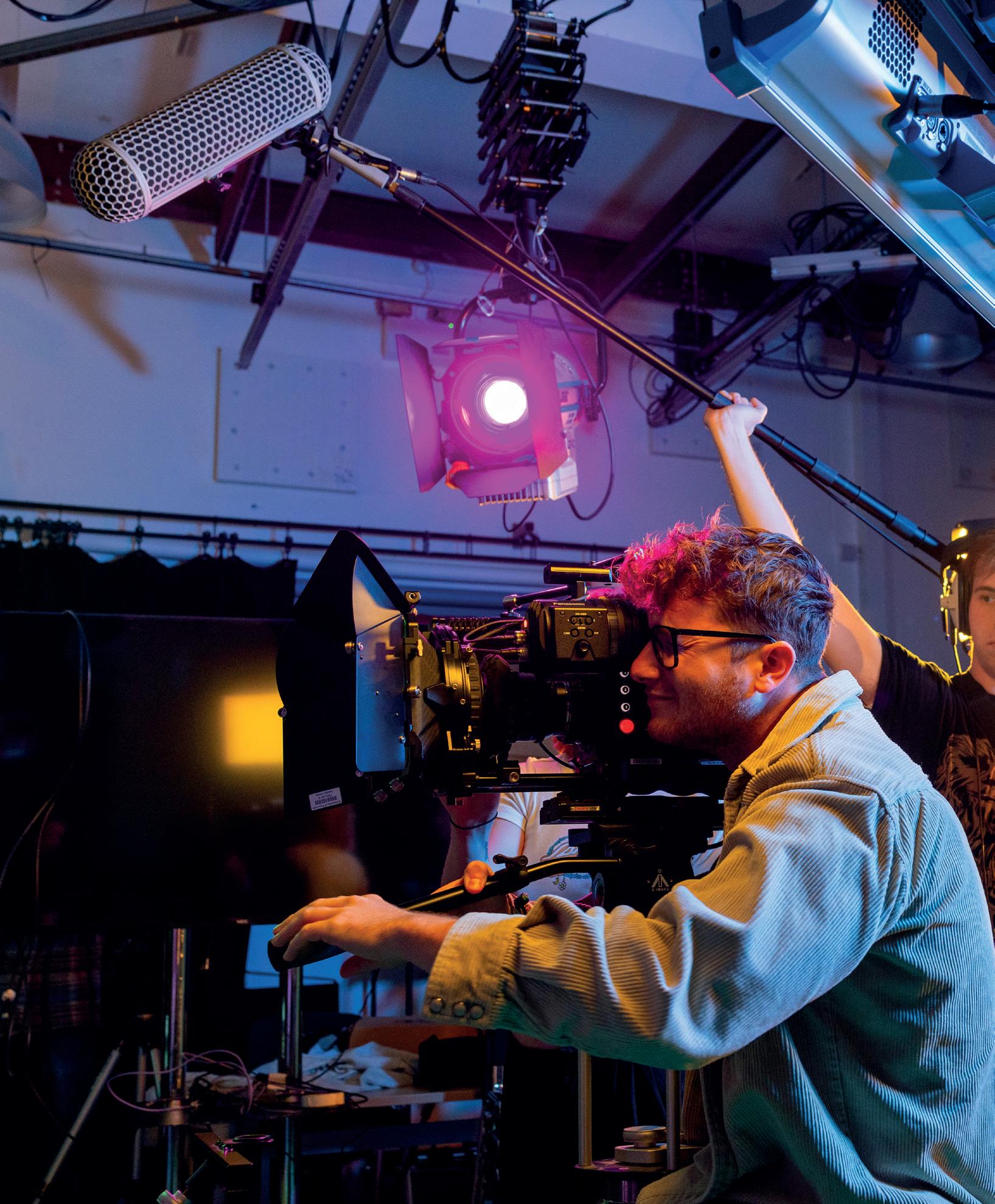
Coco BA (Hons) Filmmaking From classroom to film set P.30
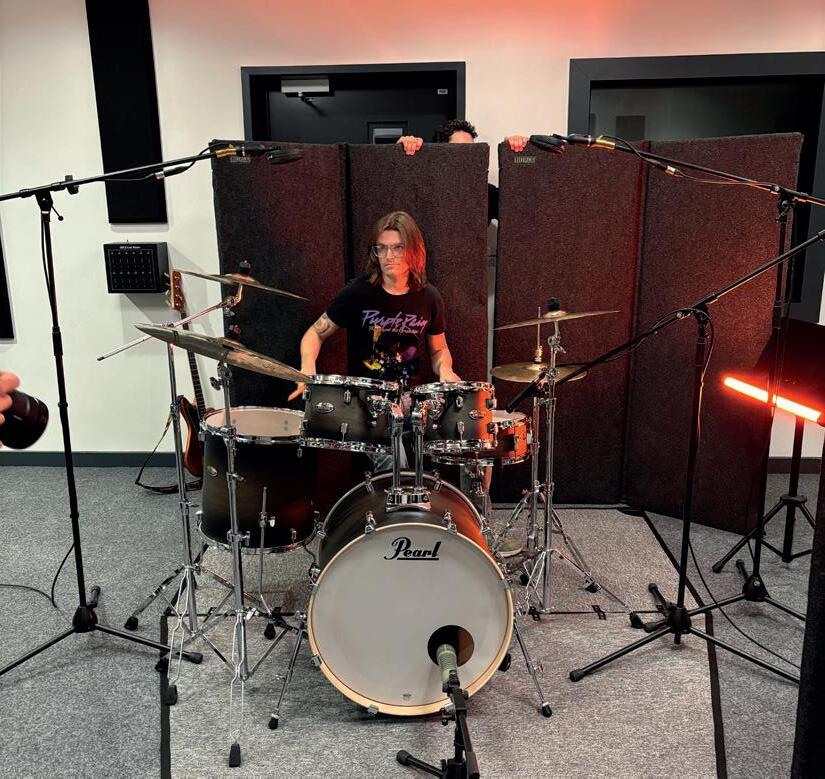
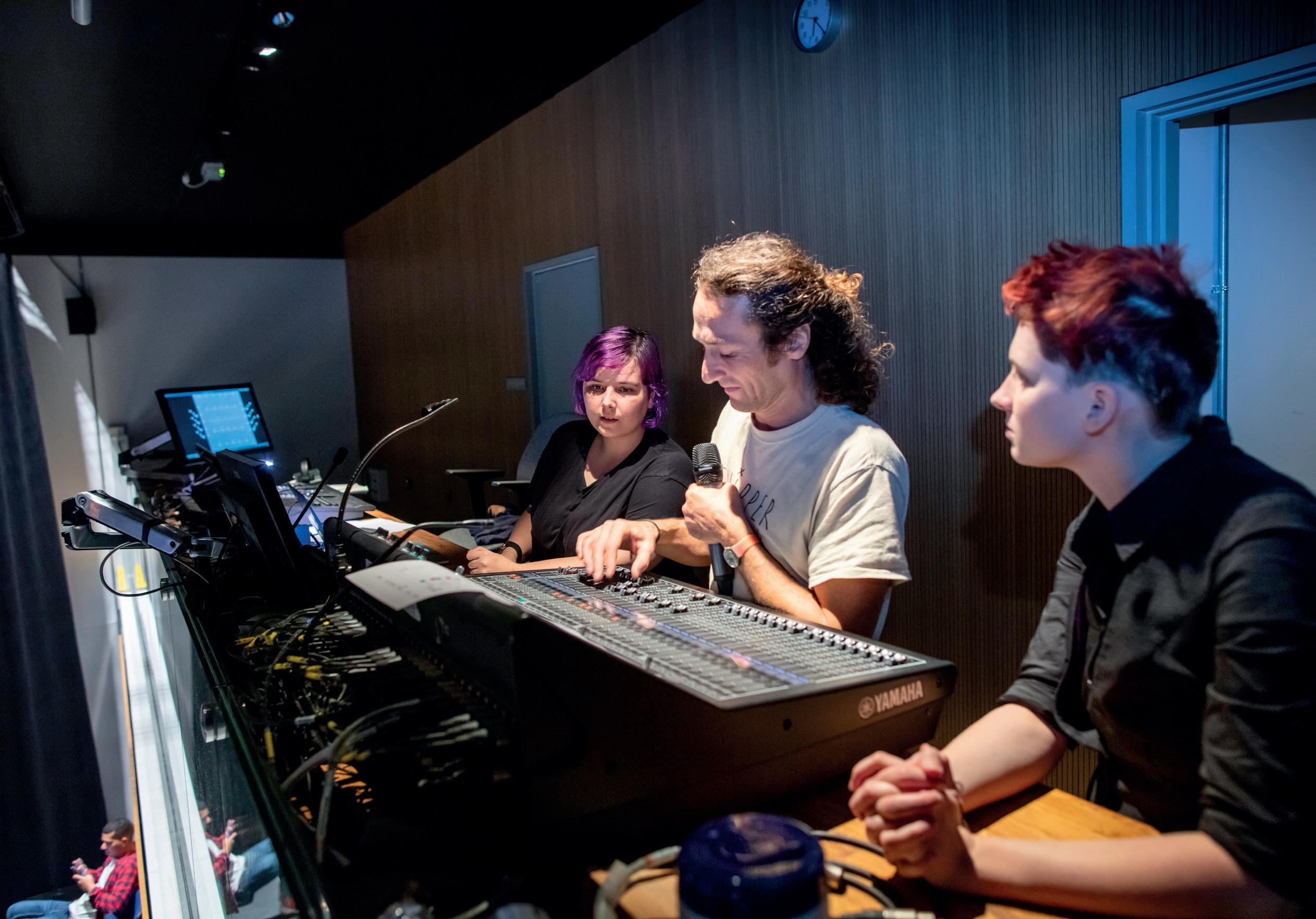
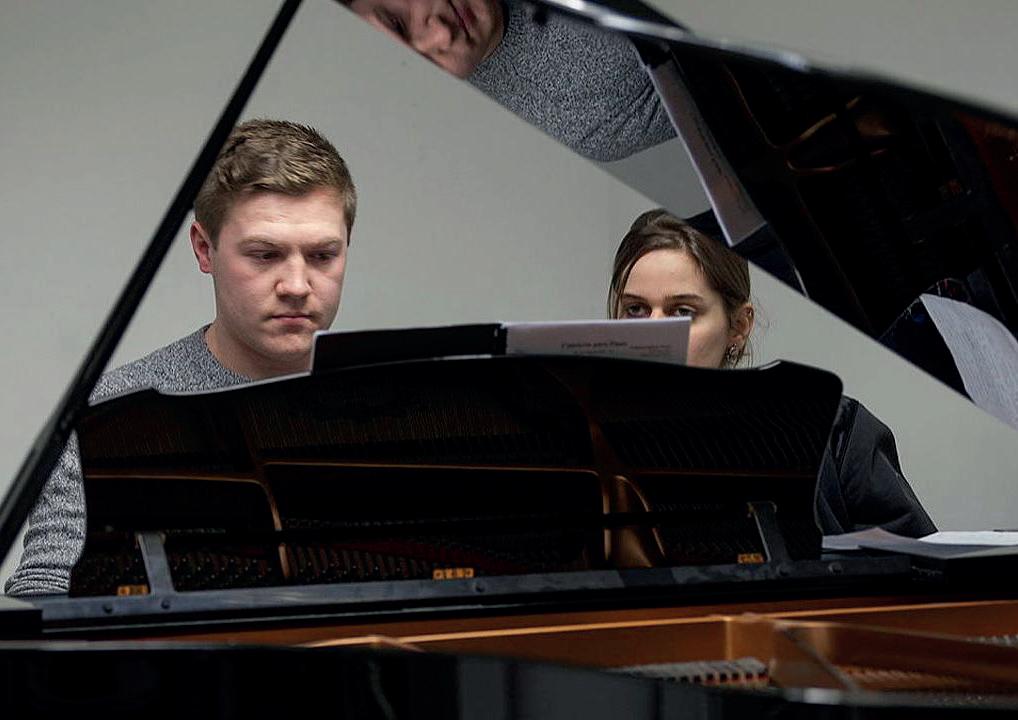
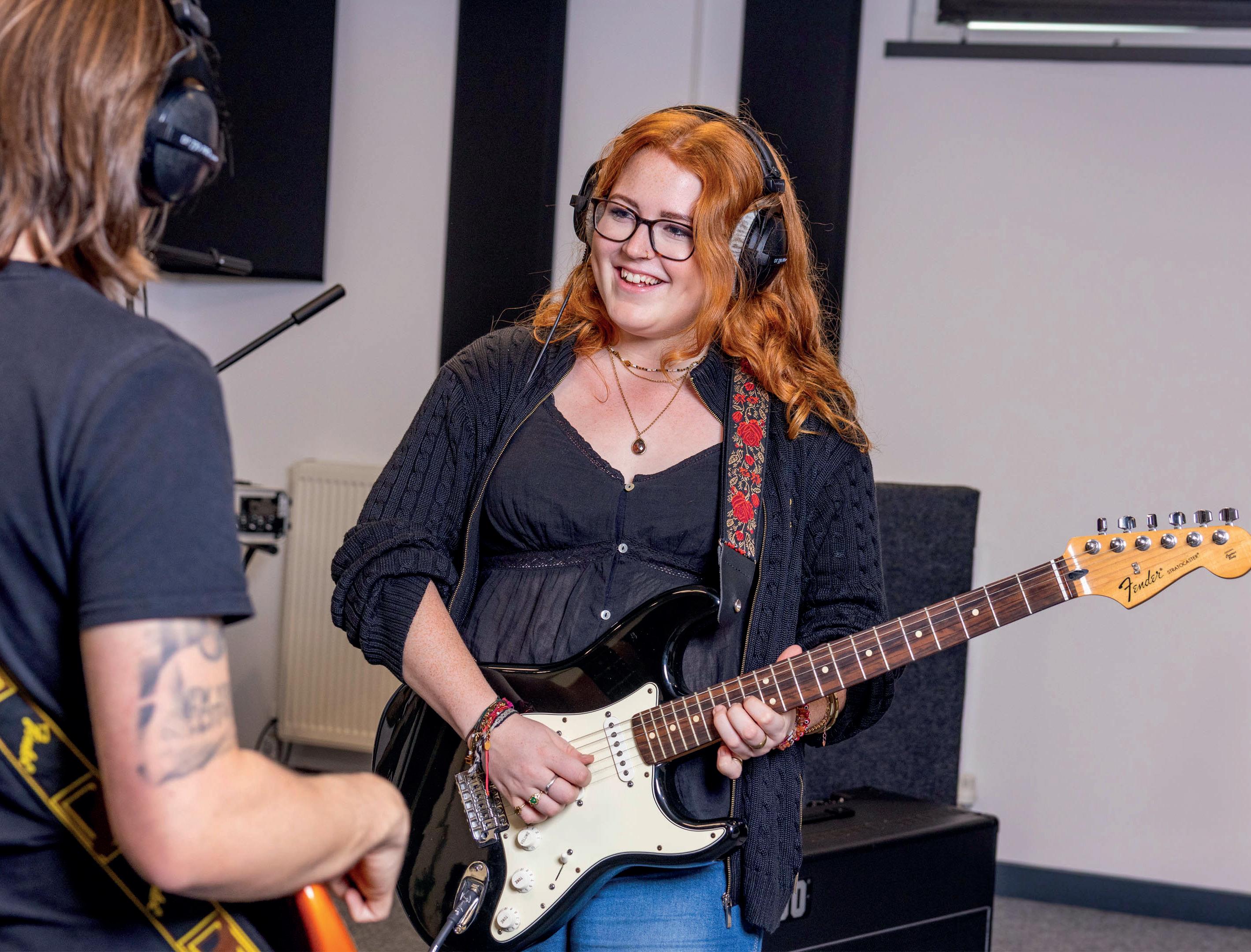
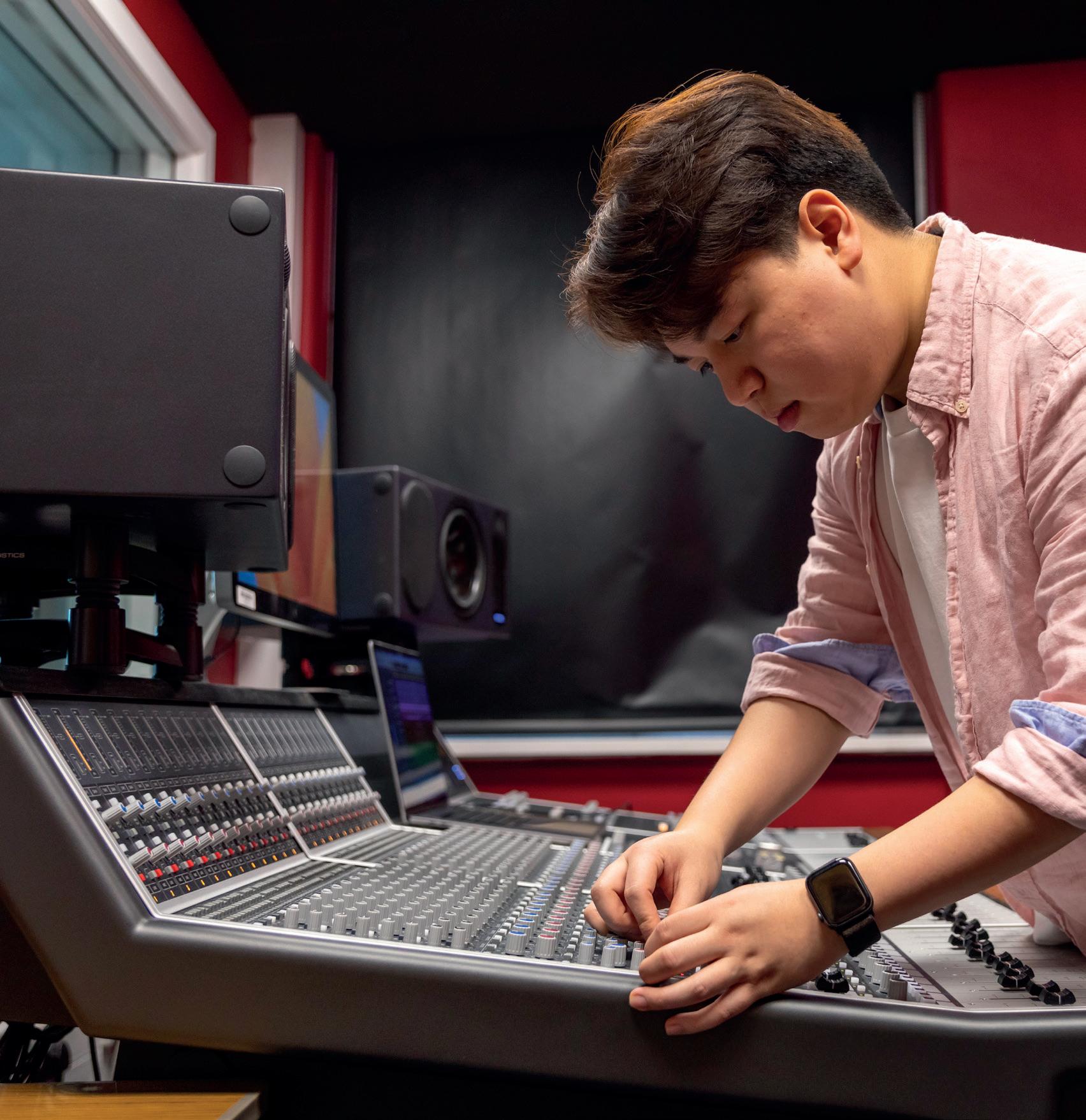
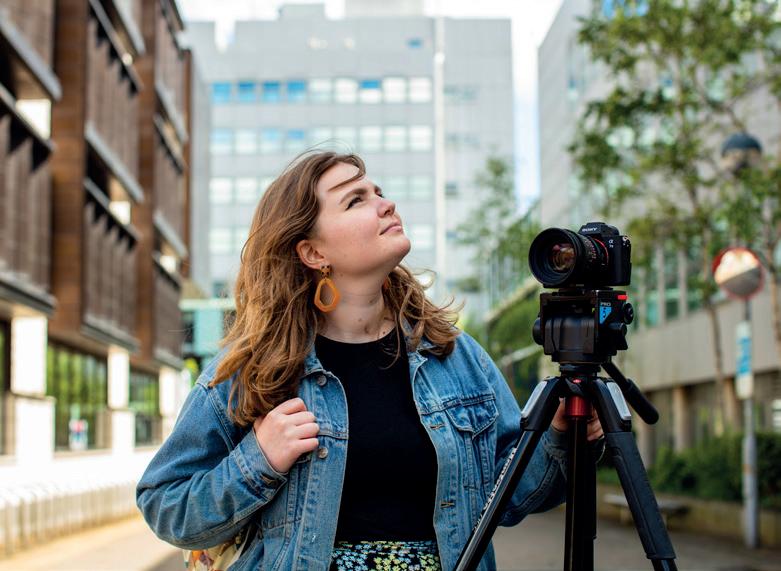
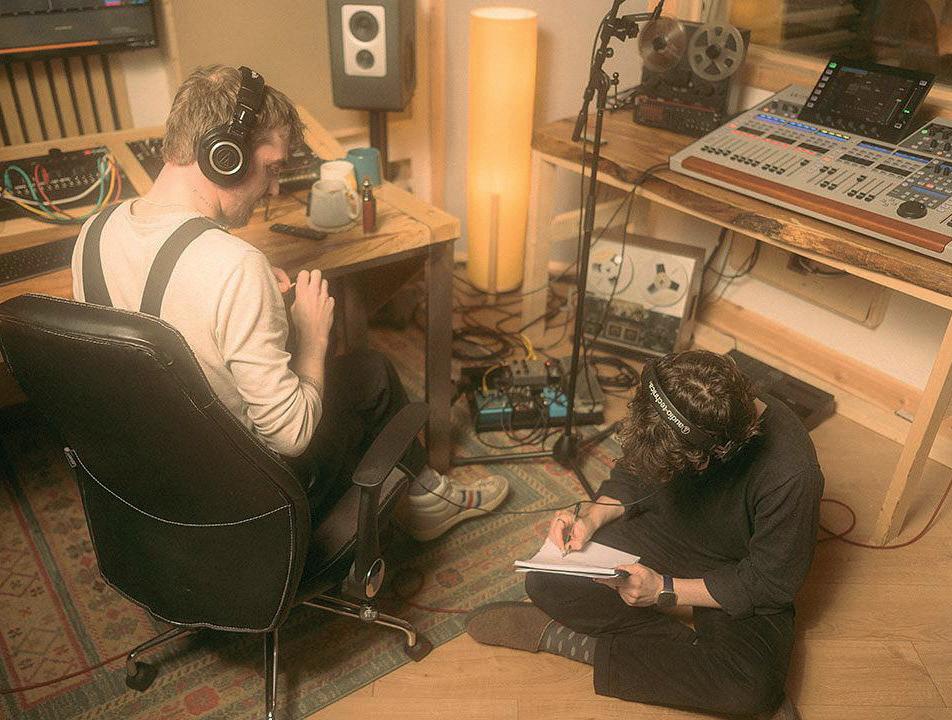
Ellyn BSc (Hons) Music and Sound Production From studio to stage P.22
10 REASONS WHY CREATIVITY THRIVES AT PLYMOUTH
The creative industries bring together imagination, innovation and technology – from film, music and photography to digital design and performance. Are you ready to start your journey towards a future where your creativity shapes the world? We’ve listed our top 10 reasons to study in Plymouth, to help you discover how you can turn your passions into a thriving creative career.
1. CREATE USING EMERGING DIGITAL TECHNOLOGIES
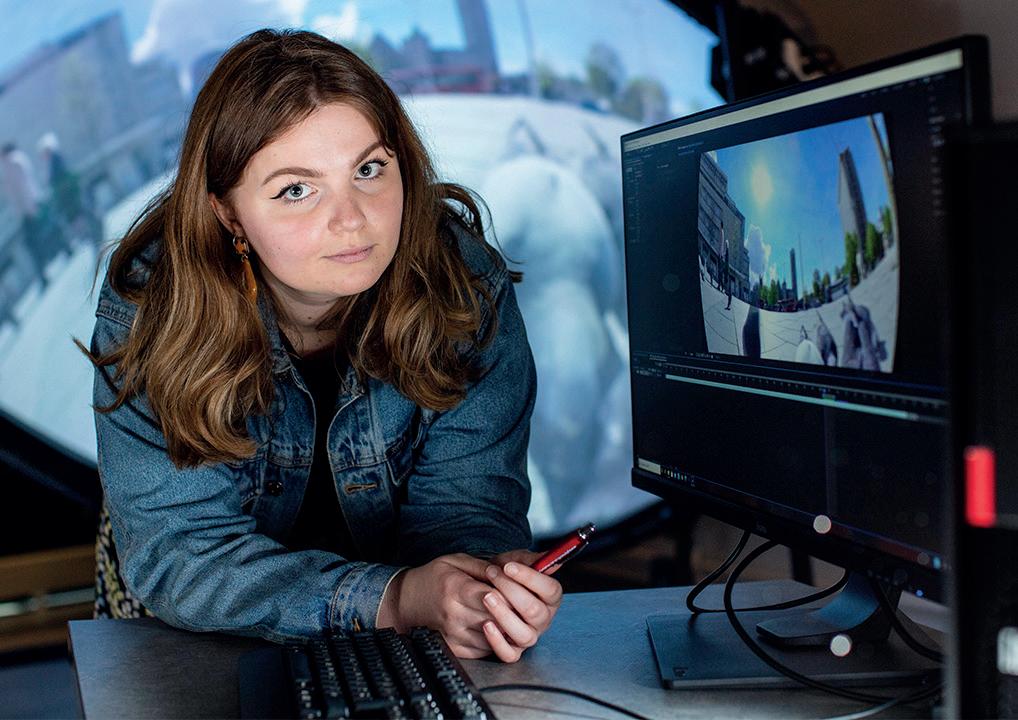
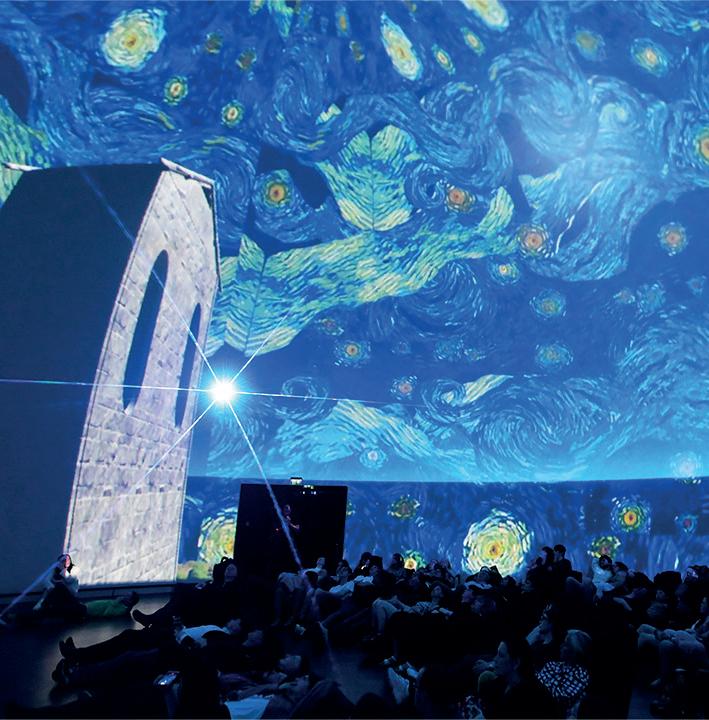
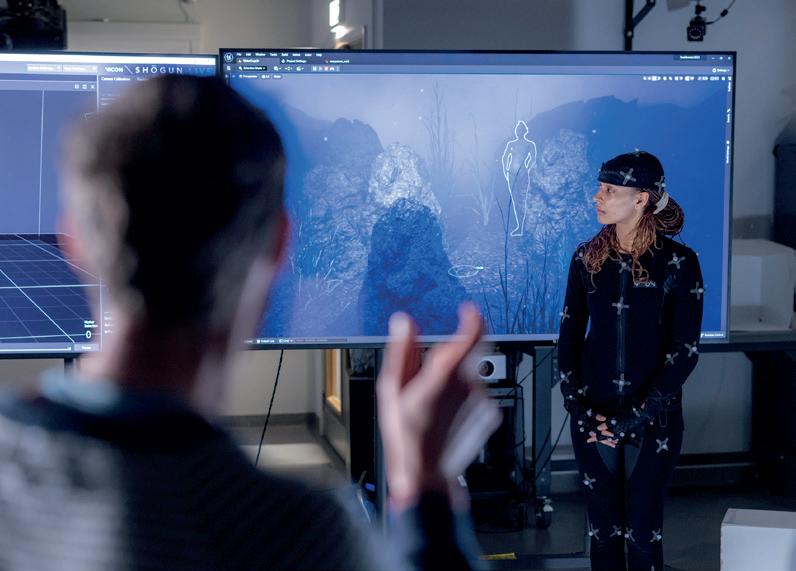
Access world-class facilities including The House, film and photography studios, the Digital Dark Room, Immersive Media Laboratory, Music Studio and Media Hub. Work with high-spec multimedia equipment, including tech you can borrow for your projects, to develop practical digital skills that prepare you for the modern creative industries.
2. DEVELOP FUTUREPROOF SKILLS
Learn the specialist, technical and creative skills employers are actively seeking. Solve complex problems, think innovatively and gain advanced IT and digital expertise that give you a competitive advantage in the rapidly growing creative sector.
3. BECOME A WELLCONNECTED CREATIVE ENTREPRENEUR
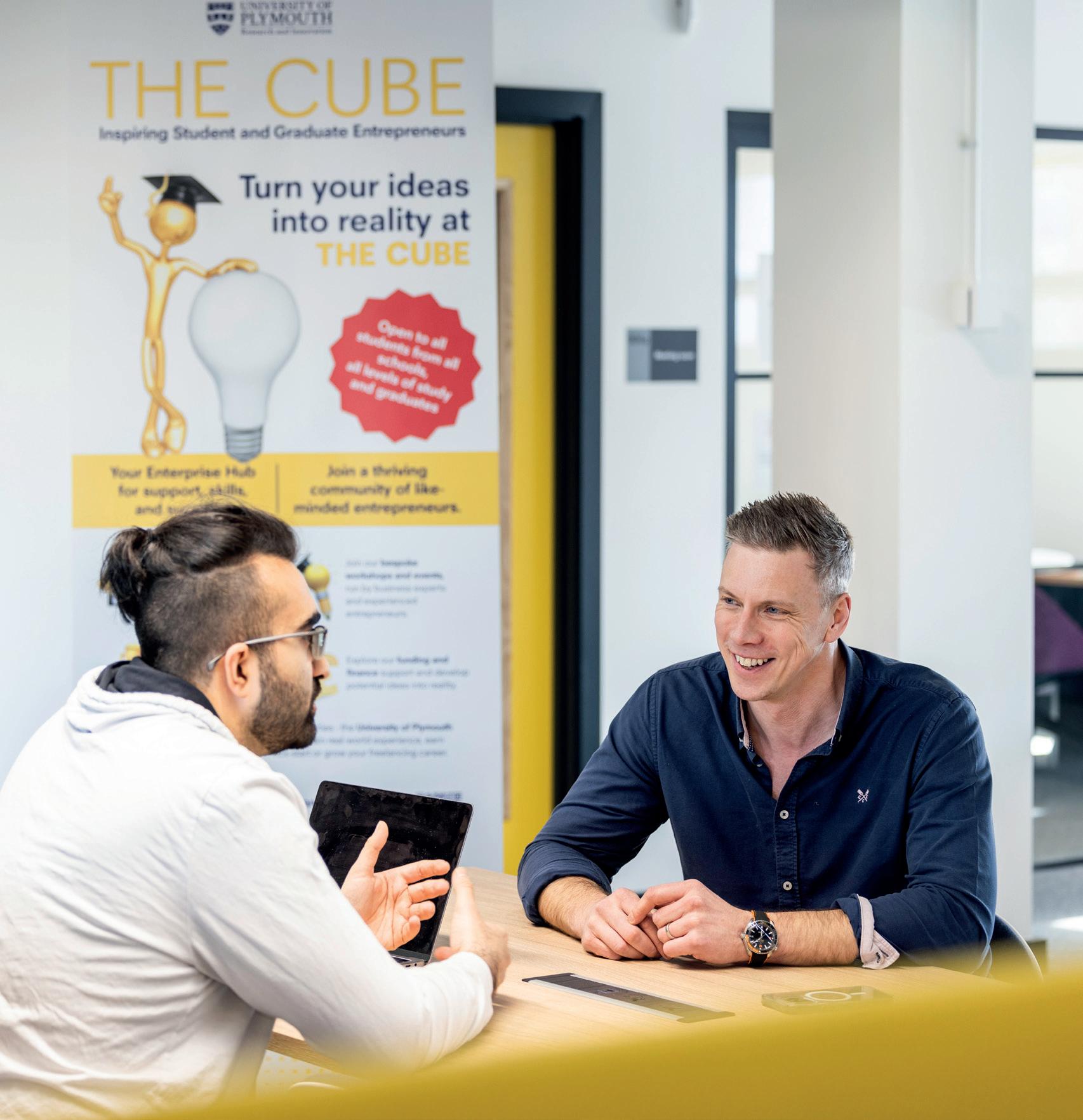
Work collaboratively across performing arts, filmmaking and music, building networks that mirror real-world industry practices. Use support like The Cube to develop start-up ideas, gain placement experience and build professional connections that last beyond graduation.
4. HANDS-ON, REALWORLD EXPERIENCE
Take part in live briefs, projects and industry placements with organisations like the BBC, ITV, Theatre Royal Plymouth and Aardman. Apply your skills to meaningful creative work that enhances your portfolio and employability.
5. LEARN FROM INDUSTRY PROFESSIONALS
Benefit from teaching by awardwinning tutors with research and industry expertise. Gain insights from professionals who are shaping the creative sector, from music production to filmmaking and immersive media.
6. CREATIVE AND TECHNICAL FLEXIBILITY
Experiment with analogue and digital tools across multiple disciplines, from photography and film to music and digital media. Tailor your degree to match your passions and career ambitions while gaining broad industry-relevant skills.
7. WORLD-CLASS FACILITIES
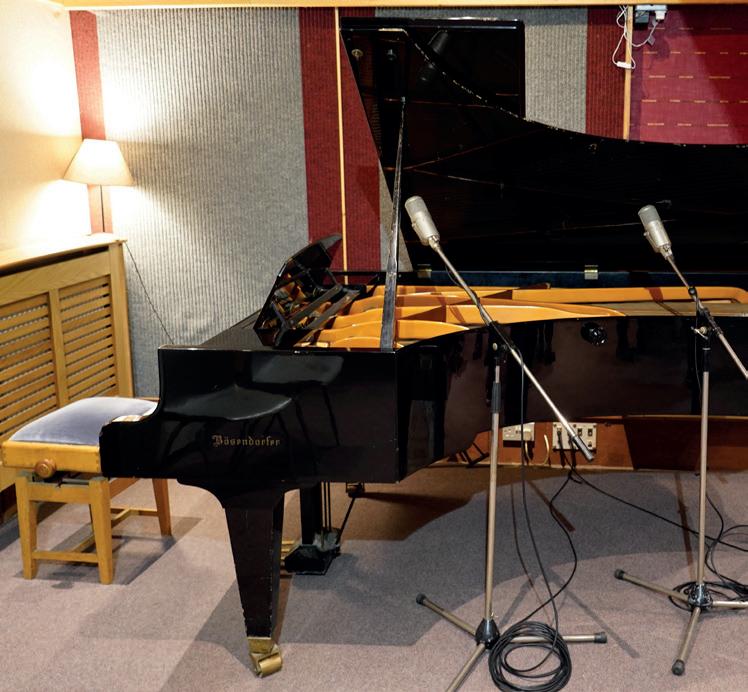
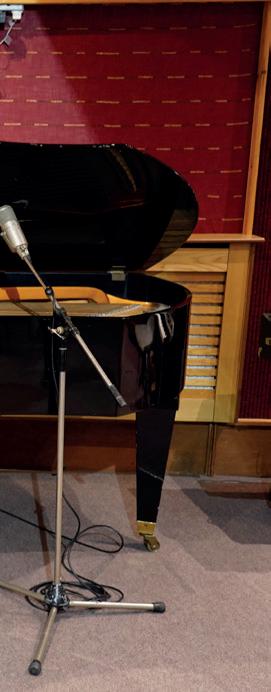
Work in purpose-built studios, rehearsal spaces and theatres, including The House and the Music Studio. From grand pianos to immersive media labs, our facilities give you the tools to explore, experiment and innovate at the highest level.
8. COLLABORATIVE AND SUPPORTIVE COMMUNITY
Join a close-knit, creative student community. Smallgroup teaching, open-door tutor policies and crossdiscipline projects ensure you’re supported while developing your own voice and creative identity.
9. INSPIRING LOCATION AND LIFESTYLE
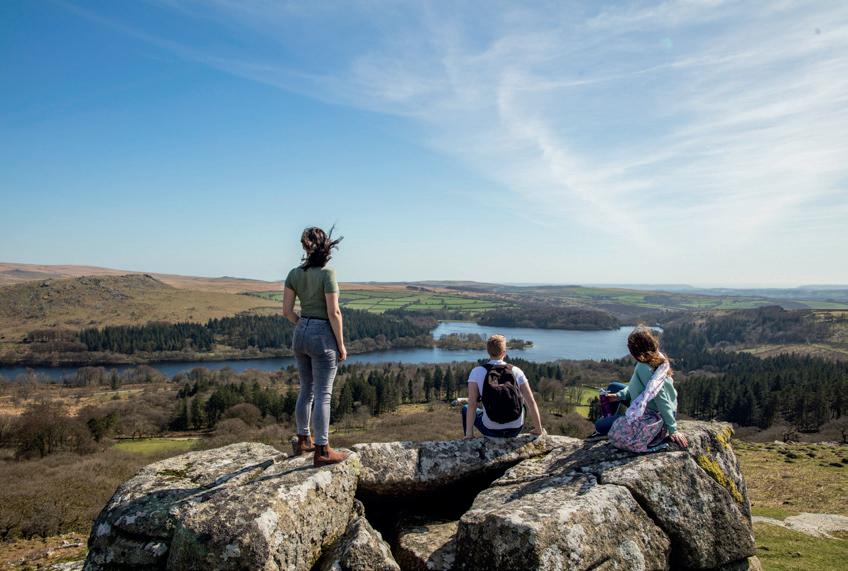
Study in Plymouth, Britain’s Ocean City, surrounded by stunning coastlines, Dartmoor National Park and vibrant cultural venues. Enjoy a unique balance of work and lifestyle, from outdoor shoots and performances to city nightlife and festivals.
10. PREPARE FOR A FUTURE IN THE CREATIVE INDUSTRIES
Graduate with a versatile, adaptable and transferable skill set that allows you to work across film, music, photography, performance and digital media. Be future-ready to thrive in a rapidly evolving creative economy.
WHICH DEGREE IS RIGHT FOR ME?
BA (Hons) ACTING FOR SCREEN, STAGE AND FUTURE MEDIA
EXPLORE, EXPERIMENT, EXCEL IN YOUR CREATIVE CAREER
BA (Hons) FILMMAKING
Ready to explore new ways of performing, creating, and connecting? Train to thrive in the evolving world of digital storytelling, immersive performance and creative technologies. Develop versatility, confidence and collaboration skills while performing in The House, our on-campus theatre with world-class facilities. Gain hands-on experience through projects and placements with partners like Aardman and Theatre Royal Plymouth, and graduate with a standout portfolio in screen acting, digital performance and emerging media.
FIND OUT MORE
BA (Hons) Acting for Screen, Stage and Future Media
BA (Hons) CREATIVE MEDIA
Want to tell stories that spark change? This hands-on course helps you develop your creative voice through film, photography, animation and immersive media. Learn from award-winning tutors and industry professionals, work on live projects with the BBC and ITV, and create bold, meaningful work using world-class facilities. With tech-driven, forwardthinking training, you’ll graduate ready to thrive – and make a real impact – in the creative world.
FIND OUT MORE
BA (Hons) Creative Media
Eager to bring your stories to life? Our BA empowers diverse storytellers to create distinctive film experiences through innovative, hands-on production. Build creative, critical and collaborative skills while working on live briefs and portfolio projects in our industry-standard facilities. With tech-driven training that blends innovation, entrepreneurship and storytelling, you’ll graduate ready to stand out – and make your mark – in the evolving screen industry.
FIND OUT MORE
BA (Hons) Filmaking
BSc (Hons) MUSIC
Keen to take your musical talents to the next level? Develop practical and technical skills through expert tuition, local venue links and access to rehearsal rooms, studios and our awardwinning theatre. Explore performance, composition, sound recording, music therapy and global music while supporting disabled performers. Gain real-world experience through placements and collaborations and learn from acclaimed tutors whose research and industry expertise keep you at the forefront of musical innovation.
FIND OUT MORE
BA (Hons) Music
BA (Hons) PHOTOGRAPHY
Do you want to create, explore and capture the world through photography? Develop your skills, style and confidence while experimenting with analogue and digital tools in our professional facilities. Gain real-world experience tackling global and environmental issues, collaborating with charities and exploring international opportunities. Learn from industry professionals, enjoy Plymouth’s coastal lifestyle and connect with a network of successful alumni across diverse photography careers.
FIND OUT MORE
BA (Hons) Photography
BSc (Hons) MUSIC AND SOUND PRODUCTION
Do you have the passion to shape the future of music technology? Master audio engineering using cuttingedge studios and professional software, creating innovative tools and harnessing AI. Explore how music technologies can change and enrich lives, from enabling people with severe disabilities to interact with technology to developing your own creative projects. No prior musical or technical experience is required – just enthusiasm and fresh ideas. Prepare for a dynamic career in the music and technology industries.
FIND OUT MORE
BA (Hons) Music and Sound Production
“Filmmaking is such a creative course and provided me with opportunities for experimentation and collaboration, allowing me space to create my own aesthetic style as a filmmaker.”
Molly York, BA (Hons) Filmmaking graduate
BA ((Hons) CREATIVE MEDIA WITH FOUNDATION
This foundation pathway offers non-standard entry into BA (Hons) Creative Media, helping you build creative skills across media like illustration, animation and fine art. Explore visual design and best practice in a vibrant, studio-based environment.
FIND OUT MORE
BA (Hons) Creative Media with Foundation
BA (Hons) PHOTOGRAPHY WITH FOUNDATION
This foundation year offers a non-standard entry into BA (Hons) Photography. Combine analogue and digital techniques, work with professionals, explore international opportunities and establish your unique style and personal visual language.
FIND OUT MORE
BA (Hons) Photography with Foundation
WHERE CREATIVITY COMES TO LIFE: YOUR STUDIO, YOUR STAGE, YOUR STORY
Innovate, imagine, inspire. Explore emerging technologies and bring your creative visions to life. Our facilities are designed to support you in developing and refining your creative skills. From open-plan studios to cinemas, exhibition spaces, immersive media technology and high-quality performance facilities, we provide cutting-edge resources for students in creative fields.
FROM PRACTICE TO PROFESSIONAL-GRADE PERFORMANCE
MUSIC AND SOUND SUITES
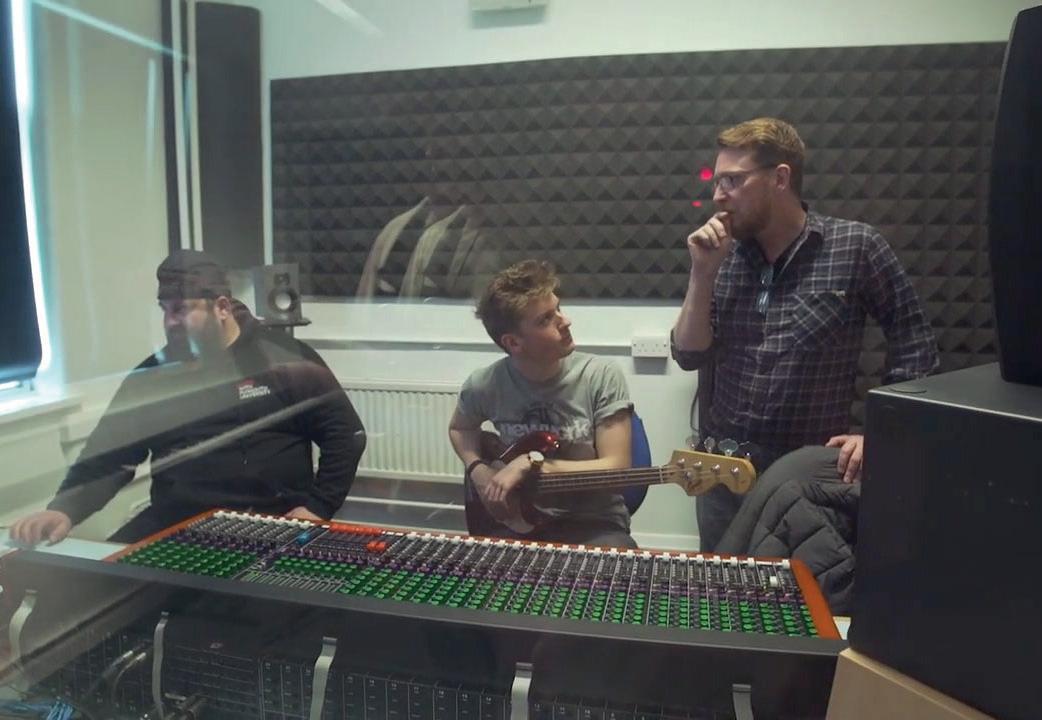
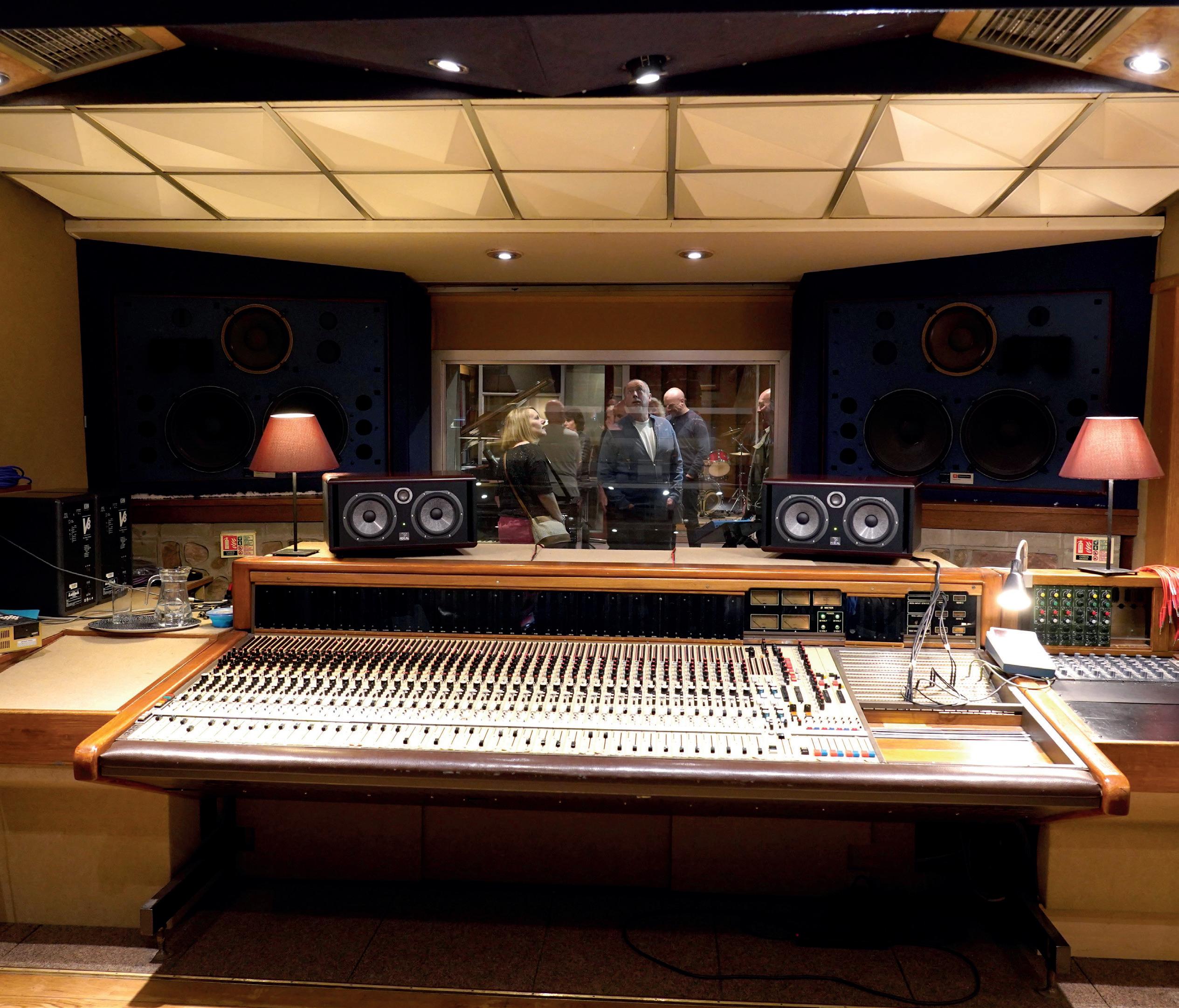
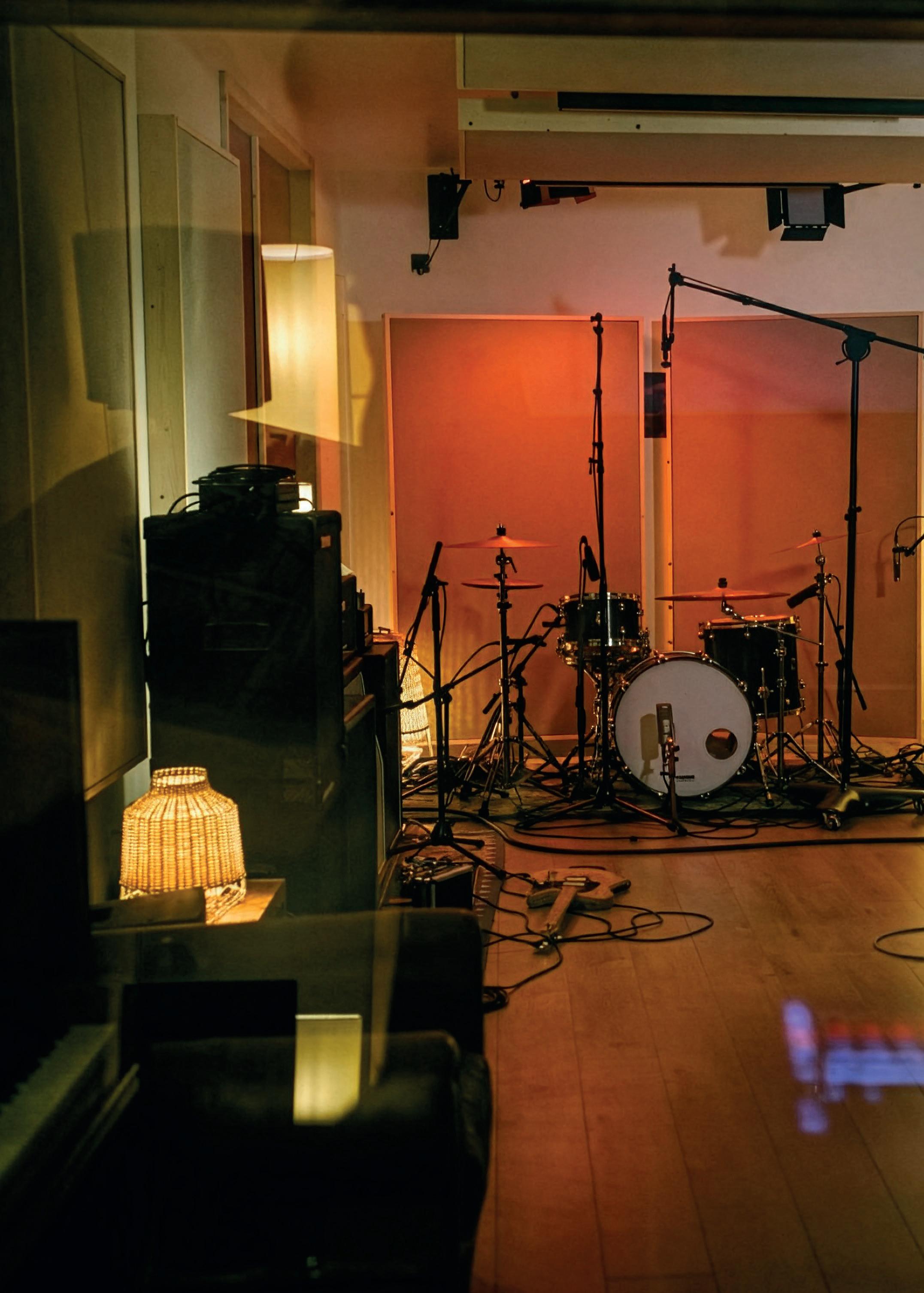
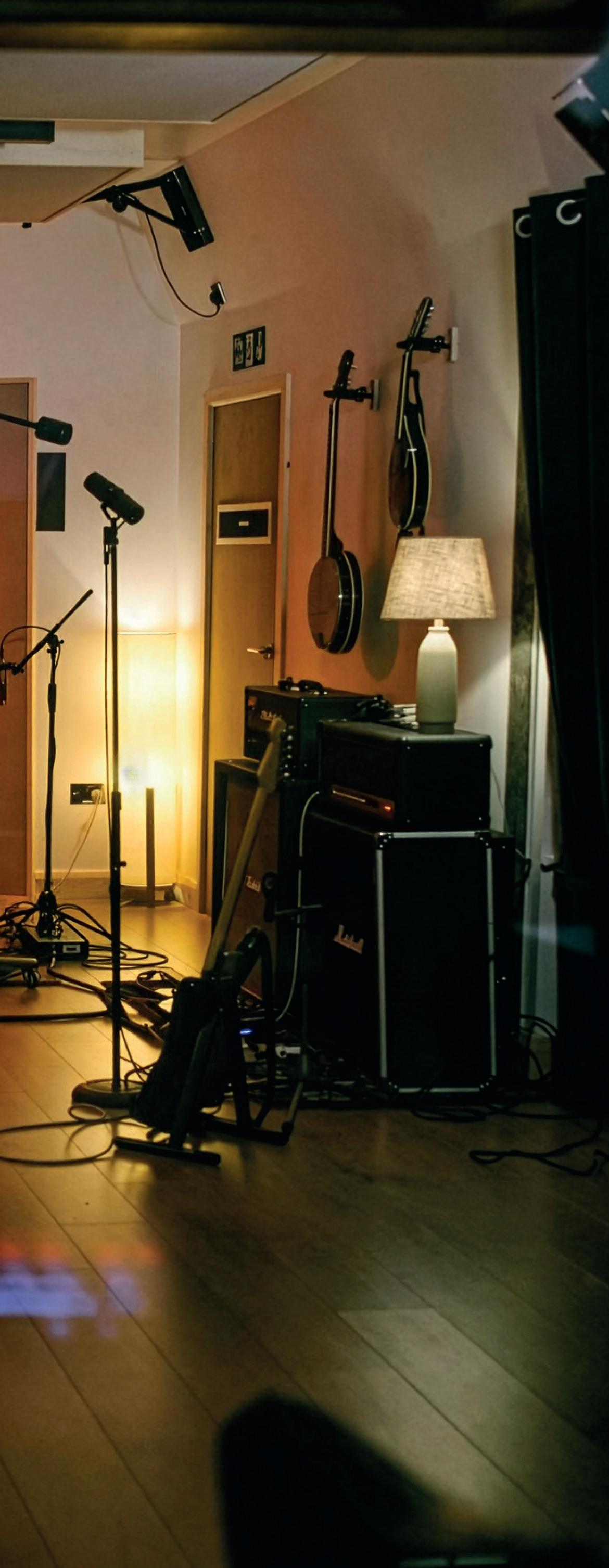
Our purpose-built music suites give you hands-on experience with industry-standard equipment for recording, mixing and mastering. Key facilities include the flagship Roland Levinsky Recording Studio, rehearsal spaces in the Rolle Building and live performance areas in The House and the Sherwell Centre. You also benefit from immersive audio-visual environments, Digital Fabrication and Immersive Media Labs, and the Jill Craigie Cinema with Dolby Atmos 5.1 sound, all supported by dedicated technicians.
“I really enjoyed the crossfunctionality of the audio department. Being able to work as a musician, producer, composer and programmer with musicians, researchers, technologists and even film students was a true delight. It’s made me more comfortable communicating at work and proficient in understanding the needs of our customer bases.”
Harriet Drury, BSc (Hons) Music and Sound Production graduate
WHERE CREATIVITY TAKES THE SPOTLIGHT
THE HOUSE PERFORMING ARTS CENTRE
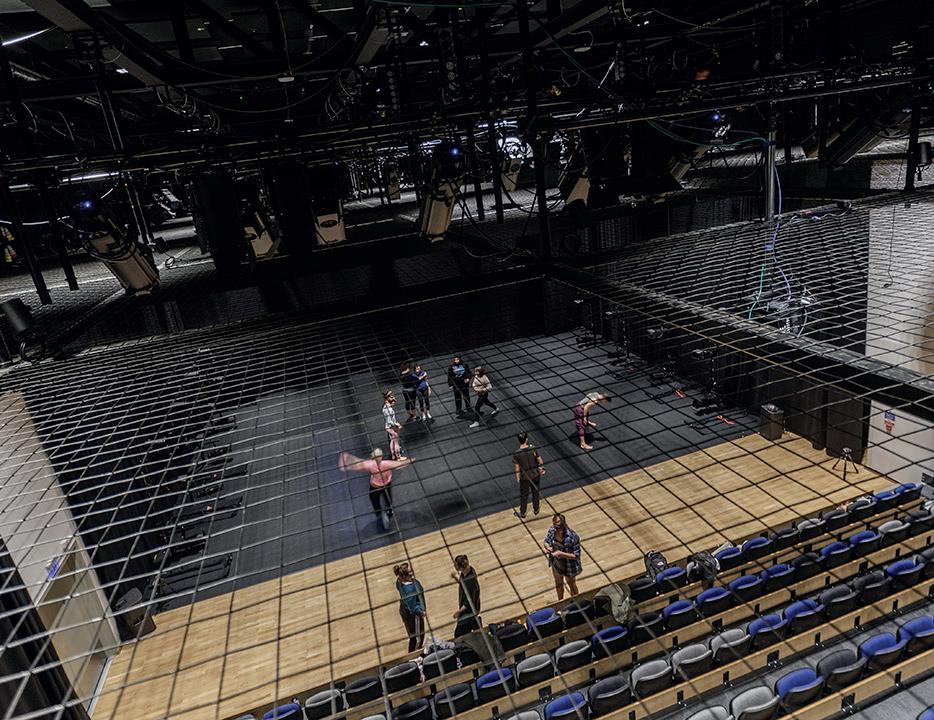
The House is a state-of-the-art performing arts centre on our city-centre campus, next to the Roland Levinsky Building. Primarily a training facility, it supports a range of our performing arts degrees while hosting a diverse programme of contemporary performances open to the public. The centre features two large studio performance spaces with sprung dance floors and retractable seating for 200, plus a dedicated studio for up to 50 students. You benefit from technical support and access to industry-standard lighting, sound and video equipment, including ETC Gio lighting desk, Yamaha QL5 mixer, d&b sound system, tensionwire grid and projection facilities for immersive performances.
SHOWCASE YOUR VISION ON THE BIG SCREEN
JILL CRAGIE CINEMA
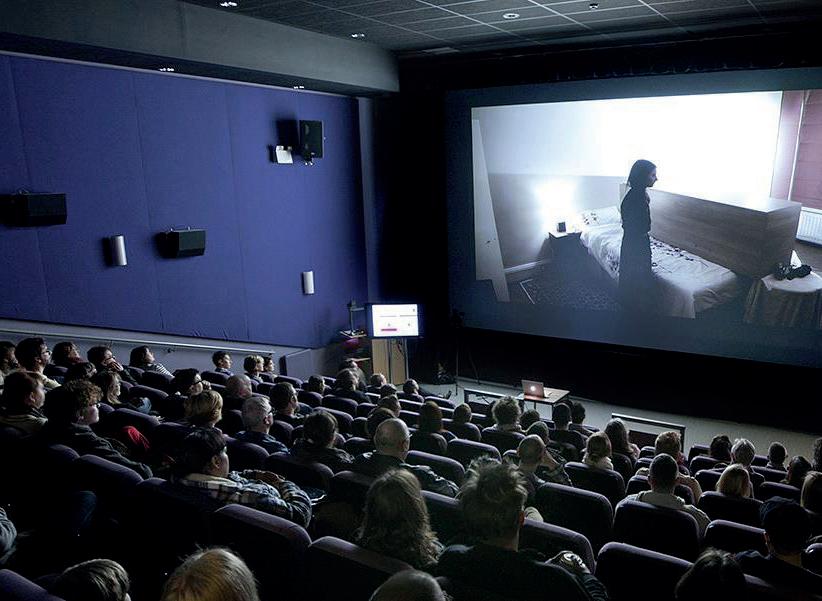
You’ll have access to a high-spec 127-seat cinema in the Roland Levinsky Building, equipped with 35mm and 16mm projectors, DVD/ Blu-ray playback and Dolby Atmos 5.1 sound. Showcase your film and moving-image work, attend lectures and talks and enjoy screenings of contemporary and archive films. The cinema is open to you, staff and the public, and is named in honour of British documentary filmmaker Jill Craigie.
“This course taught me not just the theory and practice of film, but about who I wanted to be as a filmmaker.”
Joanna, BA (Hons) Filmmaking graduate, now working at Aardman Animations
WHERE STORIES COME TO LIFE FILM AND TV STUDIO, AUDIO AND ANIMATION
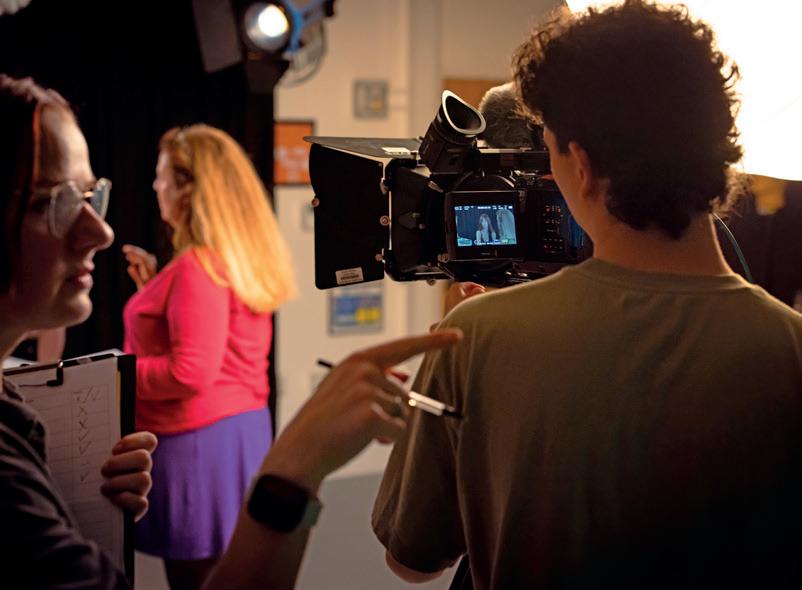
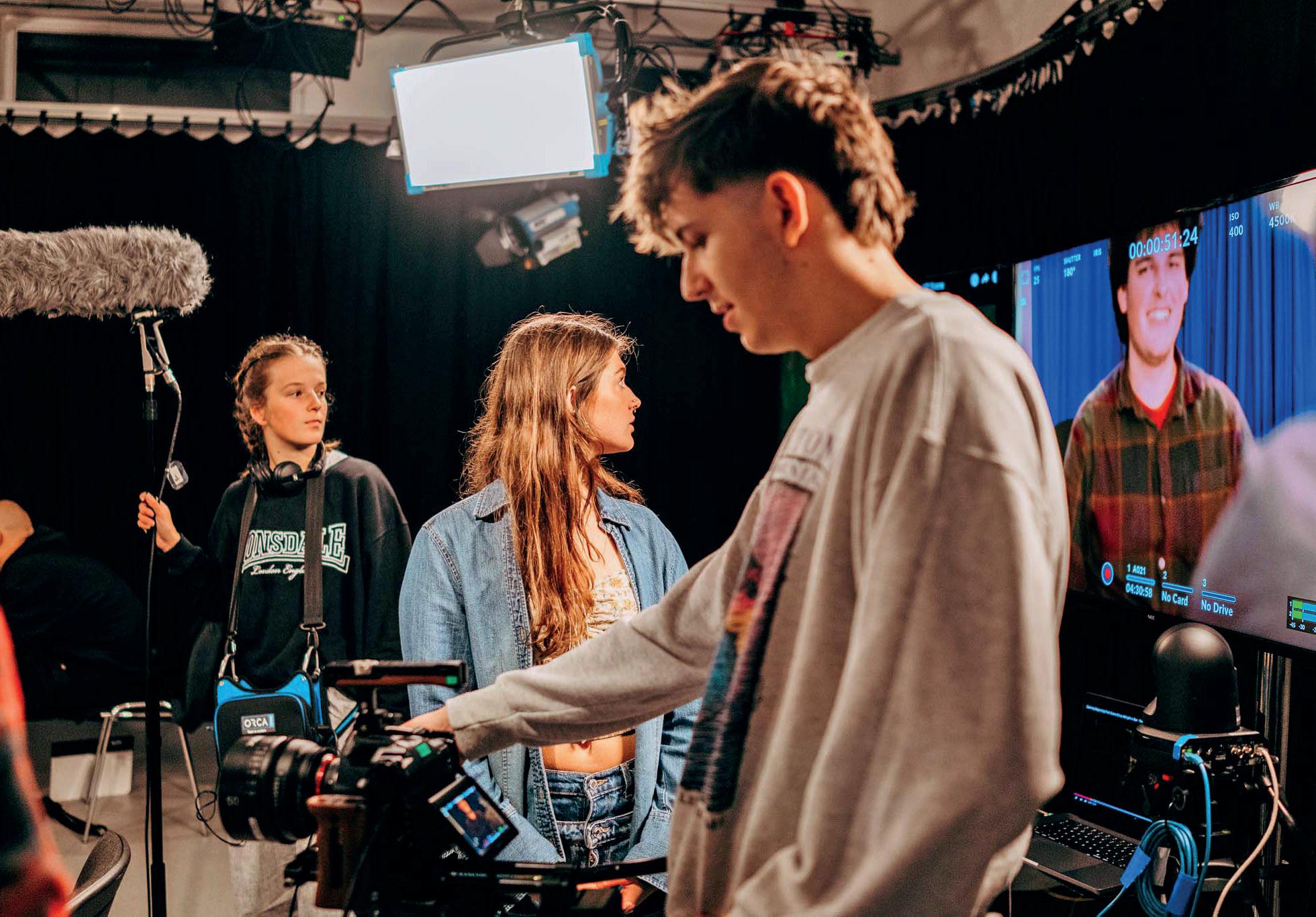
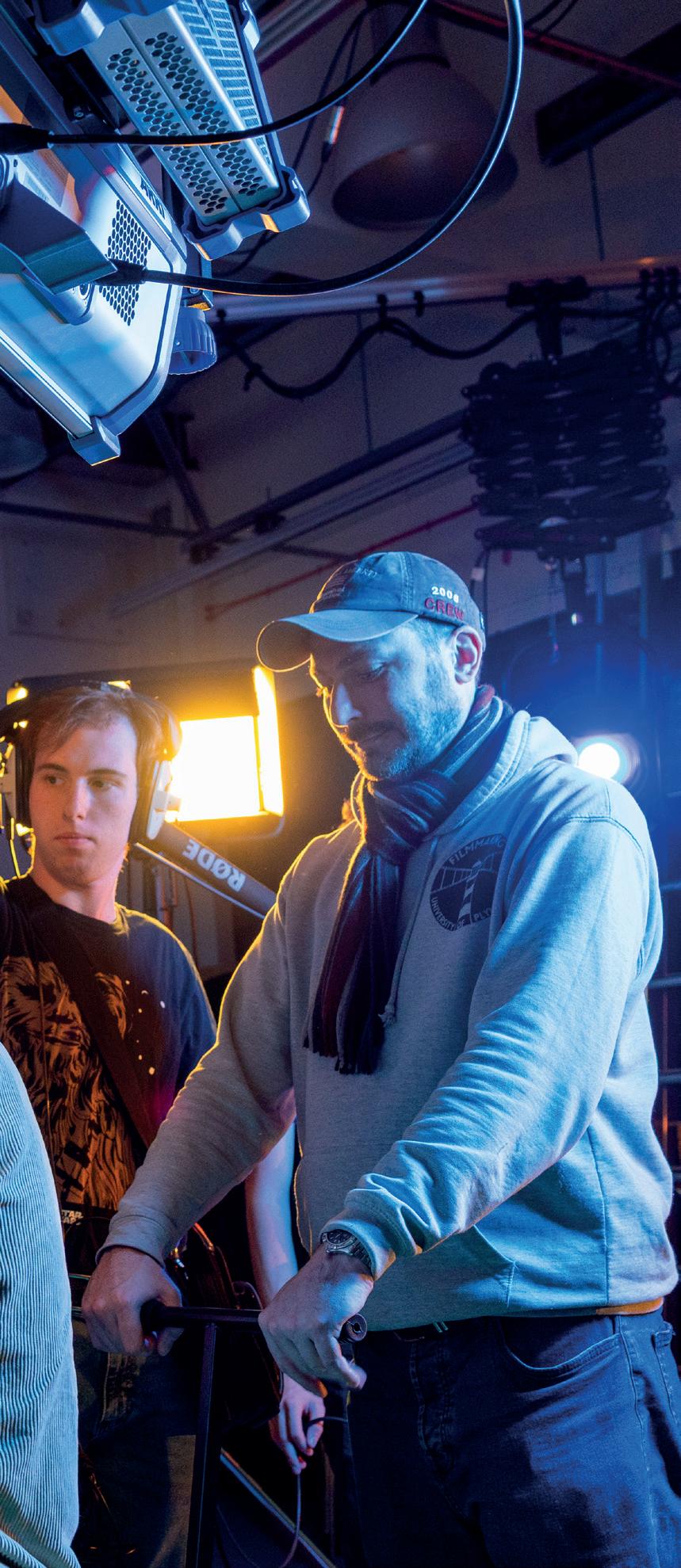
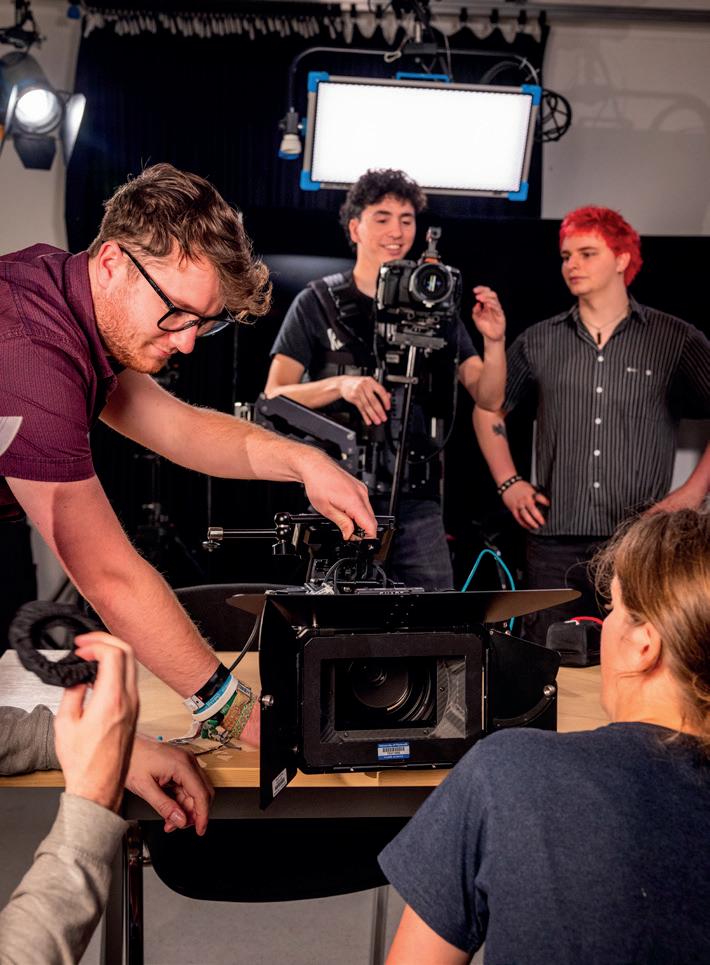
Scott Building houses our film, TV, animation and audio production studios. You have access to two studios with green screens, five stop-frame animation suites, three post-production suites, an audio production facility and a main sound recording studio. Industry-standard equipment, including Blackmagic 4K cameras, Adobe Creative Cloud, DaVinci Resolve and Toft analogue consoles, provides hands-on experience across production, post-production, sound design and animation in a professional, fully equipped environment.
CAPTURE, CREATE, CRAFT PHOTOGRAPHIC DARKROOMS AND STUDIOS
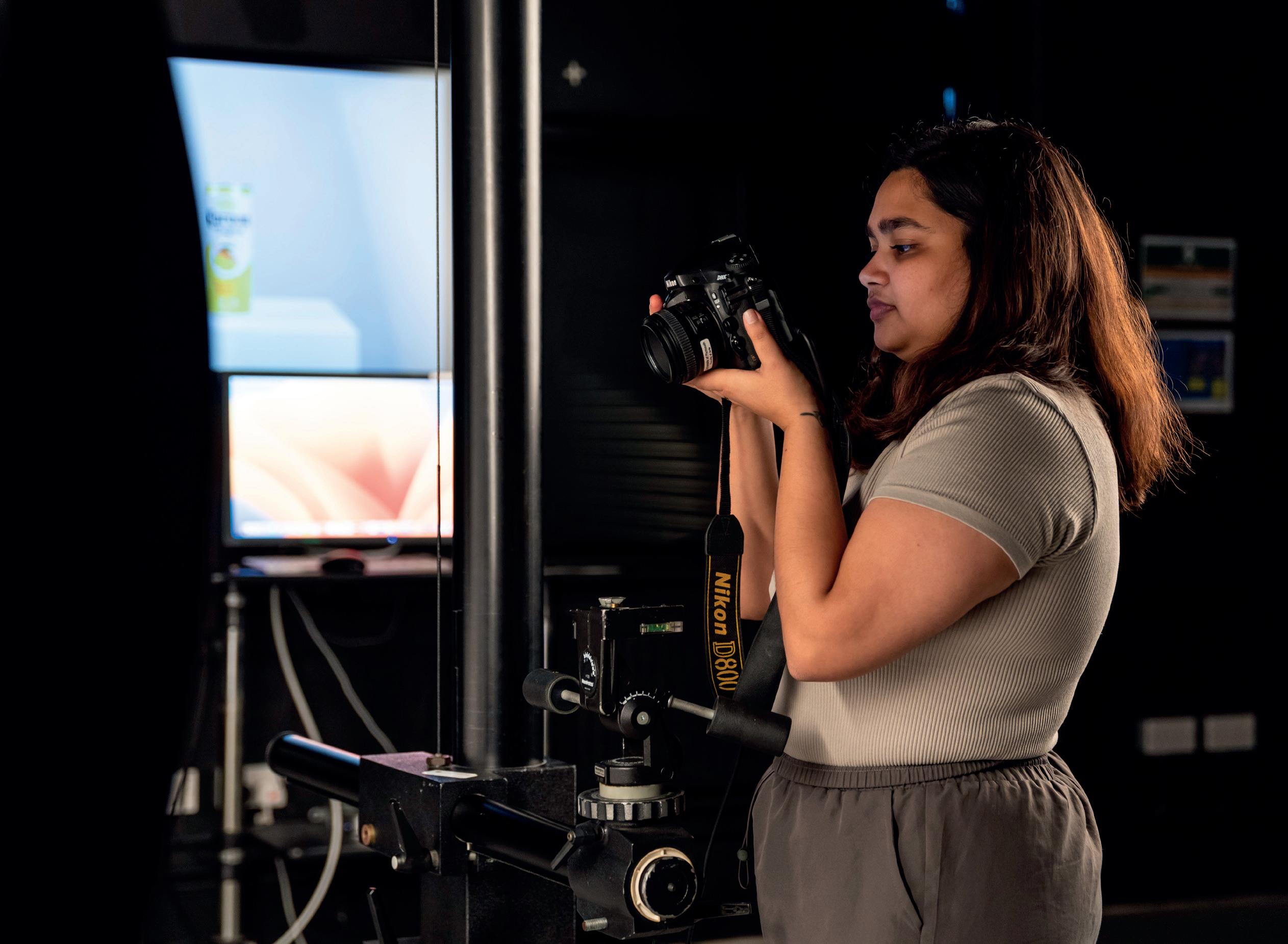
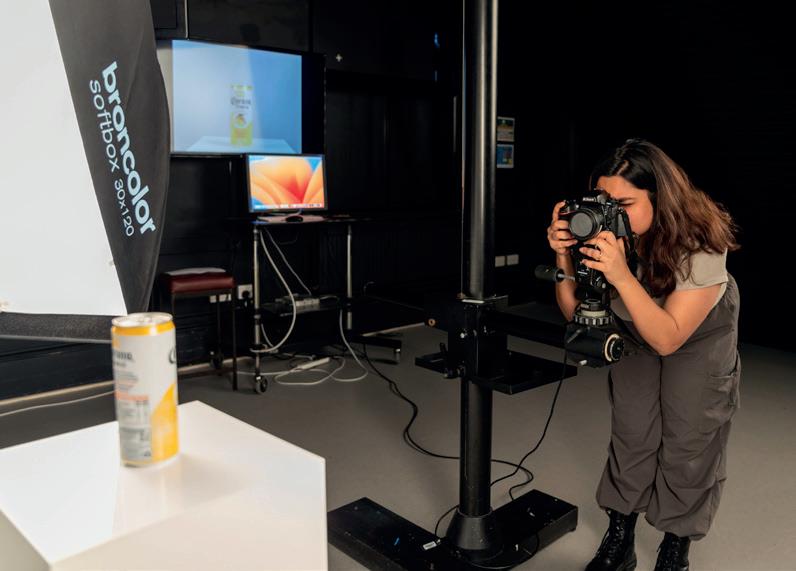
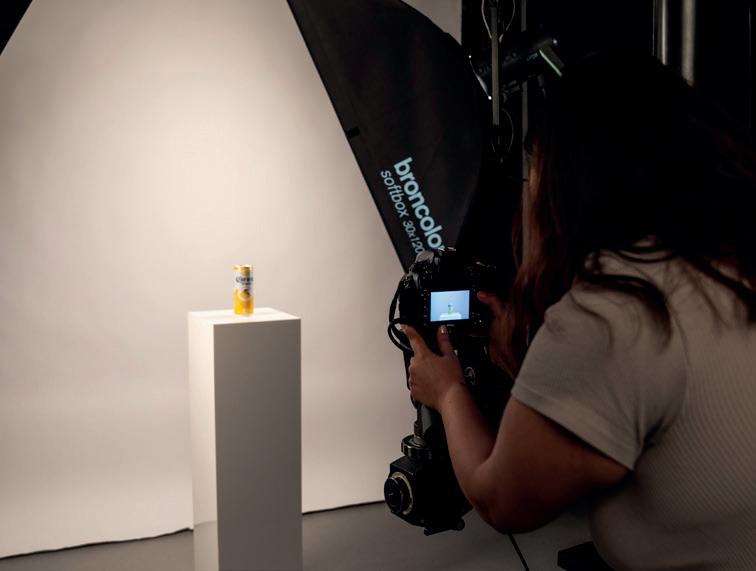
Scott Building is home to our photographic darkrooms and studios. Gain hands-on access to traditional, specialist and digital photographic studios and darkrooms. You can work in four darkrooms for analogue and digital processes, including film processing, black-andwhite printing, and specialist techniques, supported by dedicated technicians. Our digital darkrooms feature Apple Macs with Adobe Creative Cloud, high-resolution scanners and colour-accurate displays. Three photography studios – black, white and daylight – provide professional lighting, backdrops, tethered shooting setups and monitors for live image review. All spaces and equipment are bookable via the Media Hub to support your creative projects and learning.
"I'm always thinking about what can make me stand apart from all the photographers I look up to. When I came here, I started exploring so many things that gave me confidence in everything I need to see the world and connect with the industry.”
“When I came to the University and I met the lecturers, I realised it was the best decision that I took for myself. They guide you, they shape you, they shape your work. They help get the best out of you”
Tanisha, BA (Hons) Photography student
weeks working with the Dermatology public hospital in Kathmandu, Nepal medical elective
THROUGH THE LENS: A PHOTOGRAPHER’S STORY
Jess
BA (Hons) Photography
WHY DID YOU CHOOSE TO STUDY PHOTOGRAPHY?
Since studying photography at GCSE and A level, I knew that I had a passion for photography, finding great interest in exploring and capturing my findings. Through this, I was eager to learn more whilst discovering a new place – something that I can confidently say that I have achieved during my studies here.
I chose to come to Plymouth to continue my studies as it was a
great opportunity to gain further independence, moving away from home, meeting new people and exploring a new place. I had visited the University campus on both an open day and an offer holder day and was in awe of the Media Hub facilities, having never seen so much camera equipment in one space before. I love going out and about and Plymouth being so close to the coast and Dartmoor meant that I knew that my photography work would become varied visually.
WHAT’S A TYPICAL DAY LIKE ON YOUR COURSE?
Typically, my day-to-day tasks vary massively, with some days being out around Devon and Cornwall capturing new images for my course work, whereas other days, I am in Scott building on campus, editing photoshoots and considering where to take the project next.
Some days, I am in University learning more from my lecturers whether this be through lectures (the history of photography and
where it all started) or seminars (creating group discussions about each other’s work, bouncing off ideas with one another). During these longer days on campus, you will often find me in the RLB Café, having coffee and a sweet treat to keep me going while getting on with planning my next photoshoot.
WHAT WAS IT LIKE APPLYING TO COME TO PLYMOUTH?
When I applied to come to the University, I applied relatively early as I knew straight away that
this was where I wanted to go. I initially found the idea of having an interview and displaying my portfolio rather daunting, although this feeling very quickly disappeared.
My interview was in person (another excuse to come back to visit Plymouth once again!) with our course lead, Angus Fraser. During this process, it became clear that this opportunity was more of a way to display your potential, and explain your passion and interest, rather
“I have really enjoyed my course, learning a multitude of new skills such as developing analogue film and learning how to use my photographic knowledge to make a successful moving image piece.”
than being able to demonstrate professional photography.
Within the first module of first year, the course goes over all the basics to ensure that everyone is confident in working with this new camera equipment, particularly when everyone comes from a different photographic background. The interview process was relatively easy, feeling more like a conversation than a scary questioning interview.
WHAT HAS YOUR UNIVERSITY EXPERIENCE BEEN LIKE SO FAR?
I have absolutely loved my time at university so far and have met some amazing people both as friends, classmates and educators. During my time, I have made the most of living the student life, joining in with the pub quiz at the Students’ Union, going to their club night on a Saturday and cheering on my sporting flatmates in their various games.
FIND OUT MORE
I have really enjoyed my course, learning a multitude of new skills such as developing analogue film and learning how to use my photographic knowledge to make a successful moving image piece.
I have also received great support from the Careers team, learning more about the directions that I can take this degree when I graduate. Through this, I have participated in the Careers Mentoring Programme, working on a one-to-one basis with a mentor to gain skills such as creating CVs and cover letters. Through the Careers Service, I have also carried out a micro internship within the University’s marketing team, learning how I can transfer my photographic knowledge into a way that can help future students. I am looking forward to seeing what the final semester has to offer and where my degree will take me.
TOP TIPS AND SMALL BITS OF ADVICE TO PROSPECTIVE STUDENTS
One top tip that I would give to someone thinking about coming to the University to join the photography course would be to make the most of your time in the South West. There is so much to see within walking distance from the campus and the train station is right next to campus, making it possible to easily travel around Devon and Cornwall. During each of the modules, take any excuse you can to explore the beautiful landscape in both Plymouth and the surrounding areas.
About our BA (Hons) Photography programme.
FROM PLYMOUTH TO THE PREMIER LEAGUE
My journey into motion graphics at Mancester City FC Molly, BA (Hons)
Filmmaking
Plymouth is a really great place to study filmmaking with lots of fantastic facilities, places to film and be inspired. The course offered many experimental tasks, and we were supported and encouraged to develop our creative independence. If you put the time in on the course, it will provide you with a solid base to step into any number of career pathways.
In the first year, I was excited to take part in the many filming opportunities in our short film modules, completing these both individually and as part of a team. We were able to rotate roles to get a feel for each job which was insightful. In fact, the whole course offered more practical filmmaking opportunities than I could have hoped for.
In Year 2, we had a module that enabled us to learn an entirely new skill alongside our studies. I chose to learn Adobe After Effects and did an internship at Bigwave Media – a marketing agency in Exeter – to expand my knowledge. Later in the second year, I made my own film completely through After Effects and motion design, continuing from the previous semester and improving my skills.
In my final year, I continued filming, and because of the flexible nature of the course, I also made sure I was editing
cuts of our films and including motion design elements to further develop those skills. Getting that push to learn something different let me explore a different side of the industry and one I had never considered.
The course let me explore so many new elements and pathways, and step into roles I would never have gained elsewhere. The complete creative freedom really pushed me to think in different ways and be able to break down how a filmmaker or editor creates a project from pre-production through to post-production.
Our lecturers regularly posted job roles and volunteering positions enabling us to enhance our CV. There were just so many ways that the course allowed us to explore the vast variety of job roles and industries within the media and film world.
On graduating, I secured a job as an editor at JMP – a creative content and video production agency in Bristol. I worked on my skills and progressed to a motion designer and editor, and in time became a senior motion graphic designer, leading my department and working closely with the editors on a wide range of projects. I gained a lot of experience there, building from my base knowledge at Plymouth.
I now work at Manchester City Football Club as a motion graphic designer. I love my current job for the variety in the role and all the different projects that provide me constant learning and growth. I’ve been here for four years and I’m still learning new things every day!
FIND OUT MORE
About our BA (Hons) Filmmaking programme.
FROM STUDIO TO STAGE: FINDING A FUTURE IN MUSIC TECHNOLOGY
Ellyn, BSc (Hons) Music and Sound Production
WHY PLYMOUTH?
When applying for university, Plymouth stood out to me as I still wanted to live in a city, but liked that it’s much smaller than London, where I’m from. While exploring Plymouth, I really liked the surrounding area; being on the coast was a massive contributing factor for me.
Moving away from home also felt like an amazing opportunity to gain further independence. I was very happy to discover that Plymouth offered such a strong music technology course, with huge potential for me to grow and develop as a musician.
FAVOURITE MODULES ON THE COURSE SO FAR?
One of my favourite modules so far has been the live music module. As part of this, we held two performances. The first explored working within a controlled environment. This performance wasn’t open to the public but operated like a real event, with sound checks and set changes between each act, just as you would expect at a live show. This meant we still faced stress, time constraints, and performance pressures, but in a practice setting that helped us gain a better understanding of what would be expected when performing in front of an audience.
The second performance was open to the public, which was a great opportunity to showcase our work to the local community.
A close second favourite module was one where we had the chance to carry out live recordings in a studio –something I have since realised is a direction I hope to pursue after my degree. I really enjoyed learning how to use the sound desk, particularly the SSL Origin 32 recording console, and experimenting with its many functions. Initially, I found the idea of using the desk quite daunting, but I quickly discovered how much fun it is to work with.
FAVOURITE EXPERIENCE WHILE STUDYING AT THE UNIVERSITY?
I’ve tried to take every opportunity that has come my way, both within my course and beyond it – exploring the local area and learning as many technical skills as possible. One of my favourite memories was being given the opportunity to visit Rockfield Studios for a week. I was in awe of being in a space where so many inspirational and iconic bands have recorded, including Queen, Oasis, The Damned, Coldplay, The Cure, Kasabian, and Royal Blood.
This opportunity came about through my lecturer introducing me to the Gus Dudgeon Foundation, which encourages music technology students
across the country to gain further experience in recording bands and mixing tracks. As someone who enjoys learning through hands-on experience, this was both great fun and incredibly informative.
During the week, we spent a day recording a band called Zalizo, a Ukrainian rock band, followed by a session with Hanterhir, a Cornish folk band, before mixing tracks of our own choosing from the recordings we had made. I chose to mix Hanterhir’s song, as it was very different from any music I had previously listened to or worked with. I found it fascinating to work with the wide range of instruments they used, such as the Shruti box, which I had never encountered before,
and to collaborate with them to create a final mix.
The confidence I gained from this experience has encouraged me to seek out further opportunities to work alongside the sound technician at The House on campus, developing my knowledge of live sound recording. This is something I plan to continue as I approach the end of my degree.
After graduating, I would love to work as a sound technician in theatre – a passion I discovered through my experiences at The House and earlier involvement in school productions. Working in this role would allow me to be fully immersed in theatre without being in the spotlight. I would
also love to stay in the South West after my degree, as life here feels brighter and moves at a simpler pace compared to home.
WHAT IS ONE THING YOU WOULD SAY TO STUDENTS LOOKING TO STUDY MUSIC AT PLYMOUTH?
I would say that the course places a strong emphasis on passion for music and versatility. Each module is very different, allowing students to develop a wide range of skills. These include 3D design (such as creating a 3D model of a piano), coding with Max/MSP, stage setup, and recording etiquette and techniques, including adapting approaches for different instruments.
One thing I’ve particularly enjoyed is the ability to choose optional modules. Some of the optional modules I selected have ended up being my favourites, as they allow you to combine music with other interests. Through this flexibility, I studied music therapy, a module combining performing arts skills, and one that explored anthropology. I found this variety really interesting and a great way to discover where else my degree could take me.
I believe that studying at Plymouth was the best decision I have made for myself; it is a true investment in my future.
FIND OUT MORE
About our BSc (Hons) Music and Sound Production programme.
CAREER SUPPORT
Where creativity meets opportunity
One of our main goals is helping you find employment after university. Our Careers Service provides tailored guidance to support your development, expand your networks and strengthen your job applications.
HOW DO WE SUPPORT OUT STUDENTS’ CAREER PROSPECTS?
From day one, you’ll be immersed in the creative industries through workshops, masterclasses and talks from practising professionals and alumni. Our hands-on programme –including projects, placements and the Arts & Culture programme – gives you the skills, experience and networks you need to shape your career and thrive in the creative sector.
WHAT ARE THE JOB PROSPECTS IN THE CREATIVE ARTS SECTOR?
The creative arts sector offers a wide range of career paths, from performing, directing and producing to composing, designing and managing creative projects. Whether you’re drawn to acting, film, music, photography, or digital media, studying at Plymouth equips you with the specialist, technical and creative skills to succeed across theatre, TV, film, gaming, advertising and immersive media. Many graduates work with leading organisations such as the BBC, Disney and Aardman, while others build independent careers as artists, curators, educators, or creative entrepreneurs. Positioned at the intersection of creativity, arts and technology, you’ll graduate futureready, with the confidence, adaptability and innovation to thrive in a fastevolving, tech-driven creative world.
WHAT CAREER SUPPORT SERVICES DOES THE UNIVERSITY OFFER?
As well as our bespoke career development programme within the curriculum, we also offer a range of services, including:
• support with job hunting, application writing, CVs, networking and interview skills
• on-campus careers fairs, where students can explore career opportunities and develop their professional networks
• individual placement support, both before and during the placement, as well as internship opportunities
• a paid work placement programme using our extensive industry contacts and an industry mentoring scheme.
GET IN TOUCH
Follow us on or @uniplymcareers
Contact us or visit our website for more information.
careers@plymouth.ac.uk
+44 (0)1752 587456
plymouth.ac.uk/careers
GRADUATE STORIES
TURNING IDEAS INTO EXTRAORDINARY PERFORMANCE
AMBER AND BRADLEY
BA (HONS) ACTING*
THEATRE PRACTITIONER AND POET / ACTOR
Amber: When we began, we couldn’t have imagined that our final-year project would become something so important to us. During our studies, we took part in a module about writing for stage, screen and radio and created Blood Orange – an original performance exploring grief, creativity and the moments that connect us all. What started as a class project grew into a piece that defined our time at university and shaped how we approach theatre today.
Bradley: The lecturers gave us the freedom to experiment and the support to take risks. They were equally as excited to be there and ready to share their knowledge. You could really feel the support coming from all angles.
Amber: Over the course, we built a mix of skills – writing, devising, directing and performing. Blood Orange brought everything together. We had to write,
“Plymouth gave us the confidence to believe that anything is possible on stage.”
AMBER
design, manage and perform our own work, including at May Fest, the University’s performing arts festival. It taught us collaboration and creative problem-solving in a real-world setting.
We also developed how to use technology to tell stories in new ways and how to lead a creative process from concept to delivery. It’s not just about performing – it’s about understanding the industry and building the resilience you need.
Bradley: We were treated like professionals and that gave us confidence to take Blood Orange beyond the classroom. The lecturers wanted us to succeed and were willing to help us get into the industry. The University fosters such a creative environment that it feels like anything you want to achieve is possible. Since graduating, we’ve continued to build on those foundations, working on new projects that combine technology, storytelling and emotional honesty.
Amber: Blood Orange will always be special because it represents everything we learned – creativity, collaboration, resilience and innovation. Plymouth gave us the confidence to believe that anything is possible on stage.
Bradley: The city and the University gave us space to grow, ready to take ideas and make them happen.
GRADUATE STORIES
FROM CLASSROOM TO FILM SET
COCO BA (HONS) FILMMAKING AWARD-WINNING FILMMAKER
Coco joined our Filmmaking course after realising his first university wasn’t the right fit. At Plymouth, he discovered a hands-on, creatively driven course with a strong support network. Now in his early twenties, Coco is already an award-winning filmmaker with credits spanning independent features, international productions and broadcast journalism, reflecting on the opportunities he seized during his time at university.
CHOOSING PLYMOUTH: A COURSE BUILT AROUND PEOPLE
For Coco, choosing where to study filmmaking came down to one crucial factor: practical, creative opportunity.
“Most universities have huge filmmaking cohorts,” he explains. “It’s hard to stand out. But at Plymouth the class sizes are smaller, and the lecturers know you personally – your strengths, weaknesses, and what you want to do, so they tailor their support to your ambitions.”
This personalised approach proved to be a turning point. After attending an open day, Coco immediately noticed the difference in teaching style, facilities and opportunities on offer.
“The lecturers were genuinely interested in who I was and what I wanted to make. There was no pressure, just honesty and openness. I knew straight away: this was the place for me.”
That sense of community continued throughout his degree. Over three years, Coco built strong relationships with students and staff who remained approachable and deeply invested in each student’s creative journey.
“The lecturers were always there,” he says. “If I emailed with a question, I’d get a thoughtful, specific answer within days. You only get that level of support when a course is designed around smaller cohorts. It makes you feel seen.”
CREATIVE FREEDOM: “YOU GREENLIGHT
YOUR OWN FILM” Many filmmaking courses restrict what students can create, often requiring them to follow a set house style. Plymouth, Coco says, is the opposite.
“There’s so much creative freedom at Plymouth. You’re encouraged to develop your own voice because every module gives you the chance to make a film of your own, as well as crew on others’ projects. Even on day one, we went out into the city and made short films within the first few hours. We screened them on a cinema screen later that day, and we learned by doing, not by writing essays.”
This hands-on approach helped Coco build confidence quickly.
THE PRACTICALITY OF PLYMOUTH’S COURSE
Plymouth’s filmmaking course is deliberately structured around production. Students rotate through different roles on multiple projects –screenwriter in one module, sound designer in another – gaining broad, practical experience across the filmmaking process. Alongside directing his own film, Coco went on to specialise in cinematography on his classmates’ projects.
“By the end of my degree, I’d shot ten graduate films as a cinematographer and directed my own film too. On many filmmaking courses, students are grouped so each person only experiences one role on a single
graduate film. You simply wouldn’t learn as much from that structure. I can’t emphasise how lucky filmmaking students at this university are to be so heavily involved in so many great films their friends are making.”
PLYMOUTH: A CITY THAT BECAME PART OF THE STORY
While Coco doesn’t dwell on scenery, the city played a clear role in his creative development. From first-year films shot in the University’s private on-campus cinema and along the coastline, to later projects filmed on Plymouth’s streets and Cornish beaches, the surrounding locations became a valuable practical asset. The University actively encourages students to make use of nearby locations to strengthen their filmmaking.
“Plymouth is beautiful to film in. You’ve got the sea, the coastline, Dartmoor –everything right there. Every location you need is on your doorstep.”
AWARD-WINNING WORK
Coco’s drive resulted in a standout portfolio by the time he graduated. His noir-influenced film, created for the Imperfect Cinema module – a genre he had previously never considered – went on to win the Audience Award at the Ocean City Film Festival.
Another project, Finding Your Internal Garden, a documentary made with classmate Ari Poole about sound artist Justin Wiggan, earned them the Journalism Award at the Royal Television Society. The recognition
added significant professional weight to their CVs and led to Coco appearing on BBC Spotlight to discuss his Cornish filmmaking background.
His graduate film, The End of Everything, received the course’s annual Film Director Award and has since attracted strong audience responses at public screenings across the Southwest.
Since graduating, Coco has also been awarded a grant from Cornwall Young and Talented, recognising him as an emerging Cornish filmmaker at a public gala.
TAKING EVERY OPPORTUNITY
One reason the filmmaking team chose to spotlight Coco is simple: he made the
most of every opportunity the University offered.
The department regularly shares professional call outs for crew roles, and Coco responded to as many as possible. During his studies, he worked on a wide range of productions, including:
• The Roses (Disney/Searchlight), starring Benedict Cumberbatch and Olivia Colman
• Beyond Paradise, a BBC series
• Housefull 5, a major Bollywood feature
• The Websters, an independent feature film
• Glastonbury Festival, filming for the social media team
• Bergerac, a major international television series
Each project expanded his network and gave him first-hand experience working alongside industry professionals he admired.
“I learned so much watching how experienced actors and crews work,” he says. “Those opportunities don’t come out of nowhere. The University sends them directly, and if you take them seriously, they lead to more work.”
Coco’s advice to students is simple: “Respond to every call-out you can. Every experience, every set, every late night – it all pays off. Those opportunities are where a great deal of the learning happens.”
LOOKING AHEAD
After graduating, Coco has continued to build his career within the local filmmaking scene. His work includes directing music videos across the Southwest, videography projects with Screen Cornwall, location marshalling on UKTV and BBC productions, filming documentaries, and developing multiple films planned for production. With a strong showreel, diverse credits and industry connections formed through the University, he feels well prepared for whatever comes next.
“Plymouth gave me the space to discover my voice, the support to develop it, and the opportunities to put it into practice. I finished the degree with a clear direction, along with the experience and encouragement to pursue it.”
GRADUATE STORIES
CAPTURING THE CREATINGEVERYDAY, THE EXTRAORDINARY ELLIE BA
(HONS) PHOTOGRAPHY AWARD-WINNING PHOTOGRAPHER
Since graduating, I’ve worked as both an assistant and a photographer for Next, shooting product, model, home and a range of other work. My favourite part of my career so far was the first time I was on a model set. Coming from a product and home background, holding a camera on set with a model and seeing my work appear on the website for the first time was a real milestone for me – that’s when I felt I’d made the right decision and this career was for me.
Studying on the BA Photography programme helped me gain a solid understanding of how to use photography in everyday practice. It gave me the skills and lessons I needed to take forward into a career, and it built my confidence – which was essential for stepping into a professional environment. Most importantly, the Futures module gave me a clear understanding of the skills and requirements needed to succeed in the working world.
Some of my favourite memories from studying in Plymouth include a trip to Whitsand Bay on a gorgeous sunny day in April. None of us were prepared for
swimming or a beach trip, but we all ended up in the water, creating work and making little books from it – it was such a fun, memorable experience. Another favourite memory was our first mini show in second year, presenting a project on men’s mental health. It was an emotional project that involved students and lecturers, and seeing everyone use cameras in new ways to express things they don’t usually talk about, then presenting it to my year group, made me feel so supported and proud of myself.
For me, the main reasons to study Photography in Plymouth were the course size and location. I wanted a personal relationship with my lecturers and classmates, rather than being just a number in a large cohort, and I really got that here. Plymouth itself is an amazing location – you have Dartmoor, the seaside and Cornwall nearby, making it a fantastic place to live. I would highly recommend the course at Plymouth if you wanted to feel confident and well-rounded in your subject, prepared for the working world and have a great three-year experience.
GRADUATE STORIES
EVERY NOTE COUNTS: TRANSFORMING MUSIC INTO THERAPY
JESSICA
BA (HONS) MUSIC MUSIC THERAPIST
Since graduating I enrolled on a masters degree in music therapy and I am now a qualified music therapist – my dream career!
Music therapists often work with clients of all ages who have experienced great deals of trauma in their lives. We therefore must discuss rather upsetting cases in our lectures, which can get intense. It’s hard at times maintaining that professional boundary and not becoming too emotionally involved in cases.
One of the most important things that we are constantly reminded to do as trainee music therapists is to look after ourselves. A lecturer at Plymouth taught me the value of taking time out when things get
a little overwhelming, and that is a lesson that I have carried with me.
The course is multi-disciplinary and included a music psychology module that involved lectures about music therapy, with experienced music therapists who visited us as guest lecturers. I had been contemplating applying for postgraduate music therapy courses for a while, but it was in these lectures that I found myself thinking, “this is it, this what I want to do!” The module confirmed my aspiration to become a music therapist.
Plymouth offered a course that was refreshing and relevant for the modern musician: it focuses on developing a multitude of
aspects as a musician, introduces you to new, exciting avenues in music such as ethnomusicology, music psychology and music technology, and aims and succeeds in developing its students as wellrounded musicians. The staff are passionate about what they teach and support you above and beyond your academic journey.
I took advantage of the professional development programme, which was uniquely available to the music department. I was given the opportunity to visit places where music therapy takes place and ask practising music therapists my questions about the profession.
GRADUATE STORIES
TRANSFORMING CREATIVITY INTO CAPTIVATING THEATRE
CJ BA (HONS) ACTING*
ACTOR
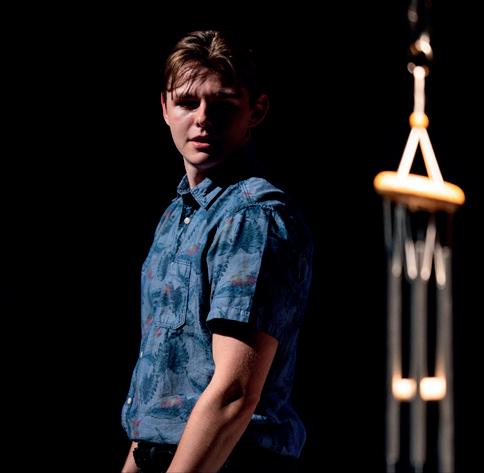
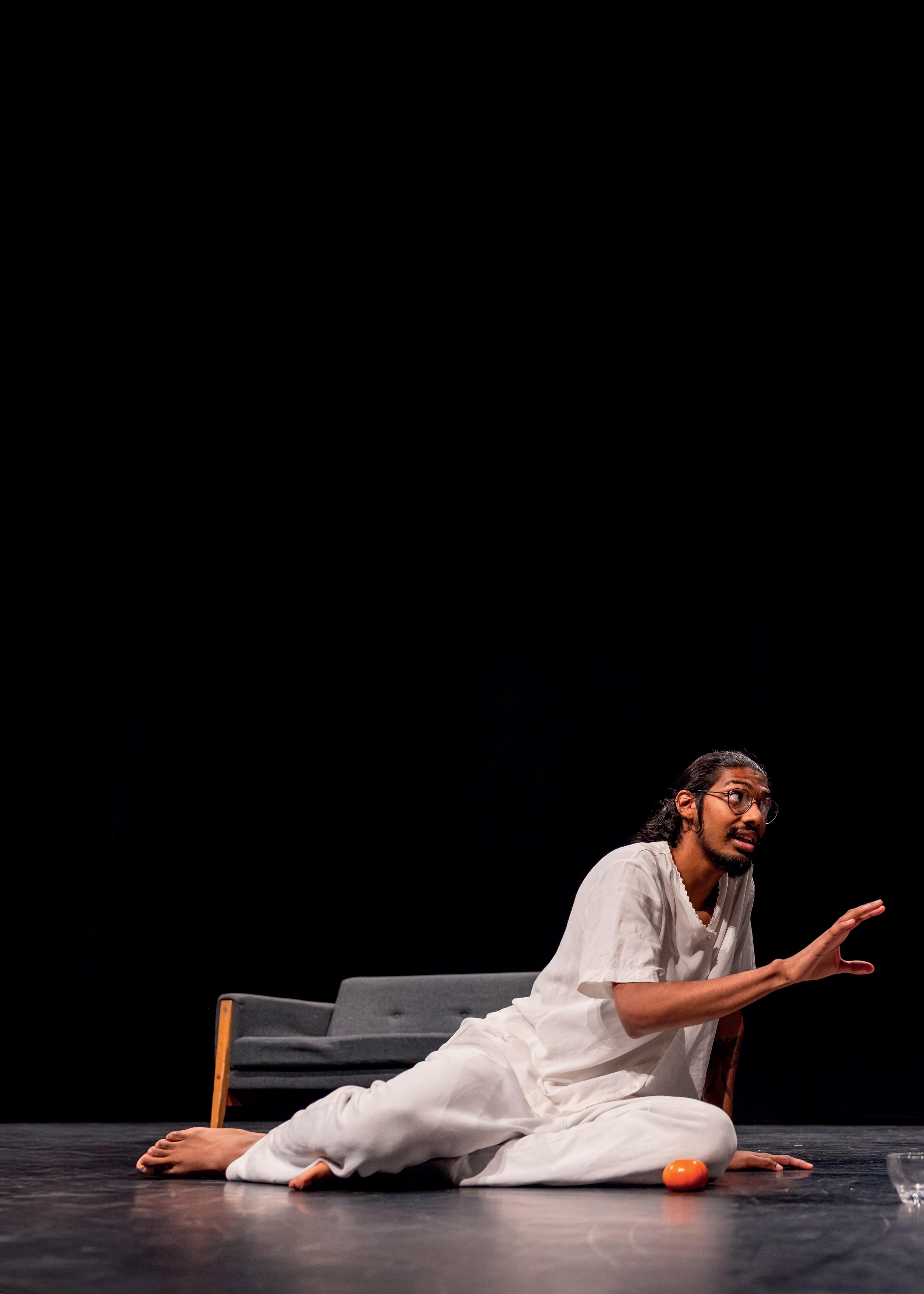
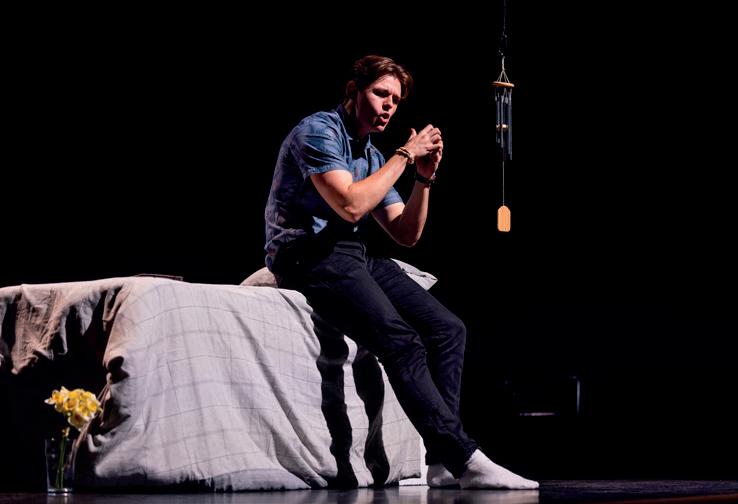
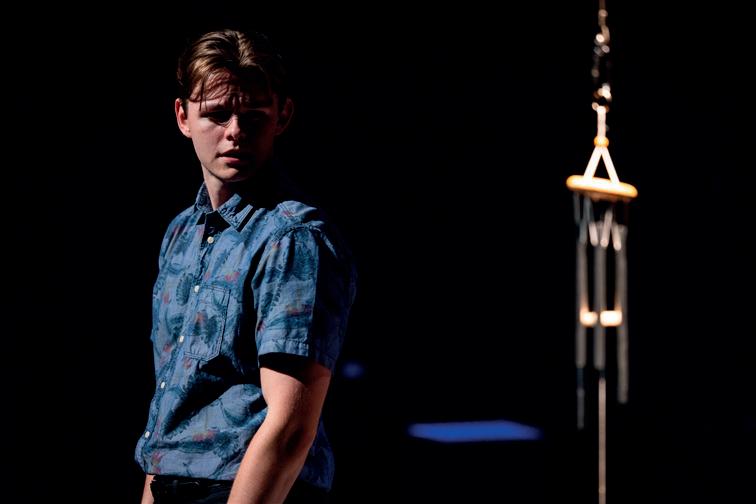
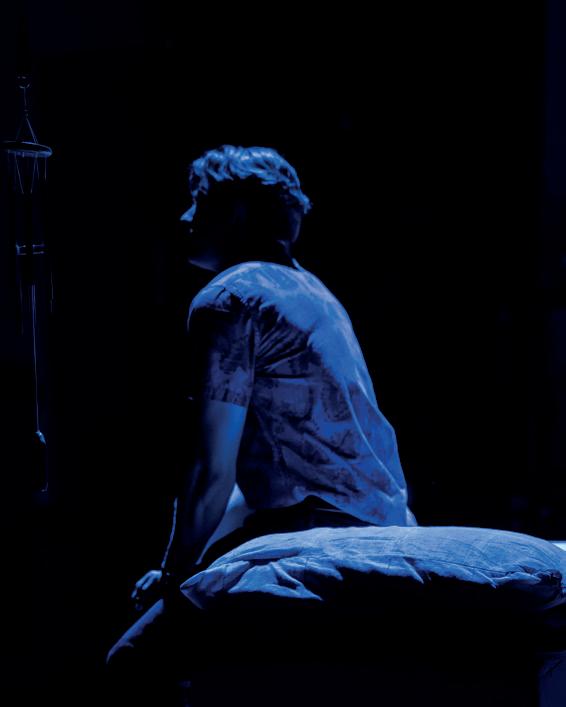
My final project was called Windchimes – a one-person dark comedy about a character named Son, who returns home from university and faces the complexities of grief while trying to reconnect with his family. The story explores how he navigates those emotions and finds his way forward.
I’ve really enjoyed studying on this course. The support from the lecturers has been incredible – they have high expectations but always guide you to reach your full potential. The training is intensive, covering everything from monologue and character studies to ensemble work and devised performance.
We have fantastic facilities with great rehearsal spaces, and we’re partnered with Theatre Royal Plymouth. I performed my final show in The Drum space there, which was such an exciting and professional experience. One of my favourite facilities is The House stage –an award-winning performance space, with brilliant technical support and a great atmosphere for performance. If I met someone thinking about applying to the course, I’d absolutely encourage them to do it. The lecturers are industry professionals with excellent connections, the facilities are outstanding, and the course keeps evolving in exciting ways.
* The latest version of this course is BA (Hons) Acting for Screen, Stage and Future
PLACEMENT/INDUSTRY EXPERIENCE
TAKE YOUR TALENT BEYOND THE CLASSROOM
EVERY PROJECT, EVERY PERFORMANCE, EVERY PLACEMENT – ONE STEP CLOSER TO YOUR CAREER
From
first-year
student
to studio professional: building confidence with an internship Natalie Morgan, BA (Hons) Music student
Natalie completed a recording studio internship at Shearwater Studios during her first year. “An internship is the best thing that I've done, and I hope to do it again. I could not fault the experience at all,” she says.
Internships at Plymouth offer a real-world insight into your chosen field. For Natalie, it was an opportunity to see if studio work was a career she wanted to pursue. “It’s really hard to get a studio internship, so when I got the position, I was ecstatic,” she recalls. The University’s Industry Liaison helped slot the internship seamlessly into her timetable, making the process stress-free.
During the internship, Natalie spent the first four weeks observing how the studio ran, learning mixing, mastering and equipment setup. In the final four weeks, she applied these skills herself, with encouragement to take ownership of her role. “It was really fun because there was no wrong answer. They wanted to see how we approached the work, our own creative spin,” she explains.
The experience also helped Natalie build essential transferable skills, including communication and teamwork. “Working in the studio built my confidence. I learned that music isn’t just about following rules – it’s about taking an artistic approach and making your own choices,” she says.
Overall, the internship solidified Natalie’s career plans. “Seeing a newly opened studio succeed showed me that a career in music is possible. The people there shared so much knowledge and really wanted me to succeed”. Her advice to future students: “Don’t overthink it. If you have even a small interest, go for it. It looks great on your CV and opens doors.”
FROM STAGE TO CLASSROOM: BUILDING CONFIDENCE THROUGH MUSIC MOLLY, BA (HONS) MUSIC STUDENT
As part of the professional development programme, I have been teaching singing and piano lessons at Tor Bridge Secondary School. These lessons are one to one and have helped me to gain confidence in my teaching ability; by seeing the progress made in the students and the enjoyment they get from the lessons.
Plymouth has also given me the opportunity to meet many other musicians and from that have formed a band which has been great fun. We have had many gigs and performed in the SU. Being part of the band has pushed me as a musician and allowed me to extend my repertoire, whilst getting the opportunity to perform around Plymouth.
There is a lot to consider on your student journey, from deciding which course to study to having your application accepted. Explore our top tips to help you prepare.
HOW SHOULD YOU CHOOSE YOUR COURSE?
We recommend that you look into the details of the course online, and consider the following:
• What UCAS points tariff and subject profile do you need?
• What are the entry requirements?
• Does the degree include modules that sound interesting to you?
• Will your degree forge a career in an industry you aspire towards?
DO YOU NEED TO PRODUCE A PORTFOLIO ONCE YOU’VE APPLIED?
BA (Hons) Photography requires its applicants to produce and submit a digital portfolio for consideration, before your offer to study can be unconditional. Your portfolio is a record of your creative potential. It’s your chance to make an impression, and to show us work that best showcases you.
SCAN FOR EXTRA INFORMATION AND HELPFUL ADVICE ON OUR PORTFOLIO PROCESS.
WHAT IS THE BEST APPROACH TO BEING ORGANISED WHEN APPLYING TO UNIVERSITY?
We recommend going onto the UCAS website and making a list of all their key dates that you ought to be aware of. Also, when trying to make decisions between universities and courses, we’d suggest that making a list of pros and cons, which you can then talk through with friends and family, would be a really good way of making choices that are right for you.
WHAT ARE MY NEXT STEPS?
It all depends on where you’re at in your student journey, and at what point you’re reading this. Chronologically, here’s what we’d recommend:
• Do your research and compile a list of potential degrees and universities that could be right for you
• Attend one of our open days before you apply
• Make your application to Plymouth
• Attend one of our Offer Holder Days after you’ve received your offer
SCAN NOW TO BOOK YOUR VISIT TO OUR CITY-CENTRE CAMPUS.
IT’S YOUR FUTURE MAKE IT COUNT
Over 95% of our graduates are in work or further study*