HOW CAN WE USE DESIGNED MATERIALS TO COMBAT CLIMATE CHANGE
CHEMISTRY LIES AT THE HEART OF OUR MOVE TOWARDS A MORE SUSTAINABLE FUTURE
Chemistry Edition
It’s never too early to start thinking about what you would like to do after school or college, or if you are thinking of a career move! At Plymouth, we know that choosing a university and course is a big decision. If you have a career aspiration or an inkling of which profession or industry you would like to enter into but are unsure of what to do next, then this is where our handy subject guide comes in.
Meet some of this issue’s contributors:
EXPLORE YOUR FUTURE HOME
FEATURES:
P.
P.
Find out more about placements and how they could enhance your studies!
P.
P.
P.
Learn
10 REASONS TO STUDY AT PLYMOUTH
If you’re doing your research into chemistry degrees around the country, you may be wondering how courses and universities differ. Of course, such things can’t be totally encapsulated in a few bullet points, but it might be a good place to start your investigations. So, here are my top 10 reasons for studying Chemistry at the University of Plymouth.
1. YOU ENJOY PRACTICAL CHEMISTRY
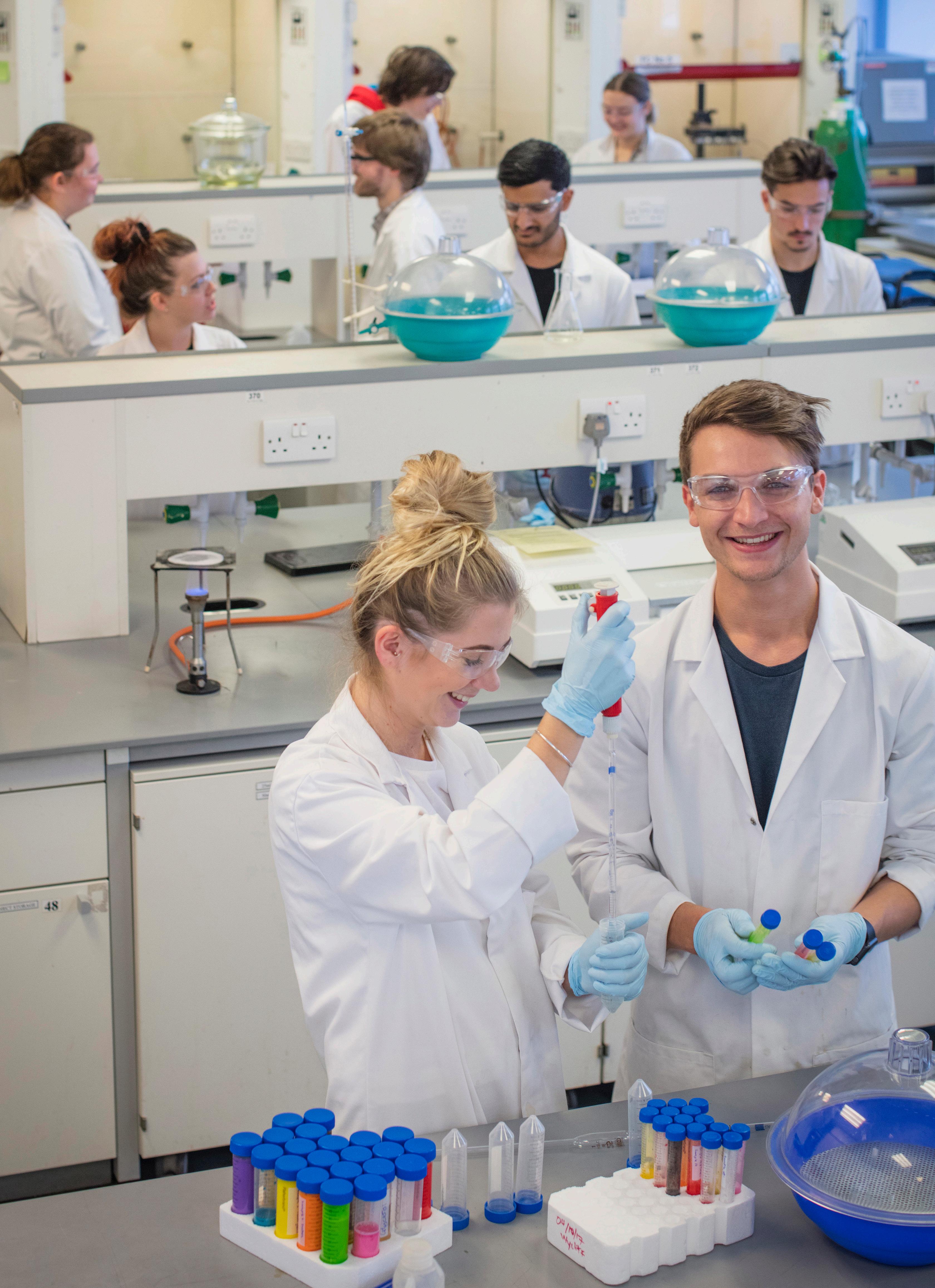
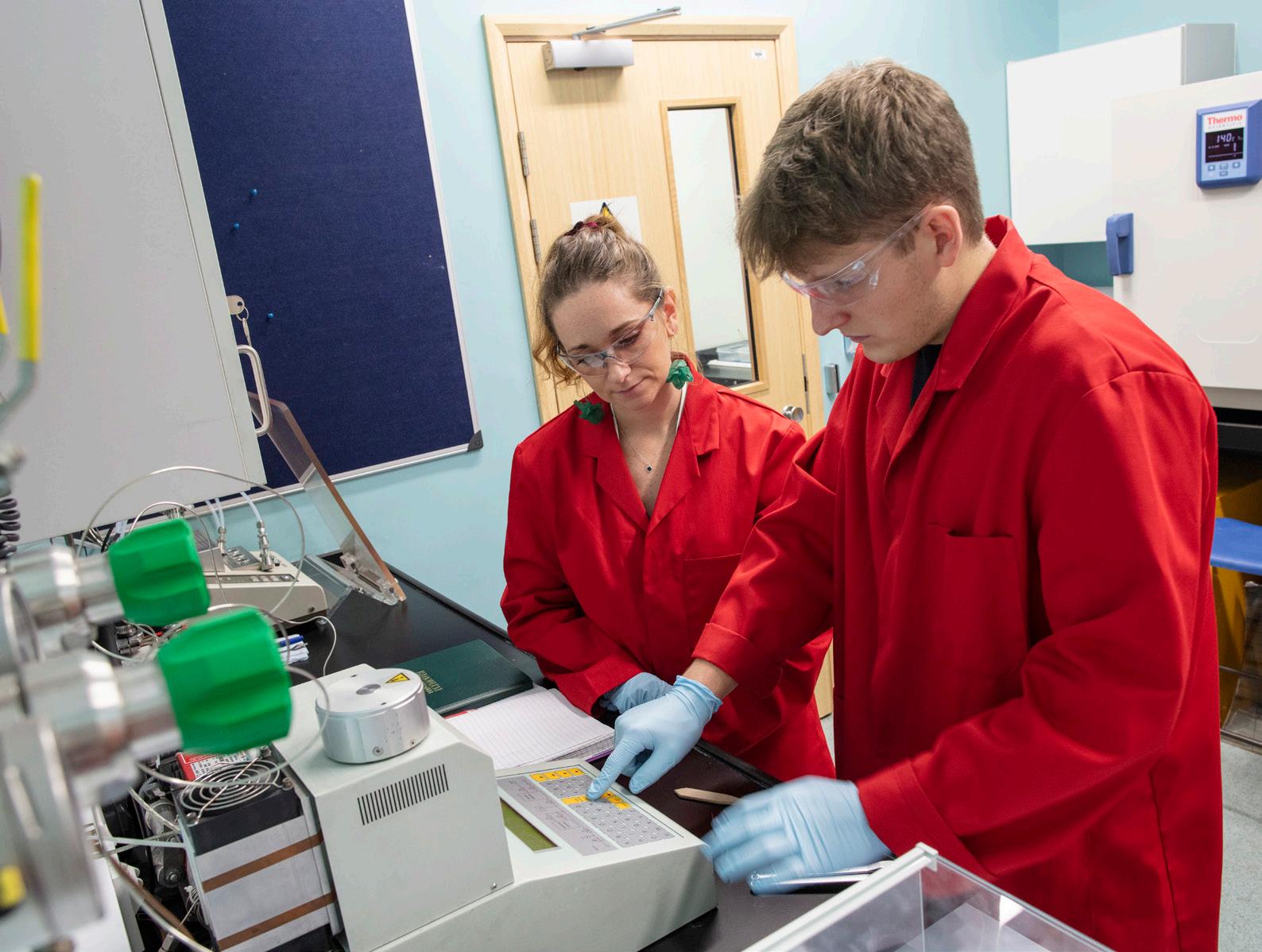
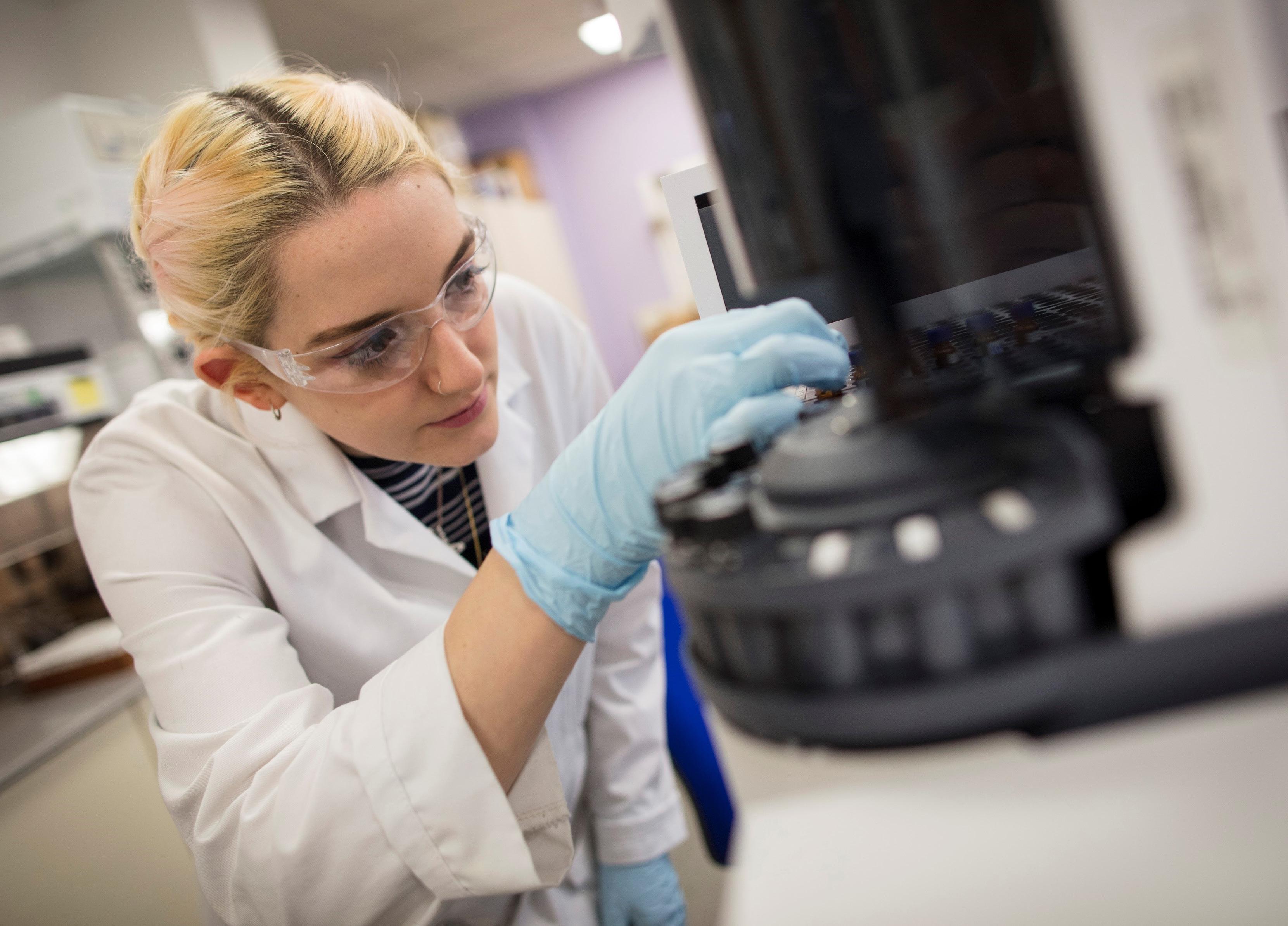
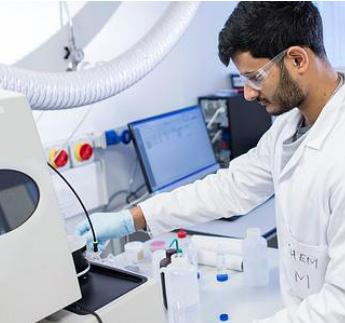
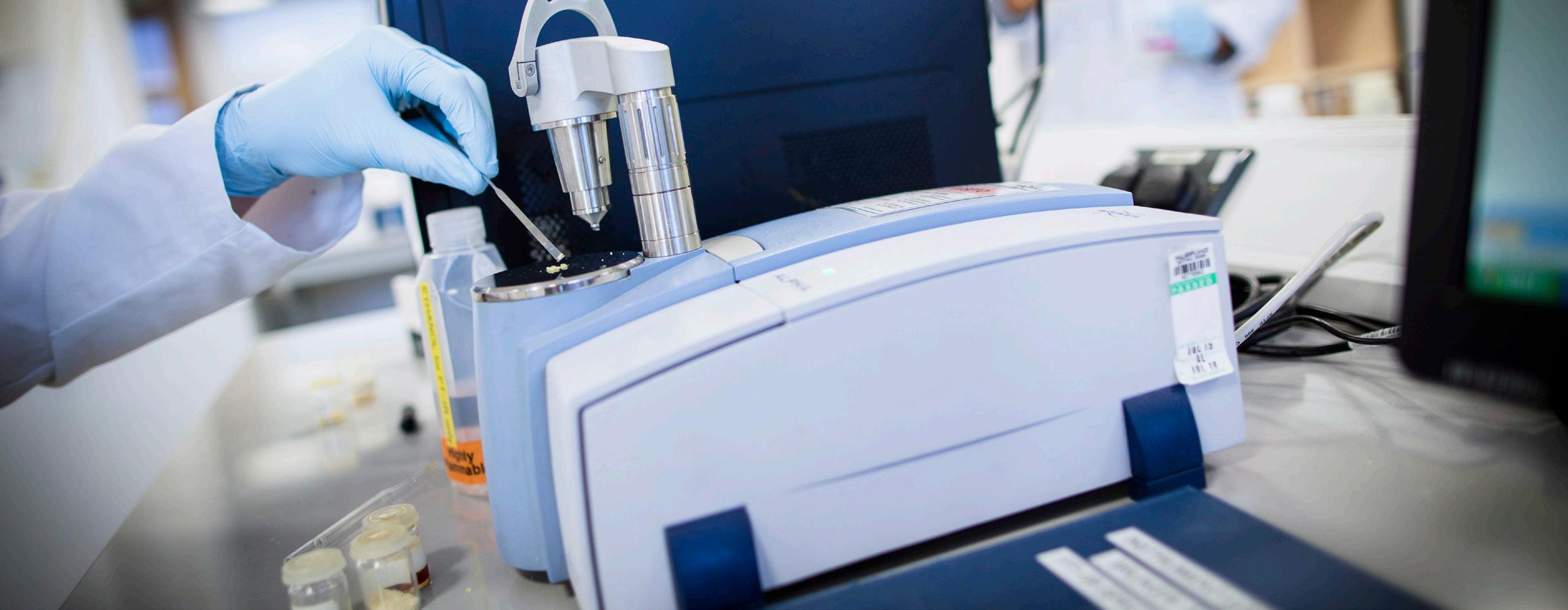
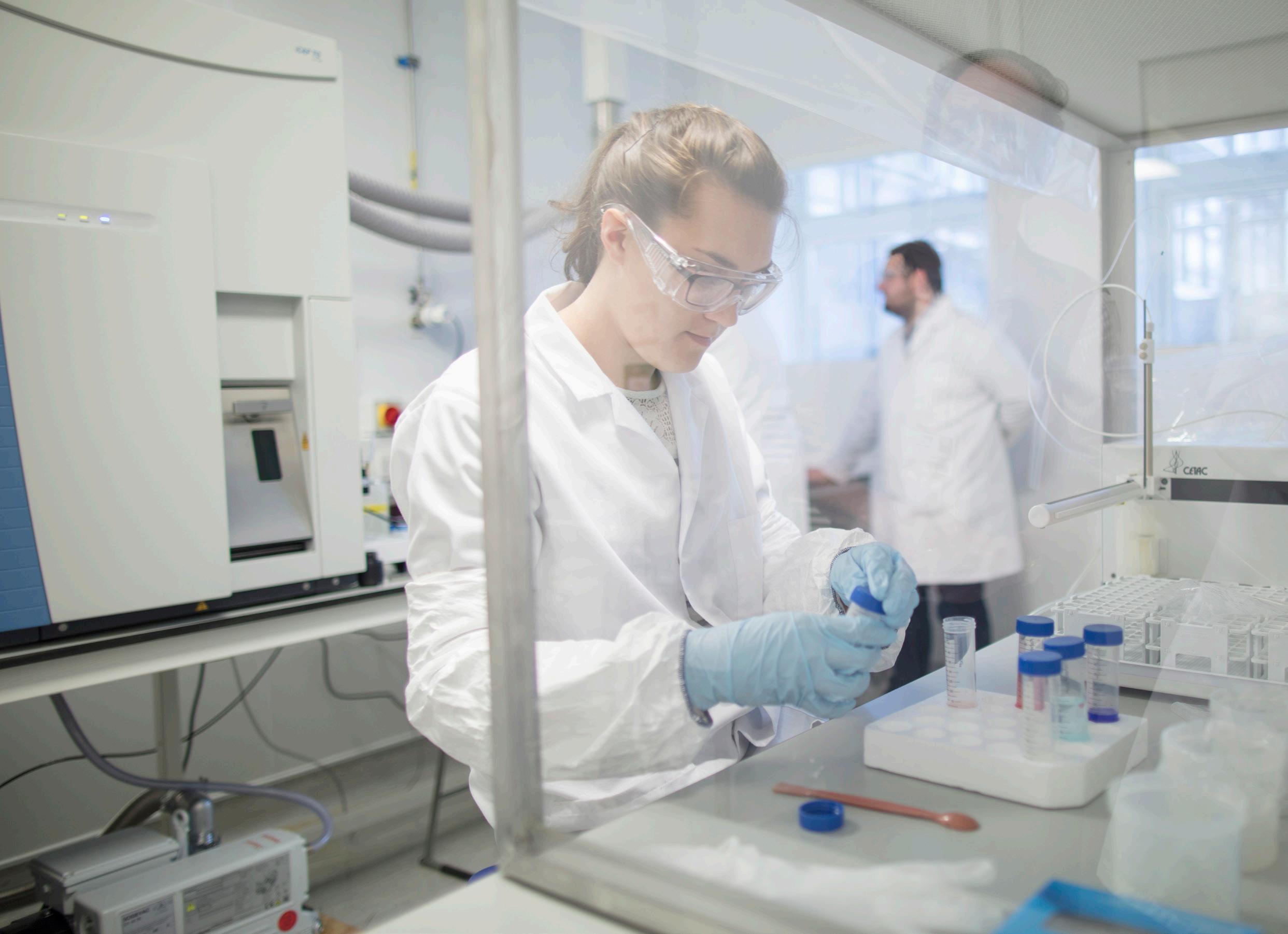
If laboratory sessions are something you look forward to, then we have plenty of them. We truly believe in chemistry as a skill to be practised, not just an academic subject to learn about. Your first lab with us will be in your first week of study and you can expect to be doing chemistry at least once (often more than once) in most teaching weeks.
3. LEARN TO USE AND BE TRUSTED WITH RESEARCH EQUIPMENT
Dr Roy Lowry Chemistry Admissions Tutor
I can remember visiting universities and being shown equipment that did amazing things but being told that the kit was “for research only”. We think differently at Plymouth. When a new instrument is purchased to facilitate a research grant, we always make sure that it is introduced into the degree. In this way, our students graduate having experience of the latest techniques and cutting-edge equipment.
2. YOU CARE ABOUT REAL-WORLD
PROBLEMS
11 of the 17 United Nations Sustainable Development Goals require the direct application of chemistry. You’ll be taught by world leaders in areas such as the recycling of rechargeable cells/batteries, using mass spectrometry to detect the onset of diseases, analysis of deep ocean samples, studying the condition of graphite control rods, the manufacture of artificial soils, and more.
4. YOU WANT TO KNOW (AND BE KNOWN BY) TEACHING STAFF
We’re a relatively small teaching team and each year we look for about 50 students to join us. You won’t be “just another student”, as we seek to know each of our students by their first name and we prefer to be addressed by our first names as well. Labs are a great way to get to know people with most class sizes of about 25, tutorials with groups of about 12 and each student gets a personal tutor when they start the course.
5. STAND OUT FROM THE CROWD
Boost your CV and enrich your course-based learning by undertaking a year in industry. Chemistry students have a wide range of skills and expertise sought by employers, as a result our students secure placements in diverse companies and organisations, both in the UK and further afield.
7. STUDY SOMEWHERE THAT SUITS YOU
Plymouth is Britain’s Ocean City, home to the UK’s first National Marine Park and one of the UK’s most sustainable cities. It is also close to Dartmoor National Park and the Tamar Valley Area of Outstanding Natural Beauty. The city has just under ten miles of coastline including plenty of beaches. It is a friendly and magnificent place to live and study.
6. GETTING A JOB WHEN YOU GRADUATE IS IMPORTANT TO YOU (AND US)
The skills you learn during your time with us are highly regarded by employers. Many of our graduates either gain employment that uses their chemical skills or go on to further study. Careers within chemistry are very varied and can be outside collecting samples or studying chemistry in-situ, working in a lab doing research or quality assurance, analysing the results (frequently of large multi-national datasets), advising customers, avoiding hazards, etc. But if you’re looking to change, then your degree proves that you are literate, numerate and a problem solver!
8. WORLD LEADING RESEARCH
The University was the second UK university to be verified as carbonneutral to the PAS 2060 standard and is regularly featured in the Green Gown Awards and the Times Higher Education World University Rankings for our outstanding marine and maritime research. Indeed, the first experiments to identify what became known as microplastics were performed on our FT-IR (Fourier transform infrared) spectrometer located in our undergraduate labs!
9. RECOGNITION OF YOUR SKILLS AND CONTRIBUTIONS
The practical problem-solving nature of our Chemistry degrees equip you with graduate skills employers’ value most: oral and written communication skills, project and time management, numeracy and computer literacy. These skills are embedded into our course design and all graduates attain proficiency in these key areas.
10. YOUR DEGREE WILL BE ACCREDITED
Our BSc (Hons) Chemistry degree is accredited by the Royal Society of Chemistry which means that it can be used as part fulfilment of the requirements to become a Chartered Chemist (CChem). This designation is essential for work in the pharmaceutical industry and is often desirable for positions in quality control/assurance.
WHICH DEGREE IS RIGHT FOR ME?
BSc (Hons) CHEMISTRY
This three-year (plus optional placement year) course starts with your current experience and knowledge and builds towards a research project in the final year in which you will be using the recent research literature to inform your studies. The course’s hands-on nature is demonstrated by all of the modules containing a coursework component. These course aspects in students who can thrive in their work. course aspects in students who can thrive in their work.
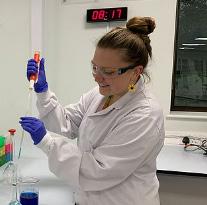
KATRINA
Analytical Development Scientist at Catalent.
“The Chemistry course at the University is very hands-on and laboratory based which gave me the experience that was necessary to thrive in industry.”
“I gained extremely valuable skills in a wide range of instruments and equipment that undergraduates sometimes don’t get a chance to work with at some other universities. This really enabled me to integrate easily into an experienced team in the workplace.”
BSc (Hons) CHEMISTRY WITH FOUNDATION YEAR
This four-year (plus optional placement year) course utilises a ‘year zero’ which brings you up to and slightly beyond A-level standard in chemistry and one other science subject, as well as gaining you study and mathematical skills. Designed for those who are returning to study or have changed direction and hence do not meet the requirements for direct entry to the BSc, this course is taught on campus using exactly the same facilities and staff as the BSc.
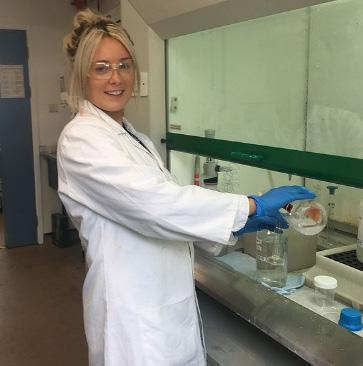
DANIELLE
Senior Assistant Scientist, Environment Agency.
“The most inspiring aspect of the course was the encouragement from teaching staff and peers. I felt that the University had a small and niche department for Chemistry which meant you were able to form good relationships with your peers and the teaching staff.”
ons) ENVIRONMENTAL CHEMISTRY
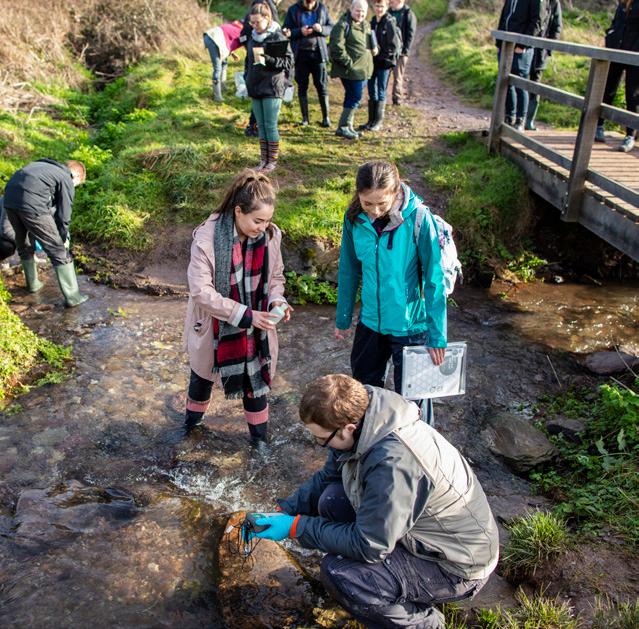
This three-year (plus optional placement year) course is designed to give you the core principles and techniques of chemistry and analysis, along with an understanding and appreciation of environmental management and solutions to the global problems we now face. There is the option of an environmental expedition (residential) is your second year and the degree culminates in an environmental research project which stretches across both semesters.
JAYAN
Technical Sales Representative at Thames Restek Ltd.
“When I came to Plymouth, I started on the Extended Science foundation year and was set on working in a lab after I graduated. My course-related lab work made me want to use inductively coupled plasma (optical emission spectroscopy analysis) as part of my job.”
WHY YOU SHOULD DO A PLACEMENT!
Enrich your course-based learning by undertaking a year in industry to put your learning into practice in real-world situations, or use a placement to support your chemistry research project.
Where will your chemistry placement take you…?
Chemistry students have a wide range of skills and expertise sought by employers. Chemistry permeates many aspects of business and society, and as a result our students have secured placements in diverse companies and organisations, both in the UK and further afield. Our placements team is on hand to assist you in finding an excellent placement, supporting your search with specialist workshops and tutorials in your second year to ensure that you are suitably prepared to enter the workplace.
Placement options
Examples of previous placements: GlaxoSmithKline, Middlesex; Diageo R&D, Scotland; University of Rennes, France; CSIRO, Perth, Australia; Eden Project, Cornwall; Plymouth Marine Laboratory; Imerys Minerals, Par, Cornwall; National Marine Aquarium, Plymouth; University of Buenos Aires, Argentina, and Shepherd University, USA.
WILLIAM’S STORY
WHERE DO YOU WORK?
SHEPHERD UNIVERSITY USA
UNIVERSITY OF RENNES RENNES, FRANCE
EDEN PROJECT CORNWALL, UK
PLYMOUTH MARINE
LABORATORY PLYMOUTH CITY
COUNCIL PLYMOUTH, UK
UNIVERSITY OF BUENOS AIRES ARGENTINA WEST VIRGINIA STATE UNIVERSITY USA
DIAGEO R&D SCOTLAND, UK
CSIRO PERTH, AUSTRALIA
I work at GSK (GlaxoSmithKline) as an industrial placement student in particle sciences. My role involves developing the crystallisation process of the final API (active pharmaceutical ingredient) that will be used for drug product development. This means we have to fully understand the characteristics of the API, such as polymorphic landscape and physical properties, and work to provide the best possible characteristics for drug product development.
HOW DID YOU FIND YOUR PLACEMENT?
I found my placement through a website called Gradcracker, but I also found it useful to visit the website of the actual company you’re interested in undertaking a placement at as it gives you a better insight into the company motivations and philosophy.
HOW DO YOU THINK WHAT YOU HAVE LEARNED ON THE COURSE SO FAR CONNECTS WITH INDUSTRY?
Everything I have learnt on the course connects in some way with industry and has helped me to understand not only my work but also that of the wider
R&D departments. The most important thing that has helped me so far is my level of practical experience. As you are in the lab every day, being confident and comfortable from the start helped me a lot.
HOW DO YOU THINK YOUR PLACEMENT WILL HELP YOU WITH YOUR COURSE AND FUTURE EMPLOYMENT?
I am both a better student and scientist due to all my experiences at GSK, and my lab work is at a much higher level now than when I started. Being surrounded by colleagues with so much experience and working side by side with them means it is impossible to not learn and grow. I believe that when it comes to employment it helped in two main ways. Firstly, it helped steer my career path and understanding of what I would like to do with my degree, which is something that is very hard to do without some kind of prior experience working in the field. Secondly, employers will appreciate the time I’ve spent in industry, which will help with finding employment in the future.
Emily, BSc (Hons) Chemistry
“I undertook a placement with Imerys Minerals based in Par, Cornwall. While I was there I worked within the Carbonates division and completed a research project looking at the use of treated calcium carbonate in breathable film. I really enjoyed the independence of choosing where to take my project, and the challenges of working on a far larger scale than I had previously experienced in a lab as well as most apparatus being unfamiliar to me.
“This has helped me within my degree as I am now far more confident in writing reports and giving presentations as well as in my own problem-solving abilities. This has resulted in me having a far clearer idea of the sort of career I would like to pursue after finishing my studies.
I came across this placement after an email was sent out regarding the opportunity by the Chemistry academic Dr Mark Fitzsimons. I sent my CV in and was offered a Skype interview, and within a week of the application I had received my offer!”
JAYAN’S STORY TANTOO’S STORY
TELL US WHAT YOU HAVE BEEN DOING SINCE COMPLETING YOUR STUDIES. WHAT IS THE BEST, MOST EXCITING OR FUN THING THAT YOU HAVE DONE IN YOUR CAREER?
After graduating I quickly joined Thames Restek as an internal sales representative to assist in supporting the technical sales representatives. This role involved helping with the dayto-day quotes and this has progressed to me taking on more technical projects. I have recently become the Technical Sales Representative for the south of England, including Plymouth. As with any job a majority of the work can be quite repetitive however in my role solving complex customer problems is very rewarding when you help come up with a solution and by doing this, I have helped customers to design custom valves and chromatography columns to meet their lab’s needs.
HOW DID THE ACADEMIC STAFF SUPPORT YOU IN YOUR STUDIES?
The academic staff and the ‘support’ staff are very supportive. You are given a personal tutor who can help you with any academic or personal problems you have. You can also turn
to the laboratory technicians who can help you with any lab-based issues you have and for me they were beyond helpful when it came to planning and undertaking the laboratory work for my dissertations.
WHAT WAS YOUR MAIN REASON FOR CHOOSING TO STUDY YOUR COURSE AT PLYMOUTH? WITH HINDSIGHT HOW SIGNIFICANT WAS THIS FOR YOU?
One of the appealing things about studying in Plymouth other than the location was that the course was accredited by the Royal Society of Chemistry, so I was able to graduate from an accredited course.
HOW DID STUDYING AT PLYMOUTH CHANGE YOUR CAREER ASPIRATIONS AND PLANS? HOW DID YOUR PLACEMENT IMPACT ON YOUR SHORT- AND LONG-TERM CAREER PLANS?
When I came to Plymouth, I started on the foundation year and was set on working in a Lab after I graduated. My course related lab work made me want to use ICPs as part of my job, so my dissertations were both related to water quality and metal pollution.
While studying MSc Environmental Consultancy I undertook an 8-week placement at Royal HaskoningDHV in Exeter, this made me sure that I wanted to work in the environmental field with an emphasis on rivers and water quality.
However, after graduating I ended up working for Restek where we primarily focus on gas and liquid chromatography.
TELL US WHAT YOU HAVE BEEN DOING SINCE COMPLETING YOUR STUDIES. WHAT IS THE BEST, MOST EXCITING OR FUN THING THAT YOU HAVE DONE IN YOUR CAREER?
I have worked as an anti-doping scientist for a company called LGC for the past 2.5 years since completing my MChem. I have absolutely loved my position analysing supplements for banned substances (such as anabolic steroids). However, the position was based in Cambridge and due to a re-location I have now accepted a new position in Birmingham. Firstly, working with many different types of instrumentation - most importantly HR-LCMS instruments known as ‘Orbitraps’. These instruments can analyse data up to an accurate mass to four decimal places. They are extremely sensitive and produce lovely looking data. I have also worked on analysing horse feeds which came directly from the equestrian olympics, which was very exciting for the whole team!
HOW WELL DID PLYMOUTH PREPARE YOU FOR THE CHALLENGES THAT YOU HAVE FACED, OR WILL FACE, IN YOUR CAREER?
Plymouth has prepared me extremely well for the challenges I have had to face so far. For example, for my interview at my current position I had to present for 15 minutes on a chemistry project of my choice. I presented my MChem project again. Plymouth University prepared me for this by constantly helping me gain social interaction skills along with presenting experience.
HOW DID STUDYING AT PLYMOUTH CHANGE YOUR CAREER ASPIRATIONS AND PLANS?
Seeing the passion, the lecturers had for Chemistry really made me want to pursue a career in industry to start off my professional life. But it also made me think about possibly going on to complete further education and completing a PhD to one day become a lecturer and help inspire others in the same way they inspired me.
WHAT WAS YOUR MAIN REASON FOR CHOOSING TO STUDY YOUR COURSE AT PLYMOUTH? WITH HINDSIGHT HOW SIGNIFICANT WAS THIS FOR YOU?
I have always loved science, especially Chemistry. I’ve always found working
in a lab so exciting because you never know exactly what the outcome of your work will be. This adds so much excitement and knowledge of problem solving which you will carry with you throughout life and into future positions. Chemistry, along with having a great deal of theory alongside the practical element, has always had a huge amount of hands-on work involved, which I personally love getting involved with.
HOW DID THE ACADEMIC STAFF SUPPORT YOU IN YOUR STUDIES?
The staff at Plymouth university were very supportive throughout the fouryear university course I completed. During my 3rd year and MChem project my supervisor, Dr Hayley Manners was very helpful and always had time for me and my questions. Overall, I feel the staff at Plymouth really care about the students, they can see which students want to genuinely do well and try hard and they will not hesitate to provide help if ever asked.
SKILLS FOR GRADUATES MAPPING YOUR CAREER
Many of our graduates also pursue very successful teaching careers, while others continue their studies, gaining masters and doctoral degrees.
SKILLS YOU GRADUATE WITH
Our undergraduates gain hands-on experience of the latest analytical software and instrumentation as used in industry. Employers value these specific skills very highly and coupled with the opportunity to take an industrial placement year, our students consistently find relevant professional employment soon after graduation.
For those graduates looking towards a long-term career as a professional chemist, our accredited BSc (Hons) Chemistry degree gives you a fast track to Chartered Chemist status with the Royal Society of Chemistry.
There are many different careers open to you if you want to work in a laboratory, but a chemistry qualification also opens a wide range of alternative career options. In fact, only about a third of chemistry graduates in the UK decide to work in a laboratory. Studying chemistry can provide you with a whole range of useful skills that are highly valued by employers in all sectors (RSC, 2018).
The practical problem-solving focused nature of our Chemistry degrees equip you with graduate skills employer’s value most, namely: oral and written communication skills, project and time management, and numeracy and computer literacy. These skills are embedded into our course design and all graduates attain proficiency in these key areas.
MAPPING
YOUR CAREER
Specialist careers guidance is ingrained within the Chemistry courses, including modules specifically designed to prepare you for your optional industrial placement. Placement and employability drop-in sessions are available throughout the course where you can speak personally with a dedicated career advisor.
Several careers’ fairs and events are hosted each year within the University to provide the opportunity to meet local, national and international employers face to face. A University-wide placement and graduate careers fair is followed by a Science and Engineering-specific event during semester 1. In semester 2 we also host a Chemistry Careers Day and Science and Engineering networking event to provide the maximum opportunity for you to make contact with relevant employers within the chemical industry and applied fields.
These large events are supplemented with careers workshops and invited guest speakers throughout the year to prepare you for job applications, assessment centres and networking opportunities with professional peers. We have a close working relationship with the Royal Society of Chemistry which allows you to access wider resources, partake in RSC events, local lectures and access RSC grants and funding.
YOUR CAREER PATH
A Chemistry degree from the University opens up a wide range of career opportunities. Our RSC-accredited degree courses have a strong focus on analytical chemistry and on the development of key skills which are in high demand from employers.
These include:
• theoretical and practical knowledge of analytical techniques
• problem-solving skills
• a logical, independent and motivated mindset
• a systematic approach to tasks
• team-working and communication skills.
As a student you gain hands-on experience with modern analytical instrumentation. Placement opportunities in industry are also available as part of your course.
OUR GRADUATE EMPLOYERS INCLUDE:
• Astra Zeneca
• Babcock International
• Chivas
• Environment Agency
• GSK
• Intertek
• Jacobs
• Ministry of Defence
• Mondelēz International
• Syneos Health.
FACILITIES
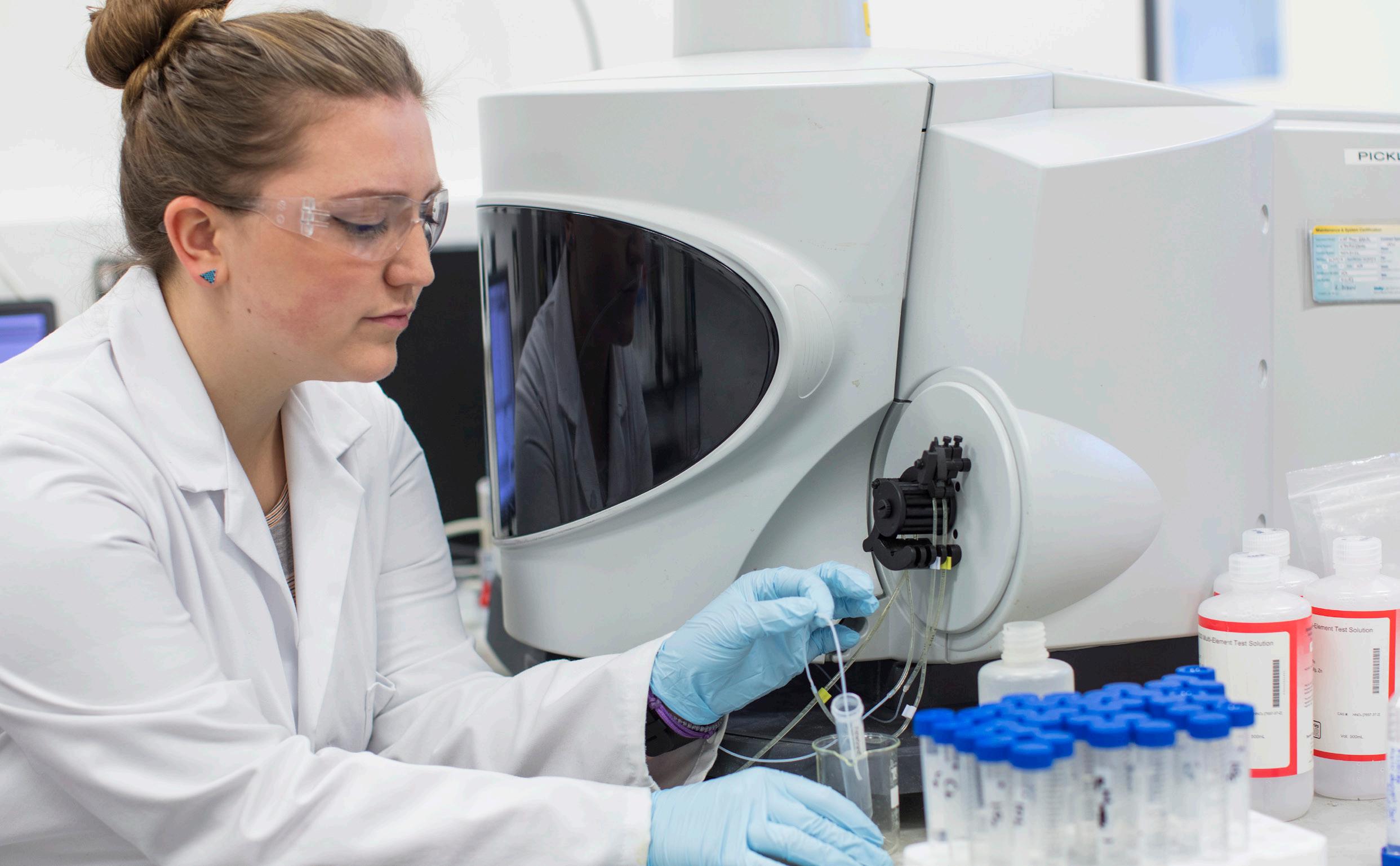
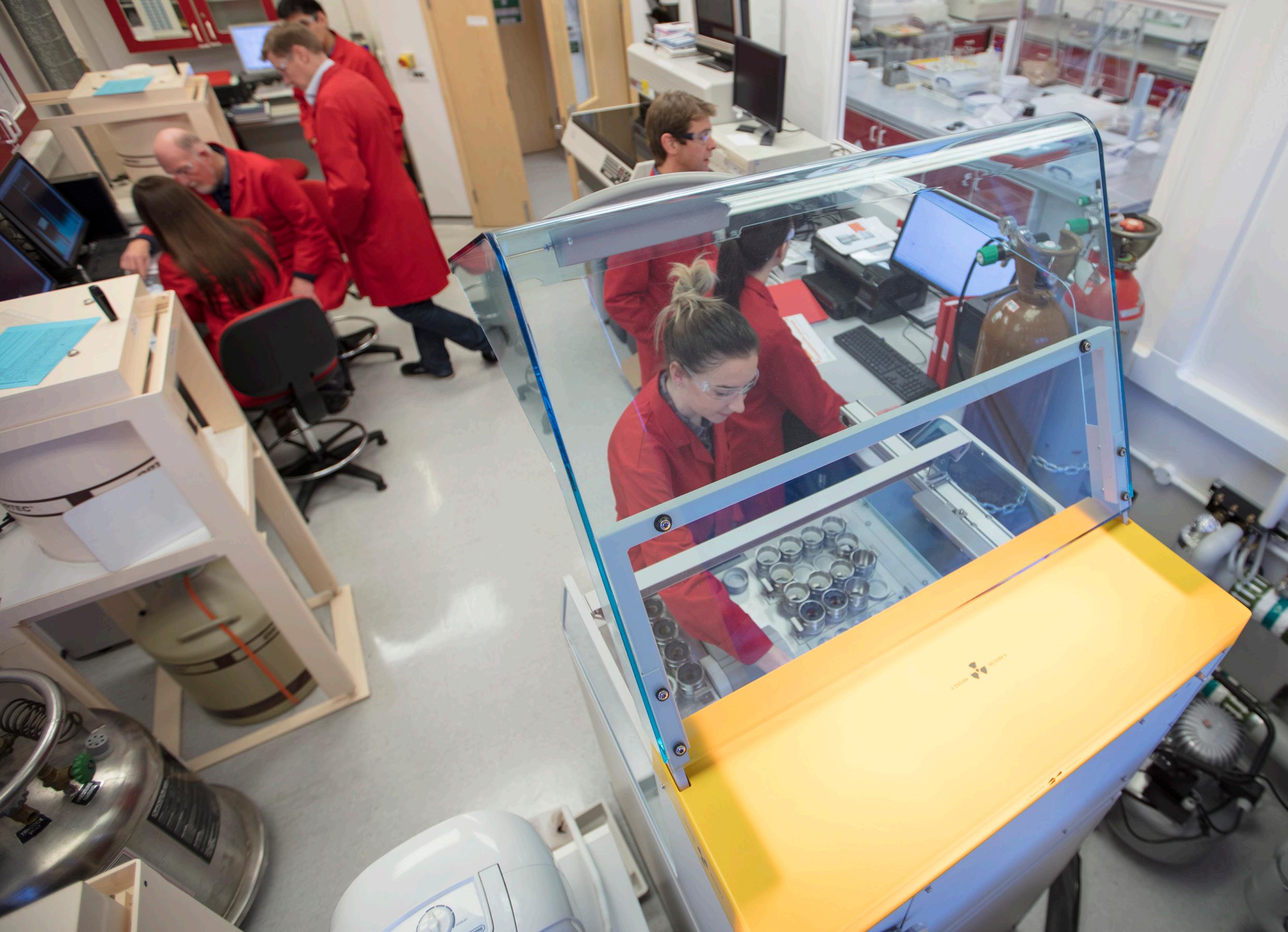
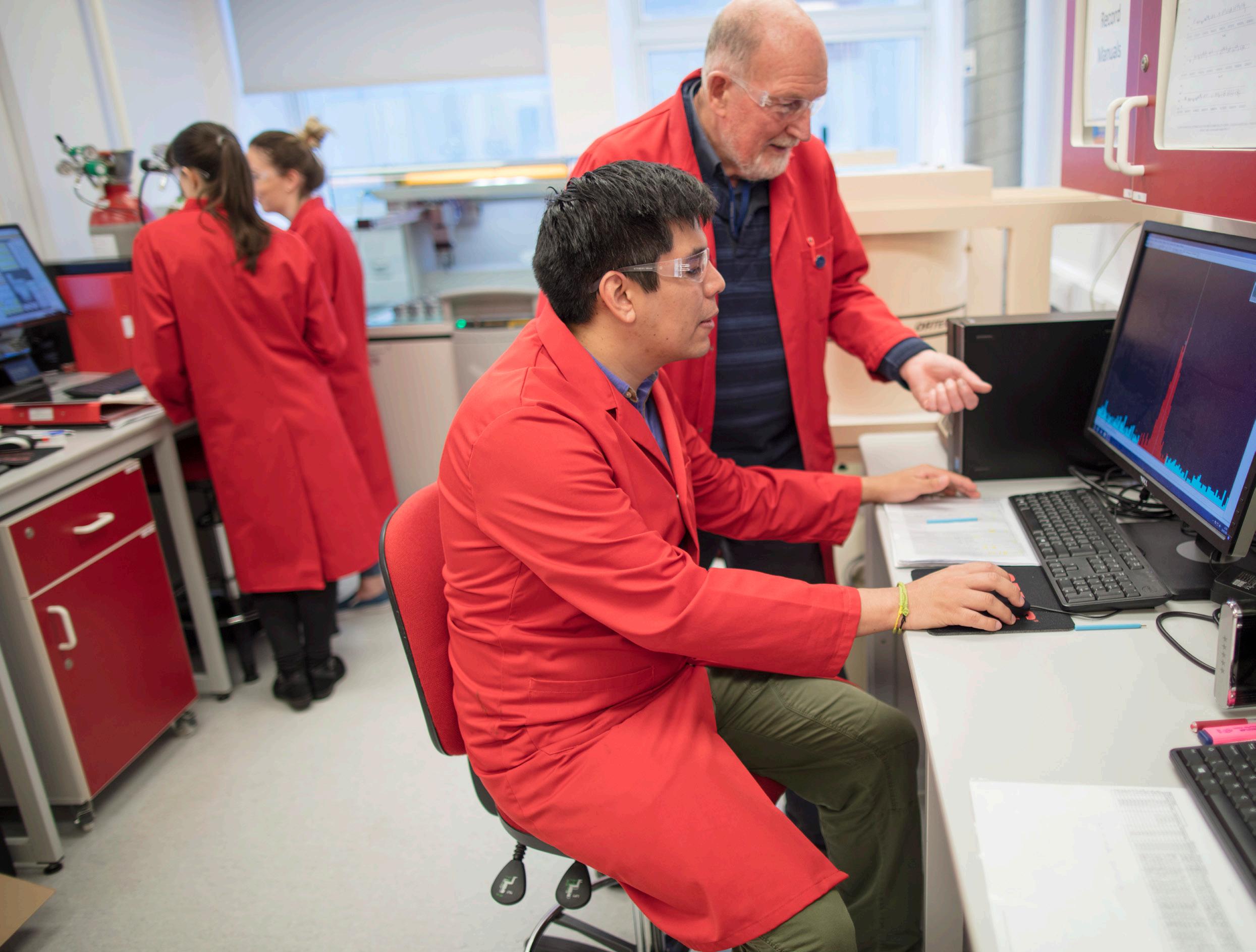
Chemistry often involves making measurements, be it to determine reaction rate constants, confirm the structure of synthesised compounds, estimate the purity of a substance or the qualitative or quantitative determination of elements and molecules essential for, or toxic to, life. The philosophy of the Chemistry courses at the University is that you ‘learn by doing’: in conjunction with lectures on theory, you are trained in the use of our extensive suite of instruments by experts in the field. You get hands-on experience throughout your degree in practical classes and as part of your final-year research project.
FOURIER TRANSFORM INFRARED (FT-IR), ULTRAVIOLET-VISIBLE (UV/VIS), AND NUCLEAR MAGNETIC RESONANCE (NMR) SPECTROSCOPY
These spectroscopic techniques are standard in chemistry. Infrared spectroscopy uses vibrations of molecules to obtain information about functional groups. UV/vis is a sensitive way to determine the strength of coloured solutions, and thus the concentration of an analyte.
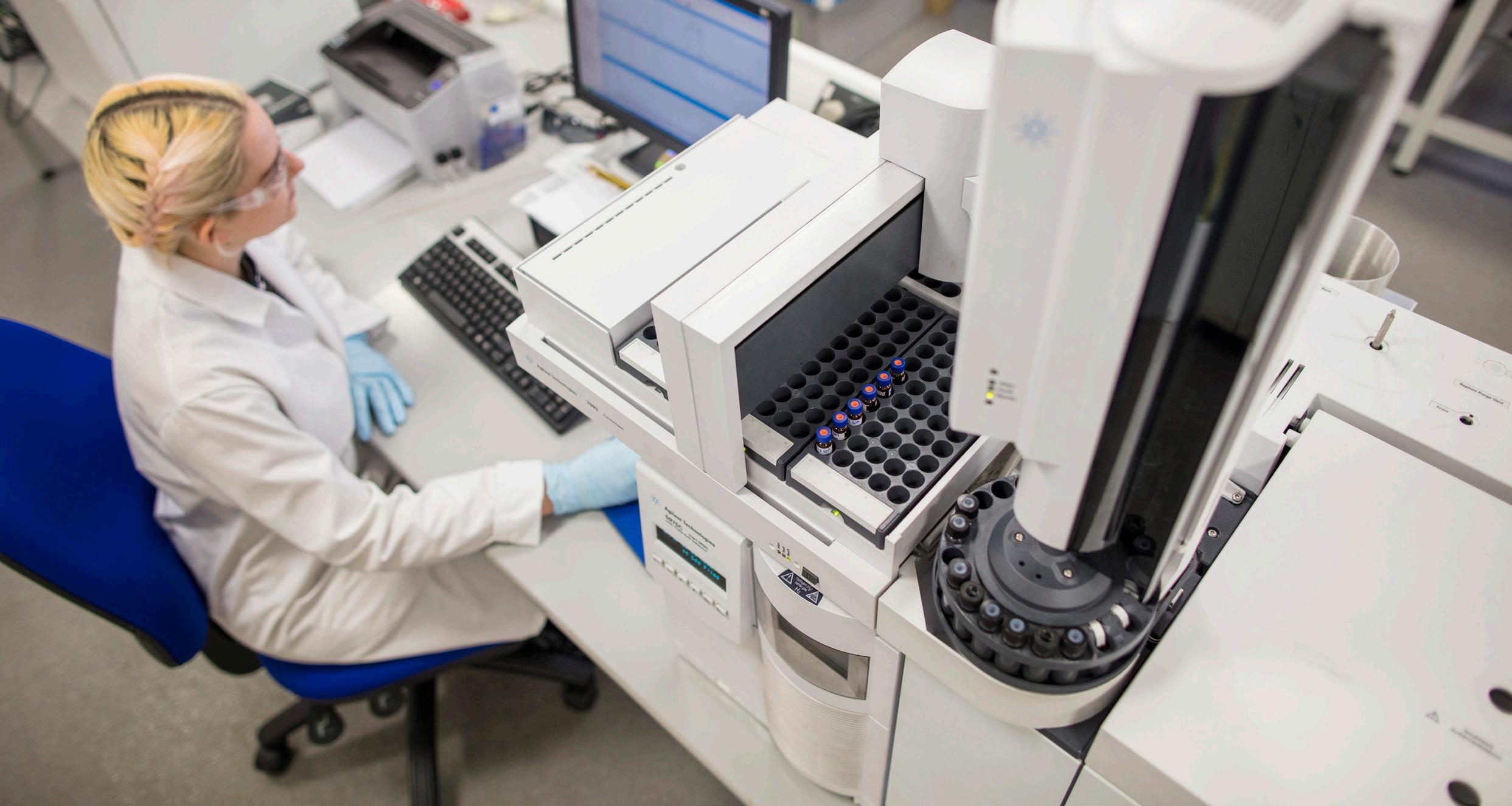
GAS CHROMATOGRAPHY WITH FLAME IONISATION DETECTOR (GC-FID), AND WITH MASS SPECTROMETRIC DETECTION (GC-MS)
Semi-volatile organic compounds can be separated in the gas phase based on their relative affinity between a stationary phase (column inner coating) and mobile phase (carrier gas). GC-FID can be used to quantify separated analytes and has wide-ranging applications in the food, pharmaceutical and petroleum industries. Mass spectrometry is a technique that analyses ions
based on their weight. In GC-MS, as compounds leave the GC column following separation an electron beam is used to ionise them (electron impact) to provide characteristic ‘fingerprint’ patterns for each molecule. You will use these instruments in the analytical and organic chemistry modules, as well as in your final-year project, if appropriate.
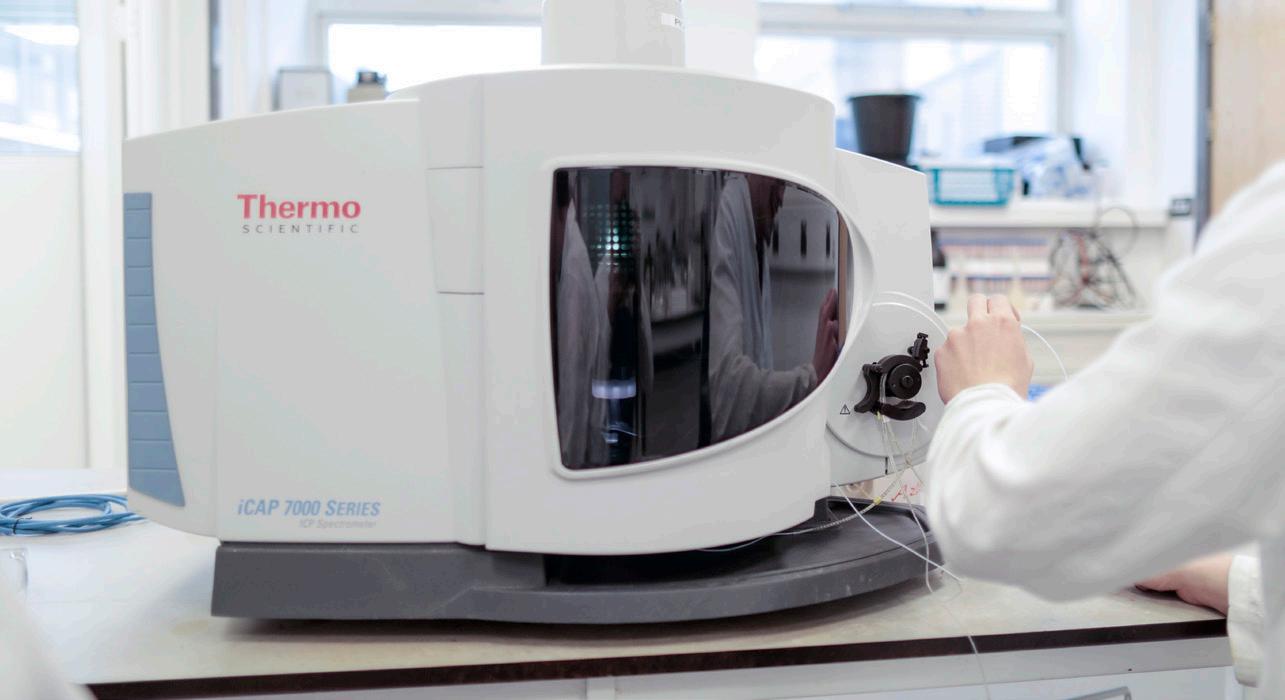
INDUCTIVELY COUPLED PLASMA MASS SPECTROMETRY (ICP-MS)
ICP-MS is an analytical technique used to identify and quantify individual elements in a sample, with detection down to nanograms per litre. The plasma decomposes a sample into its constituent elements and these are detected in the mass spectrometer. ICP-MS is used to analyse samples from the natural environment, as well
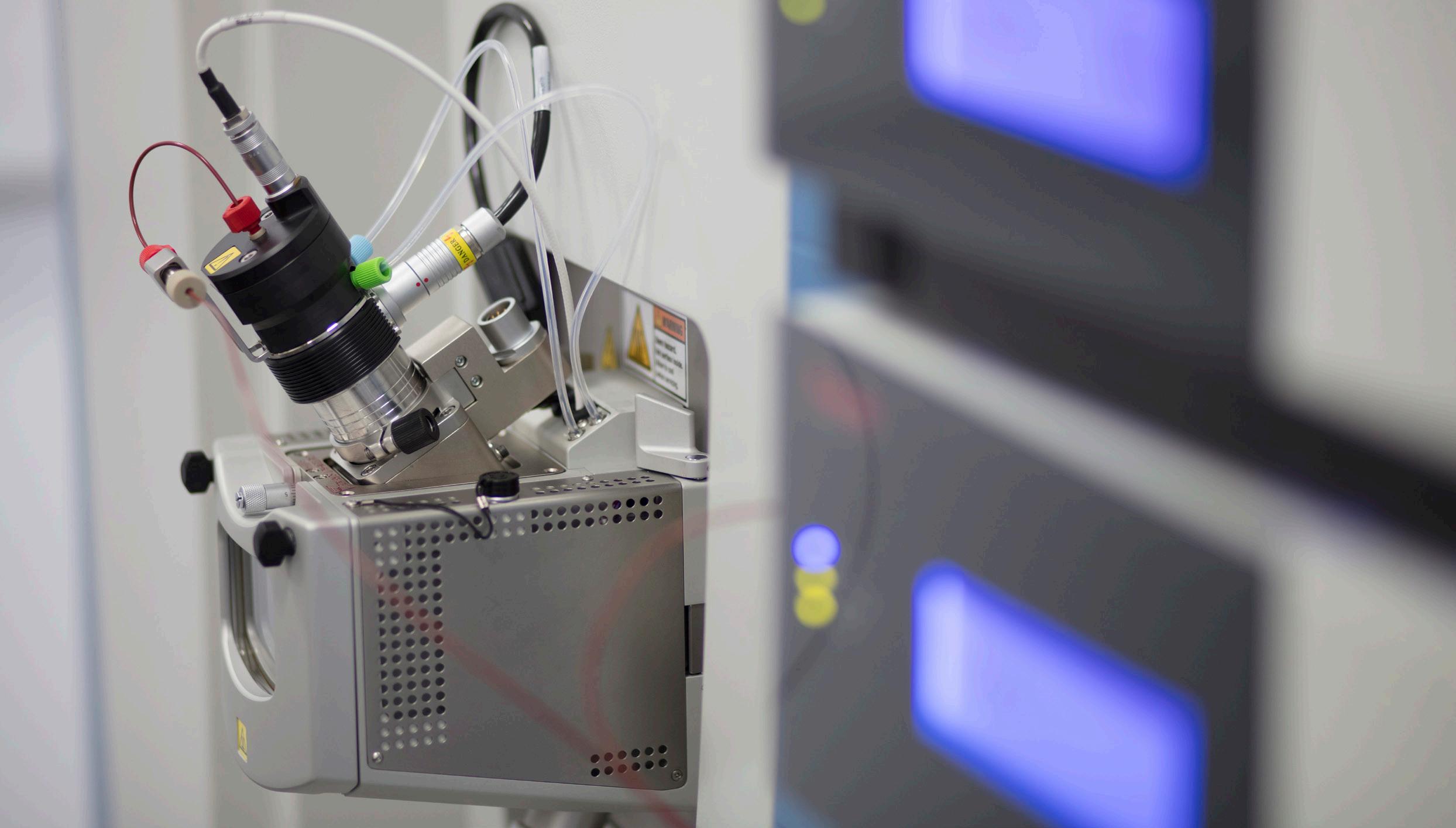
HIGH-PERFORMANCE LIQUID
CHROMATOGRAPHY (HPLC) WITH UV DETECTION, AND WITH HIGH-RESOLUTION ACCURATE MASSMASS SPECTROMETRY (HRAM-MS)
In HPLC, molecules are separated based on their relative affinity for a stationary phase, usually bonded on silica beads and a liquid mobile phase. High-resolution accurate mass (HRAM) systems detect minute differences in the masses of compounds, enabling chemical formula determination and subsequent compound identification and quantitation. Applications include all areas of chemical science, and you will use HPLC in the Advanced Analytical Techniques module.
The ICP can also produce excited atoms and ions that emit electromagnetic radiation at wavelengths characteristic of an element. ICPOES is used in second-year practical classes, as well as final-year projects. Recent projects have investigated metals in sediment samples.
as biological and industrial samples. You will use ICPMS in the Advanced Analytical Techniques module, as well as in your final-year project, if appropriate. Recent projects include the investigation of ecotoxic metals in rivers.
HELIUM AND POWDER DISPLACEMENT
PYCNOMETRY, MERCURY INTRUSION
POROSIMETRY, SURFACE AREA
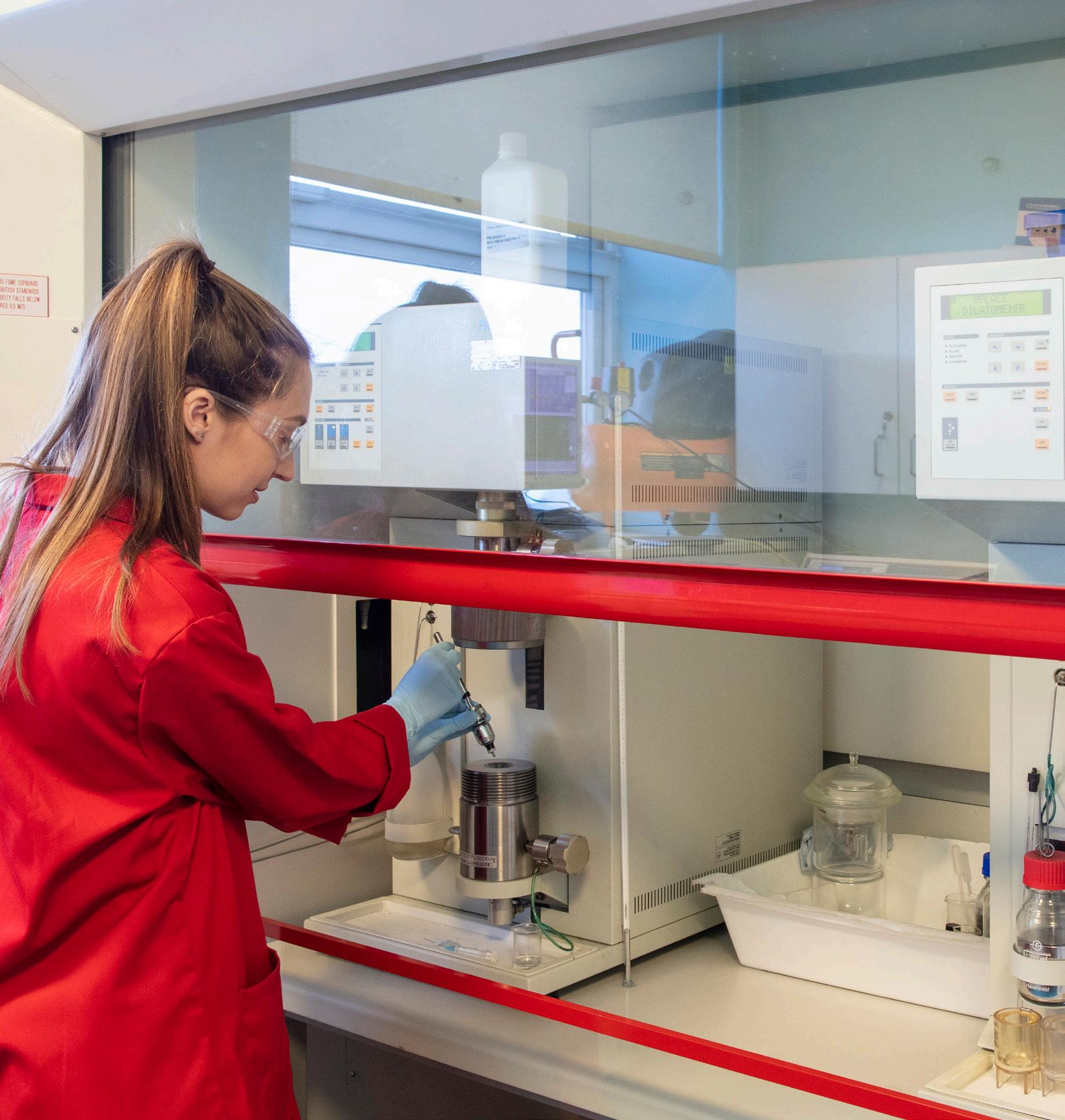
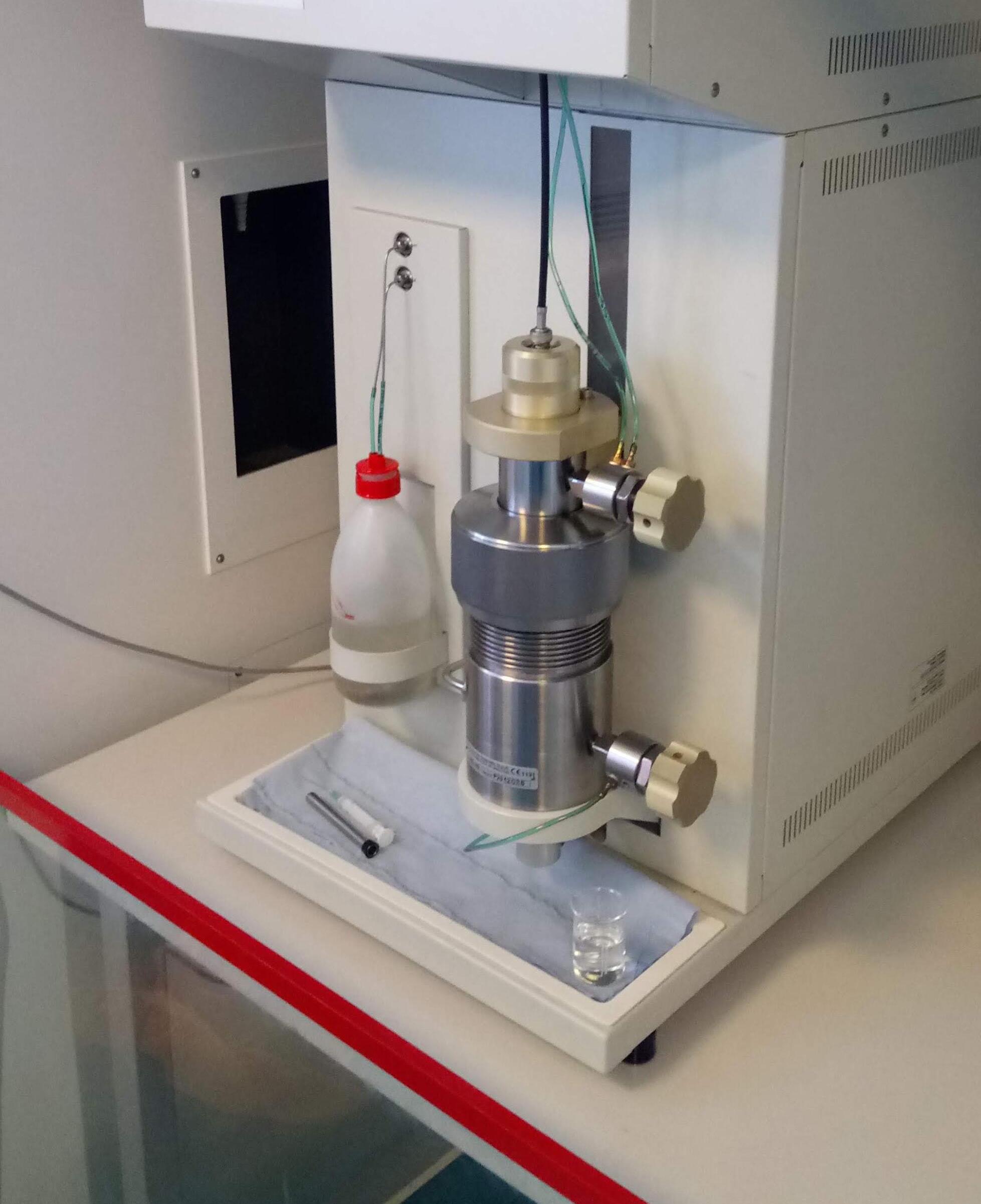
Measuring the volume of an irregularly shaped object can be tricky, especially when it is porous. Our pycnometers measure the volume and density of a sample by the displacement of helium gas or a fine powder. Porosimetry can determine the size of internal pores of materials. These techniques can be used to investigate geological samples, soil or samples of industrial interest. Surface area measurements are performed by measuring the amount of gas molecules adsorbed onto the surface of a solid at different pressures and temperatures. From this, it is possible to gain information about the surface of materials such as catalysts. All these instruments are used in physical chemistry practicals and can be used by students in their final-year research project.
This technique is used to measure gamma ray emitting radioisotopes that occur naturally in the environment or are made in nuclear reactors. Each radioisotope emits gamma radiation at specific wavelengths with the intensity of the emitted radiation being proportional to the amount of radioisotope present. Recent projects have measured the amount of 210Pb in sediment and peat core samples to allow these to be dated and past environments to be reconstructed, while other projects have measured 7Be to track the movement of particles in the environment, and to track the release of uranium and thorium from historical mine sites in our region.
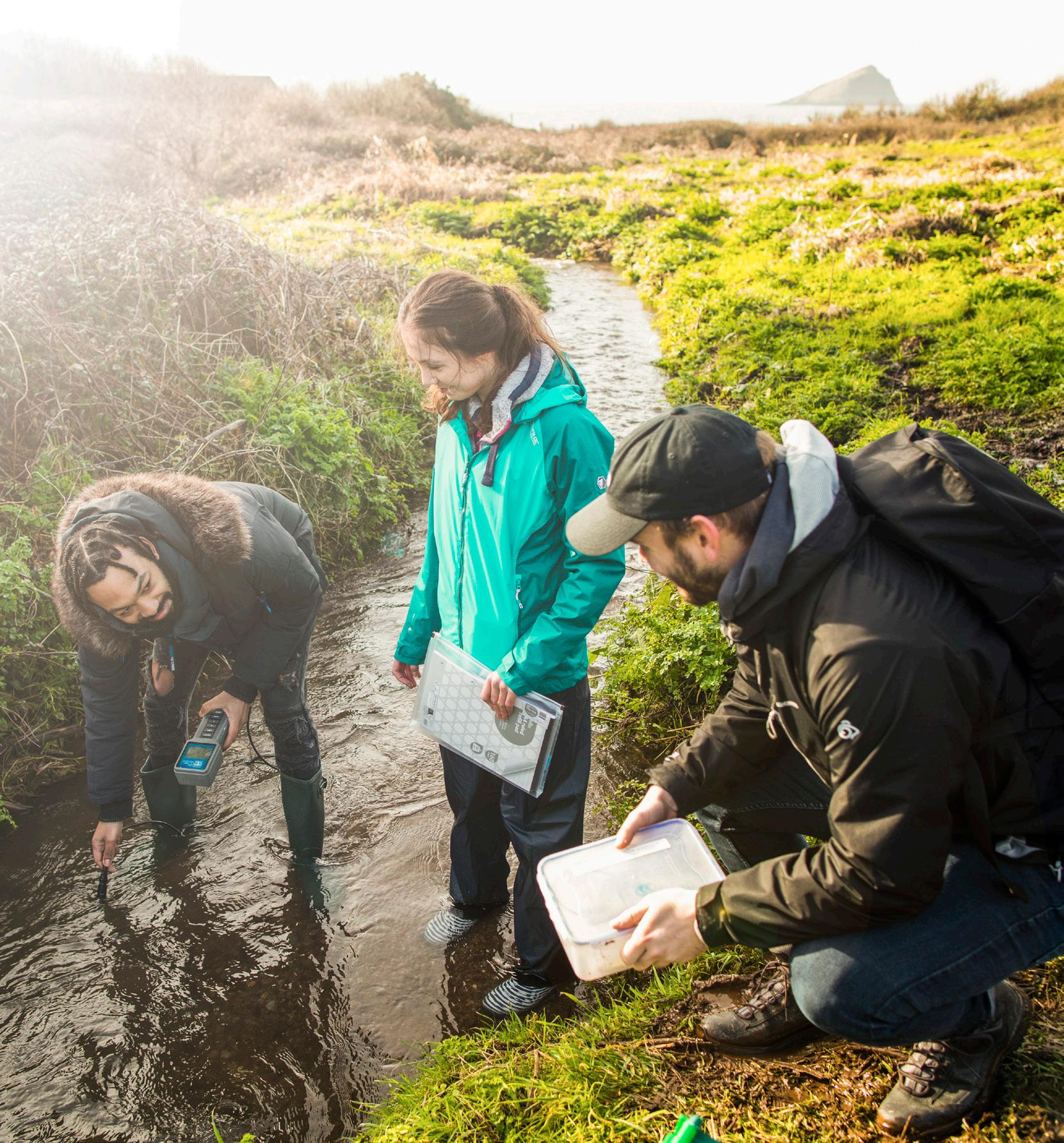
XRF is the emission of characteristic ‘secondary’ (or fluorescent) x-rays from a material which can be used to quantify element concentrations in a sample. Recent final-year projects have investigated contaminated land to understand the transport of terrestrial materials into water courses to improve land management. As well as our laboratory-based instruments, we have a portable handheld XRF instrument so that measurements can be made offsite. You may have seen reports of this recently in the national media, regarding lead contamination in playground equipment.
GAMMA-RAY SPECTROMETRY
CAREER SUPPORT
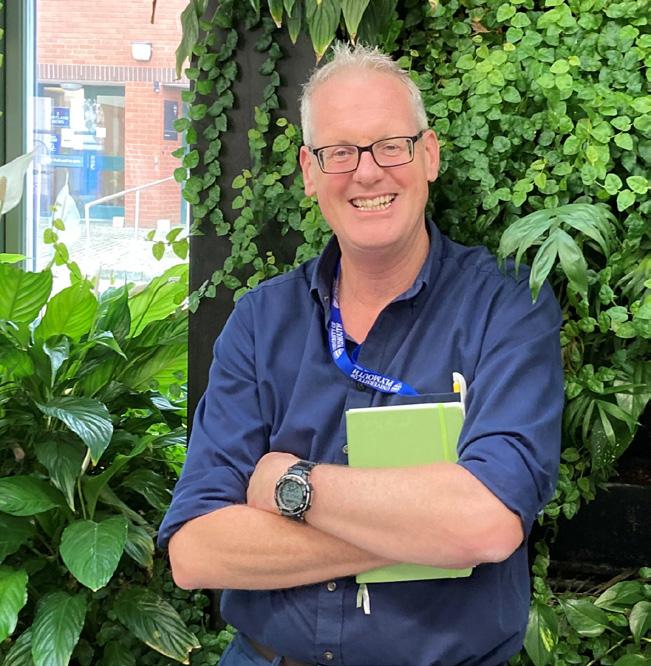
Meet Jon Christie, our Careers and Employability Consultant (STEM specialist). Jon has been working in the university careers sector for over 20 years.
HOW DO YOU SUPPORT THE CAREER PROSPECTS OF OUR STUDENTS?
One of the important parts of my job is to make students aware of the breadth of opportunities that are open to them both during and after they graduate.
THIS IS FACILITATED BY:
•course-based lectures in all three years
•one-to-one appointments in our Careers Hub
•inviting employers and alumni onto campus via careers fairs, employer panels and specific academic activities.
WHAT CAREER SUPPORT SERVICES DOES THE UNIVERSITY OFFER?
The Careers Service offers students one-to-one careers guidance at any point during their studies and even years after graduation. This includes: •support with job hunting, application writing, CVs, networking and interview skills
•on-campus careers fairs
• a paid work placement programme using our extensive industry contacts and an industry mentoring scheme. The latter matches students with a specific industry individual who will meet with them regularly to provide incredibly valuable insights into a specific sector. University of Plymouth alumni who now work for employers who are keen to spot future talent usually host the mentoring scheme.
Our myCareer internet platform hosts an extensive vacancy database of both graduate, placement and parttime opportunities. It allows students to sign up for events such as employer panels, enterprise competitions or mentoring. It also holds a range of highly specialised digital tools such as a CV builder, an interview simulator, online courses and video resources. Access to myCareer is available to our graduates at any time in the future.
HOW DO YOU JUDGE THE JOB PROSPECTS FOR CHEMISTRY GRADUATES?
Excellent – we have a good number of local companies who are very keen to recruit our graduates but also generally, demand for all science graduates is extremely high in a broad variety of sectors. Graduate salaries are also very competitive and for many students doing work placements, it is highly likely that you may well be offered a graduate role with the placement host after completing your final year. This is also reflected by the great willingness of employers seeking to recruit our students by engaging with our curriculum events, recruitment fairs and our online vacancy platform.
GET IN TOUCH! Follow us on , or @uniplymcareers
Contact us or visit our website for more information. careers@plymouth.ac.uk, +44 (0)1752 587456 or plymouth.ac.uk/careers for more information.
Katrina, BSc (Hons) Chemistry
“Near the end of university, I started applying for jobs and had lots of support from the Careers team. I had sessions with the appointed ‘Chemistry Career Professional’ in which she went through my CV and together we improved it and made it more like a scientific CV (as I had never written one like that before). This was really helpful and gave me more confidence when applying to jobs.”
“Studying in Plymouth were some of the best years of my life. The University was very social and had a community feel on campus with lots of sports clubs and societies to be a part of. When I finished my course, I felt that I was ready to go into the world of work with confidence which is an extremely important place to be at the end of university.”
HOW MUCH EMPTY SPACE IS THERE BETWEEN SOLID PARTICLES AND WHY DO WE CARE?
How difficult is it to measure how much space there is between solid particles? Imagine a jar full of glass marbles: in this case you could just pour water in the jar until all the voids between the marbles are filled, and then you could measure the volume of the water you needed. However, as the voids between the particles, which scientists call pores, get smaller and smaller, such as those in soil, paper or limestone, water might not easily penetrate and fill all the pore space. These tricky measurements are Dr Giuliano Maurizio Laudone’s speciality. He is a Lecturer in Physical Chemistry at the University and his research focuses on the study of porous materials and the interactions between solid surfaces and fluids.
WHY LEARN ABOUT EMPTY SPACE?
Porous materials are important in industry and nature: examples are cement used for large scale engineering projects; catalysts used to produce important chemicals (for example pharmaceuticals) more sustainably; filters that are used to stop microplastics from being flushed into the oceans; rocks that can used for carbon capture; and soil, which captures water, and hosts microorganims in porous spaces. Their pores can range from half a millimetre to only fractions of a nanometre in size (about the size of an atom), and they are usually arranged in extremely complex networks. The knowledge of how gases and liquids move inside a porous material and interact with its surface can help us answer some very interesting scientific and engineering questions. It can be
used to establish how efficiently a filter can remove microplastics from water in a water treatment plant. Or it could be used to engineer an optimal coating for paper that would allow for ink to absorb and dry very quickly, so that printing could be sped up.
EXPERIMENTS AND COMPUTER MODELLING
In his research, Dr Laudone uses a combination of state-of-the-art experimental techniques such as mercury intrusion porosimetry, pycnometry, and gas adsorption in his dedicated Environmental and Fluid Modelling Group research laboratories. He also generates computer simulations modelling what happens when molecules of fluids and solids interact (molecular dynamics) and when fluids move inside porous networks (computational fluid dynamics). Dr Laudone teaches the modelling techniques described above, and the fundamental principles underlying them, as part of the
Physical Chemistry syllabus of our BSc (Hons) Chemistry course.
EMPTY SPACE MATTERS
This research is of national importance: nuclear reactors are made of graphite cores, which become more porous with use. EDF Energy, his research partners, need to know exactly how porous they are, to decide when they stop being safe to use. Due to the high demand of this work, the research group has created a spin-off company called PoreXpert Ltd, making use of his uniquely developed software. The group regularly hosts students who contribute to all these exciting research areas during their final dissertation project.
HOW CAN WE USE DESIGNER MATERIALS TO COMBAT CLIMATE CHANGE?
RESEARCH PROFILE: DR. LEE DURNDELL
“Taking inspiration from nature to solve today’s most pressing societal issues”.
CATALYSIS AND FUNCTIONAL NANOMATERIALS:
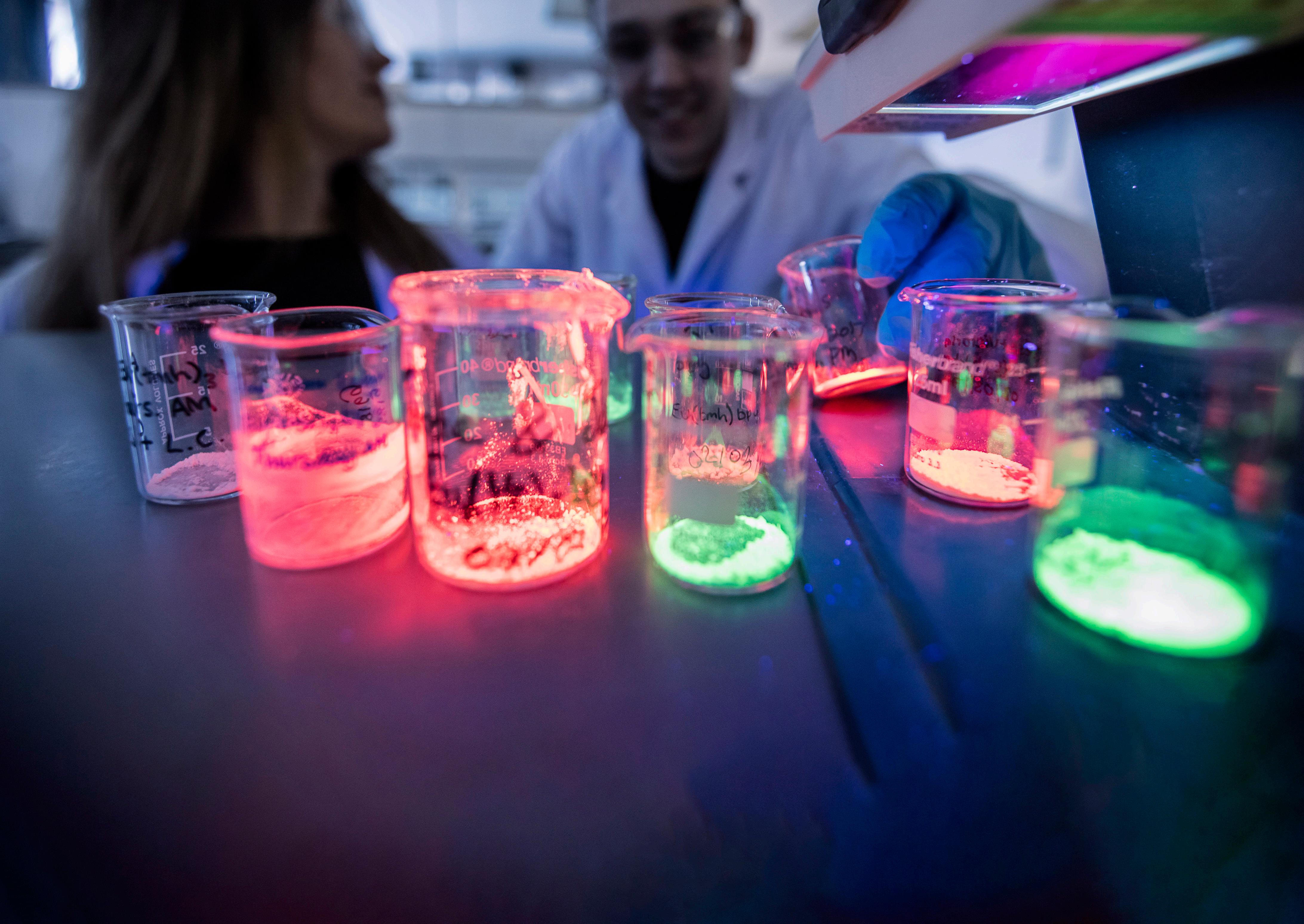
Almost everything in your daily life depends on catalysts without you ever realising it. Catalysts are “molecular machines” working to dramatically speed up chemical reactions, often by providing new, lower energy routes to produce a target chemical or product. Catalysts are the backbone of many industrial processes, turning raw (or often unwanted) materials into useful products. The most famous example of such a material is the catalytic converter, a system responsible for removing harmful waste gases from car exhausts, through a series of
targeted chemical reactions. Even the human body uses them! Many proteins in your body are in fact biological catalysts, or enzymes, responsible for promoting everything from aiding movement,producing energy, to helping digest your food. It is this power and versatility of catalysts, which has resulted in a global industry of $34 billion per year.
THE BEAUTY IN COMPLEXITY:
Future advances in catalyst design are key to realising the global goal of Net Zero emissions of greenhouse gases, such as carbon dioxide, a key tool in controlling (and eventually
reversing) man-made climate change. Many different catalysts have been developed for a whole host of applications and although these materials are extremely efficient and selective, scientific efforts to understand how these systems behave at the atomic scale is very difficult,not only due to the very small scales they work at, but also our inability to control the location of individual active species and components at this level of detail. Building a greater understanding of the chemistry behind reactions and interactions at this scale is critical, informing future design and application. Dr. Lee Durndell, a Lecturer
in Inorganic and Materials Chemistry is a specialist in the synthesis and characterisation of catalysts and related functional nanomaterials.
In this arena, nature truly is the best teacher! Taking inspiration from natural processes, Lee and his research team are looking to replicate the elegant complexity of enzymes, and other naturally occurring structures, to develop new catalyst systems to convert atmospheric carbon dioxide into renewable fuels, and therefore phasing out our historical reliance on oil and gas, and to capture and reform waste plastics
into new products, preventing the unwanted (and harmful) release of microplastics into the environment.
CUTTING-EDGE ANALYSES AT PLYMOUTH:
The analytical instrumentation available to scientists at Plymouth for material analysis and catalyst development is state of the art and has allowed Plymouth to become a world-renowned centre for materials characterisation and catalytic testing. Dr. Durndell teaches the advanced applications of inorganic and materials chemistry to our BSc (Hons) Chemistry students. Due to the
global importance of this work,he is collaborating with scientists nationally and internationally. His group regularly hosts students who work with him to solve some of the field’s most fascinating research questions.
Chemistry LIES AT THE HEART OF OUR MOVE TOWARDS A MORE SUSTAINABLE FUTURE
The global issues we now face require an understanding of how materials interact with one another and the tools to measure these effects. Chemists are in the forefront of providing these data sets and overcoming challenges in recovery, recycling and monitoring technologies.
The 2030 Agenda for Sustainable Development, adopted by all United Nations (UN) Member States in 2015, provides a shared blueprint for peace and prosperity for people and the planet, now and into the future. In total, 17 UN Sustainable Development Goals (SDGs) have been set to help achieve this ambition.
The Chemistry team at the University have been addressing many of these goals since before the SDGs were drafted. Professor Mark Fitzsimons’ work on organic nitrogen has led to papers on the fate of pharmaceuticals in the environment and the chemistry of artificial soils, while part of Dr Simon Ussher’s work on trace metal biogeochemistry focuses on how trace metals affect the uptake of gases (such as carbon dioxide) from the atmosphere in phytoplankton. Other members of staff have research interests in the recycling of elements from batteries, non-invasive technologies for identifying health issues by the analysis exhaled breath, the chemicals that sustain life at extreme ocean depths the analysis of mine waters.
These studies inform the lectures, tutorials and practicals our students receive and hence build skills not only in chemistry, but also in the application of chemistry to solving real-world problems. It’s no surprise that employers value these skills highly as we move towards a more sustainable world.
Dr
Roy Lowry
Centre for Chemical Sciences
CHEM SOC
WHO ARE WE:
ChemSoc is a society here to provide a break from the workload that comes with studying for a degree. Socials are held for, but are not exclusive to, chemists of all ages, whether that be undergraduate or postgraduate level, and also faculty staff, as a way to socialise and have a good time outside of studies.
ChemSoc provides a place for you to hang out with existing friends, meet new ones or begin networking and get to know other people with similar interests to you.
“It’s the best opportunity to get to know your peers, other years and meet the faculty outside of the classroom, staff often attend the pub quiz to test their general knowledge against the students! The standout events are the boat trip, Xmas meal, pH 14, treasure hunt and BBQ.”
Solomon, BSc (Hons) Chemistry
“The ChemSoc is a fun and relaxing way to meet your peers and lecturers outside the labs and classrooms. Within the society, third-year students have the opportunity to create events for all to join; some examples are pub quizzes, ‘chemistree’, and the pH 14 challenge. However, the ChemSoc develops every year with each new team, if you are interested in planning exciting events and adding something new to the society when you reach the third year I highly recommend it.”
Lewis, BSc (Hons) Chemistry, ChemSoc President 2021-2022.
IT’S YOUR FUTURE MAKE IT COUNT
Over 95% of our graduates are in work or further study*